
#willoctcorepceshiftfedhikeexpectations?
willoctcorepceshiftfedhikeexpectations?
Thanksgiving week (Nov 23–27) brings a data blitz: Wednesday at 21:30 Beijing time, the US releases Oct core PCE, the Q3 GDP revision, and jobless claims simultaneously. Consensus sees core PCE accelerating from 3.1% to 3.2% YOY.
Markets just had a brutal week on AI jitters and inflation pressure. If PCE runs hot again, is a December hike a done deal? 👇
Phổ biến
Mới nhất


·
--
Tuần tới: Dữ liệu PCE và GDP công bố vào thứ Tư, thời hạn cấp phép stablecoin sắp đếnBitcoin tăng khoảng 5,34% trong 24 giờ qua, lên mức 60.876,83 USD, vượt trở lại mốc 60.000 USD sau khi giảm về gần ngưỡng 50.000 USD cao hồi đầu tuần.Dưới đây là những dữ liệu kinh tế vĩ mô sẽ được công bố trong tuần này.Thứ Hai: Các chỉ số PMI sơ bộ tháng 11; trước đó, PMI ngành sản xuất ở mức 56 và PMI ngành dịch vụ ở mức 57,9. Ngoài ra, Chủ tịch Fed New York John Williams sẽ có bài phát biểu lúc 4:00 PM ET.Ngoài ra, thời hạn lấy ý kiến của OCC về việc thu thập thông tin phục vụ hồ sơ xin cấp phép cho tổ chức phát hành stablecoin thanh toán theo Đạo luật GENIUS cũng kết thúc. OCC cho biết chỉ bắt đầu nhận hồ sơ sau khi OMB phê duyệt việc thu thập thông tin và cơ quan này thông báo mở nhận hồ sơ. Khung pháp lý rộng hơn của Đạo luật GENIUS có hiệu lực từ ngày 18 tháng 1 năm 2027.
Tuần tới: Dữ liệu PCE và GDP công bố vào thứ Tư, thời hạn cấp phép stablecoin sắp đến
Bitcoin tăng khoảng 5,34% trong 24 giờ qua, lên mức 60.876,83 USD, vượt trở lại mốc 60.000 USD sau khi giảm về gần ngưỡng 50.000 USD cao hồi đầu tuần.Dưới đây là những dữ liệu kinh tế vĩ mô sẽ được công bố trong tuần này.Thứ Hai: Các chỉ số PMI sơ bộ tháng 11; trước đó, PMI ngành sản xuất ở mức 56 và PMI ngành dịch vụ ở mức 57,9. Ngoài ra, Chủ tịch Fed New York John Williams sẽ có bài phát biểu lúc 4:00 PM ET.Ngoài ra, thời hạn lấy ý kiến của OCC về việc thu thập thông tin phục vụ hồ sơ xin cấp phép cho tổ chức phát hành stablecoin thanh toán theo Đạo luật GENIUS cũng kết thúc. OCC cho biết chỉ bắt đầu nhận hồ sơ sau khi OMB phê duyệt việc thu thập thông tin và cơ quan này thông báo mở nhận hồ sơ. Khung pháp lý rộng hơn của Đạo luật GENIUS có hiệu lực từ ngày 18 tháng 1 năm 2027.
Tomas Pforr:
Wednesday is the one that matters for me — core PCE and GDP landing together. A hot core print keeps the December hike fully priced in, and I doubt $60k holds into the holiday with liquidity this thin. A soft print is the only thing that would make me trust the $55k low for now.
83
4
143
19.3k

·
--
Giảm giá
Đã xác minh
#willoctcorepceshiftfedhikeexpectations?
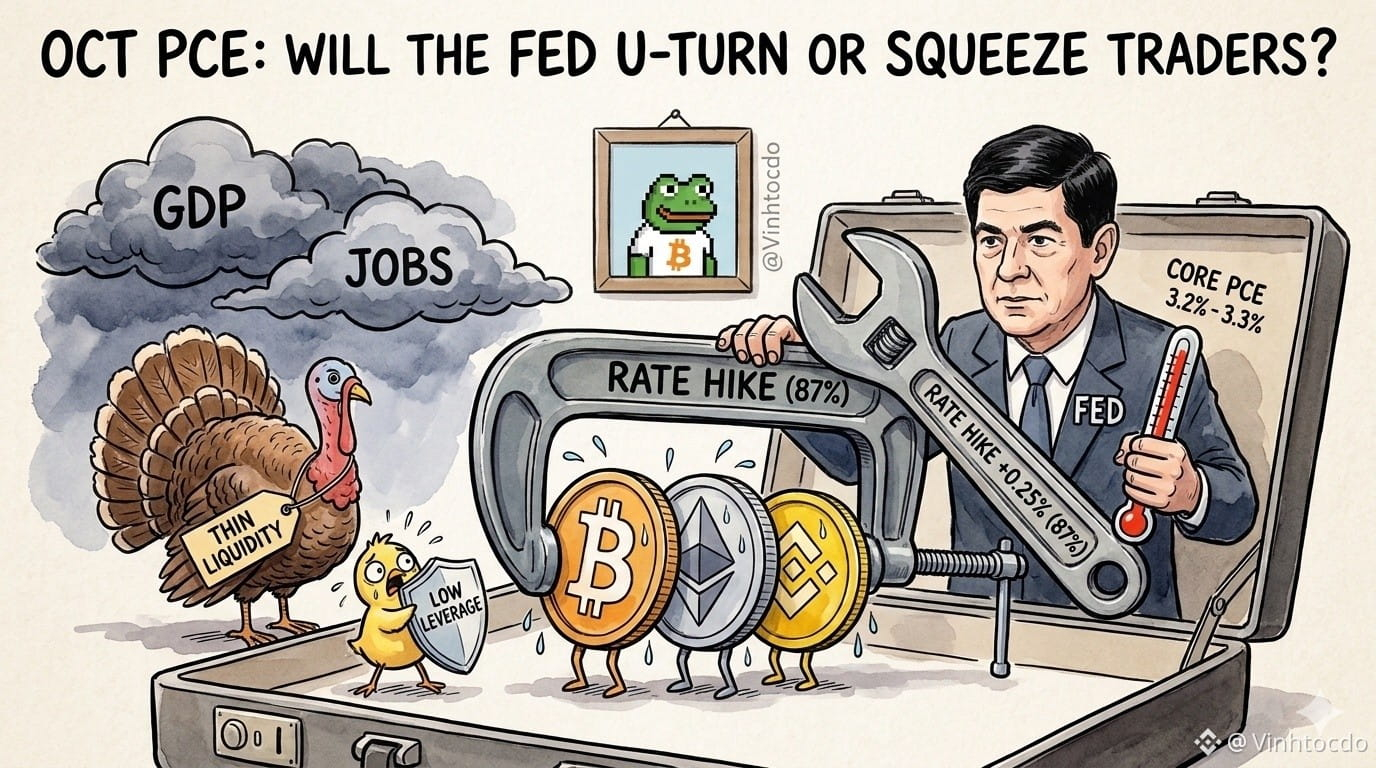
PCE THÁNG 10: FED QUAY XE HAY TIẾP TỤC SIẾT CỔ TRADER?
Anh em đang hóng #willoctcorepceshiftfedhikeexpectations? Thứ Tư (25/11) lúc 13h30 UTC, Mỹ tung chỉ số Core PCE tháng 10 (dự báo tăng tốc lên 3,2%–3,3%), kèm luôn bão tin GDP và thất nghiệp ngay thềm Lễ Tạ Ơn!
Cụ thể thế nào? Dù điều kiện tài chính đã thắt chặt tương đương cú tăng 100 điểm cơ bản khiến chứng khoán lao dốc, Goldman Sachs vẫn chốt kèo Fed sẽ tăng thêm 0,25% vào tháng 12 (xác suất đang chiếm áp đảo ~87%, giữ nguyên chỉ ~13%). Nếu PCE nóng hơn dự báo, cửa tăng sốc 0,5% sẽ sống dậy và nhấn chìm Crypto; ngược lại nếu hạ nhiệt dưới 3,1%, thị trường sẽ có nhịp thở oxy!
Trader làm gì tầm này? Đừng "all-in" đoán mò trước giờ G kẻo thị trường giật râu thanh khoản mỏng dịp lễ. Cứ hạ đòn bẩy, quản lý vốn chặt và đợi tin ra rồi mới vào lệnh cho chắc cốp!
⚠️ Đây không phải lời khuyên tài chính!
👇 Click giao dịch bên dưới để ủng hộ tôi: $BTC
{spot}(BTCUSDT)
$ETH
{spot}(ETHUSDT)
$BLESS
{future}(BLESSUSDT)
#PCE #FedRateHike #CryptoNews #MacroUpdate #VINHTOCDO
#willoctcorepceshiftfedhikeexpectations?
PCE THÁNG 10: FED QUAY XE HAY TIẾP TỤC SIẾT CỔ TRADER?
Anh em đang hóng #willoctcorepceshiftfedhikeexpectations? Thứ Tư (25/11) lúc 13h30 UTC, Mỹ tung chỉ số Core PCE tháng 10 (dự báo tăng tốc lên 3,2%–3,3%), kèm luôn bão tin GDP và thất nghiệp ngay thềm Lễ Tạ Ơn!
Cụ thể thế nào? Dù điều kiện tài chính đã thắt chặt tương đương cú tăng 100 điểm cơ bản khiến chứng khoán lao dốc, Goldman Sachs vẫn chốt kèo Fed sẽ tăng thêm 0,25% vào tháng 12 (xác suất đang chiếm áp đảo ~87%, giữ nguyên chỉ ~13%). Nếu PCE nóng hơn dự báo, cửa tăng sốc 0,5% sẽ sống dậy và nhấn chìm Crypto; ngược lại nếu hạ nhiệt dưới 3,1%, thị trường sẽ có nhịp thở oxy!
Trader làm gì tầm này? Đừng "all-in" đoán mò trước giờ G kẻo thị trường giật râu thanh khoản mỏng dịp lễ. Cứ hạ đòn bẩy, quản lý vốn chặt và đợi tin ra rồi mới vào lệnh cho chắc cốp!
⚠️ Đây không phải lời khuyên tài chính!
👇 Click giao dịch bên dưới để ủng hộ tôi: $BTC
$ETH
$BLESS
#PCE #FedRateHike #CryptoNews #MacroUpdate #VINHTOCDO
2
1k

Bài viết
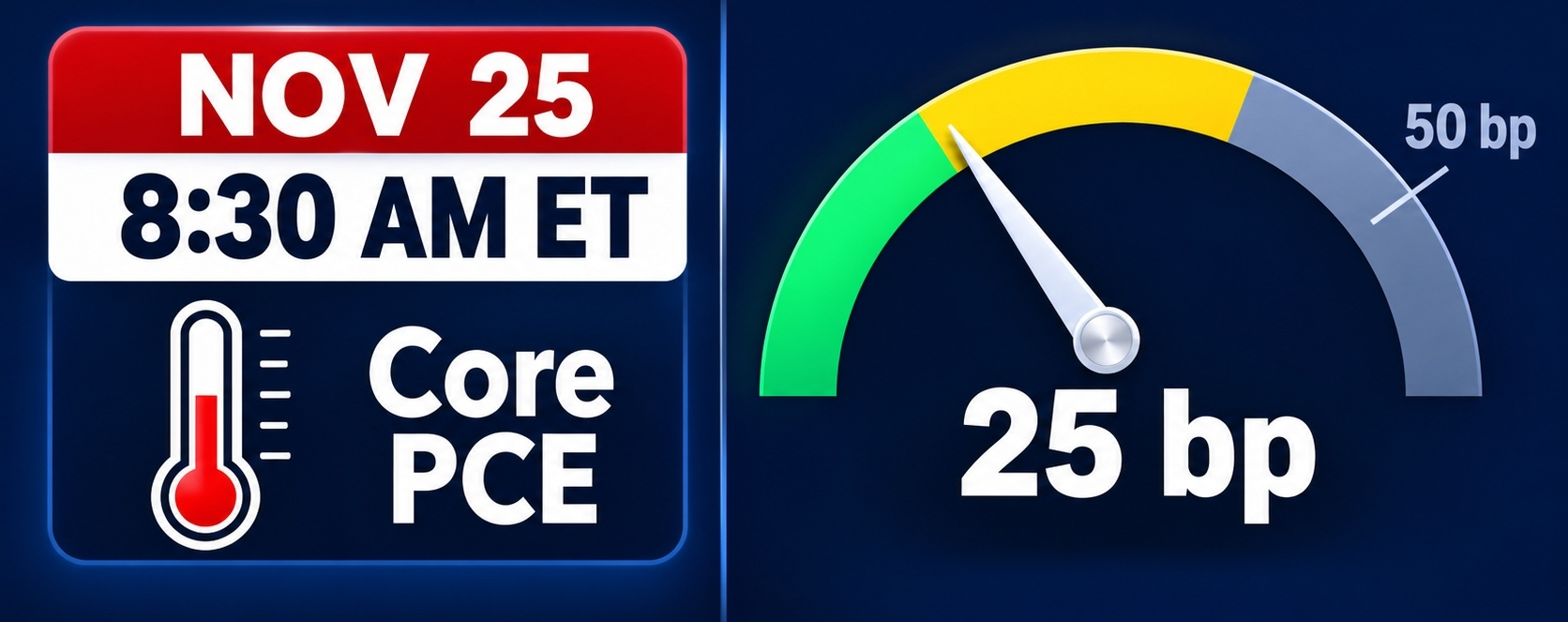
PCE lõi tháng 10 công bố vào thứ Tư: Liệu số liệu này có làm thay đổi khả năng Fed tăng lãi suất vào tháng 12?#willoctcorepceshiftfedhikeexpectations?
Khả năng Fed tăng lãi suất vào tháng 12 đã được thị trường tính vào giá ở mức ~97%, vậy PCE lõi công bố vào thứ Tư có thể làm thay đổi điều gì? 📊
BEA công bố PCE tháng 10 vào ngày 25/11 lúc 8:30 sáng giờ ET
PCE lõi tháng 9 tăng 0,3% so với tháng trước và 3,1% so với cùng kỳ năm trước.
Dự báo hiện tại của Fed Cleveland về PCE lõi tháng 10 là khoảng 0,27% so với tháng trước và 3,21% so với cùng kỳ năm trước (tính đến ngày 20/11). Đây là con số ước tính, không phải số liệu chính thức.
Thị trường đã kỳ vọng điều gì
Theo CME FedWatch (tính đến ngày 20/11), xác suất tăng lãi suất 25 điểm cơ bản tại cuộc họp ngày 8–9/12 là 96,9%, xác suất giữ nguyên là 3,1%, và thị trường không dự đoán động thái tăng 50 điểm cơ bản. Biên độ lãi suất hiện tại là 3,75%–4,00%.
PCE lõi tháng 10 công bố vào thứ Tư: Liệu số liệu này có làm thay đổi khả năng Fed tăng lãi suất vào tháng 12?
#willoctcorepceshiftfedhikeexpectations?
Khả năng Fed tăng lãi suất vào tháng 12 đã được thị trường tính vào giá ở mức ~97%, vậy PCE lõi công bố vào thứ Tư có thể làm thay đổi điều gì? 📊
BEA công bố PCE tháng 10 vào ngày 25/11 lúc 8:30 sáng giờ ET
PCE lõi tháng 9 tăng 0,3% so với tháng trước và 3,1% so với cùng kỳ năm trước.
Dự báo hiện tại của Fed Cleveland về PCE lõi tháng 10 là khoảng 0,27% so với tháng trước và 3,21% so với cùng kỳ năm trước (tính đến ngày 20/11). Đây là con số ước tính, không phải số liệu chính thức.
Thị trường đã kỳ vọng điều gì
Theo CME FedWatch (tính đến ngày 20/11), xác suất tăng lãi suất 25 điểm cơ bản tại cuộc họp ngày 8–9/12 là 96,9%, xác suất giữ nguyên là 3,1%, và thị trường không dự đoán động thái tăng 50 điểm cơ bản. Biên độ lãi suất hiện tại là 3,75%–4,00%.
822

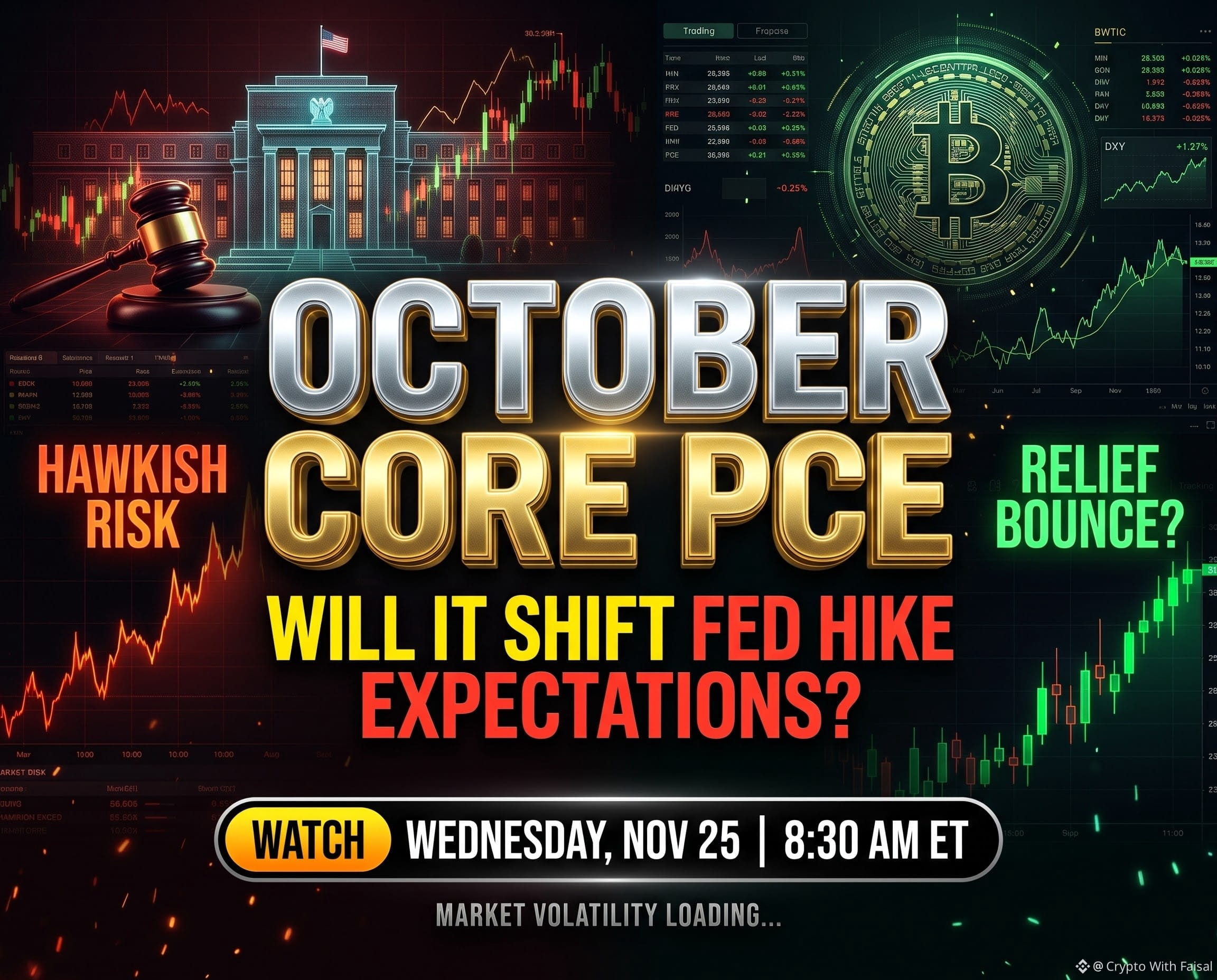
Liệu Core PCE tháng 10 có làm thay đổi kỳ vọng Fed tăng lãi suất? Khi thị trường đã định giá xác suất khoảng 90–95% Fed sẽ tăng 25 điểm cơ bản tại cuộc họp FOMC ngày 8–9 tháng 12, báo cáo công bố vào thứ Tư, ngày 25 tháng 11, sẽ là tác nhân biến động mạnh nhất đối với tiền mã hóa. 📊
Đây là những diễn biến thực tế mà các nhà giao dịch đang theo dõi:
• Mức cơ sở hiện tại: Lãi suất quỹ liên bang ở mức 3.75%–4.00% sau đợt tăng 25 điểm cơ bản trong tháng 9 và quyết định giữ nguyên lãi suất trong tháng 10. Core PCE tháng 9 cao hơn dự kiến, ở mức 3.1% so với cùng kỳ năm trước (+0.3% so với tháng trước).
• Đồng thuận thị trường: Core PCE tháng 10 được dự báo tăng +0.3% so với tháng trước và 3.2% so với cùng kỳ năm trước.
• Rủi ro Fed cứng rắn hơn: Số liệu ở mức 0.4% so với tháng trước trở lên sẽ củng cố lập luận của Thống đốc Waller về một cú tăng lãi suất gây bất ngờ 50 điểm cơ bản, đồng thời xác nhận dự báo của J.P. Morgan về ba đợt tăng liên tiếp đến hết quý 1 năm 2027. Hãy kỳ vọng DXY tăng vọt và Bitcoin chịu áp lực giảm mạnh.
• Tín hiệu giải tỏa: Số liệu thấp, ở mức 0.2% trở xuống, sẽ không ngăn Fed tăng 25 điểm cơ bản trong tháng 12, nhưng sẽ loại bỏ rủi ro đuôi về mức tăng 50 điểm cơ bản và giúp các tài sản rủi ro có thêm dư địa phục hồi sau khi các quỹ ETF ghi nhận dòng vốn rút ra gần đây là $1.78B.
Hãy linh hoạt với đòn bẩy trước khi số liệu được công bố lúc 8:30 AM ET thứ Tư. Bạn đang chuẩn bị cho một bất ngờ theo hướng Fed cứng rắn hơn hay một nhịp phục hồi nhờ tín hiệu giải tỏa? 👇
$BTC $ARIA $BLESS
{future}(BLESSUSDT)
{future}(ARIAUSDT)
{future}(BTCUSDT)
#willoctcorepceshiftfedhikeexpectations?
#FOMC #MacroCrypto #Bitcoin
Liệu Core PCE tháng 10 có làm thay đổi kỳ vọng Fed tăng lãi suất? Khi thị trường đã định giá xác suất khoảng 90–95% Fed sẽ tăng 25 điểm cơ bản tại cuộc họp FOMC ngày 8–9 tháng 12, báo cáo công bố vào thứ Tư, ngày 25 tháng 11, sẽ là tác nhân biến động mạnh nhất đối với tiền mã hóa. 📊
Đây là những diễn biến thực tế mà các nhà giao dịch đang theo dõi:
• Mức cơ sở hiện tại: Lãi suất quỹ liên bang ở mức 3.75%–4.00% sau đợt tăng 25 điểm cơ bản trong tháng 9 và quyết định giữ nguyên lãi suất trong tháng 10. Core PCE tháng 9 cao hơn dự kiến, ở mức 3.1% so với cùng kỳ năm trước (+0.3% so với tháng trước).
• Đồng thuận thị trường: Core PCE tháng 10 được dự báo tăng +0.3% so với tháng trước và 3.2% so với cùng kỳ năm trước.
• Rủi ro Fed cứng rắn hơn: Số liệu ở mức 0.4% so với tháng trước trở lên sẽ củng cố lập luận của Thống đốc Waller về một cú tăng lãi suất gây bất ngờ 50 điểm cơ bản, đồng thời xác nhận dự báo của J.P. Morgan về ba đợt tăng liên tiếp đến hết quý 1 năm 2027. Hãy kỳ vọng DXY tăng vọt và Bitcoin chịu áp lực giảm mạnh.
• Tín hiệu giải tỏa: Số liệu thấp, ở mức 0.2% trở xuống, sẽ không ngăn Fed tăng 25 điểm cơ bản trong tháng 12, nhưng sẽ loại bỏ rủi ro đuôi về mức tăng 50 điểm cơ bản và giúp các tài sản rủi ro có thêm dư địa phục hồi sau khi các quỹ ETF ghi nhận dòng vốn rút ra gần đây là $1.78B.
Hãy linh hoạt với đòn bẩy trước khi số liệu được công bố lúc 8:30 AM ET thứ Tư. Bạn đang chuẩn bị cho một bất ngờ theo hướng Fed cứng rắn hơn hay một nhịp phục hồi nhờ tín hiệu giải tỏa? 👇
$BTC $ARIA $BLESS
#willoctcorepceshiftfedhikeexpectations?
#FOMC #MacroCrypto #Bitcoin
1
2.8k

·
--
Giảm giá
#willoctcorepceshiftfedhikeexpectations?
PCE THÁNG 10: FED SẼ NỚI LỎNG HAY TIẾP TỤC GÂY ÁP LỰC CHO NHÀ GIAO DỊCH? 🚨
Có lẽ mọi người đang chờ đợi con số lớn này.
Vào thứ Tư (25/11) lúc 12:30 UTC, tức 19:30 GMT+7, Mỹ sẽ công bố chỉ số PCE lõi tháng 10. Dự báo ở mức 3,2% đến 3,3%. Cùng ngày, dữ liệu GDP và thất nghiệp cũng sẽ được công bố, ngay trước Tuần lễ nghỉ lễ.
Triển vọng ra sao? Dù các điều kiện tài chính đã thắt chặt, giống như sau một đợt tăng lãi suất 100 điểm, và chứng khoán đang giảm, Goldman Sachs vẫn cho rằng Fed sẽ tăng lãi suất thêm 0,25% vào tháng 12. Xác suất tăng lãi suất là khoảng 87%, chỉ khoảng 13% là giữ nguyên.
Nếu PCE cao hơn dự kiến, khả năng tăng mạnh 0,5% sẽ quay trở lại và có thể khiến thị trường Crypto lao dốc. Nhưng nếu lạm phát giảm xuống dưới 3,1%, thị trường sẽ có thêm chút không gian để thở.
🛡️Người học nên làm gì? Đừng đặt cược tất tay theo phỏng đoán trước thời điểm quan trọng này. Thanh khoản mỏng trong kỳ nghỉ lễ có thể khiến bạn bị quét khỏi thị trường. Hãy giảm đòn bẩy, quản lý tiền cẩn thận và chờ dữ liệu được công bố.
Nói thật nhé, bạn nghĩ PCE sẽ cao hay giảm? Bình luận bên dưới 👇
📚 Nội dung này chỉ nhằm mục đích học tập và chia sẻ. Đây không phải lời khuyên tài chính. Tôi không giao dịch.
$BTC - Đang chờ dữ liệu PCE, con số này có thể khiến thị trường biến động nhanh.
$ETH - Sẽ biến động theo BTC khi có tin từ Fed, hãy theo dõi sát.
$BLESS - Biến động rất nhanh theo tin vĩ mô, hãy đặc biệt cẩn trọng.
✨ 𝐅𝐀𝐑𝐙𝐀𝐍𝐀 𝐇𝐀𝐌𝐄𝐄𝐃 𝐎𝐅𝐅𝐈𝐂𝐈𝐀𝐋 • 🦋
#PCE #FedRateHike #CryptoNews #OctPCEFedHike #MacroUpdate
{future}(BTCUSDT)
{future}(ETHUSDT)
{future}(BLESSUSDT)
#willoctcorepceshiftfedhikeexpectations?
PCE THÁNG 10: FED SẼ NỚI LỎNG HAY TIẾP TỤC GÂY ÁP LỰC CHO NHÀ GIAO DỊCH? 🚨
Có lẽ mọi người đang chờ đợi con số lớn này.
Vào thứ Tư (25/11) lúc 12:30 UTC, tức 19:30 GMT+7, Mỹ sẽ công bố chỉ số PCE lõi tháng 10. Dự báo ở mức 3,2% đến 3,3%. Cùng ngày, dữ liệu GDP và thất nghiệp cũng sẽ được công bố, ngay trước Tuần lễ nghỉ lễ.
Triển vọng ra sao? Dù các điều kiện tài chính đã thắt chặt, giống như sau một đợt tăng lãi suất 100 điểm, và chứng khoán đang giảm, Goldman Sachs vẫn cho rằng Fed sẽ tăng lãi suất thêm 0,25% vào tháng 12. Xác suất tăng lãi suất là khoảng 87%, chỉ khoảng 13% là giữ nguyên.
Nếu PCE cao hơn dự kiến, khả năng tăng mạnh 0,5% sẽ quay trở lại và có thể khiến thị trường Crypto lao dốc. Nhưng nếu lạm phát giảm xuống dưới 3,1%, thị trường sẽ có thêm chút không gian để thở.
🛡️Người học nên làm gì? Đừng đặt cược tất tay theo phỏng đoán trước thời điểm quan trọng này. Thanh khoản mỏng trong kỳ nghỉ lễ có thể khiến bạn bị quét khỏi thị trường. Hãy giảm đòn bẩy, quản lý tiền cẩn thận và chờ dữ liệu được công bố.
Nói thật nhé, bạn nghĩ PCE sẽ cao hay giảm? Bình luận bên dưới 👇
📚 Nội dung này chỉ nhằm mục đích học tập và chia sẻ. Đây không phải lời khuyên tài chính. Tôi không giao dịch.
$BTC - Đang chờ dữ liệu PCE, con số này có thể khiến thị trường biến động nhanh.
$ETH - Sẽ biến động theo BTC khi có tin từ Fed, hãy theo dõi sát.
$BLESS - Biến động rất nhanh theo tin vĩ mô, hãy đặc biệt cẩn trọng.
✨ 𝐅𝐀𝐑𝐙𝐀𝐍𝐀 𝐇𝐀𝐌𝐄𝐄𝐃 𝐎𝐅𝐅𝐈𝐂𝐈𝐀𝐋 • 🦋
#PCE #FedRateHike #CryptoNews #OctPCEFedHike #MacroUpdate

Wolf of Kayi:
Leaning in-line at 0.3% — the nowcasts point there, and that keeps a 25bp hike as the base case while the 50bp talk fades. A 0.4% print is the real risk for BTC holding $60K, though. Do you think the market reacts to the number itself, or to the Fed's tone after it?
1
2
310

·
--

Bài viết
Xem bản dịch
BITCOIN FACES A FED SHOCK: ONE INFLATION REPORT COULD CHANGE THE MARKET DIRECTIONBitcoin traders are approaching a critical macroeconomic event.
On November 25, the US will release October's Core PCE inflation data, one of the Federal Reserve's most important inflation indicators.
And the timing couldn't be more interesting.
The Fed has resumed raising interest rates, inflation remains stubbornly high, and markets are increasingly preparing for further monetary tightening.
Here's why this report matters.
1. The Fed's hawkish shift
The federal funds rate currently stands at 3.75%–4.00%, following September's 25-basis-point increase and October's pause.
But policymakers aren't comfortable yet.
Fed Governor Christopher Waller has raised the possibility of a 50-basis-point increase if inflation remains elevated. Meanwhile, JPMorgan expects three consecutive rate hikes beginning in December.
These are forecasts and policy proposals, not guaranteed decisions. However, they reveal how significantly the monetary policy outlook has changed.
2. Three possible PCE outcomes
September's Core PCE stood at 3.1% YoY and 0.3% MoM. October's consensus expectation is approximately 3.2% YoY and 0.3% MoM.
Here's what traders should watch:
- Hot reading (0.4%+ MoM): Could strengthen expectations of aggressive Fed tightening, supporting the dollar and putting additional pressure on Bitcoin.
- Expected reading (0.3%): Keeps inflation concerns alive and reinforces the possibility of another December hike.
- Cool reading (0.2% or lower): Could ease rate concerns and create a relief rally across risk assets.
3. Why Bitcoin is particularly vulnerable
Higher interest rates generally make speculative investments less attractive by tightening financial conditions.
Bitcoin also faces another concern: US spot Bitcoin ETFs recently recorded approximately $1.79 billion in weekly net outflows.
That's a significant withdrawal of institutional demand.
If persistent inflation, rising Treasury yields and continued ETF outflows happen simultaneously, Bitcoin could face considerable selling pressure.
However, a cooler inflation reading could reverse some of that sentiment.
My take: Watch beyond December
I believe the bigger story isn't simply whether the Fed raises rates in December.
It's whether inflation forces the Fed to maintain a tightening cycle into 2027.
The market has already priced in substantial expectations of another rate increase. What could really move Bitcoin is a change in expectations for the months ahead.
My focus is on three indicators:
1. October Core PCE.
2. US Treasury yields and the dollar.
3. Bitcoin ETF flows.
If inflation surprises to the upside, I'd be cautious with leveraged longs. If inflation cools, Bitcoin could get some breathing room.
November 25 could be an important turning point for crypto markets.
Are we heading toward another Bitcoin correction, or is the market already pricing in the Fed's hawkish outlook?
{spot}(BTCUSDT)
{spot}(ETHUSDT)
#WillOctCorePCEShiftFedHikeExpectations?
BITCOIN FACES A FED SHOCK: ONE INFLATION REPORT COULD CHANGE THE MARKET DIRECTION
Bitcoin traders are approaching a critical macroeconomic event.
On November 25, the US will release October's Core PCE inflation data, one of the Federal Reserve's most important inflation indicators.
And the timing couldn't be more interesting.
The Fed has resumed raising interest rates, inflation remains stubbornly high, and markets are increasingly preparing for further monetary tightening.
Here's why this report matters.
1. The Fed's hawkish shift
The federal funds rate currently stands at 3.75%–4.00%, following September's 25-basis-point increase and October's pause.
But policymakers aren't comfortable yet.
Fed Governor Christopher Waller has raised the possibility of a 50-basis-point increase if inflation remains elevated. Meanwhile, JPMorgan expects three consecutive rate hikes beginning in December.
These are forecasts and policy proposals, not guaranteed decisions. However, they reveal how significantly the monetary policy outlook has changed.
2. Three possible PCE outcomes
September's Core PCE stood at 3.1% YoY and 0.3% MoM. October's consensus expectation is approximately 3.2% YoY and 0.3% MoM.
Here's what traders should watch:
- Hot reading (0.4%+ MoM): Could strengthen expectations of aggressive Fed tightening, supporting the dollar and putting additional pressure on Bitcoin.
- Expected reading (0.3%): Keeps inflation concerns alive and reinforces the possibility of another December hike.
- Cool reading (0.2% or lower): Could ease rate concerns and create a relief rally across risk assets.
3. Why Bitcoin is particularly vulnerable
Higher interest rates generally make speculative investments less attractive by tightening financial conditions.
Bitcoin also faces another concern: US spot Bitcoin ETFs recently recorded approximately $1.79 billion in weekly net outflows.
That's a significant withdrawal of institutional demand.
If persistent inflation, rising Treasury yields and continued ETF outflows happen simultaneously, Bitcoin could face considerable selling pressure.
However, a cooler inflation reading could reverse some of that sentiment.
My take: Watch beyond December
I believe the bigger story isn't simply whether the Fed raises rates in December.
It's whether inflation forces the Fed to maintain a tightening cycle into 2027.
The market has already priced in substantial expectations of another rate increase. What could really move Bitcoin is a change in expectations for the months ahead.
My focus is on three indicators:
1. October Core PCE.
2. US Treasury yields and the dollar.
3. Bitcoin ETF flows.
If inflation surprises to the upside, I'd be cautious with leveraged longs. If inflation cools, Bitcoin could get some breathing room.
November 25 could be an important turning point for crypto markets.
Are we heading toward another Bitcoin correction, or is the market already pricing in the Fed's hawkish outlook?
#WillOctCorePCEShiftFedHikeExpectations?
1
17

#WillOctCorePCEShiftFedHikeExpectations?
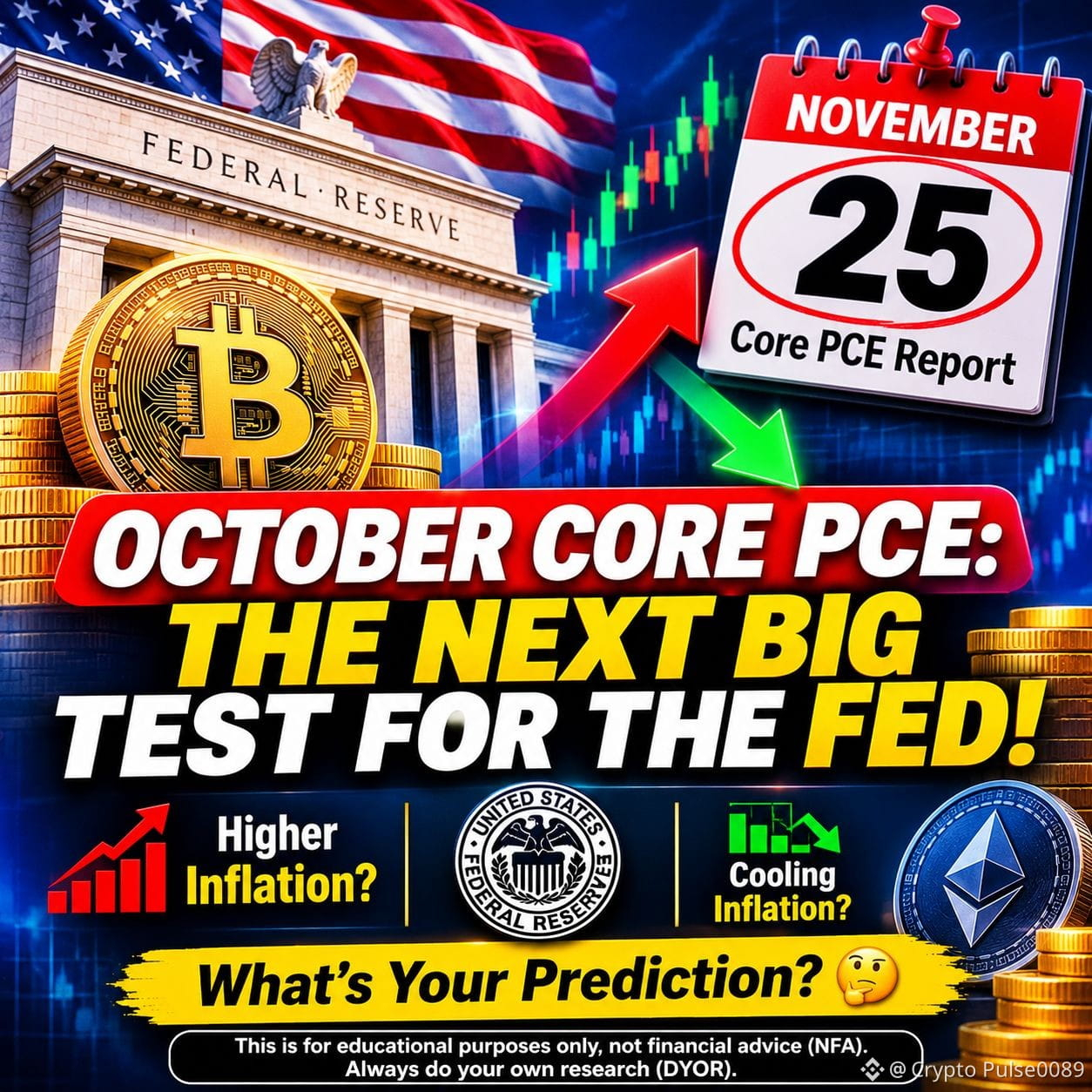
🚨 PCE CỐT LÕI THÁNG 10: THỬ THÁCH LỚN TIẾP THEO ĐỐI VỚI FED! 📊
Mọi sự chú ý đang đổ dồn vào báo cáo lạm phát PCE tháng 10 sắp tới của Mỹ, dự kiến công bố vào ngày 25 tháng 11.
Chỉ số Chi tiêu Tiêu dùng Cá nhân (PCE) là thước đo lạm phát được Cục Dự trữ Liên bang Mỹ (Fed) ưu tiên sử dụng.
🔥 Tại sao điều này quan trọng?
- Lạm phát cao hơn có thể củng cố kỳ vọng Fed sẽ tăng lãi suất thêm một lần nữa.
- Lạm phát hạ nhiệt có thể giảm áp lực lên chính sách tiền tệ.
- Bitcoin, Ethereum và các altcoin có thể phản ứng trước những thay đổi trong kỳ vọng về lãi suất.
📈 Thị trường đang chờ đợi một câu trả lời quan trọng: Lạm phát đang hạ nhiệt hay lại nóng lên?
Bạn nghĩ báo cáo PCE sắp tới sẽ có lợi hay bất lợi cho Bitcoin? 👀
#Bitcoin #BTC #Ethereum #ETH #CorePCE #FederalReserve #CryptoNews
Nội dung này chỉ nhằm mục đích giáo dục, không phải lời khuyên tài chính (NFA). Hãy luôn tự nghiên cứu (DYOR).
$BTC $ARIA $BLESS
#macro #FOMC #WillOctCorePCEShiftFedHikeExpectations?
12

·
--
#WillOctCorePCEShiftFedHikeExpectations?
📊 #LiệuPCElõiTháng10CóThayĐổiKỳVọngFedTăngLãiSuất?
Báo cáo PCE lõi tháng 10 của Mỹ vào thứ Tư đang đến gần—đây là thước đo lạm phát được Cục Dự trữ Liên bang ưu tiên theo dõi—khiến các nhà giao dịch vĩ mô và thị trường tiền mã hóa chuẩn bị đón biến động trước kỳ nghỉ Lễ Tạ ơn, thời điểm hoạt động thị trường chậm lại.
Đồng thuận thị trường: Các nhà kinh tế dự đoán PCE lõi tháng 10 sẽ nhích từ 3.1% lên 3.2% so với cùng kỳ năm trước (+0.3% so với tháng trước), trong khi PCE tổng thể được dự báo ở mức gần 3.8% so với cùng kỳ năm trước—cao hơn đáng kể so với mục tiêu 2% của Fed.
Định giá hiện tại của thị trường về Fed: Sau biên bản cuộc họp FOMC tháng 10—trong đó một số quan chức cảnh báo lạm phát dai dẳng và áp lực giá cả do AI thúc đẩy có thể buộc Fed phải thắt chặt chính sách hơn nữa—thị trường hiện đã tính đến xác suất khoảng 97% Fed sẽ tăng lãi suất 25 điểm cơ bản tại cuộc họp tháng 12 (từ biên độ hiện tại 3.75%–4.00%).
#Fed
#BinanceSquareTalks
#CryptoMarkets
#bitcoin
15

·
--
#WillOctCorePCEShiftFedHikeExpectations?
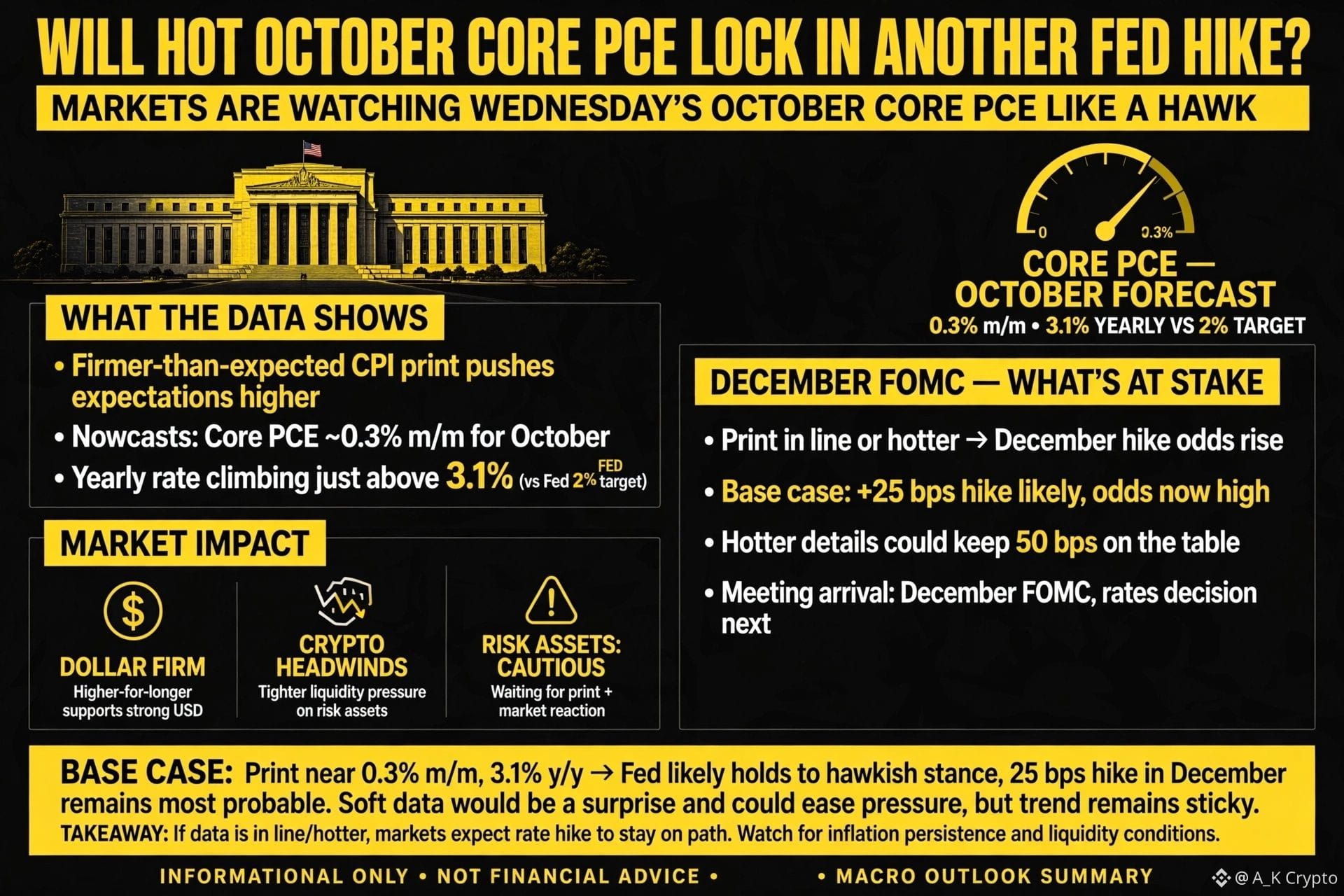
Liệu Core PCE tháng 10 nóng hơn dự kiến có chốt thêm một đợt tăng lãi suất của Fed?
Thị trường đang theo dõi sát sao số liệu Core PCE tháng 10 vào thứ Tư. Sau khi chỉ số CPI cao hơn dự kiến, phần lớn các dự báo hiện tại cho rằng Core PCE sẽ tăng khoảng 0,3% so với tháng trước và tỷ lệ hằng năm nhích lên trên 3,1%. Mức này vẫn cao hơn nhiều so với mục tiêu 2% của Fed, đồng thời được công bố ngay trước cuộc họp FOMC tháng 12.
Nhận định của tôi: Nếu số liệu đúng như dự đoán hoặc cao hơn kỳ vọng, khả năng Fed tăng lãi suất vào tháng 12 gần như chắc chắn sẽ vẫn ở mức cao — có lẽ sẽ chốt mức tăng ít nhất 25 điểm cơ bản, đồng thời vẫn để ngỏ khả năng thảo luận về mức tăng 50 điểm cơ bản nếu các chi tiết cho thấy lạm phát dai dẳng. Số liệu thấp sẽ là bất ngờ thực sự và có thể giảm bớt áp lực, nhưng xu hướng gần đây không cho thấy điều đó. Với tiền mã hóa, lãi suất duy trì ở mức cao thường tạo thêm lực cản trong ngắn hạn khi thanh khoản vẫn thắt chặt và đồng đô la vẫn mạnh. Tôi sẽ thận trọng với các tài sản rủi ro cho đến khi có số liệu thực tế và phản ứng của thị trường. Dự đoán cơ bản của bạn về số liệu này và bước đi tiếp theo của Fed là gì?
#CorePCE #Fed #Macro #Crypto
35

·
--
Tăng giá
#willoctcorepceshiftfedhikeexpectations?
Báo cáo Core PCE tháng 10 có làm thay đổi kỳ vọng Fed tăng lãi suất?
Phố Wall đang chuẩn bị cho một phép thử lạm phát quan trọng khi báo cáo Core PCE tháng 10 sắp được công bố. Trong bối cảnh thị trường đang theo dõi động thái tiếp theo của Cục Dự trữ Liên bang Mỹ (Fed), dữ liệu này có thể ảnh hưởng đến kỳ vọng về một đợt tăng lãi suất nữa.
Core PCE là một trong những thước đo lạm phát được Fed ưa chuộng, nên đặc biệt quan trọng với các nhà đầu tư theo dõi chính sách tiền tệ.
Cần theo dõi điều gì?
Core PCE: Số liệu cao hơn dự kiến có thể củng cố kỳ vọng về chính sách tiền tệ thắt chặt hơn.
Xu hướng lạm phát: Áp lực giá dai dẳng có thể khiến Fed tiếp tục tập trung vào việc kiểm soát lạm phát.
Lãi suất: Kỳ vọng lãi suất cao hơn có thể gây áp lực lên cổ phiếu và tiền mã hóa.
Phản ứng của thị trường: Bitcoin, Nasdaq, vàng và lợi suất trái phiếu có thể biến động mạnh sau khi báo cáo được công bố.
Vì sao điều này quan trọng với tiền mã hóa?
Khi thị trường kỳ vọng lãi suất cao hơn, các nhà đầu tư có thể thận trọng hơn với những tài sản rủi ro. Điều này có thể làm giảm nhu cầu đối với tiền mã hóa và cổ phiếu công nghệ.
Tuy nhiên, số liệu lạm phát thấp hơn dự kiến có thể giảm bớt phần nào áp lực và hỗ trợ đà phục hồi trong ngắn hạn.
Triển vọng thị trường: Điều quan trọng không chỉ là con số được công bố, mà còn là Core PCE cao hay thấp hơn dự báo. Trước khi đưa ra quyết định, nhà giao dịch nên theo dõi số liệu thực tế, phản ứng của thị trường và bình luận từ Fed.
Một báo cáo lạm phát có thể định hình lại câu chuyện của thị trường — nhưng liệu nó sẽ giúp thị trường nhẹ nhõm hay khiến áp lực gia tăng trở lại?
#CorePCE #FederalReserve #CryptoMarket $BTC
22
#WillOctCorePCEShiftFedHikeExpectations?
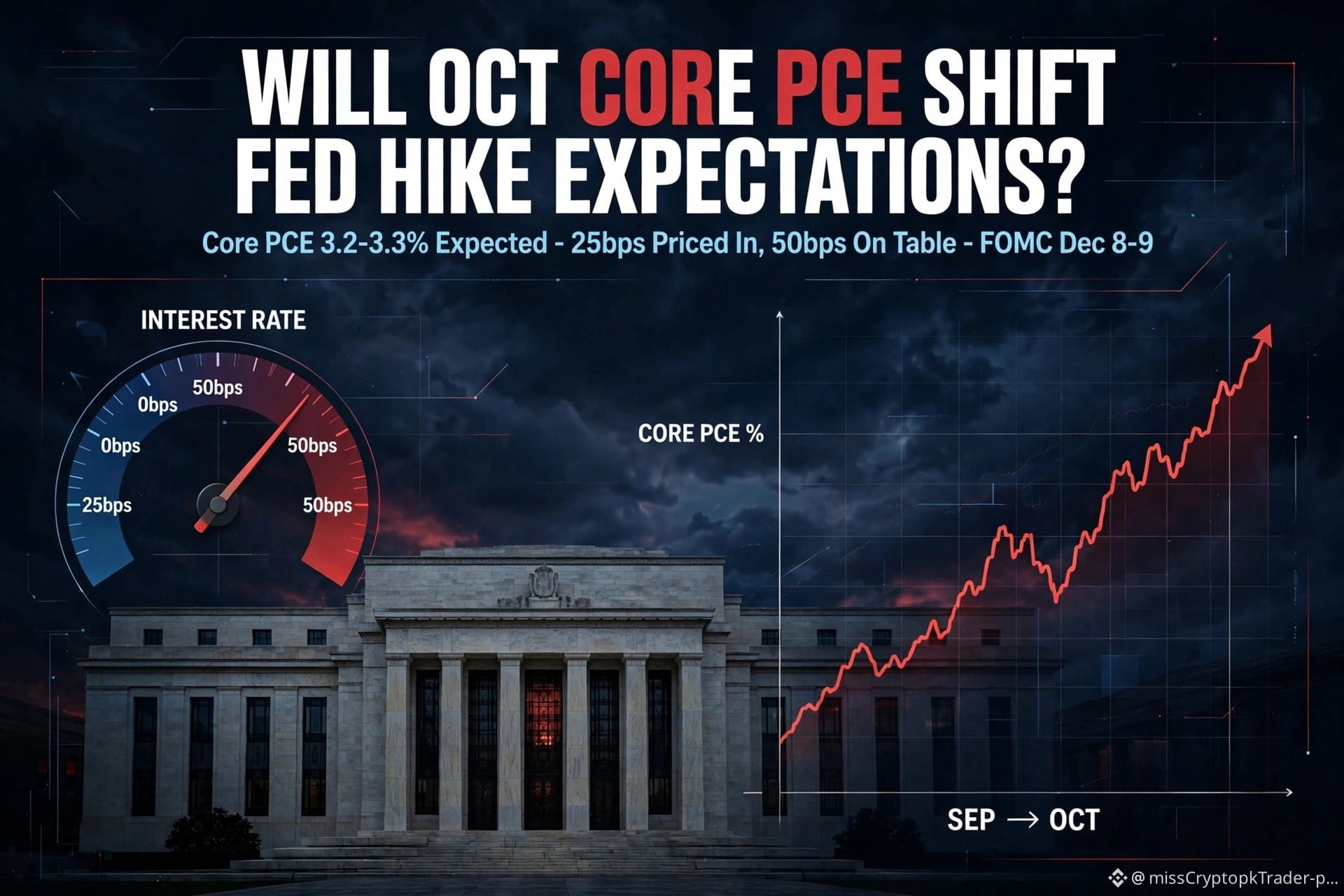
🔴 CORE PCE THÁNG 10 CÓ LÀM THAY ĐỔI KỲ VỌNG TĂNG LÃI SUẤT CỦA FED KHÔNG?
Báo cáo quan trọng nhất trước cuộc họp FOMC tháng 12!
📅 Thứ Tư, 25 tháng 11 | 6:30 tối PKT
📊 Core PCE dự kiến: 3.2-3.3% so với cùng kỳ năm trước (tháng 9: 3.1%)
🎯 Mục tiêu của Fed: 2.0% — vẫn còn rất xa!
💡 Tăng 25 điểm cơ bản: thị trường đã định giá gần 100%!
⚠️ Tăng 50 điểm cơ bản: khả năng ~10% — Waller nói nên cân nhắc nếu Core PCE tăng từ 0.3% trở lên!
3 kịch bản:
🟢 Hạ nhiệt ở mức 0.2% = tăng giá!
🟡 Đúng dự kiến ở mức 0.3% = chắc chắn tăng 25 điểm cơ bản!
🔴 Nóng ở mức 0.4% = lo ngại tăng 50 điểm cơ bản + bán tháo!
BTC khoảng 55 nghìn USD, đã chịu áp lực!
25 hay 50 điểm cơ bản? 👇
25 điểm cơ bản 🟢 50 điểm cơ bản 🔴
#PCE #Fed #FOMC #Inflation
$BTC $ETH $SPX
98

·
--
Bài viết
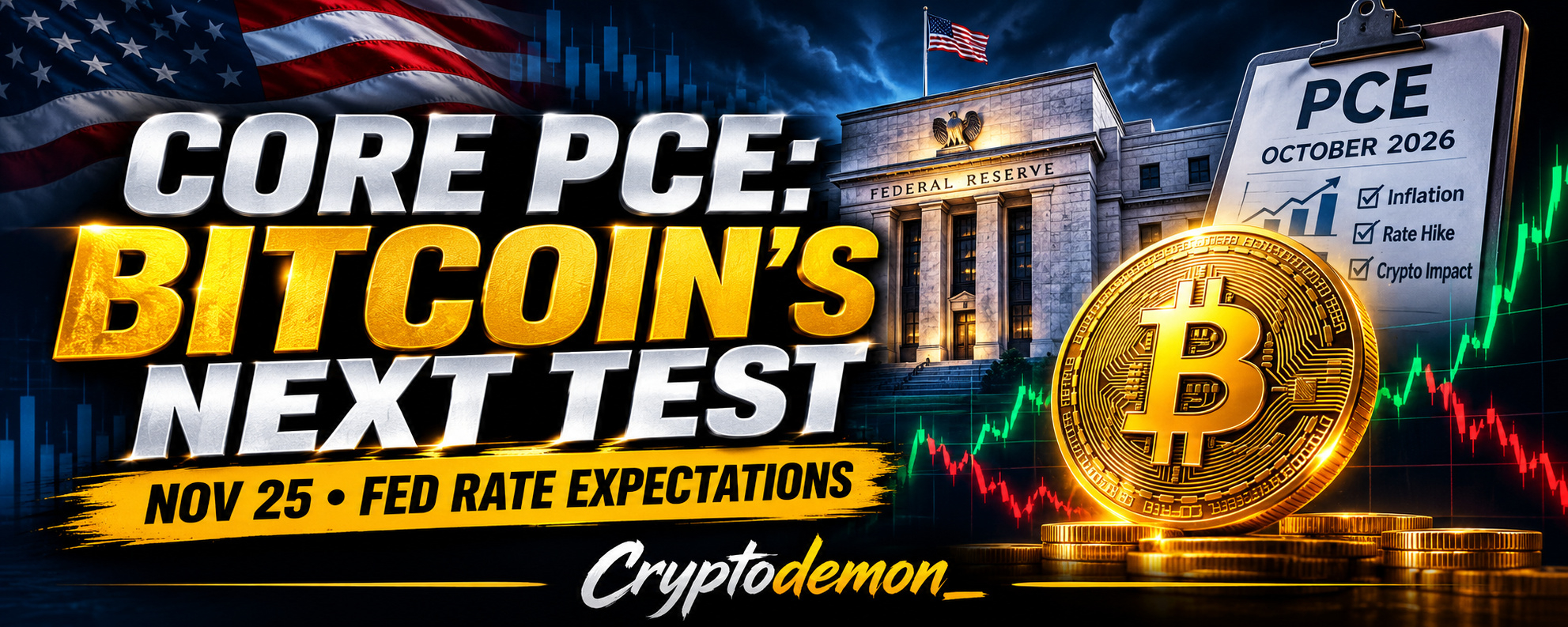
🔥 PCE LÕI THÁNG 10: PHÉP THỬ BITCOIN NGÀY 25 THÁNG 11!🔥 PHÉP THỬ $PCE: Ngày 25 tháng 11 có kích hoạt biến động lớn tiếp theo của Bitcoin?
Một báo cáo lạm phát. Một quyết định của Cục Dự trữ Liên bang Mỹ sắp tới. Và một thị trường tiền mã hóa không thể làm ngơ trước các con số.
Tạm gác những ồn ào sang một bên. Ngày 25 tháng 11, Phố Wall sẽ có thêm một manh mối quan trọng về hướng đi sắp tới của chính sách tiền tệ Mỹ — và các nhà giao dịch Bitcoin sẽ theo dõi sát sao.
Tâm điểm là PCE lõi tháng 10, thước đo lạm phát cơ bản được Cục Dự trữ Liên bang Mỹ ưa chuộng.
Nhưng đây mới là câu hỏi thực sự: Liệu lạm phát có hạ nhiệt đủ để giảm áp lực lên Fed, hay một chỉ số dai dẳng khác sẽ khiến thị trường tài chính tiếp tục đứng ngồi không yên?
🔥 PCE LÕI THÁNG 10: PHÉP THỬ BITCOIN NGÀY 25 THÁNG 11!
🔥 PHÉP THỬ $PCE: Ngày 25 tháng 11 có kích hoạt biến động lớn tiếp theo của Bitcoin?
Một báo cáo lạm phát. Một quyết định của Cục Dự trữ Liên bang Mỹ sắp tới. Và một thị trường tiền mã hóa không thể làm ngơ trước các con số.
Tạm gác những ồn ào sang một bên. Ngày 25 tháng 11, Phố Wall sẽ có thêm một manh mối quan trọng về hướng đi sắp tới của chính sách tiền tệ Mỹ — và các nhà giao dịch Bitcoin sẽ theo dõi sát sao.
Tâm điểm là PCE lõi tháng 10, thước đo lạm phát cơ bản được Cục Dự trữ Liên bang Mỹ ưa chuộng.
Nhưng đây mới là câu hỏi thực sự: Liệu lạm phát có hạ nhiệt đủ để giảm áp lực lên Fed, hay một chỉ số dai dẳng khác sẽ khiến thị trường tài chính tiếp tục đứng ngồi không yên?
1
49

·
--
#WillOctCorePCEShiftFedHikeExpectations?
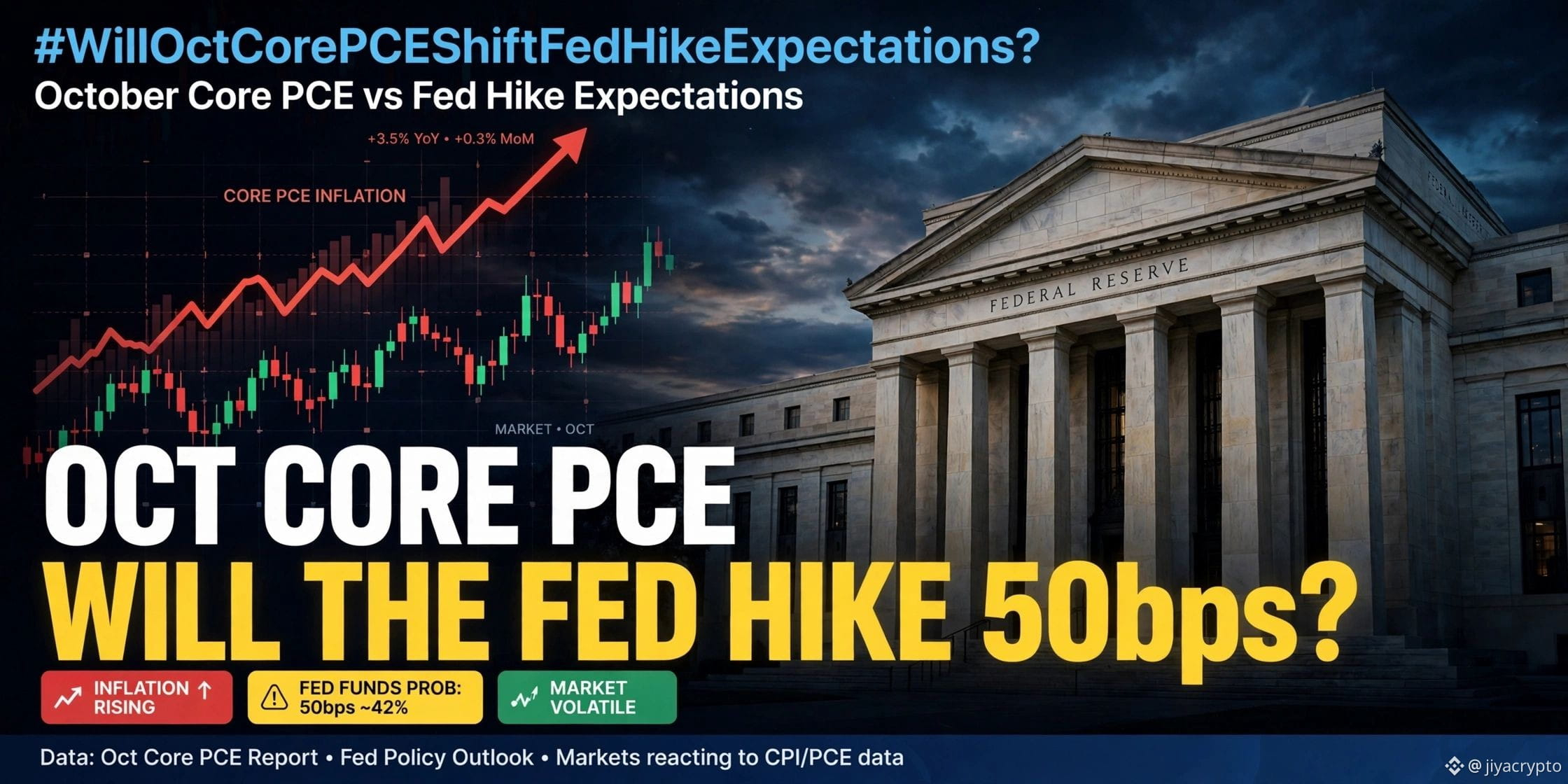
Mọi sự chú ý đổ dồn vào thứ Tư 👀
PCE lõi tháng 10 được dự đoán ở mức 0,3% so với tháng trước, đẩy mức tăng so với cùng kỳ năm trước lên 3,2% - 3,3%, từ mức 3,1% — vẫn cao hơn nhiều so với mục tiêu 2% của Fed.
Thống đốc Fed Waller đã nói rằng: nếu PCE lõi tăng ở mức 0,3% trở lên, cần cân nhắc tăng lãi suất 50 điểm cơ bản vào tháng 12.
Thị trường hiện tại: khả năng tăng 25 điểm cơ bản gần như đã được tính hết vào giá, nhưng mức tăng 50 điểm cơ bản vẫn chưa bị loại trừ.
Số liệu nóng = Fed cứng rắn = Gây áp lực lên $BTC $ETH & cổ phiếu
Số liệu mát = Đợt phục hồi nhẹ nhõm
Bạn cược thế nào? Nóng hay mát? 👇
#PCE #Fed #FOMC #Crypto #Bitcoin
124
·
--
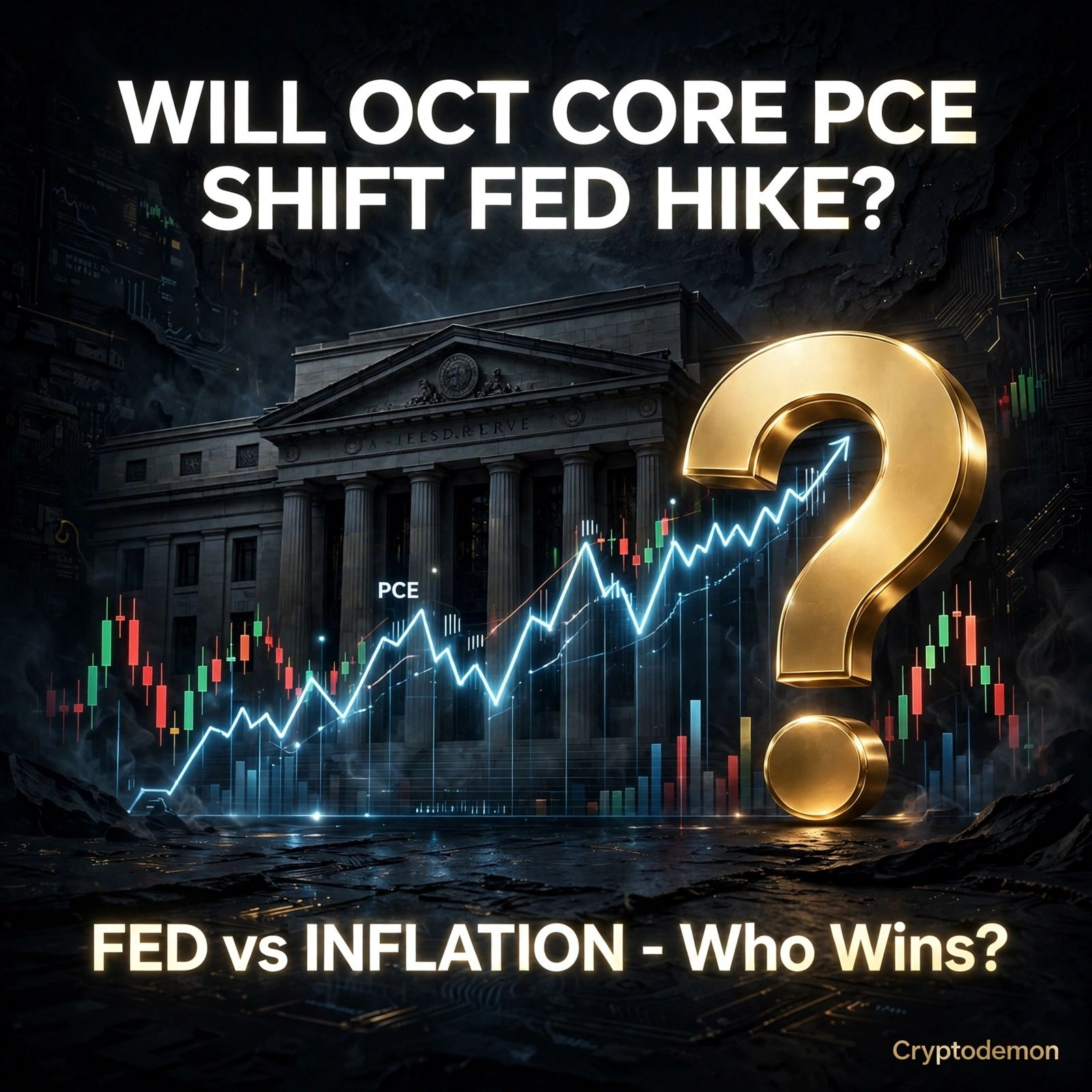
🔥 PCE lõi tháng 10 có làm thay đổi kỳ vọng Fed tăng lãi suất? | FED vs LẠM PHÁT - Ai sẽ thắng? 📊
👀 Hãy lắng nghe thật kỹ, chỉ một con số này cũng có thể làm thay đổi toàn bộ thị trường...
Mọi người đều đang theo dõi PCE lõi tháng 10. Tại sao? Vì đây là chỉ số lạm phát ƯA THÍCH NHẤT của FED. 💯
Không phải CPI. Không phải PPI. Mà là PCE.
Và FED sẽ dựa vào dữ liệu NÀY để đưa ra quyết định tiếp theo.
Để tôi giải thích thật đơn giản nhé 👇
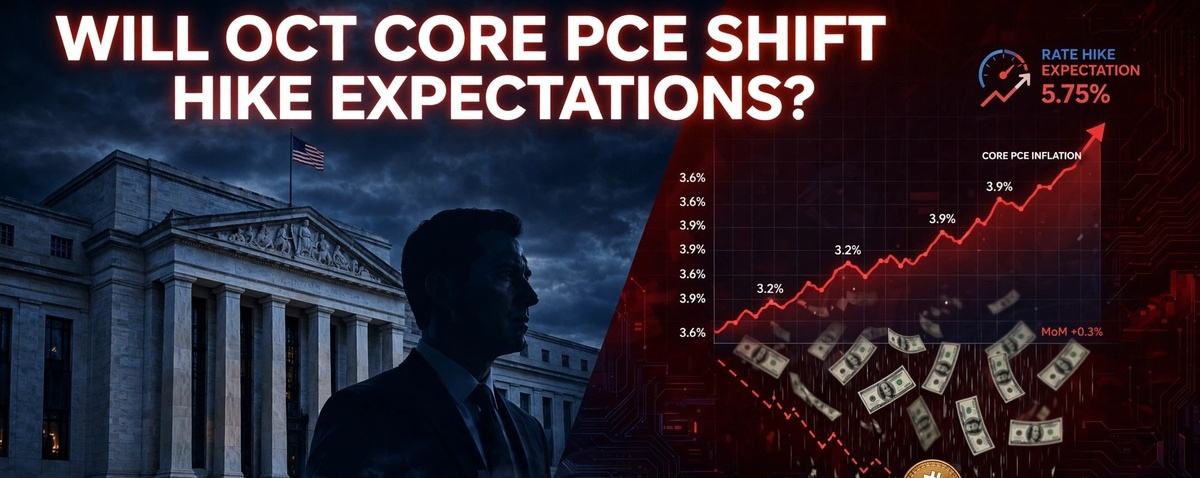
📌 3 KỊCH BẢN - Điều Gì Sẽ Xảy Ra Tiếp Theo?
1️⃣ Nếu PCE lõi CAO 🔴
Lạm phát vẫn chưa biến mất.
FED sẽ chuyển sang lập trường CỨNG RẮN.
Hy vọng GIẢM lãi suất sẽ TIÊU TAN.
👉 BTC, ETH, altcoin = Lao dốc mạnh + USD TĂNG
2️⃣ Nếu PCE lõi THẤP 🟢
Lạm phát đang hạ nhiệt.
FED sẽ chuyển sang lập trường MỀM MỎNG.
Cánh cửa GIẢM lãi suất sẽ MỞ RA.
👉 BTC, ETH, altcoin = TĂNG MẠNH + Kỳ vọng mùa altcoin
3️⃣ Nếu PCE lõi ĐÚNG NHƯ DỰ KIẾN 🟡
Thị trường sẽ tiếp tục hoang mang.
Các nhà đầu tư lớn sẽ chờ đợi.
👉 Đi ngang + Bẫy tăng rồi giảm giả
🧠 Góc Nhìn Thật Lòng Của Tôi Với Tư Cách Cryptodemon:
Thị trường KHÔNG sợ con số này. Thị trường sợ PHẢN ỨNG của FED.
Một báo cáo lạm phát cao = FED nói: "Chúng tôi sẽ giữ lãi suất CAO HƠN trong THỜI GIAN DÀI HƠN"
Một báo cáo lạm phát thấp = FED nói: "Chúng ta đang tiến gần hơn đến việc giảm lãi suất"
Và trong thị trường crypto, chỉ MỘT CÂU của FED cũng có thể làm dịch chuyển 100 tỷ USD trong 10 phút. 🤯
⚠️ CẢNH BÁO NHÀ GIAO DỊCH:
Đừng giao dịch mù quáng trước khi có PCE.
Đừng dùng đòn bẩy trước tin tức.
Đừng FOMO sau tin tức.
Chờ nến ĐÓNG. Dòng tiền thông minh luôn săn các lệnh thanh lý trước tiên.
💬 Giờ hãy nói thật với tôi...
BẠN nghĩ sao?
A) PCE sẽ CAO - Thị trường LAO DỐC 🔴
B) PCE sẽ THẤP - Thị trường TĂNG MẠNH 🟢
C) PCE sẽ KHÔNG ĐỔI - Không có biến động lớn 🟡
Bình luận A / B / C - Tôi sẽ trả lời tất cả mọi người ❤️🔥
Theo dõi @Cryptodemon để cập nhật tin tức thật, không thổi phồng giả tạo. 😈
#WillOctCorePCEShiftFedHikeExpectations? #WillMarketsStageAThanksgivingReliefRally? #BessentSoftensStanceOnHuang’sNvidiaReturn #EvolveAtBinanceBlockchainWeek #MuskWarnsOfAICashCrunch
⚖️ NFA - Đây là quan điểm cá nhân của tôi, hãy tự nghiên cứu.
2
37

·
--
Bài viết
🔥 CORE PCE THÁNG 10 CÓ LÀM THAY ĐỔI KỲ VỌNG TĂNG LÃI SUẤT CỦA FED KHÔNG? 🔥#WillOctCorePCEShiftFedHikeExpectations?🔥 CORE PCE THÁNG 10 CÓ LÀM THAY ĐỔI KỲ VỌNG TĂNG LÃI SUẤT CỦA FED KHÔNG? 🔥
Thứ Tư tuần này KHÔNG phải ngày công bố dữ liệu bình thường. Đây là NGÀY dữ liệu sẽ quyết định tháng 12.
Chỉ số lạm phát ưa thích của Fed — Core PCE — sẽ được công bố vào thứ Tư, ngày 25 tháng 11. Và nó có thể thay đổi mọi thứ.
Core PCE là gì? Tại sao Fed lại quan tâm đến nó đến vậy?
PCE = Chi tiêu tiêu dùng cá nhân. Core PCE không bao gồm thực phẩm và năng lượng.
Fed đặt mục tiêu lạm phát 2% dựa trên PCE, chứ không phải CPI. Core PCE cho thấy xu hướng cơ bản THỰC SỰ.
Nếu Core PCE tăng nóng → Fed BUỘC PHẢI tăng lãi suất. Nếu chỉ số này hạ nhiệt → Fed có thể hành động chậm lại.
🔥 CORE PCE THÁNG 10 CÓ LÀM THAY ĐỔI KỲ VỌNG TĂNG LÃI SUẤT CỦA FED KHÔNG? 🔥
#WillOctCorePCEShiftFedHikeExpectations?🔥 CORE PCE THÁNG 10 CÓ LÀM THAY ĐỔI KỲ VỌNG TĂNG LÃI SUẤT CỦA FED KHÔNG? 🔥
Thứ Tư tuần này KHÔNG phải ngày công bố dữ liệu bình thường. Đây là NGÀY dữ liệu sẽ quyết định tháng 12.
Chỉ số lạm phát ưa thích của Fed — Core PCE — sẽ được công bố vào thứ Tư, ngày 25 tháng 11. Và nó có thể thay đổi mọi thứ.
Core PCE là gì? Tại sao Fed lại quan tâm đến nó đến vậy?
PCE = Chi tiêu tiêu dùng cá nhân. Core PCE không bao gồm thực phẩm và năng lượng.
Fed đặt mục tiêu lạm phát 2% dựa trên PCE, chứ không phải CPI. Core PCE cho thấy xu hướng cơ bản THỰC SỰ.
Nếu Core PCE tăng nóng → Fed BUỘC PHẢI tăng lãi suất. Nếu chỉ số này hạ nhiệt → Fed có thể hành động chậm lại.
76
·
--
#WillOctCorePCEShiftFedHikeExpectations? ⚡
Liệu PCE lõi tháng 10 có thúc đẩy Fed tăng lãi suất thêm một lần nữa? 🇺🇸
Thứ Tư có thể là một phép thử lớn đối với thị trường tài chính.
Các nhà đầu tư đang theo dõi báo cáo Chi tiêu tiêu dùng cá nhân (PCE) tháng 10 của Mỹ — thước đo lạm phát mà Cục Dự trữ Liên bang đặc biệt quan tâm.
Dưới đây là lý do khiến báo cáo này quan trọng:
📌 PCE lõi trước đó: tăng 3,1% so với cùng kỳ năm trước trong tháng 9.
📌 Dự báo tháng 10: tăng khoảng 3,2% so với cùng kỳ năm trước, với mức tăng 0,3% so với tháng trước, theo các ước tính hiện tại.
📌 Chính sách của Fed: Lãi suất hiện ở mức 3,75%–4,00%.
📌 Triển vọng tháng 12: Thị trường đang đặt cược mạnh vào một đợt tăng thêm 25 điểm cơ bản, dù các ước tính khác nhau tùy theo nguồn tin thị trường.
Ba phản ứng thị trường có thể xảy ra:
🔥 Lạm phát nóng hơn: Có thể củng cố lập luận về chính sách tiền tệ thắt chặt hơn, hỗ trợ đồng đô la nhưng gây áp lực lên các tài sản rủi ro.
🟡 Lạm phát đúng như dự báo: Có thể khiến triển vọng tăng lãi suất hiện tại hầu như không thay đổi.
🟢 Lạm phát hạ nhiệt: Có thể thách thức quan điểm cứng rắn và phần nào giúp Bitcoin, Ethereum cùng cổ phiếu giảm áp lực.
Quan điểm của tôi: Con số tổng thể không thể kể hết câu chuyện. Lạm phát lõi, đà biến động hằng tháng và những chi tiết đằng sau mức tăng giá mới là điều đáng chú ý.
Các nhà giao dịch Bitcoin nên theo dõi đồng đô la Mỹ và lợi suất trái phiếu Kho bạc cùng với báo cáo PCE. Một điểm dữ liệu đơn lẻ không đảm bảo thị trường sẽ đảo chiều.
👀 Dự đoán của bạn:
PCE lõi tháng 10 sẽ CAO 🔥 hay HẠ NHIỆT 🧊?
Và Fed có tăng lãi suất thêm một lần nữa vào tháng 12 không?
Cùng xem cộng đồng nghĩ gì nhé.
Hãy theo dõi để cập nhật thêm
— Cryptodemon_
#WillMarketsStageAThanksgivingReliefRally? #BessentSoftensStanceOnHuang’sNvidiaReturn #EvolveAtBinanceBlockchainWeek #BTC

2
26

·
--
#willoctcorepceshiftfedhikeexpectations?
Đúng vậy, dữ liệu PCE lõi tháng 10 được công bố vào thứ Tư, ngày 25 tháng 11 🗓️ 📊 có thể ảnh hưởng trực tiếp đến mức tăng lãi suất tại cuộc họp ngày 8-9 tháng 12 của Fed 🏦 và lộ trình năm 2027 🗺️.
Thị trường đã định giá mức tăng 25 điểm cơ bản 🔼 (xác suất khoảng 90% 🎯), nên trọng tâm chính sẽ là liệu mức tăng mạnh 50 điểm cơ bản 🚀🔥 có được đưa ra thảo luận hay không.
📊 Tình hình hiện tại 🔭
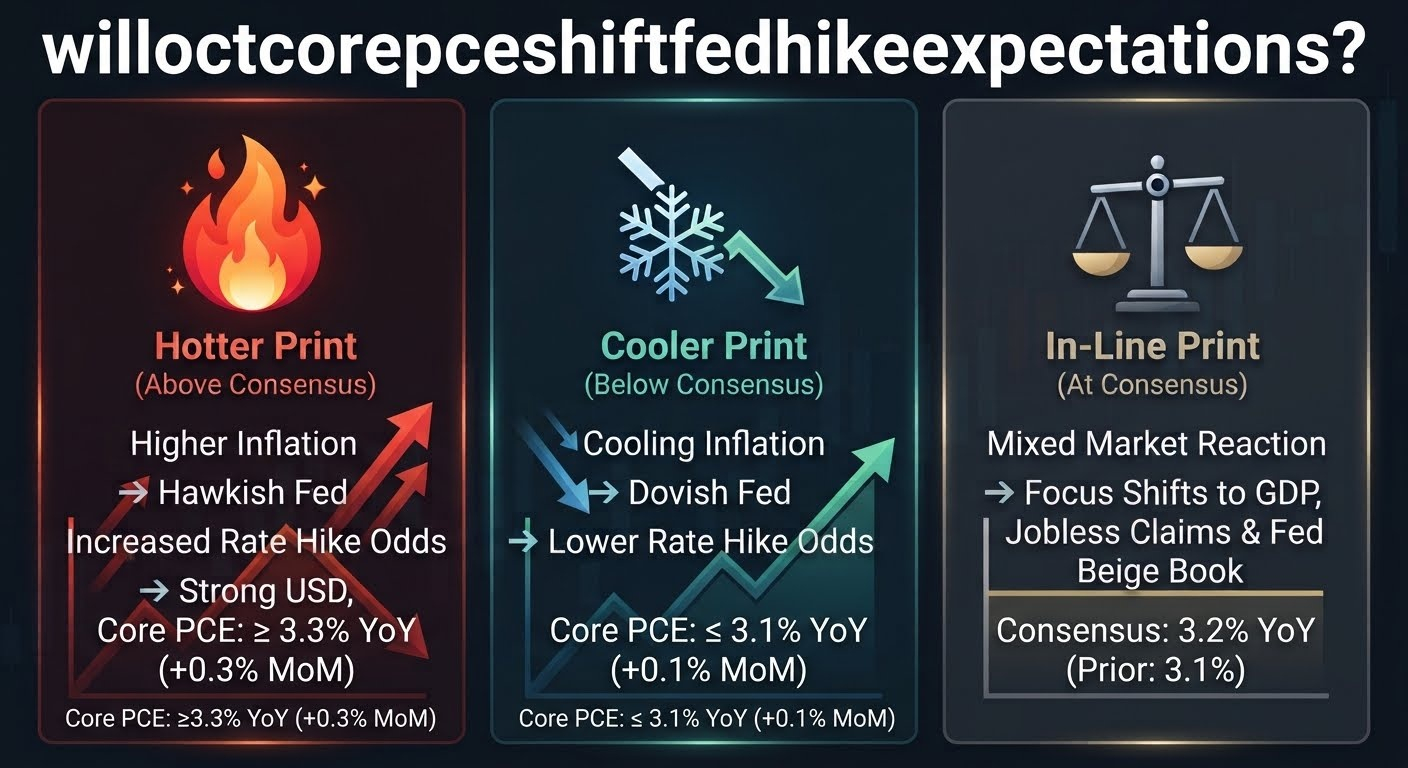
Ngày 🗓️: Thứ Tư, ngày 25 tháng 11 ⏰ (trước kỳ nghỉ Lễ Tạ Ơn 🦃).Dự báo 📈: Tăng từ 3,1% hằng năm lên mức 3,2 - 3,3% 🔺 (0,3% hằng tháng ➕).Định giá 🏦: Gần như chắc chắn ✅ lãi suất chính sách sẽ tăng lên mức 4,00%-4,25%.
⚖️ Các kịch bản dữ liệu 🎲
Kịch bản 🎭Dữ liệu 🔢Kỳ vọng của Fed 🏦Tác động thị trường
💹🔥 NóngTừ 3,4% trở lên 🚨Việc tăng 50 điểm cơ bản 💥 và các đợt tăng trong năm 2027 sẽ được củng cố 💪.Đồng đô la 💵🚀 tăng; chứng khoán 📉 và tiền mã hóa giảm.🎯 Đúng dự báo3,2 - 3,3% ⚖️Mức tăng 25 điểm cơ bản 🔼 được xác nhận ✔️.Giao dịch đi ngang/biến động 🌊 trong bối cảnh thanh khoản thấp 💧.❄️ Lạnh3,1% trở xuống 📉Khả năng tăng 50 điểm cơ bản bị loại bỏ 0️⃣, triển vọng "chờ xem" 👀 trong năm 2027 tăng lên.Lãi suất giảm 📉; chứng khoán 📈, vàng và tiền mã hóa 🚀 tăng.
🔍 Lưu ý quan trọng ⚠️
Thanh khoản trong kỳ nghỉ 🦃: Do thị trường Mỹ đóng cửa vào thứ Năm 🔒, biến động giá sau khi dữ liệu được công bố vào thứ Tư có thể mạnh hơn ⚡🎢 bình thường.
$BULLA $ELSA $BLESS
{future}(BLESSUSDT)
{future}(ELSAUSDT)
{future}(BULLAUSDT)
#willoctcorepceshiftfedhikeexpectations?
Đúng vậy, dữ liệu PCE lõi tháng 10 được công bố vào thứ Tư, ngày 25 tháng 11 🗓️ 📊 có thể ảnh hưởng trực tiếp đến mức tăng lãi suất tại cuộc họp ngày 8-9 tháng 12 của Fed 🏦 và lộ trình năm 2027 🗺️.
Thị trường đã định giá mức tăng 25 điểm cơ bản 🔼 (xác suất khoảng 90% 🎯), nên trọng tâm chính sẽ là liệu mức tăng mạnh 50 điểm cơ bản 🚀🔥 có được đưa ra thảo luận hay không.
📊 Tình hình hiện tại 🔭
Ngày 🗓️: Thứ Tư, ngày 25 tháng 11 ⏰ (trước kỳ nghỉ Lễ Tạ Ơn 🦃).Dự báo 📈: Tăng từ 3,1% hằng năm lên mức 3,2 - 3,3% 🔺 (0,3% hằng tháng ➕).Định giá 🏦: Gần như chắc chắn ✅ lãi suất chính sách sẽ tăng lên mức 4,00%-4,25%.
⚖️ Các kịch bản dữ liệu 🎲
Kịch bản 🎭Dữ liệu 🔢Kỳ vọng của Fed 🏦Tác động thị trường
💹🔥 NóngTừ 3,4% trở lên 🚨Việc tăng 50 điểm cơ bản 💥 và các đợt tăng trong năm 2027 sẽ được củng cố 💪.Đồng đô la 💵🚀 tăng; chứng khoán 📉 và tiền mã hóa giảm.🎯 Đúng dự báo3,2 - 3,3% ⚖️Mức tăng 25 điểm cơ bản 🔼 được xác nhận ✔️.Giao dịch đi ngang/biến động 🌊 trong bối cảnh thanh khoản thấp 💧.❄️ Lạnh3,1% trở xuống 📉Khả năng tăng 50 điểm cơ bản bị loại bỏ 0️⃣, triển vọng "chờ xem" 👀 trong năm 2027 tăng lên.Lãi suất giảm 📉; chứng khoán 📈, vàng và tiền mã hóa 🚀 tăng.
🔍 Lưu ý quan trọng ⚠️
Thanh khoản trong kỳ nghỉ 🦃: Do thị trường Mỹ đóng cửa vào thứ Năm 🔒, biến động giá sau khi dữ liệu được công bố vào thứ Tư có thể mạnh hơn ⚡🎢 bình thường.
$BULLA $ELSA $BLESS
397


·
--
#WillOctCorePCEShiftFedHikeExpectations?
PCE lõi tháng 10: Báo cáo lạm phát có thể làm thay đổi bước đi tiếp theo của Fed
Mọi sự chú ý đang hướng về báo cáo lạm phát PCE lõi của Mỹ vào thứ Tư, dự kiến công bố ngày 25 tháng 11. Báo cáo này đặc biệt quan trọng vì Cục Dự trữ Liên bang xem PCE là một trong những thước đo lạm phát chủ chốt khi hoạch định chính sách tiền tệ.
Thị trường đang theo dõi những chỉ số sau:
- PCE lõi theo tháng: Dự báo ở mức 0,3%, bằng mức 0,3% trước đó.
- PCE lõi theo năm: Dự kiến ở mức 3,2%, tăng từ 3,1%.
- PCE toàn phần theo năm: Dự báo ở mức 3,8%, so với mức 3,6% trước đó.
Trong khi đó, thị trường đã tính đến xác suất khoảng 93% Fed tăng lãi suất 25 điểm cơ bản vào tháng 12.
Quan điểm của tôi: Chỉ số PCE lõi cao hơn dự kiến có thể củng cố kỳ vọng về việc thắt chặt hơn nữa, đẩy đồng đô la và lợi suất trái phiếu Kho bạc lên cao, đồng thời tạo thêm áp lực lên Bitcoin, vàng và cổ phiếu.
Ngược lại, lạm phát hạ nhiệt có thể làm giảm lo ngại về lãi suất và hỗ trợ một đợt phục hồi nhẹ trên các tài sản rủi ro.
Câu hỏi quan trọng là liệu lạm phát cuối cùng có đang hạ nhiệt hay buộc Fed phải duy trì lập trường cứng rắn trong thời gian dài hơn.
#FederalReserve #bitcoin #GOLD #CryptoMarket
{spot}(BTCUSDT)
{future}(XAUUSDT)
#WillOctCorePCEShiftFedHikeExpectations?
PCE lõi tháng 10: Báo cáo lạm phát có thể làm thay đổi bước đi tiếp theo của Fed
Mọi sự chú ý đang hướng về báo cáo lạm phát PCE lõi của Mỹ vào thứ Tư, dự kiến công bố ngày 25 tháng 11. Báo cáo này đặc biệt quan trọng vì Cục Dự trữ Liên bang xem PCE là một trong những thước đo lạm phát chủ chốt khi hoạch định chính sách tiền tệ.
Thị trường đang theo dõi những chỉ số sau:
- PCE lõi theo tháng: Dự báo ở mức 0,3%, bằng mức 0,3% trước đó.
- PCE lõi theo năm: Dự kiến ở mức 3,2%, tăng từ 3,1%.
- PCE toàn phần theo năm: Dự báo ở mức 3,8%, so với mức 3,6% trước đó.
Trong khi đó, thị trường đã tính đến xác suất khoảng 93% Fed tăng lãi suất 25 điểm cơ bản vào tháng 12.
Quan điểm của tôi: Chỉ số PCE lõi cao hơn dự kiến có thể củng cố kỳ vọng về việc thắt chặt hơn nữa, đẩy đồng đô la và lợi suất trái phiếu Kho bạc lên cao, đồng thời tạo thêm áp lực lên Bitcoin, vàng và cổ phiếu.
Ngược lại, lạm phát hạ nhiệt có thể làm giảm lo ngại về lãi suất và hỗ trợ một đợt phục hồi nhẹ trên các tài sản rủi ro.
Câu hỏi quan trọng là liệu lạm phát cuối cùng có đang hạ nhiệt hay buộc Fed phải duy trì lập trường cứng rắn trong thời gian dài hơn.
#FederalReserve #bitcoin #GOLD #CryptoMarket
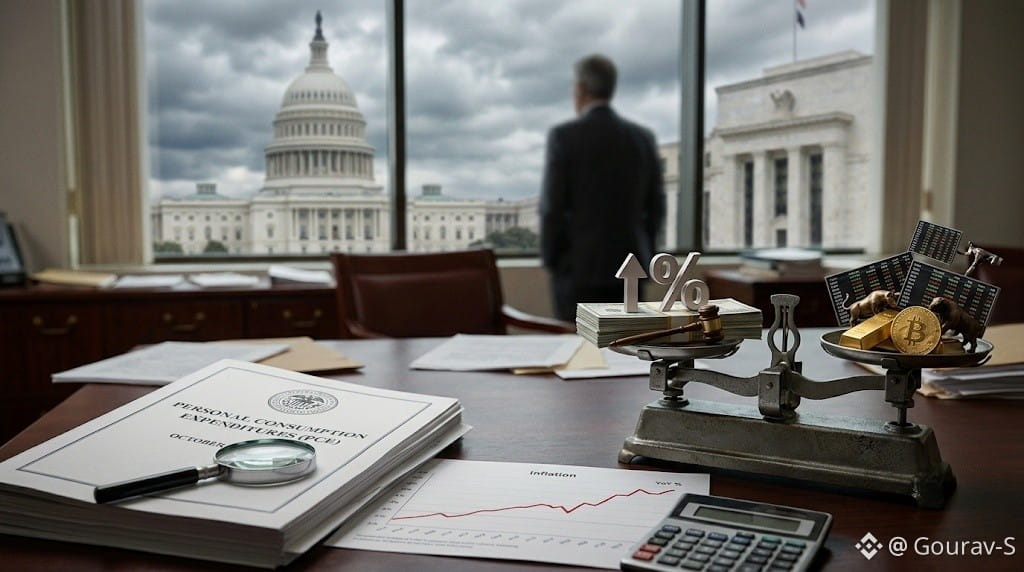
2
111

#willoctcorepceshiftfedhikeexpectations? Bản công bố PCE lõi tháng 10 vào thứ Tư sẽ ảnh hưởng đáng kể đến kỳ vọng về việc Cục Dự trữ Liên bang tăng lãi suất vào tháng 12. Các nhà kinh tế dự báo lạm phát lõi hàng năm sẽ tăng tốc từ 3.1% lên 3.2%, cao hơn nhiều so với mục tiêu 2% của Fed. Sau khi giữ nguyên lãi suất vào tháng 10 và trước áp lực giá cả dai dẳng, một kết quả cao hơn dự kiến nhiều khả năng sẽ củng cố dự đoán về việc tăng lãi suất 25 điểm cơ bản. Ngược lại, nếu chỉ số thấp hơn dự kiến — cùng với kỳ vọng lạm phát của người tiêu dùng gần đây đã dịu đi — các nhà hoạch định chính sách có thể có thêm dư địa để giữ nguyên lãi suất và làm giảm những dự đoán về việc thắt chặt mạnh tay. $BTC
{spot}(BTCUSDT)
$USDC $TRUMP
{spot}(TRUMPUSDT)
{spot}(USDCUSDT)
#willoctcorepceshiftfedhikeexpectations? Bản công bố PCE lõi tháng 10 vào thứ Tư sẽ ảnh hưởng đáng kể đến kỳ vọng về việc Cục Dự trữ Liên bang tăng lãi suất vào tháng 12. Các nhà kinh tế dự báo lạm phát lõi hàng năm sẽ tăng tốc từ 3.1% lên 3.2%, cao hơn nhiều so với mục tiêu 2% của Fed. Sau khi giữ nguyên lãi suất vào tháng 10 và trước áp lực giá cả dai dẳng, một kết quả cao hơn dự kiến nhiều khả năng sẽ củng cố dự đoán về việc tăng lãi suất 25 điểm cơ bản. Ngược lại, nếu chỉ số thấp hơn dự kiến — cùng với kỳ vọng lạm phát của người tiêu dùng gần đây đã dịu đi — các nhà hoạch định chính sách có thể có thêm dư địa để giữ nguyên lãi suất và làm giảm những dự đoán về việc thắt chặt mạnh tay. $BTC
$USDC $TRUMP
$USDC $TRUMP

160

·
--
Tăng giá
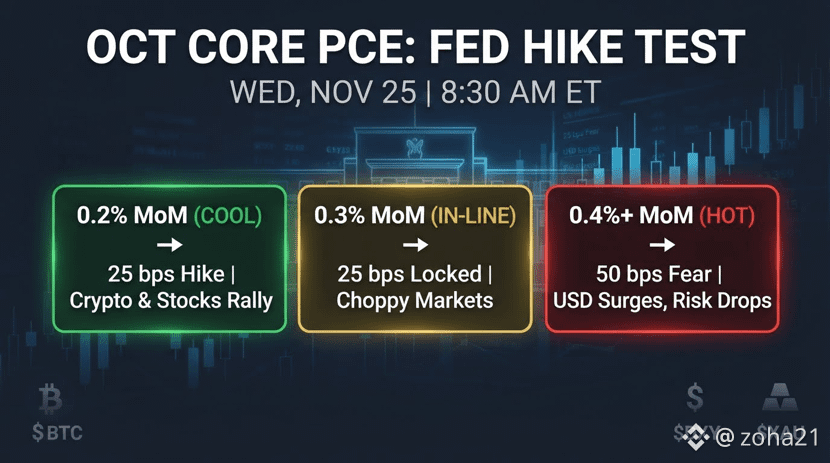
#WillOctCorePCEShiftFedHikeExpectations?
📅 Bài kiểm tra lớn: Thứ Tư, ngày 25 tháng 11 (8:30 AM ET / 6:30 PM PKT)
📊 Tình hình hiện tại
• Lãi suất hiện tại: 3.75% – 4.00%
• PCE lõi trước đó (tháng 9): 3.1% so với cùng kỳ năm trước (cao hơn nhiều so với mục tiêu 2.0% của Fed)
• Dự báo đồng thuận của thị trường: Thị trường đã tính gần như đầy đủ khả năng tăng lãi suất 25 điểm cơ bản tại cuộc họp FOMC ngày 8–9 tháng 12, sau khi số liệu CPI tháng 10 nóng hơn dự kiến.
🎯 3 kịch bản cần theo dõi
• 🟢 Số liệu thấp (0.2% so với tháng trước hoặc thấp hơn): Giảm lo ngại về việc thắt chặt mạnh tay — có thể thúc đẩy một đợt tăng phục hồi trên thị trường chứng khoán và tiền mã hóa.
• 🟡 Số liệu đúng dự báo (0.3% so với tháng trước): Khiến Fed vững tin giữ nguyên kế hoạch tăng lãi suất 25 điểm cơ bản vào tháng 12.
• 🔴 Số liệu cao (0.4% so với tháng trước hoặc cao hơn): Khiến khả năng tăng lãi suất 50 điểm cơ bản quay trở lại (như Thống đốc Fed Waller mới đây đã cảnh báo), nhiều khả năng hỗ trợ đồng USD nhưng gây áp lực lên các tài sản rủi ro
#Fed #fomc
$BTC $ETH
{future}(BTCUSDT)
#WillOctCorePCEShiftFedHikeExpectations?
📅 Bài kiểm tra lớn: Thứ Tư, ngày 25 tháng 11 (8:30 AM ET / 6:30 PM PKT)
📊 Tình hình hiện tại
• Lãi suất hiện tại: 3.75% – 4.00%
• PCE lõi trước đó (tháng 9): 3.1% so với cùng kỳ năm trước (cao hơn nhiều so với mục tiêu 2.0% của Fed)
• Dự báo đồng thuận của thị trường: Thị trường đã tính gần như đầy đủ khả năng tăng lãi suất 25 điểm cơ bản tại cuộc họp FOMC ngày 8–9 tháng 12, sau khi số liệu CPI tháng 10 nóng hơn dự kiến.
🎯 3 kịch bản cần theo dõi
• 🟢 Số liệu thấp (0.2% so với tháng trước hoặc thấp hơn): Giảm lo ngại về việc thắt chặt mạnh tay — có thể thúc đẩy một đợt tăng phục hồi trên thị trường chứng khoán và tiền mã hóa.
• 🟡 Số liệu đúng dự báo (0.3% so với tháng trước): Khiến Fed vững tin giữ nguyên kế hoạch tăng lãi suất 25 điểm cơ bản vào tháng 12.
• 🔴 Số liệu cao (0.4% so với tháng trước hoặc cao hơn): Khiến khả năng tăng lãi suất 50 điểm cơ bản quay trở lại (như Thống đốc Fed Waller mới đây đã cảnh báo), nhiều khả năng hỗ trợ đồng USD nhưng gây áp lực lên các tài sản rủi ro
#Fed #fomc
$BTC $ETH
1
1
162

·
--
Đã xác minh
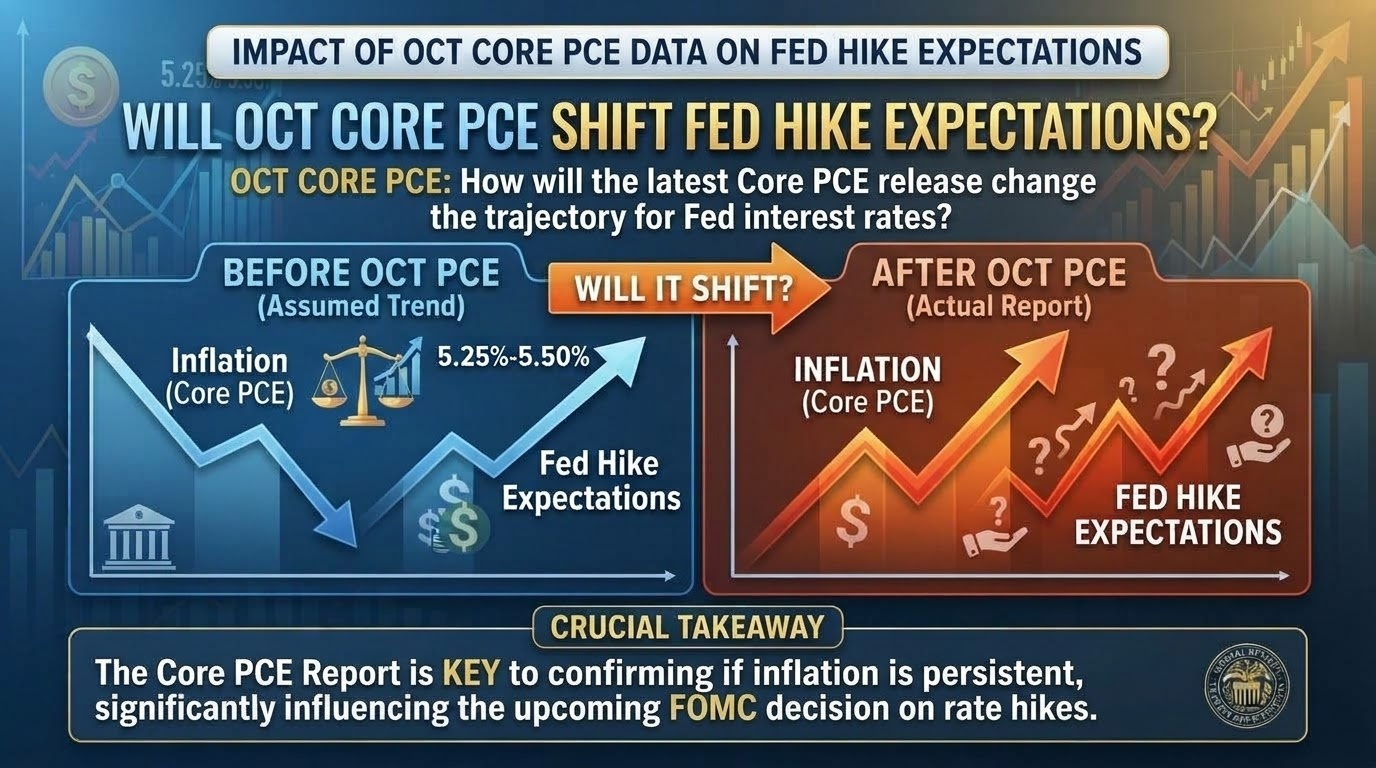
#willoctcorepceshiftfedhikeexpectations?
Bản công bố hôm thứ Tư về chỉ số PCE cơ bản tháng 10 sẽ ảnh hưởng đáng kể đến kỳ vọng về việc Cục Dự trữ Liên bang tăng lãi suất vào tháng 12. Các nhà kinh tế dự báo lạm phát cơ bản hằng năm sẽ tăng tốc, từ 3,1% lên 3,2%, cao hơn nhiều so với mục tiêu 2% của Fed. Sau khi giữ nguyên lãi suất trong tháng 10 và áp lực giá cả vẫn dai dẳng, một kết quả cao hơn dự kiến có thể củng cố kỳ vọng về đợt tăng 25 điểm cơ bản. Ngược lại, số liệu thấp hơn — cùng với việc kỳ vọng lạm phát của người tiêu dùng gần đây giảm — có thể giúp các nhà hoạch định chính sách giữ nguyên lãi suất và làm dịu kỳ vọng về việc thắt chặt mạnh tay.
$BULLA
{future}(BULLAUSDT)
$BLESS
{future}(BLESSUSDT)
$ELSA
{future}(ELSAUSDT)
#willoctcorepceshiftfedhikeexpectations?
Bản công bố hôm thứ Tư về chỉ số PCE cơ bản tháng 10 sẽ ảnh hưởng đáng kể đến kỳ vọng về việc Cục Dự trữ Liên bang tăng lãi suất vào tháng 12. Các nhà kinh tế dự báo lạm phát cơ bản hằng năm sẽ tăng tốc, từ 3,1% lên 3,2%, cao hơn nhiều so với mục tiêu 2% của Fed. Sau khi giữ nguyên lãi suất trong tháng 10 và áp lực giá cả vẫn dai dẳng, một kết quả cao hơn dự kiến có thể củng cố kỳ vọng về đợt tăng 25 điểm cơ bản. Ngược lại, số liệu thấp hơn — cùng với việc kỳ vọng lạm phát của người tiêu dùng gần đây giảm — có thể giúp các nhà hoạch định chính sách giữ nguyên lãi suất và làm dịu kỳ vọng về việc thắt chặt mạnh tay.
$BULLA
$BLESS
$ELSA
2.8k
Đăng nhập để khám phá thêm nội dung
Tham gia cùng người dùng tiền mã hóa toàn cầu trên Binance Square
⚡️ Nhận thông tin mới nhất và hữu ích về tiền mã hóa.
💬 Được tin cậy bởi sàn giao dịch tiền mã hóa lớn nhất thế giới.
👍 Khám phá những thông tin chuyên sâu thực tế từ những nhà sáng tạo đã xác minh.
Email / Số điện thoại
Chủ đề thịnh hành
1
#TheoDõiFOMC
371,317 lượt xem
1,600 đang thảo luận
2
#TinFed
438,906 lượt xem
1,395 đang thảo luận
3
#WillMarketsStageAThanksgivingReliefRally?
54,124 lượt xem
937 đang thảo luận
4
#WillOctCorePCEShiftFedHikeExpectations?
11,466 lượt xem
252 đang thảo luận
5
#BessentSoftensStanceOnHuang’sNvidiaReturn
36,967 lượt xem
622 đang thảo luận
6
#EvolveAtBinanceBlockchainWeek
46,411 lượt xem
522 đang thảo luận
7
#MuskWarnsOfAICashCrunch
28,441 lượt xem
463 đang thảo luận
8
#SouthKoreaPlansToReleaseDigitalAssetBasicActDraft
241 lượt xem
23 đang thảo luận
9
#ChinaKoreaTaiwanPrepareStockRescuesAheadOfMonday
3,716 lượt xem
41 đang thảo luận
10
#SouthKoreaToTightenOversightOfCryptoTransfersAbroad
3,317 lượt xem
42 đang thảo luận