

#bnc
bnc
386,887 views
1,263 Discussing
Hot
Latest

BNB Standard Corp (NASDAQ: BNC) Rings Nasdaq Bell — CZ Attends 🔔
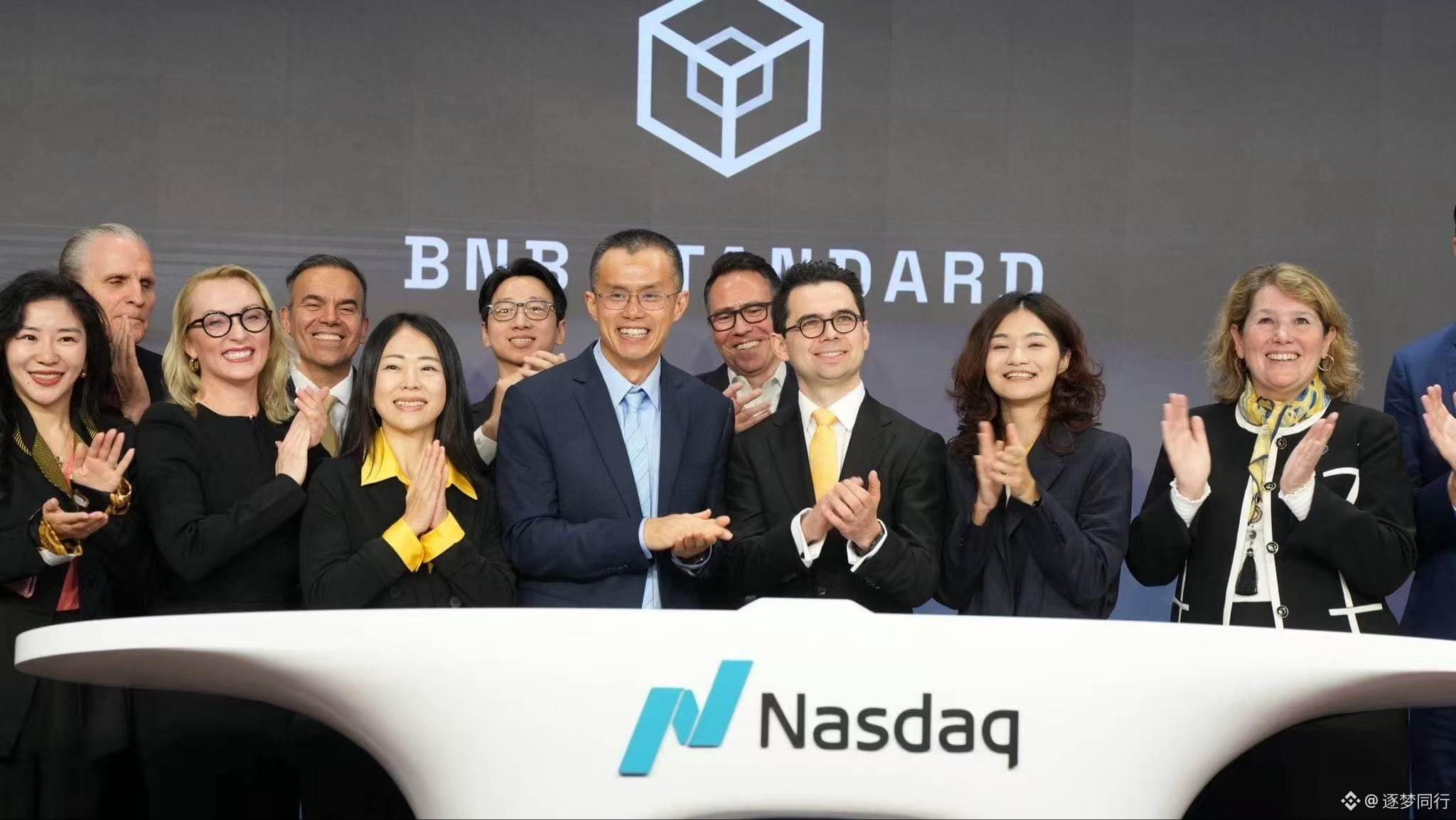
BREAKING: BNB Standard Corporation rang the Nasdaq opening bell on Monday, October 26 to celebrate its rebrand and new leadership.
Binance founder CZ @cz_binance attended alongside CEO Alex Odagiu and board, with YZi Labs and BNB Chain reps present.
Key details:
• Formerly CEA Industries — rebranded Sept 29, ticker BNC stays
• Holds 515,544 BNB — largest corporate BNB treasury in world, ∼93% of assets
• CEO Alex Odagiu (ex YZi Labs, Goldman Sachs) plans to run BNB Chain validator and expand into payments + AI agents
• CZ said: "Crypto will be the native currency for AI" and hopes BNB Chain becomes major network for it
CZ posted: "I don't know what shows crypto and tradfi converging more than this"
This is TradFi + Crypto converging LIVE at Times Square.
Bullish for $BNB B ecosystem?
$NVDAB #bnb #BNC #CryptoEagle #Binance

106


·
--
Bullish
Partly True
BNB Chain will now be traded as $BNCB (BNB Standard Corporation) on Nasdaq. He participated in the listing in CZ. A success to be proud of for the cryptocurrency sector... This success will bring very important gains for major altcoins, especially BNB. $BNB paved the way...
#BNC #BNCB #BNBChain #Bullish
{future}(BNBUSDT)
{spot}(BNCBUSDT)
BNB Chain will now be traded as $BNCB (BNB Standard Corporation) on Nasdaq. He participated in the listing in CZ. A success to be proud of for the cryptocurrency sector... This success will bring very important gains for major altcoins, especially BNB. $BNB paved the way...
#BNC #BNCB #BNBChain #Bullish
#BNC #BNCB #BNBChain #Bullish

Feed-Creator-fcd41e5fd:
Bu adam için başarı bir tesadüf değil. Bilgi,çalışkan ve azminin vücut bulmuş hali. BNB yatırımcısı olmak ayrıcalıktır. Yatırımcısını korkutmaz ,üzmez,iflas ettirmez. BNB benim gözümde BTC nin kardeşi gibi. Teşekkürler Binance&CZ
1
11
7.2k

·
--
Partly True
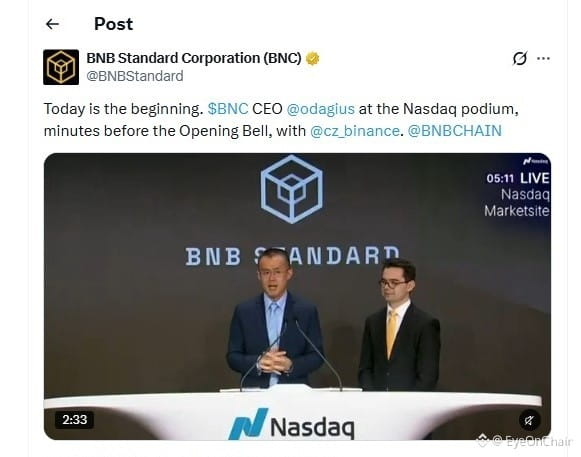
A BIG MOMENT FOR BNC AND THE BNB ECOSYSTEM 🔔💛.
A new chapter begins today. $BNC CEO odagius stood at the Nasdaq podium just minutes before the Opening Bell, alongside @CZ .
With @BNB_Chain in the picture, it’s a moment that puts #BNC and the wider BNB ecosystem in the spotlight.
The bell was ring ... and this could be just the beginning.
A BIG MOMENT FOR BNC AND THE BNB ECOSYSTEM 🔔💛.
A new chapter begins today. $BNC CEO odagius stood at the Nasdaq podium just minutes before the Opening Bell, alongside @CZ .
With @BNB Chain in the picture, it’s a moment that puts #BNC and the wider BNB ecosystem in the spotlight.
The bell was ring ... and this could be just the beginning.
A new chapter begins today. $BNC CEO odagius stood at the Nasdaq podium just minutes before the Opening Bell, alongside @CZ .
With @BNB Chain in the picture, it’s a moment that puts #BNC and the wider BNB ecosystem in the spotlight.
The bell was ring ... and this could be just the beginning.
1
1.1k

🔥 $BNCB : BIG NEWS, BUT THE CHART STILL NEEDS TO PROVE ITSELF!
CZ ringing the Nasdaq opening bell for BNC’s new BNB treasury company has put the spotlight on the crypto-stock narrative. 👀
But here’s what I’m watching on the chart:
📊 Current price: $5.404
🎯 Resistance: $5.46–$5.56
🛡️ Support: $5.36, then $5.27
⚠️ Key level: $5.63
BNC has bounced from the $5.192 low, but the 1H chart still needs to reclaim resistance to show stronger bullish momentum.
My view: News can attract attention, but price confirmation matters. A break above resistance could strengthen the bullish case; rejection may bring another retest of support.
👀 Would you watch $BNC for a breakout, or wait for a clearer setup?
{spot}(BNCBUSDT)
Keeping an eye on this duo: $Q and $SOL
#BNC #CryptoStocks #bnb #MarketAnalysis
🔥 $BNCB : BIG NEWS, BUT THE CHART STILL NEEDS TO PROVE ITSELF!
CZ ringing the Nasdaq opening bell for BNC’s new BNB treasury company has put the spotlight on the crypto-stock narrative. 👀
But here’s what I’m watching on the chart:
📊 Current price: $5.404
🎯 Resistance: $5.46–$5.56
🛡️ Support: $5.36, then $5.27
⚠️ Key level: $5.63
BNC has bounced from the $5.192 low, but the 1H chart still needs to reclaim resistance to show stronger bullish momentum.
My view: News can attract attention, but price confirmation matters. A break above resistance could strengthen the bullish case; rejection may bring another retest of support.
👀 Would you watch $BNC for a breakout, or wait for a clearer setup?
Keeping an eye on this duo: $Q and $SOL
#BNC #CryptoStocks #bnb #MarketAnalysis

1
1
315

Verified
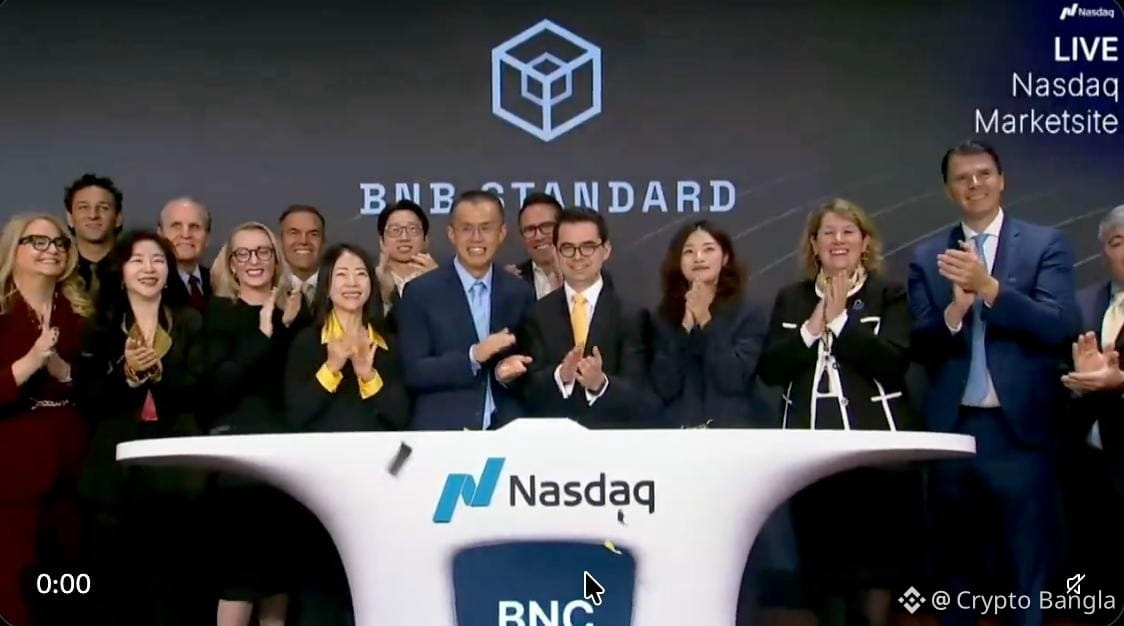
🚨 BNB Standard: Bringing BNB to Wall Street! 🏦
Formerly known as CEA Industries, BNB Standard Corporation ($BNC) is positioning itself as a major corporate holder of BNB, similar to how MicroStrategy built its treasury strategy around Bitcoin.
🔥 Key Highlights:
- 💎 Holds 515,544 BNB, valued at approximately $302.3M according to the shared figures.
- 👨💼 Alex Odagiu appointed CEO to drive the company's next growth phase.
- 📊 Focused on increasing BNB per share, staking, and running a BNB Chain validator.
- 🔔 Celebrated its Nasdaq presence by ringing the Opening Bell in New York.
The bigger picture? BNB Standard aims to connect traditional financial markets with the BNB ecosystem through corporate treasury holdings and institutional exposure.
Can BNB become a bigger part of institutional crypto strategies? 👀
#BNBStandard #BNC #BNBChain
408

·
--
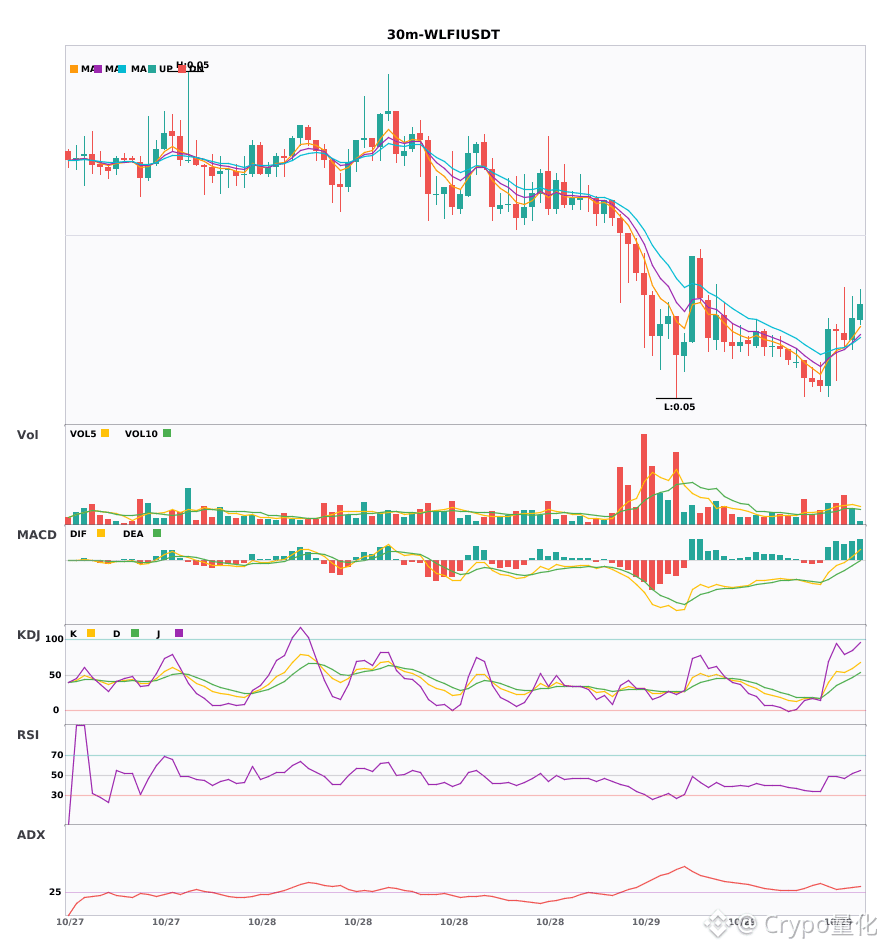
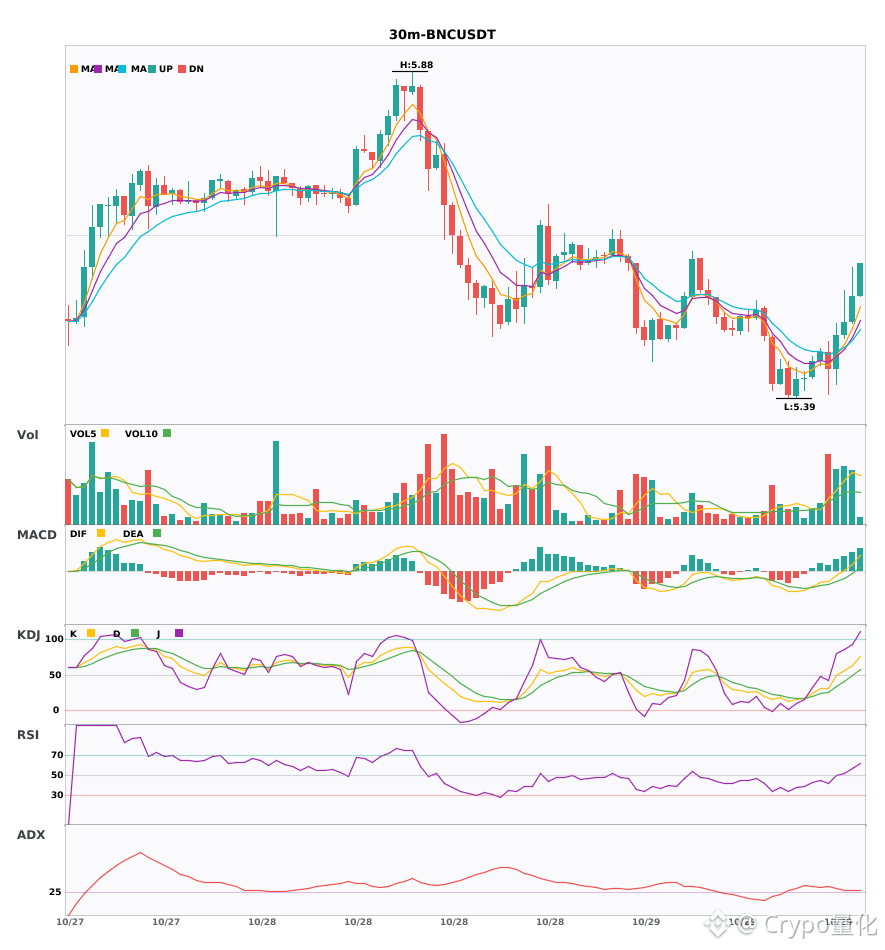
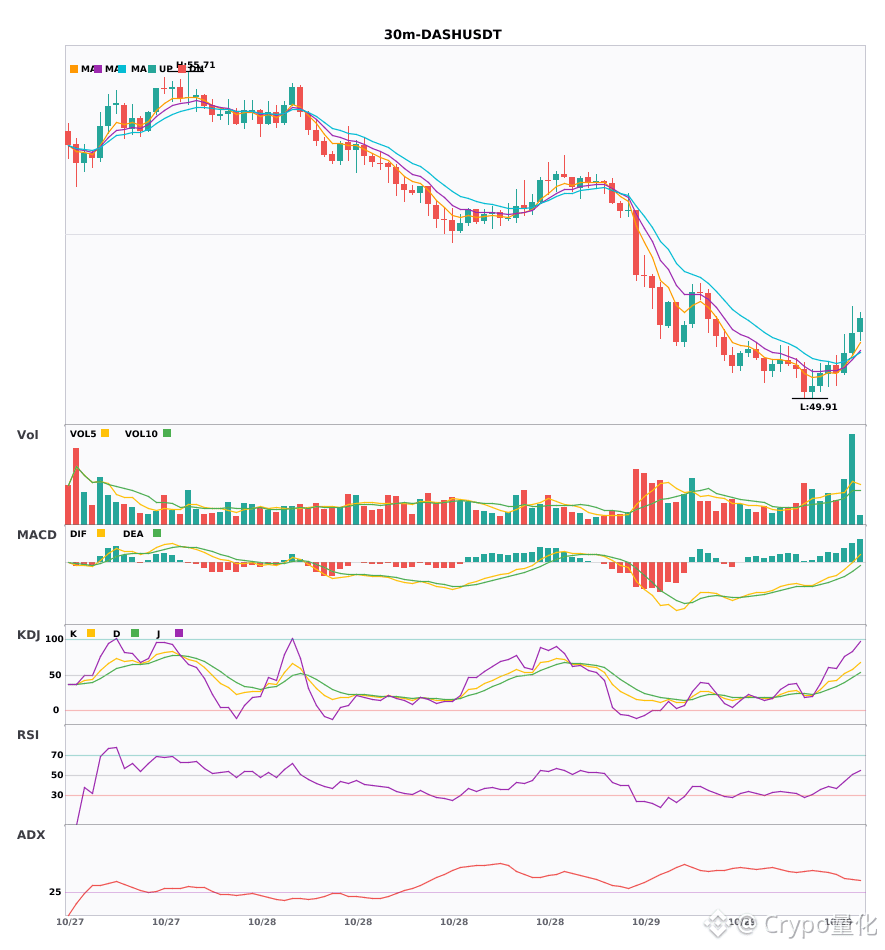
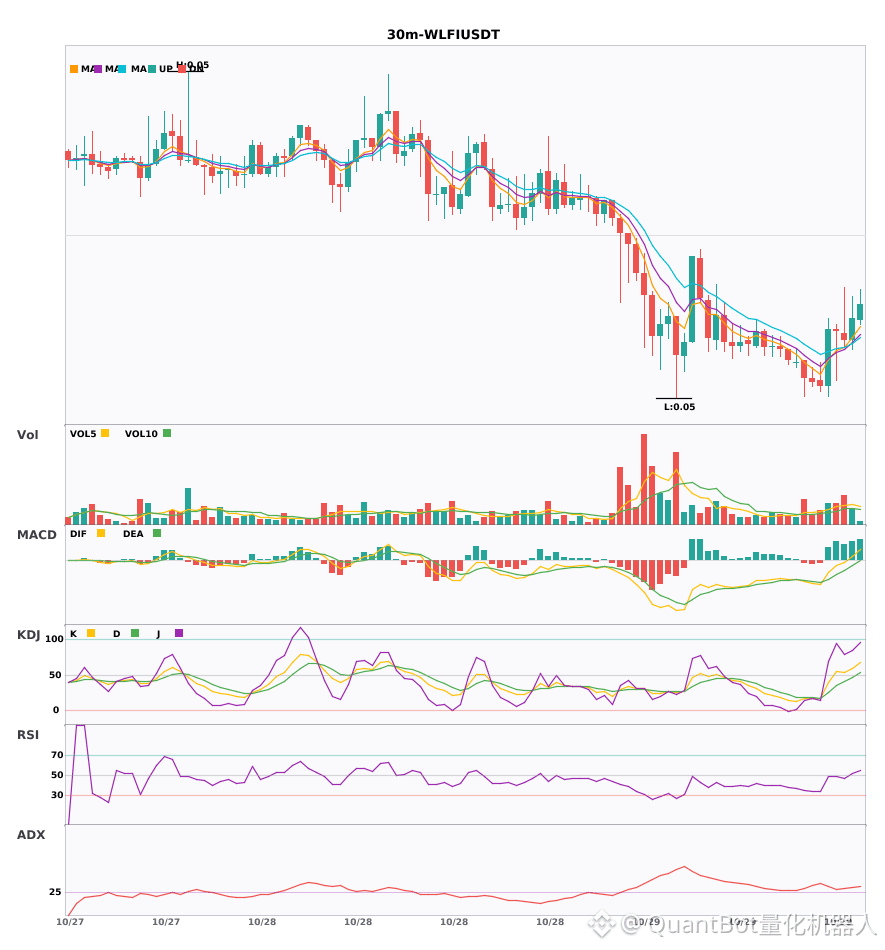
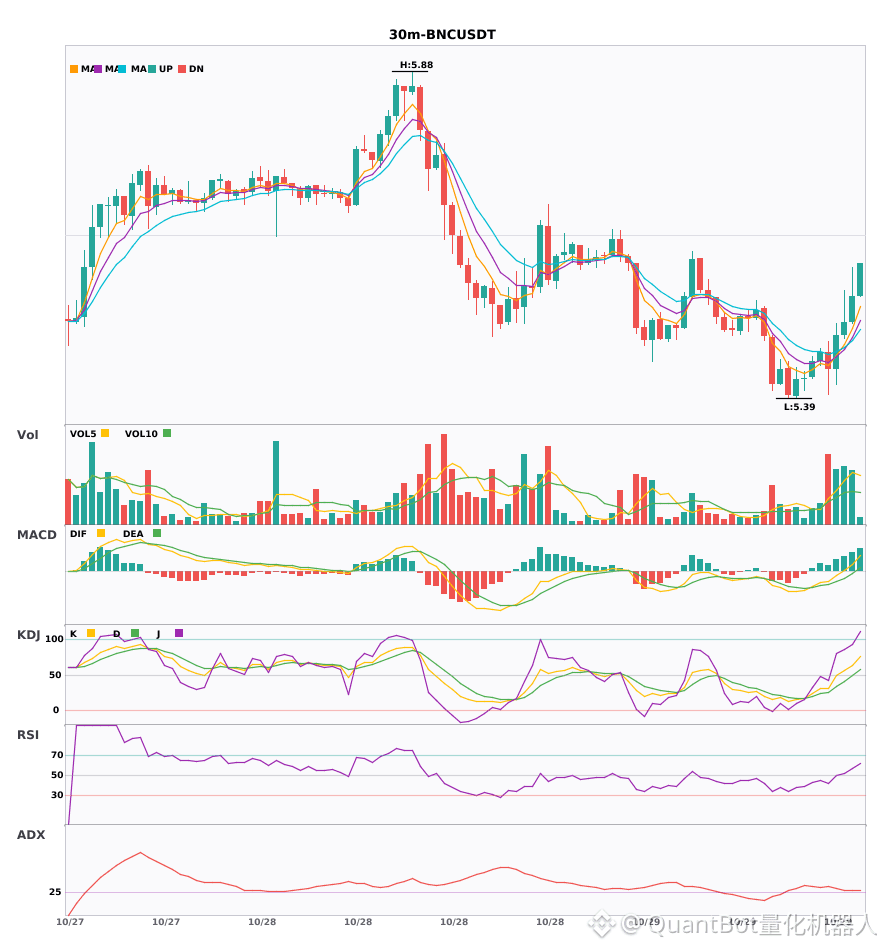
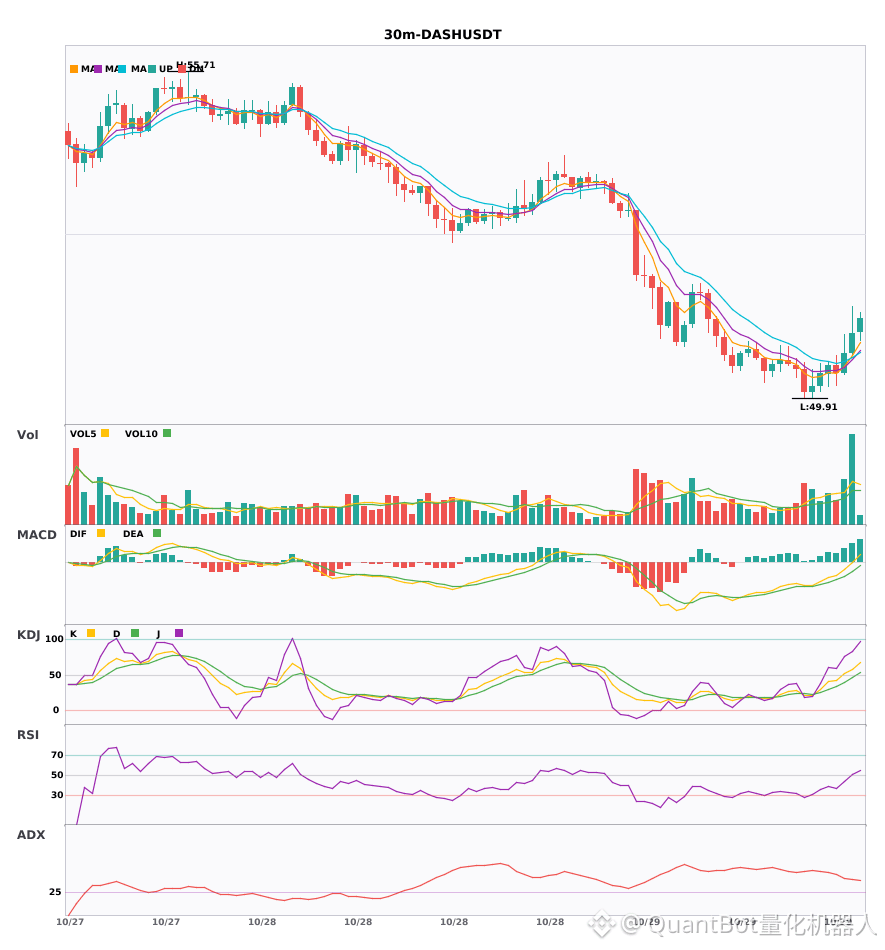
Three 30-minute bullish signals appeared simultaneously: $WLFI / $BNC / $DASH🔥
════════════════════
🔴 $WLFI 30-minute bullish signal
⚠️Technical analysis: ADX(33) indicates a clear trending market | MACD DIF breaks above the zero line, signaling a bullish trend | EMA5 > EMA8 > EMA13, bullish alignment | Volume increased (1.8x)
════════════════════
🔴 $BNC 30-minute bullish signal
⚠️Technical analysis: ADX(29) indicates a trend is forming; there may be an opportunity to participate | MACD is bullish, the trend is strong, and momentum is increasing | EMA5 > EMA8 > EMA13, bullish alignment | Volume increased (1.8x)
════════════════════
🔴 $DASH 30-minute bullish signal
⚠️Technical analysis: ADX(39) indicates a clear trending market | MACD DIF breaks above the zero line, signaling a bullish trend | Moving averages are converging as momentum builds; a direction may be chosen soon | Volume surged (2.6x)
════════════════════
🔔 Follow us for first-hand market updates 🔔
#技术分析 #WLFI #BNC #DASH
📌 When trading, pay attention to whether the candlestick pattern confirms the signal
Three 30-minute bullish signals appeared simultaneously: $WLFI / $BNC / $DASH 🔥
════════════════════
🔴 $WLFI 30-minute bullish signal
⚠️Technical analysis: ADX(33) indicates a clear trending market | MACD DIF breaks above the zero line, signaling a bullish trend | EMA5 > EMA8 > EMA13, bullish alignment | Volume increased (1.8x)
════════════════════
🔴 $BNC 30-minute bullish signal
⚠️Technical analysis: ADX(29) indicates a trend is forming; there may be an opportunity to participate | MACD is bullish, the trend is strong, and momentum is increasing | EMA5 > EMA8 > EMA13, bullish alignment | Volume increased (1.8x)
════════════════════
🔴 $DASH 30-minute bullish signal
⚠️Technical analysis: ADX(39) indicates a clear trending market | MACD DIF breaks above the zero line, signaling a bullish trend | Moving averages are converging as momentum builds; a direction may be chosen soon | Volume surged (2.6x)
════════════════════
🔔 Follow us for first-hand market updates 🔔
#技术分析 #WLFI #BNC #DASH
📌 When trading, pay attention to whether the candlestick pattern confirms the signal
════════════════════
🔴 $WLFI 30-minute bullish signal
⚠️Technical analysis: ADX(33) indicates a clear trending market | MACD DIF breaks above the zero line, signaling a bullish trend | EMA5 > EMA8 > EMA13, bullish alignment | Volume increased (1.8x)
════════════════════
🔴 $BNC 30-minute bullish signal
⚠️Technical analysis: ADX(29) indicates a trend is forming; there may be an opportunity to participate | MACD is bullish, the trend is strong, and momentum is increasing | EMA5 > EMA8 > EMA13, bullish alignment | Volume increased (1.8x)
════════════════════
🔴 $DASH 30-minute bullish signal
⚠️Technical analysis: ADX(39) indicates a clear trending market | MACD DIF breaks above the zero line, signaling a bullish trend | Moving averages are converging as momentum builds; a direction may be chosen soon | Volume surged (2.6x)
════════════════════
🔔 Follow us for first-hand market updates 🔔
#技术分析 #WLFI #BNC #DASH
📌 When trading, pay attention to whether the candlestick pattern confirms the signal
11

$WLFI / $BNC / $DASH Bullish signals on the minute timeframes, with short-term confluence opportunities
📈 $WLFI | 30-minute bullish signal
━━━━━━━━━━━━━━━━━━
Technical analysis: ADX(33) Clear trending market | MACD DIF breaks above the zero line, trend turns bullish | EMA5 > EMA8 > EMA13 bullish alignment | Volume increases (1.8x)
Price change: 0.2300%
📈 $BNC | 30-minute bullish signal
━━━━━━━━━━━━━━━━━━
Technical analysis: ADX(29) Trend is forming; opportunity to participate | MACD bullish, trend is strong, momentum is increasing | EMA5 > EMA8 > EMA13 bullish alignment | Volume increases (1.8x)
Price change: 0.7300%
📈 $DASH | 30-minute bullish signal
━━━━━━━━━━━━━━━━━━
Technical analysis: ADX(39) Clear trending market | MACD DIF breaks above the zero line, trend turns bullish | Moving averages are converging and building momentum; a direction is about to emerge | Volume surges (2.6x)
Price change: 0.7100%
━━━━━━━━━━━━━━━━━━
#技术分析 #WLFI #BNC #DASH
📌 The above content is for reference only and does not constitute investment advice
4

·
--
Verified

Article
Binance Stock BNCBNB is holding above its one-hour support line. Even if it falls, it’s unlikely to drop below 673.
That’s why I’m fairly optimistic about its medium- to long-term outlook.
If you’re bullish on BNB, in addition to holding it directly, you can also earn extra returns by buying BNC.
BNC is a U.S. stock backed by CZ, who even rang the opening bell at Nasdaq the day before yesterday.
Its core business is simply buying and holding BNB. You can think of it as the MicroStrategy of BNB.
So holding BNC is like indirectly holding BNB. Its upside potential may be greater than buying BNB directly, for the following reasons:
(1) The company currently holds 515,000 BNB, worth approximately $385 million at the current price.
Binance Stock BNC
BNB is holding above its one-hour support line. Even if it falls, it’s unlikely to drop below 673.
That’s why I’m fairly optimistic about its medium- to long-term outlook.
If you’re bullish on BNB, in addition to holding it directly, you can also earn extra returns by buying BNC.
BNC is a U.S. stock backed by CZ, who even rang the opening bell at Nasdaq the day before yesterday.
Its core business is simply buying and holding BNB. You can think of it as the MicroStrategy of BNB.
So holding BNC is like indirectly holding BNB. Its upside potential may be greater than buying BNB directly, for the following reasons:
(1) The company currently holds 515,000 BNB, worth approximately $385 million at the current price.

年年
From Crypto小宇
三天阳:
年年岁岁花相似,岁岁年年人团圆!
19
11
23
627
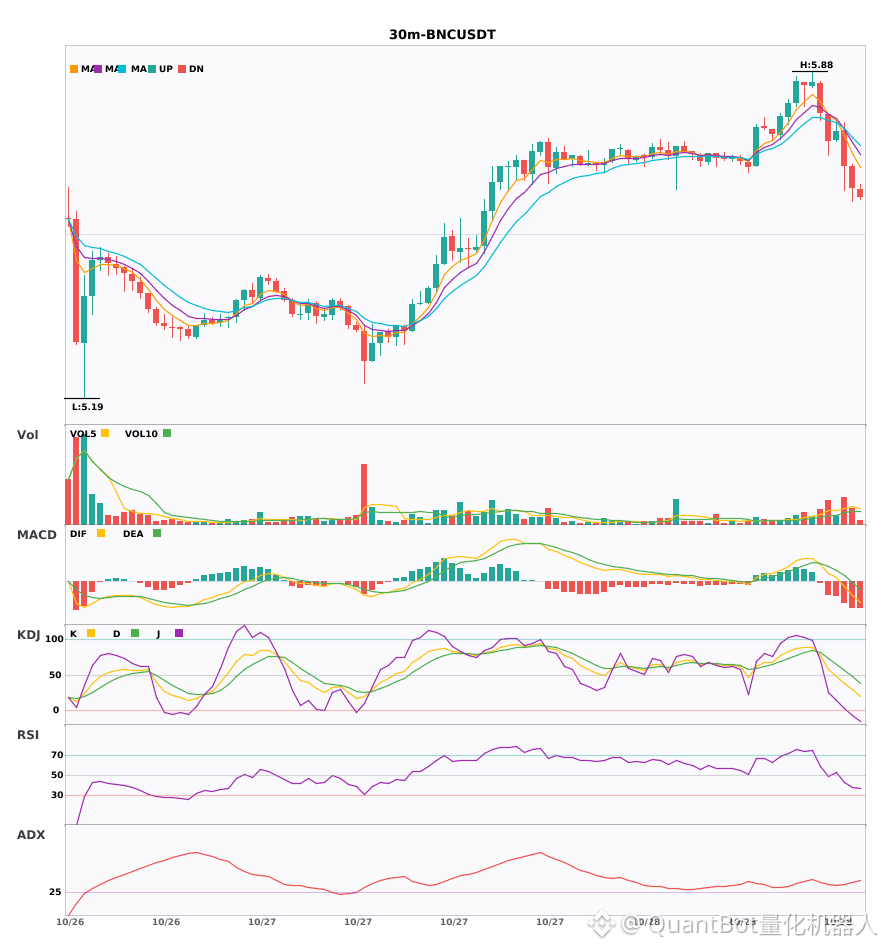
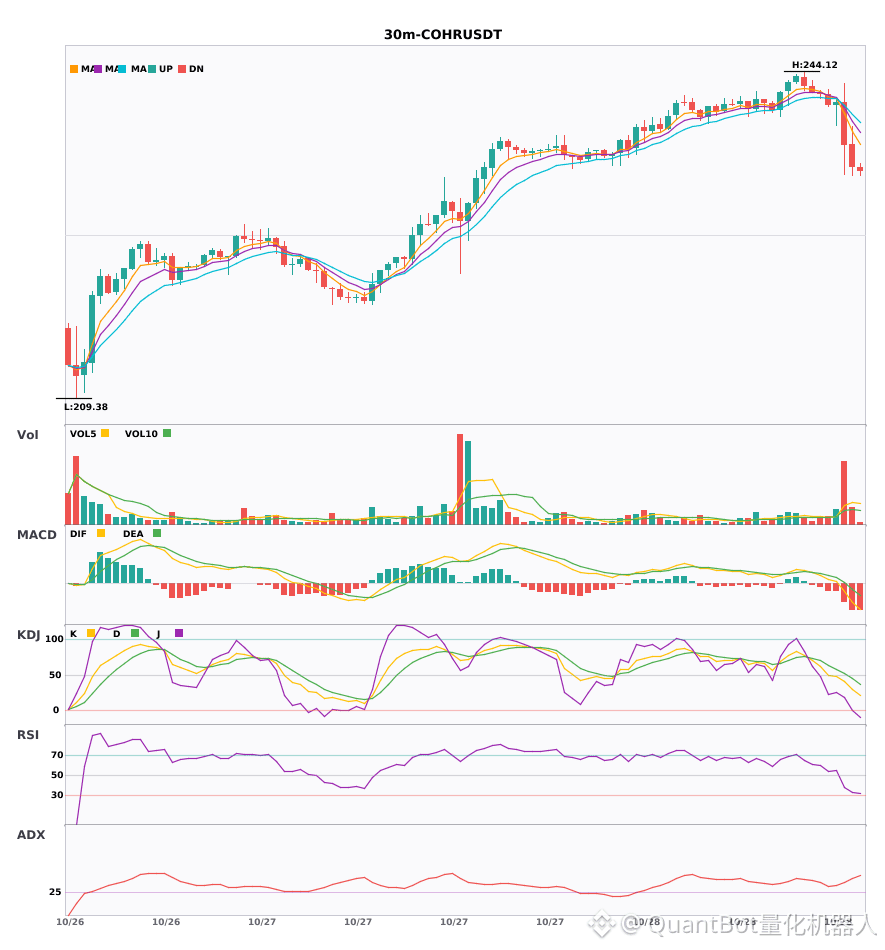
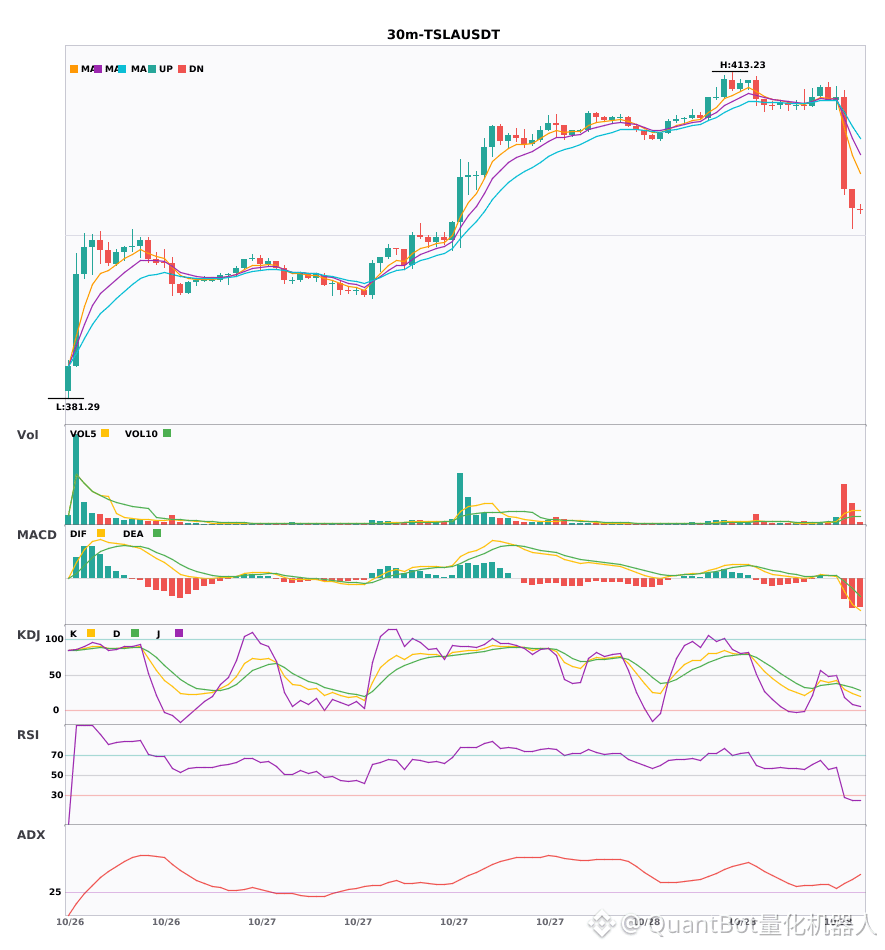
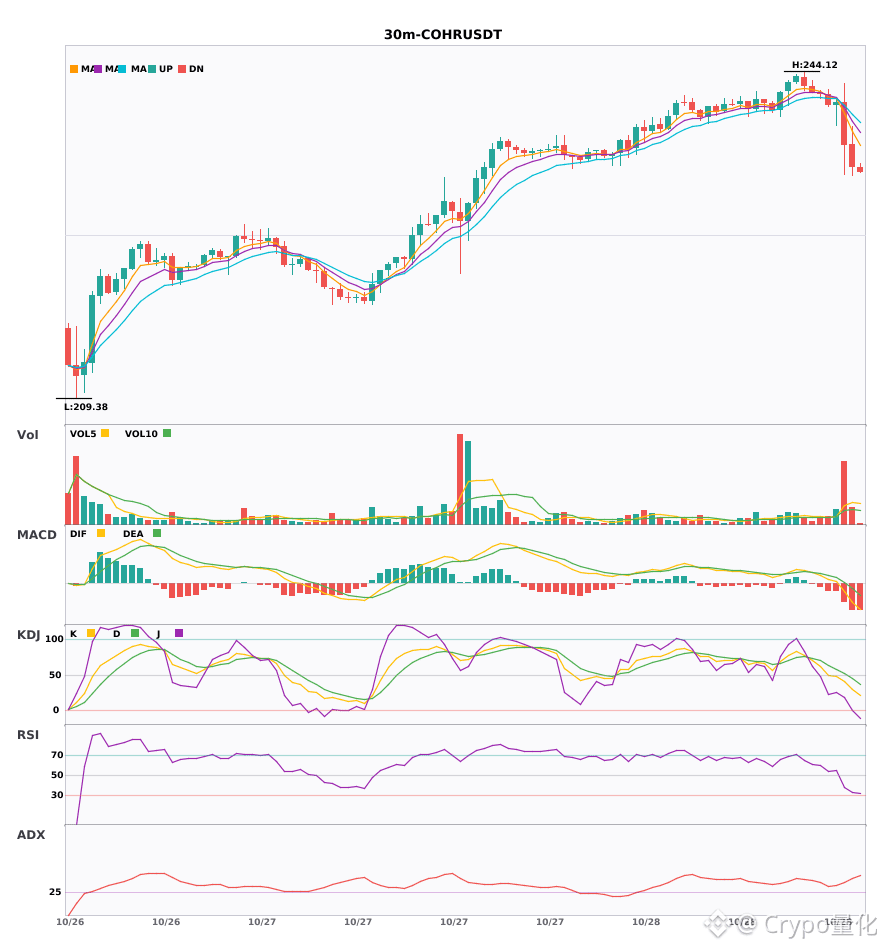
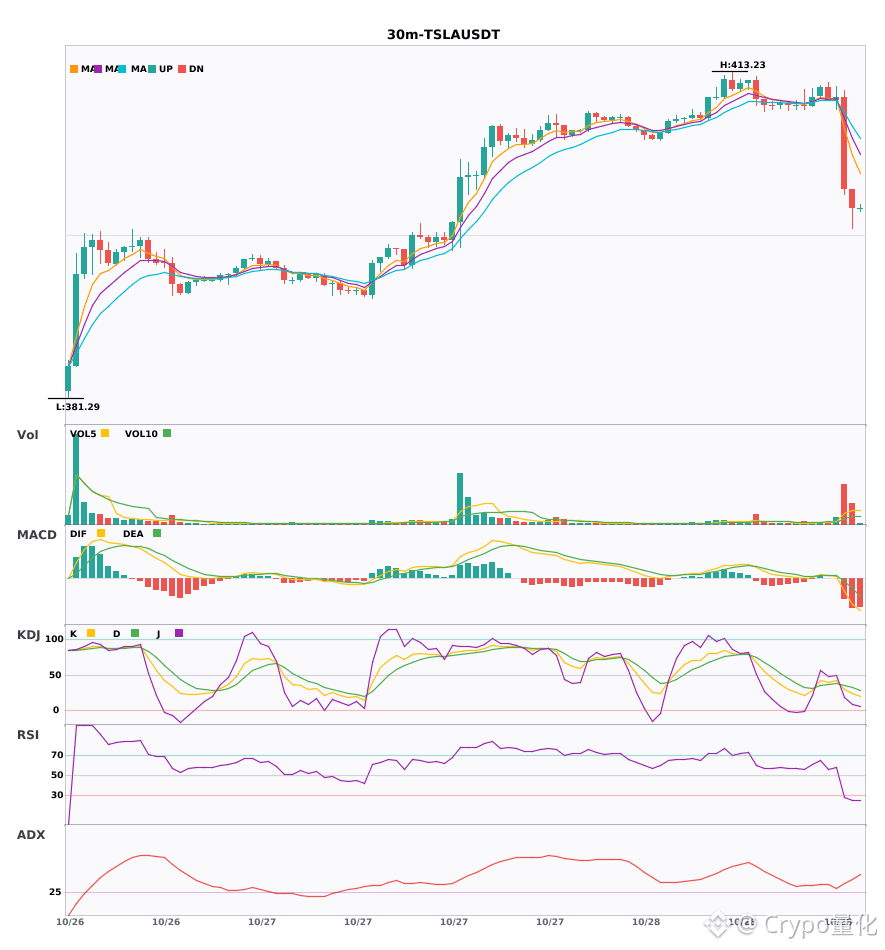
$BNC / $COHR / $TSLA 30-minute outlook is bearish, with short-term pressure
📉 $BNC | 30-minute bearish signal
━━━━━━━━━━━━━━━━━━
Technical analysis: ADX (37) indicates a clear trend | MACD DIF fell below the zero line, signaling a bearish trend | EMA5 < EMA8 < EMA13, bearish alignment | Volume increased (2.2x)
Price change: -1.3000%
📉 $COHR | 30-minute bearish signal
━━━━━━━━━━━━━━━━━━
Technical analysis: ADX (38) indicates a clear trend | MACD DIF fell below the zero line, signaling a bearish trend | EMA5 < EMA8 < EMA13, bearish alignment | Volume surged (4.4x)
Price change: -1.9100%
📉 $TSLA | 30-minute bearish signal
━━━━━━━━━━━━━━━━━━
Technical analysis: ADX (34) indicates a clear trend | MACD DIF fell below the zero line, signaling a bearish trend | EMA5 crossed below EMA8, turning bearish in the short term | KDJ bearish crossover, short-term outlook bearish (K: 29.8, D: 35.6) | Volume surged (6.2x)
Price change: -2.1700%
━━━━━━━━━━━━━━━━━━
#技术分析 #BNC #COHR #TSLA
📌 The above content is for reference only and does not constitute investment advice
12
·
--
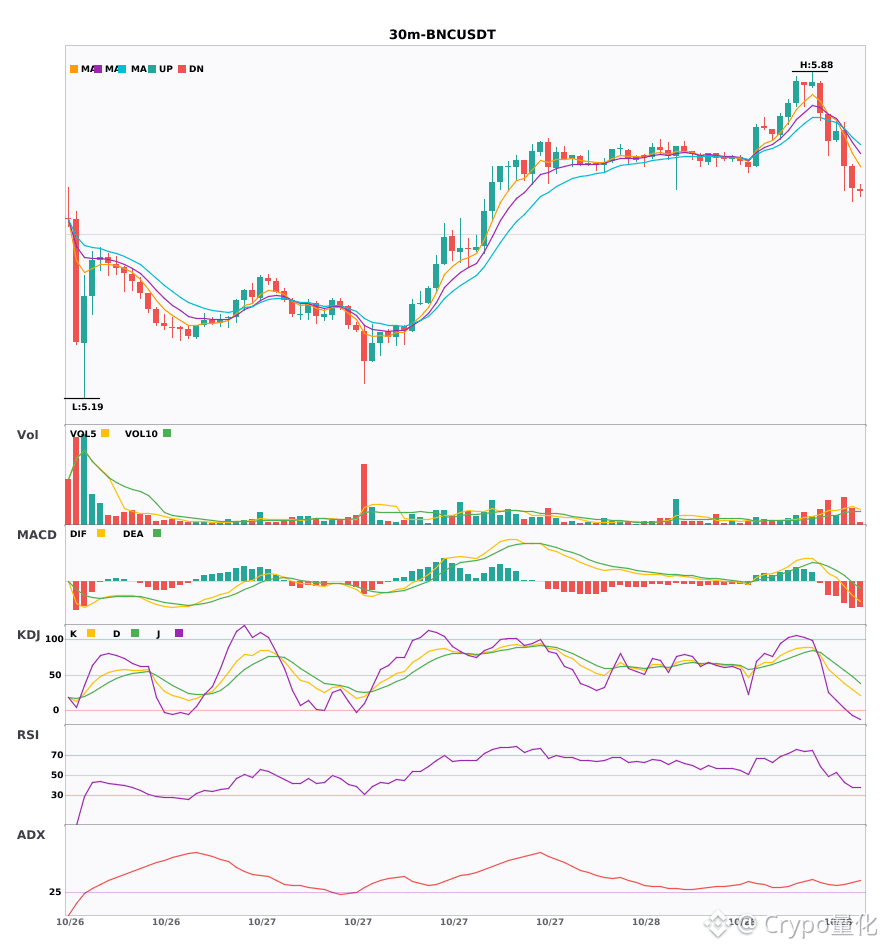
3 bearish alerts on the 30-minute timeframe: $BNC / $COHR / $TSLA🔥
════════════════════
🟢 $BNC 30-minute bearish signal
⚠️Technical analysis: ADX(37) indicates a clear trending market | MACD DIF fell below the zero line, signaling a bearish trend | EMA5 < EMA8 < EMA13, bearish alignment | Volume increased (2.2x)
════════════════════
🟢 $COHR 30-minute bearish signal
⚠️Technical analysis: ADX(38) indicates a clear trending market | MACD DIF fell below the zero line, signaling a bearish trend | EMA5 < EMA8 < EMA13, bearish alignment | Volume surged (4.4x)
════════════════════
🟢 $TSLA 30-minute bearish signal
⚠️Technical analysis: ADX(34) indicates a clear trending market | MACD DIF fell below the zero line, signaling a bearish trend | EMA5 crossed below EMA8, turning bearish in the short term | KDJ bearish crossover, short-term outlook is bearish (K: 29.8, D: 35.6) | Volume surged (6.2x)
════════════════════
🔔 Follow us for real-time market movements 🔔
#技术分析 #BNC #COHR #TSLA
📌 When trading, pay attention to whether the candlestick patterns confirm the signal
3 bearish alerts on the 30-minute timeframe: $BNC / $COHR / $TSLA 🔥
════════════════════
🟢 $BNC 30-minute bearish signal
⚠️Technical analysis: ADX(37) indicates a clear trending market | MACD DIF fell below the zero line, signaling a bearish trend | EMA5 < EMA8 < EMA13, bearish alignment | Volume increased (2.2x)
════════════════════
🟢 $COHR 30-minute bearish signal
⚠️Technical analysis: ADX(38) indicates a clear trending market | MACD DIF fell below the zero line, signaling a bearish trend | EMA5 < EMA8 < EMA13, bearish alignment | Volume surged (4.4x)
════════════════════
🟢 $TSLA 30-minute bearish signal
⚠️Technical analysis: ADX(34) indicates a clear trending market | MACD DIF fell below the zero line, signaling a bearish trend | EMA5 crossed below EMA8, turning bearish in the short term | KDJ bearish crossover, short-term outlook is bearish (K: 29.8, D: 35.6) | Volume surged (6.2x)
════════════════════
🔔 Follow us for real-time market movements 🔔
#技术分析 #BNC #COHR #TSLA
📌 When trading, pay attention to whether the candlestick patterns confirm the signal
════════════════════
🟢 $BNC 30-minute bearish signal
⚠️Technical analysis: ADX(37) indicates a clear trending market | MACD DIF fell below the zero line, signaling a bearish trend | EMA5 < EMA8 < EMA13, bearish alignment | Volume increased (2.2x)
════════════════════
🟢 $COHR 30-minute bearish signal
⚠️Technical analysis: ADX(38) indicates a clear trending market | MACD DIF fell below the zero line, signaling a bearish trend | EMA5 < EMA8 < EMA13, bearish alignment | Volume surged (4.4x)
════════════════════
🟢 $TSLA 30-minute bearish signal
⚠️Technical analysis: ADX(34) indicates a clear trending market | MACD DIF fell below the zero line, signaling a bearish trend | EMA5 crossed below EMA8, turning bearish in the short term | KDJ bearish crossover, short-term outlook is bearish (K: 29.8, D: 35.6) | Volume surged (6.2x)
════════════════════
🔔 Follow us for real-time market movements 🔔
#技术分析 #BNC #COHR #TSLA
📌 When trading, pay attention to whether the candlestick patterns confirm the signal
10

·
--
Verified
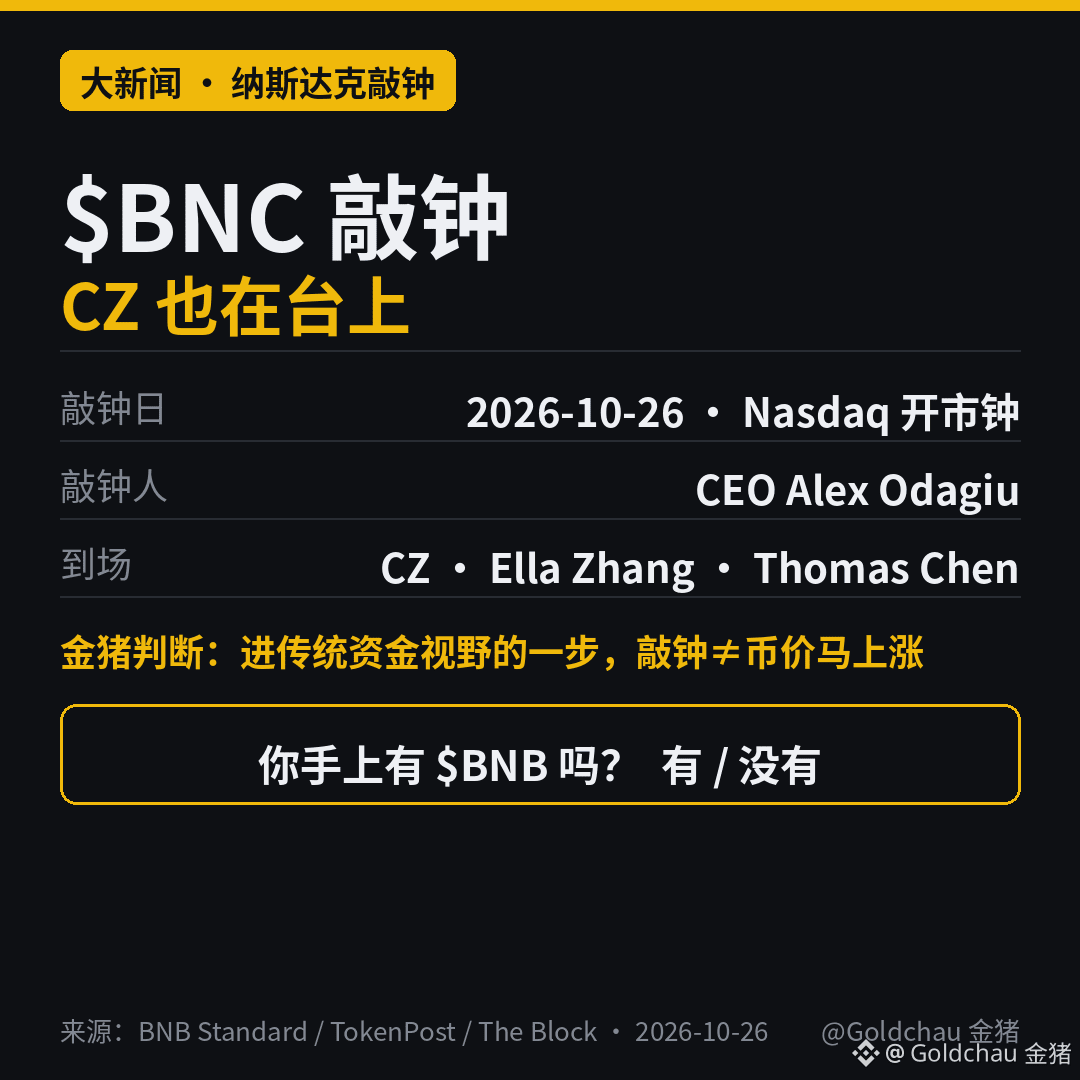
Golden Pig’s take: Last night, $BNC rang the Nasdaq opening bell, with CZ also on stage. This is a step toward bringing BNB into the view of traditional investors—but ringing the bell doesn’t mean the price will rise right away.
Let’s be clear about one thing: this was not an IPO. BNB Standard (Nasdaq: $BNC) changed its name from CEA Industries on 9/29. It’s a publicly traded company focused on managing a corporate BNB treasury, and this event celebrated its new name and new CEO.
On 10/26, CEO Alex Odagiu rang the opening bell at Nasdaq MarketSite in Times Square. The company’s update showed @cz_binance, Ella Zhang of YZi Labs, and BNB Chain CBO Thomas Chen on stage.
$BNB is currently around 740, basically flat over the past 24 hours. The bell-ringing was a ceremony and a chance for exposure—not buying pressure. What matters next is whether the company continues adding to its holdings and whether traditional investors buy in.
I see this as a branding event, not a short-term catalyst for the token price. Disagree? Let’s hear it.
Do you hold any $BNB ? Yes / No
#BNB #BNC #Nasdaq
On the way to the 2026 Top 100 Blockchain Creators · Rising Generation—tap “Vote” on my profile to show your support 🙏
Sources: BNB Standard company updates, TokenPost, The Block (2026-10-26); Binance spot BNBUSDT. DYOR; this is not investment advice.
Golden Pig’s take: Last night, $BNC rang the Nasdaq opening bell, with CZ also on stage. This is a step toward bringing BNB into the view of traditional investors—but ringing the bell doesn’t mean the price will rise right away.
Let’s be clear about one thing: this was not an IPO. BNB Standard (Nasdaq: $BNC ) changed its name from CEA Industries on 9/29. It’s a publicly traded company focused on managing a corporate BNB treasury, and this event celebrated its new name and new CEO.
On 10/26, CEO Alex Odagiu rang the opening bell at Nasdaq MarketSite in Times Square. The company’s update showed @cz_binance, Ella Zhang of YZi Labs, and BNB Chain CBO Thomas Chen on stage.
$BNB is currently around 740, basically flat over the past 24 hours. The bell-ringing was a ceremony and a chance for exposure—not buying pressure. What matters next is whether the company continues adding to its holdings and whether traditional investors buy in.
I see this as a branding event, not a short-term catalyst for the token price. Disagree? Let’s hear it.
Do you hold any $BNB ? Yes / No
#BNB #BNC #Nasdaq
On the way to the 2026 Top 100 Blockchain Creators · Rising Generation—tap “Vote” on my profile to show your support 🙏
Sources: BNB Standard company updates, TokenPost, The Block (2026-10-26); Binance spot BNBUSDT. DYOR; this is not investment advice.
3
1.8k

·
--
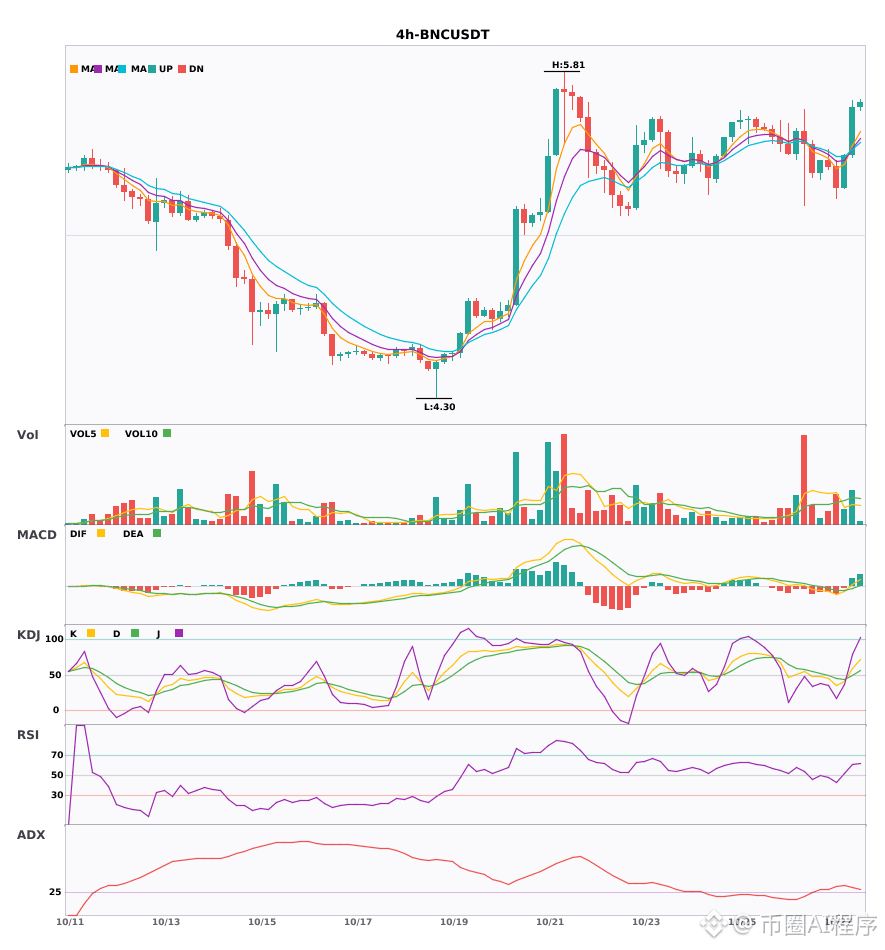
$BNC 4 24-hour bullish + daily bullish alignment; multi-timeframe confluence—trade with the trend 🔥
════════════════════
🔴 $BNC 4 24-hour bullish signal
⚠️Technical analysis: Confirmed daily bullish confluence | 4-hour entry: MACD golden cross above zero, bullish momentum emerging | EMA5 crossed above EMA8, short-term trend turns bullish | KDJ golden cross, short-term outlook bullish (K: 58.6, D: 48.7) | Volume normal (1.3x)
════════════════════
🔔 Follow for the latest market movements 🔔
#多周期共振 #BNC
📌 When trading, pay attention to whether the candlestick pattern confirms the setup
════════════════════
🔴 $BNC 4 24-hour bullish signal
⚠️Technical analysis: Confirmed daily bullish confluence | 4-hour entry: MACD golden cross above zero, bullish momentum emerging | EMA5 crossed above EMA8, short-term trend turns bullish | KDJ golden cross, short-term outlook bullish (K: 58.6, D: 48.7) | Volume normal (1.3x)
════════════════════
🔔 Follow for the latest market movements 🔔
#多周期共振 #BNC
📌 When trading, pay attention to whether the candlestick pattern confirms the setup
11

·
--
Bullish
Verified
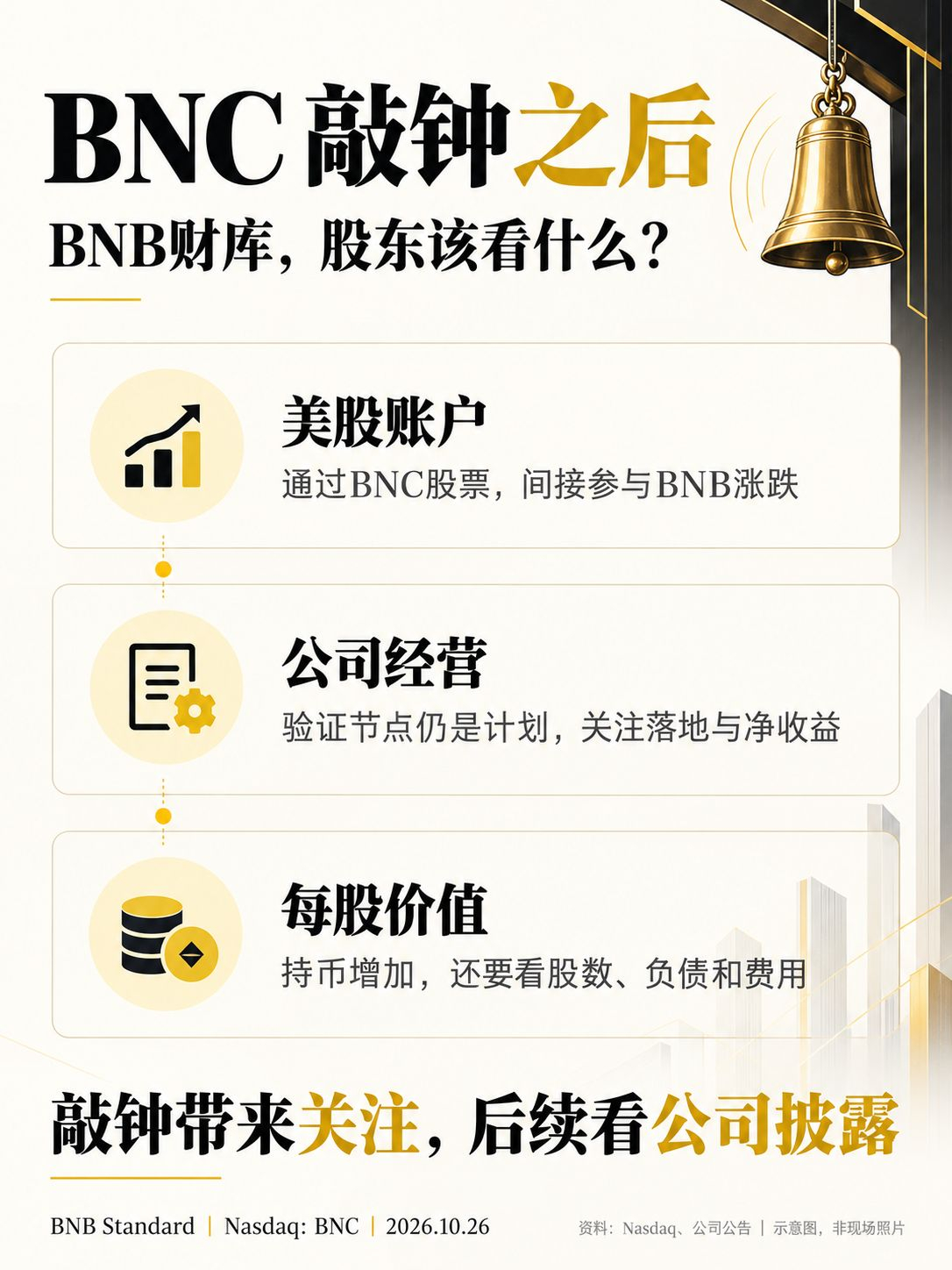
$BNB Standard ($BNC, formerly CEA Industries) rang the Nasdaq opening bell on October 26, officially bringing its BNB treasury strategy to the U.S. stock market. For funds that cannot hold the tokens directly, this offers a compliant equity route. But between “being able to buy” and “actually buying” lies a discount that the market is already pricing in.
The discount is the central fact, not a footnote
As of late October, BNC’s adjusted NAV was about $7.10 per share, while its share price ranged from $4.70 to $5.40. Its mNAV was about 0.66–0.67, implying a 33%–34% discount. In other words, the market is applying a clear discount to the idea of “holding BNB through a company.” The reasons are concrete: financing relies on issuing shares, making dilution the engine of growth; governance disputes eased with the arrival of a new CEO, but litigation over 10X Capital’s asset management agreement has not been fully resolved; and BNB accounts for more than 90% of assets, so that concentration alone represents a risk exposure.
Institutional exposure ≠ spot buying
In Q2 2026, 40 institutions reported BNC holdings in their 13F filings, with a total value of about $21.7 million. But during the same period, 12 institutions exited their positions and 10 reduced their holdings, with buyers and sellers largely offsetting one another. Buying BNC shares does not automatically translate into an equivalent amount of spot demand for BNB—it is first a judgment about the “wrapper’s valuation,” and only then a judgment about BNB.
CZ’s AI payments narrative: right direction, distant timeline
CZ has positioned BNB Chain as a payment network for AI agents. Its next-generation L1 targets 100,000+ TPS and sub-second finality, with a testnet planned for late 2026 and mainnet for early 2027. BNB Chain already hosts many ERC-8004 agents, but a genuine payment channel between agents (x402) is still on the roadmap. What is visible today is the “number of deployments,” not a “transaction-fee stream.” This is an option, not realized cash flow.
Takeaway
BNC offers regulated equity exposure, not a substitute for spot ownership. For the discount to narrow, governance must improve, dilution must slow, and BNB itself must recover from its weakness—all three are necessary. CZ’s AI narrative is a long-term variable; before the 2027 mainnet launch, it makes more sense to track agent transaction volume than agent registrations.
The bell-ringing marks a milestone in access; the discount reflects the market’s pricing. The full story is that both are true at once.
#BNB #BNC #MacroInsights #风险提示
2
705

·
--
On October 26, Nasdaq-listed BNB Standard (ticker symbol: BNC) rang the Nasdaq opening bell, after which CZ attended a media briefing. CEO Alex Odagiu made it clear that the company aims to do more than just hold $BNB: it plans to build an operating business on BNB Chain, starting by running its own validator node. At the briefing, CZ said that cryptocurrency could become the native currency of AI, and expressed hope that BNB Chain would become one of the key networks for related applications.
$BNB #BNBChain #BNC
On October 26, Nasdaq-listed BNB Standard (ticker symbol: BNC) rang the Nasdaq opening bell, after which CZ attended a media briefing. CEO Alex Odagiu made it clear that the company aims to do more than just hold $BNB : it plans to build an operating business on BNB Chain, starting by running its own validator node. At the briefing, CZ said that cryptocurrency could become the native currency of AI, and expressed hope that BNB Chain would become one of the key networks for related applications.
$BNB #BNBChain #BNC
$BNB #BNBChain #BNC
1
2
322

·
--
🔥 Just now: CZ appeared in Times Square at Nasdaq to ring the opening bell for BNB Standard ($BNC).
After nine years in crypto, even he said he never expected to ring Wall Street’s bell for an on-chain asset—TradFi and Crypto are converging.
On-chain projects are already starting to ride the trend. Volatility is extreme, so make sure you verify contract addresses. This is not investment advice.
What do you think of this bell-ringing? A turning point in the narrative, or just a one-day buzz?
#BNB #BNC #CZ #Nasdaq
🔥 Just now: CZ appeared in Times Square at Nasdaq to ring the opening bell for BNB Standard ($BNC ).
After nine years in crypto, even he said he never expected to ring Wall Street’s bell for an on-chain asset—TradFi and Crypto are converging.
On-chain projects are already starting to ride the trend. Volatility is extreme, so make sure you verify contract addresses. This is not investment advice.
What do you think of this bell-ringing? A turning point in the narrative, or just a one-day buzz?
#BNB #BNC #CZ #Nasdaq

475

Verified
CZ also joined BNC for its opening bell ceremony. What’s the difference between buying this stock and buying BNB directly?
On October 26, BNB Standard (Nasdaq ticker: BNC) rang the opening bell in New York. Nasdaq confirmed that the ceremony celebrated the company’s name change and Alex Odagiu’s appointment as CEO. BlockBeats reported that CZ also took part in the event.
To be clear, this was an opening bell ceremony held by a company that is already publicly listed—not Binance going public today. BNC was formerly known as CEA Industries. It changed its name on September 29, while its ticker remained BNC.
I think this gives BNB some welcome exposure. Some investors are used to buying U.S. stocks and don’t want to set up a wallet or handle custody themselves. BNC gives them the option to gain indirect exposure to BNB’s price movements through a stock. Of course, whether institutions can buy it depends on their individual investment mandates.
But the math for buying BNC and buying BNB isn’t the same. Stockholders also bear the company’s expenses and liabilities, as well as dilution from any new share issuance. Even if the company’s total BNB holdings increase, each share could represent less BNB if the share count grows faster.
That’s why I’m more interested in future disclosures about its holdings: whether it keeps buying, how it buys, and whether that benefits existing shareholders.
On October 19, the company also announced plans to operate a BNB Chain validator node, with technical operations handled by a professional partner. If it can generate a sustained net return, that would add another source of income beyond holding BNB. But for now, what we have is a plan. We’ll have to wait for the company to disclose when the node goes live and how much it earns after costs—and returns aren’t guaranteed.
CZ’s involvement will bring more attention to BNC, which I see as a positive. As for whether to buy the stock, I’d also compare its share price with its net asset value per share and watch how the business develops. One opening bell ceremony alone isn’t enough to conclude that institutional investors will start buying in a big way right away.
If you’re already bullish on BNB, under what circumstances would you choose BNC stock over holding BNB directly?
$BNB #BNC
Sources: Nasdaq opening bell page; BNB Standard announcements dated October 19 and 20; BlockBeats report dated October 26. Personal analysis; not investment advice.
中笨葱本葱:
BNB和BNC我更倾向于BNB 现货😇
5
14
18.2k
·
--
Bullish
$BNC Bnc is about to get a pump. We should do something after listing, right?
Also, you could buy some BNB soon. Predict is about to TGE and requires staking $BNB ; there should be at least 20% upside #bnc #prediction market
$BNC Bnc is about to get a pump. We should do something after listing, right?
Also, you could buy some BNB soon. Predict is about to TGE and requires staking $BNB ; there should be at least 20% upside #bnc #prediction market
Also, you could buy some BNB soon. Predict is about to TGE and requires staking $BNB ; there should be at least 20% upside #bnc #prediction market
雨的印迹:
这个bnc为啥天天跌
2
384
·
--
⚡ $BNC LIQUIDITY EXPANSION INCOMING BEFORE THE NEXT VERTICAL BREAKOUT LEG! 🚀
Entry: 3.25 - 3.36 ⚡
Target: 3.48 - 3.75 🚀
Stop Loss: 3.15 ⚠️
Order flow on $BNC is tightening rapidly within the 3.25 - 3.36 demand block as smart money aggressively absorbs sell-side liquidity. 📊 Volume is beginning to curl upward while buyers defend key support ahead of an impending volatility spike.
⚡ Momentum indicators signal a swift push toward upper supply targets once the local high gets reclaimed. 💡 This setup offers a sharp risk-to-reward ratio for traders positioning ahead of high-velocity continuation moves. 💬 Are you bidding this demand retest or waiting for confirmed breakout volume above resistance? 👇
⚠️ Not financial advice. Always manage your risk. 🛡️
🏷️ #BNC #LongSetup #Breakout #Crypto #Altcoins
🔥 💎
92

💥 $BNC SNAPS RESISTANCE WITH VIOLENT MOMENTUM AS BUYERS ABSORB ALL SELLING PRESSURE! 🚀
Entry: 3.55 ⚡
Target: 5.00 🚀
Stop Loss: 3.28 ⚠️
📌 Sellers just lost control of the major resistance level on $BNC , opening the gates for a clean liquidity expansion toward higher time-frame supply zones. 📊 Aggressive bidding volume confirms institutional order flow is fueling this move, effectively flipping key resistance into structural support.
💡 Scaling into this breakout structure with tight risk parameters offers an exceptional risk-to-reward window. 💬 Are you riding this momentum wave to five dollars, or waiting for a deeper retest? 👇
⚠️ Not financial advice. Always manage your risk. 🛡️
🏷️ #BNC #Breakout #Crypto #Trading #LongSetup
⚡ 💎
50

⚡ $BNC SMASHES RESISTANCE AS BUYERS DRIVE TOWARD NEW LOCAL HIGHS! 🚀
Entry: 3.55 - 3.65 ⚡
Target: 3.75 / 3.90 / 4.10 🚀
Stop Loss: 3.42 ⚠️
The aggressive expansion off the 2.80 base just flipped the 3.40 resistance into a rock-solid demand zone. 📊 Buyers are defending every minor dip around 3.64, signaling high conviction as order flow shifts overwhelmingly to the long side.
With overhead liquidity sitting thin up to 4.10, this consolidation structure suggests the current leg still has significant fuel left. ⚡ Keep a close eye on momentum across related plays like $ZEC and $DASH as capital rotates into active setups. 💬 Are you riding this breakout higher or waiting for a retest of the entry zone? 👇
⚠️ Not financial advice. Always manage your risk. 🛡️
🏷️ #BNC #Breakout #Crypto #LongSetup
🔥 💎
41
Log in to explore more content
Join global crypto users on Binance Square
⚡️ Get latest and useful information about crypto.
💬 Trusted by the world’s largest crypto exchange.
👍 Discover real insights from verified creators.
Email / Phone number
Trending Topics
1
#FedWatch
16.2M views
38,972 Discussing
2
#EarningsSeason
6.3M views
31,686 Discussing
3
#USMidtermElections
15,676 views
418 Discussing
4
#BitcoinDropsBelow$80K
14,949 views
79 Discussing
5
#BoEOpensConsultationOnTokenizedCollateralForClearing
106 views
11 Discussing
6
#BrazilCryptoExchangesMustApplyForLicensesByFriday
10,651 views
356 Discussing
7
#ICEPartnersWithTradeXYZToBringPerpetualContractsToUS
596 views
12 Discussing
8
#SolidusLabsReportsSuspected$170MSpoofingOnHyperliquidOilContracts
1,259 views
23 Discussing
9
#StanDruckenmillerBecomesInvestorInTradeXYZ
10,384 views
331 Discussing
10
#RussiaProposedNonCustodialWalletLimitsExcludeIntlSettlements
1,623 views
38 Discussing