

#cryptorisk
cryptorisk
1.6M views
2,632 Discussing
Hot
Latest

⚠️ HOW CAN A SMALL PRICE MOVE CAUSE A HUGE LOSS IN CRYPTO?
The answer is often LEVERAGE. 👇
🔹 1️⃣ It Magnifies Exposure
With 10x leverage, $100 of margin controls a $1,000 position.
🔹 2️⃣ Losses Grow Faster
A 2% adverse move on that $1,000 position means approximately $20 lost, before fees and funding.
🔹 3️⃣ Liquidation Becomes a Risk
A sufficiently large adverse move can cause your position to be liquidated.
🔹 4️⃣ Stop-Losses Aren't Perfect
Slippage and fast market conditions can affect your exit price.
🔹 5️⃣ More Leverage Isn't More Skill
Higher leverage increases risk; it doesn't make your analysis more accurate.
💡 Remember: You don't need extreme leverage to learn how markets work.
Understand the risk before opening a position.
👇 Do you trade spot or futures?
$BTC
{spot}(BTCUSDT)
$ETH
{spot}(ETHUSDT)
#BinanceSquare #CryptoRisk #bitcoin #FuturesTrading #cryptoeducation
⚠️ HOW CAN A SMALL PRICE MOVE CAUSE A HUGE LOSS IN CRYPTO?
The answer is often LEVERAGE. 👇
🔹 1️⃣ It Magnifies Exposure
With 10x leverage, $100 of margin controls a $1,000 position.
🔹 2️⃣ Losses Grow Faster
A 2% adverse move on that $1,000 position means approximately $20 lost, before fees and funding.
🔹 3️⃣ Liquidation Becomes a Risk
A sufficiently large adverse move can cause your position to be liquidated.
🔹 4️⃣ Stop-Losses Aren't Perfect
Slippage and fast market conditions can affect your exit price.
🔹 5️⃣ More Leverage Isn't More Skill
Higher leverage increases risk; it doesn't make your analysis more accurate.
💡 Remember: You don't need extreme leverage to learn how markets work.
Understand the risk before opening a position.
👇 Do you trade spot or futures?
$BTC
$ETH
#BinanceSquare #CryptoRisk #bitcoin #FuturesTrading #cryptoeducation
The answer is often LEVERAGE. 👇
🔹 1️⃣ It Magnifies Exposure
With 10x leverage, $100 of margin controls a $1,000 position.
🔹 2️⃣ Losses Grow Faster
A 2% adverse move on that $1,000 position means approximately $20 lost, before fees and funding.
🔹 3️⃣ Liquidation Becomes a Risk
A sufficiently large adverse move can cause your position to be liquidated.
🔹 4️⃣ Stop-Losses Aren't Perfect
Slippage and fast market conditions can affect your exit price.
🔹 5️⃣ More Leverage Isn't More Skill
Higher leverage increases risk; it doesn't make your analysis more accurate.
💡 Remember: You don't need extreme leverage to learn how markets work.
Understand the risk before opening a position.
👇 Do you trade spot or futures?
$BTC
$ETH
#BinanceSquare #CryptoRisk #bitcoin #FuturesTrading #cryptoeducation
9

·
--
Qubic Weak Seed Phrase Leads to 1.4K Wallets Being Drained, Testing Institutional Confidence
According to Cointelegraph, Qubic froze its on-chain network after an attacker exploited weak seed phrases to steal from 1.4K wallets. Currently, 87.1% of the stolen funds remain on-chain, while the rest have been frozen at the MEXC exchange.
The core risk in this incident is not the scale of the financial losses, but the vulnerabilities it has exposed in the security audits and supply chain of emerging public blockchains. For institutional investors evaluating on-chain infrastructure, a mass theft caused by a “weak seed” may be more concerning than a straightforward hacking attack—it raises questions about systemic weaknesses in development processes, key-generation mechanisms, or third-party dependencies.
From a capital-flow perspective, Qubic is not a mainstream asset, so the incident’s direct impact on overall crypto-market liquidity is limited. But institutional investment decisions are often driven by “tail risks”: when a new chain is found to have a reproducible security vulnerability, investors may reassess its audit standards, validator-node configuration, and cross-chain bridging solutions. This confidence discount may not show up in prices immediately, but it could affect the pace of future institutional allocations.
What remains to be seen is whether Qubic will publish a complete technical postmortem and how the 87.1% of on-chain funds will be handled. If the funds are successfully recovered or a clear compensation mechanism is put in place, the impact may subside. But if the cause remains unclear or the response is delayed, the incident could reinforce the market’s stereotype that “new chains equal high risk,” indirectly discouraging institutions from testing the waters with smaller public blockchains.
Looking ahead, it is worth watching whether similar incidents recur on other emerging chains, and whether major audit firms adjust the weight they give to seed-phrase generation and validator-node security in their assessments. For investors, risk signals often emerge before price reactions. Tracking how these structural vulnerabilities evolve may be more useful than following price movements tied to a single incident.
#CryptoRisk #Qubic
The above is a compilation of information and personal analysis, and does not constitute investment advice.
I will continue to monitor and share any important developments.
Qubic Weak Seed Phrase Leads to 1.4K Wallets Being Drained, Testing Institutional Confidence
According to Cointelegraph, Qubic froze its on-chain network after an attacker exploited weak seed phrases to steal from 1.4K wallets. Currently, 87.1% of the stolen funds remain on-chain, while the rest have been frozen at the MEXC exchange.
The core risk in this incident is not the scale of the financial losses, but the vulnerabilities it has exposed in the security audits and supply chain of emerging public blockchains. For institutional investors evaluating on-chain infrastructure, a mass theft caused by a “weak seed” may be more concerning than a straightforward hacking attack—it raises questions about systemic weaknesses in development processes, key-generation mechanisms, or third-party dependencies.
From a capital-flow perspective, Qubic is not a mainstream asset, so the incident’s direct impact on overall crypto-market liquidity is limited. But institutional investment decisions are often driven by “tail risks”: when a new chain is found to have a reproducible security vulnerability, investors may reassess its audit standards, validator-node configuration, and cross-chain bridging solutions. This confidence discount may not show up in prices immediately, but it could affect the pace of future institutional allocations.
What remains to be seen is whether Qubic will publish a complete technical postmortem and how the 87.1% of on-chain funds will be handled. If the funds are successfully recovered or a clear compensation mechanism is put in place, the impact may subside. But if the cause remains unclear or the response is delayed, the incident could reinforce the market’s stereotype that “new chains equal high risk,” indirectly discouraging institutions from testing the waters with smaller public blockchains.
Looking ahead, it is worth watching whether similar incidents recur on other emerging chains, and whether major audit firms adjust the weight they give to seed-phrase generation and validator-node security in their assessments. For investors, risk signals often emerge before price reactions. Tracking how these structural vulnerabilities evolve may be more useful than following price movements tied to a single incident.
#CryptoRisk #Qubic
The above is a compilation of information and personal analysis, and does not constitute investment advice.
I will continue to monitor and share any important developments.
According to Cointelegraph, Qubic froze its on-chain network after an attacker exploited weak seed phrases to steal from 1.4K wallets. Currently, 87.1% of the stolen funds remain on-chain, while the rest have been frozen at the MEXC exchange.
The core risk in this incident is not the scale of the financial losses, but the vulnerabilities it has exposed in the security audits and supply chain of emerging public blockchains. For institutional investors evaluating on-chain infrastructure, a mass theft caused by a “weak seed” may be more concerning than a straightforward hacking attack—it raises questions about systemic weaknesses in development processes, key-generation mechanisms, or third-party dependencies.
From a capital-flow perspective, Qubic is not a mainstream asset, so the incident’s direct impact on overall crypto-market liquidity is limited. But institutional investment decisions are often driven by “tail risks”: when a new chain is found to have a reproducible security vulnerability, investors may reassess its audit standards, validator-node configuration, and cross-chain bridging solutions. This confidence discount may not show up in prices immediately, but it could affect the pace of future institutional allocations.
What remains to be seen is whether Qubic will publish a complete technical postmortem and how the 87.1% of on-chain funds will be handled. If the funds are successfully recovered or a clear compensation mechanism is put in place, the impact may subside. But if the cause remains unclear or the response is delayed, the incident could reinforce the market’s stereotype that “new chains equal high risk,” indirectly discouraging institutions from testing the waters with smaller public blockchains.
Looking ahead, it is worth watching whether similar incidents recur on other emerging chains, and whether major audit firms adjust the weight they give to seed-phrase generation and validator-node security in their assessments. For investors, risk signals often emerge before price reactions. Tracking how these structural vulnerabilities evolve may be more useful than following price movements tied to a single incident.
#CryptoRisk #Qubic
The above is a compilation of information and personal analysis, and does not constitute investment advice.
I will continue to monitor and share any important developments.
43

·
--
Bullish
🚨 $AGT One of the ugliest charts in the world! 📉💀
Today, we’ll take a look at $AGT , which has surged by more than 140% 🚀📈. The headline reflects my honest opinion, but let’s take a closer look at the details.
This is a daily chart, meaning each candle represents one day. 🕯️ Honestly, it looks like a classic sawtooth pattern! 🪚 Over the past three months, we’ve seen little besides price pumps followed by crashes. 🎢💥
Every time you think the price won’t crash this time, it happens all over again! 😵💫 When this pattern repeats around 10 times, betting that it won’t happen for an 11th time is a big risk.
In my opinion, the risks are clear: even if $AGT
{future}(AGTUSDT)
continues rising for another day or two 📈, a sharp crash could eventually follow. 💣📉
Personally, I avoid trading coins like this. ⚠️ These coins can put even the smallest amounts of money at risk. Protect your capital, and don’t let the fear of missing out (FOMO) control your decisions! 🛡️🧠
#Crypto #AGT #Trading #CryptoRisk 🚀
🚨 $AGT One of the ugliest charts in the world! 📉💀
Today, we’ll take a look at $AGT , which has surged by more than 140% 🚀📈. The headline reflects my honest opinion, but let’s take a closer look at the details.
This is a daily chart, meaning each candle represents one day. 🕯️ Honestly, it looks like a classic sawtooth pattern! 🪚 Over the past three months, we’ve seen little besides price pumps followed by crashes. 🎢💥
Every time you think the price won’t crash this time, it happens all over again! 😵💫 When this pattern repeats around 10 times, betting that it won’t happen for an 11th time is a big risk.
In my opinion, the risks are clear: even if $AGT
continues rising for another day or two 📈, a sharp crash could eventually follow. 💣📉
Personally, I avoid trading coins like this. ⚠️ These coins can put even the smallest amounts of money at risk. Protect your capital, and don’t let the fear of missing out (FOMO) control your decisions! 🛡️🧠
#Crypto #AGT #Trading #CryptoRisk 🚀
Today, we’ll take a look at $AGT , which has surged by more than 140% 🚀📈. The headline reflects my honest opinion, but let’s take a closer look at the details.
This is a daily chart, meaning each candle represents one day. 🕯️ Honestly, it looks like a classic sawtooth pattern! 🪚 Over the past three months, we’ve seen little besides price pumps followed by crashes. 🎢💥
Every time you think the price won’t crash this time, it happens all over again! 😵💫 When this pattern repeats around 10 times, betting that it won’t happen for an 11th time is a big risk.
In my opinion, the risks are clear: even if $AGT
continues rising for another day or two 📈, a sharp crash could eventually follow. 💣📉
Personally, I avoid trading coins like this. ⚠️ These coins can put even the smallest amounts of money at risk. Protect your capital, and don’t let the fear of missing out (FOMO) control your decisions! 🛡️🧠
#Crypto #AGT #Trading #CryptoRisk 🚀
40

🚨 NEARLY $1 BILLION IN CRYPTO POSITIONS LIQUIDATED — MOST WERE BETTING ON HIGHER PRICES!
Crypto markets came under heavy pressure today.
📉 Bitcoin dropped below $81,000.
📉 Ethereum fell more than 6%.
⚠️ Around $951 million in leveraged positions were liquidated over 24 hours, including approximately $876 million in longs.
HERE'S WHAT MATTERS:
A trader can correctly believe in a project's long-term future and still lose their entire leveraged position during a short-term price move.
Liquidations can also accelerate a market decline as exchanges automatically close positions.
🕌 FOR MUSLIM INVESTORS:
Leverage, borrowing arrangements, funding payments and derivative contracts require careful Shariah examination. Avoid assuming that access through a major exchange establishes permissibility.
📌 SAVE THIS: Liquidation totals measure the value of positions closed, not necessarily traders' cash losses.
💬 Do you think beginners understand the real risks of leverage?
#Bitcoin #CryptoRisk #IslamicFinance #HalalCryptoGuide
🚨 NEARLY $1 BILLION IN CRYPTO POSITIONS LIQUIDATED — MOST WERE BETTING ON HIGHER PRICES!
Crypto markets came under heavy pressure today.
📉 Bitcoin dropped below $81,000.
📉 Ethereum fell more than 6%.
⚠️ Around $951 million in leveraged positions were liquidated over 24 hours, including approximately $876 million in longs.
HERE'S WHAT MATTERS:
A trader can correctly believe in a project's long-term future and still lose their entire leveraged position during a short-term price move.
Liquidations can also accelerate a market decline as exchanges automatically close positions.
🕌 FOR MUSLIM INVESTORS:
Leverage, borrowing arrangements, funding payments and derivative contracts require careful Shariah examination. Avoid assuming that access through a major exchange establishes permissibility.
📌 SAVE THIS: Liquidation totals measure the value of positions closed, not necessarily traders' cash losses.
💬 Do you think beginners understand the real risks of leverage?
#Bitcoin #CryptoRisk #IslamicFinance #HalalCryptoGuide
Crypto markets came under heavy pressure today.
📉 Bitcoin dropped below $81,000.
📉 Ethereum fell more than 6%.
⚠️ Around $951 million in leveraged positions were liquidated over 24 hours, including approximately $876 million in longs.
HERE'S WHAT MATTERS:
A trader can correctly believe in a project's long-term future and still lose their entire leveraged position during a short-term price move.
Liquidations can also accelerate a market decline as exchanges automatically close positions.
🕌 FOR MUSLIM INVESTORS:
Leverage, borrowing arrangements, funding payments and derivative contracts require careful Shariah examination. Avoid assuming that access through a major exchange establishes permissibility.
📌 SAVE THIS: Liquidation totals measure the value of positions closed, not necessarily traders' cash losses.
💬 Do you think beginners understand the real risks of leverage?
#Bitcoin #CryptoRisk #IslamicFinance #HalalCryptoGuide
73

·
--
$PEPE Millionaire… Locked Out! 💀💰
A wallet turned $27 into $67 MILLION with #pepe . But they can’t access a single dollar. Why? The developers blacklisted the wallet, preventing any sale, transfer, or exchange.
This is a brutal reminder: in crypto, controlling the contract means controlling your funds. If you don’t, your money could be frozen indefinitely. 🚨
Always check smart contracts before diving into meme coins. Don’t let this happen to you. This highlights the risks involved in projects where developers retain excessive control. Consider projects like $ZEC and $SUI I, which prioritize decentralization.
#pepe #memecoins🤑🤑 #cryptorisk
$PEPE Millionaire… Locked Out! 💀💰
A wallet turned $27 into $67 MILLION with #pepe . But they can’t access a single dollar. Why? The developers blacklisted the wallet, preventing any sale, transfer, or exchange.
This is a brutal reminder: in crypto, controlling the contract means controlling your funds. If you don’t, your money could be frozen indefinitely. 🚨
Always check smart contracts before diving into meme coins. Don’t let this happen to you. This highlights the risks involved in projects where developers retain excessive control. Consider projects like $ZEC and $SUI I, which prioritize decentralization.
#pepe #memecoins🤑🤑 #cryptorisk
A wallet turned $27 into $67 MILLION with #pepe . But they can’t access a single dollar. Why? The developers blacklisted the wallet, preventing any sale, transfer, or exchange.
This is a brutal reminder: in crypto, controlling the contract means controlling your funds. If you don’t, your money could be frozen indefinitely. 🚨
Always check smart contracts before diving into meme coins. Don’t let this happen to you. This highlights the risks involved in projects where developers retain excessive control. Consider projects like $ZEC and $SUI I, which prioritize decentralization.
#pepe #memecoins🤑🤑 #cryptorisk
CLERISTON_2022:
misericórdia Senhor. Complicado perder tudo isso .
1
4
4.3k

·
--
🚨 $DEFI DeFi Isn’t Risk-Free — Smart Investors Know Why!
Decentralized Finance opens new opportunities, but higher potential returns can come with serious risks. 📊
🔍 4 risks every investor should understand:
• Smart contract hacks 🛡️
• Project team exit scams ⚠️
• Oracle errors 📉
• Liquidity problems during extreme market conditions 🌊
💡 My strategy: Research the protocol, understand where the yield comes from, and never invest more than you can afford to lose. High APY means nothing if you ignore the risks.
📊 Remember: Protecting your capital comes before chasing profits.
👇 Question for the community:
Which DeFi risk concerns you the most — smart contract hacks, rug pulls, or liquidity issues? Share your thoughts!?
PLZ answere short but meaningful based on youre knowladge and understanding.
#Binance #BinanceSquare #DeFi #CryptoEducation #CryptoRisk #Web3
🚨 $DEFI DeFi Isn’t Risk-Free — Smart Investors Know Why!
Decentralized Finance opens new opportunities, but higher potential returns can come with serious risks. 📊
🔍 4 risks every investor should understand:
• Smart contract hacks 🛡️
• Project team exit scams ⚠️
• Oracle errors 📉
• Liquidity problems during extreme market conditions 🌊
💡 My strategy: Research the protocol, understand where the yield comes from, and never invest more than you can afford to lose. High APY means nothing if you ignore the risks.
📊 Remember: Protecting your capital comes before chasing profits.
👇 Question for the community:
Which DeFi risk concerns you the most — smart contract hacks, rug pulls, or liquidity issues? Share your thoughts!?
PLZ answere short but meaningful based on youre knowladge and understanding.
#Binance #BinanceSquare #DeFi #CryptoEducation #CryptoRisk #Web3
Decentralized Finance opens new opportunities, but higher potential returns can come with serious risks. 📊
🔍 4 risks every investor should understand:
• Smart contract hacks 🛡️
• Project team exit scams ⚠️
• Oracle errors 📉
• Liquidity problems during extreme market conditions 🌊
💡 My strategy: Research the protocol, understand where the yield comes from, and never invest more than you can afford to lose. High APY means nothing if you ignore the risks.
📊 Remember: Protecting your capital comes before chasing profits.
👇 Question for the community:
Which DeFi risk concerns you the most — smart contract hacks, rug pulls, or liquidity issues? Share your thoughts!?
PLZ answere short but meaningful based on youre knowladge and understanding.
#Binance #BinanceSquare #DeFi #CryptoEducation #CryptoRisk #Web3
75

·
--
🐸 Memecoins: Hype Can Be Powerful — and Dangerous!
A trending meme can attract thousands of traders in hours. But popularity doesn't guarantee lasting value.
Before jumping in, check liquidity, token concentration, project credibility, and how much you can afford to lose.
⚡ Honest question: Are memecoins an opportunity, pure speculation, or a little of both?
$BTTC
#Memecoins #CryptoRisk #altcoins #BinanceSquare
🐸 Memecoins: Hype Can Be Powerful — and Dangerous!
A trending meme can attract thousands of traders in hours. But popularity doesn't guarantee lasting value.
Before jumping in, check liquidity, token concentration, project credibility, and how much you can afford to lose.
⚡ Honest question: Are memecoins an opportunity, pure speculation, or a little of both?
$BTTC
#Memecoins #CryptoRisk #altcoins #BinanceSquare
A trending meme can attract thousands of traders in hours. But popularity doesn't guarantee lasting value.
Before jumping in, check liquidity, token concentration, project credibility, and how much you can afford to lose.
⚡ Honest question: Are memecoins an opportunity, pure speculation, or a little of both?
$BTTC
#Memecoins #CryptoRisk #altcoins #BinanceSquare
1
457

⚡ Crypto Leverage: Higher Exposure Means Higher Risk
Leverage allows traders to control a position larger than the margin they provide.
For example, with 10x leverage, a $100 margin can provide exposure to a $1,000 position, before fees and other requirements.
This does not mean you have earned $1,000 or that your potential profit is guaranteed.
A 1% adverse price movement on that position represents approximately $10 in losses before fees, funding, and other costs.
That is 10% of the original $100 margin.
Larger adverse movements can lead to liquidation, depending on the exchange s rules and the position s margin requirements.
Beginners should understand these risks before using futures trading.
Never assume that higher leverage is the same as higher trading skill.
#Binance #FuturesTrading #Leverage #CryptoRisk
⚡ Crypto Leverage: Higher Exposure Means Higher Risk
Leverage allows traders to control a position larger than the margin they provide.
For example, with 10x leverage, a $100 margin can provide exposure to a $1,000 position, before fees and other requirements.
This does not mean you have earned $1,000 or that your potential profit is guaranteed.
A 1% adverse price movement on that position represents approximately $10 in losses before fees, funding, and other costs.
That is 10% of the original $100 margin.
Larger adverse movements can lead to liquidation, depending on the exchange s rules and the position s margin requirements.
Beginners should understand these risks before using futures trading.
Never assume that higher leverage is the same as higher trading skill.
#Binance #FuturesTrading #Leverage #CryptoRisk
Leverage allows traders to control a position larger than the margin they provide.
For example, with 10x leverage, a $100 margin can provide exposure to a $1,000 position, before fees and other requirements.
This does not mean you have earned $1,000 or that your potential profit is guaranteed.
A 1% adverse price movement on that position represents approximately $10 in losses before fees, funding, and other costs.
That is 10% of the original $100 margin.
Larger adverse movements can lead to liquidation, depending on the exchange s rules and the position s margin requirements.
Beginners should understand these risks before using futures trading.
Never assume that higher leverage is the same as higher trading skill.
#Binance #FuturesTrading #Leverage #CryptoRisk
27


Flash update. A $19 billion market shock one year ago forced traders to rethink risk management. Did the industry actually adapt? 1. Liquidity crunch exposed hidden leverage across desks. 2. Risk controls tightened globally after the dust settled. 3. Volatility remains king as $BTC tests new ranges. Stay sharp and manage exposure. #Write2Earn #CryptoRisk #Bitcoin #Trading
Flash update. A $19 billion market shock one year ago forced traders to rethink risk management. Did the industry actually adapt? 1. Liquidity crunch exposed hidden leverage across desks. 2. Risk controls tightened globally after the dust settled. 3. Volatility remains king as $BTC tests new ranges. Stay sharp and manage exposure. #Write2Earn #CryptoRisk #Bitcoin #Trading
1
33

·
--
BTC volatility has plunged—so why are extreme market moves becoming more frequent?
According to CoinDesk’s latest analysis, $BTC saw 10 days of unusually large price swings in 2026, significantly more than in 2018. This data points to a profound shift in the market’s risk structure: headline volatility measures continue to decline, while tail-risk events are occurring more often.
This divergence challenges the effectiveness of traditional risk-measurement frameworks. Conventional volatility measures are often calculated using the standard deviation of historical price movements, which can underestimate the probability of extreme market moves. When market liquidity structures change, prices may remain stable most of the time, yet swing sharply when certain triggers are hit—creating a combination of “low volatility, high tail risk.”
From a market-response perspective, this structural shift could affect position strategies and risk-control parameters. Investors who rely on traditional volatility measures to manage positions may find that their risk exposure is being underestimated. The rising frequency of extreme market moves means that risk-control parameters such as stop-loss levels and hedge ratios may need to be recalibrated to reflect the market’s new characteristics.
Countervailing factors to consider include the fact that the sample covers only 2026, the criteria for defining an extreme day have not been fully disclosed, and declining volatility may reflect changes in market liquidity structure rather than a genuine reduction in risk. In addition, market participants are still improving how efficiently they price tail risk, so more time is needed to determine whether the current data reflects a long-term trend.
Indicators worth watching next include the specific distribution of days with extreme volatility, the relationship between changes in market depth and volatility measures, and how quickly the market recovers after extreme moves. If you are watching $BTC, it may be more useful in the short term to monitor whether the divergence between volatility measures and the frequency of extreme market moves continues to widen, and whether changes in liquidity structure are confirmed, rather than relying solely on traditional volatility levels to assess risk.
$BTC #Bitcoin #CryptoRisk
The above is an information summary and personal analysis, and does not constitute investment advice.
I will continue to monitor developments and provide updates if there are any significant developments.
BTC volatility has plunged—so why are extreme market moves becoming more frequent?
According to CoinDesk’s latest analysis, $BTC saw 10 days of unusually large price swings in 2026, significantly more than in 2018. This data points to a profound shift in the market’s risk structure: headline volatility measures continue to decline, while tail-risk events are occurring more often.
This divergence challenges the effectiveness of traditional risk-measurement frameworks. Conventional volatility measures are often calculated using the standard deviation of historical price movements, which can underestimate the probability of extreme market moves. When market liquidity structures change, prices may remain stable most of the time, yet swing sharply when certain triggers are hit—creating a combination of “low volatility, high tail risk.”
From a market-response perspective, this structural shift could affect position strategies and risk-control parameters. Investors who rely on traditional volatility measures to manage positions may find that their risk exposure is being underestimated. The rising frequency of extreme market moves means that risk-control parameters such as stop-loss levels and hedge ratios may need to be recalibrated to reflect the market’s new characteristics.
Countervailing factors to consider include the fact that the sample covers only 2026, the criteria for defining an extreme day have not been fully disclosed, and declining volatility may reflect changes in market liquidity structure rather than a genuine reduction in risk. In addition, market participants are still improving how efficiently they price tail risk, so more time is needed to determine whether the current data reflects a long-term trend.
Indicators worth watching next include the specific distribution of days with extreme volatility, the relationship between changes in market depth and volatility measures, and how quickly the market recovers after extreme moves. If you are watching $BTC , it may be more useful in the short term to monitor whether the divergence between volatility measures and the frequency of extreme market moves continues to widen, and whether changes in liquidity structure are confirmed, rather than relying solely on traditional volatility levels to assess risk.
$BTC #Bitcoin #CryptoRisk
The above is an information summary and personal analysis, and does not constitute investment advice.
I will continue to monitor developments and provide updates if there are any significant developments.
According to CoinDesk’s latest analysis, $BTC saw 10 days of unusually large price swings in 2026, significantly more than in 2018. This data points to a profound shift in the market’s risk structure: headline volatility measures continue to decline, while tail-risk events are occurring more often.
This divergence challenges the effectiveness of traditional risk-measurement frameworks. Conventional volatility measures are often calculated using the standard deviation of historical price movements, which can underestimate the probability of extreme market moves. When market liquidity structures change, prices may remain stable most of the time, yet swing sharply when certain triggers are hit—creating a combination of “low volatility, high tail risk.”
From a market-response perspective, this structural shift could affect position strategies and risk-control parameters. Investors who rely on traditional volatility measures to manage positions may find that their risk exposure is being underestimated. The rising frequency of extreme market moves means that risk-control parameters such as stop-loss levels and hedge ratios may need to be recalibrated to reflect the market’s new characteristics.
Countervailing factors to consider include the fact that the sample covers only 2026, the criteria for defining an extreme day have not been fully disclosed, and declining volatility may reflect changes in market liquidity structure rather than a genuine reduction in risk. In addition, market participants are still improving how efficiently they price tail risk, so more time is needed to determine whether the current data reflects a long-term trend.
Indicators worth watching next include the specific distribution of days with extreme volatility, the relationship between changes in market depth and volatility measures, and how quickly the market recovers after extreme moves. If you are watching $BTC , it may be more useful in the short term to monitor whether the divergence between volatility measures and the frequency of extreme market moves continues to widen, and whether changes in liquidity structure are confirmed, rather than relying solely on traditional volatility levels to assess risk.
$BTC #Bitcoin #CryptoRisk
The above is an information summary and personal analysis, and does not constitute investment advice.
I will continue to monitor developments and provide updates if there are any significant developments.
42
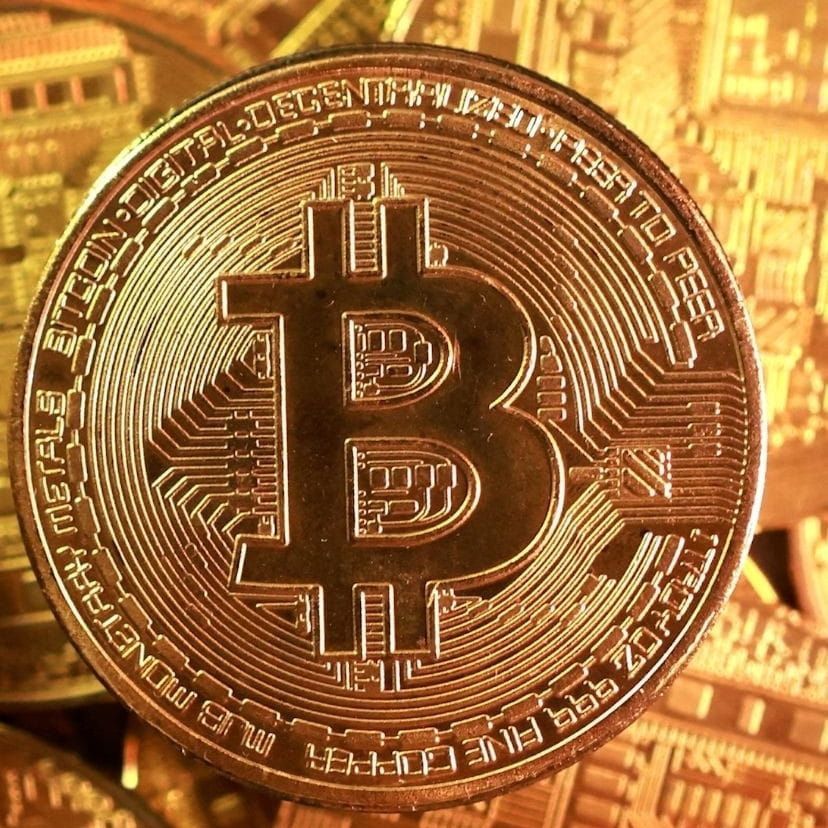
🚨 BE CAREFUL WITH $HEMI, $TUT & $ONE! ⚠️
These coins can test your patience and drain your portfolio before making a comeback when frustrated investors have already sold. 😡📉
Many holders feel trapped in these painful cycles, watching their money shrink while waiting for a recovery that may never come.
💀 My warning to traders:
🔻 Don't blindly trust any coin.
🔻 Never invest more than you can afford to lose.
🔻 Avoid emotional buying and holding without a plan.
🔻 Always do your own research before investing.
Sometimes, the biggest loss isn't just your money — it's the time you waste waiting for a recovery.
Have you lost money on $HEMI, $TUT, or $ONE? 👇🔥 Share your experience and warn other traders!
{spot}(TUTUSDT)
#Crypto #Altcoins #CryptoRisk $TUT
🚨 BE CAREFUL WITH $HEMI, $TUT & $ONE! ⚠️
These coins can test your patience and drain your portfolio before making a comeback when frustrated investors have already sold. 😡📉
Many holders feel trapped in these painful cycles, watching their money shrink while waiting for a recovery that may never come.
💀 My warning to traders:
🔻 Don't blindly trust any coin.
🔻 Never invest more than you can afford to lose.
🔻 Avoid emotional buying and holding without a plan.
🔻 Always do your own research before investing.
Sometimes, the biggest loss isn't just your money — it's the time you waste waiting for a recovery.
Have you lost money on $HEMI, $TUT , or $ONE? 👇🔥 Share your experience and warn other traders!
#Crypto #Altcoins #CryptoRisk $TUT
These coins can test your patience and drain your portfolio before making a comeback when frustrated investors have already sold. 😡📉
Many holders feel trapped in these painful cycles, watching their money shrink while waiting for a recovery that may never come.
💀 My warning to traders:
🔻 Don't blindly trust any coin.
🔻 Never invest more than you can afford to lose.
🔻 Avoid emotional buying and holding without a plan.
🔻 Always do your own research before investing.
Sometimes, the biggest loss isn't just your money — it's the time you waste waiting for a recovery.
Have you lost money on $HEMI, $TUT , or $ONE? 👇🔥 Share your experience and warn other traders!
#Crypto #Altcoins #CryptoRisk $TUT
136
🚨 BINANCE RISK ALERT: BICO & CVC
Binance announced today that two tokens are being added to its Monitoring Tag list:
🔸 Biconomy ($BICO )
🔸 Civic ($CVC )
⚠️ Does this mean they’re getting delisted?
NO. Not automatically.
But it means Binance considers these assets higher-risk and will continue reviewing them.
Binance evaluates factors including:
🔍 Project development and team activity
📊 Trading volume and liquidity
🔐 Network security
📉 Tokenomics and supply changes
If a project fails to meet Binance’s listing standards, delisting becomes a possibility.
🕌 For Muslim crypto investors:
Researching a project’s Shariah compatibility is important, but financial risk deserves separate attention.
A token isn’t automatically a sound investment simply because its business model appears acceptable.
📌 Save this reminder: Monitoring Tag ≠ Delisting, but it is a warning worth investigating.
Do you currently hold BICO or CVC?
#Binance #CryptoRisk #CryptoEducation #HalalCryptoGuide
🚨 BINANCE RISK ALERT: BICO & CVC
Binance announced today that two tokens are being added to its Monitoring Tag list:
🔸 Biconomy ($BICO )
🔸 Civic ($CVC )
⚠️ Does this mean they’re getting delisted?
NO. Not automatically.
But it means Binance considers these assets higher-risk and will continue reviewing them.
Binance evaluates factors including:
🔍 Project development and team activity
📊 Trading volume and liquidity
🔐 Network security
📉 Tokenomics and supply changes
If a project fails to meet Binance’s listing standards, delisting becomes a possibility.
🕌 For Muslim crypto investors:
Researching a project’s Shariah compatibility is important, but financial risk deserves separate attention.
A token isn’t automatically a sound investment simply because its business model appears acceptable.
📌 Save this reminder: Monitoring Tag ≠ Delisting, but it is a warning worth investigating.
Do you currently hold BICO or CVC?
#Binance #CryptoRisk #CryptoEducation #HalalCryptoGuide
Binance announced today that two tokens are being added to its Monitoring Tag list:
🔸 Biconomy ($BICO )
🔸 Civic ($CVC )
⚠️ Does this mean they’re getting delisted?
NO. Not automatically.
But it means Binance considers these assets higher-risk and will continue reviewing them.
Binance evaluates factors including:
🔍 Project development and team activity
📊 Trading volume and liquidity
🔐 Network security
📉 Tokenomics and supply changes
If a project fails to meet Binance’s listing standards, delisting becomes a possibility.
🕌 For Muslim crypto investors:
Researching a project’s Shariah compatibility is important, but financial risk deserves separate attention.
A token isn’t automatically a sound investment simply because its business model appears acceptable.
📌 Save this reminder: Monitoring Tag ≠ Delisting, but it is a warning worth investigating.
Do you currently hold BICO or CVC?
#Binance #CryptoRisk #CryptoEducation #HalalCryptoGuide
قناص القيعان Bottom Huters 2027:
افضل عملي لدي واملك منها مليون وسامتلك ملاين أخرى منها حتى لو حذفتها المنصه يوجد مئات المنصات الأخرى التي امتلك منها الكثير
4
1
609

·
--
Institutional funds bought $2.4B worth of $BTC in a single week, yet over $330M in leveraged bets got wiped out in just a few days.
Most traders get caught trying to front-run institutional momentum, only to get crushed by sudden macro ripples like oil spiking over $100. It is easy to assume big inflows mean an instant breakout, but in reality, volatility often shakes out retail long before any sustained move happens.
Here is where many traders slip up when trying to automate their risk. A lot of folks are setting up automated AI bots to route idle capital and manage liquidity between assets like $ETH and $USDT during high-volatility events. The catch is that an automated script has zero context for macro shocks. It strictly executes rules without emotion, meaning if your parameters do not account for sharp wick-downs, it will systematically deploy liquidity straight into a falling knife.
Automating your crypto stack saves time, but relying on bots during volatile macro swings can quietly amplify your downside if you are not watching closely.
How are you adjusting your automated strategies when sudden macro events hit the tape?
#Bitcoin #TradingStrategy #CryptoRisk
Institutional funds bought $2.4B worth of $BTC in a single week, yet over $330M in leveraged bets got wiped out in just a few days.
Most traders get caught trying to front-run institutional momentum, only to get crushed by sudden macro ripples like oil spiking over $100. It is easy to assume big inflows mean an instant breakout, but in reality, volatility often shakes out retail long before any sustained move happens.
Here is where many traders slip up when trying to automate their risk. A lot of folks are setting up automated AI bots to route idle capital and manage liquidity between assets like $ETH and $USDT during high-volatility events. The catch is that an automated script has zero context for macro shocks. It strictly executes rules without emotion, meaning if your parameters do not account for sharp wick-downs, it will systematically deploy liquidity straight into a falling knife.
Automating your crypto stack saves time, but relying on bots during volatile macro swings can quietly amplify your downside if you are not watching closely.
How are you adjusting your automated strategies when sudden macro events hit the tape?
#Bitcoin #TradingStrategy #CryptoRisk
Most traders get caught trying to front-run institutional momentum, only to get crushed by sudden macro ripples like oil spiking over $100. It is easy to assume big inflows mean an instant breakout, but in reality, volatility often shakes out retail long before any sustained move happens.
Here is where many traders slip up when trying to automate their risk. A lot of folks are setting up automated AI bots to route idle capital and manage liquidity between assets like $ETH and $USDT during high-volatility events. The catch is that an automated script has zero context for macro shocks. It strictly executes rules without emotion, meaning if your parameters do not account for sharp wick-downs, it will systematically deploy liquidity straight into a falling knife.
Automating your crypto stack saves time, but relying on bots during volatile macro swings can quietly amplify your downside if you are not watching closely.
How are you adjusting your automated strategies when sudden macro events hit the tape?
#Bitcoin #TradingStrategy #CryptoRisk
25
·
--
Picture this: a single corporate treasury posts an astonishing $21B paper gain in one quarter, and the entire market treats it as pure bullish confirmation.
Most retail investors get blinded by these massive headline numbers, chasing momentum without understanding the structural risks brewing beneath the surface. When corporate balance sheet expansion becomes the primary market driver, the margin for error disappears.
Strategy just reported their Q3 figures showing that $21B gain with total holdings reaching 848,000 $BTC, while quietly scooping up another 334 coins and repurchasing $176M of $STRC. On paper, it looks like an unstoppable flywheel where debt-funded accumulation simply drives price higher indefinitely.
The part people tend to overlook is the reflexive risk of this setup. Concentrating nearly a million coins into a single corporate vehicle creates artificial supply shock on the way up, but it also ties market health directly to one entity's financing stability. If liquidity dries up or debt servicing costs become strained during a macro drawdown, that concentration shifts from a catalyst into a systemic vulnerability.
Where do you think this level of supply concentration leads if macro conditions tighten?
#Bitcoin #CryptoRisk #MarketAnalysis
Picture this: a single corporate treasury posts an astonishing $21B paper gain in one quarter, and the entire market treats it as pure bullish confirmation.
Most retail investors get blinded by these massive headline numbers, chasing momentum without understanding the structural risks brewing beneath the surface. When corporate balance sheet expansion becomes the primary market driver, the margin for error disappears.
Strategy just reported their Q3 figures showing that $21B gain with total holdings reaching 848,000 $BTC , while quietly scooping up another 334 coins and repurchasing $176M of $STRC . On paper, it looks like an unstoppable flywheel where debt-funded accumulation simply drives price higher indefinitely.
The part people tend to overlook is the reflexive risk of this setup. Concentrating nearly a million coins into a single corporate vehicle creates artificial supply shock on the way up, but it also ties market health directly to one entity's financing stability. If liquidity dries up or debt servicing costs become strained during a macro drawdown, that concentration shifts from a catalyst into a systemic vulnerability.
Where do you think this level of supply concentration leads if macro conditions tighten?
#Bitcoin #CryptoRisk #MarketAnalysis
Most retail investors get blinded by these massive headline numbers, chasing momentum without understanding the structural risks brewing beneath the surface. When corporate balance sheet expansion becomes the primary market driver, the margin for error disappears.
Strategy just reported their Q3 figures showing that $21B gain with total holdings reaching 848,000 $BTC , while quietly scooping up another 334 coins and repurchasing $176M of $STRC . On paper, it looks like an unstoppable flywheel where debt-funded accumulation simply drives price higher indefinitely.
The part people tend to overlook is the reflexive risk of this setup. Concentrating nearly a million coins into a single corporate vehicle creates artificial supply shock on the way up, but it also ties market health directly to one entity's financing stability. If liquidity dries up or debt servicing costs become strained during a macro drawdown, that concentration shifts from a catalyst into a systemic vulnerability.
Where do you think this level of supply concentration leads if macro conditions tighten?
#Bitcoin #CryptoRisk #MarketAnalysis
54
·
--
The hardest lesson DeFi teaches you isn't how to take profit, but how to handle the aftermath of an exploit.
Watching funds vanish is painful enough, but the real agony comes when the recovery portal finally goes live and forces you to gamble on the timeline of your own restitution. That gut-wrenching dilemma is playing out right now across the $SOL ecosystem as the claims process opens for affected users.
Victims holding DFX now face a brutal mathematical trade-off. You can choose to redeem immediately or sell your allocation on the open market, but redeeming permanently burns those claim tokens, cutting you off from any additional recovery funds that might flow into the pool later. On the flip side, holding out means banking on future distributions that may take months or years to materialize.
I have seen this exact playbook in previous cycles with protocol insolvency and hack resolutions. Rushing to cash out often locks in heavy haircuts at the worst possible valuation, yet waiting tied up in illiquid claims exposes you to brutal opportunity cost while assets like $DRIFT continue to trade.
If you were caught in this position, would you take the immediate exit liquidity or hold out for full recovery?
#DeFi #Solana #CryptoRisk
The hardest lesson DeFi teaches you isn't how to take profit, but how to handle the aftermath of an exploit.
Watching funds vanish is painful enough, but the real agony comes when the recovery portal finally goes live and forces you to gamble on the timeline of your own restitution. That gut-wrenching dilemma is playing out right now across the $SOL ecosystem as the claims process opens for affected users.
Victims holding DFX now face a brutal mathematical trade-off. You can choose to redeem immediately or sell your allocation on the open market, but redeeming permanently burns those claim tokens, cutting you off from any additional recovery funds that might flow into the pool later. On the flip side, holding out means banking on future distributions that may take months or years to materialize.
I have seen this exact playbook in previous cycles with protocol insolvency and hack resolutions. Rushing to cash out often locks in heavy haircuts at the worst possible valuation, yet waiting tied up in illiquid claims exposes you to brutal opportunity cost while assets like $DRIFT continue to trade.
If you were caught in this position, would you take the immediate exit liquidity or hold out for full recovery?
#DeFi #Solana #CryptoRisk
Watching funds vanish is painful enough, but the real agony comes when the recovery portal finally goes live and forces you to gamble on the timeline of your own restitution. That gut-wrenching dilemma is playing out right now across the $SOL ecosystem as the claims process opens for affected users.
Victims holding DFX now face a brutal mathematical trade-off. You can choose to redeem immediately or sell your allocation on the open market, but redeeming permanently burns those claim tokens, cutting you off from any additional recovery funds that might flow into the pool later. On the flip side, holding out means banking on future distributions that may take months or years to materialize.
I have seen this exact playbook in previous cycles with protocol insolvency and hack resolutions. Rushing to cash out often locks in heavy haircuts at the worst possible valuation, yet waiting tied up in illiquid claims exposes you to brutal opportunity cost while assets like $DRIFT continue to trade.
If you were caught in this position, would you take the immediate exit liquidity or hold out for full recovery?
#DeFi #Solana #CryptoRisk
27
·
--
Picture this: a project suddenly releases millions of locked tokens and the chart collapses in a single session.
That's the risk most traders miss while they're glued to $BTC. You ride a rally only to watch your bags get dumped on by unlocks you never tracked.
When massive amounts of locked tokens enter circulation, sudden sell pressure and price swings usually follow. People watch macro trends and $BTC, yet these cliffs hit $ETH and $SOL just as violently.
Supply jumps and the market has to absorb it, often at the worst possible time. It's the kind of event that separates those paying attention from everyone else.
What's your take on tracking these unlocks going forward?
#TokenUnlocks #CryptoRisk #MarketDumps
Picture this: a project suddenly releases millions of locked tokens and the chart collapses in a single session.
That's the risk most traders miss while they're glued to $BTC . You ride a rally only to watch your bags get dumped on by unlocks you never tracked.
When massive amounts of locked tokens enter circulation, sudden sell pressure and price swings usually follow. People watch macro trends and $BTC , yet these cliffs hit $ETH and $SOL just as violently.
Supply jumps and the market has to absorb it, often at the worst possible time. It's the kind of event that separates those paying attention from everyone else.
What's your take on tracking these unlocks going forward?
#TokenUnlocks #CryptoRisk #MarketDumps
That's the risk most traders miss while they're glued to $BTC . You ride a rally only to watch your bags get dumped on by unlocks you never tracked.
When massive amounts of locked tokens enter circulation, sudden sell pressure and price swings usually follow. People watch macro trends and $BTC , yet these cliffs hit $ETH and $SOL just as violently.
Supply jumps and the market has to absorb it, often at the worst possible time. It's the kind of event that separates those paying attention from everyone else.
What's your take on tracking these unlocks going forward?
#TokenUnlocks #CryptoRisk #MarketDumps
32

Most beginners lose money in crypto, and it's not because of the market.
The 3 most common mistakes:
1️⃣ Putting everything into one coin
2️⃣ Trading without a stop-loss
3️⃣ Buying out of FOMO after a big pump
✅ Better habits:
- Only invest what you can afford to lose
- Diversify
- Set your max loss BEFORE entering a trade
$BTC $ETH #CryptoRisk #RiskManagement #Binance
What's your golden rule for managing risk?
Not financial advice. Crypto is volatile, always DYOR.
Most beginners lose money in crypto, and it's not because of the market.
The 3 most common mistakes:
1️⃣ Putting everything into one coin
2️⃣ Trading without a stop-loss
3️⃣ Buying out of FOMO after a big pump
✅ Better habits:
- Only invest what you can afford to lose
- Diversify
- Set your max loss BEFORE entering a trade
$BTC $ETH #CryptoRisk #RiskManagement #Binance
What's your golden rule for managing risk?
Not financial advice. Crypto is volatile, always DYOR.
The 3 most common mistakes:
1️⃣ Putting everything into one coin
2️⃣ Trading without a stop-loss
3️⃣ Buying out of FOMO after a big pump
✅ Better habits:
- Only invest what you can afford to lose
- Diversify
- Set your max loss BEFORE entering a trade
$BTC $ETH #CryptoRisk #RiskManagement #Binance
What's your golden rule for managing risk?
Not financial advice. Crypto is volatile, always DYOR.
3
215

On October 1, Russian President Vladimir Putin publicly stated at the plenary session of the 23rd Valdai International Discussion Club that if the Baltic enclave of Kaliningrad or any other Russian territory were attacked, Moscow would consider using all weapons in its arsenal. In recent times, NATO has carried out frequent military drills targeting Kaliningrad; Russia has previously issued serious warnings of escalation in response to the threat of a blockade.
This statement signals that the intensity of geopolitical confrontation has risen again. As a strategic foothold deeply embedded in Europe for Russia, Kaliningrad’s security situation directly touches the red lines of both NATO and Russia. With drills intertwined with nuclear deterrence rhetoric, the likelihood of strategic miscalculation and escalation of friction has been significantly amplified, leaving global supply chains and energy corridors facing deeper uncertainty.
Against the backdrop of rising risk premiums for geopolitical conflict, traditional safe-haven assets are typically in greater demand. Commodities such as crude oil are susceptible to supply concerns that could push prices higher, while the safe-haven appeal of the US dollar and gold may become even more prominent. At the same time, bond yields’ volatility may intensify, and the room for valuation expansion in global risk assets will be materially constrained.
For the crypto market, extreme geopolitical events often trigger short-term deleveraging as investors seek safety, resulting in liquidity being withdrawn from risk assets led by $BTC . During the stage when macro uncertainty continues to fester, investors should remain highly cautious and be alert to the risk of cascading spillovers to the crypto ecosystem if localized conflicts worsen.⚠️
#Geopolitics #GlobalMacro #CryptoRisk
On October 1, Russian President Vladimir Putin publicly stated at the plenary session of the 23rd Valdai International Discussion Club that if the Baltic enclave of Kaliningrad or any other Russian territory were attacked, Moscow would consider using all weapons in its arsenal. In recent times, NATO has carried out frequent military drills targeting Kaliningrad; Russia has previously issued serious warnings of escalation in response to the threat of a blockade.
This statement signals that the intensity of geopolitical confrontation has risen again. As a strategic foothold deeply embedded in Europe for Russia, Kaliningrad’s security situation directly touches the red lines of both NATO and Russia. With drills intertwined with nuclear deterrence rhetoric, the likelihood of strategic miscalculation and escalation of friction has been significantly amplified, leaving global supply chains and energy corridors facing deeper uncertainty.
Against the backdrop of rising risk premiums for geopolitical conflict, traditional safe-haven assets are typically in greater demand. Commodities such as crude oil are susceptible to supply concerns that could push prices higher, while the safe-haven appeal of the US dollar and gold may become even more prominent. At the same time, bond yields’ volatility may intensify, and the room for valuation expansion in global risk assets will be materially constrained.
For the crypto market, extreme geopolitical events often trigger short-term deleveraging as investors seek safety, resulting in liquidity being withdrawn from risk assets led by $BTC . During the stage when macro uncertainty continues to fester, investors should remain highly cautious and be alert to the risk of cascading spillovers to the crypto ecosystem if localized conflicts worsen.⚠️
#Geopolitics #GlobalMacro #CryptoRisk
This statement signals that the intensity of geopolitical confrontation has risen again. As a strategic foothold deeply embedded in Europe for Russia, Kaliningrad’s security situation directly touches the red lines of both NATO and Russia. With drills intertwined with nuclear deterrence rhetoric, the likelihood of strategic miscalculation and escalation of friction has been significantly amplified, leaving global supply chains and energy corridors facing deeper uncertainty.
Against the backdrop of rising risk premiums for geopolitical conflict, traditional safe-haven assets are typically in greater demand. Commodities such as crude oil are susceptible to supply concerns that could push prices higher, while the safe-haven appeal of the US dollar and gold may become even more prominent. At the same time, bond yields’ volatility may intensify, and the room for valuation expansion in global risk assets will be materially constrained.
For the crypto market, extreme geopolitical events often trigger short-term deleveraging as investors seek safety, resulting in liquidity being withdrawn from risk assets led by $BTC . During the stage when macro uncertainty continues to fester, investors should remain highly cautious and be alert to the risk of cascading spillovers to the crypto ecosystem if localized conflicts worsen.⚠️
#Geopolitics #GlobalMacro #CryptoRisk
24

·
--
⚠️ $TRUMPCoin — Important Risk Warning
Before buying TRUMP, please do your own research. $TRUMP is a highly volatile meme coin, and its price can rise or fall sharply in a short period of time.
📌 Never invest money you cannot afford to lose.
📌 Don’t buy just because the price is pumping.
📌 Avoid FOMO and emotional trading.
📌 Check the project, token supply, liquidity, market conditions, and recent news before making a decision.
📌 Always set your own risk limits and consider using a stop-loss strategy.
There is no guaranteed profit in crypto. Trade responsibly and protect your capital. DYOR. ⚠️
#tobeempire #Crypto # #DYOR* R #CryptoRisk
⚠️ $TRUMPCoin — Important Risk Warning
Before buying TRUMP, please do your own research. $TRUMP is a highly volatile meme coin, and its price can rise or fall sharply in a short period of time.
📌 Never invest money you cannot afford to lose.
📌 Don’t buy just because the price is pumping.
📌 Avoid FOMO and emotional trading.
📌 Check the project, token supply, liquidity, market conditions, and recent news before making a decision.
📌 Always set your own risk limits and consider using a stop-loss strategy.
There is no guaranteed profit in crypto. Trade responsibly and protect your capital. DYOR. ⚠️
#tobeempire #Crypto # #DYOR* R #CryptoRisk
Before buying TRUMP, please do your own research. $TRUMP is a highly volatile meme coin, and its price can rise or fall sharply in a short period of time.
📌 Never invest money you cannot afford to lose.
📌 Don’t buy just because the price is pumping.
📌 Avoid FOMO and emotional trading.
📌 Check the project, token supply, liquidity, market conditions, and recent news before making a decision.
📌 Always set your own risk limits and consider using a stop-loss strategy.
There is no guaranteed profit in crypto. Trade responsibly and protect your capital. DYOR. ⚠️
#tobeempire #Crypto # #DYOR* R #CryptoRisk
353

·
--
🚨 $BTC ALERT: CAMELOT OF CAMBODIA'S FRAUD HUB EXPOSED, IMPACT ON CRYPTO FLOW 🦈
📊 The newly unveiled “Park 8” spans 120 ha, housing up to 20 k forced workers and a full‑stack crypto service desk – Huione Pay – that funneled fiat and digital assets for illicit ops. 🏦 Elliptic’s intel ties its operator, Legend Innovation, to U.S./U.K.‑sanctioned Prince Group, flashing a red flag on any token pipelines touching this ecosystem. ⚡
🦈 Smart‑money eyes are already scrubbing exposure; a crackdown could yank liquidity and spark a short‑bias across related altcoins. 📈 Keep tabs on on‑ramps and watch for sudden sell pressure as regulators tighten the net. 💡
💬 How are you adjusting your exposure to tokens linked to shady on‑ramps? 👇
⚠️ Not financial advice. Always manage your risk. 🛡️
🏷️ #BTC #Regulation #CryptoRisk #ScamAlert
🔥 💎
🚨 $BTC ALERT: CAMELOT OF CAMBODIA'S FRAUD HUB EXPOSED, IMPACT ON CRYPTO FLOW 🦈
📊 The newly unveiled “Park 8” spans 120 ha, housing up to 20 k forced workers and a full‑stack crypto service desk – Huione Pay – that funneled fiat and digital assets for illicit ops. 🏦 Elliptic’s intel ties its operator, Legend Innovation, to U.S./U.K.‑sanctioned Prince Group, flashing a red flag on any token pipelines touching this ecosystem. ⚡
🦈 Smart‑money eyes are already scrubbing exposure; a crackdown could yank liquidity and spark a short‑bias across related altcoins. 📈 Keep tabs on on‑ramps and watch for sudden sell pressure as regulators tighten the net. 💡
💬 How are you adjusting your exposure to tokens linked to shady on‑ramps? 👇
⚠️ Not financial advice. Always manage your risk. 🛡️
🏷️ #BTC #Regulation #CryptoRisk #ScamAlert
🔥 💎
📊 The newly unveiled “Park 8” spans 120 ha, housing up to 20 k forced workers and a full‑stack crypto service desk – Huione Pay – that funneled fiat and digital assets for illicit ops. 🏦 Elliptic’s intel ties its operator, Legend Innovation, to U.S./U.K.‑sanctioned Prince Group, flashing a red flag on any token pipelines touching this ecosystem. ⚡
🦈 Smart‑money eyes are already scrubbing exposure; a crackdown could yank liquidity and spark a short‑bias across related altcoins. 📈 Keep tabs on on‑ramps and watch for sudden sell pressure as regulators tighten the net. 💡
💬 How are you adjusting your exposure to tokens linked to shady on‑ramps? 👇
⚠️ Not financial advice. Always manage your risk. 🛡️
🏷️ #BTC #Regulation #CryptoRisk #ScamAlert
🔥 💎
46
Log in to explore more content
Join global crypto users on Binance Square
⚡️ Get latest and useful information about crypto.
💬 Trusted by the world’s largest crypto exchange.
👍 Discover real insights from verified creators.
Email / Phone number
Trending Topics
1
#EarningsSeason
993,240 views
4,679 Discussing
2
#SwitzerlandApprovesFirstBitcoinETF
22,385 views
390 Discussing
3
#SkyAISellsAllSOLAndLaunchesCashTenderOffer
28,522 views
431 Discussing
4
#BankNegaraMalaysiaReportedlyLaunchesTokenizedBondPlatform
636 views
25 Discussing
5
#USBitcoinETFsRecord$527MInflows
7,227 views
73 Discussing
6
#ArbitrumProposalSeeks100MillionARBToBoostUSDGAdoption
1,385 views
34 Discussing
7
#KOSPIFallsMoreThan2%
72,585 views
939 Discussing
8
#ElicePlunges33%InKoreanIPODebut
29,480 views
623 Discussing
9
#GoogleSetsUAELicensingRulesForCryptoAds
17,469 views
488 Discussing
10
#BlockchainAssociationSubmitsGENIUSActComments
11,696 views
373 Discussing