
minamium
10.1k Posts

minamium
1 Following
93 Followers
345 Liked
Posts
🟩 $angrychicken - #ROBINHOOD play
0x95e1f2840629365c89516e031ad6df51b810c9b6
mcap: $53K
people are buzzing about vlad from robinhood quietly registering a domain for an angry chicken mascot, which leaked via a tweet and turned into a full token launch. picture a cartoon chicken with fury in its eyes, now community-owned and running on robinhood chain as a fuck-you-to-suits meme. dyor.
https://gmgn.ai/robinhood/token/0x95e1f2840629365c89516e031ad6df51b810c9b6
https://t.me/based_eth_bot?start=0x95e1f2840629365c89516e031ad6df51b810c9b6
0x95e1f2840629365c89516e031ad6df51b810c9b6
mcap: $53K
people are buzzing about vlad from robinhood quietly registering a domain for an angry chicken mascot, which leaked via a tweet and turned into a full token launch. picture a cartoon chicken with fury in its eyes, now community-owned and running on robinhood chain as a fuck-you-to-suits meme. dyor.
https://gmgn.ai/robinhood/token/0x95e1f2840629365c89516e031ad6df51b810c9b6
https://t.me/based_eth_bot?start=0x95e1f2840629365c89516e031ad6df51b810c9b6
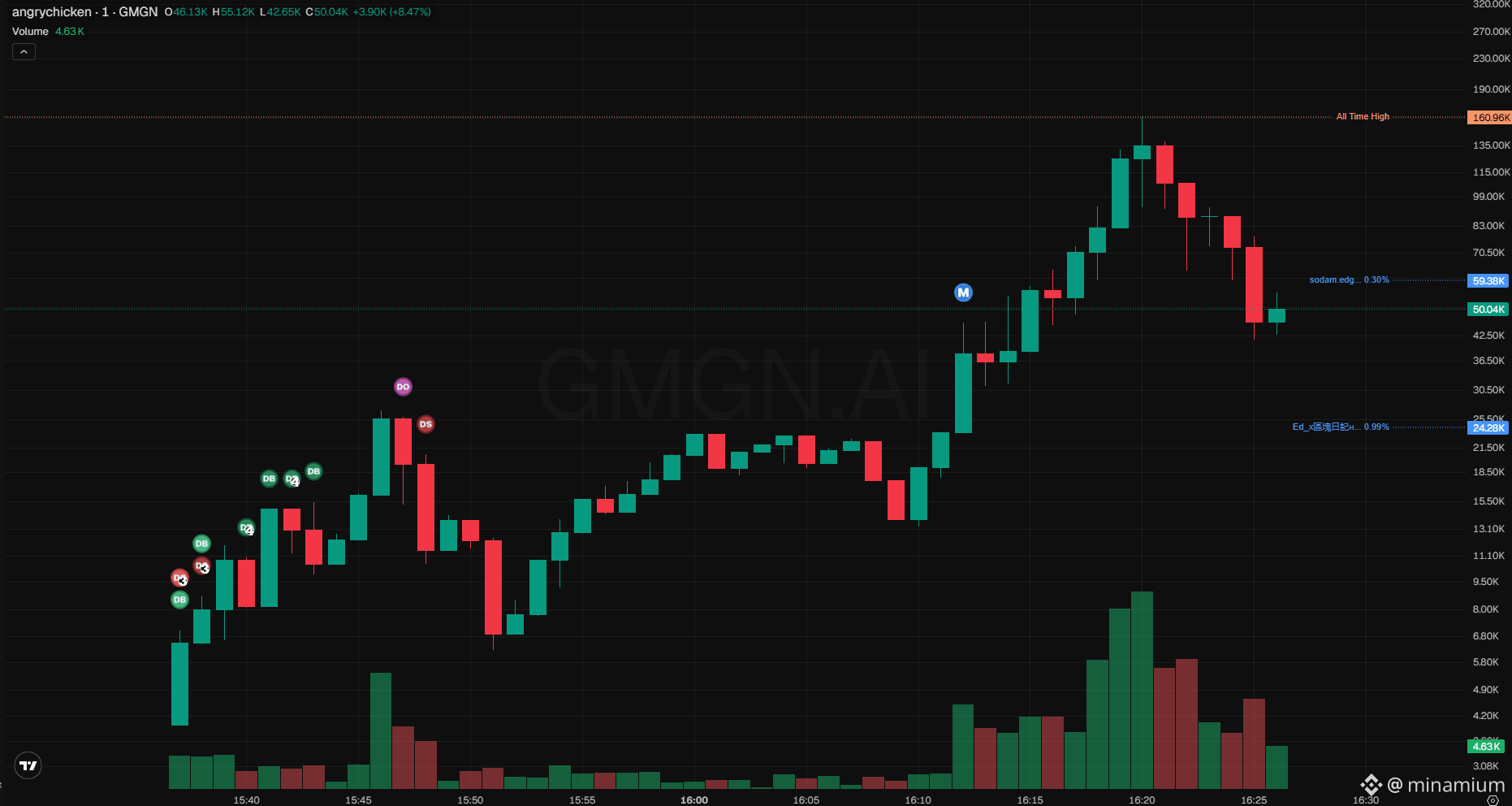
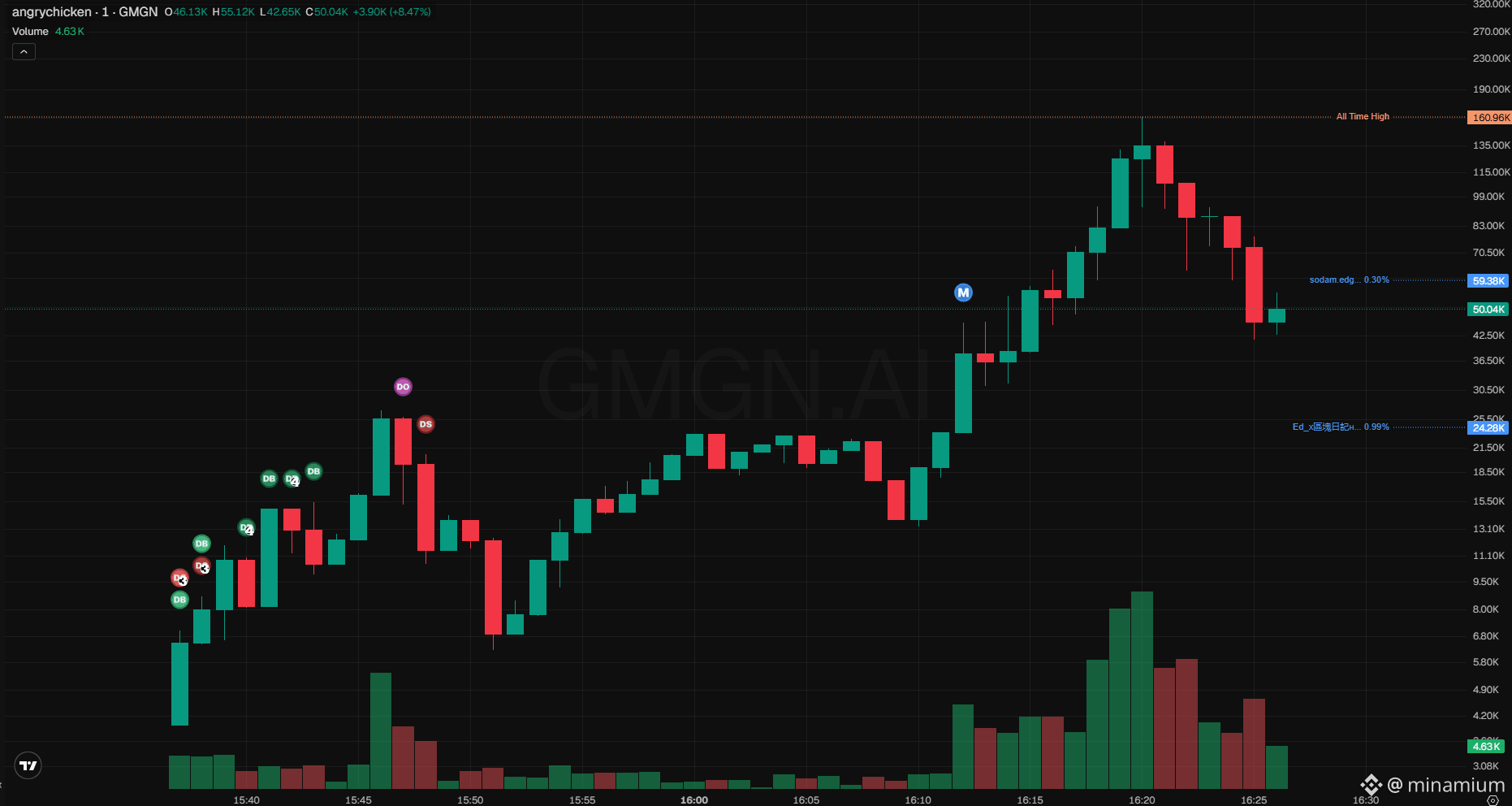
🟩 $angrychicken - #ROBINHOOD play
0x95e1f2840629365c89516e031ad6df51b810c9b6
mcap: $53K
people are buzzing about vlad from robinhood quietly registering a domain for an angry chicken mascot, which leaked via a tweet and turned into a full token launch. picture a cartoon chicken with fury in its eyes, now community-owned and running on robinhood chain as a fuck-you-to-suits meme. dyor.
https://gmgn.ai/robinhood/token/0x95e1f2840629365c89516e031ad6df51b810c9b6
https://t.me/based_eth_bot?start=0x95e1f2840629365c89516e031ad6df51b810c9b6
0x95e1f2840629365c89516e031ad6df51b810c9b6
mcap: $53K
people are buzzing about vlad from robinhood quietly registering a domain for an angry chicken mascot, which leaked via a tweet and turned into a full token launch. picture a cartoon chicken with fury in its eyes, now community-owned and running on robinhood chain as a fuck-you-to-suits meme. dyor.
https://gmgn.ai/robinhood/token/0x95e1f2840629365c89516e031ad6df51b810c9b6
https://t.me/based_eth_bot?start=0x95e1f2840629365c89516e031ad6df51b810c9b6
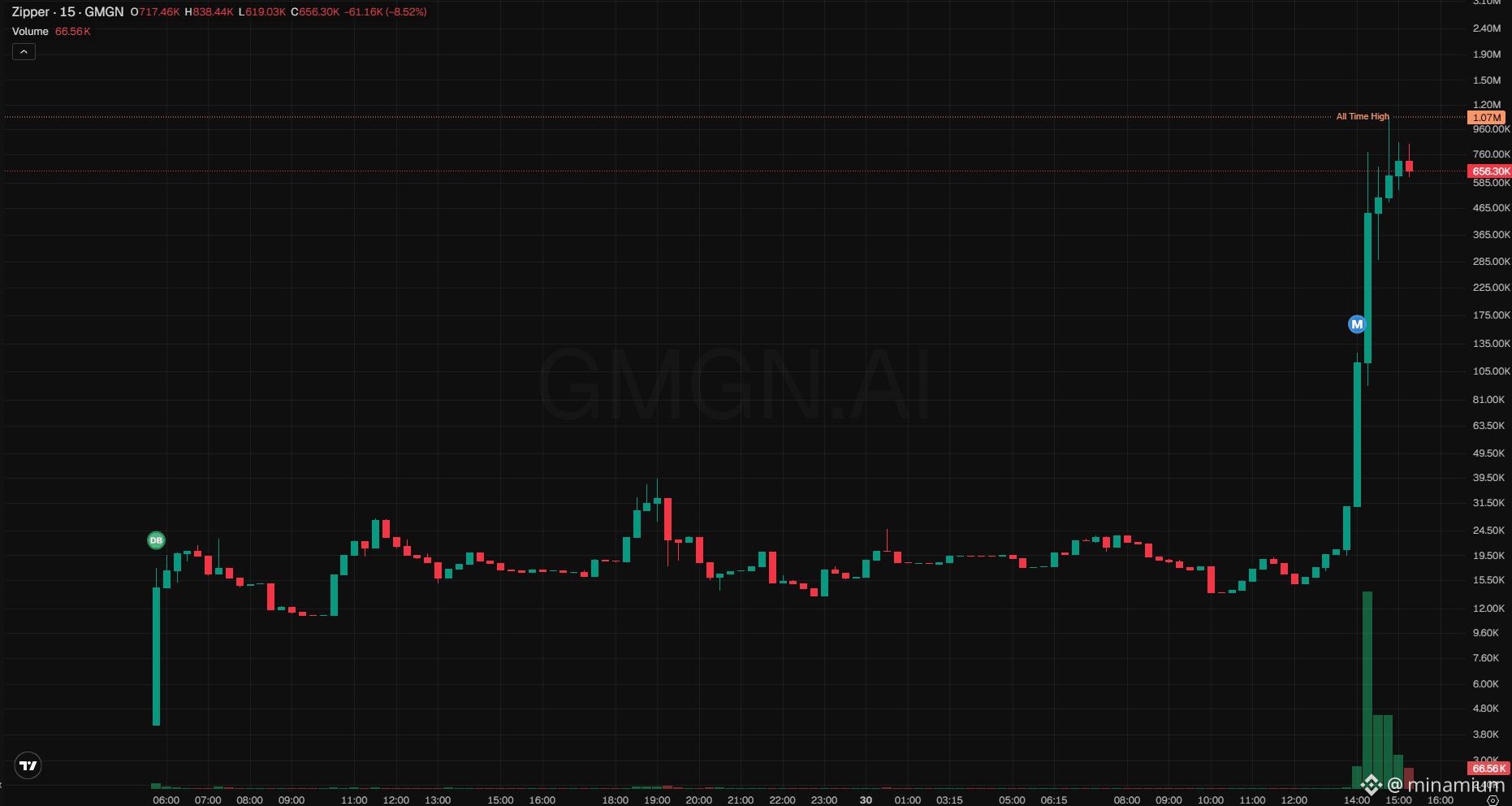
🟩 $Zipper - #ROBINHOOD play
0xf9686720327c031a876080fcfdd5e1a42e01c2e2
mcap: $680K
platform that lets you send crypto, stocks, and tokenized assets through shareable links without needing the receiver's wallet address first. zipper started as an onchain gift tool, wrapping assets into claimable urls you drop in dms or group chats, now pushing into cross-asset transfers while collecting community votes on what to support next. dyor.
https://gmgn.ai/robinhood/token/0xf9686720327c031a876080fcfdd5e1a42e01c2e2
https://t.me/based_eth_bot?start=0xf9686720327c031a876080fcfdd5e1a42e01c2e2
0xf9686720327c031a876080fcfdd5e1a42e01c2e2
mcap: $680K
platform that lets you send crypto, stocks, and tokenized assets through shareable links without needing the receiver's wallet address first. zipper started as an onchain gift tool, wrapping assets into claimable urls you drop in dms or group chats, now pushing into cross-asset transfers while collecting community votes on what to support next. dyor.
https://gmgn.ai/robinhood/token/0xf9686720327c031a876080fcfdd5e1a42e01c2e2
https://t.me/based_eth_bot?start=0xf9686720327c031a876080fcfdd5e1a42e01c2e2
$housecoin x5 from the call
Have you noticed how everyone calls a 9,175% move “obvious” only after it already happened?
That is the trap. Traders keep chasing green candles, then wondering why they bought the top, got locked into a pullback, or sold too early because they never had a real plan.
Take $AKE as a case study. It moved from $0.0001720 to $0.0159537 in about 35 days, which is not just a strong run, it is a full repricing. The mainstream takeaway is usually “missed opportunity,” but the better lesson is that these moves are rarely about luck. They are about recognizing momentum early, understanding liquidity, and accepting that most people do not enter when the setup is quiet.
The hard truth is that once a token is already up thousands of percent, the easy money is often gone. $AKE is exactly why blind FOMO is expensive. If you are only learning about the move after it has printed 9,175%, you are probably the exit liquidity, not the early thesis.
What’s your take on $AKE and moves like this?
#Crypto #Altcoins #MarketAnalysis
That is the trap. Traders keep chasing green candles, then wondering why they bought the top, got locked into a pullback, or sold too early because they never had a real plan.
Take $AKE as a case study. It moved from $0.0001720 to $0.0159537 in about 35 days, which is not just a strong run, it is a full repricing. The mainstream takeaway is usually “missed opportunity,” but the better lesson is that these moves are rarely about luck. They are about recognizing momentum early, understanding liquidity, and accepting that most people do not enter when the setup is quiet.
The hard truth is that once a token is already up thousands of percent, the easy money is often gone. $AKE is exactly why blind FOMO is expensive. If you are only learning about the move after it has printed 9,175%, you are probably the exit liquidity, not the early thesis.
What’s your take on $AKE and moves like this?
#Crypto #Altcoins #MarketAnalysis

If you're still buying vertical pumps after a 9,175% run in 35 days, stop now.
This is where traders usually get smoked by FOMO. The chart looks immortal, the timeline gets loud, and then the exit door is suddenly tiny.
$AKE just ripped 9,175% in 35 days, and that kind of move has a familiar ending. We’ve seen the same script with plenty of fast runners: once the ATH turns into a trap, a 70-90% drawdown is not a crazy outcome, it is the cleanup.
$AKE , $BTC , and $BNB all trade in the same market psychology, even when the narratives differ. The hard part is not spotting momentum, it is knowing whether you are early to continuation or late to distribution.
Maybe the real edge is not chasing the candle, but asking whether this is the kind of move that keeps compounding or the kind that hands liquidity back to the market. Where do you think $AKE goes from here?
#crypto #AKE #binance
This is where traders usually get smoked by FOMO. The chart looks immortal, the timeline gets loud, and then the exit door is suddenly tiny.
$AKE just ripped 9,175% in 35 days, and that kind of move has a familiar ending. We’ve seen the same script with plenty of fast runners: once the ATH turns into a trap, a 70-90% drawdown is not a crazy outcome, it is the cleanup.
$AKE , $BTC , and $BNB all trade in the same market psychology, even when the narratives differ. The hard part is not spotting momentum, it is knowing whether you are early to continuation or late to distribution.
Maybe the real edge is not chasing the candle, but asking whether this is the kind of move that keeps compounding or the kind that hands liquidity back to the market. Where do you think $AKE goes from here?
#crypto #AKE #binance

Why is nobody talking about the fact that $ETH is testing the Weekly MA 200 near $2.5K, one of the few levels that can flip a trend or end a rally?
Too many traders chase candles above resistance and then panic when price tags the first real support. That is how people get trapped buying strength, selling lows, and missing the one level that actually tells you whether the move has structure.
The bigger point is simple: the Weekly MA 200 near $2.5K is not random noise. It is a trend and reversal line, and when $ETH holds it, market confidence usually improves fast. When it loses it, the whole setup shifts from dip-buying to damage control.
The clean approach is to stop guessing. Watch for a weekly close around this zone, then confirm whether buyers defend it on the next retest. If $ETH reclaims and holds $2.5K, $BTC and the rest of the market usually get a stronger backdrop. If it fails, the better move is patience, not forced entries.
Are you treating this level as a buy zone, a warning zone, or both?
#Ethereum #Crypto #Altcoins
Too many traders chase candles above resistance and then panic when price tags the first real support. That is how people get trapped buying strength, selling lows, and missing the one level that actually tells you whether the move has structure.
The bigger point is simple: the Weekly MA 200 near $2.5K is not random noise. It is a trend and reversal line, and when $ETH holds it, market confidence usually improves fast. When it loses it, the whole setup shifts from dip-buying to damage control.
The clean approach is to stop guessing. Watch for a weekly close around this zone, then confirm whether buyers defend it on the next retest. If $ETH reclaims and holds $2.5K, $BTC and the rest of the market usually get a stronger backdrop. If it fails, the better move is patience, not forced entries.
Are you treating this level as a buy zone, a warning zone, or both?
#Ethereum #Crypto #Altcoins

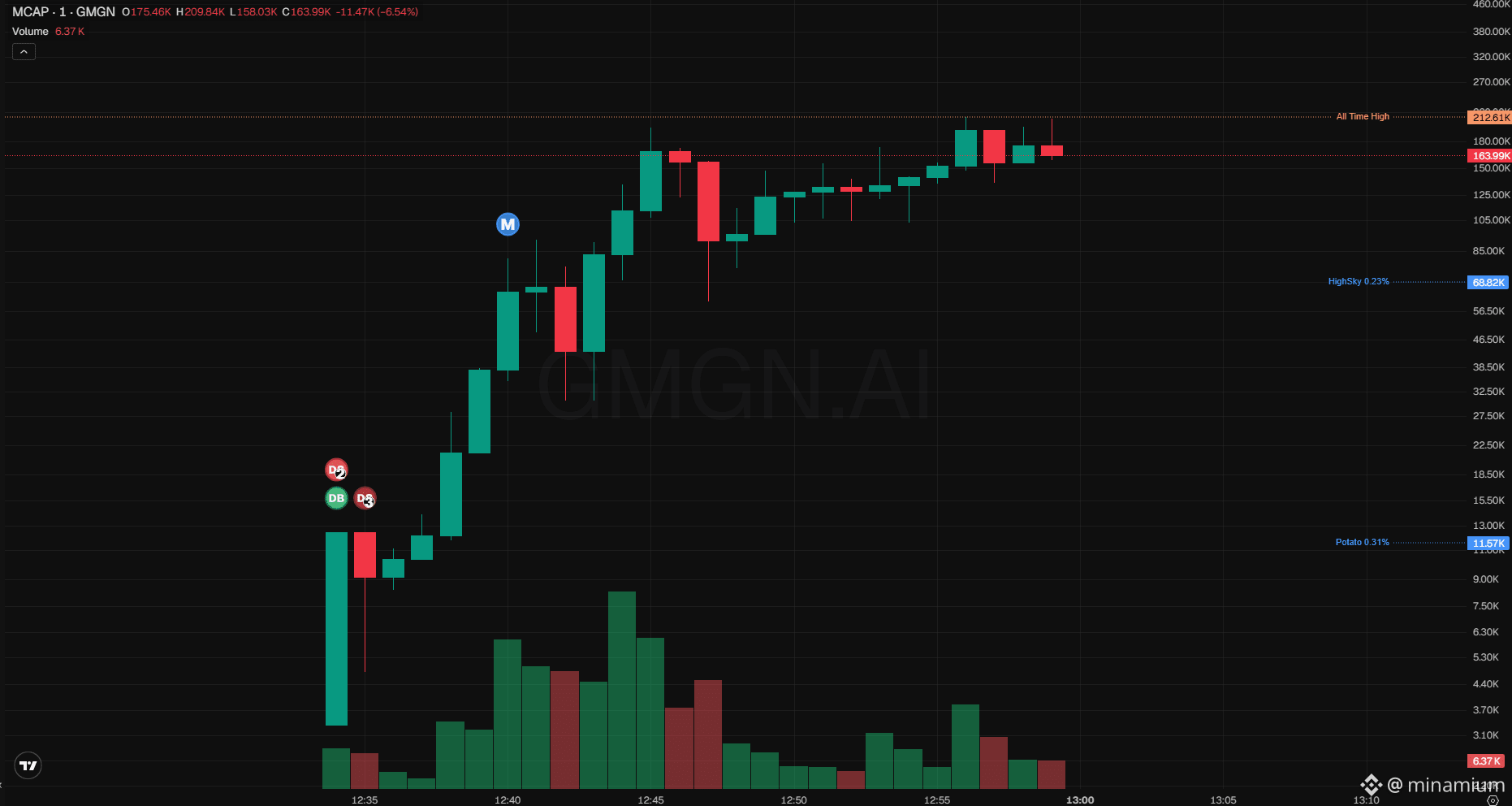
🟩 $MCAP - #ROBINHOOD gamble
0x186efb6d540ffd424811df88d1455384117970fe
mcap: $184K
robinhood dropped an actual physical white baseball cap on their merch shop with "market cap" printed on it, then some trader on twitter saw it and posted calling everyone to pump a token to 10m mc. pure meta meme of financebros turning corporate merch into a speculative play. dyor.
Web : https://shop.robinhood.com/products/market-cap-white
X : https://x.com/Gambtito/status/2093935384900088260?s=20
https://gmgn.ai/robinhood/token/0x186efb6d540ffd424811df88d1455384117970fe
https://t.me/based_eth_bot?start=0x186efb6d540ffd424811df88d1455384117970fe
0x186efb6d540ffd424811df88d1455384117970fe
mcap: $184K
robinhood dropped an actual physical white baseball cap on their merch shop with "market cap" printed on it, then some trader on twitter saw it and posted calling everyone to pump a token to 10m mc. pure meta meme of financebros turning corporate merch into a speculative play. dyor.
Web : https://shop.robinhood.com/products/market-cap-white
X : https://x.com/Gambtito/status/2093935384900088260?s=20
https://gmgn.ai/robinhood/token/0x186efb6d540ffd424811df88d1455384117970fe
https://t.me/based_eth_bot?start=0x186efb6d540ffd424811df88d1455384117970fe
$ETH is up 31% this week, but the real risk is what happens right at the Weekly MA 200 near $2.5K.
A lot of traders get caught chasing green candles, then panic when price stalls at a level that often decides the next big move. That is how people end up buying the top on $ETH , missing the pullback, or holding too long while $BTC starts dictating the next leg.
Right now, Ethereum is testing a major trend and reversal zone. If $ETH can hold above this weekly level, the next open area is $2.8K to $3.4K. That is where momentum traders usually start getting aggressive again.
But rejection here changes the picture fast. A move back toward $1.9K becomes possible, with $1.5K marked as major support. In other words, this is not just a breakout watch, it is also a reminder that strong weekly resistance can flip sentiment hard when the market gets ahead of itself.
Where do you think $ETH goes from here?
#Ethereum #ETH #AltcoinSeason
A lot of traders get caught chasing green candles, then panic when price stalls at a level that often decides the next big move. That is how people end up buying the top on $ETH , missing the pullback, or holding too long while $BTC starts dictating the next leg.
Right now, Ethereum is testing a major trend and reversal zone. If $ETH can hold above this weekly level, the next open area is $2.8K to $3.4K. That is where momentum traders usually start getting aggressive again.
But rejection here changes the picture fast. A move back toward $1.9K becomes possible, with $1.5K marked as major support. In other words, this is not just a breakout watch, it is also a reminder that strong weekly resistance can flip sentiment hard when the market gets ahead of itself.
Where do you think $ETH goes from here?
#Ethereum #ETH #AltcoinSeason
If you're still chasing $ETH after a 31% weekly move without watching the Weekly MA 200, stop now.
Too many traders buy the breakout late, then panic at the first rejection. Others wait for perfect confirmation and miss the move entirely.
$ETH is now testing the Weekly MA 200 near $2.5K, and that level matters more than the headline pump. If it holds, the next upside zone opens toward $2.8K to $3.4K.
The bearish case is real too. Lose this area and $1.9K comes into play fast, with $1.5K as the major support below it. My view is simple: this is a confirmation trade, not a chase trade. Let $ETH prove the trend, especially if $BTC and $SOL keep the broader market bid.
Are you treating this as a reversal setup or a bull trap?
#Ethereum #ETH #AltcoinSeason
Too many traders buy the breakout late, then panic at the first rejection. Others wait for perfect confirmation and miss the move entirely.
$ETH is now testing the Weekly MA 200 near $2.5K, and that level matters more than the headline pump. If it holds, the next upside zone opens toward $2.8K to $3.4K.
The bearish case is real too. Lose this area and $1.9K comes into play fast, with $1.5K as the major support below it. My view is simple: this is a confirmation trade, not a chase trade. Let $ETH prove the trend, especially if $BTC and $SOL keep the broader market bid.
Are you treating this as a reversal setup or a bull trap?
#Ethereum #ETH #AltcoinSeason

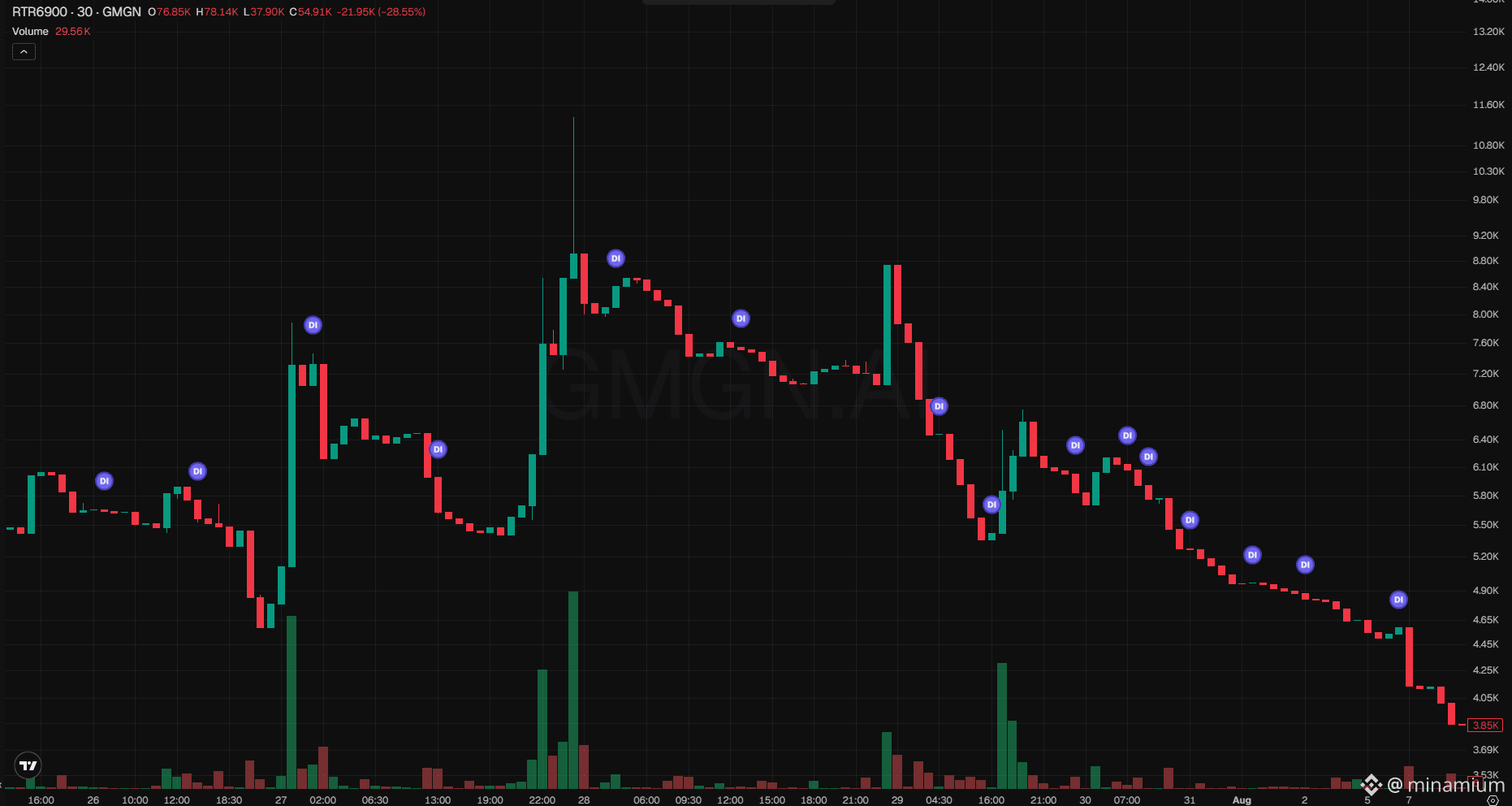
🟩 $RTR6900 - #ROBINHOOD play
0xa1fce4401db1618cf3bfbd37f735357859efb01c
mcap: $58K
remember when gamestop and amc went nuclear in 2021 and retail traders on robinhood flipped off wall street? this is the nostalgia play for that exact energy, tribute to the meme stock rebellion era when reddit degenerates actually moved markets. dyor.
X : https://x.com/rtr6900rh
https://gmgn.ai/robinhood/token/0xa1fce4401db1618cf3bfbd37f735357859efb01c
https://t.me/based_eth_bot?start=0xa1fce4401db1618cf3bfbd37f735357859efb01c
0xa1fce4401db1618cf3bfbd37f735357859efb01c
mcap: $58K
remember when gamestop and amc went nuclear in 2021 and retail traders on robinhood flipped off wall street? this is the nostalgia play for that exact energy, tribute to the meme stock rebellion era when reddit degenerates actually moved markets. dyor.
X : https://x.com/rtr6900rh
https://gmgn.ai/robinhood/token/0xa1fce4401db1618cf3bfbd37f735357859efb01c
https://t.me/based_eth_bot?start=0xa1fce4401db1618cf3bfbd37f735357859efb01c
A $5 target for $ADA sounds clean on a chart, but that same number can trick traders into buying strength instead of understanding risk.
That is where a lot of money gets lost. People see Cardano still far below $5, assume the upside is obvious, and ignore how long a move like that can actually take. By the time the crowd is excited, the entry is often already bad.
The real lesson here is not whether $ADA can reach $5. It is that round-number targets are magnets for FOMO. If $ADA ever starts moving with real momentum, the easy mistake is assuming the path will be straight. It usually is not. $BTC and $ETH can drag the whole market higher, but alts like $ADA still need sustained liquidity, clean trend structure, and patience that most traders do not have.
So the smarter question is not “can it hit $5?” It is “what has to happen first for that target to be believable, and where do most people get shaken out before then?” What’s your take?
#Cardano #ADA #Crypto
That is where a lot of money gets lost. People see Cardano still far below $5, assume the upside is obvious, and ignore how long a move like that can actually take. By the time the crowd is excited, the entry is often already bad.
The real lesson here is not whether $ADA can reach $5. It is that round-number targets are magnets for FOMO. If $ADA ever starts moving with real momentum, the easy mistake is assuming the path will be straight. It usually is not. $BTC and $ETH can drag the whole market higher, but alts like $ADA still need sustained liquidity, clean trend structure, and patience that most traders do not have.
So the smarter question is not “can it hit $5?” It is “what has to happen first for that target to be believable, and where do most people get shaken out before then?” What’s your take?
#Cardano #ADA #Crypto
If you're still chasing every $ADA pump like $5 is guaranteed, stop now.
This is how traders get wrecked. They buy the narrative, ignore the chart, and end up stuck holding while the first wave of momentum fades.
The $5 Cardano case is back because people are starting to argue fundamentals again, not just hype. Bulls think the market keeps underpricing $ADA , especially if capital rotates out of the majors like $BTC and $ETH and into older large caps with room to re-rate. Bears say the target sounds clean on a chart but gets much harder when you look at what kind of valuation move it actually implies.
That is the real debate here. Is $ADA finally setting up for a serious repricing, or is $5 just another round-number magnet that traps late buyers? Where do you think this goes from here? #Cardano #ADA #CryptoNews
This is how traders get wrecked. They buy the narrative, ignore the chart, and end up stuck holding while the first wave of momentum fades.
The $5 Cardano case is back because people are starting to argue fundamentals again, not just hype. Bulls think the market keeps underpricing $ADA , especially if capital rotates out of the majors like $BTC and $ETH and into older large caps with room to re-rate. Bears say the target sounds clean on a chart but gets much harder when you look at what kind of valuation move it actually implies.
That is the real debate here. Is $ADA finally setting up for a serious repricing, or is $5 just another round-number magnet that traps late buyers? Where do you think this goes from here? #Cardano #ADA #CryptoNews
Have you noticed how the $5 ADA call keeps coming back every time Cardano starts outperforming again?
This is the part most traders get wrong. They wait for a clean breakout, miss the early move, then FOMO in after the chart already looks expensive. With $ADA , that usually means buying strength late, getting shaken out on the first pullback, and then wondering why the move never felt tradable.
The reason this argument is back is simple: Cardano has been one of the better-performing large-cap altcoins over the past few weeks, and that matters more than the usual noise around it. When a large-cap starts showing relative strength, the market stops treating it like a dead narrative and starts pricing in a new phase. That is exactly why the $5 thesis keeps getting attention again.
I still think the mainstream crowd understates how fast sentiment can flip in a name like $ADA . Once traders accept that the network is no longer lagging, the conversation shifts from “is Cardano even relevant?” to “how far can this re-rate go?” That is where the real trade starts, especially for people already positioned in $ADA and watching $BTC and $ETH for confirmation.
What's your take on the $5 ADA argument from here?
#Cardano #ADA #Altcoins
This is the part most traders get wrong. They wait for a clean breakout, miss the early move, then FOMO in after the chart already looks expensive. With $ADA , that usually means buying strength late, getting shaken out on the first pullback, and then wondering why the move never felt tradable.
The reason this argument is back is simple: Cardano has been one of the better-performing large-cap altcoins over the past few weeks, and that matters more than the usual noise around it. When a large-cap starts showing relative strength, the market stops treating it like a dead narrative and starts pricing in a new phase. That is exactly why the $5 thesis keeps getting attention again.
I still think the mainstream crowd understates how fast sentiment can flip in a name like $ADA . Once traders accept that the network is no longer lagging, the conversation shifts from “is Cardano even relevant?” to “how far can this re-rate go?” That is where the real trade starts, especially for people already positioned in $ADA and watching $BTC and $ETH for confirmation.
What's your take on the $5 ADA argument from here?
#Cardano #ADA #Altcoins

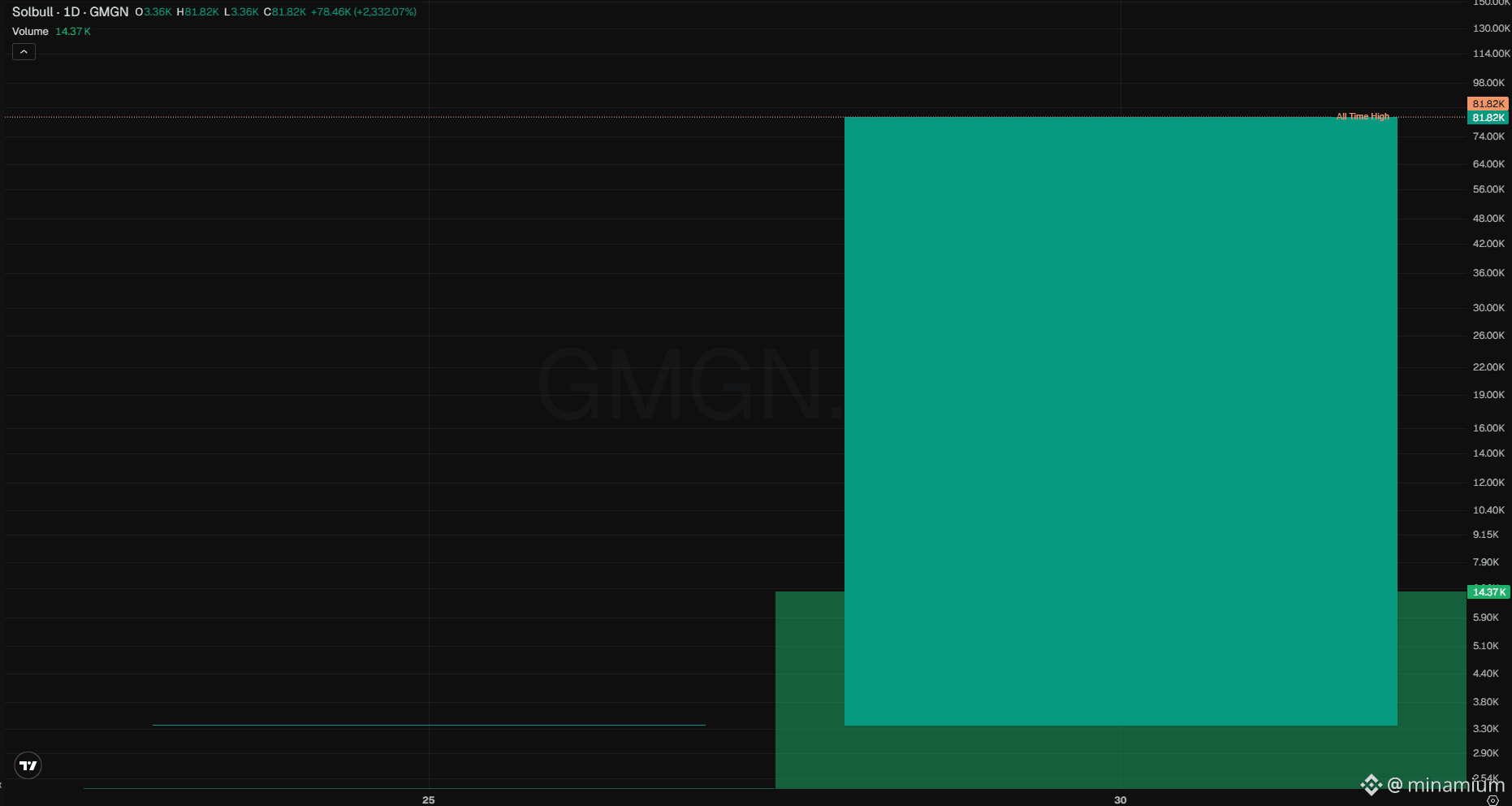
🟩 $Solbull - #ROBINHOOD play
0x2000d2da5a904650b0b78f1f3bd56a3e466aa5d7
mcap: $82K
what happens when retail giants unlock solana for millions of households and institutions start loading bags onchain? you get a meme built to ride the wave of traditional finance finally opening the floodgates to solana bull mania. dyor
https://gmgn.ai/robinhood/token/0x2000d2da5a904650b0b78f1f3bd56a3e466aa5d7
https://t.me/based_eth_bot?start=0x2000d2da5a904650b0b78f1f3bd56a3e466aa5d7
0x2000d2da5a904650b0b78f1f3bd56a3e466aa5d7
mcap: $82K
what happens when retail giants unlock solana for millions of households and institutions start loading bags onchain? you get a meme built to ride the wave of traditional finance finally opening the floodgates to solana bull mania. dyor
https://gmgn.ai/robinhood/token/0x2000d2da5a904650b0b78f1f3bd56a3e466aa5d7
https://t.me/based_eth_bot?start=0x2000d2da5a904650b0b78f1f3bd56a3e466aa5d7
Why is everyone calling Strategy’s pause a mistake when it may be the most disciplined move in the whole $BTC rally?
A lot of traders get wrecked because they confuse nonstop buying with good buying. They FOMO into strength, then panic when price snaps back. The harder lesson is knowing when not to chase.
Between August 17 and August 23, Strategy bought zero BTC while $BTC ripped about $16,000 in a single week. Instead, they raised $2 billion through $MSTR share sales and pushed that capital into fiat reserves and USD cash, taking total dollar liquidity to $6.69 billion. That does not read like weakness to me. It reads like dry powder.
The mainstream take is always the same: if a company that stacks Bitcoin pauses, it must be losing conviction. But a firm sitting on $6.69 billion in liquidity can afford patience, and patience is often what separates capital preservation from blind momentum chasing. In a market where $BTC can move hard in both directions, waiting for a cleaner entry can be the higher-quality trade than buying every green candle.
What’s your take on Strategy’s move here?
#BTC #MSTR #CryptoStrategy
A lot of traders get wrecked because they confuse nonstop buying with good buying. They FOMO into strength, then panic when price snaps back. The harder lesson is knowing when not to chase.
Between August 17 and August 23, Strategy bought zero BTC while $BTC ripped about $16,000 in a single week. Instead, they raised $2 billion through $MSTR share sales and pushed that capital into fiat reserves and USD cash, taking total dollar liquidity to $6.69 billion. That does not read like weakness to me. It reads like dry powder.
The mainstream take is always the same: if a company that stacks Bitcoin pauses, it must be losing conviction. But a firm sitting on $6.69 billion in liquidity can afford patience, and patience is often what separates capital preservation from blind momentum chasing. In a market where $BTC can move hard in both directions, waiting for a cleaner entry can be the higher-quality trade than buying every green candle.
What’s your take on Strategy’s move here?
#BTC #MSTR #CryptoStrategy

Picture this: $BTC finally tags $80K, the market starts feeling itself, and then Washington drops another round of sanctions on Iran across five sectors at once.
That is the part traders hate most. You catch a breakout, then a macro headline hits and you start wondering whether to lock gains, chase higher, or get caught buying the top.
The US Treasury’s latest move, dubbed Operation Economic Outcast, expanded pressure across digital assets, technology, gold, aviation, and shipping. Nearly 60 Iran-linked entities, individuals, and vessels were sanctioned, and Treasury also warned third parties about the risk of secondary sanctions. In a different cycle, that kind of news would have hit risk assets harder. This time, $BTC stayed surprisingly steady.
That matters. It looks a lot like the market is learning to separate headline shock from actual liquidity impact, the same way $ETH and $SOL often shrug off geopolitical noise when the real driver is still flows, positioning, and momentum. The comparison with past sanctions episodes is simple: fear spikes fast, but crypto does not always sell off unless the story turns into broader market stress.
What this case study really shows is that $BTC is behaving less like a panic asset and more like a market with its own gravity. The question is whether that strength lasts if the next shock lands while leverage is still crowded.
Where do you think $BTC goes from here?
#Bitcoin #BTC #CryptoMarket
That is the part traders hate most. You catch a breakout, then a macro headline hits and you start wondering whether to lock gains, chase higher, or get caught buying the top.
The US Treasury’s latest move, dubbed Operation Economic Outcast, expanded pressure across digital assets, technology, gold, aviation, and shipping. Nearly 60 Iran-linked entities, individuals, and vessels were sanctioned, and Treasury also warned third parties about the risk of secondary sanctions. In a different cycle, that kind of news would have hit risk assets harder. This time, $BTC stayed surprisingly steady.
That matters. It looks a lot like the market is learning to separate headline shock from actual liquidity impact, the same way $ETH and $SOL often shrug off geopolitical noise when the real driver is still flows, positioning, and momentum. The comparison with past sanctions episodes is simple: fear spikes fast, but crypto does not always sell off unless the story turns into broader market stress.
What this case study really shows is that $BTC is behaving less like a panic asset and more like a market with its own gravity. The question is whether that strength lasts if the next shock lands while leverage is still crowded.
Where do you think $BTC goes from here?
#Bitcoin #BTC #CryptoMarket

If you're still buying $BTC after the candle already ran, stop now.
That’s how traders end up funding someone else’s entry and calling it conviction. The real pain isn’t missing the move once, it’s FOMO-buying the top, getting clipped on the pullback, and then watching a cleaner setup show up right after you panic.
Strategy just spent August 17 to August 23 not buying a single Bitcoin, even as $BTC ripped about $16,000 in a week. Instead, they raised $2 billion through $MSTR share sales and parked it in fiat reserves and USD cash, pushing total dollar liquidity to $6.69 billion.
That’s the part worth watching. It looks a lot like the old treasury-game playbook: build dry powder when the market is euphoric, then wait for the crowd to get bored, scared, or overleveraged. Competitors and sidelined buyers keep talking about “being early,” but sometimes the sharper move is being annoyingly patient with a wallet full of cash.
Was this a missed $BTC buy, or the kind of pause that usually turns into a better entry later?
#BTC #MSTR #CryptoMarkets
That’s how traders end up funding someone else’s entry and calling it conviction. The real pain isn’t missing the move once, it’s FOMO-buying the top, getting clipped on the pullback, and then watching a cleaner setup show up right after you panic.
Strategy just spent August 17 to August 23 not buying a single Bitcoin, even as $BTC ripped about $16,000 in a week. Instead, they raised $2 billion through $MSTR share sales and parked it in fiat reserves and USD cash, pushing total dollar liquidity to $6.69 billion.
That’s the part worth watching. It looks a lot like the old treasury-game playbook: build dry powder when the market is euphoric, then wait for the crowd to get bored, scared, or overleveraged. Competitors and sidelined buyers keep talking about “being early,” but sometimes the sharper move is being annoyingly patient with a wallet full of cash.
Was this a missed $BTC buy, or the kind of pause that usually turns into a better entry later?
#BTC #MSTR #CryptoMarkets

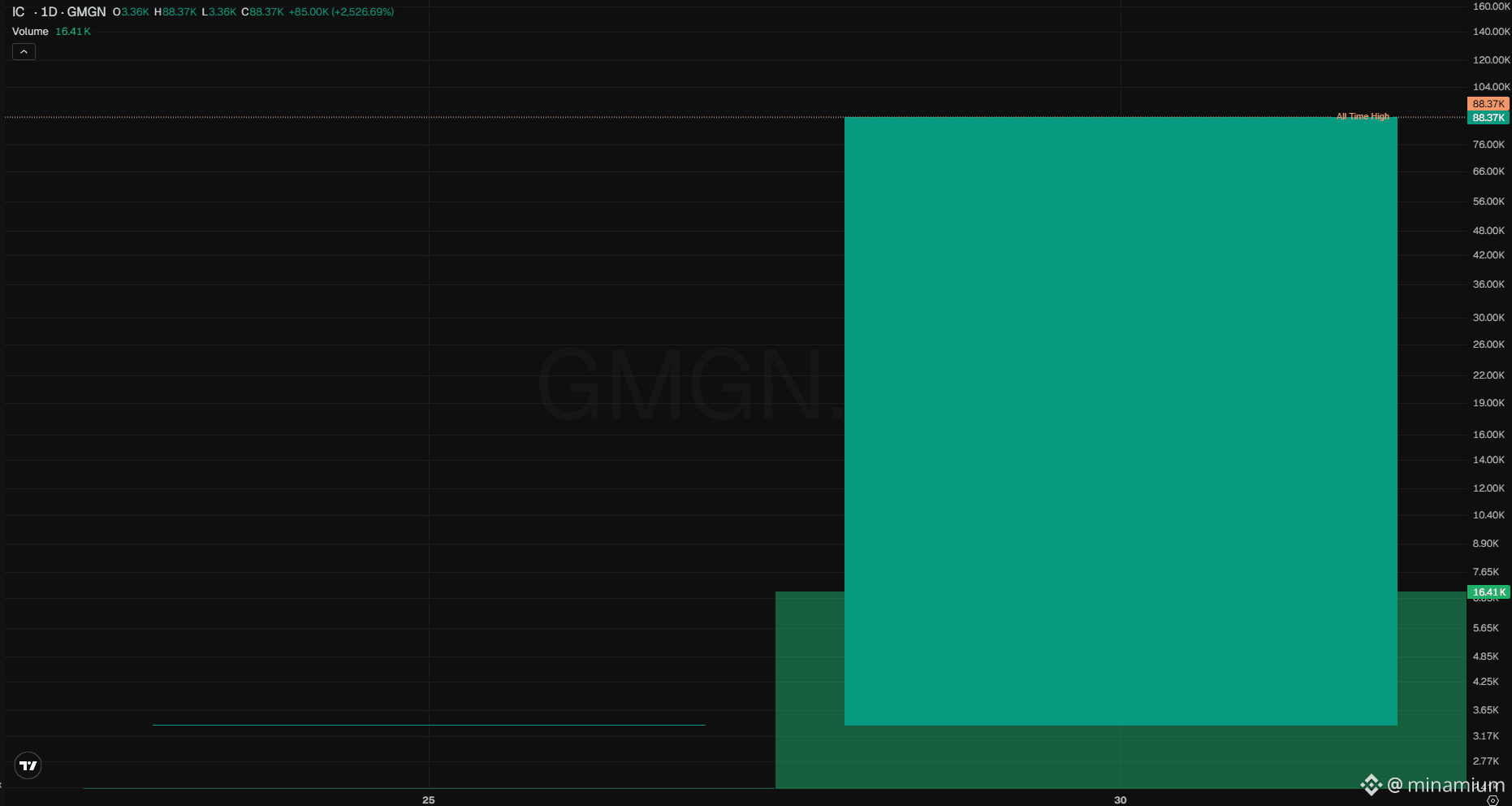
🟩 $IC - #ROBINHOOD play
0xb6ee6cf430a2453501a16df133b4bf39616dac19
mcap: $86K
wraps back to early internet shock humor when people joked about protection for your computer against viruses and sketchy sites. fresh robinhood ticker with no verified backstory yet, just the absurd mental image of prophylactics for your wifi. dyor.
https://gmgn.ai/robinhood/token/0xb6ee6cf430a2453501a16df133b4bf39616dac19
https://t.me/based_eth_bot?start=0xb6ee6cf430a2453501a16df133b4bf39616dac19
0xb6ee6cf430a2453501a16df133b4bf39616dac19
mcap: $86K
wraps back to early internet shock humor when people joked about protection for your computer against viruses and sketchy sites. fresh robinhood ticker with no verified backstory yet, just the absurd mental image of prophylactics for your wifi. dyor.
https://gmgn.ai/robinhood/token/0xb6ee6cf430a2453501a16df133b4bf39616dac19
https://t.me/based_eth_bot?start=0xb6ee6cf430a2453501a16df133b4bf39616dac19
Why is everyone treating Strategy skipping a full week of $BTC buying like a minor detail?
That move matters because traders keep learning the same lesson the hard way: price runs make people chase, and patience gets punished until it doesn’t. When $BTC ripped higher by $16,000 in a single week, the instinct was to assume the biggest buyer in the room would keep bidding.
Instead, Strategy did nothing on BTC buys from August 17 to August 23 and raised $2 billion through $MSTR share sales. That cash didn't disappear. It went into fiat reserves and USD cash, lifting total dollar liquidity to $6.69 billion.
That is the real signal. Not panic, not weakness, but optionality. If Bitcoin keeps running, they already have exposure. If it cools off, they have dry powder to attack a better entry. Most traders confuse silence with indecision, but in this case it looks a lot more like waiting for the setup to come back to them.
Is this disciplined capital management, or just the clearest sign yet that even the biggest BTC buyers want a cheaper dip?
#Bitcoin #MSTR #Crypto
That move matters because traders keep learning the same lesson the hard way: price runs make people chase, and patience gets punished until it doesn’t. When $BTC ripped higher by $16,000 in a single week, the instinct was to assume the biggest buyer in the room would keep bidding.
Instead, Strategy did nothing on BTC buys from August 17 to August 23 and raised $2 billion through $MSTR share sales. That cash didn't disappear. It went into fiat reserves and USD cash, lifting total dollar liquidity to $6.69 billion.
That is the real signal. Not panic, not weakness, but optionality. If Bitcoin keeps running, they already have exposure. If it cools off, they have dry powder to attack a better entry. Most traders confuse silence with indecision, but in this case it looks a lot more like waiting for the setup to come back to them.
Is this disciplined capital management, or just the clearest sign yet that even the biggest BTC buyers want a cheaper dip?
#Bitcoin #MSTR #Crypto

Log in to explore more content