

#bnbchain
bnbchain
9.4M views
27,269 Discussing
Hot
Latest

Article
🚀 BNB PRICE PREDICTION: BULLISH BREAKOUT AHEAD? 🟡$BNB is approaching a key decision zone! 👀
📊 My 7-Day Market Outlook
🟢 Bullish: A strong breakout above $754 could open the door to further upside.
🟡 Sideways: BNB may consolidate between $720 and $754.
🔴 Bearish: Losing $720 could expose the $706 support zone.
🔥 Potential Catalysts
• BNB token burns
• BNB Chain ecosystem growth
• Network upgrades
• Bitcoin market direction
⚠️ Remember: These are scenario-based estimates, not guaranteed targets. Confirm current prices and chart levels before trading.
💬 What do you think?
Will BNB break above $754 or fall toward $706?
👇 Comment BULLISH 🟢 or BEARISH 🔴
#BNB_Market_Update #BinanceSquare #CryptoPredictions #BNBChain $BNB
{spot}(BNBUSDT)
🚀 BNB PRICE PREDICTION: BULLISH BREAKOUT AHEAD? 🟡
$BNB is approaching a key decision zone! 👀
📊 My 7-Day Market Outlook
🟢 Bullish: A strong breakout above $754 could open the door to further upside.
🟡 Sideways: BNB may consolidate between $720 and $754.
🔴 Bearish: Losing $720 could expose the $706 support zone.
🔥 Potential Catalysts
• BNB token burns
• BNB Chain ecosystem growth
• Network upgrades
• Bitcoin market direction
⚠️ Remember: These are scenario-based estimates, not guaranteed targets. Confirm current prices and chart levels before trading.
💬 What do you think?
Will BNB break above $754 or fall toward $706?
👇 Comment BULLISH 🟢 or BEARISH 🔴
#BNB_Market_Update #BinanceSquare #CryptoPredictions #BNBChain $BNB
📊 My 7-Day Market Outlook
🟢 Bullish: A strong breakout above $754 could open the door to further upside.
🟡 Sideways: BNB may consolidate between $720 and $754.
🔴 Bearish: Losing $720 could expose the $706 support zone.
🔥 Potential Catalysts
• BNB token burns
• BNB Chain ecosystem growth
• Network upgrades
• Bitcoin market direction
⚠️ Remember: These are scenario-based estimates, not guaranteed targets. Confirm current prices and chart levels before trading.
💬 What do you think?
Will BNB break above $754 or fall toward $706?
👇 Comment BULLISH 🟢 or BEARISH 🔴
#BNB_Market_Update #BinanceSquare #CryptoPredictions #BNBChain $BNB
43

·
--
🔥 $BNB Supply Is Shrinking. Here's What It Means
BNB started with 200M tokens. Through quarterly burns, supply is now down to roughly 133M, with a target of 100M.
How it works:
✅ Quarterly Auto-Burn: a formula based on price and block production
✅ Real-time burn (BEP-95): part of the gas fees is destroyed with every block
Latest burn: ~1.61M BNB (~$932M)
⚠️ But be realistic:
• Fewer coins ≠ guaranteed price increase. Demand matters too.
• BNB is closely tied to Binance, so regulatory news can move the price.
• Ignore anyone promising "guaranteed" targets.
Do you think the burns are already priced in? Comment below 👇
This is my opinion, not financial advice. Do your own research (DYOR).
#BNB #BinanceSquare #BNBChain #Crypto
{spot}(BNBUSDT)
🔥 $BNB Supply Is Shrinking. Here's What It Means
BNB started with 200M tokens. Through quarterly burns, supply is now down to roughly 133M, with a target of 100M.
How it works:
✅ Quarterly Auto-Burn: a formula based on price and block production
✅ Real-time burn (BEP-95): part of the gas fees is destroyed with every block
Latest burn: ~1.61M BNB (~$932M)
⚠️ But be realistic:
• Fewer coins ≠ guaranteed price increase. Demand matters too.
• BNB is closely tied to Binance, so regulatory news can move the price.
• Ignore anyone promising "guaranteed" targets.
Do you think the burns are already priced in? Comment below 👇
This is my opinion, not financial advice. Do your own research (DYOR).
#BNB #BinanceSquare #BNBChain #Crypto
BNB started with 200M tokens. Through quarterly burns, supply is now down to roughly 133M, with a target of 100M.
How it works:
✅ Quarterly Auto-Burn: a formula based on price and block production
✅ Real-time burn (BEP-95): part of the gas fees is destroyed with every block
Latest burn: ~1.61M BNB (~$932M)
⚠️ But be realistic:
• Fewer coins ≠ guaranteed price increase. Demand matters too.
• BNB is closely tied to Binance, so regulatory news can move the price.
• Ignore anyone promising "guaranteed" targets.
Do you think the burns are already priced in? Comment below 👇
This is my opinion, not financial advice. Do your own research (DYOR).
#BNB #BinanceSquare #BNBChain #Crypto
79

·
--
🔥$BNB Burns $1.2B, Holds $750 as Jenner Upgrade & HK Listing Fuel Momentum
$BNB holding strong near $740–750 after the massive 37th Auto-Burn (1.65M tokens / ~$1.2B removed). Supply now ~131.5M ⬇️
Q3 numbers fire: Tokenized stocks volume exploded 11x to $25.6B + network revenue +54%.
Plus Futu (HK) just opened direct BNB deposits for pro investors & Jenner testnet upgrade drops Oct 28 🚀
Burns + real utility + institutional on-ramps = solid long-term setup. Short-term noise is noise. I’m stacking dips and watching $750 break. Ecosystem keeps delivering while others talk. Bullish on the fundamentals.
What do you think, fam? 👀
#BNBChain #Binance #crypto #EarningsSeason
{spot}(BNBUSDT)
🔥$BNB Burns $1.2B, Holds $750 as Jenner Upgrade & HK Listing Fuel Momentum
$BNB holding strong near $740–750 after the massive 37th Auto-Burn (1.65M tokens / ~$1.2B removed). Supply now ~131.5M ⬇️
Q3 numbers fire: Tokenized stocks volume exploded 11x to $25.6B + network revenue +54%.
Plus Futu (HK) just opened direct BNB deposits for pro investors & Jenner testnet upgrade drops Oct 28 🚀
Burns + real utility + institutional on-ramps = solid long-term setup. Short-term noise is noise. I’m stacking dips and watching $750 break. Ecosystem keeps delivering while others talk. Bullish on the fundamentals.
What do you think, fam? 👀
#BNBChain #Binance #crypto #EarningsSeason
$BNB holding strong near $740–750 after the massive 37th Auto-Burn (1.65M tokens / ~$1.2B removed). Supply now ~131.5M ⬇️
Q3 numbers fire: Tokenized stocks volume exploded 11x to $25.6B + network revenue +54%.
Plus Futu (HK) just opened direct BNB deposits for pro investors & Jenner testnet upgrade drops Oct 28 🚀
Burns + real utility + institutional on-ramps = solid long-term setup. Short-term noise is noise. I’m stacking dips and watching $750 break. Ecosystem keeps delivering while others talk. Bullish on the fundamentals.
What do you think, fam? 👀
#BNBChain #Binance #crypto #EarningsSeason
33

·
--
$BNB $726.8 -2.46% - 37th BURN THIS WEEK? 🔥
Last burns:
July 15: 1.61M BNB = $932M
April 15: 1.56M BNB = $1.02B
Total 6 months: 3.19M BNB burned
Supply: 133.17M → Target 100M = -33.17M to go
Support $744 Resistance $807 → $820 → $850 → $900
Tokenized stocks $1.1B = 30% global = BNB Chain #1
BEP-95: 291K BNB burned via gas
Price -6.54% 7D = buying opportunity before burn?
My target Oct 31: $783 +4.71% / Nov 3: $819 +9.54%
Are you buying $726 before burn?
#BNB #Burn #37thBurn #BinanceSquare #BNBChain
$BNB $726.8 -2.46% - 37th BURN THIS WEEK? 🔥
Last burns:
July 15: 1.61M BNB = $932M
April 15: 1.56M BNB = $1.02B
Total 6 months: 3.19M BNB burned
Supply: 133.17M → Target 100M = -33.17M to go
Support $744 Resistance $807 → $820 → $850 → $900
Tokenized stocks $1.1B = 30% global = BNB Chain #1
BEP-95: 291K BNB burned via gas
Price -6.54% 7D = buying opportunity before burn?
My target Oct 31: $783 +4.71% / Nov 3: $819 +9.54%
Are you buying $726 before burn?
#BNB #Burn #37thBurn #BinanceSquare #BNBChain
Last burns:
July 15: 1.61M BNB = $932M
April 15: 1.56M BNB = $1.02B
Total 6 months: 3.19M BNB burned
Supply: 133.17M → Target 100M = -33.17M to go
Support $744 Resistance $807 → $820 → $850 → $900
Tokenized stocks $1.1B = 30% global = BNB Chain #1
BEP-95: 291K BNB burned via gas
Price -6.54% 7D = buying opportunity before burn?
My target Oct 31: $783 +4.71% / Nov 3: $819 +9.54%
Are you buying $726 before burn?
#BNB #Burn #37thBurn #BinanceSquare #BNBChain
64

·
--
🚨 𝗕𝗡𝗕 𝗦𝗛𝗢𝗪𝗦 𝗦𝗧𝗥𝗘𝗡𝗚𝗧𝗛 𝗪𝗛𝗜𝗟𝗘 𝗖𝗥𝗬𝗣𝗧𝗢 𝗙𝗔𝗖𝗘𝗦 𝗨𝗡𝗖𝗘𝗥𝗧𝗔𝗜𝗡𝗧𝗬! 🔥
🟡 $𝗕𝗡𝗕 | 𝗢𝗖𝗧𝗢𝗕𝗘𝗥 𝟮𝟰, 𝟮𝟬𝟮𝟲
📊 𝗠𝗔𝗥𝗞𝗘𝗧 𝗦𝗡𝗔𝗣𝗦𝗛𝗢𝗧
💰 Price: Around $739
📈 24H change: Slightly positive
🔥 Latest quarterly burn: 1,646,196.44 BNB
💵 Burn value: Approximately $1.197 BILLION
◆ 𝗪𝗛𝗬 𝗜𝗦 $BNB 𝗜𝗡 𝗙𝗢𝗖𝗨𝗦?
BNB Chain has completed its 37th quarterly Auto-Burn, permanently removing approximately 1.65 million BNB from circulation.
This supports BNB's long-term supply-reduction mechanism — but remember, a token burn does NOT automatically mean the price will rise.
◆ 𝗧𝗛𝗘 𝗕𝗨𝗟𝗟𝗜𝗦𝗛 𝗖𝗔𝗦𝗘 🟢
▪️ BNB holds the $732–$735 area.
▪️ Buyers push price above $750–$754 with stronger volume.
▪️ Continued ecosystem activity supports demand.
◆ 𝗧𝗛𝗘 𝗕𝗘𝗔𝗥𝗜𝗦𝗛 𝗖𝗔𝗦𝗘 🔴
▪️ BNB loses nearby support.
▪️ The broader crypto market remains weak.
▪️ Selling pressure pushes price toward the $706 area.
💡 𝗠𝗬 𝗧𝗔𝗞𝗘:
BNB is showing relative strength, but the next move depends on buyer demand, market sentiment, and whether price can break resistance.
🔥 𝗧𝗛𝗘 𝗕𝗜𝗚 𝗤𝗨𝗘𝗦𝗧𝗜𝗢𝗡:
Can $BNB reclaim $750 and move higher, or will sellers take control?
🟢 BULLISH
🔴 BEARISH
💬 Share your analysis below — what is your target for BNB?
#BNB #BNBChain #Binance #CryptoNews #Altcoins #CryptoAnalysis #CryptoMarket #TokenBurn #BinanceSquare #CryptoCommunity
⚠️ Educational content only. Not financial advice.
{spot}(BNBUSDT)
🚨 𝗕𝗡𝗕 𝗦𝗛𝗢𝗪𝗦 𝗦𝗧𝗥𝗘𝗡𝗚𝗧𝗛 𝗪𝗛𝗜𝗟𝗘 𝗖𝗥𝗬𝗣𝗧𝗢 𝗙𝗔𝗖𝗘𝗦 𝗨𝗡𝗖𝗘𝗥𝗧𝗔𝗜𝗡𝗧𝗬! 🔥
🟡 $𝗕𝗡𝗕 | 𝗢𝗖𝗧𝗢𝗕𝗘𝗥 𝟮𝟰, 𝟮𝟬𝟮𝟲
📊 𝗠𝗔𝗥𝗞𝗘𝗧 𝗦𝗡𝗔𝗣𝗦𝗛𝗢𝗧
💰 Price: Around $739
📈 24H change: Slightly positive
🔥 Latest quarterly burn: 1,646,196.44 BNB
💵 Burn value: Approximately $1.197 BILLION
◆ 𝗪𝗛𝗬 𝗜𝗦 $BNB 𝗜𝗡 𝗙𝗢𝗖𝗨𝗦?
BNB Chain has completed its 37th quarterly Auto-Burn, permanently removing approximately 1.65 million BNB from circulation.
This supports BNB's long-term supply-reduction mechanism — but remember, a token burn does NOT automatically mean the price will rise.
◆ 𝗧𝗛𝗘 𝗕𝗨𝗟𝗟𝗜𝗦𝗛 𝗖𝗔𝗦𝗘 🟢
▪️ BNB holds the $732–$735 area.
▪️ Buyers push price above $750–$754 with stronger volume.
▪️ Continued ecosystem activity supports demand.
◆ 𝗧𝗛𝗘 𝗕𝗘𝗔𝗥𝗜𝗦𝗛 𝗖𝗔𝗦𝗘 🔴
▪️ BNB loses nearby support.
▪️ The broader crypto market remains weak.
▪️ Selling pressure pushes price toward the $706 area.
💡 𝗠𝗬 𝗧𝗔𝗞𝗘:
BNB is showing relative strength, but the next move depends on buyer demand, market sentiment, and whether price can break resistance.
🔥 𝗧𝗛𝗘 𝗕𝗜𝗚 𝗤𝗨𝗘𝗦𝗧𝗜𝗢𝗡:
Can $BNB reclaim $750 and move higher, or will sellers take control?
🟢 BULLISH
🔴 BEARISH
💬 Share your analysis below — what is your target for BNB?
#BNB #BNBChain #Binance #CryptoNews #Altcoins #CryptoAnalysis #CryptoMarket #TokenBurn #BinanceSquare #CryptoCommunity
⚠️ Educational content only. Not financial advice.
🟡 $𝗕𝗡𝗕 | 𝗢𝗖𝗧𝗢𝗕𝗘𝗥 𝟮𝟰, 𝟮𝟬𝟮𝟲
📊 𝗠𝗔𝗥𝗞𝗘𝗧 𝗦𝗡𝗔𝗣𝗦𝗛𝗢𝗧
💰 Price: Around $739
📈 24H change: Slightly positive
🔥 Latest quarterly burn: 1,646,196.44 BNB
💵 Burn value: Approximately $1.197 BILLION
◆ 𝗪𝗛𝗬 𝗜𝗦 $BNB 𝗜𝗡 𝗙𝗢𝗖𝗨𝗦?
BNB Chain has completed its 37th quarterly Auto-Burn, permanently removing approximately 1.65 million BNB from circulation.
This supports BNB's long-term supply-reduction mechanism — but remember, a token burn does NOT automatically mean the price will rise.
◆ 𝗧𝗛𝗘 𝗕𝗨𝗟𝗟𝗜𝗦𝗛 𝗖𝗔𝗦𝗘 🟢
▪️ BNB holds the $732–$735 area.
▪️ Buyers push price above $750–$754 with stronger volume.
▪️ Continued ecosystem activity supports demand.
◆ 𝗧𝗛𝗘 𝗕𝗘𝗔𝗥𝗜𝗦𝗛 𝗖𝗔𝗦𝗘 🔴
▪️ BNB loses nearby support.
▪️ The broader crypto market remains weak.
▪️ Selling pressure pushes price toward the $706 area.
💡 𝗠𝗬 𝗧𝗔𝗞𝗘:
BNB is showing relative strength, but the next move depends on buyer demand, market sentiment, and whether price can break resistance.
🔥 𝗧𝗛𝗘 𝗕𝗜𝗚 𝗤𝗨𝗘𝗦𝗧𝗜𝗢𝗡:
Can $BNB reclaim $750 and move higher, or will sellers take control?
🟢 BULLISH
🔴 BEARISH
💬 Share your analysis below — what is your target for BNB?
#BNB #BNBChain #Binance #CryptoNews #Altcoins #CryptoAnalysis #CryptoMarket #TokenBurn #BinanceSquare #CryptoCommunity
⚠️ Educational content only. Not financial advice.
68

·
--
Article
A community that operates 24/7 is always the most solid, enduring, and thriving foundation.🐱💛 $BNBCat IS BUILT DIFFERENT. AND THE NUMBERS TELL THE STORY.
Approximately 64 days since launch. Nearly a month since our community takeover.
The original developer walked away. The community stepped up.
📈 Rebuilt from approximately $300K to nearly $2M market cap — a reported 6.3X from our CTO starting valuation.
💎 Reportedly maintained at least 3X that starting valuation throughout the recovery.
🐱 Approximately 15,000 holders.
🔒 Renounced contract.
🏗️ CTO leadership building 24/7.
🌍 Organic growth. Clean distribution. Real community.
🎬 Original content, nonstop engagement, and long-term development.
💰 495.651028 WBNB DISTRIBUTED TO HOLDERS — APPROXIMATELY $370,482 USD AT $747.45 PER BNB!
That’s nearly 500 BNB in cumulative holder rewards!
✅ 1% buy tax
✅ 1% sell tax
✅ 100% dividend allocation
Real rewards. Real holders. Real community.
And we’re still building.
Now let’s put that into perspective.
📊 THE REALITY OF NEW TOKEN LAUNCHES:
🔥 An estimated 50,000–100,000 new tokens launch across crypto EVERY DAY.
🔥 That’s approximately 1.5–3 MILLION per month and 18–36 MILLION per year.
And the statistics get even more interesting.
📉 One study found 74% of buyers lost money trading newly launched Solana meme coins.
⏱️ Approximately 50% of studied tokens stopped trading within 3 minutes.
💀 Only 1 in 437 studied Pump launches recorded 10+ trades in their fifth week.
Some tokens disappear within days. Others last only minutes or even seconds.
And let’s talk about what retail investors are dealing with.
🚩 Bundled launches disguised as organic growth.
🚩 Insider allocations and coordinated dumping.
🚩 Paid influencers manufacturing FOMO.
🚩 Suspicious launches followed by claims of being “hacked.”
🚩 Deleted tweets and disappearing promotions.
🚩 Coordinated campaigns manipulating attention and liquidity.
Not every failed launch is a scam, and not every hack claim is false. But when explanations don’t match the evidence, people should start asking questions.
Deleted tweets don’t erase blockchain transactions.
FOLLOW THE MONEY. FOLLOW THE EVIDENCE. USE COMMON SENSE.
Retail deserves transparency, not manufactured hype.
That’s why we’re building $BNBCat differently.
When the original developer exited, the community didn’t abandon the project.
We organized. We rebuilt. We created. We kept showing up.
Through green markets, red markets, and everything in between, our CTO has continued building.
We’re not chasing the next 15-minute pump or relying on paid hype to manufacture momentum.
We’re building something designed to outlast the noise.
🐱 OUR THESIS HAS NEVER CHANGED.
Every chain has had its legendary cat runner.
$BNBCat WILL BE THE CAT RUNNER FOR BNB CHAIN. 💛
BNB season is bigger than one day, one chart, or one market cycle.
We’ve spent our time building the foundation, strengthening our community, and positioning ourselves for what comes next.
🚫 SAY NO TO CABALS.
🚫 SAY NO TO BUNDLED LAUNCHES.
🚫 SAY NO TO INSIDER MANIPULATION.
🚫 SAY NO TO MANUFACTURED FOMO.
Join a real community. Support transparency. Support builders who show up regardless of market conditions.
MILLIONS LAUNCH. FEW BUILD. EVEN FEWER ENDURE.
ORGANIC IS THE ONLY WAY. ORGANIC HAS NO CEILING. 🚀
🐱💛 BNBCat — THE TRUE ONBOARDING TOKEN FOR NORMIES.
No games. No cabals. No manufactured hype.
Just a real community building something that lasts.
THIS IS HOW YOU BRING THE NEXT GENERATION INTO CRYPTO.
BNBCat 🐱💛
[BNBCAT](https://app.binance.com/uni-qr/web3-token-details?utm_medium=share&tokenca=0x3efbfff95576e1d23cf6ead0acd2e73f4d6a7777&binancechainid=56&chain=bsc) 🔥🚀🌕✅
All eyes are on the only cat meme coin on BNB: $BNBCAT 🐱🚀
CA : 0x3efbfff95576e1d23cf6ead0acd2e73f4d6a7777
#BNBCAT #BNBChain #BNBSZN
#bnb
$BNB
{spot}(BNBUSDT)
A community that operates 24/7 is always the most solid, enduring, and thriving foundation.
🐱💛 $BNBCat IS BUILT DIFFERENT. AND THE NUMBERS TELL THE STORY.
Approximately 64 days since launch. Nearly a month since our community takeover.
The original developer walked away. The community stepped up.
📈 Rebuilt from approximately $300K to nearly $2M market cap — a reported 6.3X from our CTO starting valuation.
💎 Reportedly maintained at least 3X that starting valuation throughout the recovery.
🐱 Approximately 15,000 holders.
🔒 Renounced contract.
🏗️ CTO leadership building 24/7.
🌍 Organic growth. Clean distribution. Real community.
🎬 Original content, nonstop engagement, and long-term development.
💰 495.651028 WBNB DISTRIBUTED TO HOLDERS — APPROXIMATELY $370,482 USD AT $747.45 PER BNB!
That’s nearly 500 BNB in cumulative holder rewards!
✅ 1% buy tax
✅ 1% sell tax
✅ 100% dividend allocation
Real rewards. Real holders. Real community.
And we’re still building.
Now let’s put that into perspective.
📊 THE REALITY OF NEW TOKEN LAUNCHES:
🔥 An estimated 50,000–100,000 new tokens launch across crypto EVERY DAY.
🔥 That’s approximately 1.5–3 MILLION per month and 18–36 MILLION per year.
And the statistics get even more interesting.
📉 One study found 74% of buyers lost money trading newly launched Solana meme coins.
⏱️ Approximately 50% of studied tokens stopped trading within 3 minutes.
💀 Only 1 in 437 studied Pump launches recorded 10+ trades in their fifth week.
Some tokens disappear within days. Others last only minutes or even seconds.
And let’s talk about what retail investors are dealing with.
🚩 Bundled launches disguised as organic growth.
🚩 Insider allocations and coordinated dumping.
🚩 Paid influencers manufacturing FOMO.
🚩 Suspicious launches followed by claims of being “hacked.”
🚩 Deleted tweets and disappearing promotions.
🚩 Coordinated campaigns manipulating attention and liquidity.
Not every failed launch is a scam, and not every hack claim is false. But when explanations don’t match the evidence, people should start asking questions.
Deleted tweets don’t erase blockchain transactions.
FOLLOW THE MONEY. FOLLOW THE EVIDENCE. USE COMMON SENSE.
Retail deserves transparency, not manufactured hype.
That’s why we’re building $BNBCat differently.
When the original developer exited, the community didn’t abandon the project.
We organized. We rebuilt. We created. We kept showing up.
Through green markets, red markets, and everything in between, our CTO has continued building.
We’re not chasing the next 15-minute pump or relying on paid hype to manufacture momentum.
We’re building something designed to outlast the noise.
🐱 OUR THESIS HAS NEVER CHANGED.
Every chain has had its legendary cat runner.
$BNBCat WILL BE THE CAT RUNNER FOR BNB CHAIN. 💛
BNB season is bigger than one day, one chart, or one market cycle.
We’ve spent our time building the foundation, strengthening our community, and positioning ourselves for what comes next.
🚫 SAY NO TO CABALS.
🚫 SAY NO TO BUNDLED LAUNCHES.
🚫 SAY NO TO INSIDER MANIPULATION.
🚫 SAY NO TO MANUFACTURED FOMO.
Join a real community. Support transparency. Support builders who show up regardless of market conditions.
MILLIONS LAUNCH. FEW BUILD. EVEN FEWER ENDURE.
ORGANIC IS THE ONLY WAY. ORGANIC HAS NO CEILING. 🚀
🐱💛 BNBCat — THE TRUE ONBOARDING TOKEN FOR NORMIES.
No games. No cabals. No manufactured hype.
Just a real community building something that lasts.
THIS IS HOW YOU BRING THE NEXT GENERATION INTO CRYPTO.
BNBCat 🐱💛
BNBCAT 🔥🚀🌕✅
All eyes are on the only cat meme coin on BNB: $BNBCAT 🐱🚀
CA : 0x3efbfff95576e1d23cf6ead0acd2e73f4d6a7777
#BNBCAT #BNBChain #BNBSZN
#bnb
$BNB
Approximately 64 days since launch. Nearly a month since our community takeover.
The original developer walked away. The community stepped up.
📈 Rebuilt from approximately $300K to nearly $2M market cap — a reported 6.3X from our CTO starting valuation.
💎 Reportedly maintained at least 3X that starting valuation throughout the recovery.
🐱 Approximately 15,000 holders.
🔒 Renounced contract.
🏗️ CTO leadership building 24/7.
🌍 Organic growth. Clean distribution. Real community.
🎬 Original content, nonstop engagement, and long-term development.
💰 495.651028 WBNB DISTRIBUTED TO HOLDERS — APPROXIMATELY $370,482 USD AT $747.45 PER BNB!
That’s nearly 500 BNB in cumulative holder rewards!
✅ 1% buy tax
✅ 1% sell tax
✅ 100% dividend allocation
Real rewards. Real holders. Real community.
And we’re still building.
Now let’s put that into perspective.
📊 THE REALITY OF NEW TOKEN LAUNCHES:
🔥 An estimated 50,000–100,000 new tokens launch across crypto EVERY DAY.
🔥 That’s approximately 1.5–3 MILLION per month and 18–36 MILLION per year.
And the statistics get even more interesting.
📉 One study found 74% of buyers lost money trading newly launched Solana meme coins.
⏱️ Approximately 50% of studied tokens stopped trading within 3 minutes.
💀 Only 1 in 437 studied Pump launches recorded 10+ trades in their fifth week.
Some tokens disappear within days. Others last only minutes or even seconds.
And let’s talk about what retail investors are dealing with.
🚩 Bundled launches disguised as organic growth.
🚩 Insider allocations and coordinated dumping.
🚩 Paid influencers manufacturing FOMO.
🚩 Suspicious launches followed by claims of being “hacked.”
🚩 Deleted tweets and disappearing promotions.
🚩 Coordinated campaigns manipulating attention and liquidity.
Not every failed launch is a scam, and not every hack claim is false. But when explanations don’t match the evidence, people should start asking questions.
Deleted tweets don’t erase blockchain transactions.
FOLLOW THE MONEY. FOLLOW THE EVIDENCE. USE COMMON SENSE.
Retail deserves transparency, not manufactured hype.
That’s why we’re building $BNBCat differently.
When the original developer exited, the community didn’t abandon the project.
We organized. We rebuilt. We created. We kept showing up.
Through green markets, red markets, and everything in between, our CTO has continued building.
We’re not chasing the next 15-minute pump or relying on paid hype to manufacture momentum.
We’re building something designed to outlast the noise.
🐱 OUR THESIS HAS NEVER CHANGED.
Every chain has had its legendary cat runner.
$BNBCat WILL BE THE CAT RUNNER FOR BNB CHAIN. 💛
BNB season is bigger than one day, one chart, or one market cycle.
We’ve spent our time building the foundation, strengthening our community, and positioning ourselves for what comes next.
🚫 SAY NO TO CABALS.
🚫 SAY NO TO BUNDLED LAUNCHES.
🚫 SAY NO TO INSIDER MANIPULATION.
🚫 SAY NO TO MANUFACTURED FOMO.
Join a real community. Support transparency. Support builders who show up regardless of market conditions.
MILLIONS LAUNCH. FEW BUILD. EVEN FEWER ENDURE.
ORGANIC IS THE ONLY WAY. ORGANIC HAS NO CEILING. 🚀
🐱💛 BNBCat — THE TRUE ONBOARDING TOKEN FOR NORMIES.
No games. No cabals. No manufactured hype.
Just a real community building something that lasts.
THIS IS HOW YOU BRING THE NEXT GENERATION INTO CRYPTO.
BNBCat 🐱💛
BNBCAT 🔥🚀🌕✅
All eyes are on the only cat meme coin on BNB: $BNBCAT 🐱🚀
CA : 0x3efbfff95576e1d23cf6ead0acd2e73f4d6a7777
#BNBCAT #BNBChain #BNBSZN
#bnb
$BNB
1
219

·
--
$BNB BNB MARKET UPDATE
📅 October 24, 2026
💰 BNB Price: $732.48
📉 24H Change: −1.76%
📊 24H High: $750.82
📉 24H Low: $730.30
🌐 Market Cap: $96.33B
💹 24H Trading Volume: $1.45B
🔥 $BNB BNB MARKET WATCH
BNB is experiencing a short-term pullback. Traders are watching market momentum and activity across the BNB Chain ecosystem for signs of a possible recovery.
👀 What comes next?
Will BNB recover or continue to fluctuate? Future price movements remain uncertain.
⚠️ Crypto assets are volatile. This post is for educational purposes only, not financial advice.
#BNB #BinanceCoin #BNBChain #CryptoUpdate #CryptoMarket
{spot}(BNBUSDT)
$BNB BNB MARKET UPDATE
📅 October 24, 2026
💰 BNB Price: $732.48
📉 24H Change: −1.76%
📊 24H High: $750.82
📉 24H Low: $730.30
🌐 Market Cap: $96.33B
💹 24H Trading Volume: $1.45B
🔥 $BNB BNB MARKET WATCH
BNB is experiencing a short-term pullback. Traders are watching market momentum and activity across the BNB Chain ecosystem for signs of a possible recovery.
👀 What comes next?
Will BNB recover or continue to fluctuate? Future price movements remain uncertain.
⚠️ Crypto assets are volatile. This post is for educational purposes only, not financial advice.
#BNB #BinanceCoin #BNBChain #CryptoUpdate #CryptoMarket
📅 October 24, 2026
💰 BNB Price: $732.48
📉 24H Change: −1.76%
📊 24H High: $750.82
📉 24H Low: $730.30
🌐 Market Cap: $96.33B
💹 24H Trading Volume: $1.45B
🔥 $BNB BNB MARKET WATCH
BNB is experiencing a short-term pullback. Traders are watching market momentum and activity across the BNB Chain ecosystem for signs of a possible recovery.
👀 What comes next?
Will BNB recover or continue to fluctuate? Future price movements remain uncertain.
⚠️ Crypto assets are volatile. This post is for educational purposes only, not financial advice.
#BNB #BinanceCoin #BNBChain #CryptoUpdate #CryptoMarket
73

SCDO x402's immutable split design also passed a real end-to-end test on BNB Chain mainnet: an owner-less 0xSplits contract received a stablecoin payment and pushed each share out on-chain.
Same rule on every chain: the split cannot be edited and SCDO never custodies agent funds.
scdo.com.au
#BNBChain #x402 #AIAgents #Stablecoins
SCDO x402's immutable split design also passed a real end-to-end test on BNB Chain mainnet: an owner-less 0xSplits contract received a stablecoin payment and pushed each share out on-chain.
Same rule on every chain: the split cannot be edited and SCDO never custodies agent funds.
scdo.com.au
#BNBChain #x402 #AIAgents #Stablecoins
Same rule on every chain: the split cannot be edited and SCDO never custodies agent funds.
scdo.com.au
#BNBChain #x402 #AIAgents #Stablecoins
33

$BNB is back at 744 and pressing the top of a range it has been chopping in for about two weeks. Daily lows kept getting bought from 706 to 722, but every push above 750 got sold, and the 758 high from earlier this month is still the line nobody has closed through.
On the NanoTrading Fire chart the 4h volume profile puts the POC near 730 with the value area roughly 710 to 769, so price is sitting in the upper half of where most of the trading happened. The liquidation heatmap has a thick band of clusters around 765-770, right at the value area high, and a brighter stack higher up near 795-800. Below price the dense stuff is around 720-730, basically on top of the POC.
Futures look like money is coming back in, not leaving. Binance OI went from about $400M to $420M over the last day or so, funding is flat at roughly 0.001%, and accounts are around 70% long (L/S 2.38) while top traders are only about 52% long. So retail leaning long, bigger accounts close to neutral.
My read: a clean 4h close above 758 probably gets pulled into that 765-770 liquidation band fast. If 744 fails and we lose 730, I expect a trip back into the 720s where the other clusters sit. Leaning slightly bullish while 730 holds 📈
NFA, just how I'm reading the map.
Source: NanoTrading Fire chart (nanotradingclub.xyz)
$BNB #BNB #BNBChain #NanoTrading
$BNB is back at 744 and pressing the top of a range it has been chopping in for about two weeks. Daily lows kept getting bought from 706 to 722, but every push above 750 got sold, and the 758 high from earlier this month is still the line nobody has closed through.
On the NanoTrading Fire chart the 4h volume profile puts the POC near 730 with the value area roughly 710 to 769, so price is sitting in the upper half of where most of the trading happened. The liquidation heatmap has a thick band of clusters around 765-770, right at the value area high, and a brighter stack higher up near 795-800. Below price the dense stuff is around 720-730, basically on top of the POC.
Futures look like money is coming back in, not leaving. Binance OI went from about $400M to $420M over the last day or so, funding is flat at roughly 0.001%, and accounts are around 70% long (L/S 2.38) while top traders are only about 52% long. So retail leaning long, bigger accounts close to neutral.
My read: a clean 4h close above 758 probably gets pulled into that 765-770 liquidation band fast. If 744 fails and we lose 730, I expect a trip back into the 720s where the other clusters sit. Leaning slightly bullish while 730 holds 📈
NFA, just how I'm reading the map.
Source: NanoTrading Fire chart (nanotradingclub.xyz)
$BNB #BNB #BNBChain #NanoTrading
On the NanoTrading Fire chart the 4h volume profile puts the POC near 730 with the value area roughly 710 to 769, so price is sitting in the upper half of where most of the trading happened. The liquidation heatmap has a thick band of clusters around 765-770, right at the value area high, and a brighter stack higher up near 795-800. Below price the dense stuff is around 720-730, basically on top of the POC.
Futures look like money is coming back in, not leaving. Binance OI went from about $400M to $420M over the last day or so, funding is flat at roughly 0.001%, and accounts are around 70% long (L/S 2.38) while top traders are only about 52% long. So retail leaning long, bigger accounts close to neutral.
My read: a clean 4h close above 758 probably gets pulled into that 765-770 liquidation band fast. If 744 fails and we lose 730, I expect a trip back into the 720s where the other clusters sit. Leaning slightly bullish while 730 holds 📈
NFA, just how I'm reading the map.
Source: NanoTrading Fire chart (nanotradingclub.xyz)
$BNB #BNB #BNBChain #NanoTrading
4

·
--
🔶 BNB Daily Update | 21 Oct 2026
Fresh numbers from the BNB ecosystem 👇
📊 Tokenized equities: BNB Chain led Q3 tokenized-equity trading with 25.6B USD in volume and held about 39% of the sector's 2.89B USD supply (Blockworks).
🔄 On-chain activity: Trading on BNB Chain exchanges rose about 40% in a week to 6.54B USD. PancakeSwap deposits were up about 19% to 2.4B USD (Cointelegraph).
🔥 Supply: After the 37th quarterly burn, total BNB supply sits near 131.5M.
💹 Price: $BNB has been consolidating in the 730–745 USD zone, with 750 USD the level the market is watching.
Which BNB Chain sector do you think grows fastest next? Tell us below 👇
⚠️ Not financial advice. Always DYOR.
#bnb #BNBChain #Binance
$BTC
{spot}(BTCUSDT)
🔶 BNB Daily Update | 21 Oct 2026
Fresh numbers from the BNB ecosystem 👇
📊 Tokenized equities: BNB Chain led Q3 tokenized-equity trading with 25.6B USD in volume and held about 39% of the sector's 2.89B USD supply (Blockworks).
🔄 On-chain activity: Trading on BNB Chain exchanges rose about 40% in a week to 6.54B USD. PancakeSwap deposits were up about 19% to 2.4B USD (Cointelegraph).
🔥 Supply: After the 37th quarterly burn, total BNB supply sits near 131.5M.
💹 Price: $BNB has been consolidating in the 730–745 USD zone, with 750 USD the level the market is watching.
Which BNB Chain sector do you think grows fastest next? Tell us below 👇
⚠️ Not financial advice. Always DYOR.
#bnb #BNBChain #Binance
$BTC
Fresh numbers from the BNB ecosystem 👇
📊 Tokenized equities: BNB Chain led Q3 tokenized-equity trading with 25.6B USD in volume and held about 39% of the sector's 2.89B USD supply (Blockworks).
🔄 On-chain activity: Trading on BNB Chain exchanges rose about 40% in a week to 6.54B USD. PancakeSwap deposits were up about 19% to 2.4B USD (Cointelegraph).
🔥 Supply: After the 37th quarterly burn, total BNB supply sits near 131.5M.
💹 Price: $BNB has been consolidating in the 730–745 USD zone, with 750 USD the level the market is watching.
Which BNB Chain sector do you think grows fastest next? Tell us below 👇
⚠️ Not financial advice. Always DYOR.
#bnb #BNBChain #Binance
$BTC
66

·
--
Bullish
$BNB BNB Chain is a blockchain ecosystem that supports smart contracts, DeFi applications, NFTs, and Web3 projects. Its relatively low transaction fees and fast transactions make it useful for developers and everyday users.
Key lesson: BNB is the token, while BNB Chain is the blockchain ecosystem. Always verify the network before transferring crypto, and never share your private keys.$BNB #BNB #BNBChain #CryptoEducation #defi #BinanceSquare $BNB
{future}(BNBUSDT)
$BNB BNB Chain is a blockchain ecosystem that supports smart contracts, DeFi applications, NFTs, and Web3 projects. Its relatively low transaction fees and fast transactions make it useful for developers and everyday users.
Key lesson: BNB is the token, while BNB Chain is the blockchain ecosystem. Always verify the network before transferring crypto, and never share your private keys.$BNB #BNB #BNBChain #CryptoEducation #defi #BinanceSquare $BNB
Key lesson: BNB is the token, while BNB Chain is the blockchain ecosystem. Always verify the network before transferring crypto, and never share your private keys.$BNB #BNB #BNBChain #CryptoEducation #defi #BinanceSquare $BNB
35

Dactilar is one of six finalists in Building the Future of Web3 on BNB Chain, powered by BNB Chain and Ignyte. We pitch on 3 November at the Dubai FinTech Summit.
AI agents now trade, pay and sign for people and companies, but nobody can tell who stands behind one. Dactilar gives every AI agent a verified identity on opBNB: a verified owner, a one-call check and a pause button.
No token. Building agents? Join the first 50 Founding Builders: dactilar.io
#BNBChain #opbnb #AIAgents #BNBHack
Dactilar is one of six finalists in Building the Future of Web3 on BNB Chain, powered by BNB Chain and Ignyte. We pitch on 3 November at the Dubai FinTech Summit.
AI agents now trade, pay and sign for people and companies, but nobody can tell who stands behind one. Dactilar gives every AI agent a verified identity on opBNB: a verified owner, a one-call check and a pause button.
No token. Building agents? Join the first 50 Founding Builders: dactilar.io
#BNBChain #opbnb #AIAgents #BNBHack
AI agents now trade, pay and sign for people and companies, but nobody can tell who stands behind one. Dactilar gives every AI agent a verified identity on opBNB: a verified owner, a one-call check and a pause button.
No token. Building agents? Join the first 50 Founding Builders: dactilar.io
#BNBChain #opbnb #AIAgents #BNBHack
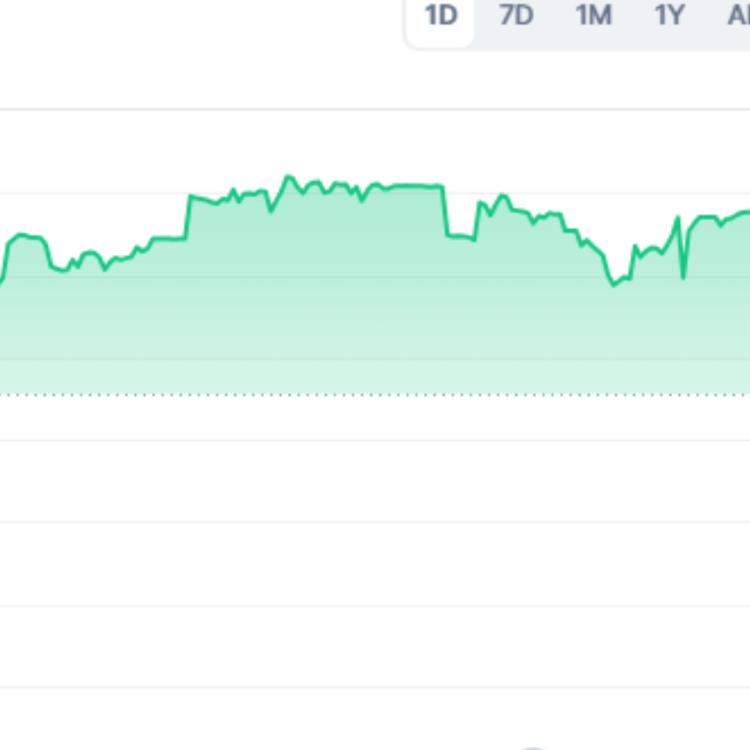
122
·
--
> 🚨 BNB COMPLETE MARKET REPORT - Oct 23, 2026
>
> Price: $745.25 (+1.53% Today)
> Market Cap: $98.48B - Rank #4
> 24H Volume: $1.34B
> Circulating: 131.51M BNB
> 24H Range: $725.62 - $747.50
>
> 🔥 Recent: 1.646M BNB Burned on Oct 19
> ⏭️ Upcoming: Chapel Upgrade - Oct 28, 2026
> 📉 ATH: $1,369.99 (Oct 13, 2025) - 45% below ATH
>
> BNB holding strong above $725 support despite market bloodbath. Long-term bullish with burn + upgrade!
>
> #BNB #Binance #CryptoNewss #BNBChain #BinanceSquareFamily @CZ
$BNB $BTC $ETH
> 🚨 BNB COMPLETE MARKET REPORT - Oct 23, 2026
>
> Price: $745.25 (+1.53% Today)
> Market Cap: $98.48B - Rank #4
> 24H Volume: $1.34B
> Circulating: 131.51M BNB
> 24H Range: $725.62 - $747.50
>
> 🔥 Recent: 1.646M BNB Burned on Oct 19
> ⏭️ Upcoming: Chapel Upgrade - Oct 28, 2026
> 📉 ATH: $1,369.99 (Oct 13, 2025) - 45% below ATH
>
> BNB holding strong above $725 support despite market bloodbath. Long-term bullish with burn + upgrade!
>
> #BNB #Binance #CryptoNewss #BNBChain #BinanceSquareFamily @CZ
$BNB $BTC $ETH
>
> Price: $745.25 (+1.53% Today)
> Market Cap: $98.48B - Rank #4
> 24H Volume: $1.34B
> Circulating: 131.51M BNB
> 24H Range: $725.62 - $747.50
>
> 🔥 Recent: 1.646M BNB Burned on Oct 19
> ⏭️ Upcoming: Chapel Upgrade - Oct 28, 2026
> 📉 ATH: $1,369.99 (Oct 13, 2025) - 45% below ATH
>
> BNB holding strong above $725 support despite market bloodbath. Long-term bullish with burn + upgrade!
>
> #BNB #Binance #CryptoNewss #BNBChain #BinanceSquareFamily @CZ
$BNB $BTC $ETH

Thanks Follow Me
From Kawsar2020
1
29

·
--
🚀 **BNB CHAIN ECOSYSTEM UPDATE | October 23, 2026**
🔥 **Big Developments Across BNB Chain!**
BNB Chain continues to expand its blockchain ecosystem with new infrastructure, AI innovation, and tokenomics updates.
🔸 **37th BNB Burn Completed:** 1,646,196.44 BNB burned, worth approximately $1.197 billion at the time of the burn.
🔸 **Jenner Upgrade:** The upcoming testnet upgrade introduces new features for payment processing, tokenized assets, and millisecond timestamps.
🔸 **AI & Web3 Growth:** New projects are joining the ecosystem across DeFi, AI, real-world assets (RWAs), and infrastructure.
🔸 **Stablecoin Transfers:** BNB Chain's zero-fee campaign for eligible USDC, USD1, and U transactions is extended through October 31, 2026.
💡 **Why It Matters**
BNB Chain is working to improve blockchain infrastructure, payment efficiency, and developer opportunities.
⚠️ Ecosystem growth does not guarantee BNB price appreciation. Always do your own research.
💬 **Which BNB Chain development excites you most — AI agents, DeFi, token burns, or faster payments?**
Follow for more crypto education and blockchain updates!
#bnb #BNBChain #BinanceSquare #defi
🚀 **BNB CHAIN ECOSYSTEM UPDATE | October 23, 2026**
🔥 **Big Developments Across BNB Chain!**
BNB Chain continues to expand its blockchain ecosystem with new infrastructure, AI innovation, and tokenomics updates.
🔸 **37th BNB Burn Completed:** 1,646,196.44 BNB burned, worth approximately $1.197 billion at the time of the burn.
🔸 **Jenner Upgrade:** The upcoming testnet upgrade introduces new features for payment processing, tokenized assets, and millisecond timestamps.
🔸 **AI & Web3 Growth:** New projects are joining the ecosystem across DeFi, AI, real-world assets (RWAs), and infrastructure.
🔸 **Stablecoin Transfers:** BNB Chain's zero-fee campaign for eligible USDC, USD1, and U transactions is extended through October 31, 2026.
💡 **Why It Matters**
BNB Chain is working to improve blockchain infrastructure, payment efficiency, and developer opportunities.
⚠️ Ecosystem growth does not guarantee BNB price appreciation. Always do your own research.
💬 **Which BNB Chain development excites you most — AI agents, DeFi, token burns, or faster payments?**
Follow for more crypto education and blockchain updates!
#bnb #BNBChain #BinanceSquare #defi
🔥 **Big Developments Across BNB Chain!**
BNB Chain continues to expand its blockchain ecosystem with new infrastructure, AI innovation, and tokenomics updates.
🔸 **37th BNB Burn Completed:** 1,646,196.44 BNB burned, worth approximately $1.197 billion at the time of the burn.
🔸 **Jenner Upgrade:** The upcoming testnet upgrade introduces new features for payment processing, tokenized assets, and millisecond timestamps.
🔸 **AI & Web3 Growth:** New projects are joining the ecosystem across DeFi, AI, real-world assets (RWAs), and infrastructure.
🔸 **Stablecoin Transfers:** BNB Chain's zero-fee campaign for eligible USDC, USD1, and U transactions is extended through October 31, 2026.
💡 **Why It Matters**
BNB Chain is working to improve blockchain infrastructure, payment efficiency, and developer opportunities.
⚠️ Ecosystem growth does not guarantee BNB price appreciation. Always do your own research.
💬 **Which BNB Chain development excites you most — AI agents, DeFi, token burns, or faster payments?**
Follow for more crypto education and blockchain updates!
#bnb #BNBChain #BinanceSquare #defi
46

$BNB SHOWING STRENGTH WHILE BTC BLEEDS 💪*
$BTC down -3.34% but $BNB up +0.80% today!
bnb Current: $744.02*
Price Action:
- 24h Low: $725.62
- 24h High: $744.43
- Sitting right at the top of daily range = Bullish
Technical:
- RSI (1H): 60.4 - Bullish momentum
- RSI (Daily): 48.6 - Neutral, room to pump
- Above 200 SMA ($648) = Long term uptrend intact
- Resistance Wall: $749 - $750 (20 & 50 SMA cluster) - Break this = $760+
Fundamental Boost:
- 37th Burn completed: 1.64M BNB ($1.2B) burned forever 🔥
- Jenner Hard Fork coming - Payment Lane upgrade
BNB is outperforming BTC today. When BTC bounces, BNB will fly.
Target: $750 break → $770 → $800
Are you holding BNB?
#BNB #BNBUSDT #Binance #Crypto #BNBChain
$BNB SHOWING STRENGTH WHILE BTC BLEEDS 💪*
$BTC down -3.34% but $BNB up +0.80% today!
bnb Current: $744.02*
Price Action:
- 24h Low: $725.62
- 24h High: $744.43
- Sitting right at the top of daily range = Bullish
Technical:
- RSI (1H): 60.4 - Bullish momentum
- RSI (Daily): 48.6 - Neutral, room to pump
- Above 200 SMA ($648) = Long term uptrend intact
- Resistance Wall: $749 - $750 (20 & 50 SMA cluster) - Break this = $760+
Fundamental Boost:
- 37th Burn completed: 1.64M BNB ($1.2B) burned forever 🔥
- Jenner Hard Fork coming - Payment Lane upgrade
BNB is outperforming BTC today. When BTC bounces, BNB will fly.
Target: $750 break → $770 → $800
Are you holding BNB?
#BNB #BNBUSDT #Binance #Crypto #BNBChain
$BTC down -3.34% but $BNB up +0.80% today!
bnb Current: $744.02*
Price Action:
- 24h Low: $725.62
- 24h High: $744.43
- Sitting right at the top of daily range = Bullish
Technical:
- RSI (1H): 60.4 - Bullish momentum
- RSI (Daily): 48.6 - Neutral, room to pump
- Above 200 SMA ($648) = Long term uptrend intact
- Resistance Wall: $749 - $750 (20 & 50 SMA cluster) - Break this = $760+
Fundamental Boost:
- 37th Burn completed: 1.64M BNB ($1.2B) burned forever 🔥
- Jenner Hard Fork coming - Payment Lane upgrade
BNB is outperforming BTC today. When BTC bounces, BNB will fly.
Target: $750 break → $770 → $800
Are you holding BNB?
#BNB #BNBUSDT #Binance #Crypto #BNBChain
43

·
--
BNB ($BNB)
BNB is more than just an exchange token — it powers one of the biggest crypto ecosystems in the world. Regular token burns reduce supply, which historically supports price growth. With Binance expanding services and BNB Chain improving performance, many see good potential for $BNB to deliver solid returns in the future. Utility plus scarcity makes it interesting for long-term holders.
#BNB #Binance #BNBChain $BNB
{spot}(BNBUSDT)
BNB ($BNB )
BNB is more than just an exchange token — it powers one of the biggest crypto ecosystems in the world. Regular token burns reduce supply, which historically supports price growth. With Binance expanding services and BNB Chain improving performance, many see good potential for $BNB to deliver solid returns in the future. Utility plus scarcity makes it interesting for long-term holders.
#BNB #Binance #BNBChain $BNB
BNB is more than just an exchange token — it powers one of the biggest crypto ecosystems in the world. Regular token burns reduce supply, which historically supports price growth. With Binance expanding services and BNB Chain improving performance, many see good potential for $BNB to deliver solid returns in the future. Utility plus scarcity makes it interesting for long-term holders.
#BNB #Binance #BNBChain $BNB
32

BNB Chain has officially dominated the tokenized equity sector in Q3 with massive volume and holder numbers. This dominance in the RWA space proves that the network is successfully attracting institutional grade liquidity and real world asset integration. Traders should view this as a strong signal of utility and ecosystem maturity beyond simple meme coin speculation.
#BNBChain #RealWorldAssets ⠀
BNB Chain has officially dominated the tokenized equity sector in Q3 with massive volume and holder numbers. This dominance in the RWA space proves that the network is successfully attracting institutional grade liquidity and real world asset integration. Traders should view this as a strong signal of utility and ecosystem maturity beyond simple meme coin speculation.
#BNBChain #RealWorldAssets ⠀
#BNBChain #RealWorldAssets ⠀
40

Holding $BNB 36.9 USDT
💛 BNB: Why Does the Ecosystem Matter?
A cryptocurrency's value is not only about its price. Its ecosystem, real-world utility, network activity, and community also deserve attention.
BNB is associated with the $BNB Chain ecosystem, which supports decentralized applications and blockchain transactions.
📊 Before making an investment decision, research token utility, market conditions, supply, and potential risks.
What matters most to you when evaluating a crypto project: utility, adoption, or tokenomics?
#BNBChain #CryptoResearch
💛 BNB: Why Does the Ecosystem Matter?
A cryptocurrency's value is not only about its price. Its ecosystem, real-world utility, network activity, and community also deserve attention.
BNB is associated with the $BNB Chain ecosystem, which supports decentralized applications and blockchain transactions.
📊 Before making an investment decision, research token utility, market conditions, supply, and potential risks.
What matters most to you when evaluating a crypto project: utility, adoption, or tokenomics?
#BNBChain #CryptoResearch
A cryptocurrency's value is not only about its price. Its ecosystem, real-world utility, network activity, and community also deserve attention.
BNB is associated with the $BNB Chain ecosystem, which supports decentralized applications and blockchain transactions.
📊 Before making an investment decision, research token utility, market conditions, supply, and potential risks.
What matters most to you when evaluating a crypto project: utility, adoption, or tokenomics?
#BNBChain #CryptoResearch
40

·
--
🟡 BNB: More Than Just a Crypto Symbol?
Before researching BNB, consider these questions:
🔎 What is BNB used for?
🌐 What role does it play in the BNB Chain ecosystem?
📊 How do market conditions affect its price?
⚠️ What risks should investors understand?
Never buy a cryptocurrency just because someone predicts a price increase. Do your own research and understand the risks.
💬 What would you like to learn about BNB next?
#BNB #Binance #CryptoResearch #BNBChain
🟡 BNB: More Than Just a Crypto Symbol?
Before researching BNB, consider these questions:
🔎 What is BNB used for?
🌐 What role does it play in the BNB Chain ecosystem?
📊 How do market conditions affect its price?
⚠️ What risks should investors understand?
Never buy a cryptocurrency just because someone predicts a price increase. Do your own research and understand the risks.
💬 What would you like to learn about BNB next?
#BNB #Binance #CryptoResearch #BNBChain
Before researching BNB, consider these questions:
🔎 What is BNB used for?
🌐 What role does it play in the BNB Chain ecosystem?
📊 How do market conditions affect its price?
⚠️ What risks should investors understand?
Never buy a cryptocurrency just because someone predicts a price increase. Do your own research and understand the risks.
💬 What would you like to learn about BNB next?
#BNB #Binance #CryptoResearch #BNBChain
61

📜 $BNB Chain's Q3 report card is out 📊
Blockworks just published its Q3 report on BNB Chain, and tokenized stocks stole the show.
Tokenized equity trading jumped 11x from Q2. Among all tracked chains, BNB Chain ranked #1 for tokenized equity DEX volume ($24.4B), supply ($1.13B) and holders (1.8M).
Network revenue rose 54% to $54.2M, and the 36th burn removed about 1.615M BNB. $BNB trades near $730.
Are tokenized stocks the next big BNB narrative?
#BNBChain #TokenizedStocks #RWA
Source: BNB Chain on X
📜 $BNB Chain's Q3 report card is out 📊
Blockworks just published its Q3 report on BNB Chain, and tokenized stocks stole the show.
Tokenized equity trading jumped 11x from Q2. Among all tracked chains, BNB Chain ranked #1 for tokenized equity DEX volume ($24.4B), supply ($1.13B) and holders (1.8M).
Network revenue rose 54% to $54.2M, and the 36th burn removed about 1.615M BNB. $BNB trades near $730.
Are tokenized stocks the next big BNB narrative?
#BNBChain #TokenizedStocks #RWA
Source: BNB Chain on X
Blockworks just published its Q3 report on BNB Chain, and tokenized stocks stole the show.
Tokenized equity trading jumped 11x from Q2. Among all tracked chains, BNB Chain ranked #1 for tokenized equity DEX volume ($24.4B), supply ($1.13B) and holders (1.8M).
Network revenue rose 54% to $54.2M, and the 36th burn removed about 1.615M BNB. $BNB trades near $730.
Are tokenized stocks the next big BNB narrative?
#BNBChain #TokenizedStocks #RWA
Source: BNB Chain on X
136
Log in to explore more content
Join global crypto users on Binance Square
⚡️ Get latest and useful information about crypto.
💬 Trusted by the world’s largest crypto exchange.
👍 Discover real insights from verified creators.
Email / Phone number
Trending Topics
1
#BinancePick
1.4M views
97,459 Discussing
2
#EarningsSeason
4.1M views
19,606 Discussing
3
#UKAlgorithmicCryptoTradingAppsMayNeedFCAAuthorization
1,510 views
59 Discussing
4
#DowDrops653Points
33,099 views
590 Discussing
5
#MarketsPriceJust10%ChanceOfFedHikeNextWeek
28,206 views
422 Discussing
6
#OCCRemovesStablecoinSevenDayRedemptionExtension
16,450 views
294 Discussing
7
#USConsumerSentimentHoldsAtSecondLowestOnRecord
13,902 views
182 Discussing
8
#FranklinTempletonAdds$150MFundSharesToXRPLedger
3,924 views
72 Discussing
9
#IRSPlansLowerTaxDisclosurePenaltiesForCryptoCases
86,171 views
806 Discussing
10
#PepeJumps14%ToLeadAltcoinRebound
160,416 views
1,524 Discussing