

Blockchain Boss X
8.2k Жариялаулар

Blockchain Boss X
 «Square расталған+» белгісі
Хабарлау
Пайдаланушыны блоктау
Crypto Markets | Blockchain | Web3 Research
Market trends, on-chain insights & macro analysis
Clear data. Balanced views. No hype.
Ашық сауда
Жиі сауда жасайтын трейдер
2.6 жыл
654 Жазылым
30.0K+ Жазылушылар
4.8K+ лайк басылған
Жазбалар
Портфолио
Барлығы
Баға ұсыныстары
Тікелей эфир
·
--
Жоғары (өспелі)
$ALGO LONG setup 📈
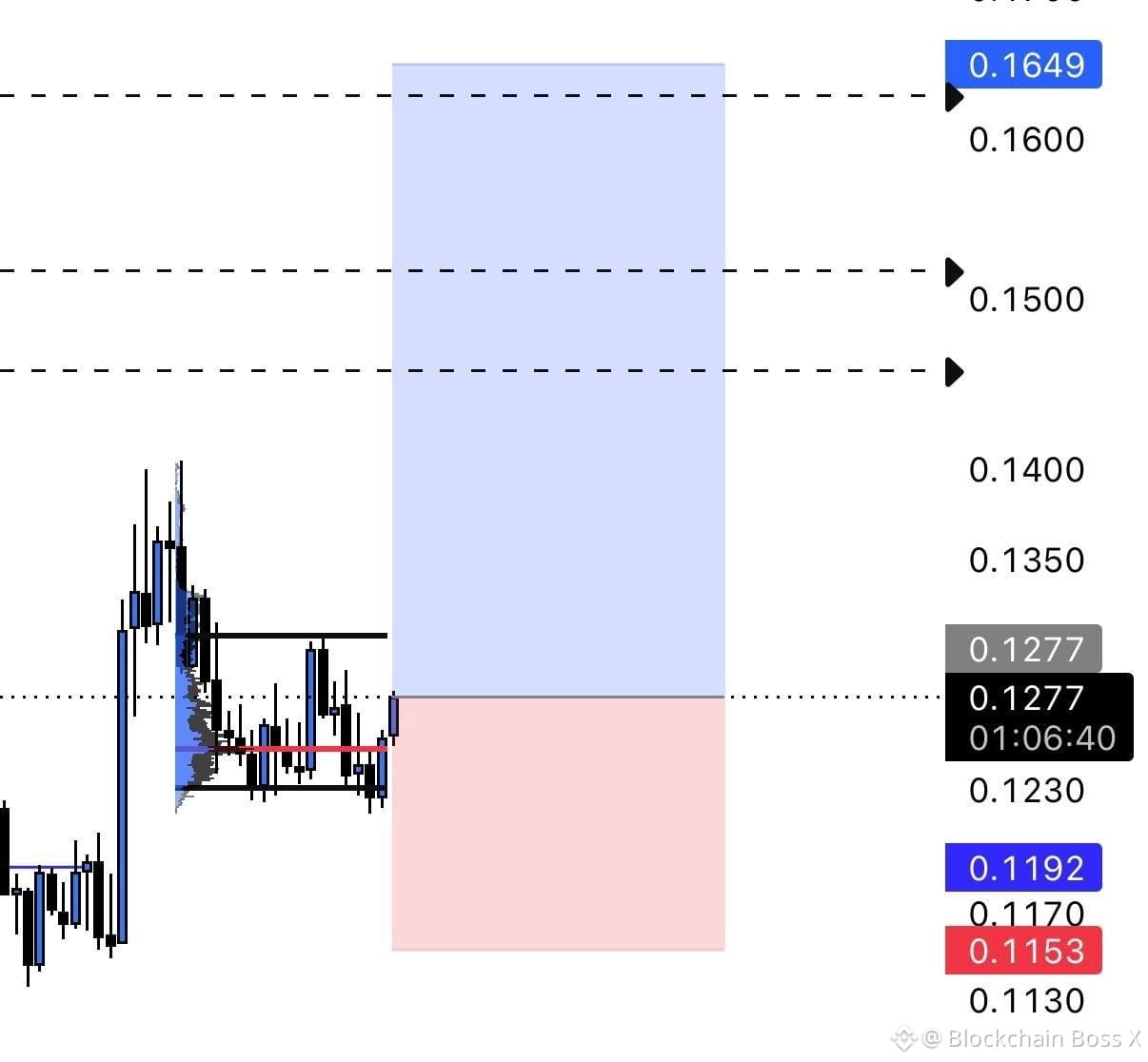
Price is breaking out of a consolidation range around 0.1277, with momentum starting to build.
🟢 Entry: 0.1277
🛑 Stop Loss: 0.1153
🎯 TP1: 0.1450
🎯 TP2: 0.1500
🎯 TP3: 0.1649
The key is holding above 0.1277 after the breakout. A clean retest and bounce would add confirmation.
Invalidation: loss of 0.1153.
#Crypto #TradingTales #LongSetup
{future}(ALGOUSDT)
$ALGO LONG setup 📈
Price is breaking out of a consolidation range around 0.1277, with momentum starting to build.
🟢 Entry: 0.1277
🛑 Stop Loss: 0.1153
🎯 TP1: 0.1450
🎯 TP2: 0.1500
🎯 TP3: 0.1649
The key is holding above 0.1277 after the breakout. A clean retest and bounce would add confirmation.
Invalidation: loss of 0.1153.
#Crypto #TradingTales #LongSetup
Price is breaking out of a consolidation range around 0.1277, with momentum starting to build.
🟢 Entry: 0.1277
🛑 Stop Loss: 0.1153
🎯 TP1: 0.1450
🎯 TP2: 0.1500
🎯 TP3: 0.1649
The key is holding above 0.1277 after the breakout. A clean retest and bounce would add confirmation.
Invalidation: loss of 0.1153.
#Crypto #TradingTales #LongSetup
1
144
·
--
Жоғары (өспелі)
$BTC USDT — LONG 📈
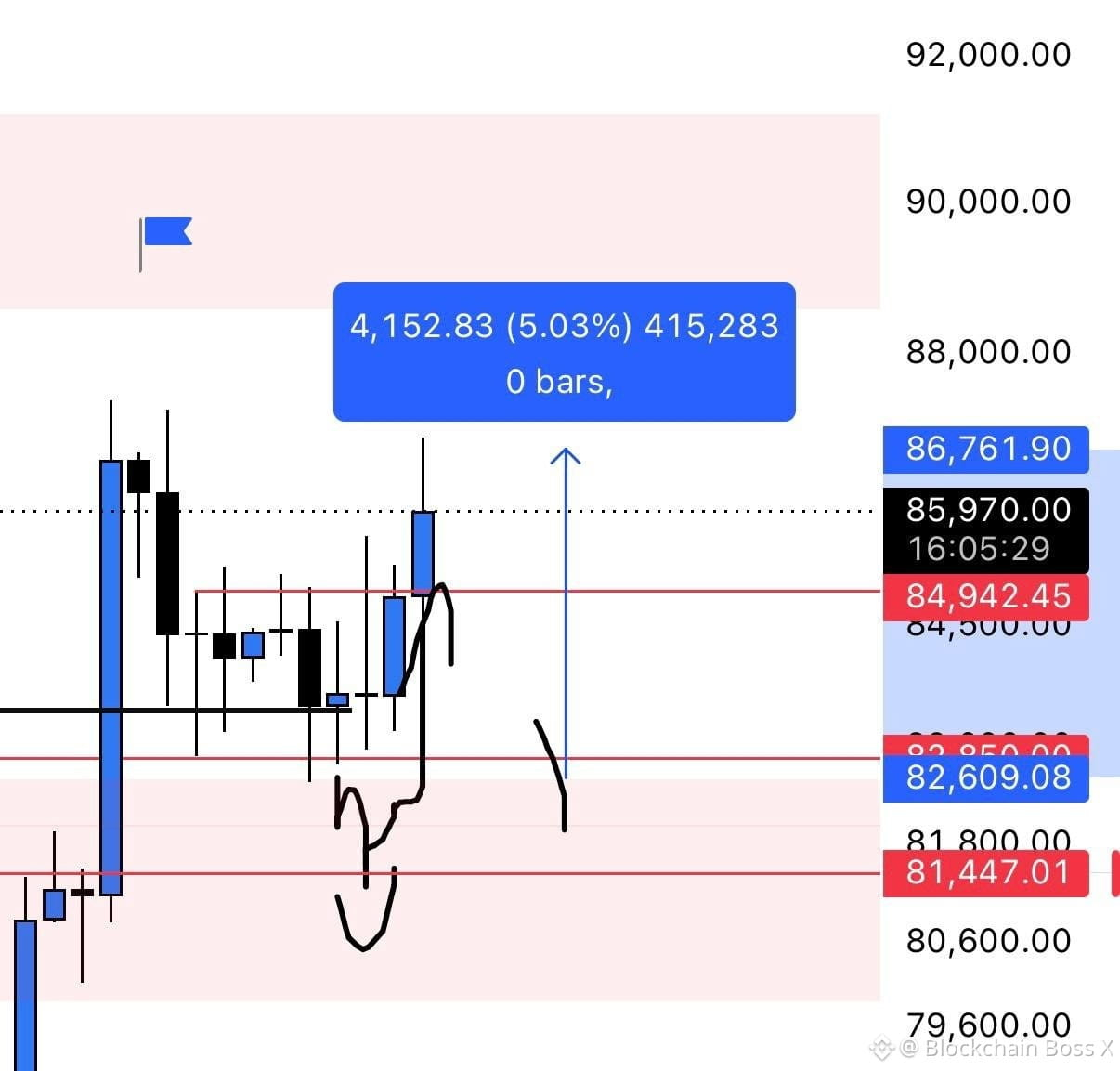
Chart structure shows a breakout above the 84,942 resistance area, with the next marked resistance around 86,761.
🟢 LONG: 84,950–85,500
🎯 TP1: 86,760
🎯 TP2: 88,500
🎯 TP3: 90,100
🛑 SL: 82,600
Key levels:
• 84,942 = breakout/resistance
• 82,609 = major support
• 81,447 = deeper support
⚠️ At 85,970, price is already extended from the breakout. A retest of 84,950–85,200 would give a cleaner entry than chasing.
Bias: LONG 📈
{future}(BTCUSDT)
#NFPWatch
$BTC USDT — LONG 📈
Chart structure shows a breakout above the 84,942 resistance area, with the next marked resistance around 86,761.
🟢 LONG: 84,950–85,500
🎯 TP1: 86,760
🎯 TP2: 88,500
🎯 TP3: 90,100
🛑 SL: 82,600
Key levels:
• 84,942 = breakout/resistance
• 82,609 = major support
• 81,447 = deeper support
⚠️ At 85,970, price is already extended from the breakout. A retest of 84,950–85,200 would give a cleaner entry than chasing.
Bias: LONG 📈
#NFPWatch
Chart structure shows a breakout above the 84,942 resistance area, with the next marked resistance around 86,761.
🟢 LONG: 84,950–85,500
🎯 TP1: 86,760
🎯 TP2: 88,500
🎯 TP3: 90,100
🛑 SL: 82,600
Key levels:
• 84,942 = breakout/resistance
• 82,609 = major support
• 81,447 = deeper support
⚠️ At 85,970, price is already extended from the breakout. A retest of 84,950–85,200 would give a cleaner entry than chasing.
Bias: LONG 📈
#NFPWatch
47
#AmazonPlansToSell$8BNvidiaChips
Amazon Explores $8B Nvidia Chip Sale-and-Leaseback
Amazon may be testing a new way to finance its AI infrastructure without giving up access to the computing hardware.
The company is reportedly seeking investor interest in a transaction involving approximately $8 billion of Nvidia Grace Blackwell chips, according to the Financial Times, as reported by Reuters. The proposed structure would transfer thousands of chips into a special-purpose vehicle, which would raise financing from outside investors and lease the hardware back to Amazon.
The chips are being installed across more than a dozen U.S. data centers in states including Nevada and Virginia. Amazon could offer investors an equity stake of up to 10% in the vehicle, while the SPV would potentially issue debt to fund the purchase. Amazon and Nvidia had not publicly confirmed the proposal when Reuters reported it.
This would be a sale-and-leaseback structure, not evidence that Amazon is abandoning AI investment. AWS could continue using the chips while shifting some ownership and financing costs away from its balance sheet. However, no transaction has been announced, and the final valuation, lease terms, chip count and accounting treatment remain unknown.
My take: The proposal highlights the enormous capital burden created by the AI buildout. Asset-light financing could preserve liquidity and accelerate deployment, but it also introduces leverage, lease obligations and questions about the long-term economics of specialized hardware.
Does this structure show financial innovation—or growing pressure from AI infrastructure costs?
#amazon #NVIDIA #AI
$NVDAB $CT $MAGMA
{future}(MAGMAUSDT)
{future}(CTUSDT)
{spot}(NVDABUSDT)
#AmazonPlansToSell$8BNvidiaChips
Amazon Explores $8B Nvidia Chip Sale-and-Leaseback
Amazon may be testing a new way to finance its AI infrastructure without giving up access to the computing hardware.
The company is reportedly seeking investor interest in a transaction involving approximately $8 billion of Nvidia Grace Blackwell chips, according to the Financial Times, as reported by Reuters. The proposed structure would transfer thousands of chips into a special-purpose vehicle, which would raise financing from outside investors and lease the hardware back to Amazon.
The chips are being installed across more than a dozen U.S. data centers in states including Nevada and Virginia. Amazon could offer investors an equity stake of up to 10% in the vehicle, while the SPV would potentially issue debt to fund the purchase. Amazon and Nvidia had not publicly confirmed the proposal when Reuters reported it.
This would be a sale-and-leaseback structure, not evidence that Amazon is abandoning AI investment. AWS could continue using the chips while shifting some ownership and financing costs away from its balance sheet. However, no transaction has been announced, and the final valuation, lease terms, chip count and accounting treatment remain unknown.
My take: The proposal highlights the enormous capital burden created by the AI buildout. Asset-light financing could preserve liquidity and accelerate deployment, but it also introduces leverage, lease obligations and questions about the long-term economics of specialized hardware.
Does this structure show financial innovation—or growing pressure from AI infrastructure costs?
#amazon #NVIDIA #AI
$NVDAB $CT $MAGMA
Amazon Explores $8B Nvidia Chip Sale-and-Leaseback
Amazon may be testing a new way to finance its AI infrastructure without giving up access to the computing hardware.
The company is reportedly seeking investor interest in a transaction involving approximately $8 billion of Nvidia Grace Blackwell chips, according to the Financial Times, as reported by Reuters. The proposed structure would transfer thousands of chips into a special-purpose vehicle, which would raise financing from outside investors and lease the hardware back to Amazon.
The chips are being installed across more than a dozen U.S. data centers in states including Nevada and Virginia. Amazon could offer investors an equity stake of up to 10% in the vehicle, while the SPV would potentially issue debt to fund the purchase. Amazon and Nvidia had not publicly confirmed the proposal when Reuters reported it.
This would be a sale-and-leaseback structure, not evidence that Amazon is abandoning AI investment. AWS could continue using the chips while shifting some ownership and financing costs away from its balance sheet. However, no transaction has been announced, and the final valuation, lease terms, chip count and accounting treatment remain unknown.
My take: The proposal highlights the enormous capital burden created by the AI buildout. Asset-light financing could preserve liquidity and accelerate deployment, but it also introduces leverage, lease obligations and questions about the long-term economics of specialized hardware.
Does this structure show financial innovation—or growing pressure from AI infrastructure costs?
#amazon #NVIDIA #AI
$NVDAB $CT $MAGMA

264
·
--
Жоғары (өспелі)
#NEARFallsToAround$4.70Down14%
NEAR Falls to Around $4.70 After Sharp Intraday Reversal
NEAR Protocol briefly dropped to around $4.70, representing a decline of more than 14% from its intraday high, according to Bitget market data. This was an intraday move—not necessarily a 14% daily loss from the previous close.
The sell-off followed a sharp rally and arrived as sentiment around NEAR’s broader ecosystem weakened after a reported exploit involving NEAR Intents. Security reports said the incident affected a cross-chain service and involved approximately $3.8 million in assets. The reported issue was linked to NEAR Intents infrastructure, not evidence of a compromise of the NEAR base-layer blockchain itself.
CoinGecko later showed NEAR trading near $4.96, with a 24-hour range of approximately $4.75–$5.31 and a six-day decline from its recent high. The data confirms elevated volatility, but price snapshots vary by exchange and timing.
My take: The move reflects both profit-taking after a strong run and a security-risk premium. The most important evidence now is the official incident post-mortem, confirmation of affected funds, reimbursement progress and whether cross-chain services reopen safely. Traders should avoid treating a sharp bounce as proof that the technical risk has disappeared.
Can NEAR restore confidence after the Intents incident?
#Near #CryptoSecurity #altcoins
$CT $GTC $MAGMA
{future}(MAGMAUSDT)
{future}(GTCUSDT)
{future}(CTUSDT)
#NEARFallsToAround$4.70Down14%
NEAR Falls to Around $4.70 After Sharp Intraday Reversal
NEAR Protocol briefly dropped to around $4.70, representing a decline of more than 14% from its intraday high, according to Bitget market data. This was an intraday move—not necessarily a 14% daily loss from the previous close.
The sell-off followed a sharp rally and arrived as sentiment around NEAR’s broader ecosystem weakened after a reported exploit involving NEAR Intents. Security reports said the incident affected a cross-chain service and involved approximately $3.8 million in assets. The reported issue was linked to NEAR Intents infrastructure, not evidence of a compromise of the NEAR base-layer blockchain itself.
CoinGecko later showed NEAR trading near $4.96, with a 24-hour range of approximately $4.75–$5.31 and a six-day decline from its recent high. The data confirms elevated volatility, but price snapshots vary by exchange and timing.
My take: The move reflects both profit-taking after a strong run and a security-risk premium. The most important evidence now is the official incident post-mortem, confirmation of affected funds, reimbursement progress and whether cross-chain services reopen safely. Traders should avoid treating a sharp bounce as proof that the technical risk has disappeared.
Can NEAR restore confidence after the Intents incident?
#Near #CryptoSecurity #altcoins
$CT $GTC $MAGMA
NEAR Falls to Around $4.70 After Sharp Intraday Reversal
NEAR Protocol briefly dropped to around $4.70, representing a decline of more than 14% from its intraday high, according to Bitget market data. This was an intraday move—not necessarily a 14% daily loss from the previous close.
The sell-off followed a sharp rally and arrived as sentiment around NEAR’s broader ecosystem weakened after a reported exploit involving NEAR Intents. Security reports said the incident affected a cross-chain service and involved approximately $3.8 million in assets. The reported issue was linked to NEAR Intents infrastructure, not evidence of a compromise of the NEAR base-layer blockchain itself.
CoinGecko later showed NEAR trading near $4.96, with a 24-hour range of approximately $4.75–$5.31 and a six-day decline from its recent high. The data confirms elevated volatility, but price snapshots vary by exchange and timing.
My take: The move reflects both profit-taking after a strong run and a security-risk premium. The most important evidence now is the official incident post-mortem, confirmation of affected funds, reimbursement progress and whether cross-chain services reopen safely. Traders should avoid treating a sharp bounce as proof that the technical risk has disappeared.
Can NEAR restore confidence after the Intents incident?
#Near #CryptoSecurity #altcoins
$CT $GTC $MAGMA

426
Расталды
#evernorthplansnasdaqlistingoct8
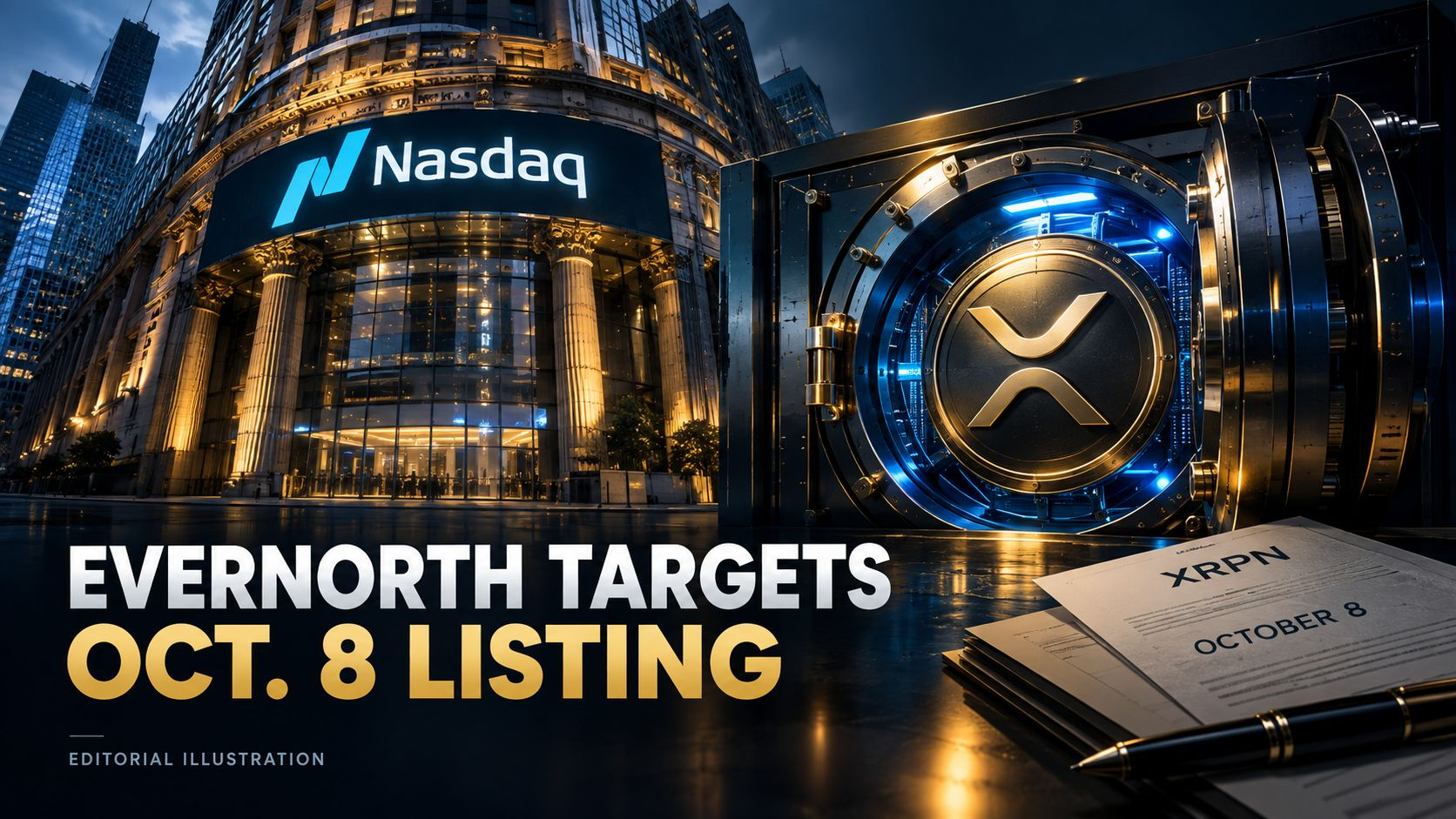
Evernorth Targets October 8 Nasdaq Debut Under XRPN
A new public-market vehicle designed to give investors exposure to XRP has cleared a major transaction hurdle—but its listing is still conditional.
Shareholders of Armada Acquisition Corp. II approved the proposed business combination with Evernorth Holdings at a September 30 meeting. The deal is expected to close on October 7, 2026, with the combined company’s Class A shares expected to begin trading on Nasdaq under the ticker XRPN on October 8—subject to remaining closing conditions and listing requirements.
At closing, Evernorth expects to hold approximately 473 million XRP and raise about $300 million in gross cash proceeds. That total includes $225 million from private placements, $30 million in convertible-note financing and approximately $48 million from Armada’s trust, before transaction expenses. The company says the overall transaction and related private placements have raised more than $1 billion, including XRP contributed in kind.
The structure would give investors regulated equity-market exposure to an XRP treasury without directly holding XRP. But the stock will not be identical to the token: its value will also reflect cash, liabilities, dilution, management execution, market liquidity and any premium or discount to the underlying XRP holdings.
My take: XRPN could become a useful test of investor demand for crypto treasury companies beyond Bitcoin. The key evidence will be the final XRP balance, opening valuation, share liquidity and whether Evernorth can grow XRP per share without excessive dilution.
Will XRP treasury companies attract sustained institutional demand?
#xrp #Evernorth #CryptoMarkets
$XRP $US $GTC
{future}(GTCUSDT)
{future}(USUSDT)
{future}(XRPUSDT)
#evernorthplansnasdaqlistingoct8
Evernorth Targets October 8 Nasdaq Debut Under XRPN
A new public-market vehicle designed to give investors exposure to XRP has cleared a major transaction hurdle—but its listing is still conditional.
Shareholders of Armada Acquisition Corp. II approved the proposed business combination with Evernorth Holdings at a September 30 meeting. The deal is expected to close on October 7, 2026, with the combined company’s Class A shares expected to begin trading on Nasdaq under the ticker XRPN on October 8—subject to remaining closing conditions and listing requirements.
At closing, Evernorth expects to hold approximately 473 million XRP and raise about $300 million in gross cash proceeds. That total includes $225 million from private placements, $30 million in convertible-note financing and approximately $48 million from Armada’s trust, before transaction expenses. The company says the overall transaction and related private placements have raised more than $1 billion, including XRP contributed in kind.
The structure would give investors regulated equity-market exposure to an XRP treasury without directly holding XRP. But the stock will not be identical to the token: its value will also reflect cash, liabilities, dilution, management execution, market liquidity and any premium or discount to the underlying XRP holdings.
My take: XRPN could become a useful test of investor demand for crypto treasury companies beyond Bitcoin. The key evidence will be the final XRP balance, opening valuation, share liquidity and whether Evernorth can grow XRP per share without excessive dilution.
Will XRP treasury companies attract sustained institutional demand?
#xrp #Evernorth #CryptoMarkets
$XRP $US $GTC
Evernorth Targets October 8 Nasdaq Debut Under XRPN
A new public-market vehicle designed to give investors exposure to XRP has cleared a major transaction hurdle—but its listing is still conditional.
Shareholders of Armada Acquisition Corp. II approved the proposed business combination with Evernorth Holdings at a September 30 meeting. The deal is expected to close on October 7, 2026, with the combined company’s Class A shares expected to begin trading on Nasdaq under the ticker XRPN on October 8—subject to remaining closing conditions and listing requirements.
At closing, Evernorth expects to hold approximately 473 million XRP and raise about $300 million in gross cash proceeds. That total includes $225 million from private placements, $30 million in convertible-note financing and approximately $48 million from Armada’s trust, before transaction expenses. The company says the overall transaction and related private placements have raised more than $1 billion, including XRP contributed in kind.
The structure would give investors regulated equity-market exposure to an XRP treasury without directly holding XRP. But the stock will not be identical to the token: its value will also reflect cash, liabilities, dilution, management execution, market liquidity and any premium or discount to the underlying XRP holdings.
My take: XRPN could become a useful test of investor demand for crypto treasury companies beyond Bitcoin. The key evidence will be the final XRP balance, opening valuation, share liquidity and whether Evernorth can grow XRP per share without excessive dilution.
Will XRP treasury companies attract sustained institutional demand?
#xrp #Evernorth #CryptoMarkets
$XRP $US $GTC
XRP-1,92%
XRPNUS-2,85%
1
4.2k
#secproposescryptocustodyframework
SEC Proposes New Framework for Crypto Custody
The U.S. securities regulator is proposing a clearer route for investment advisers and regulated funds to hold crypto assets—but the framework is not final yet.
The SEC’s proposal would create tailored custody rules for registered investment advisers, investment companies and business development companies. It would update requirements under the Investment Advisers Act and Investment Company Act for safeguarding, recordkeeping, audits and disclosures involving crypto assets.
Under the proposal, advisers could potentially use self-custody in limited circumstances, including when no permitted third-party custodian is available. State-chartered trust companies could also qualify as custodians for client and regulated-fund crypto assets, subject to conditions involving safeguards, segregation, internal controls and reporting.
The proposal also recognizes blockchain-based records and addresses operational issues such as cybersecurity, private-key control, trading authority and verification of assets. The SEC said public comments will remain open for 60 days after publication in the Federal Register.
My take: This could remove a major barrier to institutional crypto adoption by replacing uncertainty with defined compliance pathways. But self-custody is not automatically safer, and the final rules will matter greatly—especially around key management, insolvency protection, audits and conflicts of interest. A broader custodian pool could improve competition, while weaker controls could create new operational risks.
Will clearer custody rules accelerate institutional demand for digital assets?
#cryptocustody #SEC #InstitutionalCrypto
$US $GTC $MAGMA
{future}(MAGMAUSDT)
{future}(GTCUSDT)
{future}(USUSDT)
#secproposescryptocustodyframework
SEC Proposes New Framework for Crypto Custody
The U.S. securities regulator is proposing a clearer route for investment advisers and regulated funds to hold crypto assets—but the framework is not final yet.
The SEC’s proposal would create tailored custody rules for registered investment advisers, investment companies and business development companies. It would update requirements under the Investment Advisers Act and Investment Company Act for safeguarding, recordkeeping, audits and disclosures involving crypto assets.
Under the proposal, advisers could potentially use self-custody in limited circumstances, including when no permitted third-party custodian is available. State-chartered trust companies could also qualify as custodians for client and regulated-fund crypto assets, subject to conditions involving safeguards, segregation, internal controls and reporting.
The proposal also recognizes blockchain-based records and addresses operational issues such as cybersecurity, private-key control, trading authority and verification of assets. The SEC said public comments will remain open for 60 days after publication in the Federal Register.
My take: This could remove a major barrier to institutional crypto adoption by replacing uncertainty with defined compliance pathways. But self-custody is not automatically safer, and the final rules will matter greatly—especially around key management, insolvency protection, audits and conflicts of interest. A broader custodian pool could improve competition, while weaker controls could create new operational risks.
Will clearer custody rules accelerate institutional demand for digital assets?
#cryptocustody #SEC #InstitutionalCrypto
$US $GTC $MAGMA
SEC Proposes New Framework for Crypto Custody
The U.S. securities regulator is proposing a clearer route for investment advisers and regulated funds to hold crypto assets—but the framework is not final yet.
The SEC’s proposal would create tailored custody rules for registered investment advisers, investment companies and business development companies. It would update requirements under the Investment Advisers Act and Investment Company Act for safeguarding, recordkeeping, audits and disclosures involving crypto assets.
Under the proposal, advisers could potentially use self-custody in limited circumstances, including when no permitted third-party custodian is available. State-chartered trust companies could also qualify as custodians for client and regulated-fund crypto assets, subject to conditions involving safeguards, segregation, internal controls and reporting.
The proposal also recognizes blockchain-based records and addresses operational issues such as cybersecurity, private-key control, trading authority and verification of assets. The SEC said public comments will remain open for 60 days after publication in the Federal Register.
My take: This could remove a major barrier to institutional crypto adoption by replacing uncertainty with defined compliance pathways. But self-custody is not automatically safer, and the final rules will matter greatly—especially around key management, insolvency protection, audits and conflicts of interest. A broader custodian pool could improve competition, while weaker controls could create new operational risks.
Will clearer custody rules accelerate institutional demand for digital assets?
#cryptocustody #SEC #InstitutionalCrypto
$US $GTC $MAGMA

85
#IMFApproves$139MDisbursementToElSalvador
IMF Approves $138 Million for El Salvador After Bitcoin Waiver
The International Monetary Fund has released new funding to El Salvador—but the decision comes with a clear message about the government’s future role in Bitcoin.
The IMF Executive Board completed the second and third reviews of El Salvador’s 40-month Extended Fund Facility, allowing an immediate disbursement of SDR 101.96 million, worth approximately $138 million. The broader program provides access to about $1.4 billion.
The Fund granted waivers after certain performance criteria were missed, including one related to Bitcoin accumulation. The IMF said corrective measures and renewed commitments supported the decision. It also stated that no further Bitcoin accumulation is envisaged beyond documented donations.
The review highlighted stronger-than-expected economic activity, improved security, rising investor confidence, fiscal consolidation and stronger reserve and liquidity buffers. It also noted progress toward transferring majority ownership and control of the state-run Chivo wallet to a private operator.
My take: This is not an IMF endorsement of unlimited government Bitcoin purchases. It is a conditional financing decision that simultaneously keeps the program alive and pushes El Salvador to reduce direct state involvement in Bitcoin-related activities. The next evidence to watch is transparency around public crypto holdings, Chivo’s transition and whether future purchases remain within the program’s commitments.
Does this mark a practical shift in El Salvador’s Bitcoin strategy?
#bitcoin #ElSalvador #IMF
$US $GTC $CT
{future}(CTUSDT)
{future}(GTCUSDT)
{future}(USUSDT)
#IMFApproves$139MDisbursementToElSalvador
IMF Approves $138 Million for El Salvador After Bitcoin Waiver
The International Monetary Fund has released new funding to El Salvador—but the decision comes with a clear message about the government’s future role in Bitcoin.
The IMF Executive Board completed the second and third reviews of El Salvador’s 40-month Extended Fund Facility, allowing an immediate disbursement of SDR 101.96 million, worth approximately $138 million. The broader program provides access to about $1.4 billion.
The Fund granted waivers after certain performance criteria were missed, including one related to Bitcoin accumulation. The IMF said corrective measures and renewed commitments supported the decision. It also stated that no further Bitcoin accumulation is envisaged beyond documented donations.
The review highlighted stronger-than-expected economic activity, improved security, rising investor confidence, fiscal consolidation and stronger reserve and liquidity buffers. It also noted progress toward transferring majority ownership and control of the state-run Chivo wallet to a private operator.
My take: This is not an IMF endorsement of unlimited government Bitcoin purchases. It is a conditional financing decision that simultaneously keeps the program alive and pushes El Salvador to reduce direct state involvement in Bitcoin-related activities. The next evidence to watch is transparency around public crypto holdings, Chivo’s transition and whether future purchases remain within the program’s commitments.
Does this mark a practical shift in El Salvador’s Bitcoin strategy?
#bitcoin #ElSalvador #IMF
$US $GTC $CT
IMF Approves $138 Million for El Salvador After Bitcoin Waiver
The International Monetary Fund has released new funding to El Salvador—but the decision comes with a clear message about the government’s future role in Bitcoin.
The IMF Executive Board completed the second and third reviews of El Salvador’s 40-month Extended Fund Facility, allowing an immediate disbursement of SDR 101.96 million, worth approximately $138 million. The broader program provides access to about $1.4 billion.
The Fund granted waivers after certain performance criteria were missed, including one related to Bitcoin accumulation. The IMF said corrective measures and renewed commitments supported the decision. It also stated that no further Bitcoin accumulation is envisaged beyond documented donations.
The review highlighted stronger-than-expected economic activity, improved security, rising investor confidence, fiscal consolidation and stronger reserve and liquidity buffers. It also noted progress toward transferring majority ownership and control of the state-run Chivo wallet to a private operator.
My take: This is not an IMF endorsement of unlimited government Bitcoin purchases. It is a conditional financing decision that simultaneously keeps the program alive and pushes El Salvador to reduce direct state involvement in Bitcoin-related activities. The next evidence to watch is transparency around public crypto holdings, Chivo’s transition and whether future purchases remain within the program’s commitments.
Does this mark a practical shift in El Salvador’s Bitcoin strategy?
#bitcoin #ElSalvador #IMF
$US $GTC $CT

57
·
--
Жоғары (өспелі)
🔥 $LTC Buying Setup 🟢
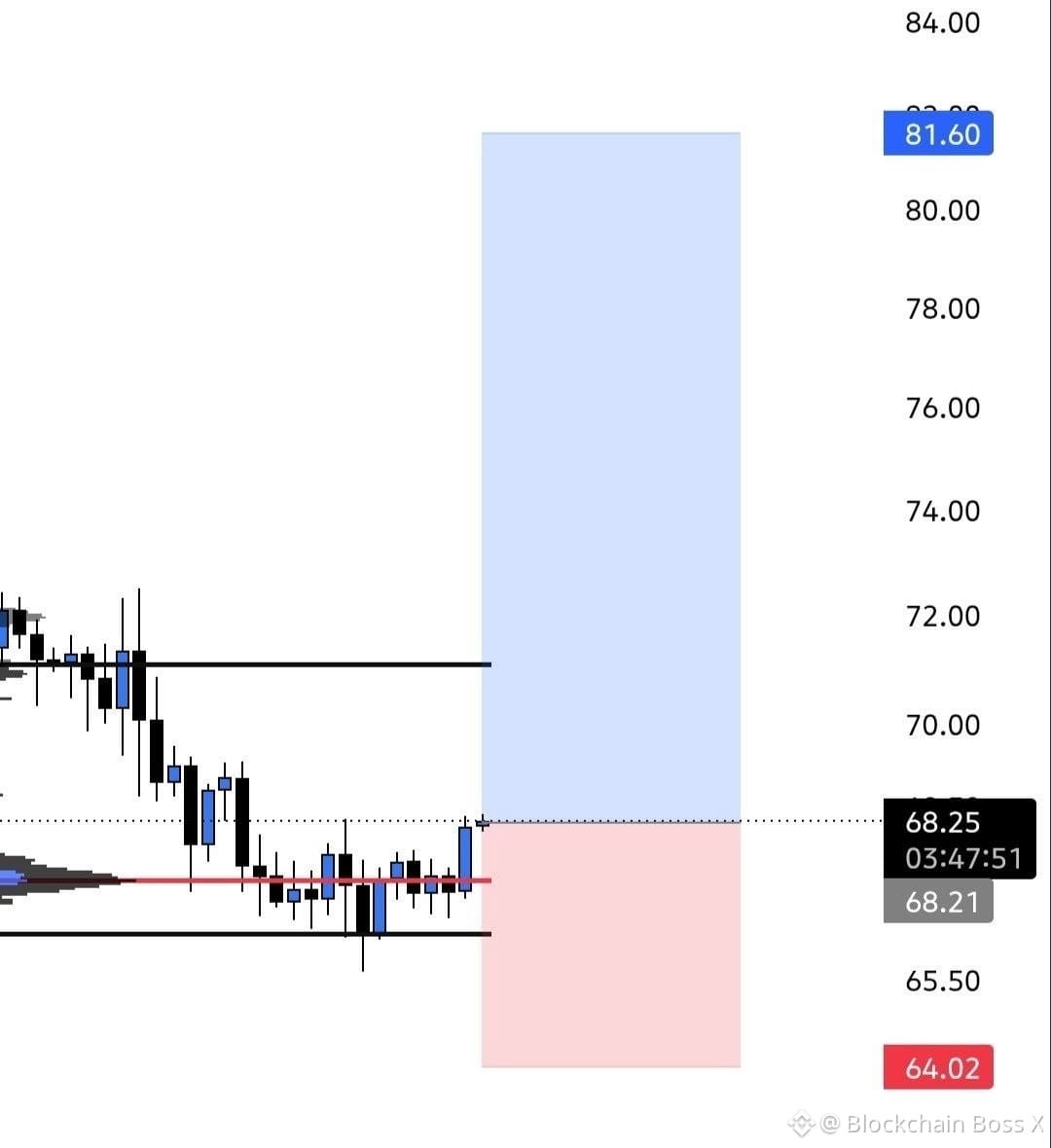
Accumulating on the current pattern — one of our favourites, and it's lining up again.
Entry: CMP till 66
TP: 81
SL: 64
Risk: 🟢 Low — tight invalidation keeps downside small.
⚠️ Stick to the plan, no chasing above entry zone.
{future}(LTCUSDT)
🔥 $LTC Buying Setup 🟢
Accumulating on the current pattern — one of our favourites, and it's lining up again.
Entry: CMP till 66
TP: 81
SL: 64
Risk: 🟢 Low — tight invalidation keeps downside small.
⚠️ Stick to the plan, no chasing above entry zone.
Accumulating on the current pattern — one of our favourites, and it's lining up again.
Entry: CMP till 66
TP: 81
SL: 64
Risk: 🟢 Low — tight invalidation keeps downside small.
⚠️ Stick to the plan, no chasing above entry zone.
1
92
Расталды
#anthropictargetsipoassoonasmidnovember
Anthropic Targets IPO as Soon as Mid-November
Anthropic’s public-market debut may arrive sooner than investors expected—but the timeline, valuation and deal size remain unconfirmed.
The Claude developer could begin formally marketing its initial public offering as early as the week of November 9, potentially allowing shares to begin trading before the U.S. Thanksgiving holiday on November 26, Bloomberg reported, citing people familiar with the matter. The company previously delayed its listing plans, and the timetable could still change.
Anthropic’s prospectus reportedly outlines an ambitious expansion strategy. Reuters reported that the company expects to spend about $518 billion on cloud, computing and infrastructure obligations in coming years. It reported nearly $4.6 billion in 2025 revenue, but also a net loss of roughly $ 42 billion, including a large accounting charge tied to financing arrangements.
Reports have discussed a potential valuation of around $2 trillion, but that is an indicative target—not a confirmed IPO price or market capitalization. The final valuation will depend on investor demand, market conditions, the prospectus and the number of shares offered.
My take: Anthropic’s IPO could become a crucial test of whether public investors will fund AI infrastructure at venture-style valuations. Strong revenue growth may attract demand, but enormous computing commitments, concentrated customers and widening operating costs create material risks. A successful listing could lift AI sentiment; a weak debut could pressure the wider AI trade.
Would you consider Anthropic’s growth worth the infrastructure costs?
#Anthropic #AI #IPO
$US $GTC
{future}(GTCUSDT)
{future}(USUSDT)
#anthropictargetsipoassoonasmidnovember
Anthropic Targets IPO as Soon as Mid-November
Anthropic’s public-market debut may arrive sooner than investors expected—but the timeline, valuation and deal size remain unconfirmed.
The Claude developer could begin formally marketing its initial public offering as early as the week of November 9, potentially allowing shares to begin trading before the U.S. Thanksgiving holiday on November 26, Bloomberg reported, citing people familiar with the matter. The company previously delayed its listing plans, and the timetable could still change.
Anthropic’s prospectus reportedly outlines an ambitious expansion strategy. Reuters reported that the company expects to spend about $518 billion on cloud, computing and infrastructure obligations in coming years. It reported nearly $4.6 billion in 2025 revenue, but also a net loss of roughly $ 42 billion, including a large accounting charge tied to financing arrangements.
Reports have discussed a potential valuation of around $2 trillion, but that is an indicative target—not a confirmed IPO price or market capitalization. The final valuation will depend on investor demand, market conditions, the prospectus and the number of shares offered.
My take: Anthropic’s IPO could become a crucial test of whether public investors will fund AI infrastructure at venture-style valuations. Strong revenue growth may attract demand, but enormous computing commitments, concentrated customers and widening operating costs create material risks. A successful listing could lift AI sentiment; a weak debut could pressure the wider AI trade.
Would you consider Anthropic’s growth worth the infrastructure costs?
#Anthropic #AI #IPO
$US $GTC
Anthropic Targets IPO as Soon as Mid-November
Anthropic’s public-market debut may arrive sooner than investors expected—but the timeline, valuation and deal size remain unconfirmed.
The Claude developer could begin formally marketing its initial public offering as early as the week of November 9, potentially allowing shares to begin trading before the U.S. Thanksgiving holiday on November 26, Bloomberg reported, citing people familiar with the matter. The company previously delayed its listing plans, and the timetable could still change.
Anthropic’s prospectus reportedly outlines an ambitious expansion strategy. Reuters reported that the company expects to spend about $518 billion on cloud, computing and infrastructure obligations in coming years. It reported nearly $4.6 billion in 2025 revenue, but also a net loss of roughly $ 42 billion, including a large accounting charge tied to financing arrangements.
Reports have discussed a potential valuation of around $2 trillion, but that is an indicative target—not a confirmed IPO price or market capitalization. The final valuation will depend on investor demand, market conditions, the prospectus and the number of shares offered.
My take: Anthropic’s IPO could become a crucial test of whether public investors will fund AI infrastructure at venture-style valuations. Strong revenue growth may attract demand, but enormous computing commitments, concentrated customers and widening operating costs create material risks. A successful listing could lift AI sentiment; a weak debut could pressure the wider AI trade.
Would you consider Anthropic’s growth worth the infrastructure costs?
#Anthropic #AI #IPO
$US $GTC

1
1
3.2k
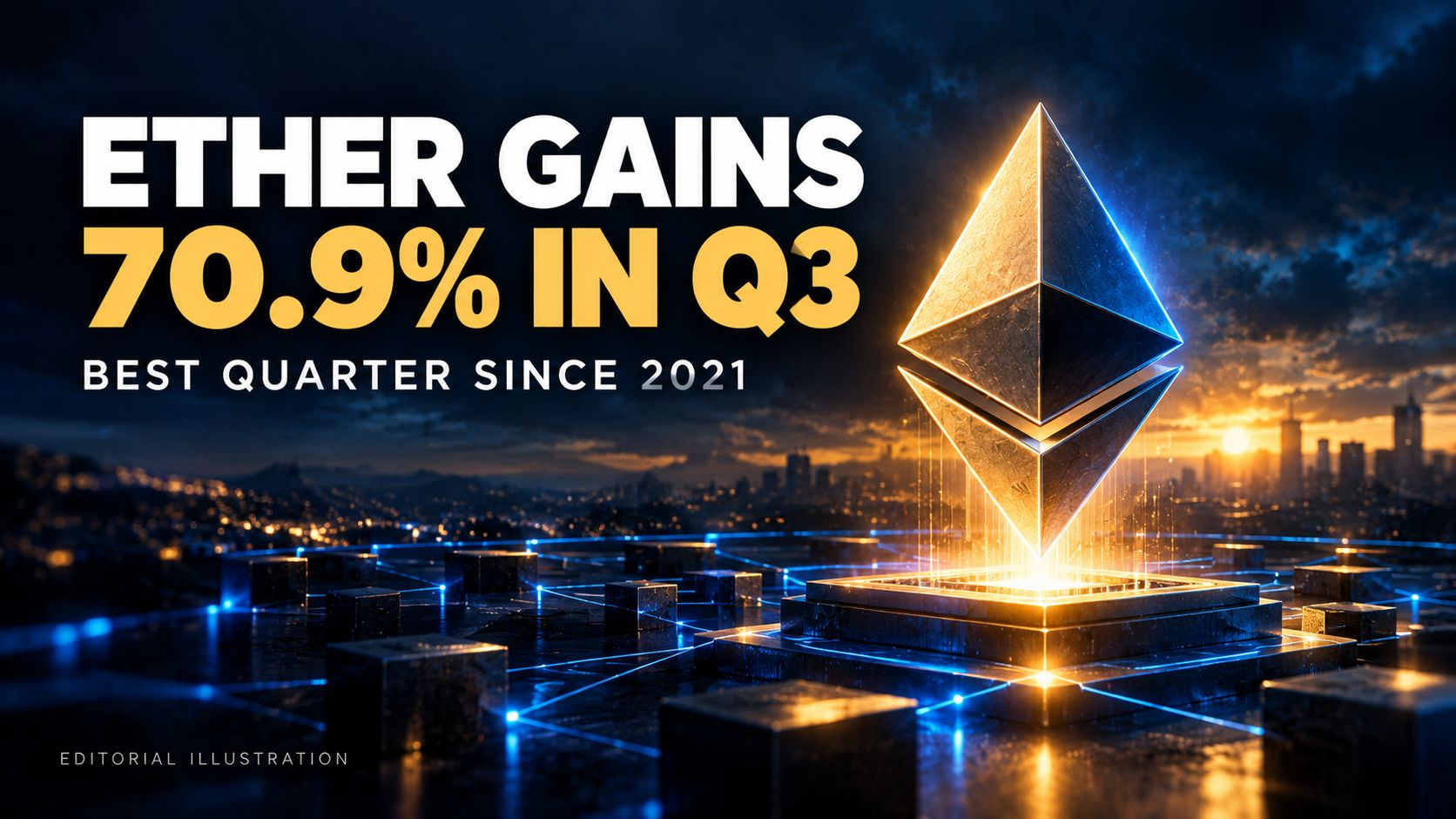
#ethergains70.9%inq3
Ether Gains 70.9% in Q3—Its Best Quarter Since 2021
Ethereum delivered one of crypto’s strongest quarterly rebounds in years, but the headline gain needs context.
Ether rose approximately 70.9% during the third quarter of 2026, according to CoinDesk’s review of CoinGlass data. That was its strongest quarterly performance since Q1 2021, when ETH gained roughly 160.7%. Bitcoin also advanced about 44% over the same period, showing that ETH’s rally occurred within a broader crypto-market recovery.
The move followed three consecutive down quarters for ether. Another market review showed ETH at roughly $2,667 on September 30, up about 69.7% for Q3 but still down around 10.3% year to date. This distinction matters: a sharp quarterly gain can represent recovery from earlier losses rather than a return to a new long-term trend.
Broader altcoin participation also strengthened the quarter. Chainlink gained nearly 99%, while Avalanche and Cardano rose more than 69%, according to the same review. Yet many major tokens remained below their year-opening levels.
My take: ETH’s outperformance suggests renewed interest in large-cap smart-contract infrastructure, but higher Treasury yields and tightening liquidity remain important risks. The key question for Q4 is whether spot demand, network activity and institutional flows can sustain the rally after such a strong rebound.
Was Q3 the beginning of a durable Ethereum trend—or mainly a relief rally?
#Ethereum #ETH #CryptoMarket
$ETH $GTC $US
{future}(USUSDT)
{future}(GTCUSDT)
{future}(ETHUSDT)
#ethergains70.9%inq3
Ether Gains 70.9% in Q3—Its Best Quarter Since 2021
Ethereum delivered one of crypto’s strongest quarterly rebounds in years, but the headline gain needs context.
Ether rose approximately 70.9% during the third quarter of 2026, according to CoinDesk’s review of CoinGlass data. That was its strongest quarterly performance since Q1 2021, when ETH gained roughly 160.7%. Bitcoin also advanced about 44% over the same period, showing that ETH’s rally occurred within a broader crypto-market recovery.
The move followed three consecutive down quarters for ether. Another market review showed ETH at roughly $2,667 on September 30, up about 69.7% for Q3 but still down around 10.3% year to date. This distinction matters: a sharp quarterly gain can represent recovery from earlier losses rather than a return to a new long-term trend.
Broader altcoin participation also strengthened the quarter. Chainlink gained nearly 99%, while Avalanche and Cardano rose more than 69%, according to the same review. Yet many major tokens remained below their year-opening levels.
My take: ETH’s outperformance suggests renewed interest in large-cap smart-contract infrastructure, but higher Treasury yields and tightening liquidity remain important risks. The key question for Q4 is whether spot demand, network activity and institutional flows can sustain the rally after such a strong rebound.
Was Q3 the beginning of a durable Ethereum trend—or mainly a relief rally?
#Ethereum #ETH #CryptoMarket
$ETH $GTC $US
Ether Gains 70.9% in Q3—Its Best Quarter Since 2021
Ethereum delivered one of crypto’s strongest quarterly rebounds in years, but the headline gain needs context.
Ether rose approximately 70.9% during the third quarter of 2026, according to CoinDesk’s review of CoinGlass data. That was its strongest quarterly performance since Q1 2021, when ETH gained roughly 160.7%. Bitcoin also advanced about 44% over the same period, showing that ETH’s rally occurred within a broader crypto-market recovery.
The move followed three consecutive down quarters for ether. Another market review showed ETH at roughly $2,667 on September 30, up about 69.7% for Q3 but still down around 10.3% year to date. This distinction matters: a sharp quarterly gain can represent recovery from earlier losses rather than a return to a new long-term trend.
Broader altcoin participation also strengthened the quarter. Chainlink gained nearly 99%, while Avalanche and Cardano rose more than 69%, according to the same review. Yet many major tokens remained below their year-opening levels.
My take: ETH’s outperformance suggests renewed interest in large-cap smart-contract infrastructure, but higher Treasury yields and tightening liquidity remain important risks. The key question for Q4 is whether spot demand, network activity and institutional flows can sustain the rally after such a strong rebound.
Was Q3 the beginning of a durable Ethereum trend—or mainly a relief rally?
#Ethereum #ETH #CryptoMarket
$ETH $GTC $US
2
5.3k
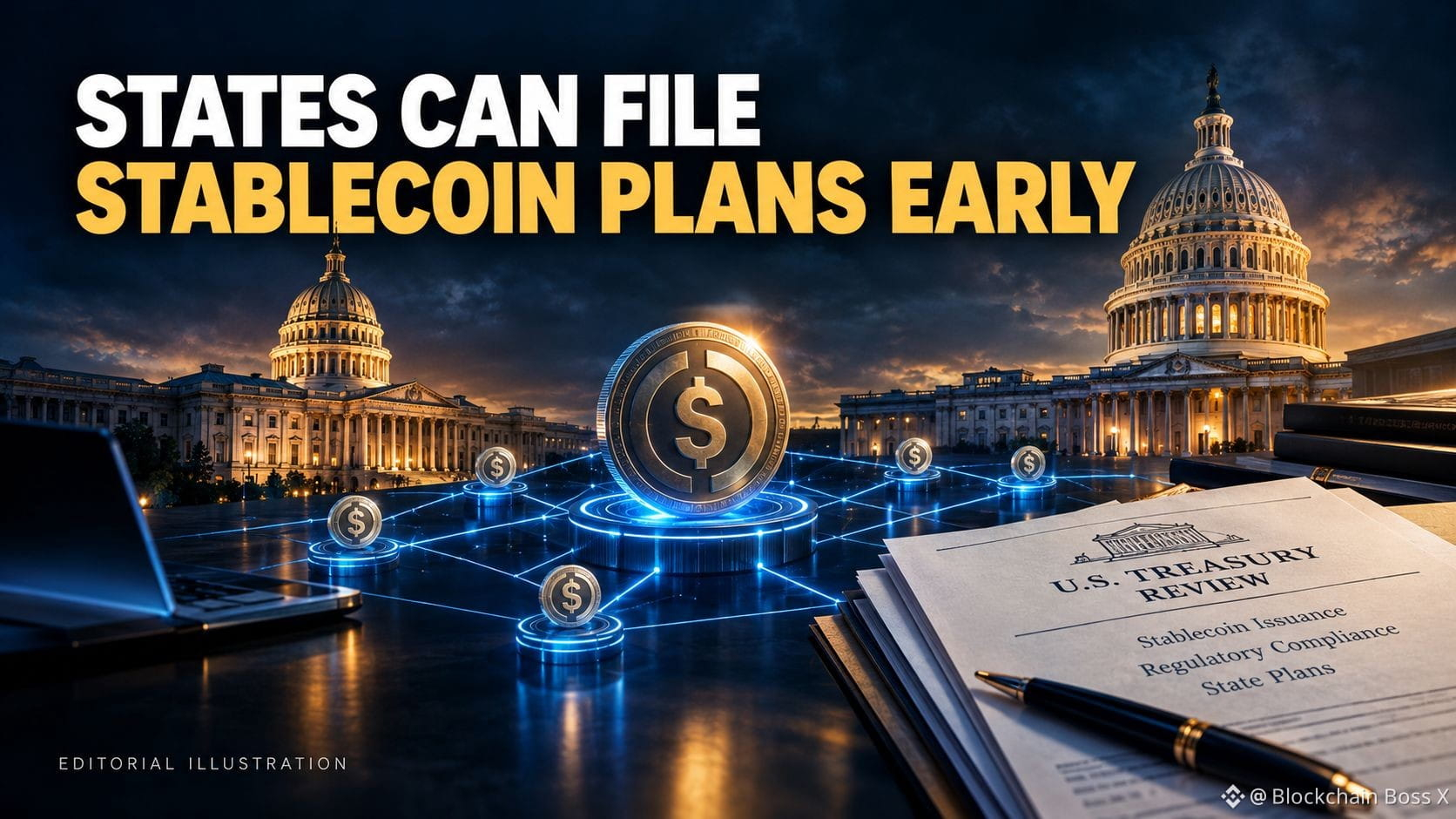
#TreasuryLetsStatesFileStablecoinCertificationsEarly
Treasury Lets States File Stablecoin Certifications Early
U.S. stablecoin regulation just moved from legislation toward implementation—but states are not receiving automatic approval.
The Treasury Department, acting for the Stablecoin Certification Review Committee, issued an interim final rule on September 30 establishing the forms and procedures for states seeking approval of their payment-stablecoin regulatory regimes under the GENIUS Act. The rule took effect immediately.
The important change is flexibility around the initial deadline. States can submit a conditional or incomplete certification by January 18, 2028, even if additional legislation or regulatory work remains. That filing can preserve the state’s place in the process, but it will not begin substantive committee review until the certification is complete and unconditional.
There is also a practical caveat: Treasury says certifications will not be accepted until the required information collection receives approval under the Paperwork Reduction Act. The agency will announce when submissions can officially begin.
The GENIUS Act allows state-qualified issuers with no more than $10 billion in consolidated outstanding payment-stablecoin issuance to use a state pathway, provided the state regime is approved as substantially similar to federal standards.
My take: This reduces deadline risk for states and preserves regulatory competition, but it does not lower the substantive bar. The real test will be whether state regimes deliver comparable standards for reserves, redemption, custody, supervision and enforcement.
Will this flexibility accelerate compliant stablecoin innovation in the U.S.?
#Stablecoins #GENIUSAct #CryptoRegulation
$GTC $US $SCR
{future}(SCRUSDT)
{future}(USUSDT)
{future}(GTCUSDT)
#TreasuryLetsStatesFileStablecoinCertificationsEarly
Treasury Lets States File Stablecoin Certifications Early
U.S. stablecoin regulation just moved from legislation toward implementation—but states are not receiving automatic approval.
The Treasury Department, acting for the Stablecoin Certification Review Committee, issued an interim final rule on September 30 establishing the forms and procedures for states seeking approval of their payment-stablecoin regulatory regimes under the GENIUS Act. The rule took effect immediately.
The important change is flexibility around the initial deadline. States can submit a conditional or incomplete certification by January 18, 2028, even if additional legislation or regulatory work remains. That filing can preserve the state’s place in the process, but it will not begin substantive committee review until the certification is complete and unconditional.
There is also a practical caveat: Treasury says certifications will not be accepted until the required information collection receives approval under the Paperwork Reduction Act. The agency will announce when submissions can officially begin.
The GENIUS Act allows state-qualified issuers with no more than $10 billion in consolidated outstanding payment-stablecoin issuance to use a state pathway, provided the state regime is approved as substantially similar to federal standards.
My take: This reduces deadline risk for states and preserves regulatory competition, but it does not lower the substantive bar. The real test will be whether state regimes deliver comparable standards for reserves, redemption, custody, supervision and enforcement.
Will this flexibility accelerate compliant stablecoin innovation in the U.S.?
#Stablecoins #GENIUSAct #CryptoRegulation
$GTC $US $SCR
Treasury Lets States File Stablecoin Certifications Early
U.S. stablecoin regulation just moved from legislation toward implementation—but states are not receiving automatic approval.
The Treasury Department, acting for the Stablecoin Certification Review Committee, issued an interim final rule on September 30 establishing the forms and procedures for states seeking approval of their payment-stablecoin regulatory regimes under the GENIUS Act. The rule took effect immediately.
The important change is flexibility around the initial deadline. States can submit a conditional or incomplete certification by January 18, 2028, even if additional legislation or regulatory work remains. That filing can preserve the state’s place in the process, but it will not begin substantive committee review until the certification is complete and unconditional.
There is also a practical caveat: Treasury says certifications will not be accepted until the required information collection receives approval under the Paperwork Reduction Act. The agency will announce when submissions can officially begin.
The GENIUS Act allows state-qualified issuers with no more than $10 billion in consolidated outstanding payment-stablecoin issuance to use a state pathway, provided the state regime is approved as substantially similar to federal standards.
My take: This reduces deadline risk for states and preserves regulatory competition, but it does not lower the substantive bar. The real test will be whether state regimes deliver comparable standards for reserves, redemption, custody, supervision and enforcement.
Will this flexibility accelerate compliant stablecoin innovation in the U.S.?
#Stablecoins #GENIUSAct #CryptoRegulation
$GTC $US $SCR
287
·
--
Жоғары (өспелі)
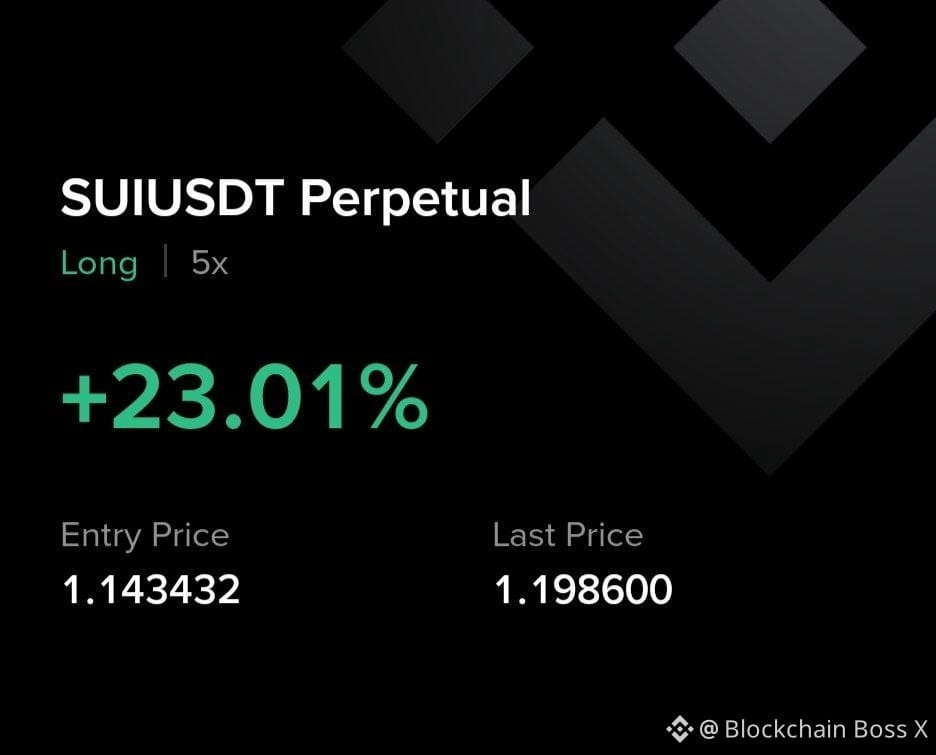
$SUI USDT — LONG 📈
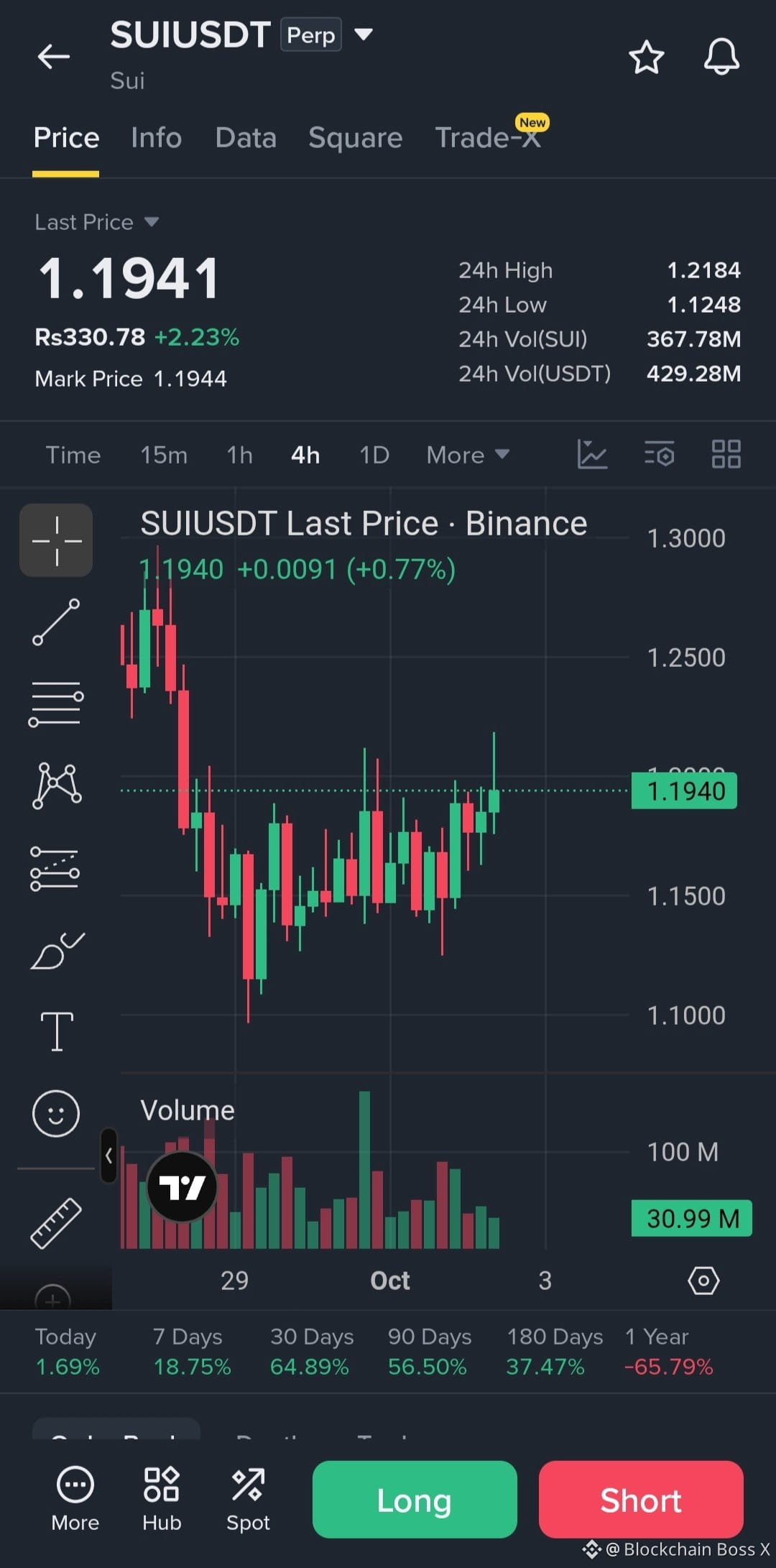
Current price: 1.1941
4H chart shows a recovery from the 1.10–1.15 zone, with higher lows forming and price pushing back toward 1.20 resistance.
🟢 LONG: 1.185–1.195
🎯 TP1: 1.215
🎯 TP2: 1.245
🎯 TP3: 1.280
🛑 SL: 1.160
⚠️ 1.20 is the key resistance. A clean 4H close above 1.20 would strengthen the bullish setup. If price rejects there, wait for a better entry rather than chasing. Always DYOR
Bias: LONG 📈
{future}(SUIUSDT)
$SUI USDT — LONG 📈
Current price: 1.1941
4H chart shows a recovery from the 1.10–1.15 zone, with higher lows forming and price pushing back toward 1.20 resistance.
🟢 LONG: 1.185–1.195
🎯 TP1: 1.215
🎯 TP2: 1.245
🎯 TP3: 1.280
🛑 SL: 1.160
⚠️ 1.20 is the key resistance. A clean 4H close above 1.20 would strengthen the bullish setup. If price rejects there, wait for a better entry rather than chasing. Always DYOR
Bias: LONG 📈
Current price: 1.1941
4H chart shows a recovery from the 1.10–1.15 zone, with higher lows forming and price pushing back toward 1.20 resistance.
🟢 LONG: 1.185–1.195
🎯 TP1: 1.215
🎯 TP2: 1.245
🎯 TP3: 1.280
🛑 SL: 1.160
⚠️ 1.20 is the key resistance. A clean 4H close above 1.20 would strengthen the bullish setup. If price rejects there, wait for a better entry rather than chasing. Always DYOR
Bias: LONG 📈
163
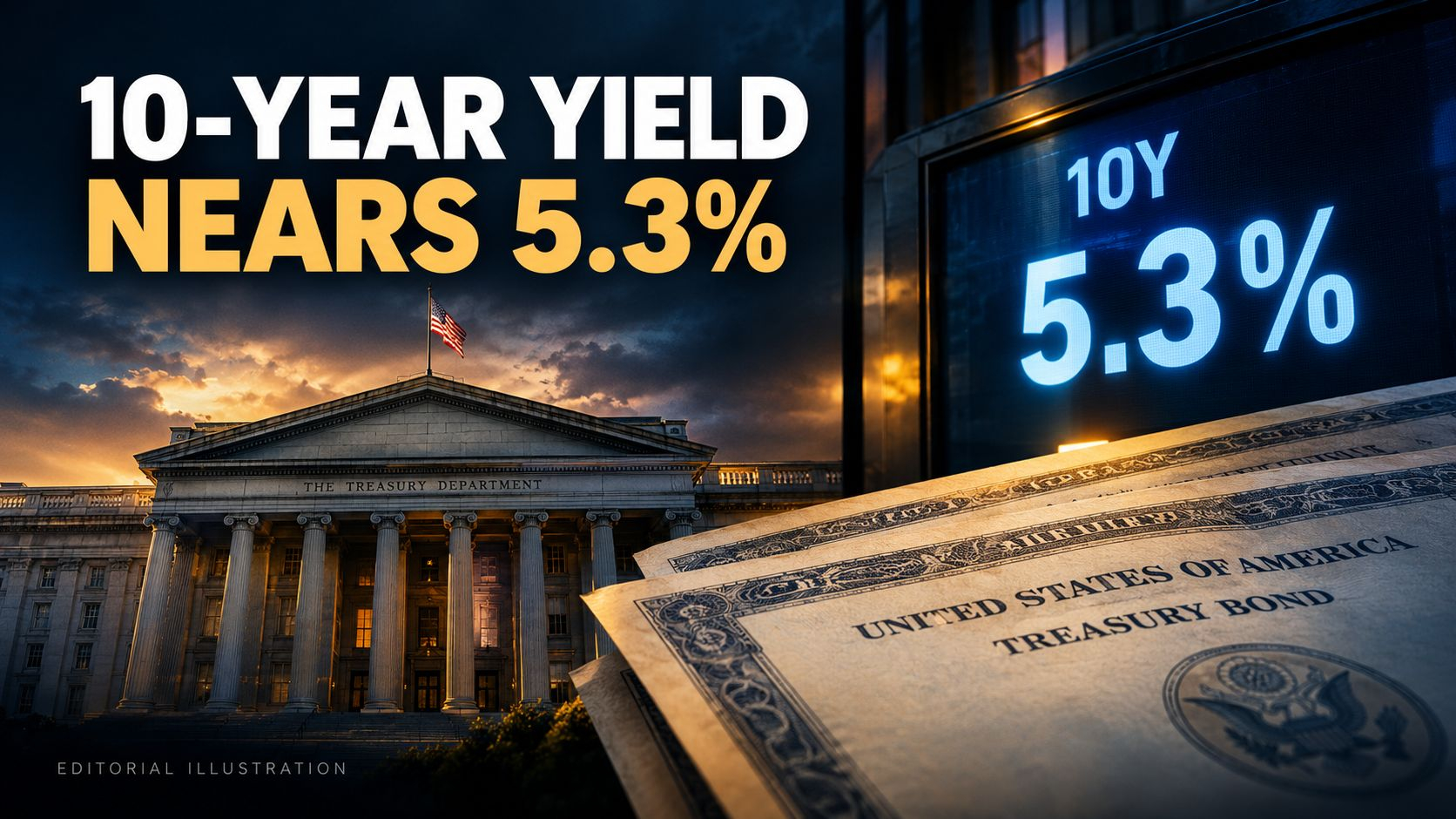
#us10yearyieldnears5.3%
U.S. 10-Year Yield Nears 5.3% as Bond Selling Intensifies
The U.S. Treasury market is sending a powerful risk signal: long-term borrowing costs have reached levels last seen more than two decades ago.
The 10-year Treasury yield climbed as high as 5.34% on October 1, its highest level since 2002, before retreating toward 5.26%. It has risen for four consecutive sessions and recorded its strongest quarterly increase in more than 30 years.
The move is notable because it came even after August core PCE inflation eased to 3.0% year over year. Investors appear more focused on persistent energy costs, resilient economic activity, heavy government borrowing and uncertainty over the future path of Federal Reserve policy. Higher yields also raise financing costs for governments, companies and mortgage borrowers.
For markets, the 10-year yield is a global benchmark. As it rises, valuations for long-duration assets—including growth stocks, technology companies and many crypto assets—can come under pressure because future cash flows are discounted at a higher rate.
My take: This is not simply a “Fed hike” story. The scale and persistence of the move suggest that term premium, fiscal concerns and inflation risk are also driving bond prices lower. Bitcoin may still benefit from macro uncertainty over time, but the immediate effect of sharply higher real yields is usually tighter liquidity and greater volatility.
Can risk assets remain resilient if the 10-year yield stays above 5%?
#US10YearYieldNears5.3% #TreasuryYields #CryptoMarkets
$GTC $US $SCR
{future}(SCRUSDT)
{future}(USUSDT)
{future}(GTCUSDT)
#us10yearyieldnears5.3%
U.S. 10-Year Yield Nears 5.3% as Bond Selling Intensifies
The U.S. Treasury market is sending a powerful risk signal: long-term borrowing costs have reached levels last seen more than two decades ago.
The 10-year Treasury yield climbed as high as 5.34% on October 1, its highest level since 2002, before retreating toward 5.26%. It has risen for four consecutive sessions and recorded its strongest quarterly increase in more than 30 years.
The move is notable because it came even after August core PCE inflation eased to 3.0% year over year. Investors appear more focused on persistent energy costs, resilient economic activity, heavy government borrowing and uncertainty over the future path of Federal Reserve policy. Higher yields also raise financing costs for governments, companies and mortgage borrowers.
For markets, the 10-year yield is a global benchmark. As it rises, valuations for long-duration assets—including growth stocks, technology companies and many crypto assets—can come under pressure because future cash flows are discounted at a higher rate.
My take: This is not simply a “Fed hike” story. The scale and persistence of the move suggest that term premium, fiscal concerns and inflation risk are also driving bond prices lower. Bitcoin may still benefit from macro uncertainty over time, but the immediate effect of sharply higher real yields is usually tighter liquidity and greater volatility.
Can risk assets remain resilient if the 10-year yield stays above 5%?
#US10YearYieldNears5.3% #TreasuryYields #CryptoMarkets
$GTC $US $SCR
U.S. 10-Year Yield Nears 5.3% as Bond Selling Intensifies
The U.S. Treasury market is sending a powerful risk signal: long-term borrowing costs have reached levels last seen more than two decades ago.
The 10-year Treasury yield climbed as high as 5.34% on October 1, its highest level since 2002, before retreating toward 5.26%. It has risen for four consecutive sessions and recorded its strongest quarterly increase in more than 30 years.
The move is notable because it came even after August core PCE inflation eased to 3.0% year over year. Investors appear more focused on persistent energy costs, resilient economic activity, heavy government borrowing and uncertainty over the future path of Federal Reserve policy. Higher yields also raise financing costs for governments, companies and mortgage borrowers.
For markets, the 10-year yield is a global benchmark. As it rises, valuations for long-duration assets—including growth stocks, technology companies and many crypto assets—can come under pressure because future cash flows are discounted at a higher rate.
My take: This is not simply a “Fed hike” story. The scale and persistence of the move suggest that term premium, fiscal concerns and inflation risk are also driving bond prices lower. Bitcoin may still benefit from macro uncertainty over time, but the immediate effect of sharply higher real yields is usually tighter liquidity and greater volatility.
Can risk assets remain resilient if the 10-year yield stays above 5%?
#US10YearYieldNears5.3% #TreasuryYields #CryptoMarkets
$GTC $US $SCR
IEFETF+0,37%
2.1k
#metamaskexitslidovalidatorsaftersecurityincident
MetaMask Exits Lido Validators After Security Incident
A security incident at part of MetaMask’s infrastructure has triggered a precautionary exit from affected Ethereum validators operated through its non-custodial staking service.
MetaMask says it is working with external partners and security advisers to remediate the issue and has identified no immediate threat to MetaMask wallets. The company has not disclosed the technical cause or confirmed the full scope of the incident.
Lido says the affected validators have begun the exit process, with the final validators expected to exit by October 7, 2026. However, “exit” does not mean the ETH is immediately back in active staking. Lido estimates the complete exit, withdrawal and re-entry cycle could take up to approximately 45 days, partly because of Ethereum’s entry queue.
Some analysts have reported that roughly 17,000 validators—holding about 523,000 ETH—could be involved, but MetaMask has not confirmed those figures. Reports of diverted validator rewards should therefore be treated as preliminary.
My take: The move prioritizes operational safety over uninterrupted staking rewards. The key signals now are MetaMask’s technical disclosure, confirmation of the validator count, any penalties or lost rewards, and whether Lido users experience material disruption. The incident also highlights the importance of infrastructure security even when wallet withdrawal keys remain separate.
Could this event accelerate demand for more transparent, diversified validator operations?
#MetaMask #Ethereum #Lido
$MOVR $NOM $AGT
{future}(AGTUSDT)
{future}(NOMUSDT)
{future}(MOVRUSDT)
#metamaskexitslidovalidatorsaftersecurityincident
MetaMask Exits Lido Validators After Security Incident
A security incident at part of MetaMask’s infrastructure has triggered a precautionary exit from affected Ethereum validators operated through its non-custodial staking service.
MetaMask says it is working with external partners and security advisers to remediate the issue and has identified no immediate threat to MetaMask wallets. The company has not disclosed the technical cause or confirmed the full scope of the incident.
Lido says the affected validators have begun the exit process, with the final validators expected to exit by October 7, 2026. However, “exit” does not mean the ETH is immediately back in active staking. Lido estimates the complete exit, withdrawal and re-entry cycle could take up to approximately 45 days, partly because of Ethereum’s entry queue.
Some analysts have reported that roughly 17,000 validators—holding about 523,000 ETH—could be involved, but MetaMask has not confirmed those figures. Reports of diverted validator rewards should therefore be treated as preliminary.
My take: The move prioritizes operational safety over uninterrupted staking rewards. The key signals now are MetaMask’s technical disclosure, confirmation of the validator count, any penalties or lost rewards, and whether Lido users experience material disruption. The incident also highlights the importance of infrastructure security even when wallet withdrawal keys remain separate.
Could this event accelerate demand for more transparent, diversified validator operations?
#MetaMask #Ethereum #Lido
$MOVR $NOM $AGT
MetaMask Exits Lido Validators After Security Incident
A security incident at part of MetaMask’s infrastructure has triggered a precautionary exit from affected Ethereum validators operated through its non-custodial staking service.
MetaMask says it is working with external partners and security advisers to remediate the issue and has identified no immediate threat to MetaMask wallets. The company has not disclosed the technical cause or confirmed the full scope of the incident.
Lido says the affected validators have begun the exit process, with the final validators expected to exit by October 7, 2026. However, “exit” does not mean the ETH is immediately back in active staking. Lido estimates the complete exit, withdrawal and re-entry cycle could take up to approximately 45 days, partly because of Ethereum’s entry queue.
Some analysts have reported that roughly 17,000 validators—holding about 523,000 ETH—could be involved, but MetaMask has not confirmed those figures. Reports of diverted validator rewards should therefore be treated as preliminary.
My take: The move prioritizes operational safety over uninterrupted staking rewards. The key signals now are MetaMask’s technical disclosure, confirmation of the validator count, any penalties or lost rewards, and whether Lido users experience material disruption. The incident also highlights the importance of infrastructure security even when wallet withdrawal keys remain separate.
Could this event accelerate demand for more transparent, diversified validator operations?
#MetaMask #Ethereum #Lido
$MOVR $NOM $AGT

85
Расталды
#micronbeatsearningsliftsguidance
Micron Beats Earnings, Raises the Bar for AI Memory
The AI infrastructure boom is still showing up in the numbers—and Micron’s latest results put that demand under the spotlight.
Micron reported record fiscal Q4 2026 revenue of $54.23 billion, compared with $11.32 billion a year earlier. Non-GAAP diluted EPS came in at $33.42, while GAAP diluted EPS was $32.87. The company also reported fiscal-year revenue of $133.19 billion.
For fiscal Q1 2027, Micron guided to revenue of $61.5 billion ± $1.5 billion and non-GAAP diluted EPS of $38.15 ± $1.00. That outlook is above analyst expectations reported by CNBC, which cited forecasts of roughly $57 billion in revenue and $35.40 adjusted EPS.
The strength is closely tied to demand for DRAM and high-bandwidth memory used in AI data centers. Micron’s Core Data Center business generated $18.00 billion in Q4 revenue, up sharply from $1.58 billion a year earlier.
My take: This is more than an earnings beat—it is evidence that AI spending is translating into exceptional memory pricing and demand. But expectations are now extremely high. Investors will watch supply expansion, capital spending, margins and whether demand remains durable beyond the current AI buildout.
Is Micron becoming one of the clearest indicators of AI infrastructure demand?
#Micron #Aİ #Semiconductors
$NOM $AGT $MOVR
{future}(MOVRUSDT)
{future}(AGTUSDT)
{future}(NOMUSDT)
#micronbeatsearningsliftsguidance
Micron Beats Earnings, Raises the Bar for AI Memory
The AI infrastructure boom is still showing up in the numbers—and Micron’s latest results put that demand under the spotlight.
Micron reported record fiscal Q4 2026 revenue of $54.23 billion, compared with $11.32 billion a year earlier. Non-GAAP diluted EPS came in at $33.42, while GAAP diluted EPS was $32.87. The company also reported fiscal-year revenue of $133.19 billion.
For fiscal Q1 2027, Micron guided to revenue of $61.5 billion ± $1.5 billion and non-GAAP diluted EPS of $38.15 ± $1.00. That outlook is above analyst expectations reported by CNBC, which cited forecasts of roughly $57 billion in revenue and $35.40 adjusted EPS.
The strength is closely tied to demand for DRAM and high-bandwidth memory used in AI data centers. Micron’s Core Data Center business generated $18.00 billion in Q4 revenue, up sharply from $1.58 billion a year earlier.
My take: This is more than an earnings beat—it is evidence that AI spending is translating into exceptional memory pricing and demand. But expectations are now extremely high. Investors will watch supply expansion, capital spending, margins and whether demand remains durable beyond the current AI buildout.
Is Micron becoming one of the clearest indicators of AI infrastructure demand?
#Micron #Aİ #Semiconductors
$NOM $AGT $MOVR
Micron Beats Earnings, Raises the Bar for AI Memory
The AI infrastructure boom is still showing up in the numbers—and Micron’s latest results put that demand under the spotlight.
Micron reported record fiscal Q4 2026 revenue of $54.23 billion, compared with $11.32 billion a year earlier. Non-GAAP diluted EPS came in at $33.42, while GAAP diluted EPS was $32.87. The company also reported fiscal-year revenue of $133.19 billion.
For fiscal Q1 2027, Micron guided to revenue of $61.5 billion ± $1.5 billion and non-GAAP diluted EPS of $38.15 ± $1.00. That outlook is above analyst expectations reported by CNBC, which cited forecasts of roughly $57 billion in revenue and $35.40 adjusted EPS.
The strength is closely tied to demand for DRAM and high-bandwidth memory used in AI data centers. Micron’s Core Data Center business generated $18.00 billion in Q4 revenue, up sharply from $1.58 billion a year earlier.
My take: This is more than an earnings beat—it is evidence that AI spending is translating into exceptional memory pricing and demand. But expectations are now extremely high. Investors will watch supply expansion, capital spending, margins and whether demand remains durable beyond the current AI buildout.
Is Micron becoming one of the clearest indicators of AI infrastructure demand?
#Micron #Aİ #Semiconductors
$NOM $AGT $MOVR

1
2.4k
#cftcsubmitstwoeventcontractrulestowhitehouse
CFTC Sends Two Event-Contract Rules to White House Review
A major U.S. regulatory debate over prediction markets has moved into a new phase—but these rules are not final yet.
The Commodity Futures Trading Commission submitted two event-contract rulemakings to the White House’s Office of Information and Regulatory Affairs on September 28, according to regulatory filings. One proposed rule would further define “swaps” to include event contracts. The other, listed as an interim final rule, would exclude “casino-style gambling products” from that definition.finance.yahoo+1
The distinction matters for platforms offering contracts tied to political, economic, sports and other real-world events. A broader swap definition could reinforce the CFTC’s position that qualifying prediction-market products fall under federal derivatives oversight, while the gambling carve-out could help draw a boundary between financial contracts and casino-style wagers.
However, OIRA review is a procedural step—not approval. The filings remain under review, and the proposed rule concerning event contracts would generally still need publication and public comment before any final rule could take effect. The full text was not yet publicly available in the reports reviewed.
My take: Clearer federal definitions could improve compliance certainty and market access, but they may also intensify conflicts with state gaming regulators. The next signals are publication of the texts, the comment period, court challenges and how platforms such as Kalshi and Polymarket respond.
Will clearer CFTC rules strengthen prediction markets—or increase regulatory friction?
#CFTC #PredictionMarkets #CryptoRegulation
$MOVR $AGT $NOM
{future}(NOMUSDT)
{future}(AGTUSDT)
{future}(MOVRUSDT)
#cftcsubmitstwoeventcontractrulestowhitehouse
CFTC Sends Two Event-Contract Rules to White House Review
A major U.S. regulatory debate over prediction markets has moved into a new phase—but these rules are not final yet.
The Commodity Futures Trading Commission submitted two event-contract rulemakings to the White House’s Office of Information and Regulatory Affairs on September 28, according to regulatory filings. One proposed rule would further define “swaps” to include event contracts. The other, listed as an interim final rule, would exclude “casino-style gambling products” from that definition.finance.yahoo+1
The distinction matters for platforms offering contracts tied to political, economic, sports and other real-world events. A broader swap definition could reinforce the CFTC’s position that qualifying prediction-market products fall under federal derivatives oversight, while the gambling carve-out could help draw a boundary between financial contracts and casino-style wagers.
However, OIRA review is a procedural step—not approval. The filings remain under review, and the proposed rule concerning event contracts would generally still need publication and public comment before any final rule could take effect. The full text was not yet publicly available in the reports reviewed.
My take: Clearer federal definitions could improve compliance certainty and market access, but they may also intensify conflicts with state gaming regulators. The next signals are publication of the texts, the comment period, court challenges and how platforms such as Kalshi and Polymarket respond.
Will clearer CFTC rules strengthen prediction markets—or increase regulatory friction?
#CFTC #PredictionMarkets #CryptoRegulation
$MOVR $AGT $NOM
CFTC Sends Two Event-Contract Rules to White House Review
A major U.S. regulatory debate over prediction markets has moved into a new phase—but these rules are not final yet.
The Commodity Futures Trading Commission submitted two event-contract rulemakings to the White House’s Office of Information and Regulatory Affairs on September 28, according to regulatory filings. One proposed rule would further define “swaps” to include event contracts. The other, listed as an interim final rule, would exclude “casino-style gambling products” from that definition.finance.yahoo+1
The distinction matters for platforms offering contracts tied to political, economic, sports and other real-world events. A broader swap definition could reinforce the CFTC’s position that qualifying prediction-market products fall under federal derivatives oversight, while the gambling carve-out could help draw a boundary between financial contracts and casino-style wagers.
However, OIRA review is a procedural step—not approval. The filings remain under review, and the proposed rule concerning event contracts would generally still need publication and public comment before any final rule could take effect. The full text was not yet publicly available in the reports reviewed.
My take: Clearer federal definitions could improve compliance certainty and market access, but they may also intensify conflicts with state gaming regulators. The next signals are publication of the texts, the comment period, court challenges and how platforms such as Kalshi and Polymarket respond.
Will clearer CFTC rules strengthen prediction markets—or increase regulatory friction?
#CFTC #PredictionMarkets #CryptoRegulation
$MOVR $AGT $NOM

1
5.3k
#altcoinseasonindexholdsabove60for5days
Altcoin Season Index Holds Above 60—but the Signal Isn’t Confirmed Yet
Altcoins are showing broader relative strength, but the market has not officially entered “altcoin season.”
The latest readings are mixed by provider. BlockchainCenter’s Top 50 index showed 59 on September 30, while other trackers reported readings in the low-to-high 60s. That means the claim that the index has remained above 60 for five straight days depends on the methodology and data source being used.blockchaincenter+2
The important threshold is 75. BlockchainCenter defines altcoin season as at least 75% of its eligible Top 50 coins outperforming Bitcoin over a rolling 90-day period. Its index remains in the neutral range of 26–74, and the last transition from Bitcoin Season to Neutral occurred on September 2.
My take: A sustained reading above 60 would indicate that market breadth is improving, but it is not proof of a broad altcoin cycle. The rally may still be concentrated in selected large-cap tokens or specific narratives. Confirmation would require the index to reach 75, Bitcoin dominance to weaken in a sustained way and performance to broaden across sectors rather than remain limited to a few leaders.
For now, traders should treat the data as an early rotation signal—not a confirmed altseason call. Which metric do you use to identify a genuine altcoin cycle?
#altcoinseason #altcoins #CryptoMarket
$BTC $NOM $AGT
{future}(AGTUSDT)
{future}(NOMUSDT)
{future}(BTCUSDT)
#altcoinseasonindexholdsabove60for5days
Altcoin Season Index Holds Above 60—but the Signal Isn’t Confirmed Yet
Altcoins are showing broader relative strength, but the market has not officially entered “altcoin season.”
The latest readings are mixed by provider. BlockchainCenter’s Top 50 index showed 59 on September 30, while other trackers reported readings in the low-to-high 60s. That means the claim that the index has remained above 60 for five straight days depends on the methodology and data source being used.blockchaincenter+2
The important threshold is 75. BlockchainCenter defines altcoin season as at least 75% of its eligible Top 50 coins outperforming Bitcoin over a rolling 90-day period. Its index remains in the neutral range of 26–74, and the last transition from Bitcoin Season to Neutral occurred on September 2.
My take: A sustained reading above 60 would indicate that market breadth is improving, but it is not proof of a broad altcoin cycle. The rally may still be concentrated in selected large-cap tokens or specific narratives. Confirmation would require the index to reach 75, Bitcoin dominance to weaken in a sustained way and performance to broaden across sectors rather than remain limited to a few leaders.
For now, traders should treat the data as an early rotation signal—not a confirmed altseason call. Which metric do you use to identify a genuine altcoin cycle?
#altcoinseason #altcoins #CryptoMarket
$BTC $NOM $AGT
Altcoin Season Index Holds Above 60—but the Signal Isn’t Confirmed Yet
Altcoins are showing broader relative strength, but the market has not officially entered “altcoin season.”
The latest readings are mixed by provider. BlockchainCenter’s Top 50 index showed 59 on September 30, while other trackers reported readings in the low-to-high 60s. That means the claim that the index has remained above 60 for five straight days depends on the methodology and data source being used.blockchaincenter+2
The important threshold is 75. BlockchainCenter defines altcoin season as at least 75% of its eligible Top 50 coins outperforming Bitcoin over a rolling 90-day period. Its index remains in the neutral range of 26–74, and the last transition from Bitcoin Season to Neutral occurred on September 2.
My take: A sustained reading above 60 would indicate that market breadth is improving, but it is not proof of a broad altcoin cycle. The rally may still be concentrated in selected large-cap tokens or specific narratives. Confirmation would require the index to reach 75, Bitcoin dominance to weaken in a sustained way and performance to broaden across sectors rather than remain limited to a few leaders.
For now, traders should treat the data as an early rotation signal—not a confirmed altseason call. Which metric do you use to identify a genuine altcoin cycle?
#altcoinseason #altcoins #CryptoMarket
$BTC $NOM $AGT

490
#usadpadds90000jobsinseptember
U.S. Private Employers Added 90,000 Jobs in September
The U.S. labor market showed signs of renewed momentum—but the report is not as simple as one headline number suggests.
Private-sector employment increased by 90,000 jobs in September, according to the ADP National Employment Report, beating economists’ expectations of roughly 70,000–75,000 jobs. August’s increase was revised down to 36,000 from 38,000.
Hiring was led by education and health services, which added 55,000 jobs, followed by leisure and hospitality with 22,000. Construction added 15,000 and manufacturing 17,000, while financial activities lost 16,000 jobs and professional and business services declined by 11,000.
Pay growth remained relatively steady: median base pay rose 3.2% year over year, while gross pay increased 4.7%. The official Bureau of Labor Statistics employment report was due Friday, making the ADP release an early—but imperfect—indicator of the broader labor market. ADP and BLS figures can diverge materially.
My take: The rebound may reduce concerns about an abrupt labor-market slowdown, but it could also complicate expectations for rapid monetary easing if stronger hiring persists. For crypto markets, the key reaction will likely come through Treasury yields, the dollar and changing expectations for Federal Reserve policy—not the ADP number alone.
Will Friday’s government jobs report confirm this rebound?
#ADP #USjobs #CryptoMarkets
$MOVR $AGT $NOM
{future}(NOMUSDT)
{future}(AGTUSDT)
{future}(MOVRUSDT)
#usadpadds90000jobsinseptember
U.S. Private Employers Added 90,000 Jobs in September
The U.S. labor market showed signs of renewed momentum—but the report is not as simple as one headline number suggests.
Private-sector employment increased by 90,000 jobs in September, according to the ADP National Employment Report, beating economists’ expectations of roughly 70,000–75,000 jobs. August’s increase was revised down to 36,000 from 38,000.
Hiring was led by education and health services, which added 55,000 jobs, followed by leisure and hospitality with 22,000. Construction added 15,000 and manufacturing 17,000, while financial activities lost 16,000 jobs and professional and business services declined by 11,000.
Pay growth remained relatively steady: median base pay rose 3.2% year over year, while gross pay increased 4.7%. The official Bureau of Labor Statistics employment report was due Friday, making the ADP release an early—but imperfect—indicator of the broader labor market. ADP and BLS figures can diverge materially.
My take: The rebound may reduce concerns about an abrupt labor-market slowdown, but it could also complicate expectations for rapid monetary easing if stronger hiring persists. For crypto markets, the key reaction will likely come through Treasury yields, the dollar and changing expectations for Federal Reserve policy—not the ADP number alone.
Will Friday’s government jobs report confirm this rebound?
#ADP #USjobs #CryptoMarkets
$MOVR $AGT $NOM
U.S. Private Employers Added 90,000 Jobs in September
The U.S. labor market showed signs of renewed momentum—but the report is not as simple as one headline number suggests.
Private-sector employment increased by 90,000 jobs in September, according to the ADP National Employment Report, beating economists’ expectations of roughly 70,000–75,000 jobs. August’s increase was revised down to 36,000 from 38,000.
Hiring was led by education and health services, which added 55,000 jobs, followed by leisure and hospitality with 22,000. Construction added 15,000 and manufacturing 17,000, while financial activities lost 16,000 jobs and professional and business services declined by 11,000.
Pay growth remained relatively steady: median base pay rose 3.2% year over year, while gross pay increased 4.7%. The official Bureau of Labor Statistics employment report was due Friday, making the ADP release an early—but imperfect—indicator of the broader labor market. ADP and BLS figures can diverge materially.
My take: The rebound may reduce concerns about an abrupt labor-market slowdown, but it could also complicate expectations for rapid monetary easing if stronger hiring persists. For crypto markets, the key reaction will likely come through Treasury yields, the dollar and changing expectations for Federal Reserve policy—not the ADP number alone.
Will Friday’s government jobs report confirm this rebound?
#ADP #USjobs #CryptoMarkets
$MOVR $AGT $NOM

2.4k
#uscorepceeasesto3%inaugust
U.S. Core PCE Eases to 3% in August
The Federal Reserve received a softer inflation reading—but not a clean victory.
Core PCE inflation, which excludes food and energy prices, rose 3.0% year over year in August, according to the U.S. Bureau of Economic Analysis. The monthly increase was 0.2%. Headline PCE rose 3.4% annually and 0.3% from July.
The result came in below market expectations for roughly 3.3% core inflation. However, the apparent improvement was partly influenced by the BEA’s annual updates and methodological revisions, which lowered previously reported figures. July’s core PCE was revised to 3.0% year over year rather than the earlier 3.3% estimate.
At the same time, consumer spending remained strong. Personal consumption expenditures increased 0.9% in August, while real spending rose 0.6%. Personal income increased 0.2%, and the personal saving rate fell to 4.1%.
My take: The report reduces immediate pressure for another Federal Reserve rate hike, but core inflation is still above the Fed’s 2% target. Strong spending and a resilient economy could keep policymakers cautious. For crypto, softer inflation may support risk assets through lower yields and a weaker dollar—but the reaction depends on whether future monthly data confirms a sustained disinflation trend.
Does this reading change your view on the Fed’s next move?
#PCE #FederalReserve #CryptoMarkets
$AGT $NOM $MOVR
{future}(MOVRUSDT)
{future}(NOMUSDT)
{future}(AGTUSDT)
#uscorepceeasesto3%inaugust
U.S. Core PCE Eases to 3% in August
The Federal Reserve received a softer inflation reading—but not a clean victory.
Core PCE inflation, which excludes food and energy prices, rose 3.0% year over year in August, according to the U.S. Bureau of Economic Analysis. The monthly increase was 0.2%. Headline PCE rose 3.4% annually and 0.3% from July.
The result came in below market expectations for roughly 3.3% core inflation. However, the apparent improvement was partly influenced by the BEA’s annual updates and methodological revisions, which lowered previously reported figures. July’s core PCE was revised to 3.0% year over year rather than the earlier 3.3% estimate.
At the same time, consumer spending remained strong. Personal consumption expenditures increased 0.9% in August, while real spending rose 0.6%. Personal income increased 0.2%, and the personal saving rate fell to 4.1%.
My take: The report reduces immediate pressure for another Federal Reserve rate hike, but core inflation is still above the Fed’s 2% target. Strong spending and a resilient economy could keep policymakers cautious. For crypto, softer inflation may support risk assets through lower yields and a weaker dollar—but the reaction depends on whether future monthly data confirms a sustained disinflation trend.
Does this reading change your view on the Fed’s next move?
#PCE #FederalReserve #CryptoMarkets
$AGT $NOM $MOVR
U.S. Core PCE Eases to 3% in August
The Federal Reserve received a softer inflation reading—but not a clean victory.
Core PCE inflation, which excludes food and energy prices, rose 3.0% year over year in August, according to the U.S. Bureau of Economic Analysis. The monthly increase was 0.2%. Headline PCE rose 3.4% annually and 0.3% from July.
The result came in below market expectations for roughly 3.3% core inflation. However, the apparent improvement was partly influenced by the BEA’s annual updates and methodological revisions, which lowered previously reported figures. July’s core PCE was revised to 3.0% year over year rather than the earlier 3.3% estimate.
At the same time, consumer spending remained strong. Personal consumption expenditures increased 0.9% in August, while real spending rose 0.6%. Personal income increased 0.2%, and the personal saving rate fell to 4.1%.
My take: The report reduces immediate pressure for another Federal Reserve rate hike, but core inflation is still above the Fed’s 2% target. Strong spending and a resilient economy could keep policymakers cautious. For crypto, softer inflation may support risk assets through lower yields and a weaker dollar—but the reaction depends on whether future monthly data confirms a sustained disinflation trend.
Does this reading change your view on the Fed’s next move?
#PCE #FederalReserve #CryptoMarkets
$AGT $NOM $MOVR

3k
#kospipostsworstquartersince2020
KOSPI Posts Its Worst Quarter Since Early 2020
South Korea’s benchmark stock index ended the third quarter under heavy pressure, reversing a powerful first-half rally and exposing the risks behind crowded AI and semiconductor trades.
The KOSPI fell 19.3% in Q3, its steepest quarterly decline since the first quarter of 2020. On September 30, the index closed at 6,838.04, down 0.48% for the day. Despite the sharp correction, it remained roughly twice as high as a year earlier.
The sell-off was concentrated in major chipmakers after investors questioned whether AI-related valuations and spending could remain justified. Higher global bond yields, elevated oil prices, concerns over delayed monetary easing and continued foreign selling added pressure. Samsung Electronics and SK hynix were among the key stocks affected.
The decline also shows how quickly market leadership can reverse when expectations become stretched. South Korea remains highly exposed to global technology demand, so the KOSPI can act as a useful barometer for sentiment toward AI infrastructure and memory semiconductors.
My take: This is not automatically evidence that the AI cycle has ended. It is a warning that strong earnings expectations may already be priced in, while higher yields make expensive growth assets more vulnerable. Crypto traders should watch whether this weakness spreads into broader technology and risk markets.
Is the KOSPI correction a healthy reset—or an early warning for AI-linked assets?
#KOSPI #Aİ #GlobalMarkets
$AGT $MOVR $NOM
{future}(NOMUSDT)
{future}(MOVRUSDT)
{future}(AGTUSDT)
#kospipostsworstquartersince2020
KOSPI Posts Its Worst Quarter Since Early 2020
South Korea’s benchmark stock index ended the third quarter under heavy pressure, reversing a powerful first-half rally and exposing the risks behind crowded AI and semiconductor trades.
The KOSPI fell 19.3% in Q3, its steepest quarterly decline since the first quarter of 2020. On September 30, the index closed at 6,838.04, down 0.48% for the day. Despite the sharp correction, it remained roughly twice as high as a year earlier.
The sell-off was concentrated in major chipmakers after investors questioned whether AI-related valuations and spending could remain justified. Higher global bond yields, elevated oil prices, concerns over delayed monetary easing and continued foreign selling added pressure. Samsung Electronics and SK hynix were among the key stocks affected.
The decline also shows how quickly market leadership can reverse when expectations become stretched. South Korea remains highly exposed to global technology demand, so the KOSPI can act as a useful barometer for sentiment toward AI infrastructure and memory semiconductors.
My take: This is not automatically evidence that the AI cycle has ended. It is a warning that strong earnings expectations may already be priced in, while higher yields make expensive growth assets more vulnerable. Crypto traders should watch whether this weakness spreads into broader technology and risk markets.
Is the KOSPI correction a healthy reset—or an early warning for AI-linked assets?
#KOSPI #Aİ #GlobalMarkets
$AGT $MOVR $NOM
KOSPI Posts Its Worst Quarter Since Early 2020
South Korea’s benchmark stock index ended the third quarter under heavy pressure, reversing a powerful first-half rally and exposing the risks behind crowded AI and semiconductor trades.
The KOSPI fell 19.3% in Q3, its steepest quarterly decline since the first quarter of 2020. On September 30, the index closed at 6,838.04, down 0.48% for the day. Despite the sharp correction, it remained roughly twice as high as a year earlier.
The sell-off was concentrated in major chipmakers after investors questioned whether AI-related valuations and spending could remain justified. Higher global bond yields, elevated oil prices, concerns over delayed monetary easing and continued foreign selling added pressure. Samsung Electronics and SK hynix were among the key stocks affected.
The decline also shows how quickly market leadership can reverse when expectations become stretched. South Korea remains highly exposed to global technology demand, so the KOSPI can act as a useful barometer for sentiment toward AI infrastructure and memory semiconductors.
My take: This is not automatically evidence that the AI cycle has ended. It is a warning that strong earnings expectations may already be priced in, while higher yields make expensive growth assets more vulnerable. Crypto traders should watch whether this weakness spreads into broader technology and risk markets.
Is the KOSPI correction a healthy reset—or an early warning for AI-linked assets?
#KOSPI #Aİ #GlobalMarkets
$AGT $MOVR $NOM
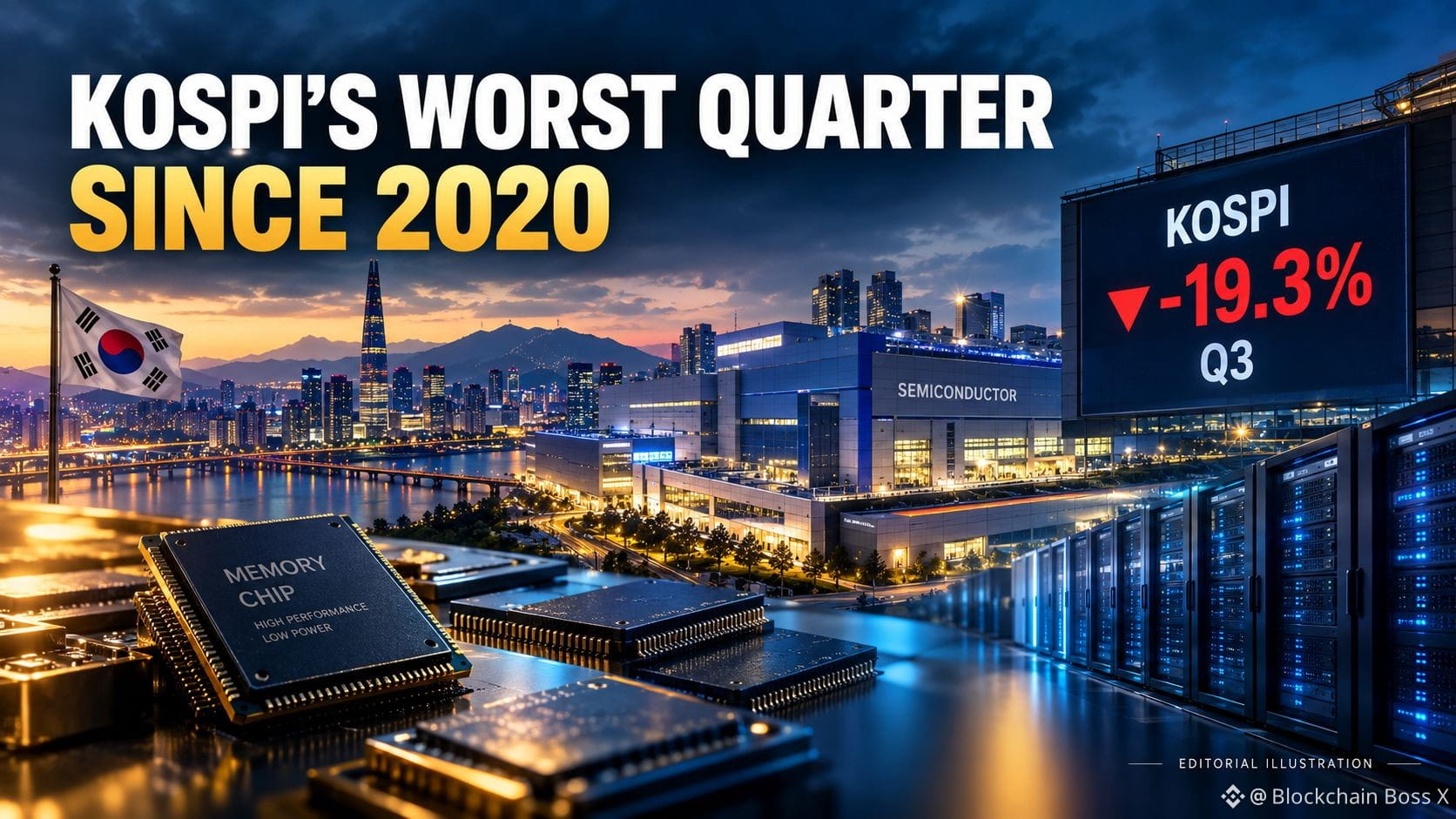
2k
Көбірек контент көру үшін кіріңіз
Binance Square платформасында әлемдік криптоқоғамдастыққа қосылыңыз
⚡️ Криптовалюта туралы ең соңғы және пайдалы ақпаратты алыңыз.
💬 Әлемдегі ең ірі криптобиржаның сеніміне ие.
👍 Расталған авторлардың нақты пікірлерін табыңыз.
Электрондық пошта/телефон нөмірі
Трендтегі тақырыптар
NFPWatch
10.8M рет көрілді
19,031 адам талқылап жатыр
Crypto News | Bitcoin Rises Toward $85K as Treasury Yields Fall Ahead of U.S. NFP Report
Binance News
·36 лайк
·47.4k рет көрілді
BitcoinFundingRateTriplesTo10%
120,122 рет көрілді
1,019 адам талқылап жатыр
BitcoinSurpasses$86KUp2.99%
36,479 рет көрілді
99 адам талқылап жатыр