

Athame
596 منشورات

Athame
إبلاغ
حظر المُستخدم
Athame, From the name you should check, to the name you can rely on, in crypto space.

حائز على BNB
مُتداول مُتكرر
6.1 سنوات
230 تتابع
445 المتابعون
516 إعجاب
منشورات
الكل
اقتباسات
·
--
صاعد
لا تبدأ #SHORT📉 الآن!!
#Bullish الزخم لم يصل إلى ذروته بعد!!
راهن على $BTC $BNB و $NEAR . . . لموجة أخرى!!
#HODL
#BullRunAhead
لا تبدأ #SHORT📉 الآن!!
#Bullish الزخم لم يصل إلى ذروته بعد!!
راهن على $BTC $BNB و $NEAR . . . لموجة أخرى!!
#HODL
#BullRunAhead
#Bullish الزخم لم يصل إلى ذروته بعد!!
راهن على $BTC $BNB و $NEAR . . . لموجة أخرى!!
#HODL
#BullRunAhead
31
·
--
صاعد
توسيع #RWA التجزئة وربط ضمانات bStocks #TradFi ومن خلال تكامل العملات المشفرة، مما يعزز $BNB فائدتها.
تعزز وكلاء الذكاء الاصطناعي المستقلون أيضًا آفاق النمو طويل الأمد للشبكة.
ستكون هذه #Bullrun فرصة رائعة لـ BNB!!
لا تتأخر!!
#BullishMomentum
توسيع #RWA التجزئة وربط ضمانات bStocks #TradFi ومن خلال تكامل العملات المشفرة، مما يعزز $BNB فائدتها.
تعزز وكلاء الذكاء الاصطناعي المستقلون أيضًا آفاق النمو طويل الأمد للشبكة.
ستكون هذه #Bullrun فرصة رائعة لـ BNB!!
لا تتأخر!!
#BullishMomentum
تعزز وكلاء الذكاء الاصطناعي المستقلون أيضًا آفاق النمو طويل الأمد للشبكة.
ستكون هذه #Bullrun فرصة رائعة لـ BNB!!
لا تتأخر!!
#BullishMomentum
70
·
--
صاعد
استثمر حوتان أكثر من 106 ملايين دولار في إيثيريوم ($ETH ) خلال خمسة أيام، حيث قامت واحدة منهما بإيداع كامل المبلغ في التكديس/الاستثمار، ما يُظهر قناعة قوية. ومن غير المرجّح أن يبيعاها قريبًا.
وفي الوقت نفسه، استعادت بيتكوين ($BTC ) متوسطها المتحرك لمدة 50 أسبوعًا بالقرب من 78,200 دولار، وهو مستوى فني رئيسي غالبًا ما يسبق دورات الصعود (الـ bull runs). دفعت عمليات شراء كبيرة ومستقرة واندلاع فني المراكز القصيرة المُدعّمة إلى الإغلاق، ما أدى إلى تضخيم الارتفاع.
بلغت عمليات تصفية المراكز القصيرة لبيتكوين (BTC) أكثر من 40 مليون دولار خلال آخر 24 ساعة.
تبدأ عملية التحوّل نحو العملات البديلة (Altcoins) مع $BNB و$NEAR !!
هل سيأتي موسم الصعود؟ هل حان الوقت الذي كنا ننتظره؟ أم أن هناك انهيارًا قاسيًا سيحدث قريبًا؟
ما رأيك؟
#Write2Earn #BullOnTheRun #BullMarket📈
#BuyMore
استثمر حوتان أكثر من 106 ملايين دولار في إيثيريوم ($ETH ) خلال خمسة أيام، حيث قامت واحدة منهما بإيداع كامل المبلغ في التكديس/الاستثمار، ما يُظهر قناعة قوية. ومن غير المرجّح أن يبيعاها قريبًا.
وفي الوقت نفسه، استعادت بيتكوين ($BTC ) متوسطها المتحرك لمدة 50 أسبوعًا بالقرب من 78,200 دولار، وهو مستوى فني رئيسي غالبًا ما يسبق دورات الصعود (الـ bull runs). دفعت عمليات شراء كبيرة ومستقرة واندلاع فني المراكز القصيرة المُدعّمة إلى الإغلاق، ما أدى إلى تضخيم الارتفاع.
بلغت عمليات تصفية المراكز القصيرة لبيتكوين (BTC) أكثر من 40 مليون دولار خلال آخر 24 ساعة.
تبدأ عملية التحوّل نحو العملات البديلة (Altcoins) مع $BNB و$NEAR !!
هل سيأتي موسم الصعود؟ هل حان الوقت الذي كنا ننتظره؟ أم أن هناك انهيارًا قاسيًا سيحدث قريبًا؟
ما رأيك؟
#Write2Earn #BullOnTheRun #BullMarket📈
#BuyMore
وفي الوقت نفسه، استعادت بيتكوين ($BTC ) متوسطها المتحرك لمدة 50 أسبوعًا بالقرب من 78,200 دولار، وهو مستوى فني رئيسي غالبًا ما يسبق دورات الصعود (الـ bull runs). دفعت عمليات شراء كبيرة ومستقرة واندلاع فني المراكز القصيرة المُدعّمة إلى الإغلاق، ما أدى إلى تضخيم الارتفاع.
بلغت عمليات تصفية المراكز القصيرة لبيتكوين (BTC) أكثر من 40 مليون دولار خلال آخر 24 ساعة.
تبدأ عملية التحوّل نحو العملات البديلة (Altcoins) مع $BNB و$NEAR !!
هل سيأتي موسم الصعود؟ هل حان الوقت الذي كنا ننتظره؟ أم أن هناك انهيارًا قاسيًا سيحدث قريبًا؟
ما رأيك؟
#Write2Earn #BullOnTheRun #BullMarket📈
#BuyMore
94
·
--
صاعد
الجاذبية ($G ) وArbitrium ($ARB ) وNear ($NEAR ) حققت مكاسب كبيرة في هذه الجولة.
امتحان الابتكار ("Innovation Examption") الصادر عن هيئة الأوراق المالية والبورصات (SEC) للتداول على السلسلة (on-chain) للأوراق المالية الأمريكية الممثلة برموز (tokenized US Stock)، والذي تم الإعلان عنه في 17 سبتمبر 2026. إنه يفتح مسارًا قانونيًا لـ #DEFİ ، و#Dex مثل يوني سواپ (Uniswap) ($UNI).
.
سبب آخر هو حدوث تحول قوي نحو #altcoins ، تقوده الطبقة الأولى مثل NEAR. ويُعزَّز ذلك بتوجهات مؤسسية، بما في ذلك تغطية Standard Charter لـ Arbitrum وتقارير عن تراكم بيتكوين من قِبَل الحيتان.
لكن راجع بنفسك (DYOR) ولا تثق كثيرًا!!
#Write2Earn #BullishMomentum
الجاذبية ($G ) وArbitrium ($ARB ) وNear ($NEAR ) حققت مكاسب كبيرة في هذه الجولة.
امتحان الابتكار ("Innovation Examption") الصادر عن هيئة الأوراق المالية والبورصات (SEC) للتداول على السلسلة (on-chain) للأوراق المالية الأمريكية الممثلة برموز (tokenized US Stock)، والذي تم الإعلان عنه في 17 سبتمبر 2026. إنه يفتح مسارًا قانونيًا لـ #DEFİ ، و#Dex مثل يوني سواپ (Uniswap) ($UNI).
.
سبب آخر هو حدوث تحول قوي نحو #altcoins ، تقوده الطبقة الأولى مثل NEAR. ويُعزَّز ذلك بتوجهات مؤسسية، بما في ذلك تغطية Standard Charter لـ Arbitrum وتقارير عن تراكم بيتكوين من قِبَل الحيتان.
لكن راجع بنفسك (DYOR) ولا تثق كثيرًا!!
#Write2Earn #BullishMomentum
امتحان الابتكار ("Innovation Examption") الصادر عن هيئة الأوراق المالية والبورصات (SEC) للتداول على السلسلة (on-chain) للأوراق المالية الأمريكية الممثلة برموز (tokenized US Stock)، والذي تم الإعلان عنه في 17 سبتمبر 2026. إنه يفتح مسارًا قانونيًا لـ #DEFİ ، و#Dex مثل يوني سواپ (Uniswap) ($UNI).
.
سبب آخر هو حدوث تحول قوي نحو #altcoins ، تقوده الطبقة الأولى مثل NEAR. ويُعزَّز ذلك بتوجهات مؤسسية، بما في ذلك تغطية Standard Charter لـ Arbitrum وتقارير عن تراكم بيتكوين من قِبَل الحيتان.
لكن راجع بنفسك (DYOR) ولا تثق كثيرًا!!
#Write2Earn #BullishMomentum
141
·
--
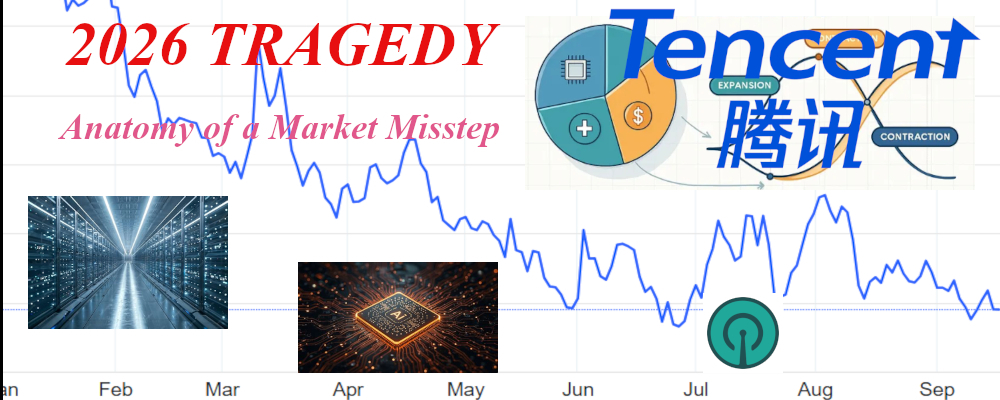
مقالة
مأساة 2026 لتينسنت: تشريح خطأ السوق وما الذي يمكن أن يتعلمه المتداولونكانت السنة 2026 على وشك أن تكون فترة توطيد ونموٍّ ثابت لشركة تينسنت هولدنجز (HKG: 0700). غير أن السرد تغيّر بشكل حاد وغير متوقع في النصف الثاني من العام، ما أدى إلى ما يطلق عليه مؤرخو السوق اليوم "مأساة 2026". فبعد أن بدأ كل شيء بأرباح فصلية قوية وبلوغ سعر السهم أعلى مستوى لعدة سنوات، سرعان ما تحوّل ذلك إلى أزمة ثقة. لم تُتحفز هذه الانتكاسة بسبب حدث كارثي واحد بعينه، بل كانت نتيجة عاصفة مثالية من سوء تأويل البيانات، وتحوّل زلزالي في تخصيص رأس المال نحو معدات الذكاء الاصطناعي، وتراجع الحماس لدى المستهلكين المحليين. وقد أسفر ذلك عن إعادة تسعير تقييمية دراماتيكية فاجأت حتى أكثر المحللين خبرة.
مأساة 2026 لتينسنت: تشريح خطأ السوق وما الذي يمكن أن يتعلمه المتداولون
كانت السنة 2026 على وشك أن تكون فترة توطيد ونموٍّ ثابت لشركة تينسنت هولدنجز (HKG: 0700). غير أن السرد تغيّر بشكل حاد وغير متوقع في النصف الثاني من العام، ما أدى إلى ما يطلق عليه مؤرخو السوق اليوم "مأساة 2026". فبعد أن بدأ كل شيء بأرباح فصلية قوية وبلوغ سعر السهم أعلى مستوى لعدة سنوات، سرعان ما تحوّل ذلك إلى أزمة ثقة. لم تُتحفز هذه الانتكاسة بسبب حدث كارثي واحد بعينه، بل كانت نتيجة عاصفة مثالية من سوء تأويل البيانات، وتحوّل زلزالي في تخصيص رأس المال نحو معدات الذكاء الاصطناعي، وتراجع الحماس لدى المستهلكين المحليين. وقد أسفر ذلك عن إعادة تسعير تقييمية دراماتيكية فاجأت حتى أكثر المحللين خبرة.
342
·
--
إن عدم استدعاء الاقتراع للحد من النقاش (cloture) بشأن قانون وضوح سوق الأصول الرقمية يشكّل عائقًا تشريعيًا كبيرًا أمام إصلاح البنية التنظيمية لسوق العملات المشفرة في الولايات المتحدة. إذ تطلّب الأمر 60 صوتًا لتجاوز العرقلة الإجرائية (الفلِبِلِستر)، وفشلت الحركة في تصويت نهائي بنتيجة 49–50 (مع إدراج تعديلات التصويت الإجرائية عند 50–49)، لتقع بعيدًا عن العتبة اللازمة لتحديد انتهاء النقاش وإحالة الإجراء إلى تصويت على مستوى المجلس.
لماذا يفشل؟
حجبت غالبية الديمقراطيين في مجلس الشيوخ مشروع القانون إلى حد كبير بسبب اعتراضهم على أحكام النزاهة المتعلقة بمقتنيات المسؤولين الفيدراليين رفيعي المستوى من العملات المشفرة—وبشكل محدد طالبوا بمتطلبات تجريد كاملة للممتلكات للمسؤولين المنتخبين.
كما قاومت جماعات ضغط البنوك التقليدية بشدة الأحكام المتعلقة بالـ stablecoins ذات العائد (yield-bearing)، بحجة أن بدائل النقد الرقمي التي تُدرّ فائدة قد تجذب الودائع الأساسية الحساسة بعيدًا عن البنوك المجتمعية والتجارية.
وانضمّ كل من السيناتورات سوزان كولينز وجوش هولي وجيري موران إلى الديمقراطيين في التصويت ضد cloture، بينما غيّر السيناتور توم تيلس تصويته إلى "لا" للسماح بإعادة النظر في الطلب في تاريخ لاحق. ☝️🪙
الأثر على السوق
أدّى هذا الهزيمة إلى زخم هبوطي فوري، ما دفع البيتكوين ($BTC ) إلى ما دون 75,000 دولار، وتسبّب بعمليات بيع قوية عبر أسهم كبرى في الأصول الرقمية. $ETH ، $SOL وغيرها من العملات البديلة (altcoins) تتبع المسار نفسه.
وبدون إطار تشريعي يحدد حدودًا واضحة بين هيئة الأوراق المالية والبورصات (SEC) واللجنة الخاصة بالسلع الآجلة (CFTC)، تعود الإشرافات إلى القواعد التي تضعها الوكالات الفيدرالية حصريًا وإلى السوابق القضائية.
وفي الأجل القريب، ستعتمد الإرشادات الهيكلية على تحديثات السياسات والإنفاذ الإداري من #CFTC رئيس المجلس/المدير التنفيذي ميك سيليغ (Mike Selig) و #SEC رئيس المجلس/المدير التنفيذي بول أتكينز (Paul Atkins).
#Write2Earn #Macro
إن عدم استدعاء الاقتراع للحد من النقاش (cloture) بشأن قانون وضوح سوق الأصول الرقمية يشكّل عائقًا تشريعيًا كبيرًا أمام إصلاح البنية التنظيمية لسوق العملات المشفرة في الولايات المتحدة. إذ تطلّب الأمر 60 صوتًا لتجاوز العرقلة الإجرائية (الفلِبِلِستر)، وفشلت الحركة في تصويت نهائي بنتيجة 49–50 (مع إدراج تعديلات التصويت الإجرائية عند 50–49)، لتقع بعيدًا عن العتبة اللازمة لتحديد انتهاء النقاش وإحالة الإجراء إلى تصويت على مستوى المجلس.
لماذا يفشل؟
حجبت غالبية الديمقراطيين في مجلس الشيوخ مشروع القانون إلى حد كبير بسبب اعتراضهم على أحكام النزاهة المتعلقة بمقتنيات المسؤولين الفيدراليين رفيعي المستوى من العملات المشفرة—وبشكل محدد طالبوا بمتطلبات تجريد كاملة للممتلكات للمسؤولين المنتخبين.
كما قاومت جماعات ضغط البنوك التقليدية بشدة الأحكام المتعلقة بالـ stablecoins ذات العائد (yield-bearing)، بحجة أن بدائل النقد الرقمي التي تُدرّ فائدة قد تجذب الودائع الأساسية الحساسة بعيدًا عن البنوك المجتمعية والتجارية.
وانضمّ كل من السيناتورات سوزان كولينز وجوش هولي وجيري موران إلى الديمقراطيين في التصويت ضد cloture، بينما غيّر السيناتور توم تيلس تصويته إلى "لا" للسماح بإعادة النظر في الطلب في تاريخ لاحق. ☝️🪙
الأثر على السوق
أدّى هذا الهزيمة إلى زخم هبوطي فوري، ما دفع البيتكوين ($BTC ) إلى ما دون 75,000 دولار، وتسبّب بعمليات بيع قوية عبر أسهم كبرى في الأصول الرقمية. $ETH ، $SOL وغيرها من العملات البديلة (altcoins) تتبع المسار نفسه.
وبدون إطار تشريعي يحدد حدودًا واضحة بين هيئة الأوراق المالية والبورصات (SEC) واللجنة الخاصة بالسلع الآجلة (CFTC)، تعود الإشرافات إلى القواعد التي تضعها الوكالات الفيدرالية حصريًا وإلى السوابق القضائية.
وفي الأجل القريب، ستعتمد الإرشادات الهيكلية على تحديثات السياسات والإنفاذ الإداري من #CFTC رئيس المجلس/المدير التنفيذي ميك سيليغ (Mike Selig) و #SEC رئيس المجلس/المدير التنفيذي بول أتكينز (Paul Atkins).
#Write2Earn #Macro
لماذا يفشل؟
حجبت غالبية الديمقراطيين في مجلس الشيوخ مشروع القانون إلى حد كبير بسبب اعتراضهم على أحكام النزاهة المتعلقة بمقتنيات المسؤولين الفيدراليين رفيعي المستوى من العملات المشفرة—وبشكل محدد طالبوا بمتطلبات تجريد كاملة للممتلكات للمسؤولين المنتخبين.
كما قاومت جماعات ضغط البنوك التقليدية بشدة الأحكام المتعلقة بالـ stablecoins ذات العائد (yield-bearing)، بحجة أن بدائل النقد الرقمي التي تُدرّ فائدة قد تجذب الودائع الأساسية الحساسة بعيدًا عن البنوك المجتمعية والتجارية.
وانضمّ كل من السيناتورات سوزان كولينز وجوش هولي وجيري موران إلى الديمقراطيين في التصويت ضد cloture، بينما غيّر السيناتور توم تيلس تصويته إلى "لا" للسماح بإعادة النظر في الطلب في تاريخ لاحق. ☝️🪙
الأثر على السوق
أدّى هذا الهزيمة إلى زخم هبوطي فوري، ما دفع البيتكوين ($BTC ) إلى ما دون 75,000 دولار، وتسبّب بعمليات بيع قوية عبر أسهم كبرى في الأصول الرقمية. $ETH ، $SOL وغيرها من العملات البديلة (altcoins) تتبع المسار نفسه.
وبدون إطار تشريعي يحدد حدودًا واضحة بين هيئة الأوراق المالية والبورصات (SEC) واللجنة الخاصة بالسلع الآجلة (CFTC)، تعود الإشرافات إلى القواعد التي تضعها الوكالات الفيدرالية حصريًا وإلى السوابق القضائية.
وفي الأجل القريب، ستعتمد الإرشادات الهيكلية على تحديثات السياسات والإنفاذ الإداري من #CFTC رئيس المجلس/المدير التنفيذي ميك سيليغ (Mike Selig) و #SEC رئيس المجلس/المدير التنفيذي بول أتكينز (Paul Atkins).
#Write2Earn #Macro
84
·
--
صاعد
🐂 $牛来 (نيو لاي) يصل إلى بينانس سبوت: هل يمكن لسرد الميم الصيني أن يقود انفراجة أكبر؟
حقق نظام ميمات BNB Chain إنجازًا رئيسيًا آخر مع إدراج بينانس سبوت الرسمي لـ$牛来 ! وبالترجمة الحرفية إلى "الثور يأتي"، تطور هذا الرمز بسرعة من ميم ثقافي على السلسلة إلى أصل سبوت عالي الحجم.
أظهر الرمز تقدمًا قويًا في السوق—انطلق على PancakeSwap، ثم انتقل إلى Binance Futures/Alpha، واختتم بإقران تداول كامل على Binance Spot مع #Seed Tag.
في عالم العملات المشفرة، تتحرك السيولة مع السرد. العبارة “牛来” تعمل كنداء حاد لعودة صعود سوق الثيران فورًا عبر المجتمعات العالمية والإقليمية، مولّدة حجم تداول مرتفع. ومع حد أقصى ثابت للإمداد قدره 1 مليار سيولة عميقة في DEX/CEX، يوضح كيف يمكن للـمِيمات المحلية استيعاب رأس المال اللاحق خلال دورات دوران سوق BNB.
وعلى الرغم من أنه ما يزال يحمل وسمًا بذريًا، فإن انتقال 牛来 إلى التداول على السبوت يفتح طبقة أوسع من الوصول للمتداولين الأفراد. إذا حافظ السوق على زخمه الصعودي، فإن الميمات التي لها صدى ثقافي على سلاسل منخفضة الرسوم مثل BNB Chain ($BNB ) تظل مرشحة رئيسية لاندفاعات السيولة.
{spot}(牛来USDT)
ما رأيك في العملات/الرموز التي تحتوي على أحرف صينية/يابانية؟ ما العملات البديلة الأخرى التي تعرفها بلغات محلية؟ هل هي مستقبلية؟ 🤩
👇 هل تحتفظ بـ牛来؟ هل هو للاستثمار طويل الأمد، أم مجرد تداول لتقلبات الإدراج؟ شارك آرائك في الأسفل!
#NiuLai #NewListing #meme板块关注热点
#Write2Earn
🐂 $牛来 (نيو لاي) يصل إلى بينانس سبوت: هل يمكن لسرد الميم الصيني أن يقود انفراجة أكبر؟
حقق نظام ميمات BNB Chain إنجازًا رئيسيًا آخر مع إدراج بينانس سبوت الرسمي لـ$牛来 ! وبالترجمة الحرفية إلى "الثور يأتي"، تطور هذا الرمز بسرعة من ميم ثقافي على السلسلة إلى أصل سبوت عالي الحجم.
أظهر الرمز تقدمًا قويًا في السوق—انطلق على PancakeSwap، ثم انتقل إلى Binance Futures/Alpha، واختتم بإقران تداول كامل على Binance Spot مع #Seed Tag.
في عالم العملات المشفرة، تتحرك السيولة مع السرد. العبارة “牛来” تعمل كنداء حاد لعودة صعود سوق الثيران فورًا عبر المجتمعات العالمية والإقليمية، مولّدة حجم تداول مرتفع. ومع حد أقصى ثابت للإمداد قدره 1 مليار سيولة عميقة في DEX/CEX، يوضح كيف يمكن للـمِيمات المحلية استيعاب رأس المال اللاحق خلال دورات دوران سوق BNB.
وعلى الرغم من أنه ما يزال يحمل وسمًا بذريًا، فإن انتقال 牛来 إلى التداول على السبوت يفتح طبقة أوسع من الوصول للمتداولين الأفراد. إذا حافظ السوق على زخمه الصعودي، فإن الميمات التي لها صدى ثقافي على سلاسل منخفضة الرسوم مثل BNB Chain ($BNB ) تظل مرشحة رئيسية لاندفاعات السيولة.
ما رأيك في العملات/الرموز التي تحتوي على أحرف صينية/يابانية؟ ما العملات البديلة الأخرى التي تعرفها بلغات محلية؟ هل هي مستقبلية؟ 🤩
👇 هل تحتفظ بـ牛来؟ هل هو للاستثمار طويل الأمد، أم مجرد تداول لتقلبات الإدراج؟ شارك آرائك في الأسفل!
#NiuLai #NewListing #meme板块关注热点
#Write2Earn
حقق نظام ميمات BNB Chain إنجازًا رئيسيًا آخر مع إدراج بينانس سبوت الرسمي لـ$牛来 ! وبالترجمة الحرفية إلى "الثور يأتي"، تطور هذا الرمز بسرعة من ميم ثقافي على السلسلة إلى أصل سبوت عالي الحجم.
أظهر الرمز تقدمًا قويًا في السوق—انطلق على PancakeSwap، ثم انتقل إلى Binance Futures/Alpha، واختتم بإقران تداول كامل على Binance Spot مع #Seed Tag.
في عالم العملات المشفرة، تتحرك السيولة مع السرد. العبارة “牛来” تعمل كنداء حاد لعودة صعود سوق الثيران فورًا عبر المجتمعات العالمية والإقليمية، مولّدة حجم تداول مرتفع. ومع حد أقصى ثابت للإمداد قدره 1 مليار سيولة عميقة في DEX/CEX، يوضح كيف يمكن للـمِيمات المحلية استيعاب رأس المال اللاحق خلال دورات دوران سوق BNB.
وعلى الرغم من أنه ما يزال يحمل وسمًا بذريًا، فإن انتقال 牛来 إلى التداول على السبوت يفتح طبقة أوسع من الوصول للمتداولين الأفراد. إذا حافظ السوق على زخمه الصعودي، فإن الميمات التي لها صدى ثقافي على سلاسل منخفضة الرسوم مثل BNB Chain ($BNB ) تظل مرشحة رئيسية لاندفاعات السيولة.
ما رأيك في العملات/الرموز التي تحتوي على أحرف صينية/يابانية؟ ما العملات البديلة الأخرى التي تعرفها بلغات محلية؟ هل هي مستقبلية؟ 🤩
👇 هل تحتفظ بـ牛来؟ هل هو للاستثمار طويل الأمد، أم مجرد تداول لتقلبات الإدراج؟ شارك آرائك في الأسفل!
#NiuLai #NewListing #meme板块关注热点
#Write2Earn
1
267
·
--
يُقيس مؤشر أسعار المستهلكين (CPI) تغيّرات الأسعار عبر السلع والخدمات، ويعمل كمؤشر أساسي على ضغط التضخم الذي تعتمد عليه البنوك المركزية لتعديل أسعار الفائدة. تُظهر بيانات مؤشر أسعار المستهلكين في الولايات المتحدة تباطؤًا سنويًا في التضخم من 3.4% في يوليو باتجاه مستويات متوقعة تبلغ 3.3%–3.4% لشهر أغسطس.
وبالتزامن، قفزت بيانات الوظائف غير الزراعية (NFP) في أغسطس بمقدار 162,000 وظيفة—لتعكس انتعاشًا حادًا من مكسب يوليو المُعدّل عند 21,000 وظيفة، بينما استقر معدل البطالة عند 4.1%. ويشير هذا إلى قوة مفاجئة في سوق العمل، ما يعكس مرونة اقتصادية ويمنح الاحتياطي الفيدرالي مساحة للحفاظ على سياسة نقدية أكثر تشددًا لضمان عودة التضخم بالكامل إلى هدفه البالغ 2%.
في اجتماع اللجنة الفيدرالية للسوق المفتوح (FOMC) القادم، يواجه الاحتياطي الفيدرالي توازنًا دقيقًا بين اتجاهات تباطؤ مؤشر CPI ونمو الوظائف القوي. تميل توقعات السوق إلى موقف #hawkish —إما تثبيت أسعار الفائدة مع توجيه رسائل «أعلى لفترة أطول»، أو تنفيذ رفع لسعر الفائدة بمقدار 25 نقطة أساس.
غالبًا ما تُعزّز هذه السياسة المتشددة الدولار الأمريكي وترفع عوائد سندات الخزانة، ما يخلق بيئة «نفور من المخاطر» تستنزف السيولة من الأسواق المضاربية. وفي مجال العملات المشفرة، يواجه البيتكوين ($BTC ) احتمال إعادة اختبار مناطق دعم أدنى، رغم أن تدفقات صناديق الاستثمار الفورية المتداولة (spot ETF) المؤسسية قد توفر أرضية. تتعرض العملات البديلة عالية بيتا ($ETH , BNB) لمخاطر هبوط مرتفعة مع تباطؤ أحجام التداول عبر منظومات DeFi وطبقة-1. ونتيجة لذلك، يقوم المتداولون بتحويل رأس المال من المضاربة البحتة إلى العملات المستقرة والأصول ذات الجودة المؤسسية، والمشاريع التي تتمحور حول أطر الأصول الحقيقية (RWA).
وغالبًا ما يخضع الذهب ($XAU لعمليات تراجع قصيرة الأجل إلى جانب الأسهم والـكريبتو بفعل ارتفاع الدولار وارتفاع العوائد عندما يميل الاحتياطي الفيدرالي لموقف أكثر تشددًا. لكن إذا عادت أسعار الطاقة أو تسارع التضخم من جديد، فإن زخم الهبوط للذهب عادة ما تُخفَّفه تدفقات رأس المال الباحث عن الملاذات الآمنة.
ما خطتك لإصدار مؤشر CPI لشهر أغسطس!؟
#CPIWatch #Macroeconimic #TheFed
#Write2Earn
يُقيس مؤشر أسعار المستهلكين (CPI) تغيّرات الأسعار عبر السلع والخدمات، ويعمل كمؤشر أساسي على ضغط التضخم الذي تعتمد عليه البنوك المركزية لتعديل أسعار الفائدة. تُظهر بيانات مؤشر أسعار المستهلكين في الولايات المتحدة تباطؤًا سنويًا في التضخم من 3.4% في يوليو باتجاه مستويات متوقعة تبلغ 3.3%–3.4% لشهر أغسطس.
وبالتزامن، قفزت بيانات الوظائف غير الزراعية (NFP) في أغسطس بمقدار 162,000 وظيفة—لتعكس انتعاشًا حادًا من مكسب يوليو المُعدّل عند 21,000 وظيفة، بينما استقر معدل البطالة عند 4.1%. ويشير هذا إلى قوة مفاجئة في سوق العمل، ما يعكس مرونة اقتصادية ويمنح الاحتياطي الفيدرالي مساحة للحفاظ على سياسة نقدية أكثر تشددًا لضمان عودة التضخم بالكامل إلى هدفه البالغ 2%.
في اجتماع اللجنة الفيدرالية للسوق المفتوح (FOMC) القادم، يواجه الاحتياطي الفيدرالي توازنًا دقيقًا بين اتجاهات تباطؤ مؤشر CPI ونمو الوظائف القوي. تميل توقعات السوق إلى موقف #hawkish —إما تثبيت أسعار الفائدة مع توجيه رسائل «أعلى لفترة أطول»، أو تنفيذ رفع لسعر الفائدة بمقدار 25 نقطة أساس.
غالبًا ما تُعزّز هذه السياسة المتشددة الدولار الأمريكي وترفع عوائد سندات الخزانة، ما يخلق بيئة «نفور من المخاطر» تستنزف السيولة من الأسواق المضاربية. وفي مجال العملات المشفرة، يواجه البيتكوين ($BTC ) احتمال إعادة اختبار مناطق دعم أدنى، رغم أن تدفقات صناديق الاستثمار الفورية المتداولة (spot ETF) المؤسسية قد توفر أرضية. تتعرض العملات البديلة عالية بيتا ($ETH , BNB) لمخاطر هبوط مرتفعة مع تباطؤ أحجام التداول عبر منظومات DeFi وطبقة-1. ونتيجة لذلك، يقوم المتداولون بتحويل رأس المال من المضاربة البحتة إلى العملات المستقرة والأصول ذات الجودة المؤسسية، والمشاريع التي تتمحور حول أطر الأصول الحقيقية (RWA).
وغالبًا ما يخضع الذهب ($XAU لعمليات تراجع قصيرة الأجل إلى جانب الأسهم والـكريبتو بفعل ارتفاع الدولار وارتفاع العوائد عندما يميل الاحتياطي الفيدرالي لموقف أكثر تشددًا. لكن إذا عادت أسعار الطاقة أو تسارع التضخم من جديد، فإن زخم الهبوط للذهب عادة ما تُخفَّفه تدفقات رأس المال الباحث عن الملاذات الآمنة.
ما خطتك لإصدار مؤشر CPI لشهر أغسطس!؟
#CPIWatch #Macroeconimic #TheFed
#Write2Earn
وبالتزامن، قفزت بيانات الوظائف غير الزراعية (NFP) في أغسطس بمقدار 162,000 وظيفة—لتعكس انتعاشًا حادًا من مكسب يوليو المُعدّل عند 21,000 وظيفة، بينما استقر معدل البطالة عند 4.1%. ويشير هذا إلى قوة مفاجئة في سوق العمل، ما يعكس مرونة اقتصادية ويمنح الاحتياطي الفيدرالي مساحة للحفاظ على سياسة نقدية أكثر تشددًا لضمان عودة التضخم بالكامل إلى هدفه البالغ 2%.
في اجتماع اللجنة الفيدرالية للسوق المفتوح (FOMC) القادم، يواجه الاحتياطي الفيدرالي توازنًا دقيقًا بين اتجاهات تباطؤ مؤشر CPI ونمو الوظائف القوي. تميل توقعات السوق إلى موقف #hawkish —إما تثبيت أسعار الفائدة مع توجيه رسائل «أعلى لفترة أطول»، أو تنفيذ رفع لسعر الفائدة بمقدار 25 نقطة أساس.
غالبًا ما تُعزّز هذه السياسة المتشددة الدولار الأمريكي وترفع عوائد سندات الخزانة، ما يخلق بيئة «نفور من المخاطر» تستنزف السيولة من الأسواق المضاربية. وفي مجال العملات المشفرة، يواجه البيتكوين ($BTC ) احتمال إعادة اختبار مناطق دعم أدنى، رغم أن تدفقات صناديق الاستثمار الفورية المتداولة (spot ETF) المؤسسية قد توفر أرضية. تتعرض العملات البديلة عالية بيتا ($ETH , BNB) لمخاطر هبوط مرتفعة مع تباطؤ أحجام التداول عبر منظومات DeFi وطبقة-1. ونتيجة لذلك، يقوم المتداولون بتحويل رأس المال من المضاربة البحتة إلى العملات المستقرة والأصول ذات الجودة المؤسسية، والمشاريع التي تتمحور حول أطر الأصول الحقيقية (RWA).
وغالبًا ما يخضع الذهب ($XAU لعمليات تراجع قصيرة الأجل إلى جانب الأسهم والـكريبتو بفعل ارتفاع الدولار وارتفاع العوائد عندما يميل الاحتياطي الفيدرالي لموقف أكثر تشددًا. لكن إذا عادت أسعار الطاقة أو تسارع التضخم من جديد، فإن زخم الهبوط للذهب عادة ما تُخفَّفه تدفقات رأس المال الباحث عن الملاذات الآمنة.
ما خطتك لإصدار مؤشر CPI لشهر أغسطس!؟
#CPIWatch #Macroeconimic #TheFed
#Write2Earn
77
·
--
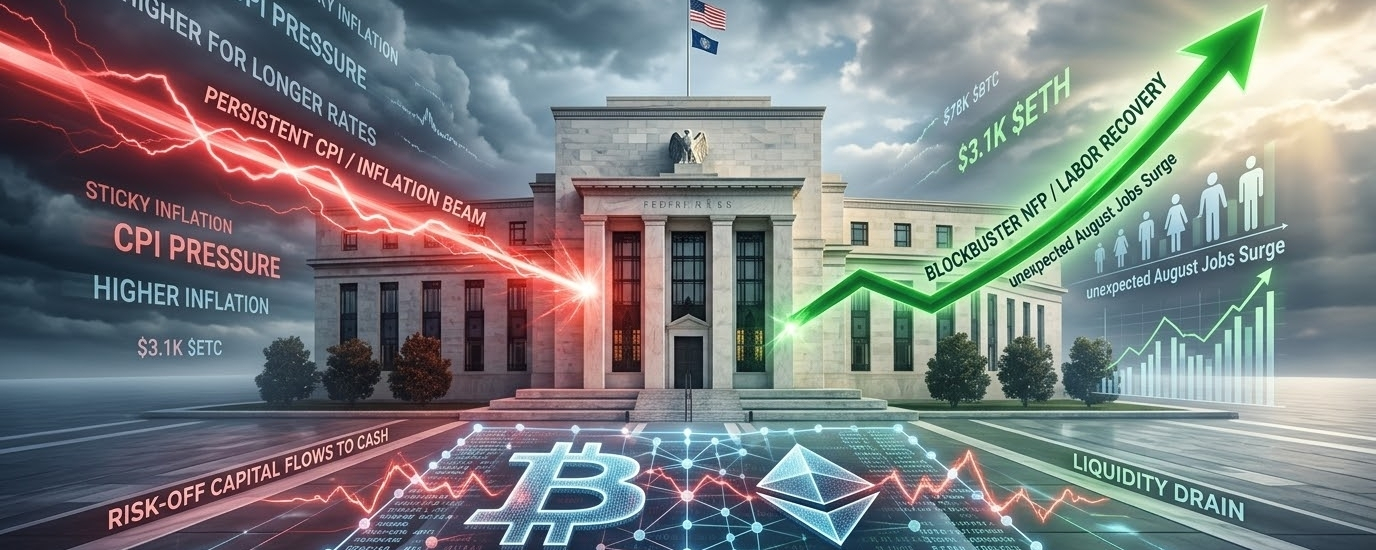
مقالة
كيف يؤثر مؤشر CPI الأمريكي لشهر أغسطس ونتائج NFP غير المتوقعة على قرار الاحتياطي الفيدرالي؟ 🗽يرمز CPI إلى مؤشر أسعار المستهلك، وهو يقيس التضخم الشهري والسنوي من خلال تتبّع التغيرات في الأسعار التي يدفعها المستهلكون لسلة تمثل مجموعة من السلع والخدمات. وبما أنه يعكس مستوى ضغوط التضخم في الاقتصاد، فإنه يُعد محفزًا اقتصاديًا كليًا رئيسيًا، وتستخدمه البنوك المركزية (بما في ذلك الاحتياطي الفيدرالي) لاتخاذ قرار بشأن ما إذا كانت سترفع أو تثبّت أو تخفّض أسعار الفائدة.
تُظهر أحدث قراءة رسمية للتضخم في الولايات المتحدة من تقرير مؤشر أسعار المستهلك (CPI) لشهر يوليو 2026 أن معدل التضخم السنوي (YoY) يبلغ 3.4% وأن الزيادة الشهرية (MoM) تبلغ 0.1% . وتقوم وزارة العمل الأمريكية (Bureau of Labor and Statistics) بإصدار تقرير مؤشر أسعار المستهلك (CPI) لشهر أغسطس اليوم (11 سبتمبر 2026)، مع توقعات تشير إلى أن التضخم السنوي الرئيسي سيتراوح بين 3.3% و3.4% . ورغم أن القراءات الشهرية لا تزال تُظهر زيادات متواضعة، فإن معدل مؤشر أسعار المستهلك الأمريكي السنوي يتراجع.
كيف يؤثر مؤشر CPI الأمريكي لشهر أغسطس ونتائج NFP غير المتوقعة على قرار الاحتياطي الفيدرالي؟ 🗽
يرمز CPI إلى مؤشر أسعار المستهلك، وهو يقيس التضخم الشهري والسنوي من خلال تتبّع التغيرات في الأسعار التي يدفعها المستهلكون لسلة تمثل مجموعة من السلع والخدمات. وبما أنه يعكس مستوى ضغوط التضخم في الاقتصاد، فإنه يُعد محفزًا اقتصاديًا كليًا رئيسيًا، وتستخدمه البنوك المركزية (بما في ذلك الاحتياطي الفيدرالي) لاتخاذ قرار بشأن ما إذا كانت سترفع أو تثبّت أو تخفّض أسعار الفائدة.
تُظهر أحدث قراءة رسمية للتضخم في الولايات المتحدة من تقرير مؤشر أسعار المستهلك (CPI) لشهر يوليو 2026 أن معدل التضخم السنوي (YoY) يبلغ 3.4% وأن الزيادة الشهرية (MoM) تبلغ 0.1% . وتقوم وزارة العمل الأمريكية (Bureau of Labor and Statistics) بإصدار تقرير مؤشر أسعار المستهلك (CPI) لشهر أغسطس اليوم (11 سبتمبر 2026)، مع توقعات تشير إلى أن التضخم السنوي الرئيسي سيتراوح بين 3.3% و3.4% . ورغم أن القراءات الشهرية لا تزال تُظهر زيادات متواضعة، فإن معدل مؤشر أسعار المستهلك الأمريكي السنوي يتراجع.
تُظهر أحدث قراءة رسمية للتضخم في الولايات المتحدة من تقرير مؤشر أسعار المستهلك (CPI) لشهر يوليو 2026 أن معدل التضخم السنوي (YoY) يبلغ 3.4% وأن الزيادة الشهرية (MoM) تبلغ 0.1% . وتقوم وزارة العمل الأمريكية (Bureau of Labor and Statistics) بإصدار تقرير مؤشر أسعار المستهلك (CPI) لشهر أغسطس اليوم (11 سبتمبر 2026)، مع توقعات تشير إلى أن التضخم السنوي الرئيسي سيتراوح بين 3.3% و3.4% . ورغم أن القراءات الشهرية لا تزال تُظهر زيادات متواضعة، فإن معدل مؤشر أسعار المستهلك الأمريكي السنوي يتراجع.
93
·
--
صاعد
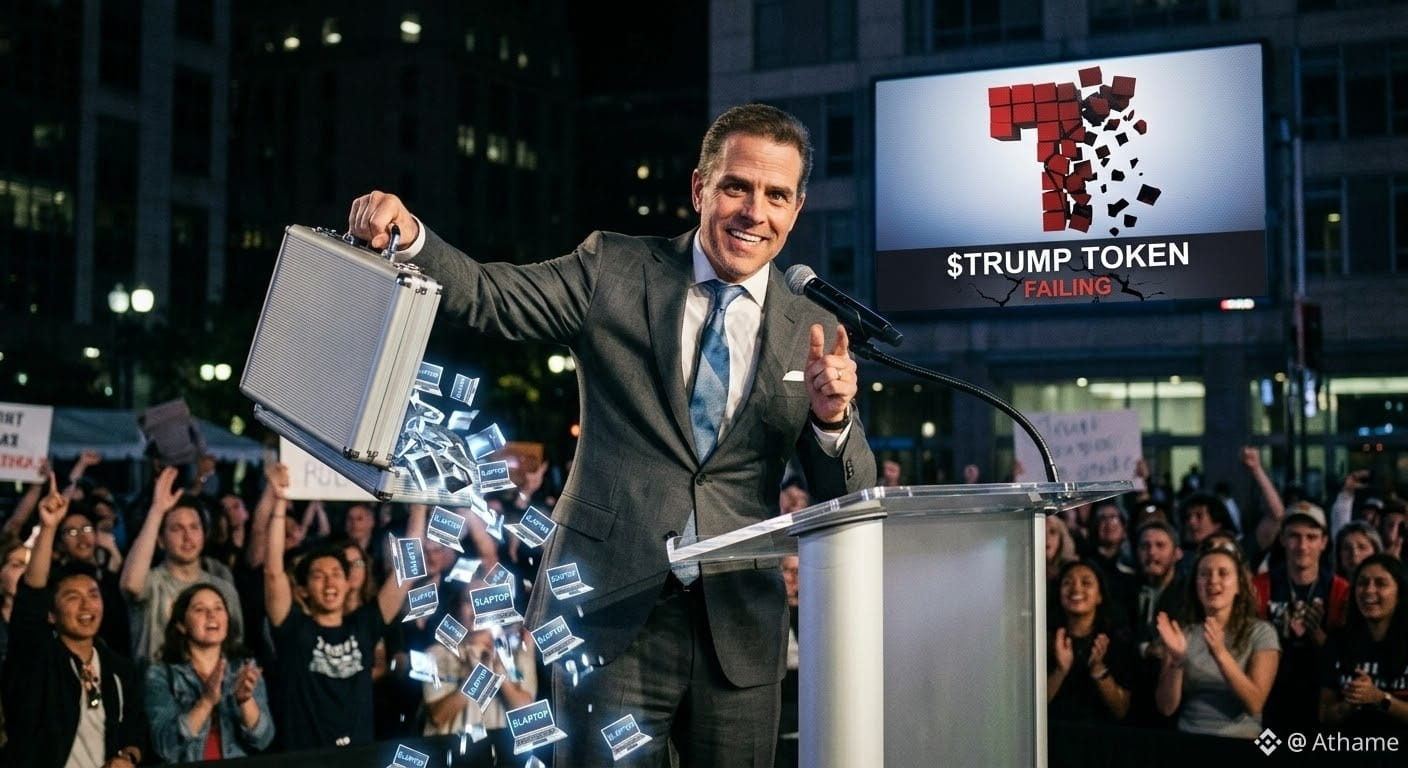
استراتيجية لابتوب هانتر بايدن: إلقاء رأس مال سياسي بالمظلات
إطلاق عملة ميم $LAPTOP المرتقبة على شبكة Base يقدّم آلية غير مسبوقة في عالم التشفير السياسي: الاستفادة من هروب رأس مال المنافسين.
استهداف حاملي $TRUMP الغارقين تحت الماء
بدلاً من بناء جمهور من الصفر، تخصص $LAPTOP 20% من إجمالي عرضها البالغ مليار دولار لإجراء عمليات إيردروب تستهدف المحافظ التي تُسجَّل لديها خسائر مرتبطة بعملة دونالد ترامب.
الإشارة على السلسلة: TRUMP هبط بأكثر من 90% من ذروته المبكرة، ما ترك قرابة مليون محفظة تجزئة غارقة بعمق تحت الماء.
تفاعل موجّه: من خلال تحديد الحامليْن الذين تكبّدوا خسائر كبيرة، تتيح $LAPTOP الوصول إلى شريحة جاهزة مسبقاً ونشطة سياسياً، مع دافع مرتفع لاستعادة رأس المال في مكان آخر.
ديناميكية العرض المقرون بالأحداث & الحرق:
بالإضافة إلى التوزيع الموجّه، ترتبط ما يصل إلى 30% من إجمالي عرض $LAPTOP بأحداث حرق مشروطة. تشمل المُحفزات:
- قيام $LAPTOP بتغيير تقييم $TRUMP بالكامل بعد احتساب التخفيف.
- وصول البيتكوين ($BTC ) إلى مستوى قياسي جديد على الإطلاق.
- تحقيق فوز ديمقراطي في انتخابات الرئاسة الأمريكية لعام 2028.
الخلاصة:
كل عملة ميم سياسية تُنشئ خريطة عامة غير قابلة للتغيير لمشاركيها في السوق. وعندما توظّف $LAPTOP بيانات المعاملات التاريخية لاستهداف رأس المال التجزئة المُنْفصل عن محيطه، فإنها تُظهر كيف تتطور ملفات السيولة على السلسلة إلى قوائم تسويق مُسَلَّحة لإطلاقات رموز منافسة.
#LAPTOPMemecoin #Write2Earn #HunterBiden #TRUMP #political
استراتيجية لابتوب هانتر بايدن: إلقاء رأس مال سياسي بالمظلات
إطلاق عملة ميم $LAPTOP المرتقبة على شبكة Base يقدّم آلية غير مسبوقة في عالم التشفير السياسي: الاستفادة من هروب رأس مال المنافسين.
استهداف حاملي $TRUMP الغارقين تحت الماء
بدلاً من بناء جمهور من الصفر، تخصص $LAPTOP 20% من إجمالي عرضها البالغ مليار دولار لإجراء عمليات إيردروب تستهدف المحافظ التي تُسجَّل لديها خسائر مرتبطة بعملة دونالد ترامب.
الإشارة على السلسلة: TRUMP هبط بأكثر من 90% من ذروته المبكرة، ما ترك قرابة مليون محفظة تجزئة غارقة بعمق تحت الماء.
تفاعل موجّه: من خلال تحديد الحامليْن الذين تكبّدوا خسائر كبيرة، تتيح $LAPTOP الوصول إلى شريحة جاهزة مسبقاً ونشطة سياسياً، مع دافع مرتفع لاستعادة رأس المال في مكان آخر.
ديناميكية العرض المقرون بالأحداث & الحرق:
بالإضافة إلى التوزيع الموجّه، ترتبط ما يصل إلى 30% من إجمالي عرض $LAPTOP بأحداث حرق مشروطة. تشمل المُحفزات:
- قيام $LAPTOP بتغيير تقييم $TRUMP بالكامل بعد احتساب التخفيف.
- وصول البيتكوين ($BTC ) إلى مستوى قياسي جديد على الإطلاق.
- تحقيق فوز ديمقراطي في انتخابات الرئاسة الأمريكية لعام 2028.
الخلاصة:
كل عملة ميم سياسية تُنشئ خريطة عامة غير قابلة للتغيير لمشاركيها في السوق. وعندما توظّف $LAPTOP بيانات المعاملات التاريخية لاستهداف رأس المال التجزئة المُنْفصل عن محيطه، فإنها تُظهر كيف تتطور ملفات السيولة على السلسلة إلى قوائم تسويق مُسَلَّحة لإطلاقات رموز منافسة.
#LAPTOPMemecoin #Write2Earn #HunterBiden #TRUMP #political
إطلاق عملة ميم $LAPTOP المرتقبة على شبكة Base يقدّم آلية غير مسبوقة في عالم التشفير السياسي: الاستفادة من هروب رأس مال المنافسين.
استهداف حاملي $TRUMP الغارقين تحت الماء
بدلاً من بناء جمهور من الصفر، تخصص $LAPTOP 20% من إجمالي عرضها البالغ مليار دولار لإجراء عمليات إيردروب تستهدف المحافظ التي تُسجَّل لديها خسائر مرتبطة بعملة دونالد ترامب.
الإشارة على السلسلة: TRUMP هبط بأكثر من 90% من ذروته المبكرة، ما ترك قرابة مليون محفظة تجزئة غارقة بعمق تحت الماء.
تفاعل موجّه: من خلال تحديد الحامليْن الذين تكبّدوا خسائر كبيرة، تتيح $LAPTOP الوصول إلى شريحة جاهزة مسبقاً ونشطة سياسياً، مع دافع مرتفع لاستعادة رأس المال في مكان آخر.
ديناميكية العرض المقرون بالأحداث & الحرق:
بالإضافة إلى التوزيع الموجّه، ترتبط ما يصل إلى 30% من إجمالي عرض $LAPTOP بأحداث حرق مشروطة. تشمل المُحفزات:
- قيام $LAPTOP بتغيير تقييم $TRUMP بالكامل بعد احتساب التخفيف.
- وصول البيتكوين ($BTC ) إلى مستوى قياسي جديد على الإطلاق.
- تحقيق فوز ديمقراطي في انتخابات الرئاسة الأمريكية لعام 2028.
الخلاصة:
كل عملة ميم سياسية تُنشئ خريطة عامة غير قابلة للتغيير لمشاركيها في السوق. وعندما توظّف $LAPTOP بيانات المعاملات التاريخية لاستهداف رأس المال التجزئة المُنْفصل عن محيطه، فإنها تُظهر كيف تتطور ملفات السيولة على السلسلة إلى قوائم تسويق مُسَلَّحة لإطلاقات رموز منافسة.
#LAPTOPMemecoin #Write2Earn #HunterBiden #TRUMP #political
135
·
--
صاعد
تمّ التحقق
#aTutorial ($TUT ) هي منصة تعليمية مدعومة بالذكاء الاصطناعي ورمز منفعة مبني على سلسلة BNB ($BNB ). نشأت من برنامج تعليمي فيروسي للمطورين حول إنشاء الرموز، ثم تطورت من سردية عملة ميم إلى منظومة تعليمية نشطة في Web3.
$TUT تُستخدم لتحفيز المبدعين، ومكافأة المستخدمين على إنجازات التعلم، وفتح الميزات المميزة، والمشاركة في حوكمة البروتوكول. تتوسع المنظومة عبر شراكات تعليمية (مثل مبادرات تعلم DeFi) ومجالات تعلم مخصصة مثل .learn.
لماذا TUT تحت المراقبة
خارطة طريق المنفعة بالذكاء الاصطناعي: مع تجاوز جذورها المبكرة كعملة ميم، يواصل تطبيق Tutorial التعليمي المباشر المدعوم بالذكاء الاصطناعي التوسع على سلسلة BNB. يستهدف التحديث القادم للربع الثالث من معلم الذكاء الاصطناعي المحسن أدوات دراسة متعددة التنسيقات (فيديو، صوت، مستندات) لتعزيز الاحتفاظ العضوي بالمستخدمين.
المشتقات والسيولة: أدت إدراجات العقود الدائمة الأخيرة وعمليات الدمج مع الرافعة المالية إلى جعل TUT مفضلة عالية الحساسية، مما يدفع إلى تقلبات حادة في دفتر الأوامر على المدى القصير.
توسع المنظومة: التحديثات المخطط لها للربع الرابع—بما في ذلك ملفات المبدعين، ودعم اللغات المتعددة، ومكتبات الدراسة المشتركة—تضع TUT عند تقاطع تعليم Web3 وDeAI.
ما رأيك في Tutorial؟ أخبرنا في التعليقات. 👇
#Tutorial #DeAI #AIPowered
#Write2Earn
#aTutorial ($TUT ) هي منصة تعليمية مدعومة بالذكاء الاصطناعي ورمز منفعة مبني على سلسلة BNB ($BNB ). نشأت من برنامج تعليمي فيروسي للمطورين حول إنشاء الرموز، ثم تطورت من سردية عملة ميم إلى منظومة تعليمية نشطة في Web3.
$TUT تُستخدم لتحفيز المبدعين، ومكافأة المستخدمين على إنجازات التعلم، وفتح الميزات المميزة، والمشاركة في حوكمة البروتوكول. تتوسع المنظومة عبر شراكات تعليمية (مثل مبادرات تعلم DeFi) ومجالات تعلم مخصصة مثل .learn.
لماذا TUT تحت المراقبة
خارطة طريق المنفعة بالذكاء الاصطناعي: مع تجاوز جذورها المبكرة كعملة ميم، يواصل تطبيق Tutorial التعليمي المباشر المدعوم بالذكاء الاصطناعي التوسع على سلسلة BNB. يستهدف التحديث القادم للربع الثالث من معلم الذكاء الاصطناعي المحسن أدوات دراسة متعددة التنسيقات (فيديو، صوت، مستندات) لتعزيز الاحتفاظ العضوي بالمستخدمين.
المشتقات والسيولة: أدت إدراجات العقود الدائمة الأخيرة وعمليات الدمج مع الرافعة المالية إلى جعل TUT مفضلة عالية الحساسية، مما يدفع إلى تقلبات حادة في دفتر الأوامر على المدى القصير.
توسع المنظومة: التحديثات المخطط لها للربع الرابع—بما في ذلك ملفات المبدعين، ودعم اللغات المتعددة، ومكتبات الدراسة المشتركة—تضع TUT عند تقاطع تعليم Web3 وDeAI.
ما رأيك في Tutorial؟ أخبرنا في التعليقات. 👇
#Tutorial #DeAI #AIPowered
#Write2Earn
$TUT تُستخدم لتحفيز المبدعين، ومكافأة المستخدمين على إنجازات التعلم، وفتح الميزات المميزة، والمشاركة في حوكمة البروتوكول. تتوسع المنظومة عبر شراكات تعليمية (مثل مبادرات تعلم DeFi) ومجالات تعلم مخصصة مثل .learn.
لماذا TUT تحت المراقبة
خارطة طريق المنفعة بالذكاء الاصطناعي: مع تجاوز جذورها المبكرة كعملة ميم، يواصل تطبيق Tutorial التعليمي المباشر المدعوم بالذكاء الاصطناعي التوسع على سلسلة BNB. يستهدف التحديث القادم للربع الثالث من معلم الذكاء الاصطناعي المحسن أدوات دراسة متعددة التنسيقات (فيديو، صوت، مستندات) لتعزيز الاحتفاظ العضوي بالمستخدمين.
المشتقات والسيولة: أدت إدراجات العقود الدائمة الأخيرة وعمليات الدمج مع الرافعة المالية إلى جعل TUT مفضلة عالية الحساسية، مما يدفع إلى تقلبات حادة في دفتر الأوامر على المدى القصير.
توسع المنظومة: التحديثات المخطط لها للربع الرابع—بما في ذلك ملفات المبدعين، ودعم اللغات المتعددة، ومكتبات الدراسة المشتركة—تضع TUT عند تقاطع تعليم Web3 وDeAI.
ما رأيك في Tutorial؟ أخبرنا في التعليقات. 👇
#Tutorial #DeAI #AIPowered
#Write2Earn
183
·
--
$BNB يتفوق على سوق العملات الرقمية عمومًا. وتبدو حركة اليوم خاصة بـ BNB أكثر من كونها مرتبطة ببيتا السوق الواسعة.
أقوى العوامل الدافعة هي تجدد البنية التحتية لـ BNB Chain وسرديات نشاط التداول، مع إضافة نشاط الأسهم المرمّزة بعدًا حقيقيًا للتبنّي.
ارتفع BNB بنحو 5% خلال 24 ساعة. ويبلغ حجم التداول الفوري خلال 24 ساعة 1.88 مليار دولار، أي ما يعادل تقريبًا 1.88% من القيمة السوقية، وهو ما يدعم القفزة الملحوظة في السيولة.
لا يزال #AltSeasonIndex عند 36 فقط. وBNB من أقوى الأصول ذات القيمة السوقية الكبيرة. كما أن عمليات حرق الرموز الفصلية تدعم الندرة. وتشير مصادر ثانوية إلى أنه تم حرق نحو 4.56 مليون BNB في 2026.
تداول الأسهم المرمّزة هو محفّز آخر. وأشار تقرير مرتبط بـ GrayScale إلى أن BNB Chain من بين السلاسل التي تتعامل مع معظم تداولات الأسهم المرمّزة خلال الأسبوع الماضي. إن إتاحة الوصول إلى الأسواق المرمّزة على مدار 24/7 تمنح BNB Chain سردية تبنٍّ ملموسة.
مع التفاؤل الجديد بشأن ترقية الإنتاجية، وتبنّي الأسهم المرمّزة، والدعم المستمر من الحرق، فإن أداء BNB قوي. نحتاج إلى الأمل في اختراق ناجح. فالأسعار الأعلى تجذب البائعين. كما أن العملات الرقمية الأخرى ذات القيمة السوقية المرتفعة ولكن الأسعار الأقل ستسحب بعض المشترين المحتملين.
مؤشر RSI-14 اليومي عند 70.85، وRSI-7 عند 71.26، وRSI-21 عند 69.43، ما يعني أنه في منطقة التشبع الشرائي. ورغم أن التشبع الشرائي في RSI لا يعني البيع تلقائيًا، فإن BNB سيحتاج إلى استمرار الشراء لتجنب العودة إلى المتوسط.
إذا كنت قد اشتريت BNB مؤخرًا، أو تخطط للشراء أو فتح صفقة LONG، فننصحك بالحذر. قم بمزيد من البحث، وإذا كنت واثقًا فلا مشكلة 👍
#GoOn #Write2Earn #Binance
#TokenizedSecurities
$BNB يتفوق على سوق العملات الرقمية عمومًا. وتبدو حركة اليوم خاصة بـ BNB أكثر من كونها مرتبطة ببيتا السوق الواسعة.
أقوى العوامل الدافعة هي تجدد البنية التحتية لـ BNB Chain وسرديات نشاط التداول، مع إضافة نشاط الأسهم المرمّزة بعدًا حقيقيًا للتبنّي.
ارتفع BNB بنحو 5% خلال 24 ساعة. ويبلغ حجم التداول الفوري خلال 24 ساعة 1.88 مليار دولار، أي ما يعادل تقريبًا 1.88% من القيمة السوقية، وهو ما يدعم القفزة الملحوظة في السيولة.
لا يزال #AltSeasonIndex عند 36 فقط. وBNB من أقوى الأصول ذات القيمة السوقية الكبيرة. كما أن عمليات حرق الرموز الفصلية تدعم الندرة. وتشير مصادر ثانوية إلى أنه تم حرق نحو 4.56 مليون BNB في 2026.
تداول الأسهم المرمّزة هو محفّز آخر. وأشار تقرير مرتبط بـ GrayScale إلى أن BNB Chain من بين السلاسل التي تتعامل مع معظم تداولات الأسهم المرمّزة خلال الأسبوع الماضي. إن إتاحة الوصول إلى الأسواق المرمّزة على مدار 24/7 تمنح BNB Chain سردية تبنٍّ ملموسة.
مع التفاؤل الجديد بشأن ترقية الإنتاجية، وتبنّي الأسهم المرمّزة، والدعم المستمر من الحرق، فإن أداء BNB قوي. نحتاج إلى الأمل في اختراق ناجح. فالأسعار الأعلى تجذب البائعين. كما أن العملات الرقمية الأخرى ذات القيمة السوقية المرتفعة ولكن الأسعار الأقل ستسحب بعض المشترين المحتملين.
مؤشر RSI-14 اليومي عند 70.85، وRSI-7 عند 71.26، وRSI-21 عند 69.43، ما يعني أنه في منطقة التشبع الشرائي. ورغم أن التشبع الشرائي في RSI لا يعني البيع تلقائيًا، فإن BNB سيحتاج إلى استمرار الشراء لتجنب العودة إلى المتوسط.
إذا كنت قد اشتريت BNB مؤخرًا، أو تخطط للشراء أو فتح صفقة LONG، فننصحك بالحذر. قم بمزيد من البحث، وإذا كنت واثقًا فلا مشكلة 👍
#GoOn #Write2Earn #Binance
#TokenizedSecurities
أقوى العوامل الدافعة هي تجدد البنية التحتية لـ BNB Chain وسرديات نشاط التداول، مع إضافة نشاط الأسهم المرمّزة بعدًا حقيقيًا للتبنّي.
ارتفع BNB بنحو 5% خلال 24 ساعة. ويبلغ حجم التداول الفوري خلال 24 ساعة 1.88 مليار دولار، أي ما يعادل تقريبًا 1.88% من القيمة السوقية، وهو ما يدعم القفزة الملحوظة في السيولة.
لا يزال #AltSeasonIndex عند 36 فقط. وBNB من أقوى الأصول ذات القيمة السوقية الكبيرة. كما أن عمليات حرق الرموز الفصلية تدعم الندرة. وتشير مصادر ثانوية إلى أنه تم حرق نحو 4.56 مليون BNB في 2026.
تداول الأسهم المرمّزة هو محفّز آخر. وأشار تقرير مرتبط بـ GrayScale إلى أن BNB Chain من بين السلاسل التي تتعامل مع معظم تداولات الأسهم المرمّزة خلال الأسبوع الماضي. إن إتاحة الوصول إلى الأسواق المرمّزة على مدار 24/7 تمنح BNB Chain سردية تبنٍّ ملموسة.
مع التفاؤل الجديد بشأن ترقية الإنتاجية، وتبنّي الأسهم المرمّزة، والدعم المستمر من الحرق، فإن أداء BNB قوي. نحتاج إلى الأمل في اختراق ناجح. فالأسعار الأعلى تجذب البائعين. كما أن العملات الرقمية الأخرى ذات القيمة السوقية المرتفعة ولكن الأسعار الأقل ستسحب بعض المشترين المحتملين.
مؤشر RSI-14 اليومي عند 70.85، وRSI-7 عند 71.26، وRSI-21 عند 69.43، ما يعني أنه في منطقة التشبع الشرائي. ورغم أن التشبع الشرائي في RSI لا يعني البيع تلقائيًا، فإن BNB سيحتاج إلى استمرار الشراء لتجنب العودة إلى المتوسط.
إذا كنت قد اشتريت BNB مؤخرًا، أو تخطط للشراء أو فتح صفقة LONG، فننصحك بالحذر. قم بمزيد من البحث، وإذا كنت واثقًا فلا مشكلة 👍
#GoOn #Write2Earn #Binance
#TokenizedSecurities
80
·
--
صاعد
🌐 يدعم قادة مجموعة العشرين قواعد الأصول الرقمية العالمية: أي العملات المشفرة ستربح؟
اجتمع وزراء مالية مجموعة العشرين ومحافظو البنوك المركزية في أشفيل بولاية كارولينا الشمالية، مستضيفين من قبل وزارة الخزانة الأمريكية. وقد تعهدوا رسميًا بالمضي قدمًا في أطر تنظيمية منسقة و"مسؤولة وفعّالة" للأصول الرقمية. يتركز الاهتمام الأساسي على العملات المستقرة، والمدفوعات عبر الحدود، والامتثال لمعيار ISO 20022، والاستقرار المالي.
مع انتقال المعايير العالمية من المضاربة إلى البنية التحتية المؤسسية، من المتوقع أن تشهد ثلاث فئات أصول رئيسية أكبر تأثير:
1. البيتكوين ($BTC )
يمكن أن يكون لذلك تأثير إيجابي مرتفع على البيتكوين. تؤدي الأطر التنظيمية الواضحة إلى تقليل احتكاك الامتثال، ما يمنح المؤسسات التقليدية—مثل الصناديق السيادية، ومديري الأصول، وخزائن الشركات—الثقة في توجيه رأس المال نحو BTC كملاذ تخزيني للقيمة على مستوى الاقتصاد الكلي.
2 شبكات متوافقة مع ISO 20022 ومتمحورة حول المدفوعات ($XRP , $ADA ,$ALGO)
سلّطت مجموعة العشرين الضوء صراحةً على اعتماد ISO 20022 وتمديد ساعات التشغيل لتسويات المدفوعات عبر الحدود. ومن المهيأ أن تقود الشبكات المصممة لمعايير المراسلة المؤسسية وبنية البنوك مسارات المدفوعات الدولية.
3 سلاسل النظام البيئي والسيولة ($BNB, $SOL,$ETH)
تؤدي القواعد الموحدة للعملات المستقرة إلى تقليل العبء التنظيمي على كبار حلول الطبقة الأولى (Layer-1s). وتسمح الإرشادات الأكثر وضوحًا للمنصات الرائدة للعقود الذكية بالتوسع في احتياطيات المؤسسات على السلسلة، وترميز الأصول الواقعية (#RWA )، وسيولة DeFi بشكل آمن.
في النهاية، تشير مجموعة العشرين إلى أن حقبة الغموض التنظيمي تقترب من نهايتها. ورغم أن التنفيذ على المدى القصير يعتمد على تقارير مجلس الاستقرار المالي (FSB) والقواعد الوطنية، فإن وضوح الأفق على المدى الطويل يبني أساسًا متينًا لنمو مستدام.
ما العملة المشفرة التي تعتقد أنها تستفيد أكثر من الوضوح التنظيمي العالمي؟ أخبرنا في الأسفل! 👇
#G20 #Write2Earn #MacroEconomics
🌐 يدعم قادة مجموعة العشرين قواعد الأصول الرقمية العالمية: أي العملات المشفرة ستربح؟
اجتمع وزراء مالية مجموعة العشرين ومحافظو البنوك المركزية في أشفيل بولاية كارولينا الشمالية، مستضيفين من قبل وزارة الخزانة الأمريكية. وقد تعهدوا رسميًا بالمضي قدمًا في أطر تنظيمية منسقة و"مسؤولة وفعّالة" للأصول الرقمية. يتركز الاهتمام الأساسي على العملات المستقرة، والمدفوعات عبر الحدود، والامتثال لمعيار ISO 20022، والاستقرار المالي.
مع انتقال المعايير العالمية من المضاربة إلى البنية التحتية المؤسسية، من المتوقع أن تشهد ثلاث فئات أصول رئيسية أكبر تأثير:
1. البيتكوين ($BTC )
يمكن أن يكون لذلك تأثير إيجابي مرتفع على البيتكوين. تؤدي الأطر التنظيمية الواضحة إلى تقليل احتكاك الامتثال، ما يمنح المؤسسات التقليدية—مثل الصناديق السيادية، ومديري الأصول، وخزائن الشركات—الثقة في توجيه رأس المال نحو BTC كملاذ تخزيني للقيمة على مستوى الاقتصاد الكلي.
2 شبكات متوافقة مع ISO 20022 ومتمحورة حول المدفوعات ($XRP , $ADA ,$ALGO)
سلّطت مجموعة العشرين الضوء صراحةً على اعتماد ISO 20022 وتمديد ساعات التشغيل لتسويات المدفوعات عبر الحدود. ومن المهيأ أن تقود الشبكات المصممة لمعايير المراسلة المؤسسية وبنية البنوك مسارات المدفوعات الدولية.
3 سلاسل النظام البيئي والسيولة ($BNB, $SOL,$ETH)
تؤدي القواعد الموحدة للعملات المستقرة إلى تقليل العبء التنظيمي على كبار حلول الطبقة الأولى (Layer-1s). وتسمح الإرشادات الأكثر وضوحًا للمنصات الرائدة للعقود الذكية بالتوسع في احتياطيات المؤسسات على السلسلة، وترميز الأصول الواقعية (#RWA )، وسيولة DeFi بشكل آمن.
في النهاية، تشير مجموعة العشرين إلى أن حقبة الغموض التنظيمي تقترب من نهايتها. ورغم أن التنفيذ على المدى القصير يعتمد على تقارير مجلس الاستقرار المالي (FSB) والقواعد الوطنية، فإن وضوح الأفق على المدى الطويل يبني أساسًا متينًا لنمو مستدام.
ما العملة المشفرة التي تعتقد أنها تستفيد أكثر من الوضوح التنظيمي العالمي؟ أخبرنا في الأسفل! 👇
#G20 #Write2Earn #MacroEconomics
اجتمع وزراء مالية مجموعة العشرين ومحافظو البنوك المركزية في أشفيل بولاية كارولينا الشمالية، مستضيفين من قبل وزارة الخزانة الأمريكية. وقد تعهدوا رسميًا بالمضي قدمًا في أطر تنظيمية منسقة و"مسؤولة وفعّالة" للأصول الرقمية. يتركز الاهتمام الأساسي على العملات المستقرة، والمدفوعات عبر الحدود، والامتثال لمعيار ISO 20022، والاستقرار المالي.
مع انتقال المعايير العالمية من المضاربة إلى البنية التحتية المؤسسية، من المتوقع أن تشهد ثلاث فئات أصول رئيسية أكبر تأثير:
1. البيتكوين ($BTC )
يمكن أن يكون لذلك تأثير إيجابي مرتفع على البيتكوين. تؤدي الأطر التنظيمية الواضحة إلى تقليل احتكاك الامتثال، ما يمنح المؤسسات التقليدية—مثل الصناديق السيادية، ومديري الأصول، وخزائن الشركات—الثقة في توجيه رأس المال نحو BTC كملاذ تخزيني للقيمة على مستوى الاقتصاد الكلي.
2 شبكات متوافقة مع ISO 20022 ومتمحورة حول المدفوعات ($XRP , $ADA ,$ALGO)
سلّطت مجموعة العشرين الضوء صراحةً على اعتماد ISO 20022 وتمديد ساعات التشغيل لتسويات المدفوعات عبر الحدود. ومن المهيأ أن تقود الشبكات المصممة لمعايير المراسلة المؤسسية وبنية البنوك مسارات المدفوعات الدولية.
3 سلاسل النظام البيئي والسيولة ($BNB, $SOL,$ETH)
تؤدي القواعد الموحدة للعملات المستقرة إلى تقليل العبء التنظيمي على كبار حلول الطبقة الأولى (Layer-1s). وتسمح الإرشادات الأكثر وضوحًا للمنصات الرائدة للعقود الذكية بالتوسع في احتياطيات المؤسسات على السلسلة، وترميز الأصول الواقعية (#RWA )، وسيولة DeFi بشكل آمن.
في النهاية، تشير مجموعة العشرين إلى أن حقبة الغموض التنظيمي تقترب من نهايتها. ورغم أن التنفيذ على المدى القصير يعتمد على تقارير مجلس الاستقرار المالي (FSB) والقواعد الوطنية، فإن وضوح الأفق على المدى الطويل يبني أساسًا متينًا لنمو مستدام.
ما العملة المشفرة التي تعتقد أنها تستفيد أكثر من الوضوح التنظيمي العالمي؟ أخبرنا في الأسفل! 👇
#G20 #Write2Earn #MacroEconomics
140
·
--
🚨 ضربات أمريكية على إيران: ماذا يعني ذلك بالنسبة للعملات المشفرة والأسواق
أطلقت القوات الأمريكية ضربات على أهداف إيرانية بعد هجمات على الشحن، مع تهديد إيران بإيقاف صادرات نفط الخليج. إليك التفصيل:
تأثير الاقتصاد الكلي والـنفط
قفزة نفطية: قفزت عقود برنت لتتجاوز 91 دولارًا للبرميل. مع مرور نحو 20% من النفط العالمي عبر مضيق هرمز، فإن مخاطر صدمة الإمدادات ترتفع بسرعة.
مخاطر التضخم: إبقاء أسعار الطاقة المرتفعة يعزز استمرار التضخم (مؤشر CPI ~3.8%)، ما يشير إلى بقاء أسعار الفائدة مرتفعة لفترة أطول.
مسار سوق العملات المشفرة
$BTC : يتمسك بدعم حاسم عند 78,000 دولار. أي تراجع قد يعرّض السوق لإعادة اختبار نطاق 60,000–64,000 دولار.
$BNB
: يواجه مقاومة علوية عند 645–650 دولارًا. يتطلب فتح المجال لمستويات 670+ تحقيق استقرار جيوسياسي.
الاستراتيجية: التحول نحو “الأقل مخاطرة” يفضّل العملات المستقرة والمنصات/الأنظمة ذات الجودة المؤسسية على حساب العملات البديلة المضاربية.
هل $BTC تعمل كملاذ آمن، أم أننا متجهون إلى تصحيح أعمق على مستوى الاقتصاد الكلي؟ 👇
#crypto #MacroNews #Write2Earn #Geopolitics
{spot}(BTCUSDT)
🚨 ضربات أمريكية على إيران: ماذا يعني ذلك بالنسبة للعملات المشفرة والأسواق
أطلقت القوات الأمريكية ضربات على أهداف إيرانية بعد هجمات على الشحن، مع تهديد إيران بإيقاف صادرات نفط الخليج. إليك التفصيل:
تأثير الاقتصاد الكلي والـنفط
قفزة نفطية: قفزت عقود برنت لتتجاوز 91 دولارًا للبرميل. مع مرور نحو 20% من النفط العالمي عبر مضيق هرمز، فإن مخاطر صدمة الإمدادات ترتفع بسرعة.
مخاطر التضخم: إبقاء أسعار الطاقة المرتفعة يعزز استمرار التضخم (مؤشر CPI ~3.8%)، ما يشير إلى بقاء أسعار الفائدة مرتفعة لفترة أطول.
مسار سوق العملات المشفرة
$BTC : يتمسك بدعم حاسم عند 78,000 دولار. أي تراجع قد يعرّض السوق لإعادة اختبار نطاق 60,000–64,000 دولار.
$BNB
: يواجه مقاومة علوية عند 645–650 دولارًا. يتطلب فتح المجال لمستويات 670+ تحقيق استقرار جيوسياسي.
الاستراتيجية: التحول نحو “الأقل مخاطرة” يفضّل العملات المستقرة والمنصات/الأنظمة ذات الجودة المؤسسية على حساب العملات البديلة المضاربية.
هل $BTC تعمل كملاذ آمن، أم أننا متجهون إلى تصحيح أعمق على مستوى الاقتصاد الكلي؟ 👇
#crypto #MacroNews #Write2Earn #Geopolitics
أطلقت القوات الأمريكية ضربات على أهداف إيرانية بعد هجمات على الشحن، مع تهديد إيران بإيقاف صادرات نفط الخليج. إليك التفصيل:
تأثير الاقتصاد الكلي والـنفط
قفزة نفطية: قفزت عقود برنت لتتجاوز 91 دولارًا للبرميل. مع مرور نحو 20% من النفط العالمي عبر مضيق هرمز، فإن مخاطر صدمة الإمدادات ترتفع بسرعة.
مخاطر التضخم: إبقاء أسعار الطاقة المرتفعة يعزز استمرار التضخم (مؤشر CPI ~3.8%)، ما يشير إلى بقاء أسعار الفائدة مرتفعة لفترة أطول.
مسار سوق العملات المشفرة
$BTC : يتمسك بدعم حاسم عند 78,000 دولار. أي تراجع قد يعرّض السوق لإعادة اختبار نطاق 60,000–64,000 دولار.
$BNB
: يواجه مقاومة علوية عند 645–650 دولارًا. يتطلب فتح المجال لمستويات 670+ تحقيق استقرار جيوسياسي.
الاستراتيجية: التحول نحو “الأقل مخاطرة” يفضّل العملات المستقرة والمنصات/الأنظمة ذات الجودة المؤسسية على حساب العملات البديلة المضاربية.
هل $BTC تعمل كملاذ آمن، أم أننا متجهون إلى تصحيح أعمق على مستوى الاقتصاد الكلي؟ 👇
#crypto #MacroNews #Write2Earn #Geopolitics
97
·
--
صاعد
أعلن أكبر مُقرض في روسيا، بنك سبربنك (Sberbank)، عن خطط لقبول $BTC و$ETH و$USDT كضمانات لقروض بعد تطبيق إطار أصول رقمية جديد في روسيا في 1 سبتمبر 2026 (مع انتظار تكامل ETH وUSDT للحصول على الموافقات النهائية من البنك المركزي الروسي).
سوق العملات المشفرة مرتفع بنسبة 1.13% إلى 2.66 تريليون دولار خلال 24 ساعة. إذا ظلّ سعر البيتكوين فوق 78,000 دولار واستؤنفت تدفقات الصناديق المتداولة الفورية (Spot ETF)، فقد تمتد موجة الصعود باتجاه 2.7 تريليون دولار. أما حدوث اختراق هبوطي فقد يؤدي إلى إعادة اختبار مستوى 2.57 تريليون دولار.
بسبب الصدمة، انخفض الحجم الإجمالي للتداول بأكثر من 50%، ما يشير إلى عدم وجود سيولة هجومية عميقة تدعم الحركة الصعودية. ☝️
ما رأيك؟ هل سيعود للانخفاض؟ شارك آرائك في التعليقات أدناه 👇
#bitcoin #surges #InstitutionalAdoption
#Write2Earn #CryptoNews🔒📰🚫
أعلن أكبر مُقرض في روسيا، بنك سبربنك (Sberbank)، عن خطط لقبول $BTC و$ETH و$USDT كضمانات لقروض بعد تطبيق إطار أصول رقمية جديد في روسيا في 1 سبتمبر 2026 (مع انتظار تكامل ETH وUSDT للحصول على الموافقات النهائية من البنك المركزي الروسي).
سوق العملات المشفرة مرتفع بنسبة 1.13% إلى 2.66 تريليون دولار خلال 24 ساعة. إذا ظلّ سعر البيتكوين فوق 78,000 دولار واستؤنفت تدفقات الصناديق المتداولة الفورية (Spot ETF)، فقد تمتد موجة الصعود باتجاه 2.7 تريليون دولار. أما حدوث اختراق هبوطي فقد يؤدي إلى إعادة اختبار مستوى 2.57 تريليون دولار.
بسبب الصدمة، انخفض الحجم الإجمالي للتداول بأكثر من 50%، ما يشير إلى عدم وجود سيولة هجومية عميقة تدعم الحركة الصعودية. ☝️
ما رأيك؟ هل سيعود للانخفاض؟ شارك آرائك في التعليقات أدناه 👇
#bitcoin #surges #InstitutionalAdoption
#Write2Earn #CryptoNews🔒📰🚫
سوق العملات المشفرة مرتفع بنسبة 1.13% إلى 2.66 تريليون دولار خلال 24 ساعة. إذا ظلّ سعر البيتكوين فوق 78,000 دولار واستؤنفت تدفقات الصناديق المتداولة الفورية (Spot ETF)، فقد تمتد موجة الصعود باتجاه 2.7 تريليون دولار. أما حدوث اختراق هبوطي فقد يؤدي إلى إعادة اختبار مستوى 2.57 تريليون دولار.
بسبب الصدمة، انخفض الحجم الإجمالي للتداول بأكثر من 50%، ما يشير إلى عدم وجود سيولة هجومية عميقة تدعم الحركة الصعودية. ☝️
ما رأيك؟ هل سيعود للانخفاض؟ شارك آرائك في التعليقات أدناه 👇
#bitcoin #surges #InstitutionalAdoption
#Write2Earn #CryptoNews🔒📰🚫
135
·
--
🚨 $ZKC Pumped: ما الذي يغذّي الاندفاع بلا حدود؟ ولماذا يجب على المتداولين توخي الحذر
شهد Boundless ($ZKC ) زخمًا سعريًا عموديًا إلى جانب ارتفاع حاد في حجم التداول اليومي. وبفضل البنية التحتية للمعرفة-صفرية لدى RISC Zero، جذب المشروع اهتمامًا سوقيًا كبيرًا—لكن التداول مع حدوث طفرة مفاجئة في الزخم يتطلب إدارة صارمة للمخاطر.
ما الذي يدفع صعود ZKC؟ 🚀
محور حوسبة ذكاء اصطناعي لا مركزي: المحفّز الرئيسي هو أن Boundless توسّع شبكتها المكوّنة من 4,000 وحدة GPU للتعامل مع أحمال استدلال ذكاء اصطناعي لا مركزي بالتوازي مع توليد إثباتات ZK. إن اشتراط قيام المشغّلين بتعهد ZKC يخلق طلبًا بنيويًا على الاستخدام.
ترقية المرافق (Coprocessor) والبروتوكول: إطلاقات مستمرة على Steel (وهو مُرافق ZK الذي يتيح استعلام بيانات Ethereum بتكلفة منخفضة) وترقيات جوهرية حديثة خفّضت تكاليف توليد الإثباتات بنسبة تصل إلى 50%، ما عزز بشكل كبير اعتماد الشبكة عبر L2s مثل Base وTaiko وXRP Ledger.
اختراق تقني & دوران السيولة: زيادة انفجارية بنسبة 3008% في حجم التداول خلال 24 ساعة. غالبًا ما تشهد رموز البنية التحتية ذات رؤوس الأموال الصغيرة إلى المتوسطة ضغطًا قصيرًا بمجرد كسر مستويات المقاومة التقنية الرئيسية، ما يدفع زخماً عالي الحجم.
في قطاع المعرفة-الصفرية، تتبع $ZKP zkPass الركب أيضًا، مرتفعة بأكثر من 25% اليوم.
إذا كنت ستتخذ مركزًا خلال حالات التذبذب الشديدة، راقب جداول فتح الرموز، واستخدم أوامر وقف خسارة محكمة، وتجنب مطاردة المستويات التقنية المشبعة بالشراء. احمِ رأس مالك دائمًا! 💡
#alert #Write2Earn #ZeroKnowledge #ZKC
🚨 $ZKC Pumped: ما الذي يغذّي الاندفاع بلا حدود؟ ولماذا يجب على المتداولين توخي الحذر
شهد Boundless ($ZKC ) زخمًا سعريًا عموديًا إلى جانب ارتفاع حاد في حجم التداول اليومي. وبفضل البنية التحتية للمعرفة-صفرية لدى RISC Zero، جذب المشروع اهتمامًا سوقيًا كبيرًا—لكن التداول مع حدوث طفرة مفاجئة في الزخم يتطلب إدارة صارمة للمخاطر.
ما الذي يدفع صعود ZKC؟ 🚀
محور حوسبة ذكاء اصطناعي لا مركزي: المحفّز الرئيسي هو أن Boundless توسّع شبكتها المكوّنة من 4,000 وحدة GPU للتعامل مع أحمال استدلال ذكاء اصطناعي لا مركزي بالتوازي مع توليد إثباتات ZK. إن اشتراط قيام المشغّلين بتعهد ZKC يخلق طلبًا بنيويًا على الاستخدام.
ترقية المرافق (Coprocessor) والبروتوكول: إطلاقات مستمرة على Steel (وهو مُرافق ZK الذي يتيح استعلام بيانات Ethereum بتكلفة منخفضة) وترقيات جوهرية حديثة خفّضت تكاليف توليد الإثباتات بنسبة تصل إلى 50%، ما عزز بشكل كبير اعتماد الشبكة عبر L2s مثل Base وTaiko وXRP Ledger.
اختراق تقني & دوران السيولة: زيادة انفجارية بنسبة 3008% في حجم التداول خلال 24 ساعة. غالبًا ما تشهد رموز البنية التحتية ذات رؤوس الأموال الصغيرة إلى المتوسطة ضغطًا قصيرًا بمجرد كسر مستويات المقاومة التقنية الرئيسية، ما يدفع زخماً عالي الحجم.
في قطاع المعرفة-الصفرية، تتبع $ZKP zkPass الركب أيضًا، مرتفعة بأكثر من 25% اليوم.
إذا كنت ستتخذ مركزًا خلال حالات التذبذب الشديدة، راقب جداول فتح الرموز، واستخدم أوامر وقف خسارة محكمة، وتجنب مطاردة المستويات التقنية المشبعة بالشراء. احمِ رأس مالك دائمًا! 💡
#alert #Write2Earn #ZeroKnowledge #ZKC
شهد Boundless ($ZKC ) زخمًا سعريًا عموديًا إلى جانب ارتفاع حاد في حجم التداول اليومي. وبفضل البنية التحتية للمعرفة-صفرية لدى RISC Zero، جذب المشروع اهتمامًا سوقيًا كبيرًا—لكن التداول مع حدوث طفرة مفاجئة في الزخم يتطلب إدارة صارمة للمخاطر.
ما الذي يدفع صعود ZKC؟ 🚀
محور حوسبة ذكاء اصطناعي لا مركزي: المحفّز الرئيسي هو أن Boundless توسّع شبكتها المكوّنة من 4,000 وحدة GPU للتعامل مع أحمال استدلال ذكاء اصطناعي لا مركزي بالتوازي مع توليد إثباتات ZK. إن اشتراط قيام المشغّلين بتعهد ZKC يخلق طلبًا بنيويًا على الاستخدام.
ترقية المرافق (Coprocessor) والبروتوكول: إطلاقات مستمرة على Steel (وهو مُرافق ZK الذي يتيح استعلام بيانات Ethereum بتكلفة منخفضة) وترقيات جوهرية حديثة خفّضت تكاليف توليد الإثباتات بنسبة تصل إلى 50%، ما عزز بشكل كبير اعتماد الشبكة عبر L2s مثل Base وTaiko وXRP Ledger.
اختراق تقني & دوران السيولة: زيادة انفجارية بنسبة 3008% في حجم التداول خلال 24 ساعة. غالبًا ما تشهد رموز البنية التحتية ذات رؤوس الأموال الصغيرة إلى المتوسطة ضغطًا قصيرًا بمجرد كسر مستويات المقاومة التقنية الرئيسية، ما يدفع زخماً عالي الحجم.
في قطاع المعرفة-الصفرية، تتبع $ZKP zkPass الركب أيضًا، مرتفعة بأكثر من 25% اليوم.
إذا كنت ستتخذ مركزًا خلال حالات التذبذب الشديدة، راقب جداول فتح الرموز، واستخدم أوامر وقف خسارة محكمة، وتجنب مطاردة المستويات التقنية المشبعة بالشراء. احمِ رأس مالك دائمًا! 💡
#alert #Write2Earn #ZeroKnowledge #ZKC
119
·
--
صاعد
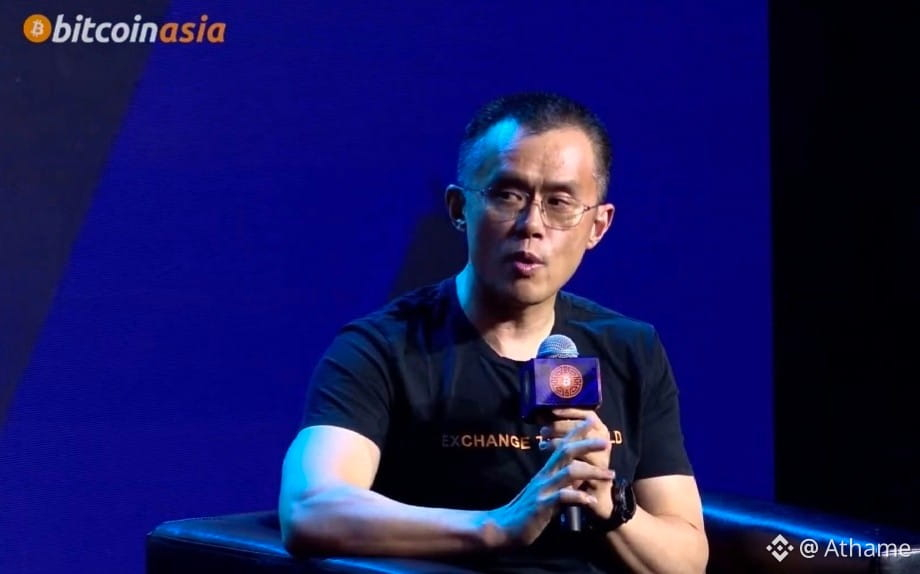
🔥 التوقع بسقوط 1M$ لبيتكوين عند Bitcoin Asia 2026! 🔥
المنصة في هونغ كونغ قدمت للتو واحدة من أضخم الإشارات الماكرو للقطاع كريبتو في 2026! خلال حديثه في Bitcoin Asia 2026، #Cz (Changpeng Zhao) عرض رؤية جريئة لبيتكوين والذكاء الاصطناعي والاحتياطيات السيادية التي يجب على كل مستثمر Web3 متابعتها عن كثب.
إليك أهم النقاط التي يجب أخذها بعين الاعتبار:
🎯 1M$ بيتكوين أمر حتمي: دفع CZ باتجاه رفض الجداول الزمنية الطويلة لمدة 25 عامًا، مشيرًا إلى أن وصول البيتكوين إلى 1,000,000$ سيحدث أسرع بكثير مما تتوقع الإجماعات، إذ إنه سيتحدى القيمة السوقية لذهب التي تتجاوز 32 تريليون دولار.
🤖 تقارب الذكاء الاصطناعي والرموز المشفرة: بدلًا من المدفوعات الاستهلاكية البسيطة، ستقود اقتصادات آلة-إلى-آلة عملية الاعتماد. ستستخدم وكلاء الذكاء الاصطناعي العملات المستقرة أولًا، قبل الانتقال بالكامل إلى البيتكوين من أجل تداول آلي عالي السرعة وتسوية المعاملات.
🏛️ الاحتياطيات السيادية: كشف CZ أنه يقدم نصائح بنشاط للحكومات العالمية لبناء احتياطيات وطنية من الكريبتو (استهداف 50%+ في $BTC )، محذرًا من أن الدول التي ترفض الابتكار الرقمي قد تُترك خلف الركب تمامًا كما حدث للدول التي تجاهلت الذكاء الاصطناعي.
⚡ تآزر متعدد السلاسل: الكريبتو ليس معادلة محصلة صفر. تعمل L1 عالية السرعة ومراكز الترميز كمساحات لتوليد الابتكار، لتقوم في النهاية بتوجيه السيولة ورأس المال مرة أخرى إلى طبقة بيتكوين كـ «مخزن للقيمة السيادية».
رغم أن بيانات الماكرو قصيرة الأجل تُحدث ضجيجًا، فإن الاتجاه طويل الأجل يشير بشكل واضح إلى النضج المؤسسي ودمج الأصول في العالم الحقيقي
ليس أمرًا غير متوقع أن تصل BTC إلى 1M$، ولكن متى؟ متى سيصل $BTC إلى مليون؟
#bitcoin #BitcoinAsia2026
#AI #Write2Earn
🔥 التوقع بسقوط 1M$ لبيتكوين عند Bitcoin Asia 2026! 🔥
المنصة في هونغ كونغ قدمت للتو واحدة من أضخم الإشارات الماكرو للقطاع كريبتو في 2026! خلال حديثه في Bitcoin Asia 2026، #Cz (Changpeng Zhao) عرض رؤية جريئة لبيتكوين والذكاء الاصطناعي والاحتياطيات السيادية التي يجب على كل مستثمر Web3 متابعتها عن كثب.
إليك أهم النقاط التي يجب أخذها بعين الاعتبار:
🎯 1M$ بيتكوين أمر حتمي: دفع CZ باتجاه رفض الجداول الزمنية الطويلة لمدة 25 عامًا، مشيرًا إلى أن وصول البيتكوين إلى 1,000,000$ سيحدث أسرع بكثير مما تتوقع الإجماعات، إذ إنه سيتحدى القيمة السوقية لذهب التي تتجاوز 32 تريليون دولار.
🤖 تقارب الذكاء الاصطناعي والرموز المشفرة: بدلًا من المدفوعات الاستهلاكية البسيطة، ستقود اقتصادات آلة-إلى-آلة عملية الاعتماد. ستستخدم وكلاء الذكاء الاصطناعي العملات المستقرة أولًا، قبل الانتقال بالكامل إلى البيتكوين من أجل تداول آلي عالي السرعة وتسوية المعاملات.
🏛️ الاحتياطيات السيادية: كشف CZ أنه يقدم نصائح بنشاط للحكومات العالمية لبناء احتياطيات وطنية من الكريبتو (استهداف 50%+ في $BTC )، محذرًا من أن الدول التي ترفض الابتكار الرقمي قد تُترك خلف الركب تمامًا كما حدث للدول التي تجاهلت الذكاء الاصطناعي.
⚡ تآزر متعدد السلاسل: الكريبتو ليس معادلة محصلة صفر. تعمل L1 عالية السرعة ومراكز الترميز كمساحات لتوليد الابتكار، لتقوم في النهاية بتوجيه السيولة ورأس المال مرة أخرى إلى طبقة بيتكوين كـ «مخزن للقيمة السيادية».
رغم أن بيانات الماكرو قصيرة الأجل تُحدث ضجيجًا، فإن الاتجاه طويل الأجل يشير بشكل واضح إلى النضج المؤسسي ودمج الأصول في العالم الحقيقي
ليس أمرًا غير متوقع أن تصل BTC إلى 1M$، ولكن متى؟ متى سيصل $BTC إلى مليون؟
#bitcoin #BitcoinAsia2026
#AI #Write2Earn
المنصة في هونغ كونغ قدمت للتو واحدة من أضخم الإشارات الماكرو للقطاع كريبتو في 2026! خلال حديثه في Bitcoin Asia 2026، #Cz (Changpeng Zhao) عرض رؤية جريئة لبيتكوين والذكاء الاصطناعي والاحتياطيات السيادية التي يجب على كل مستثمر Web3 متابعتها عن كثب.
إليك أهم النقاط التي يجب أخذها بعين الاعتبار:
🎯 1M$ بيتكوين أمر حتمي: دفع CZ باتجاه رفض الجداول الزمنية الطويلة لمدة 25 عامًا، مشيرًا إلى أن وصول البيتكوين إلى 1,000,000$ سيحدث أسرع بكثير مما تتوقع الإجماعات، إذ إنه سيتحدى القيمة السوقية لذهب التي تتجاوز 32 تريليون دولار.
🤖 تقارب الذكاء الاصطناعي والرموز المشفرة: بدلًا من المدفوعات الاستهلاكية البسيطة، ستقود اقتصادات آلة-إلى-آلة عملية الاعتماد. ستستخدم وكلاء الذكاء الاصطناعي العملات المستقرة أولًا، قبل الانتقال بالكامل إلى البيتكوين من أجل تداول آلي عالي السرعة وتسوية المعاملات.
🏛️ الاحتياطيات السيادية: كشف CZ أنه يقدم نصائح بنشاط للحكومات العالمية لبناء احتياطيات وطنية من الكريبتو (استهداف 50%+ في $BTC )، محذرًا من أن الدول التي ترفض الابتكار الرقمي قد تُترك خلف الركب تمامًا كما حدث للدول التي تجاهلت الذكاء الاصطناعي.
⚡ تآزر متعدد السلاسل: الكريبتو ليس معادلة محصلة صفر. تعمل L1 عالية السرعة ومراكز الترميز كمساحات لتوليد الابتكار، لتقوم في النهاية بتوجيه السيولة ورأس المال مرة أخرى إلى طبقة بيتكوين كـ «مخزن للقيمة السيادية».
رغم أن بيانات الماكرو قصيرة الأجل تُحدث ضجيجًا، فإن الاتجاه طويل الأجل يشير بشكل واضح إلى النضج المؤسسي ودمج الأصول في العالم الحقيقي
ليس أمرًا غير متوقع أن تصل BTC إلى 1M$، ولكن متى؟ متى سيصل $BTC إلى مليون؟
#bitcoin #BitcoinAsia2026
#AI #Write2Earn
83
·
--
هابط
ألقى رئيس الاحتياطي الفيدرالي كِيفن وورش للتو خطابه الرئيسي في جاكسون هول، مُرسِلًا موجاتٍ حمائمية بوضوح عبر كلٍ من أسواق الأصول التقليدية والرقمية. 📉
إذا كنت تتساءل لماذا تراجَع $BTC من 80 ألف دولار باتجاه نطاق 77 ألف دولار، فإليك التفصيل:
🔍 1. "لدينا عملٌ يتعين القيام به": شدد وورش على أن أكثر من 50% من سلة مؤشر PCE ما زالت لزجة/عالية الثبات. وامتنع عن الالتزام بخفض الفوائد، وترك الباب مفتوحًا لسياسةٍ أكثر تشددًا إذا لم ينخفض التضخم بسرعة.
💥 2. تصفية مُجمّعة لأكثر من 480 مليون دولار: تم مسح الرافعة المالية بسرعة مع تغير توقعات رفع الفائدة/التوقف عنها بالنسبة لاجتماع سبتمبر للجنة الفيدرالية للسوق المفتوحة.
🚫 3. نهاية التوجيه المستقبلي: يريد وورش "احتياطيًا فيدراليًا أكثر هدوءًا". فقلة التلميحات الصريحة تعني أن كل إصدار لبيانات CPI/NFP سيجلب تقلبًا أعلى داخل اليوم لـ $BTC و $ETH .
على الرغم من كبحٍ اقتصادي ماكرو قصير الأجل، كانت العملات المستقرة موضوعًا رئيسيًا في جاكسون هول ("الابتكار المالي والمدفوعات"). تُصبح السيولة المرمّزة (Tokenized liquidity) سمةً دائمة في التمويل العالمي، ما يوفّر أرضية هيكلية صلبة وطويلة الأمد للعملات المشفرة.
مستوى رئيسي لمتابعته:
{spot}(BTCUSDT)
مقاومة BTC : 80,000 - 83,000 دولار
دعم BTC : 75,000 - 77,000 دولار
هل يُعد هذا الهبوط فرصة شراء قبل الربع الرابع؟ أم تفضل الانتظار للحصول على مستويات إدخال أقل؟ اكتب في التعليقات! 🤔
#Macro #Bitcoin #FederalReserve #Fed
#Write2Earn
ألقى رئيس الاحتياطي الفيدرالي كِيفن وورش للتو خطابه الرئيسي في جاكسون هول، مُرسِلًا موجاتٍ حمائمية بوضوح عبر كلٍ من أسواق الأصول التقليدية والرقمية. 📉
إذا كنت تتساءل لماذا تراجَع $BTC من 80 ألف دولار باتجاه نطاق 77 ألف دولار، فإليك التفصيل:
🔍 1. "لدينا عملٌ يتعين القيام به": شدد وورش على أن أكثر من 50% من سلة مؤشر PCE ما زالت لزجة/عالية الثبات. وامتنع عن الالتزام بخفض الفوائد، وترك الباب مفتوحًا لسياسةٍ أكثر تشددًا إذا لم ينخفض التضخم بسرعة.
💥 2. تصفية مُجمّعة لأكثر من 480 مليون دولار: تم مسح الرافعة المالية بسرعة مع تغير توقعات رفع الفائدة/التوقف عنها بالنسبة لاجتماع سبتمبر للجنة الفيدرالية للسوق المفتوحة.
🚫 3. نهاية التوجيه المستقبلي: يريد وورش "احتياطيًا فيدراليًا أكثر هدوءًا". فقلة التلميحات الصريحة تعني أن كل إصدار لبيانات CPI/NFP سيجلب تقلبًا أعلى داخل اليوم لـ $BTC و $ETH .
على الرغم من كبحٍ اقتصادي ماكرو قصير الأجل، كانت العملات المستقرة موضوعًا رئيسيًا في جاكسون هول ("الابتكار المالي والمدفوعات"). تُصبح السيولة المرمّزة (Tokenized liquidity) سمةً دائمة في التمويل العالمي، ما يوفّر أرضية هيكلية صلبة وطويلة الأمد للعملات المشفرة.
مستوى رئيسي لمتابعته:
مقاومة BTC : 80,000 - 83,000 دولار
دعم BTC : 75,000 - 77,000 دولار
هل يُعد هذا الهبوط فرصة شراء قبل الربع الرابع؟ أم تفضل الانتظار للحصول على مستويات إدخال أقل؟ اكتب في التعليقات! 🤔
#Macro #Bitcoin #FederalReserve #Fed
#Write2Earn
إذا كنت تتساءل لماذا تراجَع $BTC من 80 ألف دولار باتجاه نطاق 77 ألف دولار، فإليك التفصيل:
🔍 1. "لدينا عملٌ يتعين القيام به": شدد وورش على أن أكثر من 50% من سلة مؤشر PCE ما زالت لزجة/عالية الثبات. وامتنع عن الالتزام بخفض الفوائد، وترك الباب مفتوحًا لسياسةٍ أكثر تشددًا إذا لم ينخفض التضخم بسرعة.
💥 2. تصفية مُجمّعة لأكثر من 480 مليون دولار: تم مسح الرافعة المالية بسرعة مع تغير توقعات رفع الفائدة/التوقف عنها بالنسبة لاجتماع سبتمبر للجنة الفيدرالية للسوق المفتوحة.
🚫 3. نهاية التوجيه المستقبلي: يريد وورش "احتياطيًا فيدراليًا أكثر هدوءًا". فقلة التلميحات الصريحة تعني أن كل إصدار لبيانات CPI/NFP سيجلب تقلبًا أعلى داخل اليوم لـ $BTC و $ETH .
على الرغم من كبحٍ اقتصادي ماكرو قصير الأجل، كانت العملات المستقرة موضوعًا رئيسيًا في جاكسون هول ("الابتكار المالي والمدفوعات"). تُصبح السيولة المرمّزة (Tokenized liquidity) سمةً دائمة في التمويل العالمي، ما يوفّر أرضية هيكلية صلبة وطويلة الأمد للعملات المشفرة.
مستوى رئيسي لمتابعته:
مقاومة BTC : 80,000 - 83,000 دولار
دعم BTC : 75,000 - 77,000 دولار
هل يُعد هذا الهبوط فرصة شراء قبل الربع الرابع؟ أم تفضل الانتظار للحصول على مستويات إدخال أقل؟ اكتب في التعليقات! 🤔
#Macro #Bitcoin #FederalReserve #Fed
#Write2Earn
89
·
--
بيتكوين تترقب قرب 80 ألف دولار مع استعداد السوق لأول خطاب لكيفن وارتش في جاكسون هول. وفي ظل استمرار التضخم عند 3.7% وعوائد سندات الخزانة قرب أعلى مستوياتها منذ سنوات، يستعد المتداولون لقياس نبرة وارتش بشأن أسعار الفائدة.
كيفن وارتش، رئيس بنك الاحتياطي الفيدرالي الأمريكي الجديد، يلقي أول خطاب له في جاكسون هول في 28 أغسطس 2026. موضوع الخطاب "الابتكار المالي: الآثار المترتبة على المدفوعات والسياسات" يركز على المدفوعات الرقمية والتقنيات المالية (Fintech) والـ stablecoins. وتأتي تصريحاته في غاية الأهمية لأن الأسواق تبحث عن إشارات بشأن التضخم وأسعار الفائدة واتجاه سياسة الاحتياطي الفيدرالي. وبجانب البيتكوين ($BTC )، قد تتأثر أيضًا بشكل كبير عملات رقمية رئيسية أخرى مثل الإيثريوم ($ETH )، و العملات المرتبطة بالمدفوعات عبر الحدود مثل $XRP . كما قد تؤثر الإشارات التنظيمية التي قد يصدرها وارتش على معظم العملات المشفرة.
نبرة متشددة - قد تؤدي إلى دولار أقوى، وعوائد أعلى، وقد تنسحب بيتكوين إلى ما دون 79 ألف دولار
نبرة محايدة - تداول يتراوح بين 79 ألفًا و81 ألف دولار، مع تذبذب دون اتجاه واضح.
نبرة متفائلة - موجة انتعاش، واختراق بيتكوين فوق 82 ألف دولار، مع اختبار مستويات قياسية جديدة.
#FEDDATA #KevinWarshNextFedChair
#Write2Earn
#CryptoMarkets #bitcoin
بيتكوين تترقب قرب 80 ألف دولار مع استعداد السوق لأول خطاب لكيفن وارتش في جاكسون هول. وفي ظل استمرار التضخم عند 3.7% وعوائد سندات الخزانة قرب أعلى مستوياتها منذ سنوات، يستعد المتداولون لقياس نبرة وارتش بشأن أسعار الفائدة.
كيفن وارتش، رئيس بنك الاحتياطي الفيدرالي الأمريكي الجديد، يلقي أول خطاب له في جاكسون هول في 28 أغسطس 2026. موضوع الخطاب "الابتكار المالي: الآثار المترتبة على المدفوعات والسياسات" يركز على المدفوعات الرقمية والتقنيات المالية (Fintech) والـ stablecoins. وتأتي تصريحاته في غاية الأهمية لأن الأسواق تبحث عن إشارات بشأن التضخم وأسعار الفائدة واتجاه سياسة الاحتياطي الفيدرالي. وبجانب البيتكوين ($BTC )، قد تتأثر أيضًا بشكل كبير عملات رقمية رئيسية أخرى مثل الإيثريوم ($ETH )، و العملات المرتبطة بالمدفوعات عبر الحدود مثل $XRP . كما قد تؤثر الإشارات التنظيمية التي قد يصدرها وارتش على معظم العملات المشفرة.
نبرة متشددة - قد تؤدي إلى دولار أقوى، وعوائد أعلى، وقد تنسحب بيتكوين إلى ما دون 79 ألف دولار
نبرة محايدة - تداول يتراوح بين 79 ألفًا و81 ألف دولار، مع تذبذب دون اتجاه واضح.
نبرة متفائلة - موجة انتعاش، واختراق بيتكوين فوق 82 ألف دولار، مع اختبار مستويات قياسية جديدة.
#FEDDATA #KevinWarshNextFedChair
#Write2Earn
#CryptoMarkets #bitcoin
كيفن وارتش، رئيس بنك الاحتياطي الفيدرالي الأمريكي الجديد، يلقي أول خطاب له في جاكسون هول في 28 أغسطس 2026. موضوع الخطاب "الابتكار المالي: الآثار المترتبة على المدفوعات والسياسات" يركز على المدفوعات الرقمية والتقنيات المالية (Fintech) والـ stablecoins. وتأتي تصريحاته في غاية الأهمية لأن الأسواق تبحث عن إشارات بشأن التضخم وأسعار الفائدة واتجاه سياسة الاحتياطي الفيدرالي. وبجانب البيتكوين ($BTC )، قد تتأثر أيضًا بشكل كبير عملات رقمية رئيسية أخرى مثل الإيثريوم ($ETH )، و العملات المرتبطة بالمدفوعات عبر الحدود مثل $XRP . كما قد تؤثر الإشارات التنظيمية التي قد يصدرها وارتش على معظم العملات المشفرة.
نبرة متشددة - قد تؤدي إلى دولار أقوى، وعوائد أعلى، وقد تنسحب بيتكوين إلى ما دون 79 ألف دولار
نبرة محايدة - تداول يتراوح بين 79 ألفًا و81 ألف دولار، مع تذبذب دون اتجاه واضح.
نبرة متفائلة - موجة انتعاش، واختراق بيتكوين فوق 82 ألف دولار، مع اختبار مستويات قياسية جديدة.
#FEDDATA #KevinWarshNextFedChair
#Write2Earn
#CryptoMarkets #bitcoin
100
·
--
صاعد
وفقًا لـ CoinNess، أدلى رئيس هيئة تنظيم الأصول الافتراضية الباكستانية (PVARA) بلال بن صقيب بالتصريح في مؤتمر Bitcoin Asia 2026 في هونغ كونغ، بأن باكستان تعمل على بناء احتياطي استراتيجي من البيتكوين. وقال إنهم يستعدون للمستقبل، وإن دولًا أخرى باتت تعترف بأن البيتكوين ($BTC ) يُعد أصلًا استراتيجيًا. سيتم تمويله مبدئيًا بأصول رقمية تم ضبطها بالفعل وتخضع لحيازة الدولة، وسيكون مدعومًا بـ 2,000 ميغاواط من الكهرباء الفائضة المخصصة لتعدين البيتكوين. تهدف الدولة إلى تجنب التخلف عن الثورات التكنولوجية، كما حدث في الماضي.
وقد أشارت وزارة المالية الباكستانية إلى أنه لا يوجد حاليًا إطار قانوني رسمي ينظم احتياطي بيتكوين وطني، ما يعني أن المشروع يقع حاليًا في منطقة رمادية تنظيمية.
ومنذ إنشاء احتياطي البيتكوين الاستراتيجي الأمريكي بالأمر التنفيذي في 2025، باتت العديد من الدول والمؤسسات المالية تزداد في الاعتراف بأن البيتكوين ($BTC) أصلٌ نادر واستراتيجي، وليس مجرد استثمار مضاربي.
#StrategicReserve #Bitcoin #Write2Earn #Pakistan
وفقًا لـ CoinNess، أدلى رئيس هيئة تنظيم الأصول الافتراضية الباكستانية (PVARA) بلال بن صقيب بالتصريح في مؤتمر Bitcoin Asia 2026 في هونغ كونغ، بأن باكستان تعمل على بناء احتياطي استراتيجي من البيتكوين. وقال إنهم يستعدون للمستقبل، وإن دولًا أخرى باتت تعترف بأن البيتكوين ($BTC ) يُعد أصلًا استراتيجيًا. سيتم تمويله مبدئيًا بأصول رقمية تم ضبطها بالفعل وتخضع لحيازة الدولة، وسيكون مدعومًا بـ 2,000 ميغاواط من الكهرباء الفائضة المخصصة لتعدين البيتكوين. تهدف الدولة إلى تجنب التخلف عن الثورات التكنولوجية، كما حدث في الماضي.
وقد أشارت وزارة المالية الباكستانية إلى أنه لا يوجد حاليًا إطار قانوني رسمي ينظم احتياطي بيتكوين وطني، ما يعني أن المشروع يقع حاليًا في منطقة رمادية تنظيمية.
ومنذ إنشاء احتياطي البيتكوين الاستراتيجي الأمريكي بالأمر التنفيذي في 2025، باتت العديد من الدول والمؤسسات المالية تزداد في الاعتراف بأن البيتكوين ($BTC ) أصلٌ نادر واستراتيجي، وليس مجرد استثمار مضاربي.
#StrategicReserve #Bitcoin #Write2Earn #Pakistan
وقد أشارت وزارة المالية الباكستانية إلى أنه لا يوجد حاليًا إطار قانوني رسمي ينظم احتياطي بيتكوين وطني، ما يعني أن المشروع يقع حاليًا في منطقة رمادية تنظيمية.
ومنذ إنشاء احتياطي البيتكوين الاستراتيجي الأمريكي بالأمر التنفيذي في 2025، باتت العديد من الدول والمؤسسات المالية تزداد في الاعتراف بأن البيتكوين ($BTC ) أصلٌ نادر واستراتيجي، وليس مجرد استثمار مضاربي.
#StrategicReserve #Bitcoin #Write2Earn #Pakistan
84
سجّل الدخول لاستكشاف المزيد من المُحتوى
انضم إلى مُستخدمي العملات الرقمية حول العالم على Binance Square
⚡️ احصل على أحدث المعلومات المفيدة عن العملات الرقمية.
💬 موثوقة من قبل أكبر منصّة لتداول العملات الرقمية في العالم.
👍 اكتشف الرؤى الحقيقية من صنّاع المُحتوى الموثوقين.
البريد الإلكتروني / رقم الهاتف