

#tokenization
tokenization
3.3M views
14,320 Discussing
Hot
Latest

·
--
A major institution’s CEO says XRP could play a leading role in the tokenization of real-world assets.
If trillions of dollars of traditional assets move onto blockchain rails, the question becomes: Which networks will handle the settlement?
#Xrp🔥🔥 #Ripple ipple #xmucanX #Tokenization
A major institution’s CEO says XRP could play a leading role in the tokenization of real-world assets.
If trillions of dollars of traditional assets move onto blockchain rails, the question becomes: Which networks will handle the settlement?
#Xrp🔥🔥 #Ripple ipple #xmucanX #Tokenization
If trillions of dollars of traditional assets move onto blockchain rails, the question becomes: Which networks will handle the settlement?
#Xrp🔥🔥 #Ripple ipple #xmucanX #Tokenization
2
241
🚨🏦 HEDERA’S ENTERPRISE PLAY: BLOCKCHAIN THAT FITS THE BUSINESS ⚡
What if banks could tokenize assets without rebuilding their entire technology stack? 👀
That’s the opportunity behind Asseto, developed by ioBuilders and offered by Hashgraph.
🔗 Integrates with existing banking, custody and reporting systems.
🪙 Supports tokenized instruments and digital cash.
⚙️ Uses configurable modules to reduce custom development.
🛡️ Includes investor eligibility and transfer controls.
🌐 Can run on public Hedera or private HashSphere infrastructure.
🔥 Why should HBAR holders pay attention?
Easier integration could lower the barriers to institutional adoption. Enterprises need usable products, predictable costs and tools that fit their operations.
But here’s the key question: Will deployments translate into sustained activity on public Hedera? Private-network adoption alone doesn’t establish stronger HBAR demand. 📊
Watch live deployments, transaction activity and public-network usage—not just announcements. 🔍
💬 Could ready-to-use tokenization platforms unlock Hedera’s next adoption wave?
#HBAR #Hedera #RWA #Tokenization
$HBAR
{spot}(HBARUSDT)
$ONDO
{spot}(ONDOUSDT)
$XRP
{spot}(XRPUSDT)
🚨🏦 HEDERA’S ENTERPRISE PLAY: BLOCKCHAIN THAT FITS THE BUSINESS ⚡
What if banks could tokenize assets without rebuilding their entire technology stack? 👀
That’s the opportunity behind Asseto, developed by ioBuilders and offered by Hashgraph.
🔗 Integrates with existing banking, custody and reporting systems.
🪙 Supports tokenized instruments and digital cash.
⚙️ Uses configurable modules to reduce custom development.
🛡️ Includes investor eligibility and transfer controls.
🌐 Can run on public Hedera or private HashSphere infrastructure.
🔥 Why should HBAR holders pay attention?
Easier integration could lower the barriers to institutional adoption. Enterprises need usable products, predictable costs and tools that fit their operations.
But here’s the key question: Will deployments translate into sustained activity on public Hedera? Private-network adoption alone doesn’t establish stronger HBAR demand. 📊
Watch live deployments, transaction activity and public-network usage—not just announcements. 🔍
💬 Could ready-to-use tokenization platforms unlock Hedera’s next adoption wave?
#HBAR #Hedera #RWA #Tokenization
$HBAR
$ONDO
$XRP
What if banks could tokenize assets without rebuilding their entire technology stack? 👀
That’s the opportunity behind Asseto, developed by ioBuilders and offered by Hashgraph.
🔗 Integrates with existing banking, custody and reporting systems.
🪙 Supports tokenized instruments and digital cash.
⚙️ Uses configurable modules to reduce custom development.
🛡️ Includes investor eligibility and transfer controls.
🌐 Can run on public Hedera or private HashSphere infrastructure.
🔥 Why should HBAR holders pay attention?
Easier integration could lower the barriers to institutional adoption. Enterprises need usable products, predictable costs and tools that fit their operations.
But here’s the key question: Will deployments translate into sustained activity on public Hedera? Private-network adoption alone doesn’t establish stronger HBAR demand. 📊
Watch live deployments, transaction activity and public-network usage—not just announcements. 🔍
💬 Could ready-to-use tokenization platforms unlock Hedera’s next adoption wave?
#HBAR #Hedera #RWA #Tokenization
$HBAR
$ONDO
$XRP

188
💎 $QNT — THE TOKENIZATION STORY IS GETTING INTERESTING
Tokenization and blockchain interoperability remain major themes in the crypto market.
That puts $QNT back on the radar for traders watching the real-world-asset narrative.
🔥 Strong narrative
📊 High volatility
👀 Important resistance ahead
But narrative alone isn't enough — price confirmation matters.
Could QNT become one of the next major tokenization plays?
#QNT #Quant #RWA #Tokenization #crypto
{spot}(QNTUSDT)
💎 $QNT — THE TOKENIZATION STORY IS GETTING INTERESTING
Tokenization and blockchain interoperability remain major themes in the crypto market.
That puts $QNT back on the radar for traders watching the real-world-asset narrative.
🔥 Strong narrative
📊 High volatility
👀 Important resistance ahead
But narrative alone isn't enough — price confirmation matters.
Could QNT become one of the next major tokenization plays?
#QNT #Quant #RWA #Tokenization #crypto
Tokenization and blockchain interoperability remain major themes in the crypto market.
That puts $QNT back on the radar for traders watching the real-world-asset narrative.
🔥 Strong narrative
📊 High volatility
👀 Important resistance ahead
But narrative alone isn't enough — price confirmation matters.
Could QNT become one of the next major tokenization plays?
#QNT #Quant #RWA #Tokenization #crypto
62
🚨 $XRP + REAL ESTATE TOKENIZATION 🔥
RealBriefly is preparing to enter real-estate tokenization through REAL Token on the XRP Ledger (XRPL), targeting a massive global market. 🏦💥
If adoption accelerates, XRP/XRPL could play a key role in tokenized asset settlement. 👀🚀
⚠️ DYOR • NFA
#XRP #XRPL #REALToken #Tokenization
🚨 $XRP + REAL ESTATE TOKENIZATION 🔥
RealBriefly is preparing to enter real-estate tokenization through REAL Token on the XRP Ledger (XRPL), targeting a massive global market. 🏦💥
If adoption accelerates, XRP/XRPL could play a key role in tokenized asset settlement. 👀🚀
⚠️ DYOR • NFA
#XRP #XRPL #REALToken #Tokenization
RealBriefly is preparing to enter real-estate tokenization through REAL Token on the XRP Ledger (XRPL), targeting a massive global market. 🏦💥
If adoption accelerates, XRP/XRPL could play a key role in tokenized asset settlement. 👀🚀
⚠️ DYOR • NFA
#XRP #XRPL #REALToken #Tokenization
41
·
--
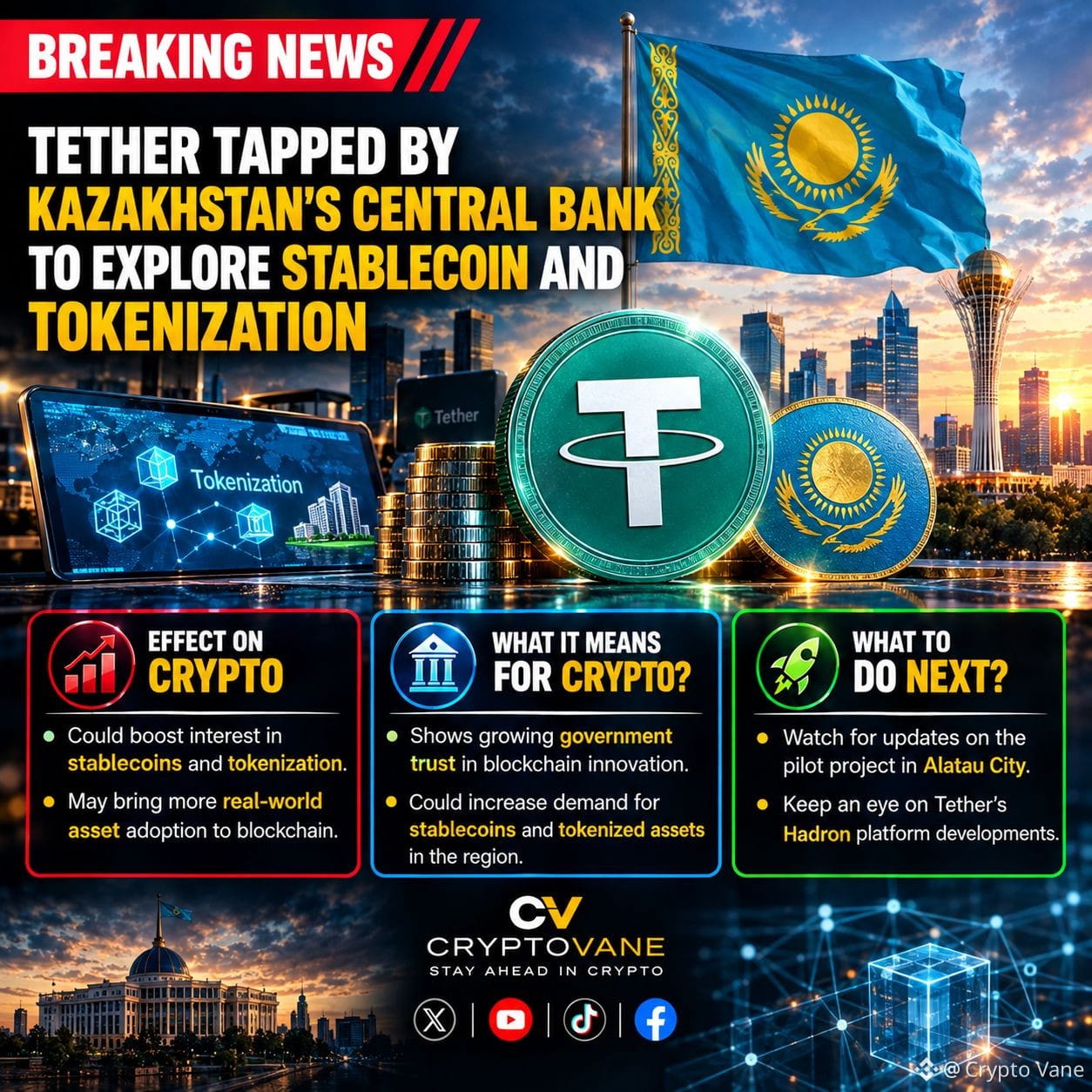
$TETH.ETF & Kazakhstan Join Forces to Explore Stablecoins and Tokenization
Tether and Kazakhstan’s central bank are exploring a local-currency stablecoin and real-world asset tokenization. A planned Alatau City pilot could test blockchain-based digital finance, potentially strengthening institutional adoption of stablecoins and tokenized assets.
#Tether #USDT #CryptoNews #Stablecoins #Tokenization
{etf_us}(TETH.ETF)
{spot}(MSFTBUSDT)
$TETH.ETF & Kazakhstan Join Forces to Explore Stablecoins and Tokenization
Tether and Kazakhstan’s central bank are exploring a local-currency stablecoin and real-world asset tokenization. A planned Alatau City pilot could test blockchain-based digital finance, potentially strengthening institutional adoption of stablecoins and tokenized assets.
#Tether #USDT #CryptoNews #Stablecoins #Tokenization
Tether and Kazakhstan’s central bank are exploring a local-currency stablecoin and real-world asset tokenization. A planned Alatau City pilot could test blockchain-based digital finance, potentially strengthening institutional adoption of stablecoins and tokenized assets.
#Tether #USDT #CryptoNews #Stablecoins #Tokenization
TETHETF+0.08%
MSFTB-0.07%
29

·
--
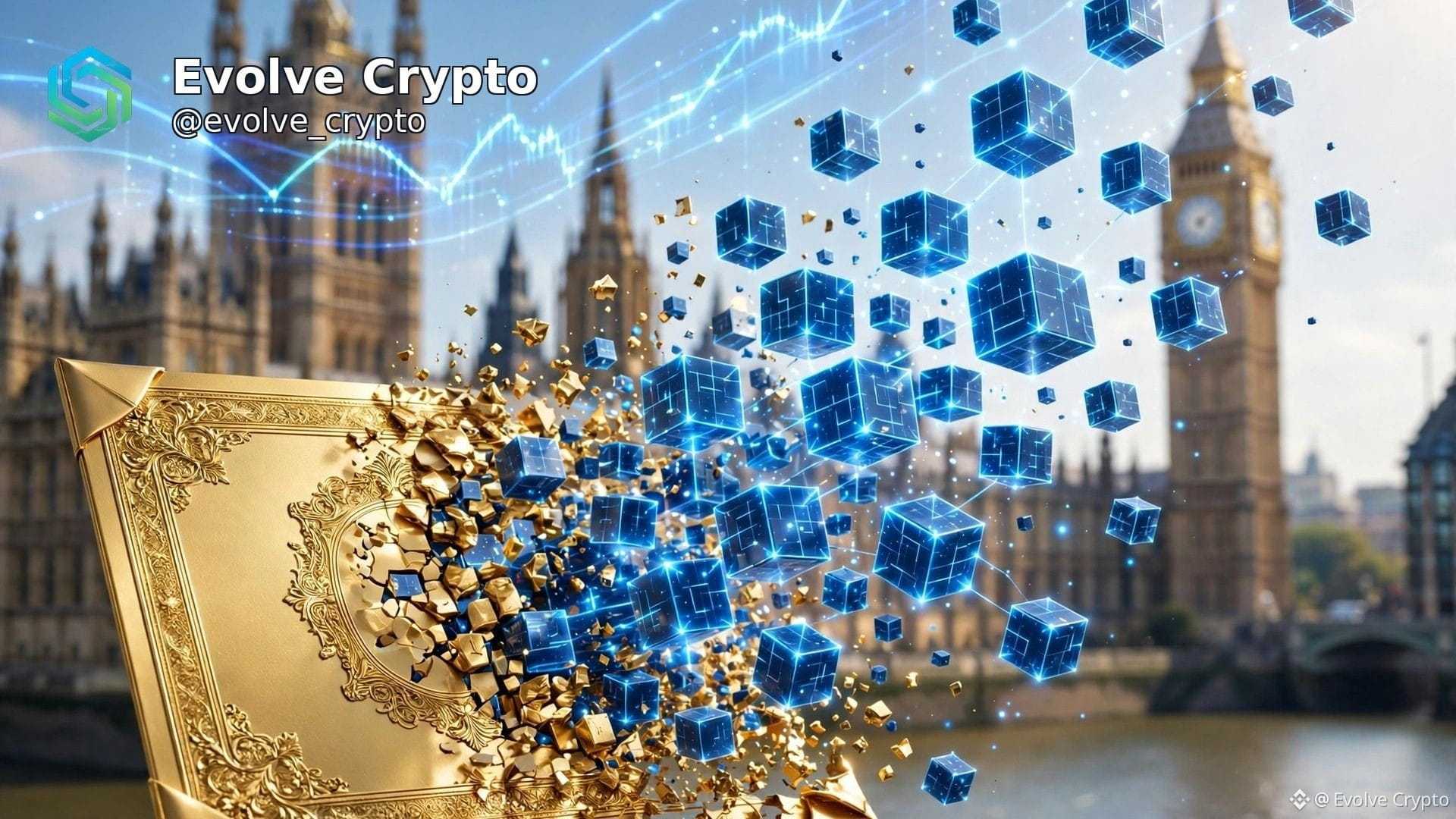
The UK government wants to issue a bond on a blockchain, and it just picked the banks to run it.
🧠 In plain words
Per Cointelegraph, the UK appointed Barclays, HSBC, Lloyds, Morgan Stanley, NatWest and RBC Capital Markets to lead its Digital Gilt Instrument, or DIGIT, with a pilot expected in Q1 2027 inside the Digital Securities Sandbox. A gilt is a UK government IOU; putting it onchain is like moving a paper ledger into a shared spreadsheet that updates for everyone at once.
✅ What it means for you
• Tokenized government debt is moving from crypto startups to sovereign issuers.
• Projects built around tokenized Treasuries, such as $ONDO, work in the same theme, though DIGIT is a separate state project.
• Faster settlement and round-the-clock access are the main promised benefits.
Takeaway: when governments tokenize their own bonds, real-world assets stop being a niche narrative.
#RWA #Tokenization
The UK government wants to issue a bond on a blockchain, and it just picked the banks to run it.
🧠 In plain words
Per Cointelegraph, the UK appointed Barclays, HSBC, Lloyds, Morgan Stanley, NatWest and RBC Capital Markets to lead its Digital Gilt Instrument, or DIGIT, with a pilot expected in Q1 2027 inside the Digital Securities Sandbox. A gilt is a UK government IOU; putting it onchain is like moving a paper ledger into a shared spreadsheet that updates for everyone at once.
✅ What it means for you
• Tokenized government debt is moving from crypto startups to sovereign issuers.
• Projects built around tokenized Treasuries, such as $ONDO , work in the same theme, though DIGIT is a separate state project.
• Faster settlement and round-the-clock access are the main promised benefits.
Takeaway: when governments tokenize their own bonds, real-world assets stop being a niche narrative.
#RWA #Tokenization
🧠 In plain words
Per Cointelegraph, the UK appointed Barclays, HSBC, Lloyds, Morgan Stanley, NatWest and RBC Capital Markets to lead its Digital Gilt Instrument, or DIGIT, with a pilot expected in Q1 2027 inside the Digital Securities Sandbox. A gilt is a UK government IOU; putting it onchain is like moving a paper ledger into a shared spreadsheet that updates for everyone at once.
✅ What it means for you
• Tokenized government debt is moving from crypto startups to sovereign issuers.
• Projects built around tokenized Treasuries, such as $ONDO , work in the same theme, though DIGIT is a separate state project.
• Faster settlement and round-the-clock access are the main promised benefits.
Takeaway: when governments tokenize their own bonds, real-world assets stop being a niche narrative.
#RWA #Tokenization
80
·
--
Tokenized stocks have quietly become a billion-dollar product for one DeFi name.
Per Cointelegraph, Ondo Stocks now holds more than $1 billion in total value locked across 450+ tokenized stocks and ETFs. Ondo is extending the same model to private AI companies through tokenized notes.
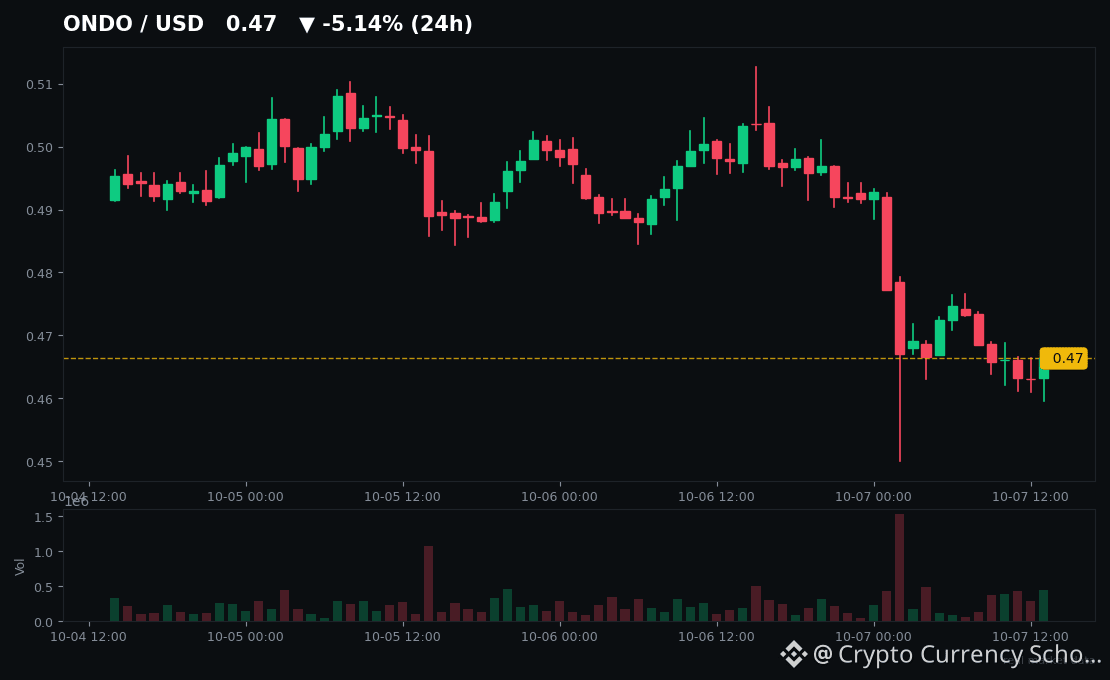
Yet $ONDO trades near $0.475, down about 2.5% in 24 hours, per CoinGecko. In my view, product traction and token price run on different clocks: TVL shows demand for the service, but the token needs a clear value link to benefit.
💬 What would make you value a protocol token more: TVL, fees, or buybacks?
#Ondo #Tokenization
Tokenized stocks have quietly become a billion-dollar product for one DeFi name.
Per Cointelegraph, Ondo Stocks now holds more than $1 billion in total value locked across 450+ tokenized stocks and ETFs. Ondo is extending the same model to private AI companies through tokenized notes.
Yet $ONDO trades near $0.475, down about 2.5% in 24 hours, per CoinGecko. In my view, product traction and token price run on different clocks: TVL shows demand for the service, but the token needs a clear value link to benefit.
💬 What would make you value a protocol token more: TVL, fees, or buybacks?
#Ondo #Tokenization
Per Cointelegraph, Ondo Stocks now holds more than $1 billion in total value locked across 450+ tokenized stocks and ETFs. Ondo is extending the same model to private AI companies through tokenized notes.
Yet $ONDO trades near $0.475, down about 2.5% in 24 hours, per CoinGecko. In my view, product traction and token price run on different clocks: TVL shows demand for the service, but the token needs a clear value link to benefit.
💬 What would make you value a protocol token more: TVL, fees, or buybacks?
#Ondo #Tokenization
101

Tokenization is quietly becoming one of crypto’s biggest structural narratives.
Tokenized stocks reached roughly $3.17B in on-chain value by late September.
That’s almost 4x higher than a year earlier.
And now the infrastructure is moving closer to traditional finance.
OKX and ICE have filed for a platform designed for 24/7 trading of tokenized U.S. equities.
Think about what that means.
Markets that traditionally operate:
5 days a week
during fixed hours
through multiple intermediaries
could increasingly move toward:
24/7 settlement
programmable assets
global accessibility
on-chain infrastructure
The interesting part isn’t the token.
It’s the infrastructure underneath it.
#RWA #Tokenization #crypto #Blockchain
Tokenization is quietly becoming one of crypto’s biggest structural narratives.
Tokenized stocks reached roughly $3.17B in on-chain value by late September.
That’s almost 4x higher than a year earlier.
And now the infrastructure is moving closer to traditional finance.
OKX and ICE have filed for a platform designed for 24/7 trading of tokenized U.S. equities.
Think about what that means.
Markets that traditionally operate:
5 days a week
during fixed hours
through multiple intermediaries
could increasingly move toward:
24/7 settlement
programmable assets
global accessibility
on-chain infrastructure
The interesting part isn’t the token.
It’s the infrastructure underneath it.
#RWA #Tokenization #crypto #Blockchain
Tokenized stocks reached roughly $3.17B in on-chain value by late September.
That’s almost 4x higher than a year earlier.
And now the infrastructure is moving closer to traditional finance.
OKX and ICE have filed for a platform designed for 24/7 trading of tokenized U.S. equities.
Think about what that means.
Markets that traditionally operate:
5 days a week
during fixed hours
through multiple intermediaries
could increasingly move toward:
24/7 settlement
programmable assets
global accessibility
on-chain infrastructure
The interesting part isn’t the token.
It’s the infrastructure underneath it.
#RWA #Tokenization #crypto #Blockchain
31

·
--
Bearish
$BNB CHAIN JUST HIT 2M+ RWA HOLDERS!
Real-world assets are scaling fast on BNB Chain. 🔥
2 MILLION+ holders = a major adoption milestone. The RWA narrative is heating up. 📈
🎯 TRADERS, DON’T JUST WATCH!
Are you positioning for the next RWA breakout, or waiting for confirmation?
👇 BULLS or BEARS? Drop your call + target!
#BNBChain #RWA #bnb #crypto #Tokenization
{spot}(BNBUSDT)
$BNB CHAIN JUST HIT 2M+ RWA HOLDERS!
Real-world assets are scaling fast on BNB Chain. 🔥
2 MILLION+ holders = a major adoption milestone. The RWA narrative is heating up. 📈
🎯 TRADERS, DON’T JUST WATCH!
Are you positioning for the next RWA breakout, or waiting for confirmation?
👇 BULLS or BEARS? Drop your call + target!
#BNBChain #RWA #bnb #crypto #Tokenization
Real-world assets are scaling fast on BNB Chain. 🔥
2 MILLION+ holders = a major adoption milestone. The RWA narrative is heating up. 📈
🎯 TRADERS, DON’T JUST WATCH!
Are you positioning for the next RWA breakout, or waiting for confirmation?
👇 BULLS or BEARS? Drop your call + target!
#BNBChain #RWA #bnb #crypto #Tokenization
10

Verified
Article
Ondo Just Tokenized a Pre-IPO AI Company. $ONDO Fell 6% Anyway.They just gave retail a back door into a pre-IPO AI company — and the market shrugged.
Yesterday, Ondo Finance launched Ondo Private Markets: tokenized notes that track the per-share value of a pre-IPO AI company, tradable 24/7 starting this week. No brokerage account. No VC friends. Just onchain exposure to one of the hottest corners of private tech.
$ONDO's response? Down ~6% to ~$0.47.
**The setup**
Acting CEO Ian De Bode laid out the pitch bluntly: 87% of US companies with over $100M in revenue are still private — the fastest-growing tech companies live and IPO entirely behind closed doors. Ondo's notes turn that wall into a window: economic exposure to the AI company's value at a liquidity event, sold to eligible non-US investors.
It lands on top of an empire that's already enormous. Ondo now manages ~$3.7B in tokenized assets across stocks, ETFs, and Treasuries, with over a million cumulative holders. Industry-wide, tokenized Treasuries hit ~$15.7B and total onchain RWA value is ~$38.9B. Tokenized equities alone crossed $42B.
**Here's the uncomfortable part**
The business prints milestones and the token doesn't care. $ONDO is ~85% below its $2.14 all-time high. It pumped +130% when BlackRock's BUIDL arrived in 2024 — then faded. It tagged $2.14 when Trump-backed World Liberty bought in late 2024 — then a 1.94B-token unlock in January 2025 wiped out 68%.
Two reasons this keeps happening, and neither is a secret. One: only 4.87B of 10B $ONDO circulates, and the next big cliff (~1.71B tokens) lands in January 2027. Two: $ONDO is a governance token — protocol fees don't flow to holders. You can believe tokenization is the future and still watch the token dilute its way sideways.
**What this really means**
I'm not fading the trend itself. BlackRock is now talking about entire tokenized portfolios, rebalanced onchain, as the endgame. Kraken just launched yield on tokenized stocks. $LINK's CCIP and the big infra rails are wiring institutional money movement onchain in production — not pilots anymore. The rails are being built in public, in real time.
But the lesson of every RWA cycle so far: headlines pop the price for weeks, unlocks and tokenomics decide it for years. Ondo's customers — the institutions parking billions — don't need the token at all. So is $ONDO the cheapest ticket to the tokenization supercycle, or the most expensive lesson in "governance token doesn't mean value capture"?
I'm watching $0.45 — today's low and the line that has to hold.
$ONDO $LINK
#RWA #Tokenization #OndoFinance
Not financial advice. DYOR.
Ondo Just Tokenized a Pre-IPO AI Company. $ONDO Fell 6% Anyway.
They just gave retail a back door into a pre-IPO AI company — and the market shrugged.
Yesterday, Ondo Finance launched Ondo Private Markets: tokenized notes that track the per-share value of a pre-IPO AI company, tradable 24/7 starting this week. No brokerage account. No VC friends. Just onchain exposure to one of the hottest corners of private tech.
$ONDO 's response? Down ~6% to ~$0.47.
**The setup**
Acting CEO Ian De Bode laid out the pitch bluntly: 87% of US companies with over $100M in revenue are still private — the fastest-growing tech companies live and IPO entirely behind closed doors. Ondo's notes turn that wall into a window: economic exposure to the AI company's value at a liquidity event, sold to eligible non-US investors.
It lands on top of an empire that's already enormous. Ondo now manages ~$3.7B in tokenized assets across stocks, ETFs, and Treasuries, with over a million cumulative holders. Industry-wide, tokenized Treasuries hit ~$15.7B and total onchain RWA value is ~$38.9B. Tokenized equities alone crossed $42B.
**Here's the uncomfortable part**
The business prints milestones and the token doesn't care. $ONDO is ~85% below its $2.14 all-time high. It pumped +130% when BlackRock's BUIDL arrived in 2024 — then faded. It tagged $2.14 when Trump-backed World Liberty bought in late 2024 — then a 1.94B-token unlock in January 2025 wiped out 68%.
Two reasons this keeps happening, and neither is a secret. One: only 4.87B of 10B $ONDO circulates, and the next big cliff (~1.71B tokens) lands in January 2027. Two: $ONDO is a governance token — protocol fees don't flow to holders. You can believe tokenization is the future and still watch the token dilute its way sideways.
**What this really means**
I'm not fading the trend itself. BlackRock is now talking about entire tokenized portfolios, rebalanced onchain, as the endgame. Kraken just launched yield on tokenized stocks. $LINK 's CCIP and the big infra rails are wiring institutional money movement onchain in production — not pilots anymore. The rails are being built in public, in real time.
But the lesson of every RWA cycle so far: headlines pop the price for weeks, unlocks and tokenomics decide it for years. Ondo's customers — the institutions parking billions — don't need the token at all. So is $ONDO the cheapest ticket to the tokenization supercycle, or the most expensive lesson in "governance token doesn't mean value capture"?
I'm watching $0.45 — today's low and the line that has to hold.
$ONDO $LINK
#RWA #Tokenization #OndoFinance
Not financial advice. DYOR.
Yesterday, Ondo Finance launched Ondo Private Markets: tokenized notes that track the per-share value of a pre-IPO AI company, tradable 24/7 starting this week. No brokerage account. No VC friends. Just onchain exposure to one of the hottest corners of private tech.
$ONDO 's response? Down ~6% to ~$0.47.
**The setup**
Acting CEO Ian De Bode laid out the pitch bluntly: 87% of US companies with over $100M in revenue are still private — the fastest-growing tech companies live and IPO entirely behind closed doors. Ondo's notes turn that wall into a window: economic exposure to the AI company's value at a liquidity event, sold to eligible non-US investors.
It lands on top of an empire that's already enormous. Ondo now manages ~$3.7B in tokenized assets across stocks, ETFs, and Treasuries, with over a million cumulative holders. Industry-wide, tokenized Treasuries hit ~$15.7B and total onchain RWA value is ~$38.9B. Tokenized equities alone crossed $42B.
**Here's the uncomfortable part**
The business prints milestones and the token doesn't care. $ONDO is ~85% below its $2.14 all-time high. It pumped +130% when BlackRock's BUIDL arrived in 2024 — then faded. It tagged $2.14 when Trump-backed World Liberty bought in late 2024 — then a 1.94B-token unlock in January 2025 wiped out 68%.
Two reasons this keeps happening, and neither is a secret. One: only 4.87B of 10B $ONDO circulates, and the next big cliff (~1.71B tokens) lands in January 2027. Two: $ONDO is a governance token — protocol fees don't flow to holders. You can believe tokenization is the future and still watch the token dilute its way sideways.
**What this really means**
I'm not fading the trend itself. BlackRock is now talking about entire tokenized portfolios, rebalanced onchain, as the endgame. Kraken just launched yield on tokenized stocks. $LINK 's CCIP and the big infra rails are wiring institutional money movement onchain in production — not pilots anymore. The rails are being built in public, in real time.
But the lesson of every RWA cycle so far: headlines pop the price for weeks, unlocks and tokenomics decide it for years. Ondo's customers — the institutions parking billions — don't need the token at all. So is $ONDO the cheapest ticket to the tokenization supercycle, or the most expensive lesson in "governance token doesn't mean value capture"?
I'm watching $0.45 — today's low and the line that has to hold.
$ONDO $LINK
#RWA #Tokenization #OndoFinance
Not financial advice. DYOR.
195

The bank that built its own private blockchain rails just helped design an open one. And it runs on Solana.
On Oct 6, the Solana Foundation unveiled Solana DvP — an open-source delivery-versus-payment program that settles asset and payment in one atomic on-chain transaction, with finality in seconds instead of the one-to-two days the traditional chain of clearinghouses and custodians takes. One deal, both legs at once — or neither.
JPMorgan contributed its own settlement expertise to the design: deadlines, escrow isolation, and the Token-2022 features regulated issuers actually need. This follows a JPMorgan-arranged commercial-paper deal for Galaxy Digital settled in USDC on Solana, and the code has passed external audits and is ready for real funds.
The sharp bit: banks spent years building private ledgers. The biggest US bank is now helping write the playbook for open public-chain rails. That is the plumbing tokenized assets were waiting for.
Will institutions embrace open standards, or stick with their private chains?
$SOL
#Solana #Tokenization #CryptoNews
The bank that built its own private blockchain rails just helped design an open one. And it runs on Solana.
On Oct 6, the Solana Foundation unveiled Solana DvP — an open-source delivery-versus-payment program that settles asset and payment in one atomic on-chain transaction, with finality in seconds instead of the one-to-two days the traditional chain of clearinghouses and custodians takes. One deal, both legs at once — or neither.
JPMorgan contributed its own settlement expertise to the design: deadlines, escrow isolation, and the Token-2022 features regulated issuers actually need. This follows a JPMorgan-arranged commercial-paper deal for Galaxy Digital settled in USDC on Solana, and the code has passed external audits and is ready for real funds.
The sharp bit: banks spent years building private ledgers. The biggest US bank is now helping write the playbook for open public-chain rails. That is the plumbing tokenized assets were waiting for.
Will institutions embrace open standards, or stick with their private chains?
$SOL
#Solana #Tokenization #CryptoNews
On Oct 6, the Solana Foundation unveiled Solana DvP — an open-source delivery-versus-payment program that settles asset and payment in one atomic on-chain transaction, with finality in seconds instead of the one-to-two days the traditional chain of clearinghouses and custodians takes. One deal, both legs at once — or neither.
JPMorgan contributed its own settlement expertise to the design: deadlines, escrow isolation, and the Token-2022 features regulated issuers actually need. This follows a JPMorgan-arranged commercial-paper deal for Galaxy Digital settled in USDC on Solana, and the code has passed external audits and is ready for real funds.
The sharp bit: banks spent years building private ledgers. The biggest US bank is now helping write the playbook for open public-chain rails. That is the plumbing tokenized assets were waiting for.
Will institutions embrace open standards, or stick with their private chains?
$SOL
#Solana #Tokenization #CryptoNews
112

🏦 BACKPACK SHIFTS TO TOKENIZED SETTLEMENT RAILS SPARKING A MASSIVE REPRICE FOR $NMR ! ⚡
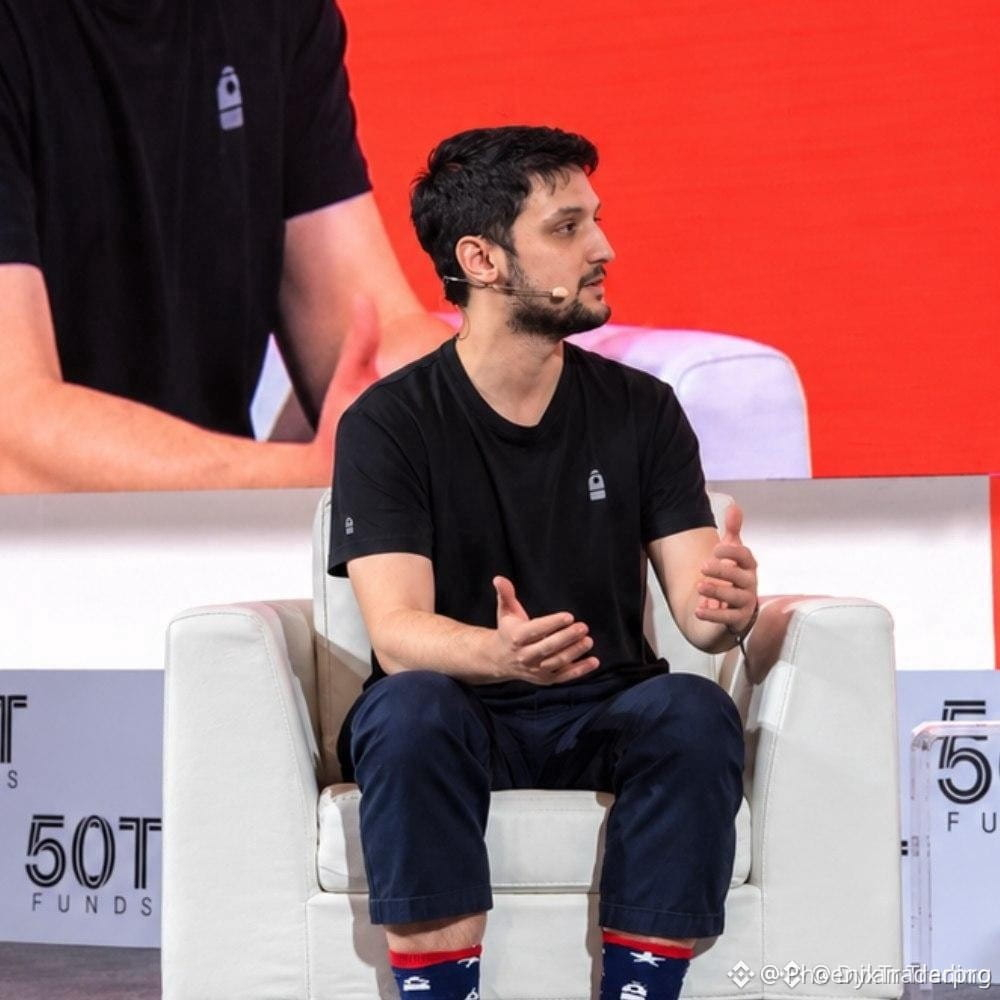
Traditional settlement friction is finally getting dismantled. Backpack CEO Armani Ferrante just announced a full transition to tokenized back-office rails, cutting weekend cash drag and delivering a 10-fold efficiency leap through near-instant clearing. 📊
When legacy brokerages face this level of speed, institutional capital doesn't wait around—it migrates to high-efficiency rails. Front-running this structural shift means watching order flow closely as infrastructure tokens like $NMR capture renewed liquidity bids. 🌊 💡
💬 Will legacy brokerages adapt in time, or are we witnessing the permanent migration of institutional capital to on-chain rails? 👇
⚠️ Not financial advice. Always manage your risk. 🛡️
🏷️ #NMR #Tokenization #DeFi #Crypto
⚡ 💎
🏦 BACKPACK SHIFTS TO TOKENIZED SETTLEMENT RAILS SPARKING A MASSIVE REPRICE FOR $NMR ! ⚡
Traditional settlement friction is finally getting dismantled. Backpack CEO Armani Ferrante just announced a full transition to tokenized back-office rails, cutting weekend cash drag and delivering a 10-fold efficiency leap through near-instant clearing. 📊
When legacy brokerages face this level of speed, institutional capital doesn't wait around—it migrates to high-efficiency rails. Front-running this structural shift means watching order flow closely as infrastructure tokens like $NMR capture renewed liquidity bids. 🌊 💡
💬 Will legacy brokerages adapt in time, or are we witnessing the permanent migration of institutional capital to on-chain rails? 👇
⚠️ Not financial advice. Always manage your risk. 🛡️
🏷️ #NMR #Tokenization #DeFi #Crypto
⚡ 💎
Traditional settlement friction is finally getting dismantled. Backpack CEO Armani Ferrante just announced a full transition to tokenized back-office rails, cutting weekend cash drag and delivering a 10-fold efficiency leap through near-instant clearing. 📊
When legacy brokerages face this level of speed, institutional capital doesn't wait around—it migrates to high-efficiency rails. Front-running this structural shift means watching order flow closely as infrastructure tokens like $NMR capture renewed liquidity bids. 🌊 💡
💬 Will legacy brokerages adapt in time, or are we witnessing the permanent migration of institutional capital to on-chain rails? 👇
⚠️ Not financial advice. Always manage your risk. 🛡️
🏷️ #NMR #Tokenization #DeFi #Crypto
⚡ 💎
26

🚨 $SOL LEADERSHIP PROJECTS 12 MONTH RECOVERY RUNWAY DESPITE AI ROTATION! 🚀
Smart capital might be flirting with AI right now, but the macro expansion story for crypto is far from finished. Solana Foundation Chair Lily Liu just laid out a massive 12-month runway for market recovery at Token2049, pointing directly at asset tokenization as the next true growth engine. 💡
Think about the structural picture: roughly 160 nations currently account for a measly 5% of global equity market cap. Tokenization isn't about fighting traditional brokerages, it's about unlocking global liquidity channels and beaming top-tier assets to untapped capital worldwide. 📊
💬 Will real-world asset tokenization be the primary catalyst driving the next leg of this multi-month expansion? 👇
⚠️ Not financial advice. Always manage your risk. 🛡️
🏷️ #SOL #Solana #Tokenization #Crypto
⚡ 💎
🚨 $SOL LEADERSHIP PROJECTS 12 MONTH RECOVERY RUNWAY DESPITE AI ROTATION! 🚀
Smart capital might be flirting with AI right now, but the macro expansion story for crypto is far from finished. Solana Foundation Chair Lily Liu just laid out a massive 12-month runway for market recovery at Token2049, pointing directly at asset tokenization as the next true growth engine. 💡
Think about the structural picture: roughly 160 nations currently account for a measly 5% of global equity market cap. Tokenization isn't about fighting traditional brokerages, it's about unlocking global liquidity channels and beaming top-tier assets to untapped capital worldwide. 📊
💬 Will real-world asset tokenization be the primary catalyst driving the next leg of this multi-month expansion? 👇
⚠️ Not financial advice. Always manage your risk. 🛡️
🏷️ #SOL #Solana #Tokenization #Crypto
⚡ 💎
Smart capital might be flirting with AI right now, but the macro expansion story for crypto is far from finished. Solana Foundation Chair Lily Liu just laid out a massive 12-month runway for market recovery at Token2049, pointing directly at asset tokenization as the next true growth engine. 💡
Think about the structural picture: roughly 160 nations currently account for a measly 5% of global equity market cap. Tokenization isn't about fighting traditional brokerages, it's about unlocking global liquidity channels and beaming top-tier assets to untapped capital worldwide. 📊
💬 Will real-world asset tokenization be the primary catalyst driving the next leg of this multi-month expansion? 👇
⚠️ Not financial advice. Always manage your risk. 🛡️
🏷️ #SOL #Solana #Tokenization #Crypto
⚡ 💎
17

Crypto’s quiet giant is getting very big.
No meme coin. No dramatic pump.
The stablecoin market has grown to roughly $313 BILLION.
And during September, more than $1 TRILLION in stablecoin trading volume moved through centralized exchanges. CoinDesk Data
Here’s what many newcomers misunderstand:
Stablecoins aren't designed to “go up.”
A dollar-backed stablecoin is generally designed to stay close to $1, making blockchain money easier to use for payments, transfers, settlement and moving between digital assets.
And another number caught my attention:
Tokenized-stock trading on-chain hit a record $15.6B in September. CoinDesk Data
Put those two trends together:
Digital dollars + tokenized real-world assets.
That's one reason the next phase of blockchain may look much more like everyday finance—and much less like simply watching coins pump.
#USDC #Tokenization #RWA #Blockchain #CryptoEducation
Crypto’s quiet giant is getting very big.
No meme coin. No dramatic pump.
The stablecoin market has grown to roughly $313 BILLION.
And during September, more than $1 TRILLION in stablecoin trading volume moved through centralized exchanges. CoinDesk Data
Here’s what many newcomers misunderstand:
Stablecoins aren't designed to “go up.”
A dollar-backed stablecoin is generally designed to stay close to $1 , making blockchain money easier to use for payments, transfers, settlement and moving between digital assets.
And another number caught my attention:
Tokenized-stock trading on-chain hit a record $15.6B in September. CoinDesk Data
Put those two trends together:
Digital dollars + tokenized real-world assets.
That's one reason the next phase of blockchain may look much more like everyday finance—and much less like simply watching coins pump.
#USDC #Tokenization #RWA #Blockchain #CryptoEducation
No meme coin. No dramatic pump.
The stablecoin market has grown to roughly $313 BILLION.
And during September, more than $1 TRILLION in stablecoin trading volume moved through centralized exchanges. CoinDesk Data
Here’s what many newcomers misunderstand:
Stablecoins aren't designed to “go up.”
A dollar-backed stablecoin is generally designed to stay close to $1 , making blockchain money easier to use for payments, transfers, settlement and moving between digital assets.
And another number caught my attention:
Tokenized-stock trading on-chain hit a record $15.6B in September. CoinDesk Data
Put those two trends together:
Digital dollars + tokenized real-world assets.
That's one reason the next phase of blockchain may look much more like everyday finance—and much less like simply watching coins pump.
#USDC #Tokenization #RWA #Blockchain #CryptoEducation
59
**A G7 government is putting its own debt on the blockchain.**
The UK has named six banks — Barclays, HSBC, Lloyds, Morgan Stanley, NatWest and RBC — as lead managers for its first digitally native government bond, the Digital Gilt Instrument (DIGIT). The pilot sits inside the UK's Digital Securities Sandbox and targets issuance in Q1 2027, with settlement happening onchain.
The sharp part: this is not a crypto startup. It is a treasury. Sovereign debt — the most conservative asset class on the planet — is about to be issued, traded and settled on a distributed ledger. HSBC is building the rails, and the London Stock Exchange is already wiring up a digital depository link.
Tokenization just graduated from experiments to government borrowing. How long before other G7 treasuries follow?
#Tokenization #CryptoNews #RWA
**A G7 government is putting its own debt on the blockchain.**
The UK has named six banks — Barclays, HSBC, Lloyds, Morgan Stanley, NatWest and RBC — as lead managers for its first digitally native government bond, the Digital Gilt Instrument (DIGIT). The pilot sits inside the UK's Digital Securities Sandbox and targets issuance in Q1 2027, with settlement happening onchain.
The sharp part: this is not a crypto startup. It is a treasury. Sovereign debt — the most conservative asset class on the planet — is about to be issued, traded and settled on a distributed ledger. HSBC is building the rails, and the London Stock Exchange is already wiring up a digital depository link.
Tokenization just graduated from experiments to government borrowing. How long before other G7 treasuries follow?
#Tokenization #CryptoNews #RWA
The UK has named six banks — Barclays, HSBC, Lloyds, Morgan Stanley, NatWest and RBC — as lead managers for its first digitally native government bond, the Digital Gilt Instrument (DIGIT). The pilot sits inside the UK's Digital Securities Sandbox and targets issuance in Q1 2027, with settlement happening onchain.
The sharp part: this is not a crypto startup. It is a treasury. Sovereign debt — the most conservative asset class on the planet — is about to be issued, traded and settled on a distributed ledger. HSBC is building the rails, and the London Stock Exchange is already wiring up a digital depository link.
Tokenization just graduated from experiments to government borrowing. How long before other G7 treasuries follow?
#Tokenization #CryptoNews #RWA

$3.8B. Or $3.2B.
Same market, same week. Two different "numbers" for tokenized stocks.
One media outlet called $3.8B a record, citing a data platform. An RWA tracker shows $3.20B in distributed value on Oct 5. The two datasets use different definitions, so the headline depends on who you ask. I couldn't fully reconcile them.
The bigger gap is what the token gives you.
bStocks are certificates. Binance says they give 1:1 exposure and dividends, but not shares, and not votes.
Ondo Stocks are issued by a BVI entity for eligible non-US investors. Third-party sources describe them as notes backed by securities (that part is lower-tier sourcing).
OKXICE says it will build tokens that carry the same rights as the shares. But on Oct 4 it only filed a notice with the SEC. It's a filing, not a launch.
Ondo ($927.3M) and bStocks ($855.3M) make up about 56% of the total. So the biggest products are exactly the ones without shareholder rights.
Now the part that doesn't fit "record." Monthly transfer volume is down 66.4% and monthly active addresses are down 84.3% from 30 days earlier. Holders are 4.26M, but those are addresses, not verified unique people.
Earlier, volume jumped 415% in 30 days while value grew only 1.45%. Activity can swing without new money coming in.
My read: the category is real and growing, but "record" is doing more work than the data supports. I wouldn't call this bullish or bearish yet. I'd read it as a reminder to check the definition and the issuer's terms first.
What I'm watching: distributed value, active addresses, and how OKXICE's 30-day objection period plays out.
When someone says "I own Apple on-chain," do you know which of the three they mean?
#TokenizedStocks #RWA #Tokenization #Binance
$ONDO $BNB $PLUME
$3.8B. Or $3.2B.
Same market, same week. Two different "numbers" for tokenized stocks.
One media outlet called $3.8B a record, citing a data platform. An RWA tracker shows $3.20B in distributed value on Oct 5. The two datasets use different definitions, so the headline depends on who you ask. I couldn't fully reconcile them.
The bigger gap is what the token gives you.
bStocks are certificates. Binance says they give 1:1 exposure and dividends, but not shares, and not votes.
Ondo Stocks are issued by a BVI entity for eligible non-US investors. Third-party sources describe them as notes backed by securities (that part is lower-tier sourcing).
OKXICE says it will build tokens that carry the same rights as the shares. But on Oct 4 it only filed a notice with the SEC. It's a filing, not a launch.
Ondo ($927.3M) and bStocks ($855.3M) make up about 56% of the total. So the biggest products are exactly the ones without shareholder rights.
Now the part that doesn't fit "record." Monthly transfer volume is down 66.4% and monthly active addresses are down 84.3% from 30 days earlier. Holders are 4.26M, but those are addresses, not verified unique people.
Earlier, volume jumped 415% in 30 days while value grew only 1.45%. Activity can swing without new money coming in.
My read: the category is real and growing, but "record" is doing more work than the data supports. I wouldn't call this bullish or bearish yet. I'd read it as a reminder to check the definition and the issuer's terms first.
What I'm watching: distributed value, active addresses, and how OKXICE's 30-day objection period plays out.
When someone says "I own Apple on-chain," do you know which of the three they mean?
#TokenizedStocks #RWA #Tokenization #Binance
$ONDO $BNB $PLUME
Same market, same week. Two different "numbers" for tokenized stocks.
One media outlet called $3.8B a record, citing a data platform. An RWA tracker shows $3.20B in distributed value on Oct 5. The two datasets use different definitions, so the headline depends on who you ask. I couldn't fully reconcile them.
The bigger gap is what the token gives you.
bStocks are certificates. Binance says they give 1:1 exposure and dividends, but not shares, and not votes.
Ondo Stocks are issued by a BVI entity for eligible non-US investors. Third-party sources describe them as notes backed by securities (that part is lower-tier sourcing).
OKXICE says it will build tokens that carry the same rights as the shares. But on Oct 4 it only filed a notice with the SEC. It's a filing, not a launch.
Ondo ($927.3M) and bStocks ($855.3M) make up about 56% of the total. So the biggest products are exactly the ones without shareholder rights.
Now the part that doesn't fit "record." Monthly transfer volume is down 66.4% and monthly active addresses are down 84.3% from 30 days earlier. Holders are 4.26M, but those are addresses, not verified unique people.
Earlier, volume jumped 415% in 30 days while value grew only 1.45%. Activity can swing without new money coming in.
My read: the category is real and growing, but "record" is doing more work than the data supports. I wouldn't call this bullish or bearish yet. I'd read it as a reminder to check the definition and the issuer's terms first.
What I'm watching: distributed value, active addresses, and how OKXICE's 30-day objection period plays out.
When someone says "I own Apple on-chain," do you know which of the three they mean?
#TokenizedStocks #RWA #Tokenization #Binance
$ONDO $BNB $PLUME

1
370
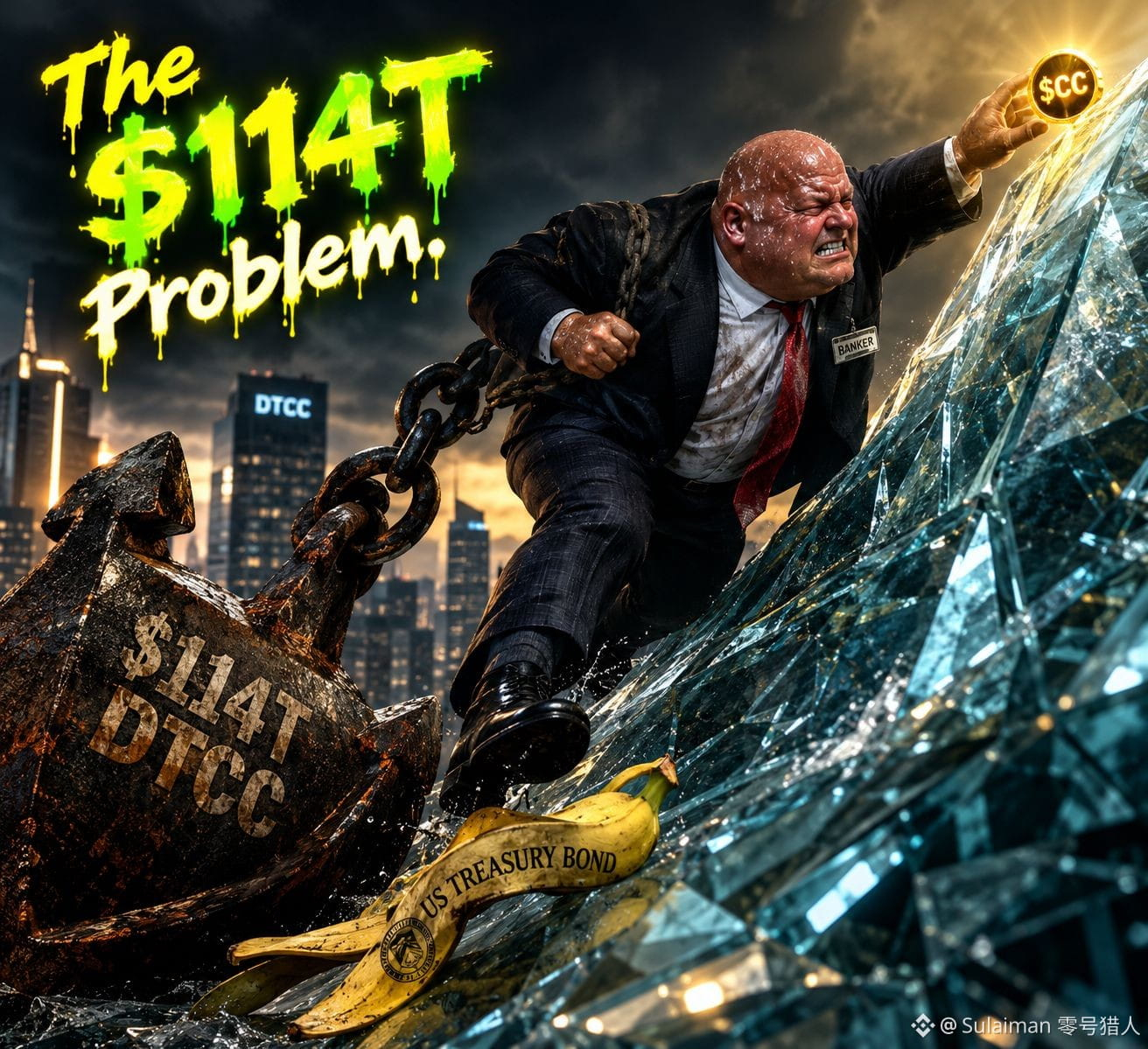
$114T.
That's the number going around with DTCC and Canton.
It's DTCC's custody total, not the amount tokenized.
What's actually planned is a commercial tokenized-asset service, starting with US Treasuries, due in October 2026. The exact date isn't confirmed. On Jul 15, DTCC ran trades with 30+ firms across Canton and Besu, its own private network. So Canton isn't the only rail.
That changes the question. It's not "will DTCC use Canton?" It's "will DTCC's activity burn CC?"
Fees on Canton are paid by burning CC. The network did about $1.88M in fees in 24 hours, the most of any chain. The weekly burn/mint ratio went from 0.16 in January to 0.72 by early September. That's real progress.
But 0.72 still means more CC is minted than burned. Digital Asset's whitepaper also lets featured app providers mint up to 100x the CC they burn as fees. And fees are priced in USD, so burn totals alone don't prove usage or price impact.
I found no source saying DTCC's flows pay CC fees. That's the missing number.
My read: the DTCC launch is already public news (the "October" timing has been out since May). What isn't public is the fee model. Until that's clear, "institutions on Canton" and "demand for CC" are two separate claims.
What I'm watching: the burn/mint ratio crossing 1 with DTCC activity visible, the launch date, and first-month volume. If DTCC's fees turn out to be negligible, I drop this.
If burn/mint crosses 1 and DTCC isn't the reason, is that still the DTCC story?
#Canton #DTCC #RWA #Tokenization
$CC $CFG $PLUME
$114T.
That's the number going around with DTCC and Canton.
It's DTCC's custody total, not the amount tokenized.
What's actually planned is a commercial tokenized-asset service, starting with US Treasuries, due in October 2026. The exact date isn't confirmed. On Jul 15, DTCC ran trades with 30+ firms across Canton and Besu, its own private network. So Canton isn't the only rail.
That changes the question. It's not "will DTCC use Canton?" It's "will DTCC's activity burn CC?"
Fees on Canton are paid by burning CC. The network did about $1.88M in fees in 24 hours, the most of any chain. The weekly burn/mint ratio went from 0.16 in January to 0.72 by early September. That's real progress.
But 0.72 still means more CC is minted than burned. Digital Asset's whitepaper also lets featured app providers mint up to 100x the CC they burn as fees. And fees are priced in USD, so burn totals alone don't prove usage or price impact.
I found no source saying DTCC's flows pay CC fees. That's the missing number.
My read: the DTCC launch is already public news (the "October" timing has been out since May). What isn't public is the fee model. Until that's clear, "institutions on Canton" and "demand for CC" are two separate claims.
What I'm watching: the burn/mint ratio crossing 1 with DTCC activity visible, the launch date, and first-month volume. If DTCC's fees turn out to be negligible, I drop this.
If burn/mint crosses 1 and DTCC isn't the reason, is that still the DTCC story?
#Canton #DTCC #RWA #Tokenization
$CC $CFG $PLUME
That's the number going around with DTCC and Canton.
It's DTCC's custody total, not the amount tokenized.
What's actually planned is a commercial tokenized-asset service, starting with US Treasuries, due in October 2026. The exact date isn't confirmed. On Jul 15, DTCC ran trades with 30+ firms across Canton and Besu, its own private network. So Canton isn't the only rail.
That changes the question. It's not "will DTCC use Canton?" It's "will DTCC's activity burn CC?"
Fees on Canton are paid by burning CC. The network did about $1.88M in fees in 24 hours, the most of any chain. The weekly burn/mint ratio went from 0.16 in January to 0.72 by early September. That's real progress.
But 0.72 still means more CC is minted than burned. Digital Asset's whitepaper also lets featured app providers mint up to 100x the CC they burn as fees. And fees are priced in USD, so burn totals alone don't prove usage or price impact.
I found no source saying DTCC's flows pay CC fees. That's the missing number.
My read: the DTCC launch is already public news (the "October" timing has been out since May). What isn't public is the fee model. Until that's clear, "institutions on Canton" and "demand for CC" are two separate claims.
What I'm watching: the burn/mint ratio crossing 1 with DTCC activity visible, the launch date, and first-month volume. If DTCC's fees turn out to be negligible, I drop this.
If burn/mint crosses 1 and DTCC isn't the reason, is that still the DTCC story?
#Canton #DTCC #RWA #Tokenization
$CC $CFG $PLUME
1
61

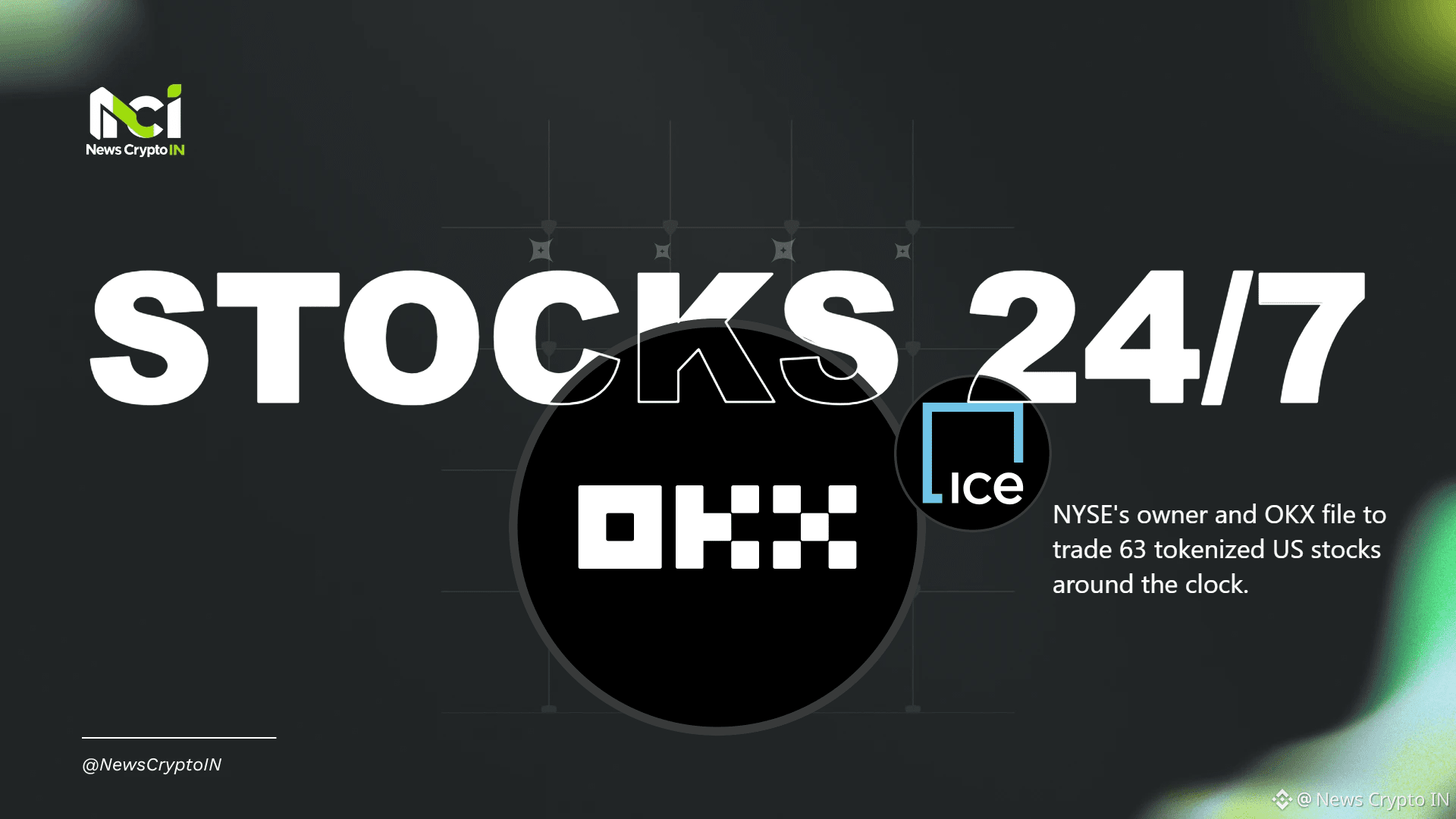
NYSE's parent company and OKX just filed to trade tokenized US stocks 24/7.
OKXICE, a 50/50 joint venture between ICE and OKX, notified the SEC on Oct 4 that it plans a Tokenized Securities Venue for 63 NYSE-listed names, including Nvidia, Apple, Microsoft, Tesla and JPMorgan. It runs under the SEC's new five-year "Innovation Exemption", issued Sept 17, which lets permissioned on-chain venues trade tokenized stocks without registering as an exchange.
How it works:
- Tokens must be backed by the underlying shares, minted and redeemed through the tokenizer's broker-dealer, in dollars or an approved payment stablecoin.
- Trading happens in permissioned Uniswap v4 pools on OKX's XLayer.
- Access is gated by non-transferable "soulbound" tokens issued after KYC/AML.
- Issuers get a 30-day window to object, so the earliest launch is early November.
Here's what deserves a harder look:
- It's opt-out, not opt-in. The companies whose stock gets tokenized didn't ask for this; they just get 30 days to say no.
- When NYSE is closed, price discovery for Apple moves into an AMM pool. Weekend news, thin liquidity, and a Monday open can make for ugly gaps.
- "DeFi" here means Uniswap code inside a walled garden. Permissioned pools with KYC tokens are closer to a new exchange than to open finance.
The fair counterpoint: backing by real shares, a regulated broker-dealer, and NYSE's parent behind it is a far stronger setup than the offshore "stock tokens" retail has been using.
Would you trade Nvidia on a Sunday night in an AMM pool, or wait for the bell?
Hit like and follow if you want tokenization news without the marketing gloss.
#Tokenization #OKX
NYSE's parent company and OKX just filed to trade tokenized US stocks 24/7.
OKXICE, a 50/50 joint venture between ICE and OKX, notified the SEC on Oct 4 that it plans a Tokenized Securities Venue for 63 NYSE-listed names, including Nvidia, Apple, Microsoft, Tesla and JPMorgan. It runs under the SEC's new five-year "Innovation Exemption", issued Sept 17, which lets permissioned on-chain venues trade tokenized stocks without registering as an exchange.
How it works:
- Tokens must be backed by the underlying shares, minted and redeemed through the tokenizer's broker-dealer, in dollars or an approved payment stablecoin.
- Trading happens in permissioned Uniswap v4 pools on OKX's XLayer.
- Access is gated by non-transferable "soulbound" tokens issued after KYC/AML.
- Issuers get a 30-day window to object, so the earliest launch is early November.
Here's what deserves a harder look:
- It's opt-out, not opt-in. The companies whose stock gets tokenized didn't ask for this; they just get 30 days to say no.
- When NYSE is closed, price discovery for Apple moves into an AMM pool. Weekend news, thin liquidity, and a Monday open can make for ugly gaps.
- "DeFi" here means Uniswap code inside a walled garden. Permissioned pools with KYC tokens are closer to a new exchange than to open finance.
The fair counterpoint: backing by real shares, a regulated broker-dealer, and NYSE's parent behind it is a far stronger setup than the offshore "stock tokens" retail has been using.
Would you trade Nvidia on a Sunday night in an AMM pool, or wait for the bell?
Hit like and follow if you want tokenization news without the marketing gloss.
#Tokenization #OKX
OKXICE, a 50/50 joint venture between ICE and OKX, notified the SEC on Oct 4 that it plans a Tokenized Securities Venue for 63 NYSE-listed names, including Nvidia, Apple, Microsoft, Tesla and JPMorgan. It runs under the SEC's new five-year "Innovation Exemption", issued Sept 17, which lets permissioned on-chain venues trade tokenized stocks without registering as an exchange.
How it works:
- Tokens must be backed by the underlying shares, minted and redeemed through the tokenizer's broker-dealer, in dollars or an approved payment stablecoin.
- Trading happens in permissioned Uniswap v4 pools on OKX's XLayer.
- Access is gated by non-transferable "soulbound" tokens issued after KYC/AML.
- Issuers get a 30-day window to object, so the earliest launch is early November.
Here's what deserves a harder look:
- It's opt-out, not opt-in. The companies whose stock gets tokenized didn't ask for this; they just get 30 days to say no.
- When NYSE is closed, price discovery for Apple moves into an AMM pool. Weekend news, thin liquidity, and a Monday open can make for ugly gaps.
- "DeFi" here means Uniswap code inside a walled garden. Permissioned pools with KYC tokens are closer to a new exchange than to open finance.
The fair counterpoint: backing by real shares, a regulated broker-dealer, and NYSE's parent behind it is a far stronger setup than the offshore "stock tokens" retail has been using.
Would you trade Nvidia on a Sunday night in an AMM pool, or wait for the bell?
Hit like and follow if you want tokenization news without the marketing gloss.
#Tokenization #OKX
1
278

·
--
Article
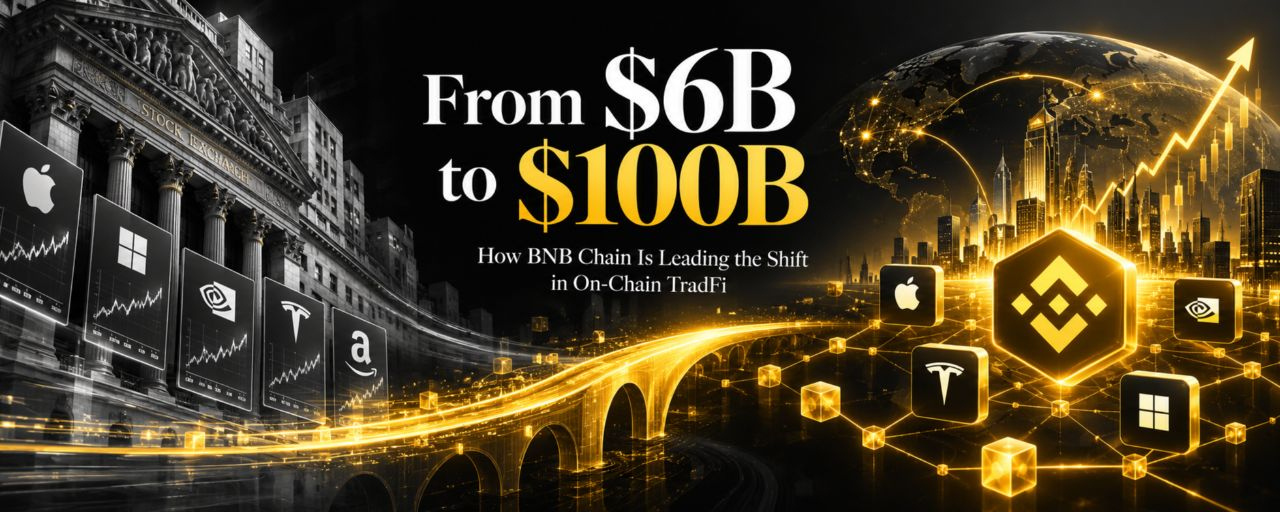
From $6B to $100B: Tokenized Stocks Are Becoming a Real On-Chain MarketAt the beginning of 2026, tokenized stocks were still a relatively small part of the on-chain economy.
In Q1, on-chain transfers of tokenized stocks were around $6 billion.
By Q3, that number had jumped to more than $100 billion.
That is a huge change in just a few months.
But the most interesting part is not simply that the number went up. It is what that growth tells us about how people are starting to use blockchain.
For a long time, most people associated on-chain activity with crypto-native assets: Bitcoin, altcoins, memecoins, NFTs and DeFi tokens.
Traditional assets like stocks mostly stayed inside traditional financial systems.
Tokenization is starting to change that.
Stocks are becoming part of the on-chain economy
A tokenized stock brings exposure to a traditional stock onto blockchain infrastructure.
This means the same type of networks that people already use for crypto can also become rails for traditional financial assets.
And when transfers grow from $6 billion to more than $100 billion in two quarters, it suggests something important:
People are not only buying tokenized stocks and leaving them untouched. They are actually moving and using them on-chain.
That is where this becomes bigger than another crypto trend.
We are starting to see blockchain move from being an alternative financial system into infrastructure that can connect crypto and traditional finance.
Where BNB Chain fits into this
BNB Chain has become one of the biggest beneficiaries of this shift.
It now leads the tokenized-stock market in both market capitalization and number of holders.
That matters because adoption is not just about how much money exists on a blockchain. It is also about whether people are actually using it.
This is where products such as bStocks become interesting.
bStocks has become the fastest-growing tokenized-stock product of 2026 and the most transferred tokenized-stock product on-chain.
In simple terms, people are not treating these assets like something that exists only on paper.
They are moving them.
They are trading them.
They are bringing traditional market exposure into an ecosystem that already operates on-chain.
And BNB Chain is becoming one of the main networks where that activity is happening.
From the “crypto world” to a wider financial network
I think this is the bigger story behind the $100 billion figure.
The early blockchain economy was largely built around assets that were created on the internet.
Now we are seeing assets from the traditional financial world enter the same infrastructure.
Stocks are joining stablecoins, crypto assets and DeFi applications on-chain.
That starts to change what a blockchain network represents.
Instead of being a separate “crypto economy”, it can become part of a broader financial network where different kinds of assets can exist and interact on the same rails.
There is still a long way to go. Tokenized stocks remain small compared with the traditional global stock market, and regulation, accessibility and infrastructure will continue to shape how quickly they grow.
But moving from roughly $6 billion in transfers in Q1 to over $100 billion in Q3 is difficult to ignore.
It shows that the shift is already happening.
And with BNB Chain leading in tokenized-stock value and holders, while bStocks continues to grow rapidly, BNB Chain is positioning itself right at the center of that transition.
The next phase of on-chain finance may not be about bringing more people into a separate crypto world.
It may be about bringing more of the financial world itself on-chain.
#BNBCHAİN #BStocks #RWA #Tokenization @Binance_Angels
From $6B to $100B: Tokenized Stocks Are Becoming a Real On-Chain Market
At the beginning of 2026, tokenized stocks were still a relatively small part of the on-chain economy.
In Q1, on-chain transfers of tokenized stocks were around $6 billion.
By Q3, that number had jumped to more than $100 billion.
That is a huge change in just a few months.
But the most interesting part is not simply that the number went up. It is what that growth tells us about how people are starting to use blockchain.
For a long time, most people associated on-chain activity with crypto-native assets: Bitcoin, altcoins, memecoins, NFTs and DeFi tokens.
Traditional assets like stocks mostly stayed inside traditional financial systems.
Tokenization is starting to change that.
Stocks are becoming part of the on-chain economy
A tokenized stock brings exposure to a traditional stock onto blockchain infrastructure.
This means the same type of networks that people already use for crypto can also become rails for traditional financial assets.
And when transfers grow from $6 billion to more than $100 billion in two quarters, it suggests something important:
People are not only buying tokenized stocks and leaving them untouched. They are actually moving and using them on-chain.
That is where this becomes bigger than another crypto trend.
We are starting to see blockchain move from being an alternative financial system into infrastructure that can connect crypto and traditional finance.
Where BNB Chain fits into this
BNB Chain has become one of the biggest beneficiaries of this shift.
It now leads the tokenized-stock market in both market capitalization and number of holders.
That matters because adoption is not just about how much money exists on a blockchain. It is also about whether people are actually using it.
This is where products such as bStocks become interesting.
bStocks has become the fastest-growing tokenized-stock product of 2026 and the most transferred tokenized-stock product on-chain.
In simple terms, people are not treating these assets like something that exists only on paper.
They are moving them.
They are trading them.
They are bringing traditional market exposure into an ecosystem that already operates on-chain.
And BNB Chain is becoming one of the main networks where that activity is happening.
From the “crypto world” to a wider financial network
I think this is the bigger story behind the $100 billion figure.
The early blockchain economy was largely built around assets that were created on the internet.
Now we are seeing assets from the traditional financial world enter the same infrastructure.
Stocks are joining stablecoins, crypto assets and DeFi applications on-chain.
That starts to change what a blockchain network represents.
Instead of being a separate “crypto economy”, it can become part of a broader financial network where different kinds of assets can exist and interact on the same rails.
There is still a long way to go. Tokenized stocks remain small compared with the traditional global stock market, and regulation, accessibility and infrastructure will continue to shape how quickly they grow.
But moving from roughly $6 billion in transfers in Q1 to over $100 billion in Q3 is difficult to ignore.
It shows that the shift is already happening.
And with BNB Chain leading in tokenized-stock value and holders, while bStocks continues to grow rapidly, BNB Chain is positioning itself right at the center of that transition.
The next phase of on-chain finance may not be about bringing more people into a separate crypto world.
It may be about bringing more of the financial world itself on-chain.
#BNBCHAİN #BStocks #RWA #Tokenization @Binance Angels
In Q1, on-chain transfers of tokenized stocks were around $6 billion.
By Q3, that number had jumped to more than $100 billion.
That is a huge change in just a few months.
But the most interesting part is not simply that the number went up. It is what that growth tells us about how people are starting to use blockchain.
For a long time, most people associated on-chain activity with crypto-native assets: Bitcoin, altcoins, memecoins, NFTs and DeFi tokens.
Traditional assets like stocks mostly stayed inside traditional financial systems.
Tokenization is starting to change that.
Stocks are becoming part of the on-chain economy
A tokenized stock brings exposure to a traditional stock onto blockchain infrastructure.
This means the same type of networks that people already use for crypto can also become rails for traditional financial assets.
And when transfers grow from $6 billion to more than $100 billion in two quarters, it suggests something important:
People are not only buying tokenized stocks and leaving them untouched. They are actually moving and using them on-chain.
That is where this becomes bigger than another crypto trend.
We are starting to see blockchain move from being an alternative financial system into infrastructure that can connect crypto and traditional finance.
Where BNB Chain fits into this
BNB Chain has become one of the biggest beneficiaries of this shift.
It now leads the tokenized-stock market in both market capitalization and number of holders.
That matters because adoption is not just about how much money exists on a blockchain. It is also about whether people are actually using it.
This is where products such as bStocks become interesting.
bStocks has become the fastest-growing tokenized-stock product of 2026 and the most transferred tokenized-stock product on-chain.
In simple terms, people are not treating these assets like something that exists only on paper.
They are moving them.
They are trading them.
They are bringing traditional market exposure into an ecosystem that already operates on-chain.
And BNB Chain is becoming one of the main networks where that activity is happening.
From the “crypto world” to a wider financial network
I think this is the bigger story behind the $100 billion figure.
The early blockchain economy was largely built around assets that were created on the internet.
Now we are seeing assets from the traditional financial world enter the same infrastructure.
Stocks are joining stablecoins, crypto assets and DeFi applications on-chain.
That starts to change what a blockchain network represents.
Instead of being a separate “crypto economy”, it can become part of a broader financial network where different kinds of assets can exist and interact on the same rails.
There is still a long way to go. Tokenized stocks remain small compared with the traditional global stock market, and regulation, accessibility and infrastructure will continue to shape how quickly they grow.
But moving from roughly $6 billion in transfers in Q1 to over $100 billion in Q3 is difficult to ignore.
It shows that the shift is already happening.
And with BNB Chain leading in tokenized-stock value and holders, while bStocks continues to grow rapidly, BNB Chain is positioning itself right at the center of that transition.
The next phase of on-chain finance may not be about bringing more people into a separate crypto world.
It may be about bringing more of the financial world itself on-chain.
#BNBCHAİN #BStocks #RWA #Tokenization @Binance Angels
1
121

The UK is taking a massive leap into tokenized sovereign debt by selecting six major banks to spearhead its first digitally native government bond pilot. Set for early 2027, the DIGIT initiative proves that distributed ledger technology and on-chain settlement are no longer just for crypto natives. Traditional finance is aggressively modernizing market infrastructure. As sovereign debt moves on-chain, the barrier between legacy banking and decentralized technology continues to blur permanently. #RWA #Tokenization #CryptoNews
The UK is taking a massive leap into tokenized sovereign debt by selecting six major banks to spearhead its first digitally native government bond pilot. Set for early 2027, the DIGIT initiative proves that distributed ledger technology and on-chain settlement are no longer just for crypto natives. Traditional finance is aggressively modernizing market infrastructure. As sovereign debt moves on-chain, the barrier between legacy banking and decentralized technology continues to blur permanently. #RWA #Tokenization #CryptoNews
Log in to explore more content
Join global crypto users on Binance Square
⚡️ Get latest and useful information about crypto.
💬 Trusted by the world’s largest crypto exchange.
👍 Discover real insights from verified creators.
Email / Phone number
Trending Topics
1
#FedMinutesFocusOnOctoberPause
126,803 views
1,163 Discussing
2
#BinanceLaunchesBinanceIntelligence
1.1M views
6,367 Discussing
3
#EvernorthDelaysNasdaqDebutToOct12
8,931 views
244 Discussing
4
#RobinhoodAdds$25MInBitcoinToBalanceSheet
2,726 views
60 Discussing
5
#SP500AndNasdaqHitRecordHighs
17,104 views
440 Discussing
6
#USMortgageRatesRiseTo7.49%
20,210 views
352 Discussing
7
#BTCFallsBelow$84K
114,227 views
228 Discussing
8
#DubaiVARAIssuesReserveAssetAuditCircular
42,987 views
929 Discussing
9
#SECApproves3XBitcoinETF
40,374 views
760 Discussing
10
#WinklevossFilesSpotZcashETFApplication
48,533 views
860 Discussing