


Sulaiman 零号猎人
I research RWA & micro-caps and check the facts before trusting a project. Open to collabs. X : @ZeroSulaiman
Open Trade
Frequent Trader
6.2 Years
155 Following
2.3K+ Followers
2.7K+ Liked
Posts
Portfolio
All
Quotes
Live



CipherX 零号
·
--
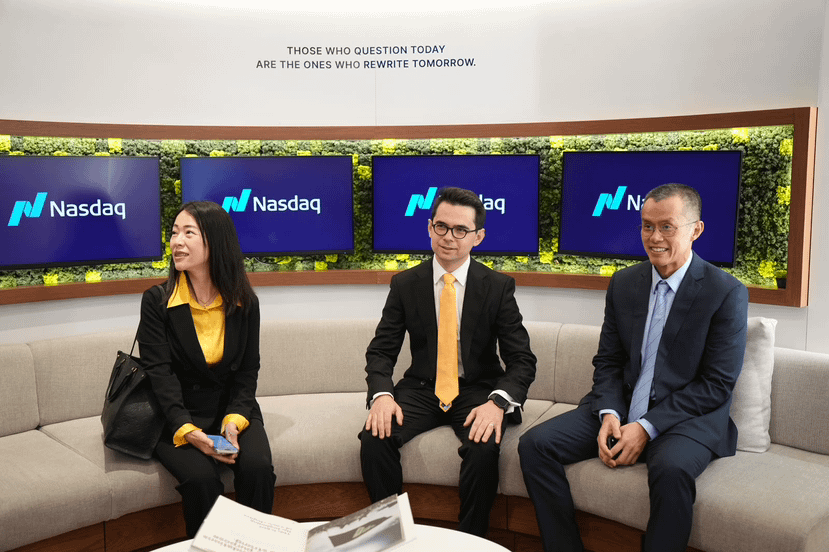
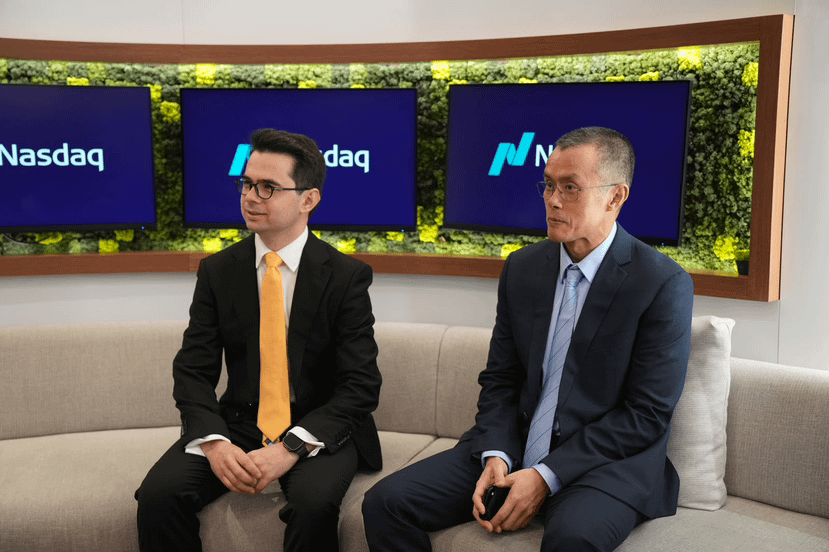
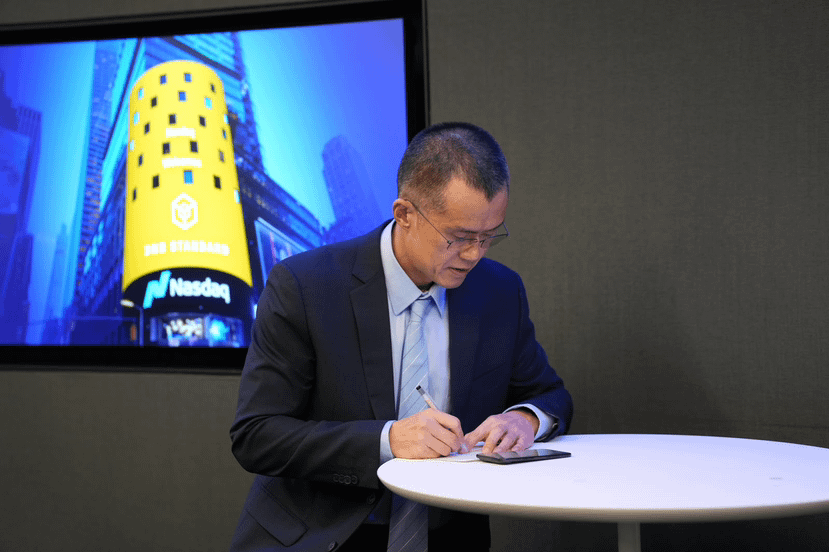
The team's here. CEO @odagius, BNB Standard's board and leadership are at Nasdaq MarketSite for this morning's Opening Bell. $BNC @NasdaqExchange

Solana Diva
·
--
When everyone goes to sleep, I open a company’s earnings report.
Nobody watches. Nobody likes it.
But those pages show whether what the price says and what the company is doing actually match.
Now Binance Pick has turned that same habit into a contest. Predict how big companies will perform. Collect points. There’s even a 1,000,000 USDC prize pool.
I have one rule of my own: read the previous report before making a prediction.
“It’ll be good” is easy to say. Saying why means understanding where the earnings come from.
The same goes for crypto.
Everyone has heard the ENA buyback story. But the buyback only starts when USDe supply reaches $7.5B. The announcement doesn’t tell you much. The number does.
Company or protocol, I look at earnings first. Then the price.
When you open a report, what do you check first: the earnings number, or the outlook for the next quarter?
Not financial advice. DYOR.
#binancepick #EarningsSeason #SolanaDiva
$ENA
$KAT
$POLYX
Nobody watches. Nobody likes it.
But those pages show whether what the price says and what the company is doing actually match.
Now Binance Pick has turned that same habit into a contest. Predict how big companies will perform. Collect points. There’s even a 1,000,000 USDC prize pool.
I have one rule of my own: read the previous report before making a prediction.
“It’ll be good” is easy to say. Saying why means understanding where the earnings come from.
The same goes for crypto.
Everyone has heard the ENA buyback story. But the buyback only starts when USDe supply reaches $7.5B. The announcement doesn’t tell you much. The number does.
Company or protocol, I look at earnings first. Then the price.
When you open a report, what do you check first: the earnings number, or the outlook for the next quarter?
Not financial advice. DYOR.
#binancepick #EarningsSeason #SolanaDiva
$ENA
$KAT
$POLYX


Fabi_4043
·
--
Have a great weekend 🙋♀️🙋♀️
Like and follow 🧧🧧🧧🧧
$BTC
#BinancePick
#BinancePick
Like and follow 🧧🧧🧧🧧
$BTC
#BinancePick
#BinancePick

🎙️ Zero Hunters Crypto Lounge 🎯 | Historic Bengali Hangout

End
02 h 22 m 28 s
76
0
Fabi_4043
·
--
Have a great weekend 🙋♀️🙋♀️
Like and follow 🧧🧧🧧🧧
$BTC
#BinancePick
#BinancePick
Like and follow 🧧🧧🧧🧧
$BTC
#BinancePick
#BinancePick
Fabi_4043
·
--
Have a great weekend 🙋♀️🙋♀️
Like and follow 🧧🧧🧧🧧
$BTC
#BinancePick
#BinancePick
Like and follow 🧧🧧🧧🧧
$BTC
#BinancePick
#BinancePick
Sulaiman 零号猎人
·
--
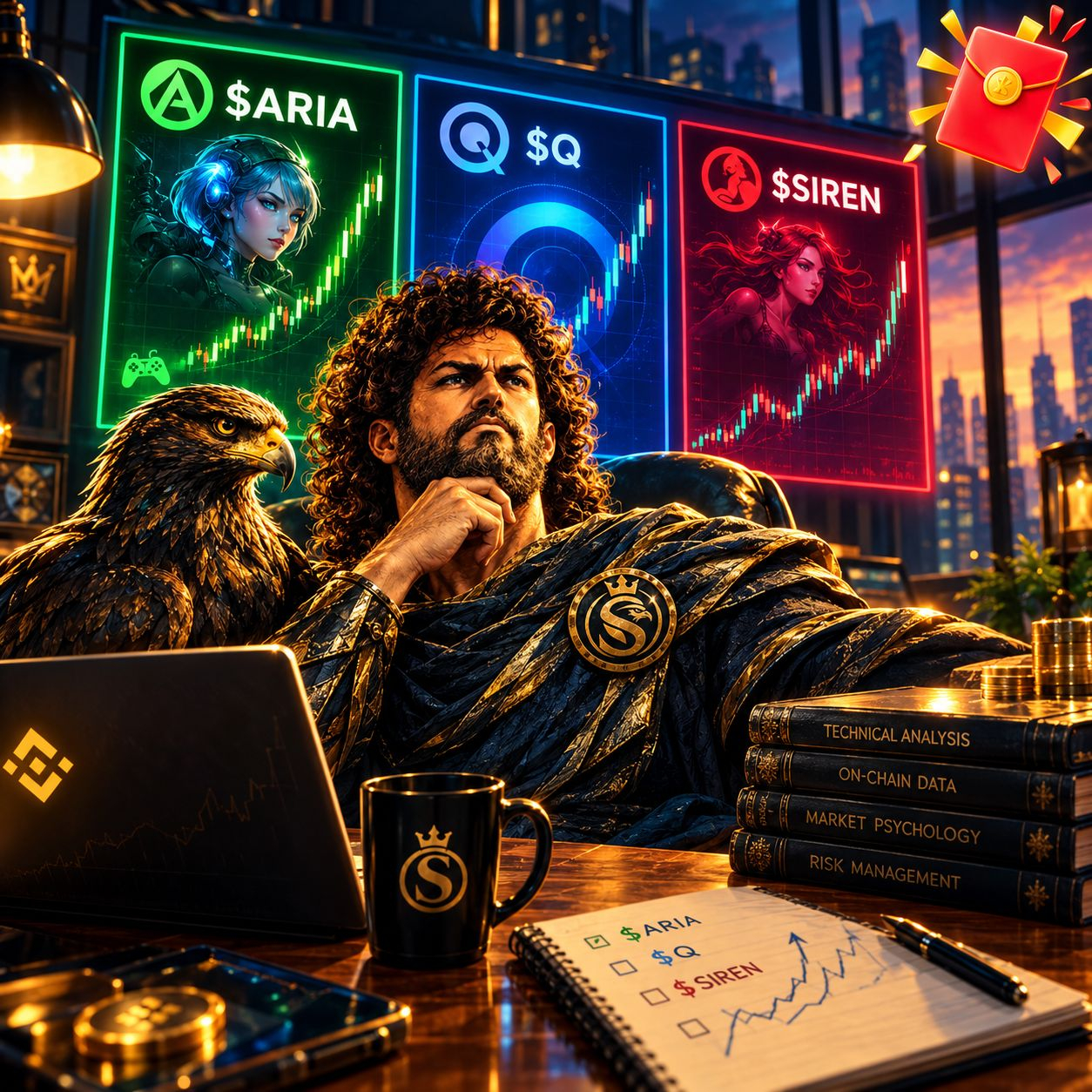
Three Tokens Are Moving. But Which One Deserves Your Attention? 🔥
A strong green candle can attract traders. But what makes people stay when the excitement fades?
Look at these three very different market stories.
🟢 $ARIA — The AI Gaming Bet
AI and gaming are powerful narratives. But can ARIA turn that attention into lasting demand? The real test is adoption, not just price action.
🔵 $Q — The Comeback Question
After a sharp rally, the big question is whether buyers can defend the move. Is this the beginning of a stronger trend, or will profit-taking take control?
🔴 $SIREN— Momentum vs. Reality
SIREN has shown explosive price swings. Can renewed interest build into sustained momentum, or is the market getting ahead of itself?
Here’s my take as ZeroHunter 🎯
A token making a big move doesn't automatically make it a great opportunity. Sometimes the most interesting question isn't how high it can go—it's whether demand can survive after the hype.
👇 Let's put the community to the test!
If you could investigate only ONE of these three for the next market cycle, which would you choose?
🟢 ARIA — AI & Gaming
🔵 Q — The next big move?
🔴 $SIREN — High-volatility momentum
Comment your pick and tell me WHY. I want your reasoning, not just your favorite ticker.
— ZeroHunter 🎯
Study the narrative. Check the evidence. Never mistake a green candle for proof.
#BinanceSquare #ZeroHunter #siren #Q #RedpecketReward
A strong green candle can attract traders. But what makes people stay when the excitement fades?
Look at these three very different market stories.
🟢 $ARIA — The AI Gaming Bet
AI and gaming are powerful narratives. But can ARIA turn that attention into lasting demand? The real test is adoption, not just price action.
🔵 $Q — The Comeback Question
After a sharp rally, the big question is whether buyers can defend the move. Is this the beginning of a stronger trend, or will profit-taking take control?
🔴 $SIREN— Momentum vs. Reality
SIREN has shown explosive price swings. Can renewed interest build into sustained momentum, or is the market getting ahead of itself?
Here’s my take as ZeroHunter 🎯
A token making a big move doesn't automatically make it a great opportunity. Sometimes the most interesting question isn't how high it can go—it's whether demand can survive after the hype.
👇 Let's put the community to the test!
If you could investigate only ONE of these three for the next market cycle, which would you choose?
🟢 ARIA — AI & Gaming
🔵 Q — The next big move?
🔴 $SIREN — High-volatility momentum
Comment your pick and tell me WHY. I want your reasoning, not just your favorite ticker.
— ZeroHunter 🎯
Study the narrative. Check the evidence. Never mistake a green candle for proof.
#BinanceSquare #ZeroHunter #siren #Q #RedpecketReward
Sulaiman 零号猎人
·
--
Three Tokens Are Moving. But Which One Deserves Your Attention? 🔥
A strong green candle can attract traders. But what makes people stay when the excitement fades?
Look at these three very different market stories.
🟢 $ARIA — The AI Gaming Bet
AI and gaming are powerful narratives. But can ARIA turn that attention into lasting demand? The real test is adoption, not just price action.
🔵 $Q — The Comeback Question
After a sharp rally, the big question is whether buyers can defend the move. Is this the beginning of a stronger trend, or will profit-taking take control?
🔴 $SIREN— Momentum vs. Reality
SIREN has shown explosive price swings. Can renewed interest build into sustained momentum, or is the market getting ahead of itself?
Here’s my take as ZeroHunter 🎯
A token making a big move doesn't automatically make it a great opportunity. Sometimes the most interesting question isn't how high it can go—it's whether demand can survive after the hype.
👇 Let's put the community to the test!
If you could investigate only ONE of these three for the next market cycle, which would you choose?
🟢 ARIA — AI & Gaming
🔵 Q — The next big move?
🔴 $SIREN — High-volatility momentum
Comment your pick and tell me WHY. I want your reasoning, not just your favorite ticker.
— ZeroHunter 🎯
Study the narrative. Check the evidence. Never mistake a green candle for proof.
#BinanceSquare #ZeroHunter #siren #Q #RedpecketReward
A strong green candle can attract traders. But what makes people stay when the excitement fades?
Look at these three very different market stories.
🟢 $ARIA — The AI Gaming Bet
AI and gaming are powerful narratives. But can ARIA turn that attention into lasting demand? The real test is adoption, not just price action.
🔵 $Q — The Comeback Question
After a sharp rally, the big question is whether buyers can defend the move. Is this the beginning of a stronger trend, or will profit-taking take control?
🔴 $SIREN— Momentum vs. Reality
SIREN has shown explosive price swings. Can renewed interest build into sustained momentum, or is the market getting ahead of itself?
Here’s my take as ZeroHunter 🎯
A token making a big move doesn't automatically make it a great opportunity. Sometimes the most interesting question isn't how high it can go—it's whether demand can survive after the hype.
👇 Let's put the community to the test!
If you could investigate only ONE of these three for the next market cycle, which would you choose?
🟢 ARIA — AI & Gaming
🔵 Q — The next big move?
🔴 $SIREN — High-volatility momentum
Comment your pick and tell me WHY. I want your reasoning, not just your favorite ticker.
— ZeroHunter 🎯
Study the narrative. Check the evidence. Never mistake a green candle for proof.
#BinanceSquare #ZeroHunter #siren #Q #RedpecketReward
Sulaiman 零号猎人
·
--
Three Tokens Are Moving. But Which One Deserves Your Attention? 🔥
A strong green candle can attract traders. But what makes people stay when the excitement fades?
Look at these three very different market stories.
🟢 $ARIA — The AI Gaming Bet
AI and gaming are powerful narratives. But can ARIA turn that attention into lasting demand? The real test is adoption, not just price action.
🔵 $Q — The Comeback Question
After a sharp rally, the big question is whether buyers can defend the move. Is this the beginning of a stronger trend, or will profit-taking take control?
🔴 $SIREN— Momentum vs. Reality
SIREN has shown explosive price swings. Can renewed interest build into sustained momentum, or is the market getting ahead of itself?
Here’s my take as ZeroHunter 🎯
A token making a big move doesn't automatically make it a great opportunity. Sometimes the most interesting question isn't how high it can go—it's whether demand can survive after the hype.
👇 Let's put the community to the test!
If you could investigate only ONE of these three for the next market cycle, which would you choose?
🟢 ARIA — AI & Gaming
🔵 Q — The next big move?
🔴 $SIREN — High-volatility momentum
Comment your pick and tell me WHY. I want your reasoning, not just your favorite ticker.
— ZeroHunter 🎯
Study the narrative. Check the evidence. Never mistake a green candle for proof.
#BinanceSquare #ZeroHunter #siren #Q #RedpecketReward
A strong green candle can attract traders. But what makes people stay when the excitement fades?
Look at these three very different market stories.
🟢 $ARIA — The AI Gaming Bet
AI and gaming are powerful narratives. But can ARIA turn that attention into lasting demand? The real test is adoption, not just price action.
🔵 $Q — The Comeback Question
After a sharp rally, the big question is whether buyers can defend the move. Is this the beginning of a stronger trend, or will profit-taking take control?
🔴 $SIREN— Momentum vs. Reality
SIREN has shown explosive price swings. Can renewed interest build into sustained momentum, or is the market getting ahead of itself?
Here’s my take as ZeroHunter 🎯
A token making a big move doesn't automatically make it a great opportunity. Sometimes the most interesting question isn't how high it can go—it's whether demand can survive after the hype.
👇 Let's put the community to the test!
If you could investigate only ONE of these three for the next market cycle, which would you choose?
🟢 ARIA — AI & Gaming
🔵 Q — The next big move?
🔴 $SIREN — High-volatility momentum
Comment your pick and tell me WHY. I want your reasoning, not just your favorite ticker.
— ZeroHunter 🎯
Study the narrative. Check the evidence. Never mistake a green candle for proof.
#BinanceSquare #ZeroHunter #siren #Q #RedpecketReward
Sulaiman 零号猎人
·
--
Three Tokens Are Moving. But Which One Deserves Your Attention? 🔥
A strong green candle can attract traders. But what makes people stay when the excitement fades?
Look at these three very different market stories.
🟢 $ARIA — The AI Gaming Bet
AI and gaming are powerful narratives. But can ARIA turn that attention into lasting demand? The real test is adoption, not just price action.
🔵 $Q — The Comeback Question
After a sharp rally, the big question is whether buyers can defend the move. Is this the beginning of a stronger trend, or will profit-taking take control?
🔴 $SIREN— Momentum vs. Reality
SIREN has shown explosive price swings. Can renewed interest build into sustained momentum, or is the market getting ahead of itself?
Here’s my take as ZeroHunter 🎯
A token making a big move doesn't automatically make it a great opportunity. Sometimes the most interesting question isn't how high it can go—it's whether demand can survive after the hype.
👇 Let's put the community to the test!
If you could investigate only ONE of these three for the next market cycle, which would you choose?
🟢 ARIA — AI & Gaming
🔵 Q — The next big move?
🔴 $SIREN — High-volatility momentum
Comment your pick and tell me WHY. I want your reasoning, not just your favorite ticker.
— ZeroHunter 🎯
Study the narrative. Check the evidence. Never mistake a green candle for proof.
#BinanceSquare #ZeroHunter #siren #Q #RedpecketReward
A strong green candle can attract traders. But what makes people stay when the excitement fades?
Look at these three very different market stories.
🟢 $ARIA — The AI Gaming Bet
AI and gaming are powerful narratives. But can ARIA turn that attention into lasting demand? The real test is adoption, not just price action.
🔵 $Q — The Comeback Question
After a sharp rally, the big question is whether buyers can defend the move. Is this the beginning of a stronger trend, or will profit-taking take control?
🔴 $SIREN— Momentum vs. Reality
SIREN has shown explosive price swings. Can renewed interest build into sustained momentum, or is the market getting ahead of itself?
Here’s my take as ZeroHunter 🎯
A token making a big move doesn't automatically make it a great opportunity. Sometimes the most interesting question isn't how high it can go—it's whether demand can survive after the hype.
👇 Let's put the community to the test!
If you could investigate only ONE of these three for the next market cycle, which would you choose?
🟢 ARIA — AI & Gaming
🔵 Q — The next big move?
🔴 $SIREN — High-volatility momentum
Comment your pick and tell me WHY. I want your reasoning, not just your favorite ticker.
— ZeroHunter 🎯
Study the narrative. Check the evidence. Never mistake a green candle for proof.
#BinanceSquare #ZeroHunter #siren #Q #RedpecketReward
🎙️ Zero Hunters Crypto Lounge 🎯 | Historic Bengali Hangout

End
05 h 15 m 47 s
181
0
光明社区关山
·
--
Success is within reach,
shall we make a push?
Lucy is about to Binance,
should we go all-in on Angel cards?
shall we make a push?
Lucy is about to Binance,
should we go all-in on Angel cards?


王婷-光明社区
·
--
Life is too short; spend time doing what you love.
#加密金库存款超100亿美元
#加密金库存款超100亿美元

Log in to explore more content