
#github
github
70,845 views
150 Discussing
Hot
Latest

·
--
🚨 GITHUB SYSTEM-WIDE DEPLOYMENT OUTAGE THREATENS NEAR-TERM BUILDER VELOCITY FOR $AI AND WEB3 INFRASTRUCTURE ⚠️
Critical infrastructure vulnerabilities surfaced today as GitHub reported widespread outages affecting API access, pull requests, and deployment actions. 🚨 Investigation points to elevated database replication lag within the collaboration subsystem, triggering cascade authorization errors across developer workflows. 📊
While technical teams work toward resolution, institutional order flow often monitors build-time operational disruptions for secondary volatility spikes in developer-heavy sectors. 🔍 Execution risk shifts to decentralized alternatives when central repositories bottleneck deployment pipelines. 💡 How do you hedge execution risks when central dev infrastructure stumbles? 👇
⚠️ Not financial advice. Always manage your risk. 🛡️
🏷️ #AI #GitHub #Web3 #Infrastructure #Crypto
⚡ 🛡️
🚨 GITHUB SYSTEM-WIDE DEPLOYMENT OUTAGE THREATENS NEAR-TERM BUILDER VELOCITY FOR $AI AND WEB3 INFRASTRUCTURE ⚠️
Critical infrastructure vulnerabilities surfaced today as GitHub reported widespread outages affecting API access, pull requests, and deployment actions. 🚨 Investigation points to elevated database replication lag within the collaboration subsystem, triggering cascade authorization errors across developer workflows. 📊
While technical teams work toward resolution, institutional order flow often monitors build-time operational disruptions for secondary volatility spikes in developer-heavy sectors. 🔍 Execution risk shifts to decentralized alternatives when central repositories bottleneck deployment pipelines. 💡 How do you hedge execution risks when central dev infrastructure stumbles? 👇
⚠️ Not financial advice. Always manage your risk. 🛡️
🏷️ #AI #GitHub #Web3 #Infrastructure #Crypto
⚡ 🛡️
Critical infrastructure vulnerabilities surfaced today as GitHub reported widespread outages affecting API access, pull requests, and deployment actions. 🚨 Investigation points to elevated database replication lag within the collaboration subsystem, triggering cascade authorization errors across developer workflows. 📊
While technical teams work toward resolution, institutional order flow often monitors build-time operational disruptions for secondary volatility spikes in developer-heavy sectors. 🔍 Execution risk shifts to decentralized alternatives when central repositories bottleneck deployment pipelines. 💡 How do you hedge execution risks when central dev infrastructure stumbles? 👇
⚠️ Not financial advice. Always manage your risk. 🛡️
🏷️ #AI #GitHub #Web3 #Infrastructure #Crypto
⚡ 🛡️
42

·
--
Bullish
⚠️ALERT: HACKERS CLAIM MASSIVE INTERNAL GITHUB SOURCE CODE LEAK
The cybercriminal group TeamPCP has taken responsibility for leaking GitHub's internal systems and stealing data linked to approximately 4000 private repositories that allegedly contain the platform's proprietary source code and internal files.
Reports indicate that the group is trying to sell the dataset on dark web crime forums for over $50,000.
While #GitHub has confirmed that they are investigating unauthorized access to the internal repositories, developers are urged to carefully review and change their API keys if present in those repos.
$BTC $WLD $ETH
⚠️ALERT: HACKERS CLAIM MASSIVE INTERNAL GITHUB SOURCE CODE LEAK
The cybercriminal group TeamPCP has taken responsibility for leaking GitHub's internal systems and stealing data linked to approximately 4000 private repositories that allegedly contain the platform's proprietary source code and internal files.
Reports indicate that the group is trying to sell the dataset on dark web crime forums for over $50,000.
While #GitHub has confirmed that they are investigating unauthorized access to the internal repositories, developers are urged to carefully review and change their API keys if present in those repos.
$BTC $WLD $ETH
The cybercriminal group TeamPCP has taken responsibility for leaking GitHub's internal systems and stealing data linked to approximately 4000 private repositories that allegedly contain the platform's proprietary source code and internal files.
Reports indicate that the group is trying to sell the dataset on dark web crime forums for over $50,000.
While #GitHub has confirmed that they are investigating unauthorized access to the internal repositories, developers are urged to carefully review and change their API keys if present in those repos.
$BTC $WLD $ETH


1
2
957

·
--
AI agents are flooding GitHub with submissions, forcing Microsoft to rent elastic compute power from their competitor AWS.
The surge in code submissions driven by AI agents has put immense pressure on GitHub's stability, compelling Microsoft to break its promise of fully migrating GitHub's infrastructure to Azure and urgently procure elastic compute resources from rival Amazon AWS. According to GitHub, the number of commits is expected to skyrocket to 14 billion by 2026, compared to just 1 billion in 2025—a staggering 14-fold increase. While Microsoft plans to move GitHub entirely to Azure by 2027, the current frequent outages and capacity crises have necessitated AWS's involvement for elastic support.
Why it matters: AI agents are fundamentally transforming the software development paradigm, and GitHub's infra crisis is the most direct evidence of the exponential growth in AI code generation capabilities.
#AI #GitHub #智能体 #cloud computing
AI agents are flooding GitHub with submissions, forcing Microsoft to rent elastic compute power from their competitor AWS.
The surge in code submissions driven by AI agents has put immense pressure on GitHub's stability, compelling Microsoft to break its promise of fully migrating GitHub's infrastructure to Azure and urgently procure elastic compute resources from rival Amazon AWS. According to GitHub, the number of commits is expected to skyrocket to 14 billion by 2026, compared to just 1 billion in 2025—a staggering 14-fold increase. While Microsoft plans to move GitHub entirely to Azure by 2027, the current frequent outages and capacity crises have necessitated AWS's involvement for elastic support.
Why it matters: AI agents are fundamentally transforming the software development paradigm, and GitHub's infra crisis is the most direct evidence of the exponential growth in AI code generation capabilities.
#AI #GitHub #智能体 #cloud computing
The surge in code submissions driven by AI agents has put immense pressure on GitHub's stability, compelling Microsoft to break its promise of fully migrating GitHub's infrastructure to Azure and urgently procure elastic compute resources from rival Amazon AWS. According to GitHub, the number of commits is expected to skyrocket to 14 billion by 2026, compared to just 1 billion in 2025—a staggering 14-fold increase. While Microsoft plans to move GitHub entirely to Azure by 2027, the current frequent outages and capacity crises have necessitated AWS's involvement for elastic support.
Why it matters: AI agents are fundamentally transforming the software development paradigm, and GitHub's infra crisis is the most direct evidence of the exponential growth in AI code generation capabilities.
#AI #GitHub #智能体 #cloud computing
9


·
--
These free projects on GitHub can really save you from burning cash on monthly software fees.
TradingAgents: An AI multi-agent quant trading framework.
LibreChat: An interface that connects to ChatGPT, Claude, and Gemini.
HyperFrames: A HeyGen alternative.
Follow me to keep discovering more hidden gems; the next one is going to blow your mind!
#GitHub #开源项目 #AI tools
These free projects on GitHub can really save you from burning cash on monthly software fees.
TradingAgents: An AI multi-agent quant trading framework.
LibreChat: An interface that connects to ChatGPT, Claude, and Gemini.
HyperFrames: A HeyGen alternative.
Follow me to keep discovering more hidden gems; the next one is going to blow your mind!
#GitHub #开源项目 #AI tools
TradingAgents: An AI multi-agent quant trading framework.
LibreChat: An interface that connects to ChatGPT, Claude, and Gemini.
HyperFrames: A HeyGen alternative.
Follow me to keep discovering more hidden gems; the next one is going to blow your mind!
#GitHub #开源项目 #AI tools
49

·
--
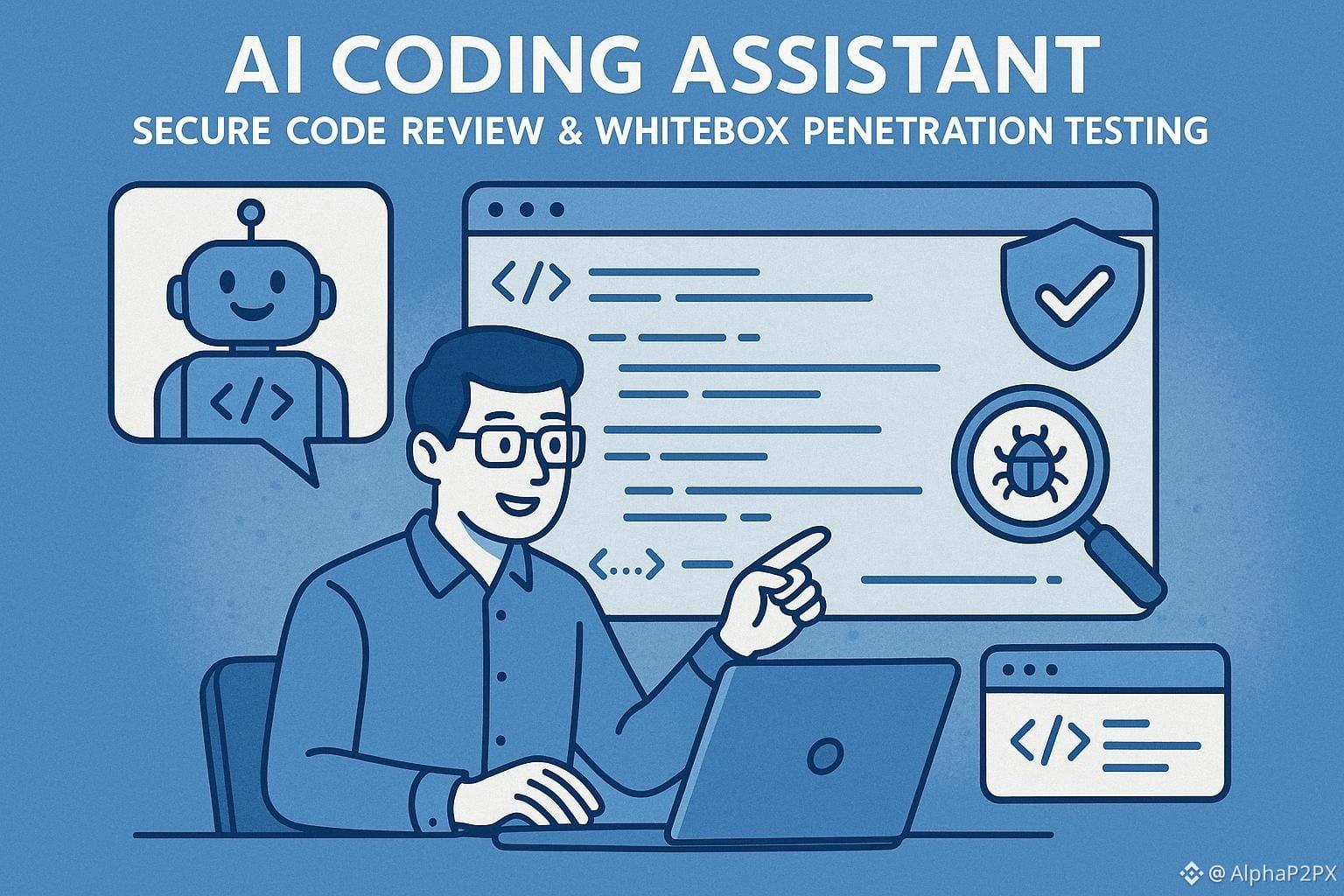
🚨 Microsoft researchers identified a vulnerability in Anthropic’s Claude Code GitHub Action that may have exposed credentials used in software pipelines.
Anthropic patched the flaw on May 5 following a responsible disclosure through HackerOne.
As AI-powered coding tools see wider adoption, securing the software supply chain remains a growing priority.
#CyberSecurity #AI #DevSecOps #GitHub
{spot}(AIUSDT)
🚨 Microsoft researchers identified a vulnerability in Anthropic’s Claude Code GitHub Action that may have exposed credentials used in software pipelines.
Anthropic patched the flaw on May 5 following a responsible disclosure through HackerOne.
As AI-powered coding tools see wider adoption, securing the software supply chain remains a growing priority.
#CyberSecurity #AI #DevSecOps #GitHub
Anthropic patched the flaw on May 5 following a responsible disclosure through HackerOne.
As AI-powered coding tools see wider adoption, securing the software supply chain remains a growing priority.
#CyberSecurity #AI #DevSecOps #GitHub
150

·
--
GAMEOVER
Bitcoin's reliance on GitHub is about to GET OBLITERATED as Matt Coralloc urges projects to exit, citing broken merge scripts, hidden diffs, and unreliable tracking #Bitcoin #GitHub #Web3
This historic call-to-action is not just a minor adjustment, but a seismic shift that will change the way devs create and collaborate on Bitcoin projects. The stakes are high, as the shift to self-hosted solutions like Forgejo could unlock unprecedented security and decentralization.
Will you be ready to ride the wave of this revolution, or will you get left behind in the dust? It's time to take control of your web3 future - get ready to forge your own path! Join Binance Square to stay at the forefront of this seismic change and be among the first to capitalize on the opportunities that will emerge from this game-changing shift.
GAMEOVER
Bitcoin's reliance on GitHub is about to GET OBLITERATED as Matt Coralloc urges projects to exit, citing broken merge scripts, hidden diffs, and unreliable tracking #Bitcoin #GitHub #Web3
This historic call-to-action is not just a minor adjustment, but a seismic shift that will change the way devs create and collaborate on Bitcoin projects. The stakes are high, as the shift to self-hosted solutions like Forgejo could unlock unprecedented security and decentralization.
Will you be ready to ride the wave of this revolution, or will you get left behind in the dust? It's time to take control of your web3 future - get ready to forge your own path! Join Binance Square to stay at the forefront of this seismic change and be among the first to capitalize on the opportunities that will emerge from this game-changing shift.
Bitcoin's reliance on GitHub is about to GET OBLITERATED as Matt Coralloc urges projects to exit, citing broken merge scripts, hidden diffs, and unreliable tracking #Bitcoin #GitHub #Web3
This historic call-to-action is not just a minor adjustment, but a seismic shift that will change the way devs create and collaborate on Bitcoin projects. The stakes are high, as the shift to self-hosted solutions like Forgejo could unlock unprecedented security and decentralization.
Will you be ready to ride the wave of this revolution, or will you get left behind in the dust? It's time to take control of your web3 future - get ready to forge your own path! Join Binance Square to stay at the forefront of this seismic change and be among the first to capitalize on the opportunities that will emerge from this game-changing shift.
21

·
--
⚠️ #Github million repositories may be at risk.
➥ Security researchers discovered a critical vulnerability known as Cordyceps that affects thousands of open-source projects, including repositories belonging to major companies such as #Microsoft and #Google , and Apache Software Foundation, Cloudflare, and others.
➥ The vulnerability allows attackers to target CI/CD systems (Continuous Integration/Continuous Delivery), which could lead to:
Execution of malicious code.
Theft of credentials and secret keys.
Tampering with build and deployment processes.
Injecting malicious updates into software supply chains (Software #Supply #Chain ).
➥ The researchers analyzed around 30,000 popular repositories and found 654 projects that are potentially affected by the vulnerability, and were able to confirm practical exploitability in more than 300 projects.
➥ The danger of the issue is that it is not tied to a specific file or library; rather, it results from the interaction between multiple processes within CI/CD environments, making the impact scope extremely broad and potentially extending to millions of repositories.
➥ According to the researchers, most traditional protection tools may not be able to detect this type of attack because the malicious behavior arises from the sequence of operations and the execution mechanism itself, not from the presence of obvious malicious code inside the project.
⚠️ #Github million repositories may be at risk.
➥ Security researchers discovered a critical vulnerability known as Cordyceps that affects thousands of open-source projects, including repositories belonging to major companies such as #Microsoft and #Google , and Apache Software Foundation, Cloudflare, and others.
➥ The vulnerability allows attackers to target CI/CD systems (Continuous Integration/Continuous Delivery), which could lead to:
Execution of malicious code.
Theft of credentials and secret keys.
Tampering with build and deployment processes.
Injecting malicious updates into software supply chains (Software #Supply #Chain ).
➥ The researchers analyzed around 30,000 popular repositories and found 654 projects that are potentially affected by the vulnerability, and were able to confirm practical exploitability in more than 300 projects.
➥ The danger of the issue is that it is not tied to a specific file or library; rather, it results from the interaction between multiple processes within CI/CD environments, making the impact scope extremely broad and potentially extending to millions of repositories.
➥ According to the researchers, most traditional protection tools may not be able to detect this type of attack because the malicious behavior arises from the sequence of operations and the execution mechanism itself, not from the presence of obvious malicious code inside the project.
➥ Security researchers discovered a critical vulnerability known as Cordyceps that affects thousands of open-source projects, including repositories belonging to major companies such as #Microsoft and #Google , and Apache Software Foundation, Cloudflare, and others.
➥ The vulnerability allows attackers to target CI/CD systems (Continuous Integration/Continuous Delivery), which could lead to:
Execution of malicious code.
Theft of credentials and secret keys.
Tampering with build and deployment processes.
Injecting malicious updates into software supply chains (Software #Supply #Chain ).
➥ The researchers analyzed around 30,000 popular repositories and found 654 projects that are potentially affected by the vulnerability, and were able to confirm practical exploitability in more than 300 projects.
➥ The danger of the issue is that it is not tied to a specific file or library; rather, it results from the interaction between multiple processes within CI/CD environments, making the impact scope extremely broad and potentially extending to millions of repositories.
➥ According to the researchers, most traditional protection tools may not be able to detect this type of attack because the malicious behavior arises from the sequence of operations and the execution mechanism itself, not from the presence of obvious malicious code inside the project.

22

🚨 Developers are freaking out after reports of a massive GitHub breach started spreading online.
A hacker group called “TeamPCP” claims it broke into GitHub’s internal systems and accessed data connected to nearly 4,000 private repositories. The leaked information allegedly includes internal company files and even parts of GitHub’s proprietary source code. 😳💻
And it gets worse.
The group is reportedly trying to sell the stolen data on underground cybercrime forums for more than $50,000. That alone has sparked major concern across the tech world. 🔥
GitHub says it’s investigating the unauthorized access, but developers aren’t waiting around. Many are already rushing to change API keys, secure repositories, and remove sensitive credentials before things spiral further. ⚠️🔐
If these claims are confirmed, this could turn into one of the biggest security scares the developer community has seen in years. One exposed token or private key can open the door to much larger attacks, which is why cybersecurity experts are telling users to act fast and stay alert.
#GitHub #CyberSecurity #DataBreach
$GTC
{future}(GTCUSDT)
$PHB
{spot}(PHBUSDT)
$EDEN
{future}(EDENUSDT)
🚨 Developers are freaking out after reports of a massive GitHub breach started spreading online.
A hacker group called “TeamPCP” claims it broke into GitHub’s internal systems and accessed data connected to nearly 4,000 private repositories. The leaked information allegedly includes internal company files and even parts of GitHub’s proprietary source code. 😳💻
And it gets worse.
The group is reportedly trying to sell the stolen data on underground cybercrime forums for more than $50,000. That alone has sparked major concern across the tech world. 🔥
GitHub says it’s investigating the unauthorized access, but developers aren’t waiting around. Many are already rushing to change API keys, secure repositories, and remove sensitive credentials before things spiral further. ⚠️🔐
If these claims are confirmed, this could turn into one of the biggest security scares the developer community has seen in years. One exposed token or private key can open the door to much larger attacks, which is why cybersecurity experts are telling users to act fast and stay alert.
#GitHub #CyberSecurity #DataBreach
$GTC
$PHB
$EDEN
A hacker group called “TeamPCP” claims it broke into GitHub’s internal systems and accessed data connected to nearly 4,000 private repositories. The leaked information allegedly includes internal company files and even parts of GitHub’s proprietary source code. 😳💻
And it gets worse.
The group is reportedly trying to sell the stolen data on underground cybercrime forums for more than $50,000. That alone has sparked major concern across the tech world. 🔥
GitHub says it’s investigating the unauthorized access, but developers aren’t waiting around. Many are already rushing to change API keys, secure repositories, and remove sensitive credentials before things spiral further. ⚠️🔐
If these claims are confirmed, this could turn into one of the biggest security scares the developer community has seen in years. One exposed token or private key can open the door to much larger attacks, which is why cybersecurity experts are telling users to act fast and stay alert.
#GitHub #CyberSecurity #DataBreach
$GTC
$PHB
$EDEN

48

🚨 Breaking
Watch out devs!! 🚨 Datadog just flagged a massive threat where attackers use old 'ghost' GitHub accounts to map out corporate repos and users... these stealthy campaigns are designed to blend in. Stay sharp!! 👀
#CyberSecurity #GitHub
🚨 Breaking
Watch out devs!! 🚨 Datadog just flagged a massive threat where attackers use old 'ghost' GitHub accounts to map out corporate repos and users... these stealthy campaigns are designed to blend in. Stay sharp!! 👀
#CyberSecurity #GitHub
Watch out devs!! 🚨 Datadog just flagged a massive threat where attackers use old 'ghost' GitHub accounts to map out corporate repos and users... these stealthy campaigns are designed to blend in. Stay sharp!! 👀
#CyberSecurity #GitHub
9

·
--
🔥 GitHub Python Trending Top 5|AI Agent Dominating the Charts
📊 Today's GitHub Python Trending Top 5 (June 15, 2026)
🥇 NVIDIA/SkillSpector ⭐5,245|Today +962
A security scanner tool specifically designed to detect vulnerabilities and malicious patterns in AI Agent skills, ensuring the safety of AI engineering.
🥈 shiyu-coder/Kronos ⭐29,893|Today +238
The Foundation Model for financial markets, using LLM to understand financial language and predict market sentiment and trends.
🥉 andrewyng/aisuite ⭐14,375|Today +290
A simple, unified interface that connects multiple large model providers (OpenAI, Anthropic, etc.), making it easy to switch AI suppliers.
4️⃣ LMCache/LMCache ⭐9,044|Today +271
KV Cache acceleration layer, significantly boosting LLM inference speed, touted as the "fastest KV Cache".
5️⃣ music-assistant/server ⭐2,171|Today +196
Open-source music library manager that connects to streaming services like Spotify and Apple Music, supporting multi-room audio systems.
💡 This Week's Insight: AI Agent-related projects are dominating, with Security + Efficiency becoming the new main theme.
Which project do you have the most faith in? See you in the comments below 👇
#GitHub #Python #AI #Trending #open-source
Data Source: github.com/trending/python
🔥 GitHub Python Trending Top 5|AI Agent Dominating the Charts
📊 Today's GitHub Python Trending Top 5 (June 15, 2026)
🥇 NVIDIA/SkillSpector ⭐5,245|Today +962
A security scanner tool specifically designed to detect vulnerabilities and malicious patterns in AI Agent skills, ensuring the safety of AI engineering.
🥈 shiyu-coder/Kronos ⭐29,893|Today +238
The Foundation Model for financial markets, using LLM to understand financial language and predict market sentiment and trends.
🥉 andrewyng/aisuite ⭐14,375|Today +290
A simple, unified interface that connects multiple large model providers (OpenAI, Anthropic, etc.), making it easy to switch AI suppliers.
4️⃣ LMCache/LMCache ⭐9,044|Today +271
KV Cache acceleration layer, significantly boosting LLM inference speed, touted as the "fastest KV Cache".
5️⃣ music-assistant/server ⭐2,171|Today +196
Open-source music library manager that connects to streaming services like Spotify and Apple Music, supporting multi-room audio systems.
💡 This Week's Insight: AI Agent-related projects are dominating, with Security + Efficiency becoming the new main theme.
Which project do you have the most faith in? See you in the comments below 👇
#GitHub #Python #AI #Trending #open-source
Data Source: github.com/trending/python
📊 Today's GitHub Python Trending Top 5 (June 15, 2026)
🥇 NVIDIA/SkillSpector ⭐5,245|Today +962
A security scanner tool specifically designed to detect vulnerabilities and malicious patterns in AI Agent skills, ensuring the safety of AI engineering.
🥈 shiyu-coder/Kronos ⭐29,893|Today +238
The Foundation Model for financial markets, using LLM to understand financial language and predict market sentiment and trends.
🥉 andrewyng/aisuite ⭐14,375|Today +290
A simple, unified interface that connects multiple large model providers (OpenAI, Anthropic, etc.), making it easy to switch AI suppliers.
4️⃣ LMCache/LMCache ⭐9,044|Today +271
KV Cache acceleration layer, significantly boosting LLM inference speed, touted as the "fastest KV Cache".
5️⃣ music-assistant/server ⭐2,171|Today +196
Open-source music library manager that connects to streaming services like Spotify and Apple Music, supporting multi-room audio systems.
💡 This Week's Insight: AI Agent-related projects are dominating, with Security + Efficiency becoming the new main theme.
Which project do you have the most faith in? See you in the comments below 👇
#GitHub #Python #AI #Trending #open-source
Data Source: github.com/trending/python
18

·
--
Bullish
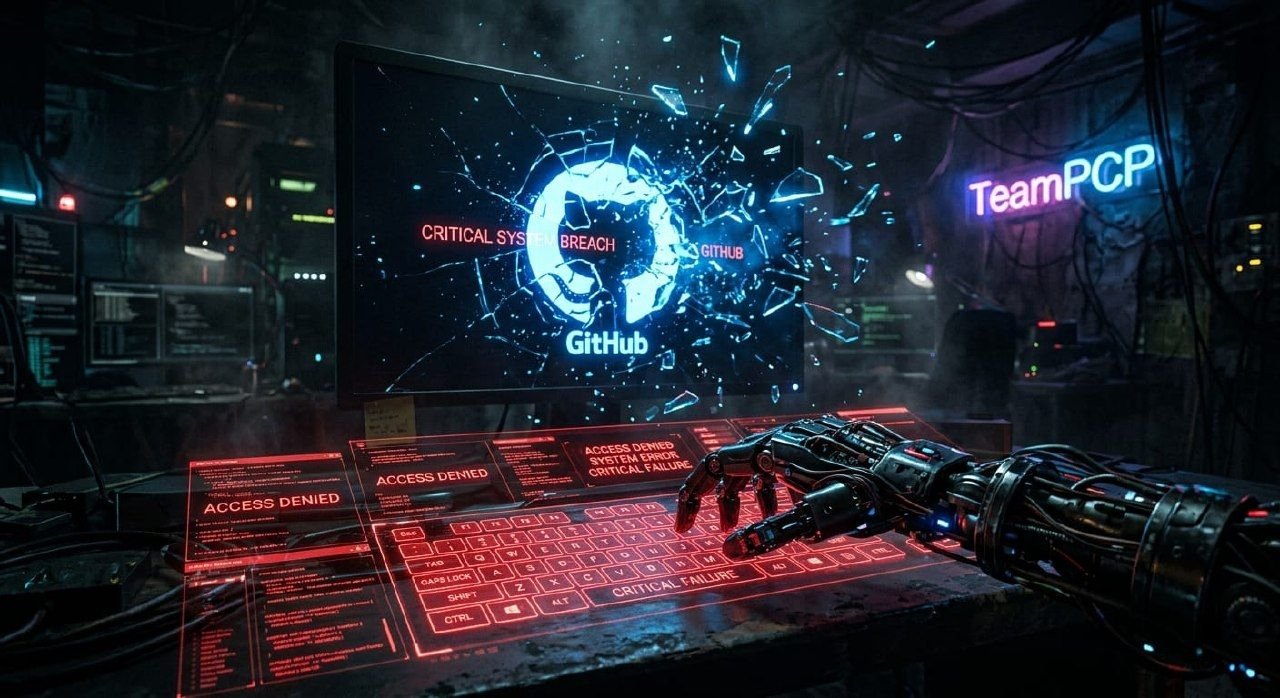
GitHub Internal Breach Alert 🚨: TeamPCP claims exfiltration of ~4,000 private repos via a malicious VS Code extension on an employee device.
• No customer data leaked (yet).
• Supply chain attacks are the new norm.
• Action: Audit your extensions, rotate secrets, and enforce endpoint security.
Don't be the weakest link. 🛡️
#GitHub #CyberSecurity #TeamPCP #DevOps #SecurityAlert
GitHub Internal Breach Alert 🚨: TeamPCP claims exfiltration of ~4,000 private repos via a malicious VS Code extension on an employee device.
• No customer data leaked (yet).
• Supply chain attacks are the new norm.
• Action: Audit your extensions, rotate secrets, and enforce endpoint security.
Don't be the weakest link. 🛡️
#GitHub #CyberSecurity #TeamPCP #DevOps #SecurityAlert
• No customer data leaked (yet).
• Supply chain attacks are the new norm.
• Action: Audit your extensions, rotate secrets, and enforce endpoint security.
Don't be the weakest link. 🛡️
#GitHub #CyberSecurity #TeamPCP #DevOps #SecurityAlert
2
6
186

·
--
Bullish
$ARB 🚀 Exploring the incredible open-source work from Offchain Labs! From Arbitrum to cutting-edge blockchain infrastructure, they're building the future of Ethereum scalability.
If you're into Web3, Layer 2, or open-source development, this is worth checking out: https://github.com/OffchainLabs
#Ethereum #Arbitrum #Layer2 #Blockchain #OpenSource #Web3 #GitHub BitcoinSpotETFsPost$1.79BOutflows#USIranAgreeToHaltAttacks
{future}(ARBUSDT)
$ARB 🚀 Exploring the incredible open-source work from Offchain Labs! From Arbitrum to cutting-edge blockchain infrastructure, they're building the future of Ethereum scalability.
If you're into Web3, Layer 2, or open-source development, this is worth checking out: https://github.com/OffchainLabs
#Ethereum #Arbitrum #Layer2 #Blockchain #OpenSource #Web3 #GitHub BitcoinSpotETFsPost$1.79BOutflows#USIranAgreeToHaltAttacks
If you're into Web3, Layer 2, or open-source development, this is worth checking out: https://github.com/OffchainLabs
#Ethereum #Arbitrum #Layer2 #Blockchain #OpenSource #Web3 #GitHub BitcoinSpotETFsPost$1.79BOutflows#USIranAgreeToHaltAttacks

85

·
--
Just came across this and it gave me a cold sweat: it's not that the model wrote a faulty piece of code, but rather that the code agent might have handed over the keys.
The news is pretty straightforward.
Decrypt quotes that Microsoft researchers have pointed out a vulnerability in Anthropic's Claude Code, where attackers could manipulate the AI programming agent through prompt injection to steal credentials from GitHub.
The players here are not small projects, but rather Microsoft, Claude Code, and GitHub in this developer infrastructure chain.
Veteran traders have seen this script before; what's truly scary is not whether 'AI will make mistakes,' but rather 'what permissions has AI already obtained?'
Once tools like Claude Code are integrated with code repositories, the boundary of permissions extends beyond just chat windows to repositories, keys, commits, CI/CD, and developer identities.
Prompt injection → AI agent mis-execution → GitHub credential leak; once this chain is established, the risk shifts from the model layer to the software supply chain layer.
The trading implication isn't about immediately slapping a bearish label on a particular coin.
The more direct impact is that the AI coding agent and developer security sector will need to be repriced.
On-chain projects heavily rely on GitHub, automated deployments, open-source collaboration, and key management. If it's proven that development workflows can be exploited through prompt injection, wallets, audits, contract tools, and AI agent frameworks will be forced to put 'permission isolation' on the table.
This isn't a retreat from the AI narrative; rather, it's a transition from the flashy tech phase to a validation phase.
An agent that can write code is attractive, but one that can avoid messing with keys is the one that deserves to enter production environments.
#AI #GitHub
Generated using Claude Opus 4.8 model. Claude is AI and can make mistakes. Please double-check responses.
Just came across this and it gave me a cold sweat: it's not that the model wrote a faulty piece of code, but rather that the code agent might have handed over the keys.
The news is pretty straightforward.
Decrypt quotes that Microsoft researchers have pointed out a vulnerability in Anthropic's Claude Code, where attackers could manipulate the AI programming agent through prompt injection to steal credentials from GitHub.
The players here are not small projects, but rather Microsoft, Claude Code, and GitHub in this developer infrastructure chain.
Veteran traders have seen this script before; what's truly scary is not whether 'AI will make mistakes,' but rather 'what permissions has AI already obtained?'
Once tools like Claude Code are integrated with code repositories, the boundary of permissions extends beyond just chat windows to repositories, keys, commits, CI/CD, and developer identities.
Prompt injection → AI agent mis-execution → GitHub credential leak; once this chain is established, the risk shifts from the model layer to the software supply chain layer.
The trading implication isn't about immediately slapping a bearish label on a particular coin.
The more direct impact is that the AI coding agent and developer security sector will need to be repriced.
On-chain projects heavily rely on GitHub, automated deployments, open-source collaboration, and key management. If it's proven that development workflows can be exploited through prompt injection, wallets, audits, contract tools, and AI agent frameworks will be forced to put 'permission isolation' on the table.
This isn't a retreat from the AI narrative; rather, it's a transition from the flashy tech phase to a validation phase.
An agent that can write code is attractive, but one that can avoid messing with keys is the one that deserves to enter production environments.
#AI #GitHub
Generated using Claude Opus 4.8 model. Claude is AI and can make mistakes. Please double-check responses.
The news is pretty straightforward.
Decrypt quotes that Microsoft researchers have pointed out a vulnerability in Anthropic's Claude Code, where attackers could manipulate the AI programming agent through prompt injection to steal credentials from GitHub.
The players here are not small projects, but rather Microsoft, Claude Code, and GitHub in this developer infrastructure chain.
Veteran traders have seen this script before; what's truly scary is not whether 'AI will make mistakes,' but rather 'what permissions has AI already obtained?'
Once tools like Claude Code are integrated with code repositories, the boundary of permissions extends beyond just chat windows to repositories, keys, commits, CI/CD, and developer identities.
Prompt injection → AI agent mis-execution → GitHub credential leak; once this chain is established, the risk shifts from the model layer to the software supply chain layer.
The trading implication isn't about immediately slapping a bearish label on a particular coin.
The more direct impact is that the AI coding agent and developer security sector will need to be repriced.
On-chain projects heavily rely on GitHub, automated deployments, open-source collaboration, and key management. If it's proven that development workflows can be exploited through prompt injection, wallets, audits, contract tools, and AI agent frameworks will be forced to put 'permission isolation' on the table.
This isn't a retreat from the AI narrative; rather, it's a transition from the flashy tech phase to a validation phase.
An agent that can write code is attractive, but one that can avoid messing with keys is the one that deserves to enter production environments.
#AI #GitHub
Generated using Claude Opus 4.8 model. Claude is AI and can make mistakes. Please double-check responses.

27

🚨 ChainDrop malware attack targets npm packages and infects 1,300 of them
A security report reveals the widening scope of the ChainDrop malware attack, which targeted more than 1,300 packages in popular npm repositories. The attackers use legitimate GitHub Actions workflows to distribute malicious code, impacting software projects that rely on these packages.
━━━━━━━━━━━━━━
📊 Impact: 📈 High
🏷️ OTHER
#Cybersecurity #SupplyChainAttack #npm #GitHub #Infosec
📰 Source: 4sysops.com
🚨 ChainDrop malware attack targets npm packages and infects 1,300 of them
A security report reveals the widening scope of the ChainDrop malware attack, which targeted more than 1,300 packages in popular npm repositories. The attackers use legitimate GitHub Actions workflows to distribute malicious code, impacting software projects that rely on these packages.
━━━━━━━━━━━━━━
📊 Impact: 📈 High
🏷️ OTHER
#Cybersecurity #SupplyChainAttack #npm #GitHub #Infosec
📰 Source: 4sysops.com
A security report reveals the widening scope of the ChainDrop malware attack, which targeted more than 1,300 packages in popular npm repositories. The attackers use legitimate GitHub Actions workflows to distribute malicious code, impacting software projects that rely on these packages.
━━━━━━━━━━━━━━
📊 Impact: 📈 High
🏷️ OTHER
#Cybersecurity #SupplyChainAttack #npm #GitHub #Infosec
📰 Source: 4sysops.com
6

$BNB SECURITY ALERT JUST HIT THE DEV STACK 🚨
CZ flagged it hard: if an API key is sitting in code, even inside a private repo, review it and replace it immediately. GitHub is investigating unauthorized access to internal code repositories, while stating there is no current evidence that customer-stored enterprise, organization, or external repo data was compromised.
This is a clean risk-control warning for builders, funds, bots, and trading desks.
API exposure can turn into instant damage.
Rotate keys. Lock permissions. Monitor activity.
Security is alpha when markets move fast.
Not financial advice. Manage your risk.
#Binance #CryptoSecurity #BNB #GitHub #CryptoNews
⚡
{future}(BNBUSDT)
$BNB SECURITY ALERT JUST HIT THE DEV STACK 🚨
CZ flagged it hard: if an API key is sitting in code, even inside a private repo, review it and replace it immediately. GitHub is investigating unauthorized access to internal code repositories, while stating there is no current evidence that customer-stored enterprise, organization, or external repo data was compromised.
This is a clean risk-control warning for builders, funds, bots, and trading desks.
API exposure can turn into instant damage.
Rotate keys. Lock permissions. Monitor activity.
Security is alpha when markets move fast.
Not financial advice. Manage your risk.
#Binance #CryptoSecurity #BNB #GitHub #CryptoNews
⚡
CZ flagged it hard: if an API key is sitting in code, even inside a private repo, review it and replace it immediately. GitHub is investigating unauthorized access to internal code repositories, while stating there is no current evidence that customer-stored enterprise, organization, or external repo data was compromised.
This is a clean risk-control warning for builders, funds, bots, and trading desks.
API exposure can turn into instant damage.
Rotate keys. Lock permissions. Monitor activity.
Security is alpha when markets move fast.
Not financial advice. Manage your risk.
#Binance #CryptoSecurity #BNB #GitHub #CryptoNews
⚡
32

·
--
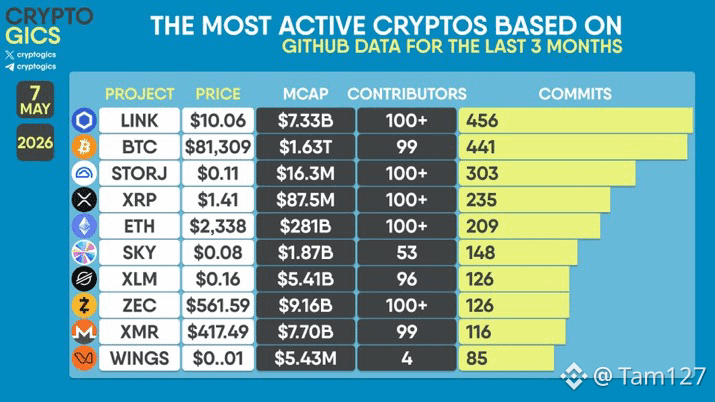
THE MOST ACTIVE CRYPTOS BASED ON #GITHUB DATA FOR THE LAST 3 MONTHS
$LINK $BTC $STORJ
{spot}(LINKUSDT)
{spot}(BTCUSDT)
{spot}(STORJUSDT)
- by Cryptogics
THE MOST ACTIVE CRYPTOS BASED ON #GITHUB DATA FOR THE LAST 3 MONTHS
$LINK $BTC $STORJ
- by Cryptogics
$LINK $BTC $STORJ
- by Cryptogics
10

·
--
GITHUB BREACH RATTLES DEV SECURITY FOR $BTC 🛡️
GitHub disclosed unauthorized access to internal repositories following a malicious VS Code plugin attack on an employee device. The company says the incident appears limited to internal repository theft, with the attacker’s claim of roughly 3,800 repositories broadly aligned with its investigation.
For crypto markets, the key issue is infrastructure trust. GitHub has removed the plugin, isolated endpoints, rotated critical keys, and continues log analysis. Traders should monitor whether any downstream developer, exchange, or protocol exposure emerges before assuming broader market impact.
Not financial advice. Manage your risk.
#CryptoSecurity #GitHub #BTC #CyberSecurit #BinanceSquar
🛡️
{future}(BTCUSDT)
GITHUB BREACH RATTLES DEV SECURITY FOR $BTC 🛡️
GitHub disclosed unauthorized access to internal repositories following a malicious VS Code plugin attack on an employee device. The company says the incident appears limited to internal repository theft, with the attacker’s claim of roughly 3,800 repositories broadly aligned with its investigation.
For crypto markets, the key issue is infrastructure trust. GitHub has removed the plugin, isolated endpoints, rotated critical keys, and continues log analysis. Traders should monitor whether any downstream developer, exchange, or protocol exposure emerges before assuming broader market impact.
Not financial advice. Manage your risk.
#CryptoSecurity #GitHub #BTC #CyberSecurit #BinanceSquar
🛡️
GitHub disclosed unauthorized access to internal repositories following a malicious VS Code plugin attack on an employee device. The company says the incident appears limited to internal repository theft, with the attacker’s claim of roughly 3,800 repositories broadly aligned with its investigation.
For crypto markets, the key issue is infrastructure trust. GitHub has removed the plugin, isolated endpoints, rotated critical keys, and continues log analysis. Traders should monitor whether any downstream developer, exchange, or protocol exposure emerges before assuming broader market impact.
Not financial advice. Manage your risk.
#CryptoSecurity #GitHub #BTC #CyberSecurit #BinanceSquar
🛡️
21
·
--
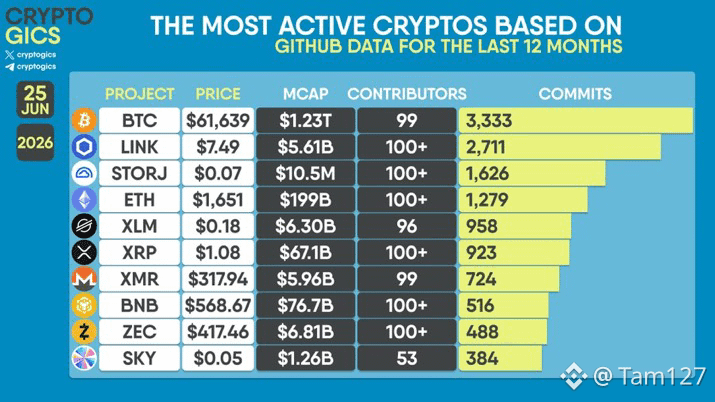
THE MOST ACTIVE CRYPTOS BASED ON #GITHUB DATA FOR THE LAST 12 MONTHS
$BTC $LINK $STORJ
{spot}(BTCUSDT)
{spot}(LINKUSDT)
{spot}(STORJUSDT)
- by Cryptogics
THE MOST ACTIVE CRYPTOS BASED ON #GITHUB DATA FOR THE LAST 12 MONTHS
$BTC $LINK $STORJ
- by Cryptogics
$BTC $LINK $STORJ
- by Cryptogics
82

Grafana Repository Breach: Extortion Fails and Security Prevails 🛡️
Even giants face tests, but true strength shows in how they confront challenges.
Recently, the popular data analysis platform Grafana encountered a security incident after unauthorized access to its environment on GitHub. The attacker managed to obtain an access token that allowed them to upload some of the company’s proprietary code.
However, here’s the brighter and more important side of this story:
Your data is safe: Investigations have conclusively confirmed that no customer data or personal information was compromised.
Business continuity: Operational systems and services were not affected in any way.
No succumbing to extortion: The attacker attempted to extort the company, demanding a ransom to keep the code from being published, and Grafana's response was decisive: "We won’t pay."
The company faced the situation with transparency and immediately began a digital forensic analysis to identify the source of the leak, while strengthening its security measures to ensure this doesn’t happen again.
The takeaway here? Trust isn’t built by the absence of mistakes, but by how they’re handled and prioritizing user protection.
💬 Share your thoughts in the comments: What do you think of Grafana's decision to refuse the ransom? Do you believe transparency in security incidents boosts user trust or undermines it?
#Grafana #CyberSecurity #Github #CryptoNews #BinanceSquare
Grafana Repository Breach: Extortion Fails and Security Prevails 🛡️
Even giants face tests, but true strength shows in how they confront challenges.
Recently, the popular data analysis platform Grafana encountered a security incident after unauthorized access to its environment on GitHub. The attacker managed to obtain an access token that allowed them to upload some of the company’s proprietary code.
However, here’s the brighter and more important side of this story:
Your data is safe: Investigations have conclusively confirmed that no customer data or personal information was compromised.
Business continuity: Operational systems and services were not affected in any way.
No succumbing to extortion: The attacker attempted to extort the company, demanding a ransom to keep the code from being published, and Grafana's response was decisive: "We won’t pay."
The company faced the situation with transparency and immediately began a digital forensic analysis to identify the source of the leak, while strengthening its security measures to ensure this doesn’t happen again.
The takeaway here? Trust isn’t built by the absence of mistakes, but by how they’re handled and prioritizing user protection.
💬 Share your thoughts in the comments: What do you think of Grafana's decision to refuse the ransom? Do you believe transparency in security incidents boosts user trust or undermines it?
#Grafana #CyberSecurity #Github #CryptoNews #BinanceSquare
Even giants face tests, but true strength shows in how they confront challenges.
Recently, the popular data analysis platform Grafana encountered a security incident after unauthorized access to its environment on GitHub. The attacker managed to obtain an access token that allowed them to upload some of the company’s proprietary code.
However, here’s the brighter and more important side of this story:
Your data is safe: Investigations have conclusively confirmed that no customer data or personal information was compromised.
Business continuity: Operational systems and services were not affected in any way.
No succumbing to extortion: The attacker attempted to extort the company, demanding a ransom to keep the code from being published, and Grafana's response was decisive: "We won’t pay."
The company faced the situation with transparency and immediately began a digital forensic analysis to identify the source of the leak, while strengthening its security measures to ensure this doesn’t happen again.
The takeaway here? Trust isn’t built by the absence of mistakes, but by how they’re handled and prioritizing user protection.
💬 Share your thoughts in the comments: What do you think of Grafana's decision to refuse the ransom? Do you believe transparency in security incidents boosts user trust or undermines it?
#Grafana #CyberSecurity #Github #CryptoNews #BinanceSquare

276
Log in to explore more content
Join global crypto users on Binance Square
⚡️ Get latest and useful information about crypto.
💬 Trusted by the world’s largest crypto exchange.
👍 Discover real insights from verified creators.
Email / Phone number
Trending Topics
1
#AnthropicCEOCallsForAISlowdown
33,068 views
496 Discussing
2
#AnthropicChoosesNasdaqForPotentialIPO
11,775 views
178 Discussing
3
#SECReceivesGrayscaleLitecoinTrustETFFiling
157,210 views
1,940 Discussing
4
#ClarityActFacesProceduralVoteSept15
304,330 views
2,829 Discussing
5
#US10YearTreasuryYieldNears5%
115,321 views
1,585 Discussing
6
#CryptoLiquidations$674MIn24H
28,428 views
229 Discussing
7
#TokenizedStockHoldersUp619.1%
83,723 views
1,275 Discussing
8
#RevolutConfirmsFakeGovEmailDataBreach
129,126 views
1,563 Discussing
9
#CanadaOSFISaysTokenizedDepositsEqualTraditionalDeposits
6,576 views
129 Discussing
10
#USBankCompletesCrossBorderPaymentPilotOnStellar
96,460 views
1,340 Discussing