
OfficialYousufCrypto
9k Posts

OfficialYousufCrypto
Report
Block User
Hi Guys i am Spot trader specialist in Intra Daytrade, DCA and Swing trade. Follow me tostay updated about market and Binance reward Campaigns.
Open Trade
Frequent Trader
5.3 Years
56 Following
1.6K+ Followers
11.1K+ Liked
Posts
Portfolio
All
Quotes
Videos
Clarity Act Crypto 👀
White House adviser Patrick Witt says he’s “optimistic and bullish” that the crypto market-structure bill can clear the Senate’s September 15 cloture vote.
Republicans have 53 votes, so they need around 7 votes from Democrats or independents.
The main sticking points are stablecoin rewards, ethics rules, and consumer protections.
All eyes are now on the Senate. 🇺🇸📊
#CLARITYAct #Crypto #Bitcoin #Blockchain
$AVAX
{future}(AVAXUSDT)
$PROM
{future}(PROMUSDT)
$PARTI
{future}(PARTIUSDT)
Clarity Act Crypto 👀
White House adviser Patrick Witt says he’s “optimistic and bullish” that the crypto market-structure bill can clear the Senate’s September 15 cloture vote.
Republicans have 53 votes, so they need around 7 votes from Democrats or independents.
The main sticking points are stablecoin rewards, ethics rules, and consumer protections.
All eyes are now on the Senate. 🇺🇸📊
#CLARITYAct #Crypto #Bitcoin #Blockchain
$AVAX
$PROM
$PARTI
White House adviser Patrick Witt says he’s “optimistic and bullish” that the crypto market-structure bill can clear the Senate’s September 15 cloture vote.
Republicans have 53 votes, so they need around 7 votes from Democrats or independents.
The main sticking points are stablecoin rewards, ethics rules, and consumer protections.
All eyes are now on the Senate. 🇺🇸📊
#CLARITYAct #Crypto #Bitcoin #Blockchain
$AVAX
$PROM
$PARTI

163
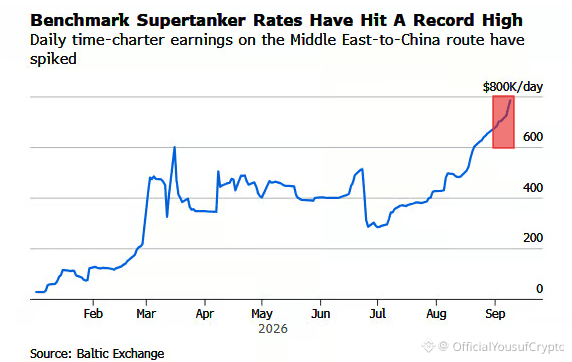
🚨 Oil shipping costs are hitting extreme levels.
Chartering a VLCC from the Middle East to China is now costing close to $800,000 a day, reportedly the highest rate ever recorded.
A single trip from the US Gulf Coast to Asia can now cost around $29.5 million, even before additional war-risk charges.
What’s driving the surge?
• Rising tensions and attacks involving tankers around the Persian Gulf and Gulf of Oman
• Traffic through the Strait of Hormuz has collapsed compared with normal levels
• Saudi Arabia is using longer routes through the Red Sea and Egypt to avoid Hormuz
• Longer journeys are keeping tankers tied up for more time, reducing available shipping capacity
• Continued attacks on oil infrastructure are adding even more uncertainty
The bigger issue isn’t necessarily a lack of oil. It’s the growing difficulty and cost of moving it safely.
Higher shipping costs can eventually put pressure on fuel prices and broader consumer prices.
This is a rapidly changing situation, so it’s worth watching the next few days of shipping and oil data before making any long-term conclusions. 🌍⛴️
$VTHO
{future}(VTHOUSDT)
$WLFI
{future}(WLFIUSDT)
$STO
{future}(STOUSDT)
🚨 Oil shipping costs are hitting extreme levels.
Chartering a VLCC from the Middle East to China is now costing close to $800,000 a day, reportedly the highest rate ever recorded.
A single trip from the US Gulf Coast to Asia can now cost around $29.5 million, even before additional war-risk charges.
What’s driving the surge?
• Rising tensions and attacks involving tankers around the Persian Gulf and Gulf of Oman
• Traffic through the Strait of Hormuz has collapsed compared with normal levels
• Saudi Arabia is using longer routes through the Red Sea and Egypt to avoid Hormuz
• Longer journeys are keeping tankers tied up for more time, reducing available shipping capacity
• Continued attacks on oil infrastructure are adding even more uncertainty
The bigger issue isn’t necessarily a lack of oil. It’s the growing difficulty and cost of moving it safely.
Higher shipping costs can eventually put pressure on fuel prices and broader consumer prices.
This is a rapidly changing situation, so it’s worth watching the next few days of shipping and oil data before making any long-term conclusions. 🌍⛴️
$VTHO
$WLFI
$STO
Chartering a VLCC from the Middle East to China is now costing close to $800,000 a day, reportedly the highest rate ever recorded.
A single trip from the US Gulf Coast to Asia can now cost around $29.5 million, even before additional war-risk charges.
What’s driving the surge?
• Rising tensions and attacks involving tankers around the Persian Gulf and Gulf of Oman
• Traffic through the Strait of Hormuz has collapsed compared with normal levels
• Saudi Arabia is using longer routes through the Red Sea and Egypt to avoid Hormuz
• Longer journeys are keeping tankers tied up for more time, reducing available shipping capacity
• Continued attacks on oil infrastructure are adding even more uncertainty
The bigger issue isn’t necessarily a lack of oil. It’s the growing difficulty and cost of moving it safely.
Higher shipping costs can eventually put pressure on fuel prices and broader consumer prices.
This is a rapidly changing situation, so it’s worth watching the next few days of shipping and oil data before making any long-term conclusions. 🌍⛴️
$VTHO
$WLFI
$STO
1
281
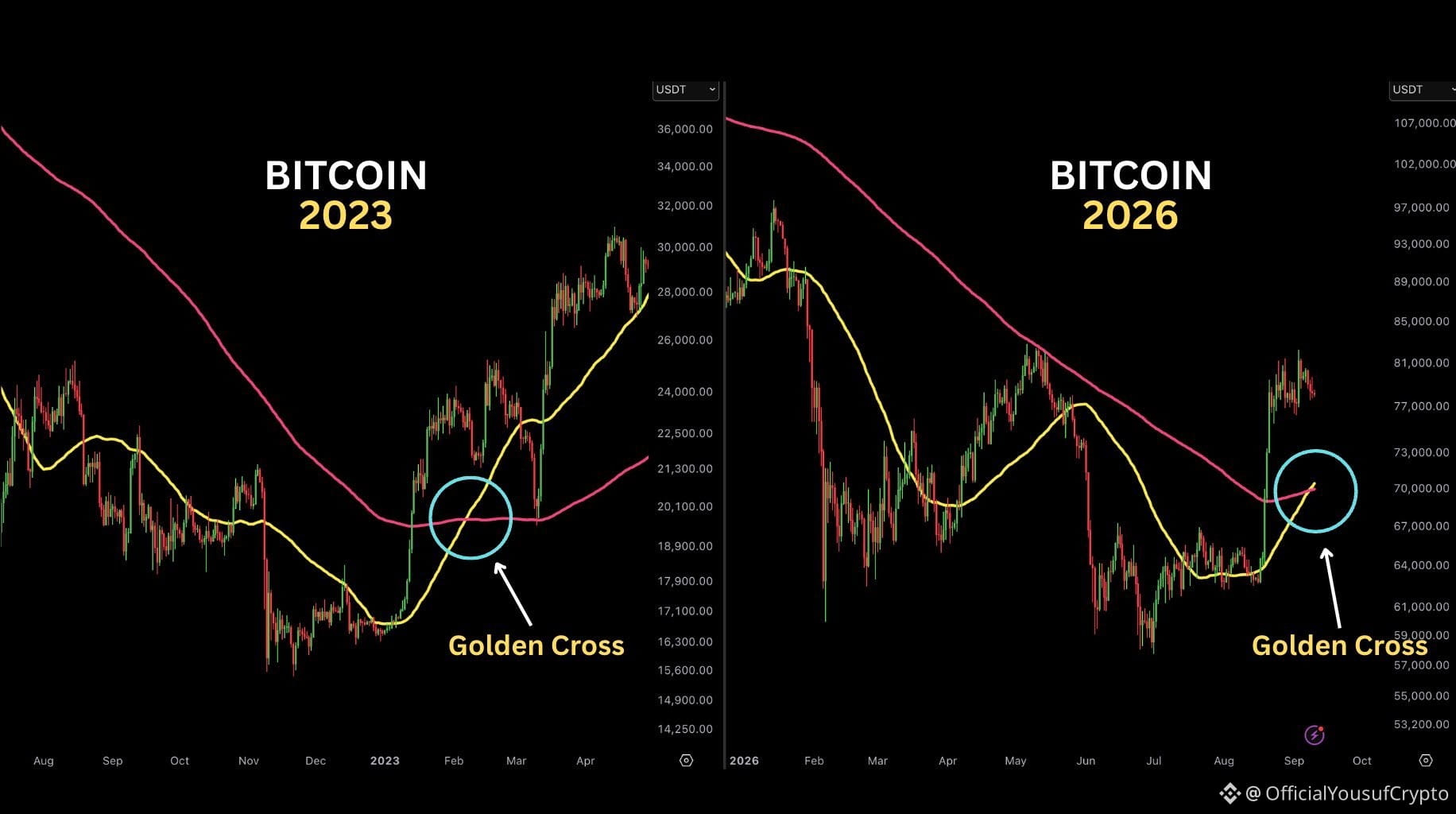
📈 $BTC just formed another Golden Cross.
The 50-day moving average has moved above the 200-day MA, marking Bitcoin’s first Golden Cross since the Death Cross in November 2025.
The setup is getting attention because the last 3 Golden Crosses were followed by rallies of around 50%, 45%, and 60%.
At the same time, US Spot Bitcoin ETFs have seen about $3.8B in net inflows over the past 3 weeks, while BTC is now testing the $80K resistance area.
Still, a Golden Cross isn’t a guaranteed signal. Since 2012, Bitcoin has had 12 of them, but only 3 maintained bullish momentum for a full year.
Interesting setup, but confirmation matters. Always do your own research. 🧠
$BTC
{future}(BTCUSDT)
📈 $BTC just formed another Golden Cross.
The 50-day moving average has moved above the 200-day MA, marking Bitcoin’s first Golden Cross since the Death Cross in November 2025.
The setup is getting attention because the last 3 Golden Crosses were followed by rallies of around 50%, 45%, and 60%.
At the same time, US Spot Bitcoin ETFs have seen about $3.8B in net inflows over the past 3 weeks, while BTC is now testing the $80K resistance area.
Still, a Golden Cross isn’t a guaranteed signal. Since 2012, Bitcoin has had 12 of them, but only 3 maintained bullish momentum for a full year.
Interesting setup, but confirmation matters. Always do your own research. 🧠
$BTC
The 50-day moving average has moved above the 200-day MA, marking Bitcoin’s first Golden Cross since the Death Cross in November 2025.
The setup is getting attention because the last 3 Golden Crosses were followed by rallies of around 50%, 45%, and 60%.
At the same time, US Spot Bitcoin ETFs have seen about $3.8B in net inflows over the past 3 weeks, while BTC is now testing the $80K resistance area.
Still, a Golden Cross isn’t a guaranteed signal. Since 2012, Bitcoin has had 12 of them, but only 3 maintained bullish momentum for a full year.
Interesting setup, but confirmation matters. Always do your own research. 🧠
$BTC
1
1
78
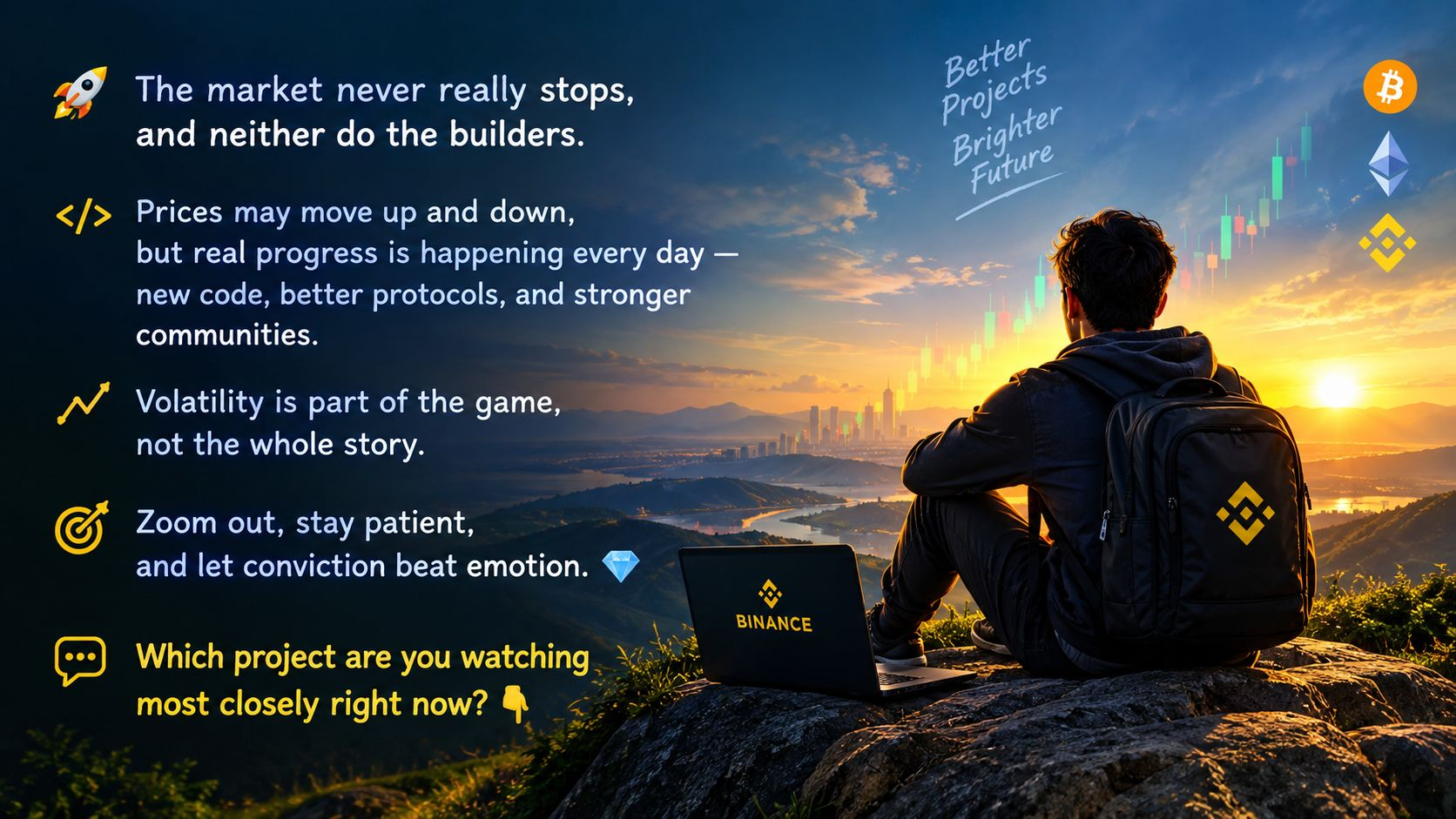
🚀 The market never really stops, and neither do the builders.
Prices may move up and down, but real progress is happening every day — new code, better protocols, and stronger communities.
Volatility is part of the game, not the whole story.
Zoom out, stay patient, and let conviction beat emotion. 💎
Which project are you watching most closely right now? 👇
$OPN
{future}(OPNUSDT)
$CELO
{future}(CELOUSDT)
$LSK
{future}(LSKUSDT)
🚀 The market never really stops, and neither do the builders.
Prices may move up and down, but real progress is happening every day — new code, better protocols, and stronger communities.
Volatility is part of the game, not the whole story.
Zoom out, stay patient, and let conviction beat emotion. 💎
Which project are you watching most closely right now? 👇
$OPN
$CELO
$LSK
Prices may move up and down, but real progress is happening every day — new code, better protocols, and stronger communities.
Volatility is part of the game, not the whole story.
Zoom out, stay patient, and let conviction beat emotion. 💎
Which project are you watching most closely right now? 👇
$OPN
$CELO
$LSK
218
#US2YearYieldRisesTo4.61%
📈 US 2-Year Treasury Yield jumps to 4.61% — traders are repricing the Fed's next move as rate-cut hopes cool off. 🏦⚡
Rising yields = stronger dollar + tighter liquidity, a short-term headwind for risk assets including crypto.
$PROM
{future}(PROMUSDT)
$MTL
{future}(MTLUSDT)
$LSK
{future}(LSKUSDT)
#US2YearYieldRisesTo4.61%
📈 US 2-Year Treasury Yield jumps to 4.61% — traders are repricing the Fed's next move as rate-cut hopes cool off. 🏦⚡
Rising yields = stronger dollar + tighter liquidity, a short-term headwind for risk assets including crypto.
$PROM
$MTL
$LSK
📈 US 2-Year Treasury Yield jumps to 4.61% — traders are repricing the Fed's next move as rate-cut hopes cool off. 🏦⚡
Rising yields = stronger dollar + tighter liquidity, a short-term headwind for risk assets including crypto.
$PROM
$MTL
$LSK

1
246
#ClarityActFacesProceduralVoteSept15
Sept 15, 2:15 PM ET — CLARITY Act cloture vote. 60 votes decide whether crypto will get a permanent US regulatory framework, or by 2026 it will be dead. All eyes are on the Senate for XRP, SOL, DOGE. 👀🇺🇸
$BTC
{future}(BTCUSDT)
$XRP
{future}(XRPUSDT)
$DOGE
{future}(DOGEUSDT)
#ClarityActFacesProceduralVoteSept15
Sept 15, 2:15 PM ET — CLARITY Act cloture vote. 60 votes decide whether crypto will get a permanent US regulatory framework, or by 2026 it will be dead. All eyes are on the Senate for XRP, SOL, DOGE. 👀🇺🇸
$BTC
$XRP
$DOGE
Sept 15, 2:15 PM ET — CLARITY Act cloture vote. 60 votes decide whether crypto will get a permanent US regulatory framework, or by 2026 it will be dead. All eyes are on the Senate for XRP, SOL, DOGE. 👀🇺🇸
$BTC
$XRP
$DOGE

72
Market Update. CPI Reaction & Bitcoin Outlook
The Consumer Price Index came in at 3.2% right in line with expectations. In response Bitcoin made a move upward pushing the price toward the 82,000 level.
There's more to watch beneath the surface. Core CPI rose by 0.4%, which's just above what many consider a safe threshold. That has pushed the market’s view of a rate hike to around 85%.
Some analysts are taking a view saying a September rate hike is nearly impossible—assigning it close to zero probability. That kind of confidence is bold. When it comes to Fed policy data matters most. It’s wise not to rely heavily on any single forecast.
**Scenario planning:**
- **If no rate hike happens:** Bitcoin could keep building momentum. The upside might look similar, to the breakout move possibly testing higher levels.
- **If a rate hike is confirmed—. Especially if the Bank of Japan tightens as well:** A pullback could happen. The price may correct into the 76,000 to 78,000 range.
With volatility staying managing risk should stay top of mind. This means position sizing and clear stop-loss levels. Staying disciplined helps avoid swings during uncertain times.
$BTC
{future}(BTCUSDT)
Market Update. CPI Reaction & Bitcoin Outlook
The Consumer Price Index came in at 3.2% right in line with expectations. In response Bitcoin made a move upward pushing the price toward the 82,000 level.
There's more to watch beneath the surface. Core CPI rose by 0.4%, which's just above what many consider a safe threshold. That has pushed the market’s view of a rate hike to around 85%.
Some analysts are taking a view saying a September rate hike is nearly impossible—assigning it close to zero probability. That kind of confidence is bold. When it comes to Fed policy data matters most. It’s wise not to rely heavily on any single forecast.
**Scenario planning:**
- **If no rate hike happens:** Bitcoin could keep building momentum. The upside might look similar, to the breakout move possibly testing higher levels.
- **If a rate hike is confirmed—. Especially if the Bank of Japan tightens as well:** A pullback could happen. The price may correct into the 76,000 to 78,000 range.
With volatility staying managing risk should stay top of mind. This means position sizing and clear stop-loss levels. Staying disciplined helps avoid swings during uncertain times.
$BTC
The Consumer Price Index came in at 3.2% right in line with expectations. In response Bitcoin made a move upward pushing the price toward the 82,000 level.
There's more to watch beneath the surface. Core CPI rose by 0.4%, which's just above what many consider a safe threshold. That has pushed the market’s view of a rate hike to around 85%.
Some analysts are taking a view saying a September rate hike is nearly impossible—assigning it close to zero probability. That kind of confidence is bold. When it comes to Fed policy data matters most. It’s wise not to rely heavily on any single forecast.
**Scenario planning:**
- **If no rate hike happens:** Bitcoin could keep building momentum. The upside might look similar, to the breakout move possibly testing higher levels.
- **If a rate hike is confirmed—. Especially if the Bank of Japan tightens as well:** A pullback could happen. The price may correct into the 76,000 to 78,000 range.
With volatility staying managing risk should stay top of mind. This means position sizing and clear stop-loss levels. Staying disciplined helps avoid swings during uncertain times.
$BTC
42
The biggest crypto win, for me this year was learning to stay patient and follow the crypto market of chasing every crypto move. 📈
Patience helped me see crypto trends and keep calm when the crypto market rose and fell.
#Crypto #Binance #2026Recap
$LSK
{future}(LSKUSDT)
$JUP
{future}(JUPUSDT)
$RAY
{spot}(RAYUSDT)
The biggest crypto win, for me this year was learning to stay patient and follow the crypto market of chasing every crypto move. 📈
Patience helped me see crypto trends and keep calm when the crypto market rose and fell.
#Crypto #Binance #2026Recap
$LSK
$JUP
$RAY
Patience helped me see crypto trends and keep calm when the crypto market rose and fell.
#Crypto #Binance #2026Recap
$LSK
$JUP
$RAY

144
I got the call wrong — Bitcoin is getting interesting.
CPI came in at 3.4% as expected, and Bitcoin reacted with a strong move higher. Now the big question is whether Bitcoin can push toward $80K.
Inflation is still high at 0.3%, while rate-hike expectations have jumped to 90%.
Tom Lee sees a 0% chance of a September hike.
No hike → Bitcoin could pump again.
Hike + Japan hike → Bitcoin could drop toward $75K–$74K.
I got the call wrong — Bitcoin is getting interesting.
CPI came in at 3.4% as expected, and Bitcoin reacted with a strong move higher. Now the big question is whether Bitcoin can push toward $80K.
Inflation is still high at 0.3%, while rate-hike expectations have jumped to 90%.
Tom Lee sees a 0% chance of a September hike.
No hike → Bitcoin could pump again.
Hike + Japan hike → Bitcoin could drop toward $75K–$74K.
CPI came in at 3.4% as expected, and Bitcoin reacted with a strong move higher. Now the big question is whether Bitcoin can push toward $80K.
Inflation is still high at 0.3%, while rate-hike expectations have jumped to 90%.
Tom Lee sees a 0% chance of a September hike.
No hike → Bitcoin could pump again.
Hike + Japan hike → Bitcoin could drop toward $75K–$74K.
43
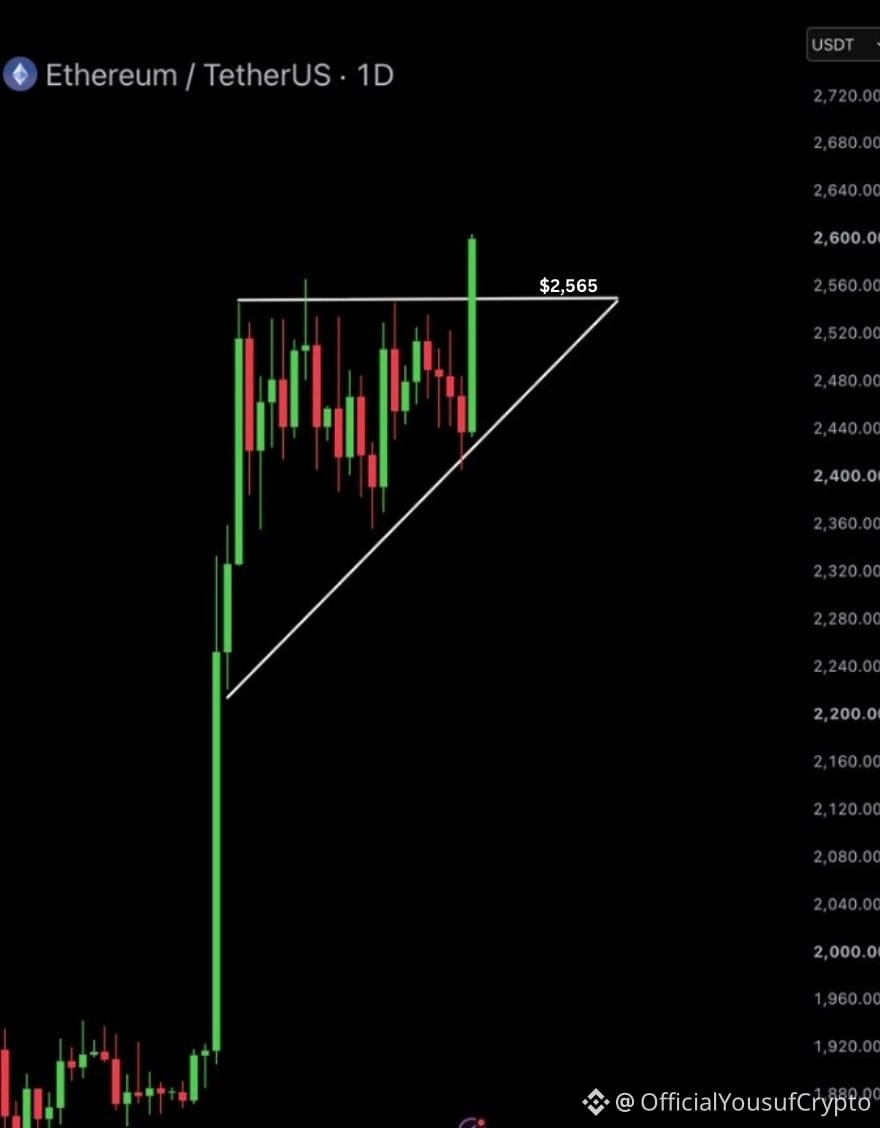
$ETH has finally broken out of its 21-day ascending triangle.
If the breakout level holds, ETH could be heading toward the $2,800–$3,400 range next.
$ETH
{future}(ETHUSDT)
$ETH has finally broken out of its 21-day ascending triangle.
If the breakout level holds, ETH could be heading toward the $2,800–$3,400 range next.
$ETH
If the breakout level holds, ETH could be heading toward the $2,800–$3,400 range next.
$ETH
68
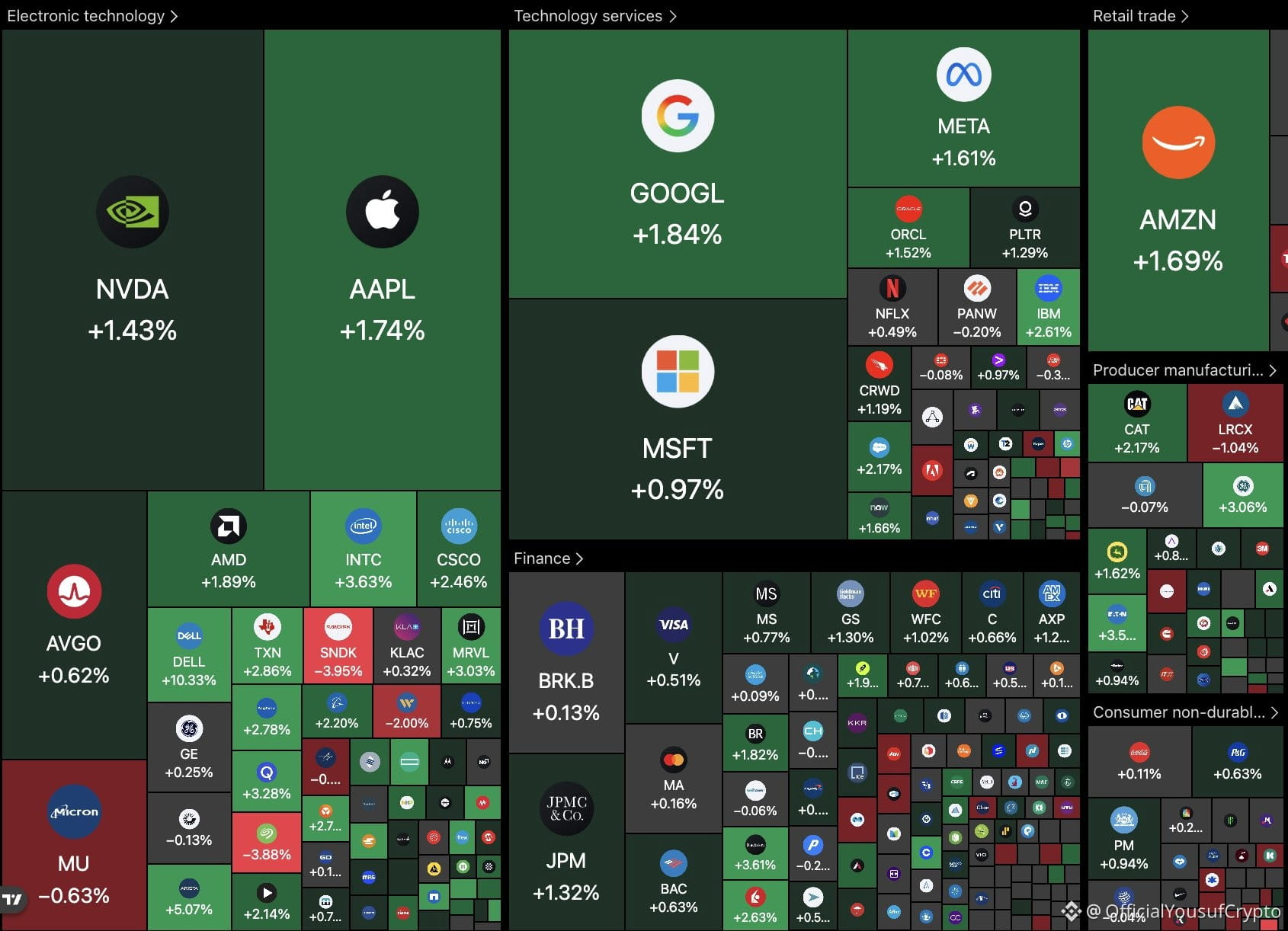
🚨 BIG: The U.S. stock market added around $700 billion at Friday’s open as core CPI dropped to a five-year low.
S&P 500, Nasdaq, and Dow all jumped, with the Dow leading the rally.
Now, investors are watching bond yields to see if this momentum can last.
$RAY
{spot}(RAYUSDT)
$MINA
{future}(MINAUSDT)
$MET
{future}(METUSDT)
🚨 BIG: The U.S. stock market added around $700 billion at Friday’s open as core CPI dropped to a five-year low.
S&P 500, Nasdaq, and Dow all jumped, with the Dow leading the rally.
Now, investors are watching bond yields to see if this momentum can last.
$RAY
$MINA
$MET
S&P 500, Nasdaq, and Dow all jumped, with the Dow leading the rally.
Now, investors are watching bond yields to see if this momentum can last.
$RAY
$MINA
$MET
77
🚨SHOCKING: Anthropic accuses Moonshot of secretly routing nearly 300K user requests through Claude and using the responses to train Kimi through AI model distillation. DeepSeek and Xiaomi also face similar allegations.
$FF
{future}(FFUSDT)
$RAY
{spot}(RAYUSDT)
🚨SHOCKING: Anthropic accuses Moonshot of secretly routing nearly 300K user requests through Claude and using the responses to train Kimi through AI model distillation. DeepSeek and Xiaomi also face similar allegations.
$FF
$RAY
$FF
$RAY


259
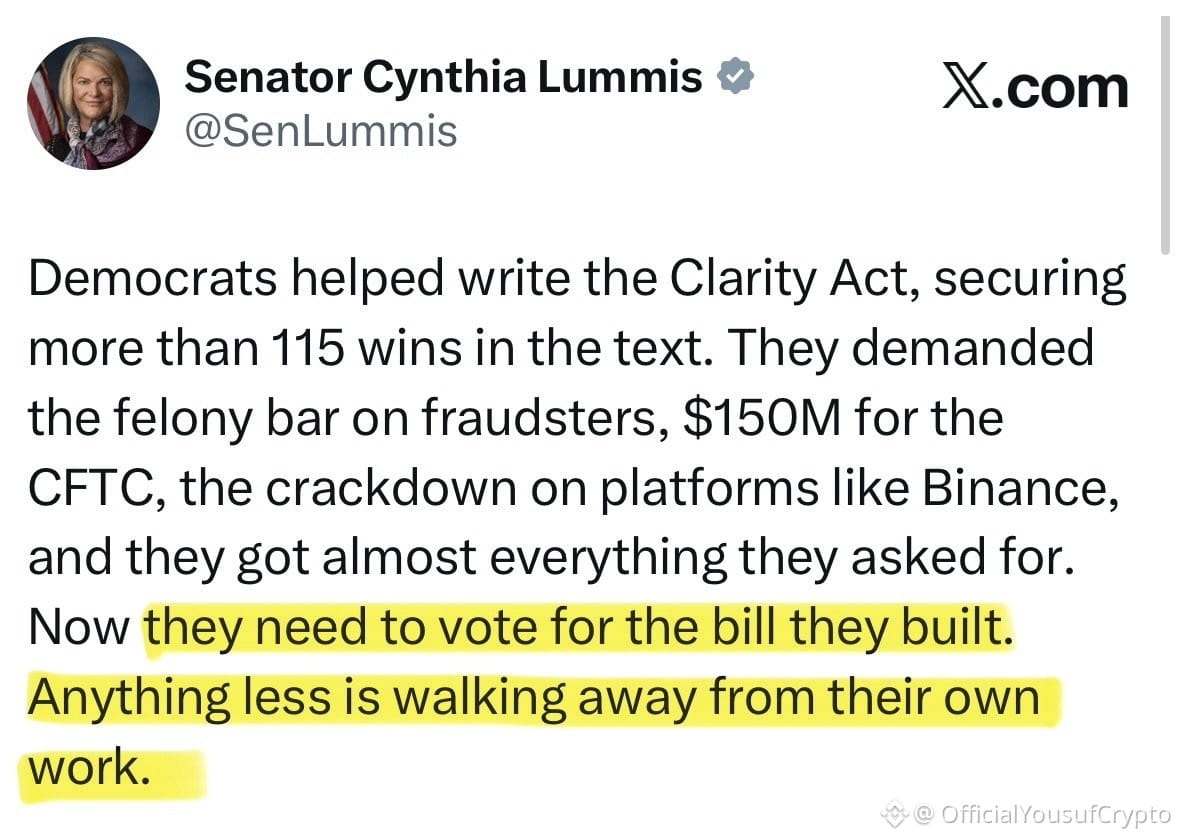
🇺🇸 Lummis: Democrats got most of their requested changes in the CLARITY Act.
$BNB
{future}(BNBUSDT)
$ASTR
{future}(ASTRUSDT)
🇺🇸 Lummis: Democrats got most of their requested changes in the CLARITY Act.
$BNB
$ASTR
$BNB
$ASTR
74
#ECBRaisesRatesSecondTimeTo2.5%
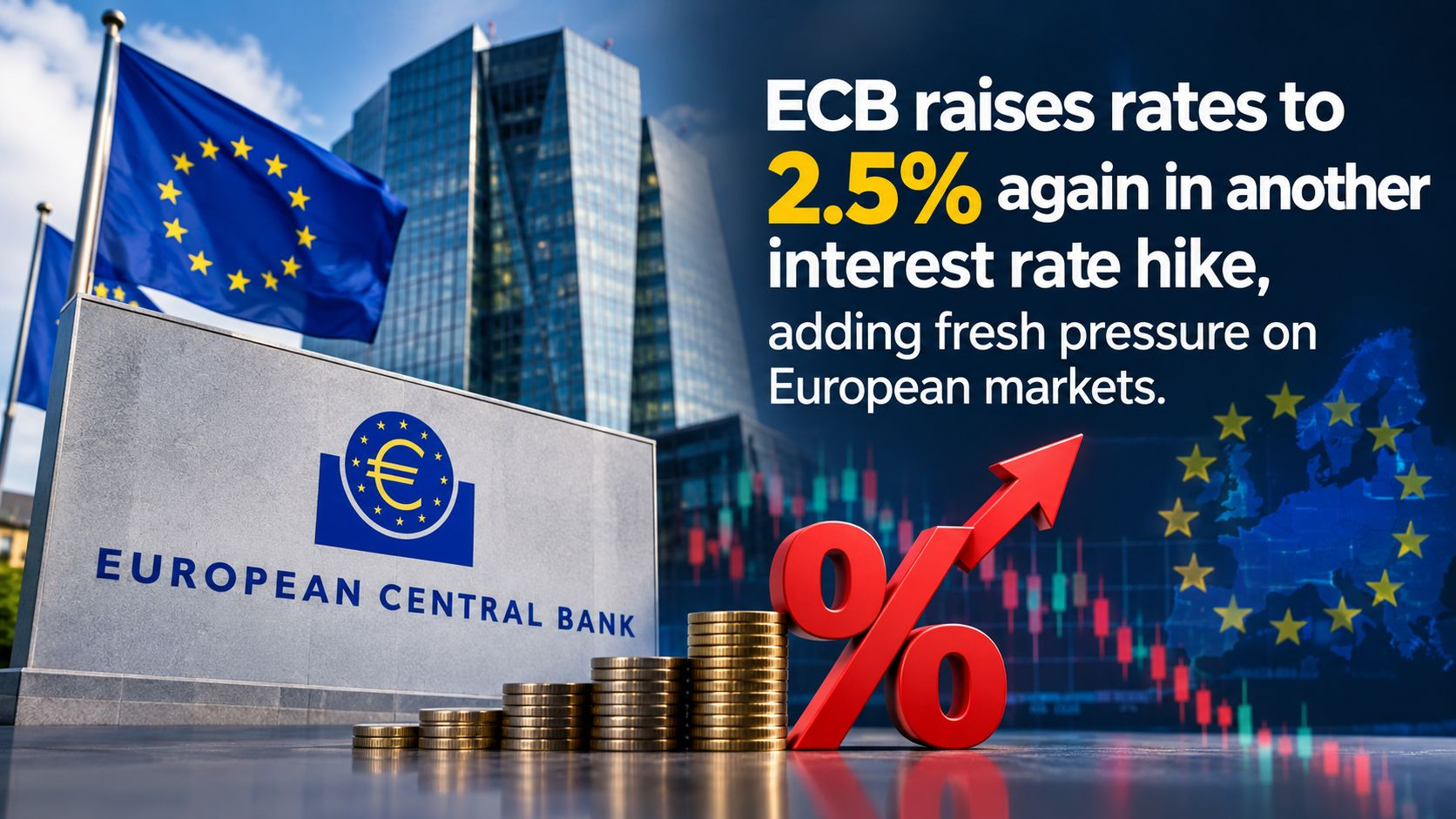
ECB raises rates to 2.5% again in another interest rate hike, adding fresh pressure on European markets.
$ETHFI
{future}(ETHFIUSDT)
$FF
{future}(FFUSDT)
$ORDER
{future}(ORDERUSDT)
#ECBRaisesRatesSecondTimeTo2.5%
ECB raises rates to 2.5% again in another interest rate hike, adding fresh pressure on European markets.
$ETHFI
$FF
$ORDER
ECB raises rates to 2.5% again in another interest rate hike, adding fresh pressure on European markets.
$ETHFI
$FF
$ORDER
17
#SECApprovesNasdaqTexasCommodityTrustRule
SEC approves the Nasdaq Texas Commodity Trust rule, adding fresh momentum to the digital asset markefresh
$ZEST
{future}(ZESTUSDT)
$ORDER
{future}(ORDERUSDT)
#SECApprovesNasdaqTexasCommodityTrustRule
SEC approves the Nasdaq Texas Commodity Trust rule, adding fresh momentum to the digital asset markefresh
$ZEST
$ORDER
SEC approves the Nasdaq Texas Commodity Trust rule, adding fresh momentum to the digital asset markefresh
$ZEST
$ORDER

120
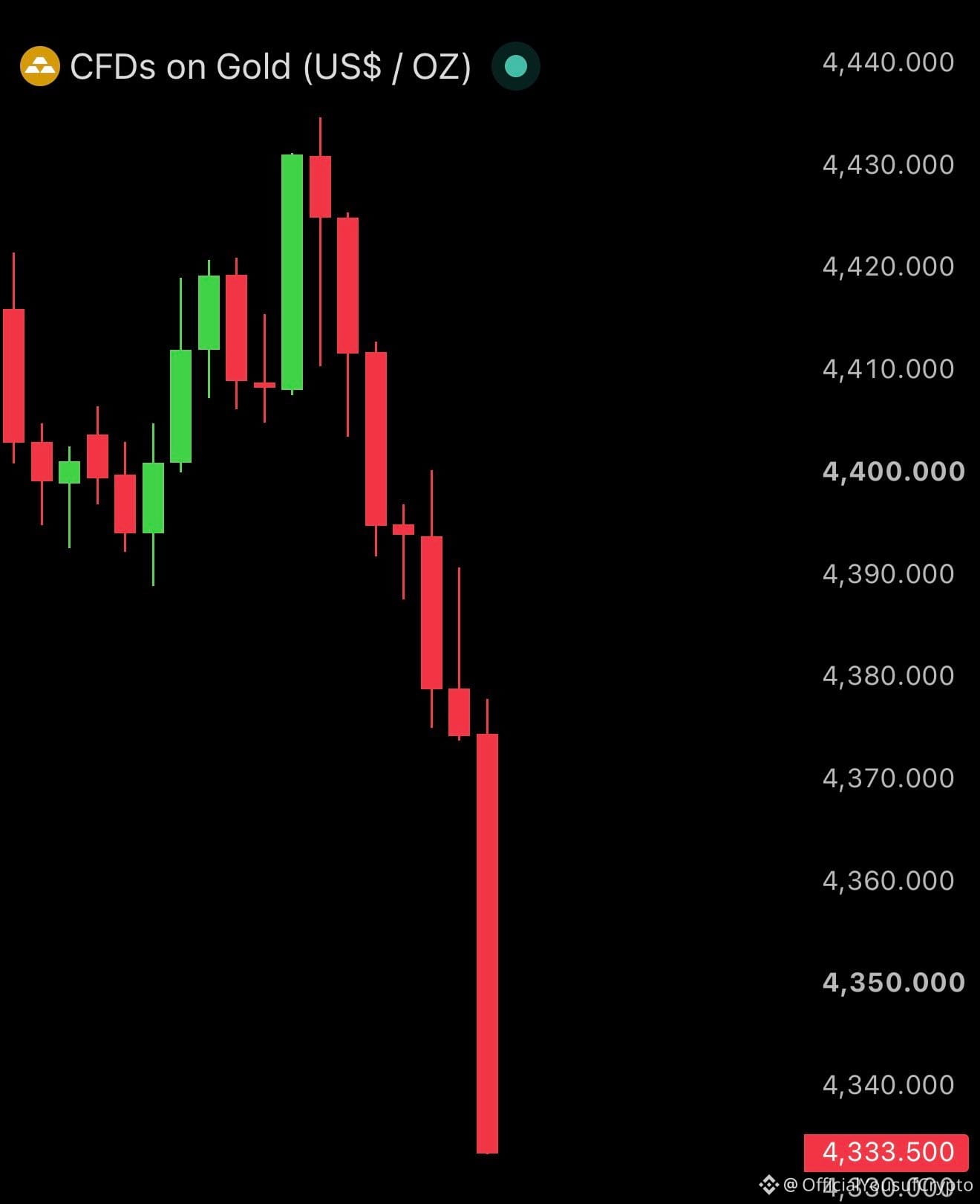
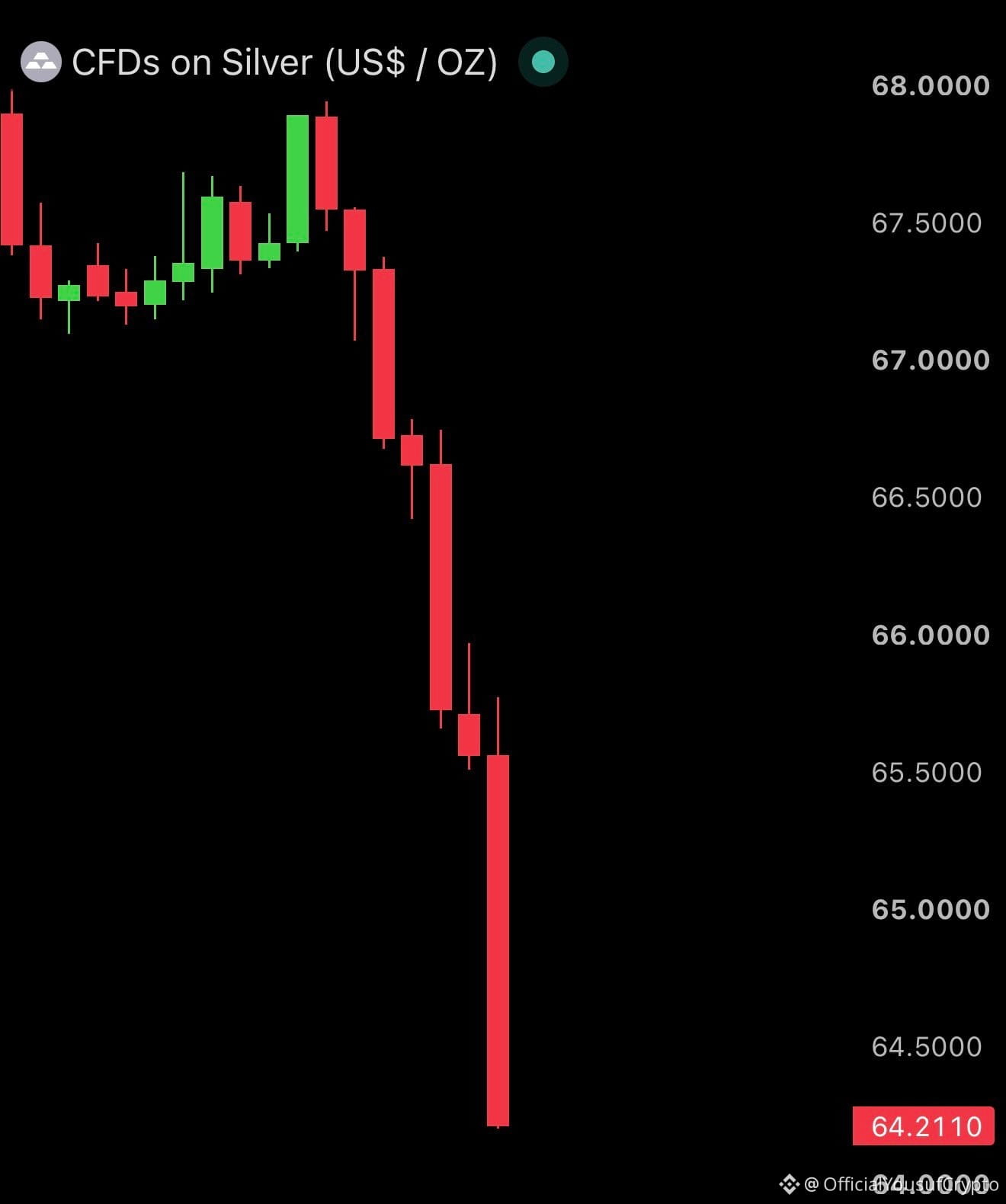
🚨 CRASH:
Gold and silver just lost around $800 billion in market value within 6 hours.
The commodity market is seeing a massive sell-off.
$XAU
{future}(XAUUSDT)
$XAG
{future}(XAGUSDT)
🚨 CRASH:
Gold and silver just lost around $800 billion in market value within 6 hours.
The commodity market is seeing a massive sell-off.
$XAU
$XAG
Gold and silver just lost around $800 billion in market value within 6 hours.
The commodity market is seeing a massive sell-off.
$XAU
$XAG
234
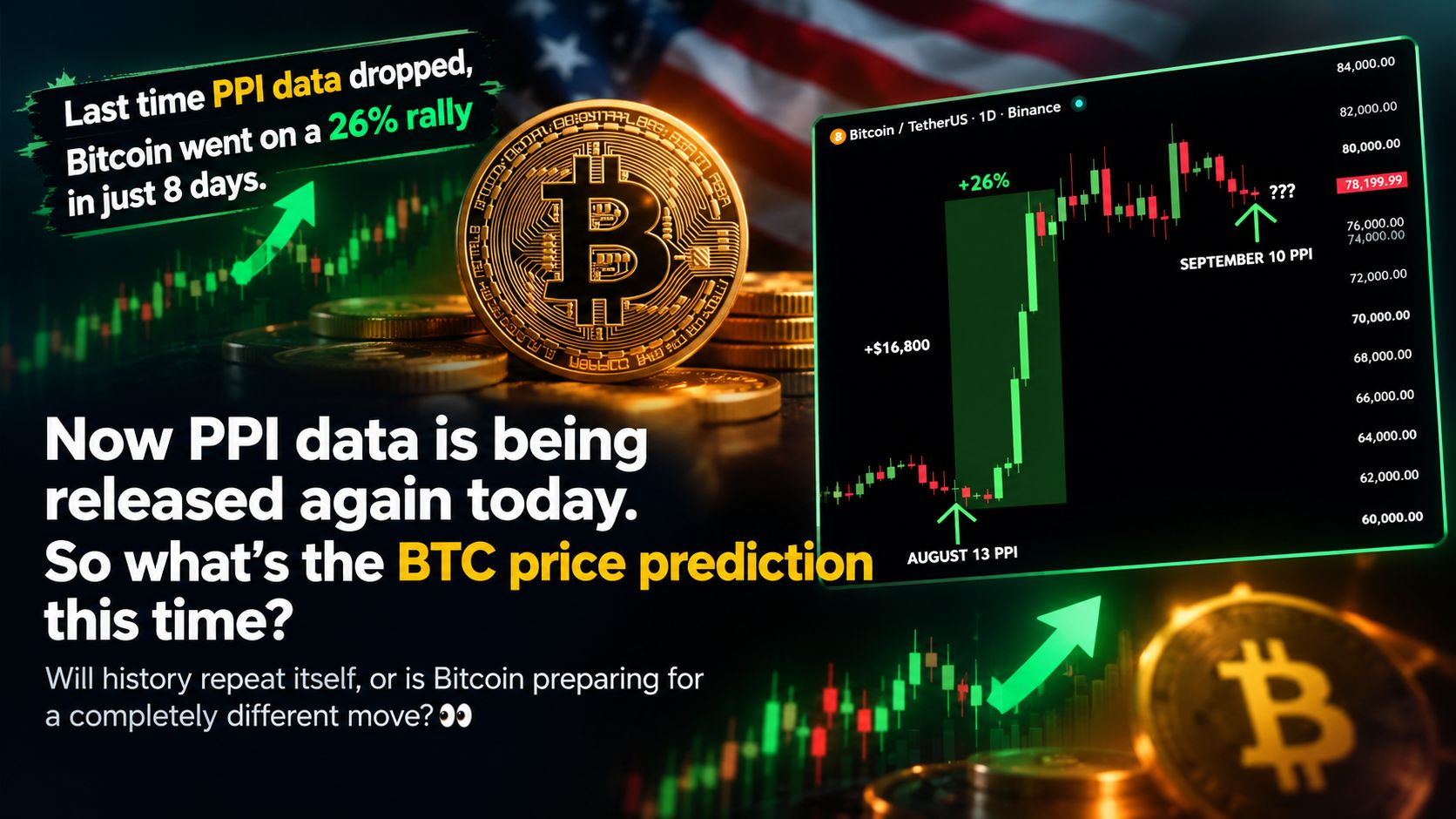
Last time PPI data dropped, Bitcoin went on a 26% rally in just 8 days.
Now PPI data is being released again today.
So what’s the BTC price prediction this time?
Will history repeat itself, or is Bitcoin preparing for a completely different move? 👀
$BTC
{future}(BTCUSDT)
Last time PPI data dropped, Bitcoin went on a 26% rally in just 8 days.
Now PPI data is being released again today.
So what’s the BTC price prediction this time?
Will history repeat itself, or is Bitcoin preparing for a completely different move? 👀
$BTC
Now PPI data is being released again today.
So what’s the BTC price prediction this time?
Will history repeat itself, or is Bitcoin preparing for a completely different move? 👀
$BTC
13
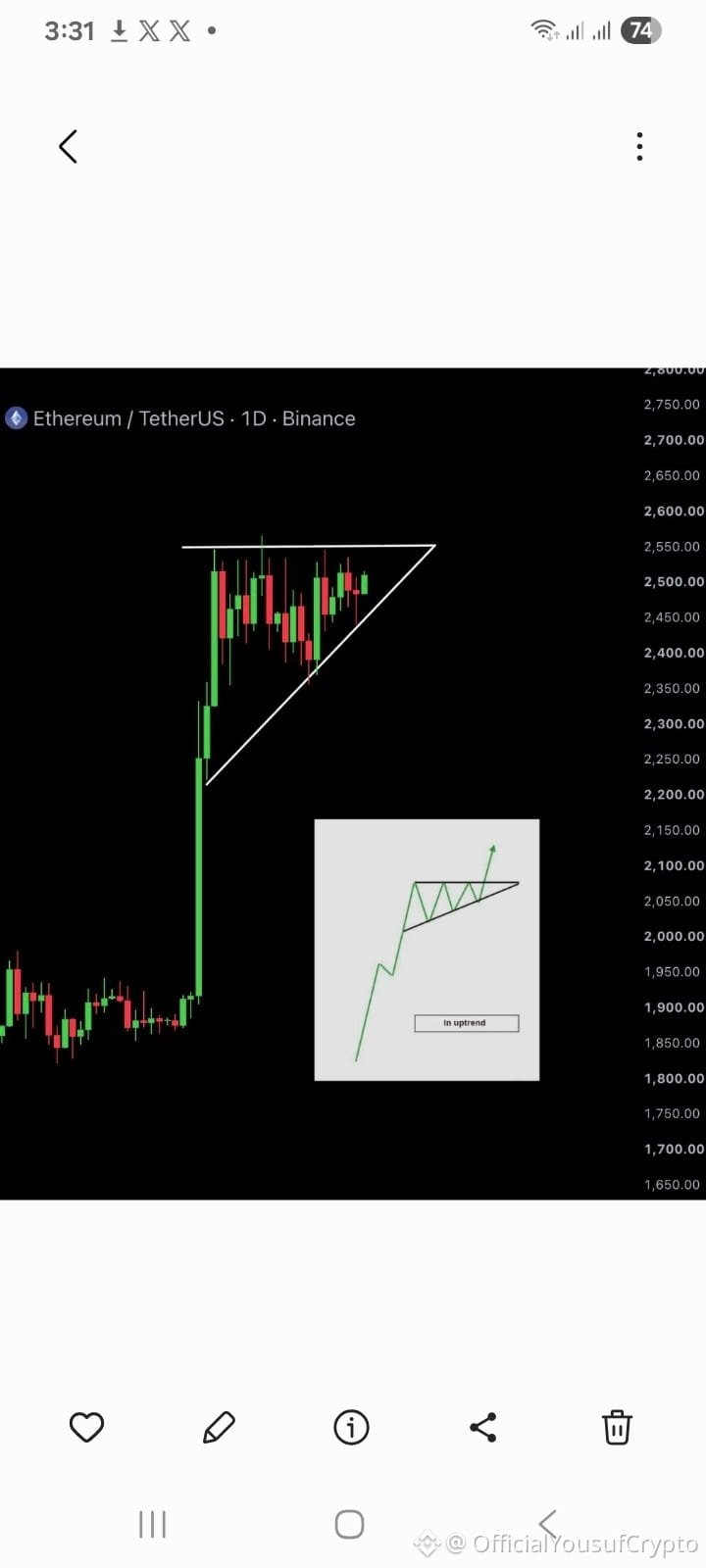
ETH is tightening up near resistance. If the breakout happens, Ethereum price prediction could turn very bullish. 👀
ETH upside breakout loading? 📈
$ETH
{future}(ETHUSDT)
ETH is tightening up near resistance. If the breakout happens, Ethereum price prediction could turn very bullish. 👀
ETH upside breakout loading? 📈
$ETH
ETH upside breakout loading? 📈
$ETH
42
This is absolutely wild.
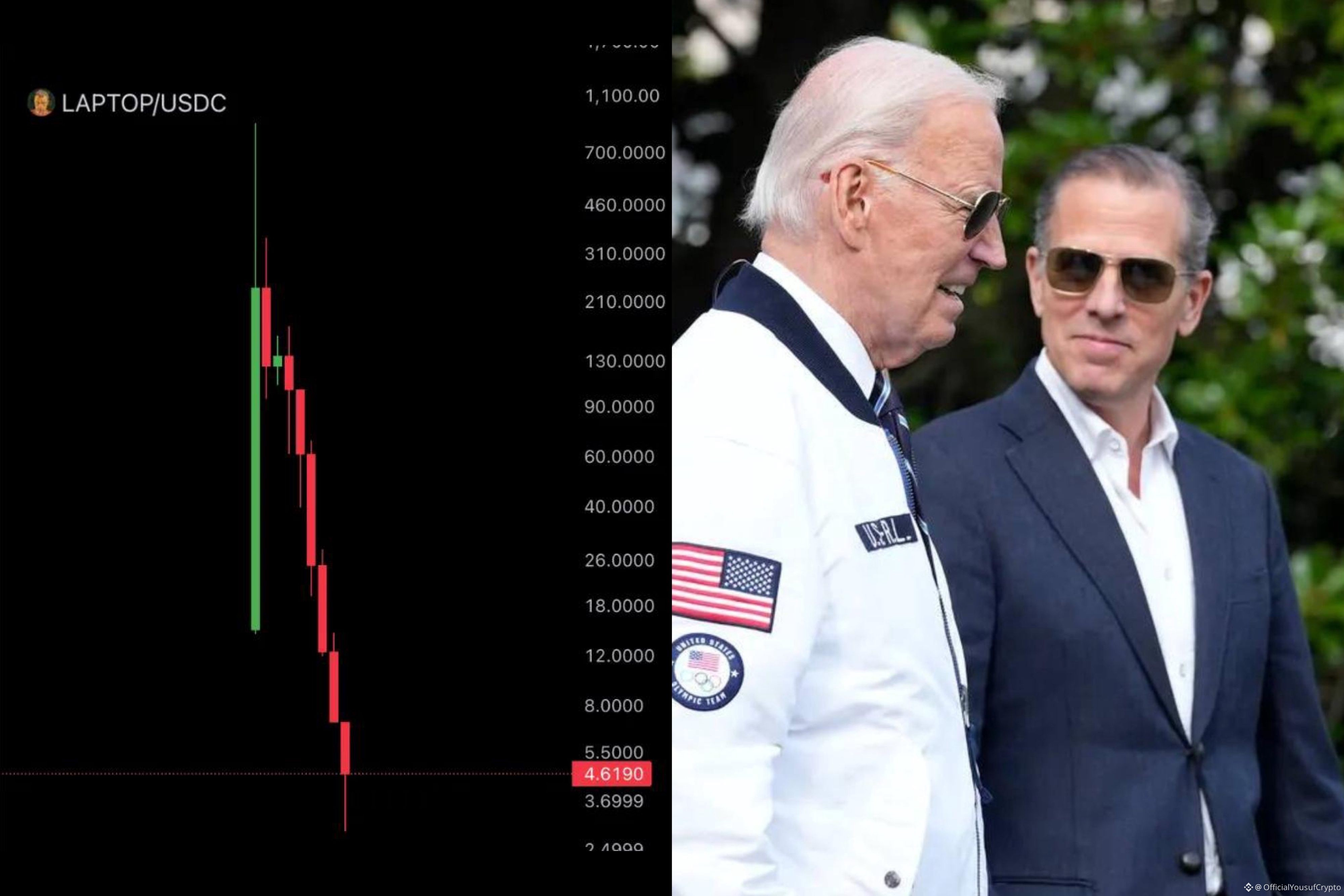
Hunter Biden’s memecoin, $LAPTOP, suffered a massive 98% crash just minutes after launching.
The $LAPTOP crash came almost immediately after the token went live, making the launch even more controversial.
The token was reportedly created to compensate people who lost money on $TRUMP.
But instead of helping those investors recover, $LAPTOP ended up becoming another major memecoin crash story.
$MVLLB
{spot}(MVLLBUSDT)
$EGLD
{future}(EGLDUSDT)
This is absolutely wild.
Hunter Biden’s memecoin, $LAPTOP, suffered a massive 98% crash just minutes after launching.
The $LAPTOP crash came almost immediately after the token went live, making the launch even more controversial.
The token was reportedly created to compensate people who lost money on $TRUMP.
But instead of helping those investors recover, $LAPTOP ended up becoming another major memecoin crash story.
$MVLLB
$EGLD
Hunter Biden’s memecoin, $LAPTOP, suffered a massive 98% crash just minutes after launching.
The $LAPTOP crash came almost immediately after the token went live, making the launch even more controversial.
The token was reportedly created to compensate people who lost money on $TRUMP.
But instead of helping those investors recover, $LAPTOP ended up becoming another major memecoin crash story.
$MVLLB
$EGLD
43
🇪🇺 US AI Restrictions: Why Europe’s Access to Anthropic’s Mythos Matters
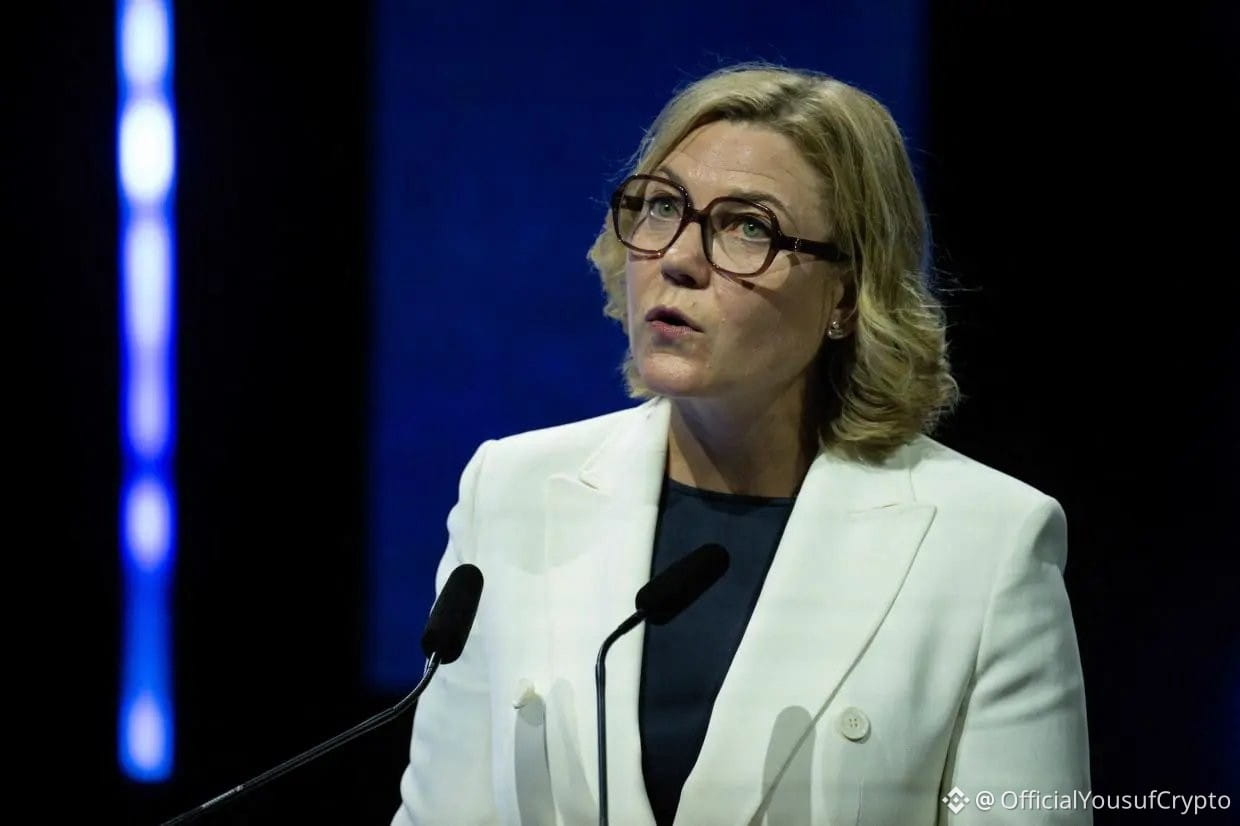
Europe is finally getting access to Anthropic’s powerful Mythos AI model after months of negotiations and restrictions.
Mythos launched in April with access limited to a small group of organizations. The EU had been pushing for access, especially because of growing AI cybersecurity concerns.
Anthropic reportedly told the European Commission that it needed permission from the U.S. government before sharing Mythos with European authorities. That led to months of discussions between the company, the EU, and U.S. officials.
The U.S. had previously been cautious about allowing advanced AI models to reach non-U.S. governments, as Washington looks to maintain its lead in artificial intelligence.
Now, Europe’s access to Mythos could mark an important shift in how advanced AI models are shared internationally.
$KAVA
{future}(KAVAUSDT)
$RAY
{spot}(RAYUSDT)
$RE
{future}(REUSDT)
🇪🇺 US AI Restrictions: Why Europe’s Access to Anthropic’s Mythos Matters
Europe is finally getting access to Anthropic’s powerful Mythos AI model after months of negotiations and restrictions.
Mythos launched in April with access limited to a small group of organizations. The EU had been pushing for access, especially because of growing AI cybersecurity concerns.
Anthropic reportedly told the European Commission that it needed permission from the U.S. government before sharing Mythos with European authorities. That led to months of discussions between the company, the EU, and U.S. officials.
The U.S. had previously been cautious about allowing advanced AI models to reach non-U.S. governments, as Washington looks to maintain its lead in artificial intelligence.
Now, Europe’s access to Mythos could mark an important shift in how advanced AI models are shared internationally.
$KAVA
$RAY
$RE
Europe is finally getting access to Anthropic’s powerful Mythos AI model after months of negotiations and restrictions.
Mythos launched in April with access limited to a small group of organizations. The EU had been pushing for access, especially because of growing AI cybersecurity concerns.
Anthropic reportedly told the European Commission that it needed permission from the U.S. government before sharing Mythos with European authorities. That led to months of discussions between the company, the EU, and U.S. officials.
The U.S. had previously been cautious about allowing advanced AI models to reach non-U.S. governments, as Washington looks to maintain its lead in artificial intelligence.
Now, Europe’s access to Mythos could mark an important shift in how advanced AI models are shared internationally.
$KAVA
$RAY
$RE
1
318
Log in to explore more content
Join global crypto users on Binance Square
⚡️ Get latest and useful information about crypto.
💬 Trusted by the world’s largest crypto exchange.
👍 Discover real insights from verified creators.
Email / Phone number
Trending Topics
SECReceivesGrayscaleLitecoinTrustETFFiling
13,791 views
311 Discussing
💎 Institutional Attention Reaches Litecoin
Grayscale’s ETF filing has placed $LTC in a bigger conversation. For spot traders, developments like this are a reminder to study strong assets before making any entry.
#secreceivesgrayscalelitecointrustetffiling
CryptoMahibaloch
·1 Likes
·930 views
ClarityActFacesProceduralVoteSept15
110,563 views
1,290 Discussing
US10YearTreasuryYieldNears5%
38,289 views
662 Discussing