Binance Square

Sui

image
Verified Creator
Layer 1 blockchain designed to make digital asset ownership fast, private, secure, and accessible to everyone. Twitter: @SuiNetwork | Website: https://sui.io
5 Following
8.3K+ Followers
4.1K+ Liked
272 Shared
All Content
--
Social Multiplayer Super-B Enters Early Access on Epic Games StoreLearn how a multiplayer game launching on Epic uses Sui and Walrus to support global gameplay with onchain rewards, without adding friction Main Takeaways Super-B is live on Epic Games Store with optional Web3 features, offering the same fast, casual multiplayer experience as Steam, with added onchain rewards for players who choose to connect a Sui wallet.Built on Sui and Walrus, Super-B keeps blockchain invisible to players, using fast execution, zkLogin, sponsored transactions, and programmable storage to support smooth gameplay and dynamic in-game assets.Early Access introduces global servers, ranked events, and seasonal rewards, giving players immediate reasons to jump in. Overview Super-B is now live in Early Access on the Epic Games Store, giving players the ability to download and play the game now while developers continue to add features and content. Developed by Nimblebites, Super-B is a fast-paced, casual multiplayer sandbox game built for chaotic fun with friends. Players can jump into arcade-style modes, experiment in a brick-based sandbox, and squad up for short, unpredictable matches driven by physics, AI agents, and player creativity.  Super-B is available on both Steam and Epic Games, while the Epic Games Store version introduces optional Web3 features. From a gameplay perspective, both versions offer the same core experience. The difference is that players on Epic can connect a Sui wallet, unlocking additional functionality and onchain rewards. Built on Sui, Without Friction Under the hood, Super-B runs on Sui, using its parallel transaction execution to support fast, responsive gameplay in a real-time multiplayer environment. Blockchain interactions happen seamlessly in the background, without interrupting play. On Epic, players can log in using zkLogin, which allows sign-in with existing Google or social accounts, avoiding seed phrases or complex wallet setup. Sponsored transactions further remove friction by covering gas fees. For players who connect a wallet, certain rewards earned through ranked events can be claimed. Players who choose not to connect a wallet can still play and enjoy the full game experience. Walrus and Dynamic Game Data Super-B integrates Walrus as its decentralized storage layer, enabling game data that is both persistent and programmable. Rather than treating in-game assets as static items, Walrus allows Super-B to support dynamic and nestable NFTs, making it possible for items to evolve, combine, or reference other assets over time. This opens the door to more complex in-game objects, from customizable items to shared spaces and game elements that change based on player actions. Because these assets are backed by Walrus, their structure and history remain verifiable while still supporting the flexibility required for a fast-moving multiplayer game. Walrus also provides a resilient foundation for storing player data, including in-game inventory, social content, and shared game state. By decentralizing this data layer, Super-B reduces reliance on centralized infrastructure while preserving reliability and continuity as the game evolves through Early Access and beyond. Looking ahead, Super-B will leverage Walrus to support future creator-driven features, including user-generated content and monetization. While those systems will roll out over time, Walrus provides the underlying foundation for players to eventually own and benefit from what they create inside the game Early Access Events and Rewards At launch, Super-B will open servers globally, including USA (East), Germany, Singapore, Korea, and Brazil.  During the first four weeks of Early Access, players can compete in weekly ranked events to earn rewards, including USDC and NSB, for wallet-connected players.  Holiday-themed events will run alongside launch, featuring limited-time challenges, collectible 2026 symbols, and exclusive seasonal rewards. Get Started Super-B is available now in Early Access on the Epic Games Store.  Players can download the game, squad up, and jump straight into the action, whether they’re playing casually with friends or competing for ranked rewards. Super-B shows what’s possible when high-quality, casual multiplayer games are built for players first, with Web3 infrastructure quietly enhancing what happens behind the scenes.

Social Multiplayer Super-B Enters Early Access on Epic Games Store

Learn how a multiplayer game launching on Epic uses Sui and Walrus to support global gameplay with onchain rewards, without adding friction
Main Takeaways
Super-B is live on Epic Games Store with optional Web3 features, offering the same fast, casual multiplayer experience as Steam, with added onchain rewards for players who choose to connect a Sui wallet.Built on Sui and Walrus, Super-B keeps blockchain invisible to players, using fast execution, zkLogin, sponsored transactions, and programmable storage to support smooth gameplay and dynamic in-game assets.Early Access introduces global servers, ranked events, and seasonal rewards, giving players immediate reasons to jump in.
Overview
Super-B is now live in Early Access on the Epic Games Store, giving players the ability to download and play the game now while developers continue to add features and content.
Developed by Nimblebites, Super-B is a fast-paced, casual multiplayer sandbox game built for chaotic fun with friends. Players can jump into arcade-style modes, experiment in a brick-based sandbox, and squad up for short, unpredictable matches driven by physics, AI agents, and player creativity. 
Super-B is available on both Steam and Epic Games, while the Epic Games Store version introduces optional Web3 features. From a gameplay perspective, both versions offer the same core experience. The difference is that players on Epic can connect a Sui wallet, unlocking additional functionality and onchain rewards.
Built on Sui, Without Friction
Under the hood, Super-B runs on Sui, using its parallel transaction execution to support fast, responsive gameplay in a real-time multiplayer environment. Blockchain interactions happen seamlessly in the background, without interrupting play.
On Epic, players can log in using zkLogin, which allows sign-in with existing Google or social accounts, avoiding seed phrases or complex wallet setup. Sponsored transactions further remove friction by covering gas fees. For players who connect a wallet, certain rewards earned through ranked events can be claimed. Players who choose not to connect a wallet can still play and enjoy the full game experience.
Walrus and Dynamic Game Data
Super-B integrates Walrus as its decentralized storage layer, enabling game data that is both persistent and programmable. Rather than treating in-game assets as static items, Walrus allows Super-B to support dynamic and nestable NFTs, making it possible for items to evolve, combine, or reference other assets over time.
This opens the door to more complex in-game objects, from customizable items to shared spaces and game elements that change based on player actions. Because these assets are backed by Walrus, their structure and history remain verifiable while still supporting the flexibility required for a fast-moving multiplayer game.
Walrus also provides a resilient foundation for storing player data, including in-game inventory, social content, and shared game state. By decentralizing this data layer, Super-B reduces reliance on centralized infrastructure while preserving reliability and continuity as the game evolves through Early Access and beyond.
Looking ahead, Super-B will leverage Walrus to support future creator-driven features, including user-generated content and monetization. While those systems will roll out over time, Walrus provides the underlying foundation for players to eventually own and benefit from what they create inside the game
Early Access Events and Rewards
At launch, Super-B will open servers globally, including USA (East), Germany, Singapore, Korea, and Brazil. 
During the first four weeks of Early Access, players can compete in weekly ranked events to earn rewards, including USDC and NSB, for wallet-connected players. 
Holiday-themed events will run alongside launch, featuring limited-time challenges, collectible 2026 symbols, and exclusive seasonal rewards.
Get Started
Super-B is available now in Early Access on the Epic Games Store. 
Players can download the game, squad up, and jump straight into the action, whether they’re playing casually with friends or competing for ranked rewards.
Super-B shows what’s possible when high-quality, casual multiplayer games are built for players first, with Web3 infrastructure quietly enhancing what happens behind the scenes.
--
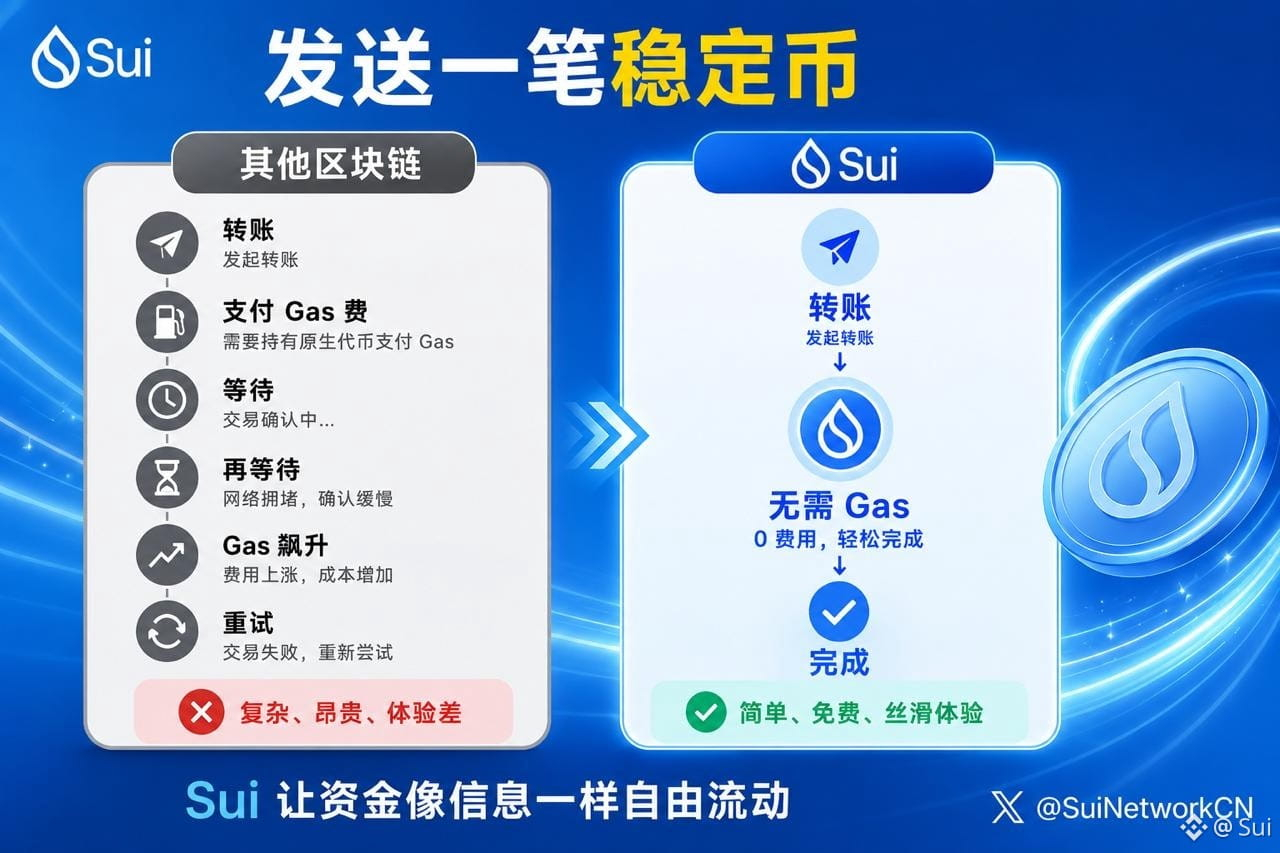
Getting started on Sui is easy: familiar sign-in, no seed phrases, sponsored gas fees! Learn more.
--
What makes SUI deflationary? A key component of Sui’s economic model is the Storage Fund, a mechanism that brings long-term sustainability to validators while also applying deflationary pressure on SUI. Here’s how it works: A portion of every transaction fee goes into the Storage Fund, which helps pay validators for the ongoing cost of storing onchain data over a long period of time. These storage fees are locked into the fund forever and only the staking rewards of the Storage Fund are used to pay validators. This reduces the liquid supply of SUI with every transaction. It’s a system that rewards network operators, aligns incentives, and steadily decreases circulating SUI as usage grows.
What makes SUI deflationary?

A key component of Sui’s economic model is the Storage Fund, a mechanism that brings long-term sustainability to validators while also applying deflationary pressure on SUI.

Here’s how it works:

A portion of every transaction fee goes into the Storage Fund, which helps pay validators for the ongoing cost of storing onchain data over a long period of time.

These storage fees are locked into the fund forever and only the staking rewards of the Storage Fund are used to pay validators.

This reduces the liquid supply of SUI with every transaction.

It’s a system that rewards network operators, aligns incentives, and steadily decreases circulating SUI as usage grows.
--
Building Real-World Blockchain Technology in BhutanA week in one of the world’s most remote landscapes revealed what happens when connectivity disappears, and how new ideas emerge By Kostas Chalkias, Chief Cryptographer, Mysten Labs Most blockchains assume constant internet access.  My recent trip to Bhutan showed how fragile that assumption really is. In a country defined by steep Himalayan terrain, patchy connectivity, and regions served by telecom operators across the border, you quickly see how far theory sits from practice. Bhutan is also pursuing ambitious digital plans. Its government, investment arm, and technical teams are exploring how modern infrastructure can serve remote communities increasingly connected to global markets. That mix, hard constraints and a willingness to experiment, creates an environment where engineering ideas are tested quickly. For us, Bhutan offered something rare: a place to see what blockchain looks like when the internet isn’t a given, and where solving problems matters more than abstract claims. What We Wanted to Explore At its core, our purpose in Bhutan was to answer a fundamental question: can a blockchain remain useful when the network disappears? Most systems in this industry assume ideal conditions: stable internet, reliable power, uninterrupted connectivity. But reality rarely matches those assumptions. Mountains block signals. Entire regions operate with intermittent access. If blockchain infrastructure is supposed to serve global populations, it must function in these environments too. Bhutan gave us the space to explore the problem honestly. Not in simulations or whitepapers, but in a country where the constraints are physical, unavoidable, and indifferent to theory. We wanted to see what survives when you face reality directly. What We Learned on the Ground Once we began testing in Bhutan, the environment immediately challenged our assumptions. Local conditions disrupted communication in ways we couldn’t fully anticipate, and methods that seemed reliable on paper broke down. We had to rethink everything: lighter equipment, shorter messages, new relay paths. Many ideas that made sense in a lab failed in the field. Bhutan forced us to design for the conditions we actually encountered, not the ones systems usually assume. Exploring Internetless Infrastructure The work we tested was built around a simple question: How can a remote device participate in blockchain activity when it can’t reach the internet? At a high level, the approach is straightforward. If a device can’t connect directly, it should still be able to: Create a secure, tamper-proof message, andHave that message carried through the physical world, by whatever means the terrain allows, until it reaches connectivity. In Bhutan, this meant that a reading from a soil sensor in a remote valley could be picked up by one relay, transported across a ridge, handed off again, and eventually reach a gateway where internet access exists. Once it arrived, the message was verified and published on the Sui blockchain exactly as if it had been sent online.  This turns a remote sensor reading into a verifiable record — the kind of proof commodity and resource markets depend on. The principle is simple: Sign offline → carry physically → verify on-chain. How the System Worked in Practice Bhutan’s terrain forced us to combine four engineering approaches: 1. Internetless radio communication. We used long-range, low-cost radio frequencies capable of travelling miles, essential for keeping deployments affordable for rural economies. But steep, rocky hills often blocked those signals completely. 2. Drones as a last-resort “physical crane.” When radio waves failed, drones acted like a physical crane — picking up the signed message on one side of a ridge, carrying it over, and retransmitting it so the next relay could catch it. This could repeat through several hops until a gateway with internet access received the data and forwarded it to Sui validators. In effect, the drone became a mechanical extension of the network. 3. Compressing Sui transactions to their theoretical minimum. Because bandwidth was limited, we had to reduce Sui transactions to the smallest form possible. Instead of sending full transactions, devices sent only the essential, signed intent — just enough for a receiving node to reconstruct the complete transaction and verify the signature.  4. Sensors signing Sui messages directly. Using lightweight microcontroller libraries, sensors could sign Sui transactions on-device, effectively acting as low-power cryptographic wallets. Each message carried its own timestamp and signature, ensuring no impersonation, no tampering, and full data integrity. Because the signature was self-verifying, it didn’t matter how many devices relayed the message along the way. Why This Matters for Bhutan Bhutan’s geography makes digital connectivity difficult, but the challenge goes beyond communication. The country is exploring how to bring more of its economy into modern, transparent systems, including agriculture, water resources, and other natural assets that matter for trade and investment. The problem is simple: if a farm or a forest sits deep in a valley with no signal, how do you prove that the crops or resources actually exist? And how do you build financial products on top of data no one can independently verify? This is where our work resonated.  We demonstrated that a sensor in a remote field can produce a tamper-proof record, and that this record can still reach the blockchain even when the internet can’t. For Bhutan, that means new ways to establish trust, whether in environmental data, resource management, or the foundations for future services that depend on reliable information. Why Sui? What stood out to our partners in Bhutan is the same thing that defines how we work at Sui: we deliver. Many chains talk about what might be possible, but far fewer prove those ideas in difficult environments. That’s why Bhutan looked at who was behind the tech. Our background mattered. At Meta, I worked on infrastructure that had to operate reliably for billions of people in every connectivity condition imaginable. That experience forces you to prioritise resilience and deliver on what you commit to. It reassured our partners that we could solve problems and meet the reliability expected of critical infrastructure. Sui also suits this kind of frontier work. Lightweight signatures and fast verification allow tiny, tamper-proof messages to be carried physically and reconstructed once they reach connectivity. That isn’t a bolt-on. It’s how Sui was designed from the start. For Bhutan, that combination of engineering depth, delivery experience, and hands-on collaboration made Sui the right partner for exploring this infrastructure challenge. A New Frontier for Applied Innovation For me, the most important lesson from Bhutan was simple: innovation only matters if you’re willing to test it under real conditions. It’s easy to claim that a blockchain can support offline activity or complex financial systems, but until you stand in a valley with no signal and try to make something work, you don’t really know what your tech can do. This is the kind of engineering we care about at Sui: applied, not theoretical. We want to build systems that help people who aren’t sitting next to high-bandwidth connections or modern infrastructure. That means designing for failure, for distance, and for environments that don’t behave the way software assumes. Bhutan reminded us that frontier engineering isn’t a slogan. It’s a mindset.  Solve the hard problems first, and let everything else follow. Final Thoughts: Bhutan as the Beginning Our time in Bhutan was not a product launch or a commercial announcement. It was an engineering exercise. One that showed us what becomes possible when you stop relying on assumptions and engage directly with real conditions. The response from our partners there was incredibly positive, and their clarity and enthusiasm pushed us to think even bigger. What we built and tested in Bhutan was only a proof of concept, but it opened a door. The country gave us a place to explore the edge of what blockchain infrastructure can do in the real world.  I’m excited to see where that path leads next.

Building Real-World Blockchain Technology in Bhutan

A week in one of the world’s most remote landscapes revealed what happens when connectivity disappears, and how new ideas emerge
By Kostas Chalkias, Chief Cryptographer, Mysten Labs

Most blockchains assume constant internet access. 
My recent trip to Bhutan showed how fragile that assumption really is. In a country defined by steep Himalayan terrain, patchy connectivity, and regions served by telecom operators across the border, you quickly see how far theory sits from practice.
Bhutan is also pursuing ambitious digital plans. Its government, investment arm, and technical teams are exploring how modern infrastructure can serve remote communities increasingly connected to global markets. That mix, hard constraints and a willingness to experiment, creates an environment where engineering ideas are tested quickly.
For us, Bhutan offered something rare: a place to see what blockchain looks like when the internet isn’t a given, and where solving problems matters more than abstract claims.
What We Wanted to Explore
At its core, our purpose in Bhutan was to answer a fundamental question: can a blockchain remain useful when the network disappears?
Most systems in this industry assume ideal conditions: stable internet, reliable power, uninterrupted connectivity. But reality rarely matches those assumptions. Mountains block signals. Entire regions operate with intermittent access. If blockchain infrastructure is supposed to serve global populations, it must function in these environments too.
Bhutan gave us the space to explore the problem honestly. Not in simulations or whitepapers, but in a country where the constraints are physical, unavoidable, and indifferent to theory. We wanted to see what survives when you face reality directly.
What We Learned on the Ground
Once we began testing in Bhutan, the environment immediately challenged our assumptions. Local conditions disrupted communication in ways we couldn’t fully anticipate, and methods that seemed reliable on paper broke down.
We had to rethink everything: lighter equipment, shorter messages, new relay paths. Many ideas that made sense in a lab failed in the field. Bhutan forced us to design for the conditions we actually encountered, not the ones systems usually assume.
Exploring Internetless Infrastructure
The work we tested was built around a simple question: How can a remote device participate in blockchain activity when it can’t reach the internet? At a high level, the approach is straightforward. If a device can’t connect directly, it should still be able to:
Create a secure, tamper-proof message, andHave that message carried through the physical world, by whatever means the terrain allows, until it reaches connectivity.
In Bhutan, this meant that a reading from a soil sensor in a remote valley could be picked up by one relay, transported across a ridge, handed off again, and eventually reach a gateway where internet access exists. Once it arrived, the message was verified and published on the Sui blockchain exactly as if it had been sent online. 
This turns a remote sensor reading into a verifiable record — the kind of proof commodity and resource markets depend on.
The principle is simple: Sign offline → carry physically → verify on-chain.
How the System Worked in Practice
Bhutan’s terrain forced us to combine four engineering approaches:
1. Internetless radio communication.
We used long-range, low-cost radio frequencies capable of travelling miles, essential for keeping deployments affordable for rural economies.
But steep, rocky hills often blocked those signals completely.
2. Drones as a last-resort “physical crane.”
When radio waves failed, drones acted like a physical crane — picking up the signed message on one side of a ridge, carrying it over, and retransmitting it so the next relay could catch it.
This could repeat through several hops until a gateway with internet access received the data and forwarded it to Sui validators. In effect, the drone became a mechanical extension of the network.
3. Compressing Sui transactions to their theoretical minimum.
Because bandwidth was limited, we had to reduce Sui transactions to the smallest form possible. Instead of sending full transactions, devices sent only the essential, signed intent — just enough for a receiving node to reconstruct the complete transaction and verify the signature. 
4. Sensors signing Sui messages directly.
Using lightweight microcontroller libraries, sensors could sign Sui transactions on-device, effectively acting as low-power cryptographic wallets.
Each message carried its own timestamp and signature, ensuring no impersonation, no tampering, and full data integrity. Because the signature was self-verifying, it didn’t matter how many devices relayed the message along the way.
Why This Matters for Bhutan
Bhutan’s geography makes digital connectivity difficult, but the challenge goes beyond communication. The country is exploring how to bring more of its economy into modern, transparent systems, including agriculture, water resources, and other natural assets that matter for trade and investment.
The problem is simple: if a farm or a forest sits deep in a valley with no signal, how do you prove that the crops or resources actually exist? And how do you build financial products on top of data no one can independently verify?
This is where our work resonated. 
We demonstrated that a sensor in a remote field can produce a tamper-proof record, and that this record can still reach the blockchain even when the internet can’t. For Bhutan, that means new ways to establish trust, whether in environmental data, resource management, or the foundations for future services that depend on reliable information.
Why Sui?
What stood out to our partners in Bhutan is the same thing that defines how we work at Sui: we deliver. Many chains talk about what might be possible, but far fewer prove those ideas in difficult environments.
That’s why Bhutan looked at who was behind the tech.
Our background mattered. At Meta, I worked on infrastructure that had to operate reliably for billions of people in every connectivity condition imaginable. That experience forces you to prioritise resilience and deliver on what you commit to. It reassured our partners that we could solve problems and meet the reliability expected of critical infrastructure.
Sui also suits this kind of frontier work. Lightweight signatures and fast verification allow tiny, tamper-proof messages to be carried physically and reconstructed once they reach connectivity. That isn’t a bolt-on. It’s how Sui was designed from the start.
For Bhutan, that combination of engineering depth, delivery experience, and hands-on collaboration made Sui the right partner for exploring this infrastructure challenge.
A New Frontier for Applied Innovation
For me, the most important lesson from Bhutan was simple: innovation only matters if you’re willing to test it under real conditions.
It’s easy to claim that a blockchain can support offline activity or complex financial systems, but until you stand in a valley with no signal and try to make something work, you don’t really know what your tech can do.
This is the kind of engineering we care about at Sui: applied, not theoretical. We want to build systems that help people who aren’t sitting next to high-bandwidth connections or modern infrastructure.
That means designing for failure, for distance, and for environments that don’t behave the way software assumes. Bhutan reminded us that frontier engineering isn’t a slogan. It’s a mindset. 
Solve the hard problems first, and let everything else follow.
Final Thoughts: Bhutan as the Beginning
Our time in Bhutan was not a product launch or a commercial announcement. It was an engineering exercise. One that showed us what becomes possible when you stop relying on assumptions and engage directly with real conditions.
The response from our partners there was incredibly positive, and their clarity and enthusiasm pushed us to think even bigger. What we built and tested in Bhutan was only a proof of concept, but it opened a door. The country gave us a place to explore the edge of what blockchain infrastructure can do in the real world. 
I’m excited to see where that path leads next.
--
Slush Strategies: Earn From DeFiMain Takeaways Slush is a simple, cross-platform wallet for Sui that makes crypto easy, including earning yield from Decentralized Finance (DeFi).Slush Strategies is a new feature that brings DeFi protocol investments directly into the wallet, turning a multi-step process into a clear, one-tap experience.Getting started is simple: choose a strategy, tap, and Slush provides you with access to onchain yield from Sui DeFi protocols, but without the friction. Decentralized finance lets you put your crypto to work on the blockchain and earn returns. It’s powerful, but often means figuring out different apps and unfamiliar steps. That prevents many people from getting started. That’s why there's Slush: a simple, cross-platform wallet that makes using Sui feel as easy as any everyday app. Now, Slush takes another step forward. Say hello to Slush Strategies, a new, simple way to earn onchain. There’s no need to visit external apps. Just tap and earn. In this post, we’ll explain Slush, break down Strategies, and show you how it simplifies DeFi. What Is Slush? The Easiest Way to Explore Sui Slush is a simple crypto wallet that makes using Sui feel effortless. I f you’ve never used a crypto wallet before, think of it like a clean, modern app for holding and managing your digital assets. You can create a wallet in seconds simply by signing in with your Google account; there’s no seed phrase to store and no complicated setup to navigate. With Slush, you can keep your tokens, send and receive crypto, explore apps across the Sui ecosystem, and manage everything from a single, familiar interface. Until now, you could earn onchain too, but doing it meant leaving the wallet and completing the process using an external decentralized application’s interface. That’s what Strategies unlocks. Introducing Slush Strategies: Real Yield, Zero Friction Slush Strategies makes the DeFi experience accessible from your wallet. Instead of jumping between apps, Strategies brings everything into one clear, guided flow. You start by choosing the type of strategy you want to use, such as a principal-protected stablecoin option, or a higher-yield option using assets like SUI. From there, Slush helps you prepare the right token and submit the transaction to the underlying DeFi protocols to handle execution.  Everything stays transparent, and you don’t need to leave the wallet to get started. Slush Strategies takes the power of DeFi and makes it feel as intuitive as any everyday app. Slush will continue to add support for more assets and protocols over time, giving users an expanding range of strategies to choose from. How Slush Strategies Works: A Simple Step-by-Step Guide Step 1:  Choose how you want to earn. Pick the type of asset you want to use (stablecoins, SUI, WAL, etc). Each strategy shows the protocol and projected yield. Step 2: Slush makes sure you are using the right token. Every strategy requires a specific asset. If you don’t have it, Slush will guide you through converting. For example, if a strategy uses USDC but you only hold SUI, Slush will help you convert SUI into USDC. Step 3: Tap to submit. Slush bundles the necessary steps — like swapping, depositing, and gas preparation — into a single onchain transaction and submits it to the underlying protocol for execution. What normally takes multiple steps across multiple apps now happens in one go Step 4: Rewards are handled automatically. As your position earns, claims and compounding happen in the background without extra transactions. Set it; forget it. Step 5. Check in or withdraw anytime. Your positions sit in the [Strategies] view under [Earn], where you can track performance, add to a position, or withdraw. Where the Yield Comes From Before you tap into a strategy, it helps to understand what’s generating your returns. Onchain yield comes from real activity across Sui’s DeFi ecosystem — such as borrowers paying interest, protocols reinvesting returns, and automated strategies producing yield.  With Slush Strategies, you access those same opportunities from Sui DeFi protocols in a simpler way, without needing to navigate each protocol yourself. Lending, Vaults, and Automated Yield Instead of sorting through lending markets, vaults, or protocols yourself, Slush shows you certain available earning options, the projected APY, and the protocol powering each one.  Your deposit might go into a lending pool (like those on Alphalend, where borrowers pay interest), or into an automated yield vault (like those on Ember, which reinvest rewards).  The source of yield is transparent and provided directly from the protocols through their APIs. With Slush, you always know exactly which protocol you’re interacting with. Why Slush Strategies Makes It Easy Normally, accessing these opportunities means swapping into the right token, opening external apps, approving contracts, managing gas, and manually compounding rewards.  Slush Strategies turns all of that into a single, seamless experience. It’s the same real, onchain yield you’d get by doing everything manually. Just with a lot less friction. What’s important is this: Slush isn’t creating new yield. It’s simplifying access to yield that already exists. You still earn directly from the underlying protocols. Slush just removes the pain points. It’s the same DeFi power. Just without the DeFi admin. Why All This Matters DeFi has long offered strong earning opportunities, but the complexity keeps many people out. Strategies simplifies the entire journey into one clear flow, lowering the barrier for newcomers and giving experienced users a faster, cleaner way to participate. For users, onchain yield becomes accessible: no more juggling tabs, guessing which app to use, or worrying about missed steps. Everything is available in one place. For protocols across Sui, Strategies increases visibility. Instead of competing for attention across multiple interfaces, protocols can be discovered and entered directly from Slush. Final Thoughts Getting started with Slush Strategies is simple.  If you already use Slush, just open the app and tap [Earn]. You’ll see [Strategies] waiting for you. From there, choose how you want to earn, review the details, and tap to begin.  If you’re new to Slush, download the app, create your wallet in seconds, and add the tokens you want to use. You don’t need any prior DeFi experience. Once you’re set up, Strategies is ready to go: clear options, transparent yields, and one-tap execution.  Onchain earning from DeFi protocols has never been this straightforward.

Slush Strategies: Earn From DeFi

Main Takeaways
Slush is a simple, cross-platform wallet for Sui that makes crypto easy, including earning yield from Decentralized Finance (DeFi).Slush Strategies is a new feature that brings DeFi protocol investments directly into the wallet, turning a multi-step process into a clear, one-tap experience.Getting started is simple: choose a strategy, tap, and Slush provides you with access to onchain yield from Sui DeFi protocols, but without the friction.

Decentralized finance lets you put your crypto to work on the blockchain and earn returns. It’s powerful, but often means figuring out different apps and unfamiliar steps. That prevents many people from getting started. That’s why there's Slush: a simple, cross-platform wallet that makes using Sui feel as easy as any everyday app.
Now, Slush takes another step forward. Say hello to Slush Strategies, a new, simple way to earn onchain. There’s no need to visit external apps. Just tap and earn. In this post, we’ll explain Slush, break down Strategies, and show you how it simplifies DeFi.
What Is Slush? The Easiest Way to Explore Sui
Slush is a simple crypto wallet that makes using Sui feel effortless. I
f you’ve never used a crypto wallet before, think of it like a clean, modern app for holding and managing your digital assets. You can create a wallet in seconds simply by signing in with your Google account; there’s no seed phrase to store and no complicated setup to navigate.
With Slush, you can keep your tokens, send and receive crypto, explore apps across the Sui ecosystem, and manage everything from a single, familiar interface. Until now, you could earn onchain too, but doing it meant leaving the wallet and completing the process using an external decentralized application’s interface.
That’s what Strategies unlocks.
Introducing Slush Strategies: Real Yield, Zero Friction
Slush Strategies makes the DeFi experience accessible from your wallet. Instead of jumping between apps, Strategies brings everything into one clear, guided flow.
You start by choosing the type of strategy you want to use, such as a principal-protected stablecoin option, or a higher-yield option using assets like SUI.
From there, Slush helps you prepare the right token and submit the transaction to the underlying DeFi protocols to handle execution. 
Everything stays transparent, and you don’t need to leave the wallet to get started. Slush Strategies takes the power of DeFi and makes it feel as intuitive as any everyday app.
Slush will continue to add support for more assets and protocols over time, giving users an expanding range of strategies to choose from.
How Slush Strategies Works: A Simple Step-by-Step Guide
Step 1:  Choose how you want to earn. Pick the type of asset you want to use (stablecoins, SUI, WAL, etc). Each strategy shows the protocol and projected yield.
Step 2: Slush makes sure you are using the right token. Every strategy requires a specific asset. If you don’t have it, Slush will guide you through converting. For example, if a strategy uses USDC but you only hold SUI, Slush will help you convert SUI into USDC.
Step 3: Tap to submit. Slush bundles the necessary steps — like swapping, depositing, and gas preparation — into a single onchain transaction and submits it to the underlying protocol for execution. What normally takes multiple steps across multiple apps now happens in one go
Step 4: Rewards are handled automatically. As your position earns, claims and compounding happen in the background without extra transactions. Set it; forget it.
Step 5. Check in or withdraw anytime. Your positions sit in the [Strategies] view under [Earn], where you can track performance, add to a position, or withdraw.
Where the Yield Comes From
Before you tap into a strategy, it helps to understand what’s generating your returns. Onchain yield comes from real activity across Sui’s DeFi ecosystem — such as borrowers paying interest, protocols reinvesting returns, and automated strategies producing yield. 
With Slush Strategies, you access those same opportunities from Sui DeFi protocols in a simpler way, without needing to navigate each protocol yourself.
Lending, Vaults, and Automated Yield
Instead of sorting through lending markets, vaults, or protocols yourself, Slush shows you certain available earning options, the projected APY, and the protocol powering each one. 
Your deposit might go into a lending pool (like those on Alphalend, where borrowers pay interest), or into an automated yield vault (like those on Ember, which reinvest rewards). 
The source of yield is transparent and provided directly from the protocols through their APIs. With Slush, you always know exactly which protocol you’re interacting with.
Why Slush Strategies Makes It Easy
Normally, accessing these opportunities means swapping into the right token, opening external apps, approving contracts, managing gas, and manually compounding rewards. 
Slush Strategies turns all of that into a single, seamless experience. It’s the same real, onchain yield you’d get by doing everything manually. Just with a lot less friction.
What’s important is this: Slush isn’t creating new yield. It’s simplifying access to yield that already exists. You still earn directly from the underlying protocols. Slush just removes the pain points. It’s the same DeFi power. Just without the DeFi admin.
Why All This Matters
DeFi has long offered strong earning opportunities, but the complexity keeps many people out. Strategies simplifies the entire journey into one clear flow, lowering the barrier for newcomers and giving experienced users a faster, cleaner way to participate.
For users, onchain yield becomes accessible: no more juggling tabs, guessing which app to use, or worrying about missed steps. Everything is available in one place.
For protocols across Sui, Strategies increases visibility. Instead of competing for attention across multiple interfaces, protocols can be discovered and entered directly from Slush.
Final Thoughts
Getting started with Slush Strategies is simple. 
If you already use Slush, just open the app and tap [Earn]. You’ll see [Strategies] waiting for you. From there, choose how you want to earn, review the details, and tap to begin. 
If you’re new to Slush, download the app, create your wallet in seconds, and add the tokens you want to use. You don’t need any prior DeFi experience. Once you’re set up, Strategies is ready to go: clear options, transparent yields, and one-tap execution. 
Onchain earning from DeFi protocols has never been this straightforward.
--
BitGo Brings WBTC Natively To Sui Through LayerZeroWith BitGo’s WBTC now live on Sui, Bitcoin holders can move a unified cross-chain asset seamlessly across ecosystems. Learn how to migrate and use WBTC on Sui. Main Takeaways WBTC is now live on Sui in the LayerZero-powered OFT standard, enabling instant, gas-only cross-chain transfers and unified liquidity.BitGo’s WBTC is already supported across major Sui DeFi platforms, including AlphaLend, Aftermath, Bluefin, Bucket, Cetus, Momentum, Navi, Suilend, and STEAMM.The OFT format makes WBTC easier to move and build with, giving Bitcoin a smoother path into Sui’s fast, low-fee DeFi and BTCfi ecosystem. Overview Wrapped Bitcoin (WBTC) is now native to Sui in the OFT (Omnichain Fungible Token) format, giving Bitcoin ($BTC ) holders a smoother and more consistent way to bring liquidity into Sui’s fast, low-cost DeFi and BTCfi ecosystem. Secured by BitGo and powered by LayerZero, WBTC can move seamlessly across supported chains, arriving on Sui ready for use in swaps, lending markets, yield strategies, and new BTC-driven products. This creates a simpler, more direct path for Bitcoin holders to tap into Sui’s high-performance infrastructure and the growing set of protocols building on it. What Is WBTC (How the OFT Standard Works) WBTC is a tokenized form of BTC that can be used on blockchains beyond the Bitcoin network. Each WBTC is backed 1:1 by BTC held in custody by BitGo, a regulated institutional qualified custodian, ensuring the supply is fully reserved. This gives Bitcoin holders a simple way to use their assets in faster, more expressive environments like Sui. On Sui, WBTC is now natively available thanks to the OFT format, which BitGo uses to keep the asset unified across all blockchains. Transfers are fast, cost only normal gas fees, and avoid additional wrapping or conversion steps. Everything moves 1:1 with no slippage, ensuring predictable cross-chain transfers. LayerZero provides the connectivity, while BitGo continues to secure the underlying Bitcoin and maintain the token contracts across supported chains, allowing WBTC to move smoothly between ecosystems and into Sui’s expanding BTCfi landscape. What the OFT Standard Unlocks With WBTC now natively available on Sui through the OFT standard, users gain a consistent and much simpler cross-chain experience. Instead of managing different versions of the asset or dealing with fragmented liquidity, WBTC behaves the same wherever it’s supported. This gives users confidence that their token will work predictably across applications and provides builders with a unified source of Bitcoin liquidity to develop on. The result is a smoother experience: users can move WBTC freely, and developers can rely on a single, widely supported version of BTC when designing new products. How to Bring WBTC Into Sui: Migration Instructions Moving WBTC into Sui is straightforward, whether you currently hold WBTC on Ethereum or previously accessed it through the Sui native bridge.  The steps below outline the simplest path to receive WBTC on Sui in the unified OFT format, now natively deployed by BitGo.  For users with WBTC on Ethereum If you already hold WBTC on Ethereum, you can transfer it directly into Sui in OFT format: Visit Stargate.Select Ethereum as your source chain and Sui as your destination.Choose WBTC as your asset.Enter the amount you’d like to move and confirm the transaction. After a short confirmation period, your WBTC will appear in your Sui wallet in OFT format. For users who brought WBTC into Sui using the Sui native bridge If you used the Sui native bridge in the past to bring WBTC into Sui, follow these steps: Use the Sui native bridge to send your WBTC back to Ethereum.Once your WBTC arrives on Ethereum, visit Stargate.Select Ethereum → Sui, choose WBTC, and complete the transfer. This ensures your WBTC arrives on Sui in the unified OFT format used across supported ecosystems. Where You Can Use WBTC on Sui With BitGo bringing WBTC toSui in OFT format, users can start exploring a range of DeFi applications that support Bitcoin liquidity. The previously bridged version of WBTC on Sui was limited to the Sui network, whereas the OFT format connects Sui to broader Bitcoin liquidity across all supported LayerZero-enabled chains.  Ecosystem teams are now shifting toward the OFT-based version for new pools and integrations. This gives builders and liquidity providers a clearer, more flexible foundation for supporting WBTC across Sui. Trading and liquidity: Aftermath, Bluefin, Cetus, Momentum, and STEAMM are among the Sui DeFi platforms now integrating WBTC into their trading routes and liquidity pools. Users can swap WBTC for other assets directly on Sui or provide liquidity in pools that include WBTC pairs as they go live across the ecosystem. Borrowing and collateral: AlphaLend, Bucket Protocol, Navi, and Suilend all support (or are rolling out support for) WBTC within their borrowing and collateral markets, enabling users to use WBTC across Sui’s lending ecosystem More coming soon: Additional integrations — including lending markets and new BTCfi-focused products — are already in development. Teams will share updates as support continues to expand. Why This Matters for BTCfi on Sui The arrival of WBTC marks an important milestone for Sui’s BTCfi ecosystem.  With a unified, widely supported version of Bitcoin now available on-chain, builders have a stable foundation to design BTC-powered applications without managing fragmented liquidity or multiple token variants. For users, this introduces a straightforward way to bring Bitcoin into Sui and interact with the network’s fast, low-fee infrastructure. For developers and market participants, it creates a dependable source of BTC liquidity that can support trading, collateral markets, new asset primitives, and future BTCfi innovations. As more teams integrate WBTC across their protocols, Bitcoin becomes easier to use throughout the Sui ecosystem, helping strengthen liquidity and expand opportunities. Contract Address The contract address for WBTC on Sui is: 0x0041f9f9344cac094454cd574e333c4fdb132d7bcc9379bcd4aab485b2a63942::WBTC::WBTC Final Thoughts BitGo’s WBTC brings Bitcoin into the Sui ecosystem in a way that is simple, predictable, and ready for modern DeFi use. With instant cross-chain movement and straightforward onboarding, users can now bring WBTC into Sui and use it across a growing range of applications. As more integrations roll out — from trading routes to liquidity pools and collateral markets — WBTC will continue to expand what’s possible for BTC on Sui, giving users and builders a reliable foundation to build on. For the latest pool launches and migration updates, please follow Sui ecosystem DeFi teams on social channels.

BitGo Brings WBTC Natively To Sui Through LayerZero

With BitGo’s WBTC now live on Sui, Bitcoin holders can move a unified cross-chain asset seamlessly across ecosystems. Learn how to migrate and use WBTC on Sui.
Main Takeaways
WBTC is now live on Sui in the LayerZero-powered OFT standard, enabling instant, gas-only cross-chain transfers and unified liquidity.BitGo’s WBTC is already supported across major Sui DeFi platforms, including AlphaLend, Aftermath, Bluefin, Bucket, Cetus, Momentum, Navi, Suilend, and STEAMM.The OFT format makes WBTC easier to move and build with, giving Bitcoin a smoother path into Sui’s fast, low-fee DeFi and BTCfi ecosystem.
Overview
Wrapped Bitcoin (WBTC) is now native to Sui in the OFT (Omnichain Fungible Token) format, giving Bitcoin ($BTC ) holders a smoother and more consistent way to bring liquidity into Sui’s fast, low-cost DeFi and BTCfi ecosystem.
Secured by BitGo and powered by LayerZero, WBTC can move seamlessly across supported chains, arriving on Sui ready for use in swaps, lending markets, yield strategies, and new BTC-driven products.
This creates a simpler, more direct path for Bitcoin holders to tap into Sui’s high-performance infrastructure and the growing set of protocols building on it.
What Is WBTC (How the OFT Standard Works)
WBTC is a tokenized form of BTC that can be used on blockchains beyond the Bitcoin network.
Each WBTC is backed 1:1 by BTC held in custody by BitGo, a regulated institutional qualified custodian, ensuring the supply is fully reserved. This gives Bitcoin holders a simple way to use their assets in faster, more expressive environments like Sui.
On Sui, WBTC is now natively available thanks to the OFT format, which BitGo uses to keep the asset unified across all blockchains. Transfers are fast, cost only normal gas fees, and avoid additional wrapping or conversion steps. Everything moves 1:1 with no slippage, ensuring predictable cross-chain transfers.
LayerZero provides the connectivity, while BitGo continues to secure the underlying Bitcoin and maintain the token contracts across supported chains, allowing WBTC to move smoothly between ecosystems and into Sui’s expanding BTCfi landscape.
What the OFT Standard Unlocks
With WBTC now natively available on Sui through the OFT standard, users gain a consistent and much simpler cross-chain experience.
Instead of managing different versions of the asset or dealing with fragmented liquidity, WBTC behaves the same wherever it’s supported.
This gives users confidence that their token will work predictably across applications and provides builders with a unified source of Bitcoin liquidity to develop on.
The result is a smoother experience: users can move WBTC freely, and developers can rely on a single, widely supported version of BTC when designing new products.
How to Bring WBTC Into Sui: Migration Instructions
Moving WBTC into Sui is straightforward, whether you currently hold WBTC on Ethereum or previously accessed it through the Sui native bridge. 
The steps below outline the simplest path to receive WBTC on Sui in the unified OFT format, now natively deployed by BitGo. 
For users with WBTC on Ethereum
If you already hold WBTC on Ethereum, you can transfer it directly into Sui in OFT format:
Visit Stargate.Select Ethereum as your source chain and Sui as your destination.Choose WBTC as your asset.Enter the amount you’d like to move and confirm the transaction.
After a short confirmation period, your WBTC will appear in your Sui wallet in OFT format.
For users who brought WBTC into Sui using the Sui native bridge
If you used the Sui native bridge in the past to bring WBTC into Sui, follow these steps:
Use the Sui native bridge to send your WBTC back to Ethereum.Once your WBTC arrives on Ethereum, visit Stargate.Select Ethereum → Sui, choose WBTC, and complete the transfer.
This ensures your WBTC arrives on Sui in the unified OFT format used across supported ecosystems.
Where You Can Use WBTC on Sui
With BitGo bringing WBTC toSui in OFT format, users can start exploring a range of DeFi applications that support Bitcoin liquidity. The previously bridged version of WBTC on Sui was limited to the Sui network, whereas the OFT format connects Sui to broader Bitcoin liquidity across all supported LayerZero-enabled chains. 
Ecosystem teams are now shifting toward the OFT-based version for new pools and integrations. This gives builders and liquidity providers a clearer, more flexible foundation for supporting WBTC across Sui.
Trading and liquidity: Aftermath, Bluefin, Cetus, Momentum, and STEAMM are among the Sui DeFi platforms now integrating WBTC into their trading routes and liquidity pools. Users can swap WBTC for other assets directly on Sui or provide liquidity in pools that include WBTC pairs as they go live across the ecosystem.
Borrowing and collateral: AlphaLend, Bucket Protocol, Navi, and Suilend all support (or are rolling out support for) WBTC within their borrowing and collateral markets, enabling users to use WBTC across Sui’s lending ecosystem
More coming soon: Additional integrations — including lending markets and new BTCfi-focused products — are already in development. Teams will share updates as support continues to expand.
Why This Matters for BTCfi on Sui
The arrival of WBTC marks an important milestone for Sui’s BTCfi ecosystem. 
With a unified, widely supported version of Bitcoin now available on-chain, builders have a stable foundation to design BTC-powered applications without managing fragmented liquidity or multiple token variants.
For users, this introduces a straightforward way to bring Bitcoin into Sui and interact with the network’s fast, low-fee infrastructure. For developers and market participants, it creates a dependable source of BTC liquidity that can support trading, collateral markets, new asset primitives, and future BTCfi innovations.
As more teams integrate WBTC across their protocols, Bitcoin becomes easier to use throughout the Sui ecosystem, helping strengthen liquidity and expand opportunities.
Contract Address
The contract address for WBTC on Sui is:
0x0041f9f9344cac094454cd574e333c4fdb132d7bcc9379bcd4aab485b2a63942::WBTC::WBTC
Final Thoughts
BitGo’s WBTC brings Bitcoin into the Sui ecosystem in a way that is simple, predictable, and ready for modern DeFi use.
With instant cross-chain movement and straightforward onboarding, users can now bring WBTC into Sui and use it across a growing range of applications.
As more integrations roll out — from trading routes to liquidity pools and collateral markets — WBTC will continue to expand what’s possible for BTC on Sui, giving users and builders a reliable foundation to build on.
For the latest pool launches and migration updates, please follow Sui ecosystem DeFi teams on social channels.
--
Why are Sui transactions so cheap?On Sui, fees stay low because the network manages congestion intelligently and ensures validators price gas competitively. Instead of raising fees for the entire chain when demand spikes, Sui only increases fees for the specific assets or objects experiencing congestion. Everything else stays cheap. Validators also run regular gas-price auctions to find the lowest price they’ll accept. This keeps fees predictable and helps the network stay stable during high activity. The result: consistently low fees. In 2025, the average gas fee on Sui was around 0.002 SUI — a tiny amount that stays steady even when demand jumps. More deep dives coming soon!

Why are Sui transactions so cheap?

On Sui, fees stay low because the network manages congestion intelligently and ensures validators price gas competitively.
Instead of raising fees for the entire chain when demand spikes, Sui only increases fees for the specific assets or objects experiencing congestion.
Everything else stays cheap.
Validators also run regular gas-price auctions to find the lowest price they’ll accept. This keeps fees predictable and helps the network stay stable during high activity.
The result: consistently low fees.
In 2025, the average gas fee on Sui was around 0.002 SUI — a tiny amount that stays steady even when demand jumps.
More deep dives coming soon!
--
wBTC is now cross-chain ready on Sui⚡️ BitGo is bringing native wBTC to Sui through LayerZero, giving it instant movement across ecosystems with gas-only fees and no wrappers. Clean, fast, native $BTC liquidity.
wBTC is now cross-chain ready on Sui⚡️

BitGo is bringing native wBTC to Sui through LayerZero, giving it instant movement across ecosystems with gas-only fees and no wrappers.

Clean, fast, native $BTC liquidity.
--
What makes Sui so fast?Most blockchains finalize transactions in seconds. On Sui, many finalize in under half a second. That’s thanks to Mysticeti — Sui’s consensus mechanism with a dual path to finalization. This design lets many transactions commit in just a few hundred milliseconds. When a transaction only touches your own assets — like transferring tokens — it can take the fast path, reaching finality almost instantly. The result? Smoother apps, instant-feeling gameplay, and DeFi interactions without the usual lag. Explore more on Sui.

What makes Sui so fast?

Most blockchains finalize transactions in seconds.

On Sui, many finalize in under half a second. That’s thanks to Mysticeti — Sui’s consensus mechanism with a dual path to finalization.
This design lets many transactions commit in just a few hundred milliseconds.
When a transaction only touches your own assets — like transferring tokens — it can take the fast path, reaching finality almost instantly.
The result? Smoother apps, instant-feeling gameplay, and DeFi interactions without the usual lag.
Explore more on Sui.
--
The SEC has approved the first-ever 2x leveraged SUI ETF (TXXS), live on Nasdaq via 21Shares. A first for Sui in public markets — offering amplified, regulated exposure to SUI. A new chapter for Sui investing begins.
The SEC has approved the first-ever 2x leveraged SUI ETF (TXXS), live on Nasdaq via 21Shares.

A first for Sui in public markets — offering amplified, regulated exposure to SUI.

A new chapter for Sui investing begins.
--
Most of what you create or buy online is owned by platforms. Sui is here to help bring that ownership back. Learn more at sui.io
Most of what you create or buy online is owned by platforms. Sui is here to help bring that ownership back.

Learn more at sui.io
--
Getting started on SuiIf you’re new to Sui, getting started only takes a few minutes. And once you have your first $SUI , you can begin exploring decentralized apps built on the Sui network. 1. Buy SUI on Binance. Search for “SUI” and buy any amount you want to begin with. 2. Withdraw to a Sui wallet. Use Slush or any compatible wallet. Copy your Sui address and withdraw your SUI from Binance. 3. You’re ready to explore. Swap with DeepBook-powered DeFi, mint an NFT, play a game, and explore what’s available in the Sui ecosystem. Sui’s fees are extremely low, so experimenting is easy and inexpensive. If it’s your first time, start with a small transfer to get comfortable. See you onchain!

Getting started on Sui

If you’re new to Sui, getting started only takes a few minutes. And once you have your first $SUI , you can begin exploring decentralized apps built on the Sui network.
1. Buy SUI on Binance.
Search for “SUI” and buy any amount you want to begin with.
2. Withdraw to a Sui wallet.
Use Slush or any compatible wallet.
Copy your Sui address and withdraw your SUI from Binance.
3. You’re ready to explore.
Swap with DeepBook-powered DeFi, mint an NFT, play a game, and explore what’s available in the Sui ecosystem.
Sui’s fees are extremely low, so experimenting is easy and inexpensive.
If it’s your first time, start with a small transfer to get comfortable.

See you onchain!
--
Congrats to Yi and the Binance team. Strong, user-focused leadership helps strengthen the broader Web3 ecosystem. Wishing you continued success in the next chapter.
Richard Teng
--
Today, I’m proud to share that our co-founder, @Yi He , has stepped into the role of Co-CEO.

Yi has been a core part of Binance since the very beginning. Her vision, instinct for users, and relentless commitment to innovation have shaped our culture and guided us through every chapter of our journey.

This appointment reflects the meaningful leadership she has already been exercising across the organization.
As we move forward, Yi and I are fully aligned in our mission to strengthen Binance as a trusted and responsible global platform. Our focus remains clear: deepen our regulatory foundations, advance innovation, and ensure that users remain at the center of everything we do.

Together, we will continue building a more resilient, transparent, and long-term ecosystem for digital assets, an ecosystem that empowers people everywhere to participate in the future of finance.

I look forward to leading this next stage of growth alongside Yi, and to continuing our work to responsibly accelerate global crypto adoption.
--
Introducing the Sui Stack👋 Welcome to Sui on Binance Square. First up: a quick look at the Sui Stack. The Sui Stack is a single, integrated toolkit allowing devs to build truly decentralized apps with ease, reliability, and performance. While the Sui Stack is composed of a handful of core building blocks, four serve as the foundation for building next-gen applications: Sui for execution and coordination,Walrus for verifiable storage,Seal for secure access control, andNautilus for bringing external data onchain. Together, these pieces give builders everything they need to create apps powered entirely by decentralized infrastructure — the original ethos of Web3. More guides and breakdowns coming soon!

Introducing the Sui Stack

👋 Welcome to Sui on Binance Square.
First up: a quick look at the Sui Stack.
The Sui Stack is a single, integrated toolkit allowing devs to build truly decentralized apps with ease, reliability, and performance.
While the Sui Stack is composed of a handful of core building blocks, four serve as the foundation for building next-gen applications:
Sui for execution and coordination,Walrus for verifiable storage,Seal for secure access control, andNautilus for bringing external data onchain.
Together, these pieces give builders everything they need to create apps powered entirely by decentralized infrastructure — the original ethos of Web3.
More guides and breakdowns coming soon!
--
gm, it’s Thursday, so time for a throwback: Last year the Sui community showed up big at @kbwofficial, and the energy was unmatched. Are you ready for this year? ➡️ http://go.sui.io/suiinseoul https://www.youtube.com/watch?v=uYY4tIKACPI&ab_channel=Sui
gm, it’s Thursday, so time for a throwback:

Last year the Sui community showed up big at @kbwofficial, and the energy was unmatched.

Are you ready for this year? ➡️ http://go.sui.io/suiinseoul
https://www.youtube.com/watch?v=uYY4tIKACPI&ab_channel=Sui
--
You walk into a glowing corridor. A robot hands you a bao and says, “This way to the chain.” Welcome to SuiFest. Singapore. Oct 2. 👉 http://sui.io/suifest http://sui.io/suifest
You walk into a glowing corridor. A robot hands you a bao and says, “This way to the chain.”

Welcome to SuiFest.

Singapore. Oct 2.

👉 http://sui.io/suifest http://sui.io/suifest
--
🔪 @eliroth is building the future of horror - and you're not just watching, you're owning it. @thsstudios turns fans into stakeholders. The next wave of IP is decentralized and belongs to the fans. Built on Sui. Learn more 👇 https://blog.sui.io/eli-roths-the-horror-section/?utm_source=twitter&utm_medium=organic&utm_campaign=ecosystem
🔪 @eliroth is building the future of horror - and you're not just watching, you're owning it.

@thsstudios turns fans into stakeholders.

The next wave of IP is decentralized and belongs to the fans.

Built on Sui.

Learn more 👇
https://blog.sui.io/eli-roths-the-horror-section/?utm_source=twitter&utm_medium=organic&utm_campaign=ecosystem
--
THIS JUST IN: As tracked by @DefiLlama, Sui set a new all-time high in monthly DEX volume, reaching $14.265B in July. Real onchain usage. Real liquidity. Probably nothing.
THIS JUST IN: As tracked by @DefiLlama, Sui set a new all-time high in monthly DEX volume, reaching $14.265B in July.

Real onchain usage. Real liquidity. Probably nothing.
--
THIS JUST IN: As tracked by @DefiLlama, Sui set a new all-time high in monthly DEX volume, reaching $14.3B in July. Real onchain usage. Real liquidity. Probably nothing.
THIS JUST IN: As tracked by @DefiLlama, Sui set a new all-time high in monthly DEX volume, reaching $14.3B in July.

Real onchain usage. Real liquidity. Probably nothing.
--
The OceanDAO Summit was onchain energy incarnate 🌊⚡ Builders, dreamers, doers, all under one roof for 10 days. All made possible thanks to support from our incredible sponsors 🧵
The OceanDAO Summit was onchain energy incarnate 🌊⚡

Builders, dreamers, doers, all under one roof for 10 days.

All made possible thanks to support from our incredible sponsors 🧵
Login to explore more contents
Explore the latest crypto news
⚡️ Be a part of the latests discussions in crypto
💬 Interact with your favorite creators
👍 Enjoy content that interests you
Email / Phone number

Latest News

--
View More

Trending Articles

S A M R A
View More
Sitemap
Cookie Preferences
Platform T&Cs