
prosto_bios
103 Posts

prosto_bios
0 Following
3 Followers
29 Liked
Posts
All
Videos
PINNED
Hello everyone.
Since July 5 to July 30, for already a month now, $BTC has been sitting in place and sawing 🪚
It’s sawing nerves and people’s deposits.
Reports from US companies and #ФРС have in no way been directed to the market and have not provided an exit. The war in Iran никак не affects anything—the price is just stuck…
It’s pointless somehow. Even major events can’t move the market…
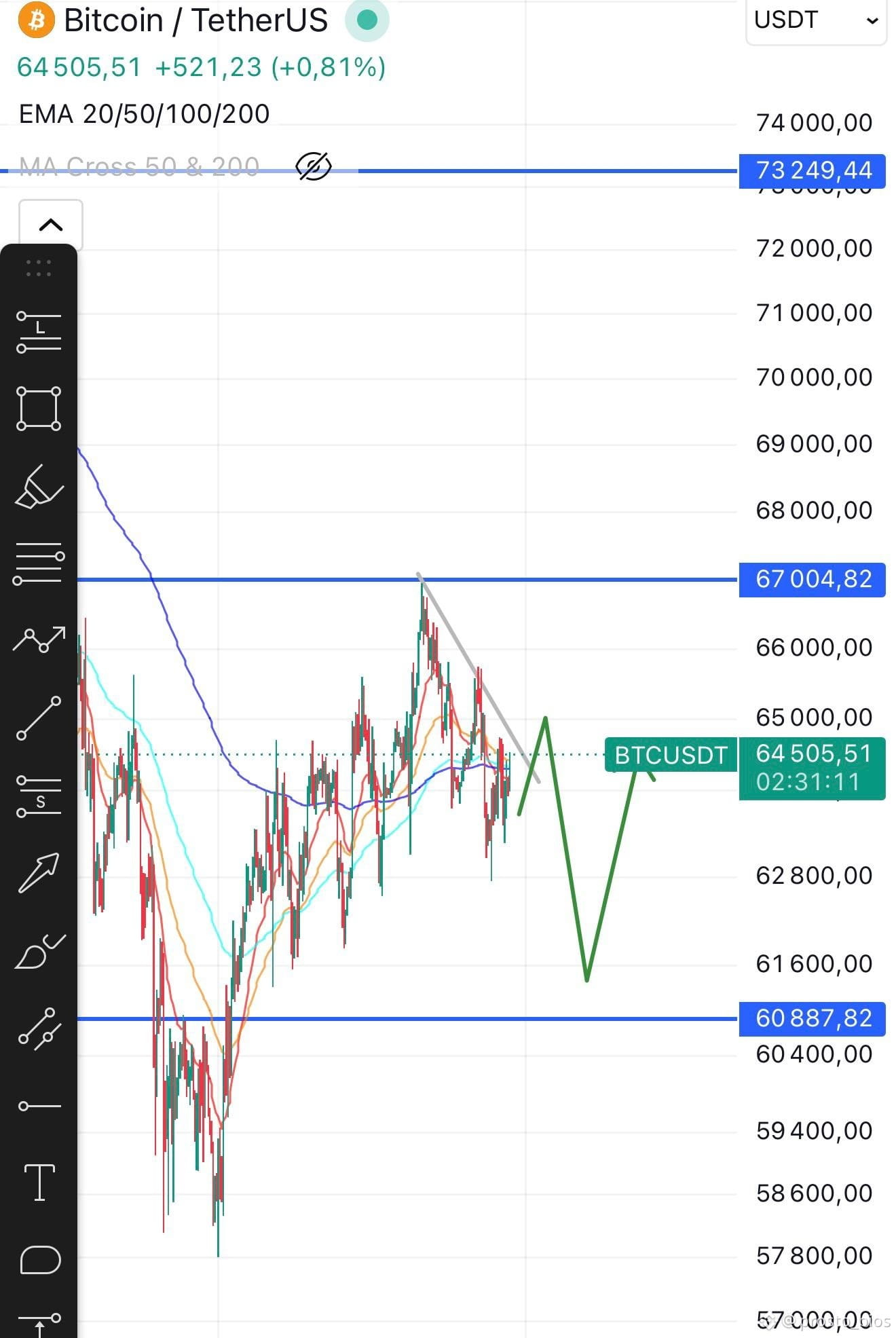
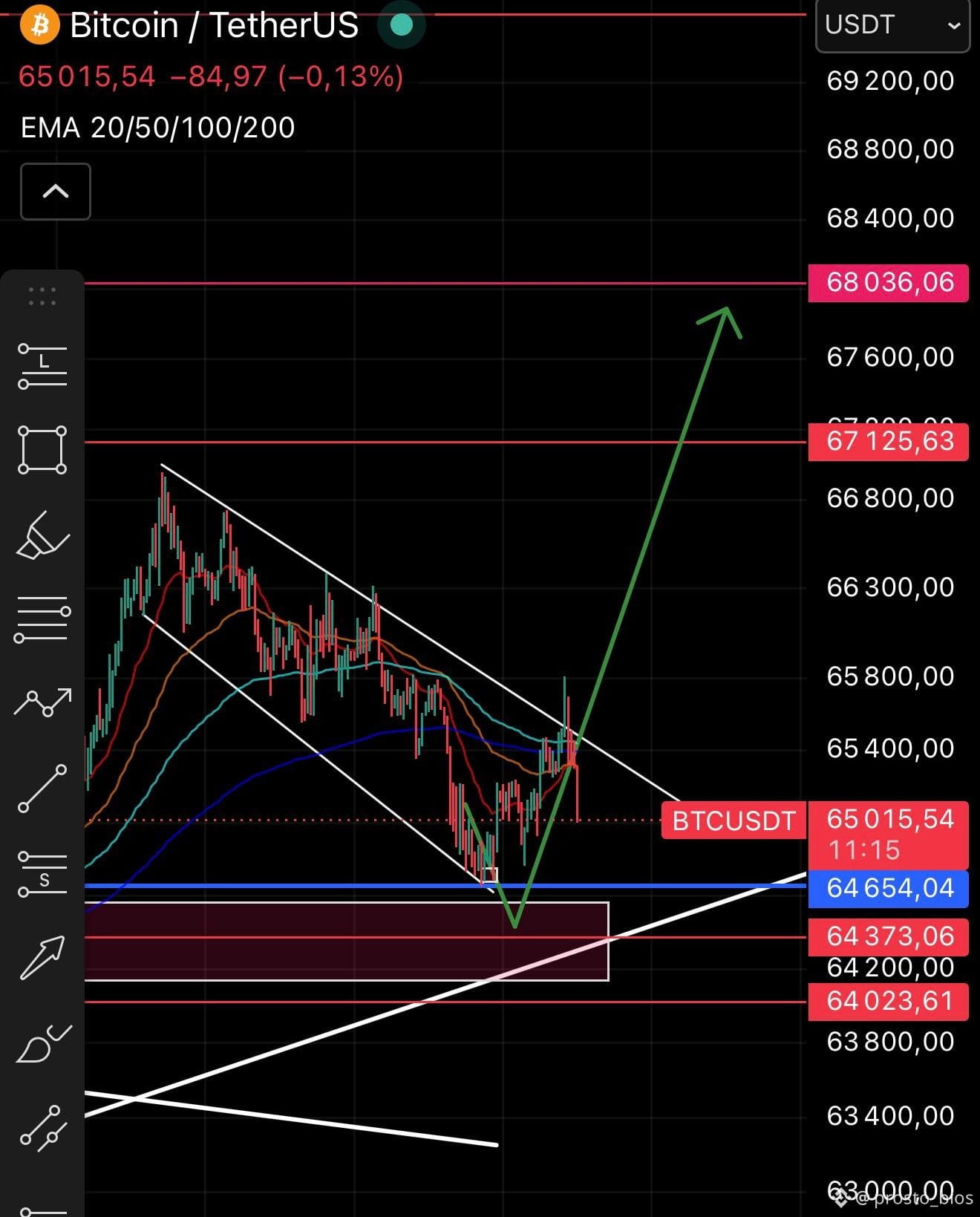
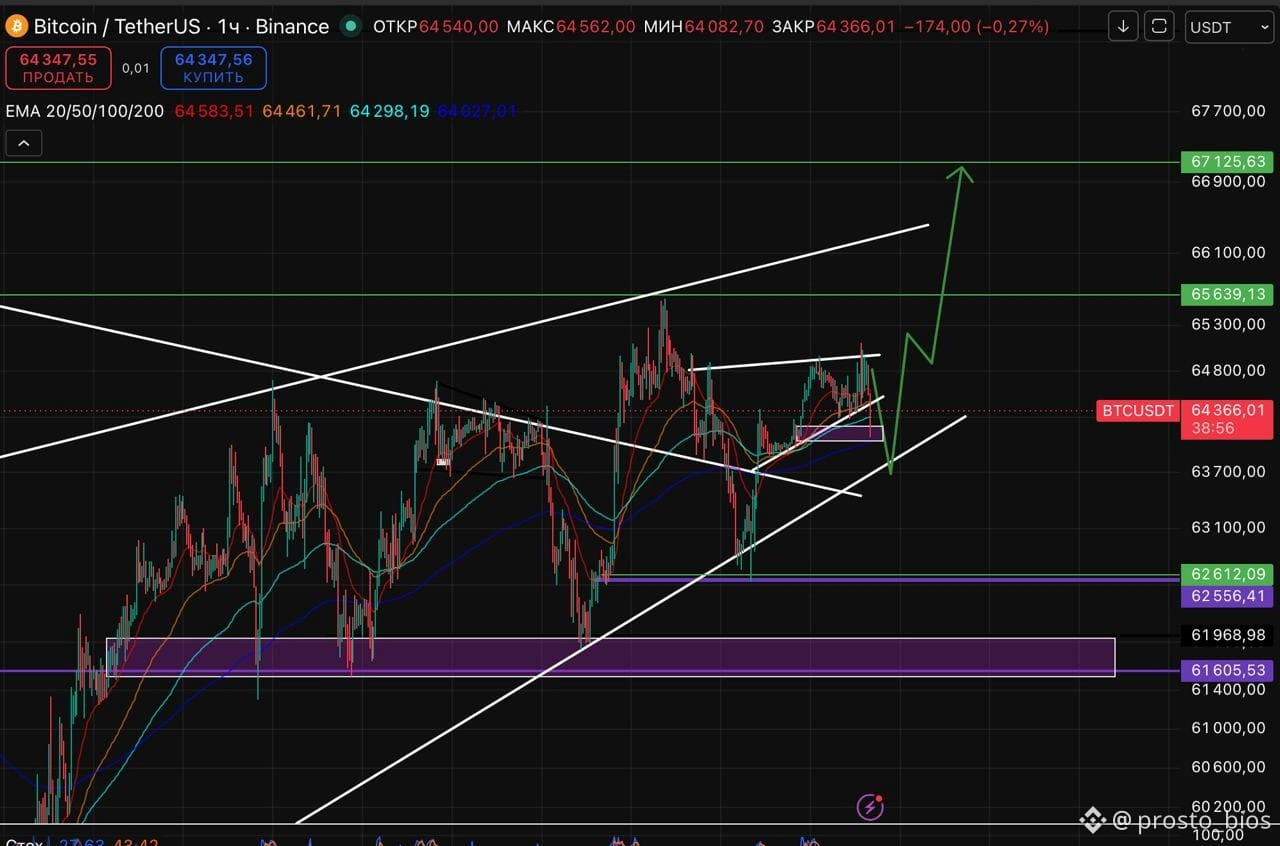
✅ Above 65,000 — a breakout and growth to 67,000
✅ While below 65,000 — a drop to 62,000–60,000$
What will happen in the end is not clear…
Since July 5 to July 30, for already a month now, $BTC has been sitting in place and sawing 🪚
It’s sawing nerves and people’s deposits.
Reports from US companies and #ФРС have in no way been directed to the market and have not provided an exit. The war in Iran никак не affects anything—the price is just stuck…
It’s pointless somehow. Even major events can’t move the market…
✅ Above 65,000 — a breakout and growth to 67,000
✅ While below 65,000 — a drop to 62,000–60,000$
What will happen in the end is not clear…
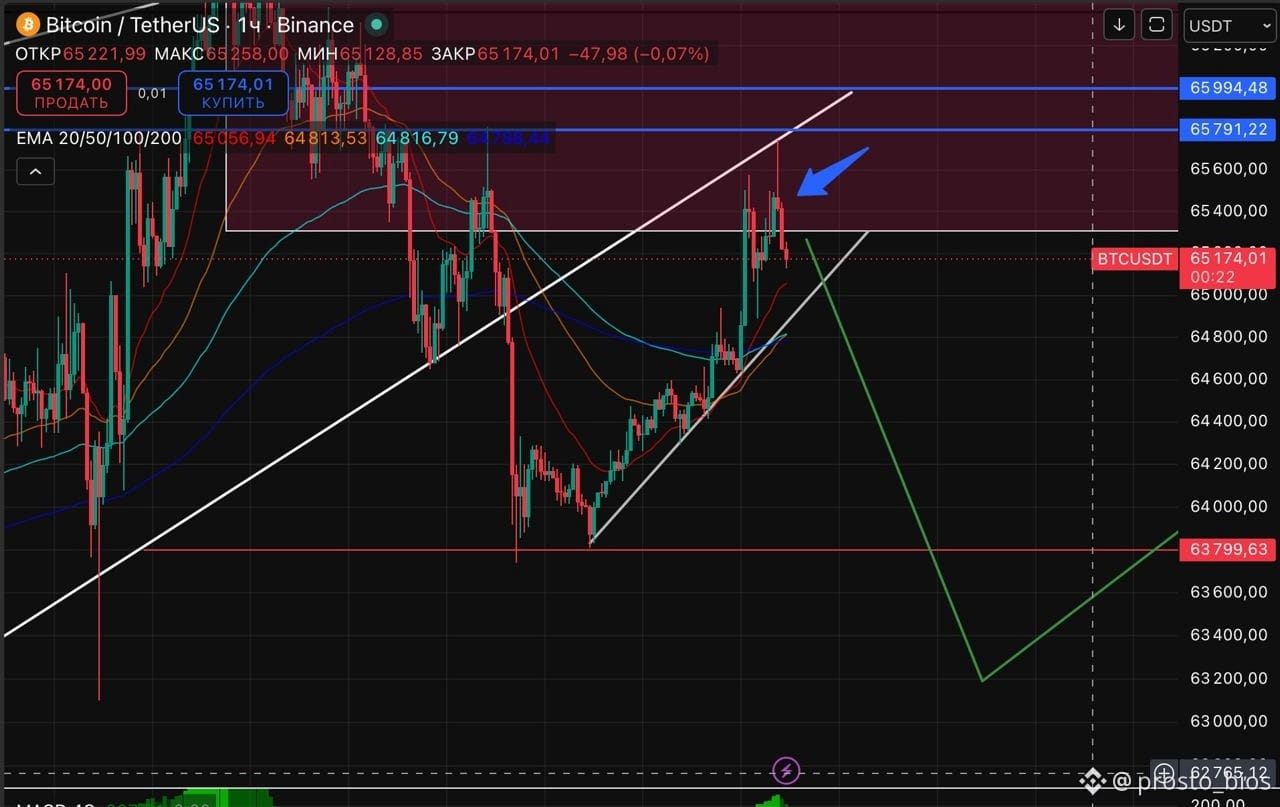
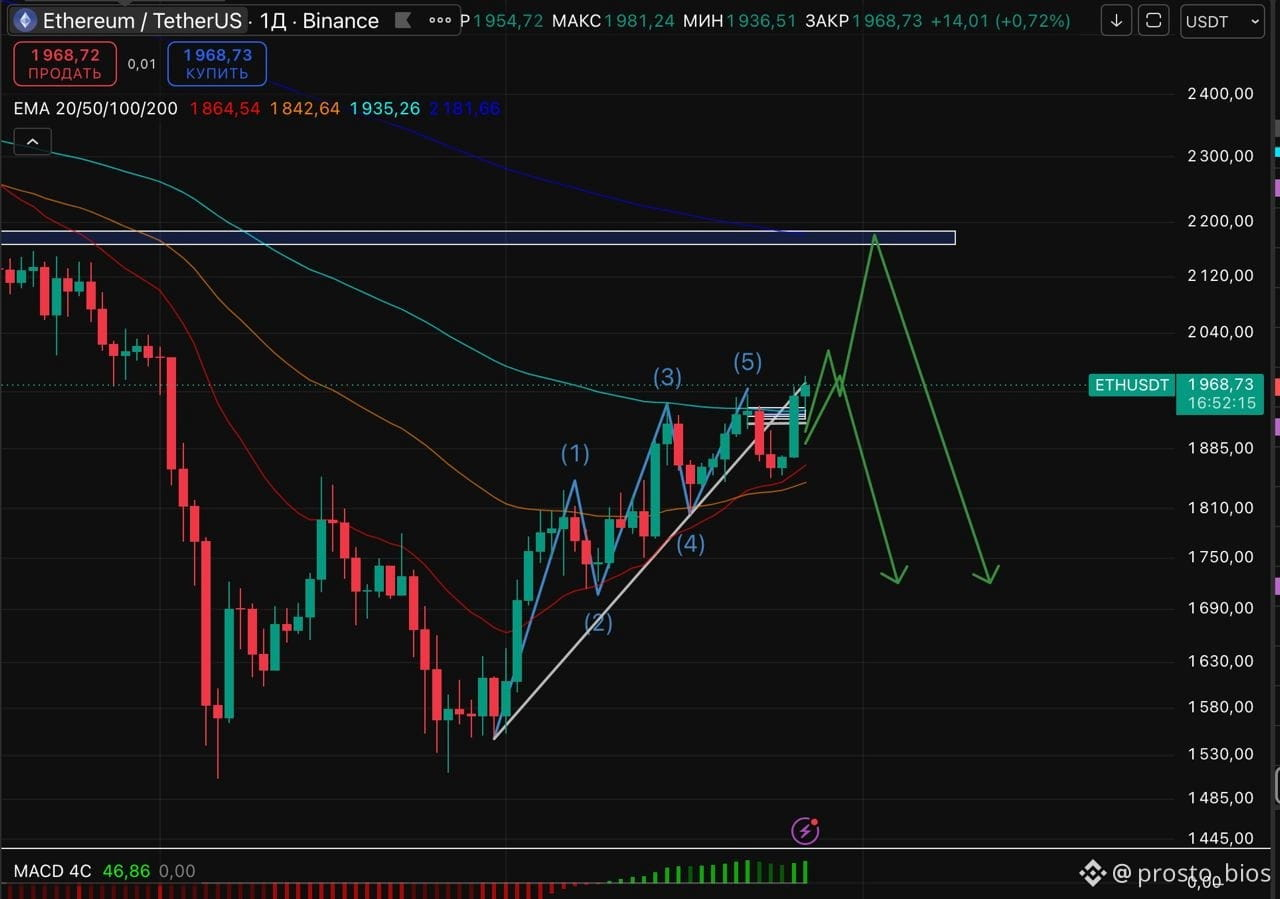
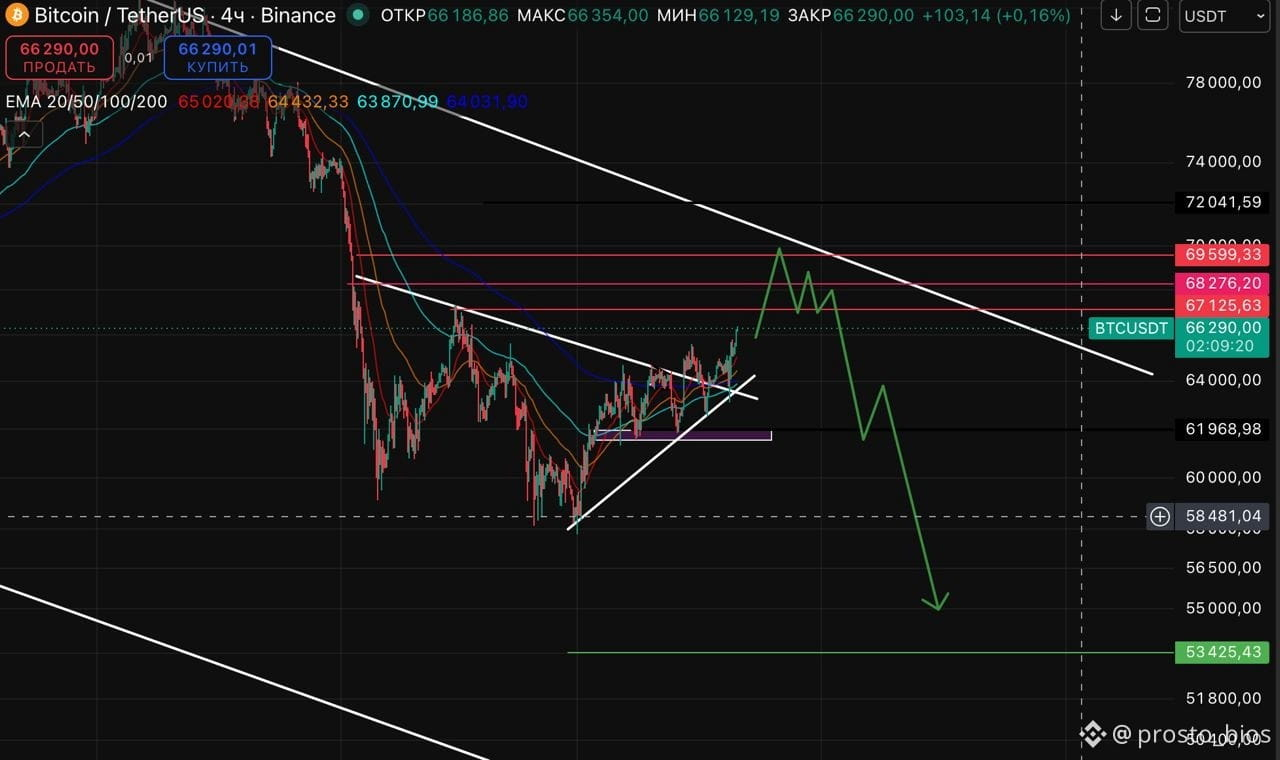
by market: $BTC hit the resistance zone 65500-66500- and from the current levels a downturn reversal may be possible!📉
if 66500 is broken, it will again move into the long zone with targets of 68000!
❗️actions: if my short is stopped out and goes above 66500, then I sit without positions and will do a new breakdown of levels!
if it falls from the current levels, I’m waiting for the 62000 target...
if 66500 is broken, it will again move into the long zone with targets of 68000!
❗️actions: if my short is stopped out and goes above 66500, then I sit without positions and will do a new breakdown of levels!
if it falls from the current levels, I’m waiting for the 62000 target...
Hello everyone 🤝
Bitcoin broke through 64000—this already breaks the ascending channel.
So a rise to 68000 is less likely now.
We didn’t remove the large liquidity block at 67500 and we went down.
Next, look for a short entry if there’s a rebound, aiming for
60000🔻
Bitcoin broke through 64000—this already breaks the ascending channel.
So a rise to 68000 is less likely now.
We didn’t remove the large liquidity block at 67500 and we went down.
Next, look for a short entry if there’s a rebound, aiming for
60000🔻
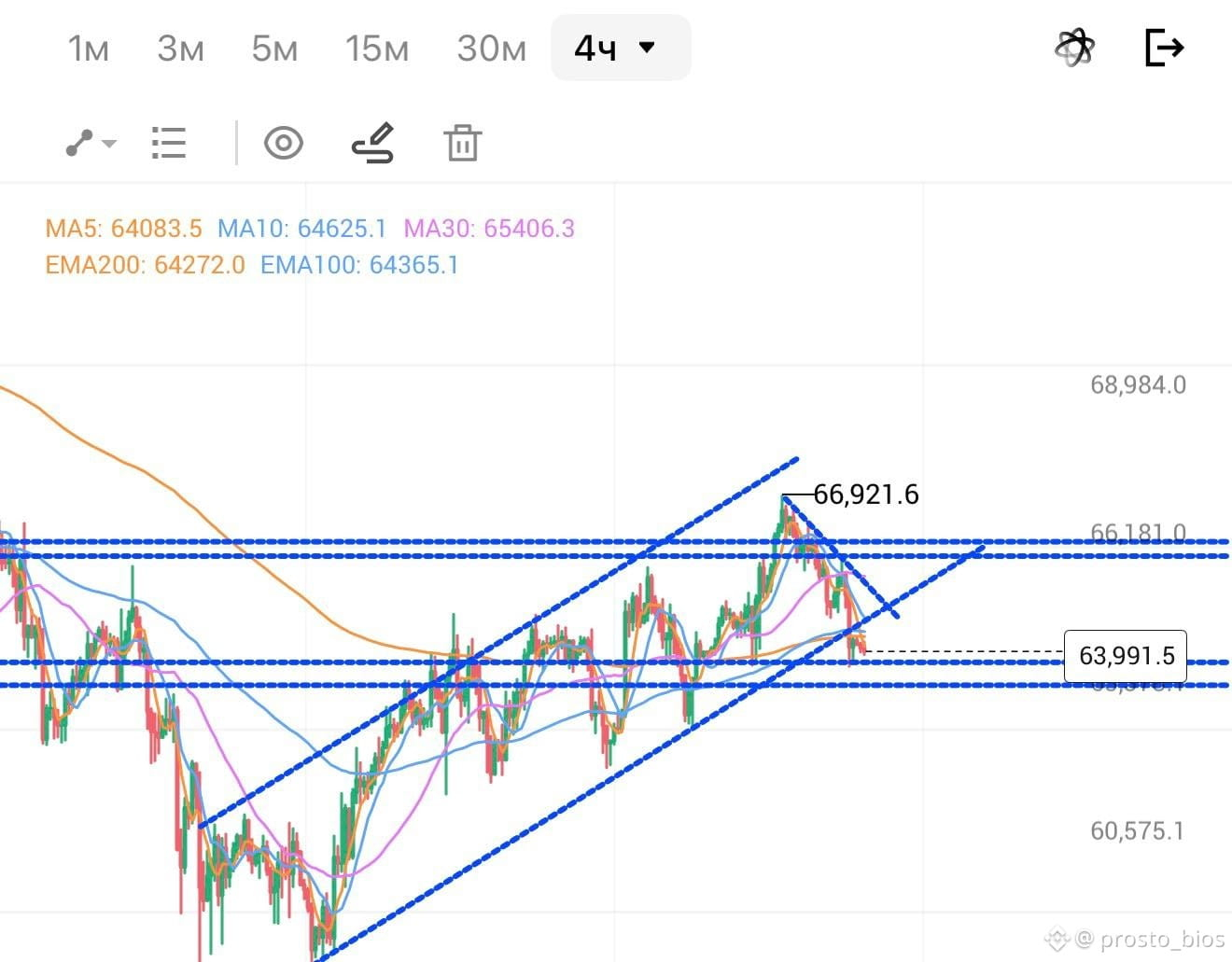
Despite the fact that the channel broke upward, there were sharp manipulations aimed at selling and they dumped all the growth. Apparently, we will be dropping to 64,400.
Right now, it’s not as clear as it was this morning, when the movement was organic.
Right now, it’s not as clear as it was this morning, when the movement was organic.
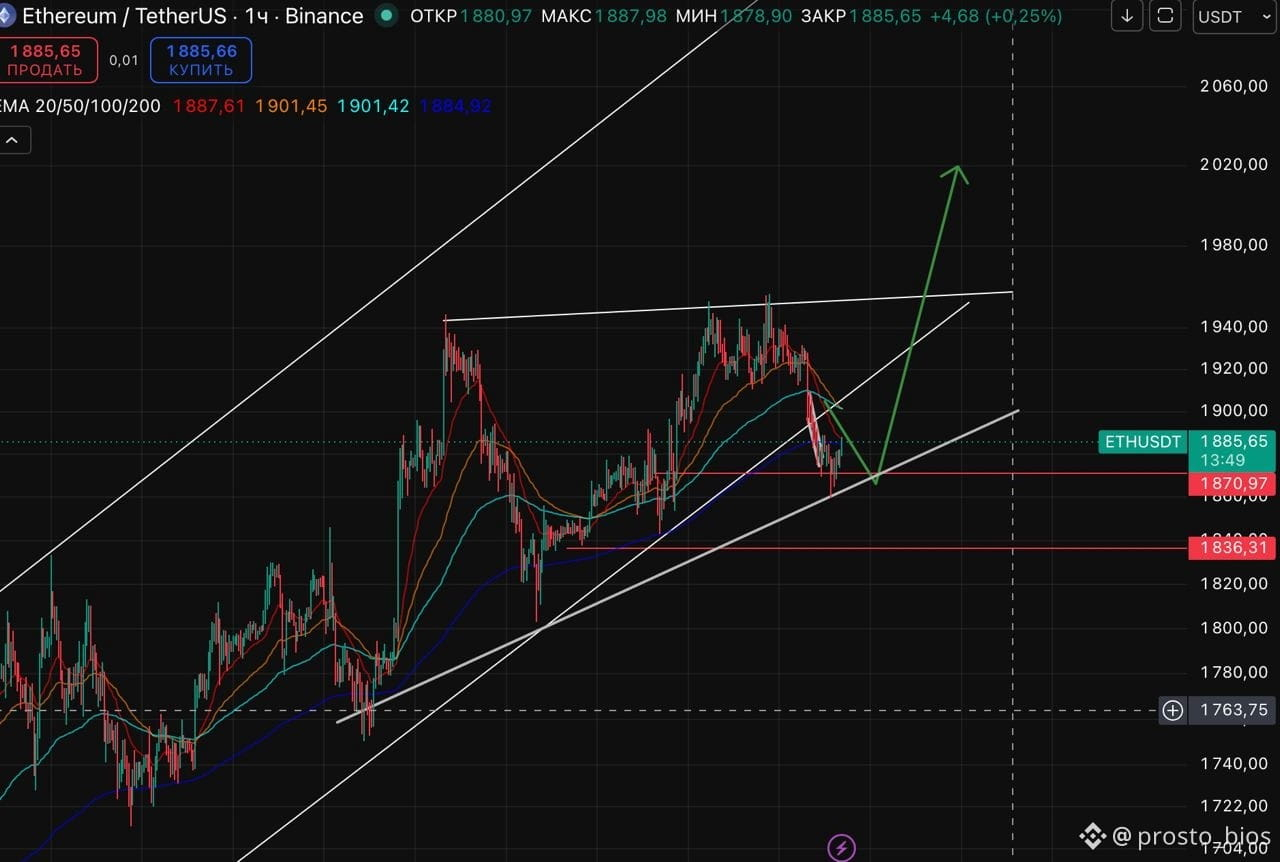
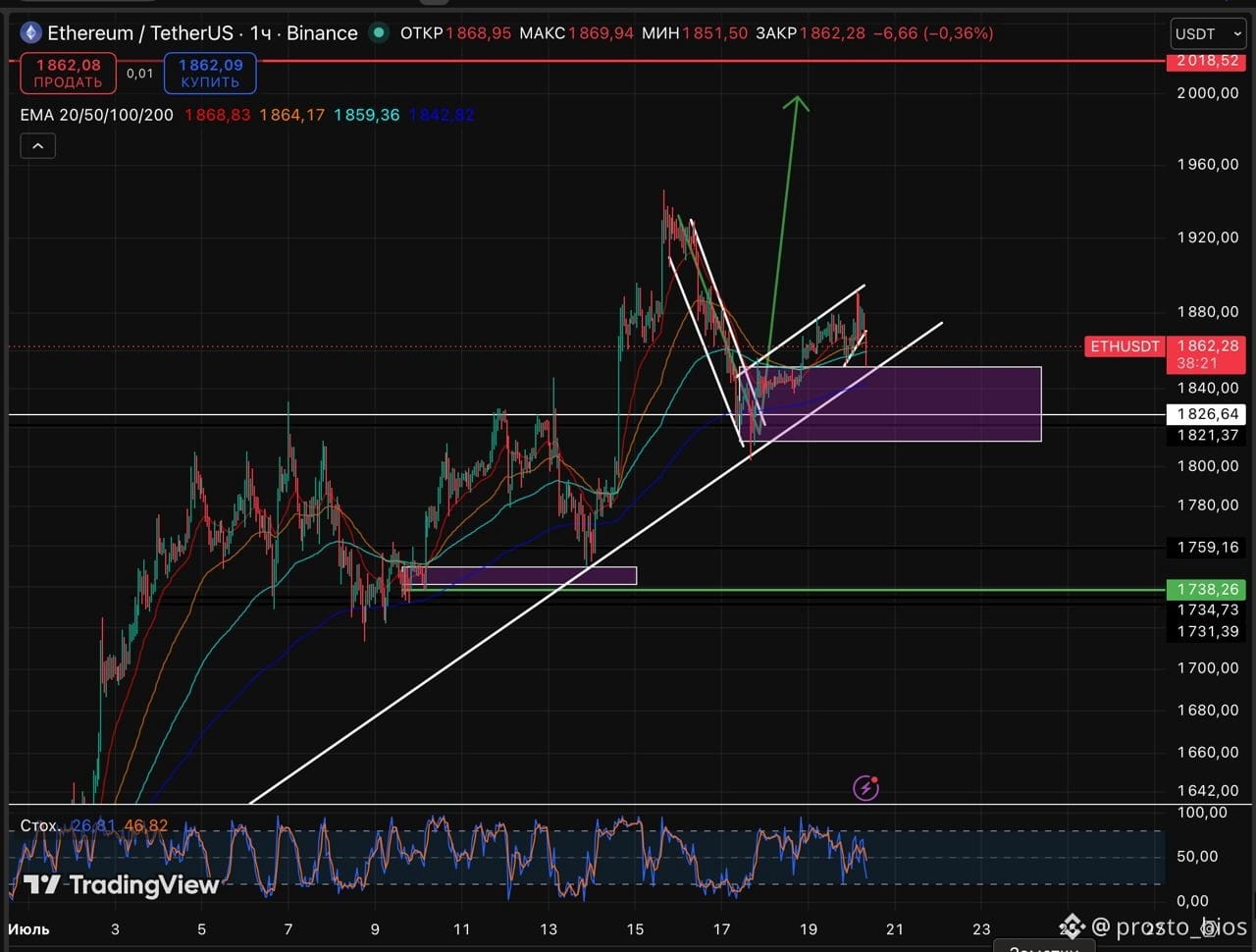
$ETH for the goals I would like to see 2020$
but the fact that he broke the channel downwards—it's concerning... weak
but the fact that he broke the channel downwards—it's concerning... weak
📊 Binance captured 74% of the perpetual futures market for ETF TradFi
According to #BİNANCE Research, in July the trading volume for such contracts exceeded $116 billion, and their share in the TradFi-Perps segment grew to 19%.
Binance became the market leader with a 74% share, and at the same time around 30% of the total TradFi-Perps turnover on the platform is already accounted for by ETF contracts.
The greatest interest among traders is in ETFs for the semiconductor sector and the South Korean market, and analysts believe that the TradFi-Perps segment will continue to grow actively following the global ETF market.
According to #BİNANCE Research, in July the trading volume for such contracts exceeded $116 billion, and their share in the TradFi-Perps segment grew to 19%.
Binance became the market leader with a 74% share, and at the same time around 30% of the total TradFi-Perps turnover on the platform is already accounted for by ETF contracts.
The greatest interest among traders is in ETFs for the semiconductor sector and the South Korean market, and analysts believe that the TradFi-Perps segment will continue to grow actively following the global ETF market.
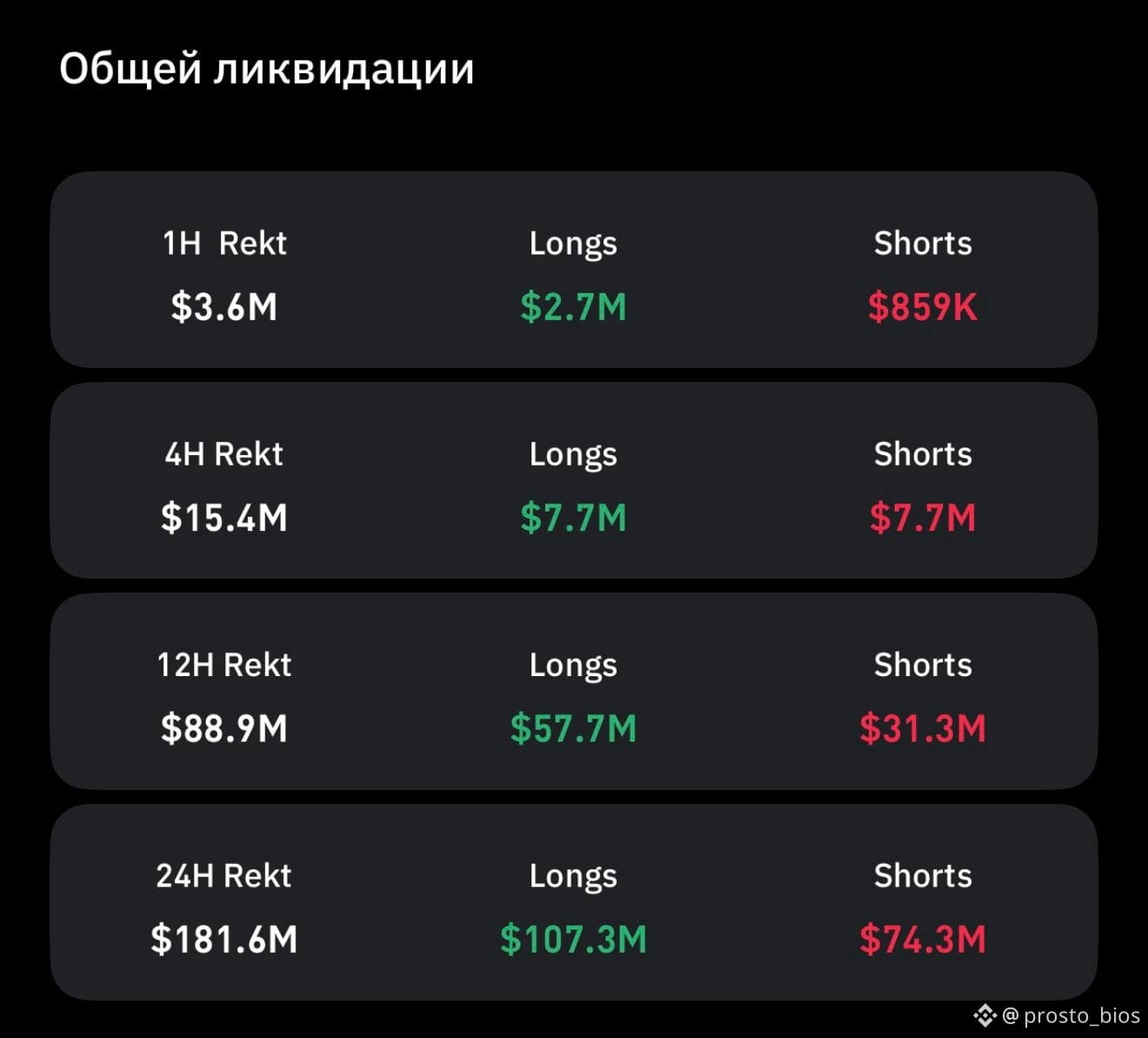
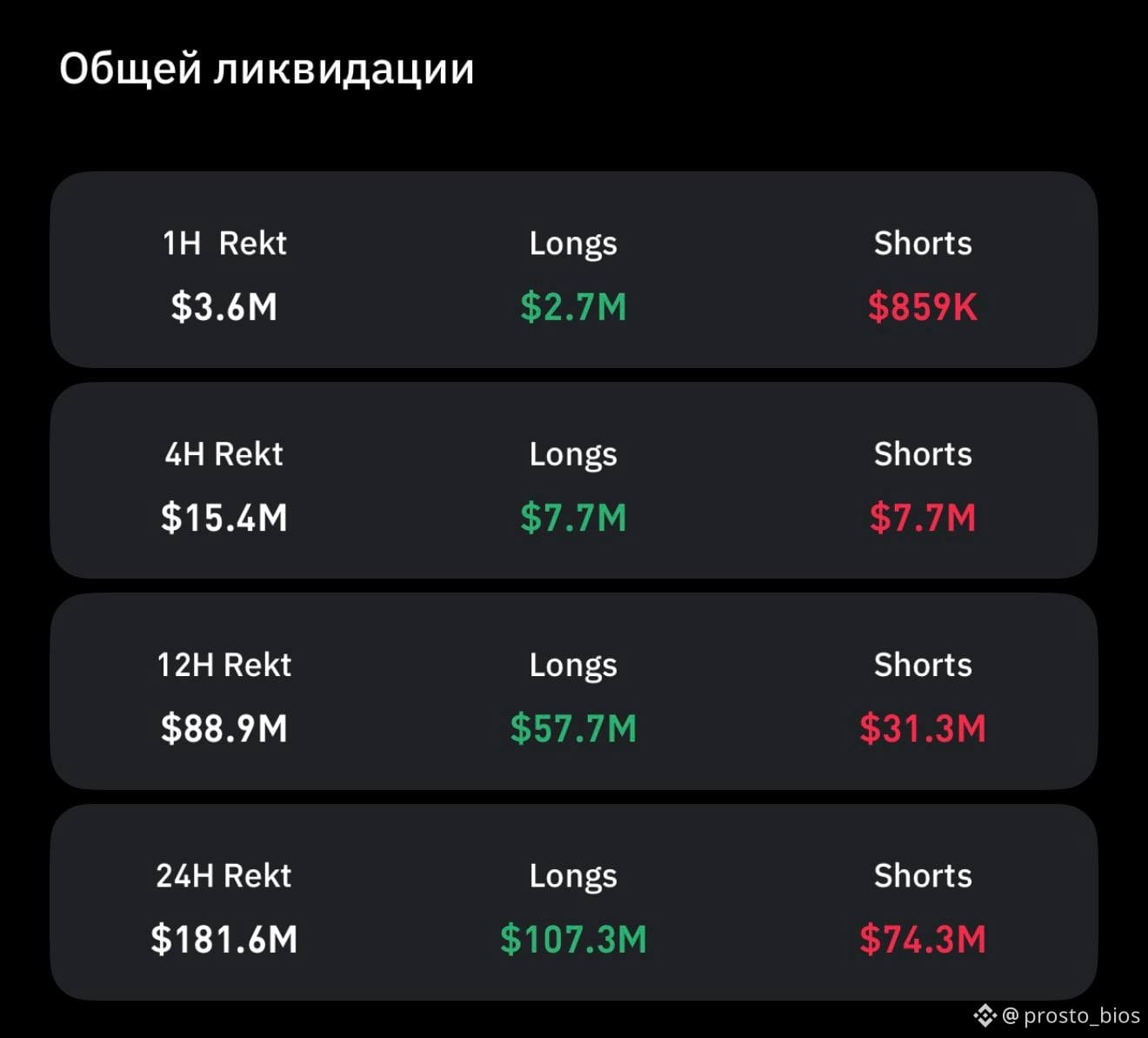
A few words about liquidations
The total volume isn’t very large, and it’s currently more concentrated on Ether than on Bitcoin. This may be due to the fact that dominance is currently in its short zones 😉
And if you’re holding a long position on Bitcoin, be careful with it, because a drop in Bitcoin dominance + a rise in Tether’s dominance will lead to a solid push downward to <$BTC > 💰
The total volume isn’t very large, and it’s currently more concentrated on Ether than on Bitcoin. This may be due to the fact that dominance is currently in its short zones 😉
And if you’re holding a long position on Bitcoin, be careful with it, because a drop in Bitcoin dominance + a rise in Tether’s dominance will lead to a solid push downward to <$BTC > 💰
Good morning ☀️
if they give a pullback, then I’ll try to take a long position on the breakout.
If we jump up right away, then it’s only shorts there.
It’s already 11 p.m., and the price is just staying put sideways in the range—this is the most hated market, the worst one, when you have to wait for many days for the deal…
They should have just let me take a short at the top and that’s it :)
if they give a pullback, then I’ll try to take a long position on the breakout.
If we jump up right away, then it’s only shorts there.
It’s already 11 p.m., and the price is just staying put sideways in the range—this is the most hated market, the worst one, when you have to wait for many days for the deal…
They should have just let me take a short at the top and that’s it :)
Let’s go live on the air, let’s run through it 👋
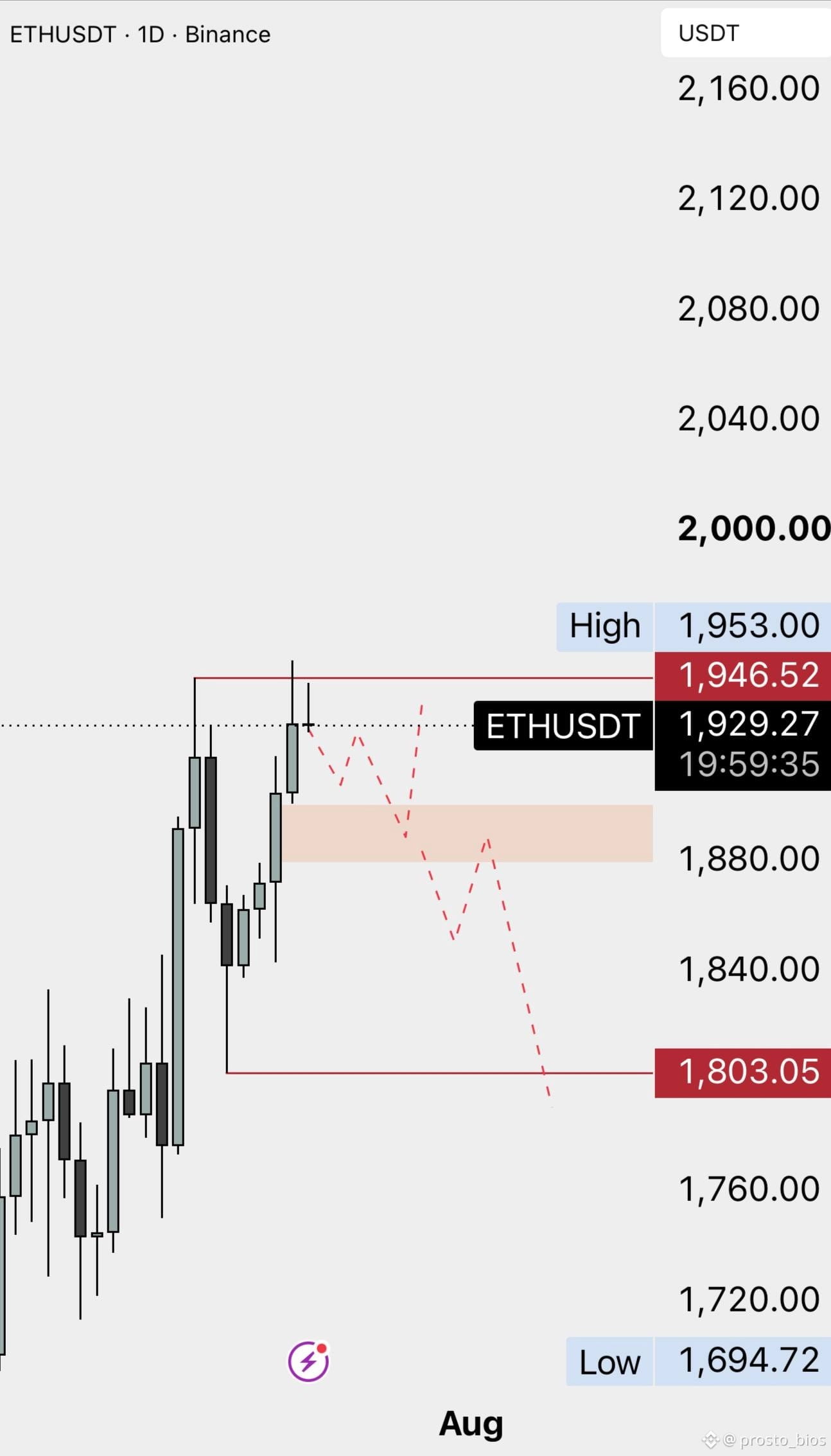
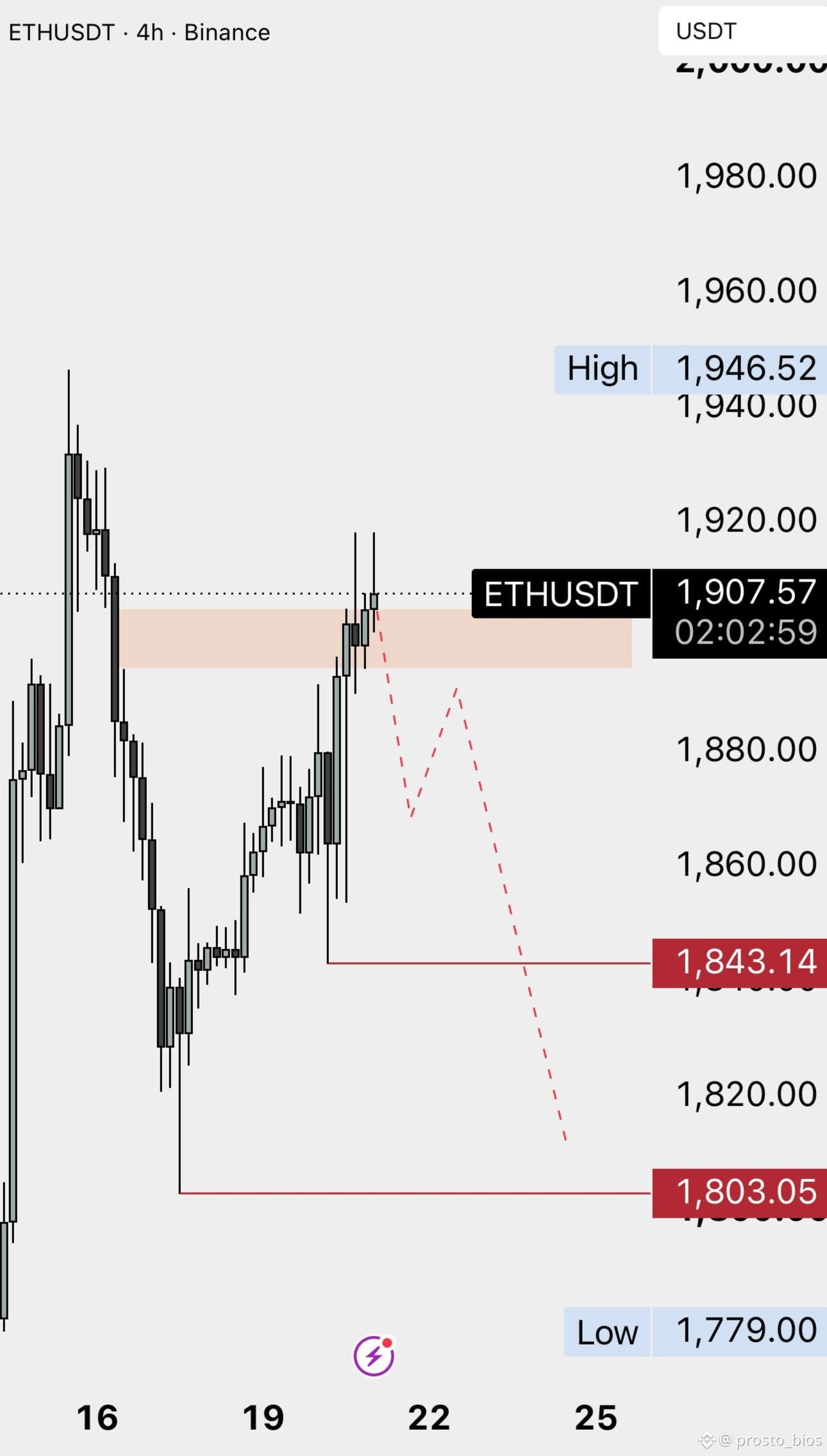
First of all, I want to note that the price has hit the maximum of the range.
Next, there’s inefficiency that we’ll test—I hope today.
If we break the inefficiency, we’ll move toward the round 1800 🍿
First of all, I want to note that the price has hit the maximum of the range.
Next, there’s inefficiency that we’ll test—I hope today.
If we break the inefficiency, we’ll move toward the round 1800 🍿
Verified
🌐 This summer, Telegram will launch the largest non-custodial crypto wallet
Pavel Durov stated that the new wallet $GRAM will become available right in #Telegram and will allow sending cryptocurrencies with no fees.
The service will operate without storing private keys and will be available to more than a billion users.
Amid the announcement of the Gram token, it surged by 9% at one point.
Pavel Durov stated that the new wallet $GRAM will become available right in #Telegram and will allow sending cryptocurrencies with no fees.
The service will operate without storing private keys and will be available to more than a billion users.
Amid the announcement of the Gram token, it surged by 9% at one point.


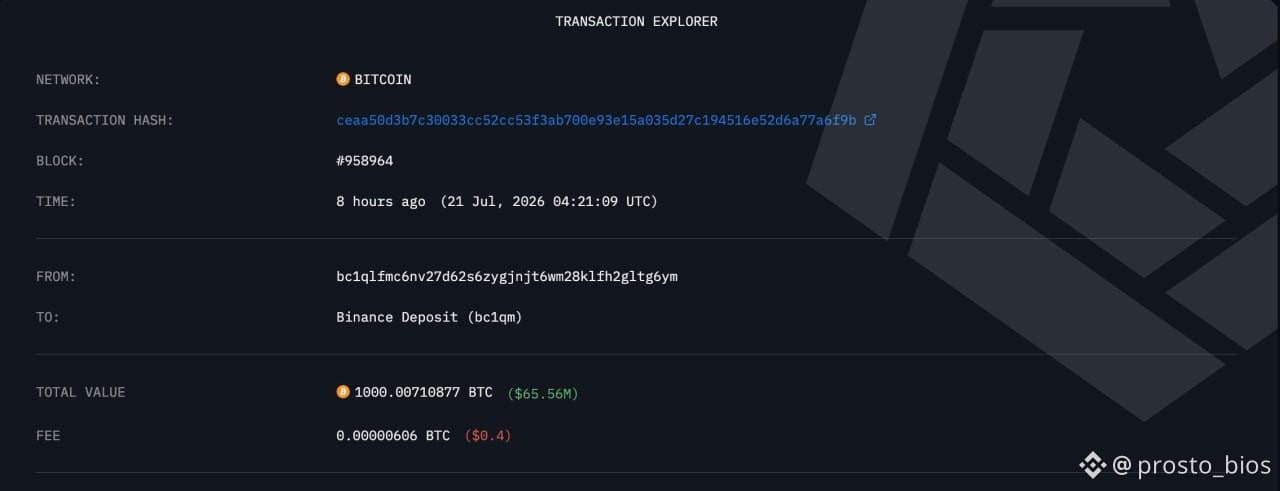
🐳 The whale who held $BTC for more than 12 years has completely left the position
An unknown investor sold the last 1000 BTC from a wallet that had held 5000 BTC since 2013.
The coins were bought for approximately $1.6 million, and their final value at the time of sale totaled about $434 million.
An unknown investor sold the last 1000 BTC from a wallet that had held 5000 BTC since 2013.
The coins were bought for approximately $1.6 million, and their final value at the time of sale totaled about $434 million.
But with Bitcoin the situation is more interesting 💰
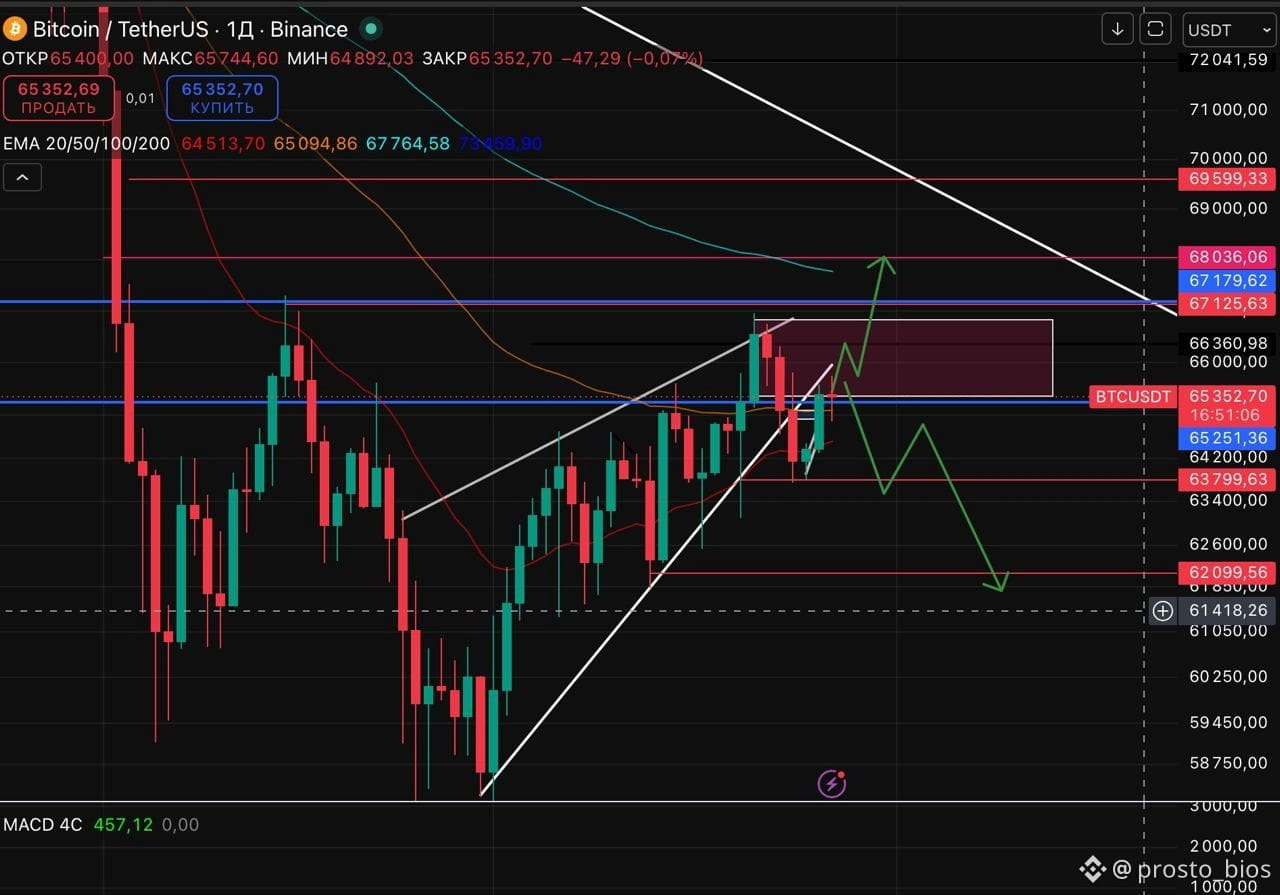
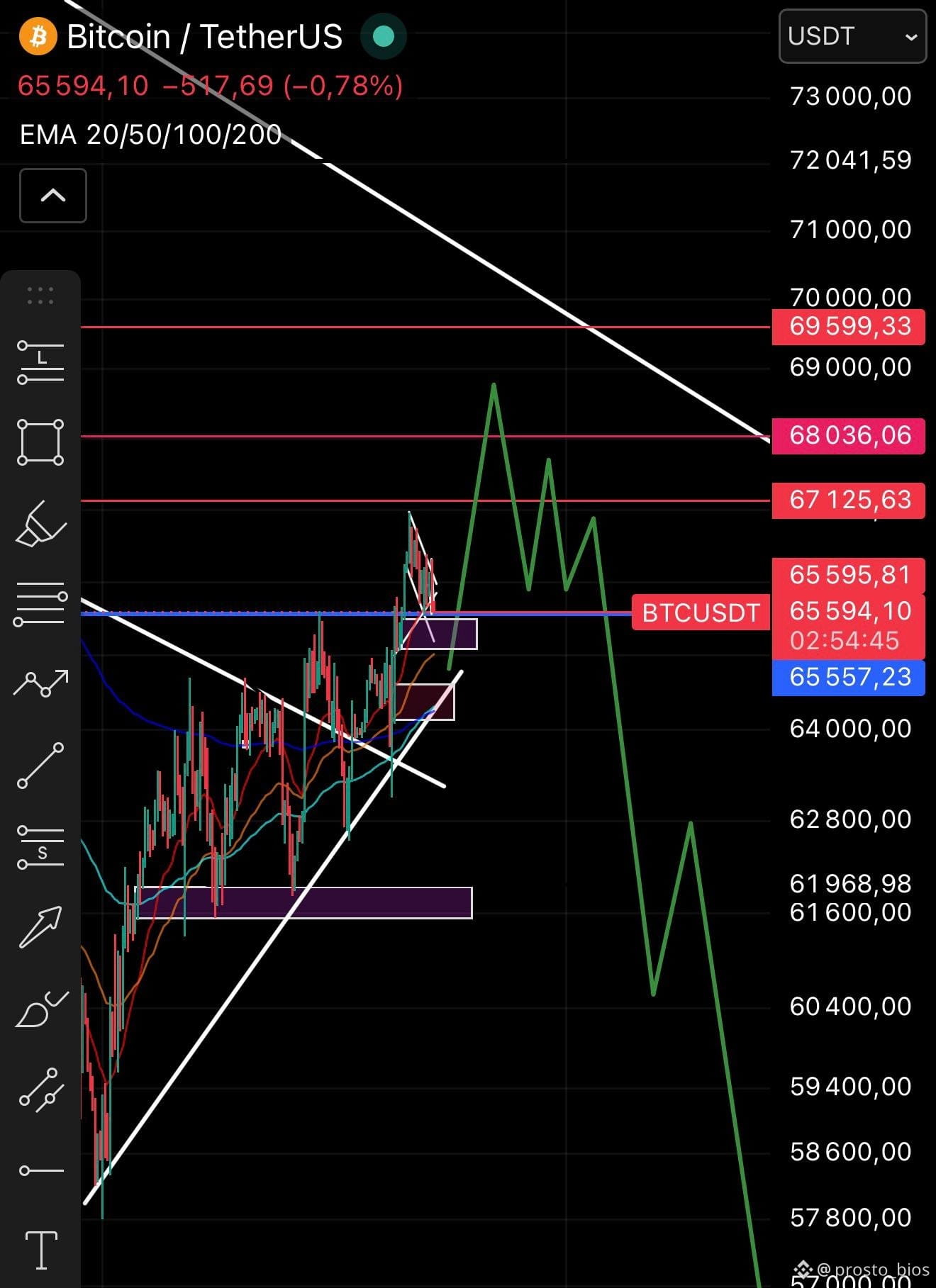
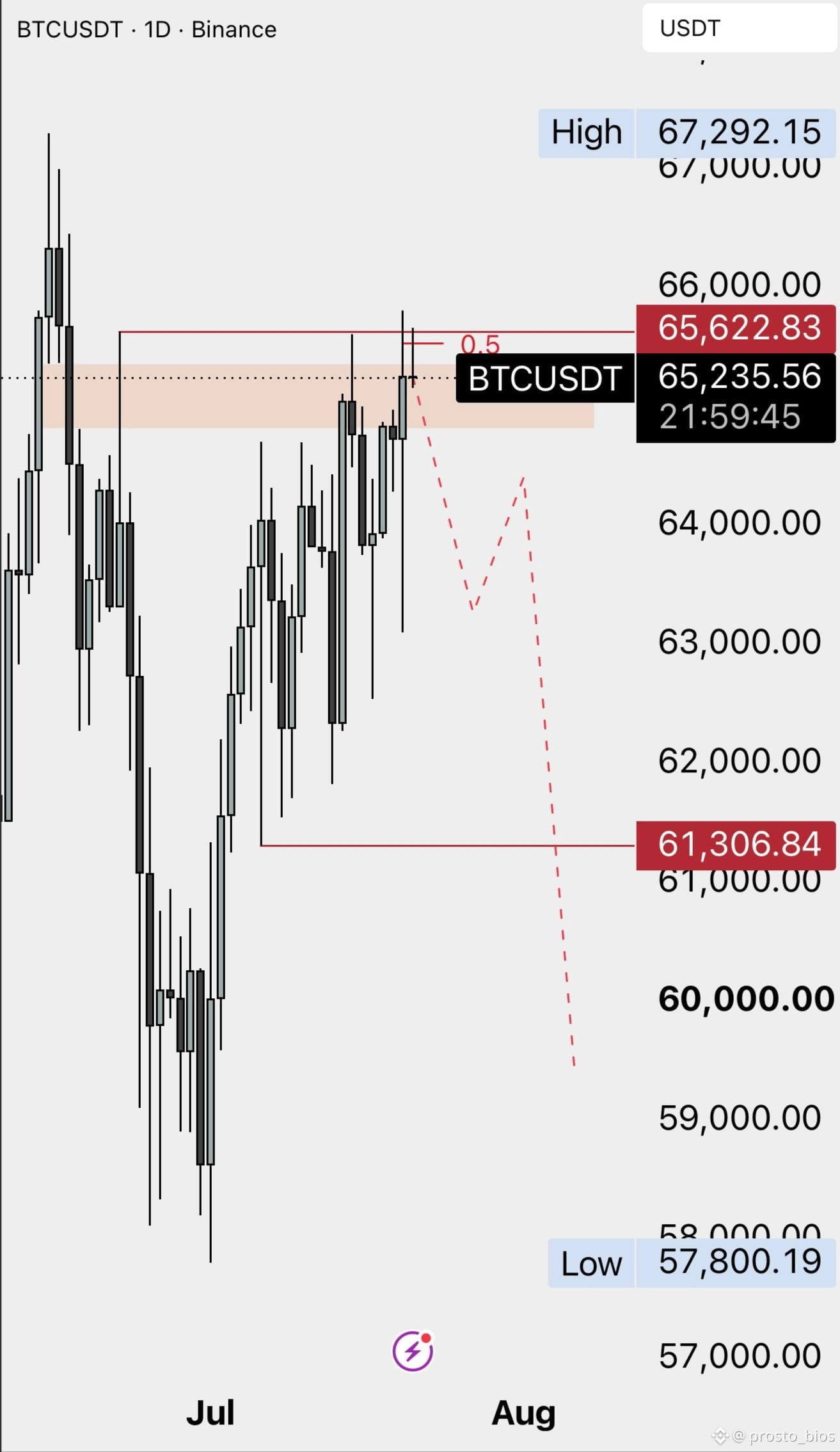
Because we failed to break through the inefficiency zone on the daily chart, I’d like to see the price move down to $61,300.
This fits entirely within a reasonable correction of the impulse, so it’s worth considering this scenario.
Because we failed to break through the inefficiency zone on the daily chart, I’d like to see the price move down to $61,300.
This fits entirely within a reasonable correction of the impulse, so it’s worth considering this scenario.
The first thing we will discuss is going to be the spot 💰
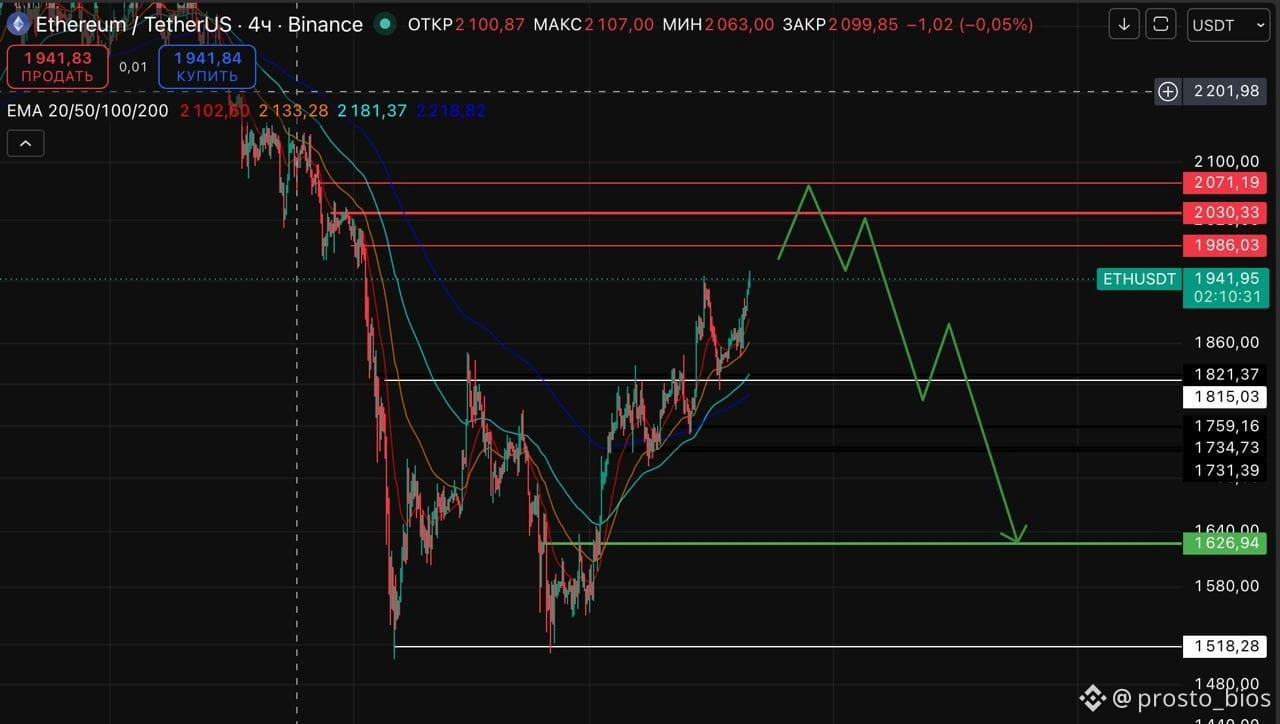
Honestly, it looks like it might be a correction first to $1800, and then to our long-awaited $1700.
Of course, I wouldn’t want to see an exit above the current level, but I’ll monitor the price up to the N.Y. session 🙈
Honestly, it looks like it might be a correction first to $1800, and then to our long-awaited $1700.
Of course, I wouldn’t want to see an exit above the current level, but I’ll monitor the price up to the N.Y. session 🙈
Partly True
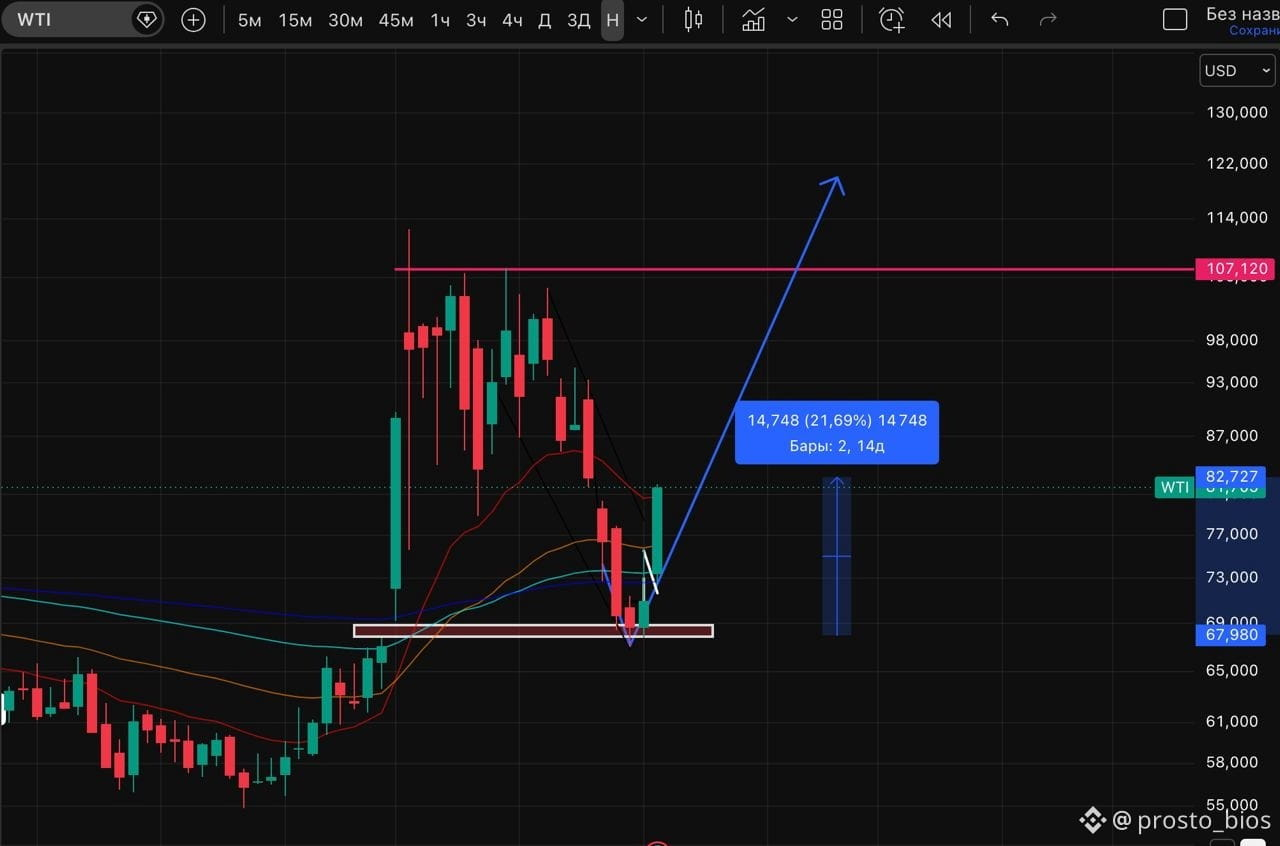
#WTI oil showed a rise of 20%
my goals are much higher, 107-120!
tensions with Iran are escalating; once again they understood that the deal with Trump and his signature is nonsense..
Iran knew from the start that the US’s goals are: completely take control of the strait and change the government. Everything they tell us about a ceasefire is only market manipulation—why they’re dragging time, I don’t know... everything should have already gone under, and oil should be at 140...
my goals are much higher, 107-120!
tensions with Iran are escalating; once again they understood that the deal with Trump and his signature is nonsense..
Iran knew from the start that the US’s goals are: completely take control of the strait and change the government. Everything they tell us about a ceasefire is only market manipulation—why they’re dragging time, I don’t know... everything should have already gone under, and oil should be at 140...
Log in to explore more content