

Soares Markets
54 Posts

Soares Markets
Report
Block User
💹 Criptoativos | Trading | Investimentos | Análises, tendências e perspectivas sobre oBitcoin, altcoins e mercados financeiros.
Open Trade
High-Frequency Trader
8.8 Years
80 Following
13 Followers
43 Liked
Posts
Portfolio
All
Quotes
·
--
Bullish
BINANCE ANNOUNCES CAMPAIGN WITH 120 MILLION WLFI AND UP TO 2.5 MILLION USD1
On October 29, 2026, Binance announced the continuation of its rewards campaign for eligible users who hold the World Liberty Financial USD (USD1) stablecoin on the platform.
WLFI accumulation period: from October 30, 2026, at 00:00 UTC, until November 27, 2026, at 00:00 UTC.
The program will distribute a total of 120 million WLFI tokens through weekly payments, as well as up to 2.5 million USD1 in additional rewards for specific user categories.
How does it work?
To participate in the WLFI rewards program, eligible users must maintain a net balance of at least 0.01 USD1 in Binance-supported account types.
Additional USD1 rewards are available to new users and those who increase their eligible balances compared with the previous reference period.
Binance sets calculation limits, balance maintenance rules, and specific conditions for each category.
Please note: the 120 million WLFI represents the amount allocated to the campaign, not an individual reward. The amounts actually received depend on eligibility, qualifying balances, and distribution rules.
The advertised annualized rates are variable and do not constitute a guaranteed return.
The campaign is subject to geographic restrictions. The absence of Brazil from the explicit list of exclusions does not guarantee individual eligibility.
Source: Binance Support — announcement dated October 29, 2026.
$BNB $USD1 #WLFI #Stablecoins #Airdrop #Criptomoedas
4
Article
SEC accuses principals of $200 million crypto schemeSEC accuses companies and executives of alleged $200 million crypto fraud involving more than 100,000 investors
On October 29, 2026, the Securities and Exchange Commission (SEC) announced a lawsuit against Blox Lending, Digital Licensing, and their respective principals over an alleged fraud scheme involving crypto asset investments marketed under the DEBT Box brand.
According to the complaint, the operation raised at least $200 million from more than 100,000 individual investors in various countries.
SEC accuses principals of $200 million crypto scheme
SEC accuses companies and executives of alleged $200 million crypto fraud involving more than 100,000 investors
On October 29, 2026, the Securities and Exchange Commission (SEC) announced a lawsuit against Blox Lending, Digital Licensing, and their respective principals over an alleged fraud scheme involving crypto asset investments marketed under the DEBT Box brand.
According to the complaint, the operation raised at least $200 million from more than 100,000 individual investors in various countries.
56
Article
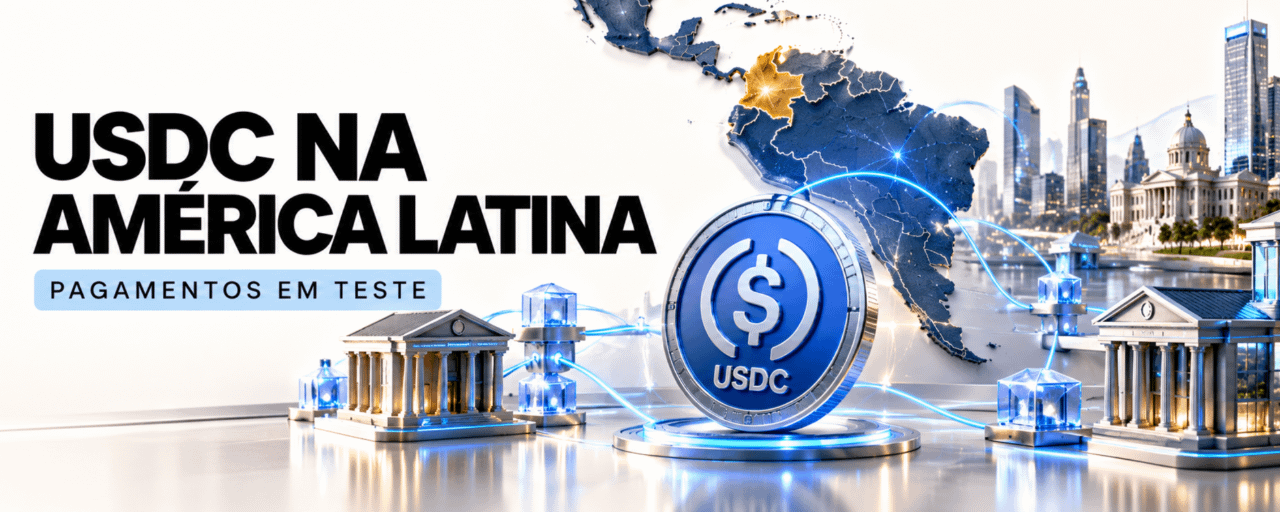
Circle and ACI Worldwide test USDC settlement in Latin AmericaUSDC advances in Latin America: Circle and ACI Worldwide announce experimental integration with banking infrastructure
Circle, issuer of the USDC stablecoin through its regulated entities, and ACI Worldwide announced on October 27, 2026, a collaboration to demonstrate how stablecoin settlements can be incorporated into traditional payment systems.
The project begins in Colombia, using the ACI Connetic platform and Circle’s USDC infrastructure.
What is being developed?
Circle and ACI Worldwide test USDC settlement in Latin America
USDC advances in Latin America: Circle and ACI Worldwide announce experimental integration with banking infrastructure
Circle, issuer of the USDC stablecoin through its regulated entities, and ACI Worldwide announced on October 27, 2026, a collaboration to demonstrate how stablecoin settlements can be incorporated into traditional payment systems.
The project begins in Colombia, using the ACI Connetic platform and Circle’s USDC infrastructure.
What is being developed?
USDC+0.10%
ACIWUS-1.31%
1
19
BINANCE EXPANDS USE OF TOKENIZED ASSETS AS COLLATERAL
Binance confirmed that five bStocks became accepted as collateral in margin trading products starting 28/10/2026 at 12:00 UTC.
The included assets are:
• APPB — AppLovin
• BSPB — Bending Spoons
• GEVB — GE Vernova
• SKDDB — Leveraged inverse ETF linked to SK Hynix
• SKUUB — Leveraged ETF linked to SK Hynix
The update covers Cross Margin, Portfolio Margin and Portfolio Margin Pro, and also enables margin trading of the corresponding pairs for eligible users.
What’s changing?
The assets can be used as collateral under the announced products. However, Binance clarified that borrowing these tokens themselves is not yet supported.
Users in the Regular, VIP 1 and VIP 2 tiers must complete a suitability assessment before using bStocks-related Margin features.
Be aware of the risks and regional restrictions.
bStocks are tokenized instruments, not shares directly held by their owners. Using them as collateral does not eliminate volatility, leverage or liquidation risks.
The feature is restricted to eligible jurisdictions and users. Availability for residents of Brazil was not confirmed in the announcement.
Source: Binance Support, 28/10/2026.
#Binance #bStocks #Tokenization #Margin #RWA #CryptoAssets
38
Article
SEC proposes new rules for institutional cryptocurrency custody.On 01/10/2026, the U.S. Securities and Exchange Commission (SEC) introduced a proposal to modernize the rules governing the custody of crypto assets by registered investment advisers and regulated funds.
The text was published in the Federal Register on 06/10/2026 and remains open for public comment, with a deadline of 07/12/2026.
The proposal is not yet a final rule.
What does the SEC intend to change?
The goal is to establish more specific requirements for the custody of digital assets, taking into account technical characteristics that do not fit perfectly into traditional securities custody models.
SEC proposes new rules for institutional cryptocurrency custody.
On 01/10/2026, the U.S. Securities and Exchange Commission (SEC) introduced a proposal to modernize the rules governing the custody of crypto assets by registered investment advisers and regulated funds.
The text was published in the Federal Register on 06/10/2026 and remains open for public comment, with a deadline of 07/12/2026.
The proposal is not yet a final rule.
What does the SEC intend to change?
The goal is to establish more specific requirements for the custody of digital assets, taking into account technical characteristics that do not fit perfectly into traditional securities custody models.
1
18
Article
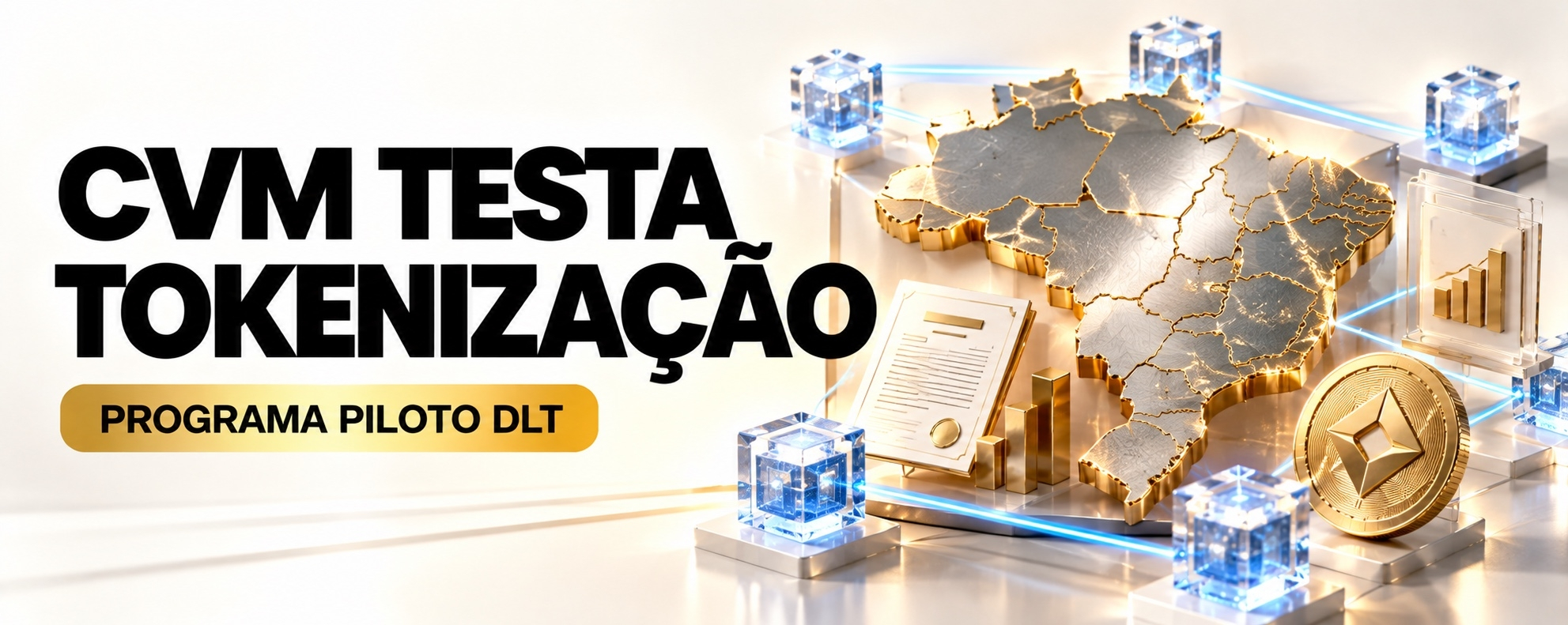
Brazil advances securities tokenization: CVM launches pilot program with blockch technologyThe Brazilian Securities and Exchange Commission (CVM) established the CVM DLT Pilot Program through CVM Resolution No. 249, dated October 13, 2026, and published on October 14, 2026.
The initiative creates an experimental environment to evaluate the use of distributed ledger technologies (DLT), including blockchain, in Brazilian capital market transactions.
What can be tested?
The program allows different stages of the securities life cycle to be simulated, including issuance, distribution, trading, recordkeeping, custody, settlement, and post-trade activities.
Brazil advances securities tokenization: CVM launches pilot program with blockch technology
The Brazilian Securities and Exchange Commission (CVM) established the CVM DLT Pilot Program through CVM Resolution No. 249, dated October 13, 2026, and published on October 14, 2026.
The initiative creates an experimental environment to evaluate the use of distributed ledger technologies (DLT), including blockchain, in Brazilian capital market transactions.
What can be tested?
The program allows different stages of the securities life cycle to be simulated, including issuance, distribution, trading, recordkeeping, custody, settlement, and post-trade activities.
1
49
🚨 BINANCE TO REMOVE 10 MARGIN PAIRS ON OCTOBER 30
Binance confirmed it will close 10 Cross Margin pairs on October 30, 2026, at 06:00 UTC.
Affected pairs:
RE/USD1, 币安人生/U, KAT/U, BTC/USDS, ETH/USDS, AVNT/U, FET/U, TRUMP/U, APT/U, and WLFI/U.
What will happen?
At the scheduled time, Binance will close positions in these pairs, carry out automatic liquidation, and cancel pending orders.
The process may take approximately three hours, during which users will not be able to update the affected positions.
Removing Cross Margin pairs does not mean the respective tokens will be automatically delisted from the platform. Other available pairs may continue trading.
Please note: Users with open positions should check their accounts and the official guidelines before the scheduled closure.
📌 Source: Binance Support — announcement dated October 27, 2026, at 08:00 UTC.
#Binance #Margin #Cryptocurrency #RiskManagement #CryptoNews

301
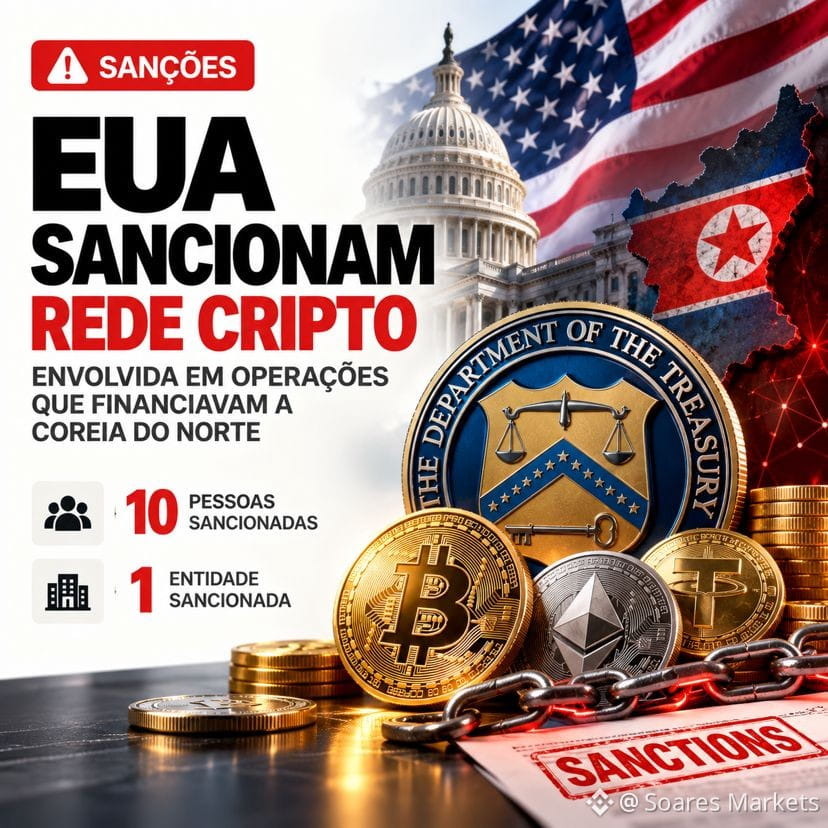
🚨 U.S. SANCTIONS NETWORK INVOLVED IN MILLIONS OF DOLLARS IN CRYPTOCURRENCY
On 28/10/2026, the U.S. Department of the Treasury announced sanctions against 10 individuals and one entity allegedly involved in North Korean-linked IT worker schemes, according to authorities.
The investigation identified the use of false identities, fraudulent hiring, and cryptocurrency transfers to move funds intended for the North Korean regime.
Two cases highlighted by OFAC:
• Vitold Obertas: nearly US$ 2 million in cryptocurrency conversions since January 2025.
• Ilya Boykov: approximately US$ 3.5 million in cryptocurrency transactions since 2024.
The amounts represent activity attributed to different intermediaries and should not automatically be interpreted as the total amount moved by the network.
Why does this matter?
The sanctions underscore the need for transaction monitoring, counterparty identification, and anti-money laundering controls.
For exchanges and financial institutions, the case highlights compliance risks associated with international networks that use digital assets.
The measure does not mean that using cryptocurrency is inherently illegal.
Source: U.S. Department of the Treasury — OFAC, 28/10/2026.
#Cryptocurrencies #OFAC #Cybersecurity #Blockchain #Regulation #BinanceSquare
791
Article
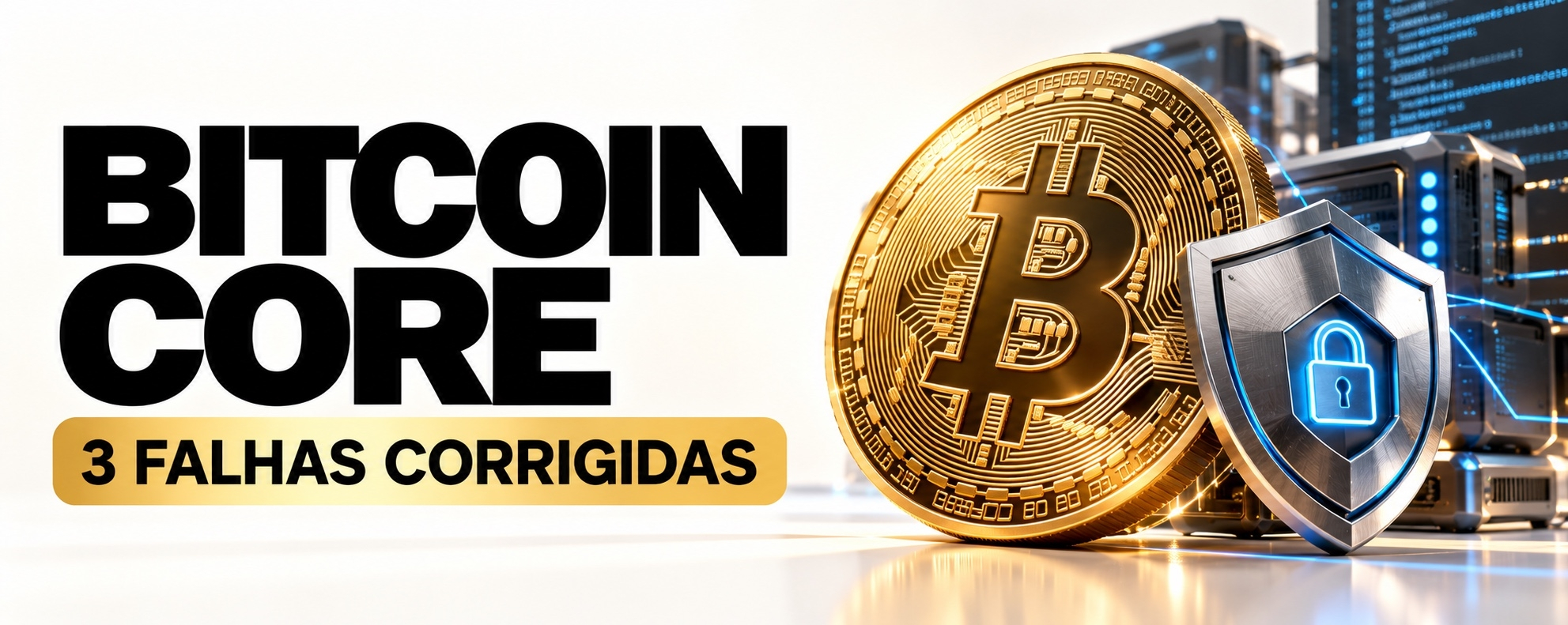
Bitcoin Core fixes three vulnerabilities discovered with the help of artificial intelligenceOn October 28, 2026, Bitcoin Core disclosed three security vulnerabilities, including flaws that could cause Bitcoin network nodes to shut down unexpectedly.
The issues were identified using an automated code analysis tool based on language models, as part of Project Loupe, and were subsequently validated by developers.
Fixes were made available in Bitcoin Core versions 29.5, 30.4, 31.2, and 32.1.
What vulnerabilities were identified?
1. CVE-2026-117350 — Memory flaw in Windows, macOS, and BSD
Bitcoin Core fixes three vulnerabilities discovered with the help of artificial intelligence
On October 28, 2026, Bitcoin Core disclosed three security vulnerabilities, including flaws that could cause Bitcoin network nodes to shut down unexpectedly.
The issues were identified using an automated code analysis tool based on language models, as part of Project Loupe, and were subsequently validated by developers.
Fixes were made available in Bitcoin Core versions 29.5, 30.4, 31.2, and 32.1.
What vulnerabilities were identified?
1. CVE-2026-117350 — Memory flaw in Windows, macOS, and BSD
383
Article
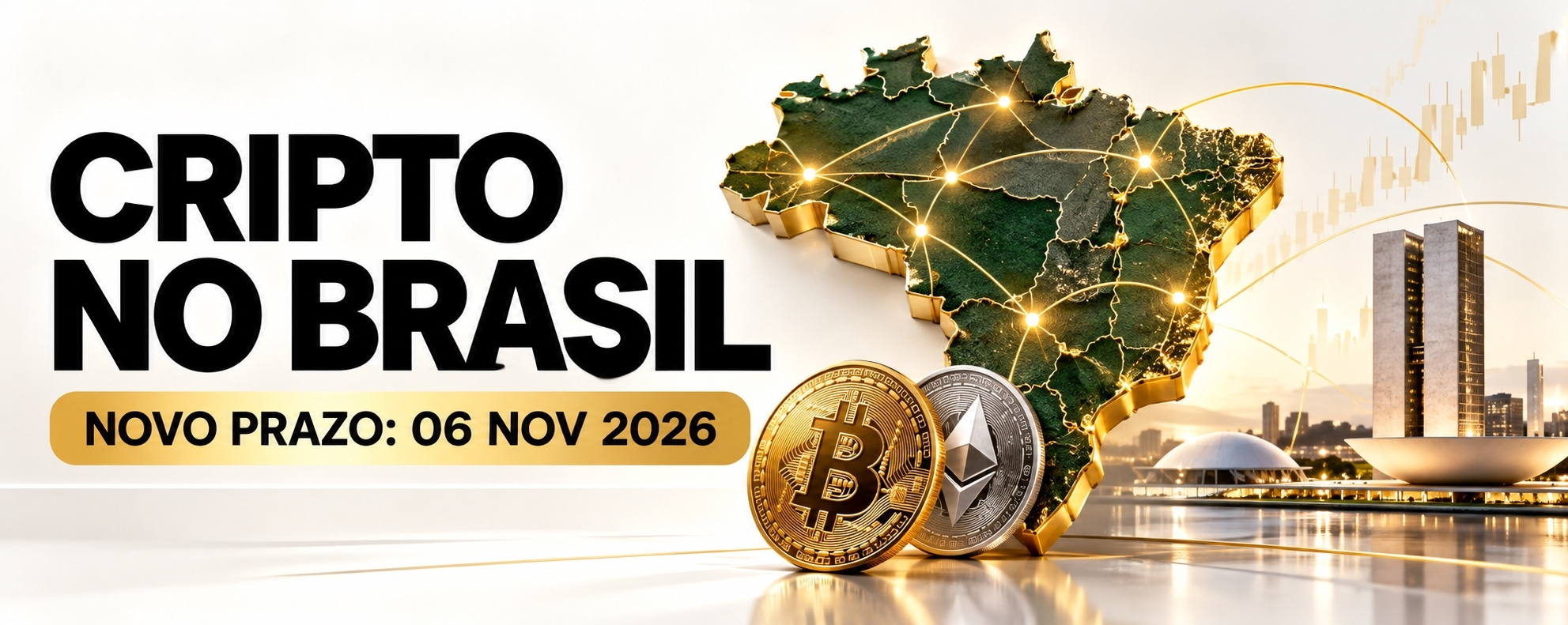
Central Bank changes deadline for restrictions on transactions with cryptoasset service providersPlease note the Brazilian regulatory calendar: November 6, 2026, is an important date for the sector.
BCB Resolution No. 520/2025, as amended by BCB Resolution No. 589/2026, establishes restrictions on financial institutions, payment institutions, and other institutions authorized by the Central Bank from carrying out or facilitating transactions with certain virtual asset service providers.
What changed?
The previous wording provided for the restriction to take effect on 30/10/2026. The current version sets the date as 06/11/2026.
Central Bank changes deadline for restrictions on transactions with cryptoasset service providers
Please note the Brazilian regulatory calendar: November 6, 2026, is an important date for the sector.
BCB Resolution No. 520/2025, as amended by BCB Resolution No. 589/2026, establishes restrictions on financial institutions, payment institutions, and other institutions authorized by the Central Bank from carrying out or facilitating transactions with certain virtual asset service providers.
What changed?
The previous wording provided for the restriction to take effect on 30/10/2026. The current version sets the date as 06/11/2026.
2
1.7k
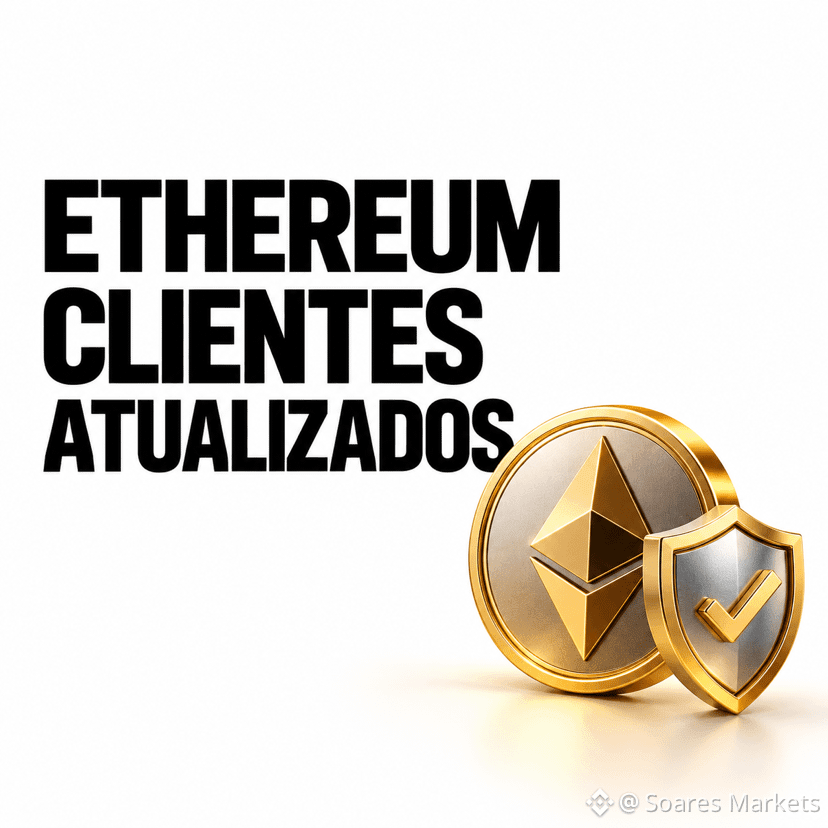
ETHEREUM: TEKU AND BESU FIX A RISK
Updates to the Teku and Besu clients remove trust in certificates associated with eMudhra from Docker images. Configurations with remote HTTPS connections could be vulnerable to spoofing; the default Teku setup on mainnet was not affected. No exploitation has been reported. Do you operate a validator?
#Ethereum #segurança $ETH
Source (27/10/2026): https://github.com/Consensys-Incorporated/teku/releases/tag/26.10.3
150
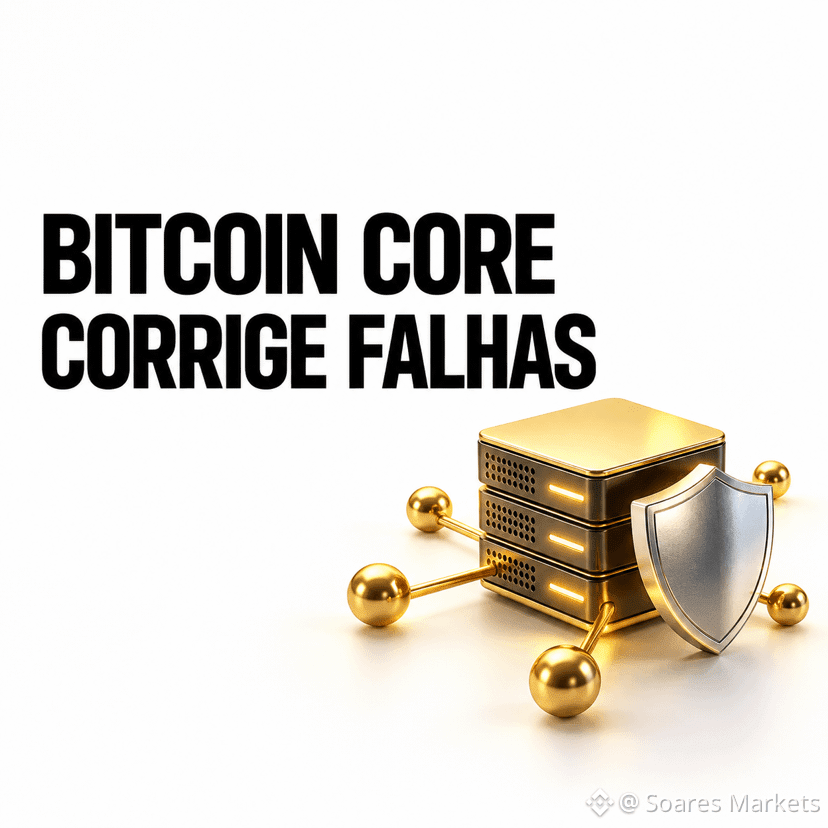
BITCOIN CORE FIXES THREE FLAWS
On 10/28, developers disclosed three vulnerabilities that could crash nodes or affect block undo files. Fixes are available in versions 29.5, 30.4, 31.2, and 32.1; there are limitations on 32-bit systems and FAT32. No widespread loss of BTC has been reported. Do you keep your node up to date?
#bitcoin #Seguranca $BTC
Source (10/28/2026): https://bitcoincore.org/en/2026/10/28/disclose-tcp-oom/
156
BINANCE REMOVES EPIC AND QUICK
Binance has scheduled the removal of all EPIC and QUICK Spot pairs for 28/10 at 03:00 UTC. Deposits will not be credited after 29/10 at 03:00 UTC; withdrawals will no longer be accepted after 28/12 at 03:00 UTC. Subsequent conversion to stablecoins is not guaranteed.
Are you keeping track of the deadlines?
#Binance #Spot
397
$BNB
$BNB


Binance Brasil Official
·
--
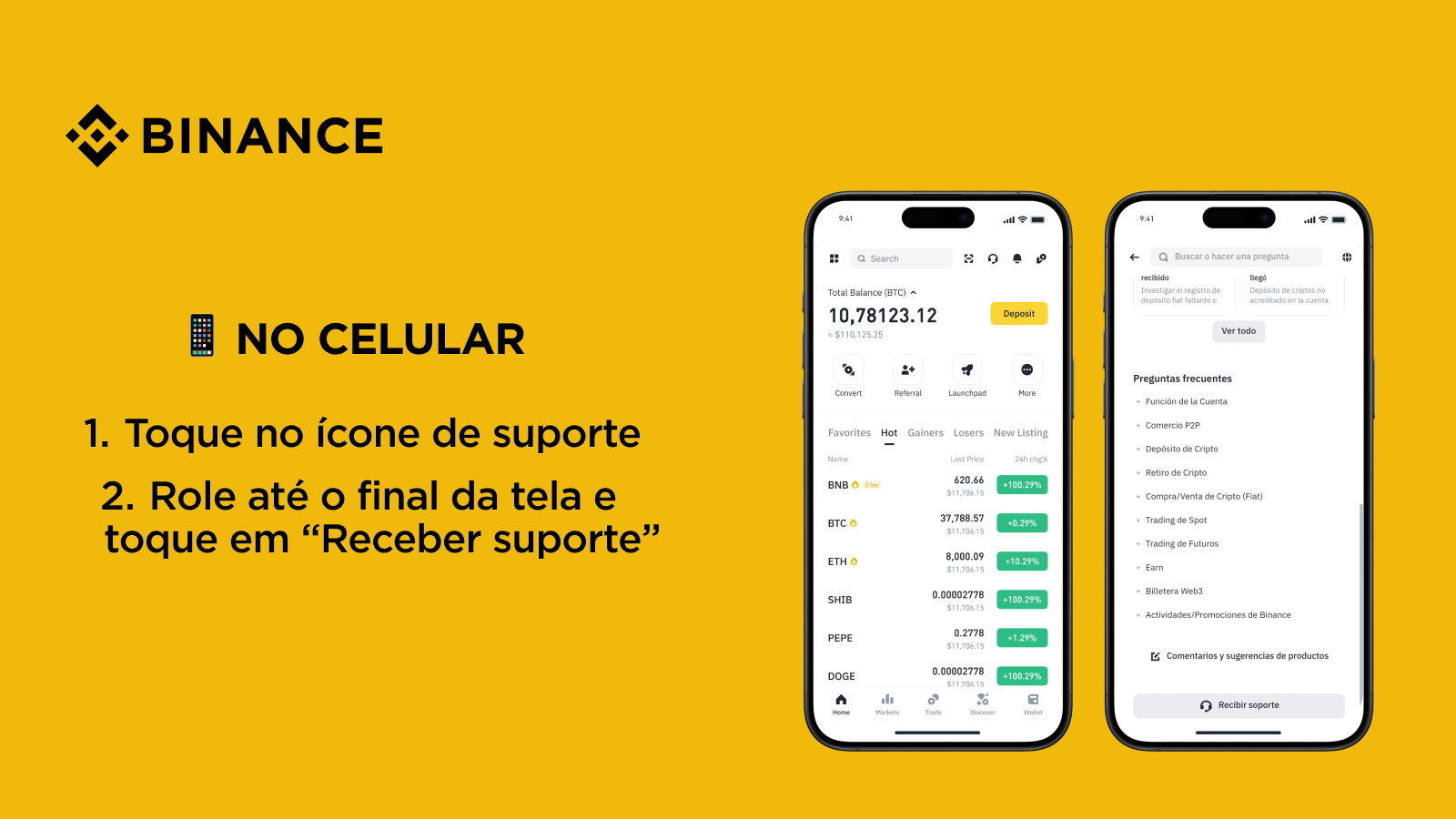
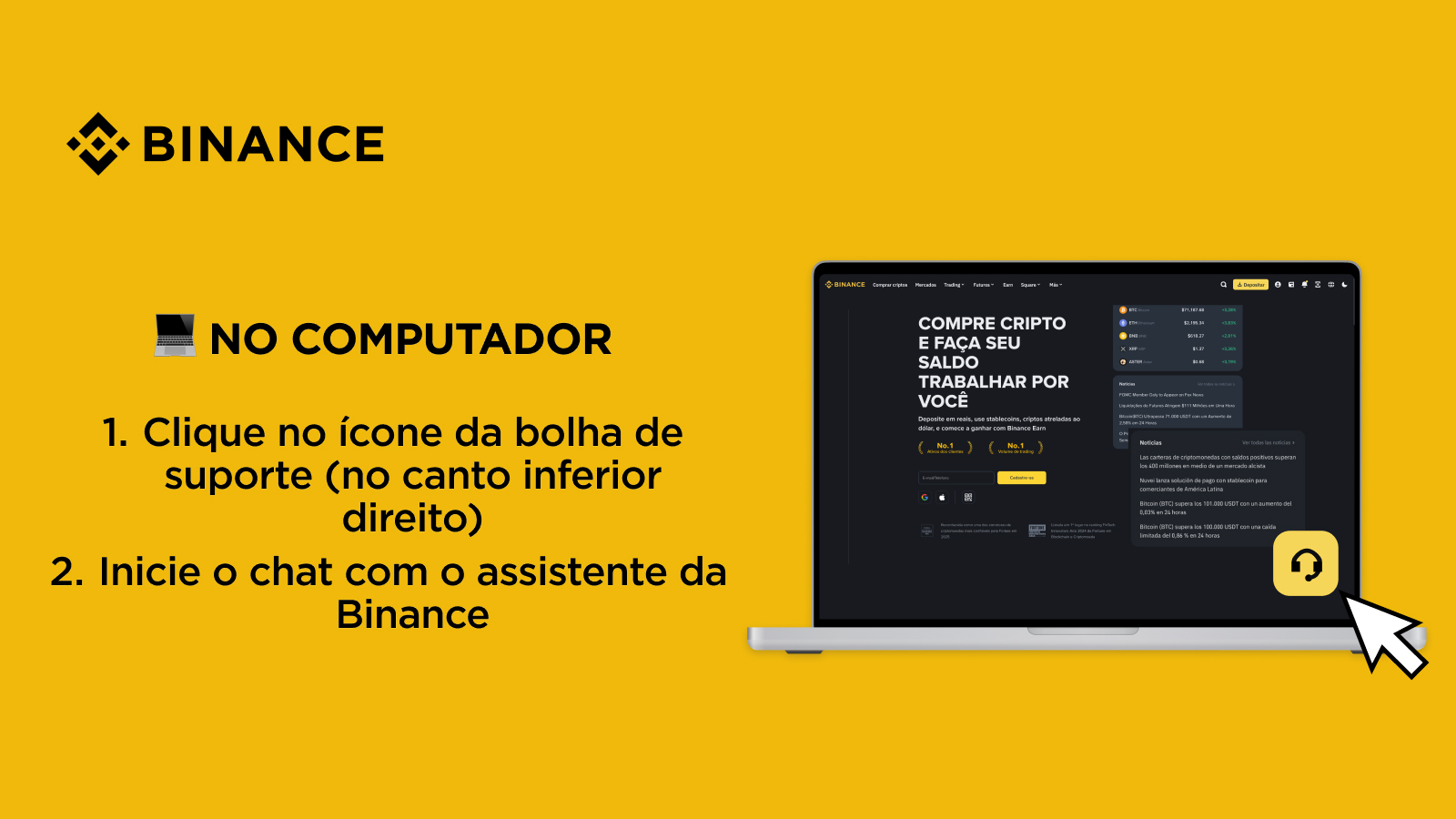
Binance Support: fast, secure, and only through this link 👇
🔒https://www.binance.com/pt-BR/chat
Any other contact offering help is a scam.
🔒https://www.binance.com/pt-BR/chat
Any other contact offering help is a scam.
3
$BTC $ETH $BNB
$BTC $ETH $BNB
Binance Brasil Official
·
--
Your password isn’t the only thing protecting your cryptocurrencies. 🔐
There are different layers of security, and some rely on you to work.
Learn about these features in the video.
There are different layers of security, and some rely on you to work.
Learn about these features in the video.
Verified
Article
Binance Brazil: New rules for international transfersBinance Brazil: As of 01/11/2026, international crypto deposits and withdrawals will require additional information about their purpose and counterparty. Domestic transfers will remain unchanged. The company clarifies that this measure is not the implementation of the Travel Rule. Are users of overseas wallets or platforms already familiar with the procedures?
$BTC $ETH $BNB #Binance #criptomoedas #RegulamentacaoDigital
Binance Brazil: New rules for international transfers
Binance Brazil: As of 01/11/2026, international crypto deposits and withdrawals will require additional information about their purpose and counterparty. Domestic transfers will remain unchanged. The company clarifies that this measure is not the implementation of the Travel Rule. Are users of overseas wallets or platforms already familiar with the procedures?
$BTC $ETH $BNB #Binance #criptomoedas #RegulamentacaoDigital
$BTC $ETH $BNB #Binance #criptomoedas #RegulamentacaoDigital
13
1
7
20.6k
🏦 The Fed kept U.S. interest rates at 3.75%–4.00% on 28/10, by a 10–2 vote. The two dissenters wanted a 0.25 percentage point increase. The central bank cited still-elevated inflation and strong growth. For BTC and other crypto assets, the decision matters because of expectations around the dollar, liquidity, and risk appetite—it does not determine prices.
How do you interpret the division at the Fed?
$BTC #Fed #Crypto
How do you interpret the division at the Fed?
$BTC #Fed #Crypto
232
Verified
Article
Stellar announces planned integration with SecuritizeThe Stellar (XLM) network made two major announcements on October 28, 2026, during Meridian 2026 in Lisbon. The news involves Securitize, a platform for tokenizing financial assets, and a liquidity project by Pontoro with the participation of Archax and the Stellar Development Foundation.
Securitize announced its intention to integrate its infrastructure with the Stellar network, expanding blockchain options for institutional managers. The initiative aims to enable the issuance and administration of tokenized financial products, including structures designed to meet regulatory and operational requirements. It is worth noting that this is a planned integration: the company has not yet disclosed which products will be made available or confirmed that the technical implementation has been completed.
Stellar announces planned integration with Securitize
The Stellar (XLM) network made two major announcements on October 28, 2026, during Meridian 2026 in Lisbon. The news involves Securitize, a platform for tokenizing financial assets, and a liquidity project by Pontoro with the participation of Archax and the Stellar Development Foundation.
Securitize announced its intention to integrate its infrastructure with the Stellar network, expanding blockchain options for institutional managers. The initiative aims to enable the issuance and administration of tokenized financial products, including structures designed to meet regulatory and operational requirements. It is worth noting that this is a planned integration: the company has not yet disclosed which products will be made available or confirmed that the technical implementation has been completed.
Securitize announced its intention to integrate its infrastructure with the Stellar network, expanding blockchain options for institutional managers. The initiative aims to enable the issuance and administration of tokenized financial products, including structures designed to meet regulatory and operational requirements. It is worth noting that this is a planned integration: the company has not yet disclosed which products will be made available or confirmed that the technical implementation has been completed.
3
566
Article
Russian court sentences user to 13 years in prison in case that used records provided by BinA court ruling in Russia has once again brought the limits of privacy on cryptocurrency platforms into the debate.
According to a report published by Reuters on October 27, 2026, a Russian technology expert was sentenced to 13 years in prison for financing terrorism in a case that used transaction information Binance provided to Russian authorities.
What happened?
Russia’s 2nd Western District Military Court sentenced Yuri Belenkiy on October 26.
Russian court sentences user to 13 years in prison in case that used records provided by Bin
A court ruling in Russia has once again brought the limits of privacy on cryptocurrency platforms into the debate.
According to a report published by Reuters on October 27, 2026, a Russian technology expert was sentenced to 13 years in prison for financing terrorism in a case that used transaction information Binance provided to Russian authorities.
What happened?
Russia’s 2nd Western District Military Court sentenced Yuri Belenkiy on October 26.
2
1.4k

Article
Janus Henderson and Centrifuge announce JQQQ fund, offering exposure to the Nasdaq-100 on the Stellar blockchain.One of the best-known indexes in the financial market has gained a new blockchain-based investment structure.
On October 27, 2026, Janus Henderson and Centrifuge announced the launch of JQQQ, a fund structured to offer exposure to the performance of the Nasdaq-100 through the Stellar network.
The initiative marks another step forward in the tokenization of traditional financial assets.
What was announced?
JQQQ uses Centrifuge’s infrastructure to issue and manage fund interests on the blockchain.
Janus Henderson and Centrifuge announce JQQQ fund, offering exposure to the Nasdaq-100 on the Stellar blockchain.
One of the best-known indexes in the financial market has gained a new blockchain-based investment structure.
On October 27, 2026, Janus Henderson and Centrifuge announced the launch of JQQQ, a fund structured to offer exposure to the performance of the Nasdaq-100 through the Stellar network.
The initiative marks another step forward in the tokenization of traditional financial assets.
What was announced?
JQQQ uses Centrifuge’s infrastructure to issue and manage fund interests on the blockchain.
492
Log in to explore more content
Join global crypto users on Binance Square
⚡️ Get latest and useful information about crypto.
💬 Trusted by the world’s largest crypto exchange.
👍 Discover real insights from verified creators.
Email / Phone number
Trending Topics
FedWatch
16.3M views
39,418 Discussing
🚨 🇺🇸 PETER SCHIFF JUST THREW A BIG WARNING AT THE FED!
Peter Schiff is calling Kevin Warsh’s tough talk on inflation a “bluff,” and his prediction could have major implications for the markets.
Schiff believes the Fed could eventually return to money printing through quantitative easing (QE) and even cut interest rates next year, despite inflation continuing to rise.
Think about that for a moment.
🔥 Inflation could remain a problem. 🔥 The Fed could still move toward easier monetary policy. 🔥 More liquidity could flow into financial markets.
If this scenario plays out, it could create a very different market environment for stocks, gold, Bitcoin, and the wider crypto market.
But there’s a catch: if inflation stays high, the Fed could face a difficult choice between fighting rising prices and supporting the economy.
Will Warsh stick to a tough inflation policy, or will the Fed eventually change direction?
The next move could matter a lot for investors.
#FedWatch #EarningsSeason #USMidtermElections #BrazilCryptoExchangesMustApplyForLicensesByFriday #StanDruckenmillerBecomesInvestorInTradeXYZ
Jackson Liam
·4 Likes
·8.5k views
EarningsSeason
6.4M views
32,112 Discussing
USMidtermElections
43,486 views
631 Discussing