

KimHotbae
2.6k Posts

KimHotbae
Report
Block User
✨Focused on long-term trends, risk discipline & smart wealth building.
Frequent Trader
4.6 Years
12 Following
528 Followers
1.8K+ Liked
Posts
All
Quotes
Videos
PINNED
·
--
Article
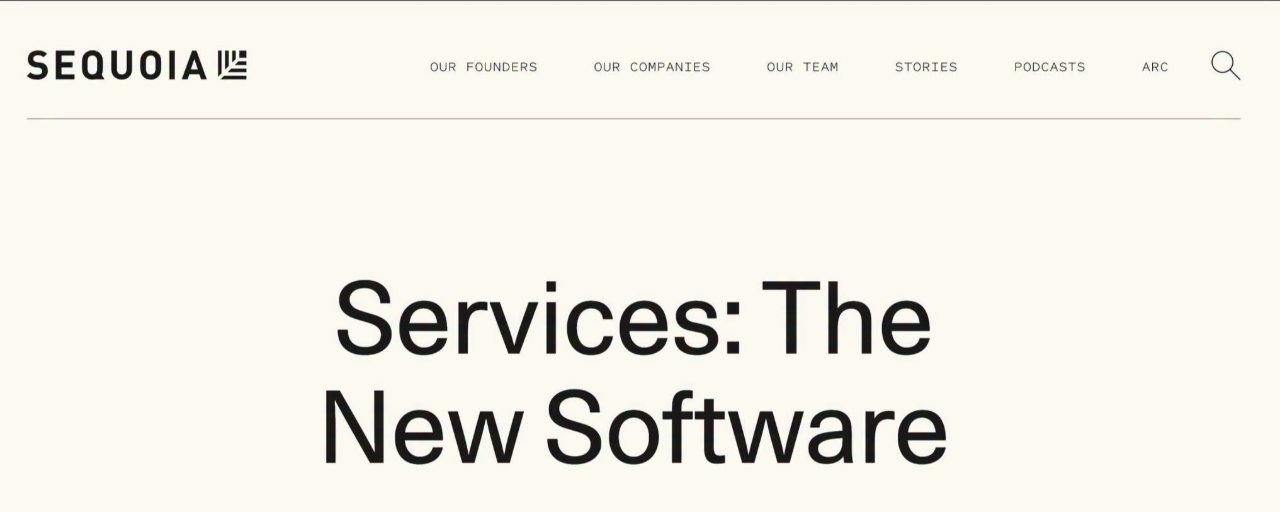
Sequoia: "The Next $1T Company Sells Work, Not Software"Sequoia Capital — the firm that backed Apple, Google, Nvidia, YouTube, Airbnb, Stripe — dropped a thesis worth reading closely.
The old model: For 20+ years, tech sold software. Microsoft sells Office, Adobe sells Photoshop, Salesforce sells CRM. Tools that help humans work faster. Copilot for everything.
The problem: Customers don't want software. They want work done. You don't want accounting software — you want books closed on time, taxes filed, reports delivered.
The insight: For every $1 businesses spend on software, they spend $6 on services. SaaS has been fighting over that $1. AI can now digitize the $6 — the knowledge workforce itself.
The map: Sequoia's Opportunity Map plots work by Intelligence vs. Judgement, Outsourced vs. Insourced. The sweet spot: highly standardized, already outsourced workflows — Insurance Brokerage ($140-200B), Accounting ($50-80B), Healthcare Revenue Cycle ($50-80B).
2025 = Copilot. 2026 = Autopilot. The winners won't build AI tools for accountants — they'll build AI accounting firms. Sequoia warns most Copilot startups face the Innovator's Dilemma: today you sell software to accountants, tomorrow you'd compete with them.
The bottom line: The next $1T AI company won't have the smartest chatbot. It'll be the first to turn work into a service you buy like electricity.
Crypto Cashtags That Align
Tier 1 — Direct "Sell Work" AI Agent Plays:
FET — Fetch.ai (ASI Alliance). Autonomous agents automating enterprise workflows. Built for agents doing work, not providing tools. (Ethereum){future}(FETUSDT)$VIRTUAL — Virtuals Protocol on Base. The agent creation infrastructure — a factory for building AI agents that sell outcomes, not subscriptions. (Base)$GRIFFAIN — Griffain on Solana. AI agent that executes on-chain actions. "Sell work" in its purest crypto form — you describe what you want, the agent does the job. SolanaOLAS — Autonolas on Ethereum. A framework for coordinating autonomous agent fleets — think of it as the operating system for a decentralized AI workforce. (Ethereum){alpha}(10x0001a500a6b18995b03f44bb040a5ffc28e45cb0)
Tier 2 — AI Infrastructure (the picks & shovels):
$TAO — Bittensor. A decentralized AI network where agents train, compete, and earn. The network layer for autonomous work — the protocol that lets AI sell its output peer-to-peer.RENDER — Render Network on Solana. Decentralized GPU compute. Every agent running in production needs compute power — Render is the hardware layer. (Solana){future}(RENDERUSDT)
Tier 3 — AI Agent Ecosystem:
$AI16Z — ai16z/ElizaOS on Solana. Named after the VC model itself — a DAO-run AI agent fund that makes autonomous investment decisions. Pure meta-commentary on Sequoia's thesis. Solana$ZEREBRO — Zerebro on Solana. An autonomous AI agent creating and distributing content without human intervention. "Sell work" in its most literal form — the agent is the output. Solana
The Sequoia filter: The next $1T company sells work, not software. In crypto, that means looking past the tool tokens and toward the agent workforce tokens — the protocols where AI doesn't just assist, but replaces the $6 of services for every $1 of software.
Not financial advice.
#NewsAboutCrypto #StrategicInvesting #BTC #SequoiaCapital
Sequoia: "The Next $1T Company Sells Work, Not Software"
Sequoia Capital — the firm that backed Apple, Google, Nvidia, YouTube, Airbnb, Stripe — dropped a thesis worth reading closely.
The old model: For 20+ years, tech sold software. Microsoft sells Office, Adobe sells Photoshop, Salesforce sells CRM. Tools that help humans work faster. Copilot for everything.
The problem: Customers don't want software. They want work done. You don't want accounting software — you want books closed on time, taxes filed, reports delivered.
The insight: For every $1 businesses spend on software, they spend $6 on services. SaaS has been fighting over that $1. AI can now digitize the $6 — the knowledge workforce itself.
The map: Sequoia's Opportunity Map plots work by Intelligence vs. Judgement, Outsourced vs. Insourced. The sweet spot: highly standardized, already outsourced workflows — Insurance Brokerage ($140-200B), Accounting ($50-80B), Healthcare Revenue Cycle ($50-80B).
2025 = Copilot. 2026 = Autopilot. The winners won't build AI tools for accountants — they'll build AI accounting firms. Sequoia warns most Copilot startups face the Innovator's Dilemma: today you sell software to accountants, tomorrow you'd compete with them.
The bottom line: The next $1T AI company won't have the smartest chatbot. It'll be the first to turn work into a service you buy like electricity.
Crypto Cashtags That Align
Tier 1 — Direct "Sell Work" AI Agent Plays:
FET — Fetch.ai (ASI Alliance). Autonomous agents automating enterprise workflows. Built for agents doing work, not providing tools. (Ethereum)$VIRTUAL — Virtuals Protocol on Base. The agent creation infrastructure — a factory for building AI agents that sell outcomes, not subscriptions. (Base)$GRIFFAIN — Griffain on Solana. AI agent that executes on-chain actions. "Sell work" in its purest crypto form — you describe what you want, the agent does the job. SolanaOLAS — Autonolas on Ethereum. A framework for coordinating autonomous agent fleets — think of it as the operating system for a decentralized AI workforce. (Ethereum)Tier 2 — AI Infrastructure (the picks & shovels):
$TAO — Bittensor. A decentralized AI network where agents train, compete, and earn. The network layer for autonomous work — the protocol that lets AI sell its output peer-to-peer.RENDER — Render Network on Solana. Decentralized GPU compute. Every agent running in production needs compute power — Render is the hardware layer. (Solana)Tier 3 — AI Agent Ecosystem:
$AI16Z — ai16z/ElizaOS on Solana. Named after the VC model itself — a DAO-run AI agent fund that makes autonomous investment decisions. Pure meta-commentary on Sequoia's thesis. Solana$ZEREBRO — Zerebro on Solana. An autonomous AI agent creating and distributing content without human intervention. "Sell work" in its most literal form — the agent is the output. Solana
The Sequoia filter: The next $1T company sells work, not software. In crypto, that means looking past the tool tokens and toward the agent workforce tokens — the protocols where AI doesn't just assist, but replaces the $6 of services for every $1 of software.
Not financial advice.
#NewsAboutCrypto #StrategicInvesting #BTC #SequoiaCapital
The old model: For 20+ years, tech sold software. Microsoft sells Office, Adobe sells Photoshop, Salesforce sells CRM. Tools that help humans work faster. Copilot for everything.
The problem: Customers don't want software. They want work done. You don't want accounting software — you want books closed on time, taxes filed, reports delivered.
The insight: For every $1 businesses spend on software, they spend $6 on services. SaaS has been fighting over that $1. AI can now digitize the $6 — the knowledge workforce itself.
The map: Sequoia's Opportunity Map plots work by Intelligence vs. Judgement, Outsourced vs. Insourced. The sweet spot: highly standardized, already outsourced workflows — Insurance Brokerage ($140-200B), Accounting ($50-80B), Healthcare Revenue Cycle ($50-80B).
2025 = Copilot. 2026 = Autopilot. The winners won't build AI tools for accountants — they'll build AI accounting firms. Sequoia warns most Copilot startups face the Innovator's Dilemma: today you sell software to accountants, tomorrow you'd compete with them.
The bottom line: The next $1T AI company won't have the smartest chatbot. It'll be the first to turn work into a service you buy like electricity.
Crypto Cashtags That Align
Tier 1 — Direct "Sell Work" AI Agent Plays:
FET — Fetch.ai (ASI Alliance). Autonomous agents automating enterprise workflows. Built for agents doing work, not providing tools. (Ethereum)$VIRTUAL — Virtuals Protocol on Base. The agent creation infrastructure — a factory for building AI agents that sell outcomes, not subscriptions. (Base)$GRIFFAIN — Griffain on Solana. AI agent that executes on-chain actions. "Sell work" in its purest crypto form — you describe what you want, the agent does the job. SolanaOLAS — Autonolas on Ethereum. A framework for coordinating autonomous agent fleets — think of it as the operating system for a decentralized AI workforce. (Ethereum)Tier 2 — AI Infrastructure (the picks & shovels):
$TAO — Bittensor. A decentralized AI network where agents train, compete, and earn. The network layer for autonomous work — the protocol that lets AI sell its output peer-to-peer.RENDER — Render Network on Solana. Decentralized GPU compute. Every agent running in production needs compute power — Render is the hardware layer. (Solana)Tier 3 — AI Agent Ecosystem:
$AI16Z — ai16z/ElizaOS on Solana. Named after the VC model itself — a DAO-run AI agent fund that makes autonomous investment decisions. Pure meta-commentary on Sequoia's thesis. Solana$ZEREBRO — Zerebro on Solana. An autonomous AI agent creating and distributing content without human intervention. "Sell work" in its most literal form — the agent is the output. Solana
The Sequoia filter: The next $1T company sells work, not software. In crypto, that means looking past the tool tokens and toward the agent workforce tokens — the protocols where AI doesn't just assist, but replaces the $6 of services for every $1 of software.
Not financial advice.
#NewsAboutCrypto #StrategicInvesting #BTC #SequoiaCapital
8
12
243
·
--
Bullish
🚨 THE FED AND SEC ARE QUIETLY BUILDING THE RULEBOOK CRYPTO HAS BEEN WAITING FOR.
The Fed just proposed a formal framework for payment stablecoin issuers under the GENIUS Act, including 1:1 backing with high-quality liquid reserves such as short-term Treasuries, capital requirements, risk-management standards, custody rules, and a dedicated approval process for banks that want to issue stablecoins.
At almost the same time, SEC staff clarified that for functional crypto networks, things like token buybacks do not automatically create a securities contract by themselves. The SEC also stressed that this is staff guidance, not a binding new rule.
That combination matters.
Fed → clearer rules for digital dollars.
SEC → more clarity for functional crypto assets.
This is not deregulation.
It is something potentially more important:
Crypto is being pulled deeper into the regulated financial system instead of being pushed outside it.
For stablecoins, the direction is obvious: more reserves, more oversight, more bank participation.
And if that framework survives the comment process, the next phase of adoption may look less like “crypto vs banks”…
and more like banks issuing crypto-native money themselves. 👀
$USDC $CRCL $COIN $ETH
{future}(USDCUSDT)
{future}(CRCLUSDT)
{future}(COINUSDT)
#fedproposespaymentstablecoinrules #ChinaMayLetAlibabaByteDanceBuyNvidiaChips #USChinaRelease$30BTariffCutProductLists #SKoreaFSCConsidersVirtualAssetMarketMaker #ChinaIndustrialProfitGrowthSlowsFourthMonth
🚨 THE FED AND SEC ARE QUIETLY BUILDING THE RULEBOOK CRYPTO HAS BEEN WAITING FOR.
The Fed just proposed a formal framework for payment stablecoin issuers under the GENIUS Act, including 1:1 backing with high-quality liquid reserves such as short-term Treasuries, capital requirements, risk-management standards, custody rules, and a dedicated approval process for banks that want to issue stablecoins.
At almost the same time, SEC staff clarified that for functional crypto networks, things like token buybacks do not automatically create a securities contract by themselves. The SEC also stressed that this is staff guidance, not a binding new rule.
That combination matters.
Fed → clearer rules for digital dollars.
SEC → more clarity for functional crypto assets.
This is not deregulation.
It is something potentially more important:
Crypto is being pulled deeper into the regulated financial system instead of being pushed outside it.
For stablecoins, the direction is obvious: more reserves, more oversight, more bank participation.
And if that framework survives the comment process, the next phase of adoption may look less like “crypto vs banks”…
and more like banks issuing crypto-native money themselves. 👀
$USDC $CRCL $COIN $ETH
#fedproposespaymentstablecoinrules #ChinaMayLetAlibabaByteDanceBuyNvidiaChips #USChinaRelease$30BTariffCutProductLists #SKoreaFSCConsidersVirtualAssetMarketMaker #ChinaIndustrialProfitGrowthSlowsFourthMonth
The Fed just proposed a formal framework for payment stablecoin issuers under the GENIUS Act, including 1:1 backing with high-quality liquid reserves such as short-term Treasuries, capital requirements, risk-management standards, custody rules, and a dedicated approval process for banks that want to issue stablecoins.
At almost the same time, SEC staff clarified that for functional crypto networks, things like token buybacks do not automatically create a securities contract by themselves. The SEC also stressed that this is staff guidance, not a binding new rule.
That combination matters.
Fed → clearer rules for digital dollars.
SEC → more clarity for functional crypto assets.
This is not deregulation.
It is something potentially more important:
Crypto is being pulled deeper into the regulated financial system instead of being pushed outside it.
For stablecoins, the direction is obvious: more reserves, more oversight, more bank participation.
And if that framework survives the comment process, the next phase of adoption may look less like “crypto vs banks”…
and more like banks issuing crypto-native money themselves. 👀
$USDC $CRCL $COIN $ETH
#fedproposespaymentstablecoinrules #ChinaMayLetAlibabaByteDanceBuyNvidiaChips #USChinaRelease$30BTariffCutProductLists #SKoreaFSCConsidersVirtualAssetMarketMaker #ChinaIndustrialProfitGrowthSlowsFourthMonth
1
1
1.2k
·
--
Bullish
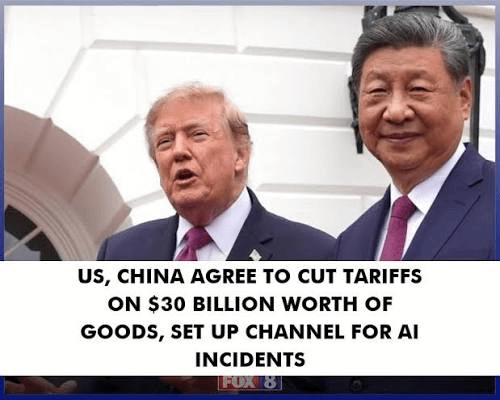
🚨 U.S.–CHINA JUST PUT REAL PRODUCTS BEHIND THE $30B TARIFF DEAL.
Washington and Beijing have now released the product lists tied to their reciprocal tariff-cut framework covering about $30B of imports on each side. Roughly 90% of the covered products are expected to move toward most-favored-nation tariff rates once domestic procedures are completed.
The lists are broad:
Into the U.S. → toys, household goods, sports equipment, fireworks.
Into China → meat, seafood, dairy, grains, timber, medical equipment and coal.
Why markets care:
Lower tariffs → lower input costs
Better trade visibility → less supply-chain friction
Agriculture + coal access → stronger cross-border demand
But this is still not a full U.S.–China reset.
The cuts only apply to selected non-sensitive goods, while strategic disputes around chips, AI and national security remain unresolved.
So the real signal is:
The trade war isn’t over — but both sides are finally removing some of the friction instead of adding more. 👀
$BABA $JD.US $AAPL.US $NVDA.US
{stock_us}(AAPL.US)
{stock_us}(JD.US)
{stock_us}(NVDA.US)
#FedProposesPaymentStablecoinRules #ChinaMayLetAlibabaByteDanceBuyNvidiaChips #USChinaRelease$30BTariffCutProductLists #SKoreaFSCConsidersVirtualAssetMarketMaker #ChinaIndustrialProfitGrowthSlowsFourthMonth
🚨 U.S.–CHINA JUST PUT REAL PRODUCTS BEHIND THE $30B TARIFF DEAL.
Washington and Beijing have now released the product lists tied to their reciprocal tariff-cut framework covering about $30B of imports on each side. Roughly 90% of the covered products are expected to move toward most-favored-nation tariff rates once domestic procedures are completed.
The lists are broad:
Into the U.S. → toys, household goods, sports equipment, fireworks.
Into China → meat, seafood, dairy, grains, timber, medical equipment and coal.
Why markets care:
Lower tariffs → lower input costs
Better trade visibility → less supply-chain friction
Agriculture + coal access → stronger cross-border demand
But this is still not a full U.S.–China reset.
The cuts only apply to selected non-sensitive goods, while strategic disputes around chips, AI and national security remain unresolved.
So the real signal is:
The trade war isn’t over — but both sides are finally removing some of the friction instead of adding more. 👀
$BABA $JD.US $AAPL.US $NVDA.US
#FedProposesPaymentStablecoinRules #ChinaMayLetAlibabaByteDanceBuyNvidiaChips #USChinaRelease$30BTariffCutProductLists #SKoreaFSCConsidersVirtualAssetMarketMaker #ChinaIndustrialProfitGrowthSlowsFourthMonth
Washington and Beijing have now released the product lists tied to their reciprocal tariff-cut framework covering about $30B of imports on each side. Roughly 90% of the covered products are expected to move toward most-favored-nation tariff rates once domestic procedures are completed.
The lists are broad:
Into the U.S. → toys, household goods, sports equipment, fireworks.
Into China → meat, seafood, dairy, grains, timber, medical equipment and coal.
Why markets care:
Lower tariffs → lower input costs
Better trade visibility → less supply-chain friction
Agriculture + coal access → stronger cross-border demand
But this is still not a full U.S.–China reset.
The cuts only apply to selected non-sensitive goods, while strategic disputes around chips, AI and national security remain unresolved.
So the real signal is:
The trade war isn’t over — but both sides are finally removing some of the friction instead of adding more. 👀
$BABA $JD.US $AAPL.US $NVDA.US
#FedProposesPaymentStablecoinRules #ChinaMayLetAlibabaByteDanceBuyNvidiaChips #USChinaRelease$30BTariffCutProductLists #SKoreaFSCConsidersVirtualAssetMarketMaker #ChinaIndustrialProfitGrowthSlowsFourthMonth
AAPLUS-0.12%
NVDAUS-0.76%
JDUS+0.56%
44
·
--
🚨 $NVDA — CHINA MAY BE CRACKING THE DOOR BACK OPEN.
Beijing is reportedly considering allowing Alibaba and ByteDance to buy Nvidia’s new RTX PRO 5500 chips, according to The Information, with China’s industry ministry asking companies to submit purchase plans. Reuters says officials have signaled that approvals may be possible, though no final decision has been announced.
That matters because Nvidia’s access to China has been one of the biggest unresolved risks hanging over the AI trade.
And the timing is interesting:
Earlier this year, the U.S. had already cleared several Chinese companies — including Alibaba and ByteDance — to buy H200 chips, but actual deliveries remained stalled amid Beijing’s own restrictions.
Now China may be softening its stance again.
If approvals move forward, the implications are obvious:
More China demand → more Nvidia revenue visibility
More GPU supply → faster AI buildout at Alibaba and ByteDance
Less chip friction → stronger sentiment across the semiconductor trade
But this is still a policy signal, not a confirmed reopening.
So the real trigger is:
Is Beijing quietly reopening the Nvidia pipeline — or just testing the waters? 👀
{spot}(NVDABUSDT)
$NVDA $BABA
#chinamayletalibababytedancebuynvidiachips #USChinaRelease$30BTariffCutProductLists #SKoreaFSCConsidersVirtualAssetMarketMaker #ChinaIndustrialProfitGrowthSlowsFourthMonth #BitwiseFilesFinalNEARSpotETFProspectus
🚨 $NVDA — CHINA MAY BE CRACKING THE DOOR BACK OPEN.
Beijing is reportedly considering allowing Alibaba and ByteDance to buy Nvidia’s new RTX PRO 5500 chips, according to The Information, with China’s industry ministry asking companies to submit purchase plans. Reuters says officials have signaled that approvals may be possible, though no final decision has been announced.
That matters because Nvidia’s access to China has been one of the biggest unresolved risks hanging over the AI trade.
And the timing is interesting:
Earlier this year, the U.S. had already cleared several Chinese companies — including Alibaba and ByteDance — to buy H200 chips, but actual deliveries remained stalled amid Beijing’s own restrictions.
Now China may be softening its stance again.
If approvals move forward, the implications are obvious:
More China demand → more Nvidia revenue visibility
More GPU supply → faster AI buildout at Alibaba and ByteDance
Less chip friction → stronger sentiment across the semiconductor trade
But this is still a policy signal, not a confirmed reopening.
So the real trigger is:
Is Beijing quietly reopening the Nvidia pipeline — or just testing the waters? 👀
$NVDA $BABA
#chinamayletalibababytedancebuynvidiachips #USChinaRelease$30BTariffCutProductLists #SKoreaFSCConsidersVirtualAssetMarketMaker #ChinaIndustrialProfitGrowthSlowsFourthMonth #BitwiseFilesFinalNEARSpotETFProspectus
Beijing is reportedly considering allowing Alibaba and ByteDance to buy Nvidia’s new RTX PRO 5500 chips, according to The Information, with China’s industry ministry asking companies to submit purchase plans. Reuters says officials have signaled that approvals may be possible, though no final decision has been announced.
That matters because Nvidia’s access to China has been one of the biggest unresolved risks hanging over the AI trade.
And the timing is interesting:
Earlier this year, the U.S. had already cleared several Chinese companies — including Alibaba and ByteDance — to buy H200 chips, but actual deliveries remained stalled amid Beijing’s own restrictions.
Now China may be softening its stance again.
If approvals move forward, the implications are obvious:
More China demand → more Nvidia revenue visibility
More GPU supply → faster AI buildout at Alibaba and ByteDance
Less chip friction → stronger sentiment across the semiconductor trade
But this is still a policy signal, not a confirmed reopening.
So the real trigger is:
Is Beijing quietly reopening the Nvidia pipeline — or just testing the waters? 👀
$NVDA $BABA
#chinamayletalibababytedancebuynvidiachips #USChinaRelease$30BTariffCutProductLists #SKoreaFSCConsidersVirtualAssetMarketMaker #ChinaIndustrialProfitGrowthSlowsFourthMonth #BitwiseFilesFinalNEARSpotETFProspectus
60
·
--
Bullish
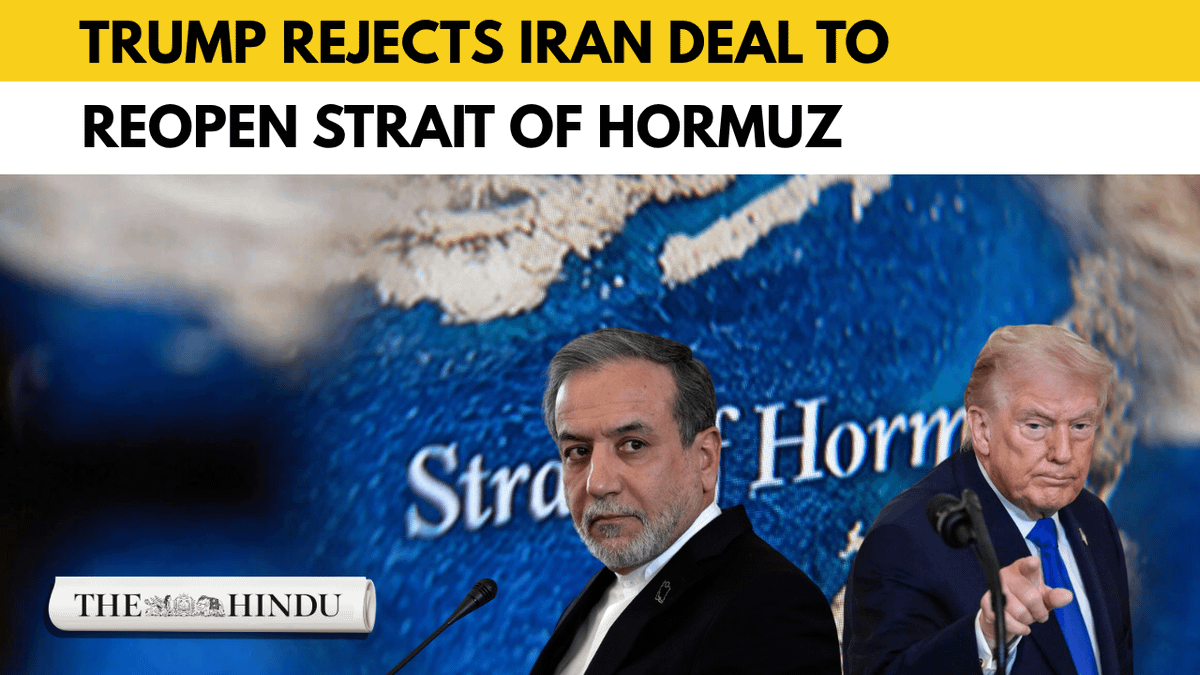
🚨 TRUMP REJECTED IRAN’S HORMUZ DEAL — AND THE OIL RISK PREMIUM IS BACK.
Iran offered to reopen the Strait of Hormuz within seven days if Washington lifted its naval blockade, eased oil sanctions and accepted a broader ceasefire framework. Trump rejected the proposal, arguing Tehran was seeking a deal because mounting financial pressure was hurting its position.
But the story didn’t end there.
Iran says its conditions for reopening Hormuz remain unchanged, while Trump has said he still expects more talks and has left the door open to renewed military action. Oil already reacted, with crude prices rebounding more than 1% as hopes for a quick deal faded.
That keeps the macro setup dangerous:
Hormuz stays constrained → oil stays expensive
Expensive oil → inflation stays sticky
Sticky inflation → Fed stays tighter
Tighter liquidity → pressure on crypto and other risk assets
And that is why this is bigger than a geopolitical headline.
One failed deal can ripple from the Strait of Hormuz straight into $BTC, $XRP and the entire risk market. 👀
{future}(XAUUSDT)
{future}(BZUSDT)
{future}(CLUSDT)
$BTC $XRP $CL $BZ $XAU
🚨 TRUMP REJECTED IRAN’S HORMUZ DEAL — AND THE OIL RISK PREMIUM IS BACK.
Iran offered to reopen the Strait of Hormuz within seven days if Washington lifted its naval blockade, eased oil sanctions and accepted a broader ceasefire framework. Trump rejected the proposal, arguing Tehran was seeking a deal because mounting financial pressure was hurting its position.
But the story didn’t end there.
Iran says its conditions for reopening Hormuz remain unchanged, while Trump has said he still expects more talks and has left the door open to renewed military action. Oil already reacted, with crude prices rebounding more than 1% as hopes for a quick deal faded.
That keeps the macro setup dangerous:
Hormuz stays constrained → oil stays expensive
Expensive oil → inflation stays sticky
Sticky inflation → Fed stays tighter
Tighter liquidity → pressure on crypto and other risk assets
And that is why this is bigger than a geopolitical headline.
One failed deal can ripple from the Strait of Hormuz straight into $BTC, $XRP and the entire risk market. 👀
$BTC $XRP $CL $BZ $XAU
Iran offered to reopen the Strait of Hormuz within seven days if Washington lifted its naval blockade, eased oil sanctions and accepted a broader ceasefire framework. Trump rejected the proposal, arguing Tehran was seeking a deal because mounting financial pressure was hurting its position.
But the story didn’t end there.
Iran says its conditions for reopening Hormuz remain unchanged, while Trump has said he still expects more talks and has left the door open to renewed military action. Oil already reacted, with crude prices rebounding more than 1% as hopes for a quick deal faded.
That keeps the macro setup dangerous:
Hormuz stays constrained → oil stays expensive
Expensive oil → inflation stays sticky
Sticky inflation → Fed stays tighter
Tighter liquidity → pressure on crypto and other risk assets
And that is why this is bigger than a geopolitical headline.
One failed deal can ripple from the Strait of Hormuz straight into $BTC, $XRP and the entire risk market. 👀
$BTC $XRP $CL $BZ $XAU
18
·
--
🚨 CHINA’S INDUSTRIAL PROFITS ARE STILL GROWING — BUT THE MOMENTUM IS FADING.
China’s industrial profits rose 15.7% in the first eight months of 2026, but August marked the fourth straight month of slower growth, as weak domestic demand and excess capacity continued squeezing margins.
The split inside the economy is getting harder to ignore:
AI-linked and high-tech manufacturing → still strong
Property, autos, and domestic-demand sectors → still under pressure
That matters for markets because China remains one of the biggest drivers of global demand for commodities, machinery, semiconductors, and risk assets.
If profit growth keeps cooling, Beijing could face more pressure to support demand.
But if the slowdown deepens, stimulus may be fighting a much bigger problem:
Companies can produce — but consumers still aren’t spending enough.
That’s the real warning signal.
China’s factories are still profitable.
The question is whether the domestic economy can keep up. 👀
$FXI.ETF $KWEB $BABA $JD.US $NIO.US
{stock_us}(NIO.US)
{stock_us}(JD.US)
{etf_us}(FXI.ETF)
#chinaindustrialprofitgrowthslowsfourthmonth #BitwiseFilesFinalNEARSpotETFProspectus #BitgetHackerMoves$83MStolenXRP #SOLSpotETFWeeklyInflow$188M #TrumpRejectsIranHormuzReopening
🚨 CHINA’S INDUSTRIAL PROFITS ARE STILL GROWING — BUT THE MOMENTUM IS FADING.
China’s industrial profits rose 15.7% in the first eight months of 2026, but August marked the fourth straight month of slower growth, as weak domestic demand and excess capacity continued squeezing margins.
The split inside the economy is getting harder to ignore:
AI-linked and high-tech manufacturing → still strong
Property, autos, and domestic-demand sectors → still under pressure
That matters for markets because China remains one of the biggest drivers of global demand for commodities, machinery, semiconductors, and risk assets.
If profit growth keeps cooling, Beijing could face more pressure to support demand.
But if the slowdown deepens, stimulus may be fighting a much bigger problem:
Companies can produce — but consumers still aren’t spending enough.
That’s the real warning signal.
China’s factories are still profitable.
The question is whether the domestic economy can keep up. 👀
$FXI.ETF $KWEB $BABA $JD.US $NIO.US
#chinaindustrialprofitgrowthslowsfourthmonth #BitwiseFilesFinalNEARSpotETFProspectus #BitgetHackerMoves$83MStolenXRP #SOLSpotETFWeeklyInflow$188M #TrumpRejectsIranHormuzReopening
China’s industrial profits rose 15.7% in the first eight months of 2026, but August marked the fourth straight month of slower growth, as weak domestic demand and excess capacity continued squeezing margins.
The split inside the economy is getting harder to ignore:
AI-linked and high-tech manufacturing → still strong
Property, autos, and domestic-demand sectors → still under pressure
That matters for markets because China remains one of the biggest drivers of global demand for commodities, machinery, semiconductors, and risk assets.
If profit growth keeps cooling, Beijing could face more pressure to support demand.
But if the slowdown deepens, stimulus may be fighting a much bigger problem:
Companies can produce — but consumers still aren’t spending enough.
That’s the real warning signal.
China’s factories are still profitable.
The question is whether the domestic economy can keep up. 👀
$FXI.ETF $KWEB $BABA $JD.US $NIO.US
#chinaindustrialprofitgrowthslowsfourthmonth #BitwiseFilesFinalNEARSpotETFProspectus #BitgetHackerMoves$83MStolenXRP #SOLSpotETFWeeklyInflow$188M #TrumpRejectsIranHormuzReopening
1
382
·
--
Bullish
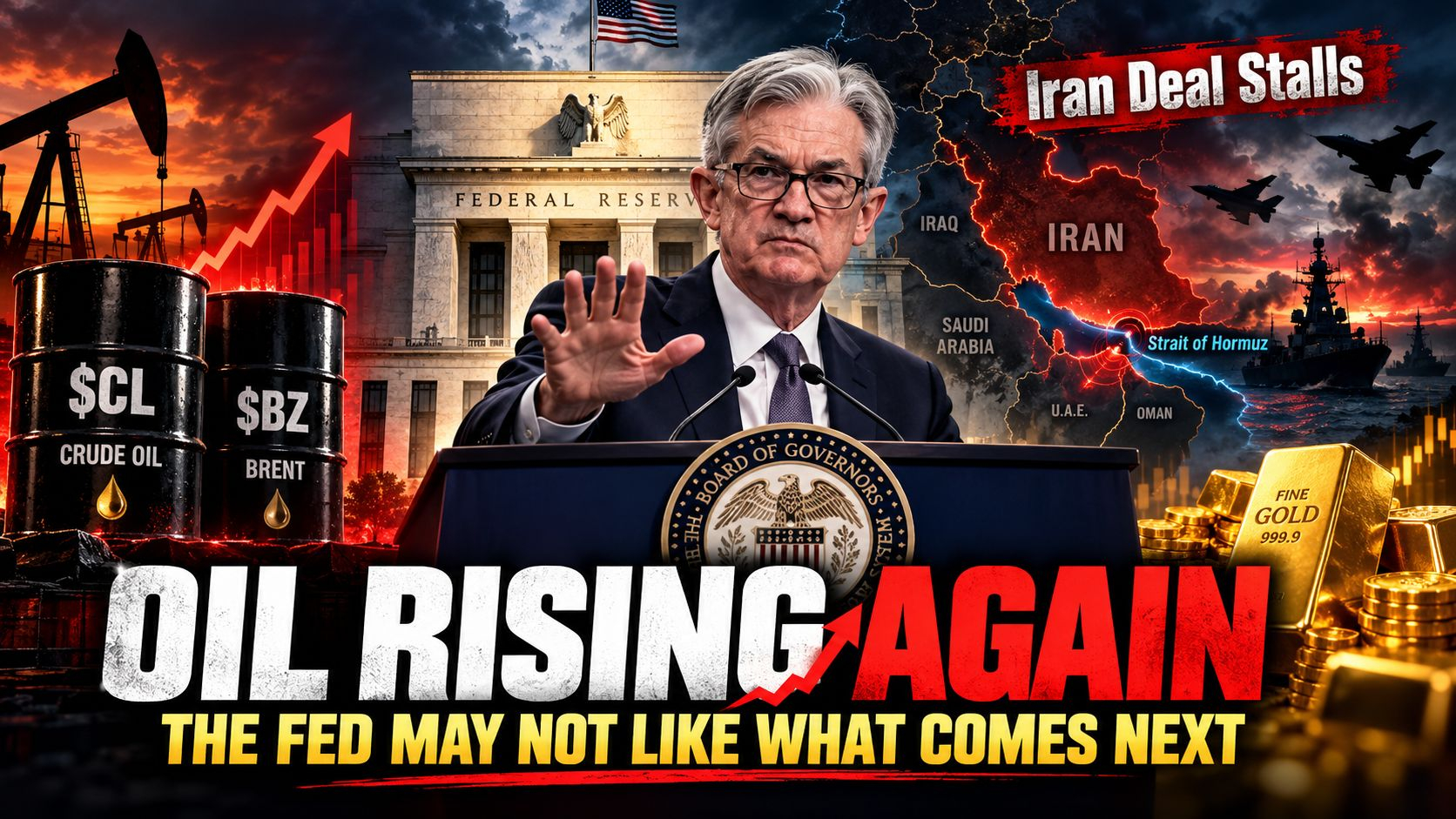
🚨 $CL $BZ ARE RISING AGAIN AS THE IRAN DEAL STALLS — THE FED MAY NOT LIKE WHAT COMES NEXT.
Oil is pushing higher again as hopes for a quick U.S.–Iran agreement fade.
That matters because the market chain is brutal:
No deal → Hormuz risk stays elevated
Oil stays high → inflation pressure stays sticky
Sticky inflation → Fed cuts get harder
Higher-for-longer rates → pressure on tech, stocks and crypto
This is why the Iran story is no longer “just an oil trade.”
It’s becoming a macro liquidity trade.
If CL and BZ keep climbing, the Fed may be forced to stay cautious even if growth slows.
The market wants easier policy.
Oil may be the thing that stops it. 👀 $XAU
{future}(XAUUSDT)
{future}(CLUSDT)
{future}(BZUSDT)
#oil #Fed #Inflation #iran #Hormuz
🚨 $CL $BZ ARE RISING AGAIN AS THE IRAN DEAL STALLS — THE FED MAY NOT LIKE WHAT COMES NEXT.
Oil is pushing higher again as hopes for a quick U.S.–Iran agreement fade.
That matters because the market chain is brutal:
No deal → Hormuz risk stays elevated
Oil stays high → inflation pressure stays sticky
Sticky inflation → Fed cuts get harder
Higher-for-longer rates → pressure on tech, stocks and crypto
This is why the Iran story is no longer “just an oil trade.”
It’s becoming a macro liquidity trade.
If CL and BZ keep climbing, the Fed may be forced to stay cautious even if growth slows.
The market wants easier policy.
Oil may be the thing that stops it. 👀 $XAU
#oil #Fed #Inflation #iran #Hormuz
Oil is pushing higher again as hopes for a quick U.S.–Iran agreement fade.
That matters because the market chain is brutal:
No deal → Hormuz risk stays elevated
Oil stays high → inflation pressure stays sticky
Sticky inflation → Fed cuts get harder
Higher-for-longer rates → pressure on tech, stocks and crypto
This is why the Iran story is no longer “just an oil trade.”
It’s becoming a macro liquidity trade.
If CL and BZ keep climbing, the Fed may be forced to stay cautious even if growth slows.
The market wants easier policy.
Oil may be the thing that stops it. 👀 $XAU
#oil #Fed #Inflation #iran #Hormuz
351
·
--
🚨 U.S.–CHINA JUST BOUGHT THE MARKET TWO MORE MONTHS OF PEACE.
Washington and Beijing have agreed to extend their trade truce by two months, giving both sides more time to work toward a broader deal. China said the extension creates room to evaluate existing agreements and push negotiations forward.
That’s supportive for risk sentiment because it lowers the immediate threat of another tariff shock hitting global supply chains.
The clearest near-term beneficiaries are likely:
Semiconductors → $NVDA $AMD
China-sensitive tech → $AAPL $TSLA
Broader risk assets → stocks + crypto
But this is still a truce, not a full reset.
The U.S. and China remain divided on major strategic issues, even after agreeing to tariff cuts on about $30B of goods and further dialogue.
So the market gets breathing room…
but the trade war hasn’t disappeared. It’s just been pushed further down the calendar. 👀
{stock_us}(TSLA.US)
{stock_us}(AMD.US)
{stock_us}(NVDA.US)
$NVDA.US $AMD.US $AAPL $TSLA.US
#stocks #MarketSentimentToday #TRUMP #cryptouniverseofficial
🚨 U.S.–CHINA JUST BOUGHT THE MARKET TWO MORE MONTHS OF PEACE.
Washington and Beijing have agreed to extend their trade truce by two months, giving both sides more time to work toward a broader deal. China said the extension creates room to evaluate existing agreements and push negotiations forward.
That’s supportive for risk sentiment because it lowers the immediate threat of another tariff shock hitting global supply chains.
The clearest near-term beneficiaries are likely:
Semiconductors → $NVDA $AMD
China-sensitive tech → $AAPL $TSLA
Broader risk assets → stocks + crypto
But this is still a truce, not a full reset.
The U.S. and China remain divided on major strategic issues, even after agreeing to tariff cuts on about $30B of goods and further dialogue.
So the market gets breathing room…
but the trade war hasn’t disappeared. It’s just been pushed further down the calendar. 👀
$NVDA.US $AMD.US $AAPL $TSLA.US
#stocks #MarketSentimentToday #TRUMP #cryptouniverseofficial
Washington and Beijing have agreed to extend their trade truce by two months, giving both sides more time to work toward a broader deal. China said the extension creates room to evaluate existing agreements and push negotiations forward.
That’s supportive for risk sentiment because it lowers the immediate threat of another tariff shock hitting global supply chains.
The clearest near-term beneficiaries are likely:
Semiconductors → $NVDA $AMD
China-sensitive tech → $AAPL $TSLA
Broader risk assets → stocks + crypto
But this is still a truce, not a full reset.
The U.S. and China remain divided on major strategic issues, even after agreeing to tariff cuts on about $30B of goods and further dialogue.
So the market gets breathing room…
but the trade war hasn’t disappeared. It’s just been pushed further down the calendar. 👀
$NVDA.US $AMD.US $AAPL $TSLA.US
#stocks #MarketSentimentToday #TRUMP #cryptouniverseofficial
AMDUS-2.52%
TSLAUS-0.60%
NVDAUS-0.76%
109
·
--
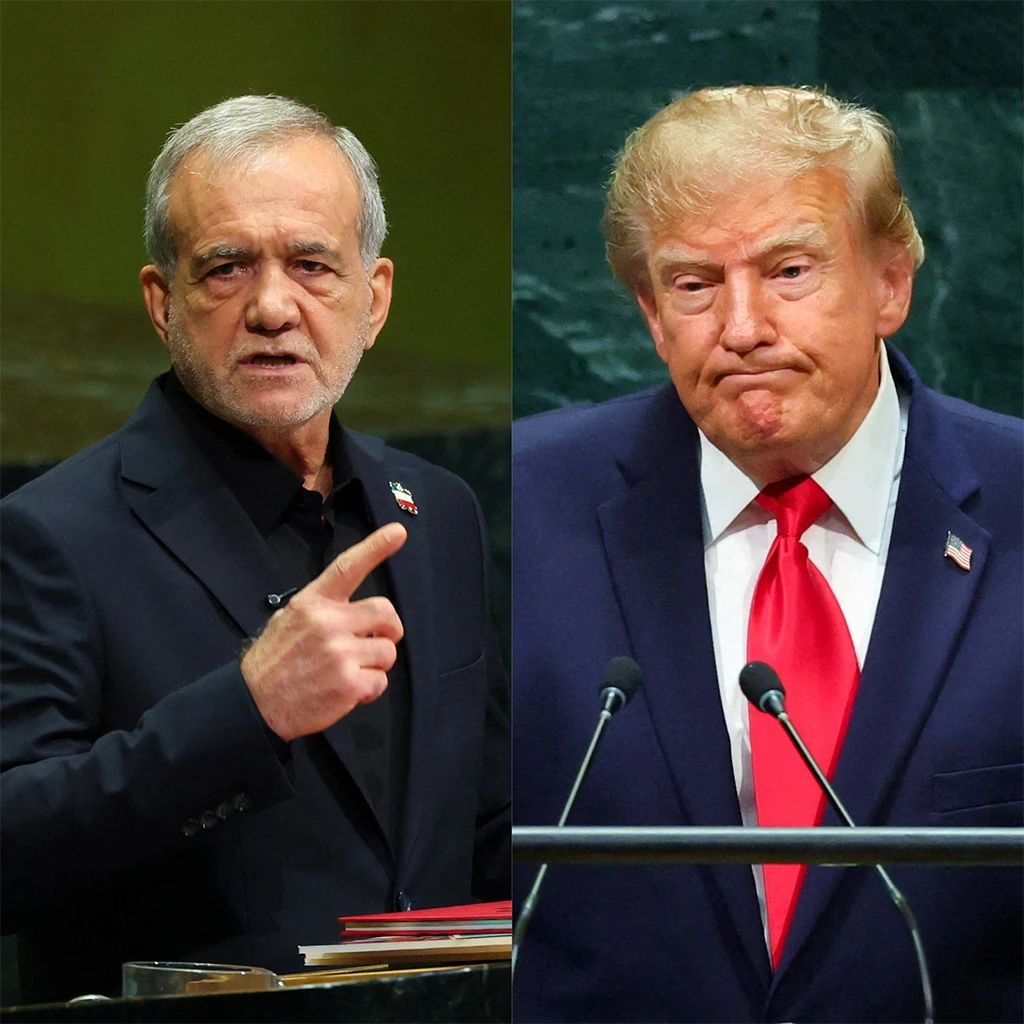
THE IRAN PEACE TRADE IS STARTING TO UNWIND.
Oil rebounded more than 1% as doubts grew that Washington and Tehran can actually reach a truce, with Trump having rejected Iran’s latest peace proposal.
That matters because the whole macro chain starts with Hormuz:
No deal → Hormuz stays constrained → oil risk premium stays elevated.
Higher oil → inflation stays sticky.
Sticky inflation → bond yields stay higher for longer.
Higher yields → pressure on tech, equities and crypto.
This is why CL and BZ matter far beyond energy traders.
The market briefly priced peace.
Now it’s being forced to price the possibility that the conflict lasts longer than expected. 👀
{future}(CLUSDT)
{future}(BZUSDT)
{future}(XAUUSDT)
$CL $BZ $XAU
#ChinaIndustrialProfitGrowthSlowsFourthMonth #TrumpRejectsIranHormuzReopening #BitwiseFilesFinalNEARSpotETFProspectus #BitgetHackerMoves$83MStolenXRP #Hormuz
THE IRAN PEACE TRADE IS STARTING TO UNWIND.
Oil rebounded more than 1% as doubts grew that Washington and Tehran can actually reach a truce, with Trump having rejected Iran’s latest peace proposal.
That matters because the whole macro chain starts with Hormuz:
No deal → Hormuz stays constrained → oil risk premium stays elevated.
Higher oil → inflation stays sticky.
Sticky inflation → bond yields stay higher for longer.
Higher yields → pressure on tech, equities and crypto.
This is why CL and BZ matter far beyond energy traders.
The market briefly priced peace.
Now it’s being forced to price the possibility that the conflict lasts longer than expected. 👀
$CL $BZ $XAU
#ChinaIndustrialProfitGrowthSlowsFourthMonth #TrumpRejectsIranHormuzReopening #BitwiseFilesFinalNEARSpotETFProspectus #BitgetHackerMoves$83MStolenXRP #Hormuz
Oil rebounded more than 1% as doubts grew that Washington and Tehran can actually reach a truce, with Trump having rejected Iran’s latest peace proposal.
That matters because the whole macro chain starts with Hormuz:
No deal → Hormuz stays constrained → oil risk premium stays elevated.
Higher oil → inflation stays sticky.
Sticky inflation → bond yields stay higher for longer.
Higher yields → pressure on tech, equities and crypto.
This is why CL and BZ matter far beyond energy traders.
The market briefly priced peace.
Now it’s being forced to price the possibility that the conflict lasts longer than expected. 👀
$CL $BZ $XAU
#ChinaIndustrialProfitGrowthSlowsFourthMonth #TrumpRejectsIranHormuzReopening #BitwiseFilesFinalNEARSpotETFProspectus #BitgetHackerMoves$83MStolenXRP #Hormuz
430
·
--
Bullish
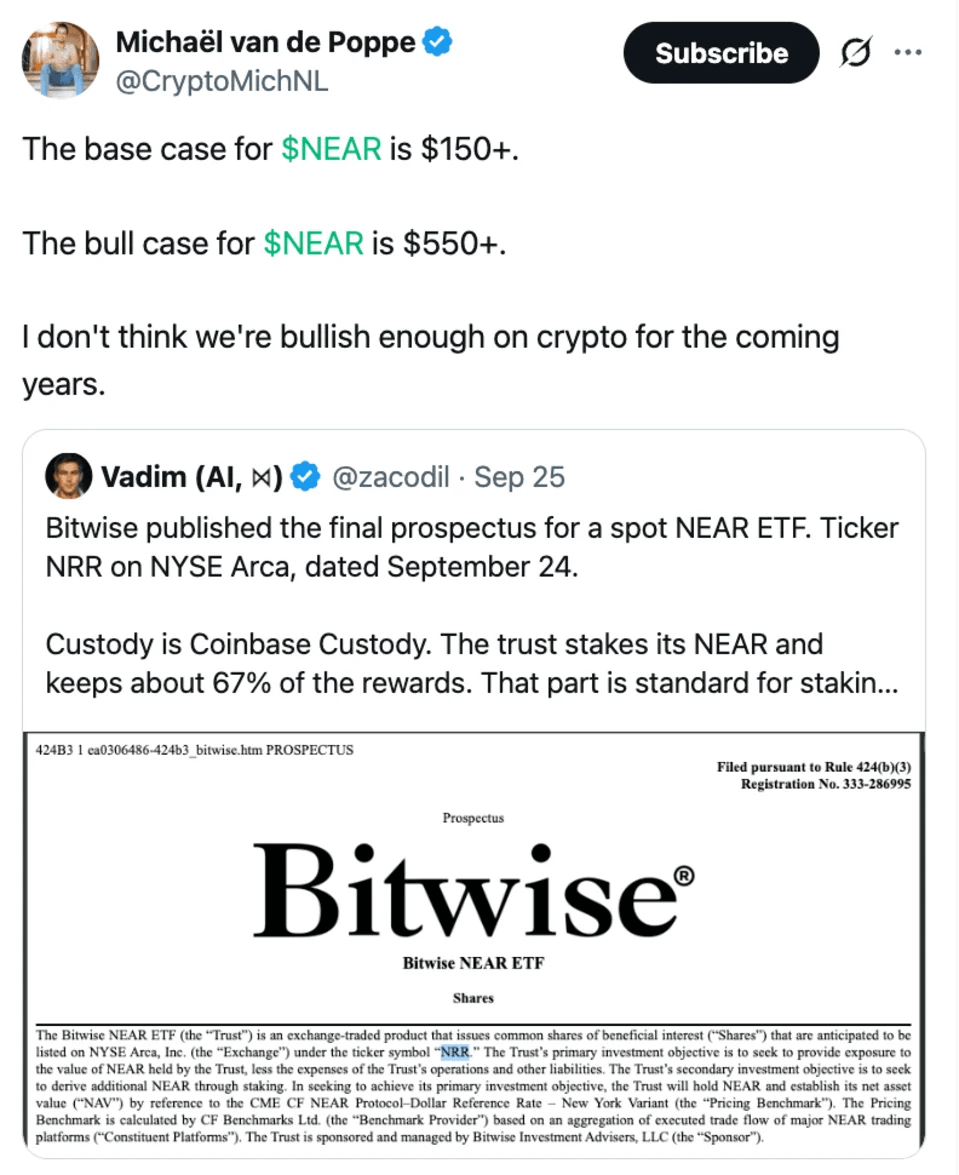
THE ETF STORY JUST MOVED FROM “FILING” TO “ALMOST READY.”
Bitwise has taken another major step toward launching a spot NEAR ETF in the U.S.
The fund’s securities registration became effective on Sept. 24, and Bitwise also filed the Form 8-A showing that NYSE Arca has approved the shares for listing, under ticker NRR.
That doesn’t mean trading starts instantly.
But it does mean one of the biggest regulatory hurdles is now cleared.
And the timing is interesting because $NEAR is already catching fresh momentum while its institutional narrative keeps getting stronger.
Spot ETF access + banking infrastructure exposure + improving price momentum = a much cleaner institutional story than NEAR had a few months ago.
The real question now:
Does $NEAR get repriced before NRR actually starts trading? 👀
{future}(NEARUSDT)
#bitwisefilesfinalnearspotetfprospectus #BitgetHackerMoves$83MStolenXRP #SOLSpotETFWeeklyInflow$188M #DogecoinETFsPostBiggestWeekSinceLaunch #StrategyStriveAdd2305BitcoinThisWeek
THE ETF STORY JUST MOVED FROM “FILING” TO “ALMOST READY.”
Bitwise has taken another major step toward launching a spot NEAR ETF in the U.S.
The fund’s securities registration became effective on Sept. 24, and Bitwise also filed the Form 8-A showing that NYSE Arca has approved the shares for listing, under ticker NRR.
That doesn’t mean trading starts instantly.
But it does mean one of the biggest regulatory hurdles is now cleared.
And the timing is interesting because $NEAR is already catching fresh momentum while its institutional narrative keeps getting stronger.
Spot ETF access + banking infrastructure exposure + improving price momentum = a much cleaner institutional story than NEAR had a few months ago.
The real question now:
Does $NEAR get repriced before NRR actually starts trading? 👀
#bitwisefilesfinalnearspotetfprospectus #BitgetHackerMoves$83MStolenXRP #SOLSpotETFWeeklyInflow$188M #DogecoinETFsPostBiggestWeekSinceLaunch #StrategyStriveAdd2305BitcoinThisWeek
Bitwise has taken another major step toward launching a spot NEAR ETF in the U.S.
The fund’s securities registration became effective on Sept. 24, and Bitwise also filed the Form 8-A showing that NYSE Arca has approved the shares for listing, under ticker NRR.
That doesn’t mean trading starts instantly.
But it does mean one of the biggest regulatory hurdles is now cleared.
And the timing is interesting because $NEAR is already catching fresh momentum while its institutional narrative keeps getting stronger.
Spot ETF access + banking infrastructure exposure + improving price momentum = a much cleaner institutional story than NEAR had a few months ago.
The real question now:
Does $NEAR get repriced before NRR actually starts trading? 👀
#bitwisefilesfinalnearspotetfprospectus #BitgetHackerMoves$83MStolenXRP #SOLSpotETFWeeklyInflow$188M #DogecoinETFsPostBiggestWeekSinceLaunch #StrategyStriveAdd2305BitcoinThisWeek
310
·
--
🚨 $DOGE — ETF FLOWS JUST HIT A RECORD… BUT DON’T CALL IT A BREAKOUT YET.
U.S. spot Dogecoin ETFs pulled in a record $2.89M in net inflows for the week ending Sept. 25, beating the previous high of about $2.59M. Nearly all of that momentum is concentrating in Grayscale’s GDOG, which now controls roughly 81% of category assets.
At the same time, Bitwise is shutting down BWOW, with its final trading day set for Oct. 14.
Here’s the catch:
Dogecoin ETFs still represent only about 0.11% of DOGE’s market cap.
And in the same week, Bitcoin ETFs attracted around $2.39B — more than 800x the DOGE inflow.
So the real question is:
Is institutional DOGE demand finally waking up… or is this just one short burst of flow before the hype fades? 👀
{future}(DOGEUSDT)
{spot}(SHIBUSDT)
{spot}(PEPEUSDT)
$SHIB $PEPE
#BitwiseFilesFinalNEARSpotETFProspectus #SOLSpotETFWeeklyInflow$188M #DogecoinETFsPostBiggestWeekSinceLaunch #StrategyStriveAdd2305BitcoinThisWeek #TrumpRejectsIranHormuzReopening
🚨 $DOGE — ETF FLOWS JUST HIT A RECORD… BUT DON’T CALL IT A BREAKOUT YET.
U.S. spot Dogecoin ETFs pulled in a record $2.89M in net inflows for the week ending Sept. 25, beating the previous high of about $2.59M. Nearly all of that momentum is concentrating in Grayscale’s GDOG, which now controls roughly 81% of category assets.
At the same time, Bitwise is shutting down BWOW, with its final trading day set for Oct. 14.
Here’s the catch:
Dogecoin ETFs still represent only about 0.11% of DOGE’s market cap.
And in the same week, Bitcoin ETFs attracted around $2.39B — more than 800x the DOGE inflow.
So the real question is:
Is institutional DOGE demand finally waking up… or is this just one short burst of flow before the hype fades? 👀
$SHIB $PEPE
#BitwiseFilesFinalNEARSpotETFProspectus #SOLSpotETFWeeklyInflow$188M #DogecoinETFsPostBiggestWeekSinceLaunch #StrategyStriveAdd2305BitcoinThisWeek #TrumpRejectsIranHormuzReopening
U.S. spot Dogecoin ETFs pulled in a record $2.89M in net inflows for the week ending Sept. 25, beating the previous high of about $2.59M. Nearly all of that momentum is concentrating in Grayscale’s GDOG, which now controls roughly 81% of category assets.
At the same time, Bitwise is shutting down BWOW, with its final trading day set for Oct. 14.
Here’s the catch:
Dogecoin ETFs still represent only about 0.11% of DOGE’s market cap.
And in the same week, Bitcoin ETFs attracted around $2.39B — more than 800x the DOGE inflow.
So the real question is:
Is institutional DOGE demand finally waking up… or is this just one short burst of flow before the hype fades? 👀
$SHIB $PEPE
#BitwiseFilesFinalNEARSpotETFProspectus #SOLSpotETFWeeklyInflow$188M #DogecoinETFsPostBiggestWeekSinceLaunch #StrategyStriveAdd2305BitcoinThisWeek #TrumpRejectsIranHormuzReopening
89
·
--
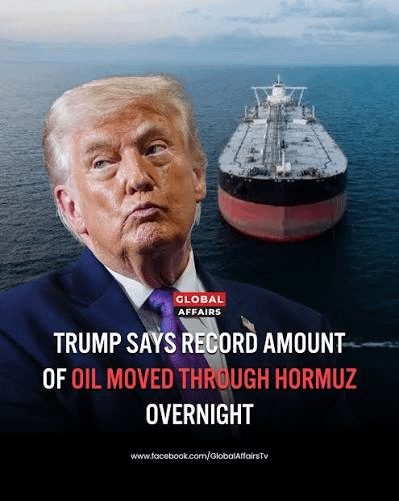
🛢️ $CL $BZ — TRUMP DIDN’T JUST REJECT IRAN’S DEAL. HE MAY HAVE GIVEN OIL A TIMELINE. 🚨
Trump rejected Iran’s proposal to reopen the Strait of Hormuz and halt fighting, and according to the Wall Street Journal, told aides he expects U.S. strikes on Iran to resume after the November midterms. That changes the trade.
This is no longer just:
“Will diplomacy work?”
It’s becoming:
“How long can oil hold a geopolitical risk premium before the next escalation?”
If that timeline holds:
Hormuz risk stays alive → CL/BZ stay supported
Higher oil → inflation pressure stays sticky
Sticky inflation → yields stay dangerous for risk assets
The market may have delayed the war risk.
It didn’t remove it. 👀
{future}(BZUSDT)
{future}(CLUSDT)
{future}(TRUMPUSDT)
$TRUMP
#bitwisefilesfinalnearspotetfprospectus #BitgetHackerMoves$83MStolenXRP #SOLSpotETFWeeklyInflow$188M #DogecoinETFsPostBiggestWeekSinceLaunch #StrategyStriveAdd2305BitcoinThisWeek
🛢️ $CL $BZ — TRUMP DIDN’T JUST REJECT IRAN’S DEAL. HE MAY HAVE GIVEN OIL A TIMELINE. 🚨
Trump rejected Iran’s proposal to reopen the Strait of Hormuz and halt fighting, and according to the Wall Street Journal, told aides he expects U.S. strikes on Iran to resume after the November midterms. That changes the trade.
This is no longer just:
“Will diplomacy work?”
It’s becoming:
“How long can oil hold a geopolitical risk premium before the next escalation?”
If that timeline holds:
Hormuz risk stays alive → CL/BZ stay supported
Higher oil → inflation pressure stays sticky
Sticky inflation → yields stay dangerous for risk assets
The market may have delayed the war risk.
It didn’t remove it. 👀
$TRUMP
#bitwisefilesfinalnearspotetfprospectus #BitgetHackerMoves$83MStolenXRP #SOLSpotETFWeeklyInflow$188M #DogecoinETFsPostBiggestWeekSinceLaunch #StrategyStriveAdd2305BitcoinThisWeek
Trump rejected Iran’s proposal to reopen the Strait of Hormuz and halt fighting, and according to the Wall Street Journal, told aides he expects U.S. strikes on Iran to resume after the November midterms. That changes the trade.
This is no longer just:
“Will diplomacy work?”
It’s becoming:
“How long can oil hold a geopolitical risk premium before the next escalation?”
If that timeline holds:
Hormuz risk stays alive → CL/BZ stay supported
Higher oil → inflation pressure stays sticky
Sticky inflation → yields stay dangerous for risk assets
The market may have delayed the war risk.
It didn’t remove it. 👀
$TRUMP
#bitwisefilesfinalnearspotetfprospectus #BitgetHackerMoves$83MStolenXRP #SOLSpotETFWeeklyInflow$188M #DogecoinETFsPostBiggestWeekSinceLaunch #StrategyStriveAdd2305BitcoinThisWeek
473
·
--
Bullish
🚨 $DOGE — WHALES ARE LOADING UP RIGHT UNDER THE BREAKOUT LEVEL.
Dogecoin is now testing the critical $0.098–$0.10 resistance zone — and large holders aren’t waiting for confirmation.
According to analyst Ali Martinez, whales accumulated more than 1.14 BILLION DOGE in just 96 hours as price pushed toward resistance.
That matters because roughly 28B DOGE previously changed hands around this zone, making it a major supply wall.
But momentum is building: DOGE has already reclaimed its 200-day EMA near $0.092, while derivatives open interest has also climbed sharply.
Now the setup gets interesting:
Break $0.10 with volume → shorts and trapped sellers could fuel the next leg.
Get rejected → whale accumulation faces its first real stress test.
The whales are already positioned.
Are they front-running the breakout? 👀
$DOGE #Dogecoin #DOGE #memecoin #crypto #altcoins
{future}(DOGEUSDT)
🚨 $DOGE — WHALES ARE LOADING UP RIGHT UNDER THE BREAKOUT LEVEL.
Dogecoin is now testing the critical $0.098–$0.10 resistance zone — and large holders aren’t waiting for confirmation.
According to analyst Ali Martinez, whales accumulated more than 1.14 BILLION DOGE in just 96 hours as price pushed toward resistance.
That matters because roughly 28B DOGE previously changed hands around this zone, making it a major supply wall.
But momentum is building: DOGE has already reclaimed its 200-day EMA near $0.092, while derivatives open interest has also climbed sharply.
Now the setup gets interesting:
Break $0.10 with volume → shorts and trapped sellers could fuel the next leg.
Get rejected → whale accumulation faces its first real stress test.
The whales are already positioned.
Are they front-running the breakout? 👀
$DOGE #Dogecoin #DOGE #memecoin #crypto #altcoins
Dogecoin is now testing the critical $0.098–$0.10 resistance zone — and large holders aren’t waiting for confirmation.
According to analyst Ali Martinez, whales accumulated more than 1.14 BILLION DOGE in just 96 hours as price pushed toward resistance.
That matters because roughly 28B DOGE previously changed hands around this zone, making it a major supply wall.
But momentum is building: DOGE has already reclaimed its 200-day EMA near $0.092, while derivatives open interest has also climbed sharply.
Now the setup gets interesting:
Break $0.10 with volume → shorts and trapped sellers could fuel the next leg.
Get rejected → whale accumulation faces its first real stress test.
The whales are already positioned.
Are they front-running the breakout? 👀
$DOGE #Dogecoin #DOGE #memecoin #crypto #altcoins
21
·
--
Bullish
$QNT — THIS ISN’T JUST A BREAKOUT. THE FUNDAMENTALS JUST CAUGHT UP. 🚨
QNT has broken out of its long-term downtrend while momentum and volume are improving — but the bigger story is happening off the chart.
On Sept. 24, The Clearing House selected Quant to power the interoperability, orchestration and transaction layer for its new U.S. on-chain money network. The Clearing House is owned by 25 of America’s largest financial institutions, and the network is expected to support tokenized bank deposits plus connectivity to existing rails like RTP and CHIPS.
At the same time, seven major UK banks — including Barclays, HSBC, Lloyds, NatWest and Santander — completed live interbank transactions using tokenized sterling deposits on infrastructure built by Quant.
And Quant’s Fusion Rollup is already live, connecting 74 blockchain networks in one institutional execution environment.
That creates a much stronger thesis than “QNT pumped.”
Price is breaking out while Quant is being wired directly into real banking infrastructure.
If shorts keep leaning against that move while institutional adoption accelerates, the squeeze could get ugly fast.
$QNT may be shifting from interoperability narrative… to actual financial infrastructure. 👀
{future}(QNTUSDT)
#BitgetHackerMoves$83MStolenXRP #SOLSpotETFWeeklyInflow$188M #StrategyStriveAdd2305BitcoinThisWeek #TrumpRejectsIranHormuzReopening
$QNT — THIS ISN’T JUST A BREAKOUT. THE FUNDAMENTALS JUST CAUGHT UP. 🚨
QNT has broken out of its long-term downtrend while momentum and volume are improving — but the bigger story is happening off the chart.
On Sept. 24, The Clearing House selected Quant to power the interoperability, orchestration and transaction layer for its new U.S. on-chain money network. The Clearing House is owned by 25 of America’s largest financial institutions, and the network is expected to support tokenized bank deposits plus connectivity to existing rails like RTP and CHIPS.
At the same time, seven major UK banks — including Barclays, HSBC, Lloyds, NatWest and Santander — completed live interbank transactions using tokenized sterling deposits on infrastructure built by Quant.
And Quant’s Fusion Rollup is already live, connecting 74 blockchain networks in one institutional execution environment.
That creates a much stronger thesis than “QNT pumped.”
Price is breaking out while Quant is being wired directly into real banking infrastructure.
If shorts keep leaning against that move while institutional adoption accelerates, the squeeze could get ugly fast.
$QNT may be shifting from interoperability narrative… to actual financial infrastructure. 👀
#BitgetHackerMoves$83MStolenXRP #SOLSpotETFWeeklyInflow$188M #StrategyStriveAdd2305BitcoinThisWeek #TrumpRejectsIranHormuzReopening
QNT has broken out of its long-term downtrend while momentum and volume are improving — but the bigger story is happening off the chart.
On Sept. 24, The Clearing House selected Quant to power the interoperability, orchestration and transaction layer for its new U.S. on-chain money network. The Clearing House is owned by 25 of America’s largest financial institutions, and the network is expected to support tokenized bank deposits plus connectivity to existing rails like RTP and CHIPS.
At the same time, seven major UK banks — including Barclays, HSBC, Lloyds, NatWest and Santander — completed live interbank transactions using tokenized sterling deposits on infrastructure built by Quant.
And Quant’s Fusion Rollup is already live, connecting 74 blockchain networks in one institutional execution environment.
That creates a much stronger thesis than “QNT pumped.”
Price is breaking out while Quant is being wired directly into real banking infrastructure.
If shorts keep leaning against that move while institutional adoption accelerates, the squeeze could get ugly fast.
$QNT may be shifting from interoperability narrative… to actual financial infrastructure. 👀
#BitgetHackerMoves$83MStolenXRP #SOLSpotETFWeeklyInflow$188M #StrategyStriveAdd2305BitcoinThisWeek #TrumpRejectsIranHormuzReopening
129
·
--
$DASH — SEE IT YET? 👀
In a real bull market, most pullbacks aren’t the end of the move.
They’re often the next long opportunity.
The key is simple:
Strong trend + healthy retrace + support holds = buyers get another shot.
Don’t fear every red candle.
Sometimes the dip is the setup. 🚀
$DASH #DASH #cryptotrading #Altcoin #bullmarket #SECSaysTokenBuybacksNotAutoSecurities
{future}(DASHUSDT)
$DASH — SEE IT YET? 👀
In a real bull market, most pullbacks aren’t the end of the move.
They’re often the next long opportunity.
The key is simple:
Strong trend + healthy retrace + support holds = buyers get another shot.
Don’t fear every red candle.
Sometimes the dip is the setup. 🚀
$DASH #DASH #cryptotrading #Altcoin #bullmarket #SECSaysTokenBuybacksNotAutoSecurities
In a real bull market, most pullbacks aren’t the end of the move.
They’re often the next long opportunity.
The key is simple:
Strong trend + healthy retrace + support holds = buyers get another shot.
Don’t fear every red candle.
Sometimes the dip is the setup. 🚀
$DASH #DASH #cryptotrading #Altcoin #bullmarket #SECSaysTokenBuybacksNotAutoSecurities
94
·
--
Bullish
LONG $ZEC now with 20x leverage max
Entry: $1,640–$1,665
TPs: $1,700 / $1,750 / $1,820
SL: $1,555
{future}(ZECUSDT)
#BitgetHackerMoves$83MStolenXRP #SOLSpotETFWeeklyInflow$188M #StrategyStriveAdd2305BitcoinThisWeek #TrumpRejectsIranHormuzReopening #CircleTetherFreezeBitgetHackerWallet
LONG $ZEC now with 20x leverage max
Entry: $1,640–$1,665
TPs: $1,700 / $1,750 / $1,820
SL: $1,555
#BitgetHackerMoves$83MStolenXRP #SOLSpotETFWeeklyInflow$188M #StrategyStriveAdd2305BitcoinThisWeek #TrumpRejectsIranHormuzReopening #CircleTetherFreezeBitgetHackerWallet
Entry: $1,640–$1,665
TPs: $1,700 / $1,750 / $1,820
SL: $1,555
#BitgetHackerMoves$83MStolenXRP #SOLSpotETFWeeklyInflow$188M #StrategyStriveAdd2305BitcoinThisWeek #TrumpRejectsIranHormuzReopening #CircleTetherFreezeBitgetHackerWallet
66
·
--
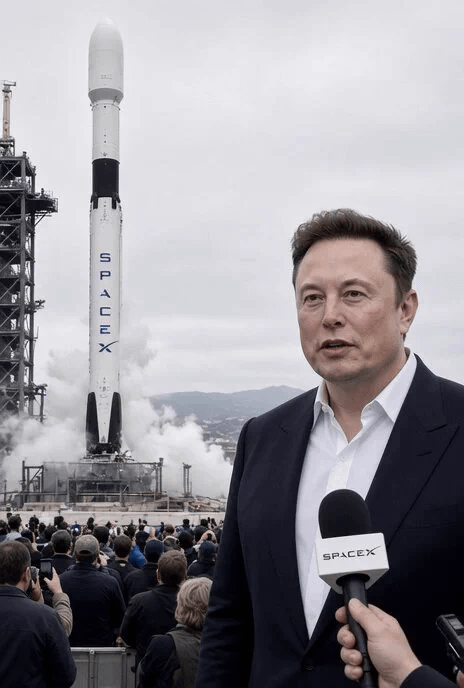
IS A $2 TRILLION VALUATION THE START OF THE NEXT LEG… OR THE BIGGEST WARNING SIGN YET? 👀
Analyst sentiment around SpaceX is still surprisingly strong, even with the company valued at roughly $2T.
The bull case is obvious:
Starship, Starlink, NASA contracts, defense exposure, and massive long-term launch demand.
But the risk is just as obvious:
SpaceX’s valuation is already far ahead of current revenue, which means expectations are enormous.
That creates a brutal setup:
If execution keeps beating expectations → $SPCX can keep rerating higher.
If growth slips even slightly → volatility could hit fast.
At this valuation, SpaceX isn’t being priced like a normal company.
It’s being priced like the future of space itself.
The question is:
Can the business grow fast enough to justify it? 🚀
{stock_us}(SPCX.US)
{stock_us}(AMD.US)
{future}(SPCXUSDT)
$AMD.US $SPCX.US #SpaceX #Starship #ElonMusk #SpaceStocks
IS A $2 TRILLION VALUATION THE START OF THE NEXT LEG… OR THE BIGGEST WARNING SIGN YET? 👀
Analyst sentiment around SpaceX is still surprisingly strong, even with the company valued at roughly $2T.
The bull case is obvious:
Starship, Starlink, NASA contracts, defense exposure, and massive long-term launch demand.
But the risk is just as obvious:
SpaceX’s valuation is already far ahead of current revenue, which means expectations are enormous.
That creates a brutal setup:
If execution keeps beating expectations → $SPCX can keep rerating higher.
If growth slips even slightly → volatility could hit fast.
At this valuation, SpaceX isn’t being priced like a normal company.
It’s being priced like the future of space itself.
The question is:
Can the business grow fast enough to justify it? 🚀
$AMD.US $SPCX.US #SpaceX #Starship #ElonMusk #SpaceStocks
Analyst sentiment around SpaceX is still surprisingly strong, even with the company valued at roughly $2T.
The bull case is obvious:
Starship, Starlink, NASA contracts, defense exposure, and massive long-term launch demand.
But the risk is just as obvious:
SpaceX’s valuation is already far ahead of current revenue, which means expectations are enormous.
That creates a brutal setup:
If execution keeps beating expectations → $SPCX can keep rerating higher.
If growth slips even slightly → volatility could hit fast.
At this valuation, SpaceX isn’t being priced like a normal company.
It’s being priced like the future of space itself.
The question is:
Can the business grow fast enough to justify it? 🚀
$AMD.US $SPCX.US #SpaceX #Starship #ElonMusk #SpaceStocks
AMDUS-2.52%
SPCXUS+0.29%
25
·
--
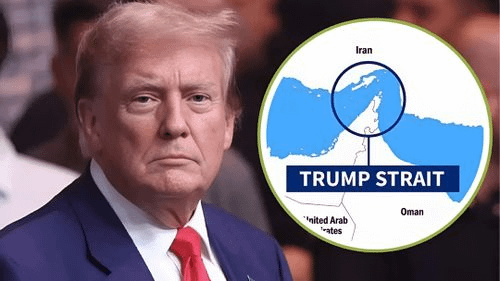
TRUMP JUST PUT THE HORMUZ RISK PREMIUM BACK ON THE TABLE. 🚨
Iran offered a path to reopen the Strait of Hormuz within seven days if the U.S. eased military pressure and lifted its blockade. Trump has now publicly said he rejected that proposal, while Tehran still insists its conditions must be met before the strait reopens.
That matters far beyond oil.
If Hormuz stays constrained:
$CL / $BZ → supply risk stays elevated
Inflation → harder to cool
Fed → more pressure to stay restrictive
Risk assets → liquidity headwind
$XAU → safe-haven bid
$BTC → stuck between “digital gold” demand and tighter macro liquidity
And here’s the real tension:
Bitcoin can benefit from geopolitical distrust…
but high oil → high inflation → high yields is still a brutal backdrop for crypto.
So the next major BTC move may not come from crypto at all.
It may come from one headline out of Hormuz. 👀
{future}(BZUSDT)
{future}(XAUUSDT)
{future}(BTCUSDT)
#strategystriveadd2305bitcointhisweek #SOLSpotETFWeeklyInflow$188M #StrategyStriveAdd2305BitcoinThisWeek #TrumpRejectsIranHormuzReopening #TokenizedStockDEXVolumeHits$20.9B
TRUMP JUST PUT THE HORMUZ RISK PREMIUM BACK ON THE TABLE. 🚨
Iran offered a path to reopen the Strait of Hormuz within seven days if the U.S. eased military pressure and lifted its blockade. Trump has now publicly said he rejected that proposal, while Tehran still insists its conditions must be met before the strait reopens.
That matters far beyond oil.
If Hormuz stays constrained:
$CL / $BZ → supply risk stays elevated
Inflation → harder to cool
Fed → more pressure to stay restrictive
Risk assets → liquidity headwind
$XAU → safe-haven bid
$BTC → stuck between “digital gold” demand and tighter macro liquidity
And here’s the real tension:
Bitcoin can benefit from geopolitical distrust…
but high oil → high inflation → high yields is still a brutal backdrop for crypto.
So the next major BTC move may not come from crypto at all.
It may come from one headline out of Hormuz. 👀
#strategystriveadd2305bitcointhisweek #SOLSpotETFWeeklyInflow$188M #StrategyStriveAdd2305BitcoinThisWeek #TrumpRejectsIranHormuzReopening #TokenizedStockDEXVolumeHits$20.9B
Iran offered a path to reopen the Strait of Hormuz within seven days if the U.S. eased military pressure and lifted its blockade. Trump has now publicly said he rejected that proposal, while Tehran still insists its conditions must be met before the strait reopens.
That matters far beyond oil.
If Hormuz stays constrained:
$CL / $BZ → supply risk stays elevated
Inflation → harder to cool
Fed → more pressure to stay restrictive
Risk assets → liquidity headwind
$XAU → safe-haven bid
$BTC → stuck between “digital gold” demand and tighter macro liquidity
And here’s the real tension:
Bitcoin can benefit from geopolitical distrust…
but high oil → high inflation → high yields is still a brutal backdrop for crypto.
So the next major BTC move may not come from crypto at all.
It may come from one headline out of Hormuz. 👀
#strategystriveadd2305bitcointhisweek #SOLSpotETFWeeklyInflow$188M #StrategyStriveAdd2305BitcoinThisWeek #TrumpRejectsIranHormuzReopening #TokenizedStockDEXVolumeHits$20.9B
31
·
--
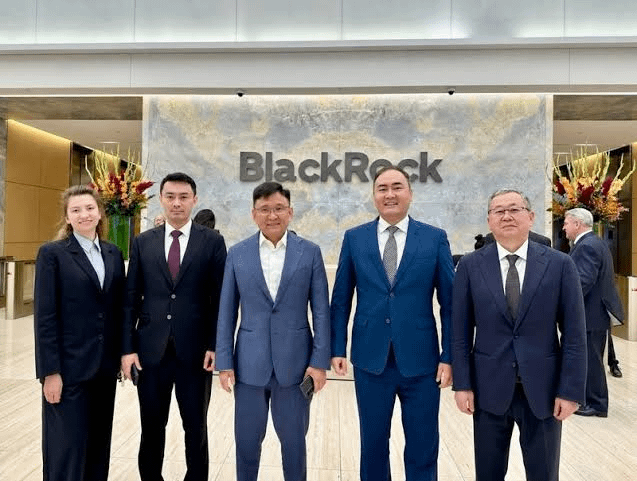
WALL STREET JUST FLOODED BACK INTO BITCOIN.
U.S. spot Bitcoin ETFs pulled in roughly $2.39 BILLION in net inflows this week — their strongest weekly haul since October 2025.
Even more bullish:
Every single trading day closed with positive flows.
Monday alone brought in nearly $1 BILLION.
BlackRock’s IBIT dominated with about $1.16B, while Fidelity’s FBTC added another $702M.
That’s not retail FOMO.
That’s sustained institutional demand.
If billions keep entering while $BTC supply stays tight, the next squeeze may not need much of a catalyst. 👀
{future}(BTCUSDT)
{future}(XRPUSDT)
{future}(ZECUSDT)
$XRP $ZEC
#strategystriveadd2305bitcointhisweek #SOLSpotETFWeeklyInflow$188M #TrumpRejectsIranHormuzReopening #SOLSpotETFWeeklyInflow$188M #BitgetHackerMoves$83MStolenXRP
WALL STREET JUST FLOODED BACK INTO BITCOIN.
U.S. spot Bitcoin ETFs pulled in roughly $2.39 BILLION in net inflows this week — their strongest weekly haul since October 2025.
Even more bullish:
Every single trading day closed with positive flows.
Monday alone brought in nearly $1 BILLION.
BlackRock’s IBIT dominated with about $1.16B, while Fidelity’s FBTC added another $702M.
That’s not retail FOMO.
That’s sustained institutional demand.
If billions keep entering while $BTC supply stays tight, the next squeeze may not need much of a catalyst. 👀
$XRP $ZEC
#strategystriveadd2305bitcointhisweek #SOLSpotETFWeeklyInflow$188M #TrumpRejectsIranHormuzReopening #SOLSpotETFWeeklyInflow$188M #BitgetHackerMoves$83MStolenXRP
U.S. spot Bitcoin ETFs pulled in roughly $2.39 BILLION in net inflows this week — their strongest weekly haul since October 2025.
Even more bullish:
Every single trading day closed with positive flows.
Monday alone brought in nearly $1 BILLION.
BlackRock’s IBIT dominated with about $1.16B, while Fidelity’s FBTC added another $702M.
That’s not retail FOMO.
That’s sustained institutional demand.
If billions keep entering while $BTC supply stays tight, the next squeeze may not need much of a catalyst. 👀
$XRP $ZEC
#strategystriveadd2305bitcointhisweek #SOLSpotETFWeeklyInflow$188M #TrumpRejectsIranHormuzReopening #SOLSpotETFWeeklyInflow$188M #BitgetHackerMoves$83MStolenXRP
22
·
--
Bullish
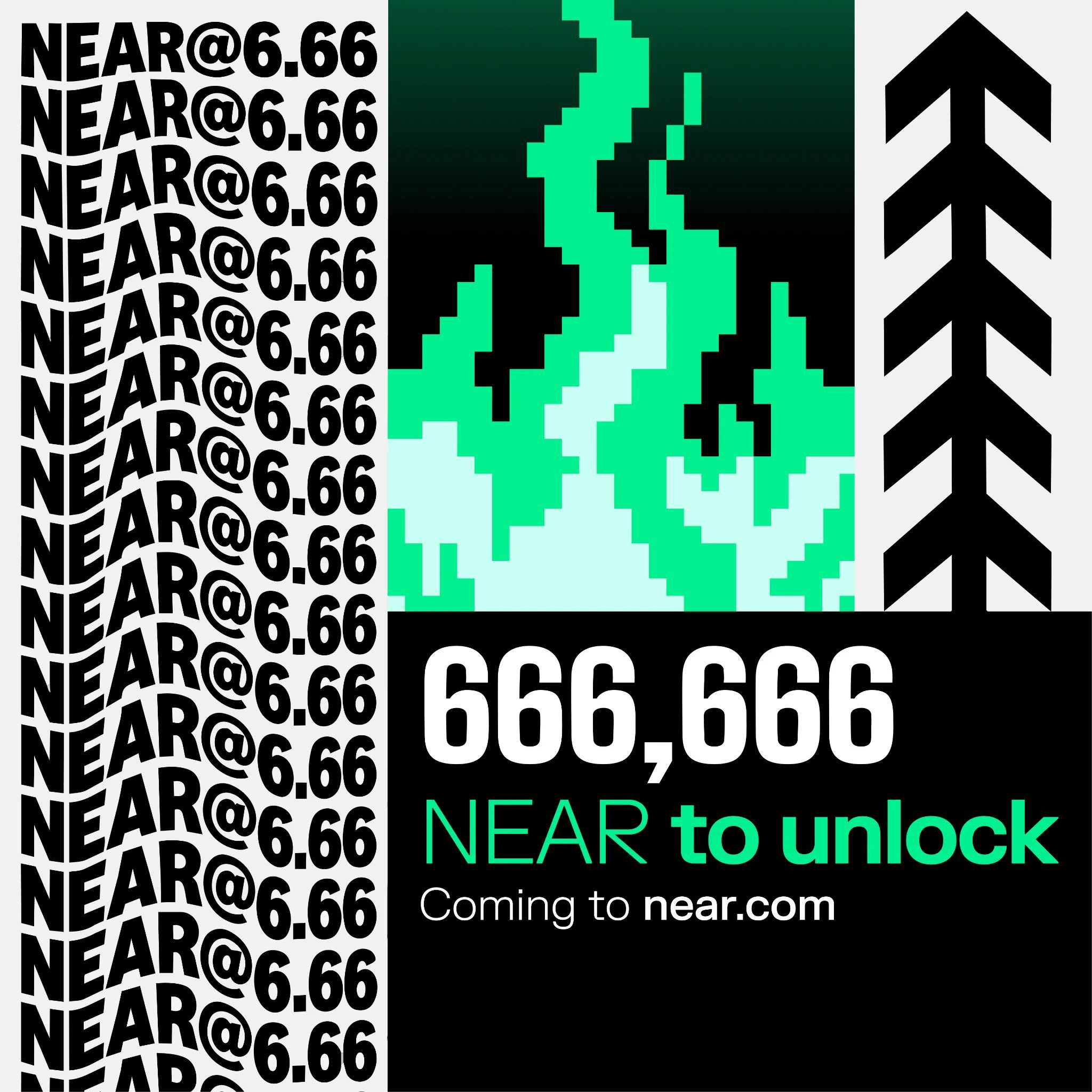
$NEAR — QUANTUM SECURITY JUST BECAME A REAL CRYPTO ARMS RACE. 🚨
NEAR already pushed NIST-standardized ML-DSA quantum-safe signing live on mainnet, letting users rotate into post-quantum keys without changing accounts. That puts it ahead at the wallet-signature layer.
But here’s the sharper angle:
Protecting wallets was the easy part. Protecting consensus is the real war.
Validator consensus on NEAR is still based on classical signatures, and post-quantum consensus remains unfinished. Its cross-chain Chain Signatures system also still depends on classical threshold cryptography, so quantum-safe MPC is another major unsolved piece.
That means the race is no longer about who talks about quantum resistance.
It’s about who can make an entire blockchain stack survive it.
Wallets first. Validators next. Cross-chain MPC after that.
If $NEAR keeps shipping before the bigger chains do, the market may start treating quantum readiness as a real valuation narrative — not sci-fi.
{future}(NEARUSDT)
#StrategyStriveAdd2305BitcoinThisWeek #TrumpRejectsIranHormuzReopening #TokenizedStockDEXVolumeHits$20.9B #CircleTetherFreezeBitgetHackerWallet #SECSaysTokenBuybacksNotAutoSecurities
$NEAR — QUANTUM SECURITY JUST BECAME A REAL CRYPTO ARMS RACE. 🚨
NEAR already pushed NIST-standardized ML-DSA quantum-safe signing live on mainnet, letting users rotate into post-quantum keys without changing accounts. That puts it ahead at the wallet-signature layer.
But here’s the sharper angle:
Protecting wallets was the easy part. Protecting consensus is the real war.
Validator consensus on NEAR is still based on classical signatures, and post-quantum consensus remains unfinished. Its cross-chain Chain Signatures system also still depends on classical threshold cryptography, so quantum-safe MPC is another major unsolved piece.
That means the race is no longer about who talks about quantum resistance.
It’s about who can make an entire blockchain stack survive it.
Wallets first. Validators next. Cross-chain MPC after that.
If $NEAR keeps shipping before the bigger chains do, the market may start treating quantum readiness as a real valuation narrative — not sci-fi.
#StrategyStriveAdd2305BitcoinThisWeek #TrumpRejectsIranHormuzReopening #TokenizedStockDEXVolumeHits$20.9B #CircleTetherFreezeBitgetHackerWallet #SECSaysTokenBuybacksNotAutoSecurities
NEAR already pushed NIST-standardized ML-DSA quantum-safe signing live on mainnet, letting users rotate into post-quantum keys without changing accounts. That puts it ahead at the wallet-signature layer.
But here’s the sharper angle:
Protecting wallets was the easy part. Protecting consensus is the real war.
Validator consensus on NEAR is still based on classical signatures, and post-quantum consensus remains unfinished. Its cross-chain Chain Signatures system also still depends on classical threshold cryptography, so quantum-safe MPC is another major unsolved piece.
That means the race is no longer about who talks about quantum resistance.
It’s about who can make an entire blockchain stack survive it.
Wallets first. Validators next. Cross-chain MPC after that.
If $NEAR keeps shipping before the bigger chains do, the market may start treating quantum readiness as a real valuation narrative — not sci-fi.
#StrategyStriveAdd2305BitcoinThisWeek #TrumpRejectsIranHormuzReopening #TokenizedStockDEXVolumeHits$20.9B #CircleTetherFreezeBitgetHackerWallet #SECSaysTokenBuybacksNotAutoSecurities
1
132
Log in to explore more content
Join global crypto users on Binance Square
⚡️ Get latest and useful information about crypto.
💬 Trusted by the world’s largest crypto exchange.
👍 Discover real insights from verified creators.
Email / Phone number
Trending Topics
FedProposesPaymentStablecoinRules
1,090 views
74 Discussing
🚨 THE FED AND SEC ARE QUIETLY BUILDING THE RULEBOOK CRYPTO HAS BEEN WAITING FOR.
The Fed just proposed a formal framework for payment stablecoin issuers under the GENIUS Act, including 1:1 backing with high-quality liquid reserves such as short-term Treasuries, capital requirements, risk-management standards, custody rules, and a dedicated approval process for banks that want to issue stablecoins.
At almost the same time, SEC staff clarified that for functional crypto networks, things like token buybacks do not automatically create a securities contract by themselves. The SEC also stressed that this is staff guidance, not a binding new rule.
That combination matters.
Fed → clearer rules for digital dollars.
SEC → more clarity for functional crypto assets.
This is not deregulation.
It is something potentially more important:
Crypto is being pulled deeper into the regulated financial system instead of being pushed outside it.
For stablecoins, the direction is obvious: more reserves, more oversight, more bank participation.
And if that framework survives the comment process, the next phase of adoption may look less like “crypto vs banks”…
and more like banks issuing crypto-native money themselves. 👀
$USDC $CRCL $COIN $ETH
#fedproposespaymentstablecoinrules #ChinaMayLetAlibabaByteDanceBuyNvidiaChips #USChinaRelease$30BTariffCutProductLists #SKoreaFSCConsidersVirtualAssetMarketMaker #ChinaIndustrialProfitGrowthSlowsFourthMonth
KimHotbae
·1 Likes
·1.2k views
ChinaMayLetAlibabaByteDanceBuyNvidiaChips
3,356 views
175 Discussing
USChinaRelease$30BTariffCutProductLists
294 views
21 Discussing