
#security
security
1.8M views
4,430 Discussing
Hot
Latest

·
--
If you're still skipping those security checks, stop now.
Traders lose sleep and money when bots slip through or phishing pages mimic the real verification. Getting rugged after ignoring the basics is the oldest pain in this space.
That extra confirmation you are not a bot does more than prevent spam. It has been the difference in past cycles between surviving a coordinated attack and watching your $BTC vanish overnight. Similar to how early $ETH DeFi got overrun by bots compared to tighter setups on $BNB now.
The cat and mouse never really ends, but skipping it is how accounts get compromised faster than any market dump.
Anyone else seeing more of these checks popping up, and do they actually help or just annoy?
#Crypto #Security #DeFi
If you're still skipping those security checks, stop now.
Traders lose sleep and money when bots slip through or phishing pages mimic the real verification. Getting rugged after ignoring the basics is the oldest pain in this space.
That extra confirmation you are not a bot does more than prevent spam. It has been the difference in past cycles between surviving a coordinated attack and watching your $BTC vanish overnight. Similar to how early $ETH DeFi got overrun by bots compared to tighter setups on $BNB now.
The cat and mouse never really ends, but skipping it is how accounts get compromised faster than any market dump.
Anyone else seeing more of these checks popping up, and do they actually help or just annoy?
#Crypto #Security #DeFi
Traders lose sleep and money when bots slip through or phishing pages mimic the real verification. Getting rugged after ignoring the basics is the oldest pain in this space.
That extra confirmation you are not a bot does more than prevent spam. It has been the difference in past cycles between surviving a coordinated attack and watching your $BTC vanish overnight. Similar to how early $ETH DeFi got overrun by bots compared to tighter setups on $BNB now.
The cat and mouse never really ends, but skipping it is how accounts get compromised faster than any market dump.
Anyone else seeing more of these checks popping up, and do they actually help or just annoy?
#Crypto #Security #DeFi
11

Article
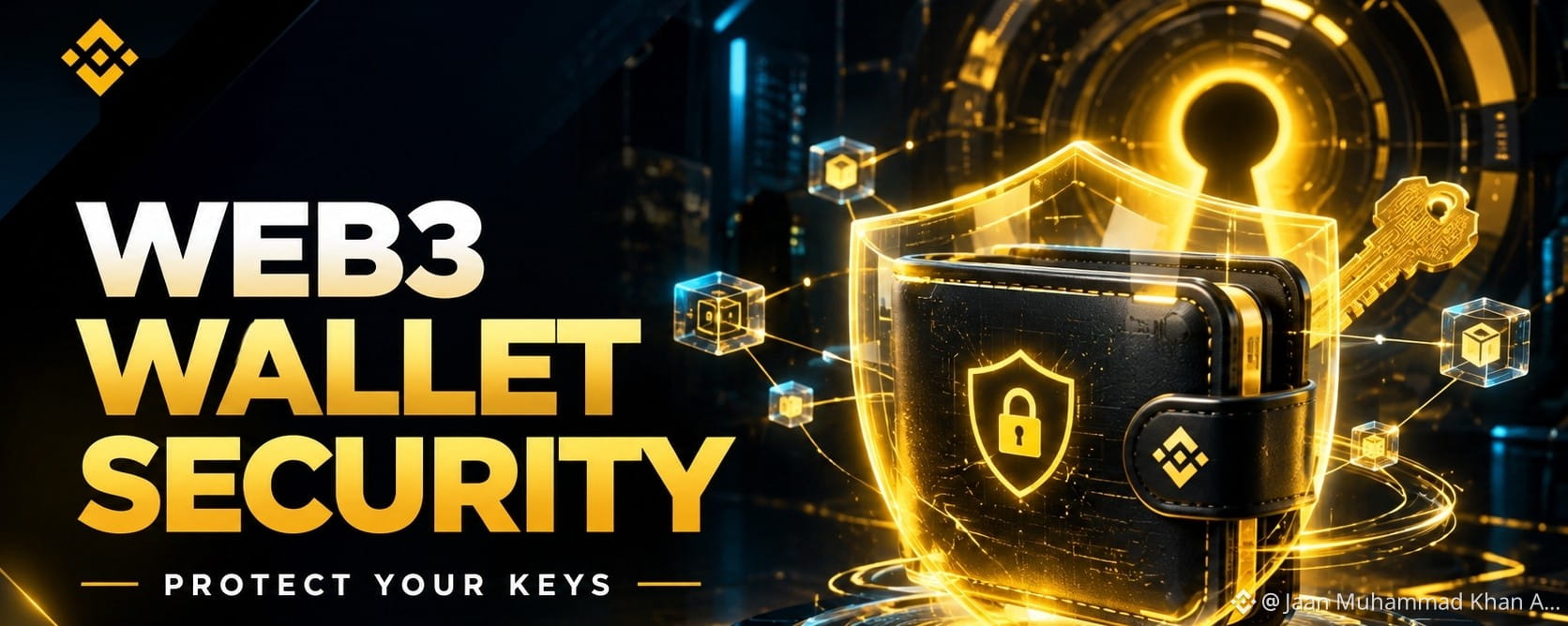
🌐WEB3 WALLET SECURITY🔐 Web3 Wallet Security: Your Wallet Is More Than Just a Password
Web3 has changed how people interact with digital assets.
Instead of relying entirely on traditional financial institutions, users can interact directly with blockchain networks through wallets.
A wallet can provide access to assets, decentralized applications, NFTs, DeFi protocols, and smart contracts.
But there is one important reality:
Your wallet is only as secure as the way you use and protect it.
A blockchain network may be highly secure, but that does not automatically make every wallet interaction safe.
🔑 What Makes Wallet Security Different?
Traditional accounts often rely on:
Usernames
Passwords
Email recovery
Customer support
Account resets
Centralized authentication
Web3 wallets can work differently.
A wallet may rely on a private key or seed phrase that gives control over assets.
If that secret is compromised, attackers may not need to “hack the blockchain.”
They may simply use the credentials you accidentally exposed.
This creates a major security principle:
Protect the keys, protect the assets.
⚠️ Common Web3 Wallet Threats
1️⃣ Phishing
Attackers can create fake websites that look almost identical to legitimate platforms.
A user may connect their wallet and unknowingly authorize a malicious transaction.
2️⃣ Malicious Smart Contracts
Not every contract interaction is safe.
A user may approve a transaction without fully understanding what permissions are being granted.
3️⃣ Seed Phrase Theft
Your seed phrase should be treated like the master key to your wallet.
Never enter it into:
Random websites
Unverified applications
Forms
Messages
“Support” pages
Unknown browser extensions
4️⃣ Fake Airdrops
Free tokens sound attractive.
Attackers know this.
Fake airdrop campaigns can be designed to convince users to connect their wallets or sign malicious transactions.
5️⃣ Compromised Devices
Even if the blockchain is secure, a compromised computer or smartphone can become the weak point.
🛡️ How Can Users Improve Wallet Security?
Think about wallet security as multiple layers.
Layer 1 — Device Security
Keep your operating system, browser and security software updated.
Layer 2 — Wallet Security
Use strong protection and carefully secure recovery information.
Layer 3 — Transaction Verification
Never blindly approve transactions.
Understand what you're signing.
Layer 4 — Application Verification
Check the website and contract you're interacting with.
Layer 5 — Asset Segmentation
For serious users, separating funds across wallets can reduce the impact of a single compromise.
🧠 The Bigger Lesson
Blockchain technology can provide strong cryptographic security.
But users still operate the interface.
That means the security chain can look like:
User → Device → Wallet → Application → Smart Contract → Blockchain
If one layer becomes compromised, the overall experience can become dangerous.
So remember:
Blockchain Security ≠ Wallet Security
Security requires protecting the entire interaction.
🚀 Final Thought
Web3 gives users more control.
But greater control also means greater responsibility.
The future of Web3 security isn't only about building stronger blockchains.
It's also about building better security practices around the people, wallets, applications and infrastructure interacting with them.
Secure the keys.
Verify the transaction.
Understand what you're signing.
That's where responsible Web3 security begins.#security
🌐WEB3 WALLET SECURITY
🔐 Web3 Wallet Security: Your Wallet Is More Than Just a Password
Web3 has changed how people interact with digital assets.
Instead of relying entirely on traditional financial institutions, users can interact directly with blockchain networks through wallets.
A wallet can provide access to assets, decentralized applications, NFTs, DeFi protocols, and smart contracts.
But there is one important reality:
Your wallet is only as secure as the way you use and protect it.
A blockchain network may be highly secure, but that does not automatically make every wallet interaction safe.
🔑 What Makes Wallet Security Different?
Traditional accounts often rely on:
Usernames
Passwords
Email recovery
Customer support
Account resets
Centralized authentication
Web3 wallets can work differently.
A wallet may rely on a private key or seed phrase that gives control over assets.
If that secret is compromised, attackers may not need to “hack the blockchain.”
They may simply use the credentials you accidentally exposed.
This creates a major security principle:
Protect the keys, protect the assets.
⚠️ Common Web3 Wallet Threats
1️⃣ Phishing
Attackers can create fake websites that look almost identical to legitimate platforms.
A user may connect their wallet and unknowingly authorize a malicious transaction.
2️⃣ Malicious Smart Contracts
Not every contract interaction is safe.
A user may approve a transaction without fully understanding what permissions are being granted.
3️⃣ Seed Phrase Theft
Your seed phrase should be treated like the master key to your wallet.
Never enter it into:
Random websites
Unverified applications
Forms
Messages
“Support” pages
Unknown browser extensions
4️⃣ Fake Airdrops
Free tokens sound attractive.
Attackers know this.
Fake airdrop campaigns can be designed to convince users to connect their wallets or sign malicious transactions.
5️⃣ Compromised Devices
Even if the blockchain is secure, a compromised computer or smartphone can become the weak point.
🛡️ How Can Users Improve Wallet Security?
Think about wallet security as multiple layers.
Layer 1 — Device Security
Keep your operating system, browser and security software updated.
Layer 2 — Wallet Security
Use strong protection and carefully secure recovery information.
Layer 3 — Transaction Verification
Never blindly approve transactions.
Understand what you're signing.
Layer 4 — Application Verification
Check the website and contract you're interacting with.
Layer 5 — Asset Segmentation
For serious users, separating funds across wallets can reduce the impact of a single compromise.
🧠 The Bigger Lesson
Blockchain technology can provide strong cryptographic security.
But users still operate the interface.
That means the security chain can look like:
User → Device → Wallet → Application → Smart Contract → Blockchain
If one layer becomes compromised, the overall experience can become dangerous.
So remember:
Blockchain Security ≠ Wallet Security
Security requires protecting the entire interaction.
🚀 Final Thought
Web3 gives users more control.
But greater control also means greater responsibility.
The future of Web3 security isn't only about building stronger blockchains.
It's also about building better security practices around the people, wallets, applications and infrastructure interacting with them.
Secure the keys.
Verify the transaction.
Understand what you're signing.
That's where responsible Web3 security begins.#security
Web3 has changed how people interact with digital assets.
Instead of relying entirely on traditional financial institutions, users can interact directly with blockchain networks through wallets.
A wallet can provide access to assets, decentralized applications, NFTs, DeFi protocols, and smart contracts.
But there is one important reality:
Your wallet is only as secure as the way you use and protect it.
A blockchain network may be highly secure, but that does not automatically make every wallet interaction safe.
🔑 What Makes Wallet Security Different?
Traditional accounts often rely on:
Usernames
Passwords
Email recovery
Customer support
Account resets
Centralized authentication
Web3 wallets can work differently.
A wallet may rely on a private key or seed phrase that gives control over assets.
If that secret is compromised, attackers may not need to “hack the blockchain.”
They may simply use the credentials you accidentally exposed.
This creates a major security principle:
Protect the keys, protect the assets.
⚠️ Common Web3 Wallet Threats
1️⃣ Phishing
Attackers can create fake websites that look almost identical to legitimate platforms.
A user may connect their wallet and unknowingly authorize a malicious transaction.
2️⃣ Malicious Smart Contracts
Not every contract interaction is safe.
A user may approve a transaction without fully understanding what permissions are being granted.
3️⃣ Seed Phrase Theft
Your seed phrase should be treated like the master key to your wallet.
Never enter it into:
Random websites
Unverified applications
Forms
Messages
“Support” pages
Unknown browser extensions
4️⃣ Fake Airdrops
Free tokens sound attractive.
Attackers know this.
Fake airdrop campaigns can be designed to convince users to connect their wallets or sign malicious transactions.
5️⃣ Compromised Devices
Even if the blockchain is secure, a compromised computer or smartphone can become the weak point.
🛡️ How Can Users Improve Wallet Security?
Think about wallet security as multiple layers.
Layer 1 — Device Security
Keep your operating system, browser and security software updated.
Layer 2 — Wallet Security
Use strong protection and carefully secure recovery information.
Layer 3 — Transaction Verification
Never blindly approve transactions.
Understand what you're signing.
Layer 4 — Application Verification
Check the website and contract you're interacting with.
Layer 5 — Asset Segmentation
For serious users, separating funds across wallets can reduce the impact of a single compromise.
🧠 The Bigger Lesson
Blockchain technology can provide strong cryptographic security.
But users still operate the interface.
That means the security chain can look like:
User → Device → Wallet → Application → Smart Contract → Blockchain
If one layer becomes compromised, the overall experience can become dangerous.
So remember:
Blockchain Security ≠ Wallet Security
Security requires protecting the entire interaction.
🚀 Final Thought
Web3 gives users more control.
But greater control also means greater responsibility.
The future of Web3 security isn't only about building stronger blockchains.
It's also about building better security practices around the people, wallets, applications and infrastructure interacting with them.
Secure the keys.
Verify the transaction.
Understand what you're signing.
That's where responsible Web3 security begins.#security
179
·
--
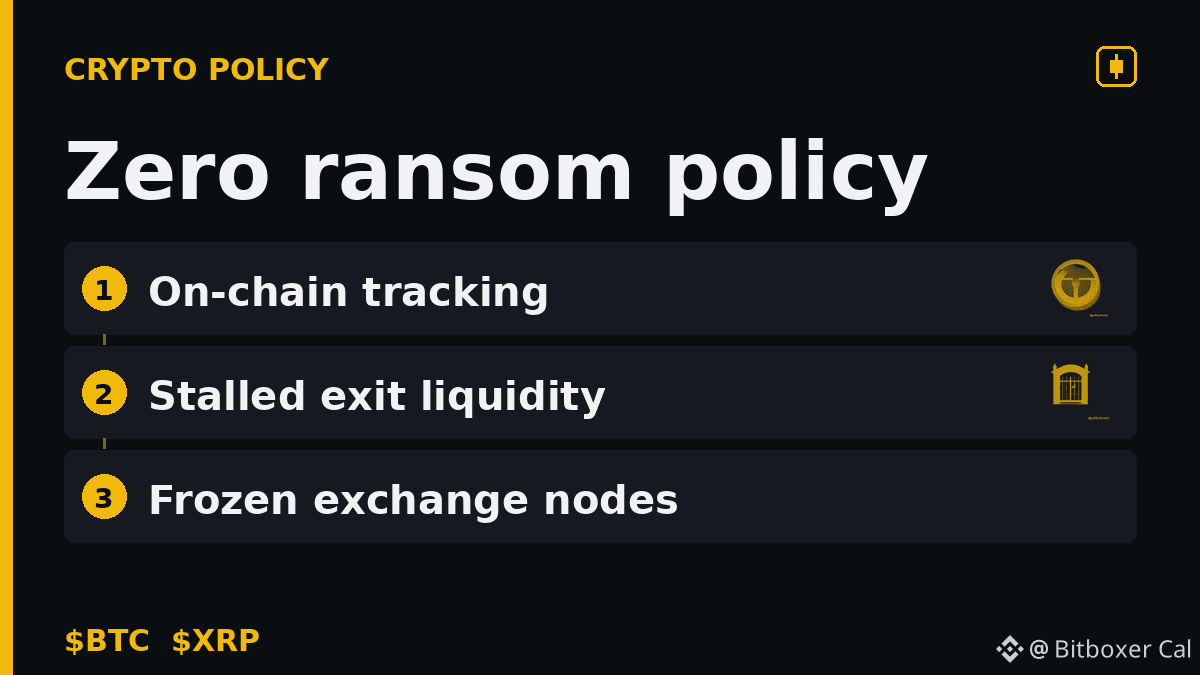
Zero-tolerance policies turn $BTC into a radioactive trap for hackers.
On-chain forensics now make tainted coins impossible to off-ramp. If protocols refuse to negotiate, an attacker's exit liquidity vanishes. Watch how exchanges freeze $XRP or bridged assets to lock hackers into a permanent digital paper trail. Does this shift effectively end the profitability of crypto hacks?
$BTC #crypto #blockchain #security
Zero-tolerance policies turn $BTC into a radioactive trap for hackers.
On-chain forensics now make tainted coins impossible to off-ramp. If protocols refuse to negotiate, an attacker's exit liquidity vanishes. Watch how exchanges freeze $XRP or bridged assets to lock hackers into a permanent digital paper trail. Does this shift effectively end the profitability of crypto hacks?
$BTC #crypto #blockchain #security
On-chain forensics now make tainted coins impossible to off-ramp. If protocols refuse to negotiate, an attacker's exit liquidity vanishes. Watch how exchanges freeze $XRP or bridged assets to lock hackers into a permanent digital paper trail. Does this shift effectively end the profitability of crypto hacks?
$BTC #crypto #blockchain #security
83
🌐 WEB3 WALLET SECURITY 🔐
Your Wallet Is More Than Just a Password
Web3 gives users direct control over digital assets, DeFi, NFTs, dApps, and blockchain transactions.
But remember:
Blockchain security ≠ Wallet security.
Your wallet is only as secure as the way you use and protect it.
🔑 WHY WALLET SECURITY IS DIFFERENT
Web3 wallets can rely on private keys or seed phrases.
If those secrets are compromised, an attacker may not need to “hack the blockchain.”
They may simply use the credentials you exposed.
Protect the keys → Protect the assets.
⚠️ COMMON WALLET THREATS
1️⃣ Phishing — Fake websites can trick users into connecting wallets or approving malicious transactions.
2️⃣ Malicious Contracts — Blindly signing transactions or approvals can give attackers dangerous permissions.
3️⃣ Seed Phrase Theft — Never enter your recovery phrase into websites, forms, messages, or unverified “support” pages.
4️⃣ Fake Airdrops — Free tokens can be used as bait for malicious wallet interactions.
5️⃣ Compromised Devices — Your phone or computer can become the weakest link.
🛡️ 5 SECURITY LAYERS
💻 Device — Keep your OS and browser updated.
🔐 Wallet — Protect your recovery information.
✍️ Transactions — Understand what you're signing.
🌐 Applications — Verify websites and contracts.
💰 Assets — Consider separating funds across wallets.
🧠 THE BIGGER LESSON
Your security chain can look like:
User → Device → Wallet → App → Smart Contract → Blockchain
If one layer is compromised, the entire interaction can become risky.
🚀 My takeaway:
Web3 gives you more control—but also more responsibility.
Secure the keys.
Verify the transaction.
Understand what you're signing.
That's where responsible Web3 security begins. 🔐
What do you think is the biggest Web3 wallet security risk?
🎣 Phishing
🔑 Seed phrase theft
📝 Malicious transactions
💻 Compromised devices
#security
🌐 WEB3 WALLET SECURITY 🔐
Your Wallet Is More Than Just a Password
Web3 gives users direct control over digital assets, DeFi, NFTs, dApps, and blockchain transactions.
But remember:
Blockchain security ≠ Wallet security.
Your wallet is only as secure as the way you use and protect it.
🔑 WHY WALLET SECURITY IS DIFFERENT
Web3 wallets can rely on private keys or seed phrases.
If those secrets are compromised, an attacker may not need to “hack the blockchain.”
They may simply use the credentials you exposed.
Protect the keys → Protect the assets.
⚠️ COMMON WALLET THREATS
1️⃣ Phishing — Fake websites can trick users into connecting wallets or approving malicious transactions.
2️⃣ Malicious Contracts — Blindly signing transactions or approvals can give attackers dangerous permissions.
3️⃣ Seed Phrase Theft — Never enter your recovery phrase into websites, forms, messages, or unverified “support” pages.
4️⃣ Fake Airdrops — Free tokens can be used as bait for malicious wallet interactions.
5️⃣ Compromised Devices — Your phone or computer can become the weakest link.
🛡️ 5 SECURITY LAYERS
💻 Device — Keep your OS and browser updated.
🔐 Wallet — Protect your recovery information.
✍️ Transactions — Understand what you're signing.
🌐 Applications — Verify websites and contracts.
💰 Assets — Consider separating funds across wallets.
🧠 THE BIGGER LESSON
Your security chain can look like:
User → Device → Wallet → App → Smart Contract → Blockchain
If one layer is compromised, the entire interaction can become risky.
🚀 My takeaway:
Web3 gives you more control—but also more responsibility.
Secure the keys.
Verify the transaction.
Understand what you're signing.
That's where responsible Web3 security begins. 🔐
What do you think is the biggest Web3 wallet security risk?
🎣 Phishing
🔑 Seed phrase theft
📝 Malicious transactions
💻 Compromised devices
#security
Your Wallet Is More Than Just a Password
Web3 gives users direct control over digital assets, DeFi, NFTs, dApps, and blockchain transactions.
But remember:
Blockchain security ≠ Wallet security.
Your wallet is only as secure as the way you use and protect it.
🔑 WHY WALLET SECURITY IS DIFFERENT
Web3 wallets can rely on private keys or seed phrases.
If those secrets are compromised, an attacker may not need to “hack the blockchain.”
They may simply use the credentials you exposed.
Protect the keys → Protect the assets.
⚠️ COMMON WALLET THREATS
1️⃣ Phishing — Fake websites can trick users into connecting wallets or approving malicious transactions.
2️⃣ Malicious Contracts — Blindly signing transactions or approvals can give attackers dangerous permissions.
3️⃣ Seed Phrase Theft — Never enter your recovery phrase into websites, forms, messages, or unverified “support” pages.
4️⃣ Fake Airdrops — Free tokens can be used as bait for malicious wallet interactions.
5️⃣ Compromised Devices — Your phone or computer can become the weakest link.
🛡️ 5 SECURITY LAYERS
💻 Device — Keep your OS and browser updated.
🔐 Wallet — Protect your recovery information.
✍️ Transactions — Understand what you're signing.
🌐 Applications — Verify websites and contracts.
💰 Assets — Consider separating funds across wallets.
🧠 THE BIGGER LESSON
Your security chain can look like:
User → Device → Wallet → App → Smart Contract → Blockchain
If one layer is compromised, the entire interaction can become risky.
🚀 My takeaway:
Web3 gives you more control—but also more responsibility.
Secure the keys.
Verify the transaction.
Understand what you're signing.
That's where responsible Web3 security begins. 🔐
What do you think is the biggest Web3 wallet security risk?
🎣 Phishing
🔑 Seed phrase theft
📝 Malicious transactions
💻 Compromised devices
#security
44

·
--
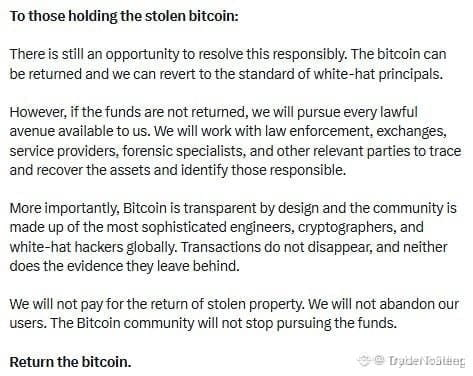
🚨 BLOCKSTREAM ISSUES HACKER ULTIMATUM AS LIQUID SIDECHAIN BREACH THREATENS $BTC INFRASTRUCTURE ⚠️
Blockstream has issued an official legal directive to actors compromising the Liquid network after discovering an ongoing breach across the ecosystem. 🔍 Security analysts indicate this vulnerability in Bitcoin federated sidechain infrastructure is triggering short-term liquidity contraction and brief sell pressure across derivative ecosystem tokens like $TFUEL .
From a market structure standpoint, institutional capital is closely watching whether this operational friction causes deeper smart money de-risking or if order flow stabilizes around key support pools. 📌 🌊
💬 How will this security event impact your bias on sidechain scaling solutions over the coming sessions? 👇
⚠️ Not financial advice. Always manage your risk. 🛡️
🏷️ #BTC #TFUEL #MarketStructure #CryptoNews #Security
🎯 🦈
🚨 BLOCKSTREAM ISSUES HACKER ULTIMATUM AS LIQUID SIDECHAIN BREACH THREATENS $BTC INFRASTRUCTURE ⚠️
Blockstream has issued an official legal directive to actors compromising the Liquid network after discovering an ongoing breach across the ecosystem. 🔍 Security analysts indicate this vulnerability in Bitcoin federated sidechain infrastructure is triggering short-term liquidity contraction and brief sell pressure across derivative ecosystem tokens like $TFUEL .
From a market structure standpoint, institutional capital is closely watching whether this operational friction causes deeper smart money de-risking or if order flow stabilizes around key support pools. 📌 🌊
💬 How will this security event impact your bias on sidechain scaling solutions over the coming sessions? 👇
⚠️ Not financial advice. Always manage your risk. 🛡️
🏷️ #BTC #TFUEL #MarketStructure #CryptoNews #Security
🎯 🦈
Blockstream has issued an official legal directive to actors compromising the Liquid network after discovering an ongoing breach across the ecosystem. 🔍 Security analysts indicate this vulnerability in Bitcoin federated sidechain infrastructure is triggering short-term liquidity contraction and brief sell pressure across derivative ecosystem tokens like $TFUEL .
From a market structure standpoint, institutional capital is closely watching whether this operational friction causes deeper smart money de-risking or if order flow stabilizes around key support pools. 📌 🌊
💬 How will this security event impact your bias on sidechain scaling solutions over the coming sessions? 👇
⚠️ Not financial advice. Always manage your risk. 🛡️
🏷️ #BTC #TFUEL #MarketStructure #CryptoNews #Security
🎯 🦈
22

🚨 $BTC ALERT: PHISHING SCAM HIDING BEHIND Trezor’S OFFICIAL DOMAIN! 🦈
The latest breach exploited a compromised third‑party email service, letting attackers fire “Critical Security Alert” mails that look straight from Trezor’s domain. 📧 With 87k+ users already exposed from a prior shipment‑partner hack, the phishing payload now masquerades as an urgent firmware update, making visual verification nearly impossible. 📊
Smart money knows the moment a legit‑looking email lands, it’s a liquidity sweep for credentials—not a market move. Keep your inbox razor‑sharp and verify every link on the official site, not the email. 💡💬 Are you double‑checking Trezor alerts before you click? 👇
⚠️ Not financial advice. Always manage your risk. 🛡️
🏷️ #BTC #PhishingAlert #Security #Crypto
🔥 💎
🚨 $BTC ALERT: PHISHING SCAM HIDING BEHIND Trezor’S OFFICIAL DOMAIN! 🦈
The latest breach exploited a compromised third‑party email service, letting attackers fire “Critical Security Alert” mails that look straight from Trezor’s domain. 📧 With 87k+ users already exposed from a prior shipment‑partner hack, the phishing payload now masquerades as an urgent firmware update, making visual verification nearly impossible. 📊
Smart money knows the moment a legit‑looking email lands, it’s a liquidity sweep for credentials—not a market move. Keep your inbox razor‑sharp and verify every link on the official site, not the email. 💡💬 Are you double‑checking Trezor alerts before you click? 👇
⚠️ Not financial advice. Always manage your risk. 🛡️
🏷️ #BTC #PhishingAlert #Security #Crypto
🔥 💎
The latest breach exploited a compromised third‑party email service, letting attackers fire “Critical Security Alert” mails that look straight from Trezor’s domain. 📧 With 87k+ users already exposed from a prior shipment‑partner hack, the phishing payload now masquerades as an urgent firmware update, making visual verification nearly impossible. 📊
Smart money knows the moment a legit‑looking email lands, it’s a liquidity sweep for credentials—not a market move. Keep your inbox razor‑sharp and verify every link on the official site, not the email. 💡💬 Are you double‑checking Trezor alerts before you click? 👇
⚠️ Not financial advice. Always manage your risk. 🛡️
🏷️ #BTC #PhishingAlert #Security #Crypto
🔥 💎
12

·
--
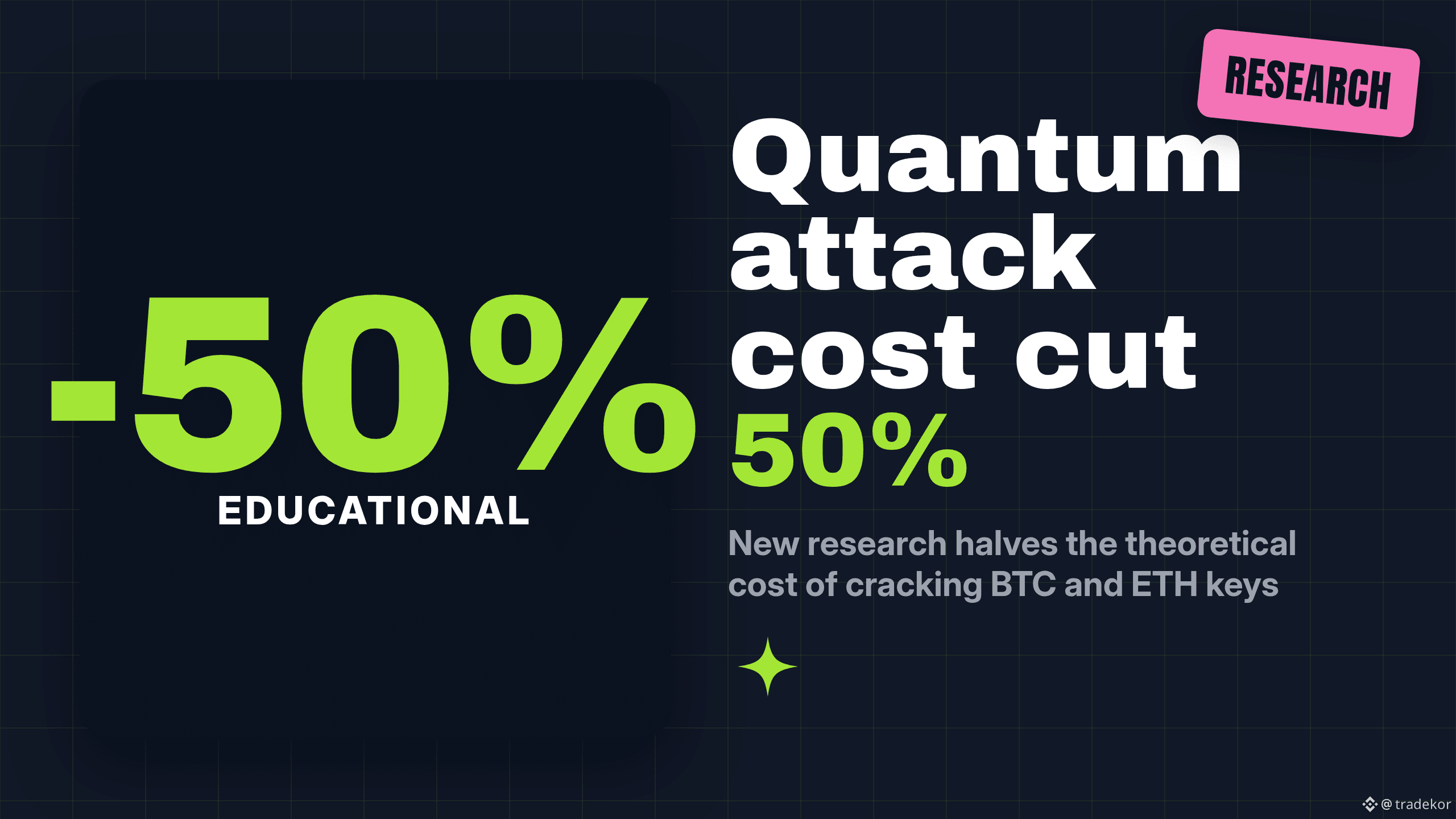
Researchers just cut the estimated quantum-computing cost to attack Bitcoin and Ethereum's encryption by more than 50% -- and no machine on Earth can actually do it yet.
The news: a collaborative effort (100+ contributors, including teams from the Ethereum Foundation, Theta Labs, and StarkWare) designed a new quantum circuit needing 1,151 logical qubits and about 1.3 million Toffoli gates to perform the core arithmetic step in breaking the elliptic-curve cryptography (secp256k1) that secures both Bitcoin and Ethereum private keys. The combined resource score came to roughly 1.5 billion -- more than 50% below the ~3 billion benchmark Google Quantum AI published in March, and an 86% drop from where an open research challenge started just two months ago.
The catch: today's quantum hardware has only ~1,000-1,200 physical qubits and logical-qubit counts in the tens or low hundreds -- nowhere close to running this. This is a benchmark for a theoretical future attack, not a live threat, and remediation (protocol upgrades, wallet migrations to quantum-resistant signatures) has years of runway to happen before hardware could plausibly catch up. Progress like this tends to come in irregular jumps, not a steady countdown clock.
Why it still matters: roughly 7 million BTC sit in addresses where the public key is already exposed on-chain -- those are the coins most at risk whenever "Q-Day" eventually arrives, and industry-wide migration to quantum-resistant wallets takes years to roll out even once the tech exists. Research like this is exactly what should be driving that migration timeline, not a sudden hardware breakthrough nobody saw coming.
Does a 50%+ cut in the theoretical attack cost change your view on how urgent quantum-resistant wallet migration actually is?
Not financial advice. DYOR.
$BTC $ETH #CryptoNews #Quantum #Security
Researchers just cut the estimated quantum-computing cost to attack Bitcoin and Ethereum's encryption by more than 50% -- and no machine on Earth can actually do it yet.
The news: a collaborative effort (100+ contributors, including teams from the Ethereum Foundation, Theta Labs, and StarkWare) designed a new quantum circuit needing 1,151 logical qubits and about 1.3 million Toffoli gates to perform the core arithmetic step in breaking the elliptic-curve cryptography (secp256k1) that secures both Bitcoin and Ethereum private keys. The combined resource score came to roughly 1.5 billion -- more than 50% below the ~3 billion benchmark Google Quantum AI published in March, and an 86% drop from where an open research challenge started just two months ago.
The catch: today's quantum hardware has only ~1,000-1,200 physical qubits and logical-qubit counts in the tens or low hundreds -- nowhere close to running this. This is a benchmark for a theoretical future attack, not a live threat, and remediation (protocol upgrades, wallet migrations to quantum-resistant signatures) has years of runway to happen before hardware could plausibly catch up. Progress like this tends to come in irregular jumps, not a steady countdown clock.
Why it still matters: roughly 7 million BTC sit in addresses where the public key is already exposed on-chain -- those are the coins most at risk whenever "Q-Day" eventually arrives, and industry-wide migration to quantum-resistant wallets takes years to roll out even once the tech exists. Research like this is exactly what should be driving that migration timeline, not a sudden hardware breakthrough nobody saw coming.
Does a 50%+ cut in the theoretical attack cost change your view on how urgent quantum-resistant wallet migration actually is?
Not financial advice. DYOR.
$BTC $ETH #CryptoNews #Quantum #Security
The news: a collaborative effort (100+ contributors, including teams from the Ethereum Foundation, Theta Labs, and StarkWare) designed a new quantum circuit needing 1,151 logical qubits and about 1.3 million Toffoli gates to perform the core arithmetic step in breaking the elliptic-curve cryptography (secp256k1) that secures both Bitcoin and Ethereum private keys. The combined resource score came to roughly 1.5 billion -- more than 50% below the ~3 billion benchmark Google Quantum AI published in March, and an 86% drop from where an open research challenge started just two months ago.
The catch: today's quantum hardware has only ~1,000-1,200 physical qubits and logical-qubit counts in the tens or low hundreds -- nowhere close to running this. This is a benchmark for a theoretical future attack, not a live threat, and remediation (protocol upgrades, wallet migrations to quantum-resistant signatures) has years of runway to happen before hardware could plausibly catch up. Progress like this tends to come in irregular jumps, not a steady countdown clock.
Why it still matters: roughly 7 million BTC sit in addresses where the public key is already exposed on-chain -- those are the coins most at risk whenever "Q-Day" eventually arrives, and industry-wide migration to quantum-resistant wallets takes years to roll out even once the tech exists. Research like this is exactly what should be driving that migration timeline, not a sudden hardware breakthrough nobody saw coming.
Does a 50%+ cut in the theoretical attack cost change your view on how urgent quantum-resistant wallet migration actually is?
Not financial advice. DYOR.
$BTC $ETH #CryptoNews #Quantum #Security
64

·
--
🚨 REVOLUT DATA BREACH EXPOSES BITCOIN HISTORIES DRIVING SHORT TERM PRIVACY CONCERNS 📉
The recent security breach at Revolut highlights how centralized off-ramps remain vulnerable to social engineering rather than core infrastructure exploits. While user balances remain fully secure, the exposure of personal identification alongside on-chain footprint data introduces clear structural privacy friction. 📊
From an order flow perspective, administrative leaks typically trigger transient sentiment pullbacks rather than systemic repositioning. Institutional capital generally separates operational social engineering from platform liquidity, using knee-jerk retail reactions to gauge market absorbency. 🔍
🤔 Will this privacy lapse trigger a temporary market dip, or will smart money quickly absorb the noise? 👇
⚠️ Not financial advice. Always manage your risk. 🛡️
🏷️ #BTC #MarketUpdate #Crypto #Security
🎯 🦈
🚨 REVOLUT DATA BREACH EXPOSES BITCOIN HISTORIES DRIVING SHORT TERM PRIVACY CONCERNS 📉
The recent security breach at Revolut highlights how centralized off-ramps remain vulnerable to social engineering rather than core infrastructure exploits. While user balances remain fully secure, the exposure of personal identification alongside on-chain footprint data introduces clear structural privacy friction. 📊
From an order flow perspective, administrative leaks typically trigger transient sentiment pullbacks rather than systemic repositioning. Institutional capital generally separates operational social engineering from platform liquidity, using knee-jerk retail reactions to gauge market absorbency. 🔍
🤔 Will this privacy lapse trigger a temporary market dip, or will smart money quickly absorb the noise? 👇
⚠️ Not financial advice. Always manage your risk. 🛡️
🏷️ #BTC #MarketUpdate #Crypto #Security
🎯 🦈
The recent security breach at Revolut highlights how centralized off-ramps remain vulnerable to social engineering rather than core infrastructure exploits. While user balances remain fully secure, the exposure of personal identification alongside on-chain footprint data introduces clear structural privacy friction. 📊
From an order flow perspective, administrative leaks typically trigger transient sentiment pullbacks rather than systemic repositioning. Institutional capital generally separates operational social engineering from platform liquidity, using knee-jerk retail reactions to gauge market absorbency. 🔍
🤔 Will this privacy lapse trigger a temporary market dip, or will smart money quickly absorb the noise? 👇
⚠️ Not financial advice. Always manage your risk. 🛡️
🏷️ #BTC #MarketUpdate #Crypto #Security
🎯 🦈

1

·
--
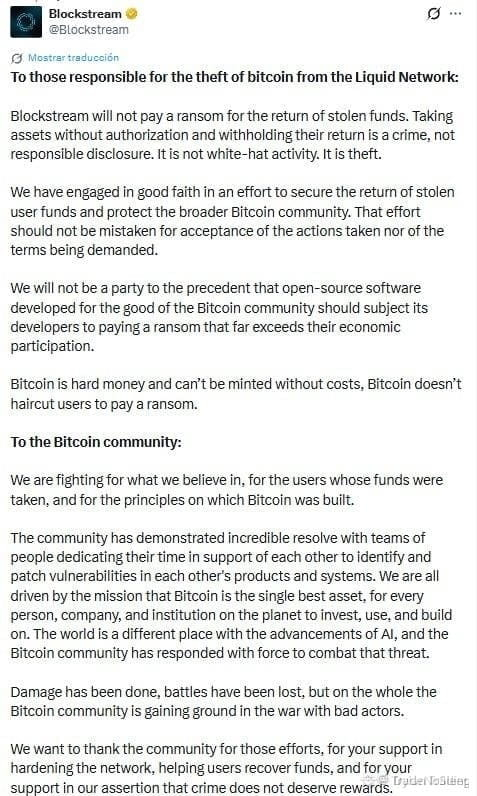
🚨 BLOCKSTREAM REFUSES RANSOM AFTER $BTC EXPLOIT AS ON-CHAIN FORENSICS TIGHTEN! 🛡️
Blockstream has taken a hard institutional stance following the recent Liquid Network breach, refusing to pay ransom demands. Instead of settling with unauthorized exploiters, the infrastructure team is leveraging on-chain forensics and top-tier exchange tracking to isolate the stolen $BTC ledger movements. 📊
Public ledgers leave permanent footprints, making high-volume illicit transfers notoriously difficult to liquidate without triggering automated compliance traps. 🔍 Meanwhile, beware of secondary phishing scams attempting to exploit user panic under the guise of asset recovery. ⚠️
💬 Do you believe institutional non-negotiation policies will ultimately deter future protocol exploits? 👇
⚠️ Not financial advice. Always manage your risk. 🛡️
🏷️ #BTC #Blockstream #OnChain #Security
🛡️ 🔍
🚨 BLOCKSTREAM REFUSES RANSOM AFTER $BTC EXPLOIT AS ON-CHAIN FORENSICS TIGHTEN! 🛡️
Blockstream has taken a hard institutional stance following the recent Liquid Network breach, refusing to pay ransom demands. Instead of settling with unauthorized exploiters, the infrastructure team is leveraging on-chain forensics and top-tier exchange tracking to isolate the stolen $BTC ledger movements. 📊
Public ledgers leave permanent footprints, making high-volume illicit transfers notoriously difficult to liquidate without triggering automated compliance traps. 🔍 Meanwhile, beware of secondary phishing scams attempting to exploit user panic under the guise of asset recovery. ⚠️
💬 Do you believe institutional non-negotiation policies will ultimately deter future protocol exploits? 👇
⚠️ Not financial advice. Always manage your risk. 🛡️
🏷️ #BTC #Blockstream #OnChain #Security
🛡️ 🔍
Blockstream has taken a hard institutional stance following the recent Liquid Network breach, refusing to pay ransom demands. Instead of settling with unauthorized exploiters, the infrastructure team is leveraging on-chain forensics and top-tier exchange tracking to isolate the stolen $BTC ledger movements. 📊
Public ledgers leave permanent footprints, making high-volume illicit transfers notoriously difficult to liquidate without triggering automated compliance traps. 🔍 Meanwhile, beware of secondary phishing scams attempting to exploit user panic under the guise of asset recovery. ⚠️
💬 Do you believe institutional non-negotiation policies will ultimately deter future protocol exploits? 👇
⚠️ Not financial advice. Always manage your risk. 🛡️
🏷️ #BTC #Blockstream #OnChain #Security
🛡️ 🔍
13

🚨 BLOCKSTREAM REFUSES RANSOM AFTER MAJOR BREACH SPARKING $BTC NETWORK TURMOIL! 📉
Blockstream is drawing a hard line in the sand, officially refusing to pay the ransom following a multi-million dollar exploit on the Liquid network. 🔒 While losing capital hits network sentiment hard in the short term, capitulating to extortion sets a dangerous precedent for institutional infrastructure.
Expect immediate volatility around Liquid-linked assets like $TFUEL as top-tier exchanges tighten withdrawal limits and initiate emergency security audits. ⚠️ Smart money is already hedging risk, but long-term structural integrity demands zero compromise with exploiters. 📉
💬 Will this hardline stance rebuild institutional trust in security, or will short-term sell pressure take over? 👇
⚠️ Not financial advice. Always manage your risk. 🛡️
🏷️ #BTC #TFUEL #CryptoNews #MarketAlert #Security
🛡️ 👁️
🚨 BLOCKSTREAM REFUSES RANSOM AFTER MAJOR BREACH SPARKING $BTC NETWORK TURMOIL! 📉
Blockstream is drawing a hard line in the sand, officially refusing to pay the ransom following a multi-million dollar exploit on the Liquid network. 🔒 While losing capital hits network sentiment hard in the short term, capitulating to extortion sets a dangerous precedent for institutional infrastructure.
Expect immediate volatility around Liquid-linked assets like $TFUEL as top-tier exchanges tighten withdrawal limits and initiate emergency security audits. ⚠️ Smart money is already hedging risk, but long-term structural integrity demands zero compromise with exploiters. 📉
💬 Will this hardline stance rebuild institutional trust in security, or will short-term sell pressure take over? 👇
⚠️ Not financial advice. Always manage your risk. 🛡️
🏷️ #BTC #TFUEL #CryptoNews #MarketAlert #Security
🛡️ 👁️
Blockstream is drawing a hard line in the sand, officially refusing to pay the ransom following a multi-million dollar exploit on the Liquid network. 🔒 While losing capital hits network sentiment hard in the short term, capitulating to extortion sets a dangerous precedent for institutional infrastructure.
Expect immediate volatility around Liquid-linked assets like $TFUEL as top-tier exchanges tighten withdrawal limits and initiate emergency security audits. ⚠️ Smart money is already hedging risk, but long-term structural integrity demands zero compromise with exploiters. 📉
💬 Will this hardline stance rebuild institutional trust in security, or will short-term sell pressure take over? 👇
⚠️ Not financial advice. Always manage your risk. 🛡️
🏷️ #BTC #TFUEL #CryptoNews #MarketAlert #Security
🛡️ 👁️


32

Trezor users, heads up. Hardware wallet manufacturer Trezor just confirmed that their third-party email provider was breached. This means hackers have been sending out realistic-looking fake security alerts to users. Here is what you need to know right now: 1️⃣ The phishing emails falsely claim there is a critical hardware flaw on your device. 2️⃣ They will try to trick you into entering your recovery phrase to fix this imaginary issue. 3️⃣ Never, under any circumstances, type your seed phrase online or share it with anyone. Your physical device and your $BTC funds remain safe as long as you keep your recovery phrase completely offline and private. Stay vigilant because security starts with our own actions. #Bitcoin #PhishingAlert #Security #Write2Earn
Trezor users, heads up. Hardware wallet manufacturer Trezor just confirmed that their third-party email provider was breached. This means hackers have been sending out realistic-looking fake security alerts to users. Here is what you need to know right now: 1️⃣ The phishing emails falsely claim there is a critical hardware flaw on your device. 2️⃣ They will try to trick you into entering your recovery phrase to fix this imaginary issue. 3️⃣ Never, under any circumstances, type your seed phrase online or share it with anyone. Your physical device and your $BTC funds remain safe as long as you keep your recovery phrase completely offline and private. Stay vigilant because security starts with our own actions. #Bitcoin #PhishingAlert #Security #Write2Earn

52
Imagine getting an email from an official, verified address that looks 100 percent real, only to find out it is a trap designed to steal your entire crypto stash. This is not a hypothetical scenario, but the latest security nightmare affecting hardware wallet users.
How can we sleep soundly at night knowing our offline keys are safe, but our email addresses are being weaponized against us?
Here is what we know so far:
🚨 Trezor has confirmed that a third-party security breach at shipping provider ShipMonk is the root cause.
🚨 This breach allowed malicious actors to send phishing emails directly from a legitimate Trezor domain.
🚨 The compromised data includes personal information of customers who ordered devices.
Never, ever enter your seed phrase on any website, even if the email comes from the exact official domain. Seriously, guys, stay paranoid and keep your $BTC and $ETH safe. These hackers are getting way too smart.
#Trezor #Security #Phishing #Write2Earn
Imagine getting an email from an official, verified address that looks 100 percent real, only to find out it is a trap designed to steal your entire crypto stash. This is not a hypothetical scenario, but the latest security nightmare affecting hardware wallet users.
How can we sleep soundly at night knowing our offline keys are safe, but our email addresses are being weaponized against us?
Here is what we know so far:
🚨 Trezor has confirmed that a third-party security breach at shipping provider ShipMonk is the root cause.
🚨 This breach allowed malicious actors to send phishing emails directly from a legitimate Trezor domain.
🚨 The compromised data includes personal information of customers who ordered devices.
Never, ever enter your seed phrase on any website, even if the email comes from the exact official domain. Seriously, guys, stay paranoid and keep your $BTC and $ETH safe. These hackers are getting way too smart.
#Trezor #Security #Phishing #Write2Earn
How can we sleep soundly at night knowing our offline keys are safe, but our email addresses are being weaponized against us?
Here is what we know so far:
🚨 Trezor has confirmed that a third-party security breach at shipping provider ShipMonk is the root cause.
🚨 This breach allowed malicious actors to send phishing emails directly from a legitimate Trezor domain.
🚨 The compromised data includes personal information of customers who ordered devices.
Never, ever enter your seed phrase on any website, even if the email comes from the exact official domain. Seriously, guys, stay paranoid and keep your $BTC and $ETH safe. These hackers are getting way too smart.
#Trezor #Security #Phishing #Write2Earn

31

·
--
Quantum risk easing? Crypto researchers cut Bitcoin and Ethereum quantum attack estimates by 50%. A CoinDesk-revealed paper shows humans and AI beating Google’s March result on a core calculation used by Shor’s algorithm, adding a new variable to crypto’s quantum clock. How soon until post-quantum security matters? $BTC $ETH #Quantum #Security #Crypto
Quantum risk easing? Crypto researchers cut Bitcoin and Ethereum quantum attack estimates by 50%. A CoinDesk-revealed paper shows humans and AI beating Google’s March result on a core calculation used by Shor’s algorithm, adding a new variable to crypto’s quantum clock. How soon until post-quantum security matters? $BTC $ETH #Quantum #Security #Crypto
21

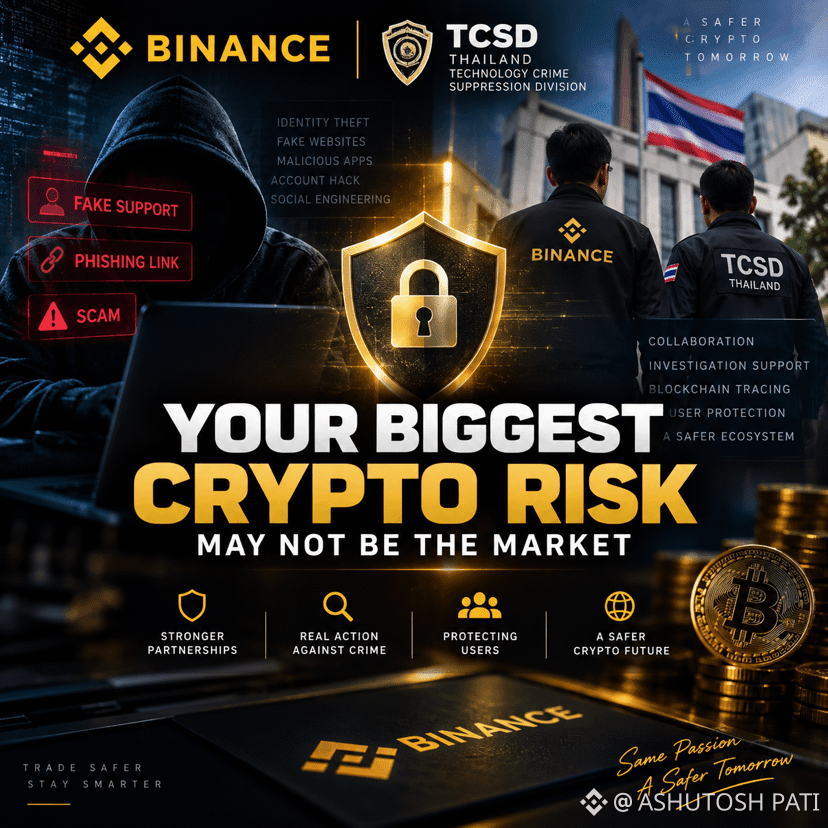
🚨 YOUR BIGGEST CRYPTO RISK MAY NOT BE THE MARKET
A bad trade can cost you money.
A fake link or fake support account can cost you everything.
That’s why crypto security matters as much as trading strategy.
Binance and Thailand’s TCSD were recently recognized for their continued fight against cybercrime.
Before your next trade, ask yourself: is your account actually secure?
#Binance #crypto #Security
🚨 YOUR BIGGEST CRYPTO RISK MAY NOT BE THE MARKET
A bad trade can cost you money.
A fake link or fake support account can cost you everything.
That’s why crypto security matters as much as trading strategy.
Binance and Thailand’s TCSD were recently recognized for their continued fight against cybercrime.
Before your next trade, ask yourself: is your account actually secure?
#Binance #crypto #Security
A bad trade can cost you money.
A fake link or fake support account can cost you everything.
That’s why crypto security matters as much as trading strategy.
Binance and Thailand’s TCSD were recently recognized for their continued fight against cybercrime.
Before your next trade, ask yourself: is your account actually secure?
#Binance #crypto #Security
VoLoDyMyR7:
Сто відсотків. Багато хто годинами малює графіки та вираховує точки входу але забуває про елементарну гігієну в мережі.Безпека — це і є головна частина стратегії.🛡
4
1
4
216
·
--
🚨 News | Chainflip hacked on the Tron network and lost nearly 736K USDT
Chainflip announced that its cross-chain trading protocol was targeted by an attack on the Tron network, resulting in 6 unauthorized payments and a loss of about 736,400 USDT.
The platform temporarily halted the Tron network, with expectations to resume it as soon as Monday.
According to the initial investigation, the attacker exploited Chainflip’s reliance on Memo to read swap orders; by adding a custom Memo to a transaction that had already been signed by validators, the system treated it as an independent swap and triggered the refund process. As a result, payment was made twice for the same deposit.
Chainflip confirmed that the remaining funds are safe and that it will compensate affected users.
📌 Cipher Vault: The incident highlights risks in cross-chain transaction logic design, especially when data such as Memo is part of the payment execution mechanism.
#Chainflip #Tron #USDT #Crypto #Security
🚨 News | Chainflip hacked on the Tron network and lost nearly 736K USDT
Chainflip announced that its cross-chain trading protocol was targeted by an attack on the Tron network, resulting in 6 unauthorized payments and a loss of about 736,400 USDT.
The platform temporarily halted the Tron network, with expectations to resume it as soon as Monday.
According to the initial investigation, the attacker exploited Chainflip’s reliance on Memo to read swap orders; by adding a custom Memo to a transaction that had already been signed by validators, the system treated it as an independent swap and triggered the refund process. As a result, payment was made twice for the same deposit.
Chainflip confirmed that the remaining funds are safe and that it will compensate affected users.
📌 Cipher Vault: The incident highlights risks in cross-chain transaction logic design, especially when data such as Memo is part of the payment execution mechanism.
#Chainflip #Tron #USDT #Crypto #Security
Chainflip announced that its cross-chain trading protocol was targeted by an attack on the Tron network, resulting in 6 unauthorized payments and a loss of about 736,400 USDT.
The platform temporarily halted the Tron network, with expectations to resume it as soon as Monday.
According to the initial investigation, the attacker exploited Chainflip’s reliance on Memo to read swap orders; by adding a custom Memo to a transaction that had already been signed by validators, the system treated it as an independent swap and triggered the refund process. As a result, payment was made twice for the same deposit.
Chainflip confirmed that the remaining funds are safe and that it will compensate affected users.
📌 Cipher Vault: The incident highlights risks in cross-chain transaction logic design, especially when data such as Memo is part of the payment execution mechanism.
#Chainflip #Tron #USDT #Crypto #Security
1
22

·
--
Bullish
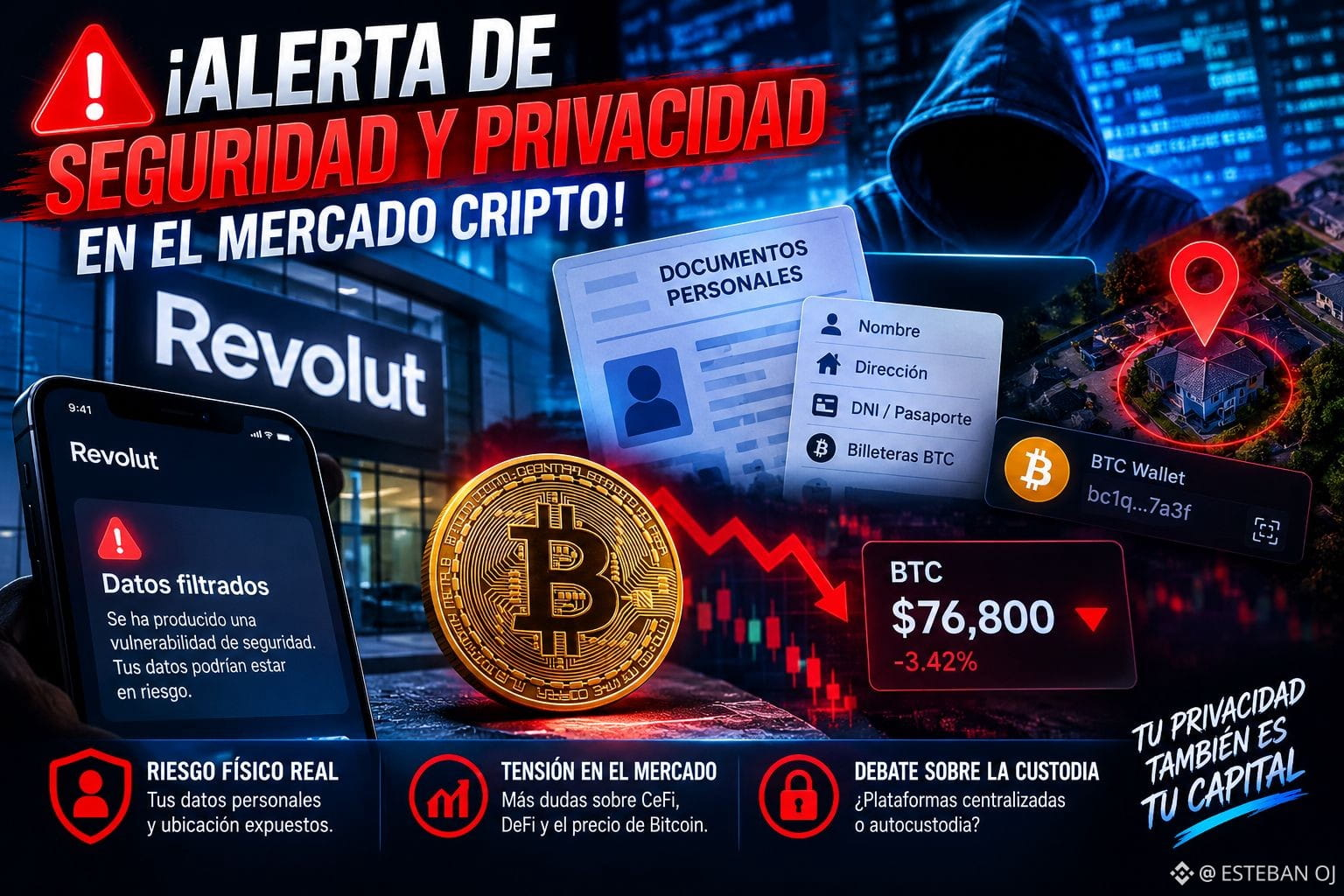
🚨 CRYPTO MARKET SECURITY AND PRIVACY ALERT! 🚨
A major external vulnerability has just shaken holders of digital assets. The fintech giant Revolut has confirmed a severe data breach after falling victim to an identity spoofing attack. The incident didn’t only expose personal documents—it directly linked the wallet addresses of $BTC high-net-worth users to their real physical addresses.
Key points you should know about the controversy:
#1 Real physical risk for investors: Unlike typical cyberattacks where only funds online are at stake, this hack puts users’ personal safety directly in danger by exposing where they live and how many cryptocurrencies they own.
#2 Market tension: The leak set off alarm bells across the industry, increasing doubts about the risks at the intersection between traditional finance (CeFi) and decentralized assets. This is compounded by an uncertain outlook, where the price of $BTC is pressing the support zone after falling toward $76,800–$77,000 amid macroeconomic tensions.
#3 Custody debate: The event has reignited the community discussion about whether investors should keep their assets on centralized platforms or move to self-custody on networks like $ETH or cold solutions.
What do you think about this kind of security breach? Do you usually keep your information and assets on
centralized platforms, or do you prefer self-custody? 💬👇
#CryptoNews #Bitcoin #Security
🚨 CRYPTO MARKET SECURITY AND PRIVACY ALERT! 🚨
A major external vulnerability has just shaken holders of digital assets. The fintech giant Revolut has confirmed a severe data breach after falling victim to an identity spoofing attack. The incident didn’t only expose personal documents—it directly linked the wallet addresses of $BTC high-net-worth users to their real physical addresses.
Key points you should know about the controversy:
#1 Real physical risk for investors: Unlike typical cyberattacks where only funds online are at stake, this hack puts users’ personal safety directly in danger by exposing where they live and how many cryptocurrencies they own.
#2 Market tension: The leak set off alarm bells across the industry, increasing doubts about the risks at the intersection between traditional finance (CeFi) and decentralized assets. This is compounded by an uncertain outlook, where the price of $BTC is pressing the support zone after falling toward $76,800–$77,000 amid macroeconomic tensions.
#3 Custody debate: The event has reignited the community discussion about whether investors should keep their assets on centralized platforms or move to self-custody on networks like $ETH or cold solutions.
What do you think about this kind of security breach? Do you usually keep your information and assets on
centralized platforms, or do you prefer self-custody? 💬👇
#CryptoNews #Bitcoin #Security
A major external vulnerability has just shaken holders of digital assets. The fintech giant Revolut has confirmed a severe data breach after falling victim to an identity spoofing attack. The incident didn’t only expose personal documents—it directly linked the wallet addresses of $BTC high-net-worth users to their real physical addresses.
Key points you should know about the controversy:
#1 Real physical risk for investors: Unlike typical cyberattacks where only funds online are at stake, this hack puts users’ personal safety directly in danger by exposing where they live and how many cryptocurrencies they own.
#2 Market tension: The leak set off alarm bells across the industry, increasing doubts about the risks at the intersection between traditional finance (CeFi) and decentralized assets. This is compounded by an uncertain outlook, where the price of $BTC is pressing the support zone after falling toward $76,800–$77,000 amid macroeconomic tensions.
#3 Custody debate: The event has reignited the community discussion about whether investors should keep their assets on centralized platforms or move to self-custody on networks like $ETH or cold solutions.
What do you think about this kind of security breach? Do you usually keep your information and assets on
centralized platforms, or do you prefer self-custody? 💬👇
#CryptoNews #Bitcoin #Security
Capricorn7 :
🧐This incident hits on the single biggest dark side of KYC (Know Your Customer) compliance: centralized honeypots. When centralized platforms gather massive amounts of highly sensitive data—passports, selfies, home addresses, and complete transaction histories—they create a high-value target for hackers. As seen in this breach, attackers don't even need to crack the blockchain; they just exploit institutional human error via social engineering and fake government subpoenas.
6
1
3
158

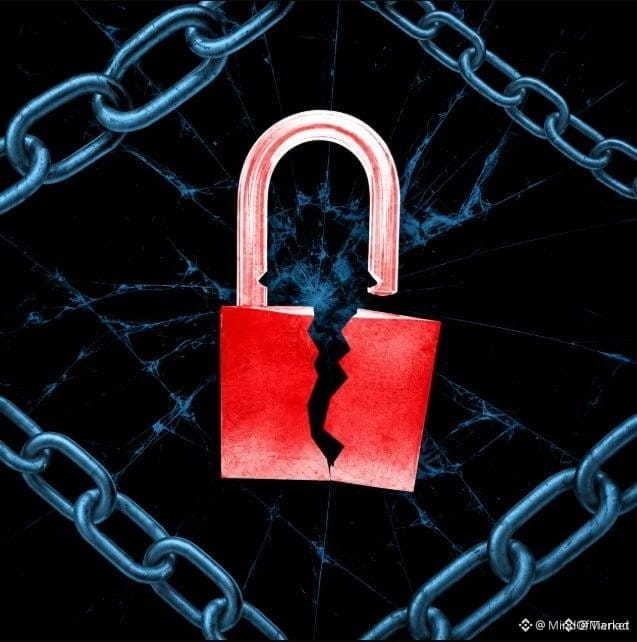
🚨 Revolut leaks wealthy clients’ passports and Bitcoin records 🧠
📊 | $BTC | $ETH | $BNB |
- Please follow, like, and comment to discuss the latest crypto developments together 📈
- Revolut, after mistakenly interpreting a government request as fraudulent, disclosed users’ passports, selfies, and Bitcoin transaction records to hackers.
- Affected users include wealthy clients holding substantial assets; the information involves passports/driving licenses, name, date of birth, residential address, phone number, IBAN, and account statements.
- The exposed transaction data includes withdrawal records and the full history of Bitcoin transfers, which could be used for money laundering or further attacks.
- The company stated it will cooperate with the investigation and strengthen identity verification procedures. 🔥
- This data breach may lead to a decline in market trust in centralized financial platforms, and Bitcoin’s price is expected to face short-term pressure.
- Investor sentiment turns bearish, which could trigger a wave of selling and increase volatility.
- “Whales” may use the dip to distribute holdings or accumulate at lower prices—watch for large on-chain transfers.
- In the short term, the market is expected to remain under downward pressure, with rising volatility; it’s important to monitor regulatory responses.
- Do you think such a data leak will accelerate users’ shift toward decentralized exchanges?
- Stay tuned for more in-depth analysis—leave a comment and share your thoughts.
- #Bitcoin #Crypto #Whales #Security #Revolut
🚨 Revolut leaks wealthy clients’ passports and Bitcoin records 🧠
📊 | $BTC | $ETH | $BNB |
- Please follow, like, and comment to discuss the latest crypto developments together 📈
- Revolut, after mistakenly interpreting a government request as fraudulent, disclosed users’ passports, selfies, and Bitcoin transaction records to hackers.
- Affected users include wealthy clients holding substantial assets; the information involves passports/driving licenses, name, date of birth, residential address, phone number, IBAN, and account statements.
- The exposed transaction data includes withdrawal records and the full history of Bitcoin transfers, which could be used for money laundering or further attacks.
- The company stated it will cooperate with the investigation and strengthen identity verification procedures. 🔥
- This data breach may lead to a decline in market trust in centralized financial platforms, and Bitcoin’s price is expected to face short-term pressure.
- Investor sentiment turns bearish, which could trigger a wave of selling and increase volatility.
- “Whales” may use the dip to distribute holdings or accumulate at lower prices—watch for large on-chain transfers.
- In the short term, the market is expected to remain under downward pressure, with rising volatility; it’s important to monitor regulatory responses.
- Do you think such a data leak will accelerate users’ shift toward decentralized exchanges?
- Stay tuned for more in-depth analysis—leave a comment and share your thoughts.
- #Bitcoin #Crypto #Whales #Security #Revolut
📊 | $BTC | $ETH | $BNB |
- Please follow, like, and comment to discuss the latest crypto developments together 📈
- Revolut, after mistakenly interpreting a government request as fraudulent, disclosed users’ passports, selfies, and Bitcoin transaction records to hackers.
- Affected users include wealthy clients holding substantial assets; the information involves passports/driving licenses, name, date of birth, residential address, phone number, IBAN, and account statements.
- The exposed transaction data includes withdrawal records and the full history of Bitcoin transfers, which could be used for money laundering or further attacks.
- The company stated it will cooperate with the investigation and strengthen identity verification procedures. 🔥
- This data breach may lead to a decline in market trust in centralized financial platforms, and Bitcoin’s price is expected to face short-term pressure.
- Investor sentiment turns bearish, which could trigger a wave of selling and increase volatility.
- “Whales” may use the dip to distribute holdings or accumulate at lower prices—watch for large on-chain transfers.
- In the short term, the market is expected to remain under downward pressure, with rising volatility; it’s important to monitor regulatory responses.
- Do you think such a data leak will accelerate users’ shift toward decentralized exchanges?
- Stay tuned for more in-depth analysis—leave a comment and share your thoughts.
- #Bitcoin #Crypto #Whales #Security #Revolut
44

·
--
Chinese version:
Blockstream is tough! They refused the hacker's $50 million bounty demand and chose to “bet” on holding on to these 600 Bitcoins. In September, the Liquid protocol was hacked, with nearly 4,000 L-BTC taken away; Blockstream simply would not back down. This is good news for the Bitcoin ecosystem—it shows that the technical teams are sticking to their security bottom line. In the short term, it may make the market more cautious about Layer 2 solutions, but in the long run it strengthens Bitcoin’s positioning as the most secure cryptocurrency. $BTC #Layer2 #Security
English version:
Blockstream's taking a stand! They're refusing to pay the hacker's $50M bounty demand, betting on keeping those 600 BTC. After the Liquid hack in September where ~4,000 L-BTC were created and ~3,996 real BTC withdrawn, Blockstream's drawing a line. This sends a strong message about security in the Bitcoin ecosystem - short-term it might make markets cautious about Layer 2 solutions, but long-term it reinforces Bitcoin's position as the most secure crypto. $BTC #Layer2 #Security
Chinese version:
Blockstream is tough! They refused the hacker's $50 million bounty demand and chose to “bet” on holding on to these 600 Bitcoins. In September, the Liquid protocol was hacked, with nearly 4,000 L-BTC taken away; Blockstream simply would not back down. This is good news for the Bitcoin ecosystem—it shows that the technical teams are sticking to their security bottom line. In the short term, it may make the market more cautious about Layer 2 solutions, but in the long run it strengthens Bitcoin’s positioning as the most secure cryptocurrency. $BTC #Layer2 #Security
English version:
Blockstream's taking a stand! They're refusing to pay the hacker's $50M bounty demand, betting on keeping those 600 BTC. After the Liquid hack in September where ~4,000 L-BTC were created and ~3,996 real BTC withdrawn, Blockstream's drawing a line. This sends a strong message about security in the Bitcoin ecosystem - short-term it might make markets cautious about Layer 2 solutions, but long-term it reinforces Bitcoin's position as the most secure crypto. $BTC #Layer2 #Security
Blockstream is tough! They refused the hacker's $50 million bounty demand and chose to “bet” on holding on to these 600 Bitcoins. In September, the Liquid protocol was hacked, with nearly 4,000 L-BTC taken away; Blockstream simply would not back down. This is good news for the Bitcoin ecosystem—it shows that the technical teams are sticking to their security bottom line. In the short term, it may make the market more cautious about Layer 2 solutions, but in the long run it strengthens Bitcoin’s positioning as the most secure cryptocurrency. $BTC #Layer2 #Security
English version:
Blockstream's taking a stand! They're refusing to pay the hacker's $50M bounty demand, betting on keeping those 600 BTC. After the Liquid hack in September where ~4,000 L-BTC were created and ~3,996 real BTC withdrawn, Blockstream's drawing a line. This sends a strong message about security in the Bitcoin ecosystem - short-term it might make markets cautious about Layer 2 solutions, but long-term it reinforces Bitcoin's position as the most secure crypto. $BTC #Layer2 #Security
45
🚨 Blockstream refuses ransom, says $47 million worth of bitcoin was stolen 🧠
📊 | $BTC | $ETH | $BNB |
- Please follow, like, and comment to share your thoughts 📈
- Blockstream confirmed its Liquid network was hacked, with losses of about $47 million (around 598.5 BTC).
- The company said it will not accept any form of ransom, calling the act theft.
- Blockstream has reported the matter to law enforcement and demanded the return of all bitcoin.
- If the funds are not returned, the company will cooperate with further legal action. 🔥
- The incident may raise market concerns about the security of the Liquid platform, causing Bitcoin to dip below a key support level in the short term.
- In the near term, panic selling could further intensify volatility, and the BTC price is expected to come under pressure to below $24,000.
- Large whale holdings show signs of being dispersed or bought at lower levels, which may indicate bargain-buying during the pullback.
- If law enforcement makes smooth progress and recovers some assets, market sentiment could rebound quickly.
- What impact do you think this hacker incident will have on Bitcoin’s long-term outlook?
- Keep following— we’ll update you with the latest developments as soon as they happen.
#Bitcoin #Crypto #Whales #Blockchain #Security
🚨 Blockstream refuses ransom, says $47 million worth of bitcoin was stolen 🧠
📊 | $BTC | $ETH | $BNB |
- Please follow, like, and comment to share your thoughts 📈
- Blockstream confirmed its Liquid network was hacked, with losses of about $47 million (around 598.5 BTC).
- The company said it will not accept any form of ransom, calling the act theft.
- Blockstream has reported the matter to law enforcement and demanded the return of all bitcoin.
- If the funds are not returned, the company will cooperate with further legal action. 🔥
- The incident may raise market concerns about the security of the Liquid platform, causing Bitcoin to dip below a key support level in the short term.
- In the near term, panic selling could further intensify volatility, and the BTC price is expected to come under pressure to below $24,000.
- Large whale holdings show signs of being dispersed or bought at lower levels, which may indicate bargain-buying during the pullback.
- If law enforcement makes smooth progress and recovers some assets, market sentiment could rebound quickly.
- What impact do you think this hacker incident will have on Bitcoin’s long-term outlook?
- Keep following— we’ll update you with the latest developments as soon as they happen.
#Bitcoin #Crypto #Whales #Blockchain #Security
📊 | $BTC | $ETH | $BNB |
- Please follow, like, and comment to share your thoughts 📈
- Blockstream confirmed its Liquid network was hacked, with losses of about $47 million (around 598.5 BTC).
- The company said it will not accept any form of ransom, calling the act theft.
- Blockstream has reported the matter to law enforcement and demanded the return of all bitcoin.
- If the funds are not returned, the company will cooperate with further legal action. 🔥
- The incident may raise market concerns about the security of the Liquid platform, causing Bitcoin to dip below a key support level in the short term.
- In the near term, panic selling could further intensify volatility, and the BTC price is expected to come under pressure to below $24,000.
- Large whale holdings show signs of being dispersed or bought at lower levels, which may indicate bargain-buying during the pullback.
- If law enforcement makes smooth progress and recovers some assets, market sentiment could rebound quickly.
- What impact do you think this hacker incident will have on Bitcoin’s long-term outlook?
- Keep following— we’ll update you with the latest developments as soon as they happen.
#Bitcoin #Crypto #Whales #Blockchain #Security
31
Log in to explore more content
Join global crypto users on Binance Square
⚡️ Get latest and useful information about crypto.
💬 Trusted by the world’s largest crypto exchange.
👍 Discover real insights from verified creators.
Email / Phone number
Trending Topics
1
#AnthropicCEOCallsForAISlowdown
8,575 views
218 Discussing
2
#AnthropicChoosesNasdaqForPotentialIPO
185 views
28 Discussing
3
#SECReceivesGrayscaleLitecoinTrustETFFiling
122,767 views
1,758 Discussing
4
#ClarityActFacesProceduralVoteSept15
251,371 views
2,641 Discussing
5
#US10YearTreasuryYieldNears5%
96,205 views
1,476 Discussing
6
#CryptoLiquidations$674MIn24H
24,511 views
216 Discussing
7
#TokenizedStockHoldersUp619.1%
75,344 views
1,195 Discussing
8
#RevolutConfirmsFakeGovEmailDataBreach
113,504 views
1,490 Discussing
9
#CanadaOSFISaysTokenizedDepositsEqualTraditionalDeposits
5,965 views
117 Discussing
10
#USBankCompletesCrossBorderPaymentPilotOnStellar
88,847 views
1,299 Discussing