
#opec
opec
59,134 views
213 Discussing
Hot
Latest

According to OPEC's latest September monthly report, Saudi Arabia officially notified the cartel that its crude oil production has fallen to its lowest level since 1990. Simultaneously, OPEC trimmed its 2026 global oil demand growth projection for the fifth consecutive time to 380,000 barrels per day, down from 580,000 bpd, while lifting its 2027 forecast to 2.36 million bpd.
This persistent downward revision in demand reflects mounting structural headwinds across major global economies, outweighing fears of regional conflict disruptions. Despite aggressive production cuts by Riyadh to defend price floors, sluggish consumption signals that global industrial momentum remains under pressure.
For traditional markets, softening crude demand coupled with suppressed output keeps a lid on headline energy inflation. This dynamic eases pressure on sovereign bond yields and gives central banks broader room to navigate monetary easing without reigniting immediate cost pressures.
For crypto assets like $BTC, cooling energy costs and stabilizing inflation expectations provide a constructive macro backdrop. As liquidity conditions gradually loosen, sustained disinflation should bolster broader risk appetite.
#opec #oil #macro
According to OPEC's latest September monthly report, Saudi Arabia officially notified the cartel that its crude oil production has fallen to its lowest level since 1990. Simultaneously, OPEC trimmed its 2026 global oil demand growth projection for the fifth consecutive time to 380,000 barrels per day, down from 580,000 bpd, while lifting its 2027 forecast to 2.36 million bpd.
This persistent downward revision in demand reflects mounting structural headwinds across major global economies, outweighing fears of regional conflict disruptions. Despite aggressive production cuts by Riyadh to defend price floors, sluggish consumption signals that global industrial momentum remains under pressure.
For traditional markets, softening crude demand coupled with suppressed output keeps a lid on headline energy inflation. This dynamic eases pressure on sovereign bond yields and gives central banks broader room to navigate monetary easing without reigniting immediate cost pressures.
For crypto assets like $BTC , cooling energy costs and stabilizing inflation expectations provide a constructive macro backdrop. As liquidity conditions gradually loosen, sustained disinflation should bolster broader risk appetite.
#opec #oil #macro
This persistent downward revision in demand reflects mounting structural headwinds across major global economies, outweighing fears of regional conflict disruptions. Despite aggressive production cuts by Riyadh to defend price floors, sluggish consumption signals that global industrial momentum remains under pressure.
For traditional markets, softening crude demand coupled with suppressed output keeps a lid on headline energy inflation. This dynamic eases pressure on sovereign bond yields and gives central banks broader room to navigate monetary easing without reigniting immediate cost pressures.
For crypto assets like $BTC , cooling energy costs and stabilizing inflation expectations provide a constructive macro backdrop. As liquidity conditions gradually loosen, sustained disinflation should bolster broader risk appetite.
#opec #oil #macro
6

·
--
OPEC+ internal divisions intensify: Iraq seeks a new quota of 6 million barrels by leveraging capacity reviews, while Venezuela is considering exiting, putting the alliance’s stability to the test. The struggle over oil producers’ interests is heating up, and the future supply landscape is full of uncertainty.
#OPEC+ #原油市场 # capacity battle
OPEC+ internal divisions intensify: Iraq seeks a new quota of 6 million barrels by leveraging capacity reviews, while Venezuela is considering exiting, putting the alliance’s stability to the test. The struggle over oil producers’ interests is heating up, and the future supply landscape is full of uncertainty.
#OPEC+ #原油市场 # capacity battle
#OPEC+ #原油市场 # capacity battle
47

Against the backdrop of OPEC+ commissioning external institutions to assess each member country's actual production capacity, Iraq—one of OPEC’s founding countries—is pushing hard to seek a significant increase in its crude oil production quota, with the goal aimed directly at 6 million barrels per day. According to sources, the capacity assessment is expected to be completed by the end of this month and will be formally reviewed at an oil ministers’ meeting in late November. Iraq has even warned that if it cannot obtain the higher quota it is seeking, it may consider withdrawing from OPEC. Combined with the prior moves by the UAE and the possibility that Venezuela may also have second thoughts due to an agreement with the United States, this 60-plus-year-old oil-producing alliance is facing an unprecedented crisis of internal cohesion.
From the perspective of macro-level games, Iraq’s move strikes directly at a soft spot in OPEC+’s production-cut-and-price-support strategy. For years, the core member states led by Saudi Arabia have tried to prop up oil prices through quota controls. However, amid fiscal pressures, internal members’ demands to increase production have become increasingly urgent. If the assessment results from a third party trigger deeper divisions and cause the quota system to unravel, the global crude oil supply side could see disorderly increases in output, fundamentally undermining the existing price-alliance mechanism.
This poses significant uncertainty for commodities and traditional financial markets. In the short term, expectations of increased supply could create downward pressure on oil prices, but the breaking and re-forming of geopolitical alignments often comes with a sharp spike in volatility. Instability in energy prices would not only disrupt the disinflation trajectory of major economies, but also introduce additional distortions to central banks’ monetary policy decision-making, making the global asset-pricing environment more complex.
For the crypto market, heightened macro uncertainty often weakens institutional investors’ risk appetite. Repeated expectations of inflation reversals caused by sharp crude oil price swings may delay the deepening of the rate-cut cycle and limit the expansion of liquidity in high-risk assets. In this context, crypto assets represented by $BTC face pressure from incremental capital to remain cautious and on the sidelines. Investors should be wary of the potential impact of energy geopolitical spillovers on the liquidity environment.
#OPEC #原油 #macroeconomy
Against the backdrop of OPEC+ commissioning external institutions to assess each member country's actual production capacity, Iraq—one of OPEC’s founding countries—is pushing hard to seek a significant increase in its crude oil production quota, with the goal aimed directly at 6 million barrels per day. According to sources, the capacity assessment is expected to be completed by the end of this month and will be formally reviewed at an oil ministers’ meeting in late November. Iraq has even warned that if it cannot obtain the higher quota it is seeking, it may consider withdrawing from OPEC. Combined with the prior moves by the UAE and the possibility that Venezuela may also have second thoughts due to an agreement with the United States, this 60-plus-year-old oil-producing alliance is facing an unprecedented crisis of internal cohesion.
From the perspective of macro-level games, Iraq’s move strikes directly at a soft spot in OPEC+’s production-cut-and-price-support strategy. For years, the core member states led by Saudi Arabia have tried to prop up oil prices through quota controls. However, amid fiscal pressures, internal members’ demands to increase production have become increasingly urgent. If the assessment results from a third party trigger deeper divisions and cause the quota system to unravel, the global crude oil supply side could see disorderly increases in output, fundamentally undermining the existing price-alliance mechanism.
This poses significant uncertainty for commodities and traditional financial markets. In the short term, expectations of increased supply could create downward pressure on oil prices, but the breaking and re-forming of geopolitical alignments often comes with a sharp spike in volatility. Instability in energy prices would not only disrupt the disinflation trajectory of major economies, but also introduce additional distortions to central banks’ monetary policy decision-making, making the global asset-pricing environment more complex.
For the crypto market, heightened macro uncertainty often weakens institutional investors’ risk appetite. Repeated expectations of inflation reversals caused by sharp crude oil price swings may delay the deepening of the rate-cut cycle and limit the expansion of liquidity in high-risk assets. In this context, crypto assets represented by $BTC face pressure from incremental capital to remain cautious and on the sidelines. Investors should be wary of the potential impact of energy geopolitical spillovers on the liquidity environment.
#OPEC #原油 #macroeconomy
From the perspective of macro-level games, Iraq’s move strikes directly at a soft spot in OPEC+’s production-cut-and-price-support strategy. For years, the core member states led by Saudi Arabia have tried to prop up oil prices through quota controls. However, amid fiscal pressures, internal members’ demands to increase production have become increasingly urgent. If the assessment results from a third party trigger deeper divisions and cause the quota system to unravel, the global crude oil supply side could see disorderly increases in output, fundamentally undermining the existing price-alliance mechanism.
This poses significant uncertainty for commodities and traditional financial markets. In the short term, expectations of increased supply could create downward pressure on oil prices, but the breaking and re-forming of geopolitical alignments often comes with a sharp spike in volatility. Instability in energy prices would not only disrupt the disinflation trajectory of major economies, but also introduce additional distortions to central banks’ monetary policy decision-making, making the global asset-pricing environment more complex.
For the crypto market, heightened macro uncertainty often weakens institutional investors’ risk appetite. Repeated expectations of inflation reversals caused by sharp crude oil price swings may delay the deepening of the rate-cut cycle and limit the expansion of liquidity in high-risk assets. In this context, crypto assets represented by $BTC face pressure from incremental capital to remain cautious and on the sidelines. Investors should be wary of the potential impact of energy geopolitical spillovers on the liquidity environment.
#OPEC #原油 #macroeconomy
115

OPEC+ Keeps Oil Output Quotas Unchanged — September 6, 2026OPEC+ has decided to keep its oil production policy unchanged for October, ending a run of monthly increases as the group faces major uncertainty from the Iran conflict and disruptions around the Strait of Hormuz.
🔑 Key details
October production: OPEC+ will keep its current output policy unchanged.No new increase: The decision follows several months of planned production increases.September increase: OPEC+ had raised September output targets by about 188,000 barrels per day, completing the phased rollback of a 1.65 million-barrel-per-day cut introduced in 2023.Actual production remains below targets: Despite higher quotas, several members are unable to produce or export at planned levels because of disruptions caused by the Iran war and the situation around the Strait of Hormuz.2027 quotas now in focus: OPEC+ needs to assess members' production capacity before establishing new production baselines for 2027.Next meeting: The seven core members are scheduled to meet again on October 4.🛢️ Why the decision mattersThe decision is supportive for oil prices because OPEC+ is not adding additional planned supply to the market in October. However, the impact is less straightforward than it would normally be because actual oil flows are being heavily affected by geopolitical disruptions.The Strait of Hormuz is particularly important. The ongoing Iran conflict has reduced tanker traffic and disrupted regional exports, meaning OPEC+'s ability to control the physical oil market is currently more limited.📈 Oil-market reactionBrent crude had already moved above $96 per barrel at Friday's close as traders priced in geopolitical supply risks. WTI was also around the low-$90s earlier in the week.#OPEC {spot}(OPENUSDT)
OPEC+ Keeps Oil Output Quotas Unchanged — September 6, 2026
OPEC+ has decided to keep its oil production policy unchanged for October, ending a run of monthly increases as the group faces major uncertainty from the Iran conflict and disruptions around the Strait of Hormuz.
🔑 Key details
October production: OPEC+ will keep its current output policy unchanged.No new increase: The decision follows several months of planned production increases.September increase: OPEC+ had raised September output targets by about 188,000 barrels per day, completing the phased rollback of a 1.65 million-barrel-per-day cut introduced in 2023.Actual production remains below targets: Despite higher quotas, several members are unable to produce or export at planned levels because of disruptions caused by the Iran war and the situation around the Strait of Hormuz.2027 quotas now in focus: OPEC+ needs to assess members' production capacity before establishing new production baselines for 2027.Next meeting: The seven core members are scheduled to meet again on October 4.🛢️ Why the decision mattersThe decision is supportive for oil prices because OPEC+ is not adding additional planned supply to the market in October. However, the impact is less straightforward than it would normally be because actual oil flows are being heavily affected by geopolitical disruptions.The Strait of Hormuz is particularly important. The ongoing Iran conflict has reduced tanker traffic and disrupted regional exports, meaning OPEC+'s ability to control the physical oil market is currently more limited.📈 Oil-market reactionBrent crude had already moved above $96 per barrel at Friday's close as traders priced in geopolitical supply risks. WTI was also around the low-$90s earlier in the week.#OPEC
🔑 Key details
October production: OPEC+ will keep its current output policy unchanged.No new increase: The decision follows several months of planned production increases.September increase: OPEC+ had raised September output targets by about 188,000 barrels per day, completing the phased rollback of a 1.65 million-barrel-per-day cut introduced in 2023.Actual production remains below targets: Despite higher quotas, several members are unable to produce or export at planned levels because of disruptions caused by the Iran war and the situation around the Strait of Hormuz.2027 quotas now in focus: OPEC+ needs to assess members' production capacity before establishing new production baselines for 2027.Next meeting: The seven core members are scheduled to meet again on October 4.🛢️ Why the decision mattersThe decision is supportive for oil prices because OPEC+ is not adding additional planned supply to the market in October. However, the impact is less straightforward than it would normally be because actual oil flows are being heavily affected by geopolitical disruptions.The Strait of Hormuz is particularly important. The ongoing Iran conflict has reduced tanker traffic and disrupted regional exports, meaning OPEC+'s ability to control the physical oil market is currently more limited.📈 Oil-market reactionBrent crude had already moved above $96 per barrel at Friday's close as traders priced in geopolitical supply risks. WTI was also around the low-$90s earlier in the week.#OPEC
2

·
--
OPEC+ Holds October Oil Policy Steady
OPEC+ is expected to keep its October oil output policy unchanged at Sunday’s meeting, according to people familiar with the discussions.
The group is shifting focus toward new production quotas and 2027 baseline negotiations, while the Iran conflict continues to disrupt oil flows through the Strait of Hormuz.
Market impact: With supply disruptions limiting OPEC+’s ability to influence prices, oil prices could remain volatile, especially if tensions around Hormuz escalate.
#OPEC #Oil #CrudeOilTrading #Energy. #Market_Update
OPEC+ Holds October Oil Policy Steady
OPEC+ is expected to keep its October oil output policy unchanged at Sunday’s meeting, according to people familiar with the discussions.
The group is shifting focus toward new production quotas and 2027 baseline negotiations, while the Iran conflict continues to disrupt oil flows through the Strait of Hormuz.
Market impact: With supply disruptions limiting OPEC+’s ability to influence prices, oil prices could remain volatile, especially if tensions around Hormuz escalate.
#OPEC #Oil #CrudeOilTrading #Energy. #Market_Update
OPEC+ is expected to keep its October oil output policy unchanged at Sunday’s meeting, according to people familiar with the discussions.
The group is shifting focus toward new production quotas and 2027 baseline negotiations, while the Iran conflict continues to disrupt oil flows through the Strait of Hormuz.
Market impact: With supply disruptions limiting OPEC+’s ability to influence prices, oil prices could remain volatile, especially if tensions around Hormuz escalate.
#OPEC #Oil #CrudeOilTrading #Energy. #Market_Update

·
--
Bullish
Partly True
OIL CUTS COMPLETED 🚨
It is expected that the OPEC+ countries decide to completely abandon voluntary oil production cuts at a meeting on August 2, according to the RTRS.
$AKE $BILL $RIF 👀👀👀
{spot}(RIFUSDT)
{future}(BILLUSDT)
{future}(AKEUSDT)
#OPEC #OilTops$100 #HouthisAttackTwoSaudiTankers #KazakhstanApprovesStrategicDigitalMiningProgram #oil
OIL CUTS COMPLETED 🚨
It is expected that the OPEC+ countries decide to completely abandon voluntary oil production cuts at a meeting on August 2, according to the RTRS.
$AKE $BILL $RIF 👀👀👀
#OPEC #OilTops$100 #HouthisAttackTwoSaudiTankers #KazakhstanApprovesStrategicDigitalMiningProgram #oil
It is expected that the OPEC+ countries decide to completely abandon voluntary oil production cuts at a meeting on August 2, according to the RTRS.
$AKE $BILL $RIF 👀👀👀
#OPEC #OilTops$100 #HouthisAttackTwoSaudiTankers #KazakhstanApprovesStrategicDigitalMiningProgram #oil
601

·
--
$XAUT $2Z $SOL
OPEC+ extends oil production cuts through 2025! 🛢️ This move aims to stabilize global oil markets but could fuel inflation concerns, potentially impacting the broader economy and crypto sentiment. 📈 #OPEC #OilPrices #Inflation
$XAUT $2Z $SOL
OPEC+ extends oil production cuts through 2025! 🛢️ This move aims to stabilize global oil markets but could fuel inflation concerns, potentially impacting the broader economy and crypto sentiment. 📈 #OPEC #OilPrices #Inflation
OPEC+ extends oil production cuts through 2025! 🛢️ This move aims to stabilize global oil markets but could fuel inflation concerns, potentially impacting the broader economy and crypto sentiment. 📈 #OPEC #OilPrices #Inflation

154

·
--
Verified
Bullish
58%
Bearish
42%
12 votes • Voting closed
1.1k

·
--
📢 OPEC+ Shocks Oil Markets Again! 🛢️
OPEC+ has officially approved another 188,000 barrels/day production hike for July, but there’s one major problem — much of this extra oil may never reach the market while the Strait of Hormuz remains blocked amid escalating U.S.-Israel-Iran tensions.
Since April, the alliance announced nearly 600,000 barrels/day in additional supply, yet real production remains heavily disrupted. Iraq’s output alone reportedly collapsed from 4M to just 1.4M barrels/day due to tanker restrictions.
Meanwhile, crude prices continue to surge, gaining over $20 per barrel since the conflict began, with several spikes above $100. Traders still expect Hormuz to reopen soon, but until that happens, fears of supply shortages dominate the market.
📈 If the strait reopens, analysts warn oil could rapidly shift from “shortage panic” to “oversupply fear.”
Energy markets are entering a highly volatile phase — traders should stay alert. ⚡🛢️
#OPEC #Oil #CryptoNews
👀 $FTT $ALLO $LAYER
📢 OPEC+ Shocks Oil Markets Again! 🛢️
OPEC+ has officially approved another 188,000 barrels/day production hike for July, but there’s one major problem — much of this extra oil may never reach the market while the Strait of Hormuz remains blocked amid escalating U.S.-Israel-Iran tensions.
Since April, the alliance announced nearly 600,000 barrels/day in additional supply, yet real production remains heavily disrupted. Iraq’s output alone reportedly collapsed from 4M to just 1.4M barrels/day due to tanker restrictions.
Meanwhile, crude prices continue to surge, gaining over $20 per barrel since the conflict began, with several spikes above $100. Traders still expect Hormuz to reopen soon, but until that happens, fears of supply shortages dominate the market.
📈 If the strait reopens, analysts warn oil could rapidly shift from “shortage panic” to “oversupply fear.”
Energy markets are entering a highly volatile phase — traders should stay alert. ⚡🛢️
#OPEC #Oil #CryptoNews
👀 $FTT $ALLO $LAYER
OPEC+ has officially approved another 188,000 barrels/day production hike for July, but there’s one major problem — much of this extra oil may never reach the market while the Strait of Hormuz remains blocked amid escalating U.S.-Israel-Iran tensions.
Since April, the alliance announced nearly 600,000 barrels/day in additional supply, yet real production remains heavily disrupted. Iraq’s output alone reportedly collapsed from 4M to just 1.4M barrels/day due to tanker restrictions.
Meanwhile, crude prices continue to surge, gaining over $20 per barrel since the conflict began, with several spikes above $100. Traders still expect Hormuz to reopen soon, but until that happens, fears of supply shortages dominate the market.
📈 If the strait reopens, analysts warn oil could rapidly shift from “shortage panic” to “oversupply fear.”
Energy markets are entering a highly volatile phase — traders should stay alert. ⚡🛢️
#OPEC #Oil #CryptoNews
👀 $FTT $ALLO $LAYER
1
220

·
--
Bearish
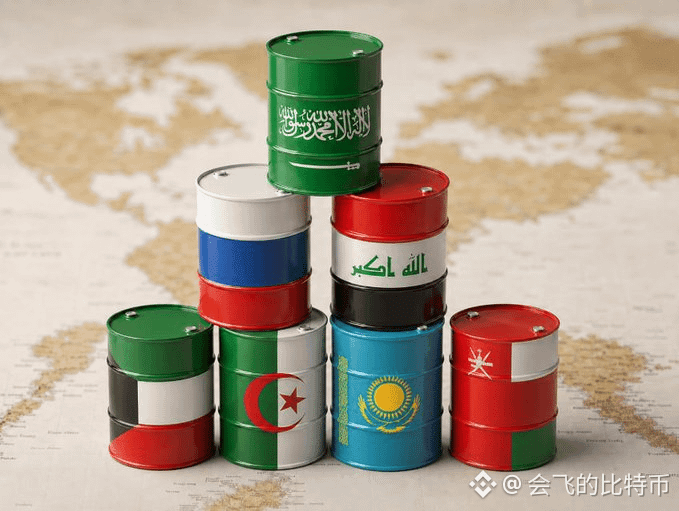
🚨Breaking Major News|Reuters: OPEC+ again increases daily crude oil production by 188,000 barrels in August
Shipping in the Strait of Hormuz gradually resumes, and oil-producing countries continue to loosen supply month by month
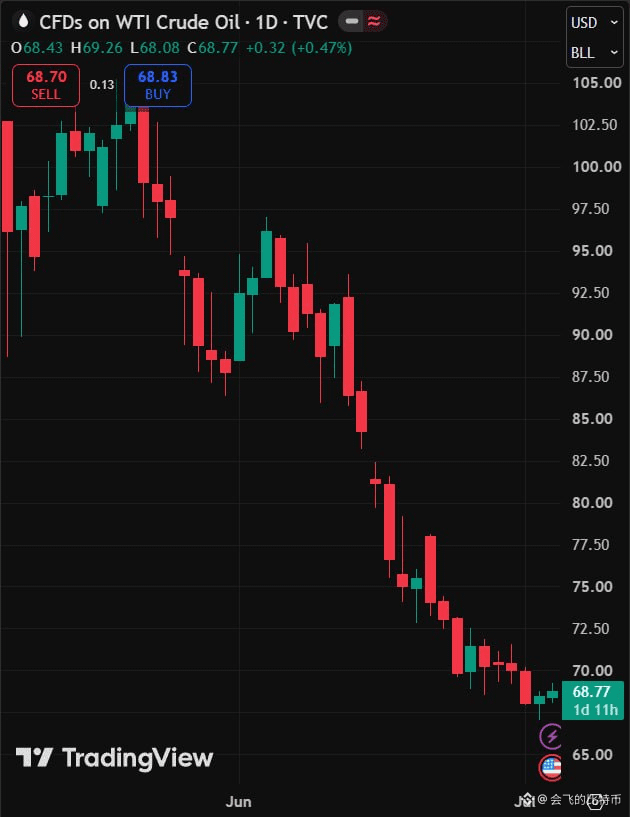
WTI crude oil has fallen sharply from its early-June peak of $105 to $68.77, with prices back in the pre-war range
As supply increments continue to be released, crude oil prices face sustained long-term pressure, and expectations of weakness in the energy sector strengthen
$CL
{future}(CLUSDT)
#原油 #OPEC
🚨Breaking Major News|Reuters: OPEC+ again increases daily crude oil production by 188,000 barrels in August
Shipping in the Strait of Hormuz gradually resumes, and oil-producing countries continue to loosen supply month by month
WTI crude oil has fallen sharply from its early-June peak of $105 to $68.77, with prices back in the pre-war range
As supply increments continue to be released, crude oil prices face sustained long-term pressure, and expectations of weakness in the energy sector strengthen
$CL
#原油 #OPEC
Shipping in the Strait of Hormuz gradually resumes, and oil-producing countries continue to loosen supply month by month
WTI crude oil has fallen sharply from its early-June peak of $105 to $68.77, with prices back in the pre-war range
As supply increments continue to be released, crude oil prices face sustained long-term pressure, and expectations of weakness in the energy sector strengthen
$CL
#原油 #OPEC
205

OPEC+ Output Increase Rekindles Fears of Global Oil OversupplyOPEC+ is set to move forward with another production increase as key member countries continue restoring oil output, a decision that is raising fresh concerns about a potential global supply surplus.
According to Bloomberg, the latest production boost comes despite questions over whether current market demand can absorb the additional barrels. Analysts warn that if consumption fails to keep pace, the extra supply could place renewed downward pressure on crude oil prices in the months ahead.
The move also signals a shift in the alliance's internal dynamics. After navigating a period of disagreements among member states over production quotas, OPEC+ appears to be presenting a more unified approach by advancing previously planned output increases.
While stronger seasonal demand and geopolitical risks continue to influence the energy market, the prospect of rising production has revived concerns that supply could outpace demand, particularly if global economic growth slows or fuel consumption weakens.
Traders will now closely monitor upcoming inventory data, demand indicators, and future OPEC+ policy decisions to assess whether the market can comfortably absorb the additional supply or if the production increase will contribute to a broader oil glut.
#OPEC
$XAU
{future}(XAUUSDT)
$CL
{future}(CLUSDT)
$BZ
{future}(BZUSDT)
OPEC+ Output Increase Rekindles Fears of Global Oil Oversupply
OPEC+ is set to move forward with another production increase as key member countries continue restoring oil output, a decision that is raising fresh concerns about a potential global supply surplus.
According to Bloomberg, the latest production boost comes despite questions over whether current market demand can absorb the additional barrels. Analysts warn that if consumption fails to keep pace, the extra supply could place renewed downward pressure on crude oil prices in the months ahead.
The move also signals a shift in the alliance's internal dynamics. After navigating a period of disagreements among member states over production quotas, OPEC+ appears to be presenting a more unified approach by advancing previously planned output increases.
While stronger seasonal demand and geopolitical risks continue to influence the energy market, the prospect of rising production has revived concerns that supply could outpace demand, particularly if global economic growth slows or fuel consumption weakens.
Traders will now closely monitor upcoming inventory data, demand indicators, and future OPEC+ policy decisions to assess whether the market can comfortably absorb the additional supply or if the production increase will contribute to a broader oil glut.
#OPEC
$XAU
$CL
$BZ
According to Bloomberg, the latest production boost comes despite questions over whether current market demand can absorb the additional barrels. Analysts warn that if consumption fails to keep pace, the extra supply could place renewed downward pressure on crude oil prices in the months ahead.
The move also signals a shift in the alliance's internal dynamics. After navigating a period of disagreements among member states over production quotas, OPEC+ appears to be presenting a more unified approach by advancing previously planned output increases.
While stronger seasonal demand and geopolitical risks continue to influence the energy market, the prospect of rising production has revived concerns that supply could outpace demand, particularly if global economic growth slows or fuel consumption weakens.
Traders will now closely monitor upcoming inventory data, demand indicators, and future OPEC+ policy decisions to assess whether the market can comfortably absorb the additional supply or if the production increase will contribute to a broader oil glut.
#OPEC
$XAU
$CL
$BZ
111

Article
Blood-Soaked Black Gold and Suffocating Blue Flame: The Ultimate Analysis of CL Crude Oil and BZ Natural Gas Price Movements(Blood-Soaked Black Gold and Suffocating Blue Flame: The Ultimate Analysis of CL Crude Oil and BZ Natural Gas Price Movements Amidst the Global Energy Massacre)
Introduction: Energy Pricing Power, the Bloodiest Meat Grinder of Human Empires In this world, no asset is as bloodied or geopolitically significant as crude oil (CL) and natural gas (BZ/NG). They aren't driven by candlestick charts; they are priced by aircraft carrier strike groups, cruise missiles, the ambitions of dictators, and the inflation rates of superpowers! When you're watching CL and BZ, you're not just looking at supply and demand reports; you're staring at the countdown timer for World War III! Crude oil (CL, WTI crude) is the lifeblood of the industrial age, the foundation of American hegemony; natural gas (BZ, Brent/global natural gas benchmark) is the breath of the post-industrial era, the lifeline for Europe and Asia.
Blood-Soaked Black Gold and Suffocating Blue Flame: The Ultimate Analysis of CL Crude Oil and BZ Natural Gas Price Movements
(Blood-Soaked Black Gold and Suffocating Blue Flame: The Ultimate Analysis of CL Crude Oil and BZ Natural Gas Price Movements Amidst the Global Energy Massacre)
Introduction: Energy Pricing Power, the Bloodiest Meat Grinder of Human Empires In this world, no asset is as bloodied or geopolitically significant as crude oil (CL) and natural gas (BZ/NG). They aren't driven by candlestick charts; they are priced by aircraft carrier strike groups, cruise missiles, the ambitions of dictators, and the inflation rates of superpowers! When you're watching CL and BZ, you're not just looking at supply and demand reports; you're staring at the countdown timer for World War III! Crude oil (CL, WTI crude) is the lifeblood of the industrial age, the foundation of American hegemony; natural gas (BZ, Brent/global natural gas benchmark) is the breath of the post-industrial era, the lifeline for Europe and Asia.
Introduction: Energy Pricing Power, the Bloodiest Meat Grinder of Human Empires In this world, no asset is as bloodied or geopolitically significant as crude oil (CL) and natural gas (BZ/NG). They aren't driven by candlestick charts; they are priced by aircraft carrier strike groups, cruise missiles, the ambitions of dictators, and the inflation rates of superpowers! When you're watching CL and BZ, you're not just looking at supply and demand reports; you're staring at the countdown timer for World War III! Crude oil (CL, WTI crude) is the lifeblood of the industrial age, the foundation of American hegemony; natural gas (BZ, Brent/global natural gas benchmark) is the breath of the post-industrial era, the lifeline for Europe and Asia.
337

🚨 OPEC+ Increases August Oil Output by 188,000 BPD 🛢️📉
OPEC+ has officially approved an additional 188,000 barrels per day (BPD) of oil production for August, continuing its gradual strategy of bringing supply back to the market.
📊 What Does It Mean?
✅ More oil supply entering global markets
📉 Potential short-term pressure on crude oil prices
📈 Energy stocks and oil-linked assets could see increased volatility
🌍 Markets are now watching whether global demand can absorb the extra supply.
💡 Key Question:
Will this additional production cool the recent oil rally, or will strong demand keep prices supported?
👇 What's your outlook?
🐻 Bearish on oil in the short term?
🐂 Still bullish for the long run?
Share your thoughts in the comments!
#OPEC #OPECPlus #Oil #CrudeOil #WTI
{stock_us}(BZ.US)
{stock_us}(CL.US)
🚨 OPEC+ Increases August Oil Output by 188,000 BPD 🛢️📉
OPEC+ has officially approved an additional 188,000 barrels per day (BPD) of oil production for August, continuing its gradual strategy of bringing supply back to the market.
📊 What Does It Mean?
✅ More oil supply entering global markets
📉 Potential short-term pressure on crude oil prices
📈 Energy stocks and oil-linked assets could see increased volatility
🌍 Markets are now watching whether global demand can absorb the extra supply.
💡 Key Question:
Will this additional production cool the recent oil rally, or will strong demand keep prices supported?
👇 What's your outlook?
🐻 Bearish on oil in the short term?
🐂 Still bullish for the long run?
Share your thoughts in the comments!
#OPEC #OPECPlus #Oil #CrudeOil #WTI
OPEC+ has officially approved an additional 188,000 barrels per day (BPD) of oil production for August, continuing its gradual strategy of bringing supply back to the market.
📊 What Does It Mean?
✅ More oil supply entering global markets
📉 Potential short-term pressure on crude oil prices
📈 Energy stocks and oil-linked assets could see increased volatility
🌍 Markets are now watching whether global demand can absorb the extra supply.
💡 Key Question:
Will this additional production cool the recent oil rally, or will strong demand keep prices supported?
👇 What's your outlook?
🐻 Bearish on oil in the short term?
🐂 Still bullish for the long run?
Share your thoughts in the comments!
#OPEC #OPECPlus #Oil #CrudeOil #WTI
3
5
72

·
--
🛢️ CRISIS IN ORMUZ: OPEC+ TO INCREASE OIL PRODUCTION FOR THE FOURTH MONTH
The global crude supply remains under extreme tension following the closure of the Strait of Hormuz. To curb the shortage, OPEC+ will agree on a new production quota increase this Sunday, according to sources from Reuters.
What's crucial:
🔒 Roadblock: The closure of Hormuz keeps the global oil supply at critically low levels.
📈 Fourth month on the rise: OPEC+ is forced to pump more crude for the fourth consecutive month to stabilize costs.
⚡ Reaction: Oil futures (WTI and Brent) are reacting with immediate spikes due to geopolitical uncertainty.
🔥 The global energy crisis is shaking traditional markets, accelerating the search for safe-haven assets and injecting macro volatility.
#OPEC #Petroleo #Geopolitica #Binance
📊 IMPACT ON GLOBAL LIQUIDITY
Instability in traditional commodities often forces a rotation of fresh capital into the digital asset market.
👇 Hit the charts down below to monitor prices in real-time 👇
$BTC $ETH
{spot}(ETHUSDT)
{spot}(BTCUSDT)
🛢️ CRISIS IN ORMUZ: OPEC+ TO INCREASE OIL PRODUCTION FOR THE FOURTH MONTH
The global crude supply remains under extreme tension following the closure of the Strait of Hormuz. To curb the shortage, OPEC+ will agree on a new production quota increase this Sunday, according to sources from Reuters.
What's crucial:
🔒 Roadblock: The closure of Hormuz keeps the global oil supply at critically low levels.
📈 Fourth month on the rise: OPEC+ is forced to pump more crude for the fourth consecutive month to stabilize costs.
⚡ Reaction: Oil futures (WTI and Brent) are reacting with immediate spikes due to geopolitical uncertainty.
🔥 The global energy crisis is shaking traditional markets, accelerating the search for safe-haven assets and injecting macro volatility.
#OPEC #Petroleo #Geopolitica #Binance
📊 IMPACT ON GLOBAL LIQUIDITY
Instability in traditional commodities often forces a rotation of fresh capital into the digital asset market.
👇 Hit the charts down below to monitor prices in real-time 👇
$BTC $ETH
The global crude supply remains under extreme tension following the closure of the Strait of Hormuz. To curb the shortage, OPEC+ will agree on a new production quota increase this Sunday, according to sources from Reuters.
What's crucial:
🔒 Roadblock: The closure of Hormuz keeps the global oil supply at critically low levels.
📈 Fourth month on the rise: OPEC+ is forced to pump more crude for the fourth consecutive month to stabilize costs.
⚡ Reaction: Oil futures (WTI and Brent) are reacting with immediate spikes due to geopolitical uncertainty.
🔥 The global energy crisis is shaking traditional markets, accelerating the search for safe-haven assets and injecting macro volatility.
#OPEC #Petroleo #Geopolitica #Binance
📊 IMPACT ON GLOBAL LIQUIDITY
Instability in traditional commodities often forces a rotation of fresh capital into the digital asset market.
👇 Hit the charts down below to monitor prices in real-time 👇
$BTC $ETH
92
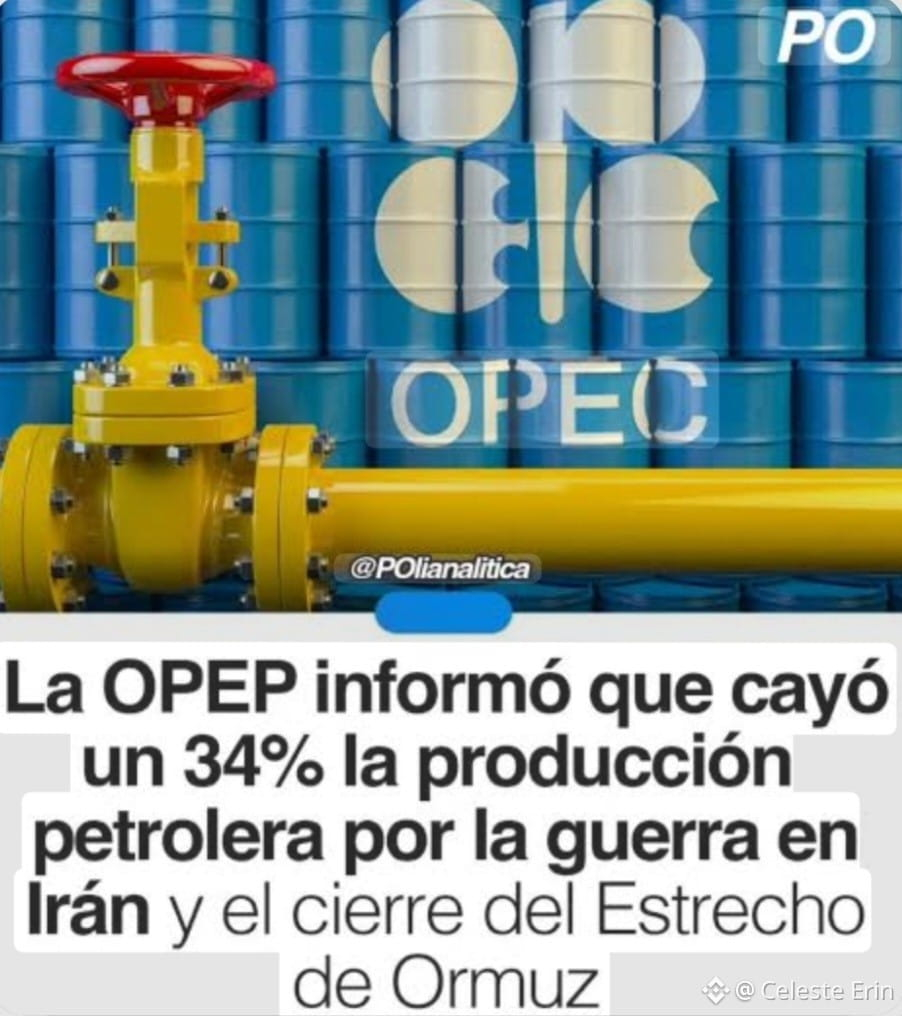
According to the latest August survey data released by Reuters, the Organization of the Petroleum Exporting Countries (OPEC) saw a sharp drop in crude oil output in August, falling by 640,000 barrels per day to 19.71 million barrels per day. This notable decline was mainly driven by geopolitical turmoil. In particular, the conflict involving Iran directly disrupted Saudi Arabia’s export routes, while related U.S. sanctions further limited the shipment of Iranian cargo. Although seven OPEC+ member countries previously agreed to increase production in August, the rapid deterioration of the Middle East’s geopolitical situation completely derailed the original supply-recovery plan.
From a macroeconomic fundamentals perspective, this data poses a potential threat that cannot be overlooked to the global anti-inflation process. The market had originally expected that as some oil-producing countries gradually restored output capacity, the supply-demand gap in energy markets would ease, thereby reducing input-driven inflation pressure on major economies. However, involuntary production cuts caused by geopolitical conflicts not only quickly reversed expectations of improving supply, but also exposed the reality that the global energy supply chain is extremely fragile. Against the backdrop of still sticky inflation in the U.S. and Europe, a passive tightening on the energy supply side will undoubtedly significantly compress the room for central banks to carry out future monetary easing.
For traditional financial markets, blocked crude oil supply will intensify concerns about stagflation. If energy prices rise again, U.S. Treasury yields may face upward pressure, which could delay both the timing and magnitude of Federal Reserve rate cuts, and the U.S. dollar index may also receive defensive support. At the same time, rising corporate input costs will erode profit margins for listed companies, aggravating high-volatility swings in mainstream risk assets such as U.S. stocks, and prompting investors seeking safety to rotate away from overvalued equity markets back toward more traditional safe-haven assets.
For the cryptocurrency market, renewed tightening in expectations for macro liquidity will directly dampen bullish sentiment. If energy-driven inflation flares up again and leads major global central banks to turn more conservative—or even more cautious—in their rate-cutting path, high-risk assets will face the direct impact of shrinking liquidity risk premia. Given that the current $BTC and the broader crypto ecosystem are highly dependent on looser macro liquidity, investors should not underestimate the continued suppressive effect that commodity supply shocks can have on risk appetite. In the near term, the market pullback risk triggered by a defensive shift in sentiment should be closely monitored.#原油 #OPEC #macro economy
According to the latest August survey data released by Reuters, the Organization of the Petroleum Exporting Countries (OPEC) saw a sharp drop in crude oil output in August, falling by 640,000 barrels per day to 19.71 million barrels per day. This notable decline was mainly driven by geopolitical turmoil. In particular, the conflict involving Iran directly disrupted Saudi Arabia’s export routes, while related U.S. sanctions further limited the shipment of Iranian cargo. Although seven OPEC+ member countries previously agreed to increase production in August, the rapid deterioration of the Middle East’s geopolitical situation completely derailed the original supply-recovery plan.
From a macroeconomic fundamentals perspective, this data poses a potential threat that cannot be overlooked to the global anti-inflation process. The market had originally expected that as some oil-producing countries gradually restored output capacity, the supply-demand gap in energy markets would ease, thereby reducing input-driven inflation pressure on major economies. However, involuntary production cuts caused by geopolitical conflicts not only quickly reversed expectations of improving supply, but also exposed the reality that the global energy supply chain is extremely fragile. Against the backdrop of still sticky inflation in the U.S. and Europe, a passive tightening on the energy supply side will undoubtedly significantly compress the room for central banks to carry out future monetary easing.
For traditional financial markets, blocked crude oil supply will intensify concerns about stagflation. If energy prices rise again, U.S. Treasury yields may face upward pressure, which could delay both the timing and magnitude of Federal Reserve rate cuts, and the U.S. dollar index may also receive defensive support. At the same time, rising corporate input costs will erode profit margins for listed companies, aggravating high-volatility swings in mainstream risk assets such as U.S. stocks, and prompting investors seeking safety to rotate away from overvalued equity markets back toward more traditional safe-haven assets.
For the cryptocurrency market, renewed tightening in expectations for macro liquidity will directly dampen bullish sentiment. If energy-driven inflation flares up again and leads major global central banks to turn more conservative—or even more cautious—in their rate-cutting path, high-risk assets will face the direct impact of shrinking liquidity risk premia. Given that the current $BTC and the broader crypto ecosystem are highly dependent on looser macro liquidity, investors should not underestimate the continued suppressive effect that commodity supply shocks can have on risk appetite. In the near term, the market pullback risk triggered by a defensive shift in sentiment should be closely monitored.#原油 #OPEC #macro economy
From a macroeconomic fundamentals perspective, this data poses a potential threat that cannot be overlooked to the global anti-inflation process. The market had originally expected that as some oil-producing countries gradually restored output capacity, the supply-demand gap in energy markets would ease, thereby reducing input-driven inflation pressure on major economies. However, involuntary production cuts caused by geopolitical conflicts not only quickly reversed expectations of improving supply, but also exposed the reality that the global energy supply chain is extremely fragile. Against the backdrop of still sticky inflation in the U.S. and Europe, a passive tightening on the energy supply side will undoubtedly significantly compress the room for central banks to carry out future monetary easing.
For traditional financial markets, blocked crude oil supply will intensify concerns about stagflation. If energy prices rise again, U.S. Treasury yields may face upward pressure, which could delay both the timing and magnitude of Federal Reserve rate cuts, and the U.S. dollar index may also receive defensive support. At the same time, rising corporate input costs will erode profit margins for listed companies, aggravating high-volatility swings in mainstream risk assets such as U.S. stocks, and prompting investors seeking safety to rotate away from overvalued equity markets back toward more traditional safe-haven assets.
For the cryptocurrency market, renewed tightening in expectations for macro liquidity will directly dampen bullish sentiment. If energy-driven inflation flares up again and leads major global central banks to turn more conservative—or even more cautious—in their rate-cutting path, high-risk assets will face the direct impact of shrinking liquidity risk premia. Given that the current $BTC and the broader crypto ecosystem are highly dependent on looser macro liquidity, investors should not underestimate the continued suppressive effect that commodity supply shocks can have on risk appetite. In the near term, the market pullback risk triggered by a defensive shift in sentiment should be closely monitored.#原油 #OPEC #macro economy
174

As the Organization of the Petroleum Exporting Countries (OPEC+) commissions external consultants to assess the actual maximum production capacity of each member country, Iraq has recently proposed a major increase to its crude oil production quota, targeting 6.0 million barrels per day. The assessment is expected to be completed by the end of this month and submitted for review at the OPEC+ ministerial meeting scheduled for late November. As one of OPEC’s founding countries, Iraq previously issued a warning that it would not rule out exiting if it failed to secure a reasonable quota. At the same time, internal political maneuvering is intensifying as Venezuela may reconsider its position in light of renewed external cooperation.
From the standpoint of supply-demand fundamentals and technical factors, the goal of 6.0 million barrels per day is far above Iraq’s current actual output. Major oil producers are competing for market share and tending to increase supply. In the long run, this is breaking the technical balance of artificially tightened supply under OPEC+, ushering in a new cycle in which crude oil supply expands structurally.
Expectations of higher crude oil supply typically create downward pressure on the prices of commodities, lower the valuation of oil at key support levels, and directly weaken the global overall inflation center of gravity. Easing inflation pressures on the energy front will give major central banks more room to open up along their rate-cut path, reduce bond yields, and put downward pressure on the US dollar index—creating an excellent environment of easing global macro liquidity.
For the crypto market, cooling inflation expectations together with the return of liquidity is an extremely cost-effective catalyst. As macro headwinds ease, the technical structures of key assets such as $BTC are expected to form a strong base, supported by funds returning to risk-on markets, and test higher-level resistance zones to the upside.
#OPEC #原油 # macroeconomy
As the Organization of the Petroleum Exporting Countries (OPEC+) commissions external consultants to assess the actual maximum production capacity of each member country, Iraq has recently proposed a major increase to its crude oil production quota, targeting 6.0 million barrels per day. The assessment is expected to be completed by the end of this month and submitted for review at the OPEC+ ministerial meeting scheduled for late November. As one of OPEC’s founding countries, Iraq previously issued a warning that it would not rule out exiting if it failed to secure a reasonable quota. At the same time, internal political maneuvering is intensifying as Venezuela may reconsider its position in light of renewed external cooperation.
From the standpoint of supply-demand fundamentals and technical factors, the goal of 6.0 million barrels per day is far above Iraq’s current actual output. Major oil producers are competing for market share and tending to increase supply. In the long run, this is breaking the technical balance of artificially tightened supply under OPEC+, ushering in a new cycle in which crude oil supply expands structurally.
Expectations of higher crude oil supply typically create downward pressure on the prices of commodities, lower the valuation of oil at key support levels, and directly weaken the global overall inflation center of gravity. Easing inflation pressures on the energy front will give major central banks more room to open up along their rate-cut path, reduce bond yields, and put downward pressure on the US dollar index—creating an excellent environment of easing global macro liquidity.
For the crypto market, cooling inflation expectations together with the return of liquidity is an extremely cost-effective catalyst. As macro headwinds ease, the technical structures of key assets such as $BTC are expected to form a strong base, supported by funds returning to risk-on markets, and test higher-level resistance zones to the upside.
#OPEC #原油 # macroeconomy
From the standpoint of supply-demand fundamentals and technical factors, the goal of 6.0 million barrels per day is far above Iraq’s current actual output. Major oil producers are competing for market share and tending to increase supply. In the long run, this is breaking the technical balance of artificially tightened supply under OPEC+, ushering in a new cycle in which crude oil supply expands structurally.
Expectations of higher crude oil supply typically create downward pressure on the prices of commodities, lower the valuation of oil at key support levels, and directly weaken the global overall inflation center of gravity. Easing inflation pressures on the energy front will give major central banks more room to open up along their rate-cut path, reduce bond yields, and put downward pressure on the US dollar index—creating an excellent environment of easing global macro liquidity.
For the crypto market, cooling inflation expectations together with the return of liquidity is an extremely cost-effective catalyst. As macro headwinds ease, the technical structures of key assets such as $BTC are expected to form a strong base, supported by funds returning to risk-on markets, and test higher-level resistance zones to the upside.
#OPEC #原油 # macroeconomy
52
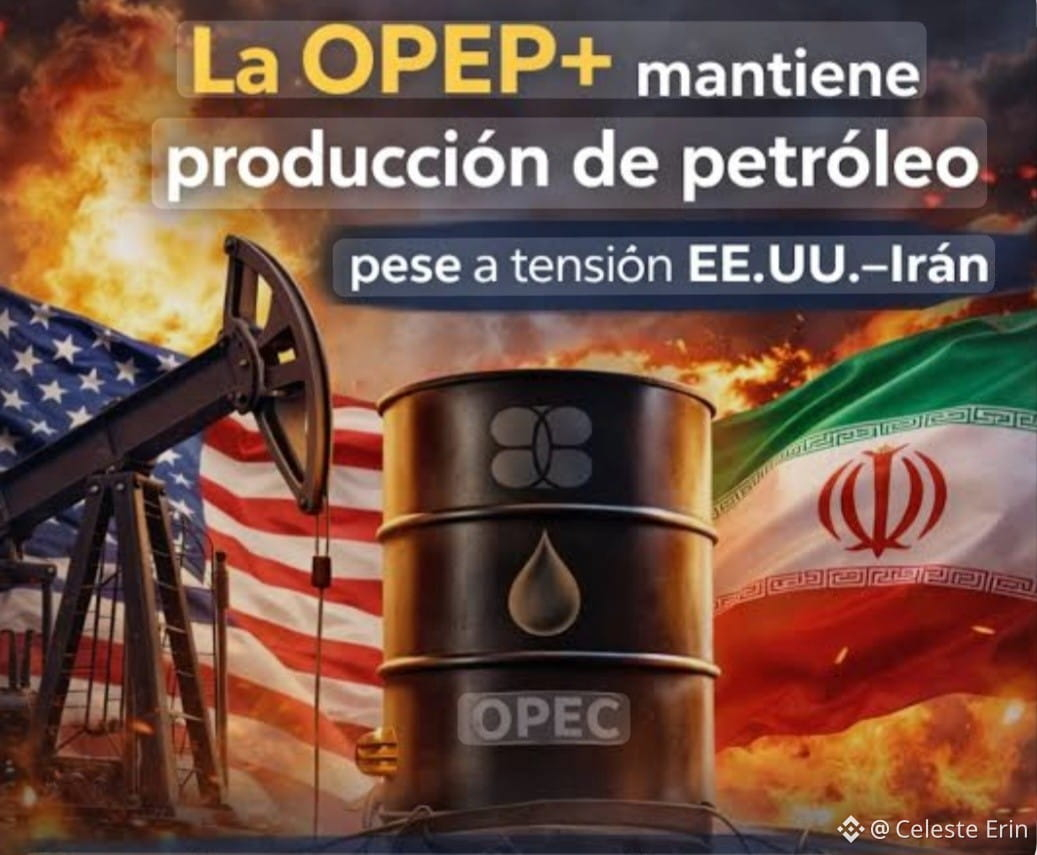
During their scheduled meeting on Sunday, OPEC+ member nations officially decided to leave current oil production quotas unchanged, avoiding any immediate supply adjustments amid shifting global economic conditions.
This outcome reflects the cartel's cautious approach to balancing fragile demand projections against ongoing geopolitical risks. By holding output steady rather than introducing surprise cuts or premature tapering, the alliance aims to maintain floor pricing without triggering renewed stagflationary pressures across major consuming economies.
For traditional financial markets, a predictable energy policy curbs immediate volatility in crude benchmarks, easing headline inflation concerns for the Federal Reserve and other central banks. In turn, steady energy costs help prevent upward pressure on bond yields and keep borrowing conditions from tightening further.
For the crypto market, stable energy dynamics remove a potential macro headwind. As long as oil prices remain contained and avoid fueling inflation spikes, macro liquidity conditions stay favorable for risk assets, supporting steady capital flows into $BTC and the broader digital asset space. 🛢️
#opec #crudeoil #macro
During their scheduled meeting on Sunday, OPEC+ member nations officially decided to leave current oil production quotas unchanged, avoiding any immediate supply adjustments amid shifting global economic conditions.
This outcome reflects the cartel's cautious approach to balancing fragile demand projections against ongoing geopolitical risks. By holding output steady rather than introducing surprise cuts or premature tapering, the alliance aims to maintain floor pricing without triggering renewed stagflationary pressures across major consuming economies.
For traditional financial markets, a predictable energy policy curbs immediate volatility in crude benchmarks, easing headline inflation concerns for the Federal Reserve and other central banks. In turn, steady energy costs help prevent upward pressure on bond yields and keep borrowing conditions from tightening further.
For the crypto market, stable energy dynamics remove a potential macro headwind. As long as oil prices remain contained and avoid fueling inflation spikes, macro liquidity conditions stay favorable for risk assets, supporting steady capital flows into $BTC and the broader digital asset space. 🛢️
#opec #crudeoil #macro
This outcome reflects the cartel's cautious approach to balancing fragile demand projections against ongoing geopolitical risks. By holding output steady rather than introducing surprise cuts or premature tapering, the alliance aims to maintain floor pricing without triggering renewed stagflationary pressures across major consuming economies.
For traditional financial markets, a predictable energy policy curbs immediate volatility in crude benchmarks, easing headline inflation concerns for the Federal Reserve and other central banks. In turn, steady energy costs help prevent upward pressure on bond yields and keep borrowing conditions from tightening further.
For the crypto market, stable energy dynamics remove a potential macro headwind. As long as oil prices remain contained and avoid fueling inflation spikes, macro liquidity conditions stay favorable for risk assets, supporting steady capital flows into $BTC and the broader digital asset space. 🛢️
#opec #crudeoil #macro
14

·
--
At the just-concluded Sunday meeting, the major oil-producing countries’ group OPEC+ officially announced that it would keep existing crude oil production quotas unchanged, and did not temporarily adjust output policy as some aggressive traders had speculated. The final decision of this online ministerial meeting basically fell within the expected range of mainstream analysts, with member countries choosing to proceed step by step and continue implementing the current supply framework.
The reason this is worth a closer look for macro investors and crypto folks is that crude oil has always been a barometer for commodities and global inflation. Recently, geopolitical tensions have been complicated and expectations for global economic growth have become more divergent, so the market was highly alert to any moves by the oil-producing alliance. OPEC+ choosing to stay put this time reflects a rather pragmatic compromise among member countries between responding to potential demand slowdown and defending the floor of oil prices: neither blindly increasing supply nor aggressively intervening in market prices.
Looking at the broader traditional financial markets, no unexpected shock on the supply side means crude oil prices will likely continue to fluctuate within a range in the short term. As long as energy costs do not surge sharply, the inflation rebound risks in major economies in Europe and the United States can be controlled to some extent, which provides global central banks with a relatively mild external macro environment for subsequent monetary policy, and the U.S. dollar index and U.S. Treasury yields are also unlikely to see extreme one-sided moves as a result.
Bringing it back to the crypto market, no black swan flying out from the macro energy side is often a neutral-to-stable signal. Stable oil prices help steady market liquidity expectations and reduce the probability that major central banks will be forced to tighten funding conditions. However, since this decision basically matched market expectations and did not bring an unexpected liquidity boost, the broader market is likely to continue its current range-bound tug-of-war in the short term. While keeping an eye on the trend of $BTC , everyone may also continue to watch the combined performance of upcoming macroeconomic data and take a rational view of the current market rhythm.
#OPEC #原油 #macroeconomy
At the just-concluded Sunday meeting, the major oil-producing countries’ group OPEC+ officially announced that it would keep existing crude oil production quotas unchanged, and did not temporarily adjust output policy as some aggressive traders had speculated. The final decision of this online ministerial meeting basically fell within the expected range of mainstream analysts, with member countries choosing to proceed step by step and continue implementing the current supply framework.
The reason this is worth a closer look for macro investors and crypto folks is that crude oil has always been a barometer for commodities and global inflation. Recently, geopolitical tensions have been complicated and expectations for global economic growth have become more divergent, so the market was highly alert to any moves by the oil-producing alliance. OPEC+ choosing to stay put this time reflects a rather pragmatic compromise among member countries between responding to potential demand slowdown and defending the floor of oil prices: neither blindly increasing supply nor aggressively intervening in market prices.
Looking at the broader traditional financial markets, no unexpected shock on the supply side means crude oil prices will likely continue to fluctuate within a range in the short term. As long as energy costs do not surge sharply, the inflation rebound risks in major economies in Europe and the United States can be controlled to some extent, which provides global central banks with a relatively mild external macro environment for subsequent monetary policy, and the U.S. dollar index and U.S. Treasury yields are also unlikely to see extreme one-sided moves as a result.
Bringing it back to the crypto market, no black swan flying out from the macro energy side is often a neutral-to-stable signal. Stable oil prices help steady market liquidity expectations and reduce the probability that major central banks will be forced to tighten funding conditions. However, since this decision basically matched market expectations and did not bring an unexpected liquidity boost, the broader market is likely to continue its current range-bound tug-of-war in the short term. While keeping an eye on the trend of $BTC , everyone may also continue to watch the combined performance of upcoming macroeconomic data and take a rational view of the current market rhythm.
#OPEC #原油 #macroeconomy
The reason this is worth a closer look for macro investors and crypto folks is that crude oil has always been a barometer for commodities and global inflation. Recently, geopolitical tensions have been complicated and expectations for global economic growth have become more divergent, so the market was highly alert to any moves by the oil-producing alliance. OPEC+ choosing to stay put this time reflects a rather pragmatic compromise among member countries between responding to potential demand slowdown and defending the floor of oil prices: neither blindly increasing supply nor aggressively intervening in market prices.
Looking at the broader traditional financial markets, no unexpected shock on the supply side means crude oil prices will likely continue to fluctuate within a range in the short term. As long as energy costs do not surge sharply, the inflation rebound risks in major economies in Europe and the United States can be controlled to some extent, which provides global central banks with a relatively mild external macro environment for subsequent monetary policy, and the U.S. dollar index and U.S. Treasury yields are also unlikely to see extreme one-sided moves as a result.
Bringing it back to the crypto market, no black swan flying out from the macro energy side is often a neutral-to-stable signal. Stable oil prices help steady market liquidity expectations and reduce the probability that major central banks will be forced to tighten funding conditions. However, since this decision basically matched market expectations and did not bring an unexpected liquidity boost, the broader market is likely to continue its current range-bound tug-of-war in the short term. While keeping an eye on the trend of $BTC , everyone may also continue to watch the combined performance of upcoming macroeconomic data and take a rational view of the current market rhythm.
#OPEC #原油 #macroeconomy
24
The Organization of the Petroleum Exporting Countries and its allies (OPEC+) officially announced at an online ministerial meeting on Sunday that it would keep existing crude oil production quotas unchanged, with no additional production cuts or increases. As the core alliance of global energy supply, this decision was in line with part of market expectations and removed short-term supply-side uncertainty.
From the perspective of the interplay between technical and fundamental factors, this decision to hold steady carries a clear signal. Previously, the market was divided over whether the production cut agreement would crack and whether the supply side would unexpectedly increase output. OPEC+ chose to maintain the status quo, indicating that it has upheld a floor for supply-demand balance amid the current geopolitical situation and the global demand recovery, effectively avoiding a runaway collapse in oil prices and building a solid bottom structure for commodity prices.
For traditional financial markets, the narrowing of oil price volatility has greatly eased the tail risk of a second wave of inflation. Under the premise of stable energy prices, the upward pressure on U.S. Treasury yields and the dollar index has been suppressed in tandem, and the global liquidity environment has shown a more certain easing expectation, providing an ideal technical backdrop for the continued recovery in macro risk appetite.
For the crypto market, especially $BTC , the removal of energy inflation risk is a major positive. The fading of macro uncertainty will drive off-exchange funds back into high-beta risk assets. Supported by gradually easing liquidity, mainstream assets are expected to rely on key technical support levels to launch a new round of bullish advances, opening ample upside room for the next phase of the market. 📈
#OPEC #宏观经济 #Liquidity
The Organization of the Petroleum Exporting Countries and its allies (OPEC+) officially announced at an online ministerial meeting on Sunday that it would keep existing crude oil production quotas unchanged, with no additional production cuts or increases. As the core alliance of global energy supply, this decision was in line with part of market expectations and removed short-term supply-side uncertainty.
From the perspective of the interplay between technical and fundamental factors, this decision to hold steady carries a clear signal. Previously, the market was divided over whether the production cut agreement would crack and whether the supply side would unexpectedly increase output. OPEC+ chose to maintain the status quo, indicating that it has upheld a floor for supply-demand balance amid the current geopolitical situation and the global demand recovery, effectively avoiding a runaway collapse in oil prices and building a solid bottom structure for commodity prices.
For traditional financial markets, the narrowing of oil price volatility has greatly eased the tail risk of a second wave of inflation. Under the premise of stable energy prices, the upward pressure on U.S. Treasury yields and the dollar index has been suppressed in tandem, and the global liquidity environment has shown a more certain easing expectation, providing an ideal technical backdrop for the continued recovery in macro risk appetite.
For the crypto market, especially $BTC , the removal of energy inflation risk is a major positive. The fading of macro uncertainty will drive off-exchange funds back into high-beta risk assets. Supported by gradually easing liquidity, mainstream assets are expected to rely on key technical support levels to launch a new round of bullish advances, opening ample upside room for the next phase of the market. 📈
#OPEC #宏观经济 #Liquidity
From the perspective of the interplay between technical and fundamental factors, this decision to hold steady carries a clear signal. Previously, the market was divided over whether the production cut agreement would crack and whether the supply side would unexpectedly increase output. OPEC+ chose to maintain the status quo, indicating that it has upheld a floor for supply-demand balance amid the current geopolitical situation and the global demand recovery, effectively avoiding a runaway collapse in oil prices and building a solid bottom structure for commodity prices.
For traditional financial markets, the narrowing of oil price volatility has greatly eased the tail risk of a second wave of inflation. Under the premise of stable energy prices, the upward pressure on U.S. Treasury yields and the dollar index has been suppressed in tandem, and the global liquidity environment has shown a more certain easing expectation, providing an ideal technical backdrop for the continued recovery in macro risk appetite.
For the crypto market, especially $BTC , the removal of energy inflation risk is a major positive. The fading of macro uncertainty will drive off-exchange funds back into high-beta risk assets. Supported by gradually easing liquidity, mainstream assets are expected to rely on key technical support levels to launch a new round of bullish advances, opening ample upside room for the next phase of the market. 📈
#OPEC #宏观经济 #Liquidity
26
Log in to explore more content
Join global crypto users on Binance Square
⚡️ Get latest and useful information about crypto.
💬 Trusted by the world’s largest crypto exchange.
👍 Discover real insights from verified creators.
Email / Phone number
Trending Topics
1
#USAugustPPIRisesLessThanExpected
8,939 views
283 Discussing
2
#SECApprovesNasdaqTexasCommodityTrustRule
7,757 views
286 Discussing
3
#ECBRaisesRatesSecondTimeTo2.5%
4,799 views
202 Discussing
4
#USContinuingJoblessClaims1.774M
10,896 views
306 Discussing
5
#USAugustPPIYoYRisesTo5.4%
10,234 views
238 Discussing
6
#AppleDebutsFoldablePhone
78,048 views
1,298 Discussing
7
#TSMCAugustRevenueUp53.3%YoY
19,392 views
492 Discussing
8
#IranSaysReadyToEscalateWarWithUS
28,131 views
489 Discussing
9
#EUExtendsCentralContactPointToCASPs
23,775 views
497 Discussing
10
#US10YTreasuryYieldHitsHighestSinceNov2023
52,557 views
753 Discussing