

#cryptosecurity
cryptosecurity
8.7M views
12,896 Discussing
Hot
Latest


@CZ WARNS CRYPTO USERS: CRITICAL PHP VULNERABILITIES RAISE SECURITY CONCERNS
Changpeng Zhao (CZ) has warned internet users to exercise extra caution when visiting websites following the disclosure of two critical PHP vulnerabilities.
The flaws, identified as CVE-2026-109618 and CVE-2026-109619, could allow attackers to execute malicious code remotely on vulnerable servers without authentication.
The PHP security team released patches on October 21, 2026. Cybersecurity agencies are urging organizations to identify affected systems and apply the appropriate security updates immediately.
What does this mean for crypto users?
A vulnerable website could create security risks, but this does not mean every crypto exchange or wallet has been compromised.
Protect yourself:
- Verify website addresses before connecting your wallet.
- Never share your seed phrase or private keys.
- Avoid suspicious links and unexpected wallet requests.
- Review transaction details before signing.
- Use official platforms and keep your devices updated.
My take: Crypto security is not just about protecting private keys. The websites and applications we interact with also matter. Staying cautious is essential, especially when security vulnerabilities become public.
Always verify information before acting, and never assume a platform is affected without confirmation.
#CryptoSecurity #Binance #CZ
1
586

·
--
Bullish
📢For General Crypto Users & Investors.
PHP2Shell Warning: Your Crypto Is Safe on the Chain, but Web Frontends Are at Risk
Why the Global PHP Bug Is Triggering Urgent Warnings From Crypto Executives
Don't Blindly Sign: How the Massive PHP Vulnerability Could Weaponize Wallet Drainers
Web Flaws, Not Chain Flaws: What the Critical PHP2Shell Exploit Means for Your Crypto
💻 For Developers & Web Admins (Technical & Action-Oriented)
Patch Immediately: Securing Crypto Gateways and dApp Frontends Against PHP2Shell
CVE-2026-109618/19: Why Crypto Platforms Running PHP Must Update Runtimes Today
From Server Memory Corruption to Hijacked Wallets: Mitigating PHP2Shell Risks in Web3@Square-Creator-314483822eb83 #CryptoSecurity #web3_binance
📢For General Crypto Users & Investors.
PHP2Shell Warning: Your Crypto Is Safe on the Chain, but Web Frontends Are at Risk
Why the Global PHP Bug Is Triggering Urgent Warnings From Crypto Executives
Don't Blindly Sign: How the Massive PHP Vulnerability Could Weaponize Wallet Drainers
Web Flaws, Not Chain Flaws: What the Critical PHP2Shell Exploit Means for Your Crypto
💻 For Developers & Web Admins (Technical & Action-Oriented)
Patch Immediately: Securing Crypto Gateways and dApp Frontends Against PHP2Shell
CVE-2026-109618/19: Why Crypto Platforms Running PHP Must Update Runtimes Today
From Server Memory Corruption to Hijacked Wallets: Mitigating PHP2Shell Risks in Web3@Golden soumi #CryptoSecurity #web3_binance
153

·
--
The biggest threat to your crypto may not be AI — it may be leaked personal data.
Bitcoin’s security is built on modern public-key cryptography and a decentralized network that makes altering transaction history extremely difficult. Traditional financial systems also use strong encryption, but their security model is different: they are more centralized and depend heavily on customer databases, account recovery processes, staff procedures, and third-party vendors.
When personal data is leaked — email addresses, phone numbers, names, account activity, or identity details — criminals do not necessarily need to “break” encryption. They can target the human layer instead:
• Fake exchange-support messages
• Phishing links designed to steal login credentials
• SIM-swap attempts to intercept verification codes
• Social-engineering calls that pressure users into revealing codes or approving withdrawals
• Highly personalized scams that look more convincing because attackers know who you are
AI can make these scams faster, more realistic, and easier to scale. But AI is usually an amplifier, not the root problem. The core risk is still weak data protection combined with rushed human decisions.
For crypto users, the practical takeaway is simple: protect your account like an attacker already knows your email and phone number.
Use a unique password, enable an authenticator app or hardware security key, activate anti-phishing protections, review device access, and never share verification codes, recovery phrases, or private keys. Legitimate support will not ask for them.
Strong cryptography matters. But operational security — how you protect your identity, devices, and decisions — matters just as much.
#CryptoSecurity #DataPrivacy #bitcoin $BTC
1
150

·
--
🚨 Cysic bridge exploiter funneled $744K into Tornado Cash, minting 10M tokens on BNB Chain. The hacker’s move signals potential laundering, but white-hat offers a 10% bounty. Market sentiment turns cautious as ETH stability hangs in the balance.
Will the bounty lure the hacker back, or will the funds stay hidden? 👀
#Cysic #CryptoSecurity
$ETH #TradingSignal #CryptoAnalysis
Will the bounty lure the hacker back, or will the funds stay hidden? 👀
#Cysic #CryptoSecurity
$ETH #TradingSignal #CryptoAnalysis
57

Nearly 66,000 victims. $105M recovered. Here’s the warning crypto investors shouldn’t ignore.
INTERPOL has revealed the results of a major international cybercrime crackdown.
Authorities arrested 1,462 suspects and disrupted more than 10,900 malicious networks.
Among the cases: an investment scam promoted through messaging apps, involving over $2.4 million in suspected criminal proceeds.
The lesson?
A professional-looking investment platform doesn’t prove legitimacy.
Before trusting an opportunity:
• Verify the platform through independent sources.
• Never share your seed phrase or private keys.
• Be suspicious of guaranteed profits and pressure to invest immediately.
• Understand exactly how the investment generates returns.
For Muslim investors, responsible investing means considering both the financial risks and the ethical legitimacy of a transaction.
An investment marketed as Islamic isn’t automatically Shariah-compliant.
What’s the biggest red flag you look for before trusting a crypto project?
#CryptoScams #CryptoSecurity #IslamicFinance #CryptoEducation
46

·
--
🚨 CZ: AI HACKING FEARS AROUND BITCOIN MAY BE OVERBLOWN! 🤖₿
Binance founder CZ says concerns about AI breaking crypto security may be exaggerated, especially when much of the internet and traditional banking still rely on encryption facing similar challenges.
⚠️ BUT HERE’S THE REAL RISK: AI doesn’t need to crack Bitcoin’s cryptography to cause trouble.
🔓 Leaked personal data can fuel more sophisticated phishing attacks, social engineering scams, and attempts to steal crypto from unsuspecting users.
🧠 THE TAKEAWAY: The biggest threat may not be AI breaking Bitcoin — it could be AI making it easier to trick the people who own it.
🔐 Protect your data. Verify every link. Never share your private keys or recovery phrase.
#bitcoin #CZ #AI #CryptoSecurity #BinanceSquare
{spot}(BTCUSDT)
🚨 CZ: AI HACKING FEARS AROUND BITCOIN MAY BE OVERBLOWN! 🤖₿
Binance founder CZ says concerns about AI breaking crypto security may be exaggerated, especially when much of the internet and traditional banking still rely on encryption facing similar challenges.
⚠️ BUT HERE’S THE REAL RISK: AI doesn’t need to crack Bitcoin’s cryptography to cause trouble.
🔓 Leaked personal data can fuel more sophisticated phishing attacks, social engineering scams, and attempts to steal crypto from unsuspecting users.
🧠 THE TAKEAWAY: The biggest threat may not be AI breaking Bitcoin — it could be AI making it easier to trick the people who own it.
🔐 Protect your data. Verify every link. Never share your private keys or recovery phrase.
#bitcoin #CZ #AI #CryptoSecurity #BinanceSquare

🚨 $BTC ALERT: RETIRED ADDRESS STILL SINKING DEPOSITS 🟢
📊 The on‑chain trail shows $16 M slipping through a “retired” deposit address on a major exchange, letting smart‑money whales keep the flow alive while the platform scrambles. 🦈 Each new deposit acts like a hidden liquidity pool, feeding the sell‑side pressure that could ripple into $BTC short‑term sentiment.
🔍 Your move? Generate a fresh deposit address from the official app, verify that every prior credit landed, and flag any mismatch fast. ⚡ A broken sweep process is a silent risk that can bite any trader who assumes the door is closed.
💬 Are you double‑checking your deposit lanes before the next swing? 👇
⚠️ Not financial advice. Always manage your risk. 🛡️
🏷️ #BTC #ExchangeRisk #CryptoSecurity #SmartMoney
🔥 💎
15

·
--
Bearish
🚨 $16M MOVED FROM COINDCX-LINKED WALLETS — THE BIGGER WARNING IS WHAT HAPPENED AFTER THEY WERE RETIRED
CoinDCX initially rejected claims of a new hack
But on-chain investigators traced nearly $16M moving from wallets linked to the exchange
Here's the contradiction 👀
$BTC
{future}(BTCUSDT)
CoinDCX said those addresses had been retired after its 2025 breach
Yet blockchain researchers found evidence of continued deposit activity
The exchange later acknowledged that its process for sweeping deposits from old addresses had failed during a period, causing operational losses
CoinDCX says affected customer deposits were credited and user funds remain safe
The real lesson isn't whether this qualifies as a second hack
It's that retiring an address doesn't automatically stop people from sending money to it
And a broken recovery process can leave funds exposed long after an incident
$ZEC
{future}(ZECUSDT)
🔍 What I'd check
• Generate a fresh deposit address from the official exchange app
• Verify previous deposits were credited
• Report any discrepancy through official support
Security isn't just stopping the original breach
It's ensuring the old vulnerability can no longer affect users
#CoinDCX #CryptoSecurity #ExchangeRisk
🚨 $16M MOVED FROM COINDCX-LINKED WALLETS — THE BIGGER WARNING IS WHAT HAPPENED AFTER THEY WERE RETIRED
CoinDCX initially rejected claims of a new hack
But on-chain investigators traced nearly $16M moving from wallets linked to the exchange
Here's the contradiction 👀
$BTC
CoinDCX said those addresses had been retired after its 2025 breach
Yet blockchain researchers found evidence of continued deposit activity
The exchange later acknowledged that its process for sweeping deposits from old addresses had failed during a period, causing operational losses
CoinDCX says affected customer deposits were credited and user funds remain safe
The real lesson isn't whether this qualifies as a second hack
It's that retiring an address doesn't automatically stop people from sending money to it
And a broken recovery process can leave funds exposed long after an incident
$ZEC
🔍 What I'd check
• Generate a fresh deposit address from the official exchange app
• Verify previous deposits were credited
• Report any discrepancy through official support
Security isn't just stopping the original breach
It's ensuring the old vulnerability can no longer affect users
#CoinDCX #CryptoSecurity #ExchangeRisk
244
·
--
Bullish
🚨 ZCASH IS GETTING 3X FASTER — BUT SOME ZEC COULD BECOME UNSPENDABLE
Zcash's NU7 upgrade is targeting November 5
Block times will drop from 75 to 25 seconds
That's the headline everyone sees 👀
$ZEC
{future}(ZECUSDT)
But there's a deadline hiding behind the upgrade
NU7 will disable legacy version 4 transactions — the only format capable of spending funds from Zcash's original Sprout privacy pool
Any ZEC left in Sprout at activation would become unspendable under the new rules
{etf_us}(ZECP.ETF)
⚠️ Here's the distinction that matters
Your private key could remain perfectly valid
Your funds could still exist on-chain
But the network would no longer accept the transaction needed to move them
This doesn't affect every ZEC holder — the specific risk concerns legacy Sprout funds
{spot}(ZECUSDT)
What I'd check before November 5
• Whether any old wallet contains Sprout funds
• The official migration procedure and wallet compatibility
• Confirmation that funds have moved before activation
Never enter your seed into an unfamiliar migration tool
Owning the keys means little if the protocol no longer accepts your transaction
A faster blockchain is progress
But legacy compatibility has a real cost
#zcash #CryptoSecurity
🚨 ZCASH IS GETTING 3X FASTER — BUT SOME ZEC COULD BECOME UNSPENDABLE
Zcash's NU7 upgrade is targeting November 5
Block times will drop from 75 to 25 seconds
That's the headline everyone sees 👀
$ZEC
But there's a deadline hiding behind the upgrade
NU7 will disable legacy version 4 transactions — the only format capable of spending funds from Zcash's original Sprout privacy pool
Any ZEC left in Sprout at activation would become unspendable under the new rules
⚠️ Here's the distinction that matters
Your private key could remain perfectly valid
Your funds could still exist on-chain
But the network would no longer accept the transaction needed to move them
This doesn't affect every ZEC holder — the specific risk concerns legacy Sprout funds
What I'd check before November 5
• Whether any old wallet contains Sprout funds
• The official migration procedure and wallet compatibility
• Confirmation that funds have moved before activation
Never enter your seed into an unfamiliar migration tool
Owning the keys means little if the protocol no longer accepts your transaction
A faster blockchain is progress
But legacy compatibility has a real cost
#zcash #CryptoSecurity
289

·
--
A critical PHP vulnerability is putting server infrastructure at risk, raising security concerns across the crypto space. Do you need to panic-withdraw your funds from exchanges? Not quite.
While platforms are urged to patch these critical flaws immediately, it’s a stark reminder to take control of your asset security. Consider moving long-term holdings to cold storage and ensure 2FA is active across all accounts. Stay proactive, not reactive!
#CryptoSecurity #Web3 #Binance
While platforms are urged to patch these critical flaws immediately, it’s a stark reminder to take control of your asset security. Consider moving long-term holdings to cold storage and ensure 2FA is active across all accounts. Stay proactive, not reactive!
#CryptoSecurity #Web3 #Binance
19

·
--
⚠️ “Black October” Hits Crypto: Critical PHP Flaws Spark Security Alert Across Exchanges & DeFi
A wave of high-severity cybersecurity issues in mid-to-late October is being called “Black October” — and crypto platforms are on high alert.
The core problem: two critical PHP vulnerabilities (dubbed PHP2Shell, CVSS ~9.2) that allow unauthenticated remote code execution. PHP powers a huge portion of the web, including many exchange front-ends, wallet sites, and DeFi dashboards. Emergency patches were released, but active exploitation attempts have already been detected in the millions.
Why Crypto Cares
• Security firms including SlowMist, Kraken, and Ledger issued warnings to exchanges, DeFi protocols, and wallet providers.
• A compromised website can serve fake “Connect Wallet” pages — one of the most common ways users lose funds.
• Separately, the same period saw AI supply-chain issues and API key exposures, raising the risk for teams using AI tools in development and trading.
So far, no major exchange has publicly confirmed a breach tied to these flaws. But the risk window is still open for any unpatched systems.
Practical Takeaways for Crypto Users
• Double-check URLs before connecting wallets
• Prefer hardware wallets and official apps over browser extensions when possible
• Be extra cautious with any site asking for approvals in the coming days
• Teams should rotate API keys and patch PHP immediately
Security events like this rarely move the market overnight, but they increase the chance of phishing waves and opportunistic attacks.
Are you tightening security practices this week, or treating it as just another noise event? Drop your thoughts below 👇
#CryptoSecurity #PHP2Shell #BlackOctober #DeFi #CryptoMarket
57

Crypto's biggest bust of the year didn't happen on-chain.
A UAE-led operation called Confrontation Ghost — 30 countries, INTERPOL, and 13 private firms including Meta, Mastercard, Huawei and Crypto.com — just reported the results of its three-month run: over $39 billion in funds and crypto linked to scam networks identified, 960+ arrests, and 29 fraud compounds raided.
The targets: AI-enabled fraud, digital financial crime, and online extortion schemes. Investigators traced 15,500+ victims and 3,500 suspects, shut down 570 social-media accounts, and flagged 4,126 bank accounts. Recovery of the identified assets is still ongoing — that $39B figure is flagged and identified, not yet seized.
The detail worth sitting with is the playbook: agencies supplied the legal authority while private firms supplied the on-chain forensics. Crypto crime crosses borders by default, so the response has to as well.
The honest caveat: real arrests, real scale — but scam infrastructure rebuilds fast. For every compound raided, how many operations are already one step ahead of the forensics?
#CryptoNews #ScamAlert #Interpol #CryptoSecurity

Before you send crypto anywhere, run this 4-step check. 🛡️
Guaranteed returns? Walk away.
Anonymous team? 92% of successful rug pulls in 2025 had zero identifiable developers.
Urgency like "act in 2 hours"? Pressure is a tactic, not a feature.
Withdrawal fees to "unlock" your funds? You're already in a scam.
Verify the exchange first with the Exchange Picker...
#CryptoSecurity #CryptoTrading #Bitcoin
58
CoinDCX's $16M mystery just got darker — the new accusations point at its own reserve list.
Salus CMO Darcy traced two addresses from CoinDCX's proof-of-reserves report sending funds to the hacker's address, noting the hot wallet kept distributing 15 TRX gas before and after what the exchange calls the breach: "Are you suggesting that the hackers were handling gas funding distribution for you?"
The flows reached OKX (~5.47M USDT), Binance (~2.02M) and Gate (~1.39M) — with some landing at Huione and Xinbi, Telegram marketplaces Elliptic ties to large-scale laundering.
ZachXBT pushed co-founder Gupta to admit a deposit address kept sweeping user funds ~10 months after the July 2025 hack. CoinDCX told Hindu BusinessLine its deposit-sweeping "failed for a particular period," causing "operational losses, which were absorbed by CoinDCX."
Counterweight: CoinDCX says no current wallet was touched and no user funds were lost — but researchers aren't courts.
If the hacker's wallet sat on CoinDCX's own reserve list, who answers for the $16M — the hacker, or the exchange?
#CryptoNews #CoinDCX #ExchangeHack #CryptoSecurity
75

🚨 CRITICAL PHP SECURITY FLAWS TRIGGER WARNING — CZ URGES CRYPTO USERS TO STAY ALERT
Summary
Two critical vulnerabilities in PHP, a widely used web programming language, have triggered urgent security warnings. Binance founder Changpeng Zhao (CZ) has urged users to exercise extra caution when visiting websites while administrators work to install security patches.
Key Points
🔹 Two critical flaws: CVE-2026-109618 and CVE-2026-109619 could allow attackers to execute malicious code remotely on vulnerable servers without authentication.
🔹 Emergency patches released: PHP published fixes on October 21, 2026. Fixed versions include PHP 8.5.12, 8.4.27, 8.3.36 and 8.2.35.
🔹 CZ issues warning: The Binance founder urged users to be careful online because some website operators may not have applied the latest security updates.
🔹 Crypto-related concern: A compromised website could potentially be altered to display phishing pages or fraudulent wallet-connection requests.
🔹 Important distinction: No confirmed reports have directly linked these vulnerabilities to compromised crypto exchanges or user wallets.
Market Insight
This is primarily a cybersecurity story, not a direct bearish or bullish signal for Bitcoin or BNB. The key concern is whether vulnerable websites and third-party services used by crypto businesses are promptly patched.
Crypto users should avoid suspicious links, verify website addresses and never disclose wallet seed phrases or private keys.
Coins / Themes to Watch: BNB, BTC, Crypto Security, Web Infrastructure
#CryptoSecurity #Binance #CZ #PHP2Shell #Cybersecurity $BTC $ETH $BNB
{future}(BNBUSDT)
{future}(ETHUSDT)
{future}(BTCUSDT)
🚨 CRITICAL PHP SECURITY FLAWS TRIGGER WARNING — CZ URGES CRYPTO USERS TO STAY ALERT
Summary
Two critical vulnerabilities in PHP, a widely used web programming language, have triggered urgent security warnings. Binance founder Changpeng Zhao (CZ) has urged users to exercise extra caution when visiting websites while administrators work to install security patches.
Key Points
🔹 Two critical flaws: CVE-2026-109618 and CVE-2026-109619 could allow attackers to execute malicious code remotely on vulnerable servers without authentication.
🔹 Emergency patches released: PHP published fixes on October 21, 2026. Fixed versions include PHP 8.5.12, 8.4.27, 8.3.36 and 8.2.35.
🔹 CZ issues warning: The Binance founder urged users to be careful online because some website operators may not have applied the latest security updates.
🔹 Crypto-related concern: A compromised website could potentially be altered to display phishing pages or fraudulent wallet-connection requests.
🔹 Important distinction: No confirmed reports have directly linked these vulnerabilities to compromised crypto exchanges or user wallets.
Market Insight
This is primarily a cybersecurity story, not a direct bearish or bullish signal for Bitcoin or BNB. The key concern is whether vulnerable websites and third-party services used by crypto businesses are promptly patched.
Crypto users should avoid suspicious links, verify website addresses and never disclose wallet seed phrases or private keys.
Coins / Themes to Watch: BNB, BTC, Crypto Security, Web Infrastructure
#CryptoSecurity #Binance #CZ #PHP2Shell #Cybersecurity $BTC $ETH $BNB
88

·
--
🔍 Before you deposit a single dollar, check these 7 things.
Most people pick a crypto platform because a friend used it or an ad looked good. That’s how people get burned. Here’s my checklist:
1️⃣ Security track record. Does it offer 2FA, withdrawal whitelists, anti-phishing codes, and cold storage? Has it handled past incidents transparently?
2️⃣ Proof of reserves. Can the platform show it actually holds user funds? Transparency is a green flag.
3️⃣ Regulation and licensing. Is it licensed or registered in the regions it serves? Check whether it’s available in your country.
4️⃣ Fees (all of them). Trading fees, withdrawal fees, spreads, and deposit costs. A “0% fee” headline can hide a wide spread.
5️⃣ Liquidity. Deep order books mean tighter spreads and less slippage, especially when you trade bigger sizes.
6️⃣ Payment options. Can you easily deposit and withdraw using methods that work where you live?
7️⃣ Support and usability. Is there 24/7 support? Is the app simple enough that you won’t click the wrong button at the wrong time?
⚠️ Bonus tip: Test with a small amount first, make a withdrawal, and see how smooth it is before moving serious funds.
The best platform isn’t the flashiest one. It’s the one that keeps your funds safe and your costs low.
#crypto #CryptoSecurity #trading #BİNANCE #CryptoBeginners
55

·
--
Black October: Crypto's Weakest Link Isn't the BlockchainA PHP bug, a cloud breach, a CEX controversy and a privacy-coin rally. What this week tells us about where crypto actually breaks.
🛡️ The chains kept producing blocks this week. What broke was everything around them: the servers, the deploy platforms and the hot wallets. If you hold crypto anywhere other than cold storage, this is worth five minutes.
1. The PHP vulnerability
Critical PHP bugs, reportedly found with the help of AI, let attackers run code without logging in. Security researchers say they're already being exploited, and some government sites went offline as a precaution. PHP sits behind a huge share of the web, so crypto firms rushed to say where they stand. Trust Wallet said its apps and core infrastructure "are not built on PHP" and users don't need to do anything. CoinMarketCap and BNB Chain posted similar notes. CZ's take was that most projects should at least post a confirmation like that.
2. The Railway breach
Railway, a cloud platform many small crypto teams use to run bots and backends, paused builds and parts of its API on October 21. The first crypto theft tied to the incident reportedly landed at 19:36 UTC. Railway's security notice telling users to rotate keys came at 21:51 UTC, more than two hours later. About $370K in suspected wallet drains has been linked to it so far. Nobody hacked a blockchain. Attackers went after the place developers keep their keys.
One casualty was Zipcoin, an Ethereum privacy token. It announced a shutdown after a UNCX vesting exploit and the Railway exposure of its codebase and secrets. Holders got a six-hour window to sell, and the price fell more than 84% in 24 hours.
3. CoinDCX in the spotlight
On-chain investigators flagged about $15.99M in USDT moving from CoinDCX-linked TRON wallets. CoinDCX says users' funds are safe and that the addresses were compromised in its July 2025 incident and haven't been used since. ZachXBT pushed back, saying one deposit address stayed in use for about 10 months after that incident and swept deposits to the current hot wallet as recently as April and May 2026. The exchange hasn't confirmed a new breach, so treat this as a disputed story, not a settled one.
4. The market's reaction: privacy bid
While $BTC and $ETH bled, Monero went the other way. $XMR traded above $650 earlier today and is around $629 now, up roughly 5% on the day. Traders tie the move to the security headlines: when keys and infrastructure leak, demand for privacy goes up. Futures positioning is heavy, though, so volatility cuts both ways.
What this means for you
CZ summed it up: "No crypto wallet is 100% safe. No software is bug free." A few practical takeaways:
→ Check that the apps and exchanges you use have confirmed whether they're exposed
→ Rotate API keys, especially any bot or trading keys you've stored on cloud platforms
→ Keep long-term holdings off hot wallets
→ Don't trust "funds are safe" posts blindly. Look for on-chain proof and official channels
The tech is resilient. The weak point is still operations and the people who run them.
How do you store your crypto after a week like this: CEX, hot wallet or hardware? 👇
Not financial advice. DYOR.
#CryptoSecurity #XMR #CryptoNews #Binance #SAFU
Black October: Crypto's Weakest Link Isn't the Blockchain
A PHP bug, a cloud breach, a CEX controversy and a privacy-coin rally. What this week tells us about where crypto actually breaks.
🛡️ The chains kept producing blocks this week. What broke was everything around them: the servers, the deploy platforms and the hot wallets. If you hold crypto anywhere other than cold storage, this is worth five minutes.
1. The PHP vulnerability
Critical PHP bugs, reportedly found with the help of AI, let attackers run code without logging in. Security researchers say they're already being exploited, and some government sites went offline as a precaution. PHP sits behind a huge share of the web, so crypto firms rushed to say where they stand. Trust Wallet said its apps and core infrastructure "are not built on PHP" and users don't need to do anything. CoinMarketCap and BNB Chain posted similar notes. CZ's take was that most projects should at least post a confirmation like that.
2. The Railway breach
Railway, a cloud platform many small crypto teams use to run bots and backends, paused builds and parts of its API on October 21. The first crypto theft tied to the incident reportedly landed at 19:36 UTC. Railway's security notice telling users to rotate keys came at 21:51 UTC, more than two hours later. About $370K in suspected wallet drains has been linked to it so far. Nobody hacked a blockchain. Attackers went after the place developers keep their keys.
One casualty was Zipcoin, an Ethereum privacy token. It announced a shutdown after a UNCX vesting exploit and the Railway exposure of its codebase and secrets. Holders got a six-hour window to sell, and the price fell more than 84% in 24 hours.
3. CoinDCX in the spotlight
On-chain investigators flagged about $15.99M in USDT moving from CoinDCX-linked TRON wallets. CoinDCX says users' funds are safe and that the addresses were compromised in its July 2025 incident and haven't been used since. ZachXBT pushed back, saying one deposit address stayed in use for about 10 months after that incident and swept deposits to the current hot wallet as recently as April and May 2026. The exchange hasn't confirmed a new breach, so treat this as a disputed story, not a settled one.
4. The market's reaction: privacy bid
While $BTC and $ETH bled, Monero went the other way. $XMR traded above $650 earlier today and is around $629 now, up roughly 5% on the day. Traders tie the move to the security headlines: when keys and infrastructure leak, demand for privacy goes up. Futures positioning is heavy, though, so volatility cuts both ways.
What this means for you
CZ summed it up: "No crypto wallet is 100% safe. No software is bug free." A few practical takeaways:
→ Check that the apps and exchanges you use have confirmed whether they're exposed
→ Rotate API keys, especially any bot or trading keys you've stored on cloud platforms
→ Keep long-term holdings off hot wallets
→ Don't trust "funds are safe" posts blindly. Look for on-chain proof and official channels
The tech is resilient. The weak point is still operations and the people who run them.
How do you store your crypto after a week like this: CEX, hot wallet or hardware? 👇
Not financial advice. DYOR.
#CryptoSecurity #XMR #CryptoNews #Binance #SAFU
1
134

·
--
🔐 Privacy Has a Trade-Off: Inside Midnight’s Experimental Ethereum Vault
SIG Network’s experimental Midnight privacy vault introduces an interesting approach to protecting transaction details, but there’s a catch: releasing Ethereum tokens requires external signers.
The mechanism is worth watching. Users burn a shielded claim before a payout can proceed. If the transfer fails, restoring that claim requires an attested outcome.
My perspective is that privacy alone doesn’t make a system trustless. The real question is what happens when a transaction fails and who has the authority to verify the result. External signers may help manage this process, but they also introduce dependencies that deserve careful scrutiny.
For me, the real test of privacy infrastructure isn’t just hiding transaction details. It’s proving that funds remain recoverable, even when something goes wrong.
Would you trust a privacy vault that depends on external signers for token withdrawals?
$AGT $PTB $BILL
#Midnight #Ethereum✅ #Privacy #blockchain #CryptoSecurity
2
389
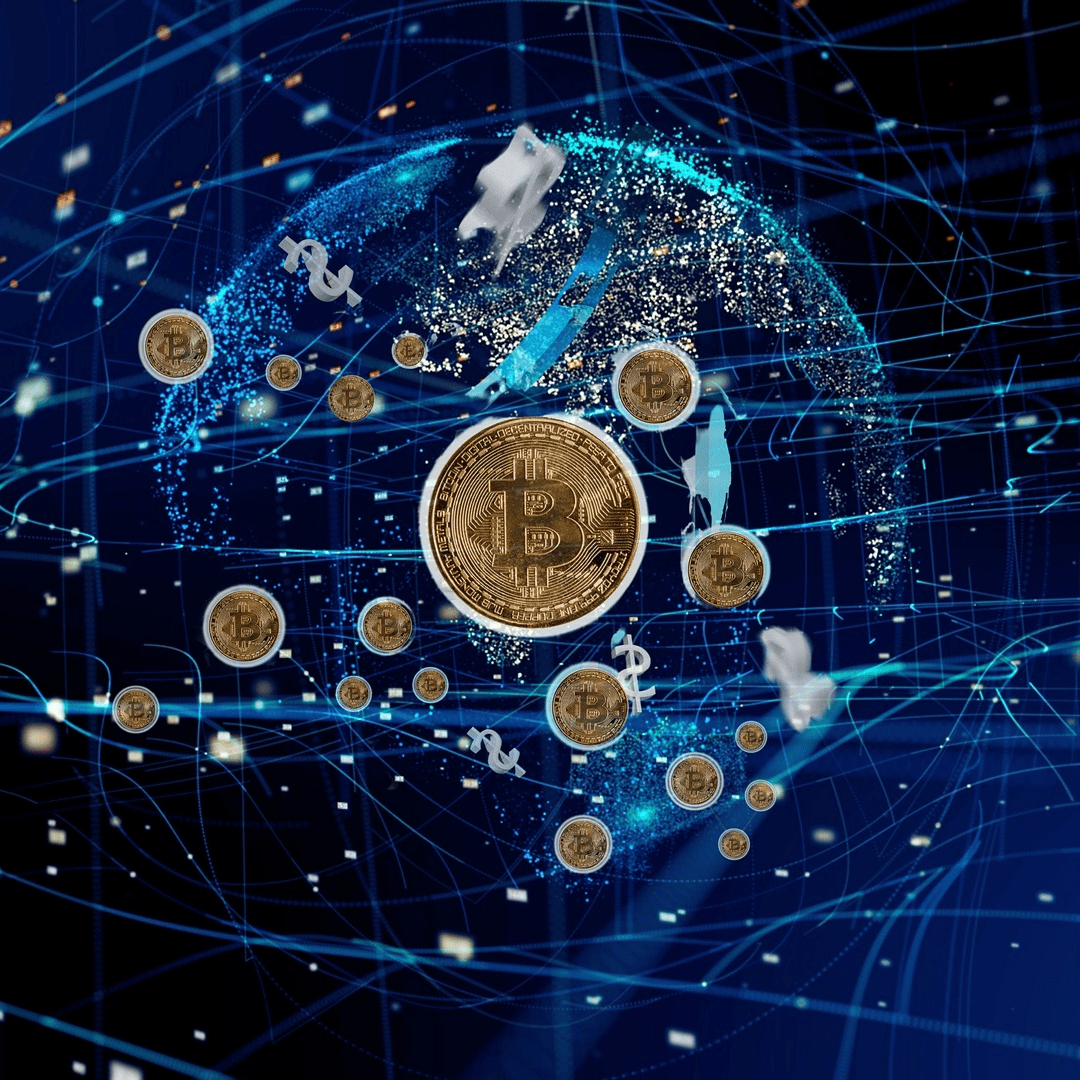
CRITICAL PHP SECURITY ALERT: WHAT IT MEANS FOR CRYPTO
On October 21, two critical PHP vulnerabilities (CVE-2026-109618 and CVE-2026-109619) triggered a global cybersecurity response. These flaws could allow attackers to execute code remotely on vulnerable servers, potentially exposing sensitive data. Emergency security patches have been released. Source: NCSC
🔴 Potential Crypto Impact:
• Exchanges: Vulnerable web infrastructure could expose user data or disrupt services.
• Wallets & DeFi: Compromised websites could enable phishing, malicious redirects, or credential theft.
• Market Sentiment: Security fears may increase volatility, but no automatic market crash is implied.
• User Safety: A website breach does not automatically mean its blockchain or smart contracts are compromised.
🛡️ What Should Crypto Users Do?
✅ Avoid suspicious links and verify website URLs.
✅ Never share seed phrases or private keys.
✅ Enable 2FA and use official exchange apps or bookmarks.
✅ Project teams should urgently patch affected PHP systems.
⚠️ Bottom Line: This is a serious web-infrastructure security warning, not proof of a crypto-wide breach. No confirmed exchange or wallet compromise should be assumed without evidence.
#CryptoSecurity #Blockchain #DEFİ i #CryptoNewss
1
89
·
--
Bearish
🚨 DELETING YOUR WALLET WON'T SAVE YOU IF THE PRIVATE KEY IS ALREADY STOLEN
Polkadot has issued an urgent warning about Fearless Wallet's browser extension
And the most dangerous part isn't the reported 17,286 DOT loss.
It's the false sense of security
$DOT
{future}(DOTUSDT)
Four extension versions contained code that leaked private keys when users unlocked their wallets
So far, 8 users have reported unauthorized transactions
But here's the critical distinction:
Changing apps doesn't change who controls your keys
If an attacker already has your seed, reinstalling the wallet or changing its password won't protect your funds
{spot}(DOTUSDT)
⚠️ Used Fearless's browser extension since February 2025?
• Create a NEW keypair in another trusted wallet
• Move accessible funds without reopening the compromised extension
• Check every chain where you reused those keys.
• For locked or staked assets, follow Polkadot's official recovery guidance
$ZEC
{future}(ZECUSDT)
The reviewed mobile apps didn't contain the malicious code — but a seed previously used in the browser extension is still compromised
Your wallet isn't secure because the app looks safe
It's secure only if your keys remain yours alone
#Polkadot #WalletSecurity #CryptoSecurity
🚨 DELETING YOUR WALLET WON'T SAVE YOU IF THE PRIVATE KEY IS ALREADY STOLEN
Polkadot has issued an urgent warning about Fearless Wallet's browser extension
And the most dangerous part isn't the reported 17,286 DOT loss.
It's the false sense of security
$DOT
Four extension versions contained code that leaked private keys when users unlocked their wallets
So far, 8 users have reported unauthorized transactions
But here's the critical distinction:
Changing apps doesn't change who controls your keys
If an attacker already has your seed, reinstalling the wallet or changing its password won't protect your funds
⚠️ Used Fearless's browser extension since February 2025?
• Create a NEW keypair in another trusted wallet
• Move accessible funds without reopening the compromised extension
• Check every chain where you reused those keys.
• For locked or staked assets, follow Polkadot's official recovery guidance
$ZEC
The reviewed mobile apps didn't contain the malicious code — but a seed previously used in the browser extension is still compromised
Your wallet isn't secure because the app looks safe
It's secure only if your keys remain yours alone
#Polkadot #WalletSecurity #CryptoSecurity
271
Log in to explore more content
Join global crypto users on Binance Square
⚡️ Get latest and useful information about crypto.
💬 Trusted by the world’s largest crypto exchange.
👍 Discover real insights from verified creators.
Email / Phone number
Trending Topics
1
#EarningsSeason
3.4M views
16,504 Discussing
2
#PepeJumps14%ToLeadAltcoinRebound
39,770 views
626 Discussing
3
#GoldFallsBelow$4000ForFirstTimeSinceJuly
8,668 views
77 Discussing
4
#SwedishCentralBankUrgesEKronaReview
29,108 views
613 Discussing
5
#BinancePick
845,003 views
73,735 Discussing
6
#BitcoinHashrateHitsSevenMonthHigh
62,157 views
924 Discussing
7
#EthereumHoodiTestnetGlamsterdamHardForkDelayed
23,493 views
539 Discussing
8
#CardanoHoldersAskedToBet$5MOnCopper
873 views
13 Discussing
9
#MalaysiaAndThailandJoinSingaporeStablecoinInitiative
4,620 views
38 Discussing
10
#WinklevossAndSilbertBackedMinersEachHold20%OfZcashHashRate
1,114 views
10 Discussing