

#cryptotrends2024
cryptotrends2024
6.4M views
7,550 Discussing
Hot
Latest

The Future of Crypto: Why Digital Assets Still Matter 🚀
Cryptocurrency has evolved from a small technological experiment into a global financial ecosystem. Today, millions of people around the world are exploring digital assets, blockchain technology, and decentralized finance.
One of the biggest strengths of crypto is its underlying technology. Blockchain allows transactions and data to be recorded on a decentralized network, creating transparency and reducing the need for traditional intermediaries.
However, crypto is also a highly volatile market. Prices can move significantly within a short period of time, and investors should understand the risks before making any investment decisions.
Another important trend is the growing development of real-world blockchain applications. Stablecoins, tokenization, decentralized applications, and faster payment systems could play an important role in the future of digital finance.
For crypto users, education is becoming more important than ever. Instead of following hype or making decisions based only on social media posts, users should research projects, understand market conditions, and manage risk carefully.
The future of cryptocurrency may not simply be about higher prices. It could be about building a more efficient, accessible, and programmable financial system.
Crypto is still evolving — and the next chapter may be even more interesting. 🌐
#CryptoTrends2024 #BinanceSquareTalks #bitcoin.” #BlockchainLifeAwards2024 #CryptocurrencyWealth
The Future of Crypto: Why Digital Assets Still Matter 🚀
Cryptocurrency has evolved from a small technological experiment into a global financial ecosystem. Today, millions of people around the world are exploring digital assets, blockchain technology, and decentralized finance.
One of the biggest strengths of crypto is its underlying technology. Blockchain allows transactions and data to be recorded on a decentralized network, creating transparency and reducing the need for traditional intermediaries.
However, crypto is also a highly volatile market. Prices can move significantly within a short period of time, and investors should understand the risks before making any investment decisions.
Another important trend is the growing development of real-world blockchain applications. Stablecoins, tokenization, decentralized applications, and faster payment systems could play an important role in the future of digital finance.
For crypto users, education is becoming more important than ever. Instead of following hype or making decisions based only on social media posts, users should research projects, understand market conditions, and manage risk carefully.
The future of cryptocurrency may not simply be about higher prices. It could be about building a more efficient, accessible, and programmable financial system.
Crypto is still evolving — and the next chapter may be even more interesting. 🌐
#CryptoTrends2024 #BinanceSquareTalks #bitcoin.” #BlockchainLifeAwards2024 #CryptocurrencyWealth
Cryptocurrency has evolved from a small technological experiment into a global financial ecosystem. Today, millions of people around the world are exploring digital assets, blockchain technology, and decentralized finance.
One of the biggest strengths of crypto is its underlying technology. Blockchain allows transactions and data to be recorded on a decentralized network, creating transparency and reducing the need for traditional intermediaries.
However, crypto is also a highly volatile market. Prices can move significantly within a short period of time, and investors should understand the risks before making any investment decisions.
Another important trend is the growing development of real-world blockchain applications. Stablecoins, tokenization, decentralized applications, and faster payment systems could play an important role in the future of digital finance.
For crypto users, education is becoming more important than ever. Instead of following hype or making decisions based only on social media posts, users should research projects, understand market conditions, and manage risk carefully.
The future of cryptocurrency may not simply be about higher prices. It could be about building a more efficient, accessible, and programmable financial system.
Crypto is still evolving — and the next chapter may be even more interesting. 🌐
#CryptoTrends2024 #BinanceSquareTalks #bitcoin.” #BlockchainLifeAwards2024 #CryptocurrencyWealth
112

·
--
Bullish
Bitcoin (BTC) Market Update – What You Need to Know!
Bitcoin is once again showing strong momentum in the market. BTC is currently trading around $81,888.29 with steady growth.
Why BTC is still important?
1. Market Leader: BTC leads the whole crypto market sentiment.
2. Strong Community: Millions of users trust BTC as a long-term store of value.
3. Volatility = Opportunity: Short term corrections create learning opportunities for traders.
My Take: I am closely watching BTC price action this week. If BTC holds this level, the overall market could stay positive.
What do you think? Will BTC continue its uptrend?
$BTC #Bitcoin #CryptoTrends2024 ryptoNews #BinanceSquare
This is not financial advice. DYOR.
Bitcoin (BTC) Market Update – What You Need to Know!
Bitcoin is once again showing strong momentum in the market. BTC is currently trading around $81,888.29 with steady growth.
Why BTC is still important?
1. Market Leader: BTC leads the whole crypto market sentiment.
2. Strong Community: Millions of users trust BTC as a long-term store of value.
3. Volatility = Opportunity: Short term corrections create learning opportunities for traders.
My Take: I am closely watching BTC price action this week. If BTC holds this level, the overall market could stay positive.
What do you think? Will BTC continue its uptrend?
$BTC #Bitcoin #CryptoTrends2024 ryptoNews #BinanceSquare
This is not financial advice. DYOR.
Bitcoin is once again showing strong momentum in the market. BTC is currently trading around $81,888.29 with steady growth.
Why BTC is still important?
1. Market Leader: BTC leads the whole crypto market sentiment.
2. Strong Community: Millions of users trust BTC as a long-term store of value.
3. Volatility = Opportunity: Short term corrections create learning opportunities for traders.
My Take: I am closely watching BTC price action this week. If BTC holds this level, the overall market could stay positive.
What do you think? Will BTC continue its uptrend?
$BTC #Bitcoin #CryptoTrends2024 ryptoNews #BinanceSquare
This is not financial advice. DYOR.
2
414

📊 Top 10 Promising
💥🎯 Projects with Market Capitalization Under $200 million
This time we made a list of the top promising projects under
$200M market cap that you can take a closer look at. 👀🏁
Live updates included.
#CryptoTrends2024 #altcoins
$WIF
{spot}(WIFUSDT)
#Under200M $ZK
{future}(ZKUSDT)
$NEO
{future}(NEOUSDT)
📊 Top 10 Promising
💥🎯 Projects with Market Capitalization Under $200 million
This time we made a list of the top promising projects under
$200M market cap that you can take a closer look at. 👀🏁
Live updates included.
#CryptoTrends2024 #altcoins
$WIF
#Under200M $ZK
$NEO
💥🎯 Projects with Market Capitalization Under $200 million
This time we made a list of the top promising projects under
$200M market cap that you can take a closer look at. 👀🏁
Live updates included.
#CryptoTrends2024 #altcoins
$WIF
#Under200M $ZK
$NEO
1
1.5k

🚀 Grayscale and Republic Launch Three Crypto Funds!
The crypto investment landscape continues to evolve as Grayscale and Republic introduce three new crypto funds, potentially expanding access to digital asset investment opportunities.
📈 This move highlights growing interest in crypto investment products and the push to make digital assets more accessible to investors.
🔥 Could these new funds attract more capital into the crypto market? Investors will be watching closely for further details and market impact.
💬 What do you think? Is this another bullish signal for crypto?
$BTC $SOL $ETH
#cryptouniverseofficial #CryptoTrends2024
#GrayscaleAndRepublicLaunchThreeCryptoFunds #CryptoInvesting #GrayscaleAndRepublicLaunchThreeCryptoFunds
🚀 Grayscale and Republic Launch Three Crypto Funds!
The crypto investment landscape continues to evolve as Grayscale and Republic introduce three new crypto funds, potentially expanding access to digital asset investment opportunities.
📈 This move highlights growing interest in crypto investment products and the push to make digital assets more accessible to investors.
🔥 Could these new funds attract more capital into the crypto market? Investors will be watching closely for further details and market impact.
💬 What do you think? Is this another bullish signal for crypto?
$BTC $SOL $ETH
#cryptouniverseofficial #CryptoTrends2024
#GrayscaleAndRepublicLaunchThreeCryptoFunds #CryptoInvesting #GrayscaleAndRepublicLaunchThreeCryptoFunds
The crypto investment landscape continues to evolve as Grayscale and Republic introduce three new crypto funds, potentially expanding access to digital asset investment opportunities.
📈 This move highlights growing interest in crypto investment products and the push to make digital assets more accessible to investors.
🔥 Could these new funds attract more capital into the crypto market? Investors will be watching closely for further details and market impact.
💬 What do you think? Is this another bullish signal for crypto?
$BTC $SOL $ETH
#cryptouniverseofficial #CryptoTrends2024
#GrayscaleAndRepublicLaunchThreeCryptoFunds #CryptoInvesting #GrayscaleAndRepublicLaunchThreeCryptoFunds
Bandook:
no
3
1
75

·
--
$TAO $OSMO $PEPE 🚀 Q4 Market Momentum & Altcoin Watchlist!
As we look at current market movements, key infrastructure tokens and AI-driven projects are showing major volume shifts. Keeping a close eye on structural growth across the network. 📈
What are your top targets for this week? Are you holding or accumulating? Let me know below! 👇
#BinanceSquare #CryptoTrends2024 cryptoTrading #TopGainers
$TAO $OSMO $PEPE 🚀 Q4 Market Momentum & Altcoin Watchlist!
As we look at current market movements, key infrastructure tokens and AI-driven projects are showing major volume shifts. Keeping a close eye on structural growth across the network. 📈
What are your top targets for this week? Are you holding or accumulating? Let me know below! 👇
#BinanceSquare #CryptoTrends2024 cryptoTrading #TopGainers
As we look at current market movements, key infrastructure tokens and AI-driven projects are showing major volume shifts. Keeping a close eye on structural growth across the network. 📈
What are your top targets for this week? Are you holding or accumulating? Let me know below! 👇
#BinanceSquare #CryptoTrends2024 cryptoTrading #TopGainers
1
340

·
--
📊 Crypto Market Summary: Start of October 🚀
The market is starting October on a positive note, driven by favorable U.S. macroeconomic data (with moderate inflation easing expectations of further interest rate hikes).
Despite some outflows from spot ETFs, overall market liquidity is keeping major assets in key consolidation zones.
🔹 Key Prices and Levels
* Bitcoin ($BTC): Trading around $84,800–$85,000. Immediate resistance is between $85,800 and $86,200, while strong support remains firm at $83,300–$83,500.
* Ethereum ($ETH): Trading near $2,680–$2,700. It is looking to consolidate above $2,700 to test the next resistance in the $2,740–$2,760 range.
* Altcoins: BNB is performing well, with gains of nearly 3%, followed by upward momentum in SOL, DOGE, and ADA.
🔑 Key Points This Week
* Institutional Flows and Macro: Slowing U.S. inflation data is giving risk assets some breathing room, although the market’s attention will be on the upcoming employment reports.
* Token Unlocks: Keep a close eye on the first week of the month, as major unlocks are expected for projects such as Hyperliquid ($HYPE), Ethena ($ENA), and Aptos ($APT), which could cause localized volatility in their respective tokens.
* Ecosystem: Adoption of real-world assets (RWA) and integration with traditional finance are growing, driven by strategic moves from firms such as Ondo and BlackRock in the sector.
💬 Do you think Bitcoin will break through the $88,000 barrier this week, or will consolidation continue? Share your thoughts in the comments! 👇
(Remember: DYOR / This is not financial advice).
#BitcoinETFs coin #EthereumValidatorExitQueueJumps392% Ethereum #BNB走势 #CryptoTrends2024 News #BinanceSquareFamily ceSquare
📊 Crypto Market Summary: Start of October 🚀
The market is starting October on a positive note, driven by favorable U.S. macroeconomic data (with moderate inflation easing expectations of further interest rate hikes).
Despite some outflows from spot ETFs, overall market liquidity is keeping major assets in key consolidation zones.
🔹 Key Prices and Levels
* Bitcoin ($BTC): Trading around $84,800–$85,000. Immediate resistance is between $85,800 and $86,200, while strong support remains firm at $83,300–$83,500.
* Ethereum ($ETH): Trading near $2,680–$2,700. It is looking to consolidate above $2,700 to test the next resistance in the $2,740–$2,760 range.
* Altcoins: BNB is performing well, with gains of nearly 3%, followed by upward momentum in SOL, DOGE, and ADA.
🔑 Key Points This Week
* Institutional Flows and Macro: Slowing U.S. inflation data is giving risk assets some breathing room, although the market’s attention will be on the upcoming employment reports.
* Token Unlocks: Keep a close eye on the first week of the month, as major unlocks are expected for projects such as Hyperliquid ($HYPE), Ethena ($ENA), and Aptos ($APT), which could cause localized volatility in their respective tokens.
* Ecosystem: Adoption of real-world assets (RWA) and integration with traditional finance are growing, driven by strategic moves from firms such as Ondo and BlackRock in the sector.
💬 Do you think Bitcoin will break through the $88,000 barrier this week, or will consolidation continue? Share your thoughts in the comments! 👇
(Remember: DYOR / This is not financial advice).
#BitcoinETFs coin #EthereumValidatorExitQueueJumps392% Ethereum #BNB走势 #CryptoTrends2024 News #BinanceSquareFamily ceSquare
The market is starting October on a positive note, driven by favorable U.S. macroeconomic data (with moderate inflation easing expectations of further interest rate hikes).
Despite some outflows from spot ETFs, overall market liquidity is keeping major assets in key consolidation zones.
🔹 Key Prices and Levels
* Bitcoin ($BTC): Trading around $84,800–$85,000. Immediate resistance is between $85,800 and $86,200, while strong support remains firm at $83,300–$83,500.
* Ethereum ($ETH): Trading near $2,680–$2,700. It is looking to consolidate above $2,700 to test the next resistance in the $2,740–$2,760 range.
* Altcoins: BNB is performing well, with gains of nearly 3%, followed by upward momentum in SOL, DOGE, and ADA.
🔑 Key Points This Week
* Institutional Flows and Macro: Slowing U.S. inflation data is giving risk assets some breathing room, although the market’s attention will be on the upcoming employment reports.
* Token Unlocks: Keep a close eye on the first week of the month, as major unlocks are expected for projects such as Hyperliquid ($HYPE), Ethena ($ENA), and Aptos ($APT), which could cause localized volatility in their respective tokens.
* Ecosystem: Adoption of real-world assets (RWA) and integration with traditional finance are growing, driven by strategic moves from firms such as Ondo and BlackRock in the sector.
💬 Do you think Bitcoin will break through the $88,000 barrier this week, or will consolidation continue? Share your thoughts in the comments! 👇
(Remember: DYOR / This is not financial advice).
#BitcoinETFs coin #EthereumValidatorExitQueueJumps392% Ethereum #BNB走势 #CryptoTrends2024 News #BinanceSquareFamily ceSquare
2
168

·
--
Here's a very imp announcement .
🚨 BITCOIN SUPPLY ALERT 👀
Bitcoin reserves on exchanges reportedly fell to around 3-year lows as BTC approached $87K.
Lower reserves may mean less immediate selling pressure, while Citi raised its 12-month BTC forecast to $113K, citing ETF inflows and stronger crypto activity.
$BTC
#BTC #BNP #CryptoTrends2024
Here's a very imp announcement .
🚨 BITCOIN SUPPLY ALERT 👀
Bitcoin reserves on exchanges reportedly fell to around 3-year lows as BTC approached $87K.
Lower reserves may mean less immediate selling pressure, while Citi raised its 12-month BTC forecast to $113K, citing ETF inflows and stronger crypto activity.
$BTC
#BTC #BNP #CryptoTrends2024
🚨 BITCOIN SUPPLY ALERT 👀
Bitcoin reserves on exchanges reportedly fell to around 3-year lows as BTC approached $87K.
Lower reserves may mean less immediate selling pressure, while Citi raised its 12-month BTC forecast to $113K, citing ETF inflows and stronger crypto activity.
$BTC
#BTC #BNP #CryptoTrends2024
63

·
--
$BTC Bitcoin is trading around the $83,000–$84,000 range after pulling back from recent highs above $87,000. Rising U.S. Treasury yields and higher oil prices are putting pressure on risk assets, including Bitcoin. �
CoinDesk +1
At the same time, institutional demand has strengthened. U.S. spot Bitcoin ETFs recorded approximately $2.4 billion in net inflows during the week ending September 25, reversing earlier 2026 outflows and bringing year-to-date flows back into positive territory. �
Bitcoin Foundation
The next major market catalyst is U.S. PCE inflation data, due September 30. Traders are watching the data closely because stronger-than-expected inflation could reinforce expectations for higher interest rates and potentially pressure Bitcoin. �
CoinDesk
Key levels being watched:
📉 Support: around $82,000–$83,000
📈 Resistance: around $84,000–$87,000
🔥 Market focus: ETF flows, Treasury yields and U.S. inflation data
#BTC
#CryptoTrends2024
$BTC Bitcoin is trading around the $83,000–$84,000 range after pulling back from recent highs above $87,000. Rising U.S. Treasury yields and higher oil prices are putting pressure on risk assets, including Bitcoin. �
CoinDesk +1
At the same time, institutional demand has strengthened. U.S. spot Bitcoin ETFs recorded approximately $2.4 billion in net inflows during the week ending September 25, reversing earlier 2026 outflows and bringing year-to-date flows back into positive territory. �
Bitcoin Foundation
The next major market catalyst is U.S. PCE inflation data, due September 30. Traders are watching the data closely because stronger-than-expected inflation could reinforce expectations for higher interest rates and potentially pressure Bitcoin. �
CoinDesk
Key levels being watched:
📉 Support: around $82,000–$83,000
📈 Resistance: around $84,000–$87,000
🔥 Market focus: ETF flows, Treasury yields and U.S. inflation data
#BTC
#CryptoTrends2024
CoinDesk +1
At the same time, institutional demand has strengthened. U.S. spot Bitcoin ETFs recorded approximately $2.4 billion in net inflows during the week ending September 25, reversing earlier 2026 outflows and bringing year-to-date flows back into positive territory. �
Bitcoin Foundation
The next major market catalyst is U.S. PCE inflation data, due September 30. Traders are watching the data closely because stronger-than-expected inflation could reinforce expectations for higher interest rates and potentially pressure Bitcoin. �
CoinDesk
Key levels being watched:
📉 Support: around $82,000–$83,000
📈 Resistance: around $84,000–$87,000
🔥 Market focus: ETF flows, Treasury yields and U.S. inflation data
#BTC
#CryptoTrends2024
86

The researcher in decentralized finance, Ignas, reveals the bitter truth
The well-known researcher Ignas stated on the X platform
that there are only 20 projects in the entire market whose token holders’ revenues exceed $50,000 per day
Among the thousands of projects, only 20 have real income
What does this mean?
It means that most tokens in the market are selling stories and emotions only, and have no real backing from revenues
Ignas said that he hopes projects that generate real profits will launch their own tokens
He even hopes that Polymarket launches its own token
And he warned about a very dangerous point:
Some coins look attractive and cheap, but the ratio of market value to fully diluted value is not good
This means you buy today, and tomorrow more tokens get unlocked, causing the price to fall
That’s why you should bet that demand growth will outpace the upcoming supply growth from token unlocks
My personal opinion:
I agree with him 100%
90% of coins are suitable for quick trading and not for long-term investing
You buy the story and sell the story
As for real investment, it’s where there is genuine daily income
Like BNB and ETH, and a small number of projects
Even the decentralized organizations (DAOs) they talk about—many of the ones we’ve seen were dissolved
This proves that decentralized accounting mechanisms are not enough
Conclusion
Don’t buy any coin you see going up
First ask yourself: does this project bring in real money, or is it just talk?
#CryptoTrends2024 #Binance
The researcher in decentralized finance, Ignas, reveals the bitter truth
The well-known researcher Ignas stated on the X platform
that there are only 20 projects in the entire market whose token holders’ revenues exceed $50,000 per day
Among the thousands of projects, only 20 have real income
What does this mean?
It means that most tokens in the market are selling stories and emotions only, and have no real backing from revenues
Ignas said that he hopes projects that generate real profits will launch their own tokens
He even hopes that Polymarket launches its own token
And he warned about a very dangerous point:
Some coins look attractive and cheap, but the ratio of market value to fully diluted value is not good
This means you buy today, and tomorrow more tokens get unlocked, causing the price to fall
That’s why you should bet that demand growth will outpace the upcoming supply growth from token unlocks
My personal opinion:
I agree with him 100%
90% of coins are suitable for quick trading and not for long-term investing
You buy the story and sell the story
As for real investment, it’s where there is genuine daily income
Like BNB and ETH, and a small number of projects
Even the decentralized organizations (DAOs) they talk about—many of the ones we’ve seen were dissolved
This proves that decentralized accounting mechanisms are not enough
Conclusion
Don’t buy any coin you see going up
First ask yourself: does this project bring in real money, or is it just talk?
#CryptoTrends2024 #Binance
The well-known researcher Ignas stated on the X platform
that there are only 20 projects in the entire market whose token holders’ revenues exceed $50,000 per day
Among the thousands of projects, only 20 have real income
What does this mean?
It means that most tokens in the market are selling stories and emotions only, and have no real backing from revenues
Ignas said that he hopes projects that generate real profits will launch their own tokens
He even hopes that Polymarket launches its own token
And he warned about a very dangerous point:
Some coins look attractive and cheap, but the ratio of market value to fully diluted value is not good
This means you buy today, and tomorrow more tokens get unlocked, causing the price to fall
That’s why you should bet that demand growth will outpace the upcoming supply growth from token unlocks
My personal opinion:
I agree with him 100%
90% of coins are suitable for quick trading and not for long-term investing
You buy the story and sell the story
As for real investment, it’s where there is genuine daily income
Like BNB and ETH, and a small number of projects
Even the decentralized organizations (DAOs) they talk about—many of the ones we’ve seen were dissolved
This proves that decentralized accounting mechanisms are not enough
Conclusion
Don’t buy any coin you see going up
First ask yourself: does this project bring in real money, or is it just talk?
#CryptoTrends2024 #Binance
104
·
--
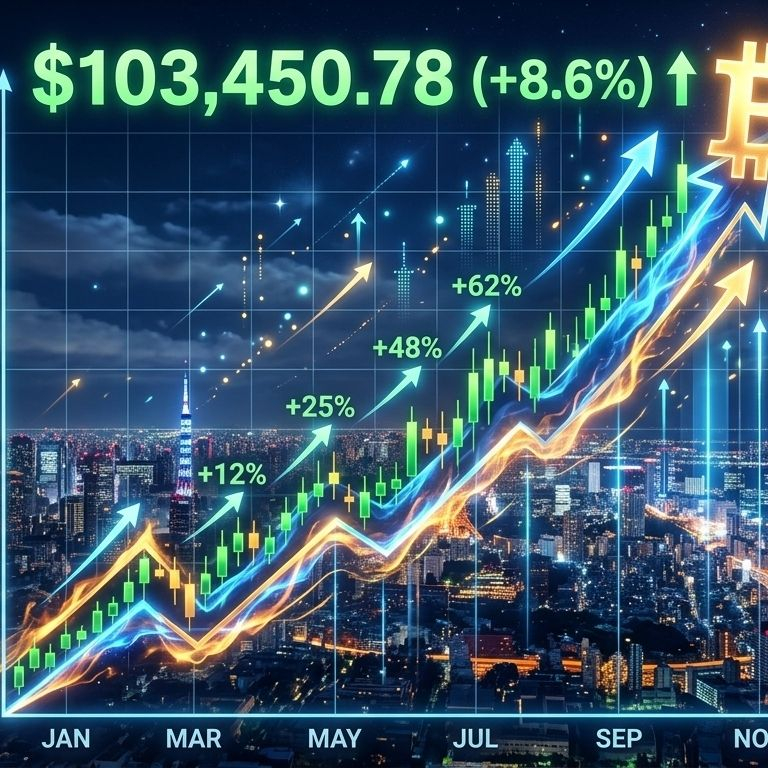
Bitcoin is showing unstoppable momentum! 🚀📈
Higher highs, strong support levels, and growing institutional interest continue to push $BTC upward. The trend is clear—buyers are in full control! 🐂🔥
Are you holding or taking profits here? Drop your price targets in the comments below! 👇
{spot}(BTCUSDT)
#bitcoin #Binance #CryptoTrends2024 #TechnicalAnalysiss
Bitcoin is showing unstoppable momentum! 🚀📈
Higher highs, strong support levels, and growing institutional interest continue to push $BTC upward. The trend is clear—buyers are in full control! 🐂🔥
Are you holding or taking profits here? Drop your price targets in the comments below! 👇
#bitcoin #Binance #CryptoTrends2024 #TechnicalAnalysiss
Higher highs, strong support levels, and growing institutional interest continue to push $BTC upward. The trend is clear—buyers are in full control! 🐂🔥
Are you holding or taking profits here? Drop your price targets in the comments below! 👇
#bitcoin #Binance #CryptoTrends2024 #TechnicalAnalysiss
110

·
--
Today's Crypto Topic:
The crypto market is emerging from a significant pullback. According to cycle data, the drawdown reached around 52%, well below the 77–84% declines seen in previous cycles. Since mid-August, Bitcoin has rebounded by roughly 25%, trading around $78,000–$80,000, supported by ETF inflows and regulatory signals.
But the recovery does not prove that the cycle bottom is firmly in. Analysts remain divided: the $82,000 resistance level has yet to be broken, and September has historically been a challenging month.
What I take away:
Define your exposure in advance: allocate only an amount you can afford to lose without consequences.
Enter gradually (DCA), rather than trying to find the perfect entry point.
Plan your exit: take partial profits at predetermined levels and rebalance regularly.
Prioritize quality: Bitcoin, Ethereum, and highly liquid assets; keep speculative bets to a small portion of the portfolio.
Watch for signs of euphoria: promises of easy gains and unknown altcoins suddenly skyrocketing.
Discipline matters more than prediction. Those who navigate market cycles successfully are usually the ones who had a plan before the move began.
For informational purposes only, not investment advice. Crypto-assets carry a risk of capital loss.
#bitcoin #CryptoTrends2024 $BNB #BullRun #RiskManagement #Blockchain #DigitalAssets #InstitutionalFinance #Investing
Today's Crypto Topic:
The crypto market is emerging from a significant pullback. According to cycle data, the drawdown reached around 52%, well below the 77–84% declines seen in previous cycles. Since mid-August, Bitcoin has rebounded by roughly 25%, trading around $78,000–$80,000, supported by ETF inflows and regulatory signals.
But the recovery does not prove that the cycle bottom is firmly in. Analysts remain divided: the $82,000 resistance level has yet to be broken, and September has historically been a challenging month.
What I take away:
Define your exposure in advance: allocate only an amount you can afford to lose without consequences.
Enter gradually (DCA), rather than trying to find the perfect entry point.
Plan your exit: take partial profits at predetermined levels and rebalance regularly.
Prioritize quality: Bitcoin, Ethereum, and highly liquid assets; keep speculative bets to a small portion of the portfolio.
Watch for signs of euphoria: promises of easy gains and unknown altcoins suddenly skyrocketing.
Discipline matters more than prediction. Those who navigate market cycles successfully are usually the ones who had a plan before the move began.
For informational purposes only, not investment advice. Crypto-assets carry a risk of capital loss.
#bitcoin #CryptoTrends2024 $BNB #BullRun #RiskManagement #Blockchain #DigitalAssets #InstitutionalFinance #Investing
The crypto market is emerging from a significant pullback. According to cycle data, the drawdown reached around 52%, well below the 77–84% declines seen in previous cycles. Since mid-August, Bitcoin has rebounded by roughly 25%, trading around $78,000–$80,000, supported by ETF inflows and regulatory signals.
But the recovery does not prove that the cycle bottom is firmly in. Analysts remain divided: the $82,000 resistance level has yet to be broken, and September has historically been a challenging month.
What I take away:
Define your exposure in advance: allocate only an amount you can afford to lose without consequences.
Enter gradually (DCA), rather than trying to find the perfect entry point.
Plan your exit: take partial profits at predetermined levels and rebalance regularly.
Prioritize quality: Bitcoin, Ethereum, and highly liquid assets; keep speculative bets to a small portion of the portfolio.
Watch for signs of euphoria: promises of easy gains and unknown altcoins suddenly skyrocketing.
Discipline matters more than prediction. Those who navigate market cycles successfully are usually the ones who had a plan before the move began.
For informational purposes only, not investment advice. Crypto-assets carry a risk of capital loss.
#bitcoin #CryptoTrends2024 $BNB #BullRun #RiskManagement #Blockchain #DigitalAssets #InstitutionalFinance #Investing
91

·
--
📊 Where do you expect the market’s next destination?
We currently notice exciting movements in Bitcoin and alternative coins as liquidity continues to shift between different projects. Tracking the acquisition (dominance) movement and the daily trading volume always gives you clear and early signals about the coming trend.
💬 Do you think we’re approaching a strong rally in alternative coins (Altseason), or will Bitcoin continue to dominate?
#CryptoTrends2024 $ #Altcoins👀🚀 #BinanceSquareArabic
📊 Where do you expect the market’s next destination?
We currently notice exciting movements in Bitcoin and alternative coins as liquidity continues to shift between different projects. Tracking the acquisition (dominance) movement and the daily trading volume always gives you clear and early signals about the coming trend.
💬 Do you think we’re approaching a strong rally in alternative coins (Altseason), or will Bitcoin continue to dominate?
#CryptoTrends2024 $ #Altcoins👀🚀 #BinanceSquareArabic
We currently notice exciting movements in Bitcoin and alternative coins as liquidity continues to shift between different projects. Tracking the acquisition (dominance) movement and the daily trading volume always gives you clear and early signals about the coming trend.
💬 Do you think we’re approaching a strong rally in alternative coins (Altseason), or will Bitcoin continue to dominate?
#CryptoTrends2024 $ #Altcoins👀🚀 #BinanceSquareArabic
127

💥 Uncommon Opinion (Unpopular Opinion):
90% of the Altcoins currently in existence will disappear completely in the next cycle, and focusing on anything other than Bitcoin and ETH is just a gamble if you aren’t reading the projects carefully! ⚠️
Do you agree with this view, or do you think your favorite coin will go up 50x?
Write the name of your coin "The Jewel" in the comments and your proof that it will hold strong! 👇👇
#CryptoTrends2024 #Altcoins! #BTC #BinanceSquare
💥 Uncommon Opinion (Unpopular Opinion):
90% of the Altcoins currently in existence will disappear completely in the next cycle, and focusing on anything other than Bitcoin and ETH is just a gamble if you aren’t reading the projects carefully! ⚠️
Do you agree with this view, or do you think your favorite coin will go up 50x?
Write the name of your coin "The Jewel" in the comments and your proof that it will hold strong! 👇👇
#CryptoTrends2024 #Altcoins! #BTC #BinanceSquare
90% of the Altcoins currently in existence will disappear completely in the next cycle, and focusing on anything other than Bitcoin and ETH is just a gamble if you aren’t reading the projects carefully! ⚠️
Do you agree with this view, or do you think your favorite coin will go up 50x?
Write the name of your coin "The Jewel" in the comments and your proof that it will hold strong! 👇👇
#CryptoTrends2024 #Altcoins! #BTC #BinanceSquare
2
500

·
--
BTC is not just a coin—it's the most well-known asset in the digital economy.
Even though the price fluctuates every day, Bitcoin's limited supply—only 21 million—sets it apart from many other digital assets.
Short-term market volatility is normal, but in the long term, factors like BTC adoption, institutional interest, and on-chain activity are worth watching.
Most importantly: don’t make decisions based on emotion—make them based on your own research and an understanding of risk.
#BitcoinDunyamiz #CryptoTrends2024 #Crypto #BinanceSquare $BTC
BTC is not just a coin—it's the most well-known asset in the digital economy.
Even though the price fluctuates every day, Bitcoin's limited supply—only 21 million—sets it apart from many other digital assets.
Short-term market volatility is normal, but in the long term, factors like BTC adoption, institutional interest, and on-chain activity are worth watching.
Most importantly: don’t make decisions based on emotion—make them based on your own research and an understanding of risk.
#BitcoinDunyamiz #CryptoTrends2024 #Crypto #BinanceSquare $BTC
Even though the price fluctuates every day, Bitcoin's limited supply—only 21 million—sets it apart from many other digital assets.
Short-term market volatility is normal, but in the long term, factors like BTC adoption, institutional interest, and on-chain activity are worth watching.
Most importantly: don’t make decisions based on emotion—make them based on your own research and an understanding of risk.
#BitcoinDunyamiz #CryptoTrends2024 #Crypto #BinanceSquare $BTC
2
1
302


·
--
🚀 Sep 24 | Crypto Market Brief
$BNB 🧧
📉 BTC slips from $87K, but the bullish structure is still intact
BTC briefly surged to $87.3K, then pulled back to around $84K. ETH is around $2.67K, SOL around $115. Over the past 7 days, BTC/ETH is up about 10%, while SOL is up about 15%.
🔥 Fifth straight day of net inflows for ETFs
On 9/23, US spot BTC ETF net inflows were about $347 million. IBIT +$166 million, FBTC +$143 million. Compared with the previous two days’ $999 million and $715 million, flows cooled noticeably, but they remain net positive.
🏦 42,000 ETH transferred to Galaxy
A large ETH holder reportedly moved about 42,000 ETH—worth roughly $112 million—into Galaxy Digital, with the market watching for potential selling.
🌡️ Macro pressure remains
US 10-year Treasury yields have broken above 5%, and September’s PMI rose to 58.4, the highest level since 2021. The stronger US dollar is weighing on risk assets in the near term.
💵 Stablecoin and USD narrative continues to heat up
According to Bloomberg, the US government is considering using public-private partnerships to promote the use of USD stablecoins overseas, aiming to strengthen the USD as a reserve currency and boost demand for US Treasuries.
📊 Market Snapshot
BTC ≈ $83.9K ETH ≈ $2.67K SOL ≈ $115 BTC Dominance ≈ 59% Fear & Greed ≈ 71
🎯 Today’s market isn’t just “running away”—it’s repricing.
ETF flows are still positive, and BTC’s weekly gain remains above 10%. Next, key focus is whether the $82K–$83K zone can hold.
#1688家族family #CryptoTrends2024 #RWA #defi
🚀 Sep 24 | Crypto Market Brief
$BNB 🧧
📉 BTC slips from $87K, but the bullish structure is still intact
BTC briefly surged to $87.3K, then pulled back to around $84K. ETH is around $2.67K, SOL around $115. Over the past 7 days, BTC/ETH is up about 10%, while SOL is up about 15%.
🔥 Fifth straight day of net inflows for ETFs
On 9/23, US spot BTC ETF net inflows were about $347 million. IBIT +$166 million, FBTC +$143 million. Compared with the previous two days’ $999 million and $715 million, flows cooled noticeably, but they remain net positive.
🏦 42,000 ETH transferred to Galaxy
A large ETH holder reportedly moved about 42,000 ETH—worth roughly $112 million—into Galaxy Digital, with the market watching for potential selling.
🌡️ Macro pressure remains
US 10-year Treasury yields have broken above 5%, and September’s PMI rose to 58.4, the highest level since 2021. The stronger US dollar is weighing on risk assets in the near term.
💵 Stablecoin and USD narrative continues to heat up
According to Bloomberg, the US government is considering using public-private partnerships to promote the use of USD stablecoins overseas, aiming to strengthen the USD as a reserve currency and boost demand for US Treasuries.
📊 Market Snapshot
BTC ≈ $83.9K ETH ≈ $2.67K SOL ≈ $115 BTC Dominance ≈ 59% Fear & Greed ≈ 71
🎯 Today’s market isn’t just “running away”—it’s repricing.
ETF flows are still positive, and BTC’s weekly gain remains above 10%. Next, key focus is whether the $82K–$83K zone can hold.
#1688家族family #CryptoTrends2024 #RWA #defi
$BNB 🧧
📉 BTC slips from $87K, but the bullish structure is still intact
BTC briefly surged to $87.3K, then pulled back to around $84K. ETH is around $2.67K, SOL around $115. Over the past 7 days, BTC/ETH is up about 10%, while SOL is up about 15%.
🔥 Fifth straight day of net inflows for ETFs
On 9/23, US spot BTC ETF net inflows were about $347 million. IBIT +$166 million, FBTC +$143 million. Compared with the previous two days’ $999 million and $715 million, flows cooled noticeably, but they remain net positive.
🏦 42,000 ETH transferred to Galaxy
A large ETH holder reportedly moved about 42,000 ETH—worth roughly $112 million—into Galaxy Digital, with the market watching for potential selling.
🌡️ Macro pressure remains
US 10-year Treasury yields have broken above 5%, and September’s PMI rose to 58.4, the highest level since 2021. The stronger US dollar is weighing on risk assets in the near term.
💵 Stablecoin and USD narrative continues to heat up
According to Bloomberg, the US government is considering using public-private partnerships to promote the use of USD stablecoins overseas, aiming to strengthen the USD as a reserve currency and boost demand for US Treasuries.
📊 Market Snapshot
BTC ≈ $83.9K ETH ≈ $2.67K SOL ≈ $115 BTC Dominance ≈ 59% Fear & Greed ≈ 71
🎯 Today’s market isn’t just “running away”—it’s repricing.
ETF flows are still positive, and BTC’s weekly gain remains above 10%. Next, key focus is whether the $82K–$83K zone can hold.
#1688家族family #CryptoTrends2024 #RWA #defi
2.4k
20
151
2.4k

🚨 BREAKING: Binance has reportedly invested $100M in Circle, the company behind $USDC .
The deal is said to include a 5-year partnership focused on expanding USDC across Binance products.
If confirmed, it could be a major step for stablecoin adoption and wider $USDC utility in the Binance ecosystem.
#BinanceSquareTalks #Circle #USDC" #CryptoTrends2024
🚨 BREAKING: Binance has reportedly invested $100M in Circle, the company behind $USDC .
The deal is said to include a 5-year partnership focused on expanding USDC across Binance products.
If confirmed, it could be a major step for stablecoin adoption and wider $USDC utility in the Binance ecosystem.
#BinanceSquareTalks #Circle #USDC" #CryptoTrends2024
The deal is said to include a 5-year partnership focused on expanding USDC across Binance products.
If confirmed, it could be a major step for stablecoin adoption and wider $USDC utility in the Binance ecosystem.
#BinanceSquareTalks #Circle #USDC" #CryptoTrends2024
104

Is $BTC Preparing for a Generational Rebound or One Final Shakeout?
Body:
The crypto market is sitting at a critical crossroads this week as macro uncertainty and Federal Reserve interest rate moves put pressure on risk assets.
While short-term volatility has brought $BTC back toward the $63,000 range, experienced traders are keeping a close eye on key technical levels.
Here is what the smart money is watching right now:
The Accumulation Zone: Key analysts note that long-term oversold indicators are maturing, suggesting $BTC may be forming a macro bottom in the $58,000–$63,000 support band.
The Liquidity Hunt: A reclaim of the $72,000 zone (200-day moving average) is the crucial trigger required to confirm a full trend reversal.
Altcoin Ripple Effect: Major caps like $ETH, $SOL, and $XRP are showing tight correlation—meaning any decisive Bitcoin breakout could unleash significant momentum across the board.
The Big Question:
Are you accumulating at these support levels, or are you waiting for lower entries before taking positions?
Drop your price targets below!
"Always manage your risk and trade with a strategy!"
#bitcoin #XRPPredictions $BITCOIN #TrendingTopic." #CryptoTrends2024
Is $BTC Preparing for a Generational Rebound or One Final Shakeout?
Body:
The crypto market is sitting at a critical crossroads this week as macro uncertainty and Federal Reserve interest rate moves put pressure on risk assets.
While short-term volatility has brought $BTC back toward the $63,000 range, experienced traders are keeping a close eye on key technical levels.
Here is what the smart money is watching right now:
The Accumulation Zone: Key analysts note that long-term oversold indicators are maturing, suggesting $BTC may be forming a macro bottom in the $58,000–$63,000 support band.
The Liquidity Hunt: A reclaim of the $72,000 zone (200-day moving average) is the crucial trigger required to confirm a full trend reversal.
Altcoin Ripple Effect: Major caps like $ETH, $SOL, and $XRP are showing tight correlation—meaning any decisive Bitcoin breakout could unleash significant momentum across the board.
The Big Question:
Are you accumulating at these support levels, or are you waiting for lower entries before taking positions?
Drop your price targets below!
"Always manage your risk and trade with a strategy!"
#bitcoin #XRPPredictions $BITCOIN #TrendingTopic." #CryptoTrends2024
Body:
The crypto market is sitting at a critical crossroads this week as macro uncertainty and Federal Reserve interest rate moves put pressure on risk assets.
While short-term volatility has brought $BTC back toward the $63,000 range, experienced traders are keeping a close eye on key technical levels.
Here is what the smart money is watching right now:
The Accumulation Zone: Key analysts note that long-term oversold indicators are maturing, suggesting $BTC may be forming a macro bottom in the $58,000–$63,000 support band.
The Liquidity Hunt: A reclaim of the $72,000 zone (200-day moving average) is the crucial trigger required to confirm a full trend reversal.
Altcoin Ripple Effect: Major caps like $ETH, $SOL, and $XRP are showing tight correlation—meaning any decisive Bitcoin breakout could unleash significant momentum across the board.
The Big Question:
Are you accumulating at these support levels, or are you waiting for lower entries before taking positions?
Drop your price targets below!
"Always manage your risk and trade with a strategy!"
#bitcoin #XRPPredictions $BITCOIN #TrendingTopic." #CryptoTrends2024
142

·
--
Bullish
🚨 PI NETWORK: BANKS ARE COMING FOR CRYPTO PAYMENTS
Pi Network is entering a world where traditional finance is rapidly moving into blockchain payments. 💳
Revolut — with 80 MILLION users — has just launched its own euro stablecoin. 🇪🇺
And Revolut isn't alone.
Major banks are now exploring their own stablecoins, while banking groups are working on blockchain infrastructure for tokenized deposits and digital payments. 🏦 ⛓️
Think about what is happening:
💰 Banks → stablecoins
💳 Payments → blockchain
🌍 Cross-border → on-chain
🏦 Deposits → tokenized
📱 Finance → increasingly digital
This is no longer just a crypto experiment.
Traditional finance is moving ON-CHAIN. 🔥
And this makes Pi Network even more interesting to watch. 🟣
Pi has been building around:
📱 Mass adoption
💳 Payments
👥 Millions of users
🤖 AI-powered apps
⚙️ Smart contracts
🌐 A growing ecosystem
The competition won't simply be:
Bank vs. crypto.
It could become:
Which blockchain ecosystem can deliver the best combination of users, payments, apps and utility? 👀
Pi still has a LOT to prove.
But the direction of the financial world is becoming increasingly clear:
Money is moving on-chain.
And the networks positioned for mass adoption today could be the infrastructure of tomorrow. 🚀
Could Pi be one of them? 🟣
#PiNetwork $AAPLB #CryptoTrends2024
🚨 PI NETWORK: BANKS ARE COMING FOR CRYPTO PAYMENTS
Pi Network is entering a world where traditional finance is rapidly moving into blockchain payments. 💳
Revolut — with 80 MILLION users — has just launched its own euro stablecoin. 🇪🇺
And Revolut isn't alone.
Major banks are now exploring their own stablecoins, while banking groups are working on blockchain infrastructure for tokenized deposits and digital payments. 🏦 ⛓️
Think about what is happening:
💰 Banks → stablecoins
💳 Payments → blockchain
🌍 Cross-border → on-chain
🏦 Deposits → tokenized
📱 Finance → increasingly digital
This is no longer just a crypto experiment.
Traditional finance is moving ON-CHAIN. 🔥
And this makes Pi Network even more interesting to watch. 🟣
Pi has been building around:
📱 Mass adoption
💳 Payments
👥 Millions of users
🤖 AI-powered apps
⚙️ Smart contracts
🌐 A growing ecosystem
The competition won't simply be:
Bank vs. crypto.
It could become:
Which blockchain ecosystem can deliver the best combination of users, payments, apps and utility? 👀
Pi still has a LOT to prove.
But the direction of the financial world is becoming increasingly clear:
Money is moving on-chain.
And the networks positioned for mass adoption today could be the infrastructure of tomorrow. 🚀
Could Pi be one of them? 🟣
#PiNetwork $AAPLB #CryptoTrends2024
Pi Network is entering a world where traditional finance is rapidly moving into blockchain payments. 💳
Revolut — with 80 MILLION users — has just launched its own euro stablecoin. 🇪🇺
And Revolut isn't alone.
Major banks are now exploring their own stablecoins, while banking groups are working on blockchain infrastructure for tokenized deposits and digital payments. 🏦 ⛓️
Think about what is happening:
💰 Banks → stablecoins
💳 Payments → blockchain
🌍 Cross-border → on-chain
🏦 Deposits → tokenized
📱 Finance → increasingly digital
This is no longer just a crypto experiment.
Traditional finance is moving ON-CHAIN. 🔥
And this makes Pi Network even more interesting to watch. 🟣
Pi has been building around:
📱 Mass adoption
💳 Payments
👥 Millions of users
🤖 AI-powered apps
⚙️ Smart contracts
🌐 A growing ecosystem
The competition won't simply be:
Bank vs. crypto.
It could become:
Which blockchain ecosystem can deliver the best combination of users, payments, apps and utility? 👀
Pi still has a LOT to prove.
But the direction of the financial world is becoming increasingly clear:
Money is moving on-chain.
And the networks positioned for mass adoption today could be the infrastructure of tomorrow. 🚀
Could Pi be one of them? 🟣
#PiNetwork $AAPLB #CryptoTrends2024
228

·
--
Bullish
Banking Committee vote
15–9
May 14
Senate cloture vote
Sept 15
2:15 PM, needs 60 votes
Polymarket volume
$11.62M
Related contracts
Probability of enactment
That covers the state of play: prediction markets put decent odds on some version of Crypto market-structure legislation eventually becoming law, even though the near-term shot for CLARITY itself lands around 15%. The real test comes September 15, when the Senate needs 60 votes just to move past the cloture hurdle on H.R. 3633.
#cryptouniverseofficial #CryptoPatience #CryptoTrends2024
Banking Committee vote
15–9
May 14
Senate cloture vote
Sept 15
2:15 PM, needs 60 votes
Polymarket volume
$11.62M
Related contracts
Probability of enactment
That covers the state of play: prediction markets put decent odds on some version of Crypto market-structure legislation eventually becoming law, even though the near-term shot for CLARITY itself lands around 15%. The real test comes September 15, when the Senate needs 60 votes just to move past the cloture hurdle on H.R. 3633.
#cryptouniverseofficial #CryptoPatience #CryptoTrends2024
15–9
May 14
Senate cloture vote
Sept 15
2:15 PM, needs 60 votes
Polymarket volume
$11.62M
Related contracts
Probability of enactment
That covers the state of play: prediction markets put decent odds on some version of Crypto market-structure legislation eventually becoming law, even though the near-term shot for CLARITY itself lands around 15%. The real test comes September 15, when the Senate needs 60 votes just to move past the cloture hurdle on H.R. 3633.
#cryptouniverseofficial #CryptoPatience #CryptoTrends2024
135

·
--
₿🔥 Bitcoin… The king of crypto!
No matter how many new coins appear, Bitcoin remains the most important indicator for understanding the direction of the digital currency market.
📈 If BTC starts a strong rally, the market’s attention will often shift entirely to altcoins.
Are we witnessing a new bullish phase?
#Bitcoin❗ oin #BTC C #CryptoTrends2024 ypto #BitcoinETFs inNews
₿🔥 Bitcoin… The king of crypto!
No matter how many new coins appear, Bitcoin remains the most important indicator for understanding the direction of the digital currency market.
📈 If BTC starts a strong rally, the market’s attention will often shift entirely to altcoins.
Are we witnessing a new bullish phase?
#Bitcoin❗ oin #BTC C #CryptoTrends2024 ypto #BitcoinETFs inNews
No matter how many new coins appear, Bitcoin remains the most important indicator for understanding the direction of the digital currency market.
📈 If BTC starts a strong rally, the market’s attention will often shift entirely to altcoins.
Are we witnessing a new bullish phase?
#Bitcoin❗ oin #BTC C #CryptoTrends2024 ypto #BitcoinETFs inNews
51
Log in to explore more content
Join global crypto users on Binance Square
⚡️ Get latest and useful information about crypto.
💬 Trusted by the world’s largest crypto exchange.
👍 Discover real insights from verified creators.
Email / Phone number
Trending Topics
1
#EarningsSeason
3.6M views
16,904 Discussing
2
#PepeJumps14%ToLeadAltcoinRebound
59,853 views
768 Discussing
3
#GoldFallsBelow$4000ForFirstTimeSinceJuly
12,794 views
86 Discussing
4
#SwedishCentralBankUrgesEKronaReview
39,405 views
687 Discussing
5
#BinancePick
910,108 views
74,838 Discussing
6
#BitcoinHashrateHitsSevenMonthHigh
74,085 views
1,016 Discussing
7
#EthereumHoodiTestnetGlamsterdamHardForkDelayed
29,186 views
586 Discussing
8
#CardanoHoldersAskedToBet$5MOnCopper
1,429 views
15 Discussing
9
#MalaysiaAndThailandJoinSingaporeStablecoinInitiative
5,449 views
44 Discussing
10
#WinklevossAndSilbertBackedMinersEachHold20%OfZcashHashRate
1,652 views
12 Discussing