•5 reasons why I choose Binance
and honestly, it’s not just because I trade crypto.
When I first entered the crypto world, I knew absolutely nothing.
So I started learning.
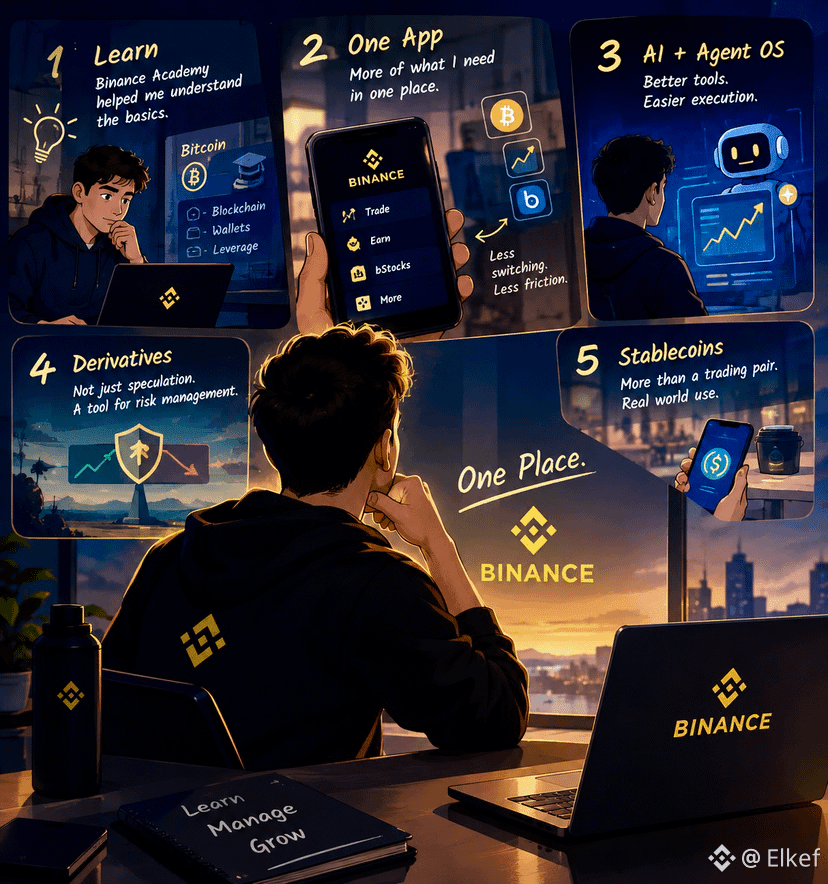
1️⃣ Binance Academy : I started with learning
Before trading, I wanted to understand the basics.
Binance Academy helped me learn the fundamentals and get familiar with the crypto world.
For me, that was important because entering crypto isn’t just about opening an account and trading.
It’s about understanding the world you’re stepping into.
And once I started using crypto more, I discovered another problem…
Why do I need five different platforms just to manage what I’m doing?
2️⃣ One app : less friction
I like having more of what I need in one place.
No constantly opening another platform.
No moving funds between different apps just to manage what I want to do.
And with bStocks, I can access stock trading from the same Binance ecosystem.
One login. One account. One place.
3️⃣ Binance AI + Agent OS :execution gets easier
Instead of spending all my time dealing with the mechanics of execution, I can use AI-powered tools to help handle the execution while I stay focused on my strategy.
AI isn’t about letting a machine decide everything.
It’s about using better tools to make execution simpler.
4️⃣ Derivatives :not just about speculation
For me, derivatives can be a tool to hedge a position instead of simply taking on more exposure.
Sometimes it’s about managing the position you already have.
That changed the way I look at derivatives.
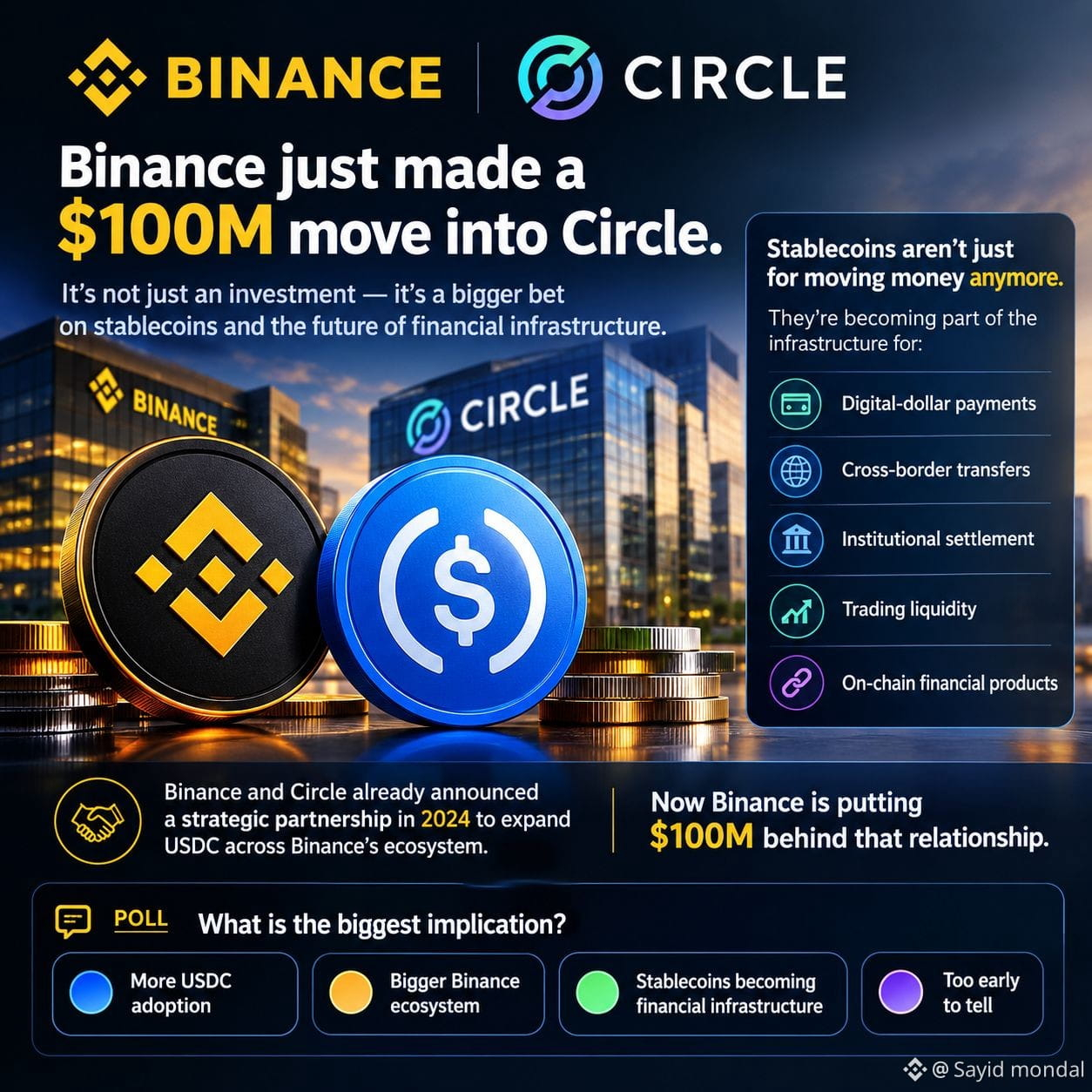
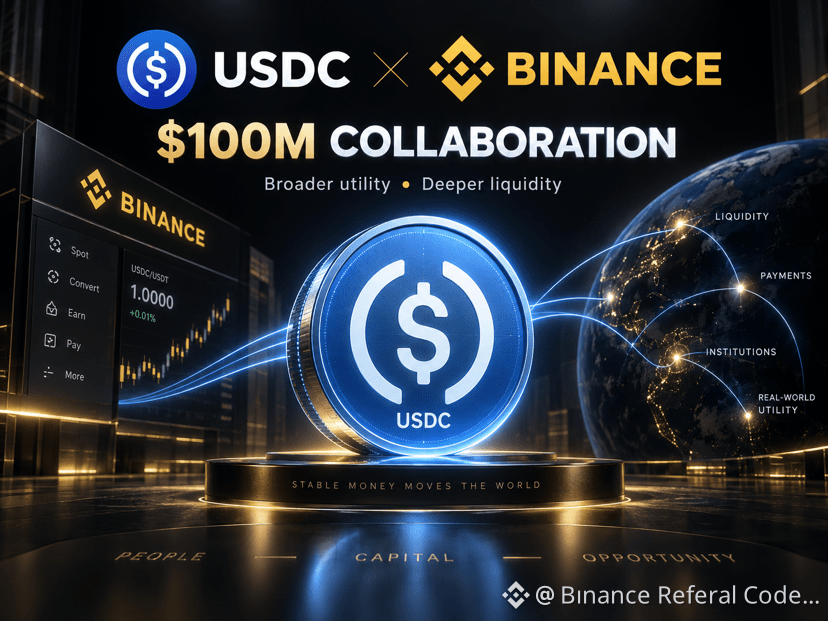
5️⃣ Stablecoins :more than a trading pair
And this is another thing that changed how I think about crypto.
I don’t see stablecoins only as something I trade against another asset.
…For me, they can also be a practical way to hold digital value and use crypto as a rail for payments and moving money.
I started knowing absolutely nothing.
Then I wanted simplicity.
Then better execution.
And eventually, I started seeing crypto as something I could actually use
#Binance #WhyBinance $NVDAB $BNB