
#australiaeconomy
australiaeconomy
2,717 views
9 Discussing
Hot
Latest

Australia’s Employment Surges, but the RBA Faces Little Pressure to Hike Rates in August
📊 Australia added 76,000 jobs in June, more than five times the forecast of 15,000. The unemployment rate remained at 4.4%, while the participation rate rose to 67.0%.
⚖️ However, the improvement was uneven, with around 47,000 new positions coming from part-time employment while full-time employment was broadly unchanged. The underemployment rate also increased to 6.5%.
🏦 Following the report, markets raised the probability of an August RBA rate hike from around 20–25% to 30–36%. Even so, many investors still expect the cash rate to remain at 4.35%, accompanied by a more hawkish policy tone.
💱 The Australian dollar may remain supported in the short term, while banking and consumer stocks could face pressure if rate-hike expectations continue to rise. Next week’s Q2 inflation data will likely determine the RBA’s next move.
#AustraliaEconomy $HYPE $ZEC $BANK
📊 Australia added 76,000 jobs in June, more than five times the forecast of 15,000. The unemployment rate remained at 4.4%, while the participation rate rose to 67.0%.
⚖️ However, the improvement was uneven, with around 47,000 new positions coming from part-time employment while full-time employment was broadly unchanged. The underemployment rate also increased to 6.5%.
🏦 Following the report, markets raised the probability of an August RBA rate hike from around 20–25% to 30–36%. Even so, many investors still expect the cash rate to remain at 4.35%, accompanied by a more hawkish policy tone.
💱 The Australian dollar may remain supported in the short term, while banking and consumer stocks could face pressure if rate-hike expectations continue to rise. Next week’s Q2 inflation data will likely determine the RBA’s next move.
#AustraliaEconomy $HYPE $ZEC $BANK


Australia Faces Rising Economic Pressure as RBA Lifts Rates to 4.35%
The Reserve Bank of Australia (RBA) has raised interest rates to 4.35%, marking the third consecutive hike this year as inflation continues to run above target levels. The decision reflects ongoing concerns about price pressures and broader economic stability.
RBA Governor Reserve Bank of Australia Governor Michele Bullock warned that households are effectively “poorer” following repeated rate increases, with financial conditions tightening further for mortgage holders and consumers.
Economic strain is becoming more visible across the country. Banks, including Westpac, report rising mortgage stress, slowing loan applications, and growing concerns about unemployment and a possible economic slowdown. Some analysts are now warning that Australia could face recession risks if conditions continue to worsen.
On the political front, debate continues over economic management, with Prime Minister Anthony Albanese facing pressure over cost-of-living challenges and energy-driven inflation linked to global instability. Meanwhile, political figures such as Pauline Hanson are drawing attention for potential shifts in electoral strategy ahead of future elections.
Beyond economics, the day’s developments also included testimony at an antisemitism inquiry and ongoing concerns over public safety incidents across regional Australia.
Overall, the combination of higher interest rates, global uncertainty, and domestic financial stress signals a challenging period ahead for households and policymakers.
#AustraliaEconomy #InterestRates #RBA #CostOfLiving #FinancialNews
$ALGO
$DOT
$ARB
The Reserve Bank of Australia (RBA) has raised interest rates to 4.35%, marking the third consecutive hike this year as inflation continues to run above target levels. The decision reflects ongoing concerns about price pressures and broader economic stability.
RBA Governor Reserve Bank of Australia Governor Michele Bullock warned that households are effectively “poorer” following repeated rate increases, with financial conditions tightening further for mortgage holders and consumers.
Economic strain is becoming more visible across the country. Banks, including Westpac, report rising mortgage stress, slowing loan applications, and growing concerns about unemployment and a possible economic slowdown. Some analysts are now warning that Australia could face recession risks if conditions continue to worsen.
On the political front, debate continues over economic management, with Prime Minister Anthony Albanese facing pressure over cost-of-living challenges and energy-driven inflation linked to global instability. Meanwhile, political figures such as Pauline Hanson are drawing attention for potential shifts in electoral strategy ahead of future elections.
Beyond economics, the day’s developments also included testimony at an antisemitism inquiry and ongoing concerns over public safety incidents across regional Australia.
Overall, the combination of higher interest rates, global uncertainty, and domestic financial stress signals a challenging period ahead for households and policymakers.
#AustraliaEconomy #InterestRates #RBA #CostOfLiving #FinancialNews
$ALGO
$DOT
$ARB

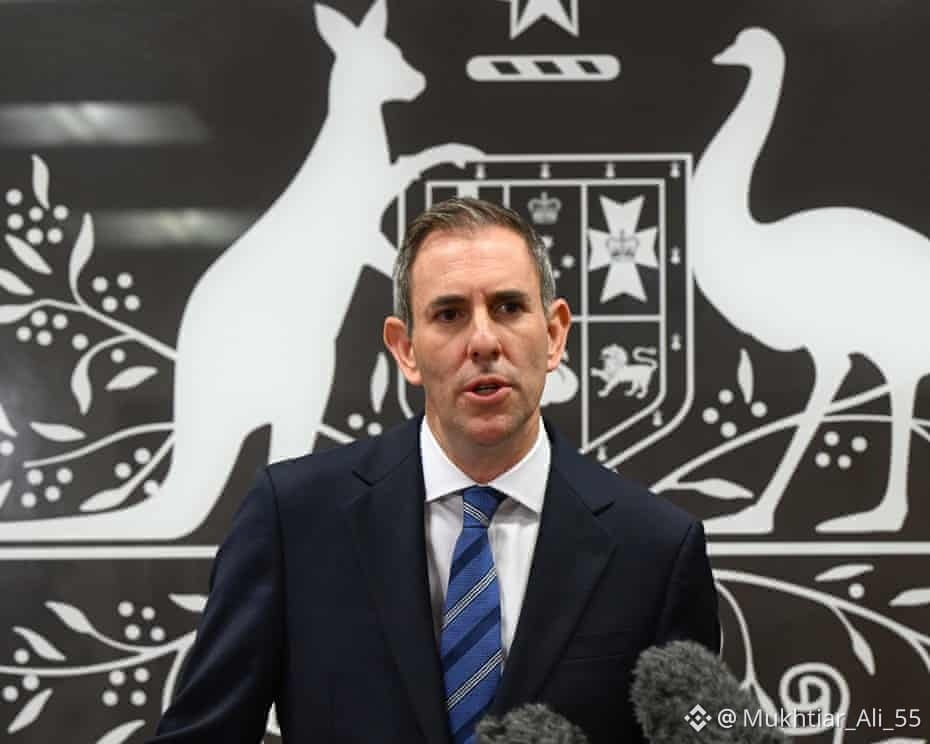
Australia Signals Measured Approach to Capital Gains Tax Reform Ahead of Budget
Australia’s Treasurer Jim Chalmers has indicated that upcoming changes to capital gains tax (CGT) are likely to spare existing property investors from significant new tax burdens, emphasizing a balanced and transitional approach in the May budget.
Speaking on a Commonwealth Bank podcast, Chalmers highlighted the importance of recognizing past investment decisions, suggesting that any reforms would primarily target future investments rather than apply retrospectively. Proposed adjustments may include revisiting the current 50% CGT discount, potentially shifting toward an inflation-adjusted model similar to the pre-1999 system.
While discussions around limiting tax concessions such as negative gearing continue, the government has signaled that these changes are unlikely to generate substantial short-term revenue. Instead, the broader objective appears to be improving housing market dynamics by encouraging a shift from investor-driven ownership toward owner-occupiers.
Economic estimates suggest that such reforms could modestly reduce property prices while increasing home ownership rates. However, Chalmers stressed that boosting housing supply remains the central priority in addressing affordability challenges, alongside tackling long-standing intergenerational inequities in the system.
Overall, the government’s approach reflects a cautious recalibration of tax policy aimed at long-term structural improvement rather than immediate fiscal gains.
#AustraliaEconomy #TaxReform #HousingMarket #CapitalGainsTax #EconomicPolicy
$CAKE
$ICP
$ENJ
Australia’s Treasurer Jim Chalmers has indicated that upcoming changes to capital gains tax (CGT) are likely to spare existing property investors from significant new tax burdens, emphasizing a balanced and transitional approach in the May budget.
Speaking on a Commonwealth Bank podcast, Chalmers highlighted the importance of recognizing past investment decisions, suggesting that any reforms would primarily target future investments rather than apply retrospectively. Proposed adjustments may include revisiting the current 50% CGT discount, potentially shifting toward an inflation-adjusted model similar to the pre-1999 system.
While discussions around limiting tax concessions such as negative gearing continue, the government has signaled that these changes are unlikely to generate substantial short-term revenue. Instead, the broader objective appears to be improving housing market dynamics by encouraging a shift from investor-driven ownership toward owner-occupiers.
Economic estimates suggest that such reforms could modestly reduce property prices while increasing home ownership rates. However, Chalmers stressed that boosting housing supply remains the central priority in addressing affordability challenges, alongside tackling long-standing intergenerational inequities in the system.
Overall, the government’s approach reflects a cautious recalibration of tax policy aimed at long-term structural improvement rather than immediate fiscal gains.
#AustraliaEconomy #TaxReform #HousingMarket #CapitalGainsTax #EconomicPolicy
$CAKE
$ICP
$ENJ
Log in to explore more content