
CoindooOfficial
987 Publicações

CoindooOfficial
Denunciar
Bloquear Utilizador
0 A seguir
54 Seguidores
416 Gostaram
Publicações

Artigo
PYUSD da PayPal chega ao Polygon: taxas baixas podem resolver um stablecoin em queda?O PYUSD foi lançado nativamente no Polygon, já que sua capitalização de mercado está 32% abaixo do pico de março. Por que esse lançamento está mais ligado à utilidade para pagamentos e com o que ele está competindo.
Principais conclusões
O PYUSD agora é cunhado nativamente no Polygon pela Paxos, e não é feito via ponte a partir de outra cadeia.
O Polygon liquidou mais de US$ 2,6 trilhões em transações de stablecoin estáveis a ~US$ 0,002 por transferência.
A capitalização de mercado do PYUSD caiu de US$ 4,20B em março para US$ 2,84B em 9 de julho.
A emissão nativa significa que a Paxos cunha o PYUSD diretamente no Polygon, assim como faz no Ethereum e no Solana. A alternativa, via ponte (bridging), bloqueia tokens em uma cadeia e emite cópias tipo IOU em outra, adicionando uma camada de infraestrutura que historicamente tem sido o maior alvo de ataques no setor cripto. A cunhagem nativa remove essa camada de risco e mantém o resgate como uma reivindicação de um único passo junto à Paxos.
PYUSD da PayPal chega ao Polygon: taxas baixas podem resolver um stablecoin em queda?
O PYUSD foi lançado nativamente no Polygon, já que sua capitalização de mercado está 32% abaixo do pico de março. Por que esse lançamento está mais ligado à utilidade para pagamentos e com o que ele está competindo.
Principais conclusões
O PYUSD agora é cunhado nativamente no Polygon pela Paxos, e não é feito via ponte a partir de outra cadeia.
O Polygon liquidou mais de US$ 2,6 trilhões em transações de stablecoin estáveis a ~US$ 0,002 por transferência.
A capitalização de mercado do PYUSD caiu de US$ 4,20B em março para US$ 2,84B em 9 de julho.
A emissão nativa significa que a Paxos cunha o PYUSD diretamente no Polygon, assim como faz no Ethereum e no Solana. A alternativa, via ponte (bridging), bloqueia tokens em uma cadeia e emite cópias tipo IOU em outra, adicionando uma camada de infraestrutura que historicamente tem sido o maior alvo de ataques no setor cripto. A cunhagem nativa remove essa camada de risco e mantém o resgate como uma reivindicação de um único passo junto à Paxos.
Principais conclusões
O PYUSD agora é cunhado nativamente no Polygon pela Paxos, e não é feito via ponte a partir de outra cadeia.
O Polygon liquidou mais de US$ 2,6 trilhões em transações de stablecoin estáveis a ~US$ 0,002 por transferência.
A capitalização de mercado do PYUSD caiu de US$ 4,20B em março para US$ 2,84B em 9 de julho.
A emissão nativa significa que a Paxos cunha o PYUSD diretamente no Polygon, assim como faz no Ethereum e no Solana. A alternativa, via ponte (bridging), bloqueia tokens em uma cadeia e emite cópias tipo IOU em outra, adicionando uma camada de infraestrutura que historicamente tem sido o maior alvo de ataques no setor cripto. A cunhagem nativa remove essa camada de risco e mantém o resgate como uma reivindicação de um único passo junto à Paxos.
39

Artigo
Por que a adoção recorde da Solana não eleva a SOL acima de US$ 78Morpho, o terceiro maior protocolo de DeFi por valor total bloqueado, entrou no ar na Solana em 9 de julho, chegando a uma semana em que os ativos do mundo real tokenizados da rede ultrapassaram US$ 3 bilhões e o sentimento social registrou o dia mais negativo do ano.
A SOL foi negociada perto de US$ 77,80, presa entre duas narrativas: dados de adoção institucional que continuam batendo recordes e um mercado que parou de acreditar que esses recordes ainda importam.
Principais pontos
A Solana processou US$ 5,77B em volume de ativos tokenizados no 2º trimestre, um recorde trimestral.
Por que a adoção recorde da Solana não eleva a SOL acima de US$ 78
Morpho, o terceiro maior protocolo de DeFi por valor total bloqueado, entrou no ar na Solana em 9 de julho, chegando a uma semana em que os ativos do mundo real tokenizados da rede ultrapassaram US$ 3 bilhões e o sentimento social registrou o dia mais negativo do ano.
A SOL foi negociada perto de US$ 77,80, presa entre duas narrativas: dados de adoção institucional que continuam batendo recordes e um mercado que parou de acreditar que esses recordes ainda importam.
Principais pontos
A Solana processou US$ 5,77B em volume de ativos tokenizados no 2º trimestre, um recorde trimestral.
A SOL foi negociada perto de US$ 77,80, presa entre duas narrativas: dados de adoção institucional que continuam batendo recordes e um mercado que parou de acreditar que esses recordes ainda importam.
Principais pontos
A Solana processou US$ 5,77B em volume de ativos tokenizados no 2º trimestre, um recorde trimestral.
76

Artigo
GRAM a US$ 1,6: Por que o Hype Murchou e a Realidade AssumiuA CoinShares definiu uma meta de caso-base de 12 meses de US$ 3,50 para a Gram (GRAM), anteriormente conhecida como Toncoin, em um relatório do diretor de pesquisa James Butterfill, elaborado quando o token era negociado a US$ 2,40. Agora, a Gram é negociada perto de US$ 1,60, tendo cedido todo o rali provocado pela aquisição do Telegram da rede.
A tese do relatório, de que o Telegram oferece ao TON o melhor funil de usuários no setor cripto, mas de que o token ainda precisa provar que as pessoas realmente vão usá-lo, está sendo submetida a testes de estresse em mercados ao vivo mais rápido do que o relatório antecipou.
GRAM a US$ 1,6: Por que o Hype Murchou e a Realidade Assumiu
A CoinShares definiu uma meta de caso-base de 12 meses de US$ 3,50 para a Gram (GRAM), anteriormente conhecida como Toncoin, em um relatório do diretor de pesquisa James Butterfill, elaborado quando o token era negociado a US$ 2,40. Agora, a Gram é negociada perto de US$ 1,60, tendo cedido todo o rali provocado pela aquisição do Telegram da rede.
A tese do relatório, de que o Telegram oferece ao TON o melhor funil de usuários no setor cripto, mas de que o token ainda precisa provar que as pessoas realmente vão usá-lo, está sendo submetida a testes de estresse em mercados ao vivo mais rápido do que o relatório antecipou.
A tese do relatório, de que o Telegram oferece ao TON o melhor funil de usuários no setor cripto, mas de que o token ainda precisa provar que as pessoas realmente vão usá-lo, está sendo submetida a testes de estresse em mercados ao vivo mais rápido do que o relatório antecipou.
176
Artigo
Swift Lança Razão Contábil em Blockchain para Pagamentos Globais 24/7A Swift anunciou em 9 de julho que seu razão contábil baseado em blockchain está pronto para uso inicial, com 17 bancos de seis continentes se preparando para fazer um piloto de pagamentos transfronteiriços ao vivo usando depósitos tokenizados.
O projeto passou de um anúncio à ativação em nove meses. O primeiro caso de uso é deliberadamente pouco glamoroso: não há negociação aberta de cripto, não há especulação com stablecoins, apenas mover dinheiro bancário entre instituições o tempo todo. Essa contenção é exatamente o que torna a iniciativa relevante.
Principais conclusões
17 bancos, incluindo Citi, HSBC, UBS e Wells Fargo, pilotam transações ao vivo.
Swift Lança Razão Contábil em Blockchain para Pagamentos Globais 24/7
A Swift anunciou em 9 de julho que seu razão contábil baseado em blockchain está pronto para uso inicial, com 17 bancos de seis continentes se preparando para fazer um piloto de pagamentos transfronteiriços ao vivo usando depósitos tokenizados.
O projeto passou de um anúncio à ativação em nove meses. O primeiro caso de uso é deliberadamente pouco glamoroso: não há negociação aberta de cripto, não há especulação com stablecoins, apenas mover dinheiro bancário entre instituições o tempo todo. Essa contenção é exatamente o que torna a iniciativa relevante.
Principais conclusões
17 bancos, incluindo Citi, HSBC, UBS e Wells Fargo, pilotam transações ao vivo.
O projeto passou de um anúncio à ativação em nove meses. O primeiro caso de uso é deliberadamente pouco glamoroso: não há negociação aberta de cripto, não há especulação com stablecoins, apenas mover dinheiro bancário entre instituições o tempo todo. Essa contenção é exatamente o que torna a iniciativa relevante.
Principais conclusões
17 bancos, incluindo Citi, HSBC, UBS e Wells Fargo, pilotam transações ao vivo.
69

Artigo
Atualização do gráfico de XRP: compressão se formando perto de um suporte-chaveO XRP foi negociado perto de US$ 1,095 em 9 de julho, enquanto o open interest nos futuros da Binance caiu para cerca de 397 milhões de XRP, o nível mais baixo em mais de três meses.
Principais conclusões
O open interest de XRP na Binance caiu para 397 milhões de XRP, a menor marca em três meses.
As máximas de recuperação mais baixas em US$ 1,17, US$ 1,155 e US$ 1,10 limitam cada repique.
A base de US$ 1,03 a US$ 1,05 absorveu todos os movimentos de venda desde o fim de junho.
O RSI diário em 44,4 está abaixo do neutro, acima da sua linha de sinal.
Mudanças na Abertura de Juros em Aberto: o que esta faixa significa
O open interest mede o total de contratos futuros que permanecem em aberto a qualquer momento. Quando ele cai, os traders estão encerrando posições ou deixando de abrir novas. Quando ele cai enquanto o preço permanece estável, como está acontecendo agora, o mercado está se desalavancando sem despejar.
Atualização do gráfico de XRP: compressão se formando perto de um suporte-chave
O XRP foi negociado perto de US$ 1,095 em 9 de julho, enquanto o open interest nos futuros da Binance caiu para cerca de 397 milhões de XRP, o nível mais baixo em mais de três meses.
Principais conclusões
O open interest de XRP na Binance caiu para 397 milhões de XRP, a menor marca em três meses.
As máximas de recuperação mais baixas em US$ 1,17, US$ 1,155 e US$ 1,10 limitam cada repique.
A base de US$ 1,03 a US$ 1,05 absorveu todos os movimentos de venda desde o fim de junho.
O RSI diário em 44,4 está abaixo do neutro, acima da sua linha de sinal.
Mudanças na Abertura de Juros em Aberto: o que esta faixa significa
O open interest mede o total de contratos futuros que permanecem em aberto a qualquer momento. Quando ele cai, os traders estão encerrando posições ou deixando de abrir novas. Quando ele cai enquanto o preço permanece estável, como está acontecendo agora, o mercado está se desalavancando sem despejar.
Principais conclusões
O open interest de XRP na Binance caiu para 397 milhões de XRP, a menor marca em três meses.
As máximas de recuperação mais baixas em US$ 1,17, US$ 1,155 e US$ 1,10 limitam cada repique.
A base de US$ 1,03 a US$ 1,05 absorveu todos os movimentos de venda desde o fim de junho.
O RSI diário em 44,4 está abaixo do neutro, acima da sua linha de sinal.
Mudanças na Abertura de Juros em Aberto: o que esta faixa significa
O open interest mede o total de contratos futuros que permanecem em aberto a qualquer momento. Quando ele cai, os traders estão encerrando posições ou deixando de abrir novas. Quando ele cai enquanto o preço permanece estável, como está acontecendo agora, o mercado está se desalavancando sem despejar.
78
Artigo
O Maior Banco Privado da Rússia Planeja um Serviço de Custódia CriptoO Alfa-Bank da Rússia planeja lançar um serviço de custódia digital para criptomoedas assim que novas regras forem implementadas.
Principais conclusões
O Alfa-Bank planeja criar seu próprio custodiante digital assim que a legislação cripto da Rússia entrar em vigor.
O banco espera que serviços cripto para varejo no estilo de corretora surjam gradualmente a partir do fim de 2026 ou início de 2027.
A liquidez relevante no mercado cripto regulado da Rússia pode não aparecer até o fim de 2027.
O plano do Alfa-Bank mostra para onde o mercado de criptomoedas da Rússia está caminhando. O país não está apenas abrindo as portas para ativos digitais; está construindo uma estrutura liderada por bancos, na qual o acesso, a custódia, a corretagem e a conformidade ficam dentro de instituições financeiras licenciadas.
O Maior Banco Privado da Rússia Planeja um Serviço de Custódia Cripto
O Alfa-Bank da Rússia planeja lançar um serviço de custódia digital para criptomoedas assim que novas regras forem implementadas.
Principais conclusões
O Alfa-Bank planeja criar seu próprio custodiante digital assim que a legislação cripto da Rússia entrar em vigor.
O banco espera que serviços cripto para varejo no estilo de corretora surjam gradualmente a partir do fim de 2026 ou início de 2027.
A liquidez relevante no mercado cripto regulado da Rússia pode não aparecer até o fim de 2027.
O plano do Alfa-Bank mostra para onde o mercado de criptomoedas da Rússia está caminhando. O país não está apenas abrindo as portas para ativos digitais; está construindo uma estrutura liderada por bancos, na qual o acesso, a custódia, a corretagem e a conformidade ficam dentro de instituições financeiras licenciadas.
Principais conclusões
O Alfa-Bank planeja criar seu próprio custodiante digital assim que a legislação cripto da Rússia entrar em vigor.
O banco espera que serviços cripto para varejo no estilo de corretora surjam gradualmente a partir do fim de 2026 ou início de 2027.
A liquidez relevante no mercado cripto regulado da Rússia pode não aparecer até o fim de 2027.
O plano do Alfa-Bank mostra para onde o mercado de criptomoedas da Rússia está caminhando. O país não está apenas abrindo as portas para ativos digitais; está construindo uma estrutura liderada por bancos, na qual o acesso, a custódia, a corretagem e a conformidade ficam dentro de instituições financeiras licenciadas.
91

Artigo
Sem CBDC para os EUA: Chefe da CFTC confirma a postura da política de TrumpO presidente da CFTC, Michael Selig, usou uma aparição no Fox Business para dizer que a administração Trump não permitirá uma moeda digital de banco central dos EUA, enquadrando a posição como parte de uma agenda mais ampla de ativos digitais baseada em regras federais de cripto, inovação do setor privado e supervisão regulada do mercado.
Principais conclusões
Selig disse que uma CBDC dos EUA “não vai acontecer” sob a administração Trump.
Ele vinculou a posição à ordem executiva de ativos digitais de Trump e ao relatório do Grupo de Trabalho do Presidente.
Sem CBDC para os EUA: Chefe da CFTC confirma a postura da política de Trump
O presidente da CFTC, Michael Selig, usou uma aparição no Fox Business para dizer que a administração Trump não permitirá uma moeda digital de banco central dos EUA, enquadrando a posição como parte de uma agenda mais ampla de ativos digitais baseada em regras federais de cripto, inovação do setor privado e supervisão regulada do mercado.
Principais conclusões
Selig disse que uma CBDC dos EUA “não vai acontecer” sob a administração Trump.
Ele vinculou a posição à ordem executiva de ativos digitais de Trump e ao relatório do Grupo de Trabalho do Presidente.
Principais conclusões
Selig disse que uma CBDC dos EUA “não vai acontecer” sob a administração Trump.
Ele vinculou a posição à ordem executiva de ativos digitais de Trump e ao relatório do Grupo de Trabalho do Presidente.
20

Artigo
Mudança no setor cripto na UE: ESMA lança grande teste de estresse de custódiaA ESMA lançou, em 8 de julho de 2026, uma revisão coordenada em toda a UE das operações de custódia de criptoativos, transferindo a supervisão do MiCA da questão do licenciamento para a questão mais difícil de saber se as empresas de cripto conseguem realmente proteger os ativos dos clientes sob estresse.
A ação é chamada de Ação de Supervisão Comum (Common Supervisory Action, ou CSA). Esse é o termo usado pelo regulador para uma inspeção coordenada realizada ao mesmo tempo, com a mesma lista de verificação, pelo regulador nacional em cada país da UE, sob a direção da ESMA. Não se trata de um caso contra uma única empresa. É uma varredura sincronizada de muitas.
Mudança no setor cripto na UE: ESMA lança grande teste de estresse de custódia
A ESMA lançou, em 8 de julho de 2026, uma revisão coordenada em toda a UE das operações de custódia de criptoativos, transferindo a supervisão do MiCA da questão do licenciamento para a questão mais difícil de saber se as empresas de cripto conseguem realmente proteger os ativos dos clientes sob estresse.
A ação é chamada de Ação de Supervisão Comum (Common Supervisory Action, ou CSA). Esse é o termo usado pelo regulador para uma inspeção coordenada realizada ao mesmo tempo, com a mesma lista de verificação, pelo regulador nacional em cada país da UE, sob a direção da ESMA. Não se trata de um caso contra uma única empresa. É uma varredura sincronizada de muitas.
A ação é chamada de Ação de Supervisão Comum (Common Supervisory Action, ou CSA). Esse é o termo usado pelo regulador para uma inspeção coordenada realizada ao mesmo tempo, com a mesma lista de verificação, pelo regulador nacional em cada país da UE, sob a direção da ESMA. Não se trata de um caso contra uma única empresa. É uma varredura sincronizada de muitas.
18

Artigo
BNB Chain aposta em 10x de velocidade enquanto a atividade de trading esfriaA BNB Chain publicou sua roadmap técnica do H2 de 2026 em 8 de julho, visando um novo dobramento da capacidade do mainnet, mesmo com o volume da DEX da BSC resfriando 9,18% semana a semana para US$ 4,35 bilhões.
A roadmap introduz novas funcionalidades de resistência à congestão e uma arquitetura L1 de próxima geração separada sobre os ganhos do H1 de 2026, que reduziram os intervalos de bloco de 750 ms para 450 ms, diminuíram a finalidade na memória de 1.125 ms para 650 ms e elevaram o throughput dos benchmarks de aproximadamente 2.800 TPS (~210 MGas/s) para cerca de 5.200 TPS (~400 MGas/s).
BNB Chain aposta em 10x de velocidade enquanto a atividade de trading esfria
A BNB Chain publicou sua roadmap técnica do H2 de 2026 em 8 de julho, visando um novo dobramento da capacidade do mainnet, mesmo com o volume da DEX da BSC resfriando 9,18% semana a semana para US$ 4,35 bilhões.
A roadmap introduz novas funcionalidades de resistência à congestão e uma arquitetura L1 de próxima geração separada sobre os ganhos do H1 de 2026, que reduziram os intervalos de bloco de 750 ms para 450 ms, diminuíram a finalidade na memória de 1.125 ms para 650 ms e elevaram o throughput dos benchmarks de aproximadamente 2.800 TPS (~210 MGas/s) para cerca de 5.200 TPS (~400 MGas/s).
A roadmap introduz novas funcionalidades de resistência à congestão e uma arquitetura L1 de próxima geração separada sobre os ganhos do H1 de 2026, que reduziram os intervalos de bloco de 750 ms para 450 ms, diminuíram a finalidade na memória de 1.125 ms para 650 ms e elevaram o throughput dos benchmarks de aproximadamente 2.800 TPS (~210 MGas/s) para cerca de 5.200 TPS (~400 MGas/s).
24

Artigo
HYPE recua após notícias ruins EUA-IrãAs negociações com HYPE da Hyperliquid estão em US$ 67,89, queda de 1,8% no dia, à medida que ativos de risco são vendidos depois que o presidente dos EUA, Donald Trump, disse a repórteres em Ancara que acha que o memorando de entendimento sobre o Irã está "encerrado".
Principais conclusões
O HYPE cai para US$ 67,8 na Coinbase, queda de 1,78% no dia.
Trump disse a repórteres em Ancara que "acha" que o MoU do Irã está encerrado.
A tendência de alta e a SMA de 50 dias em US$ 64,42 formam a primeira zona defensiva.
O RSI diário em 53,28 está neutro, sem oferecer ainda vantagem direcional.
Falando com repórteres na cúpula da OTAN em Ancara, Trump disse que acha que o Memorando de Entendimento de 17 de junho com o Irã está "encerrado", segundo a Al Jazeera. A redação importa: Trump não anunciou uma retirada formal do arcabouço; ele declarou sua leitura pessoal de que ele já não se aplica. Essa distinção deixa a situação diplomática ambígua, mas o mercado tratou o comentário como um sinal direcional.
HYPE recua após notícias ruins EUA-Irã
As negociações com HYPE da Hyperliquid estão em US$ 67,89, queda de 1,8% no dia, à medida que ativos de risco são vendidos depois que o presidente dos EUA, Donald Trump, disse a repórteres em Ancara que acha que o memorando de entendimento sobre o Irã está "encerrado".
Principais conclusões
O HYPE cai para US$ 67,8 na Coinbase, queda de 1,78% no dia.
Trump disse a repórteres em Ancara que "acha" que o MoU do Irã está encerrado.
A tendência de alta e a SMA de 50 dias em US$ 64,42 formam a primeira zona defensiva.
O RSI diário em 53,28 está neutro, sem oferecer ainda vantagem direcional.
Falando com repórteres na cúpula da OTAN em Ancara, Trump disse que acha que o Memorando de Entendimento de 17 de junho com o Irã está "encerrado", segundo a Al Jazeera. A redação importa: Trump não anunciou uma retirada formal do arcabouço; ele declarou sua leitura pessoal de que ele já não se aplica. Essa distinção deixa a situação diplomática ambígua, mas o mercado tratou o comentário como um sinal direcional.
Principais conclusões
O HYPE cai para US$ 67,8 na Coinbase, queda de 1,78% no dia.
Trump disse a repórteres em Ancara que "acha" que o MoU do Irã está encerrado.
A tendência de alta e a SMA de 50 dias em US$ 64,42 formam a primeira zona defensiva.
O RSI diário em 53,28 está neutro, sem oferecer ainda vantagem direcional.
Falando com repórteres na cúpula da OTAN em Ancara, Trump disse que acha que o Memorando de Entendimento de 17 de junho com o Irã está "encerrado", segundo a Al Jazeera. A redação importa: Trump não anunciou uma retirada formal do arcabouço; ele declarou sua leitura pessoal de que ele já não se aplica. Essa distinção deixa a situação diplomática ambígua, mas o mercado tratou o comentário como um sinal direcional.
112
Artigo
Bitcoin cai para US$ 62 mil enquanto Trump diz que o MoU do Irã pode estar 'acabado'O Bitcoin caiu para US$ 62.000 na Bitstamp poucos minutos depois de o presidente dos EUA, Donald Trump, dizer a repórteres no encontro da Otan em Ancara que ele acha que o memorando de entendimento do Irã está "acabado".
Principais conclusões
O BTC caiu de US$ 62.800 para US$ 62.032 no gráfico de 15 minutos após 08:15 UTC.
Trump disse a repórteres em Ancara que acha que o MoU do Irã está "acabado".
Os EUA atingiram mais de 80 alvos iranianos durante a noite após ataques a petroleiros no Estreito de Ormuz.
O que Trump disse de fato em Ancara
Falando a repórteres no encontro da Otan no Complexo Presidencial Bestepe, Trump disse que lidar com Teerã é um "desperdício de tempo" e disse que acha que o Memorando de Entendimento de 17 de junho de Islamabad não está mais em vigor. As declarações foram reportadas pela Al Jazeera a partir de Ancara. Trump também disse que os EUA "atingiram eles muito forte na noite passada", referindo-se aos ataques durante a noite, e confirmou que ordenou ao secretário do Tesouro, Scott Bessent, que cortasse todo o comércio com a Espanha devido à recusa do país em apoiar operações dos EUA contra o Irã.
Bitcoin cai para US$ 62 mil enquanto Trump diz que o MoU do Irã pode estar 'acabado'
O Bitcoin caiu para US$ 62.000 na Bitstamp poucos minutos depois de o presidente dos EUA, Donald Trump, dizer a repórteres no encontro da Otan em Ancara que ele acha que o memorando de entendimento do Irã está "acabado".
Principais conclusões
O BTC caiu de US$ 62.800 para US$ 62.032 no gráfico de 15 minutos após 08:15 UTC.
Trump disse a repórteres em Ancara que acha que o MoU do Irã está "acabado".
Os EUA atingiram mais de 80 alvos iranianos durante a noite após ataques a petroleiros no Estreito de Ormuz.
O que Trump disse de fato em Ancara
Falando a repórteres no encontro da Otan no Complexo Presidencial Bestepe, Trump disse que lidar com Teerã é um "desperdício de tempo" e disse que acha que o Memorando de Entendimento de 17 de junho de Islamabad não está mais em vigor. As declarações foram reportadas pela Al Jazeera a partir de Ancara. Trump também disse que os EUA "atingiram eles muito forte na noite passada", referindo-se aos ataques durante a noite, e confirmou que ordenou ao secretário do Tesouro, Scott Bessent, que cortasse todo o comércio com a Espanha devido à recusa do país em apoiar operações dos EUA contra o Irã.
Principais conclusões
O BTC caiu de US$ 62.800 para US$ 62.032 no gráfico de 15 minutos após 08:15 UTC.
Trump disse a repórteres em Ancara que acha que o MoU do Irã está "acabado".
Os EUA atingiram mais de 80 alvos iranianos durante a noite após ataques a petroleiros no Estreito de Ormuz.
O que Trump disse de fato em Ancara
Falando a repórteres no encontro da Otan no Complexo Presidencial Bestepe, Trump disse que lidar com Teerã é um "desperdício de tempo" e disse que acha que o Memorando de Entendimento de 17 de junho de Islamabad não está mais em vigor. As declarações foram reportadas pela Al Jazeera a partir de Ancara. Trump também disse que os EUA "atingiram eles muito forte na noite passada", referindo-se aos ataques durante a noite, e confirmou que ordenou ao secretário do Tesouro, Scott Bessent, que cortasse todo o comércio com a Espanha devido à recusa do país em apoiar operações dos EUA contra o Irã.
114
Artigo
Strategy tem mais espaço para venda de BTC do que o esperado, diz a VanEckA Strategy vendeu Bitcoin na semana passada para financiar distribuições de ações preferenciais, mas a venda não reduziu a capacidade de formação de reservas de US$ 1,25 bilhão da empresa.
Essa distinção importa porque o programa limita as vendas para financiar reservas, enquanto pagamentos diretos de dividendos de ações preferenciais podem ficar fora desse valor divulgado.
Principais conclusões
Matthew Sigel disse que a recente venda de BTC da Strategy não conta contra o programa de US$ 1,25 bi.
O 8-K mais recente mostrou que toda a capacidade de monetização permaneceu disponível em 5 de julho.
A venda estava ligada a distribuições de ações preferenciais, e não à capacidade de formação de reservas.
Strategy tem mais espaço para venda de BTC do que o esperado, diz a VanEck
A Strategy vendeu Bitcoin na semana passada para financiar distribuições de ações preferenciais, mas a venda não reduziu a capacidade de formação de reservas de US$ 1,25 bilhão da empresa.
Essa distinção importa porque o programa limita as vendas para financiar reservas, enquanto pagamentos diretos de dividendos de ações preferenciais podem ficar fora desse valor divulgado.
Principais conclusões
Matthew Sigel disse que a recente venda de BTC da Strategy não conta contra o programa de US$ 1,25 bi.
O 8-K mais recente mostrou que toda a capacidade de monetização permaneceu disponível em 5 de julho.
A venda estava ligada a distribuições de ações preferenciais, e não à capacidade de formação de reservas.
Essa distinção importa porque o programa limita as vendas para financiar reservas, enquanto pagamentos diretos de dividendos de ações preferenciais podem ficar fora desse valor divulgado.
Principais conclusões
Matthew Sigel disse que a recente venda de BTC da Strategy não conta contra o programa de US$ 1,25 bi.
O 8-K mais recente mostrou que toda a capacidade de monetização permaneceu disponível em 5 de julho.
A venda estava ligada a distribuições de ações preferenciais, e não à capacidade de formação de reservas.
63
Artigo
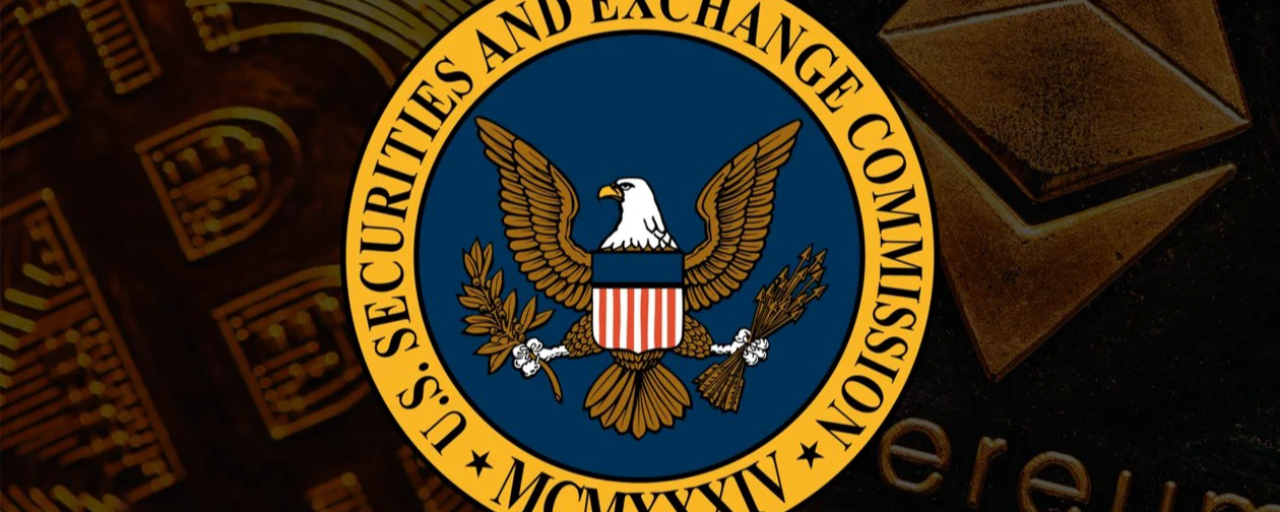
SEC mira julho para a primeira grande regra cripto dos EUAA Comissão de Valores Mobiliários dos EUA (SEC) designou sua proposta "Regulation Crypto" como economicamente significativa e mirou uma divulgação em julho de 2026, de acordo com a Agenda Regulatória de 2026 publicada em 7 de julho.
O presidente Paul Atkins enquadrou o pacote como o mecanismo para entregar a meta declarada pelo presidente Trump de fazer com que os EUA sejam "o capital cripto do mundo", juntamente com outras cinco decisões regulatórias específicas para cripto, cobrindo corretores-dealers, bolsas e valores mobiliários tokenizados.
Principais conclusões
Regra de oferta e venda de cripto carro-chefe (RIN 3235-AN38) destinada a julho de 2026, neste mês.
SEC mira julho para a primeira grande regra cripto dos EUA
A Comissão de Valores Mobiliários dos EUA (SEC) designou sua proposta "Regulation Crypto" como economicamente significativa e mirou uma divulgação em julho de 2026, de acordo com a Agenda Regulatória de 2026 publicada em 7 de julho.
O presidente Paul Atkins enquadrou o pacote como o mecanismo para entregar a meta declarada pelo presidente Trump de fazer com que os EUA sejam "o capital cripto do mundo", juntamente com outras cinco decisões regulatórias específicas para cripto, cobrindo corretores-dealers, bolsas e valores mobiliários tokenizados.
Principais conclusões
Regra de oferta e venda de cripto carro-chefe (RIN 3235-AN38) destinada a julho de 2026, neste mês.
O presidente Paul Atkins enquadrou o pacote como o mecanismo para entregar a meta declarada pelo presidente Trump de fazer com que os EUA sejam "o capital cripto do mundo", juntamente com outras cinco decisões regulatórias específicas para cripto, cobrindo corretores-dealers, bolsas e valores mobiliários tokenizados.
Principais conclusões
Regra de oferta e venda de cripto carro-chefe (RIN 3235-AN38) destinada a julho de 2026, neste mês.
63

Artigo
A Oferta de Stablecoins Aperta à medida que a Tether Queima USDT de US$ 2,5BA Tesouraria da Tether queimou US$ 2,5 bilhões em USDT na Ethereum em 7 de julho, enquanto a reserva de USDT baseada em Tron da Binance caiu abaixo de US$ 1 bilhão e a capitalização total do mercado de stablecoins continuou a encolher.
Principais Conclusões
A queima de USDT da Ethereum no valor de US$ 2,5B foi a maior desde fevereiro.
A reserva de USDT baseada em Tron da Binance caiu para cerca de US$ 806M.
A capitalização total do mercado de stablecoins diminuiu em aproximadamente US$ 7,09B ao longo de 36 dias.
Os dados apontam para uma liquidez de transferência mais apertada, e não para uma venda automática no mercado.
O Sinal é Maior do que Um Queimar
A Oferta de Stablecoins Aperta à medida que a Tether Queima USDT de US$ 2,5B
A Tesouraria da Tether queimou US$ 2,5 bilhões em USDT na Ethereum em 7 de julho, enquanto a reserva de USDT baseada em Tron da Binance caiu abaixo de US$ 1 bilhão e a capitalização total do mercado de stablecoins continuou a encolher.
Principais Conclusões
A queima de USDT da Ethereum no valor de US$ 2,5B foi a maior desde fevereiro.
A reserva de USDT baseada em Tron da Binance caiu para cerca de US$ 806M.
A capitalização total do mercado de stablecoins diminuiu em aproximadamente US$ 7,09B ao longo de 36 dias.
Os dados apontam para uma liquidez de transferência mais apertada, e não para uma venda automática no mercado.
O Sinal é Maior do que Um Queimar
Principais Conclusões
A queima de USDT da Ethereum no valor de US$ 2,5B foi a maior desde fevereiro.
A reserva de USDT baseada em Tron da Binance caiu para cerca de US$ 806M.
A capitalização total do mercado de stablecoins diminuiu em aproximadamente US$ 7,09B ao longo de 36 dias.
Os dados apontam para uma liquidez de transferência mais apertada, e não para uma venda automática no mercado.
O Sinal é Maior do que Um Queimar
104

Artigo
Bitcoin Enfrenta um Teste de Estresse à medida que as Entradas em Exchanges AumentamO mais recente repique do Bitcoin não está sendo testado apenas pelo preço. Dados de on-chain e de derivativos mostram um cenário misto: o alavancamento começou a arrefecer, mas o funding segue elevado e uma parcela crescente das entradas nas exchanges parece estar vindo de detentores movendo BTC sob estresse.
Principais conclusões
O fluxo líquido nas exchanges de Bitcoin ficou ligeiramente positivo, em cerca de 556 BTC.
O financiamento permanece acima da sua média de 30 dias, mantendo o risco do lado comprado elevado.
O open interest caiu para cerca de US$ 21,02 bi, indicando uma redução parcial do alavancamento.
Entradas em situação de estresse sugerem que alguns detentores com perdas estão movendo moedas para as exchanges.
Bitcoin Enfrenta um Teste de Estresse à medida que as Entradas em Exchanges Aumentam
O mais recente repique do Bitcoin não está sendo testado apenas pelo preço. Dados de on-chain e de derivativos mostram um cenário misto: o alavancamento começou a arrefecer, mas o funding segue elevado e uma parcela crescente das entradas nas exchanges parece estar vindo de detentores movendo BTC sob estresse.
Principais conclusões
O fluxo líquido nas exchanges de Bitcoin ficou ligeiramente positivo, em cerca de 556 BTC.
O financiamento permanece acima da sua média de 30 dias, mantendo o risco do lado comprado elevado.
O open interest caiu para cerca de US$ 21,02 bi, indicando uma redução parcial do alavancamento.
Entradas em situação de estresse sugerem que alguns detentores com perdas estão movendo moedas para as exchanges.
Principais conclusões
O fluxo líquido nas exchanges de Bitcoin ficou ligeiramente positivo, em cerca de 556 BTC.
O financiamento permanece acima da sua média de 30 dias, mantendo o risco do lado comprado elevado.
O open interest caiu para cerca de US$ 21,02 bi, indicando uma redução parcial do alavancamento.
Entradas em situação de estresse sugerem que alguns detentores com perdas estão movendo moedas para as exchanges.
33

Artigo
Zcash atinge marco de 80% da oferta: o que vem a seguir para a ZEC?A Zcash ultrapassou um marco registrado no seu código no momento do lançamento: quatro quintos de todo o ZEC que existirá é agora colocado em circulação, e o gráfico mostra o preço confinado entre duas zonas técnicas neste momento.
Principais conclusões
16,76M de 21M de ZEC agora minerados, 80% da oferta máxima.
A SMA de 100 dias e a Fib de 0,5 se alinham como suporte perto de US$ 439.
A SMA de 50 dias e a Fib de 0,382 limitam a alta perto de US$ 487–$496.
Os últimos 20% da oferta levarão décadas para serem emitidos.
Atingiu o marco de oferta
A oferta circulante da Zcash chegou a 16,76 milhões de ZEC diante de um limite rígido de 21 milhões, o que significa que 80% da emissão máxima já foi minerada, de acordo com dados da CoinMarketCap. O quinto restante será liberado muito mais lentamente do que os primeiros quatro: como no Bitcoin, cujo cronograma de oferta a Zcash espelha deliberadamente, as recompensas em blocos caem pela metade aproximadamente a cada quatro anos, esticando as últimas moedas por décadas.
Zcash atinge marco de 80% da oferta: o que vem a seguir para a ZEC?
A Zcash ultrapassou um marco registrado no seu código no momento do lançamento: quatro quintos de todo o ZEC que existirá é agora colocado em circulação, e o gráfico mostra o preço confinado entre duas zonas técnicas neste momento.
Principais conclusões
16,76M de 21M de ZEC agora minerados, 80% da oferta máxima.
A SMA de 100 dias e a Fib de 0,5 se alinham como suporte perto de US$ 439.
A SMA de 50 dias e a Fib de 0,382 limitam a alta perto de US$ 487–$496.
Os últimos 20% da oferta levarão décadas para serem emitidos.
Atingiu o marco de oferta
A oferta circulante da Zcash chegou a 16,76 milhões de ZEC diante de um limite rígido de 21 milhões, o que significa que 80% da emissão máxima já foi minerada, de acordo com dados da CoinMarketCap. O quinto restante será liberado muito mais lentamente do que os primeiros quatro: como no Bitcoin, cujo cronograma de oferta a Zcash espelha deliberadamente, as recompensas em blocos caem pela metade aproximadamente a cada quatro anos, esticando as últimas moedas por décadas.
Principais conclusões
16,76M de 21M de ZEC agora minerados, 80% da oferta máxima.
A SMA de 100 dias e a Fib de 0,5 se alinham como suporte perto de US$ 439.
A SMA de 50 dias e a Fib de 0,382 limitam a alta perto de US$ 487–$496.
Os últimos 20% da oferta levarão décadas para serem emitidos.
Atingiu o marco de oferta
A oferta circulante da Zcash chegou a 16,76 milhões de ZEC diante de um limite rígido de 21 milhões, o que significa que 80% da emissão máxima já foi minerada, de acordo com dados da CoinMarketCap. O quinto restante será liberado muito mais lentamente do que os primeiros quatro: como no Bitcoin, cujo cronograma de oferta a Zcash espelha deliberadamente, as recompensas em blocos caem pela metade aproximadamente a cada quatro anos, esticando as últimas moedas por décadas.
139

Artigo
USDT Volta ao Bitcoin, 12 Anos Após Sua EstreiaA Tether está trazendo o USDT de volta para a blockchain do Bitcoin, onde ele foi lançado em 2014, usando o recém-lançado protocolo RGB para permitir transferências privadas e quase instantâneas pela Lightning Network.|
Principais Conclusões
O USDT volta ao Bitcoin via protocolo RGB v0.11.1.
Implantação liderada pela startup UTEXO, apoiada pela Tether.
Lançamento esperado dentro de semanas.
Taxas-alvo de frações de um centavo acima da Lightning.
Um Retorno ao Lugar Onde Tudo Começou
O USDT foi lançado pela primeira vez no Bitcoin em 2014 via Omni Layer, numa época em que o Bitcoin era efetivamente a única rede disponível. Quando a rede do Bitcoin ficou congestionada em 2017 e as taxas dispararam, o USDT migrou para redes mais rápidas e mais baratas, e a Tron acabou se tornando a via dominante para transferências de stablecoin—posição que ela ainda mantém em mercados emergentes. Agora, a Tether pretende reverter essa história. Segundo uma entrevista exclusiva ao Bitcoin Magazine, a empresa está emitindo o USDT nativamente no Bitcoin por meio do protocolo RGB, versão v0.11.1, que recentemente chegou à mainnet.
USDT Volta ao Bitcoin, 12 Anos Após Sua Estreia
A Tether está trazendo o USDT de volta para a blockchain do Bitcoin, onde ele foi lançado em 2014, usando o recém-lançado protocolo RGB para permitir transferências privadas e quase instantâneas pela Lightning Network.|
Principais Conclusões
O USDT volta ao Bitcoin via protocolo RGB v0.11.1.
Implantação liderada pela startup UTEXO, apoiada pela Tether.
Lançamento esperado dentro de semanas.
Taxas-alvo de frações de um centavo acima da Lightning.
Um Retorno ao Lugar Onde Tudo Começou
O USDT foi lançado pela primeira vez no Bitcoin em 2014 via Omni Layer, numa época em que o Bitcoin era efetivamente a única rede disponível. Quando a rede do Bitcoin ficou congestionada em 2017 e as taxas dispararam, o USDT migrou para redes mais rápidas e mais baratas, e a Tron acabou se tornando a via dominante para transferências de stablecoin—posição que ela ainda mantém em mercados emergentes. Agora, a Tether pretende reverter essa história. Segundo uma entrevista exclusiva ao Bitcoin Magazine, a empresa está emitindo o USDT nativamente no Bitcoin por meio do protocolo RGB, versão v0.11.1, que recentemente chegou à mainnet.
Principais Conclusões
O USDT volta ao Bitcoin via protocolo RGB v0.11.1.
Implantação liderada pela startup UTEXO, apoiada pela Tether.
Lançamento esperado dentro de semanas.
Taxas-alvo de frações de um centavo acima da Lightning.
Um Retorno ao Lugar Onde Tudo Começou
O USDT foi lançado pela primeira vez no Bitcoin em 2014 via Omni Layer, numa época em que o Bitcoin era efetivamente a única rede disponível. Quando a rede do Bitcoin ficou congestionada em 2017 e as taxas dispararam, o USDT migrou para redes mais rápidas e mais baratas, e a Tron acabou se tornando a via dominante para transferências de stablecoin—posição que ela ainda mantém em mercados emergentes. Agora, a Tether pretende reverter essa história. Segundo uma entrevista exclusiva ao Bitcoin Magazine, a empresa está emitindo o USDT nativamente no Bitcoin por meio do protocolo RGB, versão v0.11.1, que recentemente chegou à mainnet.
54

Artigo
Ethereum Rejeitado na SMA de 50 Dias à medida que as Baleias Ficam BearishA recuperação da Ethereum travou na sua média móvel de 50 dias, e os dados de derivativos mostram grandes traders se posicionando contra o repique, mesmo com o varejo permanecendo otimista.
Principais conclusões
ETH rejeitado na média móvel de 50 dias perto de US$ 1.795.
O primeiro suporte fica no nível Fib de US$ 1.737.
O sentimento de “smart money” está extremamente bearish.
Nível de Rejeição
As negociações de ETH ficam perto de US$ 1.770 depois de ter sido rejeitado na sua média móvel de 50 dias (SMA) em torno de US$ 1.795 no gráfico do TradingView, nível que os vendedores têm defendido desde que a recuperação começou. O repique da mínima de final de junho perto de US$ 1.510 levou o preço através da linha de tendência descendente e até a média móvel, mas o teste falhou: a vela diária estava em queda de 1,7% até o momento da publicação.
Ethereum Rejeitado na SMA de 50 Dias à medida que as Baleias Ficam Bearish
A recuperação da Ethereum travou na sua média móvel de 50 dias, e os dados de derivativos mostram grandes traders se posicionando contra o repique, mesmo com o varejo permanecendo otimista.
Principais conclusões
ETH rejeitado na média móvel de 50 dias perto de US$ 1.795.
O primeiro suporte fica no nível Fib de US$ 1.737.
O sentimento de “smart money” está extremamente bearish.
Nível de Rejeição
As negociações de ETH ficam perto de US$ 1.770 depois de ter sido rejeitado na sua média móvel de 50 dias (SMA) em torno de US$ 1.795 no gráfico do TradingView, nível que os vendedores têm defendido desde que a recuperação começou. O repique da mínima de final de junho perto de US$ 1.510 levou o preço através da linha de tendência descendente e até a média móvel, mas o teste falhou: a vela diária estava em queda de 1,7% até o momento da publicação.
Principais conclusões
ETH rejeitado na média móvel de 50 dias perto de US$ 1.795.
O primeiro suporte fica no nível Fib de US$ 1.737.
O sentimento de “smart money” está extremamente bearish.
Nível de Rejeição
As negociações de ETH ficam perto de US$ 1.770 depois de ter sido rejeitado na sua média móvel de 50 dias (SMA) em torno de US$ 1.795 no gráfico do TradingView, nível que os vendedores têm defendido desde que a recuperação começou. O repique da mínima de final de junho perto de US$ 1.510 levou o preço através da linha de tendência descendente e até a média móvel, mas o teste falhou: a vela diária estava em queda de 1,7% até o momento da publicação.
51

Artigo
Stellar vai ampliar o piloto de blockchain em 17 paísesO Programa das Nações Unidas para o Desenvolvimento (PNUD) e a Fundação Stellar (SDF) firmaram um acordo plurianual até 2027 para transformar pagamentos digitais baseados em blockchain, de testes experimentais, em uma capacidade institucional permanente e padronizada.
Principais conclusões
Os programas-piloto reduziram com sucesso os custos de distribuição de ajuda de 10% para 2%.
A infraestrutura de blockchain garante 100% de confiabilidade nos pagamentos mesmo durante interrupções severas das redes celulares.
A iniciativa sai de “pilotos experimentais” para se tornar uma capacidade padronizada e institucionalizada para as unidades dos países da ONU.
Stellar vai ampliar o piloto de blockchain em 17 países
O Programa das Nações Unidas para o Desenvolvimento (PNUD) e a Fundação Stellar (SDF) firmaram um acordo plurianual até 2027 para transformar pagamentos digitais baseados em blockchain, de testes experimentais, em uma capacidade institucional permanente e padronizada.
Principais conclusões
Os programas-piloto reduziram com sucesso os custos de distribuição de ajuda de 10% para 2%.
A infraestrutura de blockchain garante 100% de confiabilidade nos pagamentos mesmo durante interrupções severas das redes celulares.
A iniciativa sai de “pilotos experimentais” para se tornar uma capacidade padronizada e institucionalizada para as unidades dos países da ONU.
Principais conclusões
Os programas-piloto reduziram com sucesso os custos de distribuição de ajuda de 10% para 2%.
A infraestrutura de blockchain garante 100% de confiabilidade nos pagamentos mesmo durante interrupções severas das redes celulares.
A iniciativa sai de “pilotos experimentais” para se tornar uma capacidade padronizada e institucionalizada para as unidades dos países da ONU.
113

Artigo
Por que os investidores permaneceram calmos após a venda de BTC da StrategyA primeira venda de Bitcoin da Strategy atraiu uma resposta notavelmente comedida por parte das principais instituições, com a Grayscale e a Bernstein enquadrando o movimento como uma forma de reduzir riscos, e não como algo bearish, mesmo com os ETFs spot registrando novas entradas.
Principais conclusões
A Grayscale diz que a venda reduz os riscos de cauda do Bitcoin.
Os ETFs de Bitcoin atraíram US$ 265,69 milhões em entradas em 6 de julho.
A Bernstein mantém sua meta de US$ 150.000 para o fim do ano.
O JPMorgan continua sendo a voz cética.
A Strategy confirmou na segunda-feira, 6 de julho, que vendeu 3.588 BTC por aproximadamente US$ 216 milhões na semana anterior, a primeira venda na história de cinco anos de acumulação da empresa. A transação foi executada sob o programa de monetização de bitcoin que seu conselho apresentou no fim de junho, o qual permite vendas para financiar dividendos de ações preferenciais e fortalecer as reservas de caixa. Após a venda, a Strategy detém 843.775 BTC e US$ 2,55 bilhões em reservas de caixa, o suficiente para cobrir aproximadamente 17 meses de obrigações de dividendos.
Por que os investidores permaneceram calmos após a venda de BTC da Strategy
A primeira venda de Bitcoin da Strategy atraiu uma resposta notavelmente comedida por parte das principais instituições, com a Grayscale e a Bernstein enquadrando o movimento como uma forma de reduzir riscos, e não como algo bearish, mesmo com os ETFs spot registrando novas entradas.
Principais conclusões
A Grayscale diz que a venda reduz os riscos de cauda do Bitcoin.
Os ETFs de Bitcoin atraíram US$ 265,69 milhões em entradas em 6 de julho.
A Bernstein mantém sua meta de US$ 150.000 para o fim do ano.
O JPMorgan continua sendo a voz cética.
A Strategy confirmou na segunda-feira, 6 de julho, que vendeu 3.588 BTC por aproximadamente US$ 216 milhões na semana anterior, a primeira venda na história de cinco anos de acumulação da empresa. A transação foi executada sob o programa de monetização de bitcoin que seu conselho apresentou no fim de junho, o qual permite vendas para financiar dividendos de ações preferenciais e fortalecer as reservas de caixa. Após a venda, a Strategy detém 843.775 BTC e US$ 2,55 bilhões em reservas de caixa, o suficiente para cobrir aproximadamente 17 meses de obrigações de dividendos.
Principais conclusões
A Grayscale diz que a venda reduz os riscos de cauda do Bitcoin.
Os ETFs de Bitcoin atraíram US$ 265,69 milhões em entradas em 6 de julho.
A Bernstein mantém sua meta de US$ 150.000 para o fim do ano.
O JPMorgan continua sendo a voz cética.
A Strategy confirmou na segunda-feira, 6 de julho, que vendeu 3.588 BTC por aproximadamente US$ 216 milhões na semana anterior, a primeira venda na história de cinco anos de acumulação da empresa. A transação foi executada sob o programa de monetização de bitcoin que seu conselho apresentou no fim de junho, o qual permite vendas para financiar dividendos de ações preferenciais e fortalecer as reservas de caixa. Após a venda, a Strategy detém 843.775 BTC e US$ 2,55 bilhões em reservas de caixa, o suficiente para cobrir aproximadamente 17 meses de obrigações de dividendos.
94
Inicia sessão para explorar mais conteúdos
Junta-te a utilizadores de criptomoedas de todo o mundo na Binance Square
⚡️ Obtém informações úteis e recentes sobre criptomoedas.
💬 Com a confiança da maior exchange de criptomoedas do mundo.
👍 Descobre perspetivas reais de criadores verificados.
E-mail/Número de telefone
Tópicos em Tendência
EtherXRPETFInflowStreaksEnd
39 visualizações
27 a discutir
🚀 ATUALIZAÇÃO DO PREÇO DO BTC
O Bitcoin está sendo negociado por volta de US$ 77.776 📈
O mercado de cripto pode se mover rápido, então verifique sempre o preço ao vivo antes de tomar qualquer decisão de negociação. 👀
💬 O que você acha? 🐂 Leans otimista ou 🐻 leans pessimista?
#Bitcoin #BTC #Crypto #CryptoNews #BinanceSquare #DYOR$NVDAB $AAPLB $MSFTB
#EtherXRPETFInflowStreaksEnd #PredictionMarketsPutCLARITYAct2026OddsAt15% #US10YearTreasuryYieldHitsHighestSinceNov2023 #IranStrikesUSBaseInKuwait #IranStrikesUSBaseInKuwait
Malee Girl
·0 gostos
·20 visualizações
PredictionMarketsPutCLARITYAct2026OddsAt15%
3,045 visualizações
115 a discutir
US10YearTreasuryYieldHitsHighestSinceNov2023
20,256 visualizações
551 a discutir