

Crypto Rakayet
346 ပို့စ်များ

Crypto Rakayet
တိုင်ကြားမည်
သုံးစွဲသူကို ဘလော့မည်
Open Trade
Frequent Trader
2.7 Years
9 ဖော်လိုလုပ်ထားသည်
15 ဖော်လိုလုပ်သူများ
40 လိုက်ခ်လုပ်ထားသည်
ပို့စ်များ
ပိုင်ဆိုင်မှုစာရင်း
ပုံသေထားသည်
🐸 PEPE PROVED THAT MEMES AREN'T JUST ABOUT JOKES.
Many people dismissed meme coins from the beginning.
"No utility." "No future." "Just hype."
But crypto markets don't move on technology alone.
They also move on attention, culture, and community.
PEPE became one of the biggest examples of how a strong community can turn an internet meme into one of the most recognized digital assets in crypto.
That doesn't mean every meme coin will succeed.
Most won't.
But it reminds us of one important lesson:
📈 Markets reward attention. 👥 Communities create momentum. 💧 Liquidity keeps narratives alive.
In crypto, understanding human behavior can be just as important as understanding blockchain technology.
💬 Question:
What gives a meme coin long-term strength?
🔹 Community 🔹 Liquidity 🔹 Exchange Listings 🔹 Market Timing
👇 Share your opinion!
#PEPE #memecoin #Crypto #altcoins #BinanceSquare
{spot}(PEPEUSDT)
🐸 PEPE PROVED THAT MEMES AREN'T JUST ABOUT JOKES.
Many people dismissed meme coins from the beginning.
"No utility." "No future." "Just hype."
But crypto markets don't move on technology alone.
They also move on attention, culture, and community.
PEPE became one of the biggest examples of how a strong community can turn an internet meme into one of the most recognized digital assets in crypto.
That doesn't mean every meme coin will succeed.
Most won't.
But it reminds us of one important lesson:
📈 Markets reward attention. 👥 Communities create momentum. 💧 Liquidity keeps narratives alive.
In crypto, understanding human behavior can be just as important as understanding blockchain technology.
💬 Question:
What gives a meme coin long-term strength?
🔹 Community 🔹 Liquidity 🔹 Exchange Listings 🔹 Market Timing
👇 Share your opinion!
#PEPE #memecoin #Crypto #altcoins #BinanceSquare
Many people dismissed meme coins from the beginning.
"No utility." "No future." "Just hype."
But crypto markets don't move on technology alone.
They also move on attention, culture, and community.
PEPE became one of the biggest examples of how a strong community can turn an internet meme into one of the most recognized digital assets in crypto.
That doesn't mean every meme coin will succeed.
Most won't.
But it reminds us of one important lesson:
📈 Markets reward attention. 👥 Communities create momentum. 💧 Liquidity keeps narratives alive.
In crypto, understanding human behavior can be just as important as understanding blockchain technology.
💬 Question:
What gives a meme coin long-term strength?
🔹 Community 🔹 Liquidity 🔹 Exchange Listings 🔹 Market Timing
👇 Share your opinion!
#PEPE #memecoin #Crypto #altcoins #BinanceSquare

7
16
1.8k
·
--
တက်ရိပ်ရှိသည်
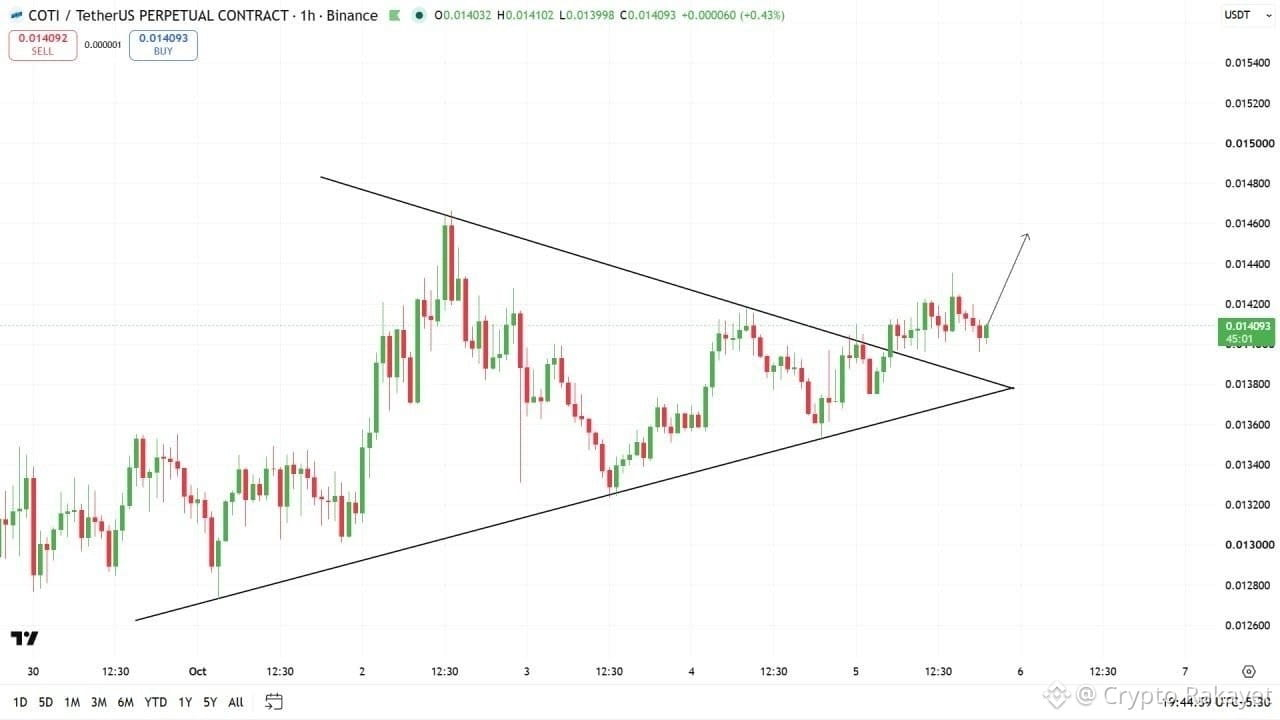
$COTIUSDT looks bullish after that breakout. We could see a pump coming, so track it.
@Binance_Announcement @CZ @Binance_News @richardteng @heyi
{future}(COTIUSDT)
$COTIUSDT looks bullish after that breakout. We could see a pump coming, so track it.
@Binance Announcement @CZ @Binance News @Richard Teng @Yi He
@Binance Announcement @CZ @Binance News @Richard Teng @Yi He
1
150
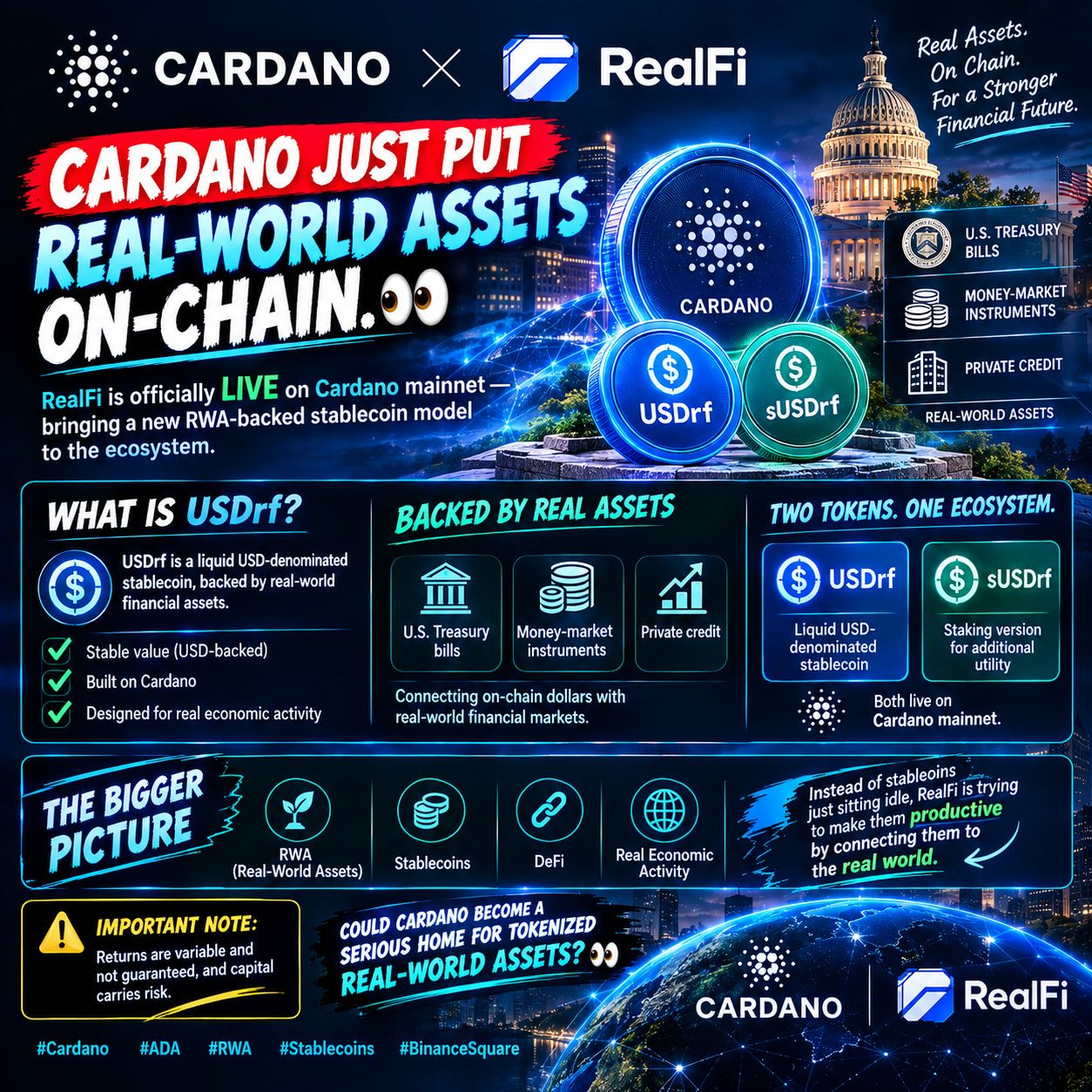
🚨 CARDANO JUST PUT REAL-WORLD ASSETS ON-CHAIN. 👀
RealFi is officially LIVE on Cardano mainnet — bringing a new RWA-backed stablecoin model to the ecosystem. 🔥
💵 USDrf — liquid USD-denominated stablecoin
🏦 Backed by real-world financial assets
🇺🇸 U.S. Treasury bills & money-market instruments
💳 Exposure to private credit and real economic activity
⚡ Built directly on Cardano
The bigger idea?
Instead of stablecoins simply sitting idle, RealFi is trying to connect on-chain dollars with real-world financial markets.
But there’s an important catch: returns are variable and not guaranteed, and capital carries risk. ⚠️
This could be another major step for the RWA + stablecoin narrative.
Could Cardano become a serious home for tokenized real-world assets? 👀
#Cardano #ADA #RWA #Stablecoins #BinanceSquare
🚨 CARDANO JUST PUT REAL-WORLD ASSETS ON-CHAIN. 👀
RealFi is officially LIVE on Cardano mainnet — bringing a new RWA-backed stablecoin model to the ecosystem. 🔥
💵 USDrf — liquid USD-denominated stablecoin
🏦 Backed by real-world financial assets
🇺🇸 U.S. Treasury bills & money-market instruments
💳 Exposure to private credit and real economic activity
⚡ Built directly on Cardano
The bigger idea?
Instead of stablecoins simply sitting idle, RealFi is trying to connect on-chain dollars with real-world financial markets.
But there’s an important catch: returns are variable and not guaranteed, and capital carries risk. ⚠️
This could be another major step for the RWA + stablecoin narrative.
Could Cardano become a serious home for tokenized real-world assets? 👀
#Cardano #ADA #RWA #Stablecoins #BinanceSquare
RealFi is officially LIVE on Cardano mainnet — bringing a new RWA-backed stablecoin model to the ecosystem. 🔥
💵 USDrf — liquid USD-denominated stablecoin
🏦 Backed by real-world financial assets
🇺🇸 U.S. Treasury bills & money-market instruments
💳 Exposure to private credit and real economic activity
⚡ Built directly on Cardano
The bigger idea?
Instead of stablecoins simply sitting idle, RealFi is trying to connect on-chain dollars with real-world financial markets.
But there’s an important catch: returns are variable and not guaranteed, and capital carries risk. ⚠️
This could be another major step for the RWA + stablecoin narrative.
Could Cardano become a serious home for tokenized real-world assets? 👀
#Cardano #ADA #RWA #Stablecoins #BinanceSquare
91
🚨 ETHEREUM JUST GAVE AI PAYMENTS A PRIVACY UPGRADE. 🤖🔐
The Ethereum Foundation has launched zkAPI on Ethereum mainnet.
What’s interesting? 👀
💰 Pay for AI models with ETH or USDC
🔐 Use zero-knowledge proofs
🕵️ Payment identity stays separated from your AI requests
⚡ Built for AI and other pay-per-use APIs
Instead of the AI provider knowing exactly who paid for a request, zkAPI separates the payment layer from the request layer.
And this could become much bigger than AI.
Blockchain RPCs, image generation, VPN bandwidth and even machine-to-machine payments are potential use cases.
⚠️ One important limitation: zkAPI doesn’t hide your IP address or the content you send to the AI provider.
Still, Ethereum is clearly pushing deeper into the AI + crypto + privacy intersection.
Could private AI payments become a major Ethereum use case? 👀
#Ethereum #ETH #Aİ #Privacy #BinanceSquare
🚨 ETHEREUM JUST GAVE AI PAYMENTS A PRIVACY UPGRADE. 🤖🔐
The Ethereum Foundation has launched zkAPI on Ethereum mainnet.
What’s interesting? 👀
💰 Pay for AI models with ETH or USDC
🔐 Use zero-knowledge proofs
🕵️ Payment identity stays separated from your AI requests
⚡ Built for AI and other pay-per-use APIs
Instead of the AI provider knowing exactly who paid for a request, zkAPI separates the payment layer from the request layer.
And this could become much bigger than AI.
Blockchain RPCs, image generation, VPN bandwidth and even machine-to-machine payments are potential use cases.
⚠️ One important limitation: zkAPI doesn’t hide your IP address or the content you send to the AI provider.
Still, Ethereum is clearly pushing deeper into the AI + crypto + privacy intersection.
Could private AI payments become a major Ethereum use case? 👀
#Ethereum #ETH #Aİ #Privacy #BinanceSquare
The Ethereum Foundation has launched zkAPI on Ethereum mainnet.
What’s interesting? 👀
💰 Pay for AI models with ETH or USDC
🔐 Use zero-knowledge proofs
🕵️ Payment identity stays separated from your AI requests
⚡ Built for AI and other pay-per-use APIs
Instead of the AI provider knowing exactly who paid for a request, zkAPI separates the payment layer from the request layer.
And this could become much bigger than AI.
Blockchain RPCs, image generation, VPN bandwidth and even machine-to-machine payments are potential use cases.
⚠️ One important limitation: zkAPI doesn’t hide your IP address or the content you send to the AI provider.
Still, Ethereum is clearly pushing deeper into the AI + crypto + privacy intersection.
Could private AI payments become a major Ethereum use case? 👀
#Ethereum #ETH #Aİ #Privacy #BinanceSquare

77
🚨 90+ U.S. FINANCIAL INSTITUTIONS ARE GETTING ON SOLANA. 👀
Fiserv’s new Digital Asset Platform is officially live—and its first live use case is running on Solana. ⚡
🏦 90+ North Dakota banks & credit unions
💵 Roughrider Coin — a dollar-backed token deposit
⚡ Solana blockchain for bank-to-bank settlement
The goal?
Faster, more efficient settlement between financial institutions—without relying entirely on traditional rails.
This isn’t retail crypto adoption.
It’s real financial infrastructure moving onto blockchain. 👀
Could Solana become a serious settlement layer for U.S. banks?
#solana #SOL #blockchain #crypto #BinanceSquare
🚨 90+ U.S. FINANCIAL INSTITUTIONS ARE GETTING ON SOLANA. 👀
Fiserv’s new Digital Asset Platform is officially live—and its first live use case is running on Solana. ⚡
🏦 90+ North Dakota banks & credit unions
💵 Roughrider Coin — a dollar-backed token deposit
⚡ Solana blockchain for bank-to-bank settlement
The goal?
Faster, more efficient settlement between financial institutions—without relying entirely on traditional rails.
This isn’t retail crypto adoption.
It’s real financial infrastructure moving onto blockchain. 👀
Could Solana become a serious settlement layer for U.S. banks?
#solana #SOL #blockchain #crypto #BinanceSquare
Fiserv’s new Digital Asset Platform is officially live—and its first live use case is running on Solana. ⚡
🏦 90+ North Dakota banks & credit unions
💵 Roughrider Coin — a dollar-backed token deposit
⚡ Solana blockchain for bank-to-bank settlement
The goal?
Faster, more efficient settlement between financial institutions—without relying entirely on traditional rails.
This isn’t retail crypto adoption.
It’s real financial infrastructure moving onto blockchain. 👀
Could Solana become a serious settlement layer for U.S. banks?
#solana #SOL #blockchain #crypto #BinanceSquare

69
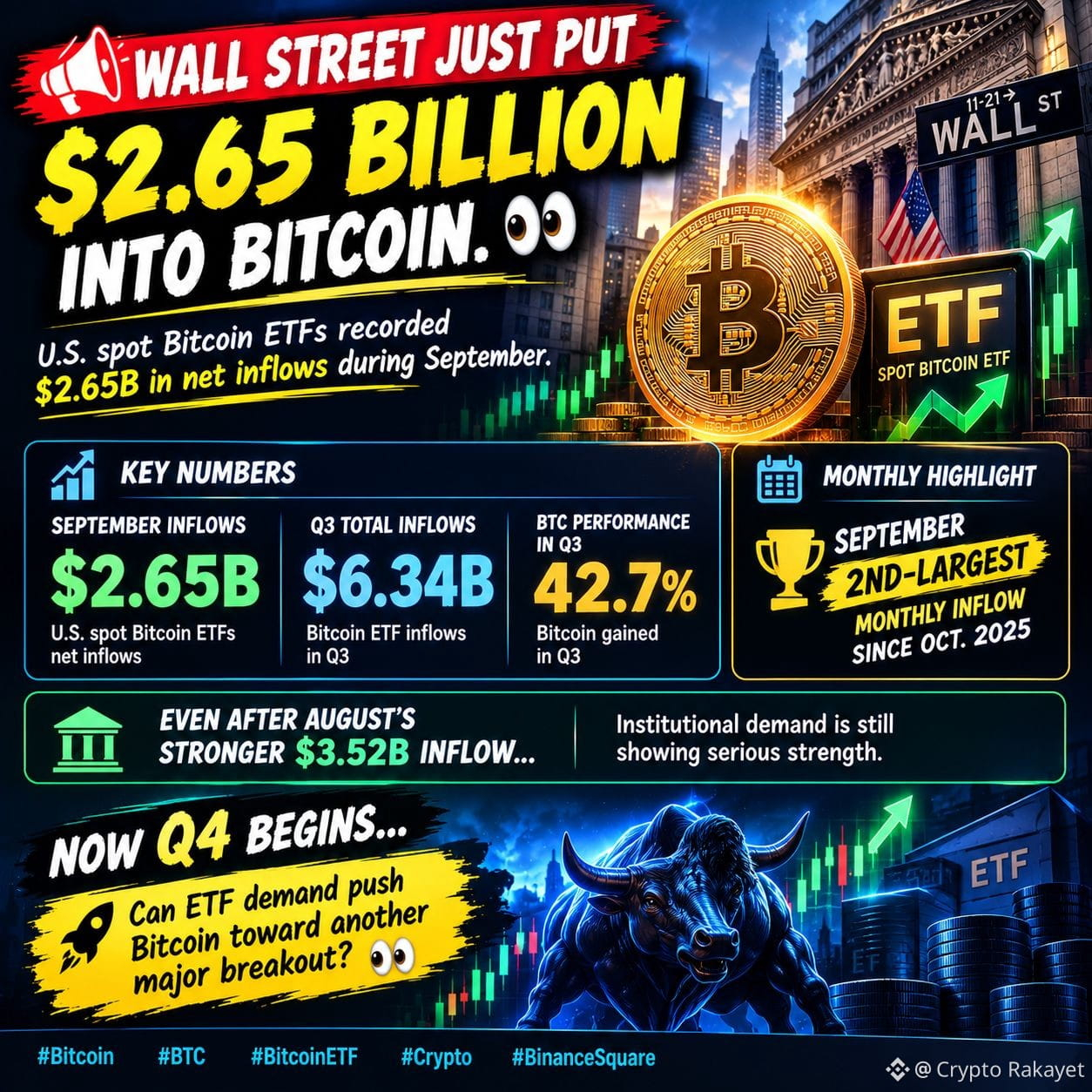
🚨 WALL STREET JUST PUT $2.65 BILLION INTO BITCOIN. 👀
U.S. spot Bitcoin ETFs recorded $2.65B in net inflows during September. 💰
And the bigger picture is even stronger:
📊 Q3 Bitcoin ETF inflows: $6.34B
₿ BTC gained 42.7% in Q3
🏦 September was the 2nd-largest monthly inflow since Oct. 2025
Even after August’s stronger $3.52B inflow, institutional demand is still showing serious strength.
Now Q4 begins…
Can ETF demand push Bitcoin toward another major breakout? 👀
#bitcoin #BTC #BitcoinETF #crypto #BinanceSquare
🚨 WALL STREET JUST PUT $2.65 BILLION INTO BITCOIN. 👀
U.S. spot Bitcoin ETFs recorded $2.65B in net inflows during September. 💰
And the bigger picture is even stronger:
📊 Q3 Bitcoin ETF inflows: $6.34B
₿ BTC gained 42.7% in Q3
🏦 September was the 2nd-largest monthly inflow since Oct. 2025
Even after August’s stronger $3.52B inflow, institutional demand is still showing serious strength.
Now Q4 begins…
Can ETF demand push Bitcoin toward another major breakout? 👀
#bitcoin #BTC #BitcoinETF #crypto #BinanceSquare
U.S. spot Bitcoin ETFs recorded $2.65B in net inflows during September. 💰
And the bigger picture is even stronger:
📊 Q3 Bitcoin ETF inflows: $6.34B
₿ BTC gained 42.7% in Q3
🏦 September was the 2nd-largest monthly inflow since Oct. 2025
Even after August’s stronger $3.52B inflow, institutional demand is still showing serious strength.
Now Q4 begins…
Can ETF demand push Bitcoin toward another major breakout? 👀
#bitcoin #BTC #BitcoinETF #crypto #BinanceSquare
45
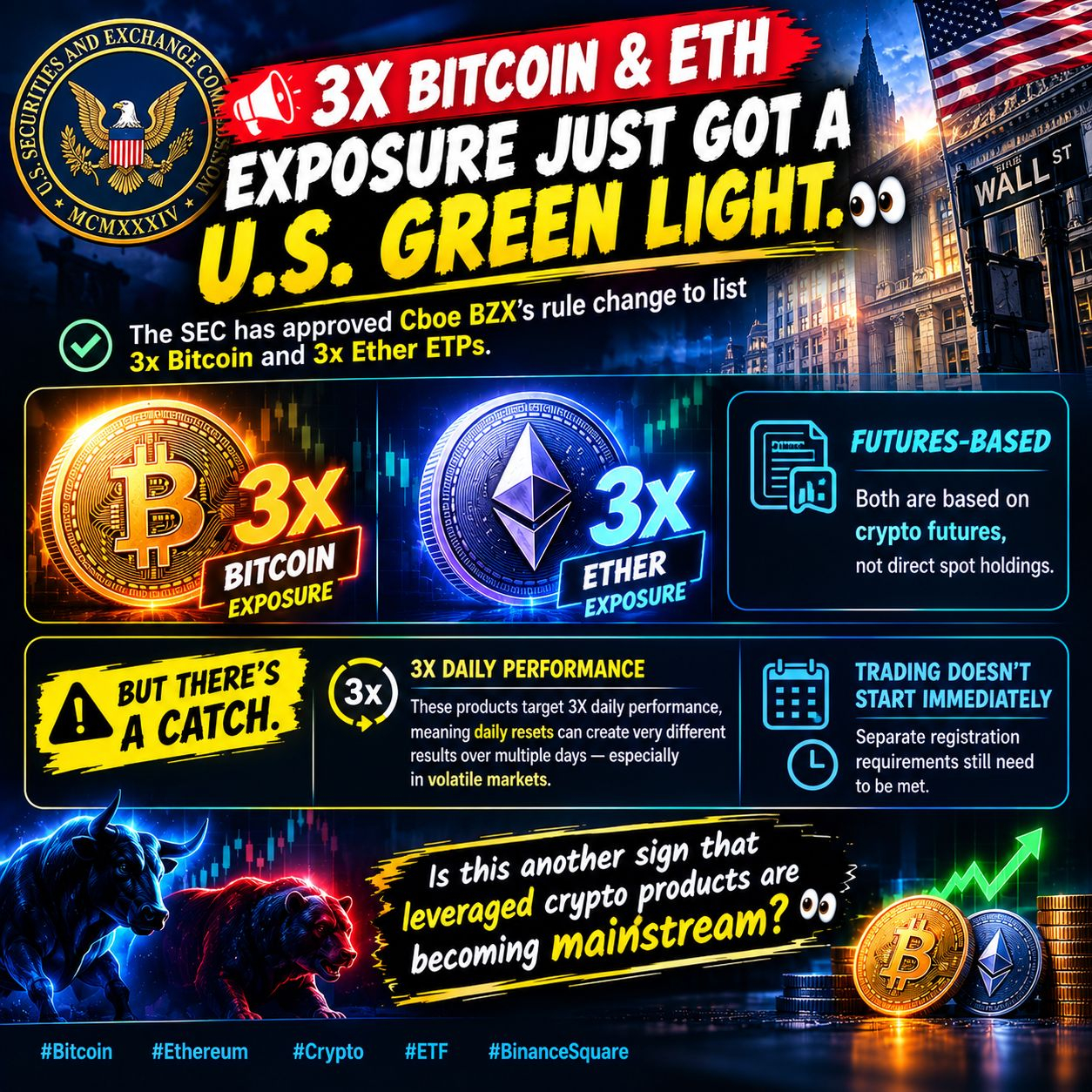
🚨 3X BITCOIN & ETH EXPOSURE JUST GOT A U.S. GREEN LIGHT. 👀
The SEC has approved Cboe BZX’s rule change to list 3x Bitcoin and 3x Ether ETPs. 🇺🇸
₿ 3X Bitcoin exposure
Ξ 3X Ether exposure
📊 Both are based on crypto futures, not direct spot holdings.
But there’s a catch. ⚠️
The products target 3X DAILY performance, meaning daily resets can create very different results over multiple days—especially in volatile markets.
And trading doesn’t start immediately; separate registration requirements still need to be met.
Is this another sign that leveraged crypto products are becoming mainstream? 👀
#Bitcoin #Ethereum #Crypto #etf #BinanceSquare
🚨 3X BITCOIN & ETH EXPOSURE JUST GOT A U.S. GREEN LIGHT. 👀
The SEC has approved Cboe BZX’s rule change to list 3x Bitcoin and 3x Ether ETPs. 🇺🇸
₿ 3X Bitcoin exposure
Ξ 3X Ether exposure
📊 Both are based on crypto futures, not direct spot holdings.
But there’s a catch. ⚠️
The products target 3X DAILY performance, meaning daily resets can create very different results over multiple days—especially in volatile markets.
And trading doesn’t start immediately; separate registration requirements still need to be met.
Is this another sign that leveraged crypto products are becoming mainstream? 👀
#Bitcoin #Ethereum #Crypto #etf #BinanceSquare
The SEC has approved Cboe BZX’s rule change to list 3x Bitcoin and 3x Ether ETPs. 🇺🇸
₿ 3X Bitcoin exposure
Ξ 3X Ether exposure
📊 Both are based on crypto futures, not direct spot holdings.
But there’s a catch. ⚠️
The products target 3X DAILY performance, meaning daily resets can create very different results over multiple days—especially in volatile markets.
And trading doesn’t start immediately; separate registration requirements still need to be met.
Is this another sign that leveraged crypto products are becoming mainstream? 👀
#Bitcoin #Ethereum #Crypto #etf #BinanceSquare
81
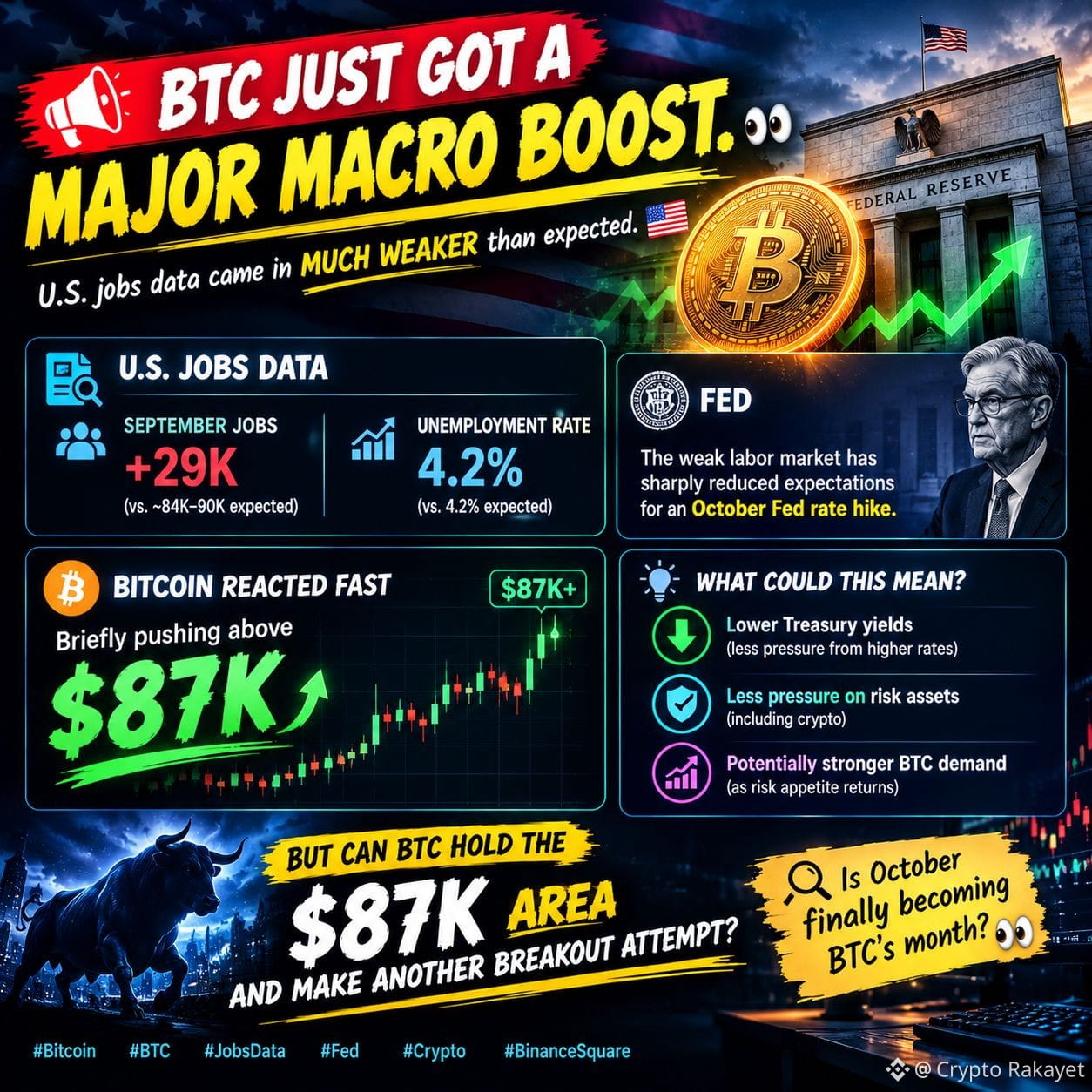
🚨 BTC JUST HIT $86K — NOW THE JOBS DATA MATTERS. 👀
Bitcoin briefly pushed above $86K as expectations for another Fed rate hike eased. 📈
🏦 Fed policy expectations are shifting
₿ BTC is back in focus
📊 U.S. jobs data is the next major macro catalyst
A stronger jobs report could keep yields elevated.
A weaker report could strengthen hopes for easier monetary policy — potentially giving risk assets more room to move. 👀
So what moves BTC next: the Fed or the jobs report?
#bitcoin #BTC #Fed #crypto #BinanceSquare
🚨 BTC JUST HIT $86K — NOW THE JOBS DATA MATTERS. 👀
Bitcoin briefly pushed above $86K as expectations for another Fed rate hike eased. 📈
🏦 Fed policy expectations are shifting
₿ BTC is back in focus
📊 U.S. jobs data is the next major macro catalyst
A stronger jobs report could keep yields elevated.
A weaker report could strengthen hopes for easier monetary policy — potentially giving risk assets more room to move. 👀
So what moves BTC next: the Fed or the jobs report?
#bitcoin #BTC #Fed #crypto #BinanceSquare
Bitcoin briefly pushed above $86K as expectations for another Fed rate hike eased. 📈
🏦 Fed policy expectations are shifting
₿ BTC is back in focus
📊 U.S. jobs data is the next major macro catalyst
A stronger jobs report could keep yields elevated.
A weaker report could strengthen hopes for easier monetary policy — potentially giving risk assets more room to move. 👀
So what moves BTC next: the Fed or the jobs report?
#bitcoin #BTC #Fed #crypto #BinanceSquare
89
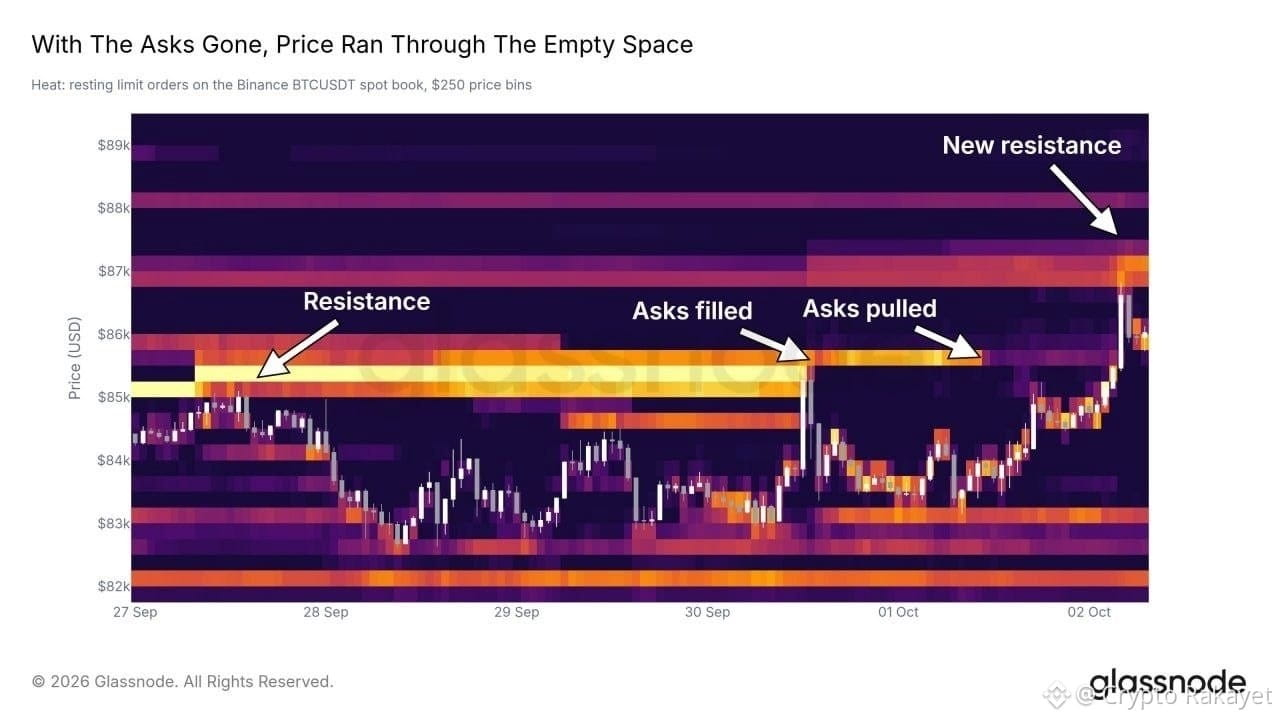
🔥 BULLISH: Bitcoin broke above $85K after sellers pulled asks, with the next sell wall forming near $87K, says Glassnode.
@Binance_News @CZ @Binance_Announcement @richardteng
{spot}(BTCUSDT)
🔥 BULLISH: Bitcoin broke above $85K after sellers pulled asks, with the next sell wall forming near $87K, says Glassnode.
@Binance News @CZ @Binance Announcement @Richard Teng
@Binance News @CZ @Binance Announcement @Richard Teng
63
·
--
တက်ရိပ်ရှိသည်
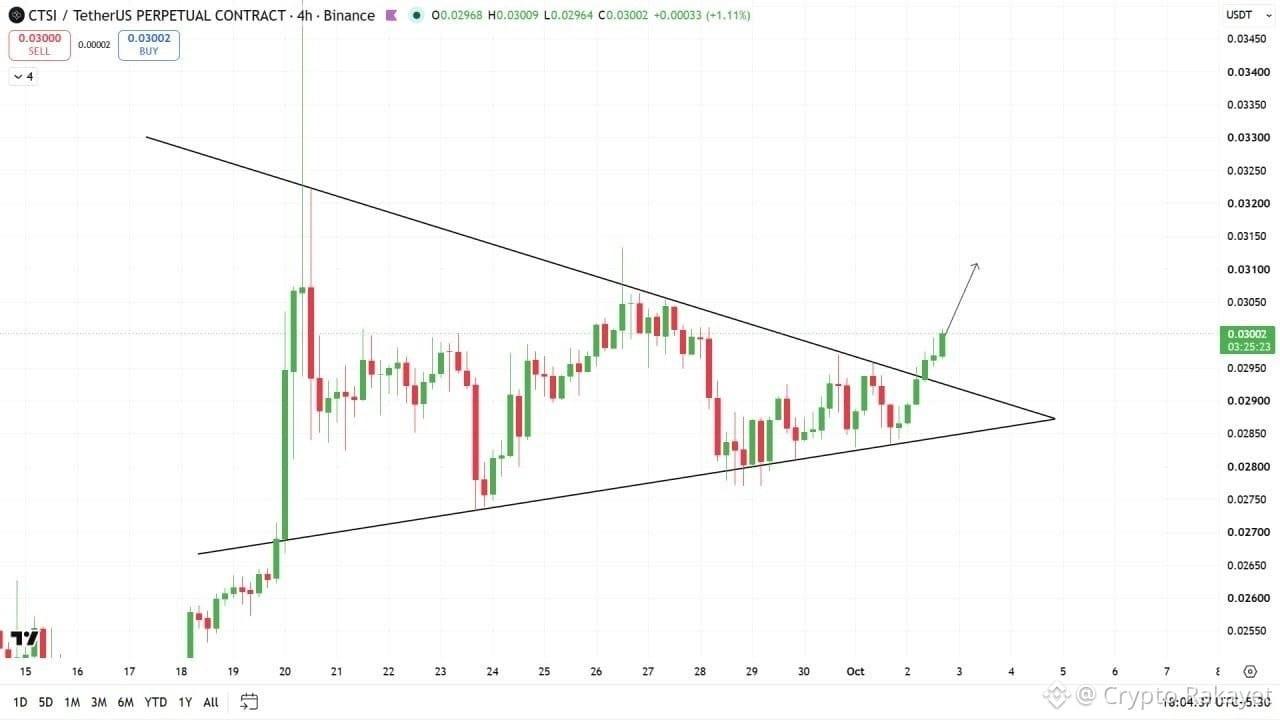
$CTSIUSDT looks bullish after breaking out of that symmetrical triangle. Expect it to pump soon, so keep an eye on it.
@Binance_Announcement @Binance_News @CZ @richardteng
{future}(CTSIUSDT)
$CTSIUSDT looks bullish after breaking out of that symmetrical triangle. Expect it to pump soon, so keep an eye on it.
@Binance Announcement @Binance News @CZ @Richard Teng
@Binance Announcement @Binance News @CZ @Richard Teng
161
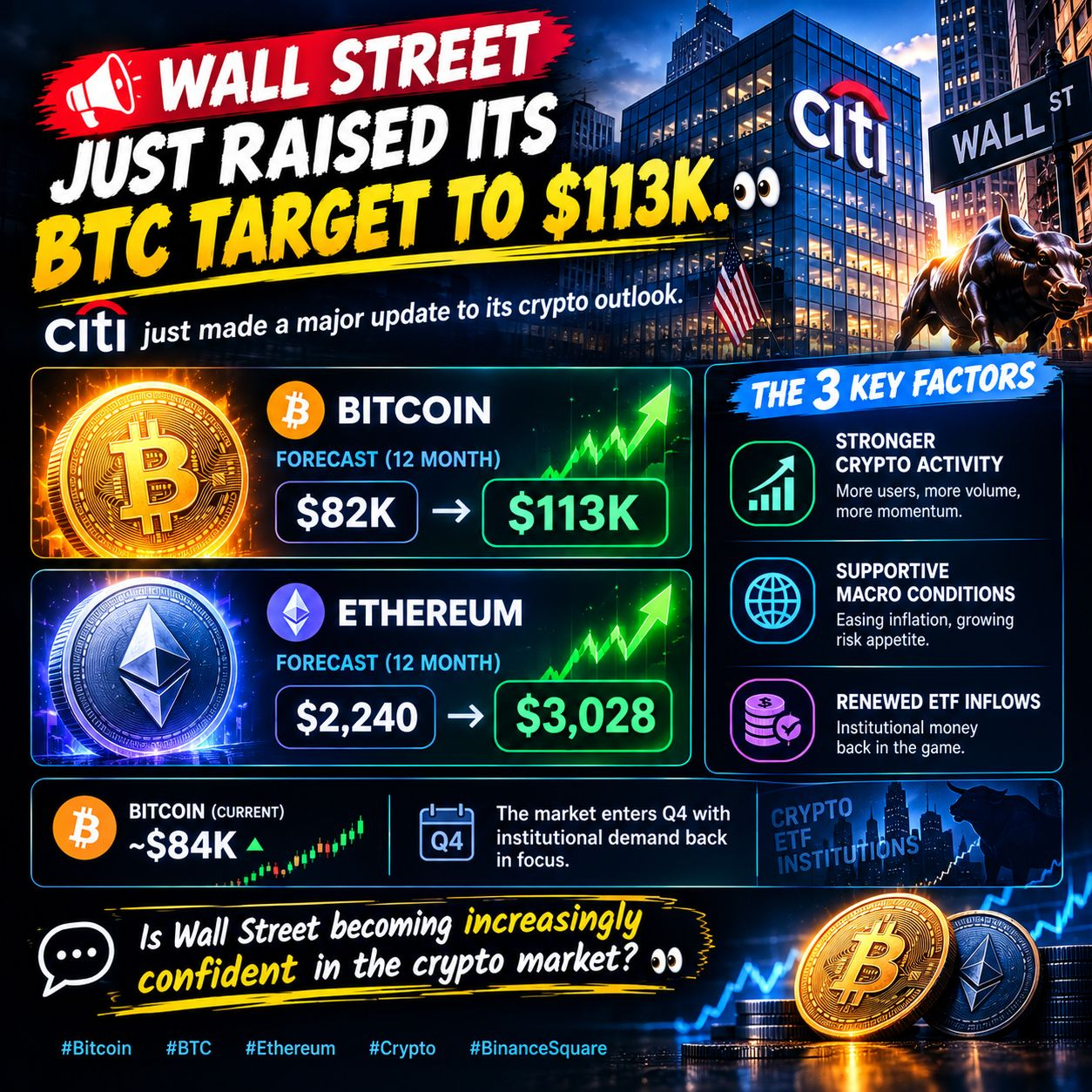
🚨 WALL STREET JUST RAISED ITS BTC TARGET TO $113K. 👀
Citi just made a major update to its crypto outlook. 🏦
₿ Bitcoin: $82K → $113K
Ξ Ethereum: $2,240 → $3,028
Citi points to 3 key factors:
📈 Stronger crypto activity
🌎 Supportive macro conditions
💰 Renewed ETF inflows
Bitcoin is currently trading around $84K, while the market enters Q4 with institutional demand back in focus.
The question now:
Is Wall Street becoming increasingly confident in the crypto market? 👀
#bitcoin #BTC #Ethereum #crypto #BinanceSquare
🚨 WALL STREET JUST RAISED ITS BTC TARGET TO $113K. 👀
Citi just made a major update to its crypto outlook. 🏦
₿ Bitcoin: $82K → $113K
Ξ Ethereum: $2,240 → $3,028
Citi points to 3 key factors:
📈 Stronger crypto activity
🌎 Supportive macro conditions
💰 Renewed ETF inflows
Bitcoin is currently trading around $84K, while the market enters Q4 with institutional demand back in focus.
The question now:
Is Wall Street becoming increasingly confident in the crypto market? 👀
#bitcoin #BTC #Ethereum #crypto #BinanceSquare
Citi just made a major update to its crypto outlook. 🏦
₿ Bitcoin: $82K → $113K
Ξ Ethereum: $2,240 → $3,028
Citi points to 3 key factors:
📈 Stronger crypto activity
🌎 Supportive macro conditions
💰 Renewed ETF inflows
Bitcoin is currently trading around $84K, while the market enters Q4 with institutional demand back in focus.
The question now:
Is Wall Street becoming increasingly confident in the crypto market? 👀
#bitcoin #BTC #Ethereum #crypto #BinanceSquare
78
🚨 BTC JUST GOT A MACRO BOOST. 👀
U.S. inflation came in cooler than expected. 📉
🇺🇸 PCE: 3.4% vs 3.7% expected
📊 Core PCE: 3.0% vs 3.3% expected
₿ Bitcoin pushed back toward $85K
Markets also cut expectations for an October Fed rate hike after the data.
But there’s a catch: inflation is still well above the Fed’s 2% target, and Treasury yields remain elevated. ⚠️
So the big question is:
Can softer inflation give BTC the fuel it needs for another move higher? 👀
#bitcoin #BTC #PCE #crypto #BinanceSquare
🚨 BTC JUST GOT A MACRO BOOST. 👀
U.S. inflation came in cooler than expected. 📉
🇺🇸 PCE: 3.4% vs 3.7% expected
📊 Core PCE: 3.0% vs 3.3% expected
₿ Bitcoin pushed back toward $85K
Markets also cut expectations for an October Fed rate hike after the data.
But there’s a catch: inflation is still well above the Fed’s 2% target, and Treasury yields remain elevated. ⚠️
So the big question is:
Can softer inflation give BTC the fuel it needs for another move higher? 👀
#bitcoin #BTC #PCE #crypto #BinanceSquare
U.S. inflation came in cooler than expected. 📉
🇺🇸 PCE: 3.4% vs 3.7% expected
📊 Core PCE: 3.0% vs 3.3% expected
₿ Bitcoin pushed back toward $85K
Markets also cut expectations for an October Fed rate hike after the data.
But there’s a catch: inflation is still well above the Fed’s 2% target, and Treasury yields remain elevated. ⚠️
So the big question is:
Can softer inflation give BTC the fuel it needs for another move higher? 👀
#bitcoin #BTC #PCE #crypto #BinanceSquare
79
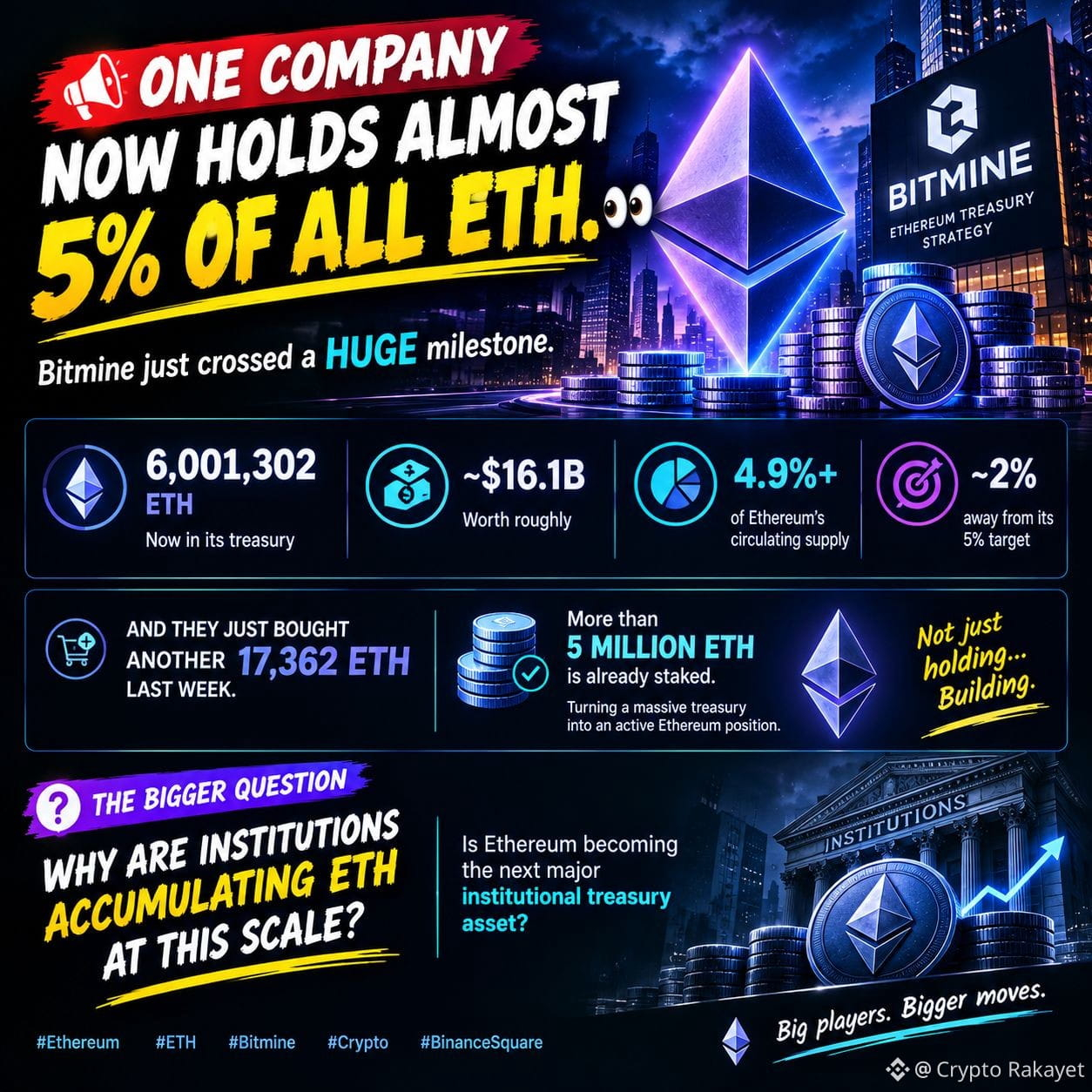
🚨 ONE COMPANY NOW HOLDS ALMOST 5% OF ALL ETH. 👀
Bitmine just crossed a HUGE milestone.
🏦 6,001,302 ETH now in its treasury
💰 Worth roughly $16.1B
📊 More than 4.9% of Ethereum’s circulating supply
🎯 Only ~2% away from its 5% target
And they just bought another 17,362 ETH last week. 🔥
What makes this interesting?
Bitmine isn’t simply holding ETH.
More than 5 million ETH is already staked, turning a massive treasury into an active Ethereum position.
The bigger question is:
Why are institutions accumulating ETH at this scale? 👀
Is Ethereum becoming the next major institutional treasury asset?
#Ethereum #ETH #Bitmine #crypto #BinanceSquare
🚨 ONE COMPANY NOW HOLDS ALMOST 5% OF ALL ETH. 👀
Bitmine just crossed a HUGE milestone.
🏦 6,001,302 ETH now in its treasury
💰 Worth roughly $16.1B
📊 More than 4.9% of Ethereum’s circulating supply
🎯 Only ~2% away from its 5% target
And they just bought another 17,362 ETH last week. 🔥
What makes this interesting?
Bitmine isn’t simply holding ETH.
More than 5 million ETH is already staked, turning a massive treasury into an active Ethereum position.
The bigger question is:
Why are institutions accumulating ETH at this scale? 👀
Is Ethereum becoming the next major institutional treasury asset?
#Ethereum #ETH #Bitmine #crypto #BinanceSquare
Bitmine just crossed a HUGE milestone.
🏦 6,001,302 ETH now in its treasury
💰 Worth roughly $16.1B
📊 More than 4.9% of Ethereum’s circulating supply
🎯 Only ~2% away from its 5% target
And they just bought another 17,362 ETH last week. 🔥
What makes this interesting?
Bitmine isn’t simply holding ETH.
More than 5 million ETH is already staked, turning a massive treasury into an active Ethereum position.
The bigger question is:
Why are institutions accumulating ETH at this scale? 👀
Is Ethereum becoming the next major institutional treasury asset?
#Ethereum #ETH #Bitmine #crypto #BinanceSquare
66
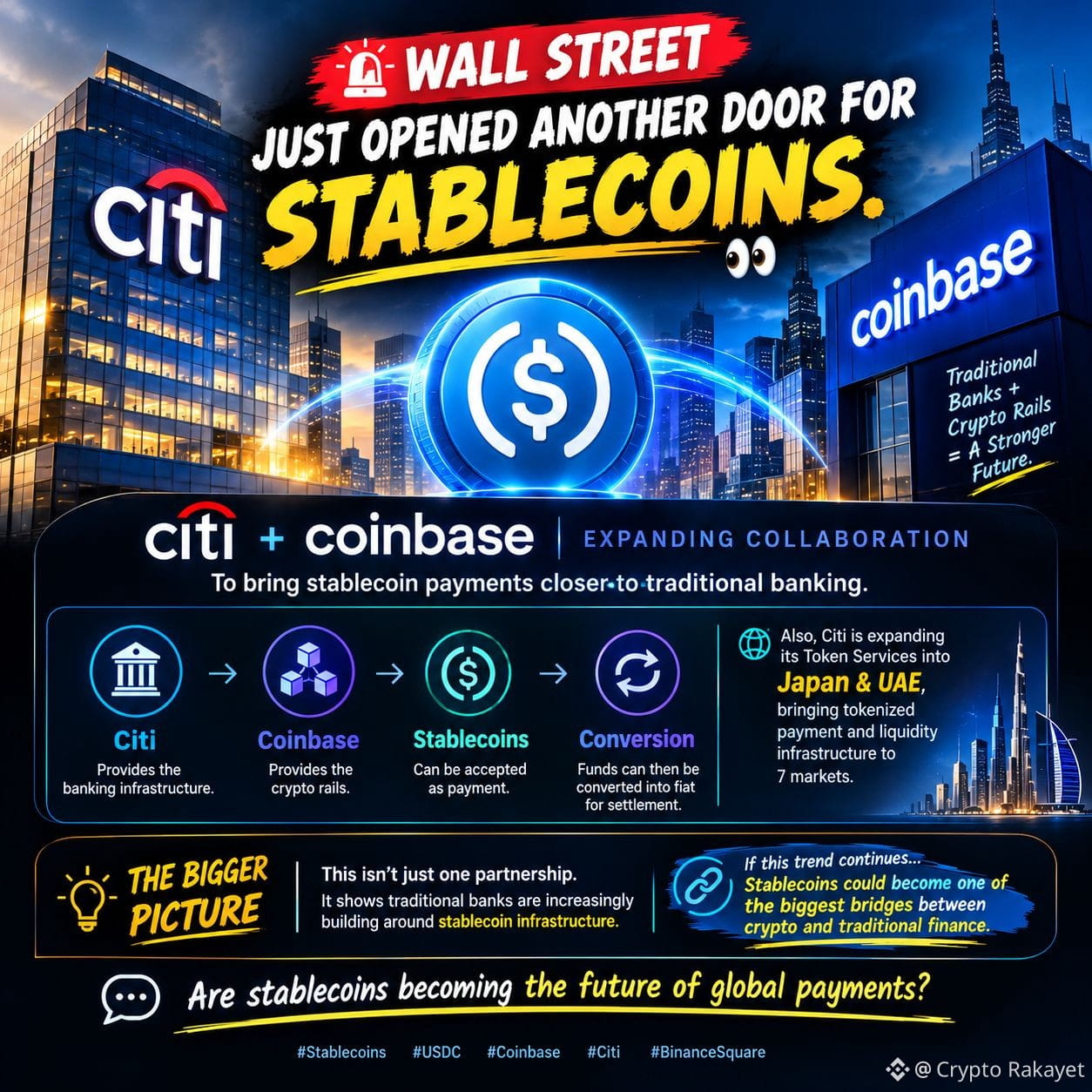
🚨 WALL STREET JUST OPENED ANOTHER DOOR FOR STABLECOINS. 👀💵
Citi + Coinbase are expanding their collaboration to bring stablecoin payments closer to traditional banking.
Here’s the interesting part:
🏦 Citi provides the banking infrastructure
🌐 Coinbase provides the crypto rails
💵 Stablecoins can be accepted as payment
🔄 The funds can then be converted into fiat for settlement
So businesses may not need to directly manage stablecoins to benefit from blockchain-based payments.
This is bigger than one partnership.
It shows traditional banks are increasingly building around stablecoin infrastructure.
And if this trend continues…
Stablecoins could become one of the biggest bridges between crypto and traditional finance. 🔥
Are stablecoins becoming the future of global payments?
#Stablecoins #USDC #coinbase #Citi #BinanceSquare
🚨 WALL STREET JUST OPENED ANOTHER DOOR FOR STABLECOINS. 👀💵
Citi + Coinbase are expanding their collaboration to bring stablecoin payments closer to traditional banking.
Here’s the interesting part:
🏦 Citi provides the banking infrastructure
🌐 Coinbase provides the crypto rails
💵 Stablecoins can be accepted as payment
🔄 The funds can then be converted into fiat for settlement
So businesses may not need to directly manage stablecoins to benefit from blockchain-based payments.
This is bigger than one partnership.
It shows traditional banks are increasingly building around stablecoin infrastructure.
And if this trend continues…
Stablecoins could become one of the biggest bridges between crypto and traditional finance. 🔥
Are stablecoins becoming the future of global payments?
#Stablecoins #USDC #coinbase #Citi #BinanceSquare
Citi + Coinbase are expanding their collaboration to bring stablecoin payments closer to traditional banking.
Here’s the interesting part:
🏦 Citi provides the banking infrastructure
🌐 Coinbase provides the crypto rails
💵 Stablecoins can be accepted as payment
🔄 The funds can then be converted into fiat for settlement
So businesses may not need to directly manage stablecoins to benefit from blockchain-based payments.
This is bigger than one partnership.
It shows traditional banks are increasingly building around stablecoin infrastructure.
And if this trend continues…
Stablecoins could become one of the biggest bridges between crypto and traditional finance. 🔥
Are stablecoins becoming the future of global payments?
#Stablecoins #USDC #coinbase #Citi #BinanceSquare
54
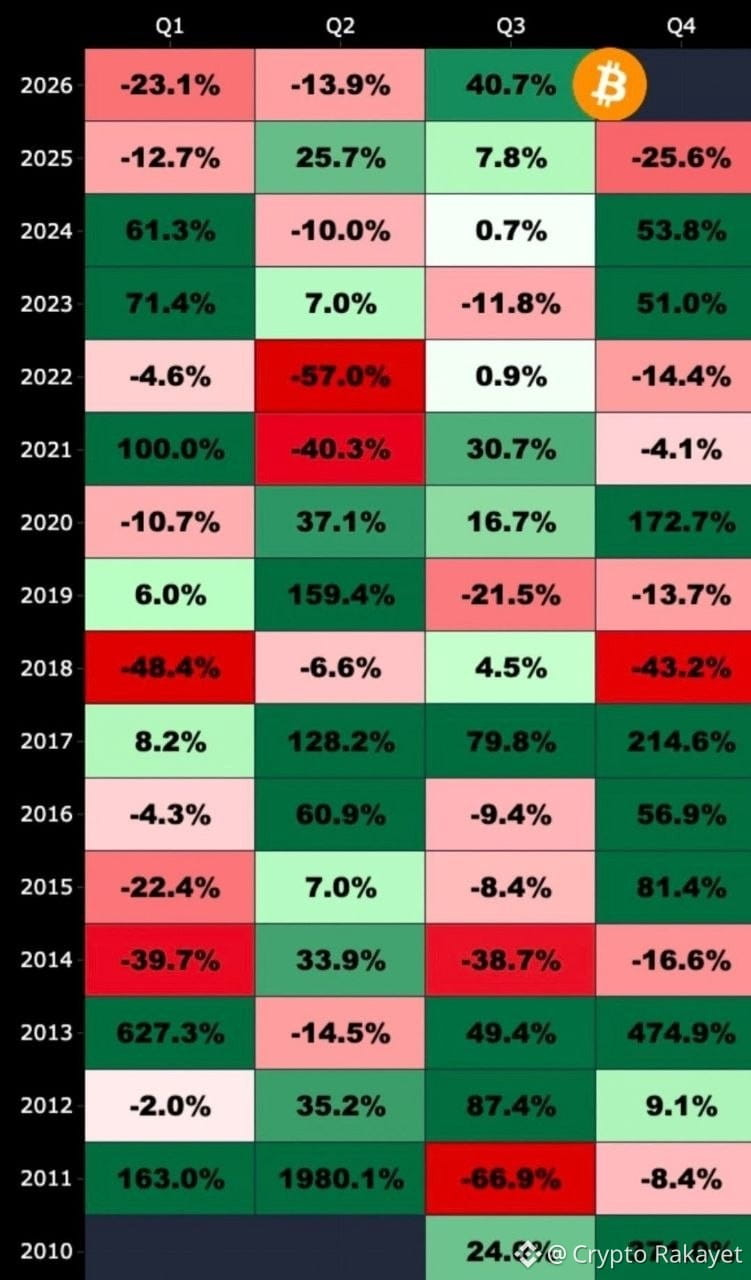
JUST IN: Bitcoin is on track to close its fourth best Q3 in history 🚀
@CZ @Binance_News @Binance_Announcement @richardteng
{spot}(BTCUSDT)
JUST IN: Bitcoin is on track to close its fourth best Q3 in history 🚀
@CZ @Binance News @Binance Announcement @Richard Teng
@CZ @Binance News @Binance Announcement @Richard Teng
79
·
--
တက်ရိပ်ရှိသည်
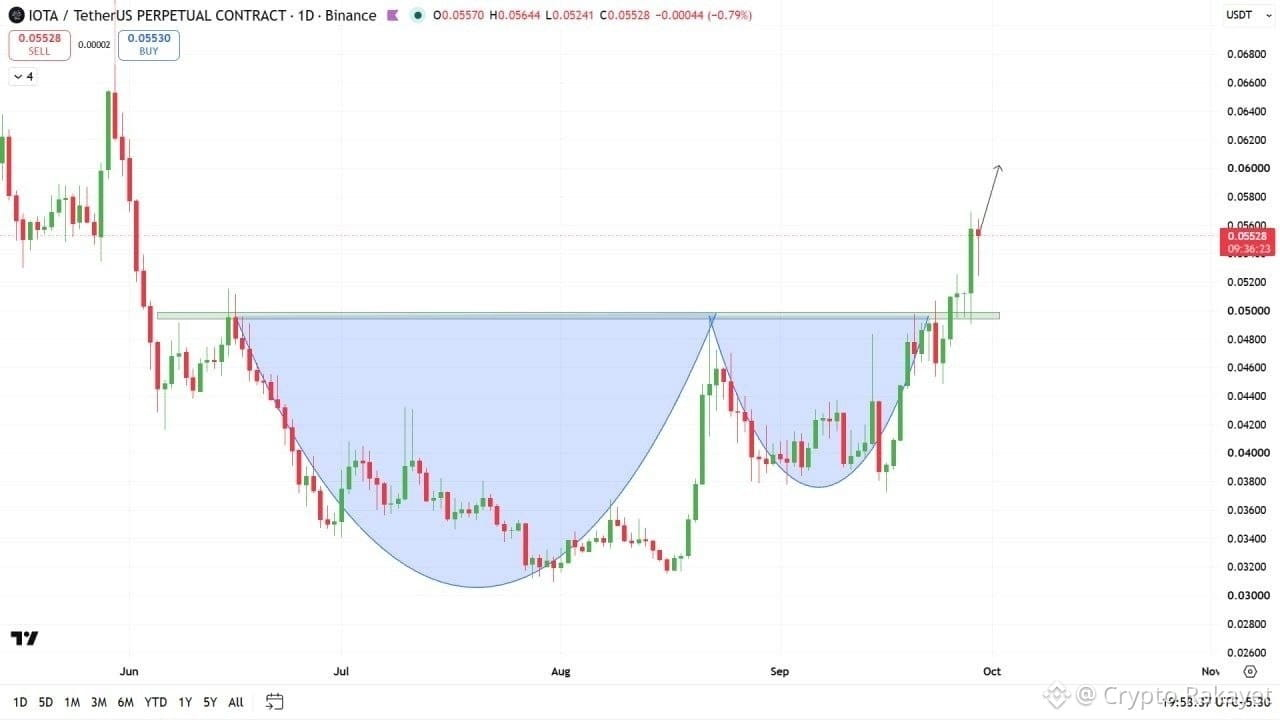
$IOTAUSDT is looking bullish after that breakout. We could see a pump coming, so keep an eye on it.
@Binance_News @CZ @Binance_Announcement @richardteng
{future}(IOTAUSDT)
$IOTAUSDT is looking bullish after that breakout. We could see a pump coming, so keep an eye on it.
@Binance News @CZ @Binance Announcement @Richard Teng
@Binance News @CZ @Binance Announcement @Richard Teng
230
·
--
တက်ရိပ်ရှိသည်
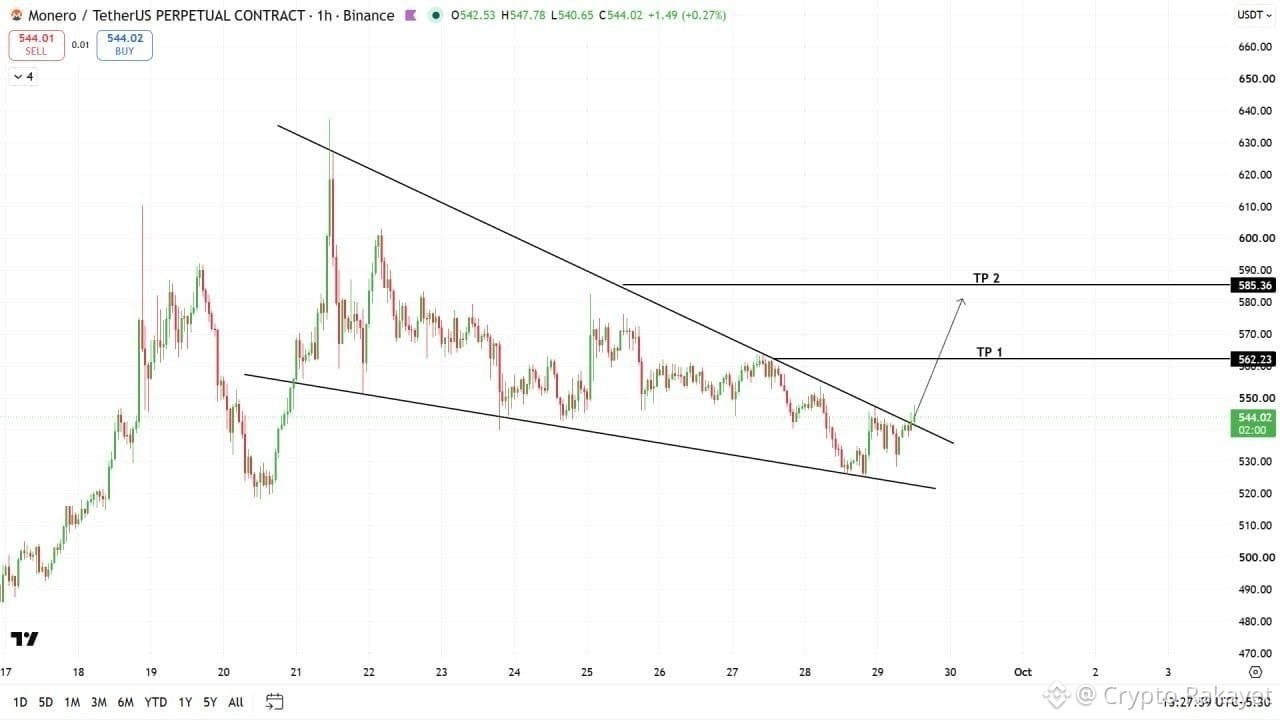
$XMRUSDT just broke out of that falling wedge and looks bullish, so it might hit those higher targets soon. Keep an eye on it.
@Binance_News @CZ @Binance_Announcement @richardteng
{future}(XMRUSDT)
$XMRUSDT just broke out of that falling wedge and looks bullish, so it might hit those higher targets soon. Keep an eye on it.
@Binance News @CZ @Binance Announcement @Richard Teng
@Binance News @CZ @Binance Announcement @Richard Teng
103
Article
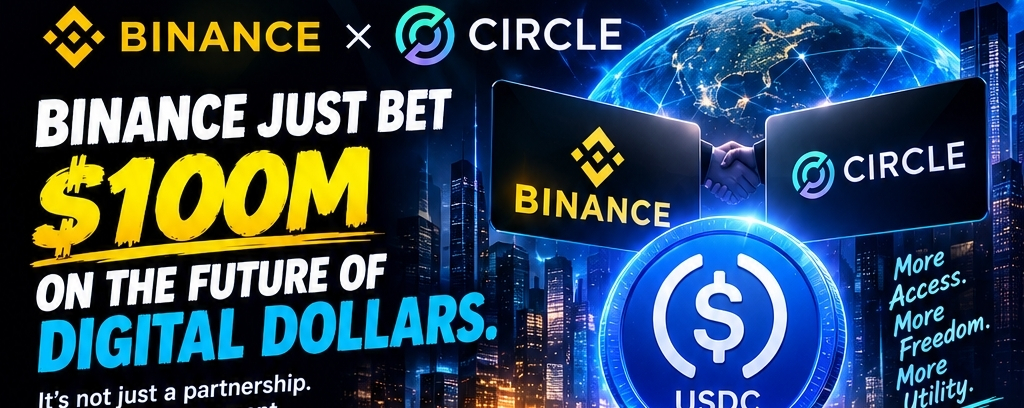
🚨 BINANCE JUST BET $100M ON THE FUTURE OF DIGITAL DOLLARS. 💵🌐Most people are watching Bitcoin.
But something much bigger may be happening underneath the market:
Stablecoins are becoming financial infrastructure.
On September 22, Binance announced a $100 million strategic equity investment in Circle, the company behind USDC.
At the same time, Binance and Circle renewed their commercial partnership for another five years, with a major focus on expanding USDC access across emerging markets.
And this is where the story gets interesting. 👇
💵 THIS ISN'T JUST ABOUT USDC
A stablecoin is basically a digital representation of fiat money that can move on blockchain rails.
No waiting for traditional banking hours.
No need to physically move money across borders.
Instead, dollars can exist as programmable digital assets and move through blockchain networks.
That's why stablecoins have become one of crypto's most important real-world use cases.
By September 2026, the total stablecoin market was around $305 BILLION according to industry data cited in recent market research.
That's no longer a tiny crypto experiment.
That's a financial market with hundreds of billions of dollars moving through digital-dollar infrastructure.
🏦 WHY BINANCE'S $100M MATTERS
The important part isn't simply the $100M.
It's the structure of the deal.
Binance is providing:
🔹 Massive distribution
🔹 Global user access
🔹 Exchange liquidity
🔹 A huge digital-asset ecosystem
Circle provides:
🔹 USDC infrastructure
🔹 Stablecoin technology
🔹 Payment infrastructure
🔹 Institutional digital-dollar rails
Put them together and you get something much bigger than a normal exchange partnership:
Distribution + infrastructure.
And the companies specifically highlighted emerging markets as a major focus.
🌍 THE EMERGING-MARKET ANGLE
This could be especially important in countries where access to global dollar liquidity is expensive, slow, or restricted.
A smartphone + internet connection + digital wallet can potentially provide access to dollar-denominated digital money without requiring the same traditional infrastructure.
That doesn't mean stablecoins automatically replace banks.
But it does mean the competition between:
Traditional banking rails 🏦
and
Blockchain-based financial rails 🌐
is becoming much more interesting.
🔥 AND HERE'S THE BIGGER PICTURE
Bitcoin introduced a scarce digital asset.
Ethereum introduced programmable blockchain applications.
Stablecoins are bringing something different:
Programmable digital dollars.
And now major crypto companies are investing heavily in the infrastructure required to distribute them globally.
That's why I think the stablecoin story deserves much more attention in 2026.
Not because USDC is guaranteed to win.
Not because stablecoins are risk-free.
But because hundreds of billions of dollars are already sitting inside this category—and major financial companies are building around it.
The next phase of crypto may not simply be:
“Bitcoin vs Altcoins.”
It could increasingly become:
“Who controls the rails of digital money?” 👀
What do you think?
💵 Will stablecoins become the main bridge between traditional finance and crypto?
OR
🏦 Will traditional banks build their own digital-dollar systems and compete directly?
#USDC #Stablecoins #Binance #crypto #BinanceSquare
🚨 BINANCE JUST BET $100M ON THE FUTURE OF DIGITAL DOLLARS. 💵🌐
Most people are watching Bitcoin.
But something much bigger may be happening underneath the market:
Stablecoins are becoming financial infrastructure.
On September 22, Binance announced a $100 million strategic equity investment in Circle, the company behind USDC.
At the same time, Binance and Circle renewed their commercial partnership for another five years, with a major focus on expanding USDC access across emerging markets.
And this is where the story gets interesting. 👇
💵 THIS ISN'T JUST ABOUT USDC
A stablecoin is basically a digital representation of fiat money that can move on blockchain rails.
No waiting for traditional banking hours.
No need to physically move money across borders.
Instead, dollars can exist as programmable digital assets and move through blockchain networks.
That's why stablecoins have become one of crypto's most important real-world use cases.
By September 2026, the total stablecoin market was around $305 BILLION according to industry data cited in recent market research.
That's no longer a tiny crypto experiment.
That's a financial market with hundreds of billions of dollars moving through digital-dollar infrastructure.
🏦 WHY BINANCE'S $100M MATTERS
The important part isn't simply the $100M.
It's the structure of the deal.
Binance is providing:
🔹 Massive distribution
🔹 Global user access
🔹 Exchange liquidity
🔹 A huge digital-asset ecosystem
Circle provides:
🔹 USDC infrastructure
🔹 Stablecoin technology
🔹 Payment infrastructure
🔹 Institutional digital-dollar rails
Put them together and you get something much bigger than a normal exchange partnership:
Distribution + infrastructure.
And the companies specifically highlighted emerging markets as a major focus.
🌍 THE EMERGING-MARKET ANGLE
This could be especially important in countries where access to global dollar liquidity is expensive, slow, or restricted.
A smartphone + internet connection + digital wallet can potentially provide access to dollar-denominated digital money without requiring the same traditional infrastructure.
That doesn't mean stablecoins automatically replace banks.
But it does mean the competition between:
Traditional banking rails 🏦
and
Blockchain-based financial rails 🌐
is becoming much more interesting.
🔥 AND HERE'S THE BIGGER PICTURE
Bitcoin introduced a scarce digital asset.
Ethereum introduced programmable blockchain applications.
Stablecoins are bringing something different:
Programmable digital dollars.
And now major crypto companies are investing heavily in the infrastructure required to distribute them globally.
That's why I think the stablecoin story deserves much more attention in 2026.
Not because USDC is guaranteed to win.
Not because stablecoins are risk-free.
But because hundreds of billions of dollars are already sitting inside this category—and major financial companies are building around it.
The next phase of crypto may not simply be:
“Bitcoin vs Altcoins.”
It could increasingly become:
“Who controls the rails of digital money?” 👀
What do you think?
💵 Will stablecoins become the main bridge between traditional finance and crypto?
OR
🏦 Will traditional banks build their own digital-dollar systems and compete directly?
#USDC #Stablecoins #Binance #crypto #BinanceSquare
But something much bigger may be happening underneath the market:
Stablecoins are becoming financial infrastructure.
On September 22, Binance announced a $100 million strategic equity investment in Circle, the company behind USDC.
At the same time, Binance and Circle renewed their commercial partnership for another five years, with a major focus on expanding USDC access across emerging markets.
And this is where the story gets interesting. 👇
💵 THIS ISN'T JUST ABOUT USDC
A stablecoin is basically a digital representation of fiat money that can move on blockchain rails.
No waiting for traditional banking hours.
No need to physically move money across borders.
Instead, dollars can exist as programmable digital assets and move through blockchain networks.
That's why stablecoins have become one of crypto's most important real-world use cases.
By September 2026, the total stablecoin market was around $305 BILLION according to industry data cited in recent market research.
That's no longer a tiny crypto experiment.
That's a financial market with hundreds of billions of dollars moving through digital-dollar infrastructure.
🏦 WHY BINANCE'S $100M MATTERS
The important part isn't simply the $100M.
It's the structure of the deal.
Binance is providing:
🔹 Massive distribution
🔹 Global user access
🔹 Exchange liquidity
🔹 A huge digital-asset ecosystem
Circle provides:
🔹 USDC infrastructure
🔹 Stablecoin technology
🔹 Payment infrastructure
🔹 Institutional digital-dollar rails
Put them together and you get something much bigger than a normal exchange partnership:
Distribution + infrastructure.
And the companies specifically highlighted emerging markets as a major focus.
🌍 THE EMERGING-MARKET ANGLE
This could be especially important in countries where access to global dollar liquidity is expensive, slow, or restricted.
A smartphone + internet connection + digital wallet can potentially provide access to dollar-denominated digital money without requiring the same traditional infrastructure.
That doesn't mean stablecoins automatically replace banks.
But it does mean the competition between:
Traditional banking rails 🏦
and
Blockchain-based financial rails 🌐
is becoming much more interesting.
🔥 AND HERE'S THE BIGGER PICTURE
Bitcoin introduced a scarce digital asset.
Ethereum introduced programmable blockchain applications.
Stablecoins are bringing something different:
Programmable digital dollars.
And now major crypto companies are investing heavily in the infrastructure required to distribute them globally.
That's why I think the stablecoin story deserves much more attention in 2026.
Not because USDC is guaranteed to win.
Not because stablecoins are risk-free.
But because hundreds of billions of dollars are already sitting inside this category—and major financial companies are building around it.
The next phase of crypto may not simply be:
“Bitcoin vs Altcoins.”
It could increasingly become:
“Who controls the rails of digital money?” 👀
What do you think?
💵 Will stablecoins become the main bridge between traditional finance and crypto?
OR
🏦 Will traditional banks build their own digital-dollar systems and compete directly?
#USDC #Stablecoins #Binance #crypto #BinanceSquare
198
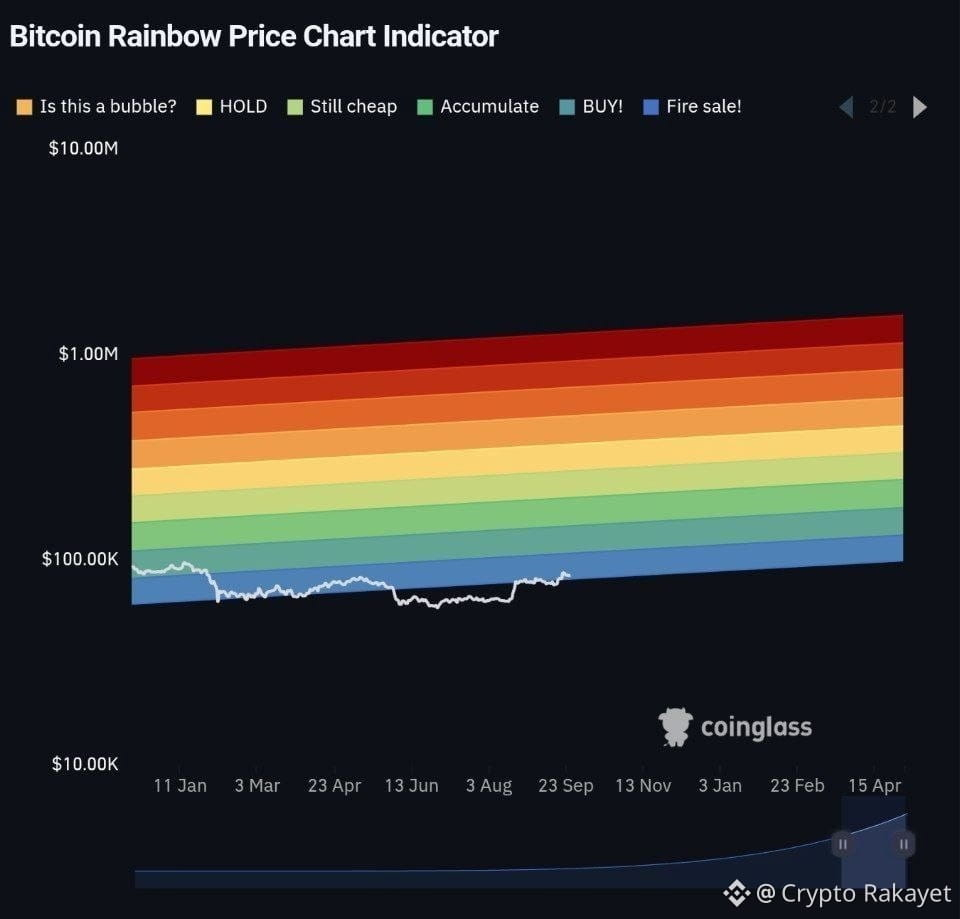
Bitcoin is still in a fire sale at $84.8K.
@Binance_News @heyi @CZ @Binance_Announcement @richardteng
{spot}(BTCUSDT)
Bitcoin is still in a fire sale at $84.8K.
@Binance News @Yi He @CZ @Binance Announcement @Richard Teng
@Binance News @Yi He @CZ @Binance Announcement @Richard Teng
47
🚨 FLOKI IS BACK ON THE RADAR. 🐕🔥
$FLOKI just showed why meme coins can’t be ignored when market momentum returns.
After a strong September recovery, FLOKI pushed toward the $0.00003 area, with trading activity surging alongside the move. 📈
Now the interesting part begins. 👀
FLOKI recently reached around $0.000030 before pulling back, and the latest market data shows it trading near $0.000027.
So the key question is NOT:
“Can FLOKI pump?”
The real question is:
👉 Can buyers reclaim the $0.00003 zone with strong volume?
If FLOKI breaks and holds above that psychological level, traders will likely be watching the next resistance zones closely.
But if price keeps getting rejected, another pullback could happen.
For me, volume + $0.00003 price action are the two things worth watching next. 👀
What do you think?
🐕 FLOKI BREAKOUT
or
📉 ANOTHER REJECTION?
#floki #FLOKIUSDT #memecoin #crypto #BinanceSquare
🚨 FLOKI IS BACK ON THE RADAR. 🐕🔥
$FLOKI just showed why meme coins can’t be ignored when market momentum returns.
After a strong September recovery, FLOKI pushed toward the $0.00003 area, with trading activity surging alongside the move. 📈
Now the interesting part begins. 👀
FLOKI recently reached around $0.000030 before pulling back, and the latest market data shows it trading near $0.000027.
So the key question is NOT:
“Can FLOKI pump?”
The real question is:
👉 Can buyers reclaim the $0.00003 zone with strong volume?
If FLOKI breaks and holds above that psychological level, traders will likely be watching the next resistance zones closely.
But if price keeps getting rejected, another pullback could happen.
For me, volume + $0.00003 price action are the two things worth watching next. 👀
What do you think?
🐕 FLOKI BREAKOUT
or
📉 ANOTHER REJECTION?
#floki #FLOKIUSDT #memecoin #crypto #BinanceSquare
$FLOKI just showed why meme coins can’t be ignored when market momentum returns.
After a strong September recovery, FLOKI pushed toward the $0.00003 area, with trading activity surging alongside the move. 📈
Now the interesting part begins. 👀
FLOKI recently reached around $0.000030 before pulling back, and the latest market data shows it trading near $0.000027.
So the key question is NOT:
“Can FLOKI pump?”
The real question is:
👉 Can buyers reclaim the $0.00003 zone with strong volume?
If FLOKI breaks and holds above that psychological level, traders will likely be watching the next resistance zones closely.
But if price keeps getting rejected, another pullback could happen.
For me, volume + $0.00003 price action are the two things worth watching next. 👀
What do you think?
🐕 FLOKI BREAKOUT
or
📉 ANOTHER REJECTION?
#floki #FLOKIUSDT #memecoin #crypto #BinanceSquare
186
Log in to explore more content
Join global crypto users on Binance Square
⚡️ Get latest and useful information about crypto.
💬 Trusted by the world’s largest crypto exchange.
👍 Discover real insights from verified creators.
အီးမေးလ် / ဖုန်းနံပါတ်
ရေပန်းစားနေသော ခေါင်းစဉ်များ
ADAGains10%Above$0.27
5,755 views
127 Discussing
$ADA is making a strong move today jumping over 10 percent to around 027 and breaking into a new 90 day high
Trading volume has also surged above 1 billion showing strong market activity
The move comes as $ADA continues its recovery from the June lows while its recent technical structure has turned more bullish
The 027 to 028 zone is now the key area to watch A sustained breakout could open the door toward higher resistance levels
But after such a sharp daily move volatility could remain high
#ADAGains10%Above$0.27 #crypto #ADA #Cardano #crypto #Write2Earn
AbdullahAbid_7
·နှစ်သက်မှု 0 ခု
·254 views
ETHUp70%InQ3ButLiquidityFalls
69,313 views
732 Discussing
EthStakingExitQueueHits2026High
25,658 views
586 Discussing