

Mati_1935
373 Posts

Mati_1935
Report
Block User
En mi perfil encontraras posts informativos sobre diversos temas. También puedes encontrar análisis de mercado los cuales se realizan mediante mi bot analítico.
Open Trade
Occasional Trader
1 Years
14 Following
55 Followers
79 Liked
Posts
Portfolio
·
--
On Binance Square, a specific question is once again taking center stage this Thursday, August 6, 2026: is Bitcoin’s recovery toward 64,100 the start of a more stable leg, or just a technical rebound inside a sensitive market. The key isn’t the round number, but what it reveals about demand. After sweeping liquidity lower, the price managed to rebuild without a chaotic expansion, and that usually suggests there are still buyers defending relevant zones.
From an educational standpoint, this recovery helps separate narrative from structure. When Bitcoin returns to an area visible to everyone, two extreme readings appear: immediate confirmation of the trend, or a simple trap for followers. The reality is usually in the middle. A rebound gains value if it holds support, if volume doesn’t dry up, and if momentum doesn’t rely only on quick liquidations. That’s why 63k still matters: today it works as a barometer of conviction for the market.
In current public data, BTC is around 64,650 with a daily gain of 0.98%, a high of 65,025, and a low of 63,880. ETH is keeping pace with stronger relative momentum, up to 1,910 and rising 2.44% in 24h, while BNB trades near 595.8 with a daily change of -0.15%. In the latest 1H candles of BTC, there are sustained closes above 64.6k following the prior impulse, and in the 4H sequence the recent pattern shows a rebound from the lower end of the range but still without a broad breakout. The read remains tactical relief with a pending test: if BTC consolidates above 64k, it improves the tone for major assets; if it loses 63k again, the move will once more be seen as a range rebound rather than a structural change.
$BTC $ETH $BNB
Educational Content. Not financial advice.
#Bitcoin #LiquidezCripto #MercadoCripto #Ethereum #BinanceSquare
On Binance Square, a specific question is once again taking center stage this Thursday, August 6, 2026: is Bitcoin’s recovery toward 64,100 the start of a more stable leg, or just a technical rebound inside a sensitive market. The key isn’t the round number, but what it reveals about demand. After sweeping liquidity lower, the price managed to rebuild without a chaotic expansion, and that usually suggests there are still buyers defending relevant zones.
From an educational standpoint, this recovery helps separate narrative from structure. When Bitcoin returns to an area visible to everyone, two extreme readings appear: immediate confirmation of the trend, or a simple trap for followers. The reality is usually in the middle. A rebound gains value if it holds support, if volume doesn’t dry up, and if momentum doesn’t rely only on quick liquidations. That’s why 63k still matters: today it works as a barometer of conviction for the market.
In current public data, BTC is around 64,650 with a daily gain of 0.98%, a high of 65,025, and a low of 63,880. ETH is keeping pace with stronger relative momentum, up to 1,910 and rising 2.44% in 24h, while BNB trades near 595.8 with a daily change of -0.15%. In the latest 1H candles of BTC, there are sustained closes above 64.6k following the prior impulse, and in the 4H sequence the recent pattern shows a rebound from the lower end of the range but still without a broad breakout. The read remains tactical relief with a pending test: if BTC consolidates above 64k, it improves the tone for major assets; if it loses 63k again, the move will once more be seen as a range rebound rather than a structural change.
$BTC $ETH $BNB
Educational Content. Not financial advice.
#Bitcoin #LiquidezCripto #MercadoCripto #Ethereum #BinanceSquare
From an educational standpoint, this recovery helps separate narrative from structure. When Bitcoin returns to an area visible to everyone, two extreme readings appear: immediate confirmation of the trend, or a simple trap for followers. The reality is usually in the middle. A rebound gains value if it holds support, if volume doesn’t dry up, and if momentum doesn’t rely only on quick liquidations. That’s why 63k still matters: today it works as a barometer of conviction for the market.
In current public data, BTC is around 64,650 with a daily gain of 0.98%, a high of 65,025, and a low of 63,880. ETH is keeping pace with stronger relative momentum, up to 1,910 and rising 2.44% in 24h, while BNB trades near 595.8 with a daily change of -0.15%. In the latest 1H candles of BTC, there are sustained closes above 64.6k following the prior impulse, and in the 4H sequence the recent pattern shows a rebound from the lower end of the range but still without a broad breakout. The read remains tactical relief with a pending test: if BTC consolidates above 64k, it improves the tone for major assets; if it loses 63k again, the move will once more be seen as a range rebound rather than a structural change.
$BTC $ETH $BNB
Educational Content. Not financial advice.
#Bitcoin #LiquidezCripto #MercadoCripto #Ethereum #BinanceSquare

79
·
--
South Korea puts regulatory pressure back on the crypto market, and this time the focus is not a new tax or a simple supervisory notice. The proposal circulating on Binance Square suggests that financial authorities may suspend payments from virtual asset accounts deemed suspicious during an investigation, with an initial window of 30 days and the possibility of extension. The key takeaway is not just legal: if it moves forward, exchanges, banks, and compliance teams will have to coordinate faster to trace flows and control withdrawals.
Why does it matter? Because South Korea remains one of the most active markets in the sector and often acts as a testing ground for rules that other regulators later observe. In practice, the measure aims to curb money laundering, scams, and illicit transfers before the funds leave the circuit. The potential cost is a heavier experience for users and platforms: more traceability, more monitoring, and more risk of false positives if the filters aren’t tuned well.
In the market, the message today isn’t panic—it’s selective caution. Bitcoin is around 64,894 USDT, up 0.88% over 24 hours, and the 1H/4H candles are still bullish, though there hasn’t been an aggressive breakout. Ethereum trades near 1,920 USDT, up 2.33% daily, and maintains better intraday momentum after closing its latest 4H at 1,917 > 1,920. BNB is moving around 598.28 USDT, up 0.73% over 24 hours, and holding a more sideways structure. In other words: the price isn’t discounting an immediate shock, but the regulatory flow is again putting the spotlight on compliance, liquidity, and the speed of exits within exchanges.
BTC ETH BNB
$BTC $ETH $BNB
Educational Content. Not financial advice.
#CoreaDelSur #RegulacionCripto #AML #Bitcoin #BinanceSquare
South Korea puts regulatory pressure back on the crypto market, and this time the focus is not a new tax or a simple supervisory notice. The proposal circulating on Binance Square suggests that financial authorities may suspend payments from virtual asset accounts deemed suspicious during an investigation, with an initial window of 30 days and the possibility of extension. The key takeaway is not just legal: if it moves forward, exchanges, banks, and compliance teams will have to coordinate faster to trace flows and control withdrawals.
Why does it matter? Because South Korea remains one of the most active markets in the sector and often acts as a testing ground for rules that other regulators later observe. In practice, the measure aims to curb money laundering, scams, and illicit transfers before the funds leave the circuit. The potential cost is a heavier experience for users and platforms: more traceability, more monitoring, and more risk of false positives if the filters aren’t tuned well.
In the market, the message today isn’t panic—it’s selective caution. Bitcoin is around 64,894 USDT, up 0.88% over 24 hours, and the 1H/4H candles are still bullish, though there hasn’t been an aggressive breakout. Ethereum trades near 1,920 USDT, up 2.33% daily, and maintains better intraday momentum after closing its latest 4H at 1,917 > 1,920. BNB is moving around 598.28 USDT, up 0.73% over 24 hours, and holding a more sideways structure. In other words: the price isn’t discounting an immediate shock, but the regulatory flow is again putting the spotlight on compliance, liquidity, and the speed of exits within exchanges.
BTC ETH BNB
$BTC $ETH $BNB
Educational Content. Not financial advice.
#CoreaDelSur #RegulacionCripto #AML #Bitcoin #BinanceSquare
Why does it matter? Because South Korea remains one of the most active markets in the sector and often acts as a testing ground for rules that other regulators later observe. In practice, the measure aims to curb money laundering, scams, and illicit transfers before the funds leave the circuit. The potential cost is a heavier experience for users and platforms: more traceability, more monitoring, and more risk of false positives if the filters aren’t tuned well.
In the market, the message today isn’t panic—it’s selective caution. Bitcoin is around 64,894 USDT, up 0.88% over 24 hours, and the 1H/4H candles are still bullish, though there hasn’t been an aggressive breakout. Ethereum trades near 1,920 USDT, up 2.33% daily, and maintains better intraday momentum after closing its latest 4H at 1,917 > 1,920. BNB is moving around 598.28 USDT, up 0.73% over 24 hours, and holding a more sideways structure. In other words: the price isn’t discounting an immediate shock, but the regulatory flow is again putting the spotlight on compliance, liquidity, and the speed of exits within exchanges.
BTC ETH BNB
$BTC $ETH $BNB
Educational Content. Not financial advice.
#CoreaDelSur #RegulacionCripto #AML #Bitcoin #BinanceSquare

131
·
--
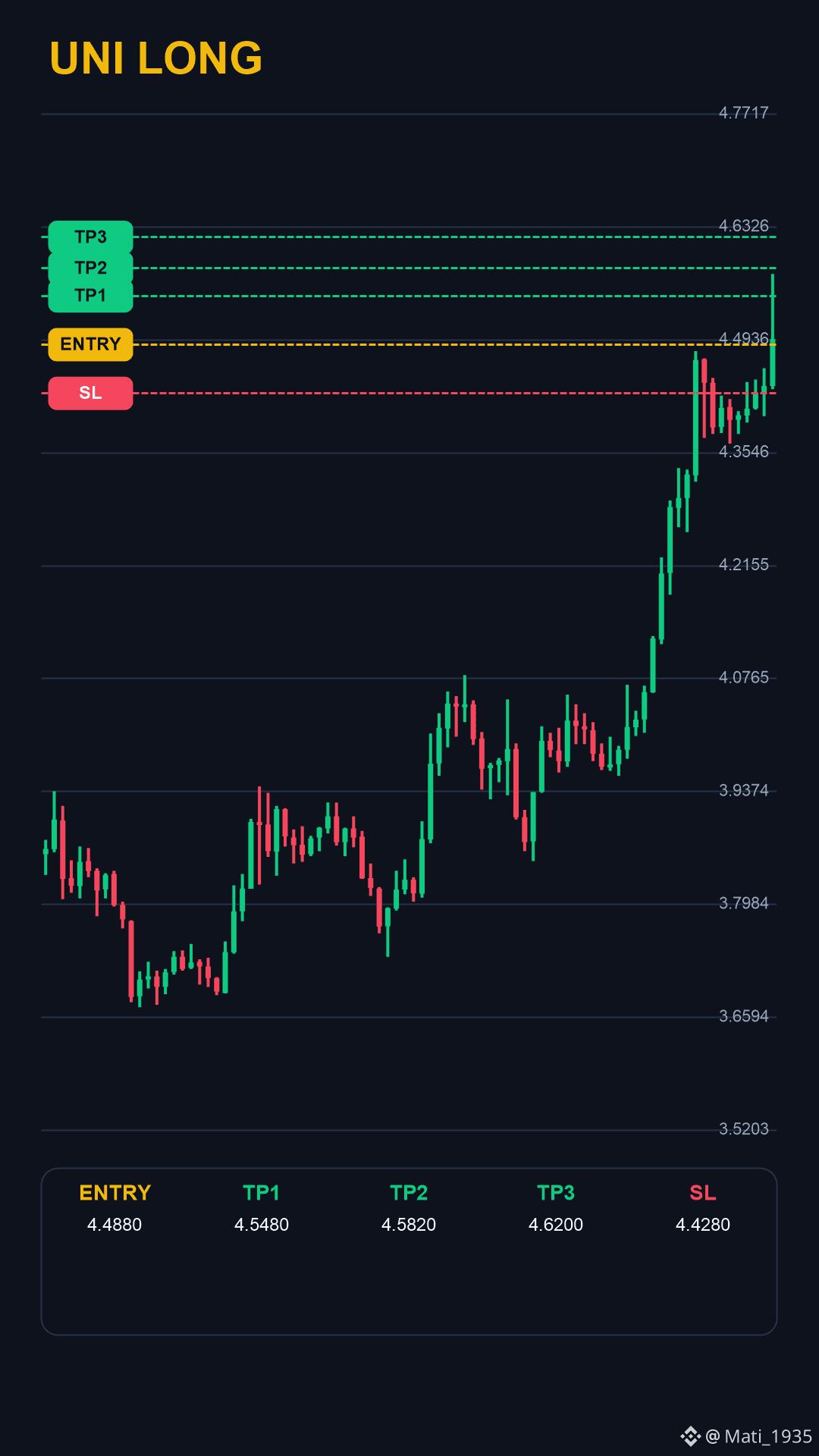
$UNI Long
🟢Entry: 4.4880
🎯TP1: 4.5480
🎯TP2: 4.5820
🎯TP3: 4.6200
🔴SL: 4.4280
$UNI Long
🟢Entry: 4.4880
🎯TP1: 4.5480
🎯TP2: 4.5820
🎯TP3: 4.6200
🔴SL: 4.4280
🟢Entry: 4.4880
🎯TP1: 4.5480
🎯TP2: 4.5820
🎯TP3: 4.6200
🔴SL: 4.4280
241
·
--
The BNB Smart Chain hard fork is one of the most traction-generating topics on Binance Square because it points to something more important than a technical date: the network’s ability to keep scaling safely and continuously.
Binance announced on July 29, 2026 that it would support the scheduled update and hard fork for August 25, 2026 at 02:30 UTC. At the same time, BNB Chain identifies Pasteur as the July release with new improvements for BSC. The takeaway is clear: when exchanges and infrastructure align, the market understands that the network is already operating as a mature part of the ecosystem—not just a narrative.
In educational terms, a hard fork does not automatically mean a new coin. In an active network, it’s often a required update to reinforce rules, efficiency, or security. That’s why it’s worth looking past the noise and focusing on whether the ecosystem maintains real activity in DeFi, payments, and apps.
In the market, the tone is consolidation. BNB is around 571.16 USDT with -0.15% daily, and the 1H/4H candles are relatively firm within the 565-573 range. CAKE trades near 1.378 USDT with -0.22%, but it had been on an intraday advance sequence before pausing. XVS moves around 2.86 USDT with -0.35% and showed a rebound from 2.76-2.77 up to 2.87 over 4H. In short: there’s no general euphoria, but there is selective stability in names tied to the BNB ecosystem as the market awaits the upgrade.
$BNB $CAKE $XVS
Educational Content. Not financial advice.
#BNBChain #HardFork #DeFi #BinanceSquare #Cripto
The BNB Smart Chain hard fork is one of the most traction-generating topics on Binance Square because it points to something more important than a technical date: the network’s ability to keep scaling safely and continuously.
Binance announced on July 29, 2026 that it would support the scheduled update and hard fork for August 25, 2026 at 02:30 UTC. At the same time, BNB Chain identifies Pasteur as the July release with new improvements for BSC. The takeaway is clear: when exchanges and infrastructure align, the market understands that the network is already operating as a mature part of the ecosystem—not just a narrative.
In educational terms, a hard fork does not automatically mean a new coin. In an active network, it’s often a required update to reinforce rules, efficiency, or security. That’s why it’s worth looking past the noise and focusing on whether the ecosystem maintains real activity in DeFi, payments, and apps.
In the market, the tone is consolidation. BNB is around 571.16 USDT with -0.15% daily, and the 1H/4H candles are relatively firm within the 565-573 range. CAKE trades near 1.378 USDT with -0.22%, but it had been on an intraday advance sequence before pausing. XVS moves around 2.86 USDT with -0.35% and showed a rebound from 2.76-2.77 up to 2.87 over 4H. In short: there’s no general euphoria, but there is selective stability in names tied to the BNB ecosystem as the market awaits the upgrade.
$BNB $CAKE $XVS
Educational Content. Not financial advice.
#BNBChain #HardFork #DeFi #BinanceSquare #Cripto
Binance announced on July 29, 2026 that it would support the scheduled update and hard fork for August 25, 2026 at 02:30 UTC. At the same time, BNB Chain identifies Pasteur as the July release with new improvements for BSC. The takeaway is clear: when exchanges and infrastructure align, the market understands that the network is already operating as a mature part of the ecosystem—not just a narrative.
In educational terms, a hard fork does not automatically mean a new coin. In an active network, it’s often a required update to reinforce rules, efficiency, or security. That’s why it’s worth looking past the noise and focusing on whether the ecosystem maintains real activity in DeFi, payments, and apps.
In the market, the tone is consolidation. BNB is around 571.16 USDT with -0.15% daily, and the 1H/4H candles are relatively firm within the 565-573 range. CAKE trades near 1.378 USDT with -0.22%, but it had been on an intraday advance sequence before pausing. XVS moves around 2.86 USDT with -0.35% and showed a rebound from 2.76-2.77 up to 2.87 over 4H. In short: there’s no general euphoria, but there is selective stability in names tied to the BNB ecosystem as the market awaits the upgrade.
$BNB $CAKE $XVS
Educational Content. Not financial advice.
#BNBChain #HardFork #DeFi #BinanceSquare #Cripto

1
182
·
--
The BitcoinMiningDifficultyMayFall1.2% trend is gaining traction on Binance Square because it touches on a central piece of Bitcoin that’s often misunderstood. Difficulty is not a price forecast: it’s the automatic adjustment the network makes every 2016 blocks to keep the pace close to one block every 10 minutes. If the next adjustment drops, the main takeaway isn’t “Bitcoin is weakening,” but that some of the hashrate cooled off or left temporarily due to tighter margins.
Why does it matter? Because when difficulty eases a bit, the miners that remain online compete against less power and recover some relative efficiency without changing the base emission. This helps stabilize the network’s economy during phases where energy, hardware, and price aren’t moving at the same pace. In other words: Bitcoin absorbs pressure and rebalances itself, without a central authority deciding when to intervene.
The data also helps separate noise from structure. A moderate adjustment doesn’t change Bitcoin’s long-term thesis, but it does provide a useful read on mining health: if the drop is isolated, it’s usually a normalization; if it’s followed by several declines and weak hashprice, it may reflect more serious operational stress.
In the market, BTC trades near 65332 USDT with +1.22% over 24h, ETH is around 1953 with +3.67%, and BNB is 573.47 with +0.50%, according to Binance. In the last hour, BTC and ETH maintain a slightly bullish bias, while over 4H BTC and BNB remain sideways. That suggests that, for now, the difficulty topic is being interpreted more as an infrastructure adjustment than as an immediate risk signal for price.
$BTC $ETH $BNB
Educational Content. Not financial advice.
#Bitcoin #MineriaBTC #Hashrate #InfraestructuraCripto #BinanceSquare
The BitcoinMiningDifficultyMayFall1.2% trend is gaining traction on Binance Square because it touches on a central piece of Bitcoin that’s often misunderstood. Difficulty is not a price forecast: it’s the automatic adjustment the network makes every 2016 blocks to keep the pace close to one block every 10 minutes. If the next adjustment drops, the main takeaway isn’t “Bitcoin is weakening,” but that some of the hashrate cooled off or left temporarily due to tighter margins.
Why does it matter? Because when difficulty eases a bit, the miners that remain online compete against less power and recover some relative efficiency without changing the base emission. This helps stabilize the network’s economy during phases where energy, hardware, and price aren’t moving at the same pace. In other words: Bitcoin absorbs pressure and rebalances itself, without a central authority deciding when to intervene.
The data also helps separate noise from structure. A moderate adjustment doesn’t change Bitcoin’s long-term thesis, but it does provide a useful read on mining health: if the drop is isolated, it’s usually a normalization; if it’s followed by several declines and weak hashprice, it may reflect more serious operational stress.
In the market, BTC trades near 65332 USDT with +1.22% over 24h, ETH is around 1953 with +3.67%, and BNB is 573.47 with +0.50%, according to Binance. In the last hour, BTC and ETH maintain a slightly bullish bias, while over 4H BTC and BNB remain sideways. That suggests that, for now, the difficulty topic is being interpreted more as an infrastructure adjustment than as an immediate risk signal for price.
$BTC $ETH $BNB
Educational Content. Not financial advice.
#Bitcoin #MineriaBTC #Hashrate #InfraestructuraCripto #BinanceSquare
Why does it matter? Because when difficulty eases a bit, the miners that remain online compete against less power and recover some relative efficiency without changing the base emission. This helps stabilize the network’s economy during phases where energy, hardware, and price aren’t moving at the same pace. In other words: Bitcoin absorbs pressure and rebalances itself, without a central authority deciding when to intervene.
The data also helps separate noise from structure. A moderate adjustment doesn’t change Bitcoin’s long-term thesis, but it does provide a useful read on mining health: if the drop is isolated, it’s usually a normalization; if it’s followed by several declines and weak hashprice, it may reflect more serious operational stress.
In the market, BTC trades near 65332 USDT with +1.22% over 24h, ETH is around 1953 with +3.67%, and BNB is 573.47 with +0.50%, according to Binance. In the last hour, BTC and ETH maintain a slightly bullish bias, while over 4H BTC and BNB remain sideways. That suggests that, for now, the difficulty topic is being interpreted more as an infrastructure adjustment than as an immediate risk signal for price.
$BTC $ETH $BNB
Educational Content. Not financial advice.
#Bitcoin #MineriaBTC #Hashrate #InfraestructuraCripto #BinanceSquare

96
·
--
Robinhood Chain is establishing itself as a strong narrative on Binance Square because it combines two themes the market closely watches: the tokenization of real-world assets and retail distribution. The underlying point is not just the launch noise, but that Robinhood has already rolled out stock tokens in Europe on Arbitrum and proposed its own Layer 2 layer aimed at 24/7 trading, with a simple bridge and self-custody. When a platform with mass-market branding moves toward this model, the interpretation changes: tokenization stops being seen as a niche experiment and starts competing for flow, liquidity, and attention against traditional crypto infrastructure.
The interesting part is that the conversation on Square is no longer only about the promise, but also about early usage. The fact that the associated ecosystem already circles around 70M in RWAs so early suggests there is real demand for products that connect traditional markets with on-chain rails. It remains to be seen how much of that growth is sustained and how much depends on launch momentum, but the product signal is already on the table.
In the market, ETH accompanies the story as a settlement layer: it’s up about 3.5% in 24h with elevated spot volume, though the latest 4H candle shows a pause. ARB remains positive over 24h, but with a flatter slope on 4H—something normal as the market distinguishes between narrative and direct value capture. ONDO is moving up more than 5% in 24h and is again functioning as a thermometer for appetite for RWA infrastructure, though it also cools slightly in the short term.
$ETH $ARB $ONDO
Educational Content. Not financial advice.
#RobinhoodChain #RWA #Ethereum #Arbitrum #BinanceSquare
Robinhood Chain is establishing itself as a strong narrative on Binance Square because it combines two themes the market closely watches: the tokenization of real-world assets and retail distribution. The underlying point is not just the launch noise, but that Robinhood has already rolled out stock tokens in Europe on Arbitrum and proposed its own Layer 2 layer aimed at 24/7 trading, with a simple bridge and self-custody. When a platform with mass-market branding moves toward this model, the interpretation changes: tokenization stops being seen as a niche experiment and starts competing for flow, liquidity, and attention against traditional crypto infrastructure.
The interesting part is that the conversation on Square is no longer only about the promise, but also about early usage. The fact that the associated ecosystem already circles around 70M in RWAs so early suggests there is real demand for products that connect traditional markets with on-chain rails. It remains to be seen how much of that growth is sustained and how much depends on launch momentum, but the product signal is already on the table.
In the market, ETH accompanies the story as a settlement layer: it’s up about 3.5% in 24h with elevated spot volume, though the latest 4H candle shows a pause. ARB remains positive over 24h, but with a flatter slope on 4H—something normal as the market distinguishes between narrative and direct value capture. ONDO is moving up more than 5% in 24h and is again functioning as a thermometer for appetite for RWA infrastructure, though it also cools slightly in the short term.
$ETH $ARB $ONDO
Educational Content. Not financial advice.
#RobinhoodChain #RWA #Ethereum #Arbitrum #BinanceSquare
The interesting part is that the conversation on Square is no longer only about the promise, but also about early usage. The fact that the associated ecosystem already circles around 70M in RWAs so early suggests there is real demand for products that connect traditional markets with on-chain rails. It remains to be seen how much of that growth is sustained and how much depends on launch momentum, but the product signal is already on the table.
In the market, ETH accompanies the story as a settlement layer: it’s up about 3.5% in 24h with elevated spot volume, though the latest 4H candle shows a pause. ARB remains positive over 24h, but with a flatter slope on 4H—something normal as the market distinguishes between narrative and direct value capture. ONDO is moving up more than 5% in 24h and is again functioning as a thermometer for appetite for RWA infrastructure, though it also cools slightly in the short term.
$ETH $ARB $ONDO
Educational Content. Not financial advice.
#RobinhoodChain #RWA #Ethereum #Arbitrum #BinanceSquare

193
·
--
XRPL is gaining space on Binance Square again because today three topics converge that the market is closely watching: regulation, stablecoins, and real utility.
The strongest point comes from Europe. On July 6, 2026, Ripple announced that it obtained full CASP authorization in Luxembourg, a key piece for operating under MiCA within the European Economic Area. This gives it a clearer path for its payments infrastructure, liquidity, and treasury with a focus on XRP and RLUSD.
The second driving force is RLUSD. On July 23, Ripple introduced Ripple Mint, an interface for issuing, redeeming, and managing that stablecoin. The takeaway that keeps repeating on Binance Square is simple: if RLUSD adds real use cases, XRPL gains activity without depending solely on speculative narrative.
The third front is automated payments. Ripple had launched in June its XRPL AI Starter Kit to enable autonomous payments using XRP and RLUSD. It’s still early, but it reinforces a thesis that carries a lot of weight in crypto today: networks that don’t just promise, but actually deliver to move value quickly and predictably.
Market interpretation remains orderly. On Binance spot, XRP is trading near 1.1004, up 0.25% on the day, with a recent range between 1.0955 and 1.1045. ETH rises 0.80% to 1889.96, while XLM advances 0.11% to 0.1783. For now, the market seems to be rewarding fundamental improvement more than an aggressive price breakout.
$XRP $ETH $XLM
Educational Content. Not financial advice.
#XRPLedger #RLUSD #MiCA #PagosOnChain #BinanceSquare
XRPL is gaining space on Binance Square again because today three topics converge that the market is closely watching: regulation, stablecoins, and real utility.
The strongest point comes from Europe. On July 6, 2026, Ripple announced that it obtained full CASP authorization in Luxembourg, a key piece for operating under MiCA within the European Economic Area. This gives it a clearer path for its payments infrastructure, liquidity, and treasury with a focus on XRP and RLUSD.
The second driving force is RLUSD. On July 23, Ripple introduced Ripple Mint, an interface for issuing, redeeming, and managing that stablecoin. The takeaway that keeps repeating on Binance Square is simple: if RLUSD adds real use cases, XRPL gains activity without depending solely on speculative narrative.
The third front is automated payments. Ripple had launched in June its XRPL AI Starter Kit to enable autonomous payments using XRP and RLUSD. It’s still early, but it reinforces a thesis that carries a lot of weight in crypto today: networks that don’t just promise, but actually deliver to move value quickly and predictably.
Market interpretation remains orderly. On Binance spot, XRP is trading near 1.1004, up 0.25% on the day, with a recent range between 1.0955 and 1.1045. ETH rises 0.80% to 1889.96, while XLM advances 0.11% to 0.1783. For now, the market seems to be rewarding fundamental improvement more than an aggressive price breakout.
$XRP $ETH $XLM
Educational Content. Not financial advice.
#XRPLedger #RLUSD #MiCA #PagosOnChain #BinanceSquare
The strongest point comes from Europe. On July 6, 2026, Ripple announced that it obtained full CASP authorization in Luxembourg, a key piece for operating under MiCA within the European Economic Area. This gives it a clearer path for its payments infrastructure, liquidity, and treasury with a focus on XRP and RLUSD.
The second driving force is RLUSD. On July 23, Ripple introduced Ripple Mint, an interface for issuing, redeeming, and managing that stablecoin. The takeaway that keeps repeating on Binance Square is simple: if RLUSD adds real use cases, XRPL gains activity without depending solely on speculative narrative.
The third front is automated payments. Ripple had launched in June its XRPL AI Starter Kit to enable autonomous payments using XRP and RLUSD. It’s still early, but it reinforces a thesis that carries a lot of weight in crypto today: networks that don’t just promise, but actually deliver to move value quickly and predictably.
Market interpretation remains orderly. On Binance spot, XRP is trading near 1.1004, up 0.25% on the day, with a recent range between 1.0955 and 1.1045. ETH rises 0.80% to 1889.96, while XLM advances 0.11% to 0.1783. For now, the market seems to be rewarding fundamental improvement more than an aggressive price breakout.
$XRP $ETH $XLM
Educational Content. Not financial advice.
#XRPLedger #RLUSD #MiCA #PagosOnChain #BinanceSquare

121
·
--
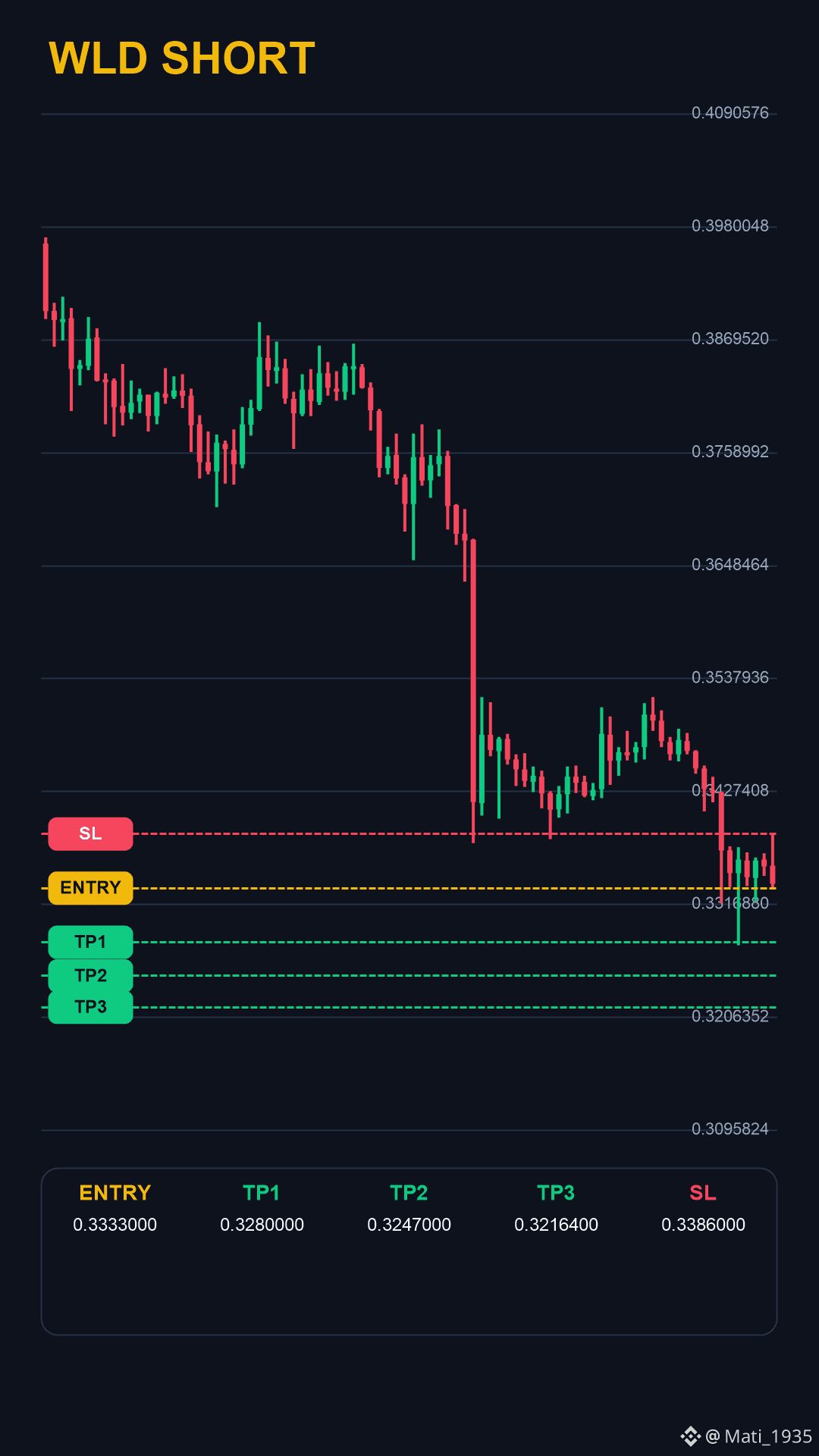
$WLD Short
🟢Entry: 0.3333000
🎯TP1: 0.3280000
🎯TP2: 0.3247000
🎯TP3: 0.3216400
🔴SL: 0.3386000
$WLD Short
🟢Entry: 0.3333000
🎯TP1: 0.3280000
🎯TP2: 0.3247000
🎯TP3: 0.3216400
🔴SL: 0.3386000
🟢Entry: 0.3333000
🎯TP1: 0.3280000
🎯TP2: 0.3247000
🎯TP3: 0.3216400
🔴SL: 0.3386000
185
·
--
bStocks is no longer just a launch curiosity and is starting to look more like infrastructure within Binance. The most interesting twist of this week wasn’t only adding tickers: on July 22, Binance announced 10 new bStocks for Spot and Margin, and at the same time enabled them as collateral assets in Cross Margin, Portfolio Margin, and Portfolio Margin Pro. That changes the conversation because the product no longer competes only for “providing 24/7 access” to tokenized stocks, but for integrating into the exchange’s liquidity stack and collateral management.
The underlying point is that tokenization gains traction when it reduces real frictions. Binance had already been highlighting that bStocks operates with 1:1 conversion, no conversion fee, with withdrawals to wallets compatible with BNB Smart Chain, and with verifiable backing. In its monthly report, Binance Research also noted that tokenized RWA reached about $31.7 billion in June and that the market could scale much further if the infrastructure matures. Extending bStocks into collateral fits that thesis: less isolated product and more native financial utility.
In the market, the current picture supports that narrative without turning it into a recommendation. BNB remains steady around 570.60 USDT, up 0.98% over 24 hours, with 1H/4H candles showing a gentle upward slope. Among the new bStocks, ORCLB is around 116.46 USDT with 1.32% daily and a stable intraday sequence, while MUUB trades near 32.26 USDT, up 2.39% over 24 hours, and shows more relative activity in its latest candles. In other words: the flow isn’t only in Bitcoin or Ethereum; it’s also showing up where Binance connects the crypto market with tokenized assets that can be used within its own infrastructure.
$BNB $ORCLB $MUUB
Educational Content. Not financial advice.
#bStocks #Tokenizacion #RWA #BNBChain #BinanceSquare
bStocks is no longer just a launch curiosity and is starting to look more like infrastructure within Binance. The most interesting twist of this week wasn’t only adding tickers: on July 22, Binance announced 10 new bStocks for Spot and Margin, and at the same time enabled them as collateral assets in Cross Margin, Portfolio Margin, and Portfolio Margin Pro. That changes the conversation because the product no longer competes only for “providing 24/7 access” to tokenized stocks, but for integrating into the exchange’s liquidity stack and collateral management.
The underlying point is that tokenization gains traction when it reduces real frictions. Binance had already been highlighting that bStocks operates with 1:1 conversion, no conversion fee, with withdrawals to wallets compatible with BNB Smart Chain, and with verifiable backing. In its monthly report, Binance Research also noted that tokenized RWA reached about $31.7 billion in June and that the market could scale much further if the infrastructure matures. Extending bStocks into collateral fits that thesis: less isolated product and more native financial utility.
In the market, the current picture supports that narrative without turning it into a recommendation. BNB remains steady around 570.60 USDT, up 0.98% over 24 hours, with 1H/4H candles showing a gentle upward slope. Among the new bStocks, ORCLB is around 116.46 USDT with 1.32% daily and a stable intraday sequence, while MUUB trades near 32.26 USDT, up 2.39% over 24 hours, and shows more relative activity in its latest candles. In other words: the flow isn’t only in Bitcoin or Ethereum; it’s also showing up where Binance connects the crypto market with tokenized assets that can be used within its own infrastructure.
$BNB $ORCLB $MUUB
Educational Content. Not financial advice.
#bStocks #Tokenizacion #RWA #BNBChain #BinanceSquare
The underlying point is that tokenization gains traction when it reduces real frictions. Binance had already been highlighting that bStocks operates with 1:1 conversion, no conversion fee, with withdrawals to wallets compatible with BNB Smart Chain, and with verifiable backing. In its monthly report, Binance Research also noted that tokenized RWA reached about $31.7 billion in June and that the market could scale much further if the infrastructure matures. Extending bStocks into collateral fits that thesis: less isolated product and more native financial utility.
In the market, the current picture supports that narrative without turning it into a recommendation. BNB remains steady around 570.60 USDT, up 0.98% over 24 hours, with 1H/4H candles showing a gentle upward slope. Among the new bStocks, ORCLB is around 116.46 USDT with 1.32% daily and a stable intraday sequence, while MUUB trades near 32.26 USDT, up 2.39% over 24 hours, and shows more relative activity in its latest candles. In other words: the flow isn’t only in Bitcoin or Ethereum; it’s also showing up where Binance connects the crypto market with tokenized assets that can be used within its own infrastructure.
$BNB $ORCLB $MUUB
Educational Content. Not financial advice.
#bStocks #Tokenizacion #RWA #BNBChain #BinanceSquare

85
·
--
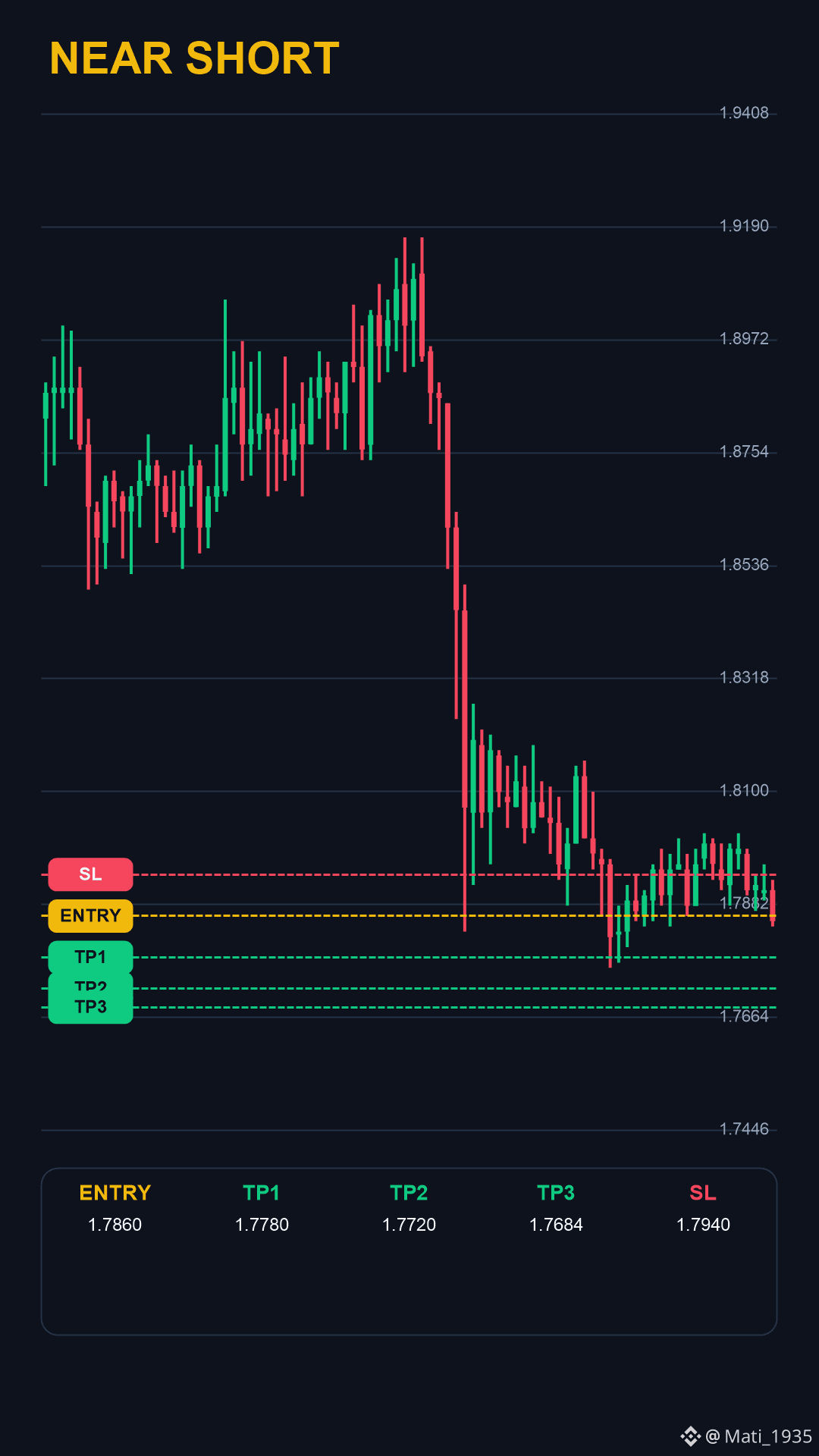
$NEAR Short
🟢Entry: 1.7860
🎯TP1: 1.7780
🎯TP2: 1.7720
🎯TP3: 1.7684
🔴SL: 1.7940
$NEAR Short
🟢Entry: 1.7860
🎯TP1: 1.7780
🎯TP2: 1.7720
🎯TP3: 1.7684
🔴SL: 1.7940
🟢Entry: 1.7860
🎯TP1: 1.7780
🎯TP2: 1.7720
🎯TP3: 1.7684
🔴SL: 1.7940
234
·
--
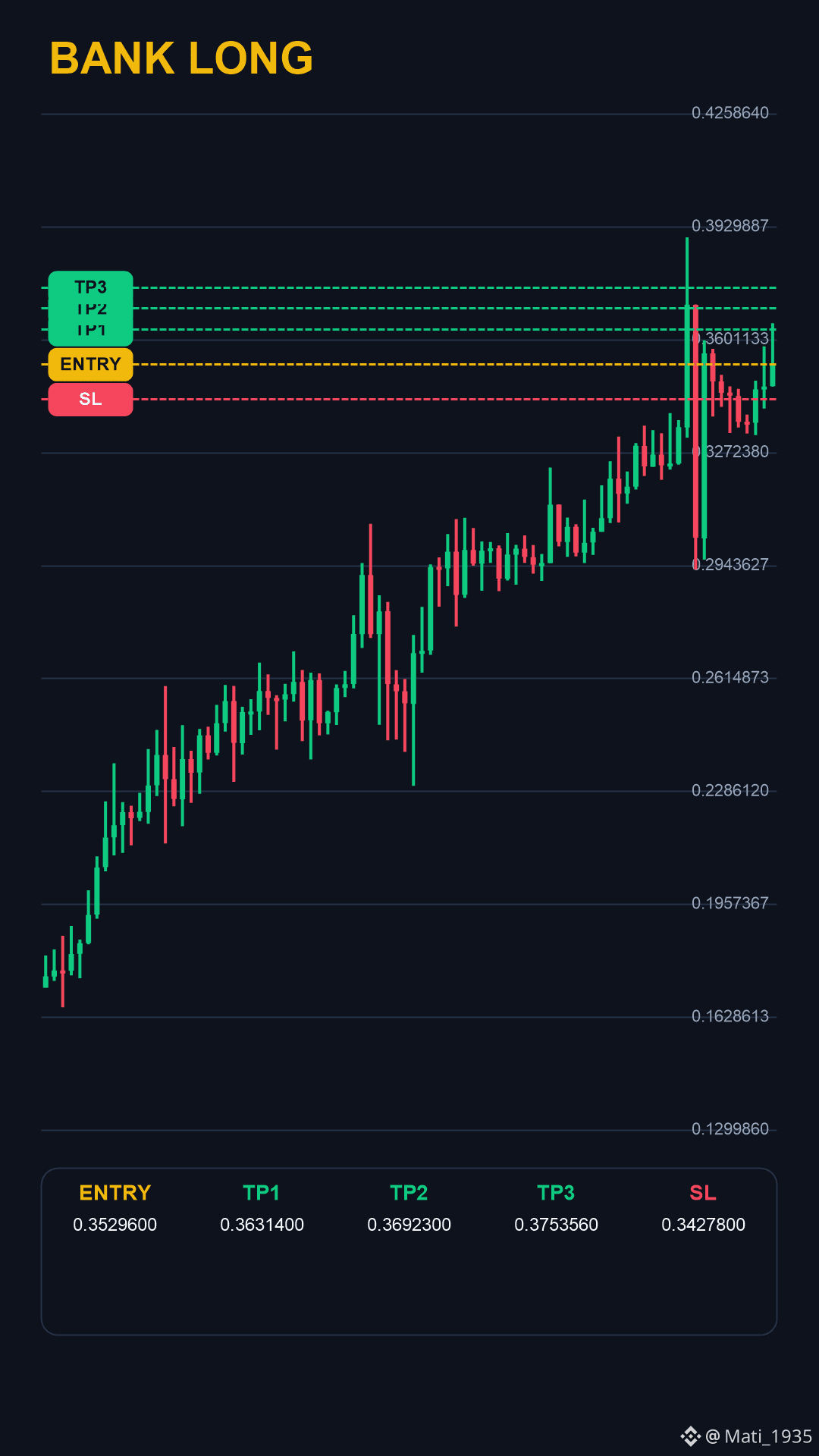
$BANK Long
🟢Entry: 0.3529600
🎯TP1: 0.3631400
🎯TP2: 0.3692300
🎯TP3: 0.3753560
🔴SL: 0.3427800
$BANK Long
🟢Entry: 0.3529600
🎯TP1: 0.3631400
🎯TP2: 0.3692300
🎯TP3: 0.3753560
🔴SL: 0.3427800
🟢Entry: 0.3529600
🎯TP1: 0.3631400
🎯TP2: 0.3692300
🎯TP3: 0.3753560
🔴SL: 0.3427800
166
·
--
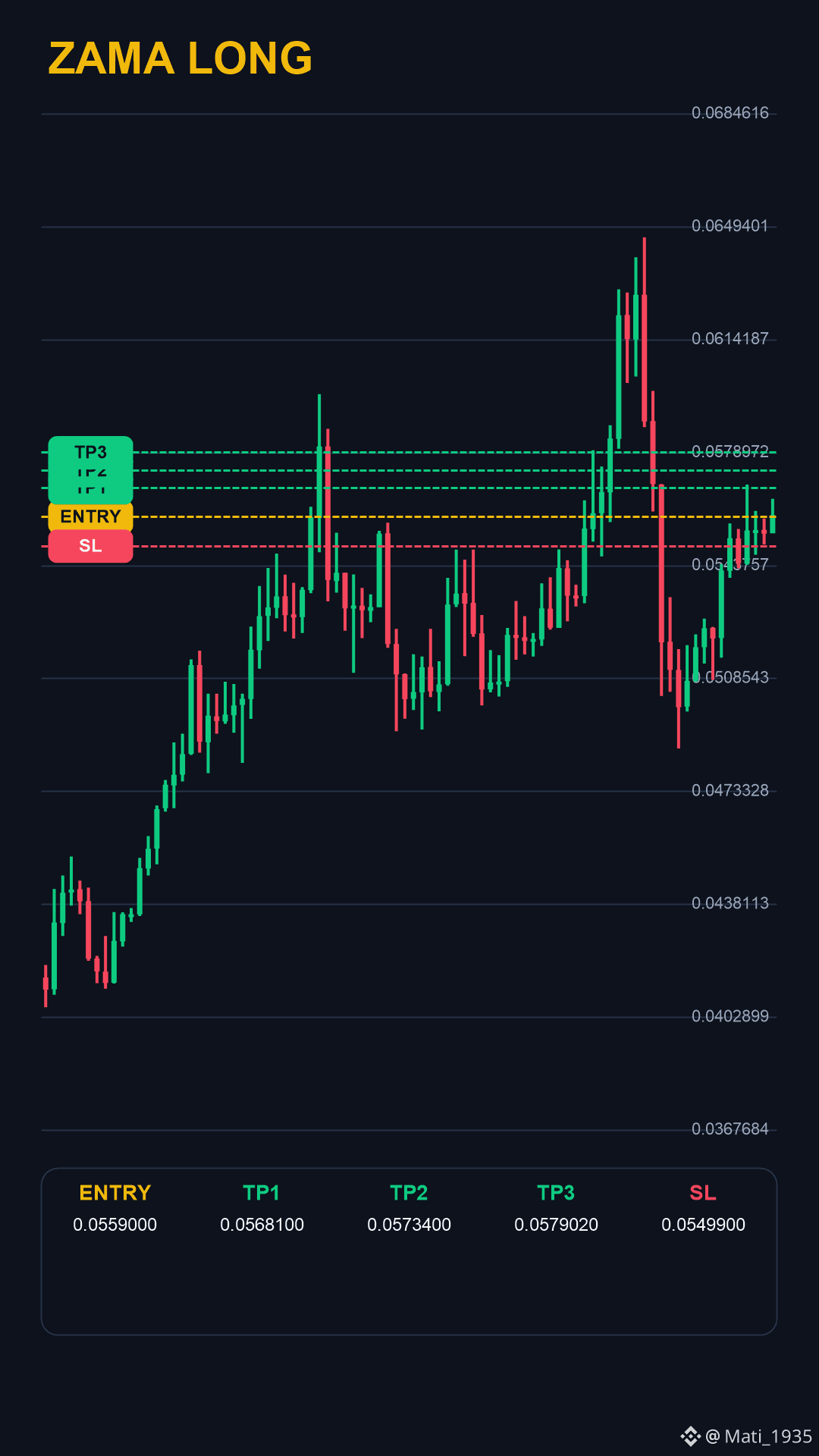
$ZAMA Long
🟢Entry: 0.0559000
🎯TP1: 0.0568100
🎯TP2: 0.0573400
🎯TP3: 0.0579020
🔴SL: 0.0549900
$ZAMA Long
🟢Entry: 0.0559000
🎯TP1: 0.0568100
🎯TP2: 0.0573400
🎯TP3: 0.0579020
🔴SL: 0.0549900
🟢Entry: 0.0559000
🎯TP1: 0.0568100
🎯TP2: 0.0573400
🎯TP3: 0.0579020
🔴SL: 0.0549900
177
·
--
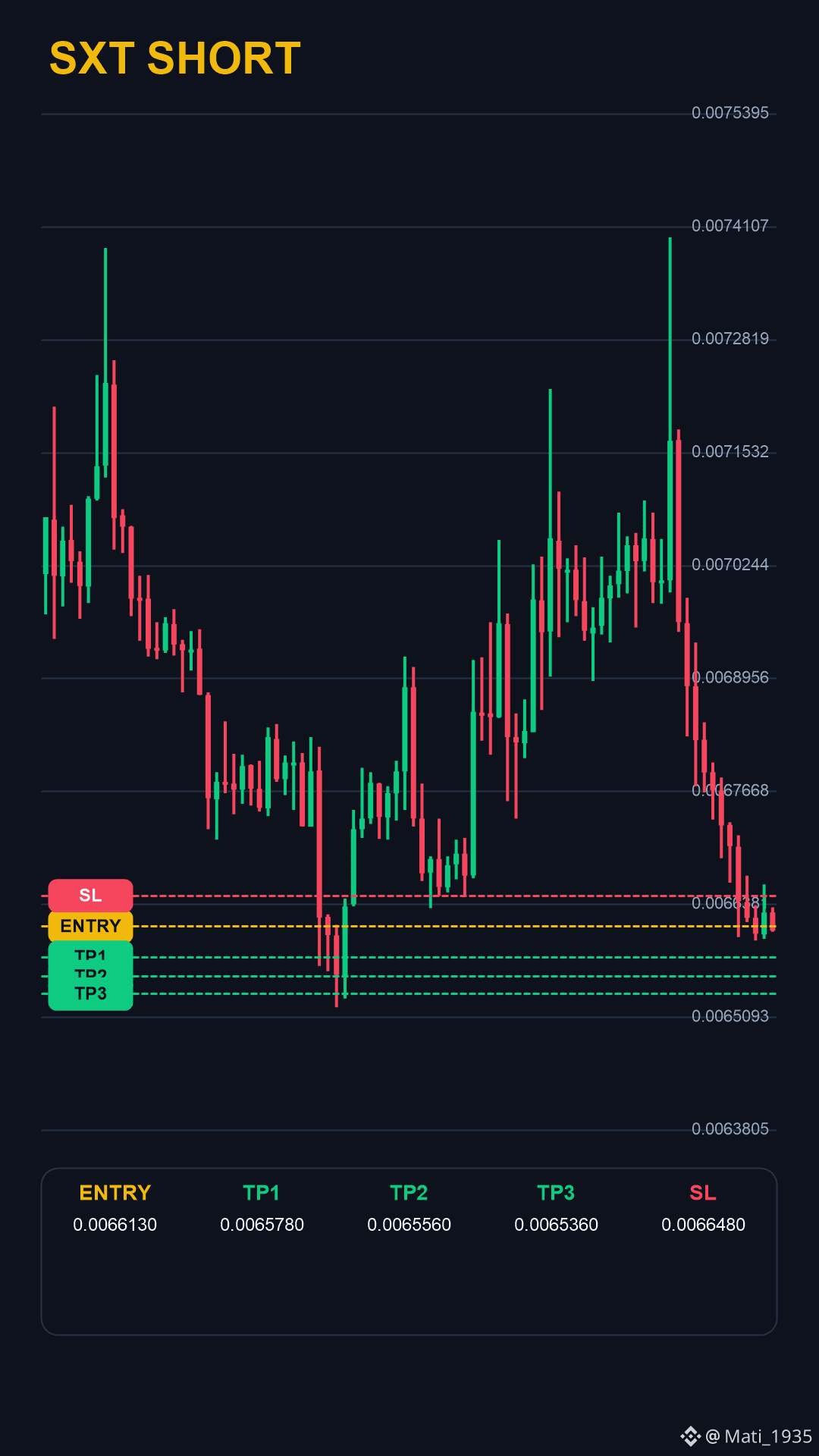
$SXT Short
🟢Entry: 0.0066130
🎯TP1: 0.0065780
🎯TP2: 0.0065560
🎯TP3: 0.0065360
🔴SL: 0.0066480
$SXT Short
🟢Entry: 0.0066130
🎯TP1: 0.0065780
🎯TP2: 0.0065560
🎯TP3: 0.0065360
🔴SL: 0.0066480
🟢Entry: 0.0066130
🎯TP1: 0.0065780
🎯TP2: 0.0065560
🎯TP3: 0.0065360
🔴SL: 0.0066480
342
·
--
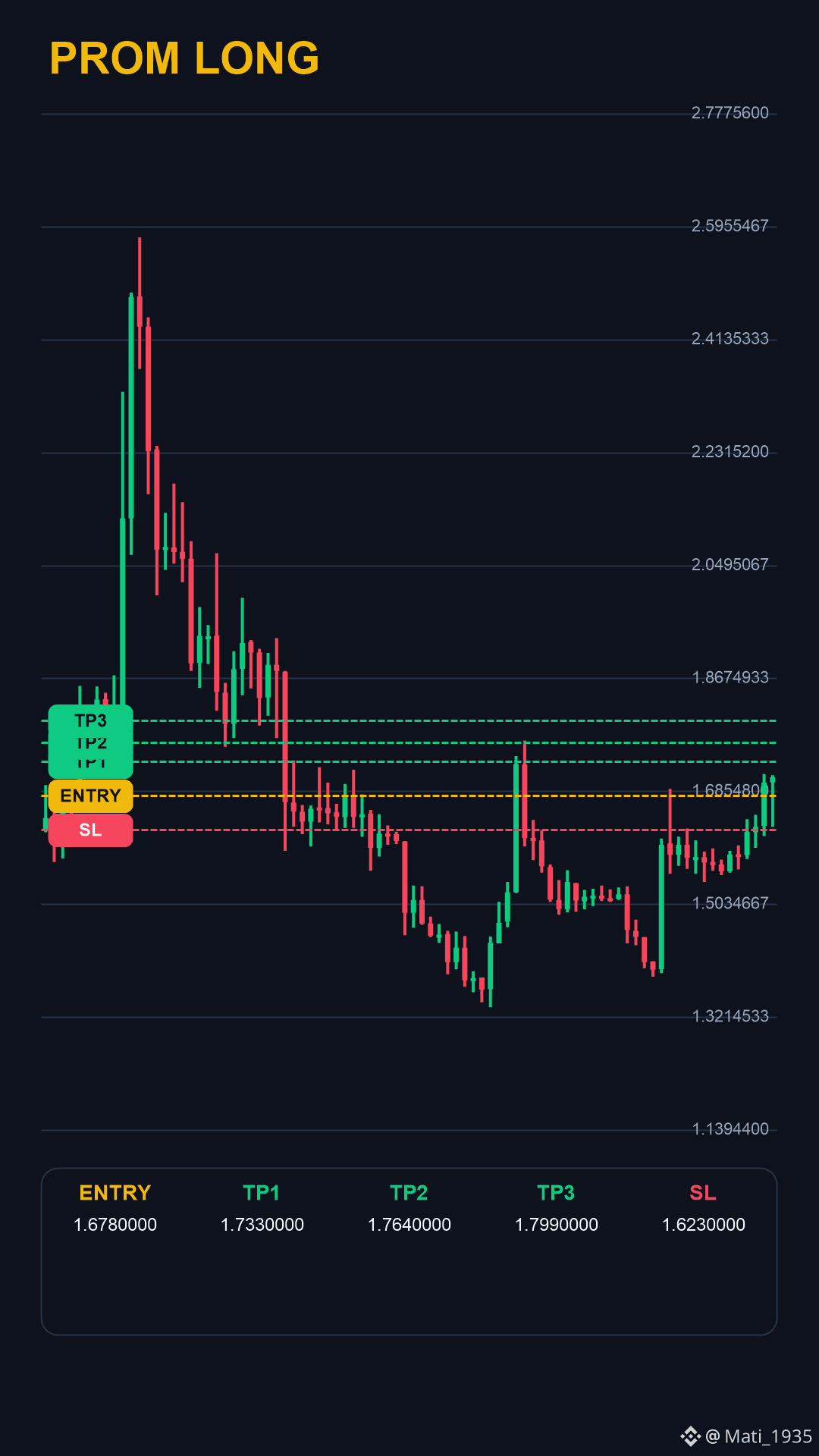
$PROM Long
🟢Entry: 1.6780000
🎯TP1: 1.7330000
🎯TP2: 1.7640000
🎯TP3: 1.7990000
🔴SL: 1.6230000
$PROM Long
🟢Entry: 1.6780000
🎯TP1: 1.7330000
🎯TP2: 1.7640000
🎯TP3: 1.7990000
🔴SL: 1.6230000
🟢Entry: 1.6780000
🎯TP1: 1.7330000
🎯TP2: 1.7640000
🎯TP3: 1.7990000
🔴SL: 1.6230000
151
·
--
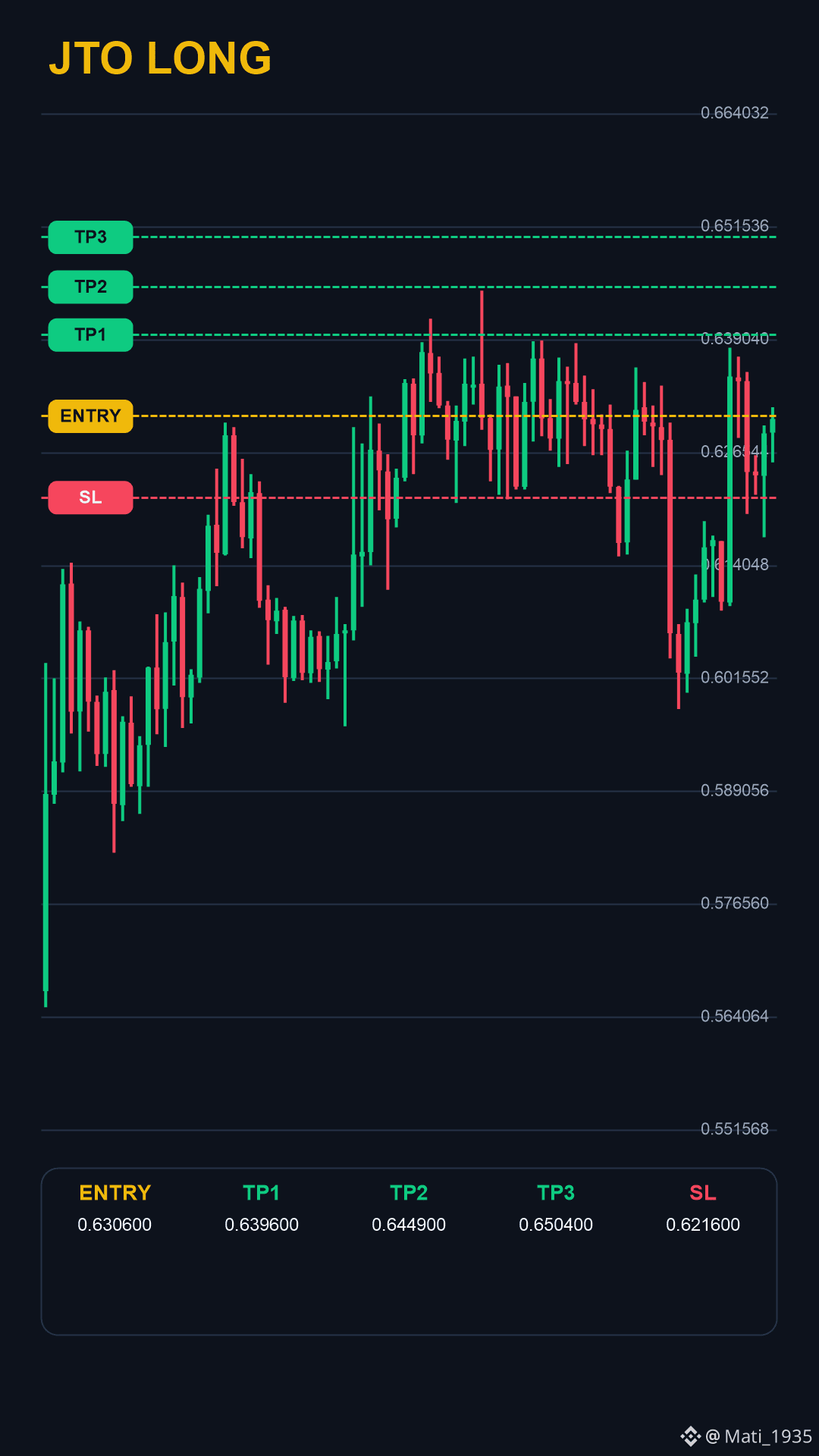
$JTO Long
🟢Entry: 0.630600
🎯TP1: 0.639600
🎯TP2: 0.644900
🎯TP3: 0.650400
🔴SL: 0.621600
$JTO Long
🟢Entry: 0.630600
🎯TP1: 0.639600
🎯TP2: 0.644900
🎯TP3: 0.650400
🔴SL: 0.621600
🟢Entry: 0.630600
🎯TP1: 0.639600
🎯TP2: 0.644900
🎯TP3: 0.650400
🔴SL: 0.621600
171
·
--
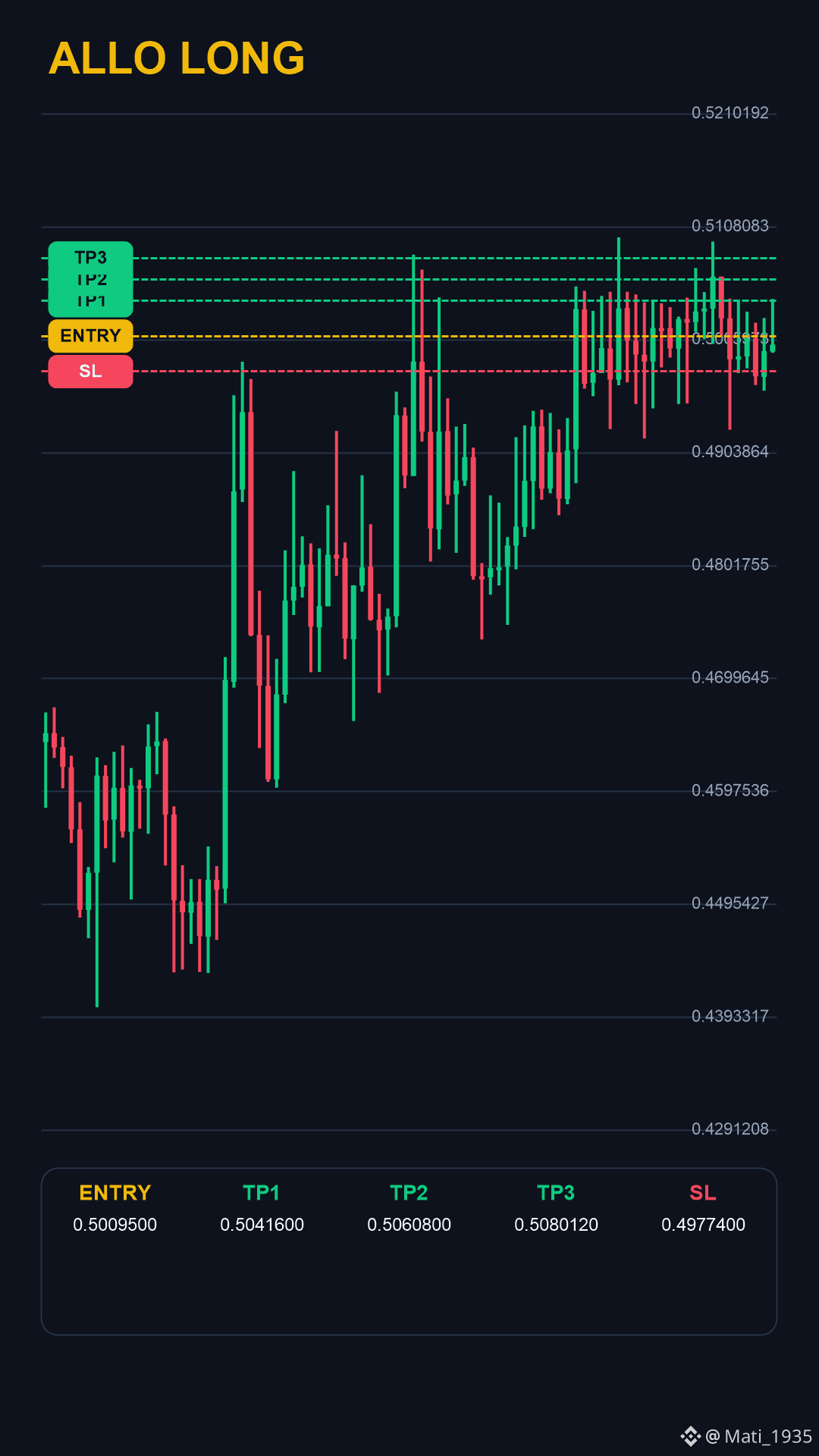
$ALLO Long
🟢Entry: 0.5009500
🎯TP1: 0.5041600
🎯TP2: 0.5060800
🎯TP3: 0.5080120
🔴SL: 0.4977400
$ALLO Long
🟢Entry: 0.5009500
🎯TP1: 0.5041600
🎯TP2: 0.5060800
🎯TP3: 0.5080120
🔴SL: 0.4977400
🟢Entry: 0.5009500
🎯TP1: 0.5041600
🎯TP2: 0.5060800
🎯TP3: 0.5080120
🔴SL: 0.4977400
254
·
--
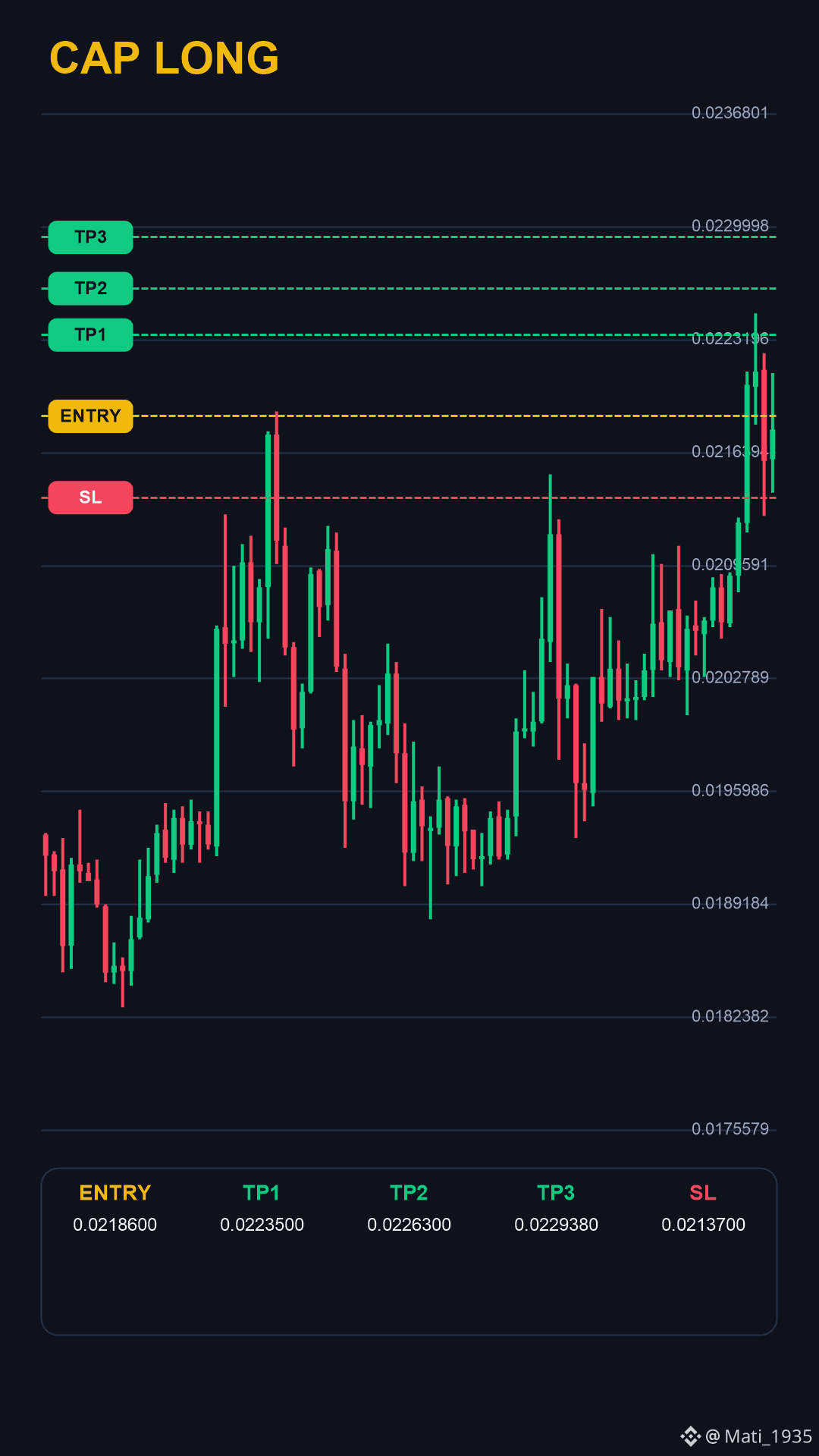
$CAP Long
🟢Entry: 0.0218600
🎯TP1: 0.0223500
🎯TP2: 0.0226300
🎯TP3: 0.0229380
🔴SL: 0.0213700
$CAP Long
🟢Entry: 0.0218600
🎯TP1: 0.0223500
🎯TP2: 0.0226300
🎯TP3: 0.0229380
🔴SL: 0.0213700
🟢Entry: 0.0218600
🎯TP1: 0.0223500
🎯TP2: 0.0226300
🎯TP3: 0.0229380
🔴SL: 0.0213700
225
·
--
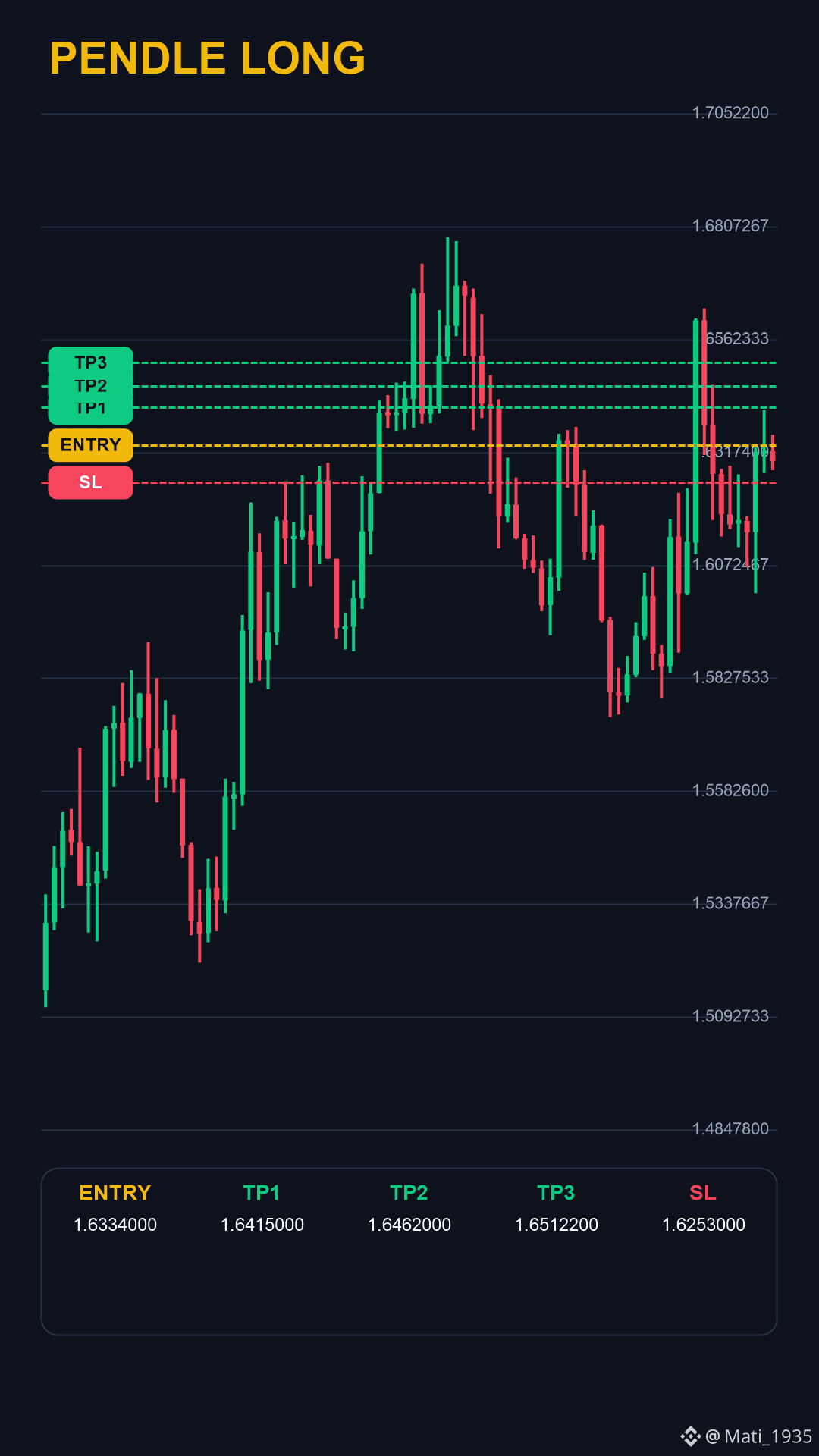
$PENDLE Long
🟢Entry: 1.6334000
🎯TP1: 1.6415000
🎯TP2: 1.6462000
🎯TP3: 1.6512200
🔴SL: 1.6253000
$PENDLE Long
🟢Entry: 1.6334000
🎯TP1: 1.6415000
🎯TP2: 1.6462000
🎯TP3: 1.6512200
🔴SL: 1.6253000
🟢Entry: 1.6334000
🎯TP1: 1.6415000
🎯TP2: 1.6462000
🎯TP3: 1.6512200
🔴SL: 1.6253000
206
·
--
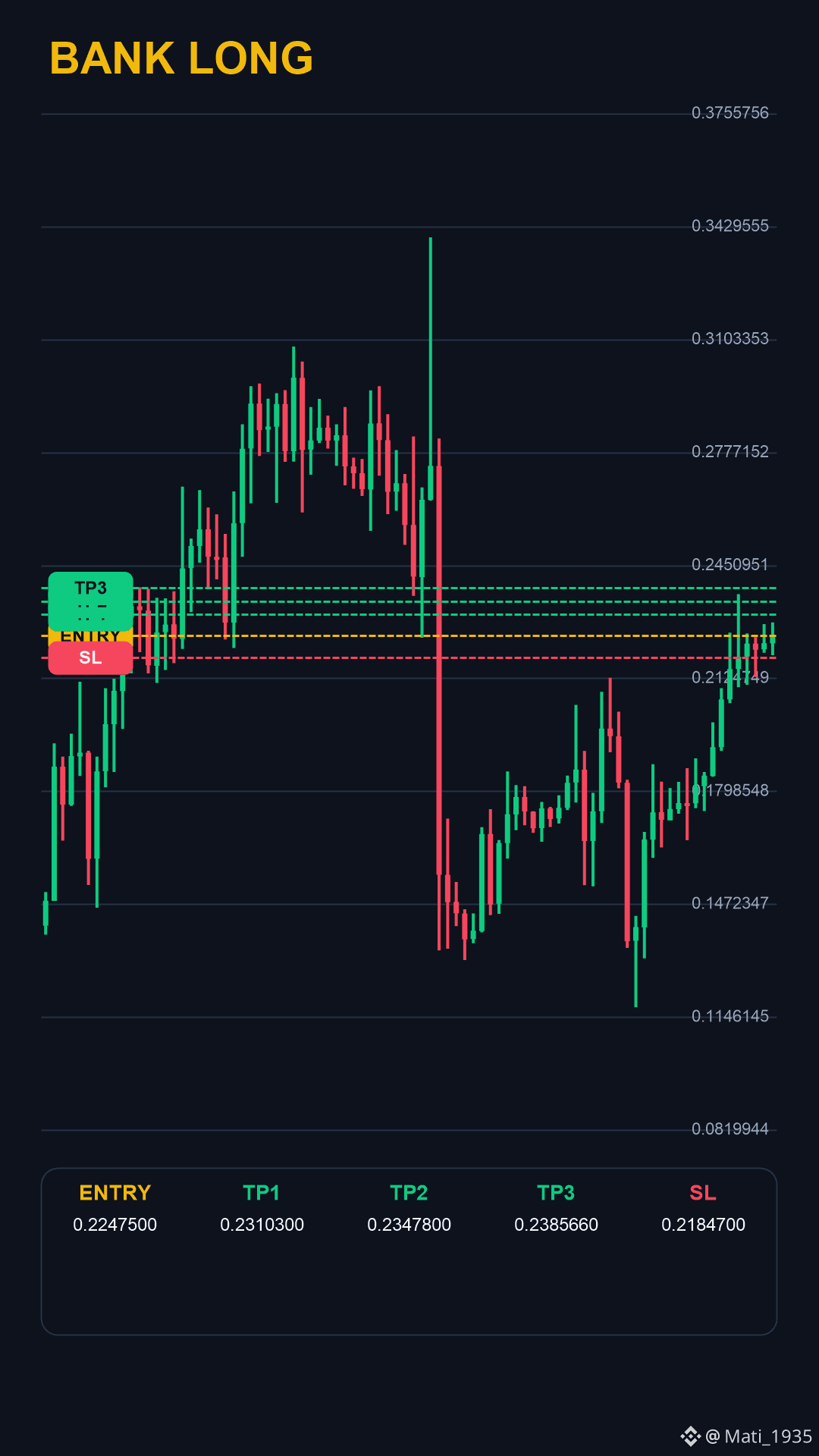
$BANK Long
🟢Entry: 0.2247500
🎯TP1: 0.2310300
🎯TP2: 0.2347800
🎯TP3: 0.2385660
🔴SL: 0.2184700
$BANK Long
🟢Entry: 0.2247500
🎯TP1: 0.2310300
🎯TP2: 0.2347800
🎯TP3: 0.2385660
🔴SL: 0.2184700
🟢Entry: 0.2247500
🎯TP1: 0.2310300
🎯TP2: 0.2347800
🎯TP3: 0.2385660
🔴SL: 0.2184700
1
1
368
·
--
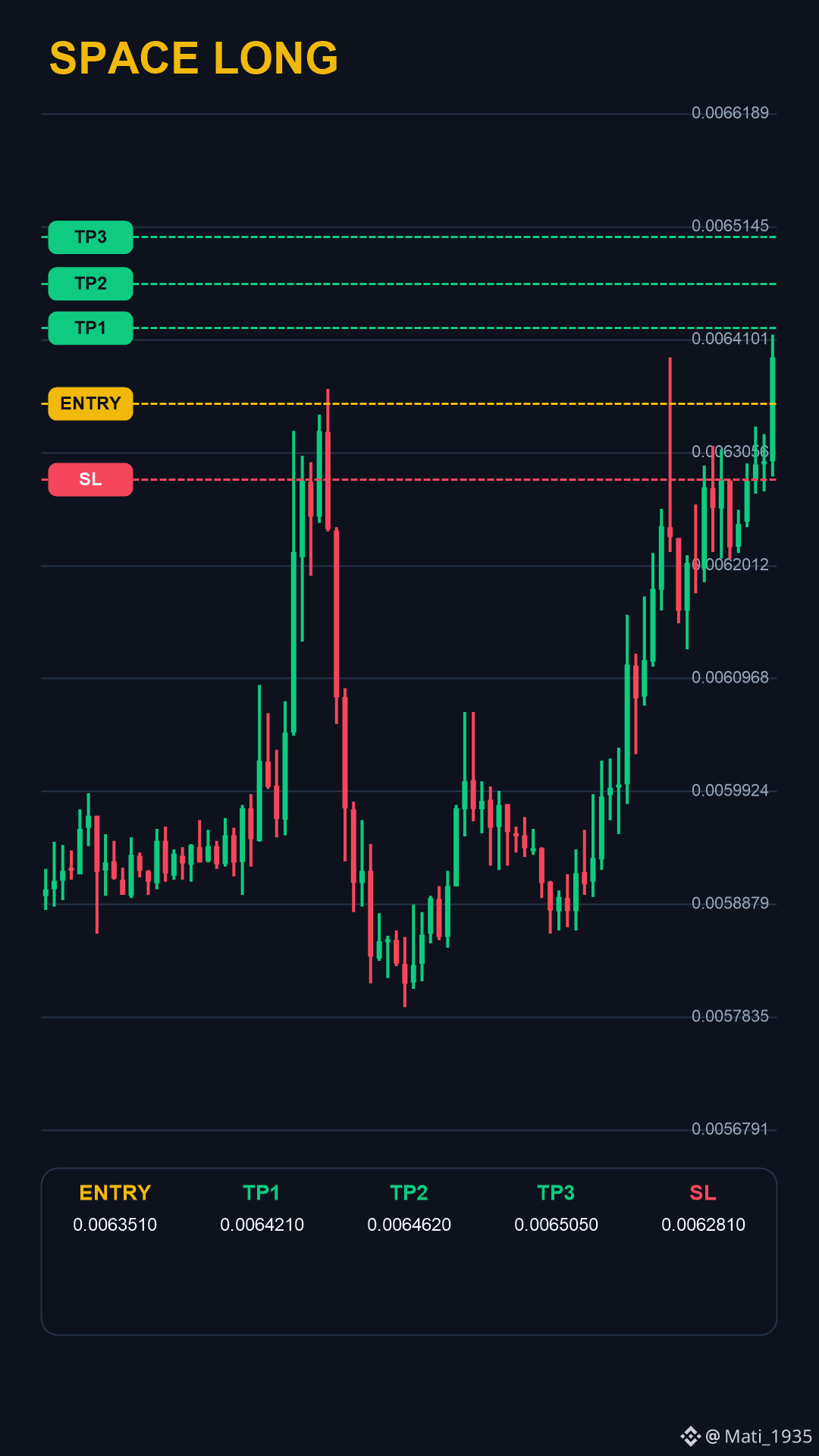
$SPACE Long
🟢Entry: 0.0063510
🎯TP1: 0.0064210
🎯TP2: 0.0064620
🎯TP3: 0.0065050
🔴SL: 0.0062810
$SPACE Long
🟢Entry: 0.0063510
🎯TP1: 0.0064210
🎯TP2: 0.0064620
🎯TP3: 0.0065050
🔴SL: 0.0062810
🟢Entry: 0.0063510
🎯TP1: 0.0064210
🎯TP2: 0.0064620
🎯TP3: 0.0065050
🔴SL: 0.0062810
546
Log in to explore more content
Join global crypto users on Binance Square
⚡️ Get latest and useful information about crypto.
💬 Trusted by the world’s largest crypto exchange.
👍 Discover real insights from verified creators.
Email / Phone number
Trending Topics
BitwiseFilesFinalNEARSpotETFProspectus
33,561 views
942 Discussing
#bitwisefilesfinalnearspotetfprospectus 🚀
Can the NEAR token reach $562?$NEAR
Bitwise is preparing a spot NEAR ETF, listed under the ticker NRR on NYSE Arca. The manager was already discussing targets of $155, or even $562 by 2030.$RESOLV $DASH
Rajo C
·6 Likes
·3.6k views
BitgetHackerMoves$83MStolenXRP
20,618 views
129 Discussing
SOLSpotETFWeeklyInflow$188M
11,191 views
101 Discussing