
D I V A
2k Posts

D I V A
Report
Block User
Occasionally I give a damn.
87 Following
13.5K+ Followers
13.9K+ Liked
Posts
All
Quotes
Live
·
--
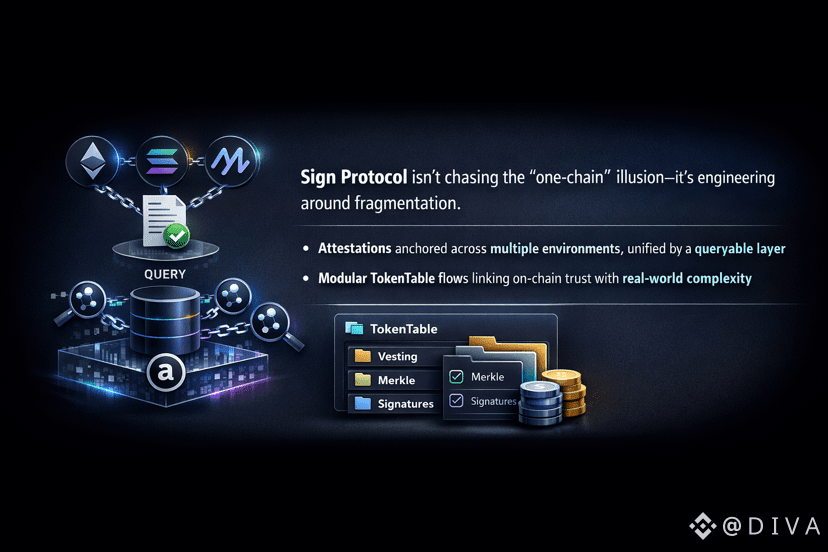
Sign Protocol is no longer pursuing the one-chain illusion it is making about fragmentation. It transforms the scattered data to useful infrastructure by anchoring attestations in various environments and integrating them by a queryable layer.
Its schema design and modular TokenTable flows are the true secret, enabling a compromise of on-chain trust to real-world complexity--and even scale.
#signdigitalsovereigninfra $SIGN
Sign Protocol is no longer pursuing the one-chain illusion it is making about fragmentation. It transforms the scattered data to useful infrastructure by anchoring attestations in various environments and integrating them by a queryable layer.
Its schema design and modular TokenTable flows are the true secret, enabling a compromise of on-chain trust to real-world complexity--and even scale.
#signdigitalsovereigninfra $SIGN
Its schema design and modular TokenTable flows are the true secret, enabling a compromise of on-chain trust to real-world complexity--and even scale.
#signdigitalsovereigninfra $SIGN
1
128
·
--
Article
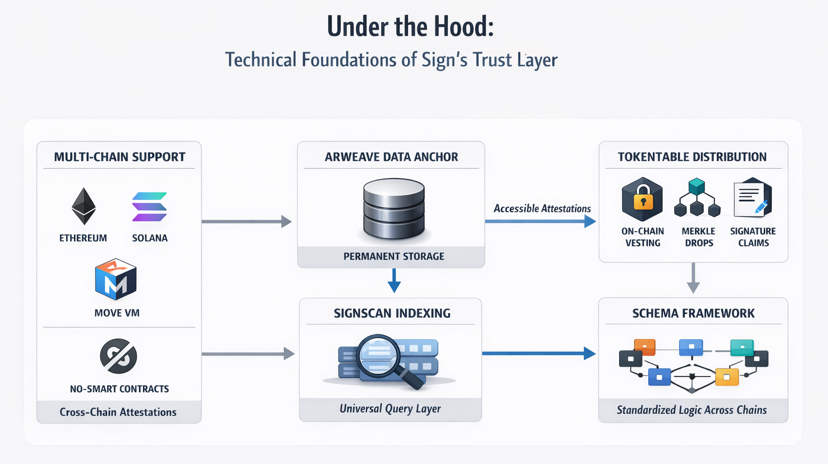
Under the Hood: Technical Foundations of Sign’s Trust LayerI’ve honestly gotten pretty numb to “trust layers” in Web3. Everyone claims to fix identity, credentials, distributions—yet half of it ends up as fragmented dashboards, unverifiable claims, or straight-up vaporware stitched together with nice UI.
Then I went down a rabbit hole on Sign Protocol… and this is where it got interesting.
Not perfect. But actually thought through.
The core idea sounds simple: attestations. Sign some structured data, anchor it somewhere verifiable, done. But the reality is way messier—and this is where most projects break. Different chains, different VMs, different standards. Nothing talks to each other cleanly.
That fragmentation headache? It’s real.
Sign’s approach is basically: stop pretending one chain will win, and build across all of them anyway. Ethereum, Solana, Move environments, even cases where there’s no smart contract support at all—and then fallback to Arweave like a safety net for data persistence.
That last part matters more than people think.
Because as a dev, the worst thing isn’t gas fees—it’s uncertainty. Where does my data live? Will it still be there? Can I query it later without duct-taping three indexers together?
They solved that with something like a universal indexing layer (SignScan), which—if it holds up—basically turns scattered attestations into something actually usable. Not just “stored,” but queryable across environments.
That’s a big difference.
What really clicked for me though wasn’t the attestation layer itself—it was how it connects to TokenTable.
I’ve dealt with token distributions before. Vesting spreadsheets. Manual airdrops. Last-minute CSV edits. Absolute chaos.
TokenTable feels like someone who’s actually been through that pain sat down and said: “okay, what’s the least broken way to handle this?”
And instead of forcing full decentralization (which sounds good on paper but breaks in practice), they went modular:
• fully on-chain vesting when you need trustlessness
• Merkle systems when you need scale
• signature-based flows when you need flexibility (yes, even Web2 inputs)
Purists will hate that last one. I don’t.
Because real distributions are messy. Social data, campaign logic, off-chain signals—it’s not all clean, on-chain math. Pretending otherwise just leads to worse systems.
The deeper unlock here is schemas.
And yeah, I used to roll my eyes at that word too.
But this is where I changed my mind.
Schemas aren’t just “data formats”—they’re shared logic. A way to define things like identity proofs, vesting conditions, eligibility rules in a way that can actually move across chains without breaking.
It’s like defining APIs for trust itself.
Once that clicks, everything else makes more sense.
I remember digging through some research (pretty sure it was a Binance Research report) and seeing the numbers jump—thousands of schemas to hundreds of thousands, millions of attestations flying around.
That’s not hype. That’s usage.
And usage is the only signal that matters.
That said—this is not easy tech.
Supporting multiple VMs isn’t just “deploy everywhere.” It’s maintaining different execution environments, handling edge cases, keeping contracts secure across upgrades, and making sure one chain’s logic doesn’t silently break another.
It’s a nightmare. A constant one.
And honestly, that’s where I think the real test is.
Not whether the idea is good—it is.
Not whether the tooling is useful—it is.
But whether they can keep this whole thing coherent as the stack evolves.
Still… this is the first time in a while I’ve looked at a “trust layer” and thought:
“Okay, this might actually reduce chaos instead of adding to it.”
Which, in this space, is saying a lot.
#SignDigitalSovereignInfra $SIGN @SignOfficial
{spot}(SIGNUSDT)
Under the Hood: Technical Foundations of Sign’s Trust Layer
I’ve honestly gotten pretty numb to “trust layers” in Web3. Everyone claims to fix identity, credentials, distributions—yet half of it ends up as fragmented dashboards, unverifiable claims, or straight-up vaporware stitched together with nice UI.
Then I went down a rabbit hole on Sign Protocol… and this is where it got interesting.
Not perfect. But actually thought through.
The core idea sounds simple: attestations. Sign some structured data, anchor it somewhere verifiable, done. But the reality is way messier—and this is where most projects break. Different chains, different VMs, different standards. Nothing talks to each other cleanly.
That fragmentation headache? It’s real.
Sign’s approach is basically: stop pretending one chain will win, and build across all of them anyway. Ethereum, Solana, Move environments, even cases where there’s no smart contract support at all—and then fallback to Arweave like a safety net for data persistence.
That last part matters more than people think.
Because as a dev, the worst thing isn’t gas fees—it’s uncertainty. Where does my data live? Will it still be there? Can I query it later without duct-taping three indexers together?
They solved that with something like a universal indexing layer (SignScan), which—if it holds up—basically turns scattered attestations into something actually usable. Not just “stored,” but queryable across environments.
That’s a big difference.
What really clicked for me though wasn’t the attestation layer itself—it was how it connects to TokenTable.
I’ve dealt with token distributions before. Vesting spreadsheets. Manual airdrops. Last-minute CSV edits. Absolute chaos.
TokenTable feels like someone who’s actually been through that pain sat down and said: “okay, what’s the least broken way to handle this?”
And instead of forcing full decentralization (which sounds good on paper but breaks in practice), they went modular:
• fully on-chain vesting when you need trustlessness
• Merkle systems when you need scale
• signature-based flows when you need flexibility (yes, even Web2 inputs)
Purists will hate that last one. I don’t.
Because real distributions are messy. Social data, campaign logic, off-chain signals—it’s not all clean, on-chain math. Pretending otherwise just leads to worse systems.
The deeper unlock here is schemas.
And yeah, I used to roll my eyes at that word too.
But this is where I changed my mind.
Schemas aren’t just “data formats”—they’re shared logic. A way to define things like identity proofs, vesting conditions, eligibility rules in a way that can actually move across chains without breaking.
It’s like defining APIs for trust itself.
Once that clicks, everything else makes more sense.
I remember digging through some research (pretty sure it was a Binance Research report) and seeing the numbers jump—thousands of schemas to hundreds of thousands, millions of attestations flying around.
That’s not hype. That’s usage.
And usage is the only signal that matters.
That said—this is not easy tech.
Supporting multiple VMs isn’t just “deploy everywhere.” It’s maintaining different execution environments, handling edge cases, keeping contracts secure across upgrades, and making sure one chain’s logic doesn’t silently break another.
It’s a nightmare. A constant one.
And honestly, that’s where I think the real test is.
Not whether the idea is good—it is.
Not whether the tooling is useful—it is.
But whether they can keep this whole thing coherent as the stack evolves.
Still… this is the first time in a while I’ve looked at a “trust layer” and thought:
“Okay, this might actually reduce chaos instead of adding to it.”
Which, in this space, is saying a lot.
#SignDigitalSovereignInfra $SIGN @SignOfficial
Then I went down a rabbit hole on Sign Protocol… and this is where it got interesting.
Not perfect. But actually thought through.
The core idea sounds simple: attestations. Sign some structured data, anchor it somewhere verifiable, done. But the reality is way messier—and this is where most projects break. Different chains, different VMs, different standards. Nothing talks to each other cleanly.
That fragmentation headache? It’s real.
Sign’s approach is basically: stop pretending one chain will win, and build across all of them anyway. Ethereum, Solana, Move environments, even cases where there’s no smart contract support at all—and then fallback to Arweave like a safety net for data persistence.
That last part matters more than people think.
Because as a dev, the worst thing isn’t gas fees—it’s uncertainty. Where does my data live? Will it still be there? Can I query it later without duct-taping three indexers together?
They solved that with something like a universal indexing layer (SignScan), which—if it holds up—basically turns scattered attestations into something actually usable. Not just “stored,” but queryable across environments.
That’s a big difference.
What really clicked for me though wasn’t the attestation layer itself—it was how it connects to TokenTable.
I’ve dealt with token distributions before. Vesting spreadsheets. Manual airdrops. Last-minute CSV edits. Absolute chaos.
TokenTable feels like someone who’s actually been through that pain sat down and said: “okay, what’s the least broken way to handle this?”
And instead of forcing full decentralization (which sounds good on paper but breaks in practice), they went modular:
• fully on-chain vesting when you need trustlessness
• Merkle systems when you need scale
• signature-based flows when you need flexibility (yes, even Web2 inputs)
Purists will hate that last one. I don’t.
Because real distributions are messy. Social data, campaign logic, off-chain signals—it’s not all clean, on-chain math. Pretending otherwise just leads to worse systems.
The deeper unlock here is schemas.
And yeah, I used to roll my eyes at that word too.
But this is where I changed my mind.
Schemas aren’t just “data formats”—they’re shared logic. A way to define things like identity proofs, vesting conditions, eligibility rules in a way that can actually move across chains without breaking.
It’s like defining APIs for trust itself.
Once that clicks, everything else makes more sense.
I remember digging through some research (pretty sure it was a Binance Research report) and seeing the numbers jump—thousands of schemas to hundreds of thousands, millions of attestations flying around.
That’s not hype. That’s usage.
And usage is the only signal that matters.
That said—this is not easy tech.
Supporting multiple VMs isn’t just “deploy everywhere.” It’s maintaining different execution environments, handling edge cases, keeping contracts secure across upgrades, and making sure one chain’s logic doesn’t silently break another.
It’s a nightmare. A constant one.
And honestly, that’s where I think the real test is.
Not whether the idea is good—it is.
Not whether the tooling is useful—it is.
But whether they can keep this whole thing coherent as the stack evolves.
Still… this is the first time in a while I’ve looked at a “trust layer” and thought:
“Okay, this might actually reduce chaos instead of adding to it.”
Which, in this space, is saying a lot.
#SignDigitalSovereignInfra $SIGN @SignOfficial
1
162
·
--
FACT:
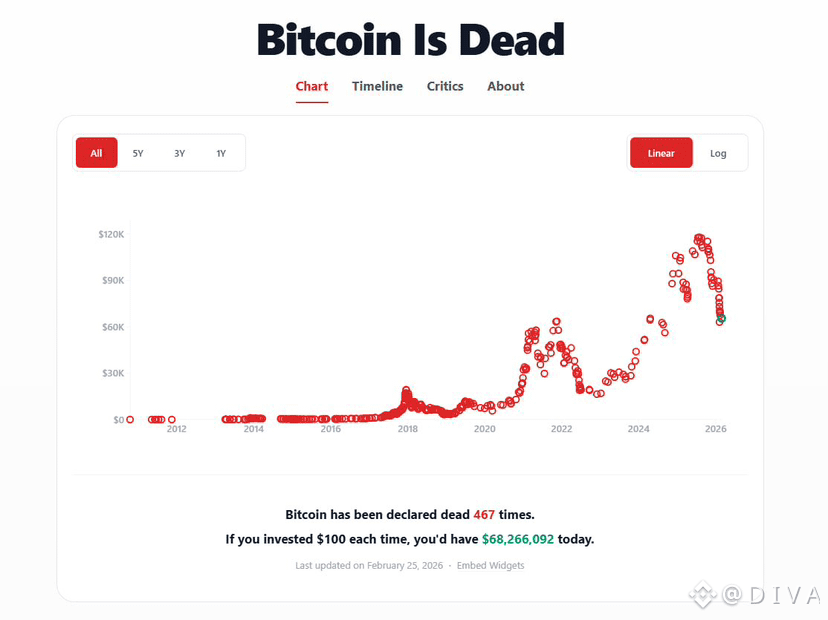
Bitcoin has been declared “dead” 467 times.
If you had invested $100 at each of those moments, your total $46,700 would be worth $68,217,874 today.
Every cycle brings doubt.
Every crash brings headlines.
And every time — Bitcoin survives.
Noise fades.
Long-term conviction compounds.
$BTC #BTCDropsbelow$63K
{spot}(BTCUSDT)
FACT:
Bitcoin has been declared “dead” 467 times.
If you had invested $100 at each of those moments, your total $46,700 would be worth $68,217,874 today.
Every cycle brings doubt.
Every crash brings headlines.
And every time — Bitcoin survives.
Noise fades.
Long-term conviction compounds.
$BTC #BTCDropsbelow$63K
Bitcoin has been declared “dead” 467 times.
If you had invested $100 at each of those moments, your total $46,700 would be worth $68,217,874 today.
Every cycle brings doubt.
Every crash brings headlines.
And every time — Bitcoin survives.
Noise fades.
Long-term conviction compounds.
$BTC #BTCDropsbelow$63K
2
223
·
--
BREAKING:
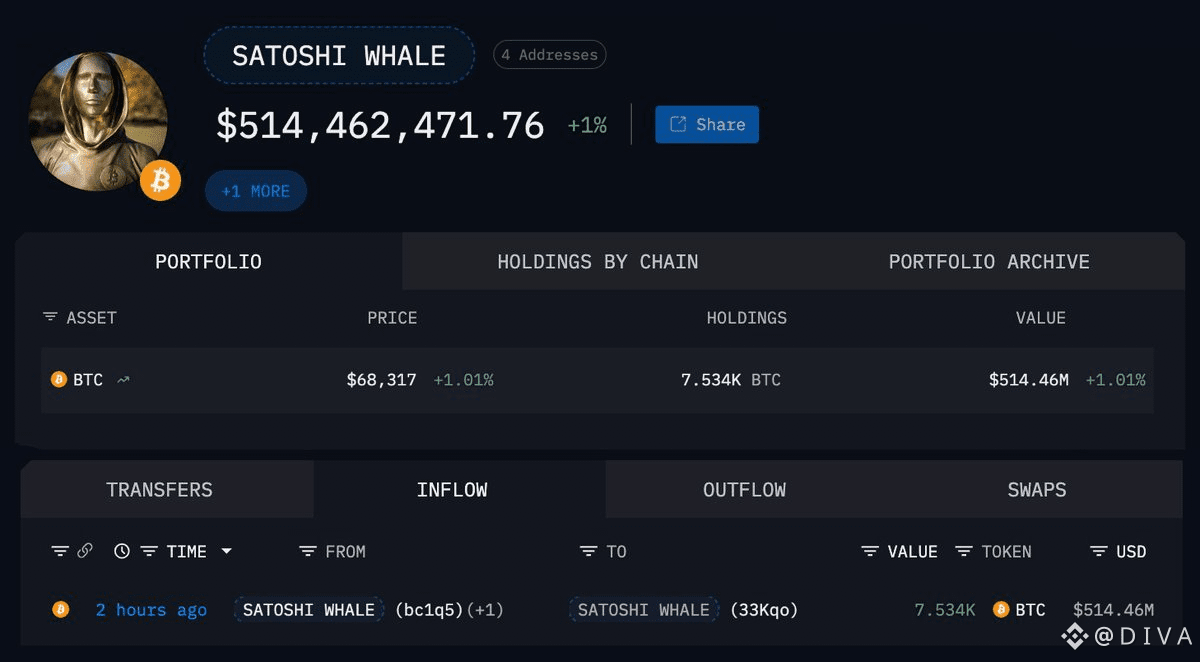
A Satoshi-era whale just bought 7,500 $BTC worth over $500M.
That’s not small money. That’s conviction.
This wallet has been around since the early days — and reportedly timed multiple major dips before, stacking coins while others were panicking. Supposedly up over $300M from previous cycles.
Now they’re buying again.
When an old-school whale moves like this, people pay attention. These aren’t hype traders. These are cycle players.
#StrategyBTCPurchase #BTCVSGOLD
{spot}(BTCUSDT)
BREAKING:
A Satoshi-era whale just bought 7,500 $BTC worth over $500M.
That’s not small money. That’s conviction.
This wallet has been around since the early days — and reportedly timed multiple major dips before, stacking coins while others were panicking. Supposedly up over $300M from previous cycles.
Now they’re buying again.
When an old-school whale moves like this, people pay attention. These aren’t hype traders. These are cycle players.
#StrategyBTCPurchase #BTCVSGOLD
A Satoshi-era whale just bought 7,500 $BTC worth over $500M.
That’s not small money. That’s conviction.
This wallet has been around since the early days — and reportedly timed multiple major dips before, stacking coins while others were panicking. Supposedly up over $300M from previous cycles.
Now they’re buying again.
When an old-school whale moves like this, people pay attention. These aren’t hype traders. These are cycle players.
#StrategyBTCPurchase #BTCVSGOLD
3
265
·
--
BREAKING:
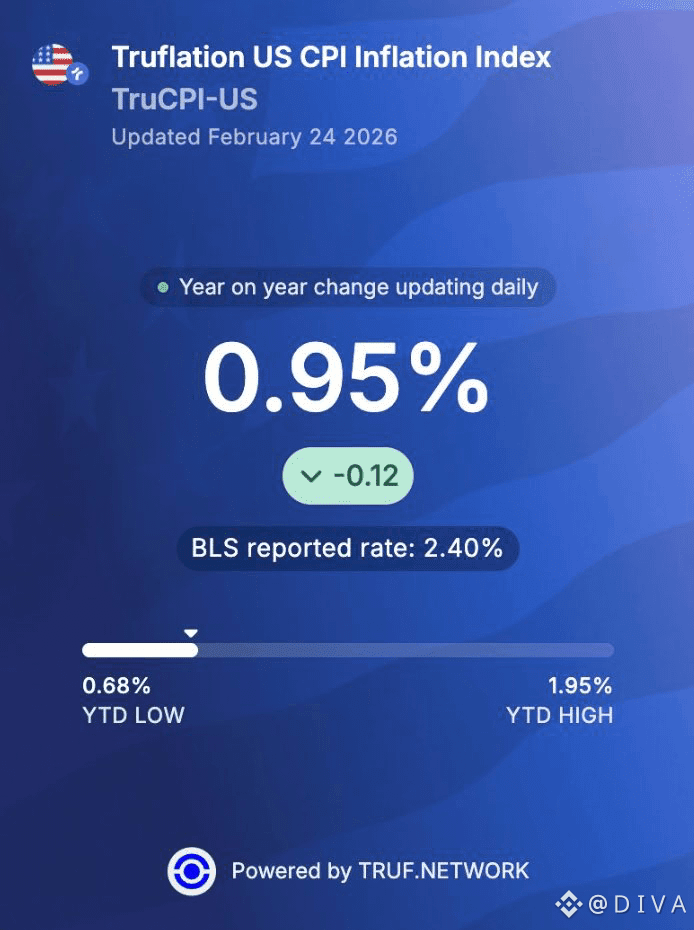
🇺🇸 US Inflation Index has dropped below 1%.
The Fed target inflation is 2%.
"Too Late Powell" should cut rates now.
#fed
BREAKING:
🇺🇸 US Inflation Index has dropped below 1%.
The Fed target inflation is 2%.
"Too Late Powell" should cut rates now.
#fed
🇺🇸 US Inflation Index has dropped below 1%.
The Fed target inflation is 2%.
"Too Late Powell" should cut rates now.
#fed
2
69
·
--
Stop-Limit vs OCO Orders Binance.Execution Logic and Strategy of Risk Control, Structural Differences.
The types of orders cannot simply be regarded as technical tools within a trading interface, but they are structural risk-management decisions. Stop-Limit and OCO (One-Cancels-the-Other) are two of the most misconceived types of order on Binance. On the face of it, the two appear alike since they entail conditional execution. However in practice they have quite different national interests.
With time, I have come to learn that most retail traders are too much on entries, and less on structure of execution. It has nothing to do with which one is better than the other but rather what kind of market behavior are you getting ready to
Learning about Stop-Limit Orders.
A conditional order which is activated by a limit order after a specified stop price has been attained is called a Stop-Limit order.
It has two price levels which are important:
1. Stop Price - The trigger level.
2. Limit Price - The price that is actually ordered to the order book.
Upon hitting the stop price, Binance executes the limit order at the limit price set.
Structural Logic
Let's say BTC is trading at $40,000.
To take long position: In case I want to safeguard the long position, I can give:
Stop Price: $38,000
Limit Price: $37,900
After price reaches the level of $38,000, the system trades a limit sell order at $37,900.
But here's the key:
Execution is not guaranteed.
When the price falls aggressively below the level of liquidity beyond the level of 37,900, the order will not be filled.
It is the main danger of Stop-Limit orders.
Making Sense of Stop-Limit Orders.
Stop-Limit is ideal when:
You desire manipulated exit pricing.
You are managing slippage
You trade in liquid markets
You would like breakout confirmation entries.
My personal use of Stop-Limit orders is on breakout entry. Let us take an example where the resistance is at 42,000, I can put:
Stop: $42,100
Limit: $42,200
In that manner I do not enter beforehand but only after confirmation.
Stop-Limit gives precision. However, accuracy is associated with non-execution risk.
Understanding OCO Orders
OCO is an abbreviation that means One-Cancels-the-Other.
An OCO order combines:
One take-profit limit order.
A single stop-limit order (an order is usually a stop-loss).
The cancellation of one means the cancellation of the other happens automatically.
It is a two-fold exit system.
Structural Logic
Let's assume I buy BTC at $40,000.
Through OCO, I have the ability to set:
Take Profit: Sell at $44,000
Stop-Limit: Trigger at $38,000
On hitting price at 44000 - stop order canceled - profit taken.
At price of 38,000 - stop order, cancel profit order.
OCO develops a specific range of results.
Basic Structural Disagreements.
The distinction does not lie in the technical sphere, but in the architectural realm.
Execution Purpose
Stop-Limit
Univariate conditional execution.
Used for entry OR exit.
OCO
Dual conditional structure.
Used as a method of organized exit planning.
Risk Framing
Stop-Limit controls one side of trade.
OCO works with profit and loss at the same time.
Under OCO, my complete trade plan is defined simultaneously.
In Stop-Limit, one side is defined at a time.
#
Volatility Behavior
In high volatility:
Stop-Limit can not be implemented when price moves beyond the limit.
OCO continues to rely on stop-limit mechanisms to the stop side.
This implies that OCO assumes the risk of stop-limit on the stop part.
However, it adds automation.
There is less emotional error caused by automation.
FRAM: Framework of Strategic Comparison.
This is how I personally consider it.
Stop-Limit Is Tactical
Used when:
I need precision.
I'm entering breakouts.
I am holding slip to a minimum.
OCO Is Structural
Used when:
I already have a position.
I desire risk and reward determined.
I do not want to keep track of charts all the time.
Stop-limit allows flexibility in case I am trading intraday and monitoring charts.
In the event that I have swing trades and am not looking at a screen, OCO defends the framework.
Psychological Dimension
Among other things, I have learned that trading mistakes can be caused by indecisiveness.
Without OCO:
I would have a stop and forget that I have take profit.
Or I could shift my position emotionally.
With OCO:
The structure is locked in.
It imposes sanity prior to the onset of volatility.
Stop-Limit needs to be managed.
OCO implements predetermined structure.
That distinction is significant even in the eyes of most individuals.
Comparison of Scenario of an example.
This is the simulation of a real structure.
Scenario A - Stop-Limit Entry
BTC trading at $40,000.
In my opinion, breakout of above 42000 is continuation.
I set:
Stop: $42,100
Limit: $42,200
If price breaks out, I enter.
If it fails, no entry.
This is strategic positioning.
Scenario B - OCO Exit Structure.
I buy BTC at $40,000.
I set:
Take Profit: $45,000
Stop-Limit: $38,000
Now the trade has:
Defined upside
Defined downside
Cancellation logic Automatic cancellation logic.
This is structuring risk framing.
Risk Considerations
Risk remains though with more advanced types of orders.
1. Stop-Limit non-fill in fast markets.
2. Liquidity nakedness in low-volume pairs.
3. Automation leads to overconfidence.
4. Extreme volatility slippage.
Types of orders are aids - not a safety net.
It is more crucial that one understands the mechanics of execution rather than picks fancy order combinations.
End Analytical Perspective.
Stop-Limit is a fine triggering implement.
OCO is an end-to-end trade management.
If I had to summarize:
Stop-Limit = Control of tactical execution.
OCO = Organized risk control.
Professional trading is not as much about prediction, rather is more about preparation.
The two tools set you in various ways.
It is not what type of order you have, but does your structure correspond with your strategy.
#StopLimitOrders #Write2Earn
Stop-Limit vs OCO Orders Binance.
Execution Logic and Strategy of Risk Control, Structural Differences.
The types of orders cannot simply be regarded as technical tools within a trading interface, but they are structural risk-management decisions. Stop-Limit and OCO (One-Cancels-the-Other) are two of the most misconceived types of order on Binance. On the face of it, the two appear alike since they entail conditional execution. However in practice they have quite different national interests.
With time, I have come to learn that most retail traders are too much on entries, and less on structure of execution. It has nothing to do with which one is better than the other but rather what kind of market behavior are you getting ready to
Learning about Stop-Limit Orders.
A conditional order which is activated by a limit order after a specified stop price has been attained is called a Stop-Limit order.
It has two price levels which are important:
1. Stop Price - The trigger level.
2. Limit Price - The price that is actually ordered to the order book.
Upon hitting the stop price, Binance executes the limit order at the limit price set.
Structural Logic
Let's say BTC is trading at $40,000.
To take long position: In case I want to safeguard the long position, I can give:
Stop Price: $38,000
Limit Price: $37,900
After price reaches the level of $38,000, the system trades a limit sell order at $37,900.
But here's the key:
Execution is not guaranteed.
When the price falls aggressively below the level of liquidity beyond the level of 37,900, the order will not be filled.
It is the main danger of Stop-Limit orders.
Making Sense of Stop-Limit Orders.
Stop-Limit is ideal when:
You desire manipulated exit pricing.
You are managing slippage
You trade in liquid markets
You would like breakout confirmation entries.
My personal use of Stop-Limit orders is on breakout entry. Let us take an example where the resistance is at 42,000, I can put:
Stop: $42,100
Limit: $42,200
In that manner I do not enter beforehand but only after confirmation.
Stop-Limit gives precision. However, accuracy is associated with non-execution risk.
Understanding OCO Orders
OCO is an abbreviation that means One-Cancels-the-Other.
An OCO order combines:
One take-profit limit order.
A single stop-limit order (an order is usually a stop-loss).
The cancellation of one means the cancellation of the other happens automatically.
It is a two-fold exit system.
Structural Logic
Let's assume I buy BTC at $40,000.
Through OCO, I have the ability to set:
Take Profit: Sell at $44,000
Stop-Limit: Trigger at $38,000
On hitting price at 44000 - stop order canceled - profit taken.
At price of 38,000 - stop order, cancel profit order.
OCO develops a specific range of results.
Basic Structural Disagreements.
The distinction does not lie in the technical sphere, but in the architectural realm.
Execution Purpose
Stop-Limit
Univariate conditional execution.
Used for entry OR exit.
OCO
Dual conditional structure.
Used as a method of organized exit planning.
Risk Framing
Stop-Limit controls one side of trade.
OCO works with profit and loss at the same time.
Under OCO, my complete trade plan is defined simultaneously.
In Stop-Limit, one side is defined at a time.
#
Volatility Behavior
In high volatility:
Stop-Limit can not be implemented when price moves beyond the limit.
OCO continues to rely on stop-limit mechanisms to the stop side.
This implies that OCO assumes the risk of stop-limit on the stop part.
However, it adds automation.
There is less emotional error caused by automation.
FRAM: Framework of Strategic Comparison.
This is how I personally consider it.
Stop-Limit Is Tactical
Used when:
I need precision.
I'm entering breakouts.
I am holding slip to a minimum.
OCO Is Structural
Used when:
I already have a position.
I desire risk and reward determined.
I do not want to keep track of charts all the time.
Stop-limit allows flexibility in case I am trading intraday and monitoring charts.
In the event that I have swing trades and am not looking at a screen, OCO defends the framework.
Psychological Dimension
Among other things, I have learned that trading mistakes can be caused by indecisiveness.
Without OCO:
I would have a stop and forget that I have take profit.
Or I could shift my position emotionally.
With OCO:
The structure is locked in.
It imposes sanity prior to the onset of volatility.
Stop-Limit needs to be managed.
OCO implements predetermined structure.
That distinction is significant even in the eyes of most individuals.
Comparison of Scenario of an example.
This is the simulation of a real structure.
Scenario A - Stop-Limit Entry
BTC trading at $40,000.
In my opinion, breakout of above 42000 is continuation.
I set:
Stop: $42,100
Limit: $42,200
If price breaks out, I enter.
If it fails, no entry.
This is strategic positioning.
Scenario B - OCO Exit Structure.
I buy BTC at $40,000.
I set:
Take Profit: $45,000
Stop-Limit: $38,000
Now the trade has:
Defined upside
Defined downside
Cancellation logic Automatic cancellation logic.
This is structuring risk framing.
Risk Considerations
Risk remains though with more advanced types of orders.
1. Stop-Limit non-fill in fast markets.
2. Liquidity nakedness in low-volume pairs.
3. Automation leads to overconfidence.
4. Extreme volatility slippage.
Types of orders are aids - not a safety net.
It is more crucial that one understands the mechanics of execution rather than picks fancy order combinations.
End Analytical Perspective.
Stop-Limit is a fine triggering implement.
OCO is an end-to-end trade management.
If I had to summarize:
Stop-Limit = Control of tactical execution.
OCO = Organized risk control.
Professional trading is not as much about prediction, rather is more about preparation.
The two tools set you in various ways.
It is not what type of order you have, but does your structure correspond with your strategy.
#StopLimitOrders #Write2Earn
The types of orders cannot simply be regarded as technical tools within a trading interface, but they are structural risk-management decisions. Stop-Limit and OCO (One-Cancels-the-Other) are two of the most misconceived types of order on Binance. On the face of it, the two appear alike since they entail conditional execution. However in practice they have quite different national interests.
With time, I have come to learn that most retail traders are too much on entries, and less on structure of execution. It has nothing to do with which one is better than the other but rather what kind of market behavior are you getting ready to
Learning about Stop-Limit Orders.
A conditional order which is activated by a limit order after a specified stop price has been attained is called a Stop-Limit order.
It has two price levels which are important:
1. Stop Price - The trigger level.
2. Limit Price - The price that is actually ordered to the order book.
Upon hitting the stop price, Binance executes the limit order at the limit price set.
Structural Logic
Let's say BTC is trading at $40,000.
To take long position: In case I want to safeguard the long position, I can give:
Stop Price: $38,000
Limit Price: $37,900
After price reaches the level of $38,000, the system trades a limit sell order at $37,900.
But here's the key:
Execution is not guaranteed.
When the price falls aggressively below the level of liquidity beyond the level of 37,900, the order will not be filled.
It is the main danger of Stop-Limit orders.
Making Sense of Stop-Limit Orders.
Stop-Limit is ideal when:
You desire manipulated exit pricing.
You are managing slippage
You trade in liquid markets
You would like breakout confirmation entries.
My personal use of Stop-Limit orders is on breakout entry. Let us take an example where the resistance is at 42,000, I can put:
Stop: $42,100
Limit: $42,200
In that manner I do not enter beforehand but only after confirmation.
Stop-Limit gives precision. However, accuracy is associated with non-execution risk.
Understanding OCO Orders
OCO is an abbreviation that means One-Cancels-the-Other.
An OCO order combines:
One take-profit limit order.
A single stop-limit order (an order is usually a stop-loss).
The cancellation of one means the cancellation of the other happens automatically.
It is a two-fold exit system.
Structural Logic
Let's assume I buy BTC at $40,000.
Through OCO, I have the ability to set:
Take Profit: Sell at $44,000
Stop-Limit: Trigger at $38,000
On hitting price at 44000 - stop order canceled - profit taken.
At price of 38,000 - stop order, cancel profit order.
OCO develops a specific range of results.
Basic Structural Disagreements.
The distinction does not lie in the technical sphere, but in the architectural realm.
Execution Purpose
Stop-Limit
Univariate conditional execution.
Used for entry OR exit.
OCO
Dual conditional structure.
Used as a method of organized exit planning.
Risk Framing
Stop-Limit controls one side of trade.
OCO works with profit and loss at the same time.
Under OCO, my complete trade plan is defined simultaneously.
In Stop-Limit, one side is defined at a time.
#
Volatility Behavior
In high volatility:
Stop-Limit can not be implemented when price moves beyond the limit.
OCO continues to rely on stop-limit mechanisms to the stop side.
This implies that OCO assumes the risk of stop-limit on the stop part.
However, it adds automation.
There is less emotional error caused by automation.
FRAM: Framework of Strategic Comparison.
This is how I personally consider it.
Stop-Limit Is Tactical
Used when:
I need precision.
I'm entering breakouts.
I am holding slip to a minimum.
OCO Is Structural
Used when:
I already have a position.
I desire risk and reward determined.
I do not want to keep track of charts all the time.
Stop-limit allows flexibility in case I am trading intraday and monitoring charts.
In the event that I have swing trades and am not looking at a screen, OCO defends the framework.
Psychological Dimension
Among other things, I have learned that trading mistakes can be caused by indecisiveness.
Without OCO:
I would have a stop and forget that I have take profit.
Or I could shift my position emotionally.
With OCO:
The structure is locked in.
It imposes sanity prior to the onset of volatility.
Stop-Limit needs to be managed.
OCO implements predetermined structure.
That distinction is significant even in the eyes of most individuals.
Comparison of Scenario of an example.
This is the simulation of a real structure.
Scenario A - Stop-Limit Entry
BTC trading at $40,000.
In my opinion, breakout of above 42000 is continuation.
I set:
Stop: $42,100
Limit: $42,200
If price breaks out, I enter.
If it fails, no entry.
This is strategic positioning.
Scenario B - OCO Exit Structure.
I buy BTC at $40,000.
I set:
Take Profit: $45,000
Stop-Limit: $38,000
Now the trade has:
Defined upside
Defined downside
Cancellation logic Automatic cancellation logic.
This is structuring risk framing.
Risk Considerations
Risk remains though with more advanced types of orders.
1. Stop-Limit non-fill in fast markets.
2. Liquidity nakedness in low-volume pairs.
3. Automation leads to overconfidence.
4. Extreme volatility slippage.
Types of orders are aids - not a safety net.
It is more crucial that one understands the mechanics of execution rather than picks fancy order combinations.
End Analytical Perspective.
Stop-Limit is a fine triggering implement.
OCO is an end-to-end trade management.
If I had to summarize:
Stop-Limit = Control of tactical execution.
OCO = Organized risk control.
Professional trading is not as much about prediction, rather is more about preparation.
The two tools set you in various ways.
It is not what type of order you have, but does your structure correspond with your strategy.
#StopLimitOrders #Write2Earn
2
55
·
--
ALERT:
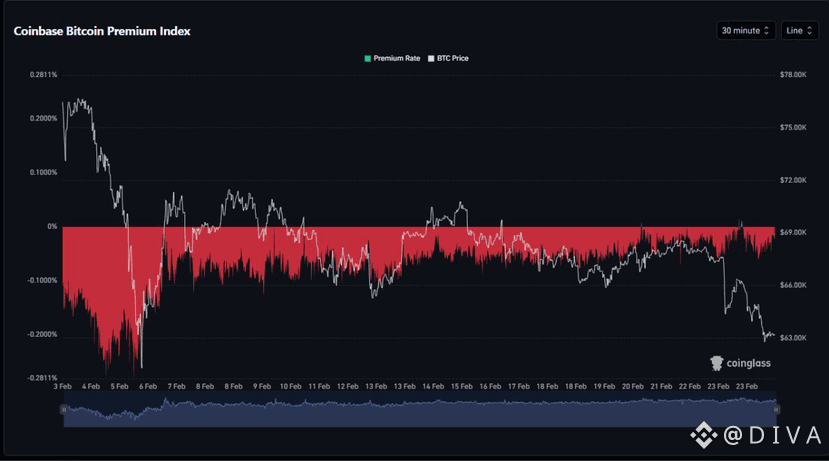
The Coinbase BTC Premium Index has now recorded 40 consecutive days in negative territory, surpassing the 30-day stretch seen during the “1011 crash.”
On Coinbase, a negative premium means:
• BTC is trading cheaper on Coinbase
• U.S. spot demand is weaker relative to offshore exchanges
• Selling pressure is stronger from U.S. participants
ALERT:
The Coinbase BTC Premium Index has now recorded 40 consecutive days in negative territory, surpassing the 30-day stretch seen during the “1011 crash.”
On Coinbase, a negative premium means:
• BTC is trading cheaper on Coinbase
• U.S. spot demand is weaker relative to offshore exchanges
• Selling pressure is stronger from U.S. participants
The Coinbase BTC Premium Index has now recorded 40 consecutive days in negative territory, surpassing the 30-day stretch seen during the “1011 crash.”
On Coinbase, a negative premium means:
• BTC is trading cheaper on Coinbase
• U.S. spot demand is weaker relative to offshore exchanges
• Selling pressure is stronger from U.S. participants
1
35
·
--
$ETH
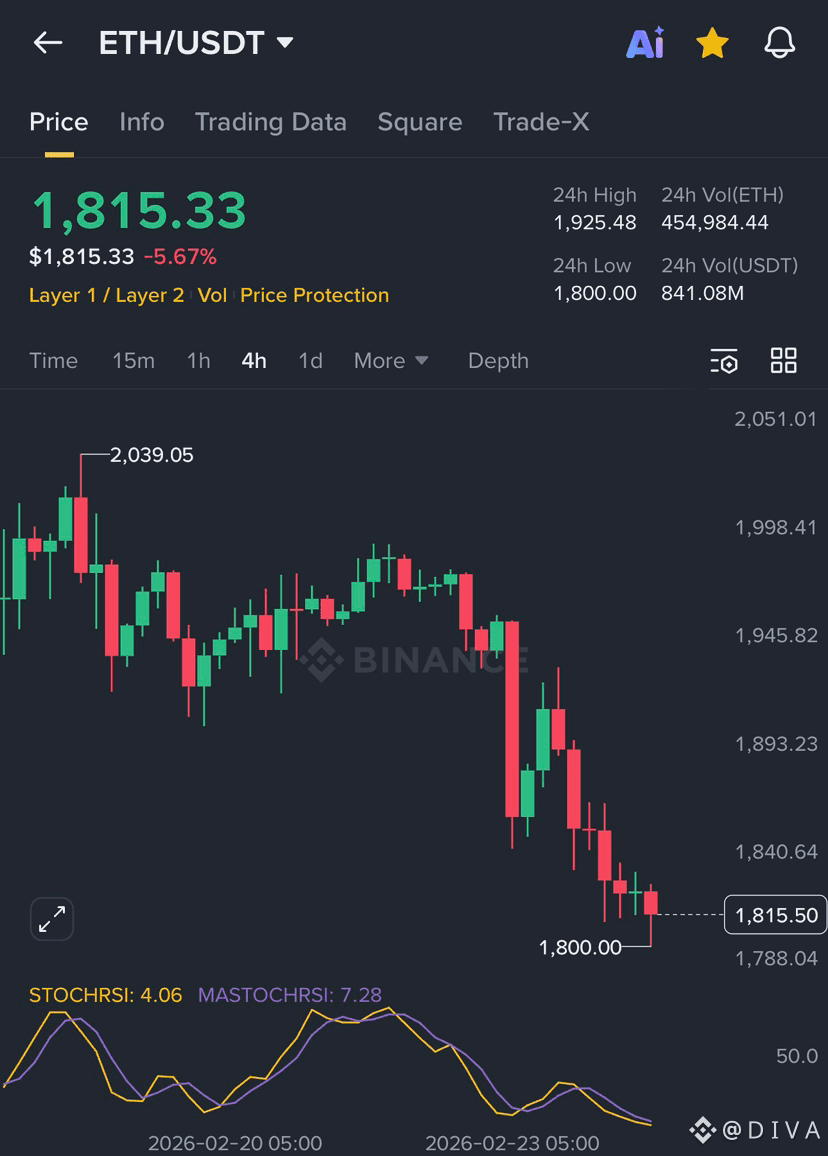
ETH is moving inside a tight box right now.
1,900 is the floor.
2,000 is the ceiling.
Every push toward 2K gets sold.
Every dip near 1.9K gets bought.
That tells me one thing — compression.
And compression usually leads to expansion.
My approach:
• I’m interested in longs closer to 1,900 if reaction is clean.
#Ethereum
{spot}(ETHUSDT)
$ETH
ETH is moving inside a tight box right now.
1,900 is the floor.
2,000 is the ceiling.
Every push toward 2K gets sold.
Every dip near 1.9K gets bought.
That tells me one thing — compression.
And compression usually leads to expansion.
My approach:
• I’m interested in longs closer to 1,900 if reaction is clean.
#Ethereum
ETH is moving inside a tight box right now.
1,900 is the floor.
2,000 is the ceiling.
Every push toward 2K gets sold.
Every dip near 1.9K gets bought.
That tells me one thing — compression.
And compression usually leads to expansion.
My approach:
• I’m interested in longs closer to 1,900 if reaction is clean.
#Ethereum
2
141
·
--
JUST IN:
🇦🇪 $16B Emirates NBD exploring adding Bitcoin to its portfolio.
Emirates NBD — one of the largest banks in the UAE — is reportedly exploring exposure to Bitcoin.
That’s not small.
JUST IN:
🇦🇪 $16B Emirates NBD exploring adding Bitcoin to its portfolio.
Emirates NBD — one of the largest banks in the UAE — is reportedly exploring exposure to Bitcoin.
That’s not small.
🇦🇪 $16B Emirates NBD exploring adding Bitcoin to its portfolio.
Emirates NBD — one of the largest banks in the UAE — is reportedly exploring exposure to Bitcoin.
That’s not small.

3
337
·
--
CRYPTO IS NOW BEING USED TO HIDE MONEY IN DIVORCES
Divorce lawyers are reporting that some wealthy spouses are trying to conceal digital assets like Bitcoin and stablecoins during asset division.
Let’s break this down clearly:
Why It’s Happening
• Crypto can be self-custodied (no bank statements)
• Wallets can be created anonymously
• Disclosure forms often don’t have a specific “crypto” box
• Some assume it’s harder to trace
But here’s the reality 👇
Crypto Is Still an Asset
Even if forms don’t list “cryptocurrency” explicitly, it must be reported under:
“Other assets” or financial holdings
#CryptoPatience #Write2Earn
CRYPTO IS NOW BEING USED TO HIDE MONEY IN DIVORCES
Divorce lawyers are reporting that some wealthy spouses are trying to conceal digital assets like Bitcoin and stablecoins during asset division.
Let’s break this down clearly:
Why It’s Happening
• Crypto can be self-custodied (no bank statements)
• Wallets can be created anonymously
• Disclosure forms often don’t have a specific “crypto” box
• Some assume it’s harder to trace
But here’s the reality 👇
Crypto Is Still an Asset
Even if forms don’t list “cryptocurrency” explicitly, it must be reported under:
“Other assets” or financial holdings
#CryptoPatience #Write2Earn
Divorce lawyers are reporting that some wealthy spouses are trying to conceal digital assets like Bitcoin and stablecoins during asset division.
Let’s break this down clearly:
Why It’s Happening
• Crypto can be self-custodied (no bank statements)
• Wallets can be created anonymously
• Disclosure forms often don’t have a specific “crypto” box
• Some assume it’s harder to trace
But here’s the reality 👇
Crypto Is Still an Asset
Even if forms don’t list “cryptocurrency” explicitly, it must be reported under:
“Other assets” or financial holdings
#CryptoPatience #Write2Earn

2
40
·
--
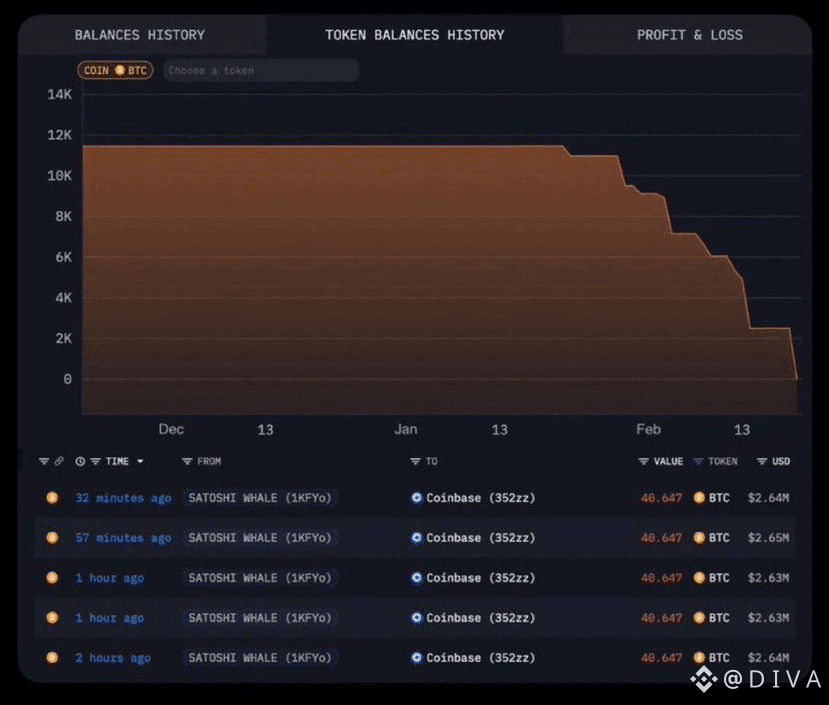
🚨$1,240,000,000 in $BTC just sold by a satoshi-era whale
-He held since 2010
-Survived every crash
-Watched every bull run
And now… he’s cashing out.
#BTCMiningDifficultyIncrease
{spot}(BTCUSDT)
🚨$1,240,000,000 in $BTC just sold by a satoshi-era whale
-He held since 2010
-Survived every crash
-Watched every bull run
And now… he’s cashing out.
#BTCMiningDifficultyIncrease
-He held since 2010
-Survived every crash
-Watched every bull run
And now… he’s cashing out.
#BTCMiningDifficultyIncrease
1
44
·
--
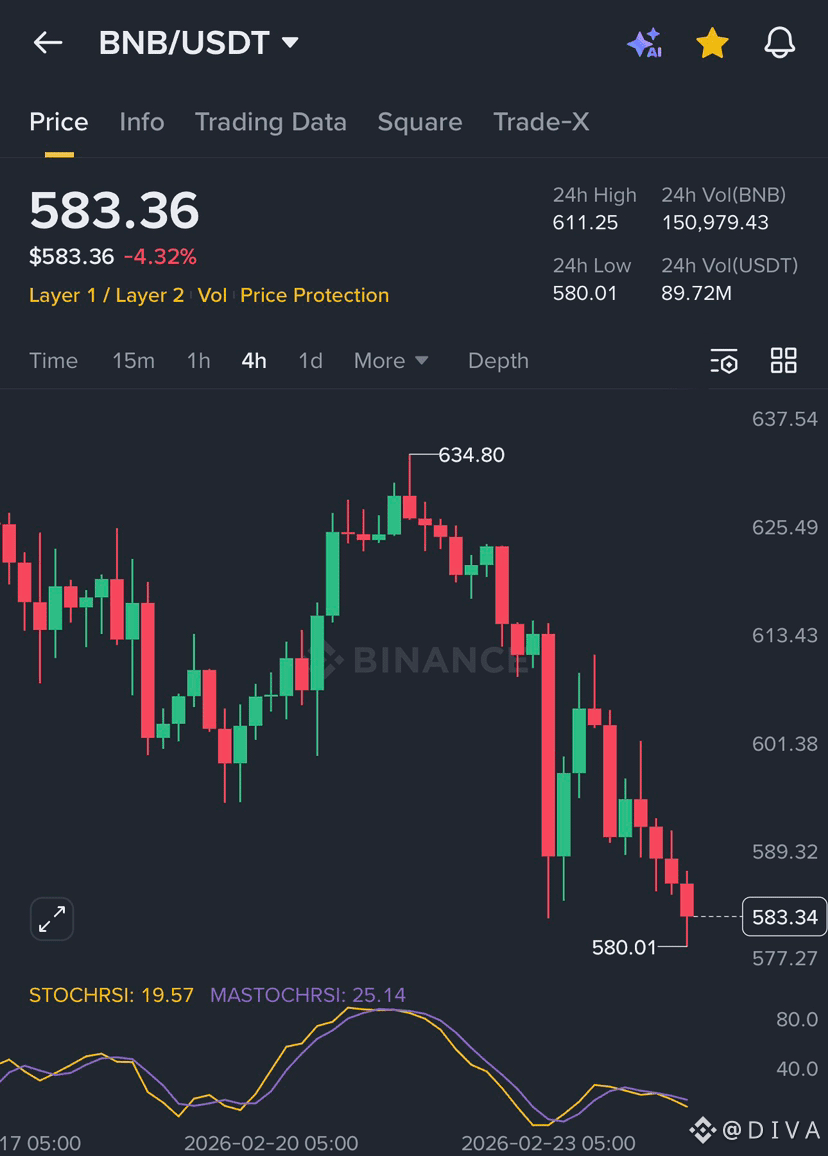
$BNB
Range is clear:
560 – 590.
Rejected near upper zone again.
Now sitting mid-range.
No breakout yet. No breakdown either.
My view:
• I buy near 560 support.
• I add on a clean 590 breakout.
• I cut if 550 loses.
Until one side breaks, it’s just range trading.
#BNB_Market_Update #TrumpNewTariffs
{spot}(BNBUSDT)
$BNB
Range is clear:
560 – 590.
Rejected near upper zone again.
Now sitting mid-range.
No breakout yet. No breakdown either.
My view:
• I buy near 560 support.
• I add on a clean 590 breakout.
• I cut if 550 loses.
Until one side breaks, it’s just range trading.
#BNB_Market_Update #TrumpNewTariffs
Range is clear:
560 – 590.
Rejected near upper zone again.
Now sitting mid-range.
No breakout yet. No breakdown either.
My view:
• I buy near 560 support.
• I add on a clean 590 breakout.
• I cut if 550 loses.
Until one side breaks, it’s just range trading.
#BNB_Market_Update #TrumpNewTariffs
1
63
·
--
Article
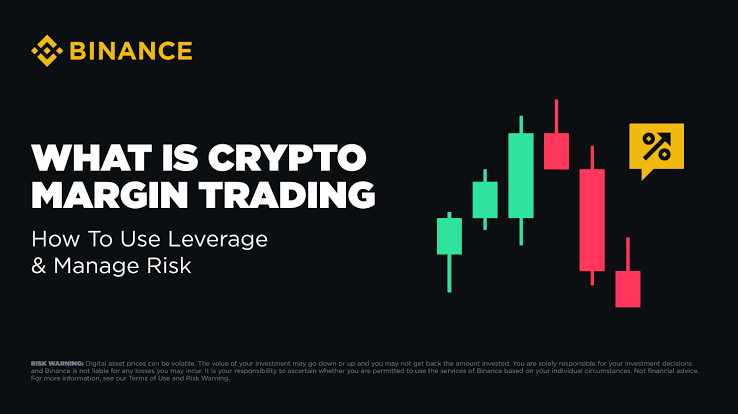
Binance Margin Trade Cross vs Isolated Margin.Binance margin trading is a poorly understood concept. Leverage is viewed by many traders as a way of cutting corners to increase profits yet in actual sense, margin is a capital efficiency tool. The distinction between Cross Margin and Isolated Margin is not technical in nature, but instead, it impacts directly on the liquidation behavior, portfolio risk, and psychological discipline. I have over the years come to the realization that the decision of selecting Cross and Isolated does not have a lot to do with aggressiveness but rather with the structure of risk.
Learning about Margin Trading in Binance.
Users can also borrow funds using their current assets to open bigger positions as a result of margin trading. You do not just trade, you borrow more money and interest on that borrowing.
In Binance, there is margin trading in the Spot ecosystem (not futures). That means:
1. You borrow assets directly.
2. Interest accrues hourly.
3. Liquidation occurs when your Margin Level falls below the maintenance levels.
4. Collateral is on basis of assets in your margin wallet.
The major structural dissimilarity is the allocation of collateral.
Cross Margin - Joint Collateral Structure.
Cross is a form of pooling of all your available assets in your margin wallet as common security.
The system keeps your entire wallet balance liquid, which would otherwise be liquidated in case of risk in any single trade.
How It Works
In case I open several margin trades under Cross Margin:
All jobs are based on the same collateral pool.
The profit in one of the trades cannot be realized paying losses in another.
Calculation of liquidation risk is done according to the general level of margin.
The idea behind the formula is as follows:
Margin Level = Total Asset Value/ (Total Borrowed + Interest)
As long as such ratio remains above the maintenance level, liquidation will not occur.
Cross Margin Structural Characteristics.
Risk is common to all the positions.
Capital allocation is flexible.
Lossing trades can be shielded by profits.
More complicated risk tracking.
Liquidation has impact on entire margin wallet.
Applying Cross Margin Makes Sense.
Cross Margin works best when:
1. You run hedged strategies.
2. You are a manager of several correlated positions.
3. You proactively watch levels of margin.
4. You desire capital efficiency in the trades.
On a personal level, I would only apply Cross Margin when I am sure of portfolio set up and correlation risk. Under a correlated BTC/ETH correlation, Cross is a good option since gains in one product can offset losses in the other.
The negative aspect is however, psychological. Since collateral is shared, on the downside, it can grow losses in silence until it leads to liquidation.
Isolated Margin: Position-Based Risk Control.
Isolated Margin separates trading pair risk. Every position is allocated a collateral.
This implies that in case one trade fails, it would not drain the whole wallet.
How It Works
In case I open a separate margin trade:
I un-instrumentally place collateral on that position.
The allocation of a margin is the only factor that is affected by liquidation.
The rest of trades are not affected.
Computation of the margin level is done at the pair level as opposed to the usual global level.
Isolated Margin Structural Characteristics.
Risk is confined to capital allocated.
Cleaner -Liquidation boundaries.
Less complex to compute utmost loss.
Intertrade cross-protection is absent.
Greater exposure to risk is under control.
Isolated Margin Makes Sense when.
Isolated is ideal when:
1. You are experimenting with a risky arrangement.
2. You are dealing in volatile altcoins.
3. You want strict risk caps.
4. You prefer defined downside.
I tend to trade Isolated Margin on aggressive trades. When I am going into a speculative altcoin breakout, I predetermine the degree to which I am willing to lose and put in only that. That is what restrains emotional decision making.
Liquidation Behavior: The Intrinsic Dissimilarity.
Distinction between the Cross and Isolated is actually seen in stress in the market.
Cross Margin Liquidation
Liquidation is activated by the falling of total margin level to the level below requirement.
All positions are at risk.
Wholesale wallet collateral can be eaten.
Cross liquidation is institutional--it affects everything.
Single Margin Liquidation.
Only that pair is triggered to liquidate.
Other trades remain intact.
The amount of loss is limited to allocated margin.
Isolated liquidation is confined--it only concerns itself with such and such trade.
This disparity is critical in unstable marketplace.
Risk Comparison Framework
My personal assessment of them is as follows:
Capital Efficiency
Cross > Isolated
Cross utilizes assets that are not used fully.
Risk Containment
Isolated > Cross
What downside isolated caps down has.
Strategy Complexity
Cross suits are portfolio traders.
Isolated suits isolates strategic traders.
Emotional Discipline
Stress is usually diminished by isolation.
Cross should be monitored constantly.
Interest and Borrowing Reflections.
Cross will earn an interest on borrowing and so will Isolated. However:
Cross permits the borrowing against total assets.
The capacity to borrow is isolated.
The interest is charged at an hourly rate and this implies that long-term margin positions are more expensive. The margin is structurally better applied to short duration directional exposure as opposed to long term holding.
Psychology and Strategic Level.
It has taught me that leverage is not a key factor in margin trading but rather structure.
Cross Margin gives strength of being a trade that is safeguarded by total capital. However, such protection can postpone stop-loss decisions that are needed.
Margins Alone Margin makes the light. I determine risk at the onset, and when all the collateral allocated has been lost, then the trade is completed.
Isolated develops discipline in traders who have difficulties with overexposure. To more seasoned portfolio managers, Cross is more flexible.
Comparative scenario of practicals.
Suppose I have got $5,000 of margin wallet.
Cross Scenario
I open two trades worth $3,000 each.
In the case of one falling drastically the other compensates.
However, when both fall simultaneously, then the risk of liquidation increases rapidly.
Isolated Scenario
I allocate $1,000 per trade.
If one fails, maximum loss is $1,000.
The remaining capital is kept safe.
This organizational contrast determines that it will survive volatility.
Final Analytical Perspective.
Cross Margin is a capital optimization solution.
Isolated Margin is a risk isolation technique.
Neither is "better." The choice depends on:
1. Market volatility.
2. Trade correlation.
3. Risk tolerance.
4. Experience level.
5. Psychological control.
In case I am trading in uncertain macro conditions, I would choose Isolated. Cross is more viable in case I am operating an organized hedge within large resources.
The effect of margin trading magnifies results both gain and loss. The type of structural framework you adopt dictates the volatility to be opportunity or liquidation.
#Write2Earn #BinanceMarginTrading
Binance Margin Trade Cross vs Isolated Margin.
Binance margin trading is a poorly understood concept. Leverage is viewed by many traders as a way of cutting corners to increase profits yet in actual sense, margin is a capital efficiency tool. The distinction between Cross Margin and Isolated Margin is not technical in nature, but instead, it impacts directly on the liquidation behavior, portfolio risk, and psychological discipline. I have over the years come to the realization that the decision of selecting Cross and Isolated does not have a lot to do with aggressiveness but rather with the structure of risk.
Learning about Margin Trading in Binance.
Users can also borrow funds using their current assets to open bigger positions as a result of margin trading. You do not just trade, you borrow more money and interest on that borrowing.
In Binance, there is margin trading in the Spot ecosystem (not futures). That means:
1. You borrow assets directly.
2. Interest accrues hourly.
3. Liquidation occurs when your Margin Level falls below the maintenance levels.
4. Collateral is on basis of assets in your margin wallet.
The major structural dissimilarity is the allocation of collateral.
Cross Margin - Joint Collateral Structure.
Cross is a form of pooling of all your available assets in your margin wallet as common security.
The system keeps your entire wallet balance liquid, which would otherwise be liquidated in case of risk in any single trade.
How It Works
In case I open several margin trades under Cross Margin:
All jobs are based on the same collateral pool.
The profit in one of the trades cannot be realized paying losses in another.
Calculation of liquidation risk is done according to the general level of margin.
The idea behind the formula is as follows:
Margin Level = Total Asset Value/ (Total Borrowed + Interest)
As long as such ratio remains above the maintenance level, liquidation will not occur.
Cross Margin Structural Characteristics.
Risk is common to all the positions.
Capital allocation is flexible.
Lossing trades can be shielded by profits.
More complicated risk tracking.
Liquidation has impact on entire margin wallet.
Applying Cross Margin Makes Sense.
Cross Margin works best when:
1. You run hedged strategies.
2. You are a manager of several correlated positions.
3. You proactively watch levels of margin.
4. You desire capital efficiency in the trades.
On a personal level, I would only apply Cross Margin when I am sure of portfolio set up and correlation risk. Under a correlated BTC/ETH correlation, Cross is a good option since gains in one product can offset losses in the other.
The negative aspect is however, psychological. Since collateral is shared, on the downside, it can grow losses in silence until it leads to liquidation.
Isolated Margin: Position-Based Risk Control.
Isolated Margin separates trading pair risk. Every position is allocated a collateral.
This implies that in case one trade fails, it would not drain the whole wallet.
How It Works
In case I open a separate margin trade:
I un-instrumentally place collateral on that position.
The allocation of a margin is the only factor that is affected by liquidation.
The rest of trades are not affected.
Computation of the margin level is done at the pair level as opposed to the usual global level.
Isolated Margin Structural Characteristics.
Risk is confined to capital allocated.
Cleaner -Liquidation boundaries.
Less complex to compute utmost loss.
Intertrade cross-protection is absent.
Greater exposure to risk is under control.
Isolated Margin Makes Sense when.
Isolated is ideal when:
1. You are experimenting with a risky arrangement.
2. You are dealing in volatile altcoins.
3. You want strict risk caps.
4. You prefer defined downside.
I tend to trade Isolated Margin on aggressive trades. When I am going into a speculative altcoin breakout, I predetermine the degree to which I am willing to lose and put in only that. That is what restrains emotional decision making.
Liquidation Behavior: The Intrinsic Dissimilarity.
Distinction between the Cross and Isolated is actually seen in stress in the market.
Cross Margin Liquidation
Liquidation is activated by the falling of total margin level to the level below requirement.
All positions are at risk.
Wholesale wallet collateral can be eaten.
Cross liquidation is institutional--it affects everything.
Single Margin Liquidation.
Only that pair is triggered to liquidate.
Other trades remain intact.
The amount of loss is limited to allocated margin.
Isolated liquidation is confined--it only concerns itself with such and such trade.
This disparity is critical in unstable marketplace.
Risk Comparison Framework
My personal assessment of them is as follows:
Capital Efficiency
Cross > Isolated
Cross utilizes assets that are not used fully.
Risk Containment
Isolated > Cross
What downside isolated caps down has.
Strategy Complexity
Cross suits are portfolio traders.
Isolated suits isolates strategic traders.
Emotional Discipline
Stress is usually diminished by isolation.
Cross should be monitored constantly.
Interest and Borrowing Reflections.
Cross will earn an interest on borrowing and so will Isolated. However:
Cross permits the borrowing against total assets.
The capacity to borrow is isolated.
The interest is charged at an hourly rate and this implies that long-term margin positions are more expensive. The margin is structurally better applied to short duration directional exposure as opposed to long term holding.
Psychology and Strategic Level.
It has taught me that leverage is not a key factor in margin trading but rather structure.
Cross Margin gives strength of being a trade that is safeguarded by total capital. However, such protection can postpone stop-loss decisions that are needed.
Margins Alone Margin makes the light. I determine risk at the onset, and when all the collateral allocated has been lost, then the trade is completed.
Isolated develops discipline in traders who have difficulties with overexposure. To more seasoned portfolio managers, Cross is more flexible.
Comparative scenario of practicals.
Suppose I have got $5,000 of margin wallet.
Cross Scenario
I open two trades worth $3,000 each.
In the case of one falling drastically the other compensates.
However, when both fall simultaneously, then the risk of liquidation increases rapidly.
Isolated Scenario
I allocate $1,000 per trade.
If one fails, maximum loss is $1,000.
The remaining capital is kept safe.
This organizational contrast determines that it will survive volatility.
Final Analytical Perspective.
Cross Margin is a capital optimization solution.
Isolated Margin is a risk isolation technique.
Neither is "better." The choice depends on:
1. Market volatility.
2. Trade correlation.
3. Risk tolerance.
4. Experience level.
5. Psychological control.
In case I am trading in uncertain macro conditions, I would choose Isolated. Cross is more viable in case I am operating an organized hedge within large resources.
The effect of margin trading magnifies results both gain and loss. The type of structural framework you adopt dictates the volatility to be opportunity or liquidation.
#Write2Earn #BinanceMarginTrading
Learning about Margin Trading in Binance.
Users can also borrow funds using their current assets to open bigger positions as a result of margin trading. You do not just trade, you borrow more money and interest on that borrowing.
In Binance, there is margin trading in the Spot ecosystem (not futures). That means:
1. You borrow assets directly.
2. Interest accrues hourly.
3. Liquidation occurs when your Margin Level falls below the maintenance levels.
4. Collateral is on basis of assets in your margin wallet.
The major structural dissimilarity is the allocation of collateral.
Cross Margin - Joint Collateral Structure.
Cross is a form of pooling of all your available assets in your margin wallet as common security.
The system keeps your entire wallet balance liquid, which would otherwise be liquidated in case of risk in any single trade.
How It Works
In case I open several margin trades under Cross Margin:
All jobs are based on the same collateral pool.
The profit in one of the trades cannot be realized paying losses in another.
Calculation of liquidation risk is done according to the general level of margin.
The idea behind the formula is as follows:
Margin Level = Total Asset Value/ (Total Borrowed + Interest)
As long as such ratio remains above the maintenance level, liquidation will not occur.
Cross Margin Structural Characteristics.
Risk is common to all the positions.
Capital allocation is flexible.
Lossing trades can be shielded by profits.
More complicated risk tracking.
Liquidation has impact on entire margin wallet.
Applying Cross Margin Makes Sense.
Cross Margin works best when:
1. You run hedged strategies.
2. You are a manager of several correlated positions.
3. You proactively watch levels of margin.
4. You desire capital efficiency in the trades.
On a personal level, I would only apply Cross Margin when I am sure of portfolio set up and correlation risk. Under a correlated BTC/ETH correlation, Cross is a good option since gains in one product can offset losses in the other.
The negative aspect is however, psychological. Since collateral is shared, on the downside, it can grow losses in silence until it leads to liquidation.
Isolated Margin: Position-Based Risk Control.
Isolated Margin separates trading pair risk. Every position is allocated a collateral.
This implies that in case one trade fails, it would not drain the whole wallet.
How It Works
In case I open a separate margin trade:
I un-instrumentally place collateral on that position.
The allocation of a margin is the only factor that is affected by liquidation.
The rest of trades are not affected.
Computation of the margin level is done at the pair level as opposed to the usual global level.
Isolated Margin Structural Characteristics.
Risk is confined to capital allocated.
Cleaner -Liquidation boundaries.
Less complex to compute utmost loss.
Intertrade cross-protection is absent.
Greater exposure to risk is under control.
Isolated Margin Makes Sense when.
Isolated is ideal when:
1. You are experimenting with a risky arrangement.
2. You are dealing in volatile altcoins.
3. You want strict risk caps.
4. You prefer defined downside.
I tend to trade Isolated Margin on aggressive trades. When I am going into a speculative altcoin breakout, I predetermine the degree to which I am willing to lose and put in only that. That is what restrains emotional decision making.
Liquidation Behavior: The Intrinsic Dissimilarity.
Distinction between the Cross and Isolated is actually seen in stress in the market.
Cross Margin Liquidation
Liquidation is activated by the falling of total margin level to the level below requirement.
All positions are at risk.
Wholesale wallet collateral can be eaten.
Cross liquidation is institutional--it affects everything.
Single Margin Liquidation.
Only that pair is triggered to liquidate.
Other trades remain intact.
The amount of loss is limited to allocated margin.
Isolated liquidation is confined--it only concerns itself with such and such trade.
This disparity is critical in unstable marketplace.
Risk Comparison Framework
My personal assessment of them is as follows:
Capital Efficiency
Cross > Isolated
Cross utilizes assets that are not used fully.
Risk Containment
Isolated > Cross
What downside isolated caps down has.
Strategy Complexity
Cross suits are portfolio traders.
Isolated suits isolates strategic traders.
Emotional Discipline
Stress is usually diminished by isolation.
Cross should be monitored constantly.
Interest and Borrowing Reflections.
Cross will earn an interest on borrowing and so will Isolated. However:
Cross permits the borrowing against total assets.
The capacity to borrow is isolated.
The interest is charged at an hourly rate and this implies that long-term margin positions are more expensive. The margin is structurally better applied to short duration directional exposure as opposed to long term holding.
Psychology and Strategic Level.
It has taught me that leverage is not a key factor in margin trading but rather structure.
Cross Margin gives strength of being a trade that is safeguarded by total capital. However, such protection can postpone stop-loss decisions that are needed.
Margins Alone Margin makes the light. I determine risk at the onset, and when all the collateral allocated has been lost, then the trade is completed.
Isolated develops discipline in traders who have difficulties with overexposure. To more seasoned portfolio managers, Cross is more flexible.
Comparative scenario of practicals.
Suppose I have got $5,000 of margin wallet.
Cross Scenario
I open two trades worth $3,000 each.
In the case of one falling drastically the other compensates.
However, when both fall simultaneously, then the risk of liquidation increases rapidly.
Isolated Scenario
I allocate $1,000 per trade.
If one fails, maximum loss is $1,000.
The remaining capital is kept safe.
This organizational contrast determines that it will survive volatility.
Final Analytical Perspective.
Cross Margin is a capital optimization solution.
Isolated Margin is a risk isolation technique.
Neither is "better." The choice depends on:
1. Market volatility.
2. Trade correlation.
3. Risk tolerance.
4. Experience level.
5. Psychological control.
In case I am trading in uncertain macro conditions, I would choose Isolated. Cross is more viable in case I am operating an organized hedge within large resources.
The effect of margin trading magnifies results both gain and loss. The type of structural framework you adopt dictates the volatility to be opportunity or liquidation.
#Write2Earn #BinanceMarginTrading
2
68
·
--
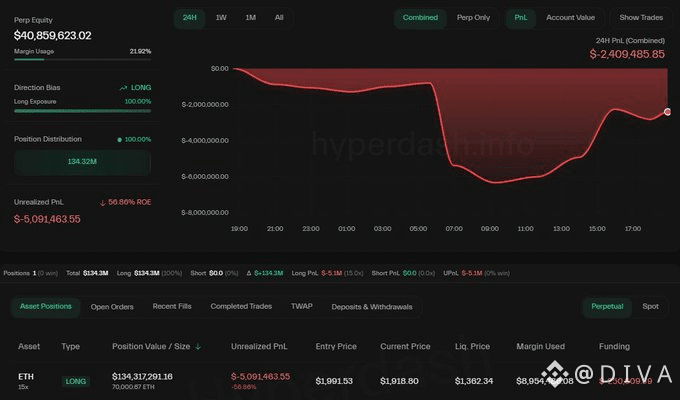
JUST IN:
A whale has opened a massive $134 million $ETH long with 15x leverage.
Liquidation Price: $1,362
JUST IN:
A whale has opened a massive $134 million $ETH long with 15x leverage.
Liquidation Price: $1,362
A whale has opened a massive $134 million $ETH long with 15x leverage.
Liquidation Price: $1,362
1
54
·
--
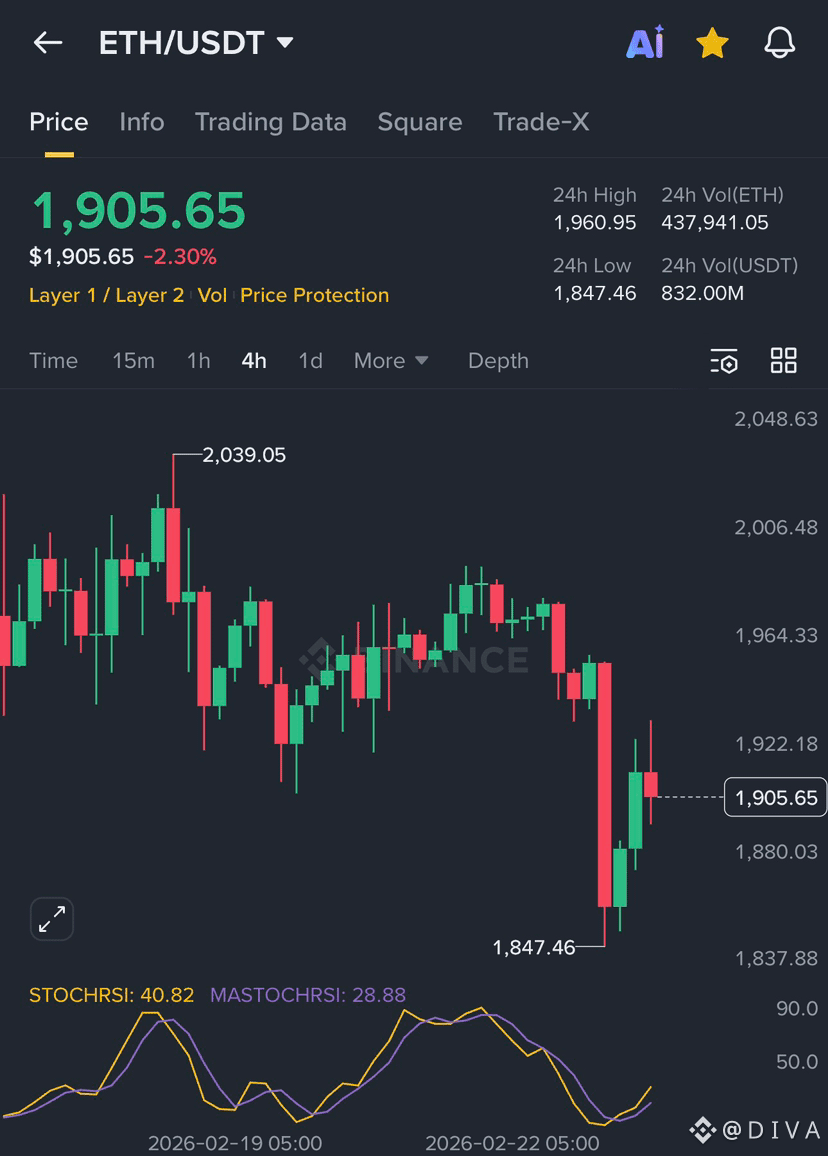
$ETH
Range is clear:
1,900 - 2,000.
Rejected near 2K again. Now sitting mid-range.
Until 2K breaks clean No strength.
No actual weakness unless 1.9K loses.
My view:
* I buy near 1,900 support.
* I add on a strong 2,000 breakout.
* I cut if 1,880 breaks with pressure.
At this point it is just a matter of range trading.
Wait for the level.
Trade the level.
No chasing.
{spot}(ETHUSDT)
$ETH
Range is clear:
1,900 - 2,000.
Rejected near 2K again. Now sitting mid-range.
Until 2K breaks clean No strength.
No actual weakness unless 1.9K loses.
My view:
* I buy near 1,900 support.
* I add on a strong 2,000 breakout.
* I cut if 1,880 breaks with pressure.
At this point it is just a matter of range trading.
Wait for the level.
Trade the level.
No chasing.
Range is clear:
1,900 - 2,000.
Rejected near 2K again. Now sitting mid-range.
Until 2K breaks clean No strength.
No actual weakness unless 1.9K loses.
My view:
* I buy near 1,900 support.
* I add on a strong 2,000 breakout.
* I cut if 1,880 breaks with pressure.
At this point it is just a matter of range trading.
Wait for the level.
Trade the level.
No chasing.
2
177
·
--
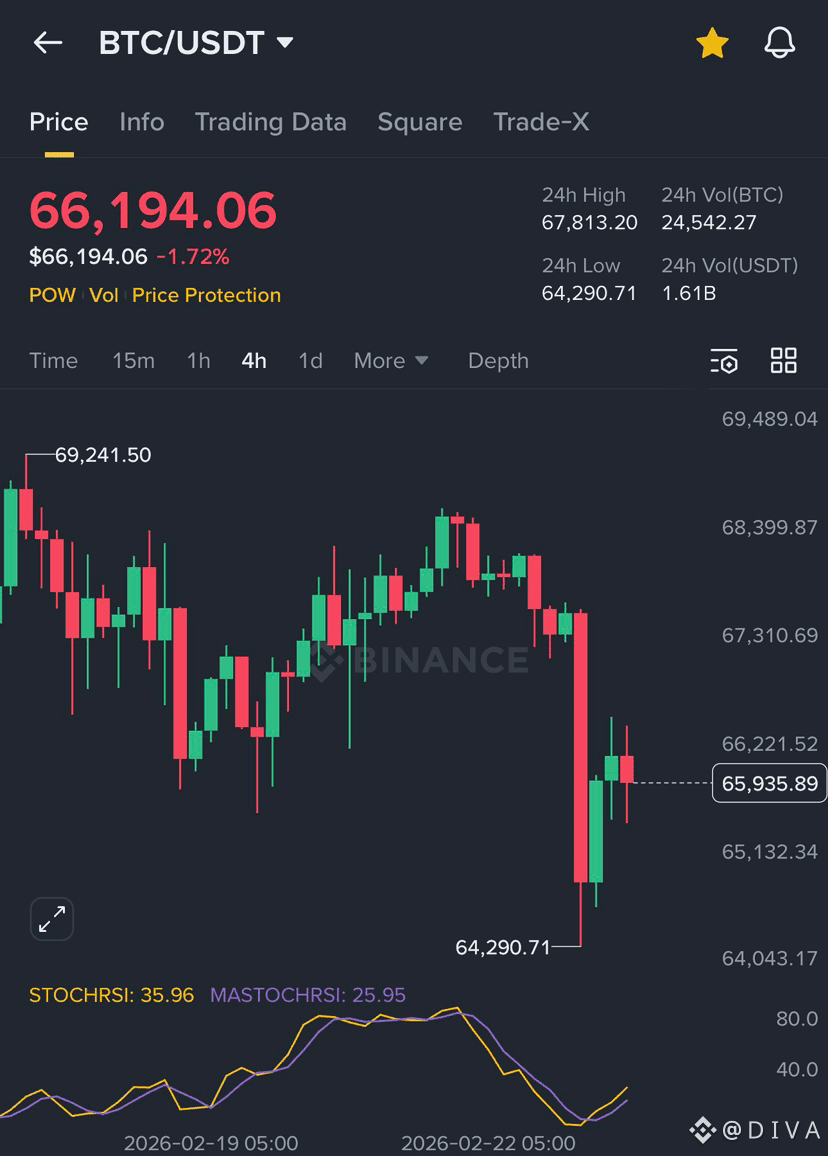
$BTC
Range is clear:
65.5K - 68.5K.
We tried upper zone, were rejected. Now price is mid-range.
No breakout yet. No breakdown either.
My view:
* I buy near 65.5K support.
* I add on a clean 68.5K breakout.
* I cut if 65K loses.
Until one side breaks, it is simply range trading.
{spot}(BTCUSDT)
$BTC
Range is clear:
65.5K - 68.5K.
We tried upper zone, were rejected. Now price is mid-range.
No breakout yet. No breakdown either.
My view:
* I buy near 65.5K support.
* I add on a clean 68.5K breakout.
* I cut if 65K loses.
Until one side breaks, it is simply range trading.
Range is clear:
65.5K - 68.5K.
We tried upper zone, were rejected. Now price is mid-range.
No breakout yet. No breakdown either.
My view:
* I buy near 65.5K support.
* I add on a clean 68.5K breakout.
* I cut if 65K loses.
Until one side breaks, it is simply range trading.
107
·
--
INSANE:
🇮🇷 Due to low energy costs in Iran, you can mine 1 Bitcoin for just $1,320 and sell it for $68,000.
$BTC
INSANE:
🇮🇷 Due to low energy costs in Iran, you can mine 1 Bitcoin for just $1,320 and sell it for $68,000.
$BTC
🇮🇷 Due to low energy costs in Iran, you can mine 1 Bitcoin for just $1,320 and sell it for $68,000.
$BTC

34
·
--
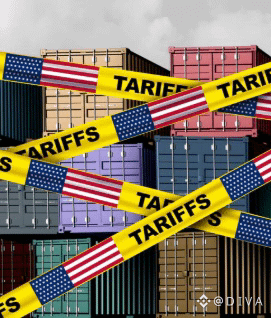
JUST IN:
Donald Trump warns of even higher tariffs following the Supreme Court of the United States tariff ruling.
He says any country that tries to “play games” — especially those he claims have “ripped off” the U.S. — will face much higher tariffs than previously agreed to.
“Buyer beware.”
#TrumpNewTariffs
JUST IN:
Donald Trump warns of even higher tariffs following the Supreme Court of the United States tariff ruling.
He says any country that tries to “play games” — especially those he claims have “ripped off” the U.S. — will face much higher tariffs than previously agreed to.
“Buyer beware.”
#TrumpNewTariffs
Donald Trump warns of even higher tariffs following the Supreme Court of the United States tariff ruling.
He says any country that tries to “play games” — especially those he claims have “ripped off” the U.S. — will face much higher tariffs than previously agreed to.
“Buyer beware.”
#TrumpNewTariffs

2
156
·
--
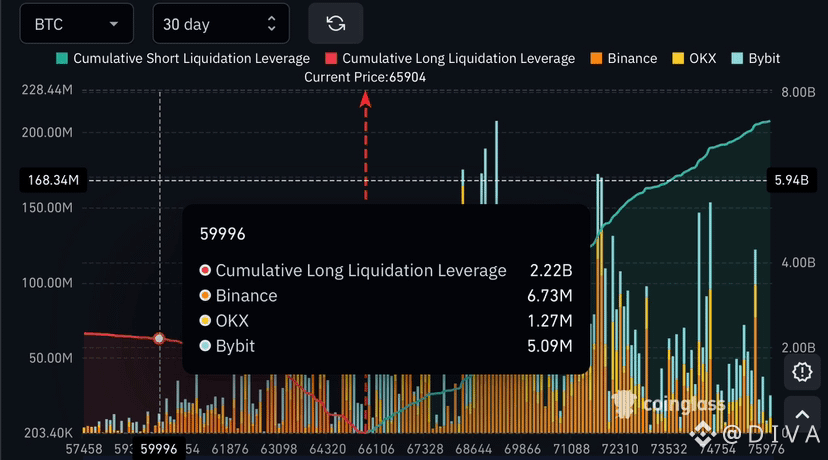
JUST IN:
Over $2.2 BILLION in long positions could be liquidated if Bitcoin drops below $60,000.
🔴 Cumulative Long Liquidation Leverage around $59,996 = $2.22B
• Most exposure concentrated across:
• Binance
• OKX
• Bybit
If BTC loses $60K:
• Long traders using leverage get forced out
• Exchanges auto-sell their positions
• That selling pushes price even lower
• More liquidations trigger
That’s how a liquidation cascade starts.
#BTCMiningDifficultyIncrease #BTCVSGOLD
JUST IN:
Over $2.2 BILLION in long positions could be liquidated if Bitcoin drops below $60,000.
🔴 Cumulative Long Liquidation Leverage around $59,996 = $2.22B
• Most exposure concentrated across:
• Binance
• OKX
• Bybit
If BTC loses $60K:
• Long traders using leverage get forced out
• Exchanges auto-sell their positions
• That selling pushes price even lower
• More liquidations trigger
That’s how a liquidation cascade starts.
#BTCMiningDifficultyIncrease #BTCVSGOLD
Over $2.2 BILLION in long positions could be liquidated if Bitcoin drops below $60,000.
🔴 Cumulative Long Liquidation Leverage around $59,996 = $2.22B
• Most exposure concentrated across:
• Binance
• OKX
• Bybit
If BTC loses $60K:
• Long traders using leverage get forced out
• Exchanges auto-sell their positions
• That selling pushes price even lower
• More liquidations trigger
That’s how a liquidation cascade starts.
#BTCMiningDifficultyIncrease #BTCVSGOLD
62
·
--
MASSIVE:
🇺🇸 White House confirmed President Trump wants to remove tax on Bitcoin and crypto transactions.
#TrumpNewTariffs
MASSIVE:
🇺🇸 White House confirmed President Trump wants to remove tax on Bitcoin and crypto transactions.
#TrumpNewTariffs
🇺🇸 White House confirmed President Trump wants to remove tax on Bitcoin and crypto transactions.
#TrumpNewTariffs

1
17
Log in to explore more content
Join global crypto users on Binance Square
⚡️ Get latest and useful information about crypto.
💬 Trusted by the world’s largest crypto exchange.
👍 Discover real insights from verified creators.
Email / Phone number
Trending Topics
CPIWatch
86.6M views
501,784 Discussing
Share & Win Traffic Reward in our Trending Hashtag Campaign
✨Topic: Will CPI Trigger Rate Hike?
👉How to Join:
Publish a short post or article with hashtag #CPIWatch
Create content based on the below two angles:
- Nonfarm payrolls beat expectations and CPI is around the corner, do you think the Fed will hike or hold the rate?
- Bullish or bearish? Share your take and showcase your stocks or gold trade/holdings with our trade sharing widget.
🚀Campaign Period:
- 2026-09-11 3:00 - 2026-09-12 9:00 UTC
🎁Reward:
- Qualified posts that comply with the above guidelines and contain more than 100 words will be reviewed and may receive a random traffic boost of 500 to 3,000 views. You will receive a notification from your feed secretary if your post is selected.
- Get a chance to have your article featured on Binance Square Official
Need ideas for your post? Visit the topic page #CPIWatch or the Square Guide on How to Post for Better Reach.
Binance Square Official
·472 Likes
·1.1M views
BitcoinReboundsAbove$79KAfterCPI
181 views
35 Discussing
BNBTops730USDT
2,835 views
292 Discussing