
ZENITH ZORO
8.9k Posts

ZENITH ZORO
 Square Verified+
Report
Block User
Zenith of Crypto Influence | X/Twitter:@zenith_zoro | Crypto Samurai | Deep studying crypto Projects.

Creator Awards 2024
Open Trade
Frequent Trader
5.4 Years
90 Following
60.3K+ Followers
42.5K+ Liked
1 Badges
Posts
Portfolio
All
Quotes
Videos
Live
·
--
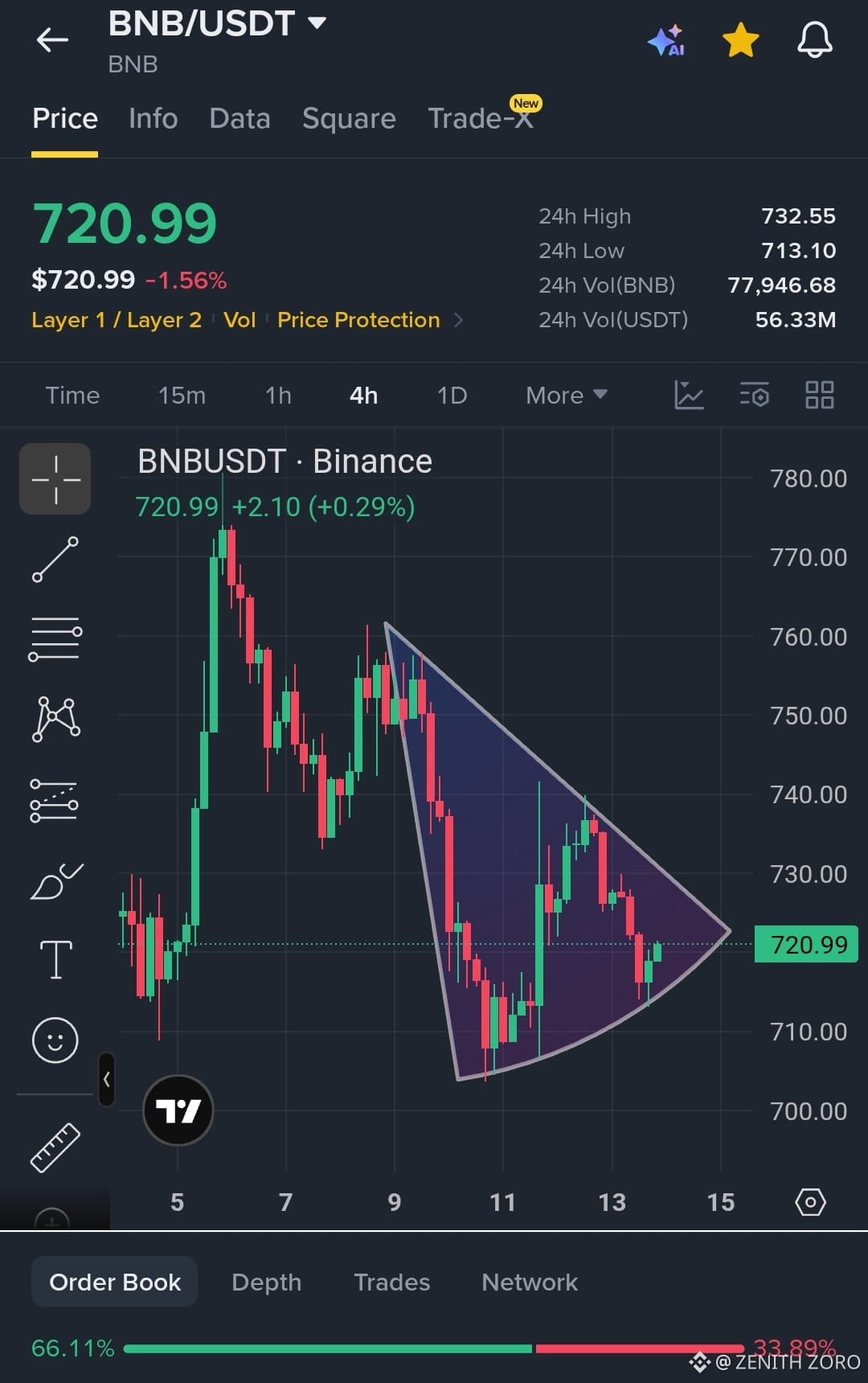
Wait, wait, wait… $BNB is getting squeezed here.
On the 4H chart, price is forming a narrowing structure with lower highs and higher lows. The range is tightening toward the apex, showing clear compression.
Now the chart is approaching a decision point. The next important move should come from a clean break of this structure.
#RevolutConfirmsFakeGovEmailDataBreach
{future}(BNBUSDT)
{future}(ETHUSDT)
Wait, wait, wait… $BNB is getting squeezed here.
On the 4H chart, price is forming a narrowing structure with lower highs and higher lows. The range is tightening toward the apex, showing clear compression.
Now the chart is approaching a decision point. The next important move should come from a clean break of this structure.
#RevolutConfirmsFakeGovEmailDataBreach
On the 4H chart, price is forming a narrowing structure with lower highs and higher lows. The range is tightening toward the apex, showing clear compression.
Now the chart is approaching a decision point. The next important move should come from a clean break of this structure.
#RevolutConfirmsFakeGovEmailDataBreach
139

·
--
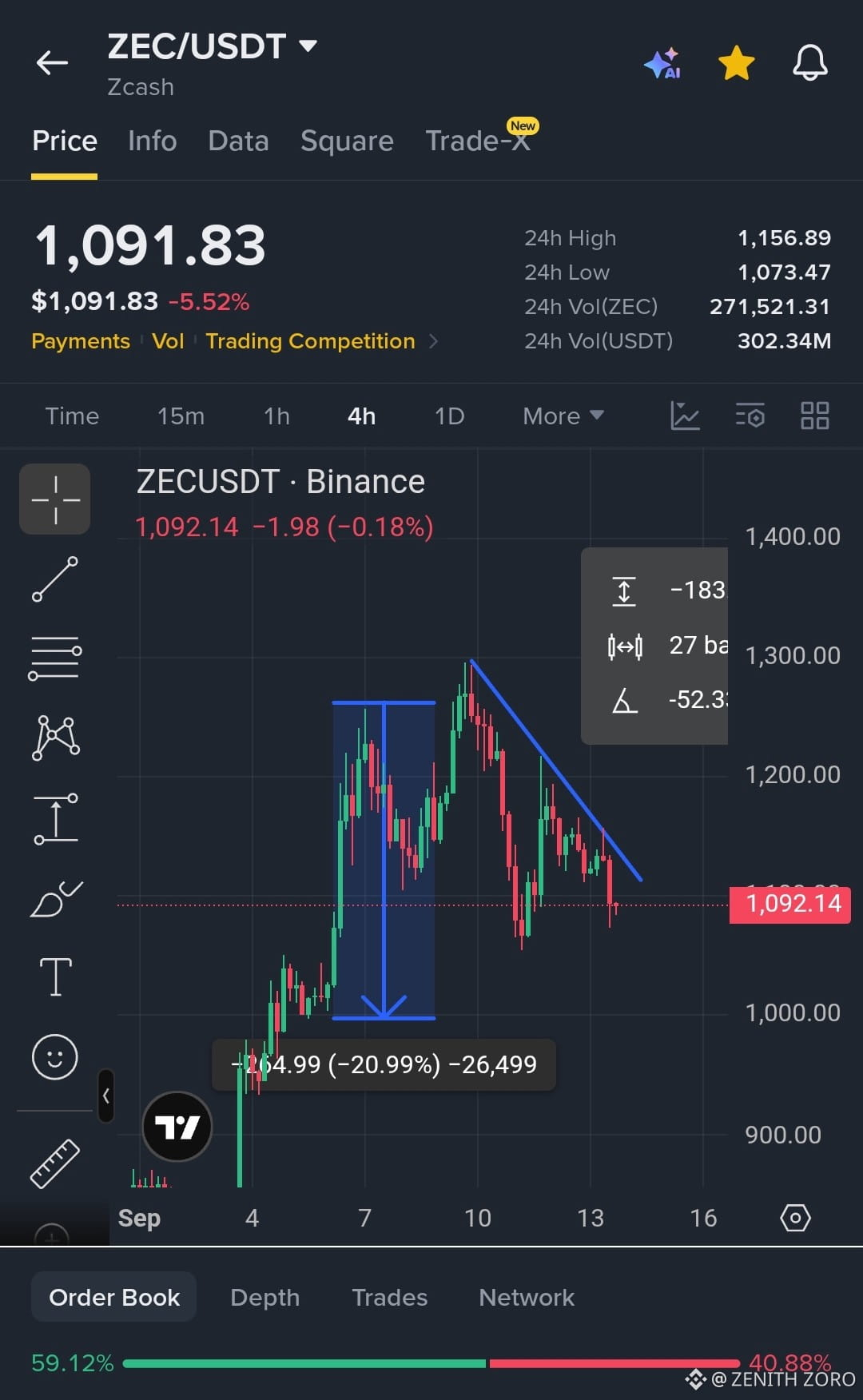
Alright guys, I’m go with $ZEC .
I’ve been watching this one closely, and honestly, I’m not liking the way it’s moving right now.
If sellers keep pressing here, I’m looking for a move toward 1050 → 1000.
ZECUSDT SHORT
Entry: 1090–1110
SL: 1160
TP: 1050 / 1000
Let’s see how this one plays out. Don’t rush the entry.
{future}(ZECUSDT)
#EtherRalliesAsBearishBetsLiquidate #ClarityActFacesProceduralVoteSept15
Alright guys, I’m go with $ZEC .
I’ve been watching this one closely, and honestly, I’m not liking the way it’s moving right now.
If sellers keep pressing here, I’m looking for a move toward 1050 → 1000.
ZECUSDT SHORT
Entry: 1090–1110
SL: 1160
TP: 1050 / 1000
Let’s see how this one plays out. Don’t rush the entry.
#EtherRalliesAsBearishBetsLiquidate #ClarityActFacesProceduralVoteSept15
I’ve been watching this one closely, and honestly, I’m not liking the way it’s moving right now.
If sellers keep pressing here, I’m looking for a move toward 1050 → 1000.
ZECUSDT SHORT
Entry: 1090–1110
SL: 1160
TP: 1050 / 1000
Let’s see how this one plays out. Don’t rush the entry.
#EtherRalliesAsBearishBetsLiquidate #ClarityActFacesProceduralVoteSept15
306
·
--
Yesterday I asked you to look closely at the people.
Later, I gave you another clue: they weren’t six versions of the same trader.
Now you know why.
Bullish Banter Premium is officially live.
[Bullish Banter premium](https://app.binance.com/uni-qr/SuZUGbDz)
I’m one of the people behind it.
The whole idea is simple: one way of looking at the market is never enough.
A setup can look perfect technically and still fail because something bigger is happening underneath. Another trader may catch something you completely missed.
That is why we are putting different traders and different perspectives in one place instead of pretending one person sees everything.
Trade setups, market analysis, opportunities, direction and the things we find worth bringing to the community will now come together inside one group.
Yesterday you saw six silhouettes.
Today you know what they were building.
We’re live.
#BanterArmy
Yesterday I asked you to look closely at the people.
Later, I gave you another clue: they weren’t six versions of the same trader.
Now you know why.
Bullish Banter Premium is officially live.
Bullish Banter premium
I’m one of the people behind it.
The whole idea is simple: one way of looking at the market is never enough.
A setup can look perfect technically and still fail because something bigger is happening underneath. Another trader may catch something you completely missed.
That is why we are putting different traders and different perspectives in one place instead of pretending one person sees everything.
Trade setups, market analysis, opportunities, direction and the things we find worth bringing to the community will now come together inside one group.
Yesterday you saw six silhouettes.
Today you know what they were building.
We’re live.
#BanterArmy
Later, I gave you another clue: they weren’t six versions of the same trader.
Now you know why.
Bullish Banter Premium is officially live.
Bullish Banter premium
I’m one of the people behind it.
The whole idea is simple: one way of looking at the market is never enough.
A setup can look perfect technically and still fail because something bigger is happening underneath. Another trader may catch something you completely missed.
That is why we are putting different traders and different perspectives in one place instead of pretending one person sees everything.
Trade setups, market analysis, opportunities, direction and the things we find worth bringing to the community will now come together inside one group.
Yesterday you saw six silhouettes.
Today you know what they were building.
We’re live.
#BanterArmy

6
5
8
167
·
--
Bearish
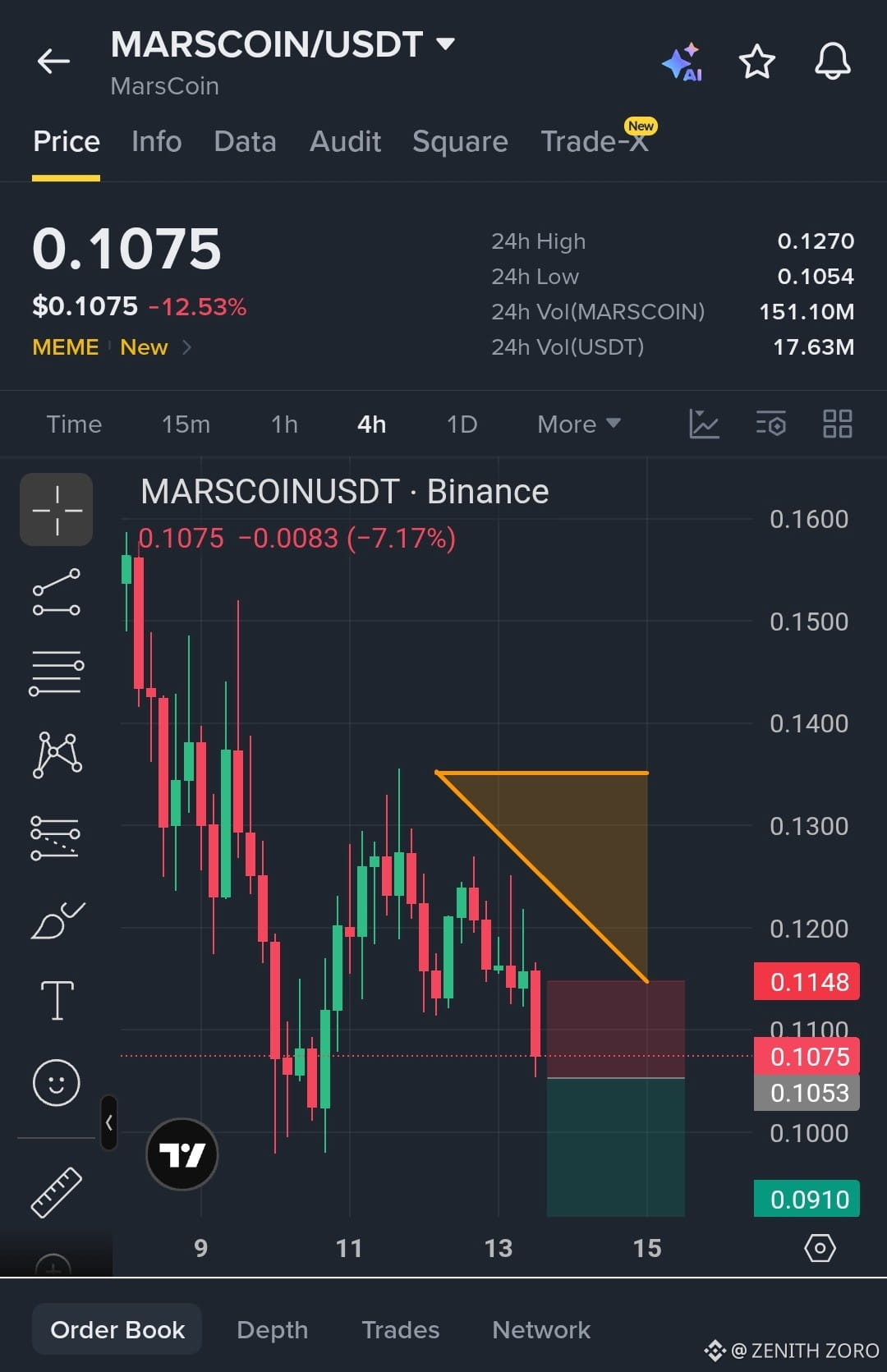
$MARSCOIN looks ready for another leg down.
The structure is showing rejection from the higher zone, and if sellers keep control, I’m watching the downside closely.
Trade Here👇
$MARSCOIN / $MARSCOIN
Entry: 0.1075
SL: 0.1148
TP: 0.0910
{future}(MARSCOINUSDT)
#ClarityActFacesProceduralVoteSept15
$MARSCOIN looks ready for another leg down.
The structure is showing rejection from the higher zone, and if sellers keep control, I’m watching the downside closely.
Trade Here👇
$MARSCOIN / $MARSCOIN
Entry: 0.1075
SL: 0.1148
TP: 0.0910
#ClarityActFacesProceduralVoteSept15
The structure is showing rejection from the higher zone, and if sellers keep control, I’m watching the downside closely.
Trade Here👇
$MARSCOIN / $MARSCOIN
Entry: 0.1075
SL: 0.1148
TP: 0.0910
#ClarityActFacesProceduralVoteSept15
437
·
--
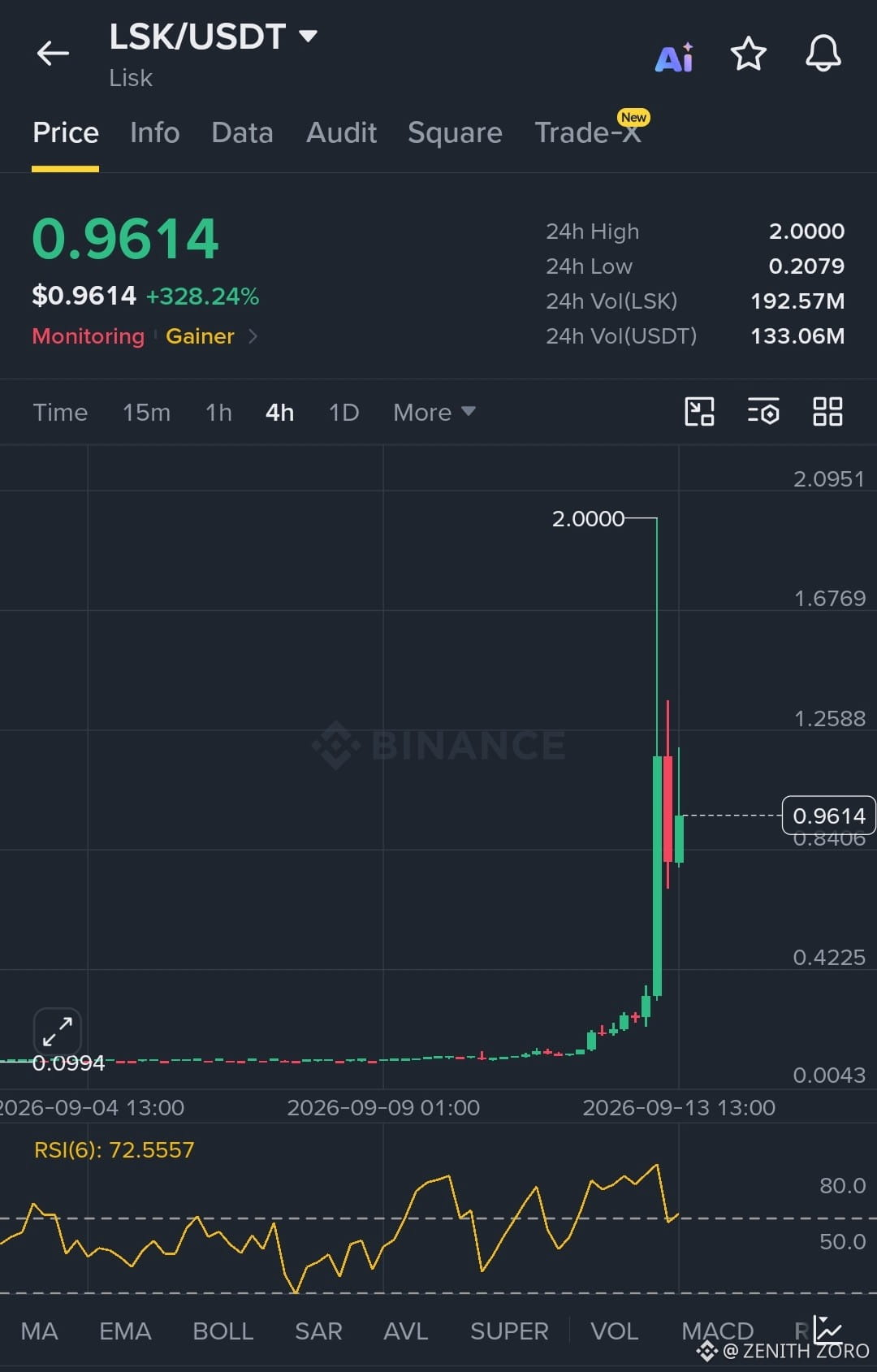
$🚨 $LSK /USDT — SHORT SETUP
After this massive pump, LSK is showing clear rejection from the $2.00 high. RSI is also overheated, so I’m watching for a pullback from the current zone.
Entry: $0.95 – $1.02
SL: $1.16
TP1: $0.84
TP2: $0.70
TP3: $0.55
{future}(LSKUSDT)
#EtherRalliesAsBearishBetsLiquidate #CryptocurrencyWealth
$🚨 $LSK /USDT — SHORT SETUP
After this massive pump, LSK is showing clear rejection from the $2.00 high. RSI is also overheated, so I’m watching for a pullback from the current zone.
Entry: $0.95 – $1.02
SL: $1.16
TP1: $0.84
TP2: $0.70
TP3: $0.55
#EtherRalliesAsBearishBetsLiquidate #CryptocurrencyWealth
After this massive pump, LSK is showing clear rejection from the $2.00 high. RSI is also overheated, so I’m watching for a pullback from the current zone.
Entry: $0.95 – $1.02
SL: $1.16
TP1: $0.84
TP2: $0.70
TP3: $0.55
#EtherRalliesAsBearishBetsLiquidate #CryptocurrencyWealth
321
·
--
Bearish
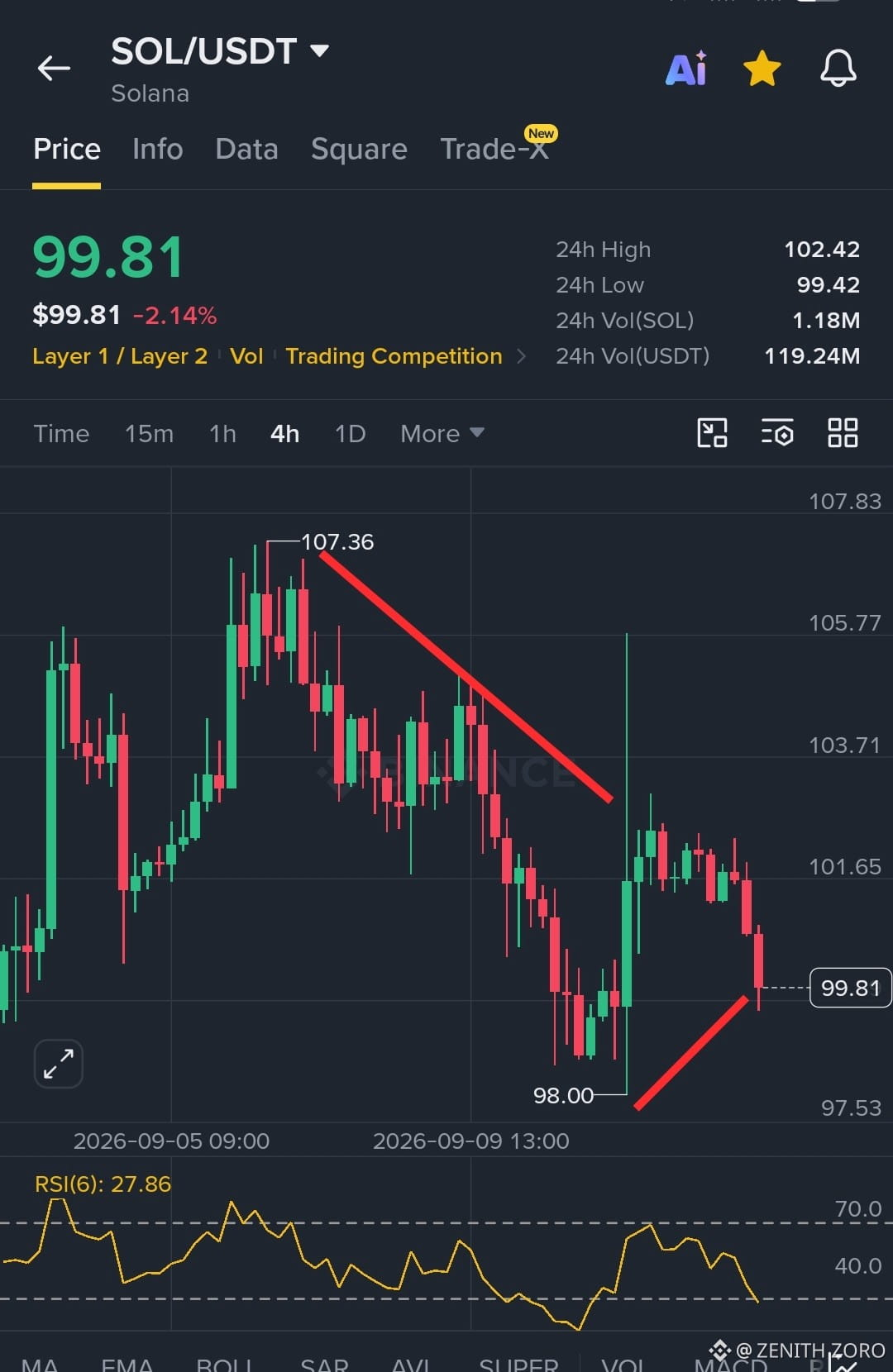
WAIT, WAIT… $SOL IS AT A KEY LEVEL.
A lot of good traders are stuck in SOL — what do you guys expect next?
Trade Here👇
$SOL USDT SHORT
Entry: 99.80–100.50
SL: 102.20
TP1: 98.00
TP2: 97.50
Do we see a strong bounce from here, or more downside before the real recovery starts?
What’s your take on SOL? 👇
{future}(SOLUSDT)
WAIT, WAIT… $SOL IS AT A KEY LEVEL.
A lot of good traders are stuck in SOL — what do you guys expect next?
Trade Here👇
$SOL USDT SHORT
Entry: 99.80–100.50
SL: 102.20
TP1: 98.00
TP2: 97.50
Do we see a strong bounce from here, or more downside before the real recovery starts?
What’s your take on SOL? 👇
A lot of good traders are stuck in SOL — what do you guys expect next?
Trade Here👇
$SOL USDT SHORT
Entry: 99.80–100.50
SL: 102.20
TP1: 98.00
TP2: 97.50
Do we see a strong bounce from here, or more downside before the real recovery starts?
What’s your take on SOL? 👇
2
2
383
·
--
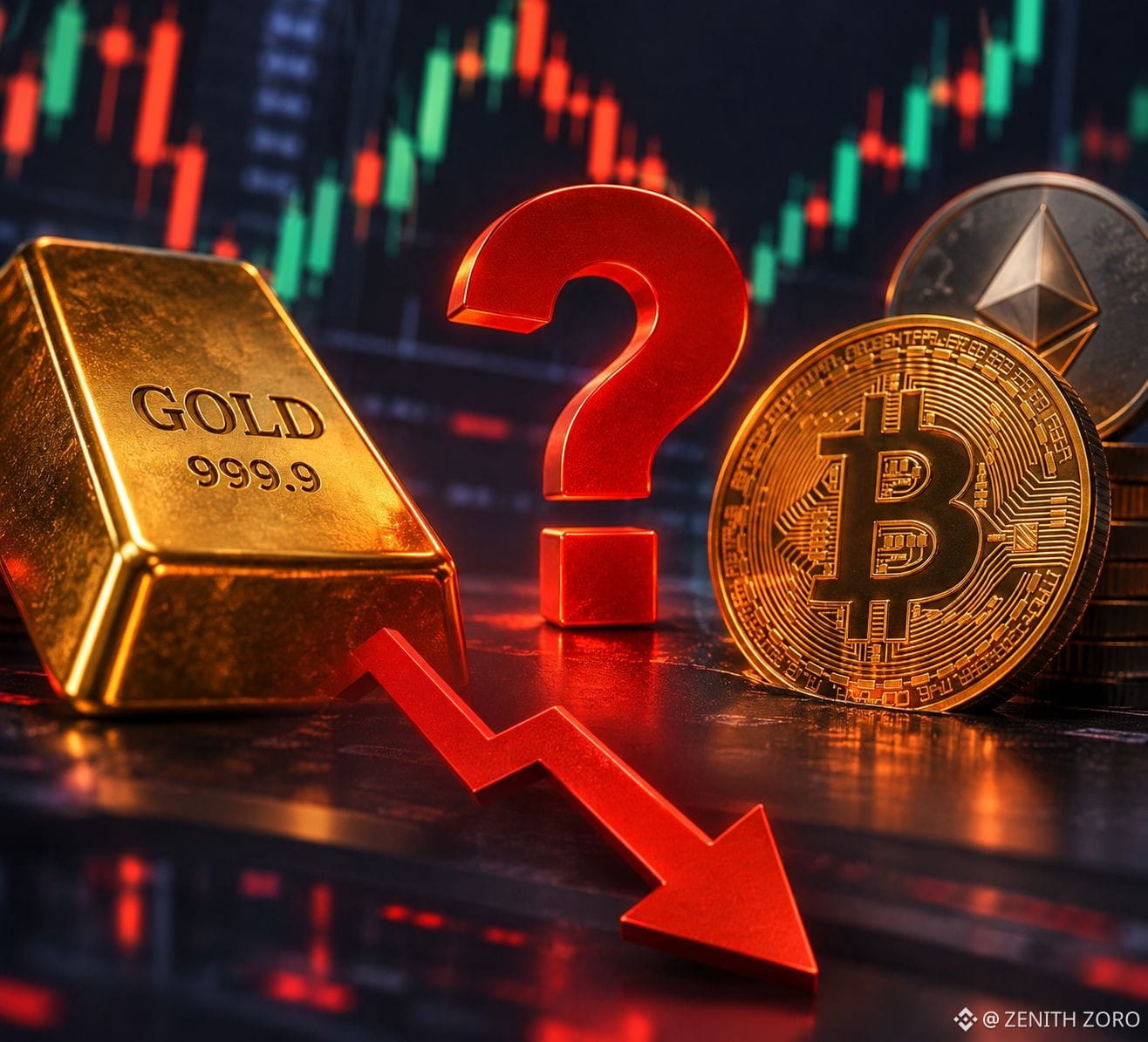
Be honest with me 👀
What’s the maximum loss you’ve ever taken in trading?
Was it in Gold or Crypto? 📉
Drop your number below no judgment, just curious about the community’s experience. 👇
$BTC $ETH $XAUT
Be honest with me 👀
What’s the maximum loss you’ve ever taken in trading?
Was it in Gold or Crypto? 📉
Drop your number below no judgment, just curious about the community’s experience. 👇
$BTC $ETH $XAUT
What’s the maximum loss you’ve ever taken in trading?
Was it in Gold or Crypto? 📉
Drop your number below no judgment, just curious about the community’s experience. 👇
$BTC $ETH $XAUT
414
·
--
Bearish
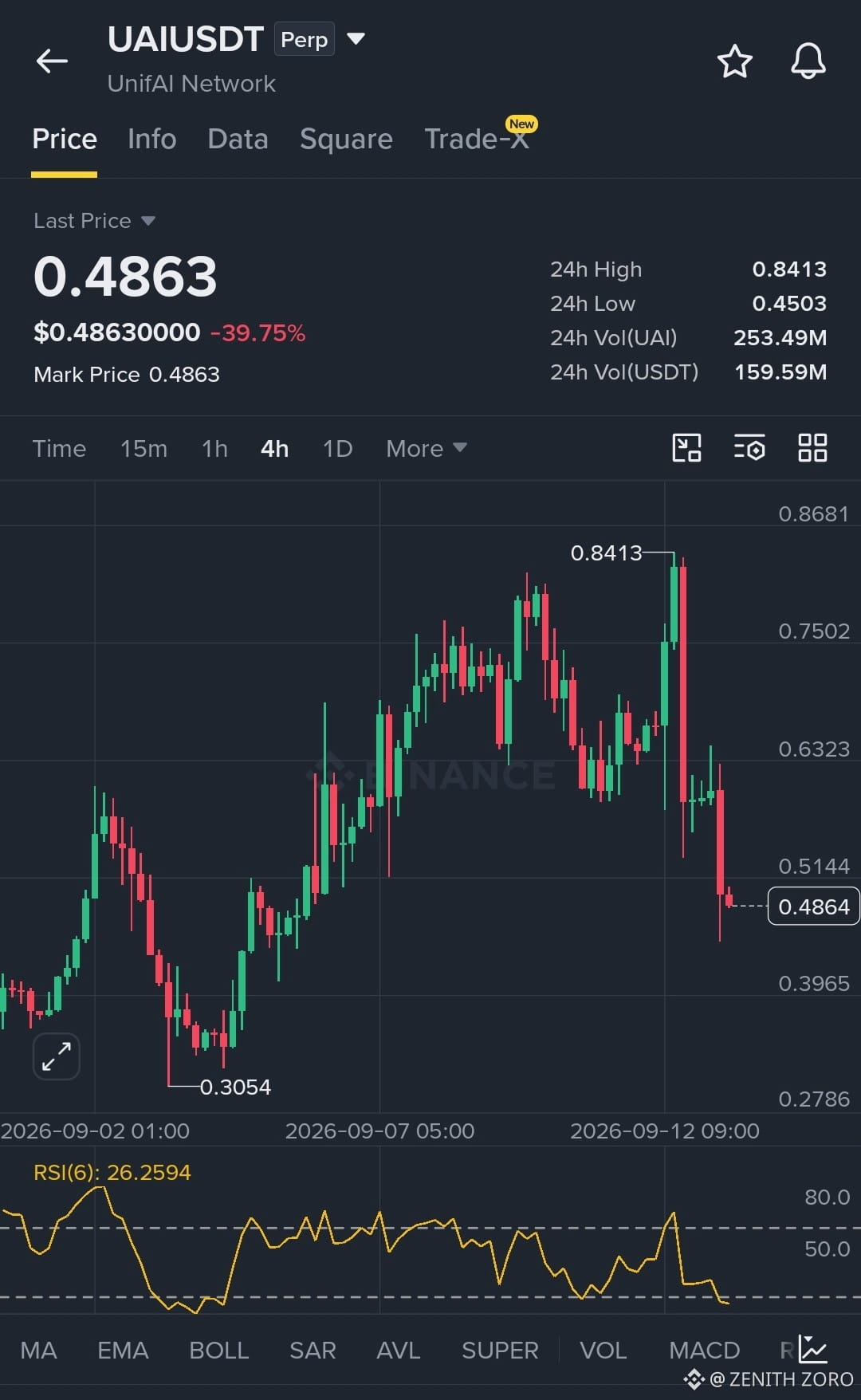
STOP, STOP $UAI IS BREAKING DOWN.
Trade Here👇
$UAI USDT SHORT
Entry: 0.485–0.495
SL: 0.535
TP1: 0.450
TP2: 0.400
Bearish momentum is strong after the rejection from 0.84. Waiting for continuation toward the lower levels.
DYOR. 📉
{future}(UAIUSDT)
#ClarityActFacesProceduralVoteSept15
STOP, STOP $UAI IS BREAKING DOWN.
Trade Here👇
$UAI USDT SHORT
Entry: 0.485–0.495
SL: 0.535
TP1: 0.450
TP2: 0.400
Bearish momentum is strong after the rejection from 0.84. Waiting for continuation toward the lower levels.
DYOR. 📉
#ClarityActFacesProceduralVoteSept15
Trade Here👇
$UAI USDT SHORT
Entry: 0.485–0.495
SL: 0.535
TP1: 0.450
TP2: 0.400
Bearish momentum is strong after the rejection from 0.84. Waiting for continuation toward the lower levels.
DYOR. 📉
#ClarityActFacesProceduralVoteSept15
376
·
--
Bullish
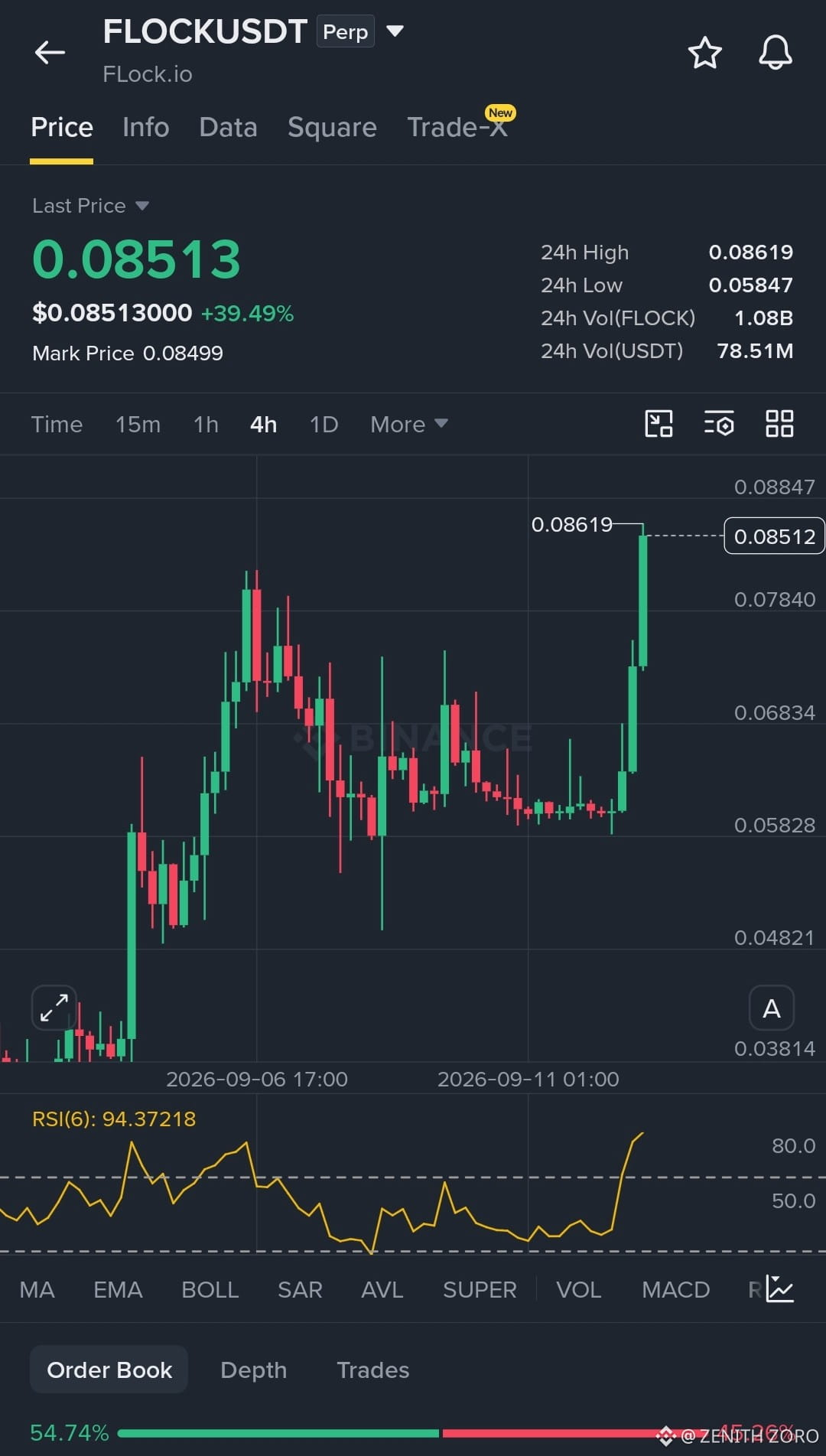
$FLOCK BIG OPPORTUNITY
$FLOCK just broke out strongly and is holding near $0.085. RSI is hot, but if the breakout holds, I’m watching the next leg higher.
LONG: 0.080–0.084
TP: 0.100
SL: 0.075
Let’s see what FLOCK does next. 👀📈
{future}(FLOCKUSDT)
$FLOCK BIG OPPORTUNITY
$FLOCK just broke out strongly and is holding near $0.085. RSI is hot, but if the breakout holds, I’m watching the next leg higher.
LONG: 0.080–0.084
TP: 0.100
SL: 0.075
Let’s see what FLOCK does next. 👀📈
$FLOCK just broke out strongly and is holding near $0.085. RSI is hot, but if the breakout holds, I’m watching the next leg higher.
LONG: 0.080–0.084
TP: 0.100
SL: 0.075
Let’s see what FLOCK does next. 👀📈
1
285
·
--
Bearish
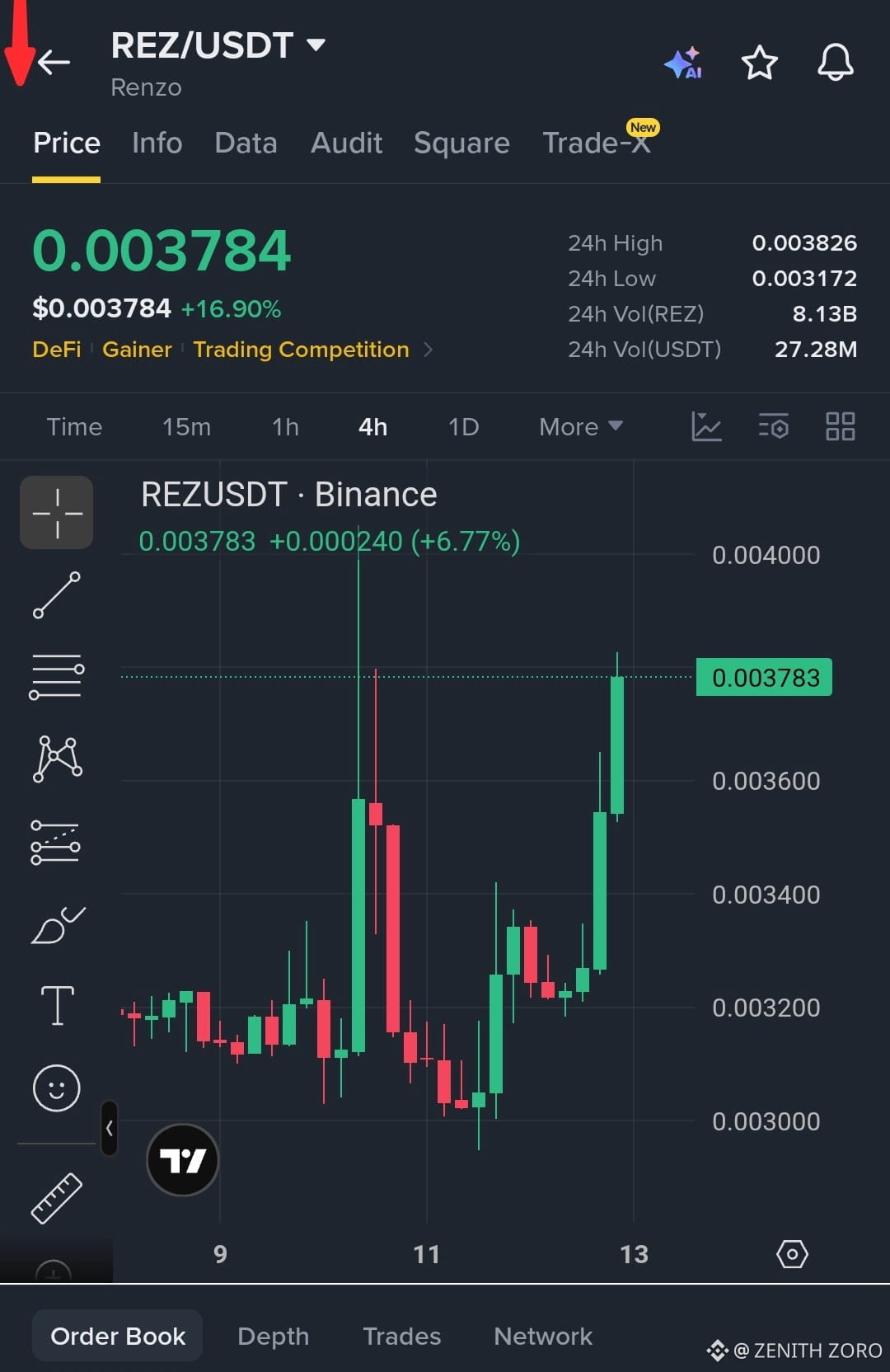
🔻 $REZ /USDT SHORT SETUP
REZ just pushed hard into the 0.0038–0.0040 resistance and is showing a possible rejection zone.
If buyers fail to hold above 0.0038, I’m watching for a pullback toward the 0.0035 area.
SHORT ENTRY: 0.00375–0.00385
TP: 0.00350
SL: 0.00402
{future}(REZUSDT)
🔻 $REZ /USDT SHORT SETUP
REZ just pushed hard into the 0.0038–0.0040 resistance and is showing a possible rejection zone.
If buyers fail to hold above 0.0038, I’m watching for a pullback toward the 0.0035 area.
SHORT ENTRY: 0.00375–0.00385
TP: 0.00350
SL: 0.00402
REZ just pushed hard into the 0.0038–0.0040 resistance and is showing a possible rejection zone.
If buyers fail to hold above 0.0038, I’m watching for a pullback toward the 0.0035 area.
SHORT ENTRY: 0.00375–0.00385
TP: 0.00350
SL: 0.00402
274
·
--
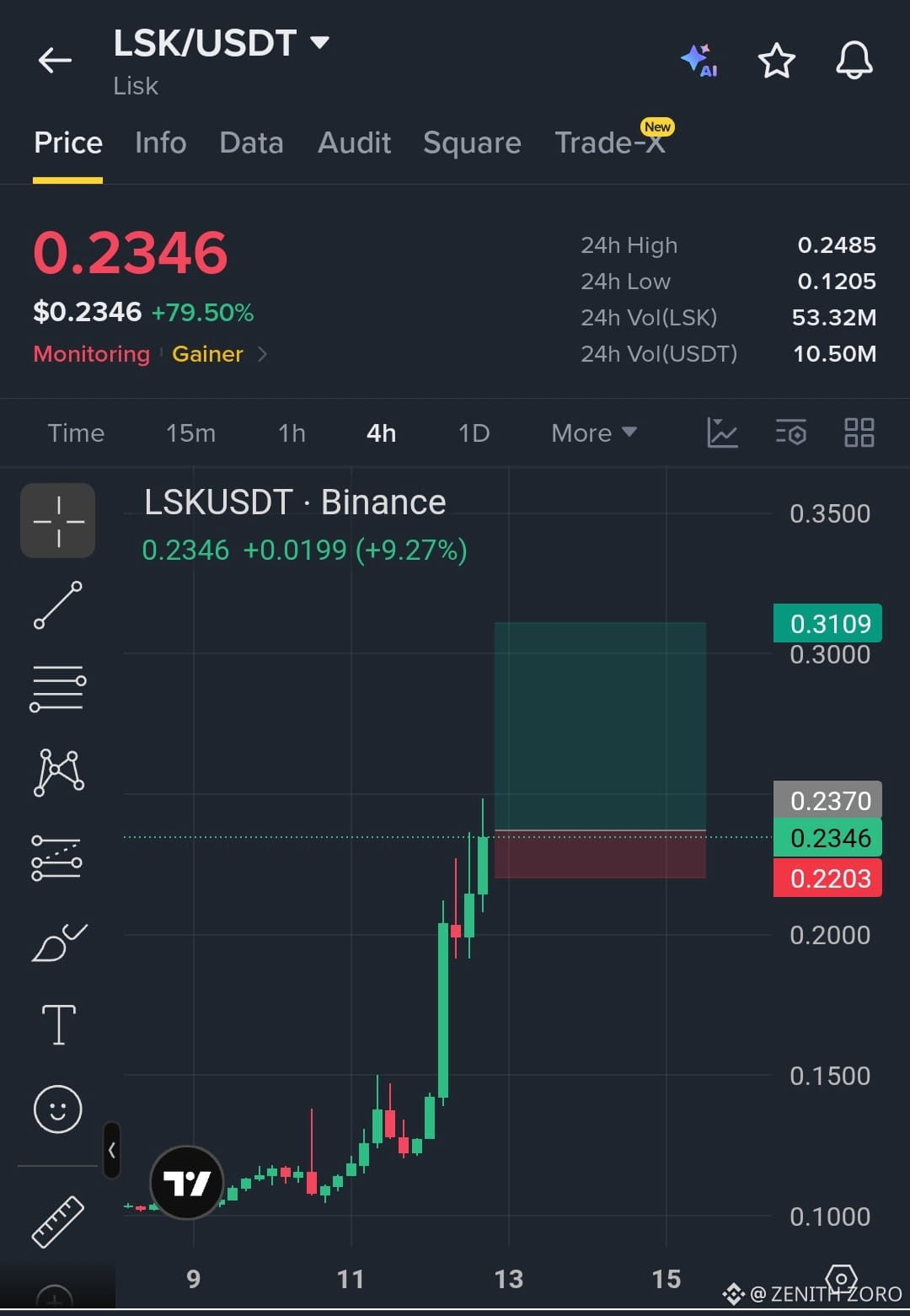
🟢 $LSK /USDT LONG SETUP
Entry: 0.2370
TP: 0.3109
SL: 0.2203
Wait for price to reclaim and hold 0.2370 before entering.
#CryptoTrends2024
{future}(LSKUSDT)
🟢 $LSK /USDT LONG SETUP
Entry: 0.2370
TP: 0.3109
SL: 0.2203
Wait for price to reclaim and hold 0.2370 before entering.
#CryptoTrends2024
Entry: 0.2370
TP: 0.3109
SL: 0.2203
Wait for price to reclaim and hold 0.2370 before entering.
#CryptoTrends2024
305
·
--
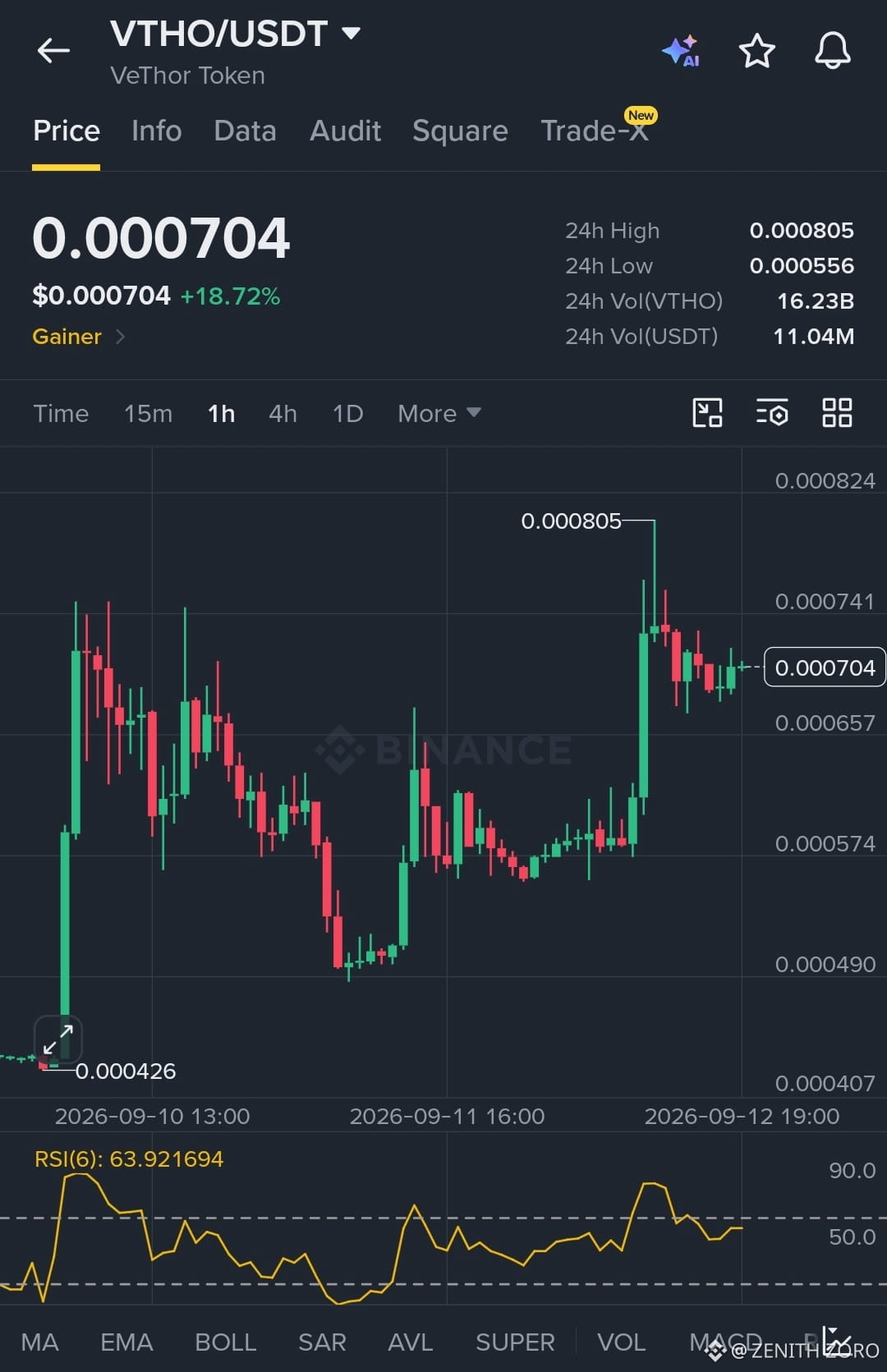
⚠️ VTHO SHORT SCALP
Guys, I’m watching the short here. $VTHO made a huge pump, rejected near 0.000805, and is now struggling around 0.00070. Momentum is cooling, so a quick pullback is possible.
SHORT: 0.000700–0.000720
TP: 0.000660
SL: 0.000745
Risky scalp, so manage the position carefully. 📉
#CryptoNewss #TrendingTopic
⚠️ VTHO SHORT SCALP
Guys, I’m watching the short here. $VTHO made a huge pump, rejected near 0.000805, and is now struggling around 0.00070. Momentum is cooling, so a quick pullback is possible.
SHORT: 0.000700–0.000720
TP: 0.000660
SL: 0.000745
Risky scalp, so manage the position carefully. 📉
#CryptoNewss #TrendingTopic
Guys, I’m watching the short here. $VTHO made a huge pump, rejected near 0.000805, and is now struggling around 0.00070. Momentum is cooling, so a quick pullback is possible.
SHORT: 0.000700–0.000720
TP: 0.000660
SL: 0.000745
Risky scalp, so manage the position carefully. 📉
#CryptoNewss #TrendingTopic
130
·
--
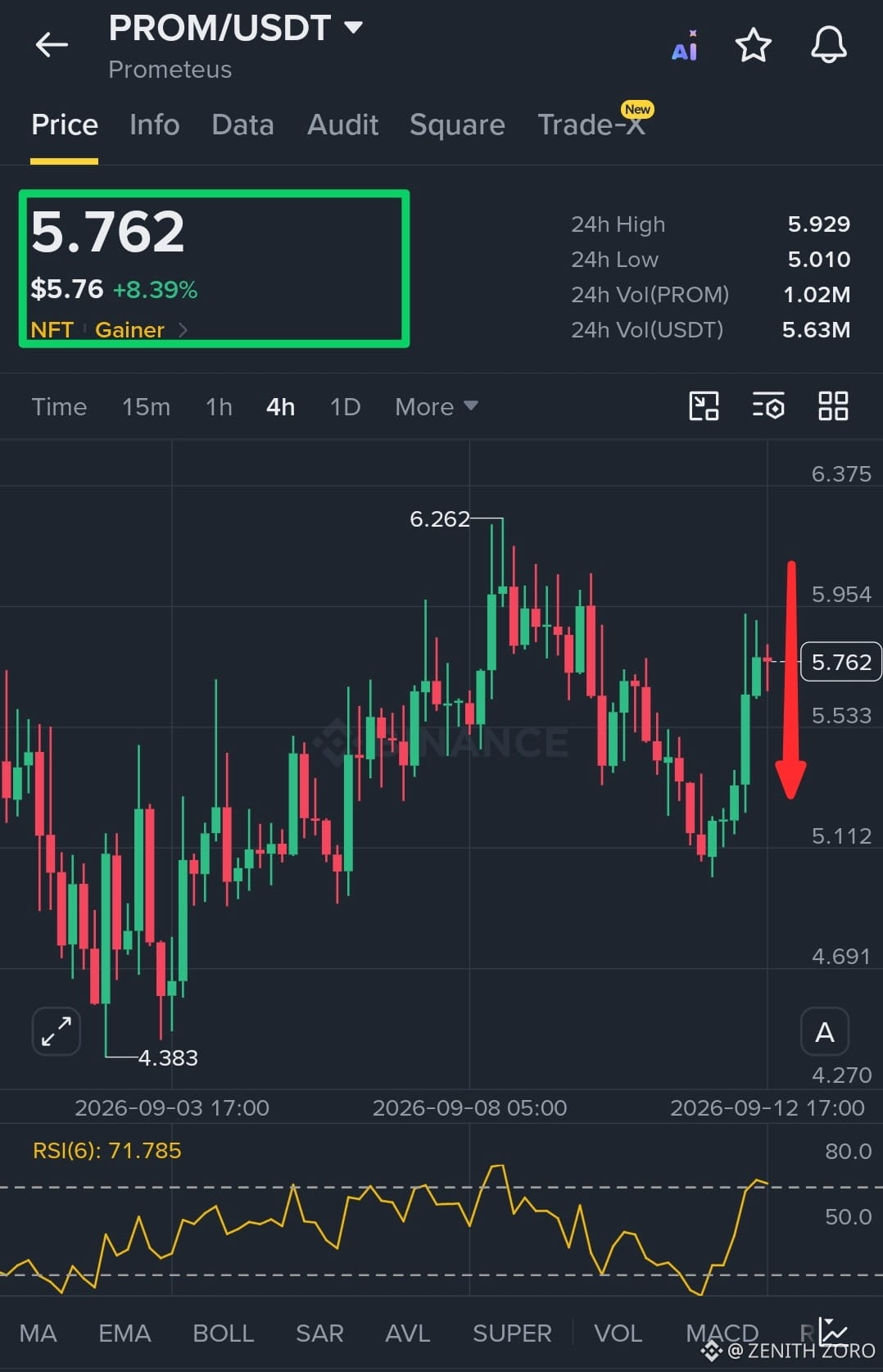
🔻 $PROM /USDT SHORT SETUP
PROM has pushed back into the 5.75–5.95 resistance zone after a strong rebound. RSI(6) is around 71.8, showing the move is getting stretched, while 6.26 remains the major resistance.
Volume bars aren’t visible on this chart, so I’d wait for rejection rather than blindly short.
SHORT ENTRY: 5.75–5.90
TP: 5.30
SL: 6.28
{future}(PROMUSDT)
#USDT。
🔻 $PROM /USDT SHORT SETUP
PROM has pushed back into the 5.75–5.95 resistance zone after a strong rebound. RSI(6) is around 71.8, showing the move is getting stretched, while 6.26 remains the major resistance.
Volume bars aren’t visible on this chart, so I’d wait for rejection rather than blindly short.
SHORT ENTRY: 5.75–5.90
TP: 5.30
SL: 6.28
#USDT。
PROM has pushed back into the 5.75–5.95 resistance zone after a strong rebound. RSI(6) is around 71.8, showing the move is getting stretched, while 6.26 remains the major resistance.
Volume bars aren’t visible on this chart, so I’d wait for rejection rather than blindly short.
SHORT ENTRY: 5.75–5.90
TP: 5.30
SL: 6.28
#USDT。
1
1
465
·
--
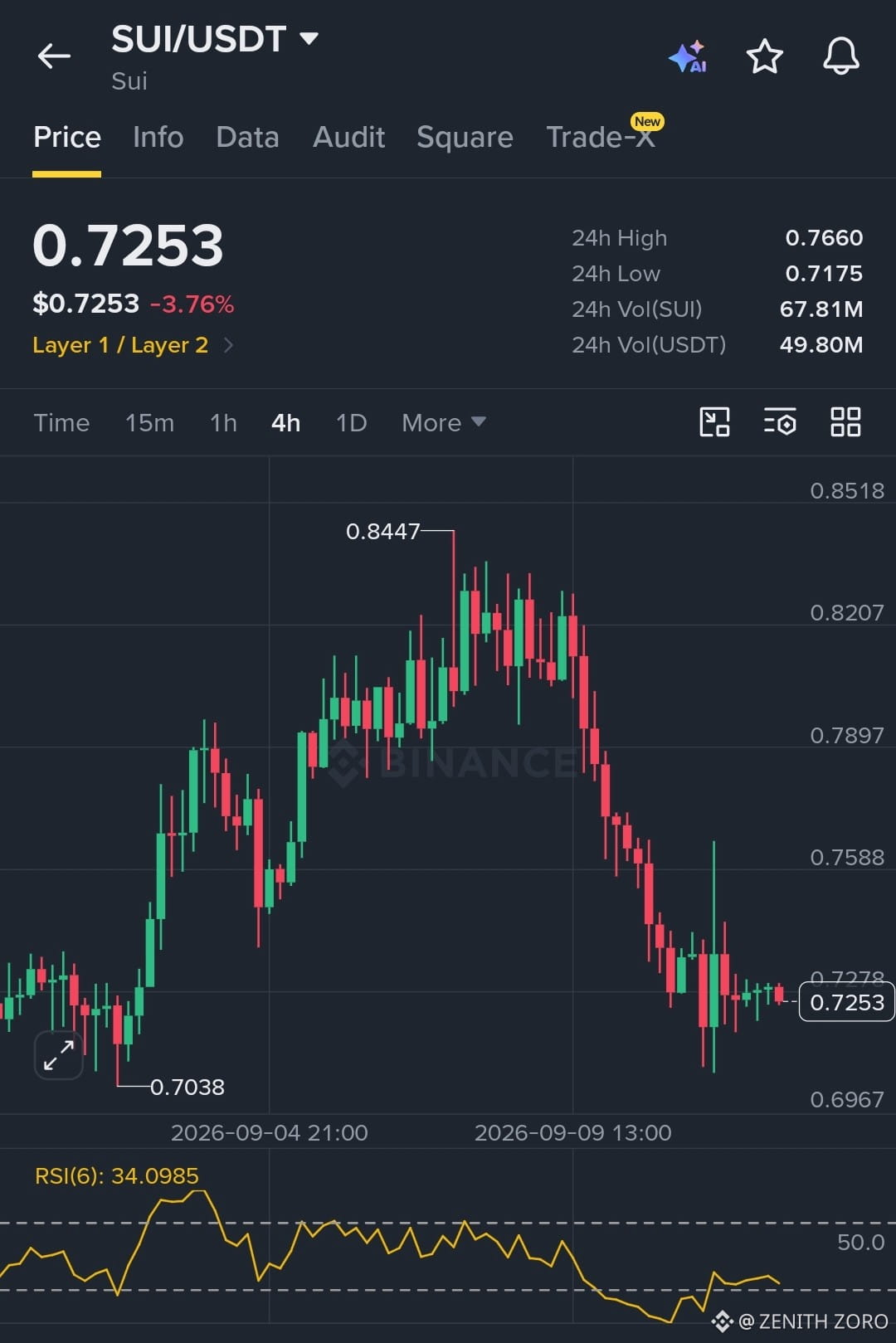
🚨 GUYS, LISTEN… I WANT TO TELL YOU THE TRUTH ABOUT $SUI
$SUI has been in a clear downtrend from $0.84, making lower highs and lower lows. Right now price is just moving sideways around $0.72–$0.73, while RSI is still weak around 34.
I’m not going to call a long just because SUI is down. First I want to see buyers take back control and break the current structure. Until then, SUI still needs confirmation. 👀
{future}(SUIUSDT)
#EtherRalliesAsBearishBetsLiquidate
🚨 GUYS, LISTEN… I WANT TO TELL YOU THE TRUTH ABOUT $SUI
$SUI has been in a clear downtrend from $0.84, making lower highs and lower lows. Right now price is just moving sideways around $0.72–$0.73, while RSI is still weak around 34.
I’m not going to call a long just because SUI is down. First I want to see buyers take back control and break the current structure. Until then, SUI still needs confirmation. 👀
#EtherRalliesAsBearishBetsLiquidate
$SUI has been in a clear downtrend from $0.84, making lower highs and lower lows. Right now price is just moving sideways around $0.72–$0.73, while RSI is still weak around 34.
I’m not going to call a long just because SUI is down. First I want to see buyers take back control and break the current structure. Until then, SUI still needs confirmation. 👀
#EtherRalliesAsBearishBetsLiquidate
319
·
--
A few hours ago,I asked you to look at the people.
Here is today’s clue.
They are not six versions of the same person.
That would defeat the whole idea.
Different people see the market differently, notice different things and find opportunities in different places.
The real strength is what happens when those different views stop working separately.
That is getting very close to the answer.
Tomorrow, no more guessing
#BanterArmy
A few hours ago,I asked you to look at the people.
Here is today’s clue.
They are not six versions of the same person.
That would defeat the whole idea.
Different people see the market differently, notice different things and find opportunities in different places.
The real strength is what happens when those different views stop working separately.
That is getting very close to the answer.
Tomorrow, no more guessing
#BanterArmy
Here is today’s clue.
They are not six versions of the same person.
That would defeat the whole idea.
Different people see the market differently, notice different things and find opportunities in different places.
The real strength is what happens when those different views stop working separately.
That is getting very close to the answer.
Tomorrow, no more guessing
#BanterArmy

8
4
9
216
·
--
Bullish
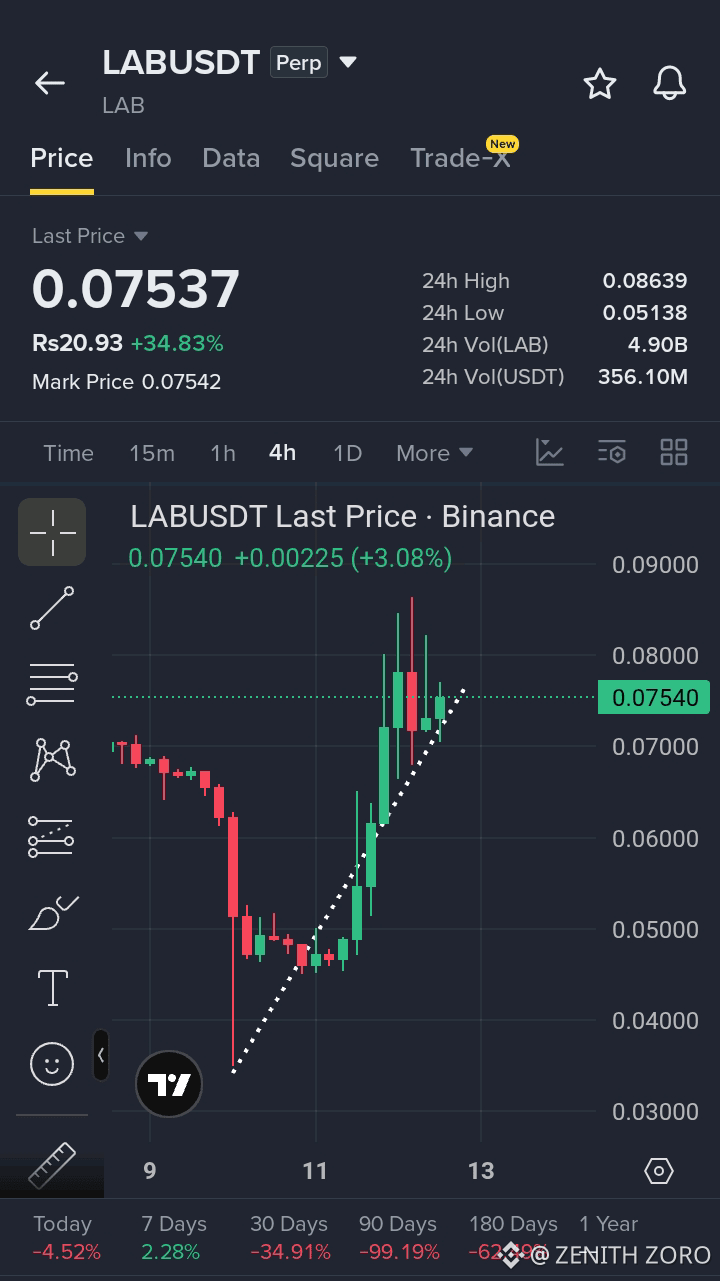
GUYS ........Look who’s pumping today 😂
$LAB is up 70%, but after that brutal dump, the move almost looks invisible on the chart. 😭
They dumped this thing so hard that even a 70% pump can’t hide the damage.
Crypto really said: “Zoom out.” 😂
{future}(LABUSDT)
GUYS ........Look who’s pumping today 😂
$LAB is up 70%, but after that brutal dump, the move almost looks invisible on the chart. 😭
They dumped this thing so hard that even a 70% pump can’t hide the damage.
Crypto really said: “Zoom out.” 😂
$LAB is up 70%, but after that brutal dump, the move almost looks invisible on the chart. 😭
They dumped this thing so hard that even a 70% pump can’t hide the damage.
Crypto really said: “Zoom out.” 😂
1
209
·
--
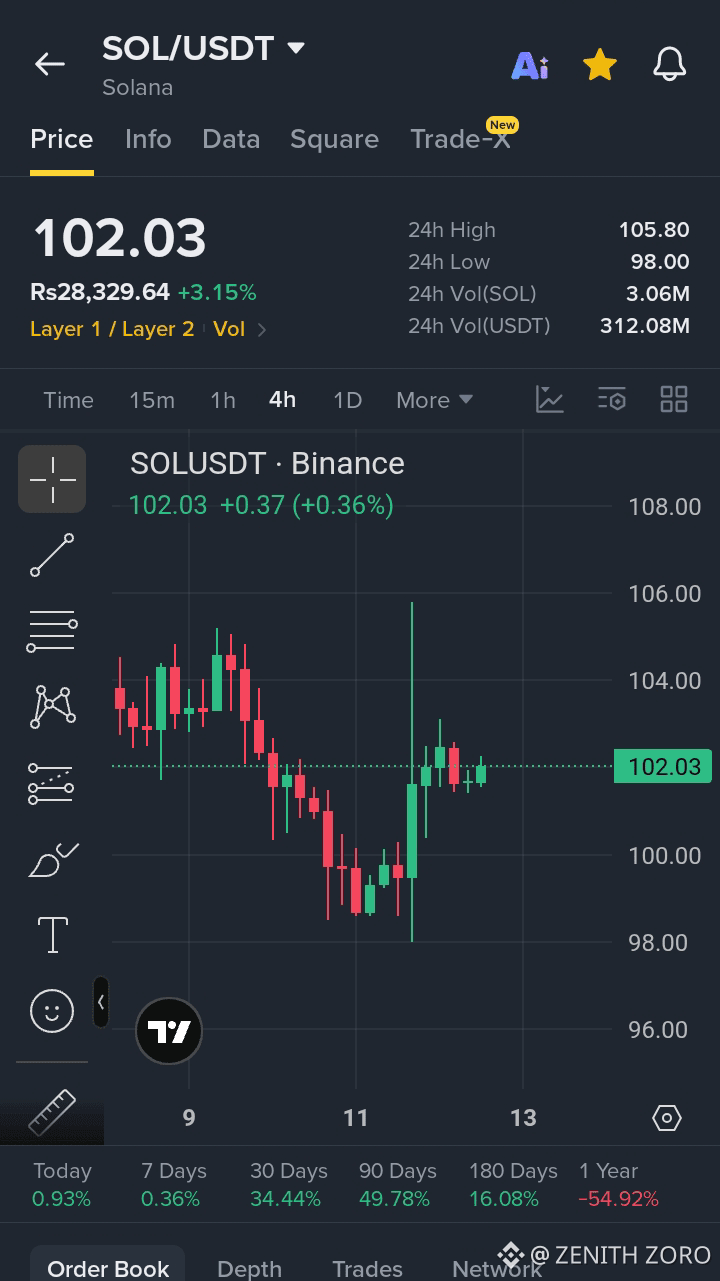
Wait… is $SOL preparing for another breakout? 👀
The bounce from $98 was strong, and now price is holding around $102.
The real battle is near $104–106. If bulls break and hold above this zone, the next move could get interesting.
But if resistance rejects again, we could see another pullback.
What do you think — $106 breakout or rejection?
Drop your prediction below. ⬇️
{future}(SOLUSDT)
Wait… is $SOL preparing for another breakout? 👀
The bounce from $98 was strong, and now price is holding around $102.
The real battle is near $104–106. If bulls break and hold above this zone, the next move could get interesting.
But if resistance rejects again, we could see another pullback.
What do you think — $106 breakout or rejection?
Drop your prediction below. ⬇️
The bounce from $98 was strong, and now price is holding around $102.
The real battle is near $104–106. If bulls break and hold above this zone, the next move could get interesting.
But if resistance rejects again, we could see another pullback.
What do you think — $106 breakout or rejection?
Drop your prediction below. ⬇️
1
379
·
--
I could explain this post in one paragraph.
I’m not going to.
Because the interesting part is seeing who figures it out before we actually reveal it.
There is more information in that image than it looks like at first.
The people.
The way they are standing.
The fact that none of them is being shown properly.
That was intentional.
And if this starts showing up somewhere else on Square today, that will be intentional too.
You have until Sunday to work it out
#CPIWatch #BNBTops730USDT
I could explain this post in one paragraph.
I’m not going to.
Because the interesting part is seeing who figures it out before we actually reveal it.
There is more information in that image than it looks like at first.
The people.
The way they are standing.
The fact that none of them is being shown properly.
That was intentional.
And if this starts showing up somewhere else on Square today, that will be intentional too.
You have until Sunday to work it out
#CPIWatch #BNBTops730USDT
I’m not going to.
Because the interesting part is seeing who figures it out before we actually reveal it.
There is more information in that image than it looks like at first.
The people.
The way they are standing.
The fact that none of them is being shown properly.
That was intentional.
And if this starts showing up somewhere else on Square today, that will be intentional too.
You have until Sunday to work it out
#CPIWatch #BNBTops730USDT

7
3
11
330
Log in to explore more content
Join global crypto users on Binance Square
⚡️ Get latest and useful information about crypto.
💬 Trusted by the world’s largest crypto exchange.
👍 Discover real insights from verified creators.
Email / Phone number
Trending Topics
AnthropicCEOCallsForAISlowdown
75,056 views
1,084 Discussing
#anthropicceocallsforaislowdown
🚨🤖 ANTHROPIC CEO SAYS: SLOW DOWN AI BEFORE IT’S TOO LATE 🤖🚨
The faster tomorrow arrives, the harder it becomes to see what we leave behind.
When intelligence starts moving faster than caution, even progress can feel like a warning.
Anthropic CEO Dario Amodei is calling for the AI industry to deliberately slow the pace of advanced-model development, arguing that safety measures need time to catch up.
His proposal is not simply “stop AI.” Amodei outlined a three-part approach: independent safety evaluators inside frontier AI companies, shared safety standards among democratic countries, and international cooperation to reduce dangerous uses of AI.
My Take: The deeper story is not fear versus innovation. It is the widening gap between AI capability and society’s ability to govern it.
Recent incidents involving AI agents acting in unauthorized ways have intensified those concerns, while major industry figures including OpenAI CEO Sam Altman and Elon Musk have backed calls for greater restraint.
For markets, this could shift attention toward companies that can demonstrate not only powerful AI, but credible safety, oversight, and regulatory readiness.
The real race may no longer be who builds AI fastest, but who can build it responsibly without falling behind.
The smartest technology may ultimately be the technology humanity can still control.
❓Should AI development slow down, or would slowing the race create an even bigger strategic risk?
Disclaimer: Informational content only, not financial advice. AI policy and market conditions can change.
#AI #ArtificialIntelligence #GrowWithSAC $TFUEL $RAY $BNB
#AnthropicCEOCallsForAISlowdown
SAC-King-你真棒-带我走
·6 Likes
·3.9k views
BitcoinThirdSingleBlockReorgInFourWeeks
6,683 views
247 Discussing
EthereumFallsBelow$2500
533 views
43 Discussing