
Investors have had a difficult start this week, with the main cause of market fluctuations being concerns over U.S. debt rather than tariff issues.
Last Friday evening, Moody's downgraded the U.S. government's credit rating from Aaa to Aa1, removing its highest rating. Moody's pointed out that successive U.S. presidents and congressional legislators have led to a continuous expansion of the budget deficit, with no significant signs of narrowing the deficit.
This downgrade may exacerbate Wall Street's growing concerns about the U.S. sovereign bond market.
As large investors like sovereign funds and institutions gradually sell off government bonds and shift to other safe-haven assets, the cost of U.S. debt servicing continues to rise, triggering a dangerous bear market steepening spiral in U.S. Treasury yields, exacerbating downward pressure on the dollar and diminishing the attractiveness of U.S. stocks.
European Central Bank President Lagarde stated in an interview with (Forum Daily) last Saturday that the recent decline of the dollar against the euro, although counterintuitive, reflects some investors' concerns about uncertainty and lack of confidence in U.S. policies.
Recent news
1. Trump: New tariffs will be imposed on many countries within the next two to three weeks.
2. U.S. Treasury Secretary Yellen: The U.S. is focusing tariff discussions on 18 key partnerships. If countries do not negotiate sincerely, they will receive a letter containing U.S. tariff rates, which will be at the levels of April 2.
3. Trump stated that India proposed reducing U.S. tariffs, but he is not in a hurry to reach an agreement; the U.S. and Vietnam held their first ministerial direct talks; (Financial Times) reported that the U.S. and EU have restarted tariff negotiations covering tariffs, digital trade, and investment opportunities; Japanese media reported that Japan is considering subsidizing Tesla charging stations in tariff negotiations with the U.S., making it difficult to reach a trade agreement with the U.S. before the end of July; the Korea-U.S. trade agreement may be finalized after the July 8 deadline.
4. U.S. one-year inflation expectations for May reached the highest level since 1981; consumer confidence slightly dropped to the second lowest in history, but ended a four-month streak of significant declines.
5. Federal Reserve's Bostic: Expects one rate cut this year; the U.S. will not fall into recession.
Concerns about a U.S. economic recession and worsening debt issues are increasingly dire, with a bleak outlook for the future of the economy and tariffs.
On the one hand, the ongoing trade war has not ended. After a 90-day pause, Trump may change his mind. Even with recent reductions, the current level of U.S. tariffs will still remain at the highest level in decades.
More importantly, the many uncertainties brought about by trade conflicts have made household consumption, corporate hiring, and investment hesitant. Market confidence has plummeted in recent months, and the anxiety in the minds of American consumers is unlikely to ease in the short term. Economists expect a significant slowdown in the U.S. economy this year.
Additionally, the slowdown in economic growth could lead to a rise in unemployment, while higher tariff levels may slightly stimulate inflation.
Summary of Bitcoin and Altcoin dynamics
1. A 25x short position on ETH by a whale is on the brink of liquidation and has again reduced its holdings.
2. Hyperliquid traders who made over $15 million are heavily shorting mainstream coins like ETH and BTC.
3. Michael Saylor again released BTCTracker information, possibly hinting at another increase in BTC holdings.
4. The Economist criticizes cryptocurrencies as having devolved into 'the ultimate swamp asset.'
5. Analysis: The slight decline in Bitcoin's dominance does not mean that the 'altcoin season' is about to arrive.
6. Buffett completely sold off his holdings in crypto-friendly bank Nubank, making a profit of $250 million.
This Monday started with significant volatility due to macroeconomic factors. With the U.S. debt crisis and the downgrade of U.S. credit ratings, cryptocurrencies like Bitcoin and Ethereum are facing increasing difficulties this week, with heightened uncertainty. How will the market digest this, and what will unfold next?
Youmi believes that two phases may emerge currently
First: The market faced significant selling pressure, and due to macroeconomic impacts, the favorable situation from last week was again hindered, and the market saw a sharp correction.
Second: As tariff tug-of-war continues and the Federal Reserve remains cautious, the U.S. economy weakens, and the market also shows a wait-and-see sentiment. The market may continue to oscillate, with increased volatility.
In the short term, it is recommended to continue to follow the trend of the market and proceed with caution until new reversal signals appear.
In the long term, the upward pause of the market is not over yet. Although it broke a nine-day sideways range in the early morning, concerns remain. Investors should not blindly chase after long positions in the mid to long term. Further assessments should await news and macroeconomic changes.
Today's Focus
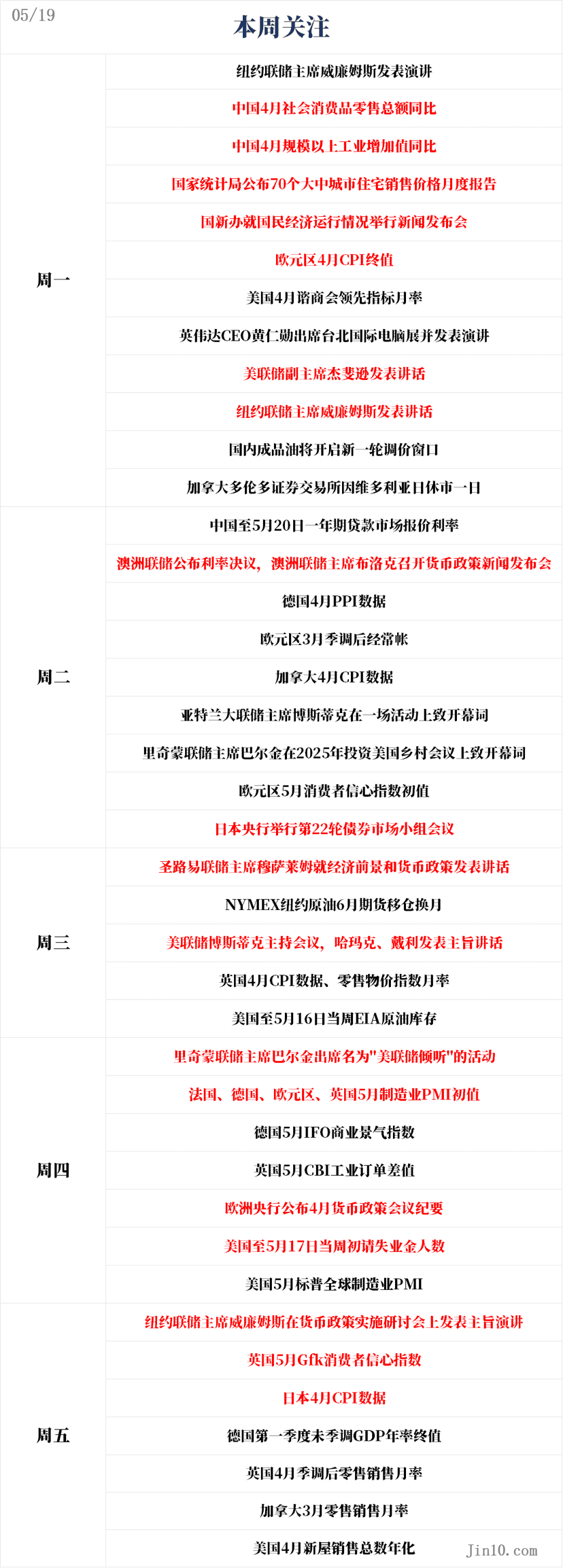
☆ At 17:00, the Eurozone will release the final value of April CPI;
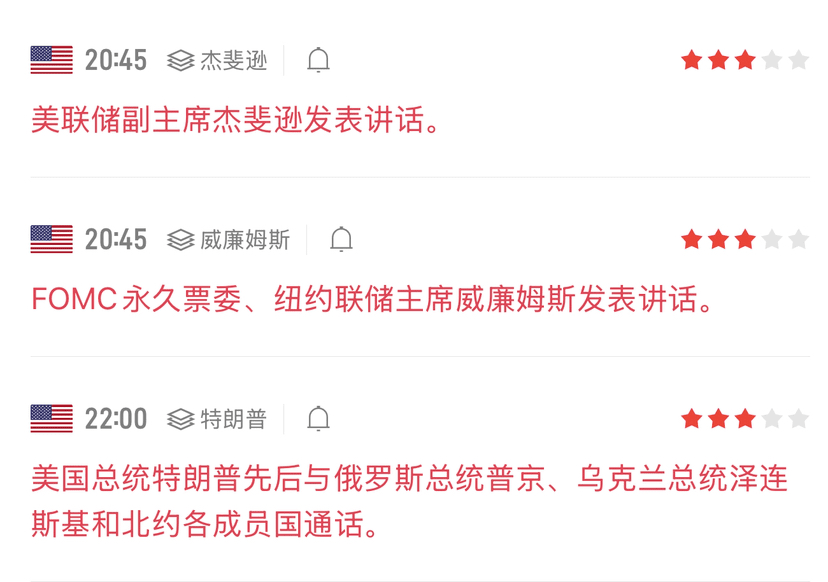
☆ At 20:45, Federal Reserve Vice Chair Jefferson and New York Fed President Williams will speak;
☆ At 22:00, the U.S. will release the April Conference Board Leading Economic Index month-on-month rate;
☆ At 22:00, Trump spoke sequentially with Putin, Zelensky, and others
#BTC挑战11万大关 #美国加征关税 #MichaelSaylor暗示增持BTC #山寨季何时到来? #以太坊安全计划