
shuja246
1.2k Beiträge

shuja246
Melden
Nutzer blockieren
Sharing market views, charts & lessons
49 Following
2.0K+ Follower
2.5K+ Like gegeben
Beiträge
Portfolio
Alle
Zitierungen
Videos
Live
·
--

Artikel
Ich beobachte den CPI um 8:30 Uhr ET — nicht die erste KerzeDer August-CPI kommt heute um 8:30 Uhr ET — die Schlagzeilen-Erwartung liegt bei etwa 3,4 % im Jahresvergleich (YoY), wie im Juli.
Aber das Setup ist knifflig. Gestern kam der PPI heißer herein, die Nonfarm-Payrolls lagen besser als erwartet, und die Fed trifft sich am 16. September. Das bedeutet, dass selbst eine Überraschung von 0,1 % die Zinserwartungen kippen kann.
Derzeit hält $BTC bei $77.212, nachdem $76.046 als Tief getestet wurden. $ETH ist wieder bei $2.512 angelangt, nachdem es von $2.433 kommt, und $SOL ist von $99.65 auf $101.63 zurückgesprungen. Der Markt ist in einem abwartenden Modus.
Wenn der CPI nachgibt — könnte es Entspannung geben, während $BTC wieder Richtung des Hochs bei $79.890 drückt. Wenn es heiß ist — werden Renditen nahe 5 % weiterhin unter Druck halten und $76k erneut getestet.
Ich beobachte den CPI um 8:30 Uhr ET — nicht die erste Kerze
Der August-CPI kommt heute um 8:30 Uhr ET — die Schlagzeilen-Erwartung liegt bei etwa 3,4 % im Jahresvergleich (YoY), wie im Juli.
Aber das Setup ist knifflig. Gestern kam der PPI heißer herein, die Nonfarm-Payrolls lagen besser als erwartet, und die Fed trifft sich am 16. September. Das bedeutet, dass selbst eine Überraschung von 0,1 % die Zinserwartungen kippen kann.
Derzeit hält $BTC bei $77.212, nachdem $76.046 als Tief getestet wurden. $ETH ist wieder bei $2.512 angelangt, nachdem es von $2.433 kommt, und $SOL ist von $99.65 auf $101.63 zurückgesprungen. Der Markt ist in einem abwartenden Modus.
Wenn der CPI nachgibt — könnte es Entspannung geben, während $BTC wieder Richtung des Hochs bei $79.890 drückt. Wenn es heiß ist — werden Renditen nahe 5 % weiterhin unter Druck halten und $76k erneut getestet.
Aber das Setup ist knifflig. Gestern kam der PPI heißer herein, die Nonfarm-Payrolls lagen besser als erwartet, und die Fed trifft sich am 16. September. Das bedeutet, dass selbst eine Überraschung von 0,1 % die Zinserwartungen kippen kann.
Derzeit hält $BTC bei $77.212, nachdem $76.046 als Tief getestet wurden. $ETH ist wieder bei $2.512 angelangt, nachdem es von $2.433 kommt, und $SOL ist von $99.65 auf $101.63 zurückgesprungen. Der Markt ist in einem abwartenden Modus.
Wenn der CPI nachgibt — könnte es Entspannung geben, während $BTC wieder Richtung des Hochs bei $79.890 drückt. Wenn es heiß ist — werden Renditen nahe 5 % weiterhin unter Druck halten und $76k erneut getestet.
106
·
--
Mein CPI-Spielplan für heute – Warum 3,4% nicht nur eine Zahl sind
CPI steht heute bei mir im Fokus. Veröffentlichung um 8:30 Uhr ET, Prognose 3,4% YoY.
Aber Kontext ist entscheidend: PPI war gestern heißer, die Payrolls lagen besser als erwartet, und das Fed-Meeting ist am 16. September. Selbst eine kleine Überraschung wird die Markterwartungen bei den Zinsen schnell verändern.
Meine Strategie: Schau zuerst auf $BTC. Wenn CPI abkühlt – ein Bruch von $78k bis hin zu $80k ist möglich. Wenn CPI heiß ist – das Tief bei $76k könnte erneut getestet werden, $75k als Unterstützung rückt in den Fokus.
Ich halte Spot $BTC, nicht mit Hebel, und warte auf die echten Daten – nicht auf den ersten Wick.
Die eigentliche Frage: Ändert CPI den nächsten Schritt der Fed?
Worauf setzt du – ein weiches CPI-„Pump“ oder ein heißes CPI-„Dump“?
{spot}(BTCUSDT)
#CPIWatch
Mein CPI-Spielplan für heute – Warum 3,4% nicht nur eine Zahl sind
CPI steht heute bei mir im Fokus. Veröffentlichung um 8:30 Uhr ET, Prognose 3,4% YoY.
Aber Kontext ist entscheidend: PPI war gestern heißer, die Payrolls lagen besser als erwartet, und das Fed-Meeting ist am 16. September. Selbst eine kleine Überraschung wird die Markterwartungen bei den Zinsen schnell verändern.
Meine Strategie: Schau zuerst auf $BTC. Wenn CPI abkühlt – ein Bruch von $78k bis hin zu $80k ist möglich. Wenn CPI heiß ist – das Tief bei $76k könnte erneut getestet werden, $75k als Unterstützung rückt in den Fokus.
Ich halte Spot $BTC, nicht mit Hebel, und warte auf die echten Daten – nicht auf den ersten Wick.
Die eigentliche Frage: Ändert CPI den nächsten Schritt der Fed?
Worauf setzt du – ein weiches CPI-„Pump“ oder ein heißes CPI-„Dump“?
#CPIWatch
CPI steht heute bei mir im Fokus. Veröffentlichung um 8:30 Uhr ET, Prognose 3,4% YoY.
Aber Kontext ist entscheidend: PPI war gestern heißer, die Payrolls lagen besser als erwartet, und das Fed-Meeting ist am 16. September. Selbst eine kleine Überraschung wird die Markterwartungen bei den Zinsen schnell verändern.
Meine Strategie: Schau zuerst auf $BTC. Wenn CPI abkühlt – ein Bruch von $78k bis hin zu $80k ist möglich. Wenn CPI heiß ist – das Tief bei $76k könnte erneut getestet werden, $75k als Unterstützung rückt in den Fokus.
Ich halte Spot $BTC, nicht mit Hebel, und warte auf die echten Daten – nicht auf den ersten Wick.
Die eigentliche Frage: Ändert CPI den nächsten Schritt der Fed?
Worauf setzt du – ein weiches CPI-„Pump“ oder ein heißes CPI-„Dump“?
#CPIWatch

51
·
--

Artikel
#CPIWatch — Wird der CPI eine Zinserhöhung auslösen? Mein Fazit: Die Fed wird HOLDenDie Nonfarm-Payrolls haben gerade die Erwartungen übertroffen, jetzt richtet sich alles auf den CPI diese Woche Donnerstag. Die Frage ist — wird die Fed erhöhen oder halten?
Meine Ansicht: Die Fed wird am 16. September-Treffen HOLDen.
Warum? BTC $77k, ETH $2.458 — der Markt preist bereits Vorsicht ein. Die Renditen der 10-jährigen US-Staatsanleihen liegen nahe 5%, aber Bitcoin-ETFs sehen im September weiterhin Zuflüsse in Höhe von 3,8 Mrd. USD, trotz 1 Mrd. USD YTD-Abflüssen im Jahr. Wenn die Fed erhöht, werden riskante Assets stärker unter Druck geraten.
Ich bin kurzfristig optimistisch, wenn der CPI kühler ausfällt als erwartet. Halte $BTC-Spot und eine kleine $AERO-Position (AERO +17% gestern). Wenn der CPI heiß ist, ist $75k die nächste Unterstützung.
#CPIWatch — Wird der CPI eine Zinserhöhung auslösen? Mein Fazit: Die Fed wird HOLDen
Die Nonfarm-Payrolls haben gerade die Erwartungen übertroffen, jetzt richtet sich alles auf den CPI diese Woche Donnerstag. Die Frage ist — wird die Fed erhöhen oder halten?
Meine Ansicht: Die Fed wird am 16. September-Treffen HOLDen.
Warum? BTC $77k, ETH $2.458 — der Markt preist bereits Vorsicht ein. Die Renditen der 10-jährigen US-Staatsanleihen liegen nahe 5%, aber Bitcoin-ETFs sehen im September weiterhin Zuflüsse in Höhe von 3,8 Mrd. USD, trotz 1 Mrd. USD YTD-Abflüssen im Jahr. Wenn die Fed erhöht, werden riskante Assets stärker unter Druck geraten.
Ich bin kurzfristig optimistisch, wenn der CPI kühler ausfällt als erwartet. Halte $BTC-Spot und eine kleine $AERO-Position (AERO +17% gestern). Wenn der CPI heiß ist, ist $75k die nächste Unterstützung.
Meine Ansicht: Die Fed wird am 16. September-Treffen HOLDen.
Warum? BTC $77k, ETH $2.458 — der Markt preist bereits Vorsicht ein. Die Renditen der 10-jährigen US-Staatsanleihen liegen nahe 5%, aber Bitcoin-ETFs sehen im September weiterhin Zuflüsse in Höhe von 3,8 Mrd. USD, trotz 1 Mrd. USD YTD-Abflüssen im Jahr. Wenn die Fed erhöht, werden riskante Assets stärker unter Druck geraten.
Ich bin kurzfristig optimistisch, wenn der CPI kühler ausfällt als erwartet. Halte $BTC-Spot und eine kleine $AERO-Position (AERO +17% gestern). Wenn der CPI heiß ist, ist $75k die nächste Unterstützung.
136
·
--
Artikel
$AERO Schießt 17% hoch, während $BTC auf $77k fällt — Base Season zurück?Der Markt ist rot — $BTC $77.090 Tief $76.464, $SOL testet $100 bei $99,66, aber $AERO ist gerade um +17% in 24H durchgestartet!
1 Trendet gerade auf Binance Square: AEROSchiesst17% in24 Stunden (435+ diskutieren)
Warum $AERO so stark steigt:
• Größter DEX der Base-Kette — 30%+ Marktanteil, $132M TVL
• 940K $AERO Buyback + Max-Lock
• Coinbase tokenisierte Aktien mithilfe von Aerodrome als wichtigstem Liquiditätshub
• Volumen +70%
Während BTC von $78k auf $77k abstürzte, machte AERO das Gegenteil — klassisches Rotation-Signal.
Widerstand $0,73 — wenn er durchbricht, ist als Nächstes $0,85 dran.
$AERO Schießt 17% hoch, während $BTC auf $77k fällt — Base Season zurück?
Der Markt ist rot — $BTC $77.090 Tief $76.464, $SOL testet $100 bei $99,66, aber $AERO ist gerade um +17% in 24H durchgestartet!
1 Trendet gerade auf Binance Square: AEROSchiesst17% in24 Stunden (435+ diskutieren)
Warum $AERO so stark steigt:
• Größter DEX der Base-Kette — 30%+ Marktanteil, $132M TVL
• 940K $AERO Buyback + Max-Lock
• Coinbase tokenisierte Aktien mithilfe von Aerodrome als wichtigstem Liquiditätshub
• Volumen +70%
Während BTC von $78k auf $77k abstürzte, machte AERO das Gegenteil — klassisches Rotation-Signal.
Widerstand $0,73 — wenn er durchbricht, ist als Nächstes $0,85 dran.
1 Trendet gerade auf Binance Square: AEROSchiesst17% in24 Stunden (435+ diskutieren)
Warum $AERO so stark steigt:
• Größter DEX der Base-Kette — 30%+ Marktanteil, $132M TVL
• 940K $AERO Buyback + Max-Lock
• Coinbase tokenisierte Aktien mithilfe von Aerodrome als wichtigstem Liquiditätshub
• Volumen +70%
Während BTC von $78k auf $77k abstürzte, machte AERO das Gegenteil — klassisches Rotation-Signal.
Widerstand $0,73 — wenn er durchbricht, ist als Nächstes $0,85 dran.
125
·
--
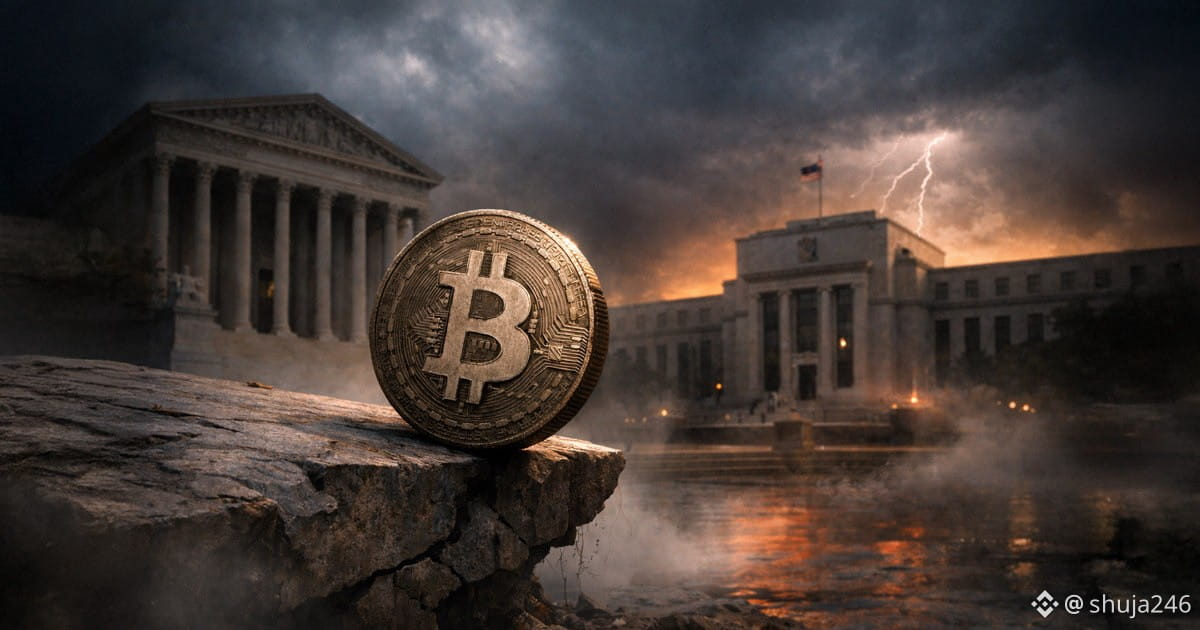
Bitcoin fällt auf 78,2 Tsd. USD, während Vorsicht vor der Fed einsetzt — Was nun?
$BTC fiel mehr als über 3 Monate hohes $82.164 letzte Woche, jetzt zurück auf $78.298 aufgrund von Fed-Vorsicht.
Aktuell $78.277 Hoch $79.760 Tief $77.770. Die Strategie hält 845k BTC im Durchschnitt $75.412 und hat letzte Woche nicht gekauft.
ETF-Nettovermögen $99,52 Mrd. wieder unter die 100-Mrd.-USD-Marke gebracht, aber 3-Wochen-Zufluss $3,8 Mrd. Wenn die Renditen hoch bleiben und BTC hält, ist der Leitzins nicht länger eine bindende Einschränkung.
Meine Ansicht: Spanne $77,7k-$79,7k bis zur Fed am 16. September. Bruch von $80k = $82k-Tests.
$BTC
#BTC #BitcoinETFsStill #Fed
CTA: Long oder Short bei BTC vor der Fed?
{future}(BTCUSDT)
Bitcoin fällt auf 78,2 Tsd. USD, während Vorsicht vor der Fed einsetzt — Was nun?
$BTC fiel mehr als über 3 Monate hohes $82.164 letzte Woche, jetzt zurück auf $78.298 aufgrund von Fed-Vorsicht.
Aktuell $78.277 Hoch $79.760 Tief $77.770. Die Strategie hält 845k BTC im Durchschnitt $75.412 und hat letzte Woche nicht gekauft.
ETF-Nettovermögen $99,52 Mrd. wieder unter die 100-Mrd.-USD-Marke gebracht, aber 3-Wochen-Zufluss $3,8 Mrd. Wenn die Renditen hoch bleiben und BTC hält, ist der Leitzins nicht länger eine bindende Einschränkung.
Meine Ansicht: Spanne $77,7k-$79,7k bis zur Fed am 16. September. Bruch von $80k = $82k-Tests.
$BTC
#BTC #BitcoinETFsStill #Fed
CTA: Long oder Short bei BTC vor der Fed?
$BTC fiel mehr als über 3 Monate hohes $82.164 letzte Woche, jetzt zurück auf $78.298 aufgrund von Fed-Vorsicht.
Aktuell $78.277 Hoch $79.760 Tief $77.770. Die Strategie hält 845k BTC im Durchschnitt $75.412 und hat letzte Woche nicht gekauft.
ETF-Nettovermögen $99,52 Mrd. wieder unter die 100-Mrd.-USD-Marke gebracht, aber 3-Wochen-Zufluss $3,8 Mrd. Wenn die Renditen hoch bleiben und BTC hält, ist der Leitzins nicht länger eine bindende Einschränkung.
Meine Ansicht: Spanne $77,7k-$79,7k bis zur Fed am 16. September. Bruch von $80k = $82k-Tests.
$BTC
#BTC #BitcoinETFsStill #Fed
CTA: Long oder Short bei BTC vor der Fed?
74
·
--

Artikel
TRXS IST ONLINE! Erster US-gestakter $TRX-ETF startet den Handel — Update zu Tag 1Endlich! Canary Capital hat offiziell den ersten US-Spot-gestakten TRX-ETF (Ticker: TRXS) am Cboe BZX am 9. September gelauncht.
Warum sich TRXS unterscheidet:
- Hält Spot $TRX + Einsätze für eine Rendite von ∼4,5%
- Regulierte Route für US-Investoren, um auf TRON zuzugreifen — das Netzwerk macht reale Finanzierung in großem Maßstab möglich
- Ticker: $TRXS wird an der Cboe BZX gehandelt
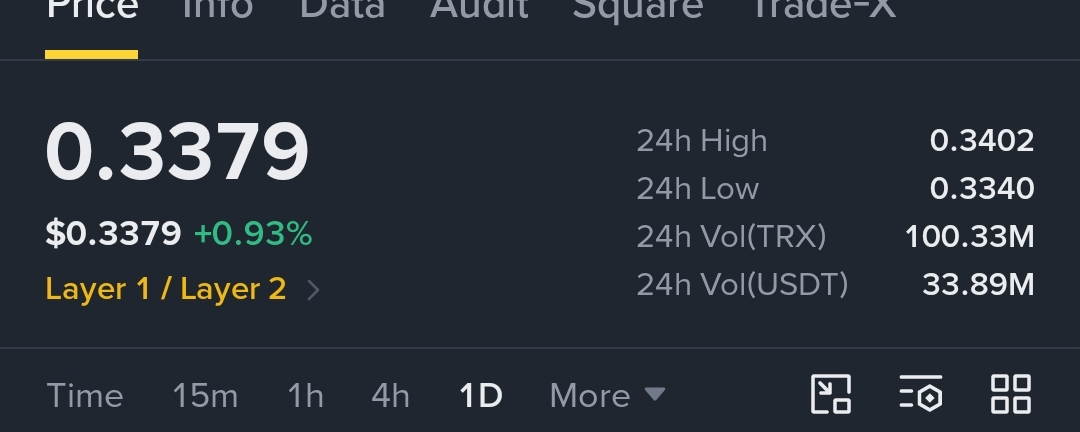
TRX-Preis: 0,3379 $ (+0,93%) 24h-Hoch 0,3402 $, Vol 100 Mio. TRX. EMA50-Support 0,33 $ — hält stark.
Justin Sun: „Wachsende Anerkennung von TRON als kritische Infrastruktur“ — Tag-1-Zuflüsse werden zeigen, ob Institutionen es kaufen.
TRXS IST ONLINE! Erster US-gestakter $TRX-ETF startet den Handel — Update zu Tag 1
Endlich! Canary Capital hat offiziell den ersten US-Spot-gestakten TRX-ETF (Ticker: TRXS) am Cboe BZX am 9. September gelauncht.
Warum sich TRXS unterscheidet:
- Hält Spot $TRX + Einsätze für eine Rendite von ∼4,5%
- Regulierte Route für US-Investoren, um auf TRON zuzugreifen — das Netzwerk macht reale Finanzierung in großem Maßstab möglich
- Ticker: $TRXS wird an der Cboe BZX gehandelt
TRX-Preis: 0,3379 $ (+0,93%) 24h-Hoch 0,3402 $, Vol 100 Mio. TRX. EMA50-Support 0,33 $ — hält stark.
Justin Sun: „Wachsende Anerkennung von TRON als kritische Infrastruktur“ — Tag-1-Zuflüsse werden zeigen, ob Institutionen es kaufen.
Warum sich TRXS unterscheidet:
- Hält Spot $TRX + Einsätze für eine Rendite von ∼4,5%
- Regulierte Route für US-Investoren, um auf TRON zuzugreifen — das Netzwerk macht reale Finanzierung in großem Maßstab möglich
- Ticker: $TRXS wird an der Cboe BZX gehandelt
TRX-Preis: 0,3379 $ (+0,93%) 24h-Hoch 0,3402 $, Vol 100 Mio. TRX. EMA50-Support 0,33 $ — hält stark.
Justin Sun: „Wachsende Anerkennung von TRON als kritische Infrastruktur“ — Tag-1-Zuflüsse werden zeigen, ob Institutionen es kaufen.
98
·
--

Artikel
Bitcoin‑ETFs sind 2026 immer noch $1 Mrd. hinten — aber der September‑Zufluss von $3,8 Mrd. verändert allesAlle feiern Bitcoin‑ETF‑Zuflüsse, aber hier sind die Daten, die dir niemand zeigt.
Die Zahlen:
- August war der stärkste Monat 2026: $3,52 Mrd. Nettozuflüsse
- Früher September: ∼$3,8 Mrd. frisches Kapital in einer 3‑Wochen‑Serie
- Allein am 3. September: $730,9 Mio. — größter einzelner Tag seit dem 14. Januar, BlackRock IBIT führte mit $454 Mio.
- Woche endend am 5. September: $986,9 Mio. Zuflüsse
- Dennoch bleibt das YTD‑Defizit bei ∼$1 Mrd. — ETFs haben in 2026 den Großteil der Zeit Geld verloren
Was das bedeutet:
Wir erleben eine Wende. Starke Abflüsse zuvor im Jahr 2026 werden wieder ausgeglichen. Die Nettovermögenswerte von Bitcoin‑ETFs schlossen bei $99,52 Mrd. wieder unter der 100‑Mrd.-Linie, aber der Momentum ist klar.
Bitcoin‑ETFs sind 2026 immer noch $1 Mrd. hinten — aber der September‑Zufluss von $3,8 Mrd. verändert alles
Alle feiern Bitcoin‑ETF‑Zuflüsse, aber hier sind die Daten, die dir niemand zeigt.
Die Zahlen:
- August war der stärkste Monat 2026: $3,52 Mrd. Nettozuflüsse
- Früher September: ∼$3,8 Mrd. frisches Kapital in einer 3‑Wochen‑Serie
- Allein am 3. September: $730,9 Mio. — größter einzelner Tag seit dem 14. Januar, BlackRock IBIT führte mit $454 Mio.
- Woche endend am 5. September: $986,9 Mio. Zuflüsse
- Dennoch bleibt das YTD‑Defizit bei ∼$1 Mrd. — ETFs haben in 2026 den Großteil der Zeit Geld verloren
Was das bedeutet:
Wir erleben eine Wende. Starke Abflüsse zuvor im Jahr 2026 werden wieder ausgeglichen. Die Nettovermögenswerte von Bitcoin‑ETFs schlossen bei $99,52 Mrd. wieder unter der 100‑Mrd.-Linie, aber der Momentum ist klar.
Die Zahlen:
- August war der stärkste Monat 2026: $3,52 Mrd. Nettozuflüsse
- Früher September: ∼$3,8 Mrd. frisches Kapital in einer 3‑Wochen‑Serie
- Allein am 3. September: $730,9 Mio. — größter einzelner Tag seit dem 14. Januar, BlackRock IBIT führte mit $454 Mio.
- Woche endend am 5. September: $986,9 Mio. Zuflüsse
- Dennoch bleibt das YTD‑Defizit bei ∼$1 Mrd. — ETFs haben in 2026 den Großteil der Zeit Geld verloren
Was das bedeutet:
Wir erleben eine Wende. Starke Abflüsse zuvor im Jahr 2026 werden wieder ausgeglichen. Die Nettovermögenswerte von Bitcoin‑ETFs schlossen bei $99,52 Mrd. wieder unter der 100‑Mrd.-Linie, aber der Momentum ist klar.
119
·
--
Artikel
Endlich! Der erste jemals gestakete $TRX-ETF wird heute gelistet — was $TRXS für den $TRX-Preis bedeutet?Justin Sun hat es gerade bestätigt — der Staked-TRON-ETF von Canary Capital wird HEUTE, am 9. September, an der Cboe-BZX-Börse unter dem Ticker $TRXS zu handeln beginnen. Das ist kein gewöhnlicher ETF.
Was macht $TRXS anders?
1. Erster US-ETF, der Spot hält $TRX UND ihn für Erträge staked (ca. 4,5 % jährlich)
2. Verwahrung bei BitGo Bank & Trust, Staking über das Tron-PoS-Netzwerk
3. Sponsor-Fee 1,10 %, Staking-Gebühr auf 20 % der Belohnungen gedeckelt
4. Eröffnet regulierten Zugang für US-Brokerage-Investoren — kein Bedarf, Krypto direkt zu halten
Die Notierung wurde erstmals von Bloomberg-ETF-Analyst Henry Jim gemeldet, unter Verweis auf die Nachtragsänderung zum Prospekt von Canary vom 19. August. Eine SEC-Einreichung (34-103108) bestätigt die Notierung gemäß BZX-Regel 14.11(e)(4).
Endlich! Der erste jemals gestakete $TRX-ETF wird heute gelistet — was $TRXS für den $TRX-Preis bedeutet?
Justin Sun hat es gerade bestätigt — der Staked-TRON-ETF von Canary Capital wird HEUTE, am 9. September, an der Cboe-BZX-Börse unter dem Ticker $TRXS zu handeln beginnen. Das ist kein gewöhnlicher ETF.
Was macht $TRXS anders?
1. Erster US-ETF, der Spot hält $TRX UND ihn für Erträge staked (ca. 4,5 % jährlich)
2. Verwahrung bei BitGo Bank & Trust, Staking über das Tron-PoS-Netzwerk
3. Sponsor-Fee 1,10 %, Staking-Gebühr auf 20 % der Belohnungen gedeckelt
4. Eröffnet regulierten Zugang für US-Brokerage-Investoren — kein Bedarf, Krypto direkt zu halten
Die Notierung wurde erstmals von Bloomberg-ETF-Analyst Henry Jim gemeldet, unter Verweis auf die Nachtragsänderung zum Prospekt von Canary vom 19. August. Eine SEC-Einreichung (34-103108) bestätigt die Notierung gemäß BZX-Regel 14.11(e)(4).
Was macht $TRXS anders?
1. Erster US-ETF, der Spot hält $TRX UND ihn für Erträge staked (ca. 4,5 % jährlich)
2. Verwahrung bei BitGo Bank & Trust, Staking über das Tron-PoS-Netzwerk
3. Sponsor-Fee 1,10 %, Staking-Gebühr auf 20 % der Belohnungen gedeckelt
4. Eröffnet regulierten Zugang für US-Brokerage-Investoren — kein Bedarf, Krypto direkt zu halten
Die Notierung wurde erstmals von Bloomberg-ETF-Analyst Henry Jim gemeldet, unter Verweis auf die Nachtragsänderung zum Prospekt von Canary vom 19. August. Eine SEC-Einreichung (34-103108) bestätigt die Notierung gemäß BZX-Regel 14.11(e)(4).
70
·
--
Bullisch
{future}(ZECUSDT)
$ZEC Gerade wieder $1.000 gebrochen — 45% in 7 Tagen! Privacy-Coins sind zurück?
📊 Was passiert ist:
• $ZEC +45% diese Woche, +120% diesen Monat, berührte $1.183 • Zum ersten Mal über $1.000 seit dem 2016er-Debüt • Handelsvolumen $2B+ in 24h • Short Seller liquidiert $34M+
Warum das wichtig ist: Die Privacy-Erzählung ist zurück. Da US-Gesetzgebung ins Stocken gerät und ETF-Zuflüsse $34M erreichen, rotieren viele in geschützte Assets.
Meine Levels:
Widerstand: $1.253 (jüngstes Hoch)
Support: $1.146 (aktuell) / $1.000 psychologische Marke
Kaufst du Privacy oder verblasst dieses Pump?
$ZEC chart widget add karo
#zec #PrivacyCoins #CryptoNews #Write2Earn #TrendingTopic
$ZEC Gerade wieder $1.000 gebrochen — 45% in 7 Tagen! Privacy-Coins sind zurück?
📊 Was passiert ist:
• $ZEC +45% diese Woche, +120% diesen Monat, berührte $1.183 • Zum ersten Mal über $1.000 seit dem 2016er-Debüt • Handelsvolumen $2B+ in 24h • Short Seller liquidiert $34M+
Warum das wichtig ist: Die Privacy-Erzählung ist zurück. Da US-Gesetzgebung ins Stocken gerät und ETF-Zuflüsse $34M erreichen, rotieren viele in geschützte Assets.
Meine Levels:
Widerstand: $1.253 (jüngstes Hoch)
Support: $1.146 (aktuell) / $1.000 psychologische Marke
Kaufst du Privacy oder verblasst dieses Pump?
$ZEC chart widget add karo
#zec #PrivacyCoins #CryptoNews #Write2Earn #TrendingTopic
📊 Was passiert ist:
• $ZEC +45% diese Woche, +120% diesen Monat, berührte $1.183 • Zum ersten Mal über $1.000 seit dem 2016er-Debüt • Handelsvolumen $2B+ in 24h • Short Seller liquidiert $34M+
Warum das wichtig ist: Die Privacy-Erzählung ist zurück. Da US-Gesetzgebung ins Stocken gerät und ETF-Zuflüsse $34M erreichen, rotieren viele in geschützte Assets.
Meine Levels:
Widerstand: $1.253 (jüngstes Hoch)
Support: $1.146 (aktuell) / $1.000 psychologische Marke
Kaufst du Privacy oder verblasst dieses Pump?
$ZEC chart widget add karo
#zec #PrivacyCoins #CryptoNews #Write2Earn #TrendingTopic

108
·
--
{future}(BTCUSDT)
{future}(ETHUSDT)
💥 BTC feststeckend in der $77k-$82k-Spanne — Was ich mache, bevor die Fed-Entscheidung am 16. Sep kommt
BTC ist seit 3 Tagen in einer Range. Die Fed-Entscheidung am 16. Sep sorgt für Vorsicht. Mein Plan: geringe Hebelwirkung, enger SL bis zum Ausbruch.
Support: $77.200 | Widerstand: $82.164 (3-Monats-Hoch)
$BTC $ETH
#BTC #CryptoNews #Write2Earn
CTA: Bist du gerade long oder short? 👇
💥 BTC feststeckend in der $77k-$82k-Spanne — Was ich mache, bevor die Fed-Entscheidung am 16. Sep kommt
BTC ist seit 3 Tagen in einer Range. Die Fed-Entscheidung am 16. Sep sorgt für Vorsicht. Mein Plan: geringe Hebelwirkung, enger SL bis zum Ausbruch.
Support: $77.200 | Widerstand: $82.164 (3-Monats-Hoch)
$BTC $ETH
#BTC #CryptoNews #Write2Earn
CTA: Bist du gerade long oder short? 👇
BTC ist seit 3 Tagen in einer Range. Die Fed-Entscheidung am 16. Sep sorgt für Vorsicht. Mein Plan: geringe Hebelwirkung, enger SL bis zum Ausbruch.
Support: $77.200 | Widerstand: $82.164 (3-Monats-Hoch)
$BTC $ETH
#BTC #CryptoNews #Write2Earn
CTA: Bist du gerade long oder short? 👇
72
·
--

Artikel
RÜCKSICHTSLOSES TRADING: Der stille Killer eines glücklichen Lebens📉 RÜCKSICHTSLOSES TRADING: Der stille Killer eines glücklichen Lebens
Hast du jemals um 3 Uhr morgens mit rasendem Herzen und zitternden Händen aufgewacht, nur um zu sehen, wie der Markt auf deinem Handybildschirm abstürzt? Wenn ja, dann weißt du, wie glamourös Trading aus der Ferne aussieht – und wie grausam es aus der Nähe sein kann.
In diesen Tagen springen alle in Krypto, Forex oder den Aktienmarkt und träumen davon, über Nacht Millionär zu werden. Aber nur diejenigen, die in diesen Sumpf geraten sind, wissen, wie rücksichtsloses Trading ohne Wissen ein glückliches, blühendes Leben in Trümmer verwandeln kann.
RÜCKSICHTSLOSES TRADING: Der stille Killer eines glücklichen Lebens
📉 RÜCKSICHTSLOSES TRADING: Der stille Killer eines glücklichen Lebens
Hast du jemals um 3 Uhr morgens mit rasendem Herzen und zitternden Händen aufgewacht, nur um zu sehen, wie der Markt auf deinem Handybildschirm abstürzt? Wenn ja, dann weißt du, wie glamourös Trading aus der Ferne aussieht – und wie grausam es aus der Nähe sein kann.
In diesen Tagen springen alle in Krypto, Forex oder den Aktienmarkt und träumen davon, über Nacht Millionär zu werden. Aber nur diejenigen, die in diesen Sumpf geraten sind, wissen, wie rücksichtsloses Trading ohne Wissen ein glückliches, blühendes Leben in Trümmer verwandeln kann.
Hast du jemals um 3 Uhr morgens mit rasendem Herzen und zitternden Händen aufgewacht, nur um zu sehen, wie der Markt auf deinem Handybildschirm abstürzt? Wenn ja, dann weißt du, wie glamourös Trading aus der Ferne aussieht – und wie grausam es aus der Nähe sein kann.
In diesen Tagen springen alle in Krypto, Forex oder den Aktienmarkt und träumen davon, über Nacht Millionär zu werden. Aber nur diejenigen, die in diesen Sumpf geraten sind, wissen, wie rücksichtsloses Trading ohne Wissen ein glückliches, blühendes Leben in Trümmer verwandeln kann.
156
·
--
Bullisch
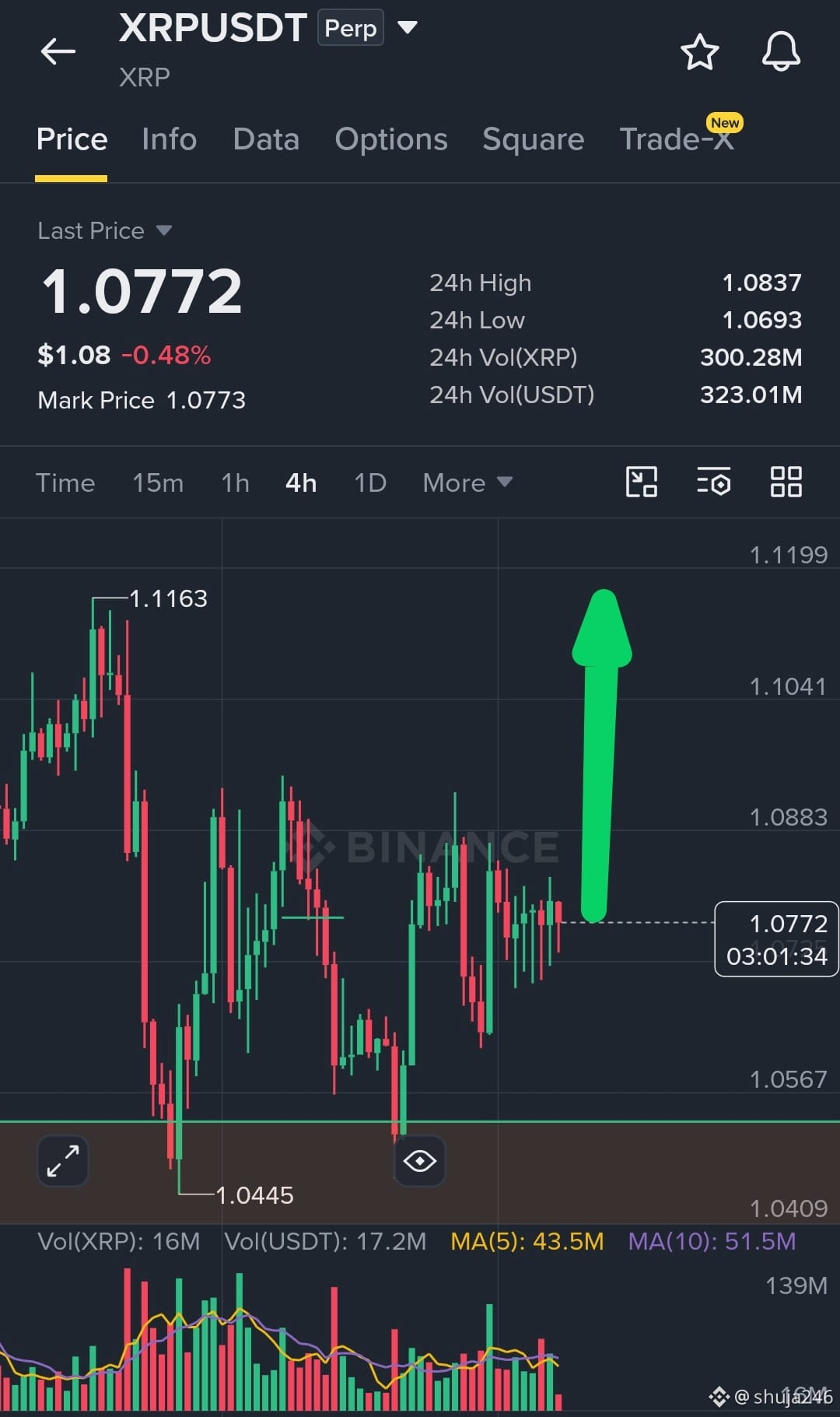
Was halten Sie von diesem Handel?.. #ShareMyTradFi #BinanceSquare #USIranDealOrNoDeal #SpaceXFirstLockupExpiresAug6 #MoodysAssignsSKHynixFirstARating $XRP
Was halten Sie von diesem Handel?.. #ShareMyTradFi #BinanceSquare #USIranDealOrNoDeal #SpaceXFirstLockupExpiresAug6 #MoodysAssignsSKHynixFirstARating $XRP
145
·
--
Bullisch
Unterschied zwischen WBTC und Babylon TBV?
WBTC = vertraut auf einen Verwahrer, Risikobrücke-Hacks.
TBV = BTC bleibt auf Bitcoin, gesperrt durch programmierbare Bedingungen, die durch BitVM3 verifiziert werden, nicht vertraut. Kein Zwischenhändler kann deine Gelder bewegen.
Das ist vertrauensloses Lending.
@babylonlabs_io $BABY #baby
{future}(BABYUSDT)
Unterschied zwischen WBTC und Babylon TBV?
WBTC = vertraut auf einen Verwahrer, Risikobrücke-Hacks.
TBV = BTC bleibt auf Bitcoin, gesperrt durch programmierbare Bedingungen, die durch BitVM3 verifiziert werden, nicht vertraut. Kein Zwischenhändler kann deine Gelder bewegen.
Das ist vertrauensloses Lending.
@BabylonLabs_io $BABY #baby
WBTC = vertraut auf einen Verwahrer, Risikobrücke-Hacks.
TBV = BTC bleibt auf Bitcoin, gesperrt durch programmierbare Bedingungen, die durch BitVM3 verifiziert werden, nicht vertraut. Kein Zwischenhändler kann deine Gelder bewegen.
Das ist vertrauensloses Lending.
@BabylonLabs_io $BABY #baby
2
54
·
--
Bullisch
Ledger x Babylon ist riesig! Trustless BTC-Vaults kommen zu 8M Ledger-Nutzern mit klarer Signierung. Du kannst BTCVault-Transaktionen direkt auf dem Bildschirm deiner Hardware-Wallet autorisieren. Keine Schlüssel online verfügbar.
Self-Custody ist gerade noch stärker geworden.
@babylonlabs_io $BABY #baby
{future}(BABYUSDT)
Ledger x Babylon ist riesig! Trustless BTC-Vaults kommen zu 8M Ledger-Nutzern mit klarer Signierung. Du kannst BTCVault-Transaktionen direkt auf dem Bildschirm deiner Hardware-Wallet autorisieren. Keine Schlüssel online verfügbar.
Self-Custody ist gerade noch stärker geworden.
@BabylonLabs_io $BABY #baby
Self-Custody ist gerade noch stärker geworden.
@BabylonLabs_io $BABY #baby
2
86
·
--
Warum Babylon Trustless Bitcoin Vaults (TBV) ein Game-Changer ist? Es ist jetzt live als der erste Bitcoin-Spoke auf Aave V4. Du kannst natives BTC als Sicherheit für Kredite nutzen, während es auf Bitcoin gesperrt bleibt – ohne dass Vertrauen nötig ist.
Riesig für Bitcoin DeFi.
@babylonlabs_io $BABY #baby
Warum Babylon Trustless Bitcoin Vaults (TBV) ein Game-Changer ist? Es ist jetzt live als der erste Bitcoin-Spoke auf Aave V4. Du kannst natives BTC als Sicherheit für Kredite nutzen, während es auf Bitcoin gesperrt bleibt – ohne dass Vertrauen nötig ist.
Riesig für Bitcoin DeFi.
@BabylonLabs_io $BABY #baby
Riesig für Bitcoin DeFi.
@BabylonLabs_io $BABY #baby
1
118
·
--
#baby $BABY Babylon löst endlich Bitcoins größtes Problem! Mit Trustless Bitcoin Vaults (TBV) bleibt dein BTC auf Bitcoin L1 – kein Wrapping, keine Brücken, kein Verlust der Verwahrung. Self-Custody + echte Rendite ist jetzt möglich.
So wird BTC zu produktiver Sicherheiten.
@babylonlabs_io $BABY #baby
#baby $BABY Babylon löst endlich Bitcoins größtes Problem! Mit Trustless Bitcoin Vaults (TBV) bleibt dein BTC auf Bitcoin L1 – kein Wrapping, keine Brücken, kein Verlust der Verwahrung. Self-Custody + echte Rendite ist jetzt möglich.
So wird BTC zu produktiver Sicherheiten.
@BabylonLabs_io $BABY #baby
So wird BTC zu produktiver Sicherheiten.
@BabylonLabs_io $BABY #baby

110

Anmelden und weiter Inhalte entdecken
Krypto-Nutzer weltweit auf Binance Square kennenlernen
⚡️ Bleib in Sachen Krypto stets am Puls.
💬 Die weltgrößte Kryptobörse vertraut darauf.
👍 Erhalte verlässliche Einblicke von verifizierten Creators.
E-Mail-Adresse/Telefonnummer
Trendthemen
SECReceivesGrayscaleLitecoinTrustETFFiling
57,720 Aufrufe
1,138 Kommentare
#secreceivesgrayscalelitecointrustetffiling
SEC ERHÄLT GRAYSCALE-LITECOIN-ETF-ANTRAG: LTC BEKOMMT NOCH EINE WEITERE AUFMERKSAMKEIT 🚨
Der Markt bewegte sich ruhig, als eine weitere Litecoin-Überschrift aufkam. Für Trader, die an der Seitenlinie zusehen, ist es genau diese Art von Einreichung, bei der man kurz innehalten und sich fragt: Wird der institutionelle Zugang gerade näher gerückt?
Der Litecoin Trust von Grayscale ist einen weiteren Schritt in Richtung einer ETF-Struktur gegangen. Die jüngsten Einreichungen stehen im Zusammenhang mit dem vorgeschlagenen Übergang sowie dem Prozess für die Notierung an der NYSE Arca. Die SEC-Dokumente zeigen frühere Verfahren rund um den Litecoin-Vorschlag von Grayscale, während die aktuellen Aktivitäten der Einreichungen die Geschichte lebendig halten.
Der entscheidende Punkt: Eine Einreichung ist keine Genehmigung. Anleger sollten den regulatorischen Fortschritt von der Erwartung einer sofortigen ETF-Auflegung trennen.
Mein Fazit: Die größere Story ist die Zugänglichkeit. Eine ETF-Struktur könnte es traditionellen Anlegern potenziell leichter machen, ein LTC-Exposure aufzubauen – für jene, die regulierte Marktprodukte bevorzugen, statt Kryptowährungen direkt zu halten.
Litecoin wird derzeit bei etwa 53,69 $ auf Binance gehandelt. Das Asset zeigt eine moderate Bewegung über 24 Stunden. Dadurch wirkt die regulatorische Entwicklung spannender, als nur einer headline-getriebenen Preisreaktion hinterherzulaufen.
Der echte Test kommt als Nächstes: regulatorische Entscheidungen, die Marktnachfrage, Liquidität und ob das institutionelle Interesse den Papierkram tatsächlich verfolgt.
Eine Einreichung kann die Tür öffnen, aber Nachfrage entscheidet darüber, was passiert, nachdem sie offen ist.
❓Glaubst du, dass ein Grayscale-Litecoin-ETF die institutionelle Nachfrage nach LTC spürbar verändern könnte?
Haftungsausschluss: Dies dient nur zu Informationszwecken und stellt keine Finanzberatung dar. Krypto-Assets sind volatil, und regulatorische Ergebnisse sind ungewiss.
#Litecoin #CryptoETF #GrowWithSAC $LTC $ETH $SOL
#SECReceivesGrayscaleLitecoinTrustETFFiling
Sienna Leo-你真棒-带我走
·2 Likes
·2k Aufrufe
ClarityActFacesProceduralVoteSept15
179,026 Aufrufe
2,034 Kommentare
US10YearTreasuryYieldNears5%
62,659 Aufrufe
1,120 Kommentare