
#venezolanos
venezolanos
69,809 views
32 Discussing
Hot
Latest
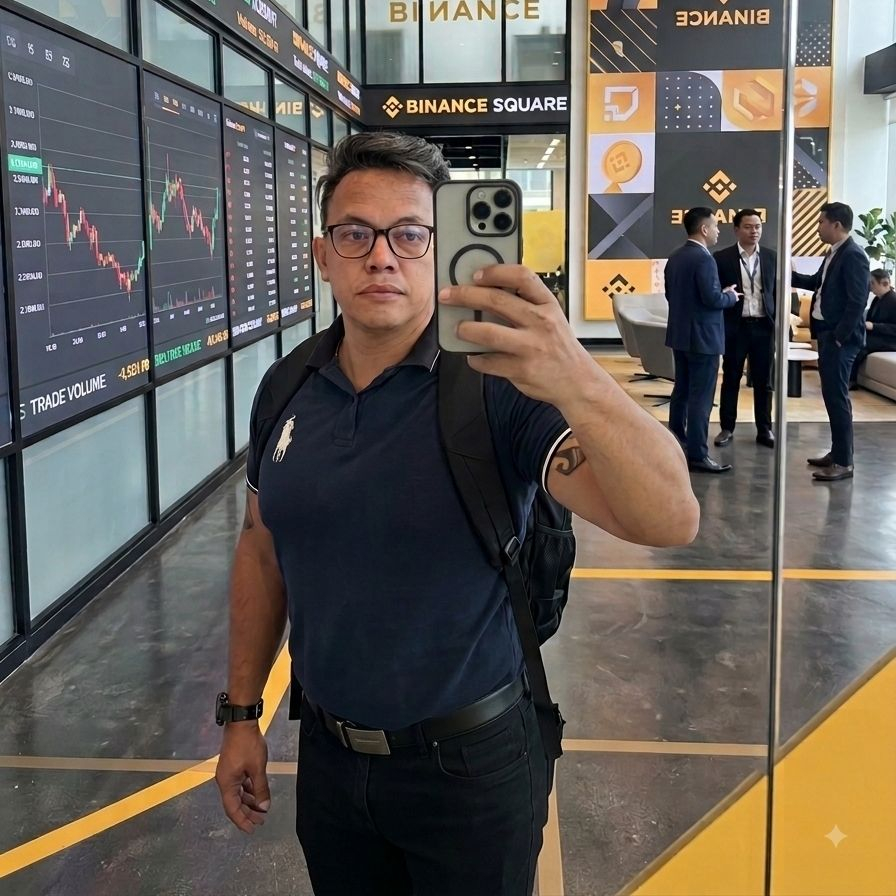
Binance Card in Venezuela: benefits, limitations, and its economic impact The arrival of the Binance Card in Venezuela, initially rolled out gradually starting in August 2026, represents a significant step in integrating cryptocurrencies into everyday spending. The exchange first enabled access for about 3,000 selected users via a waitlist, with plans for progressive expansion. It is a prepaid Mastercard card that allows users to spend balances in cryptoassets (mainly USDT and USDC) directly, without needing to sell them beforehand on the P2P market. How does it work? The card is funded directly from the Binance wallet. When making a purchase:
At international merchants or platforms that settle in dollars (Amazon, subscriptions, digital services), the transaction is processed in foreign currency, which preserves the real value of the balance in stablecoins.
Among the launch incentives is a 50% refund on the first eligible online subscription purchase (minimum 10 USDC, maximum 5 USDC in cashback) and cashback of up to 3% on subsequent purchases, depending on the user’s tier on the platform. Main benefits
Simplified access to spending in crypto Eliminates the intermediate step of selling USDT on P2P or transferring to other cards like Zinli or Wally. Ideal for those who already operate regularly within the Binance ecosystem, the most widely used in the country.
Convenience for international purchases Allows users to pay for work tools, spare parts, software, online education, or overseas services without relying on foreign bank accounts—access to which only a minority of Venezuelans have.
Digital financial inclusion In an economy where USDT effectively functions as a “digital dollar,” and Binance’s P2P volume exceeds $100 million per month, the card brings everyday spending closer to people who already protect their wealth with stablecoins.
#CriptoVenezuela #Venezolanos
#Caracas $BTC $BNB
Binance Card in Venezuela: benefits, limitations, and its economic impact The arrival of the Binance Card in Venezuela, initially rolled out gradually starting in August 2026, represents a significant step in integrating cryptocurrencies into everyday spending. The exchange first enabled access for about 3,000 selected users via a waitlist, with plans for progressive expansion. It is a prepaid Mastercard card that allows users to spend balances in cryptoassets (mainly USDT and USDC) directly, without needing to sell them beforehand on the P2P market. How does it work? The card is funded directly from the Binance wallet. When making a purchase:
At international merchants or platforms that settle in dollars (Amazon, subscriptions, digital services), the transaction is processed in foreign currency, which preserves the real value of the balance in stablecoins.
Among the launch incentives is a 50% refund on the first eligible online subscription purchase (minimum 10 USDC, maximum 5 USDC in cashback) and cashback of up to 3% on subsequent purchases, depending on the user’s tier on the platform. Main benefits
Simplified access to spending in crypto Eliminates the intermediate step of selling USDT on P2P or transferring to other cards like Zinli or Wally. Ideal for those who already operate regularly within the Binance ecosystem, the most widely used in the country.
Convenience for international purchases Allows users to pay for work tools, spare parts, software, online education, or overseas services without relying on foreign bank accounts—access to which only a minority of Venezuelans have.
Digital financial inclusion In an economy where USDT effectively functions as a “digital dollar,” and Binance’s P2P volume exceeds $100 million per month, the card brings everyday spending closer to people who already protect their wealth with stablecoins.
#CriptoVenezuela #Venezolanos
#Caracas $BTC $BNB
At international merchants or platforms that settle in dollars (Amazon, subscriptions, digital services), the transaction is processed in foreign currency, which preserves the real value of the balance in stablecoins.
Among the launch incentives is a 50% refund on the first eligible online subscription purchase (minimum 10 USDC, maximum 5 USDC in cashback) and cashback of up to 3% on subsequent purchases, depending on the user’s tier on the platform. Main benefits
Simplified access to spending in crypto Eliminates the intermediate step of selling USDT on P2P or transferring to other cards like Zinli or Wally. Ideal for those who already operate regularly within the Binance ecosystem, the most widely used in the country.
Convenience for international purchases Allows users to pay for work tools, spare parts, software, online education, or overseas services without relying on foreign bank accounts—access to which only a minority of Venezuelans have.
Digital financial inclusion In an economy where USDT effectively functions as a “digital dollar,” and Binance’s P2P volume exceeds $100 million per month, the card brings everyday spending closer to people who already protect their wealth with stablecoins.
#CriptoVenezuela #Venezolanos
#Caracas $BTC $BNB
176

·
--
Resilience and the Real Economy in Venezuela
🇻🇪 What they don’t teach you at university about surviving the Venezuelan economy
Talking about the current situation in Venezuela isn’t just talking about numbers or inflation; it’s about the ability to adapt that we’ve had to develop to get by.
Nowhere else do you learn so much about:
1️⃣ Real diversification: Having a single source of income is no longer an option. Today, Venezuelan youth studies, works remotely, does business digitally, and looks for constant alternative entrepreneurship opportunities at the same time.
2️⃣ Financial education the hard way: Managing two or three currencies at once, understanding daily exchange rates, digital wallets, and payment platforms has become part of everyday culture.
3️⃣ Resilience and community: In the face of daily difficulties, creativity and mutual support among friends, family, and project teammates always end up being the main driving force.
The situation demands constant reinvention, but it has also shown that the talent and determination of our people are on par with anywhere in the world.
💡 Reflection:
We can’t control the overall context, but we can control what we do with our tools, our time, and our knowledge.
💬 Tell me in the comments: What do you consider to be your greatest learning or key tool for getting ahead today?
#venezolanos #ResilientCrypto #EconomiaDigital #Progresar #motivacion
Resilience and the Real Economy in Venezuela
🇻🇪 What they don’t teach you at university about surviving the Venezuelan economy
Talking about the current situation in Venezuela isn’t just talking about numbers or inflation; it’s about the ability to adapt that we’ve had to develop to get by.
Nowhere else do you learn so much about:
1️⃣ Real diversification: Having a single source of income is no longer an option. Today, Venezuelan youth studies, works remotely, does business digitally, and looks for constant alternative entrepreneurship opportunities at the same time.
2️⃣ Financial education the hard way: Managing two or three currencies at once, understanding daily exchange rates, digital wallets, and payment platforms has become part of everyday culture.
3️⃣ Resilience and community: In the face of daily difficulties, creativity and mutual support among friends, family, and project teammates always end up being the main driving force.
The situation demands constant reinvention, but it has also shown that the talent and determination of our people are on par with anywhere in the world.
💡 Reflection:
We can’t control the overall context, but we can control what we do with our tools, our time, and our knowledge.
💬 Tell me in the comments: What do you consider to be your greatest learning or key tool for getting ahead today?
#venezolanos #ResilientCrypto #EconomiaDigital #Progresar #motivacion
🇻🇪 What they don’t teach you at university about surviving the Venezuelan economy
Talking about the current situation in Venezuela isn’t just talking about numbers or inflation; it’s about the ability to adapt that we’ve had to develop to get by.
Nowhere else do you learn so much about:
1️⃣ Real diversification: Having a single source of income is no longer an option. Today, Venezuelan youth studies, works remotely, does business digitally, and looks for constant alternative entrepreneurship opportunities at the same time.
2️⃣ Financial education the hard way: Managing two or three currencies at once, understanding daily exchange rates, digital wallets, and payment platforms has become part of everyday culture.
3️⃣ Resilience and community: In the face of daily difficulties, creativity and mutual support among friends, family, and project teammates always end up being the main driving force.
The situation demands constant reinvention, but it has also shown that the talent and determination of our people are on par with anywhere in the world.
💡 Reflection:
We can’t control the overall context, but we can control what we do with our tools, our time, and our knowledge.
💬 Tell me in the comments: What do you consider to be your greatest learning or key tool for getting ahead today?
#venezolanos #ResilientCrypto #EconomiaDigital #Progresar #motivacion
1
376

·
--
Bullish
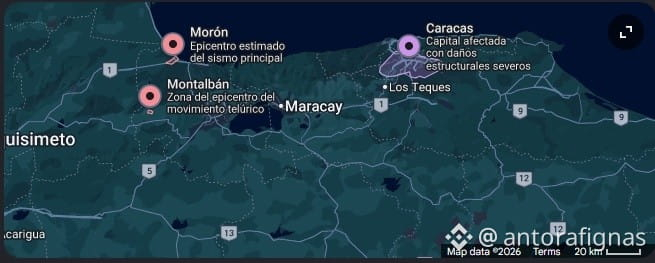
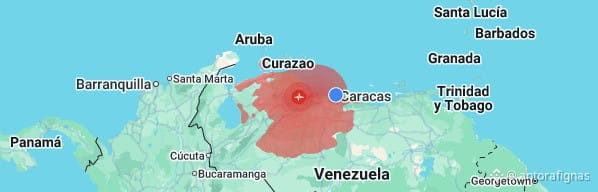
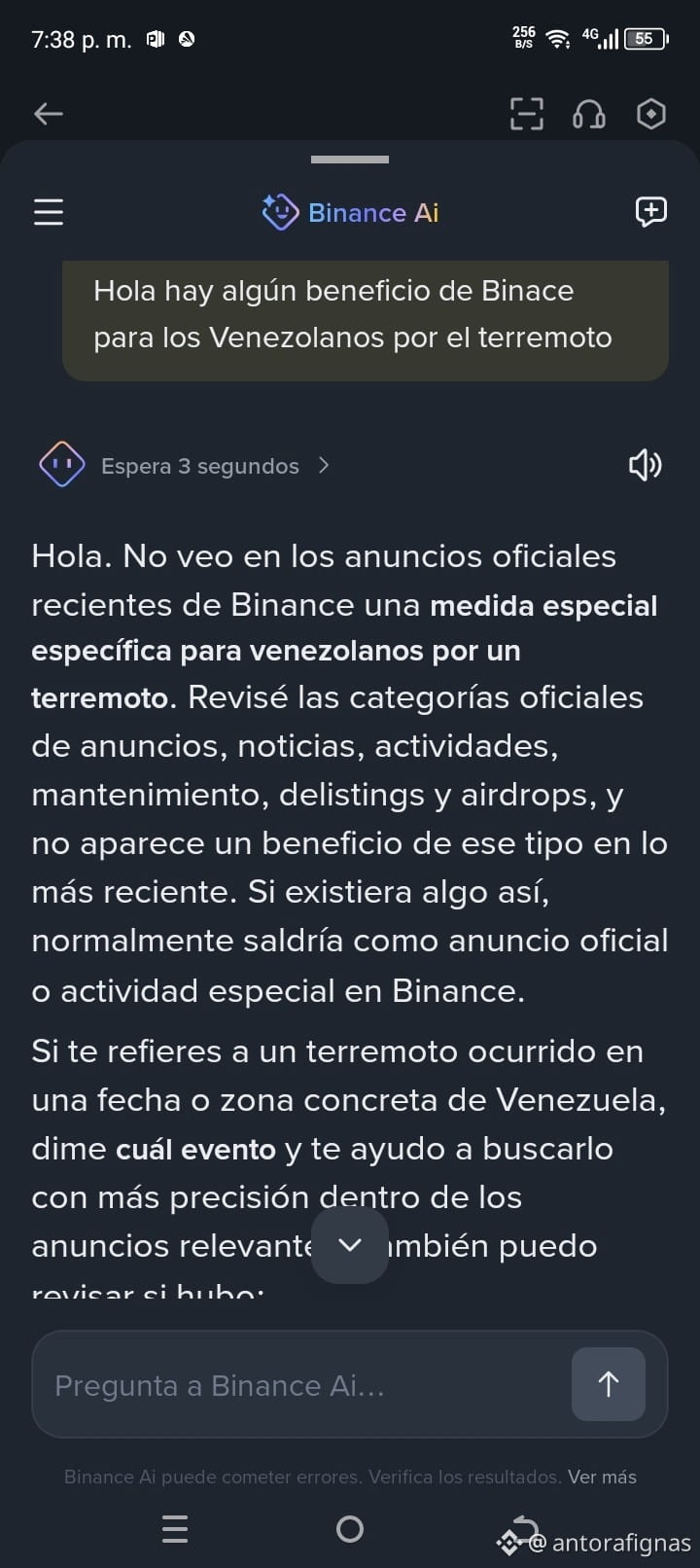
Hello. #usdt I don't see in the most recent official announcements of #Binance any specific special measure for #venezolanos due to an earthquake. I reviewed the official categories for announcements, news, activities, maintenance, delistings, and airdrops, and that kind of benefit doesn't appear in the latest updates. If something like that existed, it would normally show up as an official announcement or a special activity on Binance.
If you’re referring to an earthquake that happened on a specific date or in a particular area of Venezuela, tell me which event and I’ll help you look for it more precisely within the relevant announcements. I can also check whether there were:
local promotions
help or donation campaigns
temporary relief on fees
benefits on P2P or Binance Pay
If you want, I can also show you the most recent Binance announcements for LATAM or explain which Binance options are usually most useful for users in Venezuela.
Hello. #usdt I don't see in the most recent official announcements of #Binance any specific special measure for #venezolanos due to an earthquake. I reviewed the official categories for announcements, news, activities, maintenance, delistings, and airdrops, and that kind of benefit doesn't appear in the latest updates. If something like that existed, it would normally show up as an official announcement or a special activity on Binance.
If you’re referring to an earthquake that happened on a specific date or in a particular area of Venezuela, tell me which event and I’ll help you look for it more precisely within the relevant announcements. I can also check whether there were:
local promotions
help or donation campaigns
temporary relief on fees
benefits on P2P or Binance Pay
If you want, I can also show you the most recent Binance announcements for LATAM or explain which Binance options are usually most useful for users in Venezuela.
If you’re referring to an earthquake that happened on a specific date or in a particular area of Venezuela, tell me which event and I’ll help you look for it more precisely within the relevant announcements. I can also check whether there were:
local promotions
help or donation campaigns
temporary relief on fees
benefits on P2P or Binance Pay
If you want, I can also show you the most recent Binance announcements for LATAM or explain which Binance options are usually most useful for users in Venezuela.
88

It seems to me #excelente that the support of USDT from @binance is needed by #Venezolanos at this moment. #ManyThanks
It seems to me #excelente that the support of USDT from @binance is needed by #Venezolanos at this moment. #ManyThanks
91

·
--
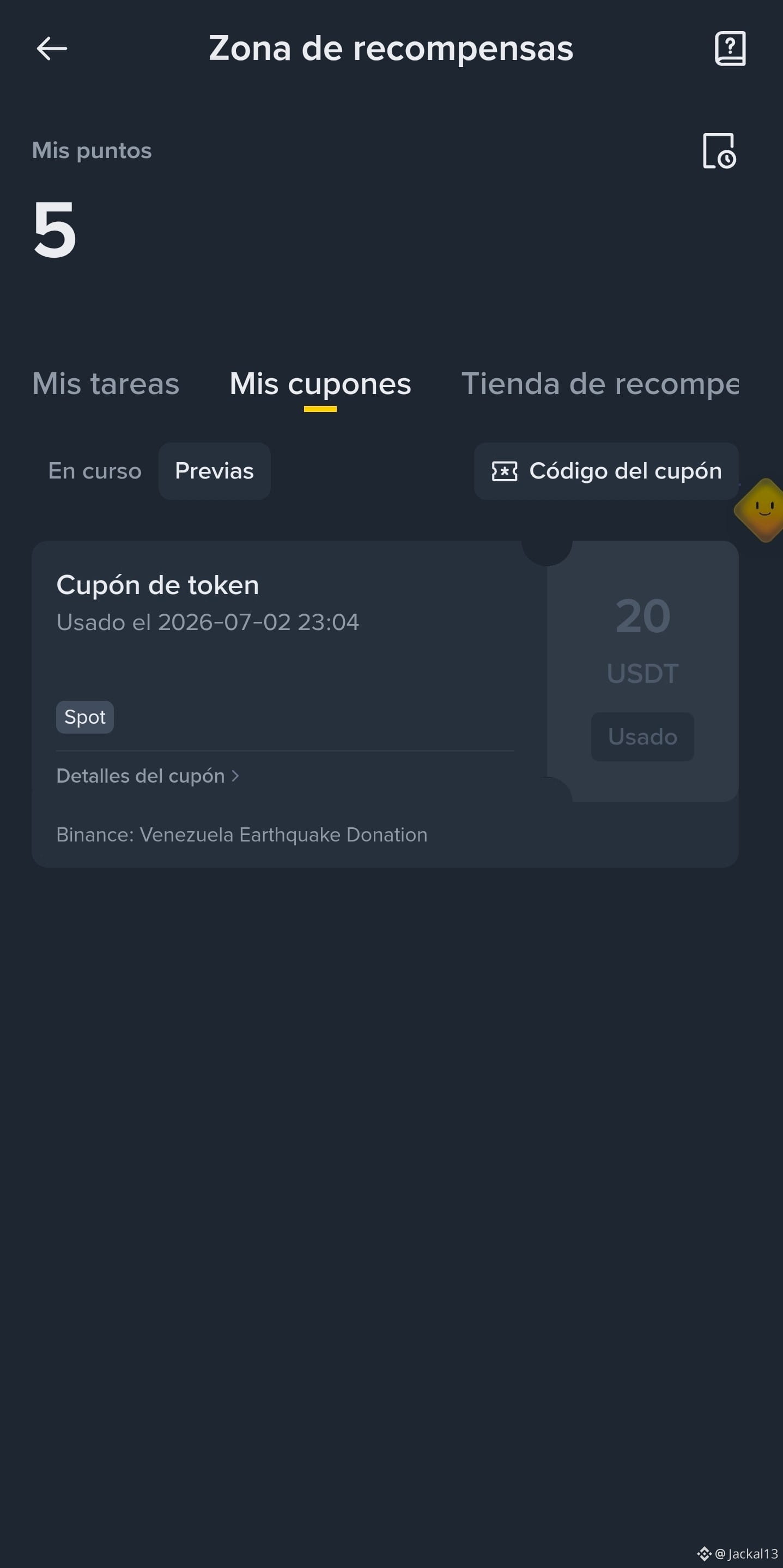
By the way people, the 20 coupon #USDT you #Binance is being granted to #Venezolanos , is it true! Thank you so much! 🇻🇪🇻🇪🇻🇪
By the way people, the 20 coupon #USDT you #Binance is being granted to #Venezolanos , is it true! Thank you so much! 🇻🇪🇻🇪🇻🇪
24
1
17
6k

·
--
I am from Venezuela, one of those affected. I saw that Binance is helping, but I don't know how to claim it, and that money would really help a lot
#venezolanos #Venezuela2026
I am from Venezuela, one of those affected. I saw that Binance is helping, but I don't know how to claim it, and that money would really help a lot
#venezolanos #Venezuela2026
#venezolanos #Venezuela2026
116

In Venezuela, many of us consider saving $BTC as a form of retirement, a legacy we must maintain even after death because it will be inheritable property. That requires the greatest protections.
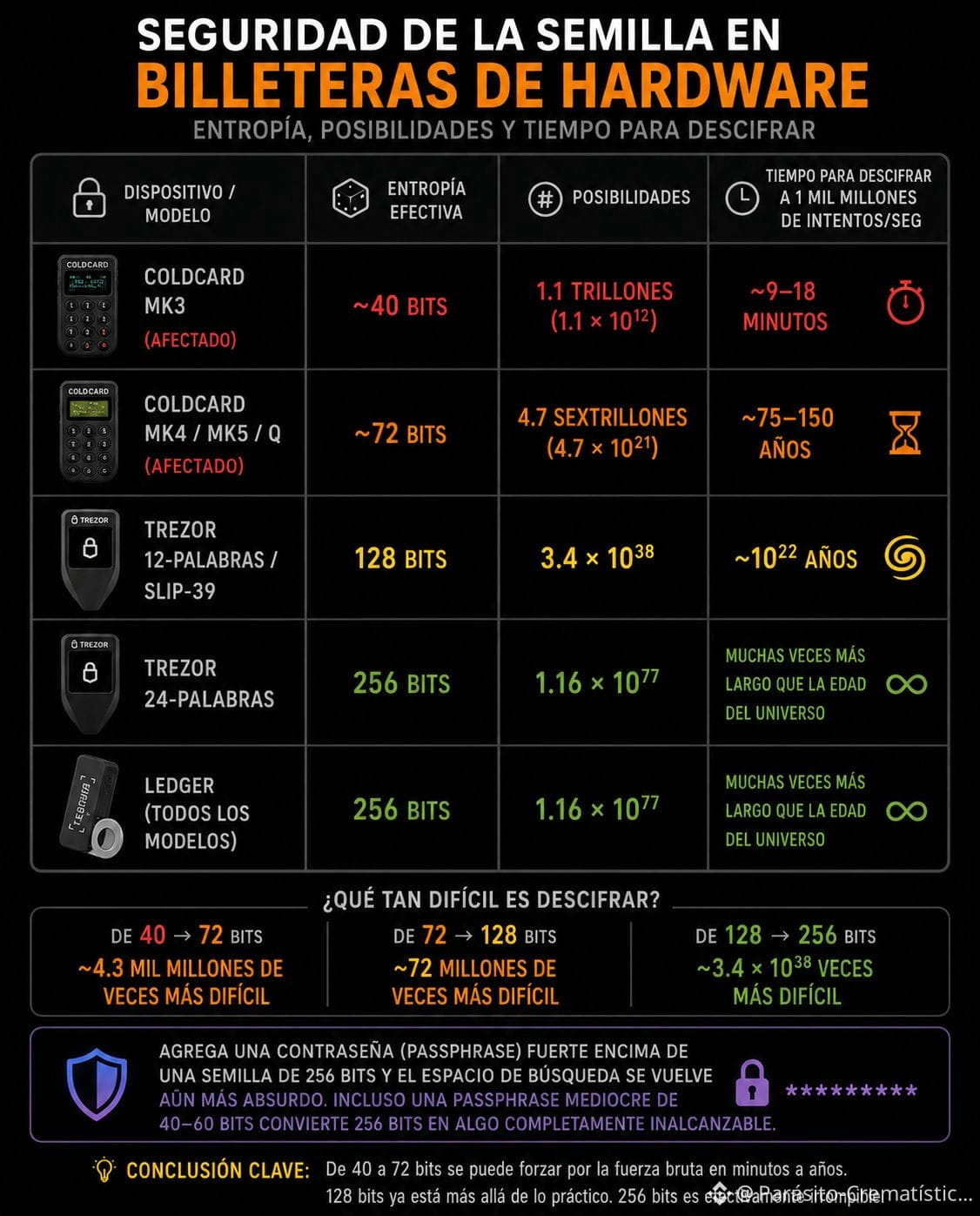
We must never stop asking ourselves how secure our Bitcoin seed phrase is. And also our passphrase.
The difference between 40 bits and 256 bits is not just a small improvement. It’s the difference between broken vulnerability within minutes and a compromised "vulnerability" over a longer period than the age of the universe.👇
#VenezolanoEnCripto
#VenezolanosenBinance
#venezolanos
In Venezuela, many of us consider saving $BTC as a form of retirement, a legacy we must maintain even after death because it will be inheritable property. That requires the greatest protections.
We must never stop asking ourselves how secure our Bitcoin seed phrase is. And also our passphrase.
The difference between 40 bits and 256 bits is not just a small improvement. It’s the difference between broken vulnerability within minutes and a compromised "vulnerability" over a longer period than the age of the universe.👇
#VenezolanoEnCripto
#VenezolanosenBinance
#venezolanos
We must never stop asking ourselves how secure our Bitcoin seed phrase is. And also our passphrase.
The difference between 40 bits and 256 bits is not just a small improvement. It’s the difference between broken vulnerability within minutes and a compromised "vulnerability" over a longer period than the age of the universe.👇
#VenezolanoEnCripto
#VenezolanosenBinance
#venezolanos
246
·
--
Bullish
Verified
It’s curious that many #venezolanos are unaware that as the market for #Stablecoins grows, the money that goes into Treasury bills (T-Bills) grows as well. When we manage #Stablecoins from our phone, most of the time—without knowing it—we are lending money to the U.S.
Why does the U.S. need #CLARITYAct ?
Because the older holders of its debt are withdrawing. Japan sells U.S. Treasury bonds to protect the strength of the yen.
Bonds held by China fell from $1.3 trillion at the peak to less than $700 billion. For U.S. debt, which exceeds $40 trillion, new buyers are needed.
The new buyers are investors who have #Stablecoins. . The Clarity Act is the law that makes that base of buyers grow.
It’s curious that many #venezolanos are unaware that as the market for #Stablecoins grows, the money that goes into Treasury bills (T-Bills) grows as well. When we manage #Stablecoins from our phone, most of the time—without knowing it—we are lending money to the U.S.
Why does the U.S. need #CLARITYAct ?
Because the older holders of its debt are withdrawing. Japan sells U.S. Treasury bonds to protect the strength of the yen.
Bonds held by China fell from $1.3 trillion at the peak to less than $700 billion. For U.S. debt, which exceeds $40 trillion, new buyers are needed.
The new buyers are investors who have #Stablecoins. . The Clarity Act is the law that makes that base of buyers grow.
Why does the U.S. need #CLARITYAct ?
Because the older holders of its debt are withdrawing. Japan sells U.S. Treasury bonds to protect the strength of the yen.
Bonds held by China fell from $1.3 trillion at the peak to less than $700 billion. For U.S. debt, which exceeds $40 trillion, new buyers are needed.
The new buyers are investors who have #Stablecoins. . The Clarity Act is the law that makes that base of buyers grow.
115
·
--
Bullish
In the vocational mentorships we do with young people #venezolanos my wife and I recommend reading the book "The Richest Man in Babylon," a simple, short, enjoyable book that tells stories set thousands of years ago.
Young people are surprised to discover that the problems are practically the same ones their parents are dealing with: low income, debt, wages, saving, bad investments, people who earn a lot and end up with nothing, people who wait for a stroke of luck.
The uncomfortable lesson is the same as always: Make decisions. Work. Learn.
Wealth doesn’t sprout overnight. And even if you end up earning a lot, the key is to know how to manage what you have, so you don’t lose it all. But there’s a rule that’s frequently repeated in the book: Save at least 10% of everything you earn. First, you must pay yourself.
In ancient times, wealth was stored in gold, silver, and spices. Today we have even better tools to save for the long term. Because with inflation, stagnant real wages, and currencies that lose purchasing power, saving money alone is simply less and less useful.
The 21st-century version of that rule is simple: earn, spend less than you bring in, save at least 10%, and turn it into the best money you have available.
Thousands of years ago it was gold.
Today, it’s Bitcoin.
The tools change, but the rules for building wealth remain the same.
In the vocational mentorships we do with young people #venezolanos my wife and I recommend reading the book "The Richest Man in Babylon," a simple, short, enjoyable book that tells stories set thousands of years ago.
Young people are surprised to discover that the problems are practically the same ones their parents are dealing with: low income, debt, wages, saving, bad investments, people who earn a lot and end up with nothing, people who wait for a stroke of luck.
The uncomfortable lesson is the same as always: Make decisions. Work. Learn.
Wealth doesn’t sprout overnight. And even if you end up earning a lot, the key is to know how to manage what you have, so you don’t lose it all. But there’s a rule that’s frequently repeated in the book: Save at least 10% of everything you earn. First, you must pay yourself.
In ancient times, wealth was stored in gold, silver, and spices. Today we have even better tools to save for the long term. Because with inflation, stagnant real wages, and currencies that lose purchasing power, saving money alone is simply less and less useful.
The 21st-century version of that rule is simple: earn, spend less than you bring in, save at least 10%, and turn it into the best money you have available.
Thousands of years ago it was gold.
Today, it’s Bitcoin.
The tools change, but the rules for building wealth remain the same.
Young people are surprised to discover that the problems are practically the same ones their parents are dealing with: low income, debt, wages, saving, bad investments, people who earn a lot and end up with nothing, people who wait for a stroke of luck.
The uncomfortable lesson is the same as always: Make decisions. Work. Learn.
Wealth doesn’t sprout overnight. And even if you end up earning a lot, the key is to know how to manage what you have, so you don’t lose it all. But there’s a rule that’s frequently repeated in the book: Save at least 10% of everything you earn. First, you must pay yourself.
In ancient times, wealth was stored in gold, silver, and spices. Today we have even better tools to save for the long term. Because with inflation, stagnant real wages, and currencies that lose purchasing power, saving money alone is simply less and less useful.
The 21st-century version of that rule is simple: earn, spend less than you bring in, save at least 10%, and turn it into the best money you have available.
Thousands of years ago it was gold.
Today, it’s Bitcoin.
The tools change, but the rules for building wealth remain the same.
108
If #venezolanos were to take these three simple steps seriously:
✅ INVEST between 10% and 20% of your salary in $BTC or in an index like $QQQB or $SPYB
✅ LIVE on the remaining 80%-90%
✅ AVOID all debt in #cashea
The number of people whose financial freedom timeline would expand would multiply by 10.
What’s stopping you?
If #venezolanos were to take these three simple steps seriously:
✅ INVEST between 10% and 20% of your salary in $BTC or in an index like $QQQB or $SPYB
✅ LIVE on the remaining 80%-90%
✅ AVOID all debt in #cashea
The number of people whose financial freedom timeline would expand would multiply by 10.
What’s stopping you?
✅ INVEST between 10% and 20% of your salary in $BTC or in an index like $QQQB or $SPYB
✅ LIVE on the remaining 80%-90%
✅ AVOID all debt in #cashea
The number of people whose financial freedom timeline would expand would multiply by 10.
What’s stopping you?
😱 MIEDO A INVERTIR
🫰 INSUFICIENTES INGRESOS
🥱 NO CREO EN INVERTIR
1 day(s) left
2
258
Pay the "Integral Income for Pensioners" of August: Increased by more than 6% in bolívares
This income granted by the National Government is intended for pensioners of the Venezuelan Social Security Institute (IVSS).
This Friday, August 21, 2026, the payment of the «Integral Income for Pensioners», corresponding to the current month, began through the Patria System.
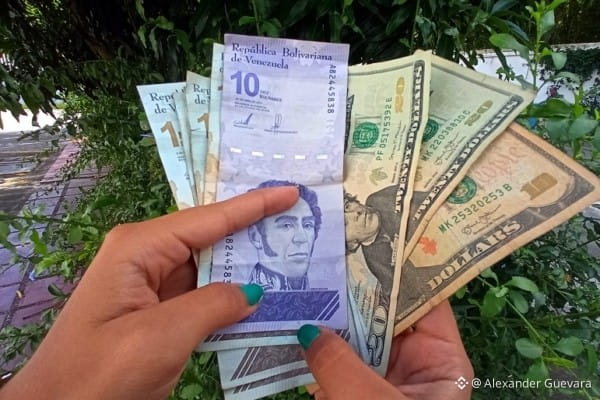
Patria Digital Channel highlighted on its social networks that the granted amount is Bs. 53,900 or US$ 69.10 at the current exchange rate of the Central Bank of Venezuela (BCV).
The figure given to the country’s pensioners saw a 6.35% increase in bolívares, compared with the payment made in July 2026.
Likewise, there was an increase in the amount in foreign currency of 0.52%, when the value recorded last month stood at US$ 68.74.
Similarly, the delivery of the «Integral Income for Pensioners» is carried out directly and gradually to the beneficiaries
#venezuela #pension #caracasvenezuela #Caracas #venezolanos $CL $BZ
Pay the "Integral Income for Pensioners" of August: Increased by more than 6% in bolívares
This income granted by the National Government is intended for pensioners of the Venezuelan Social Security Institute (IVSS).
This Friday, August 21, 2026, the payment of the «Integral Income for Pensioners», corresponding to the current month, began through the Patria System.
Patria Digital Channel highlighted on its social networks that the granted amount is Bs. 53,900 or US$ 69.10 at the current exchange rate of the Central Bank of Venezuela (BCV).
The figure given to the country’s pensioners saw a 6.35% increase in bolívares, compared with the payment made in July 2026.
Likewise, there was an increase in the amount in foreign currency of 0.52%, when the value recorded last month stood at US$ 68.74.
Similarly, the delivery of the «Integral Income for Pensioners» is carried out directly and gradually to the beneficiaries
#venezuela #pension #caracasvenezuela #Caracas #venezolanos $CL $BZ
This income granted by the National Government is intended for pensioners of the Venezuelan Social Security Institute (IVSS).
This Friday, August 21, 2026, the payment of the «Integral Income for Pensioners», corresponding to the current month, began through the Patria System.
Patria Digital Channel highlighted on its social networks that the granted amount is Bs. 53,900 or US$ 69.10 at the current exchange rate of the Central Bank of Venezuela (BCV).
The figure given to the country’s pensioners saw a 6.35% increase in bolívares, compared with the payment made in July 2026.
Likewise, there was an increase in the amount in foreign currency of 0.52%, when the value recorded last month stood at US$ 68.74.
Similarly, the delivery of the «Integral Income for Pensioners» is carried out directly and gradually to the beneficiaries
#venezuela #pension #caracasvenezuela #Caracas #venezolanos $CL $BZ
101

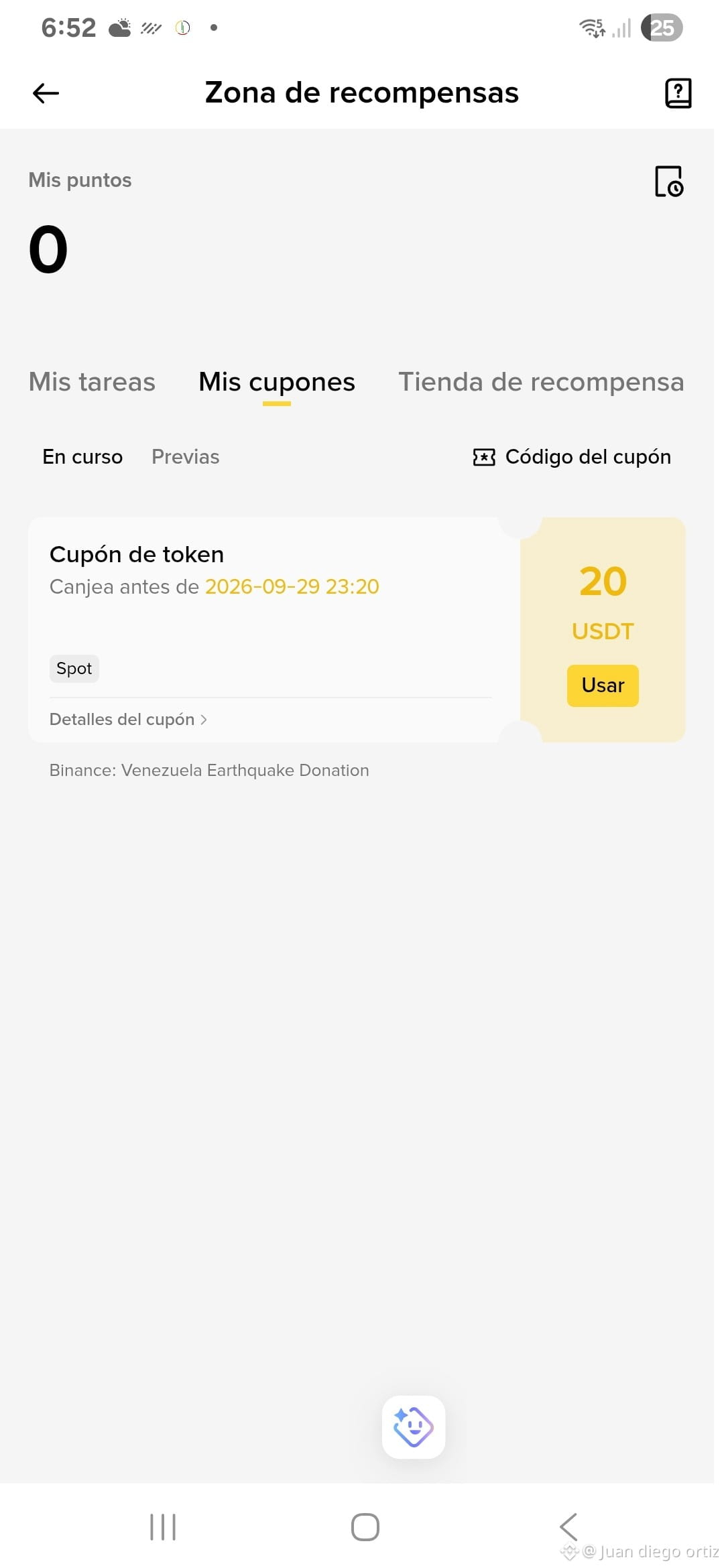
#venezolanos !To whoever receives this coupon and is not in an affected area, they could make a donation and use it correctly! Let’s all unite—those of us who receive the 20 USDT—to be able to help the people who truly need it. If you want to help, you can check the reward zone and once you claim it, you can donate it. #LAGUAIRANOSNECESITA
#venezolanos !To whoever receives this coupon and is not in an affected area, they could make a donation and use it correctly! Let’s all unite—those of us who receive the 20 USDT—to be able to help the people who truly need it. If you want to help, you can check the reward zone and once you claim it, you can donate it. #LAGUAIRANOSNECESITA
125
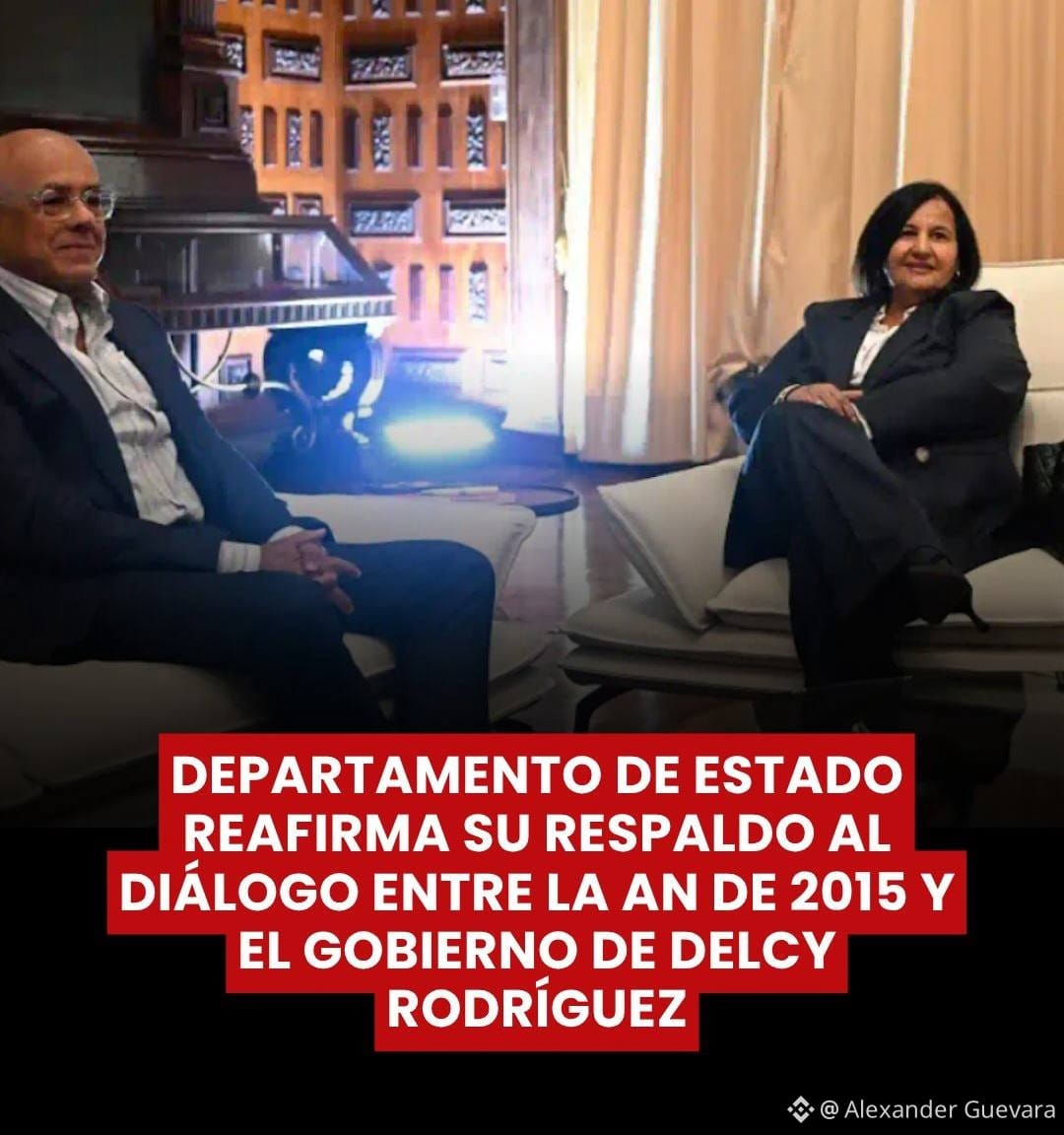
🇻🇪🚨 | The U.S. State Department issued a statement in which it reiterated its support for the dialogue process between the National Assembly elected in 2015 and the government of Delcy Rodríguez.
Washington said the process will contribute to recovery after the earthquakes, strengthening democratic institutions, and the transition to free elections.
🧑💼 Delcy Rodríguez hands over 87 new homes to families affected by the double earthquake in Venezuela
#venezuela #DelcyRodriguez #TerremotoVenezuela #caracasvenezuela #venezolanos $BTC $ETH
🇻🇪🚨 | The U.S. State Department issued a statement in which it reiterated its support for the dialogue process between the National Assembly elected in 2015 and the government of Delcy Rodríguez.
Washington said the process will contribute to recovery after the earthquakes, strengthening democratic institutions, and the transition to free elections.
🧑💼 Delcy Rodríguez hands over 87 new homes to families affected by the double earthquake in Venezuela
#venezuela #DelcyRodriguez #TerremotoVenezuela #caracasvenezuela #venezolanos $BTC $ETH
Washington said the process will contribute to recovery after the earthquakes, strengthening democratic institutions, and the transition to free elections.
🧑💼 Delcy Rodríguez hands over 87 new homes to families affected by the double earthquake in Venezuela
#venezuela #DelcyRodriguez #TerremotoVenezuela #caracasvenezuela #venezolanos $BTC $ETH
3
40
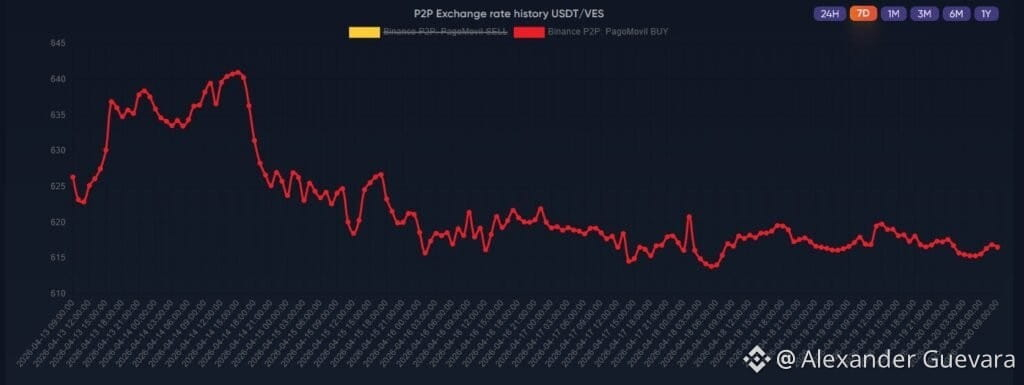
▶️🇻🇪 In this graph, you can see how the price of USDT has fallen in P2P markets in Venezuela.
This drop, along with the progressive increase in the rates of the BCV and national banks, has been reducing the benefit of the so-called "currency bicycle".
#USDT #venezuela #P2P #P2PScam #venezolanos $USDC $USDT @CoinMarketCap_official @Cointelegraph @CoinDesk
▶️🇻🇪 In this graph, you can see how the price of USDT has fallen in P2P markets in Venezuela.
This drop, along with the progressive increase in the rates of the BCV and national banks, has been reducing the benefit of the so-called "currency bicycle".
#USDT #venezuela #P2P #P2PScam #venezolanos $USDC $USDT @CoinMarketCap @Cointelegraph @CoinDesk
This drop, along with the progressive increase in the rates of the BCV and national banks, has been reducing the benefit of the so-called "currency bicycle".
#USDT #venezuela #P2P #P2PScam #venezolanos $USDC $USDT @CoinMarketCap @Cointelegraph @CoinDesk
6
1
17
24.3k
📉 The BCV has pumped USD 3 billion so far in 2026 to, among other things, try to curb the dollar, but the exchange gap against USDT is still over 29%.
#MarketRebound #venezolanos #P2PTradingTips #venezuela #USDT $USDC
📉 The BCV has pumped USD 3 billion so far in 2026 to, among other things, try to curb the dollar, but the exchange gap against USDT is still over 29%.
#MarketRebound #venezolanos #P2PTradingTips #venezuela #USDT $USDC
#MarketRebound #venezolanos #P2PTradingTips #venezuela #USDT $USDC
1
12
5.1k

·
--
Bearish
#VENEZOLANOS ¿ What other currency can be used to save that is not so volatile? Currently, we all know that the situation in Venezuela has not been easy at all, I also don't see the #USTD option since it skyrockets every day, linking it to the price of a product is complicated as, thanks to the buying and selling, it keeps rising.
People with more experience who can give me some suggestions for saving, this situation has not been easy and I know you will feel identified. And as merchants, things get complicated...
#VENEZOLANOS ¿ What other currency can be used to save that is not so volatile? Currently, we all know that the situation in Venezuela has not been easy at all, I also don't see the #USTD option since it skyrockets every day, linking it to the price of a product is complicated as, thanks to the buying and selling, it keeps rising.
People with more experience who can give me some suggestions for saving, this situation has not been easy and I know you will feel identified. And as merchants, things get complicated...
People with more experience who can give me some suggestions for saving, this situation has not been easy and I know you will feel identified. And as merchants, things get complicated...
169
77
100
68.9k
Log in to explore more content
Join global crypto users on Binance Square
⚡️ Get latest and useful information about crypto.
💬 Trusted by the world’s largest crypto exchange.
👍 Discover real insights from verified creators.
Email / Phone number
Trending Topics
1
#FedRateWatch
639,407 views
2,983 Discussing
2
#EthereumFallsBelow$2400
127 views
25 Discussing
3
#USSenateBlocksClarityAct
736 views
53 Discussing
4
#BitcoinSlidesTo$76000
26,336 views
130 Discussing
5
#BitcoinReboundsTo$79K
63,759 views
408 Discussing
6
#StrategyMarketCapPassesFord
45,796 views
728 Discussing
7
#ClarityActOddsHalveOnPolymarket
73,987 views
614 Discussing
8
#US30YTreasuryYieldTops5.40%
39,800 views
409 Discussing
9
#BessentEndorsesFinalClarityActDraft
61,715 views
786 Discussing
10
#ZamaOpens16ConfidentialMorphoVaults
21,674 views
384 Discussing