

#stablecoins
stablecoins
7.6M views
29,267 Discussing
Hot
Latest

·
--
Solana just logged $5 trillion in stablecoin volume in 2026 — with two months still left on the calendar.
On October 22, 2026, Solana’s official account said the network had processed about $5 trillion in stablecoin volume year-to-date. The same day’s SolanaFloor read put stablecoin-holding addresses at a record 14.2 million, with roughly 4.85 million added in 2026. Address counts are wallets, not unique people, so one user can hold several.
DeFiLlama data checked around October 23, 2026 put stablecoin supply on Solana near $15.9 billion after a late-September peak near $17.5 billion. Cumulative stablecoin card volume has already topped $1 billion. Together the figures sketch a busy dollar rail on $SOL — high transfer activity even as on-chain supply eased from its September high.
#Solana #Stablecoins #USDC $SOL
DYOR. Not financial advice.
Solana just logged $5 trillion in stablecoin volume in 2026 — with two months still left on the calendar.
On October 22, 2026, Solana’s official account said the network had processed about $5 trillion in stablecoin volume year-to-date. The same day’s SolanaFloor read put stablecoin-holding addresses at a record 14.2 million, with roughly 4.85 million added in 2026. Address counts are wallets, not unique people, so one user can hold several.
DeFiLlama data checked around October 23, 2026 put stablecoin supply on Solana near $15.9 billion after a late-September peak near $17.5 billion. Cumulative stablecoin card volume has already topped $1 billion. Together the figures sketch a busy dollar rail on $SOL — high transfer activity even as on-chain supply eased from its September high.
#Solana #Stablecoins #USDC $SOL
DYOR. Not financial advice.
On October 22, 2026, Solana’s official account said the network had processed about $5 trillion in stablecoin volume year-to-date. The same day’s SolanaFloor read put stablecoin-holding addresses at a record 14.2 million, with roughly 4.85 million added in 2026. Address counts are wallets, not unique people, so one user can hold several.
DeFiLlama data checked around October 23, 2026 put stablecoin supply on Solana near $15.9 billion after a late-September peak near $17.5 billion. Cumulative stablecoin card volume has already topped $1 billion. Together the figures sketch a busy dollar rail on $SOL — high transfer activity even as on-chain supply eased from its September high.
#Solana #Stablecoins #USDC $SOL
DYOR. Not financial advice.
20


·
--
Verified
🚨 Solana is making moves in the euro stablecoin market! 🇪🇺
According to Token Terminal data, Solana added $22 million in euro-denominated stablecoins in just one week, outperforming all other chains on the list combined.
This is worth watching. 👀
Stablecoin growth isn't just about numbers; it can signal increasing demand for on-chain payments, liquidity, and real-world financial applications.
If Solana can maintain this momentum, its role in Europe's digital finance ecosystem could become much more interesting.
The real question is whether this growth will translate into sustained adoption or remain a short-term spike. 📊
$CAP $APR $TUSD
#Solana #SOL #Stablecoins #CryptoNews #BinanceSquare
🚨 Solana is making moves in the euro stablecoin market! 🇪🇺
According to Token Terminal data, Solana added $22 million in euro-denominated stablecoins in just one week, outperforming all other chains on the list combined.
This is worth watching. 👀
Stablecoin growth isn't just about numbers; it can signal increasing demand for on-chain payments, liquidity, and real-world financial applications.
If Solana can maintain this momentum, its role in Europe's digital finance ecosystem could become much more interesting.
The real question is whether this growth will translate into sustained adoption or remain a short-term spike. 📊
$CAP $APR $TUSD
#Solana #SOL #Stablecoins #CryptoNews #BinanceSquare
According to Token Terminal data, Solana added $22 million in euro-denominated stablecoins in just one week, outperforming all other chains on the list combined.
This is worth watching. 👀
Stablecoin growth isn't just about numbers; it can signal increasing demand for on-chain payments, liquidity, and real-world financial applications.
If Solana can maintain this momentum, its role in Europe's digital finance ecosystem could become much more interesting.
The real question is whether this growth will translate into sustained adoption or remain a short-term spike. 📊
$CAP $APR $TUSD
#Solana #SOL #Stablecoins #CryptoNews #BinanceSquare
Abu Fahadأ:
💛
1
2
720

·
--
🚨 $USDC ALERT: Circle Launches New Redemption Feature for Institutions!
💵Circle has introduced Circle Match, a new service that matches eligible institutional $USDC minting and redemption orders through hourly auctions. The goal is to improve efficiency and potentially reduce redemption costs for participating institutions. Matching and savings are not guaranteed.
This development could strengthen $USDC ’s role in institutional crypto infrastructure. By matching minting and redemption orders, Circle aims to improve capital efficiency and offer potential fee savings. However, participation is limited to eligible institutions, and successful matches are not guaranteed. Adoption, liquidity, and regulatory developments remain key factors to monitor.
Could Circle Match make USDC more attractive to institutions and strengthen its stablecoin market position?
#USDC #Circle #Stablecoins #CryptoNews #BinanceSquare
{spot}(USDCUSDT)
🚨 $USDC ALERT: Circle Launches New Redemption Feature for Institutions!
💵Circle has introduced Circle Match, a new service that matches eligible institutional $USDC minting and redemption orders through hourly auctions. The goal is to improve efficiency and potentially reduce redemption costs for participating institutions. Matching and savings are not guaranteed.
This development could strengthen $USDC ’s role in institutional crypto infrastructure. By matching minting and redemption orders, Circle aims to improve capital efficiency and offer potential fee savings. However, participation is limited to eligible institutions, and successful matches are not guaranteed. Adoption, liquidity, and regulatory developments remain key factors to monitor.
Could Circle Match make USDC more attractive to institutions and strengthen its stablecoin market position?
#USDC #Circle #Stablecoins #CryptoNews #BinanceSquare
💵Circle has introduced Circle Match, a new service that matches eligible institutional $USDC minting and redemption orders through hourly auctions. The goal is to improve efficiency and potentially reduce redemption costs for participating institutions. Matching and savings are not guaranteed.
This development could strengthen $USDC ’s role in institutional crypto infrastructure. By matching minting and redemption orders, Circle aims to improve capital efficiency and offer potential fee savings. However, participation is limited to eligible institutions, and successful matches are not guaranteed. Adoption, liquidity, and regulatory developments remain key factors to monitor.
Could Circle Match make USDC more attractive to institutions and strengthen its stablecoin market position?
#USDC #Circle #Stablecoins #CryptoNews #BinanceSquare
1
22

·
--
Bullish
#SouthKoreaPlansToRegulateStablecoinsUnderFXLaw
🚨 South Korea Plans Tighter Stablecoin Rules Under Foreign Exchange Law!
🇰🇷 South Korea is preparing a major regulatory step that could change how stablecoins are used for cross-border payments.
According to recent reports, the Bank of Korea plans to work with the government on amendments to the Foreign Exchange Transactions Act, aiming to classify stablecoins as payment instruments and strengthen oversight of international digital-asset transactions. The proposal is still being developed, not yet an enacted law.
📊 Why Does This Matter?
Stablecoins such as USDT and USDC play a major role in crypto trading, liquidity, and international transfers. Bringing them under foreign exchange rules could improve transaction monitoring and help authorities address money laundering and unreported capital flows.
📉 Potential Crypto Market Impact
• USDT & USDC: Tighter reporting requirements could affect how users and exchanges handle cross-border transfers in South Korea.
• Bitcoin & Altcoins: Stronger oversight may create short-term uncertainty for traders, particularly if compliance requirements increase.
• Long-Term Outlook: Clearer regulations could strengthen institutional confidence, but overly restrictive rules might make some crypto transactions more complicated.
🔍 Trader's Perspective
This development is not automatically bullish or bearish for the entire crypto market. The real impact will depend on the final legislation, reporting obligations, and how exchanges implement the rules.
For now, traders should watch regulatory announcements rather than react to headlines alone.
💬 What do you think? Will stricter stablecoin regulation improve trust in crypto, or limit its global adoption?
#Stablecoins #Bitcoin #SouthKorea
$JCT $ARIA $BULLA
{future}(BULLAUSDT)
{future}(ARIAUSDT)
{future}(JCTUSDT)
#SouthKoreaPlansToRegulateStablecoinsUnderFXLaw
🚨 South Korea Plans Tighter Stablecoin Rules Under Foreign Exchange Law!
🇰🇷 South Korea is preparing a major regulatory step that could change how stablecoins are used for cross-border payments.
According to recent reports, the Bank of Korea plans to work with the government on amendments to the Foreign Exchange Transactions Act, aiming to classify stablecoins as payment instruments and strengthen oversight of international digital-asset transactions. The proposal is still being developed, not yet an enacted law.
📊 Why Does This Matter?
Stablecoins such as USDT and USDC play a major role in crypto trading, liquidity, and international transfers. Bringing them under foreign exchange rules could improve transaction monitoring and help authorities address money laundering and unreported capital flows.
📉 Potential Crypto Market Impact
• USDT & USDC: Tighter reporting requirements could affect how users and exchanges handle cross-border transfers in South Korea.
• Bitcoin & Altcoins: Stronger oversight may create short-term uncertainty for traders, particularly if compliance requirements increase.
• Long-Term Outlook: Clearer regulations could strengthen institutional confidence, but overly restrictive rules might make some crypto transactions more complicated.
🔍 Trader's Perspective
This development is not automatically bullish or bearish for the entire crypto market. The real impact will depend on the final legislation, reporting obligations, and how exchanges implement the rules.
For now, traders should watch regulatory announcements rather than react to headlines alone.
💬 What do you think? Will stricter stablecoin regulation improve trust in crypto, or limit its global adoption?
#Stablecoins #Bitcoin #SouthKorea
$JCT $ARIA $BULLA
🚨 South Korea Plans Tighter Stablecoin Rules Under Foreign Exchange Law!
🇰🇷 South Korea is preparing a major regulatory step that could change how stablecoins are used for cross-border payments.
According to recent reports, the Bank of Korea plans to work with the government on amendments to the Foreign Exchange Transactions Act, aiming to classify stablecoins as payment instruments and strengthen oversight of international digital-asset transactions. The proposal is still being developed, not yet an enacted law.
📊 Why Does This Matter?
Stablecoins such as USDT and USDC play a major role in crypto trading, liquidity, and international transfers. Bringing them under foreign exchange rules could improve transaction monitoring and help authorities address money laundering and unreported capital flows.
📉 Potential Crypto Market Impact
• USDT & USDC: Tighter reporting requirements could affect how users and exchanges handle cross-border transfers in South Korea.
• Bitcoin & Altcoins: Stronger oversight may create short-term uncertainty for traders, particularly if compliance requirements increase.
• Long-Term Outlook: Clearer regulations could strengthen institutional confidence, but overly restrictive rules might make some crypto transactions more complicated.
🔍 Trader's Perspective
This development is not automatically bullish or bearish for the entire crypto market. The real impact will depend on the final legislation, reporting obligations, and how exchanges implement the rules.
For now, traders should watch regulatory announcements rather than react to headlines alone.
💬 What do you think? Will stricter stablecoin regulation improve trust in crypto, or limit its global adoption?
#Stablecoins #Bitcoin #SouthKorea
$JCT $ARIA $BULLA
92

·
--
BANKING GIANT LAUNCHES ITS OWN STABLECOIN: CRYPTO INCHES CLOSER TO TRADITIONAL FINANCE
While $BTC struggles to hold the 80,000 USD level, an equally compelling development is unfolding within the banking sector.
HSBC has launched RedCoin - a regulated stablecoin pegged to the Hong Kong dollar. Designed for retail users, this release underscores how major financial institutions are increasingly integrating digital currency solutions.
Why This Matters for the Crypto Market:
Stablecoins act as a structural bridge between traditional finance (TradFi) and blockchain infrastructure.
Commercial banks can leverage digital assets to facilitate faster payments and settlement procedures.
The expansion of regulated stablecoins has the potential to accelerate broader blockchain adoption beyond speculative crypto trading.
Despite these developments, market sentiment remains fragile: on October 24, $BTC dipped below 80,000 USD amid heightened geopolitical tension. This creates a notable divergence - while asset prices experience near-term weakness, underlying financial infrastructure continues to advance.
Market participants should monitor not only $BTC price action but also developments across the stablecoin and real-world asset (RWA) tokenization sectors, where long-term institutional opportunities are likely to take shape.
Will commercial banks ultimately become the dominant players in the crypto market, or will decentralized protocols maintain their structural advantage?
#news #redcoin #Stablecoins
BANKING GIANT LAUNCHES ITS OWN STABLECOIN: CRYPTO INCHES CLOSER TO TRADITIONAL FINANCE
While $BTC struggles to hold the 80,000 USD level, an equally compelling development is unfolding within the banking sector.
HSBC has launched RedCoin - a regulated stablecoin pegged to the Hong Kong dollar. Designed for retail users, this release underscores how major financial institutions are increasingly integrating digital currency solutions.
Why This Matters for the Crypto Market:
Stablecoins act as a structural bridge between traditional finance (TradFi) and blockchain infrastructure.
Commercial banks can leverage digital assets to facilitate faster payments and settlement procedures.
The expansion of regulated stablecoins has the potential to accelerate broader blockchain adoption beyond speculative crypto trading.
Despite these developments, market sentiment remains fragile: on October 24, $BTC dipped below 80,000 USD amid heightened geopolitical tension. This creates a notable divergence - while asset prices experience near-term weakness, underlying financial infrastructure continues to advance.
Market participants should monitor not only $BTC price action but also developments across the stablecoin and real-world asset (RWA) tokenization sectors, where long-term institutional opportunities are likely to take shape.
Will commercial banks ultimately become the dominant players in the crypto market, or will decentralized protocols maintain their structural advantage?
#news #redcoin #Stablecoins
While $BTC struggles to hold the 80,000 USD level, an equally compelling development is unfolding within the banking sector.
HSBC has launched RedCoin - a regulated stablecoin pegged to the Hong Kong dollar. Designed for retail users, this release underscores how major financial institutions are increasingly integrating digital currency solutions.
Why This Matters for the Crypto Market:
Stablecoins act as a structural bridge between traditional finance (TradFi) and blockchain infrastructure.
Commercial banks can leverage digital assets to facilitate faster payments and settlement procedures.
The expansion of regulated stablecoins has the potential to accelerate broader blockchain adoption beyond speculative crypto trading.
Despite these developments, market sentiment remains fragile: on October 24, $BTC dipped below 80,000 USD amid heightened geopolitical tension. This creates a notable divergence - while asset prices experience near-term weakness, underlying financial infrastructure continues to advance.
Market participants should monitor not only $BTC price action but also developments across the stablecoin and real-world asset (RWA) tokenization sectors, where long-term institutional opportunities are likely to take shape.
Will commercial banks ultimately become the dominant players in the crypto market, or will decentralized protocols maintain their structural advantage?
#news #redcoin #Stablecoins
69

·
--
🚨 🇰🇷 BREAKING: SOUTH KOREA TARGETS STABLECOINS!
#SouthKoreaPlansToRegulateStablecoinsUnderFXLaw
South Korea is planning to bring stablecoins under its foreign exchange law. 👀
The Bank of Korea wants tighter oversight of cross-border crypto transactions and plans to prepare a legal amendment with the government before the end of 2026.
🔥 Why should crypto traders care?
💵$USDT and $USDC transfers could face closer scrutiny when used for cross-border payments.
📊 Crypto exchanges may face additional reporting requirements.
🌍 Regulators are working to close gaps between traditional banking rules and blockchain transfers.
⚠️ Important: The proposed stablecoin law is not finalized. The exact requirements and impact on users are still unclear.
💭 MY QUESTION TO YOU:
Will tighter regulations make stablecoins safer, or will they make crypto transfers more complicated?
#SouthKorea #Stablecoins #USDT #USDC
🚨 🇰🇷 BREAKING: SOUTH KOREA TARGETS STABLECOINS!
#SouthKoreaPlansToRegulateStablecoinsUnderFXLaw
South Korea is planning to bring stablecoins under its foreign exchange law. 👀
The Bank of Korea wants tighter oversight of cross-border crypto transactions and plans to prepare a legal amendment with the government before the end of 2026.
🔥 Why should crypto traders care?
💵$USDT and $USDC transfers could face closer scrutiny when used for cross-border payments.
📊 Crypto exchanges may face additional reporting requirements.
🌍 Regulators are working to close gaps between traditional banking rules and blockchain transfers.
⚠️ Important: The proposed stablecoin law is not finalized. The exact requirements and impact on users are still unclear.
💭 MY QUESTION TO YOU:
Will tighter regulations make stablecoins safer, or will they make crypto transfers more complicated?
#SouthKorea #Stablecoins #USDT #USDC
#SouthKoreaPlansToRegulateStablecoinsUnderFXLaw
South Korea is planning to bring stablecoins under its foreign exchange law. 👀
The Bank of Korea wants tighter oversight of cross-border crypto transactions and plans to prepare a legal amendment with the government before the end of 2026.
🔥 Why should crypto traders care?
💵$USDT and $USDC transfers could face closer scrutiny when used for cross-border payments.
📊 Crypto exchanges may face additional reporting requirements.
🌍 Regulators are working to close gaps between traditional banking rules and blockchain transfers.
⚠️ Important: The proposed stablecoin law is not finalized. The exact requirements and impact on users are still unclear.
💭 MY QUESTION TO YOU:
Will tighter regulations make stablecoins safer, or will they make crypto transfers more complicated?
#SouthKorea #Stablecoins #USDT #USDC
55

·
--
#OCCRemovesStablecoinSevenDayRedemptionExtension
⏱️ What "Two Business Days" Really Means for Stablecoin Redemptions
📅 The OCC's final GENIUS Act rule dropped the automatic 7-day extension
⏱️ Issuers must redeem within two business days of a valid request
🗓️ Business days skip weekends and federal holidays, so it isn't 48 hours
✅ The clock stops when the issuer sends the money, not when your bank credits it
👤 Retail holders must be able to redeem, from as little as one token
⚠️ Requests above 10% of supply in 24h trigger an OCC notice; the OCC expects extensions to be rare
⏳ Effective Jan 18, 2027
What it means for crypto: clearer cash-out rules should make bank-supervised stablecoins more dependable, but they cover only OCC-licensed issuers.
How fast do you expect a stablecoin to pay out? 👇
$BTC $ETH
#CryptoNews #Stablecoins #GENIUSAct #OCCRemovesStablecoinSevenDayRedemptionExtension
#OCCRemovesStablecoinSevenDayRedemptionExtension
⏱️ What "Two Business Days" Really Means for Stablecoin Redemptions
📅 The OCC's final GENIUS Act rule dropped the automatic 7-day extension
⏱️ Issuers must redeem within two business days of a valid request
🗓️ Business days skip weekends and federal holidays, so it isn't 48 hours
✅ The clock stops when the issuer sends the money, not when your bank credits it
👤 Retail holders must be able to redeem, from as little as one token
⚠️ Requests above 10% of supply in 24h trigger an OCC notice; the OCC expects extensions to be rare
⏳ Effective Jan 18, 2027
What it means for crypto: clearer cash-out rules should make bank-supervised stablecoins more dependable, but they cover only OCC-licensed issuers.
How fast do you expect a stablecoin to pay out? 👇
$BTC $ETH
#CryptoNews #Stablecoins #GENIUSAct #OCCRemovesStablecoinSevenDayRedemptionExtension
⏱️ What "Two Business Days" Really Means for Stablecoin Redemptions
📅 The OCC's final GENIUS Act rule dropped the automatic 7-day extension
⏱️ Issuers must redeem within two business days of a valid request
🗓️ Business days skip weekends and federal holidays, so it isn't 48 hours
✅ The clock stops when the issuer sends the money, not when your bank credits it
👤 Retail holders must be able to redeem, from as little as one token
⚠️ Requests above 10% of supply in 24h trigger an OCC notice; the OCC expects extensions to be rare
⏳ Effective Jan 18, 2027
What it means for crypto: clearer cash-out rules should make bank-supervised stablecoins more dependable, but they cover only OCC-licensed issuers.
How fast do you expect a stablecoin to pay out? 👇
$BTC $ETH
#CryptoNews #Stablecoins #GENIUSAct #OCCRemovesStablecoinSevenDayRedemptionExtension
6

U.S. OCC FINALIZES STABLECOIN RULES: 2-BUSINESS-DAY REDEMPTION STANDARD! 🇺🇸💵
A major regulatory development is taking shape for U.S. payment stablecoins!
On October 21, the Office of the Comptroller of the Currency (OCC) announced its final rule implementing key provisions of the GENIUS Act. The rules aim to establish clearer standards for stablecoin issuance, reserves, redemptions, and supervision.
Here's why crypto markets should pay attention
1️⃣ Redemption Clarity
The final rule retains a baseline of no more than two business days for timely redemption, subject to the rule's conditions and permitted extensions. The proposed automatic seven-calendar-day extension was not retained in its original form.
2️⃣ Stronger Reserve & Liquidity Standards
The framework sets requirements for reserve backing and risk management for payment stablecoin issuers within the OCC's jurisdiction. These measures aim to strengthen the framework supporting stablecoin redemptions.
3️⃣ What Could This Mean for Crypto?
Clearer redemption rules could support confidence in regulated payment stablecoins. However, stronger rules do not eliminate every risk, and the impact on trading volumes or crypto prices remains uncertain.
Important: The OCC's final rule is scheduled to take effect on January 18, 2027.
COMMUNITY QUESTION:
Will clearer U.S. stablecoin regulations encourage wider crypto adoption, or could compliance costs create new challenges for issuers?
{spot}(BNBUSDT)
{spot}(BTCUSDT)
Share your perspective below! 💬
$BTC $USDT $BNB
#Stablecoins #CryptoRegulation #GENIUSAct #CryptoNews #MarketAnalysis
U.S. OCC FINALIZES STABLECOIN RULES: 2-BUSINESS-DAY REDEMPTION STANDARD! 🇺🇸💵
A major regulatory development is taking shape for U.S. payment stablecoins!
On October 21, the Office of the Comptroller of the Currency (OCC) announced its final rule implementing key provisions of the GENIUS Act. The rules aim to establish clearer standards for stablecoin issuance, reserves, redemptions, and supervision.
Here's why crypto markets should pay attention
1️⃣ Redemption Clarity
The final rule retains a baseline of no more than two business days for timely redemption, subject to the rule's conditions and permitted extensions. The proposed automatic seven-calendar-day extension was not retained in its original form.
2️⃣ Stronger Reserve & Liquidity Standards
The framework sets requirements for reserve backing and risk management for payment stablecoin issuers within the OCC's jurisdiction. These measures aim to strengthen the framework supporting stablecoin redemptions.
3️⃣ What Could This Mean for Crypto?
Clearer redemption rules could support confidence in regulated payment stablecoins. However, stronger rules do not eliminate every risk, and the impact on trading volumes or crypto prices remains uncertain.
Important: The OCC's final rule is scheduled to take effect on January 18, 2027.
COMMUNITY QUESTION:
Will clearer U.S. stablecoin regulations encourage wider crypto adoption, or could compliance costs create new challenges for issuers?
Share your perspective below! 💬
$BTC $USDT $BNB
#Stablecoins #CryptoRegulation #GENIUSAct #CryptoNews #MarketAnalysis
A major regulatory development is taking shape for U.S. payment stablecoins!
On October 21, the Office of the Comptroller of the Currency (OCC) announced its final rule implementing key provisions of the GENIUS Act. The rules aim to establish clearer standards for stablecoin issuance, reserves, redemptions, and supervision.
Here's why crypto markets should pay attention
1️⃣ Redemption Clarity
The final rule retains a baseline of no more than two business days for timely redemption, subject to the rule's conditions and permitted extensions. The proposed automatic seven-calendar-day extension was not retained in its original form.
2️⃣ Stronger Reserve & Liquidity Standards
The framework sets requirements for reserve backing and risk management for payment stablecoin issuers within the OCC's jurisdiction. These measures aim to strengthen the framework supporting stablecoin redemptions.
3️⃣ What Could This Mean for Crypto?
Clearer redemption rules could support confidence in regulated payment stablecoins. However, stronger rules do not eliminate every risk, and the impact on trading volumes or crypto prices remains uncertain.
Important: The OCC's final rule is scheduled to take effect on January 18, 2027.
COMMUNITY QUESTION:
Will clearer U.S. stablecoin regulations encourage wider crypto adoption, or could compliance costs create new challenges for issuers?
Share your perspective below! 💬
$BTC $USDT $BNB
#Stablecoins #CryptoRegulation #GENIUSAct #CryptoNews #MarketAnalysis
74

·
--
🏦 HSBC Puts a Hong Kong Dollar Stablecoin Inside PayMe
**What happened:** According to Decrypt, HSBC switched on its Hong Kong dollar stablecoin inside PayMe on Friday, putting it in front of about 3 million wallets. The rollout tests whether a bank-issued token can become everyday money.
**Why it matters for traders:** Bank-issued stablecoins in mainstream payment apps could shift how much on-chain liquidity sits in regulated, fiat-pegged tokens versus existing dollar-based ones. If usage grows, it may change stablecoin supply dynamics, which can influence funding conditions and collateral flows on futures venues. For now, the effect on volatility and trading costs may be limited, since it is a regional, payments-focused rollout and real adoption is unproven.
**What to watch:**
- Early usage and circulation data for the token, and whether it moves beyond payments into trading or collateral use.
- Follow-up regulatory or bank decisions in Hong Kong on wider stablecoin access, which could affect how large this segment becomes. Impact on $BTC and $ETH liquidity remains uncertain.
Follow for daily market and trading-cost notes.
— BasisBack Research · not financial advice
#CryptoNews #Stablecoins #Macro
🏦 HSBC Puts a Hong Kong Dollar Stablecoin Inside PayMe
**What happened:** According to Decrypt, HSBC switched on its Hong Kong dollar stablecoin inside PayMe on Friday, putting it in front of about 3 million wallets. The rollout tests whether a bank-issued token can become everyday money.
**Why it matters for traders:** Bank-issued stablecoins in mainstream payment apps could shift how much on-chain liquidity sits in regulated, fiat-pegged tokens versus existing dollar-based ones. If usage grows, it may change stablecoin supply dynamics, which can influence funding conditions and collateral flows on futures venues. For now, the effect on volatility and trading costs may be limited, since it is a regional, payments-focused rollout and real adoption is unproven.
**What to watch:**
- Early usage and circulation data for the token, and whether it moves beyond payments into trading or collateral use.
- Follow-up regulatory or bank decisions in Hong Kong on wider stablecoin access, which could affect how large this segment becomes. Impact on $BTC and $ETH liquidity remains uncertain.
Follow for daily market and trading-cost notes.
— BasisBack Research · not financial advice
#CryptoNews #Stablecoins #Macro
**What happened:** According to Decrypt, HSBC switched on its Hong Kong dollar stablecoin inside PayMe on Friday, putting it in front of about 3 million wallets. The rollout tests whether a bank-issued token can become everyday money.
**Why it matters for traders:** Bank-issued stablecoins in mainstream payment apps could shift how much on-chain liquidity sits in regulated, fiat-pegged tokens versus existing dollar-based ones. If usage grows, it may change stablecoin supply dynamics, which can influence funding conditions and collateral flows on futures venues. For now, the effect on volatility and trading costs may be limited, since it is a regional, payments-focused rollout and real adoption is unproven.
**What to watch:**
- Early usage and circulation data for the token, and whether it moves beyond payments into trading or collateral use.
- Follow-up regulatory or bank decisions in Hong Kong on wider stablecoin access, which could affect how large this segment becomes. Impact on $BTC and $ETH liquidity remains uncertain.
Follow for daily market and trading-cost notes.
— BasisBack Research · not financial advice
#CryptoNews #Stablecoins #Macro
66

South Korea plans to regulate stablecoins under foreign exchange laws! 🇰🇷
This could mean tighter compliance, stricter issuer rules, and a major shift in how stablecoins are traded locally.
Is this the regulatory clarity crypto needs to mature, or will it stifle cross-border liquidity? 🤔
Your move: Bullish for institutional trust, or a hurdle for retail traders? 👇
#southkoreaplanstoregulatestablecoinsunderfxlaw #CryptoRegulation #Stablecoins
#RegulatoryClarity
South Korea plans to regulate stablecoins under foreign exchange laws! 🇰🇷
This could mean tighter compliance, stricter issuer rules, and a major shift in how stablecoins are traded locally.
Is this the regulatory clarity crypto needs to mature, or will it stifle cross-border liquidity? 🤔
Your move: Bullish for institutional trust, or a hurdle for retail traders? 👇
#southkoreaplanstoregulatestablecoinsunderfxlaw #CryptoRegulation #Stablecoins
#RegulatoryClarity
This could mean tighter compliance, stricter issuer rules, and a major shift in how stablecoins are traded locally.
Is this the regulatory clarity crypto needs to mature, or will it stifle cross-border liquidity? 🤔
Your move: Bullish for institutional trust, or a hurdle for retail traders? 👇
#southkoreaplanstoregulatestablecoinsunderfxlaw #CryptoRegulation #Stablecoins
#RegulatoryClarity
1
1
243

AI agents need a unit of account that does not swing between the quote and the payment.
That is why SCDO x402 settles in USDC on Base: a fixed 0.01 USDC per call stays 0.01 USDC. SCDO Agent Ledger records the amount exactly as paid.
scdo.com.au
#Stablecoins #USDC #AIAgents #x402
AI agents need a unit of account that does not swing between the quote and the payment.
That is why SCDO x402 settles in USDC on Base: a fixed 0.01 USDC per call stays 0.01 USDC. SCDO Agent Ledger records the amount exactly as paid.
scdo.com.au
#Stablecoins #USDC #AIAgents #x402
That is why SCDO x402 settles in USDC on Base: a fixed 0.01 USDC per call stays 0.01 USDC. SCDO Agent Ledger records the amount exactly as paid.
scdo.com.au
#Stablecoins #USDC #AIAgents #x402
66
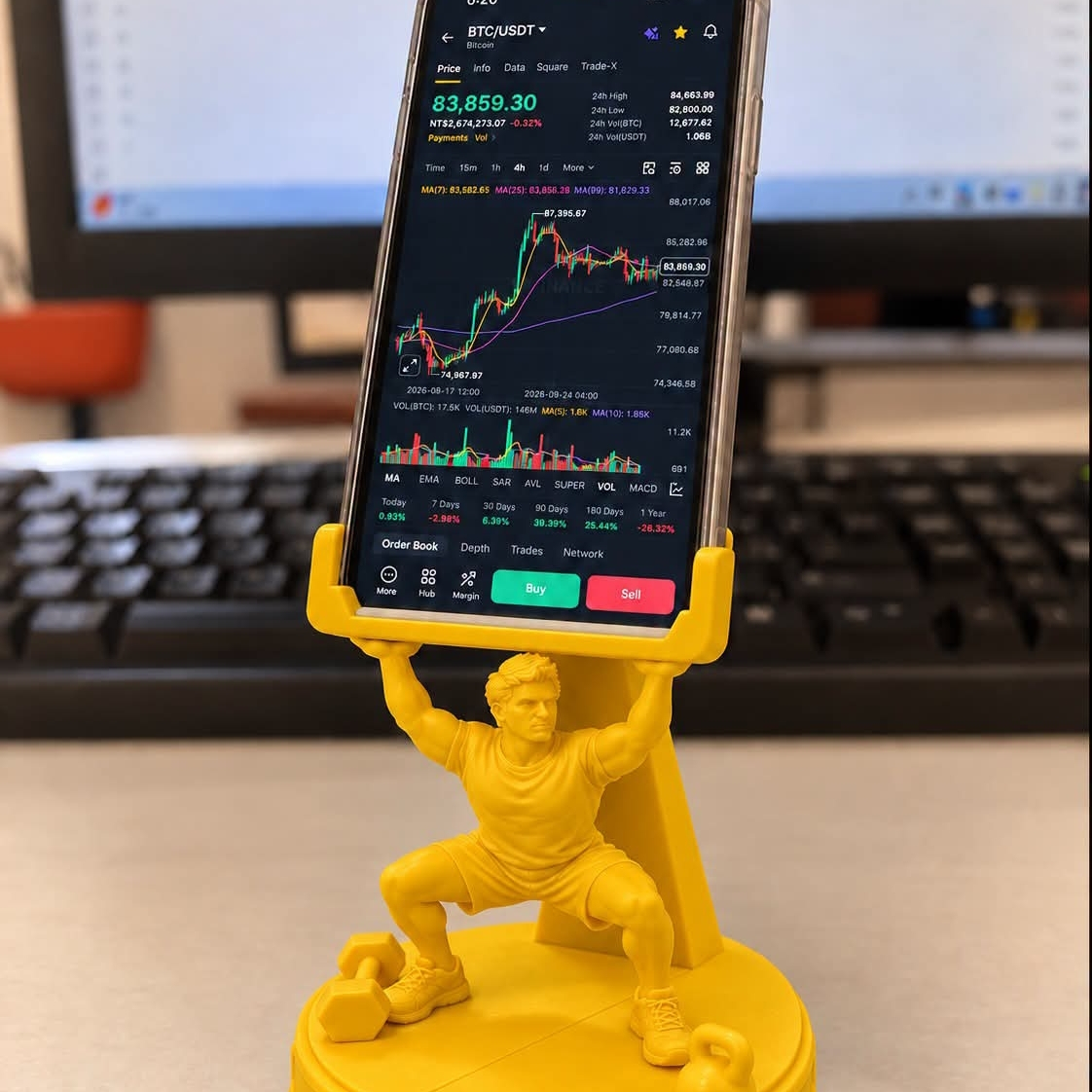
🚨 STABLECOINS + AI AGENTS: THE NEXT DIGITAL COMMERCE SHIFT?💵🤖
💸 Coinbase Research says stablecoins move **$400M+ per hour**, with 73% of volume occurring when U.S. banks are closed.
🤖 Meanwhile, McKinsey estimates AI agents could handle $3–5 TRILLION in commerce by 2030 .
🔥 Why it matters:
🔹 24/7 global digital payments
🔹 AI agents making transactions
🔹 Growing demand for automated financial infrastructure
Could AI agents and stablecoins reshape how the world pays and trades? 👀
💬 What do you think.
BULLISH or BEARISH on this trend?
#Stablecoins #AI #Crypto #DigitalPayments #BinanceSquare
🚨 STABLECOINS + AI AGENTS: THE NEXT DIGITAL COMMERCE SHIFT?💵🤖
💸 Coinbase Research says stablecoins move **$400M+ per hour**, with 73% of volume occurring when U.S. banks are closed.
🤖 Meanwhile, McKinsey estimates AI agents could handle $3–5 TRILLION in commerce by 2030 .
🔥 Why it matters:
🔹 24/7 global digital payments
🔹 AI agents making transactions
🔹 Growing demand for automated financial infrastructure
Could AI agents and stablecoins reshape how the world pays and trades? 👀
💬 What do you think.
BULLISH or BEARISH on this trend?
#Stablecoins #AI #Crypto #DigitalPayments #BinanceSquare
💸 Coinbase Research says stablecoins move **$400M+ per hour**, with 73% of volume occurring when U.S. banks are closed.
🤖 Meanwhile, McKinsey estimates AI agents could handle $3–5 TRILLION in commerce by 2030 .
🔥 Why it matters:
🔹 24/7 global digital payments
🔹 AI agents making transactions
🔹 Growing demand for automated financial infrastructure
Could AI agents and stablecoins reshape how the world pays and trades? 👀
💬 What do you think.
BULLISH or BEARISH on this trend?
#Stablecoins #AI #Crypto #DigitalPayments #BinanceSquare
2
49
·
--
#SouthKoreaPlansToRegulateStablecoinsUnderFXLaw
🇰🇷 South Korea Moves to Treat Stablecoins as Payment Instruments
📅 The Bank of Korea says it will prepare a bill with the government this year amending the Foreign Exchange Transactions Act
💱 Stablecoins would be defined as a "means of payment", closing a gap in FX rules
🔍 A monitoring framework for cross-border virtual asset transfers comes with it
📋 The ruling party's draft Digital Asset Basic Act reportedly puts FX stablecoin firms under FX supervision, with some payments for goods and services exempt from FX reporting
⚠️ That draft is not final; the FSC chair says talks on the act are nearing completion
📅 Separately, cross-border crypto transfer reporting rules start Dec 3, with public comments closing Oct 26
What it means for crypto: clearer rules could open the door to won and dollar stablecoin payments in Korea, but also tighter tracking of offshore flows. Bitcoin is near $81K, flat over 24 hours.
Good for adoption or more control? 👇
$BTC $USDT
#CryptoNews #SouthKorea #Stablecoins #SouthKoreaPlansToRegulateStablecoinsUnderFXLaw
#SouthKoreaPlansToRegulateStablecoinsUnderFXLaw
🇰🇷 South Korea Moves to Treat Stablecoins as Payment Instruments
📅 The Bank of Korea says it will prepare a bill with the government this year amending the Foreign Exchange Transactions Act
💱 Stablecoins would be defined as a "means of payment", closing a gap in FX rules
🔍 A monitoring framework for cross-border virtual asset transfers comes with it
📋 The ruling party's draft Digital Asset Basic Act reportedly puts FX stablecoin firms under FX supervision, with some payments for goods and services exempt from FX reporting
⚠️ That draft is not final; the FSC chair says talks on the act are nearing completion
📅 Separately, cross-border crypto transfer reporting rules start Dec 3, with public comments closing Oct 26
What it means for crypto: clearer rules could open the door to won and dollar stablecoin payments in Korea, but also tighter tracking of offshore flows. Bitcoin is near $81K, flat over 24 hours.
Good for adoption or more control? 👇
$BTC $USDT
#CryptoNews #SouthKorea #Stablecoins #SouthKoreaPlansToRegulateStablecoinsUnderFXLaw
🇰🇷 South Korea Moves to Treat Stablecoins as Payment Instruments
📅 The Bank of Korea says it will prepare a bill with the government this year amending the Foreign Exchange Transactions Act
💱 Stablecoins would be defined as a "means of payment", closing a gap in FX rules
🔍 A monitoring framework for cross-border virtual asset transfers comes with it
📋 The ruling party's draft Digital Asset Basic Act reportedly puts FX stablecoin firms under FX supervision, with some payments for goods and services exempt from FX reporting
⚠️ That draft is not final; the FSC chair says talks on the act are nearing completion
📅 Separately, cross-border crypto transfer reporting rules start Dec 3, with public comments closing Oct 26
What it means for crypto: clearer rules could open the door to won and dollar stablecoin payments in Korea, but also tighter tracking of offshore flows. Bitcoin is near $81K, flat over 24 hours.
Good for adoption or more control? 👇
$BTC $USDT
#CryptoNews #SouthKorea #Stablecoins #SouthKoreaPlansToRegulateStablecoinsUnderFXLaw
92

·
--
Is the stablecoin sector heading into a major regulatory legal battle? 🚨
A shareholder derivative lawsuit filed in a Washington federal court targets Donald Trump and World Liberty Financial over alleged UAE-linked cryptocurrency transactions. The complaint claims a $500 million stake deal and a $2 billion transaction settled in the USD1 stablecoin improperly enriched presidential entities and diverted business away from USDC.
The lawsuit argues these transactions violated the U.S. Constitution's Foreign Emoluments Clause, alleging that foreign-linked proceeds reached private business accounts without congressional approval.
Legal challenges surrounding high-profile stablecoin projects directly hit market sentiment and institutional confidence. When political and regulatory scrutiny hits key issuers, liquidity shifts across competing stablecoins (like USDC and USDT) often follow quickly. Traders should monitor whether this litigation impacts stablecoin adoption or triggers broader regulatory pushback against foreign-backed digital asset deals.
This legal action highlights how deeply political exposure and regulatory compliance are reshaping the stablecoin landscape.
Do you think this lawsuit will impact stablecoin market dominance, or will traders treat it as noise? 👇
#crypto #Stablecoins #CryptoRegulation #USDC
$T $BMT $NIL
Is the stablecoin sector heading into a major regulatory legal battle? 🚨
A shareholder derivative lawsuit filed in a Washington federal court targets Donald Trump and World Liberty Financial over alleged UAE-linked cryptocurrency transactions. The complaint claims a $500 million stake deal and a $2 billion transaction settled in the USD1 stablecoin improperly enriched presidential entities and diverted business away from USDC.
The lawsuit argues these transactions violated the U.S. Constitution's Foreign Emoluments Clause, alleging that foreign-linked proceeds reached private business accounts without congressional approval.
Legal challenges surrounding high-profile stablecoin projects directly hit market sentiment and institutional confidence. When political and regulatory scrutiny hits key issuers, liquidity shifts across competing stablecoins (like USDC and USDT) often follow quickly. Traders should monitor whether this litigation impacts stablecoin adoption or triggers broader regulatory pushback against foreign-backed digital asset deals.
This legal action highlights how deeply political exposure and regulatory compliance are reshaping the stablecoin landscape.
Do you think this lawsuit will impact stablecoin market dominance, or will traders treat it as noise? 👇
#crypto #Stablecoins #CryptoRegulation #USDC
$T $BMT $NIL
A shareholder derivative lawsuit filed in a Washington federal court targets Donald Trump and World Liberty Financial over alleged UAE-linked cryptocurrency transactions. The complaint claims a $500 million stake deal and a $2 billion transaction settled in the USD1 stablecoin improperly enriched presidential entities and diverted business away from USDC.
The lawsuit argues these transactions violated the U.S. Constitution's Foreign Emoluments Clause, alleging that foreign-linked proceeds reached private business accounts without congressional approval.
Legal challenges surrounding high-profile stablecoin projects directly hit market sentiment and institutional confidence. When political and regulatory scrutiny hits key issuers, liquidity shifts across competing stablecoins (like USDC and USDT) often follow quickly. Traders should monitor whether this litigation impacts stablecoin adoption or triggers broader regulatory pushback against foreign-backed digital asset deals.
This legal action highlights how deeply political exposure and regulatory compliance are reshaping the stablecoin landscape.
Do you think this lawsuit will impact stablecoin market dominance, or will traders treat it as noise? 👇
#crypto #Stablecoins #CryptoRegulation #USDC
$T $BMT $NIL
1
390

·
--
🔎 $USDC | Daily Market Brief
USDC at $0.9996: a tight peg, but is thin movement a sign of health?
At the snapshot of 2026-10-25 01:25 UTC, USDC traded at $0.9996, a deviation of -0.04% from the assumed USD 1.00 peg, with a market cap of $71.6 billion and 24h volume of $6.71 billion. Its market cap slipped -0.1% over 24 hours while the price change read -0.0%. Supporters read the near-flat figures as evidence of a stable, well-anchored peg; skeptics note that a quiet tape says little about redemption pressure or reserve confidence beneath the surface.
Why it matters: For a stablecoin, the size of the deviation from $1.00 and the depth of trading volume matter more than direction, since they signal how reliably the peg holds under stress.
Data: CoinGecko, snapshot as of 2026-10-25 01:25 UTC. Not financial advice.
💬 Does a near-zero deviation with modest market-cap drift show a robust peg, or does it leave too little evidence of how USDC behaves under stress?
Source: CoinGecko https://www.coingecko.com/en/coins/usdc
#USDC #Stablecoins
🔎 $USDC | Daily Market Brief
USDC at $0.9996: a tight peg, but is thin movement a sign of health?
At the snapshot of 2026-10-25 01:25 UTC, USDC traded at $0.9996, a deviation of -0.04% from the assumed USD 1.00 peg, with a market cap of $71.6 billion and 24h volume of $6.71 billion. Its market cap slipped -0.1% over 24 hours while the price change read -0.0%. Supporters read the near-flat figures as evidence of a stable, well-anchored peg; skeptics note that a quiet tape says little about redemption pressure or reserve confidence beneath the surface.
Why it matters: For a stablecoin, the size of the deviation from $1.00 and the depth of trading volume matter more than direction, since they signal how reliably the peg holds under stress.
Data: CoinGecko, snapshot as of 2026-10-25 01:25 UTC. Not financial advice.
💬 Does a near-zero deviation with modest market-cap drift show a robust peg, or does it leave too little evidence of how USDC behaves under stress?
Source: CoinGecko https://www.coingecko.com/en/coins/usdc
#USDC #Stablecoins
USDC at $0.9996: a tight peg, but is thin movement a sign of health?
At the snapshot of 2026-10-25 01:25 UTC, USDC traded at $0.9996, a deviation of -0.04% from the assumed USD 1.00 peg, with a market cap of $71.6 billion and 24h volume of $6.71 billion. Its market cap slipped -0.1% over 24 hours while the price change read -0.0%. Supporters read the near-flat figures as evidence of a stable, well-anchored peg; skeptics note that a quiet tape says little about redemption pressure or reserve confidence beneath the surface.
Why it matters: For a stablecoin, the size of the deviation from $1.00 and the depth of trading volume matter more than direction, since they signal how reliably the peg holds under stress.
Data: CoinGecko, snapshot as of 2026-10-25 01:25 UTC. Not financial advice.
💬 Does a near-zero deviation with modest market-cap drift show a robust peg, or does it leave too little evidence of how USDC behaves under stress?
Source: CoinGecko https://www.coingecko.com/en/coins/usdc
#USDC #Stablecoins
25
·
--
🔎 $USDT | Daily Market Brief
USDT at $0.9991: a tight peg, or a thin cushion?
At the snapshot taken 2026-10-25 00:28 UTC, Tether traded at $0.9991, about -0.09% from the assumed USD 1.00 reference, with a market cap of $182.5 billion and 24h volume of $36.6 billion. Market cap was roughly flat over 24 hours at -0.0%, and USDT ranked third by market cap. Supporters read the small deviation and deep volume as signs of a functioning peg, while critics note that a stablecoin's value rests on the credibility of its reserves rather than on trading activity alone.
Why it matters: For a stablecoin, the size of the deviation from $1.00 and the depth of trading volume are the practical measures of how well the peg is holding.
Data: CoinGecko, snapshot as of 2026-10-25 00:28 UTC. Not financial advice.
💬 Does a -0.09% deviation plus $36.6 billion in daily volume tell you more about peg stability than reserve disclosures do?
Source: CoinGecko https://www.coingecko.com/en/coins/tether
#Tether #Stablecoins
🔎 $USDT | Daily Market Brief
USDT at $0.9991: a tight peg, or a thin cushion?
At the snapshot taken 2026-10-25 00:28 UTC, Tether traded at $0.9991, about -0.09% from the assumed USD 1.00 reference, with a market cap of $182.5 billion and 24h volume of $36.6 billion. Market cap was roughly flat over 24 hours at -0.0%, and USDT ranked third by market cap. Supporters read the small deviation and deep volume as signs of a functioning peg, while critics note that a stablecoin's value rests on the credibility of its reserves rather than on trading activity alone.
Why it matters: For a stablecoin, the size of the deviation from $1.00 and the depth of trading volume are the practical measures of how well the peg is holding.
Data: CoinGecko, snapshot as of 2026-10-25 00:28 UTC. Not financial advice.
💬 Does a -0.09% deviation plus $36.6 billion in daily volume tell you more about peg stability than reserve disclosures do?
Source: CoinGecko https://www.coingecko.com/en/coins/tether
#Tether #Stablecoins
USDT at $0.9991: a tight peg, or a thin cushion?
At the snapshot taken 2026-10-25 00:28 UTC, Tether traded at $0.9991, about -0.09% from the assumed USD 1.00 reference, with a market cap of $182.5 billion and 24h volume of $36.6 billion. Market cap was roughly flat over 24 hours at -0.0%, and USDT ranked third by market cap. Supporters read the small deviation and deep volume as signs of a functioning peg, while critics note that a stablecoin's value rests on the credibility of its reserves rather than on trading activity alone.
Why it matters: For a stablecoin, the size of the deviation from $1.00 and the depth of trading volume are the practical measures of how well the peg is holding.
Data: CoinGecko, snapshot as of 2026-10-25 00:28 UTC. Not financial advice.
💬 Does a -0.09% deviation plus $36.6 billion in daily volume tell you more about peg stability than reserve disclosures do?
Source: CoinGecko https://www.coingecko.com/en/coins/tether
#Tether #Stablecoins
41

·
--
🚨 HSBC’s HKD stablecoin launches in PayMe, reaching 3 million wallets. This marks a major institutional entry into on-chain payments, signaling banks’ shift from observation to active participation in crypto infrastructure.
Market implication: Legitimizes stablecoin utility, potentially driving broader adoption and capital flows into the sector.
💡 What does this mean for traditional finance’s crypto integration? #Stablecoins
$KGST #TradingSignal #CryptoAnalysis
🚨 HSBC’s HKD stablecoin launches in PayMe, reaching 3 million wallets. This marks a major institutional entry into on-chain payments, signaling banks’ shift from observation to active participation in crypto infrastructure.
Market implication: Legitimizes stablecoin utility, potentially driving broader adoption and capital flows into the sector.
💡 What does this mean for traditional finance’s crypto integration? #Stablecoins
$KGST #TradingSignal #CryptoAnalysis
Market implication: Legitimizes stablecoin utility, potentially driving broader adoption and capital flows into the sector.
💡 What does this mean for traditional finance’s crypto integration? #Stablecoins
$KGST #TradingSignal #CryptoAnalysis
2

🚨 STABLECOIN REWARDS SURVIVED—BUT READ THIS BEFORE CHASING YIELD
New US rules may still allow crypto platforms to offer interest-like rewards on stablecoin balances, even though stablecoin issuers themselves cannot pay interest directly.
That could keep $USDC and $USDT attractive for investors who want to hold digital dollars, earn potential rewards and remain ready for the next market opportunity.
But stablecoin rewards are not the same as bank savings.
Before depositing, check:
1️⃣ Who is actually paying the reward?
2️⃣ Can the yield change without notice?
3️⃣ How strong are the stablecoin’s reserves and redemption process?
4️⃣What happens if the platform freezes withdrawals or fails?
5️⃣ Are your funds covered by deposit insurance? Usually, they are not.
The opportunity is earning on capital while waiting, but the danger is treating “stable” as “risk-free.”
Platforms such as Coinbase and Robinhood could benefit if stablecoin rewards attract more users, while Circle’s $USDC may gain greater visibility. Still, always compare the reward with the counterparty, liquidity and regulatory risks involved.
Would you earn rewards on stablecoins—or keep your cash in an insured bank account? 👇
#Stablecoins #USDC #USDT #Coinbase #CryptoEducation
🚨 STABLECOIN REWARDS SURVIVED—BUT READ THIS BEFORE CHASING YIELD
New US rules may still allow crypto platforms to offer interest-like rewards on stablecoin balances, even though stablecoin issuers themselves cannot pay interest directly.
That could keep $USDC and $USDT attractive for investors who want to hold digital dollars, earn potential rewards and remain ready for the next market opportunity.
But stablecoin rewards are not the same as bank savings.
Before depositing, check:
1️⃣ Who is actually paying the reward?
2️⃣ Can the yield change without notice?
3️⃣ How strong are the stablecoin’s reserves and redemption process?
4️⃣What happens if the platform freezes withdrawals or fails?
5️⃣ Are your funds covered by deposit insurance? Usually, they are not.
The opportunity is earning on capital while waiting, but the danger is treating “stable” as “risk-free.”
Platforms such as Coinbase and Robinhood could benefit if stablecoin rewards attract more users, while Circle’s $USDC may gain greater visibility. Still, always compare the reward with the counterparty, liquidity and regulatory risks involved.
Would you earn rewards on stablecoins—or keep your cash in an insured bank account? 👇
#Stablecoins #USDC #USDT #Coinbase #CryptoEducation
New US rules may still allow crypto platforms to offer interest-like rewards on stablecoin balances, even though stablecoin issuers themselves cannot pay interest directly.
That could keep $USDC and $USDT attractive for investors who want to hold digital dollars, earn potential rewards and remain ready for the next market opportunity.
But stablecoin rewards are not the same as bank savings.
Before depositing, check:
1️⃣ Who is actually paying the reward?
2️⃣ Can the yield change without notice?
3️⃣ How strong are the stablecoin’s reserves and redemption process?
4️⃣What happens if the platform freezes withdrawals or fails?
5️⃣ Are your funds covered by deposit insurance? Usually, they are not.
The opportunity is earning on capital while waiting, but the danger is treating “stable” as “risk-free.”
Platforms such as Coinbase and Robinhood could benefit if stablecoin rewards attract more users, while Circle’s $USDC may gain greater visibility. Still, always compare the reward with the counterparty, liquidity and regulatory risks involved.
Would you earn rewards on stablecoins—or keep your cash in an insured bank account? 👇
#Stablecoins #USDC #USDT #Coinbase #CryptoEducation
42
·
--
⚖️ $USDT | USDT at $0.9991: proof of a solid peg or a warning sign?
Tether traded at $0.9991 at the 2026-10-24 21:56 UTC snapshot, a deviation of -0.09% from the assumed USD 1.00 reference, with a $182.5 billion market cap and $39.8 billion in 24-hour volume. Supporters read that tiny gap as evidence that a deeply liquid, widely used dollar token keeps its peg under normal conditions. Critics counter that a near-perfect peg says little about reserve transparency or how redemptions would hold up under stress, since the price alone cannot show what backs the token.
Why it matters: A stablecoin's price shows only the surface of the peg; reserve quality and redemption design are what actually determine whether it holds under stress.
💬 Does a near-perfect peg like this reflect genuine reserve strength, or does it mainly reflect trust that hasn't yet been tested?
Source: Official site https://tether.to/
#Tether #Stablecoins
⚖️ $USDT | USDT at $0.9991: proof of a solid peg or a warning sign?
Tether traded at $0.9991 at the 2026-10-24 21:56 UTC snapshot, a deviation of -0.09% from the assumed USD 1.00 reference, with a $182.5 billion market cap and $39.8 billion in 24-hour volume. Supporters read that tiny gap as evidence that a deeply liquid, widely used dollar token keeps its peg under normal conditions. Critics counter that a near-perfect peg says little about reserve transparency or how redemptions would hold up under stress, since the price alone cannot show what backs the token.
Why it matters: A stablecoin's price shows only the surface of the peg; reserve quality and redemption design are what actually determine whether it holds under stress.
💬 Does a near-perfect peg like this reflect genuine reserve strength, or does it mainly reflect trust that hasn't yet been tested?
Source: Official site https://tether.to/
#Tether #Stablecoins
Tether traded at $0.9991 at the 2026-10-24 21:56 UTC snapshot, a deviation of -0.09% from the assumed USD 1.00 reference, with a $182.5 billion market cap and $39.8 billion in 24-hour volume. Supporters read that tiny gap as evidence that a deeply liquid, widely used dollar token keeps its peg under normal conditions. Critics counter that a near-perfect peg says little about reserve transparency or how redemptions would hold up under stress, since the price alone cannot show what backs the token.
Why it matters: A stablecoin's price shows only the surface of the peg; reserve quality and redemption design are what actually determine whether it holds under stress.
💬 Does a near-perfect peg like this reflect genuine reserve strength, or does it mainly reflect trust that hasn't yet been tested?
Source: Official site https://tether.to/
#Tether #Stablecoins

🚨 BREAKING: The US OCC has finalized its rules for implementing the GENIUS Act.
The framework covers reserve backing, redemption, and risk management for permitted payment stablecoin issuers, including foreign issuers under OCC jurisdiction. Treasury Secretary Scott Bessent called the law a 'watershed moment in American finance.'
GENIUS moved -0.07% in the last hour 🔴↓
My take: clearer federal rules could help stablecoins win trust from banks and businesses, though AML and sanctions rules are still coming separately.
Do you think clear stablecoin rules will boost adoption? 🤔
Follow me for breaking crypto news 🔔
#BreakingNews #CryptoNews #Stablecoins
🚨 BREAKING: The US OCC has finalized its rules for implementing the GENIUS Act.
The framework covers reserve backing, redemption, and risk management for permitted payment stablecoin issuers, including foreign issuers under OCC jurisdiction. Treasury Secretary Scott Bessent called the law a 'watershed moment in American finance.'
GENIUS moved -0.07% in the last hour 🔴↓
My take: clearer federal rules could help stablecoins win trust from banks and businesses, though AML and sanctions rules are still coming separately.
Do you think clear stablecoin rules will boost adoption? 🤔
Follow me for breaking crypto news 🔔
#BreakingNews #CryptoNews #Stablecoins
The framework covers reserve backing, redemption, and risk management for permitted payment stablecoin issuers, including foreign issuers under OCC jurisdiction. Treasury Secretary Scott Bessent called the law a 'watershed moment in American finance.'
GENIUS moved -0.07% in the last hour 🔴↓
My take: clearer federal rules could help stablecoins win trust from banks and businesses, though AML and sanctions rules are still coming separately.
Do you think clear stablecoin rules will boost adoption? 🤔
Follow me for breaking crypto news 🔔
#BreakingNews #CryptoNews #Stablecoins
1
102
Log in to explore more content
Join global crypto users on Binance Square
⚡️ Get latest and useful information about crypto.
💬 Trusted by the world’s largest crypto exchange.
👍 Discover real insights from verified creators.
Email / Phone number
Trending Topics
1
#BinancePick
2.3M views
124,596 Discussing
2
#EarningsSeason
4.8M views
22,906 Discussing
3
#USQ3GDPAndSeptemberPCEDueNextWeek
50,774 views
747 Discussing
4
#SouthKoreaDelaysCryptoIncomeTax
105,124 views
819 Discussing
5
#ElectrumFixesHighRiskExploitInVersionsBefore4.8.3
48,444 views
620 Discussing
6
#SouthKoreaPlansToRegulateStablecoinsUnderFXLaw
45,966 views
578 Discussing
7
#UKAlgorithmicCryptoTradingAppsMayNeedFCAAuthorization
8,287 views
167 Discussing
8
#DowDrops653Points
178,619 views
1,422 Discussing
9
#MarketsPriceJust10%ChanceOfFedHikeNextWeek
111,769 views
972 Discussing
10
#OCCRemovesStablecoinSevenDayRedemptionExtension
51,818 views
666 Discussing