
#revengetrading
revengetrading
30,639 views
122 Discussing
Hot
Latest

·
--
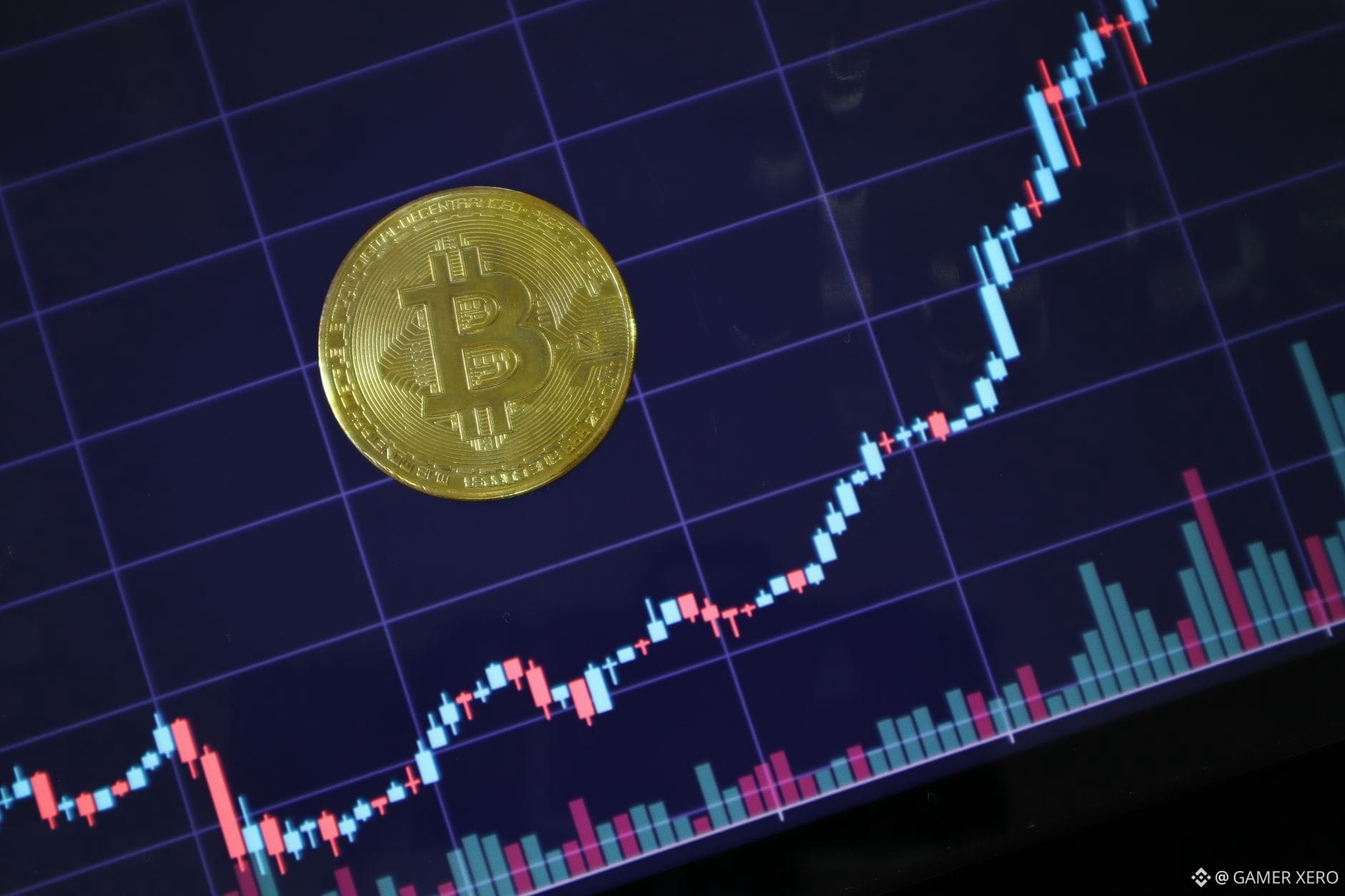
I saw a classic revenge‑trade scenario on the $BTC chart this morning. After the 24‑hour high of $79 825.70, the price slipped to $78 581.99, a 1.48 % drop, and a few traders who’d been short all night rushed to flip the loss into a win. The urge to “get it back” is natural, but it often pushes us into a new position without a proper setup, increasing risk and eroding capital over many cycles.
A quick mental reset can break the loop: pause, write down why the original trade was entered, and compare that rationale to the current market. If the original edge still applies, consider scaling back the original size instead of adding a larger, emotionally‑driven order. If the edge vanished, accept the loss, close the trade, and move on. This simple checklist—entry logic, risk size, and market context—keeps the brain from chasing the next green candle just to prove a point.
What’s your go‑to method for spotting and stopping revenge trading before it costs you more than a single loss?
#TradingPsychology #CryptoMindset #RevengeTrading #GAMERXERO
I saw a classic revenge‑trade scenario on the $BTC chart this morning. After the 24‑hour high of $79 825.70, the price slipped to $78 581.99, a 1.48 % drop, and a few traders who’d been short all night rushed to flip the loss into a win. The urge to “get it back” is natural, but it often pushes us into a new position without a proper setup, increasing risk and eroding capital over many cycles.
A quick mental reset can break the loop: pause, write down why the original trade was entered, and compare that rationale to the current market. If the original edge still applies, consider scaling back the original size instead of adding a larger, emotionally‑driven order. If the edge vanished, accept the loss, close the trade, and move on. This simple checklist—entry logic, risk size, and market context—keeps the brain from chasing the next green candle just to prove a point.
What’s your go‑to method for spotting and stopping revenge trading before it costs you more than a single loss?
#TradingPsychology #CryptoMindset #RevengeTrading #GAMERXERO
A quick mental reset can break the loop: pause, write down why the original trade was entered, and compare that rationale to the current market. If the original edge still applies, consider scaling back the original size instead of adding a larger, emotionally‑driven order. If the edge vanished, accept the loss, close the trade, and move on. This simple checklist—entry logic, risk size, and market context—keeps the brain from chasing the next green candle just to prove a point.
What’s your go‑to method for spotting and stopping revenge trading before it costs you more than a single loss?
#TradingPsychology #CryptoMindset #RevengeTrading #GAMERXERO

50
·
--
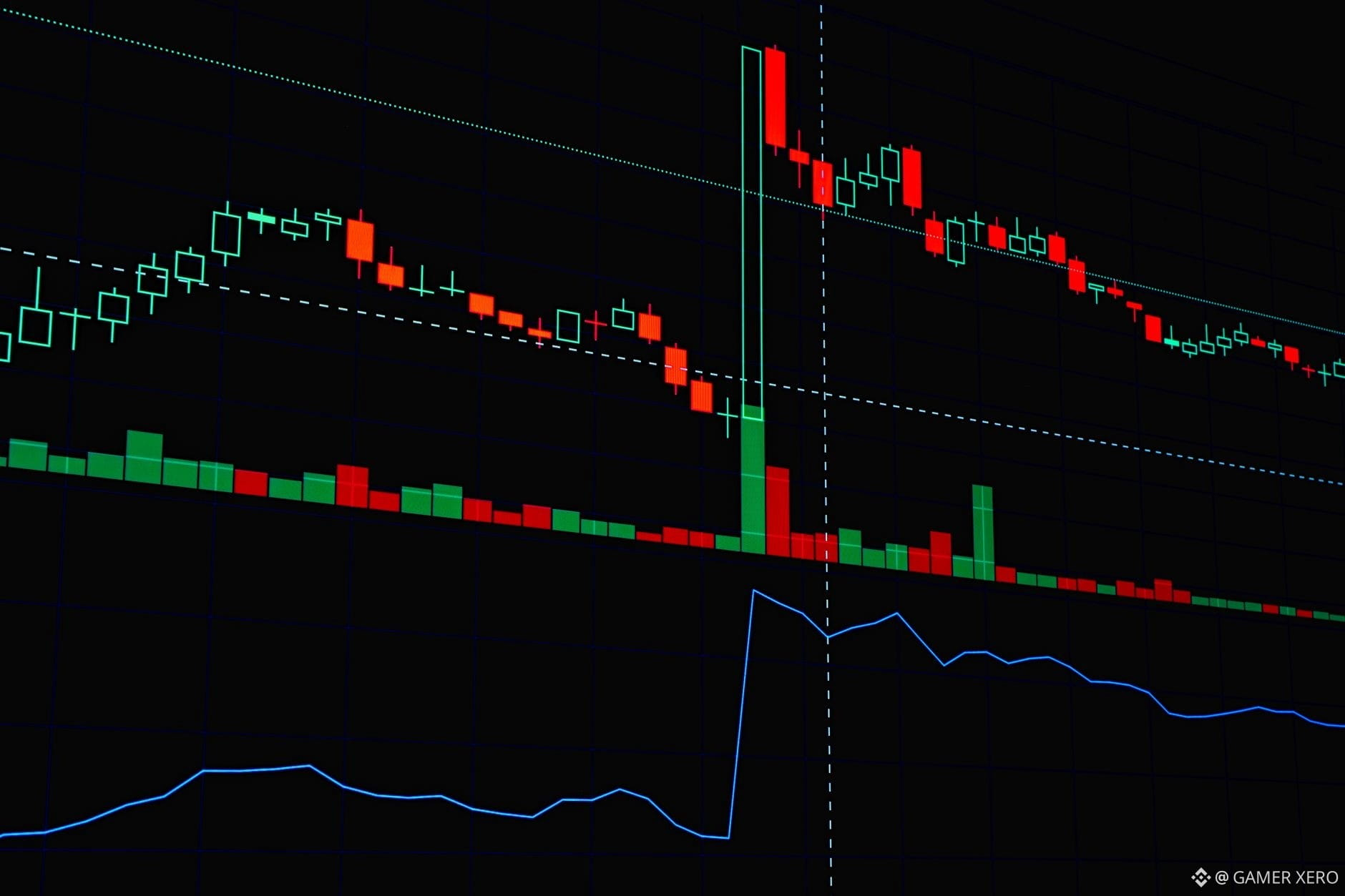
After a $BTC dip to $79,828 and a quick bounce back into the $80k‑plus range, I caught myself staring at the chart, waiting for the next green candle to “make up” the loss from earlier in the session. That exact feeling is the classic revenge‑trading trap: you let a single outcome dictate the next move, often ignoring the broader market context.
A practical way to break the cycle is to treat every trade as an isolated event. Before you hit “buy,” write down the exact reason you’re entering—whether it’s a confluence of support at $79,600 and a bullish order‑flow pattern, or a clear breakout on the 4‑hour chart. Then set a predefined stop‑loss that you’ll respect no matter how the price moves afterward. When the stop hits, step away for a few minutes, review the trade log, and remind yourself that the loss is a data point, not a personal failure.
What’s your go‑to ritual for pulling the plug on a trade that feels more about ego than strategy?
#TradingPsychology #RevengeTrading #CryptoDiscipline #GAMERXERO
After a $BTC dip to $79,828 and a quick bounce back into the $80k‑plus range, I caught myself staring at the chart, waiting for the next green candle to “make up” the loss from earlier in the session. That exact feeling is the classic revenge‑trading trap: you let a single outcome dictate the next move, often ignoring the broader market context.
A practical way to break the cycle is to treat every trade as an isolated event. Before you hit “buy,” write down the exact reason you’re entering—whether it’s a confluence of support at $79,600 and a bullish order‑flow pattern, or a clear breakout on the 4‑hour chart. Then set a predefined stop‑loss that you’ll respect no matter how the price moves afterward. When the stop hits, step away for a few minutes, review the trade log, and remind yourself that the loss is a data point, not a personal failure.
What’s your go‑to ritual for pulling the plug on a trade that feels more about ego than strategy?
#TradingPsychology #RevengeTrading #CryptoDiscipline #GAMERXERO
A practical way to break the cycle is to treat every trade as an isolated event. Before you hit “buy,” write down the exact reason you’re entering—whether it’s a confluence of support at $79,600 and a bullish order‑flow pattern, or a clear breakout on the 4‑hour chart. Then set a predefined stop‑loss that you’ll respect no matter how the price moves afterward. When the stop hits, step away for a few minutes, review the trade log, and remind yourself that the loss is a data point, not a personal failure.
What’s your go‑to ritual for pulling the plug on a trade that feels more about ego than strategy?
#TradingPsychology #RevengeTrading #CryptoDiscipline #GAMERXERO

1
103
·
--
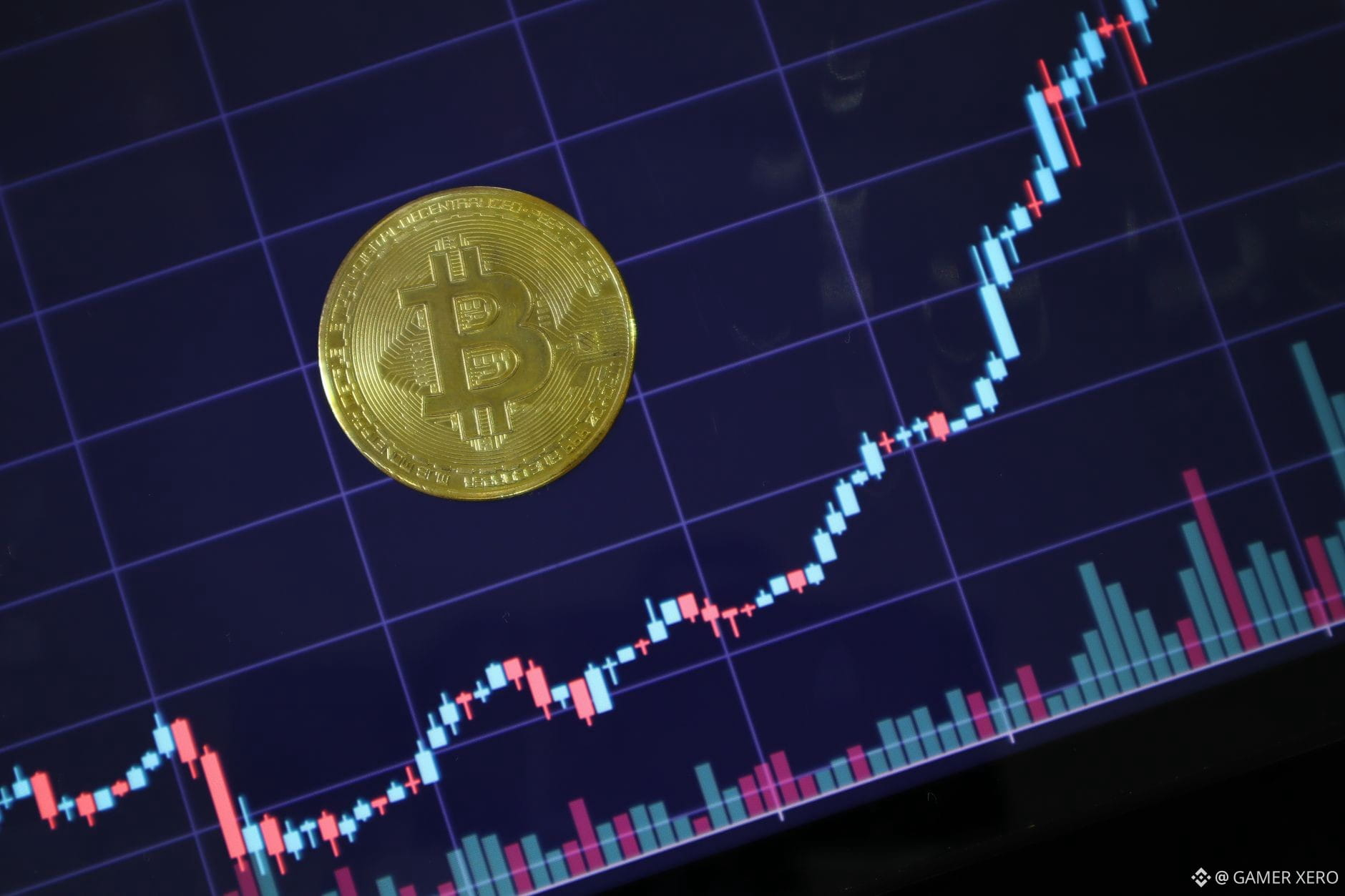
I watched $BTC dip to $79,577 overnight, then bounce back to $80,900 before the 24‑hour high of $81,423. My first instinct was to jump in hard, convinced the rebound was “my” chance to make up the loss from yesterday’s short. That feeling—“I need to win back what I gave up”—is classic revenge trading. It bypasses the plan you set, inflates position size, and often locks in a loss before you even see the next candle.
The brain loves the “right‑now” narrative, but the market doesn’t care about your emotions. By pausing, breathing, and re‑checking your original risk parameters, you give the mind a chance to reset. Have you ever caught yourself chasing a green candle and then replayed the trade later? What routine helps you break that cycle?
#TradingPsychology #CryptoMindset #RevengeTrading #GAMERXERO
I watched $BTC dip to $79,577 overnight, then bounce back to $80,900 before the 24‑hour high of $81,423. My first instinct was to jump in hard, convinced the rebound was “my” chance to make up the loss from yesterday’s short. That feeling—“I need to win back what I gave up”—is classic revenge trading. It bypasses the plan you set, inflates position size, and often locks in a loss before you even see the next candle.
The brain loves the “right‑now” narrative, but the market doesn’t care about your emotions. By pausing, breathing, and re‑checking your original risk parameters, you give the mind a chance to reset. Have you ever caught yourself chasing a green candle and then replayed the trade later? What routine helps you break that cycle?
#TradingPsychology #CryptoMindset #RevengeTrading #GAMERXERO
The brain loves the “right‑now” narrative, but the market doesn’t care about your emotions. By pausing, breathing, and re‑checking your original risk parameters, you give the mind a chance to reset. Have you ever caught yourself chasing a green candle and then replayed the trade later? What routine helps you break that cycle?
#TradingPsychology #CryptoMindset #RevengeTrading #GAMERXERO

36
·
--
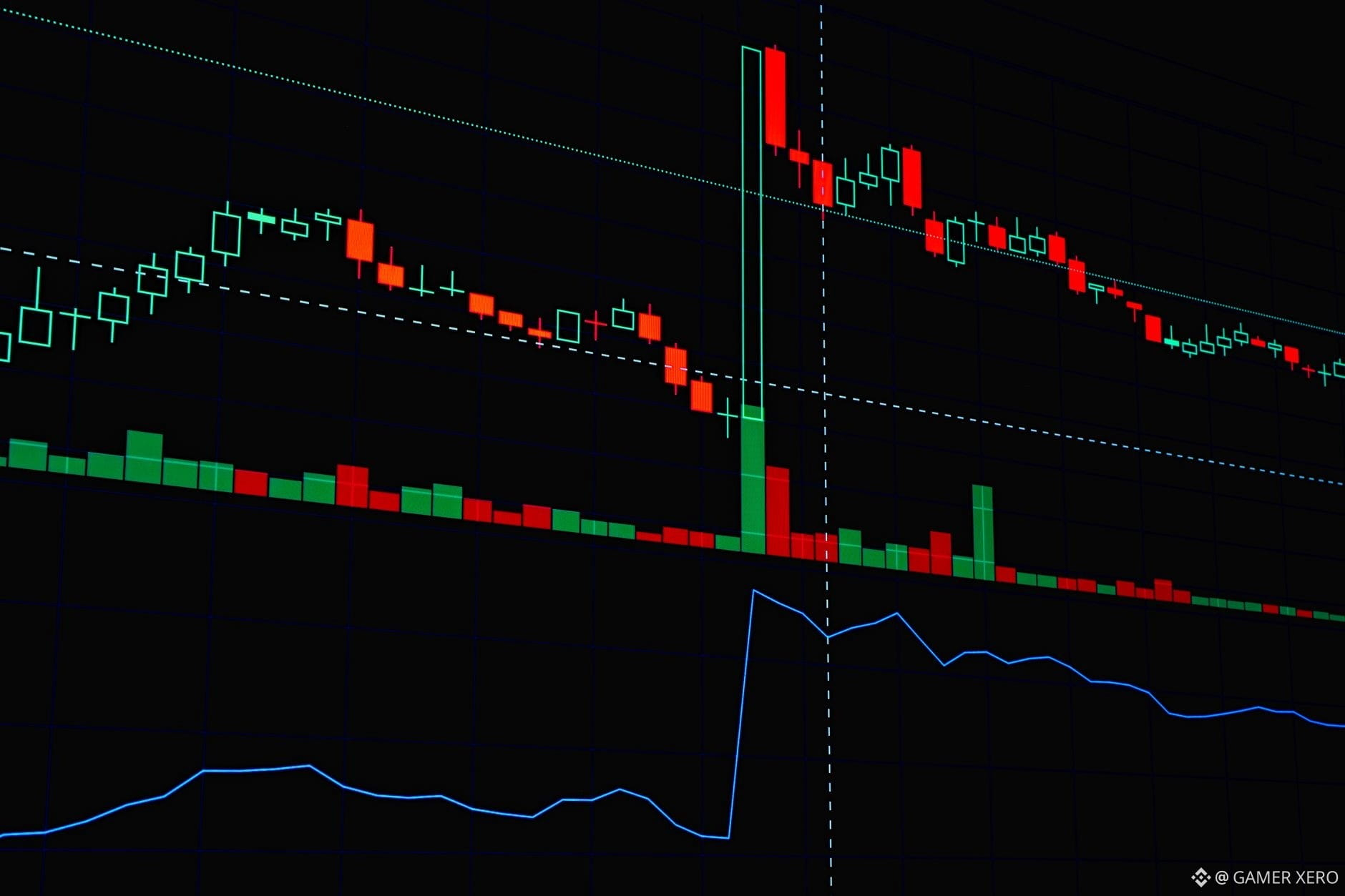
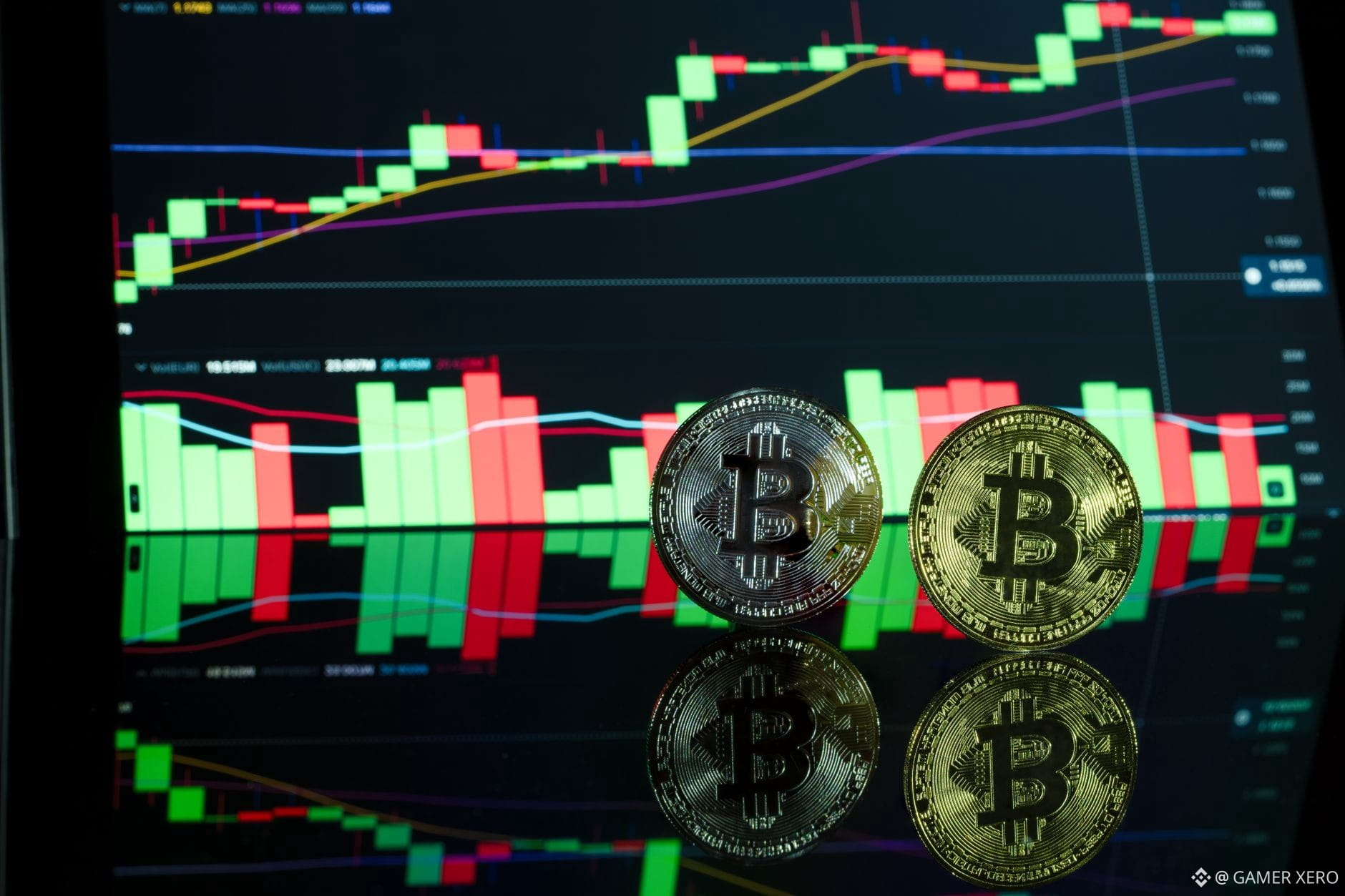
I caught myself reaching for the mouse as soon as $BTC slipped back to $81,200 after a brief bounce to $82,300. The urge wasn’t about the chart—it was the sting of yesterday’s loss when a green candle slipped through my stop. That feeling is classic revenge trading: a quick‑fire attempt to “make it right” that usually ends with a bigger drawdown.
Why does it work so well on our nerves? The brain sees a loss as a personal failure, not just a market event, and the dopamine hit of a new trade feels like a reset button. The real problem is the lack of a pre‑defined plan. If you walk into a trade without a clear entry, stop‑loss and target, the emotional reaction takes over and you start scaling in or chasing the next green candle just to prove the loss was a fluke.
Have you ever set a hard stop‑loss rule and stuck to it even when the price dipped below it? How did it change your mindset?
#TradingPsychology #RevengeTrading #CryptoMindset #GAMERXERO
I caught myself reaching for the mouse as soon as $BTC slipped back to $81,200 after a brief bounce to $82,300. The urge wasn’t about the chart—it was the sting of yesterday’s loss when a green candle slipped through my stop. That feeling is classic revenge trading: a quick‑fire attempt to “make it right” that usually ends with a bigger drawdown.
Why does it work so well on our nerves? The brain sees a loss as a personal failure, not just a market event, and the dopamine hit of a new trade feels like a reset button. The real problem is the lack of a pre‑defined plan. If you walk into a trade without a clear entry, stop‑loss and target, the emotional reaction takes over and you start scaling in or chasing the next green candle just to prove the loss was a fluke.
Have you ever set a hard stop‑loss rule and stuck to it even when the price dipped below it? How did it change your mindset?
#TradingPsychology #RevengeTrading #CryptoMindset #GAMERXERO
Why does it work so well on our nerves? The brain sees a loss as a personal failure, not just a market event, and the dopamine hit of a new trade feels like a reset button. The real problem is the lack of a pre‑defined plan. If you walk into a trade without a clear entry, stop‑loss and target, the emotional reaction takes over and you start scaling in or chasing the next green candle just to prove the loss was a fluke.
Have you ever set a hard stop‑loss rule and stuck to it even when the price dipped below it? How did it change your mindset?
#TradingPsychology #RevengeTrading #CryptoMindset #GAMERXERO
178
·
--
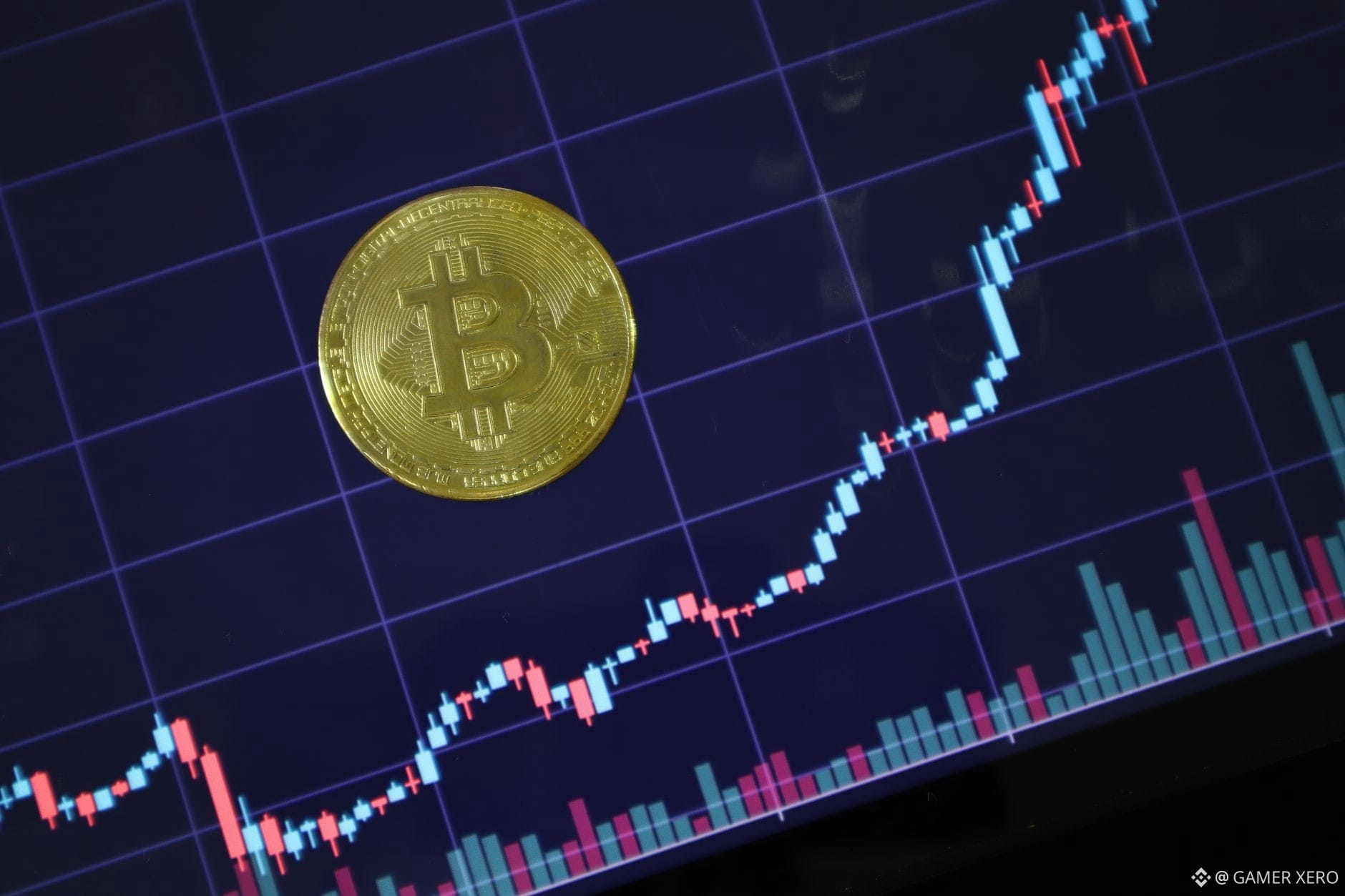
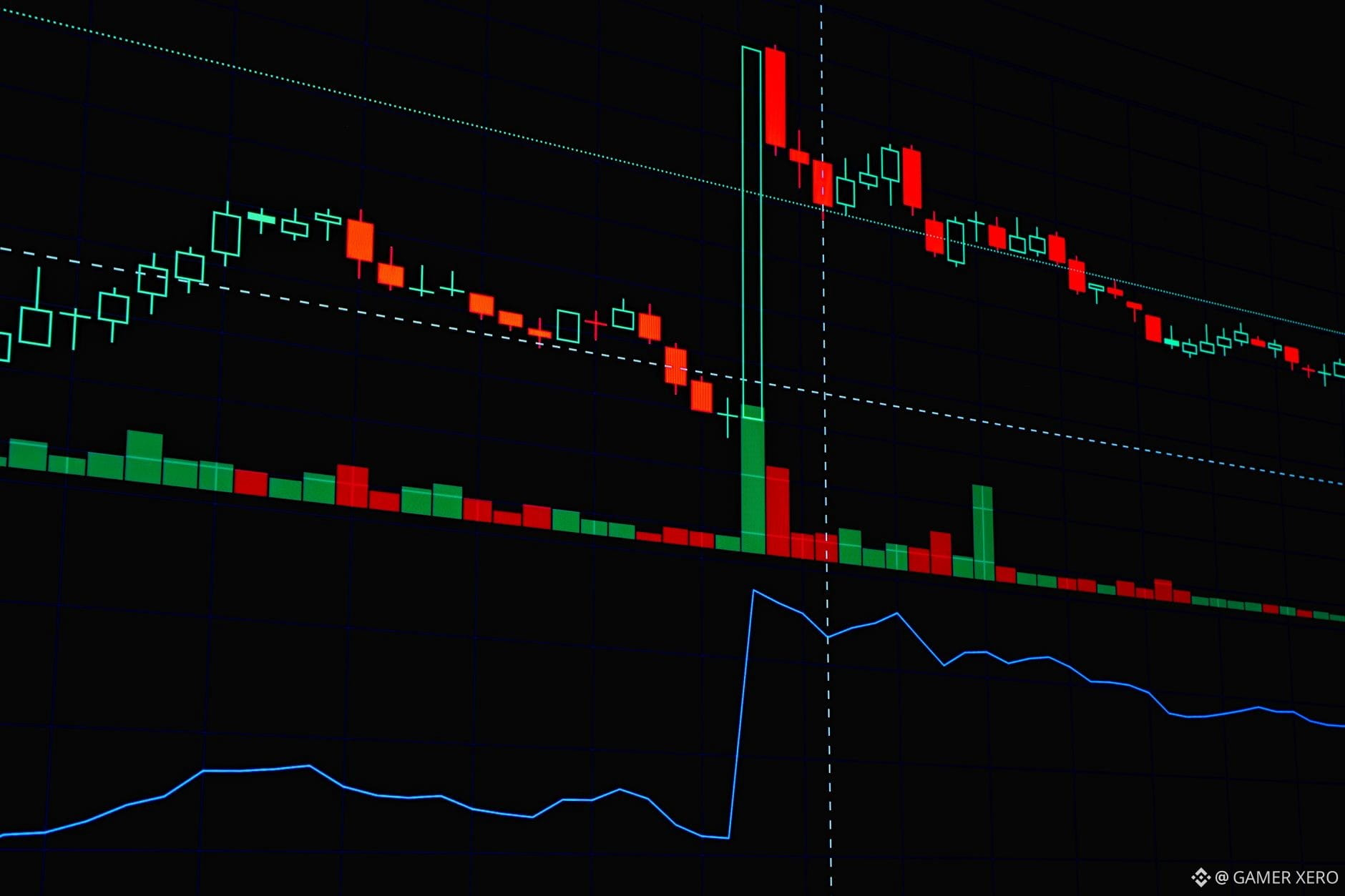
I watched $BTC slip to $77,665.71 after a tight session, and the impulse to “get it back” was there. That exact feeling is the core of revenge trading – a snap decision driven by a recent loss rather than a clear plan. The brain’s loss‑aversion circuit lights up, pushing you to add size or chase a candle that looks “green enough” to erase the sting. In practice, you might see $ETH at $2,422.95 and think a quick buy will balance the $BTC dip, but doing so without fresh analysis just layers risk.
Have you ever caught yourself in a revenge trade, and what rule helped you stay disciplined?
#TradingPsychology #CryptoDiscipline #RevengeTrading #GAMERXERO
I watched $BTC slip to $77,665.71 after a tight session, and the impulse to “get it back” was there. That exact feeling is the core of revenge trading – a snap decision driven by a recent loss rather than a clear plan. The brain’s loss‑aversion circuit lights up, pushing you to add size or chase a candle that looks “green enough” to erase the sting. In practice, you might see $ETH at $2,422.95 and think a quick buy will balance the $BTC dip, but doing so without fresh analysis just layers risk.
Have you ever caught yourself in a revenge trade, and what rule helped you stay disciplined?
#TradingPsychology #CryptoDiscipline #RevengeTrading #GAMERXERO
Have you ever caught yourself in a revenge trade, and what rule helped you stay disciplined?
#TradingPsychology #CryptoDiscipline #RevengeTrading #GAMERXERO
43
·
--
I saw $BTC linger around $78,100 on Binance this morning, then slip a few hundred points before clawing back to $78,200. The swing felt like a perfect setup for a “revenge trade” – the urge to prove a previous loss right away. That impulse is a classic mental trap: you enter a position not because the chart justifies it, but because you’re trying to recover quickly. The problem is two‑fold. First, you ignore the original risk parameters – stop‑loss distance, position size, and time‑frame – and let emotion dictate entry. Second, you often lock in a larger loss when the market continues its short‑term trend, as we saw with $ETH hovering near $2,455 while the 24‑hour range stayed tight; chasing the next green candle can push you into a position that never fits your plan.
What’s your go‑to routine when you feel the sting of a loss and the temptation to jump back in?
#TradingPsychology #RevengeTrading #CryptoMindset #GAMERXERO
I saw $BTC linger around $78,100 on Binance this morning, then slip a few hundred points before clawing back to $78,200. The swing felt like a perfect setup for a “revenge trade” – the urge to prove a previous loss right away. That impulse is a classic mental trap: you enter a position not because the chart justifies it, but because you’re trying to recover quickly. The problem is two‑fold. First, you ignore the original risk parameters – stop‑loss distance, position size, and time‑frame – and let emotion dictate entry. Second, you often lock in a larger loss when the market continues its short‑term trend, as we saw with $ETH hovering near $2,455 while the 24‑hour range stayed tight; chasing the next green candle can push you into a position that never fits your plan.
What’s your go‑to routine when you feel the sting of a loss and the temptation to jump back in?
#TradingPsychology #RevengeTrading #CryptoMindset #GAMERXERO
What’s your go‑to routine when you feel the sting of a loss and the temptation to jump back in?
#TradingPsychology #RevengeTrading #CryptoMindset #GAMERXERO

75
·
--
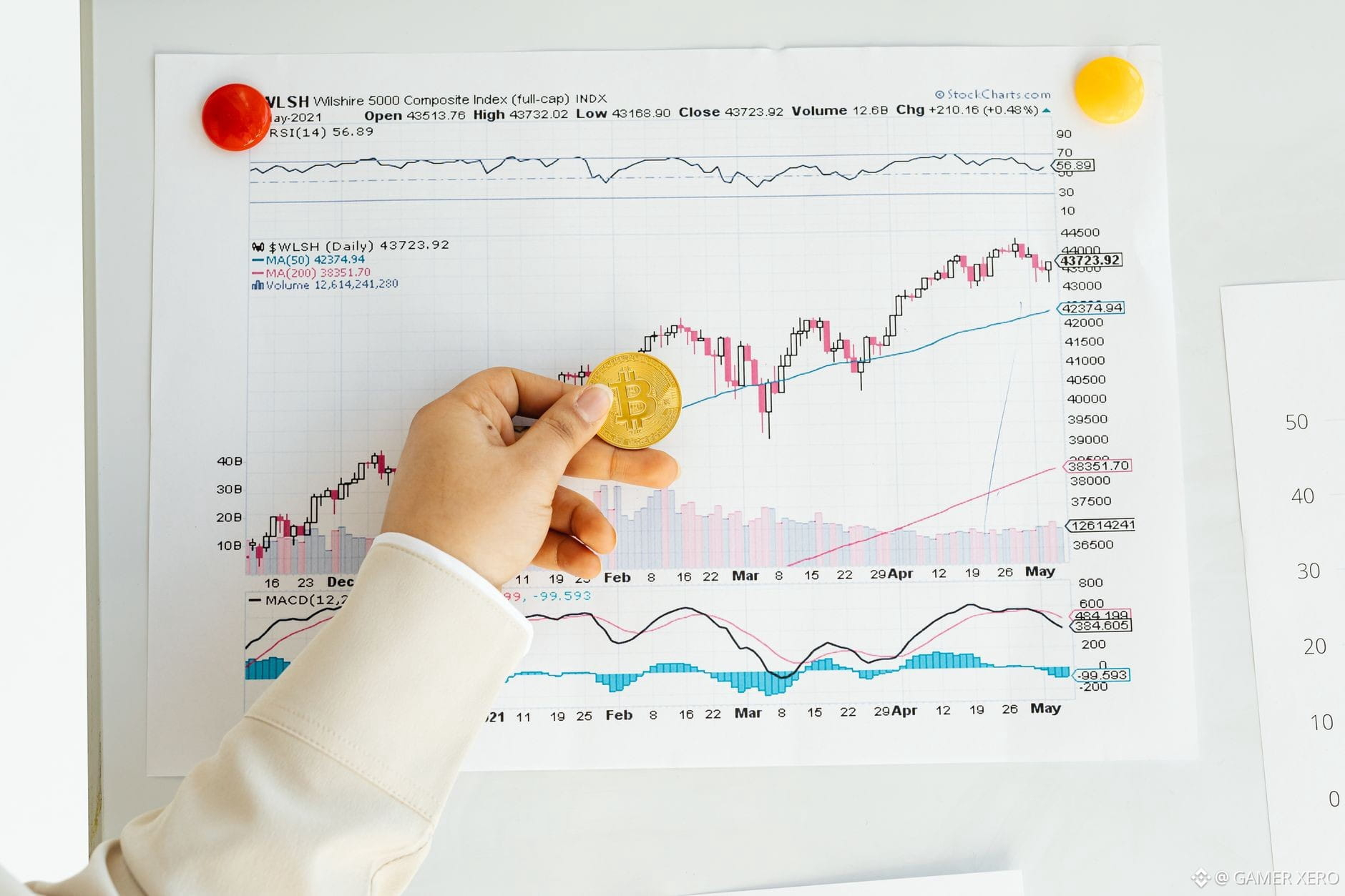
The moment I saw $BTC slip to $77,641 on Binance, the urge to “win it back” hit hard. A 2.36 % drop in 24 hours feels like a personal loss, and the brain instantly rewires: “I need to double‑down before the price recovers.” That’s revenge trading in action – a mental loop that turns a normal pull‑back into a high‑risk impulse.
What actually happens? You add size, often on the next green candle, hoping the market will vindicate the loss. The problem is two‑fold: first, the loss you’re trying to erase is already baked into your equity, so any new position starts with a smaller buffer. Second, the market’s next move is independent of your emotions; chasing the bounce can lock you into a losing trade if the downtrend continues.
Have you ever caught yourself reaching for a revenge trade, and what step helped you step back?
#TradingPsychology #RevengeTrading #CryptoMindset #GAMERXERO
The moment I saw $BTC slip to $77,641 on Binance, the urge to “win it back” hit hard. A 2.36 % drop in 24 hours feels like a personal loss, and the brain instantly rewires: “I need to double‑down before the price recovers.” That’s revenge trading in action – a mental loop that turns a normal pull‑back into a high‑risk impulse.
What actually happens? You add size, often on the next green candle, hoping the market will vindicate the loss. The problem is two‑fold: first, the loss you’re trying to erase is already baked into your equity, so any new position starts with a smaller buffer. Second, the market’s next move is independent of your emotions; chasing the bounce can lock you into a losing trade if the downtrend continues.
Have you ever caught yourself reaching for a revenge trade, and what step helped you step back?
#TradingPsychology #RevengeTrading #CryptoMindset #GAMERXERO
What actually happens? You add size, often on the next green candle, hoping the market will vindicate the loss. The problem is two‑fold: first, the loss you’re trying to erase is already baked into your equity, so any new position starts with a smaller buffer. Second, the market’s next move is independent of your emotions; chasing the bounce can lock you into a losing trade if the downtrend continues.
Have you ever caught yourself reaching for a revenge trade, and what step helped you step back?
#TradingPsychology #RevengeTrading #CryptoMindset #GAMERXERO

10
·
--
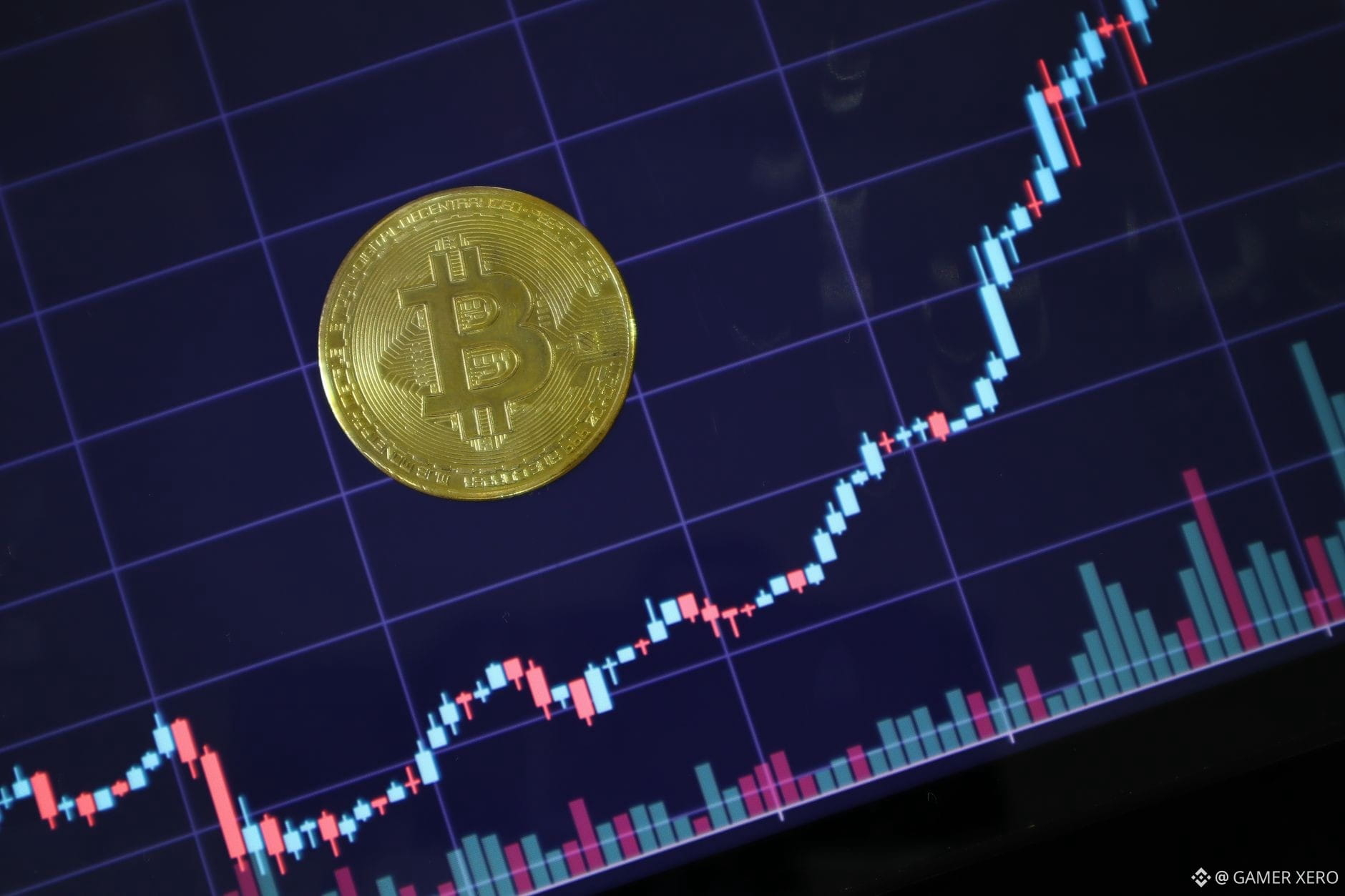
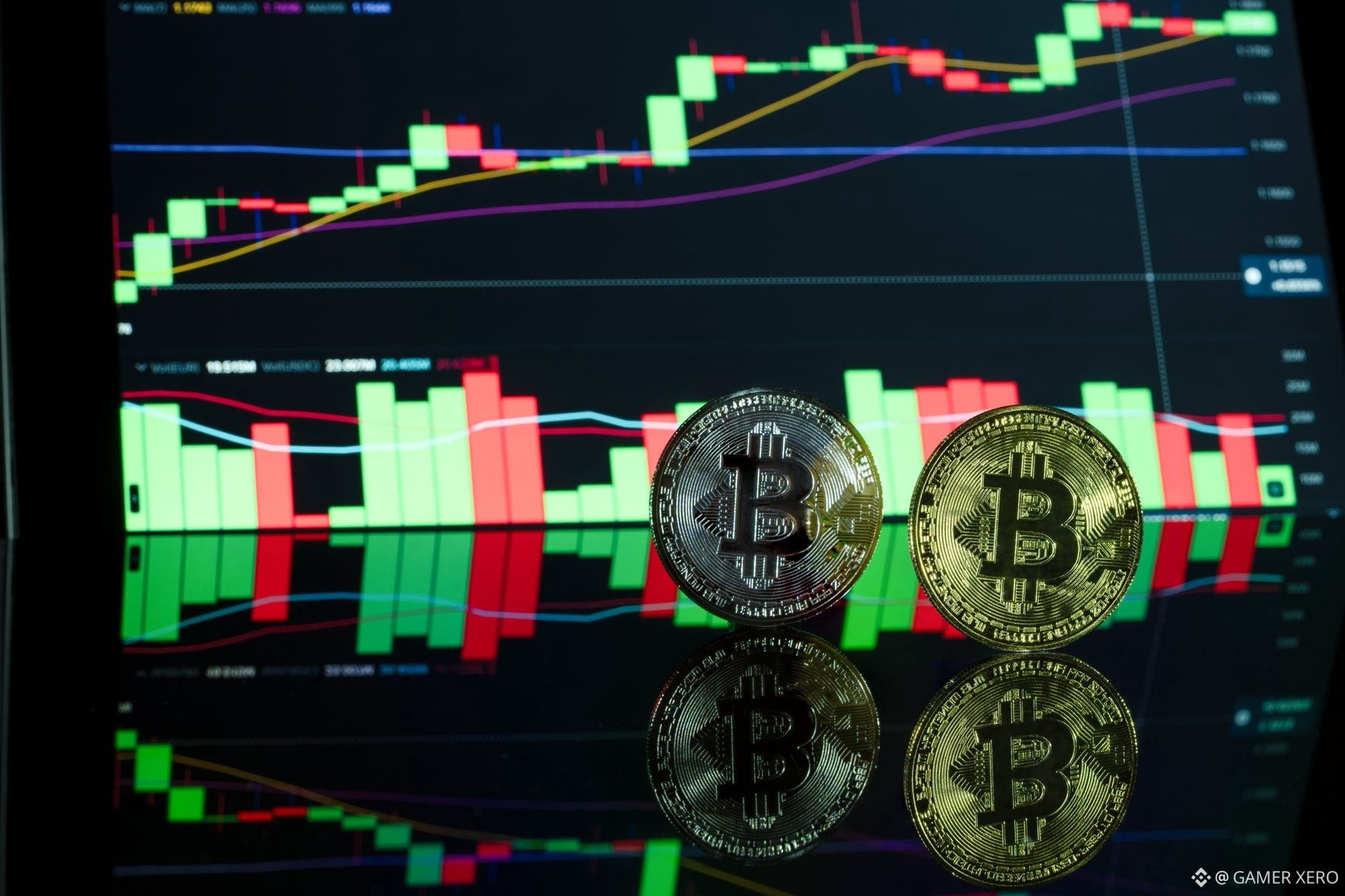
I watched $BTC hover around $80,190 on Binance while $ETH nudged past $2,512. The price stayed inside a tight 24‑hour band, but a sudden dip on the 3‑hour chart sparked a familiar urge: jump back in to “make up” the loss from the previous session. That impulse is classic revenge trading – a mental trap that turns a rational risk plan into a chase.
Why does it work so well on our brains? The loss creates a strong emotional memory, and the next green candle looks like a quick fix. In reality, the market’s range hasn’t expanded; the same support that held $BTC at $78,800 is still intact, and $ETH’s buying pressure is just a continuation of its 1.27 % rise. By re‑entering without fresh analysis, you add a new position at a potentially weaker price, increasing overall exposure and the chance of a larger drawdown if the range holds.
Have you ever caught yourself reaching for a revenge trade, and what technique helped you resist it?
#TradingPsychology #CryptoMindset #RevengeTrading #GAMERXERO
I watched $BTC hover around $80,190 on Binance while $ETH nudged past $2,512. The price stayed inside a tight 24‑hour band, but a sudden dip on the 3‑hour chart sparked a familiar urge: jump back in to “make up” the loss from the previous session. That impulse is classic revenge trading – a mental trap that turns a rational risk plan into a chase.
Why does it work so well on our brains? The loss creates a strong emotional memory, and the next green candle looks like a quick fix. In reality, the market’s range hasn’t expanded; the same support that held $BTC at $78,800 is still intact, and $ETH ’s buying pressure is just a continuation of its 1.27 % rise. By re‑entering without fresh analysis, you add a new position at a potentially weaker price, increasing overall exposure and the chance of a larger drawdown if the range holds.
Have you ever caught yourself reaching for a revenge trade, and what technique helped you resist it?
#TradingPsychology #CryptoMindset #RevengeTrading #GAMERXERO
Why does it work so well on our brains? The loss creates a strong emotional memory, and the next green candle looks like a quick fix. In reality, the market’s range hasn’t expanded; the same support that held $BTC at $78,800 is still intact, and $ETH ’s buying pressure is just a continuation of its 1.27 % rise. By re‑entering without fresh analysis, you add a new position at a potentially weaker price, increasing overall exposure and the chance of a larger drawdown if the range holds.
Have you ever caught yourself reaching for a revenge trade, and what technique helped you resist it?
#TradingPsychology #CryptoMindset #RevengeTrading #GAMERXERO
32
·
--
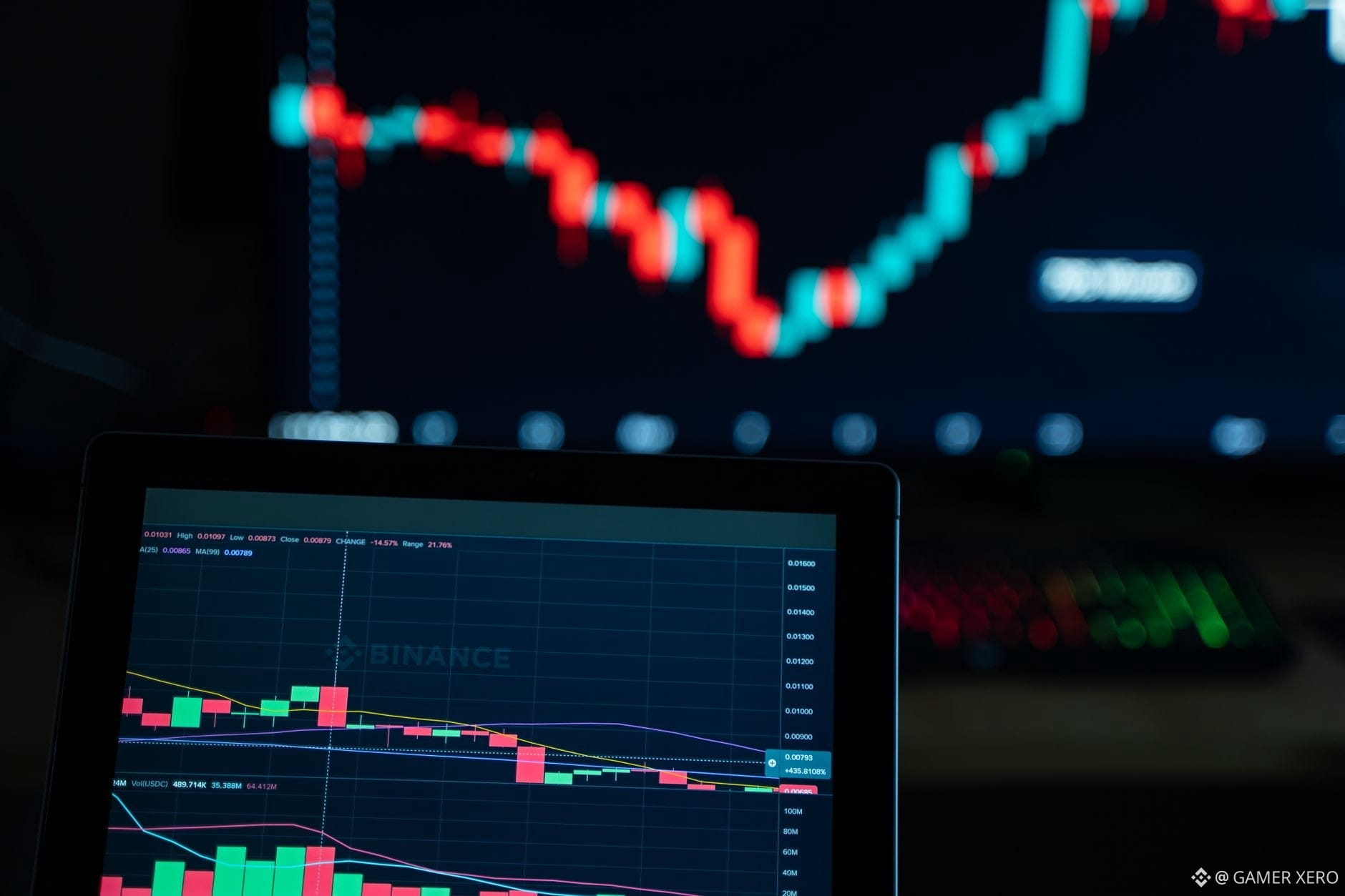
I saw a few friends hit a sharp dip on $BTC around $78,900 yesterday, then rush back in as the price nudged up to $78,950, hoping to “get revenge” on the loss. The urge to flip a losing trade into a win feels natural, but it often clouds judgment. When you’re focused on recouping, you’re more likely to ignore the order‑book depth, skip the usual risk checks, and stack positions bigger than your typical size. That extra exposure can turn a modest loss into a bigger one if the market steadies around the 24‑hour low of $77,632.
A simple way to break the cycle is to treat the loss as data, not a personal failure. Write down what the trade looked like – entry, stop, and why it was placed there. Then step away for a few minutes, check the depth on Binance, and only re‑enter if the original setup still meets your criteria. Keeping the entry price out of the emotional equation helps you stay disciplined and reduces the impulse to chase green candles after a red bar.
What’s your go‑to routine when a trade doesn’t work out the way you expected? #TradingPsychology #RevengeTrading #CryptoMindset #GAMERXERO
I saw a few friends hit a sharp dip on $BTC around $78,900 yesterday, then rush back in as the price nudged up to $78,950, hoping to “get revenge” on the loss. The urge to flip a losing trade into a win feels natural, but it often clouds judgment. When you’re focused on recouping, you’re more likely to ignore the order‑book depth, skip the usual risk checks, and stack positions bigger than your typical size. That extra exposure can turn a modest loss into a bigger one if the market steadies around the 24‑hour low of $77,632.
A simple way to break the cycle is to treat the loss as data, not a personal failure. Write down what the trade looked like – entry, stop, and why it was placed there. Then step away for a few minutes, check the depth on Binance, and only re‑enter if the original setup still meets your criteria. Keeping the entry price out of the emotional equation helps you stay disciplined and reduces the impulse to chase green candles after a red bar.
What’s your go‑to routine when a trade doesn’t work out the way you expected? #TradingPsychology #RevengeTrading #CryptoMindset #GAMERXERO
A simple way to break the cycle is to treat the loss as data, not a personal failure. Write down what the trade looked like – entry, stop, and why it was placed there. Then step away for a few minutes, check the depth on Binance, and only re‑enter if the original setup still meets your criteria. Keeping the entry price out of the emotional equation helps you stay disciplined and reduces the impulse to chase green candles after a red bar.
What’s your go‑to routine when a trade doesn’t work out the way you expected? #TradingPsychology #RevengeTrading #CryptoMindset #GAMERXERO

83
·
--
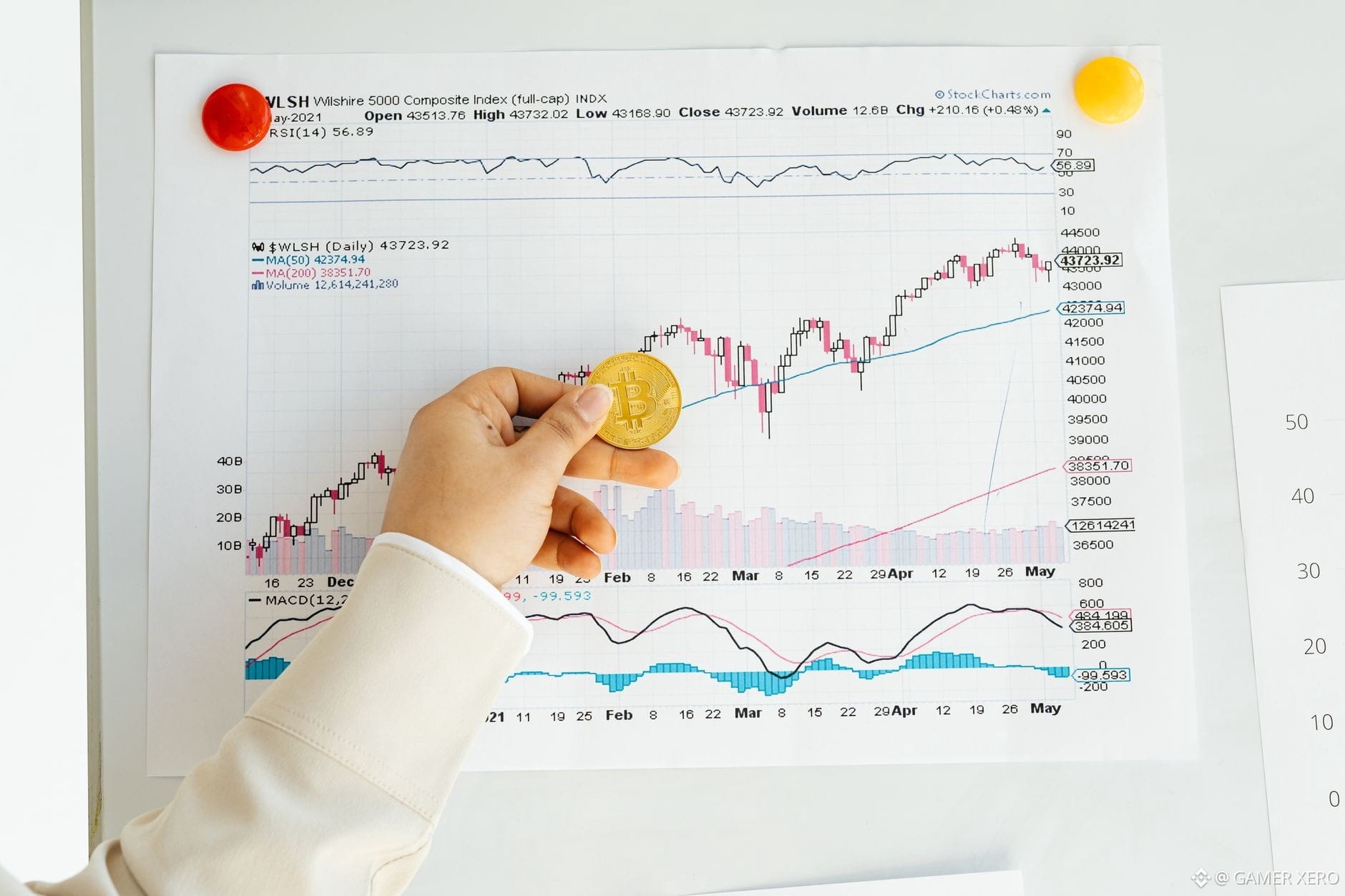
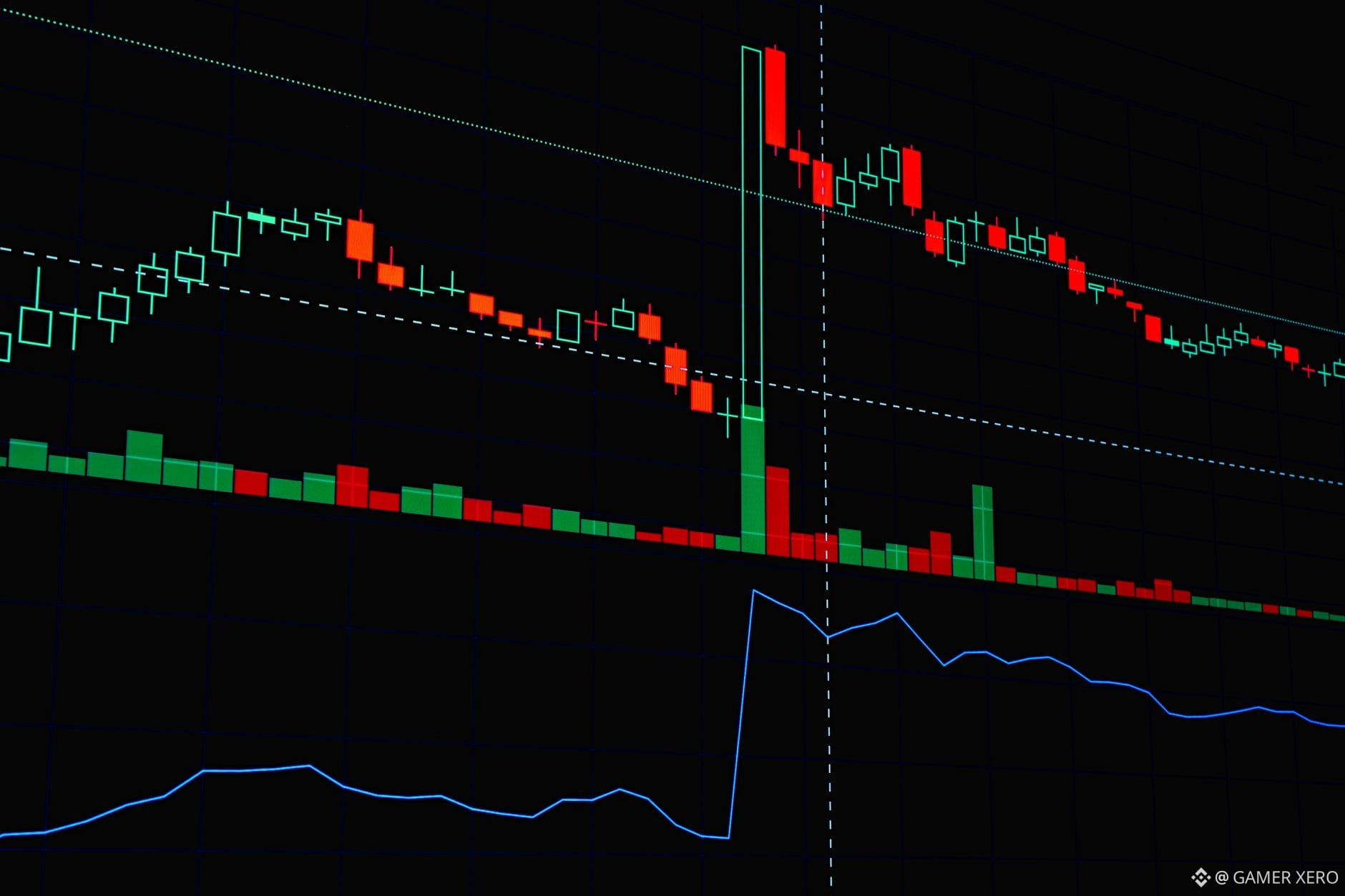
I watched $BTC settle at $78,950 after a 2.12% dip, and the next hour the chart nudged back toward the $80,600 high. A colleague sent me a screenshot of his trade: he’d just taken a loss at $78,800, then slammed a market order the moment the price ticked up a few hundred dollars, hoping to “make it right.” That impulse is classic revenge trading – the urge to erase a recent mistake by forcing a new one.
Why does it feel so compelling? Our brain’s loss‑aversion circuitry lights up, and the immediate pain of a loss skews risk perception. On Binance, the order‑book depth can look inviting when the spread tightens, but the same liquidity that lets you enter fast also amplifies slippage if the price reverses. The result is often a larger loss that erodes confidence even more.
Have you ever caught yourself chasing green candles after a loss, and what mental check helped you reset?
#TradingPsychology #RevengeTrading #CryptoMindset #GAMERXERO
I watched $BTC settle at $78,950 after a 2.12% dip, and the next hour the chart nudged back toward the $80,600 high. A colleague sent me a screenshot of his trade: he’d just taken a loss at $78,800, then slammed a market order the moment the price ticked up a few hundred dollars, hoping to “make it right.” That impulse is classic revenge trading – the urge to erase a recent mistake by forcing a new one.
Why does it feel so compelling? Our brain’s loss‑aversion circuitry lights up, and the immediate pain of a loss skews risk perception. On Binance, the order‑book depth can look inviting when the spread tightens, but the same liquidity that lets you enter fast also amplifies slippage if the price reverses. The result is often a larger loss that erodes confidence even more.
Have you ever caught yourself chasing green candles after a loss, and what mental check helped you reset?
#TradingPsychology #RevengeTrading #CryptoMindset #GAMERXERO
Why does it feel so compelling? Our brain’s loss‑aversion circuitry lights up, and the immediate pain of a loss skews risk perception. On Binance, the order‑book depth can look inviting when the spread tightens, but the same liquidity that lets you enter fast also amplifies slippage if the price reverses. The result is often a larger loss that erodes confidence even more.
Have you ever caught yourself chasing green candles after a loss, and what mental check helped you reset?
#TradingPsychology #RevengeTrading #CryptoMindset #GAMERXERO
18
·
--
I watched $BTC slip to $77,244 and then bounce back to $77,442 within minutes. The quick swing felt like a personal slap – my instinct was to jump in, double‑down, and “prove” the move wrong. That’s classic revenge trading: a knee‑jerk attempt to recover a loss, often fueled by the adrenaline of a tight range.
Why it hurts more than it helps:
1️⃣ Emotion overrides logic. The brain releases cortisol, narrowing focus on the recent loss and ignoring the broader market context. In a 24‑hour window where $BTC’s high was $78,053 and low $75,546, a single bounce is just noise.
2️⃣ Position size inflates. Adding another contract or a larger $ETH stake (currently $2,444) to chase a “win” can quickly erode the capital you were trying to protect. Even a 1‑2 % adverse move wipes out the extra exposure.
3️⃣ Pattern repeats. After the revenge entry, the market often reverses, locking in the original loss plus the new one. The cycle feeds itself, turning a small mistake into a bigger drawdown.
What’s the most effective “reset” ritual you use after a losing trade?
#CryptoPsychology #TradingMindset #RevengeTrading #GAMERXERO
I watched $BTC slip to $77,244 and then bounce back to $77,442 within minutes. The quick swing felt like a personal slap – my instinct was to jump in, double‑down, and “prove” the move wrong. That’s classic revenge trading: a knee‑jerk attempt to recover a loss, often fueled by the adrenaline of a tight range.
Why it hurts more than it helps:
1️⃣ Emotion overrides logic. The brain releases cortisol, narrowing focus on the recent loss and ignoring the broader market context. In a 24‑hour window where $BTC ’s high was $78,053 and low $75,546, a single bounce is just noise.
2️⃣ Position size inflates. Adding another contract or a larger $ETH stake (currently $2,444) to chase a “win” can quickly erode the capital you were trying to protect. Even a 1‑2 % adverse move wipes out the extra exposure.
3️⃣ Pattern repeats. After the revenge entry, the market often reverses, locking in the original loss plus the new one. The cycle feeds itself, turning a small mistake into a bigger drawdown.
What’s the most effective “reset” ritual you use after a losing trade?
#CryptoPsychology #TradingMindset #RevengeTrading #GAMERXERO
Why it hurts more than it helps:
1️⃣ Emotion overrides logic. The brain releases cortisol, narrowing focus on the recent loss and ignoring the broader market context. In a 24‑hour window where $BTC ’s high was $78,053 and low $75,546, a single bounce is just noise.
2️⃣ Position size inflates. Adding another contract or a larger $ETH stake (currently $2,444) to chase a “win” can quickly erode the capital you were trying to protect. Even a 1‑2 % adverse move wipes out the extra exposure.
3️⃣ Pattern repeats. After the revenge entry, the market often reverses, locking in the original loss plus the new one. The cycle feeds itself, turning a small mistake into a bigger drawdown.
What’s the most effective “reset” ritual you use after a losing trade?
#CryptoPsychology #TradingMindset #RevengeTrading #GAMERXERO


90
·
--
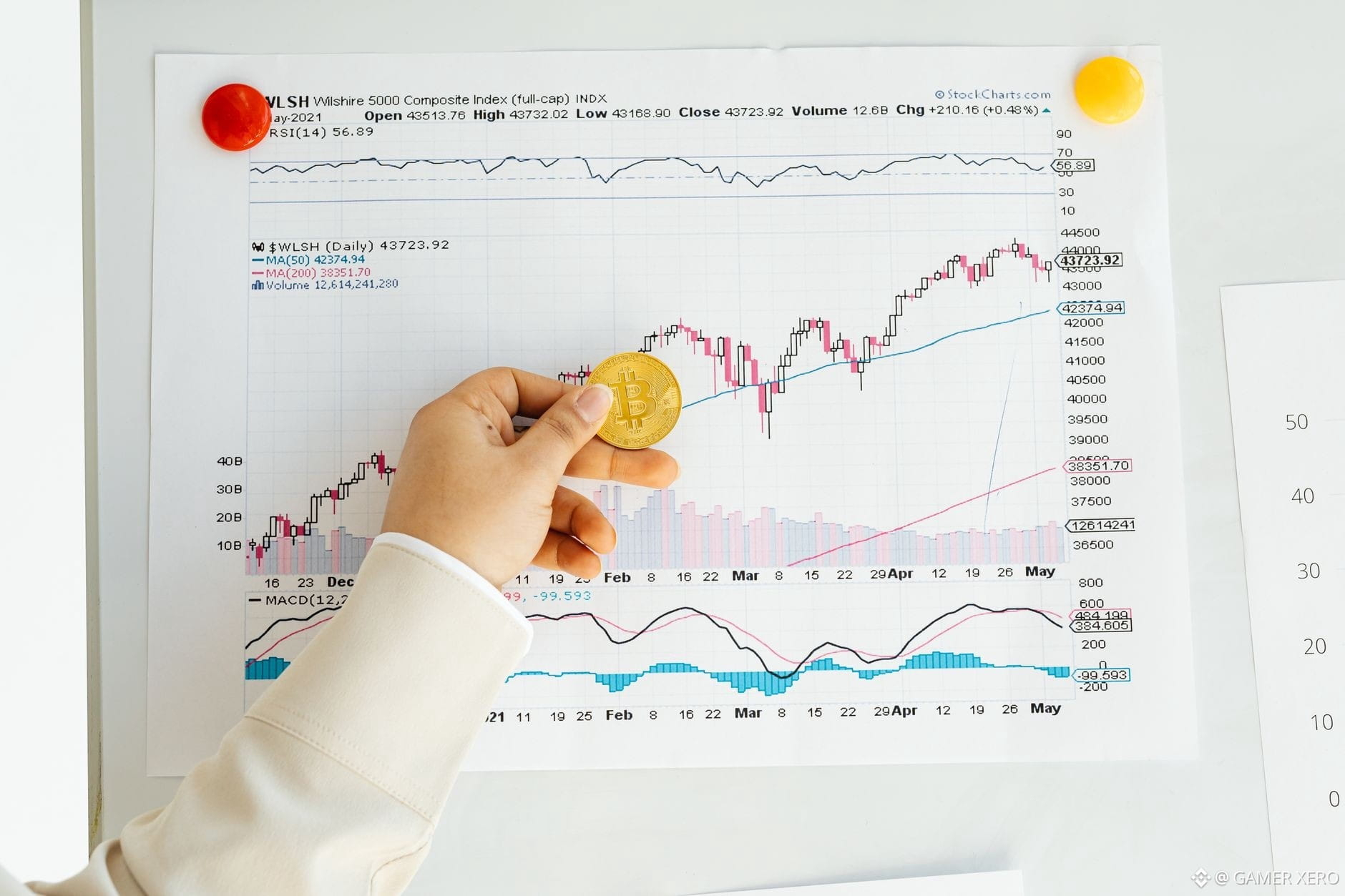
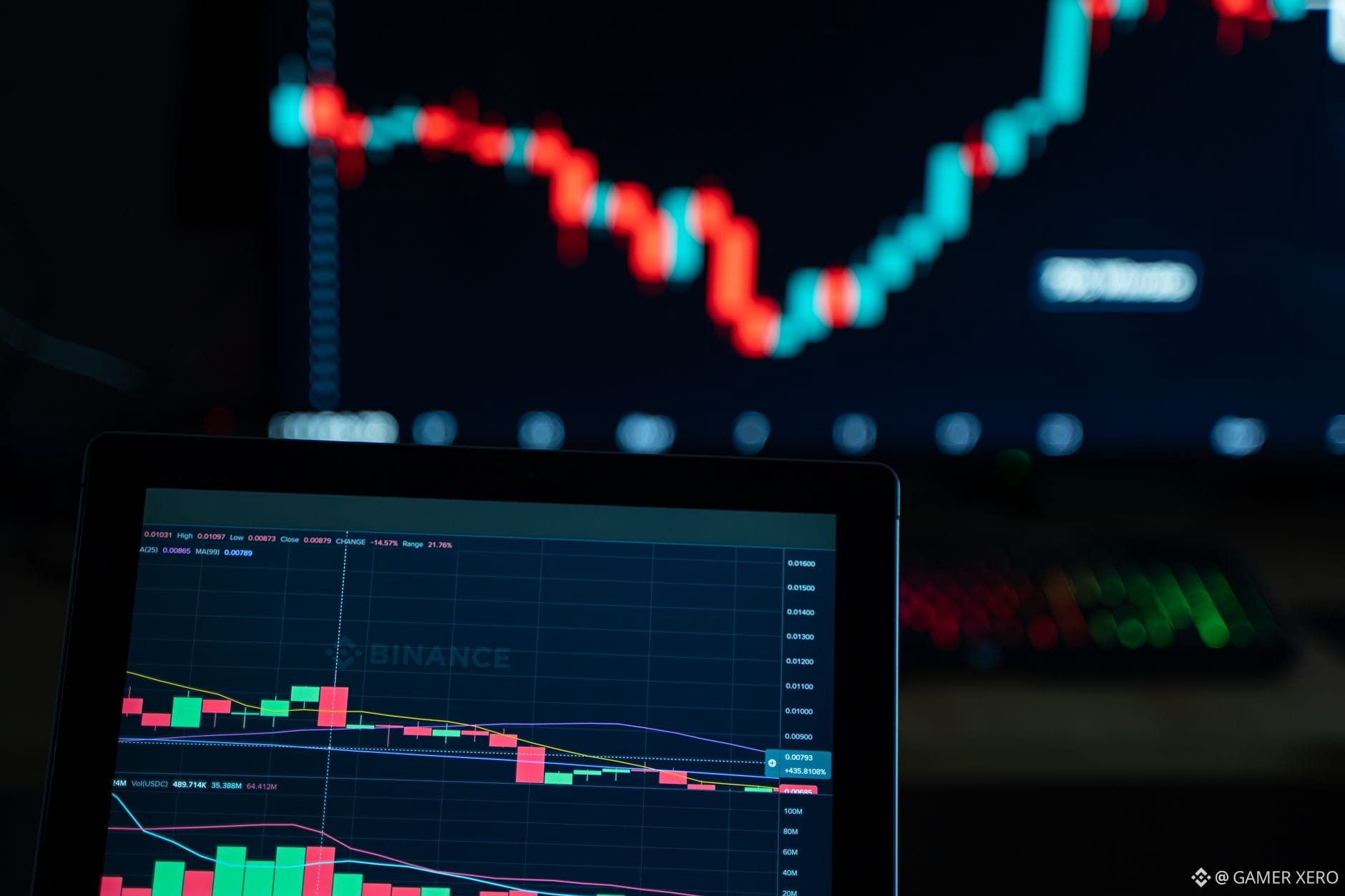
After a $BTC dip to $76,218.86 yesterday, I watched the chart swing between $75,545.67 and $77,547.96 and felt the itch to jump back in. The loss on my short from a week ago turned into a mental sprint: “I need to win it back now.” That impulse is classic revenge trading – a rapid, emotion‑driven entry that ignores the current market structure.
The safest way to break the cycle is to treat the loss as data, not a personal defeat. Write down what the trade meant: position size, stop‑loss distance, time‑frame. Then step away for at least one candle cycle – on $ETH you can see the same pattern, with the price hovering at $2,392.59, down 2 % and bouncing between $2,355.71 and $2,444.71. Use that pause to assess whether the price action still supports your original thesis, rather than chasing the green candle that follows a loss.
A simple rule that works for me: no new entry until the next candle closes beyond the stop‑loss level you set on the previous trade. It forces a rational check and removes the “got‑to‑recover‑fast” pressure. How do you keep emotions out of the after‑loss window?
#TradingPsychology #RevengeTrading #CryptoMindset #GAMERXERO
After a $BTC dip to $76,218.86 yesterday, I watched the chart swing between $75,545.67 and $77,547.96 and felt the itch to jump back in. The loss on my short from a week ago turned into a mental sprint: “I need to win it back now.” That impulse is classic revenge trading – a rapid, emotion‑driven entry that ignores the current market structure.
The safest way to break the cycle is to treat the loss as data, not a personal defeat. Write down what the trade meant: position size, stop‑loss distance, time‑frame. Then step away for at least one candle cycle – on $ETH you can see the same pattern, with the price hovering at $2,392.59, down 2 % and bouncing between $2,355.71 and $2,444.71. Use that pause to assess whether the price action still supports your original thesis, rather than chasing the green candle that follows a loss.
A simple rule that works for me: no new entry until the next candle closes beyond the stop‑loss level you set on the previous trade. It forces a rational check and removes the “got‑to‑recover‑fast” pressure. How do you keep emotions out of the after‑loss window?
#TradingPsychology #RevengeTrading #CryptoMindset #GAMERXERO
The safest way to break the cycle is to treat the loss as data, not a personal defeat. Write down what the trade meant: position size, stop‑loss distance, time‑frame. Then step away for at least one candle cycle – on $ETH you can see the same pattern, with the price hovering at $2,392.59, down 2 % and bouncing between $2,355.71 and $2,444.71. Use that pause to assess whether the price action still supports your original thesis, rather than chasing the green candle that follows a loss.
A simple rule that works for me: no new entry until the next candle closes beyond the stop‑loss level you set on the previous trade. It forces a rational check and removes the “got‑to‑recover‑fast” pressure. How do you keep emotions out of the after‑loss window?
#TradingPsychology #RevengeTrading #CryptoMindset #GAMERXERO
34
·
--
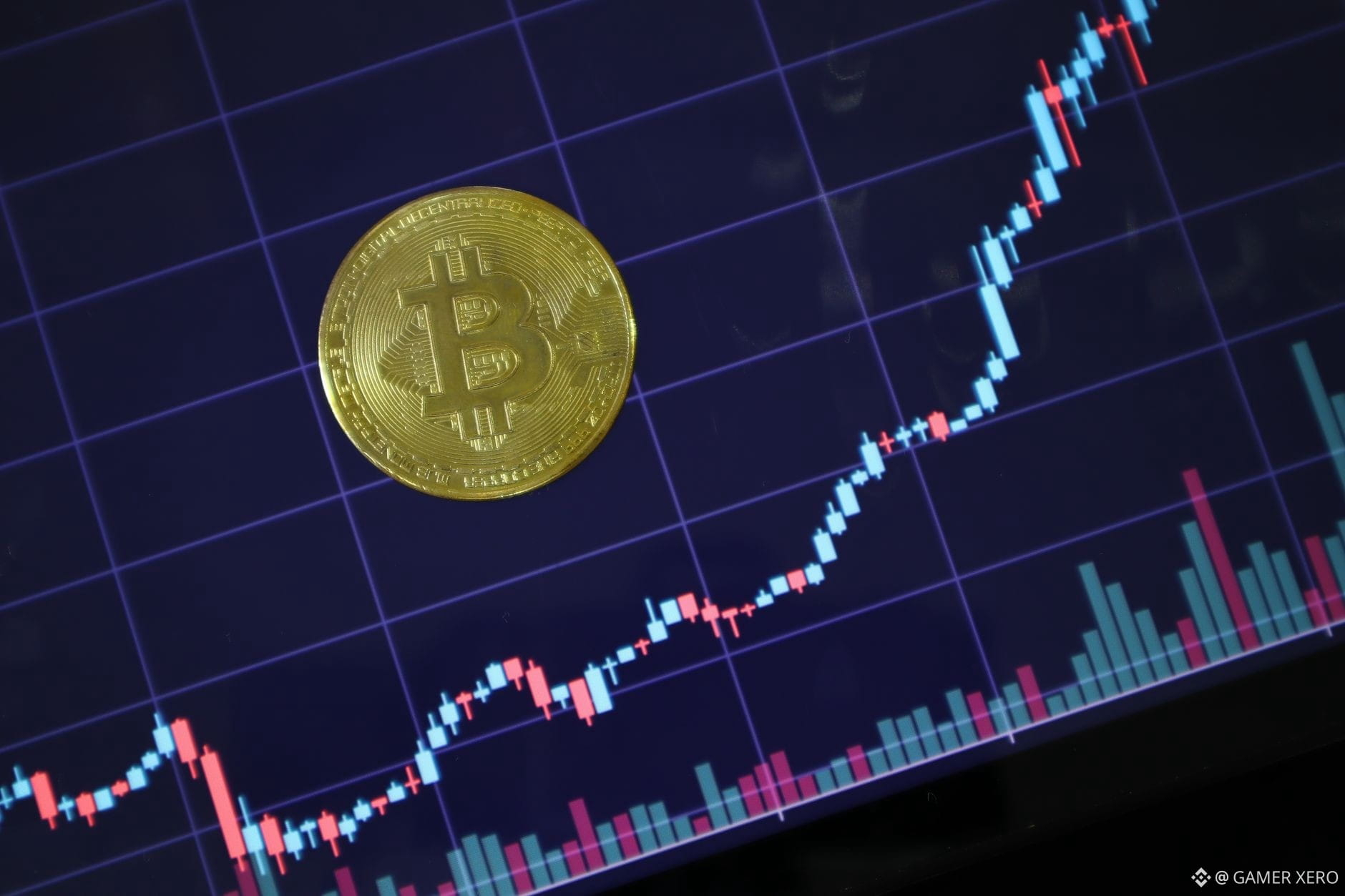
The moment $BTC nudged past $74,700 on Binance, I felt the familiar rush to “make up” a previous loss from a dip near $68,900. The impulse was strong: the 24‑hour high sat at $74,866, the price was still climbing, and I could almost hear the green candles shouting “revenge”. I hit the order button, sizing up more than I usually would, and within minutes the market slipped back toward $73,500. The trade left a bigger scar than the original loss because I ignored the same rule I set for myself—never increase position size after a losing trade.
Have you ever caught yourself adding to a losing position, and what step helped you break that pattern?
#CryptoPsychology #TradingMindset #RevengeTrading #GAMERXERO
The moment $BTC nudged past $74,700 on Binance, I felt the familiar rush to “make up” a previous loss from a dip near $68,900. The impulse was strong: the 24‑hour high sat at $74,866, the price was still climbing, and I could almost hear the green candles shouting “revenge”. I hit the order button, sizing up more than I usually would, and within minutes the market slipped back toward $73,500. The trade left a bigger scar than the original loss because I ignored the same rule I set for myself—never increase position size after a losing trade.
Have you ever caught yourself adding to a losing position, and what step helped you break that pattern?
#CryptoPsychology #TradingMindset #RevengeTrading #GAMERXERO
Have you ever caught yourself adding to a losing position, and what step helped you break that pattern?
#CryptoPsychology #TradingMindset #RevengeTrading #GAMERXERO

93

·
--
Revenge trading will absolutely destroy your account, often losing you more than the original bad trade. It's not just chasing losses; it’s trading with pure, unfiltered rage and desperation. Your ego convinces you to double down, ignoring all logic, and the market ruthlessly punishes that emotional blindness. I blew a $700 ADA trade once, then immediately jumped into 100x DOGE, convinced I'd make it all back in minutes. I didn't even check the charts, just hit 'buy'. Needless to say, my liquidation was swift and brutal, costing me another $1500 I couldn't afford. When a trade goes bad, the *only* thing to do is walk away. Close the app, go offline. Let your emotions cool down before you even think about the next move.
#RevengeTrading #CryptoLosses #FuturesTrading #TradeSmart #LearnedTheHardWay
Revenge trading will absolutely destroy your account, often losing you more than the original bad trade. It's not just chasing losses; it’s trading with pure, unfiltered rage and desperation. Your ego convinces you to double down, ignoring all logic, and the market ruthlessly punishes that emotional blindness. I blew a $700 ADA trade once, then immediately jumped into 100x DOGE, convinced I'd make it all back in minutes. I didn't even check the charts, just hit 'buy'. Needless to say, my liquidation was swift and brutal, costing me another $1500 I couldn't afford. When a trade goes bad, the *only* thing to do is walk away. Close the app, go offline. Let your emotions cool down before you even think about the next move.
#RevengeTrading #CryptoLosses #FuturesTrading #TradeSmart #LearnedTheHardWay
#RevengeTrading #CryptoLosses #FuturesTrading #TradeSmart #LearnedTheHardWay
41
·
--
😡💸 That pit in your stomach, the flush of heat, the burning need to "get it back." I know that feeling intimately. After blowing my first $600 on leveraged futures, I'd try to revenge trade. It's pure emotion overriding all logic. You're not analyzing; you're reacting. I remember turning a $50 loss into a $300 blow-up in an hour because I just *had* to get even, ignoring every signal. This pattern always ends in deeper losses. Each desperate trade fuels the next, emptying your account. The one mental rule that interrupts it: "If emotion takes over, walk away from the charts for at least one hour." Seriously, close everything. Go outside. Let your brain reset. You can't win when you're fighting yourself.
#RevengeTrading #TradingPsychology #RiskManagement #FuturesTrading #BinanceSquare
😡💸 That pit in your stomach, the flush of heat, the burning need to "get it back." I know that feeling intimately. After blowing my first $600 on leveraged futures, I'd try to revenge trade. It's pure emotion overriding all logic. You're not analyzing; you're reacting. I remember turning a $50 loss into a $300 blow-up in an hour because I just *had* to get even, ignoring every signal. This pattern always ends in deeper losses. Each desperate trade fuels the next, emptying your account. The one mental rule that interrupts it: "If emotion takes over, walk away from the charts for at least one hour." Seriously, close everything. Go outside. Let your brain reset. You can't win when you're fighting yourself.
#RevengeTrading #TradingPsychology #RiskManagement #FuturesTrading #BinanceSquare
#RevengeTrading #TradingPsychology #RiskManagement #FuturesTrading #BinanceSquare
3
·
--
😡💸 Revenge trading. We've all felt it. That burning sensation when a trade goes south, the unfairness of it all. Your chest tightens, a knot in your stomach. All you can think is, "I *have* to get that money back, right now." I remember losing $50 on an ETH long, then in a blind rage, going 100x short, blowing my whole $600 account in under 15 minutes. It's a spiral: you trade larger, ignore your plan, chase pumps. You *always* lose more. The only way out? When that feeling hits, physically *stand up*. Walk away from your screen for 30 minutes. No peeking. Just disconnect. Let the emotion cool. This one simple act saved my trading career.
#RevengeTrading #TradingPsychology #BinanceFutures #TradingMistakes #Discipline
😡💸 Revenge trading. We've all felt it. That burning sensation when a trade goes south, the unfairness of it all. Your chest tightens, a knot in your stomach. All you can think is, "I *have* to get that money back, right now." I remember losing $50 on an ETH long, then in a blind rage, going 100x short, blowing my whole $600 account in under 15 minutes. It's a spiral: you trade larger, ignore your plan, chase pumps. You *always* lose more. The only way out? When that feeling hits, physically *stand up*. Walk away from your screen for 30 minutes. No peeking. Just disconnect. Let the emotion cool. This one simple act saved my trading career.
#RevengeTrading #TradingPsychology #BinanceFutures #TradingMistakes #Discipline
#RevengeTrading #TradingPsychology #BinanceFutures #TradingMistakes #Discipline
29
·
--
😡💸 That frantic heat in your neck, the overwhelming need to "get it back"—that's revenge trading. My $600 leveraged futures blow-up taught me this intimately. I felt the desperate urge to reverse it, blindly entering, chasing mistakes without analysis.
Physically, it's a pounding heart, tunnel vision, frantic clicks. This always escalates small losses into total account annihilation. My $600 was incinerated by emotional doubling down. It's a death spiral, driven by pride.
The only circuit breaker: *If you feel that hot urgency, close ALL charts immediately and don't open them for at least 4 hours.* No exceptions. Disconnect. Let the emotion pass. Your capital depends on it.
#TradingPsychology #RevengeTrading #FuturesTrading #TradingDiscipline
😡💸 That frantic heat in your neck, the overwhelming need to "get it back"—that's revenge trading. My $600 leveraged futures blow-up taught me this intimately. I felt the desperate urge to reverse it, blindly entering, chasing mistakes without analysis.
Physically, it's a pounding heart, tunnel vision, frantic clicks. This always escalates small losses into total account annihilation. My $600 was incinerated by emotional doubling down. It's a death spiral, driven by pride.
The only circuit breaker: *If you feel that hot urgency, close ALL charts immediately and don't open them for at least 4 hours.* No exceptions. Disconnect. Let the emotion pass. Your capital depends on it.
#TradingPsychology #RevengeTrading #FuturesTrading #TradingDiscipline
Physically, it's a pounding heart, tunnel vision, frantic clicks. This always escalates small losses into total account annihilation. My $600 was incinerated by emotional doubling down. It's a death spiral, driven by pride.
The only circuit breaker: *If you feel that hot urgency, close ALL charts immediately and don't open them for at least 4 hours.* No exceptions. Disconnect. Let the emotion pass. Your capital depends on it.
#TradingPsychology #RevengeTrading #FuturesTrading #TradingDiscipline
17
·
--
Revenge trading is a mental trap that will bleed you dry long after your initial loss. It's not about making smart moves; it's pure, raw emotion trying to fix what's broken, and it *always* makes it worse. You lose $600 on a bad ADA future, then see SOL dipping and think, "This is it, I'll just double down, get it all back." Next thing you know, you've liquidated your entire portfolio chasing that high, fueled by anger and desperation. When that feeling hits, walk away from the screen. Close the app. Take a deep breath. Give yourself at least 24 hours before you even *look* at a chart again. Your wallet will thank you.
#RevengeTrading #CryptoLoss #FuturesTrading #TradeSmart #LearnedTheHardWay
Revenge trading is a mental trap that will bleed you dry long after your initial loss. It's not about making smart moves; it's pure, raw emotion trying to fix what's broken, and it *always* makes it worse. You lose $600 on a bad ADA future, then see SOL dipping and think, "This is it, I'll just double down, get it all back." Next thing you know, you've liquidated your entire portfolio chasing that high, fueled by anger and desperation. When that feeling hits, walk away from the screen. Close the app. Take a deep breath. Give yourself at least 24 hours before you even *look* at a chart again. Your wallet will thank you.
#RevengeTrading #CryptoLoss #FuturesTrading #TradeSmart #LearnedTheHardWay
#RevengeTrading #CryptoLoss #FuturesTrading #TradeSmart #LearnedTheHardWay
41

·
--
Bullish
2/7 The Silent Killer
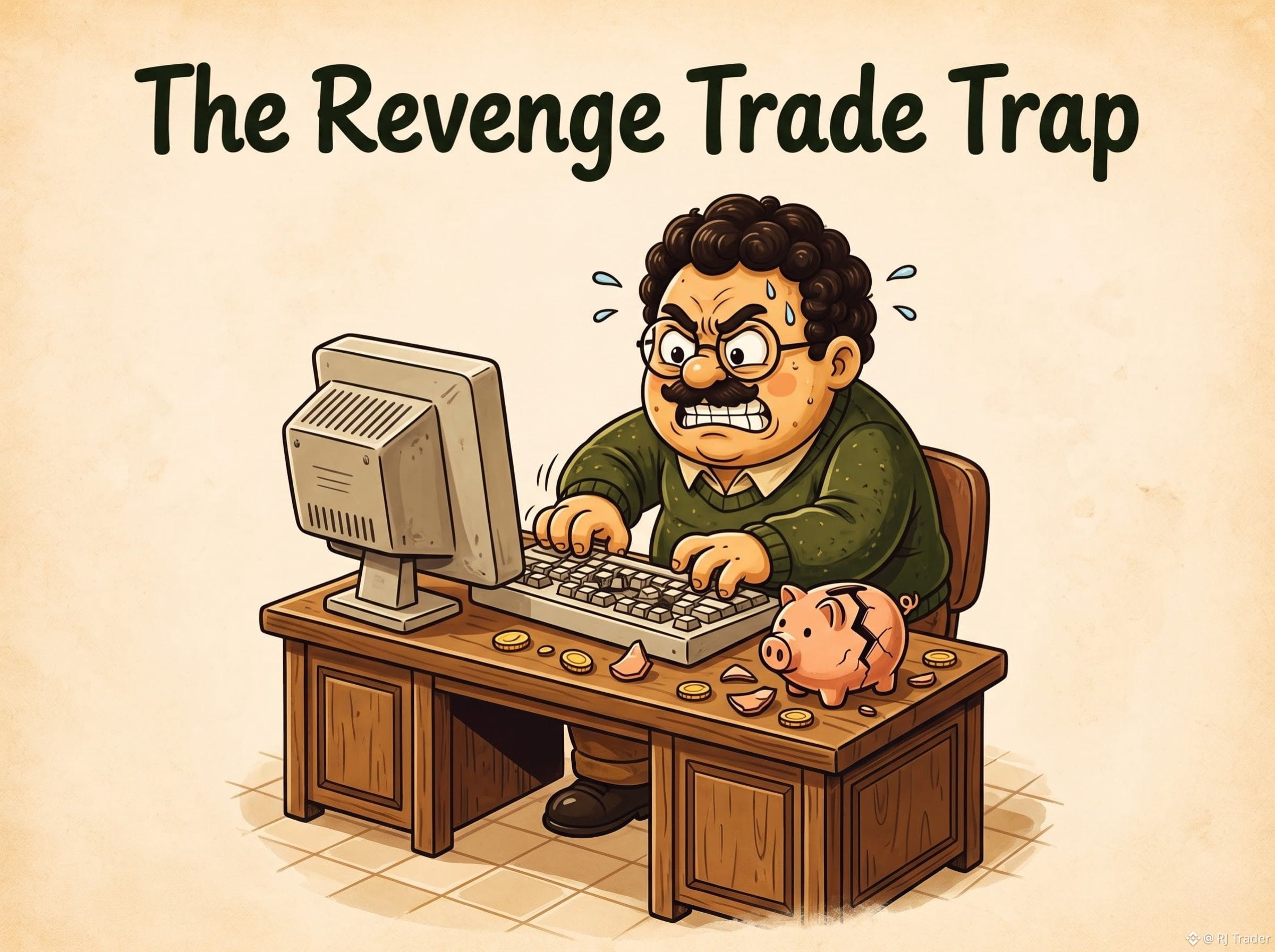
Why "buying the dip" to win your money back is the fastest way to zero. 📉🔥 Let's talk about the silent killer: Revenge Trading. 👇
Yesterday I told you about my worst liquidation. But the real damage didn't happen on that trade. It happened in the 48 hours after.
When you lose big, your brain treats it like physical pain. Your immediate instinct is to fight back. You deposit more fiat. 💳 You look for a quick 10x setup. You start trading altcoins you haven’t even researched.
Here is the harsh reality: You cannot punish the market. 🛑
When you revenge trade:
➡️ Your edge is gone. 📉
➡️ Your sizing is emotional, not mathematical. 😭
➡️ You are trading your PNL, not the chart. 📊
If you take a heavy hit, step away from the screens for 24 hours. 🚶♂️ The chart will still be there tomorrow. Your capital might not be.
Have you ever caught yourself revenge trading? Drop a 🛑 in the comments if you have. Tomorrow is Part 3: Why your massive portfolio gains might actually be a complete lie. Make sure you are following! 🔔
#RevengeTrading #cryptotrading #mindset #BinanceSquare
2/7 The Silent Killer
Why "buying the dip" to win your money back is the fastest way to zero. 📉🔥 Let's talk about the silent killer: Revenge Trading. 👇
Yesterday I told you about my worst liquidation. But the real damage didn't happen on that trade. It happened in the 48 hours after.
When you lose big, your brain treats it like physical pain. Your immediate instinct is to fight back. You deposit more fiat. 💳 You look for a quick 10x setup. You start trading altcoins you haven’t even researched.
Here is the harsh reality: You cannot punish the market. 🛑
When you revenge trade:
➡️ Your edge is gone. 📉
➡️ Your sizing is emotional, not mathematical. 😭
➡️ You are trading your PNL, not the chart. 📊
If you take a heavy hit, step away from the screens for 24 hours. 🚶♂️ The chart will still be there tomorrow. Your capital might not be.
Have you ever caught yourself revenge trading? Drop a 🛑 in the comments if you have. Tomorrow is Part 3: Why your massive portfolio gains might actually be a complete lie. Make sure you are following! 🔔
#RevengeTrading #cryptotrading #mindset #BinanceSquare
Why "buying the dip" to win your money back is the fastest way to zero. 📉🔥 Let's talk about the silent killer: Revenge Trading. 👇
Yesterday I told you about my worst liquidation. But the real damage didn't happen on that trade. It happened in the 48 hours after.
When you lose big, your brain treats it like physical pain. Your immediate instinct is to fight back. You deposit more fiat. 💳 You look for a quick 10x setup. You start trading altcoins you haven’t even researched.
Here is the harsh reality: You cannot punish the market. 🛑
When you revenge trade:
➡️ Your edge is gone. 📉
➡️ Your sizing is emotional, not mathematical. 😭
➡️ You are trading your PNL, not the chart. 📊
If you take a heavy hit, step away from the screens for 24 hours. 🚶♂️ The chart will still be there tomorrow. Your capital might not be.
Have you ever caught yourself revenge trading? Drop a 🛑 in the comments if you have. Tomorrow is Part 3: Why your massive portfolio gains might actually be a complete lie. Make sure you are following! 🔔
#RevengeTrading #cryptotrading #mindset #BinanceSquare
56
·
--
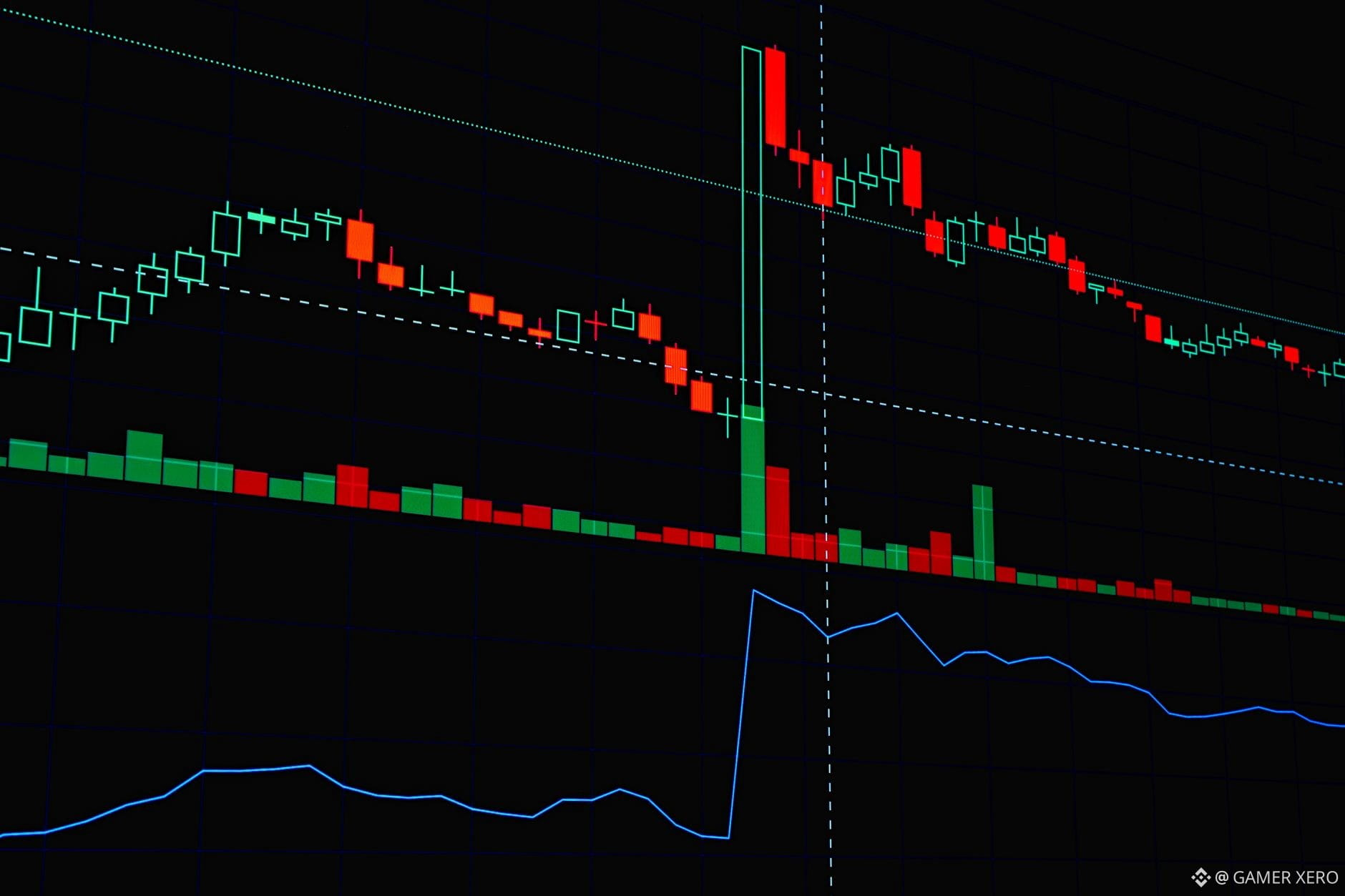
When $BTC slipped to $63,594 on Binance after a 24‑hour dip, I felt the familiar urge to “get it back” on the next rally. The temptation to flood the order book with a larger position than usual is the hallmark of revenge trading – a mental shortcut that replaces disciplined risk management with emotional urgency.
A quick audit helps break the cycle. First, note the actual move: $BTC’s high was $64,515 and the low $63,451, a range of less than 2 %. That tells you the market is still relatively tight, not a free‑fall you need to chase. Second, compare it to $ETH, which sat at $1,864 after a modest 0.59 % decline. Both assets showed similar, contained swings, meaning there’s no sudden breakout to justify a bigger bet.
Have you ever caught yourself about to over‑size a trade after a loss, and what step stopped you?
#CryptoPsychology #TradingMindset #RevengeTrading #GAMERXERO
When $BTC slipped to $63,594 on Binance after a 24‑hour dip, I felt the familiar urge to “get it back” on the next rally. The temptation to flood the order book with a larger position than usual is the hallmark of revenge trading – a mental shortcut that replaces disciplined risk management with emotional urgency.
A quick audit helps break the cycle. First, note the actual move: $BTC ’s high was $64,515 and the low $63,451, a range of less than 2 %. That tells you the market is still relatively tight, not a free‑fall you need to chase. Second, compare it to $ETH , which sat at $1,864 after a modest 0.59 % decline. Both assets showed similar, contained swings, meaning there’s no sudden breakout to justify a bigger bet.
Have you ever caught yourself about to over‑size a trade after a loss, and what step stopped you?
#CryptoPsychology #TradingMindset #RevengeTrading #GAMERXERO
A quick audit helps break the cycle. First, note the actual move: $BTC ’s high was $64,515 and the low $63,451, a range of less than 2 %. That tells you the market is still relatively tight, not a free‑fall you need to chase. Second, compare it to $ETH , which sat at $1,864 after a modest 0.59 % decline. Both assets showed similar, contained swings, meaning there’s no sudden breakout to justify a bigger bet.
Have you ever caught yourself about to over‑size a trade after a loss, and what step stopped you?
#CryptoPsychology #TradingMindset #RevengeTrading #GAMERXERO

23
Log in to explore more content
Join global crypto users on Binance Square
⚡️ Get latest and useful information about crypto.
💬 Trusted by the world’s largest crypto exchange.
👍 Discover real insights from verified creators.
Email / Phone number
Trending Topics
1
#BOJRaisesRatesTo31YearHigh
72,770 views
1,197 Discussing
2
#BuffettStepsDownAsBerkshireChairman
33,109 views
565 Discussing
3
#XRPExchangeReservesHitSevenYearLow
37,886 views
527 Discussing
4
#HKCompletesFirstHKDStablecoinUseCase
73,938 views
1,047 Discussing
5
#VietnamPlansFirstCryptoLicensesIn2026
47,593 views
716 Discussing
6
#BTCBreaks80K
362,151 views
4,501 Discussing
7
#BitcoinMarketCapTopsTesla
74,359 views
1,006 Discussing
8
#SOLJumpsAbout10%
82,821 views
1,008 Discussing
9
#EthereumReclaims$2600
7,564 views
113 Discussing
10
#LineraShutsDownAfterFundraisingFallsShort
23,637 views
282 Discussing