

#revengetrading
revengetrading
31,097 views
126 Discussing
Hot
Latest

·
--
🧠 OVERCOMING TRADING ADDICTION | 05/45
🔥 CHASING LOSSES: WHEN YOU’RE NO LONGER TRADING THE MARKET, BUT FIGHTING YOUR PAST!
There’s a very dangerous way to enter a trade...
Not because you’ve spotted a good opportunity, but because you can’t stand seeing a negative balance in your account.
You’ve just cut a losing trade.
That uncomfortable feeling sets in. You want to win back the money you just lost, as quickly as possible.
So you rush into the next trade. You might increase your position size, settle for a worse entry, and start taking your risk management rules less seriously.
And if you keep losing?
You want to win it back even more! 😵💫
This is the Revenge Trading spiral—trading to get back at the market.
💡 The scary thing is that, at this point, the goal is no longer to make money using a strategy with a good probability of success.
The only goal is to erase the feeling of failure.
I’m learning to accept one truth:
The market doesn’t know how much money I’ve lost in the past. And it has no obligation to give that money back.
🎯 A new trade is not responsible for saving an old one.
If you’ve just taken a loss and all you want is to jump straight into a bigger trade to win it back, perhaps the best thing to do is close the charts and take a break.
You don’t have to prove you’re right.
You don’t have to win it all back today.
Sometimes, accepting a small loss is exactly how you protect the capital you have left.
💬 Have you ever turned a small loss into a big one just because you wanted to “WIN IT BACK”?
#CaiNghienTrading #RevengeTrading #TradingPsychology
🧠 OVERCOMING TRADING ADDICTION | 05/45
🔥 CHASING LOSSES: WHEN YOU’RE NO LONGER TRADING THE MARKET, BUT FIGHTING YOUR PAST!
There’s a very dangerous way to enter a trade...
Not because you’ve spotted a good opportunity, but because you can’t stand seeing a negative balance in your account.
You’ve just cut a losing trade.
That uncomfortable feeling sets in. You want to win back the money you just lost, as quickly as possible.
So you rush into the next trade. You might increase your position size, settle for a worse entry, and start taking your risk management rules less seriously.
And if you keep losing?
You want to win it back even more! 😵💫
This is the Revenge Trading spiral—trading to get back at the market.
💡 The scary thing is that, at this point, the goal is no longer to make money using a strategy with a good probability of success.
The only goal is to erase the feeling of failure.
I’m learning to accept one truth:
The market doesn’t know how much money I’ve lost in the past. And it has no obligation to give that money back.
🎯 A new trade is not responsible for saving an old one.
If you’ve just taken a loss and all you want is to jump straight into a bigger trade to win it back, perhaps the best thing to do is close the charts and take a break.
You don’t have to prove you’re right.
You don’t have to win it all back today.
Sometimes, accepting a small loss is exactly how you protect the capital you have left.
💬 Have you ever turned a small loss into a big one just because you wanted to “WIN IT BACK”?
#CaiNghienTrading #RevengeTrading #TradingPsychology
🔥 CHASING LOSSES: WHEN YOU’RE NO LONGER TRADING THE MARKET, BUT FIGHTING YOUR PAST!
There’s a very dangerous way to enter a trade...
Not because you’ve spotted a good opportunity, but because you can’t stand seeing a negative balance in your account.
You’ve just cut a losing trade.
That uncomfortable feeling sets in. You want to win back the money you just lost, as quickly as possible.
So you rush into the next trade. You might increase your position size, settle for a worse entry, and start taking your risk management rules less seriously.
And if you keep losing?
You want to win it back even more! 😵💫
This is the Revenge Trading spiral—trading to get back at the market.
💡 The scary thing is that, at this point, the goal is no longer to make money using a strategy with a good probability of success.
The only goal is to erase the feeling of failure.
I’m learning to accept one truth:
The market doesn’t know how much money I’ve lost in the past. And it has no obligation to give that money back.
🎯 A new trade is not responsible for saving an old one.
If you’ve just taken a loss and all you want is to jump straight into a bigger trade to win it back, perhaps the best thing to do is close the charts and take a break.
You don’t have to prove you’re right.
You don’t have to win it all back today.
Sometimes, accepting a small loss is exactly how you protect the capital you have left.
💬 Have you ever turned a small loss into a big one just because you wanted to “WIN IT BACK”?
#CaiNghienTrading #RevengeTrading #TradingPsychology
161


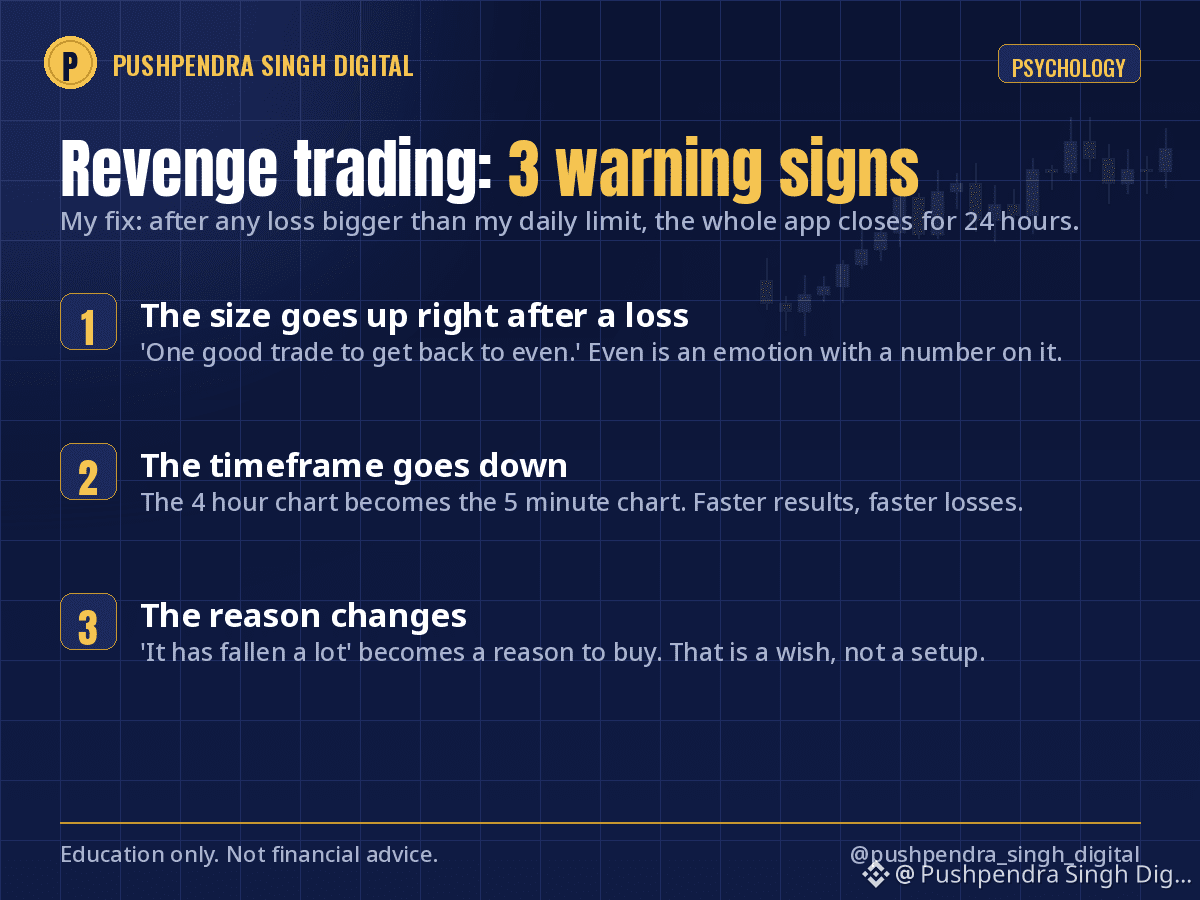
Revenge trading has cost me more than any bad analysis ever did. Three warning signs I now watch for in myself:
1. The size goes up right after a loss. The logic sounds like "I just need one good trade to get back to even." Even is not a strategy. It is an emotion with a number on it.
2. The timeframe goes down. I was trading the 4 hour chart. Now I am on the 5 minute chart, because I want the result faster. Faster results, faster losses.
3. The reason changes. Before the loss, I needed a setup. After the loss, "it has fallen a lot" becomes a reason to buy. That is not a reason. That is a wish.
My fix is boring and it works: after any loss bigger than my daily limit, the app gets closed for 24 hours. Not the chart, the whole app. The market will still be there tomorrow. My capital might not be if I stay.
What is your rule after a bad loss? Or do you not have one yet?
Education only, not financial advice.
$BTC #RevengeTrading #TradingPsychology #RiskManagement
Revenge trading has cost me more than any bad analysis ever did. Three warning signs I now watch for in myself:
1. The size goes up right after a loss. The logic sounds like "I just need one good trade to get back to even." Even is not a strategy. It is an emotion with a number on it.
2. The timeframe goes down. I was trading the 4 hour chart. Now I am on the 5 minute chart, because I want the result faster. Faster results, faster losses.
3. The reason changes. Before the loss, I needed a setup. After the loss, "it has fallen a lot" becomes a reason to buy. That is not a reason. That is a wish.
My fix is boring and it works: after any loss bigger than my daily limit, the app gets closed for 24 hours. Not the chart, the whole app. The market will still be there tomorrow. My capital might not be if I stay.
What is your rule after a bad loss? Or do you not have one yet?
Education only, not financial advice.
$BTC #RevengeTrading #TradingPsychology #RiskManagement
1. The size goes up right after a loss. The logic sounds like "I just need one good trade to get back to even." Even is not a strategy. It is an emotion with a number on it.
2. The timeframe goes down. I was trading the 4 hour chart. Now I am on the 5 minute chart, because I want the result faster. Faster results, faster losses.
3. The reason changes. Before the loss, I needed a setup. After the loss, "it has fallen a lot" becomes a reason to buy. That is not a reason. That is a wish.
My fix is boring and it works: after any loss bigger than my daily limit, the app gets closed for 24 hours. Not the chart, the whole app. The market will still be there tomorrow. My capital might not be if I stay.
What is your rule after a bad loss? Or do you not have one yet?
Education only, not financial advice.
$BTC #RevengeTrading #TradingPsychology #RiskManagement
519
·
--
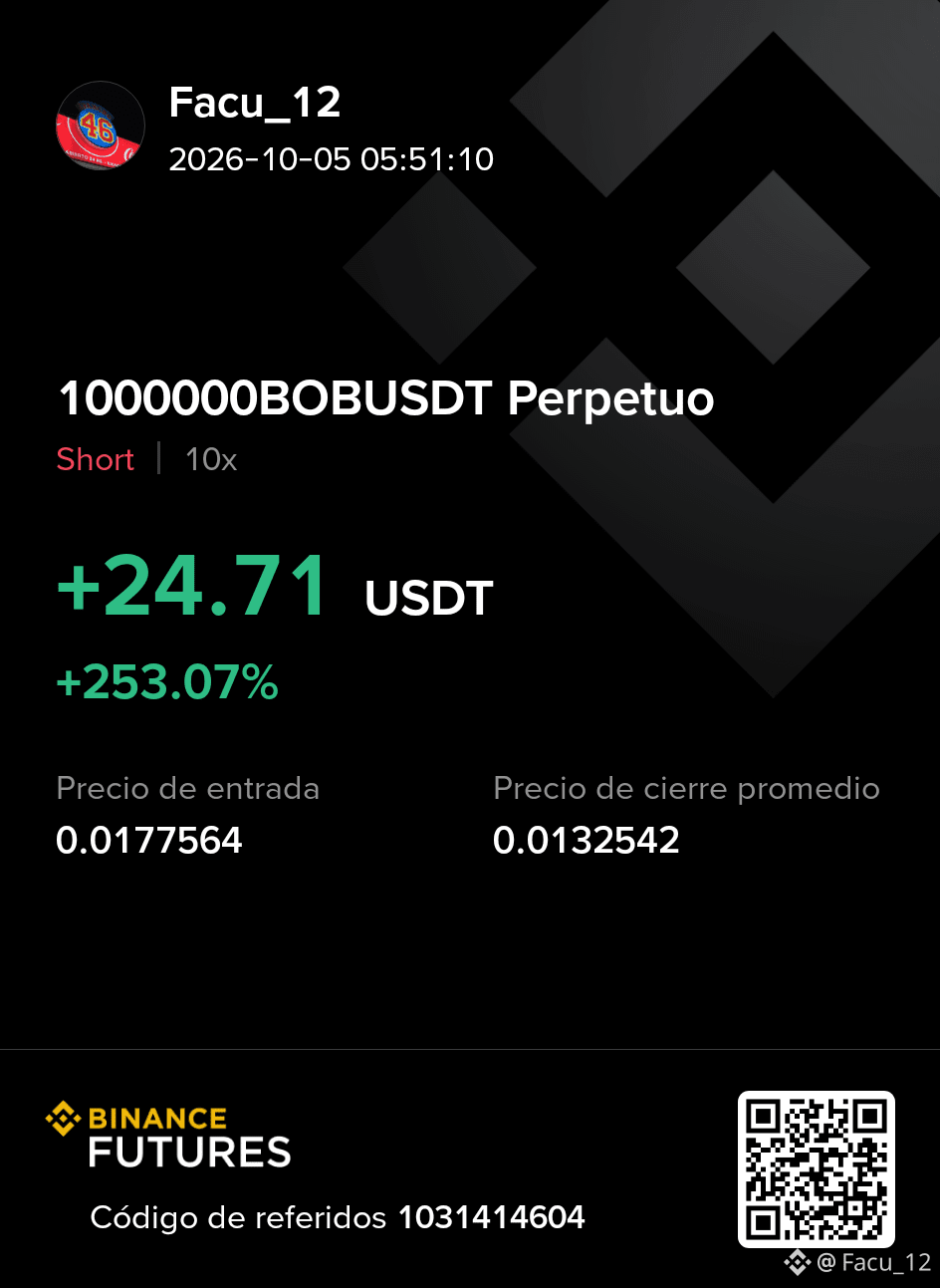
Final update on the BOB trade:
I lost the first long, my pride got hurt, and my worst financial advisor showed up: myself in revenge mode 😂
I got back in, this time much more aggressively and with 10x leverage.
At one point, the trade dropped below -110% ROI, and that’s when I thought, “Well, maybe this was a terrible idea” 💀
Then the price turned around, and I ended up closing with:
+24.71 USDT
+253% ROI
Did it work out? Yes.
Was revenge trading a good decision? No.
This time I went from anxiously watching a -110% to closing like I knew exactly what I was doing. A little aura.
Revenge trading is like drunk driving: it’s fun, but it’s wrong, and you can lose a lot.
#BinanceFutures #RevengeTrading #crypto
Final update on the BOB trade:
I lost the first long, my pride got hurt, and my worst financial advisor showed up: myself in revenge mode 😂
I got back in, this time much more aggressively and with 10x leverage.
At one point, the trade dropped below -110% ROI, and that’s when I thought, “Well, maybe this was a terrible idea” 💀
Then the price turned around, and I ended up closing with:
+24.71 USDT
+253% ROI
Did it work out? Yes.
Was revenge trading a good decision? No.
This time I went from anxiously watching a -110% to closing like I knew exactly what I was doing. A little aura.
Revenge trading is like drunk driving: it’s fun, but it’s wrong, and you can lose a lot.
#BinanceFutures #RevengeTrading #crypto
I lost the first long, my pride got hurt, and my worst financial advisor showed up: myself in revenge mode 😂
I got back in, this time much more aggressively and with 10x leverage.
At one point, the trade dropped below -110% ROI, and that’s when I thought, “Well, maybe this was a terrible idea” 💀
Then the price turned around, and I ended up closing with:
+24.71 USDT
+253% ROI
Did it work out? Yes.
Was revenge trading a good decision? No.
This time I went from anxiously watching a -110% to closing like I knew exactly what I was doing. A little aura.
Revenge trading is like drunk driving: it’s fun, but it’s wrong, and you can lose a lot.
#BinanceFutures #RevengeTrading #crypto
172

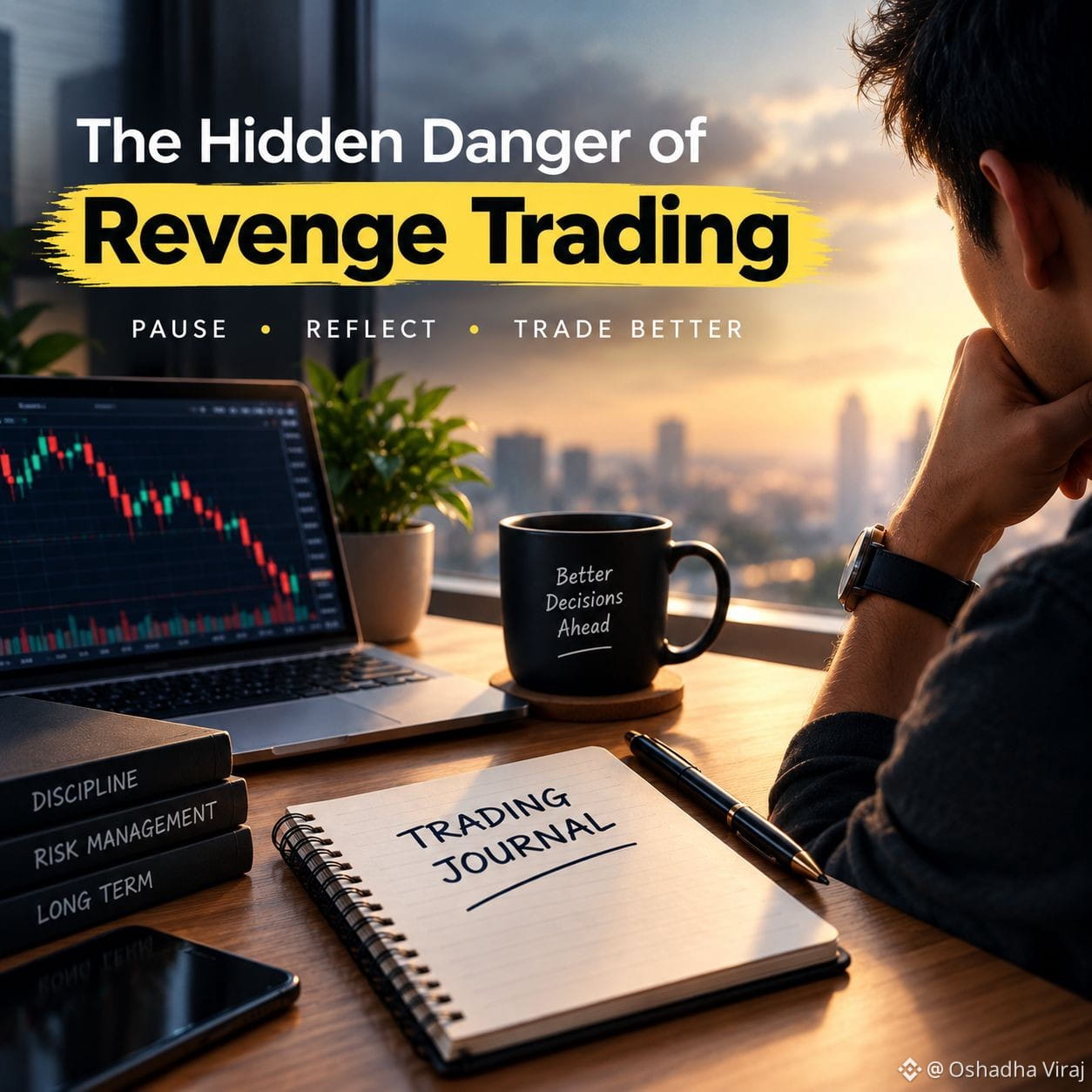
The Hidden Danger of Revenge Trading
The most expensive trade is rarely the first loss.
It’s the one you take minutes later because you want to “get it back.”
Revenge trading often hides behind familiar excuses:
• “The setup is still valid.”
• “I’ll use a tighter stop this time.”
• “Just a small position to recover.”
But what’s really happening?
You’re reacting to the loss instead of following your plan.
You skip invalidation.
You increase size.
You move the stop.
You call it confidence.
That’s not analysis.
That’s emotion wearing a chart.
A simple rule can help:
After a loss, pause.
Don’t take another trade until you can write:
1. Why did the last idea fail?
2. What is different now?
3. Where am I wrong on the next idea?
If you can’t answer those 3 questions, you may not be ready for the next trade.
Losing is part of trading.
Chasing the loss is where risk can quickly get out of control.
Have you taken a revenge trade this month?
Yes or not yet — share below. No judgment.
$BTC $SOL $XRP
#RevengeTrading #TradingPsychology #RiskManagement #CryptoTrading #BinanceSquare
The Hidden Danger of Revenge Trading
The most expensive trade is rarely the first loss.
It’s the one you take minutes later because you want to “get it back.”
Revenge trading often hides behind familiar excuses:
• “The setup is still valid.”
• “I’ll use a tighter stop this time.”
• “Just a small position to recover.”
But what’s really happening?
You’re reacting to the loss instead of following your plan.
You skip invalidation.
You increase size.
You move the stop.
You call it confidence.
That’s not analysis.
That’s emotion wearing a chart.
A simple rule can help:
After a loss, pause.
Don’t take another trade until you can write:
1. Why did the last idea fail?
2. What is different now?
3. Where am I wrong on the next idea?
If you can’t answer those 3 questions, you may not be ready for the next trade.
Losing is part of trading.
Chasing the loss is where risk can quickly get out of control.
Have you taken a revenge trade this month?
Yes or not yet — share below. No judgment.
$BTC $SOL $XRP
#RevengeTrading #TradingPsychology #RiskManagement #CryptoTrading #BinanceSquare
The most expensive trade is rarely the first loss.
It’s the one you take minutes later because you want to “get it back.”
Revenge trading often hides behind familiar excuses:
• “The setup is still valid.”
• “I’ll use a tighter stop this time.”
• “Just a small position to recover.”
But what’s really happening?
You’re reacting to the loss instead of following your plan.
You skip invalidation.
You increase size.
You move the stop.
You call it confidence.
That’s not analysis.
That’s emotion wearing a chart.
A simple rule can help:
After a loss, pause.
Don’t take another trade until you can write:
1. Why did the last idea fail?
2. What is different now?
3. Where am I wrong on the next idea?
If you can’t answer those 3 questions, you may not be ready for the next trade.
Losing is part of trading.
Chasing the loss is where risk can quickly get out of control.
Have you taken a revenge trade this month?
Yes or not yet — share below. No judgment.
$BTC $SOL $XRP
#RevengeTrading #TradingPsychology #RiskManagement #CryptoTrading #BinanceSquare
1
255
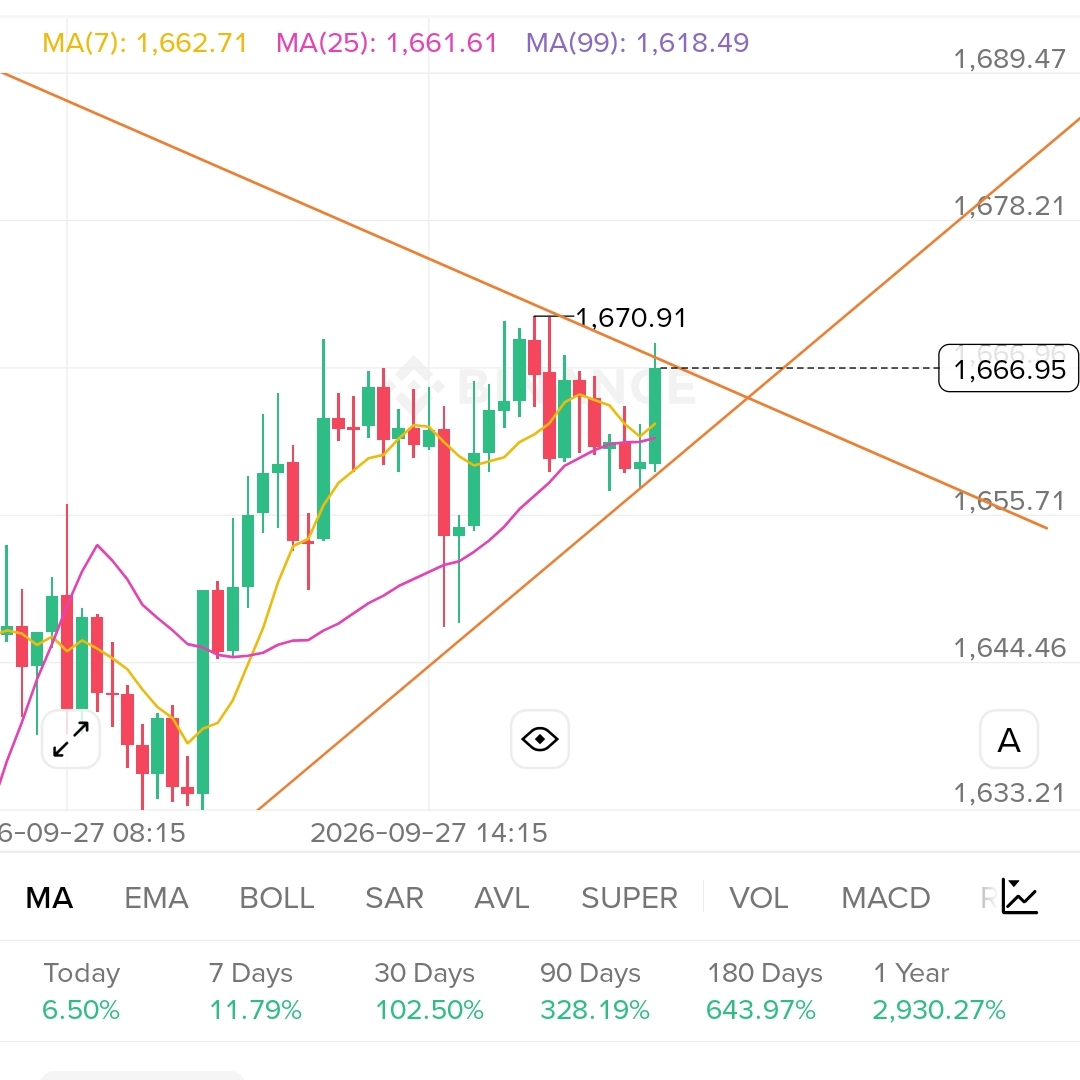
😡💸 Revenge trading. We've all felt it. That burning sensation when a trade goes south, the unfairness of it all. Your chest tightens, a knot in your stomach. All you can think is, "I *have* to get that money back, right now." I remember losing $50 on an ETH long, then in a blind rage, going 100x short, blowing my whole $600 account in under 15 minutes. It's a spiral: you trade larger, ignore your plan, chase pumps. You *always* lose more. The only way out? When that feeling hits, physically *stand up*. Walk away from your screen for 30 minutes. No peeking. Just disconnect. Let the emotion cool. This one simple act saved my trading career.
#RevengeTrading #TradingPsychology #BinanceFutures #TradingMistakes #Discipline
😡💸 Revenge trading. We've all felt it. That burning sensation when a trade goes south, the unfairness of it all. Your chest tightens, a knot in your stomach. All you can think is, "I *have* to get that money back, right now." I remember losing $50 on an ETH long, then in a blind rage, going 100x short, blowing my whole $600 account in under 15 minutes. It's a spiral: you trade larger, ignore your plan, chase pumps. You *always* lose more. The only way out? When that feeling hits, physically *stand up*. Walk away from your screen for 30 minutes. No peeking. Just disconnect. Let the emotion cool. This one simple act saved my trading career.
#RevengeTrading #TradingPsychology #BinanceFutures #TradingMistakes #Discipline
#RevengeTrading #TradingPsychology #BinanceFutures #TradingMistakes #Discipline
29
😡💸 That pit in your stomach, the flush of heat, the burning need to "get it back." I know that feeling intimately. After blowing my first $600 on leveraged futures, I'd try to revenge trade. It's pure emotion overriding all logic. You're not analyzing; you're reacting. I remember turning a $50 loss into a $300 blow-up in an hour because I just *had* to get even, ignoring every signal. This pattern always ends in deeper losses. Each desperate trade fuels the next, emptying your account. The one mental rule that interrupts it: "If emotion takes over, walk away from the charts for at least one hour." Seriously, close everything. Go outside. Let your brain reset. You can't win when you're fighting yourself.
#RevengeTrading #TradingPsychology #RiskManagement #FuturesTrading #BinanceSquare
😡💸 That pit in your stomach, the flush of heat, the burning need to "get it back." I know that feeling intimately. After blowing my first $600 on leveraged futures, I'd try to revenge trade. It's pure emotion overriding all logic. You're not analyzing; you're reacting. I remember turning a $50 loss into a $300 blow-up in an hour because I just *had* to get even, ignoring every signal. This pattern always ends in deeper losses. Each desperate trade fuels the next, emptying your account. The one mental rule that interrupts it: "If emotion takes over, walk away from the charts for at least one hour." Seriously, close everything. Go outside. Let your brain reset. You can't win when you're fighting yourself.
#RevengeTrading #TradingPsychology #RiskManagement #FuturesTrading #BinanceSquare
#RevengeTrading #TradingPsychology #RiskManagement #FuturesTrading #BinanceSquare
4
Revenge trading is a mental trap that will bleed you dry long after your initial loss. It's not about making smart moves; it's pure, raw emotion trying to fix what's broken, and it *always* makes it worse. You lose $600 on a bad ADA future, then see SOL dipping and think, "This is it, I'll just double down, get it all back." Next thing you know, you've liquidated your entire portfolio chasing that high, fueled by anger and desperation. When that feeling hits, walk away from the screen. Close the app. Take a deep breath. Give yourself at least 24 hours before you even *look* at a chart again. Your wallet will thank you.
#RevengeTrading #CryptoLoss #FuturesTrading #TradeSmart #LearnedTheHardWay
Revenge trading is a mental trap that will bleed you dry long after your initial loss. It's not about making smart moves; it's pure, raw emotion trying to fix what's broken, and it *always* makes it worse. You lose $600 on a bad ADA future, then see SOL dipping and think, "This is it, I'll just double down, get it all back." Next thing you know, you've liquidated your entire portfolio chasing that high, fueled by anger and desperation. When that feeling hits, walk away from the screen. Close the app. Take a deep breath. Give yourself at least 24 hours before you even *look* at a chart again. Your wallet will thank you.
#RevengeTrading #CryptoLoss #FuturesTrading #TradeSmart #LearnedTheHardWay
#RevengeTrading #CryptoLoss #FuturesTrading #TradeSmart #LearnedTheHardWay
42
😡💸 That frantic heat in your neck, the overwhelming need to "get it back"—that's revenge trading. My $600 leveraged futures blow-up taught me this intimately. I felt the desperate urge to reverse it, blindly entering, chasing mistakes without analysis.
Physically, it's a pounding heart, tunnel vision, frantic clicks. This always escalates small losses into total account annihilation. My $600 was incinerated by emotional doubling down. It's a death spiral, driven by pride.
The only circuit breaker: *If you feel that hot urgency, close ALL charts immediately and don't open them for at least 4 hours.* No exceptions. Disconnect. Let the emotion pass. Your capital depends on it.
#TradingPsychology #RevengeTrading #FuturesTrading #TradingDiscipline
😡💸 That frantic heat in your neck, the overwhelming need to "get it back"—that's revenge trading. My $600 leveraged futures blow-up taught me this intimately. I felt the desperate urge to reverse it, blindly entering, chasing mistakes without analysis.
Physically, it's a pounding heart, tunnel vision, frantic clicks. This always escalates small losses into total account annihilation. My $600 was incinerated by emotional doubling down. It's a death spiral, driven by pride.
The only circuit breaker: *If you feel that hot urgency, close ALL charts immediately and don't open them for at least 4 hours.* No exceptions. Disconnect. Let the emotion pass. Your capital depends on it.
#TradingPsychology #RevengeTrading #FuturesTrading #TradingDiscipline
Physically, it's a pounding heart, tunnel vision, frantic clicks. This always escalates small losses into total account annihilation. My $600 was incinerated by emotional doubling down. It's a death spiral, driven by pride.
The only circuit breaker: *If you feel that hot urgency, close ALL charts immediately and don't open them for at least 4 hours.* No exceptions. Disconnect. Let the emotion pass. Your capital depends on it.
#TradingPsychology #RevengeTrading #FuturesTrading #TradingDiscipline
20

·
--
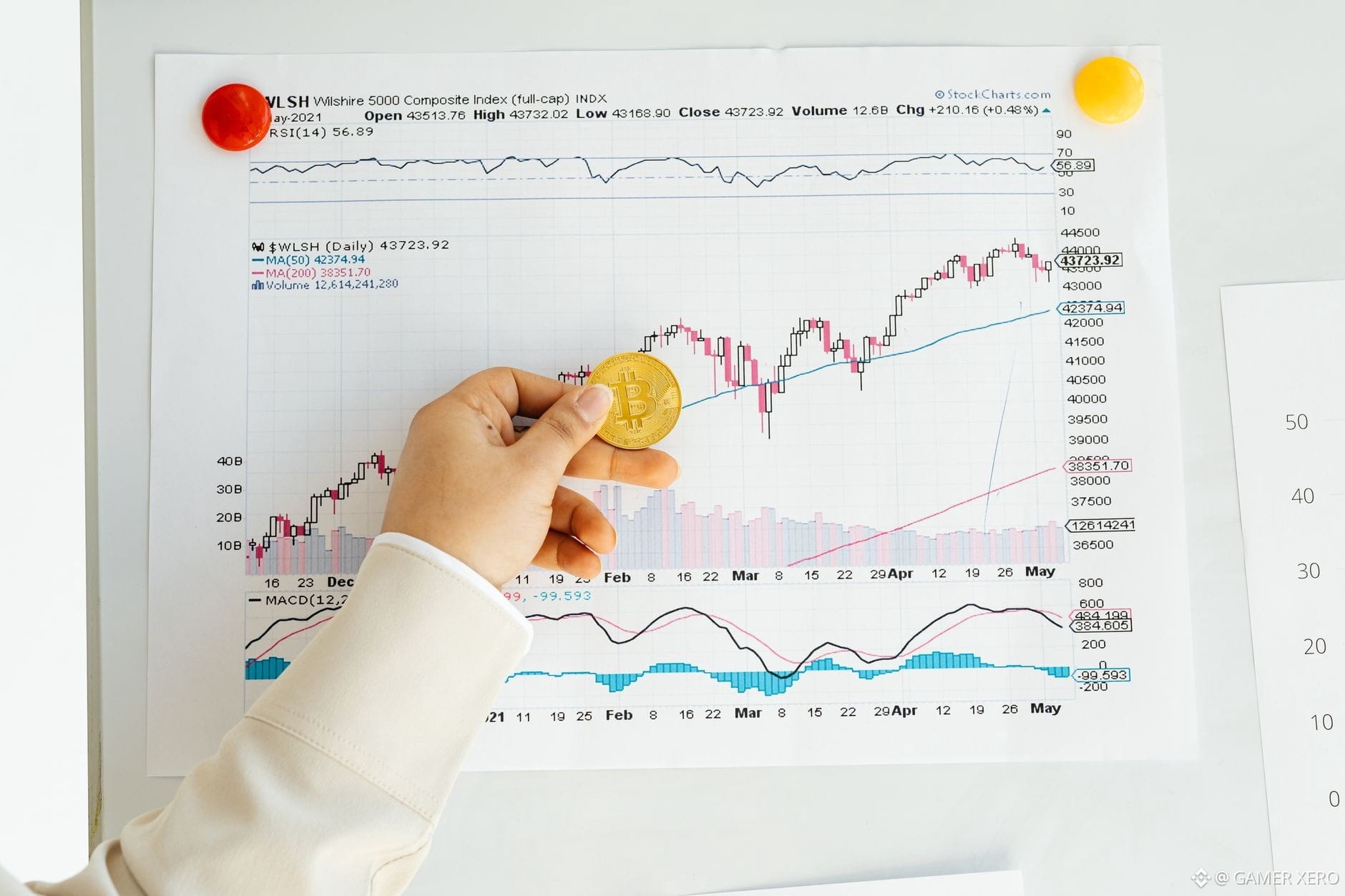
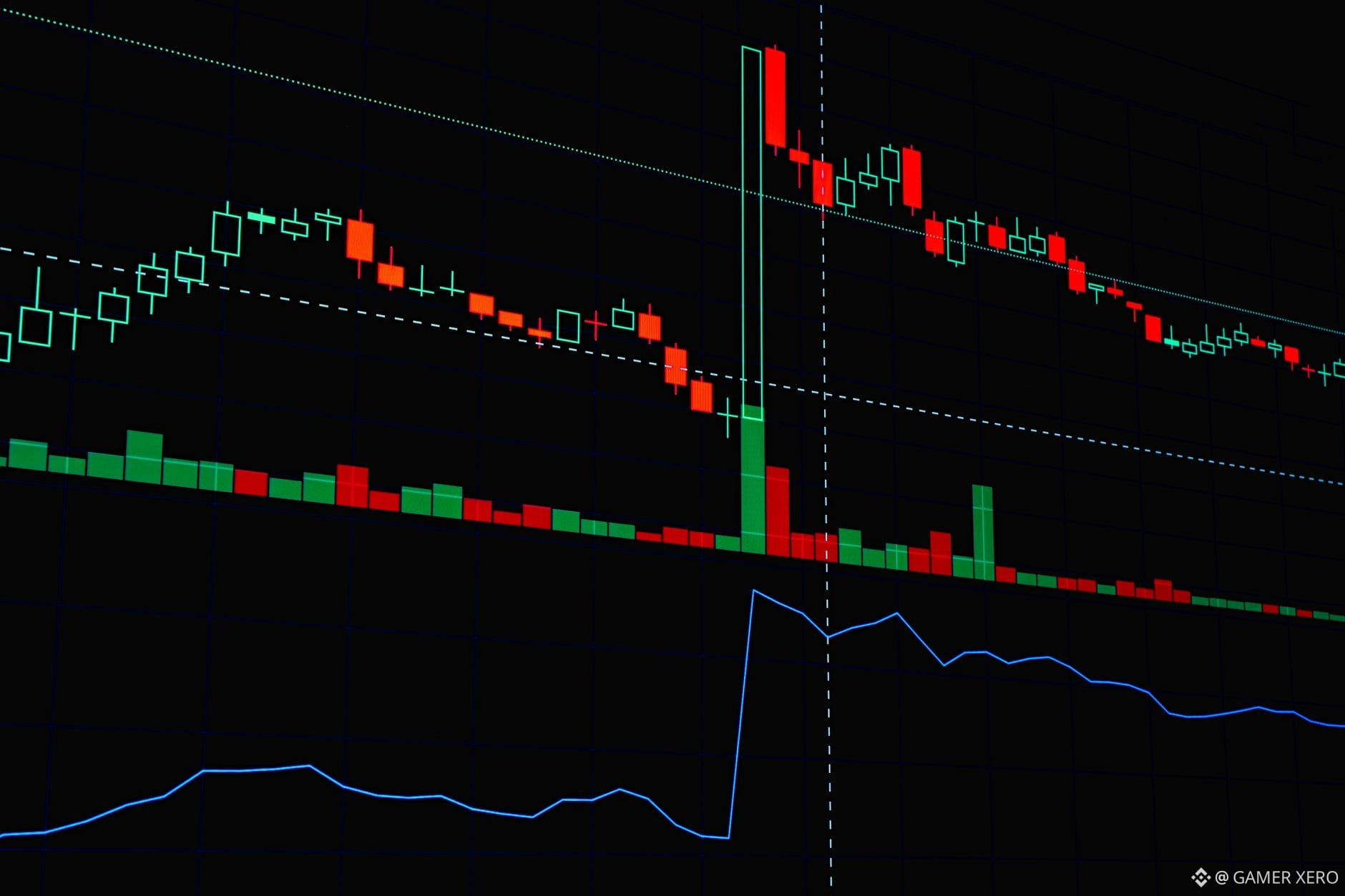
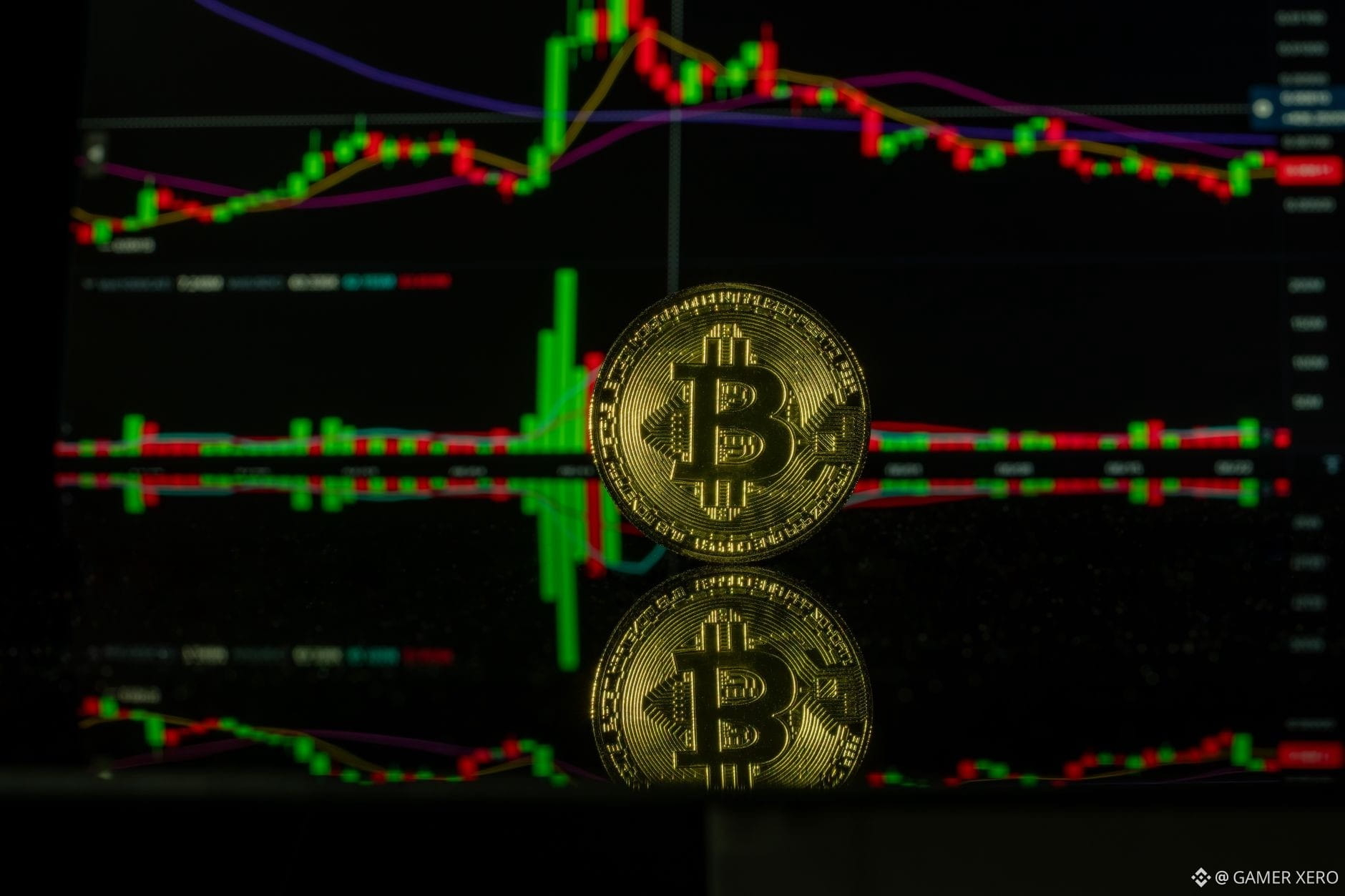
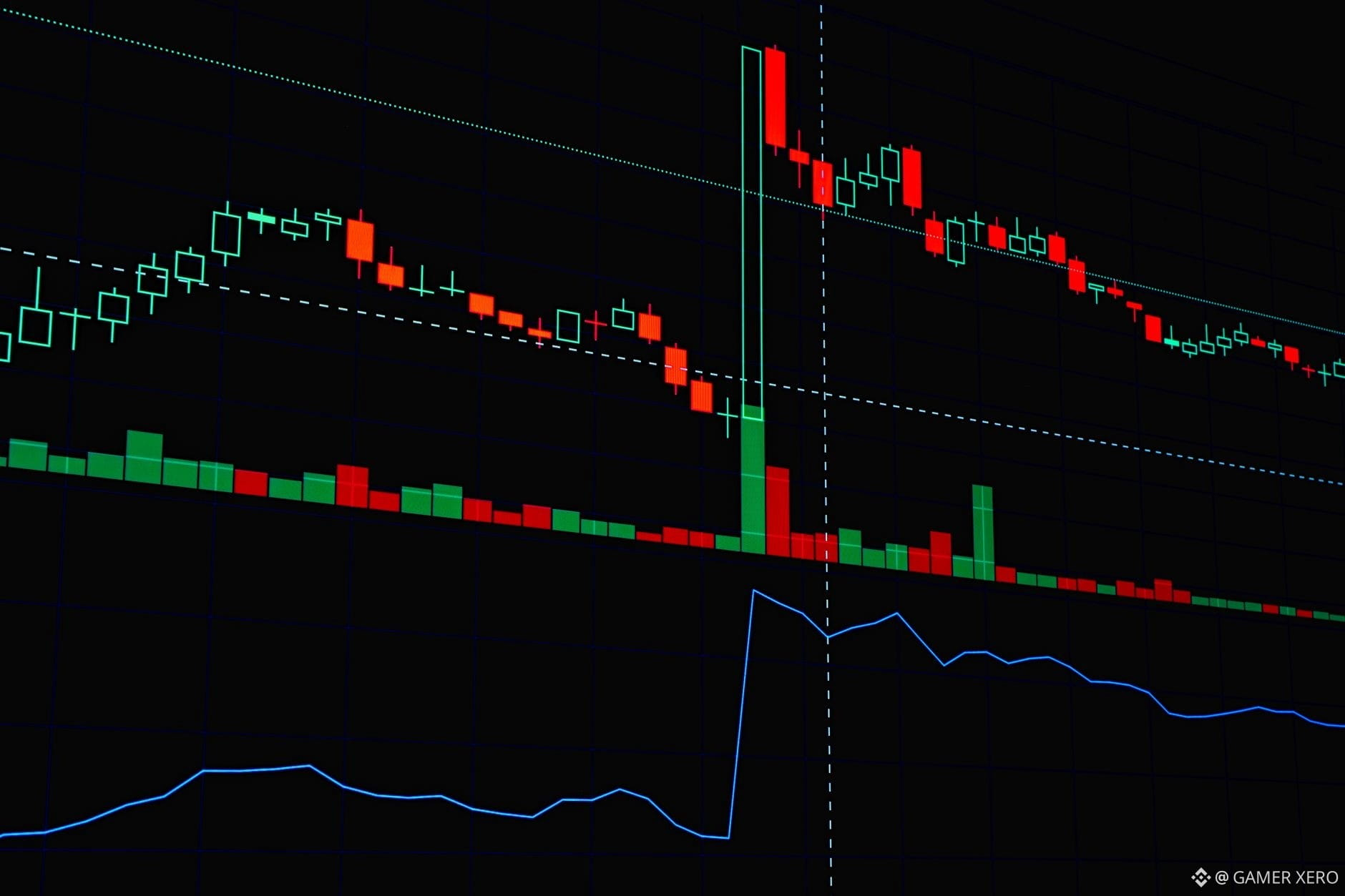
I watched $BTC settle at $78,950 after a 2.12% dip, and the next hour the chart nudged back toward the $80,600 high. A colleague sent me a screenshot of his trade: he’d just taken a loss at $78,800, then slammed a market order the moment the price ticked up a few hundred dollars, hoping to “make it right.” That impulse is classic revenge trading – the urge to erase a recent mistake by forcing a new one.
Why does it feel so compelling? Our brain’s loss‑aversion circuitry lights up, and the immediate pain of a loss skews risk perception. On Binance, the order‑book depth can look inviting when the spread tightens, but the same liquidity that lets you enter fast also amplifies slippage if the price reverses. The result is often a larger loss that erodes confidence even more.
Have you ever caught yourself chasing green candles after a loss, and what mental check helped you reset?
#TradingPsychology #RevengeTrading #CryptoMindset #GAMERXERO
I watched $BTC settle at $78,950 after a 2.12% dip, and the next hour the chart nudged back toward the $80,600 high. A colleague sent me a screenshot of his trade: he’d just taken a loss at $78,800, then slammed a market order the moment the price ticked up a few hundred dollars, hoping to “make it right.” That impulse is classic revenge trading – the urge to erase a recent mistake by forcing a new one.
Why does it feel so compelling? Our brain’s loss‑aversion circuitry lights up, and the immediate pain of a loss skews risk perception. On Binance, the order‑book depth can look inviting when the spread tightens, but the same liquidity that lets you enter fast also amplifies slippage if the price reverses. The result is often a larger loss that erodes confidence even more.
Have you ever caught yourself chasing green candles after a loss, and what mental check helped you reset?
#TradingPsychology #RevengeTrading #CryptoMindset #GAMERXERO
Why does it feel so compelling? Our brain’s loss‑aversion circuitry lights up, and the immediate pain of a loss skews risk perception. On Binance, the order‑book depth can look inviting when the spread tightens, but the same liquidity that lets you enter fast also amplifies slippage if the price reverses. The result is often a larger loss that erodes confidence even more.
Have you ever caught yourself chasing green candles after a loss, and what mental check helped you reset?
#TradingPsychology #RevengeTrading #CryptoMindset #GAMERXERO
20
·
--
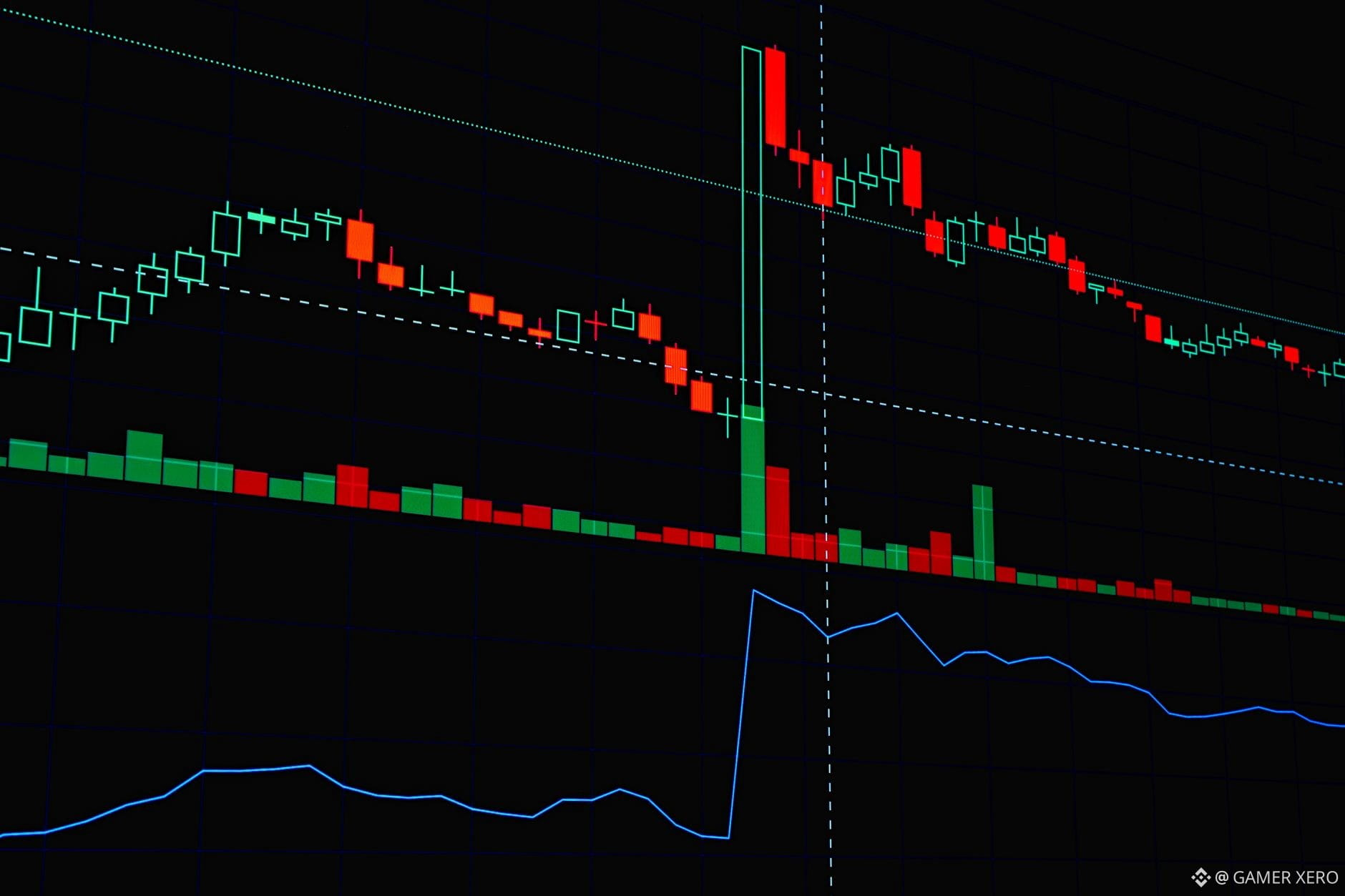
When $BTC slipped to $63,594 on Binance after a 24‑hour dip, I felt the familiar urge to “get it back” on the next rally. The temptation to flood the order book with a larger position than usual is the hallmark of revenge trading – a mental shortcut that replaces disciplined risk management with emotional urgency.
A quick audit helps break the cycle. First, note the actual move: $BTC’s high was $64,515 and the low $63,451, a range of less than 2 %. That tells you the market is still relatively tight, not a free‑fall you need to chase. Second, compare it to $ETH, which sat at $1,864 after a modest 0.59 % decline. Both assets showed similar, contained swings, meaning there’s no sudden breakout to justify a bigger bet.
Have you ever caught yourself about to over‑size a trade after a loss, and what step stopped you?
#CryptoPsychology #TradingMindset #RevengeTrading #GAMERXERO
When $BTC slipped to $63,594 on Binance after a 24‑hour dip, I felt the familiar urge to “get it back” on the next rally. The temptation to flood the order book with a larger position than usual is the hallmark of revenge trading – a mental shortcut that replaces disciplined risk management with emotional urgency.
A quick audit helps break the cycle. First, note the actual move: $BTC ’s high was $64,515 and the low $63,451, a range of less than 2 %. That tells you the market is still relatively tight, not a free‑fall you need to chase. Second, compare it to $ETH , which sat at $1,864 after a modest 0.59 % decline. Both assets showed similar, contained swings, meaning there’s no sudden breakout to justify a bigger bet.
Have you ever caught yourself about to over‑size a trade after a loss, and what step stopped you?
#CryptoPsychology #TradingMindset #RevengeTrading #GAMERXERO
A quick audit helps break the cycle. First, note the actual move: $BTC ’s high was $64,515 and the low $63,451, a range of less than 2 %. That tells you the market is still relatively tight, not a free‑fall you need to chase. Second, compare it to $ETH , which sat at $1,864 after a modest 0.59 % decline. Both assets showed similar, contained swings, meaning there’s no sudden breakout to justify a bigger bet.
Have you ever caught yourself about to over‑size a trade after a loss, and what step stopped you?
#CryptoPsychology #TradingMindset #RevengeTrading #GAMERXERO
23

·
--
Bullish
2/7 The Silent Killer
Why "buying the dip" to win your money back is the fastest way to zero. 📉🔥 Let's talk about the silent killer: Revenge Trading. 👇
Yesterday I told you about my worst liquidation. But the real damage didn't happen on that trade. It happened in the 48 hours after.
When you lose big, your brain treats it like physical pain. Your immediate instinct is to fight back. You deposit more fiat. 💳 You look for a quick 10x setup. You start trading altcoins you haven’t even researched.
Here is the harsh reality: You cannot punish the market. 🛑
When you revenge trade:
➡️ Your edge is gone. 📉
➡️ Your sizing is emotional, not mathematical. 😭
➡️ You are trading your PNL, not the chart. 📊
If you take a heavy hit, step away from the screens for 24 hours. 🚶♂️ The chart will still be there tomorrow. Your capital might not be.
Have you ever caught yourself revenge trading? Drop a 🛑 in the comments if you have. Tomorrow is Part 3: Why your massive portfolio gains might actually be a complete lie. Make sure you are following! 🔔
#RevengeTrading #cryptotrading #mindset #BinanceSquare
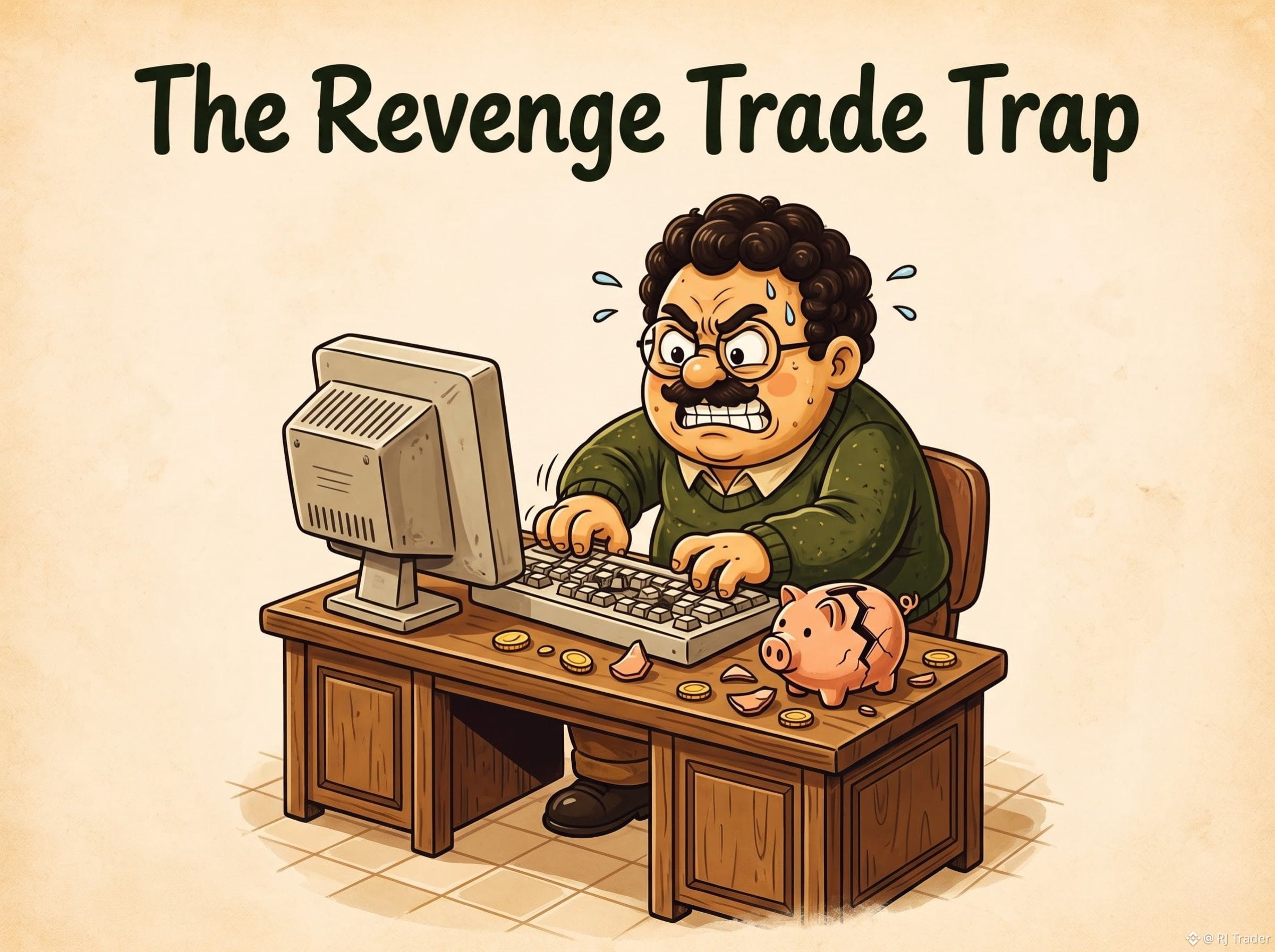
2/7 The Silent Killer
Why "buying the dip" to win your money back is the fastest way to zero. 📉🔥 Let's talk about the silent killer: Revenge Trading. 👇
Yesterday I told you about my worst liquidation. But the real damage didn't happen on that trade. It happened in the 48 hours after.
When you lose big, your brain treats it like physical pain. Your immediate instinct is to fight back. You deposit more fiat. 💳 You look for a quick 10x setup. You start trading altcoins you haven’t even researched.
Here is the harsh reality: You cannot punish the market. 🛑
When you revenge trade:
➡️ Your edge is gone. 📉
➡️ Your sizing is emotional, not mathematical. 😭
➡️ You are trading your PNL, not the chart. 📊
If you take a heavy hit, step away from the screens for 24 hours. 🚶♂️ The chart will still be there tomorrow. Your capital might not be.
Have you ever caught yourself revenge trading? Drop a 🛑 in the comments if you have. Tomorrow is Part 3: Why your massive portfolio gains might actually be a complete lie. Make sure you are following! 🔔
#RevengeTrading #cryptotrading #mindset #BinanceSquare
Why "buying the dip" to win your money back is the fastest way to zero. 📉🔥 Let's talk about the silent killer: Revenge Trading. 👇
Yesterday I told you about my worst liquidation. But the real damage didn't happen on that trade. It happened in the 48 hours after.
When you lose big, your brain treats it like physical pain. Your immediate instinct is to fight back. You deposit more fiat. 💳 You look for a quick 10x setup. You start trading altcoins you haven’t even researched.
Here is the harsh reality: You cannot punish the market. 🛑
When you revenge trade:
➡️ Your edge is gone. 📉
➡️ Your sizing is emotional, not mathematical. 😭
➡️ You are trading your PNL, not the chart. 📊
If you take a heavy hit, step away from the screens for 24 hours. 🚶♂️ The chart will still be there tomorrow. Your capital might not be.
Have you ever caught yourself revenge trading? Drop a 🛑 in the comments if you have. Tomorrow is Part 3: Why your massive portfolio gains might actually be a complete lie. Make sure you are following! 🔔
#RevengeTrading #cryptotrading #mindset #BinanceSquare
60
Revenge trading isn't just risky, it's a guaranteed way to bleed out your account. You think you're getting back what you lost, but what you're really doing is trading with pure emotion, throwing strategy out the window. Your brain is screaming 'get it back!' and you'll chase anything, ignoring all the red flags. Remember that ADA pump you missed after getting liquidated on DOGE? You jump in late, 50x leverage on SOL, because 'it has to go up now.' Next thing you know, SOL dumps, and that $600 initial loss turns into $1500 gone in minutes. Been there, trust me. When you feel that urge, step away. Close the charts. Walk outside. Let your head clear before you even *think* about another trade.
#CryptoTrading #RevengeTrading #FuturesLoss #BinanceSquare #TradeResponsibly
Revenge trading isn't just risky, it's a guaranteed way to bleed out your account. You think you're getting back what you lost, but what you're really doing is trading with pure emotion, throwing strategy out the window. Your brain is screaming 'get it back!' and you'll chase anything, ignoring all the red flags. Remember that ADA pump you missed after getting liquidated on DOGE? You jump in late, 50x leverage on SOL, because 'it has to go up now.' Next thing you know, SOL dumps, and that $600 initial loss turns into $1500 gone in minutes. Been there, trust me. When you feel that urge, step away. Close the charts. Walk outside. Let your head clear before you even *think* about another trade.
#CryptoTrading #RevengeTrading #FuturesLoss #BinanceSquare #TradeResponsibly
#CryptoTrading #RevengeTrading #FuturesLoss #BinanceSquare #TradeResponsibly
92

{spot}(BTCUSDT)
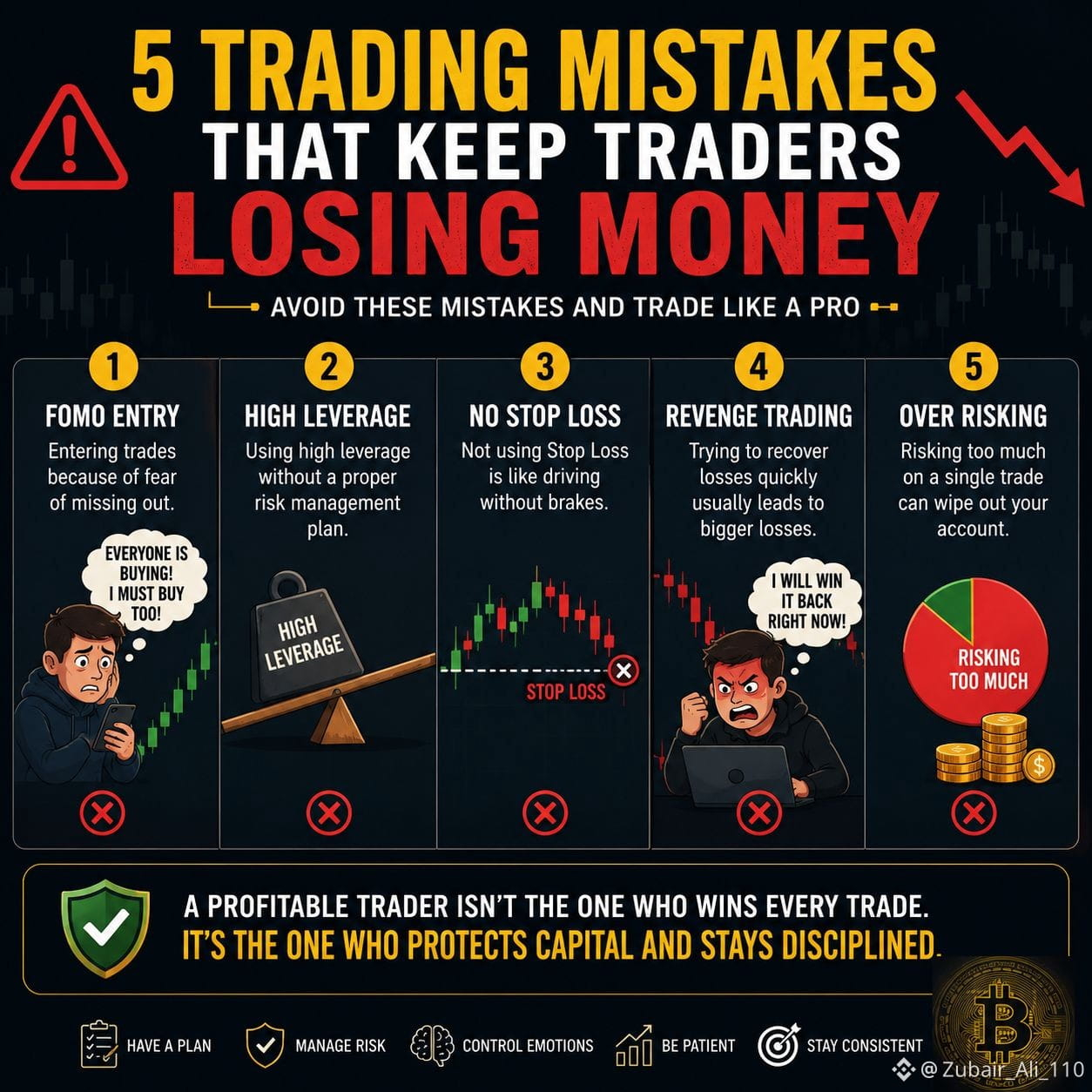
🚨 5 Trading Mistakes That Keep Traders Losing Money
Most traders don't lose because of a bad strategy—they lose because of bad habits.
Here are 5 mistakes to avoid:
❌ Entering trades because of #FOMO
❌ Using #highleverage without a plan
❌ Trading without a #stoploss
❌ #revengetrading after a #lose
❌ Risking too much on a single trade
✅ A profitable trader isn't the one who wins every trade. It's the one who protects capital and stays disciplined.
Protect Your Capital. Profit Comes Later.
💬 Which mistake have you made before? Share your experience below.
🚨 5 Trading Mistakes That Keep Traders Losing Money
Most traders don't lose because of a bad strategy—they lose because of bad habits.
Here are 5 mistakes to avoid:
❌ Entering trades because of #FOMO
❌ Using #highleverage without a plan
❌ Trading without a #stoploss
❌ #revengetrading after a #lose
❌ Risking too much on a single trade
✅ A profitable trader isn't the one who wins every trade. It's the one who protects capital and stays disciplined.
Protect Your Capital. Profit Comes Later.
💬 Which mistake have you made before? Share your experience below.
🚨 5 Trading Mistakes That Keep Traders Losing Money
Most traders don't lose because of a bad strategy—they lose because of bad habits.
Here are 5 mistakes to avoid:
❌ Entering trades because of #FOMO
❌ Using #highleverage without a plan
❌ Trading without a #stoploss
❌ #revengetrading after a #lose
❌ Risking too much on a single trade
✅ A profitable trader isn't the one who wins every trade. It's the one who protects capital and stays disciplined.
Protect Your Capital. Profit Comes Later.
💬 Which mistake have you made before? Share your experience below.
1
90
Revenge trading will absolutely destroy your account, often losing you more than the original bad trade. It's not just chasing losses; it’s trading with pure, unfiltered rage and desperation. Your ego convinces you to double down, ignoring all logic, and the market ruthlessly punishes that emotional blindness. I blew a $700 ADA trade once, then immediately jumped into 100x DOGE, convinced I'd make it all back in minutes. I didn't even check the charts, just hit 'buy'. Needless to say, my liquidation was swift and brutal, costing me another $1500 I couldn't afford. When a trade goes bad, the *only* thing to do is walk away. Close the app, go offline. Let your emotions cool down before you even think about the next move.
#RevengeTrading #CryptoLosses #FuturesTrading #TradeSmart #LearnedTheHardWay
Revenge trading will absolutely destroy your account, often losing you more than the original bad trade. It's not just chasing losses; it’s trading with pure, unfiltered rage and desperation. Your ego convinces you to double down, ignoring all logic, and the market ruthlessly punishes that emotional blindness. I blew a $700 ADA trade once, then immediately jumped into 100x DOGE, convinced I'd make it all back in minutes. I didn't even check the charts, just hit 'buy'. Needless to say, my liquidation was swift and brutal, costing me another $1500 I couldn't afford. When a trade goes bad, the *only* thing to do is walk away. Close the app, go offline. Let your emotions cool down before you even think about the next move.
#RevengeTrading #CryptoLosses #FuturesTrading #TradeSmart #LearnedTheHardWay
#RevengeTrading #CryptoLosses #FuturesTrading #TradeSmart #LearnedTheHardWay
42
·
--
After a $BTC dip to $79,828 and a quick bounce back into the $80k‑plus range, I caught myself staring at the chart, waiting for the next green candle to “make up” the loss from earlier in the session. That exact feeling is the classic revenge‑trading trap: you let a single outcome dictate the next move, often ignoring the broader market context.
A practical way to break the cycle is to treat every trade as an isolated event. Before you hit “buy,” write down the exact reason you’re entering—whether it’s a confluence of support at $79,600 and a bullish order‑flow pattern, or a clear breakout on the 4‑hour chart. Then set a predefined stop‑loss that you’ll respect no matter how the price moves afterward. When the stop hits, step away for a few minutes, review the trade log, and remind yourself that the loss is a data point, not a personal failure.
What’s your go‑to ritual for pulling the plug on a trade that feels more about ego than strategy?
#TradingPsychology #RevengeTrading #CryptoDiscipline #GAMERXERO
After a $BTC dip to $79,828 and a quick bounce back into the $80k‑plus range, I caught myself staring at the chart, waiting for the next green candle to “make up” the loss from earlier in the session. That exact feeling is the classic revenge‑trading trap: you let a single outcome dictate the next move, often ignoring the broader market context.
A practical way to break the cycle is to treat every trade as an isolated event. Before you hit “buy,” write down the exact reason you’re entering—whether it’s a confluence of support at $79,600 and a bullish order‑flow pattern, or a clear breakout on the 4‑hour chart. Then set a predefined stop‑loss that you’ll respect no matter how the price moves afterward. When the stop hits, step away for a few minutes, review the trade log, and remind yourself that the loss is a data point, not a personal failure.
What’s your go‑to ritual for pulling the plug on a trade that feels more about ego than strategy?
#TradingPsychology #RevengeTrading #CryptoDiscipline #GAMERXERO
A practical way to break the cycle is to treat every trade as an isolated event. Before you hit “buy,” write down the exact reason you’re entering—whether it’s a confluence of support at $79,600 and a bullish order‑flow pattern, or a clear breakout on the 4‑hour chart. Then set a predefined stop‑loss that you’ll respect no matter how the price moves afterward. When the stop hits, step away for a few minutes, review the trade log, and remind yourself that the loss is a data point, not a personal failure.
What’s your go‑to ritual for pulling the plug on a trade that feels more about ego than strategy?
#TradingPsychology #RevengeTrading #CryptoDiscipline #GAMERXERO
1
113
It was 3 AM, my screen a blinding white in the dark room. ADA just liquidated my 12x long, $50 gone. "Fine," I thought, "just a small hit." Opened a DOGE 50x long, sure it would bounce. It didn't. Another $80 vaporized. That sting… it wasn’t about the money anymore. It was about *being right*. So I poured everything left into a SOL 100x long, convinced this was the one. My $470 vanished in seconds. Not a single big punch, but three quick jabs I met with more fury, each one compounding until there was nothing left of my $600. Just the empty feeling of having thrown good money after bad. Anyone else ever try to "fix" a small loss and just dig a much deeper hole?
#CryptoTrading #FuturesLoss #RevengeTrading #LeverageFails
It was 3 AM, my screen a blinding white in the dark room. ADA just liquidated my 12x long, $50 gone. "Fine," I thought, "just a small hit." Opened a DOGE 50x long, sure it would bounce. It didn't. Another $80 vaporized. That sting… it wasn’t about the money anymore. It was about *being right*. So I poured everything left into a SOL 100x long, convinced this was the one. My $470 vanished in seconds. Not a single big punch, but three quick jabs I met with more fury, each one compounding until there was nothing left of my $600. Just the empty feeling of having thrown good money after bad. Anyone else ever try to "fix" a small loss and just dig a much deeper hole?
#CryptoTrading #FuturesLoss #RevengeTrading #LeverageFails
#CryptoTrading #FuturesLoss #RevengeTrading #LeverageFails
230

·
--
Read a thread where someone went all-in trying to recover a loss, admitted himself “the more I move, the more I lose” — and kept going anyway.
Question I keep coming back to:
when do we admit “I’m exhausted” instead of “I have to win this back”?
Those are two very different reasons to stay in the market.
#tradingpsychology #CryptoMindset #RevengeTrading
Read a thread where someone went all-in trying to recover a loss, admitted himself “the more I move, the more I lose” — and kept going anyway.
Question I keep coming back to:
when do we admit “I’m exhausted” instead of “I have to win this back”?
Those are two very different reasons to stay in the market.
#tradingpsychology #CryptoMindset #RevengeTrading
Question I keep coming back to:
when do we admit “I’m exhausted” instead of “I have to win this back”?
Those are two very different reasons to stay in the market.
#tradingpsychology #CryptoMindset #RevengeTrading

Crypto交易员朱一旦
·
--
The two words “fighting spirit”
Before I knew it, a few more days passed and I still hadn’t updated the Binance Plaza. After some effort, I still lost a few tens of thousands of USDT. From the account peak of 300k USDT two months ago, to today—down to under 40k. Loss after loss, each time hitting me harder. It really left me with nothing but frustration and tears.
I won’t go over the losses from trading again. This past six months, the new business I was trying to explore was also proven false yesterday—didn’t work out. But today the thing that really broke me was this: a good brother of mine who plays at the “level one” market came over to my place to insist that I buy. He even insisted while I didn’t end up entering with 5000 USDT on $CZ. And within 20 minutes, it went up eight times. When you don’t know what to say, you really just end up laughing.
Actually, by the end of last year I already had a strong sense of risk awareness. Unfortunately, I still lost to my self-assured confidence. I managed to dodge the counterfeit broad sell-off, but then I went all-in on the World Cup narrative. After I took the loss, my mindset still changed. The urgency to make back the money made my trading even more reckless. As you can imagine, the outcome was predictable: in this kind of market, the more you move, the more you lose. The reason is that the market itself has no liquidity. And I especially like low-cap “shanzhai” coins. Once I bought with 60–70k USDT, it started to drop. When I cut my losses, it then bounced back. The target was just too obvious—I was clearly set up and handled by some幕后庄家 (the dog庄).
I won’t go over the losses from trading again. This past six months, the new business I was trying to explore was also proven false yesterday—didn’t work out. But today the thing that really broke me was this: a good brother of mine who plays at the “level one” market came over to my place to insist that I buy. He even insisted while I didn’t end up entering with 5000 USDT on $CZ. And within 20 minutes, it went up eight times. When you don’t know what to say, you really just end up laughing.
Actually, by the end of last year I already had a strong sense of risk awareness. Unfortunately, I still lost to my self-assured confidence. I managed to dodge the counterfeit broad sell-off, but then I went all-in on the World Cup narrative. After I took the loss, my mindset still changed. The urgency to make back the money made my trading even more reckless. As you can imagine, the outcome was predictable: in this kind of market, the more you move, the more you lose. The reason is that the market itself has no liquidity. And I especially like low-cap “shanzhai” coins. Once I bought with 60–70k USDT, it started to drop. When I cut my losses, it then bounced back. The target was just too obvious—I was clearly set up and handled by some幕后庄家 (the dog庄).
8
·
--
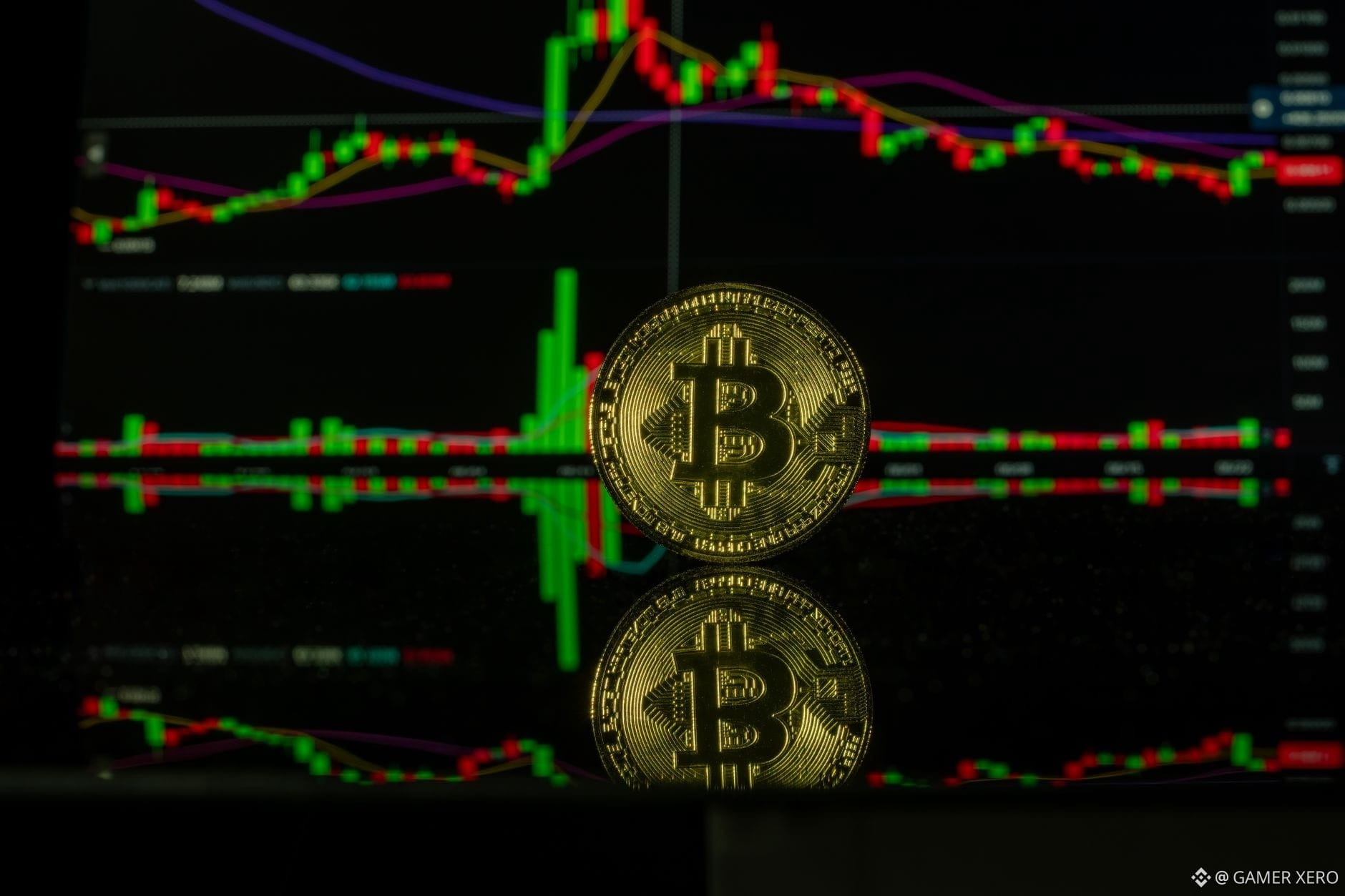
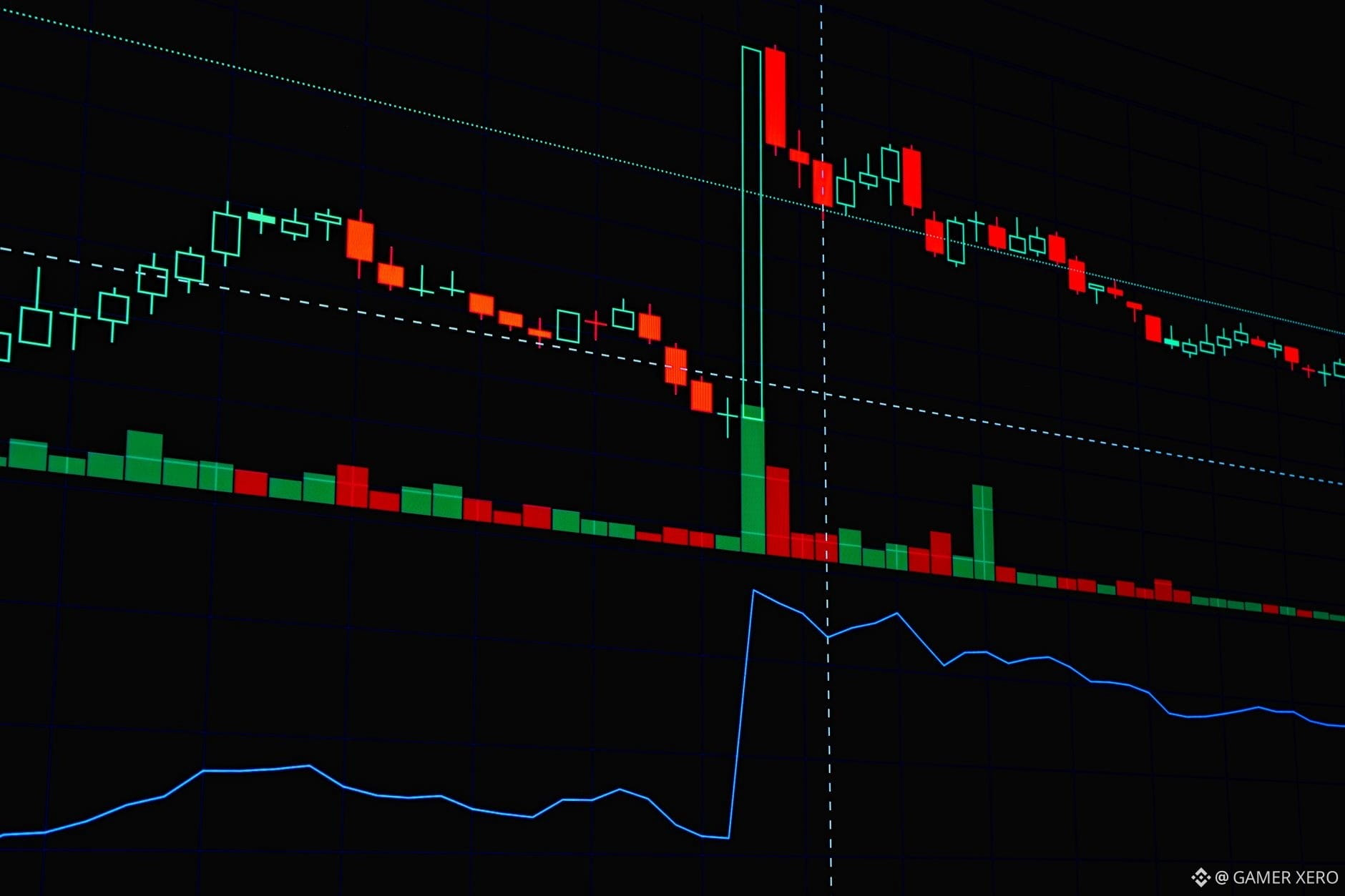
I saw $BTC linger around $78,100 on Binance this morning, then slip a few hundred points before clawing back to $78,200. The swing felt like a perfect setup for a “revenge trade” – the urge to prove a previous loss right away. That impulse is a classic mental trap: you enter a position not because the chart justifies it, but because you’re trying to recover quickly. The problem is two‑fold. First, you ignore the original risk parameters – stop‑loss distance, position size, and time‑frame – and let emotion dictate entry. Second, you often lock in a larger loss when the market continues its short‑term trend, as we saw with $ETH hovering near $2,455 while the 24‑hour range stayed tight; chasing the next green candle can push you into a position that never fits your plan.
What’s your go‑to routine when you feel the sting of a loss and the temptation to jump back in?
#TradingPsychology #RevengeTrading #CryptoMindset #GAMERXERO
I saw $BTC linger around $78,100 on Binance this morning, then slip a few hundred points before clawing back to $78,200. The swing felt like a perfect setup for a “revenge trade” – the urge to prove a previous loss right away. That impulse is a classic mental trap: you enter a position not because the chart justifies it, but because you’re trying to recover quickly. The problem is two‑fold. First, you ignore the original risk parameters – stop‑loss distance, position size, and time‑frame – and let emotion dictate entry. Second, you often lock in a larger loss when the market continues its short‑term trend, as we saw with $ETH hovering near $2,455 while the 24‑hour range stayed tight; chasing the next green candle can push you into a position that never fits your plan.
What’s your go‑to routine when you feel the sting of a loss and the temptation to jump back in?
#TradingPsychology #RevengeTrading #CryptoMindset #GAMERXERO
What’s your go‑to routine when you feel the sting of a loss and the temptation to jump back in?
#TradingPsychology #RevengeTrading #CryptoMindset #GAMERXERO
81
Revenge trading will absolutely destroy you. It's not just another bad trade; it’s a mindset where you lose all discipline, chasing back what the market 'stole' from you with bigger bets, higher leverage, and zero strategy. You think you're smart, but really, you're just emotional. I know this. I've done it. After getting smacked on DOGE futures, I went all-in on an ADA pump, telling myself I *had* to get that money back. That's how my $600 loss became $1200 in a single night. The only move when you feel that anger building? Log out. Walk away for at least 24 hours. Seriously.
#RevengeTrading #CryptoTrading #FuturesTrading #TradeSmart #RiskManagement
Revenge trading will absolutely destroy you. It's not just another bad trade; it’s a mindset where you lose all discipline, chasing back what the market 'stole' from you with bigger bets, higher leverage, and zero strategy. You think you're smart, but really, you're just emotional. I know this. I've done it. After getting smacked on DOGE futures, I went all-in on an ADA pump, telling myself I *had* to get that money back. That's how my $600 loss became $1200 in a single night. The only move when you feel that anger building? Log out. Walk away for at least 24 hours. Seriously.
#RevengeTrading #CryptoTrading #FuturesTrading #TradeSmart #RiskManagement
#RevengeTrading #CryptoTrading #FuturesTrading #TradeSmart #RiskManagement
68
Revenge trading will absolutely empty your account faster than any single bad trade ever could. It’s insidious because it’s not about strategy or setups; it's pure, unadulterated emotion – anger, frustration, ego – driving you to chase losses with even bigger, riskier bets. You're completely blind to charts, ignoring stop-losses, just desperate to "get it back." I know this intimately. Lost 600 bucks on ADA, felt like an absolute idiot. Convinced I could 'get it back' the very next night, I went 100x on SOL, ignoring every single red flag. Liquidated in minutes, easily doubling my loss. The only way out? Walk away. Seriously. Close the app, go outside, clear your head. Don't touch it again until tomorrow.
#RevengeTrading #CryptoLoss #FuturesTrading #TradeSmart #LearnedTheHardWay
Revenge trading will absolutely empty your account faster than any single bad trade ever could. It’s insidious because it’s not about strategy or setups; it's pure, unadulterated emotion – anger, frustration, ego – driving you to chase losses with even bigger, riskier bets. You're completely blind to charts, ignoring stop-losses, just desperate to "get it back." I know this intimately. Lost 600 bucks on ADA, felt like an absolute idiot. Convinced I could 'get it back' the very next night, I went 100x on SOL, ignoring every single red flag. Liquidated in minutes, easily doubling my loss. The only way out? Walk away. Seriously. Close the app, go outside, clear your head. Don't touch it again until tomorrow.
#RevengeTrading #CryptoLoss #FuturesTrading #TradeSmart #LearnedTheHardWay
#RevengeTrading #CryptoLoss #FuturesTrading #TradeSmart #LearnedTheHardWay
62
Log in to explore more content
Join global crypto users on Binance Square
⚡️ Get latest and useful information about crypto.
💬 Trusted by the world’s largest crypto exchange.
👍 Discover real insights from verified creators.
Email / Phone number
Trending Topics
1
#BinancePick
3M views
152,288 Discussing
2
#EarningsSeason
5.3M views
25,880 Discussing
3
#AnthropicTTMRevenueGrewAbout1200%
24,259 views
366 Discussing
4
#AnthropicS1ExpectedToday
23,745 views
312 Discussing
5
#SouthKoreaReportedlyWeighsFourthCryptoTaxDelay
28,399 views
436 Discussing
6
#FranklinTempletonFilesForTwoDividendToBitcoinETFs
37,348 views
521 Discussing
7
#StrategyMSTRSurpassesNasdaqInMarketCap
28,076 views
375 Discussing
8
#CanadaProposesStablecoinRedemptionWithin3BusinessDays
1,260 views
36 Discussing
9
#ElectrumWalletBugLetRogueServersStealFunds
29,543 views
454 Discussing
10
#ArgentineCourtDismissesLIBRACaseAgainstMilei
44,460 views
560 Discussing