
#marketstructure
marketstructure
3.9M views
77,413 Discussing
Hot
Latest

·
--
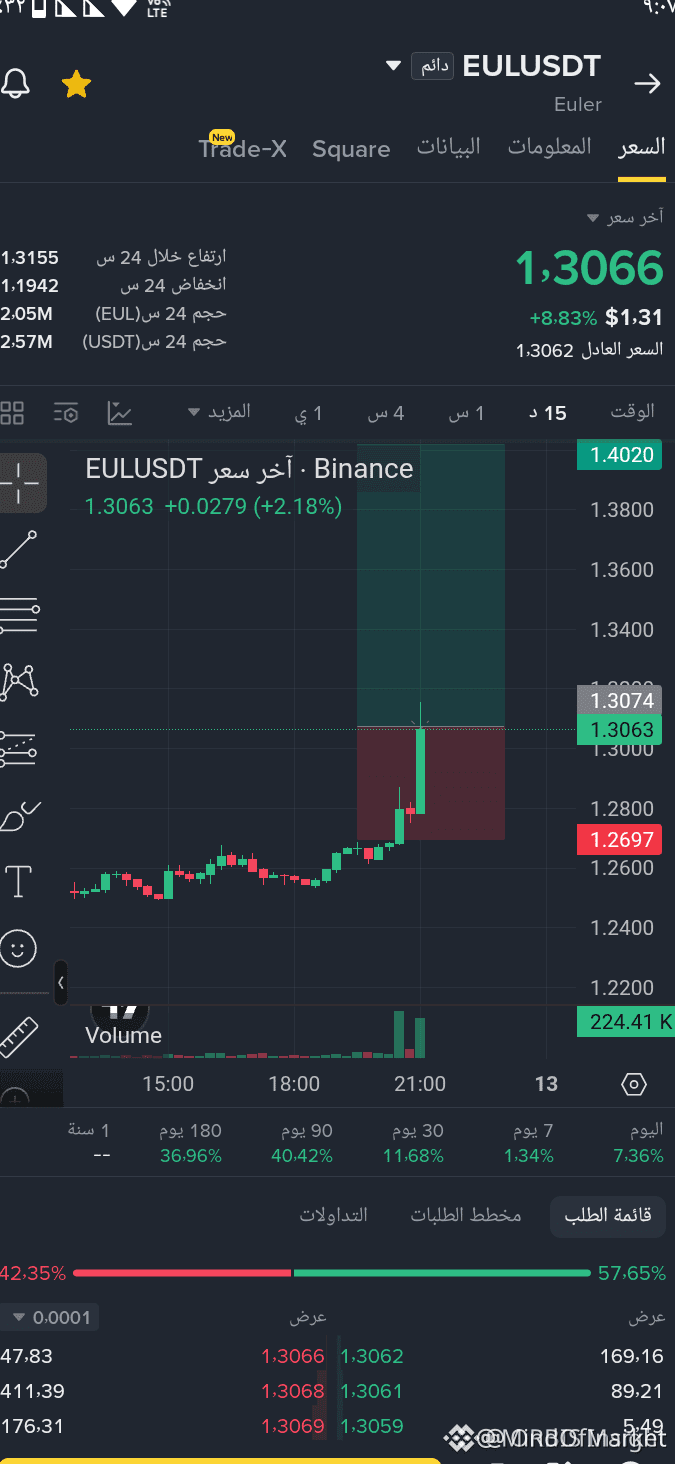
🚨 $EUL EXPANSION IMMINENT AS INSTITUTIONAL ACCUMULATION COMPRESSES MARKET STRUCTURE 💥
Target: 1.400 - 1.5000 🚀
Stop Loss: 0.12000 ⚠️
Market structure on $EUL is displaying severe structural compression following an extensive period of institutional absorption. 🦈 Liquidity has been thoroughly swept from local lows, setting up a potential imbalance fill toward higher timeframe key levels. 📊
With order book depth tightening and supply drying up within the demand zone, the current risk profile offers significant upside asymmetry. 💡 Structural preservation above the invalidation boundary remains key for continuation toward target zones. 🎯
💬 Are you positioning ahead of the liquidity expansion or waiting for structural breakout confirmation? 👇
⚠️ Not financial advice. Always manage your risk. 🛡️
🏷️ #EUL #Crypto #MarketStructure #Altcoins
🎯 🦈
🚨 $EUL EXPANSION IMMINENT AS INSTITUTIONAL ACCUMULATION COMPRESSES MARKET STRUCTURE 💥
Target: 1.400 - 1.5000 🚀
Stop Loss: 0.12000 ⚠️
Market structure on $EUL is displaying severe structural compression following an extensive period of institutional absorption. 🦈 Liquidity has been thoroughly swept from local lows, setting up a potential imbalance fill toward higher timeframe key levels. 📊
With order book depth tightening and supply drying up within the demand zone, the current risk profile offers significant upside asymmetry. 💡 Structural preservation above the invalidation boundary remains key for continuation toward target zones. 🎯
💬 Are you positioning ahead of the liquidity expansion or waiting for structural breakout confirmation? 👇
⚠️ Not financial advice. Always manage your risk. 🛡️
🏷️ #EUL #Crypto #MarketStructure #Altcoins
🎯 🦈
Target: 1.400 - 1.5000 🚀
Stop Loss: 0.12000 ⚠️
Market structure on $EUL is displaying severe structural compression following an extensive period of institutional absorption. 🦈 Liquidity has been thoroughly swept from local lows, setting up a potential imbalance fill toward higher timeframe key levels. 📊
With order book depth tightening and supply drying up within the demand zone, the current risk profile offers significant upside asymmetry. 💡 Structural preservation above the invalidation boundary remains key for continuation toward target zones. 🎯
💬 Are you positioning ahead of the liquidity expansion or waiting for structural breakout confirmation? 👇
⚠️ Not financial advice. Always manage your risk. 🛡️
🏷️ #EUL #Crypto #MarketStructure #Altcoins
🎯 🦈
31

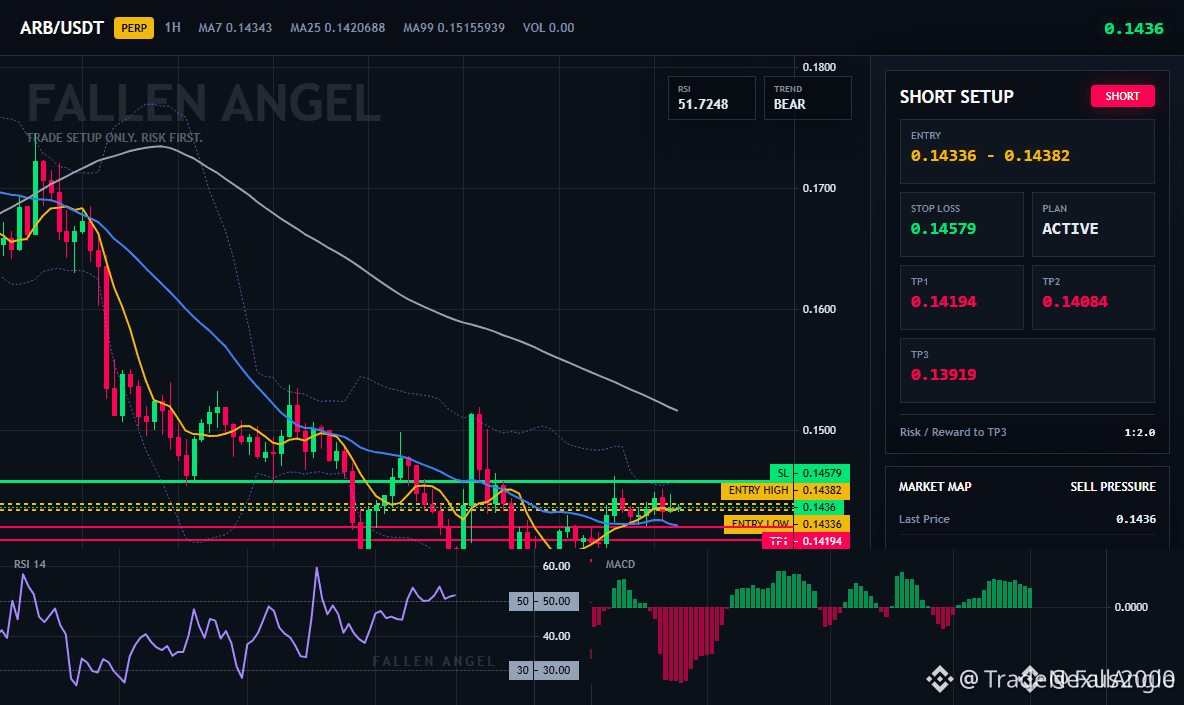
🚨 $ARB HITS HEAVY INSTITUTIONAL SUPPLY ZONE AS BEARISH EXPANSION NEARS! 🔻
Entry: 0.14336 - 0.14382 ⚡
Target: 0.13919 🚀
Stop Loss: 0.14579 ⚠️
📌 $ARB has just tapped directly into a key premium supply block, signaling a potential liquidity sweep of buy-side interest. 📊 Smart money positioning suggests exhaustion at these elevated levels, creating favorable structural asymmetry for a short-side distribution wave down toward lower liquidity pools.
🔍 With invalidation strictly anchored above 0.14579, the setup offers a disciplined risk-defined swing down to the 0.13919 objective. 💬 Are you trading this supply retest with institutional sellers or watching from the sidelines? 👇
⚠️ Not financial advice. Always manage your risk. 🛡️
🏷️ #ARB #ShortSetup #Crypto #MarketStructure
🎯 🐻
🚨 $ARB HITS HEAVY INSTITUTIONAL SUPPLY ZONE AS BEARISH EXPANSION NEARS! 🔻
Entry: 0.14336 - 0.14382 ⚡
Target: 0.13919 🚀
Stop Loss: 0.14579 ⚠️
📌 $ARB has just tapped directly into a key premium supply block, signaling a potential liquidity sweep of buy-side interest. 📊 Smart money positioning suggests exhaustion at these elevated levels, creating favorable structural asymmetry for a short-side distribution wave down toward lower liquidity pools.
🔍 With invalidation strictly anchored above 0.14579, the setup offers a disciplined risk-defined swing down to the 0.13919 objective. 💬 Are you trading this supply retest with institutional sellers or watching from the sidelines? 👇
⚠️ Not financial advice. Always manage your risk. 🛡️
🏷️ #ARB #ShortSetup #Crypto #MarketStructure
🎯 🐻
Entry: 0.14336 - 0.14382 ⚡
Target: 0.13919 🚀
Stop Loss: 0.14579 ⚠️
📌 $ARB has just tapped directly into a key premium supply block, signaling a potential liquidity sweep of buy-side interest. 📊 Smart money positioning suggests exhaustion at these elevated levels, creating favorable structural asymmetry for a short-side distribution wave down toward lower liquidity pools.
🔍 With invalidation strictly anchored above 0.14579, the setup offers a disciplined risk-defined swing down to the 0.13919 objective. 💬 Are you trading this supply retest with institutional sellers or watching from the sidelines? 👇
⚠️ Not financial advice. Always manage your risk. 🛡️
🏷️ #ARB #ShortSetup #Crypto #MarketStructure
🎯 🐻
76
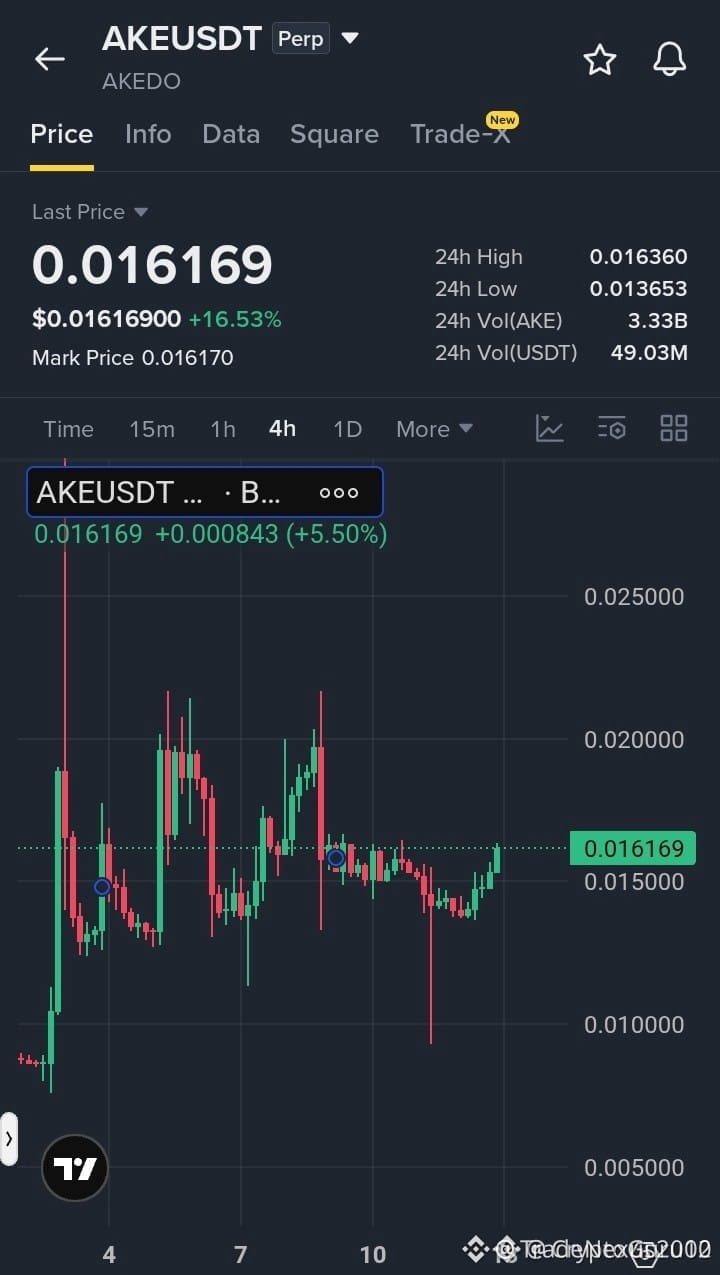
🚨 $AKE RECLAIMS CRITICAL STRUCTURE AFTER SWEEPING LOCAL LIQUIDITY! ⚡
Entry: 0.0159 - 0.0162 ⚡
Target: 0.0166 - 0.0175 🚀
Stop Loss: 0.0155 ⚠️
Smart money defended the 0.0135 liquidity pool with conviction, building a clean sequence of higher lows on the 4H timeframe. 🔍 The structural reclaim of 0.0160 confirms seller exhaustion and shifts immediate order flow back to the buyers.
A clean 4H close above the 0.0163 efficiency level signals range expansion toward overhead supply zones. 📌 Institutional posture remains constructive as long as local support holds. 💬 Will you wait for the 0.0163 breakout confirmation or position in the retest zone? 👇
⚠️ Not financial advice. Always manage your risk. 🛡️
🏷️ #AKE #LongSetup #Crypto #MarketStructure
🎯 ⚡
🚨 $AKE RECLAIMS CRITICAL STRUCTURE AFTER SWEEPING LOCAL LIQUIDITY! ⚡
Entry: 0.0159 - 0.0162 ⚡
Target: 0.0166 - 0.0175 🚀
Stop Loss: 0.0155 ⚠️
Smart money defended the 0.0135 liquidity pool with conviction, building a clean sequence of higher lows on the 4H timeframe. 🔍 The structural reclaim of 0.0160 confirms seller exhaustion and shifts immediate order flow back to the buyers.
A clean 4H close above the 0.0163 efficiency level signals range expansion toward overhead supply zones. 📌 Institutional posture remains constructive as long as local support holds. 💬 Will you wait for the 0.0163 breakout confirmation or position in the retest zone? 👇
⚠️ Not financial advice. Always manage your risk. 🛡️
🏷️ #AKE #LongSetup #Crypto #MarketStructure
🎯 ⚡
Entry: 0.0159 - 0.0162 ⚡
Target: 0.0166 - 0.0175 🚀
Stop Loss: 0.0155 ⚠️
Smart money defended the 0.0135 liquidity pool with conviction, building a clean sequence of higher lows on the 4H timeframe. 🔍 The structural reclaim of 0.0160 confirms seller exhaustion and shifts immediate order flow back to the buyers.
A clean 4H close above the 0.0163 efficiency level signals range expansion toward overhead supply zones. 📌 Institutional posture remains constructive as long as local support holds. 💬 Will you wait for the 0.0163 breakout confirmation or position in the retest zone? 👇
⚠️ Not financial advice. Always manage your risk. 🛡️
🏷️ #AKE #LongSetup #Crypto #MarketStructure
🎯 ⚡
8

·
--
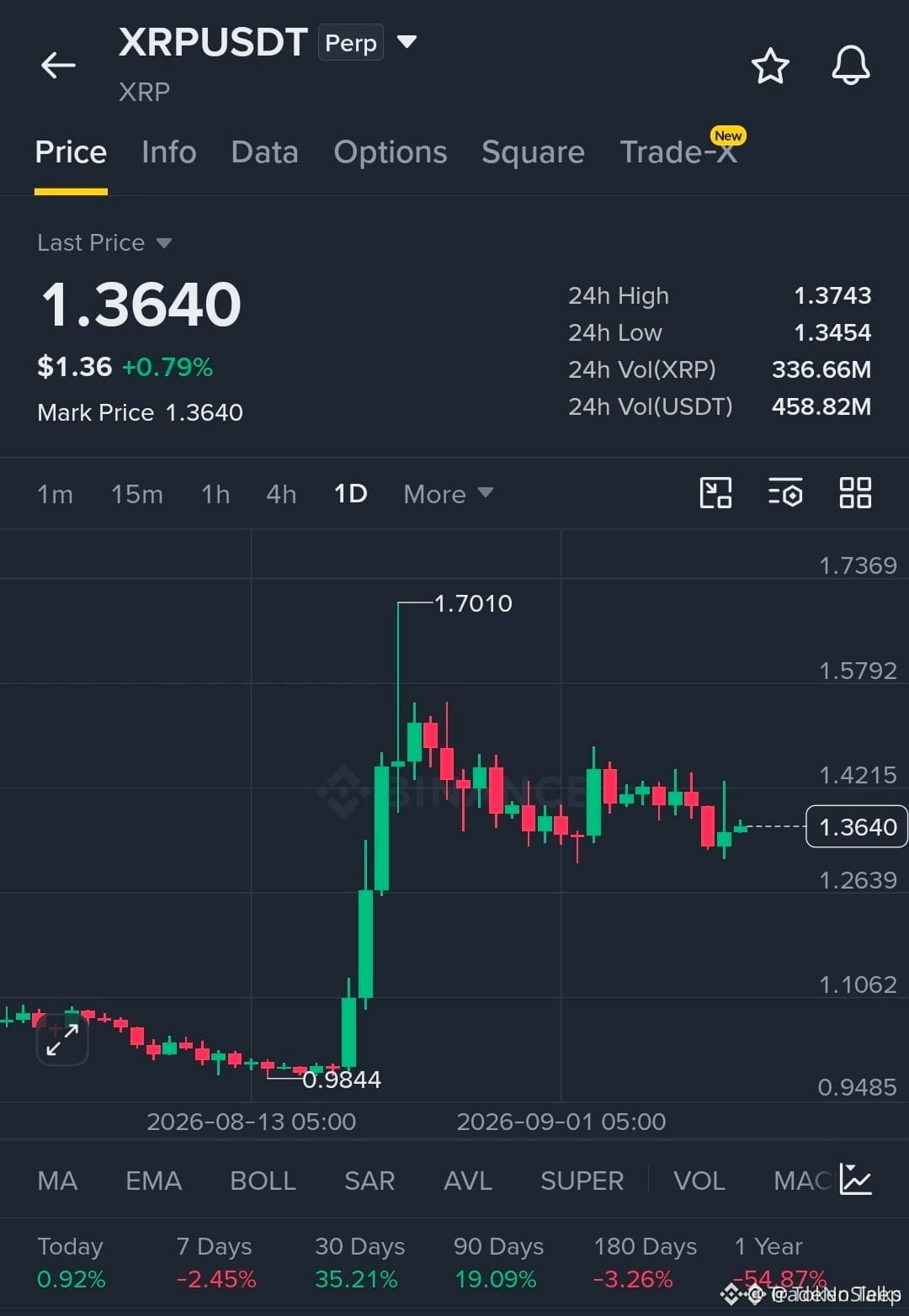
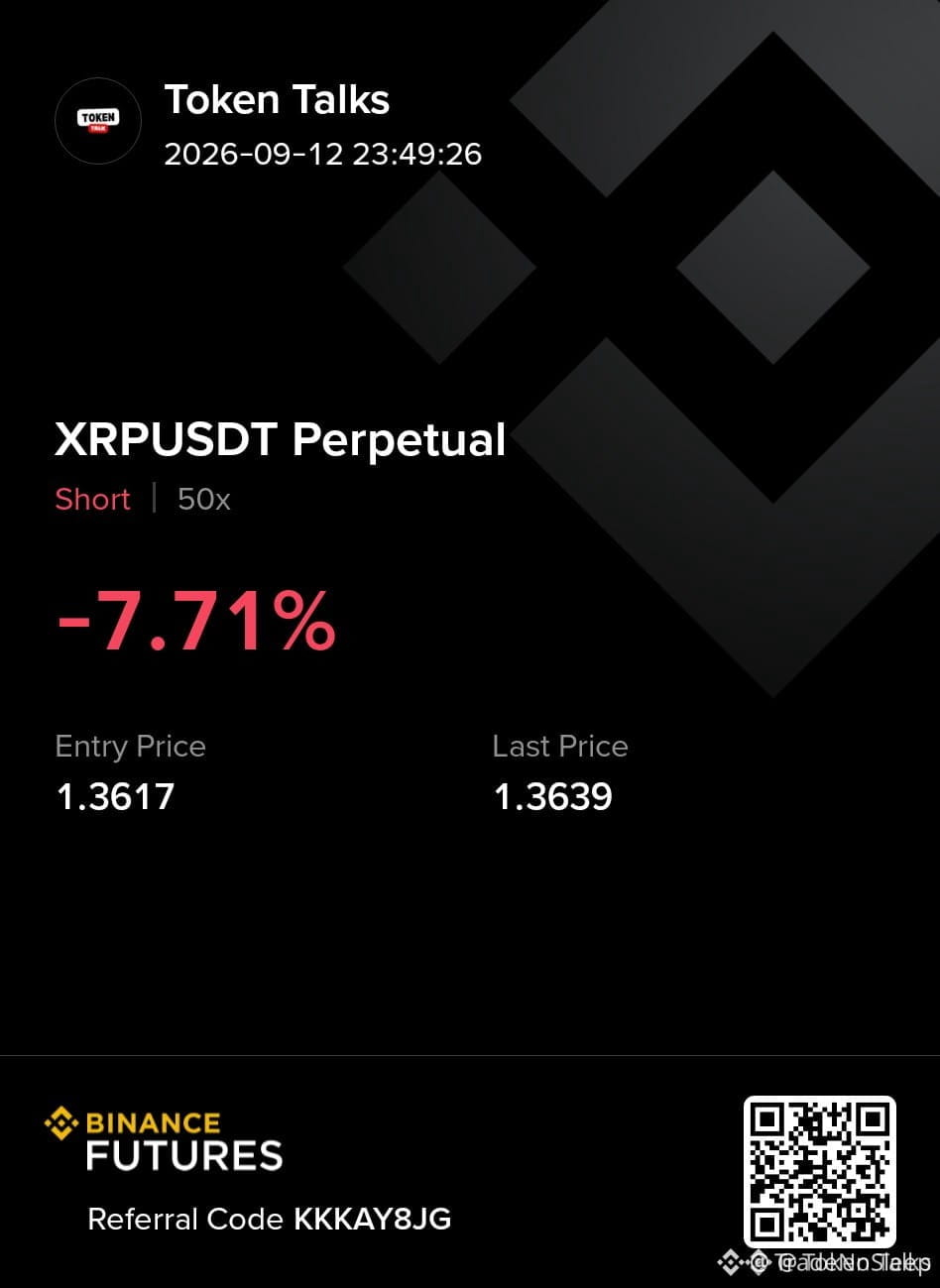
🔴 $XRP SHOWS INSTITUTIONAL REJECTION AT 1.42 AS SELLERS DEFEND PREMIUM EFFICIENCY! 📉
Entry: 1.3800 - 1.4200 ⚡
Target: 1.2639, 1.1062 🚀
Stop Loss: 1.4500 ⚠️
$XRP continues to display heavy structural weakness following a sharp rejection from the 1.42 supply zone. The corrective bounce back toward 1.40 lacks aggressive buying volume, indicating smart money is actively absorbing bids while defending upper range liquidity. 🔍
If sellers initiate another expansion from the 1.38–1.42 premium block, expect downside order flow to target lower efficiency pools at 1.2639 and 1.1062. 📌 A clean breakout above 1.45 invalidates this structural short setup. 📉
💬 Are you positioning for the breakdown toward 1.26 or waiting for structural confirmation? 👇
⚠️ Not financial advice. Always manage your risk. 🛡️
🏷️ #XRP #ShortSetup #MarketStructure #Crypto
🐻 📉
🔴 $XRP SHOWS INSTITUTIONAL REJECTION AT 1.42 AS SELLERS DEFEND PREMIUM EFFICIENCY! 📉
Entry: 1.3800 - 1.4200 ⚡
Target: 1.2639, 1.1062 🚀
Stop Loss: 1.4500 ⚠️
$XRP continues to display heavy structural weakness following a sharp rejection from the 1.42 supply zone. The corrective bounce back toward 1.40 lacks aggressive buying volume, indicating smart money is actively absorbing bids while defending upper range liquidity. 🔍
If sellers initiate another expansion from the 1.38–1.42 premium block, expect downside order flow to target lower efficiency pools at 1.2639 and 1.1062. 📌 A clean breakout above 1.45 invalidates this structural short setup. 📉
💬 Are you positioning for the breakdown toward 1.26 or waiting for structural confirmation? 👇
⚠️ Not financial advice. Always manage your risk. 🛡️
🏷️ #XRP #ShortSetup #MarketStructure #Crypto
🐻 📉
Entry: 1.3800 - 1.4200 ⚡
Target: 1.2639, 1.1062 🚀
Stop Loss: 1.4500 ⚠️
$XRP continues to display heavy structural weakness following a sharp rejection from the 1.42 supply zone. The corrective bounce back toward 1.40 lacks aggressive buying volume, indicating smart money is actively absorbing bids while defending upper range liquidity. 🔍
If sellers initiate another expansion from the 1.38–1.42 premium block, expect downside order flow to target lower efficiency pools at 1.2639 and 1.1062. 📌 A clean breakout above 1.45 invalidates this structural short setup. 📉
💬 Are you positioning for the breakdown toward 1.26 or waiting for structural confirmation? 👇
⚠️ Not financial advice. Always manage your risk. 🛡️
🏷️ #XRP #ShortSetup #MarketStructure #Crypto
🐻 📉
29
·
--
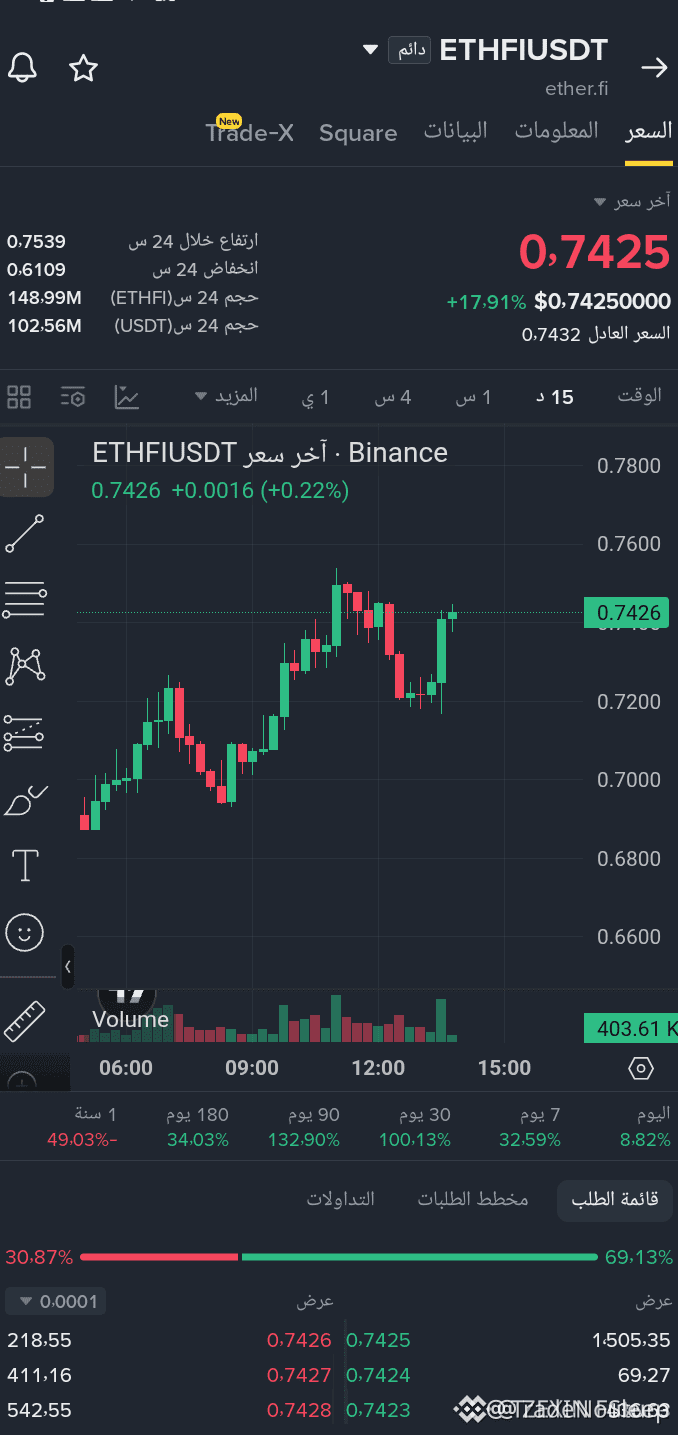
🚨 $ETHFI SHOWING HEAVY STRUCTURE BREAK AS LIQUIDITY FAILS AT KEY RESISTANCE! 📉
Entry: 0.7500 - 0.7650 ⚡
Target: 0.7000 🎯
Stop Loss: 0.8030 ⚠️
🔍 $ETHFI is exhibiting severe structural exhaustion near current levels as buyer absorption dries up entirely. The inability to defend local lower-highs signals a classic institutional distribution phase, opening a clean imbalance fill down toward lower liquidity pools. 📊
📌 Smart money is taking advantage of this weak market structure to push price lower into unmitigated demand pockets. 🌊 With momentum metrics turning sharply bearish, seller dominance remains intact as long as overhead resistance holds. 💬 Are you positioning short for this structural drop, or waiting for a temporary relief bounce to re-evaluate? 👇
⚠️ Not financial advice. Always manage your risk. 🛡️
🏷️ #ETHFI #ShortSetup #MarketStructure #Crypto
🐻 📉
🚨 $ETHFI SHOWING HEAVY STRUCTURE BREAK AS LIQUIDITY FAILS AT KEY RESISTANCE! 📉
Entry: 0.7500 - 0.7650 ⚡
Target: 0.7000 🎯
Stop Loss: 0.8030 ⚠️
🔍 $ETHFI is exhibiting severe structural exhaustion near current levels as buyer absorption dries up entirely. The inability to defend local lower-highs signals a classic institutional distribution phase, opening a clean imbalance fill down toward lower liquidity pools. 📊
📌 Smart money is taking advantage of this weak market structure to push price lower into unmitigated demand pockets. 🌊 With momentum metrics turning sharply bearish, seller dominance remains intact as long as overhead resistance holds. 💬 Are you positioning short for this structural drop, or waiting for a temporary relief bounce to re-evaluate? 👇
⚠️ Not financial advice. Always manage your risk. 🛡️
🏷️ #ETHFI #ShortSetup #MarketStructure #Crypto
🐻 📉
Entry: 0.7500 - 0.7650 ⚡
Target: 0.7000 🎯
Stop Loss: 0.8030 ⚠️
🔍 $ETHFI is exhibiting severe structural exhaustion near current levels as buyer absorption dries up entirely. The inability to defend local lower-highs signals a classic institutional distribution phase, opening a clean imbalance fill down toward lower liquidity pools. 📊
📌 Smart money is taking advantage of this weak market structure to push price lower into unmitigated demand pockets. 🌊 With momentum metrics turning sharply bearish, seller dominance remains intact as long as overhead resistance holds. 💬 Are you positioning short for this structural drop, or waiting for a temporary relief bounce to re-evaluate? 👇
⚠️ Not financial advice. Always manage your risk. 🛡️
🏷️ #ETHFI #ShortSetup #MarketStructure #Crypto
🐻 📉
34

·
--
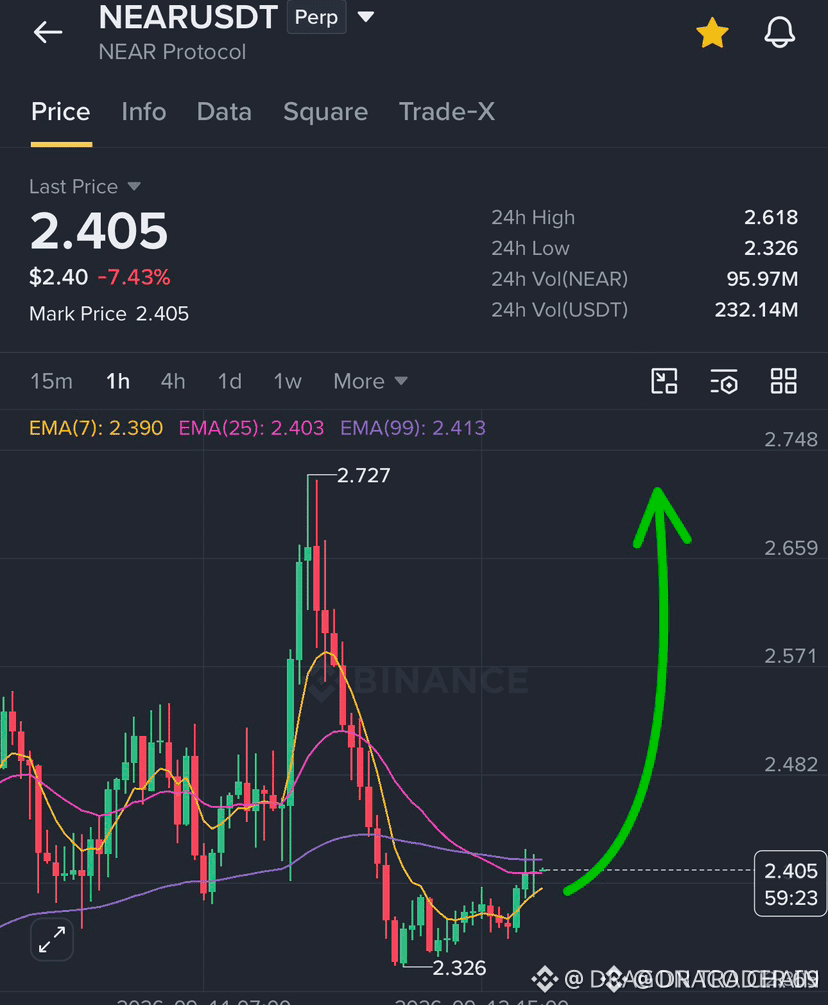
🚨 $NEAR ABSORBS SELL-SIDE LIQUIDITY AT CURRENT PRICE FOR POTENTIAL CONTINUATION 💥
Entry: CMP 🟢
Target: 2.474 🚀
Stop Loss: 2.358 ⚠️
📌 Smart money has absorbed the downside liquidity around current market levels, establishing a tight discount array for a potential continuation push. 🔍 Order flow reflects clear sell-side exhaustion, paving the pathway toward upper structural targets up to 2.474 while keeping risk defined strictly below 2.358.
⚡ As market structure aligns across lower timeframes, immediate execution off this structural pivot offers favorable risk asymmetry. 💬 Will $NEAR push straight through to the upper inefficiency target, or are you waiting for additional confirmation? 👇
⚠️ Not financial advice. Always manage your risk. 🛡️
🏷️ #NEAR #LongSetup #MarketStructure #Crypto
🎯 🦈
🚨 $NEAR ABSORBS SELL-SIDE LIQUIDITY AT CURRENT PRICE FOR POTENTIAL CONTINUATION 💥
Entry: CMP 🟢
Target: 2.474 🚀
Stop Loss: 2.358 ⚠️
📌 Smart money has absorbed the downside liquidity around current market levels, establishing a tight discount array for a potential continuation push. 🔍 Order flow reflects clear sell-side exhaustion, paving the pathway toward upper structural targets up to 2.474 while keeping risk defined strictly below 2.358.
⚡ As market structure aligns across lower timeframes, immediate execution off this structural pivot offers favorable risk asymmetry. 💬 Will $NEAR push straight through to the upper inefficiency target, or are you waiting for additional confirmation? 👇
⚠️ Not financial advice. Always manage your risk. 🛡️
🏷️ #NEAR #LongSetup #MarketStructure #Crypto
🎯 🦈
Entry: CMP 🟢
Target: 2.474 🚀
Stop Loss: 2.358 ⚠️
📌 Smart money has absorbed the downside liquidity around current market levels, establishing a tight discount array for a potential continuation push. 🔍 Order flow reflects clear sell-side exhaustion, paving the pathway toward upper structural targets up to 2.474 while keeping risk defined strictly below 2.358.
⚡ As market structure aligns across lower timeframes, immediate execution off this structural pivot offers favorable risk asymmetry. 💬 Will $NEAR push straight through to the upper inefficiency target, or are you waiting for additional confirmation? 👇
⚠️ Not financial advice. Always manage your risk. 🛡️
🏷️ #NEAR #LongSetup #MarketStructure #Crypto
🎯 🦈
31

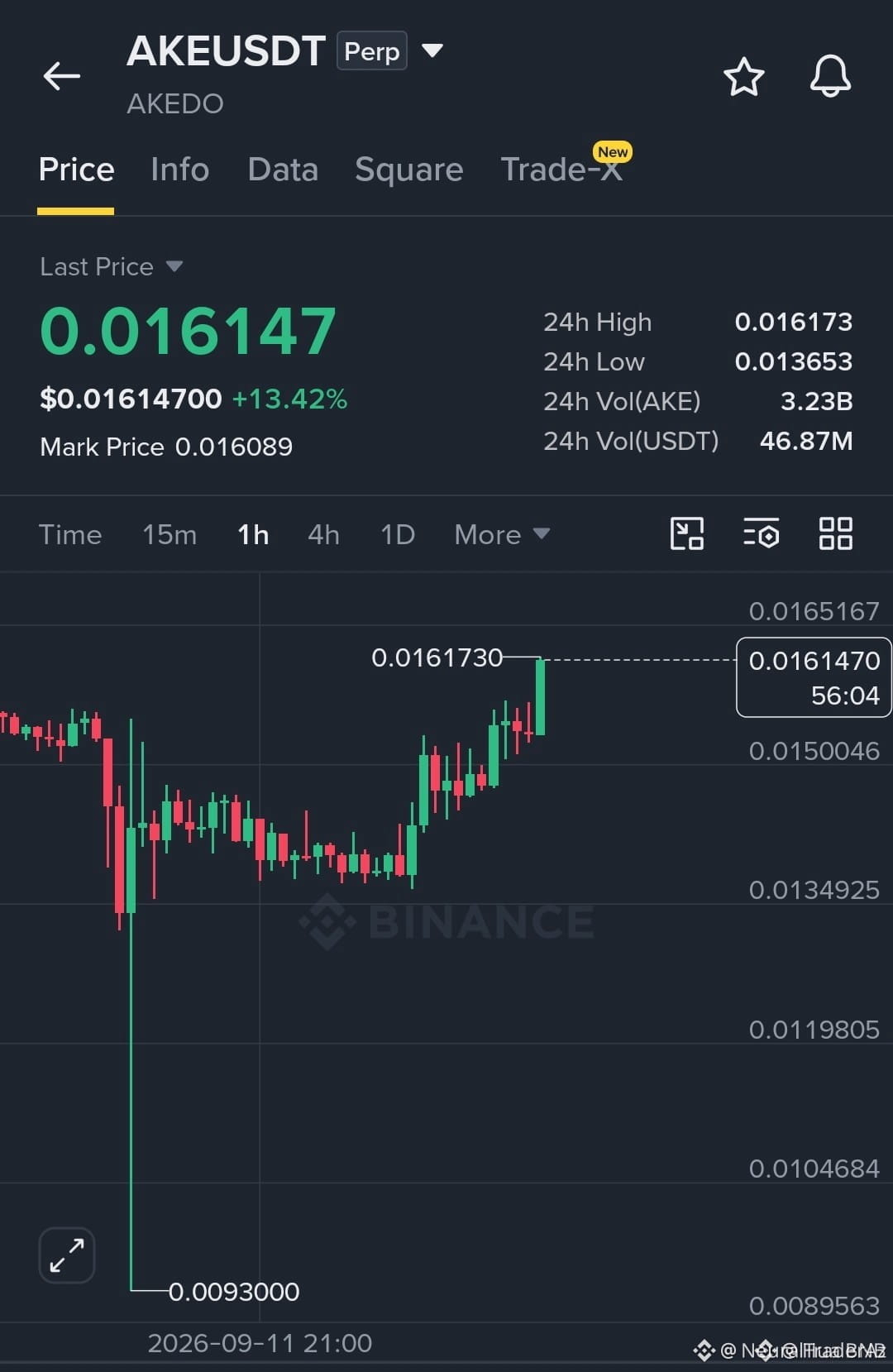
🦈 $AKE DEMAND ZONE DEFENDED AS INSTITUTIONAL LIQUIDITY BUILDS FOR EXPANSION! ⚡
Entry: 0.0158 - 0.0164 ⚡
Target: 0.0172 / 0.0183 / 0.0198 / 0.0220 🚀
Stop Loss: 0.0134 ⚠️
Smart money is actively absorbing sell pressure within the critical demand block between 0.0158 and 0.0164, keeping structural integrity intact. 📊 As long as price holds firmly above the 0.0158 pivot, seller exhaustion signals an efficient imbalance fill toward overhead liquidity pools.
A clean reclaim above 0.0172 opens the runway for aggressive expansion into upper supply zones at 0.0183 and 0.0198. 💡 Capital preservation remains priority one—manage position sizing disciplinedly and respect the invalidation level. 💬 Are you positioning inside this structural discount or waiting for breakout confirmation? 👇
⚠️ Not financial advice. Always manage your risk. 🛡️
🏷️ #AKE #CryptoAnalysis #MarketStructure #TradeSetup
🎯 🦈
🦈 $AKE DEMAND ZONE DEFENDED AS INSTITUTIONAL LIQUIDITY BUILDS FOR EXPANSION! ⚡
Entry: 0.0158 - 0.0164 ⚡
Target: 0.0172 / 0.0183 / 0.0198 / 0.0220 🚀
Stop Loss: 0.0134 ⚠️
Smart money is actively absorbing sell pressure within the critical demand block between 0.0158 and 0.0164, keeping structural integrity intact. 📊 As long as price holds firmly above the 0.0158 pivot, seller exhaustion signals an efficient imbalance fill toward overhead liquidity pools.
A clean reclaim above 0.0172 opens the runway for aggressive expansion into upper supply zones at 0.0183 and 0.0198. 💡 Capital preservation remains priority one—manage position sizing disciplinedly and respect the invalidation level. 💬 Are you positioning inside this structural discount or waiting for breakout confirmation? 👇
⚠️ Not financial advice. Always manage your risk. 🛡️
🏷️ #AKE #CryptoAnalysis #MarketStructure #TradeSetup
🎯 🦈
Entry: 0.0158 - 0.0164 ⚡
Target: 0.0172 / 0.0183 / 0.0198 / 0.0220 🚀
Stop Loss: 0.0134 ⚠️
Smart money is actively absorbing sell pressure within the critical demand block between 0.0158 and 0.0164, keeping structural integrity intact. 📊 As long as price holds firmly above the 0.0158 pivot, seller exhaustion signals an efficient imbalance fill toward overhead liquidity pools.
A clean reclaim above 0.0172 opens the runway for aggressive expansion into upper supply zones at 0.0183 and 0.0198. 💡 Capital preservation remains priority one—manage position sizing disciplinedly and respect the invalidation level. 💬 Are you positioning inside this structural discount or waiting for breakout confirmation? 👇
⚠️ Not financial advice. Always manage your risk. 🛡️
🏷️ #AKE #CryptoAnalysis #MarketStructure #TradeSetup
🎯 🦈
13
🚨 $LIT REJECTS UPPER RANGE WITH INSTITUTIONAL LIQUIDITY TARGETING LOWER EXPANSION! 📉
Entry: 4.3554 ⚡
Target: 4.3088 🎯
Stop Loss: 4.3673 ⚠️
$LIT has printed a local market structure breakdown following a sharp rejection from the 4.89 peak. Intraday bounce attempts into the 4.38-4.43 supply cluster continue to get absorbed, signaling aggressive distribution and persistent relative weakness against $BTC . 📊
With price now compressing right above the 4.3489 decision zone, order flow reflects a classic liquidity hunt toward the lower 4.30 inefficiency void. 🔍 While the 30-day macro trend remains elevated, short-term momentum favors downside continuation until local resistance is reclaimed. 🌊
💬 Will buyers step in to defend this intraday demand block or are we set to sweep local lows next? 👇
⚠️ Not financial advice. Always manage your risk. 🛡️
🏷️ #LIT #ShortSetup #MarketStructure #Crypto
📉 🚨
🚨 $LIT REJECTS UPPER RANGE WITH INSTITUTIONAL LIQUIDITY TARGETING LOWER EXPANSION! 📉
Entry: 4.3554 ⚡
Target: 4.3088 🎯
Stop Loss: 4.3673 ⚠️
$LIT has printed a local market structure breakdown following a sharp rejection from the 4.89 peak. Intraday bounce attempts into the 4.38-4.43 supply cluster continue to get absorbed, signaling aggressive distribution and persistent relative weakness against $BTC . 📊
With price now compressing right above the 4.3489 decision zone, order flow reflects a classic liquidity hunt toward the lower 4.30 inefficiency void. 🔍 While the 30-day macro trend remains elevated, short-term momentum favors downside continuation until local resistance is reclaimed. 🌊
💬 Will buyers step in to defend this intraday demand block or are we set to sweep local lows next? 👇
⚠️ Not financial advice. Always manage your risk. 🛡️
🏷️ #LIT #ShortSetup #MarketStructure #Crypto
📉 🚨
Entry: 4.3554 ⚡
Target: 4.3088 🎯
Stop Loss: 4.3673 ⚠️
$LIT has printed a local market structure breakdown following a sharp rejection from the 4.89 peak. Intraday bounce attempts into the 4.38-4.43 supply cluster continue to get absorbed, signaling aggressive distribution and persistent relative weakness against $BTC . 📊
With price now compressing right above the 4.3489 decision zone, order flow reflects a classic liquidity hunt toward the lower 4.30 inefficiency void. 🔍 While the 30-day macro trend remains elevated, short-term momentum favors downside continuation until local resistance is reclaimed. 🌊
💬 Will buyers step in to defend this intraday demand block or are we set to sweep local lows next? 👇
⚠️ Not financial advice. Always manage your risk. 🛡️
🏷️ #LIT #ShortSetup #MarketStructure #Crypto
📉 🚨
59
·
--
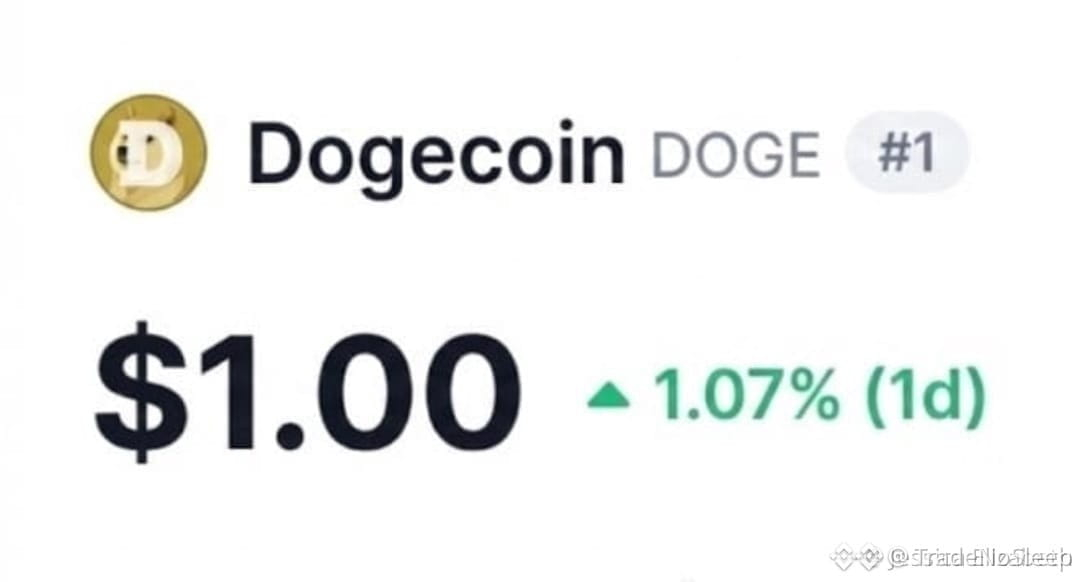
🚨 COULD $DOGE ACTUALLY EXPAND TOWARD THE PSYCHOLOGICAL $1.00 MARK THIS CYCLE? 📊
A structural expansion toward the psychological $1.00 level on $DOGE requires massive buy-side liquidity absorption and a sustained break above legacy distribution zones. 📌 High-timeframe order flow reveals that institutional capital prioritizes retesting deep fair value gaps rather than chasing retail momentum.
For macro bullish alignment to materialize, smart money must defend structural higher-lows while systematically clearing heavy overhead supply pools. 🌊 Until structural resistance is reclaimed with decisive volume, $1.00 remains a long-term liquidity magnet. 💬 Are you bidding at lower structural demand zones or waiting for a macro breakout confirmation? 👇
⚠️ Not financial advice. Always manage your risk. 🛡️
🏷️ #DOGE #Dogecoin #MarketStructure #Crypto
🎯 🦈
🚨 COULD $DOGE ACTUALLY EXPAND TOWARD THE PSYCHOLOGICAL $1.00 MARK THIS CYCLE? 📊
A structural expansion toward the psychological $1.00 level on $DOGE requires massive buy-side liquidity absorption and a sustained break above legacy distribution zones. 📌 High-timeframe order flow reveals that institutional capital prioritizes retesting deep fair value gaps rather than chasing retail momentum.
For macro bullish alignment to materialize, smart money must defend structural higher-lows while systematically clearing heavy overhead supply pools. 🌊 Until structural resistance is reclaimed with decisive volume, $1.00 remains a long-term liquidity magnet. 💬 Are you bidding at lower structural demand zones or waiting for a macro breakout confirmation? 👇
⚠️ Not financial advice. Always manage your risk. 🛡️
🏷️ #DOGE #Dogecoin #MarketStructure #Crypto
🎯 🦈
A structural expansion toward the psychological $1.00 level on $DOGE requires massive buy-side liquidity absorption and a sustained break above legacy distribution zones. 📌 High-timeframe order flow reveals that institutional capital prioritizes retesting deep fair value gaps rather than chasing retail momentum.
For macro bullish alignment to materialize, smart money must defend structural higher-lows while systematically clearing heavy overhead supply pools. 🌊 Until structural resistance is reclaimed with decisive volume, $1.00 remains a long-term liquidity magnet. 💬 Are you bidding at lower structural demand zones or waiting for a macro breakout confirmation? 👇
⚠️ Not financial advice. Always manage your risk. 🛡️
🏷️ #DOGE #Dogecoin #MarketStructure #Crypto
🎯 🦈
18
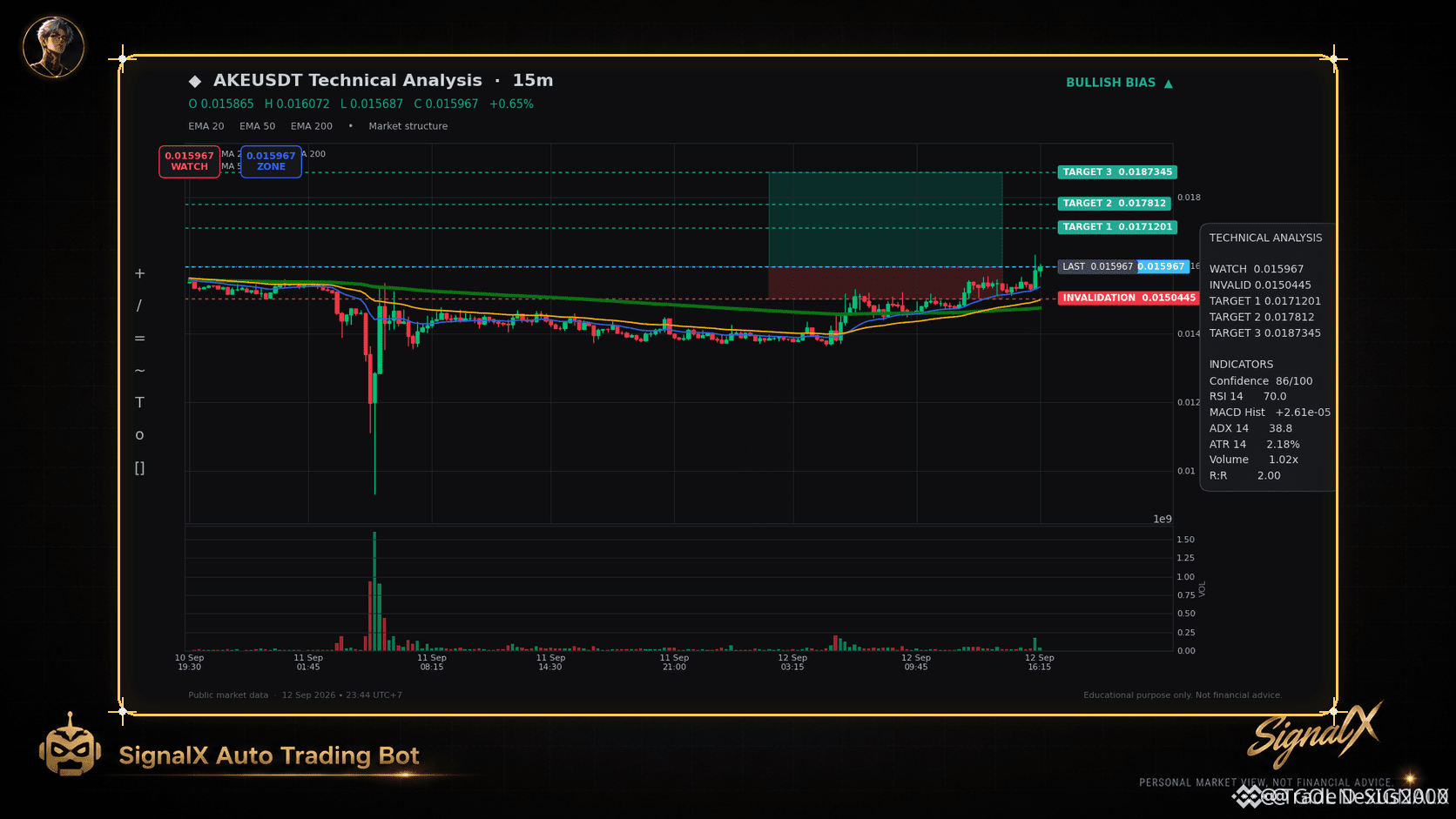
⚡ $AKE PRINTS TEXTBOOK INSTITUTIONAL CONTINUATION PATTERN AT KEY DEMAND ZONE 🦈
Entry: 0.015967 ⚡
Target: 0.0171201 🚀
Stop Loss: 0.0150445 ⚠️
The 15m timeframe on $AKE shows clean institutional structure, with key moving averages aligned in full expansion mode. 📊 Bullish momentum remains dominant as trend strength accelerates, signaling smart money defense on this corrective dip.
📌 Price is absorbing liquidity directly into the 0.015967 demand block to prepare for the next leg higher. 🔍 Maintaining structural integrity above invalidation keeps the bias clear toward upper efficiency gaps. 💬 Are you bidding this pullback or waiting for a breakout confirmation? 👇
⚠️ Not financial advice. Always manage your risk. 🛡️
🏷️ #AKE #Crypto #MarketStructure #Trading
🦈 ⚡
⚡ $AKE PRINTS TEXTBOOK INSTITUTIONAL CONTINUATION PATTERN AT KEY DEMAND ZONE 🦈
Entry: 0.015967 ⚡
Target: 0.0171201 🚀
Stop Loss: 0.0150445 ⚠️
The 15m timeframe on $AKE shows clean institutional structure, with key moving averages aligned in full expansion mode. 📊 Bullish momentum remains dominant as trend strength accelerates, signaling smart money defense on this corrective dip.
📌 Price is absorbing liquidity directly into the 0.015967 demand block to prepare for the next leg higher. 🔍 Maintaining structural integrity above invalidation keeps the bias clear toward upper efficiency gaps. 💬 Are you bidding this pullback or waiting for a breakout confirmation? 👇
⚠️ Not financial advice. Always manage your risk. 🛡️
🏷️ #AKE #Crypto #MarketStructure #Trading
🦈 ⚡
Entry: 0.015967 ⚡
Target: 0.0171201 🚀
Stop Loss: 0.0150445 ⚠️
The 15m timeframe on $AKE shows clean institutional structure, with key moving averages aligned in full expansion mode. 📊 Bullish momentum remains dominant as trend strength accelerates, signaling smart money defense on this corrective dip.
📌 Price is absorbing liquidity directly into the 0.015967 demand block to prepare for the next leg higher. 🔍 Maintaining structural integrity above invalidation keeps the bias clear toward upper efficiency gaps. 💬 Are you bidding this pullback or waiting for a breakout confirmation? 👇
⚠️ Not financial advice. Always manage your risk. 🛡️
🏷️ #AKE #Crypto #MarketStructure #Trading
🦈 ⚡
71
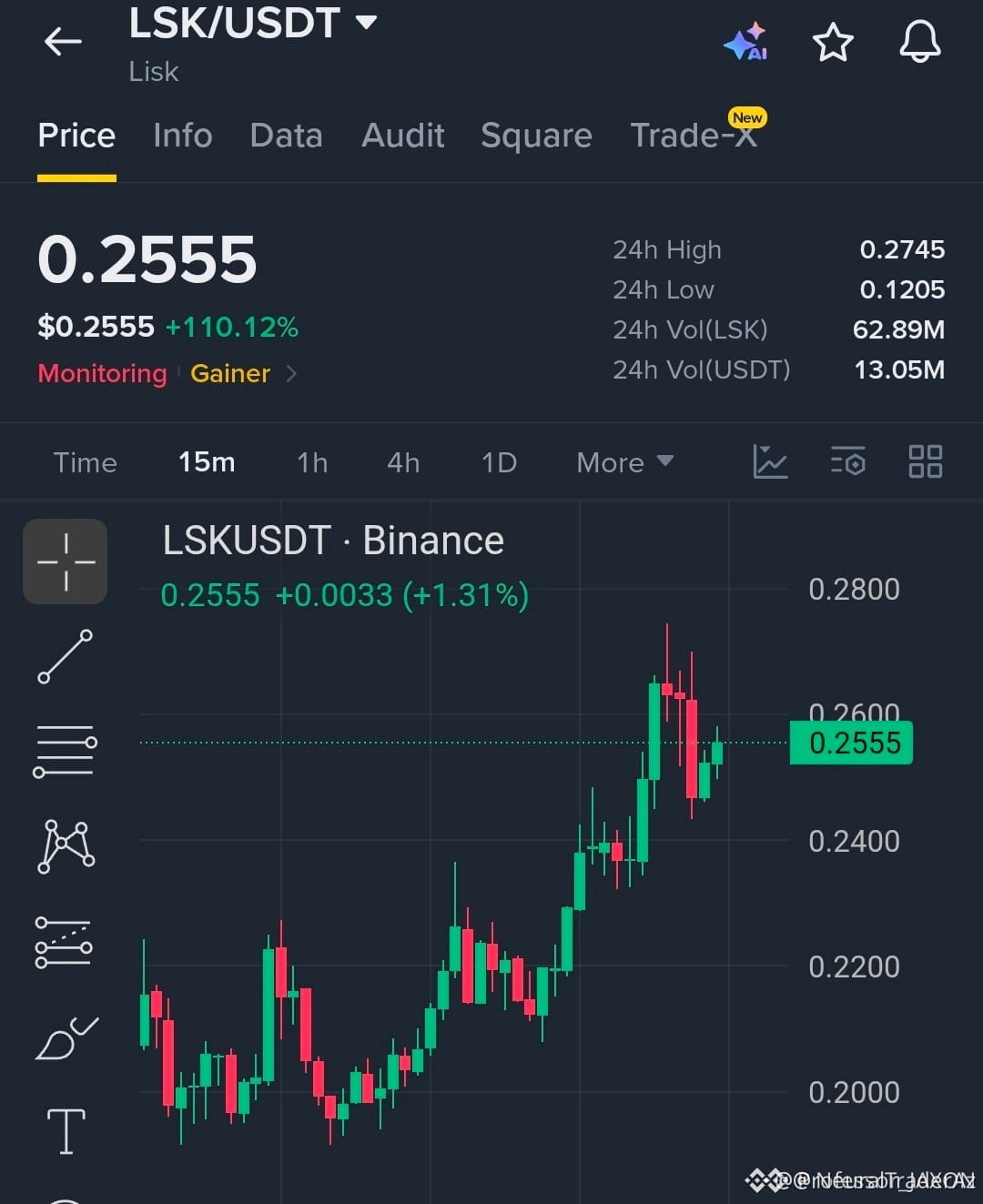
🚨 $LSK CONSOLIDATES ABOVE KEY DEMAND AFTER A 110% INSTITUTIONAL SURGE! 💥
Entry: 0.2450 - 0.2580 ⚡
Target: 0.2750 - 0.3300 🎯
Stop Loss: 0.2280 ⚠️
Following a massive +110% expansion, $LSK is maintaining high-timeframe structural integrity above the 0.2450 demand zone. 📊 Institutional order flow remains net-positive, with buyers consistently absorbing sell-side pressure within this tight reaccumulation range.
A decisive daily close above 0.2750 will clear localized buy-side liquidity, unlocking structural pathways toward 0.3000 and 0.3300. 🔍 As long as 0.2450 holds as structural support, the path of least resistance favors further upside continuation. 💬 Are you positioning inside this entry block or waiting for the 0.2750 reclaim confirmation? 👇
⚠️ Not financial advice. Always manage your risk. 🛡️
🏷️ #LSK #MarketStructure #Crypto #Breakout
🎯 🦈
🚨 $LSK CONSOLIDATES ABOVE KEY DEMAND AFTER A 110% INSTITUTIONAL SURGE! 💥
Entry: 0.2450 - 0.2580 ⚡
Target: 0.2750 - 0.3300 🎯
Stop Loss: 0.2280 ⚠️
Following a massive +110% expansion, $LSK is maintaining high-timeframe structural integrity above the 0.2450 demand zone. 📊 Institutional order flow remains net-positive, with buyers consistently absorbing sell-side pressure within this tight reaccumulation range.
A decisive daily close above 0.2750 will clear localized buy-side liquidity, unlocking structural pathways toward 0.3000 and 0.3300. 🔍 As long as 0.2450 holds as structural support, the path of least resistance favors further upside continuation. 💬 Are you positioning inside this entry block or waiting for the 0.2750 reclaim confirmation? 👇
⚠️ Not financial advice. Always manage your risk. 🛡️
🏷️ #LSK #MarketStructure #Crypto #Breakout
🎯 🦈
Entry: 0.2450 - 0.2580 ⚡
Target: 0.2750 - 0.3300 🎯
Stop Loss: 0.2280 ⚠️
Following a massive +110% expansion, $LSK is maintaining high-timeframe structural integrity above the 0.2450 demand zone. 📊 Institutional order flow remains net-positive, with buyers consistently absorbing sell-side pressure within this tight reaccumulation range.
A decisive daily close above 0.2750 will clear localized buy-side liquidity, unlocking structural pathways toward 0.3000 and 0.3300. 🔍 As long as 0.2450 holds as structural support, the path of least resistance favors further upside continuation. 💬 Are you positioning inside this entry block or waiting for the 0.2750 reclaim confirmation? 👇
⚠️ Not financial advice. Always manage your risk. 🛡️
🏷️ #LSK #MarketStructure #Crypto #Breakout
🎯 🦈
32
·
--
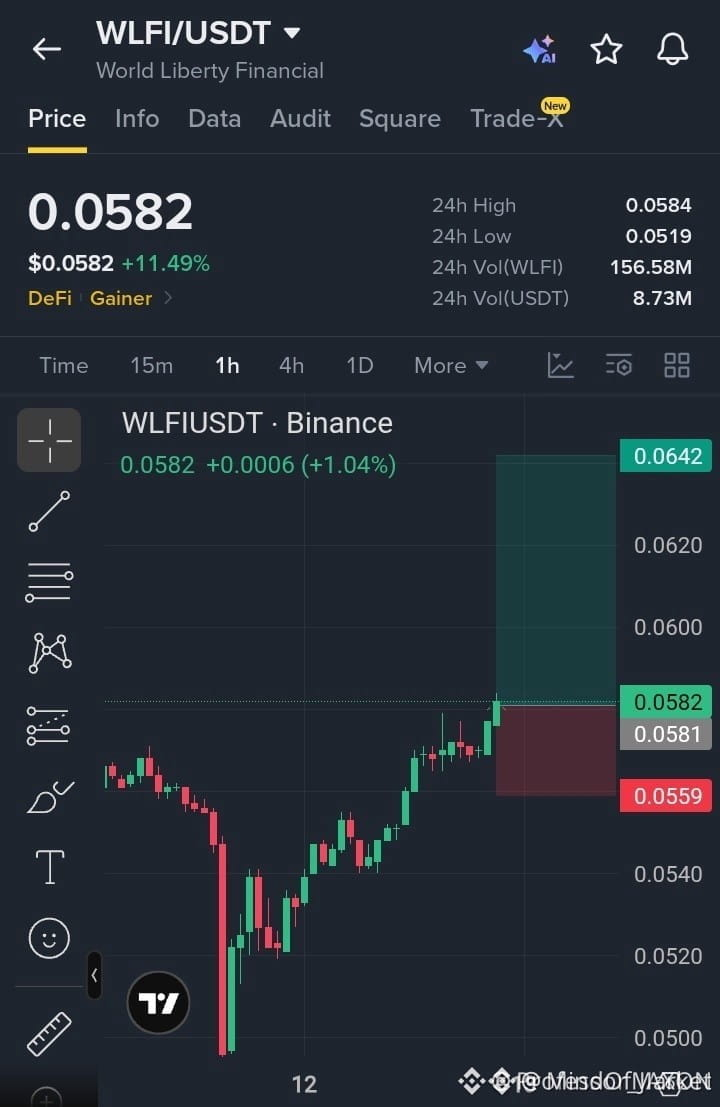
⚡ $WLFI HOLDS CRUCIAL HIGHER LOWS AS INSTITUTIONAL DEMAND EXPANDS RANGE 🟢
Entry: $0.0581 - $0.0582 ⚡
Target: $0.0600 / $0.0620 / $0.0642 🚀
Stop Loss: $0.0559 ⚠️
$WLFI is displaying a clean structural recovery, establishing consecutive higher lows while absorbing supply at the range threshold. 📊 The recent range reclamation signals sustained buyer dominance, opening up a clear runway toward the liquidity magnet at $0.0642. ⚡
As long as structural support at $0.0559 holds firmly, the bullish market structure remains fully intact for continued upside expansion. 🔍 💬 Are you bidding this range reclaim or waiting for further confirmation? 👇
⚠️ Not financial advice. Always manage your risk. 🛡️
🏷️ #WLFI #Crypto #TechnicalAnalysis #MarketStructure
🎯 🦈
⚡ $WLFI HOLDS CRUCIAL HIGHER LOWS AS INSTITUTIONAL DEMAND EXPANDS RANGE 🟢
Entry: $0.0581 - $0.0582 ⚡
Target: $0.0600 / $0.0620 / $0.0642 🚀
Stop Loss: $0.0559 ⚠️
$WLFI is displaying a clean structural recovery, establishing consecutive higher lows while absorbing supply at the range threshold. 📊 The recent range reclamation signals sustained buyer dominance, opening up a clear runway toward the liquidity magnet at $0.0642. ⚡
As long as structural support at $0.0559 holds firmly, the bullish market structure remains fully intact for continued upside expansion. 🔍 💬 Are you bidding this range reclaim or waiting for further confirmation? 👇
⚠️ Not financial advice. Always manage your risk. 🛡️
🏷️ #WLFI #Crypto #TechnicalAnalysis #MarketStructure
🎯 🦈
Entry: $0.0581 - $0.0582 ⚡
Target: $0.0600 / $0.0620 / $0.0642 🚀
Stop Loss: $0.0559 ⚠️
$WLFI is displaying a clean structural recovery, establishing consecutive higher lows while absorbing supply at the range threshold. 📊 The recent range reclamation signals sustained buyer dominance, opening up a clear runway toward the liquidity magnet at $0.0642. ⚡
As long as structural support at $0.0559 holds firmly, the bullish market structure remains fully intact for continued upside expansion. 🔍 💬 Are you bidding this range reclaim or waiting for further confirmation? 👇
⚠️ Not financial advice. Always manage your risk. 🛡️
🏷️ #WLFI #Crypto #TechnicalAnalysis #MarketStructure
🎯 🦈
80
🚨 $UAI DISPLAYING CLASSIC INSTITUTIONAL ACCUMULATION AFTER SWEEPING RECENT LIQUIDITY! 🟢
Market structure on $UAI is shifting as institutional order flow absorbs overhead supply around local key zones. 🌊 Price action is showing clear evidence of demand defense, setting up a potential structural expansion as liquidity gets targeted.
📊 Buyers are defending value area lows with precision while volume profiles reflect steady accumulation rather than retail chasing. 💡 A clean hold above current structural pivots keeps the immediate bias favoring upside continuation toward upper inefficiencies. 💬 Are you tracking this structural reclaim or waiting for higher timeframe confirmation? 👇
⚠️ Not financial advice. Always manage your risk. 🛡️
🏷️ #UAI #MarketStructure #SmartMoney #Altcoins
🎯 🦈
🚨 $UAI DISPLAYING CLASSIC INSTITUTIONAL ACCUMULATION AFTER SWEEPING RECENT LIQUIDITY! 🟢
Market structure on $UAI is shifting as institutional order flow absorbs overhead supply around local key zones. 🌊 Price action is showing clear evidence of demand defense, setting up a potential structural expansion as liquidity gets targeted.
📊 Buyers are defending value area lows with precision while volume profiles reflect steady accumulation rather than retail chasing. 💡 A clean hold above current structural pivots keeps the immediate bias favoring upside continuation toward upper inefficiencies. 💬 Are you tracking this structural reclaim or waiting for higher timeframe confirmation? 👇
⚠️ Not financial advice. Always manage your risk. 🛡️
🏷️ #UAI #MarketStructure #SmartMoney #Altcoins
🎯 🦈
Market structure on $UAI is shifting as institutional order flow absorbs overhead supply around local key zones. 🌊 Price action is showing clear evidence of demand defense, setting up a potential structural expansion as liquidity gets targeted.
📊 Buyers are defending value area lows with precision while volume profiles reflect steady accumulation rather than retail chasing. 💡 A clean hold above current structural pivots keeps the immediate bias favoring upside continuation toward upper inefficiencies. 💬 Are you tracking this structural reclaim or waiting for higher timeframe confirmation? 👇
⚠️ Not financial advice. Always manage your risk. 🛡️
🏷️ #UAI #MarketStructure #SmartMoney #Altcoins
🎯 🦈
108
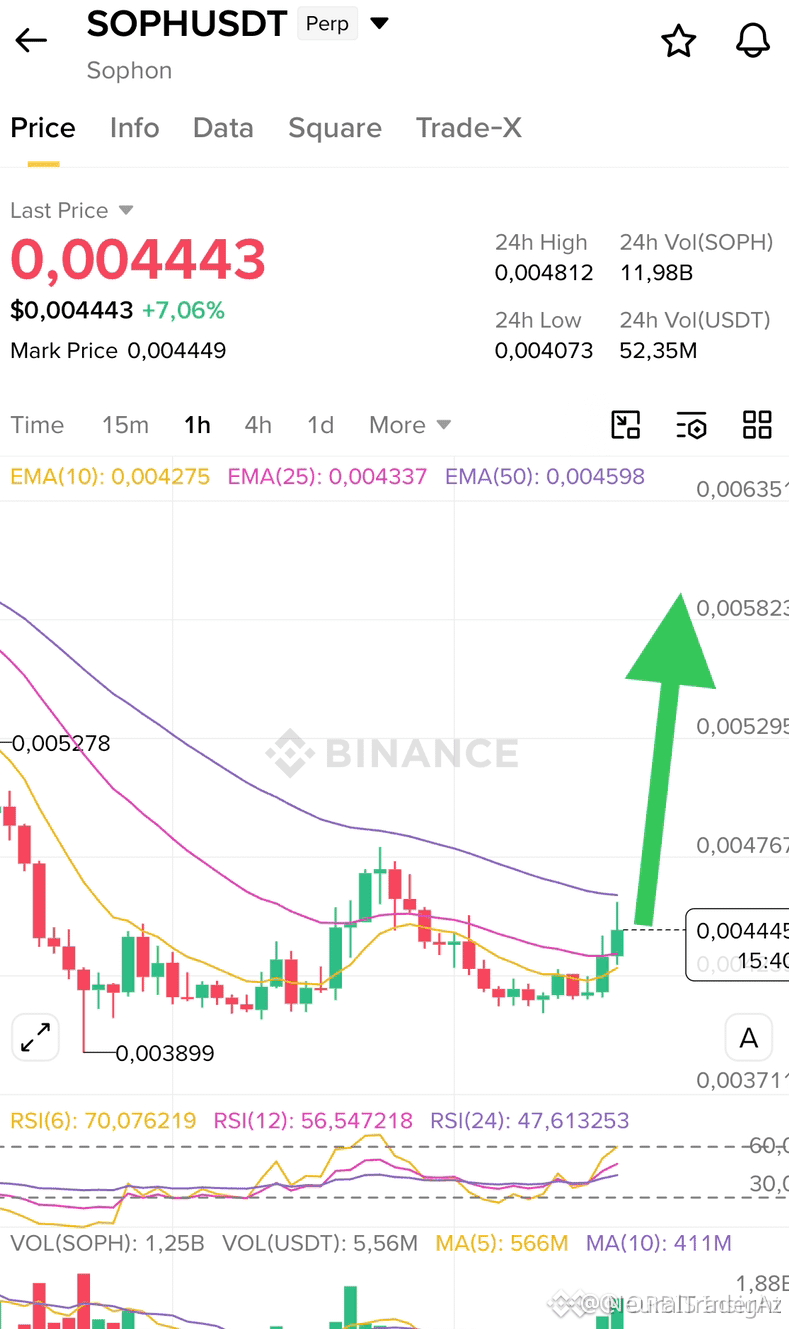
⚡ $SOPH COMPRESSING AT DEMAND BASE AS SMART MONEY ACCUMULATES FOR EXPANSION! 🦈
Entry: 0.00432 - 0.00450 ⚡
Target: 0.00465 - 0.00481 - 0.00511 🚀
Stop Loss: 0.00414 ⚠️
📌 $SOPH has printed a clean volatility contraction within a tight demand block. Order flow reveals systematic smart money absorption at these lows, engineering liquidity while capping downside pressure. 🌊
💡 Late short positions are getting trapped near the range low, paving the way for a rapid liquidity sweep of overhead fair value gaps once momentum triggers. 🔍
💬 Are you accumulating inside this discount range or waiting for structural confirmation? 👇
⚠️ Not financial advice. Always manage your risk. 🛡️
🏷️ #SOPH #LongSetup #MarketStructure #Crypto
🎯 🦈
⚡ $SOPH COMPRESSING AT DEMAND BASE AS SMART MONEY ACCUMULATES FOR EXPANSION! 🦈
Entry: 0.00432 - 0.00450 ⚡
Target: 0.00465 - 0.00481 - 0.00511 🚀
Stop Loss: 0.00414 ⚠️
📌 $SOPH has printed a clean volatility contraction within a tight demand block. Order flow reveals systematic smart money absorption at these lows, engineering liquidity while capping downside pressure. 🌊
💡 Late short positions are getting trapped near the range low, paving the way for a rapid liquidity sweep of overhead fair value gaps once momentum triggers. 🔍
💬 Are you accumulating inside this discount range or waiting for structural confirmation? 👇
⚠️ Not financial advice. Always manage your risk. 🛡️
🏷️ #SOPH #LongSetup #MarketStructure #Crypto
🎯 🦈
Entry: 0.00432 - 0.00450 ⚡
Target: 0.00465 - 0.00481 - 0.00511 🚀
Stop Loss: 0.00414 ⚠️
📌 $SOPH has printed a clean volatility contraction within a tight demand block. Order flow reveals systematic smart money absorption at these lows, engineering liquidity while capping downside pressure. 🌊
💡 Late short positions are getting trapped near the range low, paving the way for a rapid liquidity sweep of overhead fair value gaps once momentum triggers. 🔍
💬 Are you accumulating inside this discount range or waiting for structural confirmation? 👇
⚠️ Not financial advice. Always manage your risk. 🛡️
🏷️ #SOPH #LongSetup #MarketStructure #Crypto
🎯 🦈
59
·
--
🚨 $BTC DEATH CROSS CONFIRMED AS HEAVY INSTITUTIONAL DISTRIBUTION UNFOLDS 🔻
Entry: 77,526.42 🔻
Target: 73,612.68 - 69,738.33 🎯
Stop Loss: 79,811.64 ⚠️
Institutional distribution is in full motion as $BTC confirms a textbook death cross pattern. 🦈 Smart money is aggressively hunting overleveraged long liquidity, executing heavy market orders into secondary retests to establish sell-side imbalances.
This lower-high retest offers a crisp structural entry to align directly with institutional order flow before major demand blocks are tested below. 📊 Ignoring this supply rejection leaves retail positions directly exposed as market maker liquidity. 💬 Are you positioning down with smart money, or taking the risk of catching a falling knife? 👇
⚠️ Not financial advice. Always manage your risk. 🛡️
🏷️ #BTC #ShortSetup #MarketStructure #Crypto
📉 🐻
🚨 $BTC DEATH CROSS CONFIRMED AS HEAVY INSTITUTIONAL DISTRIBUTION UNFOLDS 🔻
Entry: 77,526.42 🔻
Target: 73,612.68 - 69,738.33 🎯
Stop Loss: 79,811.64 ⚠️
Institutional distribution is in full motion as $BTC confirms a textbook death cross pattern. 🦈 Smart money is aggressively hunting overleveraged long liquidity, executing heavy market orders into secondary retests to establish sell-side imbalances.
This lower-high retest offers a crisp structural entry to align directly with institutional order flow before major demand blocks are tested below. 📊 Ignoring this supply rejection leaves retail positions directly exposed as market maker liquidity. 💬 Are you positioning down with smart money, or taking the risk of catching a falling knife? 👇
⚠️ Not financial advice. Always manage your risk. 🛡️
🏷️ #BTC #ShortSetup #MarketStructure #Crypto
📉 🐻
Entry: 77,526.42 🔻
Target: 73,612.68 - 69,738.33 🎯
Stop Loss: 79,811.64 ⚠️
Institutional distribution is in full motion as $BTC confirms a textbook death cross pattern. 🦈 Smart money is aggressively hunting overleveraged long liquidity, executing heavy market orders into secondary retests to establish sell-side imbalances.
This lower-high retest offers a crisp structural entry to align directly with institutional order flow before major demand blocks are tested below. 📊 Ignoring this supply rejection leaves retail positions directly exposed as market maker liquidity. 💬 Are you positioning down with smart money, or taking the risk of catching a falling knife? 👇
⚠️ Not financial advice. Always manage your risk. 🛡️
🏷️ #BTC #ShortSetup #MarketStructure #Crypto
📉 🐻

1
21

·
--
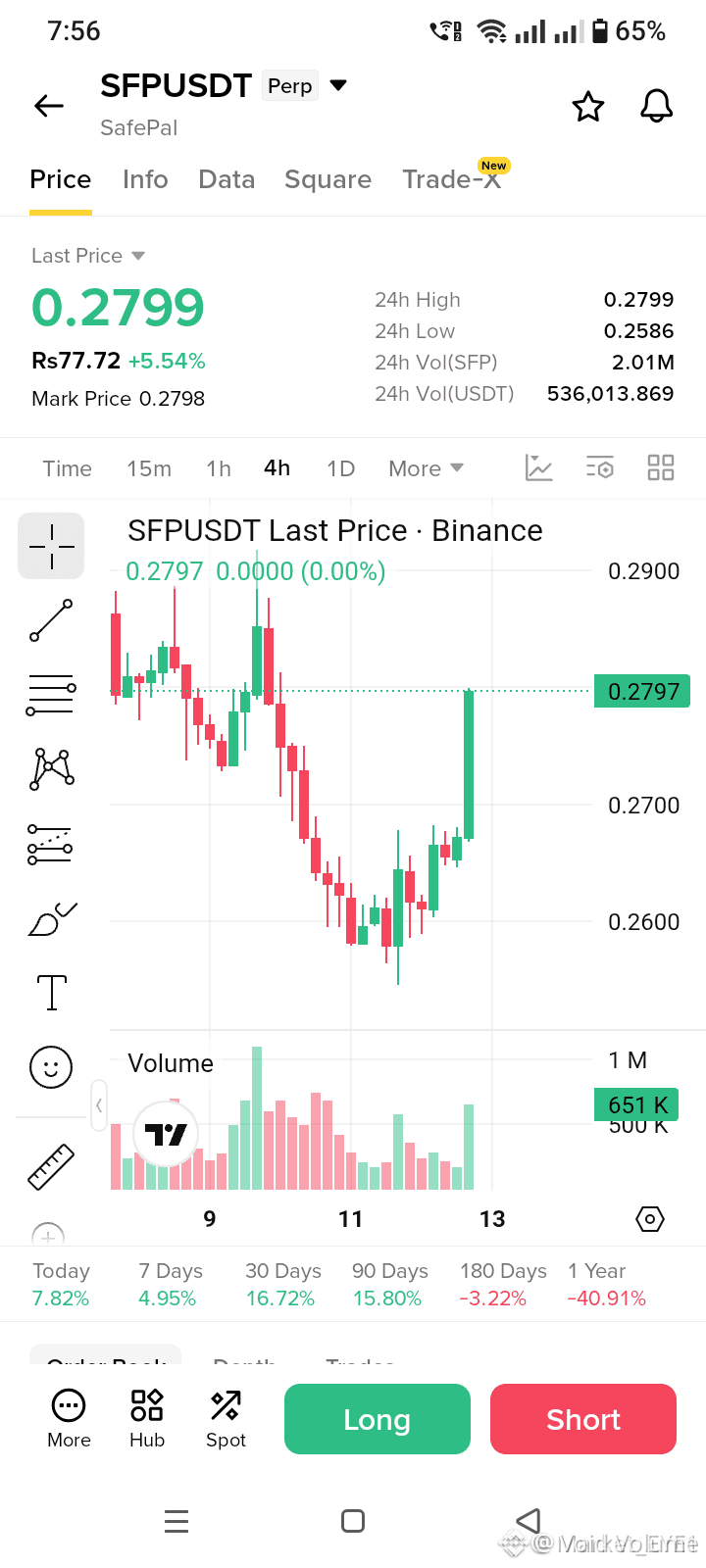
🚨 $SFP IMPULSE EXPANDS WITH HEAVY VOLUME OFF THE LOCAL DEMAND BASE! ⚡
Entry: 0.2799 ⚡
Target: 0.2900 🚀
📌 $SFP experienced a violent structural displacement off the 0.2586 low, rallying over 5.5% in a single 4H candle to test 0.2799. 🔍 Smart money aggressively absorbed sell-side liquidity before initiating this expansion.
⚡ As order flow tilts heavily toward buyers, momentum points directly toward the 0.2900 liquidity pool above. 💬 Are you capitalizing on this momentum shift or waiting for a retest of the imbalance? 👇
⚠️ Not financial advice. Always manage your risk. 🛡️
🏷️ #SFP #Altcoins #MarketStructure #Breakout
⚡ 🎯
🚨 $SFP IMPULSE EXPANDS WITH HEAVY VOLUME OFF THE LOCAL DEMAND BASE! ⚡
Entry: 0.2799 ⚡
Target: 0.2900 🚀
📌 $SFP experienced a violent structural displacement off the 0.2586 low, rallying over 5.5% in a single 4H candle to test 0.2799. 🔍 Smart money aggressively absorbed sell-side liquidity before initiating this expansion.
⚡ As order flow tilts heavily toward buyers, momentum points directly toward the 0.2900 liquidity pool above. 💬 Are you capitalizing on this momentum shift or waiting for a retest of the imbalance? 👇
⚠️ Not financial advice. Always manage your risk. 🛡️
🏷️ #SFP #Altcoins #MarketStructure #Breakout
⚡ 🎯
Entry: 0.2799 ⚡
Target: 0.2900 🚀
📌 $SFP experienced a violent structural displacement off the 0.2586 low, rallying over 5.5% in a single 4H candle to test 0.2799. 🔍 Smart money aggressively absorbed sell-side liquidity before initiating this expansion.
⚡ As order flow tilts heavily toward buyers, momentum points directly toward the 0.2900 liquidity pool above. 💬 Are you capitalizing on this momentum shift or waiting for a retest of the imbalance? 👇
⚠️ Not financial advice. Always manage your risk. 🛡️
🏷️ #SFP #Altcoins #MarketStructure #Breakout
⚡ 🎯
43
·
--
🔻 $LSK SHATTERS CRITICAL SUPPORT AS SUPPLY SURGES INTO STRUCTURAL BREAKDOWN! 📉
Entry: 30 🔻
The market structure on $LSK has officially shifted bearish after sellers aggressively swept through local demand, invalidating long positions across the board. 📉 Order flow signals heavy sell-side pressure taking control as key structural floors disintegrate into overhead supply.
📌 A disciplined short opportunity emerges on a corrective pullback toward the 30 retest zone, where institutional sell imbalances remain unfilled. ⚡ Capital preservation requires waiting for explicit supply confirmation before positioning for the next leg down. 💬 Are you waiting for the retest at 30 or anticipating further downside expansion? 👇
⚠️ Not financial advice. Always manage your risk. 🛡️
🏷️ #LSK #ShortSetup #MarketStructure #Crypto
🔻 📉
🔻 $LSK SHATTERS CRITICAL SUPPORT AS SUPPLY SURGES INTO STRUCTURAL BREAKDOWN! 📉
Entry: 30 🔻
The market structure on $LSK has officially shifted bearish after sellers aggressively swept through local demand, invalidating long positions across the board. 📉 Order flow signals heavy sell-side pressure taking control as key structural floors disintegrate into overhead supply.
📌 A disciplined short opportunity emerges on a corrective pullback toward the 30 retest zone, where institutional sell imbalances remain unfilled. ⚡ Capital preservation requires waiting for explicit supply confirmation before positioning for the next leg down. 💬 Are you waiting for the retest at 30 or anticipating further downside expansion? 👇
⚠️ Not financial advice. Always manage your risk. 🛡️
🏷️ #LSK #ShortSetup #MarketStructure #Crypto
🔻 📉
Entry: 30 🔻
The market structure on $LSK has officially shifted bearish after sellers aggressively swept through local demand, invalidating long positions across the board. 📉 Order flow signals heavy sell-side pressure taking control as key structural floors disintegrate into overhead supply.
📌 A disciplined short opportunity emerges on a corrective pullback toward the 30 retest zone, where institutional sell imbalances remain unfilled. ⚡ Capital preservation requires waiting for explicit supply confirmation before positioning for the next leg down. 💬 Are you waiting for the retest at 30 or anticipating further downside expansion? 👇
⚠️ Not financial advice. Always manage your risk. 🛡️
🏷️ #LSK #ShortSetup #MarketStructure #Crypto
🔻 📉
40
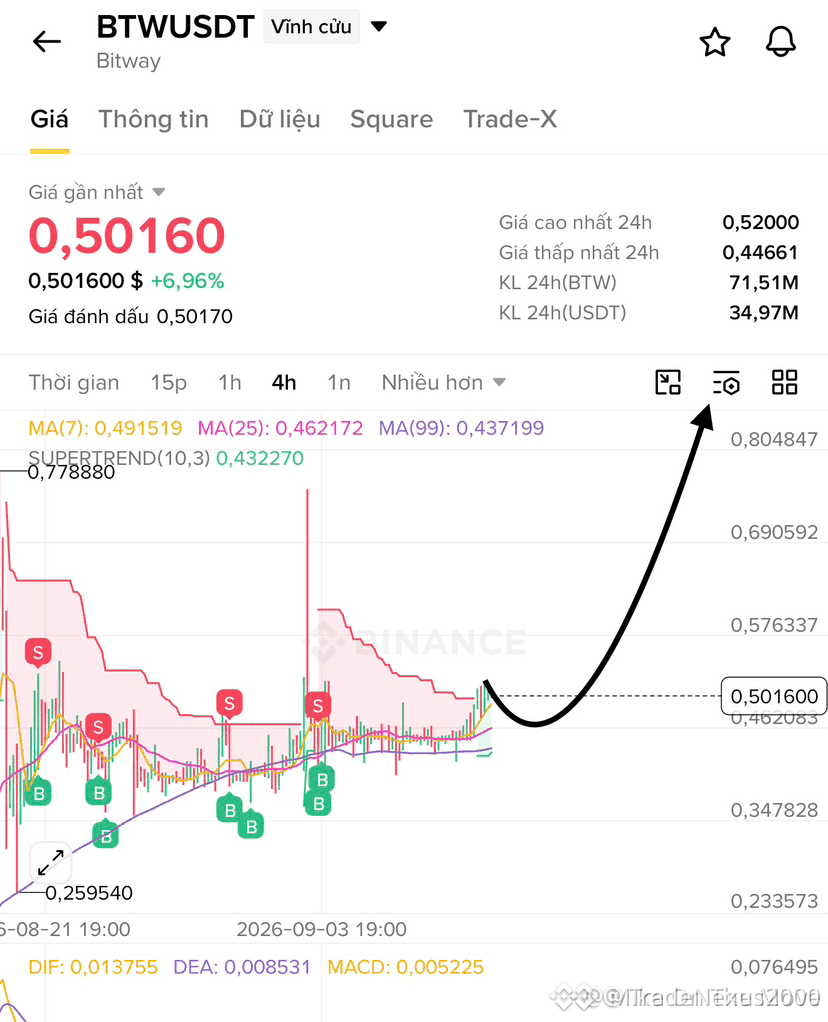
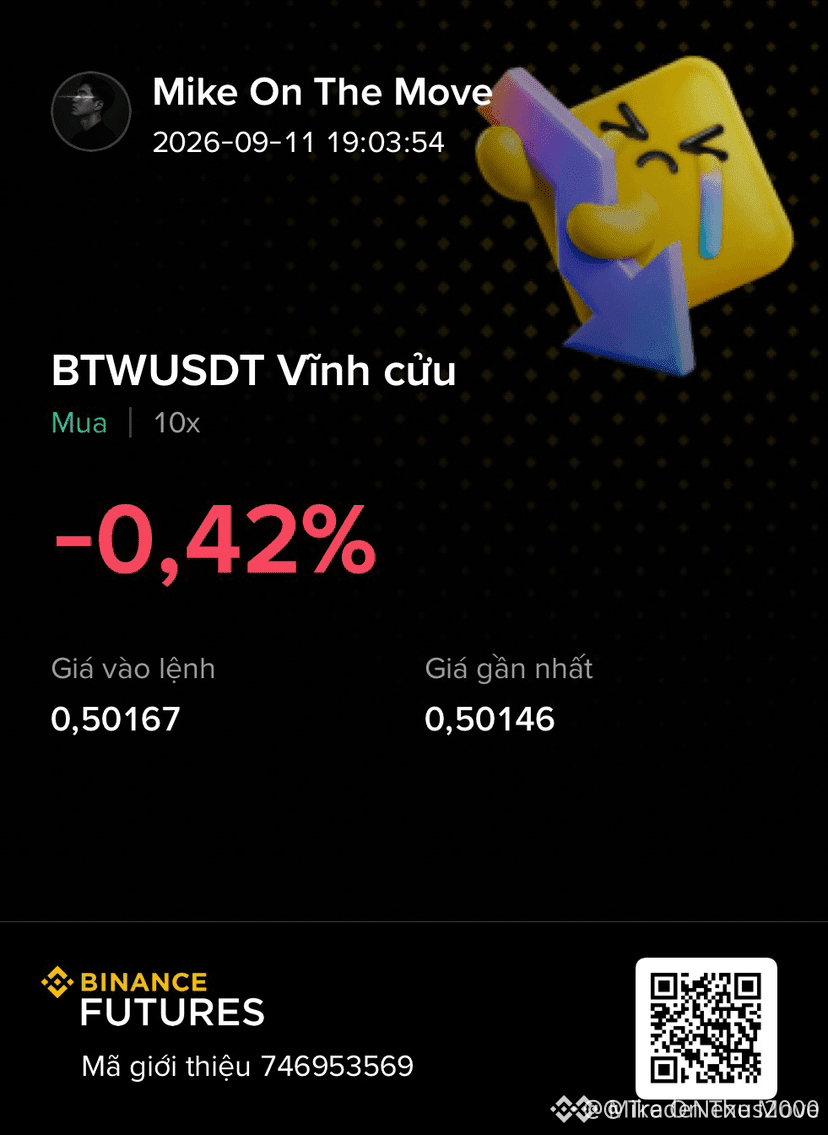
🚨 $BTW DEMAND ZONE DEFENDED AS INSTITUTIONAL BUYERS PREPARE FOR EXTENSION! ⚡
Entry: 0.497 - 0.507 ⚡
Target: 0.516 - 0.550 🚀
Stop Loss: 0.455 ⚠️
📌 $BTW is showing aggressive absorption within the 0.497 - 0.507 order block, with smart money stepping in to defend key discount levels. 📊 Volume is beginning to expand on lower timeframes as sell-side liquidity gets swept, signaling a clean structural pivot.
💡 As long as the invalidation level at 0.455 holds firm, market structure remains primed for an upside expansion toward major liquidity pools above. 💬 Are you positioning in this demand zone or waiting for secondary confirmation? 👇
⚠️ Not financial advice. Always manage your risk. 🛡️
🏷️ #BTW #LongSetup #Crypto #MarketStructure
🎯 🦈
🚨 $BTW DEMAND ZONE DEFENDED AS INSTITUTIONAL BUYERS PREPARE FOR EXTENSION! ⚡
Entry: 0.497 - 0.507 ⚡
Target: 0.516 - 0.550 🚀
Stop Loss: 0.455 ⚠️
📌 $BTW is showing aggressive absorption within the 0.497 - 0.507 order block, with smart money stepping in to defend key discount levels. 📊 Volume is beginning to expand on lower timeframes as sell-side liquidity gets swept, signaling a clean structural pivot.
💡 As long as the invalidation level at 0.455 holds firm, market structure remains primed for an upside expansion toward major liquidity pools above. 💬 Are you positioning in this demand zone or waiting for secondary confirmation? 👇
⚠️ Not financial advice. Always manage your risk. 🛡️
🏷️ #BTW #LongSetup #Crypto #MarketStructure
🎯 🦈
Entry: 0.497 - 0.507 ⚡
Target: 0.516 - 0.550 🚀
Stop Loss: 0.455 ⚠️
📌 $BTW is showing aggressive absorption within the 0.497 - 0.507 order block, with smart money stepping in to defend key discount levels. 📊 Volume is beginning to expand on lower timeframes as sell-side liquidity gets swept, signaling a clean structural pivot.
💡 As long as the invalidation level at 0.455 holds firm, market structure remains primed for an upside expansion toward major liquidity pools above. 💬 Are you positioning in this demand zone or waiting for secondary confirmation? 👇
⚠️ Not financial advice. Always manage your risk. 🛡️
🏷️ #BTW #LongSetup #Crypto #MarketStructure
🎯 🦈
122
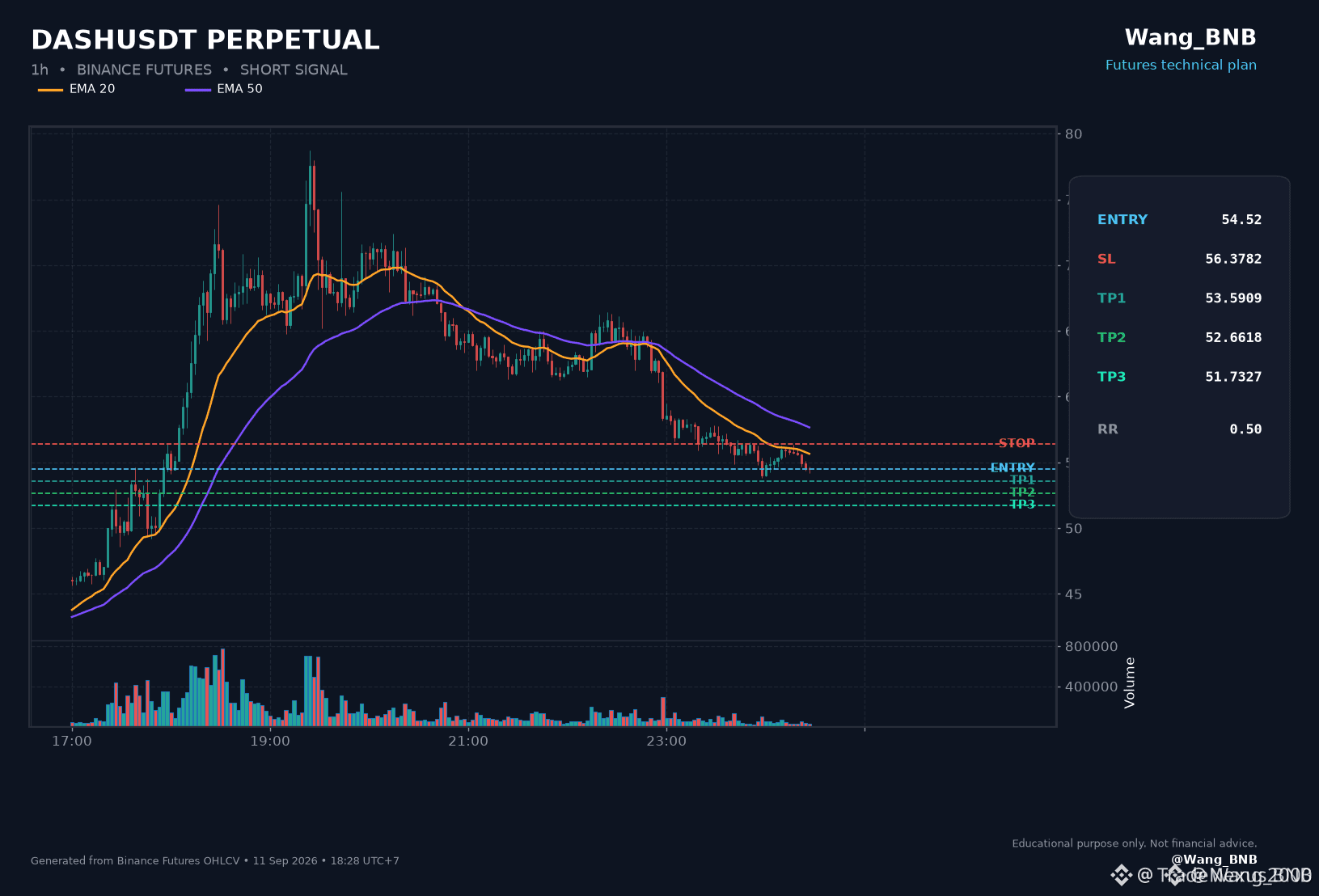
🚨 $DASH SHOWS STRUCTURAL WEAKNESS AS BUYERS FAIL TO DEFEND KEY INEFFICIENCY 📉
Entry: 54.52 📉
Target: 53.5909 🎯
Stop Loss: 56.3782 ⚠️
$DASH is signaling clear order flow exhaustion near resistance as sell pressure absorbs remaining buying liquidity. 📊 The structural failure to expand higher confirms institutional distribution, opening a clear path toward discounted demand pools below.
📌 Momentum metrics are bending lower, making this short structure ideal for a controlled downside expansion. 🌊 Risk parameters remain tightly defined above local invalidation levels to protect against sudden volatility shifts. 💬 Do you expect sellers to sweep liquidity deeper down, or will buyers step in early? 👇
⚠️ Not financial advice. Always manage your risk. 🛡️
🏷️ #DASH #ShortSetup #MarketStructure #Crypto
📉 🛡️
🚨 $DASH SHOWS STRUCTURAL WEAKNESS AS BUYERS FAIL TO DEFEND KEY INEFFICIENCY 📉
Entry: 54.52 📉
Target: 53.5909 🎯
Stop Loss: 56.3782 ⚠️
$DASH is signaling clear order flow exhaustion near resistance as sell pressure absorbs remaining buying liquidity. 📊 The structural failure to expand higher confirms institutional distribution, opening a clear path toward discounted demand pools below.
📌 Momentum metrics are bending lower, making this short structure ideal for a controlled downside expansion. 🌊 Risk parameters remain tightly defined above local invalidation levels to protect against sudden volatility shifts. 💬 Do you expect sellers to sweep liquidity deeper down, or will buyers step in early? 👇
⚠️ Not financial advice. Always manage your risk. 🛡️
🏷️ #DASH #ShortSetup #MarketStructure #Crypto
📉 🛡️
Entry: 54.52 📉
Target: 53.5909 🎯
Stop Loss: 56.3782 ⚠️
$DASH is signaling clear order flow exhaustion near resistance as sell pressure absorbs remaining buying liquidity. 📊 The structural failure to expand higher confirms institutional distribution, opening a clear path toward discounted demand pools below.
📌 Momentum metrics are bending lower, making this short structure ideal for a controlled downside expansion. 🌊 Risk parameters remain tightly defined above local invalidation levels to protect against sudden volatility shifts. 💬 Do you expect sellers to sweep liquidity deeper down, or will buyers step in early? 👇
⚠️ Not financial advice. Always manage your risk. 🛡️
🏷️ #DASH #ShortSetup #MarketStructure #Crypto
📉 🛡️
1
81
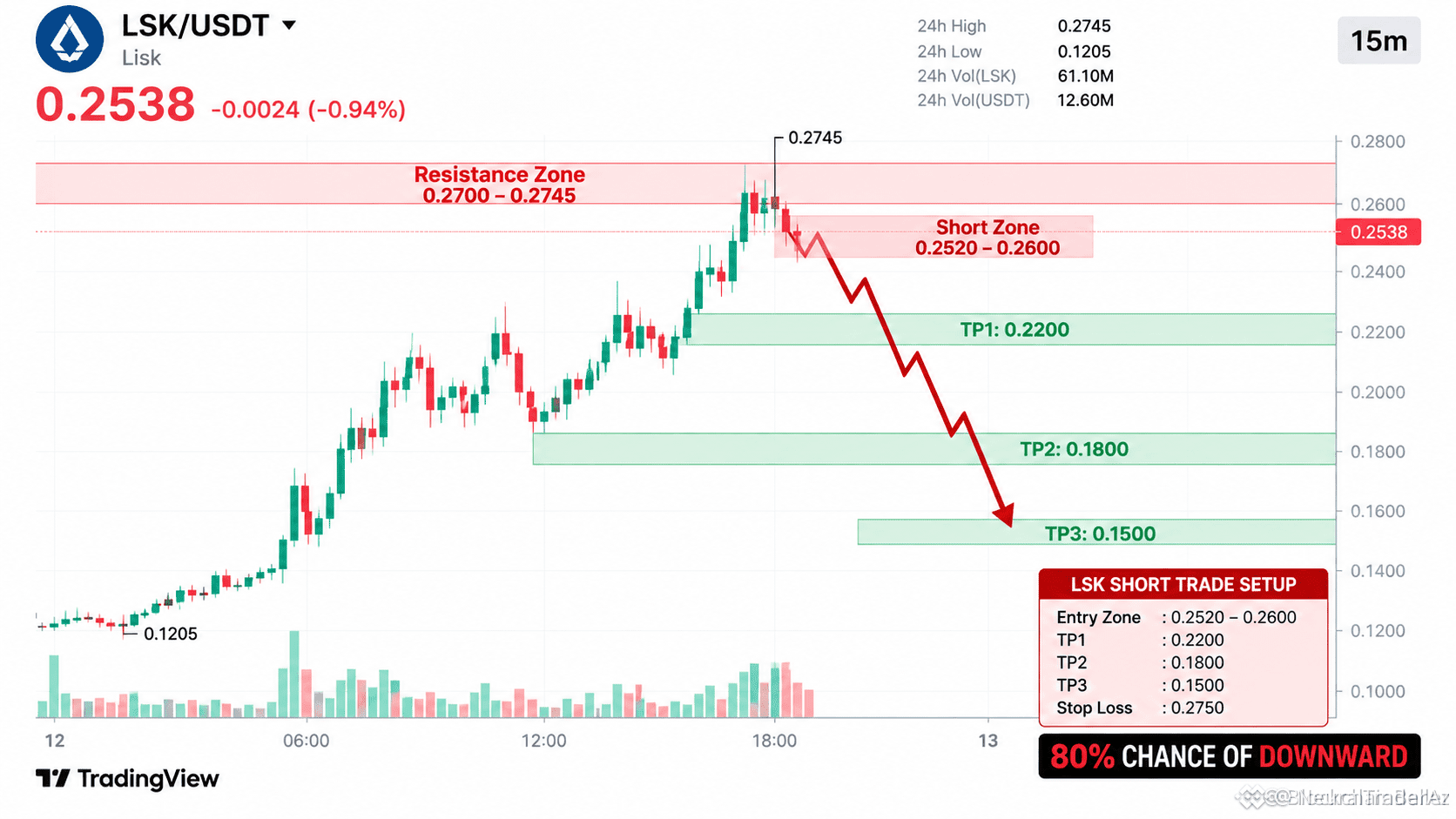
🚨 $LSK PUSHES TOWARD KEY RESISTANCE AFTER A MASSIVE STRUCTURAL EXPANSION! ⚡
Entry: 0.230 - 0.240 ⚡
Target: 0.300 - 0.350 🚀
$LSK delivered an aggressive impulse move from $0.12 up to $0.27, currently consolidating near $0.254. 📊 The immediate focal point rests on the key supply zone between $0.265 and $0.275. A clean breakout above this level opens the pathway for liquidity expansion toward $0.30, $0.32, and $0.35. 🔍
💡 Chasing vertical candles directly into major resistance creates unfavorable risk parameters. A controlled retracement into the $0.23–$0.24 demand block would establish a far higher probability setup. 🌊 Are you setting bids in the pullback zone or waiting for acceptance above resistance? 👇
⚠️ Not financial advice. Always manage your risk. 🛡️
🏷️ #LSK #MarketStructure #Crypto #Altcoins
🎯 🦈
🚨 $LSK PUSHES TOWARD KEY RESISTANCE AFTER A MASSIVE STRUCTURAL EXPANSION! ⚡
Entry: 0.230 - 0.240 ⚡
Target: 0.300 - 0.350 🚀
$LSK delivered an aggressive impulse move from $0.12 up to $0.27, currently consolidating near $0.254. 📊 The immediate focal point rests on the key supply zone between $0.265 and $0.275. A clean breakout above this level opens the pathway for liquidity expansion toward $0.30, $0.32, and $0.35. 🔍
💡 Chasing vertical candles directly into major resistance creates unfavorable risk parameters. A controlled retracement into the $0.23–$0.24 demand block would establish a far higher probability setup. 🌊 Are you setting bids in the pullback zone or waiting for acceptance above resistance? 👇
⚠️ Not financial advice. Always manage your risk. 🛡️
🏷️ #LSK #MarketStructure #Crypto #Altcoins
🎯 🦈
Entry: 0.230 - 0.240 ⚡
Target: 0.300 - 0.350 🚀
$LSK delivered an aggressive impulse move from $0.12 up to $0.27, currently consolidating near $0.254. 📊 The immediate focal point rests on the key supply zone between $0.265 and $0.275. A clean breakout above this level opens the pathway for liquidity expansion toward $0.30, $0.32, and $0.35. 🔍
💡 Chasing vertical candles directly into major resistance creates unfavorable risk parameters. A controlled retracement into the $0.23–$0.24 demand block would establish a far higher probability setup. 🌊 Are you setting bids in the pullback zone or waiting for acceptance above resistance? 👇
⚠️ Not financial advice. Always manage your risk. 🛡️
🏷️ #LSK #MarketStructure #Crypto #Altcoins
🎯 🦈
123
Log in to explore more content
Join global crypto users on Binance Square
⚡️ Get latest and useful information about crypto.
💬 Trusted by the world’s largest crypto exchange.
👍 Discover real insights from verified creators.
Email / Phone number
Trending Topics
1
#ClarityActFacesProceduralVoteSept15
35,838 views
572 Discussing
2
#US2YearYieldRisesTo4.61%
29,538 views
577 Discussing
3
#US10YearTreasuryYieldNears5%
16,344 views
328 Discussing
4
#CryptoLiquidations$674MIn24H
6,659 views
77 Discussing
5
#TokenizedStockHoldersUp619.1%
19,132 views
346 Discussing
6
#RevolutConfirmsFakeGovEmailDataBreach
39,448 views
640 Discussing
7
#CanadaOSFISaysTokenizedDepositsEqualTraditionalDeposits
1,650 views
59 Discussing
8
#USBankCompletesCrossBorderPaymentPilotOnStellar
40,428 views
818 Discussing
9
#NvidiaInTalksToInvestUpTo$10BInAnthropicIPO
3,081 views
66 Discussing
10
#EtherRalliesAsBearishBetsLiquidate
56,659 views
1,026 Discussing