

#binancesquaretalks
binancesquaretalks
50.5M views
114,985 Discussing
Hot
Latest

🚀 Your Crypto Knowledge Can Do More Than You Think! 💛
Did you know you can turn your crypto insights into opportunities on Binance Square? 👀
📝 Share your market analysis
📊 Add candle charts to support your predictions
💡 Teach others what you learn
🤝 Connect with a community that grows together
The goal isn't just to post — it's to share value, start conversations, and grow together. 🌱
I'm here to learn, share ideas, and connect with fellow crypto enthusiasts. ❤️
💬 Question for the community: Which crypto are you watching closely this week — BTC, ETH, or something else?
Let's talk in the comments! 👇
#BinanceSquareTalks #writetoearn #CryptoCommunitys #CryptoEducation💡🚀 #bitcoin
1
154

#BinanceSquareTalks Updates and Changes🚨Binance🚨
Binance Square is upgrading the “Write and Earn” program – create engaging content, grow your community, and earn more
📢😀
Published on 2026-10-18 20:00
📣😀
This is a general announcement. The products and services mentioned here may not be available in your region. Terms and conditions apply.
📢😀
Dear Binance Users,
📣😀
As part of our ongoing commitment to empowering content creators and fostering a vibrant and rewarding ecosystem, we are pleased to announce an upgrade to the “Write and Earn” program on Binance Square, adding a new way to earn alongside trading commissions. The program remains available to all users who have completed identity verification (KYC), with no registration or subscription required.
📢😀
Starting from 2026-10-19 00:00 (UTC), eligible content creators will be able to receive a new engagement reward (in addition to trading fee commissions) when their content generates genuine interaction — from comments, likes, and follows.
📣😀
Rewards for the period from 2026-10-12 00:00 to 2026-10-18 23:59 (UTC) will be paid on 2026-10-21, according to the previous rules. All rewards from 2026-10-19 00:00 (UTC) onward will be calculated according to the new rules below.😀
97

·
--
Article
Earn with Binance SquareThis is the start everyone hopes for
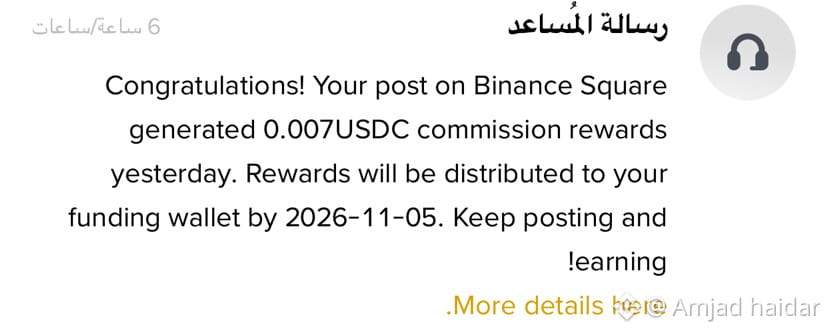
Message: "Congratulations! Your post earned 0.007 USDC"
Some may think it's a small amount, but I see it as proof that this path works.
On Binance Square, you don't need capital or millions of followers.
You only need: useful information + consistency.
Today, it's 0.07; tomorrow, it's $7; the day after tomorrow, people will trust you.
A wallet doesn't fill up all at once, but drop by drop.
Earn with Binance Square
This is the start everyone hopes for
Message: "Congratulations! Your post earned 0.007 USDC"
Some may think it's a small amount, but I see it as proof that this path works.
On Binance Square, you don't need capital or millions of followers.
You only need: useful information + consistency.
Today, it's 0.07; tomorrow, it's $7; the day after tomorrow, people will trust you.
A wallet doesn't fill up all at once, but drop by drop.
1
2
81
$BTC How to earn $5 to $10 on Binance without any capital /
Beginners and new subscribers looking to earn on Binance have had their Write and Earn rewards upgraded:
Join Binance Square (Write and Earn)/
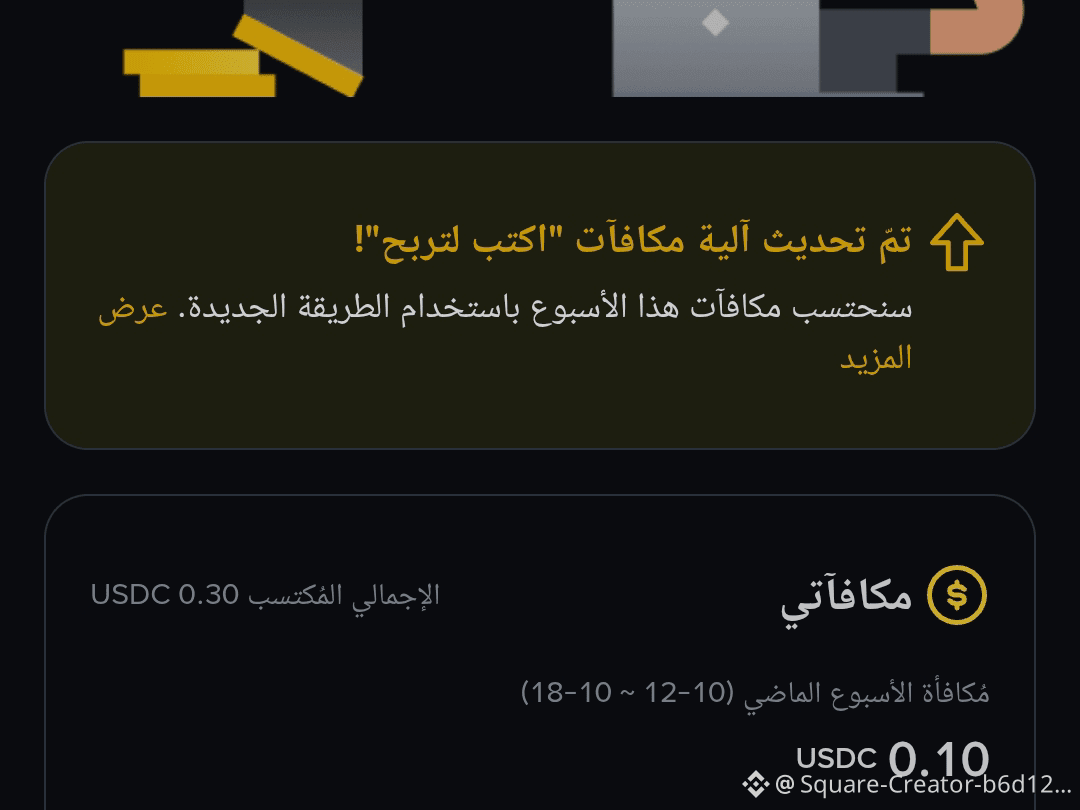
After the October 19 upgrade, Write and Earn rewards are no longer limited to trading commissions generated by readers.
Here’s how rewards are calculated after the upgrade, and how we suggest you participate
New reward structure:
Total rewards=(text trading commission+engagement reward)+(basic livestream commission+additional livestream commission)+ basic chat commission
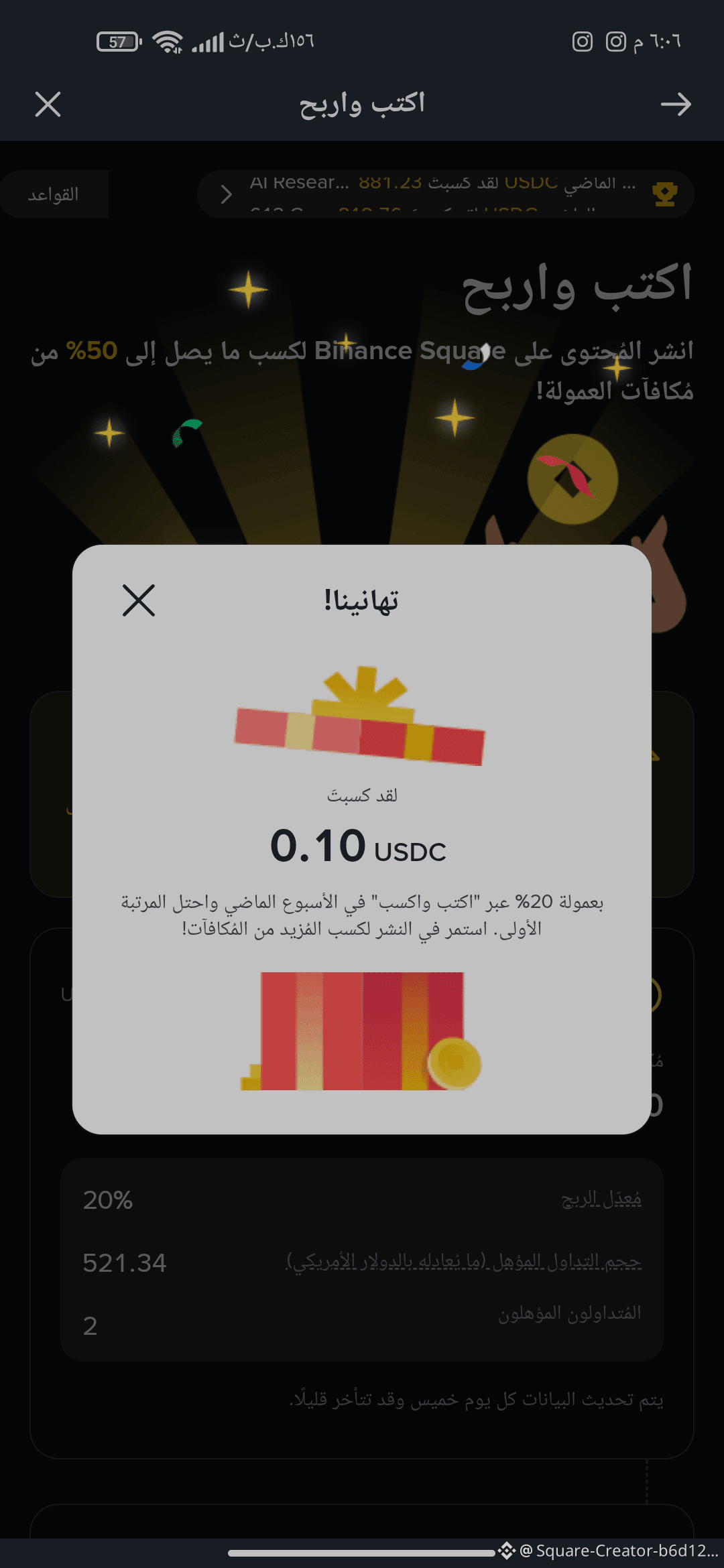
- Basic commission: Every content creator earns a 20% commission on each trade.
- Engagement reward: Eligible text content can earn an engagement reward from a weekly rewards pool, based on the quality and volume of engagement your content generates.
- Livestream rewards have been added.
#BinanceSquareTalks
#Binance
{spot}(BNBUSDT)
$BTC How to earn $5 to $10 on Binance without any capital /
Beginners and new subscribers looking to earn on Binance have had their Write and Earn rewards upgraded:
Join Binance Square (Write and Earn)/
After the October 19 upgrade, Write and Earn rewards are no longer limited to trading commissions generated by readers.
Here’s how rewards are calculated after the upgrade, and how we suggest you participate
New reward structure:
Total rewards=(text trading commission+engagement reward)+(basic livestream commission+additional livestream commission)+ basic chat commission
- Basic commission: Every content creator earns a 20% commission on each trade.
- Engagement reward: Eligible text content can earn an engagement reward from a weekly rewards pool, based on the quality and volume of engagement your content generates.
- Livestream rewards have been added.
#BinanceSquareTalks
#Binance
محمد عبده حسن علي الرعوي:
ممتاز👍
7
1
15
1.4k

Verified
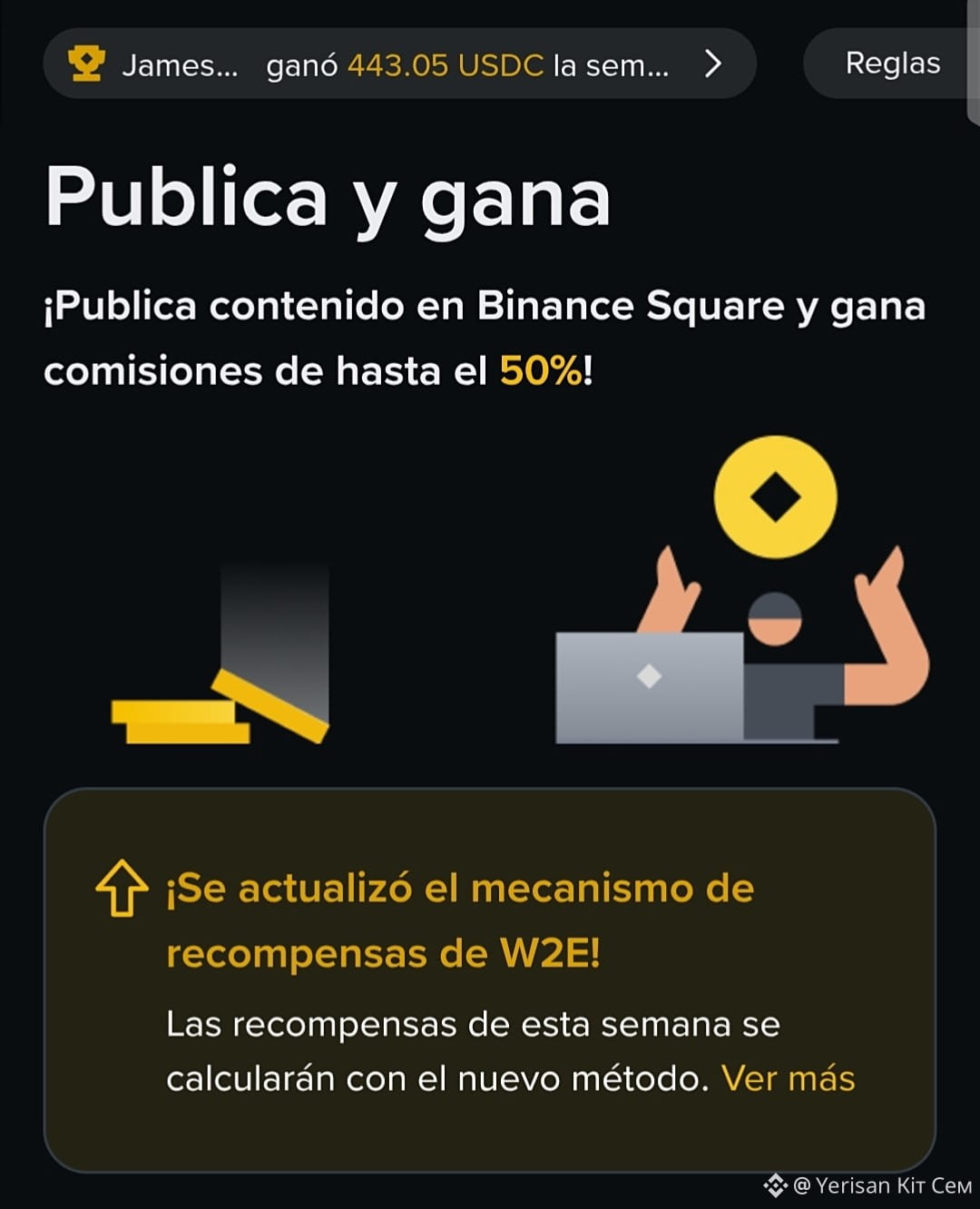
🚨 Settings and Update🚨Binance🚨
Binance Square is Upgrading Write to Earn – Create Engaging Content, Grow Your Community, and Earn More
📢😀
Published on 2026-10-18 20:00
📣😀
This is a general announcement. Products and services referred to here may not be available in your region. Terms and conditions apply.
📢😀
Fellow Binancians,
📣😀
As part of our ongoing commitment to empower creators and foster a vibrant, rewarding ecosystem, we are excited to announce that the 'Write to Earn' program on Binance Square is being upgraded, adding a new way to earn beyond trading commissions. The Program remains available to all KYC-verified users, with no registration or opt-in required.
📢😀
Starting 2026-10-19 00:00 (UTC), eligible creators can earn a new Engagement Bonus (in addition to trading fee commissions) when their content drives genuine engagement — comments, likes, and follows.
📣😀
Rewards for 2026-10-12 00:00 – 2026-10-18 23:59 (UTC), released on 2026-10-21, follow the previous rules. All rewards from 2026-10-19 00:00 (UTC) onward are calculated under the new rules below.😀
#Repost 👌🏻✍🏼👌🏻
$USDC
$BNB
$BTC
#Write
#Earn
#BinanceSquareTalks
Pixie Decor:
Avisa en cuanto se incrementa tu ganancia 💪
1
2
326

hey hey traderss!!! am a binance user from pst 4years and i just discovered the square function checkout my analysis traders........#BinanceSquareTalks #BinanceSquareFamily
hey hey traderss!!! am a binance user from pst 4years and i just discovered the square function checkout my analysis traders........#BinanceSquareTalks #BinanceSquareFamily
1
139


·
--
Bullish
Did anyone receive a reward from this competition?
binance summer camp
#Binance
#BinanceSquareTalks
The reward was scheduled to be distributed before October 30.
Did anyone receive a reward from this competition?
binance summer camp
#Binance
#BinanceSquareTalks
The reward was scheduled to be distributed before October 30.
binance summer camp
#Binance
#BinanceSquareTalks
The reward was scheduled to be distributed before October 30.

87

·
--
Bullish
#BinanceSquareTalks Guys, these are shopping vouchers I got yesterday from my posts on Binance Square.
Don’t miss the chance to write articles about cryptocurrencies and market news to benefit. Everyone has a chance to earn something, easily ❤️ $BTC $ETH
{spot}(ETHUSDT)
#BinanceSquareTalks Guys, these are shopping vouchers I got yesterday from my posts on Binance Square.
Don’t miss the chance to write articles about cryptocurrencies and market news to benefit. Everyone has a chance to earn something, easily ❤️ $BTC $ETH
Don’t miss the chance to write articles about cryptocurrencies and market news to benefit. Everyone has a chance to earn something, easily ❤️ $BTC $ETH
104

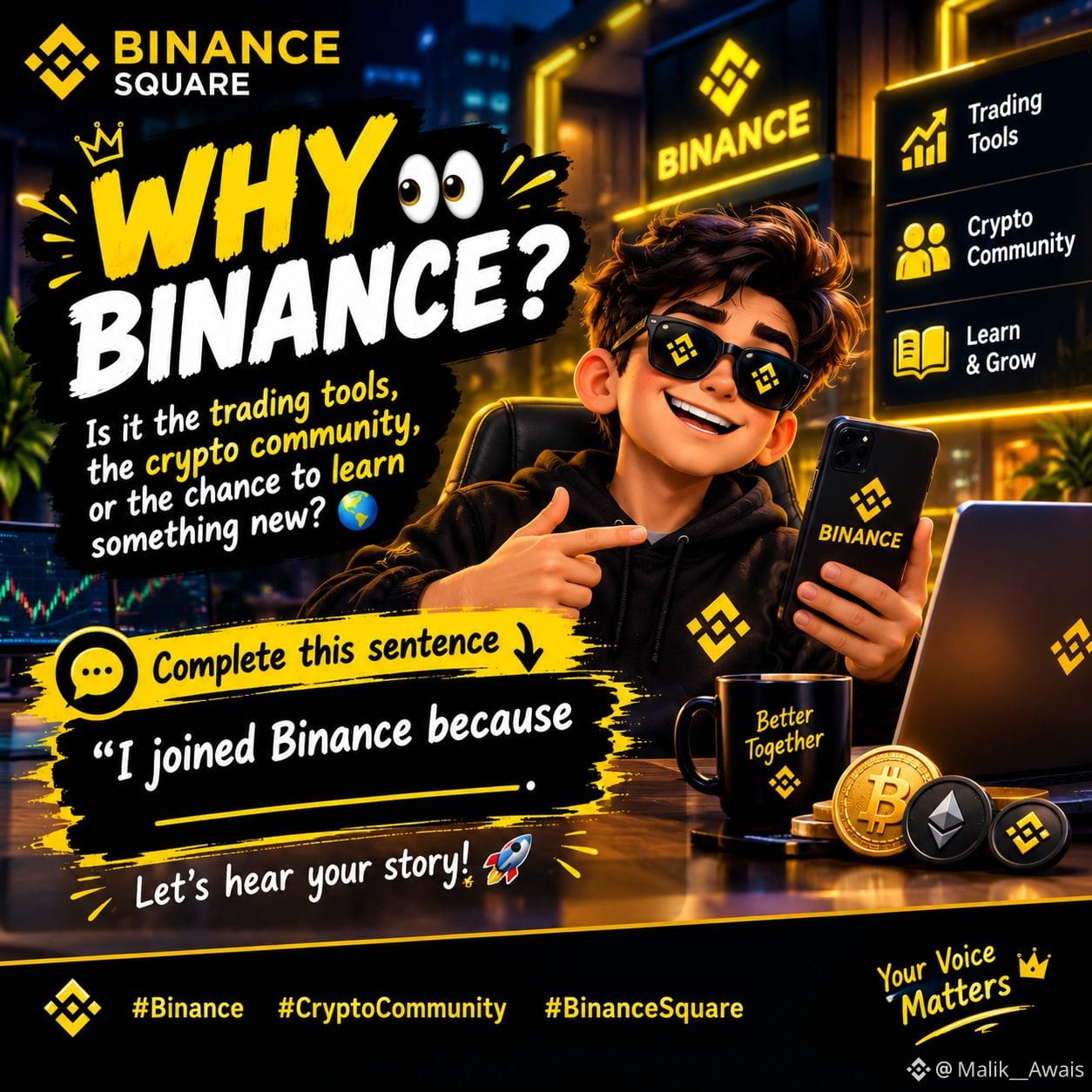
$NVDAB 💛 WHY BINANCE? 👀
Is it the trading tools, the crypto community, or the chance to learn something new? 🌍
Complete this sentence 👇
“I joined Binance because ______.”
Let’s hear your story! 🚀
$BTC $ETH
#Binance #CryptoCommunity #BinanceSquareTalks #Follow_Like_Comment
$NVDAB 💛 WHY BINANCE? 👀
Is it the trading tools, the crypto community, or the chance to learn something new? 🌍
Complete this sentence 👇
“I joined Binance because ______.”
Let’s hear your story! 🚀
$BTC $ETH
#Binance #CryptoCommunity #BinanceSquareTalks #Follow_Like_Comment
Is it the trading tools, the crypto community, or the chance to learn something new? 🌍
Complete this sentence 👇
“I joined Binance because ______.”
Let’s hear your story! 🚀
$BTC $ETH
#Binance #CryptoCommunity #BinanceSquareTalks #Follow_Like_Comment
Crypto Emp:
I already follow you. Please follow me back. Thanks
2
1
191

·
--
Quoted content has been removed
1
122

Article
🚨 BIG NEWS FOR BINANCE SQUARE CREATORS! 🔥💰 Your Content Could Earn You More — Not Just Through Trading Commissions!
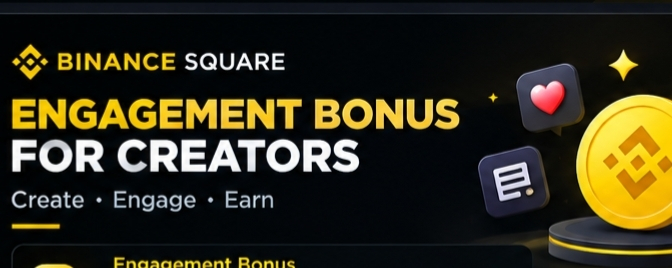
Binance Square is introducing an Engagement Bonus, creating another potential earning opportunity for eligible content creators. 📈
If you enjoy sharing crypto analysis, market updates, educational articles, or videos, this update is worth understanding! 👇
🔥 1. Engagement Bonus — Quality Matters!
Eligible text content, including:
📝 Short posts
📚 Long-form articles
🎥 Videos
may earn a weekly Engagement Bonus when they generate genuine, high-quality engagement.
💡 The key takeaway: Focus on useful content that encourages meaningful discussions instead of chasing likes or posting spam.
💸 2. Trading Commissions Still Matter
Creators can continue earning trading commissions generated by their published content, subject to Binance Square's eligibility and reward rules.
This means quality content can serve two purposes:
✅ Share valuable crypto insights.
✅ Potentially earn through eligible creator rewards.
🎙️ 3. Livestream Creators Get a Bonus Opportunity!
Binance Square's livestream reward structure includes:
🔹 Basic Commission
🔹 Bonus Commission
According to the announced update, the top 100 livestream creators each week, ranked by weekly Basic Commission, will receive a Bonus Commission.
🏆 This creates an additional incentive for creators who consistently deliver valuable livestream content.
💬 4. What About Text Posts and Chats?
Text content and chats can earn Basic Commission under the reward structure.
However, eligibility, qualifying activity, and actual earnings depend on the applicable Binance Square rules. A bonus is not guaranteed simply because a post receives views or likes.
🚀 MY STRATEGY FOR BINANCE SQUARE CREATORS
If you want to grow your audience and improve your earning potential, focus on these five habits:
✅ Publish original crypto market analysis.
✅ Explain support, resistance, and market trends clearly.
✅ Share educational content beginners can understand.
✅ Ask meaningful questions to encourage genuine discussion.
✅ Stay consistent and follow Binance Square's content policies.
⚠️ Important: Engagement Bonus eligibility and rewards may vary. Always check the official reward structure and eligibility requirements before making earning assumptions.
🔥 LET'S DISCUSS!
What type of content do you think has the greatest potential on Binance Square?
1️⃣ Crypto Analysis 📊
2️⃣ Educational Articles 📚
3️⃣ Short Posts 📝
4️⃣ Livestreams 🎙️
👇 Comment with your choice!
Let's learn, grow, and build a stronger crypto community together. 🚀
#BinanceSquareTalks #Binance #CryptoCommunityAlert #ContentCreator
🚨 BIG NEWS FOR BINANCE SQUARE CREATORS! 🔥
💰 Your Content Could Earn You More — Not Just Through Trading Commissions!
Binance Square is introducing an Engagement Bonus, creating another potential earning opportunity for eligible content creators. 📈
If you enjoy sharing crypto analysis, market updates, educational articles, or videos, this update is worth understanding! 👇
🔥 1. Engagement Bonus — Quality Matters!
Eligible text content, including:
📝 Short posts
📚 Long-form articles
🎥 Videos
may earn a weekly Engagement Bonus when they generate genuine, high-quality engagement.
💡 The key takeaway: Focus on useful content that encourages meaningful discussions instead of chasing likes or posting spam.
💸 2. Trading Commissions Still Matter
Creators can continue earning trading commissions generated by their published content, subject to Binance Square's eligibility and reward rules.
This means quality content can serve two purposes:
✅ Share valuable crypto insights.
✅ Potentially earn through eligible creator rewards.
🎙️ 3. Livestream Creators Get a Bonus Opportunity!
Binance Square's livestream reward structure includes:
🔹 Basic Commission
🔹 Bonus Commission
According to the announced update, the top 100 livestream creators each week, ranked by weekly Basic Commission, will receive a Bonus Commission.
🏆 This creates an additional incentive for creators who consistently deliver valuable livestream content.
💬 4. What About Text Posts and Chats?
Text content and chats can earn Basic Commission under the reward structure.
However, eligibility, qualifying activity, and actual earnings depend on the applicable Binance Square rules. A bonus is not guaranteed simply because a post receives views or likes.
🚀 MY STRATEGY FOR BINANCE SQUARE CREATORS
If you want to grow your audience and improve your earning potential, focus on these five habits:
✅ Publish original crypto market analysis.
✅ Explain support, resistance, and market trends clearly.
✅ Share educational content beginners can understand.
✅ Ask meaningful questions to encourage genuine discussion.
✅ Stay consistent and follow Binance Square's content policies.
⚠️ Important: Engagement Bonus eligibility and rewards may vary. Always check the official reward structure and eligibility requirements before making earning assumptions.
🔥 LET'S DISCUSS!
What type of content do you think has the greatest potential on Binance Square?
1️⃣ Crypto Analysis 📊
2️⃣ Educational Articles 📚
3️⃣ Short Posts 📝
4️⃣ Livestreams 🎙️
👇 Comment with your choice!
Let's learn, grow, and build a stronger crypto community together. 🚀
#BinanceSquareTalks #Binance #CryptoCommunityAlert #ContentCreator
85


时光1913
·
--
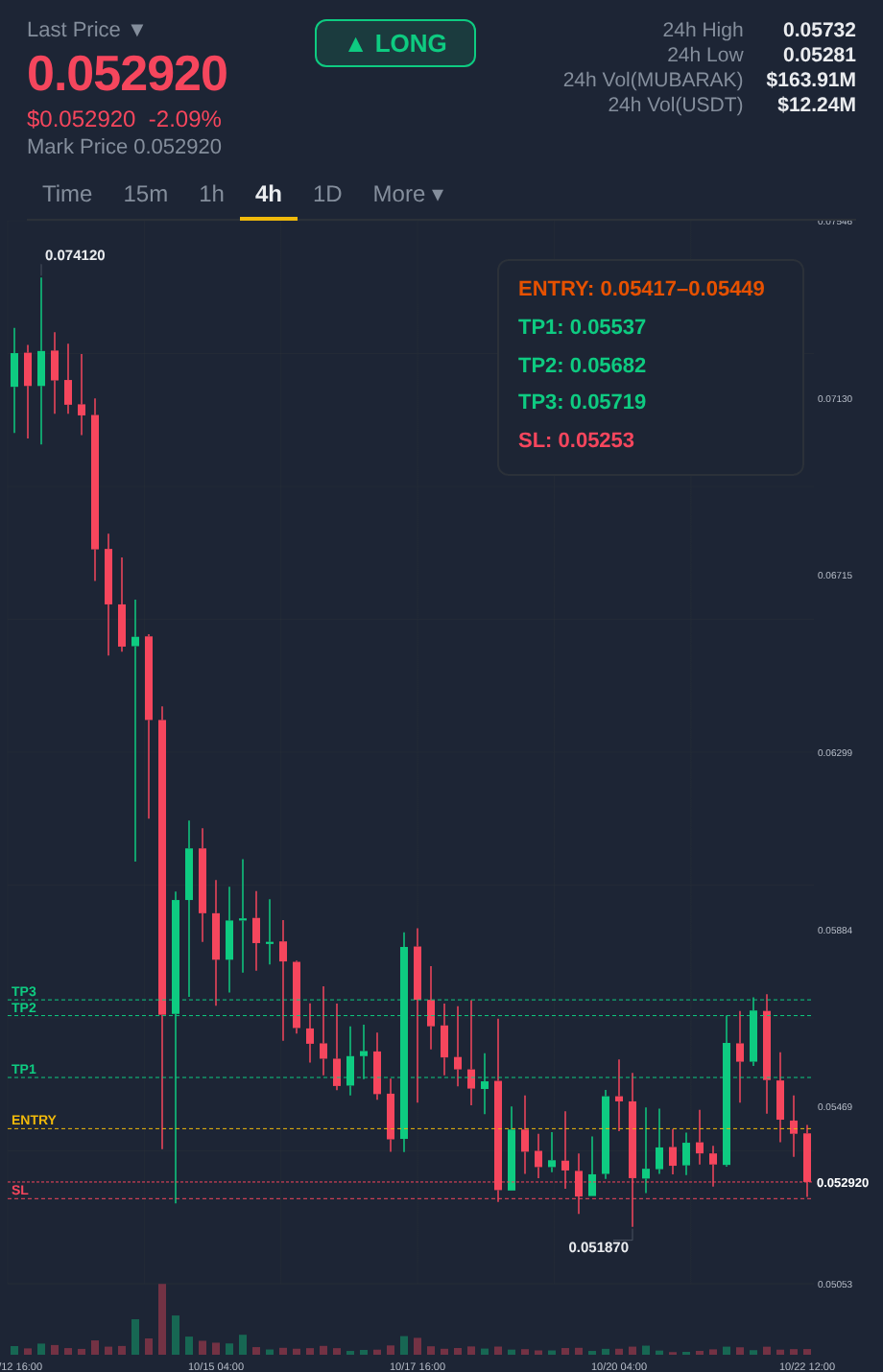
$MUBARAK LONG SIGNAL 🚀
Entry: $0.054168 – $0.054494 (Long)
TP1: $0.055370
TP2: $0.056824
Final TP: $0.057187
SL: $0.052526
As long as $0.052526 holds as support, this trade is valid. RSI: 42
Funding Rate: +0.004% | 1H chart
Must Use Stop Loss While Trading
#MUBARAK #AERO #AXIS
Enter long here $MUBARAK
Entry: $0.054168 – $0.054494 (Long)
TP1: $0.055370
TP2: $0.056824
Final TP: $0.057187
SL: $0.052526
As long as $0.052526 holds as support, this trade is valid. RSI: 42
Funding Rate: +0.004% | 1H chart
Must Use Stop Loss While Trading
#MUBARAK #AERO #AXIS
Enter long here $MUBARAK
2
169

Article
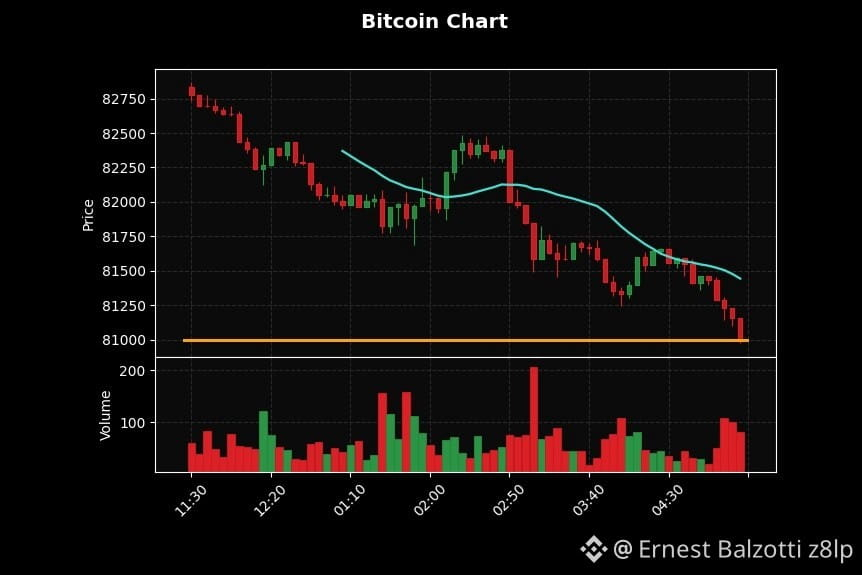
🚨 $TUT : What If Everyone Is Watching the Wrong Signal? 🚦$TUT has already fallen heavily, but what happens if the next move catches everyone off guard?
🔥 Is this the beginning of a comeback, or just another trap for buyers?
The next move could surprise both bulls and bears.
⚠️ Don't ignore the risk. A recovery attempt can fail just as quickly as it begins.
{spot}(TUTUSDT)
Will $TUT surprise the market, or disappoint its holders again?
#TUT #Crypto #BinanceSquare #BinanceSquareTalks
🚨 $TUT : What If Everyone Is Watching the Wrong Signal? 🚦
$TUT has already fallen heavily, but what happens if the next move catches everyone off guard?
🔥 Is this the beginning of a comeback, or just another trap for buyers?
The next move could surprise both bulls and bears.
⚠️ Don't ignore the risk. A recovery attempt can fail just as quickly as it begins.
Will $TUT surprise the market, or disappoint its holders again?
#TUT #Crypto #BinanceSquare #BinanceSquareTalks
Azhar_100:
It ll clinch the previous status but for uncertain longevity.
2
2
1.4k

Article
Who Is Behind the $6.3 Billion Binance Hack? Following the Trail to North Korea's Lazarus GroupIs the world's largest cryptocurrency exchange facing one of the most sophisticated cyberattacks in crypto history? And could North Korea be behind it?
The Binance security incident on October 29, 2026, has raised questions that go far beyond the amount of cryptocurrency reportedly stolen.
Initial on chain investigations estimated suspicious outflows at approximately $5.875 billion. Binance subsequently reported an estimated impact of around $6.3 billion, making this potentially the largest cryptocurrency theft in history.
But the real mystery is the identity of the attackers.
The Lazarus Group: A Familiar Name in Crypto's Biggest Hacks
Blockchain investigator ZachXBT suggested that the attacker was likely connected to North Korea's Lazarus Group.
Meanwhile, blockchain intelligence firm TRM Labs attributed the operation to TraderTraitor, a North Korean state-sponsored hacking unit associated with the broader Lazarus ecosystem. TRM said its assessment was based on on-chain and off-chain intelligence.
This is significant because the group has previously been linked to some of the biggest cryptocurrency thefts in history.
Its alleged connections include:
Bybit: approximately $1.5 billion stolen in February 2025.
Ronin Network: approximately $625 million stolen in 2022.
KelpDAO: approximately $292 million stolen in April 2026.
These incidents suggest a sophisticated operation targeting cryptocurrency infrastructure rather than simply exploiting individual investors.
Park Jin Hyok: The FBI's Wanted North Korean Programmer
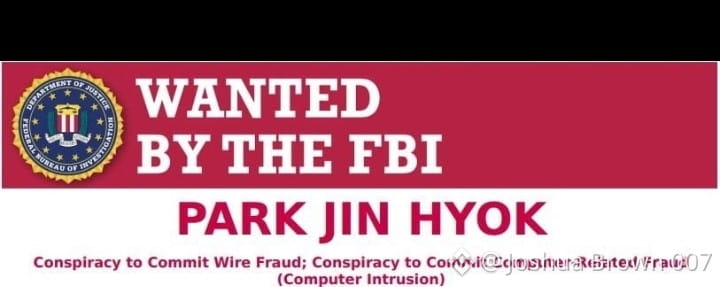
The FBI has a wanted notice for Park Jin Hyok, a North Korean computer programmer accused of participating in a state-sponsored hacking conspiracy associated with Lazarus and APT38.
According to the FBI, the alleged activities of this network included attacks against financial institutions, businesses and cryptocurrency platforms.
Park was charged in the United States with conspiracy to commit wire fraud and bank fraud, as well as computer-related fraud.
However, there is an important distinction: There is currently no established public evidence identifying Park Jin Hyok as the individual responsible for the October 29 Binance incident.
His FBI wanted notice provides historical context about North Korea-linked cyber operations, not proof of his involvement in this particular attack.
How Did the Binance Attack Happen?
Binance's initial investigation points to a potentially compromised laptop belonging to a DevOps engineer.
According to the exchange, the attacker may have gained access to an internal service container and used that access to submit unauthorized withdrawal transactions.
Interestingly, Binance reported finding no evidence that wallet private keys had been leaked.
TRM Labs identified suspicious activity across ten blockchain networks, with approximately $6.36 billion moved from Binance-attributed wallets.
The incident raises an important security question:
If private keys were not directly compromised, how did an attacker obtain the ability to authorize transactions?
That question is central to understanding the attack.
Billions Frozen, But Is the Money Recoverable?
One of the most important developments is the response from blockchain companies and stablecoin issuers.
Binance reported that approximately $3 billion in affected assets had been frozen on chain.
Tether, Circle and other ecosystem participants also took action against identified addresses.
However, freezing stablecoins is different from recovering Bitcoin or Ethereum.
Stablecoin issuers may have the technical ability to blacklist certain addresses. Bitcoin, on the other hand, has no central issuer capable of freezing coins.
That makes tracing and recovering the remaining assets significantly more complicated.
The Bigger Question: Can We Trust Centralized Exchanges?
This incident exposes an uncomfortable reality about cryptocurrency security.
An exchange can have billions of dollars in reserves, sophisticated monitoring systems and extensive security infrastructure, yet a compromised internal access point could potentially create enormous financial exposure.
Binance has stated that it will cover the losses through its SAFU fund and company funds and that user funds are safe.
Nevertheless, the incident raises serious questions about operational security, internal access controls, transaction authorization and cross-chain risk management.
My Take
I don't think the most important question is simply whether Lazarus was behind this attack.
The bigger question is how an operation allegedly linked to a state-sponsored hacking organization could exploit the operational infrastructure of an exchange of Binance's scale.
If these initial findings are confirmed, the implications extend well beyond Binance.
Every centralized exchange, institutional custodian and crypto infrastructure provider should be examining its internal security architecture.
Crypto was built around the idea of controlling your own assets. But when billions of dollars can potentially move through compromised internal systems, even the biggest names in the industry must prove that their security is stronger than the threats targeting them.
What do you think? Is this primarily a failure of internal security at Binance, or evidence that state-sponsored cybercriminals are becoming too sophisticated for the crypto industry?
#Binance #BitcoinDropsBelow$80K #BinanceSquareTalks
Who Is Behind the $6.3 Billion Binance Hack? Following the Trail to North Korea's Lazarus Group
Is the world's largest cryptocurrency exchange facing one of the most sophisticated cyberattacks in crypto history? And could North Korea be behind it?
The Binance security incident on October 29, 2026, has raised questions that go far beyond the amount of cryptocurrency reportedly stolen.
Initial on chain investigations estimated suspicious outflows at approximately $5.875 billion. Binance subsequently reported an estimated impact of around $6.3 billion, making this potentially the largest cryptocurrency theft in history.
But the real mystery is the identity of the attackers.
The Lazarus Group: A Familiar Name in Crypto's Biggest Hacks
Blockchain investigator ZachXBT suggested that the attacker was likely connected to North Korea's Lazarus Group.
Meanwhile, blockchain intelligence firm TRM Labs attributed the operation to TraderTraitor, a North Korean state-sponsored hacking unit associated with the broader Lazarus ecosystem. TRM said its assessment was based on on-chain and off-chain intelligence.
This is significant because the group has previously been linked to some of the biggest cryptocurrency thefts in history.
Its alleged connections include:
Bybit: approximately $1.5 billion stolen in February 2025.
Ronin Network: approximately $625 million stolen in 2022.
KelpDAO: approximately $292 million stolen in April 2026.
These incidents suggest a sophisticated operation targeting cryptocurrency infrastructure rather than simply exploiting individual investors.
Park Jin Hyok: The FBI's Wanted North Korean Programmer
The FBI has a wanted notice for Park Jin Hyok, a North Korean computer programmer accused of participating in a state-sponsored hacking conspiracy associated with Lazarus and APT38.
According to the FBI, the alleged activities of this network included attacks against financial institutions, businesses and cryptocurrency platforms.
Park was charged in the United States with conspiracy to commit wire fraud and bank fraud, as well as computer-related fraud.
However, there is an important distinction: There is currently no established public evidence identifying Park Jin Hyok as the individual responsible for the October 29 Binance incident.
His FBI wanted notice provides historical context about North Korea-linked cyber operations, not proof of his involvement in this particular attack.
How Did the Binance Attack Happen?
Binance's initial investigation points to a potentially compromised laptop belonging to a DevOps engineer.
According to the exchange, the attacker may have gained access to an internal service container and used that access to submit unauthorized withdrawal transactions.
Interestingly, Binance reported finding no evidence that wallet private keys had been leaked.
TRM Labs identified suspicious activity across ten blockchain networks, with approximately $6.36 billion moved from Binance-attributed wallets.
The incident raises an important security question:
If private keys were not directly compromised, how did an attacker obtain the ability to authorize transactions?
That question is central to understanding the attack.
Billions Frozen, But Is the Money Recoverable?
One of the most important developments is the response from blockchain companies and stablecoin issuers.
Binance reported that approximately $3 billion in affected assets had been frozen on chain.
Tether, Circle and other ecosystem participants also took action against identified addresses.
However, freezing stablecoins is different from recovering Bitcoin or Ethereum.
Stablecoin issuers may have the technical ability to blacklist certain addresses. Bitcoin, on the other hand, has no central issuer capable of freezing coins.
That makes tracing and recovering the remaining assets significantly more complicated.
The Bigger Question: Can We Trust Centralized Exchanges?
This incident exposes an uncomfortable reality about cryptocurrency security.
An exchange can have billions of dollars in reserves, sophisticated monitoring systems and extensive security infrastructure, yet a compromised internal access point could potentially create enormous financial exposure.
Binance has stated that it will cover the losses through its SAFU fund and company funds and that user funds are safe.
Nevertheless, the incident raises serious questions about operational security, internal access controls, transaction authorization and cross-chain risk management.
My Take
I don't think the most important question is simply whether Lazarus was behind this attack.
The bigger question is how an operation allegedly linked to a state-sponsored hacking organization could exploit the operational infrastructure of an exchange of Binance's scale.
If these initial findings are confirmed, the implications extend well beyond Binance.
Every centralized exchange, institutional custodian and crypto infrastructure provider should be examining its internal security architecture.
Crypto was built around the idea of controlling your own assets. But when billions of dollars can potentially move through compromised internal systems, even the biggest names in the industry must prove that their security is stronger than the threats targeting them.
What do you think? Is this primarily a failure of internal security at Binance, or evidence that state-sponsored cybercriminals are becoming too sophisticated for the crypto industry?
#Binance #BitcoinDropsBelow$80K #BinanceSquareTalks
69

·
--
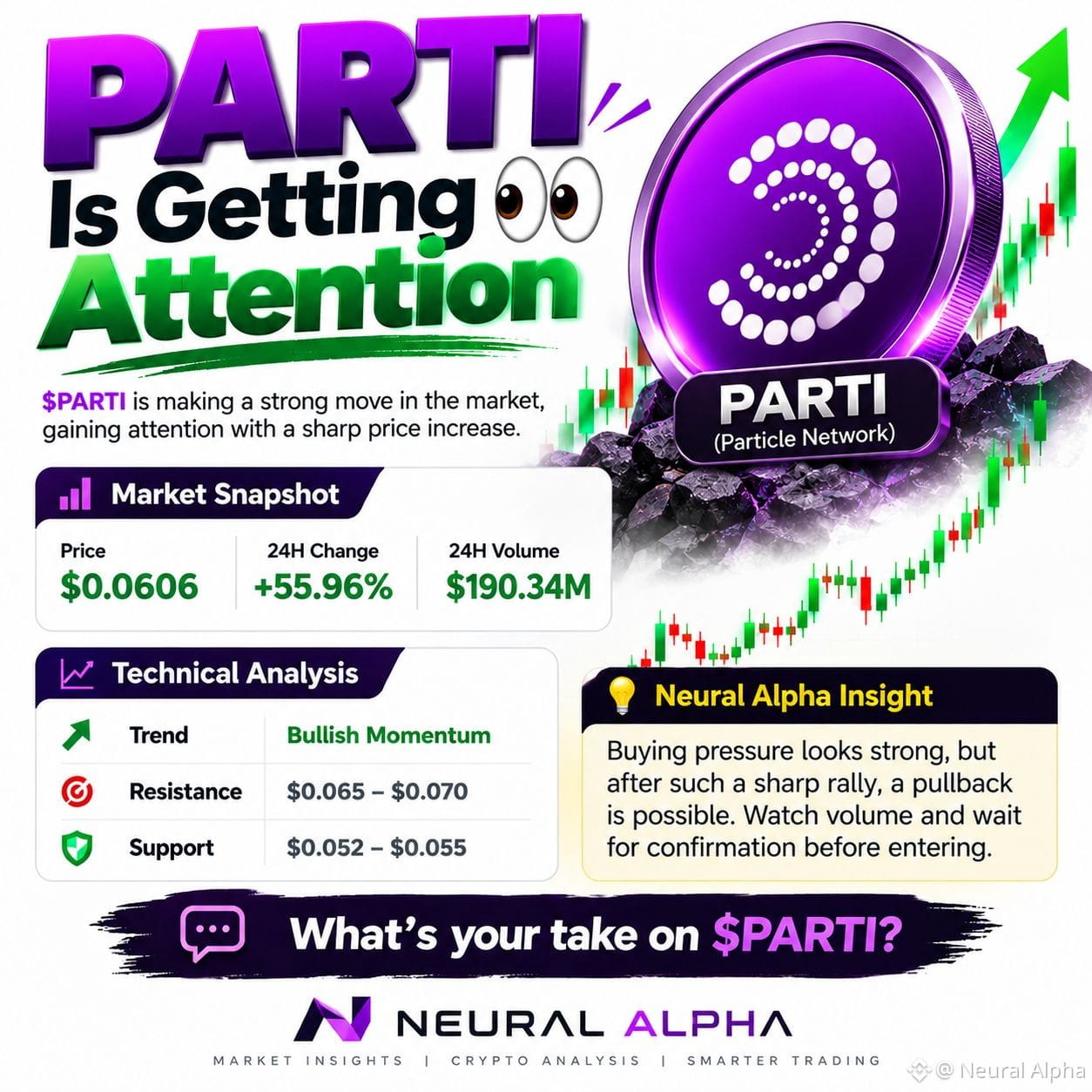
$PARTI Is Getting Attention 👀
$PARTI is making a strong move in the market, gaining attention with a sharp price increase.
{spot}(PARTIUSDT)
📊 Market Analysis
Price: $0.0606
24H Change: +55.96%
24H Volume: $190.34M
Trend: Bullish Momentum
Neural Alpha Insight
Buying pressure looks strong, but after such a sharp rally, a pullback is possible. Watch volume and wait for confirmation before entering.
What's your take on $PARTI?
— NEURAL ALPHA
#PARTI #CryptoAnalysis #Altcoins #BinanceSquareTalks
$PARTI Is Getting Attention 👀
$PARTI is making a strong move in the market, gaining attention with a sharp price increase.
📊 Market Analysis
Price: $0.0606
24H Change: +55.96%
24H Volume: $190.34M
Trend: Bullish Momentum
Neural Alpha Insight
Buying pressure looks strong, but after such a sharp rally, a pullback is possible. Watch volume and wait for confirmation before entering.
What's your take on $PARTI ?
— NEURAL ALPHA
#PARTI #CryptoAnalysis #Altcoins #BinanceSquareTalks
169
·
--
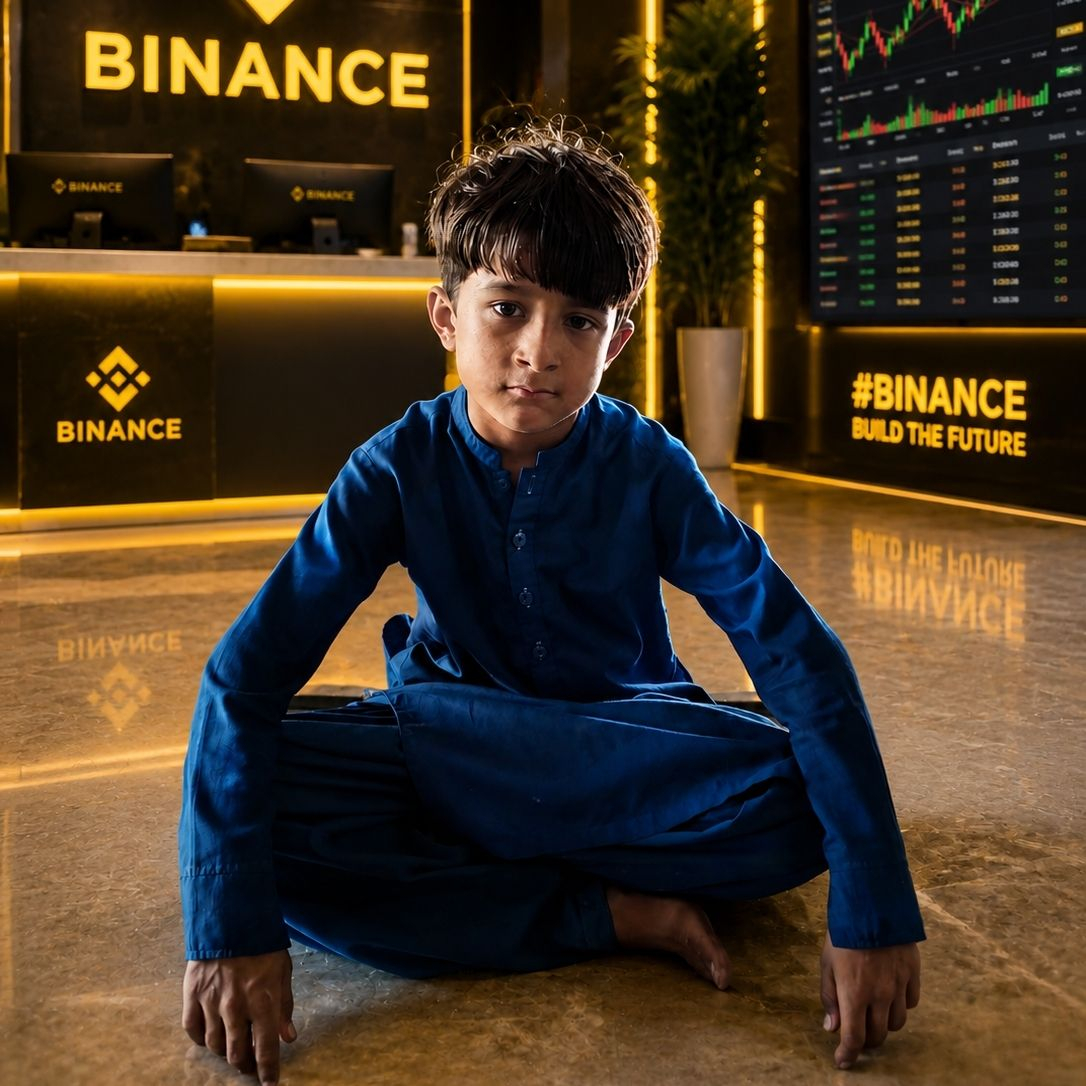
BINANCE REPORTS $3 BILLION IN FROZEN ASSETS
Binance has announced that approximately $3 billion in assets have now been frozen as part of its ongoing recovery efforts.
The exchange says it is working closely with law enforcement agencies and industry partners to trace and freeze additional assets.
Binance has also pledged to cover all user losses.
Users are being urged to stay alert and follow updates only through official Binance communication channels.
The recovery effort is still ongoing, with further developments expected. #Binance #BinanceSquareTalks #Crypto
61

·
--
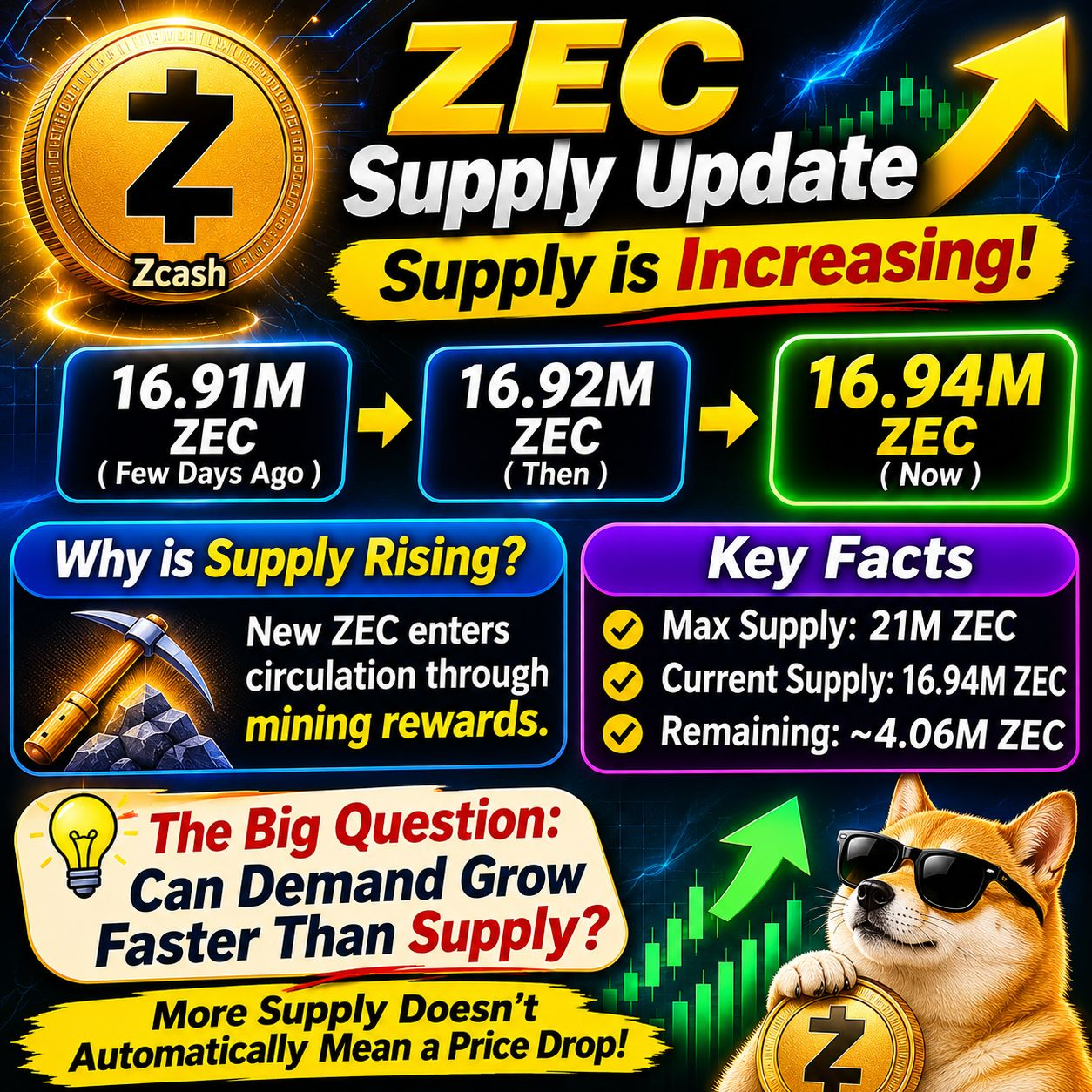
📊 $ZEC SUPPLY UPDATE 🚀
🔹 A few days ago: 16.91M ZEC
🔹 Then: 16.92M ZEC
🔹 Now: 16.94M ZEC
⛏️ New $ZEC enters circulation through mining rewards.
📈 Interesting Observation: Despite the rising supply, ZEC's price hasn't shown an equally strong negative reaction so far.
💡 The Big Question: Can demand continue to outpace new supply?
⚠️ More supply doesn't automatically mean a price drop!
#zec #Zcash #CryptoAnalysis #BinanceSquareTalks
{spot}(ZECUSDT)
📊 $ZEC SUPPLY UPDATE 🚀
🔹 A few days ago: 16.91M ZEC
🔹 Then: 16.92M ZEC
🔹 Now: 16.94M ZEC
⛏️ New $ZEC enters circulation through mining rewards.
📈 Interesting Observation: Despite the rising supply, ZEC's price hasn't shown an equally strong negative reaction so far.
💡 The Big Question: Can demand continue to outpace new supply?
⚠️ More supply doesn't automatically mean a price drop!
#zec #Zcash #CryptoAnalysis #BinanceSquareTalks
1
378
Log in to explore more content
Join global crypto users on Binance Square
⚡️ Get latest and useful information about crypto.
💬 Trusted by the world’s largest crypto exchange.
👍 Discover real insights from verified creators.
Email / Phone number
Trending Topics
1
#$1.5BInLeveragedCryptoBetsLiquidated
235 views
17 Discussing
2
#KOSPIFalls3.53%BackBelow6000
1,526 views
64 Discussing
3
#USMidtermElections
100,270 views
1,291 Discussing
4
#StrategySTRCReaches$99.95ForFirstTimeIn165Days
1,600 views
48 Discussing
5
#BinanceWillListPredictPREDICT
20,964 views
514 Discussing
6
#SwitzerlandFirstSpotBitcoinETFExpectedToTradeInNovember
1,128 views
60 Discussing
7
#StrategyReports$21BQ3OperatingProfit
1,147 views
40 Discussing
8
#TwoAddressesHoldingAbout1.28BUSDTFrozen
9,769 views
279 Discussing
9
#FirstDigitalBlacklistsAttackerAddressHoldingAbout3.4MFDUSD
393 views
14 Discussing
10
#BitcoinDropsBelow$80K
66,300 views
165 Discussing