

#behavioralfinance
behavioralfinance
8,360 views
46 Discussing
Hot
Latest

·
--
2.4.1
The South Sea Bubble
In 18th-century Britain, the South Sea Company became one of the most famous speculative bubbles in history.
- Its shares soared
- People rushed to invest
And soon, the excitement wasn't limited to wealthy investors, guess what?
Everyone wanted a piece of it!
What made it especially interesting?
The company had an aura of power, connections and credibility.
People saw important names getting involved
And that made the opportunity feel safer.
The thinking became:
«“Surely this many important people can't be wrong”»
- Then reality caught up
- The price collapsed
- Fortunes disappeared
And people discovered something that still matters today:
- A crowd can make an idea feel trustworthy without making it true
- Markets have changed dramatically since 1720
- Human psychology hasn't changed nearly as much
Sometimes the question isn't:
- “Who else believes this?”
It's:
- “What would make this true even if nobody believed it?”
~ Think before you act
#BinanceSquare #ThinkBeforeYouAct #History #BehavioralFinance
2.4.1
The South Sea Bubble
In 18th-century Britain, the South Sea Company became one of the most famous speculative bubbles in history.
- Its shares soared
- People rushed to invest
And soon, the excitement wasn't limited to wealthy investors, guess what?
Everyone wanted a piece of it!
What made it especially interesting?
The company had an aura of power, connections and credibility.
People saw important names getting involved
And that made the opportunity feel safer.
The thinking became:
«“Surely this many important people can't be wrong”»
- Then reality caught up
- The price collapsed
- Fortunes disappeared
And people discovered something that still matters today:
- A crowd can make an idea feel trustworthy without making it true
- Markets have changed dramatically since 1720
- Human psychology hasn't changed nearly as much
Sometimes the question isn't:
- “Who else believes this?”
It's:
- “What would make this true even if nobody believed it?”
~ Think before you act
#BinanceSquare #ThinkBeforeYouAct #History #BehavioralFinance
The South Sea Bubble
In 18th-century Britain, the South Sea Company became one of the most famous speculative bubbles in history.
- Its shares soared
- People rushed to invest
And soon, the excitement wasn't limited to wealthy investors, guess what?
Everyone wanted a piece of it!
What made it especially interesting?
The company had an aura of power, connections and credibility.
People saw important names getting involved
And that made the opportunity feel safer.
The thinking became:
«“Surely this many important people can't be wrong”»
- Then reality caught up
- The price collapsed
- Fortunes disappeared
And people discovered something that still matters today:
- A crowd can make an idea feel trustworthy without making it true
- Markets have changed dramatically since 1720
- Human psychology hasn't changed nearly as much
Sometimes the question isn't:
- “Who else believes this?”
It's:
- “What would make this true even if nobody believed it?”
~ Think before you act
#BinanceSquare #ThinkBeforeYouAct #History #BehavioralFinance

Erlinda Silverio aekUnaveed :
social proof
1k
51
1k
·
--
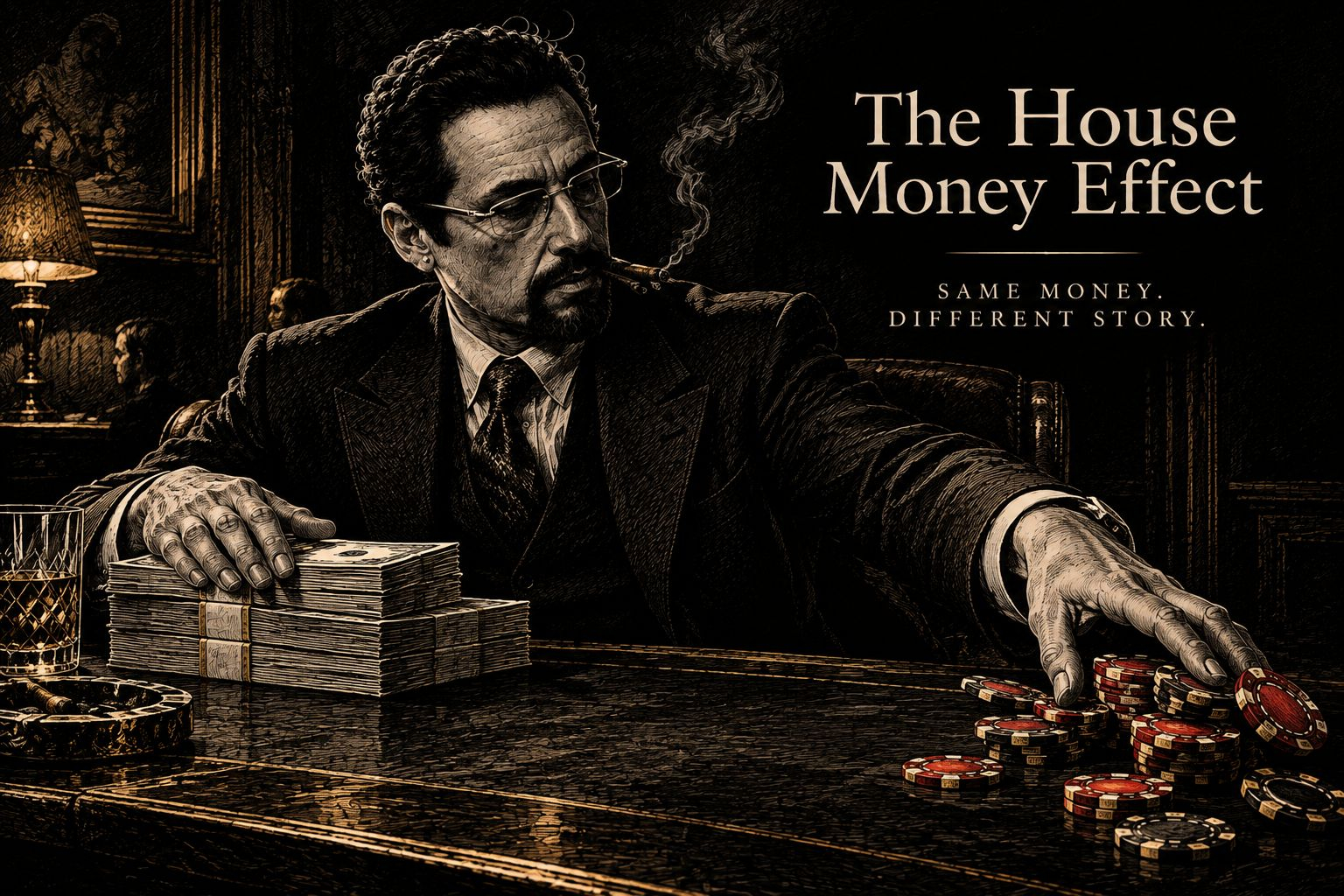
Imagine you win $500 at a casino
Would you treat that $500 the same way as $500 you earned from working?
Psychologically, many people don't
Once money feels like a “win”, it can feel less valuable or less painful to risk
So someone might think:
“It's not really my money. I won it.”
But it is
The money doesn't know where it came from.
Your brain does
And that's where things get interesting
The same thing can happen in investing:
- You buy an asset for $1,000
- It rises to $1,500
- Now you feel like you're playing with “profit”
So taking a bigger risk suddenly feels easier
Nothing changed about the money
Only the story attached to it changed
~ Think before you act
#BinanceSquare #ThinkBeforeYouAct #MoneyPsychology #BehavioralFinance
Imagine you win $500 at a casino
Would you treat that $500 the same way as $500 you earned from working?
Psychologically, many people don't
Once money feels like a “win”, it can feel less valuable or less painful to risk
So someone might think:
“It's not really my money. I won it.”
But it is
The money doesn't know where it came from.
Your brain does
And that's where things get interesting
The same thing can happen in investing:
- You buy an asset for $1,000
- It rises to $1,500
- Now you feel like you're playing with “profit”
So taking a bigger risk suddenly feels easier
Nothing changed about the money
Only the story attached to it changed
~ Think before you act
#BinanceSquare #ThinkBeforeYouAct #MoneyPsychology #BehavioralFinance
Would you treat that $500 the same way as $500 you earned from working?
Psychologically, many people don't
Once money feels like a “win”, it can feel less valuable or less painful to risk
So someone might think:
“It's not really my money. I won it.”
But it is
The money doesn't know where it came from.
Your brain does
And that's where things get interesting
The same thing can happen in investing:
- You buy an asset for $1,000
- It rises to $1,500
- Now you feel like you're playing with “profit”
So taking a bigger risk suddenly feels easier
Nothing changed about the money
Only the story attached to it changed
~ Think before you act
#BinanceSquare #ThinkBeforeYouAct #MoneyPsychology #BehavioralFinance
Boutkhil82:
Thanks
978
1
39
978
·
--
2.2.1
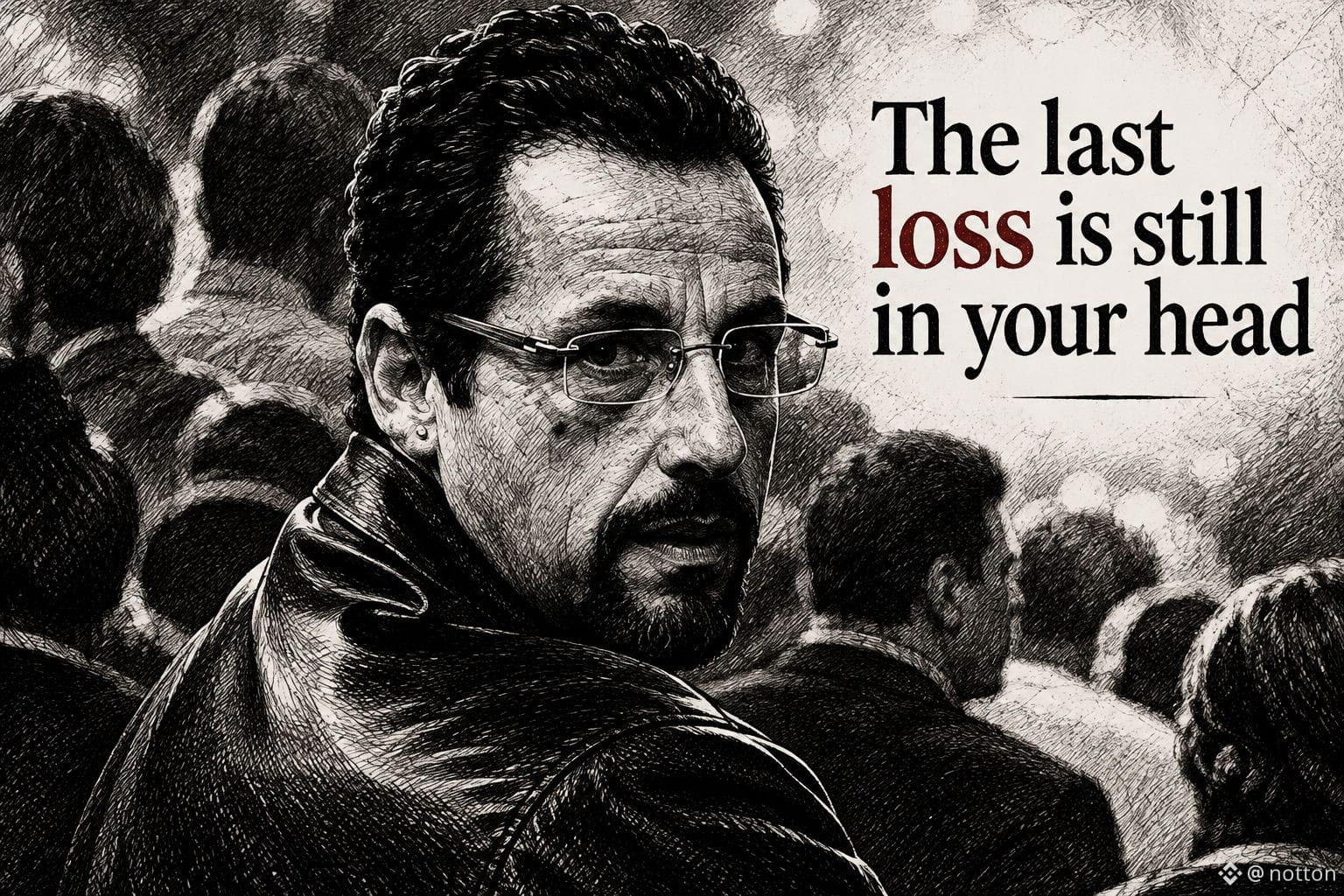
Why do we remember embarrassing moments for years?
You can forget what you ate three days ago
But remember something embarrassing you did 10 years ago with painful clarity
Your brain seems to give certain negative experiences disproportionate attention
Then connect it to money:
- You make one terrible investment.
- You lose $500
- You make ten good decisions afterward
- But your brain keeps returning to the one mistake.
So you become afraid to make the next decision
Sometimes one bad experience doesn't just cost you money
It changes how you see the next opportunity
This could lead into negativity bias, loss aversion, and how past experiences influence future financial decisions
~ Think before you act
#BinanceSquare #ThinkBeforeYouAct #Psychology #BehavioralFinance
2.2.1
Why do we remember embarrassing moments for years?
You can forget what you ate three days ago
But remember something embarrassing you did 10 years ago with painful clarity
Your brain seems to give certain negative experiences disproportionate attention
Then connect it to money:
- You make one terrible investment.
- You lose $500
- You make ten good decisions afterward
- But your brain keeps returning to the one mistake.
So you become afraid to make the next decision
Sometimes one bad experience doesn't just cost you money
It changes how you see the next opportunity
This could lead into negativity bias, loss aversion, and how past experiences influence future financial decisions
~ Think before you act
#BinanceSquare #ThinkBeforeYouAct #Psychology #BehavioralFinance
Why do we remember embarrassing moments for years?
You can forget what you ate three days ago
But remember something embarrassing you did 10 years ago with painful clarity
Your brain seems to give certain negative experiences disproportionate attention
Then connect it to money:
- You make one terrible investment.
- You lose $500
- You make ten good decisions afterward
- But your brain keeps returning to the one mistake.
So you become afraid to make the next decision
Sometimes one bad experience doesn't just cost you money
It changes how you see the next opportunity
This could lead into negativity bias, loss aversion, and how past experiences influence future financial decisions
~ Think before you act
#BinanceSquare #ThinkBeforeYouAct #Psychology #BehavioralFinance
Asthab:
future decisions
971
1
48
971
·
--
1.7.4
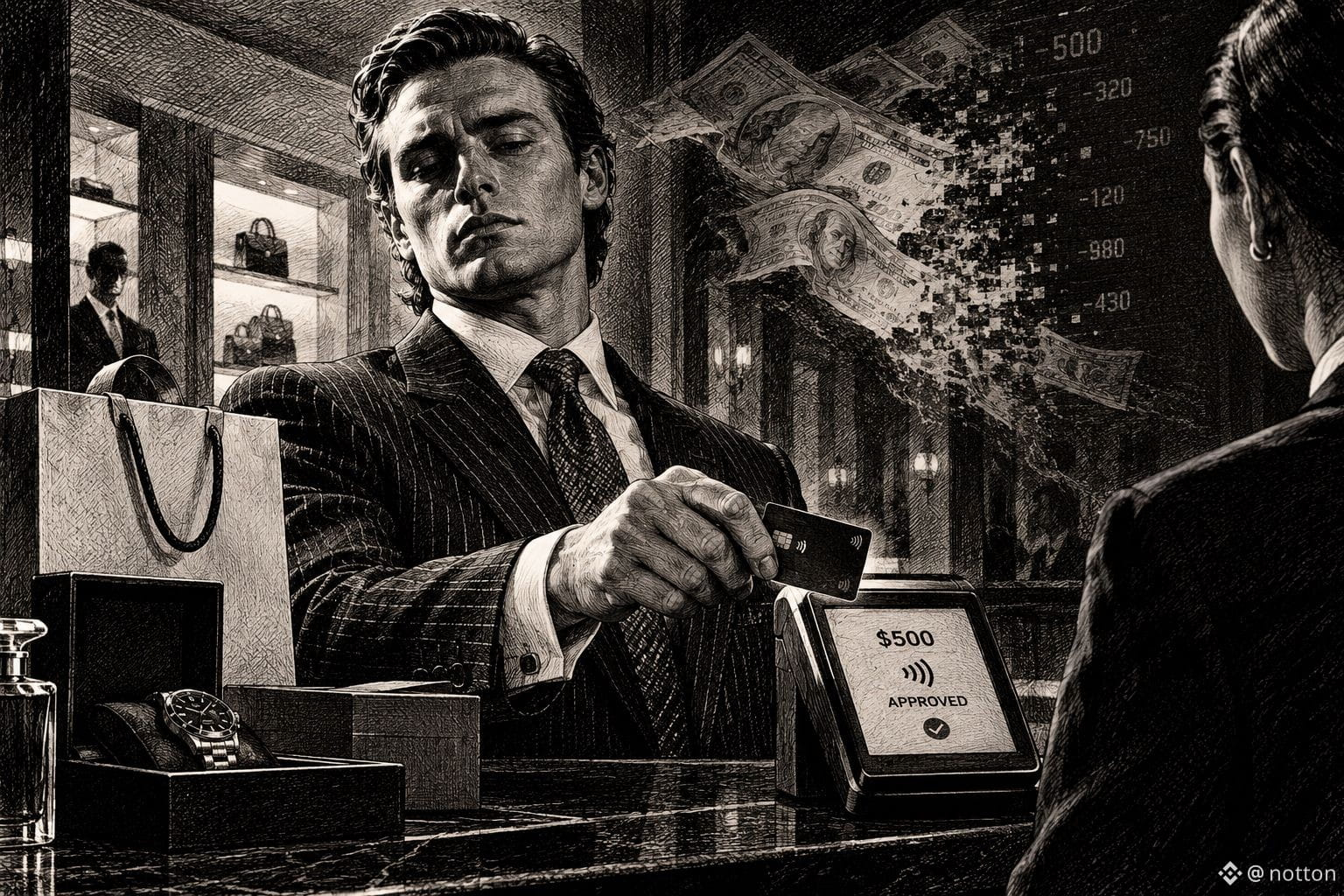
Why does paying with cash sometimes feel worse than paying with a card?
Because the act of paying makes the loss feel real
You hand over $50
You see it leave your wallet
With a card, there's no physical money disappearing:
- You tap
- Approved
- Done
The money is still gone
But psychologically, the payment can feel less immediate
And online, it can become even more abstract.
- You don't see money leaving
- You see a number on a screen change.
That's why sometimes the hardest part of spending isn't the price
It's feeling the payment
~ Think before you act
#BinanceSquare #ThinkBeforeYouAct #MoneyPsychology #BehavioralFinance
1.7.4
Why does paying with cash sometimes feel worse than paying with a card?
Because the act of paying makes the loss feel real
You hand over $50
You see it leave your wallet
With a card, there's no physical money disappearing:
- You tap
- Approved
- Done
The money is still gone
But psychologically, the payment can feel less immediate
And online, it can become even more abstract.
- You don't see money leaving
- You see a number on a screen change.
That's why sometimes the hardest part of spending isn't the price
It's feeling the payment
~ Think before you act
#BinanceSquare #ThinkBeforeYouAct #MoneyPsychology #BehavioralFinance
Why does paying with cash sometimes feel worse than paying with a card?
Because the act of paying makes the loss feel real
You hand over $50
You see it leave your wallet
With a card, there's no physical money disappearing:
- You tap
- Approved
- Done
The money is still gone
But psychologically, the payment can feel less immediate
And online, it can become even more abstract.
- You don't see money leaving
- You see a number on a screen change.
That's why sometimes the hardest part of spending isn't the price
It's feeling the payment
~ Think before you act
#BinanceSquare #ThinkBeforeYouAct #MoneyPsychology #BehavioralFinance
Kenny Marti RvqI:
it's abstract
1.4k
5
85
1.4k
·
--
1.7.2
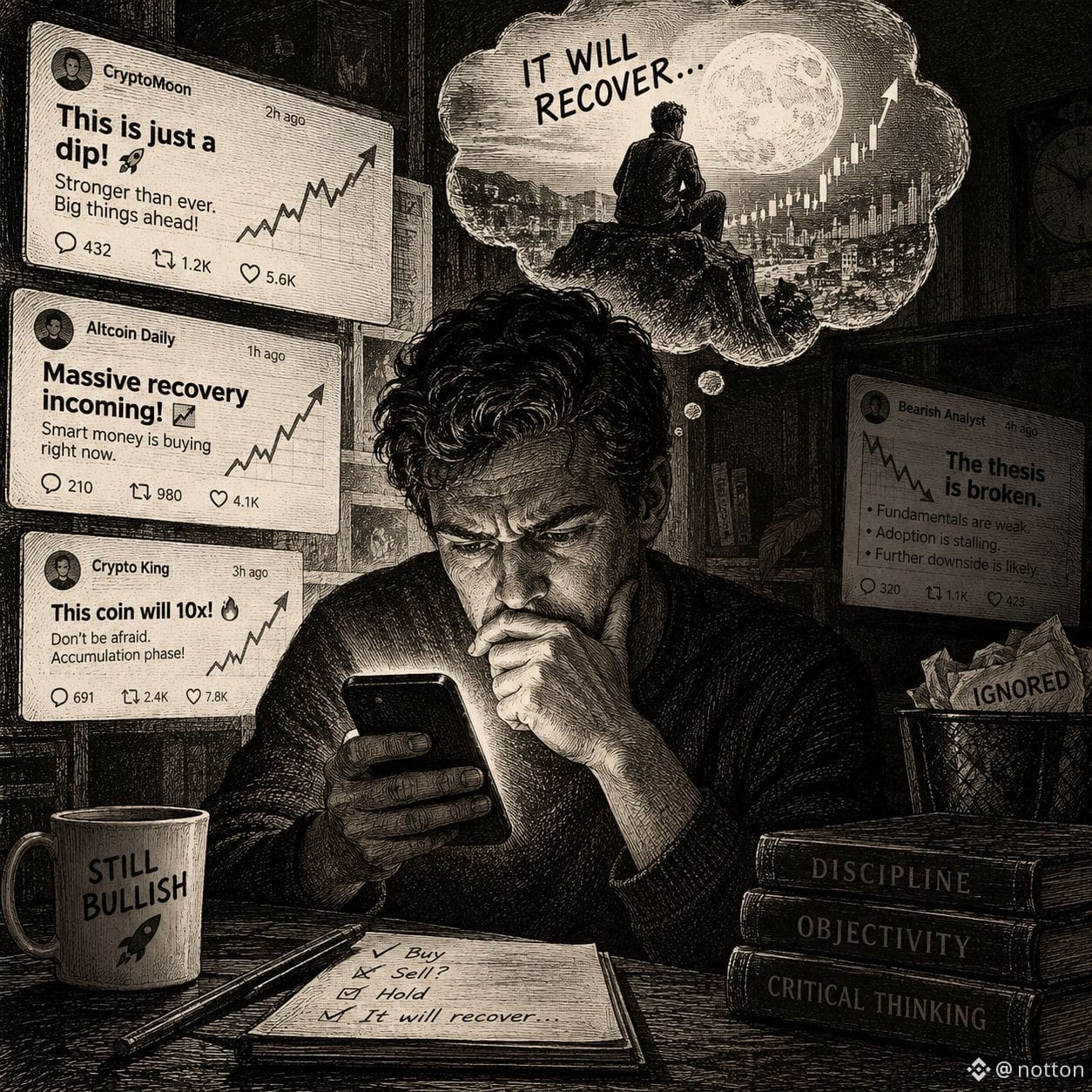
Why do we look for information that agrees with us?
- You buy a coin
- It starts falling
You search:
“Why will it recover?”
- You find someone bullish
- You feel better
- You ignore the analyst saying the thesis is broken
That's CONFIRMATION BIAS
We don't always search for the truth
Sometimes we search for evidence that makes us feel right
And the more money we've committed, the harder it can become to hear anything else
The dangerous question isn't:
“Am I right?”
It's:
“What would prove me wrong?”
~ Think before you act
#BinanceSquare #ThinkBeforeYouAct #Psychology #BehavioralFinance
1.7.2
Why do we look for information that agrees with us?
- You buy a coin
- It starts falling
You search:
“Why will it recover?”
- You find someone bullish
- You feel better
- You ignore the analyst saying the thesis is broken
That's CONFIRMATION BIAS
We don't always search for the truth
Sometimes we search for evidence that makes us feel right
And the more money we've committed, the harder it can become to hear anything else
The dangerous question isn't:
“Am I right?”
It's:
“What would prove me wrong?”
~ Think before you act
#BinanceSquare #ThinkBeforeYouAct #Psychology #BehavioralFinance
Why do we look for information that agrees with us?
- You buy a coin
- It starts falling
You search:
“Why will it recover?”
- You find someone bullish
- You feel better
- You ignore the analyst saying the thesis is broken
That's CONFIRMATION BIAS
We don't always search for the truth
Sometimes we search for evidence that makes us feel right
And the more money we've committed, the harder it can become to hear anything else
The dangerous question isn't:
“Am I right?”
It's:
“What would prove me wrong?”
~ Think before you act
#BinanceSquare #ThinkBeforeYouAct #Psychology #BehavioralFinance
Lorrie Kolasinski rH2q:
contradictions
993
3
52
993

·
--
The Behavioral Finance Trap Most Crypto Investors Fall Into
Crypto markets are uniquely brutal for behavioral finance mistakes. The same cognitive biases that cost stock investors 1-2% annually can cost crypto investors entire cycles.
The three most dangerous:
Recency bias: After a rally, most portfolios drift toward the assets that already ran. You end up maximally long at peak exposure. The assets worth rotating into are the ones that look boring right now.
Disposition effect: Selling winners too early because gains feel fragile, holding losers too long because selling means admitting a mistake. In crypto, this inverts your actual edge. Your winners often have stronger fundamentals. Your losers often have weaker ones.
Narrative anchoring: Holding a thesis formed at a different price, different market structure, and different macro environment. Conviction is valuable. Stubbornness is expensive. The honest question is not whether your thesis is still valid. It is whether you would build this position today at today's price.
The fix is not willpower. It is process. Pre-set rebalancing triggers, forced thesis revisits at major price moves, and position size rules that do not require in-the-moment discipline.
Your edge in crypto is not information. It is behavior.
$BTC $ETH $BNB
#CryptoTrading #BehavioralFinance #RiskManagement #CryptoInvesting
The Behavioral Finance Trap Most Crypto Investors Fall Into
Crypto markets are uniquely brutal for behavioral finance mistakes. The same cognitive biases that cost stock investors 1-2% annually can cost crypto investors entire cycles.
The three most dangerous:
Recency bias: After a rally, most portfolios drift toward the assets that already ran. You end up maximally long at peak exposure. The assets worth rotating into are the ones that look boring right now.
Disposition effect: Selling winners too early because gains feel fragile, holding losers too long because selling means admitting a mistake. In crypto, this inverts your actual edge. Your winners often have stronger fundamentals. Your losers often have weaker ones.
Narrative anchoring: Holding a thesis formed at a different price, different market structure, and different macro environment. Conviction is valuable. Stubbornness is expensive. The honest question is not whether your thesis is still valid. It is whether you would build this position today at today's price.
The fix is not willpower. It is process. Pre-set rebalancing triggers, forced thesis revisits at major price moves, and position size rules that do not require in-the-moment discipline.
Your edge in crypto is not information. It is behavior.
$BTC $ETH $BNB
#CryptoTrading #BehavioralFinance #RiskManagement #CryptoInvesting
Crypto markets are uniquely brutal for behavioral finance mistakes. The same cognitive biases that cost stock investors 1-2% annually can cost crypto investors entire cycles.
The three most dangerous:
Recency bias: After a rally, most portfolios drift toward the assets that already ran. You end up maximally long at peak exposure. The assets worth rotating into are the ones that look boring right now.
Disposition effect: Selling winners too early because gains feel fragile, holding losers too long because selling means admitting a mistake. In crypto, this inverts your actual edge. Your winners often have stronger fundamentals. Your losers often have weaker ones.
Narrative anchoring: Holding a thesis formed at a different price, different market structure, and different macro environment. Conviction is valuable. Stubbornness is expensive. The honest question is not whether your thesis is still valid. It is whether you would build this position today at today's price.
The fix is not willpower. It is process. Pre-set rebalancing triggers, forced thesis revisits at major price moves, and position size rules that do not require in-the-moment discipline.
Your edge in crypto is not information. It is behavior.
$BTC $ETH $BNB
#CryptoTrading #BehavioralFinance #RiskManagement #CryptoInvesting
78

·
--
No matter how good the system, once it's handed over to 'human default settings', the long-term chart will look ugly.
First, lock in 5–8 high-frequency traps:
- Overconfidence: The more you lose, the more you want to stack;
- Loss aversion: Holding onto losses way too long;
- Anchoring: Fixating on the entry price and refusing to admit mistakes;
- FOMO: Fear of missing out, blindly following the crowd;
- Disposition effect: Taking small profits quickly but holding onto losses;
- Confirmation bias: Only looking at information that supports your viewpoint.
Write one counter-rule for each bias and stick it on your Checklist; it's worth more than an extra indicator.
#behavioralfinance #BTC #BTC暴跌原因 #可以抄底了码
No matter how good the system, once it's handed over to 'human default settings', the long-term chart will look ugly.
First, lock in 5–8 high-frequency traps:
- Overconfidence: The more you lose, the more you want to stack;
- Loss aversion: Holding onto losses way too long;
- Anchoring: Fixating on the entry price and refusing to admit mistakes;
- FOMO: Fear of missing out, blindly following the crowd;
- Disposition effect: Taking small profits quickly but holding onto losses;
- Confirmation bias: Only looking at information that supports your viewpoint.
Write one counter-rule for each bias and stick it on your Checklist; it's worth more than an extra indicator.
#behavioralfinance #BTC #BTC暴跌原因 #可以抄底了码
First, lock in 5–8 high-frequency traps:
- Overconfidence: The more you lose, the more you want to stack;
- Loss aversion: Holding onto losses way too long;
- Anchoring: Fixating on the entry price and refusing to admit mistakes;
- FOMO: Fear of missing out, blindly following the crowd;
- Disposition effect: Taking small profits quickly but holding onto losses;
- Confirmation bias: Only looking at information that supports your viewpoint.
Write one counter-rule for each bias and stick it on your Checklist; it's worth more than an extra indicator.
#behavioralfinance #BTC #BTC暴跌原因 #可以抄底了码
171

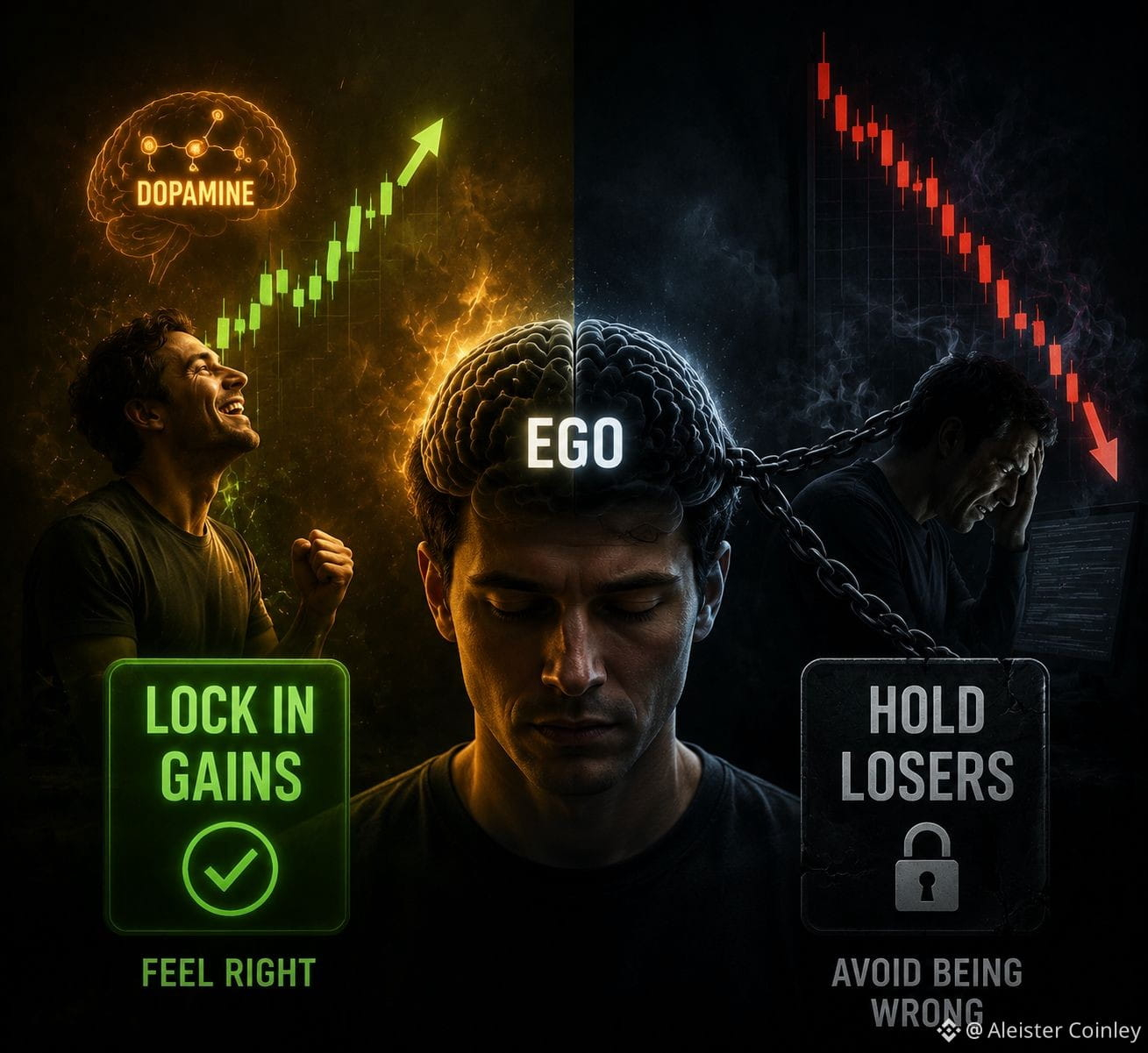
The 'Disposition Effect' is the silent account killer. We are psychologically wired to lock in gains to feel a dopamine hit of 'being right,' while we cling to losers to avoid the painful realization of 'being wrong.' In trading, your ego is your most expensive liability. $USDT #Trading #PsychologyInCrypto #BehavioralFinance #bitcoin #PsychologyOfMarket
The 'Disposition Effect' is the silent account killer. We are psychologically wired to lock in gains to feel a dopamine hit of 'being right,' while we cling to losers to avoid the painful realization of 'being wrong.' In trading, your ego is your most expensive liability. $USDT #Trading #PsychologyInCrypto #BehavioralFinance #bitcoin #PsychologyOfMarket
102
Log in to explore more content
Join global crypto users on Binance Square
⚡️ Get latest and useful information about crypto.
💬 Trusted by the world’s largest crypto exchange.
👍 Discover real insights from verified creators.
Email / Phone number
Trending Topics
1
#StrategyStriveAdd2305BitcoinThisWeek
6,193 views
271 Discussing
2
#TrumpRejectsIranHormuzReopening
10,761 views
344 Discussing
3
#TokenizedStockDEXVolumeHits$20.9B
33 views
2 Discussing
4
#CircleTetherFreezeBitgetHackerWallet
33,547 views
502 Discussing
5
#SECSaysTokenBuybacksNotAutoSecurities
13,335 views
233 Discussing
6
#ChinaUSAgreeOn$30BTariffCut
530 views
14 Discussing
7
#CoinMarketCapCompletesCoinglassAcquisition
30,145 views
390 Discussing
8
#CircleMints500MUSDCOnSolana
188,649 views
2,962 Discussing
9
#PolymarketBankFailureBetsDrawFDICConcern
164,096 views
2,311 Discussing
10
#BlackRockBuildsTokenizedPortfoliosForOndo
154,486 views
1,661 Discussing