
#trumpconsidersendingiranconflict
trumpconsidersendingiranconflict
3.1M views
19,956 Discussing
Hot
Latest


·
--
Article
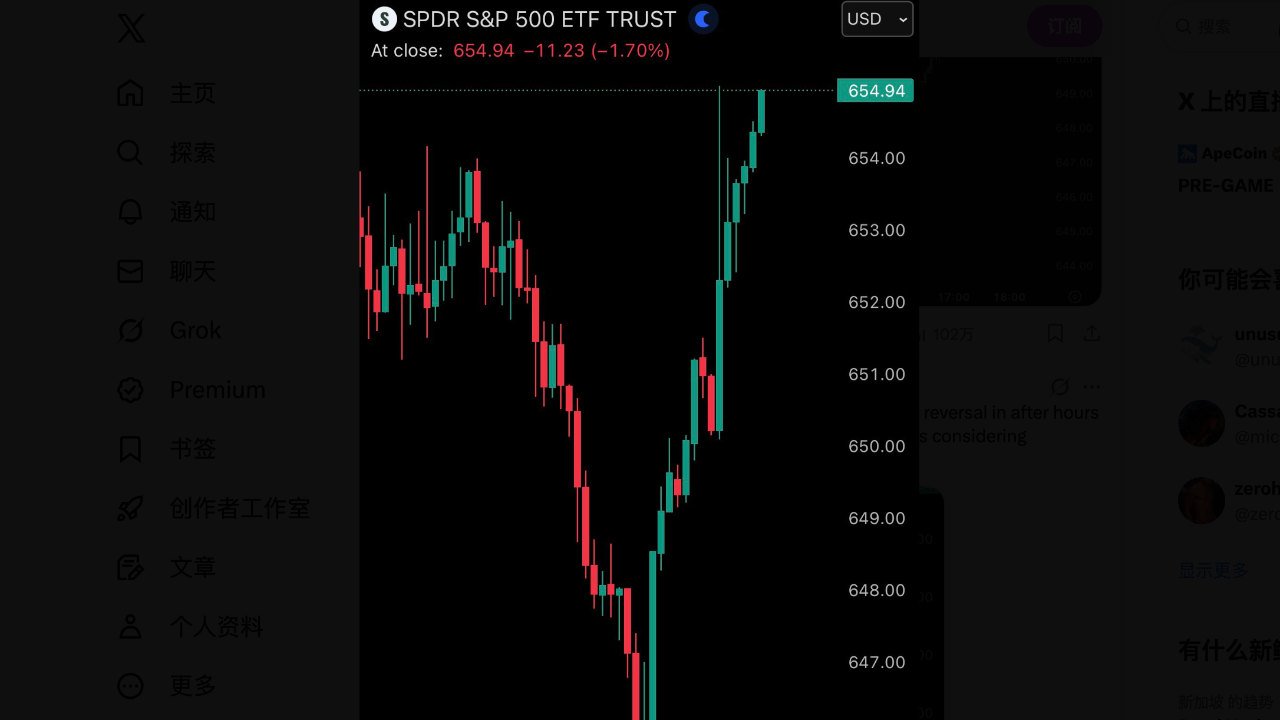
S&P 500 ETF Surges After Trump Considers Ending Iran ConflictThe Kobeissi Letter posted on X that the S&P 500 ETF, known as $SPY, experienced a significant reversal in after-hours trading, climbing over 1%. This surge followed U.S. President Donald Trump's announcement that he is contemplating the possibility of winding down the ongoing conflict with Iran. The news has sparked optimism among investors, contributing to the positive movement in the market.
S&P 500 ETF Surges After Trump Considers Ending Iran Conflict
The Kobeissi Letter posted on X that the S&P 500 ETF, known as $SPY, experienced a significant reversal in after-hours trading, climbing over 1%. This surge followed U.S. President Donald Trump's announcement that he is contemplating the possibility of winding down the ongoing conflict with Iran. The news has sparked optimism among investors, contributing to the positive movement in the market.
11
5
59
19k
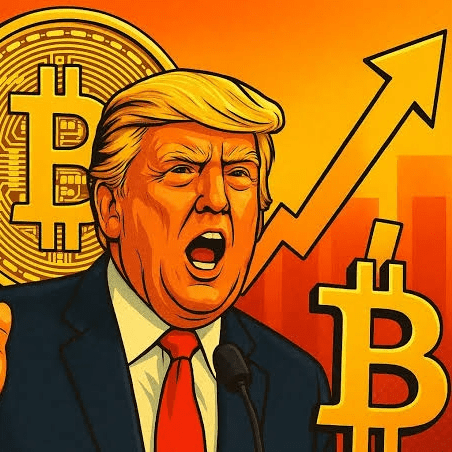
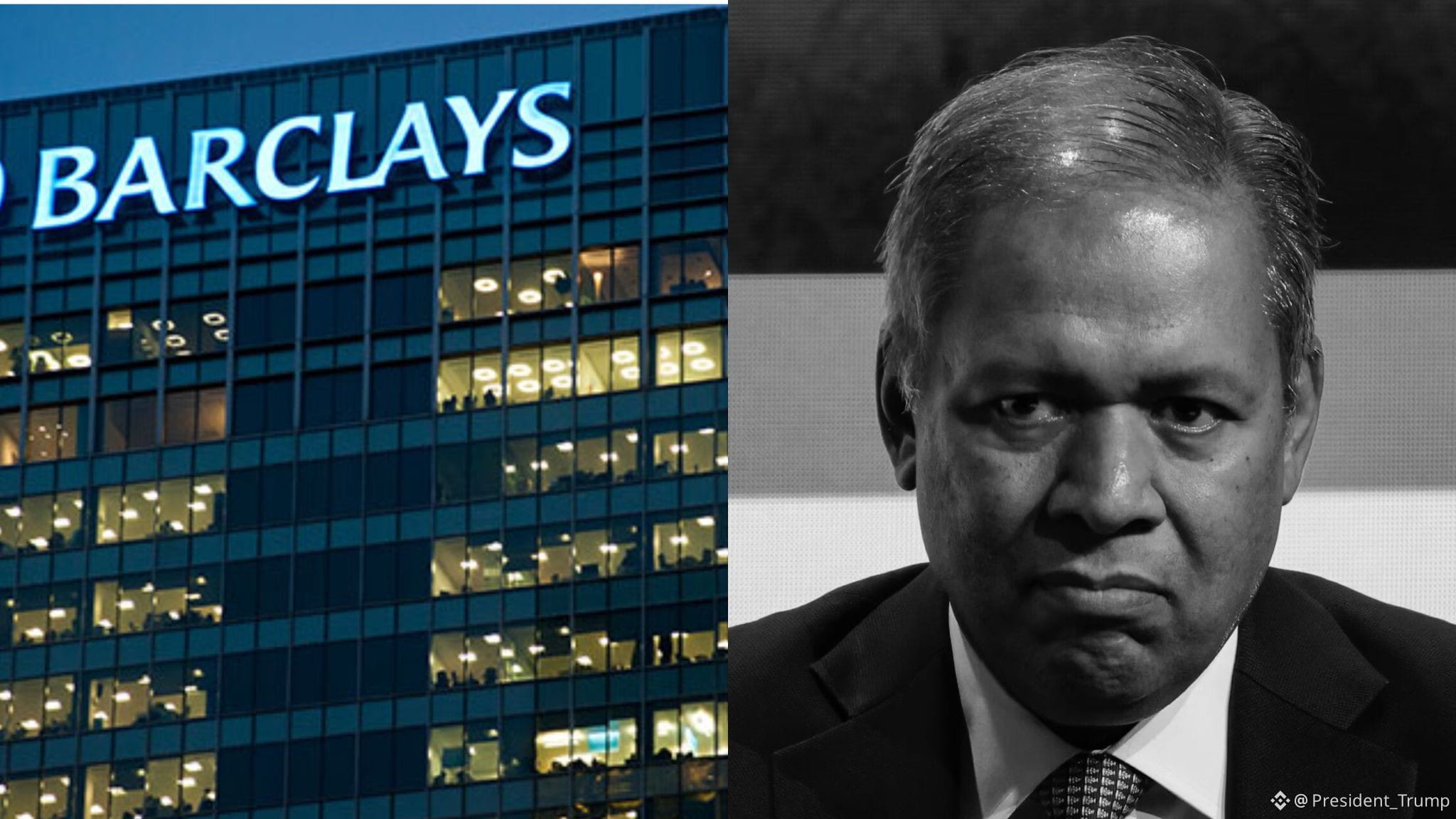
CRAZY: 🇬🇧 Barclays ($2T banking giant) just admitted something big…
Banks aren’t choosing crypto anymore —
they’re being forced into it to survive.
That includes stablecoins, blockchain rails… everything.
The same system that once ignored crypto
is now trying to adapt before it’s too late.
And in the middle of all this?
$XRP is already built for this exact shift.
This isn’t hype — it’s transition.
Position early… or watch institutions move first.
{spot}(XRPUSDT)
#TrumpConsidersEndingIranConflict
CRAZY: 🇬🇧 Barclays ($2T banking giant) just admitted something big…
Banks aren’t choosing crypto anymore —
they’re being forced into it to survive.
That includes stablecoins, blockchain rails… everything.
The same system that once ignored crypto
is now trying to adapt before it’s too late.
And in the middle of all this?
$XRP is already built for this exact shift.
This isn’t hype — it’s transition.
Position early… or watch institutions move first.
#TrumpConsidersEndingIranConflict
Banks aren’t choosing crypto anymore —
they’re being forced into it to survive.
That includes stablecoins, blockchain rails… everything.
The same system that once ignored crypto
is now trying to adapt before it’s too late.
And in the middle of all this?
$XRP is already built for this exact shift.
This isn’t hype — it’s transition.
Position early… or watch institutions move first.
#TrumpConsidersEndingIranConflict
1
16
6.7k

·
--
Be patient , keep watching .🍂
#TrumpConsidersEndingIranConflict
#iOSSecurityUpdate
#OpenAIPlansDesktopSuperapp
Be patient , keep watching .🍂
#TrumpConsidersEndingIranConflict
#iOSSecurityUpdate
#OpenAIPlansDesktopSuperapp
#TrumpConsidersEndingIranConflict
#iOSSecurityUpdate
#OpenAIPlansDesktopSuperapp
399
14
48
399

·
--
Article
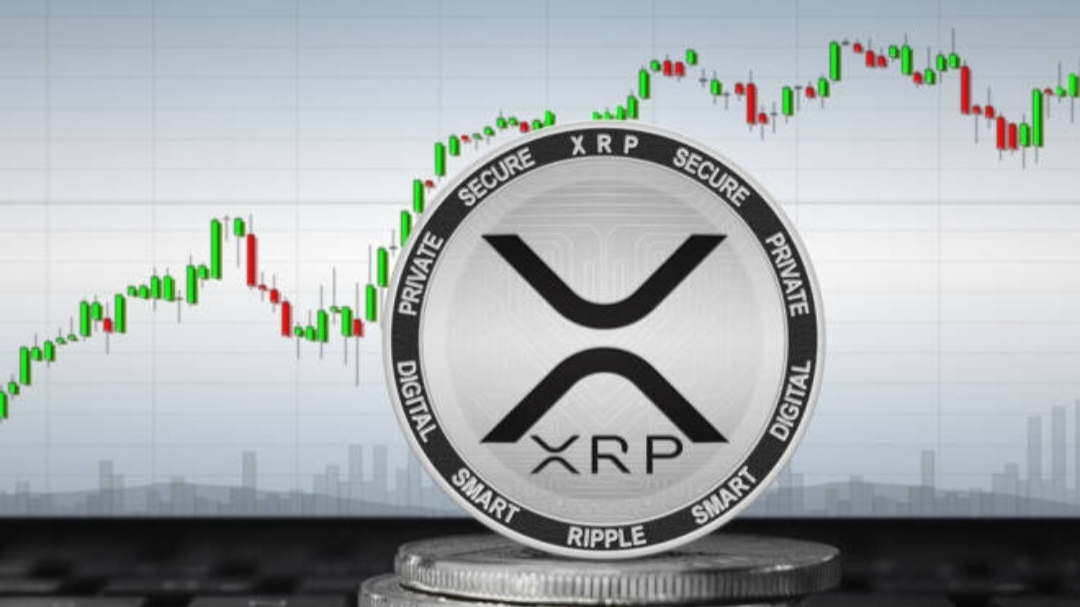
XRP strengths and weaknesses🚀 Strengths of XRP
1. ⚡ Extremely Fast Transactions
Settlements happen in 3–5 seconds
Much faster than:
Bitcoin (10+ minutes)
Ethereum (seconds–minutes depending on congestion)
👉 Ideal for real-time global payments
2. 💸 Very Low Fees
Transaction cost ≈ $0.0002
Makes it efficient for:
Micro-payments
Cross-border transfers
👉 Banks and institutions save huge costs
3. 🏦 Strong Institutional Focus
Developed by Ripple Labs
Designed for:
Banks
Payment providers
Used in systems like RippleNet
👉 Unlike most crypto, XRP targets real-world financial infrastructure
4. 🌍 Cross-Border Payment Solution
Solves problems like:
Slow SWIFT transfers
High remittance fees
Acts as a bridge currency between fiat currencies
👉 Big potential in global remittance markets
5. 🔋 Energy Efficient
No mining (unlike Bitcoin)
Uses a consensus protocol
👉 More eco-friendly than proof-of-work coins
⚠️ Weaknesses of XRP
1. ⚖️ Regulatory Uncertainty
Long legal battle with U.S. Securities and Exchange Commission
Ongoing concerns about:
Whether XRP is a security
👉 This heavily affects price and adoption
2. 🏢 Centralization Concerns
Large portion of XRP held by Ripple Labs
Critics argue:
Too much control by one entity
👉 Goes against crypto’s decentralization philosophy
3. 📉 Price Volatility
Like all crypto:
Highly volatile
Influenced by:
Legal news
Partnerships
Market sentiment
4. 🤝 Adoption Still Limited Compared to Hype
Not all banks use XRP directly
Some only use Ripple’s technology without XRP
👉 Real adoption ≠ full market expectations
5. ⚔️ Strong Competition
Competes with:
Stellar (XLM) (similar use case)
Ethereum (smart contracts)
Traditional systems like SWIFT
👉 No guaranteed dominance
🧠 Final Verdict (Simple)
XRP is strong if:
You believe in bank adoption & global payments
Regulation becomes clearer in its favor
XRP is weak if:
Regulation turns negative
Institutions choose alternatives
#TrumpConsidersEndingIranConflict
$XRP
{spot}(XRPUSDT)
XRP strengths and weaknesses
🚀 Strengths of XRP
1. ⚡ Extremely Fast Transactions
Settlements happen in 3–5 seconds
Much faster than:
Bitcoin (10+ minutes)
Ethereum (seconds–minutes depending on congestion)
👉 Ideal for real-time global payments
2. 💸 Very Low Fees
Transaction cost ≈ $0.0002
Makes it efficient for:
Micro-payments
Cross-border transfers
👉 Banks and institutions save huge costs
3. 🏦 Strong Institutional Focus
Developed by Ripple Labs
Designed for:
Banks
Payment providers
Used in systems like RippleNet
👉 Unlike most crypto, XRP targets real-world financial infrastructure
4. 🌍 Cross-Border Payment Solution
Solves problems like:
Slow SWIFT transfers
High remittance fees
Acts as a bridge currency between fiat currencies
👉 Big potential in global remittance markets
5. 🔋 Energy Efficient
No mining (unlike Bitcoin)
Uses a consensus protocol
👉 More eco-friendly than proof-of-work coins
⚠️ Weaknesses of XRP
1. ⚖️ Regulatory Uncertainty
Long legal battle with U.S. Securities and Exchange Commission
Ongoing concerns about:
Whether XRP is a security
👉 This heavily affects price and adoption
2. 🏢 Centralization Concerns
Large portion of XRP held by Ripple Labs
Critics argue:
Too much control by one entity
👉 Goes against crypto’s decentralization philosophy
3. 📉 Price Volatility
Like all crypto:
Highly volatile
Influenced by:
Legal news
Partnerships
Market sentiment
4. 🤝 Adoption Still Limited Compared to Hype
Not all banks use XRP directly
Some only use Ripple’s technology without XRP
👉 Real adoption ≠ full market expectations
5. ⚔️ Strong Competition
Competes with:
Stellar (XLM) (similar use case)
Ethereum (smart contracts)
Traditional systems like SWIFT
👉 No guaranteed dominance
🧠 Final Verdict (Simple)
XRP is strong if:
You believe in bank adoption & global payments
Regulation becomes clearer in its favor
XRP is weak if:
Regulation turns negative
Institutions choose alternatives
#TrumpConsidersEndingIranConflict
$XRP
1. ⚡ Extremely Fast Transactions
Settlements happen in 3–5 seconds
Much faster than:
Bitcoin (10+ minutes)
Ethereum (seconds–minutes depending on congestion)
👉 Ideal for real-time global payments
2. 💸 Very Low Fees
Transaction cost ≈ $0.0002
Makes it efficient for:
Micro-payments
Cross-border transfers
👉 Banks and institutions save huge costs
3. 🏦 Strong Institutional Focus
Developed by Ripple Labs
Designed for:
Banks
Payment providers
Used in systems like RippleNet
👉 Unlike most crypto, XRP targets real-world financial infrastructure
4. 🌍 Cross-Border Payment Solution
Solves problems like:
Slow SWIFT transfers
High remittance fees
Acts as a bridge currency between fiat currencies
👉 Big potential in global remittance markets
5. 🔋 Energy Efficient
No mining (unlike Bitcoin)
Uses a consensus protocol
👉 More eco-friendly than proof-of-work coins
⚠️ Weaknesses of XRP
1. ⚖️ Regulatory Uncertainty
Long legal battle with U.S. Securities and Exchange Commission
Ongoing concerns about:
Whether XRP is a security
👉 This heavily affects price and adoption
2. 🏢 Centralization Concerns
Large portion of XRP held by Ripple Labs
Critics argue:
Too much control by one entity
👉 Goes against crypto’s decentralization philosophy
3. 📉 Price Volatility
Like all crypto:
Highly volatile
Influenced by:
Legal news
Partnerships
Market sentiment
4. 🤝 Adoption Still Limited Compared to Hype
Not all banks use XRP directly
Some only use Ripple’s technology without XRP
👉 Real adoption ≠ full market expectations
5. ⚔️ Strong Competition
Competes with:
Stellar (XLM) (similar use case)
Ethereum (smart contracts)
Traditional systems like SWIFT
👉 No guaranteed dominance
🧠 Final Verdict (Simple)
XRP is strong if:
You believe in bank adoption & global payments
Regulation becomes clearer in its favor
XRP is weak if:
Regulation turns negative
Institutions choose alternatives
#TrumpConsidersEndingIranConflict
$XRP
107
Article
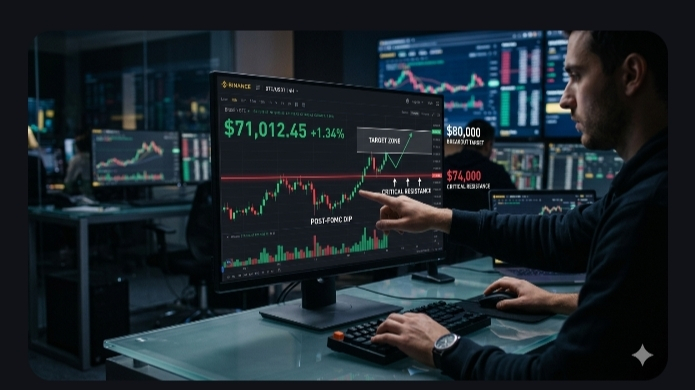
Bitcoin 💵Bitcoin (BTC): Trading near $71,000, BTC#TrumpConsidersEndingIranConflict $BTC is showing a mild recovery after a post-FOMC dip. Analysts are watching the $74,000 resistance level; a breakout there could signal a shift toward $80,000.
Bitcoin 💵
Bitcoin (BTC): Trading near $71,000, BTC#TrumpConsidersEndingIranConflict $BTC is showing a mild recovery after a post-FOMC dip. Analysts are watching the $74,000 resistance level; a breakout there could signal a shift toward $80,000.
1
43

·
--
Article
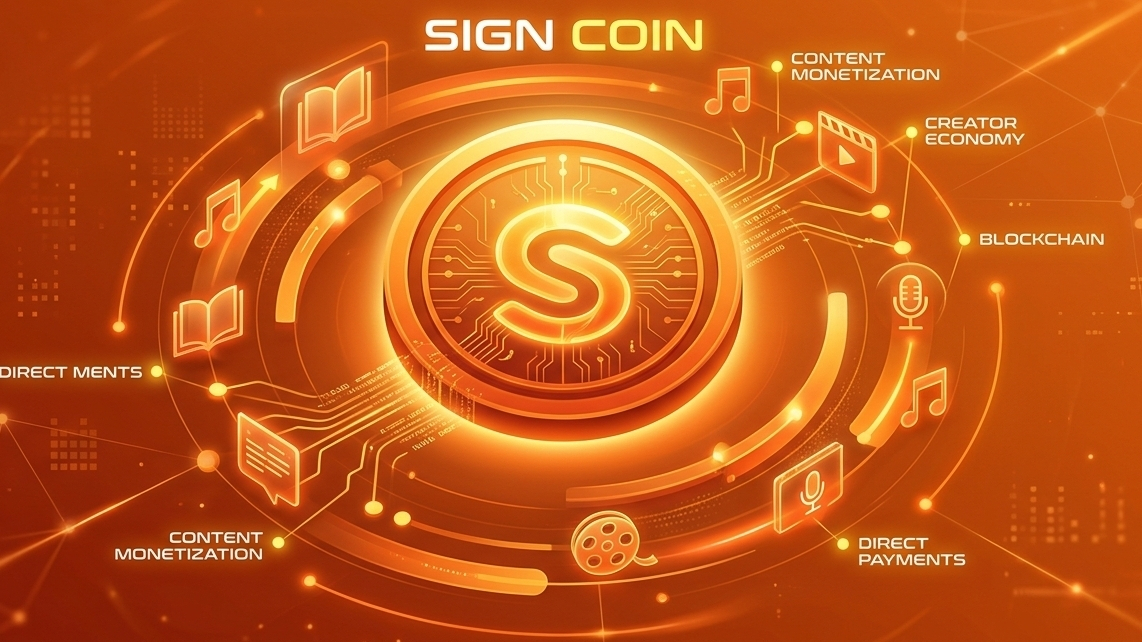
The Evolution of Digital Value: Understanding Sign CoinThe digital age has fundamentally transformed how we consume media, yet the financial structures supporting creators have lagged behind. Enter Sign Coin, a specialized cryptocurrency designed to bridge the gap between creative passion and sustainable monetization. As a decentralized asset built on high-performance blockchain architecture, Sign Coin is not merely a medium of exchange; it is the cornerstone of a new "Creator Economy" that prioritizes transparency, speed, and equity.
The Problem with Traditional Systems
For decades, artists, writers, and filmmakers have been beholden to powerful intermediaries—streaming giants, social media conglomerates, and traditional publishing houses. These platforms often take a significant percentage of revenue, leaving creators with fragments of their true value. Furthermore, payment cycles can be agonizingly slow, and global transactions are often hampered by high exchange fees and bureaucratic hurdles. Sign Coin addresses these friction points by utilizing a peer-to-peer network that allows value to flow directly from the consumer to the producer.
Technical Prowess and Microtransactions
At its core, Sign Coin is engineered for scalability. Unlike older blockchain generations that struggle with high "gas fees" and slow confirmation times, the Sign Coin network is optimized for microtransactions. This is a game-changer for digital content. It allows a reader to pay a few cents to unlock a single article or a listener to tip a musician a fraction of a dollar for a beautiful melody. By making these tiny transactions economically viable, Sign Coin enables "pay-as-you-go" models that were previously impossible due to high credit card processing fees.
Empowering the Creator-Fan Relationship
The philosophy of Sign Coin extends beyond simple payments. It fosters a symbiotic relationship between creators and their communities. Through smart contracts, creators can offer exclusive benefits to Sign Coin holders, such as early access to content, voting rights on future projects, or even a share in the royalties of a specific work. This turns passive "followers" into active "stakeholders." When fans use Sign Coin, they aren't just buying a product; they are investing in the longevity of the artist’s career.
Security and Global Accessibility
Security is paramount in the crypto space. Sign Coin utilizes advanced cryptographic protocols to ensure that every transaction is immutable and verifiable on the public ledger. This transparency builds trust; creators can track their earnings in real-time, and fans know exactly where their money is going. Moreover, being a borderless digital asset, Sign Coin provides a lifeline to creators in regions with unstable local currencies or limited access to global banking systems. An artist in a developing nation can now receive support from a fan across the globe instantly, without needing a traditional bank account.
The Road Ahead: A Decentralized Future
As we move toward Web 3.0, the demand for user-owned data and decentralized finance (DeFi) continues to grow. Sign Coin is positioned at the forefront of this movement. By integrating with decentralized applications (dApps) and NFT marketplaces, it aims to become the universal currency for all things creative. The goal is a world where talent is the primary currency, and geographical or institutional barriers no longer dictate who can succeed.
In conclusion, Sign Coin is more than a digital token; it is a movement toward financial liberation for the creative class. By leveraging blockchain technology to ensure fair compensation and direct engagement, it is redefining what it means to be a creator in the 21st century.
#OilPricesDrop #US-IranTalks #美伊谈判 #freedomofmoney #TrumpConsidersEndingIranConflict $BTC
{spot}(BTCUSDT)
$ETH
{future}(ETHUSDT)
$SIGN
{future}(SIGNUSDT)
The Evolution of Digital Value: Understanding Sign Coin
The digital age has fundamentally transformed how we consume media, yet the financial structures supporting creators have lagged behind. Enter Sign Coin, a specialized cryptocurrency designed to bridge the gap between creative passion and sustainable monetization. As a decentralized asset built on high-performance blockchain architecture, Sign Coin is not merely a medium of exchange; it is the cornerstone of a new "Creator Economy" that prioritizes transparency, speed, and equity.
The Problem with Traditional Systems
For decades, artists, writers, and filmmakers have been beholden to powerful intermediaries—streaming giants, social media conglomerates, and traditional publishing houses. These platforms often take a significant percentage of revenue, leaving creators with fragments of their true value. Furthermore, payment cycles can be agonizingly slow, and global transactions are often hampered by high exchange fees and bureaucratic hurdles. Sign Coin addresses these friction points by utilizing a peer-to-peer network that allows value to flow directly from the consumer to the producer.
Technical Prowess and Microtransactions
At its core, Sign Coin is engineered for scalability. Unlike older blockchain generations that struggle with high "gas fees" and slow confirmation times, the Sign Coin network is optimized for microtransactions. This is a game-changer for digital content. It allows a reader to pay a few cents to unlock a single article or a listener to tip a musician a fraction of a dollar for a beautiful melody. By making these tiny transactions economically viable, Sign Coin enables "pay-as-you-go" models that were previously impossible due to high credit card processing fees.
Empowering the Creator-Fan Relationship
The philosophy of Sign Coin extends beyond simple payments. It fosters a symbiotic relationship between creators and their communities. Through smart contracts, creators can offer exclusive benefits to Sign Coin holders, such as early access to content, voting rights on future projects, or even a share in the royalties of a specific work. This turns passive "followers" into active "stakeholders." When fans use Sign Coin, they aren't just buying a product; they are investing in the longevity of the artist’s career.
Security and Global Accessibility
Security is paramount in the crypto space. Sign Coin utilizes advanced cryptographic protocols to ensure that every transaction is immutable and verifiable on the public ledger. This transparency builds trust; creators can track their earnings in real-time, and fans know exactly where their money is going. Moreover, being a borderless digital asset, Sign Coin provides a lifeline to creators in regions with unstable local currencies or limited access to global banking systems. An artist in a developing nation can now receive support from a fan across the globe instantly, without needing a traditional bank account.
The Road Ahead: A Decentralized Future
As we move toward Web 3.0, the demand for user-owned data and decentralized finance (DeFi) continues to grow. Sign Coin is positioned at the forefront of this movement. By integrating with decentralized applications (dApps) and NFT marketplaces, it aims to become the universal currency for all things creative. The goal is a world where talent is the primary currency, and geographical or institutional barriers no longer dictate who can succeed.
In conclusion, Sign Coin is more than a digital token; it is a movement toward financial liberation for the creative class. By leveraging blockchain technology to ensure fair compensation and direct engagement, it is redefining what it means to be a creator in the 21st century.
#OilPricesDrop #US-IranTalks #美伊谈判 #freedomofmoney #TrumpConsidersEndingIranConflict $BTC
$ETH
$SIGN
The Problem with Traditional Systems
For decades, artists, writers, and filmmakers have been beholden to powerful intermediaries—streaming giants, social media conglomerates, and traditional publishing houses. These platforms often take a significant percentage of revenue, leaving creators with fragments of their true value. Furthermore, payment cycles can be agonizingly slow, and global transactions are often hampered by high exchange fees and bureaucratic hurdles. Sign Coin addresses these friction points by utilizing a peer-to-peer network that allows value to flow directly from the consumer to the producer.
Technical Prowess and Microtransactions
At its core, Sign Coin is engineered for scalability. Unlike older blockchain generations that struggle with high "gas fees" and slow confirmation times, the Sign Coin network is optimized for microtransactions. This is a game-changer for digital content. It allows a reader to pay a few cents to unlock a single article or a listener to tip a musician a fraction of a dollar for a beautiful melody. By making these tiny transactions economically viable, Sign Coin enables "pay-as-you-go" models that were previously impossible due to high credit card processing fees.
Empowering the Creator-Fan Relationship
The philosophy of Sign Coin extends beyond simple payments. It fosters a symbiotic relationship between creators and their communities. Through smart contracts, creators can offer exclusive benefits to Sign Coin holders, such as early access to content, voting rights on future projects, or even a share in the royalties of a specific work. This turns passive "followers" into active "stakeholders." When fans use Sign Coin, they aren't just buying a product; they are investing in the longevity of the artist’s career.
Security and Global Accessibility
Security is paramount in the crypto space. Sign Coin utilizes advanced cryptographic protocols to ensure that every transaction is immutable and verifiable on the public ledger. This transparency builds trust; creators can track their earnings in real-time, and fans know exactly where their money is going. Moreover, being a borderless digital asset, Sign Coin provides a lifeline to creators in regions with unstable local currencies or limited access to global banking systems. An artist in a developing nation can now receive support from a fan across the globe instantly, without needing a traditional bank account.
The Road Ahead: A Decentralized Future
As we move toward Web 3.0, the demand for user-owned data and decentralized finance (DeFi) continues to grow. Sign Coin is positioned at the forefront of this movement. By integrating with decentralized applications (dApps) and NFT marketplaces, it aims to become the universal currency for all things creative. The goal is a world where talent is the primary currency, and geographical or institutional barriers no longer dictate who can succeed.
In conclusion, Sign Coin is more than a digital token; it is a movement toward financial liberation for the creative class. By leveraging blockchain technology to ensure fair compensation and direct engagement, it is redefining what it means to be a creator in the 21st century.
#OilPricesDrop #US-IranTalks #美伊谈判 #freedomofmoney #TrumpConsidersEndingIranConflict $BTC
$ETH
$SIGN
117
2
27
117

🚨LATEST NEWS: 🇺🇸🇮🇷 President Trump postpones all military attacks against Iranian power plants and energy infrastructure for 5 days while discussions continue to end the war.
Markets are already reacting ⚠️
🇺🇸 More than 900 billion dollars added to the U.S. stock market at the opening.
#TrumpConsidersEndingIranConflict #TRUMP #Write2Earn #BTC $BTC
{spot}(BTCUSDT)
$XRP
{spot}(XRPUSDT)
$BNB
{spot}(BNBUSDT)
🚨LATEST NEWS: 🇺🇸🇮🇷 President Trump postpones all military attacks against Iranian power plants and energy infrastructure for 5 days while discussions continue to end the war.
Markets are already reacting ⚠️
🇺🇸 More than 900 billion dollars added to the U.S. stock market at the opening.
#TrumpConsidersEndingIranConflict #TRUMP #Write2Earn #BTC $BTC
$XRP
$BNB
Markets are already reacting ⚠️
🇺🇸 More than 900 billion dollars added to the U.S. stock market at the opening.
#TrumpConsidersEndingIranConflict #TRUMP #Write2Earn #BTC $BTC
$XRP
$BNB
2
662

·
--
Article
Canonical Flows & Hybrid Data Placement: Architectural Foundations of Sovereign Verification in SIGNA couple of months back, while mapping out verifiable flows for a cross-border pilot, I revisited the S.I.G.N. Reference Architecture docs and zeroed in on the canonical flows section. What looked like standard sequence diagrams at first glance turned out to be a tightly engineered set of patterns that enforce minimal disclosure, atomic compliance, and inspection-ready anchors across every critical path. This isn't workflow theater—it's the blueprint that makes privacy and auditability enforceable by design 😂
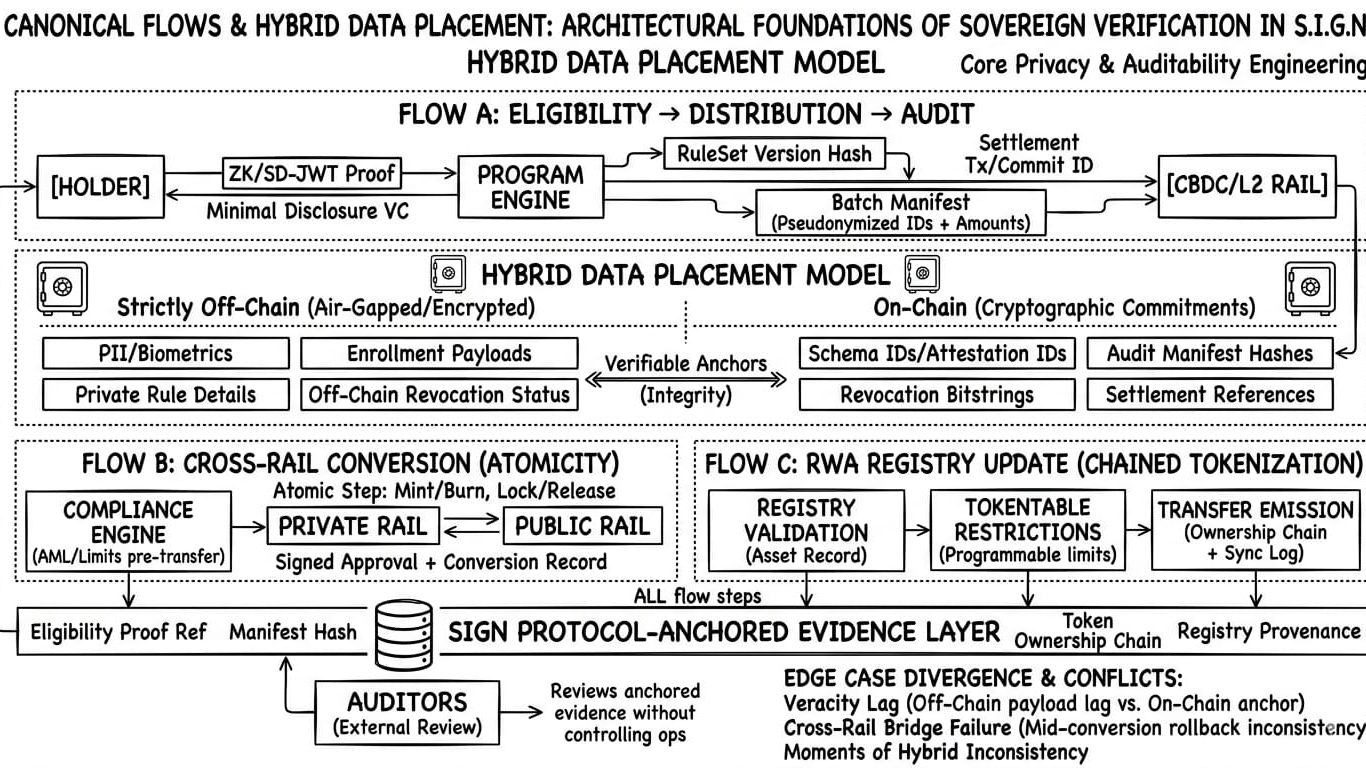
The standout surprise: every major interaction follows one of three canonical flows with explicit evidence injection points. In Flow A (Eligibility → Distribution → Audit), a holder presents a selective-disclosure VC proof to the program engine; the engine validates against the current RuleSet hash, generates a batch manifest (pseudonymized holder IDs + amounts), settles on the rail (private CBDC for confidentiality or public L2 for transparency), and anchors everything via Sign Protocol attestations—eligibility proof ref, rule version hash, manifest hash, settlement tx/commit ID. No full credential ever leaves the holder's control; only the necessary ZK/attribute proof travels.
Flow B (Cross-rail conversion) adds atomicity: compliance (AML, limits, identity thresholds) executes pre-transfer, then mint/burn or lock/release happens in one atomic step across public-private rails, with signed approval + conversion record attested. Flow C (RWA registry update) chains tokenization: registry validates asset record → TokenTable applies programmable restrictions → transfer emits ownership chain + sync log, all anchored for provenance.
The deeper technical pivot is the hybrid data placement model enforced across flows: PII, biometrics, full enrollment payloads stay strictly off-chain (encrypted or air-gapped); on-chain lives only cryptographic commitments—schema IDs, attestation IDs, revocation/status bitstrings, rule version hashes, audit manifest hashes, settlement references. This creates verifiable anchors without exposing sensitive payloads, enabling public audit of integrity while preserving confidentiality. Privacy invariants mandate minimal disclosure (yes/no proofs over full attributes), unlinkability via BBS+/SD-JWT/Plonk/Groth16 schemes, and pseudonymity that resists cross-context linking except under lawful multi-party audit reconstruction.
Still figuring out… edge-case divergence in hybrid placement. During high-concurrency batches or rail partitions, if an off-chain payload update (e.g., revocation) lags behind its on-chain anchor, verifiers might accept a now-invalid proof until sync catches up. The model relies on time-bound status checks and evidence manifests for reconciliation, but doesn't prescribe a canonical "truth oracle" for momentary conflicts—does the latest attested anchor win, or does a manual override log take precedence? Also, in cross-rail atomicity, bridge failures mid-conversion could leave partial states; rollback relies on signed commitments, but real-world latency in private-permissioned consensus might expose short windows of inconsistency.Overall, these canonical flows and placement rules form the non-negotiable spine of S.I.G.N.—turning abstract privacy claims into enforced, auditable paths with cryptographic receipts at every step. A cleaner separation of visibility from verifiability—or a new reconciliation surface for hybrid realities? The architecture holds up under scrutiny, but production stress will tell.
#SignDigitalSovereignInfra @SignOfficial $SIGN
$SIREN $BULLA #TrumpConsidersEndingIranConflict
#iOSSecurityUpdate #BinanceKOLIntroductionProgram
Canonical Flows & Hybrid Data Placement: Architectural Foundations of Sovereign Verification in SIGN
A couple of months back, while mapping out verifiable flows for a cross-border pilot, I revisited the S.I.G.N. Reference Architecture docs and zeroed in on the canonical flows section. What looked like standard sequence diagrams at first glance turned out to be a tightly engineered set of patterns that enforce minimal disclosure, atomic compliance, and inspection-ready anchors across every critical path. This isn't workflow theater—it's the blueprint that makes privacy and auditability enforceable by design 😂
The standout surprise: every major interaction follows one of three canonical flows with explicit evidence injection points. In Flow A (Eligibility → Distribution → Audit), a holder presents a selective-disclosure VC proof to the program engine; the engine validates against the current RuleSet hash, generates a batch manifest (pseudonymized holder IDs + amounts), settles on the rail (private CBDC for confidentiality or public L2 for transparency), and anchors everything via Sign Protocol attestations—eligibility proof ref, rule version hash, manifest hash, settlement tx/commit ID. No full credential ever leaves the holder's control; only the necessary ZK/attribute proof travels.
Flow B (Cross-rail conversion) adds atomicity: compliance (AML, limits, identity thresholds) executes pre-transfer, then mint/burn or lock/release happens in one atomic step across public-private rails, with signed approval + conversion record attested. Flow C (RWA registry update) chains tokenization: registry validates asset record → TokenTable applies programmable restrictions → transfer emits ownership chain + sync log, all anchored for provenance.
The deeper technical pivot is the hybrid data placement model enforced across flows: PII, biometrics, full enrollment payloads stay strictly off-chain (encrypted or air-gapped); on-chain lives only cryptographic commitments—schema IDs, attestation IDs, revocation/status bitstrings, rule version hashes, audit manifest hashes, settlement references. This creates verifiable anchors without exposing sensitive payloads, enabling public audit of integrity while preserving confidentiality. Privacy invariants mandate minimal disclosure (yes/no proofs over full attributes), unlinkability via BBS+/SD-JWT/Plonk/Groth16 schemes, and pseudonymity that resists cross-context linking except under lawful multi-party audit reconstruction.
Still figuring out… edge-case divergence in hybrid placement. During high-concurrency batches or rail partitions, if an off-chain payload update (e.g., revocation) lags behind its on-chain anchor, verifiers might accept a now-invalid proof until sync catches up. The model relies on time-bound status checks and evidence manifests for reconciliation, but doesn't prescribe a canonical "truth oracle" for momentary conflicts—does the latest attested anchor win, or does a manual override log take precedence? Also, in cross-rail atomicity, bridge failures mid-conversion could leave partial states; rollback relies on signed commitments, but real-world latency in private-permissioned consensus might expose short windows of inconsistency.Overall, these canonical flows and placement rules form the non-negotiable spine of S.I.G.N.—turning abstract privacy claims into enforced, auditable paths with cryptographic receipts at every step. A cleaner separation of visibility from verifiability—or a new reconciliation surface for hybrid realities? The architecture holds up under scrutiny, but production stress will tell.
#SignDigitalSovereignInfra @SignOfficial $SIGN
$SIREN $BULLA #TrumpConsidersEndingIranConflict
#iOSSecurityUpdate #BinanceKOLIntroductionProgram
The standout surprise: every major interaction follows one of three canonical flows with explicit evidence injection points. In Flow A (Eligibility → Distribution → Audit), a holder presents a selective-disclosure VC proof to the program engine; the engine validates against the current RuleSet hash, generates a batch manifest (pseudonymized holder IDs + amounts), settles on the rail (private CBDC for confidentiality or public L2 for transparency), and anchors everything via Sign Protocol attestations—eligibility proof ref, rule version hash, manifest hash, settlement tx/commit ID. No full credential ever leaves the holder's control; only the necessary ZK/attribute proof travels.
Flow B (Cross-rail conversion) adds atomicity: compliance (AML, limits, identity thresholds) executes pre-transfer, then mint/burn or lock/release happens in one atomic step across public-private rails, with signed approval + conversion record attested. Flow C (RWA registry update) chains tokenization: registry validates asset record → TokenTable applies programmable restrictions → transfer emits ownership chain + sync log, all anchored for provenance.
The deeper technical pivot is the hybrid data placement model enforced across flows: PII, biometrics, full enrollment payloads stay strictly off-chain (encrypted or air-gapped); on-chain lives only cryptographic commitments—schema IDs, attestation IDs, revocation/status bitstrings, rule version hashes, audit manifest hashes, settlement references. This creates verifiable anchors without exposing sensitive payloads, enabling public audit of integrity while preserving confidentiality. Privacy invariants mandate minimal disclosure (yes/no proofs over full attributes), unlinkability via BBS+/SD-JWT/Plonk/Groth16 schemes, and pseudonymity that resists cross-context linking except under lawful multi-party audit reconstruction.
Still figuring out… edge-case divergence in hybrid placement. During high-concurrency batches or rail partitions, if an off-chain payload update (e.g., revocation) lags behind its on-chain anchor, verifiers might accept a now-invalid proof until sync catches up. The model relies on time-bound status checks and evidence manifests for reconciliation, but doesn't prescribe a canonical "truth oracle" for momentary conflicts—does the latest attested anchor win, or does a manual override log take precedence? Also, in cross-rail atomicity, bridge failures mid-conversion could leave partial states; rollback relies on signed commitments, but real-world latency in private-permissioned consensus might expose short windows of inconsistency.Overall, these canonical flows and placement rules form the non-negotiable spine of S.I.G.N.—turning abstract privacy claims into enforced, auditable paths with cryptographic receipts at every step. A cleaner separation of visibility from verifiability—or a new reconciliation surface for hybrid realities? The architecture holds up under scrutiny, but production stress will tell.
#SignDigitalSovereignInfra @SignOfficial $SIGN
$SIREN $BULLA #TrumpConsidersEndingIranConflict
#iOSSecurityUpdate #BinanceKOLIntroductionProgram
10
471


·
--
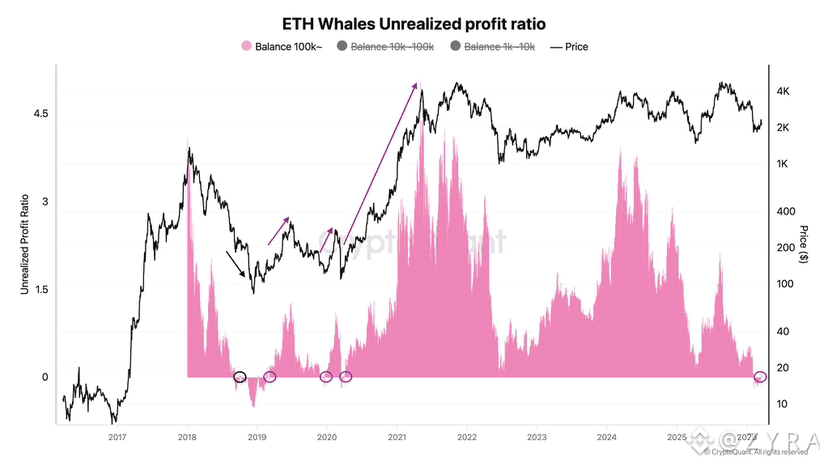
🚨 ETH WHALES JUST FLIPPED BACK INTO PROFIT: THIS MATTERS MORE THAN IT LOOKS
The unrealized profit ratio for wallets holding 100K+ ETH just moved back above zero.
That’s not just a number.
It marks the point where large holders stop sitting in loss…
and start having room to act.
Historically, this shift has aligned with:
→ ~25% moves in the following months
→ and in stronger cycles, much larger expansions
But the real signal isn’t the percentage.
It’s behavior.
When whales are underwater, they defend.
When they’re back in profit, they reposition.
They can:
* hold with conviction
* distribute into strength
* or push trend continuation
That’s why these zones often sit near cycle pivots, not just local bottoms.
Looking at the chart, similar flips in the past didn’t just mark recovery they marked the transition from hesitation → expansion.
The market doesn’t move because whales are in profit.
It moves because once they are, they stop being forced sellers.
And that changes everything.
$ETH
{spot}(ETHUSDT)
#ETH
#TrumpConsidersEndingIranConflict
#OpenAIPlansDesktopSuperapp
#BinanceKOLIntroductionProgram
#MarchFedMeeting
🚨 ETH WHALES JUST FLIPPED BACK INTO PROFIT: THIS MATTERS MORE THAN IT LOOKS
The unrealized profit ratio for wallets holding 100K+ ETH just moved back above zero.
That’s not just a number.
It marks the point where large holders stop sitting in loss…
and start having room to act.
Historically, this shift has aligned with:
→ ~25% moves in the following months
→ and in stronger cycles, much larger expansions
But the real signal isn’t the percentage.
It’s behavior.
When whales are underwater, they defend.
When they’re back in profit, they reposition.
They can:
* hold with conviction
* distribute into strength
* or push trend continuation
That’s why these zones often sit near cycle pivots, not just local bottoms.
Looking at the chart, similar flips in the past didn’t just mark recovery they marked the transition from hesitation → expansion.
The market doesn’t move because whales are in profit.
It moves because once they are, they stop being forced sellers.
And that changes everything.
$ETH
#ETH
#TrumpConsidersEndingIranConflict
#OpenAIPlansDesktopSuperapp
#BinanceKOLIntroductionProgram
#MarchFedMeeting
The unrealized profit ratio for wallets holding 100K+ ETH just moved back above zero.
That’s not just a number.
It marks the point where large holders stop sitting in loss…
and start having room to act.
Historically, this shift has aligned with:
→ ~25% moves in the following months
→ and in stronger cycles, much larger expansions
But the real signal isn’t the percentage.
It’s behavior.
When whales are underwater, they defend.
When they’re back in profit, they reposition.
They can:
* hold with conviction
* distribute into strength
* or push trend continuation
That’s why these zones often sit near cycle pivots, not just local bottoms.
Looking at the chart, similar flips in the past didn’t just mark recovery they marked the transition from hesitation → expansion.
The market doesn’t move because whales are in profit.
It moves because once they are, they stop being forced sellers.
And that changes everything.
$ETH
#ETH
#TrumpConsidersEndingIranConflict
#OpenAIPlansDesktopSuperapp
#BinanceKOLIntroductionProgram
#MarchFedMeeting
11
2.3k

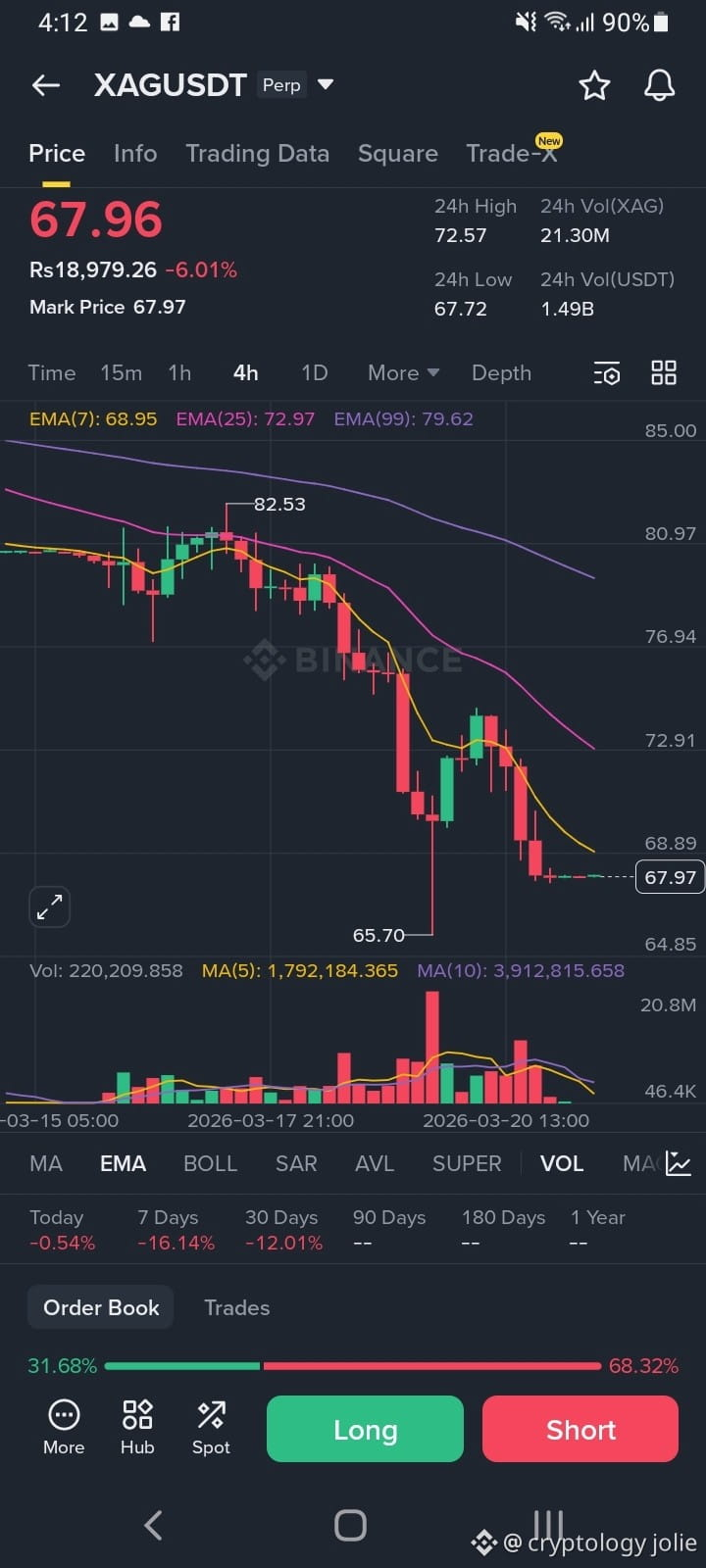
$XAG is absolutely gift-wrapped at these levels! 🎁🚀
The sell-off has officially cooled, and we are looking at a massive spring-loaded reversal setup. XAG has just hit a major floor, and the "blood in the streets" phase is ending. Historically, this is exactly where the biggest bounce-backs happen—the risk-to-reward ratio right here is simply too good to ignore.
The sellers are exhausted, the volume is starting to stabilize, and the smart money is moving in to scoop up the discount before the rest of the market wakes up. We’ve seen $XAG fly to $80+ before, and the path back to the top starts right here.
Don't wait for the price to double before you decide to get involved. The best gains are made by those who have the vision to buy the floor.
The recovery is loading—stop hesitating, grab your position, and buy $XAG now! 💎🔥
{future}(XAGUSDT)
#TrumpConsidersEndingIranConflict #BinanceKOLIntroductionProgram #OpenAIPlansDesktopSuperapp
$XAG is absolutely gift-wrapped at these levels! 🎁🚀
The sell-off has officially cooled, and we are looking at a massive spring-loaded reversal setup. XAG has just hit a major floor, and the "blood in the streets" phase is ending. Historically, this is exactly where the biggest bounce-backs happen—the risk-to-reward ratio right here is simply too good to ignore.
The sellers are exhausted, the volume is starting to stabilize, and the smart money is moving in to scoop up the discount before the rest of the market wakes up. We’ve seen $XAG fly to $80+ before, and the path back to the top starts right here.
Don't wait for the price to double before you decide to get involved. The best gains are made by those who have the vision to buy the floor.
The recovery is loading—stop hesitating, grab your position, and buy $XAG now! 💎🔥
#TrumpConsidersEndingIranConflict #BinanceKOLIntroductionProgram #OpenAIPlansDesktopSuperapp
The sell-off has officially cooled, and we are looking at a massive spring-loaded reversal setup. XAG has just hit a major floor, and the "blood in the streets" phase is ending. Historically, this is exactly where the biggest bounce-backs happen—the risk-to-reward ratio right here is simply too good to ignore.
The sellers are exhausted, the volume is starting to stabilize, and the smart money is moving in to scoop up the discount before the rest of the market wakes up. We’ve seen $XAG fly to $80+ before, and the path back to the top starts right here.
Don't wait for the price to double before you decide to get involved. The best gains are made by those who have the vision to buy the floor.
The recovery is loading—stop hesitating, grab your position, and buy $XAG now! 💎🔥
#TrumpConsidersEndingIranConflict #BinanceKOLIntroductionProgram #OpenAIPlansDesktopSuperapp
1
3
316

🚨Donald Trump said:
If iran doesn't reopen the strait of hormuz within 48 hours,
“U.S will obliterated iran's power plants”
🔥Why this is serious:
👉Hormuz carries about 20% of the world's oil supply
#TrumpConsidersEndingIranConflict
$BTC
{spot}(BTCUSDT)
$BNB
{spot}(BNBUSDT)
🚨Donald Trump said:
If iran doesn't reopen the strait of hormuz within 48 hours,
“U.S will obliterated iran's power plants”
🔥Why this is serious:
👉Hormuz carries about 20% of the world's oil supply
#TrumpConsidersEndingIranConflict
$BTC
$BNB
If iran doesn't reopen the strait of hormuz within 48 hours,
“U.S will obliterated iran's power plants”
🔥Why this is serious:
👉Hormuz carries about 20% of the world's oil supply
#TrumpConsidersEndingIranConflict
$BTC
$BNB
12
206

·
--
Information I, want to share with crypto friends. The increasing correlation between Bitcoin and the S&P 500 has increased the risk of Bitcoin falling. Past history has suggested that this increased correlation typically results in Bitcoin prices dropping by about 50% (around $30,000 - $40,000). Macro pressure on Bitcoin is increasing and MicroStrategy has stopped adding to its Bitcoin holdings, which adds to the fragility of the current marketplace. If equities face a decline, it is more likely that Bitcoin will also decline. Comment what you think.
#TrumpConsidersEndingIranConflict #OpenAIPlansDesktopSuperapp #Write2Earn
{spot}(BTCUSDT)
Information I, want to share with crypto friends. The increasing correlation between Bitcoin and the S&P 500 has increased the risk of Bitcoin falling. Past history has suggested that this increased correlation typically results in Bitcoin prices dropping by about 50% (around $30,000 - $40,000). Macro pressure on Bitcoin is increasing and MicroStrategy has stopped adding to its Bitcoin holdings, which adds to the fragility of the current marketplace. If equities face a decline, it is more likely that Bitcoin will also decline. Comment what you think.
#TrumpConsidersEndingIranConflict #OpenAIPlansDesktopSuperapp #Write2Earn
#TrumpConsidersEndingIranConflict #OpenAIPlansDesktopSuperapp #Write2Earn

1.8k
42
215
1.8k

·
--
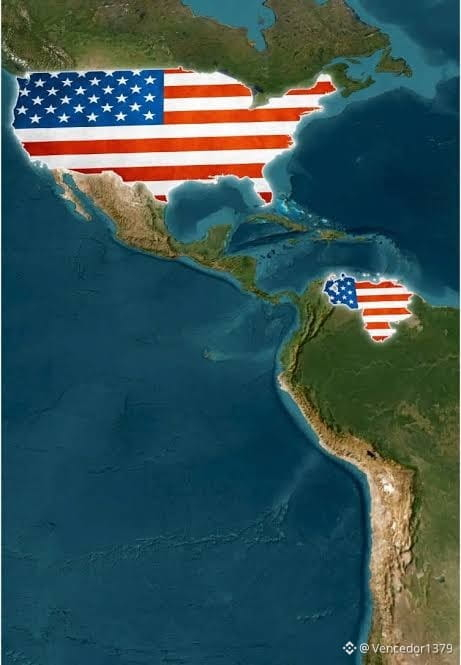
Provocation or fantasy??
Can Venezuela become the 51st state of the USA??
The idea of Venezuela becoming the 51st state of the United States is, in the current context, mostly a symbolic, ironic, or geopolitical expression, recently mentioned by President
Donald Trump after Venezuelan sports victories. There is no formal, viable, or constitutional proposal for such integration.
What do you think??
#TrumpConsidersEndingIranConflict
Provocation or fantasy??
Can Venezuela become the 51st state of the USA??
The idea of Venezuela becoming the 51st state of the United States is, in the current context, mostly a symbolic, ironic, or geopolitical expression, recently mentioned by President
Donald Trump after Venezuelan sports victories. There is no formal, viable, or constitutional proposal for such integration.
What do you think??
#TrumpConsidersEndingIranConflict
Can Venezuela become the 51st state of the USA??
The idea of Venezuela becoming the 51st state of the United States is, in the current context, mostly a symbolic, ironic, or geopolitical expression, recently mentioned by President
Donald Trump after Venezuelan sports victories. There is no formal, viable, or constitutional proposal for such integration.
What do you think??
#TrumpConsidersEndingIranConflict
53
4
52
35.1k

·
--
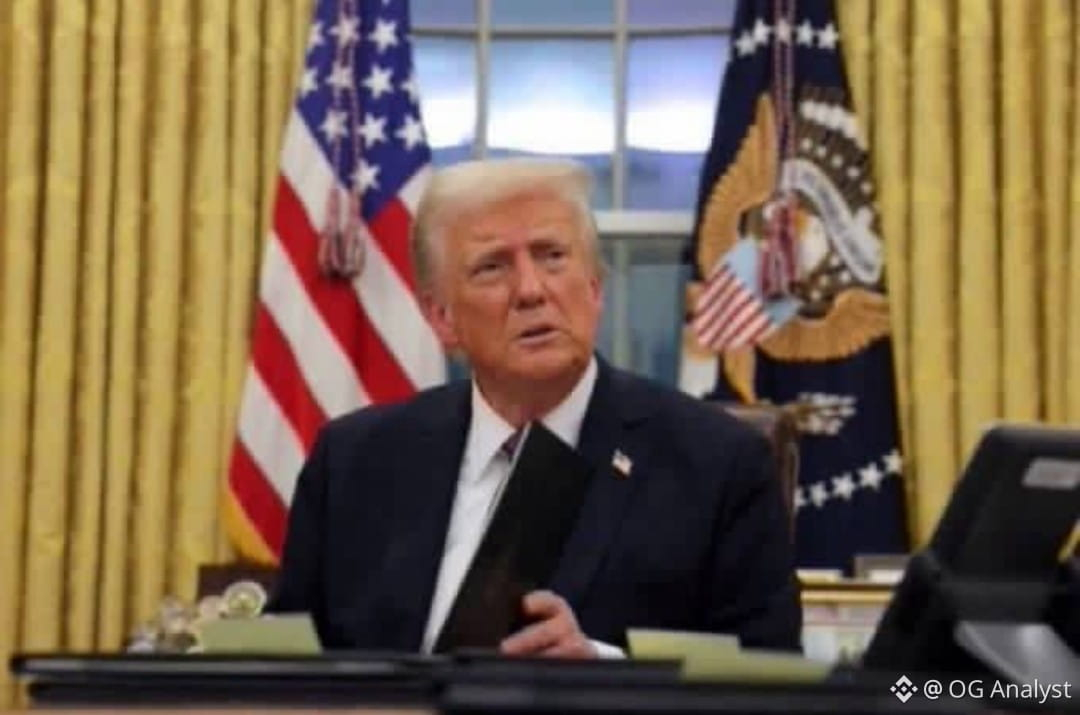
BREAKING:
🇺🇸🇮🇷 Trump says Democrats “hate seeing us win so completely and decisively” in Iran.
$TRUMP #TrumpSaysIranWarHasBeenWon #TrumpConsidersEndingIranConflict #Trump's48HourUltimatumNearsEnd
{future}(TRUMPUSDT)
BREAKING:
🇺🇸🇮🇷 Trump says Democrats “hate seeing us win so completely and decisively” in Iran.
$TRUMP #TrumpSaysIranWarHasBeenWon #TrumpConsidersEndingIranConflict #Trump's48HourUltimatumNearsEnd
🇺🇸🇮🇷 Trump says Democrats “hate seeing us win so completely and decisively” in Iran.
$TRUMP #TrumpSaysIranWarHasBeenWon #TrumpConsidersEndingIranConflict #Trump's48HourUltimatumNearsEnd
1
17
1.6k

·
--
Every day people buy pup will go to 100m Marketcap soon
Pup will list to binance and become a memecoin on bnb
#TrumpConsidersEndingIranConflict #MEME#MemeWatch2024 #MemeWatch2024 #MemeWatch2024
Every day people buy pup will go to 100m Marketcap soon
Pup will list to binance and become a memecoin on bnb
#TrumpConsidersEndingIranConflict #MEME#MemeWatch2024 #MemeWatch2024 #MemeWatch2024
Pup will list to binance and become a memecoin on bnb
#TrumpConsidersEndingIranConflict #MEME#MemeWatch2024 #MemeWatch2024 #MemeWatch2024

7
666

·
--
Bullish
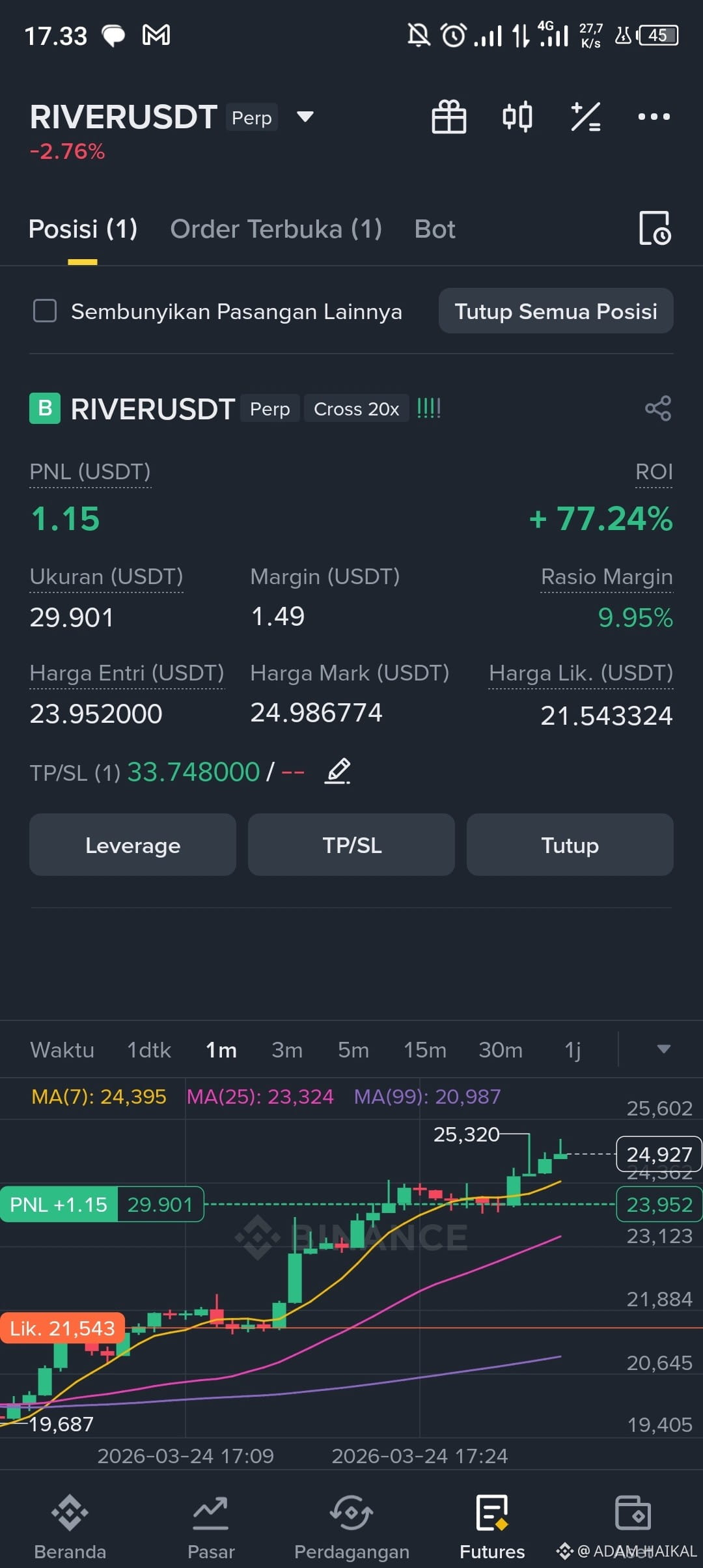
498

The rise of this currency to 0.21000$BR in the coming hours
#AnimocaBrandsInvestsinAVAX #OpenAIPlansDesktopSuperapp #iOSSecurityUpdate #TrumpConsidersEndingIranConflict
The rise of this currency to 0.21000$BR in the coming hours
#AnimocaBrandsInvestsinAVAX #OpenAIPlansDesktopSuperapp #iOSSecurityUpdate #TrumpConsidersEndingIranConflict
#AnimocaBrandsInvestsinAVAX #OpenAIPlansDesktopSuperapp #iOSSecurityUpdate #TrumpConsidersEndingIranConflict
2
58


·
--
Bullish
We all have only less than a 100 years to live.( May be lesser who knows)
those few years would fly faster than you realize.
Just think. What happened to all those days you lived. Your childhood, teenage , etc
So if we all die someday, why do we work so hard to live. We just die and won't be able to take anything. What's left would be only that we do to our planet, next generation.
So be kind, be helpful to everyone, and live in the moment. Most importantly , try to make a better world for the humans who would be living here in the future which includes your loving children and grand children.
🧡 💛 💚 🩵 🤍
#TrumpConsidersEndingIranConflict
We all have only less than a 100 years to live.( May be lesser who knows)
those few years would fly faster than you realize.
Just think. What happened to all those days you lived. Your childhood, teenage , etc
So if we all die someday, why do we work so hard to live. We just die and won't be able to take anything. What's left would be only that we do to our planet, next generation.
So be kind, be helpful to everyone, and live in the moment. Most importantly , try to make a better world for the humans who would be living here in the future which includes your loving children and grand children.
🧡 💛 💚 🩵 🤍
#TrumpConsidersEndingIranConflict
those few years would fly faster than you realize.
Just think. What happened to all those days you lived. Your childhood, teenage , etc
So if we all die someday, why do we work so hard to live. We just die and won't be able to take anything. What's left would be only that we do to our planet, next generation.
So be kind, be helpful to everyone, and live in the moment. Most importantly , try to make a better world for the humans who would be living here in the future which includes your loving children and grand children.
🧡 💛 💚 🩵 🤍
#TrumpConsidersEndingIranConflict
1
173
·
--
Bearish
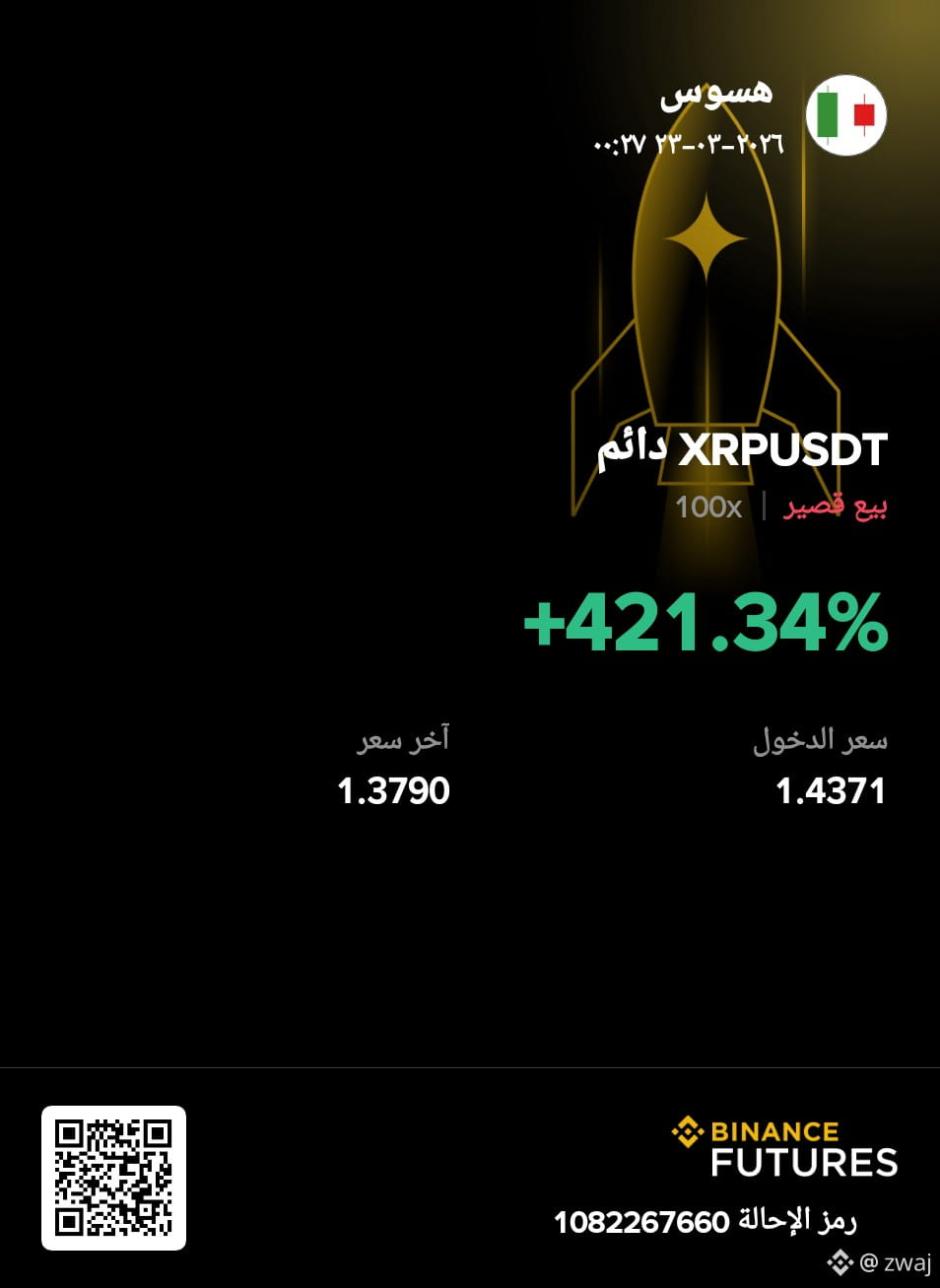
$XRP
The deal entered yesterday and I believe this is the last drop
#TrumpConsidersEndingIranConflict
#OpenAIPlansDesktopSuperapp
$BTC
$ETH
#USFebruaryPPISurgedSurprisingly
$XRP
The deal entered yesterday and I believe this is the last drop
#TrumpConsidersEndingIranConflict
#OpenAIPlansDesktopSuperapp
$BTC
$ETH
#USFebruaryPPISurgedSurprisingly
The deal entered yesterday and I believe this is the last drop
#TrumpConsidersEndingIranConflict
#OpenAIPlansDesktopSuperapp
$BTC
$ETH
#USFebruaryPPISurgedSurprisingly
1
134
Log in to explore more content
Join global crypto users on Binance Square
⚡️ Get latest and useful information about crypto.
💬 Trusted by the world’s largest crypto exchange.
👍 Discover real insights from verified creators.
Email / Phone number
Trending Topics
1
#BitcoinReboundsTo$79K
19,832 views
168 Discussing
2
#BitcoinSpotETFsNetInflow$160M
83 views
23 Discussing
3
#SouthKoreaCryptoTaxDelayPetitionTops50000
8,424 views
227 Discussing
4
#SolanaTransactionV1GoesLiveOnMainnet
4,557 views
152 Discussing
5
#RussianCentralBankFlagsCryptoAsFinancialRisk
5,221 views
182 Discussing
6
#GrayscalePutsXRPAt26.11%InAdvisorPortfolio
16,671 views
283 Discussing
7
#PhiladelphiaSemiconductorIndexFalls5.9%
5,260 views
175 Discussing
8
#SECChairUrgesCongressToAdvanceClarityAct
17,382 views
195 Discussing
9
#FedHikeOddsRiseTo89%
108,069 views
1,209 Discussing
10
#RLUSDSupplyHitsRecord$2.442B
7,829 views
70 Discussing