
#steam
steam
17,215 views
63 Discussing
Hot
Latest

·
--
Anime wallpapers turning into hacker traps? Attention Steam players!
Kaspersky's latest report reveals that dozens of dynamic wallpapers disguised as anime beauties on Steam Workshop are actually malware 🚨
These wallpapers exploit the Wallpaper Engine app functionality to secretly install info-stealers like Lumma and Vidar in the background, pilfering Steam accounts, sessions, and cryptocurrency wallet info. Some even display a seemingly normal mini-game to throw you off the scent 😏
Victims are primarily concentrated in China and Russia, but the issue extends to Singapore, Hong Kong, Germany, and beyond. Several wallpaper sets have racked up tens of thousands of downloads, and the situation is serious.
💡 Safety Tips:
✅ Check the creator's reputation before downloading Steam Workshop content
✅ Enable Steam two-factor authentication (2FA)
✅ Use a hardware wallet to store crypto assets
✅ Install reliable security software
Don’t let cute wallpapers steal your wallet!🔐 #SteamSecurity #CryptoSafety
#Steam #CyberSecurity #CryptoSafety
27

·
--
Article
The Story of Steam's Creation: How Valve's Platform Changed the Video Game IndustryThe Story of Steam's Creation: How Valve's Platform Changed the Video Game Industry
Description:
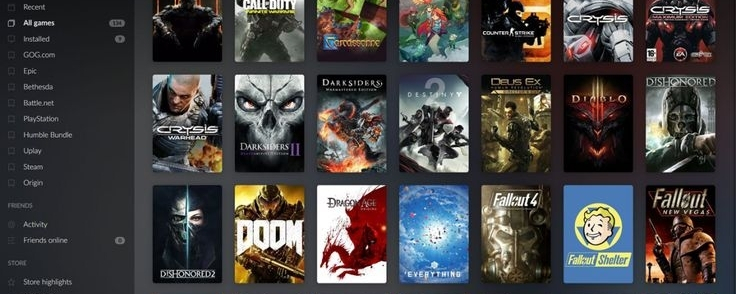
Steam is the largest digital platform for buying, downloading, and launching PC games. Launched by the company in 2003, it started out as a tool for game updates but evolved into the biggest digital marketplace with millions of users worldwide. The story of Steam is a tale of revolution in the gaming industry that transformed the way video games are distributed and purchased.
The Story of Steam's Creation: How Valve's Platform Changed the Video Game Industry
The Story of Steam's Creation: How Valve's Platform Changed the Video Game Industry
Description:
Steam is the largest digital platform for buying, downloading, and launching PC games. Launched by the company in 2003, it started out as a tool for game updates but evolved into the biggest digital marketplace with millions of users worldwide. The story of Steam is a tale of revolution in the gaming industry that transformed the way video games are distributed and purchased.
1
84

·
--
Article
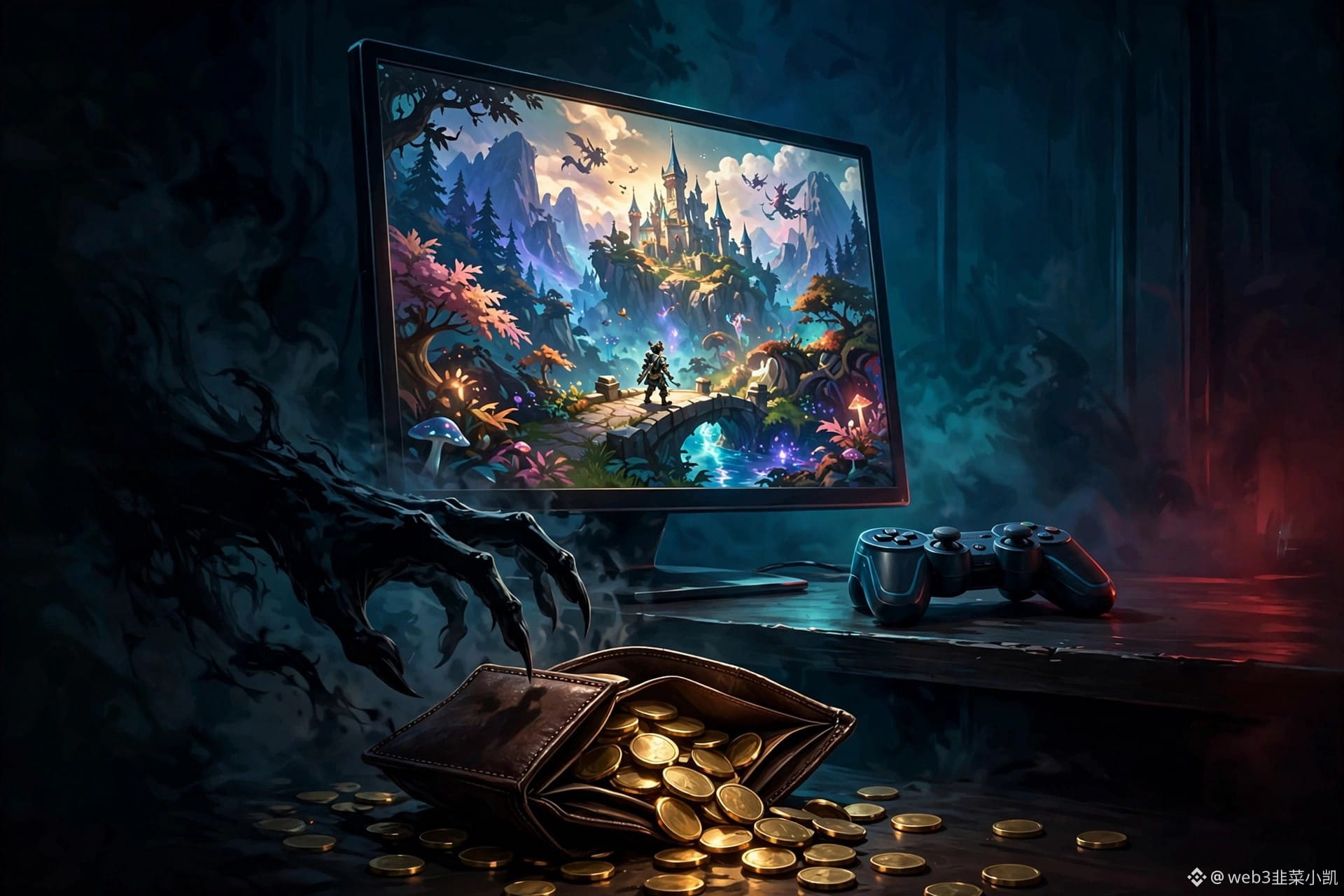
The game you downloaded may be stealing your walletToday, the FBI laid out the details of a case involving eight Trojanized games that stole data once installed. Around 8,000 computers were infected, about 80 wallets were drained, and at least $220,000 was gone. The suspect was arrested in July, and the indictment was filed in the U.S. District Court for the Western District of Washington on July 10. Another charge was added on November 9. Today’s disclosure lays out the entire chain of events.
The person charged is 21-year-old Floridian Zyaire Dontaevious Zamarion Wilkins, accused of conspiring to steal information from computers for profit. One important note: these are allegations, not a conviction.
The game you downloaded may be stealing your wallet
Today, the FBI laid out the details of a case involving eight Trojanized games that stole data once installed. Around 8,000 computers were infected, about 80 wallets were drained, and at least $220,000 was gone. The suspect was arrested in July, and the indictment was filed in the U.S. District Court for the Western District of Washington on July 10. Another charge was added on November 9. Today’s disclosure lays out the entire chain of events.
The person charged is 21-year-old Floridian Zyaire Dontaevious Zamarion Wilkins, accused of conspiring to steal information from computers for profit. One important note: these are allegations, not a conviction.
The person charged is 21-year-old Floridian Zyaire Dontaevious Zamarion Wilkins, accused of conspiring to steal information from computers for profit. One important note: these are allegations, not a conviction.
53
·
--

Article
The backstory of the legendary game Counter-StrikeThe backstory of the legendary game Counter-Strike
How a mod for Half-Life became one of the most popular games in history
Counter-Strike is a game that flipped the script on the multiplayer shooter scene and became a cornerstone of esports. Millions of players worldwide have logged thousands of hours on maps like Dust, Inferno, and Nuke, and the series still stands as one of the most popular in the game.
The backstory of the legendary game Counter-Strike
The backstory of the legendary game Counter-Strike
How a mod for Half-Life became one of the most popular games in history
Counter-Strike is a game that flipped the script on the multiplayer shooter scene and became a cornerstone of esports. Millions of players worldwide have logged thousands of hours on maps like Dust, Inferno, and Nuke, and the series still stands as one of the most popular in the game.
2
575
·
--

Article
The story behind the creation of Left 4 Dead: The birth of a legendary co-op zombie shooterThe story behind the creation of Left 4 Dead: The birth of a legendary co-op zombie shooter
Left 4 Dead — an iconic co-op shooter game developed by Valve Corporation and released in 2008. This project revolutionized the zombie-action genre with its unique AI system, dynamic gameplay, and emphasis on team play. The game quickly gained millions of fans worldwide and became one of the most successful co-op games of its time.
The story behind the creation of Left 4 Dead: The birth of a legendary co-op zombie shooter
The story behind the creation of Left 4 Dead: The birth of a legendary co-op zombie shooter
Left 4 Dead — an iconic co-op shooter game developed by Valve Corporation and released in 2008. This project revolutionized the zombie-action genre with its unique AI system, dynamic gameplay, and emphasis on team play. The game quickly gained millions of fans worldwide and became one of the most successful co-op games of its time.
Left 4 Dead — an iconic co-op shooter game developed by Valve Corporation and released in 2008. This project revolutionized the zombie-action genre with its unique AI system, dynamic gameplay, and emphasis on team play. The game quickly gained millions of fans worldwide and became one of the most successful co-op games of its time.
1
120

my #followers .. .#marketrecovery mode in progress , #betterdays yet to be achieved . .. don't lose #steam in the last hours, +1.3 is the #moonshot
$MINA
my #followers .. .#marketrecovery mode in progress , #betterdays yet to be achieved . .. don't lose #steam in the last hours, +1.3 is the #moonshot
$MINA
$MINA
1
2
198
·
--

Article
The story behind the creation of Need for Speed: UndergroundThe story behind the creation of Need for Speed: Underground — a game that flipped the script on street racing. Back in 2003, Electronic Arts dropped Need for Speed: Underground on the scene — a title that truly revolutionized the arcade racing genre. This project was crafted by EA Black Box and fueled by the skyrocketing street tuning culture, the hype around sports cars, and the blockbuster vibe of The Fast and the Furious movies.
The story behind the creation of Need for Speed: Underground
The story behind the creation of Need for Speed: Underground — a game that flipped the script on street racing. Back in 2003, Electronic Arts dropped Need for Speed: Underground on the scene — a title that truly revolutionized the arcade racing genre. This project was crafted by EA Black Box and fueled by the skyrocketing street tuning culture, the hype around sports cars, and the blockbuster vibe of The Fast and the Furious movies.
1
30

🎮 FBI agent dismantles hacked Steam gaming network: Thousands affected by malicious software!
U.S. authorities arrested a 21-year-old man in Florida, accusing him of distributing eight compromised games on the Steam platform, affecting nearly 8,000 users. The complaint indicates his involvement—and that of his associates—in spreading malicious software through these games.
━━━━━━━━━━━━━━
📊 Impact: 📈 High
🏷️ OTHER
#CyberSecurity #Malware #Steam #FBI #Gaming
🔗 Source: https://uk.pcmag.com/security/166209/fbi-traces-malware-infected-steam-games-to-21-year-old-in-florida
30
🎮 Arrest of a hacker who exploited Steam games to steal cryptocurrency!
The Federal Bureau of Investigation arrested a man from Florida for downloading fake Steam games containing malicious software to steal passwords and data and steal cryptocurrency wallet credentials. About 8,000 people were affected and nearly 80 digital wallets were compromised as part of this scam.
━━━━━━━━━━━━━━
📊 Impact: 🔥 Very high
🏷️ OTHER
#Cybersecurity #CryptoScam #FBI #Malware #Steam
🔗 Source: https://games.slashdot.org/story/26/07/17/1741237/fbi-arrests-man-accused-of-using-steam-games-to-drain-victims-crypto-wallets
26
·
--

Article
The story behind the creation of Dying Light: how the Polish studio Techland changed the zombie game genreThe story behind the creation of Dying Light: how the Polish studio Techland changed the zombie game genre
Dying Light is one of the most successful survival games in the zombie apocalypse world. The project combines dynamic parkour, an open world, intense battles, and a unique day-night cycle system. Developed by Techland, the game became a global hit and gained millions of fans thanks to its innovative gameplay and an atmosphere of constant danger.
The story behind the creation of Dying Light: how the Polish studio Techland changed the zombie game genre
The story behind the creation of Dying Light: how the Polish studio Techland changed the zombie game genre
Dying Light is one of the most successful survival games in the zombie apocalypse world. The project combines dynamic parkour, an open world, intense battles, and a unique day-night cycle system. Developed by Techland, the game became a global hit and gained millions of fans thanks to its innovative gameplay and an atmosphere of constant danger.
Dying Light is one of the most successful survival games in the zombie apocalypse world. The project combines dynamic parkour, an open world, intense battles, and a unique day-night cycle system. Developed by Techland, the game became a global hit and gained millions of fans thanks to its innovative gameplay and an atmosphere of constant danger.
1
117

·
--
Last week, 720 new games launched on Steam. Of those, 530 still had fewer than 10 reviews as of today.
That figure comes from a census of 53,597 Steam games, covering the period from July 2023 to this July. The person who conducted it is Sulka Haro, who was the lead designer of Habbo Hotel in the early days.
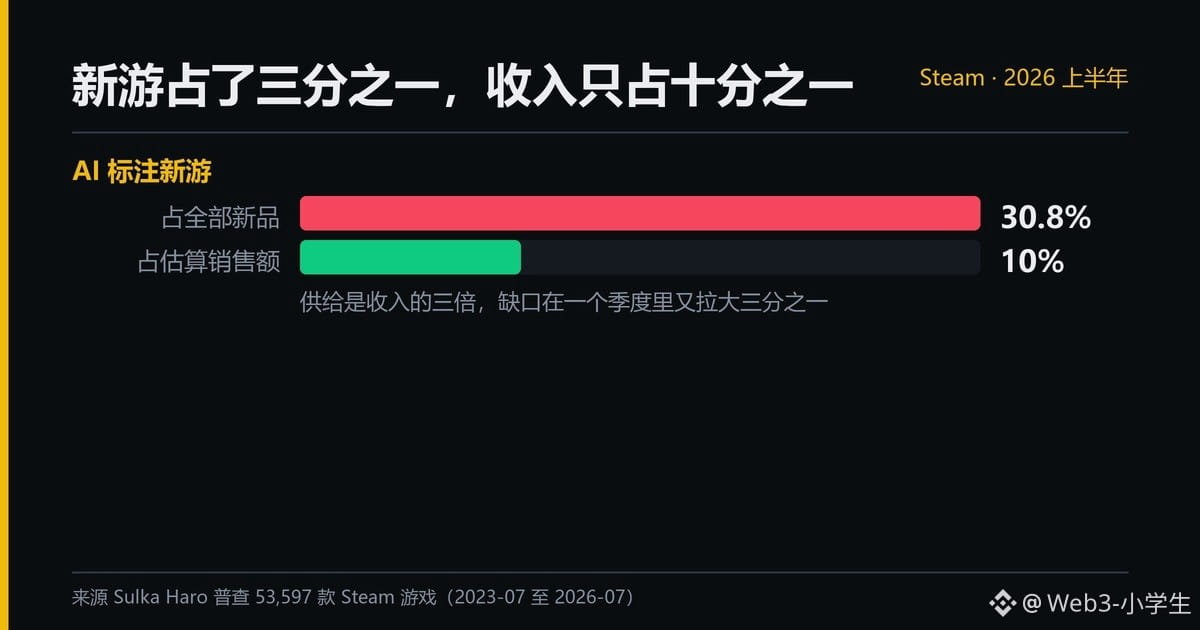
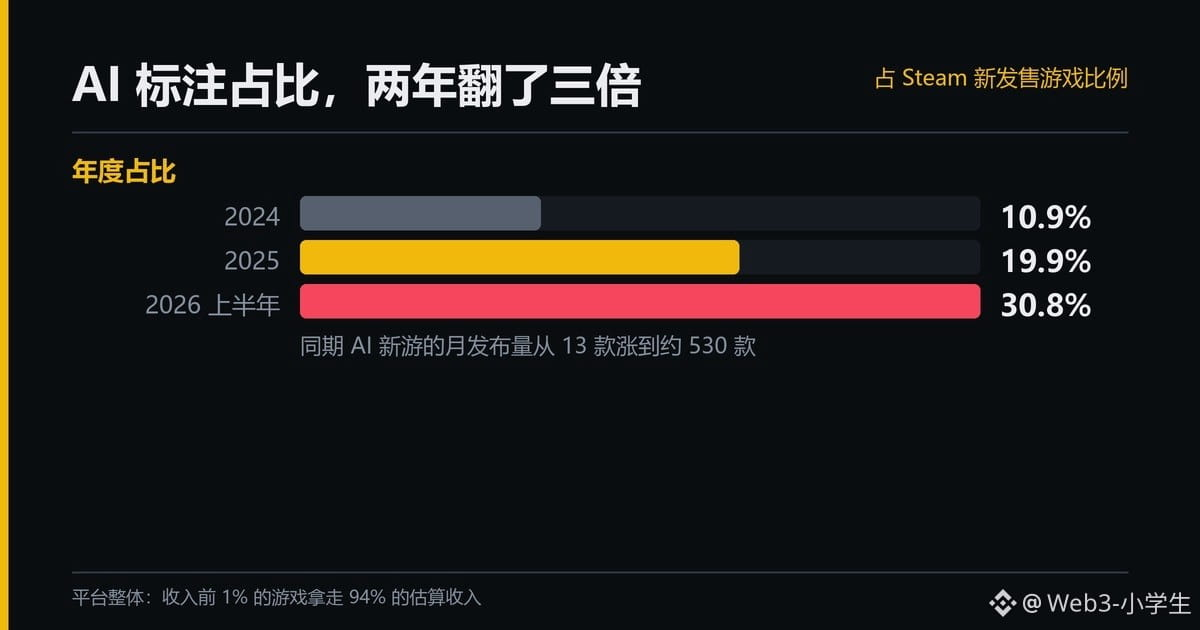
The most striking finding in the census is this comparison. New games labeled as using AI made up 10.9% of all new releases the year before last, 19.9% last year, and 30.8% in the first half of this year. One-third.
But their share of revenue was just 10% of the platform’s total in the second quarter of this year, down from 17% in the first quarter. Supply is surging while revenue is falling, and the gap widened by another third in a single quarter.
AI has brought the cost of “making a game” close to zero. It hasn’t lowered the cost of “making people want to play a game” by a penny.
Steam has always been a battle royale. The top 1% of games by revenue take 94% of the platform’s estimated earnings. The other 99% split the remaining 6%. That pattern was set long before AI came along, and has nothing to do with what tools you use to make games. AI hasn’t changed it; it’s just made the denominator bigger, and growing faster.
The AI games that survive have something in common. Among the failures, 72% used AI for art—that is, the first thing players see. The survivors used AI in places players don’t keep their eyes on. AI voice acting was used by 24% of them, compared with just 8% of the failures. Localization: 18% versus 6%. The same tools: one group used them to replace craftsmanship, the other to amplify it.
I’ve seen this story before.
That’s how things played out with blockchain games a few years ago. Launch a token, and the barrier to making a game suddenly drops. The number of projects explodes. White papers pile up. Then everyone runs into the same wall. It’s not that players have nothing to play; they just don’t want to play your game. GALA and SAND fell from their highs back then—not because of the technology, but because of a lack of demand.
My view is that AI games will repeat this cycle over the next two years, but more slowly. Blockchain games lowered the barrier on the funding side: the money came first, and the product could come later. AI lowers the barrier on the production side, but you can’t fool people with what you make. Steam’s review section is the filter.
I’m not sure how reliable the AI labels in this census are. The labels are self-reported by publishers. Checking the box might hurt sales. Not checking it is hard to detect. Only the development team knows how much AI went into an art outsourcing job.
One thing is certain. In this wave of change, the valuable skill isn’t generating things; it’s filtering what’s generated and refining it until it’s playable. Those blockchain projects never developed that skill. People making AI games now are trying to build it.
$GALA $SAND $BTC #币安广场 #AI游戏 #Steam #链游 #CryptoAssets

259
·
--

Article
The backstory of Call of DutyThe backstory of Call of Duty
Call of Duty is one of the most renowned and successful video game franchises worldwide. Since its launch in 2003, this franchise has morphed into a global phenomenon, significantly impacting the first-person shooter genre and the gaming industry as a whole.
Kickoff of the development
The backstory of Call of Duty
The backstory of Call of Duty
Call of Duty is one of the most renowned and successful video game franchises worldwide. Since its launch in 2003, this franchise has morphed into a global phenomenon, significantly impacting the first-person shooter genre and the gaming industry as a whole.
Kickoff of the development
Call of Duty is one of the most renowned and successful video game franchises worldwide. Since its launch in 2003, this franchise has morphed into a global phenomenon, significantly impacting the first-person shooter genre and the gaming industry as a whole.
Kickoff of the development
1
41
🚨 Arrest Made in $220K Crypto Theft via Malicious Steam Games
Authorities have arrested a young man from Florida for allegedly stealing $220,000 worth of cryptocurrency. He is accused of embedding malicious software into Steam games, which reportedly infected around 8,000 devices over two years and compromised users’ crypto wallets.
━━━━━━━━━━━━━━
📊 Impact: 📈 High
🏷️ OTHER
#CryptoCrime #Cybersecurity #Malware #Steam #DigitalSafety
🔗 Source: https://cryptobriefing.com/florida-man-arrested-steam-crypto-malware/
34
·
--

Article
The origin story of the Sniper Elite seriesThe origin story of the Sniper Elite series: how the legendary World War II sniper game came to be
Description
Sniper Elite is one of the most renowned tactical shooter franchises about snipers, crafted by a British company. The game is famous for its realistic ballistics, stealthy mission completions, and the unique X-Ray Kill Cam execution system. Over the years, the series has evolved from a niche project into a global brand, uniting millions of fans of tactical military games.
The origin story of the Sniper Elite series
The origin story of the Sniper Elite series: how the legendary World War II sniper game came to be
Description
Sniper Elite is one of the most renowned tactical shooter franchises about snipers, crafted by a British company. The game is famous for its realistic ballistics, stealthy mission completions, and the unique X-Ray Kill Cam execution system. Over the years, the series has evolved from a niche project into a global brand, uniting millions of fans of tactical military games.
1
88


·
--
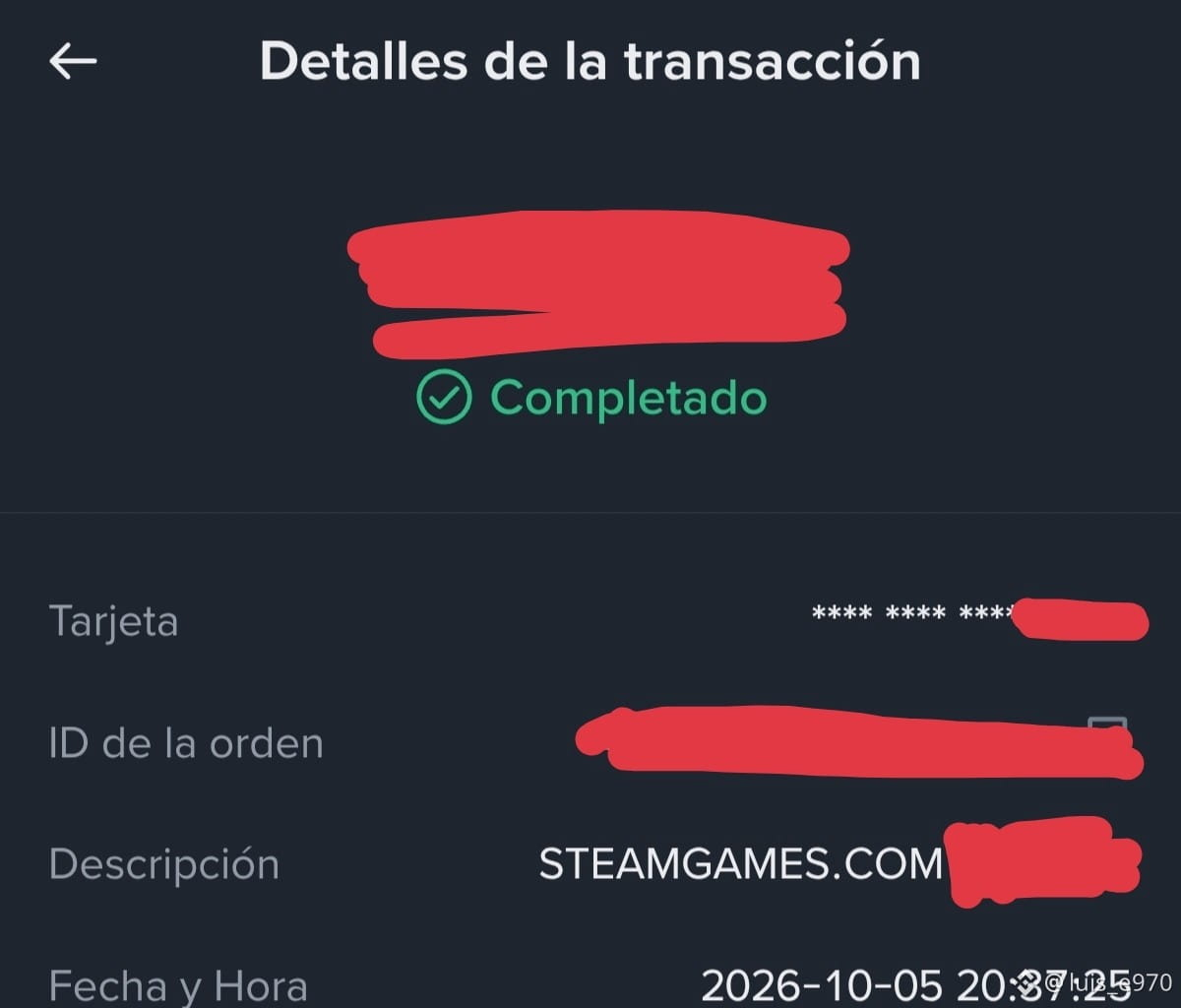
Heads up, Steam users in Venezuela! Binance Card now works perfectly for making payments. Buying your games is super easy, works perfectly, and comes with very low fees. #venezuela #Steam #USDT #binanceCard #BİNANCE
Heads up, Steam users in Venezuela! Binance Card now works perfectly for making payments. Buying your games is super easy, works perfectly, and comes with very low fees. #venezuela #Steam #USDT #binanceCard #BİNANCE

2
291

·
--
Partly True
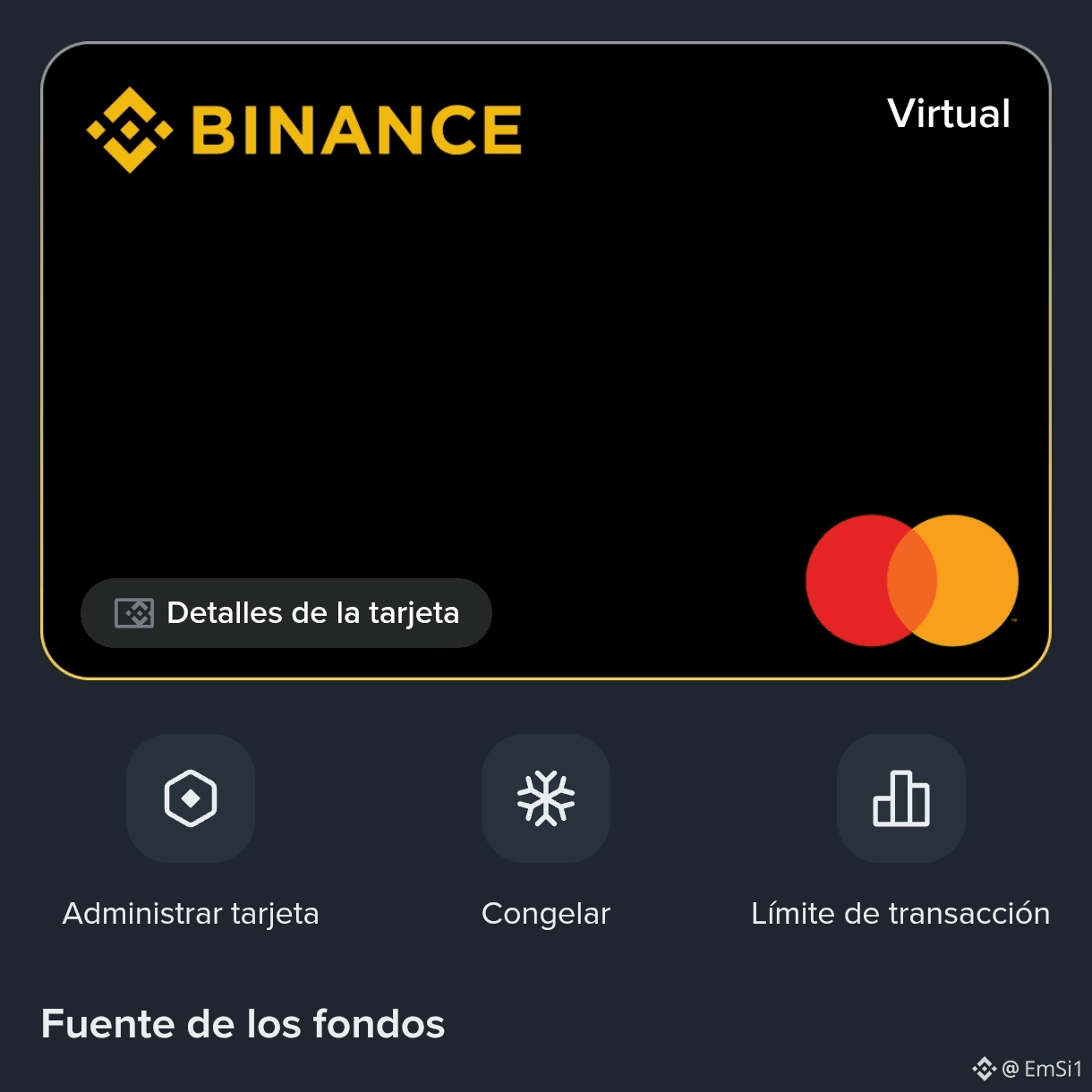
Things you should know about the Binance Card 💳, if you're in Venezuela 👇
📍It works with all international online stores like #amazon Alibaba, #Steam #Google Play, #Paypal , etc.
📍It works with NFC, meaning how you pay contactless.
📍It converts its international currencies at the official exchange rate of that country; for example, in 🇻🇪 it converts to BCV as the official rate, and in Colombia, for example, it converts to the official TMR Dollar in Colombia.
Did you know all these facts about the card, or do you know any other important information? let me know 👇
163
4
129
109k
Log in to explore more content
Join global crypto users on Binance Square
⚡️ Get latest and useful information about crypto.
💬 Trusted by the world’s largest crypto exchange.
👍 Discover real insights from verified creators.
Email / Phone number
Trending Topics
1
#BTCReboundsAbove$60KAmidWhaleDipBuying
5,200 views
58 Discussing
2
#NvidiaLoses$2.7TrillionInMonthAndAHalf
44,291 views
209 Discussing
3
#GlobalStocksFaceLongestLosingStreakSince2023
399,876 views
2,641 Discussing
4
#BlackRockIBITPostsRecord$541MSingleDayOutflow
58,747 views
145 Discussing
5
#AnthropicPlungesTowardIPOPriceonDay2
215,608 views
1,708 Discussing
6
#TwentyOneCapitalAdds172.25BTC
103,259 views
1,105 Discussing
7
#HKBillWouldExcludeTokenizedDepositsFromVirtualAssets
14,532 views
66 Discussing
8
#HKBillProposesHK$100KFineForUnauthorizedCryptoTitles
3,604 views
30 Discussing
9
#BitMineFaces$10.1BUnrealizedETHLoss
6,962 views
32 Discussing
10
#StrategyReports$35BNetReserves
3,701 views
24 Discussing