

#goldretreatsfromtwoweekhigh
goldretreatsfromtwoweekhigh
112,963 views
513 Discussing
Hot
Latest

#GoldRetreatsFromTwoWeekHigh This hashtag points to gold pulling back after recently hitting its highest level in about two weeks, mainly because the U.S. dollar firmed up, which tends to pressure dollar-priced gold. Recent market reports on July 6–7, 2026 describe spot gold slipping after touching its highest level since June 22, 2026. (economies.com)
The basic market logic is simple:
Stronger dollar = weaker gold, because gold becomes more expensive for non-USD buyers.
Gold’s losses were partly limited because softer U.S. labor data had reduced expectations for further Fed tightening, which is normally supportive for non-yielding assets like gold. (qna.org.qa)
A few concrete numbers reported around this move:
Spot gold was cited near $4,143–$4,160/oz after the retreat.
It had just touched a two-week high earlier in the session.
The pullback followed a prior weekly gain of roughly 2%+, ending a multi-week losing streak. (economies.com)
Why crypto traders care: this is mostly a macro sentiment / dollar story. If the dollar strengthens and markets lean a bit more hawkish on rates, that can also weigh on BTC and other risk assets, especially in the short term. Gold weakness by itself is not a crypto signal, but the USD and Fed expectations behind it matter across markets. (economies.com)
Binance-style takeaway:
Immediate read: mildly risk-off / dollar-positive
For BTC: watch whether BTC resists the same macro pressure better than gold
For alts: they’re usually more fragile if the move is driven by rising USD and rate uncertainty
If you want, I can also give you:
a 1-minute trader interpretation,
the BTC vs gold reaction setup, or
a macro watchlist for today’s crypto trading.$PAXG
{spot}(PAXGUSDT)
$XAU
{future}(XAUUSDT)
$BTC
{spot}(BTCUSDT)
@Binance_Square_Official @Binance_News @Binance_Announcement
#GoldRetreatsFromTwoWeekHigh This hashtag points to gold pulling back after recently hitting its highest level in about two weeks, mainly because the U.S. dollar firmed up, which tends to pressure dollar-priced gold. Recent market reports on July 6–7, 2026 describe spot gold slipping after touching its highest level since June 22, 2026. (economies.com)
The basic market logic is simple:
Stronger dollar = weaker gold, because gold becomes more expensive for non-USD buyers.
Gold’s losses were partly limited because softer U.S. labor data had reduced expectations for further Fed tightening, which is normally supportive for non-yielding assets like gold. (qna.org.qa)
A few concrete numbers reported around this move:
Spot gold was cited near $4,143–$4,160/oz after the retreat.
It had just touched a two-week high earlier in the session.
The pullback followed a prior weekly gain of roughly 2%+, ending a multi-week losing streak. (economies.com)
Why crypto traders care: this is mostly a macro sentiment / dollar story. If the dollar strengthens and markets lean a bit more hawkish on rates, that can also weigh on BTC and other risk assets, especially in the short term. Gold weakness by itself is not a crypto signal, but the USD and Fed expectations behind it matter across markets. (economies.com)
Binance-style takeaway:
Immediate read: mildly risk-off / dollar-positive
For BTC: watch whether BTC resists the same macro pressure better than gold
For alts: they’re usually more fragile if the move is driven by rising USD and rate uncertainty
If you want, I can also give you:
a 1-minute trader interpretation,
the BTC vs gold reaction setup, or
a macro watchlist for today’s crypto trading.$PAXG
$XAU
$BTC
@Binance Square Official @Binance News @Binance Announcement
The basic market logic is simple:
Stronger dollar = weaker gold, because gold becomes more expensive for non-USD buyers.
Gold’s losses were partly limited because softer U.S. labor data had reduced expectations for further Fed tightening, which is normally supportive for non-yielding assets like gold. (qna.org.qa)
A few concrete numbers reported around this move:
Spot gold was cited near $4,143–$4,160/oz after the retreat.
It had just touched a two-week high earlier in the session.
The pullback followed a prior weekly gain of roughly 2%+, ending a multi-week losing streak. (economies.com)
Why crypto traders care: this is mostly a macro sentiment / dollar story. If the dollar strengthens and markets lean a bit more hawkish on rates, that can also weigh on BTC and other risk assets, especially in the short term. Gold weakness by itself is not a crypto signal, but the USD and Fed expectations behind it matter across markets. (economies.com)
Binance-style takeaway:
Immediate read: mildly risk-off / dollar-positive
For BTC: watch whether BTC resists the same macro pressure better than gold
For alts: they’re usually more fragile if the move is driven by rising USD and rate uncertainty
If you want, I can also give you:
a 1-minute trader interpretation,
the BTC vs gold reaction setup, or
a macro watchlist for today’s crypto trading.$PAXG
$XAU
$BTC
@Binance Square Official @Binance News @Binance Announcement

1
108

·
--
Bullish
Verified
#goldretreatsfromtwoweekhigh
Gold just turned and dipped slightly from its 2-week high, folks! 📉
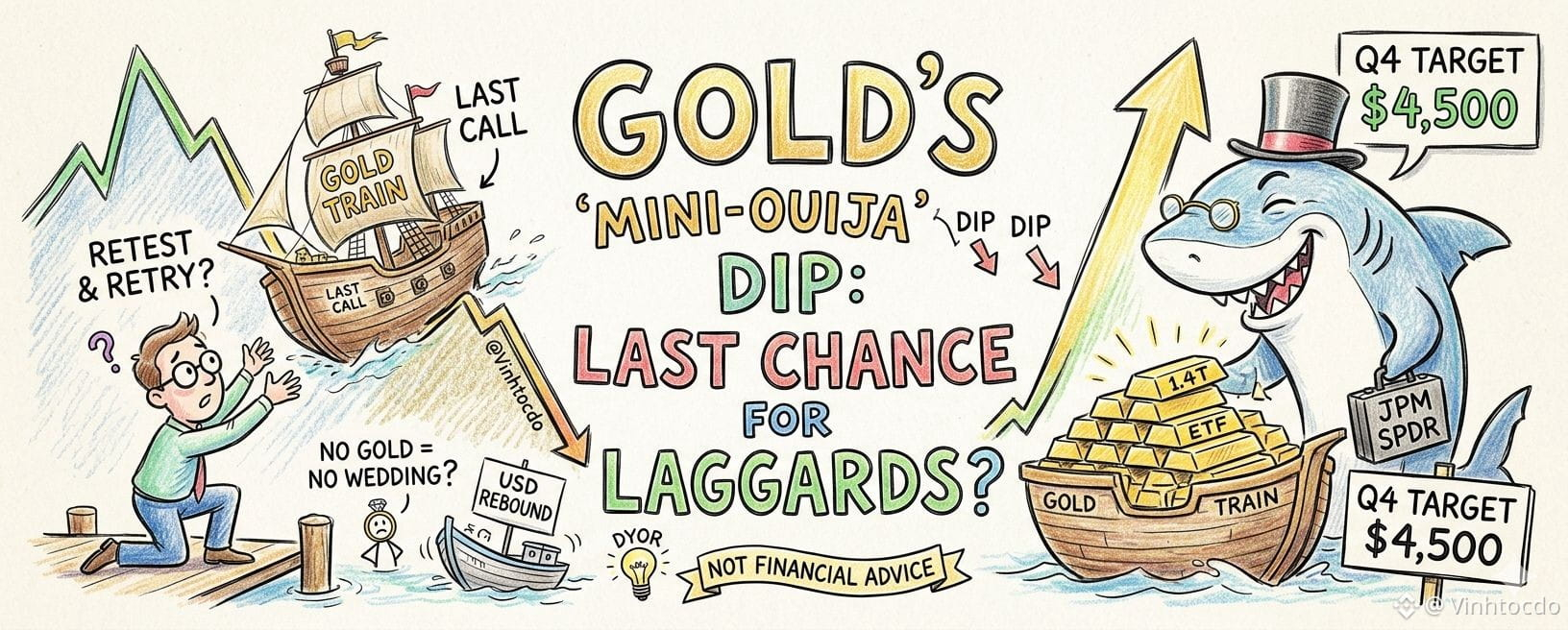
But take a closer look: SPDR is still diligently accumulating another 1.4+ tons, while JPMorgan says Q4 could reach as high as $4,500!
This drop is nothing more than a gentle "retest" to catch those who missed the boat, right? If you don’t scoop up a bit of "gold” for yourself now, what will you sell later, what will you use as a wedding dowry gift—how else will you make the bride proud, folks? 😂
What are traders doing around this time? Are you just standing still watching the USD rebound, or are you boarding the ship with the big sharks while you still can? 🚀
Referral code: VINHTOCDO. DYOR—this is not financial advice!
#GOLD #retesting #BullMarket📈 #VINHTOCDO
$PAXG
{future}(PAXGUSDT)
$XAU
{future}(XAUUSDT)
$XAUT
{future}(XAUTUSDT)
#goldretreatsfromtwoweekhigh
Gold just turned and dipped slightly from its 2-week high, folks! 📉
But take a closer look: SPDR is still diligently accumulating another 1.4+ tons, while JPMorgan says Q4 could reach as high as $4,500!
This drop is nothing more than a gentle "retest" to catch those who missed the boat, right? If you don’t scoop up a bit of "gold” for yourself now, what will you sell later, what will you use as a wedding dowry gift—how else will you make the bride proud, folks? 😂
What are traders doing around this time? Are you just standing still watching the USD rebound, or are you boarding the ship with the big sharks while you still can? 🚀
Referral code: VINHTOCDO. DYOR—this is not financial advice!
#GOLD #retesting #BullMarket📈 #VINHTOCDO
$PAXG
$XAU
$XAUT
Gold just turned and dipped slightly from its 2-week high, folks! 📉
But take a closer look: SPDR is still diligently accumulating another 1.4+ tons, while JPMorgan says Q4 could reach as high as $4,500!
This drop is nothing more than a gentle "retest" to catch those who missed the boat, right? If you don’t scoop up a bit of "gold” for yourself now, what will you sell later, what will you use as a wedding dowry gift—how else will you make the bride proud, folks? 😂
What are traders doing around this time? Are you just standing still watching the USD rebound, or are you boarding the ship with the big sharks while you still can? 🚀
Referral code: VINHTOCDO. DYOR—this is not financial advice!
#GOLD #retesting #BullMarket📈 #VINHTOCDO
$PAXG
$XAU
$XAUT
6
4
3.4k
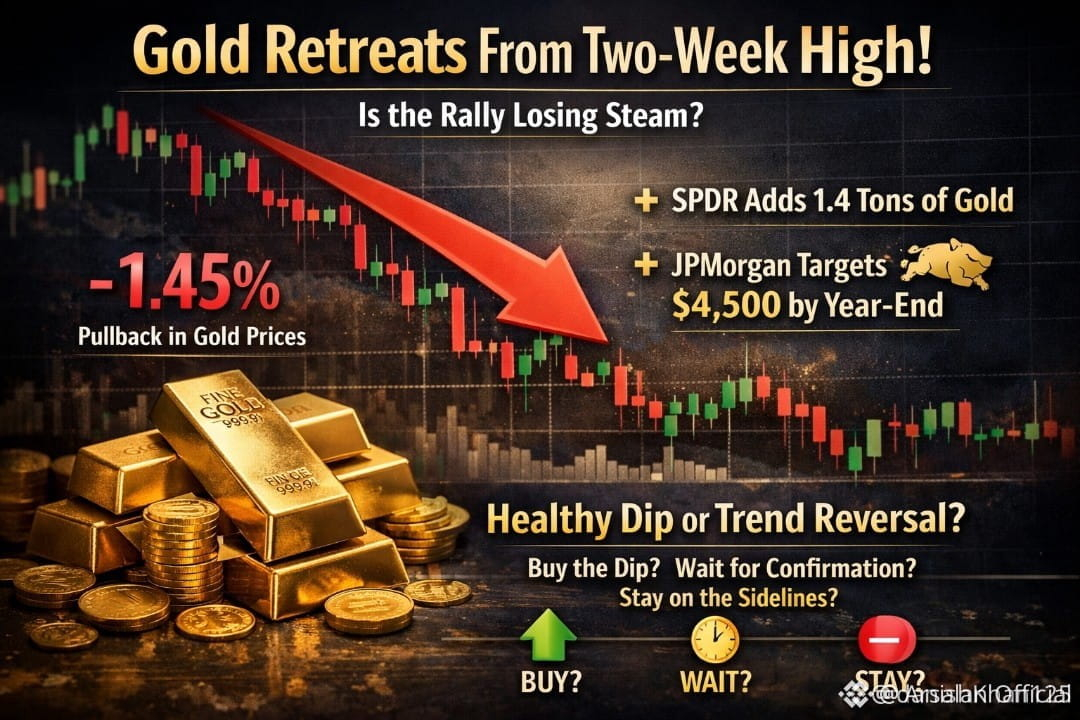
#GoldRetreatsFromTwoWeekHigh That hashtag means gold prices pulled back after recently reaching their highest level in about two weeks. As of Tuesday, July 7, 2026, market data shows gold around $4,146/oz, down about 0.4% on the day, after a recent rebound. (tradingeconomics.com)
In plain English: gold had been recovering, then sellers stepped in and took some profits, so the price eased off that short-term high. A headline like “retreats from two-week high” usually signals a modest pullback, not necessarily a major trend reversal. (tradingeconomics.com)
Why gold might retreat after a short rally:
Profit-taking after a quick bounce.
Dollar or yields firming, which can pressure gold.
Reduced safe-haven urgency if broader market panic cools.
Those are the standard macro drivers markets watch around gold moves, and current gold coverage still frames price action through rate expectations, inflation, and risk sentiment. (bullionvault.com)
Why crypto traders care:
If gold softens because real yields or the dollar rise, that can also be a headwind for BTC.
If gold retreats simply because panic is fading, the read for crypto can be more mixed rather than outright bearish.
So the hashtag is basically shorthand for: “safe-haven gold paused after a recent rally.” (bullionvault.com)
If you want, I can turn this into:
a 1-minute BTC market takeaway,
a gold vs BTC comparison, or
a bullish vs bearish interpretation of the headline.$PAXG
{spot}(PAXGUSDT)
$XAU $
{future}(XAUUSDT)
$XAUT
{spot}(XAUTUSDT)
@Binance_News @Binance_Announcement @Binance_Square_Official
#GoldRetreatsFromTwoWeekHigh That hashtag means gold prices pulled back after recently reaching their highest level in about two weeks. As of Tuesday, July 7, 2026, market data shows gold around $4,146/oz, down about 0.4% on the day, after a recent rebound. (tradingeconomics.com)
In plain English: gold had been recovering, then sellers stepped in and took some profits, so the price eased off that short-term high. A headline like “retreats from two-week high” usually signals a modest pullback, not necessarily a major trend reversal. (tradingeconomics.com)
Why gold might retreat after a short rally:
Profit-taking after a quick bounce.
Dollar or yields firming, which can pressure gold.
Reduced safe-haven urgency if broader market panic cools.
Those are the standard macro drivers markets watch around gold moves, and current gold coverage still frames price action through rate expectations, inflation, and risk sentiment. (bullionvault.com)
Why crypto traders care:
If gold softens because real yields or the dollar rise, that can also be a headwind for BTC.
If gold retreats simply because panic is fading, the read for crypto can be more mixed rather than outright bearish.
So the hashtag is basically shorthand for: “safe-haven gold paused after a recent rally.” (bullionvault.com)
If you want, I can turn this into:
a 1-minute BTC market takeaway,
a gold vs BTC comparison, or
a bullish vs bearish interpretation of the headline.$PAXG
$XAU $
$XAUT
@Binance News @Binance Announcement @Binance Square Official
In plain English: gold had been recovering, then sellers stepped in and took some profits, so the price eased off that short-term high. A headline like “retreats from two-week high” usually signals a modest pullback, not necessarily a major trend reversal. (tradingeconomics.com)
Why gold might retreat after a short rally:
Profit-taking after a quick bounce.
Dollar or yields firming, which can pressure gold.
Reduced safe-haven urgency if broader market panic cools.
Those are the standard macro drivers markets watch around gold moves, and current gold coverage still frames price action through rate expectations, inflation, and risk sentiment. (bullionvault.com)
Why crypto traders care:
If gold softens because real yields or the dollar rise, that can also be a headwind for BTC.
If gold retreats simply because panic is fading, the read for crypto can be more mixed rather than outright bearish.
So the hashtag is basically shorthand for: “safe-haven gold paused after a recent rally.” (bullionvault.com)
If you want, I can turn this into:
a 1-minute BTC market takeaway,
a gold vs BTC comparison, or
a bullish vs bearish interpretation of the headline.$PAXG
$XAU $
$XAUT
@Binance News @Binance Announcement @Binance Square Official
2
163

·
--
Verified
#goldretreatsfromtwoweekhigh #PAXG
🥇 BACK TO LEVEL : BUY THE DIP?
📉 Gold has slightly corrected since its 2-week high, but institutional demand remains strong.
✅ SPDR continues to accumulate gold
✅ JPMorgan maintains a bullish long-term outlook
✅ The dip could provide a better entry opportunity
Despite the short-term correction, the current momentum remains bullish.
📊 Trading View: BUY the dip as long as gold holds a key support. The long-term trend still favors buyers.
"CLICK ON THE YELLOW COIN TAG BELOW TO TAKE ADVANTAGE OF THE TRADE👇👇👇👇
$PAXG $XAU $XAUT
#goldretreatsfromtwoweekhigh #PAXG
🥇 BACK TO LEVEL : BUY THE DIP?
📉 Gold has slightly corrected since its 2-week high, but institutional demand remains strong.
✅ SPDR continues to accumulate gold
✅ JPMorgan maintains a bullish long-term outlook
✅ The dip could provide a better entry opportunity
Despite the short-term correction, the current momentum remains bullish.
📊 Trading View: BUY the dip as long as gold holds a key support. The long-term trend still favors buyers.
"CLICK ON THE YELLOW COIN TAG BELOW TO TAKE ADVANTAGE OF THE TRADE👇👇👇👇
$PAXG $XAU $XAUT
🥇 BACK TO LEVEL : BUY THE DIP?
📉 Gold has slightly corrected since its 2-week high, but institutional demand remains strong.
✅ SPDR continues to accumulate gold
✅ JPMorgan maintains a bullish long-term outlook
✅ The dip could provide a better entry opportunity
Despite the short-term correction, the current momentum remains bullish.
📊 Trading View: BUY the dip as long as gold holds a key support. The long-term trend still favors buyers.
"CLICK ON THE YELLOW COIN TAG BELOW TO TAKE ADVANTAGE OF THE TRADE👇👇👇👇
$PAXG $XAU $XAUT

3
676

·
--
#GoldRetreatsFromTwoWeekHigh 🟡📉
Gold pulls back from its two-week high 🟡📉
Gold takes a short break after reaching its highest level in two weeks... but does the trend really change?
A minor pullback does not necessarily mean the end of the uptrend. In fact, many traders see these dips as positive tests before the next move.
#GOLD_UPDATE
💰 Meanwhile, institutional interest remains strong:
• SPDR added more than 1.4 tons of gold.
• JPMorgan still expects the gold price to reach $4,500 by the last quarter of the year if bullish conditions persist
.Quick analysis of the current situation for gold:
· Nature of the pullback: a normal corrective move after profit-taking, not a trend reversal. Key support remains at $3025–$3030, with resistance at $3057 (the two-week high).
· The key driver: a weaker dollar and expectations of the Federal Reserve cutting interest rates support the bullish trend, but traders remain cautious ahead of inflation data (CPI), which may limit gains.
· Outlook: a break above $3070 restores the bullish wave toward $3100. A drop below $3020 could trigger a deeper correction toward $3000.
Summary: Institutional accumulation and positive signals support a bullish medium-term outlook, and the current pullback is a buy opportunity as long as the price stays above $3025. The next target is $3100, with CPI data to watch as a potential surprise.
#BinanceSquareFamily
#GoldRetreatsFromTwoWeekHigh 🟡📉
Gold pulls back from its two-week high 🟡📉
Gold takes a short break after reaching its highest level in two weeks... but does the trend really change?
A minor pullback does not necessarily mean the end of the uptrend. In fact, many traders see these dips as positive tests before the next move.
#GOLD_UPDATE
💰 Meanwhile, institutional interest remains strong:
• SPDR added more than 1.4 tons of gold.
• JPMorgan still expects the gold price to reach $4,500 by the last quarter of the year if bullish conditions persist
.Quick analysis of the current situation for gold:
· Nature of the pullback: a normal corrective move after profit-taking, not a trend reversal. Key support remains at $3025–$3030, with resistance at $3057 (the two-week high).
· The key driver: a weaker dollar and expectations of the Federal Reserve cutting interest rates support the bullish trend, but traders remain cautious ahead of inflation data (CPI), which may limit gains.
· Outlook: a break above $3070 restores the bullish wave toward $3100. A drop below $3020 could trigger a deeper correction toward $3000.
Summary: Institutional accumulation and positive signals support a bullish medium-term outlook, and the current pullback is a buy opportunity as long as the price stays above $3025. The next target is $3100, with CPI data to watch as a potential surprise.
#BinanceSquareFamily
Gold pulls back from its two-week high 🟡📉
Gold takes a short break after reaching its highest level in two weeks... but does the trend really change?
A minor pullback does not necessarily mean the end of the uptrend. In fact, many traders see these dips as positive tests before the next move.
#GOLD_UPDATE
💰 Meanwhile, institutional interest remains strong:
• SPDR added more than 1.4 tons of gold.
• JPMorgan still expects the gold price to reach $4,500 by the last quarter of the year if bullish conditions persist
.Quick analysis of the current situation for gold:
· Nature of the pullback: a normal corrective move after profit-taking, not a trend reversal. Key support remains at $3025–$3030, with resistance at $3057 (the two-week high).
· The key driver: a weaker dollar and expectations of the Federal Reserve cutting interest rates support the bullish trend, but traders remain cautious ahead of inflation data (CPI), which may limit gains.
· Outlook: a break above $3070 restores the bullish wave toward $3100. A drop below $3020 could trigger a deeper correction toward $3000.
Summary: Institutional accumulation and positive signals support a bullish medium-term outlook, and the current pullback is a buy opportunity as long as the price stays above $3025. The next target is $3100, with CPI data to watch as a potential surprise.
#BinanceSquareFamily
114

#goldretreatsfromtwoweekhigh 🥇 GOLD PULLS BACK AFTER A 2-WEEK HIGH... BUYING OPPORTUNITY OR TRAP? 📉👀
Gold has eased slightly after reaching a two-week high, but the bigger picture remains interesting.
📊 Market Highlights:
🔸 Gold has pulled back from recent highs.
🔸 SPDR continues adding to its holdings, reportedly accumulating 1.4+ tons.
🔸 Some analysts at JPMorgan suggest gold could reach $4,500 by Q4 under a bullish scenario.
💭 Is this just a healthy retest before the next move higher, or the start of a deeper correction?
Smart traders aren't reacting to every dip—they're watching key support levels, institutional activity, and macroeconomic trends before making decisions.
🚀 What's your strategy?
🟢 Buying the dip?
🔴 Waiting for confirmation?
⚪ Staying on the sidelines?
💬 Share your view below!
⚠️ DYOR (Do Your Own Research). This is not financial advice.
#Gold #XAUUSD #Trading
$PAXG
$XAU
$XAUT
{spot}(PAXGUSDT)
{spot}(XAUTUSDT)
#goldretreatsfromtwoweekhigh 🥇 GOLD PULLS BACK AFTER A 2-WEEK HIGH... BUYING OPPORTUNITY OR TRAP? 📉👀
Gold has eased slightly after reaching a two-week high, but the bigger picture remains interesting.
📊 Market Highlights:
🔸 Gold has pulled back from recent highs.
🔸 SPDR continues adding to its holdings, reportedly accumulating 1.4+ tons.
🔸 Some analysts at JPMorgan suggest gold could reach $4,500 by Q4 under a bullish scenario.
💭 Is this just a healthy retest before the next move higher, or the start of a deeper correction?
Smart traders aren't reacting to every dip—they're watching key support levels, institutional activity, and macroeconomic trends before making decisions.
🚀 What's your strategy?
🟢 Buying the dip?
🔴 Waiting for confirmation?
⚪ Staying on the sidelines?
💬 Share your view below!
⚠️ DYOR (Do Your Own Research). This is not financial advice.
#Gold #XAUUSD #Trading
$PAXG
$XAU
$XAUT
Gold has eased slightly after reaching a two-week high, but the bigger picture remains interesting.
📊 Market Highlights:
🔸 Gold has pulled back from recent highs.
🔸 SPDR continues adding to its holdings, reportedly accumulating 1.4+ tons.
🔸 Some analysts at JPMorgan suggest gold could reach $4,500 by Q4 under a bullish scenario.
💭 Is this just a healthy retest before the next move higher, or the start of a deeper correction?
Smart traders aren't reacting to every dip—they're watching key support levels, institutional activity, and macroeconomic trends before making decisions.
🚀 What's your strategy?
🟢 Buying the dip?
🔴 Waiting for confirmation?
⚪ Staying on the sidelines?
💬 Share your view below!
⚠️ DYOR (Do Your Own Research). This is not financial advice.
#Gold #XAUUSD #Trading
$PAXG
$XAU
$XAUT

3
138

#GoldRetreatsFromTwoWeekHigh
🚨 Gold Pulls Back: Trap or Discount? 🟡📉
Gold is cooling off after tapping a fresh two-week high. The bears are celebrating, but smart money is watching closely.
A minor retreat rarely breaks a powerful macro trend. In healthy bull markets, brief pullbacks act as fuel, shaking out weak hands before the next leg up.
🏛️ The Institutional Backdrop
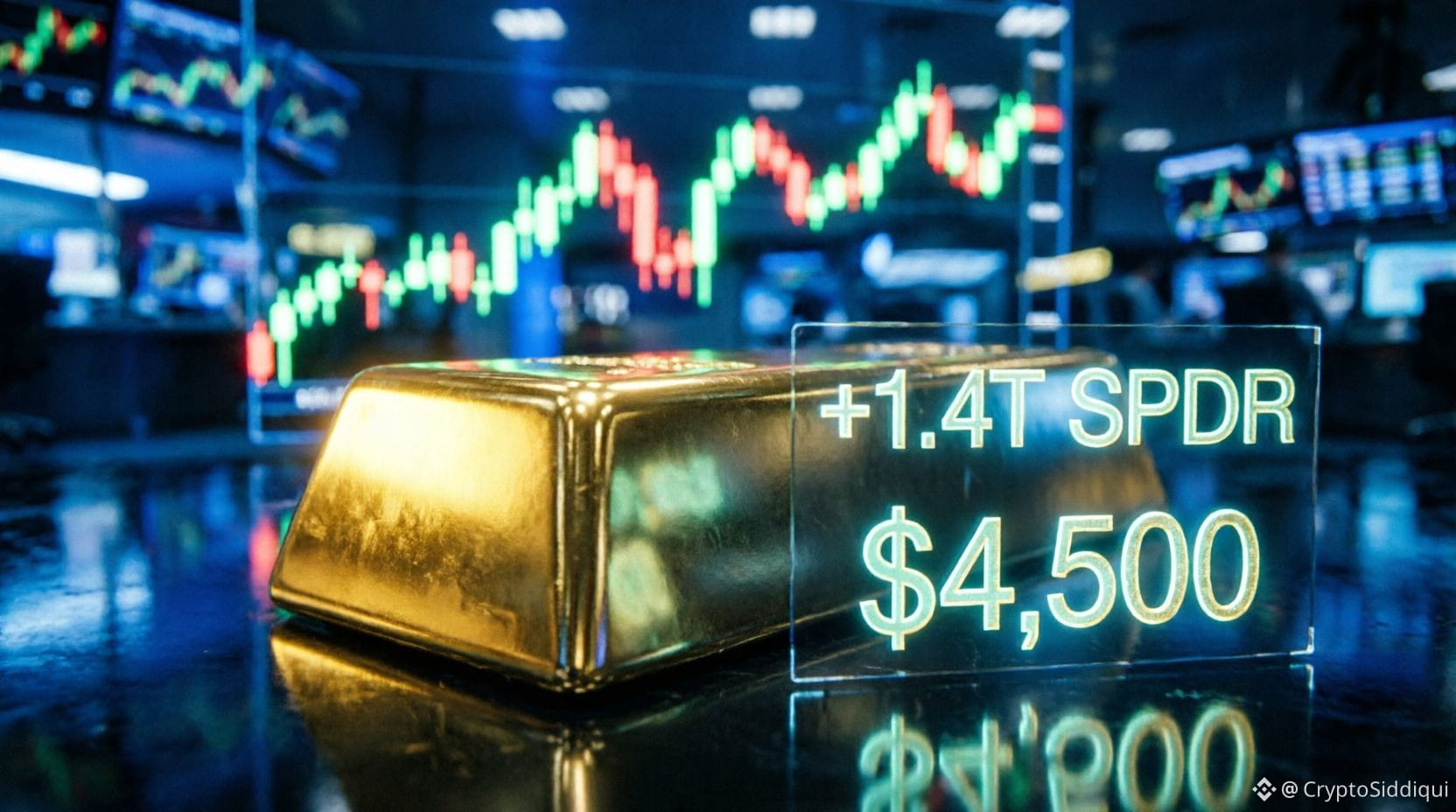
Buying the Dip: SPDR ETF just scooped up another 1.4+ tons of physical gold.
The Mega Target: JPMorgan maintains its ultra-bullish Q4 projection of $4,500 if current macroeconomic catalysts persist.
🎯 The Game Plan
Amateurs chase green candles. Professionals manage risk, track key support structures, and wait for clear market confirmation.
🗳️ What Is Your Move?
🟢 Buying the discount?
🟡 Waiting for structural confirmation?
🔴 Sitting on your hands?
#goldretreatsfromtwoweekhigh #XAUUSD #GoldPrice
#GoldRetreatsFromTwoWeekHigh
🚨 Gold Pulls Back: Trap or Discount? 🟡📉
Gold is cooling off after tapping a fresh two-week high. The bears are celebrating, but smart money is watching closely.
A minor retreat rarely breaks a powerful macro trend. In healthy bull markets, brief pullbacks act as fuel, shaking out weak hands before the next leg up.
🏛️ The Institutional Backdrop
Buying the Dip: SPDR ETF just scooped up another 1.4+ tons of physical gold.
The Mega Target: JPMorgan maintains its ultra-bullish Q4 projection of $4,500 if current macroeconomic catalysts persist.
🎯 The Game Plan
Amateurs chase green candles. Professionals manage risk, track key support structures, and wait for clear market confirmation.
🗳️ What Is Your Move?
🟢 Buying the discount?
🟡 Waiting for structural confirmation?
🔴 Sitting on your hands?
#goldretreatsfromtwoweekhigh #XAUUSD #GoldPrice
🚨 Gold Pulls Back: Trap or Discount? 🟡📉
Gold is cooling off after tapping a fresh two-week high. The bears are celebrating, but smart money is watching closely.
A minor retreat rarely breaks a powerful macro trend. In healthy bull markets, brief pullbacks act as fuel, shaking out weak hands before the next leg up.
🏛️ The Institutional Backdrop
Buying the Dip: SPDR ETF just scooped up another 1.4+ tons of physical gold.
The Mega Target: JPMorgan maintains its ultra-bullish Q4 projection of $4,500 if current macroeconomic catalysts persist.
🎯 The Game Plan
Amateurs chase green candles. Professionals manage risk, track key support structures, and wait for clear market confirmation.
🗳️ What Is Your Move?
🟢 Buying the discount?
🟡 Waiting for structural confirmation?
🔴 Sitting on your hands?
#goldretreatsfromtwoweekhigh #XAUUSD #GoldPrice
1
141

Verified
#goldretreatsfromtwoweekhigh
🥇 GOLD DIPS: IS IT A BUYING OPPORTUNITY?
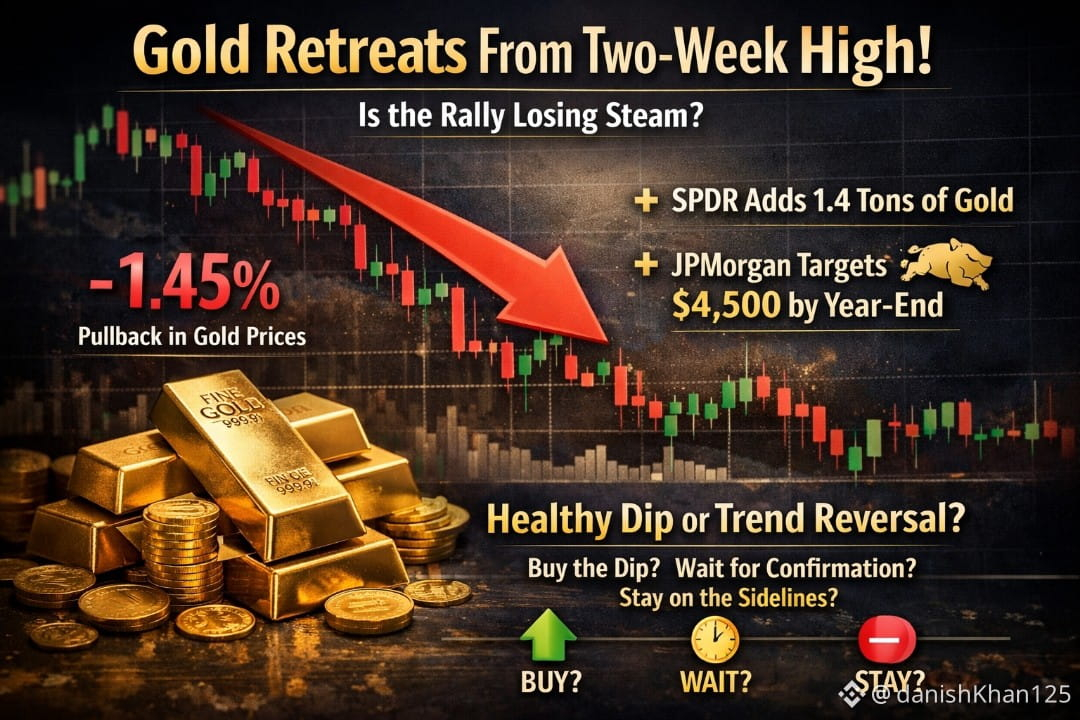
📉 Even though gold has slipped slightly from its recent 14-day peak, institutional appetite is as solid as ever.
✅ SPDR is consistently adding to its gold reserves.
✅ JPMorgan is keeping an optimistic, long-term outlook.
✅ This minor retreat could serve as your ideal entry point.
Despite the brief downward correction, the overarching momentum is still heavily tilted toward the bulls.
📊 Trading Outlook: Secure the dip as long as gold maintains its crucial support zones. The larger market trajectory remains firmly in the hands of buyers.
"TAP THE YELLOW COIN TAG BELOW TO LEVERAGE THIS TRADE 👇👇👇👇"
$PAXG
{spot}(PAXGUSDT)
$XAU
{future}(XAUUSDT)
$XAUT
{spot}(XAUTUSDT)
#GOLD #retesting #bullmarket
#goldretreatsfromtwoweekhigh
🥇 GOLD DIPS: IS IT A BUYING OPPORTUNITY?
📉 Even though gold has slipped slightly from its recent 14-day peak, institutional appetite is as solid as ever.
✅ SPDR is consistently adding to its gold reserves.
✅ JPMorgan is keeping an optimistic, long-term outlook.
✅ This minor retreat could serve as your ideal entry point.
Despite the brief downward correction, the overarching momentum is still heavily tilted toward the bulls.
📊 Trading Outlook: Secure the dip as long as gold maintains its crucial support zones. The larger market trajectory remains firmly in the hands of buyers.
"TAP THE YELLOW COIN TAG BELOW TO LEVERAGE THIS TRADE 👇👇👇👇"
$PAXG
$XAU
$XAUT
#GOLD #retesting #bullmarket
🥇 GOLD DIPS: IS IT A BUYING OPPORTUNITY?
📉 Even though gold has slipped slightly from its recent 14-day peak, institutional appetite is as solid as ever.
✅ SPDR is consistently adding to its gold reserves.
✅ JPMorgan is keeping an optimistic, long-term outlook.
✅ This minor retreat could serve as your ideal entry point.
Despite the brief downward correction, the overarching momentum is still heavily tilted toward the bulls.
📊 Trading Outlook: Secure the dip as long as gold maintains its crucial support zones. The larger market trajectory remains firmly in the hands of buyers.
"TAP THE YELLOW COIN TAG BELOW TO LEVERAGE THIS TRADE 👇👇👇👇"
$PAXG
$XAU
$XAUT
#GOLD #retesting #bullmarket

3
8
4k

#GoldRetreatsFromTwoWeekHigh #GoldRetreatsFromTwoWeekHigh
Gold pulled back after reaching a two-week high as investors locked in profits and reassessed market conditions. The retreat comes amid shifting expectations for interest rates, bond yields, and the U.S. dollar, while ongoing geopolitical and economic uncertainty continues to provide underlying support for the precious metal. 🟡📉
#GoldRetreatsFromTwoWeekHigh #GoldRetreatsFromTwoWeekHigh
Gold pulled back after reaching a two-week high as investors locked in profits and reassessed market conditions. The retreat comes amid shifting expectations for interest rates, bond yields, and the U.S. dollar, while ongoing geopolitical and economic uncertainty continues to provide underlying support for the precious metal. 🟡📉
Gold pulled back after reaching a two-week high as investors locked in profits and reassessed market conditions. The retreat comes amid shifting expectations for interest rates, bond yields, and the U.S. dollar, while ongoing geopolitical and economic uncertainty continues to provide underlying support for the precious metal. 🟡📉
19

·
--
Bearish
Verified
#goldretreatsfromtwoweekhigh #PAXG
🥇 GOLD PULLBACK: BUY THE DIP?
📉 Gold has pulled back slightly from its 2-week high, but institutional demand remains strong.
✅ SPDR continues accumulating gold
✅ JPMorgan maintains a bullish long-term outlook
✅ Pullback may offer a better entry opportunity
Current momentum remains bullish despite the short-term correction.
📊 Trading View: BUY the dip while gold holds key support. The long-term trend still favors buyers.
"CLICK ON THE BELOW YELLOW COIN TAG FOR BENEFIT TRADE👇👇👇👇
$PAXG $XAU $XAUT
{spot}(XAUTUSDT)
{future}(XAUUSDT)
{spot}(PAXGUSDT)
#goldretreatsfromtwoweekhigh #PAXG
🥇 GOLD PULLBACK: BUY THE DIP?
📉 Gold has pulled back slightly from its 2-week high, but institutional demand remains strong.
✅ SPDR continues accumulating gold
✅ JPMorgan maintains a bullish long-term outlook
✅ Pullback may offer a better entry opportunity
Current momentum remains bullish despite the short-term correction.
📊 Trading View: BUY the dip while gold holds key support. The long-term trend still favors buyers.
"CLICK ON THE BELOW YELLOW COIN TAG FOR BENEFIT TRADE👇👇👇👇
$PAXG $XAU $XAUT
🥇 GOLD PULLBACK: BUY THE DIP?
📉 Gold has pulled back slightly from its 2-week high, but institutional demand remains strong.
✅ SPDR continues accumulating gold
✅ JPMorgan maintains a bullish long-term outlook
✅ Pullback may offer a better entry opportunity
Current momentum remains bullish despite the short-term correction.
📊 Trading View: BUY the dip while gold holds key support. The long-term trend still favors buyers.
"CLICK ON THE BELOW YELLOW COIN TAG FOR BENEFIT TRADE👇👇👇👇
$PAXG $XAU $XAUT

2
995

Verified
#goldretreatsfromtwoweekhigh 🟡📉
Gold takes a breather after touching a two-week high... but is the trend really changing?
A small pullback doesn't automatically mean the rally is over. In fact, many traders see these dips as healthy retests before the next move.
💰 Meanwhile, institutional interest remains strong:
• SPDR has added another 1.4+ tons of gold.
• JPMorgan continues to project a potential $4,500 gold price by Q4 if bullish conditions persist.
📊 So the real question is:
Is this just a temporary shakeout designed to test weak hands, or the beginning of a bigger correction?
Smart traders don't chase candles—they wait for confirmation, manage risk, and watch key support levels closely.
What's your strategy?
🟢 Buying the dip?
🟡 Waiting for confirmation?
🔴 Staying on the sidelines?
#GOLD #XAUUSD #BullMarket #Trading #PreciousMetals #BinanceSquare
$PAXG $XAU $XAUT
#goldretreatsfromtwoweekhigh 🟡📉
Gold takes a breather after touching a two-week high... but is the trend really changing?
A small pullback doesn't automatically mean the rally is over. In fact, many traders see these dips as healthy retests before the next move.
💰 Meanwhile, institutional interest remains strong:
• SPDR has added another 1.4+ tons of gold.
• JPMorgan continues to project a potential $4,500 gold price by Q4 if bullish conditions persist.
📊 So the real question is:
Is this just a temporary shakeout designed to test weak hands, or the beginning of a bigger correction?
Smart traders don't chase candles—they wait for confirmation, manage risk, and watch key support levels closely.
What's your strategy?
🟢 Buying the dip?
🟡 Waiting for confirmation?
🔴 Staying on the sidelines?
#GOLD #XAUUSD #BullMarket #Trading #PreciousMetals #BinanceSquare
$PAXG $XAU $XAUT
Gold takes a breather after touching a two-week high... but is the trend really changing?
A small pullback doesn't automatically mean the rally is over. In fact, many traders see these dips as healthy retests before the next move.
💰 Meanwhile, institutional interest remains strong:
• SPDR has added another 1.4+ tons of gold.
• JPMorgan continues to project a potential $4,500 gold price by Q4 if bullish conditions persist.
📊 So the real question is:
Is this just a temporary shakeout designed to test weak hands, or the beginning of a bigger correction?
Smart traders don't chase candles—they wait for confirmation, manage risk, and watch key support levels closely.
What's your strategy?
🟢 Buying the dip?
🟡 Waiting for confirmation?
🔴 Staying on the sidelines?
#GOLD #XAUUSD #BullMarket #Trading #PreciousMetals #BinanceSquare
$PAXG $XAU $XAUT
1
1
3.3k

·
--
#XAUUSD
$XAU
{future}(XAUUSDT)
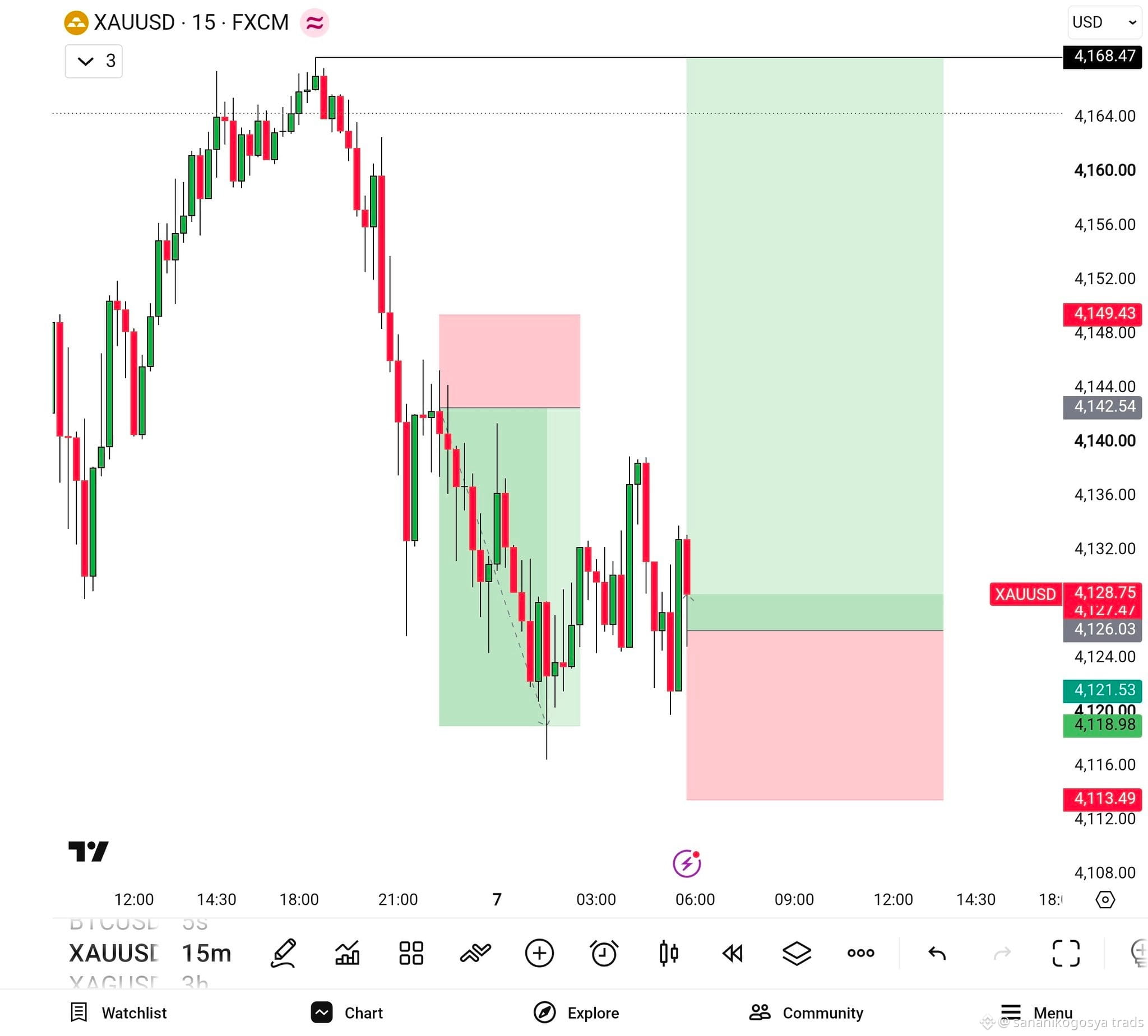
BUYING 📉
ENTRY : 4128 – 4123
SL: Below Recent Low
TP : 4140 • 4150 • 4170🎯
#GoldRetreatsFromTwoWeekHigh #GOLD
#XAUUSD
$XAU
BUYING 📉
ENTRY : 4128 – 4123
SL: Below Recent Low
TP : 4140 • 4150 • 4170🎯
#GoldRetreatsFromTwoWeekHigh #GOLD
$XAU
BUYING 📉
ENTRY : 4128 – 4123
SL: Below Recent Low
TP : 4140 • 4150 • 4170🎯
#GoldRetreatsFromTwoWeekHigh #GOLD
1
107

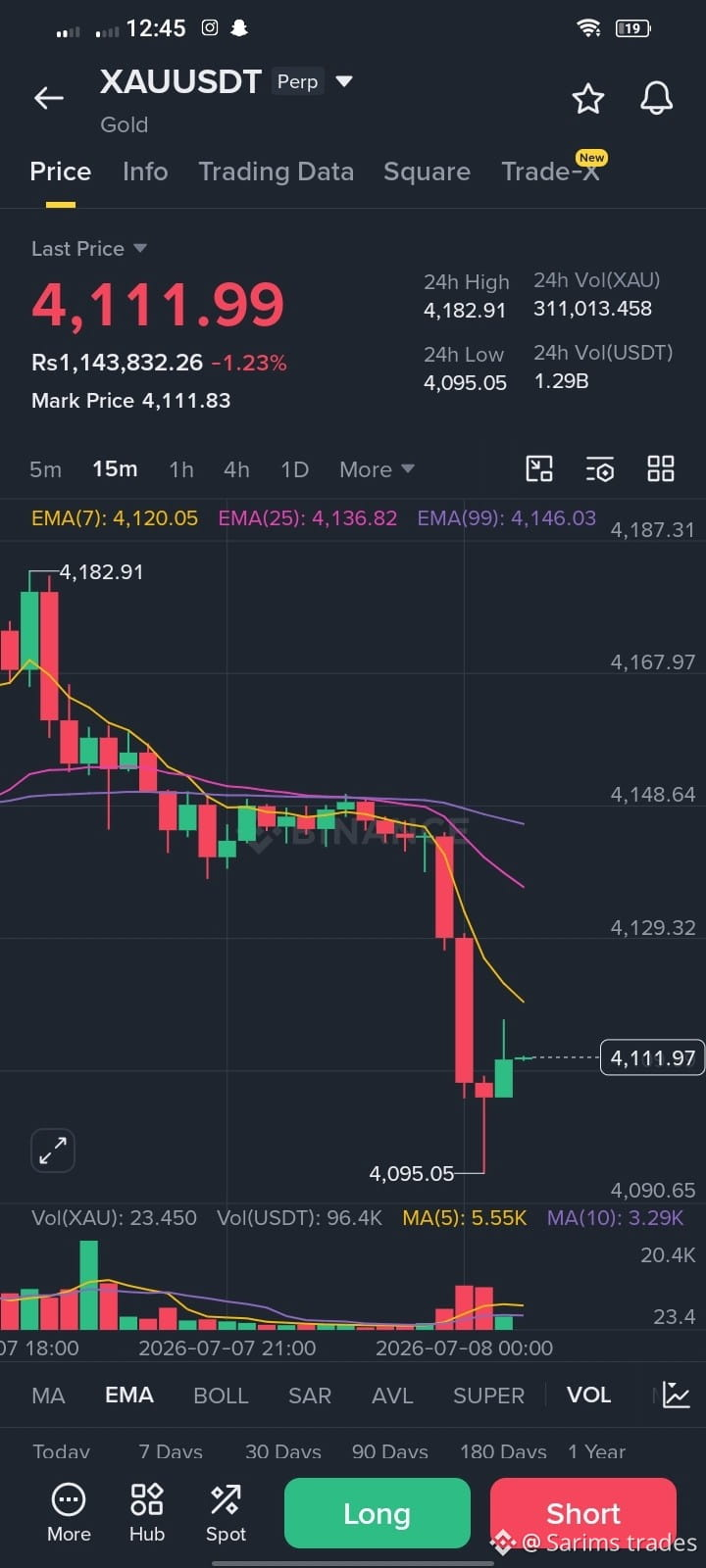
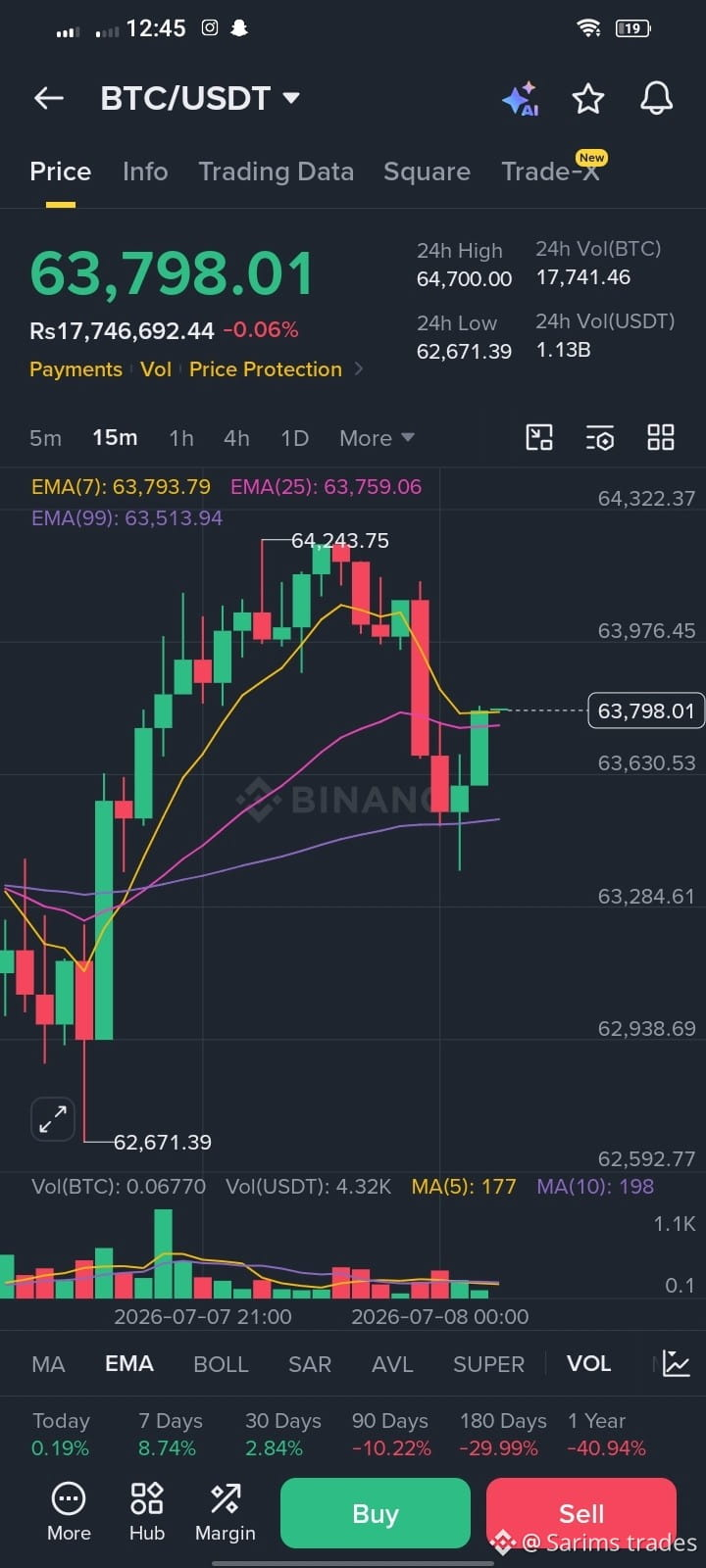
$BTC did exactly what I called. 🤯🔥
I said Bitcoin would sweep the liquidity above $64.6K, reject hard, and drop back. That's exactly what happened. ✅
🎯 TP1 Hit — Book some profit and trail the rest.
Now all eyes on the next move. Those who followed the setup are already in profit. 🚀 #BTC $XAU
{future}(XAUUSDT)
{future}(BTCUSDT)
#BinanceTurns9 #GoldRetreatsFromTwoWeekHigh
$BTC did exactly what I called. 🤯🔥
I said Bitcoin would sweep the liquidity above $64.6K, reject hard, and drop back. That's exactly what happened. ✅
🎯 TP1 Hit — Book some profit and trail the rest.
Now all eyes on the next move. Those who followed the setup are already in profit. 🚀 #BTC $XAU
#BinanceTurns9 #GoldRetreatsFromTwoWeekHigh
I said Bitcoin would sweep the liquidity above $64.6K, reject hard, and drop back. That's exactly what happened. ✅
🎯 TP1 Hit — Book some profit and trail the rest.
Now all eyes on the next move. Those who followed the setup are already in profit. 🚀 #BTC $XAU
#BinanceTurns9 #GoldRetreatsFromTwoWeekHigh
8
28
78.1k

·
--
Bullish
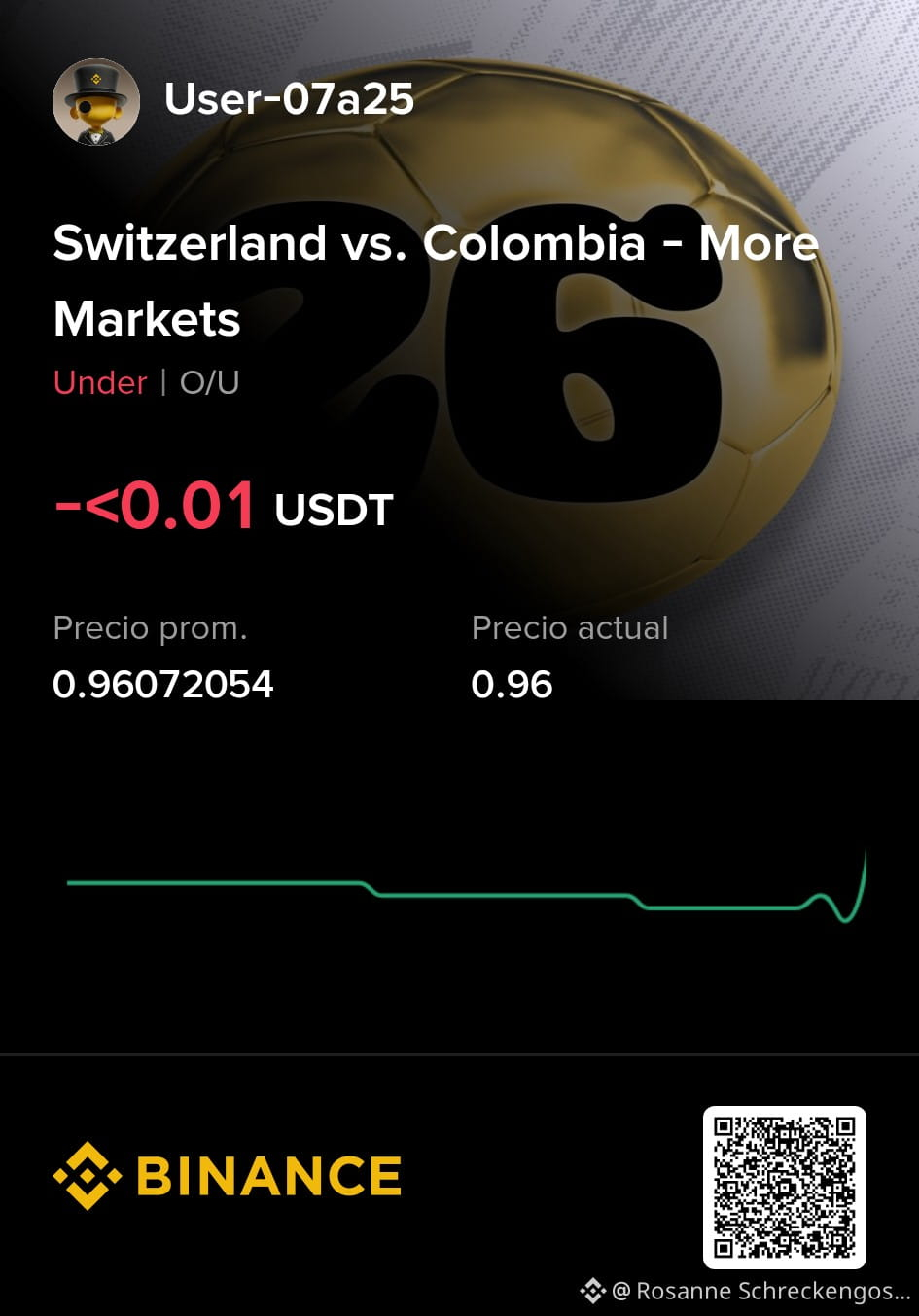
$LUMIA EYEING THE NEXT MOVE! 💹🔥
LUMIAUSDT: 0.13824 📉 -2.04%
⚡ Bulls are watching for a breakout toward 0.40 👀
📈 Potential upside zone ahead if momentum returns.
Stay alert… the next move could be explosive! 🚀
#BinanceTurns9 #GoldRetreatsFromTwoWeekHigh #BitcoinUpNearly7%ThisWeek #HongKongCompletesFirstGoldTradeSettlement
$LUMIA EYEING THE NEXT MOVE! 💹🔥
LUMIAUSDT: 0.13824 📉 -2.04%
⚡ Bulls are watching for a breakout toward 0.40 👀
📈 Potential upside zone ahead if momentum returns.
Stay alert… the next move could be explosive! 🚀
#BinanceTurns9 #GoldRetreatsFromTwoWeekHigh #BitcoinUpNearly7%ThisWeek #HongKongCompletesFirstGoldTradeSettlement
LUMIAUSDT: 0.13824 📉 -2.04%
⚡ Bulls are watching for a breakout toward 0.40 👀
📈 Potential upside zone ahead if momentum returns.
Stay alert… the next move could be explosive! 🚀
#BinanceTurns9 #GoldRetreatsFromTwoWeekHigh #BitcoinUpNearly7%ThisWeek #HongKongCompletesFirstGoldTradeSettlement
92


1
13

·
--
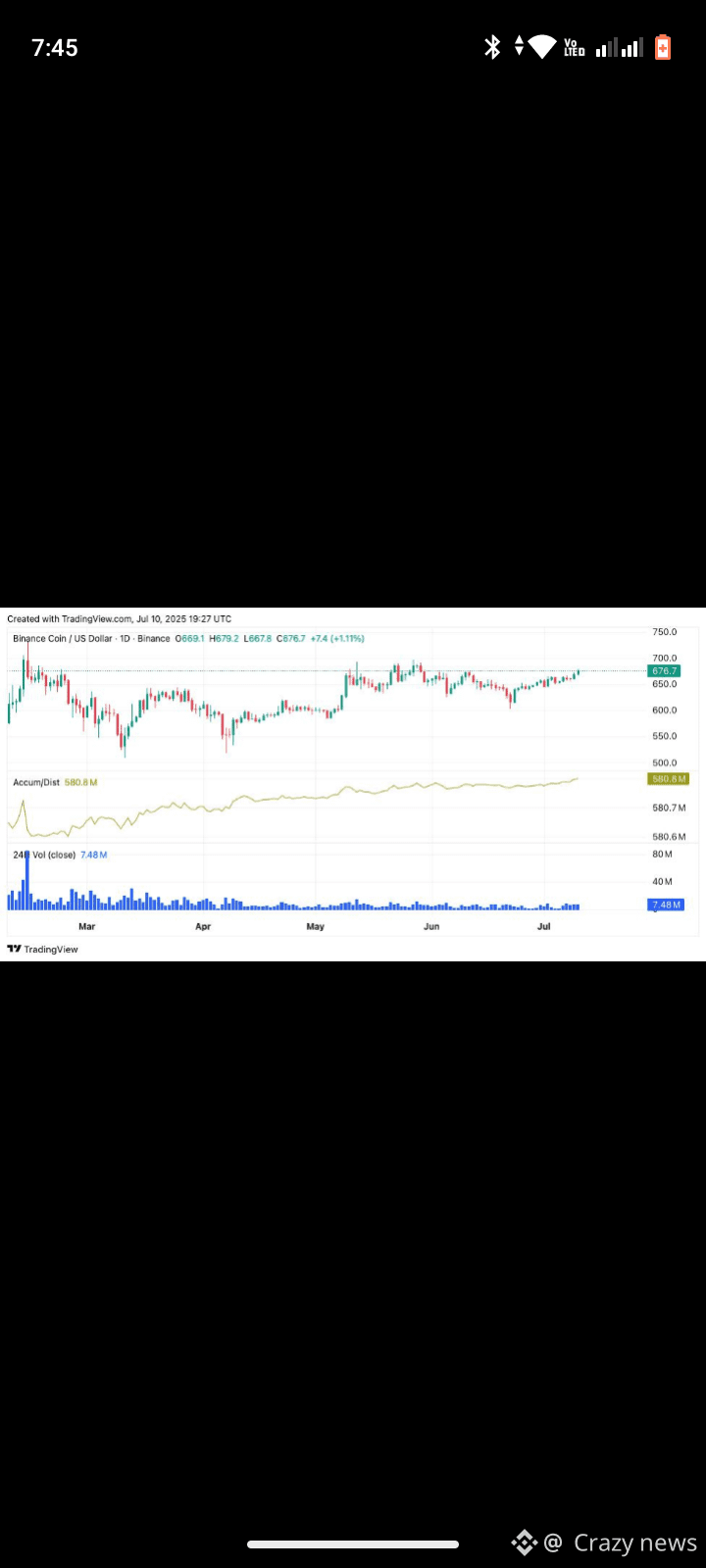
$BNB BNB is trading in a consolidation range after recent volatility. Buyers are defending the key support zone around $550–$570, while resistance remains near $600. A strong breakout above resistance could open the door for further upside, but a drop below support may trigger additional selling pressure. Recent BNB Chain ecosystem developments remain positive, although regulatory uncertainty continues to weigh on market sentiment. Overall, the short-term outlook is neutral to slightly bullish, with traders watching for the next decisive breakout. Always use proper risk management before trading.
{spot}(BNBUSDT)
#GoldRetreatsFromTwoWeekHigh #TreasuryCommerceVieForBitcoinReserveControl BitcoinFailsToHold$64.4K
$BNB BNB is trading in a consolidation range after recent volatility. Buyers are defending the key support zone around $550–$570, while resistance remains near $600. A strong breakout above resistance could open the door for further upside, but a drop below support may trigger additional selling pressure. Recent BNB Chain ecosystem developments remain positive, although regulatory uncertainty continues to weigh on market sentiment. Overall, the short-term outlook is neutral to slightly bullish, with traders watching for the next decisive breakout. Always use proper risk management before trading.
#GoldRetreatsFromTwoWeekHigh #TreasuryCommerceVieForBitcoinReserveControl BitcoinFailsToHold$64.4K
#GoldRetreatsFromTwoWeekHigh #TreasuryCommerceVieForBitcoinReserveControl BitcoinFailsToHold$64.4K
101
·
--
Bullish
$BLUR READY FOR ANOTHER LEG UP? 🔥
🚀 +68.92% Pump & Strong Volume
Bulls are defending the breakout zone!
📍 Entry: 0.0248–0.0252
🎯 TP: 0.0275
🛑 SL: 0.0238
Hold the zone = next resistance attack incoming!
#BinanceTurns9 #BTCSharpeRatioFallsToLowestSince2022 #GoldRetreatsFromTwoWeekHigh #SamsungQuarterlyProfitSurges19Fold #BitcoinUpNearly7%ThisWeek
$BLUR READY FOR ANOTHER LEG UP? 🔥
🚀 +68.92% Pump & Strong Volume
Bulls are defending the breakout zone!
📍 Entry: 0.0248–0.0252
🎯 TP: 0.0275
🛑 SL: 0.0238
Hold the zone = next resistance attack incoming!
#BinanceTurns9 #BTCSharpeRatioFallsToLowestSince2022 #GoldRetreatsFromTwoWeekHigh #SamsungQuarterlyProfitSurges19Fold #BitcoinUpNearly7%ThisWeek
🚀 +68.92% Pump & Strong Volume
Bulls are defending the breakout zone!
📍 Entry: 0.0248–0.0252
🎯 TP: 0.0275
🛑 SL: 0.0238
Hold the zone = next resistance attack incoming!
#BinanceTurns9 #BTCSharpeRatioFallsToLowestSince2022 #GoldRetreatsFromTwoWeekHigh #SamsungQuarterlyProfitSurges19Fold #BitcoinUpNearly7%ThisWeek
123

·
--
Bullish
$ETH SHORT LIQUIDATION ALERT — Binance
I’m watching a $15.535K short liquidation at $1,783.02. Sellers got forced out, and this can bring more buying pressure if ETH holds strong.
The market can move fast after shorts get trapped. I’m watching this level closely for a clean continuation.
Current price: Around $1,783.02
24H price change: Check the live chart before entry
Buy zone: $1,760 – $1,783
Target 1: $1,810
Target 2: $1,845
Target 3: $1,900
Stop-loss: $1,735
Key support: $1,760, then $1,735
Key resistance: $1,810, then $1,845
Market feeling: Bullish while ETH stays above $1,760. A strong break above $1,810 can trap more shorts and push price higher.
I’m waiting for a safe pullback. I don’t chase green candles—I wait for the market to confirm.
Follow for more
Share with your trading fam.
{spot}(ETHUSDT)
#BinanceTurns9 #BTCSharpeRatioFallsToLowestSince2022 #KospiFalls4.91%TriggersCircuitBreaker #GoldRetreatsFromTwoWeekHigh #SamsungQuarterlyProfitSurges19Fold
$ETH SHORT LIQUIDATION ALERT — Binance
I’m watching a $15.535K short liquidation at $1,783.02. Sellers got forced out, and this can bring more buying pressure if ETH holds strong.
The market can move fast after shorts get trapped. I’m watching this level closely for a clean continuation.
Current price: Around $1,783.02
24H price change: Check the live chart before entry
Buy zone: $1,760 – $1,783
Target 1: $1,810
Target 2: $1,845
Target 3: $1,900
Stop-loss: $1,735
Key support: $1,760, then $1,735
Key resistance: $1,810, then $1,845
Market feeling: Bullish while ETH stays above $1,760. A strong break above $1,810 can trap more shorts and push price higher.
I’m waiting for a safe pullback. I don’t chase green candles—I wait for the market to confirm.
Follow for more
Share with your trading fam.
#BinanceTurns9 #BTCSharpeRatioFallsToLowestSince2022 #KospiFalls4.91%TriggersCircuitBreaker #GoldRetreatsFromTwoWeekHigh #SamsungQuarterlyProfitSurges19Fold
I’m watching a $15.535K short liquidation at $1,783.02. Sellers got forced out, and this can bring more buying pressure if ETH holds strong.
The market can move fast after shorts get trapped. I’m watching this level closely for a clean continuation.
Current price: Around $1,783.02
24H price change: Check the live chart before entry
Buy zone: $1,760 – $1,783
Target 1: $1,810
Target 2: $1,845
Target 3: $1,900
Stop-loss: $1,735
Key support: $1,760, then $1,735
Key resistance: $1,810, then $1,845
Market feeling: Bullish while ETH stays above $1,760. A strong break above $1,810 can trap more shorts and push price higher.
I’m waiting for a safe pullback. I don’t chase green candles—I wait for the market to confirm.
Follow for more
Share with your trading fam.
#BinanceTurns9 #BTCSharpeRatioFallsToLowestSince2022 #KospiFalls4.91%TriggersCircuitBreaker #GoldRetreatsFromTwoWeekHigh #SamsungQuarterlyProfitSurges19Fold
20
Log in to explore more content
Join global crypto users on Binance Square
⚡️ Get latest and useful information about crypto.
💬 Trusted by the world’s largest crypto exchange.
👍 Discover real insights from verified creators.
Email / Phone number
Trending Topics
1
#BinanceLaunchesBinanceIntelligence
618,447 views
3,802 Discussing
2
#BTCFallsBelow$84K
2,221 views
26 Discussing
3
#WinklevossFilesSpotZcashETFApplication
4,227 views
99 Discussing
4
#SouthKoreaAITradeLiftsWorldcoinTo$7.41B
571 views
12 Discussing
5
#StrategyEstimates$4.1BIncomeTaxBenefit
559 views
10 Discussing
6
#IglooShutsDownAbstractBlockchain
794 views
47 Discussing
7
#StrategyMarketCapSurpassesRumble
33,102 views
712 Discussing
8
#StriveBuys2000BTCFor$169M
17,271 views
153 Discussing
9
#EvernorthXRPTreasuryCompletesSPACMerger
233,030 views
1,908 Discussing
10
#ADAGains10%Above$0.27
80,370 views
265 Discussing