
#ftxcreditorpayouts
ftxcreditorpayouts
1.6M views
11,534 Discussing
Hot
Latest




I am listening to a live broadcast
"Is trading in cryptocurrencies the ultimate goal?" on Binance Square, join me here:
https://app.binance.com/uni-qr/cspa/38039948569201?r=P5I1T110&l=pl&uc=app_square_share_link&us=copylink
#iOSSecurityUpdate #AnimocaBrandsInvestsinAVAX #FTXCreditorPayouts
"Is trading in cryptocurrencies the ultimate goal?" on Binance Square, join me here:
https://app.binance.com/uni-qr/cspa/38039948569201?r=P5I1T110&l=pl&uc=app_square_share_link&us=copylink
#iOSSecurityUpdate #AnimocaBrandsInvestsinAVAX #FTXCreditorPayouts

Cardano......
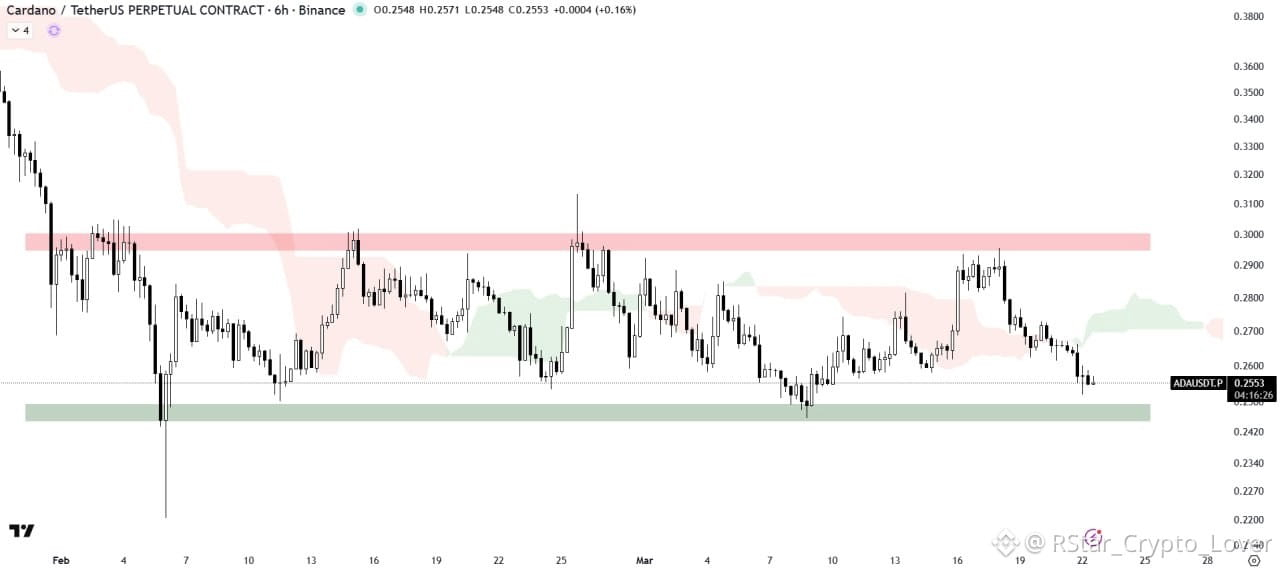
#ADA/USDT ANALYSIS
ADA is consolidating within a rectangle range and currently holding above the horizontal demand zone of the channel.
The Ichimoku Cloud is acting as a resistance barrier above the price. As long as price sustains above this demand zone, a rebound toward the upper range is likely.
#FTXCreditorPayouts
#Cardano #ADA
#SECClarifiesCryptoClassification
#AnimocaBrandsInvestsinAVAX
#ADA/USDT ANALYSIS
ADA is consolidating within a rectangle range and currently holding above the horizontal demand zone of the channel.
The Ichimoku Cloud is acting as a resistance barrier above the price. As long as price sustains above this demand zone, a rebound toward the upper range is likely.
#FTXCreditorPayouts
#Cardano #ADA
#SECClarifiesCryptoClassification
#AnimocaBrandsInvestsinAVAX
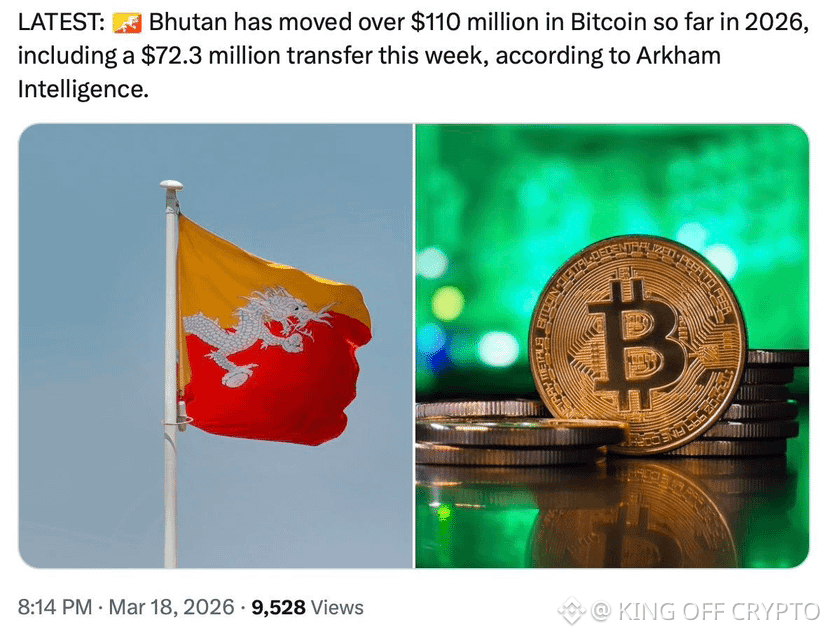
🇧🇹 BHUTAN MOVES OVER $110M IN BITCOIN IN 2026
💸 The country transferred over $110M in BTC this year, including $72.3M this week.
🔍 The movements indicate ongoing state activity with crypto, according to Arkham.
#OpenAIPlansDesktopSuperapp #AnimocaBrandsInvestsinAVAX #BinanceKOLIntroductionProgram #FTXCreditorPayouts #SECApprovesNasdaqTokenizedStocksPilot $BTC $USDC
💸 The country transferred over $110M in BTC this year, including $72.3M this week.
🔍 The movements indicate ongoing state activity with crypto, according to Arkham.
#OpenAIPlansDesktopSuperapp #AnimocaBrandsInvestsinAVAX #BinanceKOLIntroductionProgram #FTXCreditorPayouts #SECApprovesNasdaqTokenizedStocksPilot $BTC $USDC

Do traders have weekend holidays ?
#FTXCreditorPayouts
#FTXCreditorPayouts


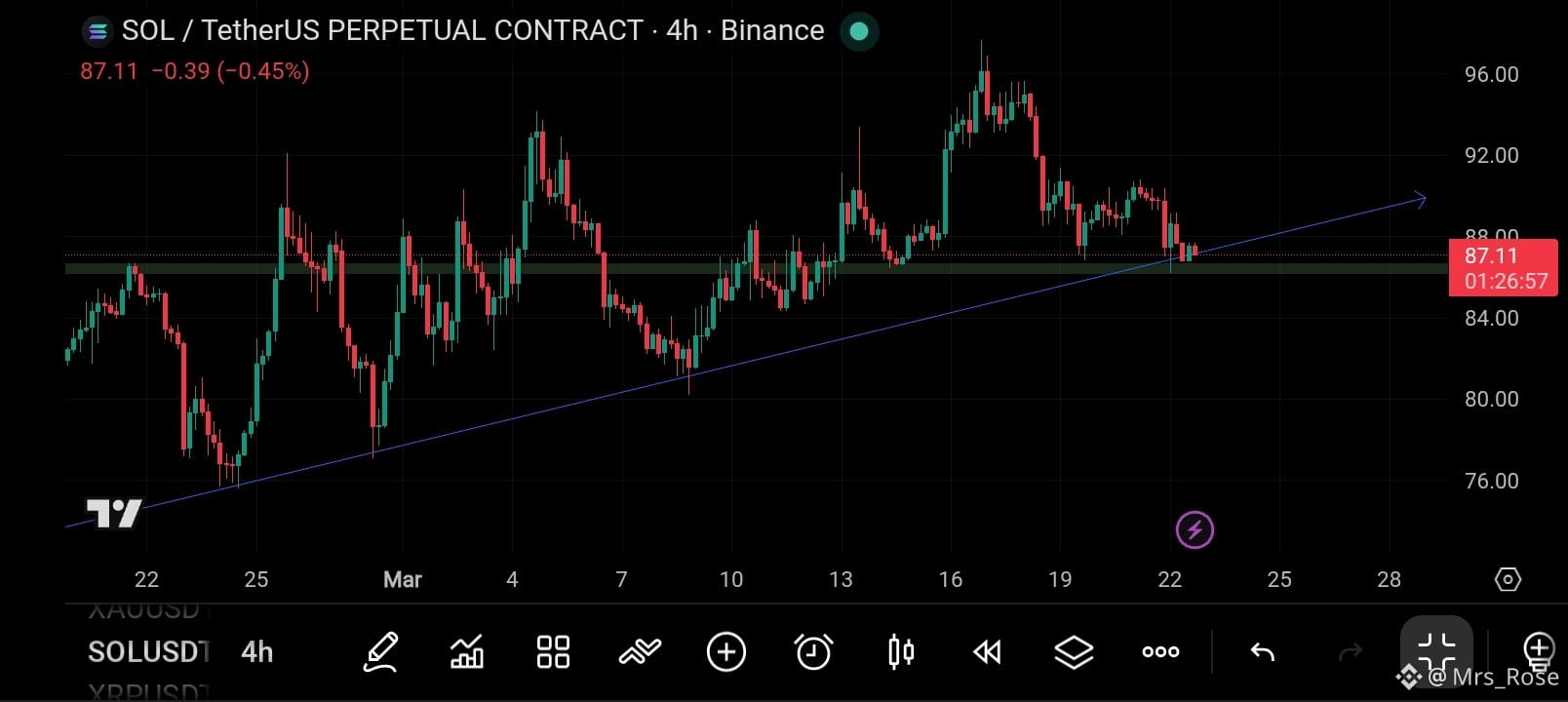
Guys! I'm going long on $SOL cos it is moving sideways on the 4H timeframe after holding above the 87 support zone. Price is forming a range between 87 and 96, showing accumulation before the next move.
Entry
88.0 – 92.0
Targets
TP1: 96.0
TP2: 102.0
TP3: 110.0
Stop Loss
84.0
Market is in consolidation, so avoid overtrading. Wait for a clear breakout above 96 for continuation or buy near support around 88. Keep risk within 2–3% and adjust position size accordingly.
#SOL #SOLONA #iOSSecurityUpdate #FTXCreditorPayouts #MarchFedMeeting
Entry
88.0 – 92.0
Targets
TP1: 96.0
TP2: 102.0
TP3: 110.0
Stop Loss
84.0
Market is in consolidation, so avoid overtrading. Wait for a clear breakout above 96 for continuation or buy near support around 88. Keep risk within 2–3% and adjust position size accordingly.
#SOL #SOLONA #iOSSecurityUpdate #FTXCreditorPayouts #MarchFedMeeting


$BULLA Price is heavily down from ATH ~$0.50 (−98% crash). �
CoinGecko$BULLA
Overall trend still bearish.
Extreme Volatility
Massive pump → crash cycles (typical meme coin). �
CoinMarketCap
Dropped 90–96% in hours/days recently. �
CoinMarketCap
Recent Movement
Short-term: slight bounce but weak.
Technical signals: Strong Sell (daily timeframe) �
Bitget
Volume Declining
Trading activity dropped sharply → weak interest. �
CoinGecko
Support Zone
Around $0.007 – $0.008 (current base)
Resistance Levels
$0.012 (first)
$0.020 (major)
#TrumpConsidersEndingIranConflict #iOSSecurityUpdate #OpenAIPlansDesktopSuperapp #FTXCreditorPayouts
CoinGecko$BULLA
Overall trend still bearish.
Extreme Volatility
Massive pump → crash cycles (typical meme coin). �
CoinMarketCap
Dropped 90–96% in hours/days recently. �
CoinMarketCap
Recent Movement
Short-term: slight bounce but weak.
Technical signals: Strong Sell (daily timeframe) �
Bitget
Volume Declining
Trading activity dropped sharply → weak interest. �
CoinGecko
Support Zone
Around $0.007 – $0.008 (current base)
Resistance Levels
$0.012 (first)
$0.020 (major)
#TrumpConsidersEndingIranConflict #iOSSecurityUpdate #OpenAIPlansDesktopSuperapp #FTXCreditorPayouts

$ETH
To regain bullish momentum, ETH needs to break and hold above $2,400. A move toward $2,700 would be required to confirm a full trend reversal.#BinanceKOLIntroductionProgram #FTXCreditorPayouts #MarchFedMeeting #SECApprovesNasdaqTokenizedStocksPilot #USFebruaryPPISurgedSurprisingly
To regain bullish momentum, ETH needs to break and hold above $2,400. A move toward $2,700 would be required to confirm a full trend reversal.#BinanceKOLIntroductionProgram #FTXCreditorPayouts #MarchFedMeeting #SECApprovesNasdaqTokenizedStocksPilot #USFebruaryPPISurgedSurprisingly

Opera wants a huge chunk of CELO about 27% of all tokens. Big bet or big risk?
Opera is making a bold move opting to swap its cash deal with Celo for a massive 160 million CELO tokens, a stake that could hand it control of roughly 27% of the entire circulating supply.
#YZiLabsInvestsInRoboForce #FTXCreditorPayouts
Opera is making a bold move opting to swap its cash deal with Celo for a massive 160 million CELO tokens, a stake that could hand it control of roughly 27% of the entire circulating supply.
#YZiLabsInvestsInRoboForce #FTXCreditorPayouts



Good Morning friends! ☀️. BNB is looking absolutely 🔥🔥 up it's will hit $700, ready to launch like a 🚀! I'm watching for a huge win 🤑.
#AnimocaBrandsInvestsinAVAX #TrumpConsidersEndingIranConflict #FTXCreditorPayouts #MarchFedMeeting #OpenAIPlansDesktopSuperapp
$LINK $AVAX $ADA
#AnimocaBrandsInvestsinAVAX #TrumpConsidersEndingIranConflict #FTXCreditorPayouts #MarchFedMeeting #OpenAIPlansDesktopSuperapp
$LINK $AVAX $ADA


Dear traders, stay calm $BTC is moving exactly as predicted.
The expected dump into the 68K–70K zone played out perfectly, and price has already taken support from this area. This confirms strong buyer interest at these levels.
Those who entered long with me hold your trades with confidence. The structure is now shifting bullish, and momentum is building again.
This strength continues, we are already on track toward the next targets around 78K–80K.
Trust the setup the move is unfolding as planned.
#MarchFedMeeting #FTXCreditorPayouts
The expected dump into the 68K–70K zone played out perfectly, and price has already taken support from this area. This confirms strong buyer interest at these levels.
Those who entered long with me hold your trades with confidence. The structure is now shifting bullish, and momentum is building again.
This strength continues, we are already on track toward the next targets around 78K–80K.
Trust the setup the move is unfolding as planned.
#MarchFedMeeting #FTXCreditorPayouts
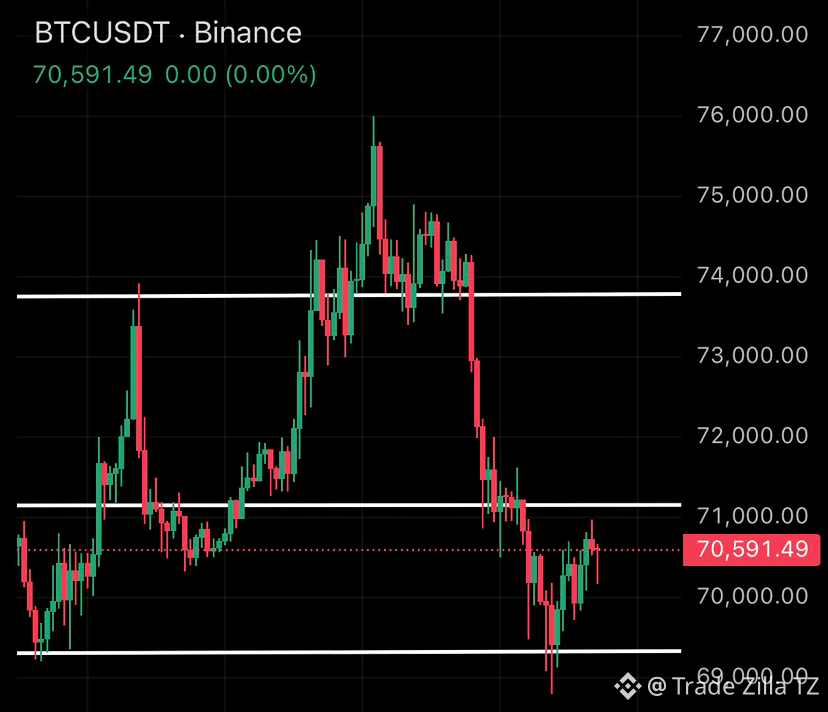
Guys, stay calm……. $BTC is moving exactly as expected, and there’s no need to panic.
The dump into the 68K–70K zone was part of the plan, and now $BTC price has reacted perfectly from support. This confirms that buyers are stepping in and defending this level.
For those who entered long positions earlier, this is the moment to stay patient and trust the setup. As long as $BTC holds this support, the structure still favors an upside move.
Now, momentum continues to build from here, the next expected move is toward higher levels around 78K–80K.
Stay disciplined, hold your positions, and let the market play out.
#MarchFedMeeting #FTXCreditorPayouts
The dump into the 68K–70K zone was part of the plan, and now $BTC price has reacted perfectly from support. This confirms that buyers are stepping in and defending this level.
For those who entered long positions earlier, this is the moment to stay patient and trust the setup. As long as $BTC holds this support, the structure still favors an upside move.
Now, momentum continues to build from here, the next expected move is toward higher levels around 78K–80K.
Stay disciplined, hold your positions, and let the market play out.
#MarchFedMeeting #FTXCreditorPayouts
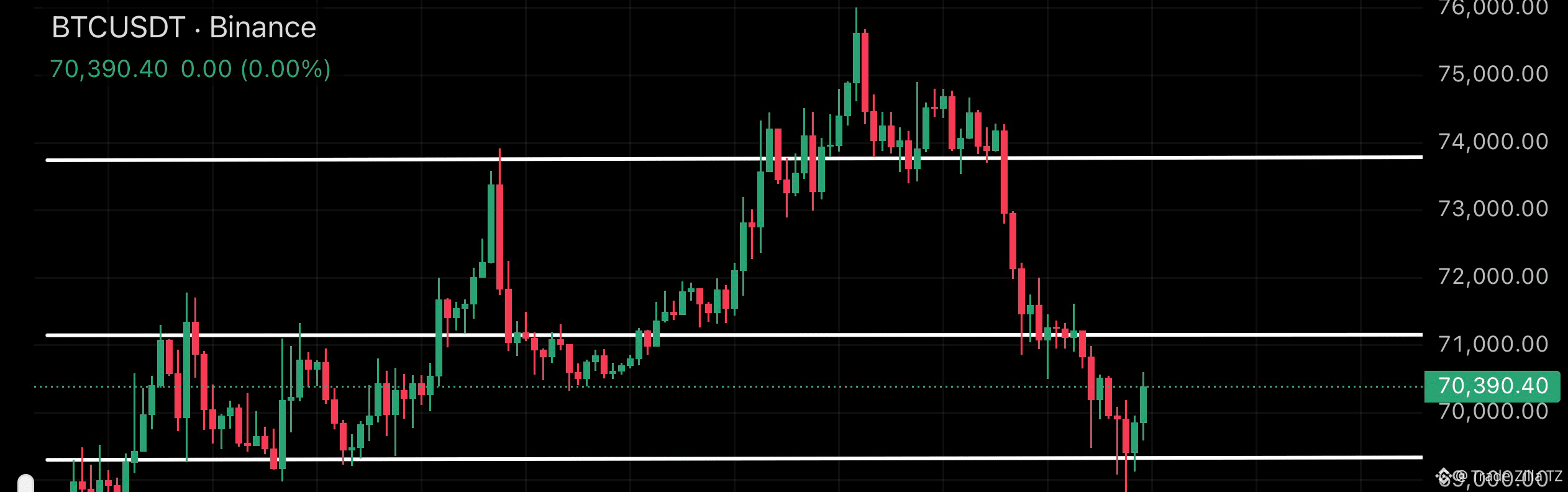




$BTC /USDT Dump Zone Activated — Smart Money at Play!
$BTC currently trading near $70,237 after a strong rejection from the $74K zone, showing clear bearish momentum on lower timeframes. The market has been under heavy selling pressure, and recent candles indicate that a panic phase may start.
Volume spikes confirm that big players are active — either a relief bounce will come from here, or another flush 👀
Trade Setup:
🔻 Bearish Play:
Entry: Below $70,000 confirm
TP1: $69,200
TP2: $68,300
SL: $70,800
Bullish Play (Relief Bounce):
Entry: $69,500 – $70,000 zone
TP1: $71,200
TP2: $72,000
SL: $68,800
Insight:
This looks like a classic liquidity hunt — weak hands exit, smart money reloads. The next move will be explosive.
#BinanceKOLIntroductionProgram #FTXCreditorPayouts #MarchFedMeeting #USFebruaryPPISurgedSurprisingly BitcoinHits$75K#YZiLabsInvestsInRoboForce
$BTC
$BTC currently trading near $70,237 after a strong rejection from the $74K zone, showing clear bearish momentum on lower timeframes. The market has been under heavy selling pressure, and recent candles indicate that a panic phase may start.
Volume spikes confirm that big players are active — either a relief bounce will come from here, or another flush 👀
Trade Setup:
🔻 Bearish Play:
Entry: Below $70,000 confirm
TP1: $69,200
TP2: $68,300
SL: $70,800
Bullish Play (Relief Bounce):
Entry: $69,500 – $70,000 zone
TP1: $71,200
TP2: $72,000
SL: $68,800
Insight:
This looks like a classic liquidity hunt — weak hands exit, smart money reloads. The next move will be explosive.
#BinanceKOLIntroductionProgram #FTXCreditorPayouts #MarchFedMeeting #USFebruaryPPISurgedSurprisingly BitcoinHits$75K#YZiLabsInvestsInRoboForce
$BTC
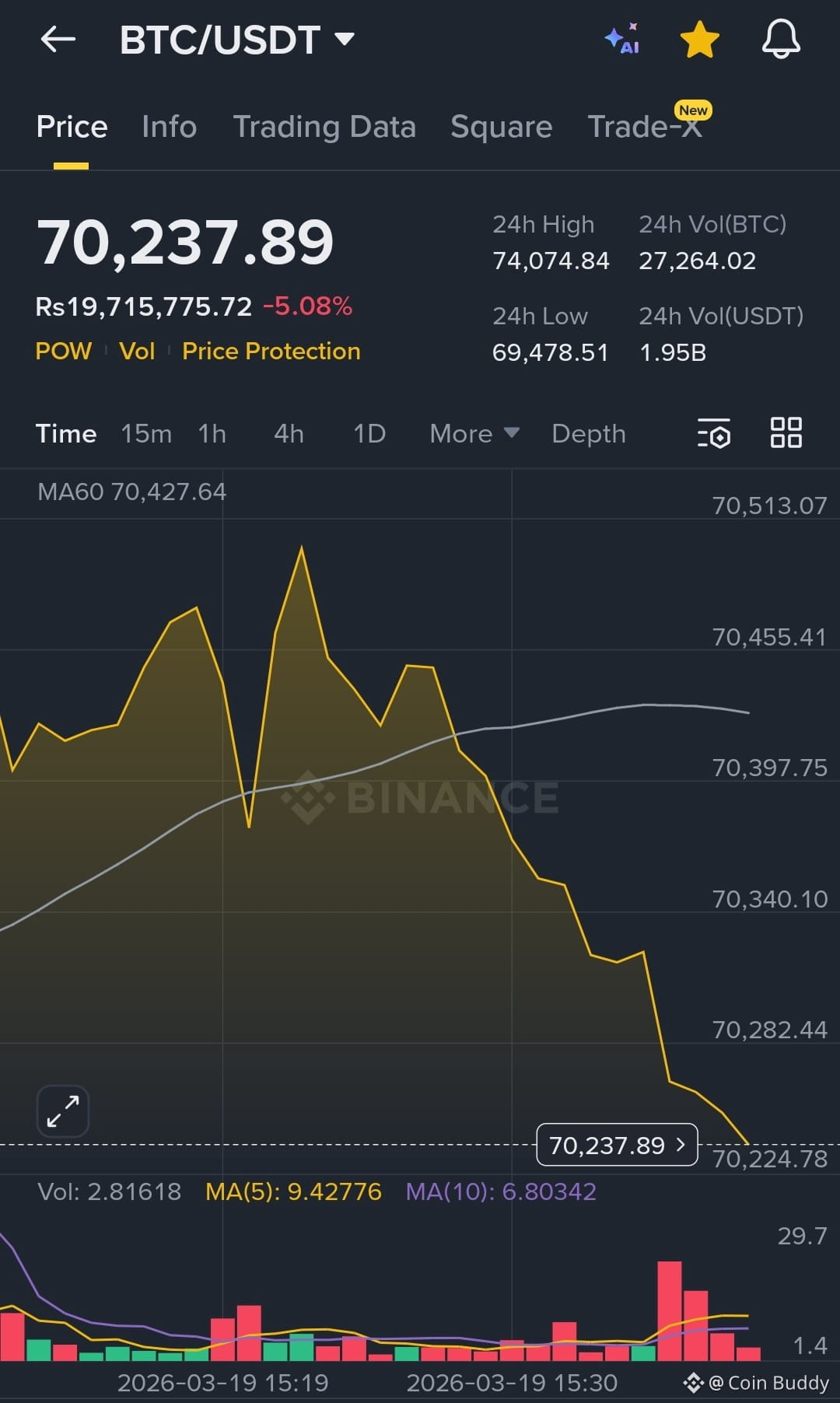

Let's Traders be attentions if Market hold this levels and move it Will just Collect the BSL from privious creating Swing High so may we see a sharp and interesting move from that levels why because we know the market and reading them Carefully.
how to trade and how to make Money which pairs currently is providing Buy Uppertunity let's just drop the Comments will show all the pairs widly that can give you A good profit with following risk in them.
#TrumpConsidersEndingIranConflict
#iOSSecurityUpdate
#OpenAIPlansDesktopSuperapp
#AnimocaBrandsInvestsinAVAX
#FTXCreditorPayouts
how to trade and how to make Money which pairs currently is providing Buy Uppertunity let's just drop the Comments will show all the pairs widly that can give you A good profit with following risk in them.
#TrumpConsidersEndingIranConflict
#iOSSecurityUpdate
#OpenAIPlansDesktopSuperapp
#AnimocaBrandsInvestsinAVAX
#FTXCreditorPayouts

Partly True
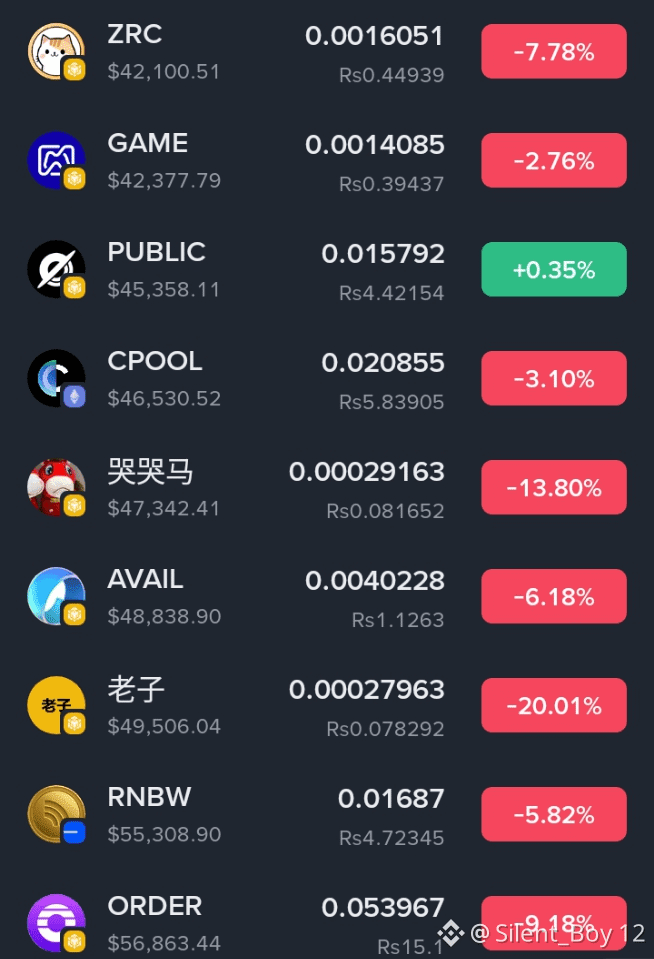
Market is flashing mixed signals as volatility hits hard, $ZRC drops to 0.0016051 with -7.78%, GAME slides to 0.0014085 losing -2.76%, while holds steady at 0.015792 with a slight +0.35% gain, weakens to 0.020855 down -3.10%, meme pressure intensifies with 哭哭马 crashing -13.80% and 老子 collapsing -20.01%, AVAIL dips -6.18% at 0.0040228, RNBW falls -5.82% to 0.01687, and ORDER stands at 0.053967 as traders watch closely for the next breakout or deeper correction in this high tension market.
$PUBLIC
#FTXCreditorPayouts #BinanceKOLIntroductionProgram
$CPOOL
$PUBLIC
#FTXCreditorPayouts #BinanceKOLIntroductionProgram
$CPOOL


Log in to explore more content