

#crossriverintegratesrlusdintocorebanking
crossriverintegratesrlusdintocorebanking
10,143 views
118 Discussing
Hot
Latest

·
--
everyone thinks a bank plugging a stablecoin into core banking means the chart is about to wake up, but actually the trade usually died the second it became plumbing.
you know that pain. headline drops, you fomo in, then you're stuck watching $usdt keep clearing the real flow while your bag just chops. no clean exit because there was never a real entry, just a press release.
cross river wiring rlusd into actual banking ops is the case study. ngl this is accounts and settlement getting fewer hops, not a degen setup. fear and greed at 50 fits, ser. neutral tape, quiet money. people still map it straight to $xrp like the bank just underwrote a rally. they didn't.
the miss is treating integration like a listing. who sits inside the bank stack matters more than who trends for a day, and infra around that, think $link style pipes, matters more than another stablecoin season story. wagmi only if you're tracking where dollars actually settle, not the ticker you panic bought.
anyone else seeing this or is it just me?
#CrossRiverIntegratesRLUSDIntoCoreBanking #StablecoinPaymentsRise45 #AustraliaProposesCryptoTransactionReportingLaw
everyone thinks a bank plugging a stablecoin into core banking means the chart is about to wake up, but actually the trade usually died the second it became plumbing.
you know that pain. headline drops, you fomo in, then you're stuck watching $usdt keep clearing the real flow while your bag just chops. no clean exit because there was never a real entry, just a press release.
cross river wiring rlusd into actual banking ops is the case study. ngl this is accounts and settlement getting fewer hops, not a degen setup. fear and greed at 50 fits, ser. neutral tape, quiet money. people still map it straight to $xrp like the bank just underwrote a rally. they didn't.
the miss is treating integration like a listing. who sits inside the bank stack matters more than who trends for a day, and infra around that, think $link style pipes, matters more than another stablecoin season story. wagmi only if you're tracking where dollars actually settle, not the ticker you panic bought.
anyone else seeing this or is it just me?
#CrossRiverIntegratesRLUSDIntoCoreBanking #StablecoinPaymentsRise45 #AustraliaProposesCryptoTransactionReportingLaw
you know that pain. headline drops, you fomo in, then you're stuck watching $usdt keep clearing the real flow while your bag just chops. no clean exit because there was never a real entry, just a press release.
cross river wiring rlusd into actual banking ops is the case study. ngl this is accounts and settlement getting fewer hops, not a degen setup. fear and greed at 50 fits, ser. neutral tape, quiet money. people still map it straight to $xrp like the bank just underwrote a rally. they didn't.
the miss is treating integration like a listing. who sits inside the bank stack matters more than who trends for a day, and infra around that, think $link style pipes, matters more than another stablecoin season story. wagmi only if you're tracking where dollars actually settle, not the ticker you panic bought.
anyone else seeing this or is it just me?
#CrossRiverIntegratesRLUSDIntoCoreBanking #StablecoinPaymentsRise45 #AustraliaProposesCryptoTransactionReportingLaw
4

A bank dropping a stablecoin into its core system doesn't make the token safer. It just parks the failure closer to a balance people treat like cash.
That's the part that actually costs people money. You assume you can exit whenever, then a peg wobble, a redemption queue, or a compliance freeze shows up and the app balance doesn't care how confident you felt an hour ago.
Cross River wiring $RLUSD into core banking is real plumbing, not a logo on a press release. Payments can start looking like ordinary bank money while the dollars still depend on an issuer, a reserve setup, and someone who can pause flows your UI never mentioned. $USDT already taught this market that "stable" is a business model with good days and awkward ones, and sitting inside the $XRP ecosystem doesn't delete issuer or regulatory risk just because a chartered bank is in the headline.
Fear and greed is sitting right at neutral, so headlines like this get read as clean adoption. That's usually when the exit plan gets skipped. The damage tends to be boring: delayed redemptions, reserve questions, and reporting rules that turn a payment you thought was settled into something you have to explain later. Stablecoin payments have already been climbing hard, which means more of this will look normal before anyone stress-tests the ugly day.
If a redemption hiccup hits a bank-integrated balance instead of an exchange wallet, where do you think this goes?
#CrossRiverIntegratesRLUSDIntoCoreBanking #StablecoinPaymentsRise45 #AustraliaProposesCryptoTransactionReportingLaw
A bank dropping a stablecoin into its core system doesn't make the token safer. It just parks the failure closer to a balance people treat like cash.
That's the part that actually costs people money. You assume you can exit whenever, then a peg wobble, a redemption queue, or a compliance freeze shows up and the app balance doesn't care how confident you felt an hour ago.
Cross River wiring $RLUSD into core banking is real plumbing, not a logo on a press release. Payments can start looking like ordinary bank money while the dollars still depend on an issuer, a reserve setup, and someone who can pause flows your UI never mentioned. $USDT already taught this market that "stable" is a business model with good days and awkward ones, and sitting inside the $XRP ecosystem doesn't delete issuer or regulatory risk just because a chartered bank is in the headline.
Fear and greed is sitting right at neutral, so headlines like this get read as clean adoption. That's usually when the exit plan gets skipped. The damage tends to be boring: delayed redemptions, reserve questions, and reporting rules that turn a payment you thought was settled into something you have to explain later. Stablecoin payments have already been climbing hard, which means more of this will look normal before anyone stress-tests the ugly day.
If a redemption hiccup hits a bank-integrated balance instead of an exchange wallet, where do you think this goes?
#CrossRiverIntegratesRLUSDIntoCoreBanking #StablecoinPaymentsRise45 #AustraliaProposesCryptoTransactionReportingLaw
That's the part that actually costs people money. You assume you can exit whenever, then a peg wobble, a redemption queue, or a compliance freeze shows up and the app balance doesn't care how confident you felt an hour ago.
Cross River wiring $RLUSD into core banking is real plumbing, not a logo on a press release. Payments can start looking like ordinary bank money while the dollars still depend on an issuer, a reserve setup, and someone who can pause flows your UI never mentioned. $USDT already taught this market that "stable" is a business model with good days and awkward ones, and sitting inside the $XRP ecosystem doesn't delete issuer or regulatory risk just because a chartered bank is in the headline.
Fear and greed is sitting right at neutral, so headlines like this get read as clean adoption. That's usually when the exit plan gets skipped. The damage tends to be boring: delayed redemptions, reserve questions, and reporting rules that turn a payment you thought was settled into something you have to explain later. Stablecoin payments have already been climbing hard, which means more of this will look normal before anyone stress-tests the ugly day.
If a redemption hiccup hits a bank-integrated balance instead of an exchange wallet, where do you think this goes?
#CrossRiverIntegratesRLUSDIntoCoreBanking #StablecoinPaymentsRise45 #AustraliaProposesCryptoTransactionReportingLaw
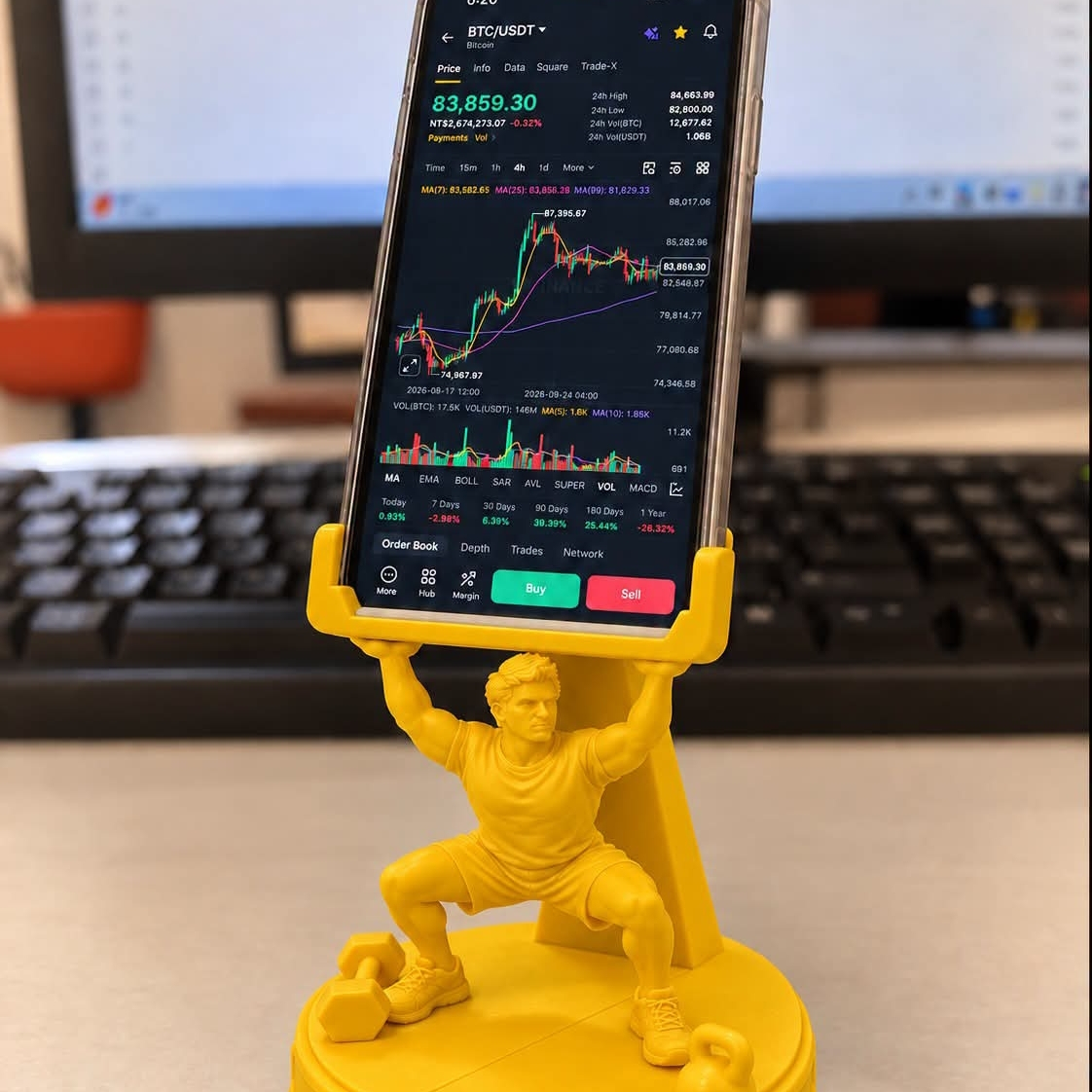
#CrossRiverIntegratesRLUSDIntoCoreBanking
🚨 STOP WATCHING THE PRICE. WATCH THE INFRASTRUCTURE! 👀
Cross River Bank + RLUSD = A STORY WORTH WATCHING. 🔥
🏦 What matters:
🔹 Stablecoins entering traditional finance
🔹 Blockchain-powered payment infrastructure
🔹 Real-world utility beyond speculation
⚡ The bigger picture? The future of payments could combine traditional banking with on-chain settlement.
Forget the short-term noise. ADOPTION IS THE STORY. 🌐
Could RLUSD become a bigger player in digital payments? 👇
#BankingNews #XRP #Stablecoins #CryptoNews
$XRP $BTC
#CrossRiverIntegratesRLUSDIntoCoreBanking
🚨 STOP WATCHING THE PRICE. WATCH THE INFRASTRUCTURE! 👀
Cross River Bank + RLUSD = A STORY WORTH WATCHING. 🔥
🏦 What matters:
🔹 Stablecoins entering traditional finance
🔹 Blockchain-powered payment infrastructure
🔹 Real-world utility beyond speculation
⚡ The bigger picture? The future of payments could combine traditional banking with on-chain settlement.
Forget the short-term noise. ADOPTION IS THE STORY. 🌐
Could RLUSD become a bigger player in digital payments? 👇
#BankingNews #XRP #Stablecoins #CryptoNews
$XRP $BTC
🚨 STOP WATCHING THE PRICE. WATCH THE INFRASTRUCTURE! 👀
Cross River Bank + RLUSD = A STORY WORTH WATCHING. 🔥
🏦 What matters:
🔹 Stablecoins entering traditional finance
🔹 Blockchain-powered payment infrastructure
🔹 Real-world utility beyond speculation
⚡ The bigger picture? The future of payments could combine traditional banking with on-chain settlement.
Forget the short-term noise. ADOPTION IS THE STORY. 🌐
Could RLUSD become a bigger player in digital payments? 👇
#BankingNews #XRP #Stablecoins #CryptoNews
$XRP $BTC
112

#CrossRiverIntegratesRLUSDIntoCoreBanking 🚨 **Cross River Integrates RLUSD Into Core Banking** 🏦
Ripple’s RLUSD stablecoin joins Cross River’s banking platform, enabling 24/7 payments and cross-border settlements through a single API. <Cite refs={["turn602275search0"]}/>
#RippleRLUSD #XRP #StablecoinPayments #BlockchainAdoption #CryptoNews
**Tokens:** $XRP · $RLUSD · $BTC
#CrossRiverIntegratesRLUSDIntoCoreBanking 🚨 **Cross River Integrates RLUSD Into Core Banking** 🏦
Ripple’s RLUSD stablecoin joins Cross River’s banking platform, enabling 24/7 payments and cross-border settlements through a single API. <Cite refs={["turn602275search0"]}/>
#RippleRLUSD #XRP #StablecoinPayments #BlockchainAdoption #CryptoNews
**Tokens:** $XRP · $RLUSD · $BTC
Ripple’s RLUSD stablecoin joins Cross River’s banking platform, enabling 24/7 payments and cross-border settlements through a single API. <Cite refs={["turn602275search0"]}/>
#RippleRLUSD #XRP #StablecoinPayments #BlockchainAdoption #CryptoNews
**Tokens:** $XRP · $RLUSD · $BTC
1
150

·
--
Bullish
Verified
#crossriverintegratesrlusdintocorebanking
🚀 Traditional Banking and Blockchain Are Coming Together!
A giant leap has been made in the world of crypto and fintech! Leading financial infrastructure provider Cross River Bank has partnered with blockchain giant Ripple, officially integrating Ripple’s US dollar-pegged stablecoin RLUSD into its core banking system (Core Operating System - COS)!
Here are the emoji-filled highlights of this major partnership connecting traditional finance and Web3:
🏦 Full Integration with a Single API: Fintech companies can now access RLUSD payments through a single API connection, without having to build their own blockchain infrastructure. 💱 Hybrid Payment Bridge: Businesses can move instantly and seamlessly between traditional bank transfers (ACH, Wire/EFT) and $RLUSD
{spot}(RLUSDUSDT)
transactions. Traditional dollars and digital dollars have come together under one roof! ⚡ Settlement in 3–5 Seconds: Thanks to RLUSD running on the XRP Ledger (XRPL), international transfers and treasury transactions that normally take days can be completed 24/7 in just 3 to 5 seconds, at a cost of just a tiny fraction of a cent. 📈 $2.5 Billion in Strength: Newly announced and continuing to grow, RLUSD has already demonstrated the scale of institutional demand, with a market capitalization exceeding $2.5 billion. 🗺️ Phased Rollout: Due to regulatory compliance requirements, this revolutionary service is currently available in only certain US states. $ACH $XRP
{future}(XRPUSDT)
{future}(ACHUSDT)
#crossriverintegratesrlusdintocorebanking
🚀 Traditional Banking and Blockchain Are Coming Together!
A giant leap has been made in the world of crypto and fintech! Leading financial infrastructure provider Cross River Bank has partnered with blockchain giant Ripple, officially integrating Ripple’s US dollar-pegged stablecoin RLUSD into its core banking system (Core Operating System - COS)!
Here are the emoji-filled highlights of this major partnership connecting traditional finance and Web3:
🏦 Full Integration with a Single API: Fintech companies can now access RLUSD payments through a single API connection, without having to build their own blockchain infrastructure. 💱 Hybrid Payment Bridge: Businesses can move instantly and seamlessly between traditional bank transfers (ACH, Wire/EFT) and $RLUSD
transactions. Traditional dollars and digital dollars have come together under one roof! ⚡ Settlement in 3–5 Seconds: Thanks to RLUSD running on the XRP Ledger (XRPL), international transfers and treasury transactions that normally take days can be completed 24/7 in just 3 to 5 seconds, at a cost of just a tiny fraction of a cent. 📈 $2.5 Billion in Strength: Newly announced and continuing to grow, RLUSD has already demonstrated the scale of institutional demand, with a market capitalization exceeding $2.5 billion. 🗺️ Phased Rollout: Due to regulatory compliance requirements, this revolutionary service is currently available in only certain US states. $ACH $XRP
🚀 Traditional Banking and Blockchain Are Coming Together!
A giant leap has been made in the world of crypto and fintech! Leading financial infrastructure provider Cross River Bank has partnered with blockchain giant Ripple, officially integrating Ripple’s US dollar-pegged stablecoin RLUSD into its core banking system (Core Operating System - COS)!
Here are the emoji-filled highlights of this major partnership connecting traditional finance and Web3:
🏦 Full Integration with a Single API: Fintech companies can now access RLUSD payments through a single API connection, without having to build their own blockchain infrastructure. 💱 Hybrid Payment Bridge: Businesses can move instantly and seamlessly between traditional bank transfers (ACH, Wire/EFT) and $RLUSD
transactions. Traditional dollars and digital dollars have come together under one roof! ⚡ Settlement in 3–5 Seconds: Thanks to RLUSD running on the XRP Ledger (XRPL), international transfers and treasury transactions that normally take days can be completed 24/7 in just 3 to 5 seconds, at a cost of just a tiny fraction of a cent. 📈 $2.5 Billion in Strength: Newly announced and continuing to grow, RLUSD has already demonstrated the scale of institutional demand, with a market capitalization exceeding $2.5 billion. 🗺️ Phased Rollout: Due to regulatory compliance requirements, this revolutionary service is currently available in only certain US states. $ACH $XRP
1
2.1k

·
--
Bullish
Verified
#crossriverintegratesrlusdintocorebanking
Cross River just brought Ripple’s RLUSD straight into its core banking system—making a bold move and turning heads! Now, cross-border payments can zip around the clock on the XRP Ledger, as fast as an ex can change their tune.
Market impact? Ripple’s stablecoin officially has a “passport” into traditional banking. XRP bulls have another reason to roar, while USDT and USDC are probably feeling pretty uneasy—the new rival is a heavyweight.
What should traders do? Stay tuned for developments, get your positions ready, and fuel up to ride the wave. But remember, this isn’t financial advice! If you don’t have an account yet, sign up using referral code VINHTOCDO or link [https://www.binance.com/register?ref=VINHTOCDO](https://www.binance.com/register?ref=VINHTOCDO) so we can ride the trend together.
Click a trading option below to support me:
$XRP
{spot}(XRPUSDT)
$RLUSD
{spot}(RLUSDUSDT)
$BNB
{spot}(BNBUSDT)
#Ripple #stablecoin #CrossRiver #XRPLedger #CryptoNews #CryptoTrading #VINHTOCDO
#crossriverintegratesrlusdintocorebanking
Cross River just brought Ripple’s RLUSD straight into its core banking system—making a bold move and turning heads! Now, cross-border payments can zip around the clock on the XRP Ledger, as fast as an ex can change their tune.
Market impact? Ripple’s stablecoin officially has a “passport” into traditional banking. XRP bulls have another reason to roar, while USDT and USDC are probably feeling pretty uneasy—the new rival is a heavyweight.
What should traders do? Stay tuned for developments, get your positions ready, and fuel up to ride the wave. But remember, this isn’t financial advice! If you don’t have an account yet, sign up using referral code VINHTOCDO or link https://www.binance.com/register?ref=VINHTOCDO so we can ride the trend together.
Click a trading option below to support me:
$XRP
$RLUSD
$BNB
#Ripple #stablecoin #CrossRiver #XRPLedger #CryptoNews #CryptoTrading #VINHTOCDO
Cross River just brought Ripple’s RLUSD straight into its core banking system—making a bold move and turning heads! Now, cross-border payments can zip around the clock on the XRP Ledger, as fast as an ex can change their tune.
Market impact? Ripple’s stablecoin officially has a “passport” into traditional banking. XRP bulls have another reason to roar, while USDT and USDC are probably feeling pretty uneasy—the new rival is a heavyweight.
What should traders do? Stay tuned for developments, get your positions ready, and fuel up to ride the wave. But remember, this isn’t financial advice! If you don’t have an account yet, sign up using referral code VINHTOCDO or link https://www.binance.com/register?ref=VINHTOCDO so we can ride the trend together.
Click a trading option below to support me:
$XRP
$RLUSD
$BNB
#Ripple #stablecoin #CrossRiver #XRPLedger #CryptoNews #CryptoTrading #VINHTOCDO
Thanh cuong:
@BiBi Kiểm tra tính xác thực của nội dung này
2
7
2.4k



·
--
Bullish
30D trade $BTC 13.8K USDT
$BTC 🟢 $BTC Long Trade Signal
Entry: $82,170
Leverage: 10x
Direction: LONG 📈
🎯 TP1: $82,800
🎯 TP2: $83,500
🎯 TP3: $84,300
🛑 Stop Loss: $81,600
$BTC
{future}(BTCUSDT)
BTC is attempting to reclaim the $82K area. Holding above the entry zone could open the way toward the higher resistance levels.
⚠️ 10x leverage carries extreme liquidation risk. Keep the position size small and use a strict stop.
#CrossRiverIntegratesRLUSDIntoCoreBanking
$BTC 🟢 $BTC Long Trade Signal
Entry: $82,170
Leverage: 10x
Direction: LONG 📈
🎯 TP1: $82,800
🎯 TP2: $83,500
🎯 TP3: $84,300
🛑 Stop Loss: $81,600
$BTC
BTC is attempting to reclaim the $82K area. Holding above the entry zone could open the way toward the higher resistance levels.
⚠️ 10x leverage carries extreme liquidation risk. Keep the position size small and use a strict stop.
#CrossRiverIntegratesRLUSDIntoCoreBanking
Entry: $82,170
Leverage: 10x
Direction: LONG 📈
🎯 TP1: $82,800
🎯 TP2: $83,500
🎯 TP3: $84,300
🛑 Stop Loss: $81,600
$BTC
BTC is attempting to reclaim the $82K area. Holding above the entry zone could open the way toward the higher resistance levels.
⚠️ 10x leverage carries extreme liquidation risk. Keep the position size small and use a strict stop.
#CrossRiverIntegratesRLUSDIntoCoreBanking
2
582

·
--
Bullish
$TIA IS ON FIRE! Up 27% and smashing through the 4H chart!
Support: $0.63
Resistance: $0.70–$0.715
Targets: $0.75 / $0.78 / $0.80
Risk level: Below $0.63, watch $0.60–$0.58.
A 4H close above $0.715 could trigger another leg up, while losing $0.63 risks a deeper pullback toward $0.54.
$TIA
{future}(TIAUSDT)
#USSeptemberPPIRisesTo6.3% #RussiaToBanDirectCryptoP2PTradesFromJuly2027 #MSCIFinalizesRulesThatCouldExcludeStrategy #CrossRiverIntegratesRLUSDIntoCoreBanking
$TIA IS ON FIRE! Up 27% and smashing through the 4H chart!
Support: $0.63
Resistance: $0.70–$0.715
Targets: $0.75 / $0.78 / $0.80
Risk level: Below $0.63, watch $0.60–$0.58.
A 4H close above $0.715 could trigger another leg up, while losing $0.63 risks a deeper pullback toward $0.54.
$TIA
#USSeptemberPPIRisesTo6.3% #RussiaToBanDirectCryptoP2PTradesFromJuly2027 #MSCIFinalizesRulesThatCouldExcludeStrategy #CrossRiverIntegratesRLUSDIntoCoreBanking
Support: $0.63
Resistance: $0.70–$0.715
Targets: $0.75 / $0.78 / $0.80
Risk level: Below $0.63, watch $0.60–$0.58.
A 4H close above $0.715 could trigger another leg up, while losing $0.63 risks a deeper pullback toward $0.54.
$TIA
#USSeptemberPPIRisesTo6.3% #RussiaToBanDirectCryptoP2PTradesFromJuly2027 #MSCIFinalizesRulesThatCouldExcludeStrategy #CrossRiverIntegratesRLUSDIntoCoreBanking
224

·
--
Bullish
$AKE Pro Trader Analysis
Price: $0.030266, up 6.46%. Support: $0.0298–$0.0300. Resistance: $0.0314, $0.0322, $0.0330. TG1: $0.0314, TG2: $0.0322, TG3: $0.0337. Short-term bullish above support; long-term confirmation requires volume. Stop-loss below $0.0298. $DYOR.US , manage risk, avoid leverage.
$AKE
{future}(AKEUSDT)
#AustraliaProposesCryptoTransactionReportingLaw #USSeptemberPPIRisesTo6.3% #NEARRisesNearly10% #CrossRiverIntegratesRLUSDIntoCoreBanking #MSCIFinalizesRulesThatCouldExcludeStrategy
$AKE Pro Trader Analysis
Price: $0.030266, up 6.46%. Support: $0.0298–$0.0300. Resistance: $0.0314, $0.0322, $0.0330. TG1: $0.0314, TG2: $0.0322, TG3: $0.0337. Short-term bullish above support; long-term confirmation requires volume. Stop-loss below $0.0298. $DYOR.US , manage risk, avoid leverage.
$AKE
#AustraliaProposesCryptoTransactionReportingLaw #USSeptemberPPIRisesTo6.3% #NEARRisesNearly10% #CrossRiverIntegratesRLUSDIntoCoreBanking #MSCIFinalizesRulesThatCouldExcludeStrategy
Price: $0.030266, up 6.46%. Support: $0.0298–$0.0300. Resistance: $0.0314, $0.0322, $0.0330. TG1: $0.0314, TG2: $0.0322, TG3: $0.0337. Short-term bullish above support; long-term confirmation requires volume. Stop-loss below $0.0298. $DYOR.US , manage risk, avoid leverage.
$AKE
#AustraliaProposesCryptoTransactionReportingLaw #USSeptemberPPIRisesTo6.3% #NEARRisesNearly10% #CrossRiverIntegratesRLUSDIntoCoreBanking #MSCIFinalizesRulesThatCouldExcludeStrategy
一世安然:
涨你妈
1
334

·
--
Bullish
$AGT did not want to coming down from top position so trade Agt it will be pump more
also don't ignore $SIREN and $ICNT
they will me make you profit
#AustraliaProposesCryptoTransactionReportingLaw #SolanaAlpenglowUpgradeToActivateOnOct21 #CrossRiverIntegratesRLUSDIntoCoreBanking #LedgerUnveilsAtomCryptoWalletSmartphone #USSeptemberPPIRisesTo6.3%
{future}(ICNTUSDT)
{future}(SIRENUSDT)
{future}(AGTUSDT)
$AGT did not want to coming down from top position so trade Agt it will be pump more
also don't ignore $SIREN and $ICNT
they will me make you profit
#AustraliaProposesCryptoTransactionReportingLaw #SolanaAlpenglowUpgradeToActivateOnOct21 #CrossRiverIntegratesRLUSDIntoCoreBanking #LedgerUnveilsAtomCryptoWalletSmartphone #USSeptemberPPIRisesTo6.3%
also don't ignore $SIREN and $ICNT
they will me make you profit
#AustraliaProposesCryptoTransactionReportingLaw #SolanaAlpenglowUpgradeToActivateOnOct21 #CrossRiverIntegratesRLUSDIntoCoreBanking #LedgerUnveilsAtomCryptoWalletSmartphone #USSeptemberPPIRisesTo6.3%
1
695
·
--
Have you noticed stablecoin payments climbing while almost nobody treats it as more than a parking lot?
The usual trap is simple. You either chase whatever ticker is trending and buy the top, or you flee into stables and assume the cycle is finished, then watch the move you wanted happen without you.
A 45% jump in stablecoin payments keeps getting filed under risk-off because the Fear & Greed Index is sitting at 50, dead neutral, and the default story is that $USDT only exists so traders can hide. That story does not survive the data. Parking shows up as idle balances. Payments show up as money actually changing hands. Those are not the same behavior, and lumping them together is how people misread the tape.
Take this stretch as the case study. Stablecoins are being wired into bank plumbing at the same time governments are drafting reporting rules and limits on direct transfers. Nobody builds compliance around an asset they expect to stay a casino chip. Meanwhile search interest piles into names like $INJ and $AR, which tells you where attention is, not where settlement is. Attention is cheap. Usage is the harder signal, and right now it is pointing at the dollar tokens everyone calls boring.
Neutral sentiment and rising payment flow can live in the same market. The speculative bid looks tired. The utility bid does not. That gap is exactly where entries get missed and exits get forced by narrative instead of by what the money is doing.
If payment volume keeps rising while the mood stays flat, is this adoption showing up early, or regulation catching up first?
#StablecoinPaymentsRise45 #CrossRiverIntegratesRLUSDIntoCoreBanking #AustraliaProposesCryptoTransactionReportingLaw
Have you noticed stablecoin payments climbing while almost nobody treats it as more than a parking lot?
The usual trap is simple. You either chase whatever ticker is trending and buy the top, or you flee into stables and assume the cycle is finished, then watch the move you wanted happen without you.
A 45% jump in stablecoin payments keeps getting filed under risk-off because the Fear & Greed Index is sitting at 50, dead neutral, and the default story is that $USDT only exists so traders can hide. That story does not survive the data. Parking shows up as idle balances. Payments show up as money actually changing hands. Those are not the same behavior, and lumping them together is how people misread the tape.
Take this stretch as the case study. Stablecoins are being wired into bank plumbing at the same time governments are drafting reporting rules and limits on direct transfers. Nobody builds compliance around an asset they expect to stay a casino chip. Meanwhile search interest piles into names like $INJ and $AR , which tells you where attention is, not where settlement is. Attention is cheap. Usage is the harder signal, and right now it is pointing at the dollar tokens everyone calls boring.
Neutral sentiment and rising payment flow can live in the same market. The speculative bid looks tired. The utility bid does not. That gap is exactly where entries get missed and exits get forced by narrative instead of by what the money is doing.
If payment volume keeps rising while the mood stays flat, is this adoption showing up early, or regulation catching up first?
#StablecoinPaymentsRise45 #CrossRiverIntegratesRLUSDIntoCoreBanking #AustraliaProposesCryptoTransactionReportingLaw
The usual trap is simple. You either chase whatever ticker is trending and buy the top, or you flee into stables and assume the cycle is finished, then watch the move you wanted happen without you.
A 45% jump in stablecoin payments keeps getting filed under risk-off because the Fear & Greed Index is sitting at 50, dead neutral, and the default story is that $USDT only exists so traders can hide. That story does not survive the data. Parking shows up as idle balances. Payments show up as money actually changing hands. Those are not the same behavior, and lumping them together is how people misread the tape.
Take this stretch as the case study. Stablecoins are being wired into bank plumbing at the same time governments are drafting reporting rules and limits on direct transfers. Nobody builds compliance around an asset they expect to stay a casino chip. Meanwhile search interest piles into names like $INJ and $AR , which tells you where attention is, not where settlement is. Attention is cheap. Usage is the harder signal, and right now it is pointing at the dollar tokens everyone calls boring.
Neutral sentiment and rising payment flow can live in the same market. The speculative bid looks tired. The utility bid does not. That gap is exactly where entries get missed and exits get forced by narrative instead of by what the money is doing.
If payment volume keeps rising while the mood stays flat, is this adoption showing up early, or regulation catching up first?
#StablecoinPaymentsRise45 #CrossRiverIntegratesRLUSDIntoCoreBanking #AustraliaProposesCryptoTransactionReportingLaw
1

Verified
Article
SolanaAlpenglowUpgradeToActivateOnOct21#SolanaAlpenglowUpgradeToActivateOnOct21
Solana is scheduled to activate its Alpenglow consensus upgrade on 2026-10-21 at approximately 15:00 UTC, when epoch 1064 begins. The upgrade replaces TowerBFT with a new voting protocol, Votor, targeting transaction finality of roughly 150 milliseconds, versus around 12.8 seconds under the current design. Solana Foundation materials describe this as a consensus-layer change: the SVM, transaction execution, smart contracts, and user transaction fees are intended to remain unchanged.
Key upgrade statistics
Activation: 2026-10-21, epoch 1064, ~15:00 UTC Finality target: ~150 ms Current finality benchmark: ~12.8 seconds Theoretical reduction: ~12.65 seconds, or approximately 98.8% lower finality latency Speed multiple: approximately 85× faster finality Voting architecture: validator votes move from on-chain vote transactions toward direct validator-to-validator communication and certificate aggregation. Finalization paths: Votor can finalize in one voting round under the fast path or proceed through a second round when needed. Protocol scope: execution and fee mechanics remain unchanged; the later Rotor phase addresses block propagation separately.
Why this matters for the Solana ecosystem
The direct effect is not that transactions suddenly execute more instructions or that fees automatically fall. The main change is how quickly a block becomes economically irreversible.
For users, wallets, payments, exchanges, DeFi protocols, trading applications, and consumer apps, shorter finality can reduce the time spent waiting before treating a transaction as settled. This is especially relevant for use cases where repeated confirmations or settlement delays create friction.
For infrastructure operators, the migration is more meaningful. Validators need to support the updated consensus process, while some indexers and block-stream consumers may need to adapt to the new data model, including the possibility of multiple banks per slot and the bank_id field. Applications that only submit transactions and read account state are expected to require fewer changes.
Statistical interpretation: what changes and what does not
A common mistake will be to equate lower finality latency with proportionally higher TPS. That is not a one-to-one relationship.
Finality latency: targeted to improve materially, from ~12.8 seconds to ~150 ms.Execution throughput: not automatically multiplied by the same factor, because execution capacity depends on block compute, demand, state access, validator hardware, network conditions, and application behavior.Reported TPS: comparisons before and after activation may be less directly comparable because Alpenglow removes the prior model of vote transactions being included in blocks. A decline in headline TPS would not necessarily indicate lower user activity; it may partly reflect a change in what is counted. (solana.com)
Current SOL market context
On Binance Spot, SOLUSDT is $105.35 as of 2026-10-16. The pair opened the latest 24-hour session at $104.50, reached a high of $106.51, and a low of $100.62, producing a +0.81% move from the session open. Reported 24-hour quote volume is approximately $293.15M. This places SOL about 1.09% below the session high and 4.70% above the session low, showing that price is trading closer to the upper half of its latest daily range.
Potential market effects
First-order effect: the upgrade could improve the network’s settlement experience if activation proceeds smoothly. Faster finality can make Solana’s payment, trading, and real-time application narrative more tangible.
Second-order effect: developers and protocols may be more willing to build latency-sensitive products when settlement assurance is faster. The economic impact depends on whether this converts into sustained increases in active users, transaction demand, liquidity, protocol revenue, and validator participation.
Market-risk effect: upgrade events can also raise short-term sensitivity to implementation issues, validator readiness, RPC/indexing adjustments, or temporary disruption. The 150 ms figure is a design target, not a promise that every transaction will finalize at exactly that speed under every network condition.
Positioning effect: because the activation date is public, part of the narrative may already be reflected in market positioning. The more meaningful post-upgrade evidence will be observed network stability, realized finality performance, ecosystem adoption, and whether comparable metrics are adjusted for the removal of vote transactions.
Exchange-post conclusion
Alpenglow is a major Solana infrastructure event because it changes the network’s consensus and settlement layer without altering the execution environment that applications already use. If the rollout is stable, the clearest measurable outcome should be a large reduction in finality time—not necessarily an immediate proportional jump in TPS, fees, users, or SOL price. Market participants should separate protocol-performance improvements from price expectations and monitor realized network data after epoch 1064 begins.
The above is market analysis and does not constitute investment advice.
$SOL
{future}(SOLUSDT)
#USSeptemberPPIRisesTo6.3% #RussiaToBanDirectCryptoP2PTradesFromJuly2027 #MSCIFinalizesRulesThatCouldExcludeStrategy #CrossRiverIntegratesRLUSDIntoCoreBanking
SolanaAlpenglowUpgradeToActivateOnOct21
#SolanaAlpenglowUpgradeToActivateOnOct21
Solana is scheduled to activate its Alpenglow consensus upgrade on 2026-10-21 at approximately 15:00 UTC, when epoch 1064 begins. The upgrade replaces TowerBFT with a new voting protocol, Votor, targeting transaction finality of roughly 150 milliseconds, versus around 12.8 seconds under the current design. Solana Foundation materials describe this as a consensus-layer change: the SVM, transaction execution, smart contracts, and user transaction fees are intended to remain unchanged.
Key upgrade statistics
Activation: 2026-10-21, epoch 1064, ~15:00 UTC Finality target: ~150 ms Current finality benchmark: ~12.8 seconds Theoretical reduction: ~12.65 seconds, or approximately 98.8% lower finality latency Speed multiple: approximately 85× faster finality Voting architecture: validator votes move from on-chain vote transactions toward direct validator-to-validator communication and certificate aggregation. Finalization paths: Votor can finalize in one voting round under the fast path or proceed through a second round when needed. Protocol scope: execution and fee mechanics remain unchanged; the later Rotor phase addresses block propagation separately.
Why this matters for the Solana ecosystem
The direct effect is not that transactions suddenly execute more instructions or that fees automatically fall. The main change is how quickly a block becomes economically irreversible.
For users, wallets, payments, exchanges, DeFi protocols, trading applications, and consumer apps, shorter finality can reduce the time spent waiting before treating a transaction as settled. This is especially relevant for use cases where repeated confirmations or settlement delays create friction.
For infrastructure operators, the migration is more meaningful. Validators need to support the updated consensus process, while some indexers and block-stream consumers may need to adapt to the new data model, including the possibility of multiple banks per slot and the bank_id field. Applications that only submit transactions and read account state are expected to require fewer changes.
Statistical interpretation: what changes and what does not
A common mistake will be to equate lower finality latency with proportionally higher TPS. That is not a one-to-one relationship.
Finality latency: targeted to improve materially, from ~12.8 seconds to ~150 ms.Execution throughput: not automatically multiplied by the same factor, because execution capacity depends on block compute, demand, state access, validator hardware, network conditions, and application behavior.Reported TPS: comparisons before and after activation may be less directly comparable because Alpenglow removes the prior model of vote transactions being included in blocks. A decline in headline TPS would not necessarily indicate lower user activity; it may partly reflect a change in what is counted. (solana.com)
Current SOL market context
On Binance Spot, SOLUSDT is $105.35 as of 2026-10-16. The pair opened the latest 24-hour session at $104.50, reached a high of $106.51, and a low of $100.62, producing a +0.81% move from the session open. Reported 24-hour quote volume is approximately $293.15M. This places SOL about 1.09% below the session high and 4.70% above the session low, showing that price is trading closer to the upper half of its latest daily range.
Potential market effects
First-order effect: the upgrade could improve the network’s settlement experience if activation proceeds smoothly. Faster finality can make Solana’s payment, trading, and real-time application narrative more tangible.
Second-order effect: developers and protocols may be more willing to build latency-sensitive products when settlement assurance is faster. The economic impact depends on whether this converts into sustained increases in active users, transaction demand, liquidity, protocol revenue, and validator participation.
Market-risk effect: upgrade events can also raise short-term sensitivity to implementation issues, validator readiness, RPC/indexing adjustments, or temporary disruption. The 150 ms figure is a design target, not a promise that every transaction will finalize at exactly that speed under every network condition.
Positioning effect: because the activation date is public, part of the narrative may already be reflected in market positioning. The more meaningful post-upgrade evidence will be observed network stability, realized finality performance, ecosystem adoption, and whether comparable metrics are adjusted for the removal of vote transactions.
Exchange-post conclusion
Alpenglow is a major Solana infrastructure event because it changes the network’s consensus and settlement layer without altering the execution environment that applications already use. If the rollout is stable, the clearest measurable outcome should be a large reduction in finality time—not necessarily an immediate proportional jump in TPS, fees, users, or SOL price. Market participants should separate protocol-performance improvements from price expectations and monitor realized network data after epoch 1064 begins.
The above is market analysis and does not constitute investment advice.
$SOL
#USSeptemberPPIRisesTo6.3% #RussiaToBanDirectCryptoP2PTradesFromJuly2027 #MSCIFinalizesRulesThatCouldExcludeStrategy #CrossRiverIntegratesRLUSDIntoCoreBanking
Solana is scheduled to activate its Alpenglow consensus upgrade on 2026-10-21 at approximately 15:00 UTC, when epoch 1064 begins. The upgrade replaces TowerBFT with a new voting protocol, Votor, targeting transaction finality of roughly 150 milliseconds, versus around 12.8 seconds under the current design. Solana Foundation materials describe this as a consensus-layer change: the SVM, transaction execution, smart contracts, and user transaction fees are intended to remain unchanged.
Key upgrade statistics
Activation: 2026-10-21, epoch 1064, ~15:00 UTC Finality target: ~150 ms Current finality benchmark: ~12.8 seconds Theoretical reduction: ~12.65 seconds, or approximately 98.8% lower finality latency Speed multiple: approximately 85× faster finality Voting architecture: validator votes move from on-chain vote transactions toward direct validator-to-validator communication and certificate aggregation. Finalization paths: Votor can finalize in one voting round under the fast path or proceed through a second round when needed. Protocol scope: execution and fee mechanics remain unchanged; the later Rotor phase addresses block propagation separately.
Why this matters for the Solana ecosystem
The direct effect is not that transactions suddenly execute more instructions or that fees automatically fall. The main change is how quickly a block becomes economically irreversible.
For users, wallets, payments, exchanges, DeFi protocols, trading applications, and consumer apps, shorter finality can reduce the time spent waiting before treating a transaction as settled. This is especially relevant for use cases where repeated confirmations or settlement delays create friction.
For infrastructure operators, the migration is more meaningful. Validators need to support the updated consensus process, while some indexers and block-stream consumers may need to adapt to the new data model, including the possibility of multiple banks per slot and the bank_id field. Applications that only submit transactions and read account state are expected to require fewer changes.
Statistical interpretation: what changes and what does not
A common mistake will be to equate lower finality latency with proportionally higher TPS. That is not a one-to-one relationship.
Finality latency: targeted to improve materially, from ~12.8 seconds to ~150 ms.Execution throughput: not automatically multiplied by the same factor, because execution capacity depends on block compute, demand, state access, validator hardware, network conditions, and application behavior.Reported TPS: comparisons before and after activation may be less directly comparable because Alpenglow removes the prior model of vote transactions being included in blocks. A decline in headline TPS would not necessarily indicate lower user activity; it may partly reflect a change in what is counted. (solana.com)
Current SOL market context
On Binance Spot, SOLUSDT is $105.35 as of 2026-10-16. The pair opened the latest 24-hour session at $104.50, reached a high of $106.51, and a low of $100.62, producing a +0.81% move from the session open. Reported 24-hour quote volume is approximately $293.15M. This places SOL about 1.09% below the session high and 4.70% above the session low, showing that price is trading closer to the upper half of its latest daily range.
Potential market effects
First-order effect: the upgrade could improve the network’s settlement experience if activation proceeds smoothly. Faster finality can make Solana’s payment, trading, and real-time application narrative more tangible.
Second-order effect: developers and protocols may be more willing to build latency-sensitive products when settlement assurance is faster. The economic impact depends on whether this converts into sustained increases in active users, transaction demand, liquidity, protocol revenue, and validator participation.
Market-risk effect: upgrade events can also raise short-term sensitivity to implementation issues, validator readiness, RPC/indexing adjustments, or temporary disruption. The 150 ms figure is a design target, not a promise that every transaction will finalize at exactly that speed under every network condition.
Positioning effect: because the activation date is public, part of the narrative may already be reflected in market positioning. The more meaningful post-upgrade evidence will be observed network stability, realized finality performance, ecosystem adoption, and whether comparable metrics are adjusted for the removal of vote transactions.
Exchange-post conclusion
Alpenglow is a major Solana infrastructure event because it changes the network’s consensus and settlement layer without altering the execution environment that applications already use. If the rollout is stable, the clearest measurable outcome should be a large reduction in finality time—not necessarily an immediate proportional jump in TPS, fees, users, or SOL price. Market participants should separate protocol-performance improvements from price expectations and monitor realized network data after epoch 1064 begins.
The above is market analysis and does not constitute investment advice.
$SOL
#USSeptemberPPIRisesTo6.3% #RussiaToBanDirectCryptoP2PTradesFromJuly2027 #MSCIFinalizesRulesThatCouldExcludeStrategy #CrossRiverIntegratesRLUSDIntoCoreBanking
2
1.4k
·
--
Last week a friend missed a $SOL entry because the confirmation spinner outlasted the candle he was trying to catch.
That is the boring way people lose money in this market. Not a rug and not a leverage wipeout, just a gap between clicking buy and knowing the trade is actually final, long enough for FOMO to finish the job.
Alpenglow is Solana's attempt to close that gap. The upgrade, set for October 21, reworks how the chain agrees on blocks so finality is meant to arrive in a fraction of a second instead of the multi-second wait traders have treated as normal. Put it next to Firedancer and the jobs split cleanly. Firedancer was the reliability chapter, a second client after the outage years made uptime the only question that mattered. Alpenglow is the latency chapter. $ETH took the other road: the Merge reset the security model, then most of the felt speed got pushed out to rollups. Solana is betting the base layer itself should feel instant, which is a payments argument as much as a trading one.
Fear and Greed sitting at a flat 50 fits that reading. This is landing like an infrastructure print, not a mania print, closer to how the Merge showed up than how a memecoin week does. The upgrades that stuck tended to show up later in how stablecoins actually moved, not in the announcement. If $USDT settlement starts behaving like a card tap instead of a pending transfer, that is the comparison worth watching.
Where do you think this goes from here?
#SolanaAlpenglowUpgradeToActivateOnOct21 #StablecoinPaymentsRise45 #CrossRiverIntegratesRLUSDIntoCoreBanking
Last week a friend missed a $SOL entry because the confirmation spinner outlasted the candle he was trying to catch.
That is the boring way people lose money in this market. Not a rug and not a leverage wipeout, just a gap between clicking buy and knowing the trade is actually final, long enough for FOMO to finish the job.
Alpenglow is Solana's attempt to close that gap. The upgrade, set for October 21, reworks how the chain agrees on blocks so finality is meant to arrive in a fraction of a second instead of the multi-second wait traders have treated as normal. Put it next to Firedancer and the jobs split cleanly. Firedancer was the reliability chapter, a second client after the outage years made uptime the only question that mattered. Alpenglow is the latency chapter. $ETH took the other road: the Merge reset the security model, then most of the felt speed got pushed out to rollups. Solana is betting the base layer itself should feel instant, which is a payments argument as much as a trading one.
Fear and Greed sitting at a flat 50 fits that reading. This is landing like an infrastructure print, not a mania print, closer to how the Merge showed up than how a memecoin week does. The upgrades that stuck tended to show up later in how stablecoins actually moved, not in the announcement. If $USDT settlement starts behaving like a card tap instead of a pending transfer, that is the comparison worth watching.
Where do you think this goes from here?
#SolanaAlpenglowUpgradeToActivateOnOct21 #StablecoinPaymentsRise45 #CrossRiverIntegratesRLUSDIntoCoreBanking
That is the boring way people lose money in this market. Not a rug and not a leverage wipeout, just a gap between clicking buy and knowing the trade is actually final, long enough for FOMO to finish the job.
Alpenglow is Solana's attempt to close that gap. The upgrade, set for October 21, reworks how the chain agrees on blocks so finality is meant to arrive in a fraction of a second instead of the multi-second wait traders have treated as normal. Put it next to Firedancer and the jobs split cleanly. Firedancer was the reliability chapter, a second client after the outage years made uptime the only question that mattered. Alpenglow is the latency chapter. $ETH took the other road: the Merge reset the security model, then most of the felt speed got pushed out to rollups. Solana is betting the base layer itself should feel instant, which is a payments argument as much as a trading one.
Fear and Greed sitting at a flat 50 fits that reading. This is landing like an infrastructure print, not a mania print, closer to how the Merge showed up than how a memecoin week does. The upgrades that stuck tended to show up later in how stablecoins actually moved, not in the announcement. If $USDT settlement starts behaving like a card tap instead of a pending transfer, that is the comparison worth watching.
Where do you think this goes from here?
#SolanaAlpenglowUpgradeToActivateOnOct21 #StablecoinPaymentsRise45 #CrossRiverIntegratesRLUSDIntoCoreBanking
8
Why is nobody talking about how Australia's proposed crypto transaction reporting law changes the moment you should plan an exit?
Most traders only feel a rule like this when a withdrawal gets questioned or tax season turns into a pile of missing transfers. By then the loss is not the chart. It is the history you cannot prove.
The mainstream read is that tighter reporting kills local crypto. I don't buy that. A reporting rule does not erase demand, it raises the cost of being sloppy, and that is a very different problem from a ban.
Sentiment is sitting neutral, Fear & Greed at 50, so the crowd is treating this like background noise. That is usually when the operational mistakes get expensive. If you move size in $USDT, write down every on-ramp, swap, and off-ramp while it is still fresh. Keep a long-term wallet separate from the one you use to chase $LINK or $INJ, so a question about one trade does not push you into dumping the rest.
Set the exit before the headline cycle, not during it. The week that hurts is the week everyone else is rebuilding records they never kept, while payments on these rails keep growing and banks keep wiring them into core systems.
Where do you think this goes once reporting is no longer optional?
#AustraliaProposesCryptoTransactionReportingLaw #StablecoinPaymentsRise45 #CrossRiverIntegratesRLUSDIntoCoreBanking
Why is nobody talking about how Australia's proposed crypto transaction reporting law changes the moment you should plan an exit?
Most traders only feel a rule like this when a withdrawal gets questioned or tax season turns into a pile of missing transfers. By then the loss is not the chart. It is the history you cannot prove.
The mainstream read is that tighter reporting kills local crypto. I don't buy that. A reporting rule does not erase demand, it raises the cost of being sloppy, and that is a very different problem from a ban.
Sentiment is sitting neutral, Fear & Greed at 50, so the crowd is treating this like background noise. That is usually when the operational mistakes get expensive. If you move size in $USDT, write down every on-ramp, swap, and off-ramp while it is still fresh. Keep a long-term wallet separate from the one you use to chase $LINK or $INJ , so a question about one trade does not push you into dumping the rest.
Set the exit before the headline cycle, not during it. The week that hurts is the week everyone else is rebuilding records they never kept, while payments on these rails keep growing and banks keep wiring them into core systems.
Where do you think this goes once reporting is no longer optional?
#AustraliaProposesCryptoTransactionReportingLaw #StablecoinPaymentsRise45 #CrossRiverIntegratesRLUSDIntoCoreBanking
Most traders only feel a rule like this when a withdrawal gets questioned or tax season turns into a pile of missing transfers. By then the loss is not the chart. It is the history you cannot prove.
The mainstream read is that tighter reporting kills local crypto. I don't buy that. A reporting rule does not erase demand, it raises the cost of being sloppy, and that is a very different problem from a ban.
Sentiment is sitting neutral, Fear & Greed at 50, so the crowd is treating this like background noise. That is usually when the operational mistakes get expensive. If you move size in $USDT, write down every on-ramp, swap, and off-ramp while it is still fresh. Keep a long-term wallet separate from the one you use to chase $LINK or $INJ , so a question about one trade does not push you into dumping the rest.
Set the exit before the headline cycle, not during it. The week that hurts is the week everyone else is rebuilding records they never kept, while payments on these rails keep growing and banks keep wiring them into core systems.
Where do you think this goes once reporting is no longer optional?
#AustraliaProposesCryptoTransactionReportingLaw #StablecoinPaymentsRise45 #CrossRiverIntegratesRLUSDIntoCoreBanking
13
·
--
Have you noticed how calm everyone is about a ban that would shut Russia's direct crypto P2P market in July 2027?
The pain is familiar if you have ever needed an exit and found the only bid sitting on a stranger's transfer. You either take a worse price, wait, or watch the deal die while the chart moves without you.
Treat this as a case study, not a distant headline. In that market, $USDT has been the working currency of P2P and $BTC the thing people were actually trying to hold, because normal banking never fully covered the gap. The comfortable narrative is that July 2027 leaves plenty of time, so positioning can wait. I do not buy that. Deadlines like this leak into spreads and counterparty risk long before the statute clock runs out, and the traders who learn that from a failed cash-out are the ones who fund everyone else's patience.
Banning the direct trade is smarter, from a regulator's view, than banning the asset. You can still hold coins. You just lose the cash-like door and inherit whoever is left in the middle, with their freezes, delays, and new paperwork. Sentiment is stuck at neutral on the Fear and Greed Index, which is exactly how a structural change gets ignored until it is expensive. Stablecoin payment volume can rise worldwide and a major informal ramp can still be scheduled for closure. Both can be true.
Where do you think the flow actually goes once direct P2P is off the table?
#RussiaToBanDirectCryptoP2PTradesFromJuly2027 #StablecoinPaymentsRise45 #CrossRiverIntegratesRLUSDIntoCoreBanking
Have you noticed how calm everyone is about a ban that would shut Russia's direct crypto P2P market in July 2027?
The pain is familiar if you have ever needed an exit and found the only bid sitting on a stranger's transfer. You either take a worse price, wait, or watch the deal die while the chart moves without you.
Treat this as a case study, not a distant headline. In that market, $USDT has been the working currency of P2P and $BTC the thing people were actually trying to hold, because normal banking never fully covered the gap. The comfortable narrative is that July 2027 leaves plenty of time, so positioning can wait. I do not buy that. Deadlines like this leak into spreads and counterparty risk long before the statute clock runs out, and the traders who learn that from a failed cash-out are the ones who fund everyone else's patience.
Banning the direct trade is smarter, from a regulator's view, than banning the asset. You can still hold coins. You just lose the cash-like door and inherit whoever is left in the middle, with their freezes, delays, and new paperwork. Sentiment is stuck at neutral on the Fear and Greed Index, which is exactly how a structural change gets ignored until it is expensive. Stablecoin payment volume can rise worldwide and a major informal ramp can still be scheduled for closure. Both can be true.
Where do you think the flow actually goes once direct P2P is off the table?
#RussiaToBanDirectCryptoP2PTradesFromJuly2027 #StablecoinPaymentsRise45 #CrossRiverIntegratesRLUSDIntoCoreBanking
The pain is familiar if you have ever needed an exit and found the only bid sitting on a stranger's transfer. You either take a worse price, wait, or watch the deal die while the chart moves without you.
Treat this as a case study, not a distant headline. In that market, $USDT has been the working currency of P2P and $BTC the thing people were actually trying to hold, because normal banking never fully covered the gap. The comfortable narrative is that July 2027 leaves plenty of time, so positioning can wait. I do not buy that. Deadlines like this leak into spreads and counterparty risk long before the statute clock runs out, and the traders who learn that from a failed cash-out are the ones who fund everyone else's patience.
Banning the direct trade is smarter, from a regulator's view, than banning the asset. You can still hold coins. You just lose the cash-like door and inherit whoever is left in the middle, with their freezes, delays, and new paperwork. Sentiment is stuck at neutral on the Fear and Greed Index, which is exactly how a structural change gets ignored until it is expensive. Stablecoin payment volume can rise worldwide and a major informal ramp can still be scheduled for closure. Both can be true.
Where do you think the flow actually goes once direct P2P is off the table?
#RussiaToBanDirectCryptoP2PTradesFromJuly2027 #StablecoinPaymentsRise45 #CrossRiverIntegratesRLUSDIntoCoreBanking
41

·
--
🚨 US PPI HITS 6.3% — IS THE FED ABOUT TO CRUSH THE CRYPTO RALLY? 📉🔥
Just when traders thought inflation couldn't get worse, another shock hits.
🇺🇸 September PPI numbers are HOT:
🔴 PPI YoY: 6.3% (previous 5.6%)
🔴 PPI MoM: +1.3% (biggest jump since March 2022)
🔴 Energy prices: +10.8%
🔴 Gasoline prices: +20.3%
And after the CPI surprise, this is the last thing risk assets needed.
Here's the problem 👇
Higher producer costs → Persistent inflation → More pressure on the Fed to hike rates.
But don't assume crypto will dump immediately.
🟠 $BTC: Higher yields could pressure buyers, but a dovish Fed surprise might trigger a short squeeze.
🔵 $ETH: Watch for another leverage flush if risk appetite weakens.
🥇 $XAU: Inflation fears could support gold, while a stronger dollar and rising yields may cap gains.
💣 THE REAL TRAP?
Everyone expects hot inflation to mean lower crypto prices.
But markets can move the opposite way when bad news is already priced in.
👇 WHAT'S YOUR NEXT TRADE?
🐻 SHORT $BTC?
🐂 BUY THE DIP?
🥇 LONG $XAU?
IS THIS A BEAR TRAP OR THE START OF ANOTHER SELL-OFF? 👀
#usseptemberppirisesto6.3% #SolanaAlpenglowUpgradeToActivateOnOct21 #RussiaToBanDirectCryptoP2PTradesFromJuly2027 #MSCIFinalizesRulesThatCouldExcludeStrategy #CrossRiverIntegratesRLUSDIntoCoreBanking
🚨 US PPI HITS 6.3% — IS THE FED ABOUT TO CRUSH THE CRYPTO RALLY? 📉🔥
Just when traders thought inflation couldn't get worse, another shock hits.
🇺🇸 September PPI numbers are HOT:
🔴 PPI YoY: 6.3% (previous 5.6%)
🔴 PPI MoM: +1.3% (biggest jump since March 2022)
🔴 Energy prices: +10.8%
🔴 Gasoline prices: +20.3%
And after the CPI surprise, this is the last thing risk assets needed.
Here's the problem 👇
Higher producer costs → Persistent inflation → More pressure on the Fed to hike rates.
But don't assume crypto will dump immediately.
🟠 $BTC: Higher yields could pressure buyers, but a dovish Fed surprise might trigger a short squeeze.
🔵 $ETH: Watch for another leverage flush if risk appetite weakens.
🥇 $XAU: Inflation fears could support gold, while a stronger dollar and rising yields may cap gains.
💣 THE REAL TRAP?
Everyone expects hot inflation to mean lower crypto prices.
But markets can move the opposite way when bad news is already priced in.
👇 WHAT'S YOUR NEXT TRADE?
🐻 SHORT $BTC?
🐂 BUY THE DIP?
🥇 LONG $XAU?
IS THIS A BEAR TRAP OR THE START OF ANOTHER SELL-OFF? 👀
#usseptemberppirisesto6.3% #SolanaAlpenglowUpgradeToActivateOnOct21 #RussiaToBanDirectCryptoP2PTradesFromJuly2027 #MSCIFinalizesRulesThatCouldExcludeStrategy #CrossRiverIntegratesRLUSDIntoCoreBanking
Just when traders thought inflation couldn't get worse, another shock hits.
🇺🇸 September PPI numbers are HOT:
🔴 PPI YoY: 6.3% (previous 5.6%)
🔴 PPI MoM: +1.3% (biggest jump since March 2022)
🔴 Energy prices: +10.8%
🔴 Gasoline prices: +20.3%
And after the CPI surprise, this is the last thing risk assets needed.
Here's the problem 👇
Higher producer costs → Persistent inflation → More pressure on the Fed to hike rates.
But don't assume crypto will dump immediately.
🟠 $BTC: Higher yields could pressure buyers, but a dovish Fed surprise might trigger a short squeeze.
🔵 $ETH: Watch for another leverage flush if risk appetite weakens.
🥇 $XAU: Inflation fears could support gold, while a stronger dollar and rising yields may cap gains.
💣 THE REAL TRAP?
Everyone expects hot inflation to mean lower crypto prices.
But markets can move the opposite way when bad news is already priced in.
👇 WHAT'S YOUR NEXT TRADE?
🐻 SHORT $BTC?
🐂 BUY THE DIP?
🥇 LONG $XAU?
IS THIS A BEAR TRAP OR THE START OF ANOTHER SELL-OFF? 👀
#usseptemberppirisesto6.3% #SolanaAlpenglowUpgradeToActivateOnOct21 #RussiaToBanDirectCryptoP2PTradesFromJuly2027 #MSCIFinalizesRulesThatCouldExcludeStrategy #CrossRiverIntegratesRLUSDIntoCoreBanking
Alex_Creater:
everyone support me
4
3
5.3k

NFLATION SHOCK! WILL THE FED PUT THE CRYPTO RALLY AT RISK?🚨 #usseptemberppirisesto6.3%
U.S. producer inflation just delivered a major surprise! With wholesale prices rising faster than expected, traders are reassessing the Federal Reserve’s next move—and crypto markets are feeling the pressure. 👀
📊 THE NUMBERS THAT MATTER
🔴 PPI YoY: 6.3% — up from 5.6% in August.
🔴 PPI MoM: +1.3% — the largest monthly increase since March 2022.
⚡ Energy prices: +10.8% month over month.
⛽ Producer-level gasoline prices: +20.3%.
⚠️ Core PPI: +0.7% monthly and +5.0% annually, showing that price pressure is not limited to headline inflation.
🔥 WHY THIS MATTERS FOR THE FED
Higher producer costs can eventually pass through to consumers. If inflation remains persistent, the Fed may have less room to cut rates—and markets could price in tighter monetary policy for longer.
But a rate hike is not guaranteed. Policymakers will also consider employment, economic growth, and whether the energy shock proves temporary.
₿ WHAT IT COULD MEAN FOR MARKETS
🟠 $BTC — Bitcoin: Binance News reported BTC falling below $81,000 after the inflation release. Watch whether buyers reclaim key levels or selling pressure continues.
🔵 $ETH — Ethereum: If risk appetite weakens, leveraged positions could face further liquidations. Monitor funding rates, open interest, and spot demand for confirmation.
🥇 $XAU — Gold: Inflation concerns can support gold as a potential hedge, but rising real yields or a stronger dollar can limit gains. The latest reaction showed that gold can rise even when inflation data is hot.
🧠 THE SURPRISE MOST TRADERS MAY MISS
Normally, hotter inflation raises expectations for higher interest rates, pushing yields and the dollar upward. But Binance’s latest market coverage reported the opposite reaction: Treasury yields fell, gold advanced, and the dollar weakened.
Why? Investors may also be worrying about slower growth and the economic damage caused by persistently high costs.
That means this is not simply an inflation story—it could become a stagflation-risk story if prices remain elevated while growth weakens.
🎯 WHAT I'M WATCHING NEXT
📊 The next inflation readings and whether energy costs remain elevated.🏦 Fed communications ahead of the October 27–28 meeting.💵 Treasury yields and the U.S. dollar.₿ Bitcoin’s support, spot volume, and liquidation data.
🔥 MY TAKE: The data is a warning for risk assets, but blindly shorting every bounce could be dangerous. If the inflation shock is already priced in—or yields continue falling—markets could reverse unexpectedly.
💬 YOUR MOVE: Are you bearish on $BTC, buying the dip, or watching XAU for protection?
#usseptemberppirisesto6.3% #SolanaAlpenglowUpgradeToActivateOnOct21 #RussiaToBanDirectCryptoP2PTradesFromJuly2027 #MSCIFinalizesRulesThatCouldExcludeStrategy #CrossRiverIntegratesRLUSDIntoCoreBanking
⚠️ Educational market commentary only—not financial advice. Inflation data can trigger sharp moves in either direction. Always DYOR and manage risk.
{spot}(ETHUSDT)
{spot}(BTCUSDT)
NFLATION SHOCK! WILL THE FED PUT THE CRYPTO RALLY AT RISK?
🚨 #usseptemberppirisesto6.3%
U.S. producer inflation just delivered a major surprise! With wholesale prices rising faster than expected, traders are reassessing the Federal Reserve’s next move—and crypto markets are feeling the pressure. 👀
📊 THE NUMBERS THAT MATTER
🔴 PPI YoY: 6.3% — up from 5.6% in August.
🔴 PPI MoM: +1.3% — the largest monthly increase since March 2022.
⚡ Energy prices: +10.8% month over month.
⛽ Producer-level gasoline prices: +20.3%.
⚠️ Core PPI: +0.7% monthly and +5.0% annually, showing that price pressure is not limited to headline inflation.
🔥 WHY THIS MATTERS FOR THE FED
Higher producer costs can eventually pass through to consumers. If inflation remains persistent, the Fed may have less room to cut rates—and markets could price in tighter monetary policy for longer.
But a rate hike is not guaranteed. Policymakers will also consider employment, economic growth, and whether the energy shock proves temporary.
₿ WHAT IT COULD MEAN FOR MARKETS
🟠 $BTC — Bitcoin: Binance News reported BTC falling below $81,000 after the inflation release. Watch whether buyers reclaim key levels or selling pressure continues.
🔵 $ETH — Ethereum: If risk appetite weakens, leveraged positions could face further liquidations. Monitor funding rates, open interest, and spot demand for confirmation.
🥇 $XAU — Gold: Inflation concerns can support gold as a potential hedge, but rising real yields or a stronger dollar can limit gains. The latest reaction showed that gold can rise even when inflation data is hot.
🧠 THE SURPRISE MOST TRADERS MAY MISS
Normally, hotter inflation raises expectations for higher interest rates, pushing yields and the dollar upward. But Binance’s latest market coverage reported the opposite reaction: Treasury yields fell, gold advanced, and the dollar weakened.
Why? Investors may also be worrying about slower growth and the economic damage caused by persistently high costs.
That means this is not simply an inflation story—it could become a stagflation-risk story if prices remain elevated while growth weakens.
🎯 WHAT I'M WATCHING NEXT
📊 The next inflation readings and whether energy costs remain elevated.🏦 Fed communications ahead of the October 27–28 meeting.💵 Treasury yields and the U.S. dollar.₿ Bitcoin’s support, spot volume, and liquidation data.
🔥 MY TAKE: The data is a warning for risk assets, but blindly shorting every bounce could be dangerous. If the inflation shock is already priced in—or yields continue falling—markets could reverse unexpectedly.
💬 YOUR MOVE: Are you bearish on $BTC , buying the dip, or watching XAU for protection?
#usseptemberppirisesto6.3% #SolanaAlpenglowUpgradeToActivateOnOct21 #RussiaToBanDirectCryptoP2PTradesFromJuly2027 #MSCIFinalizesRulesThatCouldExcludeStrategy #CrossRiverIntegratesRLUSDIntoCoreBanking
⚠️ Educational market commentary only—not financial advice. Inflation data can trigger sharp moves in either direction. Always DYOR and manage risk.
U.S. producer inflation just delivered a major surprise! With wholesale prices rising faster than expected, traders are reassessing the Federal Reserve’s next move—and crypto markets are feeling the pressure. 👀
📊 THE NUMBERS THAT MATTER
🔴 PPI YoY: 6.3% — up from 5.6% in August.
🔴 PPI MoM: +1.3% — the largest monthly increase since March 2022.
⚡ Energy prices: +10.8% month over month.
⛽ Producer-level gasoline prices: +20.3%.
⚠️ Core PPI: +0.7% monthly and +5.0% annually, showing that price pressure is not limited to headline inflation.
🔥 WHY THIS MATTERS FOR THE FED
Higher producer costs can eventually pass through to consumers. If inflation remains persistent, the Fed may have less room to cut rates—and markets could price in tighter monetary policy for longer.
But a rate hike is not guaranteed. Policymakers will also consider employment, economic growth, and whether the energy shock proves temporary.
₿ WHAT IT COULD MEAN FOR MARKETS
🟠 $BTC — Bitcoin: Binance News reported BTC falling below $81,000 after the inflation release. Watch whether buyers reclaim key levels or selling pressure continues.
🔵 $ETH — Ethereum: If risk appetite weakens, leveraged positions could face further liquidations. Monitor funding rates, open interest, and spot demand for confirmation.
🥇 $XAU — Gold: Inflation concerns can support gold as a potential hedge, but rising real yields or a stronger dollar can limit gains. The latest reaction showed that gold can rise even when inflation data is hot.
🧠 THE SURPRISE MOST TRADERS MAY MISS
Normally, hotter inflation raises expectations for higher interest rates, pushing yields and the dollar upward. But Binance’s latest market coverage reported the opposite reaction: Treasury yields fell, gold advanced, and the dollar weakened.
Why? Investors may also be worrying about slower growth and the economic damage caused by persistently high costs.
That means this is not simply an inflation story—it could become a stagflation-risk story if prices remain elevated while growth weakens.
🎯 WHAT I'M WATCHING NEXT
📊 The next inflation readings and whether energy costs remain elevated.🏦 Fed communications ahead of the October 27–28 meeting.💵 Treasury yields and the U.S. dollar.₿ Bitcoin’s support, spot volume, and liquidation data.
🔥 MY TAKE: The data is a warning for risk assets, but blindly shorting every bounce could be dangerous. If the inflation shock is already priced in—or yields continue falling—markets could reverse unexpectedly.
💬 YOUR MOVE: Are you bearish on $BTC , buying the dip, or watching XAU for protection?
#usseptemberppirisesto6.3% #SolanaAlpenglowUpgradeToActivateOnOct21 #RussiaToBanDirectCryptoP2PTradesFromJuly2027 #MSCIFinalizesRulesThatCouldExcludeStrategy #CrossRiverIntegratesRLUSDIntoCoreBanking
⚠️ Educational market commentary only—not financial advice. Inflation data can trigger sharp moves in either direction. Always DYOR and manage risk.
1
1.2k

·
--
Bullish
Verified
💰 HUT 8 LINKED WALLET MOVES $130M IN BTC TO EXCHANGES!
1,589 BTC TRANSFERRED IN 48 HOURS. 👀#AustraliaProposesCryptoTransactionReportingLaw #SolanaAlpenglowUpgradeToActivateOnOct21 #USSeptemberPPIRisesTo6.3% #RussiaToBanDirectCryptoP2PTradesFromJuly2027 #CrossRiverIntegratesRLUSDIntoCoreBanking
$BTC
{spot}(BTCUSDT)
$ETH
{spot}(ETHUSDT)
$LAB
{future}(LABUSDT)
💰 HUT 8 LINKED WALLET MOVES $130M IN BTC TO EXCHANGES!
1,589 BTC TRANSFERRED IN 48 HOURS. 👀#AustraliaProposesCryptoTransactionReportingLaw #SolanaAlpenglowUpgradeToActivateOnOct21 #USSeptemberPPIRisesTo6.3% #RussiaToBanDirectCryptoP2PTradesFromJuly2027 #CrossRiverIntegratesRLUSDIntoCoreBanking
$BTC
$ETH
$LAB
1,589 BTC TRANSFERRED IN 48 HOURS. 👀#AustraliaProposesCryptoTransactionReportingLaw #SolanaAlpenglowUpgradeToActivateOnOct21 #USSeptemberPPIRisesTo6.3% #RussiaToBanDirectCryptoP2PTradesFromJuly2027 #CrossRiverIntegratesRLUSDIntoCoreBanking
$BTC
$ETH
$LAB
2
575

·
--
$SOL Support: $100–$103
Resistance: $107–$110
Above $110: recovery could strengthen toward $116–$120
Below $100: downside risk toward $98 increases. �
coinmarketcap.com +1
Key catalyst: Solana’s Alpenglow upgrade is scheduled for October 21, targeting much faster finality. �
beincrypto.com
Risk: Recent ETF outflows and the broader market remain a concern. �
coinstats.app
Short-term bias: 🟡 Neutral → cautiously bullish while SOL holds above $100.#solanAnalysis #CrossRiverIntegratesRLUSDIntoCoreBanking
$SOL Support: $100–$103
Resistance: $107–$110
Above $110: recovery could strengthen toward $116–$120
Below $100: downside risk toward $98 increases. �
coinmarketcap.com +1
Key catalyst: Solana’s Alpenglow upgrade is scheduled for October 21, targeting much faster finality. �
beincrypto.com
Risk: Recent ETF outflows and the broader market remain a concern. �
coinstats.app
Short-term bias: 🟡 Neutral → cautiously bullish while SOL holds above $100.#solanAnalysis #CrossRiverIntegratesRLUSDIntoCoreBanking
Resistance: $107–$110
Above $110: recovery could strengthen toward $116–$120
Below $100: downside risk toward $98 increases. �
coinmarketcap.com +1
Key catalyst: Solana’s Alpenglow upgrade is scheduled for October 21, targeting much faster finality. �
beincrypto.com
Risk: Recent ETF outflows and the broader market remain a concern. �
coinstats.app
Short-term bias: 🟡 Neutral → cautiously bullish while SOL holds above $100.#solanAnalysis #CrossRiverIntegratesRLUSDIntoCoreBanking
84
Log in to explore more content
Join global crypto users on Binance Square
⚡️ Get latest and useful information about crypto.
💬 Trusted by the world’s largest crypto exchange.
👍 Discover real insights from verified creators.
Email / Phone number
Trending Topics
1
#BitcoinShortTermHoldersReach4.08MBTC
180,080 views
1,262 Discussing
2
#BitcoinRecoversTo$82K
113,501 views
222 Discussing
3
#OctoberFedHikeOddsFallToAround17%
46,028 views
710 Discussing
4
#NEARRisesNearly10%
160,152 views
1,318 Discussing
5
#SouthKoreaTightensOversightOfOverseasPerpetualContracts
8,023 views
87 Discussing
6
#RiksbankUrgesLawmakersToPrepareDigitalKronaLegislation
3,846 views
87 Discussing
7
#AIAndSemiconductorStocksLoseOver$1TThisWeek
5,878 views
64 Discussing
8
#AustraliaProposesCryptoTransactionReportingLaw
102,942 views
1,267 Discussing
9
#SolanaAlpenglowUpgradeToActivateOnOct21
62,051 views
990 Discussing
10
#USSeptemberPPIRisesTo6.3%
60,184 views
763 Discussing