
chopdakishan27
12 Publicações

chopdakishan27
Denunciar
Bloquear Utilizador
25 A seguir
31 Seguidores
32 Gostaram
Publicações
Tudo
Cotações
PINNED
Ver tradução
🚨 $HOPIUM IS ABOUT TO 50X 🚨
📊 Volume up 847%
🐋 Whales accumulating
📈 RSI breakout confirmed
🎯 Targets: 0.0042 / 0.0091 / 0.025
⏰ Entry closes in 2 hours!!
...
Okay, stop. None of that is real. I made up the coin and every number in about 30 seconds.
That's the point. If it took me 30 seconds, how long do you think it takes the accounts posting these every day?
Here's how to spot a fake signal:
🔸 Oddly precise numbers with no chart or source. "847%" sounds scientific. It isn't.
🔸 Countdown pressure. "Entry closes in 2 hours" exists to stop you from thinking.
🔸 Targets but no stop loss. Real traders always say where they're wrong. Signal sellers never do.
🔸 "Whales are accumulating." Says who? Show the wallet or it didn't happen.
🔸 Only wins get posted. You'll see the +300% screenshot. You'll never see the 20 calls that went to zero.
The hard truth: when someone tells you a coin is about to boom, ask why they're telling you instead of quietly buying it themselves. Usually it's because they already bought, and now they need you to be the buyer.
Next time you see a post like the one at the top, scroll past. Your future self will thank you.
Ever fallen for one? Tell me in the comments, no judgment. We've all held a bag of $HOPIUM at some point 😅
#CryptoScams #FakeSignals #dyor #TradingTips
39
Ver tradução
Crypto Finally Got Mass Adoption. The Users Just Aren't Human.For years we said crypto would go mainstream once "normal people" showed up. Turns out we were half right. Somebody showed up. It just wasn't people.
Over the past year, AI agents quietly became some of the busiest users in crypto. According to Keyrock, agents settled about $73 million across 176 million transactions between May 2025 and April 2026. That works out to roughly 31 cents per transaction.
So after a decade of promising to bank the unbanked and fix the global financial system, our big breakthrough is a chatbot paying 31 cents to another chatbot. Satoshi would be so proud.
The hype is ahead of reality (as usual)
The big names are all in. Circle's CEO has predicted that billions of AI agents will be using stablecoins for everyday payments within three to five years, and CZ argued that agents will skip bank cards entirely and use crypto instead. Coinbase built x402 and Google launched AP2, both so agents can pay each other.
Maybe they're right. But Bloomberg reported in March that stablecoin companies were making huge bets on agent payments that hardly exist yet, and CoinDesk found plenty of AI developers just aren't that into crypto.
Crypto has a long tradition of building the stadium before anyone buys a ticket. This might be the biggest stadium yet.
The decentralization joke writes itself
Over 98% of AI agent settlements went through one stablecoin, Circle's USDC.
We built an entire system so nobody would have to trust a single company. The robots looked at it and picked a single company. Honestly, fair.
What happens to traders
In a CoinGecko survey, 87% of crypto users said they'd let AI agents manage at least 10% of their portfolio.
Think about where that goes. Millions of bots reading the same chart, reacting to the same headline in the same millisecond. The easy edges disappear. The breakout trade you loved gets front-run by a machine before your coffee is ready.
And this is the sad part. I mean it.
A lot of us came into crypto for the chaos. Staying up at 3am watching a candle. Arguing in group chats with strangers who somehow became friends. Losing money on a coin with a dog on it and laughing about it anyway. It was messy and dumb and very human.
The next phase probably won't feel like that. It'll be faster, cleaner, more efficient. Crypto didn't die. It just became plumbing. And nobody ever wrote a song about plumbing.
So what do we actually do?
Stop trying to out-speed the bots. You'll lose. Your edge now is time. Machines are great at the next five minutes. Humans who can stick to a plan for months still have room.
Be extra suspicious of "AI trading bots." The bigger the AI hype gets, the more scams will wear its clothes. If it wants your seed phrase or promises fixed daily profits, walk away.
Watch the boring stuff. Stablecoins, payment rails, infrastructure. That's where the real AI activity is, not in whatever token just added "AI" to its name.
Keep the human part. Talk to other traders. Share your losses, not just your wins. Bots don't have communities. We do.
Final thought
Maybe in five years your AI agent will manage your portfolio, pay your bills and tip other agents for their services. It'll probably do a better job than you did in 2021.
But it won't remember the night you almost sold at the bottom and didn't. That one's yours.
Not financial advice. Written by a human, for now.
#AI #Crypto #Stablecoins #USDC #CryptoNews
Crypto Finally Got Mass Adoption. The Users Just Aren't Human.
For years we said crypto would go mainstream once "normal people" showed up. Turns out we were half right. Somebody showed up. It just wasn't people.
Over the past year, AI agents quietly became some of the busiest users in crypto. According to Keyrock, agents settled about $73 million across 176 million transactions between May 2025 and April 2026. That works out to roughly 31 cents per transaction.
So after a decade of promising to bank the unbanked and fix the global financial system, our big breakthrough is a chatbot paying 31 cents to another chatbot. Satoshi would be so proud.
The hype is ahead of reality (as usual)
The big names are all in. Circle's CEO has predicted that billions of AI agents will be using stablecoins for everyday payments within three to five years, and CZ argued that agents will skip bank cards entirely and use crypto instead. Coinbase built x402 and Google launched AP2, both so agents can pay each other.
Maybe they're right. But Bloomberg reported in March that stablecoin companies were making huge bets on agent payments that hardly exist yet, and CoinDesk found plenty of AI developers just aren't that into crypto.
Crypto has a long tradition of building the stadium before anyone buys a ticket. This might be the biggest stadium yet.
The decentralization joke writes itself
Over 98% of AI agent settlements went through one stablecoin, Circle's USDC.
We built an entire system so nobody would have to trust a single company. The robots looked at it and picked a single company. Honestly, fair.
What happens to traders
In a CoinGecko survey, 87% of crypto users said they'd let AI agents manage at least 10% of their portfolio.
Think about where that goes. Millions of bots reading the same chart, reacting to the same headline in the same millisecond. The easy edges disappear. The breakout trade you loved gets front-run by a machine before your coffee is ready.
And this is the sad part. I mean it.
A lot of us came into crypto for the chaos. Staying up at 3am watching a candle. Arguing in group chats with strangers who somehow became friends. Losing money on a coin with a dog on it and laughing about it anyway. It was messy and dumb and very human.
The next phase probably won't feel like that. It'll be faster, cleaner, more efficient. Crypto didn't die. It just became plumbing. And nobody ever wrote a song about plumbing.
So what do we actually do?
Stop trying to out-speed the bots. You'll lose. Your edge now is time. Machines are great at the next five minutes. Humans who can stick to a plan for months still have room.
Be extra suspicious of "AI trading bots." The bigger the AI hype gets, the more scams will wear its clothes. If it wants your seed phrase or promises fixed daily profits, walk away.
Watch the boring stuff. Stablecoins, payment rails, infrastructure. That's where the real AI activity is, not in whatever token just added "AI" to its name.
Keep the human part. Talk to other traders. Share your losses, not just your wins. Bots don't have communities. We do.
Final thought
Maybe in five years your AI agent will manage your portfolio, pay your bills and tip other agents for their services. It'll probably do a better job than you did in 2021.
But it won't remember the night you almost sold at the bottom and didn't. That one's yours.
Not financial advice. Written by a human, for now.
#AI #Crypto #Stablecoins #USDC #CryptoNews
Dois traders. A mesma moeda. A mesma manhã.
Uma moeda sobe 25% em duas horas. O feed está cheio de emojis de foguete.
O Trader A entra em pânico com medo de ficar de fora e compra perto do topo com alavancagem de 10x. Sem stop-loss. "Isto vai dobrar, estou a sentir."
O Trader B olha para o mesmo gráfico e faz uma pergunta: "Onde saio se estiver errado?" Não há uma resposta clara, por isso B não faz nada. Define um alerta de preço no último nível de suporte e vai fazer chá.
Ao fim do dia, a moeda caiu 18% em relação ao topo. A é liquidado.
O alerta de B dispara. O preço recuou até um nível que já tinha aguentado antes. Agora há uma entrada clara e um stop claro logo abaixo. B compra à vista, com uma posição pequena.
E se tivesse continuado a cair? O stop de B teria significado uma pequena perda planeada. O erro de A custou-lhe a conta toda.
A mesma moeda. A mesma informação. Um resultado completamente diferente.
A diferença não foi sorte nem algum indicador secreto. Foram algumas perguntas que B faz antes de cada operação:
🔹 Estou a comprar porque tenho um plano ou porque a vela está verde?
🔹 Onde está o meu stop e aceito perder esse montante?
🔹 O preço está perto do suporte ou estou a comprar no meio do nada?
🔹 Se perder este movimento, isso vai mesmo importar daqui a um mês?
Essa última é a mais importante. Há sempre outra oportunidade. Nem sempre há outra conta.
Guarda isto para a próxima vez que sentires vontade de correr atrás do preço. Que trader tens sido? Sê sincero 😅
Isto não é aconselhamento financeiro.
#BTC #cryptotrading #FOMO #tradingpsychology #GestãoDeRisco
73
A maioria das pessoas não perde dinheiro com criptomoedas porque escolheu a moeda errada. Perde porque não tinha um plano para quando estivesse errada.
Veja como é, para mim, uma negociação realista:
1. Saiba quando vai sair antes de entrar. Se você não consegue dizer em que ponto vai encerrar a operação, não está negociando — está torcendo.
2. Arrisque pouco. Arriscar de 1% a 2% da sua conta por operação pode parecer chato. Mas também significa que dez operações ruins seguidas não vão acabar com você.
3. Alavancagem não é atalho. Uma alavancagem de 20x não faz de você um trader melhor. Só faz seus erros aparecerem mais rápido. Muita gente é liquidada mesmo acertando a direção e errando o momento.
4. O mercado à vista é subestimado. Comprar uma moeda sólida durante uma correção e mantê-la com paciência supera a maioria das estratégias sofisticadas que você vê por aqui.
5. Às vezes, a melhor operação é não operar. Mercado instável e sem direção? Ficar em USDT também é uma posição.
6. Anote suas operações. Entrada, saída, por que entrou e como se sentiu. Depois de um mês, você vai enxergar seus hábitos reais — e geralmente eles não são os que você esperava.
O objetivo não é aproveitar toda alta. É ainda estar aqui daqui a um ano, com capital suficiente para aproveitar as boas oportunidades quando aparecerem.
Dinheiro que cresce devagar continua sendo dinheiro.
Qual regra já salvou você de uma operação ruim? Conte aqui embaixo 👇
Isto não é aconselhamento financeiro, apenas o que funcionou para mim.
#BinanceProcesses$4.65BWithdrawals BTC #tradingtips #RiskManagement #CryptoTradingInsights
107
·
--
Em Baixa
Perdi todo o meu dinheiro por causa desse sinal de merda que recebi de um amigo. Prejuízo de 80K 🥲🥲🥲🥲🥲🥲🥺🥺🥺🥺🥺🥺🥺😢😢😢😭😭
#nesr
#NasdaqDowWeeklyGapWidestSinceJuly2002 #Returns #fuckthatrump #fuckmodi
Perdi todo o meu dinheiro por causa desse sinal de merda que recebi de um amigo. Prejuízo de 80K 🥲🥲🥲🥲🥲🥲🥺🥺🥺🥺🥺🥺🥺😢😢😢😭😭
#nesr
#NasdaqDowWeeklyGapWidestSinceJuly2002 #Returns #fuckthatrump #fuckmodi
#nesr
#NasdaqDowWeeklyGapWidestSinceJuly2002 #Returns #fuckthatrump #fuckmodi
1
1
215
·
--
Em Alta
aí está✈️
aí está✈️
chopdakishan27
·
--
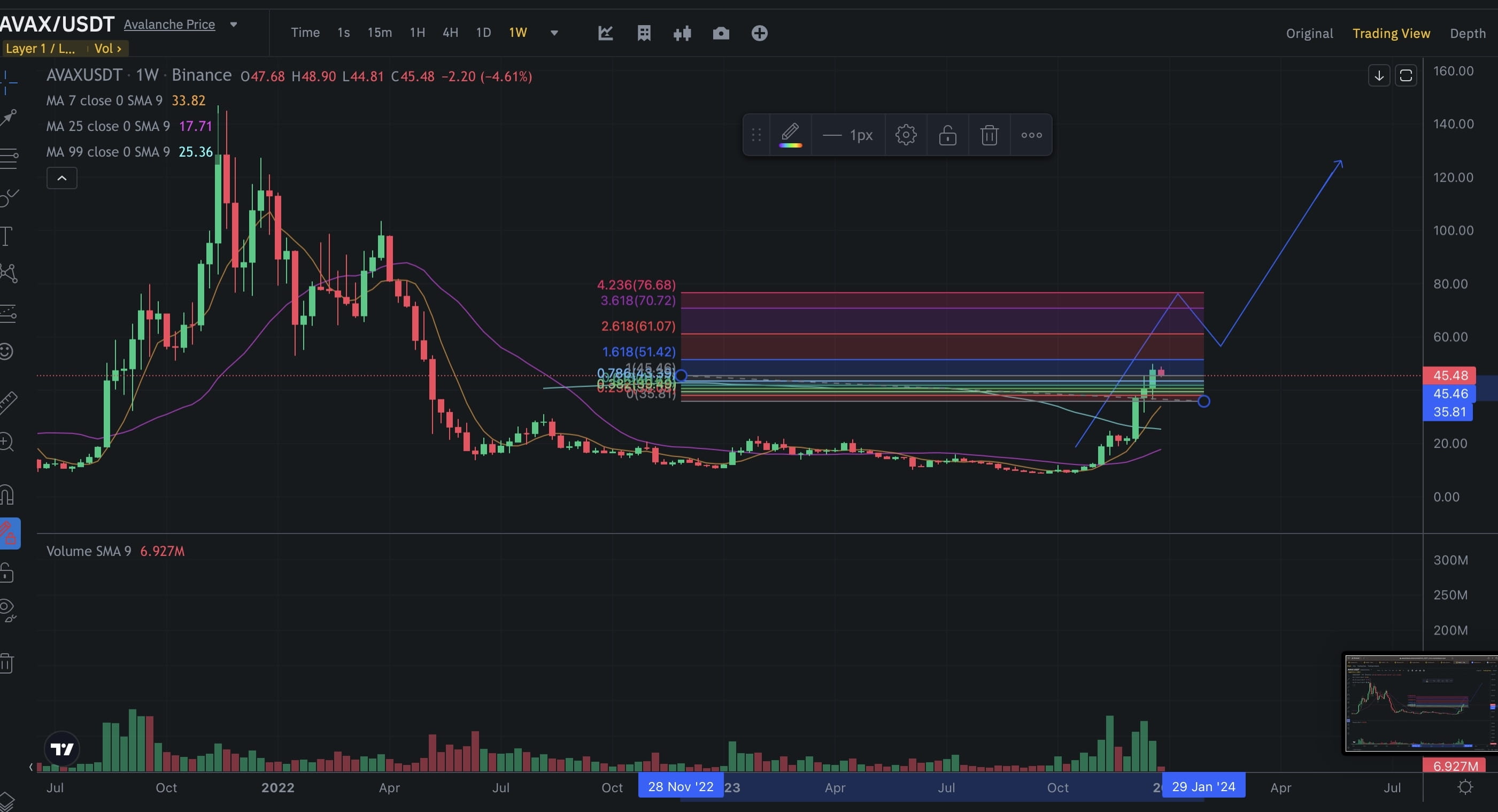
Em Alta$AVAX vai quebrar a resistência e atingir o valor de US$ 60 a US$ 70 em 2024
então guarde para a bomba do próximo ano✈️✈️
então guarde para a bomba do próximo ano✈️✈️
2
·
--
Em Alta
$AVAX vai quebrar a resistência e atingir o valor de US$ 60 a US$ 70 em 2024
então guarde para a bomba do próximo ano✈️✈️
$AVAX vai quebrar a resistência e atingir o valor de US$ 60 a US$ 70 em 2024
então guarde para a bomba do próximo ano✈️✈️
então guarde para a bomba do próximo ano✈️✈️
1
1
281
·
--
Em Alta
qual é o seu lucro com a bomba de ontem ✈️
diga-me na seção de comentários 💸💸💸💸💸
qual é o seu lucro com a bomba de ontem ✈️
diga-me na seção de comentários 💸💸💸💸💸
diga-me na seção de comentários 💸💸💸💸💸
1
7
74
·
--
Em Alta
A moeda meme vai ter uma taxa de vitória enorme ⚙️⚡️⚡️⚡️
$SHIB $BONK
A moeda meme vai ter uma taxa de vitória enorme ⚙️⚡️⚡️⚡️
$SHIB $BONK
$SHIB $BONK
8
299
·
--
Em Alta
analisando os 2,5 anos de sol, pode-se facilmente obter $200++
então segure até janeiro e então ✈️✈️✈️
$SOL
analisando os 2,5 anos de sol, pode-se facilmente obter $200++
então segure até janeiro e então ✈️✈️✈️
$SOL
então segure até janeiro e então ✈️✈️✈️
$SOL
4
199
#MyFirstSquarePost Olá, Binance Square!#sol
#MyFirstSquarePost Olá, Binance Square!#sol
7
98
Inicia sessão para explorar mais conteúdos
Junta-te a utilizadores de criptomoedas de todo o mundo na Binance Square
⚡️ Obtém informações úteis e recentes sobre criptomoedas.
💬 Com a confiança da maior exchange de criptomoedas do mundo.
👍 Descobre perspetivas reais de criadores verificados.
E-mail/Número de telefone
Tópicos em Tendência
BinanceIncidentReport
18,487 visualizações
424 a discutir
Incidente de segurança da Binance em 29 de outubro de 2026: conclusões iniciais e atualização sobre as medidas adotadas
Binance Blog
·228 gostos
·621.2k visualizações
BinanceReopensWithdrawalsForMoreAssets
120,391 visualizações
1,655 a discutir
BinanceHourlyDepositsExceedWithdrawals
57,978 visualizações
751 a discutir