
Crypto With Ali
61 Publications

Crypto With Ali
Signaler
Bloquer l’utilisateur
36 Suivis
2 Abonnés
3 J’aime
Publications
Tous
Direct
🚨 Bitcoin sous pression alors que les données PPI “chaudes” ravivent la peur d’un relèvement des taux
#Market_Update
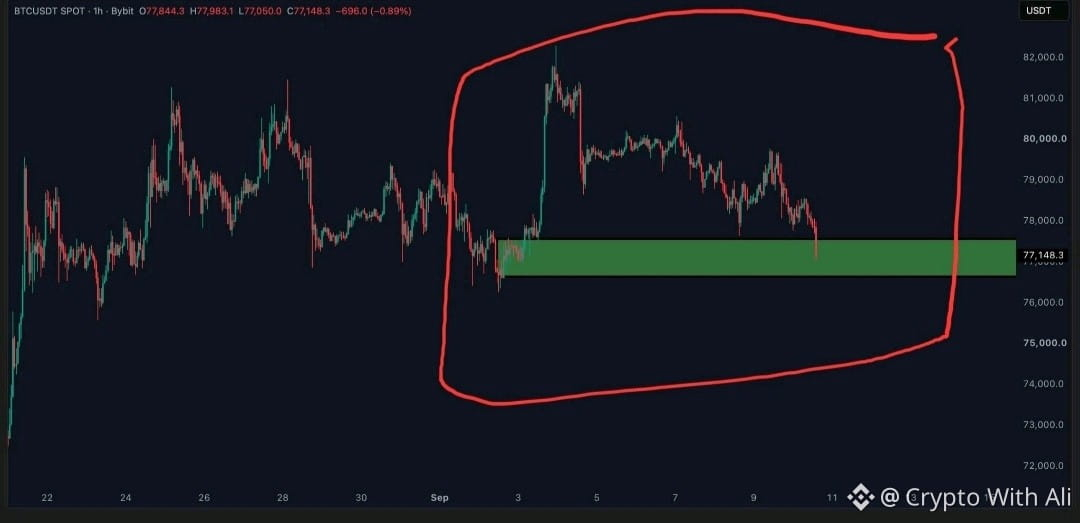
Le Bitcoin subit une forte baisse, glissant vers le niveau de 77 000 $ après la publication de nouveaux chiffres de PPI plus élevés que prévu. Ces données d’inflation plus fortes que l’anticipé exercent une pression renouvelée sur les actifs risqués et remettent sur le devant de la scène la possibilité d’une politique monétaire plus restrictive.
$BTC
{spot}(BTCUSDT)
📉 Le niveau clé à surveiller maintenant est 76 500 $. Si BTC passe sous ce support avec une dynamique solide, le marché pourrait connaître une nouvelle forte baisse alors que les traders cherchent les prochains grands niveaux de support. Une cassure durable sous 76,5 K$ pourrait aussi accroître la volatilité et déclencher une pression vendeuse supplémentaire.
En parallèle, le tableau macroéconomique plus large n’aide pas vraiment. Les traders parlent à nouveau de hausses de taux potentielles, tandis que le Brent pousse vers 107 $, ajoutant une couche d’inquiétude supplémentaire concernant l’inflation et les conditions économiques mondiales.
🔥 Des prix de l’énergie plus élevés + des données d’inflation plus “chaudes” + des craintes de relèvement des taux ravivées pourraient créer un environnement difficile pour le Bitcoin et d’autres actifs risqués à court terme.
Pour l’instant, les traders observent de près 76 500 $ sur le Bitcoin. Un maintien solide pourrait donner à BTC une chance de se stabiliser, mais une cassure nette pourrait ouvrir la voie à davantage de baisse.
⚠️ La volatilité augmente clairement, donc la gestion du risque reste essentielle.
$BTC $BZ #Bitcoin #BTC #Crypto #CryptoMarket #BitcoinPrice #PPI #Inflation #InterestRates #BrentCrude #RiskAssets #CryptoNews #Market update
$ETH #US10YTreasuryYieldHitsHighestSinceNov2023 #AppleDebutsFoldablePhone #IranSaysReadyToEscalateWarWithUS #USContinuingJoblessClaims1.774M
{future}(ETHUSDT)
{stock_us}(ZUMZ.US)
🚨 Bitcoin sous pression alors que les données PPI “chaudes” ravivent la peur d’un relèvement des taux
#Market_Update
Le Bitcoin subit une forte baisse, glissant vers le niveau de 77 000 $ après la publication de nouveaux chiffres de PPI plus élevés que prévu. Ces données d’inflation plus fortes que l’anticipé exercent une pression renouvelée sur les actifs risqués et remettent sur le devant de la scène la possibilité d’une politique monétaire plus restrictive.
$BTC
📉 Le niveau clé à surveiller maintenant est 76 500 $. Si BTC passe sous ce support avec une dynamique solide, le marché pourrait connaître une nouvelle forte baisse alors que les traders cherchent les prochains grands niveaux de support. Une cassure durable sous 76,5 K$ pourrait aussi accroître la volatilité et déclencher une pression vendeuse supplémentaire.
En parallèle, le tableau macroéconomique plus large n’aide pas vraiment. Les traders parlent à nouveau de hausses de taux potentielles, tandis que le Brent pousse vers 107 $, ajoutant une couche d’inquiétude supplémentaire concernant l’inflation et les conditions économiques mondiales.
🔥 Des prix de l’énergie plus élevés + des données d’inflation plus “chaudes” + des craintes de relèvement des taux ravivées pourraient créer un environnement difficile pour le Bitcoin et d’autres actifs risqués à court terme.
Pour l’instant, les traders observent de près 76 500 $ sur le Bitcoin. Un maintien solide pourrait donner à BTC une chance de se stabiliser, mais une cassure nette pourrait ouvrir la voie à davantage de baisse.
⚠️ La volatilité augmente clairement, donc la gestion du risque reste essentielle.
$BTC $BZ #Bitcoin #BTC #Crypto #CryptoMarket #BitcoinPrice #PPI #Inflation #InterestRates #BrentCrude #RiskAssets #CryptoNews #Market update
$ETH #US10YTreasuryYieldHitsHighestSinceNov2023 #AppleDebutsFoldablePhone #IranSaysReadyToEscalateWarWithUS #USContinuingJoblessClaims1.774M
#Market_Update
Le Bitcoin subit une forte baisse, glissant vers le niveau de 77 000 $ après la publication de nouveaux chiffres de PPI plus élevés que prévu. Ces données d’inflation plus fortes que l’anticipé exercent une pression renouvelée sur les actifs risqués et remettent sur le devant de la scène la possibilité d’une politique monétaire plus restrictive.
$BTC
📉 Le niveau clé à surveiller maintenant est 76 500 $. Si BTC passe sous ce support avec une dynamique solide, le marché pourrait connaître une nouvelle forte baisse alors que les traders cherchent les prochains grands niveaux de support. Une cassure durable sous 76,5 K$ pourrait aussi accroître la volatilité et déclencher une pression vendeuse supplémentaire.
En parallèle, le tableau macroéconomique plus large n’aide pas vraiment. Les traders parlent à nouveau de hausses de taux potentielles, tandis que le Brent pousse vers 107 $, ajoutant une couche d’inquiétude supplémentaire concernant l’inflation et les conditions économiques mondiales.
🔥 Des prix de l’énergie plus élevés + des données d’inflation plus “chaudes” + des craintes de relèvement des taux ravivées pourraient créer un environnement difficile pour le Bitcoin et d’autres actifs risqués à court terme.
Pour l’instant, les traders observent de près 76 500 $ sur le Bitcoin. Un maintien solide pourrait donner à BTC une chance de se stabiliser, mais une cassure nette pourrait ouvrir la voie à davantage de baisse.
⚠️ La volatilité augmente clairement, donc la gestion du risque reste essentielle.
$BTC $BZ #Bitcoin #BTC #Crypto #CryptoMarket #BitcoinPrice #PPI #Inflation #InterestRates #BrentCrude #RiskAssets #CryptoNews #Market update
$ETH #US10YTreasuryYieldHitsHighestSinceNov2023 #AppleDebutsFoldablePhone #IranSaysReadyToEscalateWarWithUS #USContinuingJoblessClaims1.774M
93
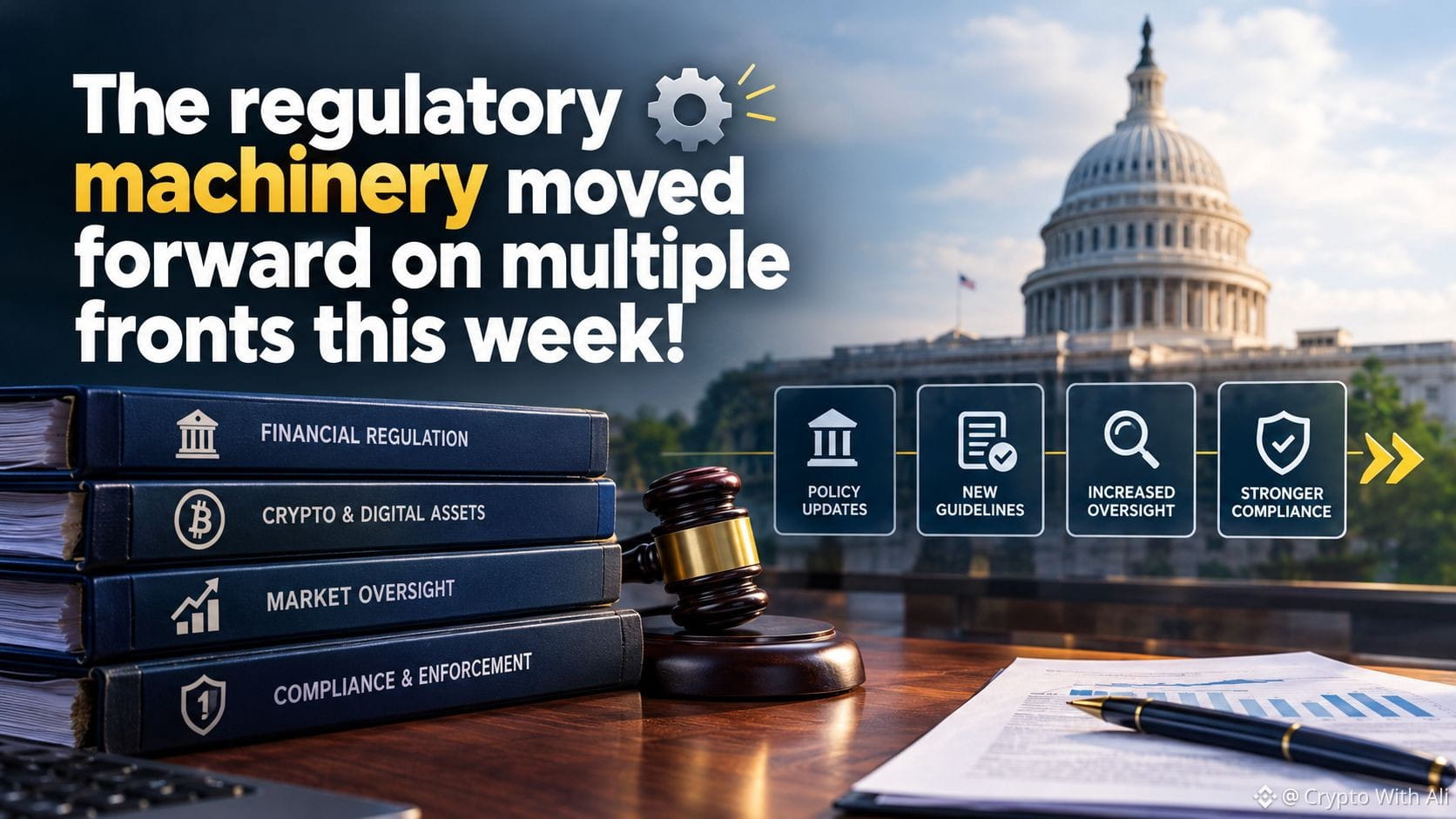
La machine réglementaire a avancé sur plusieurs fronts cette semaine ! ⚙️
#CFT
Voici ce qui s’est passé :
➤ Poussée politique & réglementaire :
Les législateurs ont pressé le Congrès au sujet de la loi CLARITY et ont mis en avant une initiative de la CFTC visant à ramener Hyperliquid sur le territoire, tandis que la SEC a introduit une proposition de « Reg Crypto » accompagnée d’une feuille de route en trois volets décrivant des parcours clairs pour l’émission de jetons et la structure du marché. 🏛️📜
➤ Forte hausse du Bitcoin :
Dans ce contexte, le Bitcoin a bondi jusqu’à atteindre 79 400 $ — marquant sa meilleure semaine depuis mars 2023 ! 🚀
➤ Adoption institutionnelle :
La hausse a été portée par une annonce de rachat par le Trésor, alors même que de grandes institutions financières comme Visa, Swift, Standard Chartered et HSBC ont discrètement intégré des stablecoins et des dépôts tokenisés dans des réseaux de règlement grand public. 🌐💳
$BTC
{spot}(BTCUSDT)
$BNB
{future}(BNBUSDT)
$ETC
{spot}(ETCUSDT)
#CanadaToImpose15%To50%TariffsOnUSGoods #ZcashRises45%WeeklyToHighestSince2016 #IMFSaysElSalvadorBTCNoPublicFunds #IranSaysItHit3USShips3Tankers
La machine réglementaire a avancé sur plusieurs fronts cette semaine ! ⚙️
#CFT
Voici ce qui s’est passé :
➤ Poussée politique & réglementaire :
Les législateurs ont pressé le Congrès au sujet de la loi CLARITY et ont mis en avant une initiative de la CFTC visant à ramener Hyperliquid sur le territoire, tandis que la SEC a introduit une proposition de « Reg Crypto » accompagnée d’une feuille de route en trois volets décrivant des parcours clairs pour l’émission de jetons et la structure du marché. 🏛️📜
➤ Forte hausse du Bitcoin :
Dans ce contexte, le Bitcoin a bondi jusqu’à atteindre 79 400 $ — marquant sa meilleure semaine depuis mars 2023 ! 🚀
➤ Adoption institutionnelle :
La hausse a été portée par une annonce de rachat par le Trésor, alors même que de grandes institutions financières comme Visa, Swift, Standard Chartered et HSBC ont discrètement intégré des stablecoins et des dépôts tokenisés dans des réseaux de règlement grand public. 🌐💳
$BTC
$BNB
$ETC
#CanadaToImpose15%To50%TariffsOnUSGoods #ZcashRises45%WeeklyToHighestSince2016 #IMFSaysElSalvadorBTCNoPublicFunds #IranSaysItHit3USShips3Tankers
#CFT
Voici ce qui s’est passé :
➤ Poussée politique & réglementaire :
Les législateurs ont pressé le Congrès au sujet de la loi CLARITY et ont mis en avant une initiative de la CFTC visant à ramener Hyperliquid sur le territoire, tandis que la SEC a introduit une proposition de « Reg Crypto » accompagnée d’une feuille de route en trois volets décrivant des parcours clairs pour l’émission de jetons et la structure du marché. 🏛️📜
➤ Forte hausse du Bitcoin :
Dans ce contexte, le Bitcoin a bondi jusqu’à atteindre 79 400 $ — marquant sa meilleure semaine depuis mars 2023 ! 🚀
➤ Adoption institutionnelle :
La hausse a été portée par une annonce de rachat par le Trésor, alors même que de grandes institutions financières comme Visa, Swift, Standard Chartered et HSBC ont discrètement intégré des stablecoins et des dépôts tokenisés dans des réseaux de règlement grand public. 🌐💳
$BTC
$BNB
$ETC
#CanadaToImpose15%To50%TariffsOnUSGoods #ZcashRises45%WeeklyToHighestSince2016 #IMFSaysElSalvadorBTCNoPublicFunds #IranSaysItHit3USShips3Tankers
79
Article
Voici trois scénarios qui pourraient faire grimper l’or au-dessus de 5 000 $Investing.com - Jefferies a élaboré un nouveau cadre quantitatif pour fixer le prix de l’or, visant 4 650 $ l’once d’ici la fin de l’année, en abandonnant les moteurs traditionnels comme les taux d’intérêt réels et le dollar américain au profit du comportement des réserves des banques centrales et des déficits budgétaires.
https://investing.com/pro/landing-pagelanding-page
La prévision implique un potentiel de hausse d’environ 5 % par rapport aux prix au comptant. Pour les investisseurs en actions, l’expression boursière la plus directe d’un rallye prolongé de l’or reste les grands producteurs d’or et les sociétés de redevances — des noms tels que Newmont et Agnico Eagle, dont les revenus et les flux de trésorerie disponibles augmentent mécaniquement lorsque le prix réalisé de l’or dépasse leurs coûts totaux de maintien.
Voici trois scénarios qui pourraient faire grimper l’or au-dessus de 5 000 $
Investing.com - Jefferies a élaboré un nouveau cadre quantitatif pour fixer le prix de l’or, visant 4 650 $ l’once d’ici la fin de l’année, en abandonnant les moteurs traditionnels comme les taux d’intérêt réels et le dollar américain au profit du comportement des réserves des banques centrales et des déficits budgétaires.
https://investing.com/pro/landing-pagelanding-page
La prévision implique un potentiel de hausse d’environ 5 % par rapport aux prix au comptant. Pour les investisseurs en actions, l’expression boursière la plus directe d’un rallye prolongé de l’or reste les grands producteurs d’or et les sociétés de redevances — des noms tels que Newmont et Agnico Eagle, dont les revenus et les flux de trésorerie disponibles augmentent mécaniquement lorsque le prix réalisé de l’or dépasse leurs coûts totaux de maintien.
https://investing.com/pro/landing-pagelanding-page
La prévision implique un potentiel de hausse d’environ 5 % par rapport aux prix au comptant. Pour les investisseurs en actions, l’expression boursière la plus directe d’un rallye prolongé de l’or reste les grands producteurs d’or et les sociétés de redevances — des noms tels que Newmont et Agnico Eagle, dont les revenus et les flux de trésorerie disponibles augmentent mécaniquement lorsque le prix réalisé de l’or dépasse leurs coûts totaux de maintien.
98
Article
Voir la traduction
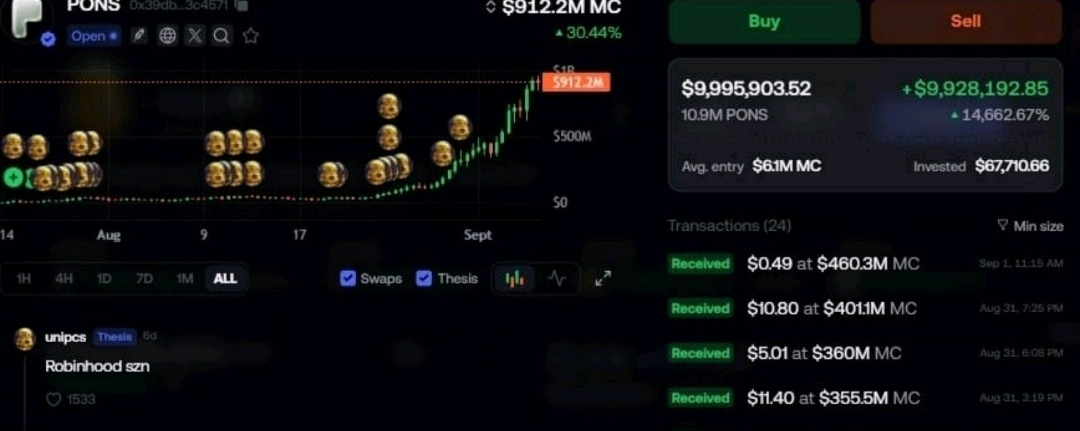
The PONS Bag from Unipcs is now worth nearly $10 million. He is currently occupying an insane $PONSThe PONS Bag from Unipcs is now worth nearly $10 million. He is currently occupying an insane $PONS position.
He initially invested only $67.7K in 10.9M PONS, but that bag now has a value of more than $9.99M. That is more than $9 million in unrealized profit from the initial entry, or roughly a return of 149 times.
The kind of on-chain trade that you don't often see is a bet of $67K turning into almost $10M. Additionally, he is still holding the entire bag, so the most interesting aspect right now is what happens if #pons continues to run.
$KAVA
{spot}(KAVAUSDT)
$
#ZECHitsANewAllTimeHigh #BitcoinETFsBiggestDailyInflowSinceJanuary #RussiaUkraine72-hourCeasefire #USAugustJobGrowthNearlyTriplesForecast #USAugustAvgHourlyEarningsRise3.1%
{spot}(BTCUSDT)
The PONS Bag from Unipcs is now worth nearly $10 million. He is currently occupying an insane $PONS
The PONS Bag from Unipcs is now worth nearly $10 million. He is currently occupying an insane $PONS position.
He initially invested only $67.7K in 10.9M PONS, but that bag now has a value of more than $9.99M. That is more than $9 million in unrealized profit from the initial entry, or roughly a return of 149 times.
The kind of on-chain trade that you don't often see is a bet of $67K turning into almost $10M. Additionally, he is still holding the entire bag, so the most interesting aspect right now is what happens if #pons continues to run.
$KAVA
$
#ZECHitsANewAllTimeHigh #BitcoinETFsBiggestDailyInflowSinceJanuary #RussiaUkraine72-hourCeasefire #USAugustJobGrowthNearlyTriplesForecast #USAugustAvgHourlyEarningsRise3.1%
He initially invested only $67.7K in 10.9M PONS, but that bag now has a value of more than $9.99M. That is more than $9 million in unrealized profit from the initial entry, or roughly a return of 149 times.
The kind of on-chain trade that you don't often see is a bet of $67K turning into almost $10M. Additionally, he is still holding the entire bag, so the most interesting aspect right now is what happens if #pons continues to run.
$KAVA
$
#ZECHitsANewAllTimeHigh #BitcoinETFsBiggestDailyInflowSinceJanuary #RussiaUkraine72-hourCeasefire #USAugustJobGrowthNearlyTriplesForecast #USAugustAvgHourlyEarningsRise3.1%
73
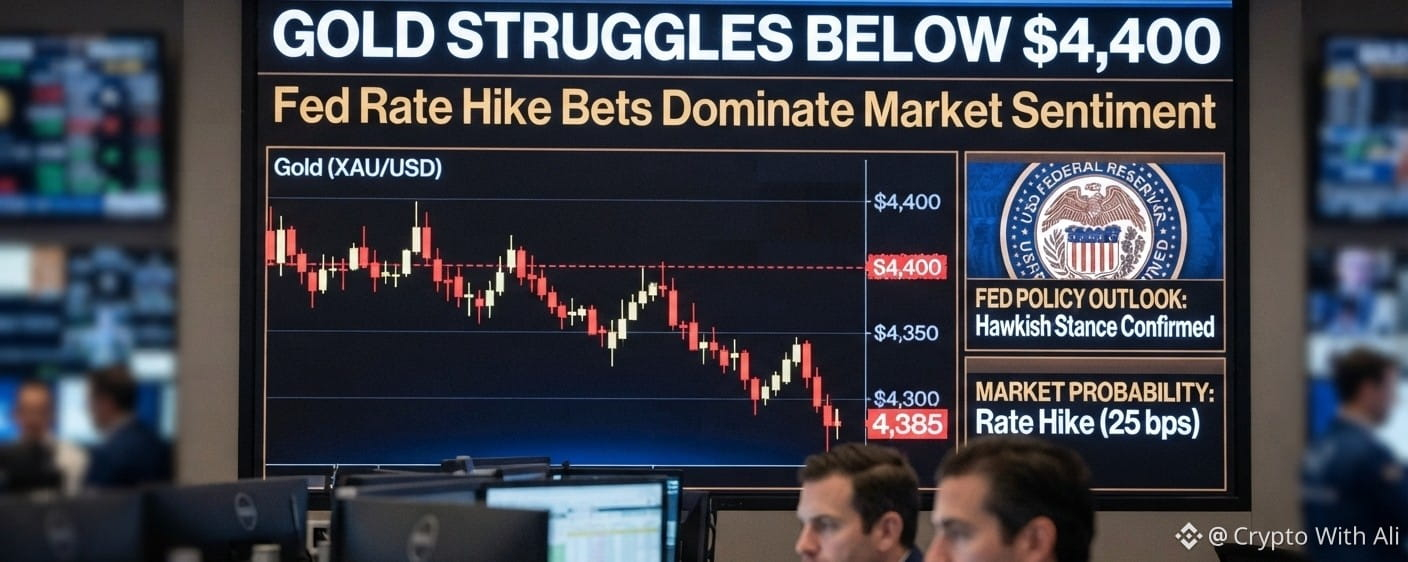
Article
L’or peine sous les 4 400 $ alors que les paris sur une hausse des taux de la Fed dominentL’or recule davantage mardi après être revenu d’un plus-haut de plus de trois mois la semaine dernière.
Des attentes plus restrictives envers la Fed et la hausse des rendements des bons du Trésor maintiennent le métal précieux sous pression.
XAU/USD teste une zone de support clé alors que la dynamique bascule en faveur des vendeurs.
L’or (XAU/USD) prolonge son repli depuis le plus-haut de plus de trois mois touché la semaine dernière et tombe mardi à un nouveau plus-bas de deux semaines. La hausse des attentes concernant des augmentations des taux d’intérêt de la Réserve fédérale (Fed) et les nouvelles tensions au Moyen-Orient restent les principaux moteurs de la dernière baisse. Cependant, des données économiques américaines plus faibles que prévu contribuent à limiter la baisse.
L’or peine sous les 4 400 $ alors que les paris sur une hausse des taux de la Fed dominent
L’or recule davantage mardi après être revenu d’un plus-haut de plus de trois mois la semaine dernière.
Des attentes plus restrictives envers la Fed et la hausse des rendements des bons du Trésor maintiennent le métal précieux sous pression.
XAU/USD teste une zone de support clé alors que la dynamique bascule en faveur des vendeurs.
L’or (XAU/USD) prolonge son repli depuis le plus-haut de plus de trois mois touché la semaine dernière et tombe mardi à un nouveau plus-bas de deux semaines. La hausse des attentes concernant des augmentations des taux d’intérêt de la Réserve fédérale (Fed) et les nouvelles tensions au Moyen-Orient restent les principaux moteurs de la dernière baisse. Cependant, des données économiques américaines plus faibles que prévu contribuent à limiter la baisse.
Des attentes plus restrictives envers la Fed et la hausse des rendements des bons du Trésor maintiennent le métal précieux sous pression.
XAU/USD teste une zone de support clé alors que la dynamique bascule en faveur des vendeurs.
L’or (XAU/USD) prolonge son repli depuis le plus-haut de plus de trois mois touché la semaine dernière et tombe mardi à un nouveau plus-bas de deux semaines. La hausse des attentes concernant des augmentations des taux d’intérêt de la Réserve fédérale (Fed) et les nouvelles tensions au Moyen-Orient restent les principaux moteurs de la dernière baisse. Cependant, des données économiques américaines plus faibles que prévu contribuent à limiter la baisse.
90
Voir la traduction
AI TRENDS | Apple’s Foldable iPhone Rumored to Get the Name iPhone Duo
After previous names like iPhone Ultra and iPhone Fold, the rumored foldable iPhone is now being called iPhone Duo. Sina Finance claims that although there is still a possibility, there is no evidence that Apple will use the iPhone Duo name.
In the 1990s, Apple used the Duo brand for the PowerBook Duo notebook line, and in the early 2020s, it used the Duo brand for the MagSafe Duo charger. According to the article, "Duo" refers to the dual-screen design of the foldable iPhone.
In 2020, Microsoft introduced the dual-screen Android phone known as the Surface Duo, and Intel previously introduced the well-liked Core Duo and Core 2 Duo processors. The report also mentions that other rivals use the terms "Ultra" and "Fold," such as Samsung's Galaxy Z Fold8 and the Galaxy S26 Ultra. The foldable iPhone, according to sources familiar with Apple's plans, would be called iPhone Ultra in April, according to former Macworld reporter Felipe Esposito.
Mark Gurman of Bloomberg said that many Apple employees call the device the iPhone Ultra, but he hasn't said for sure if that will be the product's official name.
The M1 Ultra, M2 Ultra, M3 Ultra, and M5 Ultra chips, the Apple Watch Ultra, and CarPlay Ultra all bear the Ultra moniker.
$AAPLB
{spot}(AAPLBUSDT)
$INTCB
{spot}(INTCBUSDT)
$FTM
#USAugustAvgHourlyEarningsRise3.1% #USAugustAvgHourlyEarningsRise3.1% #BitcoinETFsBiggestDailyInflowSinceJanuary
AI TRENDS | Apple’s Foldable iPhone Rumored to Get the Name iPhone Duo
After previous names like iPhone Ultra and iPhone Fold, the rumored foldable iPhone is now being called iPhone Duo. Sina Finance claims that although there is still a possibility, there is no evidence that Apple will use the iPhone Duo name.
In the 1990s, Apple used the Duo brand for the PowerBook Duo notebook line, and in the early 2020s, it used the Duo brand for the MagSafe Duo charger. According to the article, "Duo" refers to the dual-screen design of the foldable iPhone.
In 2020, Microsoft introduced the dual-screen Android phone known as the Surface Duo, and Intel previously introduced the well-liked Core Duo and Core 2 Duo processors. The report also mentions that other rivals use the terms "Ultra" and "Fold," such as Samsung's Galaxy Z Fold8 and the Galaxy S26 Ultra. The foldable iPhone, according to sources familiar with Apple's plans, would be called iPhone Ultra in April, according to former Macworld reporter Felipe Esposito.
Mark Gurman of Bloomberg said that many Apple employees call the device the iPhone Ultra, but he hasn't said for sure if that will be the product's official name.
The M1 Ultra, M2 Ultra, M3 Ultra, and M5 Ultra chips, the Apple Watch Ultra, and CarPlay Ultra all bear the Ultra moniker.
$AAPLB
$INTCB
$FTM
#USAugustAvgHourlyEarningsRise3.1% #USAugustAvgHourlyEarningsRise3.1% #BitcoinETFsBiggestDailyInflowSinceJanuary
After previous names like iPhone Ultra and iPhone Fold, the rumored foldable iPhone is now being called iPhone Duo. Sina Finance claims that although there is still a possibility, there is no evidence that Apple will use the iPhone Duo name.
In the 1990s, Apple used the Duo brand for the PowerBook Duo notebook line, and in the early 2020s, it used the Duo brand for the MagSafe Duo charger. According to the article, "Duo" refers to the dual-screen design of the foldable iPhone.
In 2020, Microsoft introduced the dual-screen Android phone known as the Surface Duo, and Intel previously introduced the well-liked Core Duo and Core 2 Duo processors. The report also mentions that other rivals use the terms "Ultra" and "Fold," such as Samsung's Galaxy Z Fold8 and the Galaxy S26 Ultra. The foldable iPhone, according to sources familiar with Apple's plans, would be called iPhone Ultra in April, according to former Macworld reporter Felipe Esposito.
Mark Gurman of Bloomberg said that many Apple employees call the device the iPhone Ultra, but he hasn't said for sure if that will be the product's official name.
The M1 Ultra, M2 Ultra, M3 Ultra, and M5 Ultra chips, the Apple Watch Ultra, and CarPlay Ultra all bear the Ultra moniker.
$AAPLB
$INTCB
$FTM
#USAugustAvgHourlyEarningsRise3.1% #USAugustAvgHourlyEarningsRise3.1% #BitcoinETFsBiggestDailyInflowSinceJanuary
55
Article
Voir la traduction
The ISM Manufacturing Purchasing Managers Index (PMI) fell to 54.6 in August from 55.6 in July,The ISM Manufacturing Purchasing Managers Index (PMI) fell to 54.6 in August from 55.6 in July, missing the market forecast of 55.2. The ISM Prices Paid Index held steady at 71.1, below expectations of 72.0, while JOLTS Job Openings rose to 7.271 million in July from 7.182 million but fell short of the 7.3 million forecast.
Despite the data misses, expectations that the Fed could raise interest rates as soon as this month keep the US Dollar and Treasury yields supported. The US Dollar Index (DXY) is trading around 99.64, up 0.23% on the day. Meanwhile, the benchmark 10-year US Treasury yield hovers around 4.76% after touching 4.80%, its highest level since January 2025.
A firmer US Dollar makes Dollar-denominated Gold more expensive for overseas buyers, while higher Treasury yields increase the opportunity cost of holding the non-yielding metal.
Chair Kevin Warsh’s tough rhetoric on inflation at the Jackson Hole Symposium revived rate hike bets, with the CME FedWatch Tool showing around a 65% probability of a hike at the September 15-16 meeting, up from roughly 40% a week ago.
Fed Governor Michael Barr added to the hawkish tone on Tuesday, saying that “the persistence of inflation above target creates risks.” Barr said he favours steady rates if confident inflation is moderating but warned that “if inflation doesn’t moderate soon, it will be time for an interest rate hike.”
At the same time, rising Oil prices are adding to inflation concerns and reinforcing expectations that major central banks may need to keep monetary policy tight. West Texas Intermediate (WTI) Oil advances for a second consecutive day following the latest flare-up around the Strait of Hormuz.
Typically, inflation and geopolitical concerns support Gold. However, the market is currently reacting through the interest rate channel, and the metal tends to perform poorly when interest rates and Treasury yields rise.
Sellers are therefore likely to retain the upper hand in the near term, although upcoming US economic data and developments in the Middle East could trigger fresh volatility. Attention now shift to the ADP Employment Change report on Wednesday and the closely watched Nonfarm Payrolls (NFP) report on Friday.
The ISM Manufacturing Purchasing Managers Index (PMI) fell to 54.6 in August from 55.6 in July,
The ISM Manufacturing Purchasing Managers Index (PMI) fell to 54.6 in August from 55.6 in July, missing the market forecast of 55.2. The ISM Prices Paid Index held steady at 71.1, below expectations of 72.0, while JOLTS Job Openings rose to 7.271 million in July from 7.182 million but fell short of the 7.3 million forecast.
Despite the data misses, expectations that the Fed could raise interest rates as soon as this month keep the US Dollar and Treasury yields supported. The US Dollar Index (DXY) is trading around 99.64, up 0.23% on the day. Meanwhile, the benchmark 10-year US Treasury yield hovers around 4.76% after touching 4.80%, its highest level since January 2025.
A firmer US Dollar makes Dollar-denominated Gold more expensive for overseas buyers, while higher Treasury yields increase the opportunity cost of holding the non-yielding metal.
Chair Kevin Warsh’s tough rhetoric on inflation at the Jackson Hole Symposium revived rate hike bets, with the CME FedWatch Tool showing around a 65% probability of a hike at the September 15-16 meeting, up from roughly 40% a week ago.
Fed Governor Michael Barr added to the hawkish tone on Tuesday, saying that “the persistence of inflation above target creates risks.” Barr said he favours steady rates if confident inflation is moderating but warned that “if inflation doesn’t moderate soon, it will be time for an interest rate hike.”
At the same time, rising Oil prices are adding to inflation concerns and reinforcing expectations that major central banks may need to keep monetary policy tight. West Texas Intermediate (WTI) Oil advances for a second consecutive day following the latest flare-up around the Strait of Hormuz.
Typically, inflation and geopolitical concerns support Gold. However, the market is currently reacting through the interest rate channel, and the metal tends to perform poorly when interest rates and Treasury yields rise.
Sellers are therefore likely to retain the upper hand in the near term, although upcoming US economic data and developments in the Middle East could trigger fresh volatility. Attention now shift to the ADP Employment Change report on Wednesday and the closely watched Nonfarm Payrolls (NFP) report on Friday.
Despite the data misses, expectations that the Fed could raise interest rates as soon as this month keep the US Dollar and Treasury yields supported. The US Dollar Index (DXY) is trading around 99.64, up 0.23% on the day. Meanwhile, the benchmark 10-year US Treasury yield hovers around 4.76% after touching 4.80%, its highest level since January 2025.
A firmer US Dollar makes Dollar-denominated Gold more expensive for overseas buyers, while higher Treasury yields increase the opportunity cost of holding the non-yielding metal.
Chair Kevin Warsh’s tough rhetoric on inflation at the Jackson Hole Symposium revived rate hike bets, with the CME FedWatch Tool showing around a 65% probability of a hike at the September 15-16 meeting, up from roughly 40% a week ago.
Fed Governor Michael Barr added to the hawkish tone on Tuesday, saying that “the persistence of inflation above target creates risks.” Barr said he favours steady rates if confident inflation is moderating but warned that “if inflation doesn’t moderate soon, it will be time for an interest rate hike.”
At the same time, rising Oil prices are adding to inflation concerns and reinforcing expectations that major central banks may need to keep monetary policy tight. West Texas Intermediate (WTI) Oil advances for a second consecutive day following the latest flare-up around the Strait of Hormuz.
Typically, inflation and geopolitical concerns support Gold. However, the market is currently reacting through the interest rate channel, and the metal tends to perform poorly when interest rates and Treasury yields rise.
Sellers are therefore likely to retain the upper hand in the near term, although upcoming US economic data and developments in the Middle East could trigger fresh volatility. Attention now shift to the ADP Employment Change report on Wednesday and the closely watched Nonfarm Payrolls (NFP) report on Friday.
79
Voir la traduction
⚠️ The latest private payroll data is flashing a cooling labor market, with U.S. ADP job gains recording their smallest increase since January.
📊 WHY IT MATTERS:
A softer jobs picture can reshape expectations for the Federal Reserve, especially around interest rates and future monetary policy.
₿ BITCOIN & CRYPTO:
If traders start pricing in a more dovish Fed, BTC and risk assets could catch a boost as expectations for easier financial conditions grow.
💵 DOLLAR & GOLD:
A weakening labor signal could put pressure on the dollar while increasing demand for gold and other defensive assets.
🔥 FOMO ALERT:
One jobs report can change rate expectations — and rate expectations can move BTC, stocks, gold, and the dollar FAST. 👀
⚡ The labor market is cooling. Now the big question: what does the Fed do next?
#bitcoin #Fed #Market_Update
$USB.US
{stock_us}(USB.US)
$BITCOIN
{alpha}(10x72e4f9f808c49a2a61de9c5896298920dc4eeea9)
$BTC
{spot}(BTCUSDT)
#BitcoinEthereumHitMultiMonthHighs #AdobeSharesFall3%OnCEOTransition #CLARITYActFacesDelaySenateLoses8VotingDays #KospiRises1.6%SecondStraightSession
⚠️ The latest private payroll data is flashing a cooling labor market, with U.S. ADP job gains recording their smallest increase since January.
📊 WHY IT MATTERS:
A softer jobs picture can reshape expectations for the Federal Reserve, especially around interest rates and future monetary policy.
₿ BITCOIN & CRYPTO:
If traders start pricing in a more dovish Fed, BTC and risk assets could catch a boost as expectations for easier financial conditions grow.
💵 DOLLAR & GOLD:
A weakening labor signal could put pressure on the dollar while increasing demand for gold and other defensive assets.
🔥 FOMO ALERT:
One jobs report can change rate expectations — and rate expectations can move BTC, stocks, gold, and the dollar FAST. 👀
⚡ The labor market is cooling. Now the big question: what does the Fed do next?
#bitcoin #Fed #Market_Update
$USB.US
$BITCOIN
$BTC
#BitcoinEthereumHitMultiMonthHighs #AdobeSharesFall3%OnCEOTransition #CLARITYActFacesDelaySenateLoses8VotingDays #KospiRises1.6%SecondStraightSession
📊 WHY IT MATTERS:
A softer jobs picture can reshape expectations for the Federal Reserve, especially around interest rates and future monetary policy.
₿ BITCOIN & CRYPTO:
If traders start pricing in a more dovish Fed, BTC and risk assets could catch a boost as expectations for easier financial conditions grow.
💵 DOLLAR & GOLD:
A weakening labor signal could put pressure on the dollar while increasing demand for gold and other defensive assets.
🔥 FOMO ALERT:
One jobs report can change rate expectations — and rate expectations can move BTC, stocks, gold, and the dollar FAST. 👀
⚡ The labor market is cooling. Now the big question: what does the Fed do next?
#bitcoin #Fed #Market_Update
$USB.US
$BITCOIN
$BTC
#BitcoinEthereumHitMultiMonthHighs #AdobeSharesFall3%OnCEOTransition #CLARITYActFacesDelaySenateLoses8VotingDays #KospiRises1.6%SecondStraightSession
BTC-3,35%
USBUS-0,07%
86
#CFTCScrutinizesPredictionMarketAffiliates
🚨 #CFTC EXAMINE LES AFFILIÉS DES MARCHÉS DE PRÉDICTION — UNE NOUVELLE BATAILLE RÉGLEMENTAIRE S’INTENSIFIE. ⚠️📊
Le régulateur des produits dérivés aux États-Unis examine les affiliés des marchés de prédiction, ce qui suscite de nouvelles demandes d’informations concernant le fonctionnement des réseaux promotionnels, des partenariats et des plateformes. Les traders de crypto devraient également rester attentifs. 👀
💥 Pourquoi est-ce important ? Parce qu’ils se situent à l’intersection de la finance, des paris, des données et de la spéculation, les marchés de prédiction ont connu une hausse fulgurante de popularité. Mais à mesure que l’industrie se développe, les régulateurs posent de plus en plus souvent :
❓ Qui exploite la plateforme ?
❓ Qui pousse à la conclusion des contrats ?
❓ Les affiliés respectent-ils les règles ?
🔥 Où l’activité financière dépasse-t-elle le cadre de la réglementation ? La cryptographie pourrait être impactée par le plus grand effet en jeu. La crypto-monnaie et les marchés de prédiction s’imposent tous deux dans le courant dominant de la finance. Si les régulateurs établissent maintenant des règles plus strictes, de futures plateformes de prédiction basées sur la crypto pourraient se retrouver face à un environnement de conformité beaucoup plus difficile.
Mais il y a aussi un autre aspect…
📈 Une réglementation plus claire pourrait aussi attirer des institutions plus importantes.
Moins d’incertitude réglementaire → plus de confiance → plus de participation institutionnelle.
En conséquence, la répression en cours pourrait finalement contribuer à la maturation du marché.
👀 La bataille réglementaire s’intensifie.
Et dans la crypto, les titres réglementaires peuvent influencer le sentiment avant même que les règles réelles ne changent.
Gardez un œil sur ce sujet. La prochaine évolution importante du marché de la prédiction pourrait avoir des répercussions allant bien au-delà des marchés de prédiction. 🔥
#crypto #EtherXRPETFInflowStreaksEnd
$CFX
{spot}(CFXUSDT)
#CFTCScrutinizesPredictionMarketAffiliates
🚨 #CFTC EXAMINE LES AFFILIÉS DES MARCHÉS DE PRÉDICTION — UNE NOUVELLE BATAILLE RÉGLEMENTAIRE S’INTENSIFIE. ⚠️📊
Le régulateur des produits dérivés aux États-Unis examine les affiliés des marchés de prédiction, ce qui suscite de nouvelles demandes d’informations concernant le fonctionnement des réseaux promotionnels, des partenariats et des plateformes. Les traders de crypto devraient également rester attentifs. 👀
💥 Pourquoi est-ce important ? Parce qu’ils se situent à l’intersection de la finance, des paris, des données et de la spéculation, les marchés de prédiction ont connu une hausse fulgurante de popularité. Mais à mesure que l’industrie se développe, les régulateurs posent de plus en plus souvent :
❓ Qui exploite la plateforme ?
❓ Qui pousse à la conclusion des contrats ?
❓ Les affiliés respectent-ils les règles ?
🔥 Où l’activité financière dépasse-t-elle le cadre de la réglementation ? La cryptographie pourrait être impactée par le plus grand effet en jeu. La crypto-monnaie et les marchés de prédiction s’imposent tous deux dans le courant dominant de la finance. Si les régulateurs établissent maintenant des règles plus strictes, de futures plateformes de prédiction basées sur la crypto pourraient se retrouver face à un environnement de conformité beaucoup plus difficile.
Mais il y a aussi un autre aspect…
📈 Une réglementation plus claire pourrait aussi attirer des institutions plus importantes.
Moins d’incertitude réglementaire → plus de confiance → plus de participation institutionnelle.
En conséquence, la répression en cours pourrait finalement contribuer à la maturation du marché.
👀 La bataille réglementaire s’intensifie.
Et dans la crypto, les titres réglementaires peuvent influencer le sentiment avant même que les règles réelles ne changent.
Gardez un œil sur ce sujet. La prochaine évolution importante du marché de la prédiction pourrait avoir des répercussions allant bien au-delà des marchés de prédiction. 🔥
#crypto #EtherXRPETFInflowStreaksEnd
$CFX
🚨 #CFTC EXAMINE LES AFFILIÉS DES MARCHÉS DE PRÉDICTION — UNE NOUVELLE BATAILLE RÉGLEMENTAIRE S’INTENSIFIE. ⚠️📊
Le régulateur des produits dérivés aux États-Unis examine les affiliés des marchés de prédiction, ce qui suscite de nouvelles demandes d’informations concernant le fonctionnement des réseaux promotionnels, des partenariats et des plateformes. Les traders de crypto devraient également rester attentifs. 👀
💥 Pourquoi est-ce important ? Parce qu’ils se situent à l’intersection de la finance, des paris, des données et de la spéculation, les marchés de prédiction ont connu une hausse fulgurante de popularité. Mais à mesure que l’industrie se développe, les régulateurs posent de plus en plus souvent :
❓ Qui exploite la plateforme ?
❓ Qui pousse à la conclusion des contrats ?
❓ Les affiliés respectent-ils les règles ?
🔥 Où l’activité financière dépasse-t-elle le cadre de la réglementation ? La cryptographie pourrait être impactée par le plus grand effet en jeu. La crypto-monnaie et les marchés de prédiction s’imposent tous deux dans le courant dominant de la finance. Si les régulateurs établissent maintenant des règles plus strictes, de futures plateformes de prédiction basées sur la crypto pourraient se retrouver face à un environnement de conformité beaucoup plus difficile.
Mais il y a aussi un autre aspect…
📈 Une réglementation plus claire pourrait aussi attirer des institutions plus importantes.
Moins d’incertitude réglementaire → plus de confiance → plus de participation institutionnelle.
En conséquence, la répression en cours pourrait finalement contribuer à la maturation du marché.
👀 La bataille réglementaire s’intensifie.
Et dans la crypto, les titres réglementaires peuvent influencer le sentiment avant même que les règles réelles ne changent.
Gardez un œil sur ce sujet. La prochaine évolution importante du marché de la prédiction pourrait avoir des répercussions allant bien au-delà des marchés de prédiction. 🔥
#crypto #EtherXRPETFInflowStreaksEnd
$CFX
80
Voir la traduction
🚨🇺🇸 U.S. ADP JOB GAINS HIT THEIR SMALLEST LEVEL SINCE JANUARY! 📉
#USAugADPJobsSmallestGainSinceJan
The most recent private payroll data suggests that the United States The increase in ADP job gains was the smallest since January.
WHY IT IS IMPORTANT: Expectations for the Federal Reserve, particularly with regard to interest rates and upcoming monetary policy, could be reshaped by a weaker employment picture.
₿ BITCOIN & CRYPTO:
If traders start pricing in a more dovish Fed, BTC and risk assets could catch a boost as expectations for easier financial conditions grow.
💵 DOLLAR & GOLD:
The dollar could face pressure as a result of a weaker labor market signal, which would also drive up demand for gold and other defensive assets.
🔥 FOMO ALERT:
Rate expectations can quickly move bitcoin, stocks, gold, and the dollar thanks to a single jobs report. 👀
⚡ The labor market is cooling. The big question now is, what does the Federal Reserve do next?
$BTC
{spot}(BTCUSDT)
$ETH
{spot}(ETHUSDT)
🚨🇺🇸 U.S. ADP JOB GAINS HIT THEIR SMALLEST LEVEL SINCE JANUARY! 📉
#USAugADPJobsSmallestGainSinceJan
The most recent private payroll data suggests that the United States The increase in ADP job gains was the smallest since January.
WHY IT IS IMPORTANT: Expectations for the Federal Reserve, particularly with regard to interest rates and upcoming monetary policy, could be reshaped by a weaker employment picture.
₿ BITCOIN & CRYPTO:
If traders start pricing in a more dovish Fed, BTC and risk assets could catch a boost as expectations for easier financial conditions grow.
💵 DOLLAR & GOLD:
The dollar could face pressure as a result of a weaker labor market signal, which would also drive up demand for gold and other defensive assets.
🔥 FOMO ALERT:
Rate expectations can quickly move bitcoin, stocks, gold, and the dollar thanks to a single jobs report. 👀
⚡ The labor market is cooling. The big question now is, what does the Federal Reserve do next?
$BTC
$ETH
#USAugADPJobsSmallestGainSinceJan
The most recent private payroll data suggests that the United States The increase in ADP job gains was the smallest since January.
WHY IT IS IMPORTANT: Expectations for the Federal Reserve, particularly with regard to interest rates and upcoming monetary policy, could be reshaped by a weaker employment picture.
₿ BITCOIN & CRYPTO:
If traders start pricing in a more dovish Fed, BTC and risk assets could catch a boost as expectations for easier financial conditions grow.
💵 DOLLAR & GOLD:
The dollar could face pressure as a result of a weaker labor market signal, which would also drive up demand for gold and other defensive assets.
🔥 FOMO ALERT:
Rate expectations can quickly move bitcoin, stocks, gold, and the dollar thanks to a single jobs report. 👀
⚡ The labor market is cooling. The big question now is, what does the Federal Reserve do next?
$BTC
$ETH
57
Voir la traduction
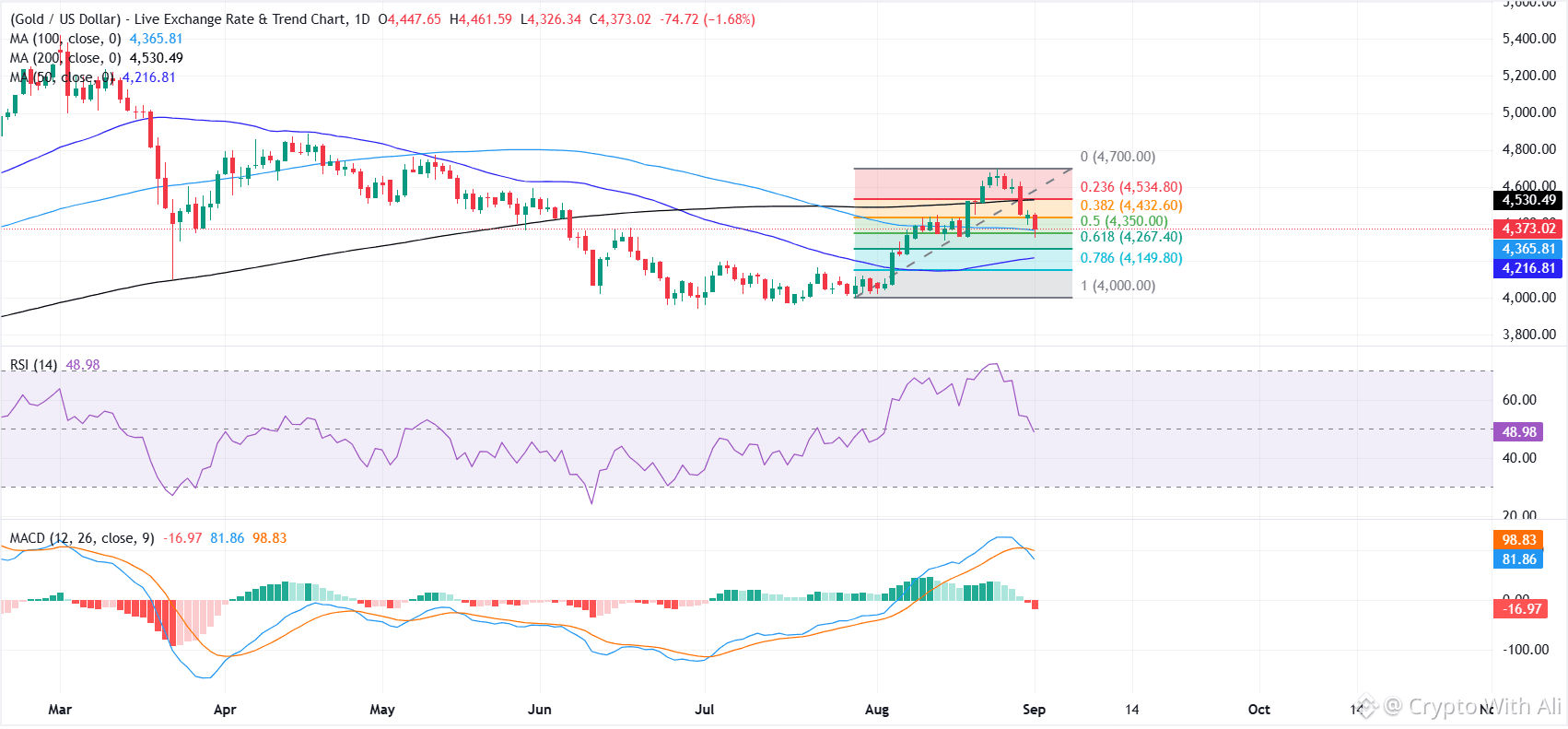
Technical analysis: XAU/USD extends decline, eyes support near$ $4,350
On the daily chart, XAU/USD extends its decline below the 200-day SMA and is now testing the 100-day SMA near $4,365, a level that also aligns closely with the 50% Fibonacci retracement at $4,350, forming a key support zone. A daily close below this cluster would tilt the near-term bias bearish, exposing the 61.8% retracement near $4,267.
The Relative Strength Index (RSI) at 49 sits near the midline, hinting at balanced conditions, while the Moving Average Convergence Divergence (MACD) indicator is in negative territory, suggesting waning bullish momentum after the recent pullback.
On the downside, a break below the
$4,350-$4,365 support zone would open the door toward $4,267 (61.8% retracement), followed by $4,149 (78.6% retracement) and the prior cycle low near $4,000.
On the upside, initial resistance emerges at $4,432 (38.2% retracement), with a stronger barrier near $4,530 (200-day SMA) and $4,534 (23.6% retracement). A sustained break above this zone would open the path toward the $4,700 region.
$XAU
{future}(XAUUSDT)
$USDC
{spot}(USDCUSDT)
$RSI.US
#EtherETFsExtendInflowStreakTo11Days #GoldFalls5.5%From3MonthHigh #XRPRises40%InTwoWeeksAsOpenInterestFalls #HangSengFalls1% #Japan10YYieldHits3%FirstSince1996
Technical analysis: XAU/USD extends decline, eyes support near$ $4,350
On the daily chart, XAU/USD extends its decline below the 200-day SMA and is now testing the 100-day SMA near $4,365, a level that also aligns closely with the 50% Fibonacci retracement at $4,350, forming a key support zone. A daily close below this cluster would tilt the near-term bias bearish, exposing the 61.8% retracement near $4,267.
The Relative Strength Index (RSI) at 49 sits near the midline, hinting at balanced conditions, while the Moving Average Convergence Divergence (MACD) indicator is in negative territory, suggesting waning bullish momentum after the recent pullback.
On the downside, a break below the
$4,350-$4,365 support zone would open the door toward $4,267 (61.8% retracement), followed by $4,149 (78.6% retracement) and the prior cycle low near $4,000.
On the upside, initial resistance emerges at $4,432 (38.2% retracement), with a stronger barrier near $4,530 (200-day SMA) and $4,534 (23.6% retracement). A sustained break above this zone would open the path toward the $4,700 region.
$XAU
$USDC
$RSI.US
#EtherETFsExtendInflowStreakTo11Days #GoldFalls5.5%From3MonthHigh #XRPRises40%InTwoWeeksAsOpenInterestFalls #HangSengFalls1% #Japan10YYieldHits3%FirstSince1996
On the daily chart, XAU/USD extends its decline below the 200-day SMA and is now testing the 100-day SMA near $4,365, a level that also aligns closely with the 50% Fibonacci retracement at $4,350, forming a key support zone. A daily close below this cluster would tilt the near-term bias bearish, exposing the 61.8% retracement near $4,267.
The Relative Strength Index (RSI) at 49 sits near the midline, hinting at balanced conditions, while the Moving Average Convergence Divergence (MACD) indicator is in negative territory, suggesting waning bullish momentum after the recent pullback.
On the downside, a break below the
$4,350-$4,365 support zone would open the door toward $4,267 (61.8% retracement), followed by $4,149 (78.6% retracement) and the prior cycle low near $4,000.
On the upside, initial resistance emerges at $4,432 (38.2% retracement), with a stronger barrier near $4,530 (200-day SMA) and $4,534 (23.6% retracement). A sustained break above this zone would open the path toward the $4,700 region.
$XAU
$USDC
$RSI.US
#EtherETFsExtendInflowStreakTo11Days #GoldFalls5.5%From3MonthHigh #XRPRises40%InTwoWeeksAsOpenInterestFalls #HangSengFalls1% #Japan10YYieldHits3%FirstSince1996
162

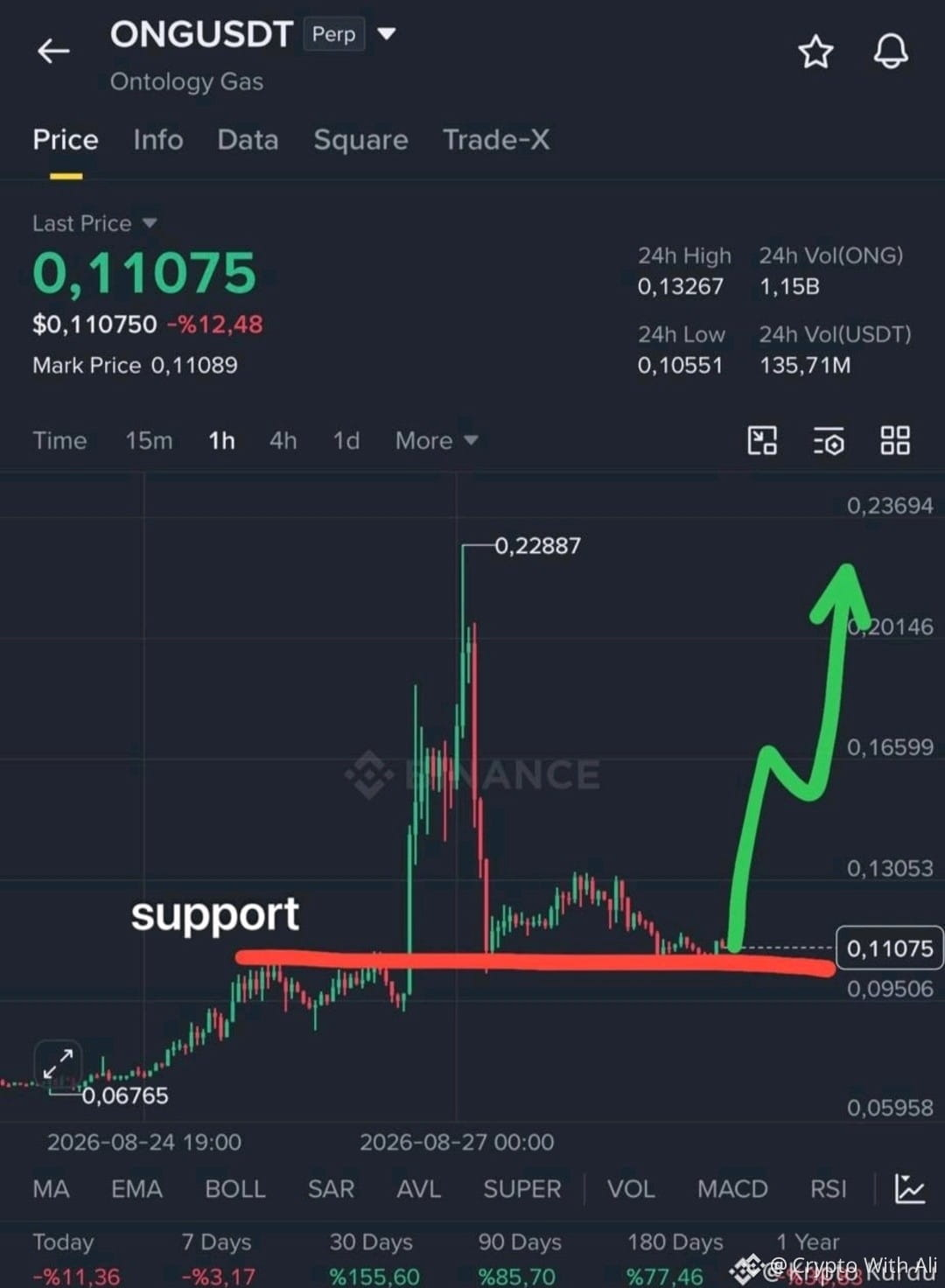
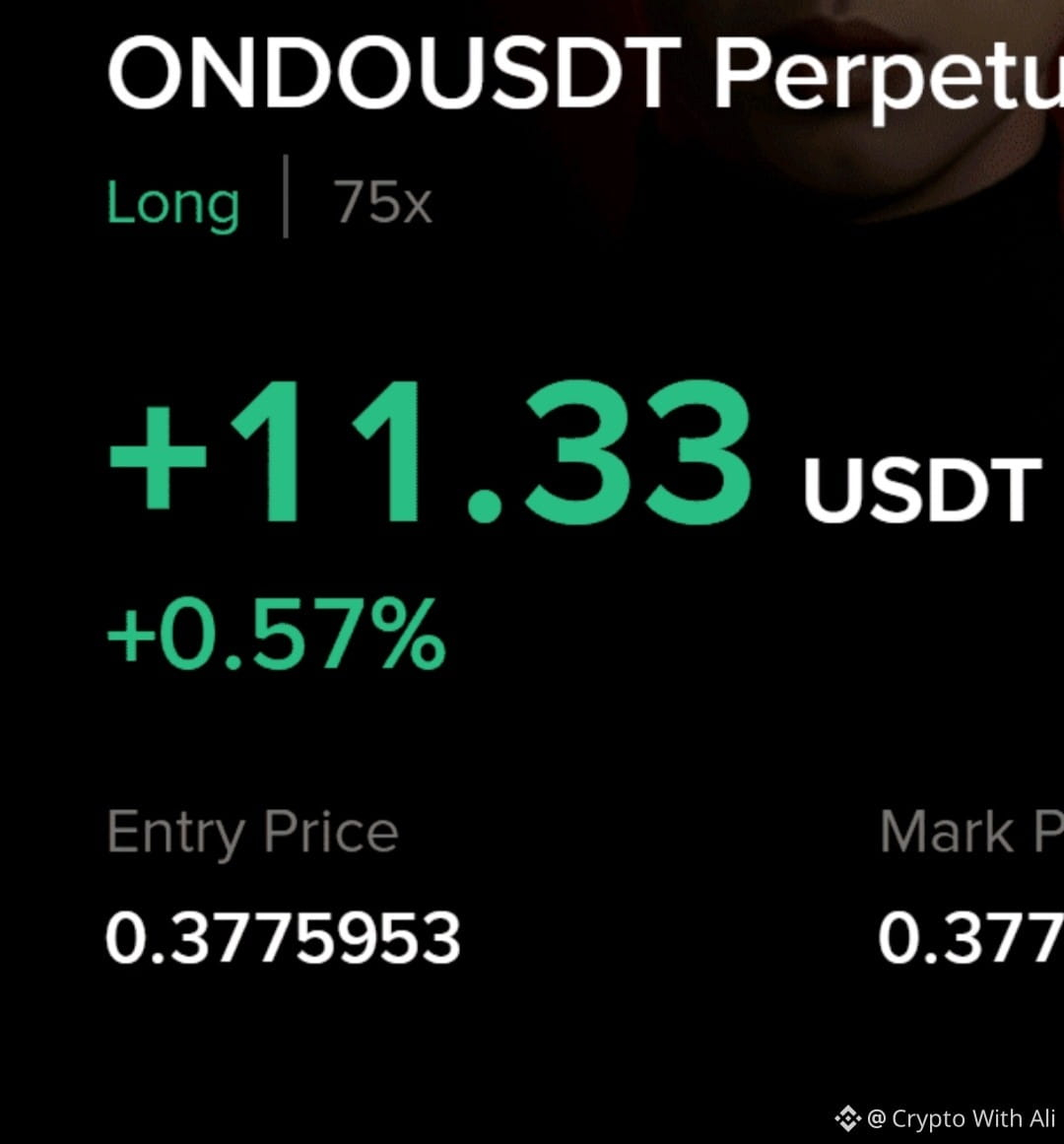
$ONG STILL LONG! BIG LONG
L’ontologie est une ancienne pièce qui a été listée en 2023 ; de toute façon, il n’y a vraiment eu aucun développement significatif. Ce qui compte pour nous, c’est le financement collecté une fois par heure.
Je vous ai informé hier que je maintenais cette position pendant que je cherchais un financement et que je gagnais un salaire horaire régulier.
Je continue de recevoir de l’argent provenant du financement horaire, qui n’a pas diminué.
Pensez-vous que je réaliserai un bénéfice lorsque la transaction se clôturera ?
#ONGUSDT🚨
{future}(ONGUSDT)
{future}(ONDOUSDT)
$BITCOIN
{alpha}(10x72e4f9f808c49a2a61de9c5896298920dc4eeea9)
$ONG STILL LONG! BIG LONG
L’ontologie est une ancienne pièce qui a été listée en 2023 ; de toute façon, il n’y a vraiment eu aucun développement significatif. Ce qui compte pour nous, c’est le financement collecté une fois par heure.
Je vous ai informé hier que je maintenais cette position pendant que je cherchais un financement et que je gagnais un salaire horaire régulier.
Je continue de recevoir de l’argent provenant du financement horaire, qui n’a pas diminué.
Pensez-vous que je réaliserai un bénéfice lorsque la transaction se clôturera ?
#ONGUSDT🚨
$BITCOIN
L’ontologie est une ancienne pièce qui a été listée en 2023 ; de toute façon, il n’y a vraiment eu aucun développement significatif. Ce qui compte pour nous, c’est le financement collecté une fois par heure.
Je vous ai informé hier que je maintenais cette position pendant que je cherchais un financement et que je gagnais un salaire horaire régulier.
Je continue de recevoir de l’argent provenant du financement horaire, qui n’a pas diminué.
Pensez-vous que je réaliserai un bénéfice lorsque la transaction se clôturera ?
#ONGUSDT🚨
$BITCOIN
66
Voir la traduction
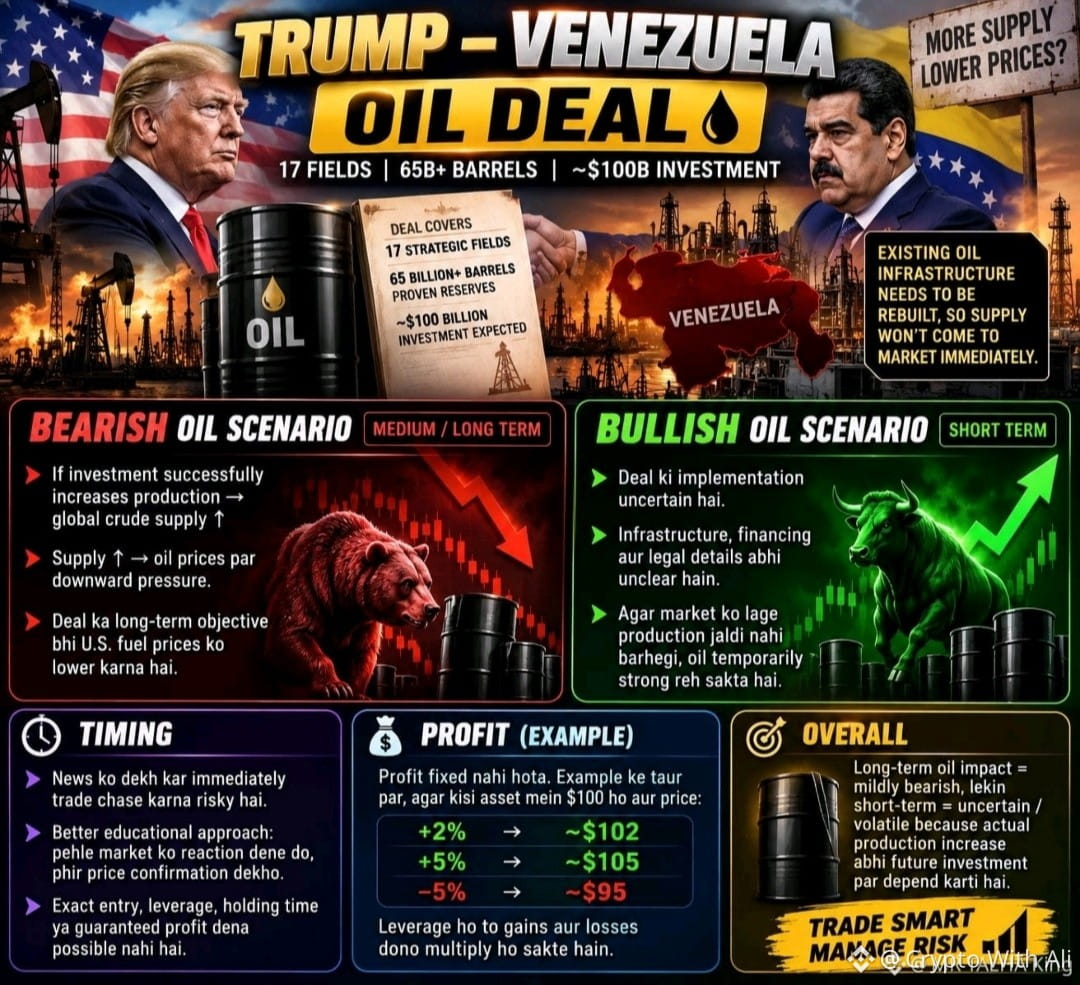
#TrumpReachesVenezuelaOilDealOn17Fields
🛢️ Trump–Venezuela Oil Deal:
$Bullish vs Bearish
According to the most recent reports, ka mutabiq will acquire 17 strategic fields, 65 billion barrels of proven reserves, and approximately $100 billion in investment. If Venezuela's existing oil infrastructure is to be rebuilt, the market will require immediate supply. $TRUMP
📉 Bearish oil scenario — medium/long term
Agar investment successfully production barhata hai → global crude supply ↑ Supply ↑ → oil prices par downward pressure Deal ka long-term objective bhi U.S. fuel prices ko lower karna hai.
📈 Bullish oil scenario — short term
Deal ki implementation uncertain hai. Infrastructure, financing aur legal details abhi unclear hain. Agar market ko lage production jaldi nahi barhegi, oil temporarily strong reh sakta hai.
⏱️ Timing
News ko dekh kar immediately trade chase karna risky hai. A more effective educational strategy is to emphasize market reaction and price confirmation. With precise entry, leverage, and holding time, you can guarantee a profit.
💰 Profit
Profit fixed nahi hota. Example ke taur par, agar kisi asset mein $100 ho aur price:
+2% → ~$102 +5% → ~$105 −5% → ~$95
Leverage ho to gains aur losses dono multiply ho sakte hain.
Overall: 🛢️ Long-term oil impact = mildly bearish, lekin short-term = uncertain/volatile because actual production increase abhi future investment par depend karti hai.
#Trump #Venezuela #VenezuelaOi l#OilDeal
$TRUMP $USDC
USDC
0.99997
+0%
TRUMP
2.607
-14.07%
$TRUMP
{spot}(TRUMPUSDT)
#TrumpReachesVenezuelaOilDealOn17Fields
🛢️ Trump–Venezuela Oil Deal:
$Bullish vs Bearish
According to the most recent reports, ka mutabiq will acquire 17 strategic fields, 65 billion barrels of proven reserves, and approximately $100 billion in investment. If Venezuela's existing oil infrastructure is to be rebuilt, the market will require immediate supply. $TRUMP
📉 Bearish oil scenario — medium/long term
Agar investment successfully production barhata hai → global crude supply ↑ Supply ↑ → oil prices par downward pressure Deal ka long-term objective bhi U.S. fuel prices ko lower karna hai.
📈 Bullish oil scenario — short term
Deal ki implementation uncertain hai. Infrastructure, financing aur legal details abhi unclear hain. Agar market ko lage production jaldi nahi barhegi, oil temporarily strong reh sakta hai.
⏱️ Timing
News ko dekh kar immediately trade chase karna risky hai. A more effective educational strategy is to emphasize market reaction and price confirmation. With precise entry, leverage, and holding time, you can guarantee a profit.
💰 Profit
Profit fixed nahi hota. Example ke taur par, agar kisi asset mein $100 ho aur price:
+2% → ~$102 +5% → ~$105 −5% → ~$95
Leverage ho to gains aur losses dono multiply ho sakte hain.
Overall: 🛢️ Long-term oil impact = mildly bearish, lekin short-term = uncertain/volatile because actual production increase abhi future investment par depend karti hai.
#Trump #Venezuela #VenezuelaOi l#OilDeal
$TRUMP $USDC
USDC
0.99997
+0%
TRUMP
2.607
-14.07%
$TRUMP
🛢️ Trump–Venezuela Oil Deal:
$Bullish vs Bearish
According to the most recent reports, ka mutabiq will acquire 17 strategic fields, 65 billion barrels of proven reserves, and approximately $100 billion in investment. If Venezuela's existing oil infrastructure is to be rebuilt, the market will require immediate supply. $TRUMP
📉 Bearish oil scenario — medium/long term
Agar investment successfully production barhata hai → global crude supply ↑ Supply ↑ → oil prices par downward pressure Deal ka long-term objective bhi U.S. fuel prices ko lower karna hai.
📈 Bullish oil scenario — short term
Deal ki implementation uncertain hai. Infrastructure, financing aur legal details abhi unclear hain. Agar market ko lage production jaldi nahi barhegi, oil temporarily strong reh sakta hai.
⏱️ Timing
News ko dekh kar immediately trade chase karna risky hai. A more effective educational strategy is to emphasize market reaction and price confirmation. With precise entry, leverage, and holding time, you can guarantee a profit.
💰 Profit
Profit fixed nahi hota. Example ke taur par, agar kisi asset mein $100 ho aur price:
+2% → ~$102 +5% → ~$105 −5% → ~$95
Leverage ho to gains aur losses dono multiply ho sakte hain.
Overall: 🛢️ Long-term oil impact = mildly bearish, lekin short-term = uncertain/volatile because actual production increase abhi future investment par depend karti hai.
#Trump #Venezuela #VenezuelaOi l#OilDeal
$TRUMP $USDC
USDC
0.99997
+0%
TRUMP
2.607
-14.07%
$TRUMP
74
Article
Voir la traduction
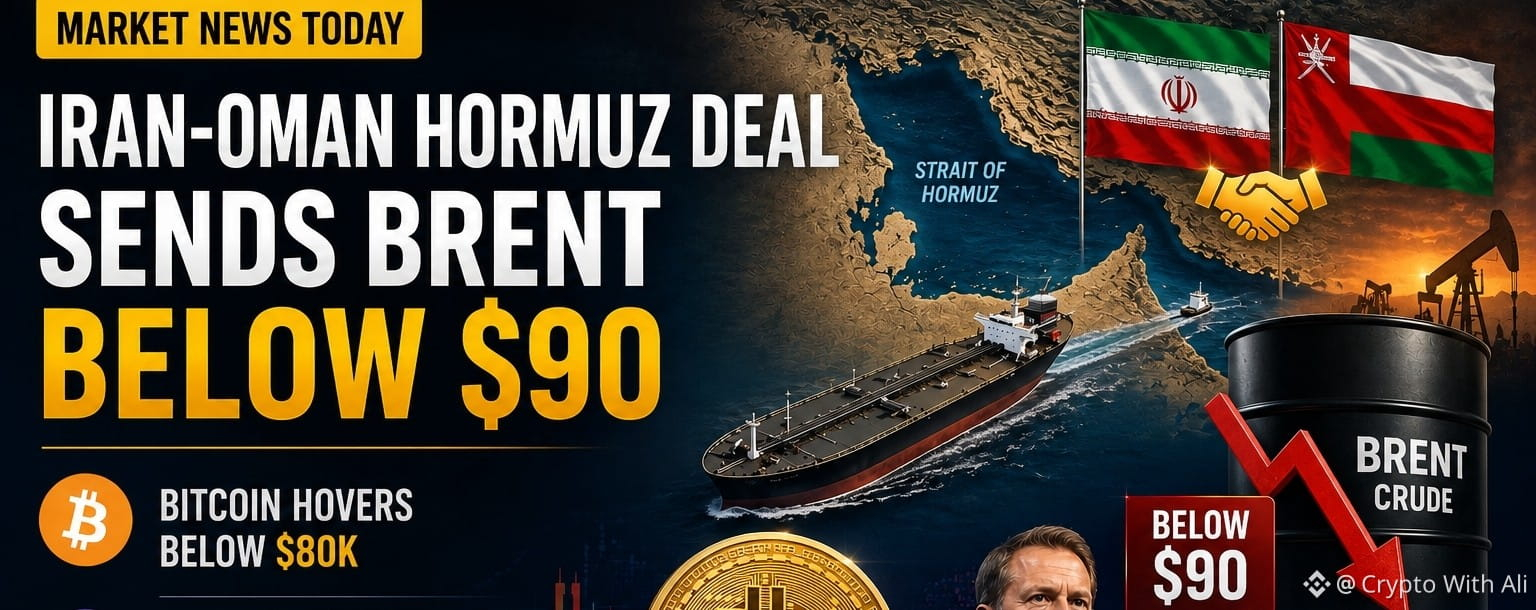
Market News Today: Iran-Oman Hormuz Deal Sends Brent Below $90 — Bitcoin Hovers Below $80K Into WarsIran and Oman agreed terms on administering the Strait of Hormuz, sending Brent below $90 for the first time since the conflict escalated — removing the energy-driven inflation shock from the table precisely as Warsh prepares to speak. Bitcoin held just under $80,000 after an overnight run to $81,280, with eight consecutive days of ETF inflows totaling $2.8B — August already the strongest inflow month of 2026. The $6.4B options expiry cleared with max pain at $68,000, roughly $12,000 below where Bitcoin settled. California passed AB 2409 barring officials from issuing meme coins. Dollar edged higher as the yen weakened.
$6.4 Billion in Bitcoin Options Expire With Price Near $80,000 and Max Pain at $68,000
About 81,700 Bitcoin options worth $6.4B settled on Deribit at 08:00 UTC Friday. Max pain sat at $68,000-$70,000 — roughly $12,000 below where Bitcoin actually traded — a gap that measures how unanticipated the rally was. Options built during the six-week range between $61,500 and $66,900 at BVIV lows of 35.59% priced a narrow outcome distribution; calls at $75,000 and $80,000 that were far out-of-the-money when written finished near or in the money. BVIV climbed to 47% through the rally. Post-expiry, Deribit's Pequignot pointed to call spreads as the preferred structure for September upside exposure, with puts remaining expensive relative to calls. The supply wall at $80,000-$82,000 — where nearly 8% of Bitcoin's circulating supply sits — is the next test.
Solana Jumps 20% on the Week as Bitcoin Tests $80,000 Ahead of Jackson Hole
Bitcoin ran to $81,280 overnight before pulling back just below $80,000 ahead of Warsh's keynote. Solana surged 4% to $101 — 20% on the week. Ether +1% to $2,492, XRP +2% to $1.43, BNB +1% to $714. The Iran-Oman Hormuz agreement sent Brent below $90 — down 5%+ on the week — removing the primary inflation shock heading into the Fed's September 16 decision. Futures still price 35% odds of a September hike and fully price a move by December. Bitcoin has rallied through rising hike expectations all month — a hawkish Warsh confirms what's already priced, but removes the ambiguity that has let the rally run. LMAX's Joel Kruger: "setbacks should now be limited, with the May high just below $83,000."
Hong Kong's Hang Seng Closes Marginally Higher as Precious Metals Rally and AI Names Fall
The Hang Seng closed up 0.07% as China Silver Group and Summit Resources both gained 7%+, while AI names Zhipu and MINIMAX-W fell 6% and 4% respectively — the same precious-metals-up, AI-down divergence visible across global markets for weeks. Chinese AI names not participating in the Nvidia-driven regional lift points to something separate from the demand story: the DUV lithography breakthrough and Nvidia pausing its AI cloud financing initiative are the specific overhangs. Gold slipped to $4,587 even as Hong Kong metals equities rallied — a common divergence between commodity and miners when equity flows lag the underlying.
California AB 2409 Passes Legislature, Would Bar Officials From Issuing Meme Coins
AB 2409 has passed both chambers and awaits the governor's signature. The bill would prohibit California public officials from issuing meme coins and — from January 1, 2027 — bar digital asset service providers from offering California residents trading in meme coins issued by any federal, state or local official anywhere. The compliance obligation falls on exchanges, which would need to screen listings by issuer's public official status. The bill directly parallels the ethics provision that has stalled the federal CLARITY Act — California is legislating at the state level the question Congress cannot resolve. The CLARITY Act missed its August voting window and still needs 10 Senate Democrats to clear 60 votes. State laws and SEC rulemaking are filling the gap.
Dollar Index Rises To 99.213 As Yen Weakens
The DXY edged up to 99.213 from 99.159 as the yen weakened to 159.67 per dollar. The dollar holding just above 99 — below its 200-day average of 99.1 — keeps the weaker-dollar backdrop that has supported both Bitcoin and gold broadly intact. A sustained break above 99.5 would begin to tighten that support. The yen at 159.67 keeps the carry trade unwind risk in the background — the same mechanism that crashed Bitcoin from $65,000 to $50,000 in a week in July 2024 becomes more live as the yen weakens further. Warsh's Jackson Hole tone will be the primary determinant of where the dollar goes from here.
$ETH
{spot}(ETHUSDT)
$BTC
{spot}(BTCUSDT)
$DL
{alpha}(560xcd806d0eb9465020994c9e977cbe34fe430172ae)
#SOLJumps20%OnTheWeek #CaliforniaBillWouldBarOfficialMemeCoins #$6.4BBitcoinOptionsExpire #TRONMainnetActivatesTVMPragueOsaka #QatarExtendsLNGForceMajeureByOneMonth
Market News Today: Iran-Oman Hormuz Deal Sends Brent Below $90 — Bitcoin Hovers Below $80K Into Wars
Iran and Oman agreed terms on administering the Strait of Hormuz, sending Brent below $90 for the first time since the conflict escalated — removing the energy-driven inflation shock from the table precisely as Warsh prepares to speak. Bitcoin held just under $80,000 after an overnight run to $81,280, with eight consecutive days of ETF inflows totaling $2.8B — August already the strongest inflow month of 2026. The $6.4B options expiry cleared with max pain at $68,000, roughly $12,000 below where Bitcoin settled. California passed AB 2409 barring officials from issuing meme coins. Dollar edged higher as the yen weakened.
$6.4 Billion in Bitcoin Options Expire With Price Near $80,000 and Max Pain at $68,000
About 81,700 Bitcoin options worth $6.4B settled on Deribit at 08:00 UTC Friday. Max pain sat at $68,000-$70,000 — roughly $12,000 below where Bitcoin actually traded — a gap that measures how unanticipated the rally was. Options built during the six-week range between $61,500 and $66,900 at BVIV lows of 35.59% priced a narrow outcome distribution; calls at $75,000 and $80,000 that were far out-of-the-money when written finished near or in the money. BVIV climbed to 47% through the rally. Post-expiry, Deribit's Pequignot pointed to call spreads as the preferred structure for September upside exposure, with puts remaining expensive relative to calls. The supply wall at $80,000-$82,000 — where nearly 8% of Bitcoin's circulating supply sits — is the next test.
Solana Jumps 20% on the Week as Bitcoin Tests $80,000 Ahead of Jackson Hole
Bitcoin ran to $81,280 overnight before pulling back just below $80,000 ahead of Warsh's keynote. Solana surged 4% to $101 — 20% on the week. Ether +1% to $2,492, XRP +2% to $1.43, BNB +1% to $714. The Iran-Oman Hormuz agreement sent Brent below $90 — down 5%+ on the week — removing the primary inflation shock heading into the Fed's September 16 decision. Futures still price 35% odds of a September hike and fully price a move by December. Bitcoin has rallied through rising hike expectations all month — a hawkish Warsh confirms what's already priced, but removes the ambiguity that has let the rally run. LMAX's Joel Kruger: "setbacks should now be limited, with the May high just below $83,000."
Hong Kong's Hang Seng Closes Marginally Higher as Precious Metals Rally and AI Names Fall
The Hang Seng closed up 0.07% as China Silver Group and Summit Resources both gained 7%+, while AI names Zhipu and MINIMAX-W fell 6% and 4% respectively — the same precious-metals-up, AI-down divergence visible across global markets for weeks. Chinese AI names not participating in the Nvidia-driven regional lift points to something separate from the demand story: the DUV lithography breakthrough and Nvidia pausing its AI cloud financing initiative are the specific overhangs. Gold slipped to $4,587 even as Hong Kong metals equities rallied — a common divergence between commodity and miners when equity flows lag the underlying.
California AB 2409 Passes Legislature, Would Bar Officials From Issuing Meme Coins
AB 2409 has passed both chambers and awaits the governor's signature. The bill would prohibit California public officials from issuing meme coins and — from January 1, 2027 — bar digital asset service providers from offering California residents trading in meme coins issued by any federal, state or local official anywhere. The compliance obligation falls on exchanges, which would need to screen listings by issuer's public official status. The bill directly parallels the ethics provision that has stalled the federal CLARITY Act — California is legislating at the state level the question Congress cannot resolve. The CLARITY Act missed its August voting window and still needs 10 Senate Democrats to clear 60 votes. State laws and SEC rulemaking are filling the gap.
Dollar Index Rises To 99.213 As Yen Weakens
The DXY edged up to 99.213 from 99.159 as the yen weakened to 159.67 per dollar. The dollar holding just above 99 — below its 200-day average of 99.1 — keeps the weaker-dollar backdrop that has supported both Bitcoin and gold broadly intact. A sustained break above 99.5 would begin to tighten that support. The yen at 159.67 keeps the carry trade unwind risk in the background — the same mechanism that crashed Bitcoin from $65,000 to $50,000 in a week in July 2024 becomes more live as the yen weakens further. Warsh's Jackson Hole tone will be the primary determinant of where the dollar goes from here.
$ETH
$BTC
$DL
#SOLJumps20%OnTheWeek #CaliforniaBillWouldBarOfficialMemeCoins #$6.4BBitcoinOptionsExpire #TRONMainnetActivatesTVMPragueOsaka #QatarExtendsLNGForceMajeureByOneMonth
$6.4 Billion in Bitcoin Options Expire With Price Near $80,000 and Max Pain at $68,000
About 81,700 Bitcoin options worth $6.4B settled on Deribit at 08:00 UTC Friday. Max pain sat at $68,000-$70,000 — roughly $12,000 below where Bitcoin actually traded — a gap that measures how unanticipated the rally was. Options built during the six-week range between $61,500 and $66,900 at BVIV lows of 35.59% priced a narrow outcome distribution; calls at $75,000 and $80,000 that were far out-of-the-money when written finished near or in the money. BVIV climbed to 47% through the rally. Post-expiry, Deribit's Pequignot pointed to call spreads as the preferred structure for September upside exposure, with puts remaining expensive relative to calls. The supply wall at $80,000-$82,000 — where nearly 8% of Bitcoin's circulating supply sits — is the next test.
Solana Jumps 20% on the Week as Bitcoin Tests $80,000 Ahead of Jackson Hole
Bitcoin ran to $81,280 overnight before pulling back just below $80,000 ahead of Warsh's keynote. Solana surged 4% to $101 — 20% on the week. Ether +1% to $2,492, XRP +2% to $1.43, BNB +1% to $714. The Iran-Oman Hormuz agreement sent Brent below $90 — down 5%+ on the week — removing the primary inflation shock heading into the Fed's September 16 decision. Futures still price 35% odds of a September hike and fully price a move by December. Bitcoin has rallied through rising hike expectations all month — a hawkish Warsh confirms what's already priced, but removes the ambiguity that has let the rally run. LMAX's Joel Kruger: "setbacks should now be limited, with the May high just below $83,000."
Hong Kong's Hang Seng Closes Marginally Higher as Precious Metals Rally and AI Names Fall
The Hang Seng closed up 0.07% as China Silver Group and Summit Resources both gained 7%+, while AI names Zhipu and MINIMAX-W fell 6% and 4% respectively — the same precious-metals-up, AI-down divergence visible across global markets for weeks. Chinese AI names not participating in the Nvidia-driven regional lift points to something separate from the demand story: the DUV lithography breakthrough and Nvidia pausing its AI cloud financing initiative are the specific overhangs. Gold slipped to $4,587 even as Hong Kong metals equities rallied — a common divergence between commodity and miners when equity flows lag the underlying.
California AB 2409 Passes Legislature, Would Bar Officials From Issuing Meme Coins
AB 2409 has passed both chambers and awaits the governor's signature. The bill would prohibit California public officials from issuing meme coins and — from January 1, 2027 — bar digital asset service providers from offering California residents trading in meme coins issued by any federal, state or local official anywhere. The compliance obligation falls on exchanges, which would need to screen listings by issuer's public official status. The bill directly parallels the ethics provision that has stalled the federal CLARITY Act — California is legislating at the state level the question Congress cannot resolve. The CLARITY Act missed its August voting window and still needs 10 Senate Democrats to clear 60 votes. State laws and SEC rulemaking are filling the gap.
Dollar Index Rises To 99.213 As Yen Weakens
The DXY edged up to 99.213 from 99.159 as the yen weakened to 159.67 per dollar. The dollar holding just above 99 — below its 200-day average of 99.1 — keeps the weaker-dollar backdrop that has supported both Bitcoin and gold broadly intact. A sustained break above 99.5 would begin to tighten that support. The yen at 159.67 keeps the carry trade unwind risk in the background — the same mechanism that crashed Bitcoin from $65,000 to $50,000 in a week in July 2024 becomes more live as the yen weakens further. Warsh's Jackson Hole tone will be the primary determinant of where the dollar goes from here.
$ETH
$BTC
$DL
#SOLJumps20%OnTheWeek #CaliforniaBillWouldBarOfficialMemeCoins #$6.4BBitcoinOptionsExpire #TRONMainnetActivatesTVMPragueOsaka #QatarExtendsLNGForceMajeureByOneMonth
83

Article
Trump affirme que la CFTC travaille à faire entrer Hyperliquid aux États-UnisHYPE a bondi de plus de 6 % en quelques heures après que le président Donald Trump a déclaré que les régulateurs s’emploient à faire entrer Hyperliquid aux États-Unis d’une manière entièrement légale et conforme. D’après BeInCrypto, Trump a crédité le président de la Commodity Futures Trading Commission (CFTC), Michael Selig, d’avoir mené l’effort lors d’une réunion à la Maison-Blanche réunissant des dirigeants de la crypto et de la technologie, mercredi 19 août.
Trump a affirmé que Selig travaille à empêcher Hyperliquid d’entrer aux États-Unis, et Selig a promis de fournir des informations supplémentaires jeudi. Au moment de la publication, HYPE se négociait près de 68,19 $ avec une capitalisation boursière d’environ 15,1 milliards de dollars.
Trump affirme que la CFTC travaille à faire entrer Hyperliquid aux États-Unis
HYPE a bondi de plus de 6 % en quelques heures après que le président Donald Trump a déclaré que les régulateurs s’emploient à faire entrer Hyperliquid aux États-Unis d’une manière entièrement légale et conforme. D’après BeInCrypto, Trump a crédité le président de la Commodity Futures Trading Commission (CFTC), Michael Selig, d’avoir mené l’effort lors d’une réunion à la Maison-Blanche réunissant des dirigeants de la crypto et de la technologie, mercredi 19 août.
Trump a affirmé que Selig travaille à empêcher Hyperliquid d’entrer aux États-Unis, et Selig a promis de fournir des informations supplémentaires jeudi. Au moment de la publication, HYPE se négociait près de 68,19 $ avec une capitalisation boursière d’environ 15,1 milliards de dollars.
Trump a affirmé que Selig travaille à empêcher Hyperliquid d’entrer aux États-Unis, et Selig a promis de fournir des informations supplémentaires jeudi. Au moment de la publication, HYPE se négociait près de 68,19 $ avec une capitalisation boursière d’environ 15,1 milliards de dollars.
182
Voir la traduction
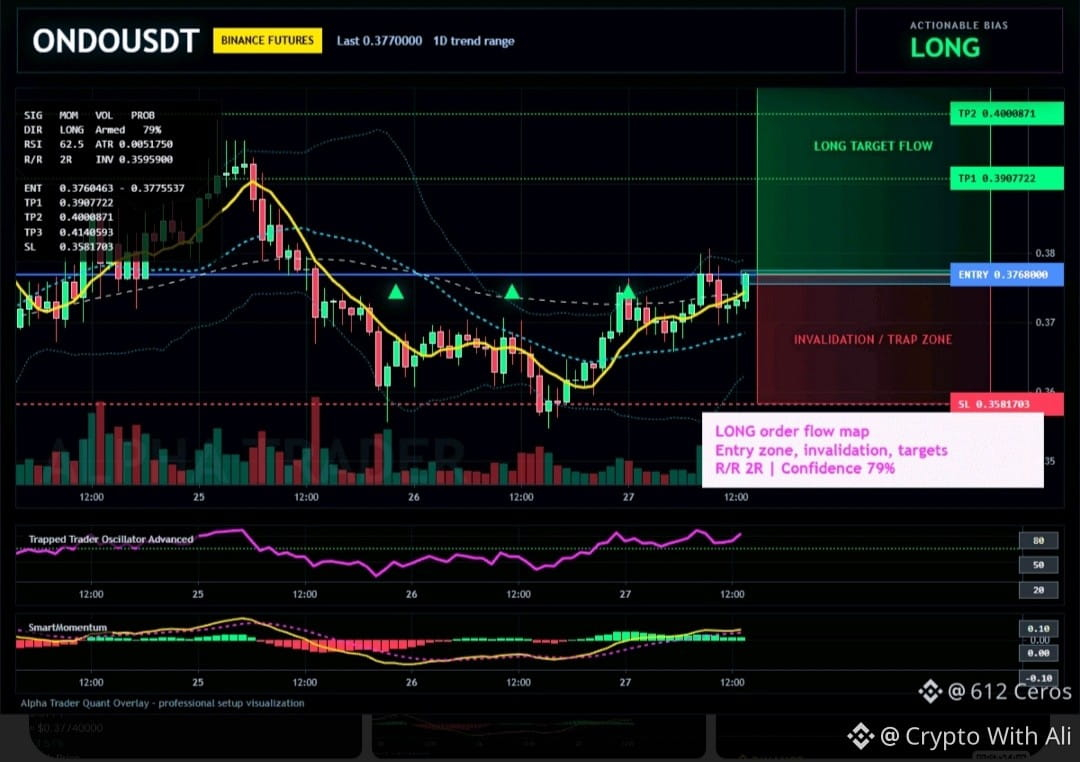
Everyone is staring at Bitcoin while ONDO quietly broke its 4h range — are you early or late?
$ONDO/USDT - 🔵Long Confidence 79% Plan for Trade: Entry: 0.3760463 – 0.3775537
SL: 0.3581703
TP1: 0.3907722
TP2: 0.4000871
TP3: 0.4140593
Why this arrangement? - The price is still above the 0.3768 reference level, and the 4h signal just fired LONG with 79% confidence. The 15-meter RSI is 62.45, indicating that momentum is increasing but is not yet overheated, allowing room for running.
Why right now? The 4h regime is trending, but the 1D is still rangebound. This indicates that the short-term move is cooperating with rather than opposing the intraday flow. TP1 is at 0.3907, TP2 is at 0.4000, and TP3 is at 0.4140. The targets are stacked. The invalidation is clear at 0.3595.
- This is a trend-following setup, so the edge is on your side — but the 1D range caps the ceiling. Do not expect a straight line.
Debate:
If ONDO hits TP2 at 0.40, do you take profits or let it ride into the 0.41 zone?
Click here to Trade 👇️
$ONDO
{spot}(ONDOUSDT)
$ONDS.US
{stock_us}(ONDS.US)
#BestBuyQ2RevenueTopsEstimatesLiftsOutlook #KospiClosesAtRecordHigh #ChinaOpposesUSProposed7.5%Tariff #XRPLeadsCryptoPullbackDropsNearly7% #DollarPostsBiggestGainInNearlyFourWeeks
{future}(ONDSUSDT)
$USDC
Everyone is staring at Bitcoin while ONDO quietly broke its 4h range — are you early or late?
$ONDO /USDT - 🔵Long Confidence 79% Plan for Trade: Entry: 0.3760463 – 0.3775537
SL: 0.3581703
TP1: 0.3907722
TP2: 0.4000871
TP3: 0.4140593
Why this arrangement? - The price is still above the 0.3768 reference level, and the 4h signal just fired LONG with 79% confidence. The 15-meter RSI is 62.45, indicating that momentum is increasing but is not yet overheated, allowing room for running.
Why right now? The 4h regime is trending, but the 1D is still rangebound. This indicates that the short-term move is cooperating with rather than opposing the intraday flow. TP1 is at 0.3907, TP2 is at 0.4000, and TP3 is at 0.4140. The targets are stacked. The invalidation is clear at 0.3595.
- This is a trend-following setup, so the edge is on your side — but the 1D range caps the ceiling. Do not expect a straight line.
Debate:
If ONDO hits TP2 at 0.40, do you take profits or let it ride into the 0.41 zone?
Click here to Trade 👇️
$ONDO
$ONDS.US
#BestBuyQ2RevenueTopsEstimatesLiftsOutlook #KospiClosesAtRecordHigh #ChinaOpposesUSProposed7.5%Tariff #XRPLeadsCryptoPullbackDropsNearly7% #DollarPostsBiggestGainInNearlyFourWeeks
$USDC
$ONDO /USDT - 🔵Long Confidence 79% Plan for Trade: Entry: 0.3760463 – 0.3775537
SL: 0.3581703
TP1: 0.3907722
TP2: 0.4000871
TP3: 0.4140593
Why this arrangement? - The price is still above the 0.3768 reference level, and the 4h signal just fired LONG with 79% confidence. The 15-meter RSI is 62.45, indicating that momentum is increasing but is not yet overheated, allowing room for running.
Why right now? The 4h regime is trending, but the 1D is still rangebound. This indicates that the short-term move is cooperating with rather than opposing the intraday flow. TP1 is at 0.3907, TP2 is at 0.4000, and TP3 is at 0.4140. The targets are stacked. The invalidation is clear at 0.3595.
- This is a trend-following setup, so the edge is on your side — but the 1D range caps the ceiling. Do not expect a straight line.
Debate:
If ONDO hits TP2 at 0.40, do you take profits or let it ride into the 0.41 zone?
Click here to Trade 👇️
$ONDO
$ONDS.US
#BestBuyQ2RevenueTopsEstimatesLiftsOutlook #KospiClosesAtRecordHigh #ChinaOpposesUSProposed7.5%Tariff #XRPLeadsCryptoPullbackDropsNearly7% #DollarPostsBiggestGainInNearlyFourWeeks
$USDC
ONDO-7,53%
ONDSUS-2,68%
63

$BTC Tests 77 350 $ après un nouvel échec de percée
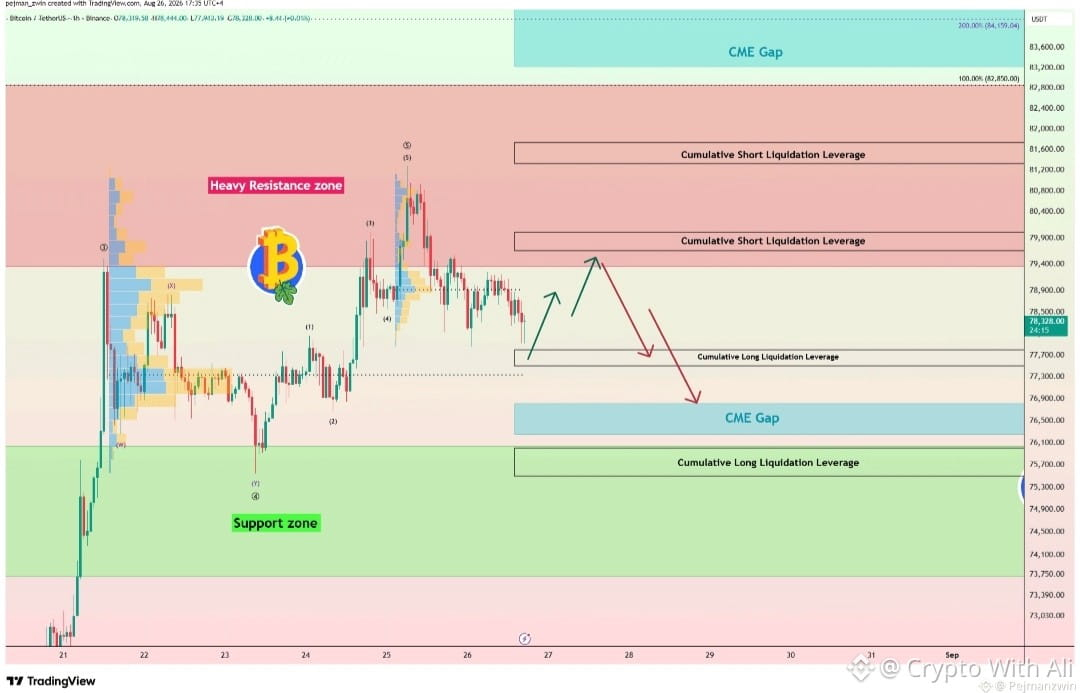
Bitcoin a tenté une nouvelle fois de franchir la Zone de Résistance Majeure, mais il semble que la percée n’ait pas fonctionné : le prix est donc reparti à la baisse. Le prix évolue désormais près du Levier de Liquidation Longue Cumulé et du niveau de trading clé à 77 350 $.
Analyses techniques autour de 77 350 $, Bitcoin teste une convergence de support significative. Les zones de liquidation peuvent agir comme des aimants de liquidité à court terme : des positions fortement levierées concentrées peuvent provoquer des réactions nettes lorsque le prix les atteint.
Je m’attends à ce que Bitcoin entame un nouveau mouvement haussier depuis cette zone et progresse vers le Levier de Liquidation Courte Cumulé.
Une autre correction pourrait commencer lorsque Bitcoin atteindra ce niveau, le poussant potentiellement vers le Gap du CME (entre 76,81 $ et 76 255 $), puis éventuellement à le combler. 77 350 $ est le niveau de trading clé. Bitcoin pourra-t-il reprendre 80 000 $ avant une nouvelle baisse significative ?
#bitcoin
$BTC
{spot}(BTCUSDT)
$BTSG.US
{stock_us}(BTSG.US)
#SECSendsCryptoCustodyRuleToWhiteHouse #IranSaysHormuzOmanDealNotFinalized #USStocksCloseHigherNvidiaGains2% #XRPRallies44%InAWeek
$BTC Tests 77 350 $ après un nouvel échec de percée
Bitcoin a tenté une nouvelle fois de franchir la Zone de Résistance Majeure, mais il semble que la percée n’ait pas fonctionné : le prix est donc reparti à la baisse. Le prix évolue désormais près du Levier de Liquidation Longue Cumulé et du niveau de trading clé à 77 350 $.
Analyses techniques autour de 77 350 $, Bitcoin teste une convergence de support significative. Les zones de liquidation peuvent agir comme des aimants de liquidité à court terme : des positions fortement levierées concentrées peuvent provoquer des réactions nettes lorsque le prix les atteint.
Je m’attends à ce que Bitcoin entame un nouveau mouvement haussier depuis cette zone et progresse vers le Levier de Liquidation Courte Cumulé.
Une autre correction pourrait commencer lorsque Bitcoin atteindra ce niveau, le poussant potentiellement vers le Gap du CME (entre 76,81 $ et 76 255 $), puis éventuellement à le combler. 77 350 $ est le niveau de trading clé. Bitcoin pourra-t-il reprendre 80 000 $ avant une nouvelle baisse significative ?
#bitcoin
$BTC
$BTSG.US
#SECSendsCryptoCustodyRuleToWhiteHouse #IranSaysHormuzOmanDealNotFinalized #USStocksCloseHigherNvidiaGains2% #XRPRallies44%InAWeek
Bitcoin a tenté une nouvelle fois de franchir la Zone de Résistance Majeure, mais il semble que la percée n’ait pas fonctionné : le prix est donc reparti à la baisse. Le prix évolue désormais près du Levier de Liquidation Longue Cumulé et du niveau de trading clé à 77 350 $.
Analyses techniques autour de 77 350 $, Bitcoin teste une convergence de support significative. Les zones de liquidation peuvent agir comme des aimants de liquidité à court terme : des positions fortement levierées concentrées peuvent provoquer des réactions nettes lorsque le prix les atteint.
Je m’attends à ce que Bitcoin entame un nouveau mouvement haussier depuis cette zone et progresse vers le Levier de Liquidation Courte Cumulé.
Une autre correction pourrait commencer lorsque Bitcoin atteindra ce niveau, le poussant potentiellement vers le Gap du CME (entre 76,81 $ et 76 255 $), puis éventuellement à le combler. 77 350 $ est le niveau de trading clé. Bitcoin pourra-t-il reprendre 80 000 $ avant une nouvelle baisse significative ?
#bitcoin
$BTC
$BTSG.US
#SECSendsCryptoCustodyRuleToWhiteHouse #IranSaysHormuzOmanDealNotFinalized #USStocksCloseHigherNvidiaGains2% #XRPRallies44%InAWeek
1
1
73
Article
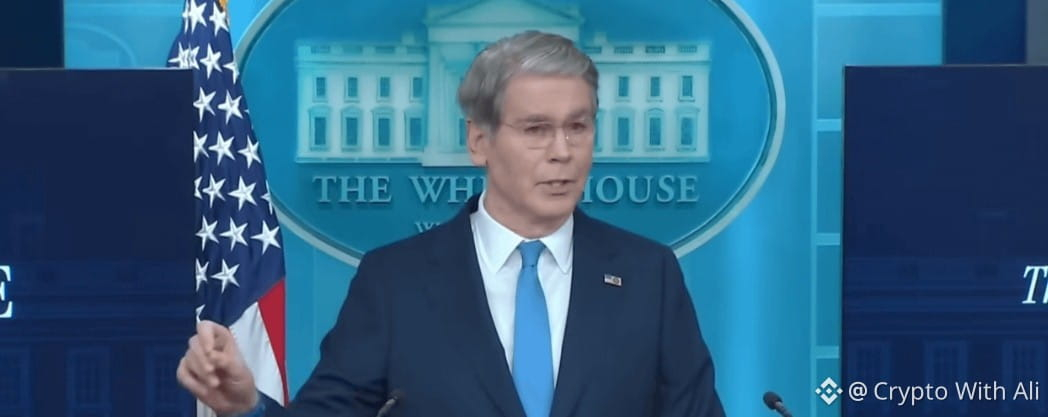
Bessent : Les rachats du Trésor pourraient dépasser 4 milliards de dollars par émissionLe secrétaire au Trésor américain, Scott Bessent, a déclaré que les rachats accrus de titres du Trésor annoncés cette semaine pourraient dépasser 4 milliards de dollars par émission, selon Bloomberg. S’exprimant jeudi sur CNBC, M. Bessent a indiqué : « nous disposons d’une grande boîte à outils, donc on verra », ajoutant qu’une partie du mouvement visait à signaler et à montrer qu’il existe une conviction selon laquelle les rendements ne reflètent pas les fondamentaux sous-jacents.
Les commentaires ont suivi la déclaration du Département du Trésor mercredi, selon laquelle il augmenterait la taille des rachats pour les titres à plus longue échéance « d’au moins le double ». L’impact sur le marché n’a été que de courte durée : d’ici jeudi, les obligations américaines à 30 ans avaient effacé les gains liés à l’annonce surprenante. Les rendements des titres à 10 ans et à 30 ans sont restés plus élevés après ses remarques.
Bessent : Les rachats du Trésor pourraient dépasser 4 milliards de dollars par émission
Le secrétaire au Trésor américain, Scott Bessent, a déclaré que les rachats accrus de titres du Trésor annoncés cette semaine pourraient dépasser 4 milliards de dollars par émission, selon Bloomberg. S’exprimant jeudi sur CNBC, M. Bessent a indiqué : « nous disposons d’une grande boîte à outils, donc on verra », ajoutant qu’une partie du mouvement visait à signaler et à montrer qu’il existe une conviction selon laquelle les rendements ne reflètent pas les fondamentaux sous-jacents.
Les commentaires ont suivi la déclaration du Département du Trésor mercredi, selon laquelle il augmenterait la taille des rachats pour les titres à plus longue échéance « d’au moins le double ». L’impact sur le marché n’a été que de courte durée : d’ici jeudi, les obligations américaines à 30 ans avaient effacé les gains liés à l’annonce surprenante. Les rendements des titres à 10 ans et à 30 ans sont restés plus élevés après ses remarques.
Les commentaires ont suivi la déclaration du Département du Trésor mercredi, selon laquelle il augmenterait la taille des rachats pour les titres à plus longue échéance « d’au moins le double ». L’impact sur le marché n’a été que de courte durée : d’ici jeudi, les obligations américaines à 30 ans avaient effacé les gains liés à l’annonce surprenante. Les rendements des titres à 10 ans et à 30 ans sont restés plus élevés après ses remarques.
2
1
93
Connectez-vous pour découvrir plus de contenu
Rejoignez la communauté mondiale des adeptes de cryptomonnaies sur Binance Square
⚡️ Suviez les dernières informations importantes sur les cryptomonnaies.
💬 Jugé digne de confiance par la plus grande plateforme d’échange de cryptomonnaies au monde.
👍 Découvrez les connaissances que partagent les créateurs vérifiés.
Adresse e-mail/Nº de téléphone