
Mr Bullrun G
60 Publications

Mr Bullrun G
Signaler
Bloquer l’utilisateur
Ouvert au trading
Trade régulièrement
6.1 an(s)
481 Suivis
64 Abonnés
35 J’aime
Publications
Portefeuille
Tous
Citations
Vidéos
·
--
Haussier
A sense of peace, security, and confidence
wherever we go, whenever we need it. 🌍✨
That’s why our community loves Binance. 💛
{spot}(BNBUSDT)
A sense of peace, security, and confidence
wherever we go, whenever we need it. 🌍✨
That’s why our community loves Binance. 💛
wherever we go, whenever we need it. 🌍✨
That’s why our community loves Binance. 💛

54
·
--

Article
From Answering to Acting: How Binance Agent OS Works in Practiceປັນຍາປະດິດ (AI) ກຳລັງພັດທະນາຈາກລະບົບທີ່ພຽງແຕ່ຕອບຄຳຖາມ ໄປສູ່ AI Agents ອັດສະລິຍະທີ່ສາມາດເຂົ້າໃຈ, ວິເຄາະ ແລະ ດຳເນີນການຕ່າງໆໄດ້.
Binance Agent OS ເປັນຂັ້ນຕອນຕໍ່ໄປຂອງການພັດທະນານີ້ — ກ້າວຂ້າມຈາກ AI Assistant ແບບເດີມທີ່ພຽງແຕ່ໃຫ້ຂໍ້ມູນ ໄປສູ່ AI Agents ທີ່ສາມາດເຊື່ອມຕໍ່ກັບຂໍ້ມູນທາງການເງິນ, ແອັບພິເຄຊັນ ແລະ ເຄື່ອງມືຕ່າງໆ ພາຍໃຕ້ສະພາບແວດລ້ອມທີ່ມີການຄວບຄຸມ ແລະ ສາມາດກວດສອບໄດ້.
ໃນຂະນະທີ່ AI ເຂົ້າມາມີບົດບາດຫຼາຍຂຶ້ນໃນບໍລິການທາງການເງິນ, ອະນາຄົດກຳລັງປ່ຽນຈາກ AI ທີ່ພຽງແຕ່ໃຫ້ຄຳຕອບ ໄປສູ່ AI ທີ່ສາມາດຊ່ວຍຜູ້ໃຊ້ດຳເນີນວຽກງານຈິງໃນຊີວິດປະຈຳວັນໄດ້.
🚀 ວິທີການເຮັດວຽກຂອງ Binance Agent OS ໃນການນຳໃຊ້ຈິງ
ການສາທິດການນຳໃຊ້ຈິງຂອງ Binance Agent OS ສະແດງໃຫ້ເຫັນວ່າ AI Agents ສາມາດເຂົ້າເຖິງຂໍ້ມູນຕະຫຼາດຂອງ Binance ແລະ ເຊື່ອມຕໍ່ກັບຟັງຊັນທີ່ກ່ຽວຂ້ອງກັບການຊື້ຂາຍ ຜ່ານ MCP (Model Context Protocol).
ໂດຍການເຊື່ອມຕໍ່ເຄື່ອງມື AI ເຊັ່ນ Claude, Cursor ແລະ ChatGPT ເຂົ້າກັບໂຄງສ້າງພື້ນຖານຂອງ Binance, AI Agents ສາມາດດຶງຂໍ້ມູນຕະຫຼາດ, ວິເຄາະຂໍ້ມູນ ແລະ ດຳເນີນການຕ່າງໆ ພາຍໃຕ້ຂອບເຂດຄວາມປອດໄພທີ່ກຳນົດໄວ້.
ສິ່ງນີ້ສ້າງຮູບແບບການໂຕ້ຕອບໃໝ່ ທີ່ AI ບໍ່ໄດ້ເປັນພຽງແຫຼ່ງຂໍ້ມູນ ຫຼື ຂໍ້ມູນເຊິ່ງໃຫ້ຄວາມເຂົ້າໃຈເທົ່ານັ້ນ, ແຕ່ຍັງເປັນ ຊັ້ນການດຳເນີນງານອັດສະລິຍະ (Intelligent Execution Layer) ສຳລັບການເງິນດິຈິຕອນ.
💡 ຕົວຢ່າງການນຳໃຊ້ AI Agent ໃນຊີວິດຈິງ
ດ້ວຍ Binance Agent OS, AI Agents ສາມາດຊ່ວຍສະໜັບສະໜູນຂະບວນການທາງການເງິນຫຼາຍຮູບແບບ ເຊັ່ນ:
📊 ການວິເຄາະ ແລະ ຄົ້ນຄວ້າຕະຫຼາດ
AI Agents ສາມາດວິເຄາະຂໍ້ມູນຕະຫຼາດ, ຕິດຕາມການເຄື່ອນໄຫວຂອງລາຄາ ແລະ ສະຫຼຸບແນວໂນ້ມຂອງຕະຫຼາດ ເພື່ອຊ່ວຍໃຫ້ຜູ້ໃຊ້ເຂົ້າໃຈສະພາບຕະຫຼາດທີ່ປ່ຽນແປງໄດ້ຢ່າງມີປະສິດທິພາບຫຼາຍຂຶ້ນ.
ຕົວຢ່າງ:
ວິເຄາະແນວໂນ້ມຕະຫຼາດ BTC ຫຼື ETHສະຫຼຸບການເຄື່ອນໄຫວສຳຄັນຂອງຕະຫຼາດລະບຸຂໍ້ມູນຕະຫຼາດທີ່ສຳຄັນ
📈 ຂໍ້ມູນເຊິ່ງລຶກດ້ານ Portfolio ແລະ ການຈັດການສິນຊັບ
AI Agents ສາມາດຊ່ວຍຜູ້ໃຊ້ກວດສອບຂໍ້ມູນ Portfolio ແລະ ສະໜອງຂໍ້ມູນວິເຄາະທີ່ອີງໃສ່ຂໍ້ມູນຈິງ ຕາມສະພາບຕະຫຼາດ.
ຕົວຢ່າງ:
ຕິດຕາມຜົນການດຳເນີນງານຂອງ Portfolioວິເຄາະການຈັດສັດສ່ວນຂອງສິນຊັບສະໜອງບົດສະຫຼຸບຕະຫຼາດທີ່ປັບໃຫ້ເໝາະກັບຜູ້ໃຊ້ແຕ່ລະຄົນ
⚙️ ຂະບວນການຊື້ຂາຍອັດຕະໂນມັດ
ຜ່ານການເຂົ້າເຖິງເຄື່ອງມືທີ່ຖືກຄວບຄຸມ, AI Agents ສາມາດຊ່ວຍດຳເນີນວຽກງານທີ່ກ່ຽວຂ້ອງກັບການຊື້ຂາຍ ໂດຍດຳເນີນງານພາຍໃຕ້ຂອບເຂດສິດທິ ແລະ ກອບຄວາມປອດໄພທີ່ກຳນົດໄວ້.
ຕົວຢ່າງ:
ດຶງຂໍ້ມູນຕະຫຼາດແບບ Real-timeກວດສອບເງື່ອນໄຂການຊື້ຂາຍຊ່ວຍສະໜັບສະໜູນກຸລະຍຸດການຊື້ຂາຍທີ່ກຳນົດໄວ້ລ່ວງໜ້າ
🔍 ການເຊື່ອມຕໍ່ສຳລັບນັກພັດທະນາ ແລະ ແອັບພິເຄຊັນດ້ານການເງິນ
ນັກພັດທະນາສາມາດນຳໃຊ້ລະບົບ AI Agent ເພື່ອສ້າງແອັບພິເຄຊັນທາງການເງິນຮູບແບບໃໝ່ ໂດຍເຊື່ອມຕໍ່ຄວາມສາມາດຂອງ AI ເຂົ້າກັບຂໍ້ມູນຕະຫຼາດ ແລະ ເຄື່ອງມືທາງການເງິນ.
ຕົວຢ່າງ:
ສ້າງຜູ້ຊ່ວຍການຊື້ຂາຍທີ່ໃຊ້ AIພັດທະນາເຄື່ອງມືຄົ້ນຄວ້າຕະຫຼາດແບບອັດຕະໂນມັດສ້າງແອັບພິເຄຊັນທາງການເງິນຮຸ່ນໃໝ່ສຳລັບອະນາຄົດ
🔐 ຈາກແນວຄິດ ສູ່ ໂຄງສ້າງພື້ນຖານການເງິນທີ່ໃຊ້ງານຈິງ
Binance Agent OS ບໍ່ແມ່ນພຽງແຕ່ແນວຄິດທາງທິດສະດີສຳລັບອະນາຄົດຂອງ AI ດ້ານການເງິນ.
ມັນສະແດງໃຫ້ເຫັນເຖິງ:
✅ ຂະບວນການເຮັດວຽກຂອງ AI ທີ່ໃຊ້ງານຈິງ
✅ ການໂຕ້ຕອບກັບຂໍ້ມູນຈິງ
✅ ການໃຊ້ງານເຄື່ອງມືຈິງ
✅ ກອບຄວາມປອດໄພທີ່ຖືກຄວບຄຸມ
ໃນຂະນະທີ່ AI ສືບຕໍ່ປ່ຽນແປງບໍລິການທາງການເງິນ, ລະບົບທີ່ຂັບເຄື່ອນດ້ວຍ AI Agents ອາດກາຍເປັນພື້ນຖານສຳຄັນຂອງການເງິນດິຈິຕອນຮຸ່ນຕໍ່ໄປ — ເຊື່ອມຕໍ່ ຄວາມສາມາດຂອງ AI, ລະບົບອັດຕະໂນມັດ ແລະ ແອັບພິເຄຊັນທາງການເງິນທີ່ໃຊ້ງານຈິງ.
ອະນາຄົດຂອງການເງິນອາດບໍ່ໄດ້ຂຶ້ນກັບພຽງແຕ່ການເຂົ້າເຖິງຂໍ້ມູນໄດ້ໄວຂຶ້ນ, ແຕ່ຍັງກ່ຽວກັບການໃຫ້ລະບົບອັດສະລິຍະຊ່ວຍຜູ້ໃຊ້ຕັດສິນໃຈໄດ້ດີຂຶ້ນ ແລະ ດຳເນີນວຽກງານໄດ້ຢ່າງມີປະສິດທິພາບຫຼາຍຂຶ້ນ.
#BinanceAgentOS #Aİ #ArtificialIntelligence #FutureOfFinance #CryptoInnovation
{spot}(BNBUSDT)
From Answering to Acting: How Binance Agent OS Works in Practice
ປັນຍາປະດິດ (AI) ກຳລັງພັດທະນາຈາກລະບົບທີ່ພຽງແຕ່ຕອບຄຳຖາມ ໄປສູ່ AI Agents ອັດສະລິຍະທີ່ສາມາດເຂົ້າໃຈ, ວິເຄາະ ແລະ ດຳເນີນການຕ່າງໆໄດ້.
Binance Agent OS ເປັນຂັ້ນຕອນຕໍ່ໄປຂອງການພັດທະນານີ້ — ກ້າວຂ້າມຈາກ AI Assistant ແບບເດີມທີ່ພຽງແຕ່ໃຫ້ຂໍ້ມູນ ໄປສູ່ AI Agents ທີ່ສາມາດເຊື່ອມຕໍ່ກັບຂໍ້ມູນທາງການເງິນ, ແອັບພິເຄຊັນ ແລະ ເຄື່ອງມືຕ່າງໆ ພາຍໃຕ້ສະພາບແວດລ້ອມທີ່ມີການຄວບຄຸມ ແລະ ສາມາດກວດສອບໄດ້.
ໃນຂະນະທີ່ AI ເຂົ້າມາມີບົດບາດຫຼາຍຂຶ້ນໃນບໍລິການທາງການເງິນ, ອະນາຄົດກຳລັງປ່ຽນຈາກ AI ທີ່ພຽງແຕ່ໃຫ້ຄຳຕອບ ໄປສູ່ AI ທີ່ສາມາດຊ່ວຍຜູ້ໃຊ້ດຳເນີນວຽກງານຈິງໃນຊີວິດປະຈຳວັນໄດ້.
🚀 ວິທີການເຮັດວຽກຂອງ Binance Agent OS ໃນການນຳໃຊ້ຈິງ
ການສາທິດການນຳໃຊ້ຈິງຂອງ Binance Agent OS ສະແດງໃຫ້ເຫັນວ່າ AI Agents ສາມາດເຂົ້າເຖິງຂໍ້ມູນຕະຫຼາດຂອງ Binance ແລະ ເຊື່ອມຕໍ່ກັບຟັງຊັນທີ່ກ່ຽວຂ້ອງກັບການຊື້ຂາຍ ຜ່ານ MCP (Model Context Protocol).
ໂດຍການເຊື່ອມຕໍ່ເຄື່ອງມື AI ເຊັ່ນ Claude, Cursor ແລະ ChatGPT ເຂົ້າກັບໂຄງສ້າງພື້ນຖານຂອງ Binance, AI Agents ສາມາດດຶງຂໍ້ມູນຕະຫຼາດ, ວິເຄາະຂໍ້ມູນ ແລະ ດຳເນີນການຕ່າງໆ ພາຍໃຕ້ຂອບເຂດຄວາມປອດໄພທີ່ກຳນົດໄວ້.
ສິ່ງນີ້ສ້າງຮູບແບບການໂຕ້ຕອບໃໝ່ ທີ່ AI ບໍ່ໄດ້ເປັນພຽງແຫຼ່ງຂໍ້ມູນ ຫຼື ຂໍ້ມູນເຊິ່ງໃຫ້ຄວາມເຂົ້າໃຈເທົ່ານັ້ນ, ແຕ່ຍັງເປັນ ຊັ້ນການດຳເນີນງານອັດສະລິຍະ (Intelligent Execution Layer) ສຳລັບການເງິນດິຈິຕອນ.
💡 ຕົວຢ່າງການນຳໃຊ້ AI Agent ໃນຊີວິດຈິງ
ດ້ວຍ Binance Agent OS, AI Agents ສາມາດຊ່ວຍສະໜັບສະໜູນຂະບວນການທາງການເງິນຫຼາຍຮູບແບບ ເຊັ່ນ:
📊 ການວິເຄາະ ແລະ ຄົ້ນຄວ້າຕະຫຼາດ
AI Agents ສາມາດວິເຄາະຂໍ້ມູນຕະຫຼາດ, ຕິດຕາມການເຄື່ອນໄຫວຂອງລາຄາ ແລະ ສະຫຼຸບແນວໂນ້ມຂອງຕະຫຼາດ ເພື່ອຊ່ວຍໃຫ້ຜູ້ໃຊ້ເຂົ້າໃຈສະພາບຕະຫຼາດທີ່ປ່ຽນແປງໄດ້ຢ່າງມີປະສິດທິພາບຫຼາຍຂຶ້ນ.
ຕົວຢ່າງ:
ວິເຄາະແນວໂນ້ມຕະຫຼາດ BTC ຫຼື ETHສະຫຼຸບການເຄື່ອນໄຫວສຳຄັນຂອງຕະຫຼາດລະບຸຂໍ້ມູນຕະຫຼາດທີ່ສຳຄັນ
📈 ຂໍ້ມູນເຊິ່ງລຶກດ້ານ Portfolio ແລະ ການຈັດການສິນຊັບ
AI Agents ສາມາດຊ່ວຍຜູ້ໃຊ້ກວດສອບຂໍ້ມູນ Portfolio ແລະ ສະໜອງຂໍ້ມູນວິເຄາະທີ່ອີງໃສ່ຂໍ້ມູນຈິງ ຕາມສະພາບຕະຫຼາດ.
ຕົວຢ່າງ:
ຕິດຕາມຜົນການດຳເນີນງານຂອງ Portfolioວິເຄາະການຈັດສັດສ່ວນຂອງສິນຊັບສະໜອງບົດສະຫຼຸບຕະຫຼາດທີ່ປັບໃຫ້ເໝາະກັບຜູ້ໃຊ້ແຕ່ລະຄົນ
⚙️ ຂະບວນການຊື້ຂາຍອັດຕະໂນມັດ
ຜ່ານການເຂົ້າເຖິງເຄື່ອງມືທີ່ຖືກຄວບຄຸມ, AI Agents ສາມາດຊ່ວຍດຳເນີນວຽກງານທີ່ກ່ຽວຂ້ອງກັບການຊື້ຂາຍ ໂດຍດຳເນີນງານພາຍໃຕ້ຂອບເຂດສິດທິ ແລະ ກອບຄວາມປອດໄພທີ່ກຳນົດໄວ້.
ຕົວຢ່າງ:
ດຶງຂໍ້ມູນຕະຫຼາດແບບ Real-timeກວດສອບເງື່ອນໄຂການຊື້ຂາຍຊ່ວຍສະໜັບສະໜູນກຸລະຍຸດການຊື້ຂາຍທີ່ກຳນົດໄວ້ລ່ວງໜ້າ
🔍 ການເຊື່ອມຕໍ່ສຳລັບນັກພັດທະນາ ແລະ ແອັບພິເຄຊັນດ້ານການເງິນ
ນັກພັດທະນາສາມາດນຳໃຊ້ລະບົບ AI Agent ເພື່ອສ້າງແອັບພິເຄຊັນທາງການເງິນຮູບແບບໃໝ່ ໂດຍເຊື່ອມຕໍ່ຄວາມສາມາດຂອງ AI ເຂົ້າກັບຂໍ້ມູນຕະຫຼາດ ແລະ ເຄື່ອງມືທາງການເງິນ.
ຕົວຢ່າງ:
ສ້າງຜູ້ຊ່ວຍການຊື້ຂາຍທີ່ໃຊ້ AIພັດທະນາເຄື່ອງມືຄົ້ນຄວ້າຕະຫຼາດແບບອັດຕະໂນມັດສ້າງແອັບພິເຄຊັນທາງການເງິນຮຸ່ນໃໝ່ສຳລັບອະນາຄົດ
🔐 ຈາກແນວຄິດ ສູ່ ໂຄງສ້າງພື້ນຖານການເງິນທີ່ໃຊ້ງານຈິງ
Binance Agent OS ບໍ່ແມ່ນພຽງແຕ່ແນວຄິດທາງທິດສະດີສຳລັບອະນາຄົດຂອງ AI ດ້ານການເງິນ.
ມັນສະແດງໃຫ້ເຫັນເຖິງ:
✅ ຂະບວນການເຮັດວຽກຂອງ AI ທີ່ໃຊ້ງານຈິງ
✅ ການໂຕ້ຕອບກັບຂໍ້ມູນຈິງ
✅ ການໃຊ້ງານເຄື່ອງມືຈິງ
✅ ກອບຄວາມປອດໄພທີ່ຖືກຄວບຄຸມ
ໃນຂະນະທີ່ AI ສືບຕໍ່ປ່ຽນແປງບໍລິການທາງການເງິນ, ລະບົບທີ່ຂັບເຄື່ອນດ້ວຍ AI Agents ອາດກາຍເປັນພື້ນຖານສຳຄັນຂອງການເງິນດິຈິຕອນຮຸ່ນຕໍ່ໄປ — ເຊື່ອມຕໍ່ ຄວາມສາມາດຂອງ AI, ລະບົບອັດຕະໂນມັດ ແລະ ແອັບພິເຄຊັນທາງການເງິນທີ່ໃຊ້ງານຈິງ.
ອະນາຄົດຂອງການເງິນອາດບໍ່ໄດ້ຂຶ້ນກັບພຽງແຕ່ການເຂົ້າເຖິງຂໍ້ມູນໄດ້ໄວຂຶ້ນ, ແຕ່ຍັງກ່ຽວກັບການໃຫ້ລະບົບອັດສະລິຍະຊ່ວຍຜູ້ໃຊ້ຕັດສິນໃຈໄດ້ດີຂຶ້ນ ແລະ ດຳເນີນວຽກງານໄດ້ຢ່າງມີປະສິດທິພາບຫຼາຍຂຶ້ນ.
#BinanceAgentOS #Aİ #ArtificialIntelligence #FutureOfFinance #CryptoInnovation
Binance Agent OS ເປັນຂັ້ນຕອນຕໍ່ໄປຂອງການພັດທະນານີ້ — ກ້າວຂ້າມຈາກ AI Assistant ແບບເດີມທີ່ພຽງແຕ່ໃຫ້ຂໍ້ມູນ ໄປສູ່ AI Agents ທີ່ສາມາດເຊື່ອມຕໍ່ກັບຂໍ້ມູນທາງການເງິນ, ແອັບພິເຄຊັນ ແລະ ເຄື່ອງມືຕ່າງໆ ພາຍໃຕ້ສະພາບແວດລ້ອມທີ່ມີການຄວບຄຸມ ແລະ ສາມາດກວດສອບໄດ້.
ໃນຂະນະທີ່ AI ເຂົ້າມາມີບົດບາດຫຼາຍຂຶ້ນໃນບໍລິການທາງການເງິນ, ອະນາຄົດກຳລັງປ່ຽນຈາກ AI ທີ່ພຽງແຕ່ໃຫ້ຄຳຕອບ ໄປສູ່ AI ທີ່ສາມາດຊ່ວຍຜູ້ໃຊ້ດຳເນີນວຽກງານຈິງໃນຊີວິດປະຈຳວັນໄດ້.
🚀 ວິທີການເຮັດວຽກຂອງ Binance Agent OS ໃນການນຳໃຊ້ຈິງ
ການສາທິດການນຳໃຊ້ຈິງຂອງ Binance Agent OS ສະແດງໃຫ້ເຫັນວ່າ AI Agents ສາມາດເຂົ້າເຖິງຂໍ້ມູນຕະຫຼາດຂອງ Binance ແລະ ເຊື່ອມຕໍ່ກັບຟັງຊັນທີ່ກ່ຽວຂ້ອງກັບການຊື້ຂາຍ ຜ່ານ MCP (Model Context Protocol).
ໂດຍການເຊື່ອມຕໍ່ເຄື່ອງມື AI ເຊັ່ນ Claude, Cursor ແລະ ChatGPT ເຂົ້າກັບໂຄງສ້າງພື້ນຖານຂອງ Binance, AI Agents ສາມາດດຶງຂໍ້ມູນຕະຫຼາດ, ວິເຄາະຂໍ້ມູນ ແລະ ດຳເນີນການຕ່າງໆ ພາຍໃຕ້ຂອບເຂດຄວາມປອດໄພທີ່ກຳນົດໄວ້.
ສິ່ງນີ້ສ້າງຮູບແບບການໂຕ້ຕອບໃໝ່ ທີ່ AI ບໍ່ໄດ້ເປັນພຽງແຫຼ່ງຂໍ້ມູນ ຫຼື ຂໍ້ມູນເຊິ່ງໃຫ້ຄວາມເຂົ້າໃຈເທົ່ານັ້ນ, ແຕ່ຍັງເປັນ ຊັ້ນການດຳເນີນງານອັດສະລິຍະ (Intelligent Execution Layer) ສຳລັບການເງິນດິຈິຕອນ.
💡 ຕົວຢ່າງການນຳໃຊ້ AI Agent ໃນຊີວິດຈິງ
ດ້ວຍ Binance Agent OS, AI Agents ສາມາດຊ່ວຍສະໜັບສະໜູນຂະບວນການທາງການເງິນຫຼາຍຮູບແບບ ເຊັ່ນ:
📊 ການວິເຄາະ ແລະ ຄົ້ນຄວ້າຕະຫຼາດ
AI Agents ສາມາດວິເຄາະຂໍ້ມູນຕະຫຼາດ, ຕິດຕາມການເຄື່ອນໄຫວຂອງລາຄາ ແລະ ສະຫຼຸບແນວໂນ້ມຂອງຕະຫຼາດ ເພື່ອຊ່ວຍໃຫ້ຜູ້ໃຊ້ເຂົ້າໃຈສະພາບຕະຫຼາດທີ່ປ່ຽນແປງໄດ້ຢ່າງມີປະສິດທິພາບຫຼາຍຂຶ້ນ.
ຕົວຢ່າງ:
ວິເຄາະແນວໂນ້ມຕະຫຼາດ BTC ຫຼື ETHສະຫຼຸບການເຄື່ອນໄຫວສຳຄັນຂອງຕະຫຼາດລະບຸຂໍ້ມູນຕະຫຼາດທີ່ສຳຄັນ
📈 ຂໍ້ມູນເຊິ່ງລຶກດ້ານ Portfolio ແລະ ການຈັດການສິນຊັບ
AI Agents ສາມາດຊ່ວຍຜູ້ໃຊ້ກວດສອບຂໍ້ມູນ Portfolio ແລະ ສະໜອງຂໍ້ມູນວິເຄາະທີ່ອີງໃສ່ຂໍ້ມູນຈິງ ຕາມສະພາບຕະຫຼາດ.
ຕົວຢ່າງ:
ຕິດຕາມຜົນການດຳເນີນງານຂອງ Portfolioວິເຄາະການຈັດສັດສ່ວນຂອງສິນຊັບສະໜອງບົດສະຫຼຸບຕະຫຼາດທີ່ປັບໃຫ້ເໝາະກັບຜູ້ໃຊ້ແຕ່ລະຄົນ
⚙️ ຂະບວນການຊື້ຂາຍອັດຕະໂນມັດ
ຜ່ານການເຂົ້າເຖິງເຄື່ອງມືທີ່ຖືກຄວບຄຸມ, AI Agents ສາມາດຊ່ວຍດຳເນີນວຽກງານທີ່ກ່ຽວຂ້ອງກັບການຊື້ຂາຍ ໂດຍດຳເນີນງານພາຍໃຕ້ຂອບເຂດສິດທິ ແລະ ກອບຄວາມປອດໄພທີ່ກຳນົດໄວ້.
ຕົວຢ່າງ:
ດຶງຂໍ້ມູນຕະຫຼາດແບບ Real-timeກວດສອບເງື່ອນໄຂການຊື້ຂາຍຊ່ວຍສະໜັບສະໜູນກຸລະຍຸດການຊື້ຂາຍທີ່ກຳນົດໄວ້ລ່ວງໜ້າ
🔍 ການເຊື່ອມຕໍ່ສຳລັບນັກພັດທະນາ ແລະ ແອັບພິເຄຊັນດ້ານການເງິນ
ນັກພັດທະນາສາມາດນຳໃຊ້ລະບົບ AI Agent ເພື່ອສ້າງແອັບພິເຄຊັນທາງການເງິນຮູບແບບໃໝ່ ໂດຍເຊື່ອມຕໍ່ຄວາມສາມາດຂອງ AI ເຂົ້າກັບຂໍ້ມູນຕະຫຼາດ ແລະ ເຄື່ອງມືທາງການເງິນ.
ຕົວຢ່າງ:
ສ້າງຜູ້ຊ່ວຍການຊື້ຂາຍທີ່ໃຊ້ AIພັດທະນາເຄື່ອງມືຄົ້ນຄວ້າຕະຫຼາດແບບອັດຕະໂນມັດສ້າງແອັບພິເຄຊັນທາງການເງິນຮຸ່ນໃໝ່ສຳລັບອະນາຄົດ
🔐 ຈາກແນວຄິດ ສູ່ ໂຄງສ້າງພື້ນຖານການເງິນທີ່ໃຊ້ງານຈິງ
Binance Agent OS ບໍ່ແມ່ນພຽງແຕ່ແນວຄິດທາງທິດສະດີສຳລັບອະນາຄົດຂອງ AI ດ້ານການເງິນ.
ມັນສະແດງໃຫ້ເຫັນເຖິງ:
✅ ຂະບວນການເຮັດວຽກຂອງ AI ທີ່ໃຊ້ງານຈິງ
✅ ການໂຕ້ຕອບກັບຂໍ້ມູນຈິງ
✅ ການໃຊ້ງານເຄື່ອງມືຈິງ
✅ ກອບຄວາມປອດໄພທີ່ຖືກຄວບຄຸມ
ໃນຂະນະທີ່ AI ສືບຕໍ່ປ່ຽນແປງບໍລິການທາງການເງິນ, ລະບົບທີ່ຂັບເຄື່ອນດ້ວຍ AI Agents ອາດກາຍເປັນພື້ນຖານສຳຄັນຂອງການເງິນດິຈິຕອນຮຸ່ນຕໍ່ໄປ — ເຊື່ອມຕໍ່ ຄວາມສາມາດຂອງ AI, ລະບົບອັດຕະໂນມັດ ແລະ ແອັບພິເຄຊັນທາງການເງິນທີ່ໃຊ້ງານຈິງ.
ອະນາຄົດຂອງການເງິນອາດບໍ່ໄດ້ຂຶ້ນກັບພຽງແຕ່ການເຂົ້າເຖິງຂໍ້ມູນໄດ້ໄວຂຶ້ນ, ແຕ່ຍັງກ່ຽວກັບການໃຫ້ລະບົບອັດສະລິຍະຊ່ວຍຜູ້ໃຊ້ຕັດສິນໃຈໄດ້ດີຂຶ້ນ ແລະ ດຳເນີນວຽກງານໄດ້ຢ່າງມີປະສິດທິພາບຫຼາຍຂຶ້ນ.
#BinanceAgentOS #Aİ #ArtificialIntelligence #FutureOfFinance #CryptoInnovation
83
·
--

Article
From Answering to Acting: How Binance Agent OS Works in PracticeArtificial intelligence is evolving from simple question-answering systems into intelligent agents that can understand, analyze, and execute tasks.
Binance Agent OS represents the next step in this evolution — moving beyond traditional AI assistants that only provide information toward AI agents that can interact with financial data, applications, and tools within a controlled and auditable environment.
As AI continues becoming more integrated with financial services, the future is shifting from AI that provides answers to AI that can help users complete real-world tasks.
🚀 How Binance Agent OS Works in Practice
A real-world demonstration of Binance Agent OS shows how AI Agents can access Binance market data and interact with trading-related functions through MCP (Model Context Protocol).
By connecting AI tools such as Claude, Cursor, and ChatGPT with Binance infrastructure, AI agents can retrieve market information, analyze data, and execute specific actions under predefined security boundaries.
This creates a new interaction model where AI is not only a source of insights, but also an intelligent execution layer for digital finance.
💡 Real-World Examples of AI Agent Applications
With Binance Agent OS, AI Agents could support various financial workflows, such as:
📊 Market Research & Analysis
AI Agents can analyze market data, track price movements, and summarize market trends to help users understand changing market conditions more efficiently.
Example:
Analyze BTC or ETH market trendsSummarize key market movementsIdentify relevant market information
📈 Portfolio Insights & Asset Management
AI Agents can help users review their portfolio information and provide data-driven insights based on market conditions.
Example:
Monitor portfolio performanceAnalyze asset allocationProvide personalized market summaries
⚙️ Automated Trading Workflows
Through controlled tool access, AI Agents can assist with specific trading-related tasks while operating within defined permissions and security frameworks.
Example:
Retrieve real-time market dataCheck trading conditionsAssist with predefined trading strategies
🔍 Developer & Financial Application Integration
Developers can use AI Agent systems to build new financial applications by connecting AI capabilities with market data and financial tools.
Example:
Create AI-powered trading assistantsBuild automated research toolsDevelop next-generation financial applications
🔐 From Concept to Real Financial Infrastructure
Binance Agent OS is not just a theoretical vision for the future of AI finance.
It demonstrates:
✅ Real AI workflows
✅ Real data interactions
✅ Real tool execution
✅ Controlled security frameworks
As AI continues transforming financial services, agent-based systems could become a key foundation for the next generation of digital finance — connecting AI intelligence, automation, and real-world financial applications.
The future of finance may not only be about accessing information faster, but also about enabling intelligent systems to help users make better decisions and complete tasks more efficiently.
#BinanceAgentOS #Aİ #ArtificialIntelligence #FutureOfFinance #CryptoInnovation
{spot}(BNBUSDT)
From Answering to Acting: How Binance Agent OS Works in Practice
Artificial intelligence is evolving from simple question-answering systems into intelligent agents that can understand, analyze, and execute tasks.
Binance Agent OS represents the next step in this evolution — moving beyond traditional AI assistants that only provide information toward AI agents that can interact with financial data, applications, and tools within a controlled and auditable environment.
As AI continues becoming more integrated with financial services, the future is shifting from AI that provides answers to AI that can help users complete real-world tasks.
🚀 How Binance Agent OS Works in Practice
A real-world demonstration of Binance Agent OS shows how AI Agents can access Binance market data and interact with trading-related functions through MCP (Model Context Protocol).
By connecting AI tools such as Claude, Cursor, and ChatGPT with Binance infrastructure, AI agents can retrieve market information, analyze data, and execute specific actions under predefined security boundaries.
This creates a new interaction model where AI is not only a source of insights, but also an intelligent execution layer for digital finance.
💡 Real-World Examples of AI Agent Applications
With Binance Agent OS, AI Agents could support various financial workflows, such as:
📊 Market Research & Analysis
AI Agents can analyze market data, track price movements, and summarize market trends to help users understand changing market conditions more efficiently.
Example:
Analyze BTC or ETH market trendsSummarize key market movementsIdentify relevant market information
📈 Portfolio Insights & Asset Management
AI Agents can help users review their portfolio information and provide data-driven insights based on market conditions.
Example:
Monitor portfolio performanceAnalyze asset allocationProvide personalized market summaries
⚙️ Automated Trading Workflows
Through controlled tool access, AI Agents can assist with specific trading-related tasks while operating within defined permissions and security frameworks.
Example:
Retrieve real-time market dataCheck trading conditionsAssist with predefined trading strategies
🔍 Developer & Financial Application Integration
Developers can use AI Agent systems to build new financial applications by connecting AI capabilities with market data and financial tools.
Example:
Create AI-powered trading assistantsBuild automated research toolsDevelop next-generation financial applications
🔐 From Concept to Real Financial Infrastructure
Binance Agent OS is not just a theoretical vision for the future of AI finance.
It demonstrates:
✅ Real AI workflows
✅ Real data interactions
✅ Real tool execution
✅ Controlled security frameworks
As AI continues transforming financial services, agent-based systems could become a key foundation for the next generation of digital finance — connecting AI intelligence, automation, and real-world financial applications.
The future of finance may not only be about accessing information faster, but also about enabling intelligent systems to help users make better decisions and complete tasks more efficiently.
#BinanceAgentOS #Aİ #ArtificialIntelligence #FutureOfFinance #CryptoInnovation
Binance Agent OS represents the next step in this evolution — moving beyond traditional AI assistants that only provide information toward AI agents that can interact with financial data, applications, and tools within a controlled and auditable environment.
As AI continues becoming more integrated with financial services, the future is shifting from AI that provides answers to AI that can help users complete real-world tasks.
🚀 How Binance Agent OS Works in Practice
A real-world demonstration of Binance Agent OS shows how AI Agents can access Binance market data and interact with trading-related functions through MCP (Model Context Protocol).
By connecting AI tools such as Claude, Cursor, and ChatGPT with Binance infrastructure, AI agents can retrieve market information, analyze data, and execute specific actions under predefined security boundaries.
This creates a new interaction model where AI is not only a source of insights, but also an intelligent execution layer for digital finance.
💡 Real-World Examples of AI Agent Applications
With Binance Agent OS, AI Agents could support various financial workflows, such as:
📊 Market Research & Analysis
AI Agents can analyze market data, track price movements, and summarize market trends to help users understand changing market conditions more efficiently.
Example:
Analyze BTC or ETH market trendsSummarize key market movementsIdentify relevant market information
📈 Portfolio Insights & Asset Management
AI Agents can help users review their portfolio information and provide data-driven insights based on market conditions.
Example:
Monitor portfolio performanceAnalyze asset allocationProvide personalized market summaries
⚙️ Automated Trading Workflows
Through controlled tool access, AI Agents can assist with specific trading-related tasks while operating within defined permissions and security frameworks.
Example:
Retrieve real-time market dataCheck trading conditionsAssist with predefined trading strategies
🔍 Developer & Financial Application Integration
Developers can use AI Agent systems to build new financial applications by connecting AI capabilities with market data and financial tools.
Example:
Create AI-powered trading assistantsBuild automated research toolsDevelop next-generation financial applications
🔐 From Concept to Real Financial Infrastructure
Binance Agent OS is not just a theoretical vision for the future of AI finance.
It demonstrates:
✅ Real AI workflows
✅ Real data interactions
✅ Real tool execution
✅ Controlled security frameworks
As AI continues transforming financial services, agent-based systems could become a key foundation for the next generation of digital finance — connecting AI intelligence, automation, and real-world financial applications.
The future of finance may not only be about accessing information faster, but also about enabling intelligent systems to help users make better decisions and complete tasks more efficiently.
#BinanceAgentOS #Aİ #ArtificialIntelligence #FutureOfFinance #CryptoInnovation
80
·
--

Article
How Nvidia Earnings Impact the AI Supply Chain: A Real-Time Look at AI Market Trends.ລາຍງານຜົນປະກອບການຂອງ Nvidia ໃນວັນທີ 26 ສິງຫາ ບໍ່ແມ່ນພຽງແຕ່ການປະກາດຕົວເລກທາງການເງິນຂອງບໍລິສັດເທັກໂນໂລຊີໜຶ່ງເທົ່ານັ້ນ. ແຕ່ມັນກາຍເປັນໜຶ່ງໃນສັນຍານສຳຄັນທີ່ສະທ້ອນເຖິງທິດທາງໃນອະນາຄົດຂອງ ອຸດສາຫະກຳປັນຍາປະດິດ (Artificial Intelligence - AI).
Nvidia ບໍ່ໄດ້ຖືກມອງວ່າເປັນພຽງຜູ້ຜະລິດ GPU ອີກຕໍ່ໄປ. ບໍລິສັດໄດ້ກາຍເປັນສູນກາງຂອງລະບົບນິເວດ AI ທົ່ວໂລກ ໂດຍເຊື່ອມໂຍງຕັ້ງແຕ່ການຜະລິດ semiconductor, ໂຄງສ້າງພື້ນຖານດ້ານຄອມພິວເຕີ້, ຈົນເຖິງບໍລິສັດທີ່ນຳ AI ໄປສ້າງຜະລິດຕະພັນ ແລະ ການນຳໃຊ້ໃນໂລກຈິງ.
ແຕ່ມີປັດໃຈສຳຄັນຢ່າງໜຶ່ງ: ຜົນປະກອບການຂອງ Nvidia ຖືກປະກາດຫຼັງຈາກຕະຫຼາດຫຸ້ນສະຫະລັດປິດການຊື້ຂາຍ.
ໃນຂະນະທີ່ນັກລົງທຶນແບບດັ້ງເດີມຕ້ອງລໍຖ້າໃຫ້ Wall Street ເປີດຕະຫຼາດອີກຄັ້ງ, ຕະຫຼາດທີ່ເປີດ 24/7 ສາມາດສະແດງພາບຕໍ່ເນື່ອງວ່ານັກລົງທຶນກຳລັງຕອບສະໜອງຕໍ່ຂ່າວສານແນວໃດ ແລະ ຄວາມຄາດຫວັງຂອງຕະຫຼາດກຳລັງປ່ຽນແປງແນວໃດໃນແບບ Real-time.
🔗 Nvidia ສົ່ງຜົນກະທົບຕໍ່ຫ່ວງໂສ້ອຸປະທານ AI ແນວໃດ
ອິດທິພົນຂອງ Nvidia ບໍ່ໄດ້ຈຳກັດຢູ່ພຽງແຕ່ລາຄາຫຸ້ນຂອງຕົນເອງເທົ່ານັ້ນ. ຜົນການດຳເນີນງານຂອງ Nvidia ສາມາດສ້າງຜົນກະທົບເປັນລູກຄື້ນ (Ripple Effect) ໄປທົ່ວຫຼາຍຊັ້ນຂອງລະບົບນິເວດ AI.
1️⃣ Semiconductor: ພື້ນຖານຂອງ AI
ການເຕີບໂຕຂອງ AI ເລີ່ມຕົ້ນຈາກຊິບປະສິດທິພາບສູງ ແລະ ພະລັງປະມວນຜົນທີ່ມີຄວາມສາມາດ.
ບໍລິສັດທີ່ກ່ຽວຂ້ອງກັບຂະແໜງນີ້ລວມມີ:
🔹 AMD
🔹 Broadcom (AVGO)
ເມື່ອ Nvidia ສະແດງໃຫ້ເຫັນວ່າ ຄວາມຕ້ອງການດ້ານ AI ຍັງເຕີບໂຕຢ່າງແຂງແຮງ, ນັກລົງທຶນມັກຈະປະເມີນໃໝ່ກ່ຽວກັບໂອກາດການເຕີບໂຕຂອງອຸດສາຫະກຳ Semiconductor ໂດຍລວມ.
2️⃣ AI Infrastructure: ພື້ນຖານສຳຄັນທີ່ຢູ່ເບື້ອງຫຼັງການເຕີບໂຕຂອງ AI
ການພັດທະນາ AI ຈຳເປັນຕ້ອງອາໄສໂຄງສ້າງພື້ນຖານທີ່ມີປະສິດທິພາບສູງ ເຊິ່ງປະກອບດ້ວຍການຜະລິດຊິບ, ເທັກໂນໂລຊີດ້ານຄວາມຈຳ (Memory Technology), ແລະ ສູນຂໍ້ມູນ (Data Centers).
ບໍລິສັດສຳຄັນໃນຂະແໜງນີ້ລວມມີ:
🔹 TSMC (TSM)
🔹 Micron (MU)
ເມື່ອການນຳໃຊ້ AI ຂະຫຍາຍຕົວຫຼາຍຂຶ້ນ, ຄວາມຕ້ອງການກໍ່ເພີ່ມຂຶ້ນຕະຫຼອດທັງລະດັບຂອງ AI Infrastructure ທີ່ສະໜັບສະໜູນການປະມວນຜົນ AI.
ຈາກການຜະລິດຊິບ ໄປຈົນເຖິງ Data Center ແລະ ລະບົບປະມວນຜົນຂະໜາດໃຫຍ່ — ທຸກສ່ວນປະກອບເຫຼົ່ານີ້ກຳລັງກາຍເປັນຮາກຖານສຳຄັນຂອງການເຕີບໂຕຂອງ AI ໃນອະນາຄົດ.
3️⃣ AI Applications: ການນຳເທັກໂນໂລຊີໄປສ້າງຄຸນຄ່າທາງທຸລະກິດ
ຂັ້ນຕໍ່ໄປຂອງການເຕີບໂຕຂອງ AI ຄືການທີ່ບໍລິສັດຕ່າງໆ ນຳ AI ໄປໃຊ້ເພື່ອສ້າງຜະລິດຕະພັນ, ບໍລິການ ແລະ ໂຊລູຊັນທາງທຸລະກິດ.
ຕົວຢ່າງບໍລິສັດທີ່ກ່ຽວຂ້ອງ:
🔹 Palantir (PLTR)
🔹 Meta (META)
ນັກລົງທຶນໃນປັດຈຸບັນບໍ່ໄດ້ມອງພຽງແຕ່ເທັກໂນໂລຊີ AI ເທົ່ານັ້ນ, ແຕ່ກຳລັງໃຫ້ຄວາມສຳຄັນກັບຄຳຖາມທີ່ວ່າ AI ສາມາດສ້າງມູນຄ່າທາງທຸລະກິດໃນໂລກຈິງໄດ້ແນວໃດ.
ຈາກຊອບແວ, ແພລດຟອມດິຈິຕອນ, ຈົນເຖິງການນຳ AI ໄປໃຊ້ໃນອົງກອນ — ຄວາມສາມາດໃນການປ່ຽນ AI ໃຫ້ກາຍເປັນຜົນປະໂຫຍດທາງທຸລະກິດ ຈະເປັນປັດໃຈສຳຄັນທີ່ກຳນົດຜູ້ນຳໃນຍຸກ AI.
4️⃣ Broader Market Impact: AI ເປັນແຮງຂັບເຄື່ອນຂອງຕະຫຼາດ
ອິດທິພົນຂອງ Nvidia ບໍ່ໄດ້ຈຳກັດຢູ່ພຽງແຕ່ອຸດສາຫະກຳ AI ເທົ່ານັ້ນ, ແຕ່ຍັງສົ່ງຜົນກະທົບໄປຫາຕະຫຼາດເທັກໂນໂລຊີໂດຍລວມ.
ດັດຊະນີຕະຫຼາດສຳຄັນເຊັ່ນ:
📈 QQQ
📈 SPY
ສາມາດສະທ້ອນເຖິງການປ່ຽນແປງຂອງຄວາມໝັ້ນໃຈຂອງນັກລົງທຶນຕໍ່ການເຕີບໂຕຂອງ AI ແລະ ພາບລວມຂອງຂະແໜງເທັກໂນໂລຊີ.
Nvidia ໄດ້ກາຍເປັນໜຶ່ງໃນຕົວຊີ້ວັດສຳຄັນທີ່ນັກລົງທຶນຕິດຕາມ ເມື່ອປະເມີນທິດທາງໃນອະນາຄົດຂອງຕະຫຼາດທີ່ຂັບເຄື່ອນໂດຍ AI.
ຜົນປະກອບການຂອງ Nvidia ຈຶ່ງບໍ່ໄດ້ເປັນພຽງຂ່າວຂອງບໍລິສັດໜຶ່ງ, ແຕ່ກາຍເປັນສັນຍານສຳຄັນທີ່ຊ່ວຍໃຫ້ຕະຫຼາດເຂົ້າໃຈທິດທາງຂອງການລົງທຶນ AI ໃນລະດັບໂລກ.
🌎 ເປັນຫຍັງຕະຫຼາດ 24/7 ຈຶ່ງມີຄວາມສຳຄັນ
ໃນອະດີດ, ນັກລົງທຶນຕ້ອງລໍຖ້າໃຫ້ຕະຫຼາດເປີດກ່ອນ ຈຶ່ງຈະສາມາດເຫັນໄດ້ວ່າຂ່າວສຳຄັນຕ່າງໆ ສົ່ງຜົນກະທົບຕໍ່ລາຄາສິນຊັບແນວໃດ.
ແຕ່ປັດຈຸບັນ ຕະຫຼາດການເງິນກຳລັງກາຍເປັນລະບົບທີ່ເຊື່ອມໂຍງກັນຫຼາຍຂຶ້ນ ແລະ ມີຄວາມເປັນສາກົນຫຼາຍຂຶ້ນ.
ຕະຫຼາດທີ່ເປີດໃຫ້ຊື້ຂາຍ 24/7 ຊ່ວຍໃຫ້ນັກລົງທຶນສາມາດຕິດຕາມໄດ້ຢ່າງຕໍ່ເນື່ອງ:
✅ ການເຄື່ອນໄຫວຂອງລາຄາ
✅ ຄວາມຮູ້ສຶກ ແລະ ທັດສະນະຂອງຕະຫຼາດ (Market Sentiment)
✅ ຜົນກະທົບຈາກຂ່າວສານສຳຄັນ
ແມ່ນແຕ່ໃນຊ່ວງເວລາທີ່ຕະຫຼາດການເງິນແບບດັ້ງເດີມປິດທຳການ.
ການເຂົ້າຫາຕະຫຼາດແບບ 24/7 ຈຶ່ງຊ່ວຍໃຫ້ນັກລົງທຶນເຫັນການປ່ຽນແປງຂອງຕະຫຼາດໄດ້ໄວຂຶ້ນ ແລະ ເຂົ້າໃຈວ່າຂ່າວສານຕ່າງໆ ກຳລັງສົ່ງຜົນໄປຫາຕະຫຼາດໂລກແນວໃດ.
📌 ຈາກຜົນປະກອບການຂອງ Nvidia ສູ່ອະນາຄົດຂອງຕະຫຼາດ AI
ຜົນປະກອບການຂອງ Nvidia ສະແດງໃຫ້ເຫັນວ່າ ເຫດການພຽງໜຶ່ງຢ່າງສາມາດສົ່ງຜົນກະທົບໄປທົ່ວລະບົບນິເວດການລົງທຶນທັງໝົດ:
Nvidia → Semiconductor → AI Infrastructure → AI Applications → Global Markets
ອະນາຄົດຂອງການລົງທຶນບໍ່ໄດ້ຂຶ້ນກັບພຽງແຕ່ການໄດ້ຮັບຂໍ້ມູນໃຫ້ໄວຂຶ້ນເທົ່ານັ້ນ — ແຕ່ຍັງຂຶ້ນກັບການເຂົ້າໃຈວ່າ ຂໍ້ມູນນັ້ນຈະຖືກສົ່ງຕໍ່ໄປຫາບ່ອນໃດ ແລະ ສ້າງຜົນກະທົບຢ່າງໃດ.
ໃນຂະນະທີ່ AI ຍັງຄົງປ່ຽນແປງຫຼາຍອຸດສາຫະກຳທົ່ວໂລກ, ການເຂົ້າຫາຕະຫຼາດແບບ Real-time ແລະ ການກຳນົດລາຄາຢ່າງຕໍ່ເນື່ອງ (Continuous Price Discovery) ຈະກາຍເປັນປັດໃຈສຳຄັນຫຼາຍຂຶ້ນ ສຳລັບນັກລົງທຶນໃນຍຸກຕໍ່ໄປຂອງຕະຫຼາດການເງິນ.
#Nvidia #Aİ #AIMarket #laos #CryptocurrencyWealth
{spot}(BNBUSDT)
How Nvidia Earnings Impact the AI Supply Chain: A Real-Time Look at AI Market Trends.
ລາຍງານຜົນປະກອບການຂອງ Nvidia ໃນວັນທີ 26 ສິງຫາ ບໍ່ແມ່ນພຽງແຕ່ການປະກາດຕົວເລກທາງການເງິນຂອງບໍລິສັດເທັກໂນໂລຊີໜຶ່ງເທົ່ານັ້ນ. ແຕ່ມັນກາຍເປັນໜຶ່ງໃນສັນຍານສຳຄັນທີ່ສະທ້ອນເຖິງທິດທາງໃນອະນາຄົດຂອງ ອຸດສາຫະກຳປັນຍາປະດິດ (Artificial Intelligence - AI).
Nvidia ບໍ່ໄດ້ຖືກມອງວ່າເປັນພຽງຜູ້ຜະລິດ GPU ອີກຕໍ່ໄປ. ບໍລິສັດໄດ້ກາຍເປັນສູນກາງຂອງລະບົບນິເວດ AI ທົ່ວໂລກ ໂດຍເຊື່ອມໂຍງຕັ້ງແຕ່ການຜະລິດ semiconductor, ໂຄງສ້າງພື້ນຖານດ້ານຄອມພິວເຕີ້, ຈົນເຖິງບໍລິສັດທີ່ນຳ AI ໄປສ້າງຜະລິດຕະພັນ ແລະ ການນຳໃຊ້ໃນໂລກຈິງ.
ແຕ່ມີປັດໃຈສຳຄັນຢ່າງໜຶ່ງ: ຜົນປະກອບການຂອງ Nvidia ຖືກປະກາດຫຼັງຈາກຕະຫຼາດຫຸ້ນສະຫະລັດປິດການຊື້ຂາຍ.
ໃນຂະນະທີ່ນັກລົງທຶນແບບດັ້ງເດີມຕ້ອງລໍຖ້າໃຫ້ Wall Street ເປີດຕະຫຼາດອີກຄັ້ງ, ຕະຫຼາດທີ່ເປີດ 24/7 ສາມາດສະແດງພາບຕໍ່ເນື່ອງວ່ານັກລົງທຶນກຳລັງຕອບສະໜອງຕໍ່ຂ່າວສານແນວໃດ ແລະ ຄວາມຄາດຫວັງຂອງຕະຫຼາດກຳລັງປ່ຽນແປງແນວໃດໃນແບບ Real-time.
🔗 Nvidia ສົ່ງຜົນກະທົບຕໍ່ຫ່ວງໂສ້ອຸປະທານ AI ແນວໃດ
ອິດທິພົນຂອງ Nvidia ບໍ່ໄດ້ຈຳກັດຢູ່ພຽງແຕ່ລາຄາຫຸ້ນຂອງຕົນເອງເທົ່ານັ້ນ. ຜົນການດຳເນີນງານຂອງ Nvidia ສາມາດສ້າງຜົນກະທົບເປັນລູກຄື້ນ (Ripple Effect) ໄປທົ່ວຫຼາຍຊັ້ນຂອງລະບົບນິເວດ AI.
1️⃣ Semiconductor: ພື້ນຖານຂອງ AI
ການເຕີບໂຕຂອງ AI ເລີ່ມຕົ້ນຈາກຊິບປະສິດທິພາບສູງ ແລະ ພະລັງປະມວນຜົນທີ່ມີຄວາມສາມາດ.
ບໍລິສັດທີ່ກ່ຽວຂ້ອງກັບຂະແໜງນີ້ລວມມີ:
🔹 AMD
🔹 Broadcom (AVGO)
ເມື່ອ Nvidia ສະແດງໃຫ້ເຫັນວ່າ ຄວາມຕ້ອງການດ້ານ AI ຍັງເຕີບໂຕຢ່າງແຂງແຮງ, ນັກລົງທຶນມັກຈະປະເມີນໃໝ່ກ່ຽວກັບໂອກາດການເຕີບໂຕຂອງອຸດສາຫະກຳ Semiconductor ໂດຍລວມ.
2️⃣ AI Infrastructure: ພື້ນຖານສຳຄັນທີ່ຢູ່ເບື້ອງຫຼັງການເຕີບໂຕຂອງ AI
ການພັດທະນາ AI ຈຳເປັນຕ້ອງອາໄສໂຄງສ້າງພື້ນຖານທີ່ມີປະສິດທິພາບສູງ ເຊິ່ງປະກອບດ້ວຍການຜະລິດຊິບ, ເທັກໂນໂລຊີດ້ານຄວາມຈຳ (Memory Technology), ແລະ ສູນຂໍ້ມູນ (Data Centers).
ບໍລິສັດສຳຄັນໃນຂະແໜງນີ້ລວມມີ:
🔹 TSMC (TSM)
🔹 Micron (MU)
ເມື່ອການນຳໃຊ້ AI ຂະຫຍາຍຕົວຫຼາຍຂຶ້ນ, ຄວາມຕ້ອງການກໍ່ເພີ່ມຂຶ້ນຕະຫຼອດທັງລະດັບຂອງ AI Infrastructure ທີ່ສະໜັບສະໜູນການປະມວນຜົນ AI.
ຈາກການຜະລິດຊິບ ໄປຈົນເຖິງ Data Center ແລະ ລະບົບປະມວນຜົນຂະໜາດໃຫຍ່ — ທຸກສ່ວນປະກອບເຫຼົ່ານີ້ກຳລັງກາຍເປັນຮາກຖານສຳຄັນຂອງການເຕີບໂຕຂອງ AI ໃນອະນາຄົດ.
3️⃣ AI Applications: ການນຳເທັກໂນໂລຊີໄປສ້າງຄຸນຄ່າທາງທຸລະກິດ
ຂັ້ນຕໍ່ໄປຂອງການເຕີບໂຕຂອງ AI ຄືການທີ່ບໍລິສັດຕ່າງໆ ນຳ AI ໄປໃຊ້ເພື່ອສ້າງຜະລິດຕະພັນ, ບໍລິການ ແລະ ໂຊລູຊັນທາງທຸລະກິດ.
ຕົວຢ່າງບໍລິສັດທີ່ກ່ຽວຂ້ອງ:
🔹 Palantir (PLTR)
🔹 Meta (META)
ນັກລົງທຶນໃນປັດຈຸບັນບໍ່ໄດ້ມອງພຽງແຕ່ເທັກໂນໂລຊີ AI ເທົ່ານັ້ນ, ແຕ່ກຳລັງໃຫ້ຄວາມສຳຄັນກັບຄຳຖາມທີ່ວ່າ AI ສາມາດສ້າງມູນຄ່າທາງທຸລະກິດໃນໂລກຈິງໄດ້ແນວໃດ.
ຈາກຊອບແວ, ແພລດຟອມດິຈິຕອນ, ຈົນເຖິງການນຳ AI ໄປໃຊ້ໃນອົງກອນ — ຄວາມສາມາດໃນການປ່ຽນ AI ໃຫ້ກາຍເປັນຜົນປະໂຫຍດທາງທຸລະກິດ ຈະເປັນປັດໃຈສຳຄັນທີ່ກຳນົດຜູ້ນຳໃນຍຸກ AI.
4️⃣ Broader Market Impact: AI ເປັນແຮງຂັບເຄື່ອນຂອງຕະຫຼາດ
ອິດທິພົນຂອງ Nvidia ບໍ່ໄດ້ຈຳກັດຢູ່ພຽງແຕ່ອຸດສາຫະກຳ AI ເທົ່ານັ້ນ, ແຕ່ຍັງສົ່ງຜົນກະທົບໄປຫາຕະຫຼາດເທັກໂນໂລຊີໂດຍລວມ.
ດັດຊະນີຕະຫຼາດສຳຄັນເຊັ່ນ:
📈 QQQ
📈 SPY
ສາມາດສະທ້ອນເຖິງການປ່ຽນແປງຂອງຄວາມໝັ້ນໃຈຂອງນັກລົງທຶນຕໍ່ການເຕີບໂຕຂອງ AI ແລະ ພາບລວມຂອງຂະແໜງເທັກໂນໂລຊີ.
Nvidia ໄດ້ກາຍເປັນໜຶ່ງໃນຕົວຊີ້ວັດສຳຄັນທີ່ນັກລົງທຶນຕິດຕາມ ເມື່ອປະເມີນທິດທາງໃນອະນາຄົດຂອງຕະຫຼາດທີ່ຂັບເຄື່ອນໂດຍ AI.
ຜົນປະກອບການຂອງ Nvidia ຈຶ່ງບໍ່ໄດ້ເປັນພຽງຂ່າວຂອງບໍລິສັດໜຶ່ງ, ແຕ່ກາຍເປັນສັນຍານສຳຄັນທີ່ຊ່ວຍໃຫ້ຕະຫຼາດເຂົ້າໃຈທິດທາງຂອງການລົງທຶນ AI ໃນລະດັບໂລກ.
🌎 ເປັນຫຍັງຕະຫຼາດ 24/7 ຈຶ່ງມີຄວາມສຳຄັນ
ໃນອະດີດ, ນັກລົງທຶນຕ້ອງລໍຖ້າໃຫ້ຕະຫຼາດເປີດກ່ອນ ຈຶ່ງຈະສາມາດເຫັນໄດ້ວ່າຂ່າວສຳຄັນຕ່າງໆ ສົ່ງຜົນກະທົບຕໍ່ລາຄາສິນຊັບແນວໃດ.
ແຕ່ປັດຈຸບັນ ຕະຫຼາດການເງິນກຳລັງກາຍເປັນລະບົບທີ່ເຊື່ອມໂຍງກັນຫຼາຍຂຶ້ນ ແລະ ມີຄວາມເປັນສາກົນຫຼາຍຂຶ້ນ.
ຕະຫຼາດທີ່ເປີດໃຫ້ຊື້ຂາຍ 24/7 ຊ່ວຍໃຫ້ນັກລົງທຶນສາມາດຕິດຕາມໄດ້ຢ່າງຕໍ່ເນື່ອງ:
✅ ການເຄື່ອນໄຫວຂອງລາຄາ
✅ ຄວາມຮູ້ສຶກ ແລະ ທັດສະນະຂອງຕະຫຼາດ (Market Sentiment)
✅ ຜົນກະທົບຈາກຂ່າວສານສຳຄັນ
ແມ່ນແຕ່ໃນຊ່ວງເວລາທີ່ຕະຫຼາດການເງິນແບບດັ້ງເດີມປິດທຳການ.
ການເຂົ້າຫາຕະຫຼາດແບບ 24/7 ຈຶ່ງຊ່ວຍໃຫ້ນັກລົງທຶນເຫັນການປ່ຽນແປງຂອງຕະຫຼາດໄດ້ໄວຂຶ້ນ ແລະ ເຂົ້າໃຈວ່າຂ່າວສານຕ່າງໆ ກຳລັງສົ່ງຜົນໄປຫາຕະຫຼາດໂລກແນວໃດ.
📌 ຈາກຜົນປະກອບການຂອງ Nvidia ສູ່ອະນາຄົດຂອງຕະຫຼາດ AI
ຜົນປະກອບການຂອງ Nvidia ສະແດງໃຫ້ເຫັນວ່າ ເຫດການພຽງໜຶ່ງຢ່າງສາມາດສົ່ງຜົນກະທົບໄປທົ່ວລະບົບນິເວດການລົງທຶນທັງໝົດ:
Nvidia → Semiconductor → AI Infrastructure → AI Applications → Global Markets
ອະນາຄົດຂອງການລົງທຶນບໍ່ໄດ້ຂຶ້ນກັບພຽງແຕ່ການໄດ້ຮັບຂໍ້ມູນໃຫ້ໄວຂຶ້ນເທົ່ານັ້ນ — ແຕ່ຍັງຂຶ້ນກັບການເຂົ້າໃຈວ່າ ຂໍ້ມູນນັ້ນຈະຖືກສົ່ງຕໍ່ໄປຫາບ່ອນໃດ ແລະ ສ້າງຜົນກະທົບຢ່າງໃດ.
ໃນຂະນະທີ່ AI ຍັງຄົງປ່ຽນແປງຫຼາຍອຸດສາຫະກຳທົ່ວໂລກ, ການເຂົ້າຫາຕະຫຼາດແບບ Real-time ແລະ ການກຳນົດລາຄາຢ່າງຕໍ່ເນື່ອງ (Continuous Price Discovery) ຈະກາຍເປັນປັດໃຈສຳຄັນຫຼາຍຂຶ້ນ ສຳລັບນັກລົງທຶນໃນຍຸກຕໍ່ໄປຂອງຕະຫຼາດການເງິນ.
#Nvidia #Aİ #AIMarket #laos #CryptocurrencyWealth
Nvidia ບໍ່ໄດ້ຖືກມອງວ່າເປັນພຽງຜູ້ຜະລິດ GPU ອີກຕໍ່ໄປ. ບໍລິສັດໄດ້ກາຍເປັນສູນກາງຂອງລະບົບນິເວດ AI ທົ່ວໂລກ ໂດຍເຊື່ອມໂຍງຕັ້ງແຕ່ການຜະລິດ semiconductor, ໂຄງສ້າງພື້ນຖານດ້ານຄອມພິວເຕີ້, ຈົນເຖິງບໍລິສັດທີ່ນຳ AI ໄປສ້າງຜະລິດຕະພັນ ແລະ ການນຳໃຊ້ໃນໂລກຈິງ.
ແຕ່ມີປັດໃຈສຳຄັນຢ່າງໜຶ່ງ: ຜົນປະກອບການຂອງ Nvidia ຖືກປະກາດຫຼັງຈາກຕະຫຼາດຫຸ້ນສະຫະລັດປິດການຊື້ຂາຍ.
ໃນຂະນະທີ່ນັກລົງທຶນແບບດັ້ງເດີມຕ້ອງລໍຖ້າໃຫ້ Wall Street ເປີດຕະຫຼາດອີກຄັ້ງ, ຕະຫຼາດທີ່ເປີດ 24/7 ສາມາດສະແດງພາບຕໍ່ເນື່ອງວ່ານັກລົງທຶນກຳລັງຕອບສະໜອງຕໍ່ຂ່າວສານແນວໃດ ແລະ ຄວາມຄາດຫວັງຂອງຕະຫຼາດກຳລັງປ່ຽນແປງແນວໃດໃນແບບ Real-time.
🔗 Nvidia ສົ່ງຜົນກະທົບຕໍ່ຫ່ວງໂສ້ອຸປະທານ AI ແນວໃດ
ອິດທິພົນຂອງ Nvidia ບໍ່ໄດ້ຈຳກັດຢູ່ພຽງແຕ່ລາຄາຫຸ້ນຂອງຕົນເອງເທົ່ານັ້ນ. ຜົນການດຳເນີນງານຂອງ Nvidia ສາມາດສ້າງຜົນກະທົບເປັນລູກຄື້ນ (Ripple Effect) ໄປທົ່ວຫຼາຍຊັ້ນຂອງລະບົບນິເວດ AI.
1️⃣ Semiconductor: ພື້ນຖານຂອງ AI
ການເຕີບໂຕຂອງ AI ເລີ່ມຕົ້ນຈາກຊິບປະສິດທິພາບສູງ ແລະ ພະລັງປະມວນຜົນທີ່ມີຄວາມສາມາດ.
ບໍລິສັດທີ່ກ່ຽວຂ້ອງກັບຂະແໜງນີ້ລວມມີ:
🔹 AMD
🔹 Broadcom (AVGO)
ເມື່ອ Nvidia ສະແດງໃຫ້ເຫັນວ່າ ຄວາມຕ້ອງການດ້ານ AI ຍັງເຕີບໂຕຢ່າງແຂງແຮງ, ນັກລົງທຶນມັກຈະປະເມີນໃໝ່ກ່ຽວກັບໂອກາດການເຕີບໂຕຂອງອຸດສາຫະກຳ Semiconductor ໂດຍລວມ.
2️⃣ AI Infrastructure: ພື້ນຖານສຳຄັນທີ່ຢູ່ເບື້ອງຫຼັງການເຕີບໂຕຂອງ AI
ການພັດທະນາ AI ຈຳເປັນຕ້ອງອາໄສໂຄງສ້າງພື້ນຖານທີ່ມີປະສິດທິພາບສູງ ເຊິ່ງປະກອບດ້ວຍການຜະລິດຊິບ, ເທັກໂນໂລຊີດ້ານຄວາມຈຳ (Memory Technology), ແລະ ສູນຂໍ້ມູນ (Data Centers).
ບໍລິສັດສຳຄັນໃນຂະແໜງນີ້ລວມມີ:
🔹 TSMC (TSM)
🔹 Micron (MU)
ເມື່ອການນຳໃຊ້ AI ຂະຫຍາຍຕົວຫຼາຍຂຶ້ນ, ຄວາມຕ້ອງການກໍ່ເພີ່ມຂຶ້ນຕະຫຼອດທັງລະດັບຂອງ AI Infrastructure ທີ່ສະໜັບສະໜູນການປະມວນຜົນ AI.
ຈາກການຜະລິດຊິບ ໄປຈົນເຖິງ Data Center ແລະ ລະບົບປະມວນຜົນຂະໜາດໃຫຍ່ — ທຸກສ່ວນປະກອບເຫຼົ່ານີ້ກຳລັງກາຍເປັນຮາກຖານສຳຄັນຂອງການເຕີບໂຕຂອງ AI ໃນອະນາຄົດ.
3️⃣ AI Applications: ການນຳເທັກໂນໂລຊີໄປສ້າງຄຸນຄ່າທາງທຸລະກິດ
ຂັ້ນຕໍ່ໄປຂອງການເຕີບໂຕຂອງ AI ຄືການທີ່ບໍລິສັດຕ່າງໆ ນຳ AI ໄປໃຊ້ເພື່ອສ້າງຜະລິດຕະພັນ, ບໍລິການ ແລະ ໂຊລູຊັນທາງທຸລະກິດ.
ຕົວຢ່າງບໍລິສັດທີ່ກ່ຽວຂ້ອງ:
🔹 Palantir (PLTR)
🔹 Meta (META)
ນັກລົງທຶນໃນປັດຈຸບັນບໍ່ໄດ້ມອງພຽງແຕ່ເທັກໂນໂລຊີ AI ເທົ່ານັ້ນ, ແຕ່ກຳລັງໃຫ້ຄວາມສຳຄັນກັບຄຳຖາມທີ່ວ່າ AI ສາມາດສ້າງມູນຄ່າທາງທຸລະກິດໃນໂລກຈິງໄດ້ແນວໃດ.
ຈາກຊອບແວ, ແພລດຟອມດິຈິຕອນ, ຈົນເຖິງການນຳ AI ໄປໃຊ້ໃນອົງກອນ — ຄວາມສາມາດໃນການປ່ຽນ AI ໃຫ້ກາຍເປັນຜົນປະໂຫຍດທາງທຸລະກິດ ຈະເປັນປັດໃຈສຳຄັນທີ່ກຳນົດຜູ້ນຳໃນຍຸກ AI.
4️⃣ Broader Market Impact: AI ເປັນແຮງຂັບເຄື່ອນຂອງຕະຫຼາດ
ອິດທິພົນຂອງ Nvidia ບໍ່ໄດ້ຈຳກັດຢູ່ພຽງແຕ່ອຸດສາຫະກຳ AI ເທົ່ານັ້ນ, ແຕ່ຍັງສົ່ງຜົນກະທົບໄປຫາຕະຫຼາດເທັກໂນໂລຊີໂດຍລວມ.
ດັດຊະນີຕະຫຼາດສຳຄັນເຊັ່ນ:
📈 QQQ
📈 SPY
ສາມາດສະທ້ອນເຖິງການປ່ຽນແປງຂອງຄວາມໝັ້ນໃຈຂອງນັກລົງທຶນຕໍ່ການເຕີບໂຕຂອງ AI ແລະ ພາບລວມຂອງຂະແໜງເທັກໂນໂລຊີ.
Nvidia ໄດ້ກາຍເປັນໜຶ່ງໃນຕົວຊີ້ວັດສຳຄັນທີ່ນັກລົງທຶນຕິດຕາມ ເມື່ອປະເມີນທິດທາງໃນອະນາຄົດຂອງຕະຫຼາດທີ່ຂັບເຄື່ອນໂດຍ AI.
ຜົນປະກອບການຂອງ Nvidia ຈຶ່ງບໍ່ໄດ້ເປັນພຽງຂ່າວຂອງບໍລິສັດໜຶ່ງ, ແຕ່ກາຍເປັນສັນຍານສຳຄັນທີ່ຊ່ວຍໃຫ້ຕະຫຼາດເຂົ້າໃຈທິດທາງຂອງການລົງທຶນ AI ໃນລະດັບໂລກ.
🌎 ເປັນຫຍັງຕະຫຼາດ 24/7 ຈຶ່ງມີຄວາມສຳຄັນ
ໃນອະດີດ, ນັກລົງທຶນຕ້ອງລໍຖ້າໃຫ້ຕະຫຼາດເປີດກ່ອນ ຈຶ່ງຈະສາມາດເຫັນໄດ້ວ່າຂ່າວສຳຄັນຕ່າງໆ ສົ່ງຜົນກະທົບຕໍ່ລາຄາສິນຊັບແນວໃດ.
ແຕ່ປັດຈຸບັນ ຕະຫຼາດການເງິນກຳລັງກາຍເປັນລະບົບທີ່ເຊື່ອມໂຍງກັນຫຼາຍຂຶ້ນ ແລະ ມີຄວາມເປັນສາກົນຫຼາຍຂຶ້ນ.
ຕະຫຼາດທີ່ເປີດໃຫ້ຊື້ຂາຍ 24/7 ຊ່ວຍໃຫ້ນັກລົງທຶນສາມາດຕິດຕາມໄດ້ຢ່າງຕໍ່ເນື່ອງ:
✅ ການເຄື່ອນໄຫວຂອງລາຄາ
✅ ຄວາມຮູ້ສຶກ ແລະ ທັດສະນະຂອງຕະຫຼາດ (Market Sentiment)
✅ ຜົນກະທົບຈາກຂ່າວສານສຳຄັນ
ແມ່ນແຕ່ໃນຊ່ວງເວລາທີ່ຕະຫຼາດການເງິນແບບດັ້ງເດີມປິດທຳການ.
ການເຂົ້າຫາຕະຫຼາດແບບ 24/7 ຈຶ່ງຊ່ວຍໃຫ້ນັກລົງທຶນເຫັນການປ່ຽນແປງຂອງຕະຫຼາດໄດ້ໄວຂຶ້ນ ແລະ ເຂົ້າໃຈວ່າຂ່າວສານຕ່າງໆ ກຳລັງສົ່ງຜົນໄປຫາຕະຫຼາດໂລກແນວໃດ.
📌 ຈາກຜົນປະກອບການຂອງ Nvidia ສູ່ອະນາຄົດຂອງຕະຫຼາດ AI
ຜົນປະກອບການຂອງ Nvidia ສະແດງໃຫ້ເຫັນວ່າ ເຫດການພຽງໜຶ່ງຢ່າງສາມາດສົ່ງຜົນກະທົບໄປທົ່ວລະບົບນິເວດການລົງທຶນທັງໝົດ:
Nvidia → Semiconductor → AI Infrastructure → AI Applications → Global Markets
ອະນາຄົດຂອງການລົງທຶນບໍ່ໄດ້ຂຶ້ນກັບພຽງແຕ່ການໄດ້ຮັບຂໍ້ມູນໃຫ້ໄວຂຶ້ນເທົ່ານັ້ນ — ແຕ່ຍັງຂຶ້ນກັບການເຂົ້າໃຈວ່າ ຂໍ້ມູນນັ້ນຈະຖືກສົ່ງຕໍ່ໄປຫາບ່ອນໃດ ແລະ ສ້າງຜົນກະທົບຢ່າງໃດ.
ໃນຂະນະທີ່ AI ຍັງຄົງປ່ຽນແປງຫຼາຍອຸດສາຫະກຳທົ່ວໂລກ, ການເຂົ້າຫາຕະຫຼາດແບບ Real-time ແລະ ການກຳນົດລາຄາຢ່າງຕໍ່ເນື່ອງ (Continuous Price Discovery) ຈະກາຍເປັນປັດໃຈສຳຄັນຫຼາຍຂຶ້ນ ສຳລັບນັກລົງທຶນໃນຍຸກຕໍ່ໄປຂອງຕະຫຼາດການເງິນ.
#Nvidia #Aİ #AIMarket #laos #CryptocurrencyWealth
1
89
·
--
Article
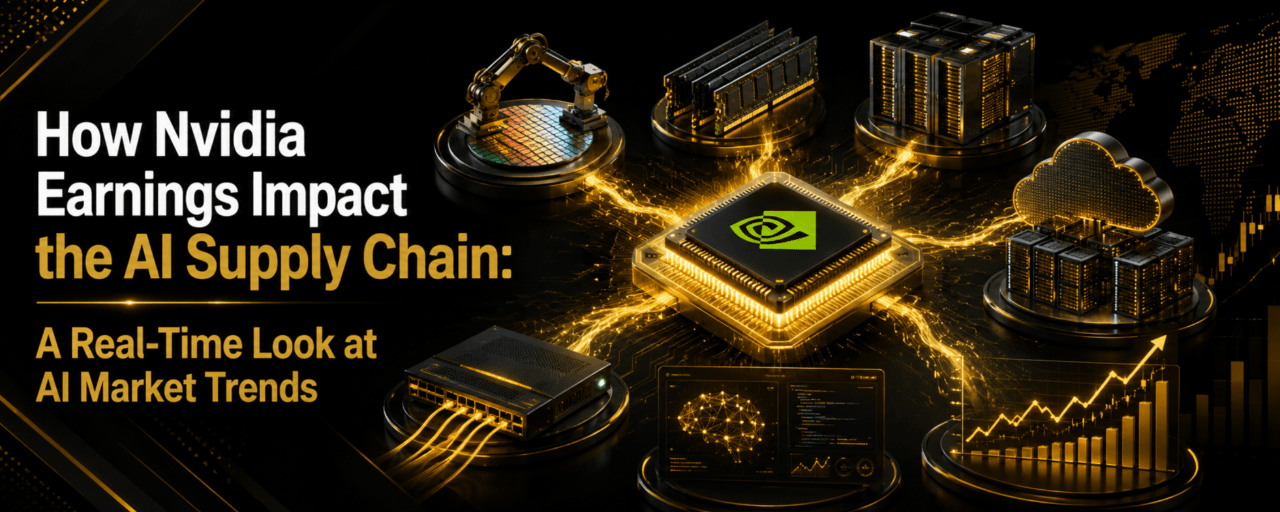
How Nvidia Earnings Impact the AI Supply Chain: A Real-Time Look at AI Market Trends.Nvidia’s earnings report on August 26 was not just another financial update from a technology company. It became one of the most important signals for the future direction of the Artificial Intelligence (AI) industry.
Nvidia is no longer viewed only as a GPU manufacturer. It has become the center of the AI ecosystem, connecting everything from semiconductor production and computing infrastructure to companies building real-world AI applications.
But there was one important factor: Nvidia’s earnings were released after U.S. stock markets closed.
While traditional investors had to wait for Wall Street to reopen, 24/7 markets provided a continuous view of how investors were reacting and how market expectations were changing in real time.
🔗 How Nvidia Impacts the AI Supply Chain
Nvidia’s influence extends far beyond its own stock price. Its performance can create ripple effects across multiple layers of the AI ecosystem.
1️⃣ Semiconductor: The Foundation of AI
The growth of AI starts with advanced chips and computing power.
Companies connected to this sector include:
🔹 AMD
🔹 Broadcom (AVGO)
When Nvidia signals strong AI demand, investors often reassess the growth potential of the broader semiconductor industry.
2️⃣ AI Infrastructure: The Backbone Behind AI Growth
AI development requires a powerful infrastructure network, including chip manufacturing, memory technology, and data centers.
Key companies include:
🔹 TSMC (TSM)
🔹 Micron (MU)
As AI adoption expands, demand increases across the entire infrastructure layer that supports AI computing.
3️⃣ AI Applications: Turning Technology Into Business Value
The next stage of AI growth focuses on companies using AI to create products, services, and business solutions.
Examples include:
🔹 Palantir (PLTR)
🔹 Meta (META)
Investors are increasingly looking beyond AI technology itself and focusing on how AI can generate real-world business value.
4️⃣ Broader Market Impact: AI as a Market Driver
Nvidia’s influence also extends to the wider technology market.
Major market indicators such as:
📈 QQQ
📈 SPY
can reflect changing investor confidence toward AI growth and the technology sector.
Nvidia has become one of the key indicators investors watch when evaluating the future of AI-driven markets.
🌎 Why 24/7 Markets Matter
Traditionally, investors had to wait for markets to open before seeing how major news affected asset prices.
But financial markets are becoming increasingly global and connected.
24/7 markets allow investors to continuously track:
✅ Price movements
✅ Market sentiment
✅ The impact of major news events
even when traditional exchanges are closed.
📌 From Nvidia Earnings to the Future of AI Markets
Nvidia’s earnings demonstrate how a single event can move across the entire investment ecosystem:
Nvidia → Semiconductor → AI Infrastructure → AI Applications → Global Markets
The future of investing is not only about receiving information faster — it is about understanding where that information flows next.
As AI continues transforming industries, real-time market access and continuous price discovery will become increasingly important for investors navigating the next generation of financial markets.
#Nvidia #Aİ #AIMarket #Technology #TradFi
{spot}(BNBUSDT)
How Nvidia Earnings Impact the AI Supply Chain: A Real-Time Look at AI Market Trends.
Nvidia’s earnings report on August 26 was not just another financial update from a technology company. It became one of the most important signals for the future direction of the Artificial Intelligence (AI) industry.
Nvidia is no longer viewed only as a GPU manufacturer. It has become the center of the AI ecosystem, connecting everything from semiconductor production and computing infrastructure to companies building real-world AI applications.
But there was one important factor: Nvidia’s earnings were released after U.S. stock markets closed.
While traditional investors had to wait for Wall Street to reopen, 24/7 markets provided a continuous view of how investors were reacting and how market expectations were changing in real time.
🔗 How Nvidia Impacts the AI Supply Chain
Nvidia’s influence extends far beyond its own stock price. Its performance can create ripple effects across multiple layers of the AI ecosystem.
1️⃣ Semiconductor: The Foundation of AI
The growth of AI starts with advanced chips and computing power.
Companies connected to this sector include:
🔹 AMD
🔹 Broadcom (AVGO)
When Nvidia signals strong AI demand, investors often reassess the growth potential of the broader semiconductor industry.
2️⃣ AI Infrastructure: The Backbone Behind AI Growth
AI development requires a powerful infrastructure network, including chip manufacturing, memory technology, and data centers.
Key companies include:
🔹 TSMC (TSM)
🔹 Micron (MU)
As AI adoption expands, demand increases across the entire infrastructure layer that supports AI computing.
3️⃣ AI Applications: Turning Technology Into Business Value
The next stage of AI growth focuses on companies using AI to create products, services, and business solutions.
Examples include:
🔹 Palantir (PLTR)
🔹 Meta (META)
Investors are increasingly looking beyond AI technology itself and focusing on how AI can generate real-world business value.
4️⃣ Broader Market Impact: AI as a Market Driver
Nvidia’s influence also extends to the wider technology market.
Major market indicators such as:
📈 QQQ
📈 SPY
can reflect changing investor confidence toward AI growth and the technology sector.
Nvidia has become one of the key indicators investors watch when evaluating the future of AI-driven markets.
🌎 Why 24/7 Markets Matter
Traditionally, investors had to wait for markets to open before seeing how major news affected asset prices.
But financial markets are becoming increasingly global and connected.
24/7 markets allow investors to continuously track:
✅ Price movements
✅ Market sentiment
✅ The impact of major news events
even when traditional exchanges are closed.
📌 From Nvidia Earnings to the Future of AI Markets
Nvidia’s earnings demonstrate how a single event can move across the entire investment ecosystem:
Nvidia → Semiconductor → AI Infrastructure → AI Applications → Global Markets
The future of investing is not only about receiving information faster — it is about understanding where that information flows next.
As AI continues transforming industries, real-time market access and continuous price discovery will become increasingly important for investors navigating the next generation of financial markets.
#Nvidia #Aİ #AIMarket #Technology #TradFi
Nvidia is no longer viewed only as a GPU manufacturer. It has become the center of the AI ecosystem, connecting everything from semiconductor production and computing infrastructure to companies building real-world AI applications.
But there was one important factor: Nvidia’s earnings were released after U.S. stock markets closed.
While traditional investors had to wait for Wall Street to reopen, 24/7 markets provided a continuous view of how investors were reacting and how market expectations were changing in real time.
🔗 How Nvidia Impacts the AI Supply Chain
Nvidia’s influence extends far beyond its own stock price. Its performance can create ripple effects across multiple layers of the AI ecosystem.
1️⃣ Semiconductor: The Foundation of AI
The growth of AI starts with advanced chips and computing power.
Companies connected to this sector include:
🔹 AMD
🔹 Broadcom (AVGO)
When Nvidia signals strong AI demand, investors often reassess the growth potential of the broader semiconductor industry.
2️⃣ AI Infrastructure: The Backbone Behind AI Growth
AI development requires a powerful infrastructure network, including chip manufacturing, memory technology, and data centers.
Key companies include:
🔹 TSMC (TSM)
🔹 Micron (MU)
As AI adoption expands, demand increases across the entire infrastructure layer that supports AI computing.
3️⃣ AI Applications: Turning Technology Into Business Value
The next stage of AI growth focuses on companies using AI to create products, services, and business solutions.
Examples include:
🔹 Palantir (PLTR)
🔹 Meta (META)
Investors are increasingly looking beyond AI technology itself and focusing on how AI can generate real-world business value.
4️⃣ Broader Market Impact: AI as a Market Driver
Nvidia’s influence also extends to the wider technology market.
Major market indicators such as:
📈 QQQ
📈 SPY
can reflect changing investor confidence toward AI growth and the technology sector.
Nvidia has become one of the key indicators investors watch when evaluating the future of AI-driven markets.
🌎 Why 24/7 Markets Matter
Traditionally, investors had to wait for markets to open before seeing how major news affected asset prices.
But financial markets are becoming increasingly global and connected.
24/7 markets allow investors to continuously track:
✅ Price movements
✅ Market sentiment
✅ The impact of major news events
even when traditional exchanges are closed.
📌 From Nvidia Earnings to the Future of AI Markets
Nvidia’s earnings demonstrate how a single event can move across the entire investment ecosystem:
Nvidia → Semiconductor → AI Infrastructure → AI Applications → Global Markets
The future of investing is not only about receiving information faster — it is about understanding where that information flows next.
As AI continues transforming industries, real-time market access and continuous price discovery will become increasingly important for investors navigating the next generation of financial markets.
#Nvidia #Aİ #AIMarket #Technology #TradFi
104
·
--
Article
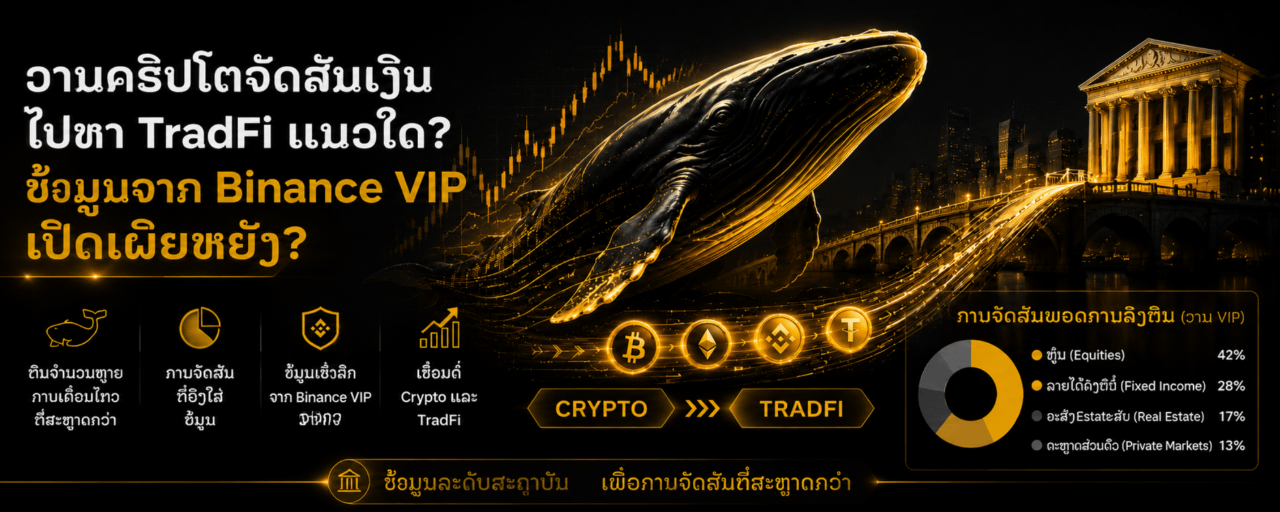
How Crypto Whales Allocate to TradFi: What Binance VIP Data Reveals🐋 ວານຄຣິບໂຕຈັດສັນເງິນໄປສູ່ TradFi ແນວໃດ? ຂໍ້ມູນຈາກ Binance VIP ເປີດເຜີຍຫຍັງ?
Introduction
ໃນຊ່ວງຫຼາຍປີຜ່ານມາ ພວກເຮົາໄດ້ເຫັນແນວໂນ້ມທີ່ຊັດເຈນ: ຜູ້ໃຊ້ຈາກຕະຫຼາດເກີດໃໝ່ ແລະ ນັກລົງທຶນຮຸ່ນໃໝ່ ກຳລັງເຂົ້າເຖິງ ແລະ ສະສົມສິນຊັບທາງການເງິນແບບດັ້ງເດີມ (TradFi) ເຊັ່ນ ຫຸ້ນສະຫະລັດ ຜ່ານ Binance ຫຼາຍຂຶ້ນ.
ແຕ່ຄຳຖາມສຳຄັນຄື:
ນັກລົງທຶນຄຣິບໂຕທີ່ມີຄວາມຮັ່ງມີສູງທີ່ສຸດ ກຳລັງຈັດສັນເງິນທຶນຂອງພວກເຂົາແນວໃດ?
ຂໍ້ມູນຈາກຜູ້ໃຊ້ Binance VIP ລະດັບ 1-9 ຊ່ວຍໃຫ້ເຫັນພຶດຕິກຳຂອງນັກລົງທຶນຄຣິບໂຕລະດັບສູງ — ລວມທັງຜູ້ຖືຄຣິບໂຕຈຳນວນຫຼາຍ ແລະ ນັກລົງທຶນມືອາຊີບ.
🏦 ຈາກ Crypto Wealth ສູ່ Traditional Assets
ນັກລົງທຶນຄຣິບໂຕທີ່ມີມູນຄ່າສູງ ບໍ່ໄດ້ມອງວ່າ Crypto ແລະ TradFi ເປັນສອງໂລກທີ່ແຍກອອກຈາກກັນອີກຕໍ່ໄປ.
ຂໍ້ມູນສະແດງໃຫ້ເຫັນວ່າ ນັກລົງທຶນຄຣິບໂຕມືອາຊີບ ກຳລັງນຳສິນຊັບແບບດັ້ງເດີມ ເຊັ່ນ ຫຸ້ນສະຫະລັດ ເຂົ້າມາເປັນສ່ວນໜຶ່ງຂອງກົນລະຍຸດການລົງທຶນ.
ແທນທີ່ຈະມອງຫຸ້ນເປັນພຽງການລົງທຶນເສີມ ນັກລົງທຶນກຸ່ມນີ້ເລີ່ມມອງ TradFi ເປັນສ່ວນສຳຄັນຂອງພອດການລົງທຶນ ເພື່ອກະຈາຍຄວາມສ່ຽງ ແລະ ສ້າງໂອກາດເຕີບໂຕໃນລະຍະຍາວ.
📊 Binance VIP ມຸມມອງທີ່ແພລດຟອມອື່ນບໍ່ສາມາດໃຫ້ໄດ້
ສິ່ງທີ່ເຮັດໃຫ້ຂໍ້ມູນນີ້ແຕກຕ່າງ ແມ່ນ Binance ສາມາດເຫັນພຶດຕິກຳການລົງທຶນ 2 ດ້ານ:
1. ລະດັບຄວາມຮັ່ງມີຈາກ Crypto
ການຖືຄອງສິນຊັບດິຈິຕອນພຶດຕິກຳການລົງທຶນກຸ່ມຜູ້ໃຊ້ VIP
2. ພຶດຕິກຳການຈັດສັນເງິນໃນ TradFi
ການຈັດສັນເງິນໄປຫາສິນຊັບດັ້ງເດີມຄວາມສົນໃຈໃນຫຸ້ນສະຫະລັດຮູບແບບການລົງທຶນຂອງຜູ້ໃຊ້ມູນຄ່າສູງ
ການຮວບຮວມຂໍ້ມູນທັງສອງດ້ານ ຊ່ວຍໃຫ້ເຫັນວ່າ ນັກລົງທຶນຄຣິບໂຕມືອາຊີບ ກຳລັງປັບປ່ຽນພອດການລົງທຶນຂອງຕົນແນວໃດ.
🌎 Crypto Whales ກຳລັງກາຍເປັນ Multi-Asset Investors
ໃນອະດີດ:
ນັກລົງທຶນຄຣິບໂຕມັກຖືກມອງວ່າເນັ້ນສະເພາະສິນຊັບດິຈິຕອນ.
ໃນປັດຈຸບັນ:
ນັກລົງທຶນຄຣິບໂຕລະດັບສູງ ກຳລັງສ້າງພອດທີ່ຫຼາກຫຼາຍ ທີ່ປະກອບດ້ວຍ Crypto ແລະ TradFi
ພວກເຂົາບໍ່ໄດ້ເລືອກລະຫວ່າງສອງຕະຫຼາດ
ແຕ່ໃຊ້ຈຸດແຂງຂອງທັງສອງເພື່ອສ້າງກົນລະຍຸດການລົງທຶນທີ່ສົມດຸນ.
🔍 ເປັນຫຍັງເລື່ອງນີ້ຈຶ່ງສຳຄັນ?
ການປ່ຽນແປງນີ້ສະທ້ອນໃຫ້ເຫັນແນວໂນ້ມໃຫຍ່ຂອງຕະຫຼາດການເງິນ:
✅ Crypto ກຳລັງເຂົ້າມາເຊື່ອມຕໍ່ກັບການເງິນຫຼັກຫຼາຍຂຶ້ນ
✅ ນັກລົງທຶນຄຣິບໂຕມີຄວາມຊັບຊ້ອນຫຼາຍຂຶ້ນ
✅ TradFi ແລະ Digital Assets ກຳລັງເຂົ້າໃກ້ກັນຫຼາຍຂຶ້ນ
✅ ອະນາຄົດຂອງການລົງທຶນອາດບໍ່ໄດ້ແບ່ງແຍກລະຫວ່າງ “Crypto” ແລະ “ຫຸ້ນ” ອີກຕໍ່ໄປ
Conclusion
ນັກລົງທຶນຄຣິບໂຕທີ່ຮັ່ງມີທີ່ສຸດ ບໍ່ໄດ້ຖືພຽງແຕ່ສິນຊັບດິຈິຕອນ.
ພວກເຂົາກຳລັງສ້າງພອດການລົງທຶນທີ່ຮວມທັງ Crypto + TradFi
ຂໍ້ມູນຈາກ Binance VIP ສະແດງໃຫ້ເຫັນວ່າ ນັກລົງທຶນມືອາຊີບກຳລັງເຂົ້າສູ່ຮູບແບບການລົງທຶນໃໝ່ — ບ່ອນທີ່ສິນຊັບດິຈິຕອນ ແລະ ຕະຫຼາດການເງິນແບບດັ້ງເດີມ ສາມາດເຮັດວຽກຮ່ວມກັນໃນພອດດຽວ.
ອະນາຄົດຂອງການລົງທຶນອາດບໍ່ແມ່ນ:
Crypto ຫຼື TradFi
ແຕ່ແມ່ນ:
Crypto ແລະ TradFi ທີ່ເຮັດວຽກຮ່ວມກັນ 🚀
#Binance #BinanceLaos #CryptoLaos #TradFi #ຄຣິບໂຕ
{spot}(BNBUSDT)
How Crypto Whales Allocate to TradFi: What Binance VIP Data Reveals
🐋 ວານຄຣິບໂຕຈັດສັນເງິນໄປສູ່ TradFi ແນວໃດ? ຂໍ້ມູນຈາກ Binance VIP ເປີດເຜີຍຫຍັງ?
Introduction
ໃນຊ່ວງຫຼາຍປີຜ່ານມາ ພວກເຮົາໄດ້ເຫັນແນວໂນ້ມທີ່ຊັດເຈນ: ຜູ້ໃຊ້ຈາກຕະຫຼາດເກີດໃໝ່ ແລະ ນັກລົງທຶນຮຸ່ນໃໝ່ ກຳລັງເຂົ້າເຖິງ ແລະ ສະສົມສິນຊັບທາງການເງິນແບບດັ້ງເດີມ (TradFi) ເຊັ່ນ ຫຸ້ນສະຫະລັດ ຜ່ານ Binance ຫຼາຍຂຶ້ນ.
ແຕ່ຄຳຖາມສຳຄັນຄື:
ນັກລົງທຶນຄຣິບໂຕທີ່ມີຄວາມຮັ່ງມີສູງທີ່ສຸດ ກຳລັງຈັດສັນເງິນທຶນຂອງພວກເຂົາແນວໃດ?
ຂໍ້ມູນຈາກຜູ້ໃຊ້ Binance VIP ລະດັບ 1-9 ຊ່ວຍໃຫ້ເຫັນພຶດຕິກຳຂອງນັກລົງທຶນຄຣິບໂຕລະດັບສູງ — ລວມທັງຜູ້ຖືຄຣິບໂຕຈຳນວນຫຼາຍ ແລະ ນັກລົງທຶນມືອາຊີບ.
🏦 ຈາກ Crypto Wealth ສູ່ Traditional Assets
ນັກລົງທຶນຄຣິບໂຕທີ່ມີມູນຄ່າສູງ ບໍ່ໄດ້ມອງວ່າ Crypto ແລະ TradFi ເປັນສອງໂລກທີ່ແຍກອອກຈາກກັນອີກຕໍ່ໄປ.
ຂໍ້ມູນສະແດງໃຫ້ເຫັນວ່າ ນັກລົງທຶນຄຣິບໂຕມືອາຊີບ ກຳລັງນຳສິນຊັບແບບດັ້ງເດີມ ເຊັ່ນ ຫຸ້ນສະຫະລັດ ເຂົ້າມາເປັນສ່ວນໜຶ່ງຂອງກົນລະຍຸດການລົງທຶນ.
ແທນທີ່ຈະມອງຫຸ້ນເປັນພຽງການລົງທຶນເສີມ ນັກລົງທຶນກຸ່ມນີ້ເລີ່ມມອງ TradFi ເປັນສ່ວນສຳຄັນຂອງພອດການລົງທຶນ ເພື່ອກະຈາຍຄວາມສ່ຽງ ແລະ ສ້າງໂອກາດເຕີບໂຕໃນລະຍະຍາວ.
📊 Binance VIP ມຸມມອງທີ່ແພລດຟອມອື່ນບໍ່ສາມາດໃຫ້ໄດ້
ສິ່ງທີ່ເຮັດໃຫ້ຂໍ້ມູນນີ້ແຕກຕ່າງ ແມ່ນ Binance ສາມາດເຫັນພຶດຕິກຳການລົງທຶນ 2 ດ້ານ:
1. ລະດັບຄວາມຮັ່ງມີຈາກ Crypto
ການຖືຄອງສິນຊັບດິຈິຕອນພຶດຕິກຳການລົງທຶນກຸ່ມຜູ້ໃຊ້ VIP
2. ພຶດຕິກຳການຈັດສັນເງິນໃນ TradFi
ການຈັດສັນເງິນໄປຫາສິນຊັບດັ້ງເດີມຄວາມສົນໃຈໃນຫຸ້ນສະຫະລັດຮູບແບບການລົງທຶນຂອງຜູ້ໃຊ້ມູນຄ່າສູງ
ການຮວບຮວມຂໍ້ມູນທັງສອງດ້ານ ຊ່ວຍໃຫ້ເຫັນວ່າ ນັກລົງທຶນຄຣິບໂຕມືອາຊີບ ກຳລັງປັບປ່ຽນພອດການລົງທຶນຂອງຕົນແນວໃດ.
🌎 Crypto Whales ກຳລັງກາຍເປັນ Multi-Asset Investors
ໃນອະດີດ:
ນັກລົງທຶນຄຣິບໂຕມັກຖືກມອງວ່າເນັ້ນສະເພາະສິນຊັບດິຈິຕອນ.
ໃນປັດຈຸບັນ:
ນັກລົງທຶນຄຣິບໂຕລະດັບສູງ ກຳລັງສ້າງພອດທີ່ຫຼາກຫຼາຍ ທີ່ປະກອບດ້ວຍ Crypto ແລະ TradFi
ພວກເຂົາບໍ່ໄດ້ເລືອກລະຫວ່າງສອງຕະຫຼາດ
ແຕ່ໃຊ້ຈຸດແຂງຂອງທັງສອງເພື່ອສ້າງກົນລະຍຸດການລົງທຶນທີ່ສົມດຸນ.
🔍 ເປັນຫຍັງເລື່ອງນີ້ຈຶ່ງສຳຄັນ?
ການປ່ຽນແປງນີ້ສະທ້ອນໃຫ້ເຫັນແນວໂນ້ມໃຫຍ່ຂອງຕະຫຼາດການເງິນ:
✅ Crypto ກຳລັງເຂົ້າມາເຊື່ອມຕໍ່ກັບການເງິນຫຼັກຫຼາຍຂຶ້ນ
✅ ນັກລົງທຶນຄຣິບໂຕມີຄວາມຊັບຊ້ອນຫຼາຍຂຶ້ນ
✅ TradFi ແລະ Digital Assets ກຳລັງເຂົ້າໃກ້ກັນຫຼາຍຂຶ້ນ
✅ ອະນາຄົດຂອງການລົງທຶນອາດບໍ່ໄດ້ແບ່ງແຍກລະຫວ່າງ “Crypto” ແລະ “ຫຸ້ນ” ອີກຕໍ່ໄປ
Conclusion
ນັກລົງທຶນຄຣິບໂຕທີ່ຮັ່ງມີທີ່ສຸດ ບໍ່ໄດ້ຖືພຽງແຕ່ສິນຊັບດິຈິຕອນ.
ພວກເຂົາກຳລັງສ້າງພອດການລົງທຶນທີ່ຮວມທັງ Crypto + TradFi
ຂໍ້ມູນຈາກ Binance VIP ສະແດງໃຫ້ເຫັນວ່າ ນັກລົງທຶນມືອາຊີບກຳລັງເຂົ້າສູ່ຮູບແບບການລົງທຶນໃໝ່ — ບ່ອນທີ່ສິນຊັບດິຈິຕອນ ແລະ ຕະຫຼາດການເງິນແບບດັ້ງເດີມ ສາມາດເຮັດວຽກຮ່ວມກັນໃນພອດດຽວ.
ອະນາຄົດຂອງການລົງທຶນອາດບໍ່ແມ່ນ:
Crypto ຫຼື TradFi
ແຕ່ແມ່ນ:
Crypto ແລະ TradFi ທີ່ເຮັດວຽກຮ່ວມກັນ 🚀
#Binance #BinanceLaos #CryptoLaos #TradFi #ຄຣິບໂຕ
Introduction
ໃນຊ່ວງຫຼາຍປີຜ່ານມາ ພວກເຮົາໄດ້ເຫັນແນວໂນ້ມທີ່ຊັດເຈນ: ຜູ້ໃຊ້ຈາກຕະຫຼາດເກີດໃໝ່ ແລະ ນັກລົງທຶນຮຸ່ນໃໝ່ ກຳລັງເຂົ້າເຖິງ ແລະ ສະສົມສິນຊັບທາງການເງິນແບບດັ້ງເດີມ (TradFi) ເຊັ່ນ ຫຸ້ນສະຫະລັດ ຜ່ານ Binance ຫຼາຍຂຶ້ນ.
ແຕ່ຄຳຖາມສຳຄັນຄື:
ນັກລົງທຶນຄຣິບໂຕທີ່ມີຄວາມຮັ່ງມີສູງທີ່ສຸດ ກຳລັງຈັດສັນເງິນທຶນຂອງພວກເຂົາແນວໃດ?
ຂໍ້ມູນຈາກຜູ້ໃຊ້ Binance VIP ລະດັບ 1-9 ຊ່ວຍໃຫ້ເຫັນພຶດຕິກຳຂອງນັກລົງທຶນຄຣິບໂຕລະດັບສູງ — ລວມທັງຜູ້ຖືຄຣິບໂຕຈຳນວນຫຼາຍ ແລະ ນັກລົງທຶນມືອາຊີບ.
🏦 ຈາກ Crypto Wealth ສູ່ Traditional Assets
ນັກລົງທຶນຄຣິບໂຕທີ່ມີມູນຄ່າສູງ ບໍ່ໄດ້ມອງວ່າ Crypto ແລະ TradFi ເປັນສອງໂລກທີ່ແຍກອອກຈາກກັນອີກຕໍ່ໄປ.
ຂໍ້ມູນສະແດງໃຫ້ເຫັນວ່າ ນັກລົງທຶນຄຣິບໂຕມືອາຊີບ ກຳລັງນຳສິນຊັບແບບດັ້ງເດີມ ເຊັ່ນ ຫຸ້ນສະຫະລັດ ເຂົ້າມາເປັນສ່ວນໜຶ່ງຂອງກົນລະຍຸດການລົງທຶນ.
ແທນທີ່ຈະມອງຫຸ້ນເປັນພຽງການລົງທຶນເສີມ ນັກລົງທຶນກຸ່ມນີ້ເລີ່ມມອງ TradFi ເປັນສ່ວນສຳຄັນຂອງພອດການລົງທຶນ ເພື່ອກະຈາຍຄວາມສ່ຽງ ແລະ ສ້າງໂອກາດເຕີບໂຕໃນລະຍະຍາວ.
📊 Binance VIP ມຸມມອງທີ່ແພລດຟອມອື່ນບໍ່ສາມາດໃຫ້ໄດ້
ສິ່ງທີ່ເຮັດໃຫ້ຂໍ້ມູນນີ້ແຕກຕ່າງ ແມ່ນ Binance ສາມາດເຫັນພຶດຕິກຳການລົງທຶນ 2 ດ້ານ:
1. ລະດັບຄວາມຮັ່ງມີຈາກ Crypto
ການຖືຄອງສິນຊັບດິຈິຕອນພຶດຕິກຳການລົງທຶນກຸ່ມຜູ້ໃຊ້ VIP
2. ພຶດຕິກຳການຈັດສັນເງິນໃນ TradFi
ການຈັດສັນເງິນໄປຫາສິນຊັບດັ້ງເດີມຄວາມສົນໃຈໃນຫຸ້ນສະຫະລັດຮູບແບບການລົງທຶນຂອງຜູ້ໃຊ້ມູນຄ່າສູງ
ການຮວບຮວມຂໍ້ມູນທັງສອງດ້ານ ຊ່ວຍໃຫ້ເຫັນວ່າ ນັກລົງທຶນຄຣິບໂຕມືອາຊີບ ກຳລັງປັບປ່ຽນພອດການລົງທຶນຂອງຕົນແນວໃດ.
🌎 Crypto Whales ກຳລັງກາຍເປັນ Multi-Asset Investors
ໃນອະດີດ:
ນັກລົງທຶນຄຣິບໂຕມັກຖືກມອງວ່າເນັ້ນສະເພາະສິນຊັບດິຈິຕອນ.
ໃນປັດຈຸບັນ:
ນັກລົງທຶນຄຣິບໂຕລະດັບສູງ ກຳລັງສ້າງພອດທີ່ຫຼາກຫຼາຍ ທີ່ປະກອບດ້ວຍ Crypto ແລະ TradFi
ພວກເຂົາບໍ່ໄດ້ເລືອກລະຫວ່າງສອງຕະຫຼາດ
ແຕ່ໃຊ້ຈຸດແຂງຂອງທັງສອງເພື່ອສ້າງກົນລະຍຸດການລົງທຶນທີ່ສົມດຸນ.
🔍 ເປັນຫຍັງເລື່ອງນີ້ຈຶ່ງສຳຄັນ?
ການປ່ຽນແປງນີ້ສະທ້ອນໃຫ້ເຫັນແນວໂນ້ມໃຫຍ່ຂອງຕະຫຼາດການເງິນ:
✅ Crypto ກຳລັງເຂົ້າມາເຊື່ອມຕໍ່ກັບການເງິນຫຼັກຫຼາຍຂຶ້ນ
✅ ນັກລົງທຶນຄຣິບໂຕມີຄວາມຊັບຊ້ອນຫຼາຍຂຶ້ນ
✅ TradFi ແລະ Digital Assets ກຳລັງເຂົ້າໃກ້ກັນຫຼາຍຂຶ້ນ
✅ ອະນາຄົດຂອງການລົງທຶນອາດບໍ່ໄດ້ແບ່ງແຍກລະຫວ່າງ “Crypto” ແລະ “ຫຸ້ນ” ອີກຕໍ່ໄປ
Conclusion
ນັກລົງທຶນຄຣິບໂຕທີ່ຮັ່ງມີທີ່ສຸດ ບໍ່ໄດ້ຖືພຽງແຕ່ສິນຊັບດິຈິຕອນ.
ພວກເຂົາກຳລັງສ້າງພອດການລົງທຶນທີ່ຮວມທັງ Crypto + TradFi
ຂໍ້ມູນຈາກ Binance VIP ສະແດງໃຫ້ເຫັນວ່າ ນັກລົງທຶນມືອາຊີບກຳລັງເຂົ້າສູ່ຮູບແບບການລົງທຶນໃໝ່ — ບ່ອນທີ່ສິນຊັບດິຈິຕອນ ແລະ ຕະຫຼາດການເງິນແບບດັ້ງເດີມ ສາມາດເຮັດວຽກຮ່ວມກັນໃນພອດດຽວ.
ອະນາຄົດຂອງການລົງທຶນອາດບໍ່ແມ່ນ:
Crypto ຫຼື TradFi
ແຕ່ແມ່ນ:
Crypto ແລະ TradFi ທີ່ເຮັດວຽກຮ່ວມກັນ 🚀
#Binance #BinanceLaos #CryptoLaos #TradFi #ຄຣິບໂຕ
97
·
--
Article
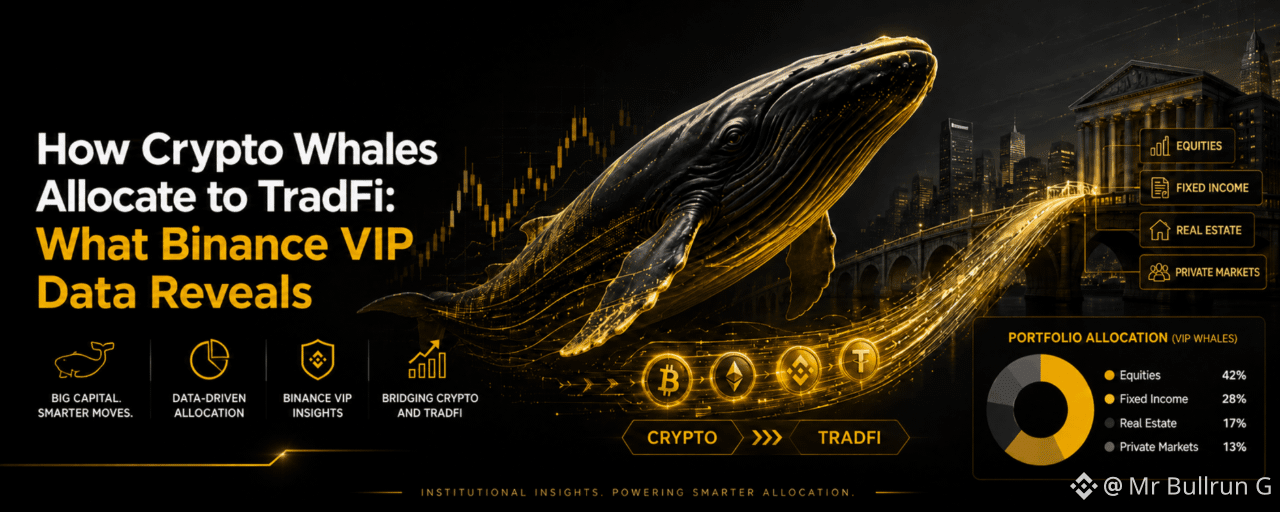
How Crypto Whales Allocate to TradFi: What Binance VIP Data RevealsIntroduction
In recent years, we have seen a clear trend: emerging-market users and younger investors are increasingly gaining access to and accumulating traditional financial assets, such as U.S. equities, through Binance.
But an important question remains:
How are the wealthiest crypto investors allocating their capital?
Data from Binance VIP users (VIP 1-9) provides a unique perspective into the behavior of crypto’s highest-tier investors — including major crypto holders and professional traders.
🏦 From Crypto Wealth to Traditional Assets
High-net-worth crypto investors are no longer viewing crypto and TradFi as two separate worlds.
The data shows that professional crypto investors are increasingly incorporating traditional assets, such as U.S. equities, into their broader investment strategies.
Rather than treating stocks as a secondary investment, these investors are beginning to view TradFi assets as a core part of their portfolios — helping diversify exposure and capture long-term growth opportunities.
📊 Binance VIP A View Others Cannot Provide
What makes this data unique is Binance’s ability to observe two sides of investor behavior:
1. Crypto Wealth Level
Digital asset holdingsInvestment behaviorVIP user segments
2. TradFi Allocation Behavior
Allocation toward traditional assetsInterest in U.S. equitiesInvestment patterns among high-value users
By combining these insights, Binance can provide a clearer view of how professional crypto investors are evolving their portfolios.
🌎 Crypto Whales Are Becoming Multi-Asset Investors
Previously:
Crypto investors were often viewed as participants focused mainly on digital assets.
Today:
High-value crypto investors are building diversified, multi-asset portfolios that include both Crypto and TradFi.
They are not choosing between the two markets.
Instead, they are combining the strengths of each asset class to build more balanced investment strategies.
Conclusion
Crypto’s wealthiest investors are not only holding digital assets.
They are building portfolios that combine Crypto + TradFi.
Binance VIP data shows that professional investors are moving toward a new investment model — one where digital assets and traditional financial markets can work together within a single portfolio.
The future of investing may not be:
Crypto or TradFi
It may be:
Crypto and TradFi working together. 🚀
#Binance #Crypto #TradFi #Investing #BinanceVIP
{spot}(BNBUSDT)
How Crypto Whales Allocate to TradFi: What Binance VIP Data Reveals
Introduction
In recent years, we have seen a clear trend: emerging-market users and younger investors are increasingly gaining access to and accumulating traditional financial assets, such as U.S. equities, through Binance.
But an important question remains:
How are the wealthiest crypto investors allocating their capital?
Data from Binance VIP users (VIP 1-9) provides a unique perspective into the behavior of crypto’s highest-tier investors — including major crypto holders and professional traders.
🏦 From Crypto Wealth to Traditional Assets
High-net-worth crypto investors are no longer viewing crypto and TradFi as two separate worlds.
The data shows that professional crypto investors are increasingly incorporating traditional assets, such as U.S. equities, into their broader investment strategies.
Rather than treating stocks as a secondary investment, these investors are beginning to view TradFi assets as a core part of their portfolios — helping diversify exposure and capture long-term growth opportunities.
📊 Binance VIP A View Others Cannot Provide
What makes this data unique is Binance’s ability to observe two sides of investor behavior:
1. Crypto Wealth Level
Digital asset holdingsInvestment behaviorVIP user segments
2. TradFi Allocation Behavior
Allocation toward traditional assetsInterest in U.S. equitiesInvestment patterns among high-value users
By combining these insights, Binance can provide a clearer view of how professional crypto investors are evolving their portfolios.
🌎 Crypto Whales Are Becoming Multi-Asset Investors
Previously:
Crypto investors were often viewed as participants focused mainly on digital assets.
Today:
High-value crypto investors are building diversified, multi-asset portfolios that include both Crypto and TradFi.
They are not choosing between the two markets.
Instead, they are combining the strengths of each asset class to build more balanced investment strategies.
Conclusion
Crypto’s wealthiest investors are not only holding digital assets.
They are building portfolios that combine Crypto + TradFi.
Binance VIP data shows that professional investors are moving toward a new investment model — one where digital assets and traditional financial markets can work together within a single portfolio.
The future of investing may not be:
Crypto or TradFi
It may be:
Crypto and TradFi working together. 🚀
#Binance #Crypto #TradFi #Investing #BinanceVIP
In recent years, we have seen a clear trend: emerging-market users and younger investors are increasingly gaining access to and accumulating traditional financial assets, such as U.S. equities, through Binance.
But an important question remains:
How are the wealthiest crypto investors allocating their capital?
Data from Binance VIP users (VIP 1-9) provides a unique perspective into the behavior of crypto’s highest-tier investors — including major crypto holders and professional traders.
🏦 From Crypto Wealth to Traditional Assets
High-net-worth crypto investors are no longer viewing crypto and TradFi as two separate worlds.
The data shows that professional crypto investors are increasingly incorporating traditional assets, such as U.S. equities, into their broader investment strategies.
Rather than treating stocks as a secondary investment, these investors are beginning to view TradFi assets as a core part of their portfolios — helping diversify exposure and capture long-term growth opportunities.
📊 Binance VIP A View Others Cannot Provide
What makes this data unique is Binance’s ability to observe two sides of investor behavior:
1. Crypto Wealth Level
Digital asset holdingsInvestment behaviorVIP user segments
2. TradFi Allocation Behavior
Allocation toward traditional assetsInterest in U.S. equitiesInvestment patterns among high-value users
By combining these insights, Binance can provide a clearer view of how professional crypto investors are evolving their portfolios.
🌎 Crypto Whales Are Becoming Multi-Asset Investors
Previously:
Crypto investors were often viewed as participants focused mainly on digital assets.
Today:
High-value crypto investors are building diversified, multi-asset portfolios that include both Crypto and TradFi.
They are not choosing between the two markets.
Instead, they are combining the strengths of each asset class to build more balanced investment strategies.
Conclusion
Crypto’s wealthiest investors are not only holding digital assets.
They are building portfolios that combine Crypto + TradFi.
Binance VIP data shows that professional investors are moving toward a new investment model — one where digital assets and traditional financial markets can work together within a single portfolio.
The future of investing may not be:
Crypto or TradFi
It may be:
Crypto and TradFi working together. 🚀
#Binance #Crypto #TradFi #Investing #BinanceVIP
98
·
--
Article
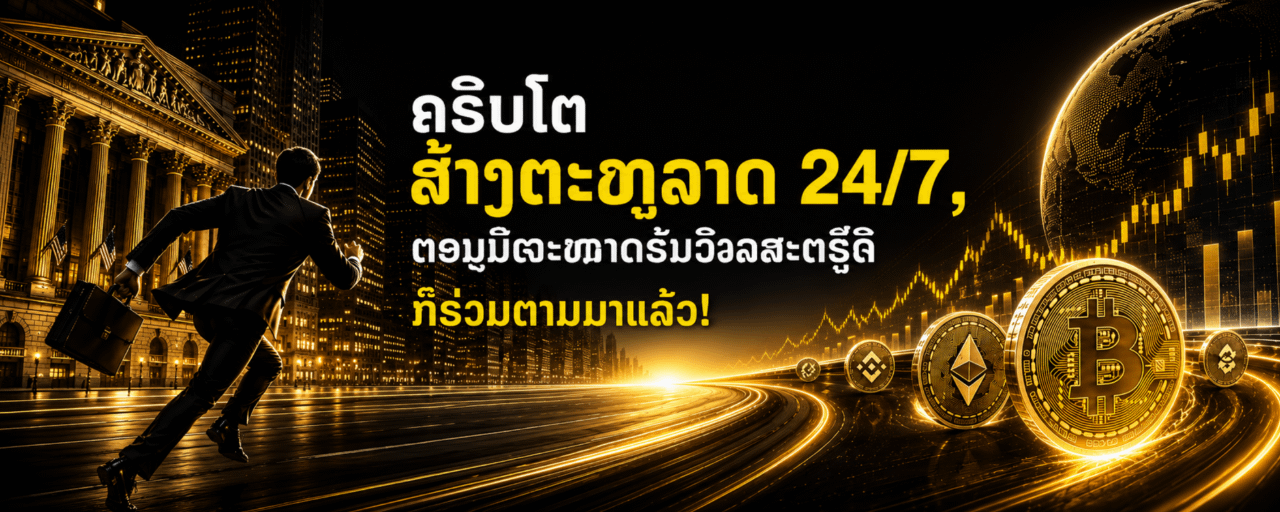
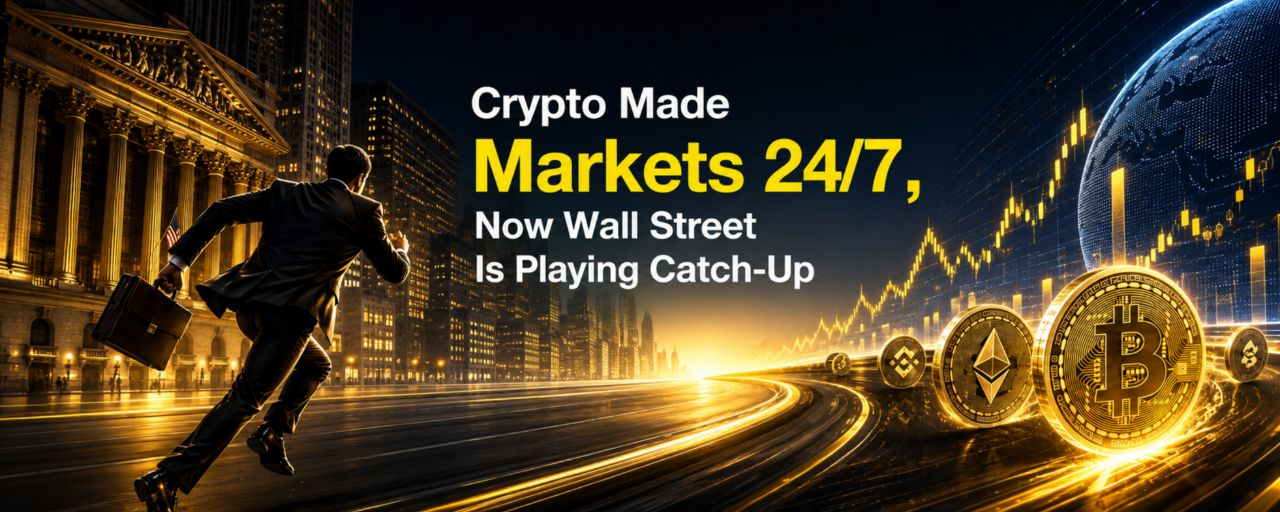
Crypto Made Markets 24/7, Now Wall Street Is Playing Catch-Upຕະຫຼາດຄຣິບໂຕເປີດຊື້ຂາຍຕະຫຼອດ 24 ຊົ່ວໂມງມາຫຼາຍປີແລ້ວ. ຕອນນີ້ ຕະຫຼາດການເງິນແບບດັ້ງເດີມກໍກຳລັງເລີ່ມເຄື່ອນໄປໃນທິດທາງດຽວກັນ.
ແຕ່ເປັນຫຍັງການຊື້ຂາຍແບບ 24/7 ຈຶ່ງສຳຄັນ? ແລະ Wall Street ສາມາດຮຽນຮູ້ຫຍັງຈາກຕະຫຼາດຄຣິບໂຕໄດ້ແດ່?
Q: ເປັນຫຍັງ Wall Street ຈຶ່ງຂະຫຍາຍເວລາຊື້ຂາຍ?
A: ເພາະຕະຫຼາດການເງິນກຳລັງກາຍເປັນຕະຫຼາດລະດັບໂລກຫຼາຍຂຶ້ນ.
ຂ່າວ, ລາຍງານຜົນປະກອບການ, ຂໍ້ມູນເສດຖະກິດ ແລະ ເຫດການສຳຄັນຕ່າງໆ ບໍ່ໄດ້ລໍຖ້າຈົນຕະຫຼາດເປີດ. ນັກລົງທຶນຈຶ່ງຕ້ອງການຕອບສະໜອງຕໍ່ຂໍ້ມູນໃໝ່ໄດ້ທັນທີ ແທນທີ່ຈະຕ້ອງລໍຖ້າຮອບການຊື້ຂາຍຖັດໄປ.
Nasdaq ກຳລັງມຸ່ງໄປສູ່ການຊື້ຂາຍ 23 ຊົ່ວໂມງຕໍ່ມື້, 5 ມື້ຕໍ່ອາທິດ, ເຮັດໃຫ້ຕະຫຼາດການເງິນແບບດັ້ງເດີມເຂົ້າໃກ້ໂມເດວ Always-on ທີ່ຜູ້ໃຊ້ຄຣິບໂຕຄຸ້ນເຄີຍກັນຢູ່ແລ້ວ.
Q: ການຂະຫຍາຍເວລາຊື້ຂາຍ ໝາຍຄວາມວ່າຕະຫຼາດຈະດີຂຶ້ນສະເໝີບໍ?
A: ບໍ່ຈຳເປັນ.
ການເປີດຕະຫຼາດໃຫ້ດົນຂຶ້ນເປັນເລື່ອງໜຶ່ງ, ແຕ່ການຮັກສາ ສະພາບຄ່ອງ (Liquidity) ໃຫ້ພຽງພໍຕະຫຼອດຊ່ວງເວລາທີ່ເພີ່ມຂຶ້ນນັ້ນ ເປັນອີກເລື່ອງໜຶ່ງ.
ຖ້າມີຜູ້ເຂົ້າຮ່ວມຕະຫຼາດໜ້ອຍລົງ ອາດນຳໄປສູ່:
• Spread ກວ້າງຂຶ້ນ
• ສະພາບຄ່ອງຫຼຸດລົງ
• ຄວາມຜັນຜວນສູງຂຶ້ນ
• ການດຳເນີນຄຳສັ່ງຊື້ຂາຍຂະໜາດໃຫຍ່ເຮັດໄດ້ຍາກຂຶ້ນ
ຄວາມທ້າທາຍທີ່ແທ້ຈິງ ບໍ່ແມ່ນພຽງແຕ່ເຮັດໃຫ້ຕະຫຼາດ “ເປີດຢູ່” ແຕ່ຕ້ອງເຮັດໃຫ້ຕະຫຼາດຍັງຄົງ ມີການຊື້ຂາຍຢ່າງຄຶກຄື້ນ ແລະ ມີສະພາບຄ່ອງທີ່ພຽງພໍ.
Q: ເປັນຫຍັງຄຣິບໂຕຈຶ່ງມີຂໍ້ໄດ້ປຽບ?
A: ເພາະຄຣິບໂຕຖືກສ້າງຂຶ້ນໃຫ້ເປັນຕະຫຼາດລະດັບໂລກຕັ້ງແຕ່ຕົ້ນ.
ເມື່ອນັກເທຣດໃນສະຫະລັດເຂົ້ານອນ, ຕະຫຼາດໃນອາຊີກໍກຳລັງຄຶກຄື້ນ. ເມື່ອກິດຈະກຳໃນອາຊີເລີ່ມຫຼຸດລົງ, ເອີຣົບ ແລະ ພາກພື້ນອື່ນໆກໍເຂົ້າມາຕໍ່.
ການມີຜູ້ເຂົ້າຮ່ວມຕະຫຼາດຢ່າງຕໍ່ເນື່ອງຈາກຫຼາຍເຂດເວລາ ຊ່ວຍສະໜັບສະໜູນ ໂຄງສ້າງຕະຫຼາດແບບ 24/7.
ສຳລັບແພລດຟອມລະດັບໂລກຢ່າງ Binance, ກິດຈະກຳໃນຕະຫຼາດຈຶ່ງບໍ່ໄດ້ຂຶ້ນກັບປະເທດໃດປະເທດໜຶ່ງ ຫຼື ເຂດເວລາໃດເຂດເວລາໜຶ່ງ.
Q: bStocks ສະແດງໃຫ້ເຫັນຫຍັງ?
A: bStocks ເປັນຕົວຢ່າງທີ່ໜ້າສົນໃຈຂອງການທີ່ກິດຈະກຳໃນຕະຫຼາດສາມາດດຳເນີນຕໍ່ໄປໄດ້ ແມ່ນແຕ່ໃນຊ່ວງທີ່ຕະຫຼາດການເງິນດັ້ງເດີມຂອງສະຫະລັດປິດຢູ່.
ການຊື້ຂາຍນອກເວລາເປີດຕະຫຼາດຂອງສະຫະລັດ ຊ່ວຍໃຫ້ຜູ້ເຂົ້າຮ່ວມຈາກທົ່ວໂລກສາມາດຕອບສະໜອງຕໍ່ຂໍ້ມູນໃໝ່ໄດ້ ໂດຍບໍ່ຕ້ອງລໍຖ້າໃຫ້ Wall Street ເປີດອີກຄັ້ງ.
ສິ່ງນີ້ສ້າງອີກໜຶ່ງຊັ້ນຂອງ ການຄົ້ນຫາລາຄາ (Price Discovery) ນອກເວລາຊື້ຂາຍແບບດັ້ງເດີມ.
Q: TradFi ກຳລັງກາຍເປັນຄ້າຍຄຣິບໂຕຫຼາຍຂຶ້ນບໍ?
A: ໃນບາງດ້ານ, ແມ່ນ.
ການເງິນແບບດັ້ງເດີມ (TradFi) ກຳລັງຄ່ອຍໆຂະຫຍາຍເວລາການຊື້ຂາຍ ແລະ ນຳໂຄງສ້າງພື້ນຖານແບບ Always-on ມາໃຊ້ຫຼາຍຂຶ້ນ.
ໃນຂະນະດຽວກັນ, ແພລດຟອມຄຣິບໂຕກໍກຳລັງຂະຫຍາຍການເຂົ້າເຖິງສິນຊັບທີ່ເຊື່ອມໂຍງກັບຕະຫຼາດການເງິນແບບດັ້ງເດີມ.
ສອງໂລກນີ້ກຳລັງເລີ່ມເຂົ້າໃກ້ກັນຫຼາຍຂຶ້ນ:
TradFi → ນຳໂຄງສ້າງພື້ນຖານແບບ Always-on ມາໃຊ້
Crypto → ນຳສິນຊັບຈາກໂລກຈິງເຂົ້າສູ່ຕະຫຼາດດິຈິຕອນຫຼາຍຂຶ້ນ
Q: ແລ້ວແນວໂນ້ມໃຫຍ່ທີ່ກຳລັງເກີດຂຶ້ນແມ່ນຫຍັງ?
A: ໃນອະນາຄົດ ຕະຫຼາດການເງິນອາດຈະພຶ່ງພາ “ເວລາເປີດ-ປິດຕະຫຼາດ” ແບບດັ້ງເດີມໜ້ອຍລົງ.
ນັກລົງທຶນຄາດຫວັງຫຼາຍຂຶ້ນວ່າຕະຫຼາດຄວນເປັນ:
Global 🌎
ເຂົ້າເຖິງໄດ້ງ່າຍ ⏰
ມີສະພາບຄ່ອງ 💧
ຕອບສະໜອງໄດ້ໄວ ⚡
ຄຣິບໂຕໄດ້ສະແດງແລ້ວວ່າ ຕະຫຼາດສາມາດດຳເນີນການໄດ້ຕະຫຼອດ 24 ຊົ່ວໂມງ.
ຕອນນີ້ Wall Street ກໍກຳລັງເລີ່ມໄລ່ຕາມໃຫ້ທັນ.
ຄຳຖາມອາດບໍ່ແມ່ນອີກຕໍ່ໄປວ່າ ຕະຫຼາດຈະກາຍເປັນແບບ Always-on ຫຼືບໍ່ — ແຕ່ແມ່ນວ່າ ການເງິນແບບດັ້ງເດີມຈະປັບຕົວໄດ້ໄວປານໃດ.
#Binance #bStocks #Laos #LaoCrypto #LaosCommunity
$BNB $BTC
{spot}(BTCUSDT)
{spot}(BNBUSDT)
Crypto Made Markets 24/7, Now Wall Street Is Playing Catch-Up
ຕະຫຼາດຄຣິບໂຕເປີດຊື້ຂາຍຕະຫຼອດ 24 ຊົ່ວໂມງມາຫຼາຍປີແລ້ວ. ຕອນນີ້ ຕະຫຼາດການເງິນແບບດັ້ງເດີມກໍກຳລັງເລີ່ມເຄື່ອນໄປໃນທິດທາງດຽວກັນ.
ແຕ່ເປັນຫຍັງການຊື້ຂາຍແບບ 24/7 ຈຶ່ງສຳຄັນ? ແລະ Wall Street ສາມາດຮຽນຮູ້ຫຍັງຈາກຕະຫຼາດຄຣິບໂຕໄດ້ແດ່?
Q: ເປັນຫຍັງ Wall Street ຈຶ່ງຂະຫຍາຍເວລາຊື້ຂາຍ?
A: ເພາະຕະຫຼາດການເງິນກຳລັງກາຍເປັນຕະຫຼາດລະດັບໂລກຫຼາຍຂຶ້ນ.
ຂ່າວ, ລາຍງານຜົນປະກອບການ, ຂໍ້ມູນເສດຖະກິດ ແລະ ເຫດການສຳຄັນຕ່າງໆ ບໍ່ໄດ້ລໍຖ້າຈົນຕະຫຼາດເປີດ. ນັກລົງທຶນຈຶ່ງຕ້ອງການຕອບສະໜອງຕໍ່ຂໍ້ມູນໃໝ່ໄດ້ທັນທີ ແທນທີ່ຈະຕ້ອງລໍຖ້າຮອບການຊື້ຂາຍຖັດໄປ.
Nasdaq ກຳລັງມຸ່ງໄປສູ່ການຊື້ຂາຍ 23 ຊົ່ວໂມງຕໍ່ມື້, 5 ມື້ຕໍ່ອາທິດ, ເຮັດໃຫ້ຕະຫຼາດການເງິນແບບດັ້ງເດີມເຂົ້າໃກ້ໂມເດວ Always-on ທີ່ຜູ້ໃຊ້ຄຣິບໂຕຄຸ້ນເຄີຍກັນຢູ່ແລ້ວ.
Q: ການຂະຫຍາຍເວລາຊື້ຂາຍ ໝາຍຄວາມວ່າຕະຫຼາດຈະດີຂຶ້ນສະເໝີບໍ?
A: ບໍ່ຈຳເປັນ.
ການເປີດຕະຫຼາດໃຫ້ດົນຂຶ້ນເປັນເລື່ອງໜຶ່ງ, ແຕ່ການຮັກສາ ສະພາບຄ່ອງ (Liquidity) ໃຫ້ພຽງພໍຕະຫຼອດຊ່ວງເວລາທີ່ເພີ່ມຂຶ້ນນັ້ນ ເປັນອີກເລື່ອງໜຶ່ງ.
ຖ້າມີຜູ້ເຂົ້າຮ່ວມຕະຫຼາດໜ້ອຍລົງ ອາດນຳໄປສູ່:
• Spread ກວ້າງຂຶ້ນ
• ສະພາບຄ່ອງຫຼຸດລົງ
• ຄວາມຜັນຜວນສູງຂຶ້ນ
• ການດຳເນີນຄຳສັ່ງຊື້ຂາຍຂະໜາດໃຫຍ່ເຮັດໄດ້ຍາກຂຶ້ນ
ຄວາມທ້າທາຍທີ່ແທ້ຈິງ ບໍ່ແມ່ນພຽງແຕ່ເຮັດໃຫ້ຕະຫຼາດ “ເປີດຢູ່” ແຕ່ຕ້ອງເຮັດໃຫ້ຕະຫຼາດຍັງຄົງ ມີການຊື້ຂາຍຢ່າງຄຶກຄື້ນ ແລະ ມີສະພາບຄ່ອງທີ່ພຽງພໍ.
Q: ເປັນຫຍັງຄຣິບໂຕຈຶ່ງມີຂໍ້ໄດ້ປຽບ?
A: ເພາະຄຣິບໂຕຖືກສ້າງຂຶ້ນໃຫ້ເປັນຕະຫຼາດລະດັບໂລກຕັ້ງແຕ່ຕົ້ນ.
ເມື່ອນັກເທຣດໃນສະຫະລັດເຂົ້ານອນ, ຕະຫຼາດໃນອາຊີກໍກຳລັງຄຶກຄື້ນ. ເມື່ອກິດຈະກຳໃນອາຊີເລີ່ມຫຼຸດລົງ, ເອີຣົບ ແລະ ພາກພື້ນອື່ນໆກໍເຂົ້າມາຕໍ່.
ການມີຜູ້ເຂົ້າຮ່ວມຕະຫຼາດຢ່າງຕໍ່ເນື່ອງຈາກຫຼາຍເຂດເວລາ ຊ່ວຍສະໜັບສະໜູນ ໂຄງສ້າງຕະຫຼາດແບບ 24/7.
ສຳລັບແພລດຟອມລະດັບໂລກຢ່າງ Binance, ກິດຈະກຳໃນຕະຫຼາດຈຶ່ງບໍ່ໄດ້ຂຶ້ນກັບປະເທດໃດປະເທດໜຶ່ງ ຫຼື ເຂດເວລາໃດເຂດເວລາໜຶ່ງ.
Q: bStocks ສະແດງໃຫ້ເຫັນຫຍັງ?
A: bStocks ເປັນຕົວຢ່າງທີ່ໜ້າສົນໃຈຂອງການທີ່ກິດຈະກຳໃນຕະຫຼາດສາມາດດຳເນີນຕໍ່ໄປໄດ້ ແມ່ນແຕ່ໃນຊ່ວງທີ່ຕະຫຼາດການເງິນດັ້ງເດີມຂອງສະຫະລັດປິດຢູ່.
ການຊື້ຂາຍນອກເວລາເປີດຕະຫຼາດຂອງສະຫະລັດ ຊ່ວຍໃຫ້ຜູ້ເຂົ້າຮ່ວມຈາກທົ່ວໂລກສາມາດຕອບສະໜອງຕໍ່ຂໍ້ມູນໃໝ່ໄດ້ ໂດຍບໍ່ຕ້ອງລໍຖ້າໃຫ້ Wall Street ເປີດອີກຄັ້ງ.
ສິ່ງນີ້ສ້າງອີກໜຶ່ງຊັ້ນຂອງ ການຄົ້ນຫາລາຄາ (Price Discovery) ນອກເວລາຊື້ຂາຍແບບດັ້ງເດີມ.
Q: TradFi ກຳລັງກາຍເປັນຄ້າຍຄຣິບໂຕຫຼາຍຂຶ້ນບໍ?
A: ໃນບາງດ້ານ, ແມ່ນ.
ການເງິນແບບດັ້ງເດີມ (TradFi) ກຳລັງຄ່ອຍໆຂະຫຍາຍເວລາການຊື້ຂາຍ ແລະ ນຳໂຄງສ້າງພື້ນຖານແບບ Always-on ມາໃຊ້ຫຼາຍຂຶ້ນ.
ໃນຂະນະດຽວກັນ, ແພລດຟອມຄຣິບໂຕກໍກຳລັງຂະຫຍາຍການເຂົ້າເຖິງສິນຊັບທີ່ເຊື່ອມໂຍງກັບຕະຫຼາດການເງິນແບບດັ້ງເດີມ.
ສອງໂລກນີ້ກຳລັງເລີ່ມເຂົ້າໃກ້ກັນຫຼາຍຂຶ້ນ:
TradFi → ນຳໂຄງສ້າງພື້ນຖານແບບ Always-on ມາໃຊ້
Crypto → ນຳສິນຊັບຈາກໂລກຈິງເຂົ້າສູ່ຕະຫຼາດດິຈິຕອນຫຼາຍຂຶ້ນ
Q: ແລ້ວແນວໂນ້ມໃຫຍ່ທີ່ກຳລັງເກີດຂຶ້ນແມ່ນຫຍັງ?
A: ໃນອະນາຄົດ ຕະຫຼາດການເງິນອາດຈະພຶ່ງພາ “ເວລາເປີດ-ປິດຕະຫຼາດ” ແບບດັ້ງເດີມໜ້ອຍລົງ.
ນັກລົງທຶນຄາດຫວັງຫຼາຍຂຶ້ນວ່າຕະຫຼາດຄວນເປັນ:
Global 🌎
ເຂົ້າເຖິງໄດ້ງ່າຍ ⏰
ມີສະພາບຄ່ອງ 💧
ຕອບສະໜອງໄດ້ໄວ ⚡
ຄຣິບໂຕໄດ້ສະແດງແລ້ວວ່າ ຕະຫຼາດສາມາດດຳເນີນການໄດ້ຕະຫຼອດ 24 ຊົ່ວໂມງ.
ຕອນນີ້ Wall Street ກໍກຳລັງເລີ່ມໄລ່ຕາມໃຫ້ທັນ.
ຄຳຖາມອາດບໍ່ແມ່ນອີກຕໍ່ໄປວ່າ ຕະຫຼາດຈະກາຍເປັນແບບ Always-on ຫຼືບໍ່ — ແຕ່ແມ່ນວ່າ ການເງິນແບບດັ້ງເດີມຈະປັບຕົວໄດ້ໄວປານໃດ.
#Binance #bStocks #Laos #LaoCrypto #LaosCommunity
$BNB $BTC
ແຕ່ເປັນຫຍັງການຊື້ຂາຍແບບ 24/7 ຈຶ່ງສຳຄັນ? ແລະ Wall Street ສາມາດຮຽນຮູ້ຫຍັງຈາກຕະຫຼາດຄຣິບໂຕໄດ້ແດ່?
Q: ເປັນຫຍັງ Wall Street ຈຶ່ງຂະຫຍາຍເວລາຊື້ຂາຍ?
A: ເພາະຕະຫຼາດການເງິນກຳລັງກາຍເປັນຕະຫຼາດລະດັບໂລກຫຼາຍຂຶ້ນ.
ຂ່າວ, ລາຍງານຜົນປະກອບການ, ຂໍ້ມູນເສດຖະກິດ ແລະ ເຫດການສຳຄັນຕ່າງໆ ບໍ່ໄດ້ລໍຖ້າຈົນຕະຫຼາດເປີດ. ນັກລົງທຶນຈຶ່ງຕ້ອງການຕອບສະໜອງຕໍ່ຂໍ້ມູນໃໝ່ໄດ້ທັນທີ ແທນທີ່ຈະຕ້ອງລໍຖ້າຮອບການຊື້ຂາຍຖັດໄປ.
Nasdaq ກຳລັງມຸ່ງໄປສູ່ການຊື້ຂາຍ 23 ຊົ່ວໂມງຕໍ່ມື້, 5 ມື້ຕໍ່ອາທິດ, ເຮັດໃຫ້ຕະຫຼາດການເງິນແບບດັ້ງເດີມເຂົ້າໃກ້ໂມເດວ Always-on ທີ່ຜູ້ໃຊ້ຄຣິບໂຕຄຸ້ນເຄີຍກັນຢູ່ແລ້ວ.
Q: ການຂະຫຍາຍເວລາຊື້ຂາຍ ໝາຍຄວາມວ່າຕະຫຼາດຈະດີຂຶ້ນສະເໝີບໍ?
A: ບໍ່ຈຳເປັນ.
ການເປີດຕະຫຼາດໃຫ້ດົນຂຶ້ນເປັນເລື່ອງໜຶ່ງ, ແຕ່ການຮັກສາ ສະພາບຄ່ອງ (Liquidity) ໃຫ້ພຽງພໍຕະຫຼອດຊ່ວງເວລາທີ່ເພີ່ມຂຶ້ນນັ້ນ ເປັນອີກເລື່ອງໜຶ່ງ.
ຖ້າມີຜູ້ເຂົ້າຮ່ວມຕະຫຼາດໜ້ອຍລົງ ອາດນຳໄປສູ່:
• Spread ກວ້າງຂຶ້ນ
• ສະພາບຄ່ອງຫຼຸດລົງ
• ຄວາມຜັນຜວນສູງຂຶ້ນ
• ການດຳເນີນຄຳສັ່ງຊື້ຂາຍຂະໜາດໃຫຍ່ເຮັດໄດ້ຍາກຂຶ້ນ
ຄວາມທ້າທາຍທີ່ແທ້ຈິງ ບໍ່ແມ່ນພຽງແຕ່ເຮັດໃຫ້ຕະຫຼາດ “ເປີດຢູ່” ແຕ່ຕ້ອງເຮັດໃຫ້ຕະຫຼາດຍັງຄົງ ມີການຊື້ຂາຍຢ່າງຄຶກຄື້ນ ແລະ ມີສະພາບຄ່ອງທີ່ພຽງພໍ.
Q: ເປັນຫຍັງຄຣິບໂຕຈຶ່ງມີຂໍ້ໄດ້ປຽບ?
A: ເພາະຄຣິບໂຕຖືກສ້າງຂຶ້ນໃຫ້ເປັນຕະຫຼາດລະດັບໂລກຕັ້ງແຕ່ຕົ້ນ.
ເມື່ອນັກເທຣດໃນສະຫະລັດເຂົ້ານອນ, ຕະຫຼາດໃນອາຊີກໍກຳລັງຄຶກຄື້ນ. ເມື່ອກິດຈະກຳໃນອາຊີເລີ່ມຫຼຸດລົງ, ເອີຣົບ ແລະ ພາກພື້ນອື່ນໆກໍເຂົ້າມາຕໍ່.
ການມີຜູ້ເຂົ້າຮ່ວມຕະຫຼາດຢ່າງຕໍ່ເນື່ອງຈາກຫຼາຍເຂດເວລາ ຊ່ວຍສະໜັບສະໜູນ ໂຄງສ້າງຕະຫຼາດແບບ 24/7.
ສຳລັບແພລດຟອມລະດັບໂລກຢ່າງ Binance, ກິດຈະກຳໃນຕະຫຼາດຈຶ່ງບໍ່ໄດ້ຂຶ້ນກັບປະເທດໃດປະເທດໜຶ່ງ ຫຼື ເຂດເວລາໃດເຂດເວລາໜຶ່ງ.
Q: bStocks ສະແດງໃຫ້ເຫັນຫຍັງ?
A: bStocks ເປັນຕົວຢ່າງທີ່ໜ້າສົນໃຈຂອງການທີ່ກິດຈະກຳໃນຕະຫຼາດສາມາດດຳເນີນຕໍ່ໄປໄດ້ ແມ່ນແຕ່ໃນຊ່ວງທີ່ຕະຫຼາດການເງິນດັ້ງເດີມຂອງສະຫະລັດປິດຢູ່.
ການຊື້ຂາຍນອກເວລາເປີດຕະຫຼາດຂອງສະຫະລັດ ຊ່ວຍໃຫ້ຜູ້ເຂົ້າຮ່ວມຈາກທົ່ວໂລກສາມາດຕອບສະໜອງຕໍ່ຂໍ້ມູນໃໝ່ໄດ້ ໂດຍບໍ່ຕ້ອງລໍຖ້າໃຫ້ Wall Street ເປີດອີກຄັ້ງ.
ສິ່ງນີ້ສ້າງອີກໜຶ່ງຊັ້ນຂອງ ການຄົ້ນຫາລາຄາ (Price Discovery) ນອກເວລາຊື້ຂາຍແບບດັ້ງເດີມ.
Q: TradFi ກຳລັງກາຍເປັນຄ້າຍຄຣິບໂຕຫຼາຍຂຶ້ນບໍ?
A: ໃນບາງດ້ານ, ແມ່ນ.
ການເງິນແບບດັ້ງເດີມ (TradFi) ກຳລັງຄ່ອຍໆຂະຫຍາຍເວລາການຊື້ຂາຍ ແລະ ນຳໂຄງສ້າງພື້ນຖານແບບ Always-on ມາໃຊ້ຫຼາຍຂຶ້ນ.
ໃນຂະນະດຽວກັນ, ແພລດຟອມຄຣິບໂຕກໍກຳລັງຂະຫຍາຍການເຂົ້າເຖິງສິນຊັບທີ່ເຊື່ອມໂຍງກັບຕະຫຼາດການເງິນແບບດັ້ງເດີມ.
ສອງໂລກນີ້ກຳລັງເລີ່ມເຂົ້າໃກ້ກັນຫຼາຍຂຶ້ນ:
TradFi → ນຳໂຄງສ້າງພື້ນຖານແບບ Always-on ມາໃຊ້
Crypto → ນຳສິນຊັບຈາກໂລກຈິງເຂົ້າສູ່ຕະຫຼາດດິຈິຕອນຫຼາຍຂຶ້ນ
Q: ແລ້ວແນວໂນ້ມໃຫຍ່ທີ່ກຳລັງເກີດຂຶ້ນແມ່ນຫຍັງ?
A: ໃນອະນາຄົດ ຕະຫຼາດການເງິນອາດຈະພຶ່ງພາ “ເວລາເປີດ-ປິດຕະຫຼາດ” ແບບດັ້ງເດີມໜ້ອຍລົງ.
ນັກລົງທຶນຄາດຫວັງຫຼາຍຂຶ້ນວ່າຕະຫຼາດຄວນເປັນ:
Global 🌎
ເຂົ້າເຖິງໄດ້ງ່າຍ ⏰
ມີສະພາບຄ່ອງ 💧
ຕອບສະໜອງໄດ້ໄວ ⚡
ຄຣິບໂຕໄດ້ສະແດງແລ້ວວ່າ ຕະຫຼາດສາມາດດຳເນີນການໄດ້ຕະຫຼອດ 24 ຊົ່ວໂມງ.
ຕອນນີ້ Wall Street ກໍກຳລັງເລີ່ມໄລ່ຕາມໃຫ້ທັນ.
ຄຳຖາມອາດບໍ່ແມ່ນອີກຕໍ່ໄປວ່າ ຕະຫຼາດຈະກາຍເປັນແບບ Always-on ຫຼືບໍ່ — ແຕ່ແມ່ນວ່າ ການເງິນແບບດັ້ງເດີມຈະປັບຕົວໄດ້ໄວປານໃດ.
#Binance #bStocks #Laos #LaoCrypto #LaosCommunity
$BNB $BTC
2
53
·
--
Article
Crypto Made Markets 24/7, Now Wall Street Is Playing Catch-UpCrypto markets have operated around the clock for years. Now, traditional finance is beginning to move in the same direction.
But why does 24/7 trading matter, and what can Wall Street learn from crypto?
Q: Why is Wall Street extending trading hours?
A: Because financial markets are becoming increasingly global.
News, earnings reports, economic data, and major events do not wait for the opening bell. Investors increasingly want to react immediately instead of waiting for the next trading session.
Nasdaq is moving toward 23-hour trading, five days a week, bringing traditional markets closer to the always-on model crypto users already know.
Q: Does longer trading automatically mean a better market?
A: Not necessarily.
Keeping a market open is one thing. Maintaining enough liquidity throughout those additional hours is another.
Lower participation can lead to:
• Wider spreads
• Lower liquidity
• Higher volatility
• More difficulty executing large orders
The real challenge is not simply keeping markets open — it is keeping them active and liquid
Q: Why does crypto have an advantage?
A: Crypto was global from the beginning.
When U.S. traders go to sleep, Asia is active. When Asia slows down, Europe and other regions take over.
This continuous participation across time zones supports the 24/7 market structure.
For a global platform like Binance, market activity does not depend on one country or one time zone.
Q: What do bStocks show?
A: bStocks offer an interesting example of how market activity can continue even when traditional U.S. markets are closed.
Trading outside U.S. market hours allows global participants to react to new information without waiting for Wall Street to reopen.
That creates another layer of price discovery beyond traditional trading hours.
Q: Is TradFi becoming more like crypto?
A: In some ways, yes.
Traditional finance is gradually adopting longer trading hours and more always-on infrastructure.
At the same time, crypto platforms are expanding access to assets connected to traditional financial markets.
The two worlds are beginning to converge:
TradFi → adopting always-on infrastructure
Crypto → bringing more real-world assets into digital markets
Q: What is the bigger trend?
A: The future of financial markets may become less dependent on the traditional opening and closing bell.
Investors increasingly expect markets to be:
Global 🌎
Accessible ⏰
Liquid 💧
Responsive ⚡
Crypto has already shown that markets can operate around the clock.
Now Wall Street is starting to catch up.
The question may no longer be whether markets become more always-on — but how quickly traditional finance can adapt.
#Binance #bStocks #TradFi #Crypto #FinancialMarkets
$BNB $BTC
{spot}(BTCUSDT)
{spot}(BNBUSDT)
Crypto Made Markets 24/7, Now Wall Street Is Playing Catch-Up
Crypto markets have operated around the clock for years. Now, traditional finance is beginning to move in the same direction.
But why does 24/7 trading matter, and what can Wall Street learn from crypto?
Q: Why is Wall Street extending trading hours?
A: Because financial markets are becoming increasingly global.
News, earnings reports, economic data, and major events do not wait for the opening bell. Investors increasingly want to react immediately instead of waiting for the next trading session.
Nasdaq is moving toward 23-hour trading, five days a week, bringing traditional markets closer to the always-on model crypto users already know.
Q: Does longer trading automatically mean a better market?
A: Not necessarily.
Keeping a market open is one thing. Maintaining enough liquidity throughout those additional hours is another.
Lower participation can lead to:
• Wider spreads
• Lower liquidity
• Higher volatility
• More difficulty executing large orders
The real challenge is not simply keeping markets open — it is keeping them active and liquid
Q: Why does crypto have an advantage?
A: Crypto was global from the beginning.
When U.S. traders go to sleep, Asia is active. When Asia slows down, Europe and other regions take over.
This continuous participation across time zones supports the 24/7 market structure.
For a global platform like Binance, market activity does not depend on one country or one time zone.
Q: What do bStocks show?
A: bStocks offer an interesting example of how market activity can continue even when traditional U.S. markets are closed.
Trading outside U.S. market hours allows global participants to react to new information without waiting for Wall Street to reopen.
That creates another layer of price discovery beyond traditional trading hours.
Q: Is TradFi becoming more like crypto?
A: In some ways, yes.
Traditional finance is gradually adopting longer trading hours and more always-on infrastructure.
At the same time, crypto platforms are expanding access to assets connected to traditional financial markets.
The two worlds are beginning to converge:
TradFi → adopting always-on infrastructure
Crypto → bringing more real-world assets into digital markets
Q: What is the bigger trend?
A: The future of financial markets may become less dependent on the traditional opening and closing bell.
Investors increasingly expect markets to be:
Global 🌎
Accessible ⏰
Liquid 💧
Responsive ⚡
Crypto has already shown that markets can operate around the clock.
Now Wall Street is starting to catch up.
The question may no longer be whether markets become more always-on — but how quickly traditional finance can adapt.
#Binance #bStocks #TradFi #Crypto #FinancialMarkets
$BNB $BTC
But why does 24/7 trading matter, and what can Wall Street learn from crypto?
Q: Why is Wall Street extending trading hours?
A: Because financial markets are becoming increasingly global.
News, earnings reports, economic data, and major events do not wait for the opening bell. Investors increasingly want to react immediately instead of waiting for the next trading session.
Nasdaq is moving toward 23-hour trading, five days a week, bringing traditional markets closer to the always-on model crypto users already know.
Q: Does longer trading automatically mean a better market?
A: Not necessarily.
Keeping a market open is one thing. Maintaining enough liquidity throughout those additional hours is another.
Lower participation can lead to:
• Wider spreads
• Lower liquidity
• Higher volatility
• More difficulty executing large orders
The real challenge is not simply keeping markets open — it is keeping them active and liquid
Q: Why does crypto have an advantage?
A: Crypto was global from the beginning.
When U.S. traders go to sleep, Asia is active. When Asia slows down, Europe and other regions take over.
This continuous participation across time zones supports the 24/7 market structure.
For a global platform like Binance, market activity does not depend on one country or one time zone.
Q: What do bStocks show?
A: bStocks offer an interesting example of how market activity can continue even when traditional U.S. markets are closed.
Trading outside U.S. market hours allows global participants to react to new information without waiting for Wall Street to reopen.
That creates another layer of price discovery beyond traditional trading hours.
Q: Is TradFi becoming more like crypto?
A: In some ways, yes.
Traditional finance is gradually adopting longer trading hours and more always-on infrastructure.
At the same time, crypto platforms are expanding access to assets connected to traditional financial markets.
The two worlds are beginning to converge:
TradFi → adopting always-on infrastructure
Crypto → bringing more real-world assets into digital markets
Q: What is the bigger trend?
A: The future of financial markets may become less dependent on the traditional opening and closing bell.
Investors increasingly expect markets to be:
Global 🌎
Accessible ⏰
Liquid 💧
Responsive ⚡
Crypto has already shown that markets can operate around the clock.
Now Wall Street is starting to catch up.
The question may no longer be whether markets become more always-on — but how quickly traditional finance can adapt.
#Binance #bStocks #TradFi #Crypto #FinancialMarkets
$BNB $BTC
2
76
·
--
Haussier
Got to meet CZ again at the Manila Tech Summit and of course,
I had to take another photo with him… I’ve honestly lost count of how many times already 😂💛📸
Always a CZ fan! 🚀✨
#CZ #Binance #Philippines
{spot}(BNBUSDT)
Got to meet CZ again at the Manila Tech Summit and of course,
I had to take another photo with him… I’ve honestly lost count of how many times already 😂💛📸
Always a CZ fan! 🚀✨
#CZ #Binance #Philippines
I had to take another photo with him… I’ve honestly lost count of how many times already 😂💛📸
Always a CZ fan! 🚀✨
#CZ #Binance #Philippines
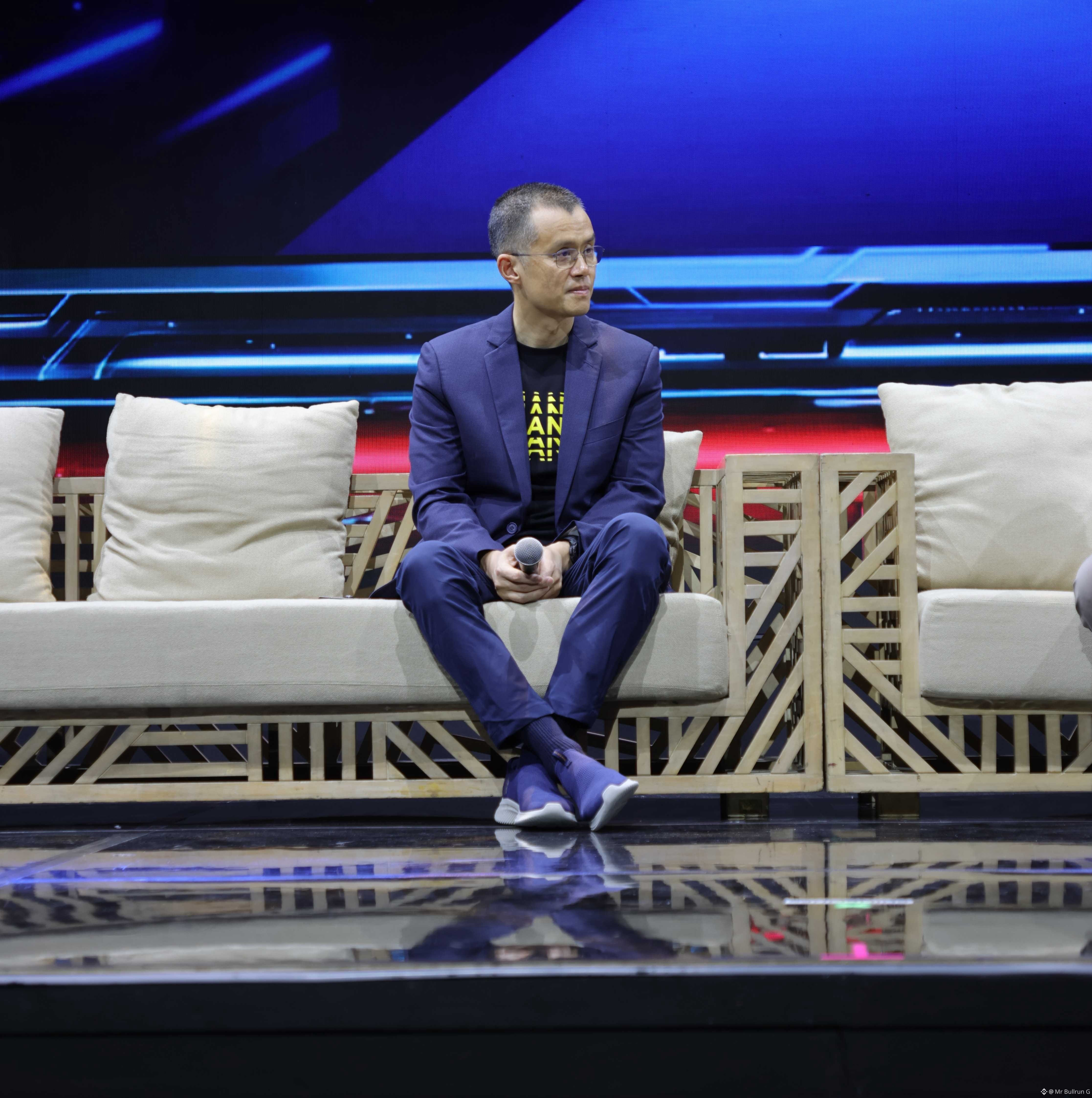
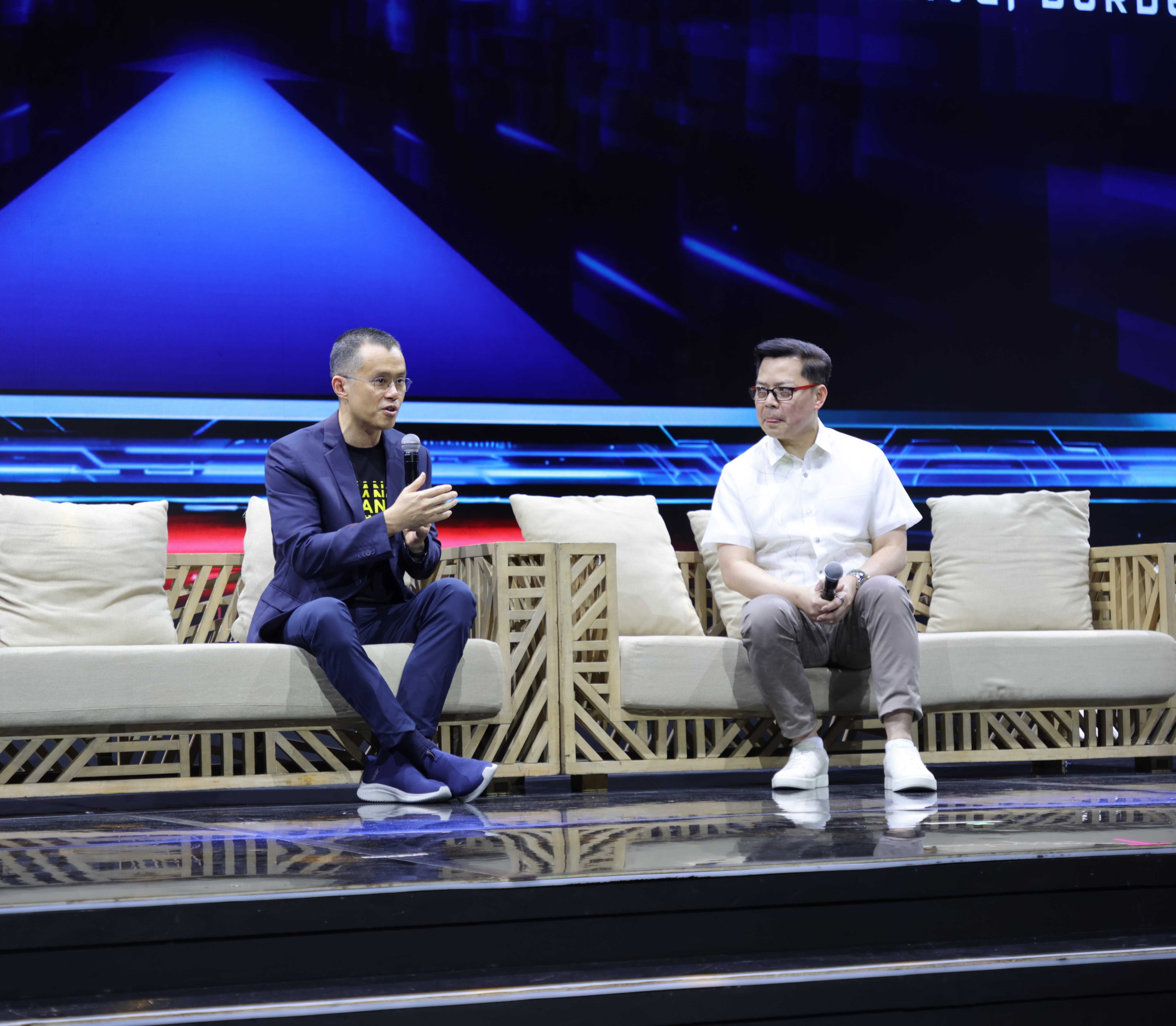
1
2
56
·
--
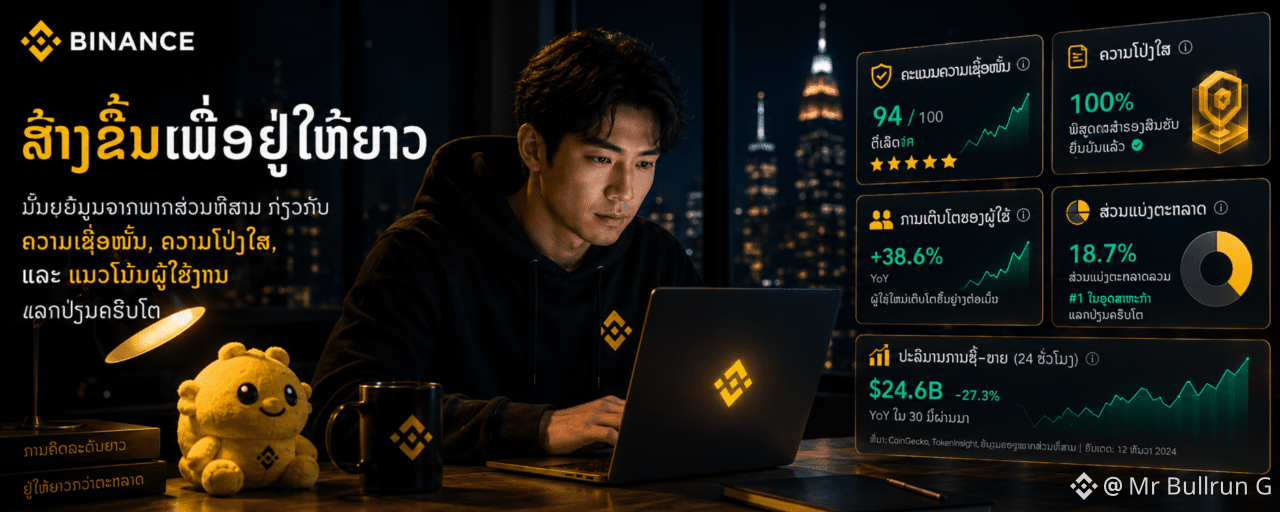
Article
Built to Last: What Third-Party Data Says About Crypto Exchange Trust, Transparency, and User Trendsບົດນຳ
ໃນໂລກຄຣິບໂຕ ການອ້າງເຖິງ ຄວາມໜ້າເຊື່ອຖື ເປັນເລື່ອງງ່າຍ — ແຕ່ການວັດແທກຄວາມໜ້າເຊື່ອຖືນັ້ນຍາກກວ່າຫຼາຍ.
ໃນຊ່ວງຫຼາຍປີຜ່ານມາ ມີແພລດຟອມແລກປ່ຽນຄຣິບໂຕຫຼາຍແຫ່ງທີ່ປິດຕົວ, ຫຼຸດຂະໜາດການດຳເນີນງານ ຫຼື ຕ້ອງເຜີຍກັບແຮງກົດດັນຈາກກົດລະບຽບ ແລະ ສະພາບຕະຫຼາດທີ່ເພີ່ມຂຶ້ນ.
ດັ່ງນັ້ນ ຜູ້ໃຊ້ຈຶ່ງເລີ່ມຕັ້ງຄຳຖາມທີ່ສຳຄັນກວ່າການເບິ່ງພຽງວ່າແພລດຟອມໃດມີຜະລິດຕະພັນຫຼາຍທີ່ສຸດ:
ແພລດຟອມແລກປ່ຽນຄຣິບໂຕໃດ ທີ່ຖືກສ້າງມາເພື່ອຢູ່ໄດ້ໃນໄລຍະຍາວ?
ໜຶ່ງໃນວິທີທີ່ຈະຊອກຫາຄຳຕອບໄດ້ ແມ່ນການເບິ່ງ ຂໍ້ມູນອິດສະຫຼະຈາກພາກສ່ວນທີສາມ.
ຂໍ້ມູນການວິໄຈທີ່ຄອບຄຸມ ສ່ວນແບ່ງຕະຫຼາດຂອງແພລດຟອມແລກປ່ຽນຄຣິບໂຕ, ປະລິມານການຊື້ຂາຍ, ສະພາບຄ່ອງ ແລະ ຊັບສິນຂອງຜູ້ໃຊ້ ຊີ້ໃຫ້ເຫັນວ່າ ເງິນທຶນກຳລັງກະຈຸກຕົວໄປຫາແພລດຟອມທີ່ສະແດງເຖິງຄວາມແຂງແກ່ງໃນດ້ານຕ່າງໆ ເຊັ່ນ ຄວາມໜ້າເຊື່ອຖື, ຄວາມໂປ່ງໃສ, ຄວາມປອດໄພ, ສະພາບຄ່ອງ ແລະ ຊັບສິນສຳຮອງ.
ແທນທີ່ຈະອີງໃສ່ຄຳໂຄສະນາທາງການຕະຫຼາດ ຕົວເລກເຫຼົ່ານີ້ສາມາດຊ່ວຍສະແດງໃຫ້ເຫັນວ່າ ຜູ້ໃຊ້ກຳລັງເລືອກຊື້ຂາຍຢູ່ທີ່ໃດ — ແລະ ກຳລັງເກັບຮັກສາເງິນທຶນຂອງພວກເຂົາໄວ້ຢູ່ໃສ.
ເປັນຫຍັງຂໍ້ມູນຈາກພາກສ່ວນທີສາມຈຶ່ງສຳຄັນ?
ການເບິ່ງພຽງແຕ່ ປະລິມານການຊື້ຂາຍ ຢ່າງດຽວ ບໍ່ສາມາດບອກພາບລວມໄດ້ທັງໝົດ.
ແພລດຟອມແລກປ່ຽນຄຣິບໂຕອາດມີປະລິມານການຊື້ຂາຍເພີ່ມຂຶ້ນຢ່າງກະທັນຫັນໃນໄລຍະສັ້ນ ຈາກເຫດການສຳຄັນຂອງຕະຫຼາດ, ການເປີດຕົວໂທເຄັນໃໝ່ ຫຼື ຊ່ວງທີ່ຕະຫຼາດມີຄວາມຜັນຜວນສູງ.
ເພື່ອໃຫ້ເຫັນພາບລວມທີ່ຊັດເຈນກວ່າ ຈຳເປັນຕ້ອງພິຈາລະນາຫຼາຍຕົວຊີ້ວັດຮ່ວມກັນ:
ສ່ວນແບ່ງຕະຫຼາດຂອງແພລດຟອມແລກປ່ຽນຄຣິບໂຕປະລິມານການຊື້ຂາຍສະພາບຄ່ອງຂອງຕະຫຼາດຊັບສິນຂອງຜູ້ໃຊ້ຄວາມໂປ່ງໃສຄວາມປອດໄພຊັບສິນສຳຮອງຄວາມແຂງແກ່ງໃນການດຳເນີນງານໄລຍະຍາວ
ເມື່ອຕົວຊີ້ວັດຫຼາຍດ້ານເລີ່ມຊີ້ໄປໃນທິດທາງດຽວກັນ ມັນສາມາດຊ່ວຍໃຫ້ເຫັນພາບທີ່ຊັດເຈນຂຶ້ນວ່າ ຜູ້ໃຊ້ກຳລັງເລືອກ ແລະ ເຄື່ອນຍ້າຍເງິນທຶນໄປທາງໃດໃນຕະຫຼາດ.
📊 ສ່ວນແບ່ງຕະຫຼາດຂອງ Crypto Exchange ກຳລັງກະຈຸກຕົວຫຼາຍຂຶ້ນ
ໃນຊ່ວງ H1 2026, ຂໍ້ມູນຈາກການວິໄຈຂອງພາກສ່ວນທີສາມພົບວ່າ ສ່ວນແບ່ງຕະຫຼາດກຳລັງກະຈຸກຕົວຫຼາຍຂຶ້ນໃນບັນດາແພລດຟອມແລກປ່ຽນຄຣິບໂຕຂະໜາດໃຫຍ່.
Crypto Exchange 10 ອັນດັບທຳອິດ ຄອງສ່ວນແບ່ງຕະຫຼາດປະມານ 81.2%, ໃນຂະນະທີ່ 5 ອັນດັບທຳອິດ ຄິດເປັນປະມານ 61.2%.
ຂໍ້ມູນນີ້ສະທ້ອນໃຫ້ເຫັນວ່າ ຜູ້ໃຊ້ກຳລັງລວມກິດຈະກຳການຊື້ຂາຍໄວ້ກັບແພລດຟອມຂະໜາດໃຫຍ່ຈຳນວນໜ້ອຍລົງ.
ແທນທີ່ເງິນທຶນຈະກະຈາຍຕົວຢ່າງເທົ່າທຽມໄປຫາ Exchange ຫຼາຍສິບແຫ່ງ, ກິດຈະກຳໃນຕະຫຼາດກັບກຳລັງກະຈຸກຕົວໄປຫາແພລດຟອມທີ່ມີ ສະພາບຄ່ອງສູງ, ໂຄງສ້າງພື້ນຖານທີ່ແຂງແກ່ງ ແລະ ຖານຜູ້ໃຊ້ທີ່ໝັ້ນຄົງ.
🟡 ສ່ວນແບ່ງຕະຫຼາດຂອງ Binance ຍັງຄົງເຕີບໂຕ
ໃນຊຸດຂໍ້ມູນດຽວກັນ, Binance ບັນທຶກປະລິມານການຊື້ຂາຍປະມານ $9.34 ພັນຕື້, ຄິດເປັນປະມານ 26.6% ຂອງຕະຫຼາດ Crypto Exchange.
ອີກໜຶ່ງແນວໂນ້ມທີ່ໜ້າສົນໃຈ ແມ່ນການປ່ຽນແປງຂອງສ່ວນແບ່ງຕະຫຼາດໃນຊ່ວງເຄິ່ງປີທຳອິດ.
ມັງກອນ 2026: 24.1%
ມິຖຸນາ 2026: 28.3%
ການເພີ່ມຂຶ້ນນີ້ສະທ້ອນວ່າ ສັດສ່ວນຂອງ Binance ໃນກິດຈະກຳການຊື້ຂາຍຄຣິບໂຕໂດຍລວມ ເພີ່ມຂຶ້ນໃນຊ່ວງ H1 2026.
ສ່ວນແບ່ງຕະຫຼາດເປັນຕົວຊີ້ວັດທີ່ມີປະໂຫຍດ ເພາະມັນຊ່ວຍປຽບທຽບຜົນງານຂອງແພລດຟອມກັບຕະຫຼາດໂດຍລວມ ແທນທີ່ຈະເບິ່ງພຽງປະລິມານການຊື້ຂາຍຢ່າງດຽວ.
💧 ສະພາບຄ່ອງຍັງຄົງເປັນຕົວຊີ້ວັດສຳຄັນຂອງ Crypto Exchange
Liquidity ຫຼື ສະພາບຄ່ອງ ແມ່ນໜຶ່ງໃນປັດໄຈທີ່ສຳຄັນທີ່ສຸດ ເມື່ອປະເມີນແພລດຟອມການຊື້ຂາຍ.
ສະພາບຄ່ອງທີ່ສູງກວ່າ ໂດຍທົ່ວໄປໝາຍເຖິງ ຜູ້ຊື້ ແລະ ຜູ້ຂາຍສາມາດດຳເນີນຄຳສັ່ງຊື້ຂາຍໄດ້ຢ່າງມີປະສິດທິພາບຫຼາຍຂຶ້ນ ໂດຍສະເພາະເມື່ອຊື້ຂາຍດ້ວຍຂະໜາດສະຖານະທີ່ໃຫຍ່.
ອີງຕາມຂໍ້ມູນຈາກພາກສ່ວນທີສາມ:
Binance: ປະມານ $236M — 44%
OKX: ປະມານ $112M — 20.8%
ສະພາບຄ່ອງທີ່ເລິກກວ່າ ສາມາດຊ່ວຍໃຫ້:
ສ່ວນຕ່າງລະຫວ່າງລາຄາຊື້ ແລະ ລາຄາຂາຍ (Bid-Ask Spread) ແຄບລົງການດຳເນີນຄຳສັ່ງຊື້ຂາຍມີປະສິດທິພາບຫຼາຍຂຶ້ນຫຼຸດຜົນກະທົບຕໍ່ລາຄາຕະຫຼາດຈາກຄຳສັ່ງຊື້ຂາຍຂະໜາດໃຫຍ່ຊ່ວຍໃຫ້ສະພາບການຊື້ຂາຍມີສະຖຽນລະພາບຫຼາຍຂຶ້ນ
ດັ່ງນັ້ນ ສຳລັບນັກເທຣດທີ່ຊື້ຂາຍຢ່າງຫ້າວຫັນ, ສະພາບຄ່ອງອາດມີຄວາມສຳຄັນບໍ່ໜ້ອຍໄປກວ່າຈຳນວນຊັບສິນທີ່ມີໃຫ້ຊື້ຂາຍໃນ Exchange.
💰 ຜູ້ໃຊ້ຄຣິບໂຕກຳລັງເກັບຊັບສິນຂອງພວກເຂົາໄວ້ຢູ່ໃສ?
ໜຶ່ງໃນຕົວຊີ້ວັດທີ່ໜ້າສົນໃຈທີ່ສຸດ ອາດແມ່ນ ຊັບສິນຂອງຜູ້ໃຊ້ (User Assets).
ໃນບັນດາ Crypto Exchange ທີ່ຖືກລວມຢູ່ໃນການວິໄຈນີ້, ຊັບສິນຂອງຜູ້ໃຊ້ໂດຍສະເລ່ຍມີມູນຄ່າລວມປະມານ $233.34 ຕື້.
Binance ຄິດເປັນປະມານ $150.21 ຕື້, ຫຼື ປະມານ 64.4% ຂອງຊັບສິນທັງໝົດທີ່ຖືກວັດແທກ.
ເປັນຫຍັງຕົວເລກນີ້ຈຶ່ງສຳຄັນ?
ປະລິມານການຊື້ຂາຍສາມາດປ່ຽນແປງໄດ້ຢ່າງວ່ອງໄວ ຕາມຄວາມຜັນຜວນຂອງຕະຫຼາດ ແລະ ໂອກາດການຊື້ຂາຍໃນໄລຍະສັ້ນ.
ແຕ່ການເບິ່ງວ່າ ຜູ້ໃຊ້ເລືອກເກັບຊັບສິນຂອງຕົນໄວ້ຢູ່ທີ່ໃດ ສາມາດໃຫ້ອີກມຸມມອງໜຶ່ງກ່ຽວກັບການໃຊ້ງານແພລດຟອມ ແລະ ຄວາມໝັ້ນໃຈຂອງຜູ້ໃຊ້.
ເງິນທຶນບໍ່ໄດ້ບອກພຽງແຕ່ວ່າ ຜູ້ຄົນກຳລັງຊື້ຂາຍຢູ່ບ່ອນໃດ.
ມັນຍັງສາມາດສະທ້ອນໃຫ້ເຫັນວ່າ ຜູ້ຄົນເຕັມໃຈທີ່ຈະຝາກຊັບສິນ ແລະ ຢູ່ກັບແພລດຟອມໃດໃນໄລຍະຍາວ.
🔐 ຫຍັງເຮັດໃຫ້ Crypto Exchange ສາມາດຢູ່ໄດ້ໃນໄລຍະຍາວ?
ຂໍ້ມູນໄດ້ຊີ້ໃຫ້ເຫັນຫຼາຍປັດໄຈທີ່ອາດຈະຍິ່ງມີຄວາມສຳຄັນຫຼາຍຂຶ້ນ ເມື່ອອຸດສາຫະກຳຄຣິບໂຕພັດທະນາແລະເຕີບໂຕຂຶ້ນ.
ຄວາມໜ້າເຊື່ອຖື
ຜູ້ໃຊ້ຈຳເປັນຕ້ອງມີຄວາມໝັ້ນໃຈວ່າ ແພລດຟອມສາມາດດຳເນີນງານໄດ້ຢ່າງໝັ້ນຄົງ ຜ່ານວົງຈອນຕະຫຼາດທີ່ແຕກຕ່າງກັນ.
ຄວາມໂປ່ງໃສ
ຂໍ້ມູນທີ່ຊັດເຈນກ່ຽວກັບການດຳເນີນງານ ແລະ ຊັບສິນຂອງແພລດຟອມ ສາມາດຊ່ວຍໃຫ້ຜູ້ໃຊ້ເຂົ້າໃຈຄວາມສ່ຽງທີ່ກ່ຽວຂ້ອງໄດ້ດີຂຶ້ນ.
ຊັບສິນສຳຮອງ
ຜູ້ໃຊ້ເລີ່ມຄາດຫວັງຫຼາຍຂຶ້ນວ່າ Exchange ຄວນສາມາດສະແດງໄດ້ວ່າ ຊັບສິນຂອງລູກຄ້າມີສິນຊັບຮອງຮັບຢ່າງເໝາະສົມ.
ສະພາບຄ່ອງ
ຕະຫຼາດທີ່ມີສະພາບຄ່ອງສູງ ຊ່ວຍສະໜັບສະໜູນການຊື້ຂາຍທີ່ມີປະສິດທິພາບ ແລະ ການຄົ້ນພົບລາຄາ (Price Discovery) ທີ່ດີຂຶ້ນ.
ຄວາມປອດໄພ
ການປົກປ້ອງບັນຊີຜູ້ໃຊ້, ໂຄງສ້າງພື້ນຖານ ແລະ ຊັບສິນ ຍັງຄົງເປັນພື້ນຖານສຳຄັນຂອງທຸກແພລດຟອມຄຣິບໂຕ.
ຄວາມແຂງແກ່ງໃນການດຳເນີນງານໄລຍະຍາວ
ຄວາມສາມາດໃນການຜ່ານຫຼາຍວົງຈອນຕະຫຼາດ, ການປ່ຽນແປງດ້ານກົດລະບຽບ ແລະ ຊ່ວງທີ່ຕະຫຼາດຜັນຜວນຮຸນແຮງ ອາດກາຍເປັນປັດໄຈສຳຄັນທີ່ແຍກແພລດຟອມທີ່ແຂງແກ່ງອອກຈາກຄູ່ແຂ່ງ.
ຂໍ້ມູນກຳລັງບອກຫຍັງພວກເຮົາ?
ຄຳຖາມທີ່ອຸດສາຫະກຳຄຣິບໂຕກຳລັງເຜີຍຢູ່ ກຳລັງຄ່ອຍໆປ່ຽນໄປ.
ມັນບໍ່ແມ່ນພຽງແຕ່ວ່າ:
Crypto Exchange ໃດມີຜູ້ໃຊ້ຫຼາຍທີ່ສຸດ?
ຫຼື:
ແພລດຟອມໃດມີປະລິມານການຊື້ຂາຍຫຼາຍທີ່ສຸດ?
ແຕ່ຄຳຖາມທີ່ອາດມີປະໂຫຍດກວ່າຄື:
ຜູ້ໃຊ້ເລືອກຊື້ຂາຍຢູ່ທີ່ໃດ ແລະ ພວກເຂົາເລືອກເກັບເງິນທຶນຂອງຕົນໄວ້ຢູ່ທີ່ໃດ?
ຂໍ້ມູນດ້ານສ່ວນແບ່ງຕະຫຼາດ, ສະພາບຄ່ອງ, ປະລິມານການຊື້ຂາຍ ແລະ ຊັບສິນຂອງຜູ້ໃຊ້ ຊີ້ໃຫ້ເຫັນວ່າ ກິດຈະກຳໃນຕະຫຼາດຄຣິບໂຕ ກຳລັງກະຈຸກຕົວຫຼາຍຂຶ້ນຢູ່ໃນ Exchange ຂະໜາດໃຫຍ່ຈຳນວນໜ້ອຍລົງ.
ແນວໂນ້ມນີ້ອາດສະທ້ອນໃຫ້ເຫັນວ່າ ເມື່ອອຸດສາຫະກຳເຕີບໂຕຂຶ້ນ ຜູ້ໃຊ້ກຳລັງໃຫ້ຄວາມສຳຄັນຫຼາຍຂຶ້ນກັບ ຄວາມໝັ້ນຄົງຂອງແພລດຟອມ, ສະພາບຄ່ອງ, ຄວາມໂປ່ງໃສ, ຄວາມປອດໄພ ແລະ ຄວາມແຂງແກ່ງທາງການເງິນ.
ເບິ່ງໄປຂ້າງໜ້າ
ຕະຫຼາດຄຣິບໂຕຈະຍັງຄົງພັດທະນາຕໍ່ໄປ.
Exchange ໃໝ່ໆຈະເກີດຂຶ້ນ, ກົດລະບຽບຈະປ່ຽນແປງ ແລະ ວົງຈອນຕະຫຼາດຈະຍັງຄົງທົດສອບຄວາມແຂງແກ່ງຂອງແພລດຟອມການຊື້ຂາຍ.
ແຕ່ມີໜຶ່ງແນວໂນ້ມທີ່ອາດຈະຍິ່ງສຳຄັນຂຶ້ນ:
ຄວາມໜ້າເຊື່ອຖື ກຳລັງກາຍເປັນສິ່ງທີ່ສາມາດວັດແທກໄດ້ຜ່ານພຶດຕິກຳຂອງຜູ້ໃຊ້.
ເບິ່ງວ່າສະພາບຄ່ອງກະຈຸກຕົວຢູ່ທີ່ໃດ.
ເບິ່ງວ່າກິດຈະກຳການຊື້ຂາຍເກີດຂຶ້ນຢູ່ທີ່ໃດ.
ແລະ ທ້າຍທີ່ສຸດ ເບິ່ງວ່າ ຜູ້ໃຊ້ເລືອກເກັບຊັບສິນຂອງຕົນໄວ້ຢູ່ທີ່ໃດ.
ຂໍ້ມູນຈາກພາກສ່ວນທີສາມ ເປັນອີກໜຶ່ງວິທີທີ່ມີປະໂຫຍດໃນການສັງເກດແນວໂນ້ມເຫຼົ່ານີ້ ໂດຍບໍ່ຕ້ອງອີງໃສ່ຄຳໂຄສະນາທາງການຕະຫຼາດພຽງຢ່າງດຽວ.
ບໍ່ມີການປັ່ນກະແສ. ມີພຽງຕົວເລກ — ແລະ ສິ່ງທີ່ຕົວເລກເຫຼົ່ານັ້ນກຳລັງບອກພວກເຮົາວ່າ ຕະຫຼາດຄຣິບໂຕກຳລັງມຸ່ງໜ້າໄປທາງໃດ.
#crypto [ ](https://www.binance.com/en/square/hashtag/crypto)#stock [ ](https://www.binance.com/en/square/hashtag/stock)#Binance [ ](https://www.binance.com/en/square/hashtag/Binance)#FLOW
$NVDAB
{spot}(NVDABUSDT)
{spot}(BNBUSDT)
{spot}(BTCUSDT)
Built to Last: What Third-Party Data Says About Crypto Exchange Trust, Transparency, and User Trends
ບົດນຳ
ໃນໂລກຄຣິບໂຕ ການອ້າງເຖິງ ຄວາມໜ້າເຊື່ອຖື ເປັນເລື່ອງງ່າຍ — ແຕ່ການວັດແທກຄວາມໜ້າເຊື່ອຖືນັ້ນຍາກກວ່າຫຼາຍ.
ໃນຊ່ວງຫຼາຍປີຜ່ານມາ ມີແພລດຟອມແລກປ່ຽນຄຣິບໂຕຫຼາຍແຫ່ງທີ່ປິດຕົວ, ຫຼຸດຂະໜາດການດຳເນີນງານ ຫຼື ຕ້ອງເຜີຍກັບແຮງກົດດັນຈາກກົດລະບຽບ ແລະ ສະພາບຕະຫຼາດທີ່ເພີ່ມຂຶ້ນ.
ດັ່ງນັ້ນ ຜູ້ໃຊ້ຈຶ່ງເລີ່ມຕັ້ງຄຳຖາມທີ່ສຳຄັນກວ່າການເບິ່ງພຽງວ່າແພລດຟອມໃດມີຜະລິດຕະພັນຫຼາຍທີ່ສຸດ:
ແພລດຟອມແລກປ່ຽນຄຣິບໂຕໃດ ທີ່ຖືກສ້າງມາເພື່ອຢູ່ໄດ້ໃນໄລຍະຍາວ?
ໜຶ່ງໃນວິທີທີ່ຈະຊອກຫາຄຳຕອບໄດ້ ແມ່ນການເບິ່ງ ຂໍ້ມູນອິດສະຫຼະຈາກພາກສ່ວນທີສາມ.
ຂໍ້ມູນການວິໄຈທີ່ຄອບຄຸມ ສ່ວນແບ່ງຕະຫຼາດຂອງແພລດຟອມແລກປ່ຽນຄຣິບໂຕ, ປະລິມານການຊື້ຂາຍ, ສະພາບຄ່ອງ ແລະ ຊັບສິນຂອງຜູ້ໃຊ້ ຊີ້ໃຫ້ເຫັນວ່າ ເງິນທຶນກຳລັງກະຈຸກຕົວໄປຫາແພລດຟອມທີ່ສະແດງເຖິງຄວາມແຂງແກ່ງໃນດ້ານຕ່າງໆ ເຊັ່ນ ຄວາມໜ້າເຊື່ອຖື, ຄວາມໂປ່ງໃສ, ຄວາມປອດໄພ, ສະພາບຄ່ອງ ແລະ ຊັບສິນສຳຮອງ.
ແທນທີ່ຈະອີງໃສ່ຄຳໂຄສະນາທາງການຕະຫຼາດ ຕົວເລກເຫຼົ່ານີ້ສາມາດຊ່ວຍສະແດງໃຫ້ເຫັນວ່າ ຜູ້ໃຊ້ກຳລັງເລືອກຊື້ຂາຍຢູ່ທີ່ໃດ — ແລະ ກຳລັງເກັບຮັກສາເງິນທຶນຂອງພວກເຂົາໄວ້ຢູ່ໃສ.
ເປັນຫຍັງຂໍ້ມູນຈາກພາກສ່ວນທີສາມຈຶ່ງສຳຄັນ?
ການເບິ່ງພຽງແຕ່ ປະລິມານການຊື້ຂາຍ ຢ່າງດຽວ ບໍ່ສາມາດບອກພາບລວມໄດ້ທັງໝົດ.
ແພລດຟອມແລກປ່ຽນຄຣິບໂຕອາດມີປະລິມານການຊື້ຂາຍເພີ່ມຂຶ້ນຢ່າງກະທັນຫັນໃນໄລຍະສັ້ນ ຈາກເຫດການສຳຄັນຂອງຕະຫຼາດ, ການເປີດຕົວໂທເຄັນໃໝ່ ຫຼື ຊ່ວງທີ່ຕະຫຼາດມີຄວາມຜັນຜວນສູງ.
ເພື່ອໃຫ້ເຫັນພາບລວມທີ່ຊັດເຈນກວ່າ ຈຳເປັນຕ້ອງພິຈາລະນາຫຼາຍຕົວຊີ້ວັດຮ່ວມກັນ:
ສ່ວນແບ່ງຕະຫຼາດຂອງແພລດຟອມແລກປ່ຽນຄຣິບໂຕປະລິມານການຊື້ຂາຍສະພາບຄ່ອງຂອງຕະຫຼາດຊັບສິນຂອງຜູ້ໃຊ້ຄວາມໂປ່ງໃສຄວາມປອດໄພຊັບສິນສຳຮອງຄວາມແຂງແກ່ງໃນການດຳເນີນງານໄລຍະຍາວ
ເມື່ອຕົວຊີ້ວັດຫຼາຍດ້ານເລີ່ມຊີ້ໄປໃນທິດທາງດຽວກັນ ມັນສາມາດຊ່ວຍໃຫ້ເຫັນພາບທີ່ຊັດເຈນຂຶ້ນວ່າ ຜູ້ໃຊ້ກຳລັງເລືອກ ແລະ ເຄື່ອນຍ້າຍເງິນທຶນໄປທາງໃດໃນຕະຫຼາດ.
📊 ສ່ວນແບ່ງຕະຫຼາດຂອງ Crypto Exchange ກຳລັງກະຈຸກຕົວຫຼາຍຂຶ້ນ
ໃນຊ່ວງ H1 2026, ຂໍ້ມູນຈາກການວິໄຈຂອງພາກສ່ວນທີສາມພົບວ່າ ສ່ວນແບ່ງຕະຫຼາດກຳລັງກະຈຸກຕົວຫຼາຍຂຶ້ນໃນບັນດາແພລດຟອມແລກປ່ຽນຄຣິບໂຕຂະໜາດໃຫຍ່.
Crypto Exchange 10 ອັນດັບທຳອິດ ຄອງສ່ວນແບ່ງຕະຫຼາດປະມານ 81.2%, ໃນຂະນະທີ່ 5 ອັນດັບທຳອິດ ຄິດເປັນປະມານ 61.2%.
ຂໍ້ມູນນີ້ສະທ້ອນໃຫ້ເຫັນວ່າ ຜູ້ໃຊ້ກຳລັງລວມກິດຈະກຳການຊື້ຂາຍໄວ້ກັບແພລດຟອມຂະໜາດໃຫຍ່ຈຳນວນໜ້ອຍລົງ.
ແທນທີ່ເງິນທຶນຈະກະຈາຍຕົວຢ່າງເທົ່າທຽມໄປຫາ Exchange ຫຼາຍສິບແຫ່ງ, ກິດຈະກຳໃນຕະຫຼາດກັບກຳລັງກະຈຸກຕົວໄປຫາແພລດຟອມທີ່ມີ ສະພາບຄ່ອງສູງ, ໂຄງສ້າງພື້ນຖານທີ່ແຂງແກ່ງ ແລະ ຖານຜູ້ໃຊ້ທີ່ໝັ້ນຄົງ.
🟡 ສ່ວນແບ່ງຕະຫຼາດຂອງ Binance ຍັງຄົງເຕີບໂຕ
ໃນຊຸດຂໍ້ມູນດຽວກັນ, Binance ບັນທຶກປະລິມານການຊື້ຂາຍປະມານ $9.34 ພັນຕື້, ຄິດເປັນປະມານ 26.6% ຂອງຕະຫຼາດ Crypto Exchange.
ອີກໜຶ່ງແນວໂນ້ມທີ່ໜ້າສົນໃຈ ແມ່ນການປ່ຽນແປງຂອງສ່ວນແບ່ງຕະຫຼາດໃນຊ່ວງເຄິ່ງປີທຳອິດ.
ມັງກອນ 2026: 24.1%
ມິຖຸນາ 2026: 28.3%
ການເພີ່ມຂຶ້ນນີ້ສະທ້ອນວ່າ ສັດສ່ວນຂອງ Binance ໃນກິດຈະກຳການຊື້ຂາຍຄຣິບໂຕໂດຍລວມ ເພີ່ມຂຶ້ນໃນຊ່ວງ H1 2026.
ສ່ວນແບ່ງຕະຫຼາດເປັນຕົວຊີ້ວັດທີ່ມີປະໂຫຍດ ເພາະມັນຊ່ວຍປຽບທຽບຜົນງານຂອງແພລດຟອມກັບຕະຫຼາດໂດຍລວມ ແທນທີ່ຈະເບິ່ງພຽງປະລິມານການຊື້ຂາຍຢ່າງດຽວ.
💧 ສະພາບຄ່ອງຍັງຄົງເປັນຕົວຊີ້ວັດສຳຄັນຂອງ Crypto Exchange
Liquidity ຫຼື ສະພາບຄ່ອງ ແມ່ນໜຶ່ງໃນປັດໄຈທີ່ສຳຄັນທີ່ສຸດ ເມື່ອປະເມີນແພລດຟອມການຊື້ຂາຍ.
ສະພາບຄ່ອງທີ່ສູງກວ່າ ໂດຍທົ່ວໄປໝາຍເຖິງ ຜູ້ຊື້ ແລະ ຜູ້ຂາຍສາມາດດຳເນີນຄຳສັ່ງຊື້ຂາຍໄດ້ຢ່າງມີປະສິດທິພາບຫຼາຍຂຶ້ນ ໂດຍສະເພາະເມື່ອຊື້ຂາຍດ້ວຍຂະໜາດສະຖານະທີ່ໃຫຍ່.
ອີງຕາມຂໍ້ມູນຈາກພາກສ່ວນທີສາມ:
Binance: ປະມານ $236M — 44%
OKX: ປະມານ $112M — 20.8%
ສະພາບຄ່ອງທີ່ເລິກກວ່າ ສາມາດຊ່ວຍໃຫ້:
ສ່ວນຕ່າງລະຫວ່າງລາຄາຊື້ ແລະ ລາຄາຂາຍ (Bid-Ask Spread) ແຄບລົງການດຳເນີນຄຳສັ່ງຊື້ຂາຍມີປະສິດທິພາບຫຼາຍຂຶ້ນຫຼຸດຜົນກະທົບຕໍ່ລາຄາຕະຫຼາດຈາກຄຳສັ່ງຊື້ຂາຍຂະໜາດໃຫຍ່ຊ່ວຍໃຫ້ສະພາບການຊື້ຂາຍມີສະຖຽນລະພາບຫຼາຍຂຶ້ນ
ດັ່ງນັ້ນ ສຳລັບນັກເທຣດທີ່ຊື້ຂາຍຢ່າງຫ້າວຫັນ, ສະພາບຄ່ອງອາດມີຄວາມສຳຄັນບໍ່ໜ້ອຍໄປກວ່າຈຳນວນຊັບສິນທີ່ມີໃຫ້ຊື້ຂາຍໃນ Exchange.
💰 ຜູ້ໃຊ້ຄຣິບໂຕກຳລັງເກັບຊັບສິນຂອງພວກເຂົາໄວ້ຢູ່ໃສ?
ໜຶ່ງໃນຕົວຊີ້ວັດທີ່ໜ້າສົນໃຈທີ່ສຸດ ອາດແມ່ນ ຊັບສິນຂອງຜູ້ໃຊ້ (User Assets).
ໃນບັນດາ Crypto Exchange ທີ່ຖືກລວມຢູ່ໃນການວິໄຈນີ້, ຊັບສິນຂອງຜູ້ໃຊ້ໂດຍສະເລ່ຍມີມູນຄ່າລວມປະມານ $233.34 ຕື້.
Binance ຄິດເປັນປະມານ $150.21 ຕື້, ຫຼື ປະມານ 64.4% ຂອງຊັບສິນທັງໝົດທີ່ຖືກວັດແທກ.
ເປັນຫຍັງຕົວເລກນີ້ຈຶ່ງສຳຄັນ?
ປະລິມານການຊື້ຂາຍສາມາດປ່ຽນແປງໄດ້ຢ່າງວ່ອງໄວ ຕາມຄວາມຜັນຜວນຂອງຕະຫຼາດ ແລະ ໂອກາດການຊື້ຂາຍໃນໄລຍະສັ້ນ.
ແຕ່ການເບິ່ງວ່າ ຜູ້ໃຊ້ເລືອກເກັບຊັບສິນຂອງຕົນໄວ້ຢູ່ທີ່ໃດ ສາມາດໃຫ້ອີກມຸມມອງໜຶ່ງກ່ຽວກັບການໃຊ້ງານແພລດຟອມ ແລະ ຄວາມໝັ້ນໃຈຂອງຜູ້ໃຊ້.
ເງິນທຶນບໍ່ໄດ້ບອກພຽງແຕ່ວ່າ ຜູ້ຄົນກຳລັງຊື້ຂາຍຢູ່ບ່ອນໃດ.
ມັນຍັງສາມາດສະທ້ອນໃຫ້ເຫັນວ່າ ຜູ້ຄົນເຕັມໃຈທີ່ຈະຝາກຊັບສິນ ແລະ ຢູ່ກັບແພລດຟອມໃດໃນໄລຍະຍາວ.
🔐 ຫຍັງເຮັດໃຫ້ Crypto Exchange ສາມາດຢູ່ໄດ້ໃນໄລຍະຍາວ?
ຂໍ້ມູນໄດ້ຊີ້ໃຫ້ເຫັນຫຼາຍປັດໄຈທີ່ອາດຈະຍິ່ງມີຄວາມສຳຄັນຫຼາຍຂຶ້ນ ເມື່ອອຸດສາຫະກຳຄຣິບໂຕພັດທະນາແລະເຕີບໂຕຂຶ້ນ.
ຄວາມໜ້າເຊື່ອຖື
ຜູ້ໃຊ້ຈຳເປັນຕ້ອງມີຄວາມໝັ້ນໃຈວ່າ ແພລດຟອມສາມາດດຳເນີນງານໄດ້ຢ່າງໝັ້ນຄົງ ຜ່ານວົງຈອນຕະຫຼາດທີ່ແຕກຕ່າງກັນ.
ຄວາມໂປ່ງໃສ
ຂໍ້ມູນທີ່ຊັດເຈນກ່ຽວກັບການດຳເນີນງານ ແລະ ຊັບສິນຂອງແພລດຟອມ ສາມາດຊ່ວຍໃຫ້ຜູ້ໃຊ້ເຂົ້າໃຈຄວາມສ່ຽງທີ່ກ່ຽວຂ້ອງໄດ້ດີຂຶ້ນ.
ຊັບສິນສຳຮອງ
ຜູ້ໃຊ້ເລີ່ມຄາດຫວັງຫຼາຍຂຶ້ນວ່າ Exchange ຄວນສາມາດສະແດງໄດ້ວ່າ ຊັບສິນຂອງລູກຄ້າມີສິນຊັບຮອງຮັບຢ່າງເໝາະສົມ.
ສະພາບຄ່ອງ
ຕະຫຼາດທີ່ມີສະພາບຄ່ອງສູງ ຊ່ວຍສະໜັບສະໜູນການຊື້ຂາຍທີ່ມີປະສິດທິພາບ ແລະ ການຄົ້ນພົບລາຄາ (Price Discovery) ທີ່ດີຂຶ້ນ.
ຄວາມປອດໄພ
ການປົກປ້ອງບັນຊີຜູ້ໃຊ້, ໂຄງສ້າງພື້ນຖານ ແລະ ຊັບສິນ ຍັງຄົງເປັນພື້ນຖານສຳຄັນຂອງທຸກແພລດຟອມຄຣິບໂຕ.
ຄວາມແຂງແກ່ງໃນການດຳເນີນງານໄລຍະຍາວ
ຄວາມສາມາດໃນການຜ່ານຫຼາຍວົງຈອນຕະຫຼາດ, ການປ່ຽນແປງດ້ານກົດລະບຽບ ແລະ ຊ່ວງທີ່ຕະຫຼາດຜັນຜວນຮຸນແຮງ ອາດກາຍເປັນປັດໄຈສຳຄັນທີ່ແຍກແພລດຟອມທີ່ແຂງແກ່ງອອກຈາກຄູ່ແຂ່ງ.
ຂໍ້ມູນກຳລັງບອກຫຍັງພວກເຮົາ?
ຄຳຖາມທີ່ອຸດສາຫະກຳຄຣິບໂຕກຳລັງເຜີຍຢູ່ ກຳລັງຄ່ອຍໆປ່ຽນໄປ.
ມັນບໍ່ແມ່ນພຽງແຕ່ວ່າ:
Crypto Exchange ໃດມີຜູ້ໃຊ້ຫຼາຍທີ່ສຸດ?
ຫຼື:
ແພລດຟອມໃດມີປະລິມານການຊື້ຂາຍຫຼາຍທີ່ສຸດ?
ແຕ່ຄຳຖາມທີ່ອາດມີປະໂຫຍດກວ່າຄື:
ຜູ້ໃຊ້ເລືອກຊື້ຂາຍຢູ່ທີ່ໃດ ແລະ ພວກເຂົາເລືອກເກັບເງິນທຶນຂອງຕົນໄວ້ຢູ່ທີ່ໃດ?
ຂໍ້ມູນດ້ານສ່ວນແບ່ງຕະຫຼາດ, ສະພາບຄ່ອງ, ປະລິມານການຊື້ຂາຍ ແລະ ຊັບສິນຂອງຜູ້ໃຊ້ ຊີ້ໃຫ້ເຫັນວ່າ ກິດຈະກຳໃນຕະຫຼາດຄຣິບໂຕ ກຳລັງກະຈຸກຕົວຫຼາຍຂຶ້ນຢູ່ໃນ Exchange ຂະໜາດໃຫຍ່ຈຳນວນໜ້ອຍລົງ.
ແນວໂນ້ມນີ້ອາດສະທ້ອນໃຫ້ເຫັນວ່າ ເມື່ອອຸດສາຫະກຳເຕີບໂຕຂຶ້ນ ຜູ້ໃຊ້ກຳລັງໃຫ້ຄວາມສຳຄັນຫຼາຍຂຶ້ນກັບ ຄວາມໝັ້ນຄົງຂອງແພລດຟອມ, ສະພາບຄ່ອງ, ຄວາມໂປ່ງໃສ, ຄວາມປອດໄພ ແລະ ຄວາມແຂງແກ່ງທາງການເງິນ.
ເບິ່ງໄປຂ້າງໜ້າ
ຕະຫຼາດຄຣິບໂຕຈະຍັງຄົງພັດທະນາຕໍ່ໄປ.
Exchange ໃໝ່ໆຈະເກີດຂຶ້ນ, ກົດລະບຽບຈະປ່ຽນແປງ ແລະ ວົງຈອນຕະຫຼາດຈະຍັງຄົງທົດສອບຄວາມແຂງແກ່ງຂອງແພລດຟອມການຊື້ຂາຍ.
ແຕ່ມີໜຶ່ງແນວໂນ້ມທີ່ອາດຈະຍິ່ງສຳຄັນຂຶ້ນ:
ຄວາມໜ້າເຊື່ອຖື ກຳລັງກາຍເປັນສິ່ງທີ່ສາມາດວັດແທກໄດ້ຜ່ານພຶດຕິກຳຂອງຜູ້ໃຊ້.
ເບິ່ງວ່າສະພາບຄ່ອງກະຈຸກຕົວຢູ່ທີ່ໃດ.
ເບິ່ງວ່າກິດຈະກຳການຊື້ຂາຍເກີດຂຶ້ນຢູ່ທີ່ໃດ.
ແລະ ທ້າຍທີ່ສຸດ ເບິ່ງວ່າ ຜູ້ໃຊ້ເລືອກເກັບຊັບສິນຂອງຕົນໄວ້ຢູ່ທີ່ໃດ.
ຂໍ້ມູນຈາກພາກສ່ວນທີສາມ ເປັນອີກໜຶ່ງວິທີທີ່ມີປະໂຫຍດໃນການສັງເກດແນວໂນ້ມເຫຼົ່ານີ້ ໂດຍບໍ່ຕ້ອງອີງໃສ່ຄຳໂຄສະນາທາງການຕະຫຼາດພຽງຢ່າງດຽວ.
ບໍ່ມີການປັ່ນກະແສ. ມີພຽງຕົວເລກ — ແລະ ສິ່ງທີ່ຕົວເລກເຫຼົ່ານັ້ນກຳລັງບອກພວກເຮົາວ່າ ຕະຫຼາດຄຣິບໂຕກຳລັງມຸ່ງໜ້າໄປທາງໃດ.
#crypto #stock #Binance #FLOW
$NVDAB
ໃນໂລກຄຣິບໂຕ ການອ້າງເຖິງ ຄວາມໜ້າເຊື່ອຖື ເປັນເລື່ອງງ່າຍ — ແຕ່ການວັດແທກຄວາມໜ້າເຊື່ອຖືນັ້ນຍາກກວ່າຫຼາຍ.
ໃນຊ່ວງຫຼາຍປີຜ່ານມາ ມີແພລດຟອມແລກປ່ຽນຄຣິບໂຕຫຼາຍແຫ່ງທີ່ປິດຕົວ, ຫຼຸດຂະໜາດການດຳເນີນງານ ຫຼື ຕ້ອງເຜີຍກັບແຮງກົດດັນຈາກກົດລະບຽບ ແລະ ສະພາບຕະຫຼາດທີ່ເພີ່ມຂຶ້ນ.
ດັ່ງນັ້ນ ຜູ້ໃຊ້ຈຶ່ງເລີ່ມຕັ້ງຄຳຖາມທີ່ສຳຄັນກວ່າການເບິ່ງພຽງວ່າແພລດຟອມໃດມີຜະລິດຕະພັນຫຼາຍທີ່ສຸດ:
ແພລດຟອມແລກປ່ຽນຄຣິບໂຕໃດ ທີ່ຖືກສ້າງມາເພື່ອຢູ່ໄດ້ໃນໄລຍະຍາວ?
ໜຶ່ງໃນວິທີທີ່ຈະຊອກຫາຄຳຕອບໄດ້ ແມ່ນການເບິ່ງ ຂໍ້ມູນອິດສະຫຼະຈາກພາກສ່ວນທີສາມ.
ຂໍ້ມູນການວິໄຈທີ່ຄອບຄຸມ ສ່ວນແບ່ງຕະຫຼາດຂອງແພລດຟອມແລກປ່ຽນຄຣິບໂຕ, ປະລິມານການຊື້ຂາຍ, ສະພາບຄ່ອງ ແລະ ຊັບສິນຂອງຜູ້ໃຊ້ ຊີ້ໃຫ້ເຫັນວ່າ ເງິນທຶນກຳລັງກະຈຸກຕົວໄປຫາແພລດຟອມທີ່ສະແດງເຖິງຄວາມແຂງແກ່ງໃນດ້ານຕ່າງໆ ເຊັ່ນ ຄວາມໜ້າເຊື່ອຖື, ຄວາມໂປ່ງໃສ, ຄວາມປອດໄພ, ສະພາບຄ່ອງ ແລະ ຊັບສິນສຳຮອງ.
ແທນທີ່ຈະອີງໃສ່ຄຳໂຄສະນາທາງການຕະຫຼາດ ຕົວເລກເຫຼົ່ານີ້ສາມາດຊ່ວຍສະແດງໃຫ້ເຫັນວ່າ ຜູ້ໃຊ້ກຳລັງເລືອກຊື້ຂາຍຢູ່ທີ່ໃດ — ແລະ ກຳລັງເກັບຮັກສາເງິນທຶນຂອງພວກເຂົາໄວ້ຢູ່ໃສ.
ເປັນຫຍັງຂໍ້ມູນຈາກພາກສ່ວນທີສາມຈຶ່ງສຳຄັນ?
ການເບິ່ງພຽງແຕ່ ປະລິມານການຊື້ຂາຍ ຢ່າງດຽວ ບໍ່ສາມາດບອກພາບລວມໄດ້ທັງໝົດ.
ແພລດຟອມແລກປ່ຽນຄຣິບໂຕອາດມີປະລິມານການຊື້ຂາຍເພີ່ມຂຶ້ນຢ່າງກະທັນຫັນໃນໄລຍະສັ້ນ ຈາກເຫດການສຳຄັນຂອງຕະຫຼາດ, ການເປີດຕົວໂທເຄັນໃໝ່ ຫຼື ຊ່ວງທີ່ຕະຫຼາດມີຄວາມຜັນຜວນສູງ.
ເພື່ອໃຫ້ເຫັນພາບລວມທີ່ຊັດເຈນກວ່າ ຈຳເປັນຕ້ອງພິຈາລະນາຫຼາຍຕົວຊີ້ວັດຮ່ວມກັນ:
ສ່ວນແບ່ງຕະຫຼາດຂອງແພລດຟອມແລກປ່ຽນຄຣິບໂຕປະລິມານການຊື້ຂາຍສະພາບຄ່ອງຂອງຕະຫຼາດຊັບສິນຂອງຜູ້ໃຊ້ຄວາມໂປ່ງໃສຄວາມປອດໄພຊັບສິນສຳຮອງຄວາມແຂງແກ່ງໃນການດຳເນີນງານໄລຍະຍາວ
ເມື່ອຕົວຊີ້ວັດຫຼາຍດ້ານເລີ່ມຊີ້ໄປໃນທິດທາງດຽວກັນ ມັນສາມາດຊ່ວຍໃຫ້ເຫັນພາບທີ່ຊັດເຈນຂຶ້ນວ່າ ຜູ້ໃຊ້ກຳລັງເລືອກ ແລະ ເຄື່ອນຍ້າຍເງິນທຶນໄປທາງໃດໃນຕະຫຼາດ.
📊 ສ່ວນແບ່ງຕະຫຼາດຂອງ Crypto Exchange ກຳລັງກະຈຸກຕົວຫຼາຍຂຶ້ນ
ໃນຊ່ວງ H1 2026, ຂໍ້ມູນຈາກການວິໄຈຂອງພາກສ່ວນທີສາມພົບວ່າ ສ່ວນແບ່ງຕະຫຼາດກຳລັງກະຈຸກຕົວຫຼາຍຂຶ້ນໃນບັນດາແພລດຟອມແລກປ່ຽນຄຣິບໂຕຂະໜາດໃຫຍ່.
Crypto Exchange 10 ອັນດັບທຳອິດ ຄອງສ່ວນແບ່ງຕະຫຼາດປະມານ 81.2%, ໃນຂະນະທີ່ 5 ອັນດັບທຳອິດ ຄິດເປັນປະມານ 61.2%.
ຂໍ້ມູນນີ້ສະທ້ອນໃຫ້ເຫັນວ່າ ຜູ້ໃຊ້ກຳລັງລວມກິດຈະກຳການຊື້ຂາຍໄວ້ກັບແພລດຟອມຂະໜາດໃຫຍ່ຈຳນວນໜ້ອຍລົງ.
ແທນທີ່ເງິນທຶນຈະກະຈາຍຕົວຢ່າງເທົ່າທຽມໄປຫາ Exchange ຫຼາຍສິບແຫ່ງ, ກິດຈະກຳໃນຕະຫຼາດກັບກຳລັງກະຈຸກຕົວໄປຫາແພລດຟອມທີ່ມີ ສະພາບຄ່ອງສູງ, ໂຄງສ້າງພື້ນຖານທີ່ແຂງແກ່ງ ແລະ ຖານຜູ້ໃຊ້ທີ່ໝັ້ນຄົງ.
🟡 ສ່ວນແບ່ງຕະຫຼາດຂອງ Binance ຍັງຄົງເຕີບໂຕ
ໃນຊຸດຂໍ້ມູນດຽວກັນ, Binance ບັນທຶກປະລິມານການຊື້ຂາຍປະມານ $9.34 ພັນຕື້, ຄິດເປັນປະມານ 26.6% ຂອງຕະຫຼາດ Crypto Exchange.
ອີກໜຶ່ງແນວໂນ້ມທີ່ໜ້າສົນໃຈ ແມ່ນການປ່ຽນແປງຂອງສ່ວນແບ່ງຕະຫຼາດໃນຊ່ວງເຄິ່ງປີທຳອິດ.
ມັງກອນ 2026: 24.1%
ມິຖຸນາ 2026: 28.3%
ການເພີ່ມຂຶ້ນນີ້ສະທ້ອນວ່າ ສັດສ່ວນຂອງ Binance ໃນກິດຈະກຳການຊື້ຂາຍຄຣິບໂຕໂດຍລວມ ເພີ່ມຂຶ້ນໃນຊ່ວງ H1 2026.
ສ່ວນແບ່ງຕະຫຼາດເປັນຕົວຊີ້ວັດທີ່ມີປະໂຫຍດ ເພາະມັນຊ່ວຍປຽບທຽບຜົນງານຂອງແພລດຟອມກັບຕະຫຼາດໂດຍລວມ ແທນທີ່ຈະເບິ່ງພຽງປະລິມານການຊື້ຂາຍຢ່າງດຽວ.
💧 ສະພາບຄ່ອງຍັງຄົງເປັນຕົວຊີ້ວັດສຳຄັນຂອງ Crypto Exchange
Liquidity ຫຼື ສະພາບຄ່ອງ ແມ່ນໜຶ່ງໃນປັດໄຈທີ່ສຳຄັນທີ່ສຸດ ເມື່ອປະເມີນແພລດຟອມການຊື້ຂາຍ.
ສະພາບຄ່ອງທີ່ສູງກວ່າ ໂດຍທົ່ວໄປໝາຍເຖິງ ຜູ້ຊື້ ແລະ ຜູ້ຂາຍສາມາດດຳເນີນຄຳສັ່ງຊື້ຂາຍໄດ້ຢ່າງມີປະສິດທິພາບຫຼາຍຂຶ້ນ ໂດຍສະເພາະເມື່ອຊື້ຂາຍດ້ວຍຂະໜາດສະຖານະທີ່ໃຫຍ່.
ອີງຕາມຂໍ້ມູນຈາກພາກສ່ວນທີສາມ:
Binance: ປະມານ $236M — 44%
OKX: ປະມານ $112M — 20.8%
ສະພາບຄ່ອງທີ່ເລິກກວ່າ ສາມາດຊ່ວຍໃຫ້:
ສ່ວນຕ່າງລະຫວ່າງລາຄາຊື້ ແລະ ລາຄາຂາຍ (Bid-Ask Spread) ແຄບລົງການດຳເນີນຄຳສັ່ງຊື້ຂາຍມີປະສິດທິພາບຫຼາຍຂຶ້ນຫຼຸດຜົນກະທົບຕໍ່ລາຄາຕະຫຼາດຈາກຄຳສັ່ງຊື້ຂາຍຂະໜາດໃຫຍ່ຊ່ວຍໃຫ້ສະພາບການຊື້ຂາຍມີສະຖຽນລະພາບຫຼາຍຂຶ້ນ
ດັ່ງນັ້ນ ສຳລັບນັກເທຣດທີ່ຊື້ຂາຍຢ່າງຫ້າວຫັນ, ສະພາບຄ່ອງອາດມີຄວາມສຳຄັນບໍ່ໜ້ອຍໄປກວ່າຈຳນວນຊັບສິນທີ່ມີໃຫ້ຊື້ຂາຍໃນ Exchange.
💰 ຜູ້ໃຊ້ຄຣິບໂຕກຳລັງເກັບຊັບສິນຂອງພວກເຂົາໄວ້ຢູ່ໃສ?
ໜຶ່ງໃນຕົວຊີ້ວັດທີ່ໜ້າສົນໃຈທີ່ສຸດ ອາດແມ່ນ ຊັບສິນຂອງຜູ້ໃຊ້ (User Assets).
ໃນບັນດາ Crypto Exchange ທີ່ຖືກລວມຢູ່ໃນການວິໄຈນີ້, ຊັບສິນຂອງຜູ້ໃຊ້ໂດຍສະເລ່ຍມີມູນຄ່າລວມປະມານ $233.34 ຕື້.
Binance ຄິດເປັນປະມານ $150.21 ຕື້, ຫຼື ປະມານ 64.4% ຂອງຊັບສິນທັງໝົດທີ່ຖືກວັດແທກ.
ເປັນຫຍັງຕົວເລກນີ້ຈຶ່ງສຳຄັນ?
ປະລິມານການຊື້ຂາຍສາມາດປ່ຽນແປງໄດ້ຢ່າງວ່ອງໄວ ຕາມຄວາມຜັນຜວນຂອງຕະຫຼາດ ແລະ ໂອກາດການຊື້ຂາຍໃນໄລຍະສັ້ນ.
ແຕ່ການເບິ່ງວ່າ ຜູ້ໃຊ້ເລືອກເກັບຊັບສິນຂອງຕົນໄວ້ຢູ່ທີ່ໃດ ສາມາດໃຫ້ອີກມຸມມອງໜຶ່ງກ່ຽວກັບການໃຊ້ງານແພລດຟອມ ແລະ ຄວາມໝັ້ນໃຈຂອງຜູ້ໃຊ້.
ເງິນທຶນບໍ່ໄດ້ບອກພຽງແຕ່ວ່າ ຜູ້ຄົນກຳລັງຊື້ຂາຍຢູ່ບ່ອນໃດ.
ມັນຍັງສາມາດສະທ້ອນໃຫ້ເຫັນວ່າ ຜູ້ຄົນເຕັມໃຈທີ່ຈະຝາກຊັບສິນ ແລະ ຢູ່ກັບແພລດຟອມໃດໃນໄລຍະຍາວ.
🔐 ຫຍັງເຮັດໃຫ້ Crypto Exchange ສາມາດຢູ່ໄດ້ໃນໄລຍະຍາວ?
ຂໍ້ມູນໄດ້ຊີ້ໃຫ້ເຫັນຫຼາຍປັດໄຈທີ່ອາດຈະຍິ່ງມີຄວາມສຳຄັນຫຼາຍຂຶ້ນ ເມື່ອອຸດສາຫະກຳຄຣິບໂຕພັດທະນາແລະເຕີບໂຕຂຶ້ນ.
ຄວາມໜ້າເຊື່ອຖື
ຜູ້ໃຊ້ຈຳເປັນຕ້ອງມີຄວາມໝັ້ນໃຈວ່າ ແພລດຟອມສາມາດດຳເນີນງານໄດ້ຢ່າງໝັ້ນຄົງ ຜ່ານວົງຈອນຕະຫຼາດທີ່ແຕກຕ່າງກັນ.
ຄວາມໂປ່ງໃສ
ຂໍ້ມູນທີ່ຊັດເຈນກ່ຽວກັບການດຳເນີນງານ ແລະ ຊັບສິນຂອງແພລດຟອມ ສາມາດຊ່ວຍໃຫ້ຜູ້ໃຊ້ເຂົ້າໃຈຄວາມສ່ຽງທີ່ກ່ຽວຂ້ອງໄດ້ດີຂຶ້ນ.
ຊັບສິນສຳຮອງ
ຜູ້ໃຊ້ເລີ່ມຄາດຫວັງຫຼາຍຂຶ້ນວ່າ Exchange ຄວນສາມາດສະແດງໄດ້ວ່າ ຊັບສິນຂອງລູກຄ້າມີສິນຊັບຮອງຮັບຢ່າງເໝາະສົມ.
ສະພາບຄ່ອງ
ຕະຫຼາດທີ່ມີສະພາບຄ່ອງສູງ ຊ່ວຍສະໜັບສະໜູນການຊື້ຂາຍທີ່ມີປະສິດທິພາບ ແລະ ການຄົ້ນພົບລາຄາ (Price Discovery) ທີ່ດີຂຶ້ນ.
ຄວາມປອດໄພ
ການປົກປ້ອງບັນຊີຜູ້ໃຊ້, ໂຄງສ້າງພື້ນຖານ ແລະ ຊັບສິນ ຍັງຄົງເປັນພື້ນຖານສຳຄັນຂອງທຸກແພລດຟອມຄຣິບໂຕ.
ຄວາມແຂງແກ່ງໃນການດຳເນີນງານໄລຍະຍາວ
ຄວາມສາມາດໃນການຜ່ານຫຼາຍວົງຈອນຕະຫຼາດ, ການປ່ຽນແປງດ້ານກົດລະບຽບ ແລະ ຊ່ວງທີ່ຕະຫຼາດຜັນຜວນຮຸນແຮງ ອາດກາຍເປັນປັດໄຈສຳຄັນທີ່ແຍກແພລດຟອມທີ່ແຂງແກ່ງອອກຈາກຄູ່ແຂ່ງ.
ຂໍ້ມູນກຳລັງບອກຫຍັງພວກເຮົາ?
ຄຳຖາມທີ່ອຸດສາຫະກຳຄຣິບໂຕກຳລັງເຜີຍຢູ່ ກຳລັງຄ່ອຍໆປ່ຽນໄປ.
ມັນບໍ່ແມ່ນພຽງແຕ່ວ່າ:
Crypto Exchange ໃດມີຜູ້ໃຊ້ຫຼາຍທີ່ສຸດ?
ຫຼື:
ແພລດຟອມໃດມີປະລິມານການຊື້ຂາຍຫຼາຍທີ່ສຸດ?
ແຕ່ຄຳຖາມທີ່ອາດມີປະໂຫຍດກວ່າຄື:
ຜູ້ໃຊ້ເລືອກຊື້ຂາຍຢູ່ທີ່ໃດ ແລະ ພວກເຂົາເລືອກເກັບເງິນທຶນຂອງຕົນໄວ້ຢູ່ທີ່ໃດ?
ຂໍ້ມູນດ້ານສ່ວນແບ່ງຕະຫຼາດ, ສະພາບຄ່ອງ, ປະລິມານການຊື້ຂາຍ ແລະ ຊັບສິນຂອງຜູ້ໃຊ້ ຊີ້ໃຫ້ເຫັນວ່າ ກິດຈະກຳໃນຕະຫຼາດຄຣິບໂຕ ກຳລັງກະຈຸກຕົວຫຼາຍຂຶ້ນຢູ່ໃນ Exchange ຂະໜາດໃຫຍ່ຈຳນວນໜ້ອຍລົງ.
ແນວໂນ້ມນີ້ອາດສະທ້ອນໃຫ້ເຫັນວ່າ ເມື່ອອຸດສາຫະກຳເຕີບໂຕຂຶ້ນ ຜູ້ໃຊ້ກຳລັງໃຫ້ຄວາມສຳຄັນຫຼາຍຂຶ້ນກັບ ຄວາມໝັ້ນຄົງຂອງແພລດຟອມ, ສະພາບຄ່ອງ, ຄວາມໂປ່ງໃສ, ຄວາມປອດໄພ ແລະ ຄວາມແຂງແກ່ງທາງການເງິນ.
ເບິ່ງໄປຂ້າງໜ້າ
ຕະຫຼາດຄຣິບໂຕຈະຍັງຄົງພັດທະນາຕໍ່ໄປ.
Exchange ໃໝ່ໆຈະເກີດຂຶ້ນ, ກົດລະບຽບຈະປ່ຽນແປງ ແລະ ວົງຈອນຕະຫຼາດຈະຍັງຄົງທົດສອບຄວາມແຂງແກ່ງຂອງແພລດຟອມການຊື້ຂາຍ.
ແຕ່ມີໜຶ່ງແນວໂນ້ມທີ່ອາດຈະຍິ່ງສຳຄັນຂຶ້ນ:
ຄວາມໜ້າເຊື່ອຖື ກຳລັງກາຍເປັນສິ່ງທີ່ສາມາດວັດແທກໄດ້ຜ່ານພຶດຕິກຳຂອງຜູ້ໃຊ້.
ເບິ່ງວ່າສະພາບຄ່ອງກະຈຸກຕົວຢູ່ທີ່ໃດ.
ເບິ່ງວ່າກິດຈະກຳການຊື້ຂາຍເກີດຂຶ້ນຢູ່ທີ່ໃດ.
ແລະ ທ້າຍທີ່ສຸດ ເບິ່ງວ່າ ຜູ້ໃຊ້ເລືອກເກັບຊັບສິນຂອງຕົນໄວ້ຢູ່ທີ່ໃດ.
ຂໍ້ມູນຈາກພາກສ່ວນທີສາມ ເປັນອີກໜຶ່ງວິທີທີ່ມີປະໂຫຍດໃນການສັງເກດແນວໂນ້ມເຫຼົ່ານີ້ ໂດຍບໍ່ຕ້ອງອີງໃສ່ຄຳໂຄສະນາທາງການຕະຫຼາດພຽງຢ່າງດຽວ.
ບໍ່ມີການປັ່ນກະແສ. ມີພຽງຕົວເລກ — ແລະ ສິ່ງທີ່ຕົວເລກເຫຼົ່ານັ້ນກຳລັງບອກພວກເຮົາວ່າ ຕະຫຼາດຄຣິບໂຕກຳລັງມຸ່ງໜ້າໄປທາງໃດ.
#crypto #stock #Binance #FLOW
$NVDAB
74
·
--
Article
Built to Last: What Third-Party Data Says About Crypto Exchange Trust, Transparency, and User TrendsIntroduction
In crypto, trust is easy to claim—but much harder to measure.
Over the past several years, multiple crypto exchanges have shut down, reduced operations, or faced increasing regulatory and market pressure. As a result, users are asking a more important question than simply which platform offers the most products:
Which crypto exchanges are actually built to last?
One way to explore that question is through independent third-party data.
Research covering crypto exchange market share, trading volume, liquidity, and user assets suggests that capital is becoming increasingly concentrated among platforms that demonstrate strength in areas such as trust, transparency, security, liquidity, and asset reserves.
Rather than relying on marketing claims, the numbers can help show where users are actually choosing to trade—and where they are keeping their capital.
Why Third-Party Crypto Exchange Data Matters
Trading volume alone does not tell the whole story.
A crypto exchange can experience temporary spikes in activity during major market events, token launches, or periods of high volatility.
A broader picture requires looking at several indicators together:
Crypto exchange market shareTrading volumeMarket liquidityUser assetsTransparencySecurityAsset reservesLong-term operational strength
When several indicators begin pointing in the same direction, they can provide a clearer view of how users are behaving across the market.
📊 Crypto Exchange Market Share Is Becoming More Concentrated
During H1 2026, third-party research showed increasing concentration among the largest crypto exchanges.
The top 10 crypto exchanges accounted for approximately 81.2% of market share, while the top five represented around 61.2%.
This suggests that users are increasingly concentrating their trading activity on a smaller group of major platforms.
Instead of capital being distributed evenly across dozens of exchanges, market activity appears to be consolidating around platforms with deeper liquidity, stronger infrastructure, and established user bases.
🟡 Binance Market Share Continued to Grow
Within the same dataset, Binance recorded approximately $9.34 trillion in trading volume, representing around 26.6% of the crypto exchange market.
Another notable trend was the change in market share during the first half of the year.
January 2026: 24.1%
June 2026: 28.3%
The increase suggests that Binance's share of overall crypto trading activity expanded during H1 2026.
Market share is particularly useful because it compares a platform's performance against the broader market rather than looking at trading volume in isolation.
💧 Liquidity Remains a Key Crypto Exchange Metric
Liquidity is one of the most important factors when evaluating a trading platform.
Higher liquidity generally means buyers and sellers can execute trades more efficiently, particularly when dealing with larger positions.
According to the third-party
Binance: approximately $236M — 44%
OKX: approximately $112M — 20.8%
Deeper liquidity can potentially contribute to:
Tighter bid-ask spreadsMore efficient order executionLower market impact on larger tradesMore stable trading conditions
For active traders, liquidity can therefore be just as important as the number of assets available on an exchange.
💰 Where Are Crypto Users Keeping Their Assets?
Perhaps one of the most interesting indicators is user assets.
Across the exchanges included in the research, average user assets totaled approximately $233.34 billion.
Binance accounted for around $150.21 billion, representing approximately 64.4% of the total measured assets.
Why does this matter?
Trading volume can move quickly depending on volatility and short-term market opportunities.
But where users choose to keep their assets may provide another perspective on platform usage and user confidence.
Capital does not only show where people are trading.
It can also show where people are willing to stay.
🔐 What Makes a Crypto Exchange Built to Last?
The data highlights several factors that may become increasingly important as the crypto industry matures.
Trust
Users need confidence that a platform can operate reliably through different market cycles.
Transparency
Clear information about platform operations and assets can help users better understand the risks involved.
Asset Reserves
Users increasingly expect exchanges to demonstrate that customer assets are properly backed.
Liquidity
Deep markets help support more efficient trading and price discovery.
Security
Protecting user accounts, infrastructure, and assets remains fundamental for any crypto platform.
Long-Term Operational Strength
Surviving multiple market cycles, regulatory changes, and periods of extreme volatility can become an important differentiator.
What the Data Suggests
The question facing the crypto industry is gradually changing.
It is no longer only:
Which crypto exchange has the most users?
Or:
Which platform generates the most trading volume?
A more useful question may be:
Where are users choosing to trade, and where are they choosing to keep their capital?
Market share, liquidity, trading volume, and user asset data suggest that crypto activity is becoming increasingly concentrated among a smaller group of major exchanges.
That trend may indicate that as the industry matures, users are placing greater importance on platform reliability, liquidity, transparency, security, and financial strength.
Looking Ahead
Crypto markets will continue to evolve.
New exchanges will emerge, regulations will change, and market cycles will continue to test trading platforms.
But one trend may become increasingly important:
Trust is becoming measurable through user behavior.
Where liquidity concentrates.
Where trading activity happens.
And ultimately, where users choose to keep their assets.
Third-party data offers a useful way to observe those trends without relying solely on marketing claims.
No hype. Just the numbers—and what they tell us about where the crypto market is heading.
#crypto [ ](https://www.binance.com/en/square/hashtag/crypto)#stock [ ](https://www.binance.com/en/square/hashtag/stock)#Binance [ ](https://www.binance.com/en/square/hashtag/Binance)#FLOW
$NVDAB
{spot}(NVDABUSDT)
{spot}(BNBUSDT)
{spot}(BTCUSDT)
Built to Last: What Third-Party Data Says About Crypto Exchange Trust, Transparency, and User Trends
Introduction
In crypto, trust is easy to claim—but much harder to measure.
Over the past several years, multiple crypto exchanges have shut down, reduced operations, or faced increasing regulatory and market pressure. As a result, users are asking a more important question than simply which platform offers the most products:
Which crypto exchanges are actually built to last?
One way to explore that question is through independent third-party data.
Research covering crypto exchange market share, trading volume, liquidity, and user assets suggests that capital is becoming increasingly concentrated among platforms that demonstrate strength in areas such as trust, transparency, security, liquidity, and asset reserves.
Rather than relying on marketing claims, the numbers can help show where users are actually choosing to trade—and where they are keeping their capital.
Why Third-Party Crypto Exchange Data Matters
Trading volume alone does not tell the whole story.
A crypto exchange can experience temporary spikes in activity during major market events, token launches, or periods of high volatility.
A broader picture requires looking at several indicators together:
Crypto exchange market shareTrading volumeMarket liquidityUser assetsTransparencySecurityAsset reservesLong-term operational strength
When several indicators begin pointing in the same direction, they can provide a clearer view of how users are behaving across the market.
📊 Crypto Exchange Market Share Is Becoming More Concentrated
During H1 2026, third-party research showed increasing concentration among the largest crypto exchanges.
The top 10 crypto exchanges accounted for approximately 81.2% of market share, while the top five represented around 61.2%.
This suggests that users are increasingly concentrating their trading activity on a smaller group of major platforms.
Instead of capital being distributed evenly across dozens of exchanges, market activity appears to be consolidating around platforms with deeper liquidity, stronger infrastructure, and established user bases.
🟡 Binance Market Share Continued to Grow
Within the same dataset, Binance recorded approximately $9.34 trillion in trading volume, representing around 26.6% of the crypto exchange market.
Another notable trend was the change in market share during the first half of the year.
January 2026: 24.1%
June 2026: 28.3%
The increase suggests that Binance's share of overall crypto trading activity expanded during H1 2026.
Market share is particularly useful because it compares a platform's performance against the broader market rather than looking at trading volume in isolation.
💧 Liquidity Remains a Key Crypto Exchange Metric
Liquidity is one of the most important factors when evaluating a trading platform.
Higher liquidity generally means buyers and sellers can execute trades more efficiently, particularly when dealing with larger positions.
According to the third-party
Binance: approximately $236M — 44%
OKX: approximately $112M — 20.8%
Deeper liquidity can potentially contribute to:
Tighter bid-ask spreadsMore efficient order executionLower market impact on larger tradesMore stable trading conditions
For active traders, liquidity can therefore be just as important as the number of assets available on an exchange.
💰 Where Are Crypto Users Keeping Their Assets?
Perhaps one of the most interesting indicators is user assets.
Across the exchanges included in the research, average user assets totaled approximately $233.34 billion.
Binance accounted for around $150.21 billion, representing approximately 64.4% of the total measured assets.
Why does this matter?
Trading volume can move quickly depending on volatility and short-term market opportunities.
But where users choose to keep their assets may provide another perspective on platform usage and user confidence.
Capital does not only show where people are trading.
It can also show where people are willing to stay.
🔐 What Makes a Crypto Exchange Built to Last?
The data highlights several factors that may become increasingly important as the crypto industry matures.
Trust
Users need confidence that a platform can operate reliably through different market cycles.
Transparency
Clear information about platform operations and assets can help users better understand the risks involved.
Asset Reserves
Users increasingly expect exchanges to demonstrate that customer assets are properly backed.
Liquidity
Deep markets help support more efficient trading and price discovery.
Security
Protecting user accounts, infrastructure, and assets remains fundamental for any crypto platform.
Long-Term Operational Strength
Surviving multiple market cycles, regulatory changes, and periods of extreme volatility can become an important differentiator.
What the Data Suggests
The question facing the crypto industry is gradually changing.
It is no longer only:
Which crypto exchange has the most users?
Or:
Which platform generates the most trading volume?
A more useful question may be:
Where are users choosing to trade, and where are they choosing to keep their capital?
Market share, liquidity, trading volume, and user asset data suggest that crypto activity is becoming increasingly concentrated among a smaller group of major exchanges.
That trend may indicate that as the industry matures, users are placing greater importance on platform reliability, liquidity, transparency, security, and financial strength.
Looking Ahead
Crypto markets will continue to evolve.
New exchanges will emerge, regulations will change, and market cycles will continue to test trading platforms.
But one trend may become increasingly important:
Trust is becoming measurable through user behavior.
Where liquidity concentrates.
Where trading activity happens.
And ultimately, where users choose to keep their assets.
Third-party data offers a useful way to observe those trends without relying solely on marketing claims.
No hype. Just the numbers—and what they tell us about where the crypto market is heading.
#crypto #stock #Binance #FLOW
$NVDAB
In crypto, trust is easy to claim—but much harder to measure.
Over the past several years, multiple crypto exchanges have shut down, reduced operations, or faced increasing regulatory and market pressure. As a result, users are asking a more important question than simply which platform offers the most products:
Which crypto exchanges are actually built to last?
One way to explore that question is through independent third-party data.
Research covering crypto exchange market share, trading volume, liquidity, and user assets suggests that capital is becoming increasingly concentrated among platforms that demonstrate strength in areas such as trust, transparency, security, liquidity, and asset reserves.
Rather than relying on marketing claims, the numbers can help show where users are actually choosing to trade—and where they are keeping their capital.
Why Third-Party Crypto Exchange Data Matters
Trading volume alone does not tell the whole story.
A crypto exchange can experience temporary spikes in activity during major market events, token launches, or periods of high volatility.
A broader picture requires looking at several indicators together:
Crypto exchange market shareTrading volumeMarket liquidityUser assetsTransparencySecurityAsset reservesLong-term operational strength
When several indicators begin pointing in the same direction, they can provide a clearer view of how users are behaving across the market.
📊 Crypto Exchange Market Share Is Becoming More Concentrated
During H1 2026, third-party research showed increasing concentration among the largest crypto exchanges.
The top 10 crypto exchanges accounted for approximately 81.2% of market share, while the top five represented around 61.2%.
This suggests that users are increasingly concentrating their trading activity on a smaller group of major platforms.
Instead of capital being distributed evenly across dozens of exchanges, market activity appears to be consolidating around platforms with deeper liquidity, stronger infrastructure, and established user bases.
🟡 Binance Market Share Continued to Grow
Within the same dataset, Binance recorded approximately $9.34 trillion in trading volume, representing around 26.6% of the crypto exchange market.
Another notable trend was the change in market share during the first half of the year.
January 2026: 24.1%
June 2026: 28.3%
The increase suggests that Binance's share of overall crypto trading activity expanded during H1 2026.
Market share is particularly useful because it compares a platform's performance against the broader market rather than looking at trading volume in isolation.
💧 Liquidity Remains a Key Crypto Exchange Metric
Liquidity is one of the most important factors when evaluating a trading platform.
Higher liquidity generally means buyers and sellers can execute trades more efficiently, particularly when dealing with larger positions.
According to the third-party
Binance: approximately $236M — 44%
OKX: approximately $112M — 20.8%
Deeper liquidity can potentially contribute to:
Tighter bid-ask spreadsMore efficient order executionLower market impact on larger tradesMore stable trading conditions
For active traders, liquidity can therefore be just as important as the number of assets available on an exchange.
💰 Where Are Crypto Users Keeping Their Assets?
Perhaps one of the most interesting indicators is user assets.
Across the exchanges included in the research, average user assets totaled approximately $233.34 billion.
Binance accounted for around $150.21 billion, representing approximately 64.4% of the total measured assets.
Why does this matter?
Trading volume can move quickly depending on volatility and short-term market opportunities.
But where users choose to keep their assets may provide another perspective on platform usage and user confidence.
Capital does not only show where people are trading.
It can also show where people are willing to stay.
🔐 What Makes a Crypto Exchange Built to Last?
The data highlights several factors that may become increasingly important as the crypto industry matures.
Trust
Users need confidence that a platform can operate reliably through different market cycles.
Transparency
Clear information about platform operations and assets can help users better understand the risks involved.
Asset Reserves
Users increasingly expect exchanges to demonstrate that customer assets are properly backed.
Liquidity
Deep markets help support more efficient trading and price discovery.
Security
Protecting user accounts, infrastructure, and assets remains fundamental for any crypto platform.
Long-Term Operational Strength
Surviving multiple market cycles, regulatory changes, and periods of extreme volatility can become an important differentiator.
What the Data Suggests
The question facing the crypto industry is gradually changing.
It is no longer only:
Which crypto exchange has the most users?
Or:
Which platform generates the most trading volume?
A more useful question may be:
Where are users choosing to trade, and where are they choosing to keep their capital?
Market share, liquidity, trading volume, and user asset data suggest that crypto activity is becoming increasingly concentrated among a smaller group of major exchanges.
That trend may indicate that as the industry matures, users are placing greater importance on platform reliability, liquidity, transparency, security, and financial strength.
Looking Ahead
Crypto markets will continue to evolve.
New exchanges will emerge, regulations will change, and market cycles will continue to test trading platforms.
But one trend may become increasingly important:
Trust is becoming measurable through user behavior.
Where liquidity concentrates.
Where trading activity happens.
And ultimately, where users choose to keep their assets.
Third-party data offers a useful way to observe those trends without relying solely on marketing claims.
No hype. Just the numbers—and what they tell us about where the crypto market is heading.
#crypto #stock #Binance #FLOW
$NVDAB
97
·
--
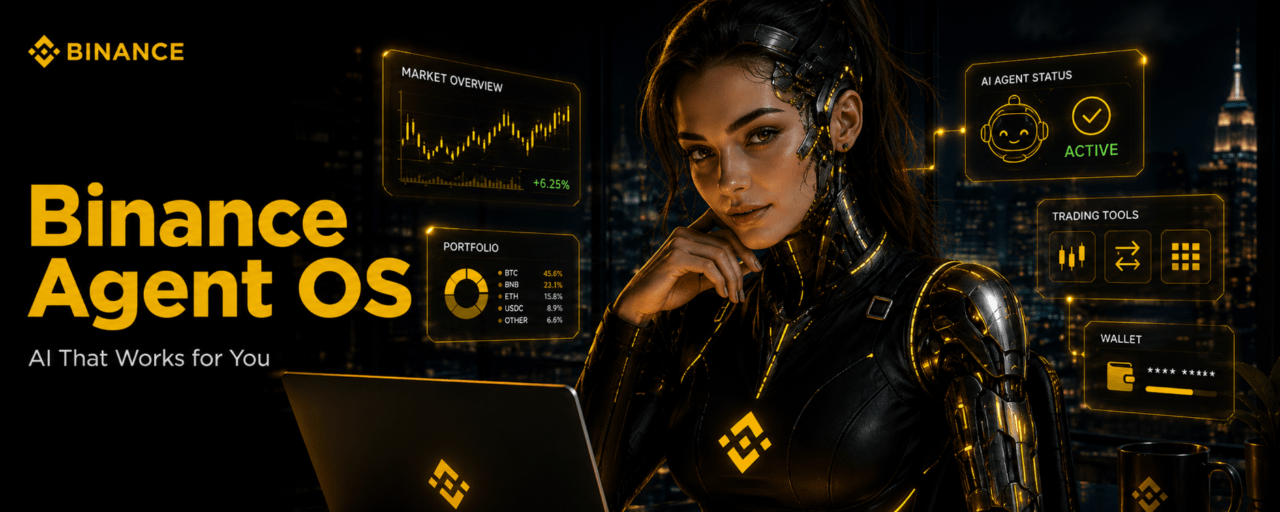
Article
What Is Binance Agent OS? When AI Can Connect to Binance and Work for YouBinance Agent OS is a new infrastructure layer from Binance that allows AI agents such as ChatGPT, Claude Code, Codex, or Cursor to connect with Binance services and perform tasks based on user instructions.
Instead of only providing information or analysis, AI agents can now move one step further by helping users track portfolios, monitor markets, analyze assets, and execute actions based on predefined conditions and permissions.
From Manual Actions to AI Agents
Traditional flow:
You → Open Binance → Check prices → Analyze → Take action
With Binance Agent OS:
You → Give instructions to AI → AI checks data → Analyzes → Acts within your permissions
Examples include:
🔸 Portfolio Tracking
Ask AI to monitor your portfolio and summarize which assets have moved the most.
🔸 Market Monitoring
Track BTC or other assets and alert you when prices reach specific levels.
🔸 Conditional Trading
Set conditions for the AI to execute trades when a target price is reached, provided the required trading permissions are enabled.
🔸 Portfolio Analysis
Let AI analyze asset allocation and identify potential concentration risks.
🔸 Market Summary
Generate automated crypto market summaries whenever you need them.
How Does Binance Agent OS Work?
Agent OS connects AI applications with Binance infrastructure such as Market Data, Trading, Binance Wallet, Payments, On-chain Tools, and Binance Skills Hub.
One of the key technologies behind this is MCP (Model Context Protocol), which provides a standardized way for AI agents to access tools and services.
What About Security?
AI agents do not automatically receive unlimited access to your Binance account.
Users remain in control by defining permissions, limits, and the scope of actions available to the agent. A dedicated subaccount can also be used to separate AI-related activities from the main account.
Why Is Binance Agent OS Important?
Until now, AI mainly helped us think and analyze.
Agentic AI is moving toward something more powerful:
Think → Analyze → Monitor → Act
Binance Agent OS could become an important bridge between AI, crypto, and financial infrastructure, turning AI from a simple assistant into an agent capable of performing real tasks within user-defined boundaries.
In short: Binance Agent OS transforms AI from a tool that answers questions into an agent that can interact with Binance and take action based on your instructions.
#BinanceAgentOS #Binance #Aİ #Crypto #Web3
What Is Binance Agent OS? When AI Can Connect to Binance and Work for You
Binance Agent OS is a new infrastructure layer from Binance that allows AI agents such as ChatGPT, Claude Code, Codex, or Cursor to connect with Binance services and perform tasks based on user instructions.
Instead of only providing information or analysis, AI agents can now move one step further by helping users track portfolios, monitor markets, analyze assets, and execute actions based on predefined conditions and permissions.
From Manual Actions to AI Agents
Traditional flow:
You → Open Binance → Check prices → Analyze → Take action
With Binance Agent OS:
You → Give instructions to AI → AI checks data → Analyzes → Acts within your permissions
Examples include:
🔸 Portfolio Tracking
Ask AI to monitor your portfolio and summarize which assets have moved the most.
🔸 Market Monitoring
Track BTC or other assets and alert you when prices reach specific levels.
🔸 Conditional Trading
Set conditions for the AI to execute trades when a target price is reached, provided the required trading permissions are enabled.
🔸 Portfolio Analysis
Let AI analyze asset allocation and identify potential concentration risks.
🔸 Market Summary
Generate automated crypto market summaries whenever you need them.
How Does Binance Agent OS Work?
Agent OS connects AI applications with Binance infrastructure such as Market Data, Trading, Binance Wallet, Payments, On-chain Tools, and Binance Skills Hub.
One of the key technologies behind this is MCP (Model Context Protocol), which provides a standardized way for AI agents to access tools and services.
What About Security?
AI agents do not automatically receive unlimited access to your Binance account.
Users remain in control by defining permissions, limits, and the scope of actions available to the agent. A dedicated subaccount can also be used to separate AI-related activities from the main account.
Why Is Binance Agent OS Important?
Until now, AI mainly helped us think and analyze.
Agentic AI is moving toward something more powerful:
Think → Analyze → Monitor → Act
Binance Agent OS could become an important bridge between AI, crypto, and financial infrastructure, turning AI from a simple assistant into an agent capable of performing real tasks within user-defined boundaries.
In short: Binance Agent OS transforms AI from a tool that answers questions into an agent that can interact with Binance and take action based on your instructions.
#BinanceAgentOS #Binance #Aİ #Crypto #Web3
Instead of only providing information or analysis, AI agents can now move one step further by helping users track portfolios, monitor markets, analyze assets, and execute actions based on predefined conditions and permissions.
From Manual Actions to AI Agents
Traditional flow:
You → Open Binance → Check prices → Analyze → Take action
With Binance Agent OS:
You → Give instructions to AI → AI checks data → Analyzes → Acts within your permissions
Examples include:
🔸 Portfolio Tracking
Ask AI to monitor your portfolio and summarize which assets have moved the most.
🔸 Market Monitoring
Track BTC or other assets and alert you when prices reach specific levels.
🔸 Conditional Trading
Set conditions for the AI to execute trades when a target price is reached, provided the required trading permissions are enabled.
🔸 Portfolio Analysis
Let AI analyze asset allocation and identify potential concentration risks.
🔸 Market Summary
Generate automated crypto market summaries whenever you need them.
How Does Binance Agent OS Work?
Agent OS connects AI applications with Binance infrastructure such as Market Data, Trading, Binance Wallet, Payments, On-chain Tools, and Binance Skills Hub.
One of the key technologies behind this is MCP (Model Context Protocol), which provides a standardized way for AI agents to access tools and services.
What About Security?
AI agents do not automatically receive unlimited access to your Binance account.
Users remain in control by defining permissions, limits, and the scope of actions available to the agent. A dedicated subaccount can also be used to separate AI-related activities from the main account.
Why Is Binance Agent OS Important?
Until now, AI mainly helped us think and analyze.
Agentic AI is moving toward something more powerful:
Think → Analyze → Monitor → Act
Binance Agent OS could become an important bridge between AI, crypto, and financial infrastructure, turning AI from a simple assistant into an agent capable of performing real tasks within user-defined boundaries.
In short: Binance Agent OS transforms AI from a tool that answers questions into an agent that can interact with Binance and take action based on your instructions.
#BinanceAgentOS #Binance #Aİ #Crypto #Web3
65
·
--
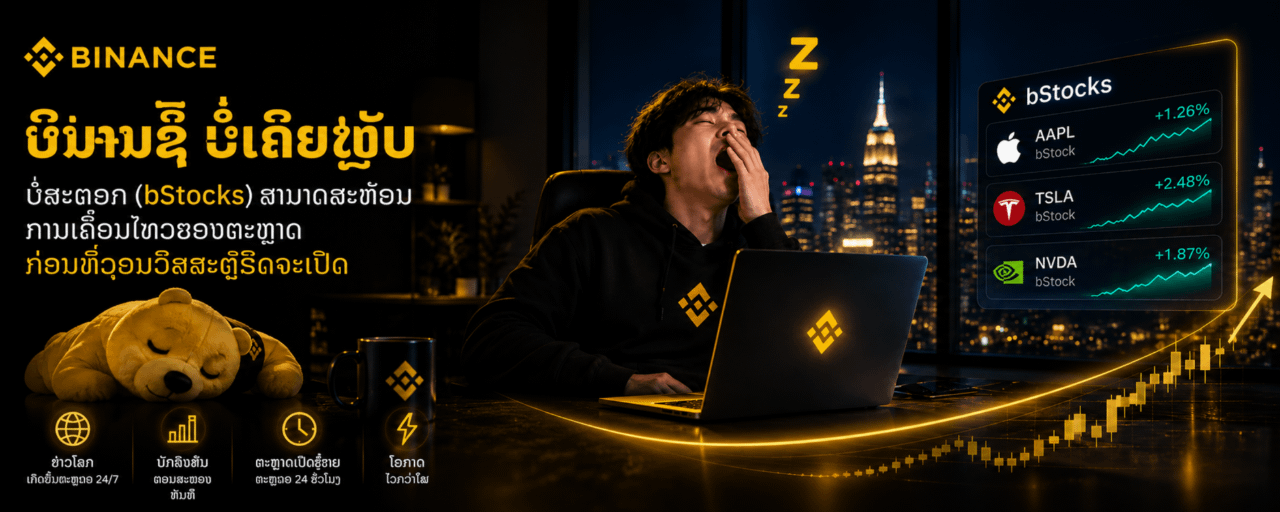
Article
Binance Never Sleeps: How bStocks Can Reflect Market Moves Before Wall Street Opensຕະຫຼາດຫຸ້ນມີເວລາເປີດ ແລະ ປິດການຊື້ຂາຍ ແຕ່ຂ່າວສານບໍ່ເຄີຍຢຸດ. ນີ້ແມ່ນວິທີທີ່ bStocks ເທິງ Binance ສາມາດມີສ່ວນຊ່ວຍໃນການຄົ້ນຫາລາຄາ (Price Discovery) ນອກເວລາຊື້ຂາຍປົກກະຕິຂອງ Wall Street.
ຕະຫຼາດຫຸ້ນປິດ ແຕ່ຂ່າວບໍ່ເຄີຍຢຸດ
ຕະຫຼາດຫຸ້ນສະຫະລັດມີເວລາຊື້ຂາຍທີ່ກຳນົດໄວ້ແນ່ນອນ ແຕ່ຂ່າວສຳຄັນສາມາດເກີດຂຶ້ນໄດ້ທຸກເວລາ.
ບໍລິສັດອາດປະກາດຜົນປະກອບການຫຼັງຕະຫຼາດປິດ, ທະນາຄານກາງອາດອອກປະກາດສຳຄັນ ຫຼື ເຫດການທາງພູມິລັດຖະສາດອາດເກີດຂຶ້ນໃນຊ່ວງທ້າຍອາທິດ.
ເມື່ອເຫດການເຫຼົ່ານັ້ນເກີດຂຶ້ນ, ນັກລົງທຶນກໍເລີ່ມປະເມີນທັນທີວ່າ ສິນຊັບນັ້ນຄວນມີມູນຄ່າເທົ່າໃດ.
ນີ້ແມ່ນຈຸດທີ່ bStocks ແລະ ຕະຫຼາດທີ່ເປີດຊື້ຂາຍຕໍ່ເນື່ອງ (always-on markets) ເລີ່ມມີຄວາມນ່າສົນໃຈ.
ຄຳຖາມສຳຄັນບໍ່ແມ່ນພຽງແຕ່:
“ຂ້ອຍສາມາດຊື້ຂາຍໄດ້ເມື່ອໃດ?”
ແຕ່ແມ່ນ:
“ຕະຫຼາດເລີ່ມຄົ້ນຫາລາຄາໃໝ່ຕັ້ງແຕ່ເມື່ອໃດ?”
ການຄົ້ນຫາລາຄາ (Price Discovery) ແມ່ນຫຍັງ?
Price Discovery ແມ່ນຂະບວນການທີ່ຜູ້ຊື້ ແລະ ຜູ້ຂາຍ ນຳຂໍ້ມູນໃໝ່ມາໃຊ້ເພື່ອປະເມີນວ່າສິນຊັບໜຶ່ງຄວນມີມູນຄ່າເທົ່າໃດ.
ລອງສົມມຸດວ່າ ຫຸ້ນໜຶ່ງປິດຕະຫຼາດທີ່ລາຄາ $100.
ຫຼັງຈາກຕະຫຼາດປິດ, ບໍລິສັດປະກາດຜົນປະກອບການທີ່ດີກວ່າຄາດຫຼາຍ. ນັກລົງທຶນອາດເລີ່ມມອງທັນທີວ່າ ຫຸ້ນນັ້ນຄວນມີມູນຄ່າ $105 ຫຼື ແມ່ນແຕ່ $110.
ຖ້າຕະຫຼາດທີ່ເຊື່ອມໂຍງກັບຫຸ້ນນັ້ນຍັງເປີດຊື້ຂາຍຢູ່, ລາຄາກໍສາມາດເລີ່ມປັບຕົວໄດ້ກ່ອນທີ່ Wall Street ຈະເປີດອີກຄັ້ງຢ່າງເປັນທາງການ.
ນັ້ນໝາຍຄວາມວ່າ ແພລດຟອມທີ່ເປີດການຊື້ຂາຍແບບຂະຫຍາຍເວລາ ຫຼື ເປີດຊື້ຂາຍຕໍ່ເນື່ອງ ອາດມີສ່ວນໃນ ການຄົ້ນຫາລາຄານອກເວລາຊື້ຂາຍປົກກະຕິຂອງຕະຫຼາດສະຫະລັດ.
ຂ່າວສານບໍ່ເຄີຍຫຼັບ
ຂ່າວສານບໍ່ໄດ້ລໍຖ້າໃຫ້ຕະຫຼາດເປີດ.
ບໍລິສັດສາມາດປະກາດຜົນປະກອບການຫຼັງເວລາຊື້ຂາຍ.
ທະນາຄານກາງສາມາດປ່ຽນທ່າທີໄດ້ໃນຊ່ວງກາງຄືນ.
ເຫດການສຳຄັນລະດັບໂລກສາມາດເກີດຂຶ້ນໃນວັນເສົາ.
ນັກລົງທຶນຈະຕອບສະໜອງທັນທີເມື່ອມີຂໍ້ມູນໃໝ່ເຂົ້າມາ.
ຕະຫຼາດແບບດັ້ງເດີມມັກເປັນແບບນີ້:
ຂ່າວ → ຕະຫຼາດປິດ → ລໍຖ້າ → ຕະຫຼາດເປີດ → ລາຄາປັບຕົວ
ແຕ່ຕະຫຼາດແບບ Always-on ສາມາດເຄື່ອນໄປໃກ້ກັບຮູບແບບນີ້:
ຂ່າວ → ນັກລົງທຶນຕອບສະໜອງ → ລາຄາປັບຕົວ
ຄວາມແຕກຕ່າງນີ້ສາມາດມີຄວາມສຳຄັນ ໃນໂລກການເງິນທີ່ຂໍ້ມູນສາມາດແຜ່ກະຈາຍໄປທົ່ວໂລກໄດ້ພາຍໃນບໍ່ກີ່ວິນາທີ.
ຕົວຢ່າງ Nvidia
ສົມມຸດວ່າ Nvidia ຫຼື NVDA ປິດຕະຫຼາດໃນວັນສຸກທີ່ລາຄາ:
$180
ຕໍ່ມາ ມີຂ່າວບວກສຳຄັນເກີດຂຶ້ນ ໃນຂະນະທີ່ Nasdaq ປິດຕະຫຼາດ.
ນັກລົງທຶນທົ່ວໂລກຮັບຮູ້ຂ່າວນັ້ນແລ້ວ ເຖິງແມ່ນວ່າຕະຫຼາດຫຸ້ນສະຫະລັດຍັງບໍ່ເປີດຊື້ຂາຍ.
ຖ້າສິນຊັບທີ່ເຊື່ອມໂຍງກັບ NVDA ໃນຕະຫຼາດທີ່ຍັງເປີດຢູ່ ເລີ່ມເຄື່ອນໄຫວຈາກ:
$180 → $184 → $187
ແລະ Nvidia ເປີດຕະຫຼາດໃນວັນຈັນທີ່ປະມານ $188, ຄຳຖາມທີ່ໜ້າສົນໃຈບໍ່ແມ່ນພຽງແຕ່ວ່າ ເປັນຫຍັງລາຄາຈຶ່ງເພີ່ມຂຶ້ນ.
ຄຳຖາມທີ່ດີກວ່າແມ່ນ:
“ຕະຫຼາດໃດເປັນຕະຫຼາດທຳອິດທີ່ຄົ້ນພົບລາຄາໃໝ່?”
ນີ້ແມ່ນຫົວໃຈສຳຄັນຂອງ Price Discovery.
Binance ທຽບກັບຕະຫຼາດ Always-On ອື່ນໆ
ອີກໜຶ່ງມຸມມອງທີ່ໜ້າສົນໃຈ ແມ່ນການປຽບທຽບ Binance/bStocks ກັບຕະຫຼາດ Always-On ອື່ນໆ ເຊັ່ນ Hyperliquid.
ການປຽບທຽບບໍ່ຄວນເບິ່ງພຽງແຕ່ລາຄາເທົ່ານັ້ນ.
ປັດໃຈສຳຄັນປະກອບມີ:
ຄວາມໄວໃນການຕອບສະໜອງ (Reaction Speed) — ຕະຫຼາດໃດຕອບສະໜອງກ່ອນ ຫຼັງຈາກມີຂ່າວສຳຄັນ?
ປະລິມານການຊື້ຂາຍ (Trading Volume) — ໃນຊ່ວງທີ່ Wall Street ປິດ ມີການຊື້ຂາຍຈິງຫຼາຍພຽງໃດ?
ຄວາມແມ່ນຍຳຂອງລາຄາ (Price Accuracy) — ລາຄາໃນຊ່ວງກາງຄືນໃກ້ຄຽງກັບລາຄາເປີດຂອງ Wall Street ຫຼາຍພຽງໃດ?
ສະພາບຄ່ອງ (Liquidity) — ນັກລົງທຶນສາມາດຊື້ ແລະ ຂາຍໄດ້ ໂດຍບໍ່ເຮັດໃຫ້ລາຄາຜັນຜວນຫຼາຍເກີນໄປຫຼືບໍ່?
ການເປີດຊື້ຂາຍໄດ້ດົນກວ່າ ບໍ່ໄດ້ໝາຍຄວາມວ່າຕະຫຼາດນັ້ນຈະມີ Price Discovery ທີ່ດີກວ່າໂດຍອັດຕະໂນມັດ.
Price Discovery ທີ່ແຂງແຮງ ຍັງຕ້ອງອາໄສ ສະພາບຄ່ອງ, ການມີສ່ວນຮ່ວມຂອງນັກລົງທຶນ ແລະ ກິດຈະກຳການຊື້ຂາຍທີ່ໜ້າເຊື່ອຖື.
ນັກລົງທຶນທົ່ວໂລກບໍ່ໄດ້ຢູ່ໃນເວລາ New York
ສຳລັບນັກລົງທຶນໃນອາຊີ, ເວລາຊື້ຂາຍຂອງຕະຫຼາດສະຫະລັດມັກຈະກົງກັບຊ່ວງກາງຄືນ.
ແຕ່ຂ່າວການເງິນສາມາດເກີດຂຶ້ນໄດ້ທຸກເວລາ.
ດັ່ງນັ້ນ ຕະຫຼາດ Always-On ສາມາດເຮັດໃຫ້ການເຂົ້າຮ່ວມຕະຫຼາດມີຄວາມເປັນສາກົນຫຼາຍຂຶ້ນ ໂດຍເປີດໂອກາດໃຫ້ນັກລົງທຶນໃນເຂດເວລາຕ່າງໆ ຕອບສະໜອງຕໍ່ຂໍ້ມູນໃໝ່ໄດ້ ໂດຍບໍ່ຕ້ອງລໍຖ້າໃຫ້ New York ເປີດຕະຫຼາດ.
ນີ້ສະທ້ອນເຖິງການປ່ຽນແປງທີ່ກວ້າງຂຶ້ນ ຈາກຕະຫຼາດທີ່ຜູກຕິດກັບສະຖານທີ່ ແລະ ເວລາທີ່ກຳນົດ ໄປສູ່ຕະຫຼາດທີ່ມີຄວາມ ເປັນສາກົນ, ເປັນແບບ Real-Time ແລະ Always-On ຫຼາຍຂຶ້ນ.
ຄວາມສ່ຽງຍັງຄົງສຳຄັນ
ການຊື້ຂາຍນອກເວລາຕະຫຼາດແບບດັ້ງເດີມ ບໍ່ໄດ້ໝາຍຄວາມວ່າລາຄາຈະແມ່ນຍຳສະເໝີໄປ.
ສະພາບຄ່ອງທີ່ຕ່ຳກວ່າ ອາດນຳໄປສູ່ຄວາມຜັນຜວນທີ່ສູງຂຶ້ນ, Spread ທີ່ກວ້າງຂຶ້ນ ແລະ ຄວາມແຕກຕ່າງຂອງລາຄາຊົ່ວຄາວ ລະຫວ່າງຜະລິດຕະພັນທີ່ເຊື່ອມໂຍງກັບສິນຊັບ ແລະ ຫຸ້ນອ້າງອີງ ເມື່ອຕະຫຼາດຫຼັກເປີດອີກຄັ້ງ.
ດ້ວຍເຫດນີ້, Price Discovery ໃນຊ່ວງທີ່ຕະຫຼາດຫຼັກປິດ ຄວນຖືກເບິ່ງວ່າເປັນ:
“ສິ່ງທີ່ຕະຫຼາດຄາດຫວັງໃນຂະນະນີ້”
ຫຼາຍກວ່າການເປັນຄຳທຳນາຍທີ່ຮັບປະກັນວ່າ ລາຄາເປີດຢ່າງເປັນທາງການຄັ້ງຕໍ່ໄປຈະເປັນເທົ່າໃດ.
ສະຫຼຸບ: Wall Street ອາດປິດ ແຕ່ຕະຫຼາດບໍ່ເຄີຍຢຸດ
ຈຸດທີ່ໜ້າສົນໃຈທີ່ສຸດຂອງ bStocks ບໍ່ແມ່ນພຽງແຕ່ການສາມາດຊື້ຂາຍນອກເວລາຕະຫຼາດແບບດັ້ງເດີມ.
ແຕ່ແມ່ນຄຳຖາມທີ່ໃຫຍ່ກວ່າ:
“ເມື່ອ Wall Street ປິດ, ໃຜກຳລັງຄົ້ນຫາລາຄາຕະຫຼາດຖັດໄປ?”
ຂ່າວສານຍັງຄົງເຄື່ອນໄຫວ.
ນັກລົງທຶນຍັງຄົງຕອບສະໜອງ.
ຄວາມຄາດຫວັງຍັງຄົງປ່ຽນແປງ.
ແລະ ລາຄາກໍມີເຫດຜົນທີ່ຈະປ່ຽນແປງຕາມໄປດ້ວຍ.
ຕະຫຼາດການເງິນກຳລັງຄ່ອຍໆປ່ຽນຈາກການຊື້ຂາຍຕາມເວລາທີ່ກຳນົດ ໄປສູ່ໂລກຂອງຕະຫຼາດທີ່ ເປັນສາກົນ, Real-Time ແລະ Always-On.
Wall Street ອາດປິດ ແຕ່ຕະຫຼາດບໍ່ເຄີຍຢຸດ.
#Binance [ ](https://www.binance.com/en/square/hashtag/Binance)#CryptoExchange [ ](https://www.binance.com/en/square/hashtag/CryptoExchange)#CryptoLiquidity [ ](https://www.binance.com/en/square/hashtag/CryptoLiquidity)#LaotianBlockchain #laos
Binance Never Sleeps: How bStocks Can Reflect Market Moves Before Wall Street Opens
ຕະຫຼາດຫຸ້ນມີເວລາເປີດ ແລະ ປິດການຊື້ຂາຍ ແຕ່ຂ່າວສານບໍ່ເຄີຍຢຸດ. ນີ້ແມ່ນວິທີທີ່ bStocks ເທິງ Binance ສາມາດມີສ່ວນຊ່ວຍໃນການຄົ້ນຫາລາຄາ (Price Discovery) ນອກເວລາຊື້ຂາຍປົກກະຕິຂອງ Wall Street.
ຕະຫຼາດຫຸ້ນປິດ ແຕ່ຂ່າວບໍ່ເຄີຍຢຸດ
ຕະຫຼາດຫຸ້ນສະຫະລັດມີເວລາຊື້ຂາຍທີ່ກຳນົດໄວ້ແນ່ນອນ ແຕ່ຂ່າວສຳຄັນສາມາດເກີດຂຶ້ນໄດ້ທຸກເວລາ.
ບໍລິສັດອາດປະກາດຜົນປະກອບການຫຼັງຕະຫຼາດປິດ, ທະນາຄານກາງອາດອອກປະກາດສຳຄັນ ຫຼື ເຫດການທາງພູມິລັດຖະສາດອາດເກີດຂຶ້ນໃນຊ່ວງທ້າຍອາທິດ.
ເມື່ອເຫດການເຫຼົ່ານັ້ນເກີດຂຶ້ນ, ນັກລົງທຶນກໍເລີ່ມປະເມີນທັນທີວ່າ ສິນຊັບນັ້ນຄວນມີມູນຄ່າເທົ່າໃດ.
ນີ້ແມ່ນຈຸດທີ່ bStocks ແລະ ຕະຫຼາດທີ່ເປີດຊື້ຂາຍຕໍ່ເນື່ອງ (always-on markets) ເລີ່ມມີຄວາມນ່າສົນໃຈ.
ຄຳຖາມສຳຄັນບໍ່ແມ່ນພຽງແຕ່:
“ຂ້ອຍສາມາດຊື້ຂາຍໄດ້ເມື່ອໃດ?”
ແຕ່ແມ່ນ:
“ຕະຫຼາດເລີ່ມຄົ້ນຫາລາຄາໃໝ່ຕັ້ງແຕ່ເມື່ອໃດ?”
ການຄົ້ນຫາລາຄາ (Price Discovery) ແມ່ນຫຍັງ?
Price Discovery ແມ່ນຂະບວນການທີ່ຜູ້ຊື້ ແລະ ຜູ້ຂາຍ ນຳຂໍ້ມູນໃໝ່ມາໃຊ້ເພື່ອປະເມີນວ່າສິນຊັບໜຶ່ງຄວນມີມູນຄ່າເທົ່າໃດ.
ລອງສົມມຸດວ່າ ຫຸ້ນໜຶ່ງປິດຕະຫຼາດທີ່ລາຄາ $100.
ຫຼັງຈາກຕະຫຼາດປິດ, ບໍລິສັດປະກາດຜົນປະກອບການທີ່ດີກວ່າຄາດຫຼາຍ. ນັກລົງທຶນອາດເລີ່ມມອງທັນທີວ່າ ຫຸ້ນນັ້ນຄວນມີມູນຄ່າ $105 ຫຼື ແມ່ນແຕ່ $110.
ຖ້າຕະຫຼາດທີ່ເຊື່ອມໂຍງກັບຫຸ້ນນັ້ນຍັງເປີດຊື້ຂາຍຢູ່, ລາຄາກໍສາມາດເລີ່ມປັບຕົວໄດ້ກ່ອນທີ່ Wall Street ຈະເປີດອີກຄັ້ງຢ່າງເປັນທາງການ.
ນັ້ນໝາຍຄວາມວ່າ ແພລດຟອມທີ່ເປີດການຊື້ຂາຍແບບຂະຫຍາຍເວລາ ຫຼື ເປີດຊື້ຂາຍຕໍ່ເນື່ອງ ອາດມີສ່ວນໃນ ການຄົ້ນຫາລາຄານອກເວລາຊື້ຂາຍປົກກະຕິຂອງຕະຫຼາດສະຫະລັດ.
ຂ່າວສານບໍ່ເຄີຍຫຼັບ
ຂ່າວສານບໍ່ໄດ້ລໍຖ້າໃຫ້ຕະຫຼາດເປີດ.
ບໍລິສັດສາມາດປະກາດຜົນປະກອບການຫຼັງເວລາຊື້ຂາຍ.
ທະນາຄານກາງສາມາດປ່ຽນທ່າທີໄດ້ໃນຊ່ວງກາງຄືນ.
ເຫດການສຳຄັນລະດັບໂລກສາມາດເກີດຂຶ້ນໃນວັນເສົາ.
ນັກລົງທຶນຈະຕອບສະໜອງທັນທີເມື່ອມີຂໍ້ມູນໃໝ່ເຂົ້າມາ.
ຕະຫຼາດແບບດັ້ງເດີມມັກເປັນແບບນີ້:
ຂ່າວ → ຕະຫຼາດປິດ → ລໍຖ້າ → ຕະຫຼາດເປີດ → ລາຄາປັບຕົວ
ແຕ່ຕະຫຼາດແບບ Always-on ສາມາດເຄື່ອນໄປໃກ້ກັບຮູບແບບນີ້:
ຂ່າວ → ນັກລົງທຶນຕອບສະໜອງ → ລາຄາປັບຕົວ
ຄວາມແຕກຕ່າງນີ້ສາມາດມີຄວາມສຳຄັນ ໃນໂລກການເງິນທີ່ຂໍ້ມູນສາມາດແຜ່ກະຈາຍໄປທົ່ວໂລກໄດ້ພາຍໃນບໍ່ກີ່ວິນາທີ.
ຕົວຢ່າງ Nvidia
ສົມມຸດວ່າ Nvidia ຫຼື NVDA ປິດຕະຫຼາດໃນວັນສຸກທີ່ລາຄາ:
$180
ຕໍ່ມາ ມີຂ່າວບວກສຳຄັນເກີດຂຶ້ນ ໃນຂະນະທີ່ Nasdaq ປິດຕະຫຼາດ.
ນັກລົງທຶນທົ່ວໂລກຮັບຮູ້ຂ່າວນັ້ນແລ້ວ ເຖິງແມ່ນວ່າຕະຫຼາດຫຸ້ນສະຫະລັດຍັງບໍ່ເປີດຊື້ຂາຍ.
ຖ້າສິນຊັບທີ່ເຊື່ອມໂຍງກັບ NVDA ໃນຕະຫຼາດທີ່ຍັງເປີດຢູ່ ເລີ່ມເຄື່ອນໄຫວຈາກ:
$180 → $184 → $187
ແລະ Nvidia ເປີດຕະຫຼາດໃນວັນຈັນທີ່ປະມານ $188, ຄຳຖາມທີ່ໜ້າສົນໃຈບໍ່ແມ່ນພຽງແຕ່ວ່າ ເປັນຫຍັງລາຄາຈຶ່ງເພີ່ມຂຶ້ນ.
ຄຳຖາມທີ່ດີກວ່າແມ່ນ:
“ຕະຫຼາດໃດເປັນຕະຫຼາດທຳອິດທີ່ຄົ້ນພົບລາຄາໃໝ່?”
ນີ້ແມ່ນຫົວໃຈສຳຄັນຂອງ Price Discovery.
Binance ທຽບກັບຕະຫຼາດ Always-On ອື່ນໆ
ອີກໜຶ່ງມຸມມອງທີ່ໜ້າສົນໃຈ ແມ່ນການປຽບທຽບ Binance/bStocks ກັບຕະຫຼາດ Always-On ອື່ນໆ ເຊັ່ນ Hyperliquid.
ການປຽບທຽບບໍ່ຄວນເບິ່ງພຽງແຕ່ລາຄາເທົ່ານັ້ນ.
ປັດໃຈສຳຄັນປະກອບມີ:
ຄວາມໄວໃນການຕອບສະໜອງ (Reaction Speed) — ຕະຫຼາດໃດຕອບສະໜອງກ່ອນ ຫຼັງຈາກມີຂ່າວສຳຄັນ?
ປະລິມານການຊື້ຂາຍ (Trading Volume) — ໃນຊ່ວງທີ່ Wall Street ປິດ ມີການຊື້ຂາຍຈິງຫຼາຍພຽງໃດ?
ຄວາມແມ່ນຍຳຂອງລາຄາ (Price Accuracy) — ລາຄາໃນຊ່ວງກາງຄືນໃກ້ຄຽງກັບລາຄາເປີດຂອງ Wall Street ຫຼາຍພຽງໃດ?
ສະພາບຄ່ອງ (Liquidity) — ນັກລົງທຶນສາມາດຊື້ ແລະ ຂາຍໄດ້ ໂດຍບໍ່ເຮັດໃຫ້ລາຄາຜັນຜວນຫຼາຍເກີນໄປຫຼືບໍ່?
ການເປີດຊື້ຂາຍໄດ້ດົນກວ່າ ບໍ່ໄດ້ໝາຍຄວາມວ່າຕະຫຼາດນັ້ນຈະມີ Price Discovery ທີ່ດີກວ່າໂດຍອັດຕະໂນມັດ.
Price Discovery ທີ່ແຂງແຮງ ຍັງຕ້ອງອາໄສ ສະພາບຄ່ອງ, ການມີສ່ວນຮ່ວມຂອງນັກລົງທຶນ ແລະ ກິດຈະກຳການຊື້ຂາຍທີ່ໜ້າເຊື່ອຖື.
ນັກລົງທຶນທົ່ວໂລກບໍ່ໄດ້ຢູ່ໃນເວລາ New York
ສຳລັບນັກລົງທຶນໃນອາຊີ, ເວລາຊື້ຂາຍຂອງຕະຫຼາດສະຫະລັດມັກຈະກົງກັບຊ່ວງກາງຄືນ.
ແຕ່ຂ່າວການເງິນສາມາດເກີດຂຶ້ນໄດ້ທຸກເວລາ.
ດັ່ງນັ້ນ ຕະຫຼາດ Always-On ສາມາດເຮັດໃຫ້ການເຂົ້າຮ່ວມຕະຫຼາດມີຄວາມເປັນສາກົນຫຼາຍຂຶ້ນ ໂດຍເປີດໂອກາດໃຫ້ນັກລົງທຶນໃນເຂດເວລາຕ່າງໆ ຕອບສະໜອງຕໍ່ຂໍ້ມູນໃໝ່ໄດ້ ໂດຍບໍ່ຕ້ອງລໍຖ້າໃຫ້ New York ເປີດຕະຫຼາດ.
ນີ້ສະທ້ອນເຖິງການປ່ຽນແປງທີ່ກວ້າງຂຶ້ນ ຈາກຕະຫຼາດທີ່ຜູກຕິດກັບສະຖານທີ່ ແລະ ເວລາທີ່ກຳນົດ ໄປສູ່ຕະຫຼາດທີ່ມີຄວາມ ເປັນສາກົນ, ເປັນແບບ Real-Time ແລະ Always-On ຫຼາຍຂຶ້ນ.
ຄວາມສ່ຽງຍັງຄົງສຳຄັນ
ການຊື້ຂາຍນອກເວລາຕະຫຼາດແບບດັ້ງເດີມ ບໍ່ໄດ້ໝາຍຄວາມວ່າລາຄາຈະແມ່ນຍຳສະເໝີໄປ.
ສະພາບຄ່ອງທີ່ຕ່ຳກວ່າ ອາດນຳໄປສູ່ຄວາມຜັນຜວນທີ່ສູງຂຶ້ນ, Spread ທີ່ກວ້າງຂຶ້ນ ແລະ ຄວາມແຕກຕ່າງຂອງລາຄາຊົ່ວຄາວ ລະຫວ່າງຜະລິດຕະພັນທີ່ເຊື່ອມໂຍງກັບສິນຊັບ ແລະ ຫຸ້ນອ້າງອີງ ເມື່ອຕະຫຼາດຫຼັກເປີດອີກຄັ້ງ.
ດ້ວຍເຫດນີ້, Price Discovery ໃນຊ່ວງທີ່ຕະຫຼາດຫຼັກປິດ ຄວນຖືກເບິ່ງວ່າເປັນ:
“ສິ່ງທີ່ຕະຫຼາດຄາດຫວັງໃນຂະນະນີ້”
ຫຼາຍກວ່າການເປັນຄຳທຳນາຍທີ່ຮັບປະກັນວ່າ ລາຄາເປີດຢ່າງເປັນທາງການຄັ້ງຕໍ່ໄປຈະເປັນເທົ່າໃດ.
ສະຫຼຸບ: Wall Street ອາດປິດ ແຕ່ຕະຫຼາດບໍ່ເຄີຍຢຸດ
ຈຸດທີ່ໜ້າສົນໃຈທີ່ສຸດຂອງ bStocks ບໍ່ແມ່ນພຽງແຕ່ການສາມາດຊື້ຂາຍນອກເວລາຕະຫຼາດແບບດັ້ງເດີມ.
ແຕ່ແມ່ນຄຳຖາມທີ່ໃຫຍ່ກວ່າ:
“ເມື່ອ Wall Street ປິດ, ໃຜກຳລັງຄົ້ນຫາລາຄາຕະຫຼາດຖັດໄປ?”
ຂ່າວສານຍັງຄົງເຄື່ອນໄຫວ.
ນັກລົງທຶນຍັງຄົງຕອບສະໜອງ.
ຄວາມຄາດຫວັງຍັງຄົງປ່ຽນແປງ.
ແລະ ລາຄາກໍມີເຫດຜົນທີ່ຈະປ່ຽນແປງຕາມໄປດ້ວຍ.
ຕະຫຼາດການເງິນກຳລັງຄ່ອຍໆປ່ຽນຈາກການຊື້ຂາຍຕາມເວລາທີ່ກຳນົດ ໄປສູ່ໂລກຂອງຕະຫຼາດທີ່ ເປັນສາກົນ, Real-Time ແລະ Always-On.
Wall Street ອາດປິດ ແຕ່ຕະຫຼາດບໍ່ເຄີຍຢຸດ.
#Binance #CryptoExchange #CryptoLiquidity #LaotianBlockchain #laos
ຕະຫຼາດຫຸ້ນປິດ ແຕ່ຂ່າວບໍ່ເຄີຍຢຸດ
ຕະຫຼາດຫຸ້ນສະຫະລັດມີເວລາຊື້ຂາຍທີ່ກຳນົດໄວ້ແນ່ນອນ ແຕ່ຂ່າວສຳຄັນສາມາດເກີດຂຶ້ນໄດ້ທຸກເວລາ.
ບໍລິສັດອາດປະກາດຜົນປະກອບການຫຼັງຕະຫຼາດປິດ, ທະນາຄານກາງອາດອອກປະກາດສຳຄັນ ຫຼື ເຫດການທາງພູມິລັດຖະສາດອາດເກີດຂຶ້ນໃນຊ່ວງທ້າຍອາທິດ.
ເມື່ອເຫດການເຫຼົ່ານັ້ນເກີດຂຶ້ນ, ນັກລົງທຶນກໍເລີ່ມປະເມີນທັນທີວ່າ ສິນຊັບນັ້ນຄວນມີມູນຄ່າເທົ່າໃດ.
ນີ້ແມ່ນຈຸດທີ່ bStocks ແລະ ຕະຫຼາດທີ່ເປີດຊື້ຂາຍຕໍ່ເນື່ອງ (always-on markets) ເລີ່ມມີຄວາມນ່າສົນໃຈ.
ຄຳຖາມສຳຄັນບໍ່ແມ່ນພຽງແຕ່:
“ຂ້ອຍສາມາດຊື້ຂາຍໄດ້ເມື່ອໃດ?”
ແຕ່ແມ່ນ:
“ຕະຫຼາດເລີ່ມຄົ້ນຫາລາຄາໃໝ່ຕັ້ງແຕ່ເມື່ອໃດ?”
ການຄົ້ນຫາລາຄາ (Price Discovery) ແມ່ນຫຍັງ?
Price Discovery ແມ່ນຂະບວນການທີ່ຜູ້ຊື້ ແລະ ຜູ້ຂາຍ ນຳຂໍ້ມູນໃໝ່ມາໃຊ້ເພື່ອປະເມີນວ່າສິນຊັບໜຶ່ງຄວນມີມູນຄ່າເທົ່າໃດ.
ລອງສົມມຸດວ່າ ຫຸ້ນໜຶ່ງປິດຕະຫຼາດທີ່ລາຄາ $100.
ຫຼັງຈາກຕະຫຼາດປິດ, ບໍລິສັດປະກາດຜົນປະກອບການທີ່ດີກວ່າຄາດຫຼາຍ. ນັກລົງທຶນອາດເລີ່ມມອງທັນທີວ່າ ຫຸ້ນນັ້ນຄວນມີມູນຄ່າ $105 ຫຼື ແມ່ນແຕ່ $110.
ຖ້າຕະຫຼາດທີ່ເຊື່ອມໂຍງກັບຫຸ້ນນັ້ນຍັງເປີດຊື້ຂາຍຢູ່, ລາຄາກໍສາມາດເລີ່ມປັບຕົວໄດ້ກ່ອນທີ່ Wall Street ຈະເປີດອີກຄັ້ງຢ່າງເປັນທາງການ.
ນັ້ນໝາຍຄວາມວ່າ ແພລດຟອມທີ່ເປີດການຊື້ຂາຍແບບຂະຫຍາຍເວລາ ຫຼື ເປີດຊື້ຂາຍຕໍ່ເນື່ອງ ອາດມີສ່ວນໃນ ການຄົ້ນຫາລາຄານອກເວລາຊື້ຂາຍປົກກະຕິຂອງຕະຫຼາດສະຫະລັດ.
ຂ່າວສານບໍ່ເຄີຍຫຼັບ
ຂ່າວສານບໍ່ໄດ້ລໍຖ້າໃຫ້ຕະຫຼາດເປີດ.
ບໍລິສັດສາມາດປະກາດຜົນປະກອບການຫຼັງເວລາຊື້ຂາຍ.
ທະນາຄານກາງສາມາດປ່ຽນທ່າທີໄດ້ໃນຊ່ວງກາງຄືນ.
ເຫດການສຳຄັນລະດັບໂລກສາມາດເກີດຂຶ້ນໃນວັນເສົາ.
ນັກລົງທຶນຈະຕອບສະໜອງທັນທີເມື່ອມີຂໍ້ມູນໃໝ່ເຂົ້າມາ.
ຕະຫຼາດແບບດັ້ງເດີມມັກເປັນແບບນີ້:
ຂ່າວ → ຕະຫຼາດປິດ → ລໍຖ້າ → ຕະຫຼາດເປີດ → ລາຄາປັບຕົວ
ແຕ່ຕະຫຼາດແບບ Always-on ສາມາດເຄື່ອນໄປໃກ້ກັບຮູບແບບນີ້:
ຂ່າວ → ນັກລົງທຶນຕອບສະໜອງ → ລາຄາປັບຕົວ
ຄວາມແຕກຕ່າງນີ້ສາມາດມີຄວາມສຳຄັນ ໃນໂລກການເງິນທີ່ຂໍ້ມູນສາມາດແຜ່ກະຈາຍໄປທົ່ວໂລກໄດ້ພາຍໃນບໍ່ກີ່ວິນາທີ.
ຕົວຢ່າງ Nvidia
ສົມມຸດວ່າ Nvidia ຫຼື NVDA ປິດຕະຫຼາດໃນວັນສຸກທີ່ລາຄາ:
$180
ຕໍ່ມາ ມີຂ່າວບວກສຳຄັນເກີດຂຶ້ນ ໃນຂະນະທີ່ Nasdaq ປິດຕະຫຼາດ.
ນັກລົງທຶນທົ່ວໂລກຮັບຮູ້ຂ່າວນັ້ນແລ້ວ ເຖິງແມ່ນວ່າຕະຫຼາດຫຸ້ນສະຫະລັດຍັງບໍ່ເປີດຊື້ຂາຍ.
ຖ້າສິນຊັບທີ່ເຊື່ອມໂຍງກັບ NVDA ໃນຕະຫຼາດທີ່ຍັງເປີດຢູ່ ເລີ່ມເຄື່ອນໄຫວຈາກ:
$180 → $184 → $187
ແລະ Nvidia ເປີດຕະຫຼາດໃນວັນຈັນທີ່ປະມານ $188, ຄຳຖາມທີ່ໜ້າສົນໃຈບໍ່ແມ່ນພຽງແຕ່ວ່າ ເປັນຫຍັງລາຄາຈຶ່ງເພີ່ມຂຶ້ນ.
ຄຳຖາມທີ່ດີກວ່າແມ່ນ:
“ຕະຫຼາດໃດເປັນຕະຫຼາດທຳອິດທີ່ຄົ້ນພົບລາຄາໃໝ່?”
ນີ້ແມ່ນຫົວໃຈສຳຄັນຂອງ Price Discovery.
Binance ທຽບກັບຕະຫຼາດ Always-On ອື່ນໆ
ອີກໜຶ່ງມຸມມອງທີ່ໜ້າສົນໃຈ ແມ່ນການປຽບທຽບ Binance/bStocks ກັບຕະຫຼາດ Always-On ອື່ນໆ ເຊັ່ນ Hyperliquid.
ການປຽບທຽບບໍ່ຄວນເບິ່ງພຽງແຕ່ລາຄາເທົ່ານັ້ນ.
ປັດໃຈສຳຄັນປະກອບມີ:
ຄວາມໄວໃນການຕອບສະໜອງ (Reaction Speed) — ຕະຫຼາດໃດຕອບສະໜອງກ່ອນ ຫຼັງຈາກມີຂ່າວສຳຄັນ?
ປະລິມານການຊື້ຂາຍ (Trading Volume) — ໃນຊ່ວງທີ່ Wall Street ປິດ ມີການຊື້ຂາຍຈິງຫຼາຍພຽງໃດ?
ຄວາມແມ່ນຍຳຂອງລາຄາ (Price Accuracy) — ລາຄາໃນຊ່ວງກາງຄືນໃກ້ຄຽງກັບລາຄາເປີດຂອງ Wall Street ຫຼາຍພຽງໃດ?
ສະພາບຄ່ອງ (Liquidity) — ນັກລົງທຶນສາມາດຊື້ ແລະ ຂາຍໄດ້ ໂດຍບໍ່ເຮັດໃຫ້ລາຄາຜັນຜວນຫຼາຍເກີນໄປຫຼືບໍ່?
ການເປີດຊື້ຂາຍໄດ້ດົນກວ່າ ບໍ່ໄດ້ໝາຍຄວາມວ່າຕະຫຼາດນັ້ນຈະມີ Price Discovery ທີ່ດີກວ່າໂດຍອັດຕະໂນມັດ.
Price Discovery ທີ່ແຂງແຮງ ຍັງຕ້ອງອາໄສ ສະພາບຄ່ອງ, ການມີສ່ວນຮ່ວມຂອງນັກລົງທຶນ ແລະ ກິດຈະກຳການຊື້ຂາຍທີ່ໜ້າເຊື່ອຖື.
ນັກລົງທຶນທົ່ວໂລກບໍ່ໄດ້ຢູ່ໃນເວລາ New York
ສຳລັບນັກລົງທຶນໃນອາຊີ, ເວລາຊື້ຂາຍຂອງຕະຫຼາດສະຫະລັດມັກຈະກົງກັບຊ່ວງກາງຄືນ.
ແຕ່ຂ່າວການເງິນສາມາດເກີດຂຶ້ນໄດ້ທຸກເວລາ.
ດັ່ງນັ້ນ ຕະຫຼາດ Always-On ສາມາດເຮັດໃຫ້ການເຂົ້າຮ່ວມຕະຫຼາດມີຄວາມເປັນສາກົນຫຼາຍຂຶ້ນ ໂດຍເປີດໂອກາດໃຫ້ນັກລົງທຶນໃນເຂດເວລາຕ່າງໆ ຕອບສະໜອງຕໍ່ຂໍ້ມູນໃໝ່ໄດ້ ໂດຍບໍ່ຕ້ອງລໍຖ້າໃຫ້ New York ເປີດຕະຫຼາດ.
ນີ້ສະທ້ອນເຖິງການປ່ຽນແປງທີ່ກວ້າງຂຶ້ນ ຈາກຕະຫຼາດທີ່ຜູກຕິດກັບສະຖານທີ່ ແລະ ເວລາທີ່ກຳນົດ ໄປສູ່ຕະຫຼາດທີ່ມີຄວາມ ເປັນສາກົນ, ເປັນແບບ Real-Time ແລະ Always-On ຫຼາຍຂຶ້ນ.
ຄວາມສ່ຽງຍັງຄົງສຳຄັນ
ການຊື້ຂາຍນອກເວລາຕະຫຼາດແບບດັ້ງເດີມ ບໍ່ໄດ້ໝາຍຄວາມວ່າລາຄາຈະແມ່ນຍຳສະເໝີໄປ.
ສະພາບຄ່ອງທີ່ຕ່ຳກວ່າ ອາດນຳໄປສູ່ຄວາມຜັນຜວນທີ່ສູງຂຶ້ນ, Spread ທີ່ກວ້າງຂຶ້ນ ແລະ ຄວາມແຕກຕ່າງຂອງລາຄາຊົ່ວຄາວ ລະຫວ່າງຜະລິດຕະພັນທີ່ເຊື່ອມໂຍງກັບສິນຊັບ ແລະ ຫຸ້ນອ້າງອີງ ເມື່ອຕະຫຼາດຫຼັກເປີດອີກຄັ້ງ.
ດ້ວຍເຫດນີ້, Price Discovery ໃນຊ່ວງທີ່ຕະຫຼາດຫຼັກປິດ ຄວນຖືກເບິ່ງວ່າເປັນ:
“ສິ່ງທີ່ຕະຫຼາດຄາດຫວັງໃນຂະນະນີ້”
ຫຼາຍກວ່າການເປັນຄຳທຳນາຍທີ່ຮັບປະກັນວ່າ ລາຄາເປີດຢ່າງເປັນທາງການຄັ້ງຕໍ່ໄປຈະເປັນເທົ່າໃດ.
ສະຫຼຸບ: Wall Street ອາດປິດ ແຕ່ຕະຫຼາດບໍ່ເຄີຍຢຸດ
ຈຸດທີ່ໜ້າສົນໃຈທີ່ສຸດຂອງ bStocks ບໍ່ແມ່ນພຽງແຕ່ການສາມາດຊື້ຂາຍນອກເວລາຕະຫຼາດແບບດັ້ງເດີມ.
ແຕ່ແມ່ນຄຳຖາມທີ່ໃຫຍ່ກວ່າ:
“ເມື່ອ Wall Street ປິດ, ໃຜກຳລັງຄົ້ນຫາລາຄາຕະຫຼາດຖັດໄປ?”
ຂ່າວສານຍັງຄົງເຄື່ອນໄຫວ.
ນັກລົງທຶນຍັງຄົງຕອບສະໜອງ.
ຄວາມຄາດຫວັງຍັງຄົງປ່ຽນແປງ.
ແລະ ລາຄາກໍມີເຫດຜົນທີ່ຈະປ່ຽນແປງຕາມໄປດ້ວຍ.
ຕະຫຼາດການເງິນກຳລັງຄ່ອຍໆປ່ຽນຈາກການຊື້ຂາຍຕາມເວລາທີ່ກຳນົດ ໄປສູ່ໂລກຂອງຕະຫຼາດທີ່ ເປັນສາກົນ, Real-Time ແລະ Always-On.
Wall Street ອາດປິດ ແຕ່ຕະຫຼາດບໍ່ເຄີຍຢຸດ.
#Binance #CryptoExchange #CryptoLiquidity #LaotianBlockchain #laos
66
·
--
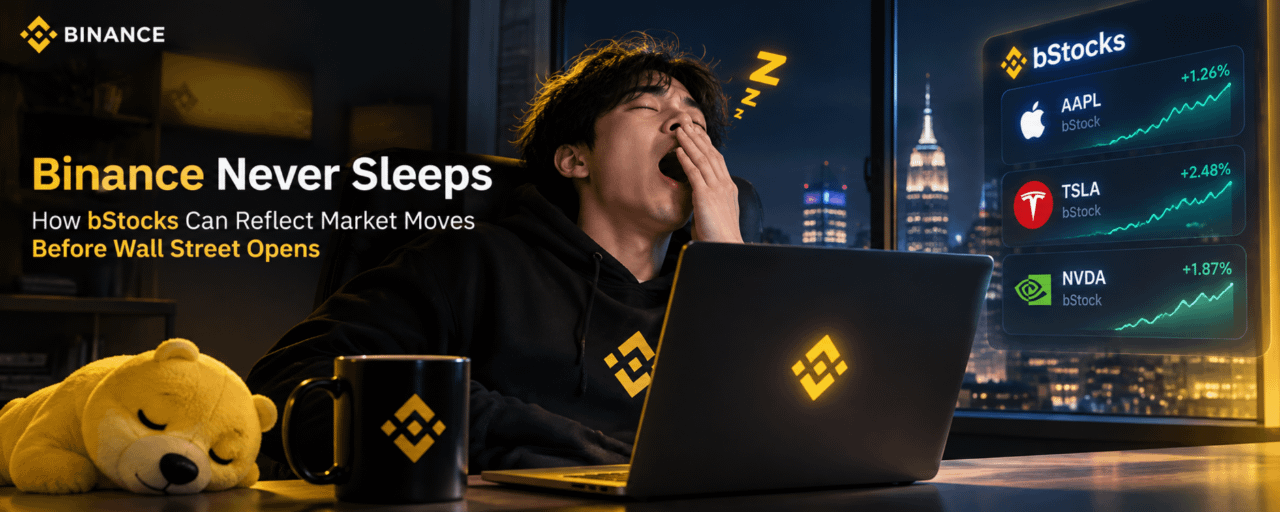
Article
Binance Never Sleeps: How bStocks Can Reflect Market Moves Before Wall Street OpensStock markets have opening and closing hours, but news never stops. Here’s how bStocks on Binance can contribute to price discovery outside traditional Wall Street trading hours.
The Stock Market Closes. News Doesn’t.
U.S. stock markets follow fixed trading hours, but important news can break at any time.
Companies can report earnings after the market closes. Central banks can make important announcements. Geopolitical events can happen over the weekend.
When that happens, investors immediately begin reassessing what an asset should be worth.
This is where bStocks and always-on markets become interesting.
The key question is not simply:
“When can I trade?”
It is:
“When does the market start discovering the new price?”
What Is Price Discovery?
Price discovery is the process through which buyers and sellers use new information to determine what an asset should be worth.
Imagine a stock closes at $100.
After the market closes, the company reports earnings far above expectations. Investors may immediately start believing the stock is worth $105 or even $110.
If a market linked to that stock is still trading, its price can begin adjusting before Wall Street officially reopens.
That means platforms offering extended or always-on trading can potentially participate in price discovery outside traditional U.S. market hours.
News Never Sleeps
News does not wait for the opening bell.
A company can release earnings after hours.
A central bank can change its tone overnight.
A major global event can happen on Saturday.
Investors react as soon as information becomes available.
Traditional markets often work like this:
News → Market Closed → Wait → Market Opens → Price Adjusts
Always-on markets can move closer to:
News → Investors React → Price Adjusts
That difference can matter in a financial world where information travels in seconds.
Nvidia Example
Suppose Nvidia, or NVDA, closes on Friday at:
$180
Later, a major positive development emerges while Nasdaq is closed.
Investors around the world already know the news, even though the U.S. stock market is not trading.
If an NVDA-linked asset on an active market begins moving:
$180 → $184 → $187
and Nvidia later opens near $188 on Monday, the interesting question is not simply why the price increased.
The better question is:
Which market discovered the new price first?
That is the essence of price discovery.
Binance vs. Other Always-On Markets
Another interesting angle is comparing Binance/bStocks with other always-on markets such as Hyperliquid.
The comparison should go beyond price alone.
Key factors include:
Reaction Speed — Which market reacts first after important news?
Trading Volume — How much real trading activity happens while Wall Street is closed?
Price Accuracy — How close is the overnight price to the eventual Wall Street opening price?
Liquidity — Can traders buy and sell without causing excessive price swings?
Being open longer does not automatically mean a market provides better price discovery.
Strong price discovery also requires liquidity, participation, and reliable market activity.
Global Investors Don’t Live on New York Time
For investors in Asia, U.S. market hours often fall late at night.
But financial news can arrive at any time.
Always-on markets can therefore make participation more global, allowing investors across different time zones to respond to information without waiting for New York to wake up.
This represents a broader shift from markets tied to a specific location and schedule toward markets that are increasingly global, real-time, and always on.
Risks Still Matter
Trading outside traditional market hours does not mean prices will always be accurate.
Lower liquidity can lead to greater volatility, wider spreads, and temporary differences between an asset-linked product and the underlying stock when the primary market reopens.
For that reason, overnight price discovery should be viewed as:
“What the market currently expects”
rather than a guaranteed prediction of the next official opening price.
Conclusion: Wall Street May Close, but Markets Don’t
The most interesting part of bStocks is not simply the ability to trade beyond traditional market hours.
It is the larger question:
When Wall Street is closed, who is discovering the next market price?
News continues to move.
Investors continue to react.
Expectations continue to change.
And prices have reasons to change with them.
Financial markets are gradually moving from fixed trading hours toward a world of global, real-time, always-on markets.
Wall Street may close, but markets don’t.
#Binance #bStocks #PriceDiscovery #TokenizedStocks #AlwaysOnMarkets
Binance Never Sleeps: How bStocks Can Reflect Market Moves Before Wall Street Opens
Stock markets have opening and closing hours, but news never stops. Here’s how bStocks on Binance can contribute to price discovery outside traditional Wall Street trading hours.
The Stock Market Closes. News Doesn’t.
U.S. stock markets follow fixed trading hours, but important news can break at any time.
Companies can report earnings after the market closes. Central banks can make important announcements. Geopolitical events can happen over the weekend.
When that happens, investors immediately begin reassessing what an asset should be worth.
This is where bStocks and always-on markets become interesting.
The key question is not simply:
“When can I trade?”
It is:
“When does the market start discovering the new price?”
What Is Price Discovery?
Price discovery is the process through which buyers and sellers use new information to determine what an asset should be worth.
Imagine a stock closes at $100.
After the market closes, the company reports earnings far above expectations. Investors may immediately start believing the stock is worth $105 or even $110.
If a market linked to that stock is still trading, its price can begin adjusting before Wall Street officially reopens.
That means platforms offering extended or always-on trading can potentially participate in price discovery outside traditional U.S. market hours.
News Never Sleeps
News does not wait for the opening bell.
A company can release earnings after hours.
A central bank can change its tone overnight.
A major global event can happen on Saturday.
Investors react as soon as information becomes available.
Traditional markets often work like this:
News → Market Closed → Wait → Market Opens → Price Adjusts
Always-on markets can move closer to:
News → Investors React → Price Adjusts
That difference can matter in a financial world where information travels in seconds.
Nvidia Example
Suppose Nvidia, or NVDA, closes on Friday at:
$180
Later, a major positive development emerges while Nasdaq is closed.
Investors around the world already know the news, even though the U.S. stock market is not trading.
If an NVDA-linked asset on an active market begins moving:
$180 → $184 → $187
and Nvidia later opens near $188 on Monday, the interesting question is not simply why the price increased.
The better question is:
Which market discovered the new price first?
That is the essence of price discovery.
Binance vs. Other Always-On Markets
Another interesting angle is comparing Binance/bStocks with other always-on markets such as Hyperliquid.
The comparison should go beyond price alone.
Key factors include:
Reaction Speed — Which market reacts first after important news?
Trading Volume — How much real trading activity happens while Wall Street is closed?
Price Accuracy — How close is the overnight price to the eventual Wall Street opening price?
Liquidity — Can traders buy and sell without causing excessive price swings?
Being open longer does not automatically mean a market provides better price discovery.
Strong price discovery also requires liquidity, participation, and reliable market activity.
Global Investors Don’t Live on New York Time
For investors in Asia, U.S. market hours often fall late at night.
But financial news can arrive at any time.
Always-on markets can therefore make participation more global, allowing investors across different time zones to respond to information without waiting for New York to wake up.
This represents a broader shift from markets tied to a specific location and schedule toward markets that are increasingly global, real-time, and always on.
Risks Still Matter
Trading outside traditional market hours does not mean prices will always be accurate.
Lower liquidity can lead to greater volatility, wider spreads, and temporary differences between an asset-linked product and the underlying stock when the primary market reopens.
For that reason, overnight price discovery should be viewed as:
“What the market currently expects”
rather than a guaranteed prediction of the next official opening price.
Conclusion: Wall Street May Close, but Markets Don’t
The most interesting part of bStocks is not simply the ability to trade beyond traditional market hours.
It is the larger question:
When Wall Street is closed, who is discovering the next market price?
News continues to move.
Investors continue to react.
Expectations continue to change.
And prices have reasons to change with them.
Financial markets are gradually moving from fixed trading hours toward a world of global, real-time, always-on markets.
Wall Street may close, but markets don’t.
#Binance #bStocks #PriceDiscovery #TokenizedStocks #AlwaysOnMarkets
The Stock Market Closes. News Doesn’t.
U.S. stock markets follow fixed trading hours, but important news can break at any time.
Companies can report earnings after the market closes. Central banks can make important announcements. Geopolitical events can happen over the weekend.
When that happens, investors immediately begin reassessing what an asset should be worth.
This is where bStocks and always-on markets become interesting.
The key question is not simply:
“When can I trade?”
It is:
“When does the market start discovering the new price?”
What Is Price Discovery?
Price discovery is the process through which buyers and sellers use new information to determine what an asset should be worth.
Imagine a stock closes at $100.
After the market closes, the company reports earnings far above expectations. Investors may immediately start believing the stock is worth $105 or even $110.
If a market linked to that stock is still trading, its price can begin adjusting before Wall Street officially reopens.
That means platforms offering extended or always-on trading can potentially participate in price discovery outside traditional U.S. market hours.
News Never Sleeps
News does not wait for the opening bell.
A company can release earnings after hours.
A central bank can change its tone overnight.
A major global event can happen on Saturday.
Investors react as soon as information becomes available.
Traditional markets often work like this:
News → Market Closed → Wait → Market Opens → Price Adjusts
Always-on markets can move closer to:
News → Investors React → Price Adjusts
That difference can matter in a financial world where information travels in seconds.
Nvidia Example
Suppose Nvidia, or NVDA, closes on Friday at:
$180
Later, a major positive development emerges while Nasdaq is closed.
Investors around the world already know the news, even though the U.S. stock market is not trading.
If an NVDA-linked asset on an active market begins moving:
$180 → $184 → $187
and Nvidia later opens near $188 on Monday, the interesting question is not simply why the price increased.
The better question is:
Which market discovered the new price first?
That is the essence of price discovery.
Binance vs. Other Always-On Markets
Another interesting angle is comparing Binance/bStocks with other always-on markets such as Hyperliquid.
The comparison should go beyond price alone.
Key factors include:
Reaction Speed — Which market reacts first after important news?
Trading Volume — How much real trading activity happens while Wall Street is closed?
Price Accuracy — How close is the overnight price to the eventual Wall Street opening price?
Liquidity — Can traders buy and sell without causing excessive price swings?
Being open longer does not automatically mean a market provides better price discovery.
Strong price discovery also requires liquidity, participation, and reliable market activity.
Global Investors Don’t Live on New York Time
For investors in Asia, U.S. market hours often fall late at night.
But financial news can arrive at any time.
Always-on markets can therefore make participation more global, allowing investors across different time zones to respond to information without waiting for New York to wake up.
This represents a broader shift from markets tied to a specific location and schedule toward markets that are increasingly global, real-time, and always on.
Risks Still Matter
Trading outside traditional market hours does not mean prices will always be accurate.
Lower liquidity can lead to greater volatility, wider spreads, and temporary differences between an asset-linked product and the underlying stock when the primary market reopens.
For that reason, overnight price discovery should be viewed as:
“What the market currently expects”
rather than a guaranteed prediction of the next official opening price.
Conclusion: Wall Street May Close, but Markets Don’t
The most interesting part of bStocks is not simply the ability to trade beyond traditional market hours.
It is the larger question:
When Wall Street is closed, who is discovering the next market price?
News continues to move.
Investors continue to react.
Expectations continue to change.
And prices have reasons to change with them.
Financial markets are gradually moving from fixed trading hours toward a world of global, real-time, always-on markets.
Wall Street may close, but markets don’t.
#Binance #bStocks #PriceDiscovery #TokenizedStocks #AlwaysOnMarkets
3
2
270
·
--
💛 😇 💛
💛 😇 💛


Binance Angels
·
--
Meet the hardworking team behind the Binance Clubhouse! 🏡💛
Last weekend in Bali was all about teamwork, good vibes, and building together. 🌴✨ cc SEA Team Angels 😇💪
$BNB #BinanceSquareTG
Last weekend in Bali was all about teamwork, good vibes, and building together. 🌴✨ cc SEA Team Angels 😇💪
$BNB #BinanceSquareTG
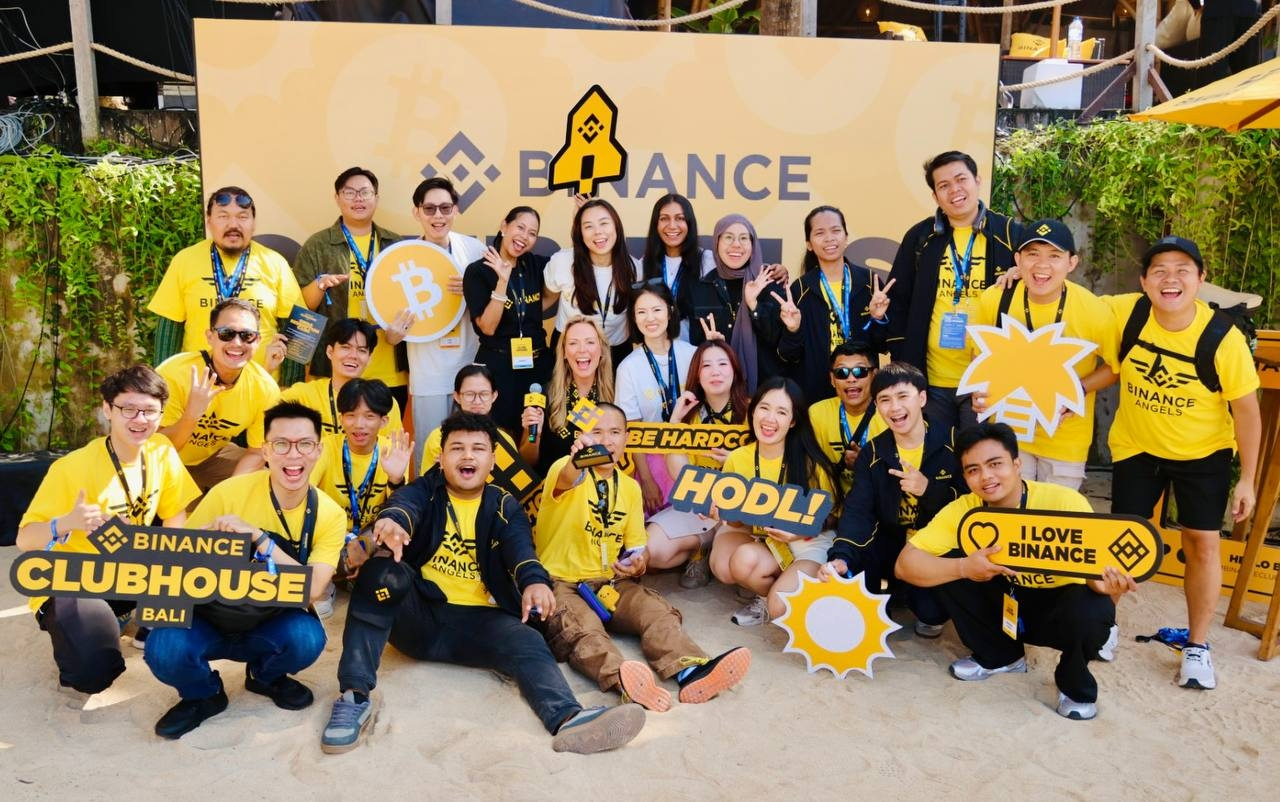


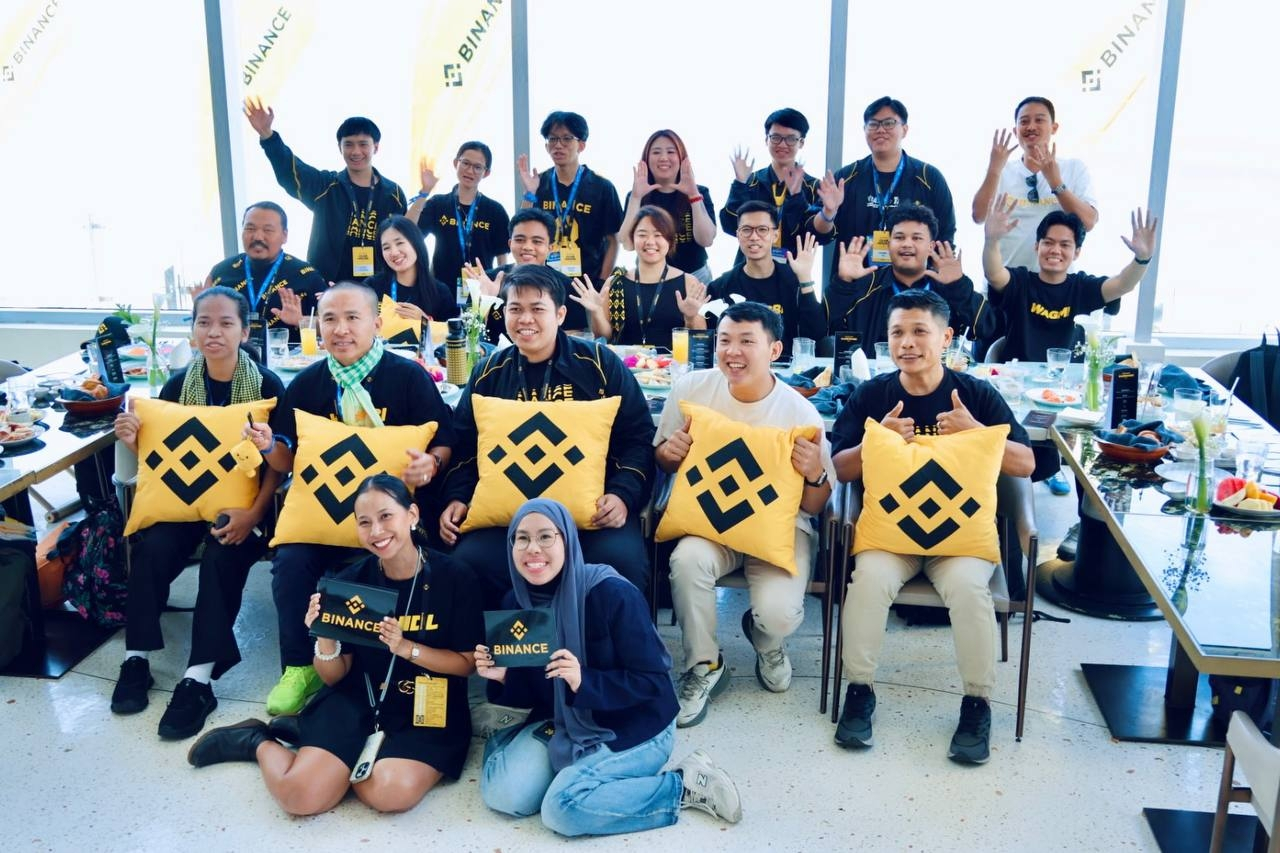
1
1
2
·
--

Article
ຈຸດແຕກຕ່າງທີ່ເຮັດວຽກຢູ່ຢ່າງງຽບໆ: ລະບົບຄວາມປອດໄພຂອງ Binance ເຮັດວຽກຢູ່ເບື້ອງຫຼັງແນວໃດຮຽນຮູ້ວ່າລະບົບຄວາມປອດໄພຂອງ Binance ເຮັດວຽກຢູ່ເບື້ອງຫຼັງແນວໃດ ຜ່ານການກວດຈັບໄພຄຸກຄາມແບບເຊິງລຸກ, ການກູ້ຄືນຊັບສິນ, ການປ້ອງກັນອາຊະຍາກຳທາງການເງິນ ແລະ ມາດຕະການປ້ອງກັນໃໝ່ໆສຳລັບເຕັກໂນໂລຊີທີ່ກຳລັງເກີດຂຶ້ນ.
ໃນໂລກຄຣິບໂຕ, ຄວາມປອດໄພມັກໄດ້ຮັບຄວາມສົນໃຈຫຼາຍທີ່ສຸດເມື່ອເກີດເຫດການບໍ່ຄາດຄິດ—ເຊັ່ນ ການແຮັກ, ຊັບສິນຖືກລັກ ຫຼື ການໂຈມຕີແພລດຟອມ. ແຕ່ຄວາມປອດໄພທີ່ມີປະສິດທິພາບ ມັກເກີດຈາກວຽກງານທີ່ຜູ້ໃຊ້ບໍ່ເຄີຍເຫັນ.
ສຳລັບ Binance, ເປົ້າໝາຍບໍ່ແມ່ນພຽງແຕ່ການຮັບມືກັບເຫດການເມື່ອມັນເກີດຂຶ້ນ. ແຕ່ແມ່ນການ ກວດຈັບ, ປ້ອງກັນ ແລະ ຢຸດຢັ້ງໄພຄຸກຄາມ ກ່ອນທີ່ມັນຈະສົ່ງຜົນກະທົບຕໍ່ຜູ້ໃຊ້.
ຄວາມປອດໄພຂອງ Binance ບໍ່ໄດ້ຈຳກັດຢູ່ແຕ່ການປ້ອງກັນບັນຊີ
ຄວາມປອດໄພຂອງແພລດຟອມແລກປ່ຽນຄຣິບໂຕ ບໍ່ໄດ້ຈຳກັດຢູ່ພຽງແຕ່ລະຫັດຜ່ານ, 2FA ຫຼື ການປ້ອງກັນການຍຶດບັນຊີອີກຕໍ່ໄປ.
ຕະຫຼອດປີ 2026, Binance ໄດ້ສືບຕໍ່ເສີມສ້າງໂຄງສ້າງພື້ນຖານດ້ານຄວາມປອດໄພໃຫ້ແຂງແກ່ນຂຶ້ນໃນຫຼາຍດ້ານ ລວມທັງ ການກູ້ຄືນຊັບສິນ, ການຕິດຕາມທຸລະກຳ, ການກວດຈັບໄພຄຸກຄາມ ແລະ ເຕັກໂນໂລຊີໃໝ່ໆທີ່ກຳລັງເກີດຂຶ້ນ.
ໜຶ່ງໃນຕົວຢ່າງທີ່ໂດດເດັ່ນ ແມ່ນການກູ້ຄືນຊັບສິນມູນຄ່າປະມານ 145.9 ລ້ານໂດລາສະຫະລັດ ຜ່ານໂຄງການ Ledger Zero-Dollar Vulnerability Program.
Binance ຍັງໄດ້ດຳເນີນການເພື່ອ ຂັດຂວາງກິດຈະກຳຟອກເງິນທີ່ເຊື່ອມໂຍງກັບ DPRK, ສະແດງໃຫ້ເຫັນວ່າ ການຕິດຕາມຜ່ານ Blockchain ແລະ ການວິເຄາະທຸລະກຳ ສາມາດມີບົດບາດສຳຄັນໃນການຕໍ່ຕ້ານອາຊະຍາກຳທາງການເງິນ.
ຄວາມພະຍາຍາມເຫຼົ່ານີ້ສະແດງໃຫ້ເຫັນວ່າ ຄວາມປອດໄພຂອງແພລດຟອມແລກປ່ຽນສະໄໝໃໝ່ ດຳເນີນງານທັງໃນ ລະດັບຜູ້ໃຊ້ ແລະ ລະດັບລະບົບນິເວດ.
ຈາກການຮັບມື ສູ່ຄວາມປອດໄພແບບເຊິງລຸກ
ອີກໜຶ່ງສ່ວນສຳຄັນໃນແນວທາງຂອງ Binance ແມ່ນ ຄວາມປອດໄພແບບເຊິງລຸກ (Proactive Security).
ແທນທີ່ຈະລໍຖ້າໃຫ້ການໂຈມຕີເກີດຂຶ້ນກ່ອນ, ທີມງານດ້ານຄວາມປອດໄພຈະມຸ່ງເນັ້ນໃນການກວດພົບກິດຈະກຳທີ່ໜ້າສົງໄສໃຫ້ໄວ ແລະ ເຂົ້າແຊກແຊງກ່ອນທີ່ຈະເກີດຄວາມເສຍຫາຍຮ້າຍແຮງ.
ນີ້ລວມເຖິງຄວາມພະຍາຍາມໃນການປ້ອງກັນການໂຈມຕີທີ່ກ່ຽວຂ້ອງກັບ Governance ແລະ ການກວດຈັບຮູບແບບທຸລະກຳທີ່ຜິດປົກກະຕິ ກ່ອນທີ່ມັນຈະພັດທະນາໄປເປັນເຫດການດ້ານຄວາມປອດໄພທີ່ໃຫຍ່ຂຶ້ນ.
ແນວຄິດນີ້ງ່າຍດາຍ: ເຫດການດ້ານຄວາມປອດໄພທີ່ດີທີ່ສຸດ ອາດເປັນເຫດການທີ່ຜູ້ໃຊ້ບໍ່ເຄີຍຕ້ອງປະສົບ.
ການກຽມພ້ອມຮັບມືກັບ AI ແລະ ຄວາມສ່ຽງໃໝ່ໃນໂລກຄຣິບໂຕ
ເມື່ອ AI ເຂົ້າມາເຊື່ອມໂຍງກັບໂລກຄຣິບໂຕຫຼາຍຂຶ້ນ, ຄວາມສ່ຽງດ້ານຄວາມປອດໄພຮູບແບບໃໝ່ກໍກຳລັງເກີດຂຶ້ນເຊັ່ນກັນ.
Binance ກຳລັງພັດທະນາ Security Guardrails for AI Agent Wallets ເພື່ອສ້າງຊັ້ນປ້ອງກັນສຳລັບກິດຈະກຳຂອງ Wallet ທີ່ເຮັດວຽກແບບອັດຕະໂນມັດ.
ເມື່ອ AI Agents ສາມາດດຳເນີນການຕ່າງໆໄດ້ ເຊັ່ນ ການສົ່ງຊັບສິນ, ການ Swap ຫຼື ການຈັດການຊັບສິນ, ລະບົບຄວາມປອດໄພຈະຕ້ອງສາມາດປົກປ້ອງຜູ້ໃຊ້ຈາກຄຳສັ່ງທີ່ປະສົງຮ້າຍ, ການຫຼອກລວງ ຫຼື ການບິດເບືອນ ລວມເຖິງຮູບແບບການໂຈມຕີໃໝ່ໆອື່ນໆ.
ນີ້ສະທ້ອນເຖິງແນວທາງດ້ານຄວາມປອດໄພຄຣິບໂຕທີ່ມອງໄປຂ້າງໜ້າຫຼາຍຂຶ້ນ—ບໍ່ພຽງແຕ່ກຽມຮັບມືກັບໄພຄຸກຄາມໃນມື້ນີ້, ແຕ່ຍັງກຽມພ້ອມສຳລັບຄວາມສ່ຽງທີ່ອາດເກີດຂຶ້ນໃນອະນາຄົດ.
ເຮັດໃຫ້ຄວາມປອດໄພເປັນມາດຕະຖານພື້ນຖານ
ແນວທາງດ້ານຄວາມປອດໄພຂອງ Binance ສາມາດສະຫຼຸບໄດ້ເປັນ 4 ດ້ານຫຼັກ:
ປົກປ້ອງ (Protect) ຜູ້ໃຊ້ ແລະ ຊັບສິນ ຈາກໄພຄຸກຄາມທີ່ມີຢູ່.
ກວດຈັບ (Detect) ພຶດຕິກຳທີ່ໜ້າສົງໄສ ກ່ອນທີ່ຈະສ້າງຄວາມເສຍຫາຍ.
ຮັບມື ແລະ ກູ້ຄືນ (Respond and Recover) ເມື່ອເກີດເຫດການດ້ານຄວາມປອດໄພ.
ກຽມພ້ອມ (Prepare) ສຳລັບເຕັກໂນໂລຊີໃໝ່ ແລະ ຮູບແບບການໂຈມຕີໃໝ່ໆ.
ວຽກງານສ່ວນໃຫຍ່ເຫຼົ່ານີ້ເກີດຂຶ້ນຢ່າງງຽບໆຢູ່ເບື້ອງຫຼັງ.
ນັ້ນແມ່ນເຫດຜົນທີ່ຄວາມປອດໄພສາມາດກາຍເປັນ ຈຸດແຕກຕ່າງທີ່ບໍ່ຕ້ອງສົ່ງສຽງ (Quiet Differentiator) ລະຫວ່າງແພລດຟອມແລກປ່ຽນຄຣິບໂຕ.
ໃນໄລຍະຍາວ, ຄວາມປອດໄພບໍ່ຄວນຖືກວັດແທກພຽງແຕ່ຈາກສິ່ງທີ່ແພລດຟອມກ່າວອ້າງ. ແຕ່ຄວນສະທ້ອນຜ່ານຄວາມສາມາດຂອງແພລດຟອມໃນການກວດຈັບໄພຄຸກຄາມ, ປ້ອງກັນການໂຈມຕີ, ປົກປ້ອງຊັບສິນ ແລະ ກຽມພ້ອມສຳລັບຄວາມສ່ຽງໃນອະນາຄົດ.
ເປົ້າໝາຍບໍ່ແມ່ນການສົ່ງສຽງວ່າຄວາມປອດໄພດີພຽງໃດ. ແຕ່ແມ່ນການເຮັດໃຫ້ຄວາມປອດໄພກາຍເປັນມາດຕະຖານພື້ນຖານ.
#Binance #CryptoExchange #CryptoLiquidity #LaotianBlockchain #laos
{spot}(BNBUSDT)
{spot}(BTCUSDT)
ຈຸດແຕກຕ່າງທີ່ເຮັດວຽກຢູ່ຢ່າງງຽບໆ: ລະບົບຄວາມປອດໄພຂອງ Binance ເຮັດວຽກຢູ່ເບື້ອງຫຼັງແນວໃດ
ຮຽນຮູ້ວ່າລະບົບຄວາມປອດໄພຂອງ Binance ເຮັດວຽກຢູ່ເບື້ອງຫຼັງແນວໃດ ຜ່ານການກວດຈັບໄພຄຸກຄາມແບບເຊິງລຸກ, ການກູ້ຄືນຊັບສິນ, ການປ້ອງກັນອາຊະຍາກຳທາງການເງິນ ແລະ ມາດຕະການປ້ອງກັນໃໝ່ໆສຳລັບເຕັກໂນໂລຊີທີ່ກຳລັງເກີດຂຶ້ນ.
ໃນໂລກຄຣິບໂຕ, ຄວາມປອດໄພມັກໄດ້ຮັບຄວາມສົນໃຈຫຼາຍທີ່ສຸດເມື່ອເກີດເຫດການບໍ່ຄາດຄິດ—ເຊັ່ນ ການແຮັກ, ຊັບສິນຖືກລັກ ຫຼື ການໂຈມຕີແພລດຟອມ. ແຕ່ຄວາມປອດໄພທີ່ມີປະສິດທິພາບ ມັກເກີດຈາກວຽກງານທີ່ຜູ້ໃຊ້ບໍ່ເຄີຍເຫັນ.
ສຳລັບ Binance, ເປົ້າໝາຍບໍ່ແມ່ນພຽງແຕ່ການຮັບມືກັບເຫດການເມື່ອມັນເກີດຂຶ້ນ. ແຕ່ແມ່ນການ ກວດຈັບ, ປ້ອງກັນ ແລະ ຢຸດຢັ້ງໄພຄຸກຄາມ ກ່ອນທີ່ມັນຈະສົ່ງຜົນກະທົບຕໍ່ຜູ້ໃຊ້.
ຄວາມປອດໄພຂອງ Binance ບໍ່ໄດ້ຈຳກັດຢູ່ແຕ່ການປ້ອງກັນບັນຊີ
ຄວາມປອດໄພຂອງແພລດຟອມແລກປ່ຽນຄຣິບໂຕ ບໍ່ໄດ້ຈຳກັດຢູ່ພຽງແຕ່ລະຫັດຜ່ານ, 2FA ຫຼື ການປ້ອງກັນການຍຶດບັນຊີອີກຕໍ່ໄປ.
ຕະຫຼອດປີ 2026, Binance ໄດ້ສືບຕໍ່ເສີມສ້າງໂຄງສ້າງພື້ນຖານດ້ານຄວາມປອດໄພໃຫ້ແຂງແກ່ນຂຶ້ນໃນຫຼາຍດ້ານ ລວມທັງ ການກູ້ຄືນຊັບສິນ, ການຕິດຕາມທຸລະກຳ, ການກວດຈັບໄພຄຸກຄາມ ແລະ ເຕັກໂນໂລຊີໃໝ່ໆທີ່ກຳລັງເກີດຂຶ້ນ.
ໜຶ່ງໃນຕົວຢ່າງທີ່ໂດດເດັ່ນ ແມ່ນການກູ້ຄືນຊັບສິນມູນຄ່າປະມານ 145.9 ລ້ານໂດລາສະຫະລັດ ຜ່ານໂຄງການ Ledger Zero-Dollar Vulnerability Program.
Binance ຍັງໄດ້ດຳເນີນການເພື່ອ ຂັດຂວາງກິດຈະກຳຟອກເງິນທີ່ເຊື່ອມໂຍງກັບ DPRK, ສະແດງໃຫ້ເຫັນວ່າ ການຕິດຕາມຜ່ານ Blockchain ແລະ ການວິເຄາະທຸລະກຳ ສາມາດມີບົດບາດສຳຄັນໃນການຕໍ່ຕ້ານອາຊະຍາກຳທາງການເງິນ.
ຄວາມພະຍາຍາມເຫຼົ່ານີ້ສະແດງໃຫ້ເຫັນວ່າ ຄວາມປອດໄພຂອງແພລດຟອມແລກປ່ຽນສະໄໝໃໝ່ ດຳເນີນງານທັງໃນ ລະດັບຜູ້ໃຊ້ ແລະ ລະດັບລະບົບນິເວດ.
ຈາກການຮັບມື ສູ່ຄວາມປອດໄພແບບເຊິງລຸກ
ອີກໜຶ່ງສ່ວນສຳຄັນໃນແນວທາງຂອງ Binance ແມ່ນ ຄວາມປອດໄພແບບເຊິງລຸກ (Proactive Security).
ແທນທີ່ຈະລໍຖ້າໃຫ້ການໂຈມຕີເກີດຂຶ້ນກ່ອນ, ທີມງານດ້ານຄວາມປອດໄພຈະມຸ່ງເນັ້ນໃນການກວດພົບກິດຈະກຳທີ່ໜ້າສົງໄສໃຫ້ໄວ ແລະ ເຂົ້າແຊກແຊງກ່ອນທີ່ຈະເກີດຄວາມເສຍຫາຍຮ້າຍແຮງ.
ນີ້ລວມເຖິງຄວາມພະຍາຍາມໃນການປ້ອງກັນການໂຈມຕີທີ່ກ່ຽວຂ້ອງກັບ Governance ແລະ ການກວດຈັບຮູບແບບທຸລະກຳທີ່ຜິດປົກກະຕິ ກ່ອນທີ່ມັນຈະພັດທະນາໄປເປັນເຫດການດ້ານຄວາມປອດໄພທີ່ໃຫຍ່ຂຶ້ນ.
ແນວຄິດນີ້ງ່າຍດາຍ: ເຫດການດ້ານຄວາມປອດໄພທີ່ດີທີ່ສຸດ ອາດເປັນເຫດການທີ່ຜູ້ໃຊ້ບໍ່ເຄີຍຕ້ອງປະສົບ.
ການກຽມພ້ອມຮັບມືກັບ AI ແລະ ຄວາມສ່ຽງໃໝ່ໃນໂລກຄຣິບໂຕ
ເມື່ອ AI ເຂົ້າມາເຊື່ອມໂຍງກັບໂລກຄຣິບໂຕຫຼາຍຂຶ້ນ, ຄວາມສ່ຽງດ້ານຄວາມປອດໄພຮູບແບບໃໝ່ກໍກຳລັງເກີດຂຶ້ນເຊັ່ນກັນ.
Binance ກຳລັງພັດທະນາ Security Guardrails for AI Agent Wallets ເພື່ອສ້າງຊັ້ນປ້ອງກັນສຳລັບກິດຈະກຳຂອງ Wallet ທີ່ເຮັດວຽກແບບອັດຕະໂນມັດ.
ເມື່ອ AI Agents ສາມາດດຳເນີນການຕ່າງໆໄດ້ ເຊັ່ນ ການສົ່ງຊັບສິນ, ການ Swap ຫຼື ການຈັດການຊັບສິນ, ລະບົບຄວາມປອດໄພຈະຕ້ອງສາມາດປົກປ້ອງຜູ້ໃຊ້ຈາກຄຳສັ່ງທີ່ປະສົງຮ້າຍ, ການຫຼອກລວງ ຫຼື ການບິດເບືອນ ລວມເຖິງຮູບແບບການໂຈມຕີໃໝ່ໆອື່ນໆ.
ນີ້ສະທ້ອນເຖິງແນວທາງດ້ານຄວາມປອດໄພຄຣິບໂຕທີ່ມອງໄປຂ້າງໜ້າຫຼາຍຂຶ້ນ—ບໍ່ພຽງແຕ່ກຽມຮັບມືກັບໄພຄຸກຄາມໃນມື້ນີ້, ແຕ່ຍັງກຽມພ້ອມສຳລັບຄວາມສ່ຽງທີ່ອາດເກີດຂຶ້ນໃນອະນາຄົດ.
ເຮັດໃຫ້ຄວາມປອດໄພເປັນມາດຕະຖານພື້ນຖານ
ແນວທາງດ້ານຄວາມປອດໄພຂອງ Binance ສາມາດສະຫຼຸບໄດ້ເປັນ 4 ດ້ານຫຼັກ:
ປົກປ້ອງ (Protect) ຜູ້ໃຊ້ ແລະ ຊັບສິນ ຈາກໄພຄຸກຄາມທີ່ມີຢູ່.
ກວດຈັບ (Detect) ພຶດຕິກຳທີ່ໜ້າສົງໄສ ກ່ອນທີ່ຈະສ້າງຄວາມເສຍຫາຍ.
ຮັບມື ແລະ ກູ້ຄືນ (Respond and Recover) ເມື່ອເກີດເຫດການດ້ານຄວາມປອດໄພ.
ກຽມພ້ອມ (Prepare) ສຳລັບເຕັກໂນໂລຊີໃໝ່ ແລະ ຮູບແບບການໂຈມຕີໃໝ່ໆ.
ວຽກງານສ່ວນໃຫຍ່ເຫຼົ່ານີ້ເກີດຂຶ້ນຢ່າງງຽບໆຢູ່ເບື້ອງຫຼັງ.
ນັ້ນແມ່ນເຫດຜົນທີ່ຄວາມປອດໄພສາມາດກາຍເປັນ ຈຸດແຕກຕ່າງທີ່ບໍ່ຕ້ອງສົ່ງສຽງ (Quiet Differentiator) ລະຫວ່າງແພລດຟອມແລກປ່ຽນຄຣິບໂຕ.
ໃນໄລຍະຍາວ, ຄວາມປອດໄພບໍ່ຄວນຖືກວັດແທກພຽງແຕ່ຈາກສິ່ງທີ່ແພລດຟອມກ່າວອ້າງ. ແຕ່ຄວນສະທ້ອນຜ່ານຄວາມສາມາດຂອງແພລດຟອມໃນການກວດຈັບໄພຄຸກຄາມ, ປ້ອງກັນການໂຈມຕີ, ປົກປ້ອງຊັບສິນ ແລະ ກຽມພ້ອມສຳລັບຄວາມສ່ຽງໃນອະນາຄົດ.
ເປົ້າໝາຍບໍ່ແມ່ນການສົ່ງສຽງວ່າຄວາມປອດໄພດີພຽງໃດ. ແຕ່ແມ່ນການເຮັດໃຫ້ຄວາມປອດໄພກາຍເປັນມາດຕະຖານພື້ນຖານ.
#Binance #CryptoExchange #CryptoLiquidity #LaotianBlockchain #laos
ໃນໂລກຄຣິບໂຕ, ຄວາມປອດໄພມັກໄດ້ຮັບຄວາມສົນໃຈຫຼາຍທີ່ສຸດເມື່ອເກີດເຫດການບໍ່ຄາດຄິດ—ເຊັ່ນ ການແຮັກ, ຊັບສິນຖືກລັກ ຫຼື ການໂຈມຕີແພລດຟອມ. ແຕ່ຄວາມປອດໄພທີ່ມີປະສິດທິພາບ ມັກເກີດຈາກວຽກງານທີ່ຜູ້ໃຊ້ບໍ່ເຄີຍເຫັນ.
ສຳລັບ Binance, ເປົ້າໝາຍບໍ່ແມ່ນພຽງແຕ່ການຮັບມືກັບເຫດການເມື່ອມັນເກີດຂຶ້ນ. ແຕ່ແມ່ນການ ກວດຈັບ, ປ້ອງກັນ ແລະ ຢຸດຢັ້ງໄພຄຸກຄາມ ກ່ອນທີ່ມັນຈະສົ່ງຜົນກະທົບຕໍ່ຜູ້ໃຊ້.
ຄວາມປອດໄພຂອງ Binance ບໍ່ໄດ້ຈຳກັດຢູ່ແຕ່ການປ້ອງກັນບັນຊີ
ຄວາມປອດໄພຂອງແພລດຟອມແລກປ່ຽນຄຣິບໂຕ ບໍ່ໄດ້ຈຳກັດຢູ່ພຽງແຕ່ລະຫັດຜ່ານ, 2FA ຫຼື ການປ້ອງກັນການຍຶດບັນຊີອີກຕໍ່ໄປ.
ຕະຫຼອດປີ 2026, Binance ໄດ້ສືບຕໍ່ເສີມສ້າງໂຄງສ້າງພື້ນຖານດ້ານຄວາມປອດໄພໃຫ້ແຂງແກ່ນຂຶ້ນໃນຫຼາຍດ້ານ ລວມທັງ ການກູ້ຄືນຊັບສິນ, ການຕິດຕາມທຸລະກຳ, ການກວດຈັບໄພຄຸກຄາມ ແລະ ເຕັກໂນໂລຊີໃໝ່ໆທີ່ກຳລັງເກີດຂຶ້ນ.
ໜຶ່ງໃນຕົວຢ່າງທີ່ໂດດເດັ່ນ ແມ່ນການກູ້ຄືນຊັບສິນມູນຄ່າປະມານ 145.9 ລ້ານໂດລາສະຫະລັດ ຜ່ານໂຄງການ Ledger Zero-Dollar Vulnerability Program.
Binance ຍັງໄດ້ດຳເນີນການເພື່ອ ຂັດຂວາງກິດຈະກຳຟອກເງິນທີ່ເຊື່ອມໂຍງກັບ DPRK, ສະແດງໃຫ້ເຫັນວ່າ ການຕິດຕາມຜ່ານ Blockchain ແລະ ການວິເຄາະທຸລະກຳ ສາມາດມີບົດບາດສຳຄັນໃນການຕໍ່ຕ້ານອາຊະຍາກຳທາງການເງິນ.
ຄວາມພະຍາຍາມເຫຼົ່ານີ້ສະແດງໃຫ້ເຫັນວ່າ ຄວາມປອດໄພຂອງແພລດຟອມແລກປ່ຽນສະໄໝໃໝ່ ດຳເນີນງານທັງໃນ ລະດັບຜູ້ໃຊ້ ແລະ ລະດັບລະບົບນິເວດ.
ຈາກການຮັບມື ສູ່ຄວາມປອດໄພແບບເຊິງລຸກ
ອີກໜຶ່ງສ່ວນສຳຄັນໃນແນວທາງຂອງ Binance ແມ່ນ ຄວາມປອດໄພແບບເຊິງລຸກ (Proactive Security).
ແທນທີ່ຈະລໍຖ້າໃຫ້ການໂຈມຕີເກີດຂຶ້ນກ່ອນ, ທີມງານດ້ານຄວາມປອດໄພຈະມຸ່ງເນັ້ນໃນການກວດພົບກິດຈະກຳທີ່ໜ້າສົງໄສໃຫ້ໄວ ແລະ ເຂົ້າແຊກແຊງກ່ອນທີ່ຈະເກີດຄວາມເສຍຫາຍຮ້າຍແຮງ.
ນີ້ລວມເຖິງຄວາມພະຍາຍາມໃນການປ້ອງກັນການໂຈມຕີທີ່ກ່ຽວຂ້ອງກັບ Governance ແລະ ການກວດຈັບຮູບແບບທຸລະກຳທີ່ຜິດປົກກະຕິ ກ່ອນທີ່ມັນຈະພັດທະນາໄປເປັນເຫດການດ້ານຄວາມປອດໄພທີ່ໃຫຍ່ຂຶ້ນ.
ແນວຄິດນີ້ງ່າຍດາຍ: ເຫດການດ້ານຄວາມປອດໄພທີ່ດີທີ່ສຸດ ອາດເປັນເຫດການທີ່ຜູ້ໃຊ້ບໍ່ເຄີຍຕ້ອງປະສົບ.
ການກຽມພ້ອມຮັບມືກັບ AI ແລະ ຄວາມສ່ຽງໃໝ່ໃນໂລກຄຣິບໂຕ
ເມື່ອ AI ເຂົ້າມາເຊື່ອມໂຍງກັບໂລກຄຣິບໂຕຫຼາຍຂຶ້ນ, ຄວາມສ່ຽງດ້ານຄວາມປອດໄພຮູບແບບໃໝ່ກໍກຳລັງເກີດຂຶ້ນເຊັ່ນກັນ.
Binance ກຳລັງພັດທະນາ Security Guardrails for AI Agent Wallets ເພື່ອສ້າງຊັ້ນປ້ອງກັນສຳລັບກິດຈະກຳຂອງ Wallet ທີ່ເຮັດວຽກແບບອັດຕະໂນມັດ.
ເມື່ອ AI Agents ສາມາດດຳເນີນການຕ່າງໆໄດ້ ເຊັ່ນ ການສົ່ງຊັບສິນ, ການ Swap ຫຼື ການຈັດການຊັບສິນ, ລະບົບຄວາມປອດໄພຈະຕ້ອງສາມາດປົກປ້ອງຜູ້ໃຊ້ຈາກຄຳສັ່ງທີ່ປະສົງຮ້າຍ, ການຫຼອກລວງ ຫຼື ການບິດເບືອນ ລວມເຖິງຮູບແບບການໂຈມຕີໃໝ່ໆອື່ນໆ.
ນີ້ສະທ້ອນເຖິງແນວທາງດ້ານຄວາມປອດໄພຄຣິບໂຕທີ່ມອງໄປຂ້າງໜ້າຫຼາຍຂຶ້ນ—ບໍ່ພຽງແຕ່ກຽມຮັບມືກັບໄພຄຸກຄາມໃນມື້ນີ້, ແຕ່ຍັງກຽມພ້ອມສຳລັບຄວາມສ່ຽງທີ່ອາດເກີດຂຶ້ນໃນອະນາຄົດ.
ເຮັດໃຫ້ຄວາມປອດໄພເປັນມາດຕະຖານພື້ນຖານ
ແນວທາງດ້ານຄວາມປອດໄພຂອງ Binance ສາມາດສະຫຼຸບໄດ້ເປັນ 4 ດ້ານຫຼັກ:
ປົກປ້ອງ (Protect) ຜູ້ໃຊ້ ແລະ ຊັບສິນ ຈາກໄພຄຸກຄາມທີ່ມີຢູ່.
ກວດຈັບ (Detect) ພຶດຕິກຳທີ່ໜ້າສົງໄສ ກ່ອນທີ່ຈະສ້າງຄວາມເສຍຫາຍ.
ຮັບມື ແລະ ກູ້ຄືນ (Respond and Recover) ເມື່ອເກີດເຫດການດ້ານຄວາມປອດໄພ.
ກຽມພ້ອມ (Prepare) ສຳລັບເຕັກໂນໂລຊີໃໝ່ ແລະ ຮູບແບບການໂຈມຕີໃໝ່ໆ.
ວຽກງານສ່ວນໃຫຍ່ເຫຼົ່ານີ້ເກີດຂຶ້ນຢ່າງງຽບໆຢູ່ເບື້ອງຫຼັງ.
ນັ້ນແມ່ນເຫດຜົນທີ່ຄວາມປອດໄພສາມາດກາຍເປັນ ຈຸດແຕກຕ່າງທີ່ບໍ່ຕ້ອງສົ່ງສຽງ (Quiet Differentiator) ລະຫວ່າງແພລດຟອມແລກປ່ຽນຄຣິບໂຕ.
ໃນໄລຍະຍາວ, ຄວາມປອດໄພບໍ່ຄວນຖືກວັດແທກພຽງແຕ່ຈາກສິ່ງທີ່ແພລດຟອມກ່າວອ້າງ. ແຕ່ຄວນສະທ້ອນຜ່ານຄວາມສາມາດຂອງແພລດຟອມໃນການກວດຈັບໄພຄຸກຄາມ, ປ້ອງກັນການໂຈມຕີ, ປົກປ້ອງຊັບສິນ ແລະ ກຽມພ້ອມສຳລັບຄວາມສ່ຽງໃນອະນາຄົດ.
ເປົ້າໝາຍບໍ່ແມ່ນການສົ່ງສຽງວ່າຄວາມປອດໄພດີພຽງໃດ. ແຕ່ແມ່ນການເຮັດໃຫ້ຄວາມປອດໄພກາຍເປັນມາດຕະຖານພື້ນຖານ.
#Binance #CryptoExchange #CryptoLiquidity #LaotianBlockchain #laos
39
·
--
Article
The Quiet Differentiator: How Binance Security Works Behind the ScenesExplore how Binance security works behind the scenes through proactive threat detection, asset recovery, financial crime prevention, and new protections for emerging technologies.
In crypto, security often gets the most attention when something goes wrong—a hack, stolen assets, or an attack on a platform. But effective security is often the work users never see.
For Binance, the goal is not only to respond to incidents. It is to detect, prevent, and stop threats before they can impact users.
Binance Security Goes Beyond Account Protection
Crypto exchange security is no longer limited to passwords, 2FA, or account takeover protection.
Throughout 2026, Binance has continued strengthening its security infrastructure across multiple areas, including asset recovery, transaction monitoring, threat detection, and emerging technologies.
One notable example is the recovery of approximately $145.9 million in assets through the Ledger Zero-Dollar Vulnerability Program.
Binance has also worked to disrupt money-laundering activity linked to the DPRK, showing how blockchain monitoring and transaction analysis can play an important role in combating financial crime.
These efforts demonstrate that modern exchange security operates at both the user level and ecosystem level.
From Reactive to Proactive Security
Another important part of Binance’s approach is proactive security.
Instead of waiting for an attack to happen, security teams aim to identify suspicious activity early and intervene before significant damage occurs.
This includes efforts to prevent governance-related attacks and detect unusual transaction patterns before they develop into larger security incidents.
The idea is simple: the best security incident may be the one users never experience.
Preparing for AI and New Crypto Risks
As AI becomes increasingly connected with crypto, new security risks are also emerging.
Binance has been developing Security Guardrails for AI Agent Wallets, designed to establish protections around automated wallet activity.
As AI agents become capable of performing actions such as sending, swapping, or managing assets, security systems will need to protect users from malicious instructions, manipulation, and other new attack vectors.
This represents a more forward-looking approach to crypto security—preparing not only for today's threats, but also for risks that may emerge in the future.
Making Security the Baseline
Binance’s security approach can be summarized across four areas:
Protect users and assets from existing threats.
Detect suspicious behavior before it causes damage.
Respond and Recover when incidents occur.
Prepare for emerging technologies and new attack vectors.
Much of this work happens quietly in the background.
That is why security can become a quiet differentiator between crypto exchanges.
In the long term, security should not be measured only by what an exchange claims. It should also be reflected in how effectively the platform detects threats, prevents attacks, protects assets, and prepares for future risks.
The goal is not to make noise about security. It is to make security the baseline.
#BinanceSecurity #CryptoSecurity #AISecurity #RiskManagement #BinanceSquare
{spot}(BTCUSDT)
{spot}(BNBUSDT)
The Quiet Differentiator: How Binance Security Works Behind the Scenes
Explore how Binance security works behind the scenes through proactive threat detection, asset recovery, financial crime prevention, and new protections for emerging technologies.
In crypto, security often gets the most attention when something goes wrong—a hack, stolen assets, or an attack on a platform. But effective security is often the work users never see.
For Binance, the goal is not only to respond to incidents. It is to detect, prevent, and stop threats before they can impact users.
Binance Security Goes Beyond Account Protection
Crypto exchange security is no longer limited to passwords, 2FA, or account takeover protection.
Throughout 2026, Binance has continued strengthening its security infrastructure across multiple areas, including asset recovery, transaction monitoring, threat detection, and emerging technologies.
One notable example is the recovery of approximately $145.9 million in assets through the Ledger Zero-Dollar Vulnerability Program.
Binance has also worked to disrupt money-laundering activity linked to the DPRK, showing how blockchain monitoring and transaction analysis can play an important role in combating financial crime.
These efforts demonstrate that modern exchange security operates at both the user level and ecosystem level.
From Reactive to Proactive Security
Another important part of Binance’s approach is proactive security.
Instead of waiting for an attack to happen, security teams aim to identify suspicious activity early and intervene before significant damage occurs.
This includes efforts to prevent governance-related attacks and detect unusual transaction patterns before they develop into larger security incidents.
The idea is simple: the best security incident may be the one users never experience.
Preparing for AI and New Crypto Risks
As AI becomes increasingly connected with crypto, new security risks are also emerging.
Binance has been developing Security Guardrails for AI Agent Wallets, designed to establish protections around automated wallet activity.
As AI agents become capable of performing actions such as sending, swapping, or managing assets, security systems will need to protect users from malicious instructions, manipulation, and other new attack vectors.
This represents a more forward-looking approach to crypto security—preparing not only for today's threats, but also for risks that may emerge in the future.
Making Security the Baseline
Binance’s security approach can be summarized across four areas:
Protect users and assets from existing threats.
Detect suspicious behavior before it causes damage.
Respond and Recover when incidents occur.
Prepare for emerging technologies and new attack vectors.
Much of this work happens quietly in the background.
That is why security can become a quiet differentiator between crypto exchanges.
In the long term, security should not be measured only by what an exchange claims. It should also be reflected in how effectively the platform detects threats, prevents attacks, protects assets, and prepares for future risks.
The goal is not to make noise about security. It is to make security the baseline.
#BinanceSecurity #CryptoSecurity #AISecurity #RiskManagement #BinanceSquare
In crypto, security often gets the most attention when something goes wrong—a hack, stolen assets, or an attack on a platform. But effective security is often the work users never see.
For Binance, the goal is not only to respond to incidents. It is to detect, prevent, and stop threats before they can impact users.
Binance Security Goes Beyond Account Protection
Crypto exchange security is no longer limited to passwords, 2FA, or account takeover protection.
Throughout 2026, Binance has continued strengthening its security infrastructure across multiple areas, including asset recovery, transaction monitoring, threat detection, and emerging technologies.
One notable example is the recovery of approximately $145.9 million in assets through the Ledger Zero-Dollar Vulnerability Program.
Binance has also worked to disrupt money-laundering activity linked to the DPRK, showing how blockchain monitoring and transaction analysis can play an important role in combating financial crime.
These efforts demonstrate that modern exchange security operates at both the user level and ecosystem level.
From Reactive to Proactive Security
Another important part of Binance’s approach is proactive security.
Instead of waiting for an attack to happen, security teams aim to identify suspicious activity early and intervene before significant damage occurs.
This includes efforts to prevent governance-related attacks and detect unusual transaction patterns before they develop into larger security incidents.
The idea is simple: the best security incident may be the one users never experience.
Preparing for AI and New Crypto Risks
As AI becomes increasingly connected with crypto, new security risks are also emerging.
Binance has been developing Security Guardrails for AI Agent Wallets, designed to establish protections around automated wallet activity.
As AI agents become capable of performing actions such as sending, swapping, or managing assets, security systems will need to protect users from malicious instructions, manipulation, and other new attack vectors.
This represents a more forward-looking approach to crypto security—preparing not only for today's threats, but also for risks that may emerge in the future.
Making Security the Baseline
Binance’s security approach can be summarized across four areas:
Protect users and assets from existing threats.
Detect suspicious behavior before it causes damage.
Respond and Recover when incidents occur.
Prepare for emerging technologies and new attack vectors.
Much of this work happens quietly in the background.
That is why security can become a quiet differentiator between crypto exchanges.
In the long term, security should not be measured only by what an exchange claims. It should also be reflected in how effectively the platform detects threats, prevents attacks, protects assets, and prepares for future risks.
The goal is not to make noise about security. It is to make security the baseline.
#BinanceSecurity #CryptoSecurity #AISecurity #RiskManagement #BinanceSquare
82
·
--

Article
ຂໍ້ມູນຈາກພາກສ່ວນທີສາມເປີດເຜີຍຫຍັງແດ່ກ່ຽວກັບຄວາມໜ້າເຊື່ອຖື, ຄວາມໂປ່ງໃສ ແລະ ພຶດຕິກຳຂອງຜູ້ໃຊ້ໃນ Cryptoຕະຫຼາດ Crypto Exchange ກຳລັງປ່ຽນແປງແນວໃດໃນປີ 2026?
ໃນຊ່ວງຫຼາຍປີທີ່ຜ່ານມາ ອຸດສາຫະກຳຄຣິບໂຕເຄີເຣນຊີໄດ້ຜ່ານທັງຕະຫຼາດຂາຂຶ້ນ, ຊ່ວງຕະຫຼາດຕົກຕໍ່າ, ການລົ້ມລະລາຍຂອງ Exchange ຫຼາຍແຫ່ງ ແລະ ແຮງກົດດັນດ້ານກົດລະບຽບທີ່ເພີ່ມຂຶ້ນທົ່ວໂລກ.
ໃນຂະນະທີ່ Exchange ບາງແຫ່ງໄດ້ປິດຕົວ ຫຼື ຫຼຸດຂະໜາດການດຳເນີນງານ ຄຳຖາມທີ່ຜູ້ໃຊ້ຖາມກໍເລີ່ມປ່ຽນໄປ.
ແທນທີ່ຈະຖາມພຽງວ່າ:
“Exchange ໃດມີຄ່າທຳນຽມຕໍ່າທີ່ສຸດ?”
ຜູ້ໃຊ້ກຳລັງເລີ່ມຖາມຫຼາຍຂຶ້ນວ່າ:
“Exchange ໃດມີໂຄງສ້າງພື້ນຖານ, ຄວາມໂປ່ງໃສ, ສະພາບຄ່ອງ ແລະ ຄວາມປອດໄພ ທີ່ພຽງພໍສຳລັບການດຳເນີນງານໄດ້ຢ່າງຍືນຍົງໃນໄລຍະຍາວ?”
ແທນທີ່ຈະອາໄສພຽງແຕ່ສິ່ງທີ່ Exchange ກ່າວອ້າງກ່ຽວກັບຕົນເອງ ຂໍ້ມູນຈາກບຸກຄົນທີສາມສາມາດຊ່ວຍໃຫ້ເຫັນພາບທີ່ຊັດເຈນຂຶ້ນວ່າຕະຫຼາດກຳລັງພັດທະນາໄປໃນທິດທາງໃດ.
ຕົວຊີ້ວັດສຳຄັນປະກອບມີ ປະລິມານການຊື້ຂາຍ, ສະພາບຄ່ອງ, ຊັບສິນຂອງຜູ້ໃຊ້, Proof of Reserves, ຄວາມປອດໄພ ແລະ ສ່ວນແບ່ງຕະຫຼາດ.
ປະລິມານການຊື້ຂາຍ Crypto ກຳລັງກະຈຸກຕົວຫຼາຍຂຶ້ນ
ຂໍ້ມູນໃນຊ່ວງເຄິ່ງປີທຳອິດຂອງປີ 2026 ສະແດງໃຫ້ເຫັນວ່າ ກິດຈະກຳການຊື້ຂາຍ Crypto ໂດຍສະເພາະໃນຕະຫຼາດ Derivatives ຍັງຄົງກະຈຸກຕົວຢູ່ໃນ Exchange ລາຍໃຫຍ່ເປັນຫຼັກ.
Crypto Exchange 10 ອັນດັບທຳອິດ ຄິດເປັນປະມານ 81.2% ຂອງປະລິມານການຊື້ຂາຍ Derivatives ທັງໝົດ, ໃນຂະນະທີ່ 5 ອັນດັບທຳອິດພຽງກຸ່ມດຽວກໍຄິດເປັນປະມານ 61.2%.
Binance ມີປະລິມານການຊື້ຂາຍ Derivatives ປະມານ 9.34 ພັນຕື້ໂດລາສະຫະລັດໃນຊ່ວງ H1 2026, ຄິດເປັນປະມານ 26.6% ຂອງຕະຫຼາດ.
ສ່ວນແບ່ງຕະຫຼາດຂອງ Binance ຍັງເພີ່ມຂຶ້ນຈາກປະມານ 24.1% ໃນເດືອນມັງກອນ ເປັນ 28.3% ໃນເດືອນມິຖຸນາ.
ແນວໂນ້ມນີ້ສະທ້ອນໃຫ້ເຫັນວ່າ ເມື່ອຕະຫຼາດ Crypto ເຕີບໂຕ ແລະ ມີຄວາມເປັນຜູ້ໃຫຍ່ຫຼາຍຂຶ້ນ ຜູ້ໃຊ້ອາດກຳລັງໃຫ້ຄວາມສຳຄັນກັບປັດໃຈອື່ນໆ ຫຼາຍກວ່າພຽງໂປຣໂມຊັນ ຫຼື ຄ່າທຳນຽມການຊື້ຂາຍ.
ສະພາບຄ່ອງ, ໂຄງສ້າງພື້ນຖານ, ຄຸນນະພາບການປະຕິບັດຄຳສັ່ງ, ຄວາມສະຖຽນຂອງແພລດຟອມ ແລະ ຄວາມເລິກຂອງຕະຫຼາດ ກຳລັງກາຍເປັນປັດໃຈທີ່ສຳຄັນຫຼາຍຂຶ້ນໃນການເລືອກ Exchange.
ເປັນຫຍັງສະພາບຄ່ອງຂອງ Crypto ຈຶ່ງສຳຄັນຫຼາຍກວ່າການເບິ່ງພຽງປະລິມານການຊື້ຂາຍ
ປະລິມານການຊື້ຂາຍເປັນຕົວຊີ້ວັດທີ່ສຳຄັນ ແຕ່ບໍ່ສາມາດສະທ້ອນພາບລວມໄດ້ທັງໝົດ.
ອີກໜຶ່ງຕົວຊີ້ວັດສຳຄັນແມ່ນ ສະພາບຄ່ອງ (Liquidity).
ໂດຍທົ່ວໄປ ສະພາບຄ່ອງທີ່ສູງໝາຍຄວາມວ່າ ຜູ້ໃຊ້ສາມາດຊື້ ຫຼື ຂາຍສິນຊັບໃນຈຳນວນຫຼາຍໄດ້ ໂດຍສົ່ງຜົນກະທົບຕໍ່ລາຄາຕະຫຼາດໜ້ອຍລົງ.
ຂໍ້ມູນທີ່ວັດແທກຄວາມເລິກຂອງ Bitcoin Order Book ພາຍໃນຊ່ວງ ±1% ຈາກລາຄາຕະຫຼາດ ໃນຊ່ວງ H1 2026 ພົບວ່າ Binance ມີສະພາບຄ່ອງປະມານ 236 ລ້ານໂດລາສະຫະລັດ, ຄິດເປັນປະມານ 44% ຂອງສະພາບຄ່ອງທີ່ວັດໄດ້ໃນຊຸດຂໍ້ມູນ.
OKX ຢູ່ໃນອັນດັບຖັດມາ ດ້ວຍສະພາບຄ່ອງປະມານ 112 ລ້ານໂດລາສະຫະລັດ ຫຼື 20.8%.
ເມື່ອລວມກັນ ທັງສອງແພລດຟອມຄິດເປັນເກືອບ 65% ຂອງສະພາບຄ່ອງທີ່ວັດໄດ້.
ສຳລັບນັກເທຣດ ໂດຍສະເພາະຜູ້ທີ່ຈັດການສະຖານະການຊື້ຂາຍຂະໜາດໃຫຍ່ ສະພາບຄ່ອງທີ່ເລິກກວ່າສາມາດຊ່ວຍຫຼຸດ:
Slippageຜົນກະທົບຕໍ່ລາຄາຈາກຄຳສັ່ງຊື້ຂາຍຄວາມຫຍຸ້ງຍາກໃນການເຂົ້າ ຫຼື ອອກຈາກ Positionຄວາມສ່ຽງໃນການປະຕິບັດຄຳສັ່ງໃນຊ່ວງທີ່ຕະຫຼາດຜັນຜວນສູງ
ດັ່ງນັ້ນ ຄຳຖາມທີ່ຜູ້ໃຊ້ຄວນຖາມບໍ່ແມ່ນພຽງວ່າ:
“ຄ່າທຳນຽມການຊື້ຂາຍເທົ່າໃດ?”
ແຕ່ຄວນຖາມເພີ່ມອີກວ່າ:
“Exchange ນີ້ມີສະພາບຄ່ອງພຽງພໍຫຼືບໍ່ ເມື່ອຕະຫຼາດມີຄວາມຜັນຜວນສູງ?”
Proof of Reserves ກຳລັງກາຍເປັນມາດຕະຖານສຳຄັນດ້ານຄວາມໂປ່ງໃສ
ຫຼັງຈາກການລົ້ມລະລາຍຂອງ Crypto Exchange ລາຍໃຫຍ່ຫຼາຍແຫ່ງໃນຊ່ວງຫຼາຍປີທີ່ຜ່ານມາ ຜູ້ໃຊ້ເລີ່ມໃຫ້ຄວາມສຳຄັນກັບຄຳຖາມພື້ນຖານຫຼາຍຂຶ້ນວ່າ:
“ຊັບສິນຂອງລູກຄ້າມີຊັບສິນສຳຮອງຮອງຮັບຢູ່ແທ້ຫຼືບໍ່?”
ສິ່ງນີ້ເຮັດໃຫ້ Proof of Reserves ຫຼື PoR ກາຍເປັນເຄື່ອງມືດ້ານຄວາມໂປ່ງໃສທີ່ສຳຄັນຫຼາຍຂຶ້ນສຳລັບ Crypto Exchange.
Binance ລະບຸວ່າ ຊັບສິນຂອງຜູ້ໃຊ້ທີ່ຖືກເກັບໄວ້ເທິງແພລດຟອມ ມີຊັບສິນສຳຮອງຮອງຮັບໃນອັດຕາ 1:1 ພ້ອມດ້ວຍຊັບສິນສຳຮອງເພີ່ມເຕີມ.
Proof of Reserves ຊ່ວຍໃຫ້ຜູ້ໃຊ້ສາມາດເຂົ້າເຖິງຂໍ້ມູນກ່ຽວກັບຊັບສິນສຳຮອງຂອງ Exchange ໄດ້ຫຼາຍຂຶ້ນ ແທນທີ່ຈະອາໄສພຽງແຕ່ຄຳກ່າວອ້າງຈາກບໍລິສັດ.
ແນວໃດກໍຕາມ Proof of Reserves ບໍ່ຄວນຖືກໃຊ້ເປັນຕົວຊີ້ວັດພຽງຢ່າງດຽວ ໃນການປະເມີນສຸຂະພາບທາງການເງິນ ຫຼື ຄວາມປອດໄພຂອງ Exchange.
ຜູ້ໃຊ້ຄວນພິຈາລະນາປັດໃຈອື່ນໆຮ່ວມດ້ວຍ ເຊັ່ນ:
ໜີ້ສິນ, ຄວາມປອດໄພ, ການກຳກັບດູແລ, ການປະຕິບັດຕາມກົດລະບຽບ ແລະ ການບໍລິຫານຄວາມສ່ຽງ.
ດັ່ງນັ້ນ PoR ຄວນຖືກເບິ່ງເປັນ ສັນຍານສຳຄັນດ້ານຄວາມໂປ່ງໃສ ຫຼາຍກວ່າການຮັບປະກັນຄວາມປອດໄພຂອງແພລດຟອມຢ່າງ
ຜູ້ໃຊ້ກຳລັງເກັບຊັບສິນ Crypto ຂອງພວກເຂົາໄວ້ທີ່ໃສ?
ອີກໜຶ່ງຕົວຊີ້ວັດທີ່ໜ້າສົນໃຈ ແມ່ນຈຳນວນຊັບສິນຂອງຜູ້ໃຊ້ທີ່ຖືກເກັບໄວ້ໃນ Crypto Exchange ລາຍໃຫຍ່.
ຈາກຊຸດຂໍ້ມູນໜຶ່ງທີ່ຄອບຄຸມ Exchange ຈຳນວນ 16 ແຫ່ງ ພົບວ່າ ມູນຄ່າຊັບສິນຂອງຜູ້ໃຊ້ໂດຍສະເລ່ຍຕໍ່ມື້ລວມຢູ່ທີ່ປະມານ 233.34 ຕື້ໂດລາສະຫະລັດ.
Exchange 10 ອັນດັບທຳອິດ ຖືຄອງຊັບສິນລວມກັນປະມານ 97.7% ຂອງທັງໝົດ ໃນຂະນະທີ່ 5 ອັນດັບທຳອິດ ຄິດເປັນປະມານ 87.6%.
Binance ຖືຄອງຊັບສິນຂອງຜູ້ໃຊ້ໂດຍສະເລ່ຍປະມານ 150.21 ຕື້ໂດລາສະຫະລັດ ຫຼື ຄິດເປັນປະມານ 64.4% ຂອງຊັບສິນທັງໝົດທີ່ລວມຢູ່ໃນຊຸດຂໍ້ມູນນີ້.
ຕົວເລກເຫຼົ່ານີ້ ບໍ່ໄດ້ໝາຍຄວາມໂດຍອັດຕະໂນມັດວ່າ Exchange ແຫ່ງໜຶ່ງປອດໄພກວ່າອີກແຫ່ງໜຶ່ງ.
ແນວໃດກໍຕາມ ຂໍ້ມູນນີ້ຊ່ວຍໃຫ້ເຫັນພາບກ່ຽວກັບ ພຶດຕິກຳຂອງຜູ້ໃຊ້ ແລະ ວ່າຜູ້ເຂົ້າຮ່ວມຕະຫຼາດກຳລັງເລືອກເກັບຊັບສິນຂອງຕົນໄວ້ຢູ່ທີ່ໃດ.
ໃນອຸດສາຫະກຳທີ່ ຄວາມເຊື່ອໝັ້ນມີບົດບາດສຳຄັນ ພຶດຕິກຳທີ່ເກີດຂຶ້ນຈິງຂອງຜູ້ໃຊ້ ຈຶ່ງສາມາດເປັນອີກໜຶ່ງຕົວຊີ້ວັດສຳຄັນທີ່ຄວນຕິດຕາມ.
ນັກລົງທຶນ Crypto ກຳລັງເລືອກຫຼາຍຂຶ້ນ
ພັດທະນາການທີ່ເຫັນໃນປີ 2026 ບໍ່ໄດ້ໝາຍຄວາມວ່າ ນັກລົງທຶນກຳລັງອອກຈາກສິນຊັບດິຈິຕອນ.
ແຕ່ໃນທາງກັບກັນ ເງິນທຶນອາດກຳລັງ ຖືກເລືອກຈັດສັນ ແລະ ເກັບຮັກສາຢ່າງລະມັດລະວັງຫຼາຍຂຶ້ນ.
ຜູ້ໃຊ້ກຳລັງຕັ້ງຄຳຖາມຫຼາຍຂຶ້ນ ເຊັ່ນ:
Exchange ມີສະພາບຄ່ອງພຽງພໍຫຼືບໍ່?
ຊັບສິນສຳຮອງຂອງ Exchange ສາມາດຖືກກວດສອບໂດຍອິດສະຫຼະໄດ້ຫຼືບໍ່?
ມີລະບົບຄວາມປອດໄພ ແລະ ການບໍລິຫານຄວາມສ່ຽງແບບໃດ?
ໂຄງສ້າງພື້ນຖານຂອງ Exchange ສາມາດຮອງຮັບຊ່ວງທີ່ຕະຫຼາດມີກິດຈະກຳການຊື້ຂາຍຢ່າງໜາແໜ້ນໄດ້ຫຼືບໍ່?
Exchange ມີປະຫວັດດ້ານການກຳກັບດູແລ ແລະ ການປະຕິບັດຕາມກົດລະບຽບແນວໃດ?
ເມື່ອອຸດສາຫະກຳ Crypto ເຕີບໂຕ ແລະ ພັດທະນາຫຼາຍຂຶ້ນ ການແຂ່ງຂັນລະຫວ່າງ Exchange ບໍ່ໄດ້ຈຳກັດຢູ່ພຽງການລິສໂທເຄນໃຫ້ຫຼາຍຂຶ້ນ, ການສະເໜີໂປຣໂມຊັນ ຫຼື ການຫຼຸດຄ່າທຳນຽມການຊື້ຂາຍອີກຕໍ່ໄປ.
ຄວາມເຊື່ອໝັ້ນໃນໄລຍະຍາວ ແລະ ຄວາມແຂງແກ່ນຂອງແພລດຟອມ ກຳລັງກາຍເປັນປັດໃຈທີ່ສຳຄັນຫຼາຍຂຶ້ນ.
6 ປັດໃຈທີ່ຄວນພິຈາລະນາເມື່ອເລືອກ Crypto Exchange
1. ສະພາບຄ່ອງ (Liquidity)
Order Book ທີ່ມີຄວາມເລິກສາມາດຊ່ວຍໃຫ້ການດຳເນີນຄຳສັ່ງຊື້ຂາຍມີປະສິດທິພາບຫຼາຍຂຶ້ນ ໂດຍສະເພາະໃນຊ່ວງທີ່ຕະຫຼາດມີຄວາມຜັນຜວນສູງ.
2. ປະລິມານການຊື້ຂາຍ (Trading Volume)
ກິດຈະກຳການຊື້ຂາຍທີ່ເກີດຂຶ້ນຢ່າງສະໝ່ຳເສມີ ສາມາດຊ່ວຍສະທ້ອນເຖິງລະດັບການມີສ່ວນຮ່ວມຂອງຕະຫຼາດ ແລະ ການໃຊ້ງານແພລດຟອມ.
3. Proof of Reserves
ຜູ້ໃຊ້ຄວນພິຈາລະນາວ່າ Exchange ມີການເປີດເຜີຍຂໍ້ມູນກ່ຽວກັບຊັບສິນສຳຮອງຂອງລູກຄ້າຢ່າງໂປ່ງໃສ ແລະ ສາມາດກວດສອບໄດ້ຫຼືບໍ່.
4. ຄວາມປອດໄພ (Security)
ຄວນພິຈາລະນາທັງມາດຕະການດ້ານຄວາມປອດໄພ, ລະບົບກວດຈັບຄວາມສ່ຽງ, ການປົກປ້ອງບັນຊີ ແລະ ປະຫວັດຂອງແພລດຟອມໃນການຮັບມືກັບເຫດການດ້ານຄວາມປອດໄພ.
5. ການປະຕິບັດຕາມກົດລະບຽບ ແລະ ການກຳກັບດູແລ (Compliance and Governance)
ໂຄງສ້າງການກຳກັບດູແລທີ່ແຂງແກ່ນ ແລະ ການປະຕິບັດຕາມກົດລະບຽບ ສາມາດເປັນຕົວຊີ້ວັດສຳຄັນເຖິງຄວາມສາມາດຂອງແພລດຟອມໃນການດຳເນີນງານຢ່າງໝັ້ນຄົງໃນໄລຍະຍາວ.
6. ໂຄງສ້າງພື້ນຖານ (Infrastructure)
Exchange ຄວນມີໂຄງສ້າງພື້ນຖານທີ່ສາມາດຮອງຮັບຜູ້ໃຊ້ຈຳນວນຫຼາຍ ແລະ ປະລິມານການຊື້ຂາຍລະດັບສູງໄດ້ ໂດຍສະເພາະໃນຊ່ວງທີ່ຕະຫຼາດມີຄວາມຜັນຜວນຢ່າງຮຸນແຮງ.
ຄວາມເຊື່ອໝັ້ນໃນ Crypto ບໍ່ຄວນວັດຈາກຄຳກ່າວອ້າງພຽງຢ່າງດຽວ
Crypto Exchange ທຸກແຫ່ງສາມາດບອກໄດ້ວ່າ ຕົນເອງມີຄວາມປອດໄພ, ໂປ່ງໃສ ແລະ ໜ້າເຊື່ອຖື.
ແຕ່ເມື່ອອຸດສາຫະກຳເຕີບໂຕ ແລະ ພັດທະນາຫຼາຍຂຶ້ນ ຜູ້ໃຊ້ກໍສາມາດເຂົ້າເຖິງຂໍ້ມູນໄດ້ຫຼາຍຂຶ້ນ ເພື່ອນຳມາປະເມີນຄຳກ່າວອ້າງເຫຼົ່ານັ້ນ.
ຕັ້ງແຕ່ ປະລິມານການຊື້ຂາຍ ແລະ ສ່ວນແບ່ງຕະຫຼາດ ໄປຈົນເຖິງສະພາບຄ່ອງໃນ Order Book, Proof of Reserves, ຊັບສິນຂອງຜູ້ໃຊ້, ຄວາມປອດໄພ ແລະ ໂຄງສ້າງພື້ນຖານ, ຂໍ້ມູນຈາກບຸກຄົນທີສາມສາມາດຊ່ວຍໃຫ້ເຫັນພາບທີ່ເປັນກາງຫຼາຍຂຶ້ນວ່າ Exchange ແຕ່ລະແຫ່ງມີຜົນການດຳເນີນງານແນວໃດເມື່ອທຽບກັບຕະຫຼາດໂດຍລວມ.
ທ້າຍທີ່ສຸດ ຄວາມເຊື່ອໝັ້ນບໍ່ໄດ້ຖືກສ້າງຂຶ້ນຈາກສິ່ງທີ່ Exchange ກ່າວເຖິງຕົນເອງພຽງຢ່າງດຽວ.
ແຕ່ມັນຖືກສ້າງຂຶ້ນຕາມເວລາ ຜ່ານສິ່ງທີ່ ຂໍ້ມູນ, ສະພາບຄ່ອງ, ຄວາມໂປ່ງໃສ, ລະບົບຄວາມປອດໄພ ແລະ ພຶດຕິກຳຂອງຜູ້ໃຊ້ ສະແດງໃຫ້ເຫັນຢ່າງສະໝ່ຳເສມີ.
ຄວາມເຊື່ອໝັ້ນບໍ່ແມ່ນພຽງສິ່ງທີ່ Exchange ເວົ້າກ່ຽວກັບຕົນເອງ ແຕ່ແມ່ນສິ່ງທີ່ຂໍ້ມູນສະແດງໃຫ້ເຫັນເມື່ອເວລາຜ່ານໄປ.
#BİNANCE #CryptoExchange #CryptoLiquidity #LaotianBlockchain #laos
{spot}(BNBUSDT)
{spot}(BTCUSDT)
ຂໍ້ມູນຈາກພາກສ່ວນທີສາມເປີດເຜີຍຫຍັງແດ່ກ່ຽວກັບຄວາມໜ້າເຊື່ອຖື, ຄວາມໂປ່ງໃສ ແລະ ພຶດຕິກຳຂອງຜູ້ໃຊ້ໃນ Crypto
ຕະຫຼາດ Crypto Exchange ກຳລັງປ່ຽນແປງແນວໃດໃນປີ 2026?
ໃນຊ່ວງຫຼາຍປີທີ່ຜ່ານມາ ອຸດສາຫະກຳຄຣິບໂຕເຄີເຣນຊີໄດ້ຜ່ານທັງຕະຫຼາດຂາຂຶ້ນ, ຊ່ວງຕະຫຼາດຕົກຕໍ່າ, ການລົ້ມລະລາຍຂອງ Exchange ຫຼາຍແຫ່ງ ແລະ ແຮງກົດດັນດ້ານກົດລະບຽບທີ່ເພີ່ມຂຶ້ນທົ່ວໂລກ.
ໃນຂະນະທີ່ Exchange ບາງແຫ່ງໄດ້ປິດຕົວ ຫຼື ຫຼຸດຂະໜາດການດຳເນີນງານ ຄຳຖາມທີ່ຜູ້ໃຊ້ຖາມກໍເລີ່ມປ່ຽນໄປ.
ແທນທີ່ຈະຖາມພຽງວ່າ:
“Exchange ໃດມີຄ່າທຳນຽມຕໍ່າທີ່ສຸດ?”
ຜູ້ໃຊ້ກຳລັງເລີ່ມຖາມຫຼາຍຂຶ້ນວ່າ:
“Exchange ໃດມີໂຄງສ້າງພື້ນຖານ, ຄວາມໂປ່ງໃສ, ສະພາບຄ່ອງ ແລະ ຄວາມປອດໄພ ທີ່ພຽງພໍສຳລັບການດຳເນີນງານໄດ້ຢ່າງຍືນຍົງໃນໄລຍະຍາວ?”
ແທນທີ່ຈະອາໄສພຽງແຕ່ສິ່ງທີ່ Exchange ກ່າວອ້າງກ່ຽວກັບຕົນເອງ ຂໍ້ມູນຈາກບຸກຄົນທີສາມສາມາດຊ່ວຍໃຫ້ເຫັນພາບທີ່ຊັດເຈນຂຶ້ນວ່າຕະຫຼາດກຳລັງພັດທະນາໄປໃນທິດທາງໃດ.
ຕົວຊີ້ວັດສຳຄັນປະກອບມີ ປະລິມານການຊື້ຂາຍ, ສະພາບຄ່ອງ, ຊັບສິນຂອງຜູ້ໃຊ້, Proof of Reserves, ຄວາມປອດໄພ ແລະ ສ່ວນແບ່ງຕະຫຼາດ.
ປະລິມານການຊື້ຂາຍ Crypto ກຳລັງກະຈຸກຕົວຫຼາຍຂຶ້ນ
ຂໍ້ມູນໃນຊ່ວງເຄິ່ງປີທຳອິດຂອງປີ 2026 ສະແດງໃຫ້ເຫັນວ່າ ກິດຈະກຳການຊື້ຂາຍ Crypto ໂດຍສະເພາະໃນຕະຫຼາດ Derivatives ຍັງຄົງກະຈຸກຕົວຢູ່ໃນ Exchange ລາຍໃຫຍ່ເປັນຫຼັກ.
Crypto Exchange 10 ອັນດັບທຳອິດ ຄິດເປັນປະມານ 81.2% ຂອງປະລິມານການຊື້ຂາຍ Derivatives ທັງໝົດ, ໃນຂະນະທີ່ 5 ອັນດັບທຳອິດພຽງກຸ່ມດຽວກໍຄິດເປັນປະມານ 61.2%.
Binance ມີປະລິມານການຊື້ຂາຍ Derivatives ປະມານ 9.34 ພັນຕື້ໂດລາສະຫະລັດໃນຊ່ວງ H1 2026, ຄິດເປັນປະມານ 26.6% ຂອງຕະຫຼາດ.
ສ່ວນແບ່ງຕະຫຼາດຂອງ Binance ຍັງເພີ່ມຂຶ້ນຈາກປະມານ 24.1% ໃນເດືອນມັງກອນ ເປັນ 28.3% ໃນເດືອນມິຖຸນາ.
ແນວໂນ້ມນີ້ສະທ້ອນໃຫ້ເຫັນວ່າ ເມື່ອຕະຫຼາດ Crypto ເຕີບໂຕ ແລະ ມີຄວາມເປັນຜູ້ໃຫຍ່ຫຼາຍຂຶ້ນ ຜູ້ໃຊ້ອາດກຳລັງໃຫ້ຄວາມສຳຄັນກັບປັດໃຈອື່ນໆ ຫຼາຍກວ່າພຽງໂປຣໂມຊັນ ຫຼື ຄ່າທຳນຽມການຊື້ຂາຍ.
ສະພາບຄ່ອງ, ໂຄງສ້າງພື້ນຖານ, ຄຸນນະພາບການປະຕິບັດຄຳສັ່ງ, ຄວາມສະຖຽນຂອງແພລດຟອມ ແລະ ຄວາມເລິກຂອງຕະຫຼາດ ກຳລັງກາຍເປັນປັດໃຈທີ່ສຳຄັນຫຼາຍຂຶ້ນໃນການເລືອກ Exchange.
ເປັນຫຍັງສະພາບຄ່ອງຂອງ Crypto ຈຶ່ງສຳຄັນຫຼາຍກວ່າການເບິ່ງພຽງປະລິມານການຊື້ຂາຍ
ປະລິມານການຊື້ຂາຍເປັນຕົວຊີ້ວັດທີ່ສຳຄັນ ແຕ່ບໍ່ສາມາດສະທ້ອນພາບລວມໄດ້ທັງໝົດ.
ອີກໜຶ່ງຕົວຊີ້ວັດສຳຄັນແມ່ນ ສະພາບຄ່ອງ (Liquidity).
ໂດຍທົ່ວໄປ ສະພາບຄ່ອງທີ່ສູງໝາຍຄວາມວ່າ ຜູ້ໃຊ້ສາມາດຊື້ ຫຼື ຂາຍສິນຊັບໃນຈຳນວນຫຼາຍໄດ້ ໂດຍສົ່ງຜົນກະທົບຕໍ່ລາຄາຕະຫຼາດໜ້ອຍລົງ.
ຂໍ້ມູນທີ່ວັດແທກຄວາມເລິກຂອງ Bitcoin Order Book ພາຍໃນຊ່ວງ ±1% ຈາກລາຄາຕະຫຼາດ ໃນຊ່ວງ H1 2026 ພົບວ່າ Binance ມີສະພາບຄ່ອງປະມານ 236 ລ້ານໂດລາສະຫະລັດ, ຄິດເປັນປະມານ 44% ຂອງສະພາບຄ່ອງທີ່ວັດໄດ້ໃນຊຸດຂໍ້ມູນ.
OKX ຢູ່ໃນອັນດັບຖັດມາ ດ້ວຍສະພາບຄ່ອງປະມານ 112 ລ້ານໂດລາສະຫະລັດ ຫຼື 20.8%.
ເມື່ອລວມກັນ ທັງສອງແພລດຟອມຄິດເປັນເກືອບ 65% ຂອງສະພາບຄ່ອງທີ່ວັດໄດ້.
ສຳລັບນັກເທຣດ ໂດຍສະເພາະຜູ້ທີ່ຈັດການສະຖານະການຊື້ຂາຍຂະໜາດໃຫຍ່ ສະພາບຄ່ອງທີ່ເລິກກວ່າສາມາດຊ່ວຍຫຼຸດ:
Slippageຜົນກະທົບຕໍ່ລາຄາຈາກຄຳສັ່ງຊື້ຂາຍຄວາມຫຍຸ້ງຍາກໃນການເຂົ້າ ຫຼື ອອກຈາກ Positionຄວາມສ່ຽງໃນການປະຕິບັດຄຳສັ່ງໃນຊ່ວງທີ່ຕະຫຼາດຜັນຜວນສູງ
ດັ່ງນັ້ນ ຄຳຖາມທີ່ຜູ້ໃຊ້ຄວນຖາມບໍ່ແມ່ນພຽງວ່າ:
“ຄ່າທຳນຽມການຊື້ຂາຍເທົ່າໃດ?”
ແຕ່ຄວນຖາມເພີ່ມອີກວ່າ:
“Exchange ນີ້ມີສະພາບຄ່ອງພຽງພໍຫຼືບໍ່ ເມື່ອຕະຫຼາດມີຄວາມຜັນຜວນສູງ?”
Proof of Reserves ກຳລັງກາຍເປັນມາດຕະຖານສຳຄັນດ້ານຄວາມໂປ່ງໃສ
ຫຼັງຈາກການລົ້ມລະລາຍຂອງ Crypto Exchange ລາຍໃຫຍ່ຫຼາຍແຫ່ງໃນຊ່ວງຫຼາຍປີທີ່ຜ່ານມາ ຜູ້ໃຊ້ເລີ່ມໃຫ້ຄວາມສຳຄັນກັບຄຳຖາມພື້ນຖານຫຼາຍຂຶ້ນວ່າ:
“ຊັບສິນຂອງລູກຄ້າມີຊັບສິນສຳຮອງຮອງຮັບຢູ່ແທ້ຫຼືບໍ່?”
ສິ່ງນີ້ເຮັດໃຫ້ Proof of Reserves ຫຼື PoR ກາຍເປັນເຄື່ອງມືດ້ານຄວາມໂປ່ງໃສທີ່ສຳຄັນຫຼາຍຂຶ້ນສຳລັບ Crypto Exchange.
Binance ລະບຸວ່າ ຊັບສິນຂອງຜູ້ໃຊ້ທີ່ຖືກເກັບໄວ້ເທິງແພລດຟອມ ມີຊັບສິນສຳຮອງຮອງຮັບໃນອັດຕາ 1:1 ພ້ອມດ້ວຍຊັບສິນສຳຮອງເພີ່ມເຕີມ.
Proof of Reserves ຊ່ວຍໃຫ້ຜູ້ໃຊ້ສາມາດເຂົ້າເຖິງຂໍ້ມູນກ່ຽວກັບຊັບສິນສຳຮອງຂອງ Exchange ໄດ້ຫຼາຍຂຶ້ນ ແທນທີ່ຈະອາໄສພຽງແຕ່ຄຳກ່າວອ້າງຈາກບໍລິສັດ.
ແນວໃດກໍຕາມ Proof of Reserves ບໍ່ຄວນຖືກໃຊ້ເປັນຕົວຊີ້ວັດພຽງຢ່າງດຽວ ໃນການປະເມີນສຸຂະພາບທາງການເງິນ ຫຼື ຄວາມປອດໄພຂອງ Exchange.
ຜູ້ໃຊ້ຄວນພິຈາລະນາປັດໃຈອື່ນໆຮ່ວມດ້ວຍ ເຊັ່ນ:
ໜີ້ສິນ, ຄວາມປອດໄພ, ການກຳກັບດູແລ, ການປະຕິບັດຕາມກົດລະບຽບ ແລະ ການບໍລິຫານຄວາມສ່ຽງ.
ດັ່ງນັ້ນ PoR ຄວນຖືກເບິ່ງເປັນ ສັນຍານສຳຄັນດ້ານຄວາມໂປ່ງໃສ ຫຼາຍກວ່າການຮັບປະກັນຄວາມປອດໄພຂອງແພລດຟອມຢ່າງ
ຜູ້ໃຊ້ກຳລັງເກັບຊັບສິນ Crypto ຂອງພວກເຂົາໄວ້ທີ່ໃສ?
ອີກໜຶ່ງຕົວຊີ້ວັດທີ່ໜ້າສົນໃຈ ແມ່ນຈຳນວນຊັບສິນຂອງຜູ້ໃຊ້ທີ່ຖືກເກັບໄວ້ໃນ Crypto Exchange ລາຍໃຫຍ່.
ຈາກຊຸດຂໍ້ມູນໜຶ່ງທີ່ຄອບຄຸມ Exchange ຈຳນວນ 16 ແຫ່ງ ພົບວ່າ ມູນຄ່າຊັບສິນຂອງຜູ້ໃຊ້ໂດຍສະເລ່ຍຕໍ່ມື້ລວມຢູ່ທີ່ປະມານ 233.34 ຕື້ໂດລາສະຫະລັດ.
Exchange 10 ອັນດັບທຳອິດ ຖືຄອງຊັບສິນລວມກັນປະມານ 97.7% ຂອງທັງໝົດ ໃນຂະນະທີ່ 5 ອັນດັບທຳອິດ ຄິດເປັນປະມານ 87.6%.
Binance ຖືຄອງຊັບສິນຂອງຜູ້ໃຊ້ໂດຍສະເລ່ຍປະມານ 150.21 ຕື້ໂດລາສະຫະລັດ ຫຼື ຄິດເປັນປະມານ 64.4% ຂອງຊັບສິນທັງໝົດທີ່ລວມຢູ່ໃນຊຸດຂໍ້ມູນນີ້.
ຕົວເລກເຫຼົ່ານີ້ ບໍ່ໄດ້ໝາຍຄວາມໂດຍອັດຕະໂນມັດວ່າ Exchange ແຫ່ງໜຶ່ງປອດໄພກວ່າອີກແຫ່ງໜຶ່ງ.
ແນວໃດກໍຕາມ ຂໍ້ມູນນີ້ຊ່ວຍໃຫ້ເຫັນພາບກ່ຽວກັບ ພຶດຕິກຳຂອງຜູ້ໃຊ້ ແລະ ວ່າຜູ້ເຂົ້າຮ່ວມຕະຫຼາດກຳລັງເລືອກເກັບຊັບສິນຂອງຕົນໄວ້ຢູ່ທີ່ໃດ.
ໃນອຸດສາຫະກຳທີ່ ຄວາມເຊື່ອໝັ້ນມີບົດບາດສຳຄັນ ພຶດຕິກຳທີ່ເກີດຂຶ້ນຈິງຂອງຜູ້ໃຊ້ ຈຶ່ງສາມາດເປັນອີກໜຶ່ງຕົວຊີ້ວັດສຳຄັນທີ່ຄວນຕິດຕາມ.
ນັກລົງທຶນ Crypto ກຳລັງເລືອກຫຼາຍຂຶ້ນ
ພັດທະນາການທີ່ເຫັນໃນປີ 2026 ບໍ່ໄດ້ໝາຍຄວາມວ່າ ນັກລົງທຶນກຳລັງອອກຈາກສິນຊັບດິຈິຕອນ.
ແຕ່ໃນທາງກັບກັນ ເງິນທຶນອາດກຳລັງ ຖືກເລືອກຈັດສັນ ແລະ ເກັບຮັກສາຢ່າງລະມັດລະວັງຫຼາຍຂຶ້ນ.
ຜູ້ໃຊ້ກຳລັງຕັ້ງຄຳຖາມຫຼາຍຂຶ້ນ ເຊັ່ນ:
Exchange ມີສະພາບຄ່ອງພຽງພໍຫຼືບໍ່?
ຊັບສິນສຳຮອງຂອງ Exchange ສາມາດຖືກກວດສອບໂດຍອິດສະຫຼະໄດ້ຫຼືບໍ່?
ມີລະບົບຄວາມປອດໄພ ແລະ ການບໍລິຫານຄວາມສ່ຽງແບບໃດ?
ໂຄງສ້າງພື້ນຖານຂອງ Exchange ສາມາດຮອງຮັບຊ່ວງທີ່ຕະຫຼາດມີກິດຈະກຳການຊື້ຂາຍຢ່າງໜາແໜ້ນໄດ້ຫຼືບໍ່?
Exchange ມີປະຫວັດດ້ານການກຳກັບດູແລ ແລະ ການປະຕິບັດຕາມກົດລະບຽບແນວໃດ?
ເມື່ອອຸດສາຫະກຳ Crypto ເຕີບໂຕ ແລະ ພັດທະນາຫຼາຍຂຶ້ນ ການແຂ່ງຂັນລະຫວ່າງ Exchange ບໍ່ໄດ້ຈຳກັດຢູ່ພຽງການລິສໂທເຄນໃຫ້ຫຼາຍຂຶ້ນ, ການສະເໜີໂປຣໂມຊັນ ຫຼື ການຫຼຸດຄ່າທຳນຽມການຊື້ຂາຍອີກຕໍ່ໄປ.
ຄວາມເຊື່ອໝັ້ນໃນໄລຍະຍາວ ແລະ ຄວາມແຂງແກ່ນຂອງແພລດຟອມ ກຳລັງກາຍເປັນປັດໃຈທີ່ສຳຄັນຫຼາຍຂຶ້ນ.
6 ປັດໃຈທີ່ຄວນພິຈາລະນາເມື່ອເລືອກ Crypto Exchange
1. ສະພາບຄ່ອງ (Liquidity)
Order Book ທີ່ມີຄວາມເລິກສາມາດຊ່ວຍໃຫ້ການດຳເນີນຄຳສັ່ງຊື້ຂາຍມີປະສິດທິພາບຫຼາຍຂຶ້ນ ໂດຍສະເພາະໃນຊ່ວງທີ່ຕະຫຼາດມີຄວາມຜັນຜວນສູງ.
2. ປະລິມານການຊື້ຂາຍ (Trading Volume)
ກິດຈະກຳການຊື້ຂາຍທີ່ເກີດຂຶ້ນຢ່າງສະໝ່ຳເສມີ ສາມາດຊ່ວຍສະທ້ອນເຖິງລະດັບການມີສ່ວນຮ່ວມຂອງຕະຫຼາດ ແລະ ການໃຊ້ງານແພລດຟອມ.
3. Proof of Reserves
ຜູ້ໃຊ້ຄວນພິຈາລະນາວ່າ Exchange ມີການເປີດເຜີຍຂໍ້ມູນກ່ຽວກັບຊັບສິນສຳຮອງຂອງລູກຄ້າຢ່າງໂປ່ງໃສ ແລະ ສາມາດກວດສອບໄດ້ຫຼືບໍ່.
4. ຄວາມປອດໄພ (Security)
ຄວນພິຈາລະນາທັງມາດຕະການດ້ານຄວາມປອດໄພ, ລະບົບກວດຈັບຄວາມສ່ຽງ, ການປົກປ້ອງບັນຊີ ແລະ ປະຫວັດຂອງແພລດຟອມໃນການຮັບມືກັບເຫດການດ້ານຄວາມປອດໄພ.
5. ການປະຕິບັດຕາມກົດລະບຽບ ແລະ ການກຳກັບດູແລ (Compliance and Governance)
ໂຄງສ້າງການກຳກັບດູແລທີ່ແຂງແກ່ນ ແລະ ການປະຕິບັດຕາມກົດລະບຽບ ສາມາດເປັນຕົວຊີ້ວັດສຳຄັນເຖິງຄວາມສາມາດຂອງແພລດຟອມໃນການດຳເນີນງານຢ່າງໝັ້ນຄົງໃນໄລຍະຍາວ.
6. ໂຄງສ້າງພື້ນຖານ (Infrastructure)
Exchange ຄວນມີໂຄງສ້າງພື້ນຖານທີ່ສາມາດຮອງຮັບຜູ້ໃຊ້ຈຳນວນຫຼາຍ ແລະ ປະລິມານການຊື້ຂາຍລະດັບສູງໄດ້ ໂດຍສະເພາະໃນຊ່ວງທີ່ຕະຫຼາດມີຄວາມຜັນຜວນຢ່າງຮຸນແຮງ.
ຄວາມເຊື່ອໝັ້ນໃນ Crypto ບໍ່ຄວນວັດຈາກຄຳກ່າວອ້າງພຽງຢ່າງດຽວ
Crypto Exchange ທຸກແຫ່ງສາມາດບອກໄດ້ວ່າ ຕົນເອງມີຄວາມປອດໄພ, ໂປ່ງໃສ ແລະ ໜ້າເຊື່ອຖື.
ແຕ່ເມື່ອອຸດສາຫະກຳເຕີບໂຕ ແລະ ພັດທະນາຫຼາຍຂຶ້ນ ຜູ້ໃຊ້ກໍສາມາດເຂົ້າເຖິງຂໍ້ມູນໄດ້ຫຼາຍຂຶ້ນ ເພື່ອນຳມາປະເມີນຄຳກ່າວອ້າງເຫຼົ່ານັ້ນ.
ຕັ້ງແຕ່ ປະລິມານການຊື້ຂາຍ ແລະ ສ່ວນແບ່ງຕະຫຼາດ ໄປຈົນເຖິງສະພາບຄ່ອງໃນ Order Book, Proof of Reserves, ຊັບສິນຂອງຜູ້ໃຊ້, ຄວາມປອດໄພ ແລະ ໂຄງສ້າງພື້ນຖານ, ຂໍ້ມູນຈາກບຸກຄົນທີສາມສາມາດຊ່ວຍໃຫ້ເຫັນພາບທີ່ເປັນກາງຫຼາຍຂຶ້ນວ່າ Exchange ແຕ່ລະແຫ່ງມີຜົນການດຳເນີນງານແນວໃດເມື່ອທຽບກັບຕະຫຼາດໂດຍລວມ.
ທ້າຍທີ່ສຸດ ຄວາມເຊື່ອໝັ້ນບໍ່ໄດ້ຖືກສ້າງຂຶ້ນຈາກສິ່ງທີ່ Exchange ກ່າວເຖິງຕົນເອງພຽງຢ່າງດຽວ.
ແຕ່ມັນຖືກສ້າງຂຶ້ນຕາມເວລາ ຜ່ານສິ່ງທີ່ ຂໍ້ມູນ, ສະພາບຄ່ອງ, ຄວາມໂປ່ງໃສ, ລະບົບຄວາມປອດໄພ ແລະ ພຶດຕິກຳຂອງຜູ້ໃຊ້ ສະແດງໃຫ້ເຫັນຢ່າງສະໝ່ຳເສມີ.
ຄວາມເຊື່ອໝັ້ນບໍ່ແມ່ນພຽງສິ່ງທີ່ Exchange ເວົ້າກ່ຽວກັບຕົນເອງ ແຕ່ແມ່ນສິ່ງທີ່ຂໍ້ມູນສະແດງໃຫ້ເຫັນເມື່ອເວລາຜ່ານໄປ.
#BİNANCE #CryptoExchange #CryptoLiquidity #LaotianBlockchain #laos
ໃນຊ່ວງຫຼາຍປີທີ່ຜ່ານມາ ອຸດສາຫະກຳຄຣິບໂຕເຄີເຣນຊີໄດ້ຜ່ານທັງຕະຫຼາດຂາຂຶ້ນ, ຊ່ວງຕະຫຼາດຕົກຕໍ່າ, ການລົ້ມລະລາຍຂອງ Exchange ຫຼາຍແຫ່ງ ແລະ ແຮງກົດດັນດ້ານກົດລະບຽບທີ່ເພີ່ມຂຶ້ນທົ່ວໂລກ.
ໃນຂະນະທີ່ Exchange ບາງແຫ່ງໄດ້ປິດຕົວ ຫຼື ຫຼຸດຂະໜາດການດຳເນີນງານ ຄຳຖາມທີ່ຜູ້ໃຊ້ຖາມກໍເລີ່ມປ່ຽນໄປ.
ແທນທີ່ຈະຖາມພຽງວ່າ:
“Exchange ໃດມີຄ່າທຳນຽມຕໍ່າທີ່ສຸດ?”
ຜູ້ໃຊ້ກຳລັງເລີ່ມຖາມຫຼາຍຂຶ້ນວ່າ:
“Exchange ໃດມີໂຄງສ້າງພື້ນຖານ, ຄວາມໂປ່ງໃສ, ສະພາບຄ່ອງ ແລະ ຄວາມປອດໄພ ທີ່ພຽງພໍສຳລັບການດຳເນີນງານໄດ້ຢ່າງຍືນຍົງໃນໄລຍະຍາວ?”
ແທນທີ່ຈະອາໄສພຽງແຕ່ສິ່ງທີ່ Exchange ກ່າວອ້າງກ່ຽວກັບຕົນເອງ ຂໍ້ມູນຈາກບຸກຄົນທີສາມສາມາດຊ່ວຍໃຫ້ເຫັນພາບທີ່ຊັດເຈນຂຶ້ນວ່າຕະຫຼາດກຳລັງພັດທະນາໄປໃນທິດທາງໃດ.
ຕົວຊີ້ວັດສຳຄັນປະກອບມີ ປະລິມານການຊື້ຂາຍ, ສະພາບຄ່ອງ, ຊັບສິນຂອງຜູ້ໃຊ້, Proof of Reserves, ຄວາມປອດໄພ ແລະ ສ່ວນແບ່ງຕະຫຼາດ.
ປະລິມານການຊື້ຂາຍ Crypto ກຳລັງກະຈຸກຕົວຫຼາຍຂຶ້ນ
ຂໍ້ມູນໃນຊ່ວງເຄິ່ງປີທຳອິດຂອງປີ 2026 ສະແດງໃຫ້ເຫັນວ່າ ກິດຈະກຳການຊື້ຂາຍ Crypto ໂດຍສະເພາະໃນຕະຫຼາດ Derivatives ຍັງຄົງກະຈຸກຕົວຢູ່ໃນ Exchange ລາຍໃຫຍ່ເປັນຫຼັກ.
Crypto Exchange 10 ອັນດັບທຳອິດ ຄິດເປັນປະມານ 81.2% ຂອງປະລິມານການຊື້ຂາຍ Derivatives ທັງໝົດ, ໃນຂະນະທີ່ 5 ອັນດັບທຳອິດພຽງກຸ່ມດຽວກໍຄິດເປັນປະມານ 61.2%.
Binance ມີປະລິມານການຊື້ຂາຍ Derivatives ປະມານ 9.34 ພັນຕື້ໂດລາສະຫະລັດໃນຊ່ວງ H1 2026, ຄິດເປັນປະມານ 26.6% ຂອງຕະຫຼາດ.
ສ່ວນແບ່ງຕະຫຼາດຂອງ Binance ຍັງເພີ່ມຂຶ້ນຈາກປະມານ 24.1% ໃນເດືອນມັງກອນ ເປັນ 28.3% ໃນເດືອນມິຖຸນາ.
ແນວໂນ້ມນີ້ສະທ້ອນໃຫ້ເຫັນວ່າ ເມື່ອຕະຫຼາດ Crypto ເຕີບໂຕ ແລະ ມີຄວາມເປັນຜູ້ໃຫຍ່ຫຼາຍຂຶ້ນ ຜູ້ໃຊ້ອາດກຳລັງໃຫ້ຄວາມສຳຄັນກັບປັດໃຈອື່ນໆ ຫຼາຍກວ່າພຽງໂປຣໂມຊັນ ຫຼື ຄ່າທຳນຽມການຊື້ຂາຍ.
ສະພາບຄ່ອງ, ໂຄງສ້າງພື້ນຖານ, ຄຸນນະພາບການປະຕິບັດຄຳສັ່ງ, ຄວາມສະຖຽນຂອງແພລດຟອມ ແລະ ຄວາມເລິກຂອງຕະຫຼາດ ກຳລັງກາຍເປັນປັດໃຈທີ່ສຳຄັນຫຼາຍຂຶ້ນໃນການເລືອກ Exchange.
ເປັນຫຍັງສະພາບຄ່ອງຂອງ Crypto ຈຶ່ງສຳຄັນຫຼາຍກວ່າການເບິ່ງພຽງປະລິມານການຊື້ຂາຍ
ປະລິມານການຊື້ຂາຍເປັນຕົວຊີ້ວັດທີ່ສຳຄັນ ແຕ່ບໍ່ສາມາດສະທ້ອນພາບລວມໄດ້ທັງໝົດ.
ອີກໜຶ່ງຕົວຊີ້ວັດສຳຄັນແມ່ນ ສະພາບຄ່ອງ (Liquidity).
ໂດຍທົ່ວໄປ ສະພາບຄ່ອງທີ່ສູງໝາຍຄວາມວ່າ ຜູ້ໃຊ້ສາມາດຊື້ ຫຼື ຂາຍສິນຊັບໃນຈຳນວນຫຼາຍໄດ້ ໂດຍສົ່ງຜົນກະທົບຕໍ່ລາຄາຕະຫຼາດໜ້ອຍລົງ.
ຂໍ້ມູນທີ່ວັດແທກຄວາມເລິກຂອງ Bitcoin Order Book ພາຍໃນຊ່ວງ ±1% ຈາກລາຄາຕະຫຼາດ ໃນຊ່ວງ H1 2026 ພົບວ່າ Binance ມີສະພາບຄ່ອງປະມານ 236 ລ້ານໂດລາສະຫະລັດ, ຄິດເປັນປະມານ 44% ຂອງສະພາບຄ່ອງທີ່ວັດໄດ້ໃນຊຸດຂໍ້ມູນ.
OKX ຢູ່ໃນອັນດັບຖັດມາ ດ້ວຍສະພາບຄ່ອງປະມານ 112 ລ້ານໂດລາສະຫະລັດ ຫຼື 20.8%.
ເມື່ອລວມກັນ ທັງສອງແພລດຟອມຄິດເປັນເກືອບ 65% ຂອງສະພາບຄ່ອງທີ່ວັດໄດ້.
ສຳລັບນັກເທຣດ ໂດຍສະເພາະຜູ້ທີ່ຈັດການສະຖານະການຊື້ຂາຍຂະໜາດໃຫຍ່ ສະພາບຄ່ອງທີ່ເລິກກວ່າສາມາດຊ່ວຍຫຼຸດ:
Slippageຜົນກະທົບຕໍ່ລາຄາຈາກຄຳສັ່ງຊື້ຂາຍຄວາມຫຍຸ້ງຍາກໃນການເຂົ້າ ຫຼື ອອກຈາກ Positionຄວາມສ່ຽງໃນການປະຕິບັດຄຳສັ່ງໃນຊ່ວງທີ່ຕະຫຼາດຜັນຜວນສູງ
ດັ່ງນັ້ນ ຄຳຖາມທີ່ຜູ້ໃຊ້ຄວນຖາມບໍ່ແມ່ນພຽງວ່າ:
“ຄ່າທຳນຽມການຊື້ຂາຍເທົ່າໃດ?”
ແຕ່ຄວນຖາມເພີ່ມອີກວ່າ:
“Exchange ນີ້ມີສະພາບຄ່ອງພຽງພໍຫຼືບໍ່ ເມື່ອຕະຫຼາດມີຄວາມຜັນຜວນສູງ?”
Proof of Reserves ກຳລັງກາຍເປັນມາດຕະຖານສຳຄັນດ້ານຄວາມໂປ່ງໃສ
ຫຼັງຈາກການລົ້ມລະລາຍຂອງ Crypto Exchange ລາຍໃຫຍ່ຫຼາຍແຫ່ງໃນຊ່ວງຫຼາຍປີທີ່ຜ່ານມາ ຜູ້ໃຊ້ເລີ່ມໃຫ້ຄວາມສຳຄັນກັບຄຳຖາມພື້ນຖານຫຼາຍຂຶ້ນວ່າ:
“ຊັບສິນຂອງລູກຄ້າມີຊັບສິນສຳຮອງຮອງຮັບຢູ່ແທ້ຫຼືບໍ່?”
ສິ່ງນີ້ເຮັດໃຫ້ Proof of Reserves ຫຼື PoR ກາຍເປັນເຄື່ອງມືດ້ານຄວາມໂປ່ງໃສທີ່ສຳຄັນຫຼາຍຂຶ້ນສຳລັບ Crypto Exchange.
Binance ລະບຸວ່າ ຊັບສິນຂອງຜູ້ໃຊ້ທີ່ຖືກເກັບໄວ້ເທິງແພລດຟອມ ມີຊັບສິນສຳຮອງຮອງຮັບໃນອັດຕາ 1:1 ພ້ອມດ້ວຍຊັບສິນສຳຮອງເພີ່ມເຕີມ.
Proof of Reserves ຊ່ວຍໃຫ້ຜູ້ໃຊ້ສາມາດເຂົ້າເຖິງຂໍ້ມູນກ່ຽວກັບຊັບສິນສຳຮອງຂອງ Exchange ໄດ້ຫຼາຍຂຶ້ນ ແທນທີ່ຈະອາໄສພຽງແຕ່ຄຳກ່າວອ້າງຈາກບໍລິສັດ.
ແນວໃດກໍຕາມ Proof of Reserves ບໍ່ຄວນຖືກໃຊ້ເປັນຕົວຊີ້ວັດພຽງຢ່າງດຽວ ໃນການປະເມີນສຸຂະພາບທາງການເງິນ ຫຼື ຄວາມປອດໄພຂອງ Exchange.
ຜູ້ໃຊ້ຄວນພິຈາລະນາປັດໃຈອື່ນໆຮ່ວມດ້ວຍ ເຊັ່ນ:
ໜີ້ສິນ, ຄວາມປອດໄພ, ການກຳກັບດູແລ, ການປະຕິບັດຕາມກົດລະບຽບ ແລະ ການບໍລິຫານຄວາມສ່ຽງ.
ດັ່ງນັ້ນ PoR ຄວນຖືກເບິ່ງເປັນ ສັນຍານສຳຄັນດ້ານຄວາມໂປ່ງໃສ ຫຼາຍກວ່າການຮັບປະກັນຄວາມປອດໄພຂອງແພລດຟອມຢ່າງ
ຜູ້ໃຊ້ກຳລັງເກັບຊັບສິນ Crypto ຂອງພວກເຂົາໄວ້ທີ່ໃສ?
ອີກໜຶ່ງຕົວຊີ້ວັດທີ່ໜ້າສົນໃຈ ແມ່ນຈຳນວນຊັບສິນຂອງຜູ້ໃຊ້ທີ່ຖືກເກັບໄວ້ໃນ Crypto Exchange ລາຍໃຫຍ່.
ຈາກຊຸດຂໍ້ມູນໜຶ່ງທີ່ຄອບຄຸມ Exchange ຈຳນວນ 16 ແຫ່ງ ພົບວ່າ ມູນຄ່າຊັບສິນຂອງຜູ້ໃຊ້ໂດຍສະເລ່ຍຕໍ່ມື້ລວມຢູ່ທີ່ປະມານ 233.34 ຕື້ໂດລາສະຫະລັດ.
Exchange 10 ອັນດັບທຳອິດ ຖືຄອງຊັບສິນລວມກັນປະມານ 97.7% ຂອງທັງໝົດ ໃນຂະນະທີ່ 5 ອັນດັບທຳອິດ ຄິດເປັນປະມານ 87.6%.
Binance ຖືຄອງຊັບສິນຂອງຜູ້ໃຊ້ໂດຍສະເລ່ຍປະມານ 150.21 ຕື້ໂດລາສະຫະລັດ ຫຼື ຄິດເປັນປະມານ 64.4% ຂອງຊັບສິນທັງໝົດທີ່ລວມຢູ່ໃນຊຸດຂໍ້ມູນນີ້.
ຕົວເລກເຫຼົ່ານີ້ ບໍ່ໄດ້ໝາຍຄວາມໂດຍອັດຕະໂນມັດວ່າ Exchange ແຫ່ງໜຶ່ງປອດໄພກວ່າອີກແຫ່ງໜຶ່ງ.
ແນວໃດກໍຕາມ ຂໍ້ມູນນີ້ຊ່ວຍໃຫ້ເຫັນພາບກ່ຽວກັບ ພຶດຕິກຳຂອງຜູ້ໃຊ້ ແລະ ວ່າຜູ້ເຂົ້າຮ່ວມຕະຫຼາດກຳລັງເລືອກເກັບຊັບສິນຂອງຕົນໄວ້ຢູ່ທີ່ໃດ.
ໃນອຸດສາຫະກຳທີ່ ຄວາມເຊື່ອໝັ້ນມີບົດບາດສຳຄັນ ພຶດຕິກຳທີ່ເກີດຂຶ້ນຈິງຂອງຜູ້ໃຊ້ ຈຶ່ງສາມາດເປັນອີກໜຶ່ງຕົວຊີ້ວັດສຳຄັນທີ່ຄວນຕິດຕາມ.
ນັກລົງທຶນ Crypto ກຳລັງເລືອກຫຼາຍຂຶ້ນ
ພັດທະນາການທີ່ເຫັນໃນປີ 2026 ບໍ່ໄດ້ໝາຍຄວາມວ່າ ນັກລົງທຶນກຳລັງອອກຈາກສິນຊັບດິຈິຕອນ.
ແຕ່ໃນທາງກັບກັນ ເງິນທຶນອາດກຳລັງ ຖືກເລືອກຈັດສັນ ແລະ ເກັບຮັກສາຢ່າງລະມັດລະວັງຫຼາຍຂຶ້ນ.
ຜູ້ໃຊ້ກຳລັງຕັ້ງຄຳຖາມຫຼາຍຂຶ້ນ ເຊັ່ນ:
Exchange ມີສະພາບຄ່ອງພຽງພໍຫຼືບໍ່?
ຊັບສິນສຳຮອງຂອງ Exchange ສາມາດຖືກກວດສອບໂດຍອິດສະຫຼະໄດ້ຫຼືບໍ່?
ມີລະບົບຄວາມປອດໄພ ແລະ ການບໍລິຫານຄວາມສ່ຽງແບບໃດ?
ໂຄງສ້າງພື້ນຖານຂອງ Exchange ສາມາດຮອງຮັບຊ່ວງທີ່ຕະຫຼາດມີກິດຈະກຳການຊື້ຂາຍຢ່າງໜາແໜ້ນໄດ້ຫຼືບໍ່?
Exchange ມີປະຫວັດດ້ານການກຳກັບດູແລ ແລະ ການປະຕິບັດຕາມກົດລະບຽບແນວໃດ?
ເມື່ອອຸດສາຫະກຳ Crypto ເຕີບໂຕ ແລະ ພັດທະນາຫຼາຍຂຶ້ນ ການແຂ່ງຂັນລະຫວ່າງ Exchange ບໍ່ໄດ້ຈຳກັດຢູ່ພຽງການລິສໂທເຄນໃຫ້ຫຼາຍຂຶ້ນ, ການສະເໜີໂປຣໂມຊັນ ຫຼື ການຫຼຸດຄ່າທຳນຽມການຊື້ຂາຍອີກຕໍ່ໄປ.
ຄວາມເຊື່ອໝັ້ນໃນໄລຍະຍາວ ແລະ ຄວາມແຂງແກ່ນຂອງແພລດຟອມ ກຳລັງກາຍເປັນປັດໃຈທີ່ສຳຄັນຫຼາຍຂຶ້ນ.
6 ປັດໃຈທີ່ຄວນພິຈາລະນາເມື່ອເລືອກ Crypto Exchange
1. ສະພາບຄ່ອງ (Liquidity)
Order Book ທີ່ມີຄວາມເລິກສາມາດຊ່ວຍໃຫ້ການດຳເນີນຄຳສັ່ງຊື້ຂາຍມີປະສິດທິພາບຫຼາຍຂຶ້ນ ໂດຍສະເພາະໃນຊ່ວງທີ່ຕະຫຼາດມີຄວາມຜັນຜວນສູງ.
2. ປະລິມານການຊື້ຂາຍ (Trading Volume)
ກິດຈະກຳການຊື້ຂາຍທີ່ເກີດຂຶ້ນຢ່າງສະໝ່ຳເສມີ ສາມາດຊ່ວຍສະທ້ອນເຖິງລະດັບການມີສ່ວນຮ່ວມຂອງຕະຫຼາດ ແລະ ການໃຊ້ງານແພລດຟອມ.
3. Proof of Reserves
ຜູ້ໃຊ້ຄວນພິຈາລະນາວ່າ Exchange ມີການເປີດເຜີຍຂໍ້ມູນກ່ຽວກັບຊັບສິນສຳຮອງຂອງລູກຄ້າຢ່າງໂປ່ງໃສ ແລະ ສາມາດກວດສອບໄດ້ຫຼືບໍ່.
4. ຄວາມປອດໄພ (Security)
ຄວນພິຈາລະນາທັງມາດຕະການດ້ານຄວາມປອດໄພ, ລະບົບກວດຈັບຄວາມສ່ຽງ, ການປົກປ້ອງບັນຊີ ແລະ ປະຫວັດຂອງແພລດຟອມໃນການຮັບມືກັບເຫດການດ້ານຄວາມປອດໄພ.
5. ການປະຕິບັດຕາມກົດລະບຽບ ແລະ ການກຳກັບດູແລ (Compliance and Governance)
ໂຄງສ້າງການກຳກັບດູແລທີ່ແຂງແກ່ນ ແລະ ການປະຕິບັດຕາມກົດລະບຽບ ສາມາດເປັນຕົວຊີ້ວັດສຳຄັນເຖິງຄວາມສາມາດຂອງແພລດຟອມໃນການດຳເນີນງານຢ່າງໝັ້ນຄົງໃນໄລຍະຍາວ.
6. ໂຄງສ້າງພື້ນຖານ (Infrastructure)
Exchange ຄວນມີໂຄງສ້າງພື້ນຖານທີ່ສາມາດຮອງຮັບຜູ້ໃຊ້ຈຳນວນຫຼາຍ ແລະ ປະລິມານການຊື້ຂາຍລະດັບສູງໄດ້ ໂດຍສະເພາະໃນຊ່ວງທີ່ຕະຫຼາດມີຄວາມຜັນຜວນຢ່າງຮຸນແຮງ.
ຄວາມເຊື່ອໝັ້ນໃນ Crypto ບໍ່ຄວນວັດຈາກຄຳກ່າວອ້າງພຽງຢ່າງດຽວ
Crypto Exchange ທຸກແຫ່ງສາມາດບອກໄດ້ວ່າ ຕົນເອງມີຄວາມປອດໄພ, ໂປ່ງໃສ ແລະ ໜ້າເຊື່ອຖື.
ແຕ່ເມື່ອອຸດສາຫະກຳເຕີບໂຕ ແລະ ພັດທະນາຫຼາຍຂຶ້ນ ຜູ້ໃຊ້ກໍສາມາດເຂົ້າເຖິງຂໍ້ມູນໄດ້ຫຼາຍຂຶ້ນ ເພື່ອນຳມາປະເມີນຄຳກ່າວອ້າງເຫຼົ່ານັ້ນ.
ຕັ້ງແຕ່ ປະລິມານການຊື້ຂາຍ ແລະ ສ່ວນແບ່ງຕະຫຼາດ ໄປຈົນເຖິງສະພາບຄ່ອງໃນ Order Book, Proof of Reserves, ຊັບສິນຂອງຜູ້ໃຊ້, ຄວາມປອດໄພ ແລະ ໂຄງສ້າງພື້ນຖານ, ຂໍ້ມູນຈາກບຸກຄົນທີສາມສາມາດຊ່ວຍໃຫ້ເຫັນພາບທີ່ເປັນກາງຫຼາຍຂຶ້ນວ່າ Exchange ແຕ່ລະແຫ່ງມີຜົນການດຳເນີນງານແນວໃດເມື່ອທຽບກັບຕະຫຼາດໂດຍລວມ.
ທ້າຍທີ່ສຸດ ຄວາມເຊື່ອໝັ້ນບໍ່ໄດ້ຖືກສ້າງຂຶ້ນຈາກສິ່ງທີ່ Exchange ກ່າວເຖິງຕົນເອງພຽງຢ່າງດຽວ.
ແຕ່ມັນຖືກສ້າງຂຶ້ນຕາມເວລາ ຜ່ານສິ່ງທີ່ ຂໍ້ມູນ, ສະພາບຄ່ອງ, ຄວາມໂປ່ງໃສ, ລະບົບຄວາມປອດໄພ ແລະ ພຶດຕິກຳຂອງຜູ້ໃຊ້ ສະແດງໃຫ້ເຫັນຢ່າງສະໝ່ຳເສມີ.
ຄວາມເຊື່ອໝັ້ນບໍ່ແມ່ນພຽງສິ່ງທີ່ Exchange ເວົ້າກ່ຽວກັບຕົນເອງ ແຕ່ແມ່ນສິ່ງທີ່ຂໍ້ມູນສະແດງໃຫ້ເຫັນເມື່ອເວລາຜ່ານໄປ.
#BİNANCE #CryptoExchange #CryptoLiquidity #LaotianBlockchain #laos
66
·
--
Article
What Third-Party Data Reveals About Trust, Transparency, and User Behavior in Crypto Exchanges.How Is the Crypto Exchange Market Changing in 2026?
Over the past several years, the cryptocurrency industry has experienced bull markets, downturns, exchange collapses, and increasing regulatory pressure around the world.
As some exchanges have shut down or scaled back their operations, the questions users ask are beginning to change.
Instead of simply asking:
“Which exchange has the lowest fees?”
Users are increasingly asking:
“Which exchange has the infrastructure, transparency, liquidity, and security to operate sustainably over the long term?”
Rather than relying only on what exchanges say about themselves, third-party data can provide a clearer picture of how the market is evolving.
Key indicators include trading volume, liquidity, user assets, Proof of Reserves, security, and market share.
Crypto Trading Volume Is Becoming More Concentrated
Data from the first half of 2026 shows that crypto trading activity, particularly in derivatives markets, remains highly concentrated among major exchanges.
The top 10 crypto exchanges accounted for approximately 81.2% of total derivatives trading volume, while the top five alone represented around 61.2%.
Binance recorded approximately $9.34 trillion in derivatives trading volume during H1 2026, representing around 26.6% of the market.
Its market share also increased from approximately 24.1% in January to 28.3% in June.
This trend suggests that as the crypto market matures, users may be paying greater attention to factors beyond promotions or trading fees.
Liquidity, infrastructure, execution quality, platform stability, and market depth are becoming increasingly important when choosing an exchange.
Why Crypto Liquidity Matters Beyond Trading Volume
Trading volume is an important metric, but it does not tell the entire story.
Another key indicator is liquidity.
High liquidity generally means users can buy or sell larger amounts of an asset with less impact on market prices.
Data measuring Bitcoin order book depth within ±1% of the market price during H1 2026 showed that Binance had approximately $236 million in liquidity, representing around 44% of the liquidity measured in the dataset.
OKX followed with approximately $112 million, or 20.8%.
Together, the two platforms accounted for close to 65% of measured liquidity.
For traders, especially those managing larger positions, deeper liquidity can help reduce:
SlippagePrice impactDifficulty entering or exiting positionsExecution risk during volatile market conditions
This means the question users should ask is not only:
“How much are the trading fees?”
But also:
“Does this exchange have enough liquidity when the market becomes highly volatile?”
Proof of Reserves Is Becoming an Important Transparency Standard
Following several major crypto exchange failures in previous years, users have become more focused on a fundamental question:
“Are customer assets actually backed?”
This has made Proof of Reserves, or PoR, an increasingly important transparency tool for cryptocurrency exchanges.
Binance states that user assets held on the platform are backed 1:1, with additional reserves.
Proof of Reserves allows users to access more information about an exchange's asset reserves instead of relying entirely on company statements.
However, Proof of Reserves should not be treated as the only indicator of an exchange's financial health or security.
Users should also consider factors such as:
Liabilities, security, governance, compliance, and risk management.
PoR is therefore best viewed as an important transparency signal, rather than a complete guarantee of platform safety.
Where Are Users Keeping Their Crypto Assets?
Another useful indicator is the amount of user assets held across major cryptocurrency exchanges.
Among 16 exchanges included in one dataset, average daily user assets totaled approximately $233.34 billion.
The top 10 exchanges accounted for around 97.7% of those assets, while the top five represented approximately 87.6%.
Binance held approximately $150.21 billion in average user assets, or around 64.4% of the assets included in the dataset.
These figures do not automatically mean that one exchange is safer than another.
However, they provide insight into user behavior and where market participants are choosing to hold their assets.
In an industry where trust plays a critical role, actual user behavior can be an important indicator to monitor.
Crypto Investors Are Becoming More Selective
The developments seen in 2026 do not necessarily suggest that investors are leaving digital assets.
Instead, capital may be becoming more selective about where it is deployed and stored.
Users are increasingly asking questions such as:
Does the exchange have sufficient liquidity?
Can its reserves be independently verified?
What security and risk-management systems are in place?
Can its infrastructure handle periods of extreme market activity?
What is its track record in governance and compliance?
As the crypto industry matures, competition between exchanges is no longer only about listing more tokens, offering promotions, or lowering trading fees.
Long-term trust and platform resilience are becoming increasingly important.
6 Factors to Consider When Choosing a Crypto Exchange
1. Liquidity
A deep order book can support more efficient execution, particularly during periods of high volatility.
2. Trading Volume
Consistent trading activity can help indicate the level of market participation and usage on a platform.
3. Proof of Reserves
Users should consider whether an exchange provides transparent and verifiable information about customer asset reserves.
4. Security
Security measures, risk-detection systems, account protections, and the platform's history of handling security incidents should all be considered.
5. Compliance and Governance
Strong governance structures and regulatory compliance can be important indicators of long-term platform resilience.
6. Infrastructure
An exchange should be able to support high levels of user activity and trading volume, especially during periods of extreme market volatility.
Trust in Crypto Should Not Be Measured by Claims Alone
Every cryptocurrency exchange can describe itself as secure, transparent, and trustworthy.
But as the industry matures, users have access to more data that can help them evaluate those claims.
From trading volume and market share to order book liquidity, Proof of Reserves, user assets, security, and infrastructure, third-party data can provide a more objective view of how exchanges perform relative to the wider market.
Ultimately, trust is not built only on what an exchange says about itself.
It is built over time through what the data, liquidity, transparency, security systems, and user behavior consistently demonstrate.
Trust isn’t only what an exchange says about itself. It’s what the data shows over time.
#Binance #CryptoExchange #CryptoLiquidity #ProofOfReserves #CryptoMarket
{spot}(BNBUSDT)
{spot}(BTCUSDT)
What Third-Party Data Reveals About Trust, Transparency, and User Behavior in Crypto Exchanges.
How Is the Crypto Exchange Market Changing in 2026?
Over the past several years, the cryptocurrency industry has experienced bull markets, downturns, exchange collapses, and increasing regulatory pressure around the world.
As some exchanges have shut down or scaled back their operations, the questions users ask are beginning to change.
Instead of simply asking:
“Which exchange has the lowest fees?”
Users are increasingly asking:
“Which exchange has the infrastructure, transparency, liquidity, and security to operate sustainably over the long term?”
Rather than relying only on what exchanges say about themselves, third-party data can provide a clearer picture of how the market is evolving.
Key indicators include trading volume, liquidity, user assets, Proof of Reserves, security, and market share.
Crypto Trading Volume Is Becoming More Concentrated
Data from the first half of 2026 shows that crypto trading activity, particularly in derivatives markets, remains highly concentrated among major exchanges.
The top 10 crypto exchanges accounted for approximately 81.2% of total derivatives trading volume, while the top five alone represented around 61.2%.
Binance recorded approximately $9.34 trillion in derivatives trading volume during H1 2026, representing around 26.6% of the market.
Its market share also increased from approximately 24.1% in January to 28.3% in June.
This trend suggests that as the crypto market matures, users may be paying greater attention to factors beyond promotions or trading fees.
Liquidity, infrastructure, execution quality, platform stability, and market depth are becoming increasingly important when choosing an exchange.
Why Crypto Liquidity Matters Beyond Trading Volume
Trading volume is an important metric, but it does not tell the entire story.
Another key indicator is liquidity.
High liquidity generally means users can buy or sell larger amounts of an asset with less impact on market prices.
Data measuring Bitcoin order book depth within ±1% of the market price during H1 2026 showed that Binance had approximately $236 million in liquidity, representing around 44% of the liquidity measured in the dataset.
OKX followed with approximately $112 million, or 20.8%.
Together, the two platforms accounted for close to 65% of measured liquidity.
For traders, especially those managing larger positions, deeper liquidity can help reduce:
SlippagePrice impactDifficulty entering or exiting positionsExecution risk during volatile market conditions
This means the question users should ask is not only:
“How much are the trading fees?”
But also:
“Does this exchange have enough liquidity when the market becomes highly volatile?”
Proof of Reserves Is Becoming an Important Transparency Standard
Following several major crypto exchange failures in previous years, users have become more focused on a fundamental question:
“Are customer assets actually backed?”
This has made Proof of Reserves, or PoR, an increasingly important transparency tool for cryptocurrency exchanges.
Binance states that user assets held on the platform are backed 1:1, with additional reserves.
Proof of Reserves allows users to access more information about an exchange's asset reserves instead of relying entirely on company statements.
However, Proof of Reserves should not be treated as the only indicator of an exchange's financial health or security.
Users should also consider factors such as:
Liabilities, security, governance, compliance, and risk management.
PoR is therefore best viewed as an important transparency signal, rather than a complete guarantee of platform safety.
Where Are Users Keeping Their Crypto Assets?
Another useful indicator is the amount of user assets held across major cryptocurrency exchanges.
Among 16 exchanges included in one dataset, average daily user assets totaled approximately $233.34 billion.
The top 10 exchanges accounted for around 97.7% of those assets, while the top five represented approximately 87.6%.
Binance held approximately $150.21 billion in average user assets, or around 64.4% of the assets included in the dataset.
These figures do not automatically mean that one exchange is safer than another.
However, they provide insight into user behavior and where market participants are choosing to hold their assets.
In an industry where trust plays a critical role, actual user behavior can be an important indicator to monitor.
Crypto Investors Are Becoming More Selective
The developments seen in 2026 do not necessarily suggest that investors are leaving digital assets.
Instead, capital may be becoming more selective about where it is deployed and stored.
Users are increasingly asking questions such as:
Does the exchange have sufficient liquidity?
Can its reserves be independently verified?
What security and risk-management systems are in place?
Can its infrastructure handle periods of extreme market activity?
What is its track record in governance and compliance?
As the crypto industry matures, competition between exchanges is no longer only about listing more tokens, offering promotions, or lowering trading fees.
Long-term trust and platform resilience are becoming increasingly important.
6 Factors to Consider When Choosing a Crypto Exchange
1. Liquidity
A deep order book can support more efficient execution, particularly during periods of high volatility.
2. Trading Volume
Consistent trading activity can help indicate the level of market participation and usage on a platform.
3. Proof of Reserves
Users should consider whether an exchange provides transparent and verifiable information about customer asset reserves.
4. Security
Security measures, risk-detection systems, account protections, and the platform's history of handling security incidents should all be considered.
5. Compliance and Governance
Strong governance structures and regulatory compliance can be important indicators of long-term platform resilience.
6. Infrastructure
An exchange should be able to support high levels of user activity and trading volume, especially during periods of extreme market volatility.
Trust in Crypto Should Not Be Measured by Claims Alone
Every cryptocurrency exchange can describe itself as secure, transparent, and trustworthy.
But as the industry matures, users have access to more data that can help them evaluate those claims.
From trading volume and market share to order book liquidity, Proof of Reserves, user assets, security, and infrastructure, third-party data can provide a more objective view of how exchanges perform relative to the wider market.
Ultimately, trust is not built only on what an exchange says about itself.
It is built over time through what the data, liquidity, transparency, security systems, and user behavior consistently demonstrate.
Trust isn’t only what an exchange says about itself. It’s what the data shows over time.
#Binance #CryptoExchange #CryptoLiquidity #ProofOfReserves #CryptoMarket
Over the past several years, the cryptocurrency industry has experienced bull markets, downturns, exchange collapses, and increasing regulatory pressure around the world.
As some exchanges have shut down or scaled back their operations, the questions users ask are beginning to change.
Instead of simply asking:
“Which exchange has the lowest fees?”
Users are increasingly asking:
“Which exchange has the infrastructure, transparency, liquidity, and security to operate sustainably over the long term?”
Rather than relying only on what exchanges say about themselves, third-party data can provide a clearer picture of how the market is evolving.
Key indicators include trading volume, liquidity, user assets, Proof of Reserves, security, and market share.
Crypto Trading Volume Is Becoming More Concentrated
Data from the first half of 2026 shows that crypto trading activity, particularly in derivatives markets, remains highly concentrated among major exchanges.
The top 10 crypto exchanges accounted for approximately 81.2% of total derivatives trading volume, while the top five alone represented around 61.2%.
Binance recorded approximately $9.34 trillion in derivatives trading volume during H1 2026, representing around 26.6% of the market.
Its market share also increased from approximately 24.1% in January to 28.3% in June.
This trend suggests that as the crypto market matures, users may be paying greater attention to factors beyond promotions or trading fees.
Liquidity, infrastructure, execution quality, platform stability, and market depth are becoming increasingly important when choosing an exchange.
Why Crypto Liquidity Matters Beyond Trading Volume
Trading volume is an important metric, but it does not tell the entire story.
Another key indicator is liquidity.
High liquidity generally means users can buy or sell larger amounts of an asset with less impact on market prices.
Data measuring Bitcoin order book depth within ±1% of the market price during H1 2026 showed that Binance had approximately $236 million in liquidity, representing around 44% of the liquidity measured in the dataset.
OKX followed with approximately $112 million, or 20.8%.
Together, the two platforms accounted for close to 65% of measured liquidity.
For traders, especially those managing larger positions, deeper liquidity can help reduce:
SlippagePrice impactDifficulty entering or exiting positionsExecution risk during volatile market conditions
This means the question users should ask is not only:
“How much are the trading fees?”
But also:
“Does this exchange have enough liquidity when the market becomes highly volatile?”
Proof of Reserves Is Becoming an Important Transparency Standard
Following several major crypto exchange failures in previous years, users have become more focused on a fundamental question:
“Are customer assets actually backed?”
This has made Proof of Reserves, or PoR, an increasingly important transparency tool for cryptocurrency exchanges.
Binance states that user assets held on the platform are backed 1:1, with additional reserves.
Proof of Reserves allows users to access more information about an exchange's asset reserves instead of relying entirely on company statements.
However, Proof of Reserves should not be treated as the only indicator of an exchange's financial health or security.
Users should also consider factors such as:
Liabilities, security, governance, compliance, and risk management.
PoR is therefore best viewed as an important transparency signal, rather than a complete guarantee of platform safety.
Where Are Users Keeping Their Crypto Assets?
Another useful indicator is the amount of user assets held across major cryptocurrency exchanges.
Among 16 exchanges included in one dataset, average daily user assets totaled approximately $233.34 billion.
The top 10 exchanges accounted for around 97.7% of those assets, while the top five represented approximately 87.6%.
Binance held approximately $150.21 billion in average user assets, or around 64.4% of the assets included in the dataset.
These figures do not automatically mean that one exchange is safer than another.
However, they provide insight into user behavior and where market participants are choosing to hold their assets.
In an industry where trust plays a critical role, actual user behavior can be an important indicator to monitor.
Crypto Investors Are Becoming More Selective
The developments seen in 2026 do not necessarily suggest that investors are leaving digital assets.
Instead, capital may be becoming more selective about where it is deployed and stored.
Users are increasingly asking questions such as:
Does the exchange have sufficient liquidity?
Can its reserves be independently verified?
What security and risk-management systems are in place?
Can its infrastructure handle periods of extreme market activity?
What is its track record in governance and compliance?
As the crypto industry matures, competition between exchanges is no longer only about listing more tokens, offering promotions, or lowering trading fees.
Long-term trust and platform resilience are becoming increasingly important.
6 Factors to Consider When Choosing a Crypto Exchange
1. Liquidity
A deep order book can support more efficient execution, particularly during periods of high volatility.
2. Trading Volume
Consistent trading activity can help indicate the level of market participation and usage on a platform.
3. Proof of Reserves
Users should consider whether an exchange provides transparent and verifiable information about customer asset reserves.
4. Security
Security measures, risk-detection systems, account protections, and the platform's history of handling security incidents should all be considered.
5. Compliance and Governance
Strong governance structures and regulatory compliance can be important indicators of long-term platform resilience.
6. Infrastructure
An exchange should be able to support high levels of user activity and trading volume, especially during periods of extreme market volatility.
Trust in Crypto Should Not Be Measured by Claims Alone
Every cryptocurrency exchange can describe itself as secure, transparent, and trustworthy.
But as the industry matures, users have access to more data that can help them evaluate those claims.
From trading volume and market share to order book liquidity, Proof of Reserves, user assets, security, and infrastructure, third-party data can provide a more objective view of how exchanges perform relative to the wider market.
Ultimately, trust is not built only on what an exchange says about itself.
It is built over time through what the data, liquidity, transparency, security systems, and user behavior consistently demonstrate.
Trust isn’t only what an exchange says about itself. It’s what the data shows over time.
#Binance #CryptoExchange #CryptoLiquidity #ProofOfReserves #CryptoMarket
1
107
Connectez-vous pour découvrir plus de contenu
Rejoignez la communauté mondiale des adeptes de cryptomonnaies sur Binance Square
⚡️ Suviez les dernières informations importantes sur les cryptomonnaies.
💬 Jugé digne de confiance par la plus grande plateforme d’échange de cryptomonnaies au monde.
👍 Découvrez les connaissances que partagent les créateurs vérifiés.
Adresse e-mail/Nº de téléphone