

PINDI BOY PK²⁵
4.9k Publications

PINDI BOY PK²⁵
 Compte Square Vérifié+
📊 Market Analyst & Mentor | 📈 Spot & Futures Veteran | X@Pindiboy25

Détenteur pour SLP
Trade fréquemment
5.4 an(s)
5.3K+ Suivis
32.4K+ Abonnés
12.0K+ J’aime
Publications
Tous
Citations
Vidéos
Direct
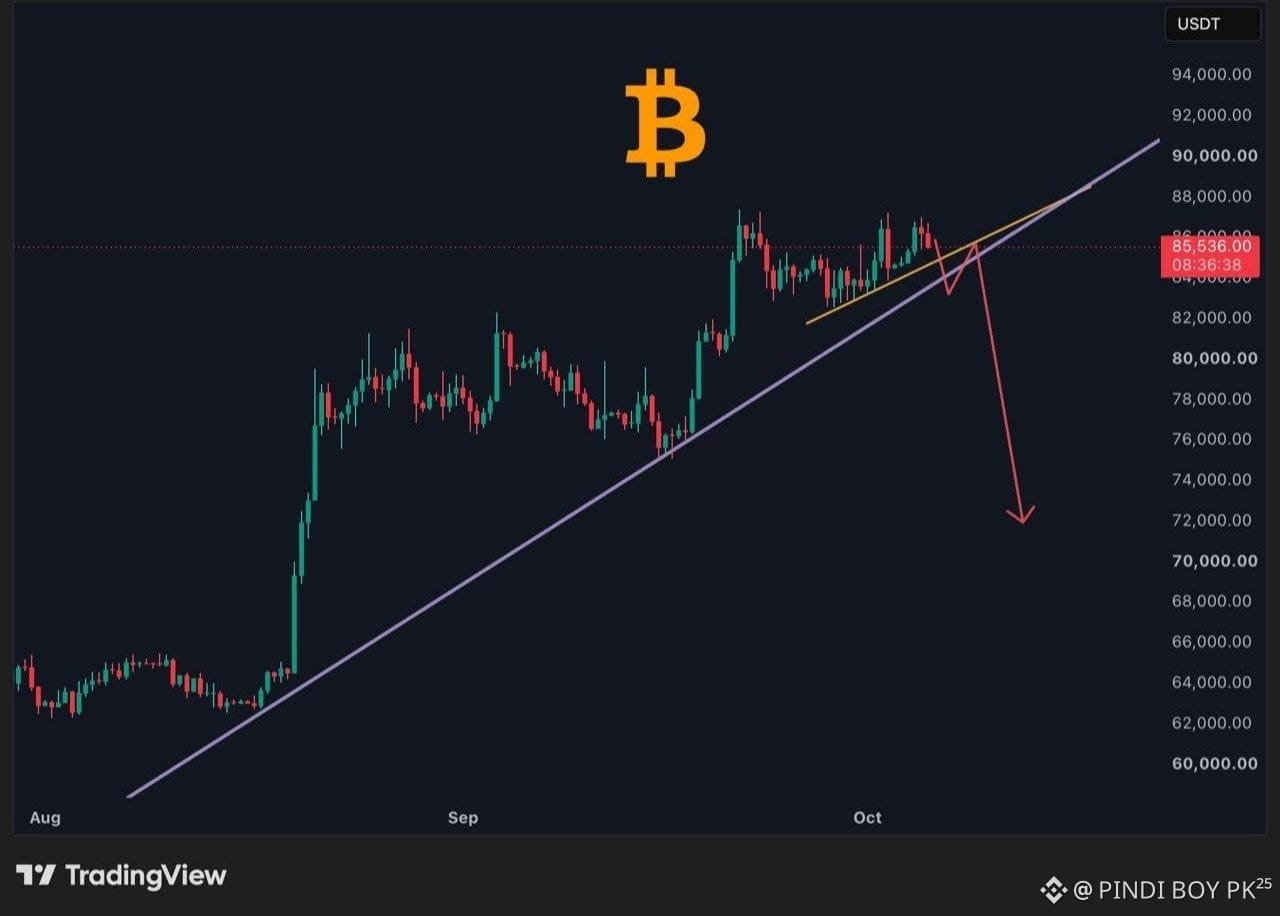
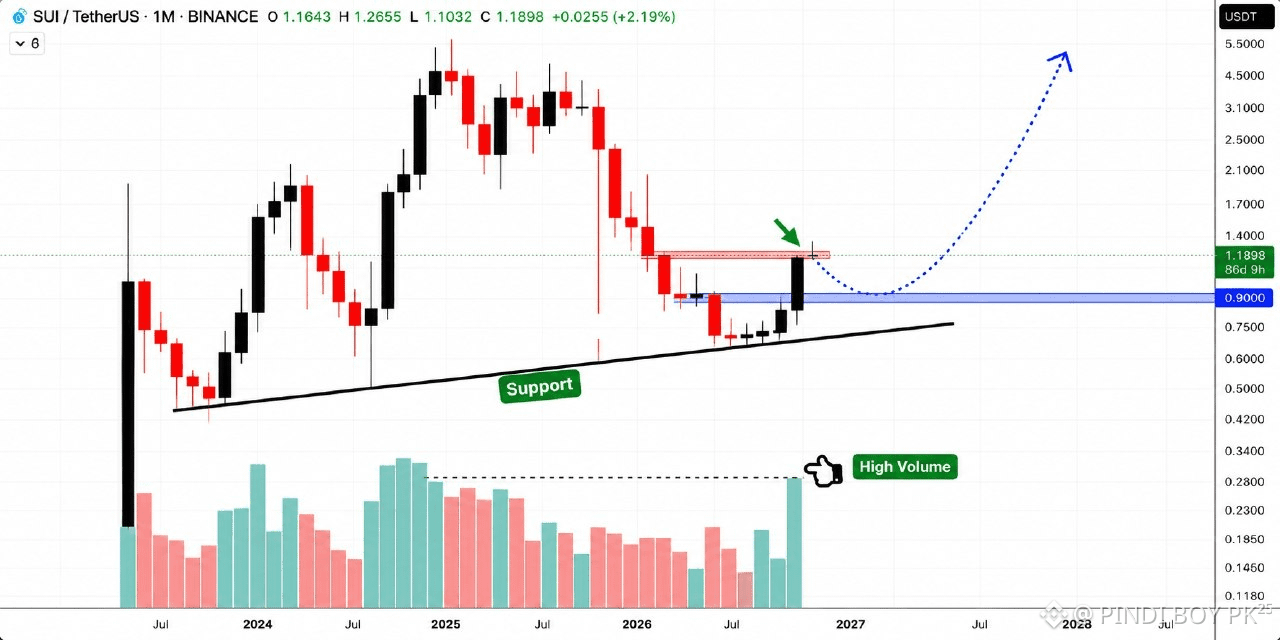
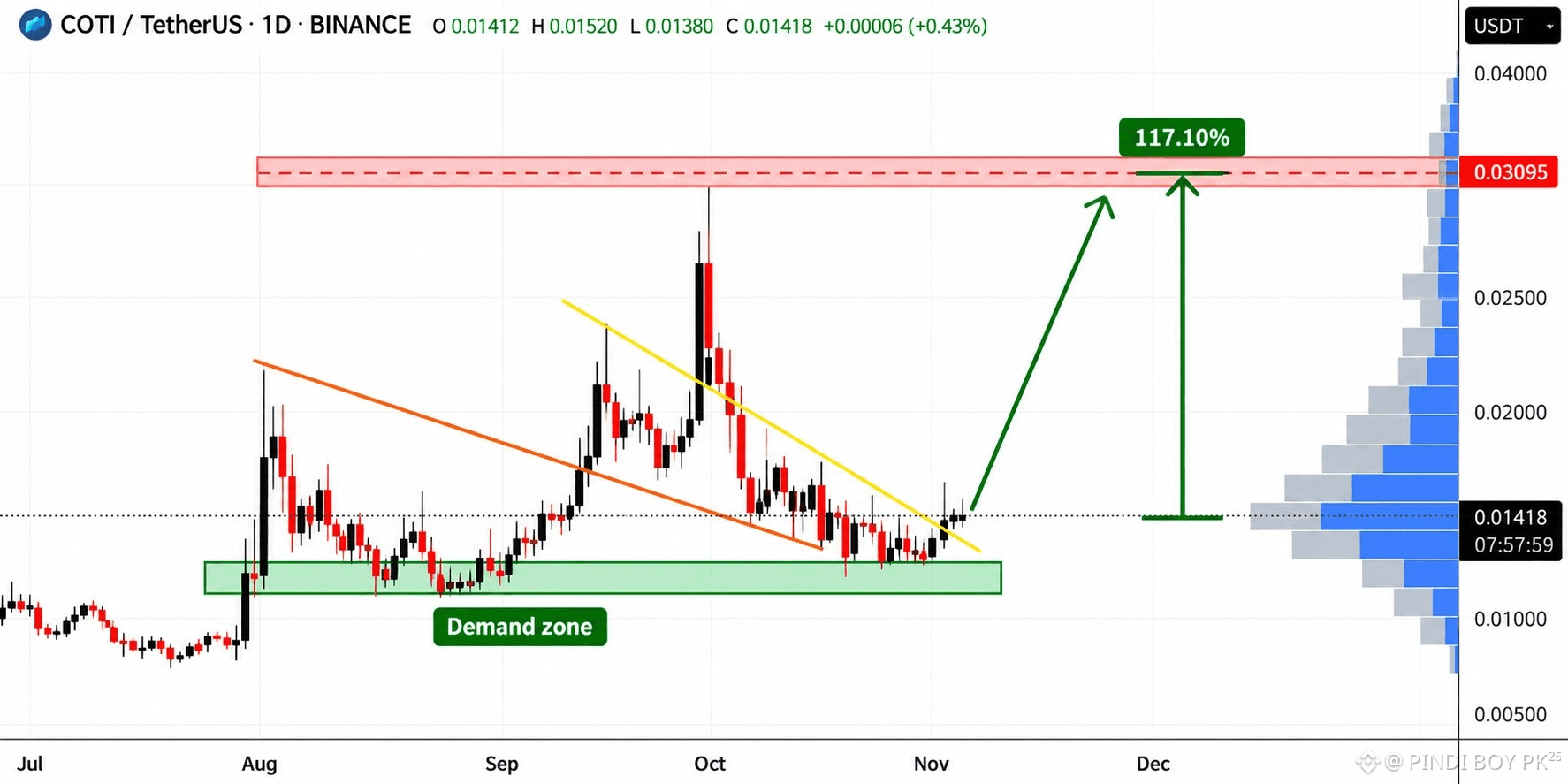
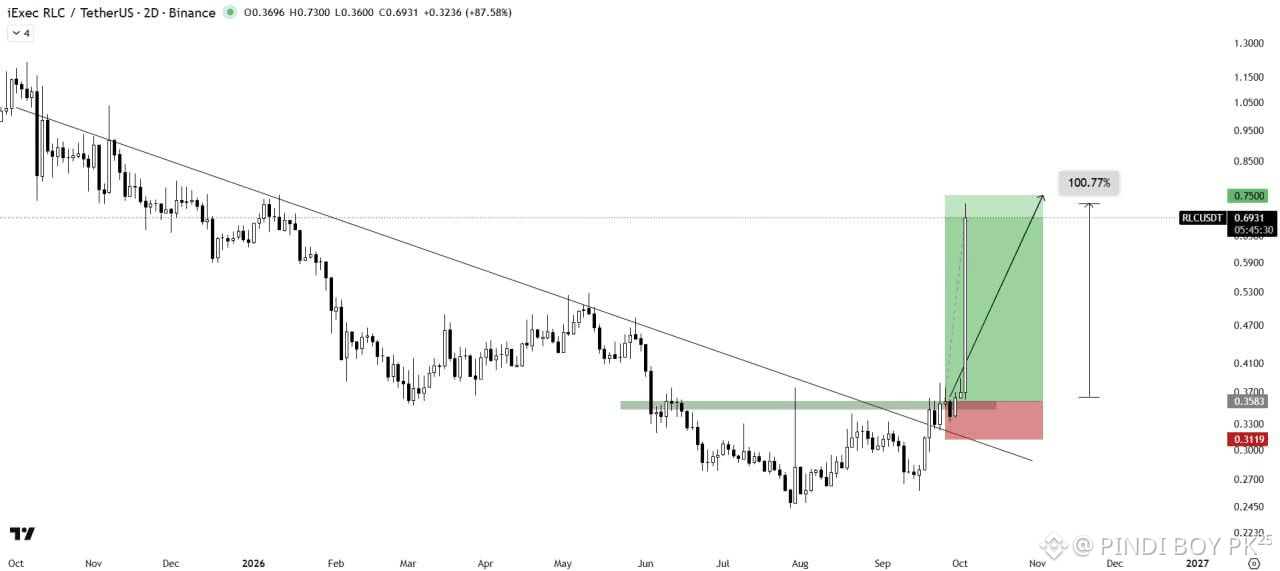


Binance Square Official
·
--
Introducing a new layer of intelligence for everything finance.
Join the Binance Intelligence launch livestream for an early look at what we've been building.
🗓 Oct 5 | 12:00 UTC
📍 Binance Square Official
Repost this post and tag @Binance Square Official to share your vision for Binance Intelligence for a chance to be one of 5 winners selected for a 20 USDC reward.
Join the Binance Intelligence launch livestream for an early look at what we've been building.
🗓 Oct 5 | 12:00 UTC
📍 Binance Square Official
Repost this post and tag @Binance Square Official to share your vision for Binance Intelligence for a chance to be one of 5 winners selected for a 20 USDC reward.

Emmaa alex02
·
--
OCTOBER 5… BINANCE IS CLEARLY HIDING SOMETHING 👀
Binance could have simply announced the date, but instead they left us with one line:
“Wish we could say more.”
And honestly… that makes me even more curious. 😅
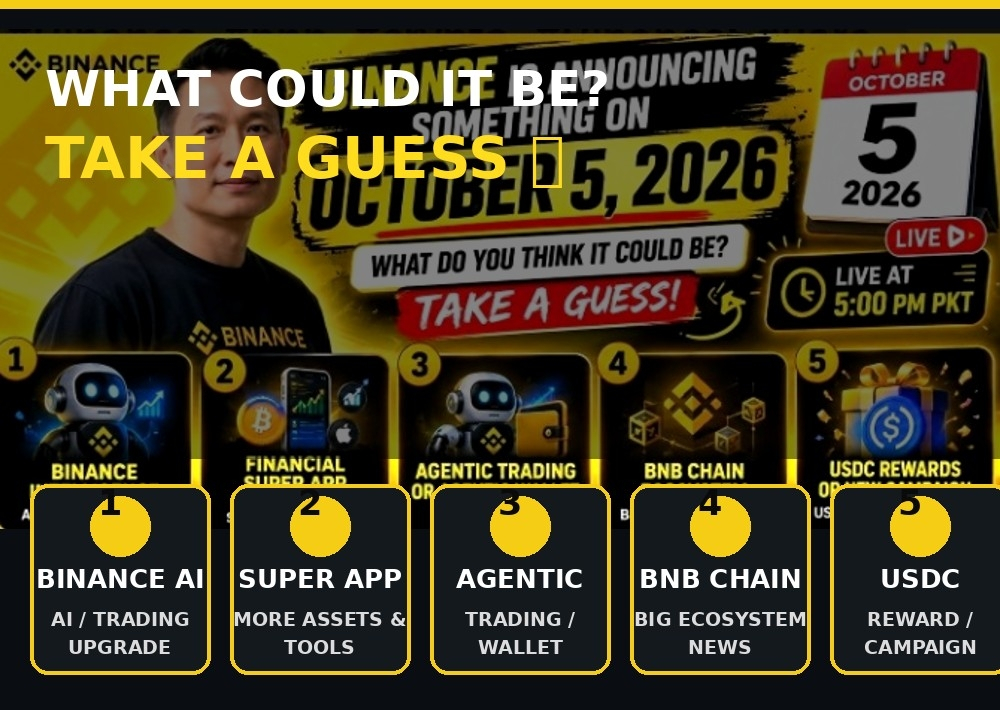
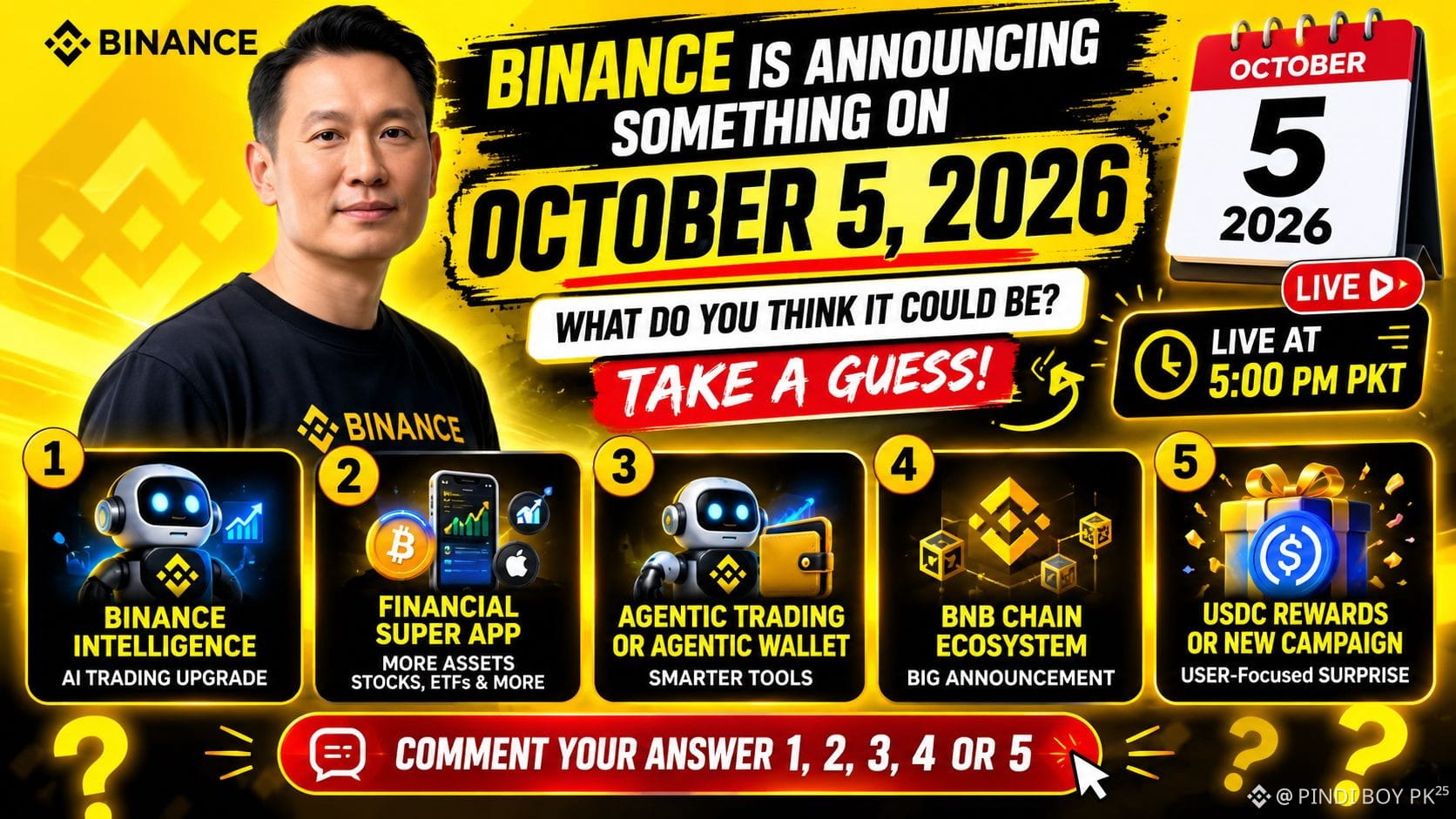
I’ve been thinking about what could be behind this teaser. Maybe it’s something related to AI, smarter trading, Agentic Finance,
BNB Chain or perhaps something nobody is expecting.
My guesses right now:
1 * AI-powered trading tools
2 * A new Binance wallet feature
3 * Bigger financial super-app plans
4 *Something major for the BNB ecosystem
5 *Or a completely unexpected surprise 👀
Of course, nothing is confirmed yet.
But Binance is literally asking us to guess, so let’s play along.
What’s your gut feeling? 👇
Drop your prediction before October 5.
#Binance #BNB #Crypto #BinanceSquare #trading $BTC $BNB $USDC
Binance could have simply announced the date, but instead they left us with one line:
“Wish we could say more.”
And honestly… that makes me even more curious. 😅
I’ve been thinking about what could be behind this teaser. Maybe it’s something related to AI, smarter trading, Agentic Finance,
BNB Chain or perhaps something nobody is expecting.
My guesses right now:
1 * AI-powered trading tools
2 * A new Binance wallet feature
3 * Bigger financial super-app plans
4 *Something major for the BNB ecosystem
5 *Or a completely unexpected surprise 👀
Of course, nothing is confirmed yet.
But Binance is literally asking us to guess, so let’s play along.
What’s your gut feeling? 👇
Drop your prediction before October 5.
#Binance #BNB #Crypto #BinanceSquare #trading $BTC $BNB $USDC

Queen_DoLL
·
--
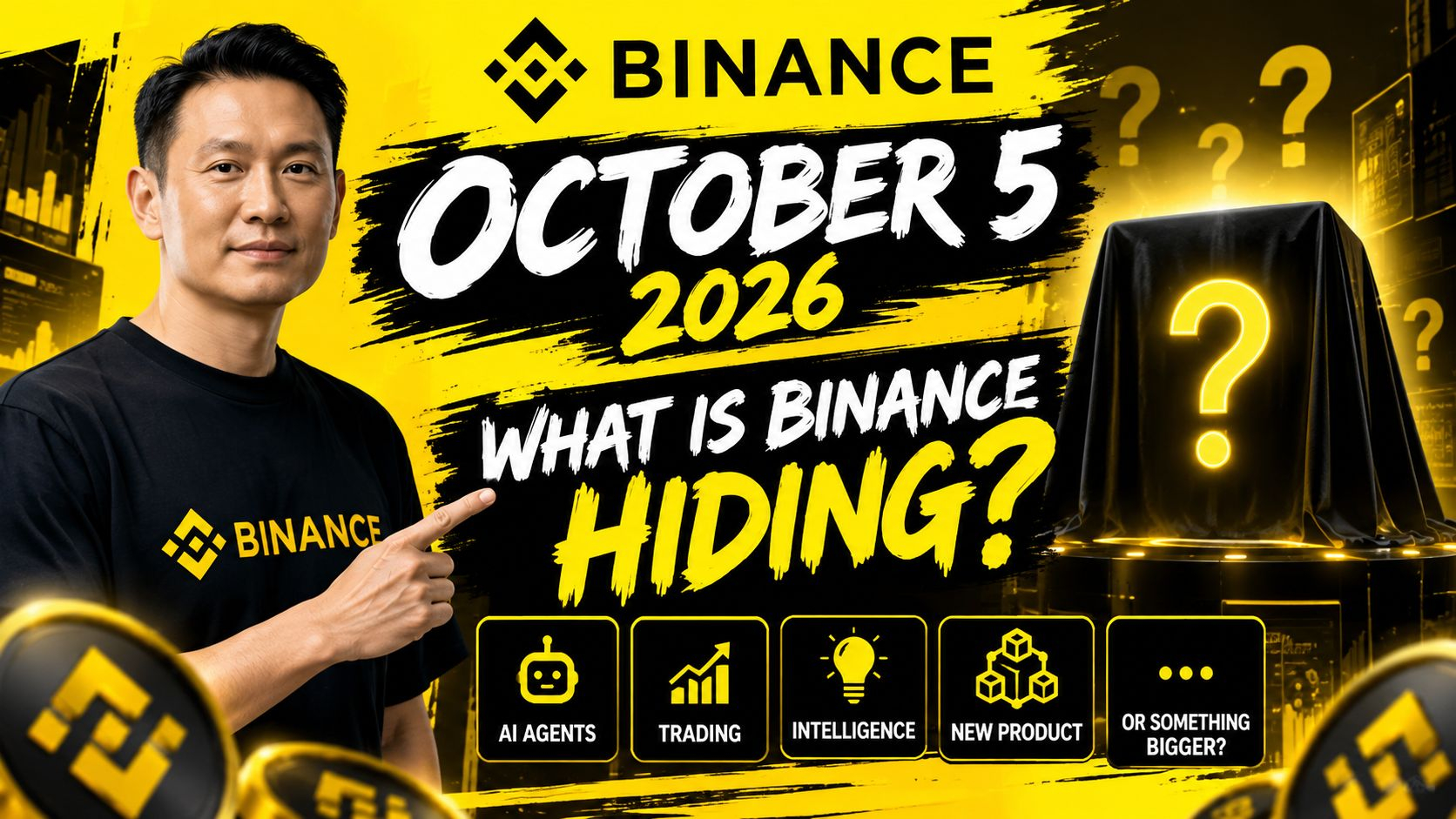
🚨 BINANCE IS HIDING SOMETHING BIG…
October 5, 2026.
Binance has given us a date… but the actual announcement is still a mystery.
“Wish we could say more.”
That line definitely caught my attention.
My personal guess?
“My personal guess: this could be related to AI, trading tools, or the broader Binance ecosystem. But that’s only speculation for now.”
“Binance has been exploring new directions across AI and trading, which makes October 5 an interesting date to watch.”
But let’s be clear — this is only my GUESS. Binance hasn’t officially confirmed what’s coming.
And that’s what makes this teaser even more interesting.
“Could October 5 reveal a new product or feature? We’ll have to wait for the official announcement.”
More powerful AI Agents?
Or something completely different that nobody is expecting?
October 5 should reveal the answer.
What’s YOUR guess? Plz comments 👇
$AIN $SPORTFUN $STRK
#Binance #crypto #AI #Web3 #bitcoin
October 5, 2026.
Binance has given us a date… but the actual announcement is still a mystery.
“Wish we could say more.”
That line definitely caught my attention.
My personal guess?
“My personal guess: this could be related to AI, trading tools, or the broader Binance ecosystem. But that’s only speculation for now.”
“Binance has been exploring new directions across AI and trading, which makes October 5 an interesting date to watch.”
But let’s be clear — this is only my GUESS. Binance hasn’t officially confirmed what’s coming.
And that’s what makes this teaser even more interesting.
“Could October 5 reveal a new product or feature? We’ll have to wait for the official announcement.”
More powerful AI Agents?
Or something completely different that nobody is expecting?
October 5 should reveal the answer.
What’s YOUR guess? Plz comments 👇
$AIN $SPORTFUN $STRK
#Binance #crypto #AI #Web3 #bitcoin
Votre contenu coté a été supprimé
🎙️ Learning and Earning with poindiboy 💚 Pala Pala u pala pala me

Fin
03 h 19 min 10 sec
828
0
Connectez-vous pour découvrir plus de contenu