

BELLA BIT
16.8k Publications

BELLA BIT
 Compte Square Vérifié+
Signaler
Bloquer l’utilisateur
Posts are personal opinions
Ouvert au trading
Trade régulièrement
2 an(s)
1.8K+ Suivis
31.3K+ Abonnés
41.6K+ J’aime
Publications
Portefeuille
Tous
Citations
Direct
·
--
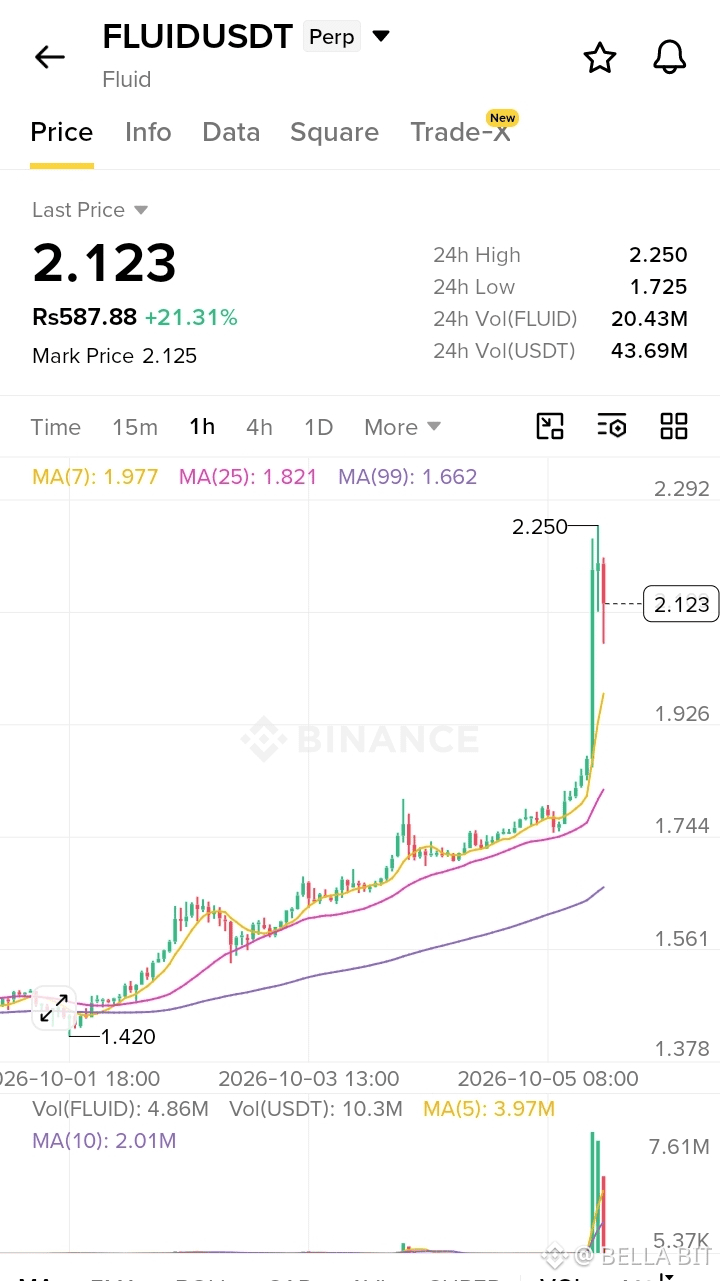
🚀 $FLUID MASSIVE BREAKOUT — BUT PRICE IS EXTENDED!
$FLUID surged from the $1.70–$1.80 zone and ripped toward a fresh local high near $2.23. Momentum remains strongly bullish, but chasing after this vertical move comes with increased risk.
📍 Current Price: ~$2.21
🔴 Resistance: $2.23–$2.26
🟢 Support: $2.10–$2.12
🎯 Retest Zone: $1.95–$2.00
🚀 Targets: $2.25 → $2.35–$2.40
A clean breakout above $2.23 could fuel further upside. If momentum cools, a pullback toward $2.10 or even $2.00 could be a healthy retest before another leg higher.
{future}(FLUIDUSDT)
#FLUIDUSDT
#fluid
#ETHUp70%InQ3ButLiquidityFalls
#EthStakingExitQueueHits2026High
🚀 $FLUID MASSIVE BREAKOUT — BUT PRICE IS EXTENDED!
$FLUID surged from the $1.70–$1.80 zone and ripped toward a fresh local high near $2.23. Momentum remains strongly bullish, but chasing after this vertical move comes with increased risk.
📍 Current Price: ~$2.21
🔴 Resistance: $2.23–$2.26
🟢 Support: $2.10–$2.12
🎯 Retest Zone: $1.95–$2.00
🚀 Targets: $2.25 → $2.35–$2.40
A clean breakout above $2.23 could fuel further upside. If momentum cools, a pullback toward $2.10 or even $2.00 could be a healthy retest before another leg higher.
#FLUIDUSDT
#fluid
#ETHUp70%InQ3ButLiquidityFalls
#EthStakingExitQueueHits2026High
$FLUID surged from the $1.70–$1.80 zone and ripped toward a fresh local high near $2.23. Momentum remains strongly bullish, but chasing after this vertical move comes with increased risk.
📍 Current Price: ~$2.21
🔴 Resistance: $2.23–$2.26
🟢 Support: $2.10–$2.12
🎯 Retest Zone: $1.95–$2.00
🚀 Targets: $2.25 → $2.35–$2.40
A clean breakout above $2.23 could fuel further upside. If momentum cools, a pullback toward $2.10 or even $2.00 could be a healthy retest before another leg higher.
#FLUIDUSDT
#fluid
#ETHUp70%InQ3ButLiquidityFalls
#EthStakingExitQueueHits2026High
219
·
--
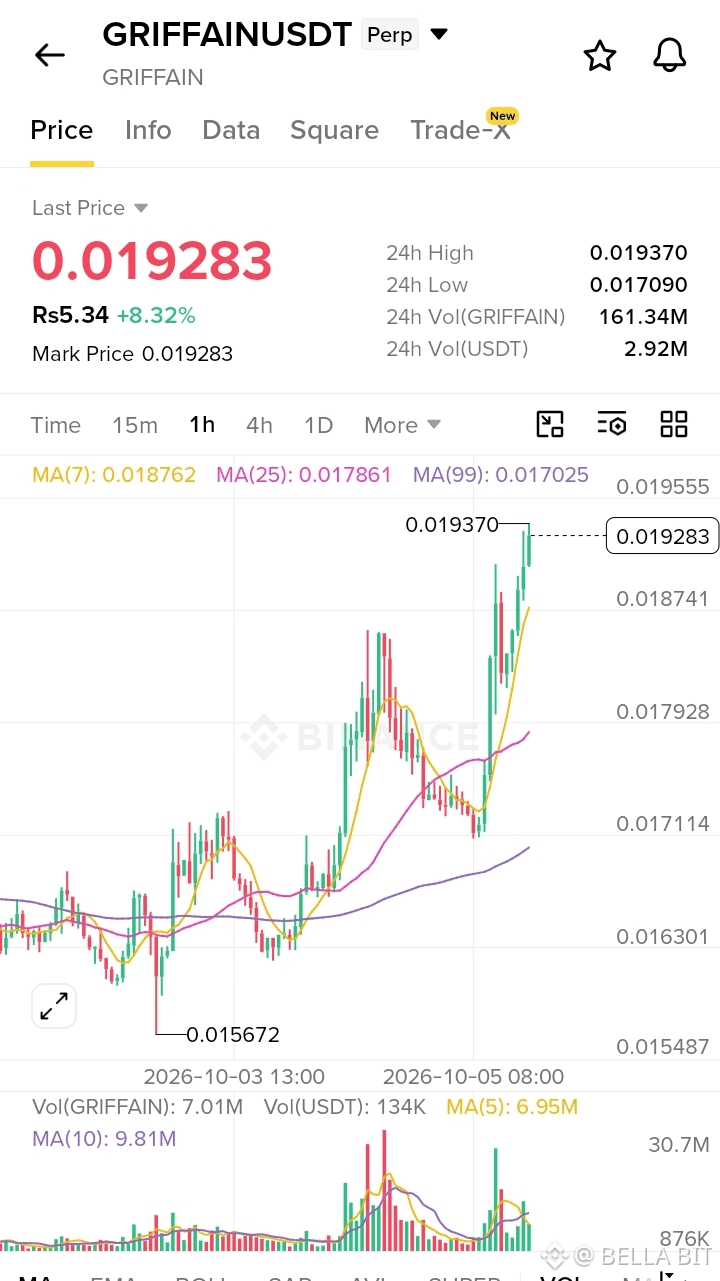
🚀 $GRIFFAIN is showing strong bullish momentum and approaching a key breakout zone!
📍 Entry: $0.0188 – $0.0192
🎯 TP1: $0.0195 | TP2: $0.0200 | TP3: $0.0206
🛑 SL: $0.0182
Watch for breakout confirmation and manage risk carefully.
#GRIFFAIN🔥🔥🔥
#GRIFFANUSDT
#ETHUp70%InQ3ButLiquidityFalls
#EthStakingExitQueueHits2026High
#FedOctoberHoldOdds82.3%
{future}(GRIFFAINUSDT)
🚀 $GRIFFAIN is showing strong bullish momentum and approaching a key breakout zone!
📍 Entry: $0.0188 – $0.0192
🎯 TP1: $0.0195 | TP2: $0.0200 | TP3: $0.0206
🛑 SL: $0.0182
Watch for breakout confirmation and manage risk carefully.
#GRIFFAIN🔥🔥🔥
#GRIFFANUSDT
#ETHUp70%InQ3ButLiquidityFalls
#EthStakingExitQueueHits2026High
#FedOctoberHoldOdds82.3%
📍 Entry: $0.0188 – $0.0192
🎯 TP1: $0.0195 | TP2: $0.0200 | TP3: $0.0206
🛑 SL: $0.0182
Watch for breakout confirmation and manage risk carefully.
#GRIFFAIN🔥🔥🔥
#GRIFFANUSDT
#ETHUp70%InQ3ButLiquidityFalls
#EthStakingExitQueueHits2026High
#FedOctoberHoldOdds82.3%
344
·
--
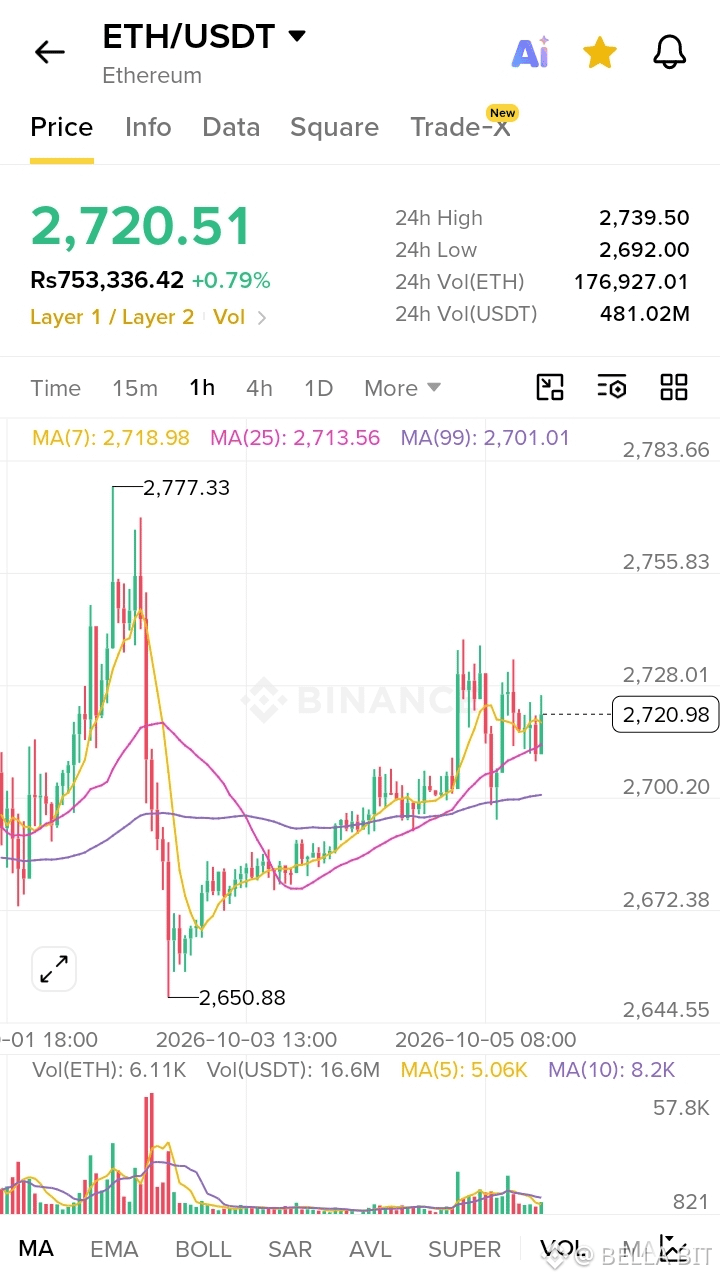
🚨 Guys, $ETH BIG LONG Setup Is Live! 🚨
📍 Entry: $2,718 – $2,723
🎯 TP1: $2,740 | TP2: $2,755 | TP3: $2,768
🛑 SL: $2,693
Trade with proper risk management and avoid overleveraging. $ETH
{spot}(ETHUSDT)
#ETH
#Ethereum
#ETHUp70%InQ3ButLiquidityFalls
#EthStakingExitQueueHits2026High
#FedOctoberHoldOdds82.3%
🚨 Guys, $ETH BIG LONG Setup Is Live! 🚨
📍 Entry: $2,718 – $2,723
🎯 TP1: $2,740 | TP2: $2,755 | TP3: $2,768
🛑 SL: $2,693
Trade with proper risk management and avoid overleveraging. $ETH
#ETH
#Ethereum
#ETHUp70%InQ3ButLiquidityFalls
#EthStakingExitQueueHits2026High
#FedOctoberHoldOdds82.3%
📍 Entry: $2,718 – $2,723
🎯 TP1: $2,740 | TP2: $2,755 | TP3: $2,768
🛑 SL: $2,693
Trade with proper risk management and avoid overleveraging. $ETH
#ETH
#Ethereum
#ETHUp70%InQ3ButLiquidityFalls
#EthStakingExitQueueHits2026High
#FedOctoberHoldOdds82.3%
151
·
--
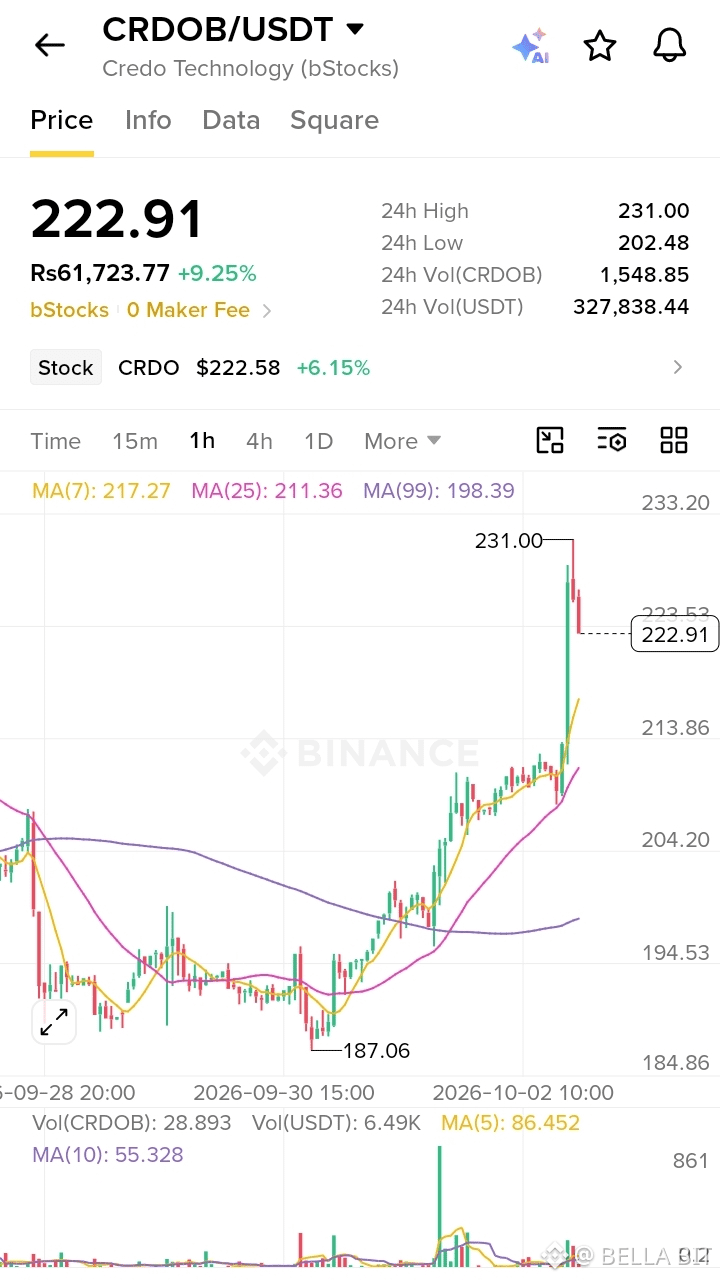
⚠️$CRDOB REJECTING AFTER SHARP MOVE HIGHER
$CRDOB is facing rejection after the recent push up, with downside pressure starting to appear.
🔻 Short Entry: $223.90–$225.00
🎯 TP1: $220.00 | TP2: $217.00 | TP3: $214.26
🛑 SL: $231.19
Watch the resistance zone closely and manage risk carefully
{spot}(CRDOBUSDT)
#CRDOUSDT
#NFPWatch #BitcoinFundingRateTriplesTo10%
#USSeptemberPayrollsAdd29KUnemploymentRises4.2%
⚠️$CRDOB REJECTING AFTER SHARP MOVE HIGHER
$CRDOB is facing rejection after the recent push up, with downside pressure starting to appear.
🔻 Short Entry: $223.90–$225.00
🎯 TP1: $220.00 | TP2: $217.00 | TP3: $214.26
🛑 SL: $231.19
Watch the resistance zone closely and manage risk carefully
#CRDOUSDT
#NFPWatch #BitcoinFundingRateTriplesTo10%
#USSeptemberPayrollsAdd29KUnemploymentRises4.2%
$CRDOB is facing rejection after the recent push up, with downside pressure starting to appear.
🔻 Short Entry: $223.90–$225.00
🎯 TP1: $220.00 | TP2: $217.00 | TP3: $214.26
🛑 SL: $231.19
Watch the resistance zone closely and manage risk carefully
#CRDOUSDT
#NFPWatch #BitcoinFundingRateTriplesTo10%
#USSeptemberPayrollsAdd29KUnemploymentRises4.2%
1
128
·
--
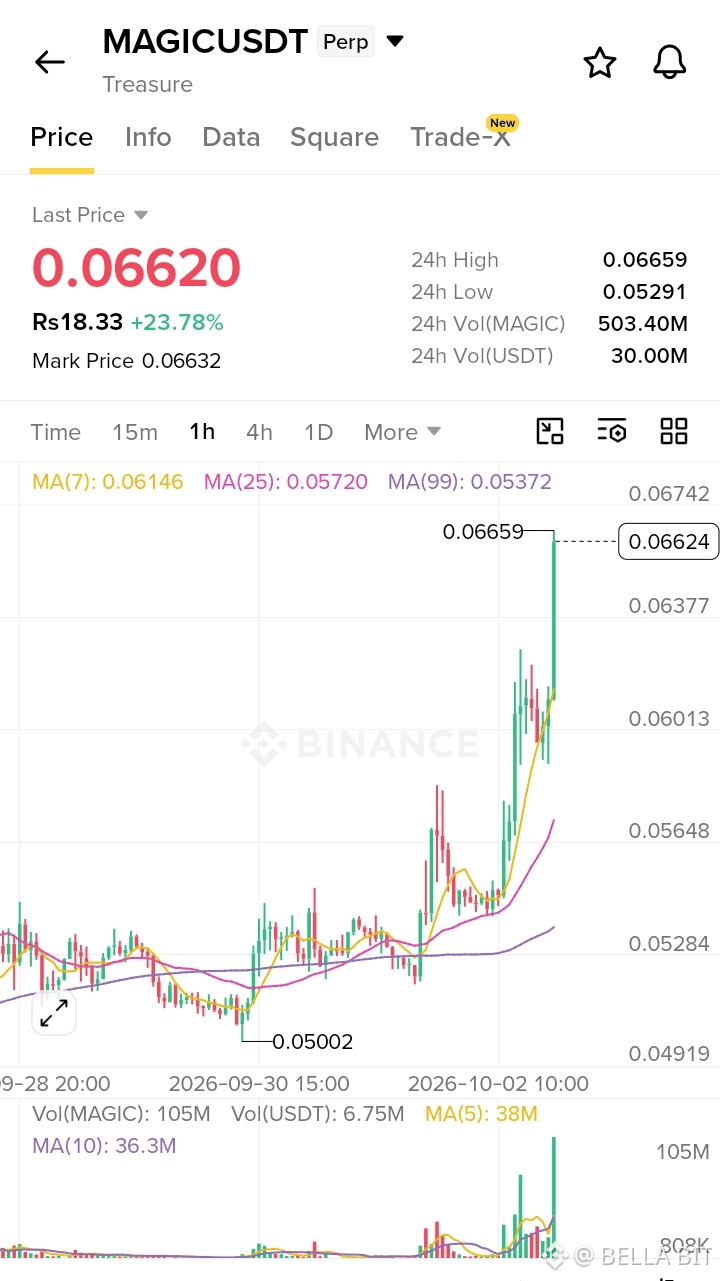
🚀 $MAGIC BREAKOUT CONFIRMED… BULLISH MOMENTUM HOLDS
$MAGIC surged from around $0.0500 to $0.0648, gaining +23.72% in 24H as buyers continue to dominate.
📈 Recent High: $0.06482
💰 Current Price: ~$0.0644
If price holds above the breakout zone, a move above $0.065 could open the door for another leg higher.
{future}(MAGICUSDT)
#magicusdt
#MAGIC
#NFPWatch
#XRPPostsFirstThreeGreenMonthsInQ3
#MAGIC/USDT
🚀 $MAGIC BREAKOUT CONFIRMED… BULLISH MOMENTUM HOLDS
$MAGIC surged from around $0.0500 to $0.0648, gaining +23.72% in 24H as buyers continue to dominate.
📈 Recent High: $0.06482
💰 Current Price: ~$0.0644
If price holds above the breakout zone, a move above $0.065 could open the door for another leg higher.
#magicusdt
#MAGIC
#NFPWatch
#XRPPostsFirstThreeGreenMonthsInQ3
#MAGIC/USDT
$MAGIC surged from around $0.0500 to $0.0648, gaining +23.72% in 24H as buyers continue to dominate.
📈 Recent High: $0.06482
💰 Current Price: ~$0.0644
If price holds above the breakout zone, a move above $0.065 could open the door for another leg higher.
#magicusdt
#MAGIC
#NFPWatch
#XRPPostsFirstThreeGreenMonthsInQ3
#MAGIC/USDT
1
298
·
--
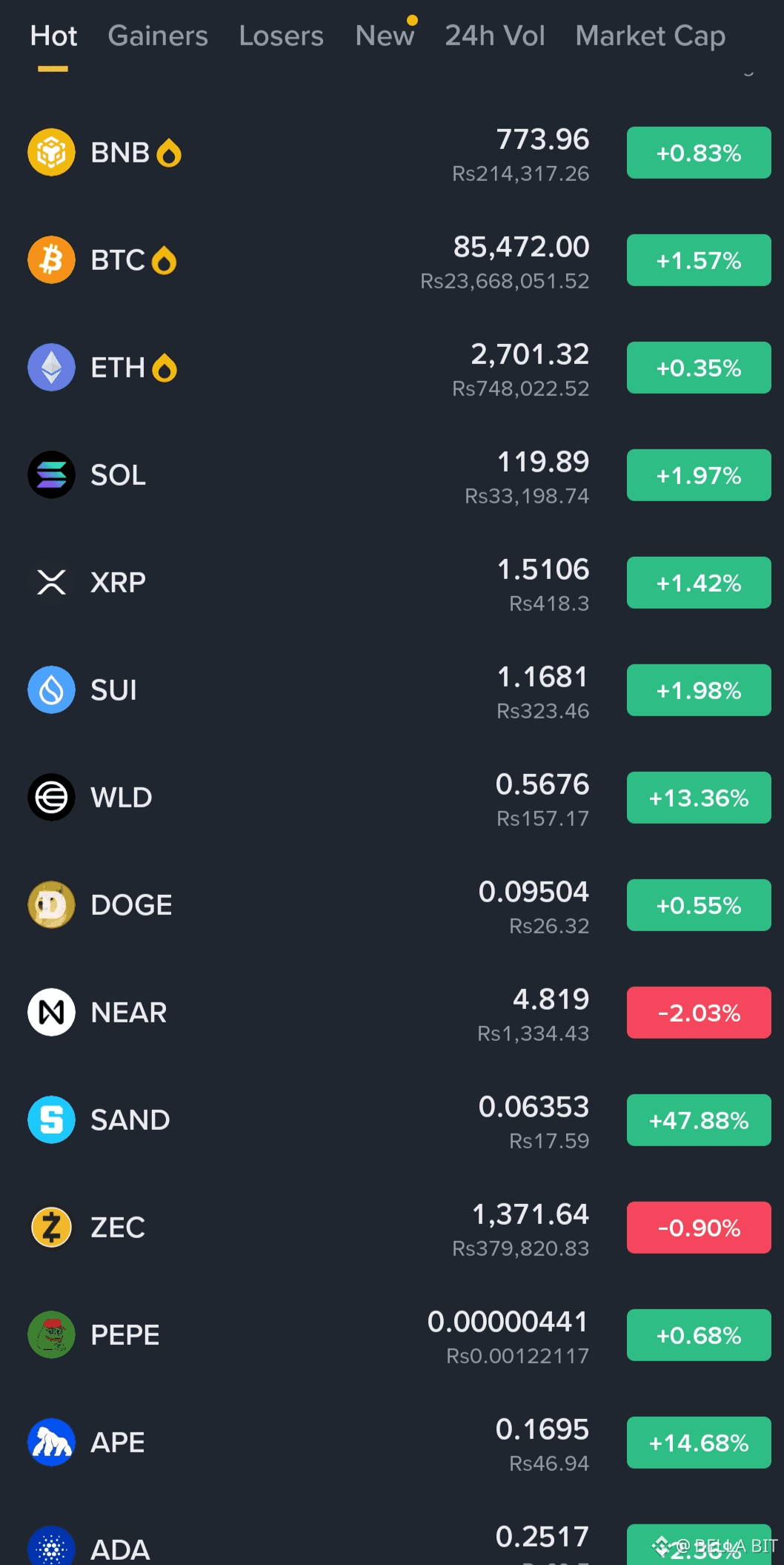
🔥 HOT COINS REJECTED AGAIN… RETEST PHASE RETURNS
As expected, the market recovered strongly but faced another rejection near key resistance zones.
$BTC , $ETH , $SOL , #XRP and other hot coins are pulling back after testing resistance, bringing the retest and correction phase back into focus.
Until resistance breaks cleanly, rejection risk remains. For now, the market is still ranging between support below and resistance above.
#NFPWatch
#ALTCOİNS
#ZcashFalls21%FromSeptemberPeak
#BitcoinFundingRateTriplesTo10%
🔥 HOT COINS REJECTED AGAIN… RETEST PHASE RETURNS
As expected, the market recovered strongly but faced another rejection near key resistance zones.
$BTC , $ETH , $SOL , #XRP and other hot coins are pulling back after testing resistance, bringing the retest and correction phase back into focus.
Until resistance breaks cleanly, rejection risk remains. For now, the market is still ranging between support below and resistance above.
#NFPWatch
#ALTCOİNS
#ZcashFalls21%FromSeptemberPeak
#BitcoinFundingRateTriplesTo10%
As expected, the market recovered strongly but faced another rejection near key resistance zones.
$BTC , $ETH , $SOL , #XRP and other hot coins are pulling back after testing resistance, bringing the retest and correction phase back into focus.
Until resistance breaks cleanly, rejection risk remains. For now, the market is still ranging between support below and resistance above.
#NFPWatch
#ALTCOİNS
#ZcashFalls21%FromSeptemberPeak
#BitcoinFundingRateTriplesTo10%
112
·
--
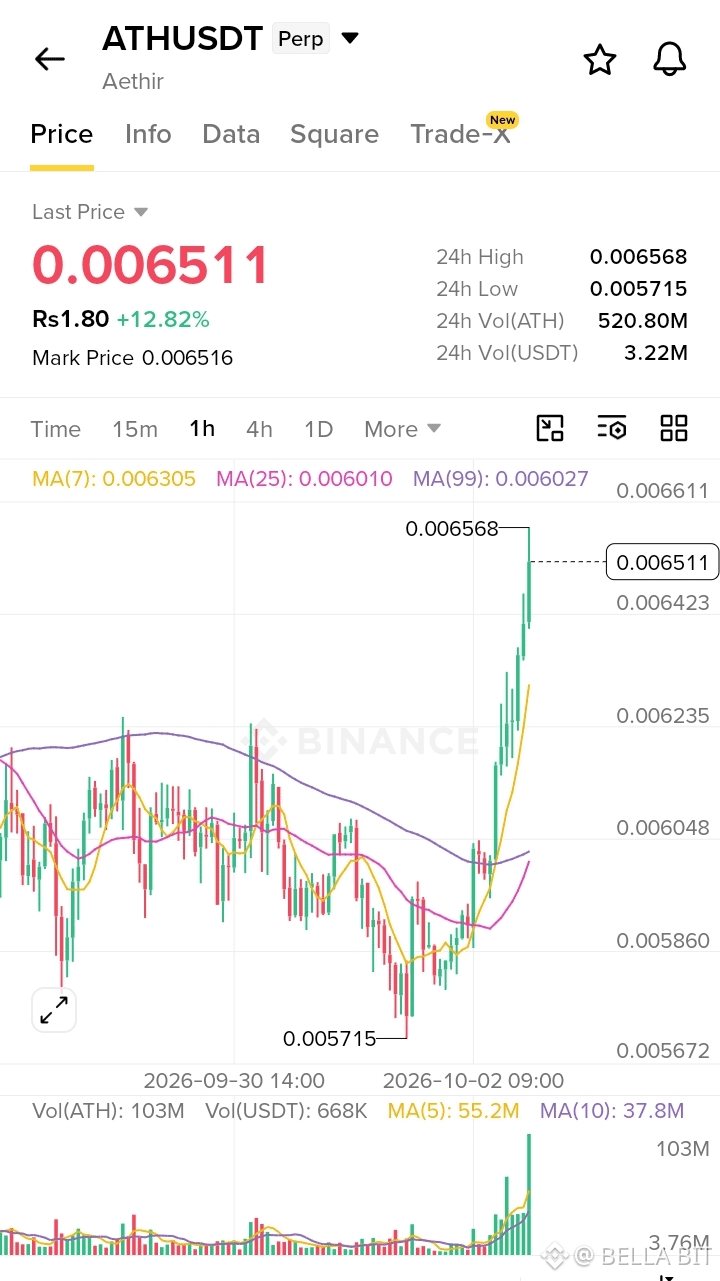
🚀 $ATH BREAKOUT — BULLS PUSHING HIGHER!
$ATH is showing strong bullish momentum after breaking into fresh short-term highs.
📌 Entry: $0.00638 – $0.00648
🎯 TP1: $0.00660
🎯 TP2: $0.00675
🎯 TP3: $0.00690
🛑 SL: $0.00618
Manage risk carefully after the sharp move and avoid chasing. NFA.
{future}(ATHUSDT)
#ATHusdt
#ATH
#NFPWatch
#BitcoinFundingRateTriplesTo10%
#ZcashFalls21%FromSeptemberPeak
🚀 $ATH BREAKOUT — BULLS PUSHING HIGHER!
$ATH is showing strong bullish momentum after breaking into fresh short-term highs.
📌 Entry: $0.00638 – $0.00648
🎯 TP1: $0.00660
🎯 TP2: $0.00675
🎯 TP3: $0.00690
🛑 SL: $0.00618
Manage risk carefully after the sharp move and avoid chasing. NFA.
#ATHusdt
#ATH
#NFPWatch
#BitcoinFundingRateTriplesTo10%
#ZcashFalls21%FromSeptemberPeak
$ATH is showing strong bullish momentum after breaking into fresh short-term highs.
📌 Entry: $0.00638 – $0.00648
🎯 TP1: $0.00660
🎯 TP2: $0.00675
🎯 TP3: $0.00690
🛑 SL: $0.00618
Manage risk carefully after the sharp move and avoid chasing. NFA.
#ATHusdt
#ATH
#NFPWatch
#BitcoinFundingRateTriplesTo10%
#ZcashFalls21%FromSeptemberPeak
1
93
·
--
🚀 $ATH BREAKOUT — BULLS PUSHING HIGHER!
$ATH is showing strong bullish momentum after breaking into fresh short-term highs.
📌 Entry: $0.00638 – $0.00648
🎯 TP1: $0.00660
🎯 TP2: $0.00675
🎯 TP3: $0.00690
🛑 SL: $0.00618
Manage risk carefully after the sharp move and avoid chasing.
{future}(ATHUSDT)
#ATHusdt
#ATH
#NFPWatch
#BitcoinFundingRateTriplesTo10%
🚀 $ATH BREAKOUT — BULLS PUSHING HIGHER!
$ATH is showing strong bullish momentum after breaking into fresh short-term highs.
📌 Entry: $0.00638 – $0.00648
🎯 TP1: $0.00660
🎯 TP2: $0.00675
🎯 TP3: $0.00690
🛑 SL: $0.00618
Manage risk carefully after the sharp move and avoid chasing.
#ATHusdt
#ATH
#NFPWatch
#BitcoinFundingRateTriplesTo10%
$ATH is showing strong bullish momentum after breaking into fresh short-term highs.
📌 Entry: $0.00638 – $0.00648
🎯 TP1: $0.00660
🎯 TP2: $0.00675
🎯 TP3: $0.00690
🛑 SL: $0.00618
Manage risk carefully after the sharp move and avoid chasing.
#ATHusdt
#ATH
#NFPWatch
#BitcoinFundingRateTriplesTo10%
387
·
--
🚀 $ATH BREAKOUT — BULLS PUSHING HIGHER!
$ATH is showing strong bullish momentum after breaking into fresh short-term highs.
📌 Entry: $0.00638 – $0.00648
🎯 TP1: $0.00660
🎯 TP2: $0.00675
🎯 TP3: $0.00690
🛑 SL: $0.00618
Manage risk carefully after the sharp move and avoid chasing.
{future}(ATHUSDT)
#ATHusdt
#ATH
#NFPWatch
#BitcoinFundingRateTriplesTo10%
🚀 $ATH BREAKOUT — BULLS PUSHING HIGHER!
$ATH is showing strong bullish momentum after breaking into fresh short-term highs.
📌 Entry: $0.00638 – $0.00648
🎯 TP1: $0.00660
🎯 TP2: $0.00675
🎯 TP3: $0.00690
🛑 SL: $0.00618
Manage risk carefully after the sharp move and avoid chasing.
#ATHusdt
#ATH
#NFPWatch
#BitcoinFundingRateTriplesTo10%
$ATH is showing strong bullish momentum after breaking into fresh short-term highs.
📌 Entry: $0.00638 – $0.00648
🎯 TP1: $0.00660
🎯 TP2: $0.00675
🎯 TP3: $0.00690
🛑 SL: $0.00618
Manage risk carefully after the sharp move and avoid chasing.
#ATHusdt
#ATH
#NFPWatch
#BitcoinFundingRateTriplesTo10%
257
·
--
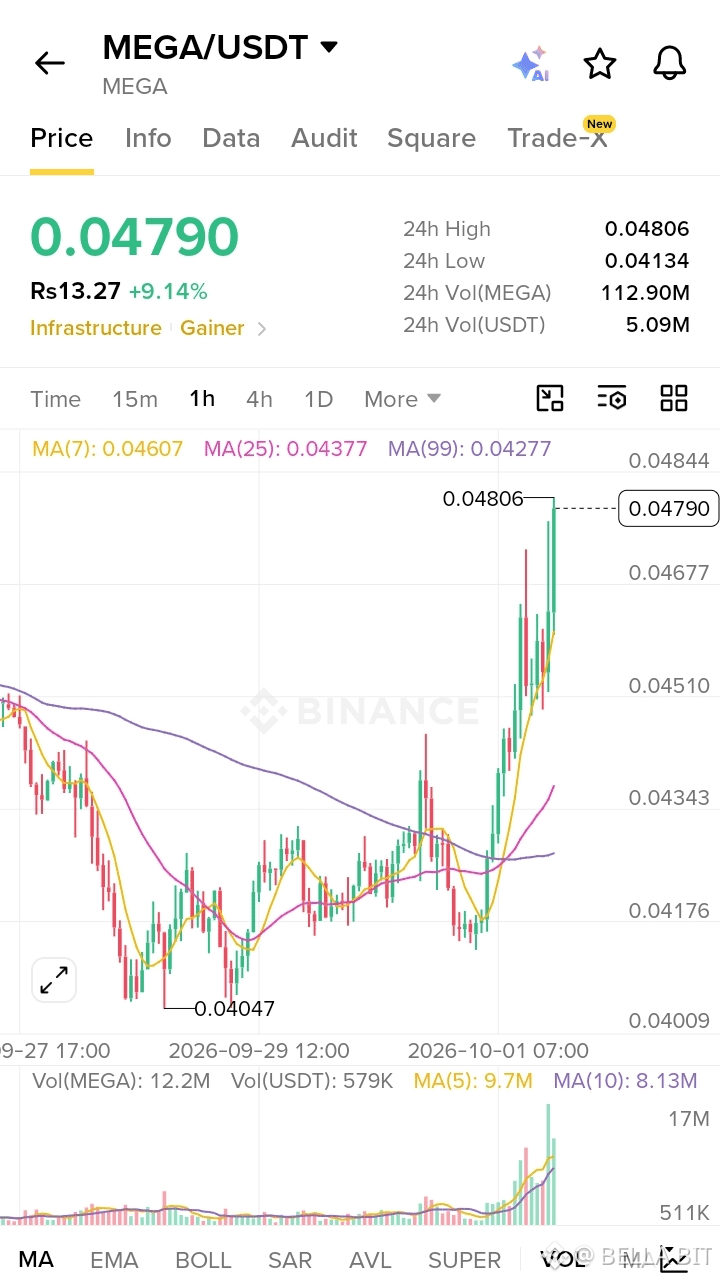
🚀 $MEGA BREAKOUT SETUP
$MEGA is pushing into fresh highs after a strong breakout. Holding above $0.0470 could support further upside toward $0.0500 and beyond.
Entry: $0.0470–$0.0478
TP1: $0.0488
TP2: $0.0500
TP3: $0.0520
SL: $0.0454
Trade with proper risk management. NFA.$MEGA
{spot}(MEGAUSDT)
#Mega
#MEGAUSDT
#USWeeklyJoblessClaimsFallTo197000
#AltcoinSeasonIndexHoldsAbove60For5Days
#AltcoinSeasonIndexHoldsAbove60For5Days
🚀 $MEGA BREAKOUT SETUP
$MEGA is pushing into fresh highs after a strong breakout. Holding above $0.0470 could support further upside toward $0.0500 and beyond.
Entry: $0.0470–$0.0478
TP1: $0.0488
TP2: $0.0500
TP3: $0.0520
SL: $0.0454
Trade with proper risk management. NFA.$MEGA
#Mega
#MEGAUSDT
#USWeeklyJoblessClaimsFallTo197000
#AltcoinSeasonIndexHoldsAbove60For5Days
#AltcoinSeasonIndexHoldsAbove60For5Days
$MEGA is pushing into fresh highs after a strong breakout. Holding above $0.0470 could support further upside toward $0.0500 and beyond.
Entry: $0.0470–$0.0478
TP1: $0.0488
TP2: $0.0500
TP3: $0.0520
SL: $0.0454
Trade with proper risk management. NFA.$MEGA
#Mega
#MEGAUSDT
#USWeeklyJoblessClaimsFallTo197000
#AltcoinSeasonIndexHoldsAbove60For5Days
#AltcoinSeasonIndexHoldsAbove60For5Days
422
·
--
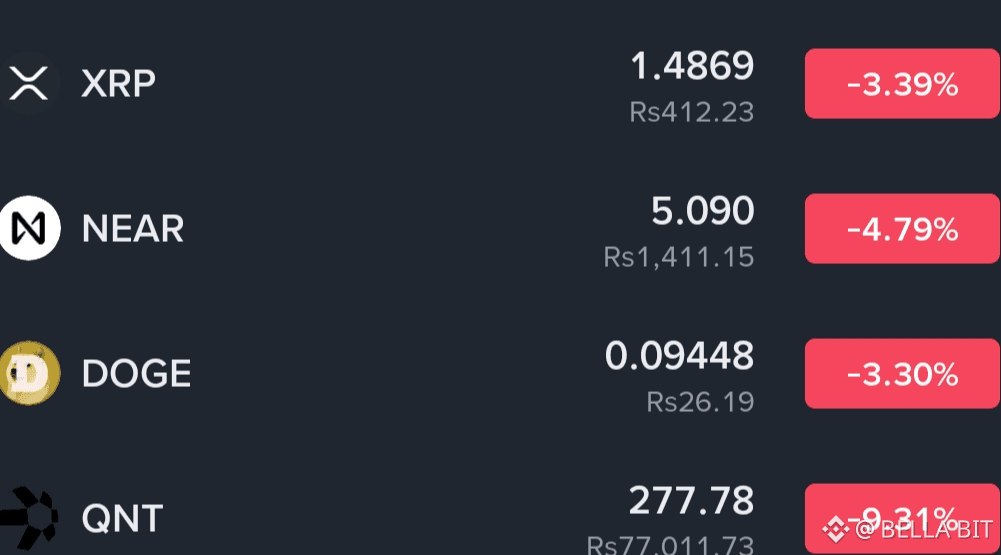
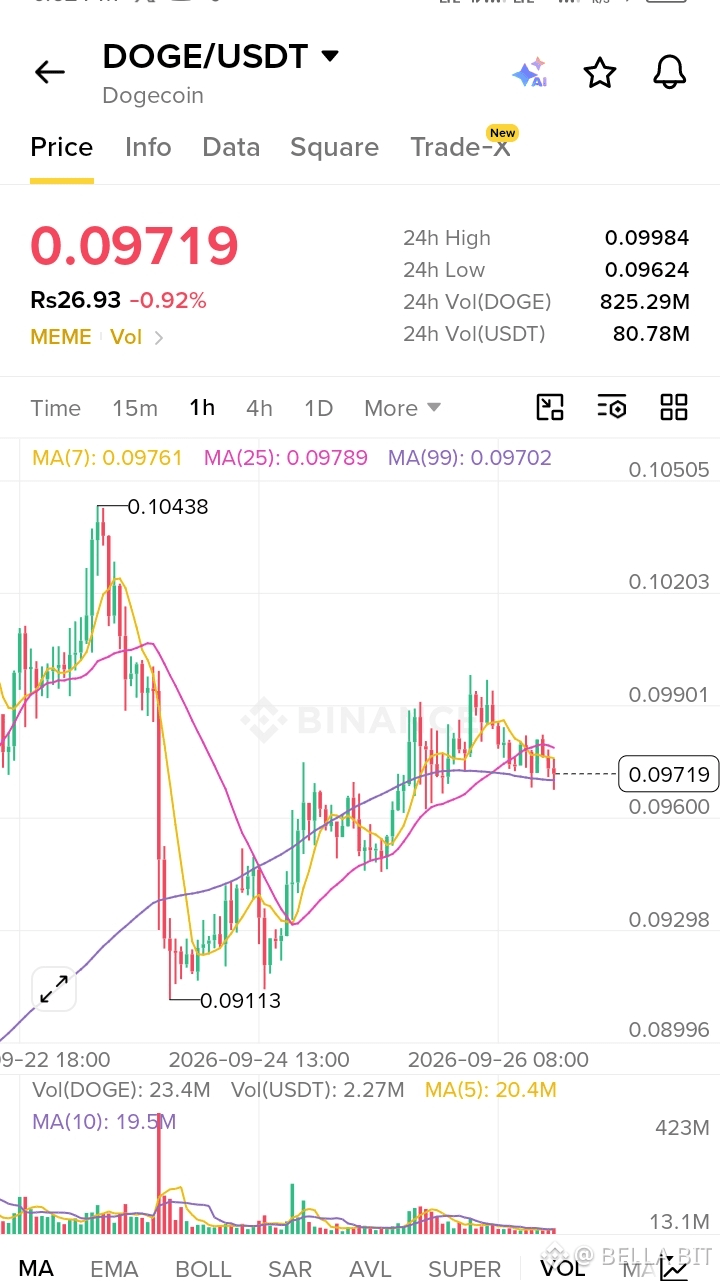
ALTCOINS REMAIN UNDER PRESSURE — SUPPORTS IN FOCUS 📉
Altcoins are facing renewed selling pressure, with
$XRP -3.39%,
$NEAR -4.79%
$DOGE -3.30%,
and
$QNT -9.31%.
Most are still holding above key support zones, keeping the structure intact for now. A strong reaction from support could trigger a bounce, while a breakdown may bring further downside.
For now: avoid chasing, watch support closely, and wait for confirmation.
#QNT/USDT
#Xrp🔥🔥
#NEAR🚀🚀🚀
#DOGE
#USADPAdds90000JobsInSeptember
ALTCOINS REMAIN UNDER PRESSURE — SUPPORTS IN FOCUS 📉
Altcoins are facing renewed selling pressure, with
$XRP -3.39%,
$NEAR -4.79%
$DOGE -3.30%,
and
$QNT -9.31%.
Most are still holding above key support zones, keeping the structure intact for now. A strong reaction from support could trigger a bounce, while a breakdown may bring further downside.
For now: avoid chasing, watch support closely, and wait for confirmation.
#QNT/USDT
#Xrp🔥🔥
#NEAR🚀🚀🚀
#DOGE
#USADPAdds90000JobsInSeptember
Altcoins are facing renewed selling pressure, with
$XRP -3.39%,
$NEAR -4.79%
$DOGE -3.30%,
and
$QNT -9.31%.
Most are still holding above key support zones, keeping the structure intact for now. A strong reaction from support could trigger a bounce, while a breakdown may bring further downside.
For now: avoid chasing, watch support closely, and wait for confirmation.
#QNT/USDT
#Xrp🔥🔥
#NEAR🚀🚀🚀
#DOGE
#USADPAdds90000JobsInSeptember
1
1.5k
·
--
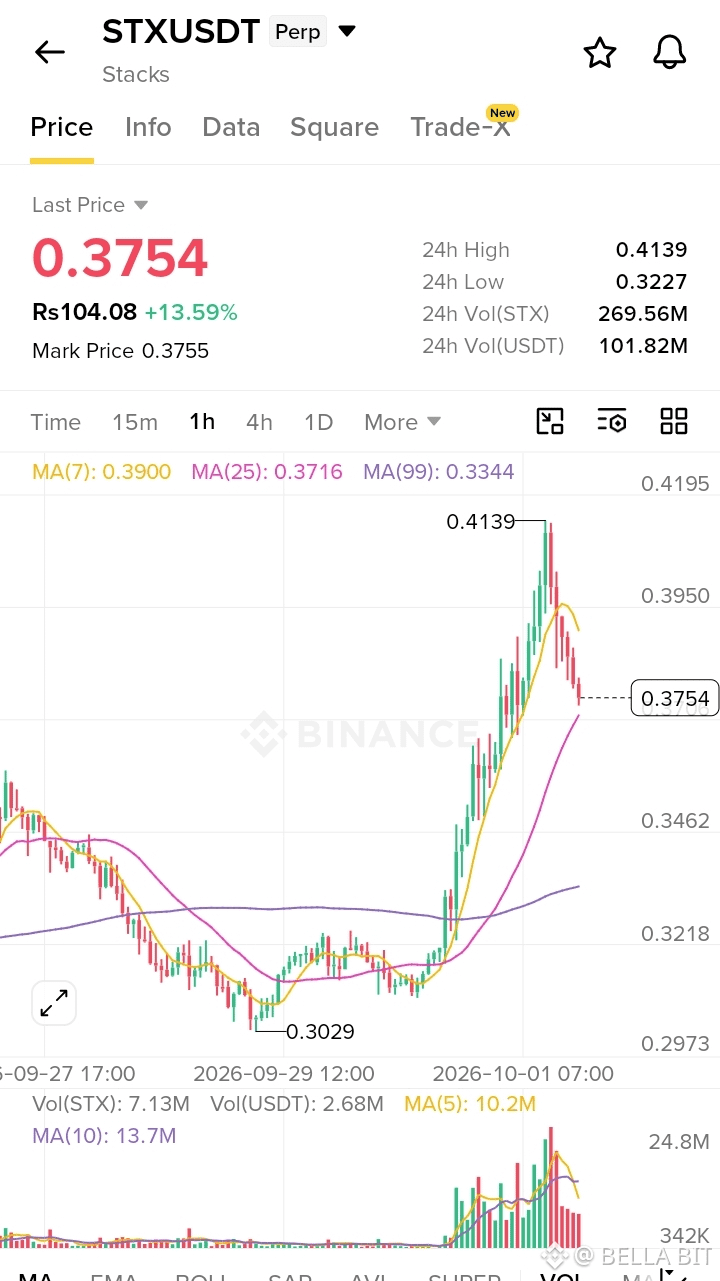
$STX DROPS AGAIN — BEARS IN CONTROL 📉
STX faced a strong rejection at $0.4139 and has slipped back toward $0.374. Short-term momentum remains bearish.
🔻 Support: $0.370
🔻 Next Support: $0.346
🔺 Resistance: $0.395–$0.414
As long as STX stays below $0.414, another downside retest remains possible.
Trade $STX with proper risk management.
{future}(STXUSDT)
#STXUSDT
#stx20
#US10YearYieldNears5.3%
#USWeeklyJoblessClaimsFallTo197000
#KoreaProposesTokenizingStocksAndBonds
$STX DROPS AGAIN — BEARS IN CONTROL 📉
STX faced a strong rejection at $0.4139 and has slipped back toward $0.374. Short-term momentum remains bearish.
🔻 Support: $0.370
🔻 Next Support: $0.346
🔺 Resistance: $0.395–$0.414
As long as STX stays below $0.414, another downside retest remains possible.
Trade $STX with proper risk management.
#STXUSDT
#stx20
#US10YearYieldNears5.3%
#USWeeklyJoblessClaimsFallTo197000
#KoreaProposesTokenizingStocksAndBonds
STX faced a strong rejection at $0.4139 and has slipped back toward $0.374. Short-term momentum remains bearish.
🔻 Support: $0.370
🔻 Next Support: $0.346
🔺 Resistance: $0.395–$0.414
As long as STX stays below $0.414, another downside retest remains possible.
Trade $STX with proper risk management.
#STXUSDT
#stx20
#US10YearYieldNears5.3%
#USWeeklyJoblessClaimsFallTo197000
#KoreaProposesTokenizingStocksAndBonds
116
·
--
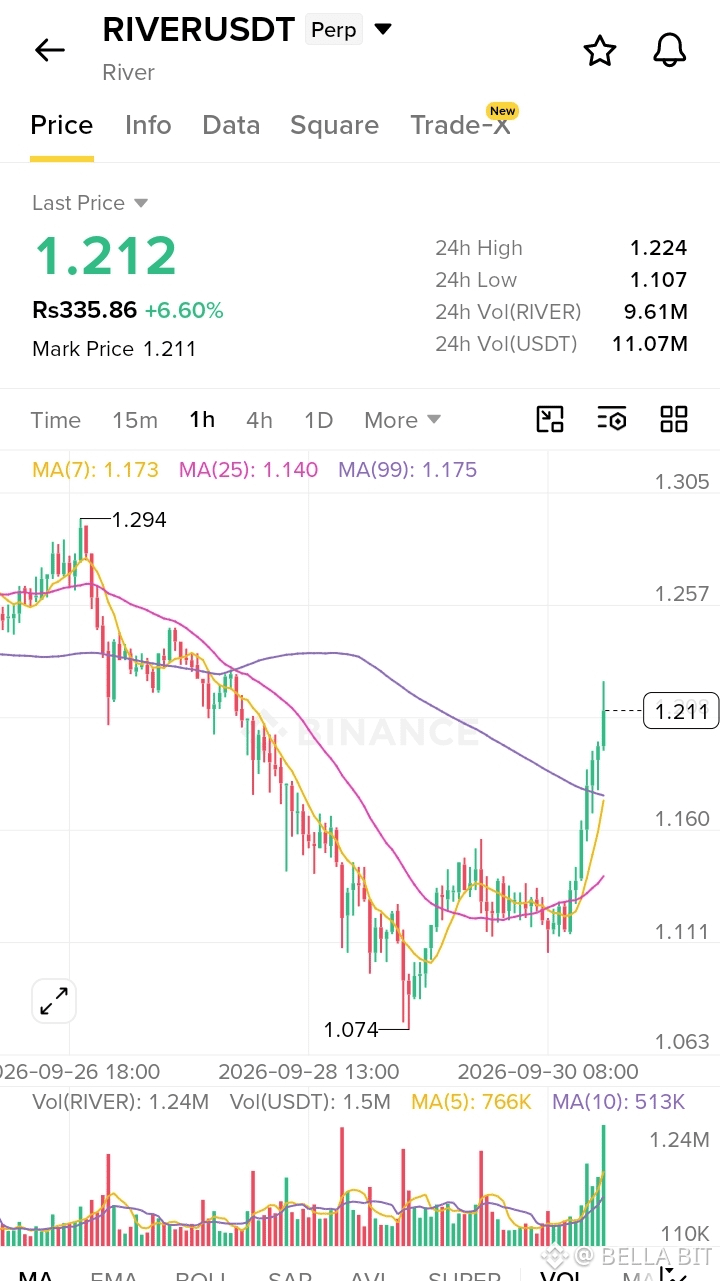
🚀 $RIVER is showing signs of a bullish continuation.
Price is holding above the key $1.01 support and accumulation zone, while buyers are gradually stepping back in after the extended correction.
A breakout above $1.57 could confirm stronger upside momentum toward higher resistance levels.
📈 Long Setup
Entry: $1.15–$1.22
TP1: $1.57
TP2: $2.29
Final Target: $3.00
SL: $0.60
As long as RIVER holds its major support structure, the recovery setup remains intact.
NFA — manage risk carefully.
{future}(RIVERUSDT)
#RİVER
#RIVERUSDT
🚀 $RIVER is showing signs of a bullish continuation.
Price is holding above the key $1.01 support and accumulation zone, while buyers are gradually stepping back in after the extended correction.
A breakout above $1.57 could confirm stronger upside momentum toward higher resistance levels.
📈 Long Setup
Entry: $1.15–$1.22
TP1: $1.57
TP2: $2.29
Final Target: $3.00
SL: $0.60
As long as RIVER holds its major support structure, the recovery setup remains intact.
NFA — manage risk carefully.
#RİVER
#RIVERUSDT
Price is holding above the key $1.01 support and accumulation zone, while buyers are gradually stepping back in after the extended correction.
A breakout above $1.57 could confirm stronger upside momentum toward higher resistance levels.
📈 Long Setup
Entry: $1.15–$1.22
TP1: $1.57
TP2: $2.29
Final Target: $3.00
SL: $0.60
As long as RIVER holds its major support structure, the recovery setup remains intact.
NFA — manage risk carefully.
#RİVER
#RIVERUSDT
1
632
·
--
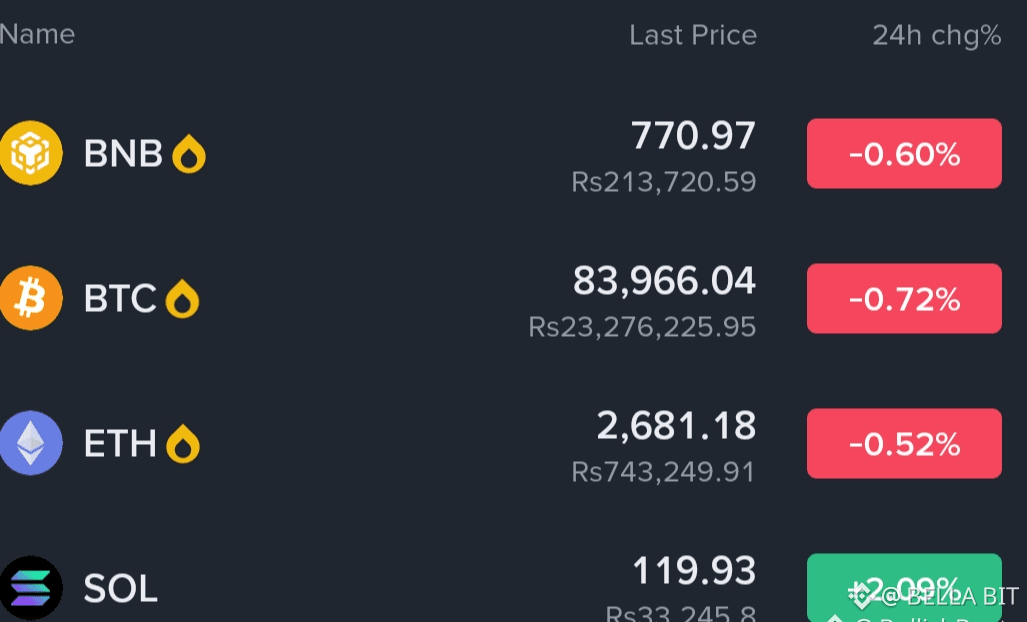
🔥 TOP COINS BACK AT SUPPORT — BOUNCE NEXT?
The market is under renewed pressure, with $BTC near $84K, $ETH around $2,681, and $SOL holding stronger around $120.
Key support zones are being tested again. If buyers defend these levels, another recovery attempt could develop.
For now, support is the key — a breakdown could bring fresh selling pressure. 📉
#bitcoin
#ETH🔥🔥🔥🔥🔥🔥
#sol
#QNTRises39%
#CoinMarketCapCompletesCoinglassAcquisition
🔥 TOP COINS BACK AT SUPPORT — BOUNCE NEXT?
The market is under renewed pressure, with $BTC near $84K, $ETH around $2,681, and $SOL holding stronger around $120.
Key support zones are being tested again. If buyers defend these levels, another recovery attempt could develop.
For now, support is the key — a breakdown could bring fresh selling pressure. 📉
#bitcoin
#ETH🔥🔥🔥🔥🔥🔥
#sol
#QNTRises39%
#CoinMarketCapCompletesCoinglassAcquisition
The market is under renewed pressure, with $BTC near $84K, $ETH around $2,681, and $SOL holding stronger around $120.
Key support zones are being tested again. If buyers defend these levels, another recovery attempt could develop.
For now, support is the key — a breakdown could bring fresh selling pressure. 📉
#bitcoin
#ETH🔥🔥🔥🔥🔥🔥
#sol
#QNTRises39%
#CoinMarketCapCompletesCoinglassAcquisition
198
·
--
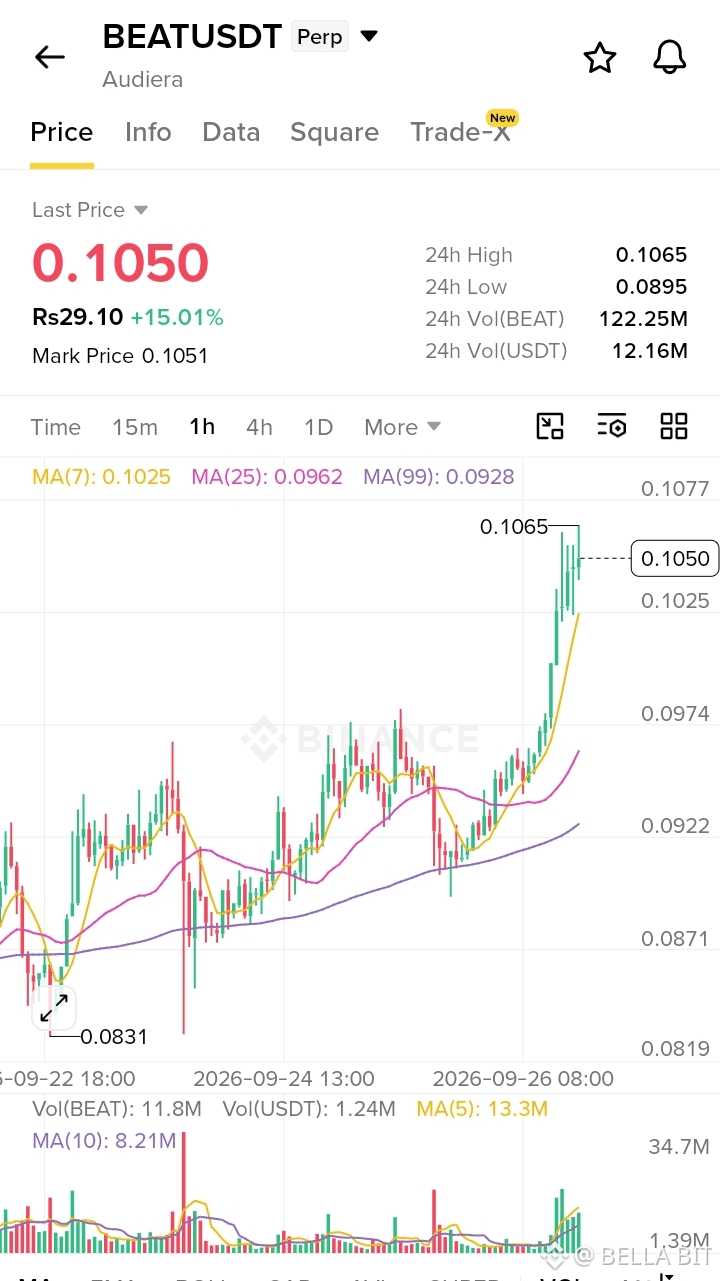
🔥 $BEAT LONG SETUP
$BEAT is heating up after a strong expansion, but chasing the pump could increase risk. Wait for a controlled entry and avoid FOMO.
📈 Entry: $0.1020 – $0.1050
🎯 Targets: $0.1080 / $0.1120 / $0.1180
🛑 SL: $0.0980
Trade with proper risk management.
{future}(BEATUSDT)
#beat
#BEATUSDT
#CircleMints500MUSDCOnSolana
#PolymarketBankFailureBetsDrawFDICConcern
🔥 $BEAT LONG SETUP
$BEAT is heating up after a strong expansion, but chasing the pump could increase risk. Wait for a controlled entry and avoid FOMO.
📈 Entry: $0.1020 – $0.1050
🎯 Targets: $0.1080 / $0.1120 / $0.1180
🛑 SL: $0.0980
Trade with proper risk management.
#beat
#BEATUSDT
#CircleMints500MUSDCOnSolana
#PolymarketBankFailureBetsDrawFDICConcern
$BEAT is heating up after a strong expansion, but chasing the pump could increase risk. Wait for a controlled entry and avoid FOMO.
📈 Entry: $0.1020 – $0.1050
🎯 Targets: $0.1080 / $0.1120 / $0.1180
🛑 SL: $0.0980
Trade with proper risk management.
#beat
#BEATUSDT
#CircleMints500MUSDCOnSolana
#PolymarketBankFailureBetsDrawFDICConcern
712
·
--
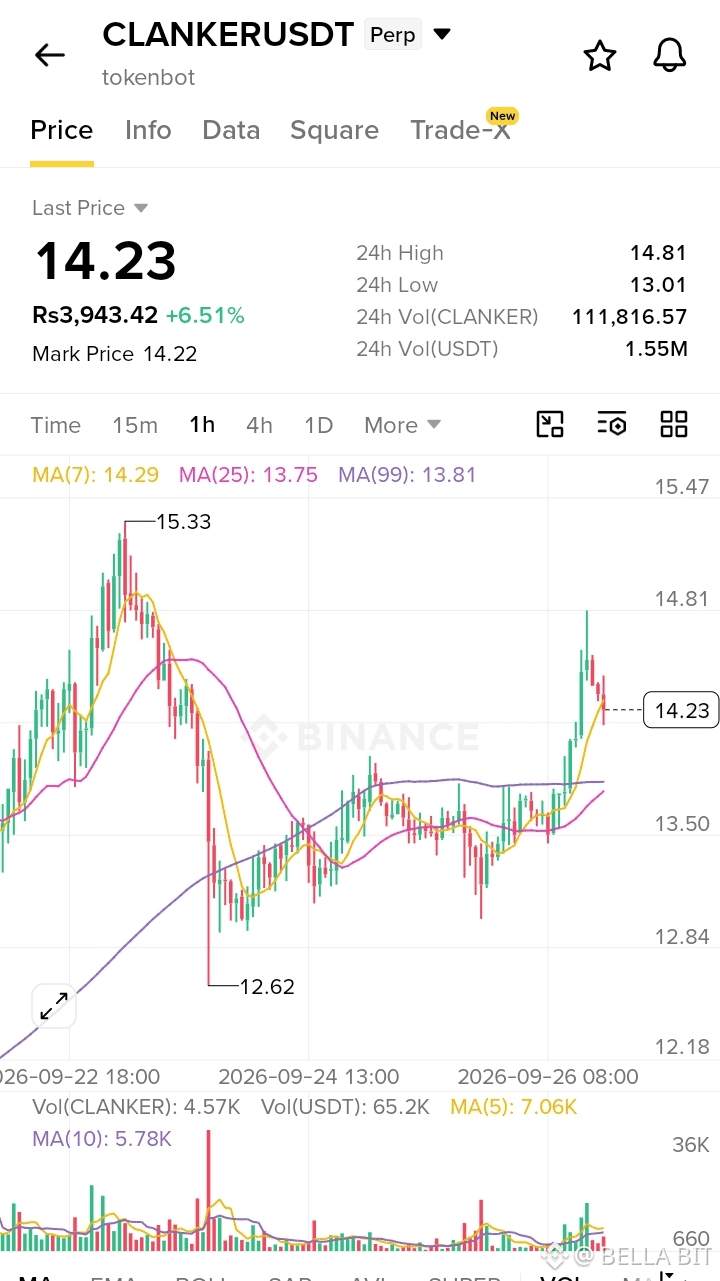
🚨 $CLANKER SHORT SETUP
$CLANKER is showing a clear rejection after its sharp pump, signaling potential downside momentum.
🔻 Entry: $14.26 – $14.30
🎯 TP: $14.05 / $13.82 / $13.64
🛑 SL: $14.60
Trade with proper risk management and avoid overleveraging. NFA.
{future}(CLANKERUSDT)
#CLANKERUSDT
#Clanker
#CircleMints500MUSDCOnSolana
#PolymarketBankFailureBetsDrawFDICConcern
#BlackRockBuildsTokenizedPortfoliosForOndo
🚨 $CLANKER SHORT SETUP
$CLANKER is showing a clear rejection after its sharp pump, signaling potential downside momentum.
🔻 Entry: $14.26 – $14.30
🎯 TP: $14.05 / $13.82 / $13.64
🛑 SL: $14.60
Trade with proper risk management and avoid overleveraging. NFA.
#CLANKERUSDT
#Clanker
#CircleMints500MUSDCOnSolana
#PolymarketBankFailureBetsDrawFDICConcern
#BlackRockBuildsTokenizedPortfoliosForOndo
$CLANKER is showing a clear rejection after its sharp pump, signaling potential downside momentum.
🔻 Entry: $14.26 – $14.30
🎯 TP: $14.05 / $13.82 / $13.64
🛑 SL: $14.60
Trade with proper risk management and avoid overleveraging. NFA.
#CLANKERUSDT
#Clanker
#CircleMints500MUSDCOnSolana
#PolymarketBankFailureBetsDrawFDICConcern
#BlackRockBuildsTokenizedPortfoliosForOndo
740
·
--
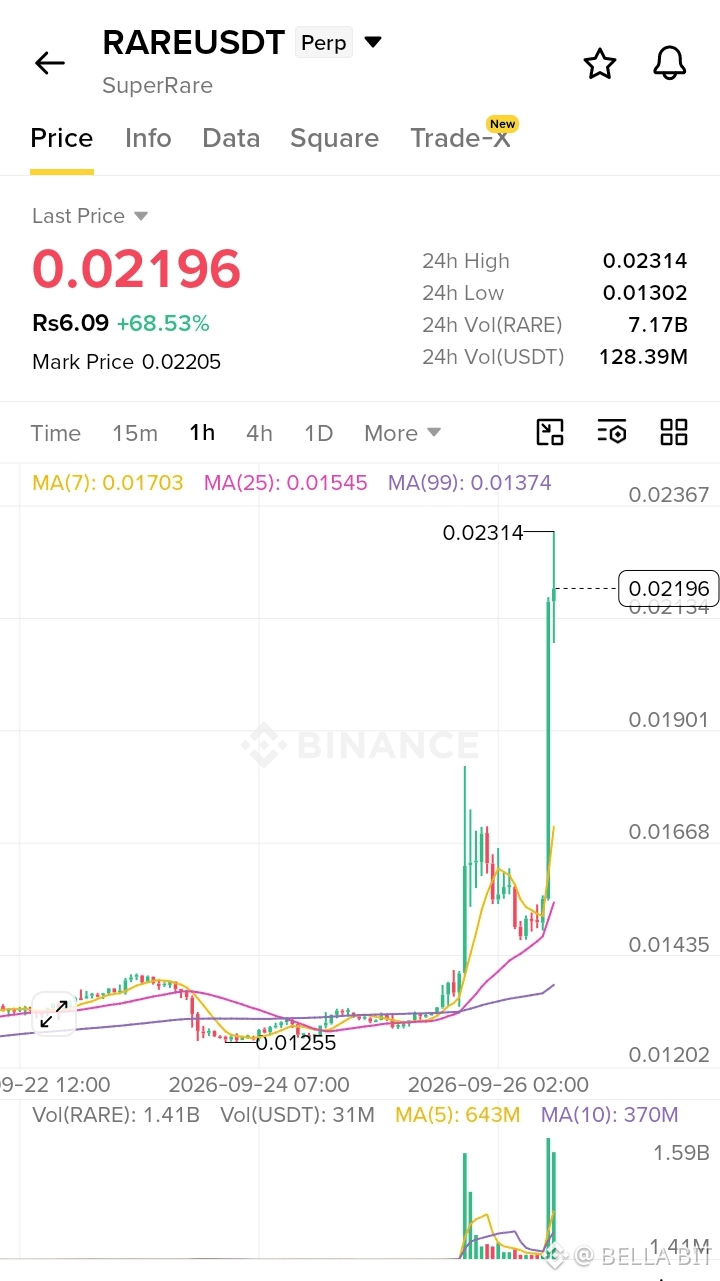
🚀 $RARE EXPLODES WITH A 69% PUMP!
$RARE surged from around $0.0130 to $0.02283 in just 24 hours, showing powerful bullish momentum.
The $0.0228–$0.0233 zone is now key. Holding above it could fuel another leg higher, while rejection may trigger a sharp retest.
🔥 Bulls are in control. Trade $RARE with proper risk management.
{future}(RAREUSDT)
#RARE
#RAREUSDT
🚀 $RARE EXPLODES WITH A 69% PUMP!
$RARE surged from around $0.0130 to $0.02283 in just 24 hours, showing powerful bullish momentum.
The $0.0228–$0.0233 zone is now key. Holding above it could fuel another leg higher, while rejection may trigger a sharp retest.
🔥 Bulls are in control. Trade $RARE with proper risk management.
#RARE
#RAREUSDT
$RARE surged from around $0.0130 to $0.02283 in just 24 hours, showing powerful bullish momentum.
The $0.0228–$0.0233 zone is now key. Holding above it could fuel another leg higher, while rejection may trigger a sharp retest.
🔥 Bulls are in control. Trade $RARE with proper risk management.
#RARE
#RAREUSDT
450
·
--
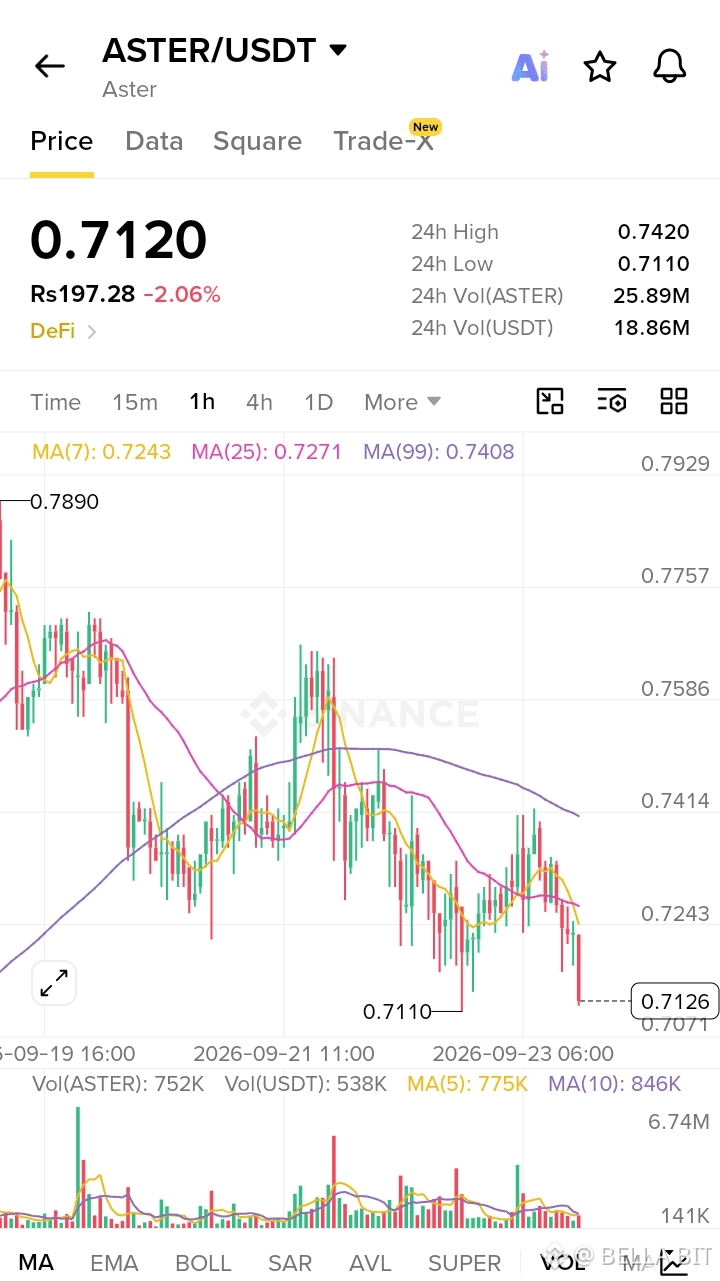
$ASTER remains under bearish pressure, trading below the descending trendline and struggling to reclaim $0.742. 📉
🔻 Short Setup
Entry: $0.719 – $0.724
🎯 Targets: $0.712 / $0.705 / $0.695
🛑 SL: $0.742
As long as $0.742 holds as resistance, bearish continuation remains in focus. Trade with proper risk management.
{spot}(ASTERUSDT)
#ASTERUSDT
#aster
#AIStocksWhatNext
#21SharesLaunchesEuropesFirstZcashETP
#CardanoJoinsX402PaymentStandard
$ASTER remains under bearish pressure, trading below the descending trendline and struggling to reclaim $0.742. 📉
🔻 Short Setup
Entry: $0.719 – $0.724
🎯 Targets: $0.712 / $0.705 / $0.695
🛑 SL: $0.742
As long as $0.742 holds as resistance, bearish continuation remains in focus. Trade with proper risk management.
#ASTERUSDT
#aster
#AIStocksWhatNext
#21SharesLaunchesEuropesFirstZcashETP
#CardanoJoinsX402PaymentStandard
🔻 Short Setup
Entry: $0.719 – $0.724
🎯 Targets: $0.712 / $0.705 / $0.695
🛑 SL: $0.742
As long as $0.742 holds as resistance, bearish continuation remains in focus. Trade with proper risk management.
#ASTERUSDT
#aster
#AIStocksWhatNext
#21SharesLaunchesEuropesFirstZcashETP
#CardanoJoinsX402PaymentStandard
1
417
Connectez-vous pour découvrir plus de contenu
Rejoignez la communauté mondiale des adeptes de cryptomonnaies sur Binance Square
⚡️ Suviez les dernières informations importantes sur les cryptomonnaies.
💬 Jugé digne de confiance par la plus grande plateforme d’échange de cryptomonnaies au monde.
👍 Découvrez les connaissances que partagent les créateurs vérifiés.
Adresse e-mail/Nº de téléphone
Sujets d’actualité
BinanceLaunchesBinanceIntelligence
60,034 vues
807 mentions
🚨 BINANCE JUST PUT AI DIRECTLY INSIDE THE EXCHANGE — AND THIS COULD CHANGE HOW RETAIL TRADES.
Binance has officially launched Binance Intelligence, a new AI layer built into the Binance ecosystem. It combines three products:
Binance AI for everyday users,
Binance AI Pro for automated trading workflows,
and Agent OS for developers building financial agents.
The part traders should care about?
Binance AI can surface market briefs, smart alerts, PnL recaps and personalized information, while AI Pro is designed to turn a plain-English trading idea into a visual strategy workflow.
That means the next phase of exchange competition may not be:
lowest fees vs deepest liquidity.
It could be:
who gives traders the best AI execution layer.
If Binance Intelligence actually drives heavier user activity, automated strategies and higher trading frequency, watch $BNB first.
AI adoption ↑
→ Binance engagement ↑
→ trading activity ↑
→ ecosystem narrative strengthens.
The catalyst I’d watch now:
global rollout + AI Pro launch + measurable user adoption.
Because once AI stops just telling you what the market is doing…
…and starts helping build the trade itself?
That’s when this gets much bigger than another chatbot. 👀
#binancelaunchesbinanceintelligence #EvernorthXRPTreasuryCompletesSPACMerger #ADAGains10%Above$0.27 #ETHUp70%InQ3ButLiquidityFalls #EthStakingExitQueueHits2026High
KimHotbae
·21 mentions J’aime
·28.2k vues
StriveBuys2000BTCFor$169M
73 vues
28 mentions
EvernorthXRPTreasuryCompletesSPACMerger
50,185 vues
584 mentions