

#aftermathfinancebreach
aftermathfinancebreach
1M vues
7,814 mentions
Populaire
Récents


$ONDO
{future}(ONDOUSDT)
$ONDO is a cryptocurrency tied to the Ondo ecosystem, which focuses on bringing real-world financial assets—like bonds and securities—onto the blockchain. The project aims to bridge traditional finance and decentralized finance (DeFi) by offering tokenized investment products that provide stable yields and institutional-grade exposure. ONDO token holders may also participate in governance decisions, helping shape the future of the platform while benefiting from its growing role in the tokenized asset space.
#U.S.SenatorsBarredfromTradingonPredictionMarkets #FedRatesUnchanged
#EthereumFoundationSellsETHtoBitmineAgain #AftermathFinanceBreach
$ONDO
$ONDO is a cryptocurrency tied to the Ondo ecosystem, which focuses on bringing real-world financial assets—like bonds and securities—onto the blockchain. The project aims to bridge traditional finance and decentralized finance (DeFi) by offering tokenized investment products that provide stable yields and institutional-grade exposure. ONDO token holders may also participate in governance decisions, helping shape the future of the platform while benefiting from its growing role in the tokenized asset space.
#U.S.SenatorsBarredfromTradingonPredictionMarkets #FedRatesUnchanged
#EthereumFoundationSellsETHtoBitmineAgain #AftermathFinanceBreach
$ONDO is a cryptocurrency tied to the Ondo ecosystem, which focuses on bringing real-world financial assets—like bonds and securities—onto the blockchain. The project aims to bridge traditional finance and decentralized finance (DeFi) by offering tokenized investment products that provide stable yields and institutional-grade exposure. ONDO token holders may also participate in governance decisions, helping shape the future of the platform while benefiting from its growing role in the tokenized asset space.
#U.S.SenatorsBarredfromTradingonPredictionMarkets #FedRatesUnchanged
#EthereumFoundationSellsETHtoBitmineAgain #AftermathFinanceBreach

1
1
203

·
--
🚀 $SOL Breakout Loading — Pressure Building
$SOL is compressing near resistance…
and looks ready for a breakout attempt.
Structure tightening + momentum building.
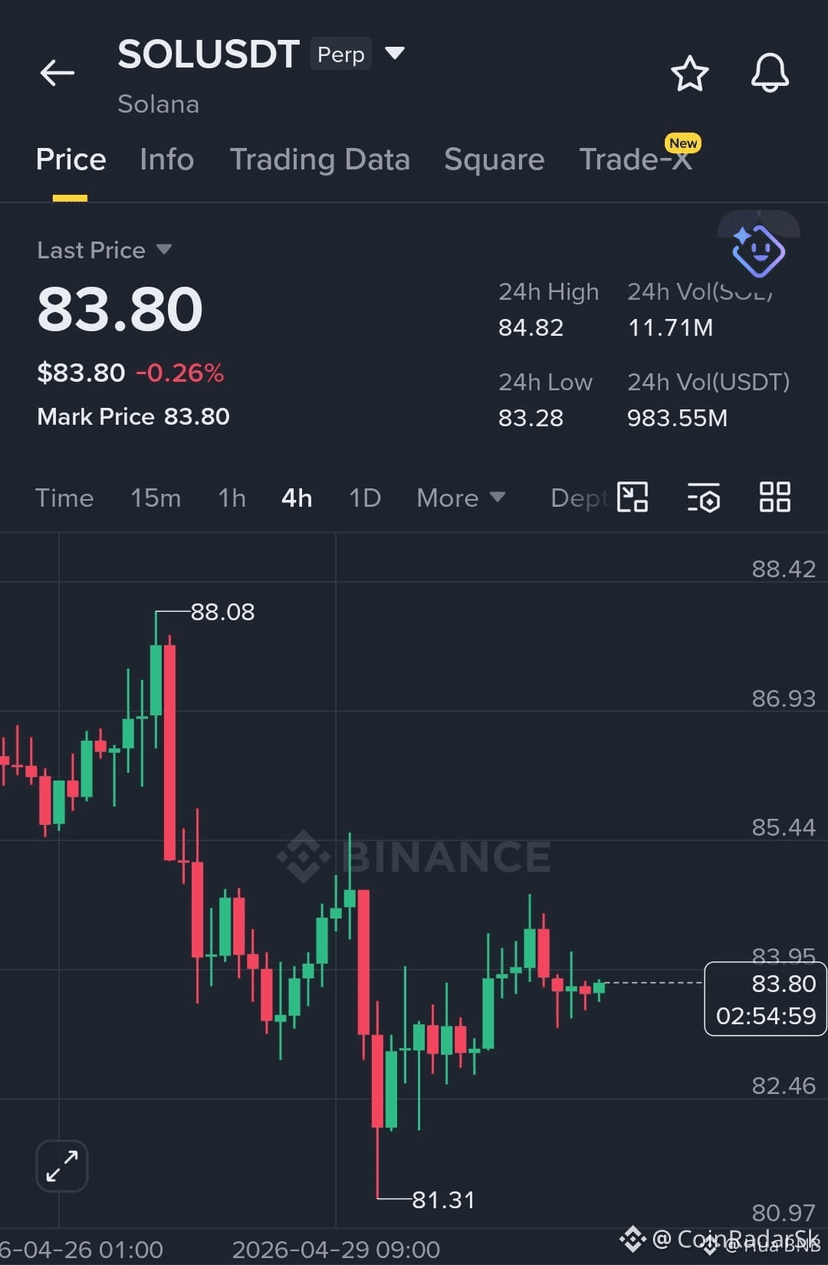
🚨 Trade Plan — LONG $SOL
Entry: 83.50 – 83.80
SL: 82
TP1: 84
TP2: 85
TP3: 86
Market Read:
This is a pre-breakout compression setup.
If price breaks and holds →
quick upside expansion likely.
But if it fails →
fakeout can trap late buyers.
Smart traders wait for confirmation…
not blind entries.
Question:
Clean breakout… or another rejection first?
{future}(SOLUSDT)
#AftermathFinanceBreach #EthereumFoundationSellsETHtoBitmineAgain
🚀 $SOL Breakout Loading — Pressure Building
$SOL is compressing near resistance…
and looks ready for a breakout attempt.
Structure tightening + momentum building.
🚨 Trade Plan — LONG $SOL
Entry: 83.50 – 83.80
SL: 82
TP1: 84
TP2: 85
TP3: 86
Market Read:
This is a pre-breakout compression setup.
If price breaks and holds →
quick upside expansion likely.
But if it fails →
fakeout can trap late buyers.
Smart traders wait for confirmation…
not blind entries.
Question:
Clean breakout… or another rejection first?
#AftermathFinanceBreach #EthereumFoundationSellsETHtoBitmineAgain
$SOL is compressing near resistance…
and looks ready for a breakout attempt.
Structure tightening + momentum building.
🚨 Trade Plan — LONG $SOL
Entry: 83.50 – 83.80
SL: 82
TP1: 84
TP2: 85
TP3: 86
Market Read:
This is a pre-breakout compression setup.
If price breaks and holds →
quick upside expansion likely.
But if it fails →
fakeout can trap late buyers.
Smart traders wait for confirmation…
not blind entries.
Question:
Clean breakout… or another rejection first?
#AftermathFinanceBreach #EthereumFoundationSellsETHtoBitmineAgain
1
1
173

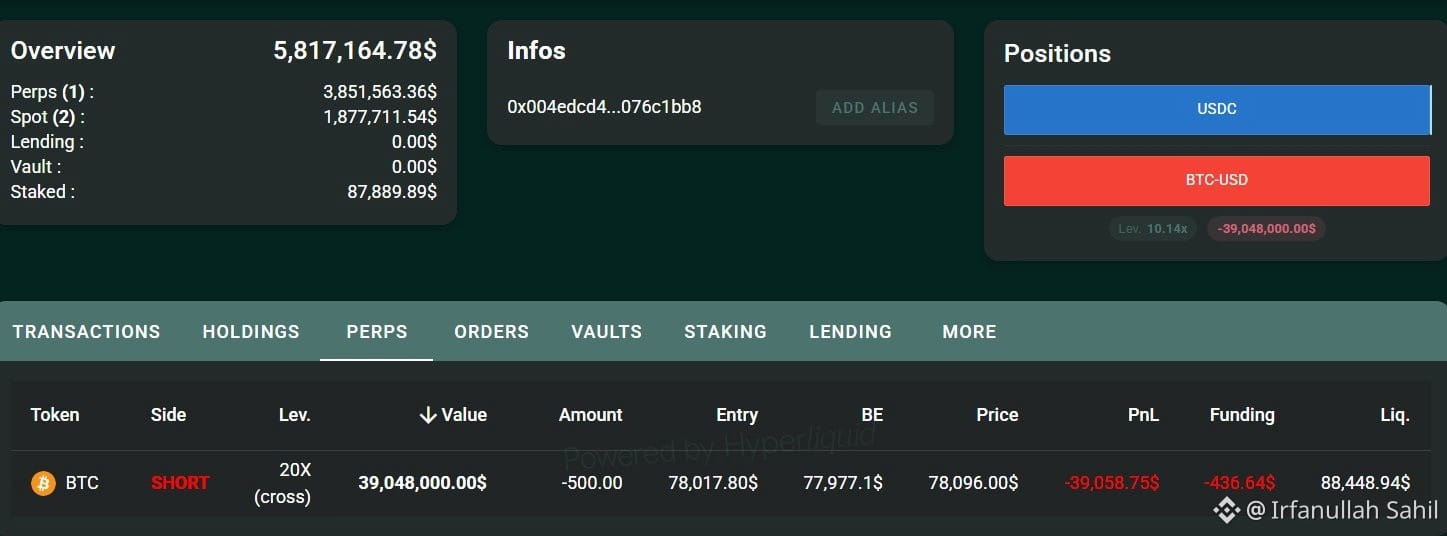
Someone has opened a $39,048,000 $BTC short with 20x leverage.
Liquidation Price: $88,448 so we should short it too
$BTC
{future}(BTCUSDT)
$BNB
{future}(BNBUSDT)
#FedRatesUnchanged #AftermathFinanceBreach #CryptoVCFundingFalls74%inApril
Someone has opened a $39,048,000 $BTC short with 20x leverage.
Liquidation Price: $88,448 so we should short it too
$BTC
$BNB
#FedRatesUnchanged #AftermathFinanceBreach #CryptoVCFundingFalls74%inApril
Liquidation Price: $88,448 so we should short it too
$BTC
$BNB
#FedRatesUnchanged #AftermathFinanceBreach #CryptoVCFundingFalls74%inApril
90

$CHIP
CHIP (Chip) on Binance Futures/Perps — quick note: the CHIP-USDT Binance Futures contract may not exist; what I can verify right now is the Binance Web3/DEX market data for CHIP on Base (contract 0x0c1c1c109fe34733fca54b82d7b46b75cfb71f6e).
CHIP (Base) — quick market snapshot
Price: ~$0.0601
24h move: -7.92% (weak short-term momentum)
24h range: ~$0.0592 – $0.0697 (pretty tight but still volatile)
Liquidity: ~$446k (ok for small size, but can slip on big orders)
Holders: ~1,478
Concentration risk: Top 10 holders ~96.9% (this is the biggest red flag)
What this means for Futures-style trading (if/when a contract exists)
High concentration + mid liquidity usually = sudden wicks/liquidations risk, especially with leverage.
Momentum is currently bearish (24h down), so chasing longs is risky unless you see a clear reversal/volume expansion.
If you trade it like a perp, keep it small size + low leverage + hard stop, because one whale move can invalidate your setup fast.
#AftermathFinanceBreach #FedRatesUnchanged #MetaandStripeReenterStablecoinPayments #EthereumFoundationSellsETHtoBitmineAgain #BankofEnglandMayPauseDigitalPound
{spot}(CHIPUSDT)
$CHIP
CHIP (Chip) on Binance Futures/Perps — quick note: the CHIP-USDT Binance Futures contract may not exist; what I can verify right now is the Binance Web3/DEX market data for CHIP on Base (contract 0x0c1c1c109fe34733fca54b82d7b46b75cfb71f6e).
CHIP (Base) — quick market snapshot
Price: ~$0.0601
24h move: -7.92% (weak short-term momentum)
24h range: ~$0.0592 – $0.0697 (pretty tight but still volatile)
Liquidity: ~$446k (ok for small size, but can slip on big orders)
Holders: ~1,478
Concentration risk: Top 10 holders ~96.9% (this is the biggest red flag)
What this means for Futures-style trading (if/when a contract exists)
High concentration + mid liquidity usually = sudden wicks/liquidations risk, especially with leverage.
Momentum is currently bearish (24h down), so chasing longs is risky unless you see a clear reversal/volume expansion.
If you trade it like a perp, keep it small size + low leverage + hard stop, because one whale move can invalidate your setup fast.
#AftermathFinanceBreach #FedRatesUnchanged #MetaandStripeReenterStablecoinPayments #EthereumFoundationSellsETHtoBitmineAgain #BankofEnglandMayPauseDigitalPound
CHIP (Chip) on Binance Futures/Perps — quick note: the CHIP-USDT Binance Futures contract may not exist; what I can verify right now is the Binance Web3/DEX market data for CHIP on Base (contract 0x0c1c1c109fe34733fca54b82d7b46b75cfb71f6e).
CHIP (Base) — quick market snapshot
Price: ~$0.0601
24h move: -7.92% (weak short-term momentum)
24h range: ~$0.0592 – $0.0697 (pretty tight but still volatile)
Liquidity: ~$446k (ok for small size, but can slip on big orders)
Holders: ~1,478
Concentration risk: Top 10 holders ~96.9% (this is the biggest red flag)
What this means for Futures-style trading (if/when a contract exists)
High concentration + mid liquidity usually = sudden wicks/liquidations risk, especially with leverage.
Momentum is currently bearish (24h down), so chasing longs is risky unless you see a clear reversal/volume expansion.
If you trade it like a perp, keep it small size + low leverage + hard stop, because one whale move can invalidate your setup fast.
#AftermathFinanceBreach #FedRatesUnchanged #MetaandStripeReenterStablecoinPayments #EthereumFoundationSellsETHtoBitmineAgain #BankofEnglandMayPauseDigitalPound

1
215

·
--
Haussier
$ARDR Charging Higher 🚀
+0.17% move
Now at Rs11.59
Slight dip but holding strong momentum ⚡
Watch for breakout zone 👀
{spot}(ARDRUSDT)
#TrumpSaysIranConflictHasEnded
#FedRatesUnchanged
#AftermathFinanceBreach
$ARDR Charging Higher 🚀
+0.17% move
Now at Rs11.59
Slight dip but holding strong momentum ⚡
Watch for breakout zone 👀
#TrumpSaysIranConflictHasEnded
#FedRatesUnchanged
#AftermathFinanceBreach
+0.17% move
Now at Rs11.59
Slight dip but holding strong momentum ⚡
Watch for breakout zone 👀
#TrumpSaysIranConflictHasEnded
#FedRatesUnchanged
#AftermathFinanceBreach
92

·
--
Haussier
🆓🚦 Crypto Signals 🚦
Thanks for tips 💸🥰
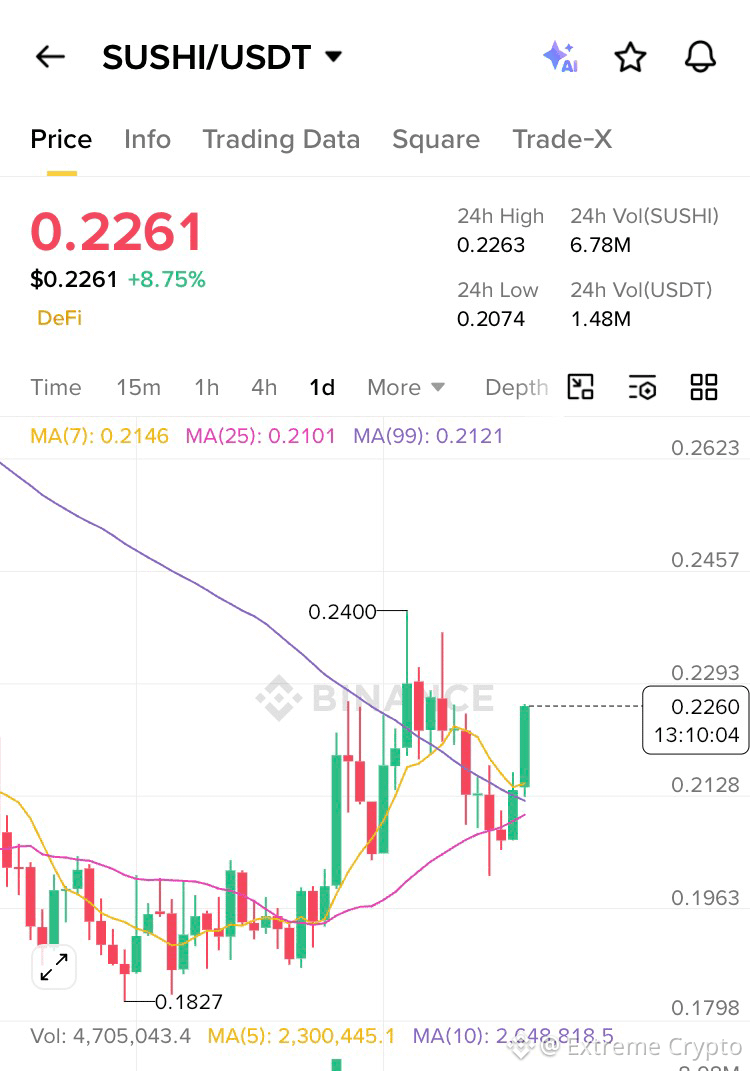
$SUSHI
📊 Entry Level : $0.2100 - $ 0.2300
📉Teak Profit,
🎯 :: $ 0.2500
🎯 :: $ 0.2800
🎯 :: $ 0.3200
🎯 :: $ 0.3600
✋ 🛑 STop Loss:: $ 0.1750
#SUSHIUSD #FedRatesUnchanged #AftermathFinanceBreach
{future}(SUSHIUSDT)
🆓🚦 Crypto Signals 🚦
Thanks for tips 💸🥰
$SUSHI
📊 Entry Level : $0.2100 - $ 0.2300
📉Teak Profit,
🎯 :: $ 0.2500
🎯 :: $ 0.2800
🎯 :: $ 0.3200
🎯 :: $ 0.3600
✋ 🛑 STop Loss:: $ 0.1750
#SUSHIUSD #FedRatesUnchanged #AftermathFinanceBreach
Thanks for tips 💸🥰
$SUSHI
📊 Entry Level : $0.2100 - $ 0.2300
📉Teak Profit,
🎯 :: $ 0.2500
🎯 :: $ 0.2800
🎯 :: $ 0.3200
🎯 :: $ 0.3600
✋ 🛑 STop Loss:: $ 0.1750
#SUSHIUSD #FedRatesUnchanged #AftermathFinanceBreach
102

·
--
Haussier
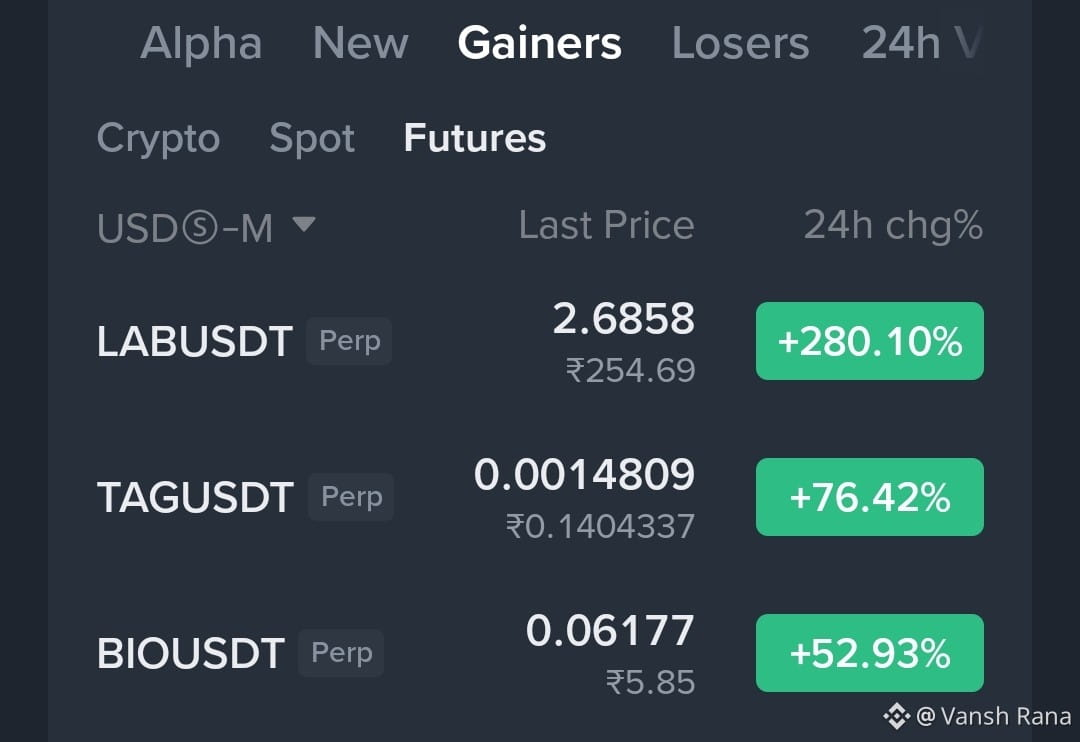
Here are today's top - 3 gainer coins 😎
$LAB $TAG $BIO already exploded with massive strength, and momentum is still holding strong.
This doesn’t look like a finished move continuation is still on the table.
#FedRatesUnchanged #AftermathFinanceBreach #MetaandStripeReenterStablecoinPayments #TrumpSaysIranConflictHasEnded #CryptoVCFundingFalls74%inApril
{future}(TAGUSDT)
{future}(LABUSDT)
Here are today's top - 3 gainer coins 😎
$LAB $TAG $BIO already exploded with massive strength, and momentum is still holding strong.
This doesn’t look like a finished move continuation is still on the table.
#FedRatesUnchanged #AftermathFinanceBreach #MetaandStripeReenterStablecoinPayments #TrumpSaysIranConflictHasEnded #CryptoVCFundingFalls74%inApril
$LAB $TAG $BIO already exploded with massive strength, and momentum is still holding strong.
This doesn’t look like a finished move continuation is still on the table.
#FedRatesUnchanged #AftermathFinanceBreach #MetaandStripeReenterStablecoinPayments #TrumpSaysIranConflictHasEnded #CryptoVCFundingFalls74%inApril
1
550
·
--
Baissier
$ACM Charging Higher ⚡
-1.90% | Rs114.93
Sharp pullback — volatility kicking in
High-risk, high-reward play 🔥
{spot}(ACMUSDT)
#FedRatesUnchanged
#AftermathFinanceBreach
#TrumpSaysIranConflictHasEnded
$ACM Charging Higher ⚡
-1.90% | Rs114.93
Sharp pullback — volatility kicking in
High-risk, high-reward play 🔥
#FedRatesUnchanged
#AftermathFinanceBreach
#TrumpSaysIranConflictHasEnded
-1.90% | Rs114.93
Sharp pullback — volatility kicking in
High-risk, high-reward play 🔥
#FedRatesUnchanged
#AftermathFinanceBreach
#TrumpSaysIranConflictHasEnded
161

·
--
Haussier
$ORDI
{future}(ORDIUSDT)
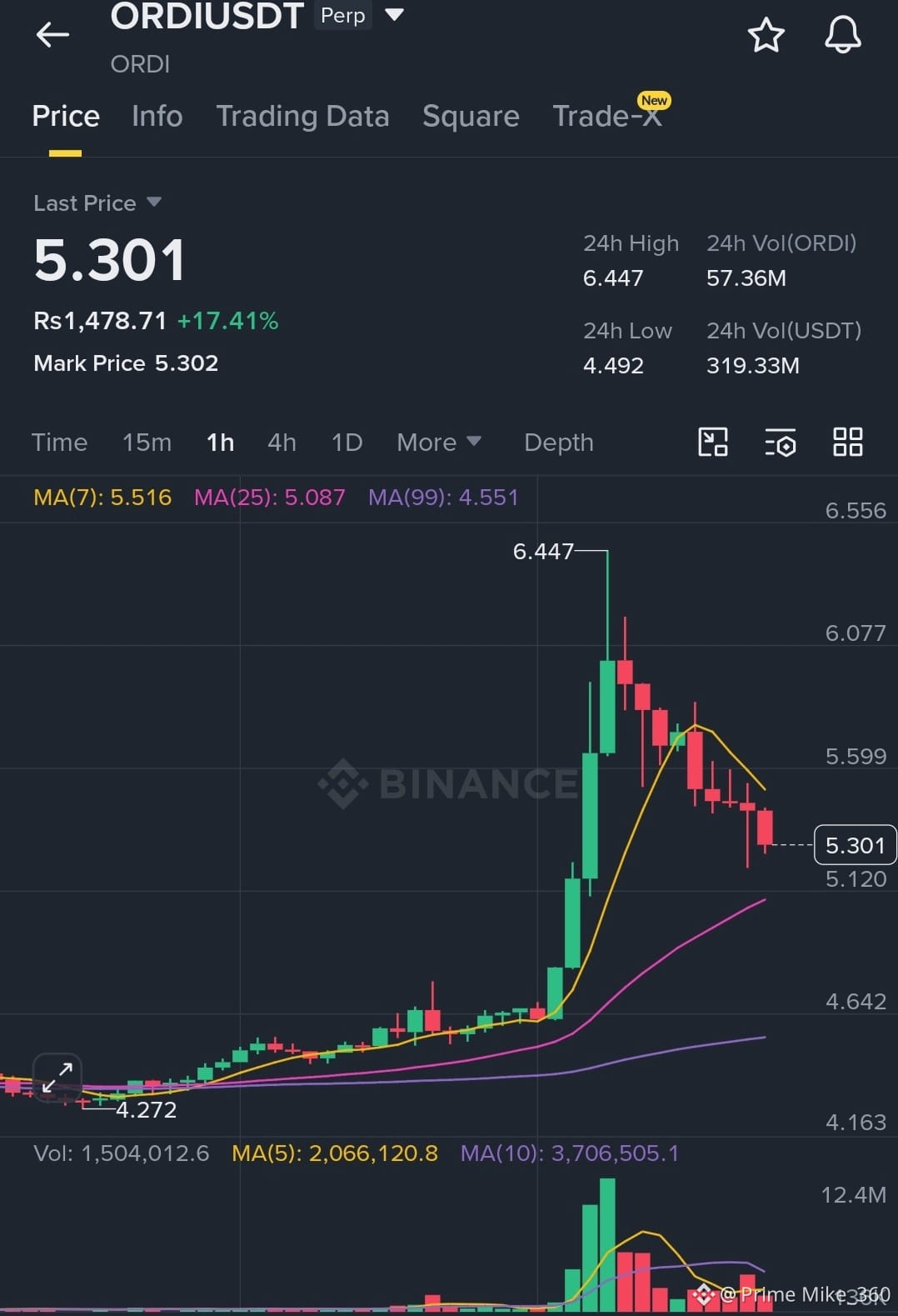
ORDI is holding a bullish structure after a strong impulse move, followed by a tight consolidation just below resistance. Price continues to print higher lows, indicating controlled continuation.
Trade Setup
Entry Zone: 5.15 – 5.30
TP1: 5.50
TP2: 5.75
TP3: 6.10
Stop Loss: 4.90
Continuation remains valid above 5.00. Loss of this level invalidates the short-term bullish structure.#BankofEnglandMayPauseDigitalPound #FedRatesUnchanged #AftermathFinanceBreach
$ORDI
ORDI is holding a bullish structure after a strong impulse move, followed by a tight consolidation just below resistance. Price continues to print higher lows, indicating controlled continuation.
Trade Setup
Entry Zone: 5.15 – 5.30
TP1: 5.50
TP2: 5.75
TP3: 6.10
Stop Loss: 4.90
Continuation remains valid above 5.00. Loss of this level invalidates the short-term bullish structure.#BankofEnglandMayPauseDigitalPound #FedRatesUnchanged #AftermathFinanceBreach
ORDI is holding a bullish structure after a strong impulse move, followed by a tight consolidation just below resistance. Price continues to print higher lows, indicating controlled continuation.
Trade Setup
Entry Zone: 5.15 – 5.30
TP1: 5.50
TP2: 5.75
TP3: 6.10
Stop Loss: 4.90
Continuation remains valid above 5.00. Loss of this level invalidates the short-term bullish structure.#BankofEnglandMayPauseDigitalPound #FedRatesUnchanged #AftermathFinanceBreach
689
·
--
Baissier
$ATM Charging Higher 🚀
-0.28% down
Now at Rs300.18
Weak pressure, struggling to push up 📉
Watch support levels 👀
{spot}(ATMUSDT)
#TrumpSaysIranConflictHasEnded
#FedRatesUnchanged
#AftermathFinanceBreach
$ATM Charging Higher 🚀
-0.28% down
Now at Rs300.18
Weak pressure, struggling to push up 📉
Watch support levels 👀
#TrumpSaysIranConflictHasEnded
#FedRatesUnchanged
#AftermathFinanceBreach
-0.28% down
Now at Rs300.18
Weak pressure, struggling to push up 📉
Watch support levels 👀
#TrumpSaysIranConflictHasEnded
#FedRatesUnchanged
#AftermathFinanceBreach
1
240

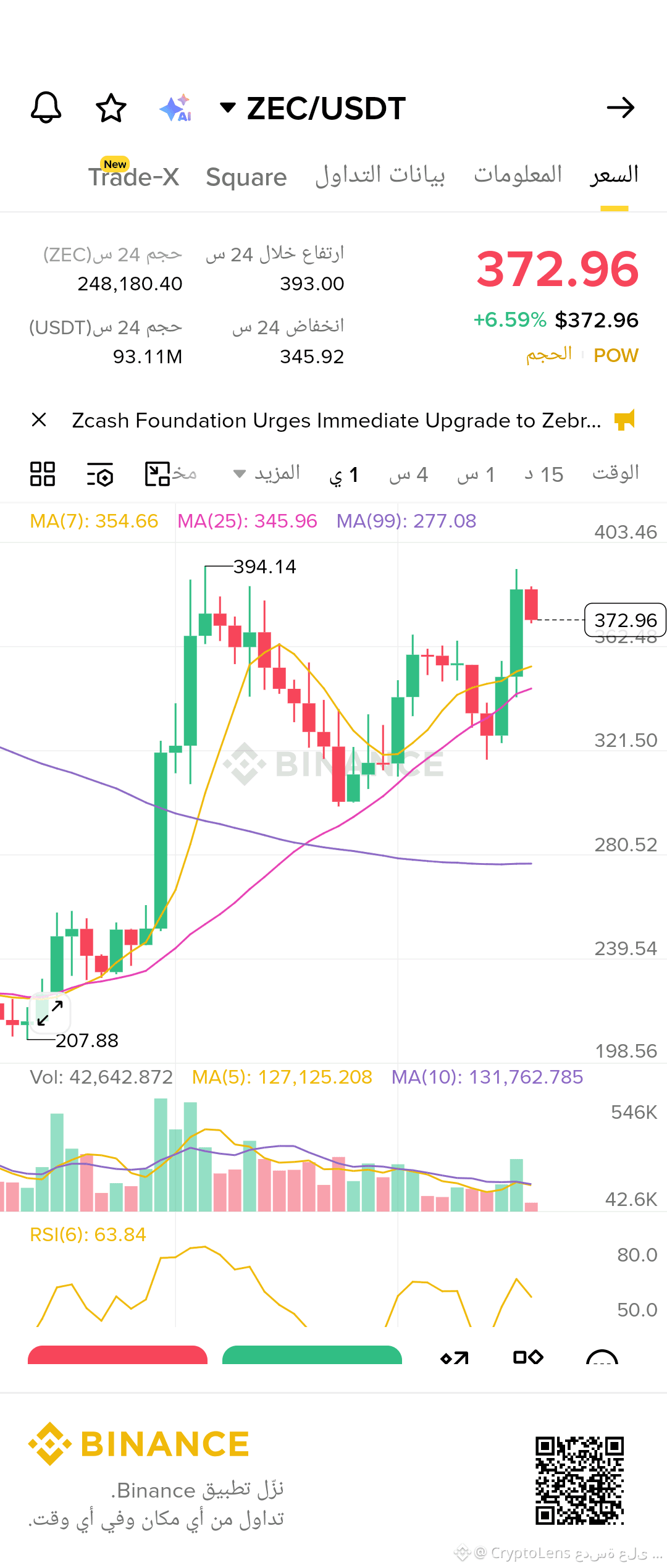
$ZEC رفض عند المقاومة، قصّرها في الوقت المناسب....
دخول 375 – 385
وقف خسارة 395
هدف 1 360
هدف 2 340
هدف 3 315
#AftermathFinanceBreach #FedRatesUnchanged #MetaandStripeReenterStablecoinPayments #CryptoVCFundingFalls74%inApril
$ZEC رفض عند المقاومة، قصّرها في الوقت المناسب....
دخول 375 – 385
وقف خسارة 395
هدف 1 360
هدف 2 340
هدف 3 315
#AftermathFinanceBreach #FedRatesUnchanged #MetaandStripeReenterStablecoinPayments #CryptoVCFundingFalls74%inApril
دخول 375 – 385
وقف خسارة 395
هدف 1 360
هدف 2 340
هدف 3 315
#AftermathFinanceBreach #FedRatesUnchanged #MetaandStripeReenterStablecoinPayments #CryptoVCFundingFalls74%inApril
63
·
--
Baissier
$BABY / USDT - clear Shows rejection…short from here…
I just opened a #SHORT📉 trade on #baby with the leaveage of 10 X 😉
Here are my target 👇
Entry — 0.0175 – 0.0180
TARGET 🎯
TP — 0.0165
TP — 0.0158
🛑SL — 0.0188
I am 💯 percent sure about this move 😎
Let's earn together Guy 🤝
$LAB , $UB
#CryptoVCFundingFalls74%inApril #FedRatesUnchanged #AftermathFinanceBreach
{future}(UBUSDT)
{future}(LABUSDT)
{future}(BABYUSDT)
$BABY / USDT - clear Shows rejection…short from here…
I just opened a #SHORT📉 trade on #baby with the leaveage of 10 X 😉
Here are my target 👇
Entry — 0.0175 – 0.0180
TARGET 🎯
TP — 0.0165
TP — 0.0158
🛑SL — 0.0188
I am 💯 percent sure about this move 😎
Let's earn together Guy 🤝
$LAB , $UB
#CryptoVCFundingFalls74%inApril #FedRatesUnchanged #AftermathFinanceBreach
I just opened a #SHORT📉 trade on #baby with the leaveage of 10 X 😉
Here are my target 👇
Entry — 0.0175 – 0.0180
TARGET 🎯
TP — 0.0165
TP — 0.0158
🛑SL — 0.0188
I am 💯 percent sure about this move 😎
Let's earn together Guy 🤝
$LAB , $UB
#CryptoVCFundingFalls74%inApril #FedRatesUnchanged #AftermathFinanceBreach


1
337


·
--
Haussier
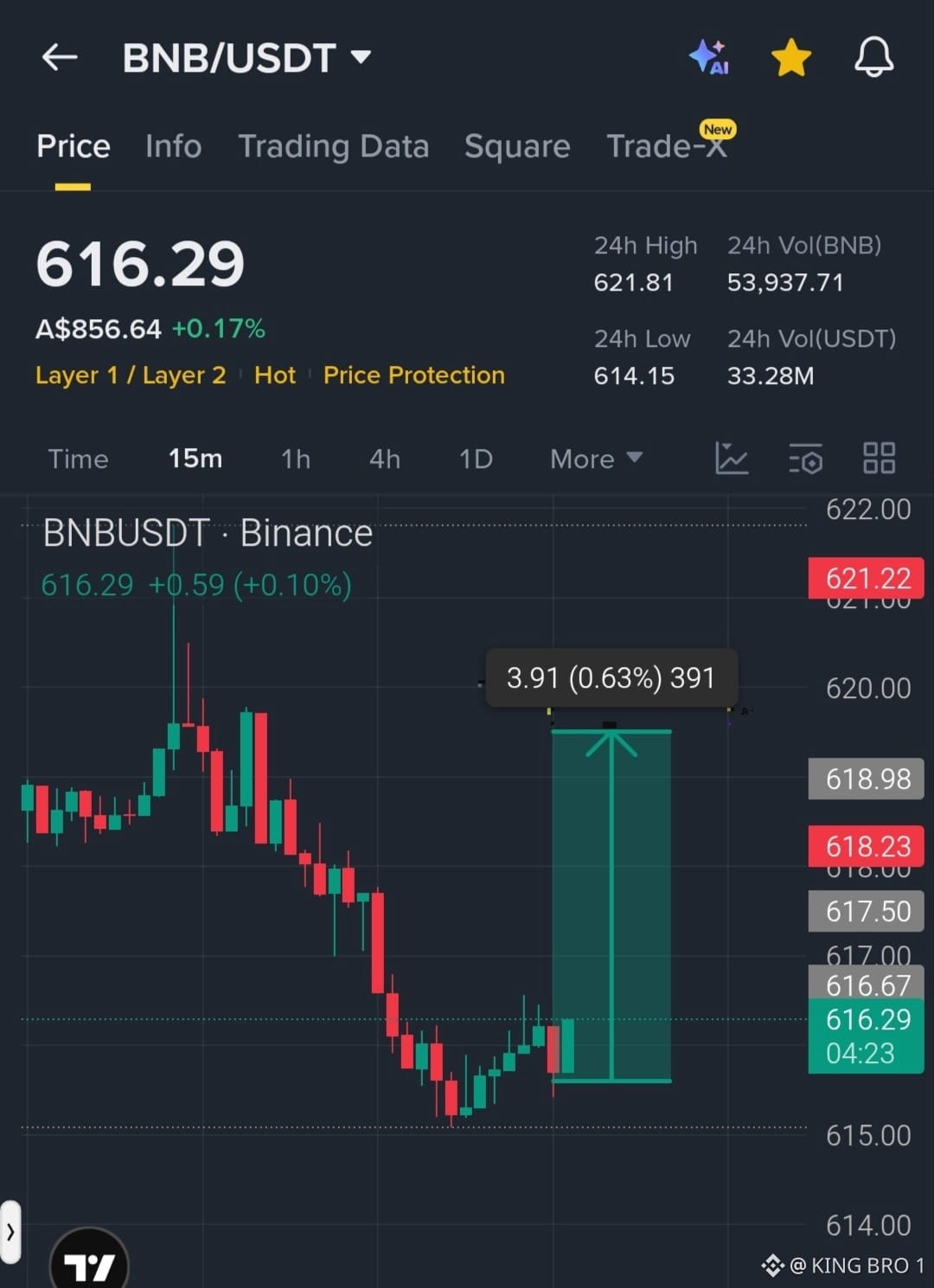
👑 $BNB bullish structure holding as price stabilizes near range support.
Trading Plan LONG: $BNB
Entry: 614 – 617
Stop-Loss: 610
TP1: 622
TP2: 628
TP3: 635
$BNB is trading around 616, holding above key support near 614 after a minor pullback from 621. Buyers are stepping in at lower levels, showing demand, while sellers are weakening near resistance. Market structure remains intact with higher lows on lower timeframes. A clean hold of the entry zone could trigger continuation toward liquidity above 622. Rejection here may lead to a short-term sweep before expansion.
Click and Trade $BNB here 👇
{future}(BNBUSDT)
#MetaandStripeReenterStablecoinPayments
#FedRatesUnchanged
#AftermathFinanceBreach
#U.S.SenatorsBarredfromTradingonPredictionMarkets
👑 $BNB bullish structure holding as price stabilizes near range support.
Trading Plan LONG: $BNB
Entry: 614 – 617
Stop-Loss: 610
TP1: 622
TP2: 628
TP3: 635
$BNB is trading around 616, holding above key support near 614 after a minor pullback from 621. Buyers are stepping in at lower levels, showing demand, while sellers are weakening near resistance. Market structure remains intact with higher lows on lower timeframes. A clean hold of the entry zone could trigger continuation toward liquidity above 622. Rejection here may lead to a short-term sweep before expansion.
Click and Trade $BNB here 👇
#MetaandStripeReenterStablecoinPayments
#FedRatesUnchanged
#AftermathFinanceBreach
#U.S.SenatorsBarredfromTradingonPredictionMarkets
Trading Plan LONG: $BNB
Entry: 614 – 617
Stop-Loss: 610
TP1: 622
TP2: 628
TP3: 635
$BNB is trading around 616, holding above key support near 614 after a minor pullback from 621. Buyers are stepping in at lower levels, showing demand, while sellers are weakening near resistance. Market structure remains intact with higher lows on lower timeframes. A clean hold of the entry zone could trigger continuation toward liquidity above 622. Rejection here may lead to a short-term sweep before expansion.
Click and Trade $BNB here 👇
#MetaandStripeReenterStablecoinPayments
#FedRatesUnchanged
#AftermathFinanceBreach
#U.S.SenatorsBarredfromTradingonPredictionMarkets
6
63

·
--
Haussier
$USTC
{future}(USTCUSDT)
Trede now 👆👆👆👆👆👆
Rapid speed — momentum is now high 🔥📈🚀
📈Long Entry Zone : 0.0730 – 0.0750
TP1: 0.0780
TP2: 0.0850
TP3: 0.0100
📉Stop-Loss: 0.0710
#CryptoVCFundingFalls74%inApril #BankofEnglandMayPauseDigitalPound #MuskandAltmanClashOverOpenAILawsuit #FedRatesUnchanged #AftermathFinanceBreach $LAB
{alpha}(560x7ec43cf65f1663f820427c62a5780b8f2e25593a)
$BIO
$USTC
Trede now 👆👆👆👆👆👆
Rapid speed — momentum is now high 🔥📈🚀
📈Long Entry Zone : 0.0730 – 0.0750
TP1: 0.0780
TP2: 0.0850
TP3: 0.0100
📉Stop-Loss: 0.0710
#CryptoVCFundingFalls74%inApril #BankofEnglandMayPauseDigitalPound #MuskandAltmanClashOverOpenAILawsuit #FedRatesUnchanged #AftermathFinanceBreach $LAB
$BIO
Trede now 👆👆👆👆👆👆
Rapid speed — momentum is now high 🔥📈🚀
📈Long Entry Zone : 0.0730 – 0.0750
TP1: 0.0780
TP2: 0.0850
TP3: 0.0100
📉Stop-Loss: 0.0710
#CryptoVCFundingFalls74%inApril #BankofEnglandMayPauseDigitalPound #MuskandAltmanClashOverOpenAILawsuit #FedRatesUnchanged #AftermathFinanceBreach $LAB
$BIO
218

·
--
Baissier
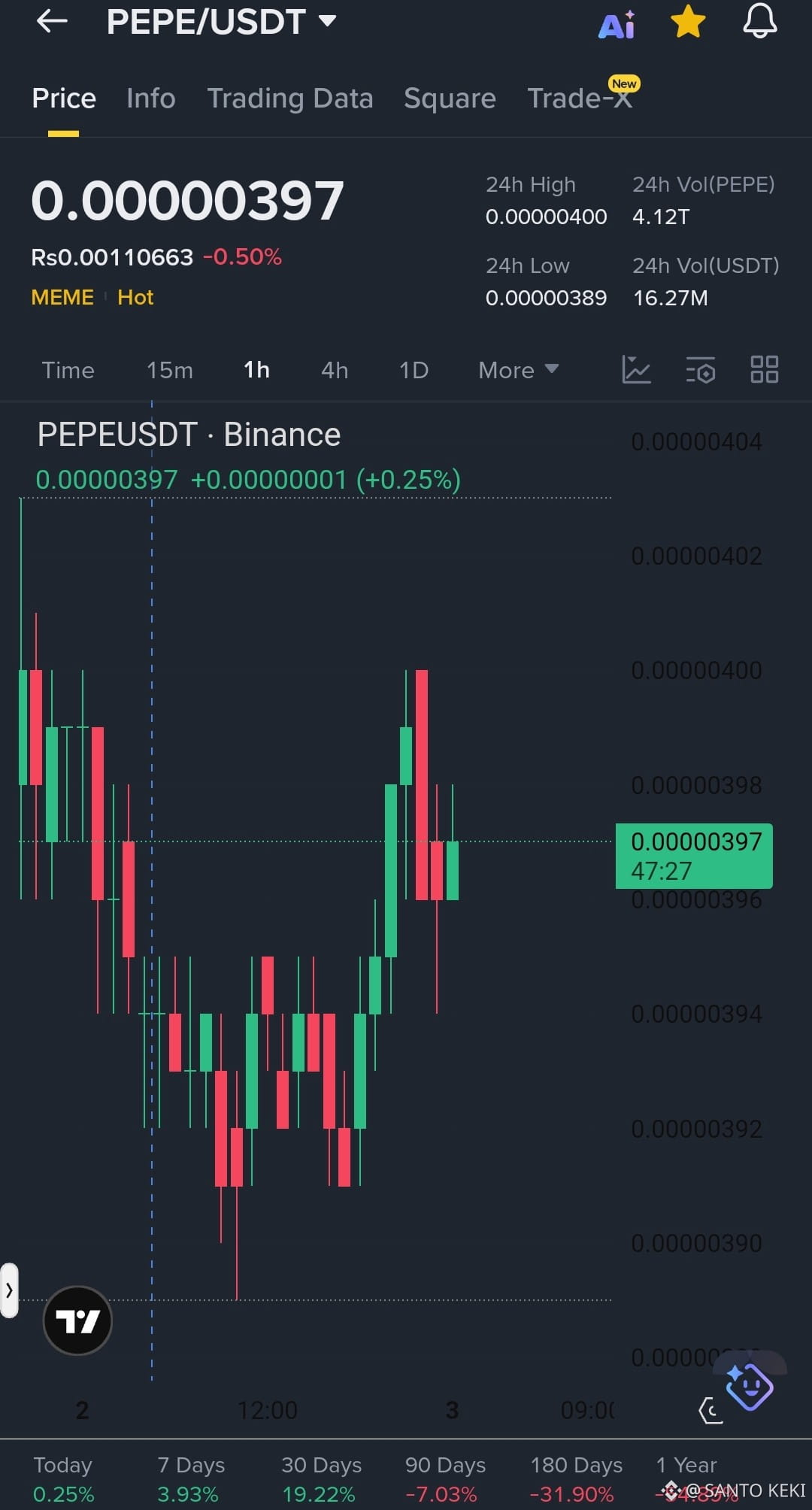
🚨 $PEPE — Meme Volatility Compression 🚨
Price: 0.00000397 USDT
24H Change: -0.50%
Structure: Cooling Momentum
Bias: Neutral Bearish
Entry Zone: 0.00000388 – 0.00000393
Stop Loss: 0.00000379
Targets:
TP1: 0.00000408
TP2: 0.00000422
TP3: 0.00000440
Risk: High
Analysis: $PEPE is cooling after prior movement. Momentum remains tradable, but speculative risk is elevated.
#AftermathFinanceBreach #FedRatesUnchanged #MetaandStripeReenterStablecoinPayments #MuskandAltmanClashOverOpenAILawsuit
🚨 $PEPE — Meme Volatility Compression 🚨
Price: 0.00000397 USDT
24H Change: -0.50%
Structure: Cooling Momentum
Bias: Neutral Bearish
Entry Zone: 0.00000388 – 0.00000393
Stop Loss: 0.00000379
Targets:
TP1: 0.00000408
TP2: 0.00000422
TP3: 0.00000440
Risk: High
Analysis: $PEPE is cooling after prior movement. Momentum remains tradable, but speculative risk is elevated.
#AftermathFinanceBreach #FedRatesUnchanged #MetaandStripeReenterStablecoinPayments #MuskandAltmanClashOverOpenAILawsuit
Price: 0.00000397 USDT
24H Change: -0.50%
Structure: Cooling Momentum
Bias: Neutral Bearish
Entry Zone: 0.00000388 – 0.00000393
Stop Loss: 0.00000379
Targets:
TP1: 0.00000408
TP2: 0.00000422
TP3: 0.00000440
Risk: High
Analysis: $PEPE is cooling after prior movement. Momentum remains tradable, but speculative risk is elevated.
#AftermathFinanceBreach #FedRatesUnchanged #MetaandStripeReenterStablecoinPayments #MuskandAltmanClashOverOpenAILawsuit
395

·
--
$ORDI jumped +10.7% in 24h, fueled by a strong short squeeze and technical breakout above key resistance.
🔹 What’s driving it?
• Short covering + $2.3M volume spike → liquidations pushed price higher
• Break above Bollinger Band ($4.74) → momentum traders piled in
⚠️ Watch out:
• RSI at 81 → heavily overbought
• Whale outflows rising → possible profit taking
Bottom line: Momentum is strong, but a cool off or pullback looks likely short term. Trade smart.
$ORDI
#TrumpSaysIranConflictHasEnded #CryptoVCFundingFalls74%inApril #AftermathFinanceBreach #FedRatesUnchanged #TMCrypto
$ORDI jumped +10.7% in 24h, fueled by a strong short squeeze and technical breakout above key resistance.
🔹 What’s driving it?
• Short covering + $2.3M volume spike → liquidations pushed price higher
• Break above Bollinger Band ($4.74) → momentum traders piled in
⚠️ Watch out:
• RSI at 81 → heavily overbought
• Whale outflows rising → possible profit taking
Bottom line: Momentum is strong, but a cool off or pullback looks likely short term. Trade smart.
$ORDI
#TrumpSaysIranConflictHasEnded #CryptoVCFundingFalls74%inApril #AftermathFinanceBreach #FedRatesUnchanged #TMCrypto
🔹 What’s driving it?
• Short covering + $2.3M volume spike → liquidations pushed price higher
• Break above Bollinger Band ($4.74) → momentum traders piled in
⚠️ Watch out:
• RSI at 81 → heavily overbought
• Whale outflows rising → possible profit taking
Bottom line: Momentum is strong, but a cool off or pullback looks likely short term. Trade smart.
$ORDI
#TrumpSaysIranConflictHasEnded #CryptoVCFundingFalls74%inApril #AftermathFinanceBreach #FedRatesUnchanged #TMCrypto

350
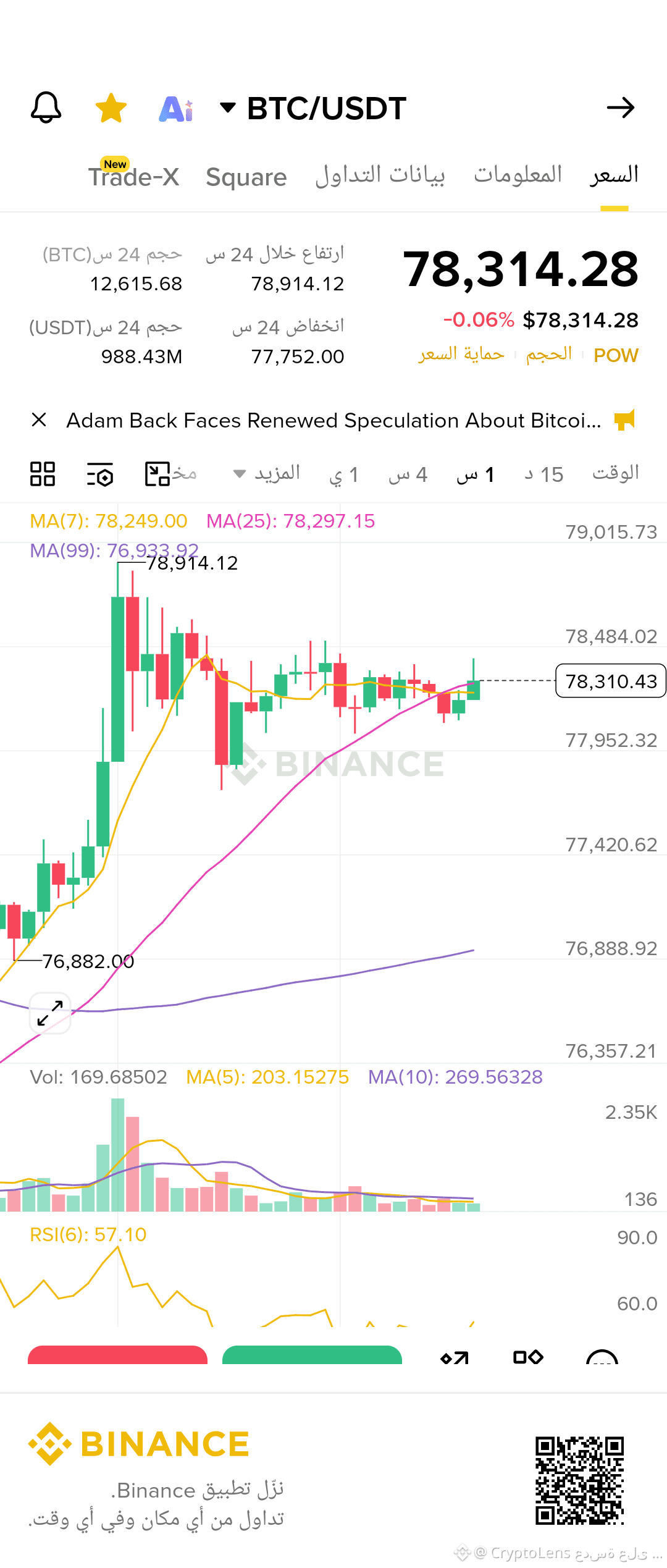
رصد حركات الحيتان | Leverage Alert 🐋
قام أحد المتداولين (الرابع في قائمة المقامرين 0x049b) بفتح صفقات شراء (Long) برافعة مالية 20x بمبالغ ضخمة:
🔹 البيتكوين ($BTC ): بقيمة 45.82 مليون دولار (586.68 حبة).
🔹 الإيثيريوم ($ETH ): بقيمة 44.67 مليون دولار (19,416 حبة).
⚠️ مستويات التصفية (Liquidation):
سعر تصفية الـ BTC: $75,564.02
سعر تصفية الـ ETH: $2,247.43
#ETH $BTC #BTC #AftermathFinanceBreach #FedRatesUnchanged #MetaandStripeReenterStablecoinPayments
رصد حركات الحيتان | Leverage Alert 🐋
قام أحد المتداولين (الرابع في قائمة المقامرين 0x049b) بفتح صفقات شراء (Long) برافعة مالية 20x بمبالغ ضخمة:
🔹 البيتكوين ($BTC ): بقيمة 45.82 مليون دولار (586.68 حبة).
🔹 الإيثيريوم ($ETH ): بقيمة 44.67 مليون دولار (19,416 حبة).
⚠️ مستويات التصفية (Liquidation):
سعر تصفية الـ BTC: $75,564.02
سعر تصفية الـ ETH: $2,247.43
#ETH $BTC #BTC #AftermathFinanceBreach #FedRatesUnchanged #MetaandStripeReenterStablecoinPayments
قام أحد المتداولين (الرابع في قائمة المقامرين 0x049b) بفتح صفقات شراء (Long) برافعة مالية 20x بمبالغ ضخمة:
🔹 البيتكوين ($BTC ): بقيمة 45.82 مليون دولار (586.68 حبة).
🔹 الإيثيريوم ($ETH ): بقيمة 44.67 مليون دولار (19,416 حبة).
⚠️ مستويات التصفية (Liquidation):
سعر تصفية الـ BTC: $75,564.02
سعر تصفية الـ ETH: $2,247.43
#ETH $BTC #BTC #AftermathFinanceBreach #FedRatesUnchanged #MetaandStripeReenterStablecoinPayments
27
دعونا نحقق بعض الأرباح معاً 🤝
كيف؟
فقط قم بعمل شورت على $B معي.
TP: 0.284
SL: 0.40
لماذا؟ $B
BUSDT
دائم
0.337
+33.89%
لأنه حاول أن يحدث اختراق لكنه فشل، والآن يفقد قوته. يمكننا أن نرى بوضوح حركة هبوطية صغيرة تبدأ من هنا.
دعونا نصطادها معاً.
#AftermathFinanceBreach #FedRatesUnchanged #MetaandStripeReenterStablecoinPayments #MuskandAltmanClashOverOpenAILawsuit #U.S.SenatorsBarredfromTradingonPredictionMarkets
دعونا نحقق بعض الأرباح معاً 🤝
كيف؟
فقط قم بعمل شورت على $B معي.
TP: 0.284
SL: 0.40
لماذا؟ $B
BUSDT
دائم
0.337
+33.89%
لأنه حاول أن يحدث اختراق لكنه فشل، والآن يفقد قوته. يمكننا أن نرى بوضوح حركة هبوطية صغيرة تبدأ من هنا.
دعونا نصطادها معاً.
#AftermathFinanceBreach #FedRatesUnchanged #MetaandStripeReenterStablecoinPayments #MuskandAltmanClashOverOpenAILawsuit #U.S.SenatorsBarredfromTradingonPredictionMarkets
كيف؟
فقط قم بعمل شورت على $B معي.
TP: 0.284
SL: 0.40
لماذا؟ $B
BUSDT
دائم
0.337
+33.89%
لأنه حاول أن يحدث اختراق لكنه فشل، والآن يفقد قوته. يمكننا أن نرى بوضوح حركة هبوطية صغيرة تبدأ من هنا.
دعونا نصطادها معاً.
#AftermathFinanceBreach #FedRatesUnchanged #MetaandStripeReenterStablecoinPayments #MuskandAltmanClashOverOpenAILawsuit #U.S.SenatorsBarredfromTradingonPredictionMarkets
109

·
--
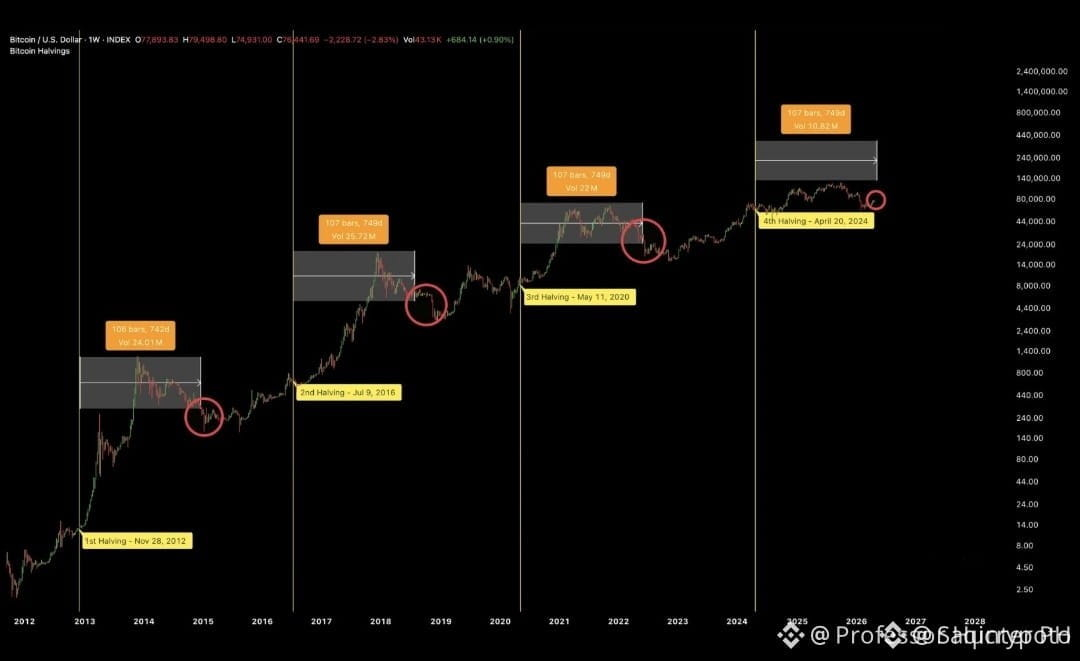
WARNING:
$BTC has crashed exactly 750 days after every halving.
Next week marks 750 days again.
Not looking great for Bitcoin.
$BTC
BTCUSDT
Perp
78,610
#EthereumFoundationSellsETHtoBitmineAgain #CryptoVCFundingFalls74%inApril #FedRatesUnchanged #MuskandAltmanClashOverOpenAILawsuit #AftermathFinanceBreach
WARNING:
$BTC has crashed exactly 750 days after every halving.
Next week marks 750 days again.
Not looking great for Bitcoin.
$BTC
BTCUSDT
Perp
78,610
#EthereumFoundationSellsETHtoBitmineAgain #CryptoVCFundingFalls74%inApril #FedRatesUnchanged #MuskandAltmanClashOverOpenAILawsuit #AftermathFinanceBreach
$BTC has crashed exactly 750 days after every halving.
Next week marks 750 days again.
Not looking great for Bitcoin.
$BTC
BTCUSDT
Perp
78,610
#EthereumFoundationSellsETHtoBitmineAgain #CryptoVCFundingFalls74%inApril #FedRatesUnchanged #MuskandAltmanClashOverOpenAILawsuit #AftermathFinanceBreach
2
40
Connectez-vous pour découvrir plus de contenu
Rejoignez la communauté mondiale des adeptes de cryptomonnaies sur Binance Square
⚡️ Suviez les dernières informations importantes sur les cryptomonnaies.
💬 Jugé digne de confiance par la plus grande plateforme d’échange de cryptomonnaies au monde.
👍 Découvrez les connaissances que partagent les créateurs vérifiés.
Adresse e-mail/Nº de téléphone
Sujets d’actualité
1
#NFPWatch
10.9M vues
19,356 mentions
2
#BitcoinFundingRateTriplesTo10%
182,585 vues
1,244 mentions
3
#BitcoinSurpasses$86KUp2.99%
60,701 vues
118 mentions
4
#ZcashFalls21%FromSeptemberPeak
96,210 vues
878 mentions
5
#USSeptemberPayrollsAdd29KUnemploymentRises4.2%
76,841 vues
537 mentions
6
#XRPPostsFirstThreeGreenMonthsInQ3
66,703 vues
737 mentions
7
#BNBChainTokenizedStocksTop$1BAt30%Share
29,429 vues
38 mentions
8
#BitcoinRisesToward$85K
131,881 vues
158 mentions
9
#AmazonPlansToSell$8BNvidiaChips
8,390 vues
92 mentions
10
#NEARFallsToAround$4.70Down14%
51,280 vues
118 mentions