
#newton
newton
113,341 vues
1,314 mentions
Populaire
Récents

·
--
NEWTONBon projet. Préparez-vous à voir le développement de ce projet/pièce devenir PAUS.
Acheter et conserver : un grand mouvement bientôt 👀👀👀👀🤑🤑🤑
La zone de support à 0,0400 sert de référence aux grands acheteurs qui entreront.
Bon projet
De bonnes données
Développement de l’entreprise
Un protocole qui deviendra un atout importantRôle principal pour les grandes pièces. Allez, du courage aux combattants du Cuan 🤑🤑🤑🤑🤑🤑👀👀👀👀👀👀👀👀 $NEWT #newton @NewtonProtocol
NEWTON
Bon projet. Préparez-vous à voir le développement de ce projet/pièce devenir PAUS.
Acheter et conserver : un grand mouvement bientôt 👀👀👀👀🤑🤑🤑
La zone de support à 0,0400 sert de référence aux grands acheteurs qui entreront.
Bon projet
De bonnes données
Développement de l’entreprise
Un protocole qui deviendra un atout importantRôle principal pour les grandes pièces. Allez, du courage aux combattants du Cuan 🤑🤑🤑🤑🤑🤑👀👀👀👀👀👀👀👀 $NEWT #newton @NewtonProtocol
Acheter et conserver : un grand mouvement bientôt 👀👀👀👀🤑🤑🤑
La zone de support à 0,0400 sert de référence aux grands acheteurs qui entreront.
Bon projet
De bonnes données
Développement de l’entreprise
Un protocole qui deviendra un atout importantRôle principal pour les grandes pièces. Allez, du courage aux combattants du Cuan 🤑🤑🤑🤑🤑🤑👀👀👀👀👀👀👀👀 $NEWT #newton @NewtonProtocol
9

Newton : Construire l’avenir du Web3Newton : Construire l’avenir du Web3
Newton est un projet blockchain axé sur l’amélioration de l’expérience Web3 grâce à des innovations concrètes, à la scalabilité et à la participation de la communauté. Alors que l’industrie de la blockchain continue de se développer, les utilisateurs accordent de plus en plus d’importance aux projets qui mettent l’accent sur la facilité d’utilisation, l’efficacité et les applications concrètes. Newton vise à contribuer à cette vision en soutenant un écosystème décentralisé où les développeurs et les utilisateurs peuvent interagir plus efficacement. Bien que le marché des cryptomonnaies reste dynamique, le succès à long terme dépend souvent du développement continu, d’une forte implication communautaire et d’une adoption significative. Garder un œil sur des projets comme Newton peut aider les investisseurs et les passionnés de la blockchain à mieux comprendre les tendances émergentes de la technologie décentralisée. Comme toujours, faites vos propres recherches (DYOR) avant de prendre toute décision d’investissement, et privilégiez les projets dotés d’objectifs clairs, d’un développement actif et d’un potentiel de croissance durable.
Newton : Construire l’avenir du Web3
Newton : Construire l’avenir du Web3
Newton est un projet blockchain axé sur l’amélioration de l’expérience Web3 grâce à des innovations concrètes, à la scalabilité et à la participation de la communauté. Alors que l’industrie de la blockchain continue de se développer, les utilisateurs accordent de plus en plus d’importance aux projets qui mettent l’accent sur la facilité d’utilisation, l’efficacité et les applications concrètes. Newton vise à contribuer à cette vision en soutenant un écosystème décentralisé où les développeurs et les utilisateurs peuvent interagir plus efficacement. Bien que le marché des cryptomonnaies reste dynamique, le succès à long terme dépend souvent du développement continu, d’une forte implication communautaire et d’une adoption significative. Garder un œil sur des projets comme Newton peut aider les investisseurs et les passionnés de la blockchain à mieux comprendre les tendances émergentes de la technologie décentralisée. Comme toujours, faites vos propres recherches (DYOR) avant de prendre toute décision d’investissement, et privilégiez les projets dotés d’objectifs clairs, d’un développement actif et d’un potentiel de croissance durable.
Newton est un projet blockchain axé sur l’amélioration de l’expérience Web3 grâce à des innovations concrètes, à la scalabilité et à la participation de la communauté. Alors que l’industrie de la blockchain continue de se développer, les utilisateurs accordent de plus en plus d’importance aux projets qui mettent l’accent sur la facilité d’utilisation, l’efficacité et les applications concrètes. Newton vise à contribuer à cette vision en soutenant un écosystème décentralisé où les développeurs et les utilisateurs peuvent interagir plus efficacement. Bien que le marché des cryptomonnaies reste dynamique, le succès à long terme dépend souvent du développement continu, d’une forte implication communautaire et d’une adoption significative. Garder un œil sur des projets comme Newton peut aider les investisseurs et les passionnés de la blockchain à mieux comprendre les tendances émergentes de la technologie décentralisée. Comme toujours, faites vos propres recherches (DYOR) avant de prendre toute décision d’investissement, et privilégiez les projets dotés d’objectifs clairs, d’un développement actif et d’un potentiel de croissance durable.
68

·
--
Newton Mainnet Beta : un socle solide pour la prochaine étape de l’innovation Web3Le lancement de Newton Mainnet Beta marque une étape importante dans l’évolution de l’infrastructure décentralisée. Félicitations à @NewtonProtocol pour avoir atteint ce jalon et pour continuer à construire un réseau axé sur l’adoption pratique de la blockchain. Mainnet Beta est bien plus qu’une simple mise à disposition technique : c’est une occasion pour les développeurs, les validateurs et les membres de la communauté de tester de nouvelles fonctionnalités, de fournir des retours précieux et de contribuer à un écosystème plus solide.
Je pense que les projets blockchain les plus réussis sont ceux qui impliquent activement leurs communautés lors des étapes clés du développement. En ouvrant la participation à Mainnet Beta, le protocole Newton peut recueillir des informations issues du monde réel afin d’améliorer la sécurité, les performances et l’utilisabilité avant une adoption plus large. Cette approche collaborative profite à la fois aux créateurs et aux utilisateurs tout en encourageant l’innovation au sein de l’écosystème.
Newton Mainnet Beta : un socle solide pour la prochaine étape de l’innovation Web3
Le lancement de Newton Mainnet Beta marque une étape importante dans l’évolution de l’infrastructure décentralisée. Félicitations à @NewtonProtocol pour avoir atteint ce jalon et pour continuer à construire un réseau axé sur l’adoption pratique de la blockchain. Mainnet Beta est bien plus qu’une simple mise à disposition technique : c’est une occasion pour les développeurs, les validateurs et les membres de la communauté de tester de nouvelles fonctionnalités, de fournir des retours précieux et de contribuer à un écosystème plus solide.
Je pense que les projets blockchain les plus réussis sont ceux qui impliquent activement leurs communautés lors des étapes clés du développement. En ouvrant la participation à Mainnet Beta, le protocole Newton peut recueillir des informations issues du monde réel afin d’améliorer la sécurité, les performances et l’utilisabilité avant une adoption plus large. Cette approche collaborative profite à la fois aux créateurs et aux utilisateurs tout en encourageant l’innovation au sein de l’écosystème.
Je pense que les projets blockchain les plus réussis sont ceux qui impliquent activement leurs communautés lors des étapes clés du développement. En ouvrant la participation à Mainnet Beta, le protocole Newton peut recueillir des informations issues du monde réel afin d’améliorer la sécurité, les performances et l’utilisabilité avant une adoption plus large. Cette approche collaborative profite à la fois aux créateurs et aux utilisateurs tout en encourageant l’innovation au sein de l’écosystème.
50

·
--
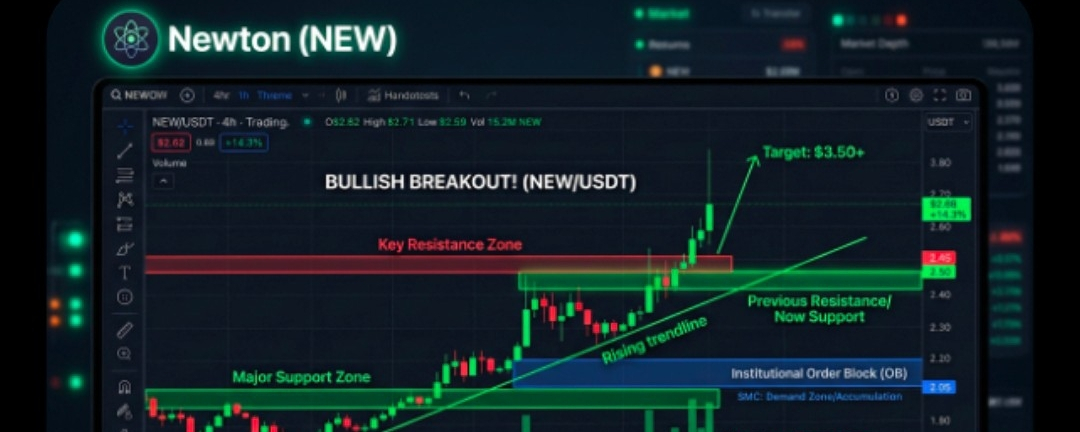
Article
La nouvelle pièce#Newton Analyse du marché de la pièce ($NEWT )
Newton Coin (NEWT) montre un regain de dynamique, alors que les traders surveillent de près l’évolution de son prix, parallèlement à l’amélioration du sentiment dans l’ensemble du marché des cryptomonnaies. Le token a récemment défendu une zone de support clé, ce qui indique que les acheteurs restent actifs malgré une volatilité à court terme. Les indicateurs techniques suggèrent que si NEWT conserve sa structure actuelle et franchit le niveau de résistance le plus proche avec un fort volume de transactions, il pourrait viser des niveaux de prix plus élevés au cours des prochaines sessions. Toutefois, un rejet au niveau de résistance peut déclencher une correction temporaire avant une nouvelle tentative haussière. Les investisseurs devraient également garder un œil sur les évolutions de l’écosystème, l’activité des échanges et la direction globale du marché Bitcoin, car ces facteurs continuent d’influencer la performance à court terme de NEWT. Comme toujours, une gestion des risques appropriée et une recherche indépendante sont essentielles avant de prendre toute décision d’investissement.#CircleRemovedFromRussellGrowthIndexes #OilPriceFalls #KoreanWonWeakestSince2009
La nouvelle pièce
#Newton Analyse du marché de la pièce ($NEWT )
Newton Coin (NEWT) montre un regain de dynamique, alors que les traders surveillent de près l’évolution de son prix, parallèlement à l’amélioration du sentiment dans l’ensemble du marché des cryptomonnaies. Le token a récemment défendu une zone de support clé, ce qui indique que les acheteurs restent actifs malgré une volatilité à court terme. Les indicateurs techniques suggèrent que si NEWT conserve sa structure actuelle et franchit le niveau de résistance le plus proche avec un fort volume de transactions, il pourrait viser des niveaux de prix plus élevés au cours des prochaines sessions. Toutefois, un rejet au niveau de résistance peut déclencher une correction temporaire avant une nouvelle tentative haussière. Les investisseurs devraient également garder un œil sur les évolutions de l’écosystème, l’activité des échanges et la direction globale du marché Bitcoin, car ces facteurs continuent d’influencer la performance à court terme de NEWT. Comme toujours, une gestion des risques appropriée et une recherche indépendante sont essentielles avant de prendre toute décision d’investissement.#CircleRemovedFromRussellGrowthIndexes #OilPriceFalls #KoreanWonWeakestSince2009
Newton Coin (NEWT) montre un regain de dynamique, alors que les traders surveillent de près l’évolution de son prix, parallèlement à l’amélioration du sentiment dans l’ensemble du marché des cryptomonnaies. Le token a récemment défendu une zone de support clé, ce qui indique que les acheteurs restent actifs malgré une volatilité à court terme. Les indicateurs techniques suggèrent que si NEWT conserve sa structure actuelle et franchit le niveau de résistance le plus proche avec un fort volume de transactions, il pourrait viser des niveaux de prix plus élevés au cours des prochaines sessions. Toutefois, un rejet au niveau de résistance peut déclencher une correction temporaire avant une nouvelle tentative haussière. Les investisseurs devraient également garder un œil sur les évolutions de l’écosystème, l’activité des échanges et la direction globale du marché Bitcoin, car ces facteurs continuent d’influencer la performance à court terme de NEWT. Comme toujours, une gestion des risques appropriée et une recherche indépendante sont essentielles avant de prendre toute décision d’investissement.#CircleRemovedFromRussellGrowthIndexes #OilPriceFalls #KoreanWonWeakestSince2009
69

·
--
🚀 Explorer l’avenir avec @NewtonProtocol
Le lancement de la Newton Mainnet Beta marque un moment passionnant🚀 Explorer l’avenir avec @NewtonProtocol
Le lancement de la #newton Mainnet Beta marque une étape passionnante pour l’écosystème Web3. @NewtonProtocol se concentre sur la mise en place d’une infrastructure décentralisée visant à améliorer l’efficacité, la sécurité et la scalabilité des applications blockchain. $Avec la Mainnet Beta désormais disponible, les développeurs et les membres de la communauté ont l’opportunité de découvrir le réseau, de fournir des retours précieux et de contribuer à façonner son développement futur.
Les projets qui encouragent la participation de la communauté pendant la phase bêta construisent souvent des écosystèmes plus solides au fil du temps. La Newton Mainnet Beta constitue une étape importante pour tester les performances dans des conditions réelles, améliorer la stabilité et préparer une adoption plus large. À mesure que le réseau évolue, il pourrait ouvrir de nouvelles possibilités pour les développeurs, les utilisateurs et les applications décentralisées.
🚀 Explorer l’avenir avec @NewtonProtocol Le lancement de la Newton Mainnet Beta marque un moment passionnant
🚀 Explorer l’avenir avec @NewtonProtocol
Le lancement de la #newton Mainnet Beta marque une étape passionnante pour l’écosystème Web3. @NewtonProtocol se concentre sur la mise en place d’une infrastructure décentralisée visant à améliorer l’efficacité, la sécurité et la scalabilité des applications blockchain. $Avec la Mainnet Beta désormais disponible, les développeurs et les membres de la communauté ont l’opportunité de découvrir le réseau, de fournir des retours précieux et de contribuer à façonner son développement futur.
Les projets qui encouragent la participation de la communauté pendant la phase bêta construisent souvent des écosystèmes plus solides au fil du temps. La Newton Mainnet Beta constitue une étape importante pour tester les performances dans des conditions réelles, améliorer la stabilité et préparer une adoption plus large. À mesure que le réseau évolue, il pourrait ouvrir de nouvelles possibilités pour les développeurs, les utilisateurs et les applications décentralisées.
Le lancement de la #newton Mainnet Beta marque une étape passionnante pour l’écosystème Web3. @NewtonProtocol se concentre sur la mise en place d’une infrastructure décentralisée visant à améliorer l’efficacité, la sécurité et la scalabilité des applications blockchain. $Avec la Mainnet Beta désormais disponible, les développeurs et les membres de la communauté ont l’opportunité de découvrir le réseau, de fournir des retours précieux et de contribuer à façonner son développement futur.
Les projets qui encouragent la participation de la communauté pendant la phase bêta construisent souvent des écosystèmes plus solides au fil du temps. La Newton Mainnet Beta constitue une étape importante pour tester les performances dans des conditions réelles, améliorer la stabilité et préparer une adoption plus large. À mesure que le réseau évolue, il pourrait ouvrir de nouvelles possibilités pour les développeurs, les utilisateurs et les applications décentralisées.
41

·
--
Accueillir Newton Mainnet Beta : une étape cruciale vers une infrastructure Web3 plus prête à être utiliséeL’évolution du réseau Newton Mainnet Beta devient un moment particulièrement intéressant à suivre pour la communauté blockchain. Grâce à @NewtonProtocol, ce projet démontre son engagement à construire une infrastructure plus stable, plus sûre et plus efficace, comme fondement de diverses applications décentralisées à l’avenir. La présence du Mainnet Beta n’est pas seulement une étape de test, mais aussi une occasion de recueillir des retours de la communauté afin que le réseau puisse continuer à être amélioré avant d’entrer dans une phase plus aboutie.
Accueillir Newton Mainnet Beta : une étape cruciale vers une infrastructure Web3 plus prête à être utilisée
L’évolution du réseau Newton Mainnet Beta devient un moment particulièrement intéressant à suivre pour la communauté blockchain. Grâce à @NewtonProtocol, ce projet démontre son engagement à construire une infrastructure plus stable, plus sûre et plus efficace, comme fondement de diverses applications décentralisées à l’avenir. La présence du Mainnet Beta n’est pas seulement une étape de test, mais aussi une occasion de recueillir des retours de la communauté afin que le réseau puisse continuer à être amélioré avant d’entrer dans une phase plus aboutie.
63

·
--
Décryptage de Newton Mainnet Beta : une infrastructure pour la prochaine génération de Web3 $NEWTLa création de services décentralisés véritablement à grande échelle est impossible sans une base technologique fiable et flexible. Le projet @NewtonProtocol réalise activement cette mission en se concentrant, à l’étape actuelle, sur les tests de Newton Mainnet Beta. Cette version constitue une étape importante qui démontre la capacité du réseau à gérer des charges élevées et des smart contracts complexes.
Décryptage de Newton Mainnet Beta : une infrastructure pour la prochaine génération de Web3 $NEWT
La création de services décentralisés véritablement à grande échelle est impossible sans une base technologique fiable et flexible. Le projet @NewtonProtocol réalise activement cette mission en se concentrant, à l’étape actuelle, sur les tests de Newton Mainnet Beta. Cette version constitue une étape importante qui démontre la capacité du réseau à gérer des charges élevées et des smart contracts complexes.
43

Pourquoi $NEWTON Devient un Projet à SurveillerPourquoi $NEWTON Devient un Projet à Surveiller
Le marché des cryptomonnaies continue d’évoluer, et les projets dotés d’une utilité concrète commencent à attirer plus d’attention que le simple battage éphémère. $NEWTON figure parmi les noms qui apparaissent progressivement sur davantage de listes de surveillance d’investisseurs, grâce à son approche axée sur la construction d’un écosystème blockchain évolutif et efficace. À mesure que le sentiment du marché s’améliore, les traders prêtent davantage attention aux projets qui combinent un développement actif et une communauté en pleine croissance.
Même si la volatilité des prix fait partie intégrante de tout investissement en cryptomonnaies, $NEWTON a fait preuve de résilience en maintenant l’intérêt malgré l’évolution des conditions de marché. L’expansion continue de l’écosystème, les partenariats et l’activité du réseau pourraient devenir des catalyseurs importants si l’élan global du marché reste positif. Comme pour tout actif numérique, la gestion des risques est essentielle, et les investisseurs devraient toujours effectuer leurs propres recherches avant de prendre des décisions.
Pourquoi $NEWTON Devient un Projet à Surveiller
Pourquoi $NEWTON Devient un Projet à Surveiller
Le marché des cryptomonnaies continue d’évoluer, et les projets dotés d’une utilité concrète commencent à attirer plus d’attention que le simple battage éphémère. $NEWTON figure parmi les noms qui apparaissent progressivement sur davantage de listes de surveillance d’investisseurs, grâce à son approche axée sur la construction d’un écosystème blockchain évolutif et efficace. À mesure que le sentiment du marché s’améliore, les traders prêtent davantage attention aux projets qui combinent un développement actif et une communauté en pleine croissance.
Même si la volatilité des prix fait partie intégrante de tout investissement en cryptomonnaies, $NEWTON a fait preuve de résilience en maintenant l’intérêt malgré l’évolution des conditions de marché. L’expansion continue de l’écosystème, les partenariats et l’activité du réseau pourraient devenir des catalyseurs importants si l’élan global du marché reste positif. Comme pour tout actif numérique, la gestion des risques est essentielle, et les investisseurs devraient toujours effectuer leurs propres recherches avant de prendre des décisions.
Le marché des cryptomonnaies continue d’évoluer, et les projets dotés d’une utilité concrète commencent à attirer plus d’attention que le simple battage éphémère. $NEWTON figure parmi les noms qui apparaissent progressivement sur davantage de listes de surveillance d’investisseurs, grâce à son approche axée sur la construction d’un écosystème blockchain évolutif et efficace. À mesure que le sentiment du marché s’améliore, les traders prêtent davantage attention aux projets qui combinent un développement actif et une communauté en pleine croissance.
Même si la volatilité des prix fait partie intégrante de tout investissement en cryptomonnaies, $NEWTON a fait preuve de résilience en maintenant l’intérêt malgré l’évolution des conditions de marché. L’expansion continue de l’écosystème, les partenariats et l’activité du réseau pourraient devenir des catalyseurs importants si l’élan global du marché reste positif. Comme pour tout actif numérique, la gestion des risques est essentielle, et les investisseurs devraient toujours effectuer leurs propres recherches avant de prendre des décisions.
1
40

·
--
#newt $NEWT
{future}(NEWTUSDT)
Newton Protocol (NEWT) construit un avenir passionnant pour l’infrastructure blockchain pilotée par l’IA. En se concentrant sur des rollups sécurisés et une technologie évolutive, Newton vise à créer un environnement fiable où les applications d’IA peuvent fonctionner efficacement et de manière transparente. Ce qui rend ce projet particulièrement remarquable, c’est sa vision de combiner l’intelligence artificielle et des systèmes décentralisés afin d’améliorer la sécurité, l’automatisation et l’expérience utilisateur. À mesure que la demande de solutions propulsées par l’IA continue de croître, des projets comme Newton Protocol ont le potentiel de jouer un rôle clé dans la définition de la prochaine génération d’innovation Web3. Je suis enthousiaste de suivre l’évolution de Newton et de voir comment sa technologie contribue à un écosystème numérique plus intelligent, plus efficace et plus décentralisé. À mesure que la demande de solutions propulsées par l’IA continue de croître, des projets comme Newton Protocol ont le potentiel de jouer un rôle clé dans la définition de la prochaine génération d’innovation Web3.#NewtonProtocol #NEWT #AI #Web3 #Blockchain #newton
#newt $NEWT
Newton Protocol (NEWT) construit un avenir passionnant pour l’infrastructure blockchain pilotée par l’IA. En se concentrant sur des rollups sécurisés et une technologie évolutive, Newton vise à créer un environnement fiable où les applications d’IA peuvent fonctionner efficacement et de manière transparente. Ce qui rend ce projet particulièrement remarquable, c’est sa vision de combiner l’intelligence artificielle et des systèmes décentralisés afin d’améliorer la sécurité, l’automatisation et l’expérience utilisateur. À mesure que la demande de solutions propulsées par l’IA continue de croître, des projets comme Newton Protocol ont le potentiel de jouer un rôle clé dans la définition de la prochaine génération d’innovation Web3. Je suis enthousiaste de suivre l’évolution de Newton et de voir comment sa technologie contribue à un écosystème numérique plus intelligent, plus efficace et plus décentralisé. À mesure que la demande de solutions propulsées par l’IA continue de croître, des projets comme Newton Protocol ont le potentiel de jouer un rôle clé dans la définition de la prochaine génération d’innovation Web3.#NewtonProtocol #NEWT #AI #Web3 #Blockchain #newton
Newton Protocol (NEWT) construit un avenir passionnant pour l’infrastructure blockchain pilotée par l’IA. En se concentrant sur des rollups sécurisés et une technologie évolutive, Newton vise à créer un environnement fiable où les applications d’IA peuvent fonctionner efficacement et de manière transparente. Ce qui rend ce projet particulièrement remarquable, c’est sa vision de combiner l’intelligence artificielle et des systèmes décentralisés afin d’améliorer la sécurité, l’automatisation et l’expérience utilisateur. À mesure que la demande de solutions propulsées par l’IA continue de croître, des projets comme Newton Protocol ont le potentiel de jouer un rôle clé dans la définition de la prochaine génération d’innovation Web3. Je suis enthousiaste de suivre l’évolution de Newton et de voir comment sa technologie contribue à un écosystème numérique plus intelligent, plus efficace et plus décentralisé. À mesure que la demande de solutions propulsées par l’IA continue de croître, des projets comme Newton Protocol ont le potentiel de jouer un rôle clé dans la définition de la prochaine génération d’innovation Web3.#NewtonProtocol #NEWT #AI #Web3 #Blockchain #newton
77

Analyse Newton($NEWT)Le protocole Newton ( $NEWT ) est une couche de politique décentralisée conçue pour rendre la conformité on-chain automatique, programmable et vérifiable. Il permet aux développeurs de définir des politiques—en utilisant à la fois des données on-chain et off-chain—qui approuvent ou bloquent automatiquement les transactions en fonction de facteurs tels que les sanctions, l’identité et le risque.
### Fondamentaux du projet
Outil utilitaire principal : le protocole vise à remplacer les revues manuelles de conformité par un code exécutable en temps réel, particulièrement pertinent pour les émetteurs de stablecoins, les plateformes d’ACT (actifs du monde réel) et les agents IA.
Analyse Newton($NEWT)
Le protocole Newton ( $NEWT ) est une couche de politique décentralisée conçue pour rendre la conformité on-chain automatique, programmable et vérifiable. Il permet aux développeurs de définir des politiques—en utilisant à la fois des données on-chain et off-chain—qui approuvent ou bloquent automatiquement les transactions en fonction de facteurs tels que les sanctions, l’identité et le risque.
### Fondamentaux du projet
Outil utilitaire principal : le protocole vise à remplacer les revues manuelles de conformité par un code exécutable en temps réel, particulièrement pertinent pour les émetteurs de stablecoins, les plateformes d’ACT (actifs du monde réel) et les agents IA.
### Fondamentaux du projet
Outil utilitaire principal : le protocole vise à remplacer les revues manuelles de conformité par un code exécutable en temps réel, particulièrement pertinent pour les émetteurs de stablecoins, les plateformes d’ACT (actifs du monde réel) et les agents IA.
89

NEWTNEWT - un projet prometteur qui mérite d’être suivi
Le monde des cryptomonnaies continue d’évoluer rapidement, ouvrant de nouvelles opportunités, investisseurs et développeurs. Parmi les nombreux nouveaux projets,
NEWT suscite de plus en plus d’intérêt, une initiative qui construit progressivement son propre écosystème et attire l’attention d’une communauté active.
#newton $NEWT
NEWT
NEWT - un projet prometteur qui mérite d’être suivi
Le monde des cryptomonnaies continue d’évoluer rapidement, ouvrant de nouvelles opportunités, investisseurs et développeurs. Parmi les nombreux nouveaux projets,
NEWT suscite de plus en plus d’intérêt, une initiative qui construit progressivement son propre écosystème et attire l’attention d’une communauté active.
#newton $NEWT
Le monde des cryptomonnaies continue d’évoluer rapidement, ouvrant de nouvelles opportunités, investisseurs et développeurs. Parmi les nombreux nouveaux projets,
NEWT suscite de plus en plus d’intérêt, une initiative qui construit progressivement son propre écosystème et attire l’attention d’une communauté active.
#newton $NEWT
2
70

·
--
En parcourant l’évolution de l’industrie blockchain sur plus de dix ans, le champ de bataille principal de la concurrence technologique s’est toujours centré sur la performanceDes premières chaînes publiques en compétition pour repousser le goulot d’étranglement du TPS, jusqu’à la compression continue des coûts de Gas et la réduction du temps de confirmation des blocs grâce à toutes sortes de réseaux de couche 2, tous les récits techniques du secteur reposent sur un même principe de consensus : réduire au maximum les obstacles à l’exécution des transactions, afin que chaque transfert ou interaction de contrat déclenché par l’utilisateur puisse s’effectuer de manière fluide. Installé depuis longtemps dans le domaine de la mise en œuvre de la blockchain côté B, j’ai pu constater de nombreuses hésitations de la part de clients entreprises lorsqu’ils s’engagent dans Web3. Les institutions financières traditionnelles ont accumulé pendant des dizaines d’années des règles de contrôle des risques et d’admission, mais il leur est difficile de les transposer dans un réseau décentralisé. Dans la grande majorité des cas, les DApp ne peuvent mettre en place qu’un contrôle des risques fragmenté au niveau de l’application : elles ne peuvent ni réutiliser les règles dans différents scénarios, ni satisfaire aux exigences strictes de traçabilité et d’auditabilité de bout en bout côté régulateur. C’est précisément ce nœud critique qui explique pourquoi de nombreuses capitaux traditionnels hésitent encore à embrasser massivement la finance on-chain.
En parcourant l’évolution de l’industrie blockchain sur plus de dix ans, le champ de bataille principal de la concurrence technologique s’est toujours centré sur la performance
Des premières chaînes publiques en compétition pour repousser le goulot d’étranglement du TPS, jusqu’à la compression continue des coûts de Gas et la réduction du temps de confirmation des blocs grâce à toutes sortes de réseaux de couche 2, tous les récits techniques du secteur reposent sur un même principe de consensus : réduire au maximum les obstacles à l’exécution des transactions, afin que chaque transfert ou interaction de contrat déclenché par l’utilisateur puisse s’effectuer de manière fluide. Installé depuis longtemps dans le domaine de la mise en œuvre de la blockchain côté B, j’ai pu constater de nombreuses hésitations de la part de clients entreprises lorsqu’ils s’engagent dans Web3. Les institutions financières traditionnelles ont accumulé pendant des dizaines d’années des règles de contrôle des risques et d’admission, mais il leur est difficile de les transposer dans un réseau décentralisé. Dans la grande majorité des cas, les DApp ne peuvent mettre en place qu’un contrôle des risques fragmenté au niveau de l’application : elles ne peuvent ni réutiliser les règles dans différents scénarios, ni satisfaire aux exigences strictes de traçabilité et d’auditabilité de bout en bout côté régulateur. C’est précisément ce nœud critique qui explique pourquoi de nombreuses capitaux traditionnels hésitent encore à embrasser massivement la finance on-chain.
1
59

Article
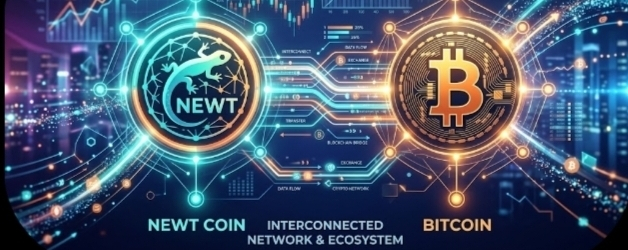
Titre : L’avenir de l’automatisation inter-chaînes est là avec le protocole NewtonContenu : Le protocole Newton a officiellement lancé sa Mainnet Beta, marquant une étape importante dans l’écosystème blockchain. Cette sortie apporte une automatisation on-chain sécurisée, décentralisée et vérifiable directement aux développeurs et aux utilisateurs. En s’appuyant sur des environnements d’exécution fiables avancés (Trusted Execution Environments) et le restaking EigenLayer, Newton fonctionne comme un moteur d’autorisation pré-transaction, garantissant que les règles complexes des vaults sont évaluées en toute sécurité avant tout mouvement de fonds. Cette avancée représente un tournant majeur pour les stratégies de trading automatisé par IA et les opérations inter-chaînes, en réduisant la latence et en améliorant l’efficacité. Découvrez dès aujourd’hui l’utilité réelle du jeton natif $NEWT , qui alimente cette infrastructure robuste. Rejoignez la révolution de la finance décentralisée et restez à l’écoute pour plus de mises à jour. #Newton @NewtonProtocol
Titre : L’avenir de l’automatisation inter-chaînes est là avec le protocole Newton
Contenu : Le protocole Newton a officiellement lancé sa Mainnet Beta, marquant une étape importante dans l’écosystème blockchain. Cette sortie apporte une automatisation on-chain sécurisée, décentralisée et vérifiable directement aux développeurs et aux utilisateurs. En s’appuyant sur des environnements d’exécution fiables avancés (Trusted Execution Environments) et le restaking EigenLayer, Newton fonctionne comme un moteur d’autorisation pré-transaction, garantissant que les règles complexes des vaults sont évaluées en toute sécurité avant tout mouvement de fonds. Cette avancée représente un tournant majeur pour les stratégies de trading automatisé par IA et les opérations inter-chaînes, en réduisant la latence et en améliorant l’efficacité. Découvrez dès aujourd’hui l’utilité réelle du jeton natif $NEWT , qui alimente cette infrastructure robuste. Rejoignez la révolution de la finance décentralisée et restez à l’écoute pour plus de mises à jour. #Newton @NewtonProtocol
1
52

·
--
#newt $NEWT
Je pensais autrefois que la partie la plus difficile de la crypto consistait à protéger les actifs. Récemment, je me suis mis à me demander si le plus grand défi ne serait pas de rendre le comportement des transactions prévisible. Les marchés peuvent gérer la volatilité. Ce qu’ils ont du mal à gérer, c’est l’incertitude concernant la façon dont et la raison pour laquelle les actifs bougent.
C’est pourquoi Newton Protocol a attiré mon attention sous un angle différent.
La plupart des systèmes blockchain prouvent qu’une transaction a eu lieu. Newton explore la possibilité pour les réseaux de prouver aussi qu’une transaction a suivi des règles prédéfinies avant même qu’elle ne se produise. Cette différence compte lorsque des agents d’IA, des portefeuilles automatisés et des comptes délégués commencent à prendre des décisions sans intervention humaine constante.
Une exécution prévisible a une valeur économique.
Si les applications savent que certains standards d’autorisation sont appliqués de manière constante, elles peuvent concevoir des flux de travail autour de cette certitude. Les systèmes de paiement, les opérations de trésorerie et les agents autonomes bénéficient d’une infrastructure qui se comporte de la même façon à chaque fois, plutôt que de s’appuyer sur des hypothèses concernant le comportement des utilisateurs.
L’économie des tokens dépend finalement du fait que cette prévisibilité devienne suffisamment utile pour soutenir la demande continue. Des indicateurs comme l’offre en circulation, les calendriers de déblocage et l’évaluation restent importants, mais la valeur à long terme provient de services que les développeurs et les institutions continuent d’utiliser parce qu’ils réduisent l’incertitude opérationnelle — pas seulement parce qu’ils sont temporairement populaires.
Il y a des défis évidents. Les règles de sécurité doivent rester fiables sans devenir excessivement restrictives, et les systèmes de vérification doivent résister à la manipulation tout en gardant les utilisateurs légitimes productifs. Si cet équilibre n’est pas maintenu, la confiance dans l’infrastructure faiblit, quelle que soit la performance des tokens.
Du point de vue de l’investissement, je suis moins intéressé par les annonces à court terme que par le fait de savoir si l’autorisation prévisible devient une infrastructure standard. Les projets qui rendent la finance numérique plus fiable pourraient créer leur plus grand avantage non pas grâce à une exécution plus rapide, mais en rendant les résultats systématiquement fiables.
$NEWT @NewtonProtocol #newton #Newt
#newt $NEWT
Je pensais autrefois que la partie la plus difficile de la crypto consistait à protéger les actifs. Récemment, je me suis mis à me demander si le plus grand défi ne serait pas de rendre le comportement des transactions prévisible. Les marchés peuvent gérer la volatilité. Ce qu’ils ont du mal à gérer, c’est l’incertitude concernant la façon dont et la raison pour laquelle les actifs bougent.
C’est pourquoi Newton Protocol a attiré mon attention sous un angle différent.
La plupart des systèmes blockchain prouvent qu’une transaction a eu lieu. Newton explore la possibilité pour les réseaux de prouver aussi qu’une transaction a suivi des règles prédéfinies avant même qu’elle ne se produise. Cette différence compte lorsque des agents d’IA, des portefeuilles automatisés et des comptes délégués commencent à prendre des décisions sans intervention humaine constante.
Une exécution prévisible a une valeur économique.
Si les applications savent que certains standards d’autorisation sont appliqués de manière constante, elles peuvent concevoir des flux de travail autour de cette certitude. Les systèmes de paiement, les opérations de trésorerie et les agents autonomes bénéficient d’une infrastructure qui se comporte de la même façon à chaque fois, plutôt que de s’appuyer sur des hypothèses concernant le comportement des utilisateurs.
L’économie des tokens dépend finalement du fait que cette prévisibilité devienne suffisamment utile pour soutenir la demande continue. Des indicateurs comme l’offre en circulation, les calendriers de déblocage et l’évaluation restent importants, mais la valeur à long terme provient de services que les développeurs et les institutions continuent d’utiliser parce qu’ils réduisent l’incertitude opérationnelle — pas seulement parce qu’ils sont temporairement populaires.
Il y a des défis évidents. Les règles de sécurité doivent rester fiables sans devenir excessivement restrictives, et les systèmes de vérification doivent résister à la manipulation tout en gardant les utilisateurs légitimes productifs. Si cet équilibre n’est pas maintenu, la confiance dans l’infrastructure faiblit, quelle que soit la performance des tokens.
Du point de vue de l’investissement, je suis moins intéressé par les annonces à court terme que par le fait de savoir si l’autorisation prévisible devient une infrastructure standard. Les projets qui rendent la finance numérique plus fiable pourraient créer leur plus grand avantage non pas grâce à une exécution plus rapide, mais en rendant les résultats systématiquement fiables.
$NEWT @NewtonProtocol #newton #Newt
Je pensais autrefois que la partie la plus difficile de la crypto consistait à protéger les actifs. Récemment, je me suis mis à me demander si le plus grand défi ne serait pas de rendre le comportement des transactions prévisible. Les marchés peuvent gérer la volatilité. Ce qu’ils ont du mal à gérer, c’est l’incertitude concernant la façon dont et la raison pour laquelle les actifs bougent.
C’est pourquoi Newton Protocol a attiré mon attention sous un angle différent.
La plupart des systèmes blockchain prouvent qu’une transaction a eu lieu. Newton explore la possibilité pour les réseaux de prouver aussi qu’une transaction a suivi des règles prédéfinies avant même qu’elle ne se produise. Cette différence compte lorsque des agents d’IA, des portefeuilles automatisés et des comptes délégués commencent à prendre des décisions sans intervention humaine constante.
Une exécution prévisible a une valeur économique.
Si les applications savent que certains standards d’autorisation sont appliqués de manière constante, elles peuvent concevoir des flux de travail autour de cette certitude. Les systèmes de paiement, les opérations de trésorerie et les agents autonomes bénéficient d’une infrastructure qui se comporte de la même façon à chaque fois, plutôt que de s’appuyer sur des hypothèses concernant le comportement des utilisateurs.
L’économie des tokens dépend finalement du fait que cette prévisibilité devienne suffisamment utile pour soutenir la demande continue. Des indicateurs comme l’offre en circulation, les calendriers de déblocage et l’évaluation restent importants, mais la valeur à long terme provient de services que les développeurs et les institutions continuent d’utiliser parce qu’ils réduisent l’incertitude opérationnelle — pas seulement parce qu’ils sont temporairement populaires.
Il y a des défis évidents. Les règles de sécurité doivent rester fiables sans devenir excessivement restrictives, et les systèmes de vérification doivent résister à la manipulation tout en gardant les utilisateurs légitimes productifs. Si cet équilibre n’est pas maintenu, la confiance dans l’infrastructure faiblit, quelle que soit la performance des tokens.
Du point de vue de l’investissement, je suis moins intéressé par les annonces à court terme que par le fait de savoir si l’autorisation prévisible devient une infrastructure standard. Les projets qui rendent la finance numérique plus fiable pourraient créer leur plus grand avantage non pas grâce à une exécution plus rapide, mais en rendant les résultats systématiquement fiables.
$NEWT @NewtonProtocol #newton #Newt
Bulliesh 💚
0%
Bearish ❤️
0%
Trust issue (AI Tools)
0%
0 Votes • Vote fermé
3
1
39

·
--
Projet NewtonAu moment où la pièce arrive, elle peut devenir un bon projet. S’il vous plaît, ne l’ignorez pas. Vous pouvez investir un peu dans votre portefeuille. Cela peut doubler ou tripler votre portefeuille. S’il vous plaît, ne l’ignorez pas—achetez-la et gardez-la. C’est bien. Merci. Vous pouvez aussi soit l’acheter, soit la garder, soit la mettre dans votre liste de souhaits. Cela vous conviendra. Elle restera sous votre attention. Ce projet #NewToken #newton <t-9/>
Projet Newton
Au moment où la pièce arrive, elle peut devenir un bon projet. S’il vous plaît, ne l’ignorez pas. Vous pouvez investir un peu dans votre portefeuille. Cela peut doubler ou tripler votre portefeuille. S’il vous plaît, ne l’ignorez pas—achetez-la et gardez-la. C’est bien. Merci. Vous pouvez aussi soit l’acheter, soit la garder, soit la mettre dans votre liste de souhaits. Cela vous conviendra. Elle restera sous votre attention. Ce projet #NewToken #newton <t-9/>
8

·
--
#newt $NEWT
@NewtonProtocol introduit une puissante couche d’autorisation préalable aux transactions et un moteur de règles. Au lieu de gérer les risques après que les dégâts sont faits, il évalue la conformité, la sécurité et les paramètres de risque on-chain avant l’exécution.
Cela apporte une intégrité de transaction programmable directement aux coffres DeFi et aux agents IA, sans obliger les développeurs à réécrire l’ensemble de leur pile. Une automatisation sûre et décentralisée passe à l’échelle ! 🔒💡
#newton #NewtonProtocol
$NEWT
{spot}(NEWTUSDT)
#newt $NEWT
@NewtonProtocol introduit une puissante couche d’autorisation préalable aux transactions et un moteur de règles. Au lieu de gérer les risques après que les dégâts sont faits, il évalue la conformité, la sécurité et les paramètres de risque on-chain avant l’exécution.
Cela apporte une intégrité de transaction programmable directement aux coffres DeFi et aux agents IA, sans obliger les développeurs à réécrire l’ensemble de leur pile. Une automatisation sûre et décentralisée passe à l’échelle ! 🔒💡
#newton #NewtonProtocol
$NEWT
@NewtonProtocol introduit une puissante couche d’autorisation préalable aux transactions et un moteur de règles. Au lieu de gérer les risques après que les dégâts sont faits, il évalue la conformité, la sécurité et les paramètres de risque on-chain avant l’exécution.
Cela apporte une intégrité de transaction programmable directement aux coffres DeFi et aux agents IA, sans obliger les développeurs à réécrire l’ensemble de leur pile. Une automatisation sûre et décentralisée passe à l’échelle ! 🔒💡
#newton #NewtonProtocol
$NEWT
87

·
--
Article
Protocole Newton (NEWT)* = Jeton pour « une couche de conformité on-chain »NEWT = Jeton pour les paiements
Le protocole Newton encode directement des règles de conformité dans le système. Cela signifie que chaque transaction crypto fait l’objet d’un contrôle automatisé avant de pouvoir être exécutée—avec une vérification de facteurs tels que les sanctions, la vérification d’identité et l’évaluation des risques. Son objectif est d’aider les institutions financières, les émetteurs de stablecoins, les plateformes d’RWA et les agents d’IA à se conformer aux réglementations sans compromettre la transparence ni la décentralisation. Pour faire une analogie : si la blockchain est une autoroute, Newton agit comme un « péage » qui vérifie le permis de conduire, la situation fiscale et les enregistrements sur liste noire avant d’autoriser les véhicules à passer.
Protocole Newton (NEWT)* = Jeton pour « une couche de conformité on-chain »
NEWT = Jeton pour les paiements
Le protocole Newton encode directement des règles de conformité dans le système. Cela signifie que chaque transaction crypto fait l’objet d’un contrôle automatisé avant de pouvoir être exécutée—avec une vérification de facteurs tels que les sanctions, la vérification d’identité et l’évaluation des risques. Son objectif est d’aider les institutions financières, les émetteurs de stablecoins, les plateformes d’RWA et les agents d’IA à se conformer aux réglementations sans compromettre la transparence ni la décentralisation. Pour faire une analogie : si la blockchain est une autoroute, Newton agit comme un « péage » qui vérifie le permis de conduire, la situation fiscale et les enregistrements sur liste noire avant d’autoriser les véhicules à passer.
Le protocole Newton encode directement des règles de conformité dans le système. Cela signifie que chaque transaction crypto fait l’objet d’un contrôle automatisé avant de pouvoir être exécutée—avec une vérification de facteurs tels que les sanctions, la vérification d’identité et l’évaluation des risques. Son objectif est d’aider les institutions financières, les émetteurs de stablecoins, les plateformes d’RWA et les agents d’IA à se conformer aux réglementations sans compromettre la transparence ni la décentralisation. Pour faire une analogie : si la blockchain est une autoroute, Newton agit comme un « péage » qui vérifie le permis de conduire, la situation fiscale et les enregistrements sur liste noire avant d’autoriser les véhicules à passer.
66

·
--
Écosystème du protocole Newton.
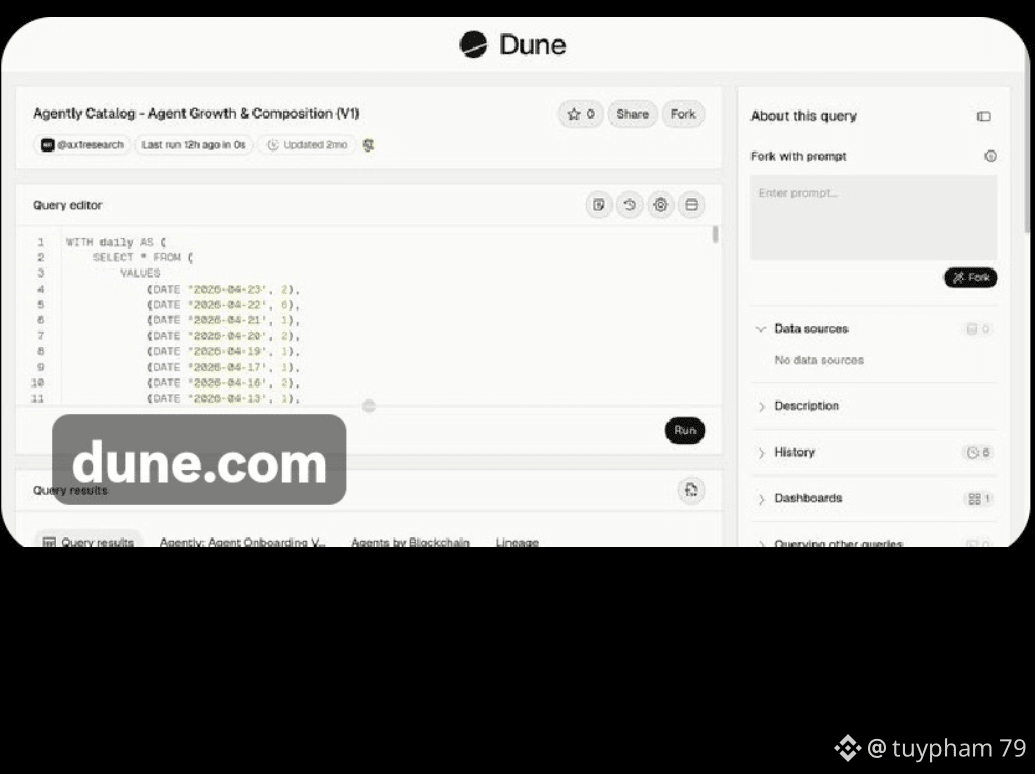
redéfinit les processus d’authentification des données on-chain. mettre en œuvre la sécurité dès maintenant dans un contrat intelligent avant le règlement aide le réseau Newton Mainnet Beta à être plus sûr
@NewtonProtocol
#Newton $NEWT
Écosystème du protocole Newton.
redéfinit les processus d’authentification des données on-chain. mettre en œuvre la sécurité dès maintenant dans un contrat intelligent avant le règlement aide le réseau Newton Mainnet Beta à être plus sûr
@NewtonProtocol
#Newton $NEWT
redéfinit les processus d’authentification des données on-chain. mettre en œuvre la sécurité dès maintenant dans un contrat intelligent avant le règlement aide le réseau Newton Mainnet Beta à être plus sûr
@NewtonProtocol
#Newton $NEWT
108

·
--
Je me suis beaucoup moins intéressé à l’IA en tant que récit, et bien davantage à la manière dont le capital se comporte autour d’elle. @NewtonProtocol C’est pourquoi j’observe le Newton Protocol d’une façon différente.#Binance
La question n’est pas de savoir si des stratégies automatisées peuvent exécuter des transactions. Nous savons déjà qu’elles le peuvent. La vraie question, c’est de savoir si un capital sérieux est prêt à rester quand ces stratégies prennent des décisions au sein de marchés volatils.#newton
Une chose que j’ai apprise après quelques cycles de marché, c’est que des volumes de transactions élevés ne m’impressionnent plus. Les systèmes automatisés peuvent générer une activité sans fin sans créer beaucoup de valeur économique réelle. Ce qui compte, c’est de savoir si les frais restent sains, si les portefeuilles continuent de revenir, et si la liquidité reste en place après que les incitations ont perdu de leur avantage.
Je pense aussi que la vérification compte plus que l’intelligence. Pendant un marché haussier, presque toutes les stratégies semblent intelligentes. C’est lors de baisses brutales que la confiance est mise à l’épreuve. Si les utilisateurs comprennent comment les décisions sont exécutées et pourquoi elles ont eu lieu, ils sont beaucoup plus susceptibles de rester engagés plutôt que de retirer leur capital au premier signe de stress.#Birliktekazanalım
C’est à travers cette optique que j’aborde le Newton Protocol. Je prête moins attention au récit de l’IA et davantage à la qualité du capital qui interagit avec le protocole. Sur le long terme, la liquidité qui reste et la participation répétée racontent une histoire bien plus claire que ne le fera jamais l’activité mise en avant.
#GillibrandCallsForDigitalAssetEthicsBan #RevolutToDelistUSDT
@NewtonProtocol $NEWT
{future}(NEWTUSDT)
$LAB
{alpha}(560x7ec43cf65f1663f820427c62a5780b8f2e25593a)
$VANRY
{future}(VANRYUSDT)
Je me suis beaucoup moins intéressé à l’IA en tant que récit, et bien davantage à la manière dont le capital se comporte autour d’elle. @NewtonProtocol C’est pourquoi j’observe le Newton Protocol d’une façon différente.#Binance
La question n’est pas de savoir si des stratégies automatisées peuvent exécuter des transactions. Nous savons déjà qu’elles le peuvent. La vraie question, c’est de savoir si un capital sérieux est prêt à rester quand ces stratégies prennent des décisions au sein de marchés volatils.#newton
Une chose que j’ai apprise après quelques cycles de marché, c’est que des volumes de transactions élevés ne m’impressionnent plus. Les systèmes automatisés peuvent générer une activité sans fin sans créer beaucoup de valeur économique réelle. Ce qui compte, c’est de savoir si les frais restent sains, si les portefeuilles continuent de revenir, et si la liquidité reste en place après que les incitations ont perdu de leur avantage.
Je pense aussi que la vérification compte plus que l’intelligence. Pendant un marché haussier, presque toutes les stratégies semblent intelligentes. C’est lors de baisses brutales que la confiance est mise à l’épreuve. Si les utilisateurs comprennent comment les décisions sont exécutées et pourquoi elles ont eu lieu, ils sont beaucoup plus susceptibles de rester engagés plutôt que de retirer leur capital au premier signe de stress.#Birliktekazanalım
C’est à travers cette optique que j’aborde le Newton Protocol. Je prête moins attention au récit de l’IA et davantage à la qualité du capital qui interagit avec le protocole. Sur le long terme, la liquidité qui reste et la participation répétée racontent une histoire bien plus claire que ne le fera jamais l’activité mise en avant.
#GillibrandCallsForDigitalAssetEthicsBan #RevolutToDelistUSDT
@NewtonProtocol $NEWT
$LAB
$VANRY
La question n’est pas de savoir si des stratégies automatisées peuvent exécuter des transactions. Nous savons déjà qu’elles le peuvent. La vraie question, c’est de savoir si un capital sérieux est prêt à rester quand ces stratégies prennent des décisions au sein de marchés volatils.#newton
Une chose que j’ai apprise après quelques cycles de marché, c’est que des volumes de transactions élevés ne m’impressionnent plus. Les systèmes automatisés peuvent générer une activité sans fin sans créer beaucoup de valeur économique réelle. Ce qui compte, c’est de savoir si les frais restent sains, si les portefeuilles continuent de revenir, et si la liquidité reste en place après que les incitations ont perdu de leur avantage.
Je pense aussi que la vérification compte plus que l’intelligence. Pendant un marché haussier, presque toutes les stratégies semblent intelligentes. C’est lors de baisses brutales que la confiance est mise à l’épreuve. Si les utilisateurs comprennent comment les décisions sont exécutées et pourquoi elles ont eu lieu, ils sont beaucoup plus susceptibles de rester engagés plutôt que de retirer leur capital au premier signe de stress.#Birliktekazanalım
C’est à travers cette optique que j’aborde le Newton Protocol. Je prête moins attention au récit de l’IA et davantage à la qualité du capital qui interagit avec le protocole. Sur le long terme, la liquidité qui reste et la participation répétée racontent une histoire bien plus claire que ne le fera jamais l’activité mise en avant.
#GillibrandCallsForDigitalAssetEthicsBan #RevolutToDelistUSDT
@NewtonProtocol $NEWT
$LAB
$VANRY
🔹Supports more policy. design
75%
🔹Hides critical requirements
25%
4 Votes • Vote fermé
2
186


Article
@NewtonprotocolLe lancement de la Newton Mainnet Beta est une étape passionnante pour l’écosystème décentralisé. Il représente bien plus qu’une simple nouvelle sortie de blockchain : c’est une opportunité de tester une infrastructure réelle, d’améliorer les performances du réseau et de renforcer la participation de la communauté avant un déploiement à grande échelle. J’apprécie la façon dont @NewtonProtocol <el encourage les utilisateurs et les développeurs à explorer la bêta, à fournir des retours et à affiner le réseau grâce à des tests en conditions réelles.
La vision qui guide le protocole Newton vise à créer un environnement décentralisé plus efficace et plus accessible, où l’innovation peut continuer à se développer. L’implication de la communauté pendant la Mainnet Beta est particulièrement importante, car chaque participant apporte des informations précieuses pouvant améliorer la stabilité, la sécurité et l’utilisabilité.
@Newtonprotocol
Le lancement de la Newton Mainnet Beta est une étape passionnante pour l’écosystème décentralisé. Il représente bien plus qu’une simple nouvelle sortie de blockchain : c’est une opportunité de tester une infrastructure réelle, d’améliorer les performances du réseau et de renforcer la participation de la communauté avant un déploiement à grande échelle. J’apprécie la façon dont @NewtonProtocol <el encourage les utilisateurs et les développeurs à explorer la bêta, à fournir des retours et à affiner le réseau grâce à des tests en conditions réelles.
La vision qui guide le protocole Newton vise à créer un environnement décentralisé plus efficace et plus accessible, où l’innovation peut continuer à se développer. L’implication de la communauté pendant la Mainnet Beta est particulièrement importante, car chaque participant apporte des informations précieuses pouvant améliorer la stabilité, la sécurité et l’utilisabilité.
La vision qui guide le protocole Newton vise à créer un environnement décentralisé plus efficace et plus accessible, où l’innovation peut continuer à se développer. L’implication de la communauté pendant la Mainnet Beta est particulièrement importante, car chaque participant apporte des informations précieuses pouvant améliorer la stabilité, la sécurité et l’utilisabilité.
29
Connectez-vous pour découvrir plus de contenu
Rejoignez la communauté mondiale des adeptes de cryptomonnaies sur Binance Square
⚡️ Suviez les dernières informations importantes sur les cryptomonnaies.
💬 Jugé digne de confiance par la plus grande plateforme d’échange de cryptomonnaies au monde.
👍 Découvrez les connaissances que partagent les créateurs vérifiés.
Adresse e-mail/Nº de téléphone
Sujets d’actualité
1
#BOJRaisesRatesTo31YearHigh
104,358 vues
1,632 mentions
2
#BuffettStepsDownAsBerkshireChairman
47,929 vues
791 mentions
3
#XRPExchangeReservesHitSevenYearLow
51,954 vues
750 mentions
4
#HKCompletesFirstHKDStablecoinUseCase
90,068 vues
1,238 mentions
5
#VietnamPlansFirstCryptoLicensesIn2026
56,243 vues
870 mentions
6
#BTCBreaks80K
394,874 vues
4,780 mentions
7
#BitcoinMarketCapTopsTesla
86,935 vues
1,113 mentions
8
#SOLJumpsAbout10%
92,476 vues
1,071 mentions
9
#EthereumReclaims$2600
8,302 vues
118 mentions
10
#LineraShutsDownAfterFundraisingFallsShort
27,571 vues
312 mentions