
Ghost Writer
7.6k Publicaciones

Ghost Writer
Denunciar
Bloquear usuario
Research & summarize the latest Crypto market news | BNB Holder | Web 3 Airdrop | X: @GhostxWriterx
Abrir trade
Trader frecuente
5.6 año(s)
757 Siguiendo
14.4K+ Seguidores
23.7K+ Me gusta
Publicaciones
Cartera
Todo
Citas
Videos
Live
PINNED
·
--
Alcista
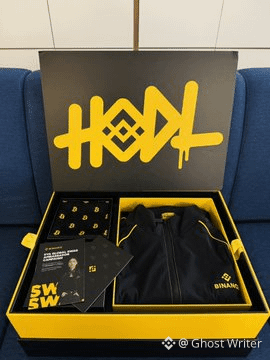
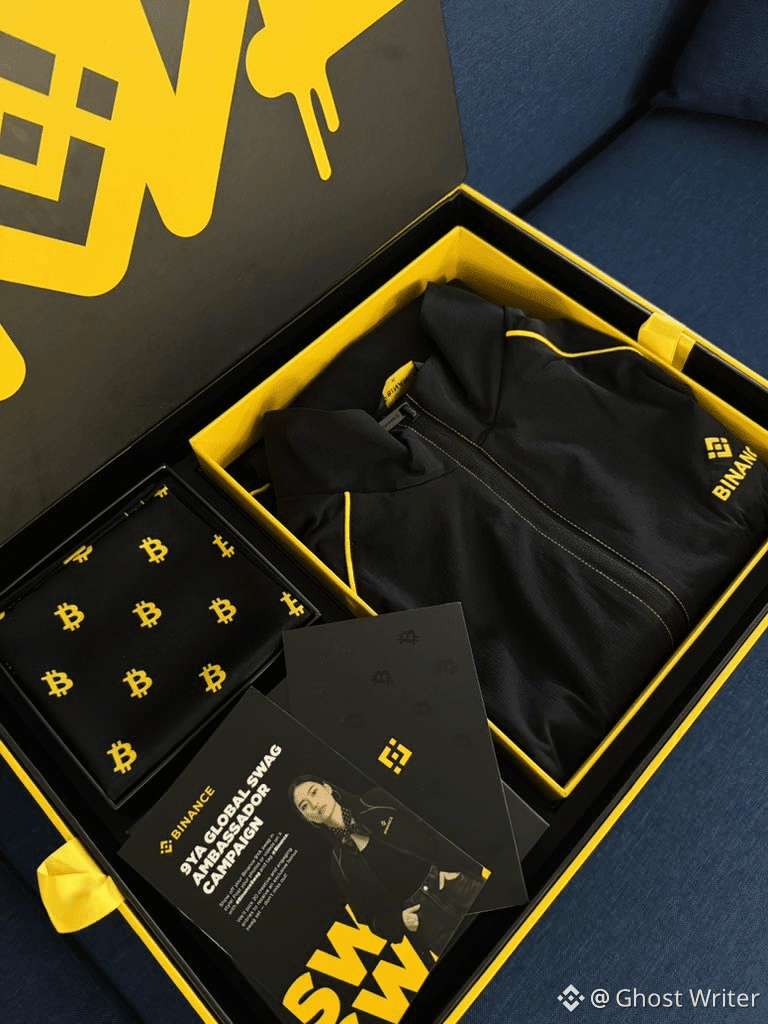
Gracias @Binance_Vietnam , @Binance_Square_Official por la hermosa caja de regalos 9YA 🎁
Sigue construyendo en Square y entonces podrás conseguir a muchos chicos
#GiftBoxes #crypto
Gracias @Binance Vietnam , @Binance Square Official por la hermosa caja de regalos 9YA 🎁
Sigue construyendo en Square y entonces podrás conseguir a muchos chicos
#GiftBoxes #crypto
Sigue construyendo en Square y entonces podrás conseguir a muchos chicos
#GiftBoxes #crypto
35
2
90
31.2k
·
--
Alcista
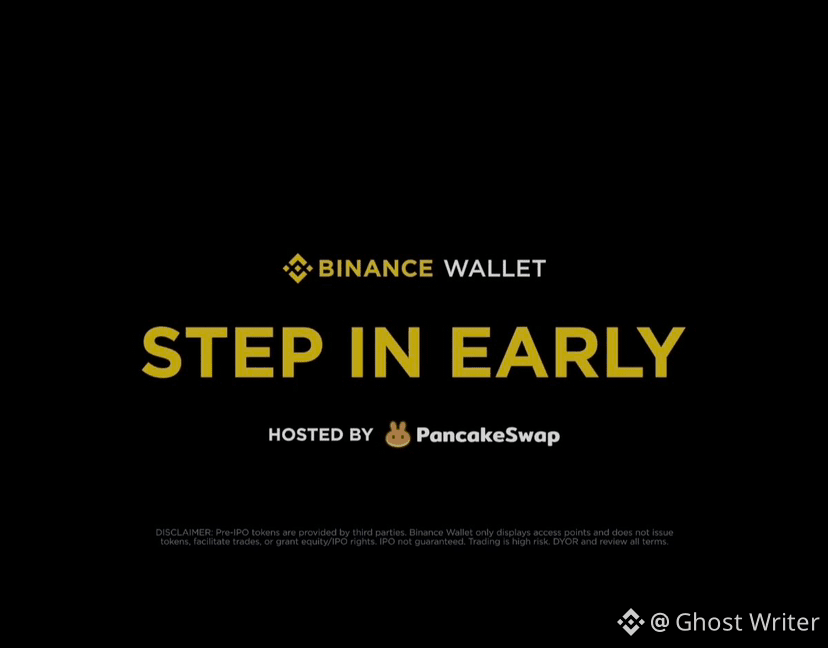
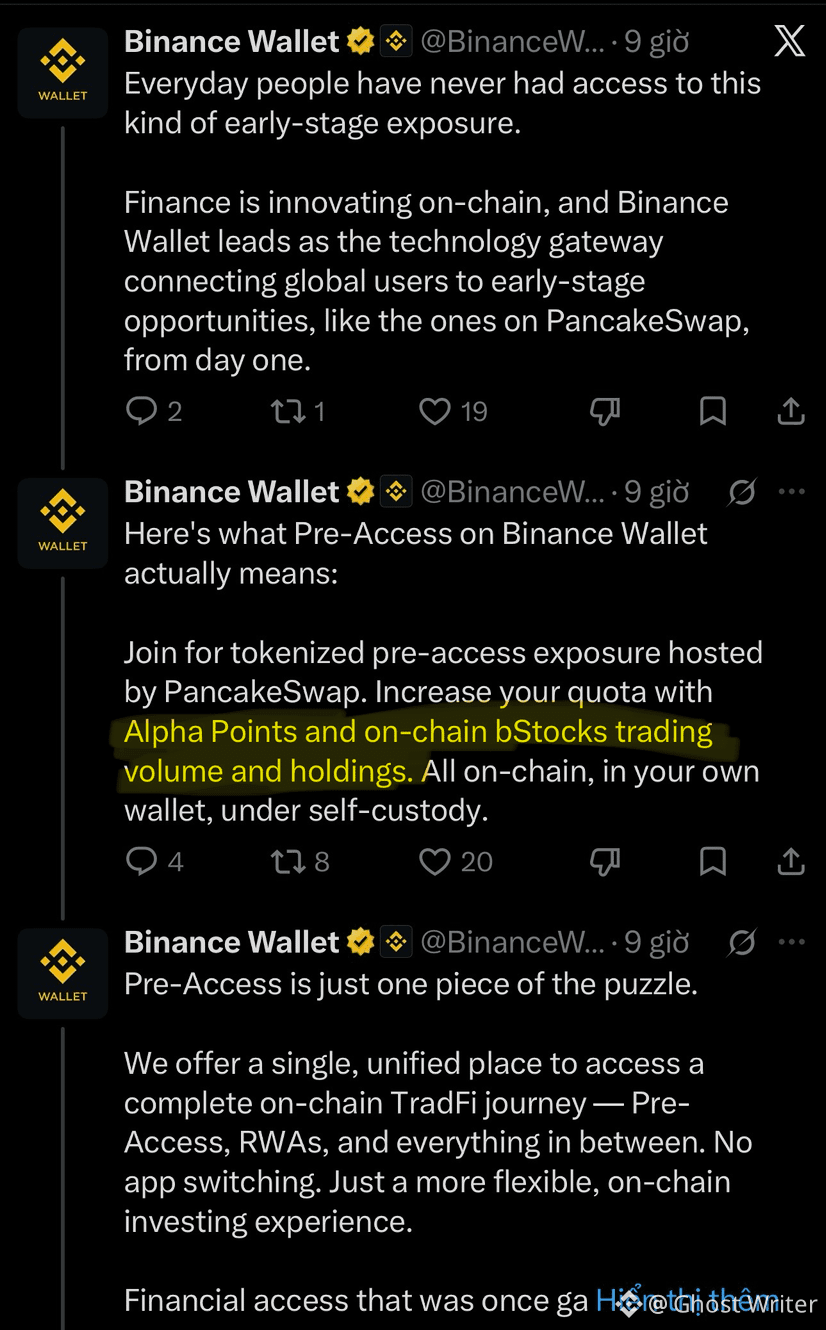
Binance Wallet acaba de abrir la preventa en PancakeSwap $CAKE : acceso indirecto a las empresas antes de que puedan hacer su IPO 🏦
El primer proyecto aún no se ha anunciado, pero no se repartirán los cupos de forma equitativa.
La tasa de participación de ustedes puede verse afectada por:
🔸 Puntuación Alpha
🔸 Volumen de trading + mantener bStocks on-chain
🔸 Trencher Badge (si existe)
Es decir, ustedes deberían hacer trading/mantener bStocks en la billetera desde ahora. Esperar a que se abra la venta para recién empezar a hacer ganancias es tarde.
(*) bstock no es una acción real. Es una exposición tokenizada, riesgo alto, puede generar pérdidas
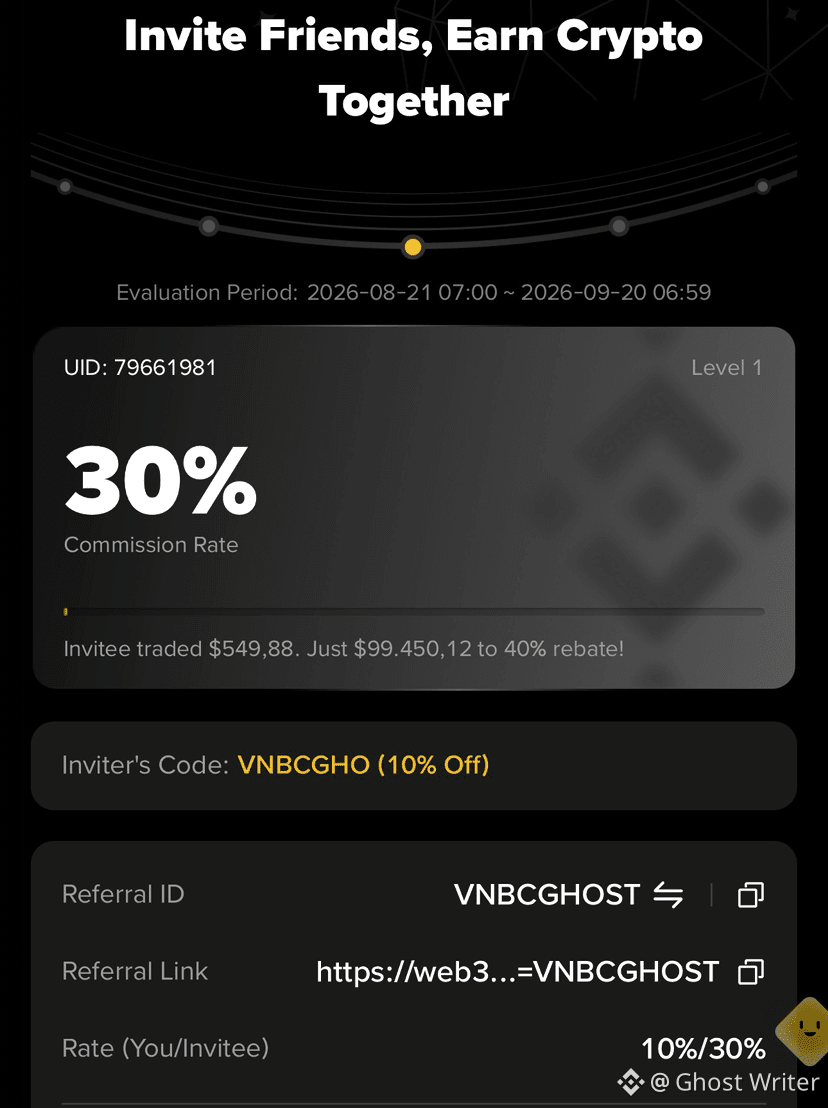
Wallet: [https://web3.binance.com/vi/m/referral?ref=VNBCGHOST](https://web3.binance.com/vi/m/referral?ref=VNBCGHOST)
Code: VNBCGHOST (reduce 30% la comisión de la transacción de la billetera)
{future}(CAKEUSDT)
#cake #TrendingTopic
Binance Wallet acaba de abrir la preventa en PancakeSwap $CAKE : acceso indirecto a las empresas antes de que puedan hacer su IPO 🏦
El primer proyecto aún no se ha anunciado, pero no se repartirán los cupos de forma equitativa.
La tasa de participación de ustedes puede verse afectada por:
🔸 Puntuación Alpha
🔸 Volumen de trading + mantener bStocks on-chain
🔸 Trencher Badge (si existe)
Es decir, ustedes deberían hacer trading/mantener bStocks en la billetera desde ahora. Esperar a que se abra la venta para recién empezar a hacer ganancias es tarde.
(*) bstock no es una acción real. Es una exposición tokenizada, riesgo alto, puede generar pérdidas
Wallet: https://web3.binance.com/vi/m/referral?ref=VNBCGHOST Code: VNBCGHOST (reduce 30% la comisión de la transacción de la billetera)
#cake #TrendingTopic
El primer proyecto aún no se ha anunciado, pero no se repartirán los cupos de forma equitativa.
La tasa de participación de ustedes puede verse afectada por:
🔸 Puntuación Alpha
🔸 Volumen de trading + mantener bStocks on-chain
🔸 Trencher Badge (si existe)
Es decir, ustedes deberían hacer trading/mantener bStocks en la billetera desde ahora. Esperar a que se abra la venta para recién empezar a hacer ganancias es tarde.
(*) bstock no es una acción real. Es una exposición tokenizada, riesgo alto, puede generar pérdidas
Wallet: https://web3.binance.com/vi/m/referral?ref=VNBCGHOST Code: VNBCGHOST (reduce 30% la comisión de la transacción de la billetera)
#cake #TrendingTopic
1
2
344
·
--
Alcista
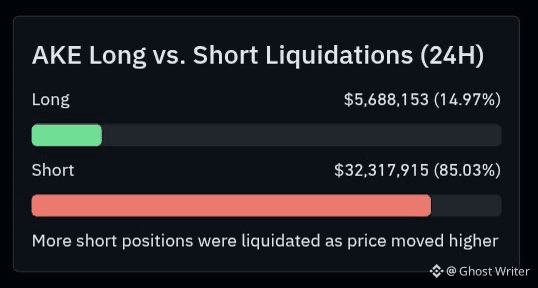
Más de $32M en posiciones cortas se borraron por completo durante ese mega-wick de ingeniería $AKE .
La liquidación muestra un caos absoluto en todos los frentes:
• Borrado de Cortos: $32.3M (85% de todas las liquidaciones)
• Borrado de Largos: $5.7M
• Liquidación Individual Más Grande: $1.84M en una sola orden
• Intensidad: 5.0x pico extremo frente al promedio de 7 días
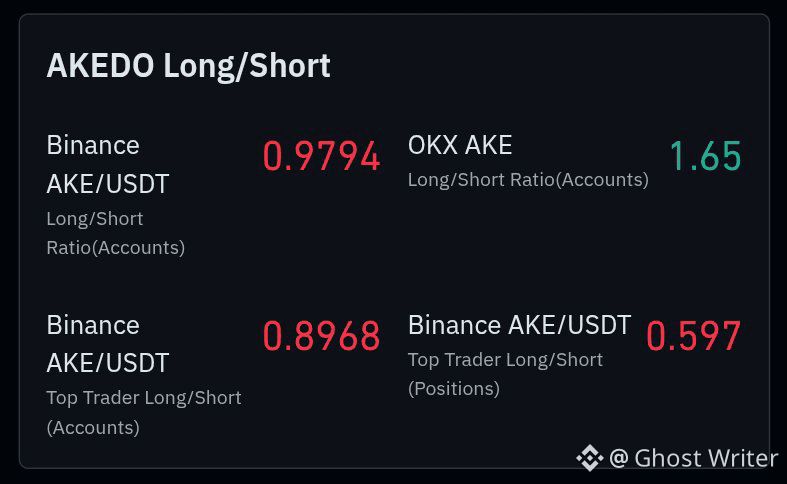
Ahora que se ha cosechado la liquidez del short-squeeze, mira dónde está posicionada la “smart money”.
Los principales traders en Binance han cambiado agresivamente a posiciones cortas, situándose en una fuerte proporción de 0.59.
{future}(AKEUSDT)
#ake #crypto #ALPHA
Más de $32M en posiciones cortas se borraron por completo durante ese mega-wick de ingeniería $AKE .
La liquidación muestra un caos absoluto en todos los frentes:
• Borrado de Cortos: $32.3M (85% de todas las liquidaciones)
• Borrado de Largos: $5.7M
• Liquidación Individual Más Grande: $1.84M en una sola orden
• Intensidad: 5.0x pico extremo frente al promedio de 7 días
Ahora que se ha cosechado la liquidez del short-squeeze, mira dónde está posicionada la “smart money”.
Los principales traders en Binance han cambiado agresivamente a posiciones cortas, situándose en una fuerte proporción de 0.59.
#ake #crypto #ALPHA
La liquidación muestra un caos absoluto en todos los frentes:
• Borrado de Cortos: $32.3M (85% de todas las liquidaciones)
• Borrado de Largos: $5.7M
• Liquidación Individual Más Grande: $1.84M en una sola orden
• Intensidad: 5.0x pico extremo frente al promedio de 7 días
Ahora que se ha cosechado la liquidez del short-squeeze, mira dónde está posicionada la “smart money”.
Los principales traders en Binance han cambiado agresivamente a posiciones cortas, situándose en una fuerte proporción de 0.59.
#ake #crypto #ALPHA
182
·
--
#XRPExchangeReservesHitSevenYearLow #xrp
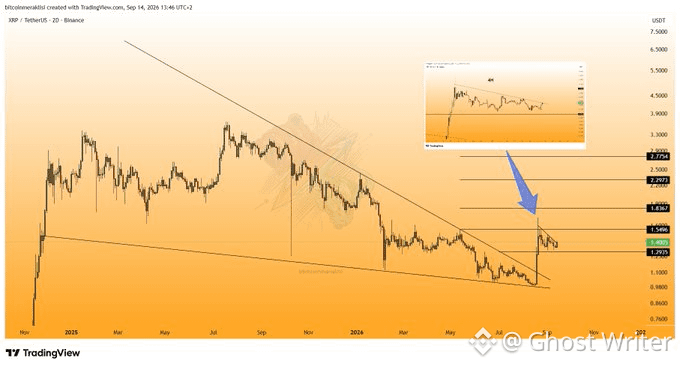
Chicos, $XRP se escapó del gran triángulo que señalé en el gráfico, con un fuerte impulso en agosto, y alcanzó el nivel que designé como mi segundo objetivo.
Después de eso, entró en una fase de corrección.
En la situación actual, vemos que está a punto de completar esta fase de corrección.
En resumen, puede venir pronto una nueva ola alcista.
Manténganse cerca.
#XRPExchangeReservesHitSevenYearLow #xrp
Chicos, $XRP se escapó del gran triángulo que señalé en el gráfico, con un fuerte impulso en agosto, y alcanzó el nivel que designé como mi segundo objetivo.
Después de eso, entró en una fase de corrección.
En la situación actual, vemos que está a punto de completar esta fase de corrección.
En resumen, puede venir pronto una nueva ola alcista.
Manténganse cerca.
Chicos, $XRP se escapó del gran triángulo que señalé en el gráfico, con un fuerte impulso en agosto, y alcanzó el nivel que designé como mi segundo objetivo.
Después de eso, entró en una fase de corrección.
En la situación actual, vemos que está a punto de completar esta fase de corrección.
En resumen, puede venir pronto una nueva ola alcista.
Manténganse cerca.
1
901
·
--
Alcista
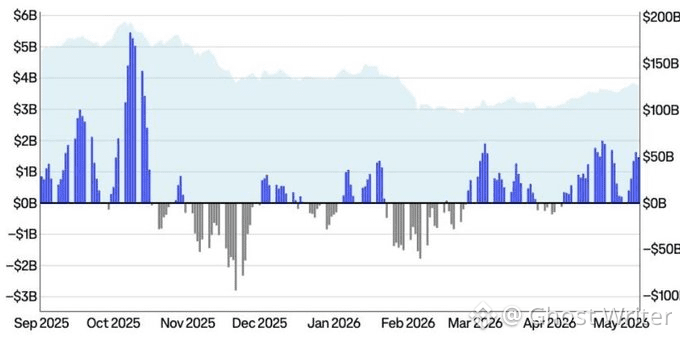
🇺🇸 $BTC Demanda de Bitcoin ETF vuelve 🚀
Los ETF de Bitcoin al contado en EE. UU. atrajeron $433M el viernes, con Fidelity liderando las entradas con $310.7M.
Bitcoin vuelve a estar por encima de $80K después de la volatilidad de esta semana.
La demanda institucional está claramente de vuelta en el foco.
¿$80K es ahora la plataforma de lanzamiento para el siguiente movimiento al alza?😎
#BTCBreaks80K
#BitcoinMarketCapTopsTesla
#VietnamPlansFirstCryptoLicensesIn2026
🇺🇸 $BTC Demanda de Bitcoin ETF vuelve 🚀
Los ETF de Bitcoin al contado en EE. UU. atrajeron $433M el viernes, con Fidelity liderando las entradas con $310.7M.
Bitcoin vuelve a estar por encima de $80K después de la volatilidad de esta semana.
La demanda institucional está claramente de vuelta en el foco.
¿$80K es ahora la plataforma de lanzamiento para el siguiente movimiento al alza?😎
#BTCBreaks80K
#BitcoinMarketCapTopsTesla
#VietnamPlansFirstCryptoLicensesIn2026
Los ETF de Bitcoin al contado en EE. UU. atrajeron $433M el viernes, con Fidelity liderando las entradas con $310.7M.
Bitcoin vuelve a estar por encima de $80K después de la volatilidad de esta semana.
La demanda institucional está claramente de vuelta en el foco.
¿$80K es ahora la plataforma de lanzamiento para el siguiente movimiento al alza?😎
#BTCBreaks80K
#BitcoinMarketCapTopsTesla
#VietnamPlansFirstCryptoLicensesIn2026
253
·
--
Alcista
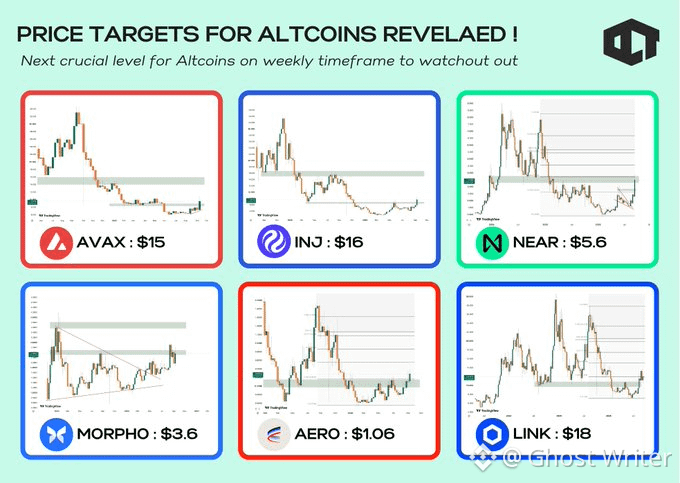
¿Estamos Promocionando Nuestras Bolsas?
No, estos son solo objetivos para BULLISH LARGE CAPS
¡La mayoría de los niveles están rotos!
Ahora esto es lo siguiente en el marco semanal
> $AVAX : $15
> $INJ : $16
> $NEAR : $5.6
> $MORPHO : $3.6
> $AERO : $1.06
> $LINK : $18
Desde agosto:
> Bitcoin bombeó desde $63k
> Ethereum rompió $2.5k
> Las altcoins se recuperaron alrededor de 2x
Y ahora se han roto niveles cruciales iniciales y se está formando una nueva tendencia alcista de largo plazo.
Como vemos en la fase de transición de OSO a TORO
Los próximos días son para acumulación y para alcanzar los objetivos en el Q4 que mencionamos aquí.
{future}(AVAXUSDT)
{future}(INJUSDT)
{future}(NEARUSDT)
#XRPExchangeReservesHitSevenYearLow #altcoins
¿Estamos Promocionando Nuestras Bolsas?
No, estos son solo objetivos para BULLISH LARGE CAPS
¡La mayoría de los niveles están rotos!
Ahora esto es lo siguiente en el marco semanal
> $AVAX : $15
> $INJ : $16
> $NEAR : $5.6
> $MORPHO : $3.6
> $AERO : $1.06
> $LINK : $18
Desde agosto:
> Bitcoin bombeó desde $63k
> Ethereum rompió $2.5k
> Las altcoins se recuperaron alrededor de 2x
Y ahora se han roto niveles cruciales iniciales y se está formando una nueva tendencia alcista de largo plazo.
Como vemos en la fase de transición de OSO a TORO
Los próximos días son para acumulación y para alcanzar los objetivos en el Q4 que mencionamos aquí.
#XRPExchangeReservesHitSevenYearLow #altcoins
No, estos son solo objetivos para BULLISH LARGE CAPS
¡La mayoría de los niveles están rotos!
Ahora esto es lo siguiente en el marco semanal
> $AVAX : $15
> $INJ : $16
> $NEAR : $5.6
> $MORPHO : $3.6
> $AERO : $1.06
> $LINK : $18
Desde agosto:
> Bitcoin bombeó desde $63k
> Ethereum rompió $2.5k
> Las altcoins se recuperaron alrededor de 2x
Y ahora se han roto niveles cruciales iniciales y se está formando una nueva tendencia alcista de largo plazo.
Como vemos en la fase de transición de OSO a TORO
Los próximos días son para acumulación y para alcanzar los objetivos en el Q4 que mencionamos aquí.
#XRPExchangeReservesHitSevenYearLow #altcoins
320
·
--
Alcista
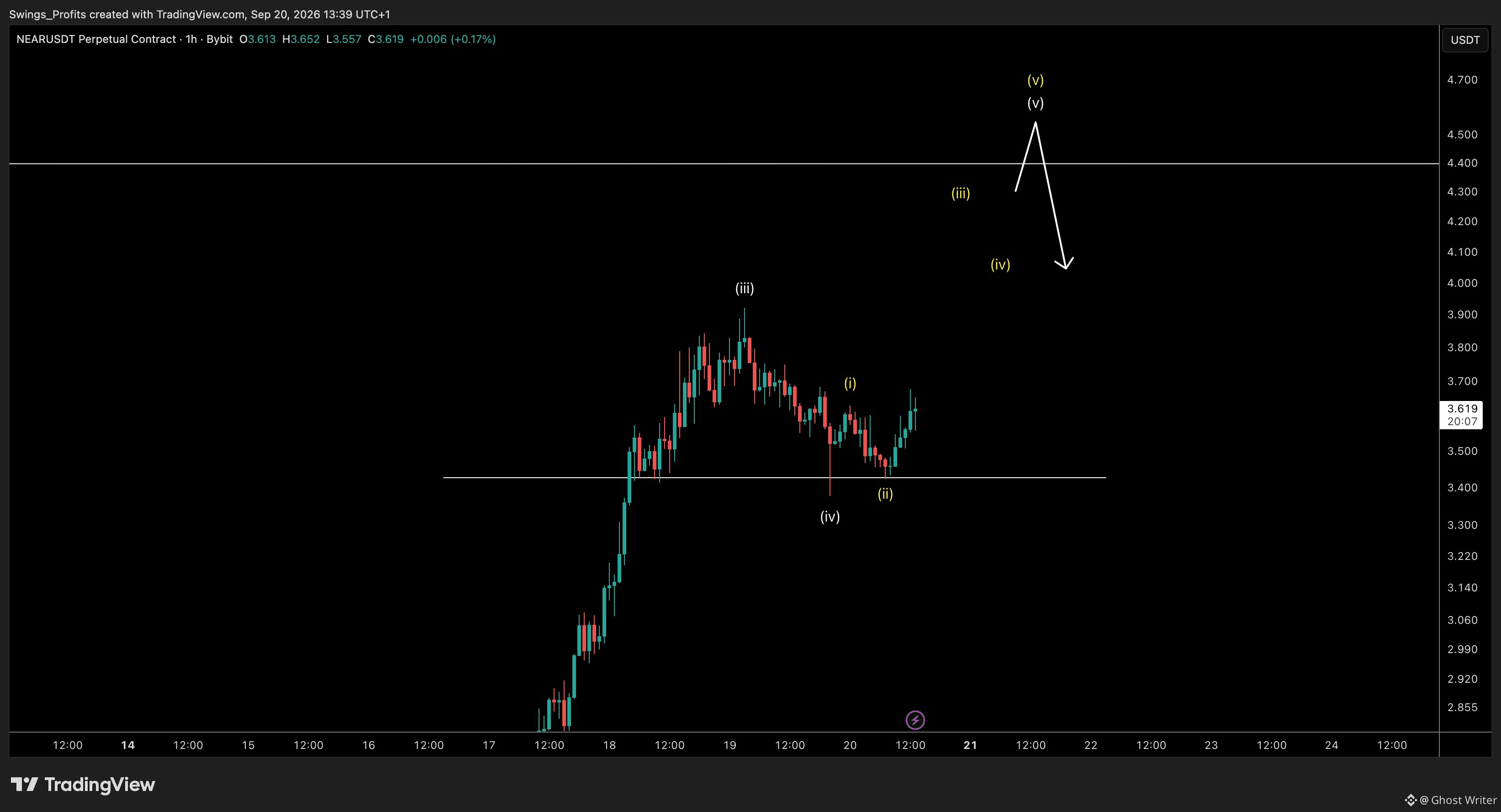
🚀BIG LONG: $NEAR /USDT
APALANCAMIENTO: 10x-15x
✔️PRECIO DE ENTRADA: 3.630
✔️2ª ENTRADA: 3.560
——————
☄️TOMA DE GANANCIA: 3.73-3.90-4.20
STOP LOSS: 3.44
{spot}(NEARUSDT)
{future}(NEARUSDT)
#Near #altcoins #altsesaon
🚀BIG LONG: $NEAR /USDT
APALANCAMIENTO: 10x-15x
✔️PRECIO DE ENTRADA: 3.630
✔️2ª ENTRADA: 3.560
——————
☄️TOMA DE GANANCIA: 3.73-3.90-4.20
STOP LOSS: 3.44
#Near #altcoins #altsesaon
APALANCAMIENTO: 10x-15x
✔️PRECIO DE ENTRADA: 3.630
✔️2ª ENTRADA: 3.560
——————
☄️TOMA DE GANANCIA: 3.73-3.90-4.20
STOP LOSS: 3.44
#Near #altcoins #altsesaon
1
657
·
--
Alcista
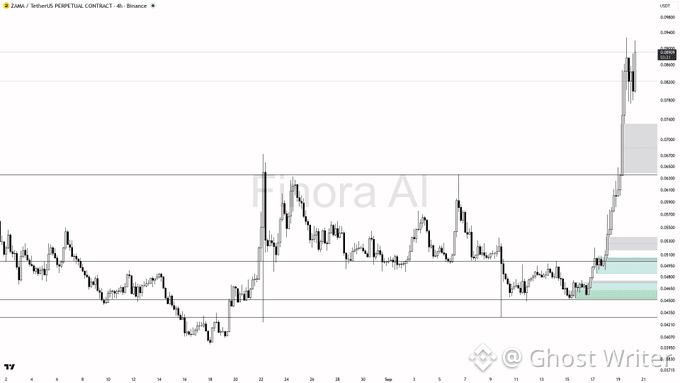
Muy bien, veamos qué se está cocinando en $ZAMA ahora 🧐
- Mi sesgo es alcista aquí: la estructura de 4h es alcista y encaja con lo que ocurre en diario, semanal y BTC, así que esto no es una llamada en contra de la tendencia
- Espero una primera prueba del área 0.09000 y luego un impulso hacia 0.11000 si eso aguanta como trampolín
- La zona de entrada es un retroceso hacia el bolsillo de demanda/FVG en 0.0636–0.0700; espera un engulfing alcista en 4h o un cambio de estructura en un marco inferior más un barrido de liquidez de un swing cercano antes de añadir
- Toma ganancias en este orden: 0.09000 y luego 0.11000
- Coloca la protección más allá del cambio de estructura; un cierre por debajo de 0.04513 es lo que voltea mi sesgo a bajista
- El interés abierto subiendo con compradores aún dentro del flujo del taker respalda esta lectura de continuación, aunque el RSI está estirado, así que primero quiero esa confirmación del retroceso📊
no es asesoramiento de inversión, solo con fines educativos
{spot}(ZAMAUSDT)
{future}(ZAMAUSDT)
#Zama #Privacy
Muy bien, veamos qué se está cocinando en $ZAMA ahora 🧐
- Mi sesgo es alcista aquí: la estructura de 4h es alcista y encaja con lo que ocurre en diario, semanal y BTC, así que esto no es una llamada en contra de la tendencia
- Espero una primera prueba del área 0.09000 y luego un impulso hacia 0.11000 si eso aguanta como trampolín
- La zona de entrada es un retroceso hacia el bolsillo de demanda/FVG en 0.0636–0.0700; espera un engulfing alcista en 4h o un cambio de estructura en un marco inferior más un barrido de liquidez de un swing cercano antes de añadir
- Toma ganancias en este orden: 0.09000 y luego 0.11000
- Coloca la protección más allá del cambio de estructura; un cierre por debajo de 0.04513 es lo que voltea mi sesgo a bajista
- El interés abierto subiendo con compradores aún dentro del flujo del taker respalda esta lectura de continuación, aunque el RSI está estirado, así que primero quiero esa confirmación del retroceso📊
no es asesoramiento de inversión, solo con fines educativos
#Zama #Privacy
- Mi sesgo es alcista aquí: la estructura de 4h es alcista y encaja con lo que ocurre en diario, semanal y BTC, así que esto no es una llamada en contra de la tendencia
- Espero una primera prueba del área 0.09000 y luego un impulso hacia 0.11000 si eso aguanta como trampolín
- La zona de entrada es un retroceso hacia el bolsillo de demanda/FVG en 0.0636–0.0700; espera un engulfing alcista en 4h o un cambio de estructura en un marco inferior más un barrido de liquidez de un swing cercano antes de añadir
- Toma ganancias en este orden: 0.09000 y luego 0.11000
- Coloca la protección más allá del cambio de estructura; un cierre por debajo de 0.04513 es lo que voltea mi sesgo a bajista
- El interés abierto subiendo con compradores aún dentro del flujo del taker respalda esta lectura de continuación, aunque el RSI está estirado, así que primero quiero esa confirmación del retroceso📊
no es asesoramiento de inversión, solo con fines educativos
#Zama #Privacy
4
1
750
·
--
Alcista
Trade de 30d $ZEC 600.5 USDT
Un resumen de la historia que involucra a $ZEC y Garret:
Muchos se burlaron de él por haber vendido a corto en 450 dólares y haber perdido 33 millones.
Luego, afirmó públicamente que estaba reteniendo más de 330 millones en $ZEC.
Al final, todos dijeron que era una de las partes implicadas en coludirse para manipular $ZEC mediante la actividad en cadena en Hyperliquid.
#zec
Un resumen de la historia que involucra a $ZEC y Garret:
Muchos se burlaron de él por haber vendido a corto en 450 dólares y haber perdido 33 millones.
Luego, afirmó públicamente que estaba reteniendo más de 330 millones en $ZEC .
Al final, todos dijeron que era una de las partes implicadas en coludirse para manipular $ZEC mediante la actividad en cadena en Hyperliquid.
#zec
Muchos se burlaron de él por haber vendido a corto en 450 dólares y haber perdido 33 millones.
Luego, afirmó públicamente que estaba reteniendo más de 330 millones en $ZEC .
Al final, todos dijeron que era una de las partes implicadas en coludirse para manipular $ZEC mediante la actividad en cadena en Hyperliquid.
#zec
Ghost Writer
·
--
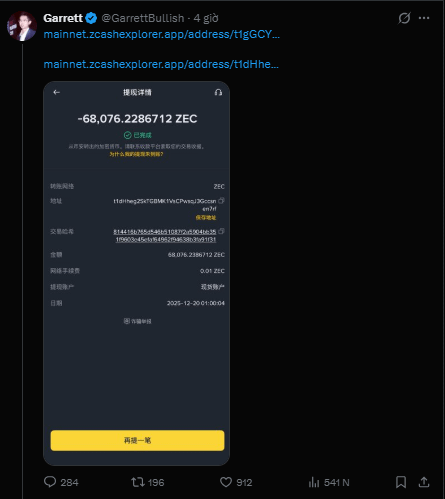
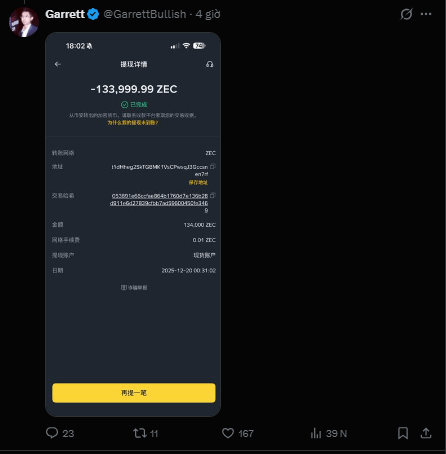
AlcistaGarett tiene más de 200,000 $ZEC en Binance spot (316m )
Así que su posición corta en Hyperliquid $HYPE solo fue una cobertura
Todos somos idiotas creyendo lo que quiere que creamos
#zec
#crypto
#BTCBreaks80K
Así que su posición corta en Hyperliquid $HYPE solo fue una cobertura
Todos somos idiotas creyendo lo que quiere que creamos
#zec
#crypto
#BTCBreaks80K
1
898
·
--
Alcista
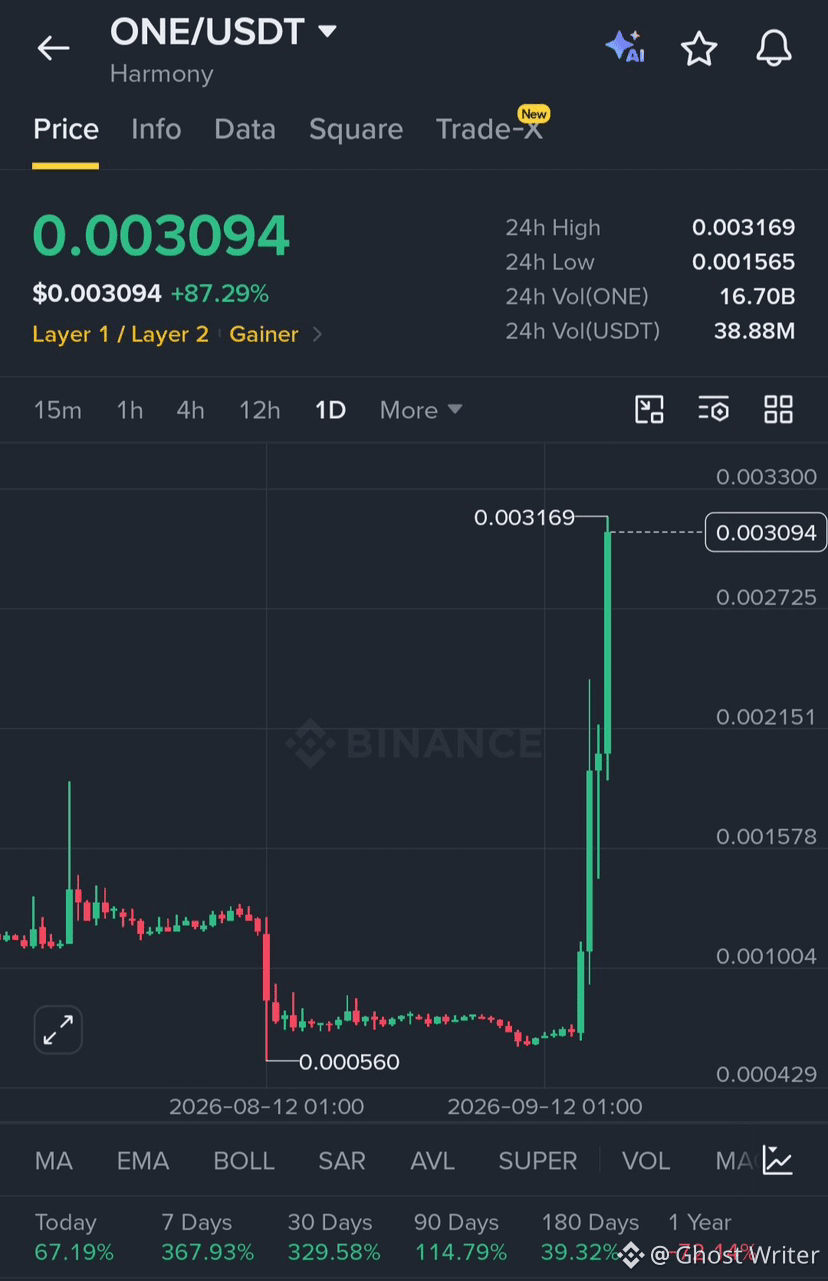
Cuando las monedas como $ONE - Harmony comienza a bombear.
Sabemos que el mercado alcista ya está aquí.
Es momento de prepararse para una ganancia sin precedentes.
Es el momento en el que $50 se convierte en $5k en 24 horas
Es el momento en el que quienes no se rindieron en los últimos 5 años cosecharán la recompensa de la constancia.
Es el momento en el que los que no son nadie, indefensos y pobres de un solo pueblo en Asia, se vuelven ricos de la noche a la mañana.
¡Prepárate para lo que está aquí AHORA!!
{future}(ONEUSDT)
#one #HotTrends
Cuando las monedas como $ONE - Harmony comienza a bombear.
Sabemos que el mercado alcista ya está aquí.
Es momento de prepararse para una ganancia sin precedentes.
Es el momento en el que $50 se convierte en $5k en 24 horas
Es el momento en el que quienes no se rindieron en los últimos 5 años cosecharán la recompensa de la constancia.
Es el momento en el que los que no son nadie, indefensos y pobres de un solo pueblo en Asia, se vuelven ricos de la noche a la mañana.
¡Prepárate para lo que está aquí AHORA!!
#one #HotTrends
Sabemos que el mercado alcista ya está aquí.
Es momento de prepararse para una ganancia sin precedentes.
Es el momento en el que $50 se convierte en $5k en 24 horas
Es el momento en el que quienes no se rindieron en los últimos 5 años cosecharán la recompensa de la constancia.
Es el momento en el que los que no son nadie, indefensos y pobres de un solo pueblo en Asia, se vuelven ricos de la noche a la mañana.
¡Prepárate para lo que está aquí AHORA!!
#one #HotTrends
220
·
--
Alcista
Verificado
Wall Street está a punto de sentirlo todo muy diferente 👀 $SNDKB $NVDAB
A partir del 6 de diciembre, se planea que las acciones de EE. UU. coticen 23 horas al día, 5 días a la semana.
Casi acceso 24/7 al mercado, eso es salvaje.
Ya puedo ver a la gente revisando sus carteras a las 2 a.m.
{future}(NVDAUSDT)
{future}(SNDKUSDT)
#stock #TrendingTopic
Wall Street está a punto de sentirlo todo muy diferente 👀 $SNDKB $NVDAB
A partir del 6 de diciembre, se planea que las acciones de EE. UU. coticen 23 horas al día, 5 días a la semana.
Casi acceso 24/7 al mercado, eso es salvaje.
Ya puedo ver a la gente revisando sus carteras a las 2 a.m.
#stock #TrendingTopic
A partir del 6 de diciembre, se planea que las acciones de EE. UU. coticen 23 horas al día, 5 días a la semana.
Casi acceso 24/7 al mercado, eso es salvaje.
Ya puedo ver a la gente revisando sus carteras a las 2 a.m.
#stock #TrendingTopic

2
1.2k
·
--
⚠️Aviso de seguridad | Usuarios de iPhone: Comprueben si alguna vez han instalado la app FomoPeek - MUCHAS PERSONAS HAN PERDIDO DINERO
Binance tiene conocimiento de un incidente de seguridad divulgado recientemente por la comunidad. Según firmas de seguridad, incluyendo SlowMist, la app de terceros FomoPeek (versiones 1.1–1.2) contiene código malicioso que puede aprovechar vulnerabilidades del sistema iOS para obtener el nivel más alto de privilegios del dispositivo, lo que potencialmente permite acceder a datos sensibles almacenados en el dispositivo, incluidas claves privadas, frases semilla, credenciales de inicio de sesión, historial de chat, archivos y más.
Tengan en cuenta que este tipo de malware apunta al propio dispositivo. Si el ataque tiene éxito, es posible acceder a los datos de todas las apps del dispositivo afectado.
Por favor, revisen lo siguiente:
1. ¿Están usando un iPhone o iPad con iOS 26.x o una versión anterior?
2. ¿Alguna vez han instalado la app FomoPeek?
Si ambos puntos aplican a su caso, recomendamos realizar los siguientes pasos de inmediato:
1. Eliminen la app FomoPeek y no la vuelvan a instalar.
2. Actualicen su iOS a la versión disponible más reciente.
3. Para usuarios de wallets de autocustodia: En un dispositivo que nunca haya tenido instalada la app, creen una wallet nueva y transfieran sus activos a la nueva dirección de wallet.
4. Si notan cualquier actividad inusual de activos, conserven el dispositivo afectado y la evidencia relevante, y contacten a la Atención al Cliente de Binance para una investigación adicional.
También recordamos a todos los usuarios: No instalen apps de fuentes no confiables y mantengan el software de su dispositivo actualizado.
⚠️Aviso de seguridad | Usuarios de iPhone: Comprueben si alguna vez han instalado la app FomoPeek - MUCHAS PERSONAS HAN PERDIDO DINERO
Binance tiene conocimiento de un incidente de seguridad divulgado recientemente por la comunidad. Según firmas de seguridad, incluyendo SlowMist, la app de terceros FomoPeek (versiones 1.1–1.2) contiene código malicioso que puede aprovechar vulnerabilidades del sistema iOS para obtener el nivel más alto de privilegios del dispositivo, lo que potencialmente permite acceder a datos sensibles almacenados en el dispositivo, incluidas claves privadas, frases semilla, credenciales de inicio de sesión, historial de chat, archivos y más.
Tengan en cuenta que este tipo de malware apunta al propio dispositivo. Si el ataque tiene éxito, es posible acceder a los datos de todas las apps del dispositivo afectado.
Por favor, revisen lo siguiente:
1. ¿Están usando un iPhone o iPad con iOS 26.x o una versión anterior?
2. ¿Alguna vez han instalado la app FomoPeek?
Si ambos puntos aplican a su caso, recomendamos realizar los siguientes pasos de inmediato:
1. Eliminen la app FomoPeek y no la vuelvan a instalar.
2. Actualicen su iOS a la versión disponible más reciente.
3. Para usuarios de wallets de autocustodia: En un dispositivo que nunca haya tenido instalada la app, creen una wallet nueva y transfieran sus activos a la nueva dirección de wallet.
4. Si notan cualquier actividad inusual de activos, conserven el dispositivo afectado y la evidencia relevante, y contacten a la Atención al Cliente de Binance para una investigación adicional.
También recordamos a todos los usuarios: No instalen apps de fuentes no confiables y mantengan el software de su dispositivo actualizado.
Binance tiene conocimiento de un incidente de seguridad divulgado recientemente por la comunidad. Según firmas de seguridad, incluyendo SlowMist, la app de terceros FomoPeek (versiones 1.1–1.2) contiene código malicioso que puede aprovechar vulnerabilidades del sistema iOS para obtener el nivel más alto de privilegios del dispositivo, lo que potencialmente permite acceder a datos sensibles almacenados en el dispositivo, incluidas claves privadas, frases semilla, credenciales de inicio de sesión, historial de chat, archivos y más.
Tengan en cuenta que este tipo de malware apunta al propio dispositivo. Si el ataque tiene éxito, es posible acceder a los datos de todas las apps del dispositivo afectado.
Por favor, revisen lo siguiente:
1. ¿Están usando un iPhone o iPad con iOS 26.x o una versión anterior?
2. ¿Alguna vez han instalado la app FomoPeek?
Si ambos puntos aplican a su caso, recomendamos realizar los siguientes pasos de inmediato:
1. Eliminen la app FomoPeek y no la vuelvan a instalar.
2. Actualicen su iOS a la versión disponible más reciente.
3. Para usuarios de wallets de autocustodia: En un dispositivo que nunca haya tenido instalada la app, creen una wallet nueva y transfieran sus activos a la nueva dirección de wallet.
4. Si notan cualquier actividad inusual de activos, conserven el dispositivo afectado y la evidencia relevante, y contacten a la Atención al Cliente de Binance para una investigación adicional.
También recordamos a todos los usuarios: No instalen apps de fuentes no confiables y mantengan el software de su dispositivo actualizado.
1
135
·
--
Alcista
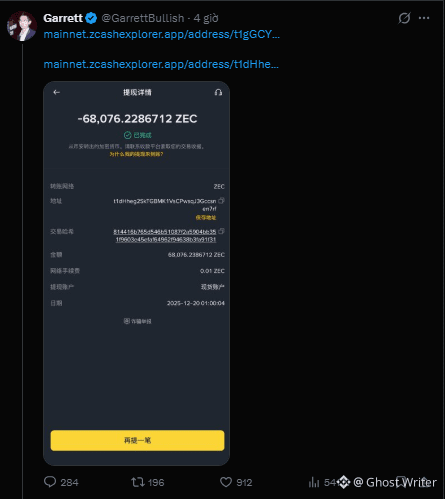
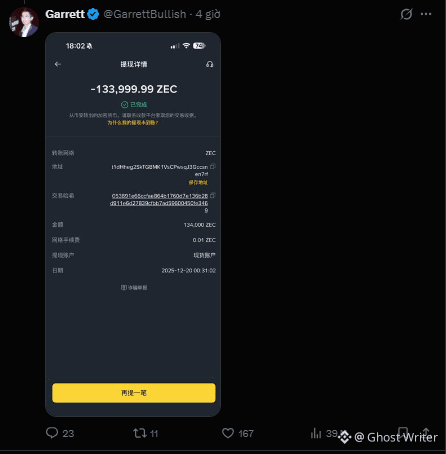
Garett tiene más de 200,000 $ZEC en Binance spot (316m )
Así que su posición corta en Hyperliquid $HYPE solo fue una cobertura
Todos somos idiotas creyendo lo que quiere que creamos
#zec
#crypto
#BTCBreaks80K
Garett tiene más de 200,000 $ZEC en Binance spot (316m )
Así que su posición corta en Hyperliquid $HYPE solo fue una cobertura
Todos somos idiotas creyendo lo que quiere que creamos
#zec
#crypto
#BTCBreaks80K
Así que su posición corta en Hyperliquid $HYPE solo fue una cobertura
Todos somos idiotas creyendo lo que quiere que creamos
#zec
#crypto
#BTCBreaks80K
1
1
557
·
--
Alcista
$SUI Situación Actual 👀
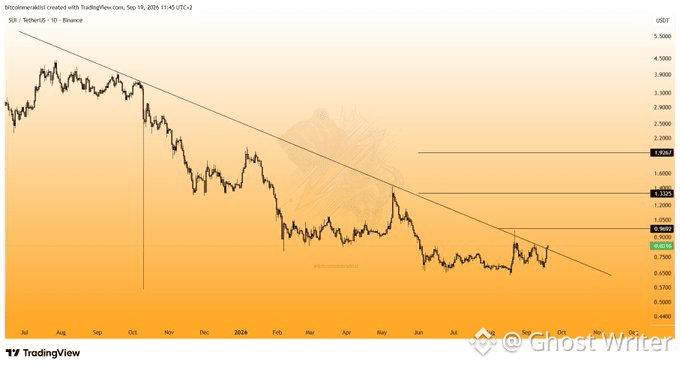
Chicos, $SUI ha roto la tendencia bajista e incluso ha logrado cerrar el día por encima de la línea de tendencia.
Si la tendencia alcista continúa, los niveles que indiqué en el gráfico serán los objetivos en ese orden.
Pero #BTC ahora está muy cerca del objetivo de 82.5K. Si se alcanza ese objetivo y hay una corrección o una venta en respuesta, las altcoins podrían caer.
Así que, al abrir nuevas operaciones, no ignores el factor $BTC .
#sui
$SUI Situación Actual 👀
Chicos, $SUI ha roto la tendencia bajista e incluso ha logrado cerrar el día por encima de la línea de tendencia.
Si la tendencia alcista continúa, los niveles que indiqué en el gráfico serán los objetivos en ese orden.
Pero #BTC ahora está muy cerca del objetivo de 82.5K. Si se alcanza ese objetivo y hay una corrección o una venta en respuesta, las altcoins podrían caer.
Así que, al abrir nuevas operaciones, no ignores el factor $BTC .
#sui
Chicos, $SUI ha roto la tendencia bajista e incluso ha logrado cerrar el día por encima de la línea de tendencia.
Si la tendencia alcista continúa, los niveles que indiqué en el gráfico serán los objetivos en ese orden.
Pero #BTC ahora está muy cerca del objetivo de 82.5K. Si se alcanza ese objetivo y hay una corrección o una venta en respuesta, las altcoins podrían caer.
Así que, al abrir nuevas operaciones, no ignores el factor $BTC .
#sui
861
·
--
Alcista
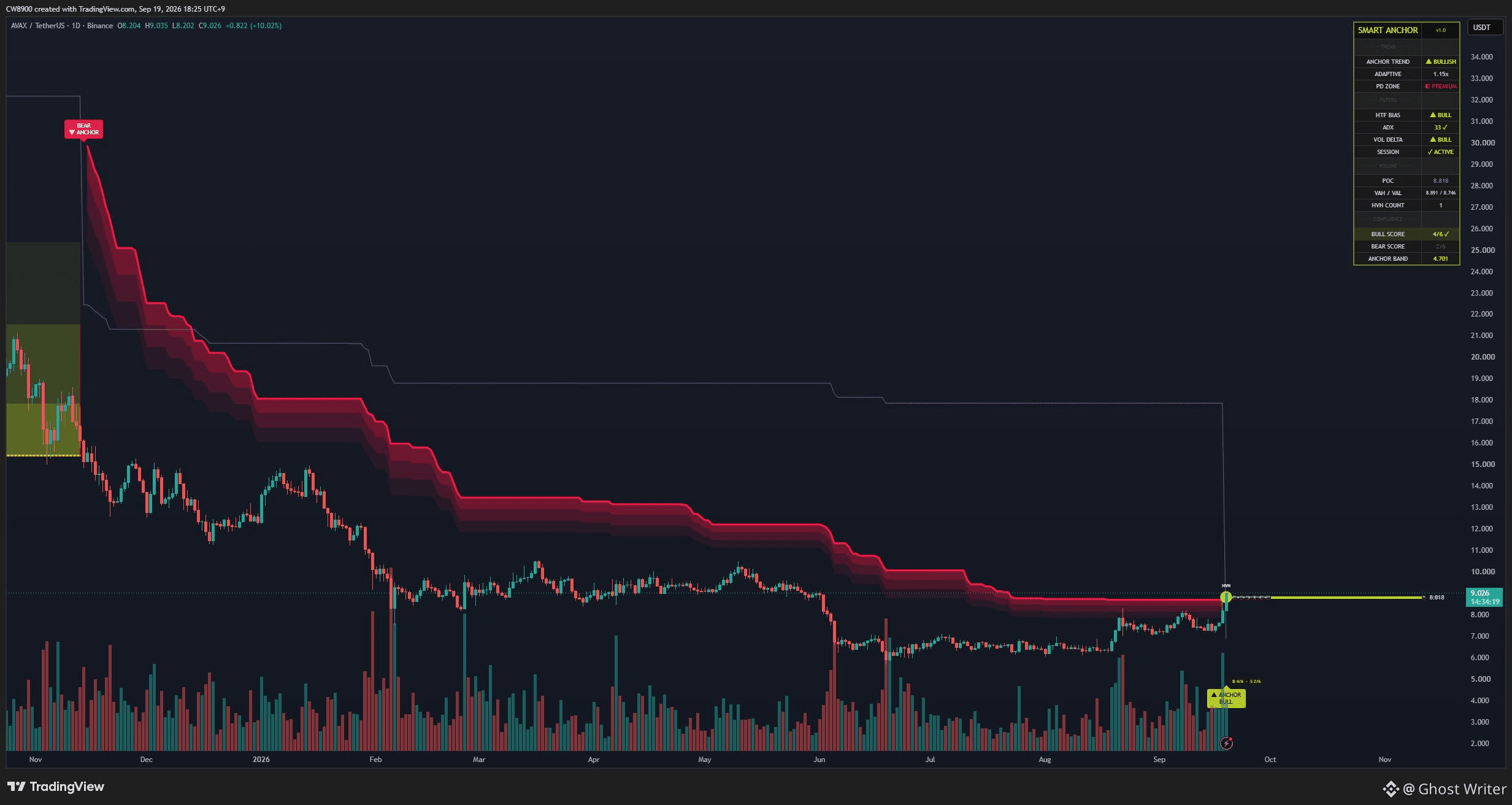
ALZA A LO GRANDE: $AVAX ha finalizado su larga tendencia bajista y está cambiando hacia una tendencia alcista
La tendencia bajista, que duró aproximadamente un año, ha llegado a su fin.
Ha comenzado una gran carrera alcista a gran escala.
{spot}(AVAXUSDT)
{future}(AVAXUSDT)
#AVAX #TrendingTopic
ALZA A LO GRANDE: $AVAX ha finalizado su larga tendencia bajista y está cambiando hacia una tendencia alcista
La tendencia bajista, que duró aproximadamente un año, ha llegado a su fin.
Ha comenzado una gran carrera alcista a gran escala.
#AVAX #TrendingTopic
La tendencia bajista, que duró aproximadamente un año, ha llegado a su fin.
Ha comenzado una gran carrera alcista a gran escala.
#AVAX #TrendingTopic
3
2.4k
·
--
Alcista
🚨IMPRESIONANTE: el gran tiburón Hyperliquid Garret Jin en ZEC short ahora se sitúa en una pérdida no realizada de 33,66 MILLONES de dólares.
Jin, que supuestamente mantiene la MAYOR posición en ZEC short, ahora se enfrenta a una pérdida no realizada de 33,66 millones de dólares con un precio de liquidación de 4.792 dólares.
Jin también posee más de 210.000 ZEC, con un valor superior a 300 millones de dólares, lo que hace que el short sea una cobertura frente a su enorme posición en ZEC.
Zcash ha subido casi un 225% en el último mes.
🚨IMPRESIONANTE: el gran tiburón Hyperliquid Garret Jin en ZEC short ahora se sitúa en una pérdida no realizada de 33,66 MILLONES de dólares.
Jin, que supuestamente mantiene la MAYOR posición en ZEC short, ahora se enfrenta a una pérdida no realizada de 33,66 millones de dólares con un precio de liquidación de 4.792 dólares.
Jin también posee más de 210.000 ZEC, con un valor superior a 300 millones de dólares, lo que hace que el short sea una cobertura frente a su enorme posición en ZEC.
Zcash ha subido casi un 225% en el último mes.
Jin, que supuestamente mantiene la MAYOR posición en ZEC short, ahora se enfrenta a una pérdida no realizada de 33,66 millones de dólares con un precio de liquidación de 4.792 dólares.
Jin también posee más de 210.000 ZEC, con un valor superior a 300 millones de dólares, lo que hace que el short sea una cobertura frente a su enorme posición en ZEC.
Zcash ha subido casi un 225% en el último mes.
2
161
·
--
Alcista
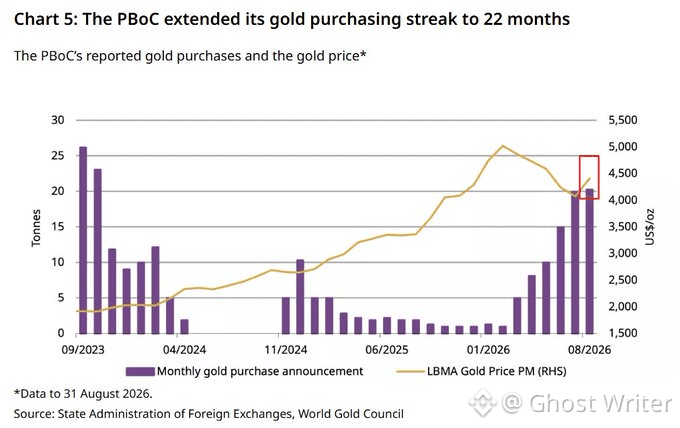
🇨🇳🇺🇸 RÉCORD: China ha comprado oro $XAU durante 22 MESES CONSECUTIVOS, superando su récord anterior de 18 meses.
El banco central añadió 20 toneladas en agosto, la mayor compra mensual desde octubre de 2023, elevando las reservas totales a 2.387 toneladas.
Las compras se aceleraron 17 veces este año, pasando de aproximadamente 1 tonelada en enero a 20 toneladas en agosto.
En el mismo periodo, las tenencias de China de Tesoros de EE. UU. cayeron a 618.000 MILLONES de dólares, el nivel más bajo en 18 años, desde un pico por encima de 1,3 BILLONES de dólares.
El 89% de los bancos centrales ahora espera que las reservas mundiales de oro sigan aumentando, según el World Gold Council.
#GOLD #BTCVSGOLD
🇨🇳🇺🇸 RÉCORD: China ha comprado oro $XAU durante 22 MESES CONSECUTIVOS, superando su récord anterior de 18 meses.
El banco central añadió 20 toneladas en agosto, la mayor compra mensual desde octubre de 2023, elevando las reservas totales a 2.387 toneladas.
Las compras se aceleraron 17 veces este año, pasando de aproximadamente 1 tonelada en enero a 20 toneladas en agosto.
En el mismo periodo, las tenencias de China de Tesoros de EE. UU. cayeron a 618.000 MILLONES de dólares, el nivel más bajo en 18 años, desde un pico por encima de 1,3 BILLONES de dólares.
El 89% de los bancos centrales ahora espera que las reservas mundiales de oro sigan aumentando, según el World Gold Council.
#GOLD #BTCVSGOLD
El banco central añadió 20 toneladas en agosto, la mayor compra mensual desde octubre de 2023, elevando las reservas totales a 2.387 toneladas.
Las compras se aceleraron 17 veces este año, pasando de aproximadamente 1 tonelada en enero a 20 toneladas en agosto.
En el mismo periodo, las tenencias de China de Tesoros de EE. UU. cayeron a 618.000 MILLONES de dólares, el nivel más bajo en 18 años, desde un pico por encima de 1,3 BILLONES de dólares.
El 89% de los bancos centrales ahora espera que las reservas mundiales de oro sigan aumentando, según el World Gold Council.
#GOLD #BTCVSGOLD
1
337
·
--
Alcista
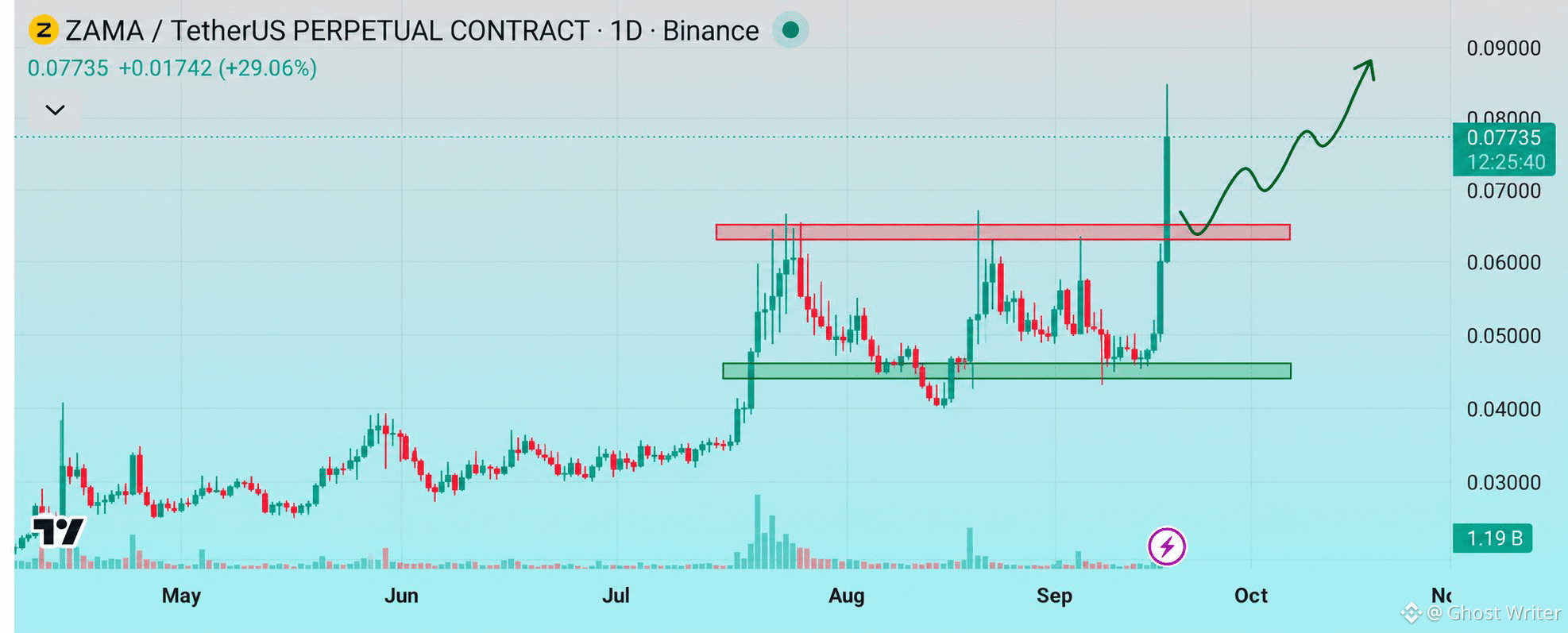
$ZAMA es la configuración de líquido 3-4x más fácil que he visto en un tiempo
- 9% truefloat 15m mcap
- Multicoin es el mayor tenedor de liquidez
- el TVL con protección está creciendo con dígitos dobles %
- el gráfico está rompiendo
- los agricultores de rendimiento por staking están demostrando combustible para el short squeeze
Las monedas de baja capitalización con privacidad están subiendo $DUSK
{future}(DUSKUSDT)
{future}(ZAMAUSDT)
#privacy #Zama #dusk
$ZAMA es la configuración de líquido 3-4x más fácil que he visto en un tiempo
- 9% truefloat 15m mcap
- Multicoin es el mayor tenedor de liquidez
- el TVL con protección está creciendo con dígitos dobles %
- el gráfico está rompiendo
- los agricultores de rendimiento por staking están demostrando combustible para el short squeeze
Las monedas de baja capitalización con privacidad están subiendo $DUSK
#privacy #Zama #dusk
- 9% truefloat 15m mcap
- Multicoin es el mayor tenedor de liquidez
- el TVL con protección está creciendo con dígitos dobles %
- el gráfico está rompiendo
- los agricultores de rendimiento por staking están demostrando combustible para el short squeeze
Las monedas de baja capitalización con privacidad están subiendo $DUSK
#privacy #Zama #dusk
144
·
--
Alcista
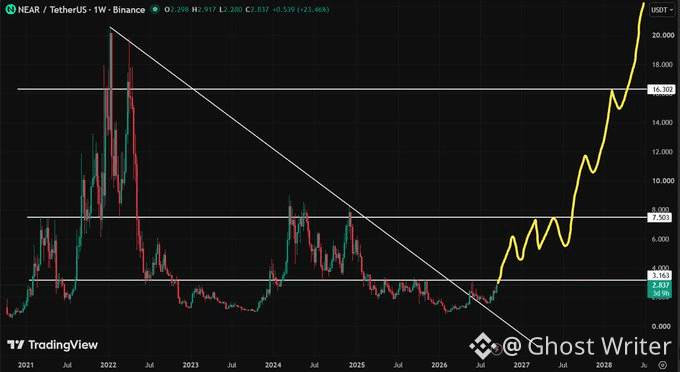
🟢$NEAR IS COMENZANDO A VERSE MUY INTERESANTE
$NEAR ya está alrededor de 3x desde el fondo, y ahora también ha superado la línea descendente de largo plazo.
Esa es la primera mejora estructural real que quería ver.
Al mismo tiempo, el gráfico semanal puede estar formando un gran patrón de W.
El nivel clave para mí está alrededor de $7.50.
Si $NEAR puede recuperar y mantenerse por encima de esa zona, la estructura se vuelve mucho más fuerte.
Luego estaría observando:
$7.50 → $16.30 → máximos anteriores de 2021
Si el patrón de W se confirma completamente, un retorno hacia esos niveles antiguos del ciclo se convierte en un escenario realista.
Nada está garantizado. Esto es simplemente el escenario de mayor probabilidad que veo a partir de la configuración técnica, no una recomendación para comprar NEAR. Haz siempre tu propia investigación.
{future}(NEARUSDT)
{spot}(NEARUSDT)
#Near #TrendingTopic
🟢$NEAR IS COMENZANDO A VERSE MUY INTERESANTE
$NEAR ya está alrededor de 3x desde el fondo, y ahora también ha superado la línea descendente de largo plazo.
Esa es la primera mejora estructural real que quería ver.
Al mismo tiempo, el gráfico semanal puede estar formando un gran patrón de W.
El nivel clave para mí está alrededor de $7.50.
Si $NEAR puede recuperar y mantenerse por encima de esa zona, la estructura se vuelve mucho más fuerte.
Luego estaría observando:
$7.50 → $16.30 → máximos anteriores de 2021
Si el patrón de W se confirma completamente, un retorno hacia esos niveles antiguos del ciclo se convierte en un escenario realista.
Nada está garantizado. Esto es simplemente el escenario de mayor probabilidad que veo a partir de la configuración técnica, no una recomendación para comprar NEAR. Haz siempre tu propia investigación.
#Near #TrendingTopic
$NEAR ya está alrededor de 3x desde el fondo, y ahora también ha superado la línea descendente de largo plazo.
Esa es la primera mejora estructural real que quería ver.
Al mismo tiempo, el gráfico semanal puede estar formando un gran patrón de W.
El nivel clave para mí está alrededor de $7.50.
Si $NEAR puede recuperar y mantenerse por encima de esa zona, la estructura se vuelve mucho más fuerte.
Luego estaría observando:
$7.50 → $16.30 → máximos anteriores de 2021
Si el patrón de W se confirma completamente, un retorno hacia esos niveles antiguos del ciclo se convierte en un escenario realista.
Nada está garantizado. Esto es simplemente el escenario de mayor probabilidad que veo a partir de la configuración técnica, no una recomendación para comprar NEAR. Haz siempre tu propia investigación.
#Near #TrendingTopic
1
285
·
--
Alcista
Parcialmente cierto
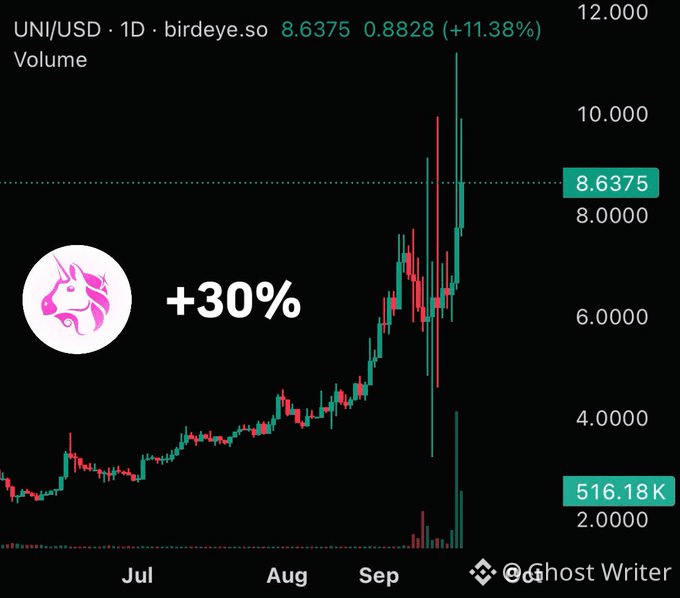
$UNI está volviéndose LOCO con +30% ayer 🚀
El volumen tocó fondo en $712M el 15 de agosto; ahora está haciendo $2-4B cada día
$3.5M en recompras esta semana ($500K de promedio por día)
Uniswap mueve el 82% del volumen de DEX de Robinhood Chain + la DEX principal en la cadena Arc también
La SEC también acaba de despejar el camino para los valores tokenizados de acciones en AMMs (UNI es la apuesta de infraestructura)
¿Ustedes tienen alguna $UNI ?
{spot}(UNIUSDT)
{future}(UNIUSDT)
#UNI #Robinhood
$UNI está volviéndose LOCO con +30% ayer 🚀
El volumen tocó fondo en $712M el 15 de agosto; ahora está haciendo $2-4B cada día
$3.5M en recompras esta semana ($500K de promedio por día)
Uniswap mueve el 82% del volumen de DEX de Robinhood Chain + la DEX principal en la cadena Arc también
La SEC también acaba de despejar el camino para los valores tokenizados de acciones en AMMs (UNI es la apuesta de infraestructura)
¿Ustedes tienen alguna $UNI ?
#UNI #Robinhood
El volumen tocó fondo en $712M el 15 de agosto; ahora está haciendo $2-4B cada día
$3.5M en recompras esta semana ($500K de promedio por día)
Uniswap mueve el 82% del volumen de DEX de Robinhood Chain + la DEX principal en la cadena Arc también
La SEC también acaba de despejar el camino para los valores tokenizados de acciones en AMMs (UNI es la apuesta de infraestructura)
¿Ustedes tienen alguna $UNI ?
#UNI #Robinhood
2
1.6k
Inicia sesión para explorar más contenidos
Únete a usuarios globales de criptomonedas en Binance Square
⚡️ Obtén información útil y actualizada sobre criptos.
💬 Avalado por el mayor exchange de criptomonedas en el mundo.
👍 Descubre perspectivas reales de creadores verificados.
Email/número de teléfono
Temas populares
SaylorHintsStrategyBitcoinBuy
2.2M vistas
12,237 están debatiendo
Saylor dijo "a little more orange": insinuó una compra de Strategy, no la confirmó.
BTC $81.272 (-0,10% en 24h). Recuperó los $80.619 que esta mañana di por perdidos, pero los datos de futuros no acompañan la narrativa.
PANEL DE FUTUROS
- Open Interest: 107.290 BTC ($8.69B) -> -0,46% en 24 horas. El precio sube y el apalancamiento BAJA: nadie está pagando por este rebote.
- Funding: +0,0046% cada 8h. Neutro.
- Taker buy/sell: 0,60 (hace 24h: 1,02). El flujo vendedor domina.
- Cuentas largas/cortas: 49,4% / 50,6% (hace 24h: 48,5% / 51,5%)
- Top traders, cuentas: 52,8% / 47,1%
- Top traders, POSICIÓN: 68,0% / 32,0%
Strategy: 845.050 BTC a un costo medio de $75.412 — el precio está 7,8% arriba de su costo. Pero la compra NO está confirmada: Saylor avisa el domingo, la SEC confirma el lunes. Hoy hay una pista, no un hecho.
Mapa de liquidaciones, por distancia al precio:
ABAJO - se liquidan los largos:
🔻 $80.849 · -0,52% · 33%
🔻 $80.047 · -1,51% · 67%
🔻 $77.598 · -4,52% · 100% (la más pesada)
ARRIBA - se liquidan los shorts:
🔺 $81.695 · +0,52% · 26%
🔺 $82.497 · +1,51% · 51%
🔺 $84.946 · +4,52% · 77%
Mi decisión: sigo neutral. Recuperó mi línea pero con el OI bajando y flujo vendedor: es un rebote sin apalancamiento detrás. Si el lunes confirman la compra y el OI sube, cambio de sesgo. Mientras tanto, $81.695 es el primer techo real.
Sígueme para el próximo episodio de Flujo de ballenas.
#SaylorHintsStrategyBitcoinBuy #BTC $BTC
Datos: Binance API (spot + futuros + depth L2), 20-09-2026. Zonas estimadas. No es consejo financiero. DYOR.
HashVibeDev
·1 me gusta
·807 vistas
BOJRaisesRatesTo31YearHigh
233,247 vistas
3,177 están debatiendo
BuffettStepsDownAsBerkshireChairman
112,260 vistas
1,691 están debatiendo