

ATB Cryptos
977 Posts

ATB Cryptos
Report
Block User
Crypto Analyst || Alpha Content and Blockchain Enthusiast ||Do Your Own Research & always Trade at your own risk.
246 Following
186 Followers
1.6K+ Liked
Posts
All
Quotes
Videos
·
--
Bitcoin slips below $83K while Quant’s QNT and Hedera’s HBAR surge.
Bitcoin lost the $85,000 support, fell to $82,600, and its market cap dropped to $1.65 trillion with dominance at 58.5% on CMC. The total crypto market cap shed over $70 billion in a day, settling at $2.840 trillion.
Quant’s QNT exploded 75% in 24 hours, reached $190, rebounded above $220 and is now up more than 20%. HBAR surged 18% to $207. XDC posted double‑digit gains and BTW rose to $1.40 after a 26% jump. Meanwhile, ETH fell below $2,650, BNB sits at $760, XRP slipped under $1.50 and ZEC dumped more than 7%.
Which altcoin’s performance will reshape the market narrative next?
#Bitcoin #Quant #HBAR #Crypto #MarketWatch
Bitcoin slips below $83K while Quant’s QNT and Hedera’s HBAR surge.
Bitcoin lost the $85,000 support, fell to $82,600, and its market cap dropped to $1.65 trillion with dominance at 58.5% on CMC. The total crypto market cap shed over $70 billion in a day, settling at $2.840 trillion.
Quant’s QNT exploded 75% in 24 hours, reached $190, rebounded above $220 and is now up more than 20%. HBAR surged 18% to $207. XDC posted double‑digit gains and BTW rose to $1.40 after a 26% jump. Meanwhile, ETH fell below $2,650, BNB sits at $760, XRP slipped under $1.50 and ZEC dumped more than 7%.
Which altcoin’s performance will reshape the market narrative next?
#Bitcoin #Quant #HBAR #Crypto #MarketWatch
Bitcoin lost the $85,000 support, fell to $82,600, and its market cap dropped to $1.65 trillion with dominance at 58.5% on CMC. The total crypto market cap shed over $70 billion in a day, settling at $2.840 trillion.
Quant’s QNT exploded 75% in 24 hours, reached $190, rebounded above $220 and is now up more than 20%. HBAR surged 18% to $207. XDC posted double‑digit gains and BTW rose to $1.40 after a 26% jump. Meanwhile, ETH fell below $2,650, BNB sits at $760, XRP slipped under $1.50 and ZEC dumped more than 7%.
Which altcoin’s performance will reshape the market narrative next?
#Bitcoin #Quant #HBAR #Crypto #MarketWatch

202
·
--
Four US data releases could shake Bitcoin and crypto this week.
Tuesday: September Consumer Confidence and August JOLTS Job Openings (release on September 29) give a view of worker demand ahead of the week‑end jobs report.
Wednesday: August PCE Inflation – the Fed’s preferred gauge – and the final Q2 US GDP estimate.
Inflation is likely to impact Bitcoin and altcoins; hotter readings could boost expectations for another rate hike, softer could ease that view.
Thursday: September ISM Manufacturing PMI.
Friday (8:30 am ET): September Jobs Report, which previously sent Bitcoin and alts lower after a stronger‑than‑expected release.
The week also features 22 Fed speaker events, adding market uncertainty.
Which of these releases do you expect to move Bitcoin the most?
#Bitcoin #Crypto #Inflation #JobsReport #Fed
Four US data releases could shake Bitcoin and crypto this week.
Tuesday: September Consumer Confidence and August JOLTS Job Openings (release on September 29) give a view of worker demand ahead of the week‑end jobs report.
Wednesday: August PCE Inflation – the Fed’s preferred gauge – and the final Q2 US GDP estimate.
Inflation is likely to impact Bitcoin and altcoins; hotter readings could boost expectations for another rate hike, softer could ease that view.
Thursday: September ISM Manufacturing PMI.
Friday (8:30 am ET): September Jobs Report, which previously sent Bitcoin and alts lower after a stronger‑than‑expected release.
The week also features 22 Fed speaker events, adding market uncertainty.
Which of these releases do you expect to move Bitcoin the most?
#Bitcoin #Crypto #Inflation #JobsReport #Fed
Tuesday: September Consumer Confidence and August JOLTS Job Openings (release on September 29) give a view of worker demand ahead of the week‑end jobs report.
Wednesday: August PCE Inflation – the Fed’s preferred gauge – and the final Q2 US GDP estimate.
Inflation is likely to impact Bitcoin and altcoins; hotter readings could boost expectations for another rate hike, softer could ease that view.
Thursday: September ISM Manufacturing PMI.
Friday (8:30 am ET): September Jobs Report, which previously sent Bitcoin and alts lower after a stronger‑than‑expected release.
The week also features 22 Fed speaker events, adding market uncertainty.
Which of these releases do you expect to move Bitcoin the most?
#Bitcoin #Crypto #Inflation #JobsReport #Fed
71
·
--
Spot Bitcoin ETFs pull $2.39 B in a week, flipping YTD to green.
Monday set a multi‑month inflow record with almost $1 billion in a single session.
Tuesday brought $714.75 million.
Wednesday added $346.98 million.
Thursday contributed $190.65 million.
Friday saw $134.47 million.
The week ended with $2.39 billion net inflows for spot Bitcoin ETFs, lifting cumulative YTD net inflows to $57.55 billion and turning the YTD balance from a $5.5 billion deficit to positive.
Spot Ethereum ETFs recorded $689.88 million net inflows, pushing cumulative net inflows to $13.94 billion.
Ethereum touched $2,800 during the week and now trades about $100 lower.
What does this reversal mean for institutional crypto allocation strategies?
#Bitcoin #Ethereum #ETFs #Crypto #Investing
Spot Bitcoin ETFs pull $2.39 B in a week, flipping YTD to green.
Monday set a multi‑month inflow record with almost $1 billion in a single session.
Tuesday brought $714.75 million.
Wednesday added $346.98 million.
Thursday contributed $190.65 million.
Friday saw $134.47 million.
The week ended with $2.39 billion net inflows for spot Bitcoin ETFs, lifting cumulative YTD net inflows to $57.55 billion and turning the YTD balance from a $5.5 billion deficit to positive.
Spot Ethereum ETFs recorded $689.88 million net inflows, pushing cumulative net inflows to $13.94 billion.
Ethereum touched $2,800 during the week and now trades about $100 lower.
What does this reversal mean for institutional crypto allocation strategies?
#Bitcoin #Ethereum #ETFs #Crypto #Investing
Monday set a multi‑month inflow record with almost $1 billion in a single session.
Tuesday brought $714.75 million.
Wednesday added $346.98 million.
Thursday contributed $190.65 million.
Friday saw $134.47 million.
The week ended with $2.39 billion net inflows for spot Bitcoin ETFs, lifting cumulative YTD net inflows to $57.55 billion and turning the YTD balance from a $5.5 billion deficit to positive.
Spot Ethereum ETFs recorded $689.88 million net inflows, pushing cumulative net inflows to $13.94 billion.
Ethereum touched $2,800 during the week and now trades about $100 lower.
What does this reversal mean for institutional crypto allocation strategies?
#Bitcoin #Ethereum #ETFs #Crypto #Investing
1
61
·
--
XRP eyes critical $1.60 resistance as bullish pattern holds.
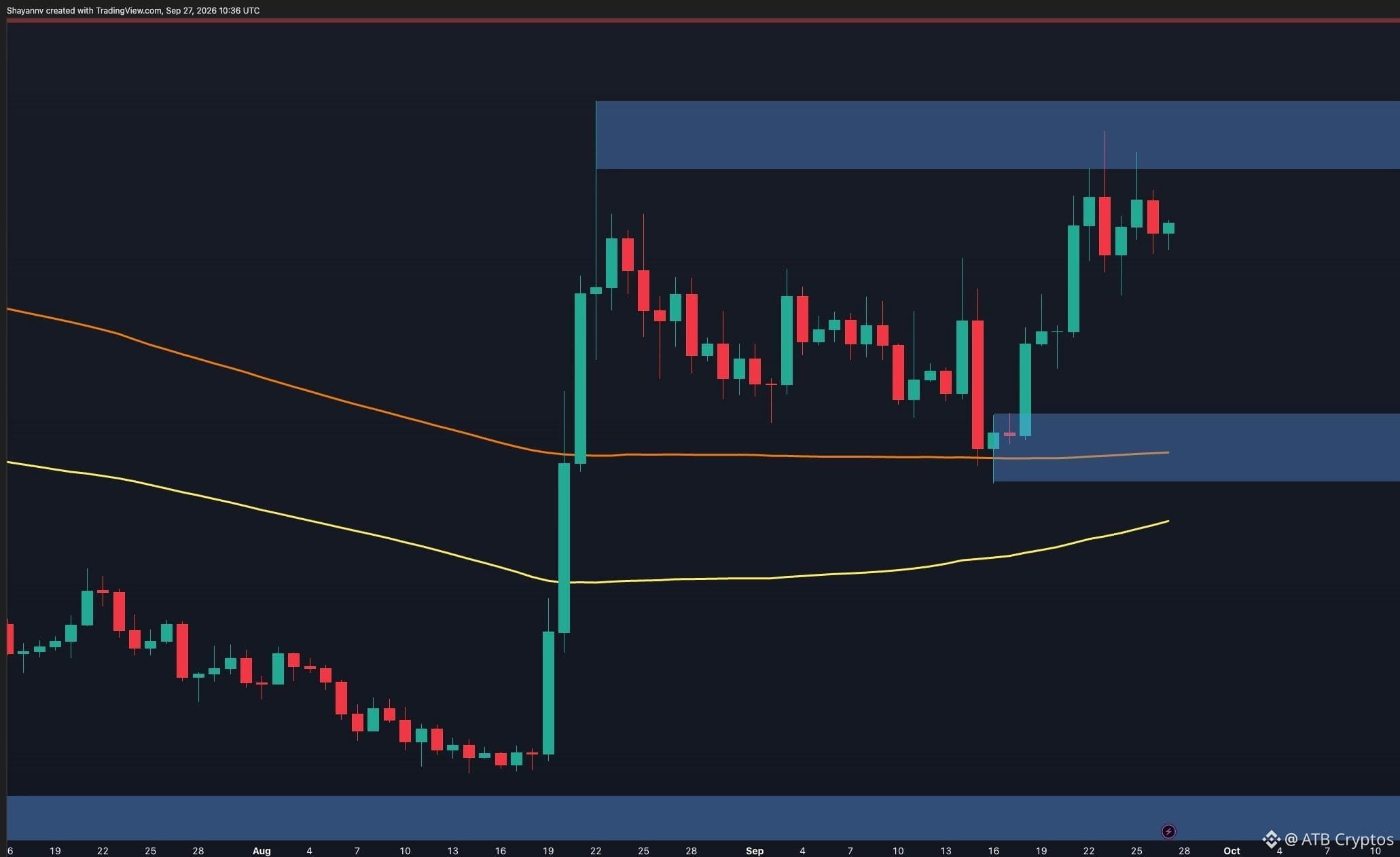
- On the daily chart Ripple’s XRP trades well above moving averages and found support at $1.25‑$1.32 before rebounding toward the $1.60‑$1.70 supply zone.
- The price is consolidating near $1.54, with sellers active in the $1.60‑$1.65 range; a daily close above $1.60‑$1.70 would signal a bullish development.
- Key support remains the $1.25‑$1.32 zone; a break below could shift focus to deeper support at $0.93‑$0.97.
Do you think breaking the $1.60 resistance will sustain the rally, or will support hold the line?
#Crypto #XRP #MarketAnalysis #Trading
XRP eyes critical $1.60 resistance as bullish pattern holds.
- On the daily chart Ripple’s XRP trades well above moving averages and found support at $1.25‑$1.32 before rebounding toward the $1.60‑$1.70 supply zone.
- The price is consolidating near $1.54, with sellers active in the $1.60‑$1.65 range; a daily close above $1.60‑$1.70 would signal a bullish development.
- Key support remains the $1.25‑$1.32 zone; a break below could shift focus to deeper support at $0.93‑$0.97.
Do you think breaking the $1.60 resistance will sustain the rally, or will support hold the line?
#Crypto #XRP #MarketAnalysis #Trading
- On the daily chart Ripple’s XRP trades well above moving averages and found support at $1.25‑$1.32 before rebounding toward the $1.60‑$1.70 supply zone.
- The price is consolidating near $1.54, with sellers active in the $1.60‑$1.65 range; a daily close above $1.60‑$1.70 would signal a bullish development.
- Key support remains the $1.25‑$1.32 zone; a break below could shift focus to deeper support at $0.93‑$0.97.
Do you think breaking the $1.60 resistance will sustain the rally, or will support hold the line?
#Crypto #XRP #MarketAnalysis #Trading
1
85
·
--
Only 9 of the top 50 altcoins have outperformed Bitcoin since its October peak.
Fresh Glassnode data shows 9 of the 50 largest alts at Bitcoin’s peak last October delivered higher returns than Bitcoin.
Zcash leads with almost 14.5 times Bitcoin’s return, followed by HYPE (~2.9×), Monero (~2.6×), Near (~2.1×) and UNI, TRX, LEO, TAO also outperformed.
41 alts failed to beat Bitcoin, though many still posted positive USD gains, highlighting the opportunity cost of shifting capital from Bitcoin.
Glassnode’s newer metrics reveal that over the past week 72 % of tracked alts outperformed Bitcoin, up from a peak of 39 % in August, while altcoin perpetual open interest stayed flat.
Altcoin market‑share change remained negative at ‑0.9 % despite a 21 % month‑over‑month increase in combined market cap.
Do you think the current altcoin performance shift signals a durable trend or a short‑term anomaly?
#Altcoins #Bitcoin #CryptoAnalytics #MarketData #FinTech
Only 9 of the top 50 altcoins have outperformed Bitcoin since its October peak.
Fresh Glassnode data shows 9 of the 50 largest alts at Bitcoin’s peak last October delivered higher returns than Bitcoin.
Zcash leads with almost 14.5 times Bitcoin’s return, followed by HYPE (~2.9×), Monero (~2.6×), Near (~2.1×) and UNI, TRX, LEO, TAO also outperformed.
41 alts failed to beat Bitcoin, though many still posted positive USD gains, highlighting the opportunity cost of shifting capital from Bitcoin.
Glassnode’s newer metrics reveal that over the past week 72 % of tracked alts outperformed Bitcoin, up from a peak of 39 % in August, while altcoin perpetual open interest stayed flat.
Altcoin market‑share change remained negative at ‑0.9 % despite a 21 % month‑over‑month increase in combined market cap.
Do you think the current altcoin performance shift signals a durable trend or a short‑term anomaly?
#Altcoins #Bitcoin #CryptoAnalytics #MarketData #FinTech
Fresh Glassnode data shows 9 of the 50 largest alts at Bitcoin’s peak last October delivered higher returns than Bitcoin.
Zcash leads with almost 14.5 times Bitcoin’s return, followed by HYPE (~2.9×), Monero (~2.6×), Near (~2.1×) and UNI, TRX, LEO, TAO also outperformed.
41 alts failed to beat Bitcoin, though many still posted positive USD gains, highlighting the opportunity cost of shifting capital from Bitcoin.
Glassnode’s newer metrics reveal that over the past week 72 % of tracked alts outperformed Bitcoin, up from a peak of 39 % in August, while altcoin perpetual open interest stayed flat.
Altcoin market‑share change remained negative at ‑0.9 % despite a 21 % month‑over‑month increase in combined market cap.
Do you think the current altcoin performance shift signals a durable trend or a short‑term anomaly?
#Altcoins #Bitcoin #CryptoAnalytics #MarketData #FinTech

1
64
·
--
XRP’s latest rally puts its performance against gold back in the spotlight.
EGRAG Crypto has highlighted the XRP/gold pair, noting the chart could signal a stage where XRP gains ground relative to the precious metal.
The analyst previously used this comparison to spot periods when the token accelerated sharply against bullion.
XRP remains far below its 2025 all‑time high despite recovering from the August decline to $1.00.
The relative‑value argument suggests XRP can rise faster without gold falling, and EGRAG expects both a gold retracement and an XRP acceleration.
EGRAG also outlines a long‑term roadmap with $1.75 as a key threshold, and targets of $5‑$8 or $13.
ChartNerd identifies a multi‑year cup‑and‑handle pattern with similar Fib targets, while whales have accumulated roughly $720 million of XRP in recent days.
Which scenario do you find more convincing: a gold dump, an XRP surge, or both?
#XRP #Gold #Crypto #FinTech
XRP’s latest rally puts its performance against gold back in the spotlight.
EGRAG Crypto has highlighted the XRP/gold pair, noting the chart could signal a stage where XRP gains ground relative to the precious metal.
The analyst previously used this comparison to spot periods when the token accelerated sharply against bullion.
XRP remains far below its 2025 all‑time high despite recovering from the August decline to $1.00.
The relative‑value argument suggests XRP can rise faster without gold falling, and EGRAG expects both a gold retracement and an XRP acceleration.
EGRAG also outlines a long‑term roadmap with $1.75 as a key threshold, and targets of $5‑$8 or $13.
ChartNerd identifies a multi‑year cup‑and‑handle pattern with similar Fib targets, while whales have accumulated roughly $720 million of XRP in recent days.
Which scenario do you find more convincing: a gold dump, an XRP surge, or both?
#XRP #Gold #Crypto #FinTech
EGRAG Crypto has highlighted the XRP/gold pair, noting the chart could signal a stage where XRP gains ground relative to the precious metal.
The analyst previously used this comparison to spot periods when the token accelerated sharply against bullion.
XRP remains far below its 2025 all‑time high despite recovering from the August decline to $1.00.
The relative‑value argument suggests XRP can rise faster without gold falling, and EGRAG expects both a gold retracement and an XRP acceleration.
EGRAG also outlines a long‑term roadmap with $1.75 as a key threshold, and targets of $5‑$8 or $13.
ChartNerd identifies a multi‑year cup‑and‑handle pattern with similar Fib targets, while whales have accumulated roughly $720 million of XRP in recent days.
Which scenario do you find more convincing: a gold dump, an XRP surge, or both?
#XRP #Gold #Crypto #FinTech

1
130
·
--
Bitcoin could get Zcash‑style privacy without a soft fork.
Researchers from Alloc Init introduced “Shielded Bitcoin,” a metaprotocol that hides BTC transfer amounts and counterparties while keeping Bitcoin’s consensus unchanged.
The design uses encrypted notes and zero‑knowledge proofs on the base layer; indexers verify the proofs and track nullifiers to prevent double spends, and anyone can run an indexer.
It separates spend and view keys, allowing a read‑only key to detect incoming transfers and enabling users to share limited transaction details without exposing spending power.
Do you think a privacy layer built on Bitcoin’s base layer could become mainstream?
#Bitcoin #Privacy #ZeroKnowledge #Zcash #Crypto
Bitcoin could get Zcash‑style privacy without a soft fork.
Researchers from Alloc Init introduced “Shielded Bitcoin,” a metaprotocol that hides BTC transfer amounts and counterparties while keeping Bitcoin’s consensus unchanged.
The design uses encrypted notes and zero‑knowledge proofs on the base layer; indexers verify the proofs and track nullifiers to prevent double spends, and anyone can run an indexer.
It separates spend and view keys, allowing a read‑only key to detect incoming transfers and enabling users to share limited transaction details without exposing spending power.
Do you think a privacy layer built on Bitcoin’s base layer could become mainstream?
#Bitcoin #Privacy #ZeroKnowledge #Zcash #Crypto
Researchers from Alloc Init introduced “Shielded Bitcoin,” a metaprotocol that hides BTC transfer amounts and counterparties while keeping Bitcoin’s consensus unchanged.
The design uses encrypted notes and zero‑knowledge proofs on the base layer; indexers verify the proofs and track nullifiers to prevent double spends, and anyone can run an indexer.
It separates spend and view keys, allowing a read‑only key to detect incoming transfers and enabling users to share limited transaction details without exposing spending power.
Do you think a privacy layer built on Bitcoin’s base layer could become mainstream?
#Bitcoin #Privacy #ZeroKnowledge #Zcash #Crypto
1
6
·
--
Institutions watched Bitcoin plunge 50% and kept their exposure unchanged.
- Bitwise surveyed 15 institutional investors covering Q4 2025‑Q2 2026, a period when Bitcoin fell about 50% – none reduced their allocation.
- Crypto allocations remained modest, ranging from 0.5% to 13% of investable assets; most sit between 1% and 2%, with roughly 80% of that exposure concentrated in Bitcoin.
- Spot crypto ETFs are now a primary entry point: nearly every respondent either uses them or plans to, citing lower costs, simpler reporting and better liquidity versus private placements.
Are spot ETFs the future gateway for institutions, or will direct custody regain favor?
#Bitcoin #InstitutionalInvestors #CryptoETFs #Bitwise #FinTech
Institutions watched Bitcoin plunge 50% and kept their exposure unchanged.
- Bitwise surveyed 15 institutional investors covering Q4 2025‑Q2 2026, a period when Bitcoin fell about 50% – none reduced their allocation.
- Crypto allocations remained modest, ranging from 0.5% to 13% of investable assets; most sit between 1% and 2%, with roughly 80% of that exposure concentrated in Bitcoin.
- Spot crypto ETFs are now a primary entry point: nearly every respondent either uses them or plans to, citing lower costs, simpler reporting and better liquidity versus private placements.
Are spot ETFs the future gateway for institutions, or will direct custody regain favor?
#Bitcoin #InstitutionalInvestors #CryptoETFs #Bitwise #FinTech
- Bitwise surveyed 15 institutional investors covering Q4 2025‑Q2 2026, a period when Bitcoin fell about 50% – none reduced their allocation.
- Crypto allocations remained modest, ranging from 0.5% to 13% of investable assets; most sit between 1% and 2%, with roughly 80% of that exposure concentrated in Bitcoin.
- Spot crypto ETFs are now a primary entry point: nearly every respondent either uses them or plans to, citing lower costs, simpler reporting and better liquidity versus private placements.
Are spot ETFs the future gateway for institutions, or will direct custody regain favor?
#Bitcoin #InstitutionalInvestors #CryptoETFs #Bitwise #FinTech

1
14
·
--
SEC drops new FAQs on staking tokens and the Howey test.
Guidance follows the CLARITY Act’s Senate failure on Sep 15 and clarifies crypto regulation for tokens that may fall outside securities rules.
Staking receipt tokens tied to a digital commodity not an investment contract are digital tools; receipts from protocol‑based liquid staking providers may be digital commodities if they do not transfer ownership or let the issuer use the asset.
Continuing to secure, maintain, or improve a functional blockchain does not meet the “essential managerial efforts” the Howey test requires, and buybacks of non‑security tokens for a functional system are not such promises unless the network is not yet functional and the buyback is marketed as yield.
How will these SEC clarifications influence future token designs and project strategies?
#Crypto #FinTech #Regulation #SEC #HoweyTest
SEC drops new FAQs on staking tokens and the Howey test.
Guidance follows the CLARITY Act’s Senate failure on Sep 15 and clarifies crypto regulation for tokens that may fall outside securities rules.
Staking receipt tokens tied to a digital commodity not an investment contract are digital tools; receipts from protocol‑based liquid staking providers may be digital commodities if they do not transfer ownership or let the issuer use the asset.
Continuing to secure, maintain, or improve a functional blockchain does not meet the “essential managerial efforts” the Howey test requires, and buybacks of non‑security tokens for a functional system are not such promises unless the network is not yet functional and the buyback is marketed as yield.
How will these SEC clarifications influence future token designs and project strategies?
#Crypto #FinTech #Regulation #SEC #HoweyTest
Guidance follows the CLARITY Act’s Senate failure on Sep 15 and clarifies crypto regulation for tokens that may fall outside securities rules.
Staking receipt tokens tied to a digital commodity not an investment contract are digital tools; receipts from protocol‑based liquid staking providers may be digital commodities if they do not transfer ownership or let the issuer use the asset.
Continuing to secure, maintain, or improve a functional blockchain does not meet the “essential managerial efforts” the Howey test requires, and buybacks of non‑security tokens for a functional system are not such promises unless the network is not yet functional and the buyback is marketed as yield.
How will these SEC clarifications influence future token designs and project strategies?
#Crypto #FinTech #Regulation #SEC #HoweyTest
1
3
·
--
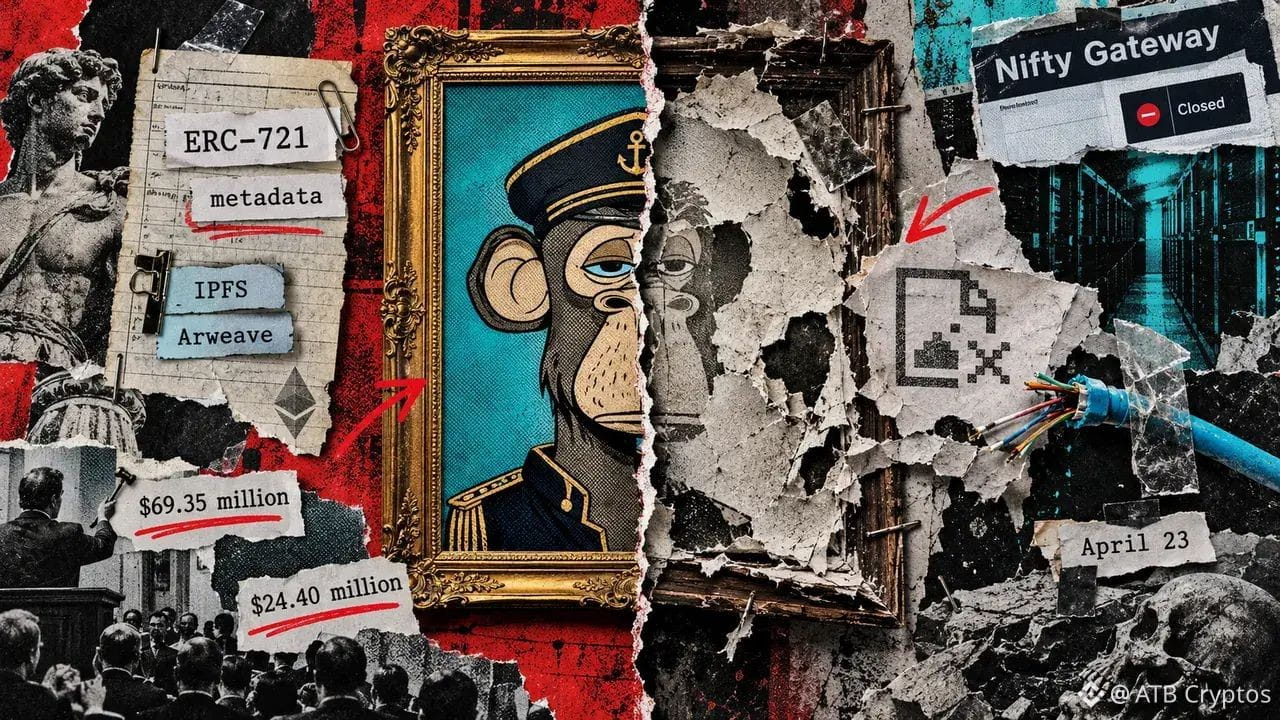
The NFT party is over, and the bill for storage rent is now due to every collector who thought they bought forever. While platforms like Nifty Gateway cashed in on the hype and can simply close shop, retail buyers are left holding empty wallets as their expensive JPEGs slowly fade into digital oblivion. True ownership on the blockchain ($ETH) requires active custodianship, not just a one-time purchase. Who actually wins when the music stops? The lazy holders who ignored the fine print, or the savvy collectors who actually take custody of their own assets? Are you a responsible custodian of your digital art, or just another victim of the hosting game? Choose your side: $ETH holder or platform survivor?
The NFT party is over, and the bill for storage rent is now due to every collector who thought they bought forever. While platforms like Nifty Gateway cashed in on the hype and can simply close shop, retail buyers are left holding empty wallets as their expensive JPEGs slowly fade into digital oblivion. True ownership on the blockchain ($ETH ) requires active custodianship, not just a one-time purchase. Who actually wins when the music stops? The lazy holders who ignored the fine print, or the savvy collectors who actually take custody of their own assets? Are you a responsible custodian of your digital art, or just another victim of the hosting game? Choose your side: $ETH holder or platform survivor?
1
10
·
--
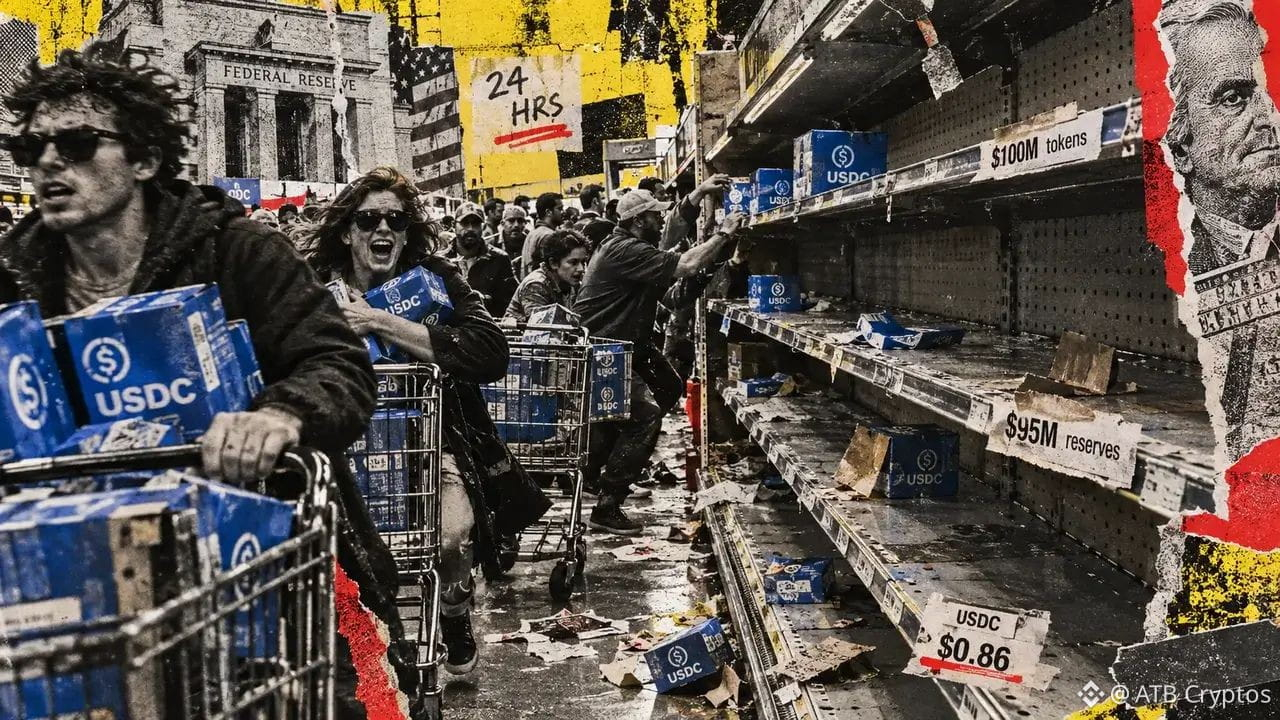
A Fed‑proposed rule could force a stablecoin liquidation in under 48 hours.
The rule gives issuers 24 hours to notify the Federal Reserve and submit a remediation plan once reserves dip below token value.
If the gap isn’t closed, the issuer must begin liquidating reserves and redeeming tokens by 5 p.m. the next business day—often less than 48 hours total.
During the remediation window the issuer may keep minting new stablecoins; the Fed says an abrupt halt would be visible on‑chain and could accelerate a run.
Reserve assets must equal or exceed outstanding tokens at all times, with fair‑value recorded daily at 5 p.m. local Fed Bank time.
The Fed illustrates a $100 million stablecoin backed by $95 million: after $35 million redemption the backing falls to $0.92 per token, after $80 million it drops to $0.75.
Circle reports USDC circulating $74.6 billion against $74.8 billion in reserves, with $40.2 billion issued and $39 billion redeemed in the prior 30 days.
Comments on the 392‑page proposal are open for 60 days after publication in the Federal Register.
Do you think real‑time on‑chain visibility helps or harms stablecoin stability?
#Stablecoin #FinTech #Regulation #Crypto
A Fed‑proposed rule could force a stablecoin liquidation in under 48 hours.
The rule gives issuers 24 hours to notify the Federal Reserve and submit a remediation plan once reserves dip below token value.
If the gap isn’t closed, the issuer must begin liquidating reserves and redeeming tokens by 5 p.m. the next business day—often less than 48 hours total.
During the remediation window the issuer may keep minting new stablecoins; the Fed says an abrupt halt would be visible on‑chain and could accelerate a run.
Reserve assets must equal or exceed outstanding tokens at all times, with fair‑value recorded daily at 5 p.m. local Fed Bank time.
The Fed illustrates a $100 million stablecoin backed by $95 million: after $35 million redemption the backing falls to $0.92 per token, after $80 million it drops to $0.75.
Circle reports USDC circulating $74.6 billion against $74.8 billion in reserves, with $40.2 billion issued and $39 billion redeemed in the prior 30 days.
Comments on the 392‑page proposal are open for 60 days after publication in the Federal Register.
Do you think real‑time on‑chain visibility helps or harms stablecoin stability?
#Stablecoin #FinTech #Regulation #Crypto
The rule gives issuers 24 hours to notify the Federal Reserve and submit a remediation plan once reserves dip below token value.
If the gap isn’t closed, the issuer must begin liquidating reserves and redeeming tokens by 5 p.m. the next business day—often less than 48 hours total.
During the remediation window the issuer may keep minting new stablecoins; the Fed says an abrupt halt would be visible on‑chain and could accelerate a run.
Reserve assets must equal or exceed outstanding tokens at all times, with fair‑value recorded daily at 5 p.m. local Fed Bank time.
The Fed illustrates a $100 million stablecoin backed by $95 million: after $35 million redemption the backing falls to $0.92 per token, after $80 million it drops to $0.75.
Circle reports USDC circulating $74.6 billion against $74.8 billion in reserves, with $40.2 billion issued and $39 billion redeemed in the prior 30 days.
Comments on the 392‑page proposal are open for 60 days after publication in the Federal Register.
Do you think real‑time on‑chain visibility helps or harms stablecoin stability?
#Stablecoin #FinTech #Regulation #Crypto
1
5
·
--
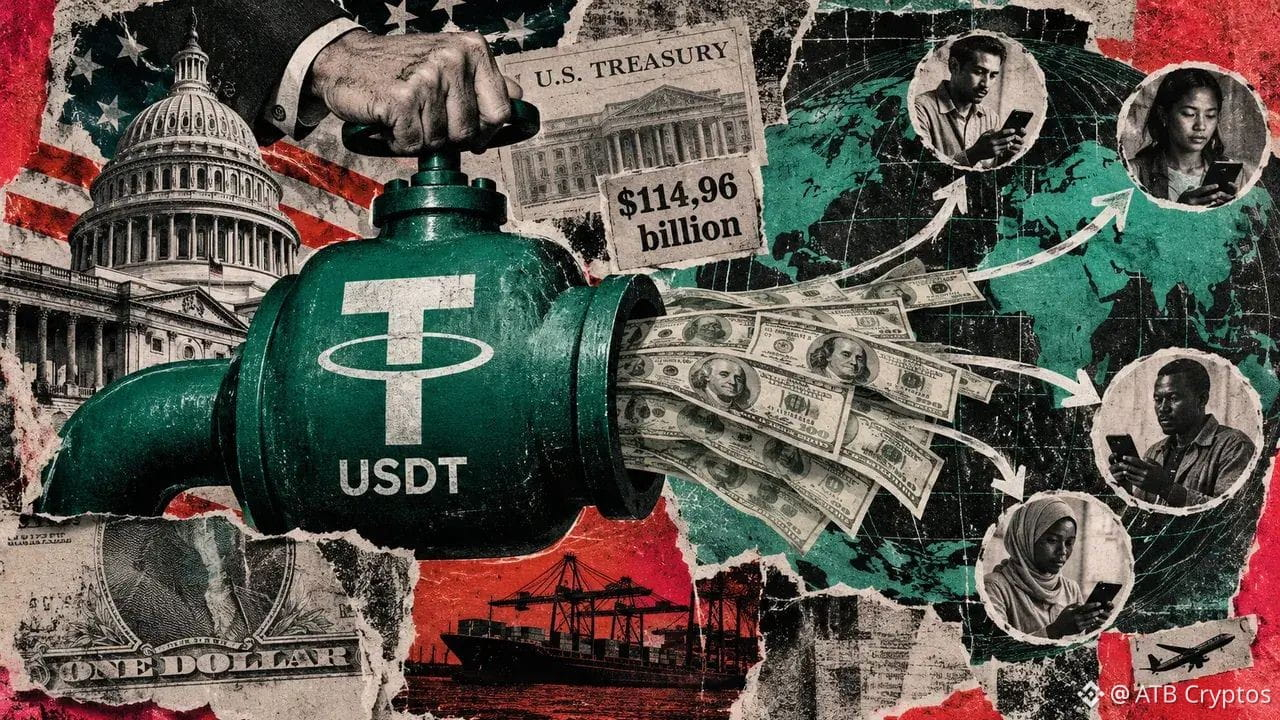
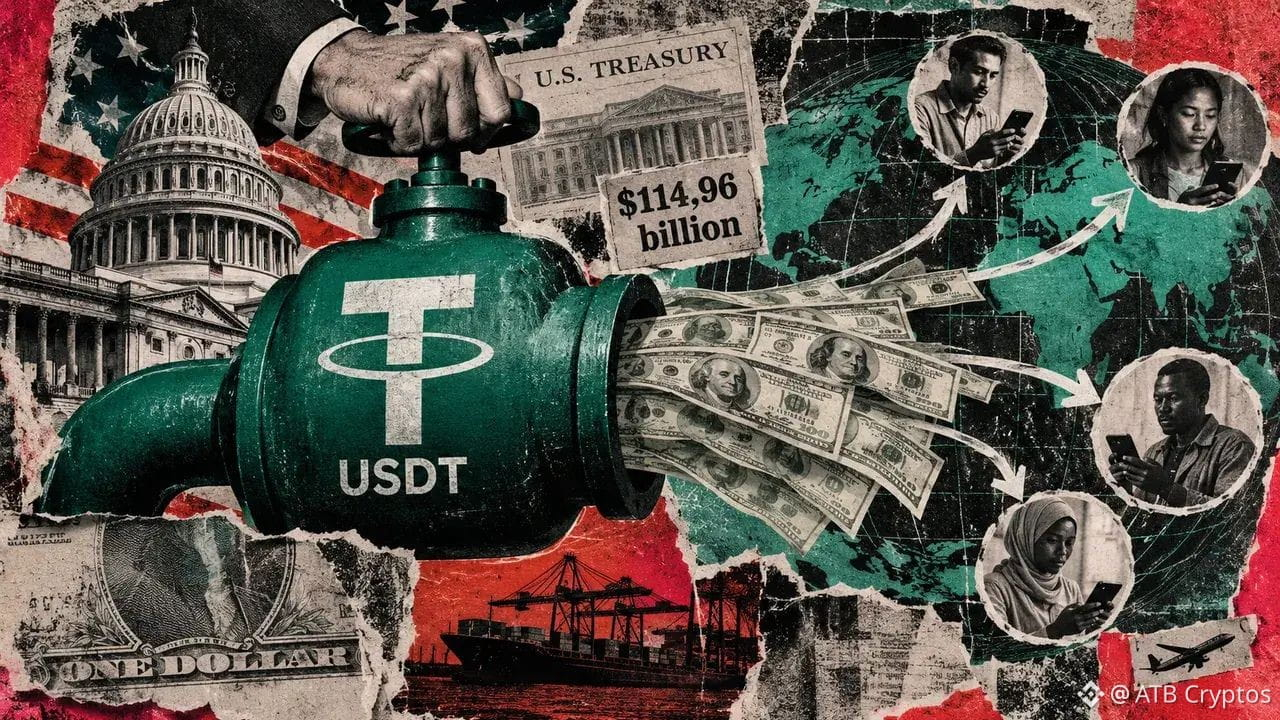
Washington now sees Tether as a $114 billion partner for U.S. debt.
At the end of June Tether reported $114.96 billion in directly held U.S. Treasury bills, making it one of the largest private buyers of short‑term American debt.
The reserve report showed total assets of $187.75 billion versus liabilities of $183.64 billion, leaving a $4.11 billion surplus, and listed $18.63 billion in overnight reverse‑repo agreements, $18.84 billion in precious metals, $5.80 billion in Bitcoin and $13.45 billion in secured loans.
Bloomberg said the Trump administration is exploring an overseas stablecoin initiative that could involve Treasury, the State Department and the U.S. International Development Finance Corporation, aiming to expand digital‑dollar use and demand for Treasuries; the report did not confirm a deal with Tether.
Tether’s market share exceeded 60 % of the stablecoin market in June, and its Q2 net operating profit of about $1.50 billion was driven largely by Treasury and repo income.
What balance should regulators strike between supporting digital‑dollar access and limiting influence over a private stablecoin issuer?
#Stablecoin #FinTech #USDebt #DigitalDollar
Washington now sees Tether as a $114 billion partner for U.S. debt.
At the end of June Tether reported $114.96 billion in directly held U.S. Treasury bills, making it one of the largest private buyers of short‑term American debt.
The reserve report showed total assets of $187.75 billion versus liabilities of $183.64 billion, leaving a $4.11 billion surplus, and listed $18.63 billion in overnight reverse‑repo agreements, $18.84 billion in precious metals, $5.80 billion in Bitcoin and $13.45 billion in secured loans.
Bloomberg said the Trump administration is exploring an overseas stablecoin initiative that could involve Treasury, the State Department and the U.S. International Development Finance Corporation, aiming to expand digital‑dollar use and demand for Treasuries; the report did not confirm a deal with Tether.
Tether’s market share exceeded 60 % of the stablecoin market in June, and its Q2 net operating profit of about $1.50 billion was driven largely by Treasury and repo income.
What balance should regulators strike between supporting digital‑dollar access and limiting influence over a private stablecoin issuer?
#Stablecoin #FinTech #USDebt #DigitalDollar
At the end of June Tether reported $114.96 billion in directly held U.S. Treasury bills, making it one of the largest private buyers of short‑term American debt.
The reserve report showed total assets of $187.75 billion versus liabilities of $183.64 billion, leaving a $4.11 billion surplus, and listed $18.63 billion in overnight reverse‑repo agreements, $18.84 billion in precious metals, $5.80 billion in Bitcoin and $13.45 billion in secured loans.
Bloomberg said the Trump administration is exploring an overseas stablecoin initiative that could involve Treasury, the State Department and the U.S. International Development Finance Corporation, aiming to expand digital‑dollar use and demand for Treasuries; the report did not confirm a deal with Tether.
Tether’s market share exceeded 60 % of the stablecoin market in June, and its Q2 net operating profit of about $1.50 billion was driven largely by Treasury and repo income.
What balance should regulators strike between supporting digital‑dollar access and limiting influence over a private stablecoin issuer?
#Stablecoin #FinTech #USDebt #DigitalDollar
1
4
·
--
Washington now sees $114 billion of Tether’s Treasury holdings as a strategic asset.
Tether, the largest stablecoin issuer, reported $114.96 billion of directly held US Treasury bills and $187.75 billion total reserves as of June 30, accounting for more than 60 % of the stablecoin market.
The Trump administration is exploring an overseas stablecoin initiative that could partner with private firms to extend dollar use and boost demand for Treasuries, though no formal deal with Tether has been announced.
Tether’s reserve composition includes short‑term Treasury bills (average maturity under 90 days), $18.63 billion in overnight reverse‑repo agreements, $18.84 billion in precious metals, $5.80 billion in Bitcoin and $13.45 billion in secured loans, supporting its redemption obligations and generating $1.50 billion Q2 profit.
Should regulators treat large private distributors of digital dollars differently from traditional banks?
#Stablecoins #USDT #Treasury #FinTech #MacroEconomy
Washington now sees $114 billion of Tether’s Treasury holdings as a strategic asset.
Tether, the largest stablecoin issuer, reported $114.96 billion of directly held US Treasury bills and $187.75 billion total reserves as of June 30, accounting for more than 60 % of the stablecoin market.
The Trump administration is exploring an overseas stablecoin initiative that could partner with private firms to extend dollar use and boost demand for Treasuries, though no formal deal with Tether has been announced.
Tether’s reserve composition includes short‑term Treasury bills (average maturity under 90 days), $18.63 billion in overnight reverse‑repo agreements, $18.84 billion in precious metals, $5.80 billion in Bitcoin and $13.45 billion in secured loans, supporting its redemption obligations and generating $1.50 billion Q2 profit.
Should regulators treat large private distributors of digital dollars differently from traditional banks?
#Stablecoins #USDT #Treasury #FinTech #MacroEconomy
Tether, the largest stablecoin issuer, reported $114.96 billion of directly held US Treasury bills and $187.75 billion total reserves as of June 30, accounting for more than 60 % of the stablecoin market.
The Trump administration is exploring an overseas stablecoin initiative that could partner with private firms to extend dollar use and boost demand for Treasuries, though no formal deal with Tether has been announced.
Tether’s reserve composition includes short‑term Treasury bills (average maturity under 90 days), $18.63 billion in overnight reverse‑repo agreements, $18.84 billion in precious metals, $5.80 billion in Bitcoin and $13.45 billion in secured loans, supporting its redemption obligations and generating $1.50 billion Q2 profit.
Should regulators treat large private distributors of digital dollars differently from traditional banks?
#Stablecoins #USDT #Treasury #FinTech #MacroEconomy
1
1
·
--
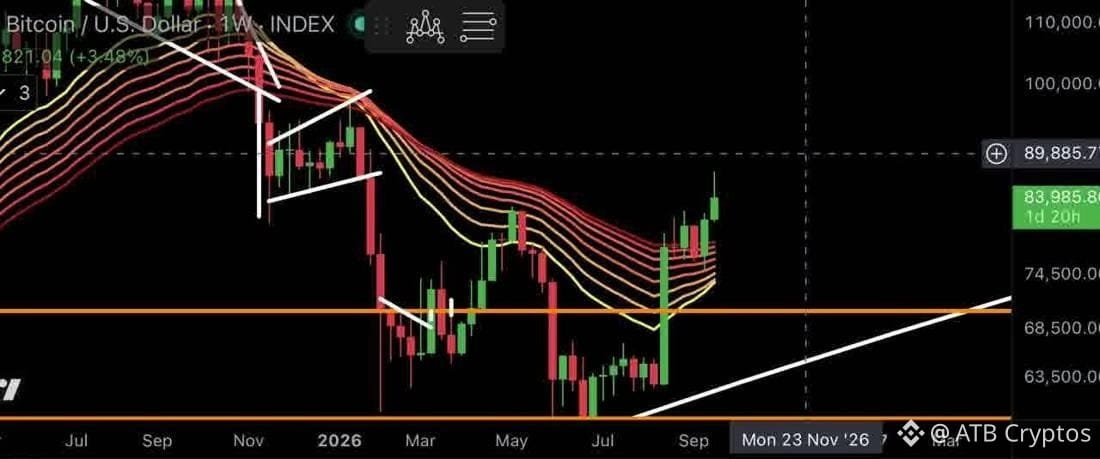
Bitcoin’s weekly chart just hit a make‑or‑break line at $78K – longs are poised to feast or shorts to strike. Price sits above the stacked 50/55/100‑week EMAs, but a close under that band would ignite a short‑squeeze frenzy while bulls eye the $84K‑$87K ladder. Whales could trap retail if the ribbon fails; retail could reap the breakout if it holds. $BTC Long or short? Comment your side and watch the war unfold.
Bitcoin’s weekly chart just hit a make‑or‑break line at $78K – longs are poised to feast or shorts to strike. Price sits above the stacked 50/55/100‑week EMAs, but a close under that band would ignite a short‑squeeze frenzy while bulls eye the $84K‑$87K ladder. Whales could trap retail if the ribbon fails; retail could reap the breakout if it holds. $BTC Long or short? Comment your side and watch the war unfold.
1
20
·
--
Verified
💰 BAL holders are about to watch their treasury get sliced. A Balancer fork (MAXYZ) is demanding 6M non-circulating $BAL to seed its protocol — and if granted, redemption value per token could drop ~8.7%, from ~$0.158 to ~$0.144.
🔥 Who wins? MAXYZ gets a second shot at building. Who loses? Every BAL holder staring at a smaller slice of the same ~$10M treasury.
The fork dangles 10% of its FDV back to the treasury — but that's conditional upside, not today's cash. The wind-down plan? A clean exit at current valuations.
This is a classic dilemma: bet on the fork's future token, or lock in certainty with the wind-down now?
Would you back the fork for potential upside, or the wind-down to cash out at today's rate? 🧵
💰 BAL holders are about to watch their treasury get sliced. A Balancer fork (MAXYZ) is demanding 6M non-circulating $BAL to seed its protocol — and if granted, redemption value per token could drop ~8.7%, from ~$0.158 to ~$0.144.
🔥 Who wins? MAXYZ gets a second shot at building. Who loses? Every BAL holder staring at a smaller slice of the same ~$10M treasury.
The fork dangles 10% of its FDV back to the treasury — but that's conditional upside, not today's cash. The wind-down plan? A clean exit at current valuations.
This is a classic dilemma: bet on the fork's future token, or lock in certainty with the wind-down now?
Would you back the fork for potential upside, or the wind-down to cash out at today's rate? 🧵
🔥 Who wins? MAXYZ gets a second shot at building. Who loses? Every BAL holder staring at a smaller slice of the same ~$10M treasury.
The fork dangles 10% of its FDV back to the treasury — but that's conditional upside, not today's cash. The wind-down plan? A clean exit at current valuations.
This is a classic dilemma: bet on the fork's future token, or lock in certainty with the wind-down now?
Would you back the fork for potential upside, or the wind-down to cash out at today's rate? 🧵

1
29
·
--
Partly True
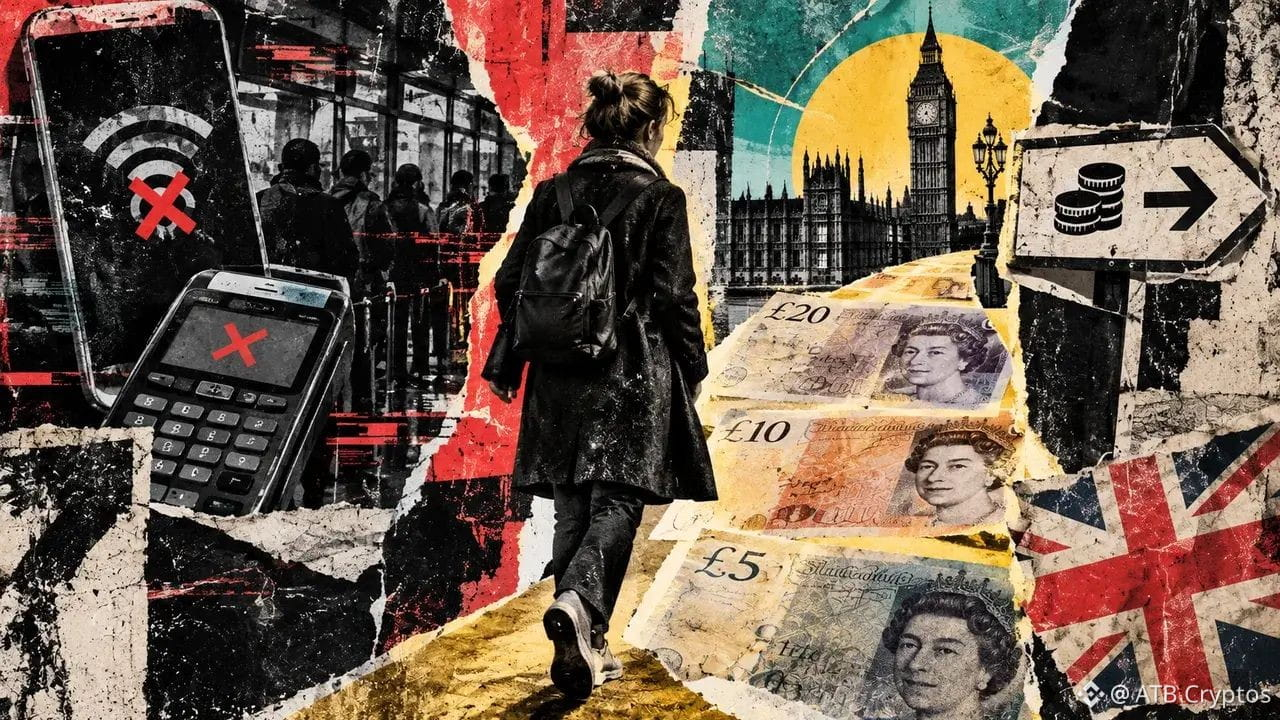
UK cash hoarding just shattered records — £99B in notes outstanding as digital payments crash to 8%. The system failed everyone who trusted the grid, and now the smart money is going analog.
The paradox: Brits use cash for 8% of transactions but hoard £94B in physical pounds. While $EURUSD trades like a casino, cash remains king when ATMs die and Visa ghosts you.
$USD$EURUSD holders watching this — are you really safer in FedNow or stacked Benjamins?
Meanwhile $BTC$ sits at $58k as institutions stack it like digital gold. But when the grid dies, can you pay for fuel with a blockchain?
The ECB knows — €70 per adult emergency stash isn't paranoia, it's practical survival.
Central banks get it: backup money isn't about yield, it's about access when permission gets revoked.
**When the next blackout hits and your phone dies, what's in your drawer?**
UK cash hoarding just shattered records — £99B in notes outstanding as digital payments crash to 8%. The system failed everyone who trusted the grid, and now the smart money is going analog.
The paradox: Brits use cash for 8% of transactions but hoard £94B in physical pounds. While $EURUSD trades like a casino, cash remains king when ATMs die and Visa ghosts you.
$USD$EURUSD holders watching this — are you really safer in FedNow or stacked Benjamins?
Meanwhile $BTC $ sits at $58k as institutions stack it like digital gold. But when the grid dies, can you pay for fuel with a blockchain?
The ECB knows — €70 per adult emergency stash isn't paranoia, it's practical survival.
Central banks get it: backup money isn't about yield, it's about access when permission gets revoked.
**When the next blackout hits and your phone dies, what's in your drawer?**
The paradox: Brits use cash for 8% of transactions but hoard £94B in physical pounds. While $EURUSD trades like a casino, cash remains king when ATMs die and Visa ghosts you.
$USD$EURUSD holders watching this — are you really safer in FedNow or stacked Benjamins?
Meanwhile $BTC $ sits at $58k as institutions stack it like digital gold. But when the grid dies, can you pay for fuel with a blockchain?
The ECB knows — €70 per adult emergency stash isn't paranoia, it's practical survival.
Central banks get it: backup money isn't about yield, it's about access when permission gets revoked.
**When the next blackout hits and your phone dies, what's in your drawer?**
1
29
·
--
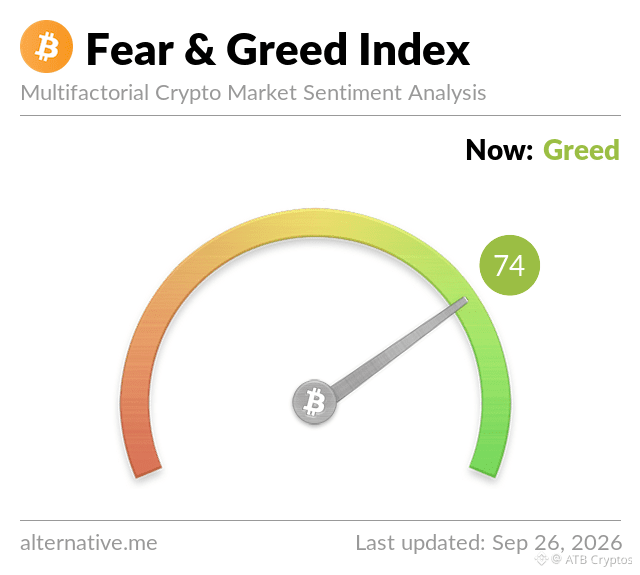
📊 Crypto Fear & Greed Index: 74 / 100 (Greed)
💡 Market Context:
Greed is building up. Buying momentum is pushing major assets toward key resistance levels.
🔍 Top Tracked Assets:
$BTC $ETH $BNB
What's your plan for today—accumulating, holding, or de-risking? Share your perspective below! 👇
#Crypto #BinanceSquare #MarketUpdate #FearAndGreed
📊 Crypto Fear & Greed Index: 74 / 100 (Greed)
💡 Market Context:
Greed is building up. Buying momentum is pushing major assets toward key resistance levels.
🔍 Top Tracked Assets:
$BTC $ETH $BNB
What's your plan for today—accumulating, holding, or de-risking? Share your perspective below! 👇
#Crypto #BinanceSquare #MarketUpdate #FearAndGreed
💡 Market Context:
Greed is building up. Buying momentum is pushing major assets toward key resistance levels.
🔍 Top Tracked Assets:
$BTC $ETH $BNB
What's your plan for today—accumulating, holding, or de-risking? Share your perspective below! 👇
#Crypto #BinanceSquare #MarketUpdate #FearAndGreed
1
36
·
--
Verified
ARK's Ethereum venture fund partnership with Securitize locks exit strategies—quarterly repurchase caps remain and no secondary venues are announced. Longs holding ARKVX are trapped; shorts and speculators profit from the locked liquidity. With only $ETH exposure left and no clear redemption path, the smart money is positioning. Is this a bullish tokenization play or a trap that will leave early investors stranded?
(398 characters)
ARK's Ethereum venture fund partnership with Securitize locks exit strategies—quarterly repurchase caps remain and no secondary venues are announced. Longs holding ARKVX are trapped; shorts and speculators profit from the locked liquidity. With only $ETH exposure left and no clear redemption path, the smart money is positioning. Is this a bullish tokenization play or a trap that will leave early investors stranded?
(398 characters)
(398 characters)

1
62
·
--
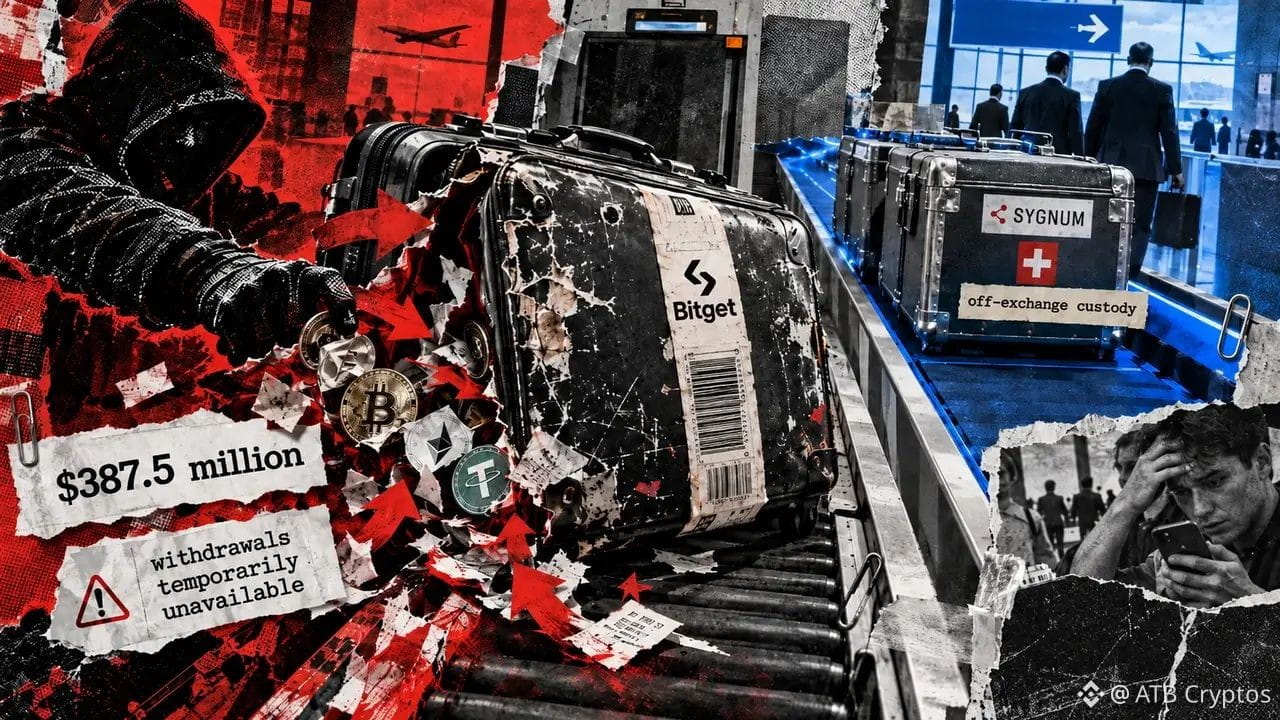
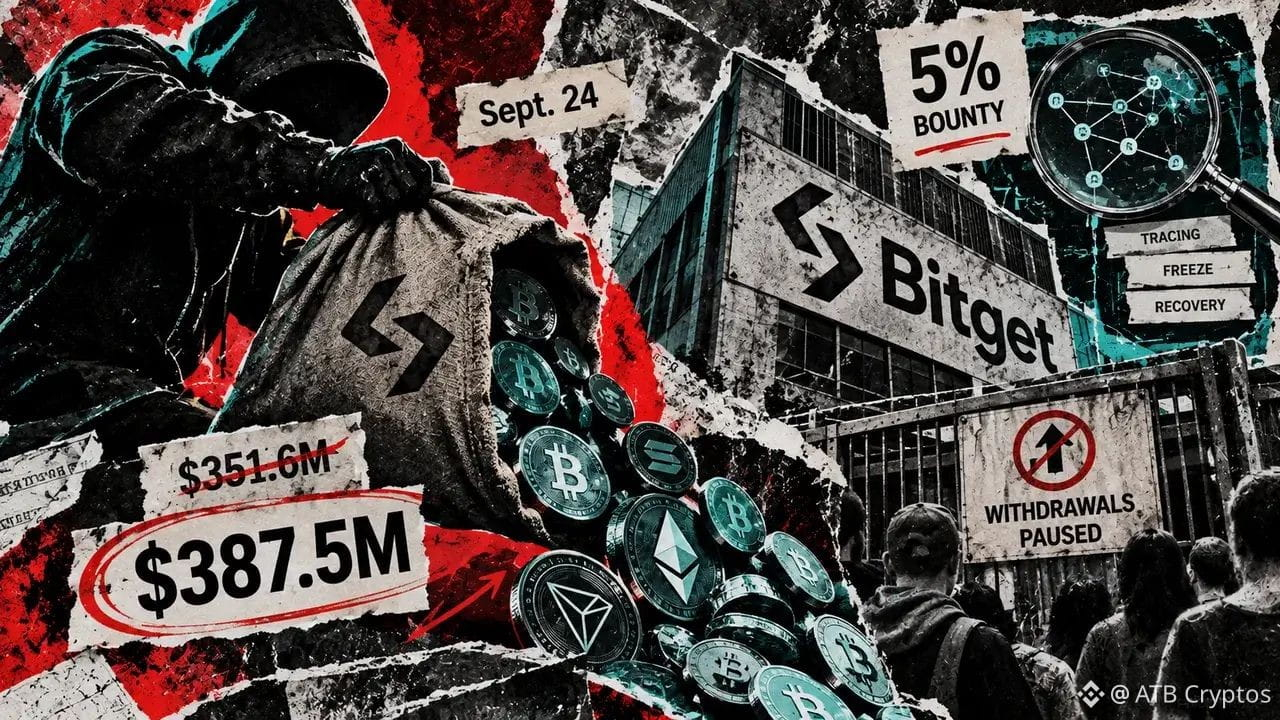
The $36M Bitget heist just escalated, and the crypto underworld is now auctioning off the stolen loot! Whalers and bounty hunters could pocket a fortune, while Bitget’s long‑term holders watch their trust evaporate. $BTC $ETH $USDT – who will profit when the exchange finally releases its Sept 26 withdrawal plan? Will you back the bounty hunters and chase the heist rewards, or double‑down on Bitget and hope the September 26 withdrawal plan saves you?
The $36M Bitget heist just escalated, and the crypto underworld is now auctioning off the stolen loot! Whalers and bounty hunters could pocket a fortune, while Bitget’s long‑term holders watch their trust evaporate. $BTC $ETH $USDT – who will profit when the exchange finally releases its Sept 26 withdrawal plan? Will you back the bounty hunters and chase the heist rewards, or double‑down on Bitget and hope the September 26 withdrawal plan saves you?
1
55
Log in to explore more content
Join global crypto users on Binance Square
⚡️ Get latest and useful information about crypto.
💬 Trusted by the world’s largest crypto exchange.
👍 Discover real insights from verified creators.
Email / Phone number
Trending Topics
GoldFallsTo$4144
1,096 views
35 Discussing
🚨 GOLD CRASHES TO $4,144! 🥶📉
#GoldFallsTo$4144
Gold just suffered a sharp sell-off, with spot gold dropping around 3.3% to $4,144/oz.
🔥 What’s driving the dump?
• Higher oil prices are fueling inflation fears
• Markets are pricing higher-for-longer Fed rates
• A stronger U.S. dollar is pressuring bullion
• Rising geopolitical risk is adding volatility
⚠️ Gold has now broken below recent support, putting $4,100 and potentially $4,000 on traders’ radar.
💬 Is this a healthy correction—or the start of a deeper gold sell-off?
#GOLD #XAUUSD #goldprice
$GOLD.US $XAU
ASHFAQ NAEEM
·0 Likes
·102 views
QNTFallsOver40%FromMorningHigh
6,687 views
266 Discussing
KospiFalls2.7%SamsungSKHynixDropOver5%
370 views
60 Discussing