
Indus Crypto
10.6k Posts

Indus Crypto
Report
Block User
"Passionate trader & crypto enthusiast 📈💻 | Exploring the world of digital assets | Let's connect & grow togethe
2.7K+ Following
304 Followers
68 Liked
Posts
All
Quotes
Videos
·
--
Opportunistic approach in crypto tradingAn opportunistic approach in crypto trading is a flexible, execution-focused strategy where a trader remains largely in cash or stablecoins, waiting patiently on the sidelines until high-probability market dislocations, extreme volatility, or macroeconomic catalysts create clear entry points. Rather than forcing daily trades or adhering strictly to dollar-cost averaging, opportunistic traders act as tactical scavengers who capitalize on sudden price inefficiencies, panic selling, or sudden trend reversals.
Core Pillars of the Strategy
* Patience and Capital Preservation: The majority of time is spent doing nothing. Preserving capital ensures dry powder is available when the market offers deep discounts or explosive momentum.
* Asymmetric Risk-to-Reward: Trades are only taken when the potential upside significantly outweighs the defined downside (e.g., aiming for a 3:1 or 5:1 reward-to-risk ratio).
* Event-Driven Catalysts: Focus is heavily placed on macro data releases, regulatory announcements, protocol upgrades, liquidations cascades, or sudden sector rotations (such as sudden capital flows into AI tokens or Layer 1 ecosystems).
Key Execution Tactics
* Liquidation Cascades: Monitoring open interest and funding rates to enter long positions after sudden flash crashes wipe out over-leveraged longs, or shorting after parabolic blow-off tops.
* Range Boundaries: Trading strictly off the extremes of established multi-month consolidation ranges, ignoring the messy middle noise.
* Support Re-tests: Waiting for major multi-year macro support levels to be tested and rejected with high volume rather than trying to catch falling knives halfway down.
Risk Management Guardrails
* Strict Invalidation Levels: Because opportunistic setups rely on fast momentum shifts, stop-losses are tightly coupled with technical breakdowns (e.g., a daily close below a reclaimed support level).
* Partial Profit Taking: Scaling out of positions rapidly as the initial volatility spike subsides, rather than holding out for cycle tops.
* Stablecoin Allocation: Maintaining a high percentage (often 50% to 80% depending on market phase) of the trading portfolio in stable yields or cash equivalents to eliminate drawdown stress while waiting for the next setup.
#Square #market
$BTC
Opportunistic approach in crypto trading
An opportunistic approach in crypto trading is a flexible, execution-focused strategy where a trader remains largely in cash or stablecoins, waiting patiently on the sidelines until high-probability market dislocations, extreme volatility, or macroeconomic catalysts create clear entry points. Rather than forcing daily trades or adhering strictly to dollar-cost averaging, opportunistic traders act as tactical scavengers who capitalize on sudden price inefficiencies, panic selling, or sudden trend reversals.
Core Pillars of the Strategy
* Patience and Capital Preservation: The majority of time is spent doing nothing. Preserving capital ensures dry powder is available when the market offers deep discounts or explosive momentum.
* Asymmetric Risk-to-Reward: Trades are only taken when the potential upside significantly outweighs the defined downside (e.g., aiming for a 3:1 or 5:1 reward-to-risk ratio).
* Event-Driven Catalysts: Focus is heavily placed on macro data releases, regulatory announcements, protocol upgrades, liquidations cascades, or sudden sector rotations (such as sudden capital flows into AI tokens or Layer 1 ecosystems).
Key Execution Tactics
* Liquidation Cascades: Monitoring open interest and funding rates to enter long positions after sudden flash crashes wipe out over-leveraged longs, or shorting after parabolic blow-off tops.
* Range Boundaries: Trading strictly off the extremes of established multi-month consolidation ranges, ignoring the messy middle noise.
* Support Re-tests: Waiting for major multi-year macro support levels to be tested and rejected with high volume rather than trying to catch falling knives halfway down.
Risk Management Guardrails
* Strict Invalidation Levels: Because opportunistic setups rely on fast momentum shifts, stop-losses are tightly coupled with technical breakdowns (e.g., a daily close below a reclaimed support level).
* Partial Profit Taking: Scaling out of positions rapidly as the initial volatility spike subsides, rather than holding out for cycle tops.
* Stablecoin Allocation: Maintaining a high percentage (often 50% to 80% depending on market phase) of the trading portfolio in stable yields or cash equivalents to eliminate drawdown stress while waiting for the next setup.
#Square #market
$BTC
Core Pillars of the Strategy
* Patience and Capital Preservation: The majority of time is spent doing nothing. Preserving capital ensures dry powder is available when the market offers deep discounts or explosive momentum.
* Asymmetric Risk-to-Reward: Trades are only taken when the potential upside significantly outweighs the defined downside (e.g., aiming for a 3:1 or 5:1 reward-to-risk ratio).
* Event-Driven Catalysts: Focus is heavily placed on macro data releases, regulatory announcements, protocol upgrades, liquidations cascades, or sudden sector rotations (such as sudden capital flows into AI tokens or Layer 1 ecosystems).
Key Execution Tactics
* Liquidation Cascades: Monitoring open interest and funding rates to enter long positions after sudden flash crashes wipe out over-leveraged longs, or shorting after parabolic blow-off tops.
* Range Boundaries: Trading strictly off the extremes of established multi-month consolidation ranges, ignoring the messy middle noise.
* Support Re-tests: Waiting for major multi-year macro support levels to be tested and rejected with high volume rather than trying to catch falling knives halfway down.
Risk Management Guardrails
* Strict Invalidation Levels: Because opportunistic setups rely on fast momentum shifts, stop-losses are tightly coupled with technical breakdowns (e.g., a daily close below a reclaimed support level).
* Partial Profit Taking: Scaling out of positions rapidly as the initial volatility spike subsides, rather than holding out for cycle tops.
* Stablecoin Allocation: Maintaining a high percentage (often 50% to 80% depending on market phase) of the trading portfolio in stable yields or cash equivalents to eliminate drawdown stress while waiting for the next setup.
#Square #market
$BTC
5
7
·
--
🚨 Navigating Crypto Markets Amid Geopolitical Tensions 🌍📉
.With escalating geopolitical tensions and supply route concerns rattling macro markets, crypto volatility is bound to spike. Here is how to protect your portfolio and trade smart today:
1️⃣ Lower Your Leverage: High volatility means sudden liquidation wicks. Cut down your leverage (or stick to spot) to avoid getting wiped out by a sudden headline-driven flash crash.
2️⃣ Don't Panic Sell the Dips: Panic is the market maker's best friend. Sudden geopolitical escalations often trigger knee-jerk drops that recover just as fast once the dust settles. Wait for confirmation before making moves.
3️⃣ Keep Dry Powder Ready: Instead of going all-in, keep a healthy allocation of stablecoins on hand. Real opportunities live in extreme fear—if the market overreacts, you want cash ready to scoop up oversold assets.
4️⃣ Prioritize Risk Management: Set strict stop-losses and never trade with funds you can’t afford to see fluctuate heavily in a high-tension macro climate.
Protect capital first, profits second. Stay sharp out there! 🛡️📊
#CryptoTrading #RiskManagement #BinanceSquare #Macroeconomics #TradingTips
🚨 Navigating Crypto Markets Amid Geopolitical Tensions 🌍📉 .
With escalating geopolitical tensions and supply route concerns rattling macro markets, crypto volatility is bound to spike. Here is how to protect your portfolio and trade smart today:
1️⃣ Lower Your Leverage: High volatility means sudden liquidation wicks. Cut down your leverage (or stick to spot) to avoid getting wiped out by a sudden headline-driven flash crash.
2️⃣ Don't Panic Sell the Dips: Panic is the market maker's best friend. Sudden geopolitical escalations often trigger knee-jerk drops that recover just as fast once the dust settles. Wait for confirmation before making moves.
3️⃣ Keep Dry Powder Ready: Instead of going all-in, keep a healthy allocation of stablecoins on hand. Real opportunities live in extreme fear—if the market overreacts, you want cash ready to scoop up oversold assets.
4️⃣ Prioritize Risk Management: Set strict stop-losses and never trade with funds you can’t afford to see fluctuate heavily in a high-tension macro climate.
Protect capital first, profits second. Stay sharp out there! 🛡️📊
#CryptoTrading #RiskManagement #BinanceSquare #Macroeconomics #TradingTips
1️⃣ Lower Your Leverage: High volatility means sudden liquidation wicks. Cut down your leverage (or stick to spot) to avoid getting wiped out by a sudden headline-driven flash crash.
2️⃣ Don't Panic Sell the Dips: Panic is the market maker's best friend. Sudden geopolitical escalations often trigger knee-jerk drops that recover just as fast once the dust settles. Wait for confirmation before making moves.
3️⃣ Keep Dry Powder Ready: Instead of going all-in, keep a healthy allocation of stablecoins on hand. Real opportunities live in extreme fear—if the market overreacts, you want cash ready to scoop up oversold assets.
4️⃣ Prioritize Risk Management: Set strict stop-losses and never trade with funds you can’t afford to see fluctuate heavily in a high-tension macro climate.
Protect capital first, profits second. Stay sharp out there! 🛡️📊
#CryptoTrading #RiskManagement #BinanceSquare #Macroeconomics #TradingTips
5
1
5
·
--

Article
Navigating the September 2026 Crypto Pivot: Rates, Liquidity, and Key Levels#CPIWatch
The cryptocurrency market has entered a pivotal stretch. Following a robust summer rally that pushed the total market capitalization past the $2.70 trillion mark—buoyed by record-setting ETF inflows—traders are now facing a complex macro environment defined by shifting interest rate expectations and active liquidity rotations.
Rather than a simple risk-on surge, current market behavior highlights a deeply rate-driven landscape.
The Macro & Market Dynamics
Recent data from Binance Research underscores how macroeconomic shifts continue to dictate digital asset momentum. Treasury policy shifts and evolving central bank rhetoric have created a tight consolidation window for major assets.
* Allocation Shifts: Data shows that investor positioning has visibly adapted, with crypto equity holders increasing their portfolio share as stablecoin allocations experienced a notable pullback. Traders are putting capital directly to work rather than sitting heavily on sidelines.
* The 24/7 Advantage: Around-the-clock venues like Binance continue to capture massive weekend trading volumes. As traditional markets face structural time gaps, crypto infrastructure increasingly functions as the primary global price-discovery engine for cross-asset sentiment.
Critical Technical Levels to Watch
With Bitcoin (BTC) hovering tightly in the $78,000 to $80,000 range and Ethereum (ETH) consolidating near key multi-hundred-dollar zones, market participants are tracking clear boundary lines:
* Bitcoin (BTC): Holding the $76,000–$78,000 support band is vital for keeping the broader bullish structure intact. A decisive push and sustained volume above $82,000 are required to open the path toward fresh upside momentum.
* Ethereum (ETH): ETH is holding steady around the mid-$2,400 to $2,500 zone. A breakout past immediate overhead resistance could trigger renewed capital rotation into major alternative layer-1s.
* Altcoin & Beta Rotation: As major caps consolidate, capital is periodically spilling over into high-beta assets, infrastructure tokens, and decentralized sectors. However, elevated liquidations serve as a reminder that excessive leverage remains a primary hazard.
Outlook
We are currently sitting in a classic market decision zone. While historical base rates following sharp weekly surges lean constructively positive over a multi-month horizon, short-term volatility demands discipline. Chasing breakouts without volume confirmation or ignoring macro data triggers is a quick way to get caught in choppy range-bound traps.
Watch the order books, respect your risk parameters, and wait for confirmed structural shifts before scaling into heavy positions.
(A sleek, high-contrast digital graphic featuring a glowing abstract bull market chart overlaid with a subtle global network grid, combining tones of Binance yellow, deep slate blue, and electric green to signify data flow and market momentum.)
Disclaimer: This article is for informational and educational purposes only and does not constitute financial advice. Always perform your own research before trading or investing in digital assets.
Navigating the September 2026 Crypto Pivot: Rates, Liquidity, and Key Levels
#CPIWatch
The cryptocurrency market has entered a pivotal stretch. Following a robust summer rally that pushed the total market capitalization past the $2.70 trillion mark—buoyed by record-setting ETF inflows—traders are now facing a complex macro environment defined by shifting interest rate expectations and active liquidity rotations.
Rather than a simple risk-on surge, current market behavior highlights a deeply rate-driven landscape.
The Macro & Market Dynamics
Recent data from Binance Research underscores how macroeconomic shifts continue to dictate digital asset momentum. Treasury policy shifts and evolving central bank rhetoric have created a tight consolidation window for major assets.
* Allocation Shifts: Data shows that investor positioning has visibly adapted, with crypto equity holders increasing their portfolio share as stablecoin allocations experienced a notable pullback. Traders are putting capital directly to work rather than sitting heavily on sidelines.
* The 24/7 Advantage: Around-the-clock venues like Binance continue to capture massive weekend trading volumes. As traditional markets face structural time gaps, crypto infrastructure increasingly functions as the primary global price-discovery engine for cross-asset sentiment.
Critical Technical Levels to Watch
With Bitcoin (BTC) hovering tightly in the $78,000 to $80,000 range and Ethereum (ETH) consolidating near key multi-hundred-dollar zones, market participants are tracking clear boundary lines:
* Bitcoin (BTC): Holding the $76,000–$78,000 support band is vital for keeping the broader bullish structure intact. A decisive push and sustained volume above $82,000 are required to open the path toward fresh upside momentum.
* Ethereum (ETH): ETH is holding steady around the mid-$2,400 to $2,500 zone. A breakout past immediate overhead resistance could trigger renewed capital rotation into major alternative layer-1s.
* Altcoin & Beta Rotation: As major caps consolidate, capital is periodically spilling over into high-beta assets, infrastructure tokens, and decentralized sectors. However, elevated liquidations serve as a reminder that excessive leverage remains a primary hazard.
Outlook
We are currently sitting in a classic market decision zone. While historical base rates following sharp weekly surges lean constructively positive over a multi-month horizon, short-term volatility demands discipline. Chasing breakouts without volume confirmation or ignoring macro data triggers is a quick way to get caught in choppy range-bound traps.
Watch the order books, respect your risk parameters, and wait for confirmed structural shifts before scaling into heavy positions.
(A sleek, high-contrast digital graphic featuring a glowing abstract bull market chart overlaid with a subtle global network grid, combining tones of Binance yellow, deep slate blue, and electric green to signify data flow and market momentum.)
Disclaimer: This article is for informational and educational purposes only and does not constitute financial advice. Always perform your own research before trading or investing in digital assets.
The cryptocurrency market has entered a pivotal stretch. Following a robust summer rally that pushed the total market capitalization past the $2.70 trillion mark—buoyed by record-setting ETF inflows—traders are now facing a complex macro environment defined by shifting interest rate expectations and active liquidity rotations.
Rather than a simple risk-on surge, current market behavior highlights a deeply rate-driven landscape.
The Macro & Market Dynamics
Recent data from Binance Research underscores how macroeconomic shifts continue to dictate digital asset momentum. Treasury policy shifts and evolving central bank rhetoric have created a tight consolidation window for major assets.
* Allocation Shifts: Data shows that investor positioning has visibly adapted, with crypto equity holders increasing their portfolio share as stablecoin allocations experienced a notable pullback. Traders are putting capital directly to work rather than sitting heavily on sidelines.
* The 24/7 Advantage: Around-the-clock venues like Binance continue to capture massive weekend trading volumes. As traditional markets face structural time gaps, crypto infrastructure increasingly functions as the primary global price-discovery engine for cross-asset sentiment.
Critical Technical Levels to Watch
With Bitcoin (BTC) hovering tightly in the $78,000 to $80,000 range and Ethereum (ETH) consolidating near key multi-hundred-dollar zones, market participants are tracking clear boundary lines:
* Bitcoin (BTC): Holding the $76,000–$78,000 support band is vital for keeping the broader bullish structure intact. A decisive push and sustained volume above $82,000 are required to open the path toward fresh upside momentum.
* Ethereum (ETH): ETH is holding steady around the mid-$2,400 to $2,500 zone. A breakout past immediate overhead resistance could trigger renewed capital rotation into major alternative layer-1s.
* Altcoin & Beta Rotation: As major caps consolidate, capital is periodically spilling over into high-beta assets, infrastructure tokens, and decentralized sectors. However, elevated liquidations serve as a reminder that excessive leverage remains a primary hazard.
Outlook
We are currently sitting in a classic market decision zone. While historical base rates following sharp weekly surges lean constructively positive over a multi-month horizon, short-term volatility demands discipline. Chasing breakouts without volume confirmation or ignoring macro data triggers is a quick way to get caught in choppy range-bound traps.
Watch the order books, respect your risk parameters, and wait for confirmed structural shifts before scaling into heavy positions.
(A sleek, high-contrast digital graphic featuring a glowing abstract bull market chart overlaid with a subtle global network grid, combining tones of Binance yellow, deep slate blue, and electric green to signify data flow and market momentum.)
Disclaimer: This article is for informational and educational purposes only and does not constitute financial advice. Always perform your own research before trading or investing in digital assets.
3
15
·
--
Will CPI Trigger Rate Hike? Navigating the Markets with #CPIWatchThe financial landscape is at a critical juncture once again. With nonfarm payrolls beating expectations and a crucial Consumer Price Index (CPI) report right around the corner, market participants are left scrambling to answer a burning question: Will the Federal Reserve hike or hold the rate?
This ongoing tension sets the stage for high market volatility, making it an ideal time to analyze macroeconomic trends, position portfolios wisely, and engage with the Binance Square #CPIWatch campaign.
The Fed's Next Move: Hike or Hold?
Recent strong nonfarm payroll numbers have signaled persistent economic resilience. While robust job growth is generally positive for economic health, it complicates the Federal Reserve's path toward curbing inflation completely. When employment figures outpace expectations, consumer spending typically remains high, keeping upward pressure on prices.
Now, all eyes are locked on the upcoming CPI data. If inflation prints hotter than anticipated, the specter of a surprise rate hike—or at least a prolonged period of "higher-for-longer" interest rates—re-enters the conversation. Conversely, a cooling CPI print could cement hopes for a policy pivot, providing a much-needed tailwind for risk-on assets, including crypto, equities, and commodities.
Market Sentiment: Bullish or Bearish?
Navigating this macro environment requires a clear-eyed look at asset allocation and sentiment:
Equities and Indices: Traditional stock markets are jittery. Growth and tech stocks remain particularly sensitive to shifting interest rate expectations, as higher yields discount future cash flows.Precious Metals: Gold continues to act as a primary hedge against inflation uncertainty, capturing safe-haven flows as investors hedge their bets ahead of the CPI release.Cryptocurrency: Digital assets remain closely correlated with macro liquidity. A hawkish surprise from the Fed could trigger short-term downside pressure, while a dovish outcome could ignite a strong bullish continuation.#cpiwatch
Will CPI Trigger Rate Hike? Navigating the Markets with #CPIWatch
The financial landscape is at a critical juncture once again. With nonfarm payrolls beating expectations and a crucial Consumer Price Index (CPI) report right around the corner, market participants are left scrambling to answer a burning question: Will the Federal Reserve hike or hold the rate?
This ongoing tension sets the stage for high market volatility, making it an ideal time to analyze macroeconomic trends, position portfolios wisely, and engage with the Binance Square #CPIWatch campaign.
The Fed's Next Move: Hike or Hold?
Recent strong nonfarm payroll numbers have signaled persistent economic resilience. While robust job growth is generally positive for economic health, it complicates the Federal Reserve's path toward curbing inflation completely. When employment figures outpace expectations, consumer spending typically remains high, keeping upward pressure on prices.
Now, all eyes are locked on the upcoming CPI data. If inflation prints hotter than anticipated, the specter of a surprise rate hike—or at least a prolonged period of "higher-for-longer" interest rates—re-enters the conversation. Conversely, a cooling CPI print could cement hopes for a policy pivot, providing a much-needed tailwind for risk-on assets, including crypto, equities, and commodities.
Market Sentiment: Bullish or Bearish?
Navigating this macro environment requires a clear-eyed look at asset allocation and sentiment:
Equities and Indices: Traditional stock markets are jittery. Growth and tech stocks remain particularly sensitive to shifting interest rate expectations, as higher yields discount future cash flows.Precious Metals: Gold continues to act as a primary hedge against inflation uncertainty, capturing safe-haven flows as investors hedge their bets ahead of the CPI release.Cryptocurrency: Digital assets remain closely correlated with macro liquidity. A hawkish surprise from the Fed could trigger short-term downside pressure, while a dovish outcome could ignite a strong bullish continuation.#cpiwatch
This ongoing tension sets the stage for high market volatility, making it an ideal time to analyze macroeconomic trends, position portfolios wisely, and engage with the Binance Square #CPIWatch campaign.
The Fed's Next Move: Hike or Hold?
Recent strong nonfarm payroll numbers have signaled persistent economic resilience. While robust job growth is generally positive for economic health, it complicates the Federal Reserve's path toward curbing inflation completely. When employment figures outpace expectations, consumer spending typically remains high, keeping upward pressure on prices.
Now, all eyes are locked on the upcoming CPI data. If inflation prints hotter than anticipated, the specter of a surprise rate hike—or at least a prolonged period of "higher-for-longer" interest rates—re-enters the conversation. Conversely, a cooling CPI print could cement hopes for a policy pivot, providing a much-needed tailwind for risk-on assets, including crypto, equities, and commodities.
Market Sentiment: Bullish or Bearish?
Navigating this macro environment requires a clear-eyed look at asset allocation and sentiment:
Equities and Indices: Traditional stock markets are jittery. Growth and tech stocks remain particularly sensitive to shifting interest rate expectations, as higher yields discount future cash flows.Precious Metals: Gold continues to act as a primary hedge against inflation uncertainty, capturing safe-haven flows as investors hedge their bets ahead of the CPI release.Cryptocurrency: Digital assets remain closely correlated with macro liquidity. A hawkish surprise from the Fed could trigger short-term downside pressure, while a dovish outcome could ignite a strong bullish continuation.#cpiwatch
10
15
·
--
Navigating the Crypto Market Cycles: Why Patience is Your Greatest EdgeThe crypto market is a relentless rollercoaster. One week, euphoria grips the timeline as green candles dominate the charts; the next, fear creeps in as macro headwinds rattle sentiment. If you’ve been in this space for more than a cycle, you already know that the loudest noise usually comes right before the sharpest turns.
So, how do you survive and thrive when volatility peaks?
1. Ditch the Leverage Trap
High leverage might feel like a fast track to financial freedom, but in a market engineered to hunt liquidity, it’s usually a ticket to a wiped-out portfolio. Spot accumulation and clear risk management always outperform reckless gambling over a long time horizon.
2. Focus on Strong Fundamentals
Hype coins pump and dump, but protocols with actual utility, active developer ecosystems, and real-world adoption tend to weather storms and lead the next recovery wave. Look past the Twitter narratives and examine what is actually being built.
3. Master the Art of Doing Nothing
Sometimes, the best trade is no trade. Constantly micromanaging your portfolio during choppy sideways action often leads to death by a thousand cuts through fees and emotional fatigue. Zoom out, protect your capital, and wait for high-conviction setups.
$BTC
#CryptoTrading #BinanceSquare #RiskManagement #Web3 #Market
Navigating the Crypto Market Cycles: Why Patience is Your Greatest Edge
The crypto market is a relentless rollercoaster. One week, euphoria grips the timeline as green candles dominate the charts; the next, fear creeps in as macro headwinds rattle sentiment. If you’ve been in this space for more than a cycle, you already know that the loudest noise usually comes right before the sharpest turns.
So, how do you survive and thrive when volatility peaks?
1. Ditch the Leverage Trap
High leverage might feel like a fast track to financial freedom, but in a market engineered to hunt liquidity, it’s usually a ticket to a wiped-out portfolio. Spot accumulation and clear risk management always outperform reckless gambling over a long time horizon.
2. Focus on Strong Fundamentals
Hype coins pump and dump, but protocols with actual utility, active developer ecosystems, and real-world adoption tend to weather storms and lead the next recovery wave. Look past the Twitter narratives and examine what is actually being built.
3. Master the Art of Doing Nothing
Sometimes, the best trade is no trade. Constantly micromanaging your portfolio during choppy sideways action often leads to death by a thousand cuts through fees and emotional fatigue. Zoom out, protect your capital, and wait for high-conviction setups.
$BTC
#CryptoTrading #BinanceSquare #RiskManagement #Web3 #Market
So, how do you survive and thrive when volatility peaks?
1. Ditch the Leverage Trap
High leverage might feel like a fast track to financial freedom, but in a market engineered to hunt liquidity, it’s usually a ticket to a wiped-out portfolio. Spot accumulation and clear risk management always outperform reckless gambling over a long time horizon.
2. Focus on Strong Fundamentals
Hype coins pump and dump, but protocols with actual utility, active developer ecosystems, and real-world adoption tend to weather storms and lead the next recovery wave. Look past the Twitter narratives and examine what is actually being built.
3. Master the Art of Doing Nothing
Sometimes, the best trade is no trade. Constantly micromanaging your portfolio during choppy sideways action often leads to death by a thousand cuts through fees and emotional fatigue. Zoom out, protect your capital, and wait for high-conviction setups.
$BTC
#CryptoTrading #BinanceSquare #RiskManagement #Web3 #Market
5
17
·
--
Breaking News & Market Volatility: How to Trade the Latest Macro ShocksMarkets are moving fast. With Bitcoin testing ranges near the $78,000–$79,000 zone amid shifting Federal Reserve rate expectations and macro data updates, breaking news is once again dictating short-term price action. When headline risks spike, volatility follows—creating both high-risk traps and lucrative setups for prepared traders.
Why Breaking News Triggers Massive Swings
Algorithmic Reactions: High-frequency trading bots scan news headlines and social feeds instantly, executing trades within milliseconds of a major announcement.Leverage Liquidations: Sudden macro data drops or unexpected regulatory updates often catch over-leveraged long or short positions off guard, triggering cascade liquidations.Liquidity Shifts: Fear or optimism causes capital to pivot rapidly between stablecoins, major layer-1 assets, and speculative altcoins.
Key Levels to Watch Right Now
Bitcoin (BTC): Struggling to firmly lock in the psychological $80,000 threshold. Holding support above $75,000–$78,000 is critical to prevent deeper pullbacks.Ethereum (ETH): Consolidating around the $2,400–$2,500 range, with traders closely watching for a definitive breakout to drive broader altcoin momentum.Macro Triggers: Keep a close eye on upcoming inflation figures and central bank commentary, as shifting rate-hike odds continue to dictate risk-on/risk-off sentiment.
Survival Rules for News-Driven Markets
Never Trade Blindly on First Candles: The initial spike or crash on a breaking headline is frequently a fakeout. Wait for confirmation and retests before entering a position.Tighten Risk Management: Lower your leverage during high-impact news cycles. A sudden swing can wipe out accounts built on tight stops.Verify Sources: Rumors spread rapidly on social media during turbulent times. Stick to verified metrics, on-chain data, and official announcements.
How are you adjusting your portfolio for this week's volatility? Let's discuss in the comments below!
#BinanceSquare #CryptoTrading #BreakingNews #Bitcoin #MarketUpdate #RiskManagement $BTC ETHBNB
$BTC
Breaking News & Market Volatility: How to Trade the Latest Macro Shocks
Markets are moving fast. With Bitcoin testing ranges near the $78,000–$79,000 zone amid shifting Federal Reserve rate expectations and macro data updates, breaking news is once again dictating short-term price action. When headline risks spike, volatility follows—creating both high-risk traps and lucrative setups for prepared traders.
Why Breaking News Triggers Massive Swings
Algorithmic Reactions: High-frequency trading bots scan news headlines and social feeds instantly, executing trades within milliseconds of a major announcement.Leverage Liquidations: Sudden macro data drops or unexpected regulatory updates often catch over-leveraged long or short positions off guard, triggering cascade liquidations.Liquidity Shifts: Fear or optimism causes capital to pivot rapidly between stablecoins, major layer-1 assets, and speculative altcoins.
Key Levels to Watch Right Now
Bitcoin (BTC): Struggling to firmly lock in the psychological $80,000 threshold. Holding support above $75,000–$78,000 is critical to prevent deeper pullbacks.Ethereum (ETH): Consolidating around the $2,400–$2,500 range, with traders closely watching for a definitive breakout to drive broader altcoin momentum.Macro Triggers: Keep a close eye on upcoming inflation figures and central bank commentary, as shifting rate-hike odds continue to dictate risk-on/risk-off sentiment.
Survival Rules for News-Driven Markets
Never Trade Blindly on First Candles: The initial spike or crash on a breaking headline is frequently a fakeout. Wait for confirmation and retests before entering a position.Tighten Risk Management: Lower your leverage during high-impact news cycles. A sudden swing can wipe out accounts built on tight stops.Verify Sources: Rumors spread rapidly on social media during turbulent times. Stick to verified metrics, on-chain data, and official announcements.
How are you adjusting your portfolio for this week's volatility? Let's discuss in the comments below!
#BinanceSquare #CryptoTrading #BreakingNews #Bitcoin #MarketUpdate #RiskManagement $BTC ETHBNB
$BTC
Why Breaking News Triggers Massive Swings
Algorithmic Reactions: High-frequency trading bots scan news headlines and social feeds instantly, executing trades within milliseconds of a major announcement.Leverage Liquidations: Sudden macro data drops or unexpected regulatory updates often catch over-leveraged long or short positions off guard, triggering cascade liquidations.Liquidity Shifts: Fear or optimism causes capital to pivot rapidly between stablecoins, major layer-1 assets, and speculative altcoins.
Key Levels to Watch Right Now
Bitcoin (BTC): Struggling to firmly lock in the psychological $80,000 threshold. Holding support above $75,000–$78,000 is critical to prevent deeper pullbacks.Ethereum (ETH): Consolidating around the $2,400–$2,500 range, with traders closely watching for a definitive breakout to drive broader altcoin momentum.Macro Triggers: Keep a close eye on upcoming inflation figures and central bank commentary, as shifting rate-hike odds continue to dictate risk-on/risk-off sentiment.
Survival Rules for News-Driven Markets
Never Trade Blindly on First Candles: The initial spike or crash on a breaking headline is frequently a fakeout. Wait for confirmation and retests before entering a position.Tighten Risk Management: Lower your leverage during high-impact news cycles. A sudden swing can wipe out accounts built on tight stops.Verify Sources: Rumors spread rapidly on social media during turbulent times. Stick to verified metrics, on-chain data, and official announcements.
How are you adjusting your portfolio for this week's volatility? Let's discuss in the comments below!
#BinanceSquare #CryptoTrading #BreakingNews #Bitcoin #MarketUpdate #RiskManagement $BTC ETHBNB
$BTC
2
17
·
--
Bitcoin Reclaims Momentum: What’s Driving the Latest Market Shift?The crypto market is showing renewed energy as Bitcoin pushes past key psychological levels, hovering near $78,900 after a brief dip. As institutional interest deepens through expanding financial products like crypto-backed ETFs and shifting macroeconomic landscapes, traders are closely watching to see if this momentum can spark a broader altcoin rally.
Key Highlights to Watch:
Institutional Inflows: Regulated crypto investment products continue to attract substantial capital, reinforcing market depth.Macroeconomic Triggers: Global market indicators and central bank policies remain major catalysts for short-term volatility.Altcoin Correlation: Major assets like XRP and Ethereum are tracking closely with market sentiment, presenting potential breakout opportunities.
As always, volatility cuts both ways. Managing risk and keeping an eye on core support and resistance levels should remain a priority for every trader navigating these current market conditions.
What are your targets for the rest of the week? Drop your thoughts below! 👇
$bnb
#Bitcoin #CryptoTrends #BinanceSquare #MarketUpdate $BTC
Bitcoin Reclaims Momentum: What’s Driving the Latest Market Shift?
The crypto market is showing renewed energy as Bitcoin pushes past key psychological levels, hovering near $78,900 after a brief dip. As institutional interest deepens through expanding financial products like crypto-backed ETFs and shifting macroeconomic landscapes, traders are closely watching to see if this momentum can spark a broader altcoin rally.
Key Highlights to Watch:
Institutional Inflows: Regulated crypto investment products continue to attract substantial capital, reinforcing market depth.Macroeconomic Triggers: Global market indicators and central bank policies remain major catalysts for short-term volatility.Altcoin Correlation: Major assets like XRP and Ethereum are tracking closely with market sentiment, presenting potential breakout opportunities.
As always, volatility cuts both ways. Managing risk and keeping an eye on core support and resistance levels should remain a priority for every trader navigating these current market conditions.
What are your targets for the rest of the week? Drop your thoughts below! 👇
$bnb
#Bitcoin #CryptoTrends #BinanceSquare #MarketUpdate $BTC
Key Highlights to Watch:
Institutional Inflows: Regulated crypto investment products continue to attract substantial capital, reinforcing market depth.Macroeconomic Triggers: Global market indicators and central bank policies remain major catalysts for short-term volatility.Altcoin Correlation: Major assets like XRP and Ethereum are tracking closely with market sentiment, presenting potential breakout opportunities.
As always, volatility cuts both ways. Managing risk and keeping an eye on core support and resistance levels should remain a priority for every trader navigating these current market conditions.
What are your targets for the rest of the week? Drop your thoughts below! 👇
$bnb
#Bitcoin #CryptoTrends #BinanceSquare #MarketUpdate $BTC
24
·
--
Navigating the Volatility: Macro Pressures and Altcoin Momentum in Today’s Crypto MarketsThe crypto landscape is experiencing a fascinating tug-of-war between macro geopolitical pressures and strong individual altcoin momentum. As global markets react to shifting energy corridors and macroeconomic data updates, digital asset traders are closely watching how traditional financial friction spills over into crypto liquidity.
Key Highlights Driving the Conversation Today:
* Macro Headwinds & Energy Markets: Recent geopolitical tensions in critical trade routes have kept energy prices volatile. Historically, sustained pressure on oil and commodities influences broader inflation expectations, subsequently impacting risk-on assets like cryptocurrencies.
* Altcoin Outliers: While macro uncertainty lingers, select altcoins are flashing high-volume breakouts and capturing heavy retail attention. Tokens experiencing sharp volume spikes remind us that crypto market cycles often carve independent paths driven by ecosystem updates and community momentum.
* Risk Management First: High volatility brings both opportunities and traps. Chasing sudden pumps without checking volume profile sustainability or broader market resistance levels can lead to unnecessary drawdowns.
What’s your strategy for navigating this market phase? Are you rotating into defensive positions, or scaling into high-momentum altcoins? Let's discuss in the comments below!
Disclaimer: This article is for informational and educational purposes only and does not constitute financial advice. Always do your own research before trading.
#CryptoMarket #TradingStrategies #BinanceSquare #Altcoins #Market
$NVDA.US
Navigating the Volatility: Macro Pressures and Altcoin Momentum in Today’s Crypto Markets
The crypto landscape is experiencing a fascinating tug-of-war between macro geopolitical pressures and strong individual altcoin momentum. As global markets react to shifting energy corridors and macroeconomic data updates, digital asset traders are closely watching how traditional financial friction spills over into crypto liquidity.
Key Highlights Driving the Conversation Today:
* Macro Headwinds & Energy Markets: Recent geopolitical tensions in critical trade routes have kept energy prices volatile. Historically, sustained pressure on oil and commodities influences broader inflation expectations, subsequently impacting risk-on assets like cryptocurrencies.
* Altcoin Outliers: While macro uncertainty lingers, select altcoins are flashing high-volume breakouts and capturing heavy retail attention. Tokens experiencing sharp volume spikes remind us that crypto market cycles often carve independent paths driven by ecosystem updates and community momentum.
* Risk Management First: High volatility brings both opportunities and traps. Chasing sudden pumps without checking volume profile sustainability or broader market resistance levels can lead to unnecessary drawdowns.
What’s your strategy for navigating this market phase? Are you rotating into defensive positions, or scaling into high-momentum altcoins? Let's discuss in the comments below!
Disclaimer: This article is for informational and educational purposes only and does not constitute financial advice. Always do your own research before trading.
#CryptoMarket #TradingStrategies #BinanceSquare #Altcoins #Market
$NVDA.US
Key Highlights Driving the Conversation Today:
* Macro Headwinds & Energy Markets: Recent geopolitical tensions in critical trade routes have kept energy prices volatile. Historically, sustained pressure on oil and commodities influences broader inflation expectations, subsequently impacting risk-on assets like cryptocurrencies.
* Altcoin Outliers: While macro uncertainty lingers, select altcoins are flashing high-volume breakouts and capturing heavy retail attention. Tokens experiencing sharp volume spikes remind us that crypto market cycles often carve independent paths driven by ecosystem updates and community momentum.
* Risk Management First: High volatility brings both opportunities and traps. Chasing sudden pumps without checking volume profile sustainability or broader market resistance levels can lead to unnecessary drawdowns.
What’s your strategy for navigating this market phase? Are you rotating into defensive positions, or scaling into high-momentum altcoins? Let's discuss in the comments below!
Disclaimer: This article is for informational and educational purposes only and does not constitute financial advice. Always do your own research before trading.
#CryptoMarket #TradingStrategies #BinanceSquare #Altcoins #Market
$NVDA.US
NVDAUS-2.98%
1
9
·
--
$BTC
IF YOU DON'T FIND A WAY TO MAKE MONEY WHILE YOU SLEEP, YOU WILL WORK UNTIL YOU DIE.
Warren Buffet.
$BTC
IF YOU DON'T FIND A WAY TO MAKE MONEY WHILE YOU SLEEP, YOU WILL WORK UNTIL YOU DIE.
Warren Buffet.
IF YOU DON'T FIND A WAY TO MAKE MONEY WHILE YOU SLEEP, YOU WILL WORK UNTIL YOU DIE.
Warren Buffet.

5
18
·
--
why crypto trade learning is boring??#BTCReaches$80000 $BTC
Crypto trading education often feels painfully tedious because it sits at the intersection of dense technical jargon, monotonous statistics, and a massive disconnect between media hype and reality.
Several factors make learning this space feel like a chore:
* The Reality Check vs. The Hype: Social media paints crypto trading as an adrenaline-fueled lifestyle of quick wealth, Lambos, and non-stop action. In truth, effective learning focuses on dry mechanics: risk management, reading repetitive chart patterns, calculating drawdown percentages, and understanding macroeconomics.
* The "Jargon Wall": Before you even get to trade execution, you have to wade through a swamp of hyper-technical terminology—consensus mechanisms, impermanent loss, liquidity pools, order book depths, and hash rates. Much of this is explained using dry, textbook definitions rather than practical intuition.
* The Theory-to-Practice Void: Reading about strategies like moving average crossovers or risk-to-reward ratios on paper is inherently dry. Unlike video games where you can immediately test skills and see feedback, testing a trading strategy means staring at historical charts or waiting days for market setups to form.
* The Paradox of Success: Good trading is actually supposed to be boring. Once you move past the initial excitement, the daily routine of a successful trader involves waiting hours for a setup, managing positions, and doing nothing—not frantically clicking buttons. Learning how to sit on your hands and practice strict discipline doesn't feel like an action movie; it feels like watching paint dry.
If you are trying to push through the learning curve right now, what specific area is causing the biggest mental block fo
r you?
why crypto trade learning is boring??
#BTCReaches$80000 $BTC
Crypto trading education often feels painfully tedious because it sits at the intersection of dense technical jargon, monotonous statistics, and a massive disconnect between media hype and reality.
Several factors make learning this space feel like a chore:
* The Reality Check vs. The Hype: Social media paints crypto trading as an adrenaline-fueled lifestyle of quick wealth, Lambos, and non-stop action. In truth, effective learning focuses on dry mechanics: risk management, reading repetitive chart patterns, calculating drawdown percentages, and understanding macroeconomics.
* The "Jargon Wall": Before you even get to trade execution, you have to wade through a swamp of hyper-technical terminology—consensus mechanisms, impermanent loss, liquidity pools, order book depths, and hash rates. Much of this is explained using dry, textbook definitions rather than practical intuition.
* The Theory-to-Practice Void: Reading about strategies like moving average crossovers or risk-to-reward ratios on paper is inherently dry. Unlike video games where you can immediately test skills and see feedback, testing a trading strategy means staring at historical charts or waiting days for market setups to form.
* The Paradox of Success: Good trading is actually supposed to be boring. Once you move past the initial excitement, the daily routine of a successful trader involves waiting hours for a setup, managing positions, and doing nothing—not frantically clicking buttons. Learning how to sit on your hands and practice strict discipline doesn't feel like an action movie; it feels like watching paint dry.
If you are trying to push through the learning curve right now, what specific area is causing the biggest mental block fo
r you?
Crypto trading education often feels painfully tedious because it sits at the intersection of dense technical jargon, monotonous statistics, and a massive disconnect between media hype and reality.
Several factors make learning this space feel like a chore:
* The Reality Check vs. The Hype: Social media paints crypto trading as an adrenaline-fueled lifestyle of quick wealth, Lambos, and non-stop action. In truth, effective learning focuses on dry mechanics: risk management, reading repetitive chart patterns, calculating drawdown percentages, and understanding macroeconomics.
* The "Jargon Wall": Before you even get to trade execution, you have to wade through a swamp of hyper-technical terminology—consensus mechanisms, impermanent loss, liquidity pools, order book depths, and hash rates. Much of this is explained using dry, textbook definitions rather than practical intuition.
* The Theory-to-Practice Void: Reading about strategies like moving average crossovers or risk-to-reward ratios on paper is inherently dry. Unlike video games where you can immediately test skills and see feedback, testing a trading strategy means staring at historical charts or waiting days for market setups to form.
* The Paradox of Success: Good trading is actually supposed to be boring. Once you move past the initial excitement, the daily routine of a successful trader involves waiting hours for a setup, managing positions, and doing nothing—not frantically clicking buttons. Learning how to sit on your hands and practice strict discipline doesn't feel like an action movie; it feels like watching paint dry.
If you are trying to push through the learning curve right now, what specific area is causing the biggest mental block fo
r you?
5
5
·
--
Is Sunday,a good day for crypto trading??Sunday is generally not considered an ideal day for serious or large-scale crypto trading, though it does offer unique conditions depending on your strategy.
The primary factors that define Sunday crypto trading include:
* Lower Liquidity: Traditional financial institutions and major market makers are offline over the weekend. This causes overall trading volume and market depth to dry up significantly compared to weekdays.
* Wider Spreads and Higher Slippage: Because order books are thinner, executing large orders or using tight stop-losses can lead to heavy slippage or getting easily wicked out by smaller market movements.
* Heightened Volatility and False Breakouts: With fewer institutional participants, prices become more susceptible to emotional retail trading, automated algorithms, and leverage liquidations. Sudden, sharp moves on low volume are common, making breakouts less reliable.
* The "Sunday Dip" Myth: While traders often talk about "bloody Sundays", historical data shows that Sundays are not statistically worse or more prone to crashes than any other day. In fact, price action on Sundays tends to be relatively quiet and range-bound, punctuated occasionally by sudden liquidity-driven spikes.
When Sunday can work:
If you are engaging in high-time-frame analysis, long-term accumulation, or looking for cross-exchange arbitrage opportunities (which can pop up due to disconnected order books), Sunday can be useful.
Best practices if you trade on Sundays:
* Reduce your position sizes or use lower leverage.
* Widen your stop-losses (or manage trades manually) to avoid getting caught in low-liquidity wicks.
* Keep an eye on the upcoming traditional market open (Monday morning risk sentiment), as crypto can sometimes overextend or misprice moves while traditional markets are closed.
#BTCReaches$80000
$BTC
Is Sunday,a good day for crypto trading??
Sunday is generally not considered an ideal day for serious or large-scale crypto trading, though it does offer unique conditions depending on your strategy.
The primary factors that define Sunday crypto trading include:
* Lower Liquidity: Traditional financial institutions and major market makers are offline over the weekend. This causes overall trading volume and market depth to dry up significantly compared to weekdays.
* Wider Spreads and Higher Slippage: Because order books are thinner, executing large orders or using tight stop-losses can lead to heavy slippage or getting easily wicked out by smaller market movements.
* Heightened Volatility and False Breakouts: With fewer institutional participants, prices become more susceptible to emotional retail trading, automated algorithms, and leverage liquidations. Sudden, sharp moves on low volume are common, making breakouts less reliable.
* The "Sunday Dip" Myth: While traders often talk about "bloody Sundays", historical data shows that Sundays are not statistically worse or more prone to crashes than any other day. In fact, price action on Sundays tends to be relatively quiet and range-bound, punctuated occasionally by sudden liquidity-driven spikes.
When Sunday can work:
If you are engaging in high-time-frame analysis, long-term accumulation, or looking for cross-exchange arbitrage opportunities (which can pop up due to disconnected order books), Sunday can be useful.
Best practices if you trade on Sundays:
* Reduce your position sizes or use lower leverage.
* Widen your stop-losses (or manage trades manually) to avoid getting caught in low-liquidity wicks.
* Keep an eye on the upcoming traditional market open (Monday morning risk sentiment), as crypto can sometimes overextend or misprice moves while traditional markets are closed.
#BTCReaches$80000
$BTC
The primary factors that define Sunday crypto trading include:
* Lower Liquidity: Traditional financial institutions and major market makers are offline over the weekend. This causes overall trading volume and market depth to dry up significantly compared to weekdays.
* Wider Spreads and Higher Slippage: Because order books are thinner, executing large orders or using tight stop-losses can lead to heavy slippage or getting easily wicked out by smaller market movements.
* Heightened Volatility and False Breakouts: With fewer institutional participants, prices become more susceptible to emotional retail trading, automated algorithms, and leverage liquidations. Sudden, sharp moves on low volume are common, making breakouts less reliable.
* The "Sunday Dip" Myth: While traders often talk about "bloody Sundays", historical data shows that Sundays are not statistically worse or more prone to crashes than any other day. In fact, price action on Sundays tends to be relatively quiet and range-bound, punctuated occasionally by sudden liquidity-driven spikes.
When Sunday can work:
If you are engaging in high-time-frame analysis, long-term accumulation, or looking for cross-exchange arbitrage opportunities (which can pop up due to disconnected order books), Sunday can be useful.
Best practices if you trade on Sundays:
* Reduce your position sizes or use lower leverage.
* Widen your stop-losses (or manage trades manually) to avoid getting caught in low-liquidity wicks.
* Keep an eye on the upcoming traditional market open (Monday morning risk sentiment), as crypto can sometimes overextend or misprice moves while traditional markets are closed.
#BTCReaches$80000
$BTC
5
22
·
--
Mastering Order Flow and Liquidity Zones
Understanding how institutional orders interact with retailUnderstanding how institutional orders interact with retail liquidity is essential for reading market structure accurately. Today’s session focuses on identifying Liquidity Pools and reading Order Blocks to anticipate price manipulation.
Core Concepts
* Liquidity Pools: Areas on the order book where large concentrations of stop-loss orders or pending breakout orders cluster—typically sitting just above obvious resistance highs or below obvious support lows.
* Order Blocks (OB): The last candle (or cluster of candles) in the opposite direction of a strong impulse move, representing institutional accumulation or distribution zones where large market participants entered positions.
* Stop Hunts / Inducement: Price movements designed to trigger retail stop-losses or breakout entries before reversing sharply in the true direction of the higher-timeframe trend.
Step-by-Step Practical Application
* Locate High-Timeframe (HTF) Levels: Mark daily or 4-hour swing highs and swing lows where retail traders frequently pile into breakout trades or place protective stops.
* Identify the Imbalance (Fair Value Gap): Look for aggressive, displacement candles that left a price void (imbalance) away from the swing level.
* Pinpoint the Order Block: Isolate the candle right before that aggressive displacement move. This zone acts as a magnet when price retraces.
* Wait for the Sweep: Monitor lower timeframes (e.g., 15-minute or 5-minute charts) to see if price sweeps past the liquidity pool to trap breakout traders.
* Execution: Enter on the retest of the Order Block after the liquidity sweep has occurred, placing your stop-loss safely behind the structural extreme.
Recommended Exercise
Open a chart of your choice on a 4-hour timeframe. Find the last major swing high that was broken, locate the impulsive candle sequence that caused the break, and highlight the origin candle (the Order Block). Observe how price reacts when it returns to test that specific zone.
#USAugustJobGrowthNearlyTriplesForecast $NVDAB
Mastering Order Flow and Liquidity Zones Understanding how institutional orders interact with retail
Understanding how institutional orders interact with retail liquidity is essential for reading market structure accurately. Today’s session focuses on identifying Liquidity Pools and reading Order Blocks to anticipate price manipulation.
Core Concepts
* Liquidity Pools: Areas on the order book where large concentrations of stop-loss orders or pending breakout orders cluster—typically sitting just above obvious resistance highs or below obvious support lows.
* Order Blocks (OB): The last candle (or cluster of candles) in the opposite direction of a strong impulse move, representing institutional accumulation or distribution zones where large market participants entered positions.
* Stop Hunts / Inducement: Price movements designed to trigger retail stop-losses or breakout entries before reversing sharply in the true direction of the higher-timeframe trend.
Step-by-Step Practical Application
* Locate High-Timeframe (HTF) Levels: Mark daily or 4-hour swing highs and swing lows where retail traders frequently pile into breakout trades or place protective stops.
* Identify the Imbalance (Fair Value Gap): Look for aggressive, displacement candles that left a price void (imbalance) away from the swing level.
* Pinpoint the Order Block: Isolate the candle right before that aggressive displacement move. This zone acts as a magnet when price retraces.
* Wait for the Sweep: Monitor lower timeframes (e.g., 15-minute or 5-minute charts) to see if price sweeps past the liquidity pool to trap breakout traders.
* Execution: Enter on the retest of the Order Block after the liquidity sweep has occurred, placing your stop-loss safely behind the structural extreme.
Recommended Exercise
Open a chart of your choice on a 4-hour timeframe. Find the last major swing high that was broken, locate the impulsive candle sequence that caused the break, and highlight the origin candle (the Order Block). Observe how price reacts when it returns to test that specific zone.
#USAugustJobGrowthNearlyTriplesForecast $NVDAB
Core Concepts
* Liquidity Pools: Areas on the order book where large concentrations of stop-loss orders or pending breakout orders cluster—typically sitting just above obvious resistance highs or below obvious support lows.
* Order Blocks (OB): The last candle (or cluster of candles) in the opposite direction of a strong impulse move, representing institutional accumulation or distribution zones where large market participants entered positions.
* Stop Hunts / Inducement: Price movements designed to trigger retail stop-losses or breakout entries before reversing sharply in the true direction of the higher-timeframe trend.
Step-by-Step Practical Application
* Locate High-Timeframe (HTF) Levels: Mark daily or 4-hour swing highs and swing lows where retail traders frequently pile into breakout trades or place protective stops.
* Identify the Imbalance (Fair Value Gap): Look for aggressive, displacement candles that left a price void (imbalance) away from the swing level.
* Pinpoint the Order Block: Isolate the candle right before that aggressive displacement move. This zone acts as a magnet when price retraces.
* Wait for the Sweep: Monitor lower timeframes (e.g., 15-minute or 5-minute charts) to see if price sweeps past the liquidity pool to trap breakout traders.
* Execution: Enter on the retest of the Order Block after the liquidity sweep has occurred, placing your stop-loss safely behind the structural extreme.
Recommended Exercise
Open a chart of your choice on a 4-hour timeframe. Find the last major swing high that was broken, locate the impulsive candle sequence that caused the break, and highlight the origin candle (the Order Block). Observe how price reacts when it returns to test that specific zone.
#USAugustJobGrowthNearlyTriplesForecast $NVDAB
7
19
·
--
Article
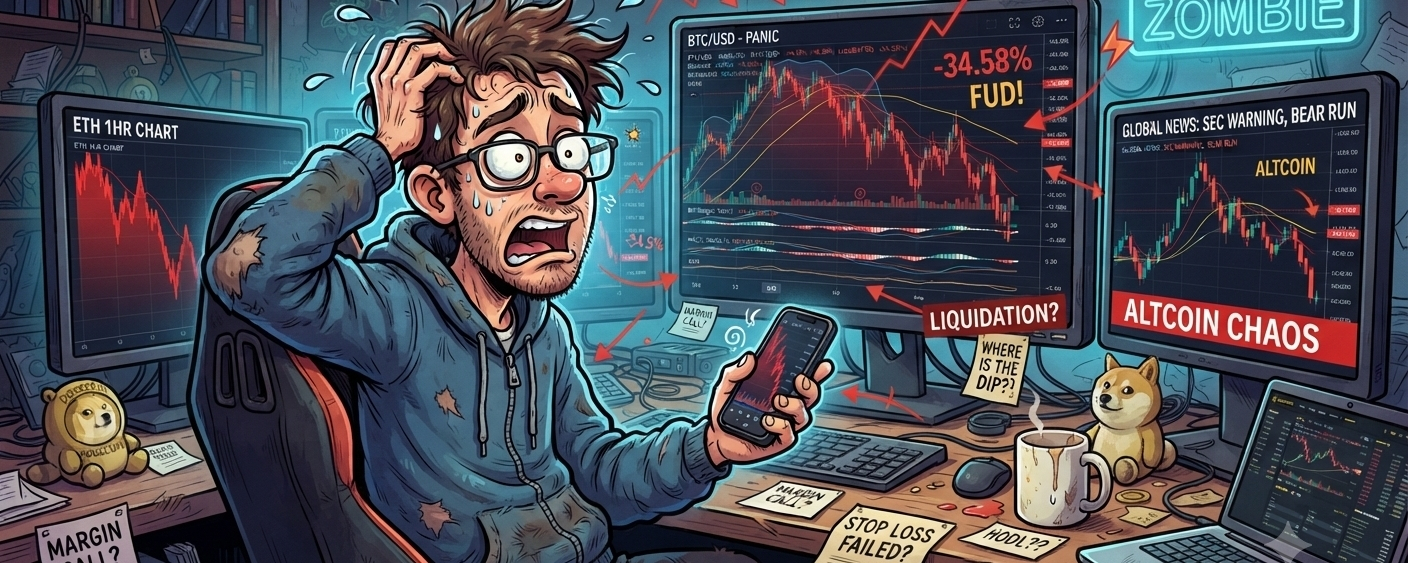
Best type of crypto tradeThe "best" type of crypto trade depends entirely on your available time, risk tolerance, and experience. Because cryptocurrency markets operate 24/7 and experience high volatility, different trading styles suit different goals.
The primary types of crypto trades range from passive to highly active:
1. Swing Trading (Best Balanced Approach for Most)
* What it is: Holding positions anywhere from a few days to a few weeks, aiming to capture medium-term price trends (identified using 4-hour or daily charts).
* Why it’s great: It hits a sweet spot. You don’t need to stare at price charts all day, giving you time to plan entries and exits, but it’s active enough to generate returns without waiting years.
* Risk level: Medium. You are exposed to overnight and weekend market swings, requiring disciplined stop-losses.
2. Spot Investing / Dollar-Cost Averaging (Best for Long-Term Growth)
* What it is: Buying and holding assets long-term (often called HODLing) or regularly purchasing a fixed dollar amount regardless of price (DCA).
* Why it’s great: It removes the psychological stress of trying to time the market, incurs the lowest fees, and avoids the risk of sudden liquidation from leverage.
* Risk level: Lowest relative risk of trading styles, though you are still vulnerable to broad bear market downturns.
3. Day Trading (Best for Dedicated, Active Traders)
* What it is: Opening and closing positions within the same 24-hour window, never holding trades overnight.
* Why it’s great: You eliminate overnight risk (no waking up to sudden market crashes while sleeping) and can capitalize on intraday volatility.
* Risk level: High. It demands intense screen time, fast emotional control, and a deep understanding of technical analysis.
4. Scalping (Highest Intensity)
* What it is: Executing dozens of trades a day, holding positions for mere seconds or minutes to profit from tiny price ticks.
* Why it’s great: Quick accumulation of small wins with zero exposure to long-term market trends.
* Risk level: Very high. Transaction fees and slippage can quickly eat into profits, and it requires absolute hyper-focus.
5. Options Trading (Best for Defined-Risk Leverage and Hedging)
* What it is: Buying Call or Put options contracts to speculate on directional moves or hedge an existing spot portfolio without the liquidation risks associated with traditional futures.
* Why it’s great: As a buyer, your risk is strictly capped at the premium paid, while offering high leverage upside.
* Risk level: High complexity. While options buyers have limited risk, understanding implied volatility, time decay (theta), and strike selection requires a steep learning curve.
How to Choose
* If you have a full-time job and want a balanced approach: Swing trading or DCA spot accumulation.
* If you want to speculate on major moves with capped downside: Crypto options buying.
-If you want to treat trading like a full-time profession: Day trading or scalping
#NvidiaToAcquireHuggingFaceFor$12.9B $BTC
Best type of crypto trade
The "best" type of crypto trade depends entirely on your available time, risk tolerance, and experience. Because cryptocurrency markets operate 24/7 and experience high volatility, different trading styles suit different goals.
The primary types of crypto trades range from passive to highly active:
1. Swing Trading (Best Balanced Approach for Most)
* What it is: Holding positions anywhere from a few days to a few weeks, aiming to capture medium-term price trends (identified using 4-hour or daily charts).
* Why it’s great: It hits a sweet spot. You don’t need to stare at price charts all day, giving you time to plan entries and exits, but it’s active enough to generate returns without waiting years.
* Risk level: Medium. You are exposed to overnight and weekend market swings, requiring disciplined stop-losses.
2. Spot Investing / Dollar-Cost Averaging (Best for Long-Term Growth)
* What it is: Buying and holding assets long-term (often called HODLing) or regularly purchasing a fixed dollar amount regardless of price (DCA).
* Why it’s great: It removes the psychological stress of trying to time the market, incurs the lowest fees, and avoids the risk of sudden liquidation from leverage.
* Risk level: Lowest relative risk of trading styles, though you are still vulnerable to broad bear market downturns.
3. Day Trading (Best for Dedicated, Active Traders)
* What it is: Opening and closing positions within the same 24-hour window, never holding trades overnight.
* Why it’s great: You eliminate overnight risk (no waking up to sudden market crashes while sleeping) and can capitalize on intraday volatility.
* Risk level: High. It demands intense screen time, fast emotional control, and a deep understanding of technical analysis.
4. Scalping (Highest Intensity)
* What it is: Executing dozens of trades a day, holding positions for mere seconds or minutes to profit from tiny price ticks.
* Why it’s great: Quick accumulation of small wins with zero exposure to long-term market trends.
* Risk level: Very high. Transaction fees and slippage can quickly eat into profits, and it requires absolute hyper-focus.
5. Options Trading (Best for Defined-Risk Leverage and Hedging)
* What it is: Buying Call or Put options contracts to speculate on directional moves or hedge an existing spot portfolio without the liquidation risks associated with traditional futures.
* Why it’s great: As a buyer, your risk is strictly capped at the premium paid, while offering high leverage upside.
* Risk level: High complexity. While options buyers have limited risk, understanding implied volatility, time decay (theta), and strike selection requires a steep learning curve.
How to Choose
* If you have a full-time job and want a balanced approach: Swing trading or DCA spot accumulation.
* If you want to speculate on major moves with capped downside: Crypto options buying.
-If you want to treat trading like a full-time profession: Day trading or scalping
#NvidiaToAcquireHuggingFaceFor$12.9B $BTC
The primary types of crypto trades range from passive to highly active:
1. Swing Trading (Best Balanced Approach for Most)
* What it is: Holding positions anywhere from a few days to a few weeks, aiming to capture medium-term price trends (identified using 4-hour or daily charts).
* Why it’s great: It hits a sweet spot. You don’t need to stare at price charts all day, giving you time to plan entries and exits, but it’s active enough to generate returns without waiting years.
* Risk level: Medium. You are exposed to overnight and weekend market swings, requiring disciplined stop-losses.
2. Spot Investing / Dollar-Cost Averaging (Best for Long-Term Growth)
* What it is: Buying and holding assets long-term (often called HODLing) or regularly purchasing a fixed dollar amount regardless of price (DCA).
* Why it’s great: It removes the psychological stress of trying to time the market, incurs the lowest fees, and avoids the risk of sudden liquidation from leverage.
* Risk level: Lowest relative risk of trading styles, though you are still vulnerable to broad bear market downturns.
3. Day Trading (Best for Dedicated, Active Traders)
* What it is: Opening and closing positions within the same 24-hour window, never holding trades overnight.
* Why it’s great: You eliminate overnight risk (no waking up to sudden market crashes while sleeping) and can capitalize on intraday volatility.
* Risk level: High. It demands intense screen time, fast emotional control, and a deep understanding of technical analysis.
4. Scalping (Highest Intensity)
* What it is: Executing dozens of trades a day, holding positions for mere seconds or minutes to profit from tiny price ticks.
* Why it’s great: Quick accumulation of small wins with zero exposure to long-term market trends.
* Risk level: Very high. Transaction fees and slippage can quickly eat into profits, and it requires absolute hyper-focus.
5. Options Trading (Best for Defined-Risk Leverage and Hedging)
* What it is: Buying Call or Put options contracts to speculate on directional moves or hedge an existing spot portfolio without the liquidation risks associated with traditional futures.
* Why it’s great: As a buyer, your risk is strictly capped at the premium paid, while offering high leverage upside.
* Risk level: High complexity. While options buyers have limited risk, understanding implied volatility, time decay (theta), and strike selection requires a steep learning curve.
How to Choose
* If you have a full-time job and want a balanced approach: Swing trading or DCA spot accumulation.
* If you want to speculate on major moves with capped downside: Crypto options buying.
-If you want to treat trading like a full-time profession: Day trading or scalping
#NvidiaToAcquireHuggingFaceFor$12.9B $BTC
2
36
·
--
The Algorithmic Edge: How AI and Automated Bots Are Reshaping Modern Crypto TradingThe landscape of cryptocurrency trading has undergone a dramatic evolution. Gone are the days when success in digital asset markets depended solely on staying glued to a 24/7 price chart or relying on gut feelings in a Telegram chat group. Today, the hottest and most transformative trend in the crypto sphere is the widespread democratization and sophistication of algorithmic and AI-driven trading.
What once required a team of quantitative developers and expensive institutional infrastructure is now accessible to everyday retail traders. But as automated strategies take center stage, they are fundamentally altering how the market moves, reacts, and evolves.
The Rise of AI and Bot-Driven Markets
Cryptocurrency markets never sleep. Operating 365 days a year across global decentralized exchanges (DEXs) and centralized platforms, they generate an overwhelming firehose of data. Human traders simply cannot process order book dynamics, sentiment shifts, macroeconomic announcements, and on-chain metrics fast enough to keep up.
Enter automated trading bots and machine learning models. Modern platforms now allow traders to deploy complex strategies—ranging from simple grid trading and dollar-cost averaging (DCA) bots to advanced sentiment-analysis algorithms that scan social media in real time.
Key drivers behind this trend include:
* Speed and Execution: Algorithms can detect arbitrage opportunities across different exchanges and execute trades in milliseconds, long before a human can manually click a button.
* Emotionless Discipline: The biggest enemy of a crypto trader is often psychology—panic selling during a flash crash or FOMO buying at a local top. Bots strictly follow programmed parameters regardless of market panic.
* Backtesting Capabilities: Traders can test strategies against years of historical market data to evaluate risk and profitability before risking a single dollar of capital.
The Double-Edged Sword of Automation
While algorithmic trading provides efficiency, it has also introduced new dynamics and risks into the digital asset ecosystem.
On one hand, liquidity has deepened, and bid-ask spreads on major pairs have tightened, making markets more efficient. On the other hand, the proliferation of high-frequency trading (HFT) bots has supercharged market volatility. When a cascade of liquidations is triggered, automated deleveraging loops can cause prices to plunge or spike with breathtaking speed, leaving human traders—and poorly coded bots—wiped out in minutes.
Furthermore, retail traders now face a competitive asymmetry. Competing against institutional-grade algorithms means that simple technical analysis strategies are becoming less effective, forcing everyday participants to adapt or leverage smart tooling of their own.
Navigating the New Era
The shift toward AI and automation does not mean human intuition is entirely obsolete. Successful trading in an algorithm-dominated market requires a blend of high-level strategic oversight and technological literacy. Traders are increasingly focusing less on manual chart-watching and more on strategy design, risk management frameworks, and understanding the macro narratives that drive capital flows.
As machine learning models grow more powerful and decentralized finance (DeFi) protocols become more integrated, the line between traditional quantitative finance and retail crypto trading continues to blur. For those navigating the markets, the message is clear: the future of crypto trading belongs to those who can effectively collaborate with code, rather than compete against it.
$BTC
The Algorithmic Edge: How AI and Automated Bots Are Reshaping Modern Crypto Trading
The landscape of cryptocurrency trading has undergone a dramatic evolution. Gone are the days when success in digital asset markets depended solely on staying glued to a 24/7 price chart or relying on gut feelings in a Telegram chat group. Today, the hottest and most transformative trend in the crypto sphere is the widespread democratization and sophistication of algorithmic and AI-driven trading.
What once required a team of quantitative developers and expensive institutional infrastructure is now accessible to everyday retail traders. But as automated strategies take center stage, they are fundamentally altering how the market moves, reacts, and evolves.
The Rise of AI and Bot-Driven Markets
Cryptocurrency markets never sleep. Operating 365 days a year across global decentralized exchanges (DEXs) and centralized platforms, they generate an overwhelming firehose of data. Human traders simply cannot process order book dynamics, sentiment shifts, macroeconomic announcements, and on-chain metrics fast enough to keep up.
Enter automated trading bots and machine learning models. Modern platforms now allow traders to deploy complex strategies—ranging from simple grid trading and dollar-cost averaging (DCA) bots to advanced sentiment-analysis algorithms that scan social media in real time.
Key drivers behind this trend include:
* Speed and Execution: Algorithms can detect arbitrage opportunities across different exchanges and execute trades in milliseconds, long before a human can manually click a button.
* Emotionless Discipline: The biggest enemy of a crypto trader is often psychology—panic selling during a flash crash or FOMO buying at a local top. Bots strictly follow programmed parameters regardless of market panic.
* Backtesting Capabilities: Traders can test strategies against years of historical market data to evaluate risk and profitability before risking a single dollar of capital.
The Double-Edged Sword of Automation
While algorithmic trading provides efficiency, it has also introduced new dynamics and risks into the digital asset ecosystem.
On one hand, liquidity has deepened, and bid-ask spreads on major pairs have tightened, making markets more efficient. On the other hand, the proliferation of high-frequency trading (HFT) bots has supercharged market volatility. When a cascade of liquidations is triggered, automated deleveraging loops can cause prices to plunge or spike with breathtaking speed, leaving human traders—and poorly coded bots—wiped out in minutes.
Furthermore, retail traders now face a competitive asymmetry. Competing against institutional-grade algorithms means that simple technical analysis strategies are becoming less effective, forcing everyday participants to adapt or leverage smart tooling of their own.
Navigating the New Era
The shift toward AI and automation does not mean human intuition is entirely obsolete. Successful trading in an algorithm-dominated market requires a blend of high-level strategic oversight and technological literacy. Traders are increasingly focusing less on manual chart-watching and more on strategy design, risk management frameworks, and understanding the macro narratives that drive capital flows.
As machine learning models grow more powerful and decentralized finance (DeFi) protocols become more integrated, the line between traditional quantitative finance and retail crypto trading continues to blur. For those navigating the markets, the message is clear: the future of crypto trading belongs to those who can effectively collaborate with code, rather than compete against it.
$BTC
What once required a team of quantitative developers and expensive institutional infrastructure is now accessible to everyday retail traders. But as automated strategies take center stage, they are fundamentally altering how the market moves, reacts, and evolves.
The Rise of AI and Bot-Driven Markets
Cryptocurrency markets never sleep. Operating 365 days a year across global decentralized exchanges (DEXs) and centralized platforms, they generate an overwhelming firehose of data. Human traders simply cannot process order book dynamics, sentiment shifts, macroeconomic announcements, and on-chain metrics fast enough to keep up.
Enter automated trading bots and machine learning models. Modern platforms now allow traders to deploy complex strategies—ranging from simple grid trading and dollar-cost averaging (DCA) bots to advanced sentiment-analysis algorithms that scan social media in real time.
Key drivers behind this trend include:
* Speed and Execution: Algorithms can detect arbitrage opportunities across different exchanges and execute trades in milliseconds, long before a human can manually click a button.
* Emotionless Discipline: The biggest enemy of a crypto trader is often psychology—panic selling during a flash crash or FOMO buying at a local top. Bots strictly follow programmed parameters regardless of market panic.
* Backtesting Capabilities: Traders can test strategies against years of historical market data to evaluate risk and profitability before risking a single dollar of capital.
The Double-Edged Sword of Automation
While algorithmic trading provides efficiency, it has also introduced new dynamics and risks into the digital asset ecosystem.
On one hand, liquidity has deepened, and bid-ask spreads on major pairs have tightened, making markets more efficient. On the other hand, the proliferation of high-frequency trading (HFT) bots has supercharged market volatility. When a cascade of liquidations is triggered, automated deleveraging loops can cause prices to plunge or spike with breathtaking speed, leaving human traders—and poorly coded bots—wiped out in minutes.
Furthermore, retail traders now face a competitive asymmetry. Competing against institutional-grade algorithms means that simple technical analysis strategies are becoming less effective, forcing everyday participants to adapt or leverage smart tooling of their own.
Navigating the New Era
The shift toward AI and automation does not mean human intuition is entirely obsolete. Successful trading in an algorithm-dominated market requires a blend of high-level strategic oversight and technological literacy. Traders are increasingly focusing less on manual chart-watching and more on strategy design, risk management frameworks, and understanding the macro narratives that drive capital flows.
As machine learning models grow more powerful and decentralized finance (DeFi) protocols become more integrated, the line between traditional quantitative finance and retail crypto trading continues to blur. For those navigating the markets, the message is clear: the future of crypto trading belongs to those who can effectively collaborate with code, rather than compete against it.
$BTC
6
1
21
·
--
Stop loss strategyA disciplined stop-loss strategy is the primary shield against catastrophic drawdowns. Without a predefined exit point for bad trades, a single market shock can wipe out weeks of gains.
Core Stop-Loss Mechanics
* Market Invalidation Levels: Place your stop-loss where your trade setup is structurally proven wrong, never based on how much money you are willing to lose. If you buy a support bounce and the price breaks below that structural support zone, your thesis has failed and the trade must be exited.
* Technical vs. Arbitrary Stops: Avoid setting stops based on arbitrary percentages (e.g., a strict 2% drop from entry) unless it aligns with market structure. Volatile crypto assets routinely sweep predictable percentage levels before reversing. Instead, place stops just beyond key swing lows (for long positions) or swing highs (for short positions) where market momentum would genuinely shift.
* Volatility Buffers: Account for the typical candle wicks on the timeframe you are trading. Give your trade just enough breathing room past the invalidation level to avoid getting prematurely wicked out by normal market noise.
Risk-to-Reward and Position Sizing
* The Math of Risk: Calculate your position size so that the distance between your entry and your stop-loss equals a strictly controlled percentage of your total trading capital (typically 1% to 2% per trade).
* Target-Driven Ratios: Establish your take-profit target before entry to ensure the potential reward is a multiple of your risk. A minimum 2:1 or 3:1 Risk-to-Reward (R:R) ratio ensures that even a modest win rate remains profitable over time.
Execution Rules
* Automated Hard Stops: Always use an automated stop-loss order on your exchange rather than a mental stop. Emotional attachment often prevents traders from executing a manual exit when price approaches the danger zone.
* No Moving Stops Down: Once a trade is live, you can move a stop-loss closer to your entry (or into profit) to lock in gains, but never move your stop-loss further away to give a losing trade more room. Doing so invalidates your initial risk management plan and turns a controlled loss into an unmanaged disaster.
* Post-Breakout Adjustments (Trailing Stops): In strong trending markets, you can trail your stop-loss behind successive higher lows (for longs) or lower highs (for shorts) to secure profits as the tren
d develops.
Stop loss strategy
A disciplined stop-loss strategy is the primary shield against catastrophic drawdowns. Without a predefined exit point for bad trades, a single market shock can wipe out weeks of gains.
Core Stop-Loss Mechanics
* Market Invalidation Levels: Place your stop-loss where your trade setup is structurally proven wrong, never based on how much money you are willing to lose. If you buy a support bounce and the price breaks below that structural support zone, your thesis has failed and the trade must be exited.
* Technical vs. Arbitrary Stops: Avoid setting stops based on arbitrary percentages (e.g., a strict 2% drop from entry) unless it aligns with market structure. Volatile crypto assets routinely sweep predictable percentage levels before reversing. Instead, place stops just beyond key swing lows (for long positions) or swing highs (for short positions) where market momentum would genuinely shift.
* Volatility Buffers: Account for the typical candle wicks on the timeframe you are trading. Give your trade just enough breathing room past the invalidation level to avoid getting prematurely wicked out by normal market noise.
Risk-to-Reward and Position Sizing
* The Math of Risk: Calculate your position size so that the distance between your entry and your stop-loss equals a strictly controlled percentage of your total trading capital (typically 1% to 2% per trade).
* Target-Driven Ratios: Establish your take-profit target before entry to ensure the potential reward is a multiple of your risk. A minimum 2:1 or 3:1 Risk-to-Reward (R:R) ratio ensures that even a modest win rate remains profitable over time.
Execution Rules
* Automated Hard Stops: Always use an automated stop-loss order on your exchange rather than a mental stop. Emotional attachment often prevents traders from executing a manual exit when price approaches the danger zone.
* No Moving Stops Down: Once a trade is live, you can move a stop-loss closer to your entry (or into profit) to lock in gains, but never move your stop-loss further away to give a losing trade more room. Doing so invalidates your initial risk management plan and turns a controlled loss into an unmanaged disaster.
* Post-Breakout Adjustments (Trailing Stops): In strong trending markets, you can trail your stop-loss behind successive higher lows (for longs) or lower highs (for shorts) to secure profits as the tren
d develops.
Core Stop-Loss Mechanics
* Market Invalidation Levels: Place your stop-loss where your trade setup is structurally proven wrong, never based on how much money you are willing to lose. If you buy a support bounce and the price breaks below that structural support zone, your thesis has failed and the trade must be exited.
* Technical vs. Arbitrary Stops: Avoid setting stops based on arbitrary percentages (e.g., a strict 2% drop from entry) unless it aligns with market structure. Volatile crypto assets routinely sweep predictable percentage levels before reversing. Instead, place stops just beyond key swing lows (for long positions) or swing highs (for short positions) where market momentum would genuinely shift.
* Volatility Buffers: Account for the typical candle wicks on the timeframe you are trading. Give your trade just enough breathing room past the invalidation level to avoid getting prematurely wicked out by normal market noise.
Risk-to-Reward and Position Sizing
* The Math of Risk: Calculate your position size so that the distance between your entry and your stop-loss equals a strictly controlled percentage of your total trading capital (typically 1% to 2% per trade).
* Target-Driven Ratios: Establish your take-profit target before entry to ensure the potential reward is a multiple of your risk. A minimum 2:1 or 3:1 Risk-to-Reward (R:R) ratio ensures that even a modest win rate remains profitable over time.
Execution Rules
* Automated Hard Stops: Always use an automated stop-loss order on your exchange rather than a mental stop. Emotional attachment often prevents traders from executing a manual exit when price approaches the danger zone.
* No Moving Stops Down: Once a trade is live, you can move a stop-loss closer to your entry (or into profit) to lock in gains, but never move your stop-loss further away to give a losing trade more room. Doing so invalidates your initial risk management plan and turns a controlled loss into an unmanaged disaster.
* Post-Breakout Adjustments (Trailing Stops): In strong trending markets, you can trail your stop-loss behind successive higher lows (for longs) or lower highs (for shorts) to secure profits as the tren
d develops.
6
·
--
🔥🔥
What specific concept or strategy would you like to master first?
$NVDAB $BTC
* Foundations First: Master order types, how exchanges work, and basic blockchain mechanics before risking capital.
* Master Technical & Fundamental Analysis: Learn to read charts (support/resistance, trends, indicators) and evaluate project utility, tokenomics, and market news.
* Strict Risk Management: Risk only a small, predefined percentage of your capital per trade, use stop-losses, and never trade with money you cannot afford to lose.
* Paper Trading & Backtesting: Test your strategies in a simulated market environment to validate your edge before using real funds.
* Journaling & Psychology: Document every trade (entry, exit, reasoning) to track mistakes, control emotions, and build long-term discipline.
$XRP
🔥🔥
What specific concept or strategy would you like to master first?
$NVDAB $BTC
* Foundations First: Master order types, how exchanges work, and basic blockchain mechanics before risking capital.
* Master Technical & Fundamental Analysis: Learn to read charts (support/resistance, trends, indicators) and evaluate project utility, tokenomics, and market news.
* Strict Risk Management: Risk only a small, predefined percentage of your capital per trade, use stop-losses, and never trade with money you cannot afford to lose.
* Paper Trading & Backtesting: Test your strategies in a simulated market environment to validate your edge before using real funds.
* Journaling & Psychology: Document every trade (entry, exit, reasoning) to track mistakes, control emotions, and build long-term discipline.
$XRP
What specific concept or strategy would you like to master first?
$NVDAB $BTC
* Foundations First: Master order types, how exchanges work, and basic blockchain mechanics before risking capital.
* Master Technical & Fundamental Analysis: Learn to read charts (support/resistance, trends, indicators) and evaluate project utility, tokenomics, and market news.
* Strict Risk Management: Risk only a small, predefined percentage of your capital per trade, use stop-losses, and never trade with money you cannot afford to lose.
* Paper Trading & Backtesting: Test your strategies in a simulated market environment to validate your edge before using real funds.
* Journaling & Psychology: Document every trade (entry, exit, reasoning) to track mistakes, control emotions, and build long-term discipline.
$XRP

6
22
·
--
Crypto Trading:Self learning planA structured, self-paced learning roadmap for crypto trading helps filter out market noise and social media hype. Progress through these core stages sequentially:
Phase 1: Market Foundations & Mechanics (Weeks 1–2)
Before reading charts, understand how crypto markets operate operationally. Mistakes here are usually expensive.
* Asset Classes: Learn the difference between Layer-1s (Bitcoin, Ethereum), Layer-2s, altcoins, stablecoins, and meme tokens.
* Exchange Mechanics: Understand centralized exchanges (CEXs like Binance, Coinbase) vs. decentralized exchanges (DEXs like Uniswap).
* Order Types: Master market orders, limit orders, stop-losses, and take-profits.
* Spot vs. Derivatives: Learn spot trading (actual asset ownership) versus perpetual futures (leverage, margin, funding rates, and liquidation mechanics).
Phase 2: Technical Analysis & Price Action (Weeks 3–5)
Shift focus to reading price behavior rather than guessing directions.
* Candlestick Basics: Understand Open, High, Low, Close (OHLC) data and core patterns (rejection wicks, engulfing candles, inside bars).
* Market Structure: Identify higher highs, lower lows, support and resistance zones, trendlines, and range boundaries.
* Core Indicators: Avoid indicator clutter. Pick one or two to start—such as Moving Averages for trend, RSI or MACD for momentum, and Volume Profile.
* Multi-Timeframe Analysis: Learn how to look at daily or 4-hour charts for directional bias and 15-minute or 1-hour charts for execution.
Phase 3: Risk Management & Position Sizing (Weeks 6–7)
This phase determines whether you survive long enough to become profitable.
* Risk-to-Reward Ratio (R:R): Never enter a trade where the potential reward isn't significantly higher than the risk (e.g., aiming for 2:1 or 3:1).
* Stop-Loss Discipline: Place stop-losses based on market invalidation levels (where your trade thesis is proven wrong), not based on how much money you are willing to lose.
* Portfolio Risk: Risk only a tiny fixed percentage (e.g., 1% to 2%) of your total trading capital on any single trade.
Phase 4: Trading Psychology & Emotional Control (Week 8)
Market psychology dictates that most traders fail due to behavior, not strategy.
* Eliminate FOMO: Accept that you will miss out on moves; chasing pumps usually leads to buying local tops.
* Revenge Trading: Recognize the urge to rapidly recover losses and learn to step away from the screens.
* Journaling: Document every trade (entry reason, exit, emotion, and outcome) to objectively review mistakes.
Phase 5: Execution & Simulation (Ongoing)
* Paper Trading / Simulation: Test your strategies using simulated funds on a platform like TradingView or an exchange demo account for at least 4 to 6 weeks.
* Small Capital Live Testing: Once consistently profitable in simulation, transition to live markets with very small, negligible capital sizes to introduce real psychological feedback loops without
risking meaningful funds.
#BitcoinUp23%InAugustOutperformingGoldAndStocks #BitcoinHolds$78K
$GOOGL.US
$BTC
Crypto Trading:Self learning plan
A structured, self-paced learning roadmap for crypto trading helps filter out market noise and social media hype. Progress through these core stages sequentially:
Phase 1: Market Foundations & Mechanics (Weeks 1–2)
Before reading charts, understand how crypto markets operate operationally. Mistakes here are usually expensive.
* Asset Classes: Learn the difference between Layer-1s (Bitcoin, Ethereum), Layer-2s, altcoins, stablecoins, and meme tokens.
* Exchange Mechanics: Understand centralized exchanges (CEXs like Binance, Coinbase) vs. decentralized exchanges (DEXs like Uniswap).
* Order Types: Master market orders, limit orders, stop-losses, and take-profits.
* Spot vs. Derivatives: Learn spot trading (actual asset ownership) versus perpetual futures (leverage, margin, funding rates, and liquidation mechanics).
Phase 2: Technical Analysis & Price Action (Weeks 3–5)
Shift focus to reading price behavior rather than guessing directions.
* Candlestick Basics: Understand Open, High, Low, Close (OHLC) data and core patterns (rejection wicks, engulfing candles, inside bars).
* Market Structure: Identify higher highs, lower lows, support and resistance zones, trendlines, and range boundaries.
* Core Indicators: Avoid indicator clutter. Pick one or two to start—such as Moving Averages for trend, RSI or MACD for momentum, and Volume Profile.
* Multi-Timeframe Analysis: Learn how to look at daily or 4-hour charts for directional bias and 15-minute or 1-hour charts for execution.
Phase 3: Risk Management & Position Sizing (Weeks 6–7)
This phase determines whether you survive long enough to become profitable.
* Risk-to-Reward Ratio (R:R): Never enter a trade where the potential reward isn't significantly higher than the risk (e.g., aiming for 2:1 or 3:1).
* Stop-Loss Discipline: Place stop-losses based on market invalidation levels (where your trade thesis is proven wrong), not based on how much money you are willing to lose.
* Portfolio Risk: Risk only a tiny fixed percentage (e.g., 1% to 2%) of your total trading capital on any single trade.
Phase 4: Trading Psychology & Emotional Control (Week 8)
Market psychology dictates that most traders fail due to behavior, not strategy.
* Eliminate FOMO: Accept that you will miss out on moves; chasing pumps usually leads to buying local tops.
* Revenge Trading: Recognize the urge to rapidly recover losses and learn to step away from the screens.
* Journaling: Document every trade (entry reason, exit, emotion, and outcome) to objectively review mistakes.
Phase 5: Execution & Simulation (Ongoing)
* Paper Trading / Simulation: Test your strategies using simulated funds on a platform like TradingView or an exchange demo account for at least 4 to 6 weeks.
* Small Capital Live Testing: Once consistently profitable in simulation, transition to live markets with very small, negligible capital sizes to introduce real psychological feedback loops without
risking meaningful funds.
#BitcoinUp23%InAugustOutperformingGoldAndStocks #BitcoinHolds$78K
$GOOGL.US
$BTC
Phase 1: Market Foundations & Mechanics (Weeks 1–2)
Before reading charts, understand how crypto markets operate operationally. Mistakes here are usually expensive.
* Asset Classes: Learn the difference between Layer-1s (Bitcoin, Ethereum), Layer-2s, altcoins, stablecoins, and meme tokens.
* Exchange Mechanics: Understand centralized exchanges (CEXs like Binance, Coinbase) vs. decentralized exchanges (DEXs like Uniswap).
* Order Types: Master market orders, limit orders, stop-losses, and take-profits.
* Spot vs. Derivatives: Learn spot trading (actual asset ownership) versus perpetual futures (leverage, margin, funding rates, and liquidation mechanics).
Phase 2: Technical Analysis & Price Action (Weeks 3–5)
Shift focus to reading price behavior rather than guessing directions.
* Candlestick Basics: Understand Open, High, Low, Close (OHLC) data and core patterns (rejection wicks, engulfing candles, inside bars).
* Market Structure: Identify higher highs, lower lows, support and resistance zones, trendlines, and range boundaries.
* Core Indicators: Avoid indicator clutter. Pick one or two to start—such as Moving Averages for trend, RSI or MACD for momentum, and Volume Profile.
* Multi-Timeframe Analysis: Learn how to look at daily or 4-hour charts for directional bias and 15-minute or 1-hour charts for execution.
Phase 3: Risk Management & Position Sizing (Weeks 6–7)
This phase determines whether you survive long enough to become profitable.
* Risk-to-Reward Ratio (R:R): Never enter a trade where the potential reward isn't significantly higher than the risk (e.g., aiming for 2:1 or 3:1).
* Stop-Loss Discipline: Place stop-losses based on market invalidation levels (where your trade thesis is proven wrong), not based on how much money you are willing to lose.
* Portfolio Risk: Risk only a tiny fixed percentage (e.g., 1% to 2%) of your total trading capital on any single trade.
Phase 4: Trading Psychology & Emotional Control (Week 8)
Market psychology dictates that most traders fail due to behavior, not strategy.
* Eliminate FOMO: Accept that you will miss out on moves; chasing pumps usually leads to buying local tops.
* Revenge Trading: Recognize the urge to rapidly recover losses and learn to step away from the screens.
* Journaling: Document every trade (entry reason, exit, emotion, and outcome) to objectively review mistakes.
Phase 5: Execution & Simulation (Ongoing)
* Paper Trading / Simulation: Test your strategies using simulated funds on a platform like TradingView or an exchange demo account for at least 4 to 6 weeks.
* Small Capital Live Testing: Once consistently profitable in simulation, transition to live markets with very small, negligible capital sizes to introduce real psychological feedback loops without
risking meaningful funds.
#BitcoinUp23%InAugustOutperformingGoldAndStocks #BitcoinHolds$78K
$GOOGL.US
$BTC
132
·
--
Always !!
Losing consistently on Binance is incredibly frustrating, but it almost always points to a few specific mechanical or psychological traps rather than a problem with the market itself. When navigating high-volatility products like futures or daily prediction platforms, the margin for error is exceptionally thin.
* Over-leveraging: Using high leverage magnifies minor price fluctuations. A small dip can liquidate an entire position before the market moves in your intended direction.
* Ignoring Stop-Losses: Holding onto a losing trade in the hope that it will eventually recover drains capital quickly. Surviving in the market requires cutting losses early.
* Revenge Trading: Taking immediate, impulsive trades to win back a loss almost always compounds the damage instead of recovering it.
* Guessing Rather Than Analyzing: Operating in prediction markets or short-term trading without mapping out the specific daily market drivers turns a strategy into a coin flip.
Hypothetical Setup
Assuming you are actively trading futures, a standard risk management rule is to never risk more than 1-2% of your total capital on a single trade. If you have a $1,000 portfolio, your strict stop-loss should trigger before a loss exceeds $20.
#BTC突破7万大关
$BTC
Always !!
Losing consistently on Binance is incredibly frustrating, but it almost always points to a few specific mechanical or psychological traps rather than a problem with the market itself. When navigating high-volatility products like futures or daily prediction platforms, the margin for error is exceptionally thin.
* Over-leveraging: Using high leverage magnifies minor price fluctuations. A small dip can liquidate an entire position before the market moves in your intended direction.
* Ignoring Stop-Losses: Holding onto a losing trade in the hope that it will eventually recover drains capital quickly. Surviving in the market requires cutting losses early.
* Revenge Trading: Taking immediate, impulsive trades to win back a loss almost always compounds the damage instead of recovering it.
* Guessing Rather Than Analyzing: Operating in prediction markets or short-term trading without mapping out the specific daily market drivers turns a strategy into a coin flip.
Hypothetical Setup
Assuming you are actively trading futures, a standard risk management rule is to never risk more than 1-2% of your total capital on a single trade. If you have a $1,000 portfolio, your strict stop-loss should trigger before a loss exceeds $20.
#BTC突破7万大关
$BTC
Losing consistently on Binance is incredibly frustrating, but it almost always points to a few specific mechanical or psychological traps rather than a problem with the market itself. When navigating high-volatility products like futures or daily prediction platforms, the margin for error is exceptionally thin.
* Over-leveraging: Using high leverage magnifies minor price fluctuations. A small dip can liquidate an entire position before the market moves in your intended direction.
* Ignoring Stop-Losses: Holding onto a losing trade in the hope that it will eventually recover drains capital quickly. Surviving in the market requires cutting losses early.
* Revenge Trading: Taking immediate, impulsive trades to win back a loss almost always compounds the damage instead of recovering it.
* Guessing Rather Than Analyzing: Operating in prediction markets or short-term trading without mapping out the specific daily market drivers turns a strategy into a coin flip.
Hypothetical Setup
Assuming you are actively trading futures, a standard risk management rule is to never risk more than 1-2% of your total capital on a single trade. If you have a $1,000 portfolio, your strict stop-loss should trigger before a loss exceeds $20.
#BTC突破7万大关
$BTC

77
·
--
Crypto trading and human psychologyCryptocurrency markets are fundamentally driven by human perception and emotional reactivity, often overriding technological or fundamental shifts. In an environment that operates 24/7 with high volatility, cognitive biases frequently disrupt logical trading strategies and lead to impulsive decision-making.
Key Psychological Drivers
* Fear of Missing Out (FOMO): The strongest psychological force in crypto. When daily market drivers push an asset's price rapidly upward, the urge to buy in at the peak becomes intense. This herd mentality activates the brain's reward system, creating a false sense of urgency that bypasses proper research.
* Fear, Uncertainty, and Doubt (FUD): Negative news cycles or sudden regulatory shifts breed anxiety, often causing traders to panic sell at a loss or avoid entering the market entirely.
* Overconfidence Bias: High-frequency setups, such as Binance prediction markets, can amplify the illusion of control. Early wins often trick traders into believing they have cracked the system, leading to excessive risk-taking, over-leveraging, and ignoring stop-loss orders.
* Loss Aversion: Humans are wired to feel the pain of a loss more intensely than the joy of an equivalent gain. In volatile markets, this causes traders to either sell low out of sheer panic, or conversely, hold onto a losing asset indefinitely (the "anchoring effect") hoping it will return to their original buy-in price.
Strategies for Emotional Resilience
| Tactic | Mechanism | Benefit |
|---|---|---|
| Automated Tools | Utilizing Dollar-Cost Averaging (DCA), limit orders, and algorithmic bots. | Removes the stress of timing the market perfectly and executes trades based on data, not impulses. |
| Pre-defined Rules | Setting strict stop-loss and take-profit targets before entering a position. | Prevents the greed of "chasing losses" or holding out for unrealistic 100x returns during a bull run. |
| Trading Plans | Documenting goals, risk tolerance, and position sizing. | Acts as an objective roadmap to ground decisions when daily market volatility spikes.
#btc #bnb
Crypto trading and human psychology
Cryptocurrency markets are fundamentally driven by human perception and emotional reactivity, often overriding technological or fundamental shifts. In an environment that operates 24/7 with high volatility, cognitive biases frequently disrupt logical trading strategies and lead to impulsive decision-making.
Key Psychological Drivers
* Fear of Missing Out (FOMO): The strongest psychological force in crypto. When daily market drivers push an asset's price rapidly upward, the urge to buy in at the peak becomes intense. This herd mentality activates the brain's reward system, creating a false sense of urgency that bypasses proper research.
* Fear, Uncertainty, and Doubt (FUD): Negative news cycles or sudden regulatory shifts breed anxiety, often causing traders to panic sell at a loss or avoid entering the market entirely.
* Overconfidence Bias: High-frequency setups, such as Binance prediction markets, can amplify the illusion of control. Early wins often trick traders into believing they have cracked the system, leading to excessive risk-taking, over-leveraging, and ignoring stop-loss orders.
* Loss Aversion: Humans are wired to feel the pain of a loss more intensely than the joy of an equivalent gain. In volatile markets, this causes traders to either sell low out of sheer panic, or conversely, hold onto a losing asset indefinitely (the "anchoring effect") hoping it will return to their original buy-in price.
Strategies for Emotional Resilience
| Tactic | Mechanism | Benefit |
|---|---|---|
| Automated Tools | Utilizing Dollar-Cost Averaging (DCA), limit orders, and algorithmic bots. | Removes the stress of timing the market perfectly and executes trades based on data, not impulses. |
| Pre-defined Rules | Setting strict stop-loss and take-profit targets before entering a position. | Prevents the greed of "chasing losses" or holding out for unrealistic 100x returns during a bull run. |
| Trading Plans | Documenting goals, risk tolerance, and position sizing. | Acts as an objective roadmap to ground decisions when daily market volatility spikes.
#btc #bnb
Key Psychological Drivers
* Fear of Missing Out (FOMO): The strongest psychological force in crypto. When daily market drivers push an asset's price rapidly upward, the urge to buy in at the peak becomes intense. This herd mentality activates the brain's reward system, creating a false sense of urgency that bypasses proper research.
* Fear, Uncertainty, and Doubt (FUD): Negative news cycles or sudden regulatory shifts breed anxiety, often causing traders to panic sell at a loss or avoid entering the market entirely.
* Overconfidence Bias: High-frequency setups, such as Binance prediction markets, can amplify the illusion of control. Early wins often trick traders into believing they have cracked the system, leading to excessive risk-taking, over-leveraging, and ignoring stop-loss orders.
* Loss Aversion: Humans are wired to feel the pain of a loss more intensely than the joy of an equivalent gain. In volatile markets, this causes traders to either sell low out of sheer panic, or conversely, hold onto a losing asset indefinitely (the "anchoring effect") hoping it will return to their original buy-in price.
Strategies for Emotional Resilience
| Tactic | Mechanism | Benefit |
|---|---|---|
| Automated Tools | Utilizing Dollar-Cost Averaging (DCA), limit orders, and algorithmic bots. | Removes the stress of timing the market perfectly and executes trades based on data, not impulses. |
| Pre-defined Rules | Setting strict stop-loss and take-profit targets before entering a position. | Prevents the greed of "chasing losses" or holding out for unrealistic 100x returns during a bull run. |
| Trading Plans | Documenting goals, risk tolerance, and position sizing. | Acts as an objective roadmap to ground decisions when daily market volatility spikes.
#btc #bnb
80
·
--
The single most important thing before starting crypto trading is defining your risk management strategy—specifically, deciding that you will only trade with money you can genuinely afford to lose.
Crypto markets operate 24/7, are notoriously volatile, and lack the circuit breakers found in traditional stock markets. Because sudden, violent price swings can wipe out unmanaged positions in minutes, your survival and long-term success depend entirely on how you protect your capital, rather than how many winning trades you make.
Before placing your first trade, establish these foundational rules:
Risk Capital Only: Never use emergency funds, rent money, or capital borrowed on margin.
Position Sizing: Never risk more than 1% to 2% of your total trading account on a single trade.
Stop-Loss Discipline: Always determine your exit point and maximum acceptable loss before you enter a trade, and stick to it to keep emotions from overriding your logic.
$BTC
The single most important thing before starting crypto trading is defining your risk management strategy—specifically, deciding that you will only trade with money you can genuinely afford to lose.
Crypto markets operate 24/7, are notoriously volatile, and lack the circuit breakers found in traditional stock markets. Because sudden, violent price swings can wipe out unmanaged positions in minutes, your survival and long-term success depend entirely on how you protect your capital, rather than how many winning trades you make.
Before placing your first trade, establish these foundational rules:
Risk Capital Only: Never use emergency funds, rent money, or capital borrowed on margin.
Position Sizing: Never risk more than 1% to 2% of your total trading account on a single trade.
Stop-Loss Discipline: Always determine your exit point and maximum acceptable loss before you enter a trade, and stick to it to keep emotions from overriding your logic.
$BTC
Crypto markets operate 24/7, are notoriously volatile, and lack the circuit breakers found in traditional stock markets. Because sudden, violent price swings can wipe out unmanaged positions in minutes, your survival and long-term success depend entirely on how you protect your capital, rather than how many winning trades you make.
Before placing your first trade, establish these foundational rules:
Risk Capital Only: Never use emergency funds, rent money, or capital borrowed on margin.
Position Sizing: Never risk more than 1% to 2% of your total trading account on a single trade.
Stop-Loss Discipline: Always determine your exit point and maximum acceptable loss before you enter a trade, and stick to it to keep emotions from overriding your logic.
$BTC

78
Log in to explore more content
Join global crypto users on Binance Square
⚡️ Get latest and useful information about crypto.
💬 Trusted by the world’s largest crypto exchange.
👍 Discover real insights from verified creators.
Email / Phone number
Trending Topics
BitcoinHoldsAbove$77000
933 views
63 Discussing
#BitcoinHoldsAbove$77000
🚨 #BitcoinHoldsAbove77000 ₿🔥
Bitcoin is holding around the $77K zone, with BTC recently trading near $77.8K. The key battle now is whether buyers can push price back toward $80K, while macro pressure from the Fed and higher yields keeps volatility elevated.
🔥 TRADERS WATCH:
📍 $77K = key support zone
📈 $80K = important resistance
📊 Watch volume + price confirmation
⚠️ Fed decision could trigger sharp volatility
Don’t chase the first move — confirmation first, FOMO never. 👀
$T $CRWDB $MTL
Cheri Texiera O7ec
·0 Likes
·5 views
FedHikeOddsRiseTo89%
2,717 views
178 Discussing
BitcoinCrosses$78000
3,331 views
142 Discussing